CN105555311B - Stable Antibody Composition - Google Patents
Stable Antibody Composition Download PDFInfo
- Publication number
- CN105555311B CN105555311B CN201480040002.1A CN201480040002A CN105555311B CN 105555311 B CN105555311 B CN 105555311B CN 201480040002 A CN201480040002 A CN 201480040002A CN 105555311 B CN105555311 B CN 105555311B
- Authority
- CN
- China
- Prior art keywords
- antibody
- antigen
- protein
- monoclonal antibody
- composition
- Prior art date
- Legal status (The legal status is an assumption and is not a legal conclusion. Google has not performed a legal analysis and makes no representation as to the accuracy of the status listed.)
- Active
Links
Images


Classifications
-
- C—CHEMISTRY; METALLURGY
- C07—ORGANIC CHEMISTRY
- C07K—PEPTIDES
- C07K16/00—Immunoglobulins [IGs], e.g. monoclonal or polyclonal antibodies
- C07K16/18—Immunoglobulins [IGs], e.g. monoclonal or polyclonal antibodies against material from animals or humans
- C07K16/28—Immunoglobulins [IGs], e.g. monoclonal or polyclonal antibodies against material from animals or humans against receptors, cell surface antigens or cell surface determinants
-
- A—HUMAN NECESSITIES
- A61—MEDICAL OR VETERINARY SCIENCE; HYGIENE
- A61K—PREPARATIONS FOR MEDICAL, DENTAL OR TOILETRY PURPOSES
- A61K39/00—Medicinal preparations containing antigens or antibodies
- A61K39/395—Antibodies; Immunoglobulins; Immune serum, e.g. antilymphocytic serum
-
- A—HUMAN NECESSITIES
- A61—MEDICAL OR VETERINARY SCIENCE; HYGIENE
- A61K—PREPARATIONS FOR MEDICAL, DENTAL OR TOILETRY PURPOSES
- A61K39/00—Medicinal preparations containing antigens or antibodies
- A61K39/395—Antibodies; Immunoglobulins; Immune serum, e.g. antilymphocytic serum
- A61K39/39591—Stabilisation, fragmentation
-
- A—HUMAN NECESSITIES
- A61—MEDICAL OR VETERINARY SCIENCE; HYGIENE
- A61P—SPECIFIC THERAPEUTIC ACTIVITY OF CHEMICAL COMPOUNDS OR MEDICINAL PREPARATIONS
- A61P35/00—Antineoplastic agents
-
- A—HUMAN NECESSITIES
- A61—MEDICAL OR VETERINARY SCIENCE; HYGIENE
- A61P—SPECIFIC THERAPEUTIC ACTIVITY OF CHEMICAL COMPOUNDS OR MEDICINAL PREPARATIONS
- A61P37/00—Drugs for immunological or allergic disorders
-
- A—HUMAN NECESSITIES
- A61—MEDICAL OR VETERINARY SCIENCE; HYGIENE
- A61P—SPECIFIC THERAPEUTIC ACTIVITY OF CHEMICAL COMPOUNDS OR MEDICINAL PREPARATIONS
- A61P37/00—Drugs for immunological or allergic disorders
- A61P37/02—Immunomodulators
- A61P37/06—Immunosuppressants, e.g. drugs for graft rejection
-
- A—HUMAN NECESSITIES
- A61—MEDICAL OR VETERINARY SCIENCE; HYGIENE
- A61P—SPECIFIC THERAPEUTIC ACTIVITY OF CHEMICAL COMPOUNDS OR MEDICINAL PREPARATIONS
- A61P43/00—Drugs for specific purposes, not provided for in groups A61P1/00-A61P41/00
-
- A—HUMAN NECESSITIES
- A61—MEDICAL OR VETERINARY SCIENCE; HYGIENE
- A61P—SPECIFIC THERAPEUTIC ACTIVITY OF CHEMICAL COMPOUNDS OR MEDICINAL PREPARATIONS
- A61P9/00—Drugs for disorders of the cardiovascular system
- A61P9/14—Vasoprotectives; Antihaemorrhoidals; Drugs for varicose therapy; Capillary stabilisers
-
- C—CHEMISTRY; METALLURGY
- C07—ORGANIC CHEMISTRY
- C07K—PEPTIDES
- C07K2317/00—Immunoglobulins specific features
- C07K2317/20—Immunoglobulins specific features characterized by taxonomic origin
- C07K2317/21—Immunoglobulins specific features characterized by taxonomic origin from primates, e.g. man
-
- C—CHEMISTRY; METALLURGY
- C07—ORGANIC CHEMISTRY
- C07K—PEPTIDES
- C07K2317/00—Immunoglobulins specific features
- C07K2317/20—Immunoglobulins specific features characterized by taxonomic origin
- C07K2317/24—Immunoglobulins specific features characterized by taxonomic origin containing regions, domains or residues from different species, e.g. chimeric, humanized or veneered
-
- C—CHEMISTRY; METALLURGY
- C07—ORGANIC CHEMISTRY
- C07K—PEPTIDES
- C07K2317/00—Immunoglobulins specific features
- C07K2317/50—Immunoglobulins specific features characterized by immunoglobulin fragments
- C07K2317/55—Fab or Fab'
-
- C—CHEMISTRY; METALLURGY
- C07—ORGANIC CHEMISTRY
- C07K—PEPTIDES
- C07K2317/00—Immunoglobulins specific features
- C07K2317/50—Immunoglobulins specific features characterized by immunoglobulin fragments
- C07K2317/56—Immunoglobulins specific features characterized by immunoglobulin fragments variable (Fv) region, i.e. VH and/or VL
- C07K2317/569—Single domain, e.g. dAb, sdAb, VHH, VNAR or nanobody®
-
- C—CHEMISTRY; METALLURGY
- C07—ORGANIC CHEMISTRY
- C07K—PEPTIDES
- C07K2317/00—Immunoglobulins specific features
- C07K2317/60—Immunoglobulins specific features characterized by non-natural combinations of immunoglobulin fragments
- C07K2317/62—Immunoglobulins specific features characterized by non-natural combinations of immunoglobulin fragments comprising only variable region components
- C07K2317/622—Single chain antibody (scFv)
-
- C—CHEMISTRY; METALLURGY
- C07—ORGANIC CHEMISTRY
- C07K—PEPTIDES
- C07K2317/00—Immunoglobulins specific features
- C07K2317/60—Immunoglobulins specific features characterized by non-natural combinations of immunoglobulin fragments
- C07K2317/62—Immunoglobulins specific features characterized by non-natural combinations of immunoglobulin fragments comprising only variable region components
- C07K2317/626—Diabody or triabody
-
- C—CHEMISTRY; METALLURGY
- C07—ORGANIC CHEMISTRY
- C07K—PEPTIDES
- C07K2317/00—Immunoglobulins specific features
- C07K2317/70—Immunoglobulins specific features characterized by effect upon binding to a cell or to an antigen
- C07K2317/76—Antagonist effect on antigen, e.g. neutralization or inhibition of binding
-
- C—CHEMISTRY; METALLURGY
- C07—ORGANIC CHEMISTRY
- C07K—PEPTIDES
- C07K2317/00—Immunoglobulins specific features
- C07K2317/90—Immunoglobulins specific features characterized by (pharmaco)kinetic aspects or by stability of the immunoglobulin
- C07K2317/94—Stability, e.g. half-life, pH, temperature or enzyme-resistance
-
- C—CHEMISTRY; METALLURGY
- C07—ORGANIC CHEMISTRY
- C07K—PEPTIDES
- C07K2319/00—Fusion polypeptide
Landscapes
- Health & Medical Sciences (AREA)
- Chemical & Material Sciences (AREA)
- Medicinal Chemistry (AREA)
- Life Sciences & Earth Sciences (AREA)
- Immunology (AREA)
- General Health & Medical Sciences (AREA)
- Engineering & Computer Science (AREA)
- Bioinformatics & Cheminformatics (AREA)
- Veterinary Medicine (AREA)
- Organic Chemistry (AREA)
- Pharmacology & Pharmacy (AREA)
- Animal Behavior & Ethology (AREA)
- Public Health (AREA)
- General Chemical & Material Sciences (AREA)
- Chemical Kinetics & Catalysis (AREA)
- Nuclear Medicine, Radiotherapy & Molecular Imaging (AREA)
- Epidemiology (AREA)
- Microbiology (AREA)
- Mycology (AREA)
- Proteomics, Peptides & Aminoacids (AREA)
- Molecular Biology (AREA)
- Genetics & Genomics (AREA)
- Biophysics (AREA)
- Biochemistry (AREA)
- Heart & Thoracic Surgery (AREA)
- Cardiology (AREA)
- Vascular Medicine (AREA)
- Transplantation (AREA)
- Medicines Containing Antibodies Or Antigens For Use As Internal Diagnostic Agents (AREA)
- Medicinal Preparation (AREA)
- Oil, Petroleum & Natural Gas (AREA)
- Dermatology (AREA)
- Peptides Or Proteins (AREA)
Abstract
The present invention provides novel compositions of antibodies based on liquid carriers selected from semifluorinated alkanes. The use of these carriers provides improved stability and shelf life of the antibodies and derivatives thereof. The composition can be used for topical administration or parenteral injection.
Description
Technical Field
The present invention is in the field of antibody compositions, in particular compositions useful as pharmaceutical preparations for therapeutic or diagnostic use.
Background
In recent years, antibody-based therapies have advanced due to effective therapeutic regimens for a variety of diseases such as cancer and autoimmune diseases, coupled with many new advances in antibody engineering and production techniques.
One of the major challenges associated with antibody formulation and delivery is maintaining the stability and form of antibody therapy, especially for long-term storage and transport. Antibodies, like other types of protein-based therapies, are susceptible to physical and chemical instability under stress conditions, such as from temperature changes during freeze-thawing or transportation, exposure to light, oxygen or chemicals/solvents, shear stress, and pH stress.
They may undergo denaturation (e.g., loss of tertiary and/or secondary structure) or interaction to form aggregates. Although antibody aggregates can occur in both liquid and solid states, they are particularly problematic in liquid formulations, especially at high concentrations of antibody. Antibodies are often therapeutically effective at relatively high doses. High antibody concentrations are therefore often desirable in pharmaceutical formulations to minimize dose volume and to make administration more patient friendly (e.g., subcutaneous rather than intravenous drip, reducing the number of injections).
Indeed, aggregation can lead to failure of active antibody therapy, resulting in unreliable and ineffective dosing. More importantly, aggregation can also exhibit toxicity and trigger undesirable or severe immune responses. Aggregation resulting in the deposition of large particles that impede flow is undesirable for any parenteral application.
Antibody modification and degradation via chemical pathways (such as oxidation, deamidation, isomerization, disulfide bond formation, and other irreversible cross-linking reactions) can also proceed over time and result in inactivation of the antibody, as well as triggering aggregation. These reactions, along with aggregation, are often accelerated at elevated temperatures; refrigeration is therefore almost always a requirement. In many of these chemical reactions, water also plays an important role, such as in the hydrolytic cleavage of amide bonds, e.g., as a mediator or as a reaction intermediate. Thus, the removal of water, such as by lyophilization or freeze-drying, to form a solid powder formulation may be an effective measure for preparing stable formulations of antibody therapies.
Commercially available therapeutic antibodies orSome of the formulations of antibody derivatives/fragments are based on lyophilized powder formulations that require reconstitution with an aqueous medium under sterile conditions by a trained medical or health care professional immediately prior to administration. For example, omalizumab (e.g. Sold by Genentech) are available as lyophilized powders in single use vials.
However, reconstitution of lyophilized antibody in sterile aqueous medium as an additional step before actual administration carries the risk of incorrect handling (e.g., shaking) or administration and contamination. The reconstitution step itself may trigger aggregation if the pH and temperature of the aqueous medium are suboptimal, the time allowed for rehydration is too short, or the vial is shaken too vigorously during the solubilization step. The tendency to waste is also higher because failure to properly dissolve the lyophilized antibody product within the recommended time period often requires discarding the sample.
It should be noted that the lyophilization process step itself may initiate aggregation and/or degradation. Additional stabilizing excipients such as sugars or polyols are often added to the pre-lyophilized composition along with other excipients such as bulking agents. It may also be desirable to add other excipients after lyophilization in order to support a longer antibody shelf life, thereby increasing the number of components in the final formulation.
Ready-to-use liquid formulations are generally preferred by users due to ease of preparation for administration. Liquid formulations, if stable, are also attractive to pharmaceutical manufacturers as lyophilization, which is time consuming and expensive during both drug development and routine manufacturing, is avoided. Indeed, many commercially available formulations of antibodies or antibody derivatives are aqueous based solutions. In the case of aqueous formulations, the pH of the medium may have a significant impact on the stability of the antibody in view of the potential to promote or reduce various degradation chemical reactions. Thus, optimized buffer systems are often needed along with other formulation excipients, such as antioxidant free radical scavengers, surfactants and other anti-aggregation additives, or preservatives, in order to provide stability to the antibody and counteract the various possible degradation processes that can occur over time during storage in an aqueous environment.
Alternative formulation options for lyophilization and aqueous solutions are also known, such as using non-aqueous liquids as carriers. For example, WO2012/121754 describes a non-aqueous high concentration suspension formulation comprising a hydrophobic vehicle such as sesame oil, and a viscosity reducing agent such as ethyl oleate, and an anti-TNF α antibody. These compositions require the addition of viscosity reducing agents that are completely miscible in the vehicle in order to render the oil vehicle more suitable for injection. Generally, parenteral use of lipids and oils can cause pain and other undesirable side effects at the injection site. These types of compounds may also slow the release of the therapeutic agent and are undesirable when rapid or immediate bioavailability is preferred.
Perfluorinated compounds have also been described as possible non-aqueous liquid carriers for biologically active agents such as proteins and peptides. For example, US6458376 describes compositions suggested for ophthalmic applications (e.g. topically applied eye drops), in which a therapeutic/diagnostic compound comprising an oligopeptide and a protein growth factor is suspended in a perfluorocarbon or fluorinated silicone oil or in the presence of at least one surfactant. However, no mention is made of such compositions comprising antibodies or antibody fragments and derivatives.
US6730328 describes thermostable formulations in which a non-aqueous, hydrophobic, non-reactive carrier such as mineral oil, perfluorodecalin, methoxyflurane, perfluorotributylamine and tetradecane is used in a suspension composition comprising a protein, a proteinaceous compound and a nucleic acid. Formulations for parenteral, transdermal, mucosal, buccal and enteral administration methods are presented, as well as their use for long-term continuous administration and delivery via implantable devices. However, no specific examples of suspensions of antibodies or antibody fragments or derivatives in such vehicles are disclosed, nor are there any teaching regarding the stability of such compositions at elevated temperatures over a three month time point. Nor the actual histocompatibility of these types of compositions.
WO 2011/073134 discloses cyclosporine, a solution of a semifluorinated alkane of a cyclic polypeptide of molecular weight 1202.31, optionally in the presence of a co-solvent such as ethane. While suspensions and emulsions are mentioned in optional alternative ways, no such compositions, or any composition comprising high molecular weight proteinaceous material in the kilodalton range, such as antibodies or antibody fragments or derivatives, is specifically disclosed.
The subject of the present invention is therefore to propose novel antibody compositions which overcome any limitations and drawbacks associated with the formulations currently known in the art.
Disclosure of Invention
In a first aspect, the present invention proposes novel compositions of an antigen-binding polypeptide or protein and a liquid carrier comprising a semifluorinated alkane of formula RFRH, wherein RF is a linear perfluorinated hydrocarbon segment having from 4 to 12 carbon atoms, and wherein RH is a linear alkyl group having from 4 to 8 carbon atoms. The antigen-binding polypeptide or protein is incorporated into the composition to form a dispersion or suspension.
In another aspect, the antigen-binding polypeptide or protein may be selected from a monoclonal antibody, an antibody fragment, a polyclonal antibody, a fusion protein comprising an antibody fragment, or an antibody-drug conjugate.
In another aspect, the invention provides a method for treating, preventing or diagnosing a disease or condition in a patient in need thereof, the method comprising the step of administering a composition comprising an antigen-binding polypeptide or protein, and a liquid carrier comprising a semifluorinated alkane of the formula RFRH, wherein RF is a linear perfluorinated hydrocarbon segment having 4 to 12 carbon atoms, and wherein RH is a linear alkyl group having 4 to 8 carbon atoms, and wherein the antigen-binding polypeptide or protein is incorporated into the composition to form a dispersion or suspension.
In another embodiment, the invention provides a method of stabilizing an antigen-binding polypeptide or protein, the method comprising the step of mixing the antigen-binding polypeptide or protein with a liquid carrier comprising a semifluorinated alkane of the formula RFRH, wherein RF is a linear perfluorinated hydrocarbon segment having 4 to 12 carbon atoms, and wherein RH is a linear alkyl group having 4 to 8 carbon atoms, to form a dispersion or suspension.
Detailed Description
In a first aspect, the invention provides a composition comprising an antigen-binding polypeptide or protein and a liquid carrier comprising a semifluorinated alkane of the formula RFRH, wherein RF is a linear perfluorinated hydrocarbon segment having from 4 to 12 carbon atoms, and wherein RH is a linear alkyl group having from 4 to 8 carbon atoms. Additionally, an antigen-binding polypeptide or protein is incorporated into the composition to form a dispersion or suspension; i.e., the antigen-binding polypeptide or protein is dispersed or suspended in the liquid carrier.
From a pharmaceutical point of view, semifluorinated alkanes offer various advantages. They are essentially non-toxic and have been found to be well tolerated by various types of human or animal tissue when administered topically or parenterally. Furthermore, they are chemically inert and generally compatible with the active or inactive ingredients of the pharmaceutical preparation. They are also capable of dissolving a wide range of compounds, such as small molecule active ingredients and many commonly used pharmaceutically acceptable excipients, possibly due to their inherent amphiphilicity. In addition, semifluorinated alkanes, when acting as carriers for insoluble or poorly soluble compounds (such as antigen binding proteins or polypeptides), form dispersions or suspensions with very useful physical or pharmaceutical properties, i.e., with little or no tendency to form solid, non-dispersible precipitates.
The present inventors have found that the presence of semifluorinated alkanes as liquid carriers in compositions comprising antigen-binding proteins or polypeptides has a significant stabilizing effect on these components. In particular, compositions comprising semifluorinated alkanes as liquid carriers are capable of substantially preventing or inhibiting their aggregation and reducing chemical degradation at room temperature and even at higher temperatures, such as 40 ℃, over a substantial period of time, without loss of biological activity.
It has also been found that dispersions or suspensions of antigen binding proteins in semifluorinated alkanes exhibit a significant degree of physical stability. The occurrence of floating or settling proceeds slowly, leaving sufficient time for the dose to be withdrawn after gentle shaking or vortexing of the container (e.g., vial) with the dispersion or suspension. The antigen-binding protein particles in semifluorinated alkanes appear to largely retain their original particle size distribution and to be readily redispersible; poorly redispersible aggregates appear not to form. Importantly, this provides a higher level of dosing accuracy in terms of accuracy and repeatability.
In contrast, suspensions or dispersions in other chemically inert carriers tend to be unstable, leading to the formation of dense and poorly redispersible aggregates and making precise administration challenging or, in some cases, impossible, such as leading to clogging of fine gauge needles typically used for subcutaneous injections. Aggregated protein particles also present a high risk of eliciting an adverse immune response.
Depending on the relative densities of the dispersed and continuous phases, unstable suspensions or dispersions tend to separate quickly by floating of the dispersed phase, or by settling thereof. Such behavior is typically accomplished by the rapid formation of dense and poorly redispersible aggregates. Rapid flotation or sedimentation also makes accurate and reproducible dosing challenging, if not impossible. For example, if the injectable or ocular suspension settles rapidly after shaking, and if the first dose is not removed from a filled container immediately after shaking, the removed dose will contain less than the intended number of drug particles (or will dispense more than the intended dose if the container is held upside down). Later doses taken from the same container will then also contain too high or too low a dose of medicament per volume. Vigorous shaking of antigen-binding polypeptides and proteins intended to redisperse poorly redispersible aggregates can also further trigger their further aggregation and deterioration.
The main advantage of the present invention is brought about by the presence in the composition of a semifluorinated alkane used as liquid carrier. The advantageous properties of semifluorinated alkane-based suspensions lead to excellent drug quality and performance characteristics and also increase the ease of use for patients and/or healthcare providers.
Semifluorinated alkanes are linear or branched alkanes, some of whose hydrogen atoms are substituted by fluorine. In the semifluorinated alkanes used in the present inventionIn (SFA), there is one linear non-fluorinated hydrocarbon segment and one linear perfluorinated hydrocarbon segment. These compounds thus correspond to the general formula F (CF)2)n(CH2)mH. According to the invention, n is selected from the range of 4 to 12 and m is selected from the range of 4 to 8.
The nomenclature often used for semifluorinated alkanes designates perfluorinated hydrocarbon segments as RF and nonfluorinated segments as RH. Alternatively, the compounds may be referred to as FnHm and FnHm, respectively, where F refers to the perfluorinated hydrocarbon segment, H indicates the non-fluorinated segment, and n and m define the number of carbon atoms in each segment. For example F3H3 for perfluoropropylpropane, F (CF)2)3(CH2)3H. In addition, this nomenclature is generally used for compounds having linear segments. Thus, unless otherwise indicated, it is contemplated that F3H3 refers to 1-perfluoropropylpropane, rather than 2-perfluoropropylpropane, 1-perfluoroisopropylpropane, or 2-perfluoroisopropylpropane.
Preferred semifluorinated alkanes include in particular the compounds F4H5, F4H6, F4H8, F6H4, F6H6, F6H8 and F6H 10. Particularly preferred for carrying out the invention are F4H5, F4H6, F6H6 and F6H 8. In another particularly preferred embodiment, the composition of the invention comprises F6H 8.
Optionally, the composition may comprise more than one SFA. For example, it may be useful to mix SFAs in order to achieve a particular target characteristic, such as a certain density or viscosity. If mixtures of SFAs are used, it is also preferred that the mixture comprises at least one of the following: F4H5, F4H6, F6H4, F6H6, F6H8 and F6H10, and in particular one of the following: F4H5, F4H6, F6H6, and F6H 8. In another embodiment, the mixture comprises at least two members selected from the group consisting of: F4H5, F4H6, F6H4, F6H6, F6H8 and F6H10, and in particular at least two members selected from the group consisting of: F4H5, F6H6, and F6H 8.
The liquid SFA is chemically and physiologically inert, colorless and stable. They typically have a density of 1.1 to 1.7g/cm3And its surface tension may be as low as 19 mN/m. SFA of the RFRH type are insoluble in water and are amphiphilic to some extent, in which lipophilicity is increasedThe increase in size of the non-fluorinated fragments correlates.
Liquid SFAs of RFRH type are commercially used for retinal unrolling and reapplication for long-term tamponade as vitreous substitute (h. meinert et al, European Journal of opthalmology, volume 10(3), page 189-. They are also used experimentally as blood substitutes (H.Meiinert et al, Biomaterials, Art specialty Cells, and Immobilisation Biotechnology, Vol.21 (5), pp.583-95, 1993). These applications have constructed SFAs as physiologically well-tolerated compounds. On the other hand, SFA has not been used as an excipient in approved drug products to date.
The compositions of the invention comprise an antigen-binding polypeptide or protein. Polypeptides and proteins generally represent polymers having amino acid units linked to each other by peptide bonds. Since the size limits usually used to distinguish polypeptides from proteins are somewhat arbitrary, the two expressions for these molecules should not be understood as mutually exclusive in the context of the present invention: polypeptides may also be referred to as proteins and vice versa. Generally, the term "polypeptide" refers to only a single polymer chain, however, the expression "protein" may also refer to two or more polypeptide chains that are linked to each other by non-covalent bonds.
More specifically, and as used in the context of the present invention, an antigen-binding polypeptide or protein refers to a full-length or whole antibody (also referred to as an immunoglobulin) in its monomeric or polymeric form, and any fragment, chain, domain or any modification derived from a full-length antibody that is capable of specifically binding to an antigen. The antigen-binding polypeptide or protein may belong to any of the IgG, IgA, IgD, IgE, or IgM immunoglobulin isotypes or classes. Fusion proteins and antibody-drug conjugates comprising antibody fragments capable of specifically binding to an antigen are also within the definition of antigen-binding polypeptides or proteins as used herein.
Full-length antibodies are Y-type glycoproteins comprising a general formula with an Fc (crystallizable fragment) domain and a Fab (antigen-binding fragment) domain. This is achieved byThese structurally consist of two heavy (H) chain and two light (L) chain polypeptide structures interconnected via disulfide bonds to form a Y-type structure. Each type of chain comprises a variable region (V) and a constant region (C); the heavy chain comprises a variable chain region (V)H) And various constant regions (e.g., CH)1、CH2Etc.) and the light chain comprises a variable chain region (V)L) And a constant region (C)L). The V region may also be characterized as an additional subdomain/region, namely a Framework (FR) region, which comprises more conserved amino acid residues, and a Hypervariable (HV) or Complementarity Determining Region (CDR), which comprises regions of increased variability from the amino acid perspective. The variable regions of the chains determine the binding specificity of the antibody and form the antigen-binding Fab domain of the antibody.
In a preferred embodiment of the invention, the composition comprises an antigen-binding polypeptide or protein, wherein the antigen-binding polypeptide or protein is selected from the group consisting of a monoclonal antibody, a polyclonal antibody, an antibody fragment, a fusion protein comprising an antibody fragment, an antibody-drug conjugate, or any combination thereof.
In a particularly preferred embodiment of the invention, the composition comprises an antigen-binding polypeptide or protein selected from a monoclonal antibody (mAb). Monoclonal antibodies refer to antibodies derived from a homogeneous population of antibodies specifically directed to a single epitope or binding site on an antigen. Monoclonal antibodies can be prepared using antibody engineering techniques known in the art, such as via hybridoma or recombinant DNA methods.
In addition, monoclonal antibodies are antibody fragments, insofar as antigen-binding polypeptides and proteins. As defined herein, an antibody fragment includes any region, chain, domain, or any structure or conjugate thereof of an antibody that can interact with or specifically bind to an antigen, and can be monovalent, divalent, or even multivalent with respect to binding capacity. Such antibody fragments can be made by methods known in the art, for example, decomposition of full-length native antibodies (e.g., by proteolysis), protein synthesis, genetic engineering/DNA recombination processes, chemical cross-linking, or any combination thereof. Antibody fragments are typically derived from a combination of various domains or regions that play a major role in the variable V regions of full-length antibodies.
In one embodiment of the invention, the composition comprises an antigen-binding polypeptide or protein selected from the group consisting of an antibody fragment, wherein the antibody fragment is an antigen-binding fragment (Fab), a single chain variable fragment (scFv), a single domain antibody, a minibody, a diabody.
Particularly preferred antibody fragments are antigen binding domain fragments (Fab, also known as Fab') or Fab dimers comprising two Fab fragments linked by a disulfide bond. Examples of fabs are abciximab, certolizumab ozogamicin, digifab, and ranibizumab. A preferred Fab is certolizumab ozogamicin (also known as pegylated certolizumab ozogamicin), which is a recombinant humanized antibody Fab' fragment conjugated with polyethylene glycol. Cytuzumab ozogamicin has a molecular weight of 91kDa and is directed against tumor necrosis factor alpha (TNF alpha).
In another embodiment of the invention, the composition may comprise a single chain variable fragment (scFv), such as comprising a heavy (V) joined by a linker or complex poly/multivalent structure thereofH) And light (V)L) Those of chain variable domains, such as bivalent antibodies (bivalent dimers), trivalent antibodies (trivalent trimers), or tetravalent antibodies (tetravalent tetramers). The multimeric antibody fragment may also be multispecific, e.g., a bispecific diabody may comprise two fragments, each having specificity for a different antigen. Further preferred antibody fragments include single domain antibodies (daBs), such as antibodies comprising a single V capable of specifically binding to an antigenHOr VLThose of a domain. Antibody fragments also within the scope of the invention include scFv-CHDimeric structures, i.e. minibodies.
According to another embodiment, the composition comprises an antigen-binding polypeptide or protein having a molecular weight selected from the group consisting of: at least 10kDa, at least 15kDa, at least 35kDa, at least 50kDa, at least 70kDa, or at least 90 kDa. Also preferred are antigen-binding polypeptides or proteins having a molecular weight of at least 100kDa, such as 100-150kDa, or even above 150 kDa. Particularly preferred are antigen-binding polypeptides or proteins having a molecular weight in the range of 70kDa to 160 kDa.
In another embodiment of the invention, the antigen-binding polypeptide or protein may be selected from fusion proteins comprising antibody fragments. The antibody fragment can be fused to another biologically active protein or polypeptide fragment, e.g., a polypeptide toxin, enzyme, cytokine, membrane protein, etc. Examples of fusion proteins comprising antibody fragments include etanercept and asecept. Etanercept is a recombinant human protein with a molecular weight of 150kDa comprising the coordination binding portion of the 75kDa Tumor Necrosis Factor Receptor (TNFR) fused to the Fc portion of IgG 1.
In another embodiment of the invention, the antigen-binding polypeptide or protein may be selected from an antibody-drug conjugate, wherein the antigen-binding polypeptide or protein is covalently linked to a small molecule drug or a radiolabelled component (such as a radionuclide), for example, via a linker or chemical cross-linking. Examples of antibody-drug conjugates include tocuzumab ozogamicin (gemtuzumab ozogamicin), brentuximab vedotin, and,90Y-labeled ibritumomab tiuxetan,131I-labelled tositumomab,99mTc-labelled acipimox. As used herein, the term antibody-drug conjugate can also refer to an antigen-binding polypeptide or protein that is substantially chemically modified, e.g., by pegylation (e.g., pegylated certolizumab, pegylated Fab' fragments of humanized TNF inhibitor monoclonal antibodies) or lipidation.
As understood herein, antigen binding polypeptides and proteins may be chimeric, humanized or human. Chimeric monoclonal antibodies are, for example, hybrid monoclonal antibodies comprising domains or regions of heavy or light chains derived from antibody sequences from more than one species, such as from murine and human antibody sequences. Humanized monoclonal antibodies refer to those structurally derived predominantly from human antibody sequences, typically with at least 85-95% contribution of human-derived sequences, whereas the term human monoclonal antibody refers to those derived solely from human germline antibody sequences. In a preferred embodiment, the composition comprises an antigen-binding polypeptide or protein selected from a monoclonal antibody, wherein the monoclonal antibody is a chimeric, humanized or human antibody.
In another embodiment, the composition may comprise a polyclonal antibody, or a heterogeneous mixture of antibodies capable of recognizing more than one epitope of an antigen.
In a preferred embodiment, the antigen-binding polypeptide or protein is a therapeutic or diagnostic compound or vaccine. As used herein, a therapeutic compound is a compound that can be used to prevent a disease or disorder, alleviate any symptoms of a disease or disorder, ameliorate any disease or disorder, delay the progression of a disease or disorder, and the like. Diagnostic compounds can be used to determine the status of an organism, or to diagnose a disease, disorder, symptom, or phenotype of a patient. The therapeutic compound must be administered to the patient, however, the diagnostic agent may be used in vivo or in vitro as the case may be. For the avoidance of doubt, a therapeutic or diagnostic compound is incorporated into a composition of the invention in a therapeutically or diagnostically effective amount.
In a particularly preferred embodiment, the compositions of the invention comprise a monoclonal antibody or antibody fragment that is therapeutically effective or can be administered for the treatment of a disease or disorder, such as an autoimmune or inflammatory disease, a neurological disorder, or cancer. Exemplary monoclonal antibodies or antibody fragments for use in treating cancer include alemtuzumab, bevacizumab, cetuximab, gemtuzumab (gemtuzumab), yiprimumab, ibritumomab, nimotuzumab, ofatumumab, panitumumab, rituximab (rituximab), tositumomab (tosimomab), and trastuzumab (trastuzumab). Exemplary monoclonal antibodies or antibody fragments for use in treating autoimmune or inflammatory diseases include adalimumab, alemtuzumab, belimumab, briakumumab, connacumab, eculizumab, epratuzumab, efuzumab, golimumab, infliximab, meprolizumab, natalizumab, ofatumumab, ocrelizumab, otelixizumab, omalizumab, rayleigh mab, rituximab, teplizumab, toslizumab, yostemab, and vidtuzumab. Other examples of monoclonal antibodies or antibody fragments that may be administered for the treatment, prevention, or diagnosis of a disease or disorder include basiliximab, dallizumab, denosumizumab, palivizumab, and mevizumab.
The suspension or dispersion composition according to the invention may in particular comprise a cancer therapeutic agent selected from antigen-binding polypeptides or proteins, such as monoclonal antibodies, polyclonal antibodies, antibody fragments, fusion proteins comprising antibody fragments, antibody-drug conjugates, or any combination thereof, and a liquid carrier comprising a semifluorinated alkane of formula RFRH, wherein RF is a linear perfluorinated hydrocarbon fragment having from 4 to 12 carbon atoms, and wherein RH is a linear alkyl group having from 4 to 8 carbon atoms. Polypeptides or proteins that act as angiogenesis inhibitors or antigen binding capable of inhibiting tumor cell proliferation (antiproliferative agents) are of particular interest. The antibody fragment may be an antigen binding fragment (Fab), a single chain variable fragment (scFv), a single domain antibody, a minibody, or a diabody.
For example, a composition according to the invention may comprise bevacizumab and a liquid carrier, wherein the liquid carrier comprises a semifluorinated alkane of formula RFRH, wherein RF is a linear perfluorinated hydrocarbon segment having 4 to 12 carbon atoms, and wherein RH is a linear alkyl group having 4 to 8 carbon atoms; and wherein bevacizumab is incorporated into the composition in the form of a dispersion or suspension. Antigen-binding fragments of bevacizumab are also contemplated. Bevacizumab (trade name) ) Is a humanized murine antibody that targets VEGF-A (vascular endothelial growth factor A) and acts as an inhibitor of vascular growth. The compositions of the invention comprising bevacizumab may be used for the treatment or prevention of diseases or disorders such as colorectal cancer, lung cancer, breast cancer, renal or brain (glioblastoma) cancer, and ocular diseases such as age-related macular degeneration (AMD).
Other compositions may comprise antibodies known by the delivery pathway names Fsn0503 and Fsn 1006. Fsn1006 is a bispecific antibody capable of binding to human EGFR (epidermal growth factor receptor) ligand amphiregulin and HB-EGF (heparin binding epidermal growth factor), and it can be used to inhibit cell proliferation. Fsn1006 is a humanized IgG 1/kappa isotype. Fsn1006 has been shown to act independently of the K-ras mutation status of the cell, thereby having advantages over current EGFR targeting properties such as cetuximab. Fsn0503 is also a humanized IgG 1/kappa antibody that targets and inhibits the proteolytic activity of human cathepsin S. Fsn0503 is useful for the treatment of cancer, and other vascular related diseases, particularly diseases involving cathepsin S mediated remodeling of the extracellular matrix.
In a further preferred embodiment, the suspension or dispersion composition according to the invention may comprise a TNF inhibitor selected from antigen-binding polypeptides or proteins, such as monoclonal antibodies, polyclonal antibodies, antibody fragments, fusion proteins comprising antibody fragments, antibody-drug conjugates, or any combination thereof, and a liquid carrier comprising a semifluorinated alkane of the formula RFRH, wherein RF is a linear perfluorinated hydrocarbon fragment having from 4 to 12 carbon atoms, and wherein RH is a linear alkyl group having from 4 to 8 carbon atoms. Exemplary THF inhibitors are infliximab, etanercept, and certolizumab, and biosimilars thereof. The compositions of the invention may comprise these TNF inhibitors and a liquid carrier, wherein the liquid carrier consists of a semifluorinated alkane selected from the group consisting of: F4H5, F4H6, F4H8, F6H4, F6H6, F6H8, and F6H 10. In particular, these compositions are useful for treating autoimmune diseases affecting the gastrointestinal system, such as crohn's disease, ulcerative colitis, or conditions affecting joints and skin, such as rheumatoid arthritis, psoriatic arthritis, ankylosing spondylitis, and plaque psoriasis.
In another embodiment, the composition of the invention comprises the antigen-binding polypeptide or protein in a concentration of preferably at least 0.5mg/mL, such as 0.5-10 mg/mL. In further preferred embodiments, the concentration is at least 1mg/mL, at least 5mg/mL, at least 10mg/mL, at least 15mg/mL, at least 25mg/mL, or at least 35 mg/mL.
In another aspect, the invention features a method of stabilizing an antigen-binding polypeptide or protein, the method including the step of mixing the antigen-binding polypeptide or protein with a liquid carrier that includes a semifluorinated alkane. The semifluorinated alkane has the formula RFRH, wherein RF is a linear perfluorinated hydrocarbon segment having from 4 to 12 carbon atoms, and wherein RH is a linear alkyl group having from 4 to 8 carbon atoms. According to the method, the step of mixing the antigen-binding polypeptide or protein with a liquid carrier to form a suspension or dispersion is performed. This method of stabilizing an antigen-binding polypeptide or protein can be used to prepare compositions for use as medicaments, such as in the treatment, prevention, or diagnosis of a disease or condition in a patient in need thereof. Optionally, this stabilization method can also be used to prepare, manufacture, or synthesize antigen-binding polypeptides or proteins.
As used herein, the term stability is defined as the chemical or physical integrity and/or biological activity of a polypeptide or protein that maintains antigen binding over a period of time. Stabilizing an antigen-binding polypeptide or protein includes preventing or delaying degradation or deterioration of the antigen-binding polypeptide or protein from its biologically and/or therapeutically active form to its inactive form. Instability can result from conditions such as: aggregation, denaturation, cleavage, or chemical modification such as oxidation, cross-linking, deamidation, and reaction with other components that play a major role in a composition comprising an antigen-binding polypeptide or protein.
The stability of an antigen-binding protein or polypeptide in a composition can be characterized using methods known in the art, including, but not limited to, measuring biological activity such as antigen-binding activity using immunodetection techniques such as ELISA, or using other techniques to determine the purity or physical/chemical changes of the antigen-binding protein or polypeptide, such as size exclusion chromatography, capillary gel electrophoresis, circular dichroism, or mass spectrometry. Stability is determined by comparing measurements obtained via these types of characterization methods at an initial point in time, such as when formulating or preparing a composition (i.e., as may be the case with a suspension or dispersion), and those obtained at a later point in time, i.e., after storage under a given environment or condition.
The present inventors have found that antigen binding proteins in a liquid carrier comprising a semifluorinated alkane remain stable at 25 ℃ for at least 6 months. More significantly, the antigen binding protein is equally stable when stored at a temperature of 40 ℃ for the same period of time. That is, a composition comprising an antigen binding protein is effective to retain the same or similar antigen binding activity as its original antigen binding activity.
In a preferred embodiment, the composition of the invention retains at least 85% or at least 90%, such as 90-95%, or even greater than 95% of its initial antigen binding activity during storage for 3 months at 25 ℃, or at room temperature, or at a temperature between room temperature and 40 ℃. In another preferred embodiment, the composition of the invention retains at least 85% or at least 90%, such as 90-95%, or even more than 95% of its initial antigen binding activity during storage for 6 months at 25 ℃, or at Room Temperature (RT), or at a temperature between RT and 40 ℃. In another embodiment, the composition of the invention retains at least 85% of its initial antigen binding activity during storage for 6 months at between RT and 40 ℃ and between 50-75% humidity. In other embodiments, the storage period may be 4-6 weeks, 6-12 weeks, or 3-6 months or 6-12 months. In further embodiments, the humidity (RH) during storage may be at least 40% or at least 50%, or at least 65% or at least 75%.
As mentioned, the antigen-binding polypeptide or protein is incorporated into a composition to form a dispersion or suspension. In other words, the antigen-binding polypeptide or protein is dispersed or suspended in a liquid carrier comprising a semifluorinated alkane. Whether a suspension is formed when the antigen binding protein is dispersed in a liquid carrier depends on, for example, the nature of the antigen binding protein, its concentration in the carrier, and the SFA selected.
As used herein, a suspension may be defined as a type of dispersion, i.e., a system having at least one continuous (or coherent) phase and at least one discontinuous (or internal) phase dispersed in the continuous phase. In suspension, the dispersed phase is in solid state. Suspensions useful in the practice of the present invention are liquid at least at physiological temperatures, by which is meant that the continuous phase is liquid. Typically, suspensions are also liquid at room temperature. In addition to suspensions, the term dispersion is understood to include colloidal systems in which the antigen binding protein and polypeptide are finely dispersed in a liquid phase. In some embodiments, the antigen-binding polypeptide or protein is also at least partially solvated.
A stabilized suspension or dispersion of an antigen-binding polypeptide or protein is prepared via a method comprising the step of mixing the antigen-binding polypeptide or protein with a liquid carrier comprising a semifluorinated alkane. The stability of the resulting suspension or dispersion can be characterized by measuring various physical properties including, but not limited to, for example, the redispersibility of suspended particles, particle size distribution, and particle size growth over time using methods such as those known in the art.
In a particular embodiment, the composition comprises only antigen-binding polypeptide or protein and one or more SFA, i.e. the composition consists of antigen-binding polypeptide or protein and one or more SFA as defined above. In another preferred embodiment, the composition comprising the antigen-binding polypeptide or protein and the one or more SFAs is effectively or substantially free of water, i.e., the composition does not comprise water, except for residual amounts of water that may be introduced via other solid or liquid components or the antigen-binding polypeptide or protein itself. In other cases, a suspension or dispersion composition comprising an antigen-binding polypeptide or protein and a liquid carrier comprising a semifluorinated alkane can be free of water.
In contrast to some other suspensions or dispersions known in the prior art, the formulations of the present invention require no surfactant or only a small amount of surfactant for their physical stability. This is a significant advantage because the potential for surfactants to be irritating and locally toxic is considerable, especially when administered by subcutaneous or intramuscular injection or by instillation into the eye. According to a preferred embodiment, the composition of the invention is substantially free of surfactant. In another embodiment, if more than one surfactant is incorporated, the total amount of the one or more surfactants is not greater than about 10 wt%, specifically not greater than about 5 wt%, or preferably not greater than about 2 wt%, respectively. In further preferred embodiments, the amount is not greater than about 1 wt%, or not greater than about 0.5 wt%, respectively. In this case, SFAs as described herein, although having some amphiphilicity due to their chemical structure, are not to be understood as being within the scope of surfactants, said chemical structure comprising fluorinated or non-fluorinated alkyl (or alkylene) groups, said groups being characterized by varying degrees of lipophilicity.
Surfactants that are not present or are present in only small amounts include non-ionic, cationic, anionic and zwitterionic surfactants, as are commonly used as excipients in various types of pharmaceutical compositions, e.g., as wetting agents, emulsifiers, dispersants, solubilizers, and the like. Examples of surfactants which are considered to be potentially useful include tyloxapol, poloxamers such as Pluronic F68LF or Lutrol F68, Pluronic L-G2LF and Pluronic L62D, polysorbates such as polysorbate 20 and polysorbate 80, polyoxyethylene castor oil derivatives, sorbitan esters, polyoxyethylene stearates, lecithin, purified or synthetic phospholipids, and mixtures of two or more thereof.
The compositions of the present invention may optionally comprise a non-fluorinated organic liquid, for example, in order to modify the properties of the liquid carrier, such as viscosity. Such other liquids may be oils selected from glyceride oils, liquid waxes and liquid paraffins, or organic solvents exhibiting a high degree of biocompatibility, or mixtures of more than one liquid excipient.
Examples of potentially useful oily vehicles that may be used in combination with one or more SFAs include triglyceride oils (i.e., soybean oil, olive oil, sesame oil, cottonseed oil, castor oil, sweet almond oil), mineral oils (i.e., petrolatum and liquid paraffin), Medium Chain Triglycerides (MCT), oily fatty acids, isopropyl myristate, oily fatty alcohols, esters of sorbitol and fatty acids, oily sucrose esters, or any other oily substance physiologically tolerated by the eye.
Examples of potentially useful organic solvents include glycerol, propylene glycol, polyethylene glycol, and ethanol. The concentration of co-solvent should preferably be low relative to the concentration of the SFA or SFA mixture. If an organic solvent such as ethanol is used, it may be recommended to maintain it at a level of less than about 5% by weight. More preferably, the ethanol is present in an amount of about 0.1 to about 2 weight percent, and most preferably no greater than about 1 weight percent.
Of course, the composition contains other pharmaceutical excipients as needed or useful. Potentially useful excipients include acids, bases, antioxidants, stabilizers, synergists, colorants, thickeners, and, if desired in a particular situation, preservatives. However, the present invention generally provides methods of formulating microbiologically stable non-aqueous compositions. This is due to the fact that SFAs are generally not susceptible to microbial contamination. Thus, it is possible to formulate preservative-free compositions to be filled into multi-use containers. Preservative-free compositions are better tolerated by many patients and can reduce the cost of the final product.
The liquid suspensions of the invention may be prepared by conventional methods. In principle, solid particles comprising the active ingredient may be dispersed in a liquid carrier comprising the SFA. Alternatively, the particles may be precipitated in situ by adding a (usually organic) solution of the active ingredient (and optionally one or more solid excipients) to the SFA-based carrier under controlled conditions.
Solid particles can be prepared by lyophilizing or spray drying a solution of the antigen binding protein or particles. The solution may be aqueous or non-aqueous and may also contain pharmaceutical excipients that may be useful or desirable.
The particle size of the dispersed phase can also be adjusted before or after the particles are mixed with the liquid carrier. In a preferred embodiment, particles of the active ingredient are provided already having a suitably selected particle size. Powders having such selected particle sizes can be obtained directly from the synthesis of the corresponding compounds by crystallization engineering or after synthesis by conventional grinding or milling methods using standard equipment such as ball mills, hammer mills, roll mills, colloid mills, jet mills, etc. If the particle diameter is reduced after the suspension is prepared, ultrasonication and various types of homogenizers, such as colloid mills or high-pressure homogenizers, can be used.
The invention also provides a method for treating, preventing or diagnosing a disease or condition in a patient in need thereof, the method comprising the step of administering to the patient a composition, preferably in the form of a suspension or dispersion, comprising an antigen-binding polypeptide or protein and a liquid carrier, wherein the liquid carrier comprises a semifluorinated alkane. The excellent physical properties of the suspensions according to the invention make these compositions particularly useful for topical administration to the eye, ear, nose or lung of a patient, or for parenteral administration by injection. For example, the compositions of the present invention may be administered to the eye of a patient by topical application or injection. Preferred modes of injection include dermal, subcutaneous, intramuscular, and local area injections. Most preferred are subcutaneous and intramuscular routes of administration.
Examples
Example 1
The stability of an anti-ECSCR (endothelial cell specific chemotaxis regulator) monoclonal antibody (clone ID 13G 111 a31 a7, murine IgG/k antibody expressed by hybridoma cells bound to endothelial-labeled ECSCR) at 25 ℃ and 40 ℃ in F6H8 was studied over a period of 6 months.
A lyophilized 0.25mg sample of anti-ECSCR monoclonal antibody (initially stored in PBS buffer at-80 ℃) was reconstituted to a concentration of 1mg/mL in F6H 8. The reconstituted samples were stored in coiled glass bottles at 25 ℃/60% RH and 40 ℃/75% RH. The binding activity of these samples was determined after 3 months and 6 months of storage.
To serve as a first control, additional samples of lyophilized antibody were stored at-80 ℃ in lyophilized form. These samples were reconstituted in PBS just prior to analysis. The second control consisted of a sample of a PBS solution of the antibody, which was never lyophilized, but was kept cold at 4 ℃.
The binding activity of antibody samples to ECSCR antigens was determined by ELISA using the following protocol:
preparation of Nunc MaxiSorp by coating with ECSCR antigen and irrelevant negative antigenTMFlat bottom Elisa plate. The antigen was diluted in the coating solution at a concentration of 1. mu.g/mL and incubated overnight with the plate at 4 ℃. The plate was then blocked with 200. mu.L of 3% blocking solution and incubated at RT for 1-2 hours on a shaker, after which it was washed three times with PBS-Tween 20 solution andand (5) sucking to dry. Antibody samples were diluted to 1. mu.g/mL in PBS. 100ng or 10ng of each diluted sample was added to the ECSCR antigen coated wells and the negative control antigen coated wells. The plates were incubated for 1h at RT on a shaker, then washed with PBS-Tween 20 solution and blotted dry. An aliquot of the antibody was probed with a goat anti-mouse IgG-HRP secondary antibody conjugate (Biorad, Cat. No. 170-. The plate was incubated for 1h at RT on a shaker, followed by three washes with PBS-Tween 20 solution and blotting. The plate was incubated with 100. mu.L of TMB (3,3 ', 5, 5' -tetramethylbenzidine) at 37 ℃ for 10min, followed by the addition of 50. mu.L/well of 1M HCl. The absorbance at 450nm was measured with a spectrophotometer.
Comparison of the binding activity measured at the initial recombination time point and the control sample shows that the binding activity of the antibody in F6H8 stored at 25 ℃ or even at a higher temperature of 40 ℃ (determined from the average of the three samples) is retained after a 6 month period of storage (figure 1). The binding activity was comparable to that observed for lyophilized anti-ECSCR monoclonal antibody samples stored at-80 ℃ (control 1, FIG. 1) and that observed for non-lyophilized samples stored in PBS at 4 ℃ (control 2, FIG. 1).
Example 2:
the stability of bevacizumab, Fsn1006 and Fsn0503 at 25 ℃, 50 ℃ and 70 ℃ over a 4 week period was investigated.
The freeze-drying scheme comprises the following steps:obtaining a stock solution of each of the antibodies listed above; fsn1006 and Fsn0503 in the form of a solution in PBS, bevacizumab (trade name) ) In its commercial storage buffer form. Transfer an aliquot of 80mg bevacizumab to>7000MWCO dialysis tubes and against 3x 2L volumes of PBS for 72 hours. Antibody solutions were diluted to 0.5mg/ml in PBS and 500. mu.l of each solution was aliquoted into separate 5ml amber glass pharmaceutical grade vials for lyophilization. Lyophilization was completed over a 48 hour period.
Method for freeze-drying antibodyResuspending:the lyophilized antibody was suspended at a concentration of 0.5mg/mL using a vortex F6H8 solution suspended at F4H5, F6H8, 50% F4H5 by volume, PBS (137mM NaCl, 2.7mM KCl, 10mM Na) carefully2HPO4、1.8mM KH2PO4pH 7.4). Resuspension of the lyophilized antibody in PBS resulted in a solution, whereas a suspension was formed using a semifluorinated alkane. The resulting suspensions and solutions were stored in succinic glass vials at 25 ℃ and 50 ℃ for 4 weeks (28 days). After 23 days, the 50 ℃ samples were subjected to 70 ℃ conditions.
The binding activity of the antibody samples was determined by ELISA assay at t-0 (immediately after resuspension), t-2 weeks and t-4 weeks. As a control, antibody samples from non-resuspended (stored at-80 ℃) and PBS solutions of non-lyophilized antibodies (stored at 4 ℃) were used.
ELISA protocol:for each antibody ELISA test, Nunc Maxisorp96 well plates were coated with the antigen of interest by adding 100 ng/well of 100 μ l of 0.2M carbonate buffer solution (pH 9.5) of the appropriate antigen and incubated for 1 hour at 37 ℃. After washing with PBS containing 0.1% tween 20(PBS-T), the plates were blocked by adding 200 μ l of 4% milk powder in PBS and incubating for 2 hours at room temperature on a shaker. After further washing, antibody samples were administered. 1ml of x0.5 PBS was added to each non-aqueous vial. The antibody was extracted into solution by gentle rocking for 5 minutes. Then 1 μ l of the aqueous layer was transferred to a vial containing 999 μ l PBS (to obtain a nominal value of 50 ng/well). 100 μ l of each sample vial was then plated in 6 replicates of 100 μ l. The plates were incubated at 4 ℃ overnight. After washing, secondary antibody (goat anti-human HRP conjugate) was administered at 1:60,000 dilution in PBS; to each well 100. mu.l was added and the plate was incubated at room temperature for 1 hour with shaking. The plates were then washed with 3 volumes of PBS-T followed by 2 volumes of PBS. Then 100. mu.l of TMB solution was applied and the plates were incubated at 37 ℃ for 10 minutes. The reaction was stopped by adding 50. mu.l of 1M HCl. The absorbance at λ 450nm was read for each well.
Table 1: bevacizumab Activity (average OD. + -. 2SD at 450 nm)
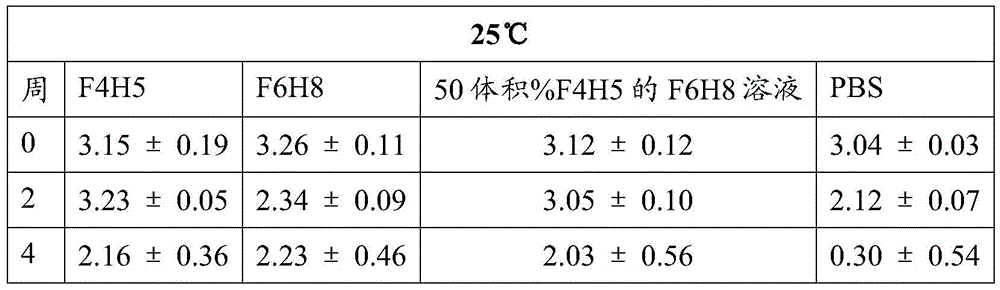
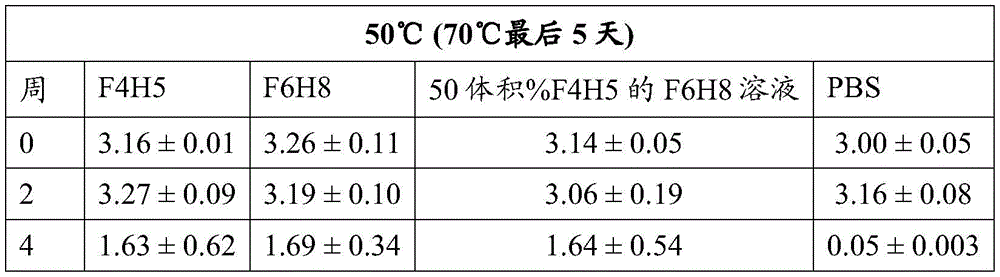
Table 2: fsn1006 Activity (mean OD. + -. 2SD at 450 nm)

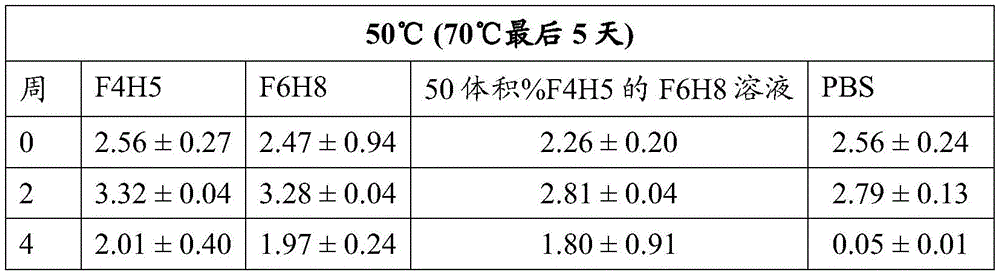
Table 3: fsn0503 Activity (average OD. + -. 2SD at 450 nm)
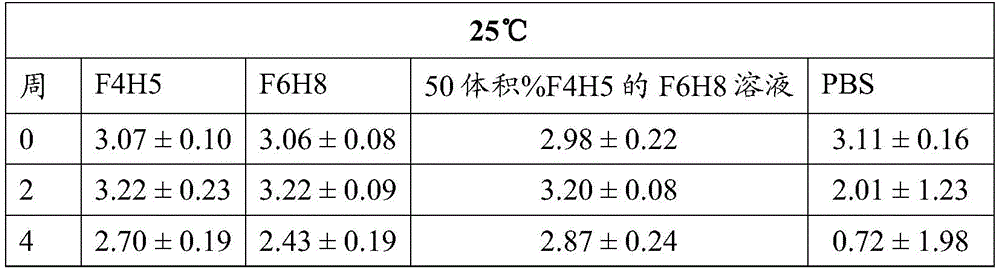
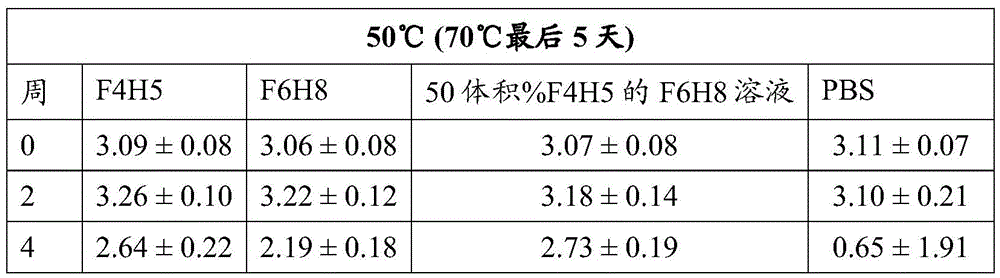
The activity of bevacizumab, Fsn1006 and Fsn0503 stored as a suspension in F6H8 solutions of F4H5, F6H8 and 50 vol% F4H5 remained essentially consistent during the period of 4 weeks at 25 ℃ and 50 ℃, including during the last 5 days of this period when the sample was increased to a storage temperature of 70 ℃. In contrast, regardless of the storage temperature, the binding activity exhibited by PBS buffered solutions of these antibodies decreased significantly over the four week period.
Example 3
Binding activity of bevacizumab, Fsn1006 and Fsn0503 stored in SFA and PBS buffer at temperatures between 50 ℃ and 80 ℃ was examined.
Lyophilized antibodies bevacizumab, Fsn1006 and Fsn0503 (as prepared in example 2 above) were resuspended at a concentration of 0.5mg/mL in F4H5, F6H8 and PBS carefully using vortexing. Resuspension of these lyophilized antibodies in PBS resulted in a solution, whereas SFA was used to form a suspension.
The suspension/solution samples were kept at 50 ℃, 55 ℃, 60 ℃, 65 ℃, 70 ℃, 75 ℃ and 80 ℃ for a 2h period, respectively, before extraction in PBS buffer and activity analysis using ELISA as described in example 2 above, and then cooled to 10 ℃. Each experiment was performed in triplicate. Samples heated at 40 ℃ were used as controls.
It was found that the F4H5 and F6H8 suspensions of bevacizumab (fig. 2), Fsn1006 (fig. 3) and Fsn0503 (fig. 4) showed significant stability to heat denaturation compared to the aqueous buffer solution of the sample. The binding activity of antibodies formulated in these semifluorinated alkanes remained fairly constant between 50 ℃ and 80 ℃. In contrast, the activity of these antibodies stored in aqueous PBS buffer decreased dramatically at temperatures above 60 ℃.
Example 4
The stability of a composition comprising an antigen-binding polypeptide or protein and a liquid carrier is investigated and compared to formulations in different media, the antigen-binding polypeptide or protein is selected from infliximab (a chimeric monoclonal antibody with human constant and murine variable regions, and a molecular weight of 149kDa), the fusion protein etanercept (a recombinant human protein with a molecular weight of 150kDa comprising the ligand-binding portion of 75kDa TNFR (tumor necrosis factor receptor) fused to the Fc portion of IgG 1), and certolizumab ozogamicin (an antibody fragment of 91kDa molecular weight including a recombinant Fab coupled to about 40kDa polyethylene glycol) or a biosimilar thereof, the liquid carrier comprising a semifluorinated alkane of formula RFRH, wherein RF is a linear perfluorinated hydrocarbon segment having 4 to 12 carbon atoms, and wherein RH is a linear alkyl group having 4 to 8 carbon atoms (e.g., F4H5 and F6H 8).
The antibody was lyophilized and resuspended in semifluorinated alkane. Comparative suspensions/solutions were also prepared in other media. The following stability tests were performed for these formulations:
storage stability under ICH conditions (25 and 40 ℃)
Temperature stability outside ICH conditions, i.e. thermal denaturation
These were carried out in analogy to the methods described in examples 1 to 3. Assays suitable for assaying the stability of these antigen-binding polypeptides are performed. Assays for monitoring antibody activity and potency, as well as monitoring aggregate content, throughout the stability experiments listed above include techniques such as ELISA similar to the protocols described in examples 1-3 above.
The assay method is performed using a sample obtained directly from the antibody suspension or, according to the assay technique, a sample that is an aqueous buffer extract.
It is expected that compositions comprising antigen-binding polypeptides or proteins will exhibit improved stability and reduced tendency to aggregate formation.
Claims (10)
Priority Applications (1)
| Application Number | Priority Date | Filing Date | Title |
|---|---|---|---|
| CN202111078105.5A CN114028560A (en) | 2013-07-23 | 2014-07-23 | Stabilized antibody compositions |
Applications Claiming Priority (3)
| Application Number | Priority Date | Filing Date | Title |
|---|---|---|---|
| EP13177699 | 2013-07-23 | ||
| EP13177699.9 | 2013-07-23 | ||
| PCT/EP2014/065840 WO2015011199A1 (en) | 2013-07-23 | 2014-07-23 | Stabilized antibody compositions |
Related Child Applications (1)
| Application Number | Title | Priority Date | Filing Date |
|---|---|---|---|
| CN202111078105.5A Division CN114028560A (en) | 2013-07-23 | 2014-07-23 | Stabilized antibody compositions |
Publications (2)
| Publication Number | Publication Date |
|---|---|
| CN105555311A CN105555311A (en) | 2016-05-04 |
| CN105555311B true CN105555311B (en) | 2021-10-08 |
Family
ID=48803483
Family Applications (2)
| Application Number | Title | Priority Date | Filing Date |
|---|---|---|---|
| CN202111078105.5A Pending CN114028560A (en) | 2013-07-23 | 2014-07-23 | Stabilized antibody compositions |
| CN201480040002.1A Active CN105555311B (en) | 2013-07-23 | 2014-07-23 | Stable Antibody Composition |
Family Applications Before (1)
| Application Number | Title | Priority Date | Filing Date |
|---|---|---|---|
| CN202111078105.5A Pending CN114028560A (en) | 2013-07-23 | 2014-07-23 | Stabilized antibody compositions |
Country Status (14)
| Country | Link |
|---|---|
| US (3) | US10273298B2 (en) |
| EP (1) | EP3024484B1 (en) |
| JP (1) | JP6503349B2 (en) |
| KR (1) | KR102272568B1 (en) |
| CN (2) | CN114028560A (en) |
| AU (1) | AU2014295052B2 (en) |
| BR (1) | BR112016001522B1 (en) |
| CA (1) | CA2918419C (en) |
| DK (1) | DK3024484T3 (en) |
| ES (1) | ES2687094T3 (en) |
| MX (1) | MX370207B (en) |
| PL (1) | PL3024484T3 (en) |
| PT (1) | PT3024484T (en) |
| WO (1) | WO2015011199A1 (en) |
Families Citing this family (35)
| Publication number | Priority date | Publication date | Assignee | Title |
|---|---|---|---|---|
| MX2012010684A (en) | 2010-03-17 | 2012-11-06 | Novaliq Gmbh | Pharmaceutical composition for treatment of increased intraocular pressure. |
| EP2444063A1 (en) | 2010-10-20 | 2012-04-25 | Novaliq GmbH | Liquid pharmaceutical compositions for the delivery of active ingredients |
| EP2462921A1 (en) | 2010-11-11 | 2012-06-13 | Novaliq GmbH | Liquid pharmaceutical compositions for the treatment of a posterior eye disease |
| EP3192501B1 (en) | 2011-05-25 | 2020-05-13 | Novaliq GmbH | Topical pharmaceutical composition based on semifluorinated alkanes |
| WO2013110621A1 (en) | 2012-01-23 | 2013-08-01 | Novaliq Gmbh | Stabilised protein compositions based on semifluorinated alkanes |
| JP6039152B2 (en) | 2012-09-12 | 2016-12-07 | ノバリック ゲーエムベーハー | Semi-fluorinated alkane composition |
| BR112015004997B1 (en) | 2012-09-12 | 2022-09-13 | Novaliq Gmbh | OPHTHALMIC COMPOSITIONS CONTAINING MIXTURES OF SEMI-FLUORORATED ALKANES |
| UA117466C2 (en) | 2012-12-13 | 2018-08-10 | Мерк Шарп Енд Доме Корп. | STABLE COMPOSITION IN THE VIEW OF AN ANTIBODY ANTIBODY TO IL-23p19 |
| CN114028560A (en) | 2013-07-23 | 2022-02-11 | 诺瓦利克有限责任公司 | Stabilized antibody compositions |
| EP2893939A1 (en) * | 2014-01-10 | 2015-07-15 | Netris Pharma | Anti-netrin-1 antibody |
| AR103726A1 (en) * | 2015-02-27 | 2017-05-31 | Merck Sharp & Dohme | HUMAN ANTI-PD-1 MONOCLONAL ANTIBODY CRYSTALS |
| WO2017055453A1 (en) | 2015-09-30 | 2017-04-06 | Novaliq Gmbh | Semifluorinated compounds for ophthalmic administration |
| CN110403923B (en) | 2015-09-30 | 2021-09-21 | 诺瓦利克有限责任公司 | Semifluorinated compounds and compositions thereof |
| PT3442480T (en) | 2016-06-23 | 2019-12-23 | Novaliq Gmbh | Topical administration method |
| EP3515420B1 (en) | 2016-09-22 | 2023-11-08 | Novaliq GmbH | Pharmaceutical compositions for use in the therapy of blepharitis |
| AU2017329983B2 (en) | 2016-09-23 | 2022-05-05 | Novaliq Gmbh | Ophthalmic compositions comprising ciclosporin |
| BR112019012791A2 (en) | 2016-12-23 | 2019-12-03 | Novaliq Gmbh | ophthalmic composition for treating dry eye disease |
| CN110678207B (en) | 2017-04-21 | 2024-08-02 | 德马利克治疗公司 | Iodine composition |
| WO2018204374A1 (en) | 2017-05-02 | 2018-11-08 | Merck Sharp & Dohme Corp. | Formulations of anti-lag3 antibodies and co-formulations of anti-lag3 antibodies and anti-pd-1 antibodies |
| JOP20190260A1 (en) | 2017-05-02 | 2019-10-31 | Merck Sharp & Dohme | Stable formulations of programmed death receptor 1 (pd-1) antibodies and methods of use thereof |
| WO2018206656A1 (en) | 2017-05-12 | 2018-11-15 | Novaliq Gmbh | Pharmaceutical compositions comprosing semifluorinated alkanes for the treatment of contact lense-related conditions |
| EP3687496A1 (en) | 2017-09-27 | 2020-08-05 | Novaliq GmbH | Ophthalmic compositions comprising latanoprost for use in the treatment of ocular diseases |
| CN120022260A (en) | 2017-10-04 | 2025-05-23 | 诺瓦利克有限责任公司 | Ophthalmic compositions comprising F6H8 |
| KR20200128407A (en) | 2018-03-02 | 2020-11-12 | 노바리크 게엠베하 | Pharmaceutical composition containing nebivolol |
| CN112153970A (en) | 2018-04-27 | 2020-12-29 | 诺瓦利克有限责任公司 | Ophthalmic composition containing tafluprost for the treatment of glaucoma |
| KR102404412B1 (en) | 2018-09-27 | 2022-05-31 | 노바리크 게엠베하 | topical sunscreen formulations |
| WO2020064549A1 (en) | 2018-09-27 | 2020-04-02 | Novaliq Gmbh | Lipid barrier repair |
| WO2020074697A1 (en) | 2018-10-12 | 2020-04-16 | Novaliq Gmbh | Ophthalmic composition for treatment of dry eye disease |
| BR112021008873A8 (en) | 2018-11-07 | 2023-04-11 | Merck Sharp & Dohme | FORMULATION |
| EP3923907B1 (en) | 2019-02-13 | 2024-09-25 | Novaliq GmbH | Compositions and methods for the treatment of ocular neovascularization |
| BR112021022682A2 (en) | 2019-05-14 | 2022-02-22 | Provention Bio Inc | Methods and compositions for preventing type 1 diabetes |
| MX2022002667A (en) | 2019-09-06 | 2022-04-07 | Novaliq Gmbh | OPHTHALMIC COMPOSITION FOR THE TREATMENT OF UVEITIS. |
| CN115151242A (en) | 2019-11-27 | 2022-10-04 | 诺瓦利克有限责任公司 | Suspension comprising protein particles suspended in a non-aqueous vehicle |
| CA3182445A1 (en) | 2020-06-11 | 2021-12-16 | Francisco Leon | Methods and compositions for preventing type 1 diabetes |
| WO2025133214A1 (en) | 2023-12-21 | 2025-06-26 | Novaliq Gmbh | Ophthalmic polypeptide compositions for the treatment of posterior eye disorders |
Citations (8)
| Publication number | Priority date | Publication date | Assignee | Title |
|---|---|---|---|---|
| EP0270056A1 (en) * | 1986-12-01 | 1988-06-08 | Northwestern University | Human LDH-C 4cDNA sequences encoding antigenic regions |
| CN1980695A (en) * | 2004-04-13 | 2007-06-13 | 免疫目标指定系统公司 | Antigen delivery vectors and constructs |
| CN101559229A (en) * | 2008-04-18 | 2009-10-21 | 诺瓦利克有限责任公司 | Inhalative and instillative use of semi-fluorised alkanes as active ingredient carriers in the intrapulmonary area |
| CN102652022A (en) * | 2009-12-14 | 2012-08-29 | 诺瓦利克有限责任公司 | Pharmaceutical composition for treatment of dry eye syndrome |
| WO2012142670A1 (en) * | 2011-04-20 | 2012-10-26 | The University Of Queensland | Nuclear magnetic resonance agent |
| CN103096934A (en) * | 2010-03-09 | 2013-05-08 | 詹森生物科技公司 | Non-aqueous high concentration reduced viscosity suspension formulations |
| CN103200931A (en) * | 2010-11-11 | 2013-07-10 | 诺瓦利克有限责任公司 | Liquid pharmaceutical composition for the treatment of posterior ocular segment diseases |
| WO2013110621A1 (en) * | 2012-01-23 | 2013-08-01 | Novaliq Gmbh | Stabilised protein compositions based on semifluorinated alkanes |
Family Cites Families (92)
| Publication number | Priority date | Publication date | Assignee | Title |
|---|---|---|---|---|
| US2616927A (en) | 1950-05-12 | 1952-11-04 | Minnesota Mining & Mfg | Fluorocarbon tertiary amines |
| US4452818A (en) | 1982-03-19 | 1984-06-05 | Haidt Sterling J | Extraocular method of treating the eye with liquid perfluorocarbons |
| US5077036A (en) | 1986-01-14 | 1991-12-31 | Alliance Pharmaceutical Corp. | Biocompatible stable fluorocarbon emulsions for contrast enhancement and oxygen transport comprising 40-125% wt./volume fluorocarbon combined with a phospholipid |
| JPS6452722A (en) | 1987-05-01 | 1989-02-28 | Anjierini Pharmaceut Inc | Ophthalmic composition |
| US6458376B1 (en) | 1990-09-27 | 2002-10-01 | Allergan, Inc. | Nonaqueous fluorinated drug delivery suspensions |
| US5518731A (en) | 1990-09-27 | 1996-05-21 | Allergan, Inc. | Nonaqueous fluorinated drug delivery vehicle suspensions |
| US5326566A (en) | 1991-05-17 | 1994-07-05 | Bristol-Myers Squibb Company | Use of dibutyl adipate and isopropyl myristate in topical and transdermal products |
| FR2679150A1 (en) | 1991-07-17 | 1993-01-22 | Atta | PREPARATIONS CONSISTING OF A FLUOROCARBIDE OR HIGHLY FLUORINE COMPOUND AND A LIPOPHILIC-FLUOROPHILIC ORGANIC COMPOUND, AND THEIR USES. |
| US5336175A (en) | 1992-10-29 | 1994-08-09 | Mames Robert N | Method for the treatment of retinal detachments |
| DE4405627A1 (en) | 1994-02-22 | 1995-08-24 | Hoechst Ag | Oil emulsions containing fluorocarbons |
| FR2720943B1 (en) | 1994-06-09 | 1996-08-23 | Applic Transferts Technolo | Stable inverse emulsions with a high concentration of fluorinated compound (s) and their use for the pulmonary administration of medicaments and for the manufacture of multiple emulsions. |
| US6294563B1 (en) | 1994-10-27 | 2001-09-25 | Allergan Sales, Inc. | Combinations of prostaglandins and brimonidine or derivatives thereof |
| US5696164A (en) | 1994-12-22 | 1997-12-09 | Johnson & Johnson Consumer Products, Inc. | Antifungal treatment of nails |
| US5874481A (en) | 1995-06-07 | 1999-02-23 | Alliance Pharmaceutical Corp. | Fluorochemical solutions for the delivery of lipophilic pharmaceutical agents |
| US5667809A (en) | 1995-06-07 | 1997-09-16 | Alliance Pharmaceutical Corp. | Continuous fluorochemical microdispersions for the delivery of lipophilic pharmaceutical agents |
| DE19536504C2 (en) | 1995-09-29 | 1999-09-23 | H Meinert | Use of fluorinated alkanes |
| US5874469A (en) | 1996-01-05 | 1999-02-23 | Alcon Laboratories, Inc. | Fluoroalkyl hydrocarbons for administering water insoluble or unstable drugs |
| FR2752161B1 (en) | 1996-08-07 | 1998-09-25 | Atta | MULTIPLE HYDROCARBON-IN-WATER-IN-FLUOROCARBON EMULSIONS FOR THE TRANSPORT OF HYDROPHILIC AND / OR LIPOPHILIC DRUG SUBSTANCES |
| IN184589B (en) | 1996-10-16 | 2000-09-09 | Alza Corp | |
| DE19709704C2 (en) | 1997-03-10 | 1999-11-04 | Michael Georgieff | Use of a liquid preparation of xenon for intravenous administration when inducing and / or maintaining anesthesia |
| US5980936A (en) | 1997-08-07 | 1999-11-09 | Alliance Pharmaceutical Corp. | Multiple emulsions comprising a hydrophobic continuous phase |
| US5981607A (en) | 1998-01-20 | 1999-11-09 | Allergan | Emulsion eye drop for alleviation of dry eye related symptoms in dry eye patients and/or contact lens wearers |
| EP0983037B1 (en) | 1998-02-09 | 2003-05-02 | MacroChem Corporation | Antifungal nail lacquer |
| DE19861012A1 (en) | 1998-03-18 | 1999-09-30 | Pharm Pur Gmbh | Ophthalmological use of fluorocarbon with low dissolved oxygen content, e.g. for treating ischemic retinal disease |
| IL141095A0 (en) | 1998-08-19 | 2002-02-10 | Rtp Pharma Inc | Injectable aqueous dispersions of propofol |
| US6140374A (en) | 1998-10-23 | 2000-10-31 | Abbott Laboratories | Propofol composition |
| US6159977A (en) | 1998-11-16 | 2000-12-12 | Astan, Inc. | Therapeutic anti-fungal nail preparation |
| PT1666026E (en) | 1999-02-08 | 2012-03-15 | Intarcia Therapeutics Inc | Non-aqueous single phase biocompatible viscous vehicles and methods for preparing the same |
| US7258869B1 (en) | 1999-02-08 | 2007-08-21 | Alza Corporation | Stable non-aqueous single phase viscous vehicles and formulations utilizing such vehicle |
| EP1124416A1 (en) | 1999-03-15 | 2001-08-22 | John Claude Krusz | Treatment of acute headaches and chronic pain using rapidly-cleared anesthetic drug at sub-anesthetic dosages |
| US6177477B1 (en) | 1999-03-24 | 2001-01-23 | American Home Products Corporation | Propofol formulation containing TRIS |
| US6239113B1 (en) | 1999-03-31 | 2001-05-29 | Insite Vision, Incorporated | Topical treatment or prevention of ocular infections |
| DE19926890C1 (en) | 1999-06-12 | 2000-07-27 | Pharm Pur Gmbh | Use of highly fluorinated oligomeric alkanes in ophthalmology, especially as vitreous humor substitutes, retinal tamponade materials, liquid implants, tear fluid substitutes and drug carriers |
| DE19938668B4 (en) | 1999-08-14 | 2006-01-26 | Bausch & Lomb Inc. | Artificial tears |
| JP2001158734A (en) | 1999-12-02 | 2001-06-12 | Lion Corp | Ophthalmic composition and method for suppressing adsorption to soft contact lens |
| US20030018044A1 (en) | 2000-02-18 | 2003-01-23 | Peyman Gholam A. | Treatment of ocular disease |
| US6399087B1 (en) | 2000-12-20 | 2002-06-04 | Amphastar Pharmaceuticals, Inc. | Propofol formulation with enhanced microbial inhibition |
| US20030027833A1 (en) | 2001-05-07 | 2003-02-06 | Cleary Gary W. | Compositions and delivery systems for administration of a local anesthetic agent |
| CA2459483C (en) | 2001-09-04 | 2009-06-23 | Trommsdorff Gmbh & Co. Kg Arzneimittel | Plaster for the treatment of dysfunctions and disorders of nail growth |
| US20040033228A1 (en) * | 2002-08-16 | 2004-02-19 | Hans-Juergen Krause | Formulation of human antibodies for treating TNF-alpha associated disorders |
| WO2005018530A2 (en) | 2003-08-25 | 2005-03-03 | Foamix Ltd. | Penetrating pharmaceutical foam |
| US20050079210A1 (en) | 2003-10-09 | 2005-04-14 | Gupta Shyam K. | Liposomal delivery system for topical pharmaceutical, cosmeceutical, and cosmetic ingredients |
| AU2004293027A1 (en) | 2003-11-19 | 2005-06-09 | Barnes-Jewish Hospital | Enhanced drug delivery |
| ES2387619T3 (en) | 2004-04-19 | 2012-09-27 | Centre National De La Recherche Scientifique (Cnrs) | Pulmonary Surfactant Supplements |
| EP1763336A1 (en) | 2004-06-08 | 2007-03-21 | Ocularis Pharma, Inc. | Hydrophobic ophthalmic compositions and methods of use |
| BRPI0512864B8 (en) | 2004-07-01 | 2021-05-25 | Johnson & Johnson Vision Care | ophthalmic composition, use of at least one omega-6 fatty acid and at least one omega-3 fatty acid and method for preparing said composition |
| US20060078580A1 (en) | 2004-10-08 | 2006-04-13 | Mediquest Therapeutics, Inc. | Organo-gel formulations for therapeutic applications |
| US7740875B2 (en) | 2004-10-08 | 2010-06-22 | Mediquest Therapeutics, Inc. | Organo-gel formulations for therapeutic applications |
| GB0511499D0 (en) | 2005-06-06 | 2005-07-13 | Medpharm Ltd | Topical ungual formulations |
| KR20080043793A (en) | 2005-08-05 | 2008-05-19 | 바라트 쎄럼스 앤드 백신스 리미티드 | Intravenous propofol emulsion composition with antiseptic effect |
| DE102005055811A1 (en) | 2005-11-23 | 2007-05-31 | Novaliq Gmbh | Using composition containing semifluorinated alkane and/or siloxane for preservation or organs and limbs, ensures proper provision of oxygen |
| TWI376239B (en) | 2006-02-01 | 2012-11-11 | Andrew Xian Chen | Vitamin e succinate stabilized pharmaceutical compositions, methods for the preparation and the use thereof |
| KR101406811B1 (en) | 2006-06-16 | 2014-06-12 | 리제너론 파마슈티칼스 인코포레이티드 | Vegf antagonist formulations suitable for intravitreal administration |
| WO2008060359A2 (en) | 2006-09-29 | 2008-05-22 | Surmodics, Inc. | Biodegradable ocular implants and methods for treating ocular conditions |
| US9000048B2 (en) | 2006-11-28 | 2015-04-07 | Wisconsin Alumni Research Foundation | Fluoropolymer-based emulsions for the intravenous delivery of fluorinated volatile anesthetics |
| DE102007055046A1 (en) | 2007-11-19 | 2009-05-28 | Fluoron Gmbh | infusion |
| US20100000899A1 (en) * | 2008-07-07 | 2010-01-07 | Panasonic Corporation | Medication blister pack with embedded user interface |
| CA2743824A1 (en) | 2008-11-26 | 2010-06-03 | Surmodics, Inc. | Implantable ocular drug delivery device and methods |
| US8501800B2 (en) | 2009-03-05 | 2013-08-06 | Insite Vision Incorporated | Controlled-release ophthalmic vehicles |
| IT1393419B1 (en) | 2009-03-19 | 2012-04-20 | Medivis S R L | OPHTHALMIC COMPOSITIONS OF OMEGA-3 AND OMEGA-6 POLYSATURATED FATTY ACIDS. |
| WO2010146536A1 (en) | 2009-06-18 | 2010-12-23 | Koninklijke Philips Electronics N.V. | Suspension of particles with drug |
| JP5736635B2 (en) | 2009-06-25 | 2015-06-17 | ライオン株式会社 | Dry eye treatment |
| WO2010150378A1 (en) | 2009-06-25 | 2010-12-29 | ライオン株式会社 | Ophthalmic composition |
| RU2532027C2 (en) | 2009-07-24 | 2014-10-27 | Мика Фарма Гезельшафт Фюр Ди Энтвиклюнг Унд Фермарктунг Фармацойтишер Продукте Мбх | Foam-forming liquid compositions containing active agents, and methods for preparing and developing thereof |
| EP2332525A1 (en) | 2009-11-23 | 2011-06-15 | Novaliq GmbH | Pharmaceutical composition comprising propofol |
| US20110223208A1 (en) | 2010-03-09 | 2011-09-15 | Beth Hill | Non-Aqueous High Concentration Reduced Viscosity Suspension Formulations |
| MX2012010684A (en) | 2010-03-17 | 2012-11-06 | Novaliq Gmbh | Pharmaceutical composition for treatment of increased intraocular pressure. |
| DE102010022567A1 (en) | 2010-06-02 | 2011-12-08 | Fluoron Gmbh | preparation |
| EP2444063A1 (en) | 2010-10-20 | 2012-04-25 | Novaliq GmbH | Liquid pharmaceutical compositions for the delivery of active ingredients |
| CA2819988C (en) | 2011-01-04 | 2019-11-12 | Novaliq Gmbh | O/w-emulsions comprising semifluorinated alkanes |
| EP3192501B1 (en) | 2011-05-25 | 2020-05-13 | Novaliq GmbH | Topical pharmaceutical composition based on semifluorinated alkanes |
| WO2012160180A2 (en) | 2011-05-25 | 2012-11-29 | Novaliq Gmbh | Pharmaceutical composition for administration to nails |
| MX389346B (en) | 2012-05-18 | 2025-03-20 | Genentech Inc | HIGH CONCENTRATION MONOCLONAL ANTIBODY FORMULATIONS. |
| JP6039152B2 (en) | 2012-09-12 | 2016-12-07 | ノバリック ゲーエムベーハー | Semi-fluorinated alkane composition |
| BR112015004997B1 (en) | 2012-09-12 | 2022-09-13 | Novaliq Gmbh | OPHTHALMIC COMPOSITIONS CONTAINING MIXTURES OF SEMI-FLUORORATED ALKANES |
| KR20150095684A (en) | 2012-12-18 | 2015-08-21 | 노파르티스 아게 | Compositions and methods that utilize a peptide tag that binds to hyaluronan |
| EP2783703A1 (en) | 2013-03-25 | 2014-10-01 | B. Braun Melsungen AG | Semifluorocarbon compound containing contrast agent |
| CN114028560A (en) | 2013-07-23 | 2022-02-11 | 诺瓦利克有限责任公司 | Stabilized antibody compositions |
| EP2944324A1 (en) | 2014-05-13 | 2015-11-18 | LTS LOHMANN Therapie-Systeme AG | Use of semifluorinated alkanes in transdermal therapeutic systems |
| KR101808234B1 (en) | 2015-06-23 | 2017-12-12 | (주)알테오젠 | A stable liquid formulation of fusion protein with IgG Fc domain |
| WO2017055453A1 (en) | 2015-09-30 | 2017-04-06 | Novaliq Gmbh | Semifluorinated compounds for ophthalmic administration |
| CN110403923B (en) | 2015-09-30 | 2021-09-21 | 诺瓦利克有限责任公司 | Semifluorinated compounds and compositions thereof |
| RU2734958C2 (en) | 2015-11-18 | 2020-10-26 | Формикон Аг | Pre-filled pharmaceutical package containing a liquid formulation based on a vegf antagonist |
| KR20180101488A (en) | 2016-01-08 | 2018-09-12 | 클리어사이드 바이오메디컬, 인코포레이드 | METHODS AND APPARATUS AND APPARATUS FOR THE TREATMENT OF POSTOPERGIC DISORDERS WITH APPLIABLEcept and other biological agents |
| EP3515420B1 (en) | 2016-09-22 | 2023-11-08 | Novaliq GmbH | Pharmaceutical compositions for use in the therapy of blepharitis |
| AU2017329983B2 (en) | 2016-09-23 | 2022-05-05 | Novaliq Gmbh | Ophthalmic compositions comprising ciclosporin |
| EP3698785A1 (en) | 2016-09-28 | 2020-08-26 | Novaliq GmbH | Compositions comprising a cannabinoid receptor binding ligand |
| JP7116059B2 (en) | 2016-11-21 | 2022-08-09 | ジャスト-エヴォテック バイオロジックス、インコーポレイテッド | Aflibercept preparations and their use |
| BR112019012568A2 (en) | 2016-12-22 | 2019-11-26 | Novaliq Gmbh | compositions comprising tacrolimus for the treatment of inflammatory intraocular diseases |
| BR112019012791A2 (en) | 2016-12-23 | 2019-12-03 | Novaliq Gmbh | ophthalmic composition for treating dry eye disease |
| EP3923907B1 (en) | 2019-02-13 | 2024-09-25 | Novaliq GmbH | Compositions and methods for the treatment of ocular neovascularization |
| CN115151242A (en) | 2019-11-27 | 2022-10-04 | 诺瓦利克有限责任公司 | Suspension comprising protein particles suspended in a non-aqueous vehicle |
-
2014
- 2014-07-23 CN CN202111078105.5A patent/CN114028560A/en active Pending
- 2014-07-23 US US14/907,254 patent/US10273298B2/en active Active
- 2014-07-23 KR KR1020167001802A patent/KR102272568B1/en active Active
- 2014-07-23 ES ES14742509.4T patent/ES2687094T3/en active Active
- 2014-07-23 PT PT14742509T patent/PT3024484T/en unknown
- 2014-07-23 AU AU2014295052A patent/AU2014295052B2/en active Active
- 2014-07-23 DK DK14742509.4T patent/DK3024484T3/en active
- 2014-07-23 MX MX2016001018A patent/MX370207B/en active IP Right Grant
- 2014-07-23 PL PL14742509T patent/PL3024484T3/en unknown
- 2014-07-23 CA CA2918419A patent/CA2918419C/en active Active
- 2014-07-23 CN CN201480040002.1A patent/CN105555311B/en active Active
- 2014-07-23 WO PCT/EP2014/065840 patent/WO2015011199A1/en not_active Ceased
- 2014-07-23 EP EP14742509.4A patent/EP3024484B1/en active Active
- 2014-07-23 BR BR112016001522-3A patent/BR112016001522B1/en active IP Right Grant
- 2014-07-23 JP JP2016528526A patent/JP6503349B2/en active Active
-
2019
- 2019-03-06 US US16/294,506 patent/US20190256591A1/en not_active Abandoned
-
2021
- 2021-05-14 US US17/320,693 patent/US11987623B2/en active Active
Patent Citations (8)
| Publication number | Priority date | Publication date | Assignee | Title |
|---|---|---|---|---|
| EP0270056A1 (en) * | 1986-12-01 | 1988-06-08 | Northwestern University | Human LDH-C 4cDNA sequences encoding antigenic regions |
| CN1980695A (en) * | 2004-04-13 | 2007-06-13 | 免疫目标指定系统公司 | Antigen delivery vectors and constructs |
| CN101559229A (en) * | 2008-04-18 | 2009-10-21 | 诺瓦利克有限责任公司 | Inhalative and instillative use of semi-fluorised alkanes as active ingredient carriers in the intrapulmonary area |
| CN102652022A (en) * | 2009-12-14 | 2012-08-29 | 诺瓦利克有限责任公司 | Pharmaceutical composition for treatment of dry eye syndrome |
| CN103096934A (en) * | 2010-03-09 | 2013-05-08 | 詹森生物科技公司 | Non-aqueous high concentration reduced viscosity suspension formulations |
| CN103200931A (en) * | 2010-11-11 | 2013-07-10 | 诺瓦利克有限责任公司 | Liquid pharmaceutical composition for the treatment of posterior ocular segment diseases |
| WO2012142670A1 (en) * | 2011-04-20 | 2012-10-26 | The University Of Queensland | Nuclear magnetic resonance agent |
| WO2013110621A1 (en) * | 2012-01-23 | 2013-08-01 | Novaliq Gmbh | Stabilised protein compositions based on semifluorinated alkanes |
Non-Patent Citations (3)
| Title |
|---|
| Cloning, expression and functional activities of a single chain antibody fragment directed to fusion protein of respiratory syncytial virus;Farshad Guirakhoo等;《Immunotechnology》;19961231;第2卷(第3期);第219-228页,全文 * |
| High-throughput dynamic light scattering method for measuring viscosity of concentrated protein solutions;Feng He等;《Analytical Biochemistry》;20091206;第399卷(第1期);第141–143页,全文 * |
| Influence on membrane-mediated cell activation by vesicles of silicone oil or perfluorohexyloctane;Norbert Kociok等;《Graefe"s Archive for Clinical and Experimental Ophthalmology》;20050430;第243卷(第4期);第345–358页,全文 * |
Also Published As
| Publication number | Publication date |
|---|---|
| ES2687094T3 (en) | 2018-10-23 |
| CA2918419A1 (en) | 2015-01-29 |
| JP2016525139A (en) | 2016-08-22 |
| PT3024484T (en) | 2018-10-24 |
| BR112016001522B1 (en) | 2019-10-01 |
| KR20160034307A (en) | 2016-03-29 |
| CA2918419C (en) | 2022-05-03 |
| AU2014295052A1 (en) | 2016-02-11 |
| US10273298B2 (en) | 2019-04-30 |
| EP3024484B1 (en) | 2018-06-20 |
| US11987623B2 (en) | 2024-05-21 |
| US20160159902A1 (en) | 2016-06-09 |
| PL3024484T3 (en) | 2018-11-30 |
| KR102272568B1 (en) | 2021-07-05 |
| EP3024484A1 (en) | 2016-06-01 |
| WO2015011199A1 (en) | 2015-01-29 |
| MX2016001018A (en) | 2016-09-06 |
| MX370207B (en) | 2019-12-05 |
| AU2014295052B2 (en) | 2018-08-30 |
| US20210340248A1 (en) | 2021-11-04 |
| US20190256591A1 (en) | 2019-08-22 |
| JP6503349B2 (en) | 2019-04-17 |
| CN114028560A (en) | 2022-02-11 |
| DK3024484T3 (en) | 2018-10-08 |
| CN105555311A (en) | 2016-05-04 |
| HK1224218A1 (en) | 2017-08-18 |
Similar Documents
| Publication | Publication Date | Title |
|---|---|---|
| CN105555311B (en) | Stable Antibody Composition | |
| TWI820270B (en) | Antibody formulations | |
| US20240182554A1 (en) | Protein solution formulation containing high concentration of an anti-vegf antibody | |
| KR20150082328A (en) | Formulation for bispecific t-cell engagers (bites) | |
| US20230181471A1 (en) | Concentrated compositions of proteins, their preparation and use thereof | |
| CA3152838A1 (en) | Novel formulation of highly concentrated pharmacologically active antibody | |
| JP2025504063A (en) | Stable antibody formulation | |
| CN119255788A (en) | Viscosity-reducing excipient composition and low-viscosity, highly concentrated protein preparation containing the same | |
| HK1224218B (en) | Stabilized antibody compositions |
Legal Events
| Date | Code | Title | Description |
|---|---|---|---|
| C06 | Publication | ||
| PB01 | Publication | ||
| C10 | Entry into substantive examination | ||
| SE01 | Entry into force of request for substantive examination | ||
| REG | Reference to a national code |
Ref country code: HK Ref legal event code: DE Ref document number: 1224218 Country of ref document: HK |
|
| GR01 | Patent grant | ||
| GR01 | Patent grant |