CN103097605A - Process for recovering sugars from a pretreatment stream of lignocellulosic biomass - Google Patents
Process for recovering sugars from a pretreatment stream of lignocellulosic biomass Download PDFInfo
- Publication number
- CN103097605A CN103097605A CN2011800443589A CN201180044358A CN103097605A CN 103097605 A CN103097605 A CN 103097605A CN 2011800443589 A CN2011800443589 A CN 2011800443589A CN 201180044358 A CN201180044358 A CN 201180044358A CN 103097605 A CN103097605 A CN 103097605A
- Authority
- CN
- China
- Prior art keywords
- liquid
- amount
- biomass
- ratio
- immersion
- Prior art date
- Legal status (The legal status is an assumption and is not a legal conclusion. Google has not performed a legal analysis and makes no representation as to the accuracy of the status listed.)
- Granted
Links
Classifications
-
- D—TEXTILES; PAPER
- D21—PAPER-MAKING; PRODUCTION OF CELLULOSE
- D21B—FIBROUS RAW MATERIALS OR THEIR MECHANICAL TREATMENT
- D21B1/00—Fibrous raw materials or their mechanical treatment
- D21B1/02—Pretreatment of the raw materials by chemical or physical means
-
- C—CHEMISTRY; METALLURGY
- C08—ORGANIC MACROMOLECULAR COMPOUNDS; THEIR PREPARATION OR CHEMICAL WORKING-UP; COMPOSITIONS BASED THEREON
- C08B—POLYSACCHARIDES; DERIVATIVES THEREOF
- C08B1/00—Preparatory treatment of cellulose for making derivatives thereof, e.g. pre-treatment, pre-soaking, activation
- C08B1/003—Preparation of cellulose solutions, i.e. dopes, with different possible solvents, e.g. ionic liquids
-
- D—TEXTILES; PAPER
- D21—PAPER-MAKING; PRODUCTION OF CELLULOSE
- D21B—FIBROUS RAW MATERIALS OR THEIR MECHANICAL TREATMENT
- D21B1/00—Fibrous raw materials or their mechanical treatment
- D21B1/04—Fibrous raw materials or their mechanical treatment by dividing raw materials into small particles, e.g. fibres
- D21B1/12—Fibrous raw materials or their mechanical treatment by dividing raw materials into small particles, e.g. fibres by wet methods, by the use of steam
-
- D—TEXTILES; PAPER
- D21—PAPER-MAKING; PRODUCTION OF CELLULOSE
- D21B—FIBROUS RAW MATERIALS OR THEIR MECHANICAL TREATMENT
- D21B1/00—Fibrous raw materials or their mechanical treatment
- D21B1/04—Fibrous raw materials or their mechanical treatment by dividing raw materials into small particles, e.g. fibres
- D21B1/12—Fibrous raw materials or their mechanical treatment by dividing raw materials into small particles, e.g. fibres by wet methods, by the use of steam
- D21B1/30—Defibrating by other means
- D21B1/36—Explosive disintegration by sudden pressure reduction
-
- D—TEXTILES; PAPER
- D21—PAPER-MAKING; PRODUCTION OF CELLULOSE
- D21C—PRODUCTION OF CELLULOSE BY REMOVING NON-CELLULOSE SUBSTANCES FROM CELLULOSE-CONTAINING MATERIALS; REGENERATION OF PULPING LIQUORS; APPARATUS THEREFOR
- D21C1/00—Pretreatment of the finely-divided materials before digesting
-
- D—TEXTILES; PAPER
- D21—PAPER-MAKING; PRODUCTION OF CELLULOSE
- D21C—PRODUCTION OF CELLULOSE BY REMOVING NON-CELLULOSE SUBSTANCES FROM CELLULOSE-CONTAINING MATERIALS; REGENERATION OF PULPING LIQUORS; APPARATUS THEREFOR
- D21C1/00—Pretreatment of the finely-divided materials before digesting
- D21C1/06—Pretreatment of the finely-divided materials before digesting with alkaline reacting compounds
Landscapes
- Engineering & Computer Science (AREA)
- Mechanical Engineering (AREA)
- Life Sciences & Earth Sciences (AREA)
- Wood Science & Technology (AREA)
- Chemical & Material Sciences (AREA)
- Chemical Kinetics & Catalysis (AREA)
- Materials Engineering (AREA)
- Health & Medical Sciences (AREA)
- Biochemistry (AREA)
- Medicinal Chemistry (AREA)
- Polymers & Plastics (AREA)
- Organic Chemistry (AREA)
- Preparation Of Compounds By Using Micro-Organisms (AREA)
- Processing Of Solid Wastes (AREA)
- Polysaccharides And Polysaccharide Derivatives (AREA)
- Saccharide Compounds (AREA)
Abstract
本发明方法是用于预处理木质纤维素生物质原料,包括:浸泡木质纤维素生物质原料,其中浸泡的生物质以与游离液体的混合物形式存在,并且其中游离液体包括选自由葡萄糖、木糖以及它们相应的低聚体组成的组中的至少一种溶解的化合物;洗涤浸泡的生物质和游离液体的混合物,其中从浸泡的生物质中分离包含选自由葡萄糖、木糖以及它们相应的低聚体组成的组中的至少一种溶解的化合物的至少一部分游离液体,从而产生浸泡的洗涤生物质和至少一种游离液体流;压缩浸泡的生物质从而产生释放液体;从浸泡的生物质中分离释放液体,并且保存从任何游离液体中分离的至少一部分释放液体。
The method of the present invention is for pretreating lignocellulosic biomass feedstock, comprising: soaking lignocellulosic biomass feedstock, wherein the soaked biomass is present in admixture with free liquid, and wherein the free liquid comprises glucose, xylose and at least one dissolved compound from the group consisting of their corresponding oligomers; a mixture of washed soaked biomass and free liquid, wherein isolated from the soaked biomass is a compound selected from the group consisting of glucose, xylose and their corresponding low At least a portion of the free liquid of at least one dissolved compound in the group consisting of aggregates, thereby producing soaked washed biomass and at least one free liquid stream; compressing the soaked biomass to produce a release liquid; from soaked biomass The release liquid is separated, and at least a portion of the release liquid separated from any free liquid is preserved.
Description
背景技术Background technique
在蒸汽爆破(汽爆,steam explosion)之前木质纤维素生物质(lignocellulosic biomass)的单独的预处理是本领域所熟知的。WO2009/108773公开了用于预处理纤维素生物质原料的方法,包括:接收原料的第一加压反应器,其中所述原料经历水解;具有与所述第一加压反应器的原料排出口的第一加压联接的封闭装置,以及与第二加压反应器的第二加压联接;用于包括从所述第一加压反应器、以及封闭和提取装置中的至少一个的原料中提取的溶解的半纤维素物质的液体的排出管;在显著地大于所述第一加压反应器中压力的压力下,接受来自所述封闭装置的加压原料的第二加压反应器组件,其中在第二加压反应器中将水注入原料单元中;以及在第二加压反应器组件下游的膨胀装置,其中所述膨胀装置快速地释放由第二加压反应器中排出的原料的压力,使得原料经历蒸汽爆破(汽爆)反应。The separate pretreatment of lignocellulosic biomass prior to steam explosion (steam explosion) is well known in the art. WO2009/108773 discloses a method for pretreating a cellulosic biomass feedstock comprising: a first pressurized reactor receiving feedstock, wherein the feedstock undergoes hydrolysis; having a feedstock outlet connected to the first pressurized reactor The closure device of the first pressurized connection of, and the second pressurized connection with the second pressurized reactor; For comprising from the raw material of at least one in said first pressurized reactor, and closure and extraction device a discharge pipe for a liquid of extracted dissolved hemicellulose material; a second pressurized reactor assembly receiving pressurized feedstock from said closed device at a pressure substantially greater than the pressure in said first pressurized reactor , wherein water is injected into the feedstock unit in the second pressurized reactor; and an expansion device downstream of the second pressurized reactor assembly, wherein the expansion device rapidly releases the feedstock discharged from the second pressurized reactor The pressure causes the raw material to undergo a steam explosion (steam explosion) reaction.
WO2009/108773的图示和实施方式都公开了在蒸汽爆破反应之前发生的全部液体提取流的结合。Both the illustration and the embodiment of WO2009/108773 disclose the combination of all liquid extraction streams that occurs prior to the steam explosion reaction.
由于这些配置和实施方式教导了所有这些流的组合,WO2009/108773未公开用于分离这些流的设计,因此需要利用分离流的改进设计。Since these configurations and embodiments teach a combination of all these streams, WO2009/108773 does not disclose a design for separating these streams, and therefore an improved design using separate streams is needed.
发明内容Contents of the invention
本说明书中公开了用于预处理木质纤维素生物质原料的方法,包括:浸泡木质纤维素生物质原料,其中所述浸泡的生物质以与游离液体的混合物存在,并且其中所述游离液体包含选自由葡萄糖、木糖以及它们相应的低聚体组成的组中的至少一种溶解的化合物;洗涤浸泡的生物质和游离液体的混合物,其中从浸泡的生物质中分离包含选自由葡萄糖、木糖以及它们相应的低聚体组成的组中的至少一种溶解的化合物的至少一部分游离液体从而产生浸泡的洗涤生物质和至少一个游离液体流;压缩浸泡的生物质从而产生释放液体;从浸泡的生物质中分离释放液体;并且保存从任何游离液体中分离的至少一部分释放液体。如本发明说明书中使用的,在表述“游离液体(自由液体,free liquid)”中术语“液体”是指能够以蒸气和/或液体状态存在的物质。Disclosed herein is a method for pretreating a lignocellulosic biomass feedstock comprising: soaking the lignocellulosic biomass feedstock, wherein the soaked biomass is present in admixture with free liquid, and wherein the free liquid comprises At least one dissolved compound selected from the group consisting of glucose, xylose and their corresponding oligomers; a mixture of washed soaked biomass and free liquid, wherein the mixture comprising glucose, xylose and free liquid is isolated from the soaked biomass At least a portion of the free liquid of at least one dissolved compound of the group consisting of sugars and their corresponding oligomers to produce soaked washed biomass and at least one free liquid stream; compressing the soaked biomass to produce release liquid; separating released liquid from the biomass; and preserving at least a portion of released liquid separated from any free liquid. As used in the description of the present invention, the term "liquid" in the expression "free liquid" refers to a substance capable of existing in a vapor and/or liquid state.
本发明还公开了浸泡是在浸泡反应器中进行的并且至少一部分释放液体被引入浸泡反应器中。The invention also discloses that soaking is performed in a soaking reactor and at least a portion of the released liquid is introduced into the soaking reactor.
本发明还公开了生物质原料中液体的量加上添加的液体的量相对于干物质的量的比率可以在0.5:1至10:1、0.5:1至5:1、0.8:1至10:1、1:1至10:1、和1:1至5:1的范围内。The invention also discloses that the ratio of the amount of liquid in the biomass feedstock plus the amount of added liquid to the amount of dry matter can be in the range of 0.5:1 to 10:1, 0.5:1 to 5:1, 0.8:1 to 10 :1, 1:1 to 10:1, and 1:1 to 5:1.
本发明还公开了移出的游离液体的重量相对于移出的压缩液体的量的比率可以在1:1至5:1、1.5:1至4:1和2:1至4:1的范围内。The invention also discloses that the ratio of the weight of free liquid removed to the amount of compressed liquid removed may be in the range of 1:1 to 5:1, 1.5:1 to 4:1 and 2:1 to 4:1.
本发明还公开了在压缩步骤之前在多于一个位置处进行从浸泡的生物质中分离所述部分的游离液体,并且可以存在多于一个洗涤步骤。The invention also discloses that the separation of said portion of free liquid from the soaked biomass is performed at more than one location prior to the compression step, and that there may be more than one washing step.
本发明还公开了压缩步骤的压缩比例在1.5至10的范围内。The present invention also discloses that the compression ratio of the compression step is in the range of 1.5 to 10.
本发明还公开了在至少1.5巴的压力下以及在至少110℃的温度下进行浸泡从而产生浸泡的生物质。The invention also discloses soaking at a pressure of at least 1.5 bar and at a temperature of at least 110°C to produce soaked biomass.
附图说明Description of drawings
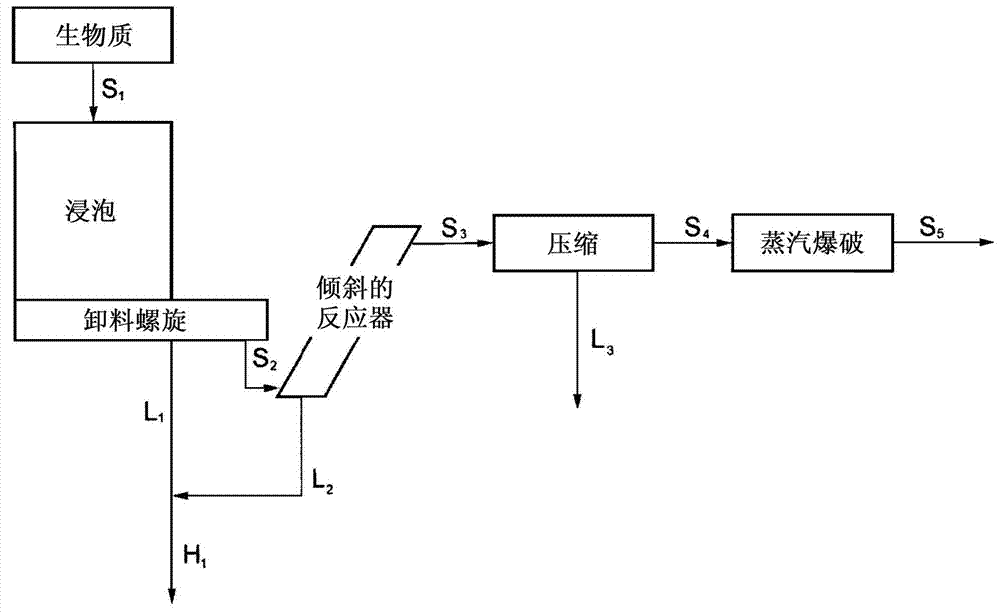
图1是本发明的一个实施方式的示意图。Figure 1 is a schematic diagram of one embodiment of the present invention.
具体实施方式Detailed ways
用于这种方法的原料是木质纤维素生物质。木质纤维素材料可以如下描述:除了淀粉,植物生物质中三种主要组分是纤维素、半纤维素和木质素,它们通常通过通称木质纤维素来提及。含有多糖的生物质作为通称包含淀粉和木质纤维素生物质两者。因此,用于预处理的一些类型的原料可以是植物生物质、含有多糖的生物质、和木质纤维素生物质。The feedstock for this method is lignocellulosic biomass. Lignocellulosic materials can be described as follows: In addition to starch, the three main components in plant biomass are cellulose, hemicellulose and lignin, which are often referred to by the generic term lignocellulose. Polysaccharide-containing biomass as a generic term includes both starch and lignocellulosic biomass. Thus, some types of feedstocks for pretreatment may be plant biomass, polysaccharide-containing biomass, and lignocellulosic biomass.
如果生物质是包含多糖的生物质并且其是木质纤维素类的,常常利用预处理以确保木质纤维素内含物的结构更易接近酶类,并且同时有害的抑制性副产物如乙酸、糠醛和羟甲基糠醛的浓度保持显著地较低。If the biomass is polysaccharide-containing biomass and it is lignocellulosic, pretreatment is often utilized to ensure that the structure of the lignocellulosic The concentration of hydroxymethylfurfural remained significantly lower.
根据本发明含有多糖的生物质包括含有聚合糖的任何物质,例如,以淀粉以及精制淀粉、纤维素与半纤维素的形式。Biomass containing polysaccharides according to the invention includes any substance containing polymeric sugars, eg in the form of starch and refined starch, cellulose and hemicellulose.
根据本发明用于预处理和随后沉淀的相关类型的生物质可以包括从农作物得到的生物质,像例如:淀粉,例如包含淀粉的谷物和精制淀粉;玉米秸,甘蔗渣,秸秆例如来自水稻、小麦、黑麦、燕麦、大麦、油菜和高粱;软木材,例如樟子松(Pinus sylvestris),辐射松(Pinus radiate);硬木材,例如柳属(Salix spp.),桉属(Eucalyptus spp.);根茎类,例如,甜菜,土豆;谷物,来自例如,水稻、小麦、黑麦、、燕麦、大麦、油菜、高粱和玉米;废纸,来自沼气处理的纤维碎片,粪便,来自油椰处理的残余物,市政固体废料等。Relevant types of biomass for pretreatment and subsequent precipitation according to the invention may include biomass obtained from agricultural crops, like for example: starch, e.g. starch-containing grains and refined starch; corn stover, bagasse, straw e.g. from rice, Wheat, rye, oats, barley, canola and sorghum; softwoods such as Pinus sylvestris, Pinus radiate; hardwoods such as Salix spp., Eucalyptus spp. ); roots and tubers, e.g. sugar beets, potatoes; cereals, e.g. from rice, wheat, rye, oats, barley, rapeseed, sorghum and maize; waste paper, fiber chips from biogas processing, manure, from oil palm processing residues, municipal solid waste, etc.
所述木质纤维素生物质原料优选地来自通常称作禾本植物(grasses)的科。固有名称是在开花植物的单子叶植物纲(百合纲,Class Liliopsida)(单子叶植物)中称作禾本科(Poaceae)或禾本科(Gramineae)的科。该科的植物通常称作禾本植物(grasses),或为了与其他禾草类植物(graminoid)区分,称作真禾本植物(true grasses)。也包括竹子。存在约600个属和9,000-10,000或更多个种的禾本植物(世界禾本科植物种的Kew索引(Kew Index of World Grass Species))。The lignocellulosic biomass feedstock is preferably from the family commonly known as grasses. The proper name is the family called Poaceae or Gramineae in Class Liliopsida (monocotyledonous plants) of flowering plants. Plants of this family are usually called grasses, or to distinguish them from other grasses (graminoids), true grasses. Bamboo is also included. There are approximately 600 genera and 9,000-10,000 or more species of grasses (Kew Index of World Grass Species).
禾本科包括在全球生长的主粮和谷物、草坪草和牧草、和竹子。禾本科通称具有称作秆(culm)的空心茎,它们在称作节(node)(沿着叶子长出的秆的多个点)的间隔处被闭塞(实体)。禾本植物的叶子通常是交替的、二分的(在一个平面中)或极少地螺旋的,以及平行脉的。每片叶子分化成环绕该茎持续一段距离的下部叶鞘,以及边缘通常完整的叶片。许多禾本植物的叶片由二氧化硅植物岩(silica phytoliths)硬化,这有助于阻碍食草动物。在一些禾本植物中(例如剑状叶草(sword grass)),这使得禾本植物叶片的边缘很锐利足以割伤人类皮肤。膜质的附属物或毛状物的边缘(fringe of hairs),称为叶舌,位于叶鞘和叶片之间的连接处,以防止水或昆虫深入叶鞘。The Grass family includes staple foods and cereals, turfgrasses and forages, and bamboo that grow globally. Grasses generally have hollow stems called culms that are occluded (substances) at intervals called nodes (points along the culm that grow from the leaves). Grass leaves are usually alternate, bipartite (in one plane) or rarely spiral, and parallel-veined. Each leaf differentiates into a lower sheath that lasts some distance around the stem, and a leaf blade that is usually intact at the margin. The leaves of many grasses are hardened with silica phytoliths, which help deter herbivores. In some grasses (such as sword grass), this makes the edges of the grass leaves sharp enough to cut human skin. A membranous appendage or fringe of hairs, called the ligule, sits at the junction between the sheath and the blade to prevent water or insects from penetrating the sheath.
禾本科的叶片在叶片的基底长出而不是来自延长茎的顶端。这种低生长点涉及对食草动物做出反应并且允许禾本植物被有规律地吃掉或割掉而不严重地损害植物。Grass leaves grow at the base of the blade rather than from the tip of an elongated stem. This low growing point is involved in responding to herbivores and allows grasses to be eaten or mowed regularly without seriously damaging the plant.
禾本科植物的花特征性地以小穗状花序排列,每个小穗具有一个或多个小花(小穗状花序进一步分成圆锥花序或穗状花序)。小穗由在称为颖片(glume)的基底的两个(或有时更少的)苞叶(bract),紧接着一个或多个小花构成。小花由被称为外稃(lemma)(外面部分)和内稃(palea)(内部部分)的两片苞叶(bract)包围的花组成。这些花通常是两性的(玉蜀黍,雌雄同株的,是例外)并且传粉通常总是风媒性的。将蒴苞(perianth)减少至两个鳞片(scale),称为鳞片(lodicule),这些鳞片伸展和收缩以展开外稃和内稃;这些通常解释为改变的萼片(modified sepal)。The flowers of grasses are characteristically arranged in spikelets, each spikelet bearing one or more florets (spikelets are further divided into panicles or spikes). Spikelets consist of two (or sometimes fewer) bracts at a base called glumes, followed by one or more florets. The florets consist of flowers surrounded by two bracts called the lemma (outer part) and palea (inner part). The flowers are usually bisexual (maize, monoecious, is an exception) and pollination is usually always wind-pollinated. Reduces the perianth to two scales, called lodicules, which expand and contract to unfold the lemma and palea; these are often interpreted as modified sepals.
禾本科植物的果实是颖果(caryopsis),其中种皮融合在果皮上并且因此,不可与其分离(如在玉蜀黍核心中)。The fruit of grasses is the caryopsis, in which the seed coat is fused to the pericarp and, therefore, inseparable from it (as in maize kernels).
禾本植物中存在三种一般性的生长习性分类:丛生型(bunch-type)(也称为丛生型(caespitose))、匍匐茎型(stoloniferous)和地下茎型(rhizomatous)。There are three general classifications of growth habit among grasses: the bunch-type (also called caespitose), stoloniferous, and rhizomatous.
禾本植物的兴旺(success)部分地在于它们的形态和生长过程,并且一部分地在于它们的生理学多样性。使用用于碳固定的C3和C4光合途径,将大部分禾本植物分成两个生理学组。C4禾本植物使光合途径与专门的克兰兹叶解剖学(Kranz leaf anatomy)连接,这使它们特别适应较热气候和二氧化碳较低的气氛。The success of grasses lies partly in their morphology and growth process, and partly in their physiological diversity. Using the C3 and C4 photosynthetic pathways for carbon fixation, most grasses are divided into two physiological groups. C4 grasses link the photosynthetic pathway to a specialized Kranz leaf anatomy that makes them particularly well suited to hotter climates and lower carbon dioxide atmospheres.
C3禾本植物称作“冷季禾本植物”而C4禾本植物称作“热季禾本植物”。禾本植物可以是一年生或多年生的。一年生冷季禾本植物的实例是小麦,黑麦和一年生蓝草(annual bluegrass)(一年生草地早熟禾(annualmeadow grass),早熟禾(Poa annua)和燕麦)。多年生冷季禾本植物的实例是野茅(orchardgrass)(鸭茅(cocksfoot),鸭茅(Dactylis glomerata)),羊茅草(fescue)(羊茅属(Festuca spp.),肯塔基蓝草(Kentucky Bluegrass)和多年生黑麦草(perennial ryegrass)(黑麦草(Lolium perenne))。一年生热季禾本植物的实例是玉米,苏丹草和珍珠稷。多年生热季禾本植物的实例是大须芒草(big bluestem),印度草(indiangrass),狗牙草(bermudagrass)和柳枝稷(switchgrass)。C3 grasses are referred to as "cool season grasses" and C4 grasses are referred to as "hot season grasses". Grasses can be annuals or perennials. Examples of annual cool-season grasses are wheat, rye and annual bluegrass (annual meadow grass, Poa annua and oats). Examples of perennial cool-season grasses are orchardgrass (cocksfoot, Dactylis glomerata), fescue (Festuca spp., Kentucky Bluegrass ) and perennial ryegrass (Lolium perenne). Examples of annual hot season grasses are maize, sudangrass, and pearl millet. Examples of perennial hot season grasses are big bluestem ), Indiangrass, bermudagrass and switchgrass.
禾本科植物的一个分类识别出12个亚科:这些亚科是1)三芒草亚科(anomochlooideae),包括两个属(三芒草属(Anomochloa),Streptochaeta)的阔叶禾本植物的一个小谱系;2)Pharoideae,包括三个属的禾本植物的一个小谱系,包含Pharus和囊稃竹属(Leptaspis);3)Puelioideae,包括非洲属Puelia的一个小谱系;4)早熟禾亚科(Pooideae),包含小麦,大麦,燕麦,雀麦(brome-grass)(雀麦(Bronnus))和拂子茅(reedgrasses)(拂子茅(Calamagrostis));5)竹亚科(Bambusoideae),包含竹子;6)稻亚科(Ehrhartoideae),包含水稻和野生稻;7)芦竹亚科(Arundinoideae),包含大芦苇(芦竹,giant reed)和普通芦苇(芦苇,common reed);8)假淡竹叶亚科(Centothecoideae),有时包括在黍亚科(Panicoideae)中的11个属的小亚科;9)虎尾草亚科(Chloridoideae),包含画眉草(lovegrass)(画眉草属(Eragrostis),大约350个种,包括埃塞俄比亚画眉草(teff)),鼠尾栗(dropseed)(鼠尾栗属(Sporobolus),大约160个种),指状稷(finger millet)(龙爪稷属(Eleusine coracana(L.)Gaertn.)),和乱子草(muhly grass)(乱子草属(Muhlenbergia),约175个种);10)黍亚科(Panicoideae),包括稷(panic grass),玉蜀黍,高粱属,甘蔗,大部分稷,fonio和蓝茎禾本植物(blue stem grass);11)Micrairoideae;12)Danthoniodieae,包括蒲苇草(pampas grass);其中早熟禾属(Poa)(其是约500种禾本植物的属),适应两个半球的温带区域。One taxon of grasses recognizes 12 subfamilies: These subfamilies are 1) the anomochlooideae, a small group of broad-leaved grasses comprising two genera (Anomochloa, Streptochaeta) 2) Pharoideae, a small lineage comprising three genera of grasses, including Pharus and Leptaspis; 3) Puelioideae, a small lineage comprising the African genus Puelia; 4) Poaaceae ( Pooideae), containing wheat, barley, oats, brome-grass (Bronnus) and reedgrasses (Calamagrostis); 5) Bambusoideae, containing Bamboo; 6) Ehrhartoideae, which includes rice and wild rice; 7) Arundinoideae, which includes large reeds (Plus reeds, giant reed) and common reeds (Phragmites reed, common reed); 8) False Centothecoideae, a small subfamily of 11 genera sometimes included in Panicoideae; 9) Chloridoideae, including lovegrass (Eragrostis, ca. 350 species, including Ethiopian teff), dropseed (Sporobolus, about 160 species), finger millet (Eleusine coracana ( L.)Gaertn.), and muhly grass (Muhlenbergia, about 175 species); 10) Panicoideae, including panic grass, maize, sorghum, Sugarcane, most millet, fonio and blue stem grasses; 11) Micrairoideae; 12) Danthoniodieae, including pampas grass; of which Poa (which is about 500 species of grass genus of this plant), adapted to temperate regions of both hemispheres.
为了它们可食用的种子而种植的农业禾本植物称为谷物。三种常见的谷物是水稻,小麦和玉蜀黍(玉米)。在所有谷物中,70%是禾本植物。Agricultural grasses grown for their edible seeds are called cereals. Three common grains are rice, wheat and maize (corn). Of all cereals, 70% are grasses.
甘蔗是糖生产的主要来源。禾本植物用于建筑。由竹子制造的脚手架能够承受可以折断钢脚手架的台风力。较大的竹子和芦竹(Arundo donax)具有结实的秆,这些结实的秆能够以与木材相似的方式使用,并且禾本植物的根稳定了草皮房子(sod house)的草皮(sod)。芦竹(Arundo)用于制造木管乐器的簧片(reed for woodwind instrument),并且竹子用于无数的器具。Sugarcane is the main source of sugar production. Grasses are used in construction. Scaffolding made of bamboo can withstand the force of typhoons that can snap steel scaffolding. Larger bamboos and Arundo donax have strong culms that can be used in a similar way to wood, and grass roots stabilize the sod of a sod house. Arundo is used to make reeds for woodwind instruments, and bamboo is used in countless instruments.
因此,优选的木质纤维素生物质选自由禾本植物组成的组中。可代替地用短语表达,优选的木质纤维素生物质选自由属于禾本科(Poaceae)或禾本科(Gramineae)的植物组成的组中。另外优选的木质纤维素生物质是具有其(如纤维素)至少5%重量的干物质的生物质,或更优选其(如纤维素)至少10%重量的干物质。Accordingly, preferred lignocellulosic biomass is selected from the group consisting of grasses. Alternatively phrased, the preferred lignocellulosic biomass is selected from the group consisting of plants belonging to the family Poaceae or Gramineae. Further preferred lignocellulosic biomass is biomass having at least 5% dry matter by weight thereof (eg cellulose), or more preferably at least 10% dry matter by weight thereof (eg cellulose).
通过参考图1将在本文中描述该方法。木质纤维素生物质原料(在原料中其包含至少5%重量纤维素的干物质,并且更优选至少10%重量)通过S1进入浸泡反应器中。根据严格的选择,在0.5kg stm/1kg生物质原料至10kg stm/1kg生物质原料的示例性比率下,将蒸汽添加至浸泡反应器中。再次根据严格的期望,在蒸汽存在下浸泡反应器(第一加压反应器)保持生物质持续约30分钟至3小时或更长时间。浸泡温度可以在110℃至190℃的范围内,或更高,但是减少了返流。在浸泡之后,典型地在浸泡反应器的相同压力下,将固体/液体/流股混合物通过固体流S2排放到倾析反应器中。如图1所示,存在来自排放螺旋(discharge screw)的游离液体流L1。因为排放螺旋可以在固体生物质上产生一些压力,该流股L1也可以含有一些释放液体。固体生物质与冷却的冷凝物一起向上带入倾斜的反应器中或者甚至添加反向流动的水至固体流,并通过游离液体流L2来移出。The method will be described herein with reference to FIG. 1 . A lignocellulosic biomass feedstock (which contains at least 5% by weight dry matter of cellulose in the feedstock, and more preferably at least 10% by weight) enters the soaking reactor via S1 . Steam was added to the soaking reactor at an exemplary ratio of 0.5 kg stm/1 kg biomass feedstock to 10 kg stm/1 kg biomass feedstock, depending on the strict selection. Soaking the reactor (first pressurized reactor) in the presence of steam maintains the biomass for about 30 minutes to 3 hours or more, again depending on strict expectations. Soaking temperatures can range from 110°C to 190°C, or higher, but regurgitation is reduced. After soaking, the solid/liquid/stream mixture is discharged into the decanting reactor via solids stream S2 , typically at the same pressure as the soaking reactor. As shown in Figure 1, there is a free liquid flow L1 from the discharge screw. Since the discharge spiral can generate some pressure on the solid biomass, this stream L 1 may also contain some release liquid. The solid biomass is carried up into the inclined reactor together with the cooled condensate or even adding counter flow water to the solids flow and removed via the free liquid stream L2 .
游离液体(自由液体)或游离水(自由水)是指可以通过筛选、过滤、重力流,而不用压缩固体物质而移出的水或液体。游离液体流并不必要必须不含有来自压缩的释放液体,但是至少50%的游离液体流是游离液体。优选地,游离液体流将具有不超过5%重量的释放液体。游离液体还包含水解的木质纤维素生物质的可溶性产物,其包含乙酸、葡萄糖、木糖以及它们的可溶性低聚体。Free liquid (free liquid) or free water (free water) is water or liquid that can be removed by sieving, filtering, gravity flow, without compressing solid matter. The free liquid stream does not necessarily have to contain release liquid from compression, but at least 50% of the free liquid stream is free liquid. Preferably, the free liquid stream will have no more than 5% by weight of released liquid. The free liquid also contains soluble products of hydrolyzed lignocellulosic biomass including acetic acid, glucose, xylose and their soluble oligomers.
短语释放液体是指这种液体(通常是含有其他溶解物质的水),从浸泡的生物质中释放(通常通过压制、挤压或另外地压缩浸泡的生物质来释放)从而挤压出或释放出液体(通常是水),该液体结合在空隙区域中。这可以通过压滤机、离心机、滚筒或加压螺旋来完成,但并不限于此。The phrase release liquid refers to the liquid (usually water with other dissolved substances), released from the soaked biomass (usually by pressing, squeezing or otherwise compressing the soaked biomass) so as to extrude or release A liquid (usually water) is released, which is bound in the void area. This can be done with filter presses, centrifuges, drums or pressurized screws, but is not limited to these.
如图1所示,将游离液体流L1和L2结合至H1中,至保存罐1中。如果只有一个游离液体流,L2和H1将是相同的。As shown in Figure 1 , the free liquid streams L1 and L2 are combined into H1 into holding tank 1 . If there is only one free liquid flow, L2 and H1 will be the same.
在离开倾斜的反应器时,将固体生物质通过流股S3传送至压缩区域(准备蒸汽爆破(汽爆))。在通过压缩区域之后发生蒸汽爆破。压缩区域典型地用装置来压缩固体并且通过流股S4将固体移动至蒸汽爆破区域(在此处生产蒸汽爆破的固体),并且通过固体流S5传送至下一个操作单元。On leaving the inclined reactor, the solid biomass is conveyed via stream S3 to the compression zone (preparation for steam explosion (steam explosion)). Steam explosion occurs after passing through the compression region. The compression zone typically has equipment to compress the solids and move the solids via stream S4 to the steam explosion zone (where steam exploded solids are produced) and sent to the next operating unit via solids stream S5 .
如表1所示,已经发现,释放液体流L3(其是包含至少50%释放液体的液体流,优选低于5%重量的由挤压或压缩洗涤的固体获得的游离液体)出人意料地基本上不具有在随后的发酵工艺中有用的糖类或化合物,但是具有恒定量的乙酰基(其是游离的乙酸和能够转化成乙酸的乙酰基的总和)。类似地,葡聚糖是葡萄糖和葡萄糖低聚体和葡萄糖多聚体(即纤维素)的总和。木聚糖类是木糖和木糖低聚体和木糖多聚体(即半纤维素)的总和。As shown in Table 1, it has been found that the released liquid stream L3 (which is a liquid stream comprising at least 50% released liquid, preferably less than 5% by weight of free liquid obtained from extruded or compressed washed solids) is surprisingly essentially It has no sugars or compounds useful in the subsequent fermentation process, but has a constant amount of acetyl groups (which is the sum of free acetic acid and acetyl groups that can be converted to acetic acid). Similarly, dextran is the sum of glucose and glucose oligomers and glucose polymers (i.e. cellulose). Xylan is the sum of xylose and xylose oligomers and xylose polymers (ie hemicellulose).
在压缩步骤中压缩的量表示为施加到浸泡的洗涤生物质上的压缩比,并且优选在1.5至10的范围内,更优选1.5至5。The amount of compression in the compression step is expressed as the compression ratio applied to the soaked washed biomass and is preferably in the range of 1.5 to 10, more preferably 1.5 to 5.
因此,释放液体流L3的移出,本身具有优点。然而,由于它的乙酸含量,由挤压或压缩固体生物质获得的至少一部分释放液体流L3可以循环到浸泡反应器中,该浸泡反应器将在浸泡步骤中发生的水解反应由自水解过程转化成酸催化的水解反应,其中酸来自木质纤维素生物质。这种酸水解反应的优点是不需要添加随后难以除去的酸化合物(例如硫酸)。Thus, the removal of the release liquid stream L3 has advantages in itself. However, due to its acetic acid content, at least a portion of the released liquid stream L3 obtained from squeezing or compressing the solid biomass can be recycled to the soaking reactor, which converts the hydrolysis reactions that occur during the soaking step from the autohydrolysis process Conversion to an acid-catalyzed hydrolysis reaction where the acid is derived from lignocellulosic biomass. The advantage of this acid hydrolysis reaction is that it does not require the addition of acid compounds (such as sulfuric acid), which are then difficult to remove.
在引入浸泡反应器之前还可以处理释放液体流以除去任何特别的不想要的化合物,例如糖醛。在此过程中还可以将该流股浓缩并进一步使用。或,可以从该流股中回收乙酸。The release liquid stream may also be treated to remove any particularly unwanted compounds, such as furfurals, prior to introduction into the soak reactor. The stream can also be concentrated and used further in the process. Alternatively, acetic acid can be recovered from this stream.
如表1所示,作为H1收集的游离液体流L1和L2相对于释放液体流L3含有高含量的糖,并且可以针对包含在这些流股中的糖类或与固体流重新结合的糖类进行一个或多个特别处理。As shown in Table 1, the free liquid streams L1 and L2 collected as H1 contain a high content of sugars relative to the released liquid stream L3 , and can target sugars contained in these streams or recombined with the solids stream. Carbohydrates undergo one or more special treatments.
因此可以将该方法描述为用于预处理木质纤维素生物质原料的方法,包括:在至少1.5巴至高达20巴的压力下以及在至少110℃的温度下浸泡木质纤维素生物质原料;洗涤浸泡的生物质并且分离至少一部分游离液体,其中游离液体包含选自由乙酸、葡萄糖、木糖以及它们可溶性的低聚体组成的组中的至少一种溶解的化合物;压缩浸泡的生物质,其中施加到浸泡的洗涤原料上的压缩产生释放液体,并且从浸泡的生物质中分离释放液体,并且至少一部分释放液体并不与游离液体结合或混合。The method can thus be described as a method for pretreating a lignocellulosic biomass feedstock comprising: soaking a lignocellulosic biomass feedstock at a pressure of at least 1.5 bar up to 20 bar and at a temperature of at least 110°C; washing soaked biomass and separating at least a portion of the free liquid, wherein the free liquid contains at least one dissolved compound selected from the group consisting of acetic acid, glucose, xylose, and their soluble oligomers; compressing the soaked biomass, wherein applying Compression onto the soaked wash feedstock produces release liquid and separates release liquid from the soaked biomass and at least a portion of the release liquid does not combine or mix with free liquid.
如表1中详细说明的,释放液体实质上不含糖并且可以将至少一部分的释放液体与木质纤维素生物质原料一起添加至浸泡反应器中。如上文所述,释放液体流在其中可以具有一些游离液体。然而,优选的是游离液体的分离尽可能完全以便没有游离液体进入压缩步骤。没有游离液体一词,是指进入压缩步骤的游离液体小于释放液体的量,并且优选小于5%的游离液体量。As specified in Table 1, the release liquid is substantially sugar-free and at least a portion of the release liquid may be added to the soak reactor along with the lignocellulosic biomass feedstock. As mentioned above, the release liquid stream may have some free liquid in it. However, it is preferred that the separation of free liquid is as complete as possible so that no free liquid enters the compression step. The term no free liquid means that the amount of free liquid entering the compression step is less than the amount of liquid released, and preferably less than 5% of the amount of free liquid.
可以存在额外的步骤:在8巴至25.5巴的范围内将压力施加给浸泡的、洗涤的及压缩的生物质,并且将原料传递至膨胀装置下游,其中该膨胀装置快速地释放原料的压力,使得原料经历蒸汽爆破(汽爆)反应。There may be an additional step of applying pressure to the soaked, washed and compressed biomass in the range of 8 bar to 25.5 bar and passing the feedstock downstream of an expansion device which rapidly releases the pressure of the feedstock, The feedstock is subjected to a steam explosion (steam explosion) reaction.
该方法另外的特征还在于,单独地或至少部分地通过来自浸泡步骤的冷凝流的液体进行洗涤。这也可以通过在倾斜的反应器中冷却材料来完成,使得冷凝物可以在顶部冷凝并且反向地进入倾斜的反应器中向上移动的固体浸泡生物质的流股中。如果需要,可以在压缩步骤之前的任何阶段添加额外的液体以洗涤浸泡的生物质。The method is additionally characterized in that the washing is performed solely or at least partially by the liquid of the condensed stream from the soaking step. This can also be done by cooling the material in the inclined reactor so that condensate can condense at the top and reverse into the stream of solids soaked biomass moving upwards in the inclined reactor. If desired, additional liquid can be added to wash the soaked biomass at any stage prior to the compression step.
倾斜的反应器并不是必须地,因为可以通过过滤器、筛网、或者甚至水平反应器来进行液体移出。优选地,反应器使用螺旋(screw)或其他机械来升高或推进浸泡的生物质固体通过反应器。Inclined reactors are not essential, as liquid removal can be done through filters, screens, or even horizontal reactors. Preferably, the reactor uses a screw or other mechanism to raise or propel the soaked biomass solids through the reactor.
游离液体,通常是水,可以在一个位置或多个位置处从浸泡的生物质中分离,其条件是其是在压缩步骤之前进行的并且分离出足够量的游离液体,使得释放液体中基本上不含有糖类。在释放液体中基本上不含有糖类是指释放液体具有低于0.1%重量的溶解的葡萄糖、木糖以及它们相应的低聚体,更优选0.05%,并且最优选0.025%。Free liquid, usually water, may be separated from the soaked biomass at one or more points, provided that it is carried out prior to the compression step and that a sufficient amount of free liquid is separated such that essentially Does not contain sugar. Substantially free of carbohydrates in the release liquid means that the release liquid has less than 0.1% by weight of dissolved glucose, xylose and their corresponding oligomers, more preferably 0.05%, and most preferably 0.025%.
技术人员应当清楚的是,控制该过程的一种方法是在压缩步骤之前控制离开该过程的液体量。通过控制在压缩步骤之前移出的液体量并且知道进入该过程的全部液体量(例如,在生物质、蒸汽、洗涤液中的液体),人们通过定义可以控制在压缩步骤中必须移出的液体量,因为它将包括先前没有移出的过量液体,或游离液体,以及压缩液体的添加。据认为进入压缩步骤的游离液体量应当是最小值,因为它有可能包含糖类,并且来自压缩的释放液体将基本上不含糖类。It should be clear to the skilled person that one way of controlling the process is to control the amount of liquid leaving the process prior to the compression step. By controlling the amount of liquid removed prior to the compression step and knowing the total amount of liquid entering the process (e.g. liquid in biomass, steam, scrubbing liquid), one can control the amount of liquid that must be removed during the compression step by definition, Because it will include excess fluid that was not previously removed, or free fluid, and the addition of compressed fluid. It is believed that the amount of free liquid entering the compression step should be minimal since it is likely to contain sugars, and that the release liquid from compression will be substantially free of sugars.
从表1中可以看出,液体量(在这种情况下,原料中的水加上添加的水量)相对于原料中干物质的量的比率可以在0.5:1至10:1的范围内,优选范围0.5:1至5:1,甚至更优选0.8:1至10:1,优选范围1:1至10:1,最优选1:1至5:1。比率越高,就必须移出和处理更多的液体。As can be seen in Table 1, the ratio of the amount of liquid (in this case, the water in the feedstock plus the amount of water added) to the amount of dry matter in the feedstock can range from 0.5:1 to 10:1, A preferred range is 0.5:1 to 5:1, even more preferably 0.8:1 to 10:1, a preferred range is 1:1 to 10:1, most preferably 1:1 to 5:1. The higher the ratio, the more fluid must be removed and disposed of.
从表1中可以看出,分离的游离液体的量(重量)相对于分离的释放液体的量的比率在1:1至5:1的范围内,更优选1.5:1至4:1,最优选2:1至4:1。这些量并不包括这些流股中的干物质,干物质的量是在从样品中蒸发水之后保留的量。As can be seen from Table 1, the ratio of the amount (weight) of separated free liquid to the amount of separated released liquid is in the range of 1:1 to 5:1, more preferably 1.5:1 to 4:1, most preferably 2:1 to 4:1 is preferred. These amounts do not include the dry matter in these streams, which is the amount that remains after evaporation of water from the sample.
该方法能够以分批或连续的过程进行。The method can be performed as a batch or continuous process.
表1Table 1

使用标准的分析方法来测定组合物的特征,遵循的操作是:To characterize the composition using standard analytical methods, the procedure followed is:
测定生物质中的结构性碳水化合物和木质素Determination of Structural Carbohydrates and Lignin in Biomass
实验室分析操作(LAP)期刊日期:4/25/2008(Laboratory AnalyticalProcedure(LAP)Issue Date:4/25/2008)Laboratory Analytical Procedure (LAP) Issue Date: 4/25/2008 (Laboratory Analytical Procedure (LAP) Issue Date: 4/25/2008)
技术报告NREL/TP-510-426182008年4月修改(Technical ReportNREL/TP-510-42618Reviewed April2008)Technical Report NREL/TP-510-42618 Revised April 2008 (Technical ReportNREL/TP-510-42618Reviewed April2008)
测定生物质中的提取物Determination of Extractables in Biomass
实验室分析操作(LAP)期刊日期:7/17/2005(Laboratory AnalyticalProcedure(LAP)Issue Date:7/17/2005)Laboratory Analytical Procedure (LAP) Issue Date: 7/17/2005 (Laboratory Analytical Procedure (LAP) Issue Date: 7/17/2005)
技术报告NREL/TP-510-426192008年1月(Technical ReportNREL/TP-510-42619January2008)Technical Report NREL/TP-510-42619 January 2008 (Technical ReportNREL/TP-510-42619January2008)
制备用于组分分析的样品Prepare samples for component analysis
实验室分析操作(LAP)期刊日期:9/28/2005(Laboratory AnalyticalProcedure(LAP)Issue Date:9/28/2005)Laboratory Analytical Procedure (LAP) Issue Date: 9/28/2005 (Laboratory Analytical Procedure (LAP) Issue Date: 9/28/2005)
技术报告NREL/TP-510-426202008年1月(Technical ReportNREL/TP-510-42620January2008)Technical Report NREL/TP-510-42620 January 2008 (Technical ReportNREL/TP-510-42620January2008)
测定生物质中的全部固体和液体处理样品中的全部溶解固体Determination of total solids in biomass and total dissolved solids in liquid processed samples
实验室分析操作(LAP)期刊日期:3/31/2008(Laboratory AnalyticalProcedure(LAP)Issue Date:3/31/2008)Laboratory Analytical Procedure (LAP) Issue Date: 3/31/2008 (Laboratory Analytical Procedure (LAP) Issue Date: 3/31/2008)
技术报告NREL/TP-510-426212008年3月修改(Technical ReportNREL/TP-510-42621Reviewed March2008)Technical Report NREL/TP-510-42621Revised March 2008 (Technical ReportNREL/TP-510-42621Reviewed March2008)
测定生物质中的灰分Determination of Ash Content in Biomass
实验室分析操作(LAP)期刊日期:7/17/2005(Laboratory AnalyticalProcedure(LAP)Issue Date:7/17/2005)Laboratory Analytical Procedure (LAP) Issue Date: 7/17/2005 (Laboratory Analytical Procedure (LAP) Issue Date: 7/17/2005)
技术报告NREL/TP-510-426222008年1月(Technical ReportNREL/TP-510-42622January2008)Technical Report NREL/TP-510-42622 January 2008 (Technical ReportNREL/TP-510-42622January2008)
测定液体分馏处理样品中的糖类、副产品和降解产物Determination of sugars, by-products and degradation products in liquid fractionation processed samples
实验室分析操作(LAP)期刊日期:12/08/2006(Laboratory AnalyticalProcedure(LAP)Issue Date:12/08/2006)Laboratory Analytical Procedure (LAP) Issue Date: 12/08/2006 (Laboratory Analytical Procedure (LAP) Issue Date: 12/08/2006)
技术报告NREL/TP-510-426232008年1月(Technical ReportNREL/TP-510-42623January2008)Technical Report NREL/TP-510-42623 January 2008 (Technical ReportNREL/TP-510-42623January2008)
测定预处理的生物质材料中不溶性固体Determination of Insoluble Solids in Pretreated Biomass Materials
实验室分析操作(LAP)期刊日期:03/21/2008(Laboratory AnalyticalProcedure(LAP)Issue date:03/21/2008)Laboratory Analytical Procedure (LAP) Issue date: 03/21/2008 (Laboratory Analytical Procedure (LAP) Issue date: 03/21/2008)
技术报告NREL/TP-510-426272008年3月(Technical ReportNREL/TP-510-42627March2008)Technical Report NREL/TP-510-42627 March 2008 (Technical ReportNREL/TP-510-42627March2008)
应当清楚的是本发明的权利要求并不限于说明书中的实施方式,但是本发明人对于本领域技术人员制造的变体具有权利。It should be clear that the claims of the present invention are not limited to the embodiments described in the description, but the inventors are entitled to variations made by those skilled in the art.
Claims (14)
Applications Claiming Priority (3)
| Application Number | Priority Date | Filing Date | Title |
|---|---|---|---|
| ITTO2010A000792A IT1402200B1 (en) | 2010-09-29 | 2010-09-29 | IMPROVED PROCEDURE TO RECOVER SUGAR FROM A LIGNOCELLULOSIC BIOMASS PRETREATMENT FLOW |
| ITTO2010A000792 | 2010-09-29 | ||
| PCT/IB2011/054293 WO2012042497A1 (en) | 2010-09-29 | 2011-09-29 | Process for recovering sugars from a pretreatment stream of lignocellulosic biomass |
Publications (2)
| Publication Number | Publication Date |
|---|---|
| CN103097605A true CN103097605A (en) | 2013-05-08 |
| CN103097605B CN103097605B (en) | 2016-01-20 |
Family
ID=43739172
Family Applications (1)
| Application Number | Title | Priority Date | Filing Date |
|---|---|---|---|
| CN201180044358.9A Active CN103097605B (en) | 2010-09-29 | 2011-09-29 | Method for recovery of sugars from a pretreated stream of lignocellulosic biomass |
Country Status (24)
| Country | Link |
|---|---|
| US (1) | US8771426B2 (en) |
| EP (1) | EP2622126B1 (en) |
| JP (1) | JP2013539976A (en) |
| KR (1) | KR20130121100A (en) |
| CN (1) | CN103097605B (en) |
| AR (1) | AR083122A1 (en) |
| AU (1) | AU2011309706A1 (en) |
| BR (1) | BR112013007088A2 (en) |
| CA (1) | CA2810973A1 (en) |
| CL (1) | CL2013000840A1 (en) |
| CO (1) | CO6660454A2 (en) |
| CU (1) | CU24072B1 (en) |
| ES (1) | ES2573411T3 (en) |
| IT (1) | IT1402200B1 (en) |
| MA (1) | MA34616B1 (en) |
| MX (1) | MX2013003258A (en) |
| PE (1) | PE20140575A1 (en) |
| PH (1) | PH12013500469A1 (en) |
| PL (1) | PL2622126T3 (en) |
| RU (1) | RU2584658C2 (en) |
| SG (1) | SG188567A1 (en) |
| TN (1) | TN2013000096A1 (en) |
| WO (1) | WO2012042497A1 (en) |
| ZA (1) | ZA201303031B (en) |
Cited By (4)
| Publication number | Priority date | Publication date | Assignee | Title |
|---|---|---|---|---|
| CN104213447A (en) * | 2014-03-25 | 2014-12-17 | 广州甘蔗糖业研究所 | Bagasse preprocessing method for activating surface groups |
| CN111712531A (en) * | 2017-12-20 | 2020-09-25 | Ifp 新能源公司 | Lignocellulosic biomass treatment method |
| CN113366111A (en) * | 2018-12-21 | 2021-09-07 | Ifp 新能源公司 | Method for cleaning a reactor for treating lignocellulosic biomass |
| CN117802813A (en) * | 2024-01-03 | 2024-04-02 | 中化泉州石化有限公司 | A lignocellulose pretreatment system for fermentation to produce lactic acid and method thereof |
Families Citing this family (11)
| Publication number | Priority date | Publication date | Assignee | Title |
|---|---|---|---|---|
| EP2547779A1 (en) | 2010-03-19 | 2013-01-23 | POET Research, Inc. | System for treatment of biomass to facilitate the production of ethanol |
| EP2547778B1 (en) | 2010-03-19 | 2019-09-04 | POET Research, Inc. | System for the treatment of biomass |
| WO2012099967A1 (en) | 2011-01-18 | 2012-07-26 | Poet, Llc | Systems and methods for hydrolysis of biomass |
| CA2840995A1 (en) | 2011-07-07 | 2013-01-10 | Poet Research Incorporated | Systems and methods for acid recycle |
| ITUB20150477A1 (en) | 2015-02-05 | 2016-08-05 | Novamont Spa | Process for obtaining inulin from thistle plant roots. |
| PL3253804T3 (en) | 2015-02-05 | 2022-04-19 | Novamont S.P.A. | Method for the cultivation of pluriennial plants belonging to the cardueae tribe and for the integrated recovery of inulin, seeds and biomass from the said plants |
| EP3333310B1 (en) * | 2016-12-08 | 2019-09-25 | Valmet AB | Method and system for treating biomass |
| EP3399095B1 (en) * | 2017-05-02 | 2024-04-03 | Valmet AB | Method and device for treating biomass |
| SE543872C2 (en) * | 2019-12-13 | 2021-08-17 | Valmet Oy | Method and system for treating biomass |
| SE2051477A1 (en) * | 2020-12-17 | 2021-10-19 | Valmet Oy | Method and system for producing solid combustible material from biomass |
| SE2250551A1 (en) * | 2022-05-06 | 2023-11-07 | Ikea Supply Ag | Apparatus for recycling of lignocellulosic fibres from fibreboards |
Citations (6)
| Publication number | Priority date | Publication date | Assignee | Title |
|---|---|---|---|---|
| US4091749A (en) * | 1975-01-02 | 1978-05-30 | Macmillan Bloedel Limited | Alkaline pulping of lignocellulosic material with amine pretreatment |
| US4397712A (en) * | 1975-02-12 | 1983-08-09 | New Fibers International | Semi-chemical pulping process |
| US4552616A (en) * | 1982-10-20 | 1985-11-12 | New Fibers International Inc. | Pulping process pretreatment using a lower alkanolamine in the presence of ammonium hydroxide |
| US6409841B1 (en) * | 1999-11-02 | 2002-06-25 | Waste Energy Integrated Systems, Llc. | Process for the production of organic products from diverse biomass sources |
| WO2009108773A2 (en) * | 2008-02-28 | 2009-09-03 | Andritz Inc. | System and method for preextraction of hemicellulose through using a continuous prehydrolysis and steam explosion pretreatment process |
| CN103619906A (en) * | 2011-06-17 | 2014-03-05 | 碧欧撤曼特克斯有限公司 | Lignin conversion process |
Family Cites Families (8)
| Publication number | Priority date | Publication date | Assignee | Title |
|---|---|---|---|---|
| US4152197A (en) * | 1974-09-23 | 1979-05-01 | Mo Och Domsjo Ab | Process for preparing high-yield cellulose pulps by vapor phase pulping an unpulped portion of lignocellulosic material and a partially chemically pulped portion |
| SU933846A1 (en) * | 1979-03-28 | 1982-06-07 | Всесоюзное научно-производственное объединение целлюлозно-бумажной промышленности | Plant for treating lignocellulose materials |
| FI810523L (en) * | 1980-02-23 | 1981-08-24 | Franz Johann Reitter | REQUIREMENTS FOR CONTAINING CONTAINER HYDROLYS AV CELLULOSAHALTIG VAEXT-BIOSUBSTANS FOER UTVINNING AV SOCKER |
| US6022419A (en) * | 1996-09-30 | 2000-02-08 | Midwest Research Institute | Hydrolysis and fractionation of lignocellulosic biomass |
| AU1584201A (en) * | 1999-11-02 | 2001-05-14 | Waste Energy Integrated Sytems, Llc | Process for the production of organic products from lignocellulose containing biomass sources |
| JP3802325B2 (en) * | 2000-08-23 | 2006-07-26 | 信行 林 | Pressurized hydrothermal decomposition method and system for plant biomass |
| UA100662C2 (en) * | 2005-07-19 | 2013-01-25 | Інбікон А/С | Method for conversion of cellulosic material to ethanol |
| CN102017156B (en) | 2008-02-25 | 2013-03-13 | 光波光电技术公司 | Current-injecting/tunneling light-emitting device and method |
-
2010
- 2010-09-29 IT ITTO2010A000792A patent/IT1402200B1/en active
-
2011
- 2011-09-27 AR ARP110103525A patent/AR083122A1/en unknown
- 2011-09-29 BR BR112013007088A patent/BR112013007088A2/en not_active IP Right Cessation
- 2011-09-29 SG SG2013019401A patent/SG188567A1/en unknown
- 2011-09-29 RU RU2013119378/12A patent/RU2584658C2/en active
- 2011-09-29 KR KR1020137010855A patent/KR20130121100A/en not_active Withdrawn
- 2011-09-29 PE PE2013000634A patent/PE20140575A1/en not_active Application Discontinuation
- 2011-09-29 US US13/817,865 patent/US8771426B2/en active Active
- 2011-09-29 CN CN201180044358.9A patent/CN103097605B/en active Active
- 2011-09-29 CA CA2810973A patent/CA2810973A1/en not_active Abandoned
- 2011-09-29 PL PL11773890T patent/PL2622126T3/en unknown
- 2011-09-29 JP JP2013530849A patent/JP2013539976A/en active Pending
- 2011-09-29 WO PCT/IB2011/054293 patent/WO2012042497A1/en not_active Ceased
- 2011-09-29 ES ES11773890.6T patent/ES2573411T3/en active Active
- 2011-09-29 MA MA35835A patent/MA34616B1/en unknown
- 2011-09-29 EP EP11773890.6A patent/EP2622126B1/en active Active
- 2011-09-29 MX MX2013003258A patent/MX2013003258A/en unknown
- 2011-09-29 CU CU20130049A patent/CU24072B1/en not_active IP Right Cessation
- 2011-09-29 PH PH1/2013/500469A patent/PH12013500469A1/en unknown
- 2011-09-29 AU AU2011309706A patent/AU2011309706A1/en not_active Abandoned
-
2013
- 2013-03-08 TN TNP2013000096A patent/TN2013000096A1/en unknown
- 2013-03-27 CL CL2013000840A patent/CL2013000840A1/en unknown
- 2013-04-10 CO CO13093081A patent/CO6660454A2/en active IP Right Grant
- 2013-04-25 ZA ZA2013/03031A patent/ZA201303031B/en unknown
Patent Citations (6)
| Publication number | Priority date | Publication date | Assignee | Title |
|---|---|---|---|---|
| US4091749A (en) * | 1975-01-02 | 1978-05-30 | Macmillan Bloedel Limited | Alkaline pulping of lignocellulosic material with amine pretreatment |
| US4397712A (en) * | 1975-02-12 | 1983-08-09 | New Fibers International | Semi-chemical pulping process |
| US4552616A (en) * | 1982-10-20 | 1985-11-12 | New Fibers International Inc. | Pulping process pretreatment using a lower alkanolamine in the presence of ammonium hydroxide |
| US6409841B1 (en) * | 1999-11-02 | 2002-06-25 | Waste Energy Integrated Systems, Llc. | Process for the production of organic products from diverse biomass sources |
| WO2009108773A2 (en) * | 2008-02-28 | 2009-09-03 | Andritz Inc. | System and method for preextraction of hemicellulose through using a continuous prehydrolysis and steam explosion pretreatment process |
| CN103619906A (en) * | 2011-06-17 | 2014-03-05 | 碧欧撤曼特克斯有限公司 | Lignin conversion process |
Cited By (8)
| Publication number | Priority date | Publication date | Assignee | Title |
|---|---|---|---|---|
| CN104213447A (en) * | 2014-03-25 | 2014-12-17 | 广州甘蔗糖业研究所 | Bagasse preprocessing method for activating surface groups |
| CN104213447B (en) * | 2014-03-25 | 2016-08-17 | 广州甘蔗糖业研究所 | A kind of bagasse preprocess method of activating surface group |
| CN111712531A (en) * | 2017-12-20 | 2020-09-25 | Ifp 新能源公司 | Lignocellulosic biomass treatment method |
| CN111712531B (en) * | 2017-12-20 | 2022-04-15 | Ifp 新能源公司 | Lignocellulosic biomass treatment method |
| CN113366111A (en) * | 2018-12-21 | 2021-09-07 | Ifp 新能源公司 | Method for cleaning a reactor for treating lignocellulosic biomass |
| CN113366111B (en) * | 2018-12-21 | 2024-05-03 | Ifp新能源公司 | Method for cleaning a reactor for processing lignocellulosic biomass |
| CN117802813A (en) * | 2024-01-03 | 2024-04-02 | 中化泉州石化有限公司 | A lignocellulose pretreatment system for fermentation to produce lactic acid and method thereof |
| CN117802813B (en) * | 2024-01-03 | 2025-11-07 | 中化泉州石化有限公司 | Lignocellulose pretreatment system and method for producing lactic acid by fermentation |
Also Published As
| Publication number | Publication date |
|---|---|
| EP2622126B1 (en) | 2016-03-02 |
| EP2622126A1 (en) | 2013-08-07 |
| JP2013539976A (en) | 2013-10-31 |
| RU2584658C2 (en) | 2016-05-20 |
| CL2013000840A1 (en) | 2013-07-05 |
| PL2622126T3 (en) | 2016-08-31 |
| MA34616B1 (en) | 2013-10-02 |
| ITTO20100792A1 (en) | 2012-03-30 |
| SG188567A1 (en) | 2013-04-30 |
| ES2573411T3 (en) | 2016-06-07 |
| PH12013500469A1 (en) | 2013-05-06 |
| TN2013000096A1 (en) | 2014-06-25 |
| CO6660454A2 (en) | 2013-04-30 |
| US8771426B2 (en) | 2014-07-08 |
| WO2012042497A1 (en) | 2012-04-05 |
| MX2013003258A (en) | 2013-05-01 |
| RU2013119378A (en) | 2014-11-10 |
| CA2810973A1 (en) | 2012-04-05 |
| US20130146049A1 (en) | 2013-06-13 |
| IT1402200B1 (en) | 2013-08-28 |
| CU20130049A7 (en) | 2013-05-31 |
| CU24072B1 (en) | 2015-01-29 |
| AR083122A1 (en) | 2013-01-30 |
| ZA201303031B (en) | 2014-06-25 |
| KR20130121100A (en) | 2013-11-05 |
| PE20140575A1 (en) | 2014-05-24 |
| AU2011309706A1 (en) | 2013-05-02 |
| CN103097605B (en) | 2016-01-20 |
| BR112013007088A2 (en) | 2016-06-14 |
Similar Documents
| Publication | Publication Date | Title |
|---|---|---|
| CN103097605B (en) | Method for recovery of sugars from a pretreated stream of lignocellulosic biomass | |
| CN102388144B (en) | Improved biomass pretreatment process | |
| EP2798073B1 (en) | Improved pre-soaking process for biomass conversion | |
| US9376693B2 (en) | Pre-treated biomass having enhanced enzyme accessibility | |
| WO2013105034A1 (en) | Controlling the xylose ratio of pretreated biomass | |
| AU2015234312A1 (en) | Improved biomass pretreatment process |
Legal Events
| Date | Code | Title | Description |
|---|---|---|---|
| C06 | Publication | ||
| PB01 | Publication | ||
| C10 | Entry into substantive examination | ||
| SE01 | Entry into force of request for substantive examination | ||
| C14 | Grant of patent or utility model | ||
| GR01 | Patent grant |