CN103068394A - Topical treatments for pain - Google Patents
Topical treatments for pain Download PDFInfo
- Publication number
- CN103068394A CN103068394A CN2011800299501A CN201180029950A CN103068394A CN 103068394 A CN103068394 A CN 103068394A CN 2011800299501 A CN2011800299501 A CN 2011800299501A CN 201180029950 A CN201180029950 A CN 201180029950A CN 103068394 A CN103068394 A CN 103068394A
- Authority
- CN
- China
- Prior art keywords
- pain
- compositions
- inhibitor
- topical composition
- nitric oxide
- Prior art date
- Legal status (The legal status is an assumption and is not a legal conclusion. Google has not performed a legal analysis and makes no representation as to the accuracy of the status listed.)
- Pending
Links
Images


Classifications
-
- A—HUMAN NECESSITIES
- A61—MEDICAL OR VETERINARY SCIENCE; HYGIENE
- A61K—PREPARATIONS FOR MEDICAL, DENTAL OR TOILETRY PURPOSES
- A61K31/00—Medicinal preparations containing organic active ingredients
- A61K31/33—Heterocyclic compounds
- A61K31/395—Heterocyclic compounds having nitrogen as a ring hetero atom, e.g. guanethidine or rifamycins
- A61K31/495—Heterocyclic compounds having nitrogen as a ring hetero atom, e.g. guanethidine or rifamycins having six-membered rings with two or more nitrogen atoms as the only ring heteroatoms, e.g. piperazine or tetrazines
- A61K31/505—Pyrimidines; Hydrogenated pyrimidines, e.g. trimethoprim
- A61K31/519—Pyrimidines; Hydrogenated pyrimidines, e.g. trimethoprim ortho- or peri-condensed with heterocyclic rings
- A61K31/52—Purines, e.g. adenine
- A61K31/522—Purines, e.g. adenine having oxo groups directly attached to the heterocyclic ring, e.g. hypoxanthine, guanine, acyclovir
-
- A—HUMAN NECESSITIES
- A61—MEDICAL OR VETERINARY SCIENCE; HYGIENE
- A61K—PREPARATIONS FOR MEDICAL, DENTAL OR TOILETRY PURPOSES
- A61K31/00—Medicinal preparations containing organic active ingredients
- A61K31/185—Acids; Anhydrides, halides or salts thereof, e.g. sulfur acids, imidic, hydrazonic or hydroximic acids
- A61K31/19—Carboxylic acids, e.g. valproic acid
- A61K31/195—Carboxylic acids, e.g. valproic acid having an amino group
- A61K31/197—Carboxylic acids, e.g. valproic acid having an amino group the amino and the carboxyl groups being attached to the same acyclic carbon chain, e.g. gamma-aminobutyric acid [GABA], beta-alanine, epsilon-aminocaproic acid or pantothenic acid
- A61K31/198—Alpha-amino acids, e.g. alanine or edetic acid [EDTA]
-
- A—HUMAN NECESSITIES
- A61—MEDICAL OR VETERINARY SCIENCE; HYGIENE
- A61K—PREPARATIONS FOR MEDICAL, DENTAL OR TOILETRY PURPOSES
- A61K31/00—Medicinal preparations containing organic active ingredients
- A61K31/33—Heterocyclic compounds
- A61K31/395—Heterocyclic compounds having nitrogen as a ring hetero atom, e.g. guanethidine or rifamycins
- A61K31/41—Heterocyclic compounds having nitrogen as a ring hetero atom, e.g. guanethidine or rifamycins having five-membered rings with two or more ring hetero atoms, at least one of which being nitrogen, e.g. tetrazole
- A61K31/4164—1,3-Diazoles
- A61K31/4168—1,3-Diazoles having a nitrogen attached in position 2, e.g. clonidine
-
- A—HUMAN NECESSITIES
- A61—MEDICAL OR VETERINARY SCIENCE; HYGIENE
- A61K—PREPARATIONS FOR MEDICAL, DENTAL OR TOILETRY PURPOSES
- A61K31/00—Medicinal preparations containing organic active ingredients
- A61K31/33—Heterocyclic compounds
- A61K31/395—Heterocyclic compounds having nitrogen as a ring hetero atom, e.g. guanethidine or rifamycins
- A61K31/535—Heterocyclic compounds having nitrogen as a ring hetero atom, e.g. guanethidine or rifamycins having six-membered rings with at least one nitrogen and one oxygen as the ring hetero atoms, e.g. 1,2-oxazines
- A61K31/5375—1,4-Oxazines, e.g. morpholine
- A61K31/5377—1,4-Oxazines, e.g. morpholine not condensed and containing further heterocyclic rings, e.g. timolol
-
- A—HUMAN NECESSITIES
- A61—MEDICAL OR VETERINARY SCIENCE; HYGIENE
- A61K—PREPARATIONS FOR MEDICAL, DENTAL OR TOILETRY PURPOSES
- A61K45/00—Medicinal preparations containing active ingredients not provided for in groups A61K31/00 - A61K41/00
- A61K45/06—Mixtures of active ingredients without chemical characterisation, e.g. antiphlogistics and cardiaca
-
- A—HUMAN NECESSITIES
- A61—MEDICAL OR VETERINARY SCIENCE; HYGIENE
- A61P—SPECIFIC THERAPEUTIC ACTIVITY OF CHEMICAL COMPOUNDS OR MEDICINAL PREPARATIONS
- A61P25/00—Drugs for disorders of the nervous system
-
- A—HUMAN NECESSITIES
- A61—MEDICAL OR VETERINARY SCIENCE; HYGIENE
- A61P—SPECIFIC THERAPEUTIC ACTIVITY OF CHEMICAL COMPOUNDS OR MEDICINAL PREPARATIONS
- A61P29/00—Non-central analgesic, antipyretic or antiinflammatory agents, e.g. antirheumatic agents; Non-steroidal antiinflammatory drugs [NSAID]
Landscapes
- Health & Medical Sciences (AREA)
- General Health & Medical Sciences (AREA)
- Life Sciences & Earth Sciences (AREA)
- Chemical & Material Sciences (AREA)
- Veterinary Medicine (AREA)
- Medicinal Chemistry (AREA)
- Animal Behavior & Ethology (AREA)
- Public Health (AREA)
- Pharmacology & Pharmacy (AREA)
- Epidemiology (AREA)
- Nuclear Medicine, Radiotherapy & Molecular Imaging (AREA)
- General Chemical & Material Sciences (AREA)
- Chemical Kinetics & Catalysis (AREA)
- Organic Chemistry (AREA)
- Bioinformatics & Cheminformatics (AREA)
- Pain & Pain Management (AREA)
- Engineering & Computer Science (AREA)
- Rheumatology (AREA)
- Biomedical Technology (AREA)
- Neurology (AREA)
- Neurosurgery (AREA)
- Pharmaceuticals Containing Other Organic And Inorganic Compounds (AREA)
- Medicines That Contain Protein Lipid Enzymes And Other Medicines (AREA)
- Acyclic And Carbocyclic Compounds In Medicinal Compositions (AREA)
Abstract
Description
技术领域technical field
本发明涉及用于治疗神经性疼痛、局部缺血疼痛以及肌肉疼痛的新型药物组合物和方法。特别地,本发明涉及包括提供令人惊奇地减轻疼痛的成份组合的局部组合物,还涉及用于其给药的方法。The present invention relates to novel pharmaceutical compositions and methods for the treatment of neuropathic pain, ischemic pain, and muscular pain. In particular, the present invention relates to topical compositions comprising combinations of ingredients which provide surprising pain relief, and to methods for their administration.
背景技术Background technique
复杂的区域性疼痛综合症(CRPS)是一种慢性的进行性疾病,其特征在于重度痛、肿胀和皮肤变化。CRPS患者分为两种亚类:没有主要神经损伤的CRPS-I和具有主要神经损伤的CRPS-II。患有CRPS患者中的组织损害导致产生无氧自由基和促炎细胞因子(pro-inflammatory cytokine),它们引起微血管损伤,包括毛细管无复流、动静脉分流和较低的毛细管过滤能力(Matsumura等,Scand J Plast Reconstr Surg Hand Surg1996;30:133-138;van der Laan等,Neurology1998;51:20-25;Schurmann等,J Vase Res2001;38:453-461)。使用CRPS-I的动物模型的证据,其中动物患有慢性局部缺血后疼痛(CPIP),已表明疼痛是由于微血管的功能障碍(Coderre等,Pain2004;12:94-105;Xanthos等,Pain2008;137:640-651;Laferriere等,Mol Pain2008;4:49)。从而,患有CPIP的动物具有疼痛、异常性疼痛、血管痉挛、不良的组织灌注、和氧化性应激。与降低的一氧化氮和增加的血管作用(vasoactive)对去甲肾上腺素(norepinephrine)的响应相关的血管痉挛、和毛细管无复流(无再流通,no-reflow),导致营养性的血流量降低、肌肉充氧作用不良和肌肉乳酸积累,所有这些促进了疼痛(Xanthos等,Pain2008;137:640-651;Laferriere等,Mol Pain2008;4:49)。已经表明,通过用α2-肾上腺素能激动剂或一氧化氮供体的改善温度调节的血流量(减轻血管痉挛)的系统治疗,以及通过改善营养性的血流量(减轻毛细管无复流)的磷酸二酯酶(PDE)抑制剂,他们的疼痛/异常性疼痛和微血管功能障碍减弱(Xanthos等,Pain2008;137:640-651;Laferriere等,Mol Pain2008;4:49;未发表的结果)。这些发现支持对CRPS患者的不同的诊视,表明在CRPS患肢中存在微血管功能障碍和不良的组织充氧作用。Complex Regional Pain Syndrome (CRPS) is a chronic progressive disorder characterized by severe pain, swelling and skin changes. CRPS patients are divided into two subcategories: CRPS-I without major nerve damage and CRPS-II with major nerve damage. Tissue damage in patients with CRPS leads to the production of anaerobic free radicals and pro-inflammatory cytokines (pro-inflammatory cytokines), which cause microvascular damage, including capillary no-reflow, arteriovenous shunting, and lower capillary filtration capacity (Matsumura et al. , Scand J Plast Reconstr Surg Hand Surg 1996; 30:133-138; van der Laan et al., Neurology 1998; 51:20-25; Schurmann et al., J Vase Res 2001; 38:453-461). Evidence using animal models of CRPS-I, in which animals suffer from chronic post-ischemic pain (CPIP), has shown that pain is due to dysfunction of the microvasculature (Coderre et al., Pain 2004; 12:94-105; Xanthos et al., Pain 2008; 137:640-651; Laferriere et al., Mol Pain 2008;4:49). Consequently, animals with CPIP have pain, allodynia, vasospasm, poor tissue perfusion, and oxidative stress. Vasospasm associated with decreased nitric oxide and increased vasoactive response to norepinephrine, and capillary no-reflow (no-reflow), resulting in trophic blood flow Decreased muscle oxygenation, poor muscle oxygenation, and muscle lactate accumulation, all contribute to pain (Xanthos et al., Pain 2008; 137:640-651; Laferriere et al., Mol Pain 2008; 4:49). have been shown to improve thermoregulated blood flow (reduce vasospasm) by systemic treatment with alpha2-adrenergic agonists or nitric oxide donors, and by improving trophic blood flow (reduce capillary no-reflow) Phosphodiesterase (PDE) inhibitors, their pain/allodynia and microvascular dysfunction are attenuated (Xanthos et al., Pain 2008; 137:640-651; Laferriere et al., Mol Pain 2008; 4:49; unpublished results). These findings support a different approach to CRPS patients, suggesting microvascular dysfunction and poor tissue oxygenation in CRPS-affected limbs.
很多年就已经知道微血管功能障碍和因而发生的氧化性应激促使绞痛(angina)和末梢动脉病的疼痛。其他小组最近的平行研究提示微血管功能障碍和因而发生的氧化性应激可以促使神经性疼痛(包括创伤的神经病和糖尿病神经病变)和肌肉疼痛(包括纤维肌痛和慢性腰背痛)。Microvascular dysfunction and the resulting oxidative stress have been known for many years to contribute to the pain of angina and peripheral arterial disease. Recent parallel studies by other groups suggest that microvascular dysfunction and resulting oxidative stress can contribute to neuropathic pain (including traumatic neuropathy and diabetic neuropathy) and muscle pain (including fibromyalgia and chronic low back pain).
已经系统地使用α2-肾上腺素能激动剂、一氧化氮供体或PDE抑制剂来医治与绞痛、末梢动脉病、CRPS、神经性疼痛、糖尿病神经病变和慢性腰背痛相关的疼痛,表明它们对这些综合症是有用的。磷脂酸(PA)抑制剂还没有用于治疗疼痛,但是它最近表现出了降低IL-12/STAT4-诱导的Th1细胞分化,对自身免疫Th1-介导的疾病(如糖尿病和实验性变应性脑炎(多发性硬化的动物模型))具有有益效果,并且还可以影响类风湿性关节炎,其在Th-1细胞功能中显示出变化。最近也有证据提示PA可能是脱髓鞘和神经性疼痛(随后是神经损伤)的重要介质(作用物,mediator)。PA抑制剂还具有抗氧化剂、抗细胞因子、抗白细胞、免疫抑制剂和线粒体的保护效应,除了血管扩张剂、抗局部缺血药和抗血小板凝集作用之外,它们共享PDE抑制剂。α2-Adrenergic agonists, nitric oxide donors, or PDE inhibitors have been used systematically to treat pain associated with angina, peripheral arterial disease, CRPS, neuropathic pain, diabetic neuropathy, and chronic low back pain, suggesting that They are useful for these syndromes. Phosphatidic acid (PA) inhibitors have not been used for the treatment of pain, but it has recently been shown to reduce IL-12/STAT4-induced Th1 cell differentiation in autoimmune Th1-mediated diseases such as diabetes and experimental allergies. encephalitis (an animal model of multiple sclerosis)) and can also affect rheumatoid arthritis, which shows changes in Th-1 cell function. Recent evidence also suggests that PA may be an important mediator (mediator) of demyelination and neuropathic pain (and subsequent nerve damage). PA inhibitors also have antioxidant, anticytokine, antileukocyte, immunosuppressant, and mitochondrial protective effects, and they share PDE inhibitors in addition to vasodilator, antiischemic, and antiplatelet effects.
目前所用的大多数用于神经性疼痛、CRPS和局部缺血疼痛的治疗是带来显著副作用的口服系统治疗。这些副作用使得不能使用治疗有效剂量水平,降低患者顺应性。因此需要能够有效地以低剂量使用并克服这些副作用的药剂(如局部药剂)。Most of the treatments currently used for neuropathic pain, CRPS and ischemic pain are oral systemic treatments with significant side effects. These side effects preclude the use of therapeutically effective dosage levels and reduce patient compliance. There is therefore a need for agents (such as topical agents) that can be effectively used at low doses and overcome these side effects.
此外,没有针对提高组织充氧作用的用于疼痛的处方治疗法,提高组织充氧作用可以用于治疗神经性疼痛、炎性疼痛、局部缺血疼痛或肌肉疼痛。因此希望提供能提高组织充氧作用的药剂,以用于治疗疼痛。Furthermore, there are no prescribed treatments for pain directed at increasing tissue oxygenation, which can be used to treat neuropathic, inflammatory, ischemic, or muscular pain. It would therefore be desirable to provide agents that enhance tissue oxygenation for use in the treatment of pain.
发明内容Contents of the invention
在本文中我们报道了新型药剂的组合及其组合物的鉴定,包括α2-肾上腺素能激动剂或一氧化氮供体和磷脂酸(PA)抑制剂或磷酸二酯酶(PDE)抑制剂。本文还提供了使用本发明所述组合和组合物来预防和治疗疼痛的方法。一方面,本发明的组合和组合物被配制用于局部,例如经皮肤给药。In this paper we report the identification of novel combinations of agents and their compositions, including α2 -adrenergic agonists or nitric oxide donors and phosphatidic acid (PA) inhibitors or phosphodiesterase (PDE) inhibitors . Also provided herein are methods of preventing and treating pain using the combinations and compositions described herein. In one aspect, the combinations and compositions of the invention are formulated for topical, eg transdermal administration.
本文提供了用于治疗疼痛的局部组合物,包括在用于局部组合物的药学上可接受的载体中配制的治疗有效量的α2-肾上腺素能激动剂或一氧化氮供体以及治疗有效量的磷脂酸(PA)抑制剂或磷酸二酯酶(PDE)抑制剂。在一些实施方式中,本发明的组合物可以包括α2-肾上腺素能激动剂和PA或PDE抑制剂;一氧化氮供体和PA或PDE抑制剂;或α2-肾上腺素能激动剂和/或一氧化氮供体和PA抑制剂和/或PDE抑制剂。Provided herein are topical compositions for treating pain comprising a therapeutically effective amount of an alpha2-adrenergic agonist or nitric oxide donor and a therapeutically effective amount of Phosphatidic acid (PA) inhibitors or phosphodiesterase (PDE) inhibitors. In some embodiments, the compositions of the present invention may comprise an α2-adrenergic agonist and a PA or PDE inhibitor; a nitric oxide donor and a PA or PDE inhibitor; or an α2-adrenergic agonist and/or Nitric oxide donors and PA inhibitors and/or PDE inhibitors.
在一个实施方式中,用于本发明的组合和组合物中的α2-肾上腺素能激动剂是安普乐定(阿可乐定,apraclonidine)、可乐定(clonidine)、地托咪定(detomidine)、dexamedetomidine、胍那苄(guanabenz)、胍法辛(guanfacine)、莫索尼定(moxonidine)、罗米非定(romifidine)、替扎尼定(tizanidine)或赛拉嗪(甲苯噻嗪,xylazine)。在另一个实施方式中,用于本发明的组合和组合物的一氧化氮供体是二硝酸异山梨醇酯、L-精氨酸、林西多明(linsidomine)、米诺地尔(minoxidil)、尼可地尔、(nicorandil),硝酸甘油、硝普盐(硝普钠,nitroprusside)、亚硝基谷胱甘肽(nitrosoglutathione)、或S-亚硝基-N-乙酰基-青霉胺(SNAP)。在另一个实施方式中,用于本发明的组合和组合物的PA抑制剂是利索茶碱(lisofylline)或己酮可可碱(pentoxifylline)。在另一个实施方式中,用于本发明的组合和组合物的PDE抑制剂是红地那非(acetildenafil)、阿伐那非(avanafil)、布拉地新(bucladesine)、西洛酰胺、西洛他唑、双嘧达莫(双嘧哌胺醇,dipyridamole)、依诺昔酮、海罂粟碱、异丁司特、淫羊藿甙、氨力农(inamrinone)(以前称为氨利酮(amrinone))、罗地那非(lodenafil)、木犀草素(四羟黄酮,luteolin)、米力农(milrinone)、米罗那非(mirodenafil)、己酮可可碱、吡拉米司特、匹莫苯、丙戊茶碱、罗氟司特(roflumilast)、咯利普兰(rolipram)、RPL-554、西地那非、他达拉非、乌地那非(udenafil)、伐地那非或扎达维林。In one embodiment, the alpha2-adrenergic agonist used in the combinations and compositions of the invention is apraclonidine, clonidine, detomidine , dexamedetomidine, guanabenz, guanfacine, moxonidine, romifidine, tizanidine, or xylazine . In another embodiment, the nitric oxide donor used in the combinations and compositions of the present invention is isosorbide dinitrate, L-arginine, linsidomine, minoxidil ), nicorandil, nitroglycerin, nitroprusside (nitroprusside), nitrosoglutathione, or S-nitroso-N-acetyl-penicillium Amines (SNAP). In another embodiment, the PA inhibitor for use in the combinations and compositions of the invention is lisofylline or pentoxifylline. In another embodiment, the PDE inhibitors used in the combinations and compositions of the present invention are acetildenafil, avanafil, bucladesine, ciloxamide, Lostazole, dipyridamole (dipyridamole), enoximone, sea papaverine, ibudilast, icariin, inamrinone (formerly known as amrinone) (amrinone)), rotenafil (lodenafil), luteolin (tetrahydroxyflavone, luteolin), milrinone (milrinone), mirodenafil (mirodenafil), pentoxifylline, piramilast, Pimobendan, propentofylline, roflumilast, rolipram, RPL-554, sildenafil, tadalafil, udenafil, vardenafil Or zadaverine.
在某些实施方式中,所述组合物包括可乐定和己酮可可碱;林西多明和己酮可可碱;安普乐定和利索茶碱;林西多明和利索茶碱;或SNAP和利索茶碱。In certain embodiments, the composition comprises clonidine and pentoxifylline; lindoxydamine and pentoxifylline; apraclonidine and lisofylline; lindramine and lisofylline; or SNAP and lisofylline alkali.
本发明的组合和组合物还可以包括提高所述组合和组合物的止痛功效的另外的成份。例如,提高α2-肾上腺素能激动剂、一氧化氮供体、PA抑制剂和/或PDE抑制剂渗透的另外的成份可以包括在本发明的组合和组合物中。这些另外成份的非限制性实例包括镇痛药,如环加氧酶抑制剂、NSAID、NMDA受体拮抗剂、三环抗抑郁剂、α2δ钙通道药剂和胍乙啶。The combinations and compositions of the present invention may also comprise additional ingredients which enhance the analgesic efficacy of said combinations and compositions. For example, additional ingredients that increase the penetration of alpha2-adrenergic agonists, nitric oxide donors, PA inhibitors and/or PDE inhibitors may be included in the combinations and compositions of the invention. Non-limiting examples of such additional ingredients include analgesics such as cyclooxygenase inhibitors, NSAIDs, NMDA receptor antagonists, tricyclic antidepressants, alpha2delta calcium channel agents, and guanethidine.
局部组合物可以合并于用于局部(例如经皮肤给药)的配制品之中,很多用于局部的配制品是现有技术已知的。这些配制品的非限制性实例包括乳膏剂、洗剂、凝胶、油剂、软膏剂、喷雾剂、泡沫、搽剂、气雾剂和用于通过皮肤吸收的经皮装置。Topical compositions may be incorporated in formulations for topical (eg transdermal) administration, many of which are known in the art. Non-limiting examples of such formulations include creams, lotions, gels, oils, ointments, sprays, foams, liniments, aerosols and transdermal devices for absorption through the skin.
在一个实施方式中,本发明的组合和组合物包括约0.005-0.5%W/W的安普乐定、约0.0075-0.1%W/W的可乐定或约0.2-2%W/W的林西多明,与约0.0078-0.5%W/W的利索茶碱或约0.075-5%W/W的己酮可可碱的结合。在其他实施方式中,所述组合物中安普乐定的量等于或小于0.5%W/W,所述组合物中可乐定的量等于或小于0.1%W/W,所述组合物中利索茶碱的量等于或小于0.5%W/W,所述组合物中己酮可可碱的量等于或小于5%W/W,和/或所述组合物中林西多明的量等于或小于2%W/W。In one embodiment, the combinations and compositions of the present invention comprise about 0.005-0.5% W/W of Apraclonidine, about 0.0075-0.1% W/W of Clonidine, or about 0.2-2% W/W of Lindine Cidomine, in combination with about 0.0078-0.5% W/W lisofylline or about 0.075-5% W/W pentoxifylline. In other embodiments, the amount of apraclonidine in the composition is equal to or less than 0.5% W/W, the amount of clonidine in the composition is equal to or less than 0.1% W/W, and the amount of lisotate in the composition The amount of base is equal to or less than 0.5% w/w, the amount of pentoxifylline in said composition is equal to or less than 5% w/w, and/or the amount of lincidomine in said composition is equal to or less than 2 %W/W.
本文还提供了包括本发明所述组合和组合物的局部给药的用于预防或治疗疼痛的方法。在一个实施方式中,所述疼痛是神经性疼痛、局部缺血疼痛或肌肉疼痛。在其他实施方式中,所述疼痛可以与糖尿病神经病变、复杂区域性疼痛综合症(复杂区域性疼痛综合征,CRPS)、绞痛、周围动脉疾病(末梢动脉病)、关节炎、炎症、多发性硬化、纤维肌痛、或慢性腰背痛有关。在其他实施方式中,本文中提供了用于治疗或预防神经病(例如周围神经病变、局部缺血痛、慢性肌肉疼痛、和/或复杂区域性疼痛综合症(CRPS))的方法和组合物。Also provided herein are methods for preventing or treating pain comprising topical administration of the combinations and compositions described herein. In one embodiment, the pain is neuropathic pain, ischemic pain or myalgia. In other embodiments, the pain may be associated with diabetic neuropathy, complex regional pain syndrome (CRPS), angina, peripheral artery disease (peripheral arterial disease), arthritis, inflammation, multiple Sexual sclerosis, fibromyalgia, or chronic low back pain. In other embodiments, provided herein are methods and compositions for treating or preventing neurological disorders such as peripheral neuropathy, ischemic pain, chronic muscle pain, and/or complex regional pain syndrome (CRPS).
在一个实施方式中,提供了用于治疗周围神经病变的方法和组合物,包括在用于局部组合物的药学上可接受的载体中配制的治疗有效量的α2-肾上腺素能激动剂或一氧化氮供体以及治疗有效量的磷脂酸(PA)抑制剂或磷酸二酯酶(PDE)抑制剂,其中该α2-肾上腺素能激动剂是剂量等于或小于0.5%的安普乐定,或剂量等于或小于0.1%的可乐定;一氧化氮供体是剂量等于或小于2%的林西多明;PA抑制剂是剂量等于或小于0.5%的利索茶碱;PDE抑制剂是剂量等于或小于5%的己酮可可碱。In one embodiment, there are provided methods and compositions for treating peripheral neuropathy comprising a therapeutically effective amount of an alpha2-adrenergic agonist or a A nitric oxide donor and a therapeutically effective amount of a phosphatidic acid (PA) inhibitor or a phosphodiesterase (PDE) inhibitor, wherein the alpha2-adrenergic agonist is apraclonidine at a dose equal to or less than 0.5%, or Clonidine at a dose equal to or less than 0.1%; nitric oxide donor is lindramine at a dose equal to or less than 2%; PA inhibitor is lisofylline at a dose equal to or less than 0.5%; PDE inhibitor is lisofylline at a dose equal to or less Less than 5% pentoxifylline.
在一些实施方式中,本发明的方法和组合物提高了受试者的组织充氧作用;提高了受试者的温度调节的和/或营养性的血流量;对受试者具有抗氧化剂、抗细胞因子、免疫抑制剂和/或线粒体的保护作用;降低受试者的动脉血管痉挛和/或毛细管无复流;和/或具有抗痛觉超敏作用(抗异常疼痛作用,anti-allodynic effect)。In some embodiments, the methods and compositions of the present invention increase tissue oxygenation in a subject; increase thermoregulatory and/or nutritional blood flow in a subject; have antioxidant, Anti-cytokines, immunosuppressants and/or mitochondrial protective effects; reduce subject's arterial vasospasm and/or capillary no-reflow; and/or have anti-allodynic effect (anti-allodynic effect ).
本文中还提供了包括α2-肾上腺素能激动剂或一氧化氮供体和磷脂酸(PA)抑制剂或磷酸二酯酶(PDE)抑制剂的药物组合物、和药学上可接受的载体,以及包括本发明药剂的组合和药学上可接受的载体的用于治疗疼痛的药物组合物。这些药物组合物可以包括,例如可乐定和己酮可可碱;林西多明和己酮可可碱;安普乐定和利索茶碱;林西多明和利索茶碱;或SNAP和利索茶碱;以及药学上可接受的载体。在一些实施方式中,所述药物组合物可以包括提高组合物止痛功效的另外成份。在其他的实施方式中,药物组合物适用于局部,例如经皮肤给药。Also provided herein is a pharmaceutical composition comprising an alpha2-adrenergic agonist or nitric oxide donor and a phosphatidic acid (PA) inhibitor or a phosphodiesterase (PDE) inhibitor, and a pharmaceutically acceptable carrier, And a pharmaceutical composition for treating pain comprising the combination of agents of the present invention and a pharmaceutically acceptable carrier. These pharmaceutical compositions may include, for example, clonidine and pentoxifylline; lindoxydamine and pentoxifylline; apraclonidine and lisofylline; lindramine and lisofylline; or SNAP and lisofylline; acceptable carrier. In some embodiments, the pharmaceutical composition may include additional ingredients that enhance the analgesic efficacy of the composition. In other embodiments, the pharmaceutical compositions are suitable for topical, eg transdermal administration.
附图说明Description of drawings
已经总体上描述了本发明的特征,从而,现将以附图为参照,借助图示显示其一个实施方式或多个实施方式,其中:Having generally described the features of the invention it will now be shown, by way of illustration, with reference to the accompanying drawings, one or more embodiments thereof, in which:
图1显示对同侧后爪局部施用己酮可可碱(A)、可乐定(B)、林西多明(C)、利索茶碱(D)、SNAP(E)或安普乐定(F)对于2-14天的CPIP大鼠的爪撤药阈值(PWT,g)至von Frey毛发刺激的作用。如图所示,每次治疗通过以较高的剂量显著提高PWT产生抗痛觉超敏作用(*p<0.05,给药后相对于给药前);Figure 1 shows topical application of pentoxifylline (A), clonidine (B), lincidomine (C), lisofylline (D), SNAP (E) or apraclonidine (F) to the ipsilateral hind paw ) Effect of paw withdrawal threshold (PWT, g) to von Frey hair stimulation for 2-14 day old CPIP rats. As shown, each treatment produced an anti-hyperalgesic effect by significantly increasing PWT at higher doses (*p<0.05, post-dose vs. pre-dose);
图2显示对同侧后爪局部施用单一剂量的林西多明(A、B)或林西多明(C、D)与己酮可可碱的组合,对于2-14天的CPIP大鼠(A、C)的爪撤药阈值(PWT,g)至von Frey毛发刺激作用或对己酮可可碱(B、D)的抗痛觉超敏(DPWT)剂量响应曲线的作用。可乐定或林西多明与己酮可可碱的组合都产生显著的抗痛觉超敏作用(A、C),并将己酮可可碱的抗痛觉超敏剂量响应曲线转移至左边(B、D)(*p<0.05,给药后相对于给药前;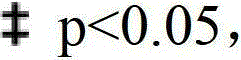
图3显示对同侧后爪局部施用单一剂量的林西多明(A、B)、安普乐定(C、D)或SNAP(E、F)与利索茶碱的组合,对于2-14天CPIP大鼠(A、C、E)的爪撤药阈值(PWT,g)至von Frey毛发刺激的作用或对利索茶碱(B、D、F)的抗痛觉超敏(DPWT)剂量响应曲线的作用。林西多明、安普乐定或SNAP与利索茶碱的组合产生显著的抗痛觉超敏作用(A、C、E),并将利索茶碱的抗痛觉超敏剂量响应曲线转移至左边(B、D、F)(*p<0.05,给药后相对于给药前);Figure 3 shows topical administration of a single dose of lincidomine (A, B), apraclonidine (C, D) or a combination of SNAP (E, F) and lisofylline to the ipsilateral hind paw, for 2-14 Effect of paw withdrawal threshold (PWT, g) to von Frey hair stimulation or antiallodynic (DPWT) dose response to lisofylline (B, D, F) in CPIP rats (A, C, E) function of the curve. Combinations of lincidomine, apraclonidine, or SNAP with lisofylline produced significant antihyperalgesic effects (A, C, E) and shifted the antihyperalgesic dose response curve of lisofylline to the left ( B, D, F) (*p<0.05, after administration vs. before administration);
图4显示对同侧的与对侧的后爪局部施用可乐定+己酮可可碱(A)、林西多明+己酮可可碱(B)、安普乐定+利索茶碱(C)、林西多明+利索茶碱(D)、或SNAP+利索茶碱(E)的组合,对于2-14天的CPIP大鼠的爪撤药阈值(PWT,g)至von Frey毛发刺激的作用。虽然当施用于同侧后爪时有明显的影响,但是当施用于对侧的后爪时,组合没有产生显著的抗痛觉超敏作用(*p<0.05,给药后相对于给药前;

图5显示对同侧的与对侧的后爪局部施用可乐定+己酮可可碱(A)、林西多明+己酮可可碱(B)、安普乐定+利索茶碱(C)、或SNAP+利索茶碱(D)的组合,对于患有较早的7-14天坐骨神经慢性缩窄性损伤(慢性压缩阻塞性损伤,chronic constriction injury)(CCI)(即,神经病变的大鼠)的爪撤药阈值(PWT,g)至von Frey毛发刺激的作用。尽管当施用于同侧后爪时有明显的影响,但是当施用于对侧的后爪时,组合没有产生显著的抗痛觉超敏作用(*p<0.05,给药后相对于给药前;
图6显示安普乐定+利索茶碱的组合在10个月大的患有严重的视乳头变性疾病的SPARC-缺乏(SPARC-null)小鼠中对丙酮的响应时期(冷异常性疼痛)。在对后爪施用45min之后,安普乐定+利索茶碱,而不是赋形剂软膏,显著降低了冷异常性疼痛(*p<0.05,给药后相对于给药前;

图7显示林西多明+己酮可可碱的组合对大鼠的爪撤药阈值(PWT,g)至von Frey毛发刺激的作用,该大鼠具有通过将100μL的酸性盐水(pH为4.0)间隔5天两次注射至腓肠肌而产生的肌肉痛,在第二次注射之后24h测试。在施用于后爪60min之后,0.4%的林西多明与0.4%(而不是0.15%)的己酮可可碱的组合显著降低了机械性异常性疼痛(*p<0.05,给药后相对于给药前);Figure 7 shows the effect of the combination of lincidamine + pentoxifylline on the paw withdrawal threshold (PWT, g) to von Frey hair stimulation in rats that had been stimulated by adding 100 μL of acidic saline (pH 4.0) Myalgia induced by two injections into the
图8显示林西多明+己酮可可碱的组合对,大鼠的爪撤药阈值(PWT,g)至von Frey毛发刺激的作用,对在试验之前48h通过向跖后爪注入50μL的1mg/mL的弗氏完全佐剂(CFA)诱导的该大鼠的炎性痛。在施用于后爪45min之后,0.4%的林西多明与0.4%(而不是0.15%)的己酮可可碱的组合显著降低了机械性异常性疼痛(*p<0.05,给药后相对于给药前);Figure 8 shows the combination of lincidamine + pentoxifylline, the paw withdrawal threshold (PWT, g) to von Frey hair stimulation in rats, by injecting 50 μL of 1mg into the plantar hindpaw 48h before the test /mL of complete Freund's adjuvant (CFA) induced inflammatory pain in the rat. The combination of 0.4% lincidomine and 0.4% (but not 0.15%) pentoxifylline significantly reduced
图9A)显示激光多普勒血流测定(以任意单位-AU),示出了25mg/kg全身性己酮可可碱对假的大鼠(上部黑色迹线)和2天CPIP的大鼠(下部灰色迹线)的阻塞后反应性充血的作用。在局部缺血初始期之后,相比于假(饲)(sham)的动物,大鼠显示明显较低的阻塞后反应性充血(微血管机能障碍的证据),但是在第二个再灌注周期期间,对后PTX给药具有显著上升的响应。B)显示在快速阻塞后反应充血周期(在再灌注后的第一个100秒)期间,用于假(饲)大鼠和2-8天CPIP大鼠的平均激光多普勒血流测定(作为差异%对预局部缺血基线的对数)。星号(*p<0.05)表明在后再灌注的相同时间点,在药物测量前和药物测量后之间,存在显著性差异。CPIP大鼠中阻塞后反应性充血的降低通过己酮可可碱治疗显著的逆转,该治疗对于假(饲)的大鼠没有显著作用。C)显示25mg/kg和50mg/kg的己酮可可碱都在CPIP大鼠中产生抗痛觉超敏作用,提高了PWT至von Frey毛发刺激(*p<0.05相比于赋形剂);以及Figure 9A) shows laser Doppler flowmetry (in arbitrary units - AU), showing the effect of 25 mg/kg systemic pentoxifylline on sham rats (upper black trace) and 2-day CPIP rats ( The role of post-occlusion reactive hyperemia (lower gray trace). After the initial period of ischemia, rats showed significantly lower post-occlusion reactive hyperemia (evidence of microvascular dysfunction) compared to sham animals, but during the second reperfusion cycle , with a significantly elevated response to post-PTX administration. B) shows mean laser Doppler flowmetry for sham (fed) rats and 2–8 day CPIP rats during the rapid post-occlusion reactive hyperemia period (in the first 100 s after reperfusion) ( as the logarithm of the % difference vs. pre-ischemic baseline). Asterisks (*p<0.05) indicate significant differences between pre-drug and post-drug measurements at the same time point of reperfusion. The reduction in post-occlusive reactive hyperemia in CPIP rats was significantly reversed by pentoxifylline treatment, which had no significant effect on sham (fed) rats. C) showing that both 25mg/kg and 50mg/kg of pentoxifylline produced anti-hyperalgesic effects in CPIP rats, increasing PWT to von Frey hair stimulation (*p<0.05 compared to vehicle); and
图10显示在两个CRPS-I患者的患肢和在对侧的或健康对照的四肢(开环)中,在运动或局部缺血之前、期间或之后,使用近红外分光镜检查(NIRS)的组织氧合指数(TOI)记录。A)显示CRPS患者和性别-匹配对照受试者在运动之前、运动期间和运动之后的手掌神经TOI。在运动期间,CRPS-I影响的手中的基础(起点)TOI和TOI低于在对照的健康受试者手中的。运动之后TOI上升,在CRPS-I手中表现出异常的氧合过度。B)显示在局部缺血期间,CRPS-I影响的臂中的基础(起点)前臂TOI和TOI低于对侧的臂。在CRPS-I的臂中反应的氧合过度也有迟延,反映了微血管机能障碍。Figure 10 shows near-infrared spectroscopy (NIRS) before, during, or after exercise or ischemia in the affected limb of two CRPS-I patients and in the contralateral or healthy control limb (open loop). Tissue Oxygenation Index (TOI) records. A) Shows palmar nerve TOI in CRPS patients and sex-matched control subjects before, during and after exercise. Basal (starting) TOI and TOI were lower in CRPS-I-affected hands than in the hands of control healthy subjects during exercise. TOI rises after exercise, showing abnormal hyperoxygenation in CRPS-I hands. B) shows that during ischemia, the basal (origin) forearm TOI and TOI are lower in the CRPS-I-affected arm than in the contralateral arm. Hyperoxygenation of the response was also delayed in the CRPS-I arm, reflecting microvascular dysfunction.
具体实施方式Detailed ways
本文中提供用于药理学治疗疼痛(包括无限制的神经性疼痛、局部缺血疼痛和肌肉疼痛)的新型局部药剂组合。本文中提供的药剂组合包括α2-肾上腺素能激动剂或一氧化氮供体与磷脂酸(PA)或磷酸二酯(PDE)抑制剂的组合。Provided herein are novel combinations of topical agents for the pharmacological treatment of pain, including without limitation neuropathic pain, ischemic pain, and muscular pain. Combinations of agents provided herein include alpha2-adrenergic agonists or nitric oxide donors in combination with phosphatidic acid (PA) or phosphodiester (PDE) inhibitors.
本文中提供的组合至少部分是基于新发现的当α2-肾上腺素能激动剂或一氧化氮供体与PA抑制剂或PDE抑制剂结合使用时产生的协同效应。然而之前已经使用α2-肾上腺素能激动剂、一氧化氮供体、和PDE抑制剂来减轻慢性疼痛,但它们没有以全身地或以局部用制剂的组合用来治疗慢性疼痛。PDE抑制剂之前没有作为局部制剂用于减轻疼痛。此外,由于PA抑制剂的药理特性(如血管扩张剂、抗局部缺血剂和抗血小板聚集效应),虽然它们是用于治疗疼痛的优异的候补物质,但PA抑制剂之前没有用来治疗慢性疼痛。The combinations provided herein are based at least in part on the newly discovered synergistic effect that occurs when an alpha2-adrenergic agonist or nitric oxide donor is used in combination with a PA inhibitor or a PDE inhibitor. While alpha2-adrenergic agonists, nitric oxide donors, and PDE inhibitors have been used previously to reduce chronic pain, they have not been used to treat chronic pain either systemically or in combination with topical formulations. PDE inhibitors have not previously been used as topical agents for pain relief. Furthermore, PA inhibitors have not previously been used to treat chronic pain.
本文中我们第一次报道令人惊讶的和出乎意料的发现,α2-肾上腺素能激动剂或一氧化氮供体与PA抑制剂或PDE抑制剂结合协同地在疼痛的治疗中起作用。本文中提供的组合物之前没有用于疼痛的治疗中,而且使用α2-肾上腺素能激动剂或一氧化氮供体与PA抑制剂或PDE抑制剂结合的非常高程度的协同作用是出乎意料的。我们的发现至少部分是基于我们发现神经性疼痛和CRPS部分取决于可以通过提高局部温度调节的和营养性血流来缓和的局部微血管功能障碍。当涉及到疼痛时,这些机理不是广泛认知的,而且最近才归属于神经性疼痛和CRPS。最近刚刚认为微血管功能障碍和不良组织灌注促使纤维肌痛和慢性腰背痛。在不希望受到理论或特定的机理限制的情况下,相信那些组合物至少部分是有益的,因为它们作用于微血管功能障碍(血管痉挛)和损伤(毛细管无复流)。Herein we report for the first time the surprising and unexpected discovery that α2-adrenergic agonists or nitric oxide donors in combination with PA inhibitors or PDE inhibitors act synergistically in the treatment of pain. The compositions provided herein have not been used before in the treatment of pain, and the very high degree of synergy using an alpha2-adrenergic agonist or nitric oxide donor in combination with a PA inhibitor or a PDE inhibitor is unexpected of. Our findings are based, at least in part, on our finding that neuropathic pain and CRPS depend in part on local microvascular dysfunction that can be moderated by increasing local temperature-regulated and trophic blood flow. When it comes to pain, these mechanisms are not widely recognized and have only recently been attributed to neuropathic pain and CRPS. It has only recently been recognized that microvascular dysfunction and poor tissue perfusion contribute to fibromyalgia and chronic low back pain. Without wishing to be bound by theory or a particular mechanism, it is believed that those compositions are beneficial, at least in part, because they act on microvascular dysfunction (vasospasm) and injury (capillary no-reflow).
从而,再次说明在不希望受到理论限制的情况下,本发明至少部分是基于发现了旨在通过例如降低动脉血管痉挛和毛细管无复流来提高组织充氧作用,将有效地缓解疼痛的治疗方法。我们利用新的理论改善温度调节的血流量和营养性的血流量,两者将一起协同地产生改善的组织充氧作用,这会减轻疼痛(包括例如神经性疼痛、局部缺血疼痛、炎性疼痛和肌肉痛)。Thus, again without wishing to be bound by theory, the present invention is based at least in part on the discovery that treatments aimed at increasing tissue oxygenation by, for example, reducing arterial vasospasm and capillary no-reflow will be effective in alleviating pain . We use new theories to improve thermoregulatory and trophic blood flow, which together synergistically produce improved tissue oxygenation, which reduces pain (including, for example, neuropathic pain, ischemic pain, inflammatory pain and muscle pain).
从而在一个实施方式中,本文中提供的组合物提高了组织充氧作用。在另一个实施方式中,本文中提供的组合物提高了温度调节的血流量和/或营养性的血流量。本发明的组合物还可以产生抗氧化剂、抗细胞因子、免疫抑制剂和/或线粒体的保护效应,其有助于很多综合症的疼痛。在一个实施方式中,本文中所提供的组合物降低动脉血管痉挛和/或毛细管无复流。在另一个实施方式中,通过本文中所提供的组合物治疗微血管功能障碍。在另一个实施方式中,本文中所提供的组合物具有抗痛觉超敏作用。Thus, in one embodiment, the compositions provided herein increase tissue oxygenation. In another embodiment, the compositions provided herein increase thermoregulated blood flow and/or nutritional blood flow. Compositions of the present invention may also produce antioxidant, anticytokine, immunosuppressant and/or mitochondrial protective effects that contribute to pain in many syndromes. In one embodiment, the compositions provided herein reduce arterial vasospasm and/or capillary no-reflow. In another embodiment, microvascular dysfunction is treated by the compositions provided herein. In another embodiment, the compositions provided herein have anti-hyperalgesic effects.
此外,本发明的组合物的局部给药降低了全身性副作用的可能性。虽然之前已经将单药剂用于神经性疼痛(包括糖尿病神经病变)、绞痛和周围(末梢)动脉疾病(包括间歇性跛行和慢性手足局部缺血(慢性肢体局部缺血,chronic limb ischemia))、CRPS、慢性腰背痛和纤维肌痛,但是常常没有考虑局部治疗。此外,如上所述的存在于本文中的特殊组合,之前没有用于疼痛疗法。从而在一个方面中,药剂之间协同的共同作用使得能够以较低剂量使用,以及药剂、组合或组合物的局部施用具有降低副作用同时维持高效力的显著优势。Furthermore, topical administration of the compositions of the present invention reduces the likelihood of systemic side effects. Although single agents have been used previously for neuropathic pain (including diabetic neuropathy), angina, and peripheral (peripheral) arterial disease (including intermittent claudication and chronic limb ischemia (chronic limb ischemia)) , CRPS, chronic low back pain, and fibromyalgia, but topical treatments are often not considered. Furthermore, the particular combinations presented herein, as described above, have not been previously used in pain therapy. Thus in one aspect, the synergistic co-action between the agents enables use at lower dosages, and topical administration of the agents, combinations or compositions has the significant advantage of reducing side effects while maintaining high potency.
因此,本文中我们提供了用于神经性疼痛(如糖尿病神经病变和CRPS-II)、局部缺血疼痛(如绞痛、CRPS-I和周围(末梢)动脉病)、肌肉痛(如纤维肌痛和慢性腰背痛)、关节炎或炎性痛和MS疼痛的基于α2-肾上腺素能激动剂或一氧化氮供体与PA或PDE抑制剂协同组合的局部疗法。所述组合通过提高局部的温度调节血流量和营养性血流量可以产生协同效应,并产生抗氧化剂、抗细胞因子、免疫抑制剂、和/或线粒体的保护效应,其有助于这些综合症中的疼痛。由于局部药剂仅产生局部作用,当与很多标准疗法发生时,这些治疗法应当没有或只有极小的中枢神经系统副作用,或滥用潜力。Therefore, in this article we provide recommendations for neuropathic pain (eg, diabetic neuropathy and CRPS-II), ischemic pain (eg, angina, CRPS-I, and peripheral (peripheral) arterial disease), myalgia (eg, fibromyalgia) pain and chronic low back pain), arthritic or inflammatory pain and MS pain based on topical therapy of alpha2-adrenergic agonists or nitric oxide donors in synergistic combination with PA or PDE inhibitors. The combination can have a synergistic effect by increasing local thermoregulatory and trophic blood flow, and produce antioxidant, anticytokine, immunosuppressant, and/or mitochondrial protective effects that contribute to these syndromes. pain. Since topical agents produce only local effects, these treatments should have no or minimal central nervous system side effects, or potential for abuse, as occurs with many standard therapies.
α2-肾上腺素能激动剂和一氧化氮供体都是作用于末梢以减少动脉血管痉挛的药剂;α2-肾上腺素能激动剂在将α2-肾上腺素能受体结合至交感后节神经元(除了中枢作用)之后,通过抑制局部释放的血管收缩的去甲肾上腺素,而一氧化氮供体通过提高有效力的血管扩张剂一氧化氮的产生。PA抑制剂通过阻断溶血磷脂酸酰基转移酶(LPAAT)来阻止PA的产生,溶血磷脂酸酰基转移酶催化溶血磷脂酸(LPA)至PA的酰化作用。通过促炎的介质(如白细胞间介素肿瘤坏死因子a和血小板活化因子)活化的PA在常见信号通路中是关键信使。PDE抑制剂通过抑制磷酸二酯使血管松弛,其降解细胞内第二信使环腺苷酸(cAMP)和环鸟苷酸(cGMP)。Both α2-adrenergic agonists and nitric oxide donors are agents that act peripherally to reduce arterial vasospasm; In addition to the central action), by inhibiting the local release of vasoconstrictor norepinephrine, while the nitric oxide donor acts by enhancing the production of the potent vasodilator nitric oxide. PA inhibitors prevent PA production by blocking lysophosphatidic acid acyltransferase (LPAAT), which catalyzes the acylation of lysophosphatidic acid (LPA) to PA. Through pro-inflammatory mediators such as interleukin Tumor necrosis factor-a and platelet-activating factor)-activated PA are key messengers in common signaling pathways. PDE inhibitors relax blood vessels by inhibiting phosphodiesters, which degrade the intracellular second messengers cyclic AMP (cAMP) and cyclic guanylic acid (cGMP).
在一个实施方式中,所述药剂的组合包括α2-肾上腺素能激动剂和PA抑制剂的组合。在另一个实施方式中,所述药剂的组合包括α2-肾上腺素能激动剂和PDE抑制剂的组合。在另一个实施方式中,所述药剂的组合包括一氧化氮供体和PA抑制剂的组合。在另一个实施方式中,所述药剂的组合包括一氧化氮供体和PDE抑制剂的组合。In one embodiment, the combination of agents comprises a combination of an alpha2-adrenergic agonist and a PA inhibitor. In another embodiment, the combination of agents comprises a combination of an alpha2-adrenergic agonist and a PDE inhibitor. In another embodiment, the combination of agents comprises a combination of a nitric oxide donor and a PA inhibitor. In another embodiment, the combination of agents comprises a combination of a nitric oxide donor and a PDE inhibitor.
在一个实施方式中,药剂的组合包括α2-肾上腺素能激动剂和一氧化氮供体与PA抑制剂的组合。在另一个实施方式中,药剂组合包括α2-肾上腺素能激动剂和一氧化氮供体与PDE抑制剂的组合。In one embodiment, the combination of agents comprises an alpha2-adrenergic agonist and a nitric oxide donor in combination with a PA inhibitor. In another embodiment, the combination of agents comprises an alpha2-adrenergic agonist and a nitric oxide donor in combination with a PDE inhibitor.
在另一个实施方式中,所述药剂的组合包括α2-肾上腺素能激动剂或一氧化氮供体与PA抑制剂和PDE抑制剂的组合。在另一个实施方式中,所述药剂包括α2-肾上腺素能激动剂和一氧化氮供体与PA抑制剂和PDE抑制剂的组合。In another embodiment, the combination of agents comprises an alpha2-adrenergic agonist or nitric oxide donor in combination with a PA inhibitor and a PDE inhibitor. In another embodiment, the medicament comprises an alpha2-adrenergic agonist and a nitric oxide donor in combination with a PA inhibitor and a PDE inhibitor.
示例性的用于本发明的组合物的α2-肾上腺素能激动剂,无限制性地包括安普乐定、可乐定(cionidine)、地托咪定、右美托咪定(dexamedetomidine)、胍那苄、胍法辛、莫索尼定、罗米非定、替扎尼定和甲苯噻嗪。在一个特定的实施方式中,安普乐定是优选药剂。Exemplary alpha2-adrenergic agonists for use in the compositions of the invention include, without limitation, apraclonidine, cionidine, detomidine, dexamedetomidine, guanidine Nabenzyl, guanfacine, moxonidine, romifidine, tizanidine, and xylazine. In a specific embodiment, apraclonidine is the preferred agent.
示例性的用于本发明的组合物的一氧化氮供体无限制性地包括二硝酸异山梨醇酯、L-精氨酸、林西多明、米诺地尔、尼可地尔、硝酸甘油(硝化甘油)、硝普盐、亚硝基谷胱甘肽(nitrosoglutathione)、和S-亚硝基-N乙酰基青霉胺(SNAP)。在一个特定的实施方式中,林西多明是优选药剂。Exemplary nitric oxide donors for use in compositions of the present invention include, without limitation, isosorbide dinitrate, L-arginine, lindramine, minoxidil, nicorandil, nitric acid Glycerin (nitroglycerin), nitroprusside, nitrosoglutathione, and S-nitroso-N-acetylpenicillamine (SNAP). In a particular embodiment, lindramine is the preferred agent.
示例性的用于本发明的组合物的PA抑制剂无限制性地包括利索茶碱和己酮可可碱(其中利索茶碱是代谢产物)。在一个特定的实施方式中,利索茶碱是优选药剂。Exemplary PA inhibitors for use in the compositions of the present invention include, without limitation, lisofylline and pentoxifylline (where lisofylline is a metabolite). In a specific embodiment, lisofylline is the preferred agent.
示例性的用于本发明的组合物的PDE抑制剂,PDE3抑制剂(如布拉地新、西洛酰胺、西洛他唑、依诺昔酮、氨力农(inamrinone)(以前为氨利酮(amrinone))、米力农、匹莫苯、和扎达维林);PDE4抑制剂(如海罂粟碱、异丁司特、木犀草素(四羟黄酮)、己酮可可碱、吡拉米司特、丙戊茶碱、罗氟司特、咯利普兰和RPL-554);和PDE5抑制剂(如红地那非(acetildenafil)、阿伐那非(avanafil)、双嘧达莫、淫羊藿甙、罗地那非(lodenafil)、米罗那非(mirodenafil)、西地那非、他达拉非、乌地那非(udenafil)和伐地那非)。在一个特定的实施方式中,所述PDE抑制剂是PDE4抑制剂。Exemplary PDE inhibitors for use in the compositions of the present invention, PDE3 inhibitors (such as bradexin, cilostamide, cilostazol, enoximone, inamrinone (formerly Amrinone) ketone (amrinone)), milrinone, pimobendan, and zadaverine); PDE4 inhibitors (such as sea papaverine, ibudilast, luteolin (tetracerin), pentoxifylline, pyridoxine laminast, propentofylline, roflumilast, rolipram, and RPL-554); and PDE5 inhibitors (eg, acetildenafil, avanafil, dipyridamole , icariin, lodenafil, mirodenafil, sildenafil, tadalafil, udenafil, and vardenafil). In a specific embodiment, said PDE inhibitor is a PDE4 inhibitor.
本发明示例性的组合物包括以下:包括安普乐定和利索茶碱的组合;包括林西多明和利索茶碱的组合;包括SNAP和利索茶碱的组合;包括可乐定(cionidine)和己酮可可碱的组合;包括林西多明和己酮可可碱的组合。在一个特定的实施方式中,本发明的组合包括安普乐定和利索茶碱。Exemplary compositions of the invention include the following: a combination comprising apraclonidine and lisofylline; a combination comprising lindramine and lisofylline; a combination comprising SNAP and lisofylline; comprising cionidine and hexanone Combinations of theobromine; includes combinations of lindoxydamine and pentoxifylline. In a specific embodiment, the combination of the invention comprises apraclonidine and lisofylline.
预期其他现有技术中已知的α2-肾上腺素能激动剂、一氧化氮供体、PA抑制剂和PDE抑制剂可以用于本发明的组合物中。It is contemplated that other alpha2-adrenergic agonists, nitric oxide donors, PA inhibitors and PDE inhibitors known in the art may be used in the compositions of the present invention.
如在本文中使用的术语“协同的(synergistic)”是指通过本文中所描述的药剂的协同效应引起的减轻疼痛或治疗疼痛的响应,其中多种药剂的共同作用(在持续期间、强度,广泛地或相反)大于通过每种药剂单独产生作用的总和。The term "synergistic" as used herein refers to a pain-relieving or pain-treating response elicited by the synergistic effect of the agents described herein, wherein the combined action (in duration, intensity, broadly or otherwise) is greater than the sum of the effects produced by each agent alone.
如在本文中使用的术语“局部(topical)”或“经皮肤(经皮,transdermal)递送可交替地使用是指通过通道和通过皮肤或粘膜组织对药物的递送。As used herein, the terms "topical" or "transdermal" delivery are used interchangeably to refer to the delivery of a drug through a channel and through skin or mucosal tissue.
治疗和医学应用的方法Methods of treatment and medical applications
本文提供的治疗剂(包括例如,本发明的组合、组合物、和局部治疗法)可以用于有效地、长期地减轻诸如CRPS-II和糖尿病神经病变的周围神经病变的疼痛,诸如绞痛、CRPS-I、和周围动脉病的局部缺血病症的疼痛,诸如纤维肌痛和慢性腰背痛的慢性肌肉疼痛,关节炎疼痛,多发性硬化(MS)的疼痛,以及其他相关或相似的疼痛障碍。Therapeutics provided herein (including, for example, the combinations, compositions, and topical treatments of the invention) can be used for effective, long-term relief of pain in peripheral neuropathies such as CRPS-II and diabetic neuropathy, such as colic, CRPS-I, and pain from ischemic conditions of peripheral arterial disease, chronic muscle pain such as fibromyalgia and chronic low back pain, arthritis pain, pain from multiple sclerosis (MS), and other related or similar pain obstacle.
周围神经病变是一种涉及在体内任何地方的神经端损伤的病症。通常周围神经病变指的是影响末梢神经的疾病,最通常表现为运动、感觉、感觉运动、或自主神经功能障碍。由周围神经病变示出的很多种病态可以各自单独地归结于同样多种的起因。例如,周围神经病变可以是遗传获得的,可以是由全身性疾病引起的,可以表现为手术后并发症,或可以是由毒性剂引起的。引起神经毒性的某些毒性剂是治疗性药物、抗癌剂、食品或药品污染物、以及环境、和工业污染物。在其它情况下,神经病变可以是由于腰背痛、格-巴二氏综合征(Guillain-Barre Syndrome)、或坐骨神经痛。Peripheral neuropathy is a condition involving damage to the ends of nerves anywhere in the body. Peripheral neuropathy generally refers to disorders affecting the peripheral nerves, most commonly manifested by motor, sensory, sensorimotor, or autonomic dysfunction. The wide variety of pathologies illustrated by peripheral neuropathy can each be attributed individually to the same variety of causes. For example, peripheral neuropathy may be genetically acquired, may result from a systemic disease, may present as a postoperative complication, or may result from a toxic agent. Some of the toxic agents that cause neurotoxicity are therapeutic drugs, anticancer agents, food or drug contaminants, and environmental, and industrial pollutants. In other cases, neuropathy can be due to low back pain, Guillain-Barre Syndrome, or sciatica.
虽然多种神经病变与疾病糖尿病相关,其它的,虽然并不知道与糖尿病相关,它们对周围血管系统的生理效应是相似的。这些疾病包括雷诺氏现象(Raynaud's Phenomenon),包括CREST综合征、自身免疫疾病如系统性红斑狼疮和类风湿病。其它周围神经病变包括以下:HIV相关神经病变;缺乏B12相关神经病变;颅神经麻痹;药物引起的神经病变;工业化神经病变;淋巴瘤性神经病变;骨髓瘤性神经病变;多病灶运动神经病变;慢性特发性感觉神经病变;癌性神经病变;急性痛自主神经病变;酒精性神经病变;压迫性神经病变;脉管炎/缺血性神经病变;以及单神经病变和多神经病变。Although various neuropathies are associated with the disease diabetes, others, although not known to be associated with diabetes, have similar physiological effects on the peripheral vasculature. These disorders include Raynaud's Phenomenon, including CREST syndrome, autoimmune diseases such as systemic lupus erythematosus, and rheumatoid diseases. Other peripheral neuropathies include the following: HIV-associated neuropathy; B12-deficiency-associated neuropathy; cranial nerve palsies; drug-induced neuropathy; industrialized neuropathy; lymphomatous neuropathy; myelomatous neuropathy; multifocal motor neuropathy; Chronic idiopathic sensory neuropathy; cancerous neuropathy; acute painful autonomic neuropathy; alcoholic neuropathy; compressive neuropathy; vasculitic/ischemic neuropathy; and mononeuropathy and polyneuropathy.
例如,引发周围神经病变的毒性剂中最重要的是治疗剂,特别是用于治疗肿瘤性疾病的那些。在某些情况下,周围神经病变是癌症治疗的主要并发症,并且是限制可以给予患者的化疗剂的剂量的主要因素。周围神经病变也可以促进其它疼痛综合征,包括慢性腰背痛、纤维肌痛、CRPS-II、和幻肢痛。For example, the most important of the toxic agents that cause peripheral neuropathy are therapeutic agents, especially those used in the treatment of neoplastic diseases. Peripheral neuropathy is, in certain instances, a major complication of cancer treatment and a major factor limiting the dose of chemotherapeutic agents that can be given to patients. Peripheral neuropathy can also contribute to other pain syndromes, including chronic low back pain, fibromyalgia, CRPS-II, and phantom limb pain.
本发明的治疗剂可以用于多种疼痛,包括纤维肌痛、慢性广泛扩散性疼痛(chronic wide spread pain)、以及可以取决于神经和/或局部缺血的疼痛。也包括慢性绞痛(慢性咽峡炎)、周围动脉病、和关节炎疼痛,以及本领域已知的其它疼痛障碍。Therapeutics of the invention are useful for a variety of pains, including fibromyalgia, chronic wide spread pain, and pain that may be neurological and/or ischemic dependent. Also included are chronic angina (chronic angina), peripheral arterial disease, and arthritic pain, as well as other pain disorders known in the art.
多发性硬化(MS)是一种其中脑和脊髓神经元的轴突周围的脂肪髓鞘受损导致脱髓鞘和结瘢以及多种体征和症状的疾病。大多数患有MS的患者经历急性或慢性疼痛。例如,MS患者可能经历慢性疼痛综合征,如感觉迟钝、腰背痛、痉挛、强直发作、绷紧(tightening)、四肢疼痛的感觉。急性痛综合症可以包括神经痛、莱尔米特氏(L'Hermitte's)体征、以及与视神经炎相关的疼痛。对于很多人,疼痛是MS的一种最严重的症状。Multiple sclerosis (MS) is a disease in which damage to the fatty myelin sheath surrounding the axons of neurons in the brain and spinal cord leads to demyelination and scarring as well as a variety of signs and symptoms. Most patients with MS experience acute or chronic pain. For example, MS patients may experience chronic pain syndromes such as dysesthesia, low back pain, cramping, tonic seizures, tightening, painful sensations in the extremities. Acute pain syndromes may include neuralgia, L'Hermitte's sign, and pain associated with optic neuritis. For many people, pain is one of the worst symptoms of MS.
关节炎指的是包括损伤身体关节的病症组。有多于100种不同类型的关节炎。最常见的形式,骨关节炎(变性性关节病)是关节损伤、关节感染、或年龄的结果。其它关节炎形式是类风湿性关节炎、银屑病关节炎、和身体攻击自身的自身免疫疾病。脓毒性关节炎是由关节感染所引起的。患有关节炎的个体的主要倾诉是疼痛,其为该疾病的通常持续性和日发性特点。该疼痛可以定位在背部、颈部、髋部(臀部,hip)、膝盖、或足部,并且可以由于关节周围出现的炎症而产生,其来自疾病的关节损伤、关节的日常磨损、由针对僵硬的运动所引起肌扭伤、疼痛性关节、以及疲乏引发。Arthritis refers to a group of conditions that include damage to the joints of the body. There are more than 100 different types of arthritis. The most common form, osteoarthritis (degenerative joint disease) is the result of joint damage, joint infection, or age. Other forms of arthritis are rheumatoid arthritis, psoriatic arthritis, and autoimmune diseases in which the body attacks itself. Septic arthritis is caused by joint infection. The main complaint of individuals with arthritis is pain, which is a usually persistent and diurnal feature of the disease. The pain can be localized in the back, neck, hip (hip), knee, or foot, and can be due to inflammation that occurs around the joint, from joint damage from disease, from daily wear and tear on the joint, from Sports-induced muscle sprains, painful joints, and fatigue.
复杂区域性疼痛综合征(复杂区域性疼痛综合症,CRPS)是一种慢性进行性疾病,其特点在于重度痛、肿胀、以及皮肤改变。在患有CRPS的患者中,组织损害导致无氧自由基以及引起微血管损伤的促炎细胞因子的产生,这些微血管损伤包括动脉血管痉挛以及肌肉和神经血管中的毛细管无再流通(无再流)。血管痉挛,与降低的一氧化氮以及对去甲肾上腺素和毛细管无再流通而提高的血管作用反应相关,导致降低的营养性血液流动、较差的肌肉氧合、以及肌肉乳酸盐的累积,所有这些促进疼痛。CRPS分为两种类型:I型,以前称为反射性交感神经营养障碍(RSD)、祖德克萎缩、反射神经血管营养不良(reflex neurovascular dystrophy,RND)、或痛觉神经营养不良,以及II型,以前称为灼性神经痛,通过伴随主要神经损伤的存在而区别于CRPS-I。目前未知该综合症的起因,但是诱因包括损伤和手术。Complex regional pain syndrome (CRPS) is a chronic progressive disorder characterized by severe pain, swelling, and skin changes. In patients with CRPS, tissue damage leads to anaerobic free radicals and the production of pro-inflammatory cytokines that cause microvascular damage, including arterial vasospasm and capillary no-reflow (no-reflow) in muscle and neurovascular vessels . Vasospasm, associated with decreased nitric oxide and increased vasoactive response to norepinephrine and capillary no-recirculation, resulting in decreased nutrient blood flow, poor muscle oxygenation, and accumulation of muscle lactate , all of which contribute to pain. CRPS is divided into two types: type I, formerly known as reflex sympathetic dystrophy (RSD), Zudek's atrophy, reflex neurovascular dystrophy (RND), or pain neurodystrophy, and type II , formerly known as causalgia, is distinguished from CRPS-I by the presence of concomitant major nerve damage. The cause of the syndrome is unknown, but triggers include injury and surgery.
局部缺血疼痛与损伤或手术创伤导致的机械性梗阻、压缩性矫形心律失常(constricting orthopedic casts)、或血流量不足所引起的血流量降低相关。由阻塞性动脉病如栓子或血栓引起局部缺血疼痛通常是严重的,并且无法减轻,甚至用麻醉剂。局部缺血疼痛常规包括与冠状(绞痛)或周围(间歇性跛行、临界性肢体缺血)动脉疾病相关的疼痛。许多病症如外周血管病和部分动脉闭塞(部分动脉阻塞)可以导致局部缺血疼痛。Ischemic pain is associated with mechanical obstruction due to injury or surgical trauma, constricting orthopedic casts, or decreased blood flow due to insufficient blood flow. Ischemic pain caused by obstructive arterial disease such as an embolus or thrombus is usually severe and cannot be relieved, even with anesthetics. Ischemic pain conventionally includes pain associated with coronary (angina) or peripheral (intermittent claudication, borderline limb ischemia) arterial disease. A number of conditions such as peripheral vascular disease and partial arterial occlusion (blockage of a portion of an artery) can cause ischemic pain.
因此,本发明的药剂和其组合物的结合可以用于治疗或预防疼痛。预期了本发明的组合和组合物用于治疗或预防本文中讨论的类型的疼痛以及本领域已知的其它疼痛障碍。Accordingly, combinations of agents of the invention and compositions thereof can be used to treat or prevent pain. The combinations and compositions of the invention are contemplated for use in the treatment or prevention of pain of the types discussed herein, as well as other pain disorders known in the art.
本发明的药剂和组合物的结合在本文中讨论的疾病和病症的治疗法和/或预防法两者中表明。因此,在本发明的一个方面中,提供了一种治疗或预防周围神经病变或特点为周围神经病变的病症的方法,包括将本发明的药剂或其组合物的组合给予受试者。在一个方面中,本文提供了用于局部或经皮肤治疗神经病变的方法和组合物。更特别地,本文提供了包括以下成分的组合的经皮肤的或局部组合物,这些成分提供了对周围神经病变的出乎意料程度的有效缓解,以及用于给予该组合物以治疗各种神经病变的方法。Combinations of agents and compositions of the invention are indicated both in the treatment and/or prophylaxis of the diseases and conditions discussed herein. Accordingly, in one aspect of the invention there is provided a method of treating or preventing peripheral neuropathy or a condition characterized by peripheral neuropathy comprising administering to a subject a combination of agents of the invention or compositions thereof. In one aspect, provided herein are methods and compositions for topical or transdermal treatment of neuropathy. More particularly, provided herein are transdermal or topical compositions comprising combinations of ingredients that provide unexpectedly effective relief of peripheral neuropathy, and for administering such compositions for the treatment of various neurological method of disease.
根据另一方面,提供了一种治疗或预防关节炎疼痛的方法,包括将本发明的药剂或组合物的组合给予受试者。根据本发明的另一方面,提供了一种治疗或预防CRPS的方法,包括将本发明的药剂或组合物的组合给予受试者。According to another aspect, there is provided a method of treating or preventing arthritic pain comprising administering to a subject a combination of agents or compositions of the invention. According to another aspect of the present invention, there is provided a method of treating or preventing CRPS, comprising administering the combination of the agents or compositions of the present invention to a subject.
根据本发明的又一方面,提供了一种治疗或预防局部缺血疼痛的方法,包括将本发明的药剂或组合物的组合给予受试者。根据本发明的进一步的方面,提供了一种治疗或预防MS疼痛的方法,包括将本发明的药剂或组合物的组合给予受试者。在另一方面中,通过将本文中披露的药剂或其组合物的组合给予受试者,治疗或预防与慢性肌肉疼痛相关的疼痛综合征。According to yet another aspect of the present invention, there is provided a method of treating or preventing ischemic pain comprising administering to a subject a combination of agents or compositions of the present invention. According to a further aspect of the present invention there is provided a method of treating or preventing pain in MS comprising administering to a subject a combination of agents or compositions of the present invention. In another aspect, pain syndromes associated with chronic muscle pain are treated or prevented by administering to a subject a combination of agents disclosed herein, or compositions thereof.
在其它方面中,提供了直接治疗疼痛的方法,包括将有效量的本发明的药剂组合的药物组合物经皮肤或局部给予需要这种治疗的受试者受影响的部位的步骤。如果需要加强镇痛效果,可以加入其它药物或成分。In other aspects, there is provided a method of direct treatment of pain comprising the step of transdermally or topically administering to an affected area of a subject in need of such treatment an effective amount of a pharmaceutical composition in combination with an agent of the invention. If it is necessary to enhance the analgesic effect, other drugs or ingredients can be added.
进一步的实施方式包括用于在受试者中治疗疼痛的方法,该方法包括局部给予有效量的组合物,该组合物包括配制在药用局部载体中的与治疗有效量的PA或PDE抑制剂相结合的α2-肾上腺素能激动剂或一氧化氮供体。A further embodiment includes a method for treating pain in a subject comprising topically administering an effective amount of a composition comprising a therapeutically effective amount of a PA or PDE inhibitor formulated in a pharmaceutically acceptable topical carrier Combined alpha2-adrenergic agonist or nitric oxide donor.
其它实施方式包括用于治疗患有神经性疼痛的受试者的方法,该方法包括局部给予有效量的组合物,该组合物包括配制在局部治疗的药用载体中的与治疗有效量的PA或PDE抑制剂相结合的α2-肾上腺素能激动剂或一氧化氮供体。在实施方式中,神经性疼痛是周围神经性疼痛。Other embodiments include methods for treating a subject suffering from neuropathic pain comprising topically administering an effective amount of a composition comprising a therapeutically effective amount of PA formulated in a pharmaceutically acceptable carrier for topical treatment or PDE inhibitors combined with α2-adrenergic agonists or nitric oxide donors. In an embodiment, the neuropathic pain is peripheral neuropathic pain.
应当理解,除了预防或治疗疼痛之外,本发明的药剂和其组合物的结合可以在被治疗的受试者中增加组织氧合;增加温度调节性和/或营养性血流量;具有抗氧化剂、抗细胞因子、免疫抑制剂和/或线粒体保护效应;降低动脉血管痉挛和/或毛细管无再流通;和/或具有抗痛觉超敏作用。It is to be understood that, in addition to preventing or treating pain, combinations of agents of the invention and compositions thereof can increase tissue oxygenation; increase thermoregulatory and/or nutritional blood flow; have antioxidant , anti-cytokine, immunosuppressant and/or mitochondrial protective effects; reduces arterial vasospasm and/or capillary no-reflow; and/or has anti-hyperalgesic effects.
如在本文中使用的,“受试者”包括哺乳动物,包括人类。As used herein, "subject" includes mammals, including humans.
在实施方式中,本文中披露的方法包括将治疗有效量的本发明的药剂或组合物的组合给予需要其的受试者。“需要其的”受试者是经受或易患所讨论的疼痛障碍或病症的受试者。术语“治疗有效量”指的是对治疗的受试者有治疗效果的化合物的量。该效果可以是客观的(即可通过某些试验或标记物测量的)或主观的(即受试者给出效果的征兆或感觉到效果)。术语“有效量”指的是足以产生预期效果或具有期望的生物效应的化合物、组合、或组合物的量。例如,有效量可以是至少部分缓和、降低、预防、或治疗受试者体内疼痛的量。In an embodiment, the methods disclosed herein comprise administering to a subject in need thereof a therapeutically effective amount of a combination of agents or compositions of the invention. A subject "in need thereof" is one suffering from or susceptible to the pain disorder or condition in question. The term "therapeutically effective amount" refers to the amount of a compound that has a therapeutic effect on the subject being treated. The effect may be objective (ie, measurable by some test or marker) or subjective (ie, the subject gives signs of or feels the effect). The term "effective amount" refers to an amount of a compound, combination, or composition sufficient to produce a desired effect or have a desired biological effect. For example, an effective amount can be an amount that at least partially alleviates, reduces, prevents, or treats pain in a subject.
还包括本发明的药剂的组合在制备用于治疗本文中的疼痛和疾病的药剂中的应用,如用于治疗或预防描述的疼痛疾病和症状的组合物。Also included is the use of combinations of agents of the invention in the manufacture of a medicament for the treatment of pain and diseases herein, such as compositions for the treatment or prevention of the described pain diseases and conditions.
药物组合物pharmaceutical composition
大多数用于神经性疼痛、CRPS、和局部缺血疼痛的治疗使用引起显著副作用的口服系统治疗。这些副作用使得不能使用治疗有效剂量水平,以及降低患者顺应性。使用低剂量的局部药剂可以克服这些副作用。使用局部疗法,药物浓度在局部目标部位较高,但是血浆浓度将典型地比相同剂量的口服给出的低10%。此外,局部治疗避免胃肠道(Gl)和肝脏首过代谢,并且使得更多药物是局部活性的,对肝脏或Gl具有较低的潜在毒性。Most treatments for neuropathic pain, CRPS, and ischemic pain use oral systemic treatments that cause significant side effects. These side effects prevent the use of therapeutically effective dosage levels and reduce patient compliance. These side effects can be overcome with low doses of topical agents. With topical therapy, drug concentrations are higher at the local target site, but plasma concentrations will typically be 10% lower than given orally at the same dose. Furthermore, local treatment avoids gastrointestinal (Gl) and hepatic first-pass metabolism and allows more drugs to be locally active with lower potential toxicity to the liver or Gl.
本文中我们报道了本发明的药剂组合在我们的CRPS-I动物模型中的局部给予产生了与通过在5至200次较高的系统剂量下单独地全身给予单独的药剂而产生的效果相似的效果。此外,在相同的模型中,局部组合的给予具有高于在较高剂量下的全身性扑热息痛、布洛芬、地塞米松、或阿米替林的效力(Millecamps and Coderre,Eur J Pharmacol2008;583:97-102)。局部组合在CRPS-I和神经性疼痛两种动物模型中也产生了最大效果,相当于通过高的全身剂量的吗啡和普瑞巴林产生的效果(用于神经性疼痛的黄金标准治疗)(Millecamps and Coderre,Eur J Pharmacol2008;583:97-102;Kumar N et al.,J.Neurochem.2010;113:552-61)。应指出,这些结果是使用一定浓度的组合(联用)的局部药剂实现的,其比用于神经性疼痛或局部缺血疼痛或临床用途的推荐浓度低得多。例如,当将本发明的组合局部给予动物时,发现在0.005%下的安普乐定、在0.0075%下的可乐定、在0.0078%-0.075%下的利索茶碱、在0.3或0.6%下的己酮可可碱、以及在0.4%下的林西多明全都是高度有效的(参见实施例)。相比之下,当单独使用这些药剂时,典型的推荐浓度是安普乐定为0.5-1.0%,可乐定为0.1-0.3%,利索茶碱为0.5-5%,己酮可可碱为5-15%,以及林西多明为2%。因此,通过组合这些药剂产生的协同作用致使在比用于单药剂的局部剂量低5至640倍的剂量下显著的抗痛觉超敏效果。Here we report that local administration of the agent combinations of the present invention in our CRPS-I animal model produced similar effects to those produced by systemic administration of the individual agents alone at 5 to 200 higher systemic doses. Effect. Furthermore, in the same model, administration of the topical combination was more potent than systemic paracetamol, ibuprofen, dexamethasone, or amitriptyline at higher doses (Millecamps and Coderre, Eur J Pharmacol 2008;583 :97-102). The topical combination also produced maximal effects in both animal models of CRPS-I and neuropathic pain, comparable to those produced by high systemic doses of morphine and pregabalin, the gold standard treatment for neuropathic pain (Millecamps and Coderre, Eur J Pharmacol2008;583:97-102; Kumar N et al., J. Neurochem.2010;113:552-61). It should be noted that these results were achieved using combinations (combinations) of topical agents at concentrations that were much lower than those recommended for neuropathic or ischemic pain or clinical use. For example, when the combination of the present invention was administered topically to an animal, it was found that apraclonidine at 0.005%, clonidine at 0.0075%, lisofylline at 0.0078%-0.075%, lisofylline at 0.3 or 0.6% Pentoxifylline at 0.4%, and lindoxydamine at 0.4% were all highly effective (see Examples). In contrast, when these agents are used alone, typical recommended concentrations are 0.5-1.0% for apraclonidine, 0.1-0.3% for clonidine, 0.5-5% for lisofylline, and 5% for pentoxifylline. -15%, and Lindsay Domine at 2%. Thus, the synergistic effect produced by combining these agents resulted in a significant anti-hyperalgesic effect at
在本发明的组合和组合物中各药剂可以使用的允许剂量范围包括:在0.005-0.5%下的安普乐定、在0.007-0.1%下的可乐定、在0.063-0.50%下的利索茶碱、在0.075-5%下的己酮可可碱、以及在0.2-2%下的林西多明。在其它实施方式中,安普乐定的使用范围为0.005-0.04%,可乐定的使用范围为0.007-0.06%,利索茶碱的使用范围为0.063-0.25%,或林西多明的使用范围为0.2-1.6%。这些范围是示例性的,不应当视为限制本发明。The allowable dosage ranges that can be used for each agent in the combinations and compositions of the present invention include: apraclonidine at 0.005-0.5%, clonidine at 0.007-0.1%, lisso tea at 0.063-0.50% base, pentoxifylline at 0.075-5%, and lincidomine at 0.2-2%. In other embodiments, the usage range of apraclonidine is 0.005-0.04%, the usage range of clonidine is 0.007-0.06%, the usage range of lisofylline is 0.063-0.25%, or the usage range of lincidomine 0.2-1.6%. These ranges are exemplary and should not be construed as limiting the invention.
根据本发明的一个实施方式,提供了药物组合物和本发明的药剂组合的配制品。在实施方式中,本文提供了局部或经皮肤的组合物和本发明的药剂组合的配制品。According to one embodiment of the present invention, there is provided a formulation of a pharmaceutical composition and a combination of agents of the present invention. In an embodiment, provided herein is a formulation of a topical or transdermal composition in combination with an agent of the invention.
在没有限制的情况下,本发明的药剂的组合和组合物的适合局部的配制品包括经皮装置、气雾剂、凝胶、乳膏剂、软膏剂、洗剂、擦剂、撒粉、贴片、水凝胶贴片,等等。Without limitation, suitable topical formulations of combinations of agents and compositions of the invention include transdermal devices, aerosols, gels, creams, ointments, lotions, liniments, dusting powders, patches sheets, hydrogel patches, etc.
本领域已知治疗剂可以配制在适用于局部或经皮肤使用的药用稀释剂或载体中。除非任何常规介质或药剂与有效成分不相容,预期了其在本文中描述的药物组合物中的应用。补充的有效成分也可以混合至该组合物中。例如,局部组合物可以另外包括具有止痛性质的另一种药剂或治疗疼痛的潜在诱因的另一种药剂。The therapeutic agents known in the art may be formulated in a pharmaceutically acceptable diluent or carrier suitable for topical or transdermal use. Unless any conventional media or agent is incompatible with the active ingredient, its use in the pharmaceutical compositions described herein is contemplated. Supplementary active ingredients can also be incorporated into the compositions. For example, a topical composition may additionally include another agent that has analgesic properties or that treats the underlying cause of pain.
本文中提供的局部用制剂和组合物包括适用于局部或经皮肤应用的任何配制品,在没有限制的情况下,包括:水性乳膏剂、软膏剂、凝胶剂、洗剂、滚涂液、喷雾剂、玻璃珠伤口敷剂、以及浸渍有本文中描述的组合物的合成聚合物敷剂。这些制剂也可以包括化合物,如二甲基亚砜,其将促进有效成分穿过皮肤角蛋白屏障并进入表皮中。在一个实施方式中,制剂是乳膏剂。对于其它配制品,本发明的组合也可以合并至经由皮肤吸收的油类、泡沫、擦剂、气雾剂、或经皮装置中。在一个实施方式中,排除致使全身给予的配制品或给予的方法,以避免副作用。The topical formulations and compositions provided herein include any formulation suitable for topical or transdermal application including, without limitation, aqueous creams, ointments, gels, lotions, roll-ons, Sprays, glass bead wound dressings, and synthetic polymer dressings impregnated with the compositions described herein. These formulations may also include compounds, such as dimethyl sulfoxide, which will facilitate the passage of the active ingredient across the keratin barrier of the skin and into the epidermis. In one embodiment, the formulation is a cream. As with other formulations, the combinations of the invention may also be incorporated into percutaneously absorbed oils, foams, liniments, aerosols, or transdermal devices. In one embodiment, formulations or methods of administration leading to systemic administration are excluded to avoid side effects.
可以以治疗有效量给予本文描述的组合物。治疗有效量意味着需要至少部分达到预期效果,即缓和、降低、治疗、或预防疼痛的量。The compositions described herein can be administered in a therapeutically effective amount. A therapeutically effective amount means an amount needed to at least partially achieve the desired effect, ie, to alleviate, reduce, treat, or prevent pain.
理所当然地,这样的量将取决于待治疗的特定病症、病症的性质或严重性、以及个体患者参数。这些包括年龄、健康状况、高度、重量、和其他并行治疗。本发明的药剂或组合物的组合的预防或治疗剂量的范围也将随本发明的特定组合或组合物以及其给予的部位或途径而改变。技术人员将使用本领域公认的技术确定理想剂量,处方量将按照主治医生的判断。本领域技术人员已知这些因素,并且可以用有限次常规实验获得。通常优选根据健康医学判断确定最小有效剂量。然而,本领域技术人员将理解,由于医学、心理、或其它理由可以给予较高的剂量。Such amounts will, of course, depend on the particular condition being treated, the nature or severity of the condition, and individual patient parameters. These include age, health, height, weight, and other concurrent treatments. Prophylactic or therapeutic dosage ranges for combinations of agents or compositions of the invention will also vary with the particular combination or composition of the invention and the site or route of its administration. The skilled artisan will determine the ideal dosage using art-recognized techniques, and the amount to be prescribed will be at the discretion of the attending physician. These factors are known to those skilled in the art and can be obtained with a limited amount of routine experimentation. It is generally preferred to use sound medical judgment to determine the minimum effective dose. However, those skilled in the art will appreciate that higher doses may be administered for medical, psychological, or other reasons.
本文中描述的组合物可以应用于患者皮肤的受影响部位。应用的频率将取决于个体患者的情况。例如,可以每天、每天两次、或甚至更频繁地施用组合物。The compositions described herein can be applied to the affected area of the patient's skin. The frequency of application will depend on the individual patient's condition. For example, the composition can be administered daily, twice daily, or even more frequently.
本领域已知制备包括用于局部给予的组合物的药物组合物的方法和药物载体,如在教科书中给出的,如Remington's Pharmaceutical Sciences,17th Edition,Mack Publishing Company,Easton,PA,USA(在Gennaro,A.R.(Ed.),Remington:The Science and Practice of Pharmacy,20th edition,Lippincott,Williams & Wilkins中更新),通过引用将其整体合并。Methods of preparing pharmaceutical compositions, including compositions for topical administration, and pharmaceutical carriers are known in the art, as given in textbooks such as Remington's Pharmaceutical Sciences, 17th Edition, Mack Publishing Company, Easton, PA, USA (at Gennaro, A.R. (Ed.), Remington: The Science and Practice of Pharmacy, 20th edition, updated in Lippincott, Williams & Wilkins), which is incorporated by reference in its entirety.
应理解本发明,通常优选局部或经皮给药途径,以向哺乳动物,尤其是人类提供有效剂量的本发明的药剂的组合或组合物,以避免可以由该药剂的全身给予引起的副作用。药物剂型可以包括分散液、混悬液、溶液、乳膏剂、软膏剂、气雾剂,等等。在任何给定的情况下最适宜的给予途径将取决于被治疗的病症的性质和严重性以及有效成分的性质。它们可以方便地存在于单位剂型中,以及通过药学领域已知的任何方法制备。It will be appreciated that in the present invention, topical or transdermal routes of administration are generally preferred to provide effective doses of combinations or compositions of agents of the invention to mammals, especially humans, to avoid side effects that may result from systemic administration of the agents. Pharmaceutical dosage forms may include dispersions, suspensions, solutions, creams, ointments, aerosols, and the like. The most suitable route of administration in any given case will depend upon the nature and severity of the condition being treated and the nature of the active ingredient. They may conveniently be presented in unit dosage form and prepared by any of the methods known in the art of pharmacy.
在实际用途中,本发明的药剂组合可以根据常规药物混合技术结合为在与药物载体的直接混合物中的有效成分。可以采用各种形式的载体,取决于例如,局部给予所期望的制剂形式。可以通过任何药学方法制备这些组合物,但是所有方法都包括以下步骤:使有效成分与载体相结合,该载体构成一种或多种必要成分。通常,组合物是通过将有效成分与药用载体或稀释剂均匀和密切地混合制备的。In practical use, the pharmaceutical combination of the present invention can be combined as the active ingredient in a direct mixture with a pharmaceutical carrier according to conventional pharmaceutical mixing techniques. Various forms of carriers may be employed depending, for example, on the form of formulation desired for topical administration. These compositions may be prepared by any of the methods of pharmacy but all methods include the step of bringing into association the active ingredient with the carrier which constitutes one or more necessary ingredients. In general, compositions are prepared by uniformly and intimately mixing the active ingredient with a pharmaceutically acceptable carrier or diluent.
本发明的药物组合物包含本文中描述的药剂的组合,例如,与PA抑制剂或PDE抑制剂或其药用盐相结合的α2-肾上腺素能激动剂或一氧化氮供体,作为有效成分,并且也可以含有药用载体或稀释剂。术语“药用盐”指的是由包括无机碱和有机碱的药用无毒碱制备的盐。来源于无机碱的盐包括铝、铵、钙、铜、铁、亚铁、锂、镁、锰盐,亚锰、钾、钠、锌盐,等等。特别优选的是铵、钙、镁、钾、和钠盐。来源于药用有机无毒碱的盐包括以下的盐:伯胺、仲胺、和叔胺,取代胺包括天然产生的取代胺、环胺、和碱性离子交换树脂,如精氨酸、甜菜碱、咖啡因、胆碱、Ν,Ν'-二苄基乙二胺、二乙胺、2-二乙氨基乙醇、2-二甲氨基乙醇、乙醇胺、乙二胺、N-乙基吗啉、N-乙基哌啶、葡萄糖胺(还原葡糖胺,glucamine)、葡糖胺(氨基葡萄糖,glucosamine)、组氨酸、海明巴(hydrabamine)、异丙胺、赖氨酸、甲基葡糖胺、吗啉、哌嗪、哌啶、多胺树脂(polyamineresins)、普鲁卡因、嘌呤、可可碱、三乙胺、三甲胺、三丙胺、氨丁三醇,等等。The pharmaceutical composition of the present invention comprises, as active ingredients, a combination of agents described herein, for example, an alpha2-adrenergic agonist or a nitric oxide donor in combination with a PA inhibitor or a PDE inhibitor or a pharmaceutically acceptable salt thereof , and may also contain a pharmaceutically acceptable carrier or diluent. The term "pharmaceutically acceptable salt" refers to salts prepared from pharmaceutically acceptable non-toxic bases including inorganic bases and organic bases. Salts derived from inorganic bases include aluminum, ammonium, calcium, copper, ferric, ferrous, lithium, magnesium, manganic salts, manganous, potassium, sodium, zinc salts, and the like. Especially preferred are the ammonium, calcium, magnesium, potassium, and sodium salts. Salts derived from pharmaceutically acceptable organic non-toxic bases include those of primary, secondary, and tertiary amines, substituted amines including naturally occurring substituted amines, cyclic amines, and basic ion exchange resins such as arginine, beet Alkaline, caffeine, choline, N,N'-dibenzylethylenediamine, diethylamine, 2-diethylaminoethanol, 2-dimethylaminoethanol, ethanolamine, ethylenediamine, N-ethylmorpholine , N-ethylpiperidine, glucosamine (reduced glucosamine, glucamine), glucosamine (glucosamine, glucosamine), histidine, hydrabamine, isopropylamine, lysine, methylglucosamine Sugar amine, morpholine, piperazine, piperidine, polyamine resins (polyamine resins), procaine, purine, theobromine, triethylamine, trimethylamine, tripropylamine, tromethamine, etc.
当本发明的化合物是碱性时,可以由包括无机酸和有机酸的药用无毒酸制备盐。这些酸包括乙酸、苯磺酸、苯甲酸、樟脑磺酸(camphorsulfonic)、柠檬酸、乙磺酸、反丁烯二酸、葡糖酸(gluconic)、谷氨酸、氢溴酸、盐酸、羟乙磺酸(isethionic)、乳酸、马来酸、苹果酸、扁桃酸、甲磺酸、粘酸(mucic)、硝酸、扑酸(pamoic)、泛酸、磷酸、琥珀酸、硫磺酸、酒石酸、对甲苯磺酸,等等。特别优选的是柠檬酸、氢溴酸、盐酸、马来酸、磷酸、硫磺酸、和酒石酸。When the compound of the present invention is basic, salts can be prepared from pharmaceutically acceptable non-toxic acids including inorganic and organic acids. These acids include acetic, benzenesulfonic, benzoic, camphorsulfonic, citric, ethanesulfonic, fumaric, gluconic, glutamic, hydrobromic, hydrochloric, hydroxy Isethionic, lactic, maleic, malic, mandelic, methanesulfonic, mucic, nitric, pamoic, pantothenic, phosphoric, succinic, sulfuric, tartaric, para Toluenesulfonic acid, etc. Particularly preferred are citric, hydrobromic, hydrochloric, maleic, phosphoric, sulfuric, and tartaric acids.
应理解本文中描述的本发明的药剂、组合、组合物、和方法的引用意味着也包括药用盐以及有效成分的酸性和碱性形式。It is to be understood that references to the agents, combinations, compositions, and methods of the invention described herein are meant to include pharmaceutically acceptable salts as well as acidic and basic forms of the active ingredients.
也应理解本发明的组合物可以包括另外的成分,如其它载体、增湿剂、油类、脂肪、蜡、表面活性剂、增稠剂、抗氧化剂、粘度稳定剂、螯合剂、缓冲液、防腐剂、香料、染料、低级烷醇、湿润剂、润肤剂、分散剂、防晒霜如防辐射化合物或特别是防UV剂、抗菌剂、抗真菌剂、消毒剂、维生素、或抗生素,以及其它对局部组合物的活性没有显著不良影响的适宜物质。包含在载体中的另外的成分是酸性磷酸钠增湿剂、金缕梅提取物载体(hazel extract carrier)、甘油增湿剂、杏仁油润肤剂、玉米油分散剂,等等。本领域技术人员将容易识别可以混合在本文描述的组合物中的另外的成分。药物制剂也可以含有无毒辅助性物质,如乳化剂、防腐剂、润湿剂、和稠化剂(bodying agent),例如,聚乙二醇;抗菌组分,如季铵化合物;缓冲成分,如碱金属氯化物;抗氧化剂,如偏亚硫酸氢钠;和其他常规成分,如脱水山梨醇单月桂酸酯。It should also be understood that the compositions of the present invention may include additional ingredients such as other carriers, moisturizers, oils, fats, waxes, surfactants, thickeners, antioxidants, viscosity stabilizers, chelating agents, buffers, preservatives, fragrances, dyes, lower alkanols, humectants, emollients, dispersants, sunscreens such as radiation protection compounds or especially UV protection agents, antibacterial agents, antifungal agents, disinfectants, vitamins, or antibiotics, and Other suitable materials which do not have a significant adverse effect on the activity of the topical composition. Additional ingredients included in the carrier are sodium acid phosphate moisturizer, hazel extract carrier, glycerin moisturizer, almond oil emollient, corn oil dispersant, and the like. Those skilled in the art will readily recognize additional ingredients that may be admixed in the compositions described herein. Pharmaceutical preparations may also contain nontoxic auxiliary substances such as emulsifiers, preservatives, wetting agents, and bodying agents, for example, polyethylene glycol; antibacterial components, such as quaternary ammonium compounds; buffer components, such as alkali metal chlorides; antioxidants such as sodium metabisulfite; and other conventional ingredients such as sorbitan monolaurate.
与其它治疗剂的组合Combination with other therapeutic agents
在本发明的方法和应用中,也可以与其它治疗剂联合给予本发明的药剂的组合。在实施方式中,本发明提供了预防或治疗疼痛的方法,包括将有效量的包括本发明的组合和组合物的第一治疗剂和第二治疗剂联合给予需要其的受试者。例如,第二治疗剂可以增加该药剂或组合的止痛功效,例如通过增加α2-肾上腺素能激动剂、一氧化氮给体、PA抑制剂、和/或PDE抑制剂的透过性。Combinations of agents of the invention may also be administered in conjunction with other therapeutic agents in the methods and uses of the invention. In an embodiment, the invention provides a method of preventing or treating pain comprising administering to a subject in need thereof an effective amount of a first therapeutic agent comprising combinations and compositions of the invention in combination with a second therapeutic agent. For example, the second therapeutic agent can increase the analgesic efficacy of the agent or combination, eg, by increasing the permeability of the alpha2-adrenergic agonist, nitric oxide donor, PA inhibitor, and/or PDE inhibitor.
预期用于本发明的方法的第二治疗剂的非限制性实例包括本领域已知的止痛剂,例如环加氧酶抑制剂和非甾体抗炎药(NSAID),如乙酰水杨酸、布洛芬和萘普生、周围(末梢)镇痛剂、以及麻醉镇痛剂。另外的止痛剂的非限制性实例包括辣椒辣素、利多卡因、布比卡因、甲哌卡因、罗哌卡因、丁卡因、依替卡因、氯普鲁卡因、丙胺卡因、普鲁卡因、苯佐卡因、地布卡因、盐酸达克罗宁、盐酸丙吗卡因、以及丙对卡因。采用的用于治疗神经性疼痛以及可以用于本发明的方法和组合物的其它药剂包括结合的或单独的氯胺酮(一种NMDA受体拮抗物)、阿米替林(一种三环抗忧郁药)、加巴喷丁、或普瑞巴林(α2δ钙通道药剂)、以及胍乙啶(一种交感神经阻断剂)。Non-limiting examples of second therapeutic agents contemplated for use in the methods of the invention include analgesics known in the art such as cyclooxygenase inhibitors and nonsteroidal anti-inflammatory drugs (NSAIDs) such as acetylsalicylic acid, Ibuprofen and naproxen, peripheral (peripheral) analgesics, and narcotic analgesics. Non-limiting examples of additional analgesics include capsaicin, lidocaine, bupivacaine, mepivacaine, ropivacaine, tetracaine, etidocaine, chloroprocaine, prilocaine Procaine, procaine, benzocaine, dibucaine, dyclonine hydrochloride, pramoxine hydrochloride, and proparacaine. Other agents employed for the treatment of neuropathic pain and which may be used in the methods and compositions of the invention include ketamine (an NMDA receptor antagonist), amitriptyline (a tricyclic antidepressant), in combination or alone, drugs), gabapentin, or pregabalin (α2δ calcium channel agents), and guanethidine (a sympatholytic).
联合给予包括共同给予(同时给予第一和第二药剂)和连续给予(给予第一药剂,随后第二药剂,或给予第二药剂,随后第一药剂)。本文描述的方法中使用的药剂的组合可以对治疗的目标病症(多种病症)或疾病(多种疾病)具有治疗加和/或协同效果。当单独给予或在没有其他药剂(多种药剂)的情况下时,本文描述的方法中使用的药剂的组合也可以降低与至少一种药剂相关的有害影响。例如,一种药剂的副作用的毒性可以通过其它药剂减弱,从而允许较高的剂量,改善患者的顺应性,或改善治疗结果。医生可以使用较低的剂量水平获得之前识别的药物的临床益处,从而使不良副作用最小化。此外,同时给予两种药剂以及作用在不同的目标上可以协同作用以缓和或改善疼痛和/或疾病恶化或症状。Co-administration includes co-administration (administration of the first and second agents simultaneously) and sequential administration (administration of the first agent followed by the second agent, or administration of the second agent followed by the first agent). The combination of agents used in the methods described herein may have therapeutic additive and/or synergistic effects on the target condition(s) or disease(s) of treatment. Combinations of agents used in the methods described herein may also reduce deleterious effects associated with at least one agent when administered alone or in the absence of the other agent(s). For example, the toxicity of a side effect of one agent may be attenuated by the other agent, allowing higher dosages, improving patient compliance, or improving treatment outcome. Physicians can obtain the clinical benefit of previously identified drugs using lower dosage levels, thereby minimizing adverse side effects. Furthermore, administration of the two agents simultaneously and acting on different targets may act synergistically to alleviate or ameliorate pain and/or disease exacerbation or symptoms.
实施例Example
通过参照以下实施例将更容易地理解本发明,提供这些实施例以示出本发明,并不应解释为以任何方式限制其范围。The present invention will be understood more readily by reference to the following examples, which are provided to illustrate the invention and should not be construed as limiting its scope in any way.
除非另有定义或上下文清楚地指示为其它,本文中使用的所有技术和科学术语与本发明所属领域的任何普通技术人员通常理解的具有相同的意义。应理解任何相似或等价于本文中描述的那些方法和物质可以用于本发明的实施或试验。Unless defined otherwise or clearly indicated otherwise by context, all technical and scientific terms used herein have the same meaning as commonly understood by one of ordinary skill in the art to which this invention belongs. It should be understood that any methods and materials similar or equivalent to those described herein can be used in the practice or testing of the present invention.
材料和方法Materials and methods
动物animal
在实验之前7天获得雄性Long-Evans鼠(225-250g,Charles River,St.Constant,QC)。在Virginal Mason,Seattle,WA的Benaroya研究所饲养SPARC-null小鼠(20-25g)并运输至McGill大学。方法是McGill大学的Animal Care committee批准的,并且遵从于加拿大委员会(Council)关于动物保护(Animal Care)和International Association for the Study of Pain(国际疼痛研究协会)的伦理指南。Male Long-Evans mice (225-250 g, Charles River, St. Constant, QC) were obtained 7 days prior to the experiment. SPARC-null mice (20-25 g) were bred at the Benaroya Research Institute at Virgin Mason, Seattle, WA and shipped to McGill University. Methods were approved by the Animal Care committee of McGill University and complied with the ethical guidelines of the Council of Canada on Animal Care and the International Association for the Study of Pain.
药物drug
使用的药物包括戊巴比妥钠(Ceva Sante Animal,Libourne,France)、利索茶碱(Cayman Chemical,Ann Arbor,Michigan)、林西多明(Tocris,Ellisville,MO)、安普乐定、己酮可可碱、和S-亚硝基-N-乙酰基-青霉胺(SNAP)(全部购自Sigma-Aldrich,St.Louis,MO)。用于软膏基质的所有成分(参见下文)购自Sigma-Aldrich,St.Louis,MO。The drugs used included pentobarbital sodium (Ceva Sante Animal, Libourne, France), lisofylline (Cayman Chemical, Ann Arbor, Michigan), lincidomine (Tocris, Ellisville, MO), apraclonidine, Ketoifylline, and S-nitroso-N-acetyl-penicillamine (SNAP) (all purchased from Sigma-Aldrich, St. Louis, MO). All ingredients used in the ointment base (see below) were purchased from Sigma-Aldrich, St. Louis, MO.
止痛制剂Pain Relief Preparations
根据标准制药规程制备含有上文所述的药物的软膏型止痛制剂。分别使用比率为60:40的carbowax(碳蜡)(PEG3350)和PEG400的复合水溶性聚乙二醇基底系统配制软膏。由于其不粘性选择水溶性基质系统。简而言之,首先称取需要量的有效成分,然后加入到以其熔点递减顺序的已熔化的基底中,搅拌均匀。在均匀熔化后,使配制品降至室温以确保适当的固化。在所有实验步骤中将标准量的150mg(平均值±标准误差平均值=150.88±2.7mg)的软膏用于所有大鼠后爪应用,一半的量用于小鼠后爪应用。Ointment type analgesic formulations containing the drugs described above are prepared according to standard pharmaceutical procedures. Ointments were formulated using a complex water-soluble polyethylene glycol-based system of carbowax (PEG3350) and PEG400 in a ratio of 60:40, respectively. A water-soluble matrix system was chosen due to its non-stickiness. In short, first weigh the required amount of active ingredients, then add them to the melted substrates in descending order of their melting points, and stir well. After uniform melting, the formulation was allowed to cool to room temperature to ensure proper curing. A standard amount of 150 mg (mean ± standard error mean = 150.88 ± 2.7 mg) of the ointment was used for all rat hind paw applications and half the amount was used for mouse hind paw applications in all experimental steps.
在大鼠后爪中缺血再灌注(IR)损伤的诱导Induction of ischemia-reperfusion (IR) injury in the rat hind paw
通过暴露至延长的后爪缺血和再灌注后产生慢性缺血后疼痛(CPIP)(Coderre et al.,Pain,112(1):94-105,2004)。简而言之,在3h的时间内用快速推注(55mg/kg,腹膜内),随后以0.15ml/h的速度缓慢腹膜内注入戊巴比妥钠2h使大鼠麻醉。在麻醉诱导后,将内径为5.5mm的Nitrile70硬度计O型环(O-rings West,Seattle,WA)环绕在大鼠的左后肢邻近踝关节。紧密佩戴的O型环完全阻断动脉血流动,如使用激光多普勒血流测定仪测定的。然后保持该环在原位置持续3h。从戊巴比妥钠麻醉的终止计时,以便大鼠在30-60min内完全恢复,随后再灌注。在IR损伤后2和14天之间测试大鼠。Chronic post-ischemic pain (CPIP) develops after exposure to prolonged hind paw ischemia and reperfusion (Coderre et al., Pain, 112(1):94-105, 2004). Briefly, rats were anesthetized with a bolus injection (55 mg/kg, ip) over a period of 3 h, followed by a slow ip injection of sodium pentobarbital at a rate of 0.15 ml/h for 2 h. After induction of anesthesia, a
慢性缩窄性损伤(慢性压缩阻塞性损伤,CCI)的诱发Induction of chronic constriction injury (chronic compressive obstructive injury, CCI)
使用坐骨神经的慢性缩窄性损伤(CCI),在大鼠中产生单侧单神经病变,如由Bennett和Xie(Pain33(1):87-107,1988)描述的。简而言之,用腹膜内剂量的戊巴比妥钠(55mg/kg),如果需要,用额外剂量给出的麻醉剂使雄性Long-Evans大鼠麻醉。在无菌状态下,在左后肢的外侧上切出3cm的切口。通常左侧坐骨神经是通过三叉分枝点正上方的钝剥离暴露的,然后用4-0铬肠线在两者之间间隔约1mm的神经周围做出四个松的结扎线。然后用3-0丝线将伤口包围在层中。然后将动物转移至它们的笼子中,使得其恢复。在CCI后的7至14天测试大鼠。A chronic constrictive injury (CCI) of the sciatic nerve produces unilateral mononeuropathy in rats as described by Bennett and Xie (Pain 33(1):87-107, 1988). Briefly, male Long-Evans rats were anesthetized with an intraperitoneal dose of sodium pentobarbital (55 mg/kg), with additional doses of anesthesia given if needed. Under sterile conditions, a 3 cm incision was made on the lateral side of the left hind limb. Usually the left sciatic nerve is exposed by blunt dissection just above the trifurcation point, and then four loose ligatures are made around the nerve with 4-0 chromic gut with approximately 1 mm spacing between the two. The wound was then surrounded in layers with 3-0 silk suture. Animals were then transferred to their cages and allowed to recover. Rats were tested 7 to 14 days after CCI.
使用SPARC-缺乏(SPARC-null)小鼠的镇痛试验Analgesia assay using SPARC-null mice
SPARC(分泌蛋白,酸性,并且富含半胱氨酸)是一种母细胞蛋白质,存在于椎间盘和人类中,SPARC的水平随着年龄和盘变性而减少。已报道SPARC基因的靶向缺失导致年老的小鼠加快的盘变性(Gruber etal.,J.Histochem.Cytochem.53(9):1131-1138,2005)。已在6至24个月生命的包含降低的蛋白聚糖含量、细胞消亡、和不齐的胶原纤维的SPARC-null小鼠中检测到大量盘变性的体征。因为视乳头变性疾病(DDD)是慢性腰背痛最常见的起因之一,敲除模型(knockout model)用于评估针对腰背痛,特别是冷异常性疼痛的局部软膏制剂的抗疼痛活性,主要症状即相当于具有退化盘的后爪。使用10个月的小鼠的组用于实验。SPARC (secreted protein, acidic, and cysteine-rich) is a maternal cellular protein present in intervertebral discs and in humans, the level of SPARC decreases with age and disc degeneration. Targeted deletion of the SPARC gene has been reported to lead to accelerated disc degeneration in aged mice (Gruber et al., J. Histochem. Cytochem. 53(9):1131-1138, 2005). Signs of extensive disc degeneration have been detected in SPARC-null mice aged 6 to 24 months containing reduced proteoglycan content, cell death, and uneven collagen fibers. Because optic disc degenerative disease (DDD) is one of the most common causes of chronic low back pain, a knockout model was used to evaluate the antipain activity of topical ointment formulations against low back pain, especially cold allodynia, The main symptom is equivalent to a hind paw with a degenerative disc. Groups of 10-month-old mice were used for the experiments.
涉及的肌肉痛的诱发Induction of muscle pain involved
通过将100μl的酸性盐水(pH4.0)的2次注射肌内给予至腓肠肌,在第一次之后5天进行第二次注射,在大鼠中诱发(诱导)涉及的肌肉痛(Sluka et al.,Muscle Nerve24(1):37-46,2001)。在第二次注射后24h测试大鼠后爪的机械异常性疼痛(痛觉超敏)。Involved myalgia was induced (induced) in rats by intramuscularly administering 2 injections of 100 μl of acidic saline (pH 4.0) into the gastrocnemius muscle, the second 5 days after the first (Sluka et al ., Muscle Nerve 24(1):37-46, 2001). The rats were tested for mechanical allodynia (hyperalgesia) in the hind paw 24 h after the second injection.
炎性痛的诱发Induction of inflammatory pain
通过将50μl的1mg/ml完全弗氏佐剂(CFA)注射至跖后爪中,在大鼠中引发炎性痛(Ladarola et al.,Pain35(3),313-326,1988)。在注射CFA48h后,测试大鼠后爪的机械异常性疼痛。Inflammatory pain was induced in rats by injecting 50 μl of 1 mg/ml complete Freund's adjuvant (CFA) into the plantar hindpaw (Ladarola et al., Pain 35(3), 313-326, 1988). 48h after CFA injection, rats were tested for mechanical allodynia in the hind paw.
机械灵敏度试验Mechanical Sensitivity Test
在CPIP和CCI大鼠中测试同侧后爪的跖面的机械异常性疼痛。根据需要施以提升的(在阴性响应之后)力或降低的(在阳性响应之后)力用尼龙单丝以确定最接近响应阈的纤丝。各纤丝施加10s或直至屈反射发生。最小的刺激强度是1g,最大是15g。基于响应模式以及最终纤丝的力(在第一次方位改变后的第5次刺激),以(10[Xf+k5])/10000计算50%阈值(克),其中Xf=使用的von Frey毛发的最终纤丝数,k=阳性/阴性响应的模式值,5=对数单位的刺激间的平均差(此处,5=0.220,更多详细资料参见Chaplan et al.,J.Neurosci.Methods,53(1):55-63,1994)。Mechanical allodynia was tested on the plantar surface of the ipsilateral hind paw in CPIP and CCI rats. Nylon monofilaments were applied with increasing (following a negative response) or decreasing force (following a positive response) force as needed to determine the filament closest to the response threshold. Each filament was applied for 10 s or until the flexion reflex occurred. The minimum stimulation strength is 1g and the maximum is 15g. The 50% threshold (grams) was calculated as (10[Xf+k5])/10000 based on the response pattern as well as the final filament force (5th stimulus after the first orientation change), where Xf = von Frey used Final number of filaments in hair, k = mode value of positive/negative responses, 5 = mean difference between stimuli in log units (here, 5 = 0.220, for more details see Chaplan et al., J. Neurosci. Methods, 53(1):55-63, 1994).
在随后的多种药理治疗之前评估机械灵敏度。Mechanical sensitivity was assessed prior to subsequent multiple pharmacological treatments.
冷敏感性试验cold sensitivity test
在逐渐将丙酮液滴施加至足部的跖面之后,通过测定在1分钟内在丙酮诱发的行为中消耗的总时间,在SPARC-null小鼠中评估冷敏感性(行为=爪升高、缩回、咬、舔、以及搔抓时间)。Cold sensitivity was assessed in SPARC-null mice by measuring the total time spent in acetone-induced behavior within 1 min after gradually applying acetone droplets to the plantar surface of the foot (behavior = paw raising, retracting back, bite, lick, and scratch time).
血流量和阻塞后反应性充血的测量Measurement of blood flow and reactive hyperemia after occlusion
使用激光多普勒灌注和温度监测器(DRT4,Moor Instruments,Wilmington,DE)测定跖部血流量和阻塞后反应性充血(闭塞后反应性充血),以评估微血管功能(Morales et al.,Microvasc.Res.,69(1-2):17-23,2005)。简而言之,用快速推注(1g/kg)和持续剂量(200mg/kg需要时(prn))的乌拉坦使大鼠(各组n=6)麻醉,并以俯卧位放置。通过耦接至加热板(FHC,Bowdoinham,ME)的直肠温度计监测体温,并在整个实验中保持在37.5°C至39.0°C。使用位于后爪的隆凸包之间沿正中线的激光发射探针监测同侧后爪的跖部血流量。在记录阻塞的响应前,使每只大鼠经受持续20至30分钟的稳定时间段。以每秒一个样品的速度,记录初始10分钟的基线血液流量,随后由使R3603管(外径=2.38mm,内径=0.79mm,壁厚=0.79mm)的密封连接循环加压和充气引起的2分钟的阻塞,
人类CRP-I患者体内的近红外光谱法(NIRS)In vivo near-infrared spectroscopy (NIRS) in human CRP-I patients
进行这些研究用来证实我们的CRPS-I动物模型的有效性,以及用来确定微血管功能障碍或较差的肌肉氧合作用是否有助于CRPS-I在人类患者体内的病理学。将用于肌肉氧合作用的NIRS传感器(NIRO200,Hamamatsu Photonics,Japan)固定在前臂的前方(臂CRPS-I)或在手掌鱼际隆起上(手CRPS-I)。按照不同波长下(775、810、850以及910nm)的吸光度,NIRO200对氧合血红蛋白(HbO2)、还原血红蛋白(HHb)和总血红蛋白(Hb)以及肌红蛋白(Mb)的相对浓度变化提供了连续的、非侵袭性的监测。然后计算组织氧合指数用来确定肌肉氧合作用[TOI=HbO2/(HbO2+HHb)×100,以%表示]。连续地取得肌肉氧合作用记录,并且在3分钟基线期间内以实时方式绘制曲线图。These studies were performed to confirm the validity of our CRPS-I animal model and to determine whether microvascular dysfunction or poor muscle oxygenation contributes to the pathology of CRPS-I in human patients. A NIRS sensor for muscle oxygenation (NIRO200, Hamamatsu Photonics, Japan) was fixed on the front of the forearm (arm CRPS-I) or on the thenar eminence of the palm (hand CRPS-I). According to the absorbance of different wavelengths (775, 810, 850 and 910nm), NIRO200 provides a continuous non-invasive monitoring. Then the tissue oxygenation index was calculated to determine muscle oxygenation [TOI=HbO 2 /(HbO 2 +HHb)×100, expressed in %]. Muscle oxygenation recordings were taken continuously and graphed in real-time over a 3-minute baseline period.
按照基本的NIRS测量,在一项研究中我们评估了2分钟训练期间内肌肉的氧合作用,并且对于CRPS-I患者以及性别匹配的对照的手掌在训练后持续3分钟。对于所述训练期间而言,在最大随意收缩下(1次重复/秒)CRPS-I患者和对照受试者使用握力计进行动态握力训练(SamonPreston,Toronto,ON)持续2分钟。在分离期间,CRPS-I患者遵循上述步骤除了用局部缺血和反应性充血期间的记录替换在训练期间或训练之后期间的NIRS记录。在上臂(在患病臂的疼痛区之上)使用测血压布袖袋引起局部缺血。在3分钟基线之后,在高于静止收缩压50mm Hg下通过对布袖袋充气持续另外2分钟引起未患病臂的快速动脉阻塞。然后将布袖袋突然放气从而引起再灌注。在局部缺血期间以及在反应性充血期间再灌注之后持续3分钟在前臂处进行肌肉饱和测量。然后针对CRPS-I患肢重复这个步骤(包括基线测量)。Following basic NIRS measurements, in one study we assessed muscle oxygenation during a 2-min training session and 3 min post-training session in the palms of CRPS-I patients and sex-matched controls. For the training session, CRPS-I patients and control subjects performed dynamic grip strength training (Samon Preston, Toronto, ON) using a hand dynamometer at maximal voluntary contraction (1 repetition/s) for 2 minutes. During isolation, CRPS-I patients followed the procedure described above except that NIRS recordings during or after training were replaced with recordings during ischemia and reactive hyperemia. Ischemia is induced using a blood pressure cuff on the upper arm (over the painful area in the affected arm). After 3 minutes of baseline, rapid arterial occlusion of the non-affected arm was induced by inflating the cuff at 50 mm Hg above resting systolic blood pressure for an additional 2 minutes. The cuff is then suddenly deflated to induce reperfusion. Muscle saturation measurements were taken at the forearm during ischemia and for 3 min after reperfusion during reactive hyperemia. This step (including baseline measurements) is then repeated for the CRPS-I limb.
药理学测量pharmacological measurement
CPIPCPIP
在疼痛的不同动物模型中,针对它们的抗痛觉超敏作用,在针对选自公开文献的单剂的浓度下单独地或以确定的比例彼此结合地测试包含一氧化氮供体、α2-肾上腺素激动剂或磷脂酸抑制剂的局部配制品。因此,大鼠接受150mg各自软膏,其中首先的一半在它们后爪的跖面(足底)上,紧接着第二个一半应用在背部表面上;在两种情况下使用手指进行均匀地柔和地涂抹。在涂抹之后立即对大鼠进行监测以确保它们不舔它们的爪。In different animal models of pain, the nitric oxide donors, α2-adrenal glands containing Topical formulations of hormone agonists or phosphatidic acid inhibitors. Therefore, rats received 150 mg of the respective ointments, of which the first half was applied on the plantar surface (sole) of their hind paws, followed by the second half applied on the dorsal surface; smear. Rats were monitored immediately after application to ensure they were not licking their paws.
在单药物药理学测试中,在己酮可可碱为0.6、1.2、2.5和5%W/W,可乐定为0.0075、0.015、0.03和0.06%W/W,林西多明为0.2、0.4、0.8和1.6%W/W,SNAP为0.0625、0.125、0.25和0.5%W/W,利索茶碱为0.0625、0.09、0.125和0.25%W/W并且安普乐定在0.005、0.01、0.02和0.04%W/W下进行测试。In the single-drug pharmacology test, pentoxifylline was 0.6, 1.2, 2.5 and 5%W/W, clonidine was 0.0075, 0.015, 0.03 and 0.06%W/W, lincidomine was 0.2, 0.4, 0.8 and 1.6% W/W, SNAP at 0.0625, 0.125, 0.25 and 0.5% W/W, lisofylline at 0.0625, 0.09, 0.125 and 0.25% W/W and apraclonidine at 0.005, 0.01, 0.02 and 0.04 Test under %W/W.
在大鼠的单独组中,在具有恒定百分比数量的可乐定、林西多明、SNAP或安普乐定的特定药物组合中测试包含己酮可可碱或利索茶碱的配制品。当在单药物测试中测试时,观察到这些试剂选择的浓度都是无活性的(图1)。因此,在组合测试中测试的配制品包括可乐定(0.0075%W/W)和己酮可可碱(0.3、0.6和1.2%W/W),林西多明(0.4%W/W)和己酮可可碱(0.075、0.15和0.3%W/W),林西多明(0.4%W/W)和利索茶碱(0.03175、0.0625和0.075%W/W),SNAP(0.0625%W/W)和利索茶碱(0.008、0.015、0.033和0.063%W/W)以及安普乐定(0.005%W/W)和利索茶碱(0.0078、0.0156和0.0313%W/W)。使用第三同龄组大鼠来证实测试配制品的局部作用。对于这项研究,将配制品涂抹在对侧爪上并且针对痛觉超敏作用测试同侧爪。另外,还对赋形剂(软膏基)涂抹到同侧爪进行评估。以此方式测试最有效的药物组合。因此,这些组合包括己酮可可碱(0.6%W/W)和可乐定(0.0075%W/W),己酮可可碱(0.3%W/W)和林西多明(0.4%W/W),利索茶碱(0.09%W/W)和林西多明(0.4%W/W),利索茶碱(0.0625%W/W)和SNAP(0.0625%W/W)以及利索茶碱(0.03125%W W)和安普乐定(0.005%W/W)。所有大鼠经历初始基线评估,然后涂抹软膏,紧接着在涂抹之后45分钟进行测试。In separate groups of rats, formulations containing pentoxifylline or lisofylline were tested in specific drug combinations with constant percentage amounts of clonidine, lindramine, SNAP or apraclonidine. Selected concentrations of these agents were all observed to be inactive when tested in a single-drug assay (Figure 1). Therefore, the formulations tested in the combination test included clonidine (0.0075% W/W) and pentoxifylline (0.3, 0.6 and 1.2% W/W), lincidomine (0.4% W/W) and pentoxifyl Alkaline (0.075, 0.15 and 0.3% W/W), Lincidamine (0.4% W/W) and Lisofylline (0.03175, 0.0625 and 0.075% W/W), SNAP (0.0625% W/W) and Lisofyl Theophylline (0.008, 0.015, 0.033 and 0.063% W/W) and Apraclonidine (0.005% W/W) and lisofylline (0.0078, 0.0156 and 0.0313% W/W). A third cohort of rats was used to demonstrate the topical effect of the test formulation. For this study, the formulation was applied to the contralateral paw and the ipsilateral paw was tested for hyperalgesia. Additionally, application of vehicle (ointment base) to the ipsilateral paw was evaluated. The most effective drug combinations are tested in this way. Thus, these combinations included pentoxifylline (0.6%W/W) and clonidine (0.0075%W/W), pentoxifylline (0.3%W/W) and lincidamine (0.4%W/W) , lisofylline (0.09%W/W) and lindramine (0.4%W/W), lisofylline (0.0625%W/W) and SNAP (0.0625%W/W) and lisofylline (0.03125% W W) and Apraclonidine (0.005%W/W). All rats underwent an initial baseline assessment, followed by application of the ointment, followed by testing 45 minutes after application.
CCICCI
在经历CCI的大鼠中,在同侧或对侧后爪涂抹之后,针对它们抗痛觉超敏作用,对以前从CPIP实验中确定的最有效的药物组合进行测试。这些组合包括己酮可可碱(0.6%W/W)和可乐定(0.0075%W/W),己酮可可碱(0.3%W/W)和林西多明(0.4%W/W),利索茶碱(0.09%W/W)和林西多明(0.4%W/W),利索茶碱(0.0625%W/W)和SNAP(0.0625%W/W)以及利索茶碱(0.03125%W/W)和安普乐定(0.005%W/W)。所有大鼠经历初始基线评估,然后涂抹软膏,紧接着在涂抹之后45分钟进行测试。The most effective drug combinations previously identified from CPIP experiments were tested for their anti-hyperalgesic effects after ipsilateral or contralateral hind paw smearing in rats undergoing CCI. These combinations include pentoxifylline (0.6%W/W) and clonidine (0.0075%W/W), pentoxifylline (0.3%W/W) and lindramine (0.4%W/W), lisso Theophylline (0.09%W/W) and lindramine (0.4%W/W), lisofylline (0.0625%W/W) and SNAP (0.0625%W/W) and lisofylline (0.03125%W/ W) and Apraclonidine (0.005%W/W). All rats underwent an initial baseline assessment, followed by application of the ointment, followed by testing 45 minutes after application.
腰背痛的SPARC敲除模型A SPARC knockout model of low back pain
针对其抗冷异常疼痛的作用,在同龄组10月龄SPARC-null小鼠中进行单药物组合的测试。所测试的组合是安普乐定(0.005%W/W)和利索茶碱(0.03%W/W)。所有小鼠经历初始基线评估,然后涂抹软膏,紧接着在涂抹之后15和45分钟进行测试。并排地运行6只小鼠的赋形剂组,用来观察可能的药物作用。For its anti-cold allodynia effect, the single-drug combination was tested in the same age group of 10-month-old SPARC-null mice. The combination tested was Apraclonidine (0.005% W/W) and Lisofylline (0.03% W/W). All mice underwent an initial baseline assessment, followed by application of the ointment, followed by testing 15 and 45 minutes after application. Vehicle groups of 6 mice were run side by side to observe possible drug effects.
提及的肌肉疼痛mentioned muscle pain
在具有提及的肌肉疼痛的大鼠体内测试单药物组合(具有两个剂量)。所测试的组合是林西多明(0.4%W/W)和0.15%W/W或0.4%W/W的己酮可可碱。所有大鼠经历初始给药前评估,然后涂抹软膏,紧接着在涂抹之后60分钟进行测试。Single drug combinations (with two doses) were tested in rats with the mentioned muscle pain. The combinations tested were lindramine (0.4% w/w) and 0.15% w/w or 0.4% w/w pentoxifylline. All rats underwent an initial pre-dose assessment, followed by application of the ointment, followed by testing 60 minutes after application.
炎性疼痛Inflammatory pain
在具有炎性疼痛的大鼠体内测试单药物组合(具有两个剂量)。所测试的组合是林西多明(0.4%W/W)和0.15%W/W或0.4%W/W的己酮可可碱。所有大鼠经历初始给药前评估,然后涂抹软膏,紧接着在涂抹之后45分钟进行测试。A single drug combination (with two doses) was tested in rats with inflammatory pain. The combinations tested were lindramine (0.4% w/w) and 0.15% w/w or 0.4% w/w pentoxifylline. All rats underwent an initial pre-dose assessment, followed by application of the ointment, followed by testing 45 minutes after application.
数据分析data analysis
在阻塞后反应性充血期间通过分组和/或治疗来平均Von Frey阈值和平均血流量值,并且使用重复测量值进行方差分析(ANOVA)。在观察到药物治疗的显著作用之后使用Fisher's LSD检验进行组均值的配对比较。以秒为单位测量丙酮诱导行为的总持续时间,通过分组和治疗时间进行平均,并且进行重复测量ANOVA,紧接着由此进行Fisher's LSD检验。Von Frey threshold and mean blood flow values were averaged by group and/or treatment during post-occlusive reactive hyperemia, and analysis of variance (ANOVA) was performed using repeated measures. Pairwise comparisons of group means were performed using Fisher's LSD test after a significant effect of drug treatment was observed. The total duration of acetone-induced behavior was measured in seconds, averaged by group and treatment time, and a repeated measures ANOVA was performed followed by Fisher's LSD test.
通过首先针对每只大鼠计算给药后与给药前测量值之间的差异,然后通过治疗组将这些差异平均,显示了通过使用联合治疗获得的药物抗痛觉超敏效力的改变。然后将平均差以每次涂抹使用的药物量的半对数尺寸绘制曲线图。Changes in drug anti-hyperalgesic efficacy obtained by using the combined treatment are shown by first calculating the difference between the post-dose and pre-dose measurements for each rat and then averaging these differences by treatment group. The mean difference was then plotted on a semi-log scale of the amount of drug used per swab.
结果result
在此我们报告了安普乐定或可乐定(α2-肾上腺素能激动剂),或林西多明或SNAP(一氧化氮供体)和己酮可可碱或利索茶碱(PDE/PA抑制剂)的组合在CRPS-I大鼠模型中的作用。我们发现对于6种药剂的每一种而言,在我们的CRPS-I大鼠模型中局部后爪涂抹产生显著的抗痛觉超敏作用(图1)。单一低剂量可乐定(图2A,B)或林西多明(图2C,D)与己酮可可碱的组合产生显著的抗痛觉超敏作用,并且使己酮可可碱剂量反应曲线向左移动,从而产生协同的抗痛觉超敏作用。而且,单一低剂量林西多明(图3A,B),安普乐定(图3C,D)或SNAP(图3E,F)与利索茶碱的组合产生显著的抗痛觉超敏作用,并且使利索茶碱剂量反应曲线向左移动,从而产生协同的抗痛觉超敏作用。我们认为这些是局部作用,因为将这些组合中的5种局部涂抹到对侧后爪上并未降低受损后爪中的痛觉超敏(图4A-E),尽管当给予同侧后爪时具有显著作用。Here we report apraclonidine or clonidine (α2-adrenergic agonists), or lincidomine or SNAP (nitric oxide donors) and pentoxifylline or lisofylline (PDE/PA inhibitors ) combination in the CRPS-I rat model. We found that for each of the 6 agents, topical hind paw application produced significant anti-hyperalgesic effects in our CRPS-I rat model (Figure 1). A single low-dose clonidine (Fig. 2A,B) or lincidomine (Fig. 2C,D) combination with pentoxifylline produced a significant anti-hyperalgesic effect and shifted the pentoxifylline dose-response curve to the left , resulting in a synergistic anti-hyperalgesic effect. Moreover, a single low dose of lincidomine (Fig. 3A,B), apraclonidine (Fig. 3C,D) or SNAP (Fig. 3E,F) in combination with lisofylline produced a significant antihyperalgesic effect, and Shifts the dose-response curve of lisofylline to the left, resulting in a synergistic anti-hyperalgesic effect. We consider these to be local effects because topical application of 5 of these combinations to the contralateral hindpaw did not reduce hyperalgesia in the injured hindpaw (Fig. 4A-E), although when administered to the ipsilateral hindpaw has a significant effect.
我们还显示这些组合中四种的低剂量组合能够降低神经病变大鼠体内的痛觉超敏(图5A-D)(再一次基于局部作用)。此外,这些组合之一降低了SPARC-null小鼠的后爪中的冷异常疼痛(图6)。SPARC-null小鼠具有视乳头变性疾病,这导致在后爪中具有提及的冷异常疼痛的背部疼痛。重要的是,在这三个动物模型中以非常低剂量生产这些局部组合物,这些剂量不能明显地产生任何全身性副反应,并且能够减少已有的疼痛。We also showed that low dose combinations of four of these combinations were able to reduce hyperalgesia in neuropathic rats (Fig. 5A-D) (again based on local effects). Furthermore, one of these combinations reduced cold allodynia in the hind paw of SPARC-null mice (Fig. 6). SPARC-null mice have optic disc degenerative disease, which causes back pain with the mentioned cold allodynia in the hind paw. Importantly, these topical compositions were produced in these three animal models at very low doses that did not significantly produce any systemic side effects and were able to reduce existing pain.
机械性异常疼痛mechanical allodynia
I.在CPIP大鼠体内的单药物试验I. Single Drug Test in CPIP Rats
当以5%W/W测试时,己酮可可碱显著地减轻了机械性异常疼痛(图1A)。图1B显示了针对可乐定的剂量反应曲线,其中在0.03和0.06%W/W下观察到显著的抗痛觉超敏作用。在四个不同浓度下测试林西多明,其中观察到0.8和1.6%W/W与它们给药前值显著地不同(图1C)。在四个不同浓度下测试了利索茶碱,其中观察到仅最低浓度(0.063%W/W)是无活性的(图1D)。图1E显示了针对SNAP的剂量反应曲线,其中针对所有测试浓度都观察到显著作用(除了最低浓度之外)。类似地,在所有浓度下观察到安普乐定对于机械性异常疼痛是有效的(除了最低浓度之外)(图1F)。Pentoxifylline significantly reduced mechanical allodynia when tested at 5% W/W (Fig. 1A). Figure 1B shows the dose-response curves against clonidine, where a significant anti-hyperalgesic effect was observed at 0.03 and 0.06% W/W. Lincidomine was tested at four different concentrations, where 0.8 and 1.6% W/W were observed to be significantly different from their pre-dose values (Fig. 1C). Lisophylline was tested at four different concentrations, where only the lowest concentration (0.063% W/W) was observed to be inactive (Fig. 1D). Figure 1E shows the dose-response curves against SNAP, where significant effects were observed for all concentrations tested (except for the lowest concentration). Similarly, Apraclonidine was observed to be effective for mechanical allodynia at all concentrations except the lowest concentration (Fig. 1F).
II.在CPIP大鼠体内的组合药物测试II. Combination drug testing in CPIP rats
i.与己酮可可碱的组合i. Combination with Pentoxifylline
在第一组合测试中,贯穿整个实验可乐定保持恒定,并且改变己酮可可碱浓度用来确定在配制品的总效力方面是否存在任何增加。从图2A中,非常清楚的是当与0.0075%W/W可乐定组合时,在0.6和1.2%W/W下己酮可可碱显示显著的抗痛觉超敏作用。特别地,当单独测试时,0.6和1.2%W/W己酮可可碱没有任何作用。由于添加可乐定配制物效力的增加是非常明显的,从单药物反应向左移动组合物回归线(图2B)。In the first combination test, clonidine was held constant throughout the experiment and the pentoxifylline concentration was varied to determine if there was any increase in the overall potency of the formulation. From Figure 2A, it is very clear that pentoxifylline at 0.6 and 1.2% W/W shows a significant anti-hyperalgesic effect when combined with 0.0075% W/W clonidine. In particular, 0.6 and 1.2% w/w pentoxifylline had no effect when tested alone. The increase in potency of the formulation due to the addition of clonidine was very pronounced, shifting the composition regression line to the left from the single drug response (Figure 2B).
在第二组合测试中,贯穿本实验林西多明保持恒定于0.4%W/W而改变己酮可可碱的浓度。图2C显示组合的剂量反应曲线,其中在0.15和0.3%W/W己酮可可碱下,针对该组合物观察到显著的抗痛觉超敏作用。此外,与林西多明的组合降低了对于用于产生相同程度抗痛觉超敏作用的己酮可可碱的净需要量。从图2D中这是非常明显的,该图清楚地显示了组合回归线从单药物反应向左移动。In the second combination test, lindoxydamine was kept constant at 0.4% W/W throughout the experiment while the concentration of pentoxifylline was varied. Figure 2C shows the dose-response curves for the combination, where a significant anti-hyperalgesic effect was observed for the combination at 0.15 and 0.3% W/W pentoxifylline. Furthermore, the combination with lincidomine reduced the net requirement for pentoxifylline to produce the same degree of anti-hyperalgesic effect. This is very evident from Figure 2D, which clearly shows a shift to the left of the combined regression line from the single drug response.
ii.与利索茶碱的组合ii. Combination with lisofylline
贯穿本实验保持林西多明、SNAP或安普乐定恒定,而改变每个组合中利索茶碱浓度,进行三个组合试验。Three combination trials were performed by keeping lincidomine, SNAP or apraclonidine constant throughout the experiment while varying the concentration of lisofylline in each combination.
在第一试验中,林西多明保持恒定在0.4%W/W并且使用不同浓度的利索茶碱评估抗痛觉超敏作用。图3A显示该组合的剂量反应曲线。从该曲线图中,可以清楚的是当与林西多明结合时,0.0625%W/W的利索茶碱(当单独测试时无活性)显示显著的抗痛觉超敏作用。图3B显示该组合的剂量反应曲线相对于单药物反应向左移动。与安普乐定的组合证明是甚至比与林西多明的组合更加有效的,因为当在0.0313%W/W下测试时利索茶碱显示显著的抗痛觉超敏作用。图3D显示剂量反应曲线从单剂量反应向左移动。类似地,与SNAP的组合也证明是非常有效的,其中当在0.033和0.063%W/W利索茶碱下测试时,观察到显著的抗痛觉超敏作用。图3F显示组合剂量反应曲线相对于单药物治疗向左移动。In the first experiment, lincidomine was kept constant at 0.4% W/W and different concentrations of lisofylline were used to evaluate the anti-hyperalgesic effect. Figure 3A shows the dose response curve for this combination. From this graph, it is clear that lisofylline 0.0625% W/W (inactive when tested alone) showed a significant anti-hyperalgesic effect when combined with lindramine. Figure 3B shows that the dose response curve for this combination is shifted to the left relative to the single drug response. Combination with Apraclonidine proved to be even more effective than combination with lindramine since lisofylline showed significant anti-hyperalgesic effect when tested at 0.0313% W/W. Figure 3D shows that the dose response curve shifts to the left from the single dose response. Similarly, the combination with SNAP also proved to be very effective, where a significant anti-hyperalgesic effect was observed when tested at 0.033 and 0.063% W/W lisofylline. Figure 3F shows that the combination dose response curve is shifted to the left relative to the single drug treatment.
iii.在CPIP大鼠体内的对侧和赋形剂对照试验iii. Contralateral and Vehicle Controlled Experiments in CPIP Rats
为了证实这些配制品的局部作用,进行对照研究,其中将软膏涂抹到对侧爪上并且针对机械性异常疼痛的存在对同侧爪进行测试。图4显示了在将软膏涂抹到对侧爪上之后同侧爪的反应(其中显示同侧爪涂抹用于比较)以及赋形剂治疗的作用。清楚的是,在产生显著同侧作用的相同剂量下对于所有测试配制品不存在对侧作用。因此,这些结果证实这些配制品的抗痛觉超敏作用是局部介导的。此外,类似的无效赋形剂应用显示软膏涂抹的同侧作用是药物作用造成的。To demonstrate the local action of these formulations, a controlled study was performed in which the ointment was applied to the contralateral paw and the ipsilateral paw was tested for the presence of mechanical allodynia. Figure 4 shows the response of the ipsilateral paw following application of the ointment to the contralateral paw (where ipsilateral paw application is shown for comparison) and the effect of vehicle treatment. Clearly, there was no contralateral effect for all formulations tested at the same doses that produced a significant ipsilateral effect. These results therefore demonstrate that the anti-hyperalgesic effects of these formulations are locally mediated. In addition, similar ineffective vehicle applications showed that the ipsilateral effect of ointment application was due to drug effects.
III.CCI大鼠体内的结合药物试验III. In vivo binding drug test in CCI rats
针对它们的抗痛觉超敏作用,在CCI大鼠中对在CPIP实验中观察到的最有效的药物组合进行测试,并且结果显示于图5中。而且,显示同侧涂抹和对侧涂抹两者用于比较,以及赋形剂治疗的作用。相对于给药前测量以及同侧治疗之后赋形剂治疗两者,所有测试的组合都显示显著的抗痛觉超敏作用。针对每种组合进行的对侧对照研究还显示这些作用是局部介导的,因为对侧给予相同剂量不具有抗痛觉超敏作用。The most effective drug combinations observed in the CPIP experiments were tested in CCI rats for their anti-hyperalgesic effects and the results are shown in FIG. 5 . Also, both ipsilateral and contralateral smears are shown for comparison, as well as the effect of vehicle treatment. All combinations tested showed significant anti-hyperalgesic effects relative to both pre-dose measurements and vehicle treatment following ipsilateral treatment. Contralateral controlled studies for each combination also showed that these effects were locally mediated, as contralateral administration of the same dose had no antihyperalgesic effect.
IV.在SPARC-null小鼠中的冷异常性疼痛的研究IV. Study of cold allodynia in SPARC-null mice
针对它的抗冷异常性疼痛作用(这些小鼠的主要症状),在SPARC-null小鼠体内测试包含安普乐定(0.005%W/W)和利索茶碱(0.03%W/W)的单一配制品。图6显示了相对于赋形剂治疗,配制品在减少丙酮诱导的疼痛反应行为的持续时间方面的作用。观察到该作用与赋形剂对照和在涂抹之后45分钟的给药前基线测量显著地不同。For its anti-cold allodynia effect (the main symptom in these mice), the drug containing apraclonidine (0.005% W/W) and lisofylline (0.03% W/W) was tested in SPARC-null mice single preparation. Figure 6 shows the effect of formulations in reducing the duration of acetone-induced nociceptive behavior relative to vehicle treatment. This effect was observed to be significantly different from the vehicle control and
V.在患有提及的肌肉疼痛的大鼠体内组合药物试验V. Combination Drug Tests in Rats Suffering from Mentioned Muscle Pain
针对在后爪中它们的抗机械性异常性疼痛作用,在患有提及的肌肉疼痛的大鼠体内测试包含林西多明(0.4%W/W)和己酮可可碱(0.15或0.4%W/W)的配制品。图7显示这些配制品的作用,其中使用更高己酮可可碱剂量的配制品显著地降低了机械性异常性疼痛,而较低剂量或赋形剂则不起作用。Containing lincidamine (0.4% W/W) and pentoxifylline (0.15 or 0.4% /W) preparations. Figure 7 shows the effect of these formulations, where formulations with higher doses of pentoxifylline significantly reduced mechanical allodynia, while lower doses or vehicle had no effect.
VI.在患有炎性疼痛的大鼠体内的组合药物试验VI. Combination drug testing in rats with inflammatory pain
针对在发炎的后爪中它们的抗机械性异常性疼痛作用,在患有炎性疼痛的大鼠体内还测试了包含林西多明(0.4%W/W)和己酮可可碱(0.15或0.4%W/W)的配制品。图8显示这些配制品的作用,其中使用较高己酮可可碱剂量的配制品显著地降低了机械性异常性疼痛,而较低剂量或赋形剂则不起作用。For their anti-mechanical allodynia effects in the inflamed hind paw, lincidamine (0.4% W/W) and pentoxifylline (0.15 or 0.4 %W/W). Figure 8 shows the effect of these formulations, where formulations with higher pentoxifylline doses significantly reduced mechanical allodynia, while lower doses or vehicle had no effect.
VII.全身性给予己酮可可碱对于微血管功能和异常性疼痛两者的作用VII. Effect of Systemic Administration of Pentoxifylline on Both Microvascular Function and Allodynia
为了确定己酮可可碱的抗痛觉超敏作用是否平行改善微血管功能,我们比较了它对PWT的作用以及后爪血流量和阻塞后反应性充血的激光多普勒测量值。图9A显示针对假饲(sham)和CPIP大鼠两者,基础血流量和阻塞后反应性充血的代表性记录,其中CPIP大鼠显示延迟的阻塞后反应性充血(表明存在微血管功能障碍)。图9B显示对于接受25mg/kg己酮可可碱或赋形剂的假饲或CPIP的组,在阻塞后充血期间的平均血流量。给予赋形剂的CPIP大鼠显示延迟的阻塞后反应性充血(即,微血管功能障碍),通过用己酮可可碱治疗可以将其逆转。相反地,在假饲大鼠体内,己酮可可碱对正常的阻塞后反应性充血不起作用。图9C显示25和50mg/kg的己酮可可碱两者减轻了CPIP大鼠体内的异常性疼痛。因此,缓解微血管功能障碍的己酮可可碱的剂量,也减轻了CPIP大鼠体内的机械性异常性疼痛。To determine whether the antihyperalgesic effect of pentoxifylline parallels improved microvascular function, we compared its effect on PWT with laser Doppler measurements of hindpaw blood flow and post-occlusive reactive hyperemia. Figure 9A shows representative recordings of basal blood flow and post-occlusive reactive hyperemia for both sham and CPIP rats showing delayed post-occlusive reactive hyperemia (indicating the presence of microvascular dysfunction). Figure 9B shows mean blood flow during post-occlusive hyperemia for groups receiving sham feeding or CPIP at 25 mg/kg pentoxifylline or vehicle. CPIP rats administered vehicle showed delayed post-occlusive reactive hyperemia (ie, microvascular dysfunction), which was reversed by treatment with pentoxifylline. In contrast, pentoxifylline had no effect on normal post-occlusive reactive hyperemia in sham-fed rats. Figure 9C shows that both 25 and 50 mg/kg of pentoxifylline reduced allodynia in CPIP rats. Thus, the dose of pentoxifylline that alleviates microvascular dysfunction also attenuates mechanical allodynia in CPIP rats.
VIII.在CRPS-I患者体内微血管功能和肌肉氧合作用的近红外光谱(NIRS)评估VIII. Near Infrared Spectroscopy (NIRS) Assessment of Microvascular Function and Muscle Oxygenation in CRPS-I Patients
为了确定我们CRPS-I动物模型对于人类疼痛病症的有效性,我们使用NIRS来确定是否存在类似的微血管功能障碍(在CRPS-I患者体内这导致较差的肌肉氧合作用)。图10显示了在两个CRPS-I患者的患肢中(实心圆)以及在对侧或健康的对照肢中(空心圆)使用NIRS得到的组织氧合指数(TOI)记录。A)显示在CRPS-I患者以及性别匹配的对照受试者中,在训练之前,训练期间,以及训练之后手掌的TOI。与健康的受试者对照手相比较,在CRPS-I患病手中基础TOI较低(-7%),并且在训练期间进一步降低7%。在训练之后,TOI升高,说明在CRPS-I手中异常性氧合过度。在健康的对照手中贯穿整个训练以及在训练之后TOI保持稳定。B)显示在CRPS-I患者的患病臂以及对侧臂中,在局部缺血之前,局部缺血期间(止血带),以及局部缺血之后基础前臂TOI。在患病的CRPS-I臂中基础前臂TOI最初比对侧臂低约15%,并且在局部缺血期间再降低15%。在健康的对侧臂中存在正常的快速反应性氧合过度,而在CRPS-I臂中该作用被异常地延迟,表明微血管功能障碍。TOI表示在NIRS探针下在肌肉中氧化的血红蛋白/肌红蛋白相对于还原的血红蛋白/肌红蛋白的百分比。To determine the validity of our CRPS-I animal model for human pain conditions, we used NIRS to determine whether similar microvascular dysfunction (which leads to poor muscle oxygenation in CRPS-I patients) exists. Figure 10 shows tissue oxygenation index (TOI) recordings using NIRS in the affected limbs of two CRPS-I patients (closed circles) and in the contralateral or healthy control limbs (open circles). A) Shows the TOI of the palm before, during, and after training in CRPS-I patients and sex-matched control subjects. Baseline TOI was lower (-7%) in CRPS-I diseased hands compared to healthy subjects' control hands and further decreased by 7% during training. After training, TOI increased, indicating abnormal hyperoxygenation in CRPS-I hands. TOI remained stable throughout and after training in healthy control hands. B) Shows the basal forearm TOI before ischemia, during ischemia (tourniquet), and after ischemia in the diseased arm as well as the contralateral arm of a CRPS-I patient. Basal forearm TOI was initially approximately 15% lower than the contralateral arm in the diseased CRPS-I arm, and decreased by another 15% during ischemia. In the healthy contralateral arm there was normally rapid responsive hyperoxygenation, whereas in the CRPS-I arm this effect was abnormally delayed, suggesting microvascular dysfunction. TOI represents the percentage of oxidized hemoglobin/myoglobin relative to reduced hemoglobin/myoglobin in muscle under the NIRS probe.
这些研究表明在它们的患肢中CRPS-I患者具有较低的组织氧合指数,表明微血管功能障碍以及较差的肌肉氧合作用。These studies showed that CRPS-I patients had lower tissue oxygenation indices in their affected limbs, indicating microvascular dysfunction as well as poor muscle oxygenation.
正常引用的所有文件和参考文献的内容都整体通过引用结合在此。The contents of all documents and references normally cited are hereby incorporated by reference in their entirety.
虽然结合其具体实施方式已经对本发明进行了说明,应当理解的是本发明可以进一步变更并且本申请旨在包括本发明的任何改变、用途、或适应性变化,它们总体上遵循本发明原理并且包括与本公开的这类偏离(例如已知的或在本发明所属领域的常规实践的范围内),并且可以用于此前提出的基本特征,以及在随附的权利要求的保护范围内。Although the invention has been described in conjunction with specific embodiments thereof, it should be understood that the invention may be further modified and that this application is intended to cover any change, use, or adaptation of the invention that generally follows the principles of the invention and includes Such departures from the present disclosure as are known or are within normal practice in the art to which this invention pertains, and may be made with the essential characteristics previously set forth, are intended to be within the scope of the appended claims.
Claims (40)
Applications Claiming Priority (3)
| Application Number | Priority Date | Filing Date | Title |
|---|---|---|---|
| US32434810P | 2010-04-15 | 2010-04-15 | |
| US61/324,348 | 2010-04-15 | ||
| PCT/CA2011/000424 WO2011127586A1 (en) | 2010-04-15 | 2011-04-13 | Topical treatments for pain |
Publications (1)
| Publication Number | Publication Date |
|---|---|
| CN103068394A true CN103068394A (en) | 2013-04-24 |
Family
ID=44798219
Family Applications (1)
| Application Number | Title | Priority Date | Filing Date |
|---|---|---|---|
| CN2011800299501A Pending CN103068394A (en) | 2010-04-15 | 2011-04-13 | Topical treatments for pain |
Country Status (5)
| Country | Link |
|---|---|
| US (1) | US20130029989A1 (en) |
| EP (1) | EP2558101A4 (en) |
| CN (1) | CN103068394A (en) |
| CA (1) | CA2796280A1 (en) |
| WO (1) | WO2011127586A1 (en) |
Cited By (3)
| Publication number | Priority date | Publication date | Assignee | Title |
|---|---|---|---|---|
| CN110114059A (en) * | 2017-01-06 | 2019-08-09 | 克雷西奥生物科技有限公司 | Detomidine topical formulations |
| CN113271949A (en) * | 2018-10-26 | 2021-08-17 | 阿尔特罗亚公司 | Sildenafil for the treatment of osteoarthritis |
| CN115515578A (en) * | 2020-05-07 | 2022-12-23 | 诺罗瑞韦有限公司 | Combination therapy of cycloserine and pentoxifylline for the treatment of depression |
Families Citing this family (49)
| Publication number | Priority date | Publication date | Assignee | Title |
|---|---|---|---|---|
| US20040018237A1 (en) | 2002-05-31 | 2004-01-29 | Perricone Nicholas V. | Topical drug delivery using phosphatidylcholine |
| US20130252924A1 (en) * | 2010-11-11 | 2013-09-26 | Akron Molecules Gmbh | Compounds and Methods for Treating Pain |
| CA2830298C (en) | 2011-03-17 | 2016-08-16 | Transdermal Biotechnology, Inc. | Topical nitric oxide systems comprising lecithin and methods of use thereof |
| CN102824422A (en) * | 2012-09-18 | 2012-12-19 | 宁波立华制药有限公司 | Pharmaceutical composition containing total glucosides of paeony and pentoxifylline and application of pharmaceutical composition |
| US8871255B2 (en) | 2012-09-19 | 2014-10-28 | Transdermal Biotechnology, Inc. | Treatment of skin and soft tissue infection with nitric oxide |
| US8871261B2 (en) | 2012-09-19 | 2014-10-28 | Transdermal Biotechnology, Inc. | Cancer treatments and compositions for use thereof |
| US8871260B2 (en) | 2012-09-19 | 2014-10-28 | Transdermal Biotechnology, Inc. | Methods and compositions for muscular and neuromuscular diseases |
| US8871254B2 (en) | 2012-09-19 | 2014-10-28 | Transdermal Biotechnology, Inc. | Systems and methods for treatment of acne vulgaris and other conditions with a topical nitric oxide delivery system |
| US8871256B2 (en) | 2012-09-19 | 2014-10-28 | Transdermal Biotechnology, Inc. | Methods and systems for treatment of inflammatory diseases with nitric oxide |
| US8871258B2 (en) | 2012-09-19 | 2014-10-28 | Transdermal Biotechnology, Inc. | Treatment and prevention of learning and memory disorders |
| US8871257B2 (en) | 2012-09-19 | 2014-10-28 | Transdermal Biotechnology, Inc. | Prevention and treatment of cardiovascular diseases using systems and methods for transdermal nitric oxide delivery |
| US8871259B2 (en) * | 2012-09-19 | 2014-10-28 | Transdermal Biotechnology, Inc. | Techniques and systems for treatment of neuropathic pain and other indications |
| US8871262B2 (en) | 2012-09-19 | 2014-10-28 | Transdermal Biotechnology, Inc. | Compositions and methods for treatment of osteoporosis and other indications |
| US9314423B2 (en) | 2013-03-13 | 2016-04-19 | Transdermal Biotechnology, Inc. | Hair treatment systems and methods using peptides and other compositions |
| US9295636B2 (en) | 2013-03-13 | 2016-03-29 | Transdermal Biotechnology, Inc. | Wound healing using topical systems and methods |
| US9295637B2 (en) | 2013-03-13 | 2016-03-29 | Transdermal Biotechnology, Inc. | Compositions and methods for affecting mood states |
| US20140271938A1 (en) | 2013-03-13 | 2014-09-18 | Transdermal Biotechnology, Inc. | Systems and methods for delivery of peptides |
| US9687520B2 (en) | 2013-03-13 | 2017-06-27 | Transdermal Biotechnology, Inc. | Memory or learning improvement using peptide and other compositions |
| US20140271731A1 (en) | 2013-03-13 | 2014-09-18 | Transdermal Biotechnology, Inc. | Cardiovascular disease treatment and prevention |
| US20140271937A1 (en) | 2013-03-13 | 2014-09-18 | Transdermal Biotechnology, Inc. | Brain and neural treatments comprising peptides and other compositions |
| US9314422B2 (en) | 2013-03-13 | 2016-04-19 | Transdermal Biotechnology, Inc. | Peptide systems and methods for metabolic conditions |
| US9724419B2 (en) | 2013-03-13 | 2017-08-08 | Transdermal Biotechnology, Inc. | Peptide systems and methods for metabolic conditions |
| US9314417B2 (en) | 2013-03-13 | 2016-04-19 | Transdermal Biotechnology, Inc. | Treatment of skin, including aging skin, to improve appearance |
| US9387159B2 (en) | 2013-03-13 | 2016-07-12 | Transdermal Biotechnology, Inc. | Treatment of skin, including aging skin, to improve appearance |
| US9295647B2 (en) | 2013-03-13 | 2016-03-29 | Transdermal Biotechnology, Inc. | Systems and methods for delivery of peptides |
| US9750787B2 (en) | 2013-03-13 | 2017-09-05 | Transdermal Biotechnology, Inc. | Memory or learning improvement using peptide and other compositions |
| US9320706B2 (en) | 2013-03-13 | 2016-04-26 | Transdermal Biotechnology, Inc. | Immune modulation using peptides and other compositions |
| US9339457B2 (en) | 2013-03-13 | 2016-05-17 | Transdermal Biotechnology, Inc. | Cardiovascular disease treatment and prevention |
| US9393265B2 (en) | 2013-03-13 | 2016-07-19 | Transdermal Biotechnology, Inc. | Wound healing using topical systems and methods |
| US9314433B2 (en) | 2013-03-13 | 2016-04-19 | Transdermal Biotechnology, Inc. | Methods and systems for treating or preventing cancer |
| US9849160B2 (en) | 2013-03-13 | 2017-12-26 | Transdermal Biotechnology, Inc. | Methods and systems for treating or preventing cancer |
| US9393264B2 (en) | 2013-03-13 | 2016-07-19 | Transdermal Biotechnology, Inc. | Immune modulation using peptides and other compositions |
| US9320758B2 (en) | 2013-03-13 | 2016-04-26 | Transdermal Biotechnology, Inc. | Brain and neural treatments comprising peptides and other compositions |
| US9241899B2 (en) | 2013-03-13 | 2016-01-26 | Transdermal Biotechnology, Inc. | Topical systems and methods for treating sexual dysfunction |
| KR101831290B1 (en) | 2013-10-07 | 2018-02-22 | 테이코쿠 팔마 유에스에이, 인코포레이티드 | Methods and compositions for treating attention deficit hyperactivity disorder, anxiety and insomnia using dexmedetomidine transdermal compositions |
| RU2646512C2 (en) | 2013-10-07 | 2018-03-05 | ТЕЙКОКУ ФАРМА ЮЭсЭй, ИНК. | Dexmedetomidine transdermal delivery devices and methods for using the same |
| RU2648449C2 (en) | 2013-10-07 | 2018-03-26 | ТЕЙКОКУ ФАРМА ЮЭсЭй, ИНК. | Methods and compositions for transdermal delivery of a non-sedative amount of dexmedetomidine |
| WO2016105449A1 (en) * | 2014-12-22 | 2016-06-30 | Seth Lederman | Compounds for use as pain therapeutics |
| GB201502260D0 (en) | 2015-02-11 | 2015-04-01 | Verona Pharma Plc | Salt of Pyrimido[6,1-A]Isoquinolin-4-one compound |
| RU2723761C1 (en) | 2016-10-31 | 2020-06-17 | ТЕЙКОКУ ФАРМА ЮЭсЭй, ИНК. | Methods for pain relief using dexmedetomidine transdermal delivery devices |
| ES2980126T3 (en) | 2016-12-31 | 2024-09-30 | Bioxcel Therapeutics Inc | Use of dexmedetomidine for the treatment of agitation |
| US11510926B2 (en) | 2018-05-31 | 2022-11-29 | The Royal Institution For The Advancement Of Learning/Mcgill University | Pharmaceutical salts/co-crystals of pentoxifylline, clonidine and linsidomine with caffeic, protocatechuic or alpha-lipoic acid an use thereof for treatment of pain |
| WO2020006092A1 (en) | 2018-06-27 | 2020-01-02 | Bioxcel Therapeutics, Inc. | Film formulations containing dexmedetomidine and methods of producing them |
| WO2020123312A1 (en) | 2018-12-09 | 2020-06-18 | Weinberg Assa | Method to prevent and treat macular degeneration by vasodilators |
| AU2020264808B2 (en) | 2019-05-01 | 2025-01-02 | Clexio Biosciences Ltd. | Methods of treating pruritus |
| WO2021016112A2 (en) | 2019-07-19 | 2021-01-28 | Bioxcel Therapeutics, Inc. | Non-sedating dexmedetomidine treatment regimens |
| WO2021076218A1 (en) * | 2019-10-18 | 2021-04-22 | Weinberg Assa | Methods for prevention and treatment of fibromyalgia by contact vasodilators |
| WO2021159011A1 (en) * | 2020-02-07 | 2021-08-12 | United States Government As Represented By The Department Of Veterans Affairs | Method for treating nervous system injuries using boldine and analogs thereof |
| US11806334B1 (en) | 2023-01-12 | 2023-11-07 | Bioxcel Therapeutics, Inc. | Non-sedating dexmedetomidine treatment regimens |
Citations (5)
| Publication number | Priority date | Publication date | Assignee | Title |
|---|---|---|---|---|
| WO2000076545A1 (en) * | 1999-06-11 | 2000-12-21 | Imperial College Of Science, Technology And Medicine | Anaesthetic formulation comprising an nmda-antagonist and an alpha-2 adrenergic agonist |
| CN1330539A (en) * | 1998-12-14 | 2002-01-09 | 赛勒吉药物股份有限公司 | Compositions and methods for treating anorectal disorders |
| US20060160843A1 (en) * | 2004-12-06 | 2006-07-20 | Avigen, Inc. | Method for treating neuropathic pain and associated syndromes |
| CN101321738A (en) * | 2005-12-02 | 2008-12-10 | 辉瑞有限公司 | Spiro derivatives |
| WO2010000019A1 (en) * | 2008-07-02 | 2010-01-07 | The University Of Queensland | Pain-relieving compositions of furoxan no donors and uses thereof |
Family Cites Families (7)
| Publication number | Priority date | Publication date | Assignee | Title |
|---|---|---|---|---|
| US6391869B1 (en) * | 1998-12-14 | 2002-05-21 | Cellergy Pharmaceuticals, Inc. | Compositions and methods for the treatment of anorectal disorders |
| US6147102A (en) * | 1999-10-26 | 2000-11-14 | Curatek Pharmaceuticals Holding, Inc. | Clonidine preparations |
| US20020182162A1 (en) * | 2002-08-07 | 2002-12-05 | Mohsen Shahinpoor | Nitric oxide (NO) donor+cGMP-PDE5 inhibitor as a topical drug for enhanced hair growth |
| US20040147534A1 (en) * | 2003-01-23 | 2004-07-29 | Foote Mary Ann | Topical composition and method for treating occlusive wounds |
| WO2006092692A1 (en) * | 2005-03-01 | 2006-09-08 | Pfizer Limited | Use of combinations of pde7 inhibitors and alpha-2-delty ligands for the treatment of neuropathic pain |
| WO2007120485A2 (en) * | 2006-03-30 | 2007-10-25 | Cinergen, Llc | Methods of treating pain with alkylxanthines and antiepileptics and compositions for use therefor |
| US8557273B2 (en) * | 2008-04-18 | 2013-10-15 | Medtronic, Inc. | Medical devices and methods including polymers having biologically active agents therein |
-
2011
- 2011-04-13 CN CN2011800299501A patent/CN103068394A/en active Pending
- 2011-04-13 US US13/640,069 patent/US20130029989A1/en not_active Abandoned
- 2011-04-13 EP EP11768326.8A patent/EP2558101A4/en not_active Withdrawn
- 2011-04-13 CA CA2796280A patent/CA2796280A1/en not_active Abandoned
- 2011-04-13 WO PCT/CA2011/000424 patent/WO2011127586A1/en not_active Ceased
Patent Citations (5)
| Publication number | Priority date | Publication date | Assignee | Title |
|---|---|---|---|---|
| CN1330539A (en) * | 1998-12-14 | 2002-01-09 | 赛勒吉药物股份有限公司 | Compositions and methods for treating anorectal disorders |
| WO2000076545A1 (en) * | 1999-06-11 | 2000-12-21 | Imperial College Of Science, Technology And Medicine | Anaesthetic formulation comprising an nmda-antagonist and an alpha-2 adrenergic agonist |
| US20060160843A1 (en) * | 2004-12-06 | 2006-07-20 | Avigen, Inc. | Method for treating neuropathic pain and associated syndromes |
| CN101321738A (en) * | 2005-12-02 | 2008-12-10 | 辉瑞有限公司 | Spiro derivatives |
| WO2010000019A1 (en) * | 2008-07-02 | 2010-01-07 | The University Of Queensland | Pain-relieving compositions of furoxan no donors and uses thereof |
Non-Patent Citations (1)
| Title |
|---|
| 周蓉等: "可乐定局部应用的抗伤害作用", 《药物研究》 * |
Cited By (3)
| Publication number | Priority date | Publication date | Assignee | Title |
|---|---|---|---|---|
| CN110114059A (en) * | 2017-01-06 | 2019-08-09 | 克雷西奥生物科技有限公司 | Detomidine topical formulations |
| CN113271949A (en) * | 2018-10-26 | 2021-08-17 | 阿尔特罗亚公司 | Sildenafil for the treatment of osteoarthritis |
| CN115515578A (en) * | 2020-05-07 | 2022-12-23 | 诺罗瑞韦有限公司 | Combination therapy of cycloserine and pentoxifylline for the treatment of depression |
Also Published As
| Publication number | Publication date |
|---|---|
| WO2011127586A1 (en) | 2011-10-20 |
| EP2558101A4 (en) | 2013-09-18 |
| US20130029989A1 (en) | 2013-01-31 |
| CA2796280A1 (en) | 2011-10-20 |
| EP2558101A1 (en) | 2013-02-20 |
Similar Documents
| Publication | Publication Date | Title |
|---|---|---|
| CN103068394A (en) | Topical treatments for pain | |
| Bahari et al. | Spinal α2‐adrenoceptors and neuropathic pain modulation; therapeutic target | |
| Lee et al. | The effect of the timing and dose of dexmedetomidine on postoperative delirium in elderly patients after laparoscopic major non-cardiac surgery: a double blind randomized controlled study | |
| Quiding et al. | TRPV1 antagonistic analgesic effect: a randomized study of AZD1386 in pain after third molar extraction | |
| Schmidt | Alvimopan (ADL 8-2698) is a novel peripheral opioid antagonist | |
| Rowbotham et al. | Oral and cutaneous thermosensory profile of selective TRPV1 inhibition by ABT-102 in a randomized healthy volunteer trial | |
| Bonaventure et al. | Selective blockade of 5-hydroxytryptamine (5-HT) 7 receptors enhances 5-HT transmission, antidepressant-like behavior, and rapid eye movement sleep suppression induced by citalopram in rodents | |
| Kraychete et al. | Postoperative persistent chronic pain: what do we know about prevention, risk factors, and treatment | |
| Martins et al. | Comparison of the effects of tramadol, codeine, and ketoprofen alone or in combination on postoperative pain and on concentrations of blood glucose, serum cortisol, and serum interleukin-6 in dogs undergoing maxillectomy or mandibulectomy | |
| AU2014204737A1 (en) | Solid solution compositions and use in severe pain | |
| Savvas et al. | Incisional block with bupivacaine for analgesia after celiotomy in dogs | |
| RS56523B1 (en) | Tapentadol for preventing and treating depression and anxiety | |
| De Vry et al. | 3-[2-cyano-3-(trifluoromethyl) phenoxy] phenyl-4, 4, 4-trifluoro-1-butanesulfonate (BAY 59-3074): a novel cannabinoid Cb1/Cb2 receptor partial agonist with antihyperalgesic and antiallodynic effects | |
| ES2648225T3 (en) | Synergistic combinations of VR-1 antagonists and COX-2 inhibitors | |
| CN106456637B (en) | Pharmaceutical uses of (S)-pyridindole and pharmaceutically acceptable salts thereof | |
| RU2432161C1 (en) | New combinations of neramexane for treating neurodegenerative disorders | |
| JP6437444B2 (en) | Pharmaceutical combination | |
| MX2023000610A (en) | Trpv4 inhibitor as therapeutic drug for eye disease. | |
| KR102232198B1 (en) | (r)-pirlindole and its pharmaceutically acceptable salts for use in medicine | |
| US7135497B1 (en) | Treating neural conditions resulting from spinal cord contusions and other causes | |
| Ni et al. | Analgesic effect and safety of a half-dose transdermal buprenorphine patch after arthroscopic rotator cuff repair | |
| Chatrath et al. | Comparative evaluation of bupivacaine alone versus bupivacaine and dexmedetomidine for spinal anesthesia in infraumbilical surgeries | |
| CN105025902A (en) | Inhibitors of NA(V)1.9 channel activity and their use for the treatment of pain | |
| US11590091B2 (en) | Fixed dose composition of paracetamol: amitriptyline and method for the treatment of mixed cancer pain | |
| Yazbeck-Karam et al. | Supplementation of retrobulbar block with clonidine in vitreoretinal surgery: effect on postoperative pain |
Legal Events
| Date | Code | Title | Description |
|---|---|---|---|
| C06 | Publication | ||
| PB01 | Publication | ||
| C10 | Entry into substantive examination | ||
| SE01 | Entry into force of request for substantive examination | ||
| C02 | Deemed withdrawal of patent application after publication (patent law 2001) | ||
| WD01 | Invention patent application deemed withdrawn after publication |
Application publication date: 20130424 |