CN102714736A - Method and apparatus for encoding and decoding motion vectors based on reduced motion vector prediction candidates - Google Patents
Method and apparatus for encoding and decoding motion vectors based on reduced motion vector prediction candidates Download PDFInfo
- Publication number
- CN102714736A CN102714736A CN2011800065265A CN201180006526A CN102714736A CN 102714736 A CN102714736 A CN 102714736A CN 2011800065265 A CN2011800065265 A CN 2011800065265A CN 201180006526 A CN201180006526 A CN 201180006526A CN 102714736 A CN102714736 A CN 102714736A
- Authority
- CN
- China
- Prior art keywords
- motion
- motion vector
- vector prediction
- vector
- current block
- Prior art date
- Legal status (The legal status is an assumption and is not a legal conclusion. Google has not performed a legal analysis and makes no representation as to the accuracy of the status listed.)
- Granted
Links
Images




Classifications
-
- H—ELECTRICITY
- H04—ELECTRIC COMMUNICATION TECHNIQUE
- H04N—PICTORIAL COMMUNICATION, e.g. TELEVISION
- H04N19/00—Methods or arrangements for coding, decoding, compressing or decompressing digital video signals
- H04N19/46—Embedding additional information in the video signal during the compression process
-
- G—PHYSICS
- G06—COMPUTING OR CALCULATING; COUNTING
- G06T—IMAGE DATA PROCESSING OR GENERATION, IN GENERAL
- G06T7/00—Image analysis
- G06T7/20—Analysis of motion
-
- H—ELECTRICITY
- H04—ELECTRIC COMMUNICATION TECHNIQUE
- H04N—PICTORIAL COMMUNICATION, e.g. TELEVISION
- H04N19/00—Methods or arrangements for coding, decoding, compressing or decompressing digital video signals
- H04N19/10—Methods or arrangements for coding, decoding, compressing or decompressing digital video signals using adaptive coding
- H04N19/134—Methods or arrangements for coding, decoding, compressing or decompressing digital video signals using adaptive coding characterised by the element, parameter or criterion affecting or controlling the adaptive coding
- H04N19/136—Incoming video signal characteristics or properties
- H04N19/137—Motion inside a coding unit, e.g. average field, frame or block difference
- H04N19/139—Analysis of motion vectors, e.g. their magnitude, direction, variance or reliability
-
- H—ELECTRICITY
- H04—ELECTRIC COMMUNICATION TECHNIQUE
- H04N—PICTORIAL COMMUNICATION, e.g. TELEVISION
- H04N19/00—Methods or arrangements for coding, decoding, compressing or decompressing digital video signals
- H04N19/50—Methods or arrangements for coding, decoding, compressing or decompressing digital video signals using predictive coding
- H04N19/503—Methods or arrangements for coding, decoding, compressing or decompressing digital video signals using predictive coding involving temporal prediction
- H04N19/51—Motion estimation or motion compensation
- H04N19/513—Processing of motion vectors
- H04N19/517—Processing of motion vectors by encoding
- H04N19/52—Processing of motion vectors by encoding by predictive encoding
-
- H—ELECTRICITY
- H04—ELECTRIC COMMUNICATION TECHNIQUE
- H04N—PICTORIAL COMMUNICATION, e.g. TELEVISION
- H04N19/00—Methods or arrangements for coding, decoding, compressing or decompressing digital video signals
- H04N19/50—Methods or arrangements for coding, decoding, compressing or decompressing digital video signals using predictive coding
- H04N19/503—Methods or arrangements for coding, decoding, compressing or decompressing digital video signals using predictive coding involving temporal prediction
- H04N19/51—Motion estimation or motion compensation
- H04N19/56—Motion estimation with initialisation of the vector search, e.g. estimating a good candidate to initiate a search
-
- G—PHYSICS
- G06—COMPUTING OR CALCULATING; COUNTING
- G06T—IMAGE DATA PROCESSING OR GENERATION, IN GENERAL
- G06T9/00—Image coding
-
- H—ELECTRICITY
- H04—ELECTRIC COMMUNICATION TECHNIQUE
- H04N—PICTORIAL COMMUNICATION, e.g. TELEVISION
- H04N19/00—Methods or arrangements for coding, decoding, compressing or decompressing digital video signals
- H04N19/10—Methods or arrangements for coding, decoding, compressing or decompressing digital video signals using adaptive coding
- H04N19/169—Methods or arrangements for coding, decoding, compressing or decompressing digital video signals using adaptive coding characterised by the coding unit, i.e. the structural portion or semantic portion of the video signal being the object or the subject of the adaptive coding
- H04N19/17—Methods or arrangements for coding, decoding, compressing or decompressing digital video signals using adaptive coding characterised by the coding unit, i.e. the structural portion or semantic portion of the video signal being the object or the subject of the adaptive coding the unit being an image region, e.g. an object
- H04N19/172—Methods or arrangements for coding, decoding, compressing or decompressing digital video signals using adaptive coding characterised by the coding unit, i.e. the structural portion or semantic portion of the video signal being the object or the subject of the adaptive coding the unit being an image region, e.g. an object the region being a picture, frame or field
-
- H—ELECTRICITY
- H04—ELECTRIC COMMUNICATION TECHNIQUE
- H04N—PICTORIAL COMMUNICATION, e.g. TELEVISION
- H04N19/00—Methods or arrangements for coding, decoding, compressing or decompressing digital video signals
- H04N19/10—Methods or arrangements for coding, decoding, compressing or decompressing digital video signals using adaptive coding
- H04N19/169—Methods or arrangements for coding, decoding, compressing or decompressing digital video signals using adaptive coding characterised by the coding unit, i.e. the structural portion or semantic portion of the video signal being the object or the subject of the adaptive coding
- H04N19/17—Methods or arrangements for coding, decoding, compressing or decompressing digital video signals using adaptive coding characterised by the coding unit, i.e. the structural portion or semantic portion of the video signal being the object or the subject of the adaptive coding the unit being an image region, e.g. an object
- H04N19/176—Methods or arrangements for coding, decoding, compressing or decompressing digital video signals using adaptive coding characterised by the coding unit, i.e. the structural portion or semantic portion of the video signal being the object or the subject of the adaptive coding the unit being an image region, e.g. an object the region being a block, e.g. a macroblock
-
- H—ELECTRICITY
- H04—ELECTRIC COMMUNICATION TECHNIQUE
- H04N—PICTORIAL COMMUNICATION, e.g. TELEVISION
- H04N19/00—Methods or arrangements for coding, decoding, compressing or decompressing digital video signals
- H04N19/30—Methods or arrangements for coding, decoding, compressing or decompressing digital video signals using hierarchical techniques, e.g. scalability
-
- H—ELECTRICITY
- H04—ELECTRIC COMMUNICATION TECHNIQUE
- H04N—PICTORIAL COMMUNICATION, e.g. TELEVISION
- H04N19/00—Methods or arrangements for coding, decoding, compressing or decompressing digital video signals
- H04N19/44—Decoders specially adapted therefor, e.g. video decoders which are asymmetric with respect to the encoder
-
- H—ELECTRICITY
- H04—ELECTRIC COMMUNICATION TECHNIQUE
- H04N—PICTORIAL COMMUNICATION, e.g. TELEVISION
- H04N19/00—Methods or arrangements for coding, decoding, compressing or decompressing digital video signals
- H04N19/50—Methods or arrangements for coding, decoding, compressing or decompressing digital video signals using predictive coding
- H04N19/503—Methods or arrangements for coding, decoding, compressing or decompressing digital video signals using predictive coding involving temporal prediction
-
- H—ELECTRICITY
- H04—ELECTRIC COMMUNICATION TECHNIQUE
- H04N—PICTORIAL COMMUNICATION, e.g. TELEVISION
- H04N19/00—Methods or arrangements for coding, decoding, compressing or decompressing digital video signals
- H04N19/50—Methods or arrangements for coding, decoding, compressing or decompressing digital video signals using predictive coding
- H04N19/503—Methods or arrangements for coding, decoding, compressing or decompressing digital video signals using predictive coding involving temporal prediction
- H04N19/51—Motion estimation or motion compensation
-
- H—ELECTRICITY
- H04—ELECTRIC COMMUNICATION TECHNIQUE
- H04N—PICTORIAL COMMUNICATION, e.g. TELEVISION
- H04N19/00—Methods or arrangements for coding, decoding, compressing or decompressing digital video signals
- H04N19/50—Methods or arrangements for coding, decoding, compressing or decompressing digital video signals using predictive coding
- H04N19/503—Methods or arrangements for coding, decoding, compressing or decompressing digital video signals using predictive coding involving temporal prediction
- H04N19/51—Motion estimation or motion compensation
- H04N19/513—Processing of motion vectors
-
- H—ELECTRICITY
- H04—ELECTRIC COMMUNICATION TECHNIQUE
- H04N—PICTORIAL COMMUNICATION, e.g. TELEVISION
- H04N19/00—Methods or arrangements for coding, decoding, compressing or decompressing digital video signals
- H04N19/60—Methods or arrangements for coding, decoding, compressing or decompressing digital video signals using transform coding
- H04N19/61—Methods or arrangements for coding, decoding, compressing or decompressing digital video signals using transform coding in combination with predictive coding
-
- H—ELECTRICITY
- H04—ELECTRIC COMMUNICATION TECHNIQUE
- H04N—PICTORIAL COMMUNICATION, e.g. TELEVISION
- H04N19/00—Methods or arrangements for coding, decoding, compressing or decompressing digital video signals
- H04N19/10—Methods or arrangements for coding, decoding, compressing or decompressing digital video signals using adaptive coding
- H04N19/169—Methods or arrangements for coding, decoding, compressing or decompressing digital video signals using adaptive coding characterised by the coding unit, i.e. the structural portion or semantic portion of the video signal being the object or the subject of the adaptive coding
- H04N19/184—Methods or arrangements for coding, decoding, compressing or decompressing digital video signals using adaptive coding characterised by the coding unit, i.e. the structural portion or semantic portion of the video signal being the object or the subject of the adaptive coding the unit being bits, e.g. of the compressed video stream
Landscapes
- Engineering & Computer Science (AREA)
- Multimedia (AREA)
- Signal Processing (AREA)
- Physics & Mathematics (AREA)
- General Physics & Mathematics (AREA)
- Theoretical Computer Science (AREA)
- Computer Vision & Pattern Recognition (AREA)
- Compression Or Coding Systems Of Tv Signals (AREA)
Abstract
Description
技术领域 technical field
与示例性实施例一致的设备和方法涉及对运动矢量进行编码和解码,更具体地讲,涉及对当前块的运动矢量进行预测编码和预测解码。Apparatuses and methods consistent with the exemplary embodiments relate to encoding and decoding motion vectors, and more particularly, to predictive encoding and decoding of motion vectors for a current block.
背景技术 Background technique
在编解码器(诸如,MPEG-4H.264/MPEG先进视频编码(AVC))中,与当前块相邻的先前编码的块的运动矢量可被用于预测当前块的运动矢量。与当前块的左侧、上侧、右上侧相邻的先前编码的块的运动矢量的中值被用作当前块的运动矢量预测。未直接对当前块的运动矢量进行编码,而是对运动矢量和运动矢量预测之间的差进行编码。In a codec such as MPEG-4 H.264/MPEG Advanced Video Coding (AVC), motion vectors of previously coded blocks adjacent to the current block may be used to predict the motion vector of the current block. The median value of motion vectors of previously coded blocks adjacent to the left, upper, and upper right sides of the current block is used as the motion vector prediction of the current block. The motion vector of the current block is not encoded directly, but the difference between the motion vector and the motion vector prediction is encoded.
发明内容 Contents of the invention
解决方案solution
一个或多个示例性实施例提供一种用于对运动矢量进行预测编码和预测解码的方法和设备,以及记录有用于执行所述方法的计算机程序的计算机可读记录介质。One or more exemplary embodiments provide a method and apparatus for predictively encoding and predictively decoding a motion vector, and a computer-readable recording medium recorded with a computer program for executing the method.
有益效果Beneficial effect
根据示例性实施例,当运动矢量预测候选被用于对运动矢量进行预测编码和预测解码时,运动矢量预测候选的数量可被减少以对运动矢量进行预测编码和预测解码。因此,可使用最少比特对这样的信息进行编码,从而增加了编码/解码运动矢量的压缩率,并且从而可提高编码/解码图像的压缩率,其中,所述信息是运动矢量预测候选中对被用于预测当前块的运动矢量的运动矢量预测进行指定所需的信息。According to an exemplary embodiment, when motion vector prediction candidates are used to predictively encode and predictively decode a motion vector, the number of motion vector prediction candidates may be reduced to predictively encode and predictively decode a motion vector. Therefore, such information, which is a reference point among motion vector prediction candidates, can be encoded using a minimum number of bits, thereby increasing the compression ratio of encoded/decoded motion vectors, and thus can improve the compression ratio of encoded/decoded images. Information required for specifying motion vector prediction for predicting the motion vector of the current block.
附图说明 Description of drawings
通过参照附图对示例性实施例进行详细描述,本发明的上述和其他特点和优点将会变得更加清楚,其中:The above and other features and advantages of the present invention will become more apparent by describing in detail exemplary embodiments with reference to the accompanying drawings, in which:
图1是根据示例性实施例的用于对图像进行编码的设备的框图;1 is a block diagram of an apparatus for encoding an image according to an exemplary embodiment;
图2是根据示例性实施例的用于对图像进行解码的设备的框图;2 is a block diagram of an apparatus for decoding an image according to an exemplary embodiment;
图3示出根据示例性实施例的分层编码单元;FIG. 3 illustrates a layered coding unit according to an exemplary embodiment;
图4是根据示例性实施例的基于编码单元的图像编码器的框图;FIG. 4 is a block diagram of a coding unit-based image encoder according to an exemplary embodiment;
图5是根据示例性实施例的基于编码单元的图像解码器的框图;5 is a block diagram of a coding unit-based image decoder according to an exemplary embodiment;
图6示出根据示例性实施例的最大编码单元、子编码单元和预测单元。FIG. 6 illustrates a maximum coding unit, a sub coding unit, and a prediction unit, according to an exemplary embodiment.
图7示出根据示例性实施例的编码单元和变换单元;FIG. 7 illustrates coding units and transformation units according to an exemplary embodiment;
图8A到图8D示出根据示例性实施例的编码单元、预测单元和变换单元的划分形状;8A to 8D illustrate split shapes of coding units, prediction units, and transformation units, according to exemplary embodiments;
图9是根据示例性实施例的用于对运动矢量进行编码的设备的框图;9 is a block diagram of an apparatus for encoding motion vectors according to an exemplary embodiment;
图10A和图10B示出根据示例性实施例的运动矢量预测候选;10A and 10B illustrate motion vector prediction candidates according to an exemplary embodiment;
图10C到图10E示出根据示例性实施例的具有多种尺寸的与当前块相邻的块;10C to 10E illustrate blocks adjacent to a current block having various sizes according to an exemplary embodiment;
图11A到图11C示出根据另一示例性实施例的运动矢量预测候选;11A to 11C illustrate motion vector prediction candidates according to another exemplary embodiment;
图12示出根据示例性实施例的减少运动矢量预测候选的方法;12 illustrates a method of reducing motion vector prediction candidates according to an exemplary embodiment;
图13A到图13D示出根据示例性实施例的包括在具有预定尺寸的编码单元中的当前块的位置;13A to 13D illustrate positions of current blocks included in coding units having a predetermined size, according to an exemplary embodiment;
图14是根据示例性实施例的用于对运动矢量进行解码的设备的框图;14 is a block diagram of an apparatus for decoding motion vectors according to an exemplary embodiment;
图15是示出根据示例性实施例的对运动矢量进行编码的方法的流程图;15 is a flowchart illustrating a method of encoding a motion vector according to an exemplary embodiment;
图16是示出根据示例性实施例的对运动矢量进行解码的方法的流程图。FIG. 16 is a flowchart illustrating a method of decoding a motion vector according to an exemplary embodiment.
最佳模式best mode
根据示例性实施例的一方面,提供了一种对运动矢量进行编码的方法,所述方法包括:通过估计当前块的运动矢量,基于估计的结果将多个运动矢量预测候选中的第一运动矢量预测候选确定为当前块的运动矢量预测,基于当前块的运动矢量和当前块的运动矢量预测来产生关于运动矢量的信息;通过使用多个运动矢量预测候选中的第二运动矢量预测候选和关于运动矢量的信息产生虚拟运动矢量,产生虚拟运动矢量和多个运动矢量预测候选之间的矢量差,对矢量差和关于运动矢量的信息进行比较,从多个运动矢量预测候选中选择性地排除第二运动矢量预测候选;对关于当前块的运动矢量的信息和关于当前块的运动矢量预测信息进行编码。According to an aspect of an exemplary embodiment, there is provided a method of encoding a motion vector, the method comprising: by estimating a motion vector of a current block, and predicting a first motion vector among a plurality of motion vector prediction candidates based on a result of the estimation. The vector prediction candidate is determined to be the motion vector prediction of the current block, and the information on the motion vector is generated based on the motion vector of the current block and the motion vector prediction of the current block; by using the second motion vector prediction candidate among the plurality of motion vector prediction candidates and The information about the motion vector generates a virtual motion vector, generates a vector difference between the virtual motion vector and a plurality of motion vector prediction candidates, compares the vector difference with the information about the motion vector, and selectively selects from among the plurality of motion vector prediction candidates Excluding the second motion vector prediction candidate; encoding information on the motion vector of the current block and motion vector prediction information on the current block.
根据是另一示例性实施例的一方面,提供了一种对运动矢量进行解码的方法,所述的方法包括:对关于当前块的运动矢量的信息进行解码;通过使用多个运动矢量预测候选中的预定的运动矢量预测候选和关于所述运动矢量的解码的信息产生虚拟运动矢量,产生虚拟运动矢量和多个运动矢量预测候选之间的矢量差,对产生的矢量差和关于运动矢量的解码的信息进行比较,从多个运动矢量预测候选中选择性地排除预定的运动矢量预测候选;将从多个运动矢量预测候选中没有排除的运动矢量预测候选的运动矢量预测确定为当前块的运动矢量预测,并基于确定的运动矢量预测和关于运动矢量的解码的信息恢复当前块的运动矢量。According to an aspect of another exemplary embodiment, there is provided a method of decoding a motion vector, the method including: decoding information on a motion vector of a current block; predicting a candidate by using a plurality of motion vectors A virtual motion vector is generated from a predetermined motion vector prediction candidate and information about the decoding of the motion vector, a vector difference between the virtual motion vector and a plurality of motion vector prediction candidates is generated, and the generated vector difference and the motion vector The decoded information is compared, and the predetermined motion vector prediction candidate is selectively excluded from a plurality of motion vector prediction candidates; the motion vector prediction of the motion vector prediction candidate not excluded from the plurality of motion vector prediction candidates is determined as the current block motion vector prediction, and recovering the motion vector of the current block based on the determined motion vector prediction and the decoded information about the motion vector.
根据是另一示例性实施例的一方面,提供了一种用于对运动矢量进行编码的设备,所述设备包括:运动矢量估计器,通过估计当前块的运动矢量,基于当前块的运动矢量和当前块的运动矢量预测产生关于运动矢量的信息,基于估计的结果将多个运动矢量预测候选中的第一运动矢量预测候选确定为当前块的运动矢量预测;候选确定器,通过使用多个运动矢量预测候选中的第二运动矢量预测候选和关于运动矢量的信息产生虚拟运动矢量,产生虚拟运动矢量和多个运动矢量预测候选之间的矢量差,对矢量差和关于运动矢量的信息进行比较,从多个运动矢量预测候选中选择性地排除第二运动矢量预测候选;运动矢量编码器,对关于运动矢量的信息和关于当前块的运动矢量预测的信息进行编码。According to an aspect of another exemplary embodiment, there is provided an apparatus for encoding a motion vector, the apparatus including: a motion vector estimator, by estimating the motion vector of the current block, based on the motion vector of the current block and the motion vector prediction of the current block to generate information about the motion vector, and determine the first motion vector prediction candidate among the plurality of motion vector prediction candidates as the motion vector prediction of the current block based on the estimated result; the candidate determiner, by using a plurality of A second motion vector prediction candidate among the motion vector prediction candidates and the information on the motion vector generate a virtual motion vector, a vector difference between the virtual motion vector and the plurality of motion vector prediction candidates is generated, and the vector difference and the information on the motion vector are performed comparing, selectively excluding a second motion vector prediction candidate from the plurality of motion vector prediction candidates; and a motion vector encoder, encoding information on the motion vector and information on motion vector prediction of the current block.
根据是另一示例性实施例的一方面,提供了一种用于对运动矢量进行解码的设备,所述设备包括:运动矢量解码器,对关于当前块的运动矢量的信息进行解码;候选确定器,通过使用多个运动矢量预测候选中的预定的运动矢量预测候选和关于所述运动矢量的解码的信息产生虚拟运动矢量,产生虚拟运动矢量和多个运动矢量预测候选之间的矢量差,对产生的矢量差和关于运动矢量的解码的信息进行比较,从多个运动矢量预测候选中选择性地排除预定的运动矢量预测候选;运动矢量恢复单元,将从多个运动矢量预测候选中没有排除的运动矢量预测候选的运动矢量预测候选确定为当前块的运动矢量预测,并基于确定的运动矢量预测和关于运动矢量的解码的信息恢复当前块的运动矢量。According to an aspect of another exemplary embodiment, there is provided an apparatus for decoding a motion vector, the apparatus including: a motion vector decoder decoding information on a motion vector of a current block; candidate determination a device that generates a virtual motion vector by using a predetermined motion vector prediction candidate among the plurality of motion vector prediction candidates and information on decoding of the motion vector, generates a vector difference between the virtual motion vector and the plurality of motion vector prediction candidates, Comparing the generated vector difference with information about the decoding of the motion vector, selectively excluding a predetermined motion vector prediction candidate from a plurality of motion vector prediction candidates; The motion vector prediction candidate of the excluded motion vector prediction candidate is determined as the motion vector prediction of the current block, and the motion vector of the current block is restored based on the determined motion vector prediction and the information about the decoding of the motion vector.
根据另一示例性实施例的一方面,提供了一种实施了用于执行对运动矢量进行编码和解码的方法的计算机程序的计算机可读记录介质。According to an aspect of another exemplary embodiment, there is provided a computer-readable recording medium embodying a computer program for performing a method of encoding and decoding a motion vector.
具体实施方式 Detailed ways
以下,将参照附图更全面地描述一个或多个示例性实施例。当诸如“...中的至少一个”的表述位于一列元件之后时,其修饰整列元件而不是修饰列出的单个元件。Hereinafter, one or more exemplary embodiments will be described more fully with reference to the accompanying drawings. Expressions such as "at least one of," when preceding a list of elements, modify the entire list of elements and do not modify the individual elements listed.
以下,“图像”可表示视频的静止图像或运动图像(即,视频本身)。Hereinafter, "image" may mean a still image or a moving image of a video (ie, the video itself).
图1是根据示例性实施例的用于对图像进行编码的设备100的框图。FIG. 1 is a block diagram of an
参照图1,用于对图像进行编码的设备100包括最大编码单元划分器110、编码深度确定器120、图像数据编码器130和编码信息编码器140。Referring to FIG. 1 , an
最大编码单元划分器110可基于最大编码单元(即,最大尺寸的编码单元)划分当前帧或当前像条。也就是说,最大编码单元划分器110可将当前帧或当前像条划分为至少一个最大编码单元。The maximum
根据示例性实施例,可使用最大编码单元和深度表示编码单元。如上所述,最大编码单元表示当前帧的编码单元中具有最大尺寸的编码单元,所述深度表示分层减少编码单元的程度。随着深度的增加,编码单元可从最大编码单元减少为最小编码单元,其中,最大编码单元的深度被定义为最小深度并且最小编码单元的深度被定义为最大深度。由于编码单元的尺寸随着深度的增加从最大编码单元减少,第k深度的子编码单元可包括多个第(k+n)深度的子编码单元(k和n是等于或大于1的整数)。According to an exemplary embodiment, a coding unit may be represented using a maximum coding unit and a depth. As described above, the maximum coding unit represents a coding unit having the largest size among coding units of a current frame, and the depth represents a degree to which coding units are hierarchically reduced. As the depth increases, the coding unit may be reduced from a maximum coding unit to a minimum coding unit, where the depth of the maximum coding unit is defined as the minimum depth and the depth of the minimum coding unit is defined as the maximum depth. Since the size of the coding unit decreases from the largest coding unit as the depth increases, a sub-coding unit of the k-th depth may include a plurality of (k+n)-th depth sub-coding units (k and n are integers equal to or greater than 1) .
根据将被编码的帧的尺寸的增加量,按照更大的编码单元对图像进行编码可引起更高的图像压缩率。然而,如果固定更大的编码单元,则可能没有通过反映连续变化的图像特征有效地对图像进行编码。Encoding an image in a larger coding unit may result in a higher image compression rate according to an increase in the size of a frame to be encoded. However, if a larger coding unit is fixed, the image may not be efficiently encoded by reflecting continuously changing image characteristics.
例如,当对平滑区域(诸如,海或天空)进行编码时,编码单元越大,可增加的压缩率越多。然而,当对复杂区域(诸如,人或建筑物)进行编码时,编码单元越小,可增加的压缩率越多。For example, when encoding a smooth area such as the sea or the sky, the larger the coding unit, the more the compression ratio can be increased. However, when encoding complex areas such as people or buildings, the smaller the coding unit, the more the compression ratio can be increased.
因此,根据示例性实施例,可针对每个帧或每个像条设置不同的最大编码单元和不同的最大深度。由于最大深度表示编码单元可减少的最大次数,可根据最大深度可变地设置包括在最大编码单元中的每个最小编码单元的尺寸。Therefore, according to an exemplary embodiment, a different maximum coding unit and a different maximum depth may be set for each frame or each slice. Since the maximum depth represents the maximum number of times the coding unit may be reduced, the size of each minimum coding unit included in the maximum coding unit may be variably set according to the maximum depth.
编码深度确定器120确定最大深度。可基于率失真(RD)代价的计算确定最大深度。可针对每个帧或每个像条或针对每个最大编码单元不同地确定最大深度。确定的最大深度被提供给编码信息编码器140,根据最大编码单元的图像数据被提供给图像数据编码器130。The coded depth determiner 120 determines a maximum depth. The maximum depth may be determined based on calculation of rate-distortion (RD) penalty. The maximum depth may be determined differently for each frame or each slice or for each maximum coding unit. The determined maximum depth is provided to the
最大深度可表示具有可被包括在最大编码单元中的最小尺寸的编码单元(即,最小编码单元)。换句话说,如稍后将参照图8A和图8B进行的描述,最大编码单元可根据不同的深度被划分为具有不同的尺寸的子编码单元。另外,可基于具有不同的尺寸的处理单元对包括在最大编码单元中的具有不同尺寸的子编码单元进行预测或变换。执行所述变换以将空间域像素值变换为频域的系数,并且所述变换可以是离散余弦变换或Karhunen Loever变换(KLT)。换句话说,用于对图像进行编码的设备100可基于具有多种尺寸和多种形状的处理单元执行关于图像编码的多个处理操作。为了对图像数据进行编码,执行处理操作(诸如,预测、变换和熵编码中的至少一个),其中,具有相同的尺寸或不同的尺寸的处理单元可被用于每个操作。The maximum depth may mean a coding unit having a minimum size (ie, a minimum coding unit) that may be included in the maximum coding unit. In other words, as will be described later with reference to FIGS. 8A and 8B , the maximum coding unit may be divided into sub coding units having different sizes according to different depths. Also, sub coding units having different sizes included in the maximum coding unit may be predicted or transformed based on processing units having different sizes. The transform is performed to transform spatial domain pixel values into frequency domain coefficients, and the transform may be a discrete cosine transform or a Karhunen Loever transform (KLT). In other words, the
例如,用于对图像进行编码的设备100可选择与编码单元不同的处理单元以预测所述编码单元。For example, the
当编码单元的尺寸是2N×2N(其中,N是正整数)时,用于预测的处理单元可以是2N×2N、2N×N、N×2N和N×N。换句话说,可基于这样的形状的处理单元执行运动预测,其中,在所述形状中编码单元的高度和宽度中的至少一个被均等地划分为两个。以下,作为预测的基础的处理单元被定义为“预测单元”。When the size of the coding unit is 2Nx2N (where N is a positive integer), the processing unit for prediction may be 2Nx2N, 2NxN, Nx2N, and NxN. In other words, motion prediction may be performed based on a processing unit of a shape in which at least one of a height and a width of a coding unit is equally divided into two. Hereinafter, a processing unit serving as a basis for prediction is defined as a "prediction unit".
预测模式可以是帧内模式、帧间模式、跳过模式中的至少一个,可仅针对具有特定尺寸或特定形状的预测单元执行特定预测模式。例如,可仅针对形状是正方形的具有尺寸为2N×2N和N×N的预测单元执行帧内模式。另外,可仅针对具有尺寸为2N×2N的预测单元执行跳过模式。如果在编码单元中存在多个预测单元,则可在针对每个预测单元执行预测之后,选择具有最少的编码错误的预测模式。The prediction mode may be at least one of an intra mode, an inter mode, and a skip mode, and a specific prediction mode may be performed only for prediction units having a specific size or a specific shape. For example, intra mode may be performed only for prediction units having sizes 2Nx2N and NxN, which are square in shape. Also, the skip mode may be performed only for prediction units having a size of 2N×2N. If there are a plurality of prediction units in a coding unit, after prediction is performed for each prediction unit, a prediction mode having the least encoding errors may be selected.
可选地,用于对图像进行编码的设备100可基于具有与编码单元不同的尺寸的处理单元对图像数据执行变换。针对编码单元中的变换,可基于具有与编码单元尺寸相同的尺寸或小于编码单元的尺寸的尺寸的处理单元执行所述变换。以下,作为变换的基础的处理单元被定义为“变换单元”。Alternatively, the
编码深度确定器120可使用基于拉格朗日乘子的RD优化来确定包括在最大编码单元中的子编码单元。换句话说,编码深度确定器120可确定从最大编码单元划分的多个子编码单元具有的形状,其中,多个子编码单元根据它们的深度具有不同的尺寸。图像数据编码器130通过基于由编码深度确定器120确定的划分形状对最大编码单元进行编码来输出比特流。The coded
编码信息编码器140对关于由编码深度确定器120确定的最大编码单元的编码模式的信息进行编码。换句话说,编码信息编码器140通过对以下信息进行编码来输出比特流:关于最大编码单元的划分形状的信息、关于最大深度的信息和关于针对每个深度的子编码单元的编码模式的信息。关于子编码单元的编码模式的信息可包括:关于子编码单元的预测单元的信息、关于针对每个预测单元的预测模式的信息和关于子编码单元的变换单元的信息。The
关于最大编码单元的划分形状的信息可以是表示每个编码单元是否被划分的信息。例如,当对最大编码单元进行划分和编码时,对表示最大编码单元是否被划分的信息进行编码。另外,当对从最大编码单元划分出的子编码单元进行划分和编码时,对表示子编码单元是否被划分的信息进行编码。表示子编码单元是否被划分的信息可以是标志信息。The information on the split shape of the maximum coding unit may be information representing whether each coding unit is split. For example, when the maximum coding unit is split and encoded, information indicating whether the maximum coding unit is split is encoded. Also, when splitting and encoding a sub coding unit split from the maximum coding unit, information indicating whether the sub coding unit is split is encoded. The information indicating whether the sub-coding unit is split may be flag information.
由于针对每个最大编码单元存在具有不同的尺寸的子编码单元,并且必须针对每个子编码单元确定关于编码模式的信息,所以可针对一个最大编码单元确定关于至少一个编码模式的信息。Since sub coding units having different sizes exist for each maximum coding unit and information about encoding modes must be determined for each sub coding unit, information about at least one encoding mode may be determined for one maximum coding unit.
用于对图像进行编码的设备100可根据深度的增加通过均等地将最大编码单元的高度和宽度两者划分为两个来产生子编码单元。也就是说,当第k深度的编码单元的尺寸是2N×2N时,第(k+1)深度的编码单元的尺寸是N×N。The
因此,用于对图像进行编码的设备100可考虑图像特征基于最大编码单元的尺寸和最大深度确定针对每个最大编码单元的最佳划分形状。通过考虑图像特征可变地调整最大编码单元的尺寸并通过将最大编码单元划分为不同深度的子编码单元对图像进行编码,可对具有各种分辨率的图像进行更有效的编码。Accordingly, the
图2是根据示例性实施例的用于对图像进行解码的设备200的框图。FIG. 2 is a block diagram of an apparatus 200 for decoding an image, according to an exemplary embodiment.
参照图2,用于对图像进行解码的设备200包括:图像数据采集单元210、编码信息提取器220和图像数据解码器230。Referring to FIG. 2 , an apparatus 200 for decoding an image includes: an image data acquisition unit 210 , an encoding information extractor 220 and an image data decoder 230 .
图像数据采集单元210通过对由用于对图像进行解码的设备200接收的比特流进行解析来根据最大编码单元获得图像数据,并将所述图像数据输出到图像数据解码器230。图像数据采集单元210可从当前帧或当前像条的头提取关于当前帧或当前像条的最大编码单元的信息。换句话说,图像数据采集单元210按照最大编码单元对比特流进行划分,从而图像数据解码器230可根据最大编码单元对图像数据进行解码。The image data acquisition unit 210 obtains image data according to the maximum coding unit by parsing the bitstream received by the apparatus 200 for decoding an image, and outputs the image data to the image data decoder 230 . The image data collection unit 210 may extract information about a maximum coding unit of a current frame or a current slice from a header of the current frame or a current slice. In other words, the image data acquisition unit 210 divides the bit stream according to the maximum coding unit, so that the image data decoder 230 can decode the image data according to the maximum coding unit.
编码信息提取器220通过对由用于对图像进行解码的设备200接收的比特流进行解析来从当前帧的头提取以下信息:关于最大编码单元的信息、关于最大深度的信息、关于最大编码单元的划分形状的信息、关于子编码单元的编码模式的信息。关于划分形状的信息和关于编码模式的信息被提供给图像数据解码器230。The encoding information extractor 220 extracts the following information from the header of the current frame by parsing the bitstream received by the apparatus 200 for decoding an image: information on a maximum coding unit, information on a maximum depth, information on a maximum coding unit Information about the partition shape of the sub-coding unit, and information about the coding mode of the sub-coding unit. Information on the divided shape and information on the encoding mode are supplied to the image data decoder 230 .
关于最大编码单元的划分形状的信息可包括在最大编码单元中包括的关于根据深度具有不同尺寸的子编码单元的信息,并且可以是表示每个编码单元是否被划分的信息(例如,标志信息)。关于编码模式的信息可包括:关于根据子编码单元的预测单元的信息、关于预测模式的信息和关于变换单元的信息。The information about the split shape of the largest coding unit may include information about sub coding units having different sizes according to depths included in the largest coding unit, and may be information indicating whether each coding unit is split (for example, flag information) . The information on encoding modes may include information on prediction units according to sub-coding units, information on prediction modes, and information on transformation units.
图像数据解码器230通过基于由编码信息提取器220提取的信息对每个最大编码单元的图像数据进行解码来恢复当前帧。The image data decoder 230 restores the current frame by decoding the image data of each maximum coding unit based on the information extracted by the encoding information extractor 220 .
图像数据解码器230可基于关于最大编码单元的划分形状的信息对包括在最大编码单元中的子编码单元进行解码。解码处理可包括:包括帧内预测和运动补偿的帧间预测处理和逆变换处理。The image data decoder 230 may decode sub coding units included in the maximum coding unit based on the information about the split shape of the maximum coding unit. The decoding process may include inter prediction processing including intra prediction and motion compensation, and inverse transform processing.
图像数据解码器230可基于关于根据子编码单元的预测单元的信息和关于预测模式的信息执行帧内预测或帧间预测以预测子编码单元。图像数据解码器230可还基于关于子编码单元的变换单元的信息针对每个子编码单元执行逆变换。The image data decoder 230 may perform intra prediction or inter prediction based on information on prediction units according to sub coding units and information on prediction modes to predict sub coding units. The image data decoder 230 may also perform inverse transformation for each sub-coding unit based on information about transformation units of the sub-coding unit.
图3示出根据示例性实施例的分层编码单元。FIG. 3 illustrates hierarchical coding units according to an exemplary embodiment.
参照图3,分层编码单元可包括宽度×高度是64×64、32×32、16×16、8×8和4×4的编码单元。除具有完全正方的形状的这些编码单元以外,可还存在宽度×高度是64×32、32×64、32×16、16×32、16×8、8×16、8×4和4×8的编码单元。Referring to FIG. 3 , hierarchical coding units may include coding units whose width×height is 64×64, 32×32, 16×16, 8×8, and 4×4. In addition to these coding units having a perfectly square shape, there may also be width×
在图3中,针对分辨率为1920×1080的图像数据310,最大编码单元的尺寸被设置为64×64,最大深度被设置为2。In FIG. 3 , for
针对分辨率为1920×1080的图像数据320,最大编码单元的尺寸被设置为64×64,最大深度被设置为3。针对分辨率为352×288的图像数据330,最大编码单元的尺寸被设置为16×16,最大深度被设置为2。For
当分辨率高或者数据量大时,编码单元的最大尺寸可以相对大以增加压缩率并精确地反映图像特征。因此,针对具有比图像数据330更高的分辨率的图像数据310和图像数据320,64×64可被选择为最大编码单元的尺寸。When the resolution is high or the amount of data is large, the maximum size of the coding unit may be relatively large to increase the compression ratio and accurately reflect image characteristics. Accordingly, 64×64 may be selected as the size of the maximum coding unit for the
最大深度表示分层编码单元中的层的总数。由于图像数据310的最大深度是2,所以图像数据310的编码单元315根据深度的增加可包括长轴尺寸为64的最大编码单元和长轴尺寸为32和16的子编码单元。The maximum depth represents the total number of layers in the hierarchical coding unit. Since the maximum depth of the
另一方面,由于图像数据330的最大深度是2,图像数据330的编码单元335根据深度的增加可包括长轴尺寸为16的最大编码单元和长轴尺寸为8和4的编码单元。On the other hand, since the maximum depth of the
然而,由于图像数据320的最大深度是4,图像数据320的编码单元325根据深度的增加可包括长轴尺寸为64的最大编码单元和长轴尺寸为32、16、8和4的子编码单元。由于随着深度增加基于更小的子编码单元对图像进行编码,示例性实施例适于对包括多个分钟场景的图像进行编码。However, since the maximum depth of the
图4是根据示例性实施例的基于编码单元的图像编码器400的框图。FIG. 4 is a block diagram of a coding unit-based
帧内预测单元410在当前帧405中对帧内模式的预测单元执行帧内预测,并且运动估计器420和运动补偿器425使用当前帧405和参考帧495对帧间模式的预测单元执行运动补偿和帧间预测。The
基于从帧内预测单元410、运动估计器420和运动补偿器425输出的预测单元产生残差值,并且产生的残差值通过经过变换器430和量化器440被输出为量化的变换系数。A residual value is generated based on the prediction unit output from the
量化的变换系数通过经过反量化器460和逆变换器470被恢复为残差值,通过经过去块单元480和环路滤波单元490对恢复的残差值进行后处理,并且恢复的残差值被输出为参考帧495。量化的变换系数通过经过熵编码编码器450可被输出为比特流455。The quantized transform coefficient is restored to a residual value by passing through the
为了基于根据示例性实施例的编码方法执行编码,图像编码器400的组件基于最大编码单元、根据深度的子编码单元、预测单元和变换单元执行图像编码处理,其中,所述图像编码器400的组件包括:帧内预测单元410、运动估计器420、运动补偿器425、变换器430、量化器440、熵编码器450、反量化器460、逆变换器470、去块单元480和环路滤波单元490。In order to perform encoding based on the encoding method according to the exemplary embodiment, components of the
图5是根据示例性实施例的基于编码单元的图像解码器500的框图。FIG. 5 is a block diagram of a coding unit-based image decoder 500 according to an exemplary embodiment.
参照图5,比特流505经过解析器510从而对将被解码的编码的图像数据和被用于解码的编码信息进行解析。编码的图像数据通过经过熵解码器520和反量化器530被输出为反量化的数据,并通过经过逆变换器540被恢复为残差值。通过将残差值添加到帧内预测单元550的帧内预测结果或运动补偿单元560的运动补偿结果根据编码单元来恢复残差值。恢复的编码单元通过经过去块单元570和环路滤波单元580被用于下一个编码单元或下一个帧的预测。Referring to FIG. 5, a bit stream 505 passes through a parser 510 to parse encoded image data to be decoded and encoded information used for decoding. The encoded image data is output as dequantized data by passing through the entropy decoder 520 and the dequantizer 530 , and restored as a residual value by passing through the inverse transformer 540 . The residual value is restored according to coding units by adding the residual value to an intra prediction result of the intra prediction unit 550 or a motion compensation result of the motion compensation unit 560 . The restored CU is used for prediction of a next CU or a next frame by passing through the deblocking unit 570 and the loop filtering unit 580 .
为了基于根据示例性实施例的解码方法执行解码,图像解码器500的组件基于最大编码单元、根据深度的子编码单元、预测单元和变换单元执行图像解码处理,其中,所述图像解码器500的组件包括:解析器510、熵解码器520、反量化器530、逆变换器540、帧内预测单元550、运动补偿器560、去块单元570和环路滤波单元580。In order to perform decoding based on the decoding method according to an exemplary embodiment, components of the image decoder 500 perform an image decoding process based on a maximum coding unit, a sub coding unit according to depths, a prediction unit, and a transformation unit, wherein the components of the image decoder 500 perform an image decoding process. Components include: Parser 510 , Entropy Decoder 520 , Inverse Quantizer 530 , Inverse Transformer 540 , Intra Prediction Unit 550 , Motion Compensator 560 , Deblocking Unit 570 and Loop Filtering Unit 580 .
具体来讲,帧内预测单元550和运动补偿器560通过考虑最大编码单元和深度来确定子编码单元中的预测单元和预测模式,逆变换器540通过考虑变换单元的尺寸执行逆变换。Specifically, the intra prediction unit 550 and the motion compensator 560 determine a prediction unit and a prediction mode in a sub-coding unit by considering a maximum coding unit and a depth, and the inverse transformer 540 performs inverse transformation by considering a size of a transformation unit.
图6示出根据示例性实施例的最大编码单元、子编码单元和预测单元。FIG. 6 illustrates a maximum coding unit, a sub coding unit, and a prediction unit, according to an exemplary embodiment.
图1中示出的用于对图像进行编码的设备100和图2中示出的用于对图像进行解码的设备200使用分层编码单元以考虑图像特征执行编码和解码。可根据图像特征适应性地设置最大编码单元和最大深度,或者可根据用户的需要可变地设置最大编码单元和最大深度。The
在图6中,分层编码单元结构600具有最大编码单元610,其中,所述最大编码单元610的高度和宽度是64且最大深度是4。深度沿着分层编码单元结构600的纵轴增加,并且随着深度增加,子编码单元620到650的高度和宽度减少。沿着分层编码结构600的横轴示出最大编码单元610和子编码单元620到子编码单元650的预测单元。In FIG. 6 , the hierarchical
最大编码单元610的深度为0且编码单元的尺寸(即,高度和宽度)为64×64。沿着纵轴深度增加,存在尺寸为32×32且深度为1的子编码单元620、尺寸为16×16且深度为2的子编码单元630、尺寸为8×8且深度为3的子编码单元640和尺寸为4×4且深度为4的子编码单元650。尺寸为4×4且深度为4的子编码单元650是最小编码单元。The depth of the
参照图6,沿着横轴根据每个深度示出预测单元的示例。也就是说,深度为0的最大编码单元610的预测单元可以是尺寸与编码单元610相同的(即,64×64)预测单元、或尺寸小于尺寸为64×64的编码单元610的以下预测单元:尺寸为64×32的预测单元612、尺寸为32×64的预测单元614、或尺寸为32×32的预测单元616。Referring to FIG. 6 , examples of prediction units are shown according to each depth along the horizontal axis. That is, the prediction unit of the
深度为1且尺寸为32×32的编码单元620的预测单元可以是尺寸与编码单元620相同的(即,32×32)预测单元、或尺寸小于尺寸为32×32的编码单元620的以下预测单元:尺寸为32×16的预测单元622、尺寸为16×32的预测单元624、或尺寸为16×16的预测单元626。A prediction unit of a
深度为2且尺寸为16×16的编码单元630的预测单元可以是尺寸与编码单元630相同的(即,16×16)预测单元、或尺寸小于尺寸为16×16的编码单元630的以下预测单元:尺寸为16×8的预测单元632、尺寸为8×16的预测单元634、或尺寸为8×8的预测单元636。A prediction unit of a
深度为3且尺寸为8×8的编码单元640的预测单元可以是尺寸与编码单元640相同的(即,8×8)预测单元、或尺寸小于尺寸为8×8的编码单元640的以下预测单元:尺寸为8×4的预测单元642、尺寸为4×8的预测单元644、或尺寸为4×4的预测单元646。A prediction unit of a
最后,深度为4且尺寸为4×4的编码单元650是最大深度的编码单元,并且编码单元650的预测单元可以是尺寸为4×4的预测单元650。然而,最大深度的编码单元可不总是与预测单元的尺寸相同。与编码单元610到编码单元650相似地,最大深度的编码单元可被划分为具有小于所述编码单元的尺寸的预测单元并可执行预测。Finally, a
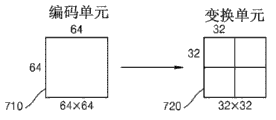
图7示出根据示例性实施例的编码单元和变换单元。FIG. 7 illustrates coding units and transformation units according to an exemplary embodiment.
图1中示出的用于对图像进行编码的设备100和图2中示出的用于对图像进行解码的设备200使用最大编码单元本身或从最大编码单元划分出的等于或小于最大编码单元的子编码单元来执行编码和解码。在编码和解码过程中,不论编码单元和预测单元如何,为了最高的压缩率选择用于变换的变换单元的尺寸。例如,参照图7,当当前编码单元710的尺寸为64×64时,可使用尺寸为32×32的变换单元720执行变换。The
图8A到图8D示出根据示例性实施例的编码单元810、预测单元860和变换单元870的划分形状。8A to 8D illustrate split shapes of a coding unit 810, a prediction unit 860, and a transformation unit 870, according to an exemplary embodiment.
图8A到图8B示出根据示例性实施例的编码单元810和预测单元860。8A to 8B illustrate a coding unit 810 and a prediction unit 860 according to an exemplary embodiment.
图8A示出由图1中示出的用于对图像进行编码的设备100选择的划分形状,以对最大编码单元810进行编码。用于对图像进行编码的设备100将最大编码单元810划分为多种形状,执行编码,通过基于RD代价对多种划分形状的编码结果进行相互比较来选择最佳划分形状。当照其原样对最大编码单元810进行编码是最佳时,可对最大编码单元810进行编码而不需如图8A到图8D所示划分最大编码单元810。FIG. 8A illustrates split shapes selected by the
参照图8B,通过将深度是0的最大编码单元810划分为深度为等于或大于1的子编码单元对最大编码单元810进行编码。也就是说,将最大编码单元810划分为深度为1的4个子编码单元,并且将深度为1的所有或一些子编码单元划分为深度为2的子编码单元。Referring to FIG. 8B , the maximum coding unit 810 is encoded by splitting the maximum coding unit 810 having a depth of 0 into sub-coding units having a depth of 1 or more. That is, the maximum coding unit 810 is divided into 4 sub-coding units with a depth of 1, and all or some of the sub-coding units with a depth of 1 are divided into sub-coding units with a depth of 2.
将深度为1的子编码单元中的位于右上侧的子编码单元和位于左下侧的子编码单元划分为深度为等于或大于2的子编码单元。可将深度为等于或大于2的一些子编码单元划分为深度为等于或大于3的子编码单元。The sub-coding units located on the upper right side and the sub-coding units located on the lower left side among the sub-coding units having a depth of 1 are divided into sub-coding units having a depth of 2 or more. Some sub coding units having a depth equal to or greater than 2 may be divided into sub coding units having a depth equal to or greater than 3.
图8B示出最大编码单元810的预测单元860的划分形状。FIG. 8B illustrates a split shape of a prediction unit 860 of a maximum coding unit 810 .
参照图8B,可从最大编码单元810不同地划分最大编码单元810的预测单元860。换句话说,每个子编码单元的预测单元可小于相应的子编码单元。Referring to FIG. 8B , the prediction unit 860 of the maximum coding unit 810 may be divided differently from the maximum coding unit 810 . In other words, the prediction unit of each sub-coding unit may be smaller than the corresponding sub-coding unit.
例如,深度为1的子编码单元中位于右下侧的子编码单元854的预测单元可小于子编码单元854。另外,深度为2的子编码单元814、816、818、828、850和852中的一些子编码单元814、816、850和852的预测单元可分别小于子编码单元814、816、850和852。For example, a prediction unit of a
另外,深度为3的子编码单元822、832和848的预测单元可分别小于子编码单元822、832和848。所述预测单元可具有以高度或宽度的方向将相应的子编码单元均等地划分为两个的形状,或者可具有以高度和宽度的方向将相应的子编码单元均等地划分为四个的形状。In addition, prediction units of the depth-3
图8C和图8D示出根据示例性实施例的预测单元860和变换单元870。8C and 8D illustrate a prediction unit 860 and a transformation unit 870 according to an exemplary embodiment.
图8C示出图8B中示出的最大编码单元810的预测单元860的划分形状,图8D示出最大编码单元810的变换单元870的划分形状。FIG. 8C illustrates a split shape of a prediction unit 860 of the maximum coding unit 810 shown in FIG. 8B , and FIG. 8D illustrates a split shape of a transformation unit 870 of the largest coding unit 810 .
参照图8D,可从预测单元860不同地设置变换单元870的划分形状。Referring to FIG. 8D , the split shape of the transformation unit 870 may be differently set from the prediction unit 860 .
例如,即使选择具有这样的形状的深度为1的编码单元854的预测单元,也可选择具有与编码单元854相同的尺寸的变换单元,其中,所述形状是指将编码单元854的高度均等地划分为两个的形状。同样地,即使选择具有这样的形状的深度为2的编码单元814和编码单元850的预测单元,也可选择具有与编码单元814和编码单元850中的每个编码单元的原始尺寸相同的尺寸的变换单元,其中,所述形状是指将编码单元814和编码单元850中的每个编码单元的高度均等地划分为两个的形状。For example, even if a prediction unit of a
可选择具有小于预测单元的尺寸的变换单元。例如,当选择具有这样的形状的深度为2的编码单元852的预测单元时,其中,所述形状是指将编码单元852的宽度均等地划分为两个的形状,可选择具有以高度和宽度方向将编码单元852均等地划分为四个的形状的变换单元,其中,所述变换单元具有小于预测单元的形状的尺寸。A transformation unit having a size smaller than a prediction unit may be selected. For example, when selecting a prediction unit of a
图9是根据示例性实施例的用于对运动矢量进行编码的设备900的框图。FIG. 9 is a block diagram of an
在图9中详细示出可被包括在图1中示出的用于对图像进行编码的设备100或图4中示出的图像编码器400中的用于对运动矢量进行编码的设备900。参照图9,用于对运动矢量进行编码的设备900包括:运动矢量估计器910、候选确定器920和运动矢量编码器930。An
为了使用帧间预测(即,时间上的预测)对已编码的块进行解码,需要关于运动矢量的信息,所述关于运动矢量的信息表示参考图像中的相似块和当前块之间的相对位置差。因此,当对图像进行编码时,对关于运动矢量的信息进行编码并将其插入到比特流。当直接对关于运动矢量的信息进行编码和插入时,增加了用于对关于运动矢量的信息进行编码的开销,因此图像数据的压缩率降低了。In order to decode an encoded block using inter-prediction (i.e. prediction in time), information about motion vectors is required, which represents the relative position between a similar block in the reference picture and the current block Difference. Therefore, when encoding an image, information on motion vectors is encoded and inserted into a bitstream. When the information on the motion vector is directly encoded and inserted, the overhead for encoding the information on the motion vector increases, so the compression rate of image data decreases.
因此,在图像编码中,预测当前块的运动矢量,仅对作为预测的结果产生的运动矢量预测和原始运动矢量之间的原始运动矢量差进行编码和插入,从而压缩了关于运动矢量的信息。Therefore, in image coding, the motion vector of the current block is predicted, and only the original motion vector difference between the predicted motion vector generated as a result of the prediction and the original motion vector is encoded and inserted, thereby compressing the information on the motion vector.
在运动矢量的预测编码中,可存在显式模式和隐式模式。In predictive coding of motion vectors, there may be explicit and implicit modes.
在编解码器(诸如,MPEG-4H.264/MPEG-4先进视频编码(AVC))中,与当前块相邻的先前编码的块的运动矢量可被用于预测当前块的运动矢量。与当前块的左侧、上侧和右上侧相邻的先前编码的块的运动矢量的中值被用作当前块的运动矢量预测。由于通过使用相同的方法来预测使用帧间预测编码的所有的块的运动矢量,可不单独地对关于当前块的运动矢量预测的信息进行编码。然而,根据一个或多个示例性实施例的用于对图像进行编码的设备100或图像编码器400使用隐式模式和显式模式两者,以准确地预测运动矢量,其中,在所述隐式模式中未单独地对关于运动矢量预测的信息进行编码,其中,在所述显式模式中未对关于运动矢量预测的信息进行编码。在显式模式中,对关于从多个运动矢量预测候选中的被用作当前块的运动矢量预测的运动矢量预测的信息进行编码,并作为序列参数、像条参数或块参数将其输入到比特流。In codecs such as MPEG-4 H.264/MPEG-4 Advanced Video Coding (AVC), motion vectors of previously encoded blocks adjacent to the current block may be used to predict the motion vector of the current block. A median value of motion vectors of previously encoded blocks adjacent to the left, upper, and upper right of the current block is used as motion vector prediction of the current block. Since motion vectors of all blocks encoded using inter prediction are predicted by using the same method, information on motion vector prediction of a current block may not be separately encoded. However, the
图9示出在根据显式模式对运动矢量进行编码时执行预测编码的设备。FIG. 9 shows an apparatus that performs predictive encoding when encoding motion vectors according to an explicit mode.
运动矢量估计器910估计当前块的运动矢量。在至少一个参考图像中搜索与当前块相似或相同的块,并作为搜索的结果估计运动矢量,其中,运动矢量是当前块和搜索的参考图像之间的相对位置差。基于绝对误差和(SAD)搜索与当前块相似或相同的块,并作为搜索的结果,可估计当前块的运动矢量。The
另外,运动矢量估计器910基于包括在与当前块相邻的先前编码的区域中的块的运动矢量来预测当前块的运动矢量。换句话说,将包括在与当前块相邻的先前编码的区域中的块的运动矢量设置为运动矢量预测候选,并确定运动矢量预测候选中与当前块的估计的运动矢量最相似的运动矢量预测候选。In addition, the
在编解码器(诸如,MPEG-4H.264/MPEG-4先进视频编码(AVC))中,与当前块的左侧、上侧和右上侧相邻的先前编码的块的运动矢量的中值被用作当前块的运动矢量预测。由于通过使用先前编码的块的运动矢量来预测已编码的块的运动矢量并且仅使用一个运动矢量预测,可不单独地对关于运动矢量预测的信息进行编码。换句话说,使用帧间预测编码的块的运动矢量预测的数量是一个。In a codec such as MPEG-4H.264/MPEG-4 Advanced Video Coding (AVC), the median value of the motion vectors of the previously coded blocks adjacent to the left, upper, and upper right of the current block is used as the motion vector predictor for the current block. Since a motion vector of an already encoded block is predicted by using a motion vector of a previously encoded block and only one motion vector prediction is used, information on motion vector prediction may not be separately encoded. In other words, the number of motion vector predictions for a block encoded using inter prediction is one.
然而,当准确地预测当前块的运动矢量时,可以以高压缩率对运动矢量进行编码。在这里,根据示例性实施例,选择多个运动矢量预测候选之一并将其用作当前块的运动矢量预测,从而可以以高压缩率对当前块的运动矢量进行编码。以下,将详细描述通过使用多个运动矢量预测候选对当前块的运动矢量进行编码的方法。However, when the motion vector of the current block is accurately predicted, the motion vector can be encoded at a high compression rate. Here, according to an exemplary embodiment, one of a plurality of motion vector prediction candidates is selected and used as a motion vector prediction of a current block, so that the motion vector of the current block can be encoded at a high compression rate. Hereinafter, a method of encoding a motion vector of a current block by using a plurality of motion vector prediction candidates will be described in detail.
图10A和图10B示出根据示例性实施例的运动矢量预测候选。10A and 10B illustrate motion vector prediction candidates according to an exemplary embodiment.
参照图10A,在预测运动矢量的方法中,与当前块相邻的先前编码的块的运动矢量之一可被用作当前块的运动矢量预测。Referring to FIG. 10A , in a method of predicting a motion vector, one of motion vectors of previously encoded blocks adjacent to a current block may be used as motion vector prediction of the current block.
与当前块的上侧相邻的块中,以下块的所有运动矢量可被用作当前块的运动矢量预测候选:在最左侧的块a0、在与左侧相邻的最上侧的块b0、与右上侧相邻的块c、与左上侧相邻的块d和与左下侧相邻的块e。Among the blocks adjacent to the upper side of the current block, all motion vectors of the following blocks can be used as motion vector prediction candidates of the current block: block a0 on the leftmost side, block b0 on the uppermost side adjacent to the left side , a block c adjacent to the upper right side, a block d adjacent to the upper left side, and a block e adjacent to the lower left side.
在根据一个或多个示例性实施例的对图像进行编码和解码的方法中,基于具有由深度分类的多个尺寸的编码单元执行图像编码和图像解码,并因此与左下侧相邻的块的运动矢量可被用作运动矢量预测的候选。In the method of encoding and decoding an image according to one or more exemplary embodiments, image encoding and image decoding are performed based on coding units having a plurality of sizes classified by depths, and thus a block adjacent to the lower left side Motion vectors can be used as candidates for motion vector prediction.
参照图10B,与当前块相邻的所有块的运动矢量可被用作运动矢量预测候选。换句话说,不仅与上侧相邻的块中的最左侧的块a0的运动矢量可被用作运动矢量预测候选,与上侧相邻的a0到aN的所有块的运动矢量也可被用作运动矢量预测候选。另外,不仅与左侧相邻的块中的最上侧的块b0的运动矢量可被用作运动矢量预测候选,与左侧相邻的b0到bN的所有块的运动矢量也可被用作运动矢量预测候选。Referring to FIG. 10B , motion vectors of all blocks adjacent to a current block may be used as motion vector prediction candidates. In other words, not only the motion vector of the leftmost block a0 among the blocks adjacent to the upper side can be used as a motion vector prediction candidate, but also the motion vectors of all the blocks a0 to aN adjacent to the upper side can be used Used as motion vector prediction candidates. In addition, not only the motion vector of the uppermost block b0 among the blocks adjacent to the left can be used as a motion vector prediction candidate, but also the motion vectors of all the blocks of b0 to bN adjacent to the left can be used as motion vectors. Vector prediction candidates.
另外,相邻块的运动矢量的中值可被用作运动矢量预测候选。换句话说,中值mv_a0、mv_b0或mv_c可被用作当前块的运动矢量预测的候选。在此,mv_a0是块a0的运动矢量,mv_b0是块b0的运动矢量,mv_c是块c的运动矢量。In addition, a median value of motion vectors of neighboring blocks may be used as a motion vector prediction candidate. In other words, the median value mv_a0, mv_b0, or mv_c may be used as a candidate for motion vector prediction of the current block. Here, mv_a0 is the motion vector of block a0, mv_b0 is the motion vector of block b0, and mv_c is the motion vector of block c.
然而,如将参照图10C到图10E进行的详细描述,可根据当前快的尺寸和相邻块的尺寸限制当前块的运动矢量预测候选。However, as will be described in detail with reference to FIGS. 10C to 10E , motion vector prediction candidates of the current block may be limited according to the size of the current block and the size of neighboring blocks.
图10C到图10E示出根据示例性实施例的具有多种尺寸的与当前块相邻的块。10C to 10E illustrate blocks adjacent to a current block having various sizes according to an exemplary embodiment.
如上所述,在根据一个或多个示例性实施例的对图像进行编码和解码的方法中,具有根据深度确定的多种尺寸的编码单元和预测单元可被用于对图像进行编码。因此,由于与当前块相邻的块可以是多种尺寸,当当前块的尺寸和一些相邻块的尺寸彼此显著地不同时,可不将所述一些相邻块的运动矢量用作运动矢量预测候选。As described above, in the methods of encoding and decoding images according to one or more exemplary embodiments, coding units and prediction units having various sizes determined according to depths may be used to encode images. Therefore, since blocks adjacent to the current block may be of various sizes, when the size of the current block and the size of some adjacent blocks are significantly different from each other, motion vectors of some adjacent blocks may not be used for motion vector prediction candidate.
参照图10C,与当前快1010的上侧相邻的块1014到块1018小于当前块1010。由于与当前块1010相邻并具有与当前块1010相同的尺寸的块1012的运动矢量可以与当前块1010的运动矢量相同或相似,运动矢量估计器910可仅将块1012的运动矢量用作运动矢量预测的候选。Referring to FIG. 10C , blocks 1014 to 1018 adjacent to the upper side of the
虽然尺寸不相同,可仅将具有预定的尺寸或大于所述预定的尺寸的相邻块的运动矢量用作运动矢量预测候选。例如,可仅将块1012和块1018的运动矢量用作运动矢量预测候选,其中,块1012和块1018的尺寸为当前块1010的1/4或大于当前块1010的1/4。Although the sizes are not the same, only motion vectors of neighboring blocks having a predetermined size or larger may be used as motion vector prediction candidates. For example, only the motion vectors of
参照图10D,与当前块1020的左侧相邻的块1022的尺寸比当前块1020的尺寸大16倍,从而存在尺寸方面的巨大差异。由于所述巨大差异,与左侧相邻的块1022的运动矢量可能不相同或不相似于当前块1020的运动矢量。因此,与左侧相邻的块1022的运动矢量未被用作当前块1020的运动矢量预测候选,并且可仅将与上侧相邻的块1024的运动矢量和与左上侧相邻的块1026的运动矢量用作运动矢量预测候选。Referring to FIG. 10D , the size of a block 1022 adjacent to the left side of the current block 1020 is 16 times larger than that of the current block 1020 , so that there is a large difference in size. Due to the large difference, the motion vector of the block 1022 adjacent to the left may not be the same or similar to the motion vector of the current block 1020 . Therefore, the motion vector of the block 1022 adjacent to the left side is not used as the motion vector prediction candidate of the current block 1020, and only the motion vector of the block 1024 adjacent to the upper side and the block 1026 adjacent to the upper left side may be used. The motion vectors of are used as motion vector prediction candidates.
参照图10E,当前块1030的尺寸大于所有相邻的块1031到块1037的尺寸。在此,当所有相邻的块1031到块1037的运动矢量被用作当前块1030的运动矢量预测候选时,当前块1030的运动矢量预测候选的数量可能会高。随着当前块1030和相邻的块1031到块1037之间的尺寸差异增加,运动矢量预测候选的数量也增加。因此,运动矢量估计器910可不将相邻的块中的一些块的运动矢量用作当前块1030的运动矢量预测候选。Referring to FIG. 10E , the size of the current block 1030 is greater than the sizes of all adjacent blocks 1031 to 1037 . Here, when motion vectors of all adjacent blocks 1031 to 1037 are used as motion vector prediction candidates of the current block 1030, the number of motion vector prediction candidates of the current block 1030 may be high. As the size difference between the current block 1030 and adjacent blocks 1031 to 1037 increases, the number of motion vector prediction candidates also increases. Accordingly, the
例如,在图10E中,可不将与左下侧相邻的块1031的运动矢量和与右上侧相邻的块1037用作当前块1030的运动矢量预测候选。For example, in FIG. 10E , a motion vector of a block 1031 adjacent to the lower left side and a block 1037 adjacent to the upper right side may not be used as motion vector prediction candidates of the current block 1030 .
更一般来说,当当前块1030的尺寸大于预定的尺寸时,可不将相邻块中的以特定方向相邻的块的运动矢量用作当前块1030的运动矢量预测候选。More generally, when the size of the current block 1030 is greater than a predetermined size, motion vectors of blocks adjacent in a certain direction among neighboring blocks may not be used as motion vector prediction candidates of the current block 1030 .
图11A到图11C示出根据另一示例性实施例的运动矢量预测候选。11A to 11C illustrate motion vector prediction candidates according to another exemplary embodiment.
图11A示出确定双向预测图像(B图像)的运动矢量预测候选的方法。当包括当前块的当前图像是执行双向预测的B图像时,基于时间上的距离产生的运动矢量可以是运动矢量预测候选。FIG. 11A shows a method of determining motion vector prediction candidates of a bidirectional predictive picture (B picture). When a current picture including a current block is a B picture performing bidirectional prediction, a motion vector generated based on a distance in time may be a motion vector prediction candidate.
可通过使用在时间上早于当前图像1110的图像1112的块1120的运动矢量,确定当前图像1110的当前块1100的运动矢量预测候选mv_temporal,其中,块1120被布置在与当前块1100并列的位置。例如,当相对于时间上晚于当前图像1110的图像1114的搜索的块1122产生块1120的运动矢量mv_colA时,其中,块1120被布置在与当前块1100并列的位置,可通过以下方式确定当前块1100的运动矢量预测候选mv_L0A和mv_L1A:The motion vector prediction candidate mv_temporal of the
mv_L1A=(t1/t2)*mv_colAmv_L1A=(t1/t2)*mv_colA
mv_L0A=mv_L1A-mv_colAmv_L0A=mv_L1A-mv_colA
在此,mv_L0A表示相对于时间上早于当前图像1110的图像1112的当前块1110的运动矢量预测候选,mv_L1A表示相对于时间上晚于当前图像1110的图像1114的当前块1100的运动矢量预测候选。Here, mv_L0A indicates a motion vector prediction candidate for the
在图11A中,作为B图像的当前图像1110被插入在时间上早于当前图像1110的图像1112和时间上晚于当前图像1110的图像1114之间。这里,当相对于时间上晚于当前图像1110的图像1114产生块1120的运动矢量mv_colA时,其中,块1120被布置在与当前块1100并列的位置,可基于mv_L1A准确地预测当前块1100的运动矢量。换句话说,与mv_colA是具有与图11A中示出的方向相反的方向的运动矢量的情况(即,相对于在时间上早于当前图像1110的图像1112之前的另一图像产生mv_colA的情况)比较,当mv_colA是具有图11A中示出的方向的运动矢量时,可更准确地预测当前块1100的运动矢量。In FIG. 11A , a
因此,当从当前块1110到被布置在与当前块1100并列的位置的块1120的方向是List0时,运动矢量mv_colA需要在List1方向上,因此当前图像1110可如图11A所示被插入在图像1112和图像1114之间,从而可基于mv_colA准确地预测当前块1100的运动矢量。Therefore, when the direction from the
此外,根据时间顺序示出了图11A中示出的图像1110到图像1114,因此可基于图像序列号(POC)产生当前块的运动矢量预测候选mv_temporal。由当前块参考的图像可以是在图11A中示出的除相邻图像1112和1114以外的图像,因此基于POC产生当前块的运动矢量预测候选。Also, the
例如,当当前图像的POC是CurrPOC并且由当前图像参考的图像的POC是CurrRefPOC时,可通过以下方式产生当前块的运动矢量预测候选:For example, when the POC of the current picture is CurrPOC and the POC of the picture referenced by the current picture is CurrRefPOC, motion vector prediction candidates for the current block may be generated by:
Scale=(CurrPOC-CurrRefPOC)/(ColPOC-ColRefPOC)Scale=(CurrPOC-CurrRefPOC)/(ColPOC-ColRefPOC)
mv_temporal=Scale*mv_colAmv_temporal=Scale*mv_colA
在此,ColPOC是时间上早于当前图像1110的图像1112的POC并包括块1120,ColRefPOC是时间上晚于当前图像1110的图像1114的POC并包括由块1120参考的块1122。Here, ColPOC is the POC of a
图11B示出产生B图像的运动矢量预测候选的另一方法。图11B中的方法与图11A中的方法的区别在于:时间上晚于当前图像1110的图像1114包括被布置在与当前块1100并列的位置的块。FIG. 11B shows another method of generating motion vector prediction candidates for a B-picture. The difference between the method in FIG. 11B and the method in FIG. 11A is that the
参照图11B,可通过使用被布置在与图像1114的当前块1100并列的位置的块1130的运动矢量产生当前图像1110的当前块1100的运动矢量预测候选,其中,图像1114时间上晚于当前图像1110。例如,当相对于图像1112的搜索的块1132产生被布置在与当前块1100并列的位置的块1130的运动矢量mv_colB时,其中,图像1112时间上早于当前图像1110,可通过以下方式确定当前块1100的运动矢量预测候选mv_L0B和mv_L1B:Referring to FIG. 11B , motion vector prediction candidates of the
mv_L0B=(t3/t4)*mv_colBmv_LOB=(t3/t4)*mv_colB
mv_L1B=mv_L0B-mv_colBmv_L1B=mv_L0B-mv_colB
在此,mv_L0B表示相对于图像1112的当前块1110的运动矢量预测候选,其中,图像1112时间上早于当前图像1110,mv_L1B表示相对于图像1114的当前块1100的运动矢量预测候选,其中,图像1114时间上晚于当前图像1110。Here, mv_L0B represents the motion vector prediction candidate of the
相似于图11A,在图11B中,作为B图像的当前图像1110被插入在时间上早于当前图像1110的图像1112和时间上晚于当前图像1110的图像1114之间。因此,当相对于时间上早于当前图像1110的图像1112产生被布置在与当前块1100并列的位置的块1130的运动矢量mv_colB时,可基于mv_L0B准确地预测当前块1100的运动矢量。换句话说,与mv_colB是具有与图11B中示出的方向相反的方向的运动矢量的情况(即,相对于在时间上晚于当前图像1110的图像1114之后的另一图像产生mv_colB的情况)比较,当mv_colB是具有图11B中示出的方向的运动矢量时,可更准确地预测当前块1100的运动矢量。Similar to FIG. 11A , in FIG. 11B , a
因此,当从当前块1110到被布置在与当前块1100并列的位置的块1130的方向是List1时,块1130的运动矢量mv_colB需要在List0方向上,因此当前图像1110可如图11B所示被插入在图像1112和图像1114之间,从而可基于mv_colB准确地预测当前块1100的运动矢量。Therefore, when the direction from the
此外,由当前块参考的图像可以是在图11B中示出的除相邻图像1112和1114以外的图像,因此基于POC产生当前块的运动矢量预测候选。Also, an image referred to by the current block may be an image other than the neighboring
例如,当当前图像的POC是CurrPOC并且由当前图像参考的图像的POC是CurrRefPOC时,可通过以下方式产生当前块的运动矢量预测候选:For example, when the POC of the current picture is CurrPOC and the POC of the picture referenced by the current picture is CurrRefPOC, motion vector prediction candidates for the current block may be generated by:
Scale=(CurrPOC-CurrRefPOC)/(ColPOC-ColRefPOC)Scale=(CurrPOC-CurrRefPOC)/(ColPOC-ColRefPOC)
mv_temporal=Scale*mv_colBmv_temporal=Scale*mv_colB
在此,ColPOC是时间上晚于当前图像1110的图像1114的POC并包括块1130,ColRefPOC是时间上早于当前图像1110的图像1112的POC并包括由块1130参考的块1132。Here, ColPOC is the POC of
图11C示出预测图像(P图像)的运动矢量预测候选。Fig. 11C shows motion vector prediction candidates of a predicted picture (P picture).
参照图11C,可通过使用被布置在与图像1112的当前块1100并列的位置的块1140的运动矢量确定当前图像1110的当前块1100的运动矢量预测候选,其中,图像1112时间上早于当前图像1110。例如,当相对于图像1116的搜索的块1142产生被布置在与当前块1100并列的位置的块1140的运动矢量mv_colC时,其中,图像1116时间上早于当前图像1110,可通过以下方式确定当前块1100的运动矢量预测候选mv_L0C:Referring to FIG. 11C , motion vector prediction candidates of the
mv_L0C=(t6/t5)*mv_colCmv_LOC=(t6/t5)*mv_colC
如与图11A和图11B相关的描述,可基于POC确定mv_L0C。可基于以下POC确定mv_L0C:当前图像1110的POC、由当前图像1110参考的图像的POC、时间上早于当前图像1110的图像1112的POC和时间上早于当前图像1110的图像1116的POC。As described in relation to FIGS. 11A and 11B , mv_LOC may be determined based on the POC. mv_LOC may be determined based on the following POCs: the POC of the
由于当前图像1110是P图像,与图11A和图11B不同,确定仅一个当前块1100的运动矢量预测候选。Since the
另外,为了使用基于在图11A和图11B中的时间上的距离产生的运动矢量预测候选来预测当前块的运动矢量,可还对这样的信息进行编码,其中,所述信息表示被布置在与当前块1100并列的位置的块1120和块1130中被用于产生运动矢量预测的块。这样的信息可作为像条参数或序列参数被包括在像条头或序列头中。In addition, in order to predict the motion vector of the current block using the motion vector prediction candidates generated based on the distance in time in FIG. 11A and FIG. Among the
总的来说,根据图10A、图10B和图11A到图11C的运动矢量预测候选的组C可由下式表示:In general, the set C of motion vector prediction candidates according to FIGS. 10A , 10B and 11A to 11C can be represented by the following equation:
C={median(mv_a0,mv_b0,mv_c),mv_a0,mv_a1...,mv_aN,mv_b0,mv_b1,...,mv_bN,mv_c,mv_d,mv_e,mv_temporal}C={median(mv_a0, mv_b0, mv_c), mv_a0, mv_a1..., mv_aN, mv_b0, mv_b1,..., mv_bN, mv_c, mv_d, mv_e, mv_temporal}
此外,组C可以是运动矢量预测候选的数量被减少的组:Also, group C may be a group in which the number of motion vector prediction candidates is reduced:
C={median(mv_a’,mv_b’,mv_c’),mv_a’,mv_b’,mv_c’,mv_temporal}C = {median(mv_a', mv_b', mv_c'), mv_a', mv_b', mv_c', mv_temporal}
在此,mv_x表示块x的运动矢量,median()表示中值,并且mv_temporal表示通过使用与图11到图11C相关描述的时间上的距离产生的运动矢量预测候选。mv_a’表示mv_a0,mv_a1...,mv_aN中的第一个有效的运动矢量。例如,当使用帧内预测对块a0进行编码并参考当前块和其它图像时,块a0的运动矢量mv_a0不是有效的运动矢量,因此mv_a’=mv_a1。此外,当块a1的运动矢量不是不是有效的运动矢量时,mv_a’=mv_a2。相似地,mv_b’是mv_b0,mv_b1,...,mv_bN中的第一个有效的运动矢量,mv_c’是mv_c,mc_d和mv_e中的第一个有效的运动矢量。Here, mv_x denotes a motion vector of block x, median() denotes a median, and mv_temporal denotes motion vector prediction candidates generated by using temporal distances described in relation to FIGS. 11 to 11C . mv_a' represents the first valid motion vector among mv_a0, mv_a1..., mv_aN. For example, when the block a0 is encoded using intra prediction and refers to the current block and other images, the motion vector mv_a0 of the block a0 is not a valid motion vector, so mv_a'=mv_a1. Also, when the motion vector of the block a1 is not a valid motion vector, mv_a'=mv_a2. Similarly, mv_b' is the first valid motion vector among mv_b0, mv_b1, ..., mv_bN, and mv_c' is the first valid motion vector among mv_c, mc_d, and mv_e.
与当前块相邻的块的运动矢量中的参考当前块以外的图像的块的运动矢量不能有效地预测当前块的运动矢量。因此,可从运动矢量预测候选的组C排除参考当前块以外的图像的块的运动矢量。A motion vector of a block referring to an image other than the current block among motion vectors of blocks adjacent to the current block cannot efficiently predict the motion vector of the current block. Accordingly, motion vectors referring to blocks of images other than the current block can be excluded from the group C of motion vector prediction candidates.
当用于对运动矢量进行编码的设备900根据显式模式对运动矢量进行编码时,设备900还对这样的信息进行编码,其中,所述信息表示组C中被用于预测当前块的运动矢量的运动矢量预测候选。换句话说,当用于对运动矢量进行编码的设备900对运动矢量进行编码时,设备900将二进制数分配给组C的相应的元素(即,运动矢量预测候选),并对与被用于预测当前块的运动矢量的运动矢量预测候选相应的二进制数进行编码。When the
为了指定组C中的元素之一,分配并输出每个与运动矢量预测候选相应的二进制数。因此,随着组C中的元素的数量减少,可以以具有更少的比特的二进制数指定组C中的元素。In order to designate one of the elements in group C, a binary number each corresponding to a motion vector prediction candidate is assigned and output. Therefore, as the number of elements in group C decreases, elements in group C can be specified in binary numbers with fewer bits.
因此,如果在组C中存在重叠的运动矢量预测候选,则可在从组C排除重叠的运动矢量预测候选之后分配二进制数。例如,当组C是如上所述的C={median(mv_a’,mv_b’,mv_c’),mv_a’,mv_b’,mv_c’,mv_temporal}并且mv_a’,mv_b’和mv_c’彼此相同时,可确定组C中存在两个元素为C={mv_a’,mv_temporal}并可分配二进制数。当在排除重叠的运动矢量预测候选之前可使用3比特来指定组C中的五个元素时,在排除重叠的运动矢量预测候选之后可使用1比特来指定两个元素。Therefore, if there are overlapping motion vector prediction candidates in group C, bins may be assigned after excluding the overlapping motion vector prediction candidates from group C. For example, when group C is C={median(mv_a', mv_b', mv_c'), mv_a', mv_b', mv_c', mv_temporal} as described above and mv_a', mv_b' and mv_c' are identical to each other, it can It is determined that there are two elements in group C as C={mv_a', mv_temporal} and binary numbers can be assigned. When five elements in group C can be specified using 3 bits before excluding overlapping motion vector prediction candidates, two elements can be specified using 1 bit after excluding overlapping motion vector prediction candidates.
为了增加重叠的运动矢量预测候选被确定为当前块的运动矢量预测的概率,而不是排除重叠的运动矢量预测候选,可添加预定的权重。如上所述,由于mv_a’,mv_b’和mv_c’彼此相同并且仅mv_a’被包括在组C中,预定的权重被添加到mv_a’,因此可增加mv_a’被用于预测当前块的运动矢量的概率。In order to increase the probability that the overlapping motion vector prediction candidates are determined as the motion vector prediction of the current block, instead of excluding the overlapping motion vector prediction candidates, a predetermined weight may be added. As described above, since mv_a', mv_b', and mv_c' are identical to each other and only mv_a' is included in group C, a predetermined weight is added to mv_a', so it is possible to increase the probability that mv_a' is used to predict the motion vector of the current block. probability.
此外,当存在一个运动矢量预测候选时,可能不对被用于指定运动矢量预测候选之一的二进制数进行编码。例如,当组C是C={median(mv_a0,mv_b0,mv_c),mv_a0,mv_a1...,mv_aN,mv_b0,mv_b1,...,mv_bN,mv_c,mv_d,mv_e,mv_temporal}并且对块a0到块aN、块b0到块bN、块c、块d和块e均进行帧内预测时,组C是C={mv_temporal},因此实质上包括一个元素。因此,在这种情况下,用于对运动矢量进行编码的设备900可能不对被用于指定运动矢量预测候选之一的二进制数进行编码。Also, when there is one motion vector prediction candidate, the binary number used to designate one of the motion vector prediction candidates may not be encoded. For example, when group C is C={median(mv_a0, mv_b0, mv_c), mv_a0, mv_a1..., mv_aN, mv_b0, mv_b1,..., mv_bN, mv_c, mv_d, mv_e, mv_temporal} and for blocks a0 to When block aN, block b0 to block bN, block c, block d, and block e all perform intra prediction, group C is C={mv_temporal}, and thus substantially includes one element. Therefore, in this case, the
可将除上面描述的运动矢量预测候选以外的运动矢量用作运动矢量预测候选对于本领域的普通技术人员是明显的。It will be apparent to those of ordinary skill in the art that motion vectors other than the motion vector prediction candidates described above can be used as motion vector prediction candidates.
另外,根据另一示例性实施例,候选确定器920可基于编码结果的估计减少运动矢量预测候选的数量。In addition, according to another exemplary embodiment, the candidate determiner 920 may reduce the number of motion vector prediction candidates based on the estimation of the encoding result.
如上所述,对单独的信息进行编码并将其包括在比特流中以在多个运动矢量预测候选中指定用于预测当前块的运动矢量的运动矢量预测候选。因此,随着组C中的元素的数量减少,可以以低比特对这样的信息进行编码,其中,所述信息是指在组C中指定用于预测当前块运动矢量的运动矢量预测候选所需的信息。在这里,候选确定器920可通过使用预定的评价函数选择性地从所有运动矢量预测候选中排除预定的运动矢量预测候选,其中,将参照图12详细描述所述预定的评价函数。As described above, separate information is encoded and included in a bitstream to specify a motion vector prediction candidate for predicting a motion vector of a current block among a plurality of motion vector prediction candidates. Therefore, as the number of elements in group C decreases, it is possible to encode information in low bits that is required to designate motion vector prediction candidates in group C for predicting the motion vector of the current block. Information. Here, the candidate determiner 920 may selectively exclude a predetermined motion vector prediction candidate from all motion vector prediction candidates by using a predetermined evaluation function, which will be described in detail with reference to FIG. 12 .
图12示出根据示例性实施例的减少运动矢量预测候选的方法。FIG. 12 illustrates a method of reducing motion vector prediction candidates according to an exemplary embodiment.
在图12中,假设在组C中存在三个元素MVP1、MVP2和MVP3并且当前块的运动矢量是MV。由于与当前块的运动矢量最相似的运动矢量预测候选被用于预测当前块的运动矢量,与MV最相似的MVP3被用于预测当前块的运动矢量。In FIG. 12 , it is assumed that there are three elements MVP1, MVP2, and MVP3 in group C and the motion vector of the current block is MV. Since the motion vector prediction candidate most similar to the motion vector of the current block is used to predict the motion vector of the current block, the MVP3 most similar to the MV is used to predict the motion vector of the current block.
因此,当前块的运动矢量和用于预测当前块的运动矢量的运动矢量预测候选之间的矢量差(以下,称为“原始运动矢量差”)是(2,0)。由于MV是(5,0)并且MVP3是(3,0),故原始运动矢量差是(2,0)。Therefore, the vector difference (hereinafter, referred to as "original motion vector difference") between the motion vector of the current block and the motion vector prediction candidate used to predict the motion vector of the current block is (2, 0). Since MV is (5,0) and MVP3 is (3,0), the original motion vector difference is (2,0).
候选确定器920通过使用原始运动矢量差和预定的评价函数从所有运动矢量预测候选中选择性地排除至少一个运动矢量预测候选。更具体来讲,原始运动矢量差和预定的运动矢量预测候选被用于产生虚拟运动矢量,并且相对于所有候选产生已产生的虚拟运动矢量和所有运动矢量预测候选之间的差(以下,称为“虚拟运动矢量差”)。彼此添加原始运动矢量差和预定的运动矢量预测候选以产生虚拟运动矢量,并计算已产生的虚拟运动矢量和所有运动矢量预测候选之间的虚拟运动矢量差。通过对原始运动矢量差和相对于所有候选计算的虚拟运动矢量差进行比较,可从所有运动矢量预测候选选择性地排除预定的运动矢量预测候选。The candidate determiner 920 selectively excludes at least one motion vector prediction candidate from all motion vector prediction candidates by using the original motion vector difference and a predetermined evaluation function. More specifically, an original motion vector difference and predetermined motion vector prediction candidates are used to generate a virtual motion vector, and differences between the generated virtual motion vector and all motion vector prediction candidates (hereinafter, referred to as is "virtual motion vector difference"). The original motion vector difference and predetermined motion vector prediction candidates are added to each other to generate a virtual motion vector, and virtual motion vector differences between the generated virtual motion vector and all motion vector prediction candidates are calculated. A predetermined motion vector prediction candidate can be selectively excluded from all motion vector prediction candidates by comparing the original motion vector difference with the virtual motion vector difference calculated with respect to all candidates.
参照图12,候选确定器920确定是否从全部的候选中排除运动矢量预测候选之一的MVP1。Referring to FIG. 12, the candidate determiner 920 determines whether to exclude MVP1, which is one of motion vector prediction candidates, from all candidates.
当通过从基于MVP1的虚拟运动矢量减去运动矢量预测候选而产生的虚拟运动矢量差小于原始运动矢量差时,MVP1可能不被用于预测当前块的运动矢量。例如,当通过从通过添加MVP1和原始运动矢量差产生的虚拟运动矢量减去MVP3产生的虚拟运动矢量差小于原始运动矢量差时,相比于MVP1,MVP3更准确地预测虚拟运动矢量,并且在这种情况下,MVP1不能是运动矢量预测。When a virtual motion vector difference generated by subtracting a motion vector prediction candidate from an MVP1-based virtual motion vector is smaller than an original motion vector difference, MVP1 may not be used to predict a motion vector of a current block. For example, when the virtual motion vector difference produced by subtracting MVP3 from the virtual motion vector produced by adding MVP1 and the original motion vector difference is smaller than the original motion vector difference, MVP3 predicts the virtual motion vector more accurately than MVP1, and in In this case, MVP1 cannot be a motion vector predictor.
在图12中,当彼此添加MVP1和原始运动矢量差时,基于MVP1的虚拟运动矢量是(2,0)。因此,当基于MVP1产生虚拟运动矢量时,MVP2的虚拟运动矢量差是(2,0)并且MVP3的虚拟运动矢量差是(-1,0)。在此,由于MVP3的虚拟运动矢量差(-1,0)小于原始运动矢量差(2,0),MVP1不可以是当前块的运动矢量预测。因此,可从所有运动矢量预测候选排除MVP1。换句话说,可从组C排除与MVP1相应的运动矢量预测候选。In FIG. 12, when MVP1 and the original motion vector difference are added to each other, the virtual motion vector based on MVP1 is (2, 0). Therefore, when the virtual motion vector is generated based on MVP1, the virtual motion vector difference of MVP2 is (2, 0) and the virtual motion vector difference of MVP3 is (-1, 0). Here, since the virtual motion vector difference (-1, 0) of MVP3 is smaller than the original motion vector difference (2, 0), MVP1 cannot be the motion vector predictor of the current block. Therefore, MVP1 may be excluded from all motion vector prediction candidates. In other words, the motion vector prediction candidate corresponding to MVP1 may be excluded from group C.
在此,针对MVP1本身计算的虚拟运动矢量差是(2,0)并总是与原始运动矢量差相同,从而虚拟运动矢量差不会小于原始运动矢量差。因此,当针对所有运动矢量预测候选计算虚拟运动矢量差时,可不计算针对MVP1本身的虚拟运动矢量差。Here, the virtual motion vector difference calculated for MVP1 itself is (2, 0) and is always the same as the original motion vector difference, so that the virtual motion vector difference is never smaller than the original motion vector difference. Therefore, when virtual motion vector differences are calculated for all motion vector prediction candidates, virtual motion vector differences for MVP1 itself may not be calculated.
当完成确定是否排除MVP1时,候选确定器920确定是否从所有运动矢量预测候选中排除MVP2。当彼此添加MVP2和原始运动矢量差时,基于MVP2的虚拟运动矢量是(2,0)。因此,针对MVP1的虚拟运动矢量差是(2,0)并且针对MVP3的虚拟运动矢量差是(-1,0)。由于针对MVP3的虚拟运动矢量差小于原始运动矢量差,可如同MVP1从所有运动矢量预测候选排除MVP2。当确定是否排除MVP2时,可选择性地对针对MVP1的虚拟运动矢量差和原始运动矢量差进行比较。由于已确定应已经排除MVP1,可对针对MVP1以外的候选的虚拟运动矢量差和原始运动矢量差进行比较。When the determination of whether to exclude MVP1 is completed, the candidate determiner 920 determines whether to exclude MVP2 from all motion vector prediction candidates. When MVP2 and the original motion vector difference are added to each other, the virtual motion vector based on MVP2 is (2, 0). Therefore, the virtual motion vector difference for MVP1 is (2, 0) and the virtual motion vector difference for MVP3 is (-1, 0). Since the virtual motion vector difference for MVP3 is smaller than the original motion vector difference, MVP2 can be excluded from all motion vector prediction candidates like MVP1. When determining whether to exclude MVP2, the virtual motion vector difference for MVP1 may optionally be compared with the original motion vector difference. Since it has been determined that MVP1 should have been excluded, a comparison can be made between the virtual motion vector difference and the original motion vector difference for candidates other than MVP1.
另外,候选确定器920确定是否排除MVP3。基于MVP3的虚拟运动矢量与当前块的原始运动矢量相同。虽然从原始运动矢量减去另一运动矢量预测候选(即,MVP1或MVP2),但不会产生小于原始运动矢量差的虚拟运动矢量差。因此,未从运动矢量预测候选排除MVP3。另外,根据另一示例性实施例,由于未从运动矢量预测排除确定被用于预测当前块的运动矢量的MVP3,候选确定器920可跳过确定MVP3(用于预测当前块的运动矢量的运动矢量预测候选)是否被排除。In addition, the candidate determiner 920 determines whether to exclude MVP3. The MVP3-based virtual motion vector is the same as the original motion vector of the current block. Although another motion vector prediction candidate (ie, MVP1 or MVP2) is subtracted from the original motion vector, a virtual motion vector difference smaller than the original motion vector difference is not generated. Therefore, MVP3 is not excluded from motion vector prediction candidates. In addition, according to another exemplary embodiment, since determining MVP3 used to predict the motion vector of the current block is not excluded from motion vector prediction, the candidate determiner 920 may skip determining MVP3 (the motion vector used to predict the motion vector of the current block). vector prediction candidates) are excluded.
简略地,当候选确定器920确定是否排除运动矢量预测候选之一的第二运动矢量预测候选时,彼此添加第二运动矢量预测候选和原始运动矢量差以产生虚拟运动矢量,并且针对所有候选计算所述虚拟运动矢量和其它运动矢量预测候选之间的差以产生多个虚拟运动矢量差。当多个虚拟运动矢量差中存在小于原始运算运动矢量差的至少一个虚拟运动矢量差时,第二运动矢量预测候选不是当前块的运动矢量预测并从运动矢量预测候选排除所述第二运动矢量预测候选。Briefly, when the candidate determiner 920 determines whether to exclude the second motion vector prediction candidate of one of the motion vector prediction candidates, the second motion vector prediction candidate and the original motion vector difference are added to each other to generate a virtual motion vector, and for all the candidates is calculated Differences between the virtual motion vector and other motion vector prediction candidates to generate a plurality of virtual motion vector differences. When there is at least one virtual motion vector difference smaller than the original operation motion vector difference among the plurality of virtual motion vector differences, the second motion vector prediction candidate is not the motion vector prediction of the current block and the second motion vector is excluded from the motion vector prediction candidates predictive candidates.
另外,候选确定器920针对运动矢量预测候选重复执行关于排除的确定,从而可减少运动矢量预测候选(即,组C的元素)的数量。根据组C的运动矢量预测候选的排列顺序,按顺序确定是否排除。例如,当C={median(mv_a’,mv_b’,mv_c’),mv_a’,mv_b’,mv_c’,mv_temporal}时,确定是否排除median(mv_a’,mv_b’,mv_c’),并且当完成确定时,确定是否排除mv_a’。然后,确定是否排除mv_b’。根据组C的排列顺序,重复关于排除的确定直到mv_temporal。In addition, the candidate determiner 920 repeatedly performs determination on exclusion for motion vector prediction candidates, so that the number of motion vector prediction candidates (ie, elements of the group C) can be reduced. Whether or not to exclude is determined in order according to the arrangement order of the motion vector prediction candidates of group C. For example, when C = {median(mv_a', mv_b', mv_c'), mv_a', mv_b', mv_c', mv_temporal}, determine whether to exclude median(mv_a', mv_b', mv_c'), and when done determine , determine whether to exclude mv_a'. Then, it is determined whether to exclude mv_b'. According to the arrangement order of group C, the determination on exclusion is repeated up to mv_temporal.
当重复执行确定时,如与MVP2的排除相关的描述,可省略针对在确定中已排除的候选的原始运动矢量差和虚拟运动矢量差之间的比较。When the determination is repeatedly performed, as described in connection with the exclusion of MVP2, the comparison between the original motion vector difference and the virtual motion vector difference for candidates excluded in the determination may be omitted.
另外,如稍后将参照图13A到图13D进行的描述,可根据预定的标准重新布置组C。当重新布置组C时,根据重新布置的顺序重复关于排除的确定。In addition, as will be described later with reference to FIGS. 13A to 13D , the group C may be rearranged according to predetermined criteria. When group C is rearranged, the determination regarding exclusion is repeated according to the order of rearrangement.
不仅可将与图12相关起来描述的虚拟运动矢量差和原始运动矢量差之间的比较应用到一维运动矢量,还可将其应用到二维运动矢量。换句话说,对由x坐标和y坐标定义的虚拟运动矢量差的大小和原始运动矢量差的大小进行比较,因此可选择性地从全部候选中排除预定的运动矢量预测。The comparison between the virtual motion vector difference and the original motion vector difference described in relation to FIG. 12 can be applied not only to one-dimensional motion vectors but also to two-dimensional motion vectors. In other words, the magnitude of the virtual motion vector difference defined by the x-coordinate and the y-coordinate is compared with the magnitude of the original motion vector difference, so that a predetermined motion vector prediction can be selectively excluded from all candidates.
然而,用于对虚拟运动矢量差和原始运动矢量差进行比较的大小仅是一个示例,并且多种标准可被用于对虚拟运动矢量差和原始运动矢量差进行比较。当基于预定的标准产生针对虚拟运动矢量差的值和针对原始运动矢量差的值的评价函数是“A”时,可根据下面的等式1对虚拟运动矢量差和原始运动矢量差进行比较;However, the magnitude used to compare the virtual motion vector difference and the original motion vector difference is just one example, and various criteria may be used for comparing the virtual motion vector difference and the original motion vector difference. When the evaluation function for generating the value for the virtual motion vector difference and the value for the original motion vector difference based on a predetermined standard is "A", the virtual motion vector difference and the original motion vector difference may be compared according to
(等式1)(equation 1)
A(mvx+MVD-mvy)<A(MVD)A(mvx+MVD-mvy)<A(MVD)
候选确定器920确定在所有候选中是否存在至少一个“mvy”,以确定是否从运动矢量预测候选排除运动矢量预测候选之一的“mvx”。在等式1中,“MVD”表示原始运动矢量差。为了确定是否排除“mvx”,通过使用预定的+评价函数“A”计算“A(mvx+MVD-mvy)”和其它运动矢量预测候选,并对作为计算的结果产生的值和作为针对原始运动矢量差的值的“A(MVD)”进行比较,其中,“A(mvx+MVD-mvy)”是通过评价“mvx+MVD-mvy”获得的值,其中,“mvx+MVD-mvy”是基于“mvx”的虚拟运动矢量“mvx+MVD”和“mvy”之间的虚拟运动矢量差。重复地将所有候选中的除“mvx”以外的运动矢量预测候选替换为“mvy”,并且确定在全部候选中是否存在满足等式1的至少一个“mvy”。The candidate determiner 920 determines whether there is at least one "mvy" among all the candidates to determine whether to exclude "mvx" of one of the motion vector prediction candidates from the motion vector prediction candidates. In
如上所述,可由x坐标和y坐标定义通过“A”评价的虚拟运动矢量差和原始运动矢量差。在这种情况下,如下面的等式2,可由x坐标评价的值和y坐标评价的值之和定义评价函数;As described above, the virtual motion vector difference and the original motion vector difference evaluated by "A" can be defined by the x-coordinate and the y-coordinate. In this case, the evaluation function can be defined by the sum of the x-coordinate evaluated value and the y-coordinate evaluated value as in
(等式2)(equation 2)
A(p,q)=f(p)+f(q)A(p,q)=f(p)+f(q)
当由x坐标“p”和y坐标“q”定义虚拟运动矢量差或原始运动矢量差时,将每个坐标值输入到预定的函数“f”并且由通过替换获得的总和定义评价函数“A”。When the virtual motion vector difference or the original motion vector difference is defined by the x-coordinate "p" and the y-coordinate "q", each coordinate value is input to a predetermined function "f" and the evaluation function "A" is defined by the sum obtained by substitution ".
根据示例性实施例,等式1和等式2中的评价函数“A”可以是这样的评价函数,其中,所述评价函数对通过对虚拟运动矢量差进行熵编码而获得的结果和通过对原始运动矢量差进行熵编码而获得的结果进行估计。候选确定器920对通过基于评价函数“A”对虚拟运动矢量差和原始运动矢量差进行熵编码而获得的结果进行估计,并且可基于估计的结果减少运动矢量预测候选的数量。将参照下面的等式3详细描述上述过程:According to an exemplary embodiment, the evaluation function "A" in
(等式3)(equation 3)
可如等式3定义函数“f”,其中,函数“f”估计通过相对于x坐标值或y坐标值进行熵编码而获得的结果。当将x坐标值或y坐标“val”输入到估计可变长编码(例如,通用可变长编码)结果的函数“f”时,根据等式3计算“Length”。The function 'f' may be defined as
可由下式表示等式3:

x坐标值或y坐标可以是虚拟运动矢量差或原始运动矢量差的x坐标值或y坐标。The x-coordinate value or the y-coordinate may be the x-coordinate value or the y-coordinate of the virtual motion vector difference or the raw motion vector difference.
根据等式3,当“val”是负数或“0”时,将“val”改变为正数并随后通过向左移位1比特来将“val”乘以2。加“1”,从而将结果存储在“Temp”中。当“val”是正数时,通过向左移位1比特将“val”乘以2,从而将结果存储在“Temp”中。随后,重复“while”循环直到“Temp”是1,并计算“Length”。According to
例如,当虚拟运动矢量差或原始运动矢量差是(2,0)时,A(2,0)=f(2)+f(0)。For example, when the virtual motion vector difference or the original motion vector difference is (2, 0), A(2, 0)=f(2)+f(0).
以以下步骤计算f(2)。f(2)的“2”是正数,因此将其向左移位1比特,从而“Temp”被设置为4。在第一个“while”循环中,“Temp”是“4”而不是1,因此通过向右移位来将“4”乘以“1/2”,从而“Temp”被设置为“2”。由于“Length”的初始值被设置为“1”,在第一个“while”循环中的“Length”是“3”。Calculate f(2) in the following steps. "2" of f(2) is a positive number, so it is shifted to the left by 1 bit, so that "Temp" is set to 4. In the first "while" loop, "Temp" is "4" not 1, so "4" is multiplied by "1/2" by shifting right, so "Temp" is set to "2" . Since the initial value of "Length" is set to "1", the "Length" in the first "while" loop is "3".
在第二个“while”循环中,“Temp”是“2”而不是“1”,因此通过向右移位将“2”乘以“1/2”,从而“Temp”被设置为“1”。由于当前“Length”是3,在第二个“while”循环中的“Length”是“5”。由于“Temp”是1,所以不执行第三个“while”循环,并且f(2)是“5”。In the second "while" loop, "Temp" is "2" not "1", so "2" is multiplied by "1/2" by shifting right, so "Temp" is set to "1 ". Since the current "Length" is 3, the "Length" in the second "while" loop is "5". Since "Temp" is 1, the third "while" loop is not executed, and f(2) is "5".
以以下步骤计算f(0)。由于f(0)的输入坐标值是“0”,将“0”向左移位1比特并加“1”,从而“Temp”被设置为“1”。因此,不执行“while”循环。根据“Length”的初始值f(0)是“1”。Calculate f(0) in the following steps. Since the input coordinate value of f(0) is "0", "0" is shifted to the left by 1 bit and "1" is added, so that "Temp" is set to "1". Therefore, the "while" loop is not executed. The initial value f(0) according to "Length" is "1".
与等式3相关描述的预定的评价值“f”是用于对使用可变长编码进行熵编码的结果进行估计的函数。因此,候选确定器920对通过使用评价函数“A”对虚拟运动矢量差进行可变长编码而获得的结果进行估计,以确定是否从运动矢量预测候选中排除“mvx”。作为估计的结果,当存在估计到将以比原始运动矢量差更短的长度进行编码的至少一个虚拟运动矢量差时,从所有运动矢量预测候选排除“mvx”。The predetermined evaluation value "f" described in relation to
然而,通过除使用可变长编码结果以外的方法来估计熵编码结果,对于本领域的普通技术人员是明显的。例如,另一评价函数“h”可被用于对虚拟运动矢量差的熵编码结果和原始运动矢量差的熵编码结果进行估计和比较。在此,“h”可以是估计上下文自适应二进制算术编码的结果的函数。However, it is obvious to those of ordinary skill in the art that the entropy encoding result is estimated by a method other than using the variable length encoding result. For example, another evaluation function "h" may be used to estimate and compare the entropy encoding result of the virtual motion vector difference and the entropy encoding result of the original motion vector difference. Here, 'h' may be a function of estimating the result of context-adaptive binary arithmetic coding.
另外,根据另一示例性实施例,为了增加基于预定的评价函数的评价结果的准确度,可还估计通过评价索引信息获得的结果。索引信息被用于从所有运动矢量预测候选中指定预定的运动矢量预测候选。将参照等式4详细描述上述过程:In addition, according to another exemplary embodiment, in order to increase the accuracy of evaluation results based on a predetermined evaluation function, results obtained by evaluating index information may be further evaluated. Index information is used to specify a predetermined motion vector prediction candidate from among all motion vector prediction candidates. The above process will be described in detail with reference to Equation 4:
(等式4)(equation 4)
A(mvx+MVD-mvy,mvyIdx)<A(MVD,mvxIdx)A(mvx+MVD-mvy, mvyIdx)<A(MVD, mvxIdx)
候选确定器920确定在全部候选中是否存在满足等式4的至少一个“mvy”,以确定是否从运动矢量预测候选中排除运动矢量预测候选之一的“mvx”。在等式4中,“MVD”表示原始运动矢量差,并且mvxIdx和mvyIdx表示从所有运动矢量预测候选中分别用于指定“mvx”和“mvy”的索引信息。为了确定是否排除“mvx”,通过使用预定的评价函数“A”来评价用于从所有侯选中指定“mvy”的索引信息和基于“mvx”的虚拟运动矢量“mvx+MVD”和其它运动矢量预测候选“mvy”之间的虚拟运动矢量差“mvx+MVD-mvy”。此外,通过使用预定的评价函数“A”来评价用于从全部候选中指定“mvx”的索引信息和原始运动矢量差。作为评价的结果,确定在全部候选中是否存在至少一个“mvy”。The candidate determiner 920 determines whether at least one 'mvy' satisfying
如上所述,可由x坐标和y坐标定义由“A”评价的虚拟运动矢量差和原始运动矢量差,并可如下面的等式5定义虚拟运动矢量差和原始运动矢量差:As described above, the virtual motion vector difference and the original motion vector difference evaluated by "A" can be defined by the x-coordinate and the y-coordinate, and can be defined as
(等式5)(equation 5)
A(mvx+MVD-mvy,mvyIdx)=f(p1)+f(q1)+g(mvyIdx)A(mvx+MVD-mvy, mvyIdx)=f(p1)+f(q1)+g(mvyIdx)
A(MVD,mvxIdx)=f(p2)+f(q2)+g(mvxIdx)A(MVD, mvxIdx)=f(p2)+f(q2)+g(mvxIdx)
与等式2相比,等式2左侧的A(mvx+MVD-mvy)仅评价虚拟运动矢量差,然而等式5的A(mvx+MVD-mvy,mvyIdx)评价虚拟运动矢量差和用于从所有运动矢量预测候选指定“mvy”的信息。评价函数“A”可以是用于评价熵编码结果的函数。在此,函数“f”可以是如等式2相关描述的用于基于虚拟运动矢量差的x坐标值或y坐标值估计熵编码结果的函数,函数“g”可以是用于估计“mvxIdx”的熵编码结果的函数。当“mvx+MVD-mvy”的x坐标值和y坐标值分别是“p1”和“q1”时,可如等式5计算A(mvx+MVD-mvy,mvyIdx)。Compared with
等式2的右侧的A(MVD)仅评价原始运动矢量差,然而等式5的A(MVD,mvxIdx)评价原始运动矢量差和用于从所有运动矢量预测候选指定“mvx”的信息。函数“f”可以是如等式2相关描述的用于基于原始运动矢量差的x坐标值或y坐标值估计熵编码结果的函数,函数“g”可以是用于估计“mvxIdx”的熵编码结果的函数。当“MVD”的x坐标值和y坐标值分别是“p2”和“q2”时,可如等式5计算A(MVD,mvxIdx)。A(MVD) on the right side of
可在根据等式2的关于排除的确定中补充使用根据等式4和等式5的关于排除的确定。换句话说,首先基于等式2确定是否从所有运动矢量预测候选中排除“mvx”,并可根据等式4和等式5再一次确定排除。例如,作为根据等式2的确定的结果,当“A(mvx+MVD-mvy)”与“A(MVD)”相等或大于“A(MVD)”,“A(mvx+MVD-mvy)”不小于“A(MVD)”时,根据等式2没有从所有运动矢量预测候选中排除“mvx”。然而,虽然“A(mvx+MVD-mvy)”和“A(MVD)”彼此相等,但可基于根据等式4和等式5的确定的结果从所有运动矢量预测候选排除“mvx”。The determination regarding exclusion according to
当候选确定器基于等式1到等式5确定关于针对运动矢量预测候选的排除时,根据组C的排列顺序重复执行关于针对运动矢量预测候选的排除的确定。根据另一示例性实施例,候选确定器920根据预定的标准重新排列组C,并根据重新排列的顺序重复关于排除的确定。参照图13A到图13D详细描述上述过程。When the candidate determiner determines on the basis of
图13A到图13D示出根据示例性实施例的包括在具有预定的尺寸的编码单元中的当前块的位置。13A to 13D illustrate positions of current blocks included in coding units having a predetermined size, according to an exemplary embodiment.
当所有运动矢量预测候选是C={median(mv_a’,mv_b’,mv_c’),mv_a’,mv_b’,mv_c’,mv_temporal}时,将每个二进制数分配给组C的运动矢量预测候选,因此如上所述,可从运动矢量预测候选指定用于预测当前块的运动矢量的运动矢量预测候选。When all motion vector prediction candidates are C={median(mv_a', mv_b', mv_c'), mv_a', mv_b', mv_c', mv_temporal}, assigning each binary number to a motion vector prediction candidate of group C, Therefore, as described above, a motion vector prediction candidate for predicting a motion vector of a current block can be specified from the motion vector prediction candidates.
在此,根据包括在组C中的运动矢量预测候选的排列顺序分配二进制数,并且上述二进制数可以是基于霍夫曼编码(Huffman code)的可变长编码。因此,可将少量的比特分配到布置在组C的排列顺序的前部的运动矢量预测候选。例如,可将“0”比特分配给median(mv_a’,mv_b’,mv_c’),可将“00”比特分配给mv_a’,可将“01”比特分配给mv_b’。因此,候选确定器920根据预定的顺序排列运动矢量预测候选,从而在从运动矢量预测候选预测当前块的运动矢量的预测中将被使用的具有高可能性的运动矢量预测被定位在组C的前部。Here, the binary numbers are assigned according to the arrangement order of the motion vector prediction candidates included in the group C, and the above-mentioned binary numbers may be variable-length codes based on Huffman codes. Therefore, a small number of bits can be allocated to the motion vector prediction candidates arranged at the front of the arrangement order of the group C. For example, "0" bits may be assigned to median(mv_a', mv_b', mv_c'), "00" bits may be assigned to mv_a', and "01" bits may be assigned to mv_b'. Accordingly, the candidate determiner 920 arranges the motion vector prediction candidates according to a predetermined order so that the motion vector prediction with high probability to be used in the prediction of the motion vector of the current block from the motion vector prediction candidates is positioned in the group C. Front part.
可根据编码单元中的当前块的位置来确定在当前块的运动矢量预测中将被使用的具有高可能性的运动矢量预测。可通过使用当前块的分块索引表达当前块的位置。根据预定的顺序,将分块索引分配到编码单元中的块。因此,可根据当前块分块索引确定在当前块的运动矢量预测中将被使用的具有高可能性的运动矢量预测。如图13A,当当前块被定位在编码单元的下侧时,当前块的运动矢量可以相同或相似于与编码单元的左侧相邻的块的运动矢量或与编码单元的左下侧相邻的块的运动矢量。因此,可能需要改变排列顺序,从而相应于与编码单元的左侧相邻的块的运动矢量或与编码单元的左下侧相邻的块的运动矢量的运动矢量预测候选被定位在组C的前部。由于来自组C的运动矢量预测候选的mv_b’是相应于与左侧相邻的块的运动矢量的运动矢量预测候选,改变组C中的mv_b’和median(mv_a’,mv_b’,mv_c’)的顺序,因此可将组C重新排列为C={mv_b’,mv_a’,median(mv_a’,mv_b’,mv_c’),mv_c’,mv_temporal}。A motion vector prediction having a high probability to be used in motion vector prediction of a current block may be determined according to a position of the current block in a coding unit. The location of the current block may be expressed by using a segment index of the current block. The block indices are assigned to the blocks in the coding unit according to a predetermined order. Accordingly, motion vector prediction having a high probability to be used in motion vector prediction of the current block may be determined from the current block block index. As shown in Figure 13A, when the current block is positioned on the lower side of the coding unit, the motion vector of the current block may be the same as or similar to the motion vector of the block adjacent to the left side of the coding unit or the block adjacent to the lower left side of the coding unit The block's motion vector. Therefore, the arrangement order may need to be changed so that motion vector prediction candidates corresponding to the motion vector of the block adjacent to the left side of the coding unit or the motion vector of the block adjacent to the lower left side of the coding unit are positioned at the front of the group C department. Since mv_b' of the motion vector prediction candidates from group C is the motion vector prediction candidate corresponding to the motion vector of the block adjacent to the left, mv_b' and median(mv_a', mv_b', mv_c') in group C are changed Therefore, the group C can be rearranged as C={mv_b', mv_a', median(mv_a', mv_b', mv_c'), mv_c', mv_temporal}.
相似地,当当前块被定位在如图13B中的编码单元的左侧时,运动矢量预测候选可被用于预测当前块的运动矢量,其中,所述运动矢量预测候选相应于与编码单元的左侧相邻的块的运动矢量和与编码单元的上侧相邻的块的运动矢量。由于来自组C中的运动矢量预测候选的mv_b’是相应于与左侧相邻的块的运动矢量的运动矢量预测候选,改变组C中的mv_b’和median(mv_a’,mv_b’,mv_c’)的顺序,因此可将组C重新排列为C={mv_b’,mv_a’,median(mv_a’,mv_b’,mv_c’),mv_c’,mv_temporal}。Similarly, when the current block is located on the left side of the coding unit as in FIG. 13B , the motion vector prediction candidate corresponding to the coding unit of the coding unit can be used to predict the motion vector of the current block. A motion vector of a block adjacent to the left and a motion vector of a block adjacent above the coding unit. Since mv_b' from the motion vector prediction candidates in group C is the motion vector prediction candidate corresponding to the motion vector of the block adjacent to the left, mv_b' and median(mv_a', mv_b', mv_c' in group C are changed ), so the group C can be rearranged as C={mv_b', mv_a', median(mv_a', mv_b', mv_c'), mv_c', mv_temporal}.
如在图13C中,当当前块被定位在编码单元的上侧时,运动矢量预测候选可被用作当前块的运动矢量预测,其中,所述运动矢量预测候选相应于与编码单元的左侧相邻的块的运动矢量和与编码单元的上侧相邻的块的运动矢量。由于来自组C中的运动矢量预测候选的mv_a’是相应于与上侧相邻的块的运动矢量的运动矢量预测候选,改变组C中的mv_a’和median(mv_a’,mv_b’,mv_c’)的顺序,因此可将组C重新排列为C={mv_a’,median(mv_a’,mv_b’,mv_c’),mv_b’,mv_c’,mv_temporal}。As in FIG. 13C , when the current block is located on the upper side of the coding unit, motion vector prediction candidates corresponding to the left side of the coding unit can be used as the motion vector prediction of the current block. A motion vector of an adjacent block and a motion vector of a block above the coding unit. Since mv_a' from the motion vector prediction candidates in group C is the motion vector prediction candidate corresponding to the motion vector of the block adjacent to the upper side, mv_a' and median(mv_a', mv_b', mv_c' in group C are changed ), so the group C can be rearranged as C={mv_a', median(mv_a', mv_b', mv_c'), mv_b', mv_c', mv_temporal}.
如在图13D中,当当前块被定位在编码单元的右侧时,运动矢量预测候选可被用于预测当前块的运动矢量,其中,所述运动矢量预测候选相应于与编码单元的上侧相邻的块的运动矢量。由于来自组C中的运动矢量预测候选的mv_c’是相应于与上侧相邻的块的运动矢量的运动矢量预测候选,改变组C中的mv_c’和median(mv_a’,mv_b’,mv_c’)的顺序,因此可将组C重新排列为C={mv_c’,mv_a’,mv_b’,median(mv_a’,mv_b’,mv_c’),mv_temporal}。As in FIG. 13D , when the current block is located on the right side of the coding unit, the motion vector prediction candidate can be used to predict the motion vector of the current block, wherein the motion vector prediction candidate corresponds to the upper side of the coding unit. Motion vectors of adjacent blocks. Since mv_c' from the motion vector prediction candidates in group C is the motion vector prediction candidate corresponding to the motion vector of the block adjacent to the upper side, mv_c' and median(mv_a', mv_b', mv_c' in group C are changed ), so the group C can be rearranged as C={mv_c', mv_a', mv_b', median(mv_a', mv_b', mv_c'), mv_temporal}.
作为用于重新排列运动矢量预测候选的标准的编码单元中的当前块的位置是示例。换句话说,多个标准可被用于重新排列运动矢量预测候选。用于排列具有与在组C中的前部的当前块的运动矢量相似的高可能性的运动矢量预测候选的多个标准可被用作用于重新排列运动矢量预测候选的标准。可基于与当前块之前已编码的其它块相关的预定的信息,确定具有与当前块的运动矢量相似的高可能性的运动矢量预测候选,并且可根据所述确定重新排列组C。A location of a current block in a coding unit as a criterion for rearranging motion vector prediction candidates is an example. In other words, multiple criteria can be used to rearrange motion vector prediction candidates. A plurality of criteria for arranging motion vector prediction candidates having a high probability of being similar to the motion vector of the previous current block in the group C may be used as a criterion for rearranging the motion vector prediction candidates. Motion vector prediction candidates having a high possibility of being similar to the motion vector of the current block may be determined based on predetermined information about other blocks that have been encoded before the current block, and the group C may be rearranged according to the determination.
另外,基于在对当前块的运动矢量进行编码之前相对于当前块已编码的或已解码的其它信息,确定具有与当前块的运动矢量相似的高可能性的运动矢量预测候选,并且可根据所述确定重新排列组C。In addition, based on other information that has been encoded or decoded with respect to the current block before encoding the motion vector of the current block, a motion vector prediction candidate having a high probability of being similar to the motion vector of the current block is determined, and may be based on the determined Determine rearrangement group C as described above.
另外,可通过排除重叠的运动矢量预测候选来重新排列组C。当在所有运动矢量预测候选中存在重叠的运动矢量预测候选时,首先排除重叠的运动矢量预测候选,并且可根据等式1到等式5确定是否排除运动矢量预测候选。Additionally, group C may be rearranged by excluding overlapping motion vector prediction candidates. When overlapping motion vector prediction candidates exist among all motion vector prediction candidates, the overlapping motion vector prediction candidates are first excluded, and whether to exclude the motion vector prediction candidates may be determined according to
重新参照图9,运动矢量编码器930对关于运动矢量的信息和关于运动矢量预测的信息进行编码。关于运动矢量的信息是当前块的原始运动矢量和原始运动矢量预测之间的原始运动矢量差。关于运动矢量预测的信息是用于指定运动矢量预测候选的信息,其中,所述运动矢量预测候选被用于在排除了至少一个运动矢量预测的运动矢量预测候选中预测当前块的运动矢量。换句话说,将用于在运动矢量预测候选中指定当前块的运动矢量预测的信息编码为关于运动矢量预测的信息,其中,在候选确定器920中没有排除所述运动矢量预测候选。Referring back to FIG. 9 , the
从运动矢量估计器910接收原始运动矢量差,并且根据预定的熵编码方法对原始运动矢量差进行编码。此外,对用于从运动矢量预测候选中指定用于预测当前块的运动矢量的运动矢量预测候选的信息进行编码,其中,通过在候选确定器920排除至少一个运动矢量预测候选来确定所述运动矢量预测候选。The original motion vector difference is received from the
当候选确定器920通过根据等式1到等式5从所有运动矢量预测候选排除至少一个运动矢量预测候选来确定运动矢量预测候选时,对用于从确定的运动矢量预测候选指定用于预测当前块的运动矢量的运动矢量预测候选的信息进行编码。运动矢量编码器930可对在候选确定器920中没有排除的每个运动矢量预测候选进行索引,并且将索引信息熵编码为关于运动矢量预测的信息。索引表示将预定的二进制数分配给每个运动矢量预测候选,并且关于运动矢量预测的信息表示分配给用于预测当前块的运动矢量的运动矢量预测候选的二进制数。当在候选确定器920选择性地排除至少一个运动矢量预测候选之后保留一个运动矢量预测候选时,因为无疑问地确定将用于预测当前块的运动矢量的运动矢量预测候选,在运动矢量编码器930中可不单独地对关于运动矢量预测的信息进行编码。When the candidate determiner 920 determines a motion vector prediction candidate by excluding at least one motion vector prediction candidate from all motion vector prediction candidates according to
此外,如图13A到图13D相关的描述,候选确定器920可对每个运动矢量预测候选进行索引,并可对索引信息进行熵编码,其中,通过根据预定的标准重新排列所有运动矢量预测候选,并通过从所述重新排列的运动矢量预测候选中选择性地排除至少一个运动矢量预测来产生所述运动矢量预测候选。In addition, as described in relation to FIG. 13A to FIG. 13D , the candidate determiner 920 may index each motion vector prediction candidate, and may perform entropy encoding on the index information, wherein, by rearranging all the motion vector prediction candidates according to a predetermined standard , and generating the motion vector prediction candidates by selectively excluding at least one motion vector prediction from the rearranged motion vector prediction candidates.
作为由候选确定器920执行重新排列的结果,可将具有最小比特数的二进制数分配给具有将被用于预测当前块的运动矢量的高可能性的运动矢量预测候选,因此可以以高压缩率对关于运动矢量预测的信息进行编码。As a result of the rearrangement performed by the candidate determiner 920, a binary number having the smallest number of bits can be assigned to a motion vector prediction candidate having a high probability of being used to predict a motion vector of the current block, and thus it is possible to perform the rearrangement at a high compression rate. Encodes information on motion vector prediction.
图14是根据示例性实施例的用于对运动矢量进行解码的设备1400的框图。FIG. 14 is a block diagram of an
图14的用于对运动矢量进行解码的设备1400被包括在图2的用于对图像进行解码的设备200或图5的图像解码器500中。参照图14,用于对运动矢量进行解码的设备1400包括:运动矢量解码器1410、候选确定器1420和运动矢量恢复单元1430。The
当根据上面描述的显式模式和隐式模式中的显式模式对当前块的运动矢量进行编码时,用于对运动矢量进行解码的设备1400对当前块的运动矢量进行解码。The
运动矢量解码器1410接收针对当前块的运动矢量的比特流并对接收的比特流进行解码。对被包括在比特流中的关于运动矢量的信息进行解码。对当前块的原始运动矢量差进行解码。可根据预定的熵解码方法对原始运动矢量差进行解码。原始运动矢量差是当前块的运动矢量和被用于预测当前块的运动矢量的运动矢量预测候选之间的矢量差。在根据示例性实施例的对运动矢量进行解码的方法中,根据等式1到等式5从所有运动矢量预测候选中排除至少一个运动矢量预测候选,并确定运动矢量预测候选。没有固定运动矢量预测候选,并且按照块单元对所述运动矢量预测候选进行解码,从而可连续改变运动矢量预测候选。因此,虽然关于运动矢量预测候选的信息相同,但如果没有确定运动矢量预测候选,则不能准确地恢复用于预测当前块的运动矢量的运动矢量预测候选。The
因此,候选确定器1420在确定用于预测当前块的运动矢量的运动矢量预测候选之前确定运动矢量预测候选。根据等式1到等式5从所有运动矢量候选中选择性地排除至少一个运动矢量预测候选,并确定运动矢量预测候选。基于预定的评价函数排除运动矢量预测候选,其中,所述运动矢量预测候选在基于包括在与当前块相邻的先前编码的区域中的块的运动矢量确定的所有候选中未被用于预测当前块的运动矢量。Accordingly, the
基于所有运动矢量预测候选中的预定的运动矢量和关于在运动矢量解码器中解码的运动矢量预测的信息产生虚拟运动矢量,并针对所有候选计算作为产生的虚拟运动矢量和其它运动矢量预测候选之间的差的虚拟运动矢量差。对计算的虚拟运动矢量差和关于在运动矢量解码器1410中解码的运动矢量的信息(即,关于原始运动矢量差的信息)进行比较,并选择性地排除预定的运动矢量预测候选。对通过对虚拟运动矢量差进行熵编码而获得的结果和通过对原始运动矢量差进行熵编码而获得结果进行比较,从而可确定是否排除预定的运动矢量预测候选。另外,为了增加熵编码结果的估计准确度,还估计通过对索引信息进行熵编码而获得的结果并将所述的结果用在关于排除的确定中。与等式1到等式5相关地描述排除运动矢量预测候选的方法。A virtual motion vector is generated based on a predetermined motion vector among all motion vector prediction candidates and information on motion vector prediction decoded in a motion vector decoder, and is calculated for all candidates as one of the generated virtual motion vector and other motion vector prediction candidates The virtual motion vector difference between the differences. The calculated virtual motion vector difference is compared with information on the motion vector decoded in the motion vector decoder 1410 (ie, information on the original motion vector difference), and selectively excludes predetermined motion vector prediction candidates. By comparing a result obtained by entropy encoding the virtual motion vector difference and a result obtained by entropy encoding the original motion vector difference, it may be determined whether to exclude a predetermined motion vector prediction candidate. In addition, in order to increase the estimation accuracy of the entropy encoding result, the result obtained by entropy encoding the index information is also estimated and used in the determination regarding exclusion. A method of excluding motion vector prediction candidates is described in relation to
此外,根据另一示例性实施例,候选确定器1420根据预定的标准重新布置所有运动矢量预测候选,针对所有重新排列的运动矢量预测候选根据等式1到等式5执行关于排除的确定,并可选择性地排除至少一个运动矢量预测候选。可从所有重新排列的运动矢量预测候选排除重叠的运动矢量预测候选,并可根据等式1到等式5重复执行关于排除的确定。In addition, according to another exemplary embodiment, the
当在候选确定器1420从所有运动矢量预测候选排除至少一个运动矢量预测候选之后来自所有运动矢量预测候选的多个运动矢量预测候选保留下来时,运动矢量解码器1410对关于运动矢量预测的信息进行解码。根据预定的熵解码方法对关于运动矢量预测的信息进行解码。关于运动矢量预测的信息是用于指定运动矢量预测候选的信息,其中,所述运动矢量预测候选被用于在排除了至少一个运动矢量预测候选的运动矢量预测候选中预测当前块的运动矢量。对用于从候选确定器1420未排除的运动矢量预测候选中指定用于预测当前块的运动矢量的运动矢量预测候选的信息进行解码。When a plurality of motion vector prediction candidates from all the motion vector prediction candidates remain after the
当在候选确定器1420从所有运动矢量预测候选排除至少一个运动矢量预测候选之后一个运动矢量预测候选保留下来时,保留的运动矢量预测候选被用于预测当前块的运动矢量,因此运动矢量解码器1410可不对关于运动矢量预测候选的信息进行单独解码。When a motion vector prediction candidate remains after
运动矢量恢复单元1430基于关于在运动矢量解码器1410中解码的运动矢量的信息恢复当前块的运动矢量。彼此添加在运动矢量解码器1410中解码的原始运动矢量差和用于预测当前块的运动矢量的运动矢量预测候选,以恢复当前块的运动矢量。从在候选确定器1420中确定的运动矢量预测候选确定将被用于预测当前块的运动矢量的运动矢量预测候选,并且将确定的运动矢量预测候选添加到原始运动矢量差。当多个运动矢量预测候选而不是一个运动矢量预测候选保留下来时,作为候选确定器1420中的排除的结果,可基于关于在运动矢量解码器1410中解码的运动矢量预测的信息确定用于预测当前块的运动矢量的运动矢量预测候选。The motion
由于由候选确定器1420确定运动矢量预测候选,即使关于运动矢量预测的解码的信息相同,用于预测当前块的运动矢量的运动矢量预测候选也可以是在不同的位置的相邻块的运动矢量。Since the motion vector prediction candidates are determined by the
图15是示出根据示例性实施例的对运动矢量进行编码的方法的流程图。FIG. 15 is a flowchart illustrating a method of encoding a motion vector according to an exemplary embodiment.
参照图15,在操作1510,用于对运动矢量进行编码的设备估计当前块的运动矢量,并确定用于从所有运动矢量预测候选中预测当前块的运动矢量的运动矢量预测候选。在多个参考图像中搜索与当前块相同或相似的块,并且作为搜索的结果,估计运动矢量(即,当前块和参考块之间的相对位置差)。Referring to FIG. 15 , in
随后,基于包括在与当前块相邻的先前编码的区域中的块的运动矢量来预测当前块的运动矢量。换句话说,将包括在与当前块相邻的先前编码的区域中的块的运动矢量设置为运动矢量预测候选,并确定运动矢量预测候选中与估计的当前块的运动矢量最相似的运动矢量预测候选。产生当前块的运动矢量和确定的运动矢量预测候选之间的矢量差(即,原始运动矢量差)。Subsequently, a motion vector of the current block is predicted based on motion vectors of blocks included in a previously encoded region adjacent to the current block. In other words, a motion vector of a block included in a previously encoded region adjacent to the current block is set as a motion vector prediction candidate, and a motion vector most similar to the estimated motion vector of the current block among the motion vector prediction candidates is determined predictive candidates. A vector difference (ie, an original motion vector difference) between the motion vector of the current block and the determined motion vector prediction candidate is generated.
在操作1520,用于对图像进行编码的设备选择性地从所有运动矢量预测候选中排除至少一个运动矢量预测候选。从所有运动矢量预测候选排除未被用于预测当前块的运动矢量的运动矢量预测候选。In
用于对图像进行编码的设备通过使用所有运动矢量预测候选中的预定的运动矢量预测候选和在操作1510中产生的原始运动矢量差来产生虚拟运动矢量。将产生的虚拟运动矢量和其它运动矢量预测候选用于产生虚拟运动矢量差。产生针对所有运动矢量预测候选中的每个的虚拟运动矢量差,并对产生的虚拟运动矢量差和原始运动矢量差进行比较,从而可选择性地排除预定的运动矢量预测候选。The apparatus for encoding an image generates a virtual motion vector by using a predetermined motion vector prediction candidate among all motion vector prediction candidates and the original motion vector difference generated in
针对所有候选重复执行操作1520中的产生虚拟运动矢量并选择性地排除运动矢量预测候选的处理,因此可从所有候选中排除至少一个运动矢量预测候选。当重复执行排除处理时,计算针对运动矢量预测候选而不是已排除的运动矢量预测的虚拟运动矢量差,并且可对计算的虚拟运动矢量差和原始运动矢量差进行比较。The process of generating a virtual motion vector and selectively excluding motion vector prediction candidates in
可基于预定的评价函数对虚拟运动矢量差和原始运动矢量差进行评价和相互比较,其中,所述预定的评价函数可以是估计熵编码结果的函数。可基于函数对虚拟运动矢量差和原始运动矢量差进行相互比较,其中,所述函数估计通过对虚拟运动矢量差进行熵编码而获得的结果和通过对原始运动矢量差进行熵编码而获得的结果。此外,为了增加评价准确度,可还估计通过对索引信息进行编码而获得的结果,并将其用于关于排除的确定中。与等式1到等式5相关地描述从所有运动矢量预测候选中排除至少一个运动矢量预测候选的方法。The virtual motion vector difference and the original motion vector difference may be evaluated and compared with each other based on a predetermined evaluation function, wherein the predetermined evaluation function may be a function of estimating an entropy encoding result. The virtual motion vector difference and the original motion vector difference may be compared with each other based on a function estimating a result obtained by entropy encoding the virtual motion vector difference and a result obtained by entropy encoding the original motion vector difference . Furthermore, in order to increase evaluation accuracy, results obtained by encoding index information may also be estimated and used in determination regarding exclusion. A method of excluding at least one motion vector prediction candidate from all motion vector prediction candidates is described in relation to
此外,如与图13A到图13D相关的描述,用于对运动矢量进行编码的设备可根据预定的标准重新排列所有运动矢量预测候选,并从所有重新布置的运动矢量预测候选选择性地排除至少一个运动矢量预测候选。另外,用于对运动矢量进行编码的设备可从所有重新排列的运动矢量预测候选排除重叠的运动矢量预测候选,并根据等式1到等式5重复执行关于排除的确定。In addition, as described in relation to FIGS. 13A to 13D , the apparatus for encoding motion vectors may rearrange all motion vector prediction candidates according to predetermined criteria, and selectively exclude from all rearranged motion vector prediction candidates at least A motion vector prediction candidate. Also, the apparatus for encoding a motion vector may exclude overlapping motion vector prediction candidates from all rearranged motion vector prediction candidates, and repeatedly perform the determination on exclusion according to
在操作1530,用于对运动矢量进行编码的设备对关于运动矢量的信息和关于运动矢量预测的信息进行编码。对关于原始运动矢量差的信息和用于指定用于预测当前块的运动矢量的运动矢量预测候选的信息进行编码。关于运动矢量预测的信息可以是用于从在操作1520和操作1530没有排除的运动矢量预测候选指定运动矢量预测候选的信息,其中,所述运动矢量预测候选用于预测当前块的运动矢量。In
当在从所有运动矢量预测候选排除至少一个运动矢量预测候选之后一个运动矢量预测候选保留下来时,可不对关于运动矢量预测的信息进行编码。When one motion vector prediction candidate remains after excluding at least one motion vector prediction candidate from all motion vector prediction candidates, information on motion vector prediction may not be encoded.
图16是示出根据示例性实施例的对运动矢量进行解码的方法的流程图。FIG. 16 is a flowchart illustrating a method of decoding a motion vector according to an exemplary embodiment.
参照图16,在操作1610,用于对运动矢量进行解码的设备对来自接收的比特流的关于当前块的运动矢量的信息进行解码。关于运动矢量的信息可以是当前块的运动矢量和当前块的运动矢量预测之间的原始运动矢量差。Referring to FIG. 16 , in operation 1610, an apparatus for decoding a motion vector decodes information about a motion vector of a current block from a received bitstream. The information on the motion vector may be an original motion vector difference between the motion vector of the current block and the motion vector prediction of the current block.
在操作1620,用于对运动矢量进行解码的设备基于在操作1610中解码的关于运动矢量的信息和运动矢量预测候选中的一个运动矢量预测候选产生虚拟运动矢量。In operation 1620, the apparatus for decoding a motion vector generates a virtual motion vector based on the information on the motion vector decoded in operation 1610 and one of the motion vector prediction candidates.
当产生虚拟运动矢量时,用于对运动矢量进行解码的设备从所有运动矢量预测候选排除至少一个运动矢量预测候选。基于包括在与当前块相邻的先前解码的区域中的块的运动矢量确定所有运动矢量预测候选。用于对运动矢量进行解码的设备可从所有运动矢量预测候选选择性地排除至少一个运动矢量预测候选。基于预定的评价函数评价虚拟运动矢量差和在操作1610中解码的原始运动矢量差,以选择性地排除预定的运动矢量预测候选。从所有候选中排除运动矢量预测候选的方法与操作1530相同,并且上面参照等式1到等式5描述了所述方法。When generating a virtual motion vector, the apparatus for decoding a motion vector excludes at least one motion vector prediction candidate from all motion vector prediction candidates. All motion vector prediction candidates are determined based on motion vectors of blocks included in a previously decoded region adjacent to the current block. The apparatus for decoding motion vectors may selectively exclude at least one motion vector prediction candidate from all motion vector prediction candidates. The virtual motion vector difference and the original motion vector difference decoded in operation 1610 are evaluated based on a predetermined evaluation function to selectively exclude predetermined motion vector prediction candidates. A method of excluding motion vector prediction candidates from all candidates is the same as
针对所有候选重复执行在操作1620产生虚拟运动矢量并选择性地排除运动矢量预测候选的处理,因此可从所有候选中排除至少一个运动矢量预测候选。The process of generating a virtual motion vector and selectively excluding motion vector prediction candidates in operation 1620 is repeatedly performed for all candidates, and thus at least one motion vector prediction candidate may be excluded from all candidates.
此外,如与图13A到图13D相关的描述,用于对运动矢量进行解码的设备可根据预定的标准重新排列所有运动矢量预测候选,并从所有重新排列的运动矢量预测候选中选择性地排除至少一个运动矢量预测候选。另外,用于对运动矢量进行解码的设备可从所有重新排列的运动矢量预测候选中排除重叠的运动矢量预测候选,并根据等式1到等式5重复执行关于排除的确定。In addition, as described in relation to FIGS. 13A to 13D , the apparatus for decoding motion vectors may rearrange all motion vector prediction candidates according to predetermined criteria, and selectively exclude At least one motion vector prediction candidate. Also, the apparatus for decoding a motion vector may exclude overlapping motion vector prediction candidates from all rearranged motion vector prediction candidates, and repeatedly perform the determination on exclusion according to
当作为排除的结果多个运动矢量预测候选保留下来时,对关于运动矢量预测的信息进行解码,并且当一个运动矢量预测候选保留下来时,不对关于运动矢量预测的信息进行解码。When a plurality of motion vector prediction candidates remain as a result of exclusion, information on motion vector prediction is decoded, and when one motion vector prediction candidate remains, information on motion vector prediction is not decoded.
在操作1630,用于对运动矢量进行解码的设备从在操作1620未排除的运动矢量预测候选确定用于预测当前块的运动矢量的运动矢量预测。In operation 1630 , the apparatus for decoding a motion vector determines a motion vector prediction for predicting a motion vector of a current block from the motion vector prediction candidates not excluded in operation 1620 .
可基于关于当前块的运动矢量预测的信息确定运动矢量预测候选中的用于预测当前块的运动矢量的运动矢量预测候选。当作为在操作1620中的排除的结果,一个运动矢量预测候选保留下来时,将一个保留的运动矢量预测候选确定为用于预测当前块的运动矢量的运动矢量预测。A motion vector prediction candidate for predicting a motion vector of a current block among motion vector prediction candidates may be determined based on information on motion vector prediction of a current block. When one motion vector prediction candidate remains as a result of the exclusion in operation 1620, the one remaining motion vector prediction candidate is determined as the motion vector prediction for predicting the motion vector of the current block.
当确定运动矢量预测候选时,通过添加确定的运动矢量预测候选和在操作1610中解码的原始运动矢量差来恢复当前块的运动矢量。When the motion vector prediction candidate is determined, the motion vector of the current block is restored by adding the determined motion vector prediction candidate and the original motion vector difference decoded in operation 1610 .
根据示例性实施例,当运动矢量预测候选被用于对运动矢量进行预测编码和预测解码时,可减少运动矢量预测候选的数量以对运动矢量进行预测编码和预测解码。因此,可以以最小比特来对从运动矢量预测候选指定用于预测当前块的运动矢量的运动矢量预测所需的信息进行编码,从而增加了对运动矢量进行编码/解码的压缩率,并从而可提高对图像进行编码/解码的压缩率。According to an exemplary embodiment, when motion vector prediction candidates are used to predictively encode and predictively decode a motion vector, the number of motion vector prediction candidates may be reduced to predictively encode and predictively decode a motion vector. Therefore, information required for motion vector prediction designated from motion vector prediction candidates for predicting the motion vector of the current block can be encoded with the minimum bits, thereby increasing the compression rate for encoding/decoding the motion vector, and thus making it possible Improves the compression rate for encoding/decoding images.
虽然上面已特别地示出并描述了示例性实施例,但是本领域的普通技术人员将理解,在不脱离由权利要求限定的本发明构思的精神和范围的情况下,可以对其形式和细节进行各种改变。While exemplary embodiments have been particularly shown and described above, it will be understood by those of ordinary skill in the art that changes in form and details may be made without departing from the spirit and scope of the inventive concept as defined by the claims. Make various changes.
示例性实施例可还被实施为计算机可读记录介质上的计算机可读代码。Exemplary embodiments can also be embodied as computer readable codes on a computer readable recording medium.
例如,根据示例性实施例的用于对图像进行编码的设备、用于对图像进行解码的设备、运动矢量编码器和运动矢量均可包括总线和结合到所述总线的至少一个处理器,其中,所述总线耦合到包括在图1、图2、图4、图5、图9和图14中的设备中的每个元件。另外,设备均可包括耦合到至少一个处理器的存储器以存储命令、接收的消息或产生的消息,其中,所述处理器用于通过结合到总线来执行所述命令。For example, an apparatus for encoding an image, an apparatus for decoding an image, a motion vector encoder, and a motion vector according to exemplary embodiments may each include a bus and at least one processor coupled to the bus, wherein , the bus is coupled to each element included in the devices in FIGS. 1 , 2 , 4 , 5 , 9 and 14 . Additionally, the devices may each include a memory coupled to at least one processor for storing commands, received messages or generated messages, wherein the processor is operable to execute the commands by being coupled to the bus.
计算机可读记录介质是能够存储数据的任何数据存储装置,其中,所述数据能够在存储之后由计算机系统读取。计算机可读记录介质的示例包括只读存储器(ROM)、随机存取存储器(RAM)、CD-ROMs、磁带、软盘、光学数据存储装置等。计算机可读记录介质还可分布于联网的计算机系统上,从而以分布的方式存储并执行计算机可读代码。The computer readable recording medium is any data storage device that can store data, which can be read by a computer system after being stored. Examples of the computer readable recording medium include read only memory (ROM), random access memory (RAM), CD-ROMs, magnetic tapes, floppy disks, optical data storage devices, and the like. The computer readable recording medium can also be distributed over network coupled computer systems so that the computer readable code is stored and executed in a distributed fashion.
Claims (15)
Priority Applications (5)
| Application Number | Priority Date | Filing Date | Title |
|---|---|---|---|
| CN201710156798.2A CN106713932B (en) | 2010-01-19 | 2011-01-19 | Image decoding method |
| CN201710158931.8A CN106713933B (en) | 2010-01-19 | 2011-01-19 | Image decoding method |
| CN201710157571.XA CN106803961B (en) | 2010-01-19 | 2011-01-19 | Image encoding and decoding apparatus and computer-readable storage medium |
| CN201710157010.XA CN106803960B (en) | 2010-01-19 | 2011-01-19 | Image encoding and decoding method, device and computer-readable storage medium |
| CN201510172165.1A CN104754355B (en) | 2010-01-19 | 2011-01-19 | A kind of image decoding apparatus |
Applications Claiming Priority (5)
| Application Number | Priority Date | Filing Date | Title |
|---|---|---|---|
| US29616310P | 2010-01-19 | 2010-01-19 | |
| US61/296,163 | 2010-01-19 | ||
| KR1020110004015A KR101768207B1 (en) | 2010-01-19 | 2011-01-14 | Method and apparatus for encoding/decoding motion vector based on reduced motion vector predictor candidates |
| KR10-2011-0004015 | 2011-01-14 | ||
| PCT/KR2011/000388 WO2011090314A2 (en) | 2010-01-19 | 2011-01-19 | Method and apparatus for encoding and decoding motion vector based on reduced motion vector predictor candidates |
Related Child Applications (5)
| Application Number | Title | Priority Date | Filing Date |
|---|---|---|---|
| CN201710157010.XA Division CN106803960B (en) | 2010-01-19 | 2011-01-19 | Image encoding and decoding method, device and computer-readable storage medium |
| CN201510172165.1A Division CN104754355B (en) | 2010-01-19 | 2011-01-19 | A kind of image decoding apparatus |
| CN201710156798.2A Division CN106713932B (en) | 2010-01-19 | 2011-01-19 | Image decoding method |
| CN201710158931.8A Division CN106713933B (en) | 2010-01-19 | 2011-01-19 | Image decoding method |
| CN201710157571.XA Division CN106803961B (en) | 2010-01-19 | 2011-01-19 | Image encoding and decoding apparatus and computer-readable storage medium |
Publications (2)
| Publication Number | Publication Date |
|---|---|
| CN102714736A true CN102714736A (en) | 2012-10-03 |
| CN102714736B CN102714736B (en) | 2017-04-12 |
Family
ID=44277572
Family Applications (6)
| Application Number | Title | Priority Date | Filing Date |
|---|---|---|---|
| CN201710156798.2A Expired - Fee Related CN106713932B (en) | 2010-01-19 | 2011-01-19 | Image decoding method |
| CN201710157010.XA Expired - Fee Related CN106803960B (en) | 2010-01-19 | 2011-01-19 | Image encoding and decoding method, device and computer-readable storage medium |
| CN201710158931.8A Expired - Fee Related CN106713933B (en) | 2010-01-19 | 2011-01-19 | Image decoding method |
| CN201180006526.5A Expired - Fee Related CN102714736B (en) | 2010-01-19 | 2011-01-19 | Method and apparatus for encoding and decoding motion vectors based on reduced motion vector prediction candidates |
| CN201710157571.XA Expired - Fee Related CN106803961B (en) | 2010-01-19 | 2011-01-19 | Image encoding and decoding apparatus and computer-readable storage medium |
| CN201510172165.1A Active CN104754355B (en) | 2010-01-19 | 2011-01-19 | A kind of image decoding apparatus |
Family Applications Before (3)
| Application Number | Title | Priority Date | Filing Date |
|---|---|---|---|
| CN201710156798.2A Expired - Fee Related CN106713932B (en) | 2010-01-19 | 2011-01-19 | Image decoding method |
| CN201710157010.XA Expired - Fee Related CN106803960B (en) | 2010-01-19 | 2011-01-19 | Image encoding and decoding method, device and computer-readable storage medium |
| CN201710158931.8A Expired - Fee Related CN106713933B (en) | 2010-01-19 | 2011-01-19 | Image decoding method |
Family Applications After (2)
| Application Number | Title | Priority Date | Filing Date |
|---|---|---|---|
| CN201710157571.XA Expired - Fee Related CN106803961B (en) | 2010-01-19 | 2011-01-19 | Image encoding and decoding apparatus and computer-readable storage medium |
| CN201510172165.1A Active CN104754355B (en) | 2010-01-19 | 2011-01-19 | A kind of image decoding apparatus |
Country Status (13)
| Country | Link |
|---|---|
| US (5) | US9565447B2 (en) |
| EP (2) | EP2905965A3 (en) |
| JP (3) | JP2013517734A (en) |
| KR (2) | KR101768207B1 (en) |
| CN (6) | CN106713932B (en) |
| AU (1) | AU2011207924B2 (en) |
| BR (2) | BR112012017909A2 (en) |
| MX (1) | MX2012008320A (en) |
| MY (5) | MY204121A (en) |
| PH (5) | PH12012501423A1 (en) |
| RU (3) | RU2518718C2 (en) |
| WO (1) | WO2011090314A2 (en) |
| ZA (2) | ZA201206187B (en) |
Cited By (7)
| Publication number | Priority date | Publication date | Assignee | Title |
|---|---|---|---|---|
| CN105122803A (en) * | 2013-04-02 | 2015-12-02 | Vid拓展公司 | Enhanced temporal motion vector prediction for scalable video coding |
| CN105340273A (en) * | 2013-04-05 | 2016-02-17 | 三星电子株式会社 | Method for predicting disparity vector for inter-layer video decoding, and encoding method and device |
| CN109672896A (en) * | 2014-03-28 | 2019-04-23 | 庆熙大学校产学协力团 | Utilize the method for video coding and device of depth information |
| CN110662072A (en) * | 2018-06-29 | 2020-01-07 | 杭州海康威视数字技术股份有限公司 | Motion information candidate list construction method, device, and readable storage medium |
| CN110708075A (en) * | 2013-11-12 | 2020-01-17 | 瑞典爱立信有限公司 | Divided gain shape vector encoding |
| WO2020057556A1 (en) * | 2018-09-20 | 2020-03-26 | 杭州海康威视数字技术股份有限公司 | Method and apparatus for constructing motion information candidate list, and readable storage medium |
| CN113489997A (en) * | 2021-05-27 | 2021-10-08 | 杭州博雅鸿图视频技术有限公司 | Motion vector prediction method, motion vector prediction device, storage medium and terminal |
Families Citing this family (74)
| Publication number | Priority date | Publication date | Assignee | Title |
|---|---|---|---|---|
| KR101459714B1 (en) * | 2009-10-28 | 2014-11-13 | 에스케이텔레콤 주식회사 | Method and apparatus for motion vector coding / decoding using spatial division and image coding / decoding method and apparatus using the same |
| JP6523494B2 (en) * | 2010-01-19 | 2019-06-05 | サムスン エレクトロニクス カンパニー リミテッド | Method and apparatus for encoding / decoding motion vector based on reduced predicted motion vector candidate |
| KR101768207B1 (en) | 2010-01-19 | 2017-08-16 | 삼성전자주식회사 | Method and apparatus for encoding/decoding motion vector based on reduced motion vector predictor candidates |
| US9628788B2 (en) * | 2010-03-16 | 2017-04-18 | Thomson Licensing | Methods and apparatus for implicit adaptive motion vector predictor selection for video encoding and decoding |
| JP5649701B2 (en) * | 2010-04-08 | 2015-01-07 | 株式会社東芝 | Image decoding method, apparatus, and program |
| WO2011125211A1 (en) | 2010-04-08 | 2011-10-13 | 株式会社 東芝 | Image encoding method and image decoding method |
| RU2538284C2 (en) * | 2010-04-22 | 2015-01-10 | Медиатэк, Инк. | Motion prediction method |
| WO2011146451A1 (en) | 2010-05-20 | 2011-11-24 | Thomson Licensing | Methods and apparatus for adaptive motion vector candidate ordering for video encoding and decoding |
| US8873617B2 (en) * | 2010-07-15 | 2014-10-28 | Sharp Laboratories Of America, Inc. | Method of parallel video coding based on same sized blocks |
| US8855188B2 (en) * | 2010-07-15 | 2014-10-07 | Sharp Laboratories Of America, Inc. | Method of parallel video coding based on mapping |
| US8848779B2 (en) * | 2010-07-15 | 2014-09-30 | Sharp Laboratories Of America, Inc. | Method of parallel video coding based on block size |
| US9635383B2 (en) * | 2011-01-07 | 2017-04-25 | Texas Instruments Incorporated | Method, system and computer program product for computing a motion vector |
| SG189843A1 (en) * | 2011-01-19 | 2013-06-28 | Mediatek Inc | Method and apparatus for parsing error robustness of temporal motion vector prediction |
| US9247249B2 (en) * | 2011-04-20 | 2016-01-26 | Qualcomm Incorporated | Motion vector prediction in video coding |
| US9313494B2 (en) | 2011-06-20 | 2016-04-12 | Qualcomm Incorporated | Parallelization friendly merge candidates for video coding |
| PT2728875T (en) * | 2011-06-28 | 2019-03-19 | Lg Electronics Inc | Method for setting motion vector list |
| US9699456B2 (en) | 2011-07-20 | 2017-07-04 | Qualcomm Incorporated | Buffering prediction data in video coding |
| US9800870B2 (en) | 2011-09-16 | 2017-10-24 | Qualcomm Incorporated | Line buffer reduction for short distance intra-prediction |
| TWI586155B (en) * | 2011-09-28 | 2017-06-01 | Jvc Kenwood Corp | A motion picture decoding apparatus, a motion picture decoding method, and a recording medium |
| CN107820080B (en) * | 2011-10-18 | 2021-05-14 | 株式会社Kt | Video signal decoding method |
| US9571833B2 (en) | 2011-11-04 | 2017-02-14 | Nokia Technologies Oy | Method for coding and an apparatus |
| KR20130049523A (en) * | 2011-11-04 | 2013-05-14 | 오수미 | Apparatus for generating intra prediction block |
| KR20130050407A (en) * | 2011-11-07 | 2013-05-16 | 오수미 | Method for generating motion information in inter prediction mode |
| FR2982447A1 (en) | 2011-11-07 | 2013-05-10 | France Telecom | METHOD FOR ENCODING AND DECODING IMAGES, CORRESPONDING ENCODING AND DECODING DEVICE AND COMPUTER PROGRAMS |
| KR20130050406A (en) * | 2011-11-07 | 2013-05-16 | 오수미 | Method for generating prediction block in inter prediction mode |
| FR2982446A1 (en) | 2011-11-07 | 2013-05-10 | France Telecom | METHOD FOR ENCODING AND DECODING IMAGES, CORRESPONDING ENCODING AND DECODING DEVICE AND COMPUTER PROGRAMS |
| WO2013099244A1 (en) * | 2011-12-28 | 2013-07-04 | 株式会社Jvcケンウッド | Video encoding device, video encoding method, video encoding program, video decoding device, video decoding method, video decoding program |
| CN104170387A (en) | 2012-01-19 | 2014-11-26 | 韩国电子通信研究院 | Method and device for image encoding/decoding |
| US10200709B2 (en) | 2012-03-16 | 2019-02-05 | Qualcomm Incorporated | High-level syntax extensions for high efficiency video coding |
| US9503720B2 (en) | 2012-03-16 | 2016-11-22 | Qualcomm Incorporated | Motion vector coding and bi-prediction in HEVC and its extensions |
| EP2840793A4 (en) * | 2012-04-15 | 2016-01-27 | Samsung Electronics Co Ltd | METHOD AND APPARATUS FOR DETERMINING REFERENCE IMAGES FOR INTER-PREDICTION |
| WO2014003367A1 (en) * | 2012-06-26 | 2014-01-03 | 엘지전자 주식회사 | Method of decoding image and device using same |
| MX346561B (en) | 2012-07-02 | 2017-03-24 | Samsung Electronics Co Ltd | Method and apparatus for predicting motion vector for coding video or decoding video. |
| JP5571229B2 (en) * | 2013-06-03 | 2014-08-13 | 株式会社東芝 | Image encoding method and image decoding method |
| US20140372569A1 (en) * | 2013-06-14 | 2014-12-18 | Samsung Electronics Co., Ltd. | Controlling dash client rate adaptation |
| US9774879B2 (en) * | 2013-08-16 | 2017-09-26 | Sony Corporation | Intra-block copying enhancements for HEVC in-range-extension (RExt) |
| JP2014131295A (en) * | 2014-01-23 | 2014-07-10 | Toshiba Corp | Image encoding method and image decoding method |
| JP5509398B1 (en) * | 2014-01-23 | 2014-06-04 | 株式会社東芝 | Image encoding method and image decoding method |
| JP5571262B2 (en) * | 2014-01-23 | 2014-08-13 | 株式会社東芝 | Image encoding method and image decoding method |
| JP2014131293A (en) * | 2014-01-23 | 2014-07-10 | Toshiba Corp | Image encoding method and image decoding method |
| KR101603413B1 (en) * | 2014-03-28 | 2016-03-28 | 경희대학교 산학협력단 | Method and apparatus for encoding of video using depth image |
| US9769481B2 (en) * | 2014-03-28 | 2017-09-19 | University-Industry Cooperation Group Of Kyung Hee University | Method and apparatus for encoding of video using depth information |
| JP5659314B1 (en) * | 2014-10-01 | 2015-01-28 | 株式会社東芝 | Image encoding method and image decoding method |
| JP2015053729A (en) * | 2014-11-17 | 2015-03-19 | 株式会社東芝 | Image encoding method, and image decoding method |
| US11412209B2 (en) | 2015-11-20 | 2022-08-09 | Electronics And Telecommunications Research Institute | Method and device for encoding/decoding image using geometrically modified picture |
| JP6196341B2 (en) * | 2016-02-17 | 2017-09-13 | 株式会社東芝 | Image encoding method and image decoding method |
| CN106131548B (en) * | 2016-07-28 | 2018-12-25 | 同观科技(深圳)有限公司 | A kind of selection method and device of intra prediction mode |
| JP6271694B2 (en) * | 2016-12-16 | 2018-01-31 | 株式会社東芝 | Image encoding method and image decoding method |
| WO2018221422A1 (en) | 2017-05-31 | 2018-12-06 | 株式会社クラベ | Ventilation mat |
| JP6370977B2 (en) * | 2017-08-31 | 2018-08-08 | 株式会社東芝 | Image encoding method and image decoding method |
| CN111386705B (en) * | 2017-11-09 | 2024-08-06 | 三星电子株式会社 | Apparatus and method for encoding motion information, and decoding apparatus and method |
| JP6367452B2 (en) * | 2017-11-13 | 2018-08-01 | 株式会社東芝 | Image encoding method and image decoding method |
| WO2019112072A1 (en) * | 2017-12-04 | 2019-06-13 | 엘지전자 주식회사 | Image decoding method and device on basis of modified motion information candidate list in image coding system |
| US20210006824A1 (en) * | 2018-01-08 | 2021-01-07 | Samsung Electronics Co., Ltd. | Encoding and decoding method for motion information, and encoding and decoding device for motion information |
| DE202018100577U1 (en) | 2018-02-02 | 2018-02-08 | Docuform Gmbh | Apparatus for performing printing operations in a network |
| EP3521996A1 (en) | 2018-02-02 | 2019-08-07 | Docuform GmbH | Method and device for performing print procedures in a network |
| US10432962B1 (en) * | 2018-03-13 | 2019-10-01 | Pixelworks, Inc. | Accuracy and local smoothness of motion vector fields using motion-model fitting |
| KR102907380B1 (en) * | 2018-03-19 | 2026-01-06 | 주식회사 케이티 | Method and apparatus for processing video signal |
| EP3793194A4 (en) | 2018-05-10 | 2022-04-20 | Samsung Electronics Co., Ltd. | VIDEO ENCODING METHOD AND APPARATUS AND VIDEO DECODING METHOD AND APPARATUS |
| EP3794829A1 (en) | 2018-05-14 | 2021-03-24 | InterDigital VC Holdings, Inc. | Block shape adaptive intra prediction directions for quadtree-binary tree |
| JP6609004B2 (en) * | 2018-07-02 | 2019-11-20 | 株式会社東芝 | Image encoding method and image decoding method |
| CN119629342A (en) | 2018-07-16 | 2025-03-14 | 交互数字Vc控股公司 | Combination of wide-angle intra prediction and position-dependent intra prediction |
| CN109064479B (en) * | 2018-07-19 | 2022-03-18 | 中国石油大学(华东) | Sea-sky-line detection method based on gray dynamic features of adjacent video frames |
| CN115514958B (en) | 2018-11-02 | 2025-08-15 | 抖音视界有限公司 | Method and device for encoding and decoding video data |
| MY207520A (en) | 2018-11-05 | 2025-03-01 | Beijing Bytedance Network Tech Co Ltd | Interpolation for inter prediction with refinement |
| US10958900B2 (en) | 2018-12-06 | 2021-03-23 | Qualcomm Incorporated | Derivation of spatial-temporal motion vectors prediction in video coding |
| CN112954325B (en) | 2019-03-11 | 2022-09-30 | 杭州海康威视数字技术股份有限公司 | Encoding and decoding method, device and equipment |
| CN113557738B (en) * | 2019-03-11 | 2023-04-28 | 华为技术有限公司 | Video image prediction method and device |
| KR102664876B1 (en) | 2019-03-22 | 2024-05-10 | 로즈데일 다이나믹스 엘엘씨 | Dmvr and bdof based inter prediction method and apparatus thereof |
| WO2020224639A1 (en) | 2019-05-09 | 2020-11-12 | Beijing Bytedance Network Technology Co., Ltd. | Improvement on hmvp table |
| EP3977729A1 (en) | 2019-06-03 | 2022-04-06 | VID SCALE, Inc. | Block boundary prediction refinement with optical flow |
| CN114556931B (en) | 2019-08-26 | 2023-08-08 | Lg电子株式会社 | Palette-based image or video encoding |
| CA3155882A1 (en) | 2019-09-24 | 2021-04-01 | Huawei Technologies Co., Ltd. | Picture timing and decoding unit information for temporal scalability |
| JP6795666B2 (en) * | 2019-10-21 | 2020-12-02 | 株式会社東芝 | Image coding method and image decoding method |
Citations (6)
| Publication number | Priority date | Publication date | Assignee | Title |
|---|---|---|---|---|
| US20060120612A1 (en) * | 2004-12-08 | 2006-06-08 | Sharath Manjunath | Motion estimation techniques for video encoding |
| US20080159400A1 (en) * | 2007-01-03 | 2008-07-03 | Samsung Electronics Co., Ltd. | Method and apparatus for predicting motion vector using global motion vector, encoder, decoder, and decoding method |
| US20080181309A1 (en) * | 2007-01-29 | 2008-07-31 | Samsung Electronics Co., Ltd. | Method and apparatus for encoding video and method and apparatus for decoding video |
| US20090010553A1 (en) * | 2007-07-05 | 2009-01-08 | Yusuke Sagawa | Data Processing Apparatus, Data Processing Method and Data Processing Program, Encoding Apparatus, Encoding Method and Encoding Program, and Decoding Apparatus, Decoding Method and Decoding Program |
| US20090147854A1 (en) * | 2007-12-10 | 2009-06-11 | Qualcomm Incorporated | Selective display of interpolated or extrapolaed video units |
| CN102273206A (en) * | 2008-10-31 | 2011-12-07 | Sk电信有限公司 | Method and device for encoding motion vector and method and device for encoding/decoding image using it |
Family Cites Families (37)
| Publication number | Priority date | Publication date | Assignee | Title |
|---|---|---|---|---|
| US5737022A (en) * | 1993-02-26 | 1998-04-07 | Kabushiki Kaisha Toshiba | Motion picture error concealment using simplified motion compensation |
| US5731840A (en) * | 1995-03-10 | 1998-03-24 | Kabushiki Kaisha Toshiba | Video coding/decoding apparatus which transmits different accuracy prediction levels |
| KR0181027B1 (en) * | 1995-03-20 | 1999-05-01 | 배순훈 | An image processing system using pixel-by-pixel motion estimation |
| US5646618A (en) * | 1995-11-13 | 1997-07-08 | Intel Corporation | Decoding one or more variable-length encoded signals using a single table lookup |
| US6212237B1 (en) * | 1997-06-17 | 2001-04-03 | Nippon Telegraph And Telephone Corporation | Motion vector search methods, motion vector search apparatus, and storage media storing a motion vector search program |
| KR100249223B1 (en) | 1997-09-12 | 2000-03-15 | 구자홍 | Method for motion vector coding of mpeg-4 |
| KR100355831B1 (en) * | 2000-12-06 | 2002-10-19 | 엘지전자 주식회사 | Motion vector coding method based on 2-demension least bits prediction |
| WO2003026315A1 (en) * | 2001-09-14 | 2003-03-27 | Ntt Docomo, Inc. | Coding method, decoding method, coding apparatus, decoding apparatus, image processing system, coding program, and decoding program |
| EP1442601A1 (en) * | 2001-10-26 | 2004-08-04 | Koninklijke Philips Electronics N.V. | Method and appartus for spatial scalable compression |
| KR100927967B1 (en) | 2001-10-26 | 2009-11-24 | 코닌클리케 필립스 일렉트로닉스 엔.브이. | Spatial scalable compression scheme using spatial sharpness enhancement techniques |
| JP4114859B2 (en) * | 2002-01-09 | 2008-07-09 | 松下電器産業株式会社 | Motion vector encoding method and motion vector decoding method |
| EP1830577A1 (en) * | 2002-01-18 | 2007-09-05 | Kabushiki Kaisha Toshiba | Video decoding method and apparatus |
| KR100953677B1 (en) * | 2002-01-22 | 2010-04-20 | 노키아 코포레이션 | Coding of transform coefficients in image / video encoders and / or decoders |
| US6690307B2 (en) | 2002-01-22 | 2004-02-10 | Nokia Corporation | Adaptive variable length coding of digital video |
| JP4724351B2 (en) * | 2002-07-15 | 2011-07-13 | 三菱電機株式会社 | Image encoding apparatus, image encoding method, image decoding apparatus, image decoding method, and communication apparatus |
| KR100865034B1 (en) * | 2002-07-18 | 2008-10-23 | 엘지전자 주식회사 | Method for predicting motion vector |
| US7023921B2 (en) * | 2002-08-06 | 2006-04-04 | Motorola, Inc. | Method and apparatus for determining block match quality |
| US7978769B2 (en) | 2003-06-30 | 2011-07-12 | Ntt Docomo, Inc. | Method and apparatus for coding motion information |
| KR100597397B1 (en) * | 2003-11-06 | 2006-07-07 | 삼성전자주식회사 | Video coding method and apparatus with fast motion estimation algorithm |
| JP4543971B2 (en) | 2005-03-07 | 2010-09-15 | ソニー株式会社 | Encoding method, encoding apparatus, encoding processing program, and recording medium recording the encoding processing program |
| US8428136B2 (en) * | 2006-03-09 | 2013-04-23 | Nec Corporation | Dynamic image encoding method and device and program using the same |
| CN101491096B (en) * | 2006-07-12 | 2012-05-30 | Lg电子株式会社 | Signal processing method and apparatus thereof |
| JP2008109632A (en) * | 2006-09-28 | 2008-05-08 | Toshiba Corp | Motion vector detection apparatus and method |
| KR101356734B1 (en) * | 2007-01-03 | 2014-02-05 | 삼성전자주식회사 | Method and apparatus for video encoding, and method and apparatus for video decoding using motion vector tracking |
| JP5025286B2 (en) | 2007-02-28 | 2012-09-12 | シャープ株式会社 | Encoding device and decoding device |
| JP2010525724A (en) * | 2007-04-25 | 2010-07-22 | エルジー エレクトロニクス インコーポレイティド | Method and apparatus for decoding / encoding a video signal |
| JP4809296B2 (en) * | 2007-06-15 | 2011-11-09 | シャープ株式会社 | Video encoding apparatus and video decoding apparatus |
| KR101835342B1 (en) * | 2007-10-16 | 2018-03-07 | 엘지전자 주식회사 | A method and an apparatus for processing a video signal |
| CN101198064A (en) * | 2007-12-10 | 2008-06-11 | 武汉大学 | A Motion Vector Prediction Method in Resolution Hierarchical Technology |
| WO2009115901A2 (en) | 2008-03-19 | 2009-09-24 | Nokia Corporation | Combined motion vector and reference index prediction for video coding |
| JP4977094B2 (en) | 2008-06-25 | 2012-07-18 | 株式会社東芝 | Image coding method |
| KR101517768B1 (en) | 2008-07-02 | 2015-05-06 | 삼성전자주식회사 | Method and apparatus for encoding video and method and apparatus for decoding video |
| JP5422168B2 (en) | 2008-09-29 | 2014-02-19 | 株式会社日立製作所 | Video encoding method and video decoding method |
| JPWO2011034148A1 (en) | 2009-09-18 | 2013-02-14 | シャープ株式会社 | Encoding device, decoding device, moving image encoding device, moving image decoding device, and encoded data |
| JPWO2011048903A1 (en) | 2009-10-20 | 2013-03-07 | シャープ株式会社 | Moving picture coding apparatus, moving picture decoding apparatus, and data structure |
| KR101768207B1 (en) | 2010-01-19 | 2017-08-16 | 삼성전자주식회사 | Method and apparatus for encoding/decoding motion vector based on reduced motion vector predictor candidates |
| GB2487200A (en) * | 2011-01-12 | 2012-07-18 | Canon Kk | Video encoding and decoding with improved error resilience |
-
2011
- 2011-01-14 KR KR1020110004015A patent/KR101768207B1/en active Active
- 2011-01-19 EP EP15161522.6A patent/EP2905965A3/en not_active Ceased
- 2011-01-19 MY MYPI2019001761A patent/MY204121A/en unknown
- 2011-01-19 PH PH1/2012/501423A patent/PH12012501423A1/en unknown
- 2011-01-19 MY MYPI2019001760A patent/MY204119A/en unknown
- 2011-01-19 MY MYPI2019001758A patent/MY204090A/en unknown
- 2011-01-19 MY MYPI2012003225A patent/MY163359A/en unknown
- 2011-01-19 PH PH1/2015/500692A patent/PH12015500692B1/en unknown
- 2011-01-19 CN CN201710156798.2A patent/CN106713932B/en not_active Expired - Fee Related
- 2011-01-19 EP EP11734863.1A patent/EP2510700A4/en not_active Ceased
- 2011-01-19 JP JP2012549943A patent/JP2013517734A/en active Pending
- 2011-01-19 MX MX2012008320A patent/MX2012008320A/en active IP Right Grant
- 2011-01-19 AU AU2011207924A patent/AU2011207924B2/en active Active
- 2011-01-19 US US13/009,105 patent/US9565447B2/en active Active
- 2011-01-19 BR BR112012017909A patent/BR112012017909A2/en not_active Application Discontinuation
- 2011-01-19 CN CN201710157010.XA patent/CN106803960B/en not_active Expired - Fee Related
- 2011-01-19 MY MYPI2015000866A patent/MY193321A/en unknown
- 2011-01-19 WO PCT/KR2011/000388 patent/WO2011090314A2/en not_active Ceased
- 2011-01-19 CN CN201710158931.8A patent/CN106713933B/en not_active Expired - Fee Related
- 2011-01-19 CN CN201180006526.5A patent/CN102714736B/en not_active Expired - Fee Related
- 2011-01-19 CN CN201710157571.XA patent/CN106803961B/en not_active Expired - Fee Related
- 2011-01-19 BR BR122015013873A patent/BR122015013873A2/en not_active Application Discontinuation
- 2011-01-19 RU RU2012135503/08A patent/RU2518718C2/en active
- 2011-01-19 CN CN201510172165.1A patent/CN104754355B/en active Active
-
2012
- 2012-08-16 ZA ZA2012/06187A patent/ZA201206187B/en unknown
-
2014
- 2014-01-28 RU RU2014102716A patent/RU2659733C2/en active
-
2015
- 2015-03-26 KR KR1020150042368A patent/KR101768208B1/en active Active
- 2015-04-02 US US14/677,735 patent/US9571853B2/en not_active Expired - Fee Related
- 2015-04-17 RU RU2015114569A patent/RU2678510C2/en active
- 2015-07-24 ZA ZA2015/05340A patent/ZA201505340B/en unknown
- 2015-09-02 JP JP2015173092A patent/JP6082069B2/en active Active
-
2016
- 2016-06-22 PH PH12016501227A patent/PH12016501227B1/en unknown
- 2016-06-22 PH PH12016501226A patent/PH12016501226A1/en unknown
- 2016-06-22 PH PH12016501224A patent/PH12016501224B1/en unknown
- 2016-12-30 US US15/395,791 patent/US10057597B2/en active Active
-
2017
- 2017-01-19 JP JP2017007870A patent/JP6275889B2/en active Active
-
2018
- 2018-07-27 US US16/047,567 patent/US10484709B2/en active Active
-
2019
- 2019-10-10 US US16/598,031 patent/US10708616B2/en active Active
Patent Citations (6)
| Publication number | Priority date | Publication date | Assignee | Title |
|---|---|---|---|---|
| US20060120612A1 (en) * | 2004-12-08 | 2006-06-08 | Sharath Manjunath | Motion estimation techniques for video encoding |
| US20080159400A1 (en) * | 2007-01-03 | 2008-07-03 | Samsung Electronics Co., Ltd. | Method and apparatus for predicting motion vector using global motion vector, encoder, decoder, and decoding method |
| US20080181309A1 (en) * | 2007-01-29 | 2008-07-31 | Samsung Electronics Co., Ltd. | Method and apparatus for encoding video and method and apparatus for decoding video |
| US20090010553A1 (en) * | 2007-07-05 | 2009-01-08 | Yusuke Sagawa | Data Processing Apparatus, Data Processing Method and Data Processing Program, Encoding Apparatus, Encoding Method and Encoding Program, and Decoding Apparatus, Decoding Method and Decoding Program |
| US20090147854A1 (en) * | 2007-12-10 | 2009-06-11 | Qualcomm Incorporated | Selective display of interpolated or extrapolaed video units |
| CN102273206A (en) * | 2008-10-31 | 2011-12-07 | Sk电信有限公司 | Method and device for encoding motion vector and method and device for encoding/decoding image using it |
Cited By (16)
| Publication number | Priority date | Publication date | Assignee | Title |
|---|---|---|---|---|
| CN105122803A (en) * | 2013-04-02 | 2015-12-02 | Vid拓展公司 | Enhanced temporal motion vector prediction for scalable video coding |
| US10057594B2 (en) | 2013-04-02 | 2018-08-21 | Vid Scale, Inc. | Enhanced temporal motion vector prediction for scalable video coding |
| CN105122803B (en) * | 2013-04-02 | 2019-01-08 | Vid拓展公司 | Enhanced Temporal Motion Vector Prediction for Scalable Video Coding |
| CN105340273A (en) * | 2013-04-05 | 2016-02-17 | 三星电子株式会社 | Method for predicting disparity vector for inter-layer video decoding, and encoding method and device |
| US9894377B2 (en) | 2013-04-05 | 2018-02-13 | Samsung Electronics Co., Ltd. | Method for predicting disparity vector for interlayer video decoding and encoding apparatus and method |
| CN105340273B (en) * | 2013-04-05 | 2018-09-11 | 三星电子株式会社 | Method for predicting disparity vector for inter-layer video decoding, and encoding method and device |
| CN110708075A (en) * | 2013-11-12 | 2020-01-17 | 瑞典爱立信有限公司 | Divided gain shape vector encoding |
| CN110708075B (en) * | 2013-11-12 | 2023-01-06 | 瑞典爱立信有限公司 | Partitioned gain shape vector coding |
| CN109672896A (en) * | 2014-03-28 | 2019-04-23 | 庆熙大学校产学协力团 | Utilize the method for video coding and device of depth information |
| CN109672896B (en) * | 2014-03-28 | 2022-11-15 | 庆熙大学校产学协力团 | Video coding method and device using depth information |
| CN110662072A (en) * | 2018-06-29 | 2020-01-07 | 杭州海康威视数字技术股份有限公司 | Motion information candidate list construction method, device, and readable storage medium |
| CN110662072B (en) * | 2018-06-29 | 2022-04-26 | 杭州海康威视数字技术股份有限公司 | Motion information candidate list construction method and device and readable storage medium |
| WO2020057556A1 (en) * | 2018-09-20 | 2020-03-26 | 杭州海康威视数字技术股份有限公司 | Method and apparatus for constructing motion information candidate list, and readable storage medium |
| CN110933439A (en) * | 2018-09-20 | 2020-03-27 | 杭州海康威视数字技术股份有限公司 | Motion information candidate list construction method and device and readable storage medium |
| CN110933439B (en) * | 2018-09-20 | 2022-05-31 | 杭州海康威视数字技术股份有限公司 | Motion information candidate list construction method and device and readable storage medium |
| CN113489997A (en) * | 2021-05-27 | 2021-10-08 | 杭州博雅鸿图视频技术有限公司 | Motion vector prediction method, motion vector prediction device, storage medium and terminal |
Also Published As
Similar Documents
| Publication | Publication Date | Title |
|---|---|---|
| CN102714736B (en) | Method and apparatus for encoding and decoding motion vectors based on reduced motion vector prediction candidates | |
| CN102792697B (en) | Method and device for encoding and decoding motion vectors | |
| CN103260031B (en) | Method and apparatus for encoding/decoding to motion vector | |
| KR102027474B1 (en) | Method and apparatus for encoding/decoding image by using motion vector of previous block as motion vector of current block | |
| AU2015201666C1 (en) | Method and apparatus for encoding and decoding motion vector based on reduced motion vector predictor candidates | |
| JP6935553B2 (en) | Methods and Devices for Coding / Decoding Motion Vectors Based on Reduced Predicted Motion Vector Candidates |
Legal Events
| Date | Code | Title | Description |
|---|---|---|---|
| C06 | Publication | ||
| PB01 | Publication | ||
| C10 | Entry into substantive examination | ||
| SE01 | Entry into force of request for substantive examination | ||
| GR01 | Patent grant | ||
| GR01 | Patent grant | ||
| CF01 | Termination of patent right due to non-payment of annual fee | ||
| CF01 | Termination of patent right due to non-payment of annual fee |
Granted publication date: 20170412 Termination date: 20200119 |