CN102394894A - Network virtual disk file safety management method based on cloud computing - Google Patents
Network virtual disk file safety management method based on cloud computing Download PDFInfo
- Publication number
- CN102394894A CN102394894A CN201110383355XA CN201110383355A CN102394894A CN 102394894 A CN102394894 A CN 102394894A CN 201110383355X A CN201110383355X A CN 201110383355XA CN 201110383355 A CN201110383355 A CN 201110383355A CN 102394894 A CN102394894 A CN 102394894A
- Authority
- CN
- China
- Prior art keywords
- user
- file
- client
- authentication server
- key
- Prior art date
- Legal status (The legal status is an assumption and is not a legal conclusion. Google has not performed a legal analysis and makes no representation as to the accuracy of the status listed.)
- Granted
Links
Images


Landscapes
- Storage Device Security (AREA)
Abstract
本发明提出一种基于云计算的网络虚拟磁盘文件安全管理方法,采用云计算的思想,实现了自动负载均衡及透明扩容缩容功能。为了克服公有云无法实现数据安全隔离和授权使用的弱点,本方法可以以Hadoop云平台为基础,构建无缝式的虚拟磁盘透明加密环境,实现分布存储、数据隔离、安全的数据共享等功能。
The invention proposes a cloud computing-based network virtual disk file safety management method, adopts the idea of cloud computing, and realizes automatic load balancing and transparent capacity expansion and contraction functions. In order to overcome the weakness that the public cloud cannot realize data security isolation and authorized use, this method can build a seamless virtual disk transparent encryption environment based on the Hadoop cloud platform, and realize functions such as distributed storage, data isolation, and secure data sharing.
Description
技术领域 technical field
本发明涉及计算机信息安全领域,尤其是涉及一种基于云计算的网络虚拟磁盘文件安全管理方法。 The invention relates to the field of computer information security, in particular to a cloud computing-based network virtual disk file security management method.
背景技术 Background technique
互联网的高速发展使我们能够浏览网上的海量资源,但与此同时也使我们的本地数据暴露在互联网上。在很多商业项目中,企业对数据的安全性要求非常高,尤其不希望企业开发的源代码、设计图纸、客户资料、研究成果和公司的销售记录等重要数据被内部人员泄露出去,或者流传到竞争对手手里。而据美国FBI统计,83%的信息安全事故为内部人员和内外勾结所为,70%的泄密犯罪来自于企业内部,数据安全存储与共享问题不容忽视。 The rapid development of the Internet enables us to browse massive resources on the Internet, but at the same time exposes our local data to the Internet. In many commercial projects, enterprises have very high requirements for data security, especially do not want important data such as source codes, design drawings, customer information, research results, and company sales records developed by enterprises to be leaked by internal personnel, or spread to in the hands of competitors. According to the statistics of the FBI in the United States, 83% of information security accidents are caused by insiders and internal and external collusion, and 70% of leaking crimes come from within the enterprise. The problem of data security storage and sharing cannot be ignored.
为此,很多公司会采用禁止员工携带可移动设备、禁止公司的电脑接入外网等各种各样的方法来防止机密资料外泄。但这并不够方便,也不十分有效,公司的机密文件泄露事件还是时有发生。 For this reason, many companies will adopt various methods such as prohibiting employees from carrying mobile devices and prohibiting the company's computers from accessing the external network to prevent the leakage of confidential information. But it's not convenient enough, and it's not very effective, and leaks of confidential company documents still happen from time to time.
为了保证企业内部信息数据的安全共享,又能提高工作效率,目前主要有以下五种手段。然而他们都存在一定的缺陷: In order to ensure the safe sharing of information and data within the enterprise and improve work efficiency, there are currently the following five methods. However, they all have certain drawbacks:
1.杀毒软件、防火墙、入侵检测等外网安全系统都是基于外部安全模型的,无法阻止内部人员的泄密,也无法防范新的病毒和漏洞。 1. External network security systems such as anti-virus software, firewalls, and intrusion detection are all based on the external security model, which cannot prevent internal personnel from leaking secrets, nor can it prevent new viruses and loopholes.
2.主动型文件和文件夹加密系统。文件由用户主动加密,然而在密码传输过程中同样存在泄密问题,且文档创造者可在文件加密处理之前给自己留下拷贝,因而此方法还是防不住内部人员的主动泄密。 2. Proactive file and folder encryption system. Files are actively encrypted by the user. However, there is also a leak problem during the password transmission process, and the creator of the file can leave a copy for himself before the file is encrypted. Therefore, this method cannot prevent active leaks by insiders.
3.网络监控与审计系统。企业中计算机管理人员对每一台涉密计算机进行监控,其基本思想在于“堵漏洞”。然而用户常常为了必要的、正常的工作交流而留一些“口子”,从而大大降低系统的可靠性;否则只能堵死所有的“漏洞”,以牺牲方便性为代价来换取严格的安全性。 3. Network monitoring and auditing system. The computer management personnel in the enterprise monitor every confidential computer, and their basic idea is to "plug loopholes". However, users often leave some "holes" for necessary and normal work communication, which greatly reduces the reliability of the system; otherwise, all "loopholes" can only be blocked, and strict security is obtained at the expense of convenience.
4. 文件权限集中管理系统。该系统管理的直接是电子文档数据本身,可在一定程度上从源头上保证电子文档的安全,然而同样无法真正防止内部人员的主动泄密,需要更多的投资于服务器和周边子系统,需要庞大的数据库做后台支持。 4. Centralized management system for file permissions. The system directly manages the electronic document data itself, which can guarantee the security of electronic documents from the source to a certain extent. However, it is also unable to truly prevent internal personnel from actively leaking secrets. It requires more investment in servers and peripheral subsystems, requiring huge The database is used as background support.
5.强制文件加解密系统。该系统对涉密文件全部进行加密,但软件出错或者在停电等异常情况下,增大了文件损坏的几率,并且一般文件损坏就无法修复,对安全系统自身的稳定性和可靠性要求极高。 5. Mandatory file encryption and decryption system. The system encrypts all confidential files, but software errors or abnormal situations such as power outages increase the probability of file damage, and generally file damage cannot be repaired, which requires extremely high stability and reliability of the security system itself .
针对上述问题,提出一种方便有效的网络虚拟磁盘文件安全管理方法,是急需解决的重大难题。 Aiming at the above problems, proposing a convenient and effective network virtual disk file security management method is a major problem that needs to be solved urgently.
发明内容 Contents of the invention
本发明提出了一种基于云计算的网络虚拟磁盘文件安全管理方法,其目的在于充分利用云平台分布式文件管理以及集群分发调度的功能特性,高效方便地实现数据的安全共享。 The present invention proposes a cloud computing-based network virtual disk file security management method, which aims to make full use of the functional characteristics of cloud platform distributed file management and cluster distribution scheduling, and efficiently and conveniently realize safe sharing of data.
本发明的技术方案为一种基于云计算的网络虚拟磁盘文件安全管理方法,设置认证服务器,认证服务器负责客户端和云端交互过程中的身份认证与密钥分发,认证服务器为每个映像文件分配一个文件密钥M1并保存,认证服务器将映像文件的文件密钥M1传输到客户端时,用会话密钥M2对文件密钥M1进行加密后传输,客户端接收后采用会话密钥M2解密得到文件密钥M1; The technical solution of the present invention is a cloud computing-based network virtual disk file security management method, an authentication server is set up, the authentication server is responsible for identity authentication and key distribution in the interaction process between the client and the cloud, and the authentication server allocates A file key M1 and save it. When the authentication server transmits the file key M1 of the image file to the client, it encrypts the file key M1 with the session key M2 and transmits it. After receiving it, the client decrypts it with the session key M2 to obtain file key M1;
在用户使用客户端过程中,实现网络虚拟磁盘文件的安全管理包括以下步骤, During the user's use of the client, the security management of network virtual disk files includes the following steps,
步骤1,当用户从客户端输入用户名和密码时,客户端首先将用户名和密码采用SHA-2哈希函数进行处理,再将处理所得哈希值用认证服务器的公钥加密后发送至认证服务器,由认证服务器进行身份认证;当认证通过时进入步骤2,未通过时在客户端提示用户的用户名或密码不正确; Step 1, when the user enters the user name and password from the client, the client first processes the user name and password using the SHA-2 hash function, and then encrypts the processed hash value with the public key of the authentication server and sends it to the authentication server , the identity authentication is performed by the authentication server; when the authentication is passed, enter step 2, and if the authentication fails, the client prompts that the user name or password of the user is incorrect;
步骤2,进行系统初始化,首先初始化用户空间信息和用户权限信息,用户空间信息为该用户在认证服务器存放的所有映像文件的相关信息,包括各映像文件的状态是否自动加载;然后,从云端下载状态为自动加载的映像文件并加载为虚拟磁盘,具体方式如下, Step 2, perform system initialization, first initialize user space information and user authority information, user space information is the relevant information of all image files stored by the user on the authentication server, including whether the status of each image file is automatically loaded; then, download from the cloud The image file whose status is automatically loaded and loaded as a virtual disk, the specific method is as follows,
客户端向认证服务器发送加载该映像文件的请求,认证服务器接收到加载请求后,通知云端将映像文件传送到客户端,然后认证服务器将该映像文件的文件密钥M1传输到客户端;客户端用文件密钥M1对映像文件进行解密,解密完成后将该映像文件加载为虚拟磁盘; The client sends a request to load the image file to the authentication server. After receiving the loading request, the authentication server notifies the cloud to transmit the image file to the client, and then the authentication server transmits the file key M1 of the image file to the client; the client Decrypt the image file with the file key M1, and load the image file as a virtual disk after the decryption is completed;
步骤3,对用户在其用户映像空间的操作进行管理,用户在其用户映像空间的操作包括创建映像文件、加载映像文件、卸载虚拟磁盘、修改用户权限和浏览用户空间信息, Step 3, manage the user's operations in the user image space, the user's operations in the user image space include creating image files, loading image files, unloading virtual disks, modifying user permissions and browsing user space information,
当用户创建映像文件时,输入待创建的映像文件的保存路径、文件名以及文件大小后,客户端首先向认证服务器进行创建映像文件的申请,认证服务器接收到申请后,为待创建的映像文件分配一个随机的文件密钥M1并传输到客户端; When the user creates an image file, after inputting the storage path, file name and file size of the image file to be created, the client first applies to the authentication server for creating an image file. Assign a random file key M1 and transmit it to the client;
当用户加载映像文件时,对于该用户新创建的映像文件,客户端直接将该映像文件加载成虚拟磁盘;对于该用户先前创建的映像文件,客户端从云端下载加密的映像文件,并向认证服务器申请获取对应的文件密钥M1进行解密,解密完成后将该映像文件加载为虚拟磁盘;当用户加载其它用户的映像文件时,客户端从云端下载加密的映像文件,并向认证服务器申请对应的文件密钥M1,认证服务器查判断用户权限是否合法,若合法则将文件密钥M1传输到客户端,客户端用文件密钥M1对映像文件进行解密,解密完成后将该映像文件加载为虚拟磁盘,若不合法则认证服务器拒绝请求; When a user loads an image file, for the image file newly created by the user, the client directly loads the image file into a virtual disk; for the image file previously created by the user, the client downloads the encrypted image file from the cloud and sends it to the authentication The server applies to obtain the corresponding file key M1 for decryption. After the decryption is completed, the image file is loaded as a virtual disk; when the user loads another user’s image file, the client downloads the encrypted image file from the cloud and applies to the authentication server for corresponding file key M1, the authentication server checks to determine whether the user’s authority is legal, and if it is legal, it transmits the file key M1 to the client, and the client uses the file key M1 to decrypt the image file. After the decryption is completed, the image file is loaded as If the virtual disk is illegal, the authentication server will reject the request;
当用户卸载虚拟磁盘时,客户端将虚拟磁盘从资源管理器中卸载,将虚拟磁盘里面的内容更新到映像文件中去,并用对应的文件密钥M1对虚拟磁盘的映像文件进行加密,将加密后的映像文件上传到云端,同时将映像文件的相关信息上传到认证服务器; When the user uninstalls the virtual disk, the client uninstalls the virtual disk from the resource manager, updates the contents of the virtual disk to the image file, and encrypts the image file of the virtual disk with the corresponding file key M1, and encrypts the virtual disk. The final image file is uploaded to the cloud, and the relevant information of the image file is uploaded to the authentication server at the same time;
当用户修改用户权限时,客户端将修改后的用户权限信息上传到认证服务器; When the user modifies the user privilege, the client uploads the modified user privilege information to the authentication server;
当用户浏览用户空间信息时,客户端向用户显示初始化用户空间信息的结果; When the user browses the user space information, the client displays the result of initializing the user space information to the user;
当用户退出时,客户端卸载所有加载的虚拟磁盘,将每个虚拟磁盘的映像文件分别用对应的文件密钥M1进行加密,将加密后的映像文件上传到云端,同时将所有映像文件的相关信息上传到认证服务器。 When the user logs out, the client unloads all loaded virtual disks, encrypts the image files of each virtual disk with the corresponding file key M1, uploads the encrypted image files to the cloud, and simultaneously The information is uploaded to the authentication server.
而且,步骤1中身份认证具体实现方式包括以下步骤, Moreover, the specific implementation of identity authentication in step 1 includes the following steps,
①客户端记为A,认证服务器记为B;客户端A将自己的身份信息 
②认证服务器B收到身份信息


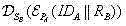
③客户端A收到消息后用认证服务器B的公钥




④客户端A 将步骤③求得的


而且,用户权限包括浏览、加载及加载受限; Moreover, user rights include browsing, uploading and loading restrictions;
(1)浏览:如果用户a将该权限授予用户b,用户b用自己的账号登录后,用户b的用户映像空间里提供用户a在认证服务器存放的映像文件相关信息,但是不提供下载该映像文件; (1) Browsing: If user a grants this permission to user b, after user b logs in with his own account, user b's user image space provides information about the image file stored by user a on the authentication server, but does not provide downloading of the image document;
(2)加载:如果用户a将该权限授予用户b,则用户b用自己的账号登录后,用户b的用户映像空间提供用户a在云端存放的映像文件相关信息,并支持下载该映像文件和加载为虚拟磁盘,但用户b对该虚拟磁盘的修改不更新到云端对应的映像文件中; (2) Loading: If user a grants this permission to user b, after user b logs in with his own account, user b's user image space provides information about the image file stored by user a in the cloud, and supports downloading the image file and Loaded as a virtual disk, but user b's modifications to the virtual disk are not updated to the corresponding image file in the cloud;
(3)加载受限:如果用户a将该权限授予用户b,则用户b用自己的账号登录后,用户b的用户映像空间提供用户a在云端存放的映像文件相关信息,并支持下载该映像文件和加载为虚拟磁盘,但用户b访问该虚拟磁盘的拷贝、截屏、另存为和打印操作都进行了限制。 (3) Restricted loading: If user a grants this permission to user b, after user b logs in with his own account, user b's user image space provides information about the image file stored by user a in the cloud, and supports downloading the image Files and files are loaded as virtual disks, but the copy, screenshot, save as, and print operations of user b's access to the virtual disk are all restricted.
而且,在用户对其他用户授予用户权限时,由相关负责人登录客户端审批,并由客户端进行记录。 Moreover, when a user grants user permissions to other users, the relevant person in charge will log in to the client for approval, and the client will record it.
而且,认证服务器保存文件密钥M1时,采用管理密钥M3进行加密,加密结果记为M4;将映像文件的文件密钥M1传输到客户端时,先用管理密钥M3对加密结果M4进行解密得到文件密钥M1,然后用会话密钥M2对文件密钥M1进行加密后传输。 Moreover, when the authentication server saves the file key M1, it uses the management key M3 to encrypt, and the encryption result is recorded as M4; Decrypt to obtain the file key M1, and then use the session key M2 to encrypt the file key M1 before transmission.
本发明采用较为成熟的虚拟磁盘技术,通过网络共享构建无缝式的虚拟磁盘环境,实现数据多域独立存储和数据隔离,并以在云端分布式存储的方式,实现了数据便捷、快速、安全共享与权限审核;独具特色的共享审批功能,在保证用户数据安全、操作简单、使用方便的前提下能提升了信息共享行为的合法性和安全性。本方法为政府机关、公司企业、开发团队等注重信息安全的机构营造一种信息传输安全、快速、方便的氛围。在机密信息传输过程中,永远不用担心信息泄露、窃取、破坏的问题,因为就算信息被泄露,脱离本方法后也无法使用;就算信息被窃取,窃取者看到的只是乱码;就算信息被破坏,云端仍有备份。同时,在各种行业里,对支持业务的数据和业务处理的需求出现了爆炸式的增长,这导致了能源消耗量的激增以及对数据中心容量需求的增长。云计算则提供了解决问题的另一种思路,使用云计算的模式,企业无需为数据中心扩容、基础架构硬件和软件的采购以及应用软件的采购投入大量资金。与以往工作相比,本发明技术方案有自己的独特之处,主要表现为: The present invention adopts relatively mature virtual disk technology, builds a seamless virtual disk environment through network sharing, realizes multi-domain independent data storage and data isolation, and realizes convenient, fast and safe data in the way of distributed storage in the cloud Sharing and permission review; the unique sharing approval function can improve the legitimacy and security of information sharing on the premise of ensuring user data security, simple operation and convenient use. This method creates a safe, fast and convenient atmosphere for information transmission for government agencies, companies, development teams and other institutions that pay attention to information security. In the process of confidential information transmission, you never have to worry about information leakage, theft, or destruction, because even if the information is leaked, it cannot be used without this method; even if the information is stolen, what the thief sees is only garbled characters; even if the information is destroyed , there are still backups in the cloud. At the same time, across a variety of industries, the demand for data and business processing to support business has exploded, leading to a surge in energy consumption and increased demand for data center capacity. Cloud computing provides another way to solve the problem. Using the cloud computing model, enterprises do not need to invest a lot of money in data center expansion, infrastructure hardware and software procurement, and application software procurement. Compared with the previous work, the technical solution of the present invention has its own uniqueness, which mainly shows as:
1.能在实现文件共享的前提下保障云平台数据安全,将内部泄密的可能性降低到最小。 1. It can ensure the data security of the cloud platform under the premise of realizing file sharing, and minimize the possibility of internal leaks.
2.在系统异常时不会损坏文件。 2. Files will not be damaged when the system is abnormal.
3.将文件分块传送至云端,通过分布式文件管理系统,实现负载均衡,防止海量数据造成服务器崩溃。 3. Files are transferred to the cloud in blocks, and the distributed file management system is used to achieve load balancing and prevent massive data from causing server crashes.
4.进行透明式加解密,自动提醒用户加密,操作简单、使用方便。 4. Carry out transparent encryption and decryption, automatically remind users to encrypt, easy to operate and easy to use.
5.能有效防止非法拷贝和截屏,从而避免了意外途径的数据泄露。 5. It can effectively prevent illegal copying and screenshots, thereby avoiding data leakage in unexpected ways.
附图说明 Description of drawings
图1是本发明的系统架构图。 FIG. 1 is a system architecture diagram of the present invention.
图2是本发明的实施例流程图。 Fig. 2 is a flowchart of an embodiment of the present invention.
图3是本发明的客户端与认证服务器交互示意图。 Fig. 3 is a schematic diagram of the interaction between the client and the authentication server in the present invention.
图4是本发明的客户端与云端交互示意图。 FIG. 4 is a schematic diagram of the interaction between the client and the cloud in the present invention.
图5是本发明实施例的加载受限安全策略示意图。 Fig. 5 is a schematic diagram of a security policy with limited loading in an embodiment of the present invention.
图6是本发明实施例的共享审批示意图。 Fig. 6 is a schematic diagram of sharing approval according to the embodiment of the present invention.
图7是本发明实施例的云平台示意图。 Fig. 7 is a schematic diagram of a cloud platform according to an embodiment of the present invention.
图8是本发明实施例的透明加解密过程示意图。 Fig. 8 is a schematic diagram of a transparent encryption and decryption process according to an embodiment of the present invention.
图9是本发明实施例的文件读取示意图。 Fig. 9 is a schematic diagram of file reading in the embodiment of the present invention.
图10是本发明实施例的文件写入示意图。 Fig. 10 is a schematic diagram of file writing in the embodiment of the present invention.
具体实施方式 Detailed ways
以下结合附图和实施例详细说明本发明技术方案。 The technical solution of the present invention will be described in detail below in conjunction with the drawings and embodiments.
参见图1,系统架构由客户端、云端和认证服务器三方组成。认证服务器负责客户端和云端交互过程中的身份认证与密钥分发,它与云端之间进行密钥协商与分发,响应客户端的用户请求,接收客户端的身份证书;云端负责对用户上传的映像文件进行分布式存储与管理;客户端可以供用户进行虚拟磁盘的基本操作,如创建映像文件、将映像上传至云端、从云端加载映像等等。 Referring to Figure 1, the system architecture consists of three parties: the client, the cloud, and the authentication server. The authentication server is responsible for identity authentication and key distribution during the interaction between the client and the cloud. It negotiates and distributes keys with the cloud, responds to the client's user request, and receives the client's identity certificate; the cloud is responsible for the image file uploaded by the user. For distributed storage and management; the client can be used by users to perform basic operations on virtual disks, such as creating image files, uploading images to the cloud, loading images from the cloud, and so on.
参见图2,软件流程包括用户注册登录及身份验证,系统初始化,创建虚拟磁盘映像文件,加载虚拟磁盘映像文件,卸载虚拟磁盘,上传映像文件,权限共享与权限审批等。 Referring to Figure 2, the software process includes user registration and login and identity verification, system initialization, creating virtual disk image files, loading virtual disk image files, unloading virtual disks, uploading image files, permission sharing and permission approval, etc.
其中,本方法基于C/S模式,通过接入身份认证技术与密钥协商技术相结合,实现严格的访问控制机制。 Wherein, the method is based on the C/S mode, and implements a strict access control mechanism through the combination of the access identity authentication technology and the key negotiation technology.
实施例的具体流程如下: The concrete process of embodiment is as follows:
步骤1,当用户从客户端输入用户名和密码时,客户端首先将用户名和密码采用SHA-2哈希函数进行处理,再将处理所得哈希值用认证服务器的公钥加密后发送至认证服务器,由认证服务器进行身份认证;当认证通过时进入步骤2,未通过时在客户端提示用户的用户名或密码不正确。 Step 1, when the user enters the user name and password from the client, the client first processes the user name and password using the SHA-2 hash function, and then encrypts the processed hash value with the public key of the authentication server and sends it to the authentication server , the identity authentication is performed by the authentication server; when the authentication is passed, go to step 2, and if the authentication fails, the client prompts that the user name or password of the user is incorrect. the
步骤2,进行系统初始化:首先初始化用户空间信息和用户权限信息,用户空间信息为用户在认证服务器存放的映像文件的相关信息,包括各映像文件的状态是否自动加载;然后,从云端下载状态为自动加载的映像文件并加载为虚拟磁盘,具体方式如下, Step 2, system initialization: first initialize the user space information and user authority information, the user space information is the relevant information of the image files stored by the user on the authentication server, including whether the status of each image file is automatically loaded; then, the download status from the cloud is The image file that is automatically loaded and loaded as a virtual disk, the specific method is as follows,
客户端向认证服务器发送加载该映像文件的请求,认证服务器接收到加载请求后,通知云端将映像文件传送到客户端,然后认证服务器将该映像文件的文件密钥M1传输到客户端;客户端用文件密钥M1对映像文件进行解密,解密完成后将该映像文件加载为虚拟磁盘。 The client sends a request to load the image file to the authentication server. After receiving the loading request, the authentication server notifies the cloud to transmit the image file to the client, and then the authentication server transmits the file key M1 of the image file to the client; the client The image file is decrypted with the file key M1, and the image file is loaded as a virtual disk after the decryption is completed.
认证服务器可以采用数据库表技术实现信息管理,实施例进行初始化用户空间信息和用户权限信息时,具体过程为:认证服务器依据该用户的用户名对数据库表执行一个SQL查询语句,查询结果包括该用户在服务器端存放的所有映像文件的相关信息,以及其他用户授予该用户浏览或加载权限的映像文件相关信息。查询到的信息包括文件所有者、映像文件名、映像文件大小、属性、是否自动加载,这些是用户空间信息;同时也查询到文件权限明细,即用户权限信息。接着,服务器端的程序将这些信息传给客户端,客户端成功接收到这些信息后,采用用户空间界面将这些信息显示给用户,用户即可浏览用户空间信息和相应权限信息。 The authentication server can use database table technology to implement information management. When the embodiment initializes user space information and user authority information, the specific process is: the authentication server executes an SQL query statement on the database table according to the user name of the user, and the query result includes the user Information about all image files stored on the server, as well as information about image files that other users have granted the user permission to browse or load. The queried information includes the file owner, image file name, image file size, attributes, and whether it is automatically loaded. These are user space information; at the same time, the file permission details are also queried, that is, user permission information. Then, the server-side program transmits the information to the client. After the client successfully receives the information, it uses the user space interface to display the information to the user, and the user can browse the user space information and corresponding permission information.
步骤3,对用户在其用户映像空间的操作进行管理,用户在其用户映像空间的操作包括创建映像文件、加载映像文件、卸载虚拟磁盘、修改用户权限、浏览用户空间信息和退出: Step 3, manage the user's operations in the user image space. The user's operations in the user image space include creating image files, loading image files, unloading virtual disks, modifying user permissions, browsing user space information and exiting:
当用户创建映像文件时,输入待创建的映像文件的保存路径、文件名以及文件大小(实施例中映像文件的扩展名为.vdk)后,客户端首先向认证服务器进行创建映像文件的申请,认证服务器接收到申请后,为待创建的映像文件分配一个随机的文件密钥M1并传输到客户端。 When the user creates an image file, after inputting the storage path, file name and file size of the image file to be created (the extension of the image file in the embodiment is .vdk), the client first applies to the authentication server for creating an image file, After receiving the application, the authentication server assigns a random file key M1 to the image file to be created and transmits it to the client.
当用户加载映像文件时,对于该用户新创建的映像文件,客户端直接将该映像文件加载成虚拟磁盘;对于该用户先前创建的映像文件,客户端从云端下载加密的映像文件,并向认证服务器申请获取对应的文件密钥M1进行解密,解密完成后将该映像文件加载为虚拟磁盘;当用户加载其它用户的映像文件时,客户端从云端下载加密的映像文件,并向认证服务器申请对应的文件密钥M1,认证服务器查判断用户权限是否合法,若合法则将文件密钥M1传输到客户端,客户端用文件密钥M1对映像文件进行解密,解密完成后将该映像文件加载为虚拟磁盘,若不合法则认证服务器拒绝请求。用户新创建的映像文件为本地映像文件,客户端从云端下载的用户本身或其他用户的映像文件,可称为云端映像文件。 When a user loads an image file, for the image file newly created by the user, the client directly loads the image file into a virtual disk; for the image file previously created by the user, the client downloads the encrypted image file from the cloud and sends it to the authentication The server applies to obtain the corresponding file key M1 for decryption. After the decryption is completed, the image file is loaded as a virtual disk; when the user loads another user’s image file, the client downloads the encrypted image file from the cloud and applies to the authentication server for corresponding file key M1, the authentication server checks to determine whether the user’s authority is legal, and if it is legal, it transmits the file key M1 to the client, and the client uses the file key M1 to decrypt the image file. After the decryption is completed, the image file is loaded as If the virtual disk is illegal, the authentication server will reject the request. The image file newly created by the user is a local image file, and the image file of the user or other users downloaded by the client from the cloud may be called a cloud image file.
当用户卸载虚拟磁盘时,客户端将虚拟磁盘从资源管理器中卸载,将虚拟磁盘里面的内容更新到映像文件中去,并用对应的文件密钥M1对虚拟磁盘的映像文件进行加密,将加密后的映像文件(*.vdk)上传到云端,同时将映像文件的相关信息上传到认证服务器。 When the user uninstalls the virtual disk, the client uninstalls the virtual disk from the resource manager, updates the contents of the virtual disk to the image file, and encrypts the image file of the virtual disk with the corresponding file key M1, and encrypts the virtual disk. The final image file (*.vdk) is uploaded to the cloud, and the relevant information of the image file is uploaded to the authentication server at the same time.
当用户修改用户权限时,客户端将修改后的用户权限信息上传到认证服务器。 When the user modifies the user rights, the client uploads the modified user rights information to the authentication server.
当用户浏览用户空间信息时,客户端向用户显示初始化用户空间信息的结果。用户浏览后可以选择下载映像文件,客户端具体实现与前述用户加载映像文件时相同;其次,用户可以在用户空间上传已创建映像文件或更新后的映像文件,具体实现与从云端加载映像文件相类似。 When the user browses the user space information, the client side displays the result of initializing the user space information to the user. After browsing, the user can choose to download the image file. The specific implementation of the client is the same as when the user loads the image file mentioned above; secondly, the user can upload the created image file or the updated image file in the user space, and the specific implementation is similar to that of loading the image file from the cloud. similar. the
当用户退出时,客户端卸载所有加载的虚拟磁盘,将每个虚拟磁盘的映像文件分别用对应的文件密钥M1进行加密,将加密后的映像文件(*.vdk)上传到云端,同时将所有映像文件的相关信息上传到认证服务器。 When the user logs out, the client unloads all loaded virtual disks, encrypts the image file of each virtual disk with the corresponding file key M1, uploads the encrypted image file (*.vdk) to the cloud, and at the same time The relevant information of all image files is uploaded to the authentication server.
为了提高安全性,认证服务器在每个映像文件创建时分配一个文件密钥M1并保存,认证服务器将映像文件的文件密钥M1传输到客户端时,用会话密钥M2对文件密钥M1进行加密后传输,客户端接收后采用会话密钥M2解密得到文件密钥M1,然后用文件密钥M1对从云端下载的映像文件解密,解密完成后加载。对于要加载的映像文件,客户端直接调用现有技术中的Filedisk驱动加载成本地的虚拟磁盘即可。 In order to improve security, the authentication server assigns a file key M1 when each image file is created and saves it. When the authentication server transmits the file key M1 of the image file to the client, it uses the session key M2 to verify the file key M1. After encryption and transmission, the client uses the session key M2 to decrypt to obtain the file key M1, and then uses the file key M1 to decrypt the image file downloaded from the cloud, and loads it after the decryption is completed. For the image file to be loaded, the client can directly call the Filedisk driver in the prior art to load it into a local virtual disk.
分配的文件密钥M1可以采用随机数发生器生成随机数后,结合用户信息散列值生成,随后存放在认证服务器中的数据库表中。认证服务器保存文件密钥M1时也可采用密文形式,即采用管理密钥M3对文件密钥M1进行加密,加密结果记为M4;将映像文件的文件密钥M1传输到客户端时,先用管理密钥M3对加密结果M4进行解密得到文件密钥M1,然后用会话密钥M2对文件密钥M1进行加密后传输。管理密钥M3可以采用管理员用户名和登录密码的哈希值,管理员用户名和登录密码在管理员登陆认证服务器的时候获取。 The distributed file key M1 can be generated by using a random number generator to generate a random number, combined with the user information hash value, and then stored in the database table in the authentication server. When the authentication server saves the file key M1, it can also use the ciphertext form, that is, use the management key M3 to encrypt the file key M1, and record the encryption result as M4; when transferring the file key M1 of the image file to the client, first Use the management key M3 to decrypt the encrypted result M4 to obtain the file key M1, and then use the session key M2 to encrypt the file key M1 before transmission. The management key M3 may be a hash value of the administrator username and login password, which are obtained when the administrator logs in to the authentication server.
参见图3,客户端与认证服务器交互主要包括用户注册、身份认证以及客户端映像文件密钥分发。其中,认证服务器还可以对域中各成员进行管理,如黑名单管理、用户权限验证等,采用服务器端数据库表存放用户身份信息和映像文件信息。实施例可以采用计算机软件技术实现基于云计算的网络虚拟磁盘管理系统,设计用户使用过程为:用户首先访问系统,进行账号注册、用户登录、身份验证,通过客户端与认证服务器交互进行访问控制;身份合法的用户进入客户端主界面,进行磁盘管理、磁盘虚拟、用户空间、权限控制操作;同时,管理员还可以在认证服务器端进行黑名单管理和用户管理。客户端通过Internet与认证服务器之间采用Socket通信从而达到交互的目的。 Referring to FIG. 3 , the interaction between the client and the authentication server mainly includes user registration, identity authentication, and client image file key distribution. Among them, the authentication server can also manage the members in the domain, such as blacklist management, user authority verification, etc., and use the server-side database table to store user identity information and image file information. The embodiment can use computer software technology to realize the network virtual disk management system based on cloud computing, and the design process of the user is: the user first accesses the system, performs account registration, user login, identity verification, and performs access control through the interaction between the client and the authentication server; Legal users enter the main interface of the client to perform disk management, disk virtualization, user space, and authority control operations; at the same time, administrators can also perform blacklist management and user management on the authentication server. The client uses Socket communication between the Internet and the authentication server to achieve the purpose of interaction.
为便于实施参考起见,本发明提供了实施例的身份认证实现具体说明如下: For the convenience of implementation and reference, the present invention provides the specific description of the implementation of identity authentication in the embodiment as follows:
客户端程序首先将用户名和密码采用美国国家标准局(ANSI)和国际标准化组织(ISO)推荐的SHA-2哈希函数进行处理,再将处理后的哈希值用服务器公钥加密发送至服务器。同时,利用下述技术实现用户身份的认证(假定A为客户端,B为认证服务器): The client program first processes the user name and password using the SHA-2 hash function recommended by the American National Institute of Standards (ANSI) and the International Organization for Standardization (ISO), and then encrypts the processed hash value with the server public key and sends it to the server . At the same time, use the following technologies to implement user identity authentication (assuming that A is the client and B is the authentication server):
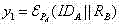
①客户端A将自己的身份信息传递给认证服务器B,但是认证服务器B不能确定此信息是来自客户端A 还是窃密者C; ①Client A sends its own identity information Passed to authentication server B, but authentication server B cannot determine whether this information comes from client A or stealer C;
②认证服务器B收到身份信息


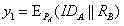


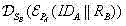
③客户端A收到消息后用认证服务器B的公钥
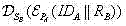


④客户端A 将步骤③求得的


该身份认证技术具备以下特点: The identity authentication technology has the following characteristics:
(1) 实现了通信双方的交互认证; (1) Realize the mutual authentication of both communication parties;
(2) 防敌手的假冒攻击; (2) Anti-counterfeit attacks by opponents;
(3) 防重放攻击; (3) Anti-replay attack;
(4) 提供了消息的机密性和完整性保护。 (4) Provides confidentiality and integrity protection of messages.
本发明实施例的会话密钥协商采用PGKA协议,该协议发表在《Computer Standards & Interfaces》上,它不仅具备抗主动攻击的能力,而且拥有仅需2轮通信的优点。为实施参考起见,提供如下: The session key negotiation in the embodiment of the present invention adopts the PGKA protocol, which is published in "Computer Standards & Interfaces". It not only has the ability to resist active attacks, but also has the advantage of only requiring two rounds of communication. For implementation reference, the following is provided:
假设、分别为大素数,且满足,


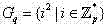


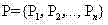


Step1. 每一个参与方


Step2. 接收到所有的
随机选取子群元素
… …



Step3. 接收到所有的


, ,
其中,
最后可得:,从而获得共享密钥
以上表示mod运算的结果,在数论里相当于等号。 above Indicates the result of the mod operation, which is equivalent to the equal sign in number theory.
为便于实施参考起见,以下提供实施例的客户端、认证服务器端和云端分别的具体实现说明: For the convenience of implementation reference, the following provides specific implementation descriptions of the client, authentication server and cloud of the embodiment:
1 客户端实现1 client implementation
1.1 磁盘管理1.1 Disk Management
用户登录后,客户端向认证服务器发送加载状态为“主动加载”的映像文件的请求,认证服务器接收到加载请求后,通知云端将映像文件传送到客户端。 After the user logs in, the client sends a request to the authentication server to load the image file whose status is "active loading". After receiving the loading request, the authentication server notifies the cloud to transfer the image file to the client.
然后认证服务器先用管理密钥M3对加密结果M4进行解密得到文件密钥M1,然后用会话密钥M2对文件密钥M1加密后传输给客户端。 Then the authentication server first decrypts the encrypted result M4 with the management key M3 to obtain the file key M1, and then encrypts the file key M1 with the session key M2 and transmits it to the client.
客户端接收后采用会话密钥M2解密得到文件密钥M1,然后用文件密钥M1对映像文件进行解密,解密完成后调用Filedisk的mount命令,将该映像文件加载为虚拟磁盘。 After receiving it, the client uses the session key M2 to decrypt the file key M1 to obtain the file key M1, and then uses the file key M1 to decrypt the image file. After the decryption is completed, the mount command of Filedisk is called to load the image file as a virtual disk.
该功能给用户的体验是,本地凭空多出来了一个磁盘,这个磁盘可以像其它本地磁盘一样进行格式化、添加文件、删除文件等操作。 The user experience of this function is that there is an extra local disk out of thin air, and this disk can be formatted, added files, deleted files and other operations like other local disks.
创建虚拟映像、加载、卸载虚拟磁盘Create virtual images, mount and unmount virtual disks
创建映像文件:用户选择待创建的映像文件所在的盘符、文件名以及文件大小(实施例映像文件的扩展名为.vdk),点击确定后,客户端程序首先向服务器进行映像创建的申请,服务器端程序接受到后,为待创建的映像文件分配一个随机的文件密钥M1,并用会话密钥M2进行加密然后传给客户端的对应用户。磁盘卸载和客户端程序退出的时候所用的加密密钥就是文件密钥M1。 Create image file: the user selects the drive letter, file name and file size of the image file to be created (the extension of the image file in the embodiment is .vdk), and after clicking OK, the client program first applies to the server for image creation. After the server-side program receives it, it assigns a random file key M1 to the image file to be created, encrypts it with the session key M2, and then transmits it to the corresponding user of the client. The encryption key used when the disk is unloaded and the client program exits is the file key M1.
加载映像文件:对于新创建的映像文件,直接用Filedisk加载成本地磁盘。对于先前创建的映像文件,由于它是加密了的,所以先要向服务器申请获取对应的文件密钥M1进行解密,然后才能用Filedisk进行加载。 Load image file: For a newly created image file, directly load it into a local disk with Filedisk. For the previously created image file, because it is encrypted, it must first apply to the server to obtain the corresponding file key M1 for decryption, and then it can be loaded with Filedisk.
卸载虚拟磁盘:将创建的虚拟磁盘从资源管理器中卸载,系统将磁盘里面的内容更新到映像文件中去,并用对应的文件密钥M1进行加密,并自动将其上传到服务器上。 Uninstall the virtual disk: Uninstall the created virtual disk from the resource manager, the system will update the contents of the disk to the image file, encrypt it with the corresponding file key M1, and upload it to the server automatically.
用户空间user space
客户端的用户在通过身份验证后,认证服务器会自动将用户在云端保存的所有映像文件的信息传送给用户,映像文件内容将实时显示在用户空间中。 After the client user passes the authentication, the authentication server will automatically transmit the information of all the image files saved by the user in the cloud to the user, and the content of the image file will be displayed in the user space in real time.
用户可以查看映像文件里面保存的内容,并可将映像文件下载到本地并加载为本地磁盘。加载磁盘后,用户对该磁盘的修改会在用户客户端程序退出时,自动更新到服务器端的映像文件中。 Users can view the content saved in the image file, and can download the image file to the local and load it as a local disk. After the disk is loaded, the modification of the disk by the user will be automatically updated to the image file on the server side when the user client program exits.
用户除了查看自己在云端的映像文件的内容之外,还可以查看其他用户授予该用户浏览或加载权限的映像文件里面的内容。同时该用户还可以下载该用户有加载权限的映像文件,并可在本地进行加载。 In addition to viewing the content of the image file in the cloud, the user can also view the content of the image file that other users have granted the user to browse or load. At the same time, the user can also download the image file that the user has the loading permission, and can load it locally.
用户对本地加载的映像文件进行操作后,可以手动上传到云端或者在退出系统后自动上传。 After the user operates the locally loaded image file, it can be manually uploaded to the cloud or automatically uploaded after exiting the system.
权限控制access control
用户对其它用户的映像文件默认的权限是不可加载且不可浏览。当用户由于某些需要将该用户的数据和其他某用户进行共享时,可以通过权限控制来实现其他用户浏览或下载该用户在服务器端的映像文件,从而达到数据共享的目的。 The user's default permissions to other users' image files are not to be loaded and not to be browsed. When a user needs to share the user's data with some other user due to certain needs, other users can browse or download the user's image file on the server side through permission control, so as to achieve the purpose of data sharing. the
本方法定义的权限有三种: There are three types of permissions defined in this method:
(1)浏览:如果用户A将该权限授予用户B,那么用户B用自己的账号登录后,可以在用户空间里面查看到用户A在服务器端存放的映像文件相关信息,但是不可以下载该映像文件。 (1) Browsing: If user A grants this permission to user B, then after user B logs in with his own account, he can view the image file information stored by user A on the server in the user space, but cannot download the image document.
(2)加载:如果用户A将该权限授予用户B,则用户B不仅可以在他的用户空间里面看到用户A在服务器端存放的映像文件相关信息,还可以下载该映像文件,并可将下载后的映像文件I在用户B的本地加载为本地磁盘,从而使用里面的文件,但用户B对该本地磁盘的修改不会更新到服务器端对应的映像文件中。 (2) Loading: If user A grants this permission to user B, then user B can not only see the image file related information stored by user A on the server side in his user space, but also download the image file and upload The downloaded image file I is loaded locally as a local disk of user B, so that the files inside can be used, but the modification of the local disk by user B will not be updated to the corresponding image file on the server side.
(3)加载受限:如果用户a将该权限授予用户b,则用户b用自己的账号登录后,用户b的用户映像空间提供用户a在云端存放的映像文件相关信息,并支持下载该映像文件和加载为虚拟磁盘,但用户b访问该虚拟磁盘的拷贝、截屏、另存为和打印操作都进行了限制。 (3) Restricted loading: If user a grants this permission to user b, after user b logs in with his own account, user b's user image space provides information about the image file stored by user a in the cloud, and supports downloading the image Files and files are loaded as virtual disks, but the copy, screenshot, save as, and print operations of user b's access to the virtual disk are all restricted.
如图5,用户1和用户2所使用的云终端之间进行数据共享,安全策略有三项:保存与打印控制、文字拷贝控制、屏幕拷贝控制。 As shown in Figure 5, there are three security policies for data sharing between the cloud terminals used by user 1 and user 2: save and print control, text copy control, and screen copy control.
实施例的页面保存与打印控制实现方式: Implementation of page saving and printing control in the embodiment:
对于业务上的文档,大部分为word文档和pdf文档,因此对这两种主流文档的保存和打印控制是非常必要的。控制的前提是捕获事件spplicstion.SaveAs,这个事件对应着windows一个内核函数,该过程主要通过系统钩子模块完成。spplicstion.SaveAs为Window提供的现有技术。 For business documents, most of them are word documents and pdf documents, so it is very necessary to save and print these two mainstream documents. The premise of the control is to capture the event spplistion.SaveAs, which corresponds to a Windows kernel function, and the process is mainly completed through the system hook module. spplistion.SaveAs is an existing technique for Window.
钩子实际上是一段用来处理系统消息的程序,通过系统调用,将其挂入到系统,它是Windows的消息处理机制中的一个监视点。在设置钩子的情况下,Windows的消息传递过程会发生改变,钩子可以在系统中的消息流到达目的窗口过程前监控它们。钩子函数可以监视指定窗口的某种消息,而且所监视的窗口可以是其他进程所创建的。当消息到达后,钩子机制允许应用程序截获处理窗口消息或特定事件。这时钩子函数既可以加工处理(改变)该消息,也可以不进行处理而继续传递该消息,还可以强制结束消息的传递。 A hook is actually a program used to process system messages, which is hooked into the system through system calls, and it is a monitoring point in the message processing mechanism of Windows. In the case of setting the hook, the message passing process of Windows will change, and the hook can monitor the message flow in the system before it reaches the destination window procedure. The hook function can monitor certain messages of the specified window, and the monitored window can be created by other processes. When the message arrives, the hook mechanism allows the application to intercept and process window messages or specific events. At this time, the hook function can not only process (change) the message, but also continue to deliver the message without processing, and can also forcibly end the delivery of the message.
实施例的文字拷贝控制实现方式: The text copy control implementation mode of the embodiment:
文字拷贝主要是实现当用户在操作敏感业务系统时候,需要禁止用户通过拷贝方式将重要数据保存下来。其关键技术是对剪贴板的监控。如果发现剪贴板在用户操作过程中发现变化,则说明用户已经实施了拷贝行为。 Text copy is mainly to realize that when users are operating sensitive business systems, it is necessary to prohibit users from saving important data by copying. Its key technology is the monitoring of the clipboard. If it is found that the clipboard changes during the user's operation, it means that the user has implemented the copying behavior.
Windows剪贴板是一种开销比较小的IPC(InterProcess Communication,进程间通讯)机制。Windows系统支持剪贴板IPC的基本机制是由系统预留一块全局共享内存,用来暂存在各进程间需要交换的数据:提供数据的进程创建一个全局内存块,并将要传送的数据移到或复制到该内存块;接受数据的进程(也可以是提供数据的进程本身)获取此内存块的句柄,并完成对该内存块数据的读取。为了实现上述功能, Windows提供了存放于系统文件USER32.dll中的一组API函数、消息和预定义数据格式等,并通过对这些函数、消息的使用来管理在进程间进行的剪贴板数据交换。系统文件USER32.dll为Window提供的现有技术。 The Windows clipboard is an IPC (InterProcess Communication, inter-process communication) mechanism with relatively low overhead. The basic mechanism for Windows system to support clipboard IPC is to reserve a global shared memory by the system to temporarily store data that needs to be exchanged between processes: the process that provides data creates a global memory block, and moves or copies the data to be transferred to the memory block; the process receiving the data (or the process providing the data itself) obtains the handle of the memory block and completes the reading of the data of the memory block. In order to achieve the above functions, Windows provides a set of API functions, messages and predefined data formats stored in the system file USER32.dll, and manages the clipboard data exchange between processes through the use of these functions and messages . The system file USER32.dll is a prior art provided by Window.
系统调用剪贴板的简化步骤为:首先通过调用OpenClipboard函数打开剪贴板,如果是获取剪贴板的内容则调用GetClipboardData函数,如果是设置剪贴板内容则先通过调用EmptyClipboard函数清空剪贴板,然后调用SetClipboardData函数设置剪贴板内容(在获取和设置剪贴板内容的函数的参数中都要有相应的数据格式)。这些函数为Window提供的现有技术。 The simplified steps of calling the clipboard by the system are as follows: firstly open the clipboard by calling the OpenClipboard function, if the content of the clipboard is to be obtained, the GetClipboardData function is called, if the content of the clipboard is to be set, the clipboard is first emptied by calling the EmptyClipboard function, and then the SetClipboardData function is called Set the content of the clipboard (there must be corresponding data formats in the parameters of the functions for obtaining and setting the content of the clipboard). These functions are existing technologies provided by Window.
实施例的屏幕拷贝控制实现方式: Implementation of screen copy control in the embodiment:
屏幕拷贝主要通过对用户键盘操作进行控制完成,一方面禁用屏幕拷贝按钮,另外一方面禁止具有屏幕拷贝功能的进程出现。键盘控制主要也通过系统钩子模块完成。 The screen copy is mainly completed by controlling the user's keyboard operation. On the one hand, the screen copy button is disabled, and on the other hand, the process with the screen copy function is prohibited from appearing. Keyboard control is also mainly done through the system hook module.
Win32系统会为钩子建立一个钩子链(HookChain),一个钩子链实际上是一个指针列表,其指针指向钩子的各个处理函数,这些函数是一种特殊的回调函数。钩子链的运作方式类似于栈,在钩子链中最后安装的钩子放在钩子链的最前面,最先安装的钩子则放在钩子链的最底层,所以最后加入的钩子优先获得控制权。 The Win32 system will establish a hook chain (HookChain) for the hook, and a hook chain is actually a list of pointers, whose pointers point to each processing function of the hook, and these functions are a special callback function. The operation mode of the hook chain is similar to that of a stack. In the hook chain, the hook installed last is placed at the front of the hook chain, and the hook installed first is placed at the bottom of the hook chain, so the hook added last gets control first.
通过挂接系统键盘钩子,即可完成对屏幕打印键的控制。 By hooking the system keyboard hook, the control of the screen printing key can be completed.
权限审批Authorization approval
在客户端与云端交互中,对于企业,每个部门作为一个相对独立的存储域。对于部门每一个员工来说,他可以通过云终端(客户端)创建自己的用户空间。企业内部,成员之间可以进行方便快捷的文件共享,但对于部门之间的共享行为,需要通过相关部门的负责人进行审批。存储映像文件信息存放在认证服务器上,而映像文件却存放在云端。映像文件的上传和下载则通过客户端与云端进行,其中的管理者便是认证服务器。参见图4,某公司有部门一、部门二、部门三、部门四,部门一的用户之间可以进行部门内部资源共享,当部门一和部门二之间要求部门间共享时,需要由部门一的负责人登录客户端进行审批。 In the interaction between the client and the cloud, for the enterprise, each department serves as a relatively independent storage domain. For each employee in the department, he can create his own user space through the cloud terminal (client). Within the enterprise, members can share files conveniently and quickly, but the sharing behavior between departments needs to be approved by the person in charge of the relevant department. The storage image file information is stored on the authentication server, while the image file is stored in the cloud. The upload and download of the image file is carried out through the client and the cloud, where the manager is the authentication server. See Figure 4. A company has Department 1, Department 2, Department 3, and Department 4. Users in Department 1 can share resources within departments. When Department 1 and Department 2 require inter-department sharing, Department 1 needs to The responsible person logs in to the client for approval.
参见图6,对于一般的企业文件管理系统,内部文件共享的机制并不完善。一个文件所有者或负责人可以将其具有访问权限的文件共享给任何人,包括部门外业务人员以及潜在的泄密者,并且这种共享行为没有日志记录,因而无法确保文件共享行为的合法性,容易导致机密信息的扩散和泄露。 Referring to Figure 6, for general enterprise file management systems, the internal file sharing mechanism is not perfect. A file owner or person in charge can share the files with access rights to anyone, including business personnel outside the department and potential leakers, and there is no log record for this sharing behavior, so the legality of the file sharing behavior cannot be ensured. It is easy to cause the diffusion and leakage of confidential information.
本发明所提供基于云计算的网络虚拟磁盘管理系统,采用严格的共享审批机制,当文件所有者需要将其映像文件权限共享给其它用户时,该共享行为需要通过相关负责人审批。相关负责人发现部门外业务人员或潜在泄密者时,则拒绝此次共享,从而防止机密文件泄露。这种共享审批与日志审计相结合的访问控制技术,确保了文件共享行为的合法性和安全性。 The network virtual disk management system based on cloud computing provided by the present invention adopts a strict sharing approval mechanism. When the file owner needs to share the image file authority to other users, the sharing behavior needs to be approved by the relevant person in charge. When the relevant person in charge finds out the business personnel or potential leakers outside the department, he refuses the sharing, so as to prevent the leakage of confidential documents. This access control technology combining sharing approval and log auditing ensures the legality and security of file sharing.
对于公司来说,一个部门可以称作一个域。现在从上述例子中将部门抽象成域。例如,当1号域普通成员a1将其空间的浏览权限赋予2号域普通成员b1,登录b1用户,在b1用户空间的浏览器里,可以看到a1用户空间文件信息。此时,b1若尝试加载,系统会提示仅有浏览权限,无法加载。 For a company, a department can be called a domain. Now abstract departments into domains from the above example. For example, when ordinary member a1 of domain 1 assigns the browsing authority of his space to ordinary member b1 of domain 2, and logs in to user b1, he can see the file information of user a1 in the browser of user b1. At this time, if b1 tries to load, the system will prompt that it only has browsing permission and cannot be loaded.
当1号域普通成员a1将2号域普通成员b1的权限改为加载,由于是域间的共享行为,需要a1所在的1号域负责人admina来进行审批。 When ordinary member a1 of domain 1 changes the authority of ordinary member b1 of domain 2 to upload, because it is a shared behavior between domains, the person in charge of domain 1 where a1 resides needs to be approved by admina.
登录负责人admina,负责人界面与普通成员的多出一个权限审批页面,在共享审批列表中,允许此次共享行为。此时,在2号域普通成员b1的用户空间中,此时可以加载1号域a1的映像,普通加载可以对文件内容进行随意拷贝、截屏、另存为等操作。 Log in to the person in charge admina, the person in charge interface and ordinary members have an additional authority approval page, and in the sharing approval list, this sharing behavior is allowed. At this time, in the user space of the ordinary member b1 of the No. 2 domain, the image of the No. 1 domain a1 can be loaded at this time, and the normal loading can perform operations such as copying, taking screenshots, and saving the content of the file at will.
当负责人admina拒绝此次共享行为时,a1会收到拒绝相关消息。因而b1无法对a1映像进行加载等进一步操作。 When the person in charge admina rejects this sharing behavior, a1 will receive a rejection message. Therefore, b1 cannot perform further operations such as loading the a1 image.
共享行为和审批操作,都会提交到认证服务器的日志系统里,这样由认证服务器记录每一次用户之间的共享行为,包括时间、共享内容、对象及审批结果等。 Both the sharing behavior and the approval operation will be submitted to the log system of the authentication server, so that the authentication server will record each sharing behavior between users, including time, shared content, object and approval result, etc.
认证服务器端实现Authentication server-side implementation
2.1 用户管理2.1 User Management
服务器端程序在初始化的时候,通过访问数据库表将所有注册了的用户信息显示出来,方便管理员进行管理。管理员可以将这些用户进行删除、加入黑名单的操作,删除后的用户的该账户从此无法使用,只能重新注册,而被加入黑名单的用户账号会被屏蔽,无法登录和注册。这些操作会引起服务器端程序对数据库表的相应修改。除此之外,管理员还可以设置每个用户在服务器端可上传的映像文件总大小的上限。 When the server-side program is initialized, all registered user information will be displayed by accessing the database table, which is convenient for the administrator to manage. The administrator can delete and add these users to the blacklist. The account of the deleted user can no longer be used and can only be re-registered. The account of the user added to the blacklist will be blocked and unable to log in and register. These operations will cause the corresponding modification of the database table by the server-side program. In addition, administrators can also set the upper limit of the total size of image files that each user can upload on the server side.
黑名单管理blacklist management
加入黑名单的账号从此无法再被使用,管理员拥有将黑名单中的某账号从黑名单中移除从而恢复为可用账号的权限,该操作会引起服务器端程序对数据库表的相应修改。 Accounts added to the blacklist can no longer be used. The administrator has the authority to remove an account in the blacklist from the blacklist and restore it to an available account. This operation will cause the server-side program to modify the database table accordingly.
磁盘管理disk management
在服务器端可以设一个公共映像文件,该映像文件是可以被所有客户端用户浏览和加载的。主要是为了方便管理员通过客户端程序向所有用户发布某些文件,只要将该文件放到有映像文件加载后的磁盘中即可,而不需要逐一拷贝给所有用户,当用户登录的时候自动加载该映像文件为本地磁盘从而浏览使用服务器端程序发布的这些文件。极大地减轻了管理员发布文件的工作。 A public image file can be set on the server side, and the image file can be browsed and loaded by all client users. It is mainly for the convenience of the administrator to release certain files to all users through the client program. Just put the file in the disk after the image file is loaded, instead of copying it to all users one by one. When the user logs in, it will automatically Mount the image file as a local disk to browse these files published using the server-side program. Greatly eases the administrator's work for publishing files.
云端实现Cloud implementation
3.1 云平台搭建3.1 Cloud platform construction
近年来,云存储技术发展也日益成熟。本发明正是基于此技术,通过开源的Apache Hadoop搭建起云平台,解决数据的可访问性、安全性、移动性,明确定义与数据所有权、归档、发现和搜索相关的角色和职责并实现了自动负载均衡及透明扩容缩容。参见图7,实施例通过开源软件Apache Hadoop搭建云平台。Apache Hadoop 构建在虚拟主机上,作为云计算平台。其设计核心是 MapReduce 实现和 HDFS (Hadoop Distributed File System),它们源自 MapReduce(一种编程模型,用于大规模数据集的并行运算)和谷歌文件系统(Google File System)。Hadoop云平台中,MapReduce和HDFS是两大最重要的组成部分。MapReduce包括map(映射)和reduce(化简)两个过程,HDFS包括名称节点NameNode和数据节点DataNode。 In recent years, the development of cloud storage technology has become increasingly mature. Based on this technology, the present invention builds a cloud platform through the open source Apache Hadoop, solves data accessibility, security, and mobility, clearly defines roles and responsibilities related to data ownership, archiving, discovery, and search, and realizes Automatic load balancing and transparent expansion and contraction. Referring to Fig. 7, embodiment builds cloud platform by open source software Apache Hadoop. Apache Hadoop is built on virtual hosts as a cloud computing platform. The core of its design is the implementation of MapReduce and HDFS (Hadoop Distributed File System), which are derived from MapReduce (a programming model for parallel computing of large-scale data sets) and Google File System (Google File System). In the Hadoop cloud platform, MapReduce and HDFS are the two most important components. MapReduce includes two processes of map (mapping) and reduce (simplification), and HDFS includes name node NameNode and data node DataNode.
实施例采用全分布模式,即Hadoop 配置在不同的主机上,作为集群运行。Hadoop基本组成结构为,一台机器作为Master主机(Hadoop-A)、两台机器分别为Slave机(Hadoop-B\Hadoop-C)。其中,Hadoop-A为名称节点,也是数据节点,Hadoop-B\Hadoop-C分别为数据节点,由于整个平台搭建在私有域中,因此构成了私有云存储与管理平台。 The embodiment adopts a fully distributed mode, that is, Hadoop is configured on different hosts and operates as a cluster. The basic structure of Hadoop is that one machine is used as the Master host (Hadoop-A), and two machines are respectively used as Slave machines (Hadoop-B\Hadoop-C). Among them, Hadoop-A is the name node and data node, and Hadoop-B\Hadoop-C are data nodes respectively. Since the entire platform is built in a private domain, it constitutes a private cloud storage and management platform.
其中,云平台设计中,独具特色的容崩自检机制和容灾备份与负载均衡机制,为云平台数据可用性、安全性提供了保证。 Among them, in the design of the cloud platform, the unique crash-tolerant self-inspection mechanism, disaster recovery backup and load balancing mechanism provide guarantee for the data availability and security of the cloud platform.
实施例的容崩自检机制实现说明如下: The implementation of the collapse-tolerant self-inspection mechanism of the embodiment is described as follows:
在云平台中,没有名称节点,文件系统将无法使用。因此,名称节点能够经受故障是非常重要的,本方法通过在Hadoop上运行一个二级名称节点的机制来保证系统的可靠性与可用性。 In the cloud platform, the file system cannot be used without the name node. Therefore, it is very important that the name node can withstand failures. This method ensures the reliability and availability of the system by running a secondary name node mechanism on Hadoop.
对于二级名称节点,其不能作为名称节点使用。这个二级名称节点的重要作用就是定期的通过编辑日志合并命名空间镜像,以防止编辑日志过大。该节点一般在其他单独的物理计算机上运行,因为它也需要占用大量CPU和内存来执行合并操作。它会保存合并后的命名空间镜像的副本,在名称节点失效后就可以使用。 For secondary namenodes, it cannot be used as a namenode. The important role of this secondary name node is to periodically merge the namespace mirror through the edit log to prevent the edit log from being too large. This node is generally run on other separate physical computer, because it also needs a lot of CPU and memory to perform the merge operation. It keeps a copy of the merged namespace mirror, which is available after the namenode fails.
实施例的容灾备份与负载均衡机制实现说明如下: The implementation description of the disaster recovery backup and load balancing mechanism of the embodiment is as follows:
HDFS文件块的概念与普通的文件系统中分块的概念基本相同,不过是更大的单元,默认为64 MB,这样的一个好处是减少寻址时间开销。与单一磁盘上的文件系统不同的是,HDFS中小于一个块大小的文件不会占据整个块的空间。 The concept of an HDFS file block is basically the same as that of a block in an ordinary file system, but it is a larger unit, which is 64 MB by default. One of the benefits of this is to reduce the overhead of addressing time. Unlike file systems on a single disk, files smaller than a block size in HDFS do not occupy the space of an entire block.
为了恢复损坏的块以及应对磁盘或机器的故障,每个块都将自己的另外两个副本放在其它数据结点上,并保证副本数目的恒定。这个工作由设立在名称结点上的监控程序完成。如果一个块发生损坏或机器故障,系统会在其他地方读取另一个副本,并将此副本复制一份,通过查看文件块分配索引表,根据负载均衡原则,将新的副本存放在选定的数据结点上,以保证副本的数量回到正常水平,这个过程对用户是完全透明的。 In order to restore damaged blocks and deal with disk or machine failures, each block puts its other two copies on other data nodes, and keeps the number of copies constant. This work is done by the monitoring program set up on the name node. If a block is damaged or a machine fails, the system will read another copy elsewhere and make a copy of this copy. By looking at the file block allocation index table, according to the load balancing principle, the new copy will be stored in the selected On the data node, to ensure that the number of replicas returns to the normal level, this process is completely transparent to the user.
在云端,设置统计云端映像文件加载次数等信息反映文件热门程度。对于非常热门的文件块,可以给其设置更高的副本数量以提高集群的读取负载量,从而达到负载均衡。 In the cloud, set statistics such as the number of uploads of cloud image files to reflect the popularity of the files. For very popular file blocks, you can set a higher number of copies to increase the read load of the cluster, so as to achieve load balancing.
在不改变用户使用习惯、计算机文件格式和应用程序的情况下,对虚拟映像文件采取“驱动级AES透明动态加解密技术”,对指定类型的文件进行实时、强制、透明的加解密。即在正常使用时,计算机内存中的文件是以受保护的明文形式存放,但硬盘上保存的却是加密状态的数据。由于加解密是在驱动级上实现的,在每次读写文件时自动使用特定的文件密钥进行加解密,对用户完全透明。对于非管理员用户而言,他们甚至完全不需要知道密钥的存在。 Without changing the user's usage habits, computer file formats and applications, the "driver-level AES transparent dynamic encryption and decryption technology" is adopted for virtual image files, and real-time, mandatory and transparent encryption and decryption of specified types of files are performed. That is, during normal use, the files in the computer memory are stored in protected plain text, but the data stored on the hard disk is encrypted. Since encryption and decryption are implemented at the driver level, a specific file key is automatically used for encryption and decryption every time a file is read or written, which is completely transparent to the user. For non-admin users, they don't even need to know that the key exists.
驱动级透明加密技术基于windows的文件系统(过滤)驱动(IFS)技术,由于工作在受windows保护的内核层,运行速度更快,加解密操作更稳定。本方法在驱动级上实现文件的加解密操作如下图8所示。当用户双击打开文件或者修改后保存文件等读写操作后,IO管理器根据用户操作生成文件读写操作指针IRP(IRP指针包括读操作指针IRP_MJ_READ或写操作指针IRP_MJ_WRITE),IRP传递到驱动程序,执行指定的派遣函数。在派遣函数中执行加解密操作,加解密操作结束后,得到文件加解密之后的结果,并将结果返回给IO管理器,结束本次读写请求。 The driver-level transparent encryption technology is based on the Windows file system (filter) driver (IFS) technology. Since it works at the kernel layer protected by Windows, it runs faster and the encryption and decryption operations are more stable. This method implements file encryption and decryption operations on the driver level, as shown in Figure 8 below. When the user double-clicks to open the file or save the file after modification and other read and write operations, the IO manager generates the file read and write operation pointer IRP according to the user operation (the IRP pointer includes the read operation pointer IRP_MJ_READ or the write operation pointer IRP_MJ_WRITE), and the IRP is passed to the driver. Executes the specified dispatch function. The encryption and decryption operation is performed in the dispatch function. After the encryption and decryption operation is completed, the result of the file encryption and decryption is obtained, and the result is returned to the IO manager to end the read and write request.
参见图9,HDFS客户端中文件读取流程:映像文件以分块的形式存储在云端数据结点上,数据节点中存放文件块的索引通过名称节点获得。云终端与云端进行通信时,客户端节点通过JAVA虚拟机(客户端JVM),运用HDFS开始分布式计算,向名称节点NameNode请求并获得数据块位置,客户端通过读取FSDataInputStream(hadoop中数据流类)数据流,从各个数据节点DateNode上分别读取数据块并在终端进行合并,最后关闭管道,结束本次读取。 See Figure 9, the file reading process in the HDFS client: the image file is stored on the cloud data node in the form of blocks, and the index of the file block stored in the data node is obtained through the name node. When the cloud terminal communicates with the cloud, the client node uses HDFS to start distributed computing through the JAVA virtual machine (client JVM), requests the name node NameNode and obtains the location of the data block, and the client reads the FSDataInputStream (the data stream in Hadoop Class) data flow, read data blocks from each data node DateNode and merge them at the terminal, and finally close the pipeline to end this reading.
参见图10,HDFS客户端中文件写入流程:文件写入与读取基本类似。云终端通过调用创建函数Create向名称节点NameNode发送请求,然后通过FSDataOutputStream数据流进行文件写入,数据块写入存储到各个数据节点DateNode上,各个数据节点DateNode进行回应,最后关闭管道。名称节点NameNode负责维持整个文件系统的负载均衡以及分块副本数目,创建完成后通知分布式文件系统。 Referring to Figure 10, the file writing process in the HDFS client: file writing and reading are basically similar. The cloud terminal sends a request to the name node NameNode by calling the creation function Create, and then writes the file through the FSDataOutputStream data stream, writes the data block to each data node DateNode, each data node DateNode responds, and finally closes the pipeline. The name node NameNode is responsible for maintaining the load balance of the entire file system and the number of block copies, and notifies the distributed file system after the creation is completed.
通信模块接口实现Communication module interface implementation
Hadoop中的RPC是Hadoop系统内部的通信机制,RPC(Remote Procedure Call Protocol)远程过程调用协议,它是一种通过网络从远程计算机程序上请求服务,而不需要了解底层网络技术的协议。 RPC in Hadoop is the internal communication mechanism of Hadoop system, RPC (Remote Procedure Call Protocol) remote procedure call protocol, which is a protocol that requests services from remote computer programs through the network without knowing the underlying network technology.
PC采用客户机/服务器模式。请求程序就是一个客户机,而服务提供程序就是一个服务器。当我们讨论HDFS的时候,通信可能发生在: PC adopts client/server mode. A requester is a client, and a service provider is a server. When we talk about HDFS, communication can happen in:
· 客户端Client与名称节点NameNode之间,其中名称节点NameNode是服务器 Between the client Client and the name node NameNode, where the name node NameNode is the server
· 客户端Client与数据节点DataNode之间,其中数据节点DataNode是服务器 · Between the client Client and the data node DataNode, where the data node DataNode is the server
· 数据节点DataNode与名称节点NameNode之间,其中名称节点NameNode是服务器 Between the data node DataNode and the name node NameNode, where the name node NameNode is the server
· 数据节点DataNode与数据节点DateNode之间,其中某一个数据节点DateNode是服务器,另一个是客户端。 · Between the data node DataNode and the data node DateNode, one of the data node DateNode is the server, and the other is the client.
本文中所描述的具体实施例仅仅是对本发明精神作举例说明。本发明所属技术领域的技术人员可以对所描述的具体实施例做各种各样的修改或补充或采用类似的方式替代,但并不会偏离本发明的精神或者超越所附权利要求书所定义的范围。 The specific embodiments described herein are merely illustrative of the spirit of the invention. Those skilled in the art to which the present invention belongs can make various modifications or supplements to the described specific embodiments or adopt similar methods to replace them, but they will not deviate from the spirit of the present invention or go beyond the definition of the appended claims range.
Claims (5)










Priority Applications (1)
| Application Number | Priority Date | Filing Date | Title |
|---|---|---|---|
| CN201110383355.XA CN102394894B (en) | 2011-11-28 | 2011-11-28 | A method for secure management of network virtual disk files based on cloud computing |
Applications Claiming Priority (1)
| Application Number | Priority Date | Filing Date | Title |
|---|---|---|---|
| CN201110383355.XA CN102394894B (en) | 2011-11-28 | 2011-11-28 | A method for secure management of network virtual disk files based on cloud computing |
Publications (2)
| Publication Number | Publication Date |
|---|---|
| CN102394894A true CN102394894A (en) | 2012-03-28 |
| CN102394894B CN102394894B (en) | 2014-01-15 |
Family
ID=45862100
Family Applications (1)
| Application Number | Title | Priority Date | Filing Date |
|---|---|---|---|
| CN201110383355.XA Expired - Fee Related CN102394894B (en) | 2011-11-28 | 2011-11-28 | A method for secure management of network virtual disk files based on cloud computing |
Country Status (1)
| Country | Link |
|---|---|
| CN (1) | CN102394894B (en) |
Cited By (49)
| Publication number | Priority date | Publication date | Assignee | Title |
|---|---|---|---|---|
| CN102647464A (en) * | 2012-03-30 | 2012-08-22 | 哈尔滨工业大学 | Server and self-service travel system adopting same |
| CN102685245A (en) * | 2012-05-29 | 2012-09-19 | 北京麦谱影随科技有限公司 | Method and system for data social contact storage based on internet |
| CN102722576A (en) * | 2012-06-05 | 2012-10-10 | 西安未来国际信息股份有限公司 | Encipherment protection system and encipherment protection method for database in cloud computing environment |
| CN102821094A (en) * | 2012-07-09 | 2012-12-12 | 深圳市深信服电子科技有限公司 | Method and system for secure data processing in virtual desktop |
| CN102970294A (en) * | 2012-11-21 | 2013-03-13 | 网神信息技术(北京)股份有限公司 | Method and device for detecting virus of security gateway |
| CN102984273A (en) * | 2012-12-13 | 2013-03-20 | 华为技术有限公司 | Encryption method, decryption method, encryption device and decryption device of virtual disk and cloud server |
| CN103002029A (en) * | 2012-11-26 | 2013-03-27 | 北京百度网讯科技有限公司 | Management method, system and client for uploading files |
| CN103051643A (en) * | 2013-01-22 | 2013-04-17 | 西安邮电大学 | Method and system for dynamically establishing secure connection of virtual host in cloud computing environment |
| CN103209189A (en) * | 2013-04-22 | 2013-07-17 | 哈尔滨工业大学深圳研究生院 | Distributed file system-based mobile cloud storage safety access control method |
| CN103279717A (en) * | 2013-06-19 | 2013-09-04 | 福建伊时代信息科技股份有限公司 | Operation method and device for documents |
| CN103313237A (en) * | 2013-04-19 | 2013-09-18 | 无锡成电科大科技发展有限公司 | Method and system for interaction between mobile cloud terminal and cloud server |
| CN103312690A (en) * | 2013-04-19 | 2013-09-18 | 无锡成电科大科技发展有限公司 | System and method for key management of cloud computing platform |
| CN103634331A (en) * | 2012-08-21 | 2014-03-12 | 镇江雅迅软件有限责任公司 | Rights management method based on cloud calculation service |
| CN103685557A (en) * | 2013-12-26 | 2014-03-26 | 金蝶软件(中国)有限公司 | Method and device for uploading and downloading file |
| WO2014063610A1 (en) * | 2012-10-23 | 2014-05-01 | 深圳企业云科技有限公司 | Local text interaction system and text management method therefor |
| CN104092652A (en) * | 2013-12-25 | 2014-10-08 | 腾讯数码(天津)有限公司 | Data processing system and method |
| CN104104692A (en) * | 2014-08-05 | 2014-10-15 | 山东中孚信息产业股份有限公司 | Virtual machine encryption method, decryption method and encryption-decryption control system |
| CN104125281A (en) * | 2014-07-29 | 2014-10-29 | 浪潮(北京)电子信息产业有限公司 | Method and device for recording examination and approval state of resource application in cloud data centre |
| CN104202379A (en) * | 2014-08-25 | 2014-12-10 | 福建升腾资讯有限公司 | USB mapping-based multi-user isolating method and device for storage equipment |
| CN104298934A (en) * | 2014-10-27 | 2015-01-21 | 浪潮(北京)电子信息产业有限公司 | File verification method, server and system in cloud calculation system |
| CN104346582A (en) * | 2014-11-05 | 2015-02-11 | 山东乾云启创信息科技有限公司 | Method for preventing mirror image from being tampered in desktop virtualization |
| CN104375906A (en) * | 2014-11-19 | 2015-02-25 | 天津南大通用数据技术股份有限公司 | Fast large-scale backup data calibration method based on file system |
| CN104468461A (en) * | 2013-09-12 | 2015-03-25 | 上海宝信软件股份有限公司 | Unstructured data protection method based on cloud storage technology |
| CN104580395A (en) * | 2014-12-22 | 2015-04-29 | 西安电子科技大学 | Multi-cloud cooperative storage middleware system based on existing cloud storage platform |
| CN104732160A (en) * | 2015-02-03 | 2015-06-24 | 武汉风奥软件技术有限公司 | Control method for preventing database information from being leaked internally |
| CN104852922A (en) * | 2015-05-26 | 2015-08-19 | 陈彬 | Big data encrypting and decrypting method based on distributed file system |
| CN105022962A (en) * | 2015-07-02 | 2015-11-04 | 四川效率源信息安全技术有限责任公司 | Encryption protection method of network hard disk data content |
| CN105099690A (en) * | 2014-05-19 | 2015-11-25 | 江苏博智软件科技有限公司 | OTP and user behavior-based certification and authorization method in mobile cloud computing environment |
| CN105338002A (en) * | 2015-12-04 | 2016-02-17 | 上海斐讯数据通信技术有限公司 | Security management system for third-party server |
| CN105677897A (en) * | 2016-02-03 | 2016-06-15 | 北京金山安全软件有限公司 | Login method and device and electronic equipment |
| CN105843566A (en) * | 2016-03-29 | 2016-08-10 | 珠海优特电力科技股份有限公司 | Restricted printing method and system |
| CN103313237B (en) * | 2013-04-19 | 2016-11-30 | 无锡成电科大科技发展有限公司 | The method and system that a kind of mobile cloud terminal is mutual with Cloud Server |
| CN106407681A (en) * | 2016-09-19 | 2017-02-15 | 南京工业大学 | Cloud system environment personal health record storage access method |
| CN106549963A (en) * | 2016-11-05 | 2017-03-29 | 北京工业大学 | Safe storage system based on HDFS |
| CN107025409A (en) * | 2017-06-27 | 2017-08-08 | 中经汇通电子商务有限公司 | A kind of data safety storaging platform |
| CN107194271A (en) * | 2017-04-18 | 2017-09-22 | 华南农业大学 | A kind of shared private cloud storage system of weak center |
| CN107665311A (en) * | 2016-07-28 | 2018-02-06 | 中国电信股份有限公司 | Authentication Client, encryption data access method and system |
| CN107844542A (en) * | 2017-10-26 | 2018-03-27 | 山东浪潮通软信息科技有限公司 | A kind of distributed document storage method and device |
| CN108388604A (en) * | 2018-02-06 | 2018-08-10 | 平安科技(深圳)有限公司 | User right data administrator, method and computer readable storage medium |
| CN108446575A (en) * | 2018-02-02 | 2018-08-24 | 云宏信息科技股份有限公司 | Disk management method, electronic equipment based on cloud desktop, storage medium, system |
| CN108900510A (en) * | 2018-06-29 | 2018-11-27 | 平安科技(深圳)有限公司 | Off-line data storage method, device, computer equipment and storage medium |
| CN108900595A (en) * | 2018-06-25 | 2018-11-27 | 郑州云海信息技术有限公司 | Access method, apparatus, equipment and the calculation medium of cloud storage service device data |
| CN109325355A (en) * | 2018-01-11 | 2019-02-12 | 白令海 | Mobile terminal data method for secure storing based on virtual disk |
| CN110298165A (en) * | 2018-03-22 | 2019-10-01 | 腾讯科技(深圳)有限公司 | Have secure access to method, apparatus and the authentication proxy of shared drive |
| CN110377763A (en) * | 2019-07-12 | 2019-10-25 | 腾讯科技(深圳)有限公司 | Media file inspection method and device, storage medium and electronic device |
| CN111814440A (en) * | 2020-08-31 | 2020-10-23 | 北京联想协同科技有限公司 | Cloud document processing method, device and system |
| CN112333274A (en) * | 2020-11-09 | 2021-02-05 | 吉林大学 | Ground-space time domain electromagnetic response parallel acceleration method based on cloud computing platform |
| CN114338222A (en) * | 2022-01-11 | 2022-04-12 | 杭州弗兰科信息安全科技有限公司 | Key application method, system, device and server |
| CN118690421A (en) * | 2024-08-22 | 2024-09-24 | 浙江阿甘数智信息科技有限公司 | A data encryption storage and transmission protection method |
Citations (2)
| Publication number | Priority date | Publication date | Assignee | Title |
|---|---|---|---|---|
| CN101840346A (en) * | 2009-12-30 | 2010-09-22 | 北京世纪互联宽带数据中心有限公司 | Method and system for deploying cloud host computer |
| CN102034046A (en) * | 2010-12-10 | 2011-04-27 | 北京世纪互联工程技术服务有限公司 | Data underlay encryption method based on disk drive in cloud computing environment |
-
2011
- 2011-11-28 CN CN201110383355.XA patent/CN102394894B/en not_active Expired - Fee Related
Patent Citations (2)
| Publication number | Priority date | Publication date | Assignee | Title |
|---|---|---|---|---|
| CN101840346A (en) * | 2009-12-30 | 2010-09-22 | 北京世纪互联宽带数据中心有限公司 | Method and system for deploying cloud host computer |
| CN102034046A (en) * | 2010-12-10 | 2011-04-27 | 北京世纪互联工程技术服务有限公司 | Data underlay encryption method based on disk drive in cloud computing environment |
Cited By (68)
| Publication number | Priority date | Publication date | Assignee | Title |
|---|---|---|---|---|
| CN102647464A (en) * | 2012-03-30 | 2012-08-22 | 哈尔滨工业大学 | Server and self-service travel system adopting same |
| CN102647464B (en) * | 2012-03-30 | 2015-05-06 | 哈尔滨工业大学 | Server and self-service travel system adopting same |
| CN102685245A (en) * | 2012-05-29 | 2012-09-19 | 北京麦谱影随科技有限公司 | Method and system for data social contact storage based on internet |
| CN102722576A (en) * | 2012-06-05 | 2012-10-10 | 西安未来国际信息股份有限公司 | Encipherment protection system and encipherment protection method for database in cloud computing environment |
| CN102722576B (en) * | 2012-06-05 | 2014-10-15 | 西安未来国际信息股份有限公司 | Encipherment protection system and encipherment protection method for database in cloud computing environment |
| CN102821094A (en) * | 2012-07-09 | 2012-12-12 | 深圳市深信服电子科技有限公司 | Method and system for secure data processing in virtual desktop |
| CN103634331A (en) * | 2012-08-21 | 2014-03-12 | 镇江雅迅软件有限责任公司 | Rights management method based on cloud calculation service |
| WO2014063610A1 (en) * | 2012-10-23 | 2014-05-01 | 深圳企业云科技有限公司 | Local text interaction system and text management method therefor |
| CN102970294A (en) * | 2012-11-21 | 2013-03-13 | 网神信息技术(北京)股份有限公司 | Method and device for detecting virus of security gateway |
| CN103002029A (en) * | 2012-11-26 | 2013-03-27 | 北京百度网讯科技有限公司 | Management method, system and client for uploading files |
| CN103002029B (en) * | 2012-11-26 | 2016-12-21 | 北京百度网讯科技有限公司 | The management method of upper transmitting file, system and client |
| CN102984273A (en) * | 2012-12-13 | 2013-03-20 | 华为技术有限公司 | Encryption method, decryption method, encryption device and decryption device of virtual disk and cloud server |
| CN102984273B (en) * | 2012-12-13 | 2015-01-07 | 华为技术有限公司 | Encryption method, decryption method, encryption device and decryption device of virtual disk and cloud server |
| CN103051643A (en) * | 2013-01-22 | 2013-04-17 | 西安邮电大学 | Method and system for dynamically establishing secure connection of virtual host in cloud computing environment |
| CN103051643B (en) * | 2013-01-22 | 2016-03-23 | 西安邮电大学 | Fictitious host computer secure connection dynamic establishing method and system under cloud computing environment |
| CN103313237A (en) * | 2013-04-19 | 2013-09-18 | 无锡成电科大科技发展有限公司 | Method and system for interaction between mobile cloud terminal and cloud server |
| CN103313237B (en) * | 2013-04-19 | 2016-11-30 | 无锡成电科大科技发展有限公司 | The method and system that a kind of mobile cloud terminal is mutual with Cloud Server |
| CN103312690A (en) * | 2013-04-19 | 2013-09-18 | 无锡成电科大科技发展有限公司 | System and method for key management of cloud computing platform |
| CN103209189A (en) * | 2013-04-22 | 2013-07-17 | 哈尔滨工业大学深圳研究生院 | Distributed file system-based mobile cloud storage safety access control method |
| CN103279717A (en) * | 2013-06-19 | 2013-09-04 | 福建伊时代信息科技股份有限公司 | Operation method and device for documents |
| CN104468461A (en) * | 2013-09-12 | 2015-03-25 | 上海宝信软件股份有限公司 | Unstructured data protection method based on cloud storage technology |
| CN104092652A (en) * | 2013-12-25 | 2014-10-08 | 腾讯数码(天津)有限公司 | Data processing system and method |
| CN104092652B (en) * | 2013-12-25 | 2017-08-01 | 腾讯数码(天津)有限公司 | Data handling system and method |
| CN103685557A (en) * | 2013-12-26 | 2014-03-26 | 金蝶软件(中国)有限公司 | Method and device for uploading and downloading file |
| CN105099690A (en) * | 2014-05-19 | 2015-11-25 | 江苏博智软件科技有限公司 | OTP and user behavior-based certification and authorization method in mobile cloud computing environment |
| CN104125281A (en) * | 2014-07-29 | 2014-10-29 | 浪潮(北京)电子信息产业有限公司 | Method and device for recording examination and approval state of resource application in cloud data centre |
| CN104104692A (en) * | 2014-08-05 | 2014-10-15 | 山东中孚信息产业股份有限公司 | Virtual machine encryption method, decryption method and encryption-decryption control system |
| CN104104692B (en) * | 2014-08-05 | 2017-03-08 | 中孚信息股份有限公司 | A kind of virtual machine encryption method, decryption method and encryption and decryption control system |
| CN104202379A (en) * | 2014-08-25 | 2014-12-10 | 福建升腾资讯有限公司 | USB mapping-based multi-user isolating method and device for storage equipment |
| CN104202379B (en) * | 2014-08-25 | 2017-06-06 | 福建升腾资讯有限公司 | A kind of storage device multi-user partition method and device based on USB mappings |
| CN104298934A (en) * | 2014-10-27 | 2015-01-21 | 浪潮(北京)电子信息产业有限公司 | File verification method, server and system in cloud calculation system |
| CN104346582A (en) * | 2014-11-05 | 2015-02-11 | 山东乾云启创信息科技有限公司 | Method for preventing mirror image from being tampered in desktop virtualization |
| CN104375906B (en) * | 2014-11-19 | 2017-06-13 | 天津南大通用数据技术股份有限公司 | A kind of extensive Backup Data fast calibration method based on file system |
| CN104375906A (en) * | 2014-11-19 | 2015-02-25 | 天津南大通用数据技术股份有限公司 | Fast large-scale backup data calibration method based on file system |
| CN104580395B (en) * | 2014-12-22 | 2018-02-23 | 西安电子科技大学 | A kind of cloudy collaboration Storage Middleware Applying system based on existing cloud storage platform |
| CN104580395A (en) * | 2014-12-22 | 2015-04-29 | 西安电子科技大学 | Multi-cloud cooperative storage middleware system based on existing cloud storage platform |
| CN104732160A (en) * | 2015-02-03 | 2015-06-24 | 武汉风奥软件技术有限公司 | Control method for preventing database information from being leaked internally |
| CN104732160B (en) * | 2015-02-03 | 2018-04-13 | 武汉风奥软件技术有限公司 | A kind of control method for preventing from divulging a secret inside database information |
| CN104852922A (en) * | 2015-05-26 | 2015-08-19 | 陈彬 | Big data encrypting and decrypting method based on distributed file system |
| CN104852922B (en) * | 2015-05-26 | 2018-10-02 | 陈彬 | Big data encipher-decipher method based on distributed file system |
| CN105022962A (en) * | 2015-07-02 | 2015-11-04 | 四川效率源信息安全技术有限责任公司 | Encryption protection method of network hard disk data content |
| CN105338002B (en) * | 2015-12-04 | 2018-05-01 | 上海斐讯数据通信技术有限公司 | Third-party server safety management system |
| CN105338002A (en) * | 2015-12-04 | 2016-02-17 | 上海斐讯数据通信技术有限公司 | Security management system for third-party server |
| CN105677897A (en) * | 2016-02-03 | 2016-06-15 | 北京金山安全软件有限公司 | Login method and device and electronic equipment |
| CN105677897B (en) * | 2016-02-03 | 2019-11-15 | 北京金山安全软件有限公司 | Login method and device and electronic equipment |
| CN105843566A (en) * | 2016-03-29 | 2016-08-10 | 珠海优特电力科技股份有限公司 | Restricted printing method and system |
| CN107665311A (en) * | 2016-07-28 | 2018-02-06 | 中国电信股份有限公司 | Authentication Client, encryption data access method and system |
| CN106407681A (en) * | 2016-09-19 | 2017-02-15 | 南京工业大学 | Cloud system environment personal health record storage access method |
| CN106407681B (en) * | 2016-09-19 | 2019-03-26 | 南京工业大学 | Cloud system environment personal health record storage access method |
| CN106549963A (en) * | 2016-11-05 | 2017-03-29 | 北京工业大学 | Safe storage system based on HDFS |
| CN107194271A (en) * | 2017-04-18 | 2017-09-22 | 华南农业大学 | A kind of shared private cloud storage system of weak center |
| CN107025409A (en) * | 2017-06-27 | 2017-08-08 | 中经汇通电子商务有限公司 | A kind of data safety storaging platform |
| CN107844542A (en) * | 2017-10-26 | 2018-03-27 | 山东浪潮通软信息科技有限公司 | A kind of distributed document storage method and device |
| CN109325355A (en) * | 2018-01-11 | 2019-02-12 | 白令海 | Mobile terminal data method for secure storing based on virtual disk |
| CN108446575A (en) * | 2018-02-02 | 2018-08-24 | 云宏信息科技股份有限公司 | Disk management method, electronic equipment based on cloud desktop, storage medium, system |
| CN108388604A (en) * | 2018-02-06 | 2018-08-10 | 平安科技(深圳)有限公司 | User right data administrator, method and computer readable storage medium |
| CN110298165A (en) * | 2018-03-22 | 2019-10-01 | 腾讯科技(深圳)有限公司 | Have secure access to method, apparatus and the authentication proxy of shared drive |
| CN108900595A (en) * | 2018-06-25 | 2018-11-27 | 郑州云海信息技术有限公司 | Access method, apparatus, equipment and the calculation medium of cloud storage service device data |
| CN108900595B (en) * | 2018-06-25 | 2021-08-31 | 郑州云海信息技术有限公司 | Method, apparatus, device and computing medium for accessing cloud storage server data |
| CN108900510A (en) * | 2018-06-29 | 2018-11-27 | 平安科技(深圳)有限公司 | Off-line data storage method, device, computer equipment and storage medium |
| CN110377763A (en) * | 2019-07-12 | 2019-10-25 | 腾讯科技(深圳)有限公司 | Media file inspection method and device, storage medium and electronic device |
| CN110377763B (en) * | 2019-07-12 | 2022-04-26 | 腾讯科技(深圳)有限公司 | Media file viewing method and device, storage medium and electronic device |
| CN111814440A (en) * | 2020-08-31 | 2020-10-23 | 北京联想协同科技有限公司 | Cloud document processing method, device and system |
| CN112333274A (en) * | 2020-11-09 | 2021-02-05 | 吉林大学 | Ground-space time domain electromagnetic response parallel acceleration method based on cloud computing platform |
| CN112333274B (en) * | 2020-11-09 | 2022-01-21 | 吉林大学 | Ground-space time domain electromagnetic response parallel acceleration method based on cloud computing platform |
| CN114338222A (en) * | 2022-01-11 | 2022-04-12 | 杭州弗兰科信息安全科技有限公司 | Key application method, system, device and server |
| CN114338222B (en) * | 2022-01-11 | 2024-02-06 | 杭州弗兰科信息安全科技有限公司 | Key application method, system, device and server |
| CN118690421A (en) * | 2024-08-22 | 2024-09-24 | 浙江阿甘数智信息科技有限公司 | A data encryption storage and transmission protection method |
Also Published As
| Publication number | Publication date |
|---|---|
| CN102394894B (en) | 2014-01-15 |
Similar Documents
| Publication | Publication Date | Title |
|---|---|---|
| CN102394894B (en) | A method for secure management of network virtual disk files based on cloud computing | |
| JP7626562B2 (en) | Low Trust Privileged Access Management | |
| Ghani et al. | Issues and challenges in cloud storage architecture: a survey | |
| US10268827B2 (en) | Method and system for securing data | |
| Walsh et al. | Security and reliability in Concordia/sup TM | |
| US12061706B2 (en) | Encrypted file control | |
| CN109525570B (en) | Group client-oriented data layered security access control method | |
| CN111709056A (en) | Blockchain-based data sharing method and system | |
| US20090319786A1 (en) | Electronic data security system and method | |
| Zhang et al. | Ensure data security in cloud storage | |
| CN103095720B (en) | A kind of method for managing security of cloud storage system of dialogue-based management server | |
| US20140143543A1 (en) | Delegate authorization in cloud-based storage system | |
| CN106302449A (en) | A kind of ciphertext storage cloud service method open with searching ciphertext and system | |
| WO2018032379A1 (en) | Untrusted remote transaction file secure storage system for block chain | |
| CN101827101A (en) | Information asset protection method based on credible isolated operating environment | |
| CN103632080A (en) | Mobile data application safety protection system and mobile data application safety protection method based on USBKey | |
| US20250291947A1 (en) | Policy proof validation utilizing secret shares | |
| JP2010534035A (en) | Updating and verifying cryptographically protected documents | |
| CN103413100B (en) | File security protection system | |
| Yu et al. | Data security in cloud computing | |
| CN113901507B (en) | Multi-party resource processing method and privacy computing system | |
| CN106301791B (en) | Method and system for realizing unified user authentication authorization based on big data platform | |
| US20160234215A1 (en) | Method and system for managing data access within an enterprise | |
| EP3754531B1 (en) | Virtualization for privacy control | |
| JP7656384B1 (en) | Cloud system for protecting specific information |
Legal Events
| Date | Code | Title | Description |
|---|---|---|---|
| C06 | Publication | ||
| PB01 | Publication | ||
| C10 | Entry into substantive examination | ||
| SE01 | Entry into force of request for substantive examination | ||
| C14 | Grant of patent or utility model | ||
| GR01 | Patent grant | ||
| CF01 | Termination of patent right due to non-payment of annual fee |
Granted publication date: 20140115 Termination date: 20141128 |
|
| EXPY | Termination of patent right or utility model |