[go: up one dir, main page]

CN102057657B - Active state initiation in a wireless communication device - Google Patents

Active state initiation in a wireless communication device Download PDF

Info

Publication number
CN102057657B
CN102057657B CN200980122388XA CN200980122388A CN102057657B CN 102057657 B CN102057657 B CN 102057657B CN 200980122388X A CN200980122388X A CN 200980122388XA CN 200980122388 A CN200980122388 A CN 200980122388A CN 102057657 B CN102057657 B CN 102057657B
Authority
CN
China
Prior art keywords
wireless communication
communication device
communication
communication session
wireless
Prior art date
Legal status (The legal status is an assumption and is not a legal conclusion. Google has not performed a legal analysis and makes no representation as to the accuracy of the status listed.)
Expired - Fee Related
Application number
CN200980122388XA
Other languages
Chinese (zh)
Other versions
CN102057657A (en
Inventor
A·K·阿南塔纳拉亚南
A·拉兹丹
B·R·帕特尔
Current Assignee (The listed assignees may be inaccurate. Google has not performed a legal analysis and makes no representation or warranty as to the accuracy of the list.)
Qualcomm Inc
Original Assignee
Qualcomm Inc
Priority date (The priority date is an assumption and is not a legal conclusion. Google has not performed a legal analysis and makes no representation as to the accuracy of the date listed.)
Filing date
Publication date
Application filed by Qualcomm Inc filed Critical Qualcomm Inc
Publication of CN102057657A publication Critical patent/CN102057657A/en
Application granted granted Critical
Publication of CN102057657B publication Critical patent/CN102057657B/en
Expired - Fee Related legal-status Critical Current
Anticipated expiration legal-status Critical

Links

Images

Classifications

    • HELECTRICITY
    • H04ELECTRIC COMMUNICATION TECHNIQUE
    • H04WWIRELESS COMMUNICATION NETWORKS
    • H04W76/00Connection management
    • H04W76/40Connection management for selective distribution or broadcast
    • H04W76/45Connection management for selective distribution or broadcast for Push-to-Talk [PTT] or Push-to-Talk over cellular [PoC] services
    • HELECTRICITY
    • H04ELECTRIC COMMUNICATION TECHNIQUE
    • H04MTELEPHONIC COMMUNICATION
    • H04M1/00Substation equipment, e.g. for use by subscribers
    • H04M1/72Mobile telephones; Cordless telephones, i.e. devices for establishing wireless links to base stations without route selection
    • H04M1/724User interfaces specially adapted for cordless or mobile telephones
    • HELECTRICITY
    • H04ELECTRIC COMMUNICATION TECHNIQUE
    • H04WWIRELESS COMMUNICATION NETWORKS
    • H04W4/00Services specially adapted for wireless communication networks; Facilities therefor
    • H04W4/06Selective distribution of broadcast services, e.g. multimedia broadcast multicast service [MBMS]; Services to user groups; One-way selective calling services
    • H04W4/10Push-to-Talk [PTT] or Push-On-Call services
    • HELECTRICITY
    • H04ELECTRIC COMMUNICATION TECHNIQUE
    • H04WWIRELESS COMMUNICATION NETWORKS
    • H04W76/00Connection management
    • H04W76/10Connection setup
    • HELECTRICITY
    • H04ELECTRIC COMMUNICATION TECHNIQUE
    • H04WWIRELESS COMMUNICATION NETWORKS
    • H04W76/00Connection management
    • H04W76/20Manipulation of established connections
    • H04W76/27Transitions between radio resource control [RRC] states

Landscapes

  • Engineering & Computer Science (AREA)
  • Computer Networks & Wireless Communication (AREA)
  • Signal Processing (AREA)
  • Human Computer Interaction (AREA)
  • Multimedia (AREA)
  • Mobile Radio Communication Systems (AREA)
  • Telephone Function (AREA)
  • Telephonic Communication Services (AREA)

Abstract

Embodiments are directed to determining whether one or more physical user interactions are present, at a wireless communication device, that indicate a near-future potential communication session resource request. Before the determination, a communication interface of the device is in a dormant state characterized by the device not being permitted to engage in a communication session with a wireless communication network. The device transitions the communication interface, after the determination, from the dormant state to an active state. In the active state, the device performs one or more actions to reduce a delay associated with a transmission of the potential communication session resource request in the event that the potential communication session resource request is actually transmitted by the device. For example, in the active state, the device can power-up or wake-up a radio bearer or modem to reduce a delay before transmission of the potential communication session resource request.

Description

无线通信设备中的活跃状态发起Active state initiation in a wireless communication device

根据35U.S.C.§119的优先权要求Priority claims under 35 U.S.C. §119

本专利申请要求2008年6月13日提交的题为“Wireless communicationdevice having communication resource allocation based upon imminent request fora communication channel(具有基于即将发生的对通信信道的请求的通信资源分配的无线通信设备)”的临时申请No.61/061,587的优先权,该临时申请已转让给本申请受让人并明确通过援引全部纳入于此。This patent application claims the title "Wireless communication device having communication resource allocation based upon imminent request for a communication channel" filed on June 13, 2008 Priority is given to Provisional Application No. 61/061,587, which is assigned to the assignee of the present application and is expressly incorporated by reference in its entirety.

发明背景Background of the invention

1.发明领域 1. Field of invention

诸实施例针对一种配置成基于检测到指示近期潜在的通信会话资源请求的物理用户交互来进入活跃状态的无线通信设备。Embodiments are directed to a wireless communication device configured to enter an active state upon detection of a physical user interaction indicative of a recent potential communication session resource request.

2.对有关技术的描述2. Description of related technologies

在现代无线通信设备中,用户与该设备的各种用户接口交互来请求通信信道被打开,以使得用户能够与一个或更多个其他通信设备通信。诸如按键板或即按即说(PTT)按钮之类的物理用户接口允许用户拨入信息或者从图形用户界面(GUI)选择信息,诸如输入电话号码或者从恰适的屏幕选择另一设备,并且该设备将打开通信信道并信令通知该目标通信设备。In modern wireless communication devices, a user interacts with various user interfaces of the device to request that a communication channel be opened to enable the user to communicate with one or more other communication devices. A physical user interface such as a keypad or push-to-talk (PTT) button allows the user to dial in information or select information from a graphical user interface (GUI), such as entering a phone number or selecting another device from an appropriate screen, and The device will open a communication channel and signal to the target communication device.

无线通信设备包括控制通信信道的打开和维护的若干组件,并且这些组件典型情况下处于该设备上的不活跃状态以在空闲时段期间节省功率。因此,当用户请求通信时,这些通信组件被通电并且随后通信信道被打开(和/或资源被请求)。然而,使这些组件转移至活跃状态的这种建立时间会延迟通信信道的实际打开。在诸如PTT通信请求之类的对通信信道建立非常时间敏感的应用中,这种延迟可能是显著的并且可能会牵累该通信所要求的即刻性。A wireless communication device includes several components that control the opening and maintenance of communication channels, and these components are typically in an inactive state on the device to conserve power during idle periods. Thus, when a user requests communication, these communication components are powered on and then a communication channel is opened (and/or resources are requested). However, this setup time for these components to transition to the active state can delay the actual opening of the communication channel. In applications that are very time sensitive to communication channel setup, such as PTT communication requests, this delay can be significant and can compromise the required immediacy of the communication.

一些现有的通信设备已尝试通过预料用户将要请求通信并且先占地打开通信信道(即使用户尚未明示地发布信道请求)的方式来减轻此问题。例如,一种现有的通信设备被配置成一旦用户打开驻留在该通信设备上的“地址簿”应用就打开通信信道而无需该用户实际上已请求与该地址簿中所示的设备通信。然而,这种预料式通信信道打开可能是有问题的,因为从无线通信网络请求并分配了资源,而用户可能不请求通信信道,从而潜在地浪费了设备和无线通信网络两者的资源。Some existing communication devices have attempted to mitigate this problem by anticipating that a user will request communication and preemptively opening a communication channel even if the user has not explicitly issued a channel request. For example, an existing communication device is configured to open a communication channel once a user opens an "address book" application resident on the communication device without the user actually requesting to communicate with the device shown in the address book . However, such predictive communication channel opening can be problematic because resources are requested and allocated from the wireless communication network, while the user may not request the communication channel, potentially wasting resources of both the device and the wireless communication network.

概述overview

诸实施例针对确定在无线通信设备处是否存在指示近期潜在的通信会话资源请求的一个或更多个物理用户交互。在此确定之前,该设备的通信接口处于休眠状态中,休眠状态由该设备不被准许从事与无线通信网络的通信会话来表征。在此确定之后,该设备将通信接口从休眠状态转移到活跃状态。在活跃状态中,该设备执行一个或更多个动作以减少在该设备实际上传送此潜在的通信会话资源请求的情况下与此潜在的通信会话资源请求的传输相关联的延迟。例如,在活跃状态中,该设备可以在此潜在的通信会话资源请求的传输之前使无线电承载或调制解调器的功率升高或者将其唤醒以减少延迟。Embodiments are directed to determining whether there is one or more physical user interactions at a wireless communication device that indicate a near-term potential communication session resource request. Prior to this determination, the communication interface of the device is in a dormant state characterized by the device not being permitted to engage in a communication session with the wireless communication network. After this determination, the device transitions the communication interface from the dormant state to the active state. In the active state, the device performs one or more actions to reduce delays associated with transmission of the potential communication session resource request if the device actually transmits the potential communication session resource request. For example, in the active state, the device may power up or wake up a radio bearer or modem prior to transmission of the potential communication session resource request to reduce delays.

附图简述Brief description of the drawings

图1是常见的蜂窝电信配置中的无线网络的一个实施例的代表性示图,其中由群通信服务器来控制PTT群成员的无线电信设备之间的通信。Figure 1 is a representative diagram of one embodiment of a wireless network in a common cellular telecommunications configuration in which communications between wireless telecommunications devices of PTT group members are controlled by a group communications server.

图2是解说无线电信设备的计算机平台的框图,该无线电信设备在这里被示出具有PTT能力和PTT激活按钮。2 is a block diagram illustrating a computer platform of a wireless telecommunications device, here shown with PTT capability and a PTT activation button.

图3是驻留在无线通信设备的计算机平台上的各种软件层的一个实施例的框图。Figure 3 is a block diagram of one embodiment of various software layers residing on a computer platform of a wireless communication device.

图4A解说根据本发明的实施例的无线通信设备和通信接口的状态图。4A illustrates a state diagram of a wireless communication device and communication interface, according to an embodiment of the invention.

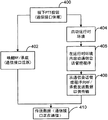
图4B解说根据本发明的实施例的基于图4A的状态转移的通信会话建立过程。FIG. 4B illustrates a communication session establishment process based on the state transition of FIG. 4A according to an embodiment of the present invention.

图5解说根据本发明的实施例的无线通信设备的GUI的显示,该显示具有多个驻留的应用接口(API)和带有用于进行PTT通信的软键的群通信API。5 illustrates a display of a GUI of a wireless communication device with multiple resident application interfaces (APIs) and a group communication API with softkeys for PTT communication, according to an embodiment of the present invention.

图6解说根据本发明的实施例的用于一旦检测到指示潜在的近期通信会话资源请求的物理用户交互就将无线通信设备的通信接口转移到活跃状态的过程。6 illustrates a process for transferring a communication interface of a wireless communication device to an active state upon detection of a physical user interaction indicating a potential near-term communication session resource request, according to an embodiment of the invention.

详细描述A detailed description

本发明的各方面在以下针对本发明具体实施例的描述和有关附图中公开。可以设计出替换实施例而不会脱离本发明的范围。另外,本发明中众所周知的元素将不被详细描述或将被省去以免湮没本发明中切题的详情。Aspects of the invention are disclosed in the following description of specific embodiments of the invention and the associated drawings. Alternative embodiments may be devised without departing from the scope of the present invention. Additionally, well-known elements of the invention will not be described in detail or will be omitted so as not to obscure the relevant details of the invention.

措辞“示例性”和/或“示例”在本文中用于表示“用作示例、实例或解说”。本文中描述为“示例性”和/或“示例”的任何实施例不必被解释为优于或胜过其他实施例。同样,术语“本发明的实施例”并不要求本发明的所有实施例都包括所讨论的特征、优点、或工作模式。The words "exemplary" and/or "example" are used herein to mean "serving as an example, instance, or illustration." Any embodiment described herein as "exemplary" and/or "example" is not necessarily to be construed as preferred or superior to other embodiments. Likewise, the term "embodiments of the invention" does not require that all embodiments of the invention include the discussed feature, advantage, or mode of operation.

此外,许多实施例是以要由例如计算设备的元件执行的动作序列的形式来描述的。将可认识到,本文中所描述的各种动作能由专门的电路(例如,专用集成电路(ASIC))、由正被一个或更多个处理器执行的程序指令、或由两者的组合来执行。另外,本文中所描述的这些动作序列可被认为是完全实施在任何形式的计算机可读存储介质内,其内存储有一经执行就将使相关联的处理器执行本文所描述的功能性的相应计算机指令集。因此,本发明的各种方面可以用数种不同形式来实施,所有这些形式都已被构想落在所要求保护的主题内容的范围内。另外,对于本文所描述的实施例中的每一个而言,任何此类实施例的相应形式可能在本文中被描述为例如“配置成执行所描述的动作的逻辑”。Furthermore, many embodiments are described in terms of sequences of actions to be performed by elements, such as computing devices. It will be appreciated that the various acts described herein can be implemented by specialized circuitry (e.g., an application specific integrated circuit (ASIC)), by program instructions being executed by one or more processors, or by a combination of both to execute. Additionally, the sequences of actions described herein may be considered fully embodied within any form of computer-readable storage medium storing therein a corresponding sequence of actions that, if executed, will cause an associated processor to perform the functionality described herein Computer instruction set. Accordingly, the various aspects of the invention may be embodied in several different forms, all of which are contemplated to be within the scope of the claimed subject matter. In addition, for each of the embodiments described herein, the corresponding form of any such embodiments may be described herein as, for example, "logic configured to perform the described action."

在本文中称为接入终端(AT)的高数据率(HDR)订户站可以是移动的或驻定的,并且可与一个或更多个在本文中称为调制解调器池收发机(MPT)或基站(BS)的HDR基站通信。接入终端通过一个或更多个调制解调器池收发机向/从HDR基站控制器传送和接收数据分组,该HDR基站控制器被称为调制解调器池控制器(MPC)、基站控制器(BSC)和/或分组控制功能(PCF)。调制解调器池收发机和调制解调器池控制器是称为接入网的网络的部分。接入网在多个接入终端之间输送数据分组。A high data rate (HDR) subscriber station, referred to herein as an Access Terminal (AT), may be mobile or stationary, and may communicate with one or more, referred to herein as a Modem Pool Transceiver (MPT) or Base station (BS) for HDR base station communication. An access terminal transmits and receives data packets to/from an HDR base station controller, referred to as a modem pool controller (MPC), a base station controller (BSC), and/or via one or more modem pool transceivers or Packet Control Function (PCF). Modem pool transceivers and modem pool controllers are part of a network called an access network. The access network transports data packets between multiple access terminals.

接入网可被进一步连接到该接入网外部的其他网络,诸如公司内联网或因特网等,并可在每一接入终端与此类外部网络之间输送数据分组。已与一个或更多个调制解调器池收发机建立活跃话务信道连接的接入终端被称为活跃接入终端,并且被认为处在话务状态中。处在与一个或更多个调制解调器池收发机建立活跃话务信道连接的过程中的接入终端被认为处在连接建立状态中。接入终端可以是通过无线信道或通过有线信道例如使用光纤或同轴电缆来通信的任何数据设备。接入终端还可以是包括但不限于PC卡、致密闪存、外置或内置调制解调器、或者无线或有线电话等的数类设备之中的任何类型。接入终端藉以向调制解调器池收发机发送信号的通信链路称为反向链路或反向话务信道。调制解调器池收发机藉以向接入终端发送信号的通信链路被称为前向链路或前向话务信道。如本文中所使用的,术语话务信道可以指前向和/或反向话务信道中任一者。The access network may be further connected to other networks external to the access network, such as a corporate intranet or the Internet, and data packets may be conveyed between each access terminal and such external networks. An access terminal that has established an active traffic channel connection with one or more modem pool transceivers is called an active access terminal and is considered to be in a traffic state. An access terminal that is in the process of establishing an active traffic channel connection with one or more modem pool transceivers is considered to be in the connection establishment state. An access terminal may be any data device that communicates through a wireless channel or through a wired channel, eg, using fiber optic or coaxial cables. An access terminal may also be any of several types of devices including, but not limited to, PC cards, compact flash memory, external or internal modems, or wireless or wireline telephones. The communication link through which the access terminal sends signals to the modem pool transceiver is called the reverse link or reverse traffic channel. The communication link through which the modem pool transceiver sends signals to the access terminal is called the forward link or forward traffic channel. As used herein, the term traffic channel may refer to either a forward and/or reverse traffic channel.

另外,在本描述中,术语“通信设备”、“无线设备”、“无线通信设备”、“PTT通信设备”、“手持式设备”、“移动设备”、“接入终端”和/或“手持机”被可互换地使用。术语“呼叫”和“通信”也被可互换地使用,并可被用来指代两方或更多方之间的呼叫,或者替换地指代可能并不对应于两方或更多方之间的呼叫的数据传输会话。本文中所用的术语“应用”旨在涵盖可执行和非可执行软件文件、原始数据、聚合数据、补丁、和其他代码段。所有在应用之间交互的方法均旨在被涵盖在本文中,以包括所有形式的调起、执行、调用、和数据交换。另外,相同的标号贯穿若干视图代表相同的元素,除非在本描述中另外指定。Additionally, in this description, the terms "communication device," "wireless device," "wireless communication device," "PTT communication device," "handheld device," "mobile device," "access terminal," and/or " Handset" is used interchangeably. The terms "call" and "communication" are also used interchangeably and may be used to refer to a call between two or more parties, or alternatively to a call that may not correspond to two or more parties Data transfer sessions between calls. The term "application" as used herein is intended to cover executable and non-executable software files, raw data, aggregated data, patches, and other code segments. All methods of interaction between applications are intended to be covered herein to include all forms of invocation, execution, invocation, and data exchange. Additionally, like reference numerals represent like elements throughout the several views, unless otherwise specified in the description.

参照在其中相同的标号贯穿始终地表示相同的元素的附图,图1是具有常见的蜂窝电信配置中的无线通信网络的系统10的一个实施例的代表性示图,其中在无线通信设备20、22、24、26之间发生通信。系统10在这里还包括一系列支持PTT系统的群通信计算机设备(群通信服务器)32。该无线网络仅是示例性的,并且可包括远程模块藉以在彼此之间以及当中和/或在无线网络的组件(包括但不限于无线网络承运商和/或服务器)之间以及当中进行空中通信的任何系统。一系列群通信服务器32在这里被示为连接至群通信服务器LAN 50,但是可以有其他计算机设备可供LAN 50接入以向网络上的任何组件提供功能性。无线通信设备20、22、24、26可以使用数据服务选项来向群通信服务器32请求分组数据会话。Referring to the drawings in which like numerals represent like elements throughout, FIG. 1 is a representative diagram of one embodiment of a system 10 having a wireless communication network in a common cellular telecommunications , 22, 24, 26 communication occurs. The system 10 here also includes a series of group communication computer devices (group communication servers) 32 supporting the PTT system. The wireless network is exemplary only and may include remote modules to communicate over the air with each other and/or between and among components of the wireless network, including but not limited to wireless network carriers and/or servers any system. A series of group communication servers 32 are shown here connected to the group communication server LAN 50, but there may be other computer devices accessible to the LAN 50 to provide functionality to any component on the network. The wireless communication devices 20, 22, 24, 26 may request a packet data session from the group communication server 32 using a data service option.

诸如群通信服务器32之类的内勤计算机设备被连接至无线服务供应商的分组数据服务节点(PDSN),诸如PDSN 52,PDSN在这里被示出驻留在承运商网络54上。每个PDSN 52可以通过分组控制功能(PCF)62与基站60的基站控制器64接口。PCT 62典型情况下位于基站60中。承运商网络54控制向消息接发服务控制器(“MSC”)58发送的消息(一般为数据分组的形式)。承运商网络30藉由网络、因特网和/或POTS(“简易普通电话系统”)来与MSC 32通信。典型情况下,承运商网络54与MSC 58之间的网络或因特网连接传递数据,并且POTS传递话音信息。MSC 58可被连接至一个或更多个基站60。以与承运商网络相似的方式,MSC 58典型情况下既藉由网络和/或因特网连接到支-源(BTS)66进行数据传递又藉由POTS连接到BTS 66进行话音传递。BTS 66最终通过短消息服务(“SMS”)或者其他本领域中已知的空中方法来向和从诸如蜂窝电话20、22、24、26之类的无线设备无线地广播和接收消息。还应当注意,承运商边界和/或PTT运营商网络边界并不抑制或禁止如本文中所描述的数据共享。Back office computer equipment, such as group communication server 32, is connected to a wireless service provider's Packet Data Serving Node (PDSN), such as PDSN 52, which is shown here residing on a carrier network 54. Each PDSN 52 may interface with a base station controller 64 of a base station 60 through a packet control function (PCF) 62. PCT 62 is typically located in base station 60. The carrier network 54 controls the sending of messages (typically in the form of data packets) to a messaging service controller ("MSC") 58 . The carrier network 30 communicates with the MSC 32 via the web, the Internet and/or POTS ("Plain Plains Telephone System"). Typically, the network or Internet connection between the carrier network 54 and the MSC 58 carries data, and POTS carries voice information. MSC 58 may be connected to one or more base stations 60. In a manner similar to a carrier network, the MSC 58 is typically connected to a branch-source (BTS) 66 via a network and/or Internet for data transfer and a POTS connection to the BTS 66 for voice transfer. BTS 66 ultimately broadcasts and receives messages wirelessly to and from wireless devices such as cellular telephones 20, 22, 24, 26 via Short Message Service ("SMS") or other over-the-air methods known in the art. It should also be noted that carrier boundaries and/or PTT operator network boundaries do not inhibit or prohibit data sharing as described herein.

蜂窝电话和诸如无线电话(图2中的74)之类的移动电信设备正被制造成具有增进的计算能力并且正变得相当于个人计算机和手持式PDA。这些“智能”蜂窝电话允许软件开发者创建该无线设备的处理器上可下载且可执行的软件应用。诸如蜂窝电话74之类的无线设备可以下载许多类型的应用,诸如网页、小应用程序、移动信息设备小程序(MIDlet)、游戏和数据等。在已指定了通信群的无线设备中,无线通信设备可以直接与该集合中的其他成员连接并从事语音和数据通信。然而,所有此类直接通信将通过群通信计算机服务器32或者在其控制下发生。这些设备的所有数据分组并非必须行进通过群通信计算机设备32本身,但是群通信计算机设备32能够最终控制该通信。因此,系统10内的群通信会话在本文中可以被称为服务器仲裁式群通信会话,因为按常规,群通信计算机设备32是知晓和/或能够检索通信群的成员的身份或者将通信群的成员的身份导向到另一计算机设备的服务器侧30组件。应当领会,驻留在服务器侧LAN 50上的、或者跨无线网络或更一般地而言跨因特网的计算机组件的数目不受限制。Cellular telephones and mobile telecommunication devices such as wireless telephones (74 in Figure 2) are being manufactured with increased computing capabilities and are becoming equivalent to personal computers and handheld PDAs. These "smart" cellular phones allow software developers to create software applications that are downloadable and executable on the wireless device's processor. Wireless devices such as cell phones 74 can download many types of applications, such as web pages, applets, mobile information device applets (MIDlets), games, data, and the like. In wireless devices that have designated a communication group, the wireless communication device can directly connect with other members of the set and engage in voice and data communications. However, all such direct communications will occur through or under the control of the group communication computer server 32 . Not all data packets for these devices necessarily travel through the group communication computer device 32 itself, but the group communication computer device 32 can ultimately control the communication. Accordingly, a group communication session within system 10 may be referred to herein as a server-mediated group communication session because, conventionally, group communication computer device 32 is aware of and/or capable of retrieving the The member's identity is directed to the server side 30 component of another computer device. It should be appreciated that the number of computer components residing on the server-side LAN 50, or across a wireless network, or more generally the Internet, is not limited.

作为无线通信设备之间的话音通信的补充,可以发送其他媒体,诸如包括JPEG、TIF等格式的图片的图形媒体及类似物、诸如MP3、MP4、WAV之类的音频文件、及类似物。该媒体还可以是诸如多媒体应用(例如,Powerpoint、MOV文件、及类似物)之类的流送媒体。群导向的媒体也可以是流送媒体、或者无线通信网络上的另一计算机设备上的交互会话,诸如托管的游戏或者私人布告栏。而且,对于PTT和/或即按即传(PTX)通信而言,该群导向的通信可以是通信群的成员之中基本上实时的、或者延迟的半双工音频和/或视频会议。In addition to voice communications between wireless communication devices, other media may be sent, such as graphic media including pictures in JPEG, TIF, etc. formats, and the like, audio files such as MP3, MP4, WAV, and the like. The media may also be streaming media such as multimedia applications (eg, Powerpoint, MOV files, and the like). Group-directed media can also be streaming media, or an interactive session on another computer device on the wireless communication network, such as a hosted game or a private bulletin board. Also, for PTT and/or push-to-transfer (PTX) communications, the group-directed communications may be substantially real-time, or delayed, half-duplex audio and/or video conferencing among members of the communications group.

图2是解说实为移动电话74的无线电信设备的一个实施例的框图,该移动电话74实施有打开至目标设备集合(即,该通信群的其他成员)的直接通信的PTT按钮78。一次按钮按压即可请求打开通信信道,或可调出PTT菜单或其他命令树,如图5中更具体地示出的那样。无线设备14还被示为具有对无线设备14的用户的图形显示器80。无线设备14包括计算机平台82,其能够处置语音和数据分组,以及接收和执行跨无线网络传送的包括群导向的媒体的软件应用。计算机平台82包括专用集成电路(“ASIC”)84、或者其他处理器、微处理器、逻辑电路、可编程门阵列、或者其他数据处理设备、及其他组件。ASIC 84是在无线设备制造时安装的并且通常不可升级。ASIC 84或其他处理器执行应用编程接口(“API”)层86,API层86包括驻留的应用环境,并可包括加载到ASIC 84的操作系统。该驻留的应用环境与无线设备的存储器88中的任何驻留程序接口。驻留的应用环境的示例是由QUALCOMM

Figure BPA00001277263100061
为无线设备平台开发的无线二进制运行时环境”(BREW
Figure BPA00001277263100062
)软件。2 is a block diagram illustrating one embodiment of a wireless telecommunications device, in the form of a mobile phone 74, implemented with a PTT button 78 that opens direct communication to a set of target devices (ie, other members of the communication group). A button press can request opening of a communication channel, or can bring up a PTT menu or other command tree, as shown in more detail in FIG. 5 . The wireless device 14 is also shown with a graphical display 80 to a user of the wireless device 14 . The wireless device 14 includes a computer platform 82 capable of handling voice and data packets, as well as receiving and executing software applications, including group-oriented media, communicated across the wireless network. Computer platform 82 includes an application specific integrated circuit ("ASIC") 84, or other processor, microprocessor, logic circuit, programmable gate array, or other data processing device, among other components. The ASIC 84 is installed when the wireless device is manufactured and is generally not upgradeable. ASIC 84 or other processor executes an application programming interface (“API”) layer 86 , which includes a resident application environment and may include an operating system loaded into ASIC 84 . The resident application environment interfaces with any resident programs in memory 88 of the wireless device. An example of a resident application environment is provided by the QUALCOMM
Figure BPA00001277263100061
Wireless Binary Runtime Environment for Wireless Device Platforms" (BREW
Figure BPA00001277263100062
)software.

如这里所示的,无线设备可以是带有图形显示器80的移动电话74,但是也可以是带有如本领域中所知的计算机平台82的诸如移动设备26之类的任何无线设备,或者甚至是具有无线通信口、并可另行具有与网络或因特网的有线连接的单独的计算机平台82。另外,存储器88可包括只读或随机存取存储器(ROM和RAM)、EPROM、EEPROM、闪存卡、或计算机平台常用的任何存储器。计算机平台82还可包括用于存储未在存储器88中活跃地使用的软件应用的本地数据库90。本地数据库90典型情况下包括一个或更多个闪存单元,但也可以是如本领域中所知的任何二级或三级存储设备,诸如磁介质、EPROM、EEPROM、光学介质、带、或者软盘或硬盘。图形显示器80不仅可以呈现关于进行中的群呼叫的信息,并且还可以呈现关于群导向的媒体的信息以包括文件预览,如本文中更全面地描述的那样。As shown here, the wireless device may be a mobile phone 74 with a graphical display 80, but may also be any wireless device such as the mobile device 26 with a computer platform 82 as known in the art, or even a A separate computer platform 82 has a wireless communication port and may additionally have a wired connection to a network or the Internet. Additionally, memory 88 may include read-only or random-access memory (ROM and RAM), EPROM, EEPROM, flash memory cards, or any memory commonly used with computer platforms. Computer platform 82 may also include a local database 90 for storing software applications that are not actively used in memory 88 . Local database 90 typically includes one or more flash memory locations, but can be any secondary or tertiary storage device as known in the art, such as magnetic media, EPROM, EEPROM, optical media, tape, or floppy disk or hard disk. Graphical display 80 can present information not only about ongoing group calls, but also about group-directed media to include file previews, as described more fully herein.

在无线设备的此实施例中,计算机平台82还包括可从该无线设备打开直接通信信道的直接通信接口92(例如,无线电承载)。直接通信接口92也可以是无线设备的平常携带向和从该无线设备传送的话音和数据的标准通信接口的一部分。直接通信接口92典型情况下包括如本领域中所知的硬件。In this embodiment of a wireless device, computer platform 82 also includes a direct communication interface 92 (eg, a radio bearer) that can open a direct communication channel from the wireless device. The direct communication interface 92 may also be part of the standard communication interface for voice and data normally carried by the wireless device to and from the wireless device. Direct communication interface 92 typically includes hardware as known in the art.

图3是驻留在具有PTT设施和群导向通信设施的无线通信设备74的计算机平台82上的软件层的一个实施例的示图。在此实施例中,移动设备环境中的计算机平台82包括在由QUALCOMM

Figure BPA00001277263100071
开发的移动站调制解调器(MSM)100和高级移动订户软件(AMSS)102之上开发的一系列软件“层”,驱动底下的MSN芯片组并实现包括CDMA2000 1X和CDMA2000 1xEV-DO的整套CDMA通信技术的软件协议栈。有在此示例中为BREW
Figure BPA00001277263100072
的同样由QUALCOMM开发的移动操作系统层104。移动操作系统层104为因芯片或因设备而异的操作进行应用编程接口,并同时提供消除与计算机平台上的AMSS100和任何OEM软件的直接接触的隔离层。移动操作系统层104使得能够使用移动设备特征来进行应用开发,而不必每当有因设备而异的软件的新版本发行时就不得不重写该应用。Figure 3 is a diagram of one embodiment of the software layers residing on a computer platform 82 of a wireless communication device 74 having a PTT facility and a group directed communication facility. In this embodiment, the computer platform 82 in the mobile device environment is included in the
Figure BPA00001277263100071
A series of software "layers" developed on top of the developed Mobile Station Modem (MSM) 100 and Advanced Mobile Subscriber Software (AMSS) 102 to drive the underlying MSN chipset and implement the full suite of CDMA communication technologies including CDMA2000 1X and CDMA2000 1xEV-DO software protocol stack. There is brew in this example
Figure BPA00001277263100072
The mobile operating system layer 104 also developed by QUALCOMM. The mobile operating system layer 104 interfaces the application programming interfaces for chip- or device-specific operations while providing an isolation layer that eliminates direct contact with the AMSS 100 and any OEM software on the computer platform. The mobile operating system layer 104 enables application development using mobile device features without having to rewrite the application every time a new version of device-specific software is released.

PTT客户机108是通过外部接口来供应对PTT服务的访问途径的应用,在此该外部接口在知晓PTT的UI 106处示出。PTT客户机包括启用诸如其他驻留应用110之类的移动操作系统104应用所需要的所有功能。作为用PTT客户机108来提供对PTT服务的访问途径的补充,PTT客户机108还可以扮演所有知晓PTT的应用与对群通信计算机设备102的接口之间的隔离层的角色。在此实施例中,PTT客户机108维护对PTT服务的访问途径,对群通信请求进行响应,处理所有知晓PTT的移动操作系统应用对PTT服务的请求,处理所有传出的PTT请求,为始发PTT通话突峰收集并打包声码器分组,并且为终接的PTT通话突峰解析声码器数据分组。The PTT client 108 is an application that provides access to PTT services through an external interface, shown here at the PTT-aware UI 106. The PTT client includes all the functionality needed to enable mobile operating system 104 applications such as other resident applications 110 . In addition to using the PTT client 108 to provide access to PTT services, the PTT client 108 can also act as an isolation layer between all PTT-aware applications and the interface to the group communication computer device 102 . In this embodiment, the PTT client 108 maintains access to the PTT service, responds to group communication requests, handles all PTT-aware mobile operating system application requests for PTT services, handles all outgoing PTT requests, and The outgoing PTT talk spurt collects and packages the vocoder packets, and parses the vocoder data packets for the terminating PTT talk spurt.

在一个实施例中,处置器将提供对外部通信接口(或即这里的AMSS 102接口)的直接访问。媒体处置器通过调起诸如来自其他驻留应用110的那些API之类的恰适API来响应对群导向服务的PTT请求,并且可以服务来自用户的请求和向该用户通知任何群导向媒体请求的结果。该处置器可被调起以将AMSS 102接口带入活跃状态并准备好在网络上广播,如本文中更全面地描述的那样。因此,AMSS 102或其他通信接口典型情况下具有休眠状态和活跃状态,以使得仅在通信接口的活跃状态(例如,设备组件的功率被升高并准备好进行传送)中才向无线通信网络请求资源。In one embodiment, the handler will provide direct access to an external communication interface (or AMSS 102 interface here). The media handler responds to PTT requests for group-directed services by calling appropriate APIs, such as those from other resident applications 110, and can service requests from users and notify the user of any group-directed media requests. result. This handler can be called up to bring the AMSS 102 interface into an active state and ready to broadcast on the network, as described more fully herein. Accordingly, the AMSS 102 or other communication interface typically has a dormant state and an active state such that a request is made to the wireless communication network only in the active state of the communication interface (e.g., a device component is powered up and ready to transmit) resource.

无线通信设备74包括用户藉以与无线通信设备物理地交互的一个或更多个用户接口,诸如PTT按钮78、数字按钮键集合79、或如图5中所示之类的软键144。用户交互可包括向通信接口92请求通信信道。在示例中,由用户与用户接口所作的预定物理交互指示即将到来的通信请求,通信接口92将变至活跃状态但不向无线通信网络请求资源,诸如完全打开通信信道(例如,话务信道)。作为将通信接口92变至活跃状态的补充,无线通信设备74还可在打开通信信道的准备中激活一个或更多个应用110。例如,如果用户正在调起很有可能要与通信信道的打开协同使用的另一功能的驻留应用(诸如数据压缩程序),那么可以在接收到物理交互时调起此类应用。以下将参照图4A来更详细地描述通信接口92的不同状态(例如,活跃状态、休眠状态和通信状态)。The wireless communication device 74 includes one or more user interfaces by which a user physically interacts with the wireless communication device, such as a PTT button 78 , a set of numeric button keys 79 , or a soft key 144 such as shown in FIG. 5 . User interaction may include requesting a communication channel from communication interface 92 . In an example, a predetermined physical interaction by the user with the user interface indicates an imminent communication request, and the communication interface 92 will become active without requesting resources from the wireless communication network, such as fully opening a communication channel (e.g., a traffic channel) . In addition to changing the communication interface 92 to the active state, the wireless communication device 74 may also activate one or more applications 110 in preparation for opening the communication channel. For example, if the user is invoking a resident application of another function (such as a data compression program) that is likely to be used in conjunction with the opening of the communication channel, such an application may be invoked upon receipt of the physical interaction. The different states (eg, active state, dormant state, and communication state) of the communication interface 92 are described in more detail below with reference to FIG. 4A .

如这里所实施的,在至少有一个用户接口是可按压的按钮74的场合,预定的物理交互为按钮按压。存在于无线通信设备74上的另一UI是一系列可按压的数字键,并且预定的物理交互还可以是设定数目次的键按压,诸如拨打区域码的首3个数字。As implemented herein, where at least one of the user interfaces is a pushable button 74, the predetermined physical interaction is a button press. Another UI present on the wireless communication device 74 is a series of pressable numeric keys, and the predetermined physical interaction may also be a set number of key presses, such as dialing the first 3 digits of an area code.

图4A是无线通信设备74和无线接口92的状态图。第一状态120(“休眠状态120”)中的无线通信设备74使通信接口92休眠,并且一旦无线通信设备74检测到发生了指示近期(例如,阈值时段内)潜在的通信会话资源请求的物理用户交互(例如,对设备74的UI的一个或更多个物理用户输入),无线通信设备74就将通信接口92变至或转移至活跃状态,如在状态122处所示的那样。FIG. 4A is a state diagram of wireless communication device 74 and wireless interface 92 . The wireless communication device 74 in the first state 120 ("sleep state 120") puts the communication interface 92 to sleep, and once the wireless communication device 74 detects a physical event indicating a potential communication session resource request in the near future (eg, within a threshold period of time), Upon user interaction (eg, one or more physical user inputs to the UI of device 74 ), wireless communication device 74 changes or transitions communication interface 92 to the active state, as shown at state 122 .

例如,可据以推断在阈值时段内有潜在的通信会话资源请求的物理用户交互可以是用户明示地请求打开通信信道。在另一示例中,该物理用户交互(例如,预定的物理交互)可以对应于设备74的用户开始按压数字键,这指示电话号码正被拨打,其中设备74被编程为预料一旦用户完成电话号码的输入,该用户就将请求发起呼叫。For example, a physical user interaction from which a potential request for communication session resources within a threshold period may be inferred may be an explicit request by the user to open a communication channel. In another example, the physical user interaction (e.g., a predetermined physical interaction) may correspond to the user of device 74 beginning to press a number key, which indicates that a phone number is being dialed, wherein device 74 is programmed to anticipate that once the user completes the phone number input, the user will be requested to initiate a call.

一旦进入状态122,无线通信设备74就加载诸应用和/或采取其他行动,以使得无线通信设备74一旦接收到打开通信信道的请求就能比假使设备74停留在休眠状态120的情况下更迅速地打开通信信道或者请求资源。例如,一旦进入活跃状态就发生的这些应用和/或其他行动可包括叫醒无线电承载(即,使通信接口92的无线电承载从不活跃或休眠状态转移到活跃状态),此举涉及唤醒设备74的通信接口92(例如,调制解调器天线)。例如,在EV-DO中,设备74通过执行“搜索器”程序来唤醒无线电承载。在示例中,无线电承载可在约20毫秒(ms)内从休眠或不活跃状态转移到活跃状态。Once state 122 is entered, wireless communication device 74 loads applications and/or takes other actions so that wireless communication device 74 can receive a request to open a communication channel more quickly than if device 74 had stayed in sleep state 120 open communication channels or request resources. For example, these applications and/or other actions that occur upon entering the active state may include waking up the radio bearer (i.e., causing the radio bearer of the communication interface 92 to transition from an inactive or dormant state to an active state), which involves waking up the device 74 communication interface 92 (eg, modem antenna). For example, in EV-DO, the device 74 wakes up the radio bearer by executing a "seeker" procedure. In an example, a radio bearer may transition from a dormant or inactive state to an active state in approximately 20 milliseconds (ms).

在活跃状态122中,如果用户在预定的时段流逝之后并未请求发起通信会话(例如,用户没有触发通信会话资源请求),那么无线通信设备74将使通信接口92转移回休眠状态120。否则,如果用户请求发起通信会话(例如,通过在指定要被呼叫的一方或各方之后按压“发送”或“连接”按钮等),或者原先就请求了通信会话的发起,那么无线通信设备74就转移到通信状态124并打开通信信道和/或发送对资源的请求(例如,服务质量(QoS)资源)以促成该通信会话。将可领会,替换地,如果检测到指示潜在的通信会话资源请求的物理用户交互与检测到实际的通信会话资源请求或来自用户的通信会话发起指令是并发的,那么通信接口92可以从休眠状态120直接进展到通信状态124。In the active state 122, the wireless communication device 74 will cause the communication interface 92 to transition back to the dormant state 120 if the user does not request initiation of a communication session after a predetermined period of time elapses (eg, the user does not trigger a communication session resource request). Otherwise, if the user requests to initiate a communication session (e.g., by pressing a "send" or "connect" button, etc. It then transitions to the communication state 124 and opens a communication channel and/or sends a request for resources (eg, quality of service (QoS) resources) to facilitate the communication session. It will be appreciated that, alternatively, if detection of a physical user interaction indicative of a potential communication session resource request is concurrent with detection of an actual communication session resource request or a communication session initiation instruction from the user, then the communication interface 92 may be activated from the dormant state. 120 proceeds directly to communication state 124 .

在通信状态124中,一旦通信信道被关闭(例如,在掉话之后,在用户按压了无线通信设备74上的“结束”按钮之后,等等),无线通信设备74就将使通信接口92转移回休眠状态120。应当注意,固件或软件可被配置成控制通信接口92在休眠状态120、活跃状态122和通信状态124之间的状态转移。In the communication state 124, the wireless communication device 74 will cause the communication interface 92 to transfer once the communication channel is closed (e.g., after a call is dropped, after the user presses the "End" button on the wireless communication device 74, etc.) Back to sleep state 120. It should be noted that firmware or software may be configured to control state transitions of communication interface 92 between sleep state 120 , active state 122 and communication state 124 .

如本领域普通技术人员将领会的,按常规,设备74将要么周期性地唤醒通信接口92的无线电承载(例如,以检查下行链路寻呼或控制信道上是否有设备74的潜在的或实际寻呼),要么在设备74的用户指示打开通信信道并向接入网络发送数据的明示请求时唤醒通信接口92的无线电承载。然而,如图4A中所示的,在本发明的实施例中,设备74在由用户作出明示请求之前首先进入活跃状态122并唤醒通信接口92。这意味着当打开通信信道并发送数据的实际用户命令发生时设备74在进入通信状态124之际无需等待无线电承载被建立起来。在示例中,如以上所提及的,通信接口92的无线电承载花费约20毫秒(ms)从不活跃状态叫醒到活跃状态。因此,就每数据传输而言,使承载信道在接收到发送数据的用户命令时已预先建成将能每数据传输节省20ms(例如,该用户命令与用于检查下行链路数据的周期性苏醒交叠的情况除外)。当然,这假定了设备74始于休眠状态120并且尚未从事在其中设备74的无线电承载已处于活跃的通信会话。As will be appreciated by those of ordinary skill in the art, conventionally, the device 74 will either periodically wake up the radio bearer of the communication interface 92 (e.g., to check for a potential or actual presence of the device 74 on the downlink paging or control channel). paging), or wake up the radio bearer of the communication interface 92 when the user of the device 74 indicates an explicit request to open a communication channel and send data to the access network. However, as shown in FIG. 4A , in an embodiment of the invention, device 74 first enters active state 122 and wakes up communication interface 92 before an express request is made by the user. This means that the device 74 need not wait for a radio bearer to be established before entering the communication state 124 when the actual user command to open the communication channel and send data occurs. In an example, as mentioned above, the radio bearer of the communication interface 92 takes about 20 milliseconds (ms) to wake up from the inactive state to the active state. Thus, having the bearer channel already pre-built upon receipt of a user command to send data will save 20 ms per data transfer (e.g. except in overlapping cases). Of course, this assumes that the device 74 started in the sleep state 120 and has not yet engaged in a communication session in which the radio bearer of the device 74 has been active.

另外,将可领会,如果用户在处于活跃状态122之时请求发起通信会话并且用于叫醒无线电承载的过程尚未完成,那么活跃状态122仍会变至通信状态124并且设备124继续唤醒无线电承载以进行该通信会话。因此,在此情形中在数据能从设备74发送之前节省的时间对应于设备74原本在转移到通信状态124之前处于活跃状态122的时间量,假定20ms对应于唤醒无线电承载的总时间,则该时间量可以在0到20ms的范围内。Additionally, it will be appreciated that if the user requests to initiate a communication session while in the active state 122 and the process for waking up the radio bearer has not yet been completed, the active state 122 will still change to the communication state 124 and the device 124 continues to wake up the radio bearer to The communication session is conducted. Thus, the time saved in this case before data can be sent from the device 74 corresponds to the amount of time the device 74 would have been in the active state 122 before transitioning to the communication state 124, assuming 20 ms corresponds to the total time to wake up the radio bearer, then the The amount of time can be in the range of 0 to 20ms.

现在将参照图4B来描述在通信会话建立期间图4A的状态转移的解说性示例。相应地,图4B解说根据本发明的实施例的基于图4A的状态转移的通信会话建立过程。An illustrative example of the state transition of FIG. 4A during communication session establishment will now be described with reference to FIG. 4B. Accordingly, FIG. 4B illustrates a communication session establishment process based on the state transition of FIG. 4A according to an embodiment of the present invention.

参照图4B,在400中,假定通信接口92在设备74的用户按下PTT按钮以发起PTT通信会话时处于休眠状态120。相应地,图4B的过程并行地前行至框402和404。在402中,设备74唤醒无线电承载和通信接口92,藉此从休眠状态120转移到活跃状态122。在404中,设备74启动运行时环境(例如,BREW,如以上所讨论的那样)。在404中启动了运行时环境之后,设备404进一步在该运行时环境内起动通信会话管理程序(例如,用于处置群通信会话的QChat客户机)。接下来,在408中,该通信会话管理程序制备用于在反向链路上向接入网络传送的数据(例如,对用于支持该通信会话的资源的请求),并向无线电承载发送制备好的数据以供传输。此时,在410中,通信接口92从活跃状态122(即,其中接口92准备好发送数据但是并未实际发送数据的状态)转移到通信状态124,并传送数据。如本领域普通技术人员将领会的,因为无线电承载由于框402而已经苏醒,所以与在数据制备框408之后唤醒无线电承载相关联的附加延迟能被减少和/或避免。Referring to FIG. 4B , in 400 it is assumed that the communication interface 92 is in the dormant state 120 when the user of the device 74 presses the PTT button to initiate a PTT communication session. Accordingly, the process of FIG. 4B proceeds to blocks 402 and 404 in parallel. In 402 , device 74 wakes up radio bearer and communication interface 92 , thereby transitioning from sleep state 120 to active state 122 . In 404, device 74 starts a runtime environment (eg, BREW, as discussed above). After launching the runtime environment in 404, the device 404 further launches a communication session manager (eg, a QChat client for handling group communication sessions) within the runtime environment. Next, at 408, the communication session manager prepares data for transmission on the reverse link to the access network (e.g., a request for resources to support the communication session) and sends the prepared Good data for transfer. At this point, in 410, communication interface 92 transitions from active state 122 (ie, a state in which interface 92 is ready to send data but is not actually sending data) to communication state 124 and transmits data. As will be appreciated by those of ordinary skill in the art, because the radio bearer has already woken up as a result of block 402, additional delays associated with waking up the radio bearer after data preparation block 408 can be reduced and/or avoided.

图5是无线通信设备74的显示140的一个实施例的代表性解说,其中在主显示器上有多个驻留应用。这里所示的接口呈“窗口化”布局,这是用户界面中的常见图形界面。本文中所描述的UI控制方法体系同等地适用于其他UI系统和显示方案、控制接口,以供用户访问计算机平台82。这里,有专供群通信142的UI,并且在该UI上有可按压的软键144。因此,在示例中,检测到指示在阈值时段内有潜在的通信会话资源请求、从而致使或触发通信接口92从图4A中的休眠状态120转移到活跃状态122的一个或更多个物理用户交互可对应于诸如按压软键144之类的预定的物理交互。在替换示例中,检测到该一个或更多个物理用户交互可对应于用户重新安排显示140的视觉接口以将群通信UI 142提到该布局的顶上,设备74据此能推断出用户随后将指示选择群通信UI 142以发起群通信的可能性。换言之,如果设备74的用户花费时间将群通信UI 142放置在窗口显示的最前端,那么用户很有可能在阈值时段内(例如,2秒内、5秒内、等等)进一步经由群通信UI 142来选择发起群通信会话的请求。FIG. 5 is a representative illustration of one embodiment of a display 140 of a wireless communication device 74 with multiple resident applications on the primary display. The interface shown here is in a "windowed" layout, which is a common graphical interface in user interfaces. The UI control methodology described herein is equally applicable to other UI systems and display schemes, control interfaces for user access to computer platform 82 . Here, there is a UI dedicated to group communication 142 and on this UI there is a soft key 144 that can be pressed. Thus, in an example, detection of one or more physical user interactions indicating a potential communication session resource request within a threshold period of time causes or triggers communication interface 92 to transition from dormant state 120 to active state 122 in FIG. 4A May correspond to a predetermined physical interaction such as pressing soft key 144 . In an alternative example, detection of the one or more physical user interactions may correspond to the user rearranging the visual interface of display 140 to bring group communication UI 142 on top of the layout, from which device 74 can deduce that the user subsequently The possibility to select the group communication UI 142 to initiate a group communication will be indicated. In other words, if the user of the device 74 takes the time to bring the group communication UI 142 to the forefront of the windowed display, there is a high probability that the user will further communicate via the group communication UI 142 within a threshold period of time (e.g., within 2 seconds, within 5 seconds, etc.). 142 to select a request to initiate a group communication session.

图6是用于一旦检测到指示阈值时段内有潜在的通信会话资源请求的物理用户交互就将通信接口92转移到活跃状态122的过程的一个实施例的流程图。例如,该检测可对应于设备74的用户与无线通信设备74的UI作出预定的物理交互。6 is a flowchart of one embodiment of a process for transitioning the communication interface 92 to the active state 122 upon detection of a physical user interaction indicating a potential communication session resource request within a threshold period of time. For example, the detection may correspond to a user of the device 74 making a predetermined physical interaction with the UI of the wireless communication device 74 .

参照图6,无线通信设备74确定是否已检测到指示在阈值时段(例如,200ms、2秒、5秒、等等)内很有可能发生设备74的用户方面的潜在的通信会话资源请求(例如,对话务信道、QoS资源等的请求)的物理用户交互。例如,由无线通信设备74作为目标来检查的物理用户交互可对应于(例如,从经验学习、从特定用户的与设备74的交互历史、等等)已知与很有可能在给定时限或阈值时间内发生的通信会话资源请求相关联的物理用户输入的预定或预设列表。Referring to FIG. 6, the wireless communication device 74 determines whether a potential communication session resource request (e.g., e.g. , requests for traffic channels, QoS resources, etc.) physical user interaction. For example, the physical user interactions targeted for examination by the wireless communication device 74 may correspond to (e.g., from empirical learning, from a particular user's interaction history with the device 74, etc.) A predetermined or preset list of physical user inputs associated with communication session resource requests occurring within a threshold time.

在152中,如果基于150的确定检测到这些预定的物理用户交互中的一个或更多个,那么通信接口92就如步骤154处所示的那样被转移到活跃状态122,并且随后如判决156处所示的那样作出关于通信信道是否已被请求(例如,当用户实际请求发起此潜在的通信会话时)的确定。如以上参照图4A所提及的,从休眠状态120转移到活跃状态122可对应于在用户通过请求通信信道来显式地请求向接入网络传送数据之前先占地唤醒设备74的无线电承载或天线。否则,如果在判决152处没有检测到该一个或更多个预定的物理用户交互,那么同样在判决156处作出关于用户是否已请求一个或更多个通信会话资源(例如,通信或话务信道、给定量的服务质量(QoS)资源、等等)的确定。In 152, if one or more of these predetermined physical user interactions are detected based on the determination of 150, then the communication interface 92 is transferred to the active state 122 as shown at step 154, and then as shown in decision 156 A determination as to whether a communication channel has been requested (eg, when the user actually requests initiation of this potential communication session) is made as shown at . As mentioned above with reference to FIG. 4A , transitioning from the dormant state 120 to the active state 122 may correspond to waking up the radio bearer or antenna of the device 74 before the user explicitly requests to transmit data to the access network by requesting a communication channel. . Otherwise, if the one or more predetermined physical user interactions are not detected at decision 152, then a decision is also made at decision 156 as to whether the user has requested one or more communication session resources (e.g., communication or traffic channels). , a given amount of Quality of Service (QoS) resources, etc.).

如果在判决156处通信会话资源未曾被请求,那么作出关于预定时段是否已流逝的确定,如在判决162处所示的那样。否则,如果在判决156处,设备74的用户已请求通信会话资源,那么在158处,通信接口92转移到通信状态124,并且通信会话资源被请求和/或打开(例如,通信信道被打开、QoS资源被请求、等等)。如本领域普通技术人员将领会的,在158中,可以从活跃状态122(例如,如果在150/152中检测到指示潜在的通信会话资源请求的物理用户交互)或者从休眠状态120(例如,如果在150/152中没有检测到指示潜在的通信会话资源请求的物理用户交互)转移到通信状态124。If at decision 156 communication session resources have not been requested, then a determination is made as to whether a predetermined period of time has elapsed, as indicated at decision 162 . Otherwise, if at decision 156, the user of device 74 has requested communication session resources, then at 158, communication interface 92 transitions to communication state 124, and communication session resources are requested and/or opened (e.g., a communication channel is opened, QoS resources are requested, etc.). As will be appreciated by those of ordinary skill in the art, at 158, the active state 122 (e.g., if a physical user interaction indicating a potential communication session resource request is detected in 150/152) or from the dormant state 120 (e.g., If no physical user interaction is detected in 150/152 indicating a potential communication session resource request) transition to communication state 124 .

在转移到通信状态124之后,无线通信设备74的用户在通信会话资源被分配之后从事通信会话(例如,用户在发言权拥有者正在说话时监听多播会话,用户本身是该多播会话的活跃的发言权拥有者、用户参与对另一呼叫参与者的非多播直接呼叫、用户参与非呼叫数据传输会话、等等)。而且,在将通信接口92转移到通信状态124之后,在160中,无线通信设备74确定该通信会话何时已结束。当无线通信设备74确定该通信会话已结束时(例如,呼叫已掉话、用户已按压“结束”按钮以取消呼叫或数据传输会话、等等),该过程前行至164。After transitioning to the communication state 124, the user of the wireless communication device 74 is engaged in the communication session after the communication session resources are allocated (e.g., the user listens to the multicast session while the floor holder is speaking, the user is itself an active participant in the multicast session). floor holder, user participating in a non-multicast direct call to another call participant, user participating in a non-call data transfer session, etc.). Also, after transitioning the communication interface 92 to the communication state 124, at 160 the wireless communication device 74 determines when the communication session has ended. When the wireless communication device 74 determines that the communication session has ended (eg, the call has been dropped, the user has pressed an "end" button to cancel the call or data transfer session, etc.), the process proceeds to 164.

返回156,如果在判决156处通信资源未曾被请求或打开,那么作出关于自通信接口92转移到活跃状态122起是否已流逝了预定时段(例如,5秒)的判决。如将领会的,这准予设备74的用户在物理用户交互在150和152中被检测到之后有短暂的时段来考虑是否要发起通信会话。如果在判决162处,此预定时段尚未流逝,那么该过程返回以在判决156处确定通信会话资源(例如,通信信道、QoS资源、等等)是否已被请求。否则,如果在判决162处此预定时段已流逝,或者一旦在判决160处确定通信会话已停止,那么通信接口92就如步骤164处所示的那样转移回休眠状态120,并且该过程如终点166处所示的那样终止。Returning to 156 , if at decision 156 a communication resource has not been requested or opened, then a determination is made as to whether a predetermined period of time (eg, 5 seconds) has elapsed since the communication interface 92 transitioned to the active state 122 . As will be appreciated, this grants the user of device 74 a brief period after physical user interaction is detected in 150 and 152 to consider whether to initiate a communication session. If at decision 162 the predetermined period has not elapsed, then the process returns to determine at decision 156 whether communication session resources (eg, communication channels, QoS resources, etc.) have been requested. Otherwise, if the predetermined period of time has elapsed at decision 162, or once it is determined at decision 160 that the communication session has stopped, then communication interface 92 transitions back to dormant state 120 as shown at step 164, and the process proceeds as shown at terminal 166 Terminate as shown here.

相应地,在本发明的实施例中,无线通信设备74包括用户藉以与无线通信设备74物理地交互的一个或更多个用户接口(例如,诸如PTT按钮78或按键集合79),此类交互包括向无线通信设备74的通信接口92请求通信信道(或其他通信会话资源),包括接收由用户在用户接口处作出的指示即将到来的通信请求的预定物理交互、以及将通信接口92变至活跃状态(诸如图4A中的状态122)的步骤,通信接口92至少具有休眠状态120、活跃状态122和通信状态,其中在活跃状态中准备好要向无线通信网络请求通信会话资源,而仅在通信状态中才实际向无线通信网络请求这些会话通信资源。相应地,可以从给定的物理用户接口输入来推断潜在的近期通信会话资源请求。Accordingly, in embodiments of the present invention, wireless communication device 74 includes one or more user interfaces (eg, such as PTT button 78 or key set 79 ) through which a user physically interacts with wireless communication device 74, such interactions including requesting a communication channel (or other communication session resource) from communication interface 92 of wireless communication device 74, including receiving a predetermined physical interaction at the user interface by a user indicating an impending communication request, and changing communication interface 92 to active State (such as the step of state 122 among Fig. 4A), communication interface 92 has sleep state 120 at least, active state 122 and communication state, wherein in active state, be ready to will request communication session resource to wireless communication network, and only in communication In the state, these session communication resources are actually requested from the wireless communication network. Accordingly, potential near-term communication session resource requests can be inferred from a given physical user interface input.

作为将通信接口92变至活跃状态的补充,诸实施例还可进一步包括在通信接口的“活跃”状态122期间,在从通信接口92打开通信信道的准备中激活一个或更多个应用110(例如,用于唤醒无线电承载的搜索器程序)。在至少一个示例中,如果无线通信设备74包括具有诸如PTT按钮78之类的可按压按钮的用户接口,那么接收预定的物理交互可对应于接收对PTT按钮78的按钮按压。如果移动电话74包括具有多个数字键(例如,按键集合79)的用户接口,那么预定的物理交互可对应于接收到对这些数字键的给定次数的键按压(例如,按与由移动电话74维护的联系人列表中的电话号码一致的给定顺序、等等)。如果用户接口是如图5中那样实施为具有无线通信设备74的图形用户界面142上的可按压软键144,那么接收预定的物理交互可对应于按压软键144。In addition to changing the communication interface 92 to the active state, embodiments may further include activating one or more applications 110 in preparation for opening a communication channel from the communication interface 92 during the "active" state 122 of the communication interface ( For example, a searcher program for waking up radio bearers). In at least one example, if wireless communication device 74 includes a user interface having a depressible button such as PTT button 78 , receiving a predetermined physical interaction may correspond to receiving a button press on PTT button 78 . If the mobile phone 74 includes a user interface with a plurality of numeric keys (e.g., key set 79), the predetermined physical interaction may correspond to receiving a given number of key presses on these numeric keys (e.g., pressed and pressed by the mobile phone). 74 maintains the phone numbers in the contact list consistent with a given order, etc.). If the user interface is implemented as a depressible soft key 144 on a graphical user interface 142 with the wireless communication device 74 as in FIG. 5 , then receiving a predetermined physical interaction may correspond to pressing the soft key 144 .

基于检测到的指示潜在的通信会话资源请求的物理用户交互来使通信接口92转移到活跃状态可以由无线通信设备74的固件或软件应用来控制。同样,在活跃状态122中,一旦检测到用户希望发起通信会话的实际指示,无线通信设备74的软件应用的固件就可以将通信接口92转移至通信状态并请求打开的通信信道或者诸如QoS资源之类的其他通信会话资源。无线通信设备74的软件应用的固件还可被配置成在预定时段流逝之后而用户没有请求发起通信会话的情况下使通信接口92从活跃状态122转移或变回休眠状态120,如图6中所示的那样。Transitioning the communication interface 92 to the active state based on detected physical user interaction indicative of a potential communication session resource request may be controlled by firmware or a software application of the wireless communication device 74 . Likewise, in the active state 122, upon detection of an actual indication that the user wishes to initiate a communication session, the firmware of the software application of the wireless communication device 74 may transition the communication interface 92 to the communication state and request an open communication channel or a communication channel such as a QoS resource. Additional communication session resources of the class. The firmware of the software application of the wireless communication device 74 may also be configured to cause the communication interface 92 to transition or change back to the dormant state 120 from the active state 122 after a predetermined period of time elapses without a user request to initiate a communication session, as shown in FIG. as shown.

鉴于这些方法能在移动设备计算机平台上执行,该方法可相应地由驻留在计算机可读介质中的程序来执行,其中该程序指导移动设备或具有计算机平台的其他计算机设备来执行该方法的诸步骤。计算机可读介质可以是该设备、服务器的存储器,或者可以在连接的数据库中。此外,计算机可读介质可以在可加载到无线通信设备计算机平台上的辅助存储介质中,诸如磁盘或磁带、光盘、硬盘、闪存、或本领域中所知的其他存储介质。Whereas these methods can be performed on a mobile device computer platform, the method can accordingly be performed by a program residing in a computer-readable medium, wherein the program instructs the mobile device or other computer equipment having a computer platform to perform the steps of the method steps. The computer readable medium can be the memory of the device, a server, or can be in a connected database. Additionally, the computer readable medium may be in a secondary storage medium loadable on the wireless communication device computer platform, such as a magnetic or magnetic tape, optical disk, hard disk, flash memory, or other storage medium known in the art.

在一个或更多个示例性实施例中,所描述的功能可以在硬件、软件、固件、或其任何组合中实现。如果在软件中实现,则各功能可以作为一条或更多条指令或代码存储在计算机可读介质上或藉其进行传送。计算机可读介质包括计算机存储介质和通信介质两者,其包括促成计算机程序从一地向另一地转移的任何介质。存储介质可以是能被计算机访问的任何可用介质。作为示例而非限定,这样的计算机可读介质可包括RAM、ROM、EEPROM、CD-ROM或其它光盘存储、磁盘存储或其它磁存储设备、或能被用来携带或存储指令或数据结构形式的合意程序代码且能被计算机访问的任何其它介质。任何连接也被正当地称为计算机可读介质。例如,如果软件是使用同轴电缆、光纤电缆、双绞线、数字订户线(DSL)、或诸如红外、无线电、以及微波之类的无线技术从web网站、服务器、或其它远程源传送而来,则该同轴电缆、光纤电缆、双绞线、DSL、或诸如红外、无线电、以及微波之类的无线技术就被包括在介质的定义之中。如本文中所使用的盘(disk)和碟(disc)包括压缩碟(CD)、激光碟、光碟、数字多用碟(DVD)、软盘和蓝光碟,其中盘(disk)往往以磁的方式再现数据,而碟(disc)用激光以光学方式再现数据。上述的组合也应被包括在计算机可读介质的范围内。In one or more exemplary embodiments, the functions described may be implemented in hardware, software, firmware, or any combination thereof. If implemented in software, the functions may be stored on or transmitted over as one or more instructions or code on a computer-readable medium. Computer-readable media includes both computer storage media and communication media including any medium that facilitates transfer of a computer program from one place to another. A storage media may be any available media that can be accessed by a computer. By way of example and not limitation, such computer-readable media may include RAM, ROM, EEPROM, CD-ROM or other optical disk storage, magnetic disk storage or other magnetic storage devices, or other Any other medium that is suitable for program code and can be accessed by a computer. Any connection is also properly termed a computer-readable medium. For example, if the software is transmitted from a web site, server, or other remote source using coaxial cable, fiber optic cable, twisted pair, digital subscriber line (DSL), or wireless technologies such as infrared, radio, and microwave , then the coaxial cable, fiber optic cable, twisted pair, DSL, or wireless technologies such as infrared, radio, and microwave are included in the definition of media. Disk and disc, as used herein, include compact disc (CD), laser disc, optical disc, digital versatile disc (DVD), floppy disk, and Blu-ray disc, where disks are often reproduced magnetically. data, while a disc (disc) uses laser light to reproduce data optically. Combinations of the above should also be included within the scope of computer-readable media.

尽管已参照特定类型的硬件、软件、电信协议等具体地示出和描述了本发明的诸实施例,但本领域的技术人员将会理解,可作出各种形式和细节上的改变而不会脱离如所附权利要求中阐述的本发明的范围。Although embodiments of the present invention have been particularly shown and described with reference to particular types of hardware, software, telecommunication protocols, etc., those skilled in the art will understand that various changes in form and details may be made without affecting the present invention. departure from the scope of the present invention as set forth in the appended claims.

Claims (27)

1.一种用于在无线通信设备处分配通信会话资源的方法,包括:CLAIMS 1. A method for allocating communication session resources at a wireless communication device, comprising: 确定在所述无线通信设备处是否存在指示阈值时段内的潜在通信会话资源请求的一个或更多个物理用户交互(150),所述无线通信设备的通信接口处于休眠状态,所述休眠状态由所述无线通信设备不被准许从事与无线通信网络的通信会话来表征;以及Determining whether there is one or more physical user interactions at the wireless communication device indicative of a potential communication session resource request within a threshold period (150), the communication interface of the wireless communication device being in a dormant state, the dormant state being determined by characterized by the wireless communication device not being permitted to engage in a communication session with a wireless communication network; and 如果存在所述一个或更多个物理用户交互(152),则所述无线通信设备的所述通信接口从所述休眠状态转移到活跃状态(154),所述活跃状态由所述无线通信设备不被准许向所述无线通信网络传送通信会话资源请求以获得一个或更多个通信会话资源来表征;以及If the one or more physical user interactions are present (152), the communication interface of the wireless communication device transitions from the dormant state to an active state (154), the active state being controlled by the wireless communication device is not permitted to transmit a communication session resource request to the wireless communication network to obtain one or more communication session resources to characterize; and 在所述无线通信设备的所述通信接口处于所述活跃状态之时,在所述用户发布对所述通信会话资源的请求之前唤醒所述设备的无线电承载以减少在所述无线通信设备实际传送所述潜在通信会话资源请求的情况下与所述潜在通信会话资源请求的传输相关联的延迟;以及While the communication interface of the wireless communication device is in the active state, waking up a radio bearer of the device before the user issues a request for the communication session resource to reduce the amount of time the wireless communication device actually transmits a delay associated with transmission of the potential communication session resource request in the case of the potential communication session resource request; and 如果从所述用户接收到对所述通信会话资源的请求(156),则将所述无线通信设备的所述通信接口从所述活跃状态转移到通信状态(158),所述通信状态由所述无线通信设备被准许向所述无线通信网络传送通信会话资源请求以获得所述一个或更多个通信会话资源来表征。If a request for resources for the communication session is received from the user (156), then transitioning the communication interface of the wireless communication device from the active state to a communication state (158), the communication state determined by the The wireless communication device is permitted to transmit a communication session resource request to the wireless communication network to obtain the one or more communication session resources. 2.如权利要求1所述的方法,其特征在于,进一步包括:在所述无线通信设备的所述通信接口处于所述通信状态之时传送一个或更多个通信会话资源请求以请求所述一个或更多个通信会话资源。2. The method of claim 1, further comprising: transmitting one or more communication session resource requests to request the communication interface while the communication interface of the wireless communication device is in the communication state. One or more communication session resources. 3.如权利要求2所述的方法,其特征在于,所收到的请求对应于来自所述用户的发起与所述无线通信网络的通信会话的请求。3. The method of claim 2, wherein the received request corresponds to a request from the user to initiate a communication session with the wireless communication network. 4.如权利要求2所述的方法,其特征在于,进一步包括:4. The method of claim 2, further comprising: 从所述无线通信网络接收对所请求的一个或更多个通信会话资源的分配;以及receiving an allocation of the requested one or more communication session resources from the wireless communication network; and 在所述通信会话期间使用所分配的一个或更多个通信会话资源在所述无线通信设备与所述无线通信网络之间交换一个或更多个数据分组。One or more data packets are exchanged between the wireless communication device and the wireless communication network during the communication session using the allocated one or more communication session resources. 5.如权利要求2所述的方法,其特征在于,进一步包括:5. The method of claim 2, further comprising: 确定所述通信会话已结束(160);以及determining that the communication session has ended (160); and 在所述通信会话被确定已结束之后使所述无线通信设备的所述通信接口从所述通信状态转移到所述休眠状态(164)。The communication interface of the wireless communication device is caused to transition from the communication state to the sleep state after the communication session is determined to have ended (164). 6.如权利要求5所述的方法,其特征在于,所述通信会话是基于所述通信会话期间的不活跃时段、由所述用户作出的终止所述通信会话的请求、或者来自所述无线通信网络的关于所述通信会话被终止的指示来被确定已结束的。6. The method of claim 5, wherein the communication session is based on a period of inactivity during the communication session, a request by the user to terminate the communication session, or a request from the wireless An indication of the communication network that the communication session is terminated is determined to have ended. 7.如权利要求1所述的方法,其特征在于,所述一个或更多个物理用户交互包括以下至少一者:(i)所述用户按压所述无线通信设备的按键板上的预定物理按钮,(ii)所述用户按压所述无线通信设备的显示上的预定软件按钮,(iii)所述用户将电话号码的一个或更多个数位输入到所述无线通信设备的所述按键板,(iv)所述用户重新安排所述无线通信设备的所述显示中的窗口以使得已知与通信会话资源请求相关联的窗口被更突出地显示在所述显示上。7. The method of claim 1, wherein the one or more physical user interactions comprise at least one of: (i) the user pressing a predetermined physical interaction on a keypad of the wireless communication device; button, (ii) the user presses a predetermined software button on the display of the wireless communication device, (iii) the user enters one or more digits of a telephone number into the keypad of the wireless communication device , (iv) the user rearranges windows in the display of the wireless communication device such that windows known to be associated with communication session resource requests are displayed more prominently on the display. 8.如权利要求1所述的方法,其特征在于,所述潜在通信会话资源请求对应于对话务信道的潜在请求或者对给定的服务质量(QoS)等级的潜在请求。8. The method of claim 1, wherein the potential communication session resource request corresponds to a potential request for a traffic channel or a potential request for a given quality of service (QoS) level. 9.如权利要求1所述的方法,其特征在于,进一步包括,在所述无线通信设备的所述通信接口处于所述活跃状态之时,激活驻留在所述无线通信设备上的计算机平台中的一个或更多个应用来为所述潜在通信会话资源请求作准备。9. The method of claim 1, further comprising, while the communication interface of the wireless communication device is in the active state, activating a computer platform resident on the wireless communication device One or more applications in to prepare for the potential communication session resource request. 10.如权利要求9所述的方法,其特征在于,所述一个或更多个应用包括唤醒所述无线通信设备的无线电承载的搜索器程序。10. The method of claim 9, wherein the one or more applications include a searcher program that wakes up a radio bearer of the wireless communication device. 11.如权利要求1所述的方法,其特征在于,进一步包括:11. The method of claim 1, further comprising: 如果所述用户没有在所述阈值时段内请求所述潜在通信会话资源请求,那么使所述无线通信设备的所述通信接口从所述活跃状态转移到所述休眠状态而不转移到通信状态。If the user has not requested the potential communication session resource request within the threshold period, causing the communication interface of the wireless communication device to transition from the active state to the dormant state without transitioning to a communication state. 12.一种无线通信设备,包括:12. A wireless communication device comprising: 用于确定在所述无线通信设备处是否存在指示阈值时段内的潜在通信会话资源请求的一个或更多个物理用户交互的装置,所述无线通信设备的通信接口处于休眠状态,所述休眠状态由所述无线通信设备不被准许从事与无线通信网络的通信会话来表征;以及means for determining whether there is one or more physical user interactions at the wireless communication device indicating a potential communication session resource request within a threshold period, the communication interface of the wireless communication device being in a sleep state, the sleep state characterized by the wireless communication device not being permitted to engage in a communication session with a wireless communication network; and 用于如果存在所述一个或更多个物理用户交互则使所述无线通信设备的所述通信接口从所述休眠状态转移到活跃状态的装置,所述活跃状态由所述无线通信设备不被准许向所述无线通信网络传送通信会话资源请求以获得一个或更多个通信会话资源来表征;以及means for causing said communication interface of said wireless communication device to transition from said dormant state to an active state if said one or more physical user interactions are present, said active state being determined by said wireless communication device not being activated granting permission to transmit a communication session resource request to the wireless communication network to obtain one or more communication session resources to characterize; and 用于在所述无线通信设备的所述通信接口处于所述活跃状态之时,在所述用户发布对所述通信会话资源的请求之前唤醒所述设备的无线电承载以减少在所述无线通信设备实际传送所述潜在通信会话资源请求的情况下与所述潜在通信会话资源请求的传输相关联的延迟的装置;以及for, when the communication interface of the wireless communication device is in the active state, waking up a radio bearer of the device before the user issues a request for the communication session resource to reduce the time spent on the wireless communication device means for a delay associated with transmission of the potential communication session resource request if the potential communication session resource request is actually transmitted; and 用于如果从所述用户接收到对所述通信会话资源的请求,则使所述无线通信设备的所述通信接口从所述活跃状态转移到通信状态的装置,所述通信状态由所述无线通信设备被准许向所述无线通信网络传送通信会话资源请求以获得所述一个或更多个通信会话资源来表征。means for causing the communication interface of the wireless communication device to transition from the active state to a communication state controlled by the wireless communication device if a request for the communication session resource is received from the user. The communication device is permitted to transmit a communication session resource request to the wireless communication network to obtain the one or more communication session resources to characterize. 13.如权利要求12所述的无线通信设备,其特征在于,进一步包括:13. The wireless communication device of claim 12, further comprising: 用于在所述无线通信设备的所述通信接口处于所述通信状态之时传送一个或更多个通信会话资源请求以请求所述一个或更多个通信会话资源的装置。Means for transmitting one or more communication session resource requests to request the one or more communication session resources while the communication interface of the wireless communication device is in the communication state. 14.如权利要求13所述的无线通信设备,其特征在于,所收到的请求对应于来自所述用户的发起与所述无线通信网络的通信会话的请求。14. The wireless communications device of claim 13, wherein the received request corresponds to a request from the user to initiate a communications session with the wireless communications network. 15.如权利要求13所述的无线通信设备,其特征在于,进一步包括:15. The wireless communication device of claim 13, further comprising: 用于从所述无线通信网络接收对所请求的一个或更多个通信会话资源的分配的装置;以及means for receiving an allocation of the requested one or more communication session resources from the wireless communication network; and 用于在所述通信会话期间使用所分配的一个或更多个通信会话资源在所述无线通信设备与所述无线通信网络之间交换一个或更多个数据分组的装置。Means for exchanging one or more data packets between the wireless communication device and the wireless communication network using the allocated one or more communication session resources during the communication session. 16.如权利要求13所述的无线通信设备,其特征在于,进一步包括:16. The wireless communication device of claim 13, further comprising: 用于确定所述通信会话已结束的装置;以及means for determining that the communication session has ended; and 用于在所述通信会话被确定已结束之后使所述无线通信设备的所述通信接口从所述通信状态转移到所述休眠状态的装置。Means for causing the communication interface of the wireless communication device to transition from the communication state to the sleep state after the communication session is determined to have ended. 17.如权利要求12所述的无线通信设备,其特征在于,所述一个或更多个物理用户交互包括以下至少一者:(i)所述用户按压所述无线通信设备的按键板上的预定物理按钮,(ii)所述用户按压所述无线通信设备的显示上的预定软件按钮,(iii)所述用户将电话号码的一个或更多个数位输入到所述无线通信设备的所述按键板,(iv)所述用户重新安排所述无线通信设备的所述显示中的窗口以使得已知与通信会话资源请求相关联的窗口被更突出地显示在所述显示上。17. The wireless communications device of claim 12, wherein the one or more physical user interactions comprise at least one of: (i) the user pressing a button on a keypad of the wireless communications device a predetermined physical button, (ii) the user presses a predetermined software button on the display of the wireless communication device, (iii) the user enters one or more digits of a telephone number into the wireless communication device's A keypad, (iv) said user rearranging windows in said display of said wireless communication device such that windows known to be associated with communication session resource requests are displayed more prominently on said display. 18.如权利要求12所述的无线通信设备,其特征在于,进一步包括:18. The wireless communication device of claim 12, further comprising: 用于在所述无线通信设备的所述通信接口处于所述活跃状态之时激活驻留在所述无线通信设备上的计算机平台中的一个或更多个应用来为所述潜在通信会话资源请求作准备的装置。activating one or more applications residing in a computer platform on the wireless communication device to request resources for the potential communication session while the communication interface of the wireless communication device is in the active state device for preparation. 19.如权利要求18所述的无线通信设备,其特征在于,所述一个或更多个应用包括唤醒所述无线通信设备的无线电承载的搜索器程序。19. The wireless communication device of claim 18, wherein the one or more applications include a searcher program that wakes up a radio bearer of the wireless communication device. 20.一种具有其用户的无线通信设备,包括:20. A wireless communication device having a user thereof, comprising: 配置成确定在所述无线通信设备处是否存在指示阈值时段内的潜在通信会话资源请求的一个或更多个物理用户交互的逻辑,所述无线通信设备的通信接口处于休眠状态,所述休眠状态由所述无线通信设备不被准许从事与无线通信网络的通信会话来表征;以及Logic configured to determine whether there is one or more physical user interactions at the wireless communication device indicating a potential communication session resource request within a threshold period, the communication interface of the wireless communication device being in a dormant state, the dormant state characterized by the wireless communication device not being permitted to engage in a communication session with a wireless communication network; and 配置成如果存在所述一个或更多个物理用户交互则使所述无线通信设备的所述通信接口从所述休眠状态转移到活跃状态的逻辑,所述活跃状态由所述无线通信设备不被准许向所述无线通信网络传送通信会话资源请求以获得一个或更多个通信会话资源来表征;以及Logic configured to cause the communication interface of the wireless communication device to transition from the dormant state to an active state if the one or more physical user interactions are present, the active state being determined by the wireless communication device not being activated granting permission to transmit a communication session resource request to the wireless communication network to obtain one or more communication session resources to characterize; and 配置成在所述无线通信设备的所述通信接口处于活跃状态之时,在所述用户发布对所述通信会话资源的请求之前唤醒所述设备的无线电承载以减少在所述无线通信设备实际传送所述潜在通信会话资源请求的情况下与所述潜在通信会话资源请求的传输相关联的延迟的逻辑;以及configured to wake up a radio bearer of the device before the user issues a request for the communication session resource when the communication interface of the wireless communication device is active logic for a delay associated with transmission of the potential communication session resource request in the case of the potential communication session resource request; and 配置成如果从所述用户接收到对所述通信会话资源的请求,则使所述无线通信设备的所述通信接口从所述活跃状态转移到通信状态的逻辑,所述通信状态由所述无线通信设备被准许向所述无线通信网络传送通信会话资源请求以获得所述一个或更多个通信会话资源来表征。Logic configured to cause the communication interface of the wireless communication device to transition from the active state to a communication state if a request for the communication session resource is received from the user, the communication state being determined by the wireless The communication device is permitted to transmit a communication session resource request to the wireless communication network to obtain the one or more communication session resources to characterize. 21.如权利要求20所述的无线通信设备,其特征在于,进一步包括:21. The wireless communication device of claim 20, further comprising: 配置成在所述无线通信设备的所述通信接口处于所述通信状态之时传送一个或更多个通信会话资源请求以请求所述一个或更多个通信会话资源的逻辑。Logic configured to transmit one or more communication session resource requests to request the one or more communication session resources while the communication interface of the wireless communication device is in the communication state. 22.如权利要求21所述的无线通信设备,其特征在于,所收到的请求对应于来自所述用户的发起与所述无线通信网络的通信会话的请求。22. The wireless communications device of claim 21, wherein the received request corresponds to a request from the user to initiate a communications session with the wireless communications network. 23.如权利要求21所述的无线通信设备,其特征在于,进一步包括:23. The wireless communication device of claim 21, further comprising: 配置成从所述无线通信网络接收对所请求的一个或更多个通信会话资源的分配的逻辑;以及logic configured to receive an allocation of the requested one or more communication session resources from the wireless communication network; and 配置成在所述通信会话期间使用所分配的一个或更多个通信会话资源在所述无线通信设备与所述无线通信网络之间交换一个或更多个数据分组的逻辑。Logic configured to exchange one or more data packets between the wireless communication device and the wireless communication network using the allocated one or more communication session resources during the communication session. 24.如权利要求21所述的无线通信设备,其特征在于,进一步包括:24. The wireless communication device of claim 21, further comprising: 配置成确定所述通信会话已结束的逻辑;以及logic configured to determine that the communication session has ended; and 配置成在所述通信会话被确定已结束之后使所述无线通信设备的所述通信接口从所述通信状态转移到所述休眠状态的逻辑。Logic configured to cause the communication interface of the wireless communication device to transition from the communication state to the sleep state after the communication session is determined to have ended. 25.如权利要求20所述的无线通信设备,其特征在于,所述一个或更多个物理用户交互包括以下至少一者:(i)所述用户按压所述无线通信设备的按键板上的预定物理按钮,(ii)所述用户按压所述无线通信设备的显示上的预定软件按钮,(iii)所述用户将电话号码的一个或更多个数位输入到所述无线通信设备的所述按键板,(iv)所述用户重新安排所述无线通信设备的所述显示中的窗口以使得已知与通信会话资源请求相关联的窗口被更突出地显示在所述显示器上。25. The wireless communications device of claim 20, wherein the one or more physical user interactions comprise at least one of: (i) the user pressing a button on a keypad of the wireless communications device a predetermined physical button, (ii) the user presses a predetermined software button on the display of the wireless communication device, (iii) the user enters one or more digits of a telephone number into the wireless communication device's A keypad, (iv) said user rearranging windows in said display of said wireless communication device such that windows known to be associated with communication session resource requests are displayed more prominently on said display. 26.如权利要求20所述的无线通信设备,其特征在于,还包括:26. The wireless communication device of claim 20, further comprising: 配置成在所述无线通信设备的所述通信接口处于所述活跃状态之时激活驻留在所述无线通信设备上的计算机平台中的一个或更多个应用来为所述潜在通信会话资源请求作准备的逻辑。configured to activate one or more applications residing in a computer platform on the wireless communication device to request resources for the potential communication session while the communication interface of the wireless communication device is in the active state The logic of preparation. 27.如权利要求26所述的无线通信设备,其特征在于,所述一个或更多个应用包括唤醒所述无线通信设备的无线电承载的搜索器程序。27. The wireless communication device of claim 26, wherein the one or more applications include a searcher program that wakes up a radio bearer of the wireless communication device.
CN200980122388XA 2008-06-13 2009-05-19 Active state initiation in a wireless communication device Expired - Fee Related CN102057657B (en)

Applications Claiming Priority (5)

Application Number Priority Date Filing Date Title
US6158708P 2008-06-13 2008-06-13
US61/061,587 2008-06-13
US12/465,517 US8265641B2 (en) 2008-06-13 2009-05-13 Wireless communication device configured to enter an active state based upon a detection of a potential request for communication session resources
US12/465,517 2009-05-13
PCT/US2009/044523 WO2009151890A1 (en) 2008-06-13 2009-05-19 Active state initiation in a wireless communication device

Publications (2)

Publication Number Publication Date
CN102057657A CN102057657A (en) 2011-05-11
CN102057657B true CN102057657B (en) 2013-09-11

Family

ID=41415268

Family Applications (1)

Application Number Title Priority Date Filing Date
CN200980122388XA Expired - Fee Related CN102057657B (en) 2008-06-13 2009-05-19 Active state initiation in a wireless communication device

Country Status (6)

Country Link
US (1) US8265641B2 (en)
EP (1) EP2301230A1 (en)
JP (1) JP5646466B2 (en)
KR (1) KR101201278B1 (en)
CN (1) CN102057657B (en)
WO (1) WO2009151890A1 (en)

Families Citing this family (10)

* Cited by examiner, † Cited by third party
Publication number Priority date Publication date Assignee Title
US7752059B2 (en) 2005-07-05 2010-07-06 Cardiac Pacemakers, Inc. Optimization of timing for data collection and analysis in advanced patient management system
WO2010101554A1 (en) * 2009-03-05 2010-09-10 Thomson Licensing Sub-channel and power allocation method and apparatus for multicast transmission using an orthogonal frequency division multiple access scheme
US9398103B2 (en) * 2011-04-15 2016-07-19 Qualcomm Incorporated Methods and apparatus for enhancing device performance through flow control
CN103947233A (en) * 2011-06-10 2014-07-23 诺基亚通信公司 Voice group call service over multimedia broadcast multicast services bearers
US20130212413A1 (en) * 2012-01-07 2013-08-15 Acer Cloud Technology, Inc. Cloud Remote Wakeup
JP5922460B2 (en) * 2012-03-28 2016-05-24 京セラ株式会社 Communication terminal, communication control program, and communication control method
US9071986B2 (en) 2013-04-04 2015-06-30 Motorola Solutions, Inc. Method and apparatus for dynamically controlling quality of service
US20170325120A1 (en) * 2014-12-10 2017-11-09 Nokia Solutions And Networks Oy Quality of experience enforcement in communications
US10379560B2 (en) * 2015-10-05 2019-08-13 Savant Systems, Llc Home automation system device power optimization
US12219529B2 (en) * 2020-08-07 2025-02-04 Qualcomm Incorporated Resource selection for sidelink coordination information report messages

Citations (3)

* Cited by examiner, † Cited by third party
Publication number Priority date Publication date Assignee Title
US20040266468A1 (en) * 2003-06-30 2004-12-30 Brown Marshall L. Push-to-talk features in wireless communications devices and methods
CN1714582A (en) * 2002-12-18 2005-12-28 摩托罗拉公司 Methods for reducing latency of a call set up
CN101103542A (en) * 2004-11-19 2008-01-09 索尼爱立信移动通讯股份有限公司 Image/video telephony for push-to-talk wireless communication devices

Family Cites Families (2)

* Cited by examiner, † Cited by third party
Publication number Priority date Publication date Assignee Title
US20070195735A1 (en) 2006-02-22 2007-08-23 Rosen Eric C Method of buffering to reduce media latency in group communications on a wireless communication network
US20030148779A1 (en) * 2001-04-30 2003-08-07 Winphoria Networks, Inc. System and method of expediting call establishment in mobile communications

Patent Citations (3)

* Cited by examiner, † Cited by third party
Publication number Priority date Publication date Assignee Title
CN1714582A (en) * 2002-12-18 2005-12-28 摩托罗拉公司 Methods for reducing latency of a call set up
US20040266468A1 (en) * 2003-06-30 2004-12-30 Brown Marshall L. Push-to-talk features in wireless communications devices and methods
CN101103542A (en) * 2004-11-19 2008-01-09 索尼爱立信移动通讯股份有限公司 Image/video telephony for push-to-talk wireless communication devices

Also Published As

Publication number Publication date
EP2301230A1 (en) 2011-03-30
CN102057657A (en) 2011-05-11
KR101201278B1 (en) 2012-11-27
KR20110030571A (en) 2011-03-23
JP2011524148A (en) 2011-08-25
US20090312029A1 (en) 2009-12-17
WO2009151890A1 (en) 2009-12-17
US8265641B2 (en) 2012-09-11
JP5646466B2 (en) 2014-12-24

Similar Documents

Publication Publication Date Title
CN102057657B (en) Active state initiation in a wireless communication device
CN102100091B (en) Prioritization of group communications at a wireless communication device
CN102119538B (en) Establishing a full-duplex communication session within a wireless communication system and switching between half-duplex and full-duplex during the communication session
KR101459201B1 (en) Session-triggered pushing of group communication data
CN102273257B (en) Secondary data transmission in group communication transmission data stream
JP2013243723A (en) System and method for sharing media in group communication among wireless communication devices
KR20090031465A (en) System and method for stopping a wireless call while performing another wireless communication session
JP5230840B2 (en) Reduce time for call failure indication
CN101180810A (en) System and method for efficiently providing high-performance scheduling services in a wireless system
JP2012523753A (en) System and method for cooperative sharing of media between wireless communication devices

Legal Events

Date Code Title Description
C06 Publication
PB01 Publication
C10 Entry into substantive examination
SE01 Entry into force of request for substantive examination
C14 Grant of patent or utility model
GR01 Patent grant
CF01 Termination of patent right due to non-payment of annual fee

Granted publication date: 20130911

Termination date: 20190519