CN102046916A - Methods of treating a hydrocarbon containing formation - Google Patents
Methods of treating a hydrocarbon containing formation Download PDFInfo
- Publication number
- CN102046916A CN102046916A CN2009801201062A CN200980120106A CN102046916A CN 102046916 A CN102046916 A CN 102046916A CN 2009801201062 A CN2009801201062 A CN 2009801201062A CN 200980120106 A CN200980120106 A CN 200980120106A CN 102046916 A CN102046916 A CN 102046916A
- Authority
- CN
- China
- Prior art keywords
- stream
- formation
- fuel
- hydrocarbon
- heat
- Prior art date
- Legal status (The legal status is an assumption and is not a legal conclusion. Google has not performed a legal analysis and makes no representation as to the accuracy of the status listed.)
- Pending
Links
Images


Classifications
-
- E—FIXED CONSTRUCTIONS
- E21—EARTH OR ROCK DRILLING; MINING
- E21B—EARTH OR ROCK DRILLING; OBTAINING OIL, GAS, WATER, SOLUBLE OR MELTABLE MATERIALS OR A SLURRY OF MINERALS FROM WELLS
- E21B43/00—Methods or apparatus for obtaining oil, gas, water, soluble or meltable materials or a slurry of minerals from wells
- E21B43/16—Enhanced recovery methods for obtaining hydrocarbons
- E21B43/24—Enhanced recovery methods for obtaining hydrocarbons using heat, e.g. steam injection
- E21B43/2406—Steam assisted gravity drainage [SAGD]
- E21B43/2408—SAGD in combination with other methods
-
- C—CHEMISTRY; METALLURGY
- C09—DYES; PAINTS; POLISHES; NATURAL RESINS; ADHESIVES; COMPOSITIONS NOT OTHERWISE PROVIDED FOR; APPLICATIONS OF MATERIALS NOT OTHERWISE PROVIDED FOR
- C09K—MATERIALS FOR MISCELLANEOUS APPLICATIONS, NOT PROVIDED FOR ELSEWHERE
- C09K8/00—Compositions for drilling of boreholes or wells; Compositions for treating boreholes or wells, e.g. for completion or for remedial operations
- C09K8/58—Compositions for enhanced recovery methods for obtaining hydrocarbons, i.e. for improving the mobility of the oil, e.g. displacing fluids
- C09K8/592—Compositions used in combination with generated heat, e.g. by steam injection
-
- E—FIXED CONSTRUCTIONS
- E21—EARTH OR ROCK DRILLING; MINING
- E21B—EARTH OR ROCK DRILLING; OBTAINING OIL, GAS, WATER, SOLUBLE OR MELTABLE MATERIALS OR A SLURRY OF MINERALS FROM WELLS
- E21B36/00—Heating, cooling or insulating arrangements for boreholes or wells, e.g. for use in permafrost zones
- E21B36/02—Heating, cooling or insulating arrangements for boreholes or wells, e.g. for use in permafrost zones using burners
-
- E—FIXED CONSTRUCTIONS
- E21—EARTH OR ROCK DRILLING; MINING
- E21B—EARTH OR ROCK DRILLING; OBTAINING OIL, GAS, WATER, SOLUBLE OR MELTABLE MATERIALS OR A SLURRY OF MINERALS FROM WELLS
- E21B43/00—Methods or apparatus for obtaining oil, gas, water, soluble or meltable materials or a slurry of minerals from wells
- E21B43/16—Enhanced recovery methods for obtaining hydrocarbons
- E21B43/20—Displacing by water
-
- E—FIXED CONSTRUCTIONS
- E21—EARTH OR ROCK DRILLING; MINING
- E21B—EARTH OR ROCK DRILLING; OBTAINING OIL, GAS, WATER, SOLUBLE OR MELTABLE MATERIALS OR A SLURRY OF MINERALS FROM WELLS
- E21B43/00—Methods or apparatus for obtaining oil, gas, water, soluble or meltable materials or a slurry of minerals from wells
- E21B43/16—Enhanced recovery methods for obtaining hydrocarbons
- E21B43/24—Enhanced recovery methods for obtaining hydrocarbons using heat, e.g. steam injection
- E21B43/2406—Steam assisted gravity drainage [SAGD]
-
- E—FIXED CONSTRUCTIONS
- E21—EARTH OR ROCK DRILLING; MINING
- E21B—EARTH OR ROCK DRILLING; OBTAINING OIL, GAS, WATER, SOLUBLE OR MELTABLE MATERIALS OR A SLURRY OF MINERALS FROM WELLS
- E21B43/00—Methods or apparatus for obtaining oil, gas, water, soluble or meltable materials or a slurry of minerals from wells
- E21B43/30—Specific pattern of wells, e.g. optimising the spacing of wells
- E21B43/305—Specific pattern of wells, e.g. optimising the spacing of wells comprising at least one inclined or horizontal well
Landscapes
- Life Sciences & Earth Sciences (AREA)
- Engineering & Computer Science (AREA)
- Geology (AREA)
- Mining & Mineral Resources (AREA)
- General Life Sciences & Earth Sciences (AREA)
- Environmental & Geological Engineering (AREA)
- Fluid Mechanics (AREA)
- Physics & Mathematics (AREA)
- Geochemistry & Mineralogy (AREA)
- Chemical & Material Sciences (AREA)
- Oil, Petroleum & Natural Gas (AREA)
- Materials Engineering (AREA)
- Organic Chemistry (AREA)
- Production Of Liquid Hydrocarbon Mixture For Refining Petroleum (AREA)
Abstract
Description
本申请要求在2008年4月18日申请的美国临时申请61/046177的优先权,该申请在此全文引入作为参考。This application claims priority to US Provisional Application 61/046177, filed April 18, 2008, which is hereby incorporated by reference in its entirety.
技术领域technical field
本发明涉及处理含烃地层的方法。The present invention relates to methods of treating hydrocarbon-bearing formations.
背景技术Background technique
由地下地层得到的烃通常用作能源、原料和消费品。对可获得的烃资源枯竭的担心导致开发了更有效的采收、处理和/或利用可获得的烃资源的方法。Hydrocarbons obtained from subterranean formations are commonly used as energy sources, feedstocks, and consumer goods. Concern over the depletion of available hydrocarbon resources has led to the development of more efficient methods of recovering, processing and/or utilizing the available hydrocarbon resources.
可以按多种方法处理烃地层以产生地层流体。例如,对烃地层应用热、气体和/或液体以移动和/或产生地层流体,这种方法已经用于更有效地从烃地层中采收烃。含重烃的烃地层(例如焦油砂或油页岩地层)可以应用热处理方法加热,以更有效地从含重烃的地层采收烃。这种方法包括原位热处理系统、燃烧断面和驱动方法。通常应用的烃采收驱动方法包括循环蒸汽注入、蒸汽辅助重力排油(SAGD)、溶剂注入、蒸气溶剂和SAGD、以及二氧化碳注入,但不局限于此。Hydrocarbon formations may be treated in a variety of ways to produce formation fluids. For example, the application of heat, gases, and/or liquids to hydrocarbon formations to move and/or generate formation fluids has been used to more efficiently recover hydrocarbons from hydrocarbon formations. Heavy hydrocarbon containing formations, such as tar sands or oil shale formations, may be heated using thermal treatments to more efficiently recover hydrocarbons from the heavy hydrocarbon containing formations. Such methods include in-situ heat treatment systems, combustion profiles, and actuation methods. Commonly applied hydrocarbon recovery drive methods include, but are not limited to, cyclic steam injection, steam assisted gravity drainage (SAGD), solvent injection, steam solvent and SAGD, and carbon dioxide injection.
在烃采收驱动方法中已经应用加热器在烃地层中产生高渗透性区域(或注入区域)。可以应用加热器在烃地层中产生移动区域或生产网络,以使流体在驱动过程中流过地层。例如,加热器可以用于:在注入井和生产井之间产生用于驱动方法的排油通道;预热烃地层以使流体在地层中移动,从而使流体和/或气体可以被注入到地层中;为烃地层内用于驱动方法的流体和/或气体提供热。通常,相对于驱动方法输入的热量,由所述加热器提供的热量很小。Heaters have been employed in hydrocarbon recovery driven processes to create high permeability zones (or injection zones) in hydrocarbon formations. Heaters may be applied to create moving regions or production networks in hydrocarbon formations to allow fluids to flow through the formation during actuation. For example, heaters can be used to: create drainage channels between injection and production wells for driving processes; preheat hydrocarbon formations to move fluids in the formation so that fluids and/or gases can be injected into the formation ; providing heat to fluids and/or gases used to drive the process within the hydrocarbon formation. Typically, the heat provided by the heater is small relative to the heat input by the drive method.
已经应用化石燃料的燃烧来加热地层,例如,在地层中直接注入热的化石燃料燃烧气体;在地层中(例如在燃烧断面中)燃烧化石燃料;从热的化石燃料燃烧气体热传递给其它传热介质如蒸汽;或应用位于烃地层中的加热器。燃烧化石燃料加热地层可以在地层中、井内和/或地面附近实施。燃烧化石燃料将产生二氧化碳(一种不希望的温室气体)作为燃烧副产物。Combustion of fossil fuels has been used to heat formations, e.g., direct injection of hot fossil fuel combustion gases into the formation; combustion of fossil fuels in the formation (e.g., in a combustion section); heat transfer from hot fossil fuel combustion gases to other Heat medium such as steam; or apply heaters located in hydrocarbon formations. Burning fossil fuels to heat a formation may be performed in the formation, in a well, and/or near the surface. Burning fossil fuels produces carbon dioxide, an undesirable greenhouse gas, as a byproduct of combustion.
原位加热烃地层的选定部分已经用于定向加热部分烃地层。Wellington等人的US 7,066,257描述了一种原位处理地层的方法,所述方法包括用一个或多个热源以及一个或多个蒸汽注入循环来加热烃地层的选定部分。通过地层中的一个或多个生产井可以由地层产出可能包含热解流体的蒸气混合物。所述热源可以包括以甲烷、乙烷、氢气或合成气为燃料的自然分布的燃烧器。产自地层的流体可能包含硫化氢。产自地层的硫化氢可以用于生产例如硫酸、肥料和/或元素硫。In situ heating of selected portions of a hydrocarbon formation has been used to target portions of the hydrocarbon formation. US 7,066,257 to Wellington et al. describes a method of in situ treating a formation comprising heating a selected portion of a hydrocarbon formation with one or more heat sources and one or more steam injection cycles. A vapor mixture, possibly including pyrolysis fluid, may be produced from the formation by one or more production wells in the formation. The heat source may include naturally distributed burners fueled by methane, ethane, hydrogen or syngas. Fluids produced from the formation may contain hydrogen sulfide. Hydrogen sulfide produced from the formation may be used to produce, for example, sulfuric acid, fertilizers, and/or elemental sulfur.
希望有一种在不产生大量二氧化碳的情况下有效的、成本有效的处理烃地层以更有效地从烃地层中采收烃的方法。It would be desirable to have an efficient, cost-effective method of treating a hydrocarbon formation for more efficient recovery of hydrocarbons from the hydrocarbon formation without generating large amounts of carbon dioxide.
发明内容Contents of the invention
本发明涉及一种处理烃地层的方法,包括向位于含烃地层中的多个井孔提供含水物流;向位于至少一个井孔内的一个或多个无焰分布燃烧器提供燃料物流和氧化剂物流,其中燃料物流的硫化氢含量为至少0.1vol%的硫化氢;使至少一部分燃料物流与至少一部分氧化剂物流混合以形成燃料/氧化剂混合物;和在至少一个无焰分布燃烧器中无焰燃烧至少一部分燃料/氧化剂混合物以产生热。The present invention relates to a method of treating a hydrocarbon formation comprising providing an aqueous stream to a plurality of wellbores located in a hydrocarbon containing formation; providing a fuel stream and an oxidant stream to one or more flameless distributed burners located in at least one of the wellbores , wherein the hydrogen sulfide content of the fuel stream is at least 0.1 vol% hydrogen sulfide; mixing at least a portion of the fuel stream with at least a portion of the oxidant stream to form a fuel/oxidant mixture; and flamelessly burning at least a portion of the fuel stream in at least one flameless distribution burner Fuel/oxidizer mixture to generate heat.
附图说明Description of drawings
另外,对本领域技术人员来说,借助于如下对优选实施方案的详细描述并参考所附附图,本发明的优点将会变得很明显,其中:Additionally, advantages of the present invention will become apparent to those skilled in the art with the aid of the following detailed description of preferred embodiments, with reference to the accompanying drawings, in which:
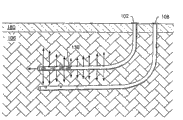
图1描述了蒸汽驱动方法的示意图。Figure 1 depicts a schematic of the steam driven method.
图2描述了处理产自烃地层的地层流体的实施方案的示意图。Figure 2 depicts a schematic diagram of an embodiment for treating formation fluids produced from a hydrocarbon formation.
图3描述了位于垂直井孔内的以硫化氢为燃料的无焰分布燃烧器的实施方案的一部分的剖面图。Figure 3 depicts a cross-sectional view of a portion of an embodiment of a hydrogen sulfide fueled flameless distribution burner located within a vertical wellbore.
图4描述了具有两个燃料通道的以硫化氢为燃料的无焰分布燃烧器的实施方案的一部分的剖面图。Figure 4 depicts a cross-sectional view of a portion of an embodiment of a hydrogen sulfide fueled flameless distribution burner having two fuel passages.
图5描述了具有三个燃料通道的以硫化氢为燃料的无焰分布燃烧器的实施方案的一部分的剖面图。5 depicts a cross-sectional view of a portion of an embodiment of a hydrogen sulfide fueled flameless distribution burner having three fuel passages.
图6描述了位于垂直井孔中的具有点火源的以硫化氢为燃料的无焰分布燃烧器的实施方案的一部分的剖面图。6 depicts a cross-sectional view of a portion of an embodiment of a hydrogen sulfide-fueled flameless distribution burner with an ignition source located in a vertical wellbore.
图7描述了位于水平井孔中的以硫化氢为燃料的烧嘴的实施方案的一部分的剖面图。Figure 7 depicts a cross-sectional view of a portion of an embodiment of a hydrogen sulfide fueled burner located in a horizontal wellbore.
图8描述了应用以硫化氢为燃料的加热器从含烃地层中生产烃的实施方案的示意图。Figure 8 depicts a schematic diagram of an embodiment for producing hydrocarbons from a hydrocarbon containing formation using a hydrogen sulfide fueled heater.
图9描述了传统蒸汽注入方法的热通量曲线的示意图。Figure 9 depicts a schematic diagram of the heat flux curve for a conventional steam injection method.
图10A和10B描述了应用以硫化氢为燃料的加热器加热蒸汽的实施方案的热通量曲线的示意图。10A and 10B depict schematic diagrams of heat flux curves for an embodiment employing a hydrogen sulfide-fueled heater to heat steam.
虽然本发明容许各种修改和替代形式,但是其具体的实施方案通过图中的实施例的方式给出。附图可能不是按比例的。但应该理解这些图及其详细描述并不用于将本发明限定于所公开的特定形式,相反,本发明将覆盖在由所附权利要求定义的本发明实质和范围内的所有的修改、等价物和替代物。While the invention is susceptible to various modifications and alternative forms, specific embodiments thereof are given by way of example in the drawings. The drawings may not be to scale. It should be understood, however, that these drawings and their detailed description are not intended to limit the invention to the particular forms disclosed, but on the contrary, the invention is to cover all modifications, equivalents and modifications falling within the spirit and scope of the invention as defined by the appended claims. substitution.
具体实施方式Detailed ways
本发明涉及一种向烃地层提供热的方法。在本方法中,向位于一部分烃地层中的多个井孔提供水,其中水可以为液体、蒸汽或过热蒸汽形式。在位于向其中提供水的一个或多个井孔内的一个或多个无焰分布燃烧器中燃烧至少一部分氧化剂物流和至少一部分包含至少0.1vol%硫化氢的燃料物流的混合物。将混合物燃烧产生的热传递给至少一部分水。热可以由加热的水传递给一部分烃地层以加热烃地层并使地层中的流体移动。然后可以从烃地层中采收移动的地层流体。因为燃料物流是硫基的,燃料物流的硫化物组分燃烧时避免了二氧化碳的产生,因此相对于应用主要包含烃的燃料物流的方法而言,降低了加热方法的总二氧化碳产量。The present invention relates to a method of providing heat to a hydrocarbon formation. In the present method, water is provided to a plurality of wellbores located in a portion of a hydrocarbon formation, where the water may be in the form of liquid, steam, or superheated steam. A mixture of at least a portion of the oxidant stream and at least a portion of the fuel stream comprising at least 0.1 vol% hydrogen sulfide is combusted in one or more flameless distribution burners located in the one or more wellbores to which the water is supplied. Heat from combustion of the mixture is transferred to at least a portion of the water. Heat may be transferred to a portion of the hydrocarbon formation by the heated water to heat the hydrocarbon formation and move fluids in the formation. The mobile formation fluids may then be recovered from the hydrocarbon formation. Because the fuel stream is sulfur-based, the sulfide component of the fuel stream is combusted avoiding carbon dioxide production, thereby reducing the overall carbon dioxide production of the heating process relative to processes employing fuel streams primarily comprising hydrocarbons.
通过燃烧过程氧化硫化氢产生硫酸的方法可以产生类似于甲烷燃烧的热值。例如应用Stull等人在“The Chemical Thermodynamics of Organic Compounds”,Kreiger Publishing Company,Malabar Florida,1987,第220、229、230、233和234页中的数据,可以计算甲烷和硫化氢燃烧的反应热焓。甲烷燃烧产生副产物二氧化碳,按如下反应式表示:Oxidation of hydrogen sulfide to produce sulfuric acid through a combustion process can produce a calorific value similar to that of methane combustion. For example, using the data in "The Chemical Thermodynamics of Organic Compounds" by Stull et al., Kreiger Publishing Company, Malabar Florida, 1987, pages 220, 229, 230, 233 and 234, the reaction enthalpy of methane and hydrogen sulfide combustion can be calculated . The combustion of methane produces carbon dioxide as a by-product, represented by the following reaction equation:
CH4+2O2→CO2+2H2O(ΔHrxn=-191.2kcal/mol 600°K).CH 4 +2O 2 →CO 2 +2H 2 O (ΔH rxn =-191.2kcal/mol 600°K).
与之相对比,硫化氢氧化(燃烧)形成硫酸具有按如下反应式表示的计算反应热焓:In contrast, the oxidation (combustion) of hydrogen sulfide to form sulfuric acid has a calculated enthalpy of reaction given by the equation:
H2S+2O2→H2SO4(ΔHrxn=-185.4kcal/mol 600°K).H 2 S+2O 2 →H 2 SO 4 (ΔH rxn =-185.4kcal/mol 600°K).
在水中混合硫酸由于硫酸在水中的溶解热而产生更多的热,由下式表示:Mixing sulfuric acid in water generates more heat due to the heat of dissolution of sulfuric acid in water, represented by the following formula:
H2SO4+H2O→50wt%H2SO4(ΔHdil=-14.2kcal/mol 298°K).H 2 SO 4 +H 2 O→50wt%H 2 SO 4 (ΔH dil =-14.2kcal/mol 298°K).
取决于产生硫酸所应用的水量,硫化氢燃烧和硫酸溶解产生的热量的总量可以为-185kcal/mol至-206kcal/mol。因此,按照本发明方法,硫化氢代替甲烷作燃料燃烧为烃地层提供热,提供的热量可与甲烷燃烧相当,但是不产生二氧化碳。另外,在本发明方法中应用含硫化氢的燃料提供了一种处理来自其它过程(例如酸气和/或加氢处理流出物物流)的废硫化氢的方法,但是不产生元素硫。Depending on the amount of water used to generate sulfuric acid, the total amount of heat generated by hydrogen sulfide combustion and sulfuric acid dissolution can range from -185 kcal/mol to -206 kcal/mol. Therefore, according to the method of the present invention, hydrogen sulfide replaces methane as fuel combustion to provide heat for hydrocarbon formations, and the heat provided can be equivalent to methane combustion, but does not produce carbon dioxide. Additionally, the use of hydrogen sulfide-containing fuels in the process of the present invention provides a means of treating spent hydrogen sulfide from other processes, such as sour gas and/or hydrotreating effluent streams, without producing elemental sulfur.
这里所应用的术语定义如下:The terms used here are defined as follows:
“API比重”指在15.5℃(60°F)下的API比重。API比重由ASTM方法D6822或ASTM方法D1298测定。"API gravity" means API gravity at 15.5°C (60°F). API gravity is determined by ASTM method D6822 or ASTM method D1298.
“ASTM”指美国标准测试和材料(American Standard Testing and Materials)。"ASTM" refers to American Standard Testing and Materials.
“地层”包括一层或多层含烃层、一层或多层非烃层、上覆地层和/或下伏地层。“烃层”指在地层中含有烃的层。烃层可以含有非烃材料和烃材料。“上覆地层”和/或“下伏地层”包含一种或多种不同类型的烃不可渗透材料。在一些情况中,上覆地层和/或下伏地层可能对烃材料略微可渗透。A "formation" includes one or more hydrocarbon-bearing layers, one or more non-hydrocarbon layers, an overburden, and/or an underburden. A "hydrocarbon layer" refers to a layer in a formation that contains hydrocarbons. A hydrocarbon layer may contain non-hydrocarbon material and hydrocarbon material. An "overburden" and/or an "underburden" contains one or more different types of hydrocarbon impermeable material. In some cases, the overburden and/or the underburden may be slightly permeable to hydrocarbon materials.
“地层流体”指在地层中存在的流体,和可以包含高温裂解流体、合成气、流动烃和水(蒸汽)。地层流体可以包括烃流体和非烃流体。术语“流动流体”指含烃地层中因地层处理而能够流动的流体。“产生的流体”指从地层中脱除的流体。"Formation fluid" refers to fluids present in a formation, and may include pyrolysis fluids, synthesis gas, mobile hydrocarbons, and water (steam). Formation fluids may include hydrocarbon fluids and non-hydrocarbon fluids. The term "mobilizing fluid" refers to a fluid in a hydrocarbon containing formation that is capable of flowing as a result of formation treatment. "Produced fluids"refers to fluids removed from a formation.
“加热器”为在井中或井孔区域附近产生热的任何系统或热源。加热器可以为电加热器、烧嘴、与地层中的材料或由地层中产生的材料发生反应的燃烧器和/或它们的组合,但不局限于此。“无焰分布燃烧器”指基本无焰的加热器,其中氧化剂物流和燃料物流在等于或高于混合物的自动点火温度下在加热器的至少一部分分布长度上一起混合。A "heater" is any system or heat source that generates heat in or near the wellbore region. The heater may be, but is not limited to, an electric heater, a burner, a burner that reacts with material in or produced from the formation, and/or combinations thereof. "Flameless distribution burner" means a substantially flameless heater in which the oxidant and fuel streams are mixed together at or above the autoignition temperature of the mixture over at least a portion of the distribution length of the heater.
“重烃”为粘稠的烃流体。重烃可以包括非常粘稠的烃流体如重油、焦油和/或沥青。重烃可以包含碳和氢以及较低浓度的含硫、氧和氮的化合物。在重烃中也可能存在附加的元素(例如镍、铁、钒或它们的混合物)。重烃可以按API比重分类。重烃的API比重通常低于约20。例如,重油的API比重通常为约10-20,而焦油的API比重通常低于约10。重烃的粘度在15℃下通常为至少100厘泊。重烃可以包含芳烃或其它复杂环状烃。"Heavy hydrocarbons" are viscous hydrocarbon fluids. Heavy hydrocarbons may include very viscous hydrocarbon fluids such as heavy oils, tars, and/or bitumen. Heavy hydrocarbons may contain carbon and hydrogen with lower concentrations of compounds containing sulfur, oxygen and nitrogen. Additional elements (such as nickel, iron, vanadium or mixtures thereof) may also be present in heavy hydrocarbons. Heavy hydrocarbons can be classified by API gravity. Heavy hydrocarbons generally have an API gravity below about 20. For example, heavy oils typically have an API gravity of about 10-20, while tars typically have an API gravity of less than about 10. Heavy hydrocarbons typically have a viscosity of at least 100 centipoise at 15°C. Heavy hydrocarbons may contain aromatics or other complex cyclic hydrocarbons.
“烃”一般定义为主要由碳和氢原子形成的分子。这里所应用的烃还可以包括金属元素和/或其它包含但不局限于卤素、氮、氧和/或硫的化合物。含有硫的烃化合物被称为“有机硫化合物”。烃可以为油母质、沥青、焦沥青、油、天然矿物蜡和沥青质,但不局限于此。烃可以位于地下的矿物基质内或附近。基质可以包括但不限于沉积岩、砂岩、沉积石英岩、碳酸盐、硅藻土和其它多孔介质。“烃流体”指包含烃的流体。烃流体可以包含、夹带非烃流体或被夹带于非烃流体中,如氢、氮、一氧化碳、二氧化碳、硫化氢、硫氧化物、羰基硫、氮氧化物、水、氨或它们的混合物。"Hydrocarbon" is generally defined as a molecule formed primarily of carbon and hydrogen atoms. Hydrocarbons as used herein may also include metallic elements and/or other compounds including, but not limited to, halogens, nitrogen, oxygen, and/or sulfur. Hydrocarbon compounds containing sulfur are called "organosulfur compounds". Hydrocarbons may be, but are not limited to, kerogen, bitumen, pyrobitumen, oil, natural mineral wax, and asphaltenes. Hydrocarbons may be located in or near the subterranean mineral matrix. Matrices may include, but are not limited to, sedimentary rocks, sandstones, sedimentary quartzites, carbonates, diatomaceous earth, and other porous media. "Hydrocarbon fluid" means a fluid comprising hydrocarbons. Hydrocarbon fluids may contain, entrain, or be entrained in non-hydrocarbon fluids, such as hydrogen, nitrogen, carbon monoxide, carbon dioxide, hydrogen sulfide, sulfur oxides, carbonyl sulfide, nitrogen oxides, water, ammonia, or mixtures thereof.
“氧化剂”指适于支持燃烧的化合物。氧化剂的例子包括空气、氧、和/或富氧空气。“富氧空气”指空气中氧的摩尔分率大于常压下空气中氧的摩尔分率。空气通常被富集以增加空气支持燃烧的能力。"Oxidizer" means a compound suitable to support combustion. Examples of oxidizing agents include air, oxygen, and/or oxygen-enriched air. "Oxygen-enriched air" means that the molar fraction of oxygen in air is greater than the molar fraction of oxygen in air at normal pressure. Air is usually enriched to increase the ability of the air to support combustion.
“SAGD”指蒸汽辅助的重力排油。"SAGD" means Steam Assisted Gravity Drainage.
“焦油”是一种在15℃下粘度通常大于约10,000厘泊的粘稠烃。焦油的比重通常大于1.000。焦油的API比重可能小于10。"Tar" is a viscous hydrocarbon having a viscosity generally greater than about 10,000 centipoise at 15°C. The specific gravity of tar is usually greater than 1.000. Tar may have an API gravity of less than 10.
“焦油砂地层”指其中烃主要以夹带在矿物颗粒结构或其它宿主岩石(如砂或碳酸盐)中的重烃和/或焦油形式存在的地层。焦油砂地层的例子包括阿萨巴斯卡地层、Grosmont地层和皮斯河地层,以上三者均在加拿大的阿尔伯达省;和委内瑞拉奥里诺科河带中的Faja地层。A "tar sands formation" refers to a formation in which hydrocarbons are present primarily as heavy hydrocarbons and/or tars entrained in mineral grain structures or other host rocks such as sands or carbonates. Examples of tar sands formations include the Athabasca, Grosmont and Peace River formations, all in Alberta, Canada; and the Faja formation in the Orinoco belt of Venezuela.
“水”指水的液相和气相。例如水、水蒸汽和过热蒸汽。"Water" refers to both the liquid and gaseous phases of water. Examples are water, steam and superheated steam.
在本发明的方法中,通过多个井孔向烃地层提供含水物流。为了使烃地层中的地层流体由于通过井孔向烃地层提供水物流而导致的移动最佳,井孔可以彼此间隔。水物流可以由井孔内的多个位置提供给至少一部分含烃地层。提供给烃地层的水物流的温度可以比接收所述水物流的烃地层的温度高。In the method of the present invention, an aqueous stream is provided to a hydrocarbon formation through a plurality of wellbores. The wellbores may be spaced from each other in order to optimize the movement of formation fluids in the hydrocarbon formation due to providing water flow to the hydrocarbon formation through the wellbores. The water stream may be provided to at least a portion of the hydrocarbon-bearing formation from various locations within the wellbore. The temperature of the water stream provided to the hydrocarbon formation may be higher than the temperature of the hydrocarbon formation receiving the water stream.
将包含至少5vol%硫化氢的燃料物流和氧化剂物流提供给位于一个或多个井孔中包括一个或多个无焰分布燃烧器的一个或多个加热器,其中在所述井孔中将水物流提供给烃地层。燃料物流可以包含0.1-100vol%、5-90vol%、10-80vol%或20-50vol%的硫化氢,或可以包含至少5vol%、或至少10vol%、或至少20vol%、或至少30vol%、或至少40vol%、或至少50vol%的硫化氢。物流中的硫化氢含量可以用ASTM方法D2420测量。包含硫化氢的燃料物流可以包含烃(例如甲烷和乙烷)、氢气、二氧化碳或它们的混合物。在一些实施方案中,燃料物流可以包含有机硫化合物。有机硫化合物的实例包括但不限于甲基硫醇、噻吩、噻吩化合物、二硫化碳、羰基硫或它们的混合物。应用包含硫化氢和/或有机硫化合物的燃料可以允许针对燃料中每摩尔原子硫节省0.3-1摩尔甲烷。providing a fuel stream comprising at least 5 vol% hydrogen sulfide and an oxidant stream to one or more heaters comprising one or more flameless distribution burners located in one or more wellbores in which water The stream is provided to a hydrocarbon formation. The fuel stream may comprise 0.1-100 vol%, 5-90 vol%, 10-80 vol%, or 20-50 vol% hydrogen sulfide, or may comprise at least 5 vol%, or at least 10 vol%, or at least 20 vol%, or at least 30 vol%, or At least 40 vol%, or at least 50 vol% hydrogen sulfide. The hydrogen sulfide content of a stream can be measured by ASTM method D2420. The fuel stream comprising hydrogen sulfide may comprise hydrocarbons (such as methane and ethane), hydrogen, carbon dioxide, or mixtures thereof. In some embodiments, the fuel stream may contain organosulfur compounds. Examples of organosulfur compounds include, but are not limited to, methyl mercaptan, thiophene, thiophene compounds, carbon disulfide, carbonyl sulfide, or mixtures thereof. Application of fuels containing hydrogen sulfide and/or organosulfur compounds may allow savings of 0.3-1 mole of methane per mole of atomic sulfur in the fuel.
提供给位于一个或多个井孔中包括一个或多个无焰分布燃烧器的一个或多个接收燃料物流的加热器的氧化剂物流含有足够多的氧,从而燃料物流和氧化剂物流的混合物可以无焰燃烧。氧化剂物流可以为压缩空气、富氧空气或基本上纯的氧气。An oxidant stream provided to one or more fuel-receiving heaters located in one or more wellbores including one or more flameless distribution burners contains sufficient oxygen so that the mixture of the fuel stream and the oxidant stream can be freed from flame burning. The oxidant stream can be compressed air, oxygen-enriched air, or substantially pure oxygen.
至少一部分燃料物流与一部分氧化剂物流混合,以提供发生燃烧的燃料/氧化剂混合物。至少一部分燃料物流和氧化剂物流可以在一个或多个井孔中接收燃料物流和氧化剂物流的一个或多个加热器中混合。在本发明方法的一个实施方案中,在提供给一个或多个加热器之前,在井孔中和/或在进入井孔前在烃地层表面处,可以使至少一部分燃料物流与氧化剂物流混合。At least a portion of the fuel stream is mixed with a portion of the oxidizer stream to provide a fuel/oxidant mixture where combustion occurs. At least a portion of the fuel and oxidant streams may be mixed in one or more heaters that receive the fuel and oxidant streams in one or more wellbores. In one embodiment of the method of the present invention, at least a portion of the fuel stream may be mixed with the oxidant stream in the wellbore and/or at the surface of the hydrocarbon formation prior to entering the wellbore prior to being supplied to the one or more heaters.
然后燃料物流和氧化剂物流的混合物可以在一个或多个接收水的井孔中的加热器中燃烧。通过将燃料物流和氧化剂物流的混合物的温度提高至等于或高于混合物的自动点火温度,通常为250-1000℃或260-900℃或300-800℃(其中硫化氢的自动点火温度为260℃),可以使所述混合物燃烧。正如这里进一步所描述的,至少一部分混合物通过无焰分布燃烧在加热器中燃烧,和一部分混合物通过燃烧混合物而在加热器中燃烧。通过无焰分布燃烧或无焰分布燃烧与燃烧的组合,燃料物流和氧化剂物流的混合物燃烧产生热。The mixture of fuel stream and oxidant stream may then be fired in heaters in one or more well bores receiving water. By raising the temperature of the mixture of fuel stream and oxidant stream to be equal to or higher than the autoignition temperature of the mixture, usually 250-1000°C or 260-900°C or 300-800°C (wherein the autoignition temperature of hydrogen sulfide is 260°C ), the mixture can be combusted. As further described herein, at least a portion of the mixture is combusted in the heater by flameless distributed combustion, and a portion of the mixture is combusted in the heater by combusting the mixture. The mixture of fuel stream and oxidant stream combusts to generate heat by flameless distributed combustion or a combination of flameless distributed combustion and combustion.
燃料物流与氧化剂物流燃烧产生的热可以被传递至井孔中的水物流,以增加井中水物流的温度。燃料物流与氧化剂物流的燃烧热的传递提高了水的温度,和如果水还不是蒸汽或过热蒸汽,可能将水转换为蒸汽和/或过热蒸汽。Heat from the combustion of the fuel stream and the oxidant stream may be transferred to the water stream in the wellbore to increase the temperature of the water stream in the wellbore. The transfer of the heat of combustion of the fuel stream and the oxidant stream increases the temperature of the water, and possibly converts the water to steam and/or superheated steam, if the water is not already steam or superheated steam.
然后可以将加热的水/蒸汽物流的热传递给一部分烃地层以使烃地层中的地层流体移动。加热的水/蒸汽物流的热可以沿井孔在一个或多个位置处传递给部分烃地层,如这里进一步所描述的。加热的水/蒸汽物流可以被注入烃地层中,以将热从加热的水/蒸汽物流传递给烃地层,和/或通过将热从加热的水/蒸汽物流传递给井孔,然后再将热从加热的井孔传递给烃地层,可以将热从加热的水/蒸汽物流间接传递给烃地层。通过在井孔的终端将加热的水/蒸汽物流注入烃地层,也可以将热从加热的水/蒸汽物流传递给烃地层。Heat of the heated water/steam stream may then be transferred to a portion of the hydrocarbon formation to mobilize formation fluids in the hydrocarbon formation. Heat from the heated water/steam stream may be transferred to the portion of the hydrocarbon formation at one or more locations along the wellbore, as further described herein. The heated water/steam stream may be injected into the hydrocarbon formation to transfer heat from the heated water/steam stream to the hydrocarbon formation, and/or by transferring heat from the heated water/steam stream to the wellbore and then transferring the heat From the heated wellbore to the hydrocarbon formation, heat may be transferred indirectly from the heated water/steam stream to the hydrocarbon formation. Heat may also be transferred from the heated water/steam stream to the hydrocarbon formation by injecting the heated water/steam stream into the hydrocarbon formation at the terminal end of the wellbore.
可以从烃地层采收通过从加热的水/蒸汽物流传递热而移动的地层流体。例如,水物流可以在注入井中通过燃料物流和氧化剂物流的混合物的燃烧而被加热,从而使注入井附近的地层流体移动,和可以在相对于注入井的位置设置的生产井中采收移动的地层流体,从而收集通过在注入井附近位置处加热烃地层而移动的地层流体。Formation fluids that move by transferring heat from a heated water/steam stream may be recovered from a hydrocarbon formation. For example, a water stream may be heated in an injection well by combustion of a mixture of a fuel stream and an oxidant stream, thereby mobilizing formation fluids near the injection well, and the displaced formation may be recovered in a production well positioned relative to the injection well fluid, thereby collecting formation fluids that are moved by heating the hydrocarbon formation at a location near the injection well.
在本发明方法的一个实施方案中,可以结合驱动方法应用本方法处理烃地层。所述驱动方法包括蒸汽注入方法如循环蒸汽注入、SAGD、溶剂注入、蒸气溶剂和SAGD方法、或二氧化碳注入,但不局限于此。本发明的方法可用于预热用于驱动方法的烃地层,或者用于在驱动方法期间或之后提供热。In one embodiment of the method of the present invention, the method may be applied in conjunction with a drive method to treat a hydrocarbon formation. The driving method includes steam injection methods such as cyclic steam injection, SAGD, solvent injection, steam solvent and SAGD methods, or carbon dioxide injection, but is not limited thereto. The method of the present invention may be used to preheat a hydrocarbon formation for the drive process, or to provide heat during or after the drive process.
图1描述了其中可以应用本发明方法的蒸汽驱动方法的示意图。热水(蒸汽)100进入注入井102。水100可以在80-500℃、优选100-270℃的温度和1-15MPa的压力下注入。注入井102可以包括开口104,以允许水100流入和/或压入烃层106。水100为烃层106中的地层流体提供热。加热地层流体可以移动地层流体,从而促进地层流体向位于注入井102下方的生产井108排放。水100提供给多个注入井102,设置所述注入井以使生产井108中用于采收的地层流体110的产量最优化。地层流体110产自生产井108,和被输送至一个或多个处理设施。Figure 1 depicts a schematic diagram of a steam driven process in which the method of the present invention may be applied. Hot water (steam) 100 enters injection well 102 . The
加热器可以位于注入井102内,按照本发明的方法,可以在注入井中利用氧化剂燃烧包含硫化氢的燃料物流,为烃地层进一步提供热从而进一步移动地层流体110。包含硫氧化物的燃烧副产物可以在烃地层中与来自注入井的蒸汽混合,通过释放硫氧化物与蒸汽接触时所形成的溶解热进入烃地层中来为烃地层进一步提供热。The heater may be located in the injection well 102 where the fuel stream comprising hydrogen sulfide may be combusted with an oxidant to provide further heat to the hydrocarbon formation to further move the
在本发明的方法中,提供给加热器的包含硫化氢的燃料物流可以产自含烃地层。图2描述了处理产自烃地层的地层流体的示意图。所产生的地层流体110进入流体分离单元112,和被分离为液体物流114、气体物流116和含水物流118。所产生的地层流体110可以得自主要为气体贮层的烃地层,或者得自主要为液体烃贮层的烃地层。液体物流114可以被输送至其它处理单元和/或贮存单元。气体物流116可以包含烃、羰基硫、硫化氢、硫氧化物、有机硫化合物、氢气、二氧化碳或它们的混合物,但不局限于此。气体物流116可以进入气体分离单元120,以从气体物流116中分离出至少一部分气体烃物流122、至少一部分硫化氢物流124、至少一部分二氧化碳物流126、至少一部分二氧化硫物流128和至少一部分氢气物流130。In the method of the present invention, the fuel stream comprising hydrogen sulfide provided to the heater may be produced from a hydrocarbon-bearing formation. Figure 2 depicts a schematic diagram of processing formation fluids produced from a hydrocarbon formation. Resulting
一个或多个来自不同来源的含硫化氢的物流(包括来自烃地层的气体物流116)可以组合并被送至气体分离单元,以产生在本发明方法中应用的包含硫化氢的燃料物流。例如,来自气体贮层、液体烃贮层和/或地面设施的物流可以组合作为气体分离单元的进料物流,从该物流中可以分离出富含硫化氢的气体。所得的硫化氢物流124可以贮存,和/或与产自其它气体分离单元和/或其它处理设施的一个或多个硫化氢物流组合,以形成在本发明方法中应用的包含硫化氢的燃料物流。One or more hydrogen sulfide-containing streams from different sources, including
用于形成在本发明方法中应用的包含硫化氢的燃料物流的气体分离单元120可以包括物理处理系统和/或化学处理系统。物理处理系统包括膜单元、变压吸附单元、液体吸收单元和/或低温单元,但不局限于此。化学处理系统可以包括在处理工艺中应用胺(如二乙醇胺或二异丙醇胺)、氧化锌、环丁砜、水或它们的混合物的单元。在一些实施方案中,气体分离单元120应用Sulfinol气体处理工艺脱除硫化合物。二氧化碳可以应用
在本发明方法中应用的包含硫化氢的燃料物流可以包含0.1-100vol%、5-90vol%、10-80vol%、或20-50vol%的硫化氢,或者可以包含至少5vol%、或至少10vol%、或至少20vol%、或至少25vol%、或至少30vol%、或至少40vol%、或至少50vol%的硫化氢。在本发明方法的一个实施方案中,由烃地层产生的地层流体包括硫化氢物流124以及气体物流116、氢气物流130和/或气体烃物流122,它们可以用作包含硫化氢的燃料物流。可以干燥包含硫化氢的燃料物流以脱除水分,从而提高燃料物流的可燃性。例如,通过使硫化氢物流与乙二醇接触而脱除水可以使包含硫化氢的燃料物流干燥。The fuel stream comprising hydrogen sulfide used in the process of the invention may comprise 0.1-100 vol%, 5-90 vol%, 10-80 vol%, or 20-50 vol% hydrogen sulfide, or may comprise at least 5 vol%, or at least 10 vol% , or at least 20 vol%, or at least 25 vol%, or at least 30 vol%, or at least 40 vol%, or at least 50 vol% hydrogen sulfide. In one embodiment of the method of the present invention, formation fluids produced from a hydrocarbon formation include
在本发明的方法中,包含硫化氢的燃料物流利用其发生燃烧的氧化剂是含氧气体或液体。氧化剂优选选自压缩空气、富氧空气或氧气。在本发明的方法中,可以通过传统空气压缩方法压缩空气而提供压缩空气作为氧化剂,例如,使空气流过透平压缩机可以压缩空气。富氧空气可以含有比空气多0.5-15vol%的氧气,可以通过压缩空气并使压缩后的空气流过能增加空气中氧含量的膜而产生。通常传统的空气分离技术可以提供氧气作为氧化剂。In the process of the invention, the oxidant with which the fuel stream comprising hydrogen sulfide is combusted is an oxygen-containing gas or liquid. The oxidizing agent is preferably selected from compressed air, oxygen-enriched air or oxygen. In the method of the present invention, the air may be compressed by conventional air compression methods to provide compressed air as the oxidant, for example, the air may be compressed by passing the air through a turbo compressor. Oxygen-enriched air can contain 0.5-15 vol% more oxygen than air and can be produced by compressing air and passing the compressed air through a membrane that increases the oxygen content of the air. Usually conventional air separation technology can provide oxygen as oxidant.
在一些实施方案中,在燃烧的过程中控制硫化氢与氧化剂的比。通过选择相对于所存在的氧化剂量的硫化氢量(以硫原子与氧原子的比为基准,或者按化学计量基准),并调节硫化氢量为选定量,可以控制燃烧中硫化氢的量和所产生的燃烧副产物(例如二氧化硫和/或三氧化硫)的组成。可以控制包含硫化氢的燃料物流的量,和/或可以控制氧化剂物流的量,从而产生用于燃烧的选定比的硫化氢与氧化剂,进而产生优选的燃烧副产物物流组成。In some embodiments, the ratio of hydrogen sulfide to oxidant is controlled during combustion. By selecting the amount of hydrogen sulfide relative to the amount of oxidant present (based on the ratio of sulfur atoms to oxygen atoms, or on a stoichiometric basis), and adjusting the amount of hydrogen sulfide to the selected amount, the amount of hydrogen sulfide in the combustion can be controlled and Composition of combustion by-products (eg sulfur dioxide and/or sulfur trioxide) produced. The amount of the fuel stream comprising hydrogen sulfide can be controlled, and/or the amount of the oxidant stream can be controlled to produce a selected ratio of hydrogen sulfide to oxidant for combustion, resulting in a preferred composition of the combustion byproduct stream.
可以以一定的方式控制提供给本发明方法用于燃烧的包含硫化氢的燃料物流量和氧化剂物流量,使得燃烧产生的燃烧副产物物流中主要为三氧化硫。为了产生富含三氧化硫的燃烧副产物物流,可以控制硫化氢与氧化剂的比,从而相对于燃料物流的硫化氢含量而言,过量的氧化剂与包含硫化氢的燃料物流一起燃烧。燃烧贫硫化氢的混合物产生多于二氧化硫的三氧化硫作为燃烧副产物。三氧化硫可以在烃地层中与水反应形成硫酸。三氧化硫可以很容易转化为硫酸,因此可以产生溶解热,且与所燃烧的硫化氢量相对于氧化剂的量为化学计量量或不足量时相比更迅速地传递给烃地层。The flow rate of the fuel stream containing hydrogen sulfide and the flow rate of the oxidant stream supplied to the method of the present invention for combustion can be controlled in such a way that the combustion by-product stream produced by combustion is mainly sulfur trioxide. To produce a sulfur trioxide-rich combustion by-product stream, the ratio of hydrogen sulfide to oxidant can be controlled such that an excess of oxidant relative to the hydrogen sulfide content of the fuel stream is combusted with the fuel stream comprising hydrogen sulfide. Combustion of a hydrogen sulfide-depleted mixture produces more sulfur trioxide than sulfur dioxide as a combustion by-product. Sulfur trioxide can react with water in hydrocarbon formations to form sulfuric acid. Sulfur trioxide can be easily converted to sulfuric acid, so heat of solution can be generated and transferred to the hydrocarbon formation more rapidly than when the amount of hydrogen sulfide combusted is stoichiometric or deficient relative to the amount of oxidant.
替代地,可以以一定的方式控制提供给本发明方法用于燃烧的包含硫化氢的燃料物流量和氧化剂物流量,使得燃烧产生的燃烧副产物物流中主要为二氧化硫。为了产生富二氧化硫的燃烧副产物物流,可以控制硫化氢与氧化剂的比,从而相对于燃料物流的硫化氢含量使不足量的氧化剂与包含硫化氢的燃料物流一起燃烧。相对于氧化剂应用过量的硫化氢将产生富含二氧化硫且还含有硫化氢的燃烧副产物物流,和允许硫化氢和/或二氧化硫被引入含烃地层的层内。一部分硫化氢和/或二氧化硫可以与至少一部分地层流体接触并溶剂化和/或溶解地层流体中的部分重烃。溶剂化和/或溶解至少部分重烃可以促进重烃向生产井中移动。另外,向地层流体中引入至少部分包含二氧化硫的燃烧副产物物流可以增加地层中施加给烃流体的剪切速率,并降低地层内非牛顿烃流体的粘度。因此向地层中引入富含二氧化硫的燃烧副产物物流可以增加一部分开采用地层,并可以增加地层能量输出(产自地层的产品的能量含量)与地层能量输入(处理地层的能量消耗)之间的比。Alternatively, the flow of the fuel stream comprising hydrogen sulfide and the flow of the oxidant stream supplied to the process of the present invention for combustion may be controlled in such a manner that the combustion by-product stream produced by combustion is predominantly sulfur dioxide. To produce a sulfur dioxide-enriched combustion by-product stream, the ratio of hydrogen sulfide to oxidant can be controlled such that an insufficient amount of oxidant is combusted with the fuel stream comprising hydrogen sulfide relative to the hydrogen sulfide content of the fuel stream. Application of excess hydrogen sulfide relative to the oxidant will produce a combustion byproduct stream rich in sulfur dioxide and also contain hydrogen sulfide, and allow the hydrogen sulfide and/or sulfur dioxide to be introduced into the layers of the hydrocarbon-bearing formation. A portion of the hydrogen sulfide and/or sulfur dioxide may contact at least a portion of the formation fluid and solvate and/or dissolve a portion of the heavy hydrocarbons in the formation fluid. Solvating and/or dissolving at least a portion of the heavy hydrocarbons can facilitate the movement of the heavy hydrocarbons to the production well. Additionally, introducing a combustion byproduct stream comprising at least in part sulfur dioxide into the formation fluid can increase the shear rate applied to the hydrocarbon fluids in the formation and reduce the viscosity of the non-Newtonian hydrocarbon fluids in the formation. The introduction of a sulfur dioxide-rich combustion by-product stream into the formation can therefore increase the fraction of the formation that is exploited and can increase the relationship between formation energy output (energy content of products produced from the formation) and formation energy input (energy consumption to process the formation). Compare.
在另一个替代方案中,可以控制提供给本发明方法用于燃烧的包含硫化氢的燃料物流量和氧化剂量,以提供化学计量等价量的硫化氢和氧化剂。燃烧化学计量量的硫化氢和氧可以按如下反应主要产生二氧化硫和水作为燃烧副产物:In another alternative, the flow of fuel stream comprising hydrogen sulfide and the amount of oxidant provided to the process of the present invention for combustion can be controlled to provide stoichiometric equivalent amounts of hydrogen sulfide and oxidant. Combustion of stoichiometric amounts of hydrogen sulfide and oxygen can produce primarily sulfur dioxide and water as combustion by-products as follows:
H2S+1.5O2→SO2+H2O(αHrxn=-124kcal/mol 600°K).H 2 S+1.5O 2 →SO 2 +H 2 O(αH rxn =-124kcal/mol 600°K).
除了燃烧硫化氢得到的热值外,向烃地层引入加热后的二氧化硫/水燃烧副产物物流可以促进从地层中采收烃。来自二氧化硫的热可以将热传递给地层中的流体,和加热后的流体可以流向生产井。另外,正如上文所讨论的,燃烧副产物物流中的二氧化硫可以降低烃地层中烃地层流体的粘度,和因而增加了可从地层中采收的烃量。二氧化硫的溶解热虽然少于硫酸的溶解热,但也可以传递给烃地层中的地层流体,从而使地层流体移动。In addition to the calorific value obtained from the combustion of hydrogen sulfide, the introduction of a heated sulfur dioxide/water combustion by-product stream to a hydrocarbon formation can facilitate the recovery of hydrocarbons from the formation. The heat from the sulfur dioxide can transfer heat to fluids in the formation, and the heated fluid can flow to production wells. Additionally, as discussed above, combustion of sulfur dioxide in the byproduct stream can reduce the viscosity of hydrocarbon formation fluids in the hydrocarbon formation and thus increase the amount of hydrocarbons that can be recovered from the formation. The heat of solution of sulfur dioxide, although less than that of sulfuric acid, can also be transferred to formation fluids in hydrocarbon formations, thereby mobilizing the formation fluids.
包含硫化氢的燃料物流与氧化剂的燃烧在位于一个或多个井孔中每一个内的一个或多个加热器中实施,其中通过所述井孔向烃地层提供水。一个或多个加热器为无焰分布燃烧器,和在本发明的一个实施方案中,所有加热器均为无焰分布燃烧器。作为替代,至少一些加热器可以为烧嘴,从而可以在一部分加热器中通过无焰分布燃烧而在剩余的加热器中通过燃烧而使混合物燃烧。Combustion of the fuel stream comprising hydrogen sulfide and the oxidant is carried out in one or more heaters located in each of the one or more wellbores through which water is provided to the hydrocarbon formation. One or more heaters are flameless distribution burners, and in one embodiment of the invention all heaters are flameless distribution burners. Alternatively, at least some of the heaters may be burners so that the mixture may be combusted by flameless distributed combustion in a portion of the heaters and by combustion in the remaining heaters.
在一个优选的实施方案中,每一个加热器均为无焰分布燃烧器,在其中包含硫化氢的燃料物流与氧化剂无焰燃烧。在无焰分布燃烧器中,在加热器中以一定速度提供氧化剂物流,充分提高所述速度以防止氧化剂和燃料物流的混合物在加热器中燃烧时形成固定的扩散火焰,从而确保沿无焰分布燃烧器的长度有控制地释放热。In a preferred embodiment, each heater is a flameless distribution burner in which a fuel stream comprising hydrogen sulfide and an oxidant combust flamelessly. In a flameless distribution burner, a stream of oxidant is provided in a heater at a velocity sufficiently increased to prevent the mixture of oxidant and fuel streams from forming a fixed diffusion flame as it burns in the heater, thereby ensuring a flameless distribution along the The length of the burner releases heat in a controlled manner.
在操作无焰分布燃烧器的加热器以燃烧包含硫化氢的燃料物流和氧化剂物流时,将燃料物流与氧化剂混合,其中将所述燃料物流和氧化剂的混合物加热至等于或高于混合物的自动点火温度,通常为250-800℃,或300-750℃,或400-700℃。在加热器中混合氧化剂物流和包含硫化氢的燃料物流之前,氧化剂物流、燃料物流或者这两者可以被预热至足以使混合物在混合时达到等于或高于混合物自动点火温度的温度。氧化剂物流和/或包含硫化氢的燃料物流可以通过与热源如蒸汽或过热蒸汽换热来预热。作为替代,可以将包含硫化氢的燃料物流和氧化剂物流混合,并用点火设备(如火花塞或热线点火塞)点火,所述点火设备促进混合物的温度提升至等于或高于混合物的自动点火温度。In operating the heater of the flameless distribution burner to combust a fuel stream comprising hydrogen sulfide and an oxidant stream, the fuel stream is mixed with the oxidant, wherein the mixture of the fuel stream and the oxidant is heated to a temperature equal to or greater than the autoignition of the mixture The temperature is usually 250-800°C, or 300-750°C, or 400-700°C. Prior to mixing the oxidant stream and the fuel stream comprising hydrogen sulfide in the heater, the oxidant stream, the fuel stream, or both may be preheated to a temperature sufficient to bring the mixture, upon mixing, to a temperature at or above the autoignition temperature of the mixture. The oxidant stream and/or the fuel stream comprising hydrogen sulfide may be preheated by heat exchange with a heat source such as steam or superheated steam. Alternatively, a fuel stream comprising hydrogen sulfide and an oxidant stream may be mixed and ignited with an ignition device, such as a spark plug or glow plug, that promotes an increase in the temperature of the mixture to a temperature at or above the autoignition temperature of the mixture.
如果本方法不限于应用无焰燃烧,则至少一个或多个加热器可以为产生火焰的烧嘴。在操作烧嘴时,向烧嘴提供用于燃烧的包含硫化氢的燃料物流和氧化剂物流。燃料物流和氧化剂物流可以在烧嘴中混合,或者在提供给烧嘴之前混合。通过将燃料物流和氧化剂物流的混合物的温度提升至等于或高于混合物的自动点火温度(例如通过用点火设备如火花塞或热线点火塞将混合物点火)而使混合物燃烧。以一定的速度为烧嘴提供氧化剂物流和包含硫化氢的燃料物流,从而烧嘴可以产生稳定的火焰。烧嘴可以包括在烧嘴火焰附近的火焰稳定罩,以在点火后帮助稳定火焰。If the method is not limited to the application of flameless combustion, the at least one or more heaters may be flame producing burners. In operating the burner, a fuel stream comprising hydrogen sulfide and an oxidant stream are provided to the burner for combustion. The fuel and oxidant streams can be mixed in the burner, or before being supplied to the burner. The mixture of fuel and oxidant streams is combusted by raising the temperature of the mixture to a temperature at or above the autoignition temperature of the mixture, for example by igniting the mixture with an ignition device such as a spark plug or glow plug. The burner is provided with an oxidant stream and a fuel stream containing hydrogen sulfide at a rate such that the burner can produce a stable flame. The burner may include a flame stabilization shroud adjacent the burner flame to help stabilize the flame after ignition.
如上所述,在本发明的方法中,通过一个或多个井孔向至少一部分含烃地层提供含水物流,其中在所述井孔中包含硫化氢的燃料物流和氧化剂物流发生燃烧。提供给一个或多个井孔的含水物流可以为蒸汽或过热蒸汽形式。As noted above, in the method of the present invention, at least a portion of the hydrocarbon-bearing formation is provided with an aqueous stream through one or more wellbores in which a fuel stream comprising hydrogen sulfide and an oxidant stream are combusted. The aqueous stream provided to the one or more wellbores may be in the form of steam or superheated steam.
提供给井孔的至少一部分含水物流可以在地下被包含硫化氢的燃料物流与氧化剂物流燃烧产生的热所加热。包含硫化氢的燃料物流与氧化剂物流燃烧所产生的热可以与井孔中的一部分含水物流热交换。加热部分的含水物流可以与一部分烃地层热交换,从而热可以从加热部分的含水物流传递给烃地层,为烃地层中的至少一部分地层流体移动提供驱动力。加热部分的含水物流可以沿井孔长度与烃地层热交换,和加热部分的含水物流可以沿井孔长度和/或在井孔的终端处注入烃地层。At least a portion of the aqueous stream provided to the wellbore may be heated subsurface by heat generated by combustion of the fuel stream comprising hydrogen sulfide and the oxidant stream. The heat generated by the combustion of the fuel stream comprising hydrogen sulfide and the oxidant stream may be heat exchanged with a portion of the aqueous stream in the wellbore. The heated portion of the aqueous stream can exchange heat with a portion of the hydrocarbon formation such that heat can be transferred from the heated portion of the aqueous stream to the hydrocarbon formation to provide a driving force for movement of at least a portion of the formation fluid in the hydrocarbon formation. The heated portion of the aqueous stream can be heat-exchanged with the hydrocarbon formation along the length of the wellbore, and the heated portion of the aqueous stream can be injected into the hydrocarbon formation along the length of the wellbore and/or at the end of the wellbore.
包含硫化氢的燃料物流与氧化剂物流的燃烧用于在注入井井孔中地下加热含水物流。通过在注入井井孔的地下部分内燃烧包含硫化氢的物流可以在地下加热水(蒸汽)。由于在地下产生较高的蒸汽温度,地下燃烧产生的热可以强化至烃地层的热传递,从而与常规蒸汽驱动方法相比,可以扩大热传递区域或“影响区域”(ROI)。例如,应用硫化氢的地下加热可以产生温度为约500-2000℃的燃烧产物物流,其可以加热水和/或烃层。与之相对比,常规的蒸汽注入方法可以产生温度为约290℃的蒸汽来加热烃层。Combustion of the fuel stream comprising hydrogen sulfide and the oxidant stream is used to subsurface heat the aqueous stream in the borehole of the injection well. Water (steam) can be heated subsurface by burning a stream comprising hydrogen sulfide within the subterranean portion of the injection well bore. Heat from subsurface combustion can enhance heat transfer to hydrocarbon formations due to the higher steam temperatures generated in the subsurface, allowing for a larger heat transfer area or "region of influence" (ROI) compared to conventional steam-driven methods. For example, subsurface heating using hydrogen sulfide can produce a combustion product stream at a temperature of about 500-2000°C, which can heat water and/or hydrocarbon formations. In contrast, conventional steam injection methods can generate steam at a temperature of about 290° C. to heat the hydrocarbon layer.
提供给注入井的地下加热水(蒸汽)可以抑制沿注入井长度的水冷凝。在注入井中抑制水冷凝可以强化加热,和允许更加均匀地加热烃层。地下加热蒸汽可以减少需要注入以加热烃层的蒸汽量,例如,通过减少蒸汽过早冷凝的量来实现。在一些实施方案中,由于更有效地利用了蒸汽,减少了水再循环设施。地下加热水可以减少或取消在井位置处作为能源而需要的烃气体,从而使更多的烃气体销售用于商业能源和/或居民能源。Subsurface heated water (steam) supplied to the injection well can inhibit water condensation along the length of the injection well. Inhibiting water condensation in injection wells can enhance heating and allow for more uniform heating of hydrocarbon layers. Subsurface heating of steam can reduce the amount of steam that needs to be injected to heat the hydrocarbon formation, for example, by reducing the amount of premature condensation of the steam. In some embodiments, water recirculation facilities are reduced due to more efficient use of steam. Subsurface heating of water can reduce or eliminate the need for hydrocarbon gas as energy at the well location, thereby allowing more hydrocarbon gas to be sold for commercial energy and/or residential energy.
在燃烧产生的热传递给含水物流的下游,加热部分的含水物流可以用于维持包含硫化氢的燃料物流与氧化剂物流在井孔中的燃烧。通过将燃烧产生的热传递给含水物流而将含水物流加热至等于或高于燃料物流和氧化剂物流的混合物的自动点火温度。在燃烧产生的热传递给含水物流的下游,可以引导加热的含水物流流入井孔中(井口的下游),和可以将热从加热的含水物流传递给包含硫化氢的燃料物流和氧化剂物流的混合物,其中由加热的含水物流传递给燃料物流和氧化剂物流的下游混合物的热足以将混合物加热至等于或高于混合物的自动点火温度,从而使混合物燃烧提供进一步的热。可以在井孔中的多个位置将燃料物流和氧化剂物流的混合物提供给一个或多个加热器,从而可以在沿井孔长度的多个位置发生燃烧。Downstream of the transfer of heat from combustion to the aqueous stream, the heated portion of the aqueous stream can be used to sustain combustion of the fuel stream comprising hydrogen sulfide and the oxidant stream in the wellbore. The aqueous stream is heated to an autoignition temperature at or above the mixture of the fuel stream and the oxidant stream by transferring heat from combustion to the aqueous stream. Downstream of the transfer of heat from combustion to the aqueous stream, the heated aqueous stream can be directed into the wellbore (downstream of the wellhead), and heat can be transferred from the heated aqueous stream to the mixture of the fuel stream comprising hydrogen sulfide and the oxidant stream , wherein the heat transferred from the heated aqueous stream to the downstream mixture of the fuel stream and the oxidant stream is sufficient to heat the mixture to a temperature at or above the autoignition temperature of the mixture, thereby providing further heat for combustion of the mixture. The mixture of fuel and oxidant streams may be provided to the one or more heaters at multiple locations in the wellbore so that combustion may occur at multiple locations along the length of the wellbore.
井孔中的水或流出井孔进入烃地层的水可以通过与至少一部分燃烧副产物物流接触而被加热。燃烧副产物物流可以将燃烧产生的热直接传递给至少一部分水,和燃烧副产物物流可以与水混合而产生溶解热,特别是当燃烧副产物物流含有大量的三氧化硫时,因为三氧化硫在与水混合时可以转化为硫酸。燃烧副产物物流加热的水可以将热传递给一部分烃地层,为至少一部分地层流体的移动提供驱动力。Water in the wellbore or water flowing out of the wellbore into the hydrocarbon formation may be heated by contact with at least a portion of the combustion byproduct stream. The combustion by-product stream can transfer heat from combustion directly to at least a portion of the water, and the combustion by-product stream can mix with water to generate heat of solution, especially when the combustion by-product stream contains significant amounts of sulfur trioxide, because sulfur trioxide Converts to sulfuric acid when mixed with water. Water heated by the combustion byproduct stream may transfer heat to a portion of the hydrocarbon formation, providing a driving force for movement of at least a portion of the formation fluids.
来自地面设施的燃烧副产物可以被引入提供给井孔的含水物流中。加热器的热可以为来自地面设施的燃烧副产物提供热,从而有利于驱动所述燃烧副产物进入地层。提供给井孔的含水物流/蒸汽可以用来自地面设施的燃烧副产物初始加热。提供给一个或多个井孔的含水物流也可以包含二氧化碳、二氧化硫、来自地面设施的燃烧副产物或它们的混合物。具体地,通过在井孔中注入二氧化碳可以在烃地层中隔离二氧化碳,在井孔中包含硫化氢的燃料物流与氧化剂物流的燃烧产生的热为注入的二氧化碳提供热,从而有利于驱动二氧化碳进入烃地层。Combustion by-products from the surface facility may be introduced into the aqueous stream provided to the wellbore. Heat from the heater may provide heat to combustion by-products from the surface facility, thereby facilitating driving of the combustion by-products into the formation. The aqueous stream/steam provided to the wellbore may be initially heated with combustion by-products from the surface facility. The aqueous stream provided to the one or more wellbores may also contain carbon dioxide, sulfur dioxide, combustion by-products from surface facilities, or mixtures thereof. Specifically, carbon dioxide can be sequestered in hydrocarbon formations by injecting carbon dioxide in a wellbore, where the heat generated by the combustion of a fuel stream containing hydrogen sulfide and an oxidant stream provides heat for the injected carbon dioxide, thereby facilitating the drive of carbon dioxide into the hydrocarbon Strata.
通过反应热、溶剂化热、传导热或对流热可以将热传递至引入地层中的流体、至地层流体和/或至一部分含烃地层。引入到地层中的流体和/或燃烧副产物可以将热传递给至少一部分含烃地层和/或地层流体。Heat may be transferred to fluids introduced into the formation, to formation fluids, and/or to a portion of the hydrocarbon-bearing formation by heat of reaction, heat of solvation, heat conduction, or heat convection. Fluids and/or combustion byproducts introduced into the formation may transfer heat to at least a portion of the hydrocarbon-bearing formation and/or formation fluids.
当不可冷凝的不混溶气体如氮气与地层流体和/或含烃地层接触时可能发生对流热传递。当氧化剂物流由压缩空气或富氧空气形成时,燃烧副产物物流可能包含氮气。当过热的混溶性溶剂蒸汽(如硫化氢、二氧化碳和/或二氧化硫蒸气)与地层流体和/或含烃地层接触时,也可能发生对流热传递。当过热的不混溶性溶剂蒸汽如水与地层流体和/或含烃地层接触时,也可能发生对流热传递。Convective heat transfer may occur when noncondensable immiscible gases, such as nitrogen, contact formation fluids and/or hydrocarbon-bearing formations. When the oxidant stream is formed from compressed air or oxygen-enriched air, the combustion by-product stream may contain nitrogen. Convective heat transfer may also occur when superheated miscible solvent vapors, such as hydrogen sulfide, carbon dioxide, and/or sulfur dioxide vapors, come into contact with formation fluids and/or hydrocarbon-bearing formations. Convective heat transfer may also occur when superheated immiscible solvent vapors, such as water, come into contact with formation fluids and/or hydrocarbon-bearing formations.
当热的液体蒸汽凝液与地层流体和/或含烃地层接触时,可能发生传导热传递。当热的液体混溶性溶剂(如硫化氢、二氧化碳和/或二氧化硫)与地层流体和/或含烃地层接触时,可能发生传导热传递。Conductive heat transfer may occur when hot liquid vapor condensates contact formation fluids and/or hydrocarbon-bearing formations. Conductive heat transfer may occur when hot liquid miscible solvents, such as hydrogen sulfide, carbon dioxide, and/or sulfur dioxide, come into contact with formation fluids and/or hydrocarbon-bearing formations.
当一种化合物与另一种化合物反应时,可能发生反应热的热传递。例如,硫氧化物在含烃地层中和/或井孔外部与液体水形成溶液,产生反应热。当氧与烃或硫化合物反应形成碳氧化物或硫氧化物时,也会产生反应热。When one compound reacts with another, heat transfer of the heat of reaction can occur. For example, sulfur oxides form a solution with liquid water in a hydrocarbon-bearing formation and/or outside a wellbore, generating heat of reaction. Heat of reaction is also generated when oxygen reacts with hydrocarbons or sulfur compounds to form carbon oxides or sulfur oxides.
当至少一种组分在溶剂中溶解时,可以产生溶解热。例如,当硫酸在水中溶解时会产生热。Heat of dissolution may be generated when at least one component dissolves in a solvent. For example, heat is generated when sulfuric acid dissolves in water.
可以在井孔的第一部分如第一通道中提供含水物流,而包含硫化氢的燃料物流与氧化剂物流的燃烧可以在井孔的第二部分如位于第二通道中的加热器中实施。井孔的第二部分可以与井孔的第一部分热交换,从而燃料物流与氧化剂物流燃烧产生的热可以从井孔的第二部分传递给井孔的第一部分中流动的含水物流/蒸汽。井孔的第一部分可以与一部分烃地层热交换,从而来自加热的含水物流/蒸汽的热可以从热的含水物流/蒸汽传递给与井孔的第一部分热交换的部分烃地层。井孔的第一部分可以沿井孔长度与烃地层热交换。井孔的第一部分也可以与烃地层中位于井孔终端的烃地层热交换,在此处可以将含水物流/蒸汽注入烃地层中。An aqueous stream may be provided in a first portion of the wellbore, such as a first channel, and combustion of a fuel stream comprising hydrogen sulfide and an oxidant stream may be performed in a second portion of the wellbore, such as a heater located in a second channel. The second portion of the wellbore can exchange heat with the first portion of the wellbore such that heat from the combustion of the fuel stream and the oxidizer stream can be transferred from the second portion of the wellbore to the aqueous stream/steam flowing in the first portion of the wellbore. The first portion of the wellbore may be in heat exchange with a portion of the hydrocarbon formation such that heat from the heated aqueous stream/steam may be transferred from the heated aqueous stream/steam to the portion of the hydrocarbon formation in heat exchange with the first portion of the wellbore. The first portion of the wellbore may be in heat exchange with the hydrocarbon formation along the length of the wellbore. The first portion of the wellbore may also be in heat exchange with the hydrocarbon formation located at the end of the wellbore in the hydrocarbon formation where the aqueous stream/steam may be injected into the hydrocarbon formation.
在一些实施方案中,加热器位于井孔的内部部分。井孔的外部部分可以允许加入包含水(如驱动流体或溶剂)的物流,和/或在所述物流引入到含烃地层时加热所述物流。加热器可以位于与外部通道耦合的内部通道内。两个通道均可以放置于井孔中。所述通道可以并排设置。应该理解的是可以按设想和希望应用任何数量和/或预想构造的管道。In some embodiments, the heater is located in the interior portion of the wellbore. The outer portion of the wellbore may allow for the addition of a stream comprising water, such as a draw fluid or solvent, and/or for heating of the stream as it is introduced into the hydrocarbon-bearing formation. A heater may be located within the inner channel coupled with the outer channel. Both channels can be placed in the wellbore. The channels can be arranged side by side. It should be understood that any number and/or configuration of conduits may be employed as contemplated and desired.
可以将燃料提供给一个或多个燃料管道,其中至少一个管道提供一部分包含硫化氢的燃料,和至少一个管道提供其它燃料。可以将燃料提供给至少一个加热器中的一个或多个燃料管道,从而至少一部分燃料被引入到至少一个加热器的上游部分,和至少一部分燃料物流被引入到至少一个加热器的下游部分。可以将燃料提供给至少一个加热器中的一个或多个燃料管道,其中至少一个管道是可以调节的,从而至少一部分燃料被输送至加热器的第一部分,和然后输送至第一部分下游的加热器的第二部分。Fuel may be supplied to one or more fuel conduits, with at least one conduit supplying a portion of the fuel comprising hydrogen sulfide and at least one conduit supplying the other fuel. Fuel may be provided to one or more fuel conduits in the at least one heater such that at least a portion of the fuel is introduced into an upstream portion of the at least one heater and at least a portion of the fuel stream is introduced into a downstream portion of the at least one heater. Fuel may be supplied to one or more fuel conduits in the at least one heater, wherein at least one conduit is adjustable such that at least a portion of the fuel is delivered to a first portion of the heater, and then to a heater downstream of the first portion the second part of .
流体(如含水物流)流过井孔的外部部分和进入含烃地层可以移动或驱动地层流体到达生产井。流体可以与地层流体接触并与部分地层流体混合、溶剂化部分地层流体和/或溶解一部分烃。流体与地层流体的接触可以降低地层流体的粘度,并促进地层流体向一个或多个生产井移动。Flow of fluids (eg, aqueous streams) through the outer portion of the wellbore and into the hydrocarbon-bearing formation can move or drive formation fluids to production wells. The fluid may contact the formation fluid and mix with a portion of the formation fluid, solvate a portion of the formation fluid, and/or dissolve a portion of the hydrocarbons. Contact of the fluid with the formation fluid may reduce the viscosity of the formation fluid and facilitate movement of the formation fluid to one or more production wells.
在井孔内部部分的加热器中产生的热可以加热流过井孔外部部分的至少一部分流体。通过使加热器产生的燃烧副产物与流过井孔外部部分的流体接触或反应也可以产生热。燃烧副产物可以移动或驱动外部管道中的流体进入含烃地层。在一些实施方案中,燃烧产生包含二氧化硫的燃烧副产物。含烃地层中的至少一部分地层流体可以与所产生的二氧化硫混合以形成混合物。Heat generated in the heater in the inner portion of the wellbore may heat at least a portion of the fluid flowing through the outer portion of the wellbore. Heat may also be generated by contacting or reacting combustion by-products produced by the heater with fluid flowing through the outer portion of the wellbore. Combustion byproducts can move or drive fluids in the external conduits into the hydrocarbon-bearing formation. In some embodiments, the combustion produces combustion by-products comprising sulfur dioxide. At least a portion of the formation fluid in the hydrocarbon containing formation may mix with the produced sulfur dioxide to form a mixture.
在一些实施方案中,向流过外部部分的至少一部分流体传递热可以维持沿加热器长度的加热器部分的氧化和热。维持沿加热器部分的热可以在所有操作条件下增强加热器在氧化温度下的稳定性。In some embodiments, transferring heat to at least a portion of the fluid flowing through the outer portion can maintain oxidation and heat in the portion of the heater along the length of the heater. Maintaining heat along the heater section can enhance the stability of the heater at oxidation temperatures under all operating conditions.
图3至图7为用于地下加热的以硫化氢为燃料的加热器130的实施方案。图3至图6描述了以硫化氢为燃料的无焰分布燃烧器的剖面图。图7描述了可以在本发明方法中与无焰分布燃烧器组合应用的以硫化氢为燃料的烧嘴的剖面图。3-7 are embodiments of a hydrogen sulfide fueled
图3描述了位于垂直井孔102中的以硫化氢为燃料的无焰分布燃烧器150的部分剖面图。包含硫化氢的燃料物流152(例如图2所示的气体物流116和/或硫化氢物流124,任选包括二氧化硫物流128、氢气物流130和/或气体烃物流122)进入中心燃料管154。氧化剂物流156(例如空气、富氧空气、氧气或它们的混合物)进入燃烧管道158。在一些实施方案中,含水物流162的热加热燃料物流152、氧化剂物流156和/或燃料/氧化剂的混合物至等于或高于引起燃料物流混合物燃烧所必须的自动点火温度。在一些实施方案中,在进入燃料管道和/或燃烧管道之前,将燃料物流152和/或氧化剂物流156加热至等于或高于混合物的自动点火温度。氧化剂物流156与燃料物流152混合,和燃料/氧化剂混合物在等于或高于混合物的自动点火温度下反应(燃烧)。FIG. 3 depicts a partial cross-sectional view of a hydrogen sulfide fueled
中心燃料管154位于燃烧管道158的内部,和可以延伸无焰分布燃烧器150的长度。中心燃料管154包括沿中心燃料管长度的开孔160。开孔160可以为临界流开孔。开孔160允许加热后的燃料与加热后的氧化剂混合,从而使混合物反应(无焰燃烧)以产生热。在一些实施方案中,确定开孔160的形状以使燃料与氧化剂的动量比范围为10-100、30-80或50-70,其中动量等于燃料或氧化剂的密度乘以燃料或氧化剂的速度的平方。在一些实施方案中,通过开孔160的燃料与氧化剂的压力比范围为1.5-2。
燃烧管道158的下游部分的燃烧可以将热传递给外部管道164中的含水物流162。在一些实施方案中,将水加热以形成蒸汽和/或过热蒸汽。外部管道164可以为注入井102的内壁与燃烧管道158的外壁之间形成的空间。外部管道164可以包括允许含水物流和/或热进入与注入井相邻的烃层的开孔104。在一些实施方案中,外部管道164是包围燃烧管道158的管道,并与无焰分布燃烧器150相耦合或为无焰分布燃烧器150的整合部分。耦合外部管道164与无焰分布燃烧器150可以有利于将无焰分布燃烧器插入现存的注入井中。Combustion of the downstream portion of
在一些实施方案中,在燃烧管道158中燃料燃烧产生燃烧副产物物流。燃烧副产物物流可以加热含水物流162。燃烧副产物物流可以从开孔104流出,和驱动、加热含烃地层中的地层流体和/或降低其粘度。在一部分地层中在距井102一定距离处水与燃烧副产物物流接触可以产生热,和加热至少一部分地层,以使流体移动。In some embodiments, fuel combustion in
在一些实施方案中,中心燃料管154的一个或多个部分是可以调节的。调节中心燃料管154的能力允许为燃烧管道158的选定部分提供燃料。例如,在无焰分布燃烧器的上游部分处放置中心燃料管154可能促进在所需时刻在井上游部分的燃烧过程。一旦燃烧发生,燃料管道可以沿注入井的长度向前行进(或者可以沿注入井的长度打开选定的阀门),从而为井中放置的其它燃烧器提供燃料。在一些实施方案中,可以调节开孔160,以使燃料流入燃烧管道158。例如,开孔160可以与按需要打开或关闭所述开孔的计算机系统相连。In some embodiments, one or more portions of the
图4描述了具有内部燃料管道166和外部燃料管道168的中心燃料管154。内部燃料管道166可以与外部燃料管道168耦合和/或可拆除地耦合。内部燃料管道166可以贴合外部燃料管道168的内侧,从而在两个管道间形成一个空间。在一些实施方案中,两个管道是同轴的。在一些实施方案中,所述管道是分开且平行的。FIG. 4 depicts the
硫化氢物流124进入内部燃料管道166,并通过开孔170流入外部燃料管道168。在一些实施方案中,硫化氢通过内部燃料管道166的下游部分的开孔(例如燃料管道的终端是打开的)输送至外部燃料管道168。燃料物流152进入外部燃料管道168。在一些实施方案中,一部分内部燃料管道166相对于外部燃料管道168可调节,从而允许为维修目的拆除任何一个管道和/或将硫化氢和/或燃料选定地输送给无焰分布燃烧器的选定部分。硫化氢作为单独物流输送可以允许控制提供给燃烧管道158的燃料物流中的硫化氢量。在一些实施方案中,外部管道168为硫化氢管道,和燃料通过内部管道166输送给地层。
图5描述了具有一个以上燃料管道的无焰分布燃烧器150。如图所示,燃料管相互分开且平行。在一些实施方案中,所述管道是同轴的。燃料管道154、154′、154″包括沿燃料管道以不同间隔设置的开孔160、160′、160″。设置开孔160、160′、160″可以使燃料在选定时间段输送至无焰分布燃烧器150的选定部分。例如,燃料物流152可以通过开孔160输送至燃烧管道158的上游部分。在燃烧管道158的上游部分燃料152的燃烧可以为外部管道164的上游部分的蒸汽162提供热。燃料物流152′通过开孔160′进入燃烧管道158的中部,与氧化剂混合,和然后反应而为外部管道164中部的蒸汽提供热。燃料物流152″通过燃料管道154″中的开孔160″输送,和随后在燃烧管道158的下游部分燃烧,从而为外部管道164下游部分的蒸汽提供热。在一些实施方案中,燃料物流152、152′、152″含有不同量的硫化氢。在一些实施方案中,燃料物流152、152′、152″含有相同量的硫化氢。应该理解的是可以改变燃料管道的数量和/或开孔在燃料管道中的位置。在一些实施方案中,调节开孔160、160′和160″(打开和/或关闭),以控制流入燃烧管道158的燃料和/或硫化氢的流量。Figure 5 depicts a
图6描述了具有点火设备172的无焰分布燃烧器150的剖面图。点火设备172可以在燃烧管道158中提升燃料/氧化剂混合物的温度至燃烧温度。例如,一旦在点火设备172附近将燃料/氧化剂混合物点火,火焰的热则将燃料/氧化剂混合物加热至燃料/氧化剂混合物的自动点火温度,从而有利于燃料与氧化剂反应以产生无焰燃烧和热。FIG. 6 depicts a cross-sectional view of a
图7描述了可以在本发明方法中与无焰分布燃烧器组合应用的以硫化氢为燃料的烧嘴174的剖面图。烧嘴174可以包含燃料管道176、燃烧管道158和外部管道164。点火设备172可以位于燃烧管道158的底部。燃料物流152(例如图2中的气体物流116、硫化氢物流124、二氧化硫物流128、氢气物流130和/或气体烃物流122,(甲烷、天然气、酸性气或它们的混合物))进入中心燃料管176。氧化剂物流156(例如空气、富氧空气或它们的混合物)进入燃烧管道158。在一些实施方案中,烧嘴174可以包括一个以上的燃料管道。例如,一个管道用于硫化氢和一个管道用于化石燃料。在一些实施方案中,燃料管道176为燃烧管道158而燃烧管道为燃料管道176。Figure 7 depicts a cross-sectional view of a hydrogen sulfide fueled
在一些实施方案中,在进入燃料管道和/或燃烧管道之前,燃料物流152和/或氧化剂物流156被加热。在一些实施方案中,水162加热燃料物流152和/或氧化剂物流156。燃料物流152和氧化剂物流156在燃烧管道158中混合。点火设备172提供火花使燃料/氧化剂混合物燃烧以产生火焰。In some embodiments, the
在一些实施方案中,烧嘴包括一个或多个喷嘴178。通过使至少一部分燃料和至少一部分氧化剂流过喷嘴178可以使燃料与氧化剂混合。喷嘴178可以强化燃烧管道158和/或外部管道164中的混合。喷嘴178的几何构造(例如收缩-扩散区的尺寸、长度、直径和/或扩张角)可以依据着火速率、燃料物流组成和/或氧化剂物流组成进行调节。喷嘴扩张角可以沿流动方向为1-10度、2-9度或3-8度。在一些实施方案中,可以确定喷嘴178的形状以允许形成同心流动或反向同心流动(混合物涡流)。喷嘴涡流角可以为10-40度、15-35度或20-30度。在一些实施方案中,喷嘴涡流角为30度。在一些实施方案中,烧嘴174不包括喷嘴178。In some embodiments, the burner includes one or
在一些实施方案中,燃料管道176的下游部分可以成锥形。锥形角可以为5-30度、10-25度或15-20度。In some embodiments, the downstream portion of
燃料/氧化剂混合物在烧嘴174的燃烧管道158中燃烧可以将热传递给外部管道164中的含水物流162。在一些实施方案中,加热水以形成蒸汽和/或过热蒸汽。外部管道164可以为注入井102内壁和燃烧管道158外壁之间形成的空间。外部管道164可以包括允许含水物流和/或热进入与注入井相邻的烃层的开孔104。在一些实施方案中,外部管道164为包围燃烧管道158的管道,并与烧嘴174耦合或为烧嘴174的整合部分。耦合外部管道164与烧嘴174可以有利于将烧嘴插入现存的注入井中。在一些实施方案中,外部管道为燃料管道而水通过内部管道输送。Combustion of the fuel/oxidizer mixture in
在一些实施方案中,燃料/氧化剂混合物在烧嘴174的燃烧管道158中燃烧产生燃烧副产物物流。燃烧副产物物流可以加热水162。燃烧副产物物流可以从开孔104流出,和驱动、加热含烃地层中的地层流体和/或降低其粘度。在一部分地层中在距井102一定距离处水与燃烧副产物物流接触可以产生热,和加热至少一部分地层,以使流体移动。In some embodiments, the fuel/oxidizer mixture is combusted in the
加热器130(例如图3-7中描述的无焰分布燃烧器和烧嘴)可以由适合井下燃烧过程的材料制造。在一些实施方案中,在燃料和/或硫化氢物流中存在的水与硫化氢相互作用以在管道壁的金属表面上形成硫化物层。硫化物层的形成可以抑制碳酸和/或其它酸对管道壁金属表面的进一步腐蚀。硫化物层的形成可以允许外部管道164、中心燃料管154和燃烧管道158由碳钢或其它合金制造。例如,可以应用合金230、合金800H、合金370H或Hastelloy C276来制造加热器130的多个部分。在一些实施方案中,内部燃料管道166(如图4所示)由耐受高温和/或高浓度硫化氢的材料制造。The
在一些实施方案中,将含少量硫化氢或相对于氧化剂量低于化学计量量的硫化氢的烃燃料的开车混合物引入到加热器130(例如无焰分布燃烧器150和/或烧嘴174)的燃料管道154中。在一些实施方案中,开车燃料物流包含至多1vol%、至多0.5vol%、至多0.01vol%的硫化氢。在一些实施方案中,开车燃料包含氢气和/或含氧醚如二甲醚以降低点火温度。一旦已经引发了燃烧,则可以增加燃料物流152中的硫化氢浓度。In some embodiments, a start-up mixture of a hydrocarbon fuel containing a small amount of hydrogen sulfide or a substoichiometric amount of hydrogen sulfide relative to the amount of oxidant is introduced into heater 130 (e.g.,
在一些实施方案中,对于开车和/或维持燃烧来说,相对于氧化剂含较低量硫化氢的混合物不是必要的。例如,燃料物流可以含有0.1-100vol%、5-90vol%、10-80vol%或20-50vol%的硫化氢。在一些实施方案中,燃料的硫含量为每克燃料至少0.01克、至少0.1克、至少0.5克或至少0.9克原子硫,按ASTM方法D4294测量。In some embodiments, a mixture containing a lower amount of hydrogen sulfide relative to the oxidant is not necessary to start up and/or maintain combustion. For example, the fuel stream may contain 0.1-100 vol%, 5-90 vol%, 10-80 vol%, or 20-50 vol% hydrogen sulfide. In some embodiments, the fuel has a sulfur content of at least 0.01 grams, at least 0.1 grams, at least 0.5 grams, or at least 0.9 grams of atomic sulfur per gram of fuel as measured by ASTM method D4294.
图8描述了从含烃地层(如焦油砂地层)生产烃的实施方案的示意图。烃层106包括含有重烃的一个或多个部分。烃层106可以位于上覆地层180下方。应用多种方法从烃层106生产烃。8 depicts a schematic diagram of an embodiment for producing hydrocarbons from a hydrocarbon containing formation, such as a tar sands formation.
应用蒸汽注入方法和/或其它驱动方法(如二氧化碳驱动方法)可以由烃层106的第一部分生产烃。蒸汽注入方法可以包括蒸汽驱动、循环蒸汽注入、SAGD或其它将蒸汽注入地层的方法。在蒸汽注入方法之前可以应用加热器处理一部分烃层106。可以应用加热器提高部分烃层106的温度和/或渗透性。通过加热烃部分可以由生产井108生产一些烃。作为替代,在蒸汽注入前可以不加热烃层106。生产井108可以位于100、200、500、1000、1500、2500、5000、10000或10500米的深度处。注入井、加热器井和生产井的分布和数量可以为足以由含烃地层生产地层流体的任何数量或几何形状。Hydrocarbons may be produced from the first portion of
注入井102可以包括加热器130或一系列加热器。当已从烃层106生产出一些烃后,可以将加热器130插入注入井102中。注入井102可以位于地下100、200、500、1000、1500、2500、5000或10000米的深度处。在地层的较浅深度加热或注入驱动流体可以采收通过常规蒸汽驱动方法和/或应用加热器的加热方法不容易采收的烃。在较浅深度在含烃地层中加热或注入驱动流体还可以采收通过常规烃采收方法不容易采收的烃。The injection well 102 may include a
注入井102可以由现有技术中已知的耐受硫氧化物的材料制造。例如,注入井102可以由
含水物流162(如蒸汽和/或热水)可以被注入注入井102。水可以在温度为至少200℃、至少225℃、至少250℃或至少260℃和压力为约1-15MPa下注入。燃料物流152和氧化剂物流156进入包括无焰分布燃烧器的加热器130。在加热器130中燃料/氧化剂混合物的燃烧可以加热水162和/或加热部分含烃层106。来自水162的热足以使燃料/氧化剂混合物自动点火。Aqueous stream 162 (eg, steam and/or hot water) may be injected into injection well 102 . The water may be injected at a temperature of at least 200°C, at least 225°C, at least 250°C, or at least 260°C and a pressure of about 1-15 MPa.
在燃烧管道158中在燃料/氧化剂混合物的燃烧过程中产生的热将热传递给含水物流162。加热后的含水物流162可以通过开孔104流入烃层106。蒸汽加热和/或注入、燃烧气体和/或硫化氢可以使烃层106中的地层流体向生产井移动。在地层中加热水162的能力可以允许烃层106的加热扩展和/或更均匀。Heat generated during combustion of the fuel/oxidizer mixture in
来自燃烧和/或加热后的含水物流162的热形成第一加热区。烃层106中的烃可以被热移动和由生产井108中产出。The heat from the combusted and/or heated
包含硫化氢的燃料/氧化剂混合物的燃烧产生燃烧副产物物流。燃烧副产物物流可以包含硫氧化物如三氧化硫和/或二氧化硫。至少一部分硫氧化物与水162的接触(如混合、溶剂化和/或溶解)可以加热井102和/或烃层106中的水,从而形成第二加热区。第二加热区可以加热注入井102终端附近的一部分烃层106和/或延伸至烃层106中。由于烃层106的热传递和更均匀的加热,与常规驱动流体方法相比,单位体积可以产生增加量的烃量。第一和第二加热区可能重叠。Combustion of a fuel/oxidant mixture comprising hydrogen sulfide produces a combustion by-product stream. The combustion by-product stream may contain sulfur oxides such as sulfur trioxide and/or sulfur dioxide. Contacting (eg, mixing, solvating, and/or dissolving) at least a portion of the sulfur oxides with the
在一些实施方案中,第二加热区位于离井102较远的位置。例如,燃烧副产物可以驱动蒸汽进入地层。当蒸汽冷凝时,燃烧副产物中的硫氧化物与冷凝的水发生反应,由于形成硫酸而产生热。所产生的热可以为地层提供足以使烃向生产井108移动的热。与潜热(蒸汽冷凝后的加热)结合的地下蒸汽加热可能有利于从地层中采收烃。相比于常规烃采收方法所需的能量和/或加热,所有引入组分的显热与潜热组合可以降低从地层生产烃所需的能量和/或加热。In some embodiments, the second heated zone is located further away from the well 102 . For example, combustion byproducts can drive steam into the formation. As the steam condenses, the sulfur oxides in the byproducts of combustion react with the condensed water, generating heat due to the formation of sulfuric acid. The heat generated may provide sufficient heat to the formation to move hydrocarbons to
烃地层可以含有石灰石。当在水存在下硫氧化物与地层接触时,石灰石与硫氧化物反应和产生二氧化碳。二氧化碳可以用作附加的驱动流体推动流体流向生产井108。Hydrocarbon formations may contain limestone. When the sulfur oxides come into contact with the formation in the presence of water, the limestone reacts with the sulfur oxides and produces carbon dioxide. Carbon dioxide may be used as an additional drive fluid to drive fluid flow to the
硫氧化物可以与地层流体中的芳烃反应和形成磺酸酯。原位磺酸酯的形成可能有利于使烃向一个或多个生产井移动。Sulfur oxides can react with aromatics in formation fluids and form sulfonates. The formation of the in situ sulfonate may facilitate the mobilization of hydrocarbons to one or more production wells.
产自生产井108的地层流体110可以在地面设施(如参考图2所示的地面设施)中处理,以形成气体物流和液体物流。在一些实施方案中,所生产烃的AP I比重为至多15、至多10、至多8或至多6。气体物流可以包含硫化氢、二氧化硫、烃气体和/或二氧化碳。在一些实施方案中,应用可再生方法(如图2中所示)从地层流体中分离出二氧化硫。至少一部分二氧化硫可以引入到外部管道164和/或含烃地层中。在一些实施方案中,由含烃地层产生包含至少一部分二氧化硫的地层流体,并与地层流体分离。可以将至少一部分分离的二氧化硫提供给含烃地层和/或至少一个无焰分布燃烧器。
全部或一部分气体物流116可以被输送至燃料物流152和在加热器130中燃烧。在一些实施方案中,燃料物流152包含二氧化硫。在氧化剂存在下在加热器130中,至少一部分二氧化硫可以转化为三氧化硫,和随后在地层中转化为硫酸。在一些实施方案中,至少一部分二氧化硫进入地层。通过循环二氧化硫,减少了由地层和/或地面设施产生的大部分硫排放,因而相比于由燃烧化石燃料生产用于蒸汽驱油的蒸汽而产生的排放物(如二氧化碳)而言减少了排放物。All or a portion of
在一些实施方案中,含水物流162包含一种或多种表面活性剂和/或一种或多种发泡剂。表面活性剂包括热稳定的表面活性剂(例如硫酸盐、磺酸盐、烷基苯磺酸盐、乙氧基化的硫酸盐和/或磷酸盐)。应用发泡剂和/或表面活性剂可以改变烃与地层间的表面张力,从而使烃向生产井108移动。在一些实施方案中,含水物流162包含消泡剂。消泡剂可以抑制当二氧化碳和表面活性剂存在时地层流体发泡。In some embodiments,
在一些实施方案中,引入到烃层106的含水物流162包含硫化氢和/或氢。硫化氢和/或氢可以使一部分重烃溶剂化、稀释和/或加氢,以形成可以使地层流体向生产井108移动的混合物。混合物的形成可以增加烃层106的烃产量。一部分重烃的溶解、稀释和/或加氢可以增加产自烃层的烃量。溶剂和/或硫化氢可以从混合物中分离出来,和与含水物流162一起注入或用于其它方法中。例如,硫化氢可以从混合物中分离出来,和燃烧以加热水。在一些实施方案中,烃加氢产生的热传递给一部分烃层106和/或含水物流162。In some embodiments, the
在一些实施方案中,加热器130或一系列加热器位于注入井102内。将加热至至少300℃或至少500℃和加压至1-15MPa压力的含水物流162引入到井102中和传热给烃层106。一部分含水物流162可以通过开孔104进入烃层106。含水物流162在流过外部管道164时可以冷却。位于井口下游的加热器可以被点火,以在含水物流162流过外部管道164时将其加热。加热器可以将含水物流162加热至足以加热烃层106的温度(例如加热至约200-500℃的温度)。地层流体可以被热和/或含水物流162驱动移向生产井108。可以监测井102不同部分的温度。加热器可以在井102中在预定温度点火。在一些实施方案中,水162在地下加热以形成过热蒸汽。In some embodiments,
在一些实施方案中,相比于应用常规蒸汽注入方法实施的加热,含水物流162的地下加热增加了待加热的含烃层的体积。地下加热允许应用大量的液体水和/或低压蒸汽作为驱动流体,而不是在注入含烃地层之前必须加热或加压蒸汽至等于或高于地层压力。在注入井中地下加热水可以沿无焰分布燃烧器的长度形成蒸汽再沸器。沿加热器长度明显加热驱动流体(如蒸汽)的能力可以允许烃层的加热方式比应用地面加热的驱动流体的系统更均匀。更均匀加热可以允许生产井离注入井的位置比常规蒸汽注入方法更远。In some embodiments, subsurface heating of the
在一些实施方案中,相比于常规驱动流体注入方法,地下加热水改变了系统的热通量曲线。图9描述了常规蒸汽注入方法的一个实施方案的热通量曲线的示意图。在常规蒸汽注入方法中注入的蒸汽流向注入井102的终端,在向离注入点最远的井部分移动时,蒸汽冷却和形成冷凝液。如箭头长度所示,蒸汽的冷却减少了传递给烃层的热量。因此,相对于井的终端,在离井口最近的部分,传热可能最大。In some embodiments, subsurface heating of water alters the heat flux profile of the system compared to conventional drive fluid injection methods. Figure 9 depicts a schematic diagram of a heat flux curve for one embodiment of a conventional steam injection process. Injected steam in conventional steam injection methods flows towards the terminal end of the injection well 102, where the steam cools and forms condensate as it travels towards the portion of the well furthest from the point of injection. As indicated by the length of the arrow, the cooling of the vapor reduces the amount of heat transferred to the hydrocarbon layer. Therefore, heat transfer is likely to be greatest at the portion closest to the wellhead relative to the end of the well.
在一些实施方案中,处理含烃地层的方法包括由井孔中多个位置向至少一部分含烃地层提供蒸汽,其中所述蒸汽比所述部分含烃地层的温度更热;和通过在井孔中燃烧包含燃料和氧化剂的至少一部分混合物而在井孔中加热蒸汽,其中所述燃料包含硫化氢。燃烧产生的热传递给蒸汽;和蒸汽被加热从而使在井孔中第一位置处提供给部分含烃地层的蒸汽比在井孔中第二位置处提供的蒸汽更热;和沿井孔长度第一位置比第二位置离地层表面更远。在一些实施方案中,燃烧产生燃烧副产物物流,和至少一部分燃烧副产物物流与一部分含烃地层中的一部分水接触,其中所述部分含烃地层位于沿井孔长度方向已传热部分的地层表面的下游。在一些实施方案中,至少一部分热传递给至少一部分含烃地层;和至少一部分地层流体在加热部分中移动。In some embodiments, a method of treating a hydrocarbon-bearing formation includes providing steam to at least a portion of the hydrocarbon-bearing formation from a plurality of locations in the wellbore, wherein the steam is hotter than the portion of the hydrocarbon-bearing formation; Steam is heated in the wellbore by combusting at least a portion of a mixture comprising a fuel comprising hydrogen sulfide and an oxidant. heat from the combustion is transferred to the steam; and the steam is heated such that steam provided to the portion of the hydrocarbon-bearing formation at a first location in the wellbore is hotter than steam provided at a second location in the wellbore; and along the length of the wellbore The first location is further from the surface of the formation than the second location. In some embodiments, the combustion produces a combustion by-product stream, and at least a portion of the combustion by-product stream is contacted with a portion of the water in a portion of the hydrocarbon-bearing formation located in a portion of the formation that has transferred heat along the length of the wellbore downstream of the surface. In some embodiments, at least a portion of the heat is transferred to at least a portion of the hydrocarbon-bearing formation; and at least a portion of the formation fluid is moved in the heated portion.
图10A和10B描述了在水平注入井102中应用加热器130地下加热蒸汽的一个实施方案的热通量曲线的示意图。如图10A所示,当应用加热器130来加热地层中的水时,较长的箭头表示在井下游部分产生的热比井上游部分多。如图所示,加热蒸汽162,使得在井孔下游部分提供给地层的蒸汽比地层上游部分附近提供给含烃地层的蒸汽更热。通过控制更热的部分沿井孔的长度,可以以均匀方式向地层传热,因而可以控制沿井孔长度的热通量、热点和/或冷点。被来自注入井102的热和/或蒸汽移动的烃由生产井108产出。在一些实施方案中,与第一位置相比,井孔的下游部分更接近单位体积具有更多烃(更富含烃)的地层部分,因此允许将热传递给应用常规蒸汽驱动方法可能更难产出的烃。在一些实施方案中,生产井108可以包含允许烃流入井中的开孔。10A and 10B depict schematic diagrams of heat flux curves for one embodiment of applying
如图10B所示,热通量曲线的形状可能是抛物线形的。加热后的水进入注入井102中,和加热井的上游部分。随着水的冷却,热曲线缩短。随着水的冷却,点燃井102中的加热器以将水再加热。通过调节部分开孔和/或加热器,可以得到其它热通量曲线,如基本恒定的热通量。As shown in Figure 10B, the shape of the heat flux curve may be parabolic. The heated water enters the injection well 102 and heats the upstream portion of the well. As the water cools, the thermal curve shortens. As the water cools, heaters in the well 102 are ignited to reheat the water. By adjusting the partial openings and/or heaters, other heat flux profiles, such as substantially constant heat flux, can be obtained.
通过使蒸汽温度沿井孔长度保持为恒定温度,可以使沿井孔长度的燃料和氧化剂温度得到缓冲,从而抑制沿加热器长度的温度波动(例如地层的热点和/或冷点)。抑制温度波动可以维持和/或增强沿加热器长度的氧化。这种持续加热井孔允许热均匀传递给地层,从而有利于地层流体从含烃地层移动和/或产出。By maintaining the steam temperature at a constant temperature along the length of the wellbore, the fuel and oxidant temperatures along the length of the wellbore can be buffered, thereby suppressing temperature fluctuations (eg, hot and/or cold spots in the formation) along the length of the heater. Suppressing temperature fluctuations can maintain and/or enhance oxidation along the length of the heater. This continuous heating of the wellbore allows uniform transfer of heat to the formation, thereby facilitating movement and/or production of formation fluids from the hydrocarbon-bearing formation.
应用加热器130由注入井102向烃层106均匀传热可能有利于更多烃向生产井108移动。热通量曲线的变化和更均匀加热烃层可以允许生产井108位于比应用常规驱动流体注入法更远的距离处,从而使较不易接近区域的烃被产出。Applying the
在一些实施方案中,通过用位于一个或多个水平蒸汽注入井终端附近的井内的以硫化氢为燃料的加热器加热一个区域,强化由含烃层生产烃。以硫化氢为燃料的加热器提供的热可以强化从烃层生产烃。In some embodiments, the production of hydrocarbons from a hydrocarbon-bearing formation is enhanced by heating a zone with a hydrogen sulfide-fueled heater located in a well near the termination of one or more horizontal steam injection wells. The heat provided by the hydrogen sulfide-fueled heater can enhance the production of hydrocarbons from the hydrocarbon formation.
在一些实施方案中,处理含烃地层的方法包括:由多个基本水平的蒸汽注入井向至少一部分含烃地层提供蒸汽;在位于一个或多个基本垂直的井孔内的一个或多个无焰分布燃烧器中燃烧至少一部分包含硫化氢和氧化剂的混合物以产生热,其中至少一个基本垂直的井孔处于至少一个基本水平的蒸汽注入井终端十米范围内;允许一部分所产生的热传递给位于至少一个基本水平的蒸汽注入井和至少一个基本垂直的加热器井之间的一部分含烃地层;和在含烃地层的加热部分中使至少一部分地层流体移动。在一些实施方案中,所产生的热通过传导、对流或溶解热而传递给所述部分。其中所产生的热通过对流传递给所述部分。In some embodiments, a method of treating a hydrocarbon-bearing formation includes: providing steam to at least a portion of the hydrocarbon-bearing formation from a plurality of substantially horizontal steam injection wells; Combusting at least a portion of a mixture comprising hydrogen sulfide and an oxidant to generate heat in a flame distribution combustor wherein at least one substantially vertical borehole is within ten meters of the end of at least one substantially horizontal steam injection well; allowing a portion of the generated heat to be transferred to a portion of the hydrocarbon-bearing formation located between the at least one substantially horizontal steam injection well and the at least one substantially vertical heater well; and mobilizing at least a portion of the formation fluid in the heated portion of the hydrocarbon-bearing formation. In some embodiments, the heat generated is transferred to the portion by conduction, convection, or heat of solution. The heat generated therein is transferred to the part by convection.
在一些实施方案中,通过在位于至少一个基本水平的蒸汽注入井内的一个或多个无焰分布燃烧器中燃烧至少一部分混合物而加热一部分蒸汽。在一些实施方案中,通过在位于至少一个基本水平的蒸汽注入井内的一个或多个烧嘴中燃烧至少一部分混合物而加热一部分蒸汽。In some embodiments, a portion of the steam is heated by burning at least a portion of the mixture in one or more flameless distribution burners located within at least one substantially horizontal steam injection well. In some embodiments, a portion of the steam is heated by burning at least a portion of the mixture in one or more burners located within at least one substantially horizontal steam injection well.
蒸汽传热给至少一部分含烃地层。至少一部分蒸汽可以驱动至少一部分地层流体流向一个或多个生产井。可以由至少一个基本垂直的加热器井和至少一个基本水平的蒸汽注入井之间的体积产出地层流体。在一些实施方案中,在提供水之前将烃地层加热。在一些实施方案中,将至少一部分燃烧副产物提供给地层。进入地层的至少一部分燃烧副产物和/或至少一部分蒸汽为至少一部分地层流体的移动提供驱动力。The steam transfers heat to at least a portion of the hydrocarbon-bearing formation. At least a portion of the steam may drive at least a portion of the formation fluids toward one or more production wells. Formation fluids may be produced from a volume between the at least one substantially vertical heater well and the at least one substantially horizontal steam injection well. In some embodiments, the hydrocarbon formation is heated prior to providing the water. In some embodiments, at least a portion of the combustion byproducts are provided to the formation. At least a portion of the combustion byproducts and/or at least a portion of the steam entering the formation provides a driving force for movement of at least a portion of the formation fluids.
在一些实施方案中,燃烧副产物物流包含硫氧化物,和将至少一部分燃烧副产物蒸汽提供给含烃地层,从而至少一部分蒸汽和一部分硫氧化物在地层中与水混合产生溶解热,和将至少一部分溶解热传递给一部分含烃地层。In some embodiments, the combustion byproduct stream comprises sulfur oxides, and at least a portion of the combustion byproduct steam is provided to the hydrocarbon-bearing formation such that at least a portion of the steam and a portion of the sulfur oxides mix with water in the formation to generate heat of solution, and At least a portion of the heat of solution is transferred to a portion of the hydrocarbon-bearing formation.
根据本说明书,本发明各个方面的其它修改和替代实施方案对于本领域技术人员来说将是明显的。因此,本说明书仅作为示例而理解,和目的是教导本领域技术人员实施本发明的一般方式。将会理解的是本文所给出和描述的本发明的形式将被认为是实施方案的例子。一些要素和材料可以替换本文所说明和描述的那些,一些部件和过程可以颠倒,和本发明的某些特征可以单独使用,所有这些在受益于本发明的描述之后,对本领域技术人员来说均是明显的。在不偏离后面的权利要求所述的本发明的精神和范围的条件下,可以对本文所描述的要素进行改变。Other modifications and alternative embodiments of the various aspects of the invention will be apparent to persons skilled in the art from the present description. Therefore, the description is to be considered as an example only, and its purpose is to teach those skilled in the art the general way of carrying out the invention. It will be understood that the forms of the invention shown and described herein are to be considered examples of embodiments. Some elements and materials may be substituted for those illustrated and described herein, some parts and processes may be reversed, and certain features of the invention may be used independently, all of which will become apparent to those skilled in the art having the benefit of the description of the invention. is obvious. Changes may be made in the elements described herein without departing from the spirit and scope of the invention as described in the following claims.
Claims (13)
Applications Claiming Priority (3)
| Application Number | Priority Date | Filing Date | Title |
|---|---|---|---|
| US4617708P | 2008-04-18 | 2008-04-18 | |
| US61/046,177 | 2008-04-18 | ||
| PCT/US2009/040933 WO2009129449A2 (en) | 2008-04-18 | 2009-04-17 | Methods of treating a hydrocarbon containing formation |
Publications (1)
| Publication Number | Publication Date |
|---|---|
| CN102046916A true CN102046916A (en) | 2011-05-04 |
Family
ID=41078340
Family Applications (1)
| Application Number | Title | Priority Date | Filing Date |
|---|---|---|---|
| CN2009801201062A Pending CN102046916A (en) | 2008-04-18 | 2009-04-17 | Methods of treating a hydrocarbon containing formation |
Country Status (5)
| Country | Link |
|---|---|
| US (1) | US7841407B2 (en) |
| EP (1) | EP2265795A2 (en) |
| CN (1) | CN102046916A (en) |
| CA (1) | CA2720984A1 (en) |
| WO (1) | WO2009129449A2 (en) |
Cited By (2)
| Publication number | Priority date | Publication date | Assignee | Title |
|---|---|---|---|---|
| CN104204469A (en) * | 2012-03-16 | 2014-12-10 | 索拉透平公司 | Gas turbine engine control system with gas monitor |
| CN110520595A (en) * | 2016-12-20 | 2019-11-29 | 英国石油勘探运作有限公司 | Oil exploitation method |
Families Citing this family (18)
| Publication number | Priority date | Publication date | Assignee | Title |
|---|---|---|---|---|
| RU2400669C2 (en) * | 2005-03-10 | 2010-09-27 | Шелл Интернэшнл Рисерч Маатсхаппий Б.В. | Start-up method of direct heating system (versions), start-up method of direct heating device (versions) |
| US20090260809A1 (en) * | 2008-04-18 | 2009-10-22 | Scott Lee Wellington | Method for treating a hydrocarbon containing formation |
| US9033033B2 (en) | 2010-12-21 | 2015-05-19 | Chevron U.S.A. Inc. | Electrokinetic enhanced hydrocarbon recovery from oil shale |
| US8997869B2 (en) | 2010-12-22 | 2015-04-07 | Chevron U.S.A. Inc. | In-situ kerogen conversion and product upgrading |
| US9163491B2 (en) | 2011-10-21 | 2015-10-20 | Nexen Energy Ulc | Steam assisted gravity drainage processes with the addition of oxygen |
| US9803456B2 (en) | 2011-07-13 | 2017-10-31 | Nexen Energy Ulc | SAGDOX geometry for impaired bitumen reservoirs |
| IN2014CN03538A (en) * | 2011-11-15 | 2015-10-09 | Shell Int Research | |
| AU2012339837A1 (en) * | 2011-11-15 | 2014-04-17 | Shell Internationale Research Maatschappij B.V. | Method of processing feed streams containing hydrogen sulfide |
| EA201400586A1 (en) | 2011-11-15 | 2014-09-30 | Шелл Интернэшнл Рисерч Маатсхаппий Б.В. | METHOD OF OBTAINING SULFUR DIOXIDE |
| US20130146284A1 (en) * | 2011-12-07 | 2013-06-13 | Archon Technologies Ltd. | Staggered horizontal well oil recovery process |
| US8701788B2 (en) | 2011-12-22 | 2014-04-22 | Chevron U.S.A. Inc. | Preconditioning a subsurface shale formation by removing extractible organics |
| US9181467B2 (en) | 2011-12-22 | 2015-11-10 | Uchicago Argonne, Llc | Preparation and use of nano-catalysts for in-situ reaction with kerogen |
| US8851177B2 (en) | 2011-12-22 | 2014-10-07 | Chevron U.S.A. Inc. | In-situ kerogen conversion and oxidant regeneration |
| US8992771B2 (en) | 2012-05-25 | 2015-03-31 | Chevron U.S.A. Inc. | Isolating lubricating oils from subsurface shale formations |
| US10081759B2 (en) | 2012-10-09 | 2018-09-25 | Eric John Wernimont | Method, apparatus, and composition for increased recovery of hydrocarbons by paraffin and asphaltene control from reaction of fuels and selective oxidizers in the subterranean environment |
| GB2523751A (en) | 2014-03-03 | 2015-09-09 | Maersk Olie & Gas | Method for managing production of hydrocarbons from a subterranean reservoir |
| CA2957759C (en) | 2014-08-22 | 2022-08-30 | Stepan Company | Steam foam methods for steam-assisted gravity drainage |
| US10132130B2 (en) | 2015-08-18 | 2018-11-20 | Joy Global Surface Mining Inc | Combustor for heating of airflow on a drill rig |
Family Cites Families (15)
| Publication number | Priority date | Publication date | Assignee | Title |
|---|---|---|---|---|
| US3456721A (en) * | 1967-12-19 | 1969-07-22 | Phillips Petroleum Co | Downhole-burner apparatus |
| US4397352A (en) * | 1980-11-03 | 1983-08-09 | Mobil Oil Corporation | In situ combustion of tar sands with injection of gases |
| US4379489A (en) | 1980-11-24 | 1983-04-12 | Mobil Oil Corporation | Method for production of heavy oil from tar sands |
| US4499949A (en) * | 1983-06-09 | 1985-02-19 | Mobil Oil Corporation | Combined surface and in situ tar sand bitumen production |
| US5297626A (en) * | 1992-06-12 | 1994-03-29 | Shell Oil Company | Oil recovery process |
| US5255742A (en) * | 1992-06-12 | 1993-10-26 | Shell Oil Company | Heat injection process |
| US5404952A (en) * | 1993-12-20 | 1995-04-11 | Shell Oil Company | Heat injection process and apparatus |
| US5480619A (en) | 1994-06-28 | 1996-01-02 | The Babcock & Wilcox Company | Regenerative scrubber application with condensing heat exchanger |
| AU2002304692C1 (en) * | 2001-04-24 | 2009-05-28 | Shell Internationale Research Maatschappij B.V. | Method for in situ recovery from a tar sands formation and a blending agent produced by such a method |
| AU2002363073A1 (en) | 2001-10-24 | 2003-05-06 | Shell Internationale Research Maatschappij B.V. | Method and system for in situ heating a hydrocarbon containing formation by a u-shaped opening |
| US7090013B2 (en) * | 2001-10-24 | 2006-08-15 | Shell Oil Company | In situ thermal processing of a hydrocarbon containing formation to produce heated fluids |
| WO2006115965A2 (en) * | 2005-04-21 | 2006-11-02 | Shell Internationale Research Maatschappij B.V. | Systems and methods for producing oil and/or gas |
| CA2666956C (en) * | 2006-10-20 | 2016-03-22 | Shell Internationale Research Maatschappij B.V. | Heating tar sands formations to visbreaking temperatures |
| AU2008242796B2 (en) * | 2007-04-20 | 2011-07-07 | Shell Internationale Research Maatschappij B.V. | Electrically isolating insulated conductor heater |
| US20090260809A1 (en) * | 2008-04-18 | 2009-10-22 | Scott Lee Wellington | Method for treating a hydrocarbon containing formation |
-
2009
- 2009-04-16 US US12/425,240 patent/US7841407B2/en not_active Expired - Fee Related
- 2009-04-17 CA CA2720984A patent/CA2720984A1/en not_active Abandoned
- 2009-04-17 WO PCT/US2009/040933 patent/WO2009129449A2/en not_active Ceased
- 2009-04-17 CN CN2009801201062A patent/CN102046916A/en active Pending
- 2009-04-17 EP EP09733464A patent/EP2265795A2/en not_active Withdrawn
Cited By (3)
| Publication number | Priority date | Publication date | Assignee | Title |
|---|---|---|---|---|
| CN104204469A (en) * | 2012-03-16 | 2014-12-10 | 索拉透平公司 | Gas turbine engine control system with gas monitor |
| CN110520595A (en) * | 2016-12-20 | 2019-11-29 | 英国石油勘探运作有限公司 | Oil exploitation method |
| CN110520595B (en) * | 2016-12-20 | 2022-04-26 | 英国石油勘探运作有限公司 | Oil extraction method |
Also Published As
| Publication number | Publication date |
|---|---|
| EP2265795A2 (en) | 2010-12-29 |
| WO2009129449A3 (en) | 2010-11-11 |
| US7841407B2 (en) | 2010-11-30 |
| US20090260808A1 (en) | 2009-10-22 |
| WO2009129449A2 (en) | 2009-10-22 |
| CA2720984A1 (en) | 2009-10-22 |
Similar Documents
| Publication | Publication Date | Title |
|---|---|---|
| US7841407B2 (en) | Method for treating a hydrocarbon containing formation | |
| US20090260811A1 (en) | Methods for generation of subsurface heat for treatment of a hydrocarbon containing formation | |
| US20090260810A1 (en) | Method for treating a hydrocarbon containing formation | |
| US20130106117A1 (en) | Low Emission Heating of A Hydrocarbon Formation | |
| CN102209835B (en) | Heater and method for recovering hydrocarbons from underground deposits | |
| US8607884B2 (en) | Processes of recovering reserves with steam and carbon dioxide injection | |
| US20090260809A1 (en) | Method for treating a hydrocarbon containing formation | |
| US20130098607A1 (en) | Steam Flooding with Oxygen Injection, and Cyclic Steam Stimulation with Oxygen Injection | |
| US20090260825A1 (en) | Method for recovery of hydrocarbons from a subsurface hydrocarbon containing formation | |
| CN102046919A (en) | Methods of treating a hydrocarbon containing formation | |
| CA2744640C (en) | Cyclic combustion recovery process for mature in situ operations | |
| Miller et al. | Proposed air injection recovery of cold-produced heavy oil reservoirs | |
| CA2755755A1 (en) | Subsurface heating device | |
| Breston | Oil recovery by heat from in situ combustion | |
| RU2569382C1 (en) | Downhole gas generator |
Legal Events
| Date | Code | Title | Description |
|---|---|---|---|
| C06 | Publication | ||
| PB01 | Publication | ||
| C10 | Entry into substantive examination | ||
| SE01 | Entry into force of request for substantive examination | ||
| C02 | Deemed withdrawal of patent application after publication (patent law 2001) | ||
| WD01 | Invention patent application deemed withdrawn after publication |
Application publication date: 20110504 |