CN102046286A - Catalyst systems and methods for converting a crude feed with such catalyst systems - Google Patents
Catalyst systems and methods for converting a crude feed with such catalyst systems Download PDFInfo
- Publication number
- CN102046286A CN102046286A CN2009801191624A CN200980119162A CN102046286A CN 102046286 A CN102046286 A CN 102046286A CN 2009801191624 A CN2009801191624 A CN 2009801191624A CN 200980119162 A CN200980119162 A CN 200980119162A CN 102046286 A CN102046286 A CN 102046286A
- Authority
- CN
- China
- Prior art keywords
- catalyst
- metal
- group
- support
- hydrogenation
- Prior art date
- Legal status (The legal status is an assumption and is not a legal conclusion. Google has not performed a legal analysis and makes no representation as to the accuracy of the status listed.)
- Pending
Links
Images

Classifications
-
- B—PERFORMING OPERATIONS; TRANSPORTING
- B01—PHYSICAL OR CHEMICAL PROCESSES OR APPARATUS IN GENERAL
- B01J—CHEMICAL OR PHYSICAL PROCESSES, e.g. CATALYSIS OR COLLOID CHEMISTRY; THEIR RELEVANT APPARATUS
- B01J23/00—Catalysts comprising metals or metal oxides or hydroxides, not provided for in group B01J21/00
- B01J23/16—Catalysts comprising metals or metal oxides or hydroxides, not provided for in group B01J21/00 of arsenic, antimony, bismuth, vanadium, niobium, tantalum, polonium, chromium, molybdenum, tungsten, manganese, technetium or rhenium
- B01J23/24—Chromium, molybdenum or tungsten
-
- B—PERFORMING OPERATIONS; TRANSPORTING
- B01—PHYSICAL OR CHEMICAL PROCESSES OR APPARATUS IN GENERAL
- B01J—CHEMICAL OR PHYSICAL PROCESSES, e.g. CATALYSIS OR COLLOID CHEMISTRY; THEIR RELEVANT APPARATUS
- B01J23/00—Catalysts comprising metals or metal oxides or hydroxides, not provided for in group B01J21/00
- B01J23/16—Catalysts comprising metals or metal oxides or hydroxides, not provided for in group B01J21/00 of arsenic, antimony, bismuth, vanadium, niobium, tantalum, polonium, chromium, molybdenum, tungsten, manganese, technetium or rhenium
- B01J23/24—Chromium, molybdenum or tungsten
- B01J23/28—Molybdenum
-
- B—PERFORMING OPERATIONS; TRANSPORTING
- B01—PHYSICAL OR CHEMICAL PROCESSES OR APPARATUS IN GENERAL
- B01J—CHEMICAL OR PHYSICAL PROCESSES, e.g. CATALYSIS OR COLLOID CHEMISTRY; THEIR RELEVANT APPARATUS
- B01J23/00—Catalysts comprising metals or metal oxides or hydroxides, not provided for in group B01J21/00
- B01J23/70—Catalysts comprising metals or metal oxides or hydroxides, not provided for in group B01J21/00 of the iron group metals or copper
- B01J23/76—Catalysts comprising metals or metal oxides or hydroxides, not provided for in group B01J21/00 of the iron group metals or copper combined with metals, oxides or hydroxides provided for in groups B01J23/02 - B01J23/36
- B01J23/84—Catalysts comprising metals or metal oxides or hydroxides, not provided for in group B01J21/00 of the iron group metals or copper combined with metals, oxides or hydroxides provided for in groups B01J23/02 - B01J23/36 with arsenic, antimony, bismuth, vanadium, niobium, tantalum, polonium, chromium, molybdenum, tungsten, manganese, technetium or rhenium
- B01J23/85—Chromium, molybdenum or tungsten
-
- B—PERFORMING OPERATIONS; TRANSPORTING
- B01—PHYSICAL OR CHEMICAL PROCESSES OR APPARATUS IN GENERAL
- B01J—CHEMICAL OR PHYSICAL PROCESSES, e.g. CATALYSIS OR COLLOID CHEMISTRY; THEIR RELEVANT APPARATUS
- B01J23/00—Catalysts comprising metals or metal oxides or hydroxides, not provided for in group B01J21/00
- B01J23/70—Catalysts comprising metals or metal oxides or hydroxides, not provided for in group B01J21/00 of the iron group metals or copper
- B01J23/76—Catalysts comprising metals or metal oxides or hydroxides, not provided for in group B01J21/00 of the iron group metals or copper combined with metals, oxides or hydroxides provided for in groups B01J23/02 - B01J23/36
- B01J23/84—Catalysts comprising metals or metal oxides or hydroxides, not provided for in group B01J21/00 of the iron group metals or copper combined with metals, oxides or hydroxides provided for in groups B01J23/02 - B01J23/36 with arsenic, antimony, bismuth, vanadium, niobium, tantalum, polonium, chromium, molybdenum, tungsten, manganese, technetium or rhenium
- B01J23/85—Chromium, molybdenum or tungsten
- B01J23/88—Molybdenum
- B01J23/883—Molybdenum and nickel
-
- B—PERFORMING OPERATIONS; TRANSPORTING
- B01—PHYSICAL OR CHEMICAL PROCESSES OR APPARATUS IN GENERAL
- B01J—CHEMICAL OR PHYSICAL PROCESSES, e.g. CATALYSIS OR COLLOID CHEMISTRY; THEIR RELEVANT APPARATUS
- B01J35/00—Catalysts, in general, characterised by their form or physical properties
- B01J35/19—Catalysts containing parts with different compositions
-
- B—PERFORMING OPERATIONS; TRANSPORTING
- B01—PHYSICAL OR CHEMICAL PROCESSES OR APPARATUS IN GENERAL
- B01J—CHEMICAL OR PHYSICAL PROCESSES, e.g. CATALYSIS OR COLLOID CHEMISTRY; THEIR RELEVANT APPARATUS
- B01J35/00—Catalysts, in general, characterised by their form or physical properties
- B01J35/60—Catalysts, in general, characterised by their form or physical properties characterised by their surface properties or porosity
-
- B—PERFORMING OPERATIONS; TRANSPORTING
- B01—PHYSICAL OR CHEMICAL PROCESSES OR APPARATUS IN GENERAL
- B01J—CHEMICAL OR PHYSICAL PROCESSES, e.g. CATALYSIS OR COLLOID CHEMISTRY; THEIR RELEVANT APPARATUS
- B01J35/00—Catalysts, in general, characterised by their form or physical properties
- B01J35/60—Catalysts, in general, characterised by their form or physical properties characterised by their surface properties or porosity
- B01J35/61—Surface area
- B01J35/615—100-500 m2/g
-
- B—PERFORMING OPERATIONS; TRANSPORTING
- B01—PHYSICAL OR CHEMICAL PROCESSES OR APPARATUS IN GENERAL
- B01J—CHEMICAL OR PHYSICAL PROCESSES, e.g. CATALYSIS OR COLLOID CHEMISTRY; THEIR RELEVANT APPARATUS
- B01J35/00—Catalysts, in general, characterised by their form or physical properties
- B01J35/60—Catalysts, in general, characterised by their form or physical properties characterised by their surface properties or porosity
- B01J35/63—Pore volume
- B01J35/635—0.5-1.0 ml/g
-
- B—PERFORMING OPERATIONS; TRANSPORTING
- B01—PHYSICAL OR CHEMICAL PROCESSES OR APPARATUS IN GENERAL
- B01J—CHEMICAL OR PHYSICAL PROCESSES, e.g. CATALYSIS OR COLLOID CHEMISTRY; THEIR RELEVANT APPARATUS
- B01J35/00—Catalysts, in general, characterised by their form or physical properties
- B01J35/60—Catalysts, in general, characterised by their form or physical properties characterised by their surface properties or porosity
- B01J35/64—Pore diameter
- B01J35/647—2-50 nm
-
- B—PERFORMING OPERATIONS; TRANSPORTING
- B01—PHYSICAL OR CHEMICAL PROCESSES OR APPARATUS IN GENERAL
- B01J—CHEMICAL OR PHYSICAL PROCESSES, e.g. CATALYSIS OR COLLOID CHEMISTRY; THEIR RELEVANT APPARATUS
- B01J35/00—Catalysts, in general, characterised by their form or physical properties
- B01J35/60—Catalysts, in general, characterised by their form or physical properties characterised by their surface properties or porosity
- B01J35/66—Pore distribution
-
- B—PERFORMING OPERATIONS; TRANSPORTING
- B01—PHYSICAL OR CHEMICAL PROCESSES OR APPARATUS IN GENERAL
- B01J—CHEMICAL OR PHYSICAL PROCESSES, e.g. CATALYSIS OR COLLOID CHEMISTRY; THEIR RELEVANT APPARATUS
- B01J35/00—Catalysts, in general, characterised by their form or physical properties
- B01J35/60—Catalysts, in general, characterised by their form or physical properties characterised by their surface properties or porosity
- B01J35/66—Pore distribution
- B01J35/69—Pore distribution bimodal
-
- B—PERFORMING OPERATIONS; TRANSPORTING
- B01—PHYSICAL OR CHEMICAL PROCESSES OR APPARATUS IN GENERAL
- B01J—CHEMICAL OR PHYSICAL PROCESSES, e.g. CATALYSIS OR COLLOID CHEMISTRY; THEIR RELEVANT APPARATUS
- B01J37/00—Processes, in general, for preparing catalysts; Processes, in general, for activation of catalysts
- B01J37/0009—Use of binding agents; Moulding; Pressing; Powdering; Granulating; Addition of materials ameliorating the mechanical properties of the product catalyst
-
- C—CHEMISTRY; METALLURGY
- C10—PETROLEUM, GAS OR COKE INDUSTRIES; TECHNICAL GASES CONTAINING CARBON MONOXIDE; FUELS; LUBRICANTS; PEAT
- C10G—CRACKING HYDROCARBON OILS; PRODUCTION OF LIQUID HYDROCARBON MIXTURES, e.g. BY DESTRUCTIVE HYDROGENATION, OLIGOMERISATION, POLYMERISATION; RECOVERY OF HYDROCARBON OILS FROM OIL-SHALE, OIL-SAND, OR GASES; REFINING MIXTURES MAINLY CONSISTING OF HYDROCARBONS; REFORMING OF NAPHTHA; MINERAL WAXES
- C10G45/00—Refining of hydrocarbon oils using hydrogen or hydrogen-generating compounds
-
- C—CHEMISTRY; METALLURGY
- C10—PETROLEUM, GAS OR COKE INDUSTRIES; TECHNICAL GASES CONTAINING CARBON MONOXIDE; FUELS; LUBRICANTS; PEAT
- C10G—CRACKING HYDROCARBON OILS; PRODUCTION OF LIQUID HYDROCARBON MIXTURES, e.g. BY DESTRUCTIVE HYDROGENATION, OLIGOMERISATION, POLYMERISATION; RECOVERY OF HYDROCARBON OILS FROM OIL-SHALE, OIL-SAND, OR GASES; REFINING MIXTURES MAINLY CONSISTING OF HYDROCARBONS; REFORMING OF NAPHTHA; MINERAL WAXES
- C10G45/00—Refining of hydrocarbon oils using hydrogen or hydrogen-generating compounds
- C10G45/58—Refining of hydrocarbon oils using hydrogen or hydrogen-generating compounds to change the structural skeleton of some of the hydrocarbon content without cracking the other hydrocarbons present, e.g. lowering pour point; Selective hydrocracking of normal paraffins
- C10G45/60—Refining of hydrocarbon oils using hydrogen or hydrogen-generating compounds to change the structural skeleton of some of the hydrocarbon content without cracking the other hydrocarbons present, e.g. lowering pour point; Selective hydrocracking of normal paraffins characterised by the catalyst used
-
- C—CHEMISTRY; METALLURGY
- C10—PETROLEUM, GAS OR COKE INDUSTRIES; TECHNICAL GASES CONTAINING CARBON MONOXIDE; FUELS; LUBRICANTS; PEAT
- C10G—CRACKING HYDROCARBON OILS; PRODUCTION OF LIQUID HYDROCARBON MIXTURES, e.g. BY DESTRUCTIVE HYDROGENATION, OLIGOMERISATION, POLYMERISATION; RECOVERY OF HYDROCARBON OILS FROM OIL-SHALE, OIL-SAND, OR GASES; REFINING MIXTURES MAINLY CONSISTING OF HYDROCARBONS; REFORMING OF NAPHTHA; MINERAL WAXES
- C10G49/00—Treatment of hydrocarbon oils, in the presence of hydrogen or hydrogen-generating compounds, not provided for in a single one of groups C10G45/02, C10G45/32, C10G45/44, C10G45/58 or C10G47/00
- C10G49/02—Treatment of hydrocarbon oils, in the presence of hydrogen or hydrogen-generating compounds, not provided for in a single one of groups C10G45/02, C10G45/32, C10G45/44, C10G45/58 or C10G47/00 characterised by the catalyst used
- C10G49/04—Treatment of hydrocarbon oils, in the presence of hydrogen or hydrogen-generating compounds, not provided for in a single one of groups C10G45/02, C10G45/32, C10G45/44, C10G45/58 or C10G47/00 characterised by the catalyst used containing nickel, cobalt, chromium, molybdenum, or tungsten metals, or compounds thereof
-
- C—CHEMISTRY; METALLURGY
- C10—PETROLEUM, GAS OR COKE INDUSTRIES; TECHNICAL GASES CONTAINING CARBON MONOXIDE; FUELS; LUBRICANTS; PEAT
- C10L—FUELS NOT OTHERWISE PROVIDED FOR; NATURAL GAS; SYNTHETIC NATURAL GAS OBTAINED BY PROCESSES NOT COVERED BY SUBCLASSES C10G OR C10K; LIQUIFIED PETROLEUM GAS; USE OF ADDITIVES TO FUELS OR FIRES; FIRE-LIGHTERS
- C10L1/00—Liquid carbonaceous fuels
- C10L1/02—Liquid carbonaceous fuels essentially based on components consisting of carbon, hydrogen, and oxygen only
-
- C—CHEMISTRY; METALLURGY
- C10—PETROLEUM, GAS OR COKE INDUSTRIES; TECHNICAL GASES CONTAINING CARBON MONOXIDE; FUELS; LUBRICANTS; PEAT
- C10L—FUELS NOT OTHERWISE PROVIDED FOR; NATURAL GAS; SYNTHETIC NATURAL GAS OBTAINED BY PROCESSES NOT COVERED BY SUBCLASSES C10G OR C10K; LIQUIFIED PETROLEUM GAS; USE OF ADDITIVES TO FUELS OR FIRES; FIRE-LIGHTERS
- C10L1/00—Liquid carbonaceous fuels
- C10L1/04—Liquid carbonaceous fuels essentially based on blends of hydrocarbons
-
- B—PERFORMING OPERATIONS; TRANSPORTING
- B01—PHYSICAL OR CHEMICAL PROCESSES OR APPARATUS IN GENERAL
- B01J—CHEMICAL OR PHYSICAL PROCESSES, e.g. CATALYSIS OR COLLOID CHEMISTRY; THEIR RELEVANT APPARATUS
- B01J21/00—Catalysts comprising the elements, oxides, or hydroxides of magnesium, boron, aluminium, carbon, silicon, titanium, zirconium, or hafnium
- B01J21/02—Boron or aluminium; Oxides or hydroxides thereof
- B01J21/04—Alumina
-
- B—PERFORMING OPERATIONS; TRANSPORTING
- B01—PHYSICAL OR CHEMICAL PROCESSES OR APPARATUS IN GENERAL
- B01J—CHEMICAL OR PHYSICAL PROCESSES, e.g. CATALYSIS OR COLLOID CHEMISTRY; THEIR RELEVANT APPARATUS
- B01J21/00—Catalysts comprising the elements, oxides, or hydroxides of magnesium, boron, aluminium, carbon, silicon, titanium, zirconium, or hafnium
- B01J21/12—Silica and alumina
-
- B—PERFORMING OPERATIONS; TRANSPORTING
- B01—PHYSICAL OR CHEMICAL PROCESSES OR APPARATUS IN GENERAL
- B01J—CHEMICAL OR PHYSICAL PROCESSES, e.g. CATALYSIS OR COLLOID CHEMISTRY; THEIR RELEVANT APPARATUS
- B01J35/00—Catalysts, in general, characterised by their form or physical properties
- B01J35/40—Catalysts, in general, characterised by their form or physical properties characterised by dimensions, e.g. grain size
Landscapes
- Chemical & Material Sciences (AREA)
- Engineering & Computer Science (AREA)
- Organic Chemistry (AREA)
- Chemical Kinetics & Catalysis (AREA)
- Materials Engineering (AREA)
- Oil, Petroleum & Natural Gas (AREA)
- General Chemical & Material Sciences (AREA)
- Crystallography & Structural Chemistry (AREA)
- Catalysts (AREA)
- Production Of Liquid Hydrocarbon Mixture For Refining Petroleum (AREA)
Abstract
Description
本专利申请要求在2008年4月10日申请的美国临时专利申请61/043941的权益,该申请在此引入作为参考。This patent application claims the benefit of US Provisional Patent Application 61/043941, filed April 10, 2008, which is hereby incorporated by reference.
技术领域technical field
本发明涉及催化剂体系以及利用所述催化剂体系转化原油原料的方法The present invention relates to catalyst systems and methods of converting crude oil feedstocks utilizing said catalyst systems
背景技术Background technique
有些原油具有不合适的一种或多种性能使得这些原油不能经济地应用常规设施输送或处理,这些原油通常被称为″劣势原油″。劣势原油可能具有较高的粘度,这使得劣势原油对于常规运输和/或处理设施来说是不希望的。在催化剂存在下在高温和高压下使劣势原油与氢气接触可以降低劣势原油的高粘度,有时这也被称为劣势原油的加氢处理。Crudes that have one or more properties that are unsuitable such that they cannot be economically transported or processed using conventional facilities are often referred to as "disadvantaged crudes." Disadvantaged crudes may have higher viscosities, making disadvantaged crudes undesirable for conventional transportation and/or processing facilities. The high viscosity of the disadvantaged crude can be reduced by contacting the disadvantaged crude with hydrogen at high temperature and pressure in the presence of a catalyst, sometimes referred to as hydrotreating of the disadvantaged crude.
Bhan等人的美国公开专利申请US 20050133414至US 20050133418、Bhan等人的US 20050139518至US 20050139522、Bhan等人的US 20050145543、Bhan等人的US 20050150818、Bhan等人的US 20050155908、Bhan等人的US 20050167320、Bhan等人的US 20050167324至US 20050167332、Bhan等人的US 20050173301至US 20050173303、Bhan的US 20060060510、Bhan的US 20060231465、Bhan的US 20060231456、Bhan的US 20060234876、Bhan的US 20060231457和Bhan的US 20060234877、Bhan等人的US 20070000810、Bhan的US20070000808、Bhan等人的US 20070000811、Bhan的国际专利申请WO 2008/016969和WO 2008/106979、和于2007年10月3日申请的Bhan等人的美国专利申请US 11/866,909、US 11/866,916、US 11/866,921至US 11/866,923、US 11/866,926、US 11/866,929和US 11/855,932,描述了处理原油和/或劣势原油的各种方法、系统和催化剂。US Published Patent Applications US 20050133414 to US 20050133418 by Bhan et al, US 20050139518 to US 20050139522 by Bhan et al, US 20050145543 by Bhan et al, US 20050150818 by Bhan et al, US 20050155908 by Bhan et al 20050167320、Bhan等人的US 20050167324至US 20050167332、Bhan等人的US 20050173301至US 20050173303、Bhan的US 20060060510、Bhan的US 20060231465、Bhan的US 20060231456、Bhan的US 20060234876、Bhan的US 20060231457和Bhan的US 20060234877, US 20070000810 of Bhan et al., US 20070000808 of Bhan et al., US 20070000811 of Bhan et al., international patent applications WO 2008/016969 and WO 2008/106979 of Bhan et al., and U.S. patent application of Bhan et al. Patent applications US 11/866,909, US 11/866,916, US 11/866,921 to US 11/866,923, US 11/866,926, US 11/866,929 and US 11/855,932 describe various methods of treating crude and/or disadvantaged crudes , systems and catalysts.
Reynolds等人的US 6,554,994、Harle等人的6,436,280、Sudhakar等人的5,928,501、Angevine等人的4,937,222、Miller的4,886,594、Peck等人的4,746,419、Simpson的4,548,710、Morales等人的4,525,472、Toulhoat等人的4,499,203、Dahlberg等人的4,389,301和Fukui等人的4,191,636也描述了处理原油和/或劣势原油的各种方法、系统和催化剂。US 6,554,994 to Reynolds et al. 6,436,280 to Harle et al. 5,928,501 to Sudhakar et al. 4,937,222 to Angevine et al. 4,886,594 to Miller 4,746,419 to Peck et al. 4,548,710 to Simpson et al. , 4,389,301 to Dahlberg et al. and 4,191,636 to Fukui et al. also describe various methods, systems and catalysts for treating crude oils and/or disadvantaged crude oils.
美国专利申请US 11/866,926在实施例24中描述了一种催化剂,所述催化剂包括含二氧化硅和氧化铝的载体,和所述催化剂同时含有镍和钼。在美国专利申请US 11/866,926的实施例25中,使实施例24的催化剂与原油接触。在整个2952小时的接触时间中,温度从385℃升至410℃,即每1000小时的温升约8.3℃。US patent application US 11/866,926 describes in Example 24 a catalyst comprising a support comprising silica and alumina, and the catalyst comprising both nickel and molybdenum. In Example 25 of U.S. Patent Application US 11/866,926, the catalyst of Example 24 was contacted with crude oil. The temperature increased from 385°C to 410°C throughout the 2952 hours of contact time, ie a temperature rise of about 8.3°C per 1000 hours.
当应用常规的加氢处理方法时,由于形成沉积物并在催化剂的孔中累积可能使催化剂失去活性。When conventional hydrotreating methods are used, the catalyst may become deactivated due to the formation of deposits and accumulation in the pores of the catalyst.
通过提高实施加氢处理时的温度可以在一定程度上弥补催化剂的失活。但这种温度升高增加了加氢处理的成本。另外,更高的温度有可能导致更多的沉积物并进一步引起催化剂的失活。Catalyst deactivation can be compensated to some extent by increasing the temperature at which hydrotreatment is carried out. But this temperature increase increases the cost of hydroprocessing. Additionally, higher temperatures have the potential to lead to more deposits and further deactivation of the catalyst.
因此理想的是拥有一种能够延长运行时间的方法和/或催化剂体系,其中在运行期间在不必过分提高操作温度的情况下催化剂仍能保持足够的活性。另外,有利的是找到一种方法,其中反映运行期间反应混合物稳定性的P-值保持高于1。It would therefore be desirable to have a process and/or catalyst system capable of extending run time during which the catalyst remains sufficiently active without having to unduly increase the operating temperature. In addition, it would be advantageous to find a method in which the p-value reflecting the stability of the reaction mixture during the run remains above 1.
发明内容Contents of the invention
应用本发明的催化剂体系和方法可以实现上述目标。The above objectives can be achieved by using the catalyst system and method of the present invention.
因此,本发明提供一种催化剂体系,其包含:Accordingly, the present invention provides a catalyst system comprising:
具有双峰孔径分布的第一催化剂,所述第一催化剂包含加氢金属、矿物氧化物颗粒和载体,其中所述加氢金属由第6族金属组成,和其中所述矿物氧化物颗粒的平均粒径为至多150微米;第二催化剂,所述第二催化剂包含加氢金属和载体,其中所述加氢金属由第6族金属组成,和所述载体包括二氧化硅-氧化铝。A first catalyst having a bimodal pore size distribution comprising a hydrogenation metal, mineral oxide particles, and a support, wherein the hydrogenation metal consists of a Group 6 metal, and wherein the mineral oxide particles have an average a particle size of up to 150 microns; a second catalyst comprising a hydrogenation metal and a support, wherein the hydrogenation metal consists of a Group 6 metal, and the support comprises silica-alumina.
另外,本发明提供原油原料的处理方法,所述方法包括在氢源存在下使原油原料与这里所描述的催化剂体系接触。In addition, the present invention provides a method of processing a crude feed comprising contacting the crude feed with the catalyst system described herein in the presence of a hydrogen source.
已发现催化剂体系及其在原油原料的加氢处理方法中应用允许在延长的运行时间内使催化剂保持活性,而重均床层温度的升高低于每1000小时5℃。It has been found that the catalyst system and its use in a process for the hydroprocessing of crude feedstocks allows the catalyst to remain active over extended run times with an increase in weight average bed temperature of less than 5°C per 1000 hours.
可以在本发明中应用的一种催化剂是新的。因此本发明也提供一种催化剂,该催化剂包含第一加氢金属、第二加氢金属和载体,其中所述第一加氢金属是第6族金属,所述第二加氢金属为第9族或第10族金属,和所述载体包括二氧化硅和氧化铝,所述催化剂通过在至少650℃下煅烧载体、第6族金属氧化物和第9族或第10族金属溶液的共研磨混合物而获得。One catalyst that can be used in the present invention is novel. Therefore the present invention also provides a catalyst comprising a first hydrogenation metal, a second hydrogenation metal and a support, wherein the first hydrogenation metal is a Group 6 metal and the second hydrogenation metal is a Group 9 metal Group or Group 10 metal, and the support comprises silica and alumina, the catalyst is calcined at least 650°C by co-milling of the support, Group 6 metal oxide and Group 9 or Group 10 metal solution obtained from the mixture.
附图说明Description of drawings
通过如下附图描述本发明:The present invention is described by the following drawings:
图1示意性给出了本发明方法的实施方案。Figure 1 schematically shows an embodiment of the process of the invention.
具体实施方式Detailed ways
本文所应用的术语定义如下:The terms used herein are defined as follows:
″ASTM″指美国标准测试和材料(American Standard Testing and Materials)。"ASTM" means American Standard Testing and Materials.
″API比重″指在15.5℃(60℉)下的API比重。API比重由ASTM方法D6822测定。"API gravity" refers to API gravity at 15.5°C (60°F). API gravity is determined by ASTM method D6822.
原油原料和原油产品的“原子氢百分数”和“原子碳百分数”由ASTM方法D5291测定。The "percent atomic hydrogen" and "percent atomic carbon" of crude feeds and crude products are determined by ASTM method D5291.
“单峰催化剂”指催化剂中至少大部分孔体积分布于孔直径的一个统计分布中,当在孔体积对孔直径的图线上表示时,所述统计分布具有明显的峰。"Unimodal catalyst" means that at least a majority of the pore volume in the catalyst is distributed in a statistical distribution of pore diameters that has a distinct peak when plotted on a plot of pore volume versus pore diameter.
“双峰催化剂”指催化剂中至少大部分孔体积分布于孔直径的两个统计分布中,当在孔体积对孔直径的图线上表示时,每一个统计分布均具有明显的峰。"Bimodal catalyst" means a catalyst in which at least a majority of the pore volume is distributed in two statistical distributions of pore diameters, each statistical distribution having distinct peaks when plotted on a plot of pore volume versus pore diameter.
如果不特别指出,原油原料和/或原油产品的沸程分布由ASTM方法D5307测定。The boiling range distribution of the crude feed and/or crude product is determined by ASTM method D5307, unless otherwise indicated.
″C5沥青质″指在正戊烷中不溶的沥青质。C5沥青质含量由ASTM方法D2007测定。"C 5 asphaltenes" refer to asphaltenes that are insoluble in n-pentane. C 5 asphaltene content was determined by ASTM method D2007.
″C7沥青质″指在正庚烷中不溶的沥青质。C7沥青质含量由ASTM方法D3279测定。"C 7 asphaltenes" refer to asphaltenes that are insoluble in n-heptane. C7 asphaltene content was determined by ASTM method D3279.
″第X族金属″指元素周期表第X族的一种或多种金属和/或元素周期表第X族的一种或多种金属的一种或多种化合物,其中X对应于元素周期表的族号(如1-12)。"Group X metal" means one or more metals from Group X of the Periodic Table of the Elements and/or one or more compounds of one or more metals from Group X of the Periodic Table of the Elements, where X corresponds to the Period of the Elements The family number of the table (such as 1-12).
″第X族元素″指元素周期表第X族的一种或多种元素和/或元素周期表第X族的一种或多种元素的一种或多种化合物,其中X对应于元素周期表的族号(如13-18)。"Group X element" means one or more elements from Group X of the Periodic Table of the Elements and/or one or more compounds of one or more elements from Group X of the Periodic Table of the Elements, where X corresponds to the Period of the Elements The family number of the table (such as 13-18).
在本申请的范围内,元素周期表的金属的重量、元素周期表的金属的化合物的重量、元素周期表的元素的重量或元素周期表的元素的化合物的重量均按金属重量或元素重量进行计算。Within the scope of this application, weights of metals of the Periodic Table, weights of compounds of metals of the Periodic Table, weights of elements of the Periodic Table or weights of compounds of elements of the Periodic Table are carried out by metal weight or by element weight calculate.
“共研磨”指将至少两种物质一起接触、混合或粉碎,从而使至少两种物质通过机械和物理力发生混合。共研磨通常可以形成基本均匀或均匀的混合物。共研磨包括使物质接触以产生可挤出的浆糊。共研磨不包括浸渍方法,后者将所形成的固体浸在液体或气体中以从液体或气体中吸收/吸附组分。"Co-milling" means contacting, mixing or comminuting at least two substances together such that the at least two substances are mixed by mechanical and physical forces. Co-milling generally results in a substantially homogeneous or homogeneous mixture. Co-milling involves contacting materials to produce an extrudable paste. Co-grinding does not include immersion methods, which immerse the formed solid in a liquid or gas to absorb/adsorb components from the liquid or gas.
″含量″指在基质(如原油原料、总产品或原油产品)中组分的重量,以基质的总重量为基准,按重量分率或重量百分数表示。"Content" refers to the weight of a component in a matrix (such as crude feedstock, total product or crude product), expressed as a weight fraction or a weight percent based on the total weight of the matrix.
″ppmw″指百万重量份中的份数。"ppmw" means parts per million by weight.
″馏分油″指在0.101MPa下沸程分布为182℃(360℉)-343℃(650℉)的烃。馏分油含量由ASTM方法D5307测定。"Distillate oil" refers to hydrocarbons having a boiling range distribution of 182°C (360°F) to 343°C (650°F) at 0.101 MPa. Distillate content was determined by ASTM method D5307.
″总碱性氮″指pKa低于40的氮化合物。碱性氮(″bN″)由ASTM方法D2896测定。"Total basic nitrogen" refers to nitrogen compounds having a pKa of less than 40. Basic nitrogen ("bN") is determined by ASTM method D2896.
″氢源″指氢气和/或当存在原油原料与催化剂时反应而为原油原料中的化合物提供氢的化合物。氢源可以包括烃(例如C1-C4烃,如甲烷、乙烷、丙烷和丁烷)、水或它们的混合物,但不局限于此。"Hydrogen source" refers to hydrogen gas and/or compounds that react in the presence of a crude feed and a catalyst to provide hydrogen to compounds in the crude feed. The hydrogen source may include, but is not limited to, hydrocarbons (eg, C 1 -C 4 hydrocarbons such as methane, ethane, propane, and butane), water, or mixtures thereof.
″LHSV″指每单位总体积催化剂的液体原料的体积流率,并以小时(h-1)表示。在本文所描述的催化剂的总体积通过将接触区内所有的催化剂体积加和起来进行计算。"LHSV" refers to the volumetric flow rate of liquid feedstock per unit total volume of catalyst and is expressed in hours (h -1 ). The total volume of the catalysts described herein is calculated by summing all catalyst volumes in the contact zone.
″微残碳″(″MCR″)含量指在蒸发和热解基质后残存的碳残余物的量。MCR的含量由ASTM方法D4530测定。"Minor carbon residue" ("MCR") content refers to the amount of carbon residue remaining after evaporation and pyrolysis of a substrate. The content of MCR is determined by ASTM method D4530.
″石脑油″指在0.101MPa下沸程分布为38℃(100℉)-182℃(360℉)的烃组分。石脑油含量由ASTM方法D5307测定。"Naphtha" refers to a hydrocarbon component having a boiling range distribution of 38°C (100°F) to 182°C (360°F) at 0.101 MPa. Naphtha content was determined by ASTM method D5307.
″Ni/V/Fe含量″指镍、钒、铁或它们组合的含量。Ni/V/Fe含量包括无机的镍、钒和铁化合物和/或有机镍、有机钒和有机铁化合物。Ni/V/Fe含量由ASTM方法D5708测定。"Ni/V/Fe content" refers to the content of nickel, vanadium, iron or combinations thereof. The Ni/V/Fe content includes inorganic nickel, vanadium and iron compounds and/or organic nickel, organic vanadium and organic iron compounds. Ni/V/Fe content was determined by ASTM method D5708.
″Nm3/m3″指每立方米原油原料的标准立方米气体。"Nm 3 /m 3 " refers to standard cubic meters of gas per cubic meter of crude feedstock.
″不凝气″指在STP下为气体的组分和/或组分的混合物。"Non-condensable gas" refers to a component and/or mixture of components that is a gas at STP.
″元素周期表″指国际纯粹与应用化学联合会(IUPAC)2003年11月规定的元素周期表。"Periodic table of elements" refers to the periodic table of elements specified by the International Union of Pure and Applied Chemistry (IUPAC) in November 2003.
″P(胶溶)值″或″P-值″指表示原油原料中沥青质的絮凝趋势的数值。P-值由ASTM方法D7060测定。"P (peptization) value" or "P-value" refers to a numerical value indicative of the tendency of asphaltenes in a crude feed to flocculate. P-values are determined by ASTM method D7060.
″孔径″、″中值孔径″和″孔体积″指按ASTM方法D4284(在接触角等于140°下的压汞法)测定的孔直径、中值孔径和孔体积。可以应用micromeritics
″渣油″指按ASTM方法D5307测定的沸程分布高于538℃(1000℉)的组分。"Residue" means a component having a boiling range distribution above 538°C (1000°F) as determined by ASTM method D5307.
″沉积物″指在原油原料/总产品混合物中不溶的杂质和/或焦炭。沉积物由ASTM方法D4807测定。沉积物也可以通过Van Kernoort等人在Jour.Inst.Pet.,1951,第596-604页中描述的Shell热过滤测试(″SHFST″)测定。"Sediment" refers to insoluble impurities and/or coke in the crude feed/total product mixture. Sediment is determined by ASTM method D4807. Sediment can also be measured by the Shell Hot Filtration Test ("SHFST") described by Van Kernoort et al. in Jour. Inst. Pet., 1951, pp. 596-604.
″SCFB″指每桶原油原料的标准立方英尺的气体。"SCFB" means standard cubic feet of gas per barrel of crude feedstock.
催化剂的″表面积″由ASTM方法D3663测定。The "surface area" of a catalyst is determined by ASTM method D3663.
″VGO″指在0.101MPa下沸程分布为343℃(650℉)-538℃(1000℉)的烃。VGO含量由ASTM方法D5307测定。"VGO" refers to a hydrocarbon having a boiling range distribution of 343°C (650°F) to 538°C (1000°F) at 0.101 MPa. VGO content was determined by ASTM method D5307.
″粘度″指在37.8℃(100℉)下的运动粘度。粘度由ASTM方法D445测定。"Viscosity" means kinematic viscosity at 37.8°C (100°F). Viscosity is determined by ASTM method D445.
本发明的催化剂体系包括至少第一催化剂和第二催化剂。除了第一和第二催化剂,所述催化剂体系可以包含一种或多种附加的催化剂。优选地,所述催化剂体系包括第一、第二和第三催化剂。最优选地,所述催化剂体系由2或3种催化剂组成。The catalyst system of the present invention comprises at least a first catalyst and a second catalyst. In addition to the first and second catalysts, the catalyst system may contain one or more additional catalysts. Preferably, the catalyst system comprises first, second and third catalysts. Most preferably, the catalyst system consists of 2 or 3 catalysts.
第二催化剂优选位于第一催化剂下游。另外,如果催化剂体系含有第三催化剂,则该第三催化剂优选位于第二催化剂的下游。The second catalyst is preferably located downstream of the first catalyst. Additionally, if the catalyst system contains a third catalyst, this third catalyst is preferably located downstream of the second catalyst.
第一催化剂与第二催化剂的体积比优选在1∶20至10∶1的范围内,更优选为1∶9至3∶2的范围,和仍更优选为1∶4至1∶1的范围。如果催化剂体系含有第三催化剂,则该第三催化剂存在的体积量优选等于或低于第二催化剂的体积量。如果存在,第三催化剂优选以第三催化剂与第二催化剂的体积比为2∶1或更低、更优选为1∶1或更低存在。The volume ratio of the first catalyst to the second catalyst is preferably in the range of 1:20 to 10:1, more preferably in the range of 1:9 to 3:2, and still more preferably in the range of 1:4 to 1:1 . If the catalyst system contains a third catalyst, the third catalyst is preferably present in a volume equal to or lower than that of the second catalyst. If present, the third catalyst is preferably present in a volume ratio of third catalyst to second catalyst of 2:1 or less, more preferably 1:1 or less.
第一催化剂具有双峰孔径分布,和包含加氢金属、矿物氧化物颗粒和载体,其中所述加氢金属由第6族金属组成和其中所述矿物氧化物颗粒具有至多150微米的平均粒径;The first catalyst has a bimodal pore size distribution and comprises a hydrogenation metal, mineral oxide particles, and a support, wherein the hydrogenation metal consists of a Group 6 metal and wherein the mineral oxide particles have an average particle size of at most 150 microns ;
这里所应用的矿物氧化物颗粒应该理解为已经被研磨至特定颗粒粒度的金属氧化物颗粒。Mineral oxide particles as used herein should be understood as metal oxide particles which have been ground to a particular particle size.
金属氧化物的例子包括氧化铝、二氧化硅、二氧化硅-氧化铝、氧化钛、氧化锆、氧化镁或它们的混合物。Examples of metal oxides include alumina, silica, silica-alumina, titania, zirconia, magnesia, or mixtures thereof.
矿物氧化物颗粒可以通过例如如下方法得到:挤出包含矿物氧化物的组合物得到矿物氧化物挤出物并随后将矿物氧化物挤出物磨碎。优选地,在挤出后可以对矿物氧化物进行煅烧,例如在约500℃的温度下煅烧1或多个小时。The mineral oxide particles can be obtained, for example, by extruding a composition comprising mineral oxides to obtain mineral oxide extrudates and subsequently comminuting the mineral oxide extrudates. Preferably, the mineral oxide may be calcined after extrusion, for example at a temperature of about 500°C for 1 or more hours.
矿物氧化物颗粒的平均粒径优选为至多100微米,更优选为至多75微米,和仍更优选为至多40微米。矿物氧化物颗粒的平均粒径优选为至少0.1微米,更优选为至少0.5微米和最优选为至少1微米。The average particle size of the mineral oxide particles is preferably at most 100 microns, more preferably at most 75 microns, and still more preferably at most 40 microns. The average particle size of the mineral oxide particles is preferably at least 0.1 micron, more preferably at least 0.5 micron and most preferably at least 1 micron.
第一催化剂的载体可以包括例如难熔氧化物、多孔碳基材料、沸石或它们的组合。难熔氧化物可以包括氧化铝、二氧化硅、二氧化硅-氧化铝、氧化钛、氧化锆、氧化镁或它们的混合物。载体可以包括例如γ-氧化铝、δ-氧化铝、α-氧化铝或它们的组合。The support for the first catalyst may include, for example, refractory oxides, porous carbon-based materials, zeolites, or combinations thereof. Refractory oxides may include alumina, silica, silica-alumina, titania, zirconia, magnesia, or mixtures thereof. The support may include, for example, gamma-alumina, delta-alumina, alpha-alumina, or combinations thereof.
第一催化剂的孔径分布的中值孔径范围优选为更优选为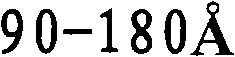
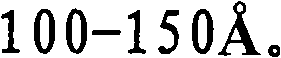

第一催化剂的表面积优选为至少200m2/g,更优选为至少240m2/g。The surface area of the first catalyst is preferably at least 200 m 2 /g, more preferably at least 240 m 2 /g.
第二催化剂包含加氢金属和载体,其中所述加氢金属由第6族金属组成和所述载体包括二氧化硅-氧化铝。The second catalyst comprises a hydrogenation metal and a support, wherein the hydrogenation metal consists of a Group 6 metal and the support comprises silica-alumina.
二氧化硅-氧化铝优选为无定形的或基本上无定形的。载体可以包括γ-氧化铝、θ-氧化铝或δ-氧化铝或它们的组合。氧化铝优选包括至少90wt%、更优选至少95wt%的γ-氧化铝。优选地,载体包含0.0001-0.20克、0.001-0.11克或0.01-0.05克的二氧化硅;和0.80-0.9999克、0.90-0.999克或0.95-0.99克的氧化铝。最优选地,载体包含每克载体0.01-0.2克的二氧化硅和0.80-0.99克的氧化铝。二氧化硅与氧化铝的比优选为1∶1000-1∶3,更优选为1∶200-1∶4。The silica-alumina is preferably amorphous or substantially amorphous. The support may include gamma-alumina, theta-alumina, or delta-alumina or combinations thereof. The alumina preferably comprises at least 90 wt%, more preferably at least 95 wt% gamma-alumina. Preferably, the support comprises 0.0001-0.20 grams, 0.001-0.11 grams or 0.01-0.05 grams of silica; and 0.80-0.9999 grams, 0.90-0.999 grams or 0.95-0.99 grams of alumina. Most preferably, the support comprises 0.01-0.2 grams of silica and 0.80-0.99 grams of alumina per gram of support. The ratio of silica to alumina is preferably from 1:1000 to 1:3, more preferably from 1:200 to 1:4.
在一些实施方案中,第二催化剂的载体包括与限定量的其它难熔氧化物、多孔碳基材料、沸石或者它们的组合组合的二氧化硅和氧化铝。难熔氧化物可以包括但不限于氧化铝、二氧化硅、二氧化硅-氧化铝、氧化钛、氧化锆、氧化镁或它们的混合物。In some embodiments, the support for the second catalyst includes silica and alumina in combination with defined amounts of other refractory oxides, porous carbon-based materials, zeolites, or combinations thereof. Refractory oxides may include, but are not limited to, alumina, silica, silica-alumina, titania, zirconia, magnesia, or mixtures thereof.
第二催化剂的表面积优选为至少300m2/g,更优选为至少340m2/g。The surface area of the second catalyst is preferably at least 300 m 2 /g, more preferably at least 340 m 2 /g.
第二催化剂优选通过如果过程获得:共研磨一种或多种元素周期表的第6族金属和/或一种或多种元素周期表的第6族金属的一种或多种化合物与载体以提供金属/载体组合物,其中所述载体包含每克载体0.01-0.2克的二氧化硅和0.8-0.99克的氧化铝;和在315-760℃的温度下煅烧所述金属/载体组合物以提供煅烧后的催化剂。The second catalyst is preferably obtained by the process of co-milling one or more metals of group 6 of the periodic table and/or one or more compounds of one or more metals of group 6 of the periodic table with a support and providing a metal/support composition, wherein the support comprises 0.01-0.2 grams of silica and 0.8-0.99 grams of alumina per gram of support; and calcining the metal/support composition at a temperature of 315-760°C to A calcined catalyst is provided.
第二催化剂的孔径分布的中值孔径优选为至多更优选为至多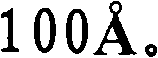
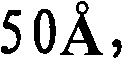
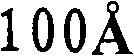
第二催化剂优选为单峰的。The second catalyst is preferably unimodal.
第一催化剂和第二催化剂各自包含至少一种由第6族金属组成的加氢金属。第6族金属可以为元素形式或者为金属化合物形式。The first catalyst and the second catalyst each contain at least one hydrogenation metal consisting of a Group 6 metal. The Group 6 metal can be in elemental form or in the form of a metal compound.
第一催化剂和/或第二催化剂可以包含一种第6族金属或两种或更多种第6族金属的组合。第6族金属的例子包括铬、钼和钨。第一催化剂和/或第二催化剂优选仅包含一种第6族金属。第6族金属优选为钼。The first catalyst and/or the second catalyst may comprise one Group 6 metal or a combination of two or more Group 6 metals. Examples of Group 6 metals include chromium, molybdenum and tungsten. The first catalyst and/or the second catalyst preferably comprise only one Group 6 metal. The Group 6 metal is preferably molybdenum.
以催化剂的总重量为基准,第一催化剂包含优选至少0.01wt%、更优选至少0.1wt%、仍然更优选至少0.5wt%和最优选至少1wt%的第6族金属。优选地,以催化剂的总重量为基准,第一催化剂包含至多15wt%、更优选至多10wt%和仍然更优选至多6wt%和最优选至多4wt%的第6族金属。The first catalyst comprises preferably at least 0.01 wt%, more preferably at least 0.1 wt%, still more preferably at least 0.5 wt% and most preferably at least 1 wt% of the Group 6 metal, based on the total weight of the catalyst. Preferably, the first catalyst comprises at most 15 wt%, more preferably at most 10 wt% and still more preferably at most 6 wt% and most preferably at most 4 wt% of the Group 6 metal, based on the total weight of the catalyst.
以催化剂的总重量为基准,第二催化剂包含优选至少0.1wt%、更优选至少1wt%、仍然更优选至少2wt%和最优选至少5wt%的第6族金属。优选地,以催化剂的总重量为基准,第二催化剂包含至多15wt%和更优选至多10wt%的第6族金属。The second catalyst comprises preferably at least 0.1 wt%, more preferably at least 1 wt%, still more preferably at least 2 wt% and most preferably at least 5 wt% of the Group 6 metal, based on the total weight of the catalyst. Preferably, the second catalyst comprises at most 15% by weight and more preferably at most 10% by weight of a Group 6 metal, based on the total weight of the catalyst.
除了第6族金属外,第一催化剂和/或第二催化剂可能含有一种或多种附加的金属,例如元素周期表第5族和/或第7-10族的金属。金属可以为元素形式或者金属的化合物形式。这种附加金属的例子包括镍和钴。但是优选的是,第一催化剂和/或第二催化剂基本上不含除第6族金属以外的加氢金属。不希望被任何一种理论所限定,据认为当没有除第6族金属以外的任何加氢金属存在时,可进一步延长运行时间,而不必大幅提升重均床层温度。因此优选的是第一催化剂和/或第二催化剂不含或基本上不含元素周期表的第9族或第10族金属。这种第9或第10族金属的例子包括镍或钴。In addition to the Group 6 metal, the first catalyst and/or the second catalyst may contain one or more additional metals, for example metals from Group 5 and/or Groups 7-10 of the Periodic Table of the Elements. Metals may be in elemental form or in compound form of metals. Examples of such additional metals include nickel and cobalt. Preferably, however, the first catalyst and/or the second catalyst are substantially free of hydrogenation metals other than Group 6 metals. Without wishing to be bound by any one theory, it is believed that when no hydrogenation metals other than Group 6 metals are present, the run time can be further extended without having to significantly increase the weight average bed temperature. It is therefore preferred that the first catalyst and/or the second catalyst are free or substantially free of metals of Group 9 or 10 of the Periodic Table of the Elements. Examples of such Group 9 or 10 metals include nickel or cobalt.
第一催化剂和/或第二催化剂除了第6族金属外也可以包含第15族元素。但第一催化剂和/或第二催化剂优选不含任何第15族元素。The first catalyst and/or the second catalyst may also contain Group 15 elements in addition to Group 6 metals. However, the first catalyst and/or the second catalyst preferably do not contain any Group 15 elements.
如果存在,第三催化剂优选包含第一加氢金属、第二加氢金属和载体,其中第一加氢金属为第6族金属,第二加氢金属为第9族金属或第10族金属。If present, the third catalyst preferably comprises a first hydrogenation metal, a second hydrogenation metal, and a support, wherein the first hydrogenation metal is a Group 6 metal and the second hydrogenation metal is a Group 9 metal or a Group 10 metal.
第三催化剂的载体可以包括例如难熔氧化物、多孔碳基材料、沸石或它们的组合。难熔氧化物可以包括但不限于氧化铝、二氧化硅、二氧化硅-氧化铝、氧化钛、氧化锆、氧化镁或它们的混合物。The support for the third catalyst may include, for example, refractory oxides, porous carbon-based materials, zeolites, or combinations thereof. Refractory oxides may include, but are not limited to, alumina, silica, silica-alumina, titania, zirconia, magnesia, or mixtures thereof.
第三催化剂的载体优选包括二氧化硅和氧化铝。第三催化剂中的二氧化硅-氧化铝优选为无定形的或基本上无定形的。载体可以包括γ-氧化铝、θ-氧化铝或δ-氧化铝或它们的组合。氧化铝优选包含至少90wt%、更优选至少95wt%的γ-氧化铝。载体优选包含0.0001-0.20克、0.001-0.11克或0.01-0.05克二氧化硅;和0.80-0.9999克、0.90-0.999克或0.95-0.99克氧化铝。最优选地,载体包含每克载体0.01-0.2克二氧化硅和0.80-0.99克氧化铝。二氧化硅与氧化铝的比优选在范围1∶1000-1∶3内,更优选在范围1∶200-1∶4内。The support of the third catalyst preferably includes silica and alumina. The silica-alumina in the third catalyst is preferably amorphous or substantially amorphous. The support may include gamma-alumina, theta-alumina, or delta-alumina or combinations thereof. The alumina preferably comprises at least 90 wt%, more preferably at least 95 wt% gamma-alumina. The support preferably comprises 0.0001-0.20 grams, 0.001-0.11 grams or 0.01-0.05 grams of silica; and 0.80-0.9999 grams, 0.90-0.999 grams or 0.95-0.99 grams of alumina. Most preferably, the support comprises 0.01-0.2 grams of silica and 0.80-0.99 grams of alumina per gram of support. The ratio of silica to alumina is preferably in the range 1:1000-1:3, more preferably in the range 1:200-1:4.
第三催化剂中的第6族金属可以为钼、钨或铬。以催化剂的总重量为基准,第三催化剂优选包含至少0.1wt%、更优选至少1wt%、仍然更优选至少2wt%和最优选至少5wt%的第6族金属。优选地,以催化剂的总重量为基准,第三催化剂包含至多30wt%、更优选至多15wt%和仍然更优选至多10wt%的第6族金属。The Group 6 metal in the third catalyst may be molybdenum, tungsten or chromium. The third catalyst preferably comprises at least 0.1 wt%, more preferably at least 1 wt%, still more preferably at least 2 wt% and most preferably at least 5 wt% of the Group 6 metal, based on the total weight of the catalyst. Preferably, the third catalyst comprises at most 30 wt%, more preferably at most 15 wt% and still more preferably at most 10 wt% of a Group 6 metal, based on the total weight of the catalyst.
第9族金属或第10族金属优选为钴或镍。以催化剂的总重量为基准,第三催化剂优选包含至少0.01wt%、更优选为至少0.1wt%、仍然更优选为至少0.5wt%和最优选至少1wt%的第9族或第10族金属。The Group 9 metal or Group 10 metal is preferably cobalt or nickel. The third catalyst preferably comprises at least 0.01 wt%, more preferably at least 0.1 wt%, still more preferably at least 0.5 wt% and most preferably at least 1 wt% of a Group 9 or Group 10 metal, based on the total weight of the catalyst.
以催化剂的总重量为基准,第三催化剂优选包含至多15wt%、更优选为至多10wt%、仍然更优选为至多6wt%和最优选至多4wt%的第9族或第10族金属。The third catalyst preferably comprises at most 15 wt%, more preferably at most 10 wt%, still more preferably at most 6 wt% and most preferably at most 4 wt% of a Group 9 or 10 metal, based on the total weight of the catalyst.
第三催化剂的孔径分布的中值孔径优选为至多


如在实施例中所描述,第三催化剂的存在对含有原油原料以及原油产品这两者的反应混合物的P-值有有利影响。As described in the examples, the presence of the third catalyst has a favorable effect on the P-value of the reaction mixture containing both the crude feedstock and the crude product.
优选地,通过共研磨所需成分为研磨后混合物来制备第一催化剂、第二催化剂和/或第三催化剂。研磨后混合物可以被挤出为挤出物颗粒,随后可以干燥和/或煅烧所述挤出物颗粒。Preferably, the first catalyst, the second catalyst and/or the third catalyst are prepared by co-milling the desired ingredients into a milled mixture. The ground mixture can be extruded into extrudate particles, which can then be dried and/or calcined.
第三催化剂优选为包含第一加氢金属、第二加氢金属和载体的催化剂,其中所述第一加氢金属为第6族金属,所述第二加氢金属为第9族金属或第10族金属,和所述载体包括二氧化硅和氧化铝,其中所述催化剂通过在至少650℃的温度下煅烧载体、第6族金属氧化物和第9族或第10族金属溶液的共研磨混合物获得。The third catalyst is preferably a catalyst comprising a first hydrogenation metal, a second hydrogenation metal, and a support, wherein the first hydrogenation metal is a Group 6 metal, and the second hydrogenation metal is a Group 9 metal or a Group 9 metal. a Group 10 metal, and the support comprises silica and alumina, wherein the catalyst is obtained by co-milling the support, the Group 6 metal oxide and the Group 9 or 10 metal solution by calcining at a temperature of at least 650°C The mixture is obtained.
在本发明的催化剂体系中,催化剂中加氢金属的含量优选从上游催化剂至下游催化剂增加。In the catalyst system of the present invention, the content of hydrogenation metal in the catalyst preferably increases from the upstream catalyst to the downstream catalyst.
原油原料在这里也被称为原油,被理解为一种产自和/或干馏自含烃地层的烃原料,和其还没有在处理设施中经过精馏和/或蒸馏(例如常压精馏单元或真空蒸馏单元)产生多个具有特定沸程分布的组分。也就是说,还没有通过方法如常压精馏和/或真空精馏方法由原油分馏出多个组分。Crude feedstock, also referred to herein as crude oil, is understood to be a hydrocarbon feedstock produced and/or retorted from a hydrocarbon-bearing formation, and which has not been rectified and/or distilled in a processing facility (e.g., atmospheric rectification unit or vacuum distillation unit) to produce multiple components with a specific boiling range distribution. That is, crude oil has not been fractionated into components by processes such as atmospheric rectification and/or vacuum rectification.
在本发明的方法中应用的原油原料可以为本领域中已知的任何原油原料。所述原油原料可以为固体、半固体和/或液体。原油原料的例子包括煤、沥青、焦油砂和原油。在应用于本发明的方法之前,可以对原油原料进行预处理。例如可以预处理原油原料以脱除不凝气、水、盐或它们的组合。原油原料也可以被拨顶,即可以进行预处理从而至少脱除一些在0.101MPa下沸点低于35℃(1atm,95℉)的组分。The crude feed employed in the process of the invention may be any crude feed known in the art. The crude feedstock may be solid, semi-solid and/or liquid. Examples of crude feedstocks include coal, bitumen, tar sands, and crude oil. The crude feedstock may be pretreated prior to application in the process of the present invention. For example, the crude feed may be pretreated to remove noncondensable gases, water, salts, or combinations thereof. The crude feed can also be topped, ie pretreated to remove at least some components boiling below 35°C (1 atm, 95°F) at 0.101 MPa.
如果为了方便运输在从含烃地层中生产出原油原料后已用稀释剂对其进行了直接稀释,则在本发明方法中应用所述原油原料之前,可以脱除所述稀释剂。If the crude feed has been diluted with a diluent directly after it has been produced from a hydrocarbon-bearing formation for ease of transportation, the diluent may be removed prior to use of the crude feed in the process of the invention.
原油原料的例子包括全原油、拨顶原油、脱盐原油或它们的组合。可以应用本发明方法处理的原油原料的例子包括来自世界如下区域的原油原料:美国海湾海岸和南加州、加拿大焦油砂、巴西桑托斯和坎普斯盆地、埃及苏伊士湾、乍得湖、英国北海、安哥拉近海、中国渤海湾、委内瑞拉苏利亚州、马来西亚和印度尼西亚苏门答腊。Examples of crude feedstocks include whole crudes, topped crudes, desalted crudes, or combinations thereof. Examples of crude feedstocks that can be treated using the method of the present invention include crude feedstocks from the following regions of the world: the Gulf Coast of the United States and Southern California, the Canadian tar sands, the Santos and Campos basins in Brazil, the Gulf of Suez in Egypt, Lake Chad, the British North Sea, Angola Offshore, Bohai Bay in China, Zulia State in Venezuela, Malaysia and Sumatra in Indonesia.
原油原料在37.8℃下的粘度优选为至少100cSt,更优选为至少1000cSt,仍然更优选为至少2000cSt和最优选为至少6000cSt。其在37.8℃下的粘度优选为至多1,000,000。The crude feed preferably has a viscosity at 37.8°C of at least 100 cSt, more preferably at least 1000 cSt, still more preferably at least 2000 cSt and most preferably at least 6000 cSt. Its viscosity at 37.8°C is preferably at most 1,000,000.
原油原料的API比重优选为至多19,更优选为至多15。其API比重优选为至少5。The API gravity of the crude feed is preferably at most 19, more preferably at most 15. Its API gravity is preferably at least 5.
原油原料的总Ni/V/Fe含量优选为至少0.002克,更优选为至少0.01wt%的Ni/V/Fe,以总原油原料计。The crude feed preferably has a total Ni/V/Fe content of at least 0.002 grams, more preferably at least 0.01 wt% Ni/V/Fe, based on the total crude feed.
原油原料的渣油含量优选为至少1wt%,更优选为至少20wt%,仍然更优选为至少30wt%,以总原油原料计。The crude feed preferably has a residue content of at least 1 wt%, more preferably at least 20 wt%, still more preferably at least 30 wt%, based on the total crude feed.
原油原料的硫含量优选为至少0.5wt%,更优选为至少1wt%和仍然更优选为至少2wt%,以总原油原料计。The sulfur content of the crude feed is preferably at least 0.5 wt%, more preferably at least 1 wt% and still more preferably at least 2 wt%, based on the total crude feed.
原油原料的氮含量优选为至少0.05wt%,更优选为至少0.1wt%和仍然更优选为至少0.2wt%,以总原油原料计。The nitrogen content of the crude feed is preferably at least 0.05 wt%, more preferably at least 0.1 wt% and still more preferably at least 0.2 wt%, based on the total crude feed.
原油原料的C5沥青质含量优选为至少4wt%,更优选为至少8wt%,以总原油原料计;和C7沥青质含量优选为至少2wt%,更优选为至少4wt%,以总原油原料计。The crude feed preferably has a C5 asphaltenes content of at least 4 wt%, more preferably at least 8 wt%, based on the total crude feed; and preferably a C7 asphaltenes content of at least 2 wt%, more preferably at least 4 wt%, based on the total crude feed count.
原油原料的微残碳(MCR)含量优选为至少0.2wt%,以总原油原料计。The crude feed preferably has a microcarbon residual (MCR) content of at least 0.2 wt%, based on the total crude feed.
图1示意性描述了本发明方法的实施方案。系统100包含一系列接触区102。原油原料通过原油原料管道104进入上游的系列接触区102。每一个接触区可以为反应器、反应器的一部分、反应器的多个部分或它们的组合。接触区的例子包括多层床反应器、固定床反应器、沸腾床反应器、连续搅拌釜反应器(″CSTR″)、流化床反应器、喷射反应器、和液/液接触器。催化剂体系的催化剂优选位于固定床层中。Figure 1 schematically depicts an embodiment of the process of the invention.
氢源可以经原油原料管道104与原油原料并流或单独通过气体管道106进入接触区102。在接触区102中,原油原料与催化剂的接触产生包括原油产品和在某些实施方案中包括气体的总产品。在一些实施方案中,使载气与原油原料和/或管道106内的氢源组合。包含原油产品的总产品可以通过管道108流出接触区102并送入其它处理区域、贮存容器或它们的组合。A source of hydrogen may enter contacting
本发明的方法可以按连续方法或间歇方法实施。The process of the invention can be carried out as a continuous process or as a batch process.
在本发明的方法中,在氢源存在下使原油原料与上文所述的催化剂体系接触。本发明方法可以产生例如在实施例中举例说明的原油产品。In the process of the present invention, a crude feed is contacted with the catalyst system described above in the presence of a source of hydrogen. The methods of the invention can produce crude products such as those exemplified in the Examples.
氢源可以为在原油原料与催化剂接触过程中提供氢的任何来源。氢源优选为氢气。The source of hydrogen can be any source that provides hydrogen during contacting of the crude feed with the catalyst. The hydrogen source is preferably hydrogen gas.
接触优选在温度为至少200℃的温度下实施,更优选在350-450℃的温度下实施。Contacting is preferably carried out at a temperature of at least 200°C, more preferably at a temperature of 350-450°C.
接触优选在氢分压至少为3MPa、更优选为至少5MPa和仍然更优选为至少6MPA下实施。接触优选在氢分压低于20MPa、更优选为低于15MPa下实施。Contacting is preferably carried out at a hydrogen partial pressure of at least 3 MPa, more preferably at least 5 MPa and still more preferably at least 6 MPa. The contacting is preferably carried out at a hydrogen partial pressure of less than 20 MPa, more preferably less than 15 MPa.
接触优选在原油原料的LHSV为0.01-30h-1、更优选为0.1-25h-1、仍然更优选为0.2-20h-1和最优选为0.4-5h-1下实施。Contacting is preferably carried out at an LHSV of the crude feed of 0.01-30 h −1 , more preferably 0.1-25 h −1 , still more preferably 0.2-20 h −1 and most preferably 0.4-5 h −1 .
优选地,在方法的运行时间内,重均床层温度每1000小时升高低于5℃,优选为低于4℃。Preferably, the weight average bed temperature rises less than 5°C, preferably less than 4°C, per 1000 hours during the run time of the process.
在接触的过程中原油原料和原油产品(所产生的)混合物的P-值优选保持高于1。The P-value of the mixture of crude feed and crude product (produced) is preferably kept above 1 during the contacting process.
实施例Example
实施例1 催化剂AExample 1 Catalyst A
以如下方式制备对比催化剂。将MoO3(94.44克)与大孔氧化铝(2742.95克)混合,并在Lancaster研磨器中粉碎并筛分粒径为5-10微米的煅烧氧化铝细粉(1050.91克)。在研磨器运行期间,向混合物加入硝酸(43.04克、69.7M)和去离子水(4207.62克),和将所得的混合物研磨5分钟。在研磨器中向混合物中加入Superfloc

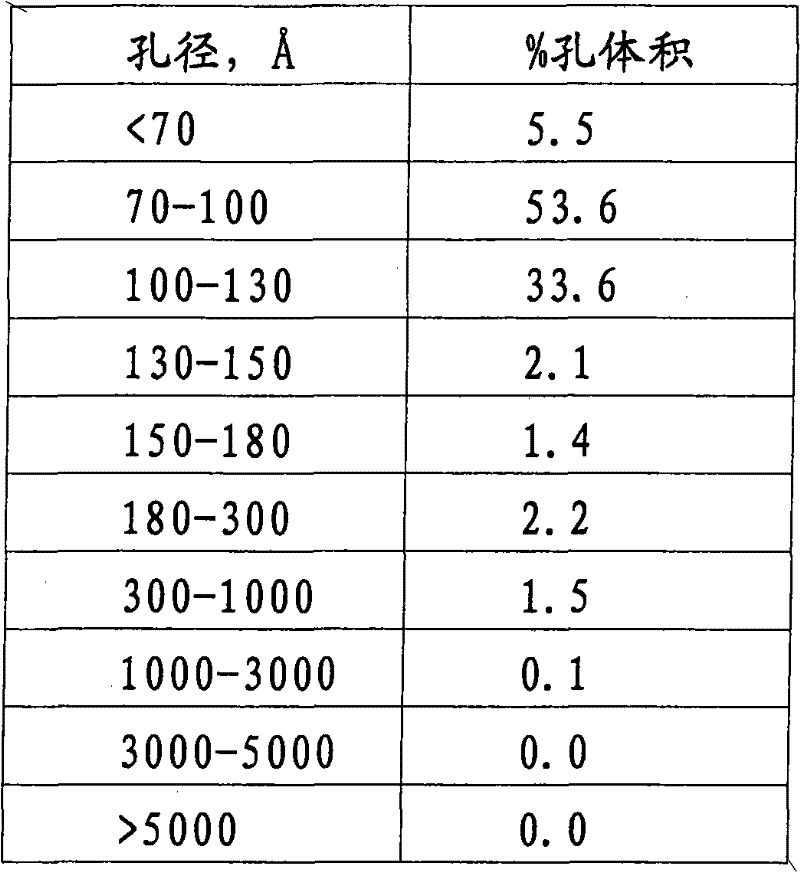
在接触角等于140°下应用压汞法测量的孔径分布示于下表1中。The pore size distribution measured by mercury intrusion porosimetry at a contact angle equal to 140° is shown in Table 1 below.
表1Table 1
实施例2 催化剂B1的制备The preparation of embodiment 2 catalyst B1
在Lancaster研磨器中将载体(4103.4克,每克载体含有0.02克二氧化硅和0.98克氧化铝)与三氧化钼(409克)混合,从而形成Mo/载体混合物。在研磨器运行期间,向Mo/载体混合物中加入去离子水(2906.33克),和研磨混合物,直到得到58%的烧失量。在共研磨的过程中,每隔20-30分钟,监测粉末的压实状况,和向混合物中加入1wt%(基于在700℃下测量1小时的烧失量)的去离子水,直到达到所述烧失量。压实的Mo/载体粉末的pH为4.63。The support (4103.4 grams, containing 0.02 grams of silica and 0.98 grams of alumina per gram of support) was mixed with molybdenum trioxide (409 grams) in a Lancaster mill to form a Mo/support mixture. During the mill run, deionized water (2906.33 grams) was added to the Mo/support mixture, and the mixture was ground until a loss on ignition of 58% was obtained. During co-grinding, the compaction of the powder was monitored every 20-30 minutes, and 1 wt% (based on loss on ignition measured at 700° C. for 1 hour) of deionized water was added to the mixture until the desired The loss on ignition is stated. The pH of the compacted Mo/carrier powder was 4.63.
应用1.3mm的三叶模具将压实的Mo/载体粉末挤出,形成1.3三叶挤出物颗粒。在125℃下将挤出物颗粒干燥,然后在537℃(1000℉)下煅烧两小时以形成催化剂。催化剂的堆密度为0.547g/mL。所得催化剂含有每克催化剂0.08克的钼,余量为载体。钼催化剂为单峰催化剂,其中值孔径为

表2Table 2
实施例3 催化剂B2的制备The preparation of embodiment 3 catalyst B2
在Lancaster研磨器中将载体(3000克,每克载体含有0.02克二氧化硅和0.98克氧化铝)与三氧化钼(797.84克)混合,从而形成Mo/载体混合物。在研磨器运行期间,向Mo/载体混合物中加入去离子水(4092.76克),和研磨混合物,直到得到每克混合物的烧失量为0.5787克(大约45分钟)。Mo/载体混合物的pH为3.83。The support (3000 grams, containing 0.02 grams of silica and 0.98 grams of alumina per gram of support) was mixed with molybdenum trioxide (797.84 grams) in a Lancaster mill to form a Mo/support mixture. During mill operation, deionized water (4092.76 grams) was added to the Mo/support mixture, and the mixture was ground until a loss on ignition of 0.5787 grams per gram of mixture was obtained (approximately 45 minutes). The pH of the Mo/support mixture was 3.83.
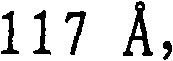
应用1.3mm的三叶模具将Mo/载体混合物挤出,形成1.3三叶挤出物颗粒。在125℃下将颗粒干燥,然后在537℃(1000℉)下煅烧两小时。挤出物的压实堆密度为0.545g/mL。所得催化剂含有每克催化剂0.133克钼,余量为载体。钼催化剂为单峰催化剂,其中值孔径为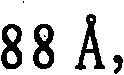

表3table 3
实施例4 催化剂C的制备The preparation of embodiment 4 catalyst C
以如下方式制备催化剂。通过混合377.7克Ni(NO3)和137.7克去离子水形成浆液而制备镍溶液。加热浆液直到其澄清,并加入足够的去离子水,使混合后的镍溶液重量达到3807克。在研磨器中将载体(3208.56克,含2wt%二氧化硅和98wt%氧化铝,基于载体的重量百分比计)与镍溶液和MoO3(417.57克)混合。在研磨的过程中,向混合物中加入4191.71克去离子水,并将混合物研磨45分钟。所得混合物的pH值为4.75和LOI为混合物的59.4wt%。The catalyst was prepared as follows. A nickel solution was prepared by mixing 377.7 grams of Ni( NO3 ) and 137.7 grams of deionized water to form a slurry. The slurry was heated until it was clear and enough deionized water was added to bring the mixed nickel solution to a weight of 3807 grams. The support (3208.56 grams, containing 2 wt% silica and 98 wt% alumina, based on the weight percent of the support) was mixed with the nickel solution and MoO3 (417.57 grams) in a grinder. During milling, 4191.71 grams of deionized water was added to the mixture, and the mixture was milled for 45 minutes. The pH of the resulting mixture was 4.75 and the LOI was 59.4 wt% of the mixture.
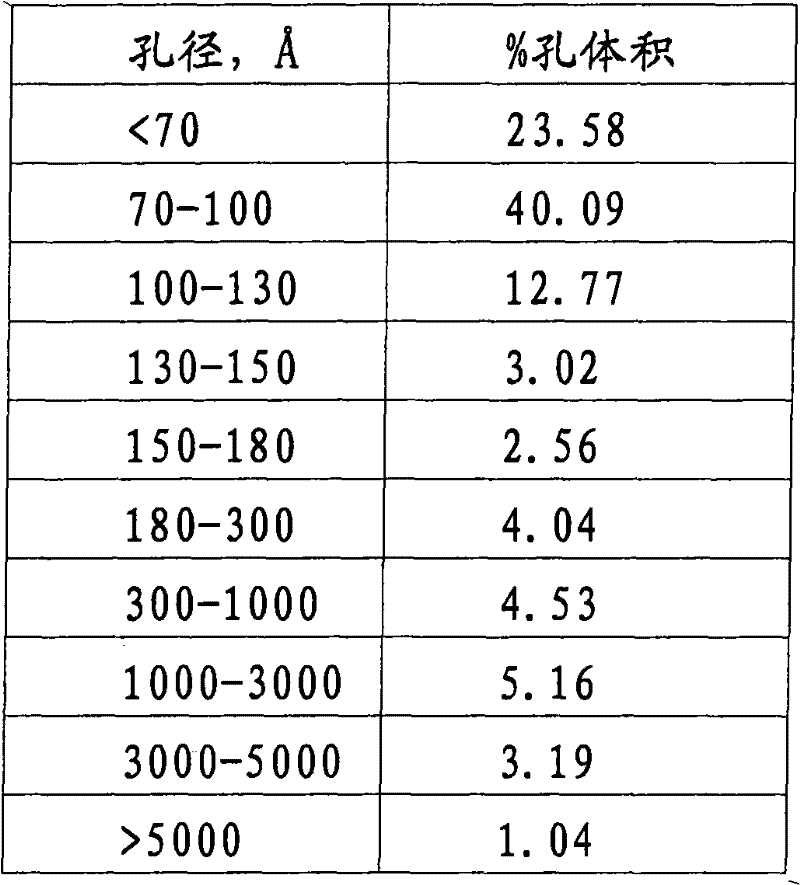
应用1.3mm的三叶模具将研磨后的混合物挤出,形成1.3三叶挤出物颗粒。在100℃下将挤出物颗粒干燥几个小时,和然后在676℃(1250℉)下煅烧两小时。所得催化剂含有每克催化剂0.079克的Mo和0.022克的Ni,余量为载体。钼/镍催化剂的中孔直到为孔体积为0.695mL/g。在接触角等于140°下应用压汞法测量的孔径分布示于下表4中。The milled mixture was extruded using a 1.3 mm trilobe die to form 1.3 trilobe extrudate pellets. The extrudate pellets were dried at 100°C for several hours, and then calcined at 676°C (1250°F) for two hours. The resulting catalyst contained 0.079 grams of Mo and 0.022 grams of Ni per gram of catalyst, with the balance being support. The mesopores of molybdenum/nickel catalysts until The pore volume was 0.695 mL/g. The pore size distribution measured by mercury intrusion porosimetry at a contact angle equal to 140° is shown in Table 4 below.
表4Table 4
实施例5 原油原料与催化剂A和B1接触,其中催化剂A与催化剂B1体积比为2∶8Example 5 Crude raw material is contacted with catalysts A and B1, wherein the volume ratio of catalyst A to catalyst B1 is 2:8
带有中心放置的热电偶套管的管式反应器配备有热电偶以测量贯穿催化剂床层的温度。通过用催化剂和碳化硅(20目,Stanford材料;Aliso Viejo,CA)填充热电偶套管与反应器内壁之间的空间而形成催化剂床层。据认为这种碳化硅在本文所述过程条件下具有低的催化性能(如果有的话)。在将混合物放入反应器的接触区部分之前,使所有催化剂与等体积量的碳化硅共混。A tubular reactor with a centrally placed thermowell was equipped with thermocouples to measure the temperature throughout the catalyst bed. The catalyst bed was formed by filling the space between the thermowell and the inner wall of the reactor with catalyst and silicon carbide (20 mesh, Stanford materials; Aliso Viejo, CA). Such silicon carbide is believed to have low, if any, catalytic performance under the process conditions described herein. All catalysts were blended with an equal volume of silicon carbide prior to placing the mixture into the contact zone portion of the reactor.
将一定体积的实施例2描述的催化剂B1(24cm3)与碳化硅(24cm3)混合,并将混合物放入底部接触区。A volume of catalyst B1 (24 cm 3 ) described in Example 2 was mixed with silicon carbide (24 cm 3 ), and the mixture was placed in the bottom contact zone.
将一定体积的实施例1描述的催化剂A(6cm3)与碳化硅(6cm3)混合,并将混合物放入接触区的顶部,以形成顶部接触区。因此催化剂A与催化剂B1的体积比为2∶8。A volume of Catalyst A (6 cm 3 ) described in Example 1 was mixed with silicon carbide (6 cm 3 ) and the mixture was placed on top of the contact zone to form the top contact zone. Therefore the volume ratio of catalyst A to catalyst B1 is 2:8.
进入反应器的原油原料流从反应器的顶部到反应器的底部。在反应器底部放置碳化硅用作底部支撑。The crude feed stream into the reactor is from the top of the reactor to the bottom of the reactor. Silicon carbide was placed at the bottom of the reactor as a bottom support.
通过向接触区以单位体积(mL)总催化剂(碳化硅没有算作催化剂体积的一部分)1.5升气体混合物/小时的速率引入5vol%硫化氢和95vol%氢气的气体混合物,而使催化剂硫化。在1小时后接触区的温度升高至204℃(400℉),和在204℃下保持2小时。在204℃下保持后,以每小时10℃(50℉)的速率,将接触区的温度逐渐提高至316℃(600℉)。接触区在316℃下保持1小时,然后在1小时内温度升高至370℃(700℉),和在370℃下保持两小时。然后使接触区冷却至环境温度。The catalyst was sulfided by introducing a gas mixture of 5 vol% hydrogen sulfide and 95 vol% hydrogen into the contact zone at a rate of 1.5 liters of gas mixture per hour per volume (mL) of total catalyst (silicon carbide was not counted as part of the catalyst volume). The temperature in the contact zone was raised to 204°C (400°F) after 1 hour and held at 204°C for 2 hours. After holding at 204°C, the temperature of the contact zone was gradually increased to 316°C (600°F) at a rate of 10°C (50°F) per hour. The contact zone was held at 316°C for 1 hour, then the temperature was raised to 370°C (700°F) over 1 hour, and held at 370°C for two hours. The contact zone is then allowed to cool to ambient temperature.
催化剂硫化后,将接触区的温度升高至410℃的温度。使具有表4中所列特性的原油原料(Peace River)流过反应器的顶部接触区和底部接触区。在氢气存在下使原油原料与每一种催化剂接触。接触条件如下:氢气与原料的比为318Nm3/m3(2000SCFB),和LHSV为约0.5h-1,和原油原料流过反应器时系统压力为6.55MPa(950psig)。After catalyst sulfidation, the temperature of the contact zone was raised to a temperature of 410°C. A crude feedstock (Peace River) having the characteristics listed in Table 4 was passed through the top and bottom contacting zones of the reactor. The crude feed was contacted with each catalyst in the presence of hydrogen. The contacting conditions were as follows: a hydrogen to feed ratio of 318 Nm 3 /m 3 (2000 SCFB), and a LHSV of about 0.5 h −1 , and a system pressure of 6.55 MPa (950 psig) while the crude feed was flowing through the reactor.
运行时间、粘度、API、P-值、重均床层温度(WABT)和运行期间的WABT增量示于下表5中。Run time, viscosity, API, P-value, weight average bed temperature (WABT) and WABT gain during run are shown in Table 5 below.
实施例6 原油原料与催化剂A、B1和C接触,其中催化剂A、催化剂B1和催化剂C的体积比为2∶6∶2Example 6 Crude raw material is contacted with catalysts A, B1 and C, wherein the volume ratio of catalyst A, catalyst B1 and catalyst C is 2:6:2
重复实施例5,除了所应用的催化剂外,设备、硫化过程、原油原料和操作条件均与实施例5的相同。替代实施例5中所应用的催化剂,应用催化剂A、B1和C的组合,其中催化剂A、催化剂B1和催化剂C的体积比为2∶6∶2。Repeat Example 5, except that the catalyst used, equipment, sulfidation process, crude oil feedstock and operating conditions are all the same as in Example 5. Instead of the catalyst used in Example 5, a combination of catalysts A, B1 and C was used, wherein the volume ratio of catalyst A, catalyst B1 and catalyst C was 2:6:2.
将一定体积的实施例4中描述的催化剂C(6cm3)与碳化硅(6cm3)混合,和将混合物置于底部接触区。A volume of Catalyst C (6 cm 3 ) described in Example 4 was mixed with silicon carbide (6 cm 3 ), and the mixture was placed in the bottom contact zone.
将一定体积的实施例2中描述的催化剂B1(18cm3)与碳化硅(18cm3)混合,和将混合物置于中间接触区。A volume of catalyst B1 (18 cm 3 ) described in Example 2 was mixed with silicon carbide (18 cm 3 ), and the mixture was placed in the intermediate contact zone.
将一定体积的实施例1中描述的催化剂A(6cm3)与碳化硅(6cm3)混合,和将混合物置于顶部接触区。A volume of Catalyst A (6 cm 3 ) described in Example 1 was mixed with silicon carbide (6 cm 3 ), and the mixture was placed in the top contact zone.
运行时间、粘度、API、P-值、重均床层温度(WABT)和运行期间的WABT增量示于下表5中。Run time, viscosity, API, P-value, weight average bed temperature (WABT) and WABT gain during run are shown in Table 5 below.
实施例7 原油原料与催化剂A、B1和C接触,其中催化剂A、催化剂B1和催化剂C的体积比为4∶4∶2Example 7 Crude raw material is contacted with catalysts A, B1 and C, wherein the volume ratio of catalyst A, catalyst B1 and catalyst C is 4:4:2
重复实施例5,除了所应用的催化剂外,设备、硫化过程、原油原料和操作条件均与实施例5的相同。替代实施例5中所应用的催化剂,应用催化剂A、B1和C的组合,其中催化剂A、催化剂B1和催化剂C的体积比为4∶4∶2。Repeat Example 5, except that the catalyst used, equipment, sulfidation process, crude oil feedstock and operating conditions are all the same as in Example 5. Instead of the catalyst used in Example 5, a combination of catalysts A, B1 and C was used, wherein the volume ratio of catalyst A, catalyst B1 and catalyst C was 4:4:2.
将一定体积的实施例4中描述的催化剂C(6cm3)与碳化硅(6cm3)混合,和将混合物置于底部接触区。A volume of Catalyst C (6 cm 3 ) described in Example 4 was mixed with silicon carbide (6 cm 3 ), and the mixture was placed in the bottom contact zone.
将一定体积的实施例2中描述的催化剂B1(12cm3)与碳化硅(12cm3)混合,和将混合物置于中间接触区。A volume of catalyst B1 (12 cm 3 ) described in Example 2 was mixed with silicon carbide (12 cm 3 ), and the mixture was placed in the intermediate contact zone.
将一定体积的实施例1中描述的催化剂A(12cm3)与碳化硅(12cm3)混合,和将混合物置于顶部接触区。A volume of Catalyst A (12 cm 3 ) described in Example 1 was mixed with silicon carbide (12 cm 3 ), and the mixture was placed in the top contact zone.
运行时间、粘度、API、P-值、重均床层温度(WABT)和运行期间的WABT增量示于下表5中。Run time, viscosity, API, P-value, weight average bed temperature (WABT) and WABT gain during run are shown in Table 5 below.
在常规方法中,预期的是在加氢处理过程中P-值降低。令人惊奇地发现在实施例5、6和7的运行过程中,P-值保持稳定。与不含任何催化剂C的实施例5相比,含有催化剂C的实施例6和7进一步例证了催化剂C的存在对反应混合物的P-值和稳定性有进一步的正面作用。In conventional methods, it is expected that the P-value decreases during hydrotreating. It was surprisingly found that the P-values remained stable during the runs of Examples 5, 6 and 7. Examples 6 and 7 containing Catalyst C further demonstrate that the presence of Catalyst C has a further positive effect on the P-value and stability of the reaction mixture compared to Example 5 which does not contain any Catalyst C.
表5table 5

Claims (15)
Applications Claiming Priority (3)
| Application Number | Priority Date | Filing Date | Title |
|---|---|---|---|
| US4394108P | 2008-04-10 | 2008-04-10 | |
| US61/043,941 | 2008-04-10 | ||
| PCT/US2009/040248 WO2009126909A1 (en) | 2008-04-10 | 2009-04-10 | Catalyst systems and methods for converting a crude feed with such catalyst systems |
Publications (1)
| Publication Number | Publication Date |
|---|---|
| CN102046286A true CN102046286A (en) | 2011-05-04 |
Family
ID=41136837
Family Applications (1)
| Application Number | Title | Priority Date | Filing Date |
|---|---|---|---|
| CN2009801191624A Pending CN102046286A (en) | 2008-04-10 | 2009-04-10 | Catalyst systems and methods for converting a crude feed with such catalyst systems |
Country Status (9)
| Country | Link |
|---|---|
| US (3) | US8178468B2 (en) |
| EP (2) | EP2321046A4 (en) |
| JP (2) | JP5684107B2 (en) |
| KR (2) | KR20110018875A (en) |
| CN (1) | CN102046286A (en) |
| BR (2) | BRPI0911062B1 (en) |
| CA (4) | CA2721002C (en) |
| SG (1) | SG189767A1 (en) |
| WO (2) | WO2009126909A1 (en) |
Cited By (1)
| Publication number | Priority date | Publication date | Assignee | Title |
|---|---|---|---|---|
| CN104394982A (en) * | 2012-04-26 | 2015-03-04 | 国际壳牌研究有限公司 | A hydroprocessing catalyst and process for treating heavy hydrocarbon feedstocks |
Families Citing this family (26)
| Publication number | Priority date | Publication date | Assignee | Title |
|---|---|---|---|---|
| US9512151B2 (en) | 2007-05-03 | 2016-12-06 | Auterra, Inc. | Product containing monomer and polymers of titanyls and methods for making same |
| US9206359B2 (en) | 2008-03-26 | 2015-12-08 | Auterra, Inc. | Methods for upgrading of contaminated hydrocarbon streams |
| US8764973B2 (en) | 2008-03-26 | 2014-07-01 | Auterra, Inc. | Methods for upgrading of contaminated hydrocarbon streams |
| US9061273B2 (en) | 2008-03-26 | 2015-06-23 | Auterra, Inc. | Sulfoxidation catalysts and methods and systems of using same |
| US8298404B2 (en) | 2010-09-22 | 2012-10-30 | Auterra, Inc. | Reaction system and products therefrom |
| US8894843B2 (en) | 2008-03-26 | 2014-11-25 | Auterra, Inc. | Methods for upgrading of contaminated hydrocarbon streams |
| WO2009126909A1 (en) * | 2008-04-10 | 2009-10-15 | Shell Oil Company | Catalyst systems and methods for converting a crude feed with such catalyst systems |
| US8114806B2 (en) * | 2008-04-10 | 2012-02-14 | Shell Oil Company | Catalysts having selected pore size distributions, method of making such catalysts, methods of producing a crude product, products obtained from such methods, and uses of products obtained |
| SG182264A1 (en) * | 2010-01-21 | 2012-08-30 | Shell Int Research | Hydrocarbon composition |
| WO2011091206A2 (en) * | 2010-01-21 | 2011-07-28 | Shell Oil Company | Hydrocarbon composition |
| WO2011091203A2 (en) * | 2010-01-21 | 2011-07-28 | Shell Oil Company | Hydrocarbon composition |
| US9828557B2 (en) | 2010-09-22 | 2017-11-28 | Auterra, Inc. | Reaction system, methods and products therefrom |
| KR102041652B1 (en) * | 2011-12-22 | 2019-11-06 | 어드벤스드 리파이닝 테크놀로지즈 엘엘씨 | Silica containing alumina supports, catalysts made therefrom and processes using the same |
| KR101507686B1 (en) * | 2013-05-06 | 2015-03-31 | 주식회사 엘지화학 | Mesoporous complex oxide catalyst, method for preparing the catalyst, and method for preparing 1,3-butadiene using thereof |
| EP3092076B1 (en) * | 2014-01-08 | 2019-04-10 | Shell International Research Maatschappij B.V. | Process for converting a biomass-derived pyrolysis oil and method for preparing a catalyst |
| CN105983443B (en) * | 2015-01-27 | 2018-10-16 | 中国石油天然气股份有限公司 | A bimodal pore structure alumina carrier and its preparation method |
| WO2016154529A1 (en) | 2015-03-26 | 2016-09-29 | Auterra, Inc. | Adsorbents and methods of use |
| US10450516B2 (en) | 2016-03-08 | 2019-10-22 | Auterra, Inc. | Catalytic caustic desulfonylation |
| US20190233741A1 (en) | 2017-02-12 | 2019-08-01 | Magēmā Technology, LLC | Multi-Stage Process and Device for Reducing Environmental Contaminates in Heavy Marine Fuel Oil |
| US12025435B2 (en) | 2017-02-12 | 2024-07-02 | Magēmã Technology LLC | Multi-stage device and process for production of a low sulfur heavy marine fuel oil |
| US12071592B2 (en) | 2017-02-12 | 2024-08-27 | Magēmā Technology LLC | Multi-stage process and device utilizing structured catalyst beds and reactive distillation for the production of a low sulfur heavy marine fuel oil |
| US12281266B2 (en) | 2017-02-12 | 2025-04-22 | Magẽmã Technology LLC | Heavy marine fuel oil composition |
| US11788017B2 (en) | 2017-02-12 | 2023-10-17 | Magëmã Technology LLC | Multi-stage process and device for reducing environmental contaminants in heavy marine fuel oil |
| US10604709B2 (en) | 2017-02-12 | 2020-03-31 | Magēmā Technology LLC | Multi-stage device and process for production of a low sulfur heavy marine fuel oil from distressed heavy fuel oil materials |
| CN108776194B (en) * | 2018-04-03 | 2021-08-06 | 力合科技(湖南)股份有限公司 | Analysis device and gas analyzer |
| CN118660754A (en) * | 2022-02-18 | 2024-09-17 | 国际壳牌研究有限公司 | Isomerization and disproportionation catalyst compositions |
Family Cites Families (35)
| Publication number | Priority date | Publication date | Assignee | Title |
|---|---|---|---|---|
| US4212729A (en) * | 1978-07-26 | 1980-07-15 | Standard Oil Company (Indiana) | Process for demetallation and desulfurization of heavy hydrocarbons |
| US4257922A (en) * | 1979-03-13 | 1981-03-24 | Electric Power Research Institute, Inc. | Process for coal liquefaction and catalyst |
| US4225421A (en) * | 1979-03-13 | 1980-09-30 | Standard Oil Company (Indiana) | Process for hydrotreating heavy hydrocarbons |
| US4435278A (en) * | 1980-06-09 | 1984-03-06 | Chezon Research Co. | Hydroprocessing with a catalyst having bimodal pore distribution |
| US4414102A (en) * | 1981-05-15 | 1983-11-08 | Mobil Oil Corporation | Process for reducing nitrogen and/or oxygen heteroatom content of a mineral oil |
| US4431525A (en) * | 1982-04-26 | 1984-02-14 | Standard Oil Company (Indiana) | Three-catalyst process for the hydrotreating of heavy hydrocarbon streams |
| DD207464A3 (en) * | 1982-05-12 | 1984-02-29 | Petrolchemisches Kombinat | METHOD FOR THE HYDROCATALYTIC TREATMENT OF HIGH-END HYDROCARBON FRACTIONS |
| US4514279A (en) * | 1983-11-25 | 1985-04-30 | Standard Oil Company (Indiana) | Solid hydrocarbon liquefaction with a catalyst having chromium and molybdenum |
| US4520128A (en) * | 1983-12-19 | 1985-05-28 | Intevep, S.A. | Catalyst having high metal retention capacity and good stability for use in the demetallization of heavy crudes and method of preparation of same |
| US4900711A (en) * | 1988-03-23 | 1990-02-13 | Harshaw/Filtrol Partnership | Hydrotreating catalyst |
| GB8811817D0 (en) * | 1988-05-19 | 1988-06-22 | Shell Int Research | Process for preparation of catalyst particles & catalyst particles thus prepared |
| JP2936753B2 (en) * | 1991-02-12 | 1999-08-23 | 住友金属鉱山株式会社 | Method for producing hydrotreating catalyst |
| US5210061A (en) * | 1991-09-24 | 1993-05-11 | Union Oil Company Of California | Resid hydroprocessing catalyst |
| US5827421A (en) * | 1992-04-20 | 1998-10-27 | Texaco Inc | Hydroconversion process employing catalyst with specified pore size distribution and no added silica |
| JPH083570A (en) * | 1994-06-20 | 1996-01-09 | Idemitsu Kosan Co Ltd | Method for hydrorefining crude oil |
| JP3504984B2 (en) * | 1994-09-19 | 2004-03-08 | 日本ケッチェン株式会社 | Hydrodesulfurization demetallization catalyst for heavy hydrocarbon oil |
| JP4226154B2 (en) * | 1998-08-25 | 2009-02-18 | 出光興産株式会社 | Method for hydrotreating crude oil and reformed crude oil |
| JP2001104790A (en) * | 1999-10-07 | 2001-04-17 | Tonengeneral Sekiyu Kk | Hydrotreating catalyst and method for hydrotreating hydrocarbon oil using the same |
| JP4156859B2 (en) * | 2001-06-20 | 2008-09-24 | コスモ石油株式会社 | Gas oil hydrotreating catalyst, method for producing the same, and gas oil hydrotreating method |
| NL1027780C2 (en) * | 2003-12-19 | 2006-08-22 | Shell Int Research | Systems and methods for preparing a crude product. |
| US8070937B2 (en) * | 2003-12-19 | 2011-12-06 | Shell Oil Company | Systems, methods, and catalysts for producing a crude product |
| NL1027752C2 (en) * | 2003-12-19 | 2006-08-31 | Shell Int Research | Systems, methods and catalysts for producing a crude product. |
| US7745369B2 (en) * | 2003-12-19 | 2010-06-29 | Shell Oil Company | Method and catalyst for producing a crude product with minimal hydrogen uptake |
| JP4472556B2 (en) * | 2004-03-26 | 2010-06-02 | コスモ石油株式会社 | Hydrocarbon hydrotreating catalyst, process for producing the same, and hydrotreating process for hydrocarbon oil |
| US20060116542A1 (en) * | 2004-11-30 | 2006-06-01 | Shell Oil Company | Metathesis catalyst and process |
| BRPI0610670B1 (en) * | 2005-04-11 | 2016-01-19 | Shell Int Research | method for producing a crude product, catalyst for producing a crude product, and method for producing a catalyst |
| BRPI0609410A2 (en) * | 2005-04-11 | 2011-10-11 | Shell Int Research | method to produce a gross product |
| EP2029698A1 (en) * | 2006-06-22 | 2009-03-04 | Shell Internationale Research Maatschappij B.V. | Methods for producing a crude product from selected feed |
| RU2443472C2 (en) * | 2006-08-03 | 2012-02-27 | Шелл Интернэшнл Рисерч Маатсхаппий Б.В. | High-stability catalyst of heavy hydrocarbon wet desulfurisation and methods of its production |
| WO2008016971A2 (en) * | 2006-08-03 | 2008-02-07 | Shell Oil Company | A catalyst containing molybdenum and a group viii metal and its use for hydrodesulfrization hydrogen distillate |
| US7749374B2 (en) * | 2006-10-06 | 2010-07-06 | Shell Oil Company | Methods for producing a crude product |
| WO2009126909A1 (en) * | 2008-04-10 | 2009-10-15 | Shell Oil Company | Catalyst systems and methods for converting a crude feed with such catalyst systems |
| US8734634B2 (en) * | 2008-04-10 | 2014-05-27 | Shell Oil Company | Method for producing a crude product, method for preparing a diluted hydrocarbon composition, crude products, diluents and uses of such crude products and diluents |
| US8114806B2 (en) * | 2008-04-10 | 2012-02-14 | Shell Oil Company | Catalysts having selected pore size distributions, method of making such catalysts, methods of producing a crude product, products obtained from such methods, and uses of products obtained |
| US7897035B2 (en) * | 2008-09-18 | 2011-03-01 | Chevron U.S.A. Inc. | Systems and methods for producing a crude product |
-
2009
- 2009-04-10 WO PCT/US2009/040248 patent/WO2009126909A1/en not_active Ceased
- 2009-04-10 CN CN2009801191624A patent/CN102046286A/en active Pending
- 2009-04-10 CA CA2721002A patent/CA2721002C/en not_active Expired - Fee Related
- 2009-04-10 EP EP09730898.5A patent/EP2321046A4/en not_active Ceased
- 2009-04-10 KR KR1020107025274A patent/KR20110018875A/en not_active Ceased
- 2009-04-10 BR BRPI0911062-3A patent/BRPI0911062B1/en not_active IP Right Cessation
- 2009-04-10 JP JP2011504208A patent/JP5684107B2/en not_active Expired - Fee Related
- 2009-04-10 US US12/421,771 patent/US8178468B2/en not_active Expired - Fee Related
- 2009-06-10 KR KR1020107025276A patent/KR20120006430A/en not_active Ceased
- 2009-06-10 SG SG2013026604A patent/SG189767A1/en unknown
- 2009-06-10 BR BRPI0910919A patent/BRPI0910919A2/en not_active IP Right Cessation
- 2009-06-10 JP JP2011504246A patent/JP5611939B2/en not_active Expired - Fee Related
- 2009-06-10 EP EP09740029A patent/EP2282831A2/en not_active Withdrawn
- 2009-06-10 CA CA2909244A patent/CA2909244C/en not_active Expired - Fee Related
- 2009-06-10 CA CA2909243A patent/CA2909243C/en not_active Expired - Fee Related
- 2009-06-10 WO PCT/US2009/046927 patent/WO2009135227A2/en not_active Ceased
- 2009-06-10 CA CA2720701A patent/CA2720701C/en not_active Expired - Fee Related
-
2012
- 2012-03-22 US US13/426,850 patent/US8492599B2/en not_active Expired - Fee Related
- 2012-03-22 US US13/426,802 patent/US8372777B2/en not_active Expired - Fee Related
Cited By (1)
| Publication number | Priority date | Publication date | Assignee | Title |
|---|---|---|---|---|
| CN104394982A (en) * | 2012-04-26 | 2015-03-04 | 国际壳牌研究有限公司 | A hydroprocessing catalyst and process for treating heavy hydrocarbon feedstocks |
Also Published As
| Publication number | Publication date |
|---|---|
| CA2721002C (en) | 2017-08-22 |
| JP5611939B2 (en) | 2014-10-22 |
| JP2011518663A (en) | 2011-06-30 |
| JP2012529359A (en) | 2012-11-22 |
| EP2321046A4 (en) | 2013-12-18 |
| CA2909243A1 (en) | 2009-11-05 |
| CA2909243C (en) | 2016-10-04 |
| CA2720701A1 (en) | 2009-11-05 |
| US20090255851A1 (en) | 2009-10-15 |
| WO2009135227A2 (en) | 2009-11-05 |
| EP2321046A1 (en) | 2011-05-18 |
| KR20120006430A (en) | 2012-01-18 |
| SG189767A1 (en) | 2013-05-31 |
| US8178468B2 (en) | 2012-05-15 |
| EP2282831A2 (en) | 2011-02-16 |
| JP5684107B2 (en) | 2015-03-11 |
| US20120175286A1 (en) | 2012-07-12 |
| BRPI0911062A2 (en) | 2016-12-20 |
| CA2721002A1 (en) | 2009-10-15 |
| KR20110018875A (en) | 2011-02-24 |
| US8372777B2 (en) | 2013-02-12 |
| US8492599B2 (en) | 2013-07-23 |
| US20120175285A1 (en) | 2012-07-12 |
| BRPI0910919A2 (en) | 2015-09-29 |
| BRPI0911062B1 (en) | 2018-06-05 |
| CA2720701C (en) | 2016-10-04 |
| CA2909244A1 (en) | 2009-11-05 |
| CA2909244C (en) | 2018-07-17 |
| WO2009135227A3 (en) | 2010-08-05 |
| WO2009126909A1 (en) | 2009-10-15 |
Similar Documents
| Publication | Publication Date | Title |
|---|---|---|
| CN102046286A (en) | Catalyst systems and methods for converting a crude feed with such catalyst systems | |
| JP5542798B2 (en) | Catalyst having selected pore size distribution, process for producing such a catalyst, process for producing crude product, product obtained from such process and use of the resulting product | |
| CN101541420B (en) | Process for producing crude oil products | |
| US9879187B2 (en) | Hydroprocessing catalyst, method of making, and process for treating heavy hydrocarbon feedstocks | |
| DK2411145T3 (en) | COMPOSITION WITH LARGE SURFACE AREA FOR USE IN THE CATALYTIC HYDRO-CONVERSION OF A HEAVY CARBON HYDROWARE MATERIAL, PROCEDURE FOR PREPARING SUCH A COMPOSITION AND USE thereof | |
| CN101511470A (en) | A highly stable heavy hydrocarbon hydrodesulfurization catalyst and methods of making and use thereof | |
| US20200188890A1 (en) | Self-activating hydroprocessing catalyst having enhanced activity and self-activation characteristics and its usefor treating resid feedstocks | |
| CA2720830A1 (en) | Method for preparing a diluted hydrocarbon composition, and diluted hydrocarbon compositions | |
| CN115996795B (en) | Heavy hydrocarbon hydrotreating catalyst and methods of making and using the same | |
| CN109072094B (en) | Method for operating ebullated bed process to reduce sediment yield | |
| CA3020602C (en) | A method of operating an ebullated bed process to reduce sediment yield |
Legal Events
| Date | Code | Title | Description |
|---|---|---|---|
| C06 | Publication | ||
| PB01 | Publication | ||
| C10 | Entry into substantive examination | ||
| SE01 | Entry into force of request for substantive examination | ||
| C12 | Rejection of a patent application after its publication | ||
| RJ01 | Rejection of invention patent application after publication |
Application publication date: 20110504 |