CN101997679A - Encrypted message negotiation method, equipment and network system - Google Patents
Encrypted message negotiation method, equipment and network system Download PDFInfo
- Publication number
- CN101997679A CN101997679A CN 200910167221 CN200910167221A CN101997679A CN 101997679 A CN101997679 A CN 101997679A CN 200910167221 CN200910167221 CN 200910167221 CN 200910167221 A CN200910167221 A CN 200910167221A CN 101997679 A CN101997679 A CN 101997679A
- Authority
- CN
- China
- Prior art keywords
- encryption
- information
- supported
- equipment
- certificate
- Prior art date
- Legal status (The legal status is an assumption and is not a legal conclusion. Google has not performed a legal analysis and makes no representation as to the accuracy of the status listed.)
- Pending
Links
- 238000000034 method Methods 0.000 title claims abstract description 42
- 230000005540 biological transmission Effects 0.000 claims description 49
- 238000004891 communication Methods 0.000 claims description 14
- 238000013475 authorization Methods 0.000 description 9
- 238000012545 processing Methods 0.000 description 5
- 238000010586 diagram Methods 0.000 description 3
- 230000004044 response Effects 0.000 description 3
- 238000013478 data encryption standard Methods 0.000 description 2
- 238000011161 development Methods 0.000 description 1
- 238000005516 engineering process Methods 0.000 description 1
- 230000006870 function Effects 0.000 description 1
- 238000012905 input function Methods 0.000 description 1
- 230000003287 optical effect Effects 0.000 description 1
Images



Classifications
-
- H—ELECTRICITY
- H04—ELECTRIC COMMUNICATION TECHNIQUE
- H04L—TRANSMISSION OF DIGITAL INFORMATION, e.g. TELEGRAPHIC COMMUNICATION
- H04L63/00—Network architectures or network communication protocols for network security
- H04L63/06—Network architectures or network communication protocols for network security for supporting key management in a packet data network
- H04L63/062—Network architectures or network communication protocols for network security for supporting key management in a packet data network for key distribution, e.g. centrally by trusted party
-
- H—ELECTRICITY
- H04—ELECTRIC COMMUNICATION TECHNIQUE
- H04L—TRANSMISSION OF DIGITAL INFORMATION, e.g. TELEGRAPHIC COMMUNICATION
- H04L63/00—Network architectures or network communication protocols for network security
- H04L63/04—Network architectures or network communication protocols for network security for providing a confidential data exchange among entities communicating through data packet networks
- H04L63/0428—Network architectures or network communication protocols for network security for providing a confidential data exchange among entities communicating through data packet networks wherein the data content is protected, e.g. by encrypting or encapsulating the payload
-
- H—ELECTRICITY
- H04—ELECTRIC COMMUNICATION TECHNIQUE
- H04L—TRANSMISSION OF DIGITAL INFORMATION, e.g. TELEGRAPHIC COMMUNICATION
- H04L63/00—Network architectures or network communication protocols for network security
- H04L63/20—Network architectures or network communication protocols for network security for managing network security; network security policies in general
- H04L63/205—Network architectures or network communication protocols for network security for managing network security; network security policies in general involving negotiation or determination of the one or more network security mechanisms to be used, e.g. by negotiation between the client and the server or between peers or by selection according to the capabilities of the entities involved
Landscapes
- Engineering & Computer Science (AREA)
- Computer Security & Cryptography (AREA)
- Computer Networks & Wireless Communication (AREA)
- Signal Processing (AREA)
- Computer Hardware Design (AREA)
- Computing Systems (AREA)
- General Engineering & Computer Science (AREA)
- Mobile Radio Communication Systems (AREA)
- Data Exchanges In Wide-Area Networks (AREA)
Abstract
The embodiment of the invention provides an encrypted message negotiation method, equipment and a network system thereof. The encrypted message negotiation method includes: the encryption capability information supported by first equipment and the encryption capability information supported by second equipment are acquired; encrypted messages applicable to the first equipment and second equipment are determined according to the encryption capability information supported by the first equipment and the encryption capability information supported by the second equipment; the encrypted messages are sent to the first equipment and the second equipment, and the encrypted message is used for encryption and/or decryption of data stream between the first equipment and the second equipment. By adopting the technical scheme provided by the embodiment of the invention, data stream transmitted between TC and TS can be ensured to be safe.
Description
Technical Field
The embodiment of the invention relates to the technical field of communication, in particular to an encryption information negotiation method, equipment and a network system.
Background
With the continuous development of communication technology, users desire not only to be able to use telephone services on telephone-enabled devices, but also to be able to share telephone services in a home network. In the Universal Plug and Play (UPnP) Telephony (Telephony) standard, three functional entities are defined, namely a Telephony Server (TS) for providing Telephony services to other devices in the home network, a Telephony Client (TC) for receiving a data stream from a TS in the home network and presenting the data stream information to a user, and/or a Telephony Control Point (TCP) for providing a data stream to a TS, and a TCP for controlling the TC and the TS in the home network to implement Telephony service sharing, wherein the TC, the TS and the TCP are connected in the manner shown in fig. 1, wherein the data stream between the TC and the TS is transmitted through an out-of-band mechanism, and wherein the data stream transmitted between the TC and the TS includes media streams and/or short messages.
In the prior art, a data stream between a TC and a TS may be intercepted or tampered by an illegal device, and the security of the data stream transmitted between the TC and the TS cannot be ensured.
Disclosure of Invention
Embodiments of the present invention provide an encryption information negotiation method, device, and network system, which can ensure the security of a data stream transmitted between a TC and a TS.
In view of this, the embodiment of the present invention provides:
a method of cryptographic information negotiation, comprising:
acquiring encryption capability information supported by first equipment and encryption capability information supported by second equipment;
determining encryption information suitable for the first device and the second device according to the encryption capability information supported by the first device and the encryption capability information supported by the second device;
and sending the encryption information to the first device and the second device, wherein the encryption information is used for encrypting and/or decrypting the data stream between the first device and the second device.
An encryption information negotiation method, comprising:
the second equipment receives certificate information of the first equipment sent by the control point;
the second equipment authenticates the first equipment according to the certificate information of the first equipment;
and after the second device passes the authentication of the first device, negotiating encryption information with the first device, wherein the encryption information is used for encrypting and/or decrypting data streams between the first device and the second device.
An encryption information negotiation apparatus comprising:
an acquisition unit configured to acquire encryption capability information supported by a first device and encryption capability information supported by a second device;
a determining unit, configured to determine encryption information applicable to the first device and the second device according to the encryption capability information supported by the first device and the encryption capability information supported by the second device;
and the sending unit is used for sending the determined encryption information to the first equipment and the second equipment respectively, wherein the encryption information is used for encrypting and/or decrypting the data stream between the first equipment and the second equipment.
An encryption information negotiation apparatus comprising:
the receiving unit is used for receiving the certificate information of the first equipment sent by the control point;
the authentication unit is used for authenticating the first equipment according to the certificate information of the first equipment;
and the negotiation unit is used for negotiating encryption information with the first equipment after the first equipment is successfully authenticated, wherein the encryption information is used for encrypting and/or decrypting data streams between the first equipment and the second equipment.
A network system, comprising:
a control point for receiving first encryption capability information and second encryption capability information; according to the first encryption capability information and the second encryption capability information, encryption information suitable for the first equipment and the second equipment is determined, and the encryption information is sent;
the first device is used for sending the first encryption capability information to the control point and receiving the encryption information sent by the control point; the first encryption capability information is encryption capability information supported by the first device;
the second device is used for sending the second encryption capability information to the control point and receiving the encryption information sent by the control point; the second encryption capability information is encryption capability information supported by the second device; the encryption information is used for encryption and/or decryption of a data stream between the first device and the second device.
A network system, comprising:
the control point is used for acquiring first certificate information and sending the first certificate information;
the second device is used for receiving the first certificate information sent by the control point, authenticating the device corresponding to the first certificate information according to the first certificate information, and negotiating encryption information with the device corresponding to the first certificate information after the authentication is successful;
and the first device is a device corresponding to the first certificate information and is used for negotiating the encryption information with the second device, and the encryption information is used for encrypting and/or decrypting the data stream between the first device and the second device.
According to the encryption capability information supported by the first device and the second device respectively, the encryption information suitable for the first device and the second device is determined and sent to the first device and the second device respectively, so that the first device and the second device can encrypt and/or decrypt data streams transmitted between the first device and the second device by using the encryption information, and the security of the data streams transmitted out of band between the first device and the second device is guaranteed.
In another embodiment of the present invention, the second device obtains the certificate information of the first device through the control point, and negotiates with the first device for the encryption information after authenticating the first device, so that the first device and the second device perform encryption and/or decryption processing on the data stream transmitted between the first device and the second device by using the encryption information, thereby ensuring the security of the data stream transmitted by the first device and the second device out-of-band.
Drawings
In order to more clearly illustrate the technical solutions of the embodiments of the present invention, the drawings needed to be used in the embodiments will be briefly described below, and it is obvious that the drawings in the following description are only some embodiments of the present invention, and it is obvious for those skilled in the art to obtain other drawings based on these drawings without creative efforts.
Fig. 1 is a diagram of a structure of a home network provided in the prior art;
fig. 2 is a flowchart of an encryption information negotiation method according to an embodiment of the present invention;
fig. 3 is a flowchart of an encryption information negotiation method according to a second embodiment of the present invention;
fig. 4 is a flowchart of an encryption information negotiation method provided by a third embodiment of the present invention;
fig. 5 is a flowchart of an encryption information negotiation method provided in the fourth embodiment of the present invention;
fig. 6 is a flowchart of an encryption information negotiation method provided in the fifth embodiment of the present invention;
fig. 7 is a flowchart of an encryption information negotiation method according to a sixth embodiment of the present invention;
fig. 8 is a flowchart of an encryption information negotiation method provided by the seventh embodiment of the present invention;
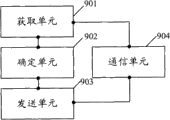
fig. 9 is a structural diagram of an encryption information negotiation apparatus according to an eighth embodiment of the present invention;
fig. 10 is a structural diagram of an encryption information negotiation apparatus according to a ninth embodiment of the present invention.
Detailed Description
The first embodiment is as follows:
referring to fig. 2, an embodiment of the present invention provides an encryption information negotiation method, where the method includes:
201. and acquiring encryption capability information supported by the first device and acquiring encryption capability information supported by the second device.
This and subsequent steps 202 and 203 are performed by the control point.
If the control point is TCP, the first device may be TC and the second device is TS; or, the first device is a TS and the second device is a TC;
TCP in this step is the control point that has obtained authorization for TC and TS, with access to TC and TS. Therefore, before this step, the TCP needs to obtain authorization of the TS and the TC, and when the TC authorizes the TCP to Access itself, the TC stores the ID of the TCP (the ID of the TCP may be a Hash value of the certificate of the TCP) in an Access Control List (ACL) of itself. Subsequent TSs and TCs allow authorized TCP access based on TCP's credentials and their own saved ACLs. In this step, the TCP having obtained the TC and the TS authorization obtains the encryption capability information supported by the TC by accessing the TC, and the TCP having obtained the TC and the TS authorization obtains the encryption capability information supported by the TS by accessing the TS.
If the Control Point IS an Input Control Point (ICP), the first device and the second device may be an Input Client (IC) and an Input Server (IS), respectively; or IS and IC, respectively.
The ICP in this step IS the control point that has obtained TC and TS authorization, with access to the IC and IS. Therefore, before this step, the ICP needs to obtain the authorization of the IS and the IC, and when the IC authorizes the ICP to access itself, the ID of the ICP (the ID of the ICP may be a hash value of the certificate of the ICP) IS saved in its access control list, and similarly, when the IS authorizes the ICP to access itself, the ID of the ICP (the ID of the ICP may be a hash value of the certificate of the ICP) IS saved in its access control list. Subsequent IS and IC allow authorized ICP access based on the ICP's certificate and its own maintained access control list. In this step, the ICP authorized by the IC and IS obtains the cryptographic capability information supported by the IC by accessing the IC, and the ICP authorized by the IC and IS obtains the cryptographic capability information supported by the IS by accessing the IS.
The encryption capability information supported by the first device in this step may include information such as a transmission protocol, an encryption algorithm, and a maximum password length supported by the first device; the encryption capability information supported by the second device may include: and the TS supports information such as a transmission protocol, an encryption algorithm, a maximum password length and the like.
202. Determining encryption information applicable to the first device and the second device according to the encryption capability information supported by the first device and the encryption capability information supported by the second device, wherein the encryption information comprises: encryption algorithms (e.g., Advanced Encryption Standard (AES), Data Encryption Standard (DES)) and keys; alternatively, the encryption information includes an encryption protocol, such as Secure Socket Layer (SSL).
If the encryption information includes an encryption protocol, the subsequent first device and the second device can use the encryption protocol to negotiate an encryption algorithm and a key, and realize encrypted transmission of the communication data stream, so as to ensure the security of the communication between the two parties.
203. And respectively sending the determined encryption information to the first device and the second device, wherein the encryption information is used for encrypting and/or decrypting the data stream between the first device and the second device.
In order to ensure that information exchange between the control point and the first device and the second device is not obtained by an illegal device, before step 201, after obtaining the authorization of the first device and the second device, the control point may establish a Secure transmission channel with the first device and the second device, for example, a Secure Socket Layer (SSL) or Transport Layer Security (TLS) protocol is used to establish the Secure transmission channel, the control point obtains encryption capability information supported by the first device from the Secure transmission channel established with the first device, obtains encryption capability information supported by the second device from the Secure transmission channel established with the second device, transmits the encryption information to the first device through the Secure transmission channel established with the first device, and transmits the encryption information to the second device through the Secure transmission channel established with the second device.
The embodiment of the invention determines the encryption information according to the encryption capability information respectively supported by the first device and the second device and respectively sends the encryption information to the first device and the second device, so that the first device and the second device can encrypt and/or decrypt the data stream transmitted between the first device and the second device by using the encryption information, thereby ensuring the safety of the data stream transmitted out of band between the first device and the second device.
Example two:
referring to fig. 3, an embodiment of the present invention provides an encryption information negotiation method, in which a TCP trusted by a TC and a TS selects an encryption algorithm supported by both the TC and the TS, generates a key, and notifies the TC and the TS of encryption algorithm information and the key, the method specifically includes:
301. the TCP obtains the media capability information supported by the TC from the TC, and the media capability information comprises: the TC includes, for example, transmission protocol information and encryption capability information supported by the TC, where the encryption capability information includes: encryption algorithm information and key length information supported by the TC, wherein the key length information may be a maximum key length supported by the TC.
In this step, the TCP may obtain the media capability information supported by the TC through a getmediasession capability () command.
302. The TCP obtains the media capability information supported by the TS from the TS, and the media capability information comprises: transport protocol information and encryption capability information supported by the TS, and the like, wherein the encryption capability information includes: encryption algorithm information supported by the TS and key length information, wherein the key length information may be a maximum key length supported by the TS.
In this step, the TCP may acquire media capability information supported by the TS from the TS through a getmediasession capability () command.
303. The TCP determines a session parameter required for a session between the TC and the TS according to the media capability information supported by the TC and the media capability information supported by the TS, which includes: TC and TS are adapted to transport protocol information, encryption algorithm information and keys.
The encryption algorithm that TCP determines TC and TS in this step is applicable means that TCP selects the encryption algorithm that TC and TS both support. In the step, the TCP generates the key according to the encryption capability information supported by the TC and the encryption capability information supported by the TS, and the specific way may be to generate the key according to the maximum key length supported by the TC and the maximum key length supported by the TS, so as to ensure that the generated key meets the requirement of the TC and the TS for the key length.
304. The TCP sends the session parameters to the TC to instruct the TC to establish a data channel with the TS according to the session parameters, and the TC sends response information to the TCP.
In the step, the TCP sends the session parameters to the TC, so that the TC can conveniently establish a data channel with the TS according to the session parameters, and subsequently encrypt and/or decrypt data streams transmitted between the TC and the TS by using encryption algorithm information and a secret key in the session parameters.
In this step TCP may send session parameters to TC using SetMediaSession (MediaCapability.) command.
Among them, MediaCapability in SetMediaSession (MediaCapability) command refers to session parameters.
305. The TCP sends the session parameter to the TS to instruct the TS to establish a data channel with the TC according to the session parameter, so that the subsequent TS uses the encryption algorithm information and the secret key in the session parameter to encrypt and/or decrypt the data stream transmitted between the TC and the TS.
Where TCP may send the session parameters to the TS using a SetMediaSession command.
306. TCP sends a notification message indicating that the TS starts to transmit the data stream.
In this step, TCP instructs the TS to start out-of-band transmission of the data stream through the StartMediaSession () command.
307. The TS encrypts and transmits a data stream to be transmitted according to an encryption algorithm and a key, and the TC decrypts the received data stream from the TS according to the encryption algorithm and the key; or the TC encrypts and transmits the data stream to be transmitted according to the encryption algorithm and the key, and the TS decrypts the received data stream from the TC according to the encryption algorithm and the key.
308. When a session needs to be ended, TCP sends a notification message to the TC indicating the end of the session.
In this step, TCP informs TC to end the session through the StopMediaSession () command.
309. When a session needs to be ended, TCP sends a notification message to the TS indicating the end of the session.
In this step, TCP notifies the TS of the end of the session via the StopMediSesion () command.
It should be noted that, the messages transmitted in the above steps 301 and 309 are all transmitted in a secure transmission channel, which can ensure that the message content is not acquired by an illegal device, so that the illegal device does not learn the key.
In the second embodiment of the invention, TCP trusted by TC and TS is used for acquiring encryption capability information supported by both sides, an encryption algorithm supported by both sides is selected, a secret key is generated, the encryption algorithm information and the secret key are respectively sent to TC and TS, so that a data stream sender in TC and TS utilizes the encryption algorithm and the secret key to encrypt a data stream to be sent, a data stream receiver in TC and TS utilizes the encryption algorithm and the secret key to decrypt the data stream sent by the sender, and the safety of the data stream in out-of-band transmission between TC and TS is ensured.
Example three:
referring to fig. 4, a third embodiment of the present invention provides an encryption information negotiation method, which is different from the second embodiment in that the getencryptcability () command is used to obtain encryption capability information supported by TC and TS, and the Setencrypt () command is used to send encryption algorithm information and a key to TC and TS, and the method specifically includes:
401. the TCP obtains the media capability information supported by the TC from the TC, and the media capability information comprises: the transmission protocol supported by the TC, and the like.
In this step, the TCP may obtain the media capability information supported by the TC through a getmediasession capability () command.
402. The TCP obtains the media capability information supported by the TS from the TS, and the media capability information comprises: transport protocols supported by the TS, and the like.
In this step, the TCP may acquire media capability information supported by the TS from the TS through a getmediasession capability () command.
403. The TCP determines a session parameter required for a session between the TC and the TS according to the media capability information supported by the TC and the media capability information supported by the TS, which includes: the TC and the TS both support transport protocol information.
404. The TCP sends the session parameters to the TC to instruct the TC to establish a data channel with the TS according to the session parameters, and the TC sends response information to the TCP.
In this step TCP may send session parameters to TC using SetMediaSession (MediaCapability.) command.
Among them, MediaCapability in SetMediaSession (MediaCapability) command refers to session parameters.
405. TCP sends the session parameters to the TS to instruct the TS to establish a data channel with the TC according to the session parameters.
Where TCP may send the session parameters to the TS using a SetMediaSession command.
406. The TCP obtains encryption capability information supported by the TC from the TC, and the encryption capability information comprises: encryption algorithm information and key length information supported by the TC, wherein the key length information may be a maximum key length supported by the TC.
In this step, the TCP may acquire encryption capability information supported by the TC from the TC through a getencryptcability () command.
407. The TCP acquires encryption capability information supported by the TS from the TS, wherein the encryption capability information comprises: encryption algorithm information supported by the TS and key length information, wherein the key length information may be a maximum key length supported by the TS.
In this step, the TCP may acquire encryption capability information supported by the TS from the TS through a getencryptcability () command.
408. TCP determines an encryption algorithm suitable for the TS and the TC according to the TC and the encryption capability information supported by the TS, and generates a secret key.
409. The TCP sends the determined encryption algorithm information and the key to the TC, so that the TC can encrypt and/or decrypt the data stream transmitted between the TC and the TS by using the encryption algorithm information and the key in the session parameter.
In this step, the TCP sends the encryption algorithm information and the key to the TC by a setncrypt (encryption capability) command, where the encryptcability refers to the encryption algorithm information and the key.
410. The TCP sends the determined encryption algorithm information and the key to the TS so that the subsequent TS can encrypt and/or decrypt the data stream transmitted between the TC and the TS by using the encryption algorithm information and the key in the session parameter.
In this step, the TCP sends the encryption algorithm information and the key to the TS through a setncrypt (encryption capability) command, where the encryptcability refers to the encryption algorithm information and the key.
411-414 is the same as 306-309, and will not be described herein.
It should be noted that, the messages transmitted in the steps 401 and 415 are all transmitted in a secure transmission channel, which can ensure that the content of the message is not acquired by an illegal device, so that the illegal device does not learn the key.
In the third embodiment of the invention, TCP trusted by TC and TS is used for acquiring encryption capability information supported by both sides, an encryption algorithm supported by both sides is selected, a secret key is generated, the encryption algorithm information and the secret key are respectively sent to TC and TS, so that a data stream sender in TC and TS utilizes the encryption algorithm and the secret key to encrypt a data stream to be sent, a data stream receiver in TC and TS utilizes the encryption algorithm and the secret key to decrypt the data stream sent by the sender, and the safety of the data stream in out-of-band transmission between TC and TS is ensured.
It should be noted that: the encryption capability information respectively acquired by the TCP from the TS and the TC can comprise an encryption protocol, the TCP determines the encryption protocol suitable for the TS and the TC, the determined encryption protocol information is respectively sent to the TC and the TS, and the subsequent TC and the TS negotiate an encryption algorithm and a key according to the encryption protocol, so that the aim of the invention can be achieved.
Example four:
referring to fig. 5, in the fourth embodiment of the present invention, an ICP that IS trusted by both an IC and an IS selects an encryption algorithm that both the IC and the IS support, generates a key, and notifies both the IC and the IS of the encryption algorithm information and the key, the method specifically includes:
50l, ICP obtains from the IC input capability information supported by the IC, the input capability information including: the information of the transmission protocol supported by the IC, the information of the encryption capability and the like, wherein the information of the encryption capability comprises: encryption algorithm information and key length information supported by the IC, wherein the key length information may be a maximum key length supported by the IC.
In order to make the embodiments of the present invention more clear, the functions of ICP, IC and IS are briefly introduced: the IS IS used for providing information input service for other devices in the home network, the IC IS used for receiving information from the IS in the home network, and the ICP IS used for controlling the sharing of input functions between the IC and the IS in the home network.
In this step, the ICP can acquire the input capability information supported by the IC through a GetInputCapability () command.
502. The ICP obtains input capability information supported by the IS from the IS, and the input capability information comprises: the information of the transmission protocol and the information of the encryption capability supported by the IS, and the like, wherein the information of the encryption capability comprises: encryption algorithm information and key length information supported by the IS, wherein the key length information may be a maximum key length supported by the IS.
In this step, the ICP can acquire input capability information supported by the IS from the IS through a GetInputCapability () command.
503. The ICP determines the session parameters required by the session between the IC and the IS according to the input capability information supported by the IC and the input capability information supported by the IS, and the session parameters comprise: transport protocol information, encryption algorithm information, and keys for both IC and IS.
The encryption algorithm that the ICP determines the IC and the IS are applicable in the step refers to the ICP selecting the encryption algorithm that both the IC and the IS support. In this step, the ICP generates a key according to the encryption capability information supported by the IC and the encryption capability information supported by the IS, and a specific manner may be to generate a key according to the maximum key length supported by the IC and the maximum key length supported by the IS, so as to ensure that the generated key meets the requirement of the IC and the IS on the key length.
504. The ICP sends the session parameters to the IC to instruct the IC to establish a data channel with the IS according to the session parameters, and the IC sends response information to the ICP.
In the step, the ICP sends the session parameter to the IC, so that the IC establishes a data channel with the IS according to the session parameter, and subsequently encrypts and/or decrypts the data stream transmitted between the IC and the IS by using the encryption algorithm information and the key in the session parameter.
In which the ICP may send session parameters to the IC using a SetInputSession (Capability) command. Wherein the Capability in the SetInputSession (Capability) command refers to session parameters.
505. The ICP sends the session parameters to the IS to instruct the IS to establish a data channel with the IC according to the session parameters, so that the subsequent IS can encrypt and/or decrypt the data stream transmitted between the IC and the IS by using the encryption algorithm information and the key in the session parameters.
Where the ICP may send session parameters to the IS using a SetInputSession (Capability) command.
506. The ICP sends a notification message instructing the IS to start transmitting a data stream.
In this step, the ICP instructs the IS to start out of band transmission of the data stream via the StartInputSession () command.
507. The IS encrypts and transmits the data stream to be transmitted according to the encryption algorithm and the key, and the IC decrypts the received data stream from the IS according to the encryption algorithm and the key.
508. When a session needs to be ended, the ICP sends a notification message to the IC indicating the end of the session.
In this step, the ICP informs the IC to end the session via the StopInputSession () command.
509. When a session needs to be ended, the ICP sends a notification message to the IS indicating the end of the session.
In this step, the ICP notifies the IS to end the session via the StopInputSession () command.
In the fourth embodiment of the present invention, ICP, which IS trusted by both the IC and the IS, IS used to obtain encryption capability information supported by both the IC and the IS, select an encryption algorithm supported by both the IC and the IS, generate a key, and send the encryption algorithm information and the key to the IC and the IS, respectively, so that a data stream sender in the IC and the IS encrypts a data stream to be sent by using the encryption algorithm and the key, and a data stream receiver in the IC and the IS decrypts the data stream sent by the sender by using the encryption algorithm and the key, thereby ensuring the security of the data stream when out-of-band transmission IS performed between the IC and the IS.
Example five:
referring to fig. 6, an embodiment of the present invention provides an encryption information negotiation method, where the method includes:
601. and the second equipment receives the certificate information of the first equipment sent by the control point.
Wherein, the control point may be TCP, and then the first device is TC and the second device is TS, or the first device is TS and the second device is TC;
the TCP in this step is a control point authorized by the TC and the TS, has authority to access the TC and the TS, and can establish a secure transmission channel with the TC and the TS, respectively, for example, establish a secure transmission channel using a secure socket layer or a transport layer security protocol. Therefore, before this step, the TCP needs to obtain authorization of the TS and the TC, and when the TC authorizes the TCP to Access itself, the TC stores the ID of the TCP (the ID of the TCP may be a Hash value of the certificate of the TCP) in an Access Control List (ACL) of itself. Subsequent TSs and TCs allow authorized TCP access based on TCP's credentials and their own saved ACLs.
Or, the control point IS ICP, then the first device IS IC and the second device IS, or the first device IS and the second device IS IC;
the ICP in this step IS a control point that has been authorized by the IC and IS, has authority to access the IC and IS, and can establish a secure transmission channel with the IC and IS, respectively, for example, using a secure socket layer or a transport layer security protocol. Therefore, before this step, the ICP needs to obtain the authorization of the IS and the IC, and when the IC authorizes the ICP to access itself, the ID of the ICP (the ID of the ICP may be a hash value of the certificate of the ICP) IS saved in its access control list, and similarly, when the IS authorizes the ICP to access itself, the ID of the ICP (the ID of the ICP may be a hash value of the certificate of the ICP) IS saved in its access control list. Subsequent IS and IC allow authorized ICP access based on the ICP's certificate and its own maintained access control list.
In this step, before the second device receives the certificate information of the first device sent by the control point, the control point needs to obtain the certificate information of the first device, which includes but is not limited to the following implementation manners: the control point acquires certificate information of the first equipment from the first equipment; or, the control point generates a certificate for the first device, sends the certificate to the second device, and sends information of the certificate to the first device, where the certificate information of the first device includes: a certificate of the first device or a certificate hash value of the first device.
602. And the second equipment authenticates the first equipment according to the certificate information of the first equipment.
603. And after the second device passes the authentication of the first device, negotiating encryption information with the first device, wherein the encryption information is used for encrypting and/or decrypting data streams between the second device and the first device.
In the fifth embodiment of the present invention, the second device obtains the certificate information of the first device through the control point, and negotiates with the first device for encryption information after authenticating the first device, so that the first device and the second device perform encryption and/or decryption on a data stream transmitted between the first device and the second device by using the encryption information, thereby ensuring the security of the data stream transmitted by the first device and the second device out of band.
Example six:
referring to fig. 7, in the method, a TCP trusted by both TS and TC obtains certificate information from one of the TS and TC, and sends the certificate information to the other, so that the two parties perform mutual authentication and negotiate an encryption algorithm and a key, and the method specifically includes:
701-705 is the same as 401-405 in the fourth embodiment, and will not be described herein again.
706. The TCP obtains certificate information of the TC from the TC, and the certificate information of the TC comprises: a certificate of a TC or a hash of a certificate of a TC.
In this step, the TCP obtains the certificate information of the TC from the TC through a getdeviveauthationinfo () command.
707. The TCP acquires certificate information of the TS from the TS, wherein the certificate information of the TS comprises: a certificate of the TS or a hash value of a certificate of the TS.
In this step, the TCP obtains the certificate information of the TS from the TS through a getdeviveauthationinfo () command.
708. The TCP sends the certificate information of the TS to the TC.
In this step, the TCP may send the certificate information of the TS to the TC through setdeviveauthinfo (TSinfo.), where TSinfo refers to the certificate information of the TS, and the certificate information of the TS is used for the subsequent TC to authenticate the TS.
709. TCP sends the certificate information of TC to TS.
In this step, the TCP may send certificate information of the TC to the TS through setdeviveauthinfo (TSinfo.), where TSinfo refers to certificate information of the TC, and the certificate information of the TC is used for the subsequent TS to authenticate the TC.
710. TCP sends a notification message indicating that the TS starts to transmit the data stream.
In this step, TCP instructs the TS to start out-of-band transmission of the data stream through the StartMediaSession () command.
711. One party of the TS and the TC authenticates the other party according to the certificate information of the other party, and after the authentication is passed, the TS and the TC negotiate an encryption algorithm and a key.
In this step, one party (e.g., TS) authenticates the other party (e.g., TC) specifically by the following method: the TC encrypts a piece of information known by both the TC and the TS by using a private key of the certificate of the TC and attaches the certificate of the TC to the TS, after the TS receives the encrypted piece of information, if the certificate information of the TC obtained in the step 709 is the certificate Hash value of the TC, the certificate of the TC is firstly hashed and compared with the certificate Hash value of the TC obtained in the step 709, if the certificate information of the TC obtained in the step 709 is the certificate Hash value of the TC, a piece of information encrypted by the private key of the TC is decrypted by using a public key in the TC certificate and compared with the piece of information known in advance, and if the certificate information of the TC is matched, the TS passes the authentication of the TC; if the certificate information of the TC obtained in step 709 is the certificate of the TC, the TS directly compares the certificate sent by the TC with the certificate of the TC obtained in step 709, and if the certificate information is the same, decrypts a piece of information encrypted by a private key for the TC with a public key in the TC certificate, and compares the piece of information with the piece of information known in advance, and if the certificate information is matched, the TS passes the authentication of the TC; the authentication procedure of the TS by the TC is similar to the above description, and is not described in detail here.
The encryption algorithm negotiated by TS and TC may specifically adopt the following manner: and the TC reports the encryption algorithm supported by the TS to the TS, and the TS selects the encryption algorithm supported by both the TC and the TS according to the encryption algorithm supported by the TC and the encryption algorithm supported by the TS.
The TS and the TC can use SSL protocol to negotiate the key, including that the TC and the TS negotiate a key encryption algorithm, a data encryption algorithm and a digest algorithm through a handshake protocol, and a key known by the two parties is generated by using the negotiated key exchange algorithm.
712. The TS encrypts and transmits a data stream to be transmitted according to an encryption algorithm and a key, and the TC decrypts the received data stream from the TS according to the encryption algorithm and the key; or the TC encrypts and transmits the data stream to be transmitted according to the encryption algorithm and the key, and the TS decrypts the received data stream from the TC according to the encryption algorithm and the key.
713. When a session needs to be ended, TCP sends a notification message to the TC indicating the end of the session.
In this step, TCP informs TC to end the session through the StopMediaSession () command.
714. When a session needs to be ended, TCP sends a notification message to the TS indicating the end of the session.
In this step, TCP notifies the TS of the end of the session via the StopMediSesion () command.
In the sixth embodiment of the present invention, the TCP having obtained the trust of the TC and the TS obtains the certificate information from one of the TC and the TS, and sends the certificate information to the other, and the two negotiate the encryption algorithm and the secret key after successfully authenticating each other, so that the TC and the TS perform encryption and/or decryption processing on the data stream transmitted between the TC and the TS by using the encryption algorithm and the secret key, thereby ensuring the security of the data stream transmitted between the TC and the TS out of band.
Example seven:
referring to fig. 8, a seventh embodiment of the present invention provides a method for negotiating encryption information, in which a TCP trusted by a TS and a TC generates certificate information of the TS and the TC, sends the certificate information of the TS to the TC, and sends the certificate information of the TC to the TS, so that the two parties perform mutual authentication and negotiate an encryption algorithm and a key, the method specifically includes:
801-.
806. TCP generates a certificate for TC, sends the certificate to TC, and sends the certificate information of TC to TS, wherein the certificate information can be the certificate of TC or the hash value of the certificate of TC.
In this step, sending the certificate information of the TC to the TS may be specifically implemented by using a setdeviveauthinfo (TSinfo.,). Where TSinfo refers to certificate information of TC.
807. TCP generates a certificate for TS, sends the certificate to TS, and sends certificate information to TC, where the certificate information can be certificate of TS or certificate hash value of TS.
In this step, sending the certificate information of the TS to the TC may be specifically implemented by using a setdeviveauthinfo (TSinfo.,). Where TSinfo refers to certificate information of the TS.
808-812 is the same as 710-714, and will not be described herein.
In the seventh embodiment of the present invention, the TCP having obtained the trust of the TC and the TS generates a certificate for the TC and sends the certificate to the TC, generates a certificate for the TS and sends the certificate to the TC, sends the hash value of the certificate of the TC to the TS, and sends the hash value of the certificate of the TS to the TC, and after successfully authenticating each other, the two parties negotiate the encryption algorithm and the secret key, so that the TC and the TS encrypt and/or decrypt the data stream transmitted therebetween by using the encryption algorithm and the secret key, thereby ensuring the security of the data stream transmitted between the TC and the TS out of band.
It should be noted that in the sixth embodiment and the seventh embodiment, the TCP trusted by both the TS and the TC sends the certificate information of one party to the other party (i.e. the certificate information of the TS is sent to the TC, and the certificate information of the TC is sent to the TS), so that the two parties can authenticate each other and negotiate the encryption algorithm and the key. In other embodiments, the ICP that IS trusted by both the IS and the IC may also send certificate information of one party to the other party (i.e., send certificate information of the IS to the IC and send certificate information of the IC to the IS) so that the IS and the IC perform mutual authentication and negotiate an encryption algorithm and a key, which also achieves the objectives of the present invention.
Example eight:
referring to fig. 9, an eighth embodiment of the present invention provides an encryption information negotiation apparatus, where the encryption information negotiation apparatus may be a TCP that has obtained TC and TS grants, or an ICP that has obtained IC and IS grants, and the apparatus includes:
an obtaining unit 90l configured to obtain encryption capability information supported by the first device and encryption capability information supported by the second device;
a determining unit 902, configured to determine, according to the encryption capability information supported by the first device and the encryption capability information supported by the second device, encryption information applicable to the first device and the second device;
a sending unit 903, configured to send the determined encryption information to the first device and the second device, respectively, where the encryption information is used for encryption and/or decryption of a data stream between the first device and the second device.
The encrypted information negotiation device further includes a communication unit 904, configured to establish a first secure transmission channel and a second secure transmission channel, where the first secure transmission channel is a secure transmission channel from the encrypted information negotiation device to the first device, and the second secure transmission channel is a secure transmission channel from the encrypted information negotiation device to the second device; the acquiring unit 90l is configured to acquire, through a first secure transmission channel established by the communication unit 904, encryption capability information supported by a first device, and acquire, through a second secure transmission channel established by the communication unit 904, encryption capability information supported by a second device; the sending unit 903 is configured to send the determined encrypted information to the first device through a first secure transmission channel established by the communication unit 904, and send the determined encrypted information to the second device through a second secure transmission channel established by the communication unit 904.
The encryption information may include, among other things, an encryption algorithm and a key, or an encryption protocol.
When the encryption information negotiation device is TCP, the first device may be TC, and the second device is TS; or, the first device is a TS and the second device is a TC; when the encryption information negotiation device IS ICP, the first device may be IC, and the second device IS; alternatively, the first device IS an IS and the second device IS an IC;
in the eighth embodiment of the present invention, the encryption information negotiation device that has obtained trust of the first device and the second device is used to determine the encryption information that is applicable to both the first device and the second device, and notify the first device and the second device of the encryption information, so that the first device and the second device perform encryption and/or decryption processing on a data stream transmitted between the first device and the second device by using the encryption information, thereby ensuring the security of the data stream transmitted out of band between the first device and the second device.
Example nine:
referring to fig. 10, a ninth embodiment of the present invention provides an encryption information negotiation apparatus, including:
a receiving unit 1001, configured to receive certificate information of a first device sent by a control point; the certificate information of the first device sent by the TCP is the information of the certificate which is acquired by the TCP from the first device or generated by the TCP for the first device;
an authentication unit 1002, configured to authenticate the first device according to the certificate information of the first device;
a negotiating unit 1003, configured to negotiate, after the first device is successfully authenticated, encryption information with the first device, where the encryption information is used to encrypt and/or decrypt a data stream between the encryption information negotiating device and the first device.
The control point may be TCP, and at this time, the encryption information negotiation device may be TC, and the first device is a TS; or, the encryption information negotiation device is a TS, and the first device is a TC; alternatively, the control point may be an ICP, in which case the encryption information negotiation device may be an IC, and the first device IS an IS; or the encryption information negotiation device IS an IS and the first device IS an IC.
Wherein the certificate information of the first device may include: a certificate of the first device or a hash of the certificate of the first device.
In the ninth embodiment of the present invention, the encryption information negotiation device obtains the certificate information of the first device through the control point, and negotiates an applicable encryption algorithm and a key with the first device after authenticating the first device, so that the first device and the second device encrypt and/or decrypt a data stream transmitted between the first device and the second device by using the encryption algorithm and the key, thereby ensuring the security of the data stream transmitted between the first device and the second device out of band.
Example ten:
an embodiment of the present invention provides a network system, where the system includes: a control point, a first device and a second device,
a control point for receiving first encryption capability information and second encryption capability information; according to the first encryption capability information and the second encryption capability information, encryption information suitable for the first equipment and the second equipment is determined, and the encryption information is sent;
the first device is used for sending the first encryption capability information to the control point and receiving the encryption information sent by the control point; the first encryption capability information is encryption capability information supported by the first device;
the second device is used for sending the second encryption capability information to the control point and receiving the encryption information sent by the control point; the second encryption capability information is encryption capability information supported by the second device; the encryption information is used for encryption and/or decryption of a data stream between the first device and the second device.
Wherein, the encryption information may include an encryption algorithm and a key, or the encryption information includes an encryption protocol, and when the encryption information includes the encryption protocol, the first device is further configured to negotiate the encryption algorithm and the key with the second device using the encryption protocol; the second device is further configured to negotiate an encryption algorithm and key with the first device using the encryption protocol.
If the control point is TCP, the first device may be TC, and the second device is TS; or, the first device is a TS and the second device is a TC; if the control point IS ICP, the first device may be an IC and the second device IS an IS; alternatively, the first device IS an IS and the second device IS an IC.
The embodiment of the invention determines the encryption information applicable to the first device and the second device by using the control point which has obtained the trust of the first device and the second device, and notifies the first device and the second device of the encryption information, so that the first device and the second device perform encryption and/or decryption processing on the data stream transmitted between the first device and the second device by using the encryption information, thereby ensuring the security of the data stream transmitted out of band between the first device and the second device.
Example eleven:
an eleventh embodiment of the present invention provides a network system, including: a control point, a first device, and a second device, wherein,
the control point is used for acquiring first certificate information and sending the first certificate information;
the second device is used for receiving the first certificate information sent by the control point, authenticating the device corresponding to the first certificate information according to the first certificate information, and negotiating encryption information with the device corresponding to the first certificate information after the authentication is successful; the first certificate information is certificate information of the first equipment;
and the first device is a device corresponding to the first certificate information and is used for negotiating the encryption information with the second device, and the encryption information is used for encrypting and/or decrypting the data stream between the first device and the second device.
If the control point is TCP, the first device may be TC, and the second device is TS; or, the first device is a TS and the second device is a TC; if the control point IS ICP, the first device may be an IC and the second device IS an IS; alternatively, the first device IS an IS and the second device IS an IC.
Wherein, the control point is further configured to obtain credential information of the first device, which includes but is not limited to the following implementation manners: the control point acquires certificate information of the first equipment from the first equipment; or, the control point generates a certificate for the first device, sends the certificate to the second device, and sends information of the certificate to the first device, where the certificate information of the first device includes: a certificate of the first device or a certificate hash value of the first device.
In the eleventh embodiment of the present invention, the second device obtains the certificate information of the first device through the control point that has obtained trust of the first device and the second device, and negotiates with the first device about the applicable encryption algorithm and key after authenticating the first device, so that the first device and the second device perform encryption and/or decryption processing on the data stream transmitted between the first device and the second device by using the encryption algorithm and key, thereby ensuring the security of the data stream transmitted out of band between the first device and the second device.
It will be understood by those skilled in the art that all or part of the steps in the method for implementing the above embodiments may be implemented by hardware that is instructed to implement by a program, and the program may be stored in a computer-readable storage medium, such as a read-only memory, a magnetic or optical disk, and the like.
The encryption information negotiation method, device and network system provided by the embodiment of the present invention are described in detail above, and a specific example is applied in the present document to explain the principle and the implementation of the present invention, and the description of the above embodiment is only used to help understanding the method and the core idea of the present invention; meanwhile, for a person skilled in the art, according to the idea of the present invention, there may be variations in the specific embodiments and the application scope, and in summary, the content of the present specification should not be construed as a limitation to the present invention.
Claims (15)
1. A method for cryptographic information negotiation, comprising:
acquiring encryption capability information supported by first equipment and encryption capability information supported by second equipment;
determining encryption information suitable for the first device and the second device according to the encryption capability information supported by the first device and the encryption capability information supported by the second device;
and sending the encryption information to the first device and the second device, wherein the encryption information is used for encrypting and/or decrypting the data stream between the first device and the second device.
2. The method of claim 1, wherein prior to obtaining the encryption capability information supported by the first device and the encryption capability information supported by the second device, the method further comprises:
establishing a secure transmission channel with a first device and a second device respectively;
the acquiring of the encryption capability information supported by the first device and the encryption capability information supported by the second device specifically includes:
acquiring encryption capability information supported by the first equipment by using a secure transmission channel established with the first equipment;
acquiring encryption capability information supported by the second equipment by using a secure transmission channel established with the second equipment;
the sending the encrypted information to the first device and the second device specifically includes:
sending the encrypted information to the first device by using a secure transmission channel established with the first device;
and sending the encrypted information to the second equipment by using a secure transmission channel established with the second equipment.
3. The method of claim 1,
the encryption information includes: an encryption algorithm and a key;
the encryption algorithm and the key are used for a data stream sender in the first device and the second device to encrypt a data stream to be sent according to the encryption algorithm and the key, and for a data stream receiver in the first device and the second device to decrypt a received data stream by using the encryption algorithm and the key.
4. The method according to any one of claims 1 to 3,
the encryption capability information supported by the first device includes: encryption algorithm information supported by the first device and key length information supported by the first device;
the encryption capability information supported by the second device includes: encryption algorithm information supported by the second device and key length information supported by the second device;
determining, according to the encryption capability information supported by the first device and the encryption capability information supported by the second device, encryption information applicable to the first device and the second device is specifically:
selecting an encryption algorithm supported by both the first device and the second device according to the encryption algorithm information supported by the first device and the encryption algorithm information supported by the second device; and generating a key which meets the length requirements of the first device and the second device according to the key length information supported by the first device and the key length information supported by the second device.
5. The method of claim 1,
the encryption information includes: an encryption protocol;
the encryption protocol is used for the first device and the second device to negotiate an encryption algorithm and a key by using the encryption protocol;
the encryption algorithm and the key are used for a data stream sender in the first device and the second device to encrypt a data stream to be sent according to the encryption algorithm and the key, and for a data stream receiver in the first device and the second device to decrypt a received data stream by using the encryption algorithm and the key.
6. The method of claim 1, 2 or 5,
the encryption capability information supported by the first device includes: encryption protocol information supported by the first device;
the encryption capability information supported by the second device includes: encryption protocol information supported by the second device;
determining, according to the encryption capability information supported by the first device and the encryption capability information supported by the second device, encryption information applicable to the first device and the second device is specifically:
and selecting the encryption protocol supported by both the first device and the second device according to the encryption protocol information supported by the first device and the encryption protocol information supported by the second device.
7. An encryption information negotiation method, comprising:
the second equipment receives certificate information of the first equipment sent by the control point;
the second equipment authenticates the first equipment according to the certificate information of the first equipment;
and after the second device passes the authentication of the first device, negotiating encryption information with the first device, wherein the encryption information is used for encrypting and/or decrypting data streams between the first device and the second device.
8. The method of claim 7,
the certificate information of the first device is acquired by the control point from the first device;
or,
the certificate information of the first device is information of a certificate generated for the first device by the control point.
9. An encryption information negotiation apparatus, characterized by comprising:
an acquisition unit configured to acquire encryption capability information supported by a first device and encryption capability information supported by a second device;
a determining unit, configured to determine encryption information applicable to the first device and the second device according to the encryption capability information supported by the first device and the encryption capability information supported by the second device;
and the sending unit is used for sending the determined encryption information to the first equipment and the second equipment respectively, wherein the encryption information is used for encrypting and/or decrypting the data stream between the first equipment and the second equipment.
10. The apparatus according to claim 9, wherein the encryption information negotiation apparatus further comprises:
a communication unit, configured to establish a first secure transmission channel and a second secure transmission channel, where the first secure transmission channel is a secure transmission channel from the encrypted information negotiation device to the first device, and the second secure transmission channel is a secure transmission channel from the encrypted information negotiation device to the second device;
the acquiring unit is used for acquiring the encryption capability information supported by the first device through a first secure transmission channel established by the communication unit, and acquiring the encryption capability information supported by the second device through a second secure transmission channel established by the communication unit;
the sending unit is used for sending the determined encryption information to the first device through a first secure transmission channel established by the communication unit, and sending the determined encryption information to the second device through a second secure transmission channel established by the communication unit.
11. An encryption information negotiation apparatus, characterized by comprising:
the receiving unit is used for receiving the certificate information of the first equipment sent by the control point;
the authentication unit is used for authenticating the first equipment according to the certificate information of the first equipment;
and the negotiation unit is used for negotiating encryption information with the first equipment after the first equipment is successfully authenticated, wherein the encryption information is used for encrypting and/or decrypting data streams between the first equipment and the second equipment.
12. The apparatus of claim 11,
the certificate information of the first device sent by the control point is acquired by the control point from the first device;
or the certificate information of the first device sent by the control point is the information of the certificate generated by the control point for the first device.
13. A network system, comprising:
a control point for receiving first encryption capability information and second encryption capability information; according to the first encryption capability information and the second encryption capability information, encryption information suitable for the first equipment and the second equipment is determined, and the encryption information is sent;
the first device is used for sending the first encryption capability information to the control point and receiving the encryption information sent by the control point; the first encryption capability information is encryption capability information supported by the first device;
the second device is used for sending the second encryption capability information to the control point and receiving the encryption information sent by the control point; the second encryption capability information is encryption capability information supported by the second device; the encryption information is used for encryption and/or decryption of a data stream between the first device and the second device.
14. The network system according to claim 13,
the encryption information comprises an encryption protocol;
the first device is further configured to negotiate an encryption algorithm and a key with a second device using the encryption protocol;
the second device is further configured to negotiate an encryption algorithm and a key with the first device using the encryption protocol.
15. A network system, comprising:
the control point is used for acquiring first certificate information and sending the first certificate information;
the second device is used for receiving the first certificate information sent by the control point, authenticating the device corresponding to the first certificate information according to the first certificate information, and negotiating encryption information with the device corresponding to the first certificate information after the authentication is successful;
and the first device is a device corresponding to the first certificate information and is used for negotiating the encryption information with the second device, and the encryption information is used for encrypting and/or decrypting the data stream between the first device and the second device.
Priority Applications (6)
| Application Number | Priority Date | Filing Date | Title |
|---|---|---|---|
| CN 200910167221 CN101997679A (en) | 2009-08-21 | 2009-08-21 | Encrypted message negotiation method, equipment and network system |
| PCT/CN2010/076226 WO2011023082A1 (en) | 2009-08-21 | 2010-08-23 | Method, device and network system for negotiating encryption information |
| KR1020127004853A KR20120047972A (en) | 2009-08-21 | 2010-08-23 | Method, device and network system for negotiating encryption information |
| JP2012525043A JP2013502782A (en) | 2009-08-21 | 2010-08-23 | Method, device, and network system for negotiating encryption information |
| EP10811242A EP2469753A4 (en) | 2009-08-21 | 2010-08-23 | Method, device and network system for negotiating encryption information |
| US13/401,528 US9055047B2 (en) | 2009-08-21 | 2012-02-21 | Method and device for negotiating encryption information |
Applications Claiming Priority (1)
| Application Number | Priority Date | Filing Date | Title |
|---|---|---|---|
| CN 200910167221 CN101997679A (en) | 2009-08-21 | 2009-08-21 | Encrypted message negotiation method, equipment and network system |
Publications (1)
| Publication Number | Publication Date |
|---|---|
| CN101997679A true CN101997679A (en) | 2011-03-30 |
Family
ID=43627251
Family Applications (1)
| Application Number | Title | Priority Date | Filing Date |
|---|---|---|---|
| CN 200910167221 Pending CN101997679A (en) | 2009-08-21 | 2009-08-21 | Encrypted message negotiation method, equipment and network system |
Country Status (6)
| Country | Link |
|---|---|
| US (1) | US9055047B2 (en) |
| EP (1) | EP2469753A4 (en) |
| JP (1) | JP2013502782A (en) |
| KR (1) | KR20120047972A (en) |
| CN (1) | CN101997679A (en) |
| WO (1) | WO2011023082A1 (en) |
Cited By (7)
| Publication number | Priority date | Publication date | Assignee | Title |
|---|---|---|---|---|
| CN103856321A (en) * | 2012-12-07 | 2014-06-11 | 观致汽车有限公司 | Data encryption and decryption method and system |
| WO2015062303A1 (en) * | 2013-11-04 | 2015-05-07 | 华为技术有限公司 | Method, control network element, and system for security algorithm negotiation and processing |
| CN105850168A (en) * | 2013-12-31 | 2016-08-10 | 华为终端有限公司 | Secure connection method for network device, and related device and system |
| CN106664195A (en) * | 2014-08-01 | 2017-05-10 | 华为技术有限公司 | Data processing method, apparatus, and system |
| CN107925565A (en) * | 2015-06-30 | 2018-04-17 | 华为技术有限公司 | Algorithm update method, device to be updated and server |
| CN108156120A (en) * | 2016-12-06 | 2018-06-12 | 阿里巴巴集团控股有限公司 | Encrypted transmission data, cryptographic protocol control and detected method, apparatus and system |
| CN115150172A (en) * | 2022-07-01 | 2022-10-04 | 北京百度网讯科技有限公司 | Data processing method and apparatus, equipment and medium |
Families Citing this family (21)
| Publication number | Priority date | Publication date | Assignee | Title |
|---|---|---|---|---|
| US9396338B2 (en) | 2013-10-15 | 2016-07-19 | Intuit Inc. | Method and system for providing a secure secrets proxy |
| WO2015066066A1 (en) | 2013-10-28 | 2015-05-07 | Futurewei Technologies, Inc. | System and method for signaling and verifying url signatures for both url authentication and url-based content access authorization in adaptive streaming |
| US9894069B2 (en) | 2013-11-01 | 2018-02-13 | Intuit Inc. | Method and system for automatically managing secret application and maintenance |
| US9467477B2 (en) | 2013-11-06 | 2016-10-11 | Intuit Inc. | Method and system for automatically managing secrets in multiple data security jurisdiction zones |
| US9444818B2 (en) | 2013-11-01 | 2016-09-13 | Intuit Inc. | Method and system for automatically managing secure communications in multiple communications jurisdiction zones |
| US9516061B2 (en) * | 2013-11-26 | 2016-12-06 | Cisco Technology, Inc. | Smart virtual private network |
| WO2016205733A1 (en) | 2015-06-19 | 2016-12-22 | Huawei Technologies Co., Ltd. | Template uniform resource locator signing |
| US10263968B1 (en) * | 2015-07-24 | 2019-04-16 | Hologic Inc. | Security measure for exchanging keys over networks |
| US11323458B1 (en) | 2016-08-22 | 2022-05-03 | Paubox, Inc. | Method for securely communicating email content between a sender and a recipient |
| US10805311B2 (en) * | 2016-08-22 | 2020-10-13 | Paubox Inc. | Method for securely communicating email content between a sender and a recipient |
| US10936711B2 (en) | 2017-04-18 | 2021-03-02 | Intuit Inc. | Systems and mechanism to control the lifetime of an access token dynamically based on access token use |
| US10635829B1 (en) | 2017-11-28 | 2020-04-28 | Intuit Inc. | Method and system for granting permissions to parties within an organization |
| US10673901B2 (en) * | 2017-12-27 | 2020-06-02 | Cisco Technology, Inc. | Cryptographic security audit using network service zone locking |
| US11184446B2 (en) | 2018-12-05 | 2021-11-23 | Micron Technology, Inc. | Methods and apparatus for incentivizing participation in fog networks |
| US11256778B2 (en) * | 2019-02-14 | 2022-02-22 | Micron Technology, Inc. | Methods and apparatus for checking the results of characterized memory searches |
| US11327551B2 (en) | 2019-02-14 | 2022-05-10 | Micron Technology, Inc. | Methods and apparatus for characterizing memory devices |
| US12118056B2 (en) | 2019-05-03 | 2024-10-15 | Micron Technology, Inc. | Methods and apparatus for performing matrix transformations within a memory array |
| US10867655B1 (en) | 2019-07-08 | 2020-12-15 | Micron Technology, Inc. | Methods and apparatus for dynamically adjusting performance of partitioned memory |
| US11449577B2 (en) | 2019-11-20 | 2022-09-20 | Micron Technology, Inc. | Methods and apparatus for performing video processing matrix operations within a memory array |
| US11853385B2 (en) | 2019-12-05 | 2023-12-26 | Micron Technology, Inc. | Methods and apparatus for performing diversity matrix operations within a memory array |
| US11528601B1 (en) * | 2021-06-09 | 2022-12-13 | T-Mobile Usa, Inc. | Determining and ameliorating wireless telecommunication network functionalities that are impaired when using end-to-end encryption |
Family Cites Families (17)
| Publication number | Priority date | Publication date | Assignee | Title |
|---|---|---|---|---|
| ATE419586T1 (en) * | 1995-02-13 | 2009-01-15 | Intertrust Tech Corp | SYSTEMS AND PROCEDURES FOR SECURE TRANSACTION MANAGEMENT AND ELECTRONIC LEGAL PROTECTION |
| FI20001837L (en) * | 2000-08-18 | 2002-02-19 | Nokia Corp | Authentication |
| US7219223B1 (en) * | 2002-02-08 | 2007-05-15 | Cisco Technology, Inc. | Method and apparatus for providing data from a service to a client based on encryption capabilities of the client |
| KR100493895B1 (en) * | 2003-04-17 | 2005-06-10 | 삼성전자주식회사 | Home network device and system for a cooperative work service and method thereof |
| CN100340086C (en) | 2003-12-10 | 2007-09-26 | 联想(北京)有限公司 | Intelligent method for building up network of wireless devices |
| CN100373843C (en) * | 2004-03-23 | 2008-03-05 | 中兴通讯股份有限公司 | A key agreement method in wireless local area network |
| CN1332569C (en) * | 2004-04-23 | 2007-08-15 | 中兴通讯股份有限公司 | Method for selecting aerial interface encryption algorithm by negotiation |
| CN1863048B (en) * | 2005-05-11 | 2012-04-11 | 中兴通讯股份有限公司 | Negotiation method for Internet key exchange between user and access device |
| US20060274899A1 (en) * | 2005-06-03 | 2006-12-07 | Innomedia Pte Ltd. | System and method for secure messaging with network address translation firewall traversal |
| US8509817B2 (en) * | 2006-03-22 | 2013-08-13 | Core Wireless Licensing S.A.R.L. | System and method for mobile telephone and UPnP control point integration |
| US20070254630A1 (en) * | 2006-04-24 | 2007-11-01 | Nokia Corporation | Methods, devices and modules for secure remote access to home networks |
| CN101102185B (en) * | 2006-07-06 | 2012-03-21 | 朗迅科技公司 | Media security for IMS session |
| US20090119510A1 (en) * | 2007-11-06 | 2009-05-07 | Men Long | End-to-end network security with traffic visibility |
| JP5015662B2 (en) * | 2007-05-30 | 2012-08-29 | 株式会社リコー | Cryptographic channel return method, cryptographic communication device, and cryptographic communication system |
| KR100948604B1 (en) * | 2008-03-25 | 2010-03-24 | 한국전자통신연구원 | Security Method in Server-based Mobile Internet Protocol System |
| JP5024999B2 (en) | 2007-09-28 | 2012-09-12 | 東芝ソリューション株式会社 | Cryptographic management device, cryptographic management method, cryptographic management program |
| JP4405575B2 (en) * | 2007-09-28 | 2010-01-27 | 東芝ソリューション株式会社 | Encryption management device, decryption management device, and program |
-
2009
- 2009-08-21 CN CN 200910167221 patent/CN101997679A/en active Pending
-
2010
- 2010-08-23 JP JP2012525043A patent/JP2013502782A/en active Pending
- 2010-08-23 WO PCT/CN2010/076226 patent/WO2011023082A1/en not_active Ceased
- 2010-08-23 EP EP10811242A patent/EP2469753A4/en not_active Withdrawn
- 2010-08-23 KR KR1020127004853A patent/KR20120047972A/en not_active Ceased
-
2012
- 2012-02-21 US US13/401,528 patent/US9055047B2/en active Active
Cited By (14)
| Publication number | Priority date | Publication date | Assignee | Title |
|---|---|---|---|---|
| CN103856321A (en) * | 2012-12-07 | 2014-06-11 | 观致汽车有限公司 | Data encryption and decryption method and system |
| US10028136B2 (en) | 2013-11-04 | 2018-07-17 | Huawei Technologies Co., Ltd. | Negotiation processing method for security algorithm, control network element, and control system |
| WO2015062303A1 (en) * | 2013-11-04 | 2015-05-07 | 华为技术有限公司 | Method, control network element, and system for security algorithm negotiation and processing |
| CN104618089A (en) * | 2013-11-04 | 2015-05-13 | 华为技术有限公司 | Negotiation processing method for security algorithm, control network element and system |
| CN104618089B (en) * | 2013-11-04 | 2019-05-10 | 华为技术有限公司 | Negotiation processing method of security algorithm, control network element and system |
| US10305684B2 (en) | 2013-12-31 | 2019-05-28 | Huawei Device Co., Ltd. | Secure connection method for network device, related apparatus, and system |
| CN105850168A (en) * | 2013-12-31 | 2016-08-10 | 华为终端有限公司 | Secure connection method for network device, and related device and system |
| CN106664195A (en) * | 2014-08-01 | 2017-05-10 | 华为技术有限公司 | Data processing method, apparatus, and system |
| CN106664195B (en) * | 2014-08-01 | 2020-05-15 | 广州小熊信息科技有限公司 | A data processing method, device and system |
| CN107925565A (en) * | 2015-06-30 | 2018-04-17 | 华为技术有限公司 | Algorithm update method, device to be updated and server |
| CN107925565B (en) * | 2015-06-30 | 2020-08-07 | 华为技术有限公司 | Algorithm updating method, equipment to be updated and server |
| CN108156120A (en) * | 2016-12-06 | 2018-06-12 | 阿里巴巴集团控股有限公司 | Encrypted transmission data, cryptographic protocol control and detected method, apparatus and system |
| CN115150172A (en) * | 2022-07-01 | 2022-10-04 | 北京百度网讯科技有限公司 | Data processing method and apparatus, equipment and medium |
| CN115150172B (en) * | 2022-07-01 | 2023-08-11 | 北京百度网讯科技有限公司 | Data processing method and device, equipment and medium |
Also Published As
| Publication number | Publication date |
|---|---|
| US9055047B2 (en) | 2015-06-09 |
| JP2013502782A (en) | 2013-01-24 |
| EP2469753A1 (en) | 2012-06-27 |
| WO2011023082A1 (en) | 2011-03-03 |
| EP2469753A4 (en) | 2013-03-27 |
| KR20120047972A (en) | 2012-05-14 |
| US20120148044A1 (en) | 2012-06-14 |
Similar Documents
| Publication | Publication Date | Title |
|---|---|---|
| CN101997679A (en) | Encrypted message negotiation method, equipment and network system | |
| CN105577680B (en) | Key generation method, encrypted data analysis method, device and key management center | |
| US8788802B2 (en) | Constrained cryptographic keys | |
| US9668230B2 (en) | Security integration between a wireless and a wired network using a wireless gateway proxy | |
| US20230421394A1 (en) | Secure authentication of remote equipment | |
| EP2060056B1 (en) | Method and apparatus for transmitting data using authentication | |
| US7584505B2 (en) | Inspected secure communication protocol | |
| CN106162537B (en) | A kind of method, wireless telecom equipment and the terminal of safety certification connection | |
| WO2010078755A1 (en) | Method and system for transmitting electronic mail, wlan authentication and privacy infrastructure (wapi) terminal thereof | |
| CN110572804A (en) | Bluetooth communication authentication request, receiving and communication method, mobile terminal, device terminal | |
| CN114650173A (en) | An encrypted communication method and system | |
| CN102882830B (en) | Medium resource access control method and equipment | |
| CN101170413A (en) | Method and device for obtaining and distributing digital certificate and its private key | |
| CN103986716B (en) | Establishing method for SSL connection and communication method and device based on SSL connection | |
| US12400016B2 (en) | System and method for managing data-file transmission and access right to data files | |
| KR20220128615A (en) | Transmission of Security Information in Content Distribution Networks | |
| JP2009065226A (en) | Authenticated key exchange system, authenticated key exchange method and program | |
| KR101760718B1 (en) | System and method for managing mobile device based on pairing | |
| CN117376909A (en) | Single-package authorization authentication method and system based on universal guide architecture | |
| CN112422530B (en) | Key security protection method and password device for server in TLS handshake process | |
| WO2010069102A1 (en) | Moblie terminal, cipher key transmission method, decrypt method and secrecy communication realizing method | |
| US20250038998A1 (en) | Cyber security authentication method for non-internet electronic device | |
| CN115941177B (en) | A virtual server-side distributed key authentication system and method | |
| JP2006262425A (en) | Mutual authentication on network by public key cryptosystem, and mutual exchange system of public key | |
| JP2009260508A (en) | Server device |
Legal Events
| Date | Code | Title | Description |
|---|---|---|---|
| C06 | Publication | ||
| PB01 | Publication | ||
| C10 | Entry into substantive examination | ||
| SE01 | Entry into force of request for substantive examination | ||
| C12 | Rejection of a patent application after its publication | ||
| RJ01 | Rejection of invention patent application after publication |
Application publication date: 20110330 |