CN101795970B - Silicon-containing crystalline material with graded porosity - Google Patents
Silicon-containing crystalline material with graded porosity Download PDFInfo
- Publication number
- CN101795970B CN101795970B CN2008801061467A CN200880106146A CN101795970B CN 101795970 B CN101795970 B CN 101795970B CN 2008801061467 A CN2008801061467 A CN 2008801061467A CN 200880106146 A CN200880106146 A CN 200880106146A CN 101795970 B CN101795970 B CN 101795970B
- Authority
- CN
- China
- Prior art keywords
- zeolite
- stage
- particles
- precursor
- aluminum
- Prior art date
- Legal status (The legal status is an assumption and is not a legal conclusion. Google has not performed a legal analysis and makes no representation as to the accuracy of the status listed.)
- Expired - Fee Related
Links
Classifications
-
- C—CHEMISTRY; METALLURGY
- C01—INORGANIC CHEMISTRY
- C01B—NON-METALLIC ELEMENTS; COMPOUNDS THEREOF; METALLOIDS OR COMPOUNDS THEREOF NOT COVERED BY SUBCLASS C01C
- C01B37/00—Compounds having molecular sieve properties but not having base-exchange properties
-
- B—PERFORMING OPERATIONS; TRANSPORTING
- B01—PHYSICAL OR CHEMICAL PROCESSES OR APPARATUS IN GENERAL
- B01J—CHEMICAL OR PHYSICAL PROCESSES, e.g. CATALYSIS OR COLLOID CHEMISTRY; THEIR RELEVANT APPARATUS
- B01J20/00—Solid sorbent compositions or filter aid compositions; Sorbents for chromatography; Processes for preparing, regenerating or reactivating thereof
- B01J20/02—Solid sorbent compositions or filter aid compositions; Sorbents for chromatography; Processes for preparing, regenerating or reactivating thereof comprising inorganic material
- B01J20/10—Solid sorbent compositions or filter aid compositions; Sorbents for chromatography; Processes for preparing, regenerating or reactivating thereof comprising inorganic material comprising silica or silicate
- B01J20/16—Alumino-silicates
- B01J20/18—Synthetic zeolitic molecular sieves
-
- B—PERFORMING OPERATIONS; TRANSPORTING
- B01—PHYSICAL OR CHEMICAL PROCESSES OR APPARATUS IN GENERAL
- B01J—CHEMICAL OR PHYSICAL PROCESSES, e.g. CATALYSIS OR COLLOID CHEMISTRY; THEIR RELEVANT APPARATUS
- B01J20/00—Solid sorbent compositions or filter aid compositions; Sorbents for chromatography; Processes for preparing, regenerating or reactivating thereof
- B01J20/28—Solid sorbent compositions or filter aid compositions; Sorbents for chromatography; Processes for preparing, regenerating or reactivating thereof characterised by their form or physical properties
- B01J20/28014—Solid sorbent compositions or filter aid compositions; Sorbents for chromatography; Processes for preparing, regenerating or reactivating thereof characterised by their form or physical properties characterised by their form
- B01J20/28016—Particle form
- B01J20/28019—Spherical, ellipsoidal or cylindrical
-
- B—PERFORMING OPERATIONS; TRANSPORTING
- B01—PHYSICAL OR CHEMICAL PROCESSES OR APPARATUS IN GENERAL
- B01J—CHEMICAL OR PHYSICAL PROCESSES, e.g. CATALYSIS OR COLLOID CHEMISTRY; THEIR RELEVANT APPARATUS
- B01J20/00—Solid sorbent compositions or filter aid compositions; Sorbents for chromatography; Processes for preparing, regenerating or reactivating thereof
- B01J20/28—Solid sorbent compositions or filter aid compositions; Sorbents for chromatography; Processes for preparing, regenerating or reactivating thereof characterised by their form or physical properties
- B01J20/28054—Solid sorbent compositions or filter aid compositions; Sorbents for chromatography; Processes for preparing, regenerating or reactivating thereof characterised by their form or physical properties characterised by their surface properties or porosity
- B01J20/28057—Surface area, e.g. B.E.T specific surface area
-
- B—PERFORMING OPERATIONS; TRANSPORTING
- B01—PHYSICAL OR CHEMICAL PROCESSES OR APPARATUS IN GENERAL
- B01J—CHEMICAL OR PHYSICAL PROCESSES, e.g. CATALYSIS OR COLLOID CHEMISTRY; THEIR RELEVANT APPARATUS
- B01J20/00—Solid sorbent compositions or filter aid compositions; Sorbents for chromatography; Processes for preparing, regenerating or reactivating thereof
- B01J20/28—Solid sorbent compositions or filter aid compositions; Sorbents for chromatography; Processes for preparing, regenerating or reactivating thereof characterised by their form or physical properties
- B01J20/28054—Solid sorbent compositions or filter aid compositions; Sorbents for chromatography; Processes for preparing, regenerating or reactivating thereof characterised by their form or physical properties characterised by their surface properties or porosity
- B01J20/28078—Pore diameter
- B01J20/2808—Pore diameter being less than 2 nm, i.e. micropores or nanopores
-
- B—PERFORMING OPERATIONS; TRANSPORTING
- B01—PHYSICAL OR CHEMICAL PROCESSES OR APPARATUS IN GENERAL
- B01J—CHEMICAL OR PHYSICAL PROCESSES, e.g. CATALYSIS OR COLLOID CHEMISTRY; THEIR RELEVANT APPARATUS
- B01J20/00—Solid sorbent compositions or filter aid compositions; Sorbents for chromatography; Processes for preparing, regenerating or reactivating thereof
- B01J20/28—Solid sorbent compositions or filter aid compositions; Sorbents for chromatography; Processes for preparing, regenerating or reactivating thereof characterised by their form or physical properties
- B01J20/28054—Solid sorbent compositions or filter aid compositions; Sorbents for chromatography; Processes for preparing, regenerating or reactivating thereof characterised by their form or physical properties characterised by their surface properties or porosity
- B01J20/28078—Pore diameter
- B01J20/28083—Pore diameter being in the range 2-50 nm, i.e. mesopores
-
- B—PERFORMING OPERATIONS; TRANSPORTING
- B01—PHYSICAL OR CHEMICAL PROCESSES OR APPARATUS IN GENERAL
- B01J—CHEMICAL OR PHYSICAL PROCESSES, e.g. CATALYSIS OR COLLOID CHEMISTRY; THEIR RELEVANT APPARATUS
- B01J20/00—Solid sorbent compositions or filter aid compositions; Sorbents for chromatography; Processes for preparing, regenerating or reactivating thereof
- B01J20/28—Solid sorbent compositions or filter aid compositions; Sorbents for chromatography; Processes for preparing, regenerating or reactivating thereof characterised by their form or physical properties
- B01J20/28054—Solid sorbent compositions or filter aid compositions; Sorbents for chromatography; Processes for preparing, regenerating or reactivating thereof characterised by their form or physical properties characterised by their surface properties or porosity
- B01J20/28078—Pore diameter
- B01J20/28085—Pore diameter being more than 50 nm, i.e. macropores
-
- B—PERFORMING OPERATIONS; TRANSPORTING
- B01—PHYSICAL OR CHEMICAL PROCESSES OR APPARATUS IN GENERAL
- B01J—CHEMICAL OR PHYSICAL PROCESSES, e.g. CATALYSIS OR COLLOID CHEMISTRY; THEIR RELEVANT APPARATUS
- B01J21/00—Catalysts comprising the elements, oxides, or hydroxides of magnesium, boron, aluminium, carbon, silicon, titanium, zirconium, or hafnium
- B01J21/06—Silicon, titanium, zirconium or hafnium; Oxides or hydroxides thereof
- B01J21/08—Silica
-
- B—PERFORMING OPERATIONS; TRANSPORTING
- B01—PHYSICAL OR CHEMICAL PROCESSES OR APPARATUS IN GENERAL
- B01J—CHEMICAL OR PHYSICAL PROCESSES, e.g. CATALYSIS OR COLLOID CHEMISTRY; THEIR RELEVANT APPARATUS
- B01J21/00—Catalysts comprising the elements, oxides, or hydroxides of magnesium, boron, aluminium, carbon, silicon, titanium, zirconium, or hafnium
- B01J21/12—Silica and alumina
-
- B—PERFORMING OPERATIONS; TRANSPORTING
- B01—PHYSICAL OR CHEMICAL PROCESSES OR APPARATUS IN GENERAL
- B01J—CHEMICAL OR PHYSICAL PROCESSES, e.g. CATALYSIS OR COLLOID CHEMISTRY; THEIR RELEVANT APPARATUS
- B01J29/00—Catalysts comprising molecular sieves
- B01J29/03—Catalysts comprising molecular sieves not having base-exchange properties
- B01J29/035—Microporous crystalline materials not having base exchange properties, such as silica polymorphs, e.g. silicalites
-
- B—PERFORMING OPERATIONS; TRANSPORTING
- B01—PHYSICAL OR CHEMICAL PROCESSES OR APPARATUS IN GENERAL
- B01J—CHEMICAL OR PHYSICAL PROCESSES, e.g. CATALYSIS OR COLLOID CHEMISTRY; THEIR RELEVANT APPARATUS
- B01J29/00—Catalysts comprising molecular sieves
- B01J29/04—Catalysts comprising molecular sieves having base-exchange properties, e.g. crystalline zeolites
- B01J29/06—Crystalline aluminosilicate zeolites; Isomorphous compounds thereof
- B01J29/08—Crystalline aluminosilicate zeolites; Isomorphous compounds thereof of the faujasite type, e.g. type X or Y
- B01J29/084—Y-type faujasite
-
- B—PERFORMING OPERATIONS; TRANSPORTING
- B01—PHYSICAL OR CHEMICAL PROCESSES OR APPARATUS IN GENERAL
- B01J—CHEMICAL OR PHYSICAL PROCESSES, e.g. CATALYSIS OR COLLOID CHEMISTRY; THEIR RELEVANT APPARATUS
- B01J29/00—Catalysts comprising molecular sieves
- B01J29/04—Catalysts comprising molecular sieves having base-exchange properties, e.g. crystalline zeolites
- B01J29/06—Crystalline aluminosilicate zeolites; Isomorphous compounds thereof
- B01J29/40—Crystalline aluminosilicate zeolites; Isomorphous compounds thereof of the pentasil type, e.g. types ZSM-5, ZSM-8 or ZSM-11, as exemplified by patent documents US3702886, GB1334243 and US3709979, respectively
-
- B—PERFORMING OPERATIONS; TRANSPORTING
- B01—PHYSICAL OR CHEMICAL PROCESSES OR APPARATUS IN GENERAL
- B01J—CHEMICAL OR PHYSICAL PROCESSES, e.g. CATALYSIS OR COLLOID CHEMISTRY; THEIR RELEVANT APPARATUS
- B01J29/00—Catalysts comprising molecular sieves
- B01J29/04—Catalysts comprising molecular sieves having base-exchange properties, e.g. crystalline zeolites
- B01J29/06—Crystalline aluminosilicate zeolites; Isomorphous compounds thereof
- B01J29/70—Crystalline aluminosilicate zeolites; Isomorphous compounds thereof of types characterised by their specific structure not provided for in groups B01J29/08 - B01J29/65
- B01J29/7007—Zeolite Beta
-
- B—PERFORMING OPERATIONS; TRANSPORTING
- B01—PHYSICAL OR CHEMICAL PROCESSES OR APPARATUS IN GENERAL
- B01J—CHEMICAL OR PHYSICAL PROCESSES, e.g. CATALYSIS OR COLLOID CHEMISTRY; THEIR RELEVANT APPARATUS
- B01J35/00—Catalysts, in general, characterised by their form or physical properties
- B01J35/60—Catalysts, in general, characterised by their form or physical properties characterised by their surface properties or porosity
- B01J35/64—Pore diameter
- B01J35/643—Pore diameter less than 2 nm
-
- B—PERFORMING OPERATIONS; TRANSPORTING
- B01—PHYSICAL OR CHEMICAL PROCESSES OR APPARATUS IN GENERAL
- B01J—CHEMICAL OR PHYSICAL PROCESSES, e.g. CATALYSIS OR COLLOID CHEMISTRY; THEIR RELEVANT APPARATUS
- B01J35/00—Catalysts, in general, characterised by their form or physical properties
- B01J35/60—Catalysts, in general, characterised by their form or physical properties characterised by their surface properties or porosity
- B01J35/64—Pore diameter
- B01J35/647—2-50 nm
-
- B—PERFORMING OPERATIONS; TRANSPORTING
- B01—PHYSICAL OR CHEMICAL PROCESSES OR APPARATUS IN GENERAL
- B01J—CHEMICAL OR PHYSICAL PROCESSES, e.g. CATALYSIS OR COLLOID CHEMISTRY; THEIR RELEVANT APPARATUS
- B01J35/00—Catalysts, in general, characterised by their form or physical properties
- B01J35/60—Catalysts, in general, characterised by their form or physical properties characterised by their surface properties or porosity
- B01J35/64—Pore diameter
- B01J35/651—50-500 nm
-
- B—PERFORMING OPERATIONS; TRANSPORTING
- B01—PHYSICAL OR CHEMICAL PROCESSES OR APPARATUS IN GENERAL
- B01J—CHEMICAL OR PHYSICAL PROCESSES, e.g. CATALYSIS OR COLLOID CHEMISTRY; THEIR RELEVANT APPARATUS
- B01J35/00—Catalysts, in general, characterised by their form or physical properties
- B01J35/60—Catalysts, in general, characterised by their form or physical properties characterised by their surface properties or porosity
- B01J35/66—Pore distribution
- B01J35/695—Pore distribution polymodal
-
- B—PERFORMING OPERATIONS; TRANSPORTING
- B01—PHYSICAL OR CHEMICAL PROCESSES OR APPARATUS IN GENERAL
- B01J—CHEMICAL OR PHYSICAL PROCESSES, e.g. CATALYSIS OR COLLOID CHEMISTRY; THEIR RELEVANT APPARATUS
- B01J37/00—Processes, in general, for preparing catalysts; Processes, in general, for activation of catalysts
- B01J37/0009—Use of binding agents; Moulding; Pressing; Powdering; Granulating; Addition of materials ameliorating the mechanical properties of the product catalyst
- B01J37/0027—Powdering
- B01J37/0045—Drying a slurry, e.g. spray drying
-
- B—PERFORMING OPERATIONS; TRANSPORTING
- B01—PHYSICAL OR CHEMICAL PROCESSES OR APPARATUS IN GENERAL
- B01J—CHEMICAL OR PHYSICAL PROCESSES, e.g. CATALYSIS OR COLLOID CHEMISTRY; THEIR RELEVANT APPARATUS
- B01J37/00—Processes, in general, for preparing catalysts; Processes, in general, for activation of catalysts
- B01J37/08—Heat treatment
- B01J37/10—Heat treatment in the presence of water, e.g. steam
-
- C—CHEMISTRY; METALLURGY
- C01—INORGANIC CHEMISTRY
- C01B—NON-METALLIC ELEMENTS; COMPOUNDS THEREOF; METALLOIDS OR COMPOUNDS THEREOF NOT COVERED BY SUBCLASS C01C
- C01B37/00—Compounds having molecular sieve properties but not having base-exchange properties
- C01B37/02—Crystalline silica-polymorphs, e.g. silicalites dealuminated aluminosilicate zeolites
-
- C—CHEMISTRY; METALLURGY
- C01—INORGANIC CHEMISTRY
- C01B—NON-METALLIC ELEMENTS; COMPOUNDS THEREOF; METALLOIDS OR COMPOUNDS THEREOF NOT COVERED BY SUBCLASS C01C
- C01B39/00—Compounds having molecular sieve and base-exchange properties, e.g. crystalline zeolites; Their preparation; After-treatment, e.g. ion-exchange or dealumination
Landscapes
- Chemical & Material Sciences (AREA)
- Organic Chemistry (AREA)
- Chemical Kinetics & Catalysis (AREA)
- Engineering & Computer Science (AREA)
- Materials Engineering (AREA)
- Analytical Chemistry (AREA)
- Crystallography & Structural Chemistry (AREA)
- Inorganic Chemistry (AREA)
- Nanotechnology (AREA)
- Geology (AREA)
- General Life Sciences & Earth Sciences (AREA)
- Life Sciences & Earth Sciences (AREA)
- Thermal Sciences (AREA)
- Physics & Mathematics (AREA)
- Silicates, Zeolites, And Molecular Sieves (AREA)
- Crystals, And After-Treatments Of Crystals (AREA)
- Ceramic Products (AREA)
- Glass Compositions (AREA)
- Porous Artificial Stone Or Porous Ceramic Products (AREA)
- Catalysts (AREA)
- Solid-Sorbent Or Filter-Aiding Compositions (AREA)
Abstract
Description
发明领域 field of invention
本发明涉及含硅材料领域,尤其是金属硅酸盐材料,更具体是硅铝酸盐材料,所述的材料具有在微孔性、中孔性和大孔性范围中的分级的多孔性(hierarchical porosity)。还涉及这些材料的制备,其是依靠称为气溶胶合成的合成技术来获得的。 The present invention relates to the field of silicon-containing materials, in particular metallosilicate materials, more particularly aluminosilicate materials, which have graded porosity in the range of microporosity, mesoporosity and macroporosity ( hierarchical porosity). It also concerns the preparation of these materials, which are obtained by means of a synthetic technique known as aerosol synthesis. the
发明背景 Background of the invention
从90年代中期以来,在科学界新的合成策略已经取得非常大的进展,该新的合成策略允许在非常宽范围内,从微孔材料到大孔材料到分级的多孔材料(即,具有几种尺寸的孔),获得界限分明的多孔材料(G.J.de A.A.Soler-Illia,C.Sanchez,B.Lebeau,J.Patarin,Chem.Rev.,2002,102,4093)。具体的,已经进行了相当大的工作来开发具有沸石性多孔性和中孔的材料,目的是同时受益于沸石特有的催化性能和受益于中孔相的催化性能,特别是中孔相的构造性能。 Since the mid-1990s, a great deal of progress has been made in the scientific community with new synthetic strategies that allow for a very wide range, from microporous to macroporous to hierarchically porous materials (i.e., with several Pores of various sizes) to obtain well-defined porous materials (G.J.de A.A. Soler-Illia, C.Sanchez, B.Lebeau, J.Patarin, Chem.Rev., 2002, 102, 4093). Specifically, considerable work has been done to develop materials with zeolite porosity and mesopority, with the aim of benefiting from both the catalytic properties characteristic of zeolites and the catalytic properties of the mesoporous phase, especially the configuration of the mesoporous phase performance. the
通常用来产生这样的双有孔性(biporosity)材料的技术包括对沸石进行蒸气水热处理(也称作汽蒸)来在该沸石晶体中直接产生中孔。在这样的处理的作用下,构成沸石骨架的四面体原子的迁移性被提高到这样的程度,使得这些原子中的一些被从所述的网络中提取出来,这导致了非晶形区域的形成,该区域能够被清除掉来让步于中孔性空穴(A.H.Jansen,A.J.Koster,K.P.de Jong,J.Phys.Chem.B,2002,106,11905)。这样的空穴的形成还可以通过对沸石进行酸处理来获得(H.Ajot,,J.F.Joly,J.Lynch,F.Raatz,P.Caullet,Stud.Surf.Sci.Catal.,1991,62,583)。但是,这些方法具有这样的缺点,即,制造了部分非晶形的沸石部分和通过化学组成的变化而改变了其性能。无论如何,因此所引入的中孔性消除了或者至少限制了在微孔性材料中所遇到的扩散局限问题,中孔具有比微孔高得多的扩散因子,并因此能够利用沸石的活性位点(P.B.Weisz,Chemtech,1973,3,498)。 Techniques commonly used to produce such biporosity materials include steam hydrothermal treatment (also known as steaming) of zeolites to directly create mesopores in the zeolite crystals. Under the effect of such treatment, the mobility of the tetrahedral atoms constituting the zeolite framework is increased to such an extent that some of these atoms are extracted from said network, which leads to the formation of amorphous regions, This region can be removed to give way to mesoporous cavities (A.H. Jansen, A.J. Koster, K.P.de Jong, J.Phys.Chem.B, 2002, 106, 11905). The formation of such cavities can also be obtained by acid treatment of zeolite (H.Ajot,, J.F.Joly, J.Lynch, F.Raatz, P.Caullet, Stud.Surf.Sci.Catal., 1991, 62, 583). However, these methods have the disadvantage that partially amorphous zeolite fractions are produced and their properties are altered by changes in the chemical composition. In any case, the mesoporosity thus introduced eliminates or at least limits the problem of diffusion confinement encountered in microporous materials, mesopores having a much higher diffusion factor than micropores and thus making it possible to take advantage of the active site (P.B. Weisz, Chemtech, 1973, 3, 498). the
最近,已经开展了许多的工作来具体开发混合的中孔结构/沸石材料,中孔结构材料提供了在中孔范围内完美组织化的和校准的多孔性 这样另外的优点。 Recently, much work has been carried out to specifically develop hybrid mesoporous/zeolite materials, which offer the additional advantage of perfectly organized and calibrated porosity in the mesopore range. the
在此可以简要提到的是中孔结构材料通常是经由被称作软化学方法的合成方法来获得的,该类方法包括将无机前体与结构剂(structuringagents)合并到水溶液或者极性溶剂中,所述结构剂通常为分子或者大分子表面活性剂(离子的或者中性的)。控制与无机前体的水解/缩合反应共同联系在一起的无机前体和结构剂之间的静电相互作用或者通过氢键的相互作用导致了有机和无机相的协同组装,这在无机基质中产生了受控的均匀尺寸的表面活性剂的胶束聚集体。然后通过除去表面活性剂而获得了对多孔性的清理,其通常是依靠化学萃取方法或者通过热处理来进行的。取决于所用的无机前体和结构剂的性质以及取决于所用的操作条件,已经开发了几类中孔结构材料,例如通过使用季铵盐作为结构剂获得的M41S类(J.S.Beck,J.C.Vartuli,W.J.Roth,M.E.Leonowicz,C.T.Kresge,K.D.Schmitt,C.T.-W.Chu,D.H.Olson,E.W.Sheppard,S.B.McCullen,J.B.Higgins,J.L.Schlenker,J.Am.Chem.Soc.,1992,114,27,10834)或者通过使用三嵌段共聚物作为结构剂而获得的SBA类(D.Zhao,J.Feng,Q.Huo,N.Melosh,G.H.Fredickson,B.F.Chmelka,G.D.Stucky,Science,1998,279,548)。 It can be briefly mentioned here that mesoporous structured materials are usually obtained via synthetic methods known as soft chemistry methods, which include combining inorganic precursors with structuring agents in aqueous or polar solvents. , the structurant is usually a molecular or macromolecular surfactant (ionic or neutral). Controlling the electrostatic interaction between the inorganic precursor and the structurant, which is co-linked with the hydrolysis/condensation reaction of the inorganic precursor or the interaction via hydrogen bonding, leads to the cooperative assembly of the organic and inorganic phases, which in the inorganic matrix produces micellar aggregates of surfactants of controlled uniform size. Cleaning of the porosity is then obtained by removal of the surfactant, usually by means of chemical extraction methods or by heat treatment. Depending on the nature of the inorganic precursors and structurants used and depending on the operating conditions used, several classes of mesoporous structured materials have been developed, for example the M41S class obtained by using quaternary ammonium salts as structurants (J.S.Beck, J.C.Vartuli, W.J. Roth, M.E. Leonowicz, C.T. Kresge, K.D. Schmitt, C.T.-W.Chu, D.H. Olson, E.W. Sheppard, S.B. McCullen, J.B. Higgins, J.L. Schlenker, J.Am. Chem. Soc., 1992, 114, 27, 10834) Or SBAs obtained by using triblock copolymers as structurants (D.Zhao, J.Feng, Q.Huo, N.Melosh, G.H.Fredickson, B.F.Chmelka, G.D.Stucky, Science, 1998, 279, 548) . the
因此在公开的文献中已经列出了几种用于发展这样的混合中孔结构/沸石材料的合成技术。第一种合成技术包括在第一阶段中根据上述常规方法来合成中孔结构的硅铝酸盐材料,然后,在第二阶段中,将该材料用沸石材料合成中常用的结构剂来浸渍。合适的水热处理导致了初始的中孔结构硅铝酸盐的非晶形壁的沸石化(K.R.Koletstra,H.vanBekkum,J.C.Jansen,Chem.Commun.,1997,2281;D.T.On,S.Kaliaguine,Angew.Chem.Int.Ed.,2001,40,3248;D.T.On,D.Lutic,S.Kaliaguine,Micropor.Mesopor.Mater.,2001,44,435;M.J.Verhoef,P.J.Kooyman,J.C.van der Waal,M.S.Rigutto,J.A.Peters,H.van Bekkum,Chem.Mater.,2001,13,683)。第二种合成技术包括将沸石晶种的胶体溶液和通常用来产生最终材料的中孔结构的表面活性剂合并在一起。这里的基本观念是同时产生一种组织化的中孔性无机基质的精细制备和沸石种子在该基质中的生长,目的是理想地获得一种中孔结构的硅铝酸盐材料,该材料具有结晶的壁(Z.T.Zhang,Y.Han,F.S.Xiao,S.L.Qiu,L.Zhu,R.W.Wang,Y.Yu,Z.Zhang,B.S.Zou,Y.Q.Wang,H.P.Sun,D.Y.Zhao,Y. Wei,J.Am.Chem.Soc.,2001,123,5014)。这两种技术的一个变体包括在两种结构剂的存在下由铝和硅前体的混合物来开始,两种结构剂中的一种可能产生沸石体系,另一种可能产生中孔结构。然后将此溶液在可变的水热处理条件下进行两个结晶阶段,第一阶段导致了组织化多孔性的中孔结构的形成,第二阶段导致了非晶形壁的沸石化(A.Karlsson,M. 

应当注意的是同样可以直接精细制备中孔结构/沸石复合材料,目的是利用各个这些相特有的催化性能。这可以通过对沸石种子溶液和中孔结构的硅铝酸盐种子溶液的混合物进行热处理来进行(P.Prokesova,S.Mintova,J.Cejka,T.Bein,Micropor.Mesopor.Mater.,2003,64,165)或者通过沸石层在预先合成的中孔结构的硅铝酸盐表面上生长来进行(D.T.On,S.Kaliaguine,Angew.Chem.Int.Ed.,2002,41,1036)。 It should be noted that mesoporous structure/zeolite composites can also be finely prepared directly with the aim of exploiting the specific catalytic properties of each of these phases. This can be carried out by heat-treating a mixture of a zeolite seed solution and a mesoporous aluminosilicate seed solution (P. Prokesova, S. Mintova, J. Cejka, T. Bein, Micropor. Mesopor. Mater., 2003, 64, 165) or by growing zeolite layers on the surface of pre-synthesized mesoporous aluminosilicates (D. T. On, S. Kaliaguine, Angew. Chem. Int. Ed., 2002, 41, 1036). the
排除通过沸石的后处理而获得的中孔沸石材料的情况,我们注意到,从试验的观点来说,全部这些材料都是通过无机前体在结构剂存在或者不存在的情况下,在水溶液或者极性溶剂中直接沉淀来获得的,在大部分情况中,在这个阶段之后是在高压釜中的一个或多个熟化(ripening)阶段。通常所获得的初级(elementary)粒子表现出不规则的形状,并且它们的特征通常在于尺寸为200-500nm。 Excluding the case of mesoporous zeolitic materials obtained by post-treatment of the zeolites, we note that, from an experimental point of view, all of these materials were obtained from inorganic precursors in aqueous solution or in the absence of structurants. are obtained by direct precipitation in polar solvents, in most cases this stage is followed by one or more ripening stages in autoclaves. Typically obtained elementary particles exhibit irregular shapes and they are usually characterized by a size of 200-500 nm. the
对精制表现出微孔性和大孔性的材料也进行了研究。例如,最常用的合成方法之一在于使用聚苯乙烯球作为产生大孔性的要素,还在于在这些球周围产生沸石网络结构(G.S.Zhu,S.L.Qiu,F.F.Gao,D.S.Li,Y.F.Li,R.W.Wang,B.GaO,B.S.Li,Y.H.Guo,R.R.Xu,Z.Liu,O.Terasaki,J.Mater.Chem.,2001,11,6,1687)。 Research has also been conducted on refining materials that exhibit microporosity and macroporosity. For example, one of the most commonly used synthetic methods consists in using polystyrene spheres as elements for creating macroporosity, but also in generating a zeolite network structure around these spheres (G.S.Zhu, S.L. Qiu, F.F.Gao, D.S.Li, Y.F.Li, R.W. Wang, B. GaO, B. S. Li, Y. H. Guo, R. R. Xu, Z. Liu, O. Terasaki, J. Mater. Chem., 2001, 11, 6, 1687). the
发明内容 Contents of the invention
本发明涉及一种具有分级的多孔性的材料,该材料由至少两种最大直径是200微米的初级(elementary)球形粒子组成,所述球形粒子中 的至少一种包含至少一种基于氧化硅的基质,所述材料具有0.05-1ml/g的通过水银孔率法测量的大孔体积、0.01-1ml/g的通过氮气体积分析而测量的中孔体积和0.03-0.4ml/g的通过氮气体积分析而测量的微孔体积,所述基质呈现为材料微孔性起源的由沸石体组成的结晶壁。所述的基于氧化硅的基质任选的还包含至少一种选自铝、铁、硼、铟和镓的元素X,优选是铝。本发明还涉及本发明材料的制备。制备本发明材料的方法包括:a)制备透明溶液,其含有沸石体前体元素,即,至少一种结构剂,至少一种硅前体和可能的选自铝、铁、硼、铟和镓中的至少一种元素X的至少一种前体;b)将至少一种表面活性剂和至少在阶段a)中所获得的所述透明溶液混合成为溶液;c)气溶胶雾化在阶段b)中所获得的所述溶液,来形成球形小滴;d)干燥所述的小滴;e)高压釜处理在阶段d)获得的粒子;f)干燥在阶段e)中获得的所述粒子;和g)除去所述结构剂和所述表面活性剂,来获得在微孔性、中孔性和大孔性范围中具有分级的多孔性的结晶材料。 The present invention relates to a material with graded porosity consisting of at least two elementary spherical particles having a maximum diameter of 200 micrometers, at least one of said spherical particles comprising at least one silica-based A matrix, said material having a macropore volume measured by mercury porosimetry of 0.05-1 ml/g, a mesopore volume measured by nitrogen volume analysis of 0.01-1 ml/g, and a nitrogen volume of 0.03-0.4 ml/g The micropore volume measured analytically, the matrix presents crystalline walls composed of zeolite bodies originating from the microporosity of the material. The silicon oxide-based matrix optionally further comprises at least one element X selected from the group consisting of aluminum, iron, boron, indium and gallium, preferably aluminum. The invention also relates to the preparation of the materials of the invention. The process for preparing the material of the invention comprises: a) preparing a transparent solution containing zeolite precursor elements, i.e. at least one structurant, at least one silicon precursor and possibly at least one precursor of at least one element X in; b) mixing at least one surfactant and at least said clear solution obtained in stage a) into a solution; c) aerosol atomization in stage b ) to form spherical droplets; d) drying said droplets; e) autoclaving the particles obtained in stage d); f) drying the particles obtained in stage e) and g) removing said structurant and said surfactant to obtain a crystalline material with graded porosity in the range of microporosity, mesoporosity and macroporosity. the
通过本发明材料的沸石性结晶壁而产生的微孔性不仅源自于在本发明方法的阶段a)中使用了含有沸石体前体元素的溶液,还源自于高压釜处理本发明材料制备方法的阶段e)的粒子。本发明材料的中孔性和大孔性是由于通过有机相的旋节线分解(spinodal decomposition)产生的析相作用现象,其是在表面活性剂和来自含沸石体前体元素的溶液的无机相的存在下产生的,该析相作用现象是在本发明方法的阶段c)中通过气溶胶技术的技术来诱导的。 The microporosity produced by the zeolitic crystalline walls of the material according to the invention results not only from the use of a solution containing zeolite precursor elements in stage a) of the process according to the invention, but also from the autoclave treatment of the material according to the invention Particles of stage e) of the method. The mesoporosity and macroporosity of the material of the present invention are due to the phenomenon of phase separation produced by spinodal decomposition of the organic phase, which occurs between surfactant and inorganic The phase separation phenomenon is induced in stage c) of the process according to the invention by the technique of aerosol technology. the
本发明的材料包含中孔和大孔的基于氧化硅的无机基质,其具有微孔性的和结晶壁,同时表现出沸石类材料特有的结构、构造和酸碱度性能,以及中孔材料和大孔材料特有的构造性能。在微米或者甚至纳米尺寸的相同球形粒子之中,在微孔性的和结晶的无机基质中存在的中孔和大孔使得当本发明的材料在潜在的工业应用中用作吸附剂或酸性固体时,反应物和反应产物能够优先接近于该微孔性位点。此外,本发明的材料由球形初级粒子组成,这些粒子的直径最大是200μm,优选小于100μm,有利的是50nm-20μm,更有利的是50nm-10μm和最有利的是50nm-300nm。当本发明的材料用于潜在的工业应用时,这些粒子的限定尺寸和它们均匀的球形尺寸提供了比现有技术已知的材料更好的反应物和反应产物的扩散,所述的现有技术已知的材料来自于 形式为非均匀(即,不规则)形状的并且通常高于500nm尺寸的初级粒子。 The materials of the present invention comprise mesoporous and macroporous silica-based inorganic matrices with microporous and crystalline walls while exhibiting the characteristic structure, architecture and pH properties of zeolitic materials, as well as mesoporous and macroporous materials Material-specific structural properties. The presence of mesopores and macropores in microporous and crystalline inorganic matrices among identical spherical particles of micron or even nanometer size makes the material of the present invention useful as adsorbents or acidic solids in potential industrial applications. When , the reactants and reaction products are preferentially accessible to the microporous sites. Furthermore, the material according to the invention consists of spherical primary particles whose diameter is at most 200 μm, preferably less than 100 μm, advantageously 50 nm-20 μm, more advantageously 50 nm-10 μm and most advantageously 50 nm-300 nm. When the materials of the present invention are used in potential industrial applications, the defined size of these particles and their uniform spherical size provide better diffusion of reactants and reaction products than materials known from the prior art, which Art-known materials are derived from primary particles that are in the form of heterogeneous (i.e. irregular) shapes and typically above 500 nm in size. the
具体实施方式 Detailed ways
本发明的目标是一种具有分级的多孔性的材料,该材料由至少两种最大直径是200微米的初级球形粒子组成,所述球形粒子中的至少一种包含基于氧化硅并呈现结晶壁的至少一种基质,所述材料具有0.05-1ml/g的通过水银孔率法测量的大孔体积、0.01-1ml/g的通过氮气体积分析而测量的中孔体积和0.03-0.4ml/g的通过氮气体积分析而测量的微孔体积。 The object of the present invention is a material with graded porosity consisting of at least two primary spherical particles with a maximum diameter of 200 micrometers, at least one of which comprises a At least one matrix, said material having a macropore volume measured by mercury porosimetry of 0.05-1 ml/g, a mesopore volume measured by nitrogen volumetric analysis of 0.01-1 ml/g, and a mesopore volume of 0.03-0.4 ml/g Micropore volume measured by nitrogen volumetric analysis. the
在本发明的含义中,被理解为是具有分级的多孔性的材料是具有至少一种并且通常更多种的球形粒子的材料,所述球形粒子具有三种多孔性:大孔性,其特征在于0.05-1ml/g,优选0.1-0.3ml/g的大孔水银体积;中孔性,其特征在于0.01-1ml/g,优选0.1-0.6ml/g的通过氮气体积分析而测量的中孔体积,和沸石型微孔性,其特性(沸石的结构类型、沸石网络结构的化学组成)取决于本发明材料的球形粒子的每个基质的结晶壁的组成沸石体。大孔性的特征还在于存在50-1000nm,优选80-500nm的大孔性范围和/或其来自内部具体(intraparticular)构造上的大孔性。中孔性的特征还在于存在2-50nm,优选10-50nm的中孔性范围。本发明的材料还可有利地具有不具备中孔性的初级球形粒子。应当注意的是微孔性质的多孔性还可以源自于为制备本发明材料而使用的表面活性剂与无机壁在有机-无机界面水平上的叠瓦作用(imbrication),所述的界面水平是通过本发明所述材料的精制(elaboration)而形成的。 Within the meaning of the present invention, a material that is understood to have a graded porosity is a material that has at least one and usually more types of spherical particles with three types of porosity: macroporosity, characterized by A macroporous mercury volume of 0.05-1 ml/g, preferably 0.1-0.3 ml/g; mesoporosity, characterized by a mesopore measured by nitrogen volumetric analysis of 0.01-1 ml/g, preferably 0.1-0.6 ml/g The volume, and zeolitic microporosity, its characteristics (structural type of zeolite, chemical composition of zeolite network structure) depend on the composition of the crystalline walls of each matrix of the spherical particles of the material of the invention zeolite body. Macroporosity is also characterized by the presence of a macroporosity range of 50-1000 nm, preferably 80-500 nm, and/or its macroporosity originating from intraparticular structures. Mesopority is also characterized by the presence of a mesoporosity range of 2-50 nm, preferably 10-50 nm. The material of the invention may also advantageously have primary spherical particles which are not mesoporous. It should be noted that the porosity of the microporous nature can also result from the imbrication of the surfactants used to prepare the materials of the invention with the inorganic walls at the level of the organic-inorganic interface, which is Formed by elaboration of the materials described in the present invention. the
根据本发明,该基于氧化硅的基质(其形成了本发明材料的每种球形粒子)具有由沸石体组成的结晶壁,该沸石体是本发明材料的每个球形粒子中所存在的微孔性的来源。任何沸石以及特别是(但非穷举的方式)在“Atlas of zeolite framework types”,第5修订版,2001,C.Baerlocher,W.M.Meier,D.H.Olson中所列出的那些沸石从以下时刻起可以用于形成本发明材料的各粒子基质的结晶壁的组成沸石体:将沸石体的前体元素,即至少一种结构剂、至少一种硅前体和任选的选自铝、铁、硼、铟和镓,优选铝的至少一种元素X的至少一种前体加入溶液,从而得 到透明溶液。构成本发明材料的每个粒子的基质的结晶壁并且是其微孔性来源的组成沸石体优选包括选自下面的沸石中的至少一种沸石:ZSM-5、ZSM-48、ZSM-22、ZSM-23、ZBM-30、EU-2、EU-11、硅质岩(Silicalite)、β、沸石A、八面沸石、Y、USY、VUSY、SDUSY、丝光沸石、NU-87、NU-88、NU-86、NU-85、IM-5、IM-12、镁碱沸石和EU-1。更优选,构成本发明材料的每个粒子的基质的结晶的壁的沸石体包括选自下面的结构类型沸石的至少一种沸石:MFI、BEA、FAU和LTA。 According to the invention, the silica-based matrix forming each spherical particle of the material according to the invention has a crystalline wall composed of zeolite bodies, which are micropores present in each spherical particle of the material according to the invention source of sex. Any zeolites and especially (but not exhaustively) those listed in "Atlas of zeolite framework types", 5th revision, 2001, C. Baerlocher, W.M. Meier, D.H. Olson can be used from Composition zeolite body for forming the crystalline walls of each particle matrix of the material of the present invention: the precursor elements of the zeolite body, i.e. at least one structuring agent, at least one silicon precursor and optionally selected from the group consisting of aluminum, iron, boron , indium and gallium, preferably at least one precursor of at least one element X of aluminum is added to the solution, whereby a transparent solution is obtained. The crystalline walls constituting the matrix of each particle of the material of the invention and the constituent zeolite bodies which are the source of their microporosity preferably comprise at least one zeolite selected from the group consisting of: ZSM-5, ZSM-48, ZSM-22, ZSM-23, ZBM-30, EU-2, EU-11, Silicalite, β, Zeolite A, Faujasite, Y, USY, VUSY, SDUSY, Mordenite, NU-87, NU-88 , NU-86, NU-85, IM-5, IM-12, Ferrierite and EU-1. More preferably, the zeolite bodies constituting the crystalline walls of the matrix of each particle of the material according to the invention comprise at least one zeolite selected from the following structural type zeolites: MFI, BEA, FAU and LTA. the
根据本发明,该基于氧化硅的基质(其形成了本发明材料的每个初级球形粒子)要么全部是硅,要么它除硅之外还包含至少一种选自铝、铁、硼、铟和镓,优选铝的元素X。因此,该构成本发明材料的每个粒子的基质的结晶的壁并且是其微孔性来源的沸石体有利地包括至少一种这样的沸石,该沸石要么全部是硅,要么它除硅之外还包含至少一种选自铝、铁、硼、铟和镓,优选铝的元素X。当X是铝时,所述材料的基质在这种情况中是一种硅铝酸盐。该硅铝酸盐具有与导致形成基质的结晶的壁的组成沸石体的硅和铝前体相同的Si/Al摩尔比。。 According to the invention, the silicon oxide-based matrix (which forms each primary spherical particle of the material of the invention) is either entirely silicon or it contains, in addition to silicon, at least one element selected from the group consisting of aluminum, iron, boron, indium and Gallium, preferably element X of aluminum. Thus, the zeolite body which constitutes the crystalline walls of the matrix of each particle of the material of the invention and is the source of its microporosity advantageously comprises at least one zeolite which is either entirely silicon or which is in addition to silicon It also contains at least one element X selected from the group consisting of aluminum, iron, boron, indium and gallium, preferably aluminum. When X is aluminum, the matrix of the material is in this case an aluminosilicate. The aluminosilicate has the same Si/Al molar ratio as the silicon and aluminum precursors making up the zeolite body leading to the formation of the crystalline walls of the matrix. . the
根据本发明,所述的构成本发明材料的初级球形粒子的最大直径是200微米,优选小于100微米,有利的是50nm-20μm,更有利的是50nm-10um,和最有利的是50nm-300nm。更准确的,它们是以聚集体的形式存在于本发明的材料中。 According to the present invention, the maximum diameter of said primary spherical particles constituting the material of the present invention is 200 micrometers, preferably less than 100 micrometers, advantageously 50nm-20μm, more advantageously 50nm-10um, and most advantageously 50nm-300nm . More precisely, they are present in the material of the invention in the form of aggregates. the
本发明的材料有利的是具有10-1100m2/g,更有利的是具有200-800m2/g的比表面积。 The material of the invention advantageously has a specific surface area of 10-1100 m 2 /g, more advantageously 200-800 m 2 /g.
本发明的目标还有制备本发明的材料。所述制备本发明材料的方法包括:a)制备透明溶液,其含有沸石体前体元素,即,至少一种结构剂,至少一种硅前体和可能的选自铝、铁、硼、铟和镓,优选铝的至少一种元素X的至少一种前体;b)将至少一种表面活性剂和至少在阶段a)中所获得的所述透明溶液混合成为溶液;c)气溶胶雾化在阶段b)中所获得的所述溶液,来形成球形小滴;d)干燥所述小滴;e)高压釜处理在阶段d)获得的粒子;f)干燥在阶段e)中获得的所述粒子;和g)除去所述结构剂和所述表面活性剂,来获得在微孔性、中孔性和大孔性范围中具有分级的多孔性的结晶材料。 It is also an object of the invention to prepare the materials of the invention. Said process for the preparation of the material of the invention comprises: a) preparation of a transparent solution containing zeolite precursor elements, i.e. at least one structurant, at least one silicon precursor and possibly selected from the group consisting of aluminum, iron, boron, indium and gallium, preferably at least one precursor of at least one element X of aluminum; b) mixing at least one surfactant with at least said transparent solution obtained in stage a) into a solution; c) an aerosol mist melting said solution obtained in stage b) to form spherical droplets; d) drying said droplets; e) autoclaving the particles obtained in stage d); f) drying the particles obtained in stage e). said particles; and g) removing said structurant and said surfactant to obtain a crystalline material with graded porosity in the range of microporosity, mesoporosity and macroporosity. the
根据本发明制备方法的阶段a),含沸石体前体元素,即至少一种 结构剂、至少一种硅前体和任选的选自铝、铁、硼、铟和镓,优选铝的至少一种元素X的至少一种前体的透明溶液是由本领域技术人员已知的操作方案来制备的。 According to stage a) of the preparation process according to the invention, containing zeolite body precursor elements, i.e. at least one structurant, at least one silicon precursor and optionally at least Clear solutions of at least one precursor of an element X are prepared by protocols known to those skilled in the art. the
用于进行本发明方法的阶段a)的硅前体选自本领域技术人员已知的氧化硅前体。具体的,有利的是使用这样的硅前体,其选自在沸石合成中通常所用的二氧化硅前体,例如粉末化固体二氧化硅,硅酸,胶体二氧化硅,溶解的二氧化硅或者四乙氧基硅烷,该四乙氧基硅烷也称作正硅酸四乙酯(TEOS)。该硅前体优选是TEOS。 The silicon precursors used for carrying out stage a) of the process according to the invention are selected from silicon oxide precursors known to those skilled in the art. In particular, it is advantageous to use silicon precursors selected from the silica precursors commonly used in zeolite synthesis, such as powdered solid silica, silicic acid, colloidal silica, dissolved silica Or tetraethoxysilane, also known as tetraethylorthosilicate (TEOS). The silicon precursor is preferably TEOS. the
任选的用于进行本发明方法的阶段a)的元素X的前体可以是任何含有元素X并且其能够在溶液中,特别是在水溶液或者含水的有机溶液中释放出反应性形式的这种元素的化合物。在X是铝的优选情况中,该铝前体有利的是式AlZ3的无机铝盐,Z是卤素、硝酸根或者氢氧根。优选Z是氯。该铝前体也可以是式Al2(SO4)3的硫酸铝。该铝前体也可以是式Al(OR)3的有机金属前体,其中R=乙基、异丙基、正丁基、仲丁基(Al(OsC4H9)3)或者叔丁基或者螯合前体例如乙酰丙酮铝(Al(C5H8O2)3)。优选R是仲丁基。该铝前体还可以是铝酸钠,或者适当的处于本领域技术人员已知的其晶相之一的氧化铝(α,δ,θ,γ),优选处于水合形式或者能够水合的形式。 The precursor of the element X optionally used for carrying out stage a) of the process according to the invention can be any such element X which contains the element X and which is capable of releasing a reactive form in solution, in particular in an aqueous or aqueous organic solution. Compounds of elements. In the preferred case where X is aluminum, the aluminum precursor is advantageously an inorganic aluminum salt of formula AlZ 3 , Z being a halogen, nitrate or hydroxide. Preferably Z is chlorine. The aluminum precursor may also be aluminum sulfate of formula Al 2 (SO 4 ) 3 . The aluminum precursor may also be an organometallic precursor of the formula Al(OR) 3 , where R = ethyl, isopropyl, n-butyl, sec-butyl (Al(O s C 4 H 9 ) 3 ) or tert Butyl or chelating precursors such as aluminum acetylacetonate (Al(C 5 H 8 O 2 ) 3 ). Preferably R is sec-butyl. The aluminum precursor may also be sodium aluminate, or suitably aluminum oxide (α, δ, θ, γ) in one of its crystalline phases known to those skilled in the art, preferably in a hydrated form or a form capable of hydration.
也可以使用前述前体的混合物。一些或者全部的铝和硅前体可以任选的以下面的形式加入:含有铝原子和硅原子二者的单种化合物,例如结晶的二氧化硅氧化铝。 Mixtures of the foregoing precursors may also be used. Some or all of the aluminum and silicon precursors may optionally be added as a single compound containing both aluminum and silicon atoms, such as crystalline silica alumina. the
用于进行本发明方法的阶段a)的结构剂可以是离子性的或者中性的,这取决于待合成的沸石。通常使用下面的非穷举名单中的结构剂:含氮的有机阳离子例如四丙基铵(TPA),来自碱性族的元素(Cs、K、Na等),冠醚,二胺以及本领域技术人员已知的用于沸石合成的任何其他的结构剂。 The structurants used to carry out stage a) of the process according to the invention can be ionic or neutral, depending on the zeolite to be synthesized. Structurants from the following non-exhaustive list are commonly used: nitrogen-containing organic cations such as tetrapropylammonium (TPA), elements from the basic group (Cs, K, Na, etc.), crown ethers, diamines, and art. Any other structurant known to the skilled person for use in zeolite synthesis. the
含有沸石体前体元素的透明溶液通常通过本发明材料制备方法的阶段a)来获得,所述方法通过以下进行:制备一种反应混合物,该混合物包含至少一种硅前体、任选的选自铝、铁、硼、铟和镓的至少一种元素X的至少一种前体(优选至少一种铝前体)和至少一种结构剂。该反应混合物是水性混合物或者含水的有机混合物,例如水-醇混合物。优选将碱性反应介质用于本发明方法的不同阶段,来有利于沸石体的 发育,该沸石体构成了本发明材料的每个粒子的基质的结晶的壁。所述溶液的碱度有利的是通过所用的结构剂的碱度来提供的,或者是通过加入碱性化合物例如碱金属氢氧化物,优选氢氧化钠来碱化反应混合物来提供的。该反应混合物可以在自生压力下(任选的通过加入气体例如氮气)在环境温度到200℃,优选环境温度到170℃的温度范围,更优选在不超过120℃的温度经历水热条件,直到形成含有沸石体前体元素的透明溶液,该沸石体构成了本发明材料的每个球形粒子的基质的结晶的壁。根据一种优选的操作方法,将该反应混合物(其含有至少一种结构剂,至少一种硅前体和任选的选自铝、铁、硼、铟和镓的至少一种元素X的至少一种前体)在环境温度熟化一段时间,来获得一种含有沸石晶种前体元素的透明溶液,很可能在本发明材料制备方法的阶段e)的高压釜处理中导致了结晶的沸石体的形成。 A clear solution containing zeolite precursor elements is generally obtained by stage a) of the process for the preparation of the material according to the invention by preparing a reaction mixture comprising at least one silicon precursor, optionally At least one precursor (preferably at least one aluminum precursor) of at least one element X selected from aluminum, iron, boron, indium and gallium and at least one structurant. The reaction mixture is an aqueous mixture or an aqueous organic mixture, for example a water-alcohol mixture. An alkaline reaction medium is preferably used in the different stages of the process of the invention to favor the development of the zeolite bodies constituting the walls of the crystallization of the matrix of each particle of the material of the invention. The basicity of the solution is advantageously provided by the basicity of the structurant used, or by adding a basic compound such as an alkali metal hydroxide, preferably sodium hydroxide, to basify the reaction mixture. The reaction mixture may be subjected to hydrothermal conditions under autogenous pressure (optionally by adding a gas such as nitrogen) at a temperature ranging from ambient temperature to 200°C, preferably from ambient temperature to 170°C, more preferably at a temperature not exceeding 120°C, until A clear solution is formed containing the precursor elements of the zeolite bodies constituting the walls of the crystallization of the matrix of each spherical particle of the material of the invention. According to a preferred method of operation, the reaction mixture (which contains at least one structurant, at least one silicon precursor and optionally at least one element X selected from the group consisting of aluminum, iron, boron, indium and gallium) a precursor) at ambient temperature for a period of time to obtain a clear solution containing the zeolite seed crystal precursor elements, most likely during the autoclave treatment in stage e) of the process for the preparation of the material according to the invention resulting in crystallized zeolite bodies Formation. the
根据本发明方法的阶段a),存在于透明溶液中的沸石体的前体元素是根据本领域技术人员已知的操作方案来合成的。具体的,对于本发明的其每个粒子的基质由β型沸石体组成的材料,含有β型沸石体前体元素的透明溶液是通过下面所述的操作方案来制备的:P.Prokesova,S.Mintova,J.Cejka,T.Bein等人,Micropor.Mesopor.Mater.,2003,64,165。对于本发明的其每个粒子的基质由Y沸石体组成的材料,含有Y沸石体前体元素的透明溶液是根据下面所述的操作方案来制备的:Y.Liu,W.Z.Zhang,T.J.Pinnavaiaet coll.,J.Am.Chem.Soc.,2000,122,8791。对于本发明的其每个粒子的基质由八面沸石的沸石体组成的材料,含有八面沸石的沸石体前体元素的透明溶液是根据下面所述的操作方案来制备的:K.R.Kloetstra,H.W.Zandbergen,J.C.Jansen,H.vanBekkum,Microporous Mater.,1996,6,287。对于本发明的其每个粒子的基质由ZSM-5沸石体组成的材料,含有ZSM-5沸石体前体元素的透明溶液是根据下面所述的操作方案来制备的:A.E.Persson,B.J.Schoeman,J.Sterte,J.-E.Otterstedt,Zeolites,1995,15,611,确切的操作方案是本申请实施例1的目标。在纯硅材料的特殊情况中,含有构成本发明材料的壁的硅质岩沸石体前体元素的透明溶液有利的是根据下面所述的操作方案来制备的:A.E.Persson,B.J.Schoeman,J.Sterte,J.-E.Otterstedt,Zeolites,1994,14,557。 According to stage a) of the process according to the invention, the precursor elements of the zeolite body present in the clear solution are synthesized according to protocols known to those skilled in the art. Concretely, for the material in which the matrix of each particle of the present invention is composed of beta zeolite bodies, the transparent solution containing the precursor elements of beta zeolite bodies is prepared by the operation scheme described below: P. Prokesova, S . Mintova, J. Cejka, T. Bein et al., Micropor. Mesopor. Mater., 2003, 64, 165. For the material of the present invention in which the matrix of each particle is composed of Y zeolite bodies, a transparent solution containing Y zeolite body precursor elements is prepared according to the operating scheme described below: Y.Liu, W.Z.Zhang, T.J.Pinnavaiaet coll ., J. Am. Chem. Soc., 2000, 122, 8791. For the material of the present invention in which the matrix of each particle consists of zeolite bodies of faujasite, a clear solution containing the precursor elements of the zeolite body of faujasite is prepared according to the protocol described below: K.R. Kloetstra, H.W. Zandbergen, J.C. Jansen, H. van Bekkum, Microporous Mater., 1996, 6, 287. For the material in which the matrix of each particle of the present invention consists of ZSM-5 zeolite bodies, clear solutions containing ZSM-5 zeolite body precursor elements are prepared according to the protocol described below: A.E.Persson, B.J.Schoeman, J. Sterte, J.-E. Otterstedt, Zeolites, 1995, 15, 611, The exact protocol is the object of Example 1 of the present application. In the special case of pure silicon materials, clear solutions containing the precursor elements of the silicisite zeolite constituting the walls of the material of the invention are advantageously prepared according to the protocol described below: A.E. Persson, B.J. Schoeman, J. Sterte, J.-E. Otterstedt, Zeolites, 1994, 14, 557. the
根据本发明的材料制备方法的阶段b),所用的表面活性剂是离子 性或者非离子性表面活性剂或者其混合物。优选该离子性表面活性剂选自阴离子表面活性剂例如硫酸盐,例如十二烷基硫酸钠(SDS)。优选非离子性表面活性剂可以是任何具有至少两种不同极性部分的共聚物,从而赋予它们两性的大分子性能。这些共聚物可以属于下面的非穷举名单中的共聚物族:氟化共聚物(-[CH2-CH2-CH2-CH2-O-CO-R1-,并且R1=C4F9,C8F17等],生物共聚物例如聚氨基酸(多熔素,藻酸盐等),树枝状聚合物(dendrimers),由聚(环氧烷)链组成的嵌段共聚物和本领域技术人员已知的任何其他的两性特征的共聚物(S. 


优选在本发明的范围内使用由聚(环氧烷)链组成的嵌段共聚物。所述嵌段共聚物优选是具有两种、三种或者四种嵌段的嵌段共聚物,各嵌段由聚(环氧烷)链组成。对于两-嵌段共聚物来说,一种嵌段是由亲水性聚(环氧烷)链组成,另一种嵌段是由疏水性聚(环氧烷)链组成。对于三-嵌段共聚物来说,两种嵌段是由亲水性聚(环氧烷)链组成,而位于具有亲水性部分的两种嵌段之间的另一种嵌段是由疏水性聚(环氧烷)链组成。优选在三-嵌段共聚物的情况中,亲水性聚(环氧烷)链是用(PEO)X和(PEO)Z表示的聚(环氧乙烷)链,疏水性聚(环氧烷)链是用(PPO)Y表示的聚(环氧丙烷)链、聚(环氧丁烷)链或者混合的链,所述混合的链的每个链是几种环氧烷单体的混合物。更优选在三-嵌段共聚物的情况中,使用由两种聚(环氧乙烷)链和聚(环氧丙烷)链组成的化合物,更具体地,是式(PEO)X-(PPO)Y-(PEO)Z的化合物,其中x是5-300,y是33-300,z是5-300。优选x和z的值是相同的。非常有利的是使用其中x=20,y=70和z=20的化合物(P123)和其中x=106,y=70和z=106的化合物(F127)。称为Pluronic(BASF),Tetronic(BASF),Triton(Sigma),Tergitol(Union Carbide)和Brij(Aldrich)的市售非离子表面活性剂可以用作在本发明制备方法的阶段b)中的非离子表面活性剂。对于四-嵌段共聚物来说,两种嵌段是由亲水性聚(环氧烷)链组成,另外两种嵌段是由疏水性聚(环氧烷)链组成。 It is preferred within the scope of the present invention to use block copolymers consisting of poly(alkylene oxide) chains. The block copolymer is preferably a block copolymer having two, three or four blocks, each block consisting of poly(alkylene oxide) chains. For two-block copolymers, one block is composed of hydrophilic poly(alkylene oxide) chains and the other block is composed of hydrophobic poly(alkylene oxide) chains. For tri-block copolymers, the two blocks are composed of hydrophilic poly(alkylene oxide) chains, and the other block between the two blocks with the hydrophilic portion is composed of Composed of hydrophobic poly(alkylene oxide) chains. Preferably in the case of tri-block copolymers, the hydrophilic poly(alkylene oxide) chains are poly(ethylene oxide) chains represented by (PEO) X and (PEO) Z , the hydrophobic poly(epoxide) The alkane) chain is a poly(propylene oxide) chain represented by (PPO) Y , a poly(butylene oxide) chain, or a mixed chain, each chain of which is several alkylene oxide monomers mixture. More preferably in the case of tri-block copolymers, compounds consisting of two poly(ethylene oxide) chains and poly(propylene oxide) chains are used, more specifically, the formula (PEO) X -(PPO ) Y - (PEO) Z compound, wherein x is 5-300, y is 33-300, z is 5-300. Preferably the values of x and z are the same. It is very advantageous to use compounds in which x=20, y=70 and z=20 (P123) and compounds in which x=106, y=70 and z=106 (F127). Commercially available nonionic surfactants known as Pluronic (BASF), Tetronic (BASF), Triton (Sigma), Tergitol (Union Carbide) and Brij (Aldrich) can be used as nonionic surfactants in stage b) of the preparation process of the present invention. ionic surfactant. For tetra-block copolymers, two blocks are composed of hydrophilic poly(alkylene oxide) chains and the other two blocks are composed of hydrophobic poly(alkylene oxide) chains.
在本发明的材料制备方法的阶段b)终止时所获得的溶液可以是酸性、中性或者碱性的,其中将至少所述表面活性剂和在阶段a)中获得 的至少所述透明溶液混合。优选所述的溶液是碱性的,并且优选它的pH值高于9,这个pH值通常是由在本发明材料制备方法的阶段a)所获得的含有沸石体前体元素的透明溶液的pH值来赋予的。在阶段b)终止时所获得的溶液可以是水溶液或者它可以是水和有机溶剂的混合物,该有机溶剂优选是极性溶剂,特别是醇类,优选是乙醇。 The solution obtained at the end of stage b) of the material preparation process according to the invention may be acidic, neutral or basic, wherein at least said surfactant is mixed with at least said transparent solution obtained in stage a) . Preferably said solution is alkaline, and preferably its pH value is higher than 9, which pH value is usually determined by the pH of the transparent solution containing zeolite precursor elements obtained in stage a) of the process for the preparation of the material according to the invention value is assigned. The solution obtained at the end of stage b) may be an aqueous solution or it may be a mixture of water and an organic solvent, preferably a polar solvent, especially alcohols, preferably ethanol. the
在本发明的制备方法的阶段b)的混合物中引入的表面活性剂的量是在加入在本发明方法阶段a)获得的含有沸石体前体元素的透明溶液之后,相对于引入到所述混合物中的无机物质的量来确定的。无机物质的量对应于硅前体的量和元素X的前体的量(当它存在时)。n无机/n表面活性剂的摩尔比是这样,即,在本发明材料制备方法的雾化阶段c)所形成的有机-无机二元体系经历了析相作用,其特征在于出现其形成机制为旋节线分解的互连两相网。通过旋节线分解机制发生的析相作用的组成范围受到该二元体系的自由焓G被最小化的限度的限制( 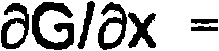


在本发明的制备方法的阶段c)的混合物雾化阶段产生了球形小滴。这些小滴的尺寸分布是对数正态类型的。这里所用的气溶胶发生器是一种由TSI提供的9306A类型的市售装置,其具有6个喷雾器。溶液的雾化是在腔室中进行的,将载气O2/N2混合物(干空气)以1.5bar的压 力P送入该腔室中。 Spherical droplets are produced during the atomization of the mixture in stage c) of the production process according to the invention. The size distribution of these droplets is of the lognormal type. The aerosol generator used here was a commercially available device of the type 9306A supplied by TSI with 6 nebulizers. The nebulization of the solution was performed in a chamber into which a carrier gas O 2 /N 2 mixture (dry air) was fed at a pressure P of 1.5 bar.
根据本发明制备方法的阶段d),将所述的小滴进行干燥。干燥是在PVC管中,通过载气O2/N2混合物传输所述的小滴来进行的,这导致在本发明的材料制备方法的阶段b)过程中所获得的溶液,例如碱性含水有机溶液的不断蒸发,并因此形成了球形的初级粒子。这种干燥程序是通过使所述粒子通过烘箱来完成的,该烘箱的温度是可调的,并且通常是50℃-600℃,优选是80℃-400℃,这些粒子在烘箱中的停留时间是1秒的量级。然后在过滤器中回收该粒子。设置在所述回路末端的泵有利于输送气溶胶试验装置中的物质。在本发明方法的阶段d)的小滴干燥之后,有利的是通过温度为50℃-150℃的炉子。 According to stage d) of the preparation process according to the invention, said droplets are dried. Drying is carried out in a PVC pipe, transporting said droplets by a carrier gas O2 / N2 mixture, which leads to the solution obtained during stage b) of the material preparation process of the invention, for example alkaline aqueous The continuous evaporation of the organic solution and thus the formation of spherical primary particles. This drying procedure is accomplished by passing the particles through an oven whose temperature is adjustable and is usually 50°C-600°C, preferably 80°C-400°C, the residence time of the particles in the oven is on the order of 1 second. The particles are then recovered in the filter. A pump arranged at the end of said circuit facilitates the delivery of the substance in the aerosol test device. After the drying of the droplets in stage d) of the process according to the invention, it is advantageous to pass through an oven at a temperature of 50°C to 150°C.
根据本发明方法的阶段e),将根据本发明方法阶段d)获得的干燥粒子在溶剂存在下进行高压釜处理。该阶段在于将所述粒子在溶剂存在下,在给定温度放入容器中,从而在所选操作条件固有的自发压力下实施。使用的溶剂是质子极性溶剂。优选地,使用的溶剂是水。加入的溶剂的体积相对于所选高压釜的体积限定。因此,加入溶剂的体积为所选高压釜体积的0.01-20%,优选为0.05-5%,更优选为0.05-1%。高压釜处理温度为50-200℃,优选为60-170℃,更优选为60-120℃,从而使得在本发明材料的每个粒子的基质壁中的沸石体生长,而不会产生会使本发明材料的每个粒子中产生的中孔性和大孔性无组织化的太大的沸石晶体。高压釜处理持续1-96小时,优选20-50小时。 According to stage e) of the process according to the invention, the dried particles obtained according to stage d) of the process according to the invention are autoclaved in the presence of a solvent. This stage consists in placing the particles in a container at a given temperature in the presence of a solvent, thus carried out under the spontaneous pressure inherent in the chosen operating conditions. The solvent used is a protic polar solvent. Preferably, the solvent used is water. The volume of solvent added is defined relative to the volume of the autoclave chosen. Therefore, the volume of added solvent is 0.01-20%, preferably 0.05-5%, more preferably 0.05-1% of the selected autoclave volume. The autoclave treatment temperature is 50-200°C, preferably 60-170°C, more preferably 60-120°C, so that the zeolite body in the matrix wall of each particle of the material of the present invention grows without producing The resulting mesoporous and macroporous disorganized oversized zeolite crystals in each particle of the material of the invention. Autoclaving lasts from 1 to 96 hours, preferably from 20 to 50 hours. the
根据本发明制备方法的阶段f),高压釜处理后干燥粒子有利地在炉中在50-150℃的温度下进行。 According to stage f) of the preparation process according to the invention, the drying of the particles after autoclaving is advantageously carried out in an oven at a temperature of 50-150°C. the
在具体的情况中,即,其中任选用于本发明方法阶段a)的元素X是元素铝和其中元素钠存在于根据本发明的方法的阶段a)的通过使用氢氧化钠和/或含钠的结构剂而获得的透明溶液中来提供所述透明溶液的碱度,优选在本发明方法阶段f)和g)之间进行另外的离子交换阶段,以将Na+阳离子交换为NH4 +阳离子。这种交换是根据本领域技术人员已知的操作方案来进行的,其导致了在优选的情况中(其中结构剂和表面活性剂的除去是通过在空气中煅烧来进行的),在本发明的方法的阶段g)之后形成了H+质子。该常规方法之一包括将来自本发明的方法的阶段f)的干燥的固体粒子分散到硝酸铵水溶液中。然后将该组装开始 回流1-6小时。其后将所述粒子通过过滤回收(9000rpm离心分离),清洗,然后通过温度为50℃-150℃的炉子进行干燥。这种离子交换/清洗/干燥循环可以重复几次,优选多于两次。这种交换循环还可以在本发明所述方法的阶段f)和g)之后进行。在这些条件下,然后在最后的交换周期之后,重复阶段g),来产生上述的H+质子。 In the particular case, i.e., wherein the element X optionally used in stage a) of the process according to the invention is elemental aluminum and wherein elemental sodium is present in stage a) of the process according to the invention by using sodium hydroxide and/or containing The alkalinity of the transparent solution obtained by using a structurant of sodium is provided, preferably an additional ion exchange stage is carried out between stages f) and g) of the process according to the invention to exchange Na + cations for NH 4 + cation. This exchange is carried out according to operating protocols known to those skilled in the art, which lead to the fact that in the preferred case (where the removal of the structurant and surfactant is carried out by calcination in air), in the present invention After stage g) of the method H + protons are formed. One of the conventional methods consists in dispersing the dried solid particles from stage f) of the process of the invention into an aqueous solution of ammonium nitrate. The assembly was then started at reflux for 1-6 hours. Thereafter the particles are recovered by filtration (centrifugation at 9000 rpm), washed and then dried in an oven at a temperature between 50°C and 150°C. This ion exchange/washing/drying cycle can be repeated several times, preferably more than two times. This exchange cycle can also be carried out after stages f) and g) of the process according to the invention. Under these conditions, then after the final exchange cycle, stage g) is repeated to generate the above-mentioned H + protons.
根据本发明制备方法的阶段g),为获得本发明的具有分级的多孔性的材料而进行的结构剂和表面活性剂的除去,有利的是依靠化学萃取方法或者热处理来进行的,优选通过在300℃-1000℃,优选在400℃-600℃的温度范围内,在空气中煅烧1-24小时,优选2-12小时来进行。 According to stage g) of the preparation process according to the invention, the removal of structurants and surfactants to obtain the material of the invention with graded porosity is advantageously carried out by means of chemical extraction methods or thermal treatment, preferably by means of 300°C-1000°C, preferably in the temperature range of 400°C-600°C, calcining in air for 1-24 hours, preferably 2-12 hours. the
如果在本发明制备方法的阶段b)中所制备的溶液是水-有机溶剂混合物(其优选是碱性的),则重要的是在本发明制备方法的阶段b)的过程中,表面活性剂的浓度低于临界胶束浓度,并且n无机/n表面活性剂的比例是使得混合的自由焓的变化ΔGm和自由焓的二次微商 大于0,以使得在本发明制备方法的阶段c)过程中,所述的含水有机溶液(其优选是碱性的)依靠气溶胶技术的蒸发引起了通过旋节线分解发生的有机和无机析相作用,导致产生本发明材料的球形粒子的中孔和大孔相。所述观察到的析相作用是硅前体、任选的元素X的前体,优选铝前体,以及表面活性剂由于含水的有机溶液(优选碱性的)的蒸发而在每个小滴中不断浓缩的结果,一直到达到充分的反应物浓度从而导致所述现象。 If the solution prepared in stage b) of the preparation process of the invention is an aqueous-organic solvent mixture (which is preferably alkaline), it is important that during stage b) of the preparation process of the invention, the surfactant The concentration of is below the critical micelle concentration, and the ratio of ninorganic / nsurfactant is such that the change in the free enthalpy of mixing, ΔGm, and the second derivative of the free enthalpy is greater than 0, so that during stage c) of the preparation process according to the invention, the evaporation of said aqueous organic solution (which is preferably alkaline) by means of aerosol technology causes organic and inorganic precipitation by spinodal decomposition. phase interaction, leading to the production of mesopore and macroporous phases of the spherical particles of the material of the invention. The observed phase separation is that of the silicon precursor, optionally the precursor of the element X, preferably the aluminum precursor, and the surfactant in each droplet due to the evaporation of the aqueous organic solution (preferably alkaline). As a result of continuous concentration in , until a sufficient reactant concentration is reached to cause the described phenomenon.
本发明的具有分级的多孔性的材料可以以粉末、球形、粒料、颗粒或者挤出物的形式来获得,该成形操作是使用本领域技术人员已知的常规技术来进行的。优选本发明的具有分级的多孔性的材料是以粉末形式来获得的,该粉末由最大直径为200μm的初级球形粒子组成,这在本发明的材料被用于潜在的工业应用中时,促进了可能的反应物的扩散。 The material with graded porosity of the invention can be obtained in the form of powders, spheres, pellets, granules or extrudates, the forming operations being carried out using conventional techniques known to those skilled in the art. Preferably, the material with graded porosity of the present invention is obtained in the form of a powder consisting of primary spherical particles with a maximum diameter of 200 μm, which facilitates when the material of the present invention is used in potential industrial applications. Diffusion of possible reactants. the
本发明的具有分级的多孔性的材料是依靠几种分析技术来表征的,特别是宽角X射线衍射(WAXD)、氮气体积分析(BET)、水银孔率法、透射电子显微镜法(TEM)、扫描电子显微镜法(SEM)和X射线荧光法(XRF)。 The materials of the present invention with graded porosity are characterized by means of several analytical techniques, notably wide-angle X-ray diffraction (WAXD), nitrogen volumetric analysis (BET), mercury porosimetry, transmission electron microscopy (TEM) , scanning electron microscopy (SEM) and X-ray fluorescence (XRF). the
宽角X射线衍射技术(5°-70°的2θ角度值)能够表征结晶的固体,该 固体是通过在分子尺度上的单位图案或者单位晶胞的重复来定义的。在下面的说明中,X射线分析是在粉末上,用装备有后单色器的反射式衍射计,使用铜辐射(波长 


氮气体积分析提供了关于本发明方法获得的材料的具体构造特性的信息(孔径、多孔性类型、比表面积),该分析对应于氮气分子通过在恒温下逐渐升压而在多孔性材料中的物理吸附。具体的,它能够获知材料的微孔和中孔体积的总值。氮气吸附等温线和滞回线的形状能够给出关于微孔性存在的信息和关于中孔性的性质的信息,所述的微孔性与构成本发明材料的每个球形粒子的基质的结晶壁的沸石体有关。本发明材料微孔性的定量分析是由“t”(Lippens-De Boer方法,1965)或者“αs”(由Sing提供的方法)方法来进行的,该方法对应于初始吸附等温线的转换,如下所述:由F.Rouquerol,J.Rouquerol和K.Sing所著的“Adsorption by powders and porous solids.Principles,methodology andapplications”,Academic Press,1999。这些方法能够具体的获得本发明材料的微孔性的微孔体积特性值,以及样品的比表面积。所用的参考固体是LiChrospher Si-1000二氧化硅(M.Jaroniec,M.Kruck,J.P.Olivier,Langmuir,1999,15,5410)。作为举例,中孔性和大孔性材料的氮气吸附等温线在P/P0低值范围中表现出大的吸附突升(其中P0是在温度T时的饱和蒸气压),随后是在宽的压力范围内具有非常小的斜率的平台,这是微孔性材料特有的,以及在高P/P0值范围中IV型等温线和H1型滞回线代表中孔,中孔的尺寸为1.5-50nm,所述的中孔性和大孔性材料的每个球形粒子的微孔性的基质壁是由ZSM-5(MFI)沸石体组成,其是根据本发明材料制备方法,使用下面的物质来获得的:TEOS作为硅前体,Al(OsC4H9)3作为铝前体,TPAOH作为结构剂和具体已知的嵌段共聚物例如聚(环氧乙烷)106-聚(环氧丙烷)70-聚(环氧乙烷)106(PEO106-PPO70-PEO106或者F127)作为表面活性剂。类似的,通过上述αs方法所获得的曲线Vads(ml/g)=f(αs)是材料中存在微孔性的特征,并且它给出了0.03-0.4ml/g的微孔体积值。总的微孔和中孔体积的测量以及上述微孔体积的测量给出了0.01-1ml/g的本发明材料的中孔体积值。 The nitrogen volume analysis provides information on the specific structural properties (pore size, porosity type, specific surface area) of the material obtained by the method of the present invention, which corresponds to the physical movement of nitrogen molecules in the porous material by gradually increasing the pressure at a constant temperature. adsorption. Specifically, it is possible to obtain the sum of the micropore and mesopore volumes of the material. The shape of the nitrogen adsorption isotherm and the hysteresis can give information about the presence of microporosity, which is related to the crystallization of the matrix of each spherical particle constituting the material of the invention, and about the nature of the mesoporosity related to the zeolite body of the wall. Quantitative analysis of the microporosity of the materials of the present invention is carried out by the "t" (Lippens-De Boer method, 1965) or " αs " (method given by Sing) method, which corresponds to the transformation of the initial adsorption isotherm , as described in: "Adsorption by powders and porous solids. Principles, methodology and applications" by F. Rouquerol, J. Rouquerol and K. Sing, Academic Press, 1999. These methods can specifically obtain the micropore volume characteristic value of the microporosity of the material of the present invention, and the specific surface area of the sample. The reference solid used was LiChrospher Si-1000 silica (M. Jaroniec, M. Kruck, JPOlivier, Langmuir, 1999, 15, 5410). As an example, the nitrogen adsorption isotherms of mesoporous and macroporous materials show a large adsorption spike in the low range of P/P0 (where P0 is the saturated vapor pressure at temperature T), followed by a wide range of A plateau with a very small slope in the pressure range, which is characteristic of microporous materials, and a type IV isotherm and a type H1 hysteresis in the high P/P0 value range represent mesopores, the size of which is 1.5- 50nm, the microporous matrix wall of each spherical particle of the mesoporous and macroporous material is composed of ZSM-5 (MFI) zeolite body, which is according to the material preparation method of the present invention, using the following substances obtained from: TEOS as silicon precursor, Al(O s C 4 H 9 ) 3 as aluminum precursor, TPAOH as structurant and specifically known block copolymers such as poly(ethylene oxide) 106 -poly( Propylene oxide) 70 -poly(ethylene oxide) 106 (PEO 106 -PPO 70 -PEO 106 or F127) as surfactant. Similarly, the curve V ads (ml/g) = f(α s ) obtained by the α s method above is characteristic of the presence of microporosity in the material, and it gives a micropore volume of 0.03-0.4 ml/g value. The measurement of the total micropore and mesopore volume and the measurement of the micropore volume described above give mesopore volume values of 0.01-1 ml/g for the material according to the invention.
水银孔率法分析对应于表征本发明材料中存在中孔和大孔的水银侵入体积,其根据ASTM D4284-83标准,在4000bar的最大压力下,使用484达因/cm的表面张力和140°的接触角(数值选自在J.Charpin和B.Rasneur所写的“Technique de 1’ingénieur,traitéanalyse et caractérisation”第1050页所推荐的那些),假定孔是圆柱形的。该技术作为上述氮气体积分析的补充特别适用于分析中孔和大孔样品。具体而言,该技术能够获得中孔水银体积值(VHgmeso,按ml/g计),所述中孔水银体积值被定义为被所有直径处于中孔范围,即3.6-50nm(该上限值根据IUPAC标准定义)中的孔所吸附的水银体积。类似地,大孔水银体积(VHgmacro,按ml/g计)被定义为被所有直径大于50nm的孔所吸收的水银体积。举例而言,根据本发明方法获得的中孔性和大孔性材料的水银孔率法分析得到了0.01-1ml/g的中孔水银体积和0.05-1ml/g的大孔水银体积,所述的中孔性和大孔性材料的每个球形粒子的微孔性的基质壁是由ZSM-5(MFI)沸石体组成,其是根据本发明的方法,使用下面的物质来获得的:EOS作为硅前体,Al(OsC4H9)3作为铝前体,TPAOH作为结构剂和称为聚(环氧乙烷)106-聚(环氧丙烷)70-聚(环氧乙 烷)106(PEO106-PPO70-PEO106或者F127)的具体已知的嵌段共聚物作为表面活性剂。 Mercury porosimetry analysis corresponds to the mercury intrusion volume characterizing the presence of mesopores and macropores in the material of the invention according to ASTM D4284-83 standard at a maximum pressure of 4000 bar using a surface tension of 484 dynes/cm and a surface tension of 140° (values selected from those recommended on page 1050 of "Technique de 1'ingénieur, traitéanalyse et caractérisation" by J. Charpin and B. Rasneur), assuming that the pores are cylindrical. This technique is particularly useful for the analysis of mesoporous and macroporous samples as a complement to the nitrogen volumetric analysis described above. In particular, this technique enables to obtain mesoporous mercury volume values (V Hgmeso in ml/g) defined as being defined by all diameters in the mesopore range, i.e. 3.6-50 nm (the upper limit The value is the volume of mercury adsorbed by the pores in the IUPAC standard). Similarly, the macroporous mercury volume (V Hgmacro , in ml/g) is defined as the volume of mercury absorbed by all pores with a diameter greater than 50 nm. For example, the mercury porosimetry analysis of the mesoporous and macroporous materials obtained according to the method of the present invention has obtained a mesopore mercury volume of 0.01-1ml/g and a macroporous mercury volume of 0.05-1ml/g, said The microporous matrix wall of each spherical particle of the mesoporous and macroporous material is composed of ZSM-5 (MFI) zeolite bodies obtained according to the method of the present invention using the following substances: EOS As the silicon precursor, Al(O s C 4 H 9 ) 3 as the aluminum precursor, TPAOH as the structuring agent and poly(ethylene oxide) 106 -poly(propylene oxide) 70 -poly(ethylene oxide ) 106 (PEO 106 -PPO 70 -PEO 106 or F127) specifically known block copolymers as surfactants.
透射电子显微镜方法(TEM)分析也是一种常用的表征本发明材料中孔性和大孔性的技术。TEM能够形成所研究的固体的图像,所观察到的对比度表征了所观察的粒子的结构组织、构造、形态或者化学组成,并且该技术的分辨率可最大达到0.2nm。在此后的说明书中,从样品的切片截面来获得TEM照片,以显现本发明材料的初级球形粒子的截面。例如,获自中孔性和大孔性材料的TEM图像表现出,在本发明材料制备方法的雾化阶段c)之后,在相同的球形粒子中经由旋节线分解机制发生的有机-无机析相作用的中孔和大孔特性,其尺寸范围分别为15-50nm和100-500nm,所述的中孔性和大孔性材料的每个球形粒子的微孔性基质壁是由ZSM-5(MFI)沸石体组成,其是根据本发明方法,使用下面的物质来获得的:TEOS作为硅前体,Al(OsC4H9)3作为铝前体,TPAOH作为结构剂和称为聚(环氧乙烷)106-聚(环氧丙烷)70-聚(环氧乙烷)106(PEO106-PPO70-PEO106或者F127)的具体已知的嵌段共聚物作为表面活性剂。对图像的分析也能观察到构成本发明材料的壁的沸石体的存在。 Transmission electron microscopy (TEM) analysis is also a commonly used technique to characterize the mesoporosity and macroporosity of the materials of the present invention. TEM is capable of forming an image of the solid under study, the observed contrast characterizes the structural organization, structure, morphology or chemical composition of the observed particles, and the resolution of this technique can reach a maximum of 0.2 nm. In the following description, TEM photographs are obtained from sliced sections of samples to visualize the sections of primary spherical particles of the material of the present invention. For example, TEM images obtained from mesoporous and macroporous materials show, after the atomization stage c) of the material preparation process of the present invention, organic-inorganic precipitation in the same spherical particles via a spinodal decomposition mechanism. The mesopore and macroporous characteristics of interaction, the size ranges are 15-50nm and 100-500nm respectively, the microporous matrix wall of each spherical particle of the mesoporous and macroporous material is made of ZSM-5 (MFI) zeolite body composition obtained according to the method of the invention using TEOS as silicon precursor, Al(O s C 4 H 9 ) 3 as aluminum precursor, TPAOH as structurant and called Specifically known block copolymers of poly(ethylene oxide) 106 -poly(propylene oxide) 70 -poly(ethylene oxide) 106 (PEO 106 -PPO 70 -PEO 106 or F127) as surfactants . Analysis of the images also allows the presence of zeolite bodies constituting the walls of the material of the invention to be observed.
所述初级粒子的形态和尺寸分布是通过分析由扫描电子显微镜方法(SEM)所获得的照片来进行评价的。 The morphology and size distribution of the primary particles were evaluated by analyzing photographs obtained by scanning electron microscopy (SEM). the
本发明还涉及本发明的具有分级的多孔性的材料作为控制污染的吸附剂或作为用于分离的分子筛的用途。因此本发明的目的还是含本发明的具有分级的多孔性的材料的吸附剂。还有利的是将其用作催化例如在精炼和石油化学领域中实施的那些反应的酸性固体。 The invention also relates to the use of the inventive materials with graded porosity as adsorbents for pollution control or as molecular sieves for separations. The object of the present invention is therefore also an adsorbent comprising a material according to the invention having a graded porosity. It is also advantageous to use it as an acidic solid catalyzing reactions such as those carried out in the refining and petrochemical fields. the
当本发明的具有分级的多孔性的材料被用作催化剂时,该材料可以与可为惰性或催化活性的无机基质以及金属相相关。无机基质可以简单地作为粘合剂存在从而将以各种已知的催化剂形式(挤出物、粒料、球形、粉末)的所述材料的颗粒保持在一起,或者可以将其作为稀释剂加入来在工艺中赋予转化度,否则该工艺会发展太快而由于大量积炭的形成导致催化剂污染。典型的无机基质特别是催化剂的负载材料,例如各种形式的二氧化硅、氧化铝、二氧化硅-氧化铝、氧化镁、氧化锆,以及钛、氧化硼、铝、钛、锆的磷酸盐、粘土例如高岭土、斑脱土、蒙脱石、海泡石、绿坡缕石、漂白土、合成多孔材料例 如SiO2-Al2O3、SiO2-ZrO2、SiO2-ThO2、SiO2-BeO、SiO2-TiO2或这些化合物的任意组合。该无机基质可以是各种化合物的混合物,特别是惰性相和活性相的混合物。本发明的所述材料还可以与至少一种沸石相关,并用作主要的活性相或作为添加剂。金属相可以全部引入本发明的所述材料。也可以通过用选自以下元素的阳离子或氧化物进行离子交换或浸渍:Cu、Ag、Ga、Mg、Ca、Sr、Zn、Cd、B、Al、Sn、Pb、V、P、Sb、Cr、Mo、W、Mn、Re、Fe、Co、Ni、Pt、Pd、Ru、Rh、Os、Ir和元素周期表的任何其它元素,将其全部引入无机基质或由无机基质和具有分级的多孔性的材料组成的组件。 When the graded porosity material of the present invention is used as a catalyst, the material can be associated with an inorganic matrix, which can be inert or catalytically active, as well as a metal phase. The inorganic matrix may simply be present as a binder to hold together particles of said material in the various known catalyst forms (extrudates, pellets, spheres, powders), or it may be added as a diluent to impart a degree of conversion in a process that would otherwise develop too quickly leading to catalyst fouling due to the formation of large coke deposits. Typical inorganic substrates, especially catalyst support materials, such as various forms of silica, alumina, silica-alumina, magnesia, zirconia, and phosphates of titanium, boria, aluminium, titanium, zirconium , clays such as kaolin, bentonite, montmorillonite, sepiolite, attapulgite, fuller's earth, synthetic porous materials such as SiO 2 -Al 2 O 3 , SiO 2 -ZrO 2 , SiO 2 -ThO 2 , SiO 2 -BeO, SiO 2 -TiO 2 or any combination of these compounds. The inorganic matrix can be a mixture of various compounds, in particular a mixture of an inert phase and an active phase. Said material of the invention may also be associated with at least one zeolite and used as the main active phase or as an additive. Metallic phases can be incorporated entirely into the materials of the invention. Also possible by ion exchange or impregnation with cations or oxides selected from the following elements: Cu, Ag, Ga, Mg, Ca, Sr, Zn, Cd, B, Al, Sn, Pb, V, P, Sb, Cr , Mo, W, Mn, Re, Fe, Co, Ni, Pt, Pd, Ru, Rh, Os, Ir and any other element of the periodic table, all of which are introduced into the inorganic matrix or made of the inorganic matrix and have hierarchical porosity Components composed of durable materials.
含本发明材料的催化组合物通常非常适用于实施主要烃转化工艺和有机化合物合成反应。 Catalytic compositions containing the materials of the present invention are generally well suited for carrying out primary hydrocarbon conversion processes and organic compound synthesis reactions. the
含本发明材料的催化组合物有利地可用于下述反应:异构化、烷基转移和歧化作用、烷基化作用和脱烷基化作用、水合作用和脱水作用、低聚反应和聚合反应、环化作用、芳构化、裂解、重整、氢化作用和脱氢作用、氧化作用、卤化作用、氢化裂解、加氢转化、加氢处理、加氢脱硫和加氢脱氮、氮氧化物的催化消除,所述反应涉及含饱和和非饱和脂族烃、芳香烃、含氧有机化合物和含氮和/或硫的有机化合物、以及含其它官能团的有机化合物。 Catalytic compositions containing the materials of the invention are advantageously useful in the following reactions: isomerization, transalkylation and disproportionation, alkylation and dealkylation, hydration and dehydration, oligomerization and polymerization Reactions, cyclization, aromatization, cracking, reforming, hydrogenation and dehydrogenation, oxidation, halogenation, hydrocracking, hydroconversion, hydrotreating, hydrodesulfurization and hydrodenitrogenation, nitrogen oxidation Catalytic elimination of compounds involving saturated and unsaturated aliphatic hydrocarbons, aromatic hydrocarbons, oxygen-containing organic compounds and organic compounds containing nitrogen and/or sulfur, as well as organic compounds containing other functional groups. the
本发明通过下面的实施例进行说明。 The invention is illustrated by the following examples. the
实施例 Example
在下面的实施例中,所用的气溶胶技术是在本发明的说明书中上面所述的技术。 In the following examples, the aerosol technology used is that described above in the specification of the present invention. the
对于下面实施例的每一个来说,计算了阶段b)的混合物的V无机/V 有机比例。这个比例定义如下:V无机/V有机=(m无机*ρ有机)/(m有机*ρ无机),其中m无机是在固体初级粒子中,以缩合氧化物形式(即SiO2和AlO2)的无机部分的最终质量,m有机是在固体初级粒子中发现的非挥发性有机部分(即,表面活性剂和结构剂)的总质量,ρ有机和ρ无机是分别与非挥发性有机和无机部分相关的密度。在下面的实施例中,我们认为ρ有机=1,ρ无机=2。因此,V无机/V有机比例计算为V无机/V有机=(mSiO2+mAlO2)/[2*(m结构剂+m表面活性剂)]。在所述的V无机/V有机比例计算中不考虑乙醇,苏打和水。 For each of the following examples, the V inorganic / V organic ratio of the mixture of stage b) was calculated. This ratio is defined as follows: Vinorganic / Vorganic = ( minorganic * ρorganic )/( morganic * ρinorganic ), where minorganic is in solid primary particles, in the form of condensed oxides (i.e. SiO2 and AlO2 ) The final mass of the inorganic part of , morganic is the total mass of the non-volatile organic part (i.e., surfactant and structurant) found in the solid primary particle, ρorganic and ρinorganic are the ratios of non-volatile organic and inorganic Partially related densities. In the following examples, we consider ρorganic =1 and ρinorganic =2. Therefore, the Vinorganic / Vorganic ratio is calculated as Vinorganic / Vorganic = (m SiO2 + m AlO2 )/[2*(m structurant + m surfactant )]. Ethanol, soda and water are not considered in the stated V inorganic / V organic ratio calculations.
实施例1(本发明):制备具有中孔性和大孔性的材料,其Si/Al摩尔比例=50,它的微孔性的壁是由ZSM-5(MFI)沸石的结晶体组成。将10.05g的四丙基氢氧化铵溶液(TPAOH的20质量%的水溶液)加入到4.3g软化水和9.2mg氢氧化钠NaOH中。将该混合物搅拌10分钟。然后加入0.14g的仲丁氧基铝(Al(OsC4H9)3)。铝前体的水解进行1小时。然后加入6g的正硅酸四乙酯(TEOS)。将该混合物置于环境温度搅拌18小时,来获得透明溶液。然后将18ml该溶液加入到含有35.2g的乙醇、11.3g的水和2g的表面活性剂F127(该混合物的pH值=10.5)的溶液中。该混合物的V无机/V有机比例是0.20,其如上所述进行计算。将该混合物置于搅拌下10分钟。然后将它送到上面的说明书中所述的气溶胶发生器的雾化室中,并且在压力(P=1.5bar)下引入的载气(干空气)的作用下,将该溶液喷雾成为细微小滴的形式。根据上面的说明书中所述的方案来干燥该小滴:它们是在PVC管中通过O2/N2混合物进行传输的。然后将它们供给到温度设定为250℃的烘箱中以完成持续时间为1秒量级的干燥。将所收集的粉末然后在95℃的炉子中干燥12小时。然后将10mg粉末放入存在100μl软化水的100ml的高压釜(有可能承受200℃量级的温度和5巴量级的压力的容器)中。该高压釜具有“篮子”或“室”系统,使得该粉末在浸渍在蒸汽中时不与加入的水直接接触。然后使该高压釜在95℃下48小时。然后将收集的粉末在炉中95℃干燥12小时。然后将该粉末在T=550℃在空气中煅烧5小时。将该固体用XRD、氮气体积分析、水银孔率法、TEM、SEM、XF进行表征。TEM分析显示构成材料的球形粒子显示特征为长300-500nm、宽100-200nm范围的中心大孔性,和特征为20-50nm范围的粒子的周边中孔性,整体特征在于在煅烧阶段之前存在的通过旋节线分解机制获得的有机-无机析相作用。材料壁中沸石体的存在也可以在对100nm量级的局部区域中的70nm量级厚度的切片部分(michrotome section)的电子衍射研究中清楚可见。氮气体积分析与αs方法分析相结合给出了0.26ml/g(N2)的微孔体积值V微孔,0.6ml/g(N2)的中孔体积值V中孔和S=690m2/g的最终材料的比表面积。通过水银孔率法确定的大孔水银体积为0.5ml/g(同样通过水银孔率法获得的中孔水银体积值完全符合通过氮气体积分析法获得的值)。宽角X射线衍射分析导致了ZSM-5沸石的衍射图特性(XRD测量的微孔尺寸为0.55nm量级)。通过XF所 获得的Si/Al摩尔比是50。因此所获得的球形初级粒子的SEM图像显示这些粒子具有这样的尺寸,该尺寸的特征在于直径是50-700nm,这些粒子的尺寸分布是大约300nm。 Example 1 (the present invention): Preparation of a material with mesoporosity and macroporosity, its Si/Al molar ratio=50, and its microporous wall is composed of ZSM-5 (MFI) zeolite crystals. 10.05 g of tetrapropylammonium hydroxide solution (20 mass % aqueous solution of TPAOH) was added to 4.3 g of demineralized water and 9.2 mg of sodium hydroxide NaOH. The mixture was stirred for 10 minutes. Then 0.14 g of aluminum sec-butoxide (Al(O s C 4 H 9 ) 3 ) was added. Hydrolysis of the aluminum precursor was carried out for 1 hour. Then 6 g of tetraethylorthosilicate (TEOS) were added. The mixture was stirred at ambient temperature for 18 hours to obtain a clear solution. 18 ml of this solution were then added to a solution containing 35.2 g of ethanol, 11.3 g of water and 2 g of surfactant F127 (pH of the mixture = 10.5). The V inorganic / V organic ratio of this mixture was 0.20, calculated as described above. The mixture was left under stirring for 10 minutes. It is then sent to the atomization chamber of the aerosol generator described in the above specification, and under the action of the carrier gas (dry air) introduced under pressure (P=1.5 bar), the solution is sprayed into fine particles. in the form of droplets. The droplets were dried according to the protocol described in the specification above: they were transported in a PVC pipe with an O2 / N2 mixture. They were then fed into an oven set at a temperature of 250° C. to complete drying with a duration of the order of 1 second. The collected powder was then dried in an oven at 95°C for 12 hours. 10 mg of powder are then placed in a 100 ml autoclave (vessel capable of withstanding temperatures of the order of 200° C. and pressures of the order of 5 bar) in the presence of 100 μl of demineralized water. The autoclave has a "basket" or "chamber" system so that the powder is not in direct contact with the added water while immersed in steam. The autoclave was then kept at 95°C for 48 hours. The collected powder was then dried in an oven at 95°C for 12 hours. The powder was then calcined in air at T=550°C for 5 hours. The solid was characterized by XRD, nitrogen volume analysis, mercury porosimetry, TEM, SEM, and XF. TEM analysis shows that the spherical particles that make up the material exhibit central macroporosity characterized by a range of 300-500nm in length and 100-200nm in width, and peripheral mesoporosity characterized by particles in the range of 20-50nm, overall characterized by the presence of Organic-inorganic phase separation via a spinodal decomposition mechanism. The presence of zeolite bodies in the material walls can also be clearly seen in electron diffraction studies of michrotome sections with a thickness of the order of 70 nm in localized regions of the order of 100 nm. Nitrogen volumetric analysis combined with α s method analysis gives a micropore volume value Vmicropore of 0.26ml/g( N2 ), a mesopore volume value Vmesopore of 0.6ml/g( N2 ) and S=690m 2 /g of the specific surface area of the final material. The macroporous mercury volume determined by mercury porosimetry was 0.5 ml/g (the mesopore mercury volume value also obtained by mercury porosimetry was in full agreement with the value obtained by nitrogen volumetric analysis). Wide-angle X-ray diffraction analysis resulted in a diffraction pattern characteristic of the ZSM-5 zeolite (micropore size measured by XRD is on the order of 0.55 nm). The Si/Al molar ratio obtained by XF was 50. The SEM image of the spherical primary particles thus obtained shows that these particles have a size characterized by a diameter of 50-700 nm, the size distribution of these particles being about 300 nm.
实施例2(本发明):制备具有中孔性和大孔性的材料,它的微孔性的壁是由硅质岩(MFI)沸石的结晶体组成。 Example 2 (invention): Preparation of a mesoporous and macroporous material whose microporous walls are composed of crystals of silicalite (MFI) zeolite.
将10.05g的四丙基氢氧化铵溶液(TPAOH的20质量%的水溶液)加入到4.3g软化水和9.2mg氢氧化钠NaOH中。将该混合物搅拌10分钟。然后加入6g的正硅酸四乙酯(TEOS)。将该混合物置于环境温度搅拌18小时,来获得透明溶液。然后将18ml该溶液加入到含有35.2g的乙醇、11.3g的水和2g的表面活性剂F127(该混合物的pH值=10.5)的溶液中。该混合物的V无机/V有机比例是0.20,其如上所述进行计算。将该混合物置于搅拌下10分钟。然后将它送到上面的说明书中所述的气溶胶发生器的雾化室中,并且在压力(P=1.5bar)下引入的载气(干空气)的作用下,将该溶液喷雾成为细微小滴的形式。根据上面的说明书中所述的方案来干燥该小滴:它们是在PVC管中通过O2/N2混合物进行传输的。然后将它们供给到干燥温度设定为250℃的烘箱中。将所收集的粉末然后在95℃的炉子中干燥12小时。然后将10mg粉末放入存在100μl软化水的100ml的高压釜(有可能承受200℃量级的温度和5巴量级的压力的容器)中。该高压釜具有“篮子”或“室”系统,使得该粉末在浸渍在蒸汽中时不与加入的水直接接触。然后使该高压釜在95℃下36小时。然后将收集的粉末在炉中95℃干燥12小时。然后将该粉末在T=550℃在空气中煅烧5小时。将该固体用XRD、氮气体积分析、水银孔率法、TEM、SEM进行表征。TEM分析显示构成材料的球形粒子显示特征为长300-500nm、宽100-200nm范围的中心大孔性,和特征为20-50nm范围的粒子的周边中孔性,整体特征在于在煅烧阶段之前存在的通过旋节线分解机制获得的有机-无机析相作用。材料壁中沸石体的存在也可以在对100nm量级的局部区域中的70nm量级厚度的切片部分的电子衍射研究中清楚可见。氮气体积分析与αs方法分析相结合给出了0.3ml/g(N2)的微孔体积值V微孔,0.6ml/g(N2)的中孔体积值V中孔和S=680m2/g的最终材料的比表面积。通过水银孔率法确定的大孔水银体积为0.5ml/g(同样通过水银孔率法获得的中孔水银体积值完全符合通过氮气体积分析法获得的值)。宽角X射线衍射 分析导致了硅质岩沸石的衍射图特性(XRD测量的微孔尺寸为0.55nm量级)。因此所获得的球形初级粒子的SEM图像显示这些粒子具有这样的尺寸,该尺寸的特征在于直径是50-700nm,这些粒子的尺寸分布是大约300nm。 10.05 g of tetrapropylammonium hydroxide solution (20 mass % aqueous solution of TPAOH) was added to 4.3 g of demineralized water and 9.2 mg of sodium hydroxide NaOH. The mixture was stirred for 10 minutes. Then 6 g of tetraethylorthosilicate (TEOS) were added. The mixture was stirred at ambient temperature for 18 hours to obtain a clear solution. 18 ml of this solution were then added to a solution containing 35.2 g of ethanol, 11.3 g of water and 2 g of surfactant F127 (pH of the mixture = 10.5). The V inorganic / V organic ratio of this mixture was 0.20, calculated as described above. The mixture was left under stirring for 10 minutes. It is then sent to the atomization chamber of the aerosol generator described in the above specification, and under the action of the carrier gas (dry air) introduced under pressure (P=1.5 bar), the solution is sprayed into fine particles. in the form of droplets. The droplets were dried according to the protocol described in the specification above: they were transported in a PVC pipe with an O2 / N2 mixture. They were then fed into an oven set at a drying temperature of 250°C. The collected powder was then dried in an oven at 95°C for 12 hours. 10 mg of powder are then placed in a 100 ml autoclave (vessel capable of withstanding temperatures of the order of 200° C. and pressures of the order of 5 bar) in the presence of 100 μl of demineralized water. The autoclave has a "basket" or "chamber" system so that the powder is not in direct contact with the added water while immersed in steam. The autoclave was then kept at 95°C for 36 hours. The collected powder was then dried in an oven at 95°C for 12 hours. The powder was then calcined in air at T=550°C for 5 hours. The solid was characterized by XRD, nitrogen volume analysis, mercury porosimetry, TEM, and SEM. TEM analysis shows that the spherical particles that make up the material exhibit central macroporosity characterized by a range of 300-500nm in length and 100-200nm in width, and peripheral mesoporosity characterized by particles in the range of 20-50nm, overall characterized by the presence of Organic-inorganic phase separation via a spinodal decomposition mechanism. The presence of zeolite bodies in the material walls can also be clearly seen in electron diffraction studies of sectioned sections with a thickness of the order of 70 nm in localized regions of the order of 100 nm. Nitrogen volumetric analysis combined with α s method analysis gives a micropore volume value Vmicropore of 0.3ml/g( N2 ), a mesopore volume value Vmesopore of 0.6ml/g( N2 ) and S=680m 2 /g of the specific surface area of the final material. The macroporous mercury volume determined by mercury porosimetry was 0.5 ml/g (the mesopore mercury volume value also obtained by mercury porosimetry was in full agreement with the value obtained by nitrogen volumetric analysis). Wide-angle X-ray diffraction analysis resulted in a diffraction pattern characteristic of the silicalite zeolite (micropore size measured by XRD on the order of 0.55 nm). The SEM image of the spherical primary particles thus obtained shows that these particles have a size characterized by a diameter of 50-700 nm, the size distribution of these particles being about 300 nm.
实施例3(本发明):制备具有中孔性和大孔性的材料,它的微孔性的壁是由β(BEA)沸石的结晶体组成,以使得具有的Si/Al摩尔比例=50。 Example 3 (invention): Preparation of a mesoporous and macroporous material whose microporous walls are composed of crystals of zeolite beta (BEA) so as to have a Si/Al molar ratio=50.
将11.70g的四乙基氢氧化铵溶液(TEAOH的20质量%的水溶液)加入到7.8g软化水和0.03mg氢氧化钠NaOH中。将该混合物搅拌10分钟。然后加入0.14g的仲丁氧基铝(Al(OsC4H9)3)。将该混合物搅拌10分钟。铝前体的水解进行1小时。然后加入6g的正硅酸四乙酯(TEOS)。将该混合物置于环境温度搅拌18小时,来获得透明溶液。然后将18ml该溶液加入到含有35.2g的乙醇、11.3g的水和2g的表面活性剂F 127(该混合物的pH值=10)的溶液中。该混合物的V无机/V有机比例是0.17,其如上所述进行计算。将该混合物置于搅拌下10分钟。然后将它送到上面的说明书中所述的气溶胶发生器的雾化室中,并且在压力(P=1.5bar)下引入的载气(干空气)的作用下,将该溶液喷雾成为细微小滴的形式。根据上面的说明书中所述的方案来干燥该小滴:它们是在PVC管中通过O2/N2混合物进行传输的。然后将它们供给到干燥温度设定为250℃的烘箱中。将所收集的粉末然后在95℃的炉子中干燥12小时。然后将10mg粉末放入存在150μl软化水的100ml的高压釜(有可能承受200℃量级的温度和5巴量级的压力的容器)中。该高压釜具有“篮子”或“室”系统,使得该粉末在浸渍在蒸汽中时不与加入的水直接接触。然后使该高压釜在95℃下48小时。然后将收集的粉末在炉中95℃干燥12小时。然后将该粉末在550℃的空气中煅烧5小时。将该固体用XRD、氮气体积分析、水银孔率法、TEM、SEM、XF进行表征。TEM分析显示构成材料的球形粒子显示特征为长300-500nm、宽100-200nm范围的中心大孔性,和特征为20-50nm范围的粒子的周边中孔性,整体特征在于在煅烧阶段之前存在的通过旋节线分解机制获得的有机-无机析相作用。材料壁中沸石体的存在也可以在对100nm量级的局部区域中的70nm量级厚度的切片部分的电子衍射研究中清楚可见。氮气体积分析与αs方法分析相结合给出了 0.35ml/g(N2)的微孔体积值V微孔,0.6ml/g(N2)的中孔体积值V中孔和S=700m2/g的最终材料的比表面积。通过水银孔率法确定的大孔水银体积为0.3ml/g(同样通过水银孔率法获得的中孔水银体积值完全符合通过氮气体积分析法获得的值)。宽角X射线衍射分析导致了β沸石的衍射图特性(XRD测量的微孔尺寸为0.66nm量级)。通过XF所获得的Si/Al摩尔比是50。因此所获得的球形初级粒子的SEM图像显示这些粒子具有这样的尺寸,该尺寸的特征在于直径是50-700nm,这些粒子的尺寸分布是大约300nm。 11.70 g of tetraethylammonium hydroxide solution (20 mass % aqueous solution of TEAOH) was added to 7.8 g of demineralized water and 0.03 mg of sodium hydroxide NaOH. The mixture was stirred for 10 minutes. Then 0.14 g of aluminum sec-butoxide (Al(O s C 4 H 9 ) 3 ) was added. The mixture was stirred for 10 minutes. Hydrolysis of the aluminum precursor was carried out for 1 hour. Then 6 g of tetraethylorthosilicate (TEOS) were added. The mixture was stirred at ambient temperature for 18 hours to obtain a clear solution. 18 ml of this solution were then added to a solution containing 35.2 g of ethanol, 11.3 g of water and 2 g of surfactant F 127 (pH value of the mixture=10). The V inorganic / V organic ratio of this mixture was 0.17, which was calculated as described above. The mixture was left under stirring for 10 minutes. It is then sent to the atomization chamber of the aerosol generator described in the above specification, and under the action of the carrier gas (dry air) introduced under pressure (P=1.5 bar), the solution is sprayed into fine particles. in the form of droplets. The droplets were dried according to the protocol described in the specification above: they were transported in a PVC pipe with an O2 / N2 mixture. They were then fed into an oven set at a drying temperature of 250°C. The collected powder was then dried in an oven at 95°C for 12 hours. 10 mg of powder are then placed in a 100 ml autoclave (vessel capable of withstanding temperatures of the order of 200° C. and pressures of the order of 5 bar) in the presence of 150 μl of demineralized water. The autoclave has a "basket" or "chamber" system so that the powder is not in direct contact with the added water while immersed in steam. The autoclave was then kept at 95°C for 48 hours. The collected powder was then dried in an oven at 95°C for 12 hours. The powder was then calcined in air at 550°C for 5 hours. The solid was characterized by XRD, nitrogen volume analysis, mercury porosimetry, TEM, SEM, and XF. TEM analysis shows that the spherical particles that make up the material exhibit central macroporosity characterized by a range of 300-500nm in length and 100-200nm in width, and peripheral mesoporosity characterized by particles in the range of 20-50nm, overall characterized by the presence of Organic-inorganic phase separation via a spinodal decomposition mechanism. The presence of zeolite bodies in the material walls can also be clearly seen in electron diffraction studies of sectioned sections with a thickness of the order of 70 nm in localized regions of the order of 100 nm. Nitrogen volumetric analysis combined with α s method analysis gives a micropore volume value Vmicropore of 0.35ml/g( N2 ), a mesopore volume value Vmesopore of 0.6ml/g( N2 ) and S=700m 2 /g of the specific surface area of the final material. The macroporous mercury volume determined by mercury porosimetry was 0.3 ml/g (the mesopore mercury volume value also obtained by mercury porosimetry was in full agreement with the value obtained by nitrogen volumetric analysis). Wide-angle X-ray diffraction analysis resulted in a diffraction pattern characteristic of zeolite beta (micropore size measured by XRD is on the order of 0.66 nm). The Si/Al molar ratio obtained by XF was 50. The SEM image of the spherical primary particles thus obtained shows that these particles have a size characterized by a diameter of 50-700 nm, the size distribution of these particles being about 300 nm.
实施例4(本发明):制备具有中孔性和大孔性的材料,它的微孔性的壁是由Y(FAU)沸石的结晶体组成,以使得具有的Si/Al摩尔比例=8。 Example 4 (invention): Preparation of a mesoporous and macroporous material whose microporous walls are composed of Y(FAU) zeolite crystals so as to have a Si/Al molar ratio=8.
将0.41g的铝酸钠(NaAlO2)加入到含0.17g氢氧化钠和7.6g软化水的溶液中。将该混合物搅拌直到铝前体溶解。然后在强烈搅拌下加入10g硅酸钠(27wt%SiO2和14wt%NaOH)。将该混合物置于环境温度搅拌18小时,来获得透明溶液。然后将15ml该溶液加入到含有35.2g的乙醇、11.6g的水和6.3g的表面活性剂F127(该混合物的pH值=9.8)的溶液中。该混合物的V无机/V有机比例是0.24,其如上所述进行计算。将该混合物置于搅拌下10分钟。然后将它送到上面的说明书中所述的气溶胶发生器的雾化室中,并且在压力(P=1.5bar)下引入的载气(干空气)的作用下,将该溶液喷雾成为细微小滴的形式。根据上面的说明书中所述的方案来干燥该小滴:它们是在PVC管中通过O2/N2混合物进行传输的。然后将它们供给到干燥温度设定为250℃的烘箱中。将所收集的粉末然后在95℃的炉子中干燥12小时。然后将10mg粉末放入存在150μl软化水的100ml的高压釜(有可能承受200℃量级的温度和5巴量级的压力的容器)中。该高压釜具有“篮子”或“室”系统,使得该粉末在浸渍在蒸汽中时不与加入的水直接接触。然后使该高压釜在95℃下48小时。然后将收集的粉末在炉中95℃干燥12小时。然后将该粉末在550℃的空气中煅烧5小时。将该固体用XRD、氮气体积分析、水银孔率法、TEM、SEM、ICP和XF进行表征。TEM分析显示构成材料的球形粒子显示特征为长300-500nm、宽100-200nm范围的中心大孔性,和特征为20-50nm范围的粒子的周边中孔性,整体特征在于在煅烧阶段之前存在的通过旋节线分解机制获得的有机-无机析相作用。材料壁中沸石体的存在也可以在对100nm量级的局部区 域中的70nm量级厚度的切片部分的电子衍射研究中清楚可见。氮气体积分析与αs方法分析相结合给出了0.33ml/g(N2)的微孔体积值V微孔,0.8ml/g(N2)的中孔体积值V中孔和S=720m2/g的最终材料的比表面积。通过水银孔率法确定的大孔水银体积为0.5ml/g(同样通过水银孔率法获得的中孔水银体积值完全符合通过氮气体积分析法获得的值)。宽角X射线衍射分析导致了Y沸石的衍射图特性(XRD测量的微孔尺寸为0.8nm量级)。通过XF所获得的Si/Al摩尔比是8。因此所获得的球形初级粒子的SEM图像显示这些粒子具有这样的尺寸,该尺寸的特征在于直径是50-700nm,这些粒子的尺寸分布是大约300nm。 0.41 g of sodium aluminate (NaAlO 2 ) was added to a solution containing 0.17 g of sodium hydroxide and 7.6 g of demineralized water. The mixture was stirred until the aluminum precursor was dissolved. Then 10 g of sodium silicate (27 wt% SiO2 and 14 wt% NaOH) were added under vigorous stirring. The mixture was stirred at ambient temperature for 18 hours to obtain a clear solution. 15 ml of this solution were then added to a solution containing 35.2 g of ethanol, 11.6 g of water and 6.3 g of surfactant F127 (pH of the mixture = 9.8). The V inorganic / V organic ratio of this mixture was 0.24, calculated as described above. The mixture was left under stirring for 10 minutes. It is then sent to the atomization chamber of the aerosol generator described in the above specification, and under the action of the carrier gas (dry air) introduced under pressure (P=1.5 bar), the solution is sprayed into fine particles. in the form of droplets. The droplets were dried according to the protocol described in the specification above: they were transported in a PVC pipe with an O2 / N2 mixture. They were then fed into an oven set at a drying temperature of 250°C. The collected powder was then dried in an oven at 95°C for 12 hours. 10 mg of powder are then placed in a 100 ml autoclave (vessel capable of withstanding temperatures of the order of 200° C. and pressures of the order of 5 bar) in the presence of 150 μl of demineralized water. The autoclave has a "basket" or "chamber" system so that the powder is not in direct contact with the added water while immersed in steam. The autoclave was then kept at 95°C for 48 hours. The collected powder was then dried in an oven at 95°C for 12 hours. The powder was then calcined in air at 550°C for 5 hours. The solid was characterized by XRD, nitrogen volumetric analysis, mercury porosimetry, TEM, SEM, ICP and XF. TEM analysis shows that the spherical particles that make up the material exhibit central macroporosity characterized by a range of 300-500nm in length and 100-200nm in width, and peripheral mesoporosity characterized by particles in the range of 20-50nm, overall characterized by the presence of Organic-inorganic phase separation via a spinodal decomposition mechanism. The presence of zeolite bodies in the material walls can also be clearly seen in electron diffraction studies of sectioned sections with a thickness of the order of 70 nm in localized areas of the order of 100 nm. Nitrogen volumetric analysis combined with α s method analysis gives a micropore volume value Vmicropore of 0.33ml/g( N2 ), a mesopore volume value Vmesopore of 0.8ml/g( N2 ) and S=720m 2 /g of the specific surface area of the final material. The macroporous mercury volume determined by mercury porosimetry was 0.5 ml/g (the mesopore mercury volume value also obtained by mercury porosimetry was in full agreement with the value obtained by nitrogen volumetric analysis). Wide angle X-ray diffraction analysis resulted in a diffraction pattern characteristic of the Y zeolite (micropore size measured by XRD is on the order of 0.8 nm). The Si/Al molar ratio obtained by XF was 8. The SEM image of the spherical primary particles thus obtained shows that these particles have a size characterized by a diameter of 50-700 nm, the size distribution of these particles being about 300 nm.
Claims (19)
Applications Claiming Priority (3)
| Application Number | Priority Date | Filing Date | Title |
|---|---|---|---|
| FR0706295A FR2920758B1 (en) | 2007-09-07 | 2007-09-07 | CRYSTALLIZED MATERIAL WITH HIERARCHISED POROSITY AND COMPRISING SILICON |
| FR0706295 | 2007-09-07 | ||
| PCT/FR2008/001215 WO2009060143A2 (en) | 2007-09-07 | 2008-08-29 | Crystallised material with hierarchised porosity and containing silicon |
Publications (2)
| Publication Number | Publication Date |
|---|---|
| CN101795970A CN101795970A (en) | 2010-08-04 |
| CN101795970B true CN101795970B (en) | 2012-10-03 |
Family
ID=39427684
Family Applications (1)
| Application Number | Title | Priority Date | Filing Date |
|---|---|---|---|
| CN2008801061467A Expired - Fee Related CN101795970B (en) | 2007-09-07 | 2008-08-29 | Silicon-containing crystalline material with graded porosity |
Country Status (9)
| Country | Link |
|---|---|
| US (1) | US8685366B2 (en) |
| EP (1) | EP2197794B1 (en) |
| JP (1) | JP5386489B2 (en) |
| CN (1) | CN101795970B (en) |
| AT (1) | ATE530499T1 (en) |
| DK (1) | DK2197794T3 (en) |
| FR (1) | FR2920758B1 (en) |
| WO (1) | WO2009060143A2 (en) |
| ZA (1) | ZA201000907B (en) |
Families Citing this family (16)
| Publication number | Priority date | Publication date | Assignee | Title |
|---|---|---|---|---|
| FR2953854B1 (en) * | 2009-12-16 | 2012-12-28 | Inst Francais Du Petrole | METHOD FOR CONVERTING CHARGES FROM RENEWABLE SOURCES WITH PRETREATMENT OF LOADS BY HOT DEPHOSPHATION |
| FR2969514B1 (en) * | 2010-12-22 | 2013-04-12 | IFP Energies Nouvelles | PROCESS FOR THE PREPARATION OF A SPHERICAL MATERIAL HIERARCHISED POROSITY COMPRISING METALLIC PARTICLES PIEGEES IN A MATRIX BASED ON SILICON |
| FR2969513B1 (en) | 2010-12-22 | 2013-04-12 | IFP Energies Nouvelles | PROCESS FOR THE PREPARATION OF A SPHERICAL MATERIAL HIERARCHISED POROSITY COMPRISING METALLIC PARTICLES PIEGEES IN A MESOSTRUCTURED MATRIX |
| US10286391B2 (en) * | 2012-02-17 | 2019-05-14 | Inaeris Technologies, Llc | Catalyst system having meso and macro hierarchical pore structure |
| CN102826557A (en) * | 2012-09-25 | 2012-12-19 | 复旦大学 | Method for preparing silicon oxide nanotube and two-dimensional ordered assembly body thereof |
| WO2014186210A2 (en) * | 2013-05-13 | 2014-11-20 | University Of Connecticut | Mesoporous materials and processes preparation thereof |
| CN103708488B (en) * | 2013-12-27 | 2015-04-22 | 复旦大学 | Method for preparing multilevel porous zeolite through microwave assisted decomposition of hydrogen peroxide |
| CN103979570B (en) * | 2014-05-14 | 2016-01-06 | 武汉理工大学 | The synthetic method of a kind of novel ordered big hole-mesoporous-micropore multi-stage porous Si-Al molecular sieve |
| EP3017866B1 (en) | 2014-11-05 | 2019-09-11 | Geoservices Equipements SAS | Method for producing a silica-based stationary phase for a chromatography column |
| RU2706241C2 (en) * | 2015-07-02 | 2019-11-15 | Далянь Инститьют Оф Кемикал Физикс, Чайниз Академи Оф Сайенсез | Catalyst and method of producing light olefins directly from synthesis gas as result of single-step process |
| WO2017143978A1 (en) * | 2016-02-22 | 2017-08-31 | The University Of Hong Kong | Method of producing a porous crystalline material with a highly uniform structure |
| US10434496B2 (en) | 2016-03-29 | 2019-10-08 | Agilent Technologies, Inc. | Superficially porous particles with dual pore structure and methods for making the same |
| US10434870B2 (en) | 2016-05-11 | 2019-10-08 | GM Global Technology Operations LLC | Adsorption storage tank for natural gas |
| CN106906971A (en) * | 2017-03-13 | 2017-06-30 | 安徽倍立达住工科技有限公司 | A kind of super-hydrophobicity GRC products and its preparation technology |
| US10381170B2 (en) | 2017-03-29 | 2019-08-13 | GM Global Technology Operations LLC | Microporous and hierarchical porous carbon |
| FR3108332B1 (en) * | 2020-03-23 | 2022-10-21 | Centre Nat Etd Spatiales | Homogeneous suspension for zeolite paints |
Citations (3)
| Publication number | Priority date | Publication date | Assignee | Title |
|---|---|---|---|---|
| US6814950B1 (en) * | 1999-09-07 | 2004-11-09 | Abb Lummus Global Inc. | Inorganic oxides with mesoporosity or combined meso-and microporosity and process for the preparation thereof |
| CN1628077A (en) * | 2002-02-05 | 2005-06-15 | Abb路慕斯全球股份有限公司 | Nanocrystalline inorganic based zeolite and method for making same |
| EP1627853A1 (en) * | 2004-06-24 | 2006-02-22 | Institut Français du Pétrole | Material with hirarchized porosity, comprising silicium |
Family Cites Families (15)
| Publication number | Priority date | Publication date | Assignee | Title |
|---|---|---|---|---|
| US3386802A (en) * | 1967-07-28 | 1968-06-04 | Universal Oil Prod Co | Method for preparing spherically-shaped crystalline zeolite particles |
| DE4203789A1 (en) * | 1992-02-10 | 1993-08-12 | Henkel Kgaa | METHOD FOR STABILIZING AQUEOUS ZEOLITE SUSPENSIONS |
| IT1295267B1 (en) * | 1997-10-03 | 1999-05-04 | Enichem Spa | PROCESS FOR PREPARING ALLOYED ZEOLITES |
| IT1314263B1 (en) * | 1999-12-03 | 2002-12-06 | Enichem Spa | PROCESS FOR THE PREPARATION OF ZEOLITHIC CATALYSTS. |
| JP3949336B2 (en) * | 2000-02-03 | 2007-07-25 | 触媒化成工業株式会社 | Process for producing catalyst composition for catalytic cracking of hydrocarbons |
| US6509290B1 (en) * | 2000-07-17 | 2003-01-21 | Exxon Mobil Chemical Patents, Inc. | Catalyst composition including attrition particles and method for making same |
| ITMI20012470A1 (en) * | 2001-11-23 | 2003-05-23 | Enichem Spa | PROCEDURE FOR THE PREPARATION OF MFI TYPE ZEOLITHIC VITALIZERS |
| US7122496B2 (en) * | 2003-05-01 | 2006-10-17 | Bp Corporation North America Inc. | Para-xylene selective adsorbent compositions and methods |
| FR2872151B1 (en) * | 2004-06-24 | 2007-06-29 | Inst Francais Du Petrole | MATERIAL ALUMINOSILICATE MESOSTRUCTURE |
| WO2006006702A1 (en) * | 2004-07-15 | 2006-01-19 | Nikki-Universal Co., Ltd. | Catalyst for purifying exhaust gas containing organic nitrogen compound and method for purifying such exhaust gas |
| FR2873116B1 (en) * | 2004-07-15 | 2012-11-30 | Inst Francais Du Petrole | OLEFIN OLIGOMERIZATION METHOD USING SILICA-ALUMINATED CATALYST |
| FR2882941B1 (en) * | 2005-03-08 | 2007-12-21 | Inst Francais Du Petrole | PROCESS FOR PURIFYING NATURAL GAS BY ADSORPTING MERCAPTANS |
| FR2905122B1 (en) * | 2006-08-24 | 2009-07-24 | Inst Francais Du Petrole | PROCESS FOR PRODUCTION OF PROPYLENE IN THE PRESENCE OF A MACROPOROUS CATALYST IN THE FORM OF SPHERICAL BALLS |
| FR2920756B1 (en) * | 2007-09-07 | 2010-08-20 | Inst Francais Du Petrole | AMORPHOUS MATERIAL COMPRISING HIERARCHISED AND ORGANIC POROSITY SILICON |
| FR2920757B1 (en) * | 2007-09-07 | 2009-11-13 | Inst Francais Du Petrole | CRYSTALLIZED MATERIAL COMPRISING SILICON HIERARCHISED AND ORGANIZED POROSITY |
-
2007
- 2007-09-07 FR FR0706295A patent/FR2920758B1/en not_active Expired - Fee Related
-
2008
- 2008-08-29 EP EP08846541A patent/EP2197794B1/en not_active Not-in-force
- 2008-08-29 DK DK08846541.4T patent/DK2197794T3/en active
- 2008-08-29 US US12/676,696 patent/US8685366B2/en not_active Expired - Fee Related
- 2008-08-29 CN CN2008801061467A patent/CN101795970B/en not_active Expired - Fee Related
- 2008-08-29 AT AT08846541T patent/ATE530499T1/en not_active IP Right Cessation
- 2008-08-29 JP JP2010523555A patent/JP5386489B2/en not_active Expired - Fee Related
- 2008-08-29 WO PCT/FR2008/001215 patent/WO2009060143A2/en not_active Ceased
-
2010
- 2010-02-08 ZA ZA2010/00907A patent/ZA201000907B/en unknown
Patent Citations (3)
| Publication number | Priority date | Publication date | Assignee | Title |
|---|---|---|---|---|
| US6814950B1 (en) * | 1999-09-07 | 2004-11-09 | Abb Lummus Global Inc. | Inorganic oxides with mesoporosity or combined meso-and microporosity and process for the preparation thereof |
| CN1628077A (en) * | 2002-02-05 | 2005-06-15 | Abb路慕斯全球股份有限公司 | Nanocrystalline inorganic based zeolite and method for making same |
| EP1627853A1 (en) * | 2004-06-24 | 2006-02-22 | Institut Français du Pétrole | Material with hirarchized porosity, comprising silicium |
Also Published As
| Publication number | Publication date |
|---|---|
| ZA201000907B (en) | 2011-04-28 |
| JP2010537940A (en) | 2010-12-09 |
| FR2920758B1 (en) | 2009-11-13 |
| DK2197794T3 (en) | 2012-02-20 |
| EP2197794B1 (en) | 2011-10-26 |
| EP2197794A2 (en) | 2010-06-23 |
| CN101795970A (en) | 2010-08-04 |
| FR2920758A1 (en) | 2009-03-13 |
| WO2009060143A2 (en) | 2009-05-14 |
| US20110033375A1 (en) | 2011-02-10 |
| JP5386489B2 (en) | 2014-01-15 |
| US8685366B2 (en) | 2014-04-01 |
| WO2009060143A3 (en) | 2009-08-06 |
| ATE530499T1 (en) | 2011-11-15 |
Similar Documents
| Publication | Publication Date | Title |
|---|---|---|
| CN101795970B (en) | Silicon-containing crystalline material with graded porosity | |
| CN101795967B (en) | Amorphous material having a hierarchised porosity and comprising silicon | |
| JP5175428B2 (en) | Material with hierarchical porosity containing silicon | |
| US7807598B2 (en) | Mesostructured material with a high aluminum content | |
| US7851320B2 (en) | Mesostructured aluminosilicate material | |
| CN101795968B (en) | Crystallised material containing silicon with hierarchised and organised porosity | |
| CN101795969B (en) | Amorphous material comprising silicon and having an organised and hierarchised porosity | |
| US8568882B2 (en) | Mesostructured material having a high aluminium content and consisting of spherical particles of specific size | |
| US7635462B2 (en) | Method of making porous crystalline materials |
Legal Events
| Date | Code | Title | Description |
|---|---|---|---|
| C06 | Publication | ||
| PB01 | Publication | ||
| C10 | Entry into substantive examination | ||
| SE01 | Entry into force of request for substantive examination | ||
| C14 | Grant of patent or utility model | ||
| GR01 | Patent grant | ||
| CF01 | Termination of patent right due to non-payment of annual fee |
Granted publication date: 20121003 Termination date: 20150829 |
|
| EXPY | Termination of patent right or utility model |