CN101763856B - Signal classifying method, classifying device and coding system - Google Patents
Signal classifying method, classifying device and coding system Download PDFInfo
- Publication number
- CN101763856B CN101763856B CN200810187911.4A CN200810187911A CN101763856B CN 101763856 B CN101763856 B CN 101763856B CN 200810187911 A CN200810187911 A CN 200810187911A CN 101763856 B CN101763856 B CN 101763856B
- Authority
- CN
- China
- Prior art keywords
- type
- input signal
- current frame
- harmonic
- value
- Prior art date
- Legal status (The legal status is an assumption and is not a legal conclusion. Google has not performed a legal analysis and makes no representation as to the accuracy of the status listed.)
- Active
Links
Images


Classifications
-
- G—PHYSICS
- G10—MUSICAL INSTRUMENTS; ACOUSTICS
- G10L—SPEECH ANALYSIS TECHNIQUES OR SPEECH SYNTHESIS; SPEECH RECOGNITION; SPEECH OR VOICE PROCESSING TECHNIQUES; SPEECH OR AUDIO CODING OR DECODING
- G10L19/00—Speech or audio signals analysis-synthesis techniques for redundancy reduction, e.g. in vocoders; Coding or decoding of speech or audio signals, using source filter models or psychoacoustic analysis
- G10L19/04—Speech or audio signals analysis-synthesis techniques for redundancy reduction, e.g. in vocoders; Coding or decoding of speech or audio signals, using source filter models or psychoacoustic analysis using predictive techniques
- G10L19/16—Vocoder architecture
- G10L19/18—Vocoders using multiple modes
- G10L19/22—Mode decision, i.e. based on audio signal content versus external parameters
-
- G—PHYSICS
- G10—MUSICAL INSTRUMENTS; ACOUSTICS
- G10L—SPEECH ANALYSIS TECHNIQUES OR SPEECH SYNTHESIS; SPEECH RECOGNITION; SPEECH OR VOICE PROCESSING TECHNIQUES; SPEECH OR AUDIO CODING OR DECODING
- G10L19/00—Speech or audio signals analysis-synthesis techniques for redundancy reduction, e.g. in vocoders; Coding or decoding of speech or audio signals, using source filter models or psychoacoustic analysis
- G10L19/02—Speech or audio signals analysis-synthesis techniques for redundancy reduction, e.g. in vocoders; Coding or decoding of speech or audio signals, using source filter models or psychoacoustic analysis using spectral analysis, e.g. transform vocoders or subband vocoders
- G10L19/022—Blocking, i.e. grouping of samples in time; Choice of analysis windows; Overlap factoring
- G10L19/025—Detection of transients or attacks for time/frequency resolution switching
Landscapes
- Engineering & Computer Science (AREA)
- Physics & Mathematics (AREA)
- Computational Linguistics (AREA)
- Signal Processing (AREA)
- Health & Medical Sciences (AREA)
- Audiology, Speech & Language Pathology (AREA)
- Human Computer Interaction (AREA)
- Acoustics & Sound (AREA)
- Multimedia (AREA)
- Spectroscopy & Molecular Physics (AREA)
- Compression, Expansion, Code Conversion, And Decoders (AREA)
- Transmission Systems Not Characterized By The Medium Used For Transmission (AREA)
Abstract
本发明实施例公开一种信号分类处理方法、分类处理装置及编码系统。信号分类处理方法,包括:获取输入的高频带输入信号;根据获取的高频带输入信号的时域特性参数和/或频域特性参数,确定所述高频带输入信号的信号类型,再确定对应所述信号类型的编码模式。分类处理装置,包括:接收单元,用于获取输入的高频带输入信号;处理单元,用于根据获取的高频带输入信号的时域特性参数和/或频域特性参数,确定所述高频带输入信号的信号类型,再确定对应所述信号类型的编码模式。本发明实施例还提供一种编码系统。本发明实施例技术方案能够较好对高频带输入信号进行类型细分及处理,使得更有利于信号的编码及解码处理。
The embodiment of the invention discloses a signal classification processing method, a classification processing device and a coding system. The signal classification processing method includes: obtaining an input high-frequency band input signal; determining the signal type of the high-frequency band input signal according to the time-domain characteristic parameters and/or frequency-domain characteristic parameters of the obtained high-frequency band input signal, and then An encoding mode corresponding to the signal type is determined. The classification processing device includes: a receiving unit, configured to acquire an input high-frequency band input signal; a processing unit, configured to determine the high The signal type of the frequency band input signal, and then determine the coding mode corresponding to the signal type. The embodiment of the present invention also provides an encoding system. The technical solution of the embodiment of the present invention can better classify and process the high-band input signal, so that it is more conducive to the encoding and decoding processing of the signal.
Description
技术领域 technical field
本发明涉及语音及音频技术领域,具体涉及一种信号分类处理方法、分类处理装置及编码系统。The invention relates to the field of voice and audio technology, in particular to a signal classification processing method, classification processing device and coding system.
背景技术 Background technique
在音频和语音处理技术中,已经出现带宽扩展技术,即扩大声音信号(例如音频信号或语音信号)频率范围,主要是扩展那些含有有用信息或者对听觉效果较有影响的频带。近年来带宽扩展技术发展较快,已经使该技术在若干领域实现商业化应用,包括增强低音小喇叭的听觉效果和增强音频和语音的高频率等。In audio and speech processing technology, bandwidth extension technology has emerged, that is, to expand the frequency range of sound signals (such as audio signals or speech signals), mainly to expand those frequency bands that contain useful information or have a greater impact on auditory effects. In recent years, the rapid development of bandwidth expansion technology has enabled the commercial application of this technology in several fields, including enhancing the auditory effect of small woofers and enhancing the high frequency of audio and voice.
带宽扩展技术一般是在编码端采用核心编码器对输入信号的低频带进行精度较高的编码,而对核心编码器未编码的输入信号的高频带,一般另外由一个编码器进行较低比特率的编码,因此很多情况下,输入信号的高频带会被当作独立的输入信号进行编码。现有技术中较常见的带宽扩展方法的过程如下所示:Bandwidth extension technology generally uses a core encoder to encode the low-frequency band of the input signal with high precision at the encoding end, and for the high-frequency band of the input signal that is not encoded by the core encoder, generally another encoder performs lower bit encoding. Therefore, in many cases, the high frequency band of the input signal will be encoded as an independent input signal. The process of a common bandwidth extension method in the prior art is as follows:
编码端接收高频带输入信号,在时域和频域分别计算得到时域包络和频域包络,然后分别对时域包络和频域包络进行量化和混合后传输到解码端。在解码端,对经过去混合处理的时域包络和频域包络进行解码,根据编码端的核心编码器的参数生成高频带的激励信号,然后用解码得到的时域包络和频域包络对激励信号进行整形,从而得到高频带输出信号。The encoding end receives the high frequency band input signal, calculates the time domain envelope and the frequency domain envelope respectively in the time domain and the frequency domain, and then quantizes and mixes the time domain envelope and the frequency domain envelope respectively, and transmits them to the decoding end. At the decoding end, decode the demixed time-domain envelope and frequency-domain envelope, generate a high-frequency excitation signal according to the parameters of the core encoder at the encoding end, and then use the decoded time-domain envelope and frequency-domain The envelope shapes the excitation signal, resulting in a high-band output signal.
在对现有技术的研究和实践过程中,发明人发现现有技术存在以下问题:During the research and practice of the prior art, the inventor found the following problems in the prior art:
现有技术中,对于高频带输入信号的频域包络和时域包络的计算和量化模式都是一定的,所以需要预先将编码器设置为对应适用于某一类型的输入信号的模式,例如适用于语音类信号的模式,这样虽然有利于语音类型信号的编码,但是对于音频类型的信号的编码效果却较差。另外,现有技术中适用的类型也只是在宏观上的类型分类,对于例如语音类信号中更具体的细分类型没有进行区分,例如是瞬态类型或谐波类型等都没有考虑,因此导致无法根据输入信号的更细分的类型进行更好的编码,得到更好的编码效果。In the prior art, the calculation and quantization modes of the frequency-domain envelope and time-domain envelope of the high-band input signal are certain, so it is necessary to pre-set the encoder to a mode suitable for a certain type of input signal , for example, a mode suitable for voice-type signals, although this is beneficial to the encoding of voice-type signals, but the encoding effect for audio-type signals is poor. In addition, the types applicable in the prior art are only macroscopic type classifications, for example, more specific subdivision types in speech signals are not distinguished, such as transient types or harmonic types, etc. are not considered, thus resulting in It is impossible to perform better encoding according to the more subdivided type of the input signal, and obtain a better encoding effect.
发明内容 Contents of the invention
本发明实施例要解决的技术问题是提供一种信号分类处理方法、分类处理装置及编码系统,能够较好对高频带输入信号进行类型细分及处理,使得更有利于信号的编码及解码处理。The technical problem to be solved by the embodiments of the present invention is to provide a signal classification processing method, classification processing device and encoding system, which can better classify and process high-frequency band input signals, making it more conducive to signal encoding and decoding deal with.
为解决上述技术问题,本发明所提供的实施例是通过以下技术方案实现:In order to solve the above technical problems, the embodiments provided by the present invention are realized through the following technical solutions:
本发明实施例提供一种信号分类处理方法,包括:获取输入的高频带输入信号;根据获取的高频带输入信号的时域特性参数和/或频域特性参数,确定所述高频带输入信号的信号类型,再确定对应所述信号类型的编码模式。An embodiment of the present invention provides a signal classification processing method, including: acquiring an input high-frequency band input signal; determining the high-frequency band according to the time-domain characteristic parameters and/or frequency-domain characteristic parameters of the acquired high-frequency band input signal The signal type of the input signal, and then determine the encoding mode corresponding to the signal type.
本发明实施例提供一种分类处理装置,包括:接收单元,用于获取输入的高频带输入信号;处理单元,用于根据获取的高频带输入信号的时域特性参数和/或频域特性参数,确定所述高频带输入信号的信号类型,再确定对应所述信号类型的编码模式。An embodiment of the present invention provides a sorting processing device, including: a receiving unit, configured to acquire an input high-band input signal; a processing unit, configured to obtain a time domain characteristic parameter and/or a frequency domain The characteristic parameters are used to determine the signal type of the high frequency band input signal, and then determine the coding mode corresponding to the signal type.
本发明实施例提供一种编码系统,包括:分类处理装置,用于获取输入的高频带输入信号;根据所述高频带输入信号的时域特性参数和/或频域特性参数,确定所述高频带输入信号的信号类型,再确定对应所述信号类型的编码模式;编码装置,用于根据所述分类处理装置确定的编码模式,对所述高频带输入信号进行编码。An embodiment of the present invention provides an encoding system, including: a classification processing device, configured to obtain an input high-band input signal; The signal type of the high frequency band input signal, and then determine the coding mode corresponding to the signal type; the coding device is used to code the high frequency band input signal according to the coding mode determined by the classification processing device.
上述技术方案可以看出,本发明实施例通过高频带输入信号的时域特性参数和/或频域特性参数来确定所述高频带输入信号的信号类型,并确定对应所述信号类型的编码模式,从而提供了一种更细分的信号分类处理方法,能够较好对高频带输入信号进行类型细分及处理,使得更有利于信号的编码及解码处理。It can be seen from the above technical solution that the embodiment of the present invention determines the signal type of the high-frequency input signal through the time-domain characteristic parameters and/or frequency-domain characteristic parameters of the high-frequency input signal, and determines the signal type corresponding to the signal type. The encoding mode provides a more subdivided signal classification processing method, which can better subdivide and process high frequency band input signals, making it more conducive to signal encoding and decoding processing.
附图说明 Description of drawings
为了更清楚地说明本发明实施例或现有技术中的技术方案,下面将对实施例或现有技术描述中所需要使用的附图作简单地介绍,显而易见地,下面描述中的附图仅仅是本发明的一些实施例,对于本领域普通技术人员来讲,在不付出创造性劳动性的前提下,还可以根据这些附图获得其他的附图。In order to more clearly illustrate the technical solutions in the embodiments of the present invention or the prior art, the following will briefly introduce the drawings that need to be used in the description of the embodiments or the prior art. Obviously, the accompanying drawings in the following description are only These are some embodiments of the present invention. For those skilled in the art, other drawings can also be obtained according to these drawings without any creative effort.
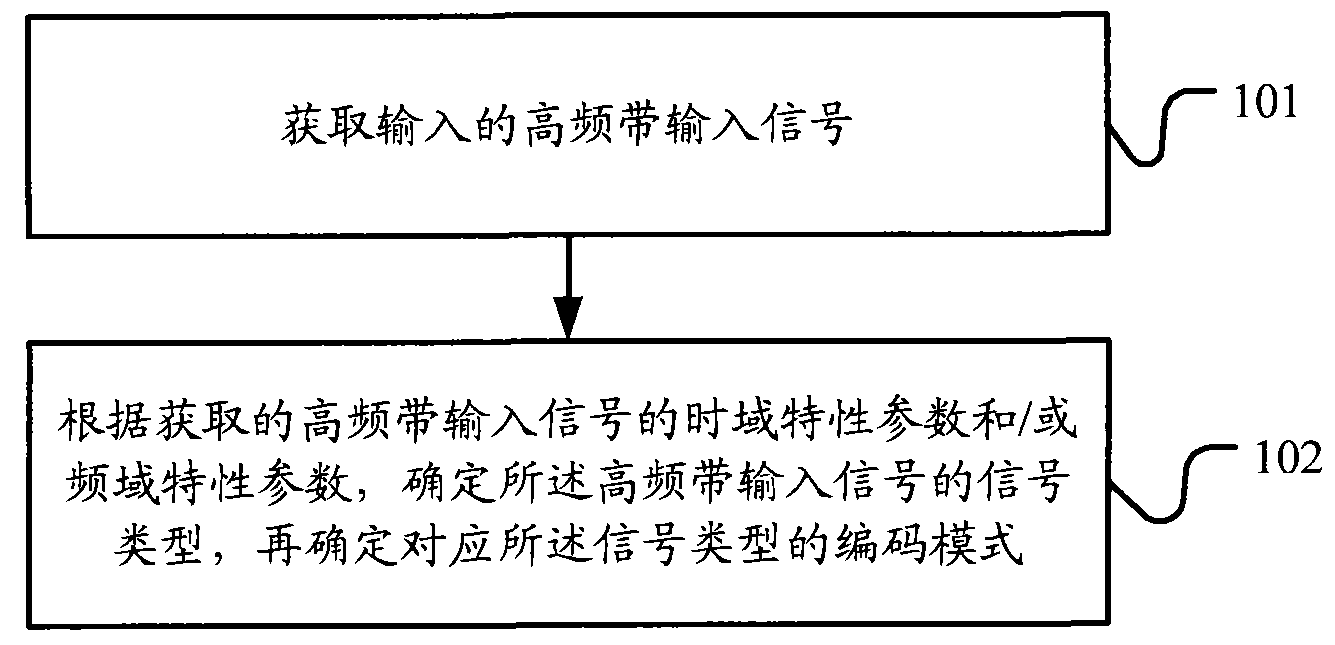
图1是本发明实施例方法流程图;Fig. 1 is a flow chart of the method of an embodiment of the present invention;
图2是本发明实施例方法原理框架示意图;Fig. 2 is a schematic diagram of the principle framework of the method of the embodiment of the present invention;
图3是本发明实施例方法原理流程示意图;Fig. 3 is a schematic flow chart of the principle of the method of the embodiment of the present invention;
图4是本发明实施例方法中在时域模式下判断瞬态类型的流程示意图;Fig. 4 is a schematic flow chart of judging the transient type in the time domain mode in the method of the embodiment of the present invention;
图5是本发明实施例方法中在频域模式下判断信号类型的流程示意图;Fig. 5 is a schematic flow chart of judging the signal type in the frequency domain mode in the method of the embodiment of the present invention;
图6是本发明实施例分类处理装置结构示意图;6 is a schematic structural diagram of a classification processing device according to an embodiment of the present invention;
图7是本发明实施例编码系统结构示意图。Fig. 7 is a schematic structural diagram of an encoding system according to an embodiment of the present invention.
具体实施方式 Detailed ways
下面将结合本发明实施例中的附图,对本发明实施例中的技术方案进行清楚、完整地描述,显然,所描述的实施例仅仅是本发明一部分实施例,而不是全部的实施例。基于本发明中的实施例,本领域普通技术人员在没有作出创造性劳动前提下所获得的所有其他实施例,都属于本发明保护的范围。The following will clearly and completely describe the technical solutions in the embodiments of the present invention with reference to the accompanying drawings in the embodiments of the present invention. Obviously, the described embodiments are only some, not all, embodiments of the present invention. Based on the embodiments of the present invention, all other embodiments obtained by persons of ordinary skill in the art without creative efforts fall within the protection scope of the present invention.
本发明实施例提供一种信号分类方法,能够较好对高频带的输入信号进行类型的细分,使得更有利于信号的编码及解码处理。The embodiment of the present invention provides a signal classification method, which can better subdivide the types of input signals in the high frequency band, so that the encoding and decoding processing of the signals is more favorable.
请参阅图1,是本发明实施例方法流程图。如图1所示,包括步骤:Please refer to FIG. 1 , which is a flowchart of a method according to an embodiment of the present invention. As shown in Figure 1, including steps:
步骤101、获取输入的高频带输入信号;
获取的高频带输入信号,可能是时域模式下的高频带输入信号,也可能是频域模式下的高频带输入信号。The obtained high-band input signal may be the high-band input signal in the time-domain mode, or may be the high-band input signal in the frequency-domain mode.
步骤102、根据获取的高频带输入信号的时域特性参数和/或频域特性参数,确定所述高频带输入信号的信号类型,再确定对应所述信号类型的编码模式。Step 102: Determine the signal type of the high-band input signal according to the acquired time-domain characteristic parameters and/or frequency-domain characteristic parameters of the high-band input signal, and then determine a coding mode corresponding to the signal type.
根据所述高频带输入信号的时域特性参数,确定所述高频带输入信号的信号类型,并确定对应所述信号类型的编码模式包括:According to the time-domain characteristic parameters of the high-frequency input signal, determining the signal type of the high-frequency input signal, and determining the encoding mode corresponding to the signal type includes:
所述高频带输入信号为时域模式下的高频带输入信号,其包括当前帧及其相邻帧,根据各帧包络值确定包络最大偏差值、前后包络最大阶越值;判断所述包络最大偏差值是否大于或等于包络最大偏差阈值,并且前后包络最大阶越值是否大于或等于前后包络最大阶越阈值,若两者判断结果都为是,判断出所述高频带输入信号当前帧属于瞬态类型;或者在两者判断结果都为是时,进一步再判断各帧包络值确定的包络总值是否大于或等于包络总值阈值,若为是,则判断出所述高频带输入信号当前帧属于瞬态类型;确定判断出的属于瞬态类型的当前帧对应瞬态类型编码模式。The high-band input signal is a high-band input signal in time domain mode, which includes the current frame and its adjacent frames, and determines the maximum deviation value of the envelope and the maximum step value of the front and rear envelopes according to the envelope values of each frame; Judging whether the maximum deviation value of the envelope is greater than or equal to the maximum deviation threshold of the envelope, and whether the maximum step value of the front and rear envelopes is greater than or equal to the maximum step threshold of the front and rear envelopes, if both judgment results are yes, it is judged that The current frame of the high frequency band input signal belongs to the transient type; or when both judgment results are yes, further judge whether the total envelope value determined by the envelope value of each frame is greater than or equal to the total envelope value threshold, if yes If yes, it is determined that the current frame of the high-band input signal belongs to the transient type; and it is determined that the current frame determined to belong to the transient type corresponds to a transient type coding mode.
其中,前后包络最大阶越值为:将每帧的前后两个包络值进行比较得到比较值,选择其中最大的一个比较值作为前后包络最大阶越值;包络最大偏差值为:将各个包络值的平均值与最大的包络值相减,得到差值,该差值作为包络最大偏差值。包络总值为:将各个包络值之和作为包络总值,或者将各个包络值之和经过加权处理后的值作为包络总值。Among them, the maximum step value of the front and rear envelopes is: compare the two envelope values before and after each frame to obtain a comparison value, and select the largest comparison value as the maximum step value of the front and rear envelopes; the maximum deviation value of the envelope is: The average value of each envelope value is subtracted from the maximum envelope value to obtain a difference, which is used as the maximum deviation value of the envelope. The total value of the envelope is: the sum of the individual envelope values is used as the total envelope value, or the weighted value of the sum of the individual envelope values is used as the total envelope value.
根据所述高频带输入信号的频域特性参数,确定所述高频带输入信号的信号类型,并确定对应所述信号类型的编码模式还可以是包括:所述高频带输入信号是转换为频域模式下的高频带输入信号,将所述高频带输入信号当前帧划分为设定数目子带,判断谐波强度值大于谐波强度阈值的子带的数目与谐波类型阈值的比较结果是否为大于或等于关系,若是大于或等于关系,则判断出所述高频带输入信号当前帧属于谐波类型,并确定对应谐波类型编码模式。According to the frequency-domain characteristic parameters of the high-frequency input signal, determining the signal type of the high-frequency input signal, and determining the encoding mode corresponding to the signal type may also include: the high-frequency input signal is converted For the high frequency band input signal in the frequency domain mode, the current frame of the high frequency band input signal is divided into a set number of subbands, and the number of subbands whose harmonic intensity value is greater than the harmonic intensity threshold and the harmonic type threshold are judged Whether the comparison result is greater than or equal to the relationship, if it is greater than or equal to the relationship, it is judged that the current frame of the high frequency band input signal belongs to the harmonic type, and the corresponding harmonic type coding mode is determined.
从上述可以看出,本发明实施例通过高频带输入信号的时域特性参数和/或频域特性参数来确定所述高频带输入信号的信号类型,并确定对应所述信号类型的编码模式,从而提供了一种更细分的信号分类处理方法,能够较好对高频带输入信号进行类型细分及处理,使得更有利于信号的编码及解码处理。It can be seen from the above that in the embodiment of the present invention, the signal type of the high-frequency input signal is determined by the time-domain characteristic parameter and/or the frequency-domain characteristic parameter of the high-frequency input signal, and the encoding corresponding to the signal type is determined. mode, thereby providing a more subdivided signal classification processing method, which can better subdivide and process high frequency band input signals, making it more conducive to signal encoding and decoding processing.
以下进一步详细介绍本发明实施例技术方案。The technical solutions of the embodiments of the present invention are further described below in detail.
请参阅图2,是本发明实施例方法原理框架示意图。Please refer to FIG. 2 , which is a schematic diagram of a principle framework of a method in an embodiment of the present invention.
如图2所示,高频带输入信号分为时域输入信号和频域输入信号,所述频域输入信号是对时域输入信号进行时频变换得到。也就是说,分类器获取的时域输入信号和频域输入信号是同一输入信号,只是表现形式不同。一般来说,高频带输入信号都是时域输入信号的形式,可以在向分类器输入时域输入信号的同时,将时域输入信号转换成频域输入信号也输入给分类器,或者由分类器在分类过程中当需要采用频域形式的信号时再转换为频域输入信号进行处理。分类器根据时域输入信号的时域特性参数和频域输入信号的频域特性参数,将高频带输入信号分为瞬态类型、谐波类型及普通类型,或者进一步区分出噪声类型,然后就可以确定对应的类型编码模式,也就可以根据各类型编码模式对信号进行编码处理,从而可以更精确和更有效率地进行编码,得到更好的编码效果。另外,分类器也会将分类的信号类型发送给解码端,解码端也分为对应的解码模式处理,从而解码时也相应会获得更好的解码效果。As shown in FIG. 2 , the high frequency band input signal is divided into a time domain input signal and a frequency domain input signal, and the frequency domain input signal is obtained by performing time-frequency transformation on the time domain input signal. That is to say, the input signal in the time domain and the input signal in the frequency domain obtained by the classifier are the same input signal, but in different forms. Generally speaking, the high-frequency band input signal is in the form of a time-domain input signal. While inputting the time-domain input signal to the classifier, the time-domain input signal can be converted into a frequency-domain input signal and also input to the classifier, or by When the classifier needs to use the signal in the frequency domain form during the classification process, it is converted into a frequency domain input signal for processing. According to the time-domain characteristic parameters of the time-domain input signal and the frequency-domain characteristic parameters of the frequency-domain input signal, the classifier divides the high-frequency band input signal into transient type, harmonic type and common type, or further distinguishes the noise type, and then The corresponding type of encoding mode can be determined, and the signal can be encoded according to each type of encoding mode, so that encoding can be performed more accurately and efficiently, and a better encoding effect can be obtained. In addition, the classifier will also send the classified signal type to the decoding end, and the decoding end is also divided into corresponding decoding modes for processing, so that better decoding effect will be obtained correspondingly during decoding.
请参阅图3,是本发明实施例方法原理流程示意图。Please refer to FIG. 3 , which is a schematic flowchart of the principle of the method in the embodiment of the present invention.
如图3所示,包括步骤:As shown in Figure 3, including steps:
步骤301、判断当前帧时域输入信号是否是瞬态类型信号,若是,进入步骤302,若否,进入步骤305;Step 301, judging whether the current frame time domain input signal is a transient type signal, if so, enter step 302, if not, enter step 305;
步骤302、确定为瞬态类型信号,并分别进入步骤303和304;Step 302, determine that it is a transient type signal, and enter into steps 303 and 304 respectively;
步骤303、将前一帧类型存储器中记录的信号类型进行更新;Step 303, updating the signal type recorded in the previous frame type memory;
该步骤中,是根据进入该步骤的上一步骤中确定的类型进行更新,如步骤302中确定的是瞬态类型,则将前一帧类型存储器中记录的信号类型更新为瞬态类型,如后面提到的步骤306中确定为普通类型,则将前一帧类型存储器中记录的信号类型更新为普通类型。In this step, update according to the type determined in the previous step of entering this step, as determined in step 302 is a transient type, then the signal type recorded in the previous frame type memory is updated as a transient type, such as In step 306 mentioned later, if it is determined to be a common type, then the signal type recorded in the previous frame type memory is updated to be a common type.
步骤304、确定为对输入信号采用瞬态类型编码模式;Step 304, determining to adopt the transient type encoding mode for the input signal;
步骤305、判断前一帧类型存储器中记录的信号类型是否是瞬态类型,若是,进入步骤306,若否,进入步骤307;Step 305, judge whether the signal type recorded in the previous frame type memory is a transient type, if so, enter step 306, if not, enter step 307;
步骤306、将当前帧时域输入信号确定为普通类型,并分别进入步骤303和304;Step 306, determining the time domain input signal of the current frame as a common type, and entering into steps 303 and 304 respectively;
该步骤中,虽然判断出前一帧类型存储器中记录的信号类型是瞬态类型,但为了避免流程中出现死循环,因此还是确定为普通类型用于去更新前一帧类型存储器中记录的信号类型,但在确定类型编码模式时还是会执行步骤304,即确定为对输入信号采用瞬态类型编码模式,也就是该当前帧时域输入信号是会被按照瞬态类型对应的瞬态类型编码模式进行处理。In this step, although it is determined that the signal type recorded in the previous frame type memory is a transient type, in order to avoid an infinite loop in the process, it is still determined as a common type to update the signal type recorded in the previous frame type memory , but when the type coding mode is determined, step 304 will still be performed, that is, it is determined to adopt the transient type coding mode for the input signal, that is, the time domain input signal of the current frame will be encoded according to the transient type corresponding to the transient type to process.
步骤307、判断当前帧频域输入信号是否是谐波类型信号,若是,则进入步骤308,若否,则进入步骤311;Step 307, judging whether the frequency domain input signal of the current frame is a harmonic type signal, if so, then enter step 308, if not, then enter step 311;
该步骤中的当前帧频域输入信号,可以是根据当前帧时域输入信号进行时频变换得到,也可以是在该步骤前预先已经进行时频变换,也可以在该步骤时再进行时频变换。The frequency-domain input signal of the current frame in this step can be obtained by performing time-frequency transformation according to the time-domain input signal of the current frame, or the time-frequency transformation has been performed before this step, or the time-frequency transformation can be performed again in this step transform.
步骤308、确定为谐波类型信号,并分别进入步骤309和310;Step 308, determine that it is a harmonic type signal, and enter steps 309 and 310 respectively;
步骤309、将前一帧类型存储器中记录的信号类型进行更新;Step 309, updating the signal type recorded in the previous frame type memory;
该步骤中,是根据进入该步骤的上一步骤中确定的类型进行更新,如步骤308中确定的是谐波类型,则将前一帧类型存储器中记录的信号类型更新为谐波类型,如后面提到的步骤312中确定为普通类型,则将前一帧类型存储器中记录的信号类型更新为普通类型。In this step, be to update according to the type determined in the previous step of entering this step, as determined in step 308 is the harmonic type, then the signal type recorded in the previous frame type memory is updated to the harmonic type, such as In step 312 mentioned later, if it is determined to be a normal type, then the signal type recorded in the previous frame type memory is updated to be a normal type.
步骤310、确定为对输入信号采用谐波类型编码模式;Step 310, determine to adopt the harmonic type encoding mode for the input signal;
步骤311、判断前一帧类型存储器中记录的信号类型是否是谐波类型,若是,进入步骤312,若否,进入步骤313;Step 311, judging whether the signal type recorded in the previous frame type memory is a harmonic type, if so, enter step 312, if not, enter step 313;
步骤312、将当前帧频域输入信号确定为普通类型,并分别进入步骤309和310;Step 312, determine the frequency domain input signal of the current frame as a common type, and enter steps 309 and 310 respectively;
步骤313、判断当前帧频域输入信号是否是噪声类型信号,若是,则进入步骤314,若否,则进入步骤317;Step 313, judging whether the current frame frequency domain input signal is a noise type signal, if so, then enter step 314, if not, then enter step 317;
步骤314、确定为噪声类型信号,并分别进入步骤315和316;Step 314, determine that it is a noise type signal, and enter into steps 315 and 316 respectively;
步骤315、将前一帧类型存储器中记录的信号类型进行更新;Step 315, updating the signal type recorded in the previous frame type memory;
该步骤中,是根据进入该步骤的上一步骤中确定的类型进行更新,如步骤314中确定的是噪声类型,则将前一帧类型存储器中记录的信号类型更新为噪声类型,如后面提到的步骤317中确定为普通类型,则将将前一帧类型存储器中记录的信号类型更新为普通类型。In this step, be to update according to the type determined in the previous step of entering this step, as determined in step 314 is the noise type, then the signal type recorded in the previous frame type memory is updated as the noise type, as mentioned later If it is determined to be a normal type in step 317, the signal type recorded in the previous frame type memory will be updated to the normal type.
步骤316、确定为对输入信号采用噪声类型编码模式;Step 316. Determine to adopt the noise-type coding mode for the input signal;
步骤317、将当前帧时域输入信号确定为普通类型,进入步骤318;Step 317, determine the time-domain input signal of the current frame as a common type, and enter step 318;
可以将不符合上述条件的所有类型的信号都统一定义为普通类型,即是一种默认的类型。All types of signals that do not meet the above conditions can be uniformly defined as common types, that is, a default type.
步骤318、确定为对输入信号采用普通类型编码模式。Step 318, determine to adopt the common type coding mode for the input signal.
需要说明的是,上述步骤中在进行瞬态类型的判断后,是先判断是否是谐波类型,再判断是否是噪声类型但不局限于此,也可以先判断是否是噪声类型,再判断是否是谐波类型。另外,也可以是不包括判断是否是噪声类型的步骤,即步骤311判断出前一帧类型存储器中记录的信号类型不是谐波类型时,就确定为普通类型,并确定为对输入信号采用普通类型编码模式。It should be noted that after the judgment of the transient type in the above steps, it is first judged whether it is a harmonic type, and then whether it is a noise type, but not limited to this, it is also possible to first judge whether it is a noise type, and then judge whether it is a noise type is the harmonic type. In addition, it may also not include the step of judging whether it is a noise type, that is, when step 311 judges that the signal type recorded in the previous frame type memory is not a harmonic type, it is determined to be a common type, and it is determined to adopt a common type for the input signal encoding mode.
上述步骤在确定对输入信号采用哪种类型编码模式后,就可以根据该类型编码模式对信号进行编码处理,并传输给解码端,由解码端根据相应类型进行解码处理。In the above steps, after determining which type of encoding mode is used for the input signal, the signal can be encoded according to the type of encoding mode and transmitted to the decoding end, and the decoding end performs decoding processing according to the corresponding type.
上述可以看出,通过对高频带输入信号在时域和频域的不同特征,将高频带输入信号细分为瞬态类型、谐波类型、噪声类型和普通类型,并确定对应所述信号类型的编码模式,从而能够较好对高频带输入信号进行类型细分及处理,使得更有利于信号的编码及解码处理。As can be seen from the above, by analyzing the different characteristics of the high-frequency input signal in the time domain and frequency domain, the high-frequency input signal is subdivided into transient types, harmonic types, noise types, and common types, and determine the corresponding The encoding mode of the signal type, so that the type subdivision and processing of the high-frequency band input signal can be better performed, which is more conducive to the encoding and decoding processing of the signal.
请参阅图4,是本发明实施例方法中在时域模式下判断瞬态类型的流程示意图。如图4所示,包括步骤:Please refer to FIG. 4 , which is a schematic flowchart of judging the transient type in the time domain mode in the method of the embodiment of the present invention. As shown in Figure 4, including steps:
步骤401、获取若干帧长的时域输入信号;
该步骤以截取3倍于帧长的时域输入信号为例,也就是截取当前帧的前一帧、当前帧和当前帧的后一帧,共三帧的时域输入信号。In this step, the time-domain input signal of three times the frame length is intercepted as an example, that is, the time-domain input signal of three frames in total is intercepted from the previous frame of the current frame, the current frame, and the subsequent frame of the current frame.
步骤402、每帧的时域输入信号至少计算两个时域包络值;Step 402, calculating at least two time-domain envelope values for each frame of the time-domain input signal;
该步骤中至少得到6个包络值。At least 6 envelope values are obtained in this step.
步骤403、确定前后包络最大阶越值a、包络最大偏差值b、包络总值c;
前后包络最大阶越值a的计算方式为:将每帧的前后两个包络值进行比较得到比较值,这样可以得到3个比较值,选择其中最大的一个比较值作为前后包络最大阶越值a。The calculation method of the maximum step value a of the front and rear envelopes is: compare the two envelope values before and after each frame to obtain a comparison value, so that 3 comparison values can be obtained, and the largest comparison value is selected as the maximum step of the front and rear envelopes. Overvalue a.
包络最大偏差值b的计算方式为:将6个包络值的平均值与最大的1个包络值相减,得到差值,该差值作为包络最大偏差值b。The calculation method of the maximum deviation value b of the envelope is as follows: subtracting the average value of the 6 envelope values from the largest one envelope value to obtain a difference, which is used as the maximum deviation value b of the envelope.
包络总值c的计算方式为:将6个包络值之和作为包络总值c,或者将6个包络值之和经过加权处理后的值作为包络总值c。The calculation method of the total envelope value c is as follows: the sum of the 6 envelope values is taken as the total envelope value c, or the weighted value of the sum of the 6 envelope values is taken as the total envelope value c.
步骤404、判断包络最大偏差值b是否大于或等于包络最大偏差阈值T2,并且前后包络最大阶越值a是否大于或等于包络最大阶越阈值T3,若两者同时满足,进入步骤405,若不能同时满足,表示不可能为瞬态类型,进入步骤406;Step 404: Determine whether the maximum envelope deviation value b is greater than or equal to the envelope maximum deviation threshold T2, and whether the front and rear envelope maximum step values a are greater than or equal to the envelope maximum step threshold value T3, if both are satisfied at the same time, enter
包络最大偏差阈值T2和包络最大阶越阈值T3,一般可以取经验值,根据需要设定。The envelope maximum deviation threshold T2 and the envelope maximum step threshold T3 can generally be set based on empirical values.
步骤405、判断包络总值c是否大于或等于包络总值阈值T4,若是,进入步骤407,若否,进入步骤406;
包络总值阈值T4一般可以取经验值,根据需要设定。The total envelope value threshold T4 can generally be an empirical value, and can be set according to needs.
步骤406、判断前一帧类型存储器中记录的信号类型是否是瞬态类型,若是,进入步骤410,若否,进入步骤412;步骤407、确定为瞬态类型信号,并分别进入步骤408、409和411;
步骤408、将前一帧类型存储器中记录的信号类型进行更新;
该步骤中,是根据进入该步骤的上一步骤中确定的类型进行更新,如步骤407中确定的是瞬态类型,则将前一帧类型存储器中记录的信号类型更新为瞬态类型,如后面提到的步骤410中确定为普通类型,则将前一帧类型存储器中记录的信号类型更新为普通类型。In this step, update according to the type determined in the previous step of entering this step, as determined in
步骤409、将类型计数器的值置零;
步骤410、确定为普通类型,并分别进入步骤408和411;
步骤411、确定为对输入信号采用瞬态类型编码模式;
步骤412、执行在频域特性下的信号类型判断过程。
需要说明的是,上述步骤中也可以不包括判断包络总值c是否大于或等于包络总值阈值T4的步骤。It should be noted that the above steps may not include the step of judging whether the total envelope value c is greater than or equal to the total envelope value threshold T4.
在频域特性下的类型判断过程请参见后面的描述。Please refer to the following description for the type judgment process under the frequency domain characteristics.
上述可以看出,通过对高频带输入信号在时域模式下的特征参数,可以区分出高频带输入信号是否为瞬态类型或普通类型,并确定对应所述信号类型的编码模式,从而能够较好对高频带输入信号进行类型细分及处理,使得更有利于信号的编码及解码处理。It can be seen from the above that by analyzing the characteristic parameters of the high-band input signal in the time-domain mode, it is possible to distinguish whether the high-band input signal is a transient type or a common type, and determine the encoding mode corresponding to the signal type, thereby The type subdivision and processing of the high-frequency band input signal can be better performed, making it more conducive to the encoding and decoding processing of the signal.
请参阅图5,是本发明实施例方法中在频域模式下判断信号类型的流程示意图。如图5所示,包括步骤:Please refer to FIG. 5 , which is a schematic flowchart of judging a signal type in a frequency domain mode in a method according to an embodiment of the present invention. As shown in Figure 5, including steps:
步骤501、按频谱顺序将当前帧频域输入信号分为若干子带;
步骤502、确定强谐波子带的数目n;
对每个子带计算谐波强度值,将谐波强度值大于谐波强度阈值的子带称为强谐波子带,从而可以确定强谐波子带的数目n。谐波强度阈值一般可以取经验值,根据需要设定。The harmonic intensity value is calculated for each subband, and the subband whose harmonic intensity value is greater than the harmonic intensity threshold is called a strong harmonic subband, so that the number n of strong harmonic subbands can be determined. Generally, the harmonic intensity threshold can be set based on empirical values.
步骤503、判断强谐波子带的数目n是否大于或等于谐波类型阈值K,若是,进入步骤504,若否,进入步骤509;
谐波类型阈值K一般可以取经验值,根据需要设定。The harmonic type threshold K can generally be an empirical value, and can be set according to needs.
步骤504、判断当前帧与前一帧的频谱全局能量的差值是否小于或等于频谱全局能量差值阈值,若是,分别进入步骤505和507,若否,进入步骤509;
该步骤的频谱全局能量差值阈值一般可以取经验值,根据需要设定。如果当前帧与前一帧的频谱全局能量的差值大于频谱全局能量差值阈值,就相当于判断出频谱能量变化过快,也就不能估算为谐波类。The spectrum global energy difference threshold in this step can generally be an empirical value and be set as required. If the difference between the spectrum global energy of the current frame and the previous frame is greater than the spectrum global energy difference threshold, it is equivalent to judging that the spectrum energy changes too fast and cannot be estimated as a harmonic class.
步骤505、确定为谐波类型信号,并分别进入步骤506和508;
步骤506、确定为对输入信号采用谐波类型编码模式;
步骤507、将类型计数器的值增加;
将类型计数器的值增加,例如是加1。Increase the value of the type counter, for example, add 1.
步骤508、将前一帧类型存储器中记录的信号类型进行更新;
该步骤中,是根据进入该步骤的上一步骤中确定的类型进行更新。In this step, update is performed according to the type determined in the previous step before entering this step.
步骤509、将类型计数器的值减小,进入步骤510;
将类型计数器的值减小,例如是减1。Decrease the value of the type counter, for example, by 1.
步骤510、判断类型计数器的值是否大于或等于设定计数阈值T,若是,进入步骤505,若否,进入步骤511;
设定计数阈值T一般可以取经验值,根据需要设定。Setting the counting threshold T can generally take an empirical value and set it according to needs.
步骤511、判断前一帧类型存储器中记录的信号类型是否是谐波类型,若是,分别进入步骤506和512,若否,进入步骤514;Step 511, judge whether the signal type recorded in the previous frame type memory is a harmonic type, if so, enter
步骤512、确定为普通类型信号,进入步骤513;
步骤513、将前一帧类型存储器中记录的信号类型进行更新;
该步骤中,是根据进入该步骤的上一步骤中确定的类型进行更新。In this step, update is performed according to the type determined in the previous step before entering this step.
步骤514、确定各子带噪声值,根据各子带噪声值与噪声阈值比较情况,确定大于噪声阈值的子带数目m;
噪声阈值一般可以取经验值,根据需要设定。The noise threshold can generally be an empirical value and be set according to needs.
步骤515、判断数目m是否大于或等于噪声类型阈值,若否,进入步骤512和516,若是,进入步骤517;
噪声类型阈值一般可以取经验值,根据需要设定。The threshold of the noise type can generally be an empirical value and be set as required.
步骤516、确定为对输入信号采用普通类型编码模式;
步骤517、确定为噪声类型信号,分别进入步骤518和519;
步骤518、将前一帧类型存储器中记录的信号类型进行更新;
步骤519、确定为对输入信号采用噪声类型编码模式。
需要说明的是,上述步骤中可以不包括步骤504的判断过程。上述步骤中还可以是不包括判断噪声类型的步骤,例如在步骤503的判断结果为否时,就判断出属于普通类型信号,确定为对输入信号采用普通类型编码模式,或者是在步骤511的判断结果为否时,判断出所述高频带输入信号当前帧属于普通类型,将前一帧类型存储器记录的类型更新为普通类型,并确定为对输入信号采用普通类型编码模式。另外,上述步骤还可以是先判断是否是噪声类型,再判断是否谐波类型。上述步骤还可以是只包括判断噪声类型和普通类型,不包括判断是否谐波类型。It should be noted that the determination process of
上述可以看出,通过对高频带输入信号在频域模式下的特征参数,可以区分出高频带输入信号是否为谐波类型、噪声类型或普通类型,并确定对应所述信号类型的编码模式,从而能够较好对高频带输入信号进行类型细分及处理,使得更有利于信号的编码及解码处理。It can be seen from the above that by analyzing the characteristic parameters of the high-frequency input signal in the frequency domain mode, it is possible to distinguish whether the high-frequency input signal is a harmonic type, noise type or common type, and determine the encoding corresponding to the signal type mode, so that the type subdivision and processing of the high-band input signal can be better performed, making it more conducive to the encoding and decoding processing of the signal.
上述内容详细介绍了本发明实施例的信号分类处理方法,以下介绍本发明实施例提供的分类处理装置和编码系统。The above content introduces the signal classification processing method of the embodiment of the present invention in detail, and the classification processing device and the encoding system provided by the embodiment of the present invention are introduced below.
请参阅图6,是本发明实施例分类处理装置结构示意图。如图6所示,分类处理装置包括:Please refer to FIG. 6 , which is a schematic structural diagram of a classification processing device according to an embodiment of the present invention. As shown in Figure 6, the classification processing device includes:
接收单元61,用于获取输入的高频带输入信号;a receiving unit 61, configured to acquire an input high frequency band input signal;
处理单元62,用于根据获取的高频带输入信号的时域特性参数和/或频域特性参数,确定所述高频带输入信号的信号类型,再确定对应所述信号类型的编码模式。The processing unit 62 is configured to determine the signal type of the high-frequency input signal according to the acquired time-domain characteristic parameters and/or frequency-domain characteristic parameters of the high-frequency input signal, and then determine a coding mode corresponding to the signal type.
所述接收单元61获取的高频带输入信号可以为时域模式下的高频带输入信号,其包括当前帧及其相邻帧;The high-band input signal acquired by the receiving unit 61 may be a high-band input signal in a time-domain mode, which includes the current frame and its adjacent frames;
所述处理单元62包括:The processing unit 62 includes:
第一参数单元621,用于根据各帧包络值确定包络最大偏差值、前后包络最大阶越值;The first parameter unit 621 is used to determine the maximum deviation value of the envelope and the maximum step value of the front and rear envelopes according to the envelope values of each frame;
第一判断单元622,用于判断所述包络最大偏差值是否大于或等于包络最大偏差阈值,并且前后包络最大阶越值是否大于或等于前后包络最大阶越阈值,若两者判断结果都为是,判断出所述高频带输入信号当前帧属于瞬态类型;The first judging unit 622 is used to judge whether the maximum deviation value of the envelope is greater than or equal to the maximum deviation threshold of the envelope, and whether the maximum step value of the front and rear envelopes is greater than or equal to the maximum step threshold of the front and rear envelopes. The results are all yes, and it is determined that the current frame of the high-band input signal belongs to the transient type;
或者在两者判断结果都为是时进一步再判断各帧包络值确定的包络总值是否大于或等于包络总值阈值,若为是则判断出所述高频带输入信号当前帧属于瞬态类型;Or when both judgment results are yes, further judge whether the total envelope value determined by each frame envelope value is greater than or equal to the envelope total value threshold, if it is, it is judged that the current frame of the high frequency band input signal belongs to Transient type;
第一编码模式单元623,用于确定判断出的属于瞬态类型的当前帧对应瞬态类型编码模式。The first encoding mode unit 623 is configured to determine the encoding mode corresponding to the current frame of the determined transient type corresponding to the transient type.
所述处理单元62还包括:The processing unit 62 also includes:
前一帧类型存储器624,用于记录信号类型;The previous frame type memory 624 is used to record the signal type;
所述第一判断单元622判断出所述高频带输入信号当前帧属于瞬态类型后还包括,通知所述前一帧类型存储器624中将记录的类型更新为瞬态类型;After the first judging unit 622 judges that the current frame of the high-band input signal belongs to the transient type, it also includes notifying the previous frame type memory 624 to update the recorded type to the transient type;
第二判断单元625,用于在所述第一判断单元622判断所述包络最大偏差值是否大于或等于包络最大偏差阈值,并且前后包络最大阶越值是否大于或等于前后包络最大阶越阈值的两个判断结果都为否时;或者,在所述第一判断单元622进一步再判断各帧包络值确定的包络总值是否大于或等于包络总值阈值的结果为否时,查看所述前一帧类型存储器624中记录的类型是否为瞬态类型,若是,通知所述前一帧类型存储器624将记录的类型更新为普通类型,但通知所述第一编码模式单元623确定当前帧对应瞬态类型编码模式。The second judging unit 625 is used to judge in the first judging unit 622 whether the maximum deviation value of the envelope is greater than or equal to the maximum deviation threshold of the envelope, and whether the maximum step value of the front and rear envelopes is greater than or equal to the maximum value of the front and rear envelopes. When the two judgment results of the stepping threshold are both negative; or, the first judgment unit 622 further judges whether the total envelope value determined by the envelope value of each frame is greater than or equal to the total envelope threshold value and the result is negative , check whether the type recorded in the previous frame type memory 624 is a transient type, if so, notify the previous frame type memory 624 to update the recorded type to a common type, but notify the first encoding mode unit 623 Determine that the current frame corresponds to the transient type encoding mode.
所述接收单元61获取的高频带输入信号还可以是转换为频域模式下的高频带输入信号;The high-band input signal obtained by the receiving unit 61 may also be converted into a high-band input signal in a frequency domain mode;
所述处理单元62包括:The processing unit 62 includes:
第二参数单元626,用于将所述高频带输入信号当前帧划分为设定数目子带后,确定谐波强度值大于谐波强度阈值的子带的数目;The second parameter unit 626 is used to determine the number of subbands whose harmonic intensity value is greater than the harmonic intensity threshold after dividing the current frame of the high frequency band input signal into a set number of subbands;
第三判断单元627,用于判断所述谐波强度值大于谐波强度阈值的子带的数目与谐波类型阈值的比较结果是否为大于或等于关系,若是则判断出所述高频带输入信号当前帧属于谐波类型,若否则判断出所述高频带输入信号当前帧属于普通类型;The third judging unit 627 is used for judging whether the comparison result of the number of subbands whose harmonic intensity value is greater than the harmonic intensity threshold and the harmonic type threshold is greater than or equal to the relationship, and if so, judging that the high frequency band input The current frame of the signal belongs to the harmonic type, if otherwise it is determined that the current frame of the high-frequency band input signal belongs to the common type;
第二编码模式单元628,用于确定判断出的属于谐波类型的当前帧对应谐波类型编码模式;The second encoding mode unit 628 is configured to determine the harmonic type encoding mode corresponding to the current frame that is determined to belong to the harmonic type;
第三编码模式单元634,用于确定判断出的属于普通类型的当前帧对应普通类型编码模式。The third coding mode unit 634 is configured to determine that the determined current frame belonging to the normal type corresponds to the normal type coding mode.
所述处理单元62还包括:The processing unit 62 also includes:
第四判断单元631,用于在所述第三判断单元627判断出谐波强度值大于谐波强度阈值的子带的数目与谐波类型阈值的比较结果是大于或等于关系之后,进一步判断当前帧的频谱全局能量与记录的前一帧的频谱全局能量之差是否小于或等于频谱全局能量差值阈值,若是,判断出所述高频带输入信号当前帧属于谐波类型。The fourth judging unit 631 is configured to further judge the current Whether the difference between the spectral global energy of the frame and the recorded spectral global energy of the previous frame is less than or equal to the spectral global energy difference threshold, if so, it is determined that the current frame of the high frequency band input signal belongs to the harmonic type.
所述处理单元62还包括:The processing unit 62 also includes:
类型计数器630,用于记录数值;Type counter 630, used to record the value;
所述第四判断单元631在判断当前帧的频谱全局能量与记录的前一帧的频谱全局能量之差是小于或等于频谱全局能量差值阈值时,通知所述类型计数器630将值进行增大;以及所述第四判断单元631在判断出所述高频带输入信号当前帧属于谐波类型后,通知所述前一帧类型存储器624将记录的类型更新为谐波类型;When the fourth judging unit 631 judges that the difference between the spectrum global energy of the current frame and the recorded spectrum global energy of the previous frame is less than or equal to the spectrum global energy difference threshold, it notifies the type counter 630 to increase the value ; and after the fourth judging unit 631 judges that the current frame of the high-frequency input signal belongs to the harmonic type, it notifies the previous frame type memory 624 to update the recorded type to a harmonic type;
所述第四判断单元631判断出当前帧的频谱全局能量与记录的前一帧的频谱全局能量之差大于频谱全局能量差值阈值时,或者所述第三判断单元627判断出谐波强度值大于谐波强度阈值的子带的数目与谐波类型阈值的比较结果是小于关系时,都通知所述类型计数器630将值进行减小;When the fourth judging unit 631 judges that the difference between the global spectrum energy of the current frame and the recorded global spectrum energy of the previous frame is greater than the global spectrum energy difference threshold, or the third judging unit 627 judges that the harmonic intensity value When the comparison result of the number of subbands greater than the harmonic intensity threshold and the harmonic type threshold is less than the relationship, the type counter 630 is notified to reduce the value;
第五判断单元632,用于判断所述类型计数器630减小处理后的值是否大于或等于设定计数阈值,若是,判断出所述高频带输入信号当前帧属于谐波类型,若否,查看所述前一帧类型存储器624中记录的类型是否为谐波类型,若是,通知所述前一帧类型存储器624将记录的类型更新为普通类型,但通知所述第二编码模式单元628确定当前帧对应谐波类型编码模式,若否,通知所述前一帧类型存储器624将记录的类型更新为普通类型,并通知所述第三编码模式单元634确定当前帧对应普通类型编码模式。The fifth judging unit 632 is used to judge whether the reduced value of the type counter 630 is greater than or equal to the set counting threshold, if so, judge that the current frame of the high frequency band input signal belongs to the harmonic type, if not, Check whether the type recorded in the previous frame type memory 624 is a harmonic type, if so, notify the previous frame type memory 624 to update the recorded type to a common type, but notify the second encoding mode unit 628 to determine The current frame corresponds to the harmonic type coding mode, if not, notify the previous frame type memory 624 to update the recorded type to a normal type, and notify the third coding mode unit 634 to determine that the current frame corresponds to the normal type coding mode.
所述处理单元62还包括:The processing unit 62 also includes:
第六判断单元633,用于在所述第三判断单元627判断谐波强度值大于谐波强度阈值的子带的数目与谐波类型阈值的比较结果为小于关系时,根据噪声值大于噪声阈值的子带的数目与噪声类型阈值的比较结果为大于或等于关系,判断出所述高频带输入信号当前帧属于噪声类型,根据所述比较结果为小于关系时,判断出所述高频带输入信号当前帧属于普通类型,通知所述第三编码模式单元634确定当前帧对应普通类型编码模式;The sixth judging unit 633 is configured to determine that the comparison result of the number of subbands whose harmonic intensity value is greater than the harmonic intensity threshold and the harmonic type threshold is less than the relationship between the third judging unit 627, according to the noise value being greater than the noise threshold The comparison result of the number of the subbands and the noise type threshold is greater than or equal to the relationship, it is determined that the current frame of the high frequency band input signal belongs to the noise type, and when the comparison result is less than the relationship, it is determined that the high frequency band The current frame of the input signal belongs to the normal type, and the third coding mode unit 634 is notified to determine that the current frame corresponds to the normal type coding mode;
第四编码模式单元635,用于确定判断出的属于噪声类型的当前帧对应噪声类型的编码模式。The fourth coding mode unit 635 is configured to determine the coding mode corresponding to the noise type of the current frame determined to belong to the noise type.
请参阅图7,是本发明实施例编码系统结构示意图。Please refer to FIG. 7 , which is a schematic structural diagram of an encoding system according to an embodiment of the present invention.
如图7所示,编码系统包括:分类处理装置701、编码装置702。As shown in FIG. 7 , the coding system includes: a
分类处理装置701,用于获取输入的高频带输入信号;根据所述高频带输入信号的时域特性参数和/或频域特性参数,确定所述高频带输入信号的信号类型,再确定对应所述信号类型的编码模式。The
编码装置702,用于根据所述分类处理装置701确定的编码模式,对所述高频带输入信号进行编码。The encoding means 702 is configured to encode the high frequency band input signal according to the encoding mode determined by the classification processing means 701 .
所述分类处理装置701具体上述图6所示的结构。分类处理装置701包括接收单元和处理单元。The
方式一:method one:
所述接收单元获取的高频带输入信号为时域模式下的高频带输入信号,其包括当前帧及其相邻帧;The high-band input signal acquired by the receiving unit is a high-band input signal in a time-domain mode, which includes the current frame and its adjacent frames;
所述处理单元包括:The processing unit includes:
第一参数单元,用于根据各帧包络值确定包络最大偏差值、前后包络最大阶越值;The first parameter unit is used to determine the maximum deviation value of the envelope and the maximum step value of the front and rear envelopes according to the envelope values of each frame;
第一判断单元,用于判断所述包络最大偏差值是否大于或等于包络最大偏差阈值,并且前后包络最大阶越值是否大于或等于前后包络最大阶越阈值,若两者判断结果都为是,判断出所述高频带输入信号当前帧属于瞬态类型;The first judging unit is used to judge whether the maximum deviation value of the envelope is greater than or equal to the maximum deviation threshold of the envelope, and whether the maximum step value of the front and rear envelopes is greater than or equal to the maximum step threshold of the front and rear envelopes, if the two judgment results All are yes, it is judged that the current frame of the high frequency band input signal belongs to the transient type;
或者在两者判断结果都为是时进一步再判断各帧包络值确定的包络总值是否大于或等于包络总值阈值,若为是则判断出所述高频带输入信号当前帧属于瞬态类型;Or when both judgment results are yes, further judge whether the total envelope value determined by each frame envelope value is greater than or equal to the envelope total value threshold, if it is, it is judged that the current frame of the high frequency band input signal belongs to Transient type;
第一编码模式单元,用于确定判断出的属于瞬态类型的当前帧对应瞬态类型编码模式。The first coding mode unit is configured to determine the coding mode corresponding to the transient type of the current frame judged to belong to the transient type.
方式二:Method 2:
所述接收单元获取的高频带输入信号是转换为频域模式下的高频带输入信号;The high-frequency input signal obtained by the receiving unit is converted into a high-frequency input signal in a frequency domain mode;
所述处理单元包括:The processing unit includes:
第二参数单元,用于将所述高频带输入信号当前帧划分为设定数目子带后,确定谐波强度值大于谐波强度阈值的子带的数目;The second parameter unit is used to determine the number of subbands whose harmonic intensity value is greater than the harmonic intensity threshold after dividing the current frame of the high frequency band input signal into a set number of subbands;
第三判断单元,用于判断所述谐波强度值大于谐波强度阈值的子带的数目与谐波类型阈值的比较结果是否为大于或等于关系,若是则判断出所述高频带输入信号当前帧属于谐波类型,若否则判断出所述高频带输入信号当前帧属于普通类型;The third judging unit is used to judge whether the comparison result of the number of subbands whose harmonic intensity value is greater than the harmonic intensity threshold and the harmonic type threshold is greater than or equal to the relationship, and if so, judge the high frequency band input signal The current frame belongs to the harmonic type, if otherwise, it is judged that the current frame of the high frequency band input signal belongs to the common type;
第二编码模式单元,用于确定判断出的属于谐波类型的当前帧对应谐波类型编码模式;The second encoding mode unit is used to determine the harmonic type encoding mode corresponding to the judged current frame belonging to the harmonic type;
第三编码模式单元,用于确定判断出的属于普通类型的当前帧对应普通类型编码模式。The third coding mode unit is configured to determine that the determined current frame belonging to the normal type corresponds to the normal type coding mode.
分类处理装置701具有的其他各子单元请参见图6中的描述。Please refer to the description in FIG. 6 for other subunits of the
综上所述,本发明实施例通过高频带输入信号的时域特性参数和/或频域特性参数来确定所述高频带输入信号的信号类型,并确定对应所述信号类型的编码模式,从而提供了一种更细分的信号分类处理方法,能够较好对高频带输入信号进行类型细分及处理,使得更有利于信号的编码及解码处理。In summary, the embodiment of the present invention determines the signal type of the high-frequency input signal through the time-domain characteristic parameters and/or frequency-domain characteristic parameters of the high-frequency input signal, and determines the encoding mode corresponding to the signal type , thereby providing a more subdivided signal classification processing method, which can better perform type subdivision and processing on high frequency band input signals, making it more conducive to signal encoding and decoding processing.
进一步的,本发明实施例是将高频带输入信号细分为瞬态类型、谐波类型、噪声类型和普通类型,可以根据这些信号类型确定对应的编码模式。Further, in the embodiment of the present invention, the high frequency band input signal is subdivided into transient type, harmonic type, noise type and common type, and the corresponding encoding mode can be determined according to these signal types.
以上对本发明实施例所提供的一种信号分类处理方法、分类处理装置及编码系统进行了详细介绍,本文中应用了具体个例对本发明的原理及实施方式进行了阐述,以上实施例的说明只是用于帮助理解本发明的方法及其核心思想;同时,对于本领域的一般技术人员,依据本发明的思想,在具体实施方式及应用范围上均会有改变之处,综上所述,本说明书内容不应理解为对本发明的限制。A signal classification processing method, classification processing device, and coding system provided by the embodiments of the present invention have been described above in detail. In this paper, specific examples are used to illustrate the principle and implementation of the present invention. The description of the above embodiments is only It is used to help understand the method of the present invention and its core idea; at the same time, for those of ordinary skill in the art, according to the idea of the present invention, there will be changes in the specific implementation and scope of application. In summary, this The content of the description should not be construed as limiting the present invention.
Claims (15)
Priority Applications (5)
| Application Number | Priority Date | Filing Date | Title |
|---|---|---|---|
| CN200810187911.4A CN101763856B (en) | 2008-12-23 | 2008-12-23 | Signal classifying method, classifying device and coding system |
| PCT/CN2009/075243 WO2010072115A1 (en) | 2008-12-23 | 2009-12-01 | Signal classification processing method, classification processing device and encoding system |
| EP12177083A EP2515298A3 (en) | 2008-12-23 | 2009-12-01 | Signal classification processing method, classification processing device and encoding system |
| EP09834068A EP2381438B1 (en) | 2008-12-23 | 2009-12-01 | Signal classification processing method, classification processing device and encoding system |
| US13/160,115 US8103515B2 (en) | 2008-12-23 | 2011-06-14 | Signal classification processing method, classification processing device, and encoding system |
Applications Claiming Priority (1)
| Application Number | Priority Date | Filing Date | Title |
|---|---|---|---|
| CN200810187911.4A CN101763856B (en) | 2008-12-23 | 2008-12-23 | Signal classifying method, classifying device and coding system |
Publications (2)
| Publication Number | Publication Date |
|---|---|
| CN101763856A CN101763856A (en) | 2010-06-30 |
| CN101763856B true CN101763856B (en) | 2011-11-02 |
Family
ID=42286890
Family Applications (1)
| Application Number | Title | Priority Date | Filing Date |
|---|---|---|---|
| CN200810187911.4A Active CN101763856B (en) | 2008-12-23 | 2008-12-23 | Signal classifying method, classifying device and coding system |
Country Status (4)
| Country | Link |
|---|---|
| US (1) | US8103515B2 (en) |
| EP (2) | EP2515298A3 (en) |
| CN (1) | CN101763856B (en) |
| WO (1) | WO2010072115A1 (en) |
Cited By (1)
| Publication number | Priority date | Publication date | Assignee | Title |
|---|---|---|---|---|
| CN104103276B (en) * | 2013-04-12 | 2017-04-12 | 北京天籁传音数字技术有限公司 | Sound coding device, sound decoding device, sound coding method and sound decoding method |
Families Citing this family (14)
| Publication number | Priority date | Publication date | Assignee | Title |
|---|---|---|---|---|
| KR101826331B1 (en) * | 2010-09-15 | 2018-03-22 | 삼성전자주식회사 | Apparatus and method for encoding and decoding for high frequency bandwidth extension |
| CN102436820B (en) | 2010-09-29 | 2013-08-28 | 华为技术有限公司 | High frequency band signal coding and decoding methods and devices |
| CN102737636B (en) * | 2011-04-13 | 2014-06-04 | 华为技术有限公司 | Audio coding method and device thereof |
| CN102800317B (en) * | 2011-05-25 | 2014-09-17 | 华为技术有限公司 | Signal classification method and device, codec method and device |
| CN103516440B (en) * | 2012-06-29 | 2015-07-08 | 华为技术有限公司 | Audio signal processing method and encoding device |
| CN103971693B (en) * | 2013-01-29 | 2017-02-22 | 华为技术有限公司 | High-band signal prediction method, encoding/decoding device |
| CN104112451B (en) * | 2013-04-18 | 2017-07-28 | 华为技术有限公司 | A kind of method and device of selection coding mode |
| TWI496138B (en) * | 2013-09-03 | 2015-08-11 | Helios Semiconductor Inc | Technology and system for encoding and decoding high-frequency-sound signal |
| PL3163571T3 (en) * | 2014-07-28 | 2020-05-18 | Nippon Telegraph And Telephone Corporation | Coding of a sound signal |
| EP3171362B1 (en) * | 2015-11-19 | 2019-08-28 | Harman Becker Automotive Systems GmbH | Bass enhancement and separation of an audio signal into a harmonic and transient signal component |
| US10825467B2 (en) * | 2017-04-21 | 2020-11-03 | Qualcomm Incorporated | Non-harmonic speech detection and bandwidth extension in a multi-source environment |
| CN110880957B (en) * | 2019-11-01 | 2021-06-29 | 腾讯科技(深圳)有限公司 | Sound wave communication method and device and electronic equipment |
| CN111782569B (en) * | 2020-06-30 | 2024-05-28 | 联想(北京)有限公司 | Electronic equipment |
| CN111883182B (en) * | 2020-07-24 | 2024-03-19 | 平安科技(深圳)有限公司 | Human voice detection method, device, equipment and storage medium |
Citations (3)
| Publication number | Priority date | Publication date | Assignee | Title |
|---|---|---|---|---|
| CN1424713A (en) * | 2003-01-14 | 2003-06-18 | 北京阜国数字技术有限公司 | High frequency coupled pseudo small wave 5-tracks audio encoding/decoding method |
| CN101140759A (en) * | 2006-09-08 | 2008-03-12 | 华为技术有限公司 | Bandwidth extension method and system for voice or audio signal |
| CN101145345A (en) * | 2006-09-13 | 2008-03-19 | 华为技术有限公司 | Audio Classification Method |
Family Cites Families (9)
| Publication number | Priority date | Publication date | Assignee | Title |
|---|---|---|---|---|
| CN1062963C (en) * | 1990-04-12 | 2001-03-07 | 多尔拜实验特许公司 | Adaptive-block-lenght, adaptive-transform, and adaptive-window transform coder, decoder, and encoder/decoder for high-quality audio |
| US6266644B1 (en) | 1998-09-26 | 2001-07-24 | Liquid Audio, Inc. | Audio encoding apparatus and methods |
| US6581032B1 (en) | 1999-09-22 | 2003-06-17 | Conexant Systems, Inc. | Bitstream protocol for transmission of encoded voice signals |
| US6901362B1 (en) | 2000-04-19 | 2005-05-31 | Microsoft Corporation | Audio segmentation and classification |
| AU2001276588A1 (en) * | 2001-01-11 | 2002-07-24 | K. P. P. Kalyan Chakravarthy | Adaptive-block-length audio coder |
| CA2636493A1 (en) | 2006-01-18 | 2007-07-26 | Lg Electronics Inc. | Apparatus and method for encoding and decoding signal |
| KR101411901B1 (en) * | 2007-06-12 | 2014-06-26 | 삼성전자주식회사 | Method of Encoding/Decoding Audio Signal and Apparatus using the same |
| CN101751926B (en) * | 2008-12-10 | 2012-07-04 | 华为技术有限公司 | Signal coding and decoding method and device, and coding and decoding system |
| CN101770776B (en) * | 2008-12-29 | 2011-06-08 | 华为技术有限公司 | Coding method and device, decoding method and device for instantaneous signal and processing system |
-
2008
- 2008-12-23 CN CN200810187911.4A patent/CN101763856B/en active Active
-
2009
- 2009-12-01 EP EP12177083A patent/EP2515298A3/en not_active Ceased
- 2009-12-01 EP EP09834068A patent/EP2381438B1/en active Active
- 2009-12-01 WO PCT/CN2009/075243 patent/WO2010072115A1/en not_active Ceased
-
2011
- 2011-06-14 US US13/160,115 patent/US8103515B2/en active Active
Patent Citations (3)
| Publication number | Priority date | Publication date | Assignee | Title |
|---|---|---|---|---|
| CN1424713A (en) * | 2003-01-14 | 2003-06-18 | 北京阜国数字技术有限公司 | High frequency coupled pseudo small wave 5-tracks audio encoding/decoding method |
| CN101140759A (en) * | 2006-09-08 | 2008-03-12 | 华为技术有限公司 | Bandwidth extension method and system for voice or audio signal |
| CN101145345A (en) * | 2006-09-13 | 2008-03-19 | 华为技术有限公司 | Audio Classification Method |
Cited By (1)
| Publication number | Priority date | Publication date | Assignee | Title |
|---|---|---|---|---|
| CN104103276B (en) * | 2013-04-12 | 2017-04-12 | 北京天籁传音数字技术有限公司 | Sound coding device, sound decoding device, sound coding method and sound decoding method |
Also Published As
| Publication number | Publication date |
|---|---|
| US20110238427A1 (en) | 2011-09-29 |
| EP2515298A3 (en) | 2012-11-14 |
| EP2515298A2 (en) | 2012-10-24 |
| WO2010072115A1 (en) | 2010-07-01 |
| EP2381438A1 (en) | 2011-10-26 |
| EP2381438B1 (en) | 2012-11-21 |
| CN101763856A (en) | 2010-06-30 |
| US8103515B2 (en) | 2012-01-24 |
| EP2381438A4 (en) | 2011-11-23 |
Similar Documents
| Publication | Publication Date | Title |
|---|---|---|
| CN101763856B (en) | Signal classifying method, classifying device and coding system | |
| JP7177185B2 (en) | Signal classification method and signal classification device, and encoding/decoding method and encoding/decoding device | |
| KR102237718B1 (en) | Device and method for reducing quantization noise in a time-domain decoder | |
| CN106409310B (en) | A kind of audio signal classification method and device | |
| CN103247293B (en) | Coding method and decoding method for voice data | |
| EP1719119B1 (en) | Classification of audio signals | |
| CN101751926A (en) | Signal coding and decoding method and device, and coding and decoding system | |
| JP2019531494A (en) | Voice quality evaluation method and apparatus | |
| CN102446506A (en) | Audio signal classification and recognition method and device | |
| RU2668111C2 (en) | Classification and coding of audio signals | |
| JP6616470B2 (en) | Encoding method, decoding method, encoding device, and decoding device | |
| CN110992965A (en) | Signal classification method and apparatus and audio coding method and apparatus using the same | |
| WO2014190641A1 (en) | Media data transmission method, device and system | |
| CN107969164A (en) | Differentiate between adaptability channel and scale wave filter again | |
| CN101256772A (en) | Method and device for determining the category of non-noise audio signal | |
| CN1918629B (en) | Short Window Grouping Method in Audio Coding | |
| CN104112451A (en) | Encoding mode selection method and device | |
| CN115312069B (en) | Audio encoding and decoding method, device, computer readable medium and electronic device | |
| AU2023385242A1 (en) | Adaptive encoding of transient audio signals | |
| WO2025145384A1 (en) | Coding method and device, decoding method and device, and storage medium | |
| HK40029446A (en) | Device and method for reducing quantization noise in a time-domain decoder | |
| HK1212088B (en) | Device and method for reducing quantization noise in a time-domain decoder | |
| HK40029446B (en) | Device and method for reducing quantization noise in a time-domain decoder | |
| CN104347082A (en) | Tone frame detection method, tone frame detection apparatus, audio encoding method and audio encoding apparatus |
Legal Events
| Date | Code | Title | Description |
|---|---|---|---|
| C06 | Publication | ||
| PB01 | Publication | ||
| C10 | Entry into substantive examination | ||
| SE01 | Entry into force of request for substantive examination | ||
| C14 | Grant of patent or utility model | ||
| GR01 | Patent grant |