CN101754715B - Line-of-sight detection device, camera device, and line-of-sight detection method - Google Patents
Line-of-sight detection device, camera device, and line-of-sight detection method Download PDFInfo
- Publication number
- CN101754715B CN101754715B CN2009800005835A CN200980000583A CN101754715B CN 101754715 B CN101754715 B CN 101754715B CN 2009800005835 A CN2009800005835 A CN 2009800005835A CN 200980000583 A CN200980000583 A CN 200980000583A CN 101754715 B CN101754715 B CN 101754715B
- Authority
- CN
- China
- Prior art keywords
- signal
- calibration
- electro
- oculogram
- eye
- Prior art date
- Legal status (The legal status is an assumption and is not a legal conclusion. Google has not performed a legal analysis and makes no representation as to the accuracy of the status listed.)
- Active
Links
Images




Classifications
-
- A—HUMAN NECESSITIES
- A61—MEDICAL OR VETERINARY SCIENCE; HYGIENE
- A61B—DIAGNOSIS; SURGERY; IDENTIFICATION
- A61B3/00—Apparatus for testing the eyes; Instruments for examining the eyes
- A61B3/10—Objective types, i.e. instruments for examining the eyes independent of the patients' perceptions or reactions
- A61B3/113—Objective types, i.e. instruments for examining the eyes independent of the patients' perceptions or reactions for determining or recording eye movement
-
- G—PHYSICS
- G06—COMPUTING OR CALCULATING; COUNTING
- G06V—IMAGE OR VIDEO RECOGNITION OR UNDERSTANDING
- G06V40/00—Recognition of biometric, human-related or animal-related patterns in image or video data
- G06V40/10—Human or animal bodies, e.g. vehicle occupants or pedestrians; Body parts, e.g. hands
- G06V40/18—Eye characteristics, e.g. of the iris
- G06V40/19—Sensors therefor
Landscapes
- Engineering & Computer Science (AREA)
- Health & Medical Sciences (AREA)
- Life Sciences & Earth Sciences (AREA)
- General Health & Medical Sciences (AREA)
- Ophthalmology & Optometry (AREA)
- Human Computer Interaction (AREA)
- Physics & Mathematics (AREA)
- Biophysics (AREA)
- Molecular Biology (AREA)
- Multimedia (AREA)
- General Physics & Mathematics (AREA)
- Biomedical Technology (AREA)
- Heart & Thoracic Surgery (AREA)
- Medical Informatics (AREA)
- Theoretical Computer Science (AREA)
- Surgery (AREA)
- Animal Behavior & Ethology (AREA)
- Public Health (AREA)
- Veterinary Medicine (AREA)
- Eye Examination Apparatus (AREA)
- Measurement And Recording Of Electrical Phenomena And Electrical Characteristics Of The Living Body (AREA)
- Position Input By Displaying (AREA)
Abstract
Description
技术领域 technical field
本发明涉及在利用用户的眼电位来求用户的视线位置时,在不受漂移的影响的情况下,对眼电位和视线位置进行校准的视线检测装置。 The present invention relates to a line-of-sight detecting device for calibrating the eye-potential and the line-of-sight position without being affected by drift when calculating the line-of-sight position of the user by using the user's eye-potential. the
背景技术 Background technique
近些年提出了利用人的眼球运动的视线输入界面等。在人的眼球运动检测方法中例如有:利用角膜和视网膜之间产生的电位的EOG法(眼电图法)、检测使聚光灯的光束入射到眼球而在角膜内部产生的虚像的运动的角膜反射法、利用角膜和巩膜的反射率的不同的强反射法以及利用接触透镜的方法等。 In recent years, a line-of-sight input interface utilizing human eye movement and the like have been proposed. Examples of human eye movement detection methods include the EOG method (electrooculogram method) that uses the potential generated between the cornea and the retina, and the corneal reflection method that detects the movement of a virtual image generated inside the cornea when a spotlight beam enters the eyeball. method, a strong reflection method using the difference in reflectivity of the cornea and sclera, and a method using a contact lens. the
在此,EOG法是指,利用了人的角膜相对于视网膜带有正电的眼球运动检测方法。具体而言,将电极贴在人的眼球附近,从由该电极计测的电位的变化中检测眼球运动。图36A以及图36B中示出了利用了EOG法的眼球运动检测方法的例子。图36A以及图36B所示的例子是,在用户的右眼的外侧和内侧的与眼球的中心等距离的两个位置上贴了电极的情况。 Here, the EOG method refers to an eye movement detection method in which the human cornea is positively charged with respect to the retina. Specifically, electrodes are attached to the vicinity of human eyeballs, and eye movement is detected from changes in potential measured by the electrodes. An example of an eye movement detection method using the EOG method is shown in FIGS. 36A and 36B . The example shown in FIG. 36A and FIG. 36B is a case where electrodes are attached to two positions equidistant from the center of the eyeball on the outside and inside of the user's right eye. the
如图36A所示,设在外侧的电极A产生的眼电位为Va,在内侧的电极B产生的眼电位为Vb,则用户的眼球位于中间的情况下,Va和Vb相等,被计测的眼电位Va-b成为0V。另外,如图36B所示,在用户向右看的情况下,成为电极A与右眼的角膜接近,因此Va>Vb,计测眼电位Va-b的值为正。相反,在用户向左看的情况下,成为Va<Vb,则计测眼电位Va-b的值为负。即,若计测眼电位Va-b的值为正,则可以知道用户的眼睛向右移动了,若值为负,则可以知道用户的眼睛向左移动了。在EOG法中通过利用这种计测眼电位Va-b的变化,从而检测用户的眼球运动。 As shown in FIG. 36A, assume that the electro-oculogram generated by the electrode A on the outside is Va, and the electro-oculogram generated by the electrode B on the inside is Vb. Then, when the user's eyeball is in the middle, Va and Vb are equal, and the measured The eye potential V ab becomes 0V. In addition, as shown in FIG. 36B , when the user looks to the right, the electrode A is close to the cornea of the right eye, so Va>Vb, and the value of the measured electro-ocular potential V ab is positive. Conversely, when the user looks to the left, Va<Vb, and the value of the measured electrooculogram V ab is negative. That is, if the value of the measured electrooculogram V ab is positive, it can be known that the user's eyes have moved to the right, and if the value is negative, it can be known that the user's eyes have moved to the left. In the EOG method, the user's eye movement is detected by utilizing such a change in the measured electrooculogram V ab .
在利用EOG法检测眼球运动,并确定用户的视线位置的情况下,需要校准产生的眼电位和此时的用户的视线位置。以下的专利文献1和专利文献2所记载的技术是实际空间中用户的视线位置和产生的眼电位的校准 方法的例子。
When using the EOG method to detect eye movement and determine the position of the user's line of sight, it is necessary to calibrate the generated electro-oculogram and the position of the user's line of sight at this time. The techniques described in
在专利文献1所公开的校准方法中,在校准时,在显示器上显示任意的校准图形。并且,获得用户在看此校准图形时的水平方向以及垂直方向的眼球运动数据,并从这些数据中求出校准系数。作为获得眼球运动数据的方法可以采用利用角膜反射法的方法、利用角膜和巩膜的反射率不同的方法、利用接触透镜的方法、或者利用在角膜和视网膜之间产生的电位的EOG法等。
In the calibration method disclosed in
专利文献2所公开的校准方法检测用于的眼电位,从而操作显示器中的鼠标光标。在显示器的各个位置上依次提示视觉目标,并使用户注视被提示的视觉目标,从而测定此时的眼电位。并且,将此测定结果利用于校准。
The calibration method disclosed in
专利文献: Patent documents:
专利文献1日本专利第2615831号公报
专利文献2日本特开平11-85384号公报
在专利文献1以及专利文献2中,通过利用在显示器中显示的校准目标和注视该校准目标时所产生的眼电位来求出校正参数,从而对眼电位和视线位置进行校正。但是,在计测眼电位时,产生漂移现象。漂移是眼电位的基线随时间而发生变化的现象,可列举的因素有用于眼电位的计测的电极的材料以及皮肤和电极的接触状况的变化等。
In
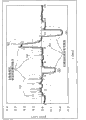
图37示出了实际上将电极贴在用户上并计测眼电位的结果。图37示出了在以图38所示的顺序并按每一秒来显示多个目标时的眼电位的测定结果。若参照图37可知,随着时间的经过眼电位的基线发生了变化。更具体而言,由于漂移的影响,在注视目标(R4)时眼电位也发生变化。若在发生这种漂移的状况下采用专利文献1和专利文献2的校准方法,则即使在注视一点的状况下也会有眼电压的变化,因此会出现不能正确地进行校准的问题。
FIG. 37 shows the results of actually attaching the electrodes to the user and measuring the electrooculogram. FIG. 37 shows measurement results of electrooculopathy when a plurality of objects are displayed every second in the order shown in FIG. 38 . Referring to FIG. 37 , it can be seen that the baseline of the electrooculogram changes with the passage of time. More specifically, due to the influence of drift, the electro-oculogram also changes while gazing at the target (R4). If the calibration methods of
发明内容 Contents of the invention
本发明为了解决上述课题,目的在于提供一种能够正确校准用户的眼电位和视线位置的视线检测装置。 In order to solve the above-mentioned problems, the present invention aims to provide a sight line detection device capable of accurately aligning a user's electro-oculogram and line of sight position. the
本发明所涉及的视线检测装置根据眼电位来检测用户的视线方向。具体而言,眼电位测定部,测定因眼球运动而发生的眼电位,并输出眼电位原信号;校准目标提示部,向用户提示校准目标;扫视运动检测部,从所述眼电位原信号中检测扫视运动,并输出眼电位变化量,所述扫视运动是指,在用户的视线位置移动到由所述校准目标提示部提示的所述校准目标时的眼球的急速的运动,所述眼电位变化量是所述扫视运动前与所述扫视运动后的眼电位的变化量;校准参数计算部,根据由所述校准目标提示部提示的所述校准目标的位置以及从所述扫视运动检测部输出的所述眼电位变化量,计算校准参数;以及校准部,根据所述校准参数,从所述眼电位原信号中检测用户的视线方向。 The line-of-sight detection device according to the present invention detects the line-of-sight direction of the user based on the electro-oculogram. Specifically, the electrooculogram measurement unit measures the electrooculogram generated due to eye movement, and outputs the original electrooculogram signal; the calibration target prompting unit presents the calibration target to the user; Detecting a saccade movement, which refers to the rapid movement of the eyeball when the user's line of sight moves to the calibration target prompted by the calibration target prompting section, and outputting a change amount of the electrooculogram. The amount of change is the amount of change in the electro-oculogram before the saccade movement and after the saccade movement; the calibration parameter calculation unit, based on the position of the calibration target prompted by the calibration target prompting unit and the saccade detection unit Calculating a calibration parameter based on the output change amount of the electro-oculogram; and a calibration unit detecting the user's line of sight direction from the original electro-oculogram signal according to the calibration parameter. the
如以上的构成所述,由于能够根据扫视运动前与扫视运动后的眼电位变化量来算出校准参数,因此能够算出排除了漂移的影响的恰当的校准参数。 As described above, since the calibration parameter can be calculated from the electrooculogram change amount before and after the saccade, it is possible to calculate an appropriate calibration parameter that eliminates the influence of drift. the
并且,也可以是,所述扫视运动检测部包括:延迟信号生成部,使所述眼电位原信号延迟规定的时间,并输出延迟信号;减法部,生成输出信号,该输出信号是从所述眼电位原信号中减去所述延迟信号而得到的;以及扫视运动判断部,将所述输出信号中超过预先规定的阈值的信号,判断为表示扫视运动的扫视运动信号。据此,能够检测出附带有符号(表示眼球的移动方向的信息)的扫视运动信号。 In addition, the saccade detection unit may include: a delay signal generation unit that delays the electro-oculogram original signal for a predetermined time and outputs a delayed signal; a subtraction unit that generates an output signal obtained from the The delay signal is obtained by subtracting the delay signal from the electro-oculogram original signal; and the saccade determination unit determines a signal exceeding a predetermined threshold among the output signals as a saccade signal indicating a saccade movement. Accordingly, it is possible to detect a saccade signal to which a sign (information indicating the moving direction of the eyeball) is attached. the
并且,也可以是,所述规定的延迟时间比用户凝视所述校准目标的时间短。这样,能够防止扫视运动波形的破裂。 In addition, the predetermined delay time may be shorter than the time the user gazes at the calibration target. In this way, breakage of the saccadic motion waveform can be prevented. the
并且,也可以是,所述扫视运动检测部包括:第一滤波处理部,对所述眼电位原信号进行最大值滤波处理以及最小值滤波处理的某一方,并输出第一眼电位信号;减法部,从所述第一眼电位信号和第二眼电位信号的一方减去另一方,并生成输出信号,所述第二眼电位信号是从所述眼电位原信号而得到的;以及扫视运动判断部,将所述输出信号中超过预先规定的阈值的信号,判断为表示扫视运动的扫视运动信号。 In addition, the saccade detection unit may include: a first filter processing unit that performs either a maximum value filter process or a minimum value filter process on the electro-oculogram original signal, and outputs a first electro-oculogram signal; a section for subtracting one of the first electro-oculogram signal and a second electro-oculogram signal from the other, and generating an output signal, the second electro-oculogram signal obtained from the original electro-oculogram signal; and a saccadic movement The determination unit determines a signal exceeding a predetermined threshold among the output signals as a saccade signal indicating a saccade. the
根据上述构成也能够检测扫视运动信号。并且,上述的“第二眼电位信号”可以是从眼电位原信号中直接或间接得到的眼电位信号,也可以是眼电位原信号本身。 According to the above configuration, it is also possible to detect a saccade signal. Moreover, the above-mentioned "second electro-oculogram signal" may be an electro-oculogram signal obtained directly or indirectly from the original electro-oculogram signal, or may be the original electro-oculogram signal itself. the
而且,也可以是,所述扫视运动检测部还具有第二滤波处理部,对所述眼电位原信号进行最大值滤波处理以及最小值滤波处理的另一方,并输出所述第二眼电位信号。据此,能够容易地获得包括扫视运动的产生时刻的扫视运动信号。 Furthermore, the saccade detection unit may further include a second filter processing unit that performs the other of the maximum value filter processing and the minimum value filter process on the electro-oculogram original signal, and outputs the second electro-oculogram signal. . Accordingly, it is possible to easily obtain a saccade signal including the timing at which the saccade occurs. the
并且,也可以是,所述扫视运动检测部还具有第二滤波处理部,对所述第一眼电位信号进行最大值滤波处理以及最小值滤波处理的另一方,并输出所述第二眼电位信号。据此,不仅能够去除眨眼间信号而且还能够检测扫视运动信号。 In addition, the saccade detection unit may further include a second filter processing unit that performs the other of the maximum value filter processing and the minimum value filter process on the first electro-oculogram signal, and outputs the second electro-oculogram signal. Signal. According to this, not only the blink signal can be removed but also the saccadic motion signal can be detected. the
并且,也可以是,所述校准目标提示部按照接受的校准参数更新指示,将第一校准目标提示给用户之后,按照由所述扫视运动检测部检测出的扫视运动,将第二校准目标提示到与所述第一校准目标不同的位置上;并且,所述扫视运动检测部将用户的视线位置从所述第一校准目标移动到所述第二校准目标时的所述眼电位变化量,输出到所述校准参数计算部。据此,能够排除漂移所造成的影响,并能够算出恰当的校准参数。 In addition, the calibration target presentation unit may present the first calibration target to the user according to the received calibration parameter update instruction, and then present the second calibration target according to the saccade motion detected by the saccade motion detection unit. to a position different from that of the first calibration target; and, the amount of change in electrooculopathy when the user's gaze position is moved from the first calibration target to the second calibration target by the saccade detection unit, output to the calibration parameter calculation unit. Accordingly, it is possible to eliminate the influence of drift and calculate appropriate calibration parameters. the
并且,也可以是,所述参数计算部,将以眼球移动角来除所述眼电位变化量而得到的值作为校准参数,所述眼球移动角是指,用户的视线位置从所述第一校准目标移动到所述第二校准目标时的角度,所述眼电位变化量由所述扫视运动检测部输出。并且,也可以是,所述校准参数是保持有多个组合的表,该组合是,用户的视线位置从所述第一校准目标移动到所述第二校准目标时的眼球移动角和与所述眼球移动角相对应的所述眼电位变化量的组合。上述的任意的方法都能够根据眼电位和校准参数来检测到视线方向。 In addition, the parameter calculation unit may use, as a calibration parameter, a value obtained by dividing the change amount of the electro-oculogram by an eye movement angle, the eye movement angle being the position of the line of sight of the user from the first The angle at which the calibration target moves to the second calibration target, and the change amount of the electro-oculogram is output by the saccade detection unit. In addition, the calibration parameter may be a table holding a plurality of combinations, and the combination is the sum of the eyeball movement angle when the user's line of sight position moves from the first calibration target to the second calibration target. The combination of the electrooculogram change amount corresponding to the eyeball movement angle. Any of the above-mentioned methods can detect the gaze direction according to the electro-oculogram and calibration parameters. the
本发明所涉及的摄像装置拍摄用户的视线方向。具体而言,包括:摄像部;以上所述的视线检测装置;以及摄像控制部,使所述摄像部拍摄由所述校准部检测出的视线方向。据此,能够追踪用户的视线移动来变更摄像部的朝向。 The imaging device according to the present invention captures a user's gaze direction. Specifically, it includes: an imaging unit; the above-mentioned line-of-sight detection device; and an imaging control unit configured to cause the imaging unit to capture the line-of-sight direction detected by the calibrating unit. Accordingly, it is possible to change the orientation of the imaging unit by tracking the movement of the user's line of sight. the
本发明所涉及的视线检测方法能够根据眼电位来检测用户的视线方向。具体而言,包括:眼电位测定步骤,测定因眼球运动而发生的眼电位,并输出眼电位原信号;校准目标提示步骤,向用户提示校准目标;扫视运动检测步骤,从所述眼电位原信号中检测扫视运动,并输出眼电位变化量, 所述扫视运动是指,在用户的视线位置移动到在所述校准目标提示步骤被提示的所述校准目标时的眼球的急速地运动,所述眼电位变化量是所述扫视运动前与所述扫视运动后的眼电位的变化量;校准参数计算步骤,根据在所述校准目标提示步骤被提示的所述校准目标的位置以及在所述扫视运动检测步骤被输出的所述眼电位变化量,计算校准参数;以及校准步骤,根据所述校准参数,从所述眼电位原信号中检测用户的视线方向。 The line-of-sight detection method of the present invention can detect the line-of-sight direction of the user based on the electro-oculogram. Specifically, it includes: an electrooculogram measuring step, measuring the electrooculogram generated by eye movement, and outputting the original signal of the electrooculogram; a calibration target prompting step, prompting the user for the calibration target; A saccadic movement is detected in the signal, and an amount of change in the electrooculogram is output. The saccade movement refers to the rapid movement of the eyeball when the user's sight position moves to the calibration target that is prompted in the calibration target prompting step, so The electrooculogram change amount is the change amount of the electrooculogram before the saccade movement and after the saccade movement; the calibration parameter calculation step is based on the position of the calibration target prompted in the calibration target prompting step and the The saccade motion detection step calculates a calibration parameter based on the output change amount of the electro-oculogram; and the calibration step detects the user's line of sight direction from the original signal of the electro-oculogram according to the calibration parameter. the
本发明所涉及的程序,用于使被连接在眼电位测定部的计算机检测用户的视线方向,所述眼电位测定部测定因眼球运动而产生的眼电位,并输出眼电位原信号。具体而言,包括:校准目标提示步骤,向用户提示校准目标;扫视运动检测步骤,从所述眼电位原信号中检测扫视运动,并输出眼电位变化量,所述扫视运动是指,在用户的视线位置移动到在所述校准目标提示步骤被提示的所述校准目标时的眼球的急速地运动,所述眼电位变化量是所述扫视运动前与所述扫视运动后的眼电位的变化量;校准参数计算步骤,根据在所述校准目标提示步骤被提示的所述校准目标的位置以及在所述扫视运动检测步骤被输出的所述眼电位变化量,计算校准参数;以及校准步骤,根据所述校准参数,从所述眼电位原信号中检测用户的视线方向。 The program according to the present invention is used to cause a computer connected to an electrooculogram measuring unit that measures electrooculogram generated by eye movement and outputs an electrooculogram original signal to detect a user's line of sight direction. Specifically, it includes: a calibration target prompting step, which prompts the user for the calibration target; a saccadic motion detection step, which detects the saccadic motion from the original signal of the electro-oculogram, and outputs the change amount of the electro-oculogram, and the saccadic motion refers to, when the user The rapid movement of the eyeball when the line of sight position moves to the calibration target that is prompted in the calibration target prompting step, and the change amount of the eye potential is the change of the eye potential before the saccade movement and after the saccade movement amount; a calibration parameter calculation step, calculating a calibration parameter according to the position of the calibration target prompted in the calibration target prompting step and the electrooculogram change amount output in the saccade motion detection step; and a calibration step, According to the calibration parameters, the user's gaze direction is detected from the electro-oculogram original signal. the
本发明所涉及的集成电路被连接于眼电位测定部,以检测用户的视线方向,所述眼电位测定部测定因眼球运动而产生的眼电位,并输出眼电位原信号。具体而言,包括:校准目标提示部,向用户提示校准目标;扫视运动检测部,从所述眼电位原信号中检测扫视运动,并输出眼电位变化量,所述扫视运动是指,在用户的视线位置移动到由所述校准目标提示部提示的所述校准目标时的眼球的急速地运动,所述眼电位变化量是所述扫视运动前与所述扫视运动后的眼电位的变化量;校准参数计算部,根据由所述校准目标提示部提示的所述校准目标的位置以及从所述扫视运动检测部输出的所述眼电位变化量,计算校准参数;以及校准部,根据所述校准参数,从所述眼电位原信号中检测用户的视线方向。 The integrated circuit according to the present invention is connected to an electro-oculogram measuring unit that measures electro-oculogram generated by eye movement and outputs an electro-oculogram original signal to detect a user's gaze direction. Specifically, it includes: a calibration target prompting unit, which prompts the user for a calibration target; a saccade motion detection unit, which detects a saccade motion from the original signal of the electro-oculogram, and outputs the change amount of the electro-oculogram. The rapid movement of the eyeball when the line of sight position moves to the calibration target prompted by the calibration target prompting part, and the change amount of the eye potential is the change amount of the eye potential before the saccade movement and after the saccade movement a calibration parameter calculation unit that calculates a calibration parameter based on the position of the calibration target presented by the calibration target presentation unit and the electrooculogram change amount output from the saccade detection unit; and a calibration unit that calculates a calibration parameter based on the Calibrate parameters, and detect the user's line of sight direction from the electro-oculogram original signal. the
并且,本发明不仅可以作为视线检测装置以及摄像装置来实现,还可以作为实现视线检测装置以及摄像装置的功能的集成电路来实现,而且还可以作为使计算机执行上述这些功能的程序来实现。并且,这样的程序可 以通过CD-ROM等记录介质或互联网等传输介质来分发。 Furthermore, the present invention can be realized not only as a line of sight detection device and an imaging device, but also as an integrated circuit that realizes the functions of the line of sight detection device and the imaging device, and can also be realized as a program that causes a computer to execute the functions described above. And, such a program can be distributed through a recording medium such as a CD-ROM or a transmission medium such as the Internet. the
通过本发明,由于能够根据作为在扫视运动的前后的眼电位的变化量的眼电位变化量来算出校准参数,因此能够实现可以算出排除了漂移的影响的恰当的校准参数的视线检测装置。 According to the present invention, since the calibration parameter can be calculated from the electrooculogram change amount which is the change amount of the electrooculogram before and after the saccade movement, it is possible to realize a gaze detection device capable of calculating an appropriate calibration parameter without the influence of drift. the
(有关本申请的背景技术的信息) (Information about the background technology of this application)
2008年5月20日申请的申请号为2008-131506号、2008年6月20日申请的申请号为2008-161328号、以及2008年6月20日申请的申请号为2008-161329的在日本申请时的说明书、附图以及权利要求的范围中所公开的内容,全部作为参考被引用于本申请。 In Japan, the application number 2008-131506 filed on May 20, 2008, the application number 2008-161328 filed on June 20, 2008, and the application number 2008-161329 filed on June 20, 2008 The contents disclosed in the specification, drawings, and claims at the time of application are incorporated herein by reference in their entirety. the
附图说明 Description of drawings
图1是实施例1所涉及的视线检测装置的方框图。 FIG. 1 is a block diagram of a line-of-sight detection device according to the first embodiment. the
图2A以表的形式示出了校准参数的一个例子,在该表中保持了多个眼电位变化量和眼球移动角相对应的组合。 FIG. 2A shows an example of calibration parameters in the form of a table, in which a plurality of combinations corresponding to electrooculogram variation amounts and eye movement angles are kept. the
图2B以表的形式示出了校准参数的另一个例子,该表中保持了多个眼电位变化量和视线位置相对应的组合。 FIG. 2B shows another example of calibration parameters in the form of a table, in which a plurality of combinations corresponding to electrooculogram changes and gaze positions are kept. the
图3示出了包含扫视运动信号的眼电位信号的一个例子。 FIG. 3 shows an example of an electro-oculogram signal including a saccade signal. the
图4是用于说明从图3的眼电位信号中抽出的扫视运动检测信号的图。 FIG. 4 is a diagram for explaining a saccade detection signal extracted from the electrooculogram signal in FIG. 3 . the
图5示出了在显示器上显示校准目标的状态。 FIG. 5 shows a state where a calibration target is displayed on the display. the
图6是实施例1所涉及的视线检测装置的工作流程图。 FIG. 6 is an operation flowchart of the line-of-sight detection device according to the first embodiment. the
图7示出了对图3的眼电位信号进行高通滤波处理而得到的眼电位信号。 FIG. 7 shows an electro-oculogram signal obtained by performing high-pass filtering on the electro-oculogram signal of FIG. 3 . the
图8示出了实施例2所涉及的扫视运动检测部的方框图。 FIG. 8 is a block diagram of a saccade detection unit according to the second embodiment. the
图9示出了对图3的眼电位信号进行最大値滤波处理(单位处理间隔=0.25秒)而得到的眼电位信号。 FIG. 9 shows an electrooculogram signal obtained by performing a maximum value filtering process (unit processing interval=0.25 seconds) on the electrooculogram signal of FIG. 3 . the
图10示出了对图3的眼电位信号进行最大値滤波处理(单位处理间隔=1.0秒)而得到的眼电位信号。 FIG. 10 shows electro-oculogram signals obtained by performing maximum value filter processing (unit processing interval=1.0 second) on the electro-oculogram signals of FIG. 3 . the
图11示出了对图3的眼电位信号进行最小値滤波处理(单位处理间隔=0.25秒)而得到的眼电位信号。 FIG. 11 shows an electrooculogram signal obtained by performing a minimum value filter process (unit processing interval=0.25 seconds) on the electrooculogram signal of FIG. 3 . the
图12示出了对图3的眼电位信号进行最大値滤波处理(单位处理间隔=1.0秒)而得到的眼电位信号。 FIG. 12 shows electro-oculogram signals obtained by performing maximum value filter processing (unit processing interval=1.0 second) on the electro-oculogram signals of FIG. 3 . the
图13是本实施例3所涉及的扫视运动检测部的方框图。 FIG. 13 is a block diagram of a saccade detection unit according to the third embodiment. the
图14示出了从图9的眼电位信号中减去图3的眼电位信号而得到的扫视运动检测信号。 FIG. 14 shows a saccadic motion detection signal obtained by subtracting the electrooculogram signal of FIG. 3 from the electrooculogram signal of FIG. 9 . the
图15是本实施例4所涉及的扫视运动检测部的方框图。 FIG. 15 is a block diagram of a saccade detection unit according to the fourth embodiment. the
图16示出了从图3的眼电位信号中减去图11的眼单位信号而得到的扫视运动检测信号。 FIG. 16 shows a saccadic motion detection signal obtained by subtracting the eye unit signal of FIG. 11 from the electrooculogram signal of FIG. 3 . the
图17是实施例5中所涉及的扫视运动检测部的方框图。 FIG. 17 is a block diagram of a saccade detection unit according to Embodiment 5. FIG. the
图18是将延迟信号生成部的延迟时间设为0.25秒时的扫视运动检测信号。 FIG. 18 is a saccade detection signal when the delay time of the delay signal generator is set to 0.25 seconds. the
图19示出了将延迟信号生成部的延迟时间设为1.1秒时的扫视运动检测信号。 FIG. 19 shows the saccade detection signal when the delay time of the delay signal generator is set to 1.1 seconds. the
图20A示出了添加电极方案的一个例子。 Figure 20A shows an example of an electrode addition scheme. the
图20B示出了添加电极方案的另一个例子。 Fig. 20B shows another example of adding an electrode scheme. the
图20C示出了添加电极方案的另一个例子。 Fig. 20C shows another example of adding an electrode scheme. the
图20D示出了添加电极方案的另一个例子。 Figure 20D shows another example of an electrode addition scheme. the
图21示出了包含了眨眼间信号的眼电位信号的一个例子。 FIG. 21 shows an example of an electro-oculogram signal including a blink signal. the
图22示出了对图21的眼电位信号进行中値滤波处理而得到的眼电位信号。 FIG. 22 shows an electro-oculogram signal obtained by performing a median filter process on the electro-oculogram signal of FIG. 21 . the
图23是实施例6所涉及的眼电位计测装置的方框图。 FIG. 23 is a block diagram of the electrooculogram measurement device according to the sixth embodiment. the
图24是滤波处理内容决定部的工作流程图。 Fig. 24 is an operation flowchart of a filter processing content determination unit. the
图25是图23的滤波处理部的方框图。 FIG. 25 is a block diagram of a filter processing unit in FIG. 23 . the
图26示出了对图21的眼电位信号进行最小値滤波处理而得到的眼电位信号。 FIG. 26 shows an electro-oculogram signal obtained by performing minimum value filtering on the electro-oculogram signal of FIG. 21 . the
图27示出了对图26的眼电位信号进行最大値滤波处理而得到的眼电位信号。 FIG. 27 shows an electro-oculogram signal obtained by performing a maximum value filtering process on the electro-oculogram signal of FIG. 26 . the
图28是实施例7所涉及的眼电位计测装置的方框图。 FIG. 28 is a block diagram of the electrooculogram measurement device according to the seventh embodiment. the
图29是图28的滤波处理部的方框图。 FIG. 29 is a block diagram of a filter processing unit in FIG. 28 . the
图30示出了将图26的眼电位信号输入到图29的滤波处理部而得到的 眨眼间信号。 Fig. 30 shows a blink signal obtained by inputting the electrooculogram signal of Fig. 26 to the filter processing unit of Fig. 29 . the
图31是实施例8所涉及的眼电位计测装置的方框图。 FIG. 31 is a block diagram of the electrooculogram measurement device according to the eighth embodiment. the
图32是图31的滤波处理部的方框图。 FIG. 32 is a block diagram of a filter processing unit in FIG. 31 . the
图33是将图26的眼电位信号输出到图32的滤波处理部而得到的扫视运动信号。 FIG. 33 is a saccade signal obtained by outputting the electrooculogram signal of FIG. 26 to the filter processing unit of FIG. 32 . the
图34示出了将实施例9所涉及的摄像装置安装到用户的状态。 FIG. 34 shows a state where the imaging device according to the ninth embodiment is attached to the user. the
图35是实施例9所涉及的摄像装置的方框图。
FIG. 35 is a block diagram of an imaging device according to
图36A是用于说明EOG法的图,示出了用户的眼球朝向正面的状态。 FIG. 36A is a diagram for explaining the EOG method, showing a state in which the user's eyeballs are facing the front. the
图36B是用于说明EOG法的图,示出了用户的眼球朝向右侧的状态。 FIG. 36B is a diagram for explaining the EOG method, and shows a state in which the user's eyeballs are directed to the right. the
图37示出了眼电位计测中的漂移的例子。 FIG. 37 shows an example of drift in electrooculogram measurement. the
图38是用于说明眼电位计测中的漂移的图。 FIG. 38 is a diagram for explaining drift in electrooculogram measurement. the
具体实施方式 Detailed ways
以下参照附图对本发明的实施例进行说明。并且,在以下的各个实施例中,只要不减小本发明的效果可以进行任意组合。 Embodiments of the present invention will be described below with reference to the drawings. In addition, in each of the following embodiments, any combination can be made as long as the effect of the present invention is not reduced. the
(实施例1) (Example 1)
图1是本发明的实施例1所涉及的视线检测装置100的构成方框图。图1所示的视线检测装置100包括:眼电位测定部(省略图示),测定被贴在用户的眼睛的周围的眼电位,并输出眼电位原信号;校准部101,将眼电位原信号转换为视线位置(也可称为“视线方向”,以下相同);校准参数更新指示部102,指示校准参数的更新;校准目标提示部103,接受校准参数更新指示,并提示校准目标;扫视运动检测部104,从眼电位原信号中检测扫视运动信号;校准参数计算部105,根据从扫视运动检测部104输出的眼电位变化量以及由校准目标提示部103输出的校准目标的位置,算出校准参数;以及开关106,将眼电位原信号的输出目的地切换为校准部101以及扫视运动检测部104的某一方。
FIG. 1 is a block diagram showing the configuration of a line-of-sight detection device 100 according to
典型的眼电位测定部是贴在用户的眼睛的周边的电极。对于具体的贴的方法不做特殊限定,例如图36A以及图36B所示,可以将贴在外眼角一侧的电极A和贴在大眼角一侧的电极B组合起来使用。并且,也可以如图20A~图20D所示,可以将电极贴在眼睛的上下的某一方,或贴在上下双方。 而且,电极也可以被贴在太阳穴的上下。 A typical electro-oculogram measurement unit is an electrode attached around the user's eyes. There is no special limitation on the specific method of pasting. For example, as shown in FIG. 36A and FIG. 36B , the electrode A pasted on the side of the outer corner of the eye and the electrode B pasted on the side of the big corner of the eye can be used in combination. In addition, as shown in FIGS. 20A to 20D , the electrodes may be attached to one of the upper and lower sides of the eye, or to both of the upper and lower sides. Moreover, electrodes can also be attached above and below the temple. the
校准部101利用预先保持的校准参数,从眼电位原信号中算出用户的视线位置。在此,校准参数是用于将眼电位原信号变换为眼球移动角的参数,作为其中的一个可以列举出用于以下公式1的校准系数α。
The calibration unit 101 calculates the position of the user's line of sight from the electro-oculogram raw signal using calibration parameters held in advance. Here, the calibration parameter is a parameter for converting the electrooculogram original signal into an eye movement angle, and one of them is a calibration coefficient α used in the following
一般可以知道,计测眼电位Va-b在眼球移动角θ在一定的范围内的情况下呈线形变化。也就是说,计测眼电位Va-b可以利用校准系数α和眼球移动角θ,以以下的公式1来近似。
Generally, it is known that the measured electrooculogram V ab changes linearly when the eyeball movement angle θ is within a certain range. That is, the measured electrooculogram V ab can be approximated by the following
(数式1) (Formula 1)
Va-b=αxθ (公式1) V ab =αxθ (Formula 1)
对利用EOG法在进行校准时的工作例进行说明。在眼电位Ve作为眼电位原信号被输入到校准部101的情况下,利用公式1来求眼球移动角θ。并且,利用用户和注视物体之间的距离等信息,从移动角θ来求视线位置。通过以上的顺序,能够从眼电位中求出视线位置。并且,对于测定用户和注视物体之间的距离的方法不进行任何限定,例如能够利用测距传感器等。
An operation example of calibration using the EOG method will be described. When the electro-oculogram Ve is input to the calibration unit 101 as the original electro-oculogram signal, the eyeball movement angle θ is obtained using
并且,本发明不受利用公式1的校准方法所限定,也可以将图2A所示的表作为校准参数来利用,图2A所示的表中保持了多个眼电位变化量和眼球移动角相对应的组合。而且,也可以将图2B所示的表作为校准参数来利用,图2B所示的表中保持了多个眼电位变化量和眼球移动角相对应的组合。
Moreover, the present invention is not limited by the calibration
校准参数更新指示部102在开始视线检测时等事件发生的情况下,将校准参数更新指示信号输出到校准目标提示部103和开关106。并且,在结束校准参数的更新之时,停止校准参数更新指示信号的输出。 The calibration parameter update instructing unit 102 outputs a calibration parameter update instructing signal to the calibration target presenting unit 103 and the switch 106 when an event occurs such as when line-of-sight detection is started. And, when the update of the calibration parameter is completed, the output of the calibration parameter update instruction signal is stopped. the
开关106按照校准参数更新指示,对将眼电位原信号发送到校准部101以及扫视运动检测部104的哪一方进行切换。 The switch 106 switches which of the calibration unit 101 and the saccade detection unit 104 to send the original electro-oculogram signal to, according to the calibration parameter update instruction. the
扫视运动检测部104通过从眼电位原信号中检测扫视运动信号,从而算出发生扫视运动时的眼电位的变化量。扫视运动(冲动性眼球运动)是指,为了使在分辨率低的周边视网膜映出的对象能够在分辨率高的视网膜中心窝被捕捉到而发生的眼球运动,其运动速度为100~500(°/sec),是一个非常快的速度。 The saccade detection unit 104 detects the saccade signal from the electro-oculogram original signal, thereby calculating the change amount of the electro-oculogram when the saccadic movement occurs. Saccadic movement (impulsive eye movement) refers to the eye movement that occurs in order to make the object reflected in the low-resolution peripheral retina be captured in the high-resolution retinal fovea, and its movement speed is 100 to 500 ( °/sec), is a very fast speed. the
图3示出了包含了扫视运动信号的眼电位信号的波形的例子。在图3中,点线所圈起的部分表示扫视运动的部分。当发生扫视运动时,在发生陡峭的电位变化之后,停留一定的时间(凝视),并再次返回到原来的电位。在此示出的一个例子是,眼球通过跳动从某目标A运动到某目标B,并且再次通过跳动从目标B运动到目标A的情况。一般而言,人是通过反复重复0.3秒的凝视和十毫秒的扫视运动来获得周围的信息的。 FIG. 3 shows an example of a waveform of an electro-oculogram signal including a saccade signal. In FIG. 3 , the portion surrounded by the dotted line indicates the portion of the panning motion. When a saccadic movement occurs, after a steep potential change, stay for a certain period of time (gaze), and return to the original potential again. An example shown here is a case where eyeballs move from a certain object A to a certain object B by bouncing, and then move from object B to object A again by bouncing. Generally speaking, people obtain surrounding information by repeatedly repeating 0.3-second gaze and ten-millisecond saccade movements. the
作为从图3所示的眼电位原信号中检测出扫视运动信号的方法之一,例如有对眼电位原信号分别进行最大值滤波处理和最小值滤波处理,并求差分的方法。有关该处理将在以后详细叙述。 As one of the methods of detecting the saccade signal from the original electro-oculogram signal shown in FIG. 3 , there is, for example, a method of performing maximum value filter processing and minimum value filter processing on the original electro-oculogram signal and calculating a difference. This processing will be described in detail later. the
通过对图3所示的眼电位原信号进行最大值滤波处理以及最小值滤波处理而得到的输出信号由图4示出。如图4所示,只有在发生扫视运动之时,输出信号才出现峰值。 FIG. 4 shows an output signal obtained by performing maximum value filtering processing and minimum value filtering processing on the electrooculogram original signal shown in FIG. 3 . As shown in Figure 4, the output signal peaks only when a saccadic motion occurs. the
扫视运动检测部104还包括扫视运动判断部(图示省略),将输出信号中超过预先规定的阈值的信号判断为表示扫视运动的扫视运动信号。并且,求出扫视运动信号的变化量(即,眼电位在扫视运动前后的变化量),并输出到校准参数计算部105。并且,表示扫视运动信号已被检测出的扫视运动检测信号被输出到校准目标提示部103和校准参数计算部105。 The saccade detection unit 104 further includes a saccade determination unit (not shown), which determines a signal exceeding a predetermined threshold among the output signals as a saccade signal indicating a saccade. Then, the amount of change in the saccade signal (that is, the amount of change in the electro-oculogram before and after the saccade) is obtained and output to the calibration parameter calculation unit 105 . Then, a saccade detection signal indicating that a saccade signal has been detected is output to the calibration target presentation unit 103 and the calibration parameter calculation unit 105 . the
并且,在实施例1中的扫视运动信号的检测方法中虽然采用了最小值滤波和最大值滤波,不过只要能够利用高通滤波等来检测扫视运动,不论哪种方法均可以。并且,虽然在实施例1中所求的是在扫视运动中发生了变化的眼电位的变化量,不过也可以将扫视运动检测信号的振幅本身作为眼电位的变化量来使用。 In addition, although minimum value filtering and maximum value filtering are used in the detection method of the saccade signal in the first embodiment, any method may be used as long as the high-pass filter or the like can be used to detect the saccade motion. In addition, in the first embodiment, the change amount of the electro-oculogram that changes during the saccade movement is obtained, but the amplitude of the saccade detection signal itself may be used as the change amount of the electro-oculogram. the
校准目标提示部103在接受校准参数更新目标时,将校准目标提示给用户。并且,按照来自扫视运动检测部104的扫视运动检测信号,使校准目标的提示位置发生变化。 The calibration target presentation unit 103 presents the calibration target to the user when receiving the calibration parameter update target. Then, the presentation position of the calibration target is changed in accordance with the saccade detection signal from the saccade detection unit 104 . the
作为一个例子,在利用图5所示的显示器10进行校准的情况下,与接受了校准参数更新指示相对应,在显示器10的中心显示第一校准目标20。之后,当接受扫视运动检测信号时,将第二校准目标30显示在左上方。并且,当再次接受扫视运动检测信号时,使下一个校准目标显示在右上等。这样,通过按照用户的扫视运动使校准目标的位置发生变化,从而能够诱 发用户的扫视运动。如以上所述,按照用户的扫视运动而发生变化的校准目标的位置被输出到校准参数计算部105。
As an example, when calibration is performed using the
并且,在实施例1中,是将第一以及第二校准目标20、30显示在显示器10上的,不过对于校准目标的提示方法并非受此所限。例如,在实际空间上可以用激光点等来表示校准目标。而且,也可以利用摄像机等从周边存在的物体(例如,人的脸部等)中选择校准目标,为了使用户识别该校准目标而输出声音信息。也就是说,只要是能够输出使用户确定校准目标的信息,校准目标提示部103可以是任意的。
Furthermore, in
校准参数计算部105在从扫视运动检测部104接受了扫视运动检测信号时,利用眼电位变化量和校准目标位置来更新校准参数。作为校准参数的一个例子,示出校准系数α的计算例子。首先,利用校准目标位置以及用户和校准目标所显示的物体(典型的例子如显示器)之间的距离信息等,来求在看校准目标的情况下的用户的眼球移动角θ。并且,通过将被输入的眼电位变化量Vc以及眼球移动角θ代入到公式1,从而能够求出校准系数α。并且,对于用户和显示器之间的距离信息的获得方法不进行特殊的限定,例如,可以利用测距传感器等,使用户站在与显示器相距预先规定的距离的位置后,输出校准参数更新指示。
The calibration parameter calculation unit 105 updates the calibration parameters using the electro-oculogram change amount and the calibration target position when receiving the saccade motion detection signal from the saccade motion detection unit 104 . As an example of the calibration parameter, a calculation example of the calibration coefficient α is shown. First, the user's eye movement angle θ when looking at the calibration target is calculated using the calibration target position and the distance information between the user and the object displayed on the calibration target (typically, a monitor). Furthermore, by substituting the input electrooculopathy change amount Vc and eyeball movement angle θ into
以下,参照图6对实施例1所涉及的视线检测装置100更新校准参数的顺序进行说明。该视线检测装置100由于校准参数更新指示从外部被输入,因此计算新的校准参数。 Hereinafter, the procedure for updating the calibration parameters by the line-of-sight detection device 100 according to the first embodiment will be described with reference to FIG. 6 . Since the line-of-sight detection device 100 receives a calibration parameter update instruction from the outside, it calculates new calibration parameters. the
首先,视线检测装置100监视校准参数更新指示的输入(S1001)。该校准参数更新指示由校准参数更新指示部102被发送到校准目标提示部103以及开关106。对于校准参数更新指示的输入方法没有特殊的限定,例如校准参数更新指示部102可以接受来自用户的指示,也可以以视线检测装置100的电源被接通时等规定的时机来自动地发行该指示。 First, the line-of-sight detection device 100 monitors input of a calibration parameter update instruction (S1001). The calibration parameter update instruction is sent from the calibration parameter update instruction unit 102 to the calibration target presentation unit 103 and the switch 106 . There is no particular limitation on the input method of the calibration parameter update instruction. For example, the calibration parameter update instruction unit 102 may accept an instruction from the user, or may issue the instruction automatically at a predetermined timing such as when the line of sight detection device 100 is powered on. . the
之后,接受了校准参数更新指示的校准目标提示部103(S1001的“是”)向用户提示第一校准目标20(S1002)。并且,校准目标提示部103将第一校准目标20的位置信息通知给校准参数计算部105。同样,接受了校准参数更新指示的开关106将眼电位原信号的输出目的地从校准部101切换为扫视运动检测部104。 After that, the calibration target presentation unit 103 having received the calibration parameter update instruction (YES in S1001 ) presents the first calibration target 20 to the user (S1002). Then, the calibration target presentation unit 103 notifies the calibration parameter calculation unit 105 of the position information of the first calibration target 20 . Similarly, the switch 106 that has received the calibration parameter update instruction switches the output destination of the electro-oculogram original signal from the calibration unit 101 to the saccade detection unit 104 . the
之后,扫视运动检测部104监视经由开关106而被输入的眼电位原信号中是否包含扫视运动信号(S1003)。当第一校准目标20被显示在显示器10上时,用户的视线从任意的位置移动到第一校准目标20。此时出现扫视运动信号。
Thereafter, the saccade detection unit 104 monitors whether or not a saccade signal is included in the electro-oculogram source signal input through the switch 106 ( S1003 ). When the first calibration target 20 is displayed on the
并且,对于扫视运动信号的检测方法不进行特殊地限定,例如有采用最大值滤波、最小值滤波、延迟器等来进行检测的方法。详细内容待后述。当扫视运动信号被检测出时(S1003的“是”),扫视运动检测部104将扫视运动检测信号输出到校准目标提示部103。同样,将扫视运动检测信号以及眼电位变化量Va-b输出到校准参数计算部105。 Furthermore, the detection method of the saccade signal is not particularly limited, for example, there is a detection method using a maximum value filter, a minimum value filter, a delayer, and the like. Details will be described later. When the saccade signal is detected (YES in S1003 ), the saccade detection unit 104 outputs the saccade detection signal to the calibration target presentation unit 103 . Similarly, the saccade detection signal and the electro-oculogram change amount V ab are output to the calibration parameter calculation unit 105 .
之后,接受了扫视运动检测信号的校准目标提示部103判断是否向用户提示所有的校准目标(S1004)。应该提示的校准目标的数量可以是预先规定的,也可以向用户询问是否需要继续提示校准目标。并且,在实施例1中以提示两个校准目标为例进行说明。
After that, the calibration target presenting unit 103 having received the saccade detection signal determines whether to present all the calibration targets to the user ( S1004 ). The number of calibration targets that should be prompted may be predetermined, and the user may also be asked whether to continue to prompt for calibration targets. Furthermore, in
由于目前仅提示了第一校准目标20(S1004的“否”),因此校准目标提示部103提示下一个校准目标(S1002)。具体而言,从显示器10上删除第一校准目标20,并将第二校准目标30显示在显示器10上。并且,将第二校准目标30的位置信息通知给校准参数计算部105。
Since only the first calibration target 20 has been presented so far ("No" in S1004), the calibration target presentation unit 103 presents the next calibration target (S1002). Specifically, the first calibration target 20 is deleted from the
之后,扫视运动检测部104监视眼电位原信号中是否包含了扫视运动信号(S1003)。当第二校准目标30被显示在显示器10上时,用户的视线从第一校准目标20移动到第二校准目标30。此时出现扫视运动信号。
Thereafter, the saccade detection unit 104 monitors whether or not a saccade signal is included in the original electro-oculogram signal ( S1003 ). When the second calibration target 30 is displayed on the
检测出扫视运动信号的扫视运动检测部104与上次同样,输出扫视运动检测信号以及眼电位变化量Va-b。并且,在提示了第二校准目标30之后的步骤S1004,校准目标提示部103判断为提示了所有的校准目标(S1004的“是”)。 The saccade detection unit 104 that detected the saccade signal outputs the saccade detection signal and the electro-oculogram change amount V ab as in the previous case. Then, in step S1004 after the second calibration target 30 is presented, the calibration target presentation unit 103 determines that all the calibration targets have been presented (YES in S1004 ).
之后,校准参数计算部105根据从校准目标提示部103接收的第一以及第二校准目标20、30的位置信息和输出了从扫视运动检测部104接收的第二校准目标30之后的眼电位变化量Va-b,来计算新的校准参数(S1005)。具体而言,从第一以及第二校准目标20、30的位置信息中算出眼球移动角θ。接着,将眼电位变化量Va-b和眼球移动角θ代入到公式1,从而得到校准系数α。
Afterwards, the calibration parameter calculation unit 105 outputs the change in electrooculopathy after outputting the second calibration target 30 received from the saccade detection unit 104 based on the position information of the first and second calibration targets 20 and 30 received from the calibration target presentation unit 103 V ab to calculate new calibration parameters (S1005). Specifically, the eyeball movement angle θ is calculated from the position information of the first and second calibration targets 20 and 30 . Next, the electrooculogram variation V ab and the eyeball movement angle θ are substituted into
并且,在实施例1中作为校准参数的更新例子,对校准系数α的计算方法进行了说明,不过校准参数的更新方法并非受此所限。例如,也可以利用被输入到校准参数计算部105的眼电位变化量和眼球移动角以及校准目标位置,来更新图2A以及图2B所示的表,图2A以及图2B所示的表中保持了多个眼电位变化量和眼球移动角以及视线位置相对应的组合。在这种情况下,通过增加需要提示的校准目标的总数,从而图2A以及图2B所示的表的记录数增加,因此能够得到可靠性更高的校准参数。
Furthermore, in
根据以上所示的实施例1的构成,从而从眼电位原信号中检测扫视运动信号,并利用扫视运动运动中所产生的眼电位的变化量来更新校准参数。这样,能够不受以往的方式中出现的漂移这一问题的影响,从而正确地求出校准参数。 According to the configuration of the first embodiment described above, the saccade signal is detected from the electro-oculogram original signal, and the calibration parameter is updated using the change amount of the electro-oculogram generated during the saccadic motor movement. In this way, the calibration parameters can be accurately obtained without being affected by the problem of drift that occurs in the conventional method. the
并且,能够一边诱发用户的扫视运动一边更新校准参数。这样,用户可以仅用眼睛来追踪校准目标,从而能够减轻校准时的用户的负担。 Furthermore, it is possible to update the calibration parameters while inducing the user's saccade movement. In this way, the user can track the calibration target with only eyes, so that the burden on the user at the time of calibration can be reduced. the
并且,通过将校准参数作为图2A以及图2B所示的表来保持,从而能够缩短校准时间。 Furthermore, the calibration time can be shortened by holding the calibration parameters as tables shown in FIGS. 2A and 2B . the
并且,通过将校准参数作为眼球电位变化量Va-b和眼球移动角θ的函数的倾斜(校准系数α)来保持,从而能够减少内存。 In addition, the memory can be reduced by storing the calibration parameters as the inclination (calibration coefficient α) of the function of the electrooculus change amount V ab and the eye movement angle θ.
以下,对在扫视运动检测部104的眼电位原信号中的扫视运动信号的检测方法进行详细说明。并且,扫视运动信号不仅应用于上述的视线检测装置100,而且在医疗设备、驾驶辅助设备以及用户界面等领域中被广泛应用于用户的眼球运动或状态的检测。因此,对于高精确地且简便地检测扫视运动信号非常有效。 Hereinafter, a method of detecting a saccade signal in the electro-oculogram original signal by the saccade detection unit 104 will be described in detail. Moreover, the saccade signal is not only applied to the above-mentioned line of sight detection device 100, but also widely used in the detection of the user's eye movement or state in the fields of medical equipment, driving assistance equipment, and user interface. Therefore, it is very effective for highly accurate and simple detection of a saccadic motion signal. the
例如,以下的专利文献3~5所记载的技术公开了从眼电位原信号中检测扫视运动信号的方法。
For example, the techniques described in the following
在日本特开平11-276461号公报(专利文献3)中公开的技术是,检测操作这的扫视运动信号,并根据扫视运动的发生频度来判断操作者的注意力。并且,在扫视运动信号的检测中,采用了截止频率为0.05~0.1Hz左右的高通滤波器。 The technique disclosed in Japanese Patent Application Laid-Open No. 11-276461 (Patent Document 3) detects a signal of a pan motion of an operator, and judges the attention of the operator based on the frequency of occurrence of the pan motion. In addition, a high-pass filter with a cutoff frequency of about 0.05 to 0.1 Hz is used for detection of the saccade signal. the
在日本特开平9-034631号公报(专利文献4)中公开的技术是,不需要对显示器画面上的目标和操作者的注视点进行手动地位置调整等操 作。具体而言,在显示器画面上,使用于校准的符号发生,当在发生后的规定时间内检测出扫视运动信号时,则判断为用于校准的符号和操作者的注视点一致,并校准目标位置。并且,在扫视运动信号的检测中,采用了截止频率为0.05~0.1Hz左右的高通滤波器。 The technology disclosed in Japanese Patent Application Laid-Open No. 9-034631 (Patent Document 4) does not require operations such as manual position adjustment of the target on the display screen and the operator's gaze point. Specifically, on the display screen, a symbol for calibration is generated, and when a saccade signal is detected within a predetermined time after the occurrence, it is determined that the symbol for calibration coincides with the operator's gaze point, and the target is calibrated. Location. In addition, a high-pass filter with a cutoff frequency of about 0.05 to 0.1 Hz is used for detection of the saccade signal. the
在日本特开2002-272693号公报(专利文献5)中公开的技术是,根据眼球运动信号来检测扫视运动的结束时刻。并且,每当扫视运动结束时,就将这一时刻开始的一定期间内的脑波作为单位脑波,依次记录到脑的多个部位的每一个中,从而获得眼球停留关联电位。并且,在进行扫视运动信号的检测中,可以通过判断眼球运动方向在规定的时间范围内持续同一个方向后是否发生了变化来进行检测。 The technology disclosed in Japanese Patent Application Laid-Open No. 2002-272693 (Patent Document 5) detects the end timing of the saccade movement from eye movement signals. And, whenever the saccade movement ends, the brainwaves within a certain period starting at this moment are taken as unit brainwaves, and are sequentially recorded in each of the multiple parts of the brain, thereby obtaining the eyeball dwell-related potential. In addition, in the detection of the saccade signal, the detection may be performed by judging whether the direction of the eyeball movement has changed after continuing in the same direction within a predetermined time range. the
在图1示出的扫视运动检测部104中可以采用专利文献3~5所公开的扫视运动检测方法。然而,在专利文献3、4所示的方法中,利用高通滤波器来检测扫视运动信号。若使图3所示的眼电位原信号通过高通滤波器,则如图7所示,会出现扫视运动信号的振幅变小的情况。尤其是振幅小的扫视运动信号就不容易与噪声成分相区分。
The saccade detection methods disclosed in
并且,在专利文献5所示的方法中,由于在检测眼球运动方向时噪声成分等的影响,即使在扫视运动过程中,也不能判断出眼球运动方向是连续地向同一方向等,从而导致错误检测。 Moreover, in the method shown in Patent Document 5, due to the influence of noise components when detecting the eye movement direction, it cannot be judged that the eye movement direction is continuously in the same direction, etc. even during the saccade movement, resulting in errors. detection. the
因此,在本发明的实施例2~5中,对从用户的眼电位原信号高精确且简便地检测扫视运动信号的方法进行说明。
Therefore, in
(实施例2) (Example 2)
图8是本发明的实施例2所涉及的扫视运动检测部200的构成方框图。图8所示的扫视运动检测部200包括:最大值滤波部(第一滤波处理部)201,对眼电位原信号进行最大值滤波处理;最小值滤波部(第二滤波处理部)202,对眼电位原信号进行最小值滤波处理;以及减法部203。
FIG. 8 is a block diagram showing the configuration of the
更具体而言,最大值滤波部201和最小值滤波部202并联连接。最大值滤波部201对眼电位原信号进行最大值滤波处理,并输出第一眼电位信号。最小值滤波部202对眼电位原信号进行最小值滤波处理,并输出第二眼电位信号。并且,减法部203从第一眼电位信号中减去第二眼电位信号,并生成输出信号。
More specifically, the maximum
并且,本发明所说明的对象是,如图36A以及图36B所示,在将电极贴在眼球的左右的情况,以及如在将电极贴在离眼睛远的位置来进行计测的方法中,用户的眨眼间成分没有被混入到眼电位原信号的情况,并对采用这种计测方法时的扫视运动信号的检测进行说明。 In addition, the object of the present invention is that, as shown in FIG. 36A and FIG. 36B , in the case where the electrodes are attached to the left and right of the eyeball, and in the method of performing measurement by attaching the electrodes to a position far from the eyes, The detection of the saccade signal in the case where the user's blink component is not mixed into the original electro-oculogram signal will be described. the
以下对图8的最大值滤波部201的处理进行说明。最大值滤波部201针对眼电位原信号f(x)进行以下的滤波处理。
The processing of the maximum
fmax(x)=max(fmax(x),f(x+i)) fmax(x)=max(fmax(x), f(x+i))
在n为奇数的情况下(-n/2<i<n/2),在n为偶数的情况下(-n/2≤i<n/2)或(-n/2<i≤n/2)。 When n is an odd number (-n/2<i<n/2), when n is an even number (-n/2≤i<n/2) or (-n/2<i≤n/ 2). the
在此,fmax(x)是进行了最大值滤波处理后的眼电位信号,n是滤波器抽头数,i是整数。并且,max(a,b)是返回a以及b中的大的一方的值的函数。也就是说,在最大值滤波处理中,将眼电位原信号中的任意的样本f(x)设为中心,输出在以该f(x)为中心的n样本中振幅最大的样本值。通过对眼电位原信号的所有样本进行该处理,从而能够得到第一眼电位信号。 Here, fmax(x) is the electro-oculogram signal subjected to maximum value filtering, n is the number of filter taps, and i is an integer. Also, max(a, b) is a function that returns the larger value of a and b. That is, in the maximum value filtering process, an arbitrary sample f(x) in the electro-oculogram original signal is set as the center, and a sample value having the largest amplitude among n samples centered on the f(x) is output. By performing this processing on all the samples of the electro-oculogram original signal, the first electro-oculogram signal can be obtained. the
将上述滤波处理适用于图3所示的眼电位原信号的例子由图9示出。并且,为了从眼电位原信号中检测扫视运动信号,因而将最大值滤波处理的单位处理间隔设为0.25秒。单位处理间隔是指,包含了成为进行一次最大值滤波处理的对象的样本的时间间隔。并且,最大值滤波部201的滤波器抽头数n为单位处理间隔(0.25秒)中所包含的样本数。也就是说,滤波器抽头数n能够根据单位处理间隔以及对眼电位原信号进行A/D转换时的取样频率而被算出。
FIG. 9 shows an example of applying the above-mentioned filter processing to the original electro-oculogram signal shown in FIG. 3 . In addition, in order to detect the saccade signal from the electro-oculogram original signal, the unit processing interval of the maximum value filtering process is set to 0.25 seconds. The unit processing interval refers to a time interval including samples to be subjected to the maximum value filter processing once. In addition, the number n of filter taps of the maximum
如图9所示,在对眼电位原信号进行最大值滤波处理的情况下,正的信号在时间方向上变宽,负的信号在时间方向变窄。但是,若使最大值滤波部201的单位处理间隔大于一般情况下的一次的凝视时间(0.3秒到0.4秒左右),则如图10所示,负的方向上的扫视运动波形破裂。图10示出了将单位处理间隔设为1.0秒来进行最大值滤波处理的例子。如图10所示,若扫视运动波形破裂,就不能检测出扫视运动信号,因此,最大值滤波部201的单位处理间隔需要比一般情况下的一次的凝视时间短。
As shown in FIG. 9 , when the maximum value filtering process is performed on the original electro-oculogram signal, the positive signal becomes wider in the time direction, and the negative signal becomes narrower in the time direction. However, if the unit processing interval of the maximum
并且,在实施例2中虽然示出了将最大值滤波处理的单位处理间隔设 为0.25秒的例子,不过只要是比一般情况下的一次的凝视时间短的值就可以。
And, although the example that the unit processing interval of the maximum value filtering process is set as 0.25 seconds is shown in
以下对最小值滤波部202的处理进行说明。最小值滤波部202对眼电位原信号f(x)进行以下的滤波处理。
The processing of the minimum
fmin(x)=min(fmin(x),f(x+i)) fmin(x)=min(fmin(x), f(x+i))
在n为奇数的情况下(-n/2<i<n/2),在n为偶数的情况下(-n/2≤i<n/2)或(-n/2<i≤n/2)。 When n is an odd number (-n/2<i<n/2), when n is an even number (-n/2≤i<n/2) or (-n/2<i≤n/ 2). the
在此,fmin(x)是进行了最小值滤波处理后的眼电位信号,n是滤波器抽头数,i为整数。并且,min(a,b)是返回a以及b中的小的一方的值的函数。也就是说,在最小值滤波处理中,将眼电位原信号中的任意的样本f(x)设为中心,输出在以该f(x)为中心的n样本中振幅最小的样本值。通过对眼电位原信号的所有样本进行该处理,从而能够得到第二眼电位信号。 Here, fmin(x) is the electro-oculogram signal after the minimum filtering process, n is the number of filter taps, and i is an integer. Also, min(a, b) is a function that returns the smaller value of a and b. That is, in the minimum value filtering process, an arbitrary sample f(x) in the electro-oculogram original signal is set as the center, and a sample value having the smallest amplitude among n samples centered on this f(x) is output. By performing this processing on all the samples of the electro-oculogram original signal, the second electro-oculogram signal can be obtained. the
将上述滤波处理适用于图3所示的眼电位原信号的例子由图11示出。 FIG. 11 shows an example of applying the above-mentioned filter processing to the original electro-oculogram signal shown in FIG. 3 . the
在图11中,为了从眼电位原信号中检测扫视运动信号,因而将最小值滤波处理的单位处理间隔设为0.25秒。 In FIG. 11 , in order to detect a saccade signal from an electro-oculogram original signal, the unit processing interval of the minimum value filtering process is set to 0.25 seconds. the
如图11所示,在对眼电位原信号进行最小值滤波处理的情况下,正的信号在时间方向上变窄,负的信号在时间方向变宽。在此,若使最小值滤波部202的单位处理间隔大于一般情况下的一次的凝视时间,则如图12所示,正的方向上的扫视运动波形破裂。图12示出了将单位处理间隔设为1.0秒来进行最小值滤波处理的例子。如图12所示,若扫视运动波形破裂,就不能检测出扫视运动信号,因此,最小值滤波部202的单位处理间隔需要比一般情况下的一次的凝视时间短。
As shown in FIG. 11 , when the minimum value filtering process is performed on the electrooculogram original signal, the positive signal becomes narrower in the time direction, and the negative signal becomes wider in the time direction. Here, if the unit processing interval of the minimum
并且,在实施例2中虽然示出了将最小值滤波处理的单位处理间隔设为0.25秒的例子,不过只要是比一般情况下的一次的凝视时间短的值就可以。 In addition, although the example in which the unit processing interval of the minimum value filter processing is set to 0.25 seconds was shown in the second embodiment, any value may be used as long as it is shorter than the normal one-time gaze time. the
以下,对减法部203的处理进行说明。减法部203通过从第一眼电位信号fmax(x)减去第二眼电位信号fmin(x),从而抽出扫视运动信号,所述第一眼电位信号fmax(x)是从最大值滤波部201输出的,所述第二眼电位信号fmin(x)是从最小值滤波部202输出的。
Hereinafter, the processing of the
在图9所示的第一眼电位信号和在图11所示的第二眼电位信号之间的差分由图4示出。若参照图4可知,能够得到包括扫视运动所发生的时间带的检测信号。 The difference between the first electro-oculogram signal shown in FIG. 9 and the second electro-oculogram signal shown in FIG. 11 is shown in FIG. 4 . Referring to FIG. 4 , it can be seen that a detection signal including a time zone in which a saccade occurs can be obtained. the
扫视运动检测部200根据图4所示的输出信号,生成扫视运动检测信号以及眼电位变化量,并输出到校准目标提示部103以及校准参数计算部105。例如,在相当于扫视运动所需要的时间的时间内的样本值的变化量超过预先规定的阈值的情况下,判断为发生了扫视运动,并输出扫视运动检测信号。并且,将此时的样本值的变化量作为眼电位变化量来输出。
The
并且,在实施例2中虽然利用了最大值滤波部201以及最小值滤波部202,不过也可以利用选择与最大值和最小值接近的值的滤波器。在这种情况下,对于最大值和最小值而言,最好是选择90%左右的值。
In addition, although the maximum
并且,在实施例2中示出了将最大值滤波部201以及最小值滤波部201的单位处理间隔(滤波器抽头数)设定为相同值的例子,不过也可以设定为不同的值。
Furthermore, in the second embodiment, an example was shown in which the unit processing interval (the number of filter taps) of the maximum
通过以上所示的实施例2的构成,对眼电位原信号分别进行最大值滤波处理和最小值滤波处理,从进行了最大值滤波处理后的第一眼电位信号中减去进行了最小值滤波处理后的第二眼电位信号,以检测扫视运动信号。这样,能够容易地获得包括扫视运动的发生时刻的扫视运动信号。
Through the configuration of
(实施例3) (Example 3)
图13是本发明的实施例3所涉及的扫视运动检测部300的构成方框图。
FIG. 13 is a block diagram showing the configuration of the
实施例3所涉及的扫视运动检测部300包括最大值滤波处理部(第一滤波处理部)201和减法器203。并且,与实施例2的不同之处是省略了最小值滤波部202。由于省略了最小值滤波部202,因此能够抑制处理量并且能够容易地获得扫视运动信号。
The
在图13中对于与图8相同的构成赋予相同的参考符号,并在此省略详细说明。在实施例3所涉及的扫视运动检测部300中,眼电位原信号被分支为两个。并且,其中一个通过最大值滤波部201,并作为第一眼电位信号被输入到减法部203,另一个作为第二眼电位信号被直接输入到减法部203。并且,与实施例2不同之处是,减法部203从最大值滤波处理后的第一眼 电位信号fmax(x)中减去眼电位原信号f(x)(相当于“第二眼电位信号”),并输出扫视运动信号。
In FIG. 13 , the same components as those in FIG. 8 are assigned the same reference numerals, and detailed description thereof will be omitted here. In the
对图9所示的最大值滤波处理后的第一眼电位信号和图3所示的眼电位原信号取差分后的信号由图14示出。参照图14可知在发生扫视运动时能够得到检测信号。 FIG. 14 shows the difference between the first electro-oculogram signal after the maximum value filtering process shown in FIG. 9 and the original electro-oculogram signal shown in FIG. 3 . Referring to FIG. 14 , it can be seen that a detection signal can be obtained when a pan motion occurs. the
该扫视运动检测部300根据图14所示的输出信号,生成扫视运动检测信号以及眼电位变化量,并输出到校准目标提示部103以及校准参数计算部105。例如,在相当于扫视运动所需要的时间的时间内,样本值的变化量超过预先规定的阈值的情况下,判断为发生了扫视运动,并输出扫视运动检测信号。并且,将此时的样本值的变化量作为眼电位变化量来输出。
The
但是,负的方向上的扫视运动成分的检测信号出现在扫视运动发生之前以及扫视运动发生之后。因此,在求不需要时间信息的扫视运动的发生频度等时,本实施例3能够有效地应用于处理量。 However, the detection signal of the saccadic motion component in the negative direction occurs before and after the saccadic motion occurs. Therefore, the third embodiment can be effectively applied to the throughput when calculating the frequency of occurrence of saccade movements that do not require time information, or the like. the
并且,在实施例3中虽然利用了最大值滤波部201,不过也可以使用选择与最大值接近的值的滤波器。在这种情况下最好是选择最大值的90%左右的值。
In addition, although the maximum
通过以上所示的实施例3的构成,由于能够从通过对眼电位原信号进行最大值滤波处理而得到的第一眼电位信号中减去眼电位原信号,来检测扫视运动信号,因此能够简便地获得扫视运动信号。
With the configuration of
(实施例4) (Example 4)
图15是本发明的实施例4所涉及的扫视运动检测部400的构成方框图。
FIG. 15 is a block diagram showing the configuration of the saccade detection unit 400 according to
实施例4所涉及的扫视运动检测部400包括最小值滤波部(第一滤波处理部)202和减法部203。也就是说,与实施例2不同之处是省略了最大值滤波部201。由于省略了最大值滤波部201因此能够抑制处理量并能够简便地获得扫视运动信号。
The saccade detection unit 400 according to the fourth embodiment includes a minimum value filter unit (first filter processing unit) 202 and a
在图15中对于与图8相同的构成赋予相同的参照符号,并且由于对与图8相同的构成进行了说明,因此在此省略详细说明。在实施例4所涉及的扫视运动检测部400中,眼电位原信号被分支为两个。并且,其中一个通过最小值滤波部202,并作为第一眼电位信号被输入到减法部203,另一 个作为第二眼电位信号被直接输入到减法部203。并且,与实施例2不同之处是,减法部203从眼电位原信号f(x)(相当于“第二眼电位信号)中减去进行了最小值滤波处理后的第一眼电位信号fmin(x),并输出扫视运动信号。
In FIG. 15 , the same reference numerals are assigned to the same configurations as those in FIG. 8 , and since the configurations same as those in FIG. 8 have been described, detailed description thereof will be omitted here. In the saccade detection unit 400 according to the fourth embodiment, the electro-oculogram source signal is branched into two. And, one of them passes through the minimum
对图3所示的眼电位原信号和图11所示的进行了最小值滤波处理的第二眼电位信号取的差分的信号由图16示出。参照图16可知在发生扫视运动时能够得到检测信号。 FIG. 16 shows a difference signal between the original electro-oculogram signal shown in FIG. 3 and the second electro-oculogram signal shown in FIG. 11 subjected to the minimum value filtering process. Referring to FIG. 16 , it can be seen that a detection signal can be obtained when a pan motion occurs. the
该扫视运动检测部400根据图16所示的输出信号,生成扫视运动检测信号以及眼电位变化量,并输出到校准目标提示部103以及校准参数计算部105。例如,在相当于扫视运动所需要的时间的时间内,样本值的变化量超过预先规定的阈值的情况下,判断为发生了扫视运动,并输出扫视运动检测信号。并且,将此时的样本值的变化量作为眼电位变化量来输出。 The saccade detection unit 400 generates a saccade detection signal and an electro-ocular change amount based on the output signal shown in FIG. 16 , and outputs them to the calibration target presentation unit 103 and the calibration parameter calculation unit 105 . For example, when the amount of change in the sample value exceeds a predetermined threshold within a time corresponding to the time required for the saccade, it is determined that a saccade has occurred, and a saccade detection signal is output. Then, the amount of change in the sample value at this time is output as the amount of change in the electro-oculogram. the
但是,正的方向上的扫视运动信号出现在扫视运动发生之前以及扫视运动发生之后。因此,在求不需要时间信息的扫视运动的发生频度等时,本实施例4能够有效地应用于处理量。 However, the saccadic motion signal in the positive direction occurs before the saccadic motion occurs and after the saccadic motion occurs. Therefore, the fourth embodiment can be effectively applied to the throughput when calculating the frequency of occurrence of saccade movements that do not require time information, or the like. the
并且,在实施例4中虽然利用了最小值滤波部202,不过也可以使用选择与最小值接近的值的滤波器。在这种情况下最好是选择最小值的90%左右的值。
Furthermore, although the minimum
通过以上所示的实施例4的构成,由于能够通过从眼电位原信号(第二眼电位信号)中减去对眼电位原信号进行了最小值滤波处理而得到的第一眼电位信号,来检测扫视运动信号,因此能够简便地获得扫视运动信号。
With the configuration of
(实施例5) (Example 5)
以下,实施例5所涉及的扫视运动检测部500的方框图由图17示出。
Next, a block diagram of the
实施例5所涉及的扫视运动检测部500包括延迟信号生成部501和减法部203。延迟信号生成部501输出使眼电位原信号延迟了规定的时间后的延迟信号。并且,被输入到扫视检测部500的眼电位原信号被分为两个。并且,其中一个通过延迟信号生成部501,并作为延迟信号被输入到减法部203,另一个被直接输入到减法部203。并且,减法部203从眼电位原信号中减去延迟信号,并输出扫视运动信号。由于具有该延迟信号生成部501,因此能够简便地获得附有正负符号的扫视运动信号。
The
对图17所示的延迟信号生成部501的处理进行说明。延迟信号生成部501针对眼电位原信号f(x)进行以下的处理。
The processing of the
fdelay(x)=f(x-t) fdelay(x)=f(x-t)
在此,fdelay(x)为延迟处理后的眼电位原信号(延迟信号),t为延迟时间。通过将上述延迟处理适用于图3所示的眼电位原信号,从而能够得到延迟信号。并且,在图18中示出了由减法部203从眼电位原信号中减去延迟信号的例子。并且,为了从眼电位原信号中检测出附有符号的扫视运动成分,则需要延迟时间t=0.25秒。若参照图18可知,能够得到包括扫视运动所发生的时间带的附有符号的扫视运动信号。
Here, fdelay(x) is the original electrooculogram signal (delayed signal) after the delay processing, and t is the delay time. A delayed signal can be obtained by applying the delay processing described above to the original electro-oculogram signal shown in FIG. 3 . 18 shows an example in which the delay signal is subtracted from the electro-oculogram original signal by the
该扫视运动检测部500根据图18所示的输出信号,生成扫视运动检测信号以及眼电位变化量,并输出到校准目标提示部103以及校准参数计算部105。例如,在相当于扫视运动所需要的时间的时间内,样本值的变化量超过预先规定的阈值的情况下,判断为发生了扫视运动,并输出扫视运动检测信号。并且,将此时的样本值的变化量作为眼电位变化量来输出。
The
在此,若使延迟时间t大于一般情况下的一次的凝视时间=(0.3秒到0.4秒左右),则如图19所示,扫视运动信号破裂。图19示出了将1.1作为延迟时间的例子。如图19所示,若扫视运动信号破裂,就不能抽出扫视运动信号,因此,延迟信号生成部501的延迟时间t需要比一般情况下的一次的凝视时间短。并且,在实施例5中虽然示出了适用了0.25秒的延迟时间的例子,不过只要是比一般情况下的一次的凝视时间短的延迟时间,值可以是任意的。
Here, if the delay time t is made longer than the normal one-time fixation time = (about 0.3 seconds to 0.4 seconds), the saccade signal breaks down as shown in FIG. 19 . FIG. 19 shows an example in which 1.1 is used as the delay time. As shown in FIG. 19 , if the saccade signal is broken, the saccade signal cannot be extracted. Therefore, the delay time t of the
根据以上所示的实施例5的构成,由于能够从眼电位原信号中生成延迟信号,并从眼电位原信号中减去延迟信号,并能够检测附有符号的扫视运动信号,因此,能够有效地区别正或负的扫视运动信号。 According to the structure of Embodiment 5 shown above, since the delayed signal can be generated from the original electro-oculogram signal, the delayed signal can be subtracted from the original electro-oculogram signal, and the signed saccade signal can be detected, therefore, effective Regionally distinguish positive or negative saccadic motor signals. the
以下,对考虑了眨眼间的影响的眼电位的计测方法进行说明。在EOG法等中,在利用眼电位的变化检测眼球运动的情况下,由于用户的眨眼而产生的信号(以下称为“眨眼间信号”)所造成的影响成为课题。 Hereinafter, a method of measuring the electro-oculogram in consideration of the influence of the blinking time will be described. In the EOG method and the like, when eye movement is detected using changes in the electrooculogram, the influence of a signal generated by the user's blink (hereinafter referred to as "blink signal") becomes a problem. the
眨眼间信号会因眼电位的计测方法而出现通常在正的方向上产生的情况以及通常在负的方向上产生的情况。图20A~图20D示出了眼电位测定部的粘贴方式和眼电位原信号的计测方法的例子。 Depending on the measurement method of the electrooculogram, the blink signal may normally be generated in a positive direction or may be normally generated in a negative direction. 20A to 20D show an example of the method of attaching the electro-oculogram measuring unit and the method of measuring the electro-oculogram original signal. the
在图20A所示的粘贴方式中,眼睛的上下贴有电极,计测在眼睛的上侧的电极A所计测的眼电位Va和在眼睛的下侧的电极B所计测的眼电位Vb的差分电位Va-Vb。在这种情况下,眨眼间信号通常在正的方向上产生。这是因为,人在眨眼时眼球每次都是向上方移动的缘故。 In the pasting method shown in FIG. 20A, electrodes are attached to the upper and lower sides of the eye, and the electrooculogram Va measured by the electrode A on the upper side of the eye and the electrooculogram Vb measured by the electrode B on the lower side of the eye are measured. The differential potential Va-Vb. In this case, the blink signal is usually generated in the positive direction. This is because the eyeballs move upward every time a person blinks. the
在图20B所示的粘贴方式中,将电极A贴在眼睛的上侧,另一侧与地线相连或将电极贴于不容易受到眼电位影响之处,这样能够计测电极A的眼电位Va。在这种情况下也通常在正的方向(比基准值大的值)上产生眨眼间信号。 In the pasting method shown in Figure 20B, the electrode A is pasted on the upper side of the eye, and the other side is connected to the ground wire or the electrode is pasted on a place that is not easily affected by the electro-oculogram, so that the electro-oculogram of the electrode A can be measured Va. In this case too, the blink signal is usually generated in the positive direction (value greater than the reference value). the
同样,在图20C所示的粘贴方式中,在眼睛的上下粘贴电极A、B,并计测在眼睛的下侧的电极B计测的眼电位Vb和眼睛的上侧的电极A计测的眼电位Va的差分电位Vb-Va。在这种情况下,眨眼间信号通常在负的方向上产生。在图20D所示的粘贴方式中,将电极B贴在眼睛的下侧,另一侧与地线相连或将电极贴于不容易受到眼电位影响之处,这样能够计测电极B的眼电位Vb。在这种情况下,眨眼间信号通常在负的方向上产生。 Similarly, in the pasting method shown in FIG. 20C, the electrodes A and B are pasted up and down the eyes, and the electrooculogram Vb measured by the electrode B on the lower side of the eyes and the voltage Vb measured by the electrode A on the upper side of the eyes are measured. The differential potential Vb-Va of the eye potential Va. In this case, the blink signal is usually generated in the negative direction. In the pasting method shown in Figure 20D, the electrode B is pasted on the lower side of the eye, and the other side is connected to the ground wire or the electrode is pasted on a place that is not easily affected by the electro-oculogram, so that the electro-oculogram of electrode B can be measured Vb. In this case, the blink signal is usually generated in the negative direction. the
在以图20A以及图20B所示的粘贴方式进行计测的情况下,在用户眨眼时,如图21中的区域(a)所示,在正的方向上产生陡峭的电位(这正是“眨眼间信号”)。若将该眨眼间信号直接利用于视线位置的检测中,由于视线位置急剧变化,从而不能正确地进行视线追踪。 20A and FIG. 20B shown in the pasting in the case of measurement, when the user blinks, as shown in the area (a) in FIG. 21, a steep potential is generated in the positive direction (this is exactly " blink signal"). If the blink signal is directly used for the detection of the gaze position, the gaze position cannot be accurately tracked because the gaze position changes rapidly. the
因此,在日本特开平11-85384号公报(专利文献6)中公开了从眼电位原信号中降低眨眼间信号(因眨眼而产生的信号成分)等影响的技术。 Therefore, Japanese Patent Application Laid-Open No. 11-85384 (Patent Document 6) discloses a technique for reducing influences such as an eye blink signal (signal component generated by blinking) from an electro-oculogram original signal. the
专利文献6所公开的技术的目的是,检测用户的眼电位,以便能够实时地输入注视位置(光标)。此时,通过将延迟要因导入到眼电位的变动波形,从而能够使注视位置(光标)的时间变化平滑化,并能够减少因眨眼而造成的注视位置的急剧变化。
The purpose of the technique disclosed in
并且,在非专利文献1中公开了提供眨眼信号的影响的的技术,该非专利文献1是:真锅宏幸以及福本雅朗所著的“ヘッドフォンを用ぃた常时装用视线ィンタフェ一ス(利用耳机的佩戴自如的视线界面)”,ィンタラクション(译注:学会名称)2006,pp.23-24,2006。
And, the technology that provides the influence of blinking signal is disclosed in the
在非专利文献1所公开的技术中,将左右合计八个电极贴在耳机上。关于从八个电极得到的眼电位的变化,通过适用于时间为0.4秒的中值滤波器,从而能够去除比该时间短的眨眼间信号的变化。
In the technique disclosed in
然而,在专利文献6所示的方法中所出现的副作用是,由于仅在时间上对眼电位原信号进行平滑化,因此造成扫视运动波形也被平滑化,该扫视运动波形示出在追踪视线中成为重要因素的扫视运动(人的眼睛从一个注视点迅速地移动到下一个注视点的运动(飞跃运动))的成分变化。
However, the side effect of the method shown in
并且,如非专利文献1所示,若对眼电位原信号进行中值滤波处理,则如图22所示,以单发的形式产生的眨眼间信号虽然能够被去除,但对于规定时间以上的连续产生的眨眼间信号的影响则不能完全被去除。并且,会出现扫视运动波形的一部分破裂的副作用。
Furthermore, as shown in
即,在考虑眨眼间信号的去除和扫视运动信号的保存的情况下,上述的文献中没有明确出在哪个时间段以怎样的顺序来进行哪样的平滑化滤波处理是最恰当的。 That is, considering the removal of the blink signal and the preservation of the saccade signal, the above-mentioned literature does not clarify which smoothing filter processing is most appropriate in which time period and in which order. the
因此,在实施例6~8中将对从用户的眼电位信号中高精确地简便地去除或检测出眨眼间信号,并检测扫视运动的信号的方法进行说明。
Therefore, in
(实施例6) (Example 6)
图23是本发明的实施例6所涉及的眼电位计测装置600的构成方框图。
FIG. 23 is a block diagram showing the configuration of an
眼电位计测装置600包括:眼电位测定部(图中省略),测定被贴在用户的眼睛的周围的眼电位,并输出眼电位原信号;滤波处理内容决定部610,通过表示眼电位的测定方法的信号(图中:眼电位计测方法)来决定滤波处理内容;以及滤波处理部620,根据从滤波处理内容决定部610输出的滤波处理内容信号,来对眼电位原信号进行滤波处理。
The electro-
首先,眼电位测定方法可以是由实验者或用户预先指定的,也可以是从眼电位原信号的变化倾向中推定出来的。 First, the electrooculogram measurement method may be specified in advance by the experimenter or the user, or may be estimated from the change tendency of the original electrooculogram signal. the
具体而言,如图36A以及图36B所示,用户可以指定将电极A、B贴在眼球的左右的计测方法,在用户眨眼时,在眼电位原信号通常产生上方向的信号的情况下,可以推定为是以图20A以及图20B所示的粘贴方式进行的计测方法。 Specifically, as shown in FIG. 36A and FIG. 36B , the user can designate a measurement method in which electrodes A and B are attached to the left and right sides of the eyeball. , it can be presumed to be a measurement method performed by the pasting method shown in Fig. 20A and Fig. 20B. the
图24是滤波处理内容决定部610的滤波处理内容决定工作的流程图。滤波处理内容决定部610为了去除因眨眼而造成的影响,首先决定滤波处理部620的滤波处理顺序(待后述)。并且,虽然图中没有示出,不过在此按照眼电位计测方法的不同来决定所需要的抽头数(时间)。并且,按照预先贴上的电极是在水平方向还是垂直方向贴上的来变更是否进行滤波处理。
FIG. 24 is a flowchart of the filter processing content determination operation of the filter processing
具体而言,如图20A以及图20B所示的粘贴方式,判断是否为眨眼间信号总是在正的方向上产生的计测方法(步骤S2001)。在示出眨眼间信号总是处于正的电位的情况下(步骤S2001的“是”),决定滤波处理内容为,以最小值滤波处理、最大值滤波处理的顺序进行(步骤S2002)。 Specifically, in the pasting method shown in FIG. 20A and FIG. 20B , it is judged whether or not the blinking signal is always generated in the positive direction (step S2001 ). When it indicates that the blink signal is always at a positive potential (YES in step S2001), the content of the filtering process is determined to be performed in order of the minimum value filter process and the maximum value filter process (step S2002). the
在示出眨眼间信号不处于正的电位的情况下(步骤S2001的“否”),如图20C以及图20D所示的粘贴方式,判断是否为眨眼间信号总是在负的方向上产生的计测方法(步骤S2003)。在示出眨眼间信号总是处于负的电位的情况下(步骤S2003的“是”),决定滤波处理内容为,以最大值滤波处理、最小值滤波处理的顺序进行(步骤S2004)。 In the case of showing that the blink signal is not at a positive potential ("No" in step S2001), in the pasting mode shown in Figure 20C and Figure 20D, it is judged whether the blink signal is always generated in a negative direction Measurement method (step S2003). When it indicates that the blink signal is always at a negative potential (YES in step S2003), the content of the filtering process is determined to be performed in order of the maximum value filter process and the minimum value filter process (step S2004). the
在示出眨眼间信号不处于负的情况下(步骤S2003的“否”),判断为计测方法没有受到眨眼的影响,并决定不进行用于去除眨眼间信号的滤波处理(步骤S2005)。并且,作为计测方法没有受到眨眼的影响的例子,可以考虑到图36A以及图36B所示的情况,例如是将电极A、B贴在眼睛的左右并计测他们的差分的情况,以及将电极A、B贴在远离眼睛的位置上的情况等。 When it shows that the blink signal is not negative (No in step S2003), it is determined that the measurement method is not affected by blinking, and it is decided not to perform filtering for removing the blink signal (step S2005). And, as an example where the measurement method is not affected by blinking, consider the situation shown in FIG. 36A and FIG. The case where the electrodes A and B are attached at a position away from the eyes, etc. the
滤波处理内容决定部610输出滤波处理内容信号(方向、抽头数n、有无(可以作为n=0来输出)),该滤波处理内容信号包括在上述的处理中决定了的进行滤波的顺序,以及滤波器的抽头数n和单位处理间隔等信息。并且,上述的流程图中所示的判断顺序仅为一个例子,并非受此判断顺序所限。
The filter processing
图25示出了滤波处理部620的构成。滤波处理部620按照来自滤波处理内容决定部610的滤波处理内容信号,对眼电位原信号进行滤波处理。
FIG. 25 shows the configuration of the
滤波处理部620包括:两个最小值滤波部621、624;两个最大值滤波部622、623;以及开关625,将眼电位原信号输出到从输入端子到输出端子的第1~第3路径中的某一个路径。
The
在第一路径中,最小值滤波部(第一滤波处理部)621和最大值滤波部(第二滤波处理部)622串联连接,所述最小值滤波部(第一滤波处理部)621对眼电位原信号进行最小值滤波处理并输出第一眼电位信号,所述最大值滤波部(第二滤波处理部)622对第一眼电位信号进行最大值滤波处理并输出第二眼电位信号(滤波处理后信号)。在第二路径中,最大值滤波部(第一滤波处理部)623和最小值滤波部(第二滤波处理部)624串联连接,所述最大值滤波部(第一滤波处理部)623对眼电位原信号进行最大值滤波处理并输出第一眼电位信号,所述最小值滤波部(第二滤波处理部)624对第一眼电位信号进行最小值滤波处理并输出第二眼电位信号(滤波处理后信号)。第三路径是对眼电位原信号不进行滤波处理而直接输出的路径。并且,开关625按照在滤波处理内容决定部610决定的滤波处理内容来切换眼电位原信号的输出目的地。
In the first path, a minimum value filter section (first filter processing section) 621 and a maximum value filter section (second filter processing section) 622 are connected in series, and the minimum value filter section (first filter processing section) 621 is opposite to each other. The potential original signal is subjected to minimum value filtering processing and outputs the first electro-oculogram signal, and the maximum value filtering unit (second filter processing unit) 622 performs maximum value filtering processing on the first electro-oculogram signal and outputs a second electro-oculogram signal (filtered processed signal). In the second path, a maximum value filter unit (first filter processing unit) 623 and a minimum value filter unit (second filter processing unit) 624 are connected in series, and the maximum value filter unit (first filter processing unit) 623 is opposite to each other. The potential original signal is subjected to maximum value filtering processing and outputs the first electro-oculogram signal, and the minimum value filtering unit (second filter processing unit) 624 performs minimum value filtering processing on the first electro-oculogram signal and outputs a second electro-oculogram signal (filtered processed signal). The third path is a path for directly outputting the original electro-oculogram signal without filter processing. Furthermore, the
开关625在接受了在图24的步骤S2002生成的滤波处理内容信号的情况下,将连接目标切换到图25所示的上段,以使眼电位原信号输出到第一路径。并且,在接受了在图24的步骤S2004生成的滤波处理内容的情况下,将连接目标切换到图25所示的中段,以使眼电位原信号输出到第二路径。并且,在接受了在图24的步骤S2005生成的滤波处理内容的情况下,将连接目标切换到图25所示的下段,以使眼电位原信号输出到第三路径。
When the
另外,由于最小值滤波部621、624以及最大值滤波部622、623的处理内容与在实施例2中的说明一致,因此省略说明。并且,在实施例6中虽然以最小值滤波部621、624以及最大值滤波部622、623分别组成了两个组,不过也可以分别组成一个组,并根据滤波处理内容信号来实现连接顺序的切换等。
In addition, since the processing contents of the minimum
以下对眼电位原信号输入到第一路径的情况进行说明。首先,图26示出了第一眼电位信号,该第一眼电位信号是在图21所示的最小值滤波部621对眼电位原信号进行最小值滤波处理后而得到的。
The case where the electro-oculogram original signal is input to the first path will be described below. First, FIG. 26 shows the first electro-oculogram signal, which is obtained after the minimum
并且,为了从眼点为原信号中去除眨眼间信号,而按照在滤波处理内 容信号中所规定的值,将最小值滤波部621的单位处理间隔设定为0.25秒。
In addition, in order to remove the blink signal from the eye point original signal, the unit processing interval of the minimum
若参照图26中的区域(a),则可以知道,通过对眼电位原信号进行最小值滤波处理,从而能够去除连续的眨眼间信号以及单发的眨眼间信号。但是,在图26所示的第一眼电位信号中产生了由于进行最小值滤波处理而造成的副作用,即产生了扫视运动波形的变形(增加了时间宽度)。 Referring to the region (a) in FIG. 26 , it can be seen that continuous blink signals and single blink signals can be removed by performing minimum value filtering on the original electro-oculogram signal. However, in the first electro-oculogram signal shown in FIG. 26 , as a side effect of the minimum value filter processing, deformation of the saccade waveform (increased time width) occurs. the
并且,在实施例6中举例示出了将最小值滤波部621的单位处理间隔设定为0.25秒的最小值滤波处理,不过只要是比一般情况下的一次的眨眼的时间(=0.15秒~0.2秒左右)长,且比一次的凝视时间(=0.3秒~0.4秒左右)短的值就可以。
In addition, in
接着,图27示出了第二眼电位信号(滤波处理后信号),该第二眼电位信号(滤波处理后信号)是在图26所示的最大值滤波部622对第一眼电位信号进行最大值滤波处理后而得到的。并且,与最小值滤波部621同样,将单位处理间隔设定为0.25秒。
Next, FIG. 27 shows the second electro-oculogram signal (signal after filtering processing), which is obtained by processing the first electro-oculogram signal in the maximum
如图27所示,通过对第一眼电位信号进行最大值滤波处理,从而能够将图26所示的变形了的扫视运动波形恢复为原来的信号波形的宽度。 As shown in FIG. 27 , by performing the maximum value filtering process on the first electro-oculogram signal, the deformed saccade waveform shown in FIG. 26 can be restored to the width of the original signal waveform. the
最大值滤波部623以及最小值滤波部624的基本处理分别与最大值滤波部622和最小值滤波部621相同,通过以最大值滤波处理、最小值滤波处理的顺序进行滤波处理,从而能够在不对扫视波形产生影响的情况下去除负的方向上的眨眼间信号。
The basic processing of the maximum
并且,在实施例6中虽然利用了最小值滤波部621、624以及最大值滤波部622、623,不过也可以利用选择与最大值和最小值接近的值的滤波器。在这种情况下,对于最大值和最小值而言,最好是选择90%左右的值。
In addition, although the minimum
并且,在实施例6中,最小值滤波处理以及最大值滤波处理虽然采用了相同的抽头数,不过也可以采用相近的抽头数。也就是说,可以不必是完全一致的抽头数。
Furthermore, in
在连续进行多个滤波处理的情况下,可以先进行用于去除眨眼间信号的影响的滤波处理之后,再进行用于使扫视运动的时间波形复原的滤波处理。 When a plurality of filtering processes are performed continuously, the filtering process for removing the influence of the blink signal may be performed first, and then the filtering process for restoring the time waveform of the saccade motion may be performed. the
并且,虽然在实施例6中是通过连续地进行最小值滤波处理和最大值 滤波处理,来去除眨眼间信号并恢复扫视运动波形的,不过,在仅想去除眨眼间信号的情况下,仅执行以上的某一个处理也属于本发明的范围。
And, although in
通过以上所示的实施例6的构成,能够按照眼电位原信号的计测方法来决定对眼电位原信号所要进行的滤波处理内容,并按照该内容来进行滤波处理。这样,例如即使电极的粘贴方向相反也能够确实地去除眨眼间信号。 According to the configuration of the sixth embodiment described above, it is possible to determine the content of filtering processing to be performed on the electro-oculogram original signal according to the measurement method of the electro-oculogram original signal, and perform filtering processing according to the content. In this way, for example, even if the electrodes are pasted in the opposite direction, the blink signal can be reliably removed. the
并且,在使眨眼间信号产生在眼电位原信号的正的方向上的计测方法中,将滤波处理内容决定为按照最小值滤波处理、最大值滤波处理的顺序连续进行。这样,不仅能够容易地去除正的方向上的眨眼间信号,而且还能够恢复扫视运动波形。 In addition, in the measurement method of generating the blink signal in the positive direction of the electro-oculogram original signal, the content of the filtering process is determined to be continuously performed in the order of the minimum value filter process and the maximum value filter process. In this way, not only the blink signal in the positive direction can be easily removed, but also the saccadic motion waveform can be recovered. the
并且,在使眨眼间信号产生在眼电位原信号的负的方向上的计测方法中,将滤波处理内容决定为按照最大值滤波处理、最小值滤波处理的顺序连续进行。这样,不仅能够容易地去除负的方向上的眨眼间信号,而且还能够恢复扫视运动波形。 In addition, in the measurement method in which the blink signal is generated in the negative direction of the electro-oculogram original signal, the content of the filtering process is determined to be continuously performed in the order of the maximum value filter process and the minimum value filter process. In this way, not only the blink signal in the negative direction can be easily removed, but also the saccadic motion waveform can be recovered. the
具有上述构成的眼电位计测装置600能够适用于图1所示的视线检测装置100。例如可以将眼电位计测装置600输出的滤波处理信号作为眼电位原信号,输入到图1所示的开关106。据此,即使在眼电位计测部计测了包括眨眼间信号的眼电位信号,在校准部101以及扫视运动检测部104也可以不必考虑眨眼间信号。
The electro-
(实施例7) (Example 7)
图28以及图29是示出本发明的实施例7所涉及的眼电位计测装置700的构成的方框图。
28 and 29 are block diagrams showing the configuration of an
在实施例7中与实施例6不同之处是,在滤波处理部720中具有减法部726,该减法部726从眼电位原信号中减去处理后的眼电位信号。由于具备了该减法部726,因此能够将眨眼间信号和滤波处理后信号一起输出。
The seventh embodiment differs from the sixth embodiment in that the
图29是示出实施例7中的眼电位计测装置700中的滤波处理部720的一个例子的方框图。并且,对于与图25相同的构成赋予相同的符号,在此省略说明。
FIG. 29 is a block diagram showing an example of the
减法部726输出眼电位原信号和滤波处理后信号的差分。以此作为眨眼间信号。
The
从图21的眼电位原信号中减去图27的第二眼电位信号而得到的眨眼间信号由图30示出。若参照图30可知,能够从眼电位原信号中仅检测眨眼间信号。 FIG. 30 shows a blink signal obtained by subtracting the second electro-oculogram signal in FIG. 27 from the original electro-oculogram signal in FIG. 21 . Referring to FIG. 30 , it can be seen that only the blink signal can be detected from the electro-oculogram original signal. the
通过以上所示的实施例7的构成,能够按照眼电位原信号的计测方法来决定对眼电位原信号所要进行的滤波处理内容,并按照该内容来进行恰当的滤波处理。这样,不管采用哪种计测方法都能够检测出眨眼间信号。 According to the configuration of the seventh embodiment described above, it is possible to determine the content of filtering processing to be performed on the electro-oculogram original signal according to the measurement method of the electro-oculogram original signal, and perform appropriate filtering processing according to the content. In this way, no matter which measurement method is used, it is possible to detect the blink signal. the
并且,在使眨眼间信号产生在眼电位原信号的正的方向上的计测方法中,将滤波处理内容决定为按照最小值滤波处理、最大值滤波处理的顺序连续进行。这样,不仅能够容易地去除正的方向上的眨眼间信号,而且还能够使扫视运动成分复原。 In addition, in the measurement method of generating the blink signal in the positive direction of the electro-oculogram original signal, the content of the filtering process is determined to be continuously performed in the order of the minimum value filter process and the maximum value filter process. In this way, not only the blink signal in the positive direction can be easily removed, but also the saccadic motion component can be restored. the
并且,在使眨眼间信号产生在眼电位原信号的负的方向上的计测方法中,将滤波处理内容决定为按照最大值滤波处理、最小值滤波处理的顺序连续进行。这样,不仅能够容易地去除负的方向上的眨眼间信号,而且还能够使扫视运动成分复原。 In addition, in the measurement method in which the blink signal is generated in the negative direction of the electro-oculogram original signal, the content of the filtering process is determined to be continuously performed in the order of the maximum value filter process and the minimum value filter process. In this way, not only the blink signal in the negative direction can be easily removed, but also the saccadic motion component can be restored. the
(实施例8) (Example 8)
图31以及图32是示出本发明的实施例8所涉及的眼电位计测装置800的构成的方框图。
31 and 32 are block diagrams showing the configuration of an electrooculogram measurement device 800 according to
在实施例8中与实施例6不同之处是,在滤波处理部820中具有减法部826、827,该减法部826、827从进行了最大值滤波处理以及最小值滤波处理的信号(第二眼电位原信号)中,减去仅进行了最大值滤波处理以及最小值滤波处理的某一方的信号(第一眼电位信号)。通过具有这样的加法部826、827,因此能够将扫视运动信号与滤波处理后的信号一起输出。
The eighth embodiment differs from the sixth embodiment in that the
图32是示出实施例8所涉及的眼电位计测装置800中的滤波处理部820的一个例子的方框图。并且,对于与图25相同的构成赋予相同的符号,在此省略说明。
FIG. 32 is a block diagram showing an example of the
减法部826从最大值滤波部622的输出信号中减去最小值滤波部621的输出信号,从而输出扫视运动信号。同样,减法部827从最小值滤波部624的输出信号中减去最大值滤波部623的输出信号,从而输出扫视运动信号。
The
从进行了图27的最大值滤波处理后的第二眼电位信号中减去进行了图 26的最小值滤波处理后的第一眼电位信号而得到的扫视运动信号由图33示出。若参照图33可知,能够从眼电位原信号中仅检测眨眼间信号。 Fig. 33 shows a saccade signal obtained by subtracting the first electro-oculogram signal subjected to the minimum value filter processing in Fig. 26 from the second electro-oculogram signal subjected to the maximum value filter processing in Fig. 27 . Referring to FIG. 33 , it can be seen that only the blink signal can be detected from the electro-oculogram original signal. the
通过以上所示的实施例8的构成,能够按照眼电位原信号的计测方法来决定对眼电位原信号所要进行的滤波处理内容,并按照该内容来进行滤波处理。这样,不管采用哪种计测方法都能够检测出扫视运动信号。也就是说,若将该滤波处理部820适用于图1所示的扫视运动检测部104,则可以在不受眨眼间信号的影响的情况下确实地检测扫视运动。
With the configuration of the eighth embodiment described above, it is possible to determine the content of the filtering process to be performed on the electro-oculogram original signal according to the measurement method of the electro-oculogram original signal, and perform the filtering process according to the content. In this way, no matter which measurement method is used, it is possible to detect the saccade signal. That is, by applying this
并且,在使眨眼间信号产生于眼电位原信号的正的方向上的计测方法中,将滤波处理内容决定为,以最小值滤波处理、最大值滤波处理的顺序连续地进行滤波处理,并且从进行了最大值滤波处理后的第二眼电位信号中减去进行了最小值滤波处理后的第一眼电位信号。这样,不仅能够去除正的方向上的眨眼间信号,而且还能够检测出扫视运动信号。 In addition, in the measurement method of causing the blink signal to be generated in the positive direction of the electro-oculogram original signal, the content of the filtering process is determined to continuously perform the filtering process in the order of the minimum value filter process and the maximum value filter process, and The first electro-oculogram signal subjected to the minimum value filter processing is subtracted from the second electro-oculogram signal subjected to the maximum value filter processing. In this way, not only the blink signal in the positive direction can be removed, but also the saccadic motion signal can be detected. the
并且,在实施例8中通过使最大值滤波处理的滤波器的抽头数大于最小值滤波处理的滤波器的抽头数,从而能够检测出包含有扫视运动信号的产生时刻的扫视运动信号。
Furthermore, in
并且,在使眨眼间信号产生于眼电位原信号的负的方向上的计测方法中,将滤波处理内容决定为,以最大值滤波处理、最小值滤波处理的顺序连续地进行滤波处理,并且从进行了最小值滤波处理后的第二眼电位信号中减去进行了最大值滤波处理后的第一眼电位信号。这样,不仅能够去除负的方向上的眨眼间信号,而且还能够检测出扫视运动信号。在此情况下的扫视运动信号通常出现在负的方向上(成为与图33相反的波形)。因此,要想得到图33所示的信号,则需要附加使正负反转的处理。另外,在仅以检测扫视运动的产生时刻为目的而利用扫视运动信号的情况下,即使正负反转也没有问题。 In addition, in the measurement method of causing the blink signal to be generated in the negative direction of the electro-oculogram original signal, the content of the filtering process is determined to continuously perform the filtering process in the order of the maximum value filter process and the minimum value filter process, and The first electro-oculogram signal after the maximum value filtering process is subtracted from the second electro-oculogram signal after the minimum value filtering process. In this way, not only the blink signal in the negative direction can be removed, but also the saccadic motion signal can be detected. The saccade signal in this case usually appears in the negative direction (becoming a waveform opposite to that of FIG. 33 ). Therefore, in order to obtain the signal shown in FIG. 33, it is necessary to add a process of inverting the positive and negative. In addition, when the saccade signal is used only for the purpose of detecting the occurrence timing of the saccade, there is no problem even if the positive and negative are reversed. the
并且,在实施例8中通过使最小值滤波处理的滤波器的抽头数大于最大值滤波处理的滤波器的抽头数,从而能够检测出包含有扫视运动信号的产生时刻的扫视运动信号。 Furthermore, in the eighth embodiment, by making the number of taps of the filter for the minimum value filtering process larger than the number of taps for the filter for the maximum value filtering process, it is possible to detect a pan motion signal including the generation time of the pan motion signal. the
并且,在上述的实施例6~8的每一个中,以眨眼间信号的去除、眨眼间信号的检测或扫视运动信号的检测为主,说明了首先进行的最小值滤波处理以及最大值滤波处理的滤波器的抽头数。并且,通过将这些滤波器 抽头数适用于肌电位以及噪声等时间宽度,则能够用于去除肌电位以及噪声。
In addition, in each of the above-mentioned
(实施例9) (Example 9)
以下参照图34以及图35来对本本发明的实施例9所涉及的摄像装置900进行说明。该摄像装置900例如是被安装在用户的侧头部并且对用户的视线方向进行摄像的装置。具体而言,摄像装置900包括摄像部901、视线检测装置902以及摄像控制部903。
An
摄像装置900例如可以是能够拍摄静止图像的相机,也可以是能够拍摄运动图像的摄像机。视线检测装置900例如能够适用于实施例1所涉及的视线检测装置100。并且,作为实施例9中的眼电位计测部的电极可以如图34所示,被贴在用户的左眼的太阳穴的上下方。
The
并且,摄像控制部903监视来自视线检测装置902的输出信号,并追踪用户的视线的移动以改变摄像部901的朝向。据此,能够使摄像部901拍摄用户的视线方向。
Furthermore, the
但是,实施例1所涉及的视线检测装置100不仅限于上述的用途。作为其他的用途,能够适用于在摄像装置拍摄的影像上绘制由视线检测装置100所检测出的用户的视线位置的装置。 However, the line-of-sight detection device 100 according to the first embodiment is not limited to the above-mentioned application. As another application, it can be applied to a device that draws the user's line of sight position detected by the line of sight detection device 100 on an image captured by an imaging device. the
(其他的变形例) (Other modified examples)
并且,虽然根据上述的实施例1~9对本发明进行了说明,但是本发明并非受上述的实施例1~9所限。以下的情况也包含在本发明之中。 In addition, although the present invention has been described based on the above-mentioned Examples 1-9, the present invention is not limited to the above-mentioned Examples 1-9. The following cases are also included in the present invention. the
(1)上述的各个装置具体而言是包括微处理器、ROM、RAM、硬盘单元、显示器单元、键盘、鼠标等的计算机系统。所述RAM或硬盘单元中存储有计算机程序。所述微处理器通过按照所述计算机程序来工作,从而各个装置能够发挥功能。在此,计算机程序是为了达成规定的功能,而由多个向计算机发出指令的指令代码的组合构成。 (1) Each of the above devices is specifically a computer system including a microprocessor, ROM, RAM, hard disk unit, display unit, keyboard, mouse, and the like. A computer program is stored in the RAM or the hard disk unit. The microprocessor operates according to the computer program so that each device can function. Here, a computer program is constituted by a combination of a plurality of instruction codes for instructing a computer in order to achieve predetermined functions. the
(2)构成上述各装置的构成要素的一部分或全部可以由一个系统LSI(Large Scale Integration:大规模集成电路)构成。系统LSI是将多个构成要素集成在一个芯片上而被制造的超多功能LSI,具体而言,是以微处理器、ROM、RAM等构成的计算机系统。所述RAM中存储有计算机程序。所述微型处理器按照所述计 算机程序来工作,因此系统LSI可以实现其功能。 (2) A part or all of the constituent elements constituting each of the above devices may be constituted by one system LSI (Large Scale Integration: large scale integration). A system LSI is an ultra-multifunctional LSI manufactured by integrating multiple components on a single chip. Specifically, it is a computer system composed of a microprocessor, ROM, RAM, and the like. Computer programs are stored in the RAM. The microprocessor operates according to the computer program, so that the system LSI can realize its functions. the
(3)构成上述各装置的构成要素的一部分或全部可以由能够装卸于各个装置的IC卡或单体的模块构成。所述IC卡或所述模块是以微处理器、ROM、RAM等构成的计算机系统。所述IC卡或所述模块可以包括上述的超多功能LSI。微型处理器按照计算机程序来工作,因此上述IC卡或上述模块可以实现各自的功能。上述IC卡或上述模块可以具有防篡改功能。 (3) Some or all of the constituent elements constituting each of the above devices may be constituted by an IC card or a single module that can be attached to and detached from each of the devices. The IC card or the module is a computer system composed of a microprocessor, ROM, RAM and the like. The IC card or the module may include the above-mentioned ultra-multifunctional LSI. The microprocessor works according to the computer program, so the above-mentioned IC card or the above-mentioned modules can realize their respective functions. The aforementioned IC card or the aforementioned module may have a tamper-resistant function. the
(4)本发明也可以是以上所示的方法。并且,可以作为使计算机执行这些方法的计算机程序来实现,也可以作为由所述计算机程序构成的数字信号来实现。 (4) The present invention may also be the method shown above. Furthermore, it may be realized as a computer program for causing a computer to execute these methods, or may be realized as a digital signal composed of the computer program. the
并且,本发明可以将所述计算机程序或所述数字信号记录到计算机可读取的记录介质中,这些记录介质例如是软盘、硬盘、CD-ROM、MO、DVD、DVD-ROM、DVD-RAM、BD(Blu-ray(注册商标)Disc)、半导体存储器等。并且,也可以作为这些记录介质中所记录的所述数字信号来实现。 Also, the present invention can record the computer program or the digital signal into a computer-readable recording medium, such as a floppy disk, a hard disk, a CD-ROM, MO, DVD, DVD-ROM, DVD-RAM , BD (Blu-ray (registered trademark) Disc), semiconductor memory, and the like. Furthermore, it can also be realized as the above-mentioned digital signals recorded on these recording media. the
并且,本发明可以通过电气通信电路、无线或有线通信电路、以因特网为代表的网络、以及数据广播等来传递所述计算机程序或所述数字信号。 Also, the present invention may transmit the computer program or the digital signal through an electric communication circuit, a wireless or wired communication circuit, a network typified by the Internet, data broadcasting, or the like. the
并且,本发明可以是具备微处理器和存储器的计算机系统,所述存储器记忆上述计算机程序,所述微处理器按照所述计算机程序来工作。 Furthermore, the present invention may be a computer system including a microprocessor and a memory storing the above-mentioned computer program, and the microprocessor operates according to the computer program. the
并且,可以将所述程序或所述数字信号记录到所述记录介质并传送,或者可以将所述程序或所述数字信号通过所述网络等来传送,从而可以由独立的其它的计算机系统来执行。 Also, the program or the digital signal may be recorded on the recording medium and transmitted, or the program or the digital signal may be transmitted through the network or the like, so that it can be performed by another independent computer system. implement. the
(5)上述的实施例以及上述的变形例可以分别自由组合。 (5) The above-mentioned embodiment and the above-mentioned modifications can be combined freely. the
以上虽然参照附图对本发明的实施例进行了说明,但是本发明并非受附图所限。对于附图中所示的实施例,只要是在与本发明相同的范围内或均等的范围内均可以进行各种修改以及变形。 Although the embodiments of the present invention have been described above with reference to the drawings, the present invention is not limited by the drawings. Various modifications and changes can be made to the embodiments shown in the drawings as long as they are within the same or equivalent scope as the present invention. the
本发明在播放、通信以及存储领域中能够作为记录并再生影像以及声音的设备来发挥作用。并且,也可以作为静止图像记录再生设备等来利用。而且能够应用于健康医疗设备。 The present invention can function as a device for recording and reproducing video and audio in the fields of broadcasting, communication and storage. In addition, it can also be used as a still image recording and reproducing device or the like. And it can be applied to health medical equipment. the
符号说明Symbol Description
10 显示器 10 monitors
20 第一校准目标 20 The first calibration target
30 第二校准目标 30 Second Calibration Target
100、902 视线检测装置 100, 902 Line of sight detection device
101 校准部 101 Calibration Department
102 校准参数更新指示部 102 Calibration parameter update instruction unit
103 校准目标提示部 103 Calibration Target Reminder Department
104、200、300、400、500 扫视运动检测部 104, 200, 300, 400, 500 Saccadic Motion Detection Department
105 校准参数计算部 105 Calibration Parameter Calculation Department
106、625 开关 106, 625 switch
201、622、623 最大値滤波部 201, 622, 623 Maximum value filter unit
202、621、624 最小値滤波部 202, 621, 624 Minimum value filter part
203、726、826、827 减法部 203, 726, 826, 827 Subtraction Department
501 延迟信号生成部 501 Delayed Signal Generation Department
600、700、800 眼电位计测装置 600, 700, 800 electrooculogram measurement device
610 滤波处理内容决定部 610 Filter processing content determination department
620、720、820 滤波处理部 620, 720, 820 filter processing department
900 摄像装置 900 camera device
901 撮像部 901 Imaging Department
903 撮像控制部 903 Camera Control Department
Claims (12)
Applications Claiming Priority (7)
| Application Number | Priority Date | Filing Date | Title |
|---|---|---|---|
| JP131506/2008 | 2008-05-20 | ||
| JP2008131506 | 2008-05-20 | ||
| JP161329/2008 | 2008-06-20 | ||
| JP2008161328 | 2008-06-20 | ||
| JP2008161329 | 2008-06-20 | ||
| JP161328/2008 | 2008-06-20 | ||
| PCT/JP2009/002220 WO2009142008A1 (en) | 2008-05-20 | 2009-05-20 | Line-of-sight detecting device, imaging device, line-of-sight detecting method, program, and integrated circuit |
Publications (2)
| Publication Number | Publication Date |
|---|---|
| CN101754715A CN101754715A (en) | 2010-06-23 |
| CN101754715B true CN101754715B (en) | 2012-07-25 |
Family
ID=41339948
Family Applications (1)
| Application Number | Title | Priority Date | Filing Date |
|---|---|---|---|
| CN2009800005835A Active CN101754715B (en) | 2008-05-20 | 2009-05-20 | Line-of-sight detection device, camera device, and line-of-sight detection method |
Country Status (4)
| Country | Link |
|---|---|
| US (1) | US8419654B2 (en) |
| JP (1) | JP5204781B2 (en) |
| CN (1) | CN101754715B (en) |
| WO (1) | WO2009142008A1 (en) |
Cited By (1)
| Publication number | Priority date | Publication date | Assignee | Title |
|---|---|---|---|---|
| TWI670625B (en) | 2015-10-19 | 2019-09-01 | 日商鷗利硏究所股份有限公司 | Line of sight input device, line of sight input method, and program |
Families Citing this family (31)
| Publication number | Priority date | Publication date | Assignee | Title |
|---|---|---|---|---|
| JP5828070B2 (en) | 2010-08-20 | 2015-12-02 | パナソニックIpマネジメント株式会社 | Imaging apparatus and imaging method |
| US8445878B2 (en) | 2011-03-16 | 2013-05-21 | Controlrad Systems, Inc. | Radiation control and minimization system and method |
| US9135508B2 (en) | 2011-12-20 | 2015-09-15 | Microsoft Technology Licensing, Llc. | Enhanced user eye gaze estimation |
| TWI466655B (en) * | 2012-03-16 | 2015-01-01 | 國立交通大學 | Image control system capable of detecting eye movement signals |
| JP5926210B2 (en) | 2012-03-21 | 2016-05-25 | 国立大学法人浜松医科大学 | Autism diagnosis support system and autism diagnosis support apparatus |
| US8864310B2 (en) | 2012-05-01 | 2014-10-21 | RightEye, LLC | Systems and methods for evaluating human eye tracking |
| JP5888205B2 (en) * | 2012-11-02 | 2016-03-16 | ソニー株式会社 | Image display device and information input device |
| CN103054576B (en) * | 2012-12-20 | 2014-07-30 | 清华大学 | Method for reading state recognition based on electrooculogram signals |
| US9147248B2 (en) * | 2012-12-21 | 2015-09-29 | Tobii Technology Ab | Hardware calibration of eye tracker |
| CN103054549B (en) * | 2012-12-29 | 2015-07-01 | 西安交通大学 | Wearable portable device and method for analyzing eye movement |
| CN103110462B (en) * | 2013-02-21 | 2014-10-08 | 河海大学常州校区 | Device and method for adjusting vision in natural environment and recording bioelectricity and behaviors |
| US9671619B2 (en) * | 2013-02-28 | 2017-06-06 | Johnson & Johnson Vision Care, Inc. | Electronic ophthalmic lens with eye gaze sensor |
| CN103186240B (en) * | 2013-03-25 | 2016-02-10 | 成都西可科技有限公司 | One detects oculomotor method based on high-pixel camera head |
| JP6181974B2 (en) * | 2013-05-23 | 2017-08-16 | 株式会社Nttドコモ | Gaze measurement apparatus and gaze measurement method |
| JP2015046089A (en) * | 2013-08-29 | 2015-03-12 | ソニー株式会社 | Information processor and information processing method |
| JP2018082727A (en) * | 2015-03-26 | 2018-05-31 | 株式会社ジンズ | Signal processing method, program, information processing equipment, and eye wear |
| JP6594953B2 (en) * | 2015-04-02 | 2019-10-23 | 株式会社ジンズホールディングス | Gaze movement detection method, program, information processing apparatus, and eyewear |
| CN105691160B (en) * | 2015-04-12 | 2018-02-02 | 宁波市鄞州乐可机电科技有限公司 | It is a kind of that the automobile of sun shade part position is adjusted based on location information |
| CN106293045B (en) | 2015-06-30 | 2019-09-10 | 北京智谷睿拓技术服务有限公司 | Display control method, display control unit and user equipment |
| CN106331464B (en) * | 2015-06-30 | 2019-10-15 | 北京智谷睿拓技术服务有限公司 | Filming control method, imaging control device and user equipment |
| CN106293046B (en) | 2015-06-30 | 2020-03-17 | 北京智谷睿拓技术服务有限公司 | Information processing method, information processing device and user equipment |
| TWI604823B (en) * | 2015-08-18 | 2017-11-11 | 國立交通大學 | A brainwaves based attention feedback training method and its system thereof |
| US9857871B2 (en) | 2015-09-04 | 2018-01-02 | Sony Interactive Entertainment Inc. | Apparatus and method for dynamic graphics rendering based on saccade detection |
| TWI563970B (en) * | 2015-09-16 | 2017-01-01 | 國立交通大學 | Visual line detection device and method for the same |
| US10643741B2 (en) | 2016-11-03 | 2020-05-05 | RightEye, LLC | Systems and methods for a web platform hosting multiple assessments of human visual performance |
| JP7099036B2 (en) * | 2018-05-07 | 2022-07-12 | オムロン株式会社 | Data processing equipment, monitoring system, awakening system, data processing method, and data processing program |
| US10528131B2 (en) * | 2018-05-16 | 2020-01-07 | Tobii Ab | Method to reliably detect correlations between gaze and stimuli |
| US10855978B2 (en) * | 2018-09-14 | 2020-12-01 | The Toronto-Dominion Bank | System and method for receiving user input in virtual/augmented reality |
| US11786694B2 (en) | 2019-05-24 | 2023-10-17 | NeuroLight, Inc. | Device, method, and app for facilitating sleep |
| CN112578903B (en) * | 2019-09-30 | 2024-09-27 | 托比股份公司 | Eye movement tracking method and eye movement tracker |
| CN115884712A (en) * | 2020-08-20 | 2023-03-31 | 株式会社村田制作所 | Cognitive ability detection device and cognitive ability detection method |
Family Cites Families (8)
| Publication number | Priority date | Publication date | Assignee | Title |
|---|---|---|---|---|
| JP2615831B2 (en) * | 1988-05-11 | 1997-06-04 | 竹井機器工業株式会社 | Visual information analyzer |
| US5360971A (en) * | 1992-03-31 | 1994-11-01 | The Research Foundation State University Of New York | Apparatus and method for eye tracking interface |
| JPH0934631A (en) | 1995-07-14 | 1997-02-07 | Suzuki Motor Corp | Computer input device |
| JPH1185384A (en) * | 1997-09-03 | 1999-03-30 | Rikagaku Kenkyusho | Visual acuity input method and apparatus using corneal retinal potential |
| JPH11276461A (en) | 1998-03-27 | 1999-10-12 | Suzuki Motor Corp | Attention measurement device and information presentation device using the same |
| JP4822235B2 (en) | 2001-03-21 | 2011-11-24 | 公益財団法人新産業創造研究機構 | Eye stop related potential analyzer |
| WO2006106877A1 (en) * | 2005-03-31 | 2006-10-12 | The University Of Tokyo | Diopsimeter and visual field measuring method |
| JP4802329B2 (en) * | 2006-02-27 | 2011-10-26 | 国立大学法人電気通信大学 | Eye position measuring method and eye position measuring apparatus |
-
2009
- 2009-05-20 CN CN2009800005835A patent/CN101754715B/en active Active
- 2009-05-20 JP JP2009534785A patent/JP5204781B2/en active Active
- 2009-05-20 WO PCT/JP2009/002220 patent/WO2009142008A1/en not_active Ceased
- 2009-05-20 US US12/669,644 patent/US8419654B2/en active Active
Non-Patent Citations (2)
| Title |
|---|
| JP特开2007-252879A 2007.10.04 |
| JP特开平11-85384A 1999.03.30 |
Cited By (1)
| Publication number | Priority date | Publication date | Assignee | Title |
|---|---|---|---|---|
| TWI670625B (en) | 2015-10-19 | 2019-09-01 | 日商鷗利硏究所股份有限公司 | Line of sight input device, line of sight input method, and program |
Also Published As
| Publication number | Publication date |
|---|---|
| WO2009142008A1 (en) | 2009-11-26 |
| JPWO2009142008A1 (en) | 2011-09-29 |
| US8419654B2 (en) | 2013-04-16 |
| CN101754715A (en) | 2010-06-23 |
| US20100204608A1 (en) | 2010-08-12 |
| JP5204781B2 (en) | 2013-06-05 |
Similar Documents
| Publication | Publication Date | Title |
|---|---|---|
| CN101754715B (en) | Line-of-sight detection device, camera device, and line-of-sight detection method | |
| US8430510B2 (en) | Noise reduction device, electro-oculography measuring device, ophthalmological diagnosis device, eye-gaze tracking device, wearable camera, head-mounted display, electronic eyeglasses, noise reduction method, and recording medium | |
| US8333475B2 (en) | Electro-oculography measuring device, ophthalmological diagnosis device, eye-gaze tracking device, wearable camera, head-mounted display, electronic eyeglasses, electro-oculography measuring method, and recording medium | |
| JP5490664B2 (en) | Electrooculogram estimation device, electrooculogram calculation method, eye gaze detection device, wearable camera, head mounted display, and electronic glasses | |
| JP5613025B2 (en) | Gaze detection apparatus, gaze detection method, electrooculogram measurement apparatus, wearable camera, head mounted display, electronic glasses, and ophthalmologic diagnosis apparatus | |
| JP5415948B2 (en) | Gaze detection apparatus and gaze detection method | |
| JP6518044B2 (en) | Visual function inspection device and visual function inspection system | |
| Agrawal et al. | Evaluation of quantitative head impulse testing using search coils versus video-oculography in older individuals | |
| US10602953B2 (en) | Electro-oculographic detector and electro-oculographic detection method | |
| JP5665241B2 (en) | Eye fatigue determination device and operation method thereof | |
| Rucci et al. | Contributions of fixational eye movements to the discrimination of briefly presented stimuli | |
| WO2015116981A1 (en) | Systems and methods for eye tracking for motion corrected ophthalmic optical coherenece tomography | |
| JP2014124308A (en) | Eye potential generation device, eye potential generation method, and viewer | |
| US8357101B2 (en) | Electro-oculography apparatus, imaging apparatus, electro-oculography method, program, and integrated circuit | |
| WO2018025125A1 (en) | Method of retinal sensitivity mapping using near-eye display | |
| JP2009288529A (en) | Visual field area extracting device, image display device, visual field area extracting method, image display method, visual field area extracting program and image display program | |
| Haslwanter et al. | Eye movement measurement: electro-oculography and video-oculography | |
| CN114340472B (en) | Joint determination of accommodation and vergence | |
| US20250147590A1 (en) | Method and Device for Carrying Out Eye Tracking | |
| KR20210072350A (en) | Rendering method based on eye movement state from electrooculography measurement | |
| D'Alessandro | Advanced systems for precision diagnosis and therapy of visual disorders | |
| KR20250168304A (en) | Nystagmus analysis device, program, and interpretation system | |
| KR20250155641A (en) | Apparatus and method for non-contact sensor-based sleep analysis | |
| KR20250155640A (en) | System, apparatus and method for measuring non-contact ocular conduct | |
| Lagopoulos | Eye movements |
Legal Events
| Date | Code | Title | Description |
|---|---|---|---|
| C06 | Publication | ||
| PB01 | Publication | ||
| C10 | Entry into substantive examination | ||
| SE01 | Entry into force of request for substantive examination | ||
| C14 | Grant of patent or utility model | ||
| GR01 | Patent grant |