CN101678098A - Class a oligonucleotides with immunostimulatory potency - Google Patents
Class a oligonucleotides with immunostimulatory potency Download PDFInfo
- Publication number
- CN101678098A CN101678098A CN200880016477A CN200880016477A CN101678098A CN 101678098 A CN101678098 A CN 101678098A CN 200880016477 A CN200880016477 A CN 200880016477A CN 200880016477 A CN200880016477 A CN 200880016477A CN 101678098 A CN101678098 A CN 101678098A
- Authority
- CN
- China
- Prior art keywords
- seq
- misc
- feature
- internucleotide linkage
- oligonucleotide
- Prior art date
- Legal status (The legal status is an assumption and is not a legal conclusion. Google has not performed a legal analysis and makes no representation as to the accuracy of the status listed.)
- Pending
Links
Images






Classifications
-
- A—HUMAN NECESSITIES
- A61—MEDICAL OR VETERINARY SCIENCE; HYGIENE
- A61K—PREPARATIONS FOR MEDICAL, DENTAL OR TOILETRY PURPOSES
- A61K31/00—Medicinal preparations containing organic active ingredients
- A61K31/70—Carbohydrates; Sugars; Derivatives thereof
- A61K31/7088—Compounds having three or more nucleosides or nucleotides
-
- A—HUMAN NECESSITIES
- A61—MEDICAL OR VETERINARY SCIENCE; HYGIENE
- A61K—PREPARATIONS FOR MEDICAL, DENTAL OR TOILETRY PURPOSES
- A61K39/00—Medicinal preparations containing antigens or antibodies
- A61K39/39—Medicinal preparations containing antigens or antibodies characterised by the immunostimulating additives, e.g. chemical adjuvants
-
- A—HUMAN NECESSITIES
- A61—MEDICAL OR VETERINARY SCIENCE; HYGIENE
- A61P—SPECIFIC THERAPEUTIC ACTIVITY OF CHEMICAL COMPOUNDS OR MEDICINAL PREPARATIONS
- A61P11/00—Drugs for disorders of the respiratory system
- A61P11/06—Antiasthmatics
-
- A—HUMAN NECESSITIES
- A61—MEDICAL OR VETERINARY SCIENCE; HYGIENE
- A61P—SPECIFIC THERAPEUTIC ACTIVITY OF CHEMICAL COMPOUNDS OR MEDICINAL PREPARATIONS
- A61P31/00—Antiinfectives, i.e. antibiotics, antiseptics, chemotherapeutics
-
- A—HUMAN NECESSITIES
- A61—MEDICAL OR VETERINARY SCIENCE; HYGIENE
- A61P—SPECIFIC THERAPEUTIC ACTIVITY OF CHEMICAL COMPOUNDS OR MEDICINAL PREPARATIONS
- A61P35/00—Antineoplastic agents
-
- A—HUMAN NECESSITIES
- A61—MEDICAL OR VETERINARY SCIENCE; HYGIENE
- A61P—SPECIFIC THERAPEUTIC ACTIVITY OF CHEMICAL COMPOUNDS OR MEDICINAL PREPARATIONS
- A61P37/00—Drugs for immunological or allergic disorders
-
- A—HUMAN NECESSITIES
- A61—MEDICAL OR VETERINARY SCIENCE; HYGIENE
- A61P—SPECIFIC THERAPEUTIC ACTIVITY OF CHEMICAL COMPOUNDS OR MEDICINAL PREPARATIONS
- A61P37/00—Drugs for immunological or allergic disorders
- A61P37/02—Immunomodulators
- A61P37/04—Immunostimulants
-
- A—HUMAN NECESSITIES
- A61—MEDICAL OR VETERINARY SCIENCE; HYGIENE
- A61P—SPECIFIC THERAPEUTIC ACTIVITY OF CHEMICAL COMPOUNDS OR MEDICINAL PREPARATIONS
- A61P37/00—Drugs for immunological or allergic disorders
- A61P37/08—Antiallergic agents
-
- A—HUMAN NECESSITIES
- A61—MEDICAL OR VETERINARY SCIENCE; HYGIENE
- A61K—PREPARATIONS FOR MEDICAL, DENTAL OR TOILETRY PURPOSES
- A61K39/00—Medicinal preparations containing antigens or antibodies
- A61K2039/555—Medicinal preparations containing antigens or antibodies characterised by a specific combination antigen/adjuvant
- A61K2039/55511—Organic adjuvants
- A61K2039/55561—CpG containing adjuvants; Oligonucleotide containing adjuvants
Landscapes
- Health & Medical Sciences (AREA)
- Life Sciences & Earth Sciences (AREA)
- Chemical & Material Sciences (AREA)
- Pharmacology & Pharmacy (AREA)
- Veterinary Medicine (AREA)
- Public Health (AREA)
- General Health & Medical Sciences (AREA)
- Animal Behavior & Ethology (AREA)
- Medicinal Chemistry (AREA)
- General Chemical & Material Sciences (AREA)
- Chemical Kinetics & Catalysis (AREA)
- Immunology (AREA)
- Nuclear Medicine, Radiotherapy & Molecular Imaging (AREA)
- Organic Chemistry (AREA)
- Bioinformatics & Cheminformatics (AREA)
- Engineering & Computer Science (AREA)
- Epidemiology (AREA)
- Mycology (AREA)
- Pulmonology (AREA)
- Microbiology (AREA)
- Oncology (AREA)
- Communicable Diseases (AREA)
- Molecular Biology (AREA)
- Pharmaceuticals Containing Other Organic And Inorganic Compounds (AREA)
- Medicines Containing Antibodies Or Antigens For Use As Internal Diagnostic Agents (AREA)
- Saccharide Compounds (AREA)
- Medicines That Contain Protein Lipid Enzymes And Other Medicines (AREA)
Abstract
Description
技术领域 technical field
本发明涉及免疫反应的诱导,具体而言涉及免疫刺激寡核苷酸及其在诱导免疫反应中的用途。The present invention relates to the induction of immune responses, in particular to immunostimulatory oligonucleotides and their use in inducing immune responses.
背景介绍background introduction
细菌DNA具有活化B细胞及自然杀手细胞的免疫刺激效应,但脊椎动物DNA并非如此(Tokunaga,T.等人,1988.Jpn.J.Cancer Res.79:682-686;Tokunaga,T.等人,1984,JNCI 72:955-962;Messina,J.P.等人,1991,J.Immunol.147:1759-1764;以及Krieg,1998,In:Applied OligonucleotideTechnology,C.A.Stein及A.M.Krieg,(编),John Wiley and Sons,Inc.,NewYork,NY,第431-448页中的综述)。现已了解,细菌DNA的此类免疫刺激效应是存在未甲基化的CpG二核苷酸、尤其是碱基邻近序列(basecontexts)(CpG基元)的结果,这种CpG二核苷酸在细菌DNA中很常见,但在脊椎动物DNA中则被甲基化且是低表现的(Krieg等人,1995Nature374:546-549;Krieg,1999Biochim.Biophys.Acta 93321:1-10)。细菌DNA的免疫刺激效应可用含有此类CpG基元的合成寡脱氧核苷酸(ODN)来模拟。这种CpG ODN对人类及鼠类白血球具有高度刺激效应,从而诱导:B细胞增殖;细胞因子及免疫球蛋白分泌;自然杀手(NK)细胞溶解活性及IFN-γ分泌;及表达协同刺激分子且分泌细胞因子、尤其对推动Th1样T细胞反应的发展很重要的Th1样细胞因子的树突状细胞(DC)及其他抗原呈现细胞的活化。天然磷酸二酯主链CpG ODN的此类免疫刺激效应具高度CpG特异性,这是因为若CpG基元被甲基化、变为GpC或者以别的方式消除或改变,则这种效应显著减少(Krieg等人,1995Nature 374:546-549;Hartmann等人,1999Proc.Natl.Acad.Sci USA 96:9305-10)。由CpG刺激引起的强烈又平衡的细胞及体液免疫反应反映身体自身抵抗入侵病原体及癌细胞的天然防御系统。因此,依靠此先天性免疫防御机制,含有CpG的寡核苷酸可利用独特及天然的路径来进行免疫疗法。进而其可用于治疗癌症、感染性疾病、过敏症、哮喘及其他病症,以及有助于提供保护作用以防止继癌症化学疗法后的机会性感染。Bacterial DNA has an immunostimulatory effect that activates B cells and natural killer cells, but vertebrate DNA does not (Tokunaga, T. et al., 1988. Jpn. J. Cancer Res. 79:682-686; Tokunaga, T. et al. , 1984, JNCI 72:955-962; Messina, J.P. et al., 1991, J. Immunol.147:1759-1764; and Krieg, 1998, In: Applied Oligonucleotide Technology, C.A. Stein and A.M. Krieg, (eds), John Wiley and Sons, Inc., NewYork, NY, pp. 431-448). It is now understood that such immunostimulatory effects of bacterial DNA are the result of the presence of unmethylated CpG dinucleotides, especially base contexts (CpG motifs), which are present in Common in bacterial DNA, but methylated and underrepresented in vertebrate DNA (Krieg et al., 1995 Nature 374:546-549; Krieg, 1999 Biochim. Biophys. Acta 93321:1-10). The immunostimulatory effects of bacterial DNA can be mimicked with synthetic oligodeoxynucleotides (ODNs) containing such CpG motifs. This CpG ODN has a highly stimulatory effect on human and murine leukocytes, thereby inducing: B cell proliferation; cytokine and immunoglobulin secretion; natural killer (NK) cell lytic activity and IFN-γ secretion; and expression of co-stimulatory molecules and Activation of dendritic cells (DC) and other antigen-presenting cells that secrete cytokines, especially Th1-like cytokines important for driving the development of Th1-like T-cell responses. Such immunostimulatory effects of the native phosphodiester backbone CpG ODN are highly CpG specific, as the effect is significantly reduced if the CpG motif is methylated, converted to GpC, or otherwise eliminated or altered (Krieg et al., 1995 Nature 374:546-549; Hartmann et al., 1999 Proc. Natl. Acad. Sci USA 96:9305-10). The strong and balanced cellular and humoral immune responses elicited by CpG stimulation reflect the body's own natural defense system against invading pathogens and cancer cells. Therefore, relying on this innate immune defense mechanism, CpG-containing oligonucleotides can utilize unique and natural pathways for immunotherapy. In turn they are useful in the treatment of cancer, infectious diseases, allergies, asthma and other conditions, as well as helping to provide protection against opportunistic infections following cancer chemotherapy.
最近已描述若干不同种类的CpG寡核苷酸。一种类别可有效活化B细胞,但在诱导IFN-α及NK细胞活化方面相对较弱;此种类被称为B类。B类CpG寡核苷酸通常为完全稳定的且在某些优选碱基邻近序列内包括未甲基化CpG二核苷酸。参见例如美国专利第6,194,388号;第6,207,646号;第6,214,806号;第6,218,371号;第6,239,116号;及第6,339,068号。另一类的CpG寡核苷酸可活化B细胞及NK细胞且诱导IFN-α;此种类被称为C类。最初所表征的C类CpG寡核苷酸通常为完全稳定的,并包括B类类型序列及富含GC的回文结构(palindrome)或近似回文结构。此种类已被描述于2002年8月19日申请的美国专利申请案第10/224,523号及以国际公开案第WO 03/015711号公开的相关PCT专利申请案PCT/US02/26468中。第三种类为A类。A类CpG免疫刺激寡核苷酸已被描述于美国专利第6,949,520号及以国际公开案第WO 01/22990号公开的PCT申请案PCT/US 00/26527中,两者都是在2000年9月27日申请,其内容以引用的方式并入本文中。此类寡核苷酸的特征为诱导高含量的干扰素-α的能力,同时对B细胞活化具有最小效应。Several different classes of CpG oligonucleotides have been described recently. One class is potent in activating B cells but relatively weak in inducing IFN-α and NK cell activation; this class is referred to as class B. Class B CpG oligonucleotides are generally fully stable and include unmethylated CpG dinucleotides within certain preferred base contiguous sequences. See, eg, US Patent Nos. 6,194,388; 6,207,646; 6,214,806; 6,218,371; 6,239,116; and 6,339,068. Another class of CpG oligonucleotides activates B cells and NK cells and induces IFN-[alpha]; this class is called class C. The initially characterized C-class CpG oligonucleotides were generally fully stable and included a B-type sequence and a GC-rich palindrome or near palindrome. This species has been described in U.S. Patent Application Serial No. 10/224,523, filed August 19, 2002, and related PCT Patent Application PCT/US02/26468, published as International Publication No. WO 03/015711. The third category is Category A. Class A CpG immunostimulatory oligonucleotides have been described in U.S. Patent No. 6,949,520 and in PCT application PCT/US 00/26527 published as International Publication No. WO 01/22990, both published September 2000 filed on March 27, the contents of which are incorporated herein by reference. Such oligonucleotides are characterized by the ability to induce high levels of interferon-alpha while having minimal effects on B cell activation.
发明内容 Contents of the invention
在一个技术方案中,本发明提供一种本发明的经修饰A类寡核苷酸用于制备用以治疗个体的癌症、感染性疾病、哮喘、过敏症、过敏性鼻炎或自体免疫疾病的药物的用途。In one technical solution, the present invention provides a modified class A oligonucleotide of the present invention for the preparation of a medicament for treating cancer, infectious disease, asthma, allergy, allergic rhinitis or autoimmune disease in an individual the use of.
在一个技术方案中,本发明提供一种适用于治疗癌症、感染性疾病、哮喘、过敏症、过敏性鼻炎或自体免疫疾病的组合物。根据此技术方案的组合物包括本发明的经修饰A类寡核苷酸及癌症、感染性疾病、哮喘、过敏症、过敏性鼻炎或自体免疫疾病药物或药剂。In one technical solution, the present invention provides a composition suitable for treating cancer, infectious disease, asthma, allergy, allergic rhinitis or autoimmune disease. The composition according to this technical solution includes the modified class A oligonucleotide of the present invention and drugs or agents for cancer, infectious disease, asthma, allergy, allergic rhinitis or autoimmune disease.
另外提供本发明的寡核苷酸用于刺激免疫反应的用途作为本发明的一个技术方案。In addition, the use of the oligonucleotide of the present invention for stimulating immune response is provided as a technical solution of the present invention.
本发明的一个技术方案为下式的免疫刺激寡核苷酸:A technical solution of the present invention is the immunostimulatory oligonucleotide of the following formula:
(SEQ ID NO:70)5′-(Z1)KX1Y1R1X2Y2R2X3Y3R3(Z2)L(G)N(Z3)M-3′,(SEQ ID NO: 70) 5'-(Z 1 ) K X 1 Y 1 R 1 X 2 Y 2 R 2 X 3 Y 3 R 3 (Z 2 ) L (G) N (Z 3 ) M -3' ,
其中X1为除脱氧鸟苷(dG)外的任何核苷酸,X2及X3为任何核苷酸,Y1、Y2及Y3为脱氧胞嘧啶核苷(dC)、5-甲基-dC、5-羟基-dC或5-氟-dC,R1、R2及R3为dG、脱氧肌苷(dI)、6-硫基-dG或7-脱氮-dG,且Z1、Z2及Z3为任何核苷酸,且其中K、L及M各自独立地表示0-10,N为4-10且其中该免疫刺激寡核苷酸的长度小于16个核苷酸。在一实施例中,X1为T、dU、dI或dA。在另一实施例中,X2为T、dU、dA或7-脱氮-dA。在又一实施例中,X3为T、dU、dA或7-脱氮-dA。在又一实施例中,Z1为dG、dT、dU、dI或7-脱氮-dG。在一实施例中,Z2为T。在另一实施例中,Z3为T。在一实施例中,免疫刺激寡核苷酸包含少于六个硫代磷酸酯键。在另一实施例中,免疫刺激寡核苷酸包含四个硫代磷酸酯键。在一实施例中,X2及X3为互补核苷酸。在另一实施例中,序列Y1R1X2Y2R2X3Y3R3形成回文结构或近似回文结构。在一实施例中,K表示0-10个核苷酸。在另一实施例中,K表示0-2个核苷酸。在又一实施例中,L表示0-10个核苷酸。在又一实施例中,L表示0-2个核苷酸。在一实施例中,M表示0-10个核苷酸。在另一实施例中,M表示0-2个核苷酸。在一实施例中,N表示2-40个核苷酸。在另一实施例中,N表示5个核苷酸。在又一实施例中,N表示4个核苷酸。Where X 1 is any nucleotide except deoxyguanosine (dG), X 2 and X 3 are any nucleotides, Y 1 , Y 2 and Y 3 are deoxycytidine (dC), 5-methyl group-dC, 5-hydroxy-dC or 5-fluoro-dC, R 1 , R 2 and R 3 are dG, deoxyinosine (dI), 6-thio-dG or 7-deaza-dG, and Z 1. Z 2 and Z 3 are any nucleotides, and wherein K, L and M each independently represent 0-10, N is 4-10 and wherein the length of the immunostimulatory oligonucleotide is less than 16 nucleotides . In one embodiment, X1 is T, dU, dI or dA. In another embodiment, X2 is T, dU, dA or 7-deaza-dA. In yet another embodiment, X3 is T, dU, dA or 7-deaza-dA. In yet another embodiment, Z is dG, dT, dU, dI or 7-deaza-dG. In one embodiment, Z 2 is T. In another embodiment, Z3 is T. In one embodiment, the immunostimulatory oligonucleotide comprises less than six phosphorothioate linkages. In another embodiment, the immunostimulatory oligonucleotide comprises four phosphorothioate linkages. In one embodiment, X2 and X3 are complementary nucleotides. In another embodiment, the sequence Y 1 R 1 X 2 Y 2 R 2 X 3 Y 3 R 3 forms a palindrome or an approximate palindrome. In one embodiment, K represents 0-10 nucleotides. In another embodiment, K represents 0-2 nucleotides. In yet another embodiment, L represents 0-10 nucleotides. In yet another embodiment, L represents 0-2 nucleotides. In one embodiment, M represents 0-10 nucleotides. In another embodiment, M represents 0-2 nucleotides. In one embodiment, N represents 2-40 nucleotides. In another embodiment, N represents 5 nucleotides. In yet another embodiment, N represents 4 nucleotides.
在一实施例中,免疫刺激寡核苷酸包含直接或间接连接于Poly G域的长度为至少6个且少于11个的核苷酸且包括至少3个具有磷酸二酯或磷酸二酯样核苷酸间键的YR二核苷酸的回文域,其中Y为dC、5-甲基-dC、5-羟基-dC或5-氟-dC,且R为dG、dI、6-硫基-dG或7-脱氮-dG,其中该Poly G域包括至少3个且少于8个的连续G,其中当该回文域间接连接于Poly G域时,该间接键由1-10个核苷酸的核苷酸序列或非核苷酸连接子构成,其中该寡核苷酸具有小于18个核苷酸的长度。在另一实施例中,寡核苷酸包括至少2个且少于6个的稳定核苷酸间键。在又一实施例中,寡核苷酸具有4个稳定核苷酸间键。在一实施例中,这种稳定核苷酸间键为硫代磷酸酯键。在另一实施例中,寡核苷酸并不包括5′GG。在一实施例中,回文域的核苷酸具有磷酸二酯核苷酸间键。在另一实施例中,回文域具有少于9个核苷酸。在又一实施例中,寡核苷酸于回文域的5′处包括一或多个核苷酸。In one embodiment, the immunostimulatory oligonucleotide comprises at least 6 and less than 11 nucleotides in length directly or indirectly linked to a Poly G domain and includes at least 3 nucleotides with phosphodiester or phosphodiester-like Palindromic domain of a YR dinucleotide of an internucleotide linkage, where Y is dC, 5-methyl-dC, 5-hydroxy-dC, or 5-fluoro-dC, and R is dG, dI, 6-sulfur Base-dG or 7-deaza-dG, wherein the Poly G domain includes at least 3 and less than 8 consecutive Gs, wherein when the palindrome domain is indirectly connected to the Poly G domain, the indirect bond consists of 1-10 nucleotide sequences or non-nucleotide linkers, wherein the oligonucleotide has a length of less than 18 nucleotides. In another embodiment, the oligonucleotide comprises at least 2 and less than 6 stable internucleotide linkages. In yet another embodiment, the oligonucleotide has 4 stable internucleotide linkages. In one embodiment, such stable internucleotide linkages are phosphorothioate linkages. In another embodiment, the oligonucleotide does not include a 5'GG. In one embodiment, the nucleotides of the palindromic domain have phosphodiester internucleotide linkages. In another embodiment, the palindromic domain has less than 9 nucleotides. In yet another embodiment, the oligonucleotide includes one or more nucleotides 5' of the palindromic domain.
在一实施例中,免疫刺激寡核苷酸包含直接或间接连接于Poly G域的长度为至少6个且少于11个的核苷酸且包括至少3个具有磷酸二酯或磷酸二酯样核苷酸间键的Y′R′二核苷酸的回文域,其中Y′为5-甲基-dC、5-羟基-dC或5-氟-dC,且R′为dI、dG、6-硫基-dG或7-脱氮-dG,其中该Poly G域包括至少3个且少于8个的连续G,其中当该回文域间接连接于Poly G域时,该间接键由1-10个核苷酸的核苷酸序列或非核苷酸连接子构成。In one embodiment, the immunostimulatory oligonucleotide comprises at least 6 and less than 11 nucleotides in length directly or indirectly linked to a Poly G domain and includes at least 3 nucleotides with phosphodiester or phosphodiester-like Palindromic domains of Y'R' dinucleotides of internucleotide linkages, where Y' is 5-methyl-dC, 5-hydroxy-dC or 5-fluoro-dC, and R' is dI, dG, 6-thio-dG or 7-deaza-dG, wherein the Poly G domain includes at least 3 and less than 8 consecutive Gs, wherein when the palindromic domain is indirectly connected to the Poly G domain, the indirect bond is formed by A nucleotide sequence of 1-10 nucleotides or a non-nucleotide linker.
本发明的另一个技术方案为下式的免疫刺激寡核苷酸:Another technical solution of the present invention is the immunostimulatory oligonucleotide of the following formula:
(SEQ ID NO:71)5′-(Z1)KX1Y1R1X2Y2R2X3Y3R3(Z2)LQ-3′,(SEQ ID NO: 71) 5'-(Z 1 ) K X 1 Y 1 R 1 X 2 Y 2 R 2 X 3 Y 3 R 3 (Z 2 ) L Q-3',
其中X1为除dG外的任何核苷酸,X2及X3为任何核苷酸,Y1、Y2及Y3为dC、5-甲基-dC、5-羟基-dC或5-氟-dC,R1、R2及R3为dG、dI、6-硫基-dG或7-脱氮-dG,且Z1及Z2为任何核苷酸,且Q为亲脂性部分,且其中K及L各自独立地表示0-10,且其中该免疫刺激寡核苷酸的长度小于16个核苷酸。Wherein X 1 is any nucleotide except dG, X 2 and X 3 are any nucleotides, Y 1 , Y 2 and Y 3 are dC, 5-methyl-dC, 5-hydroxyl-dC or 5- Fluoro-dC, R 1 , R 2 and R 3 are dG, dI, 6-thio-dG or 7-deaza-dG, and Z 1 and Z 2 are any nucleotides, and Q is a lipophilic moiety, And wherein K and L each independently represent 0-10, and wherein the length of the immunostimulatory oligonucleotide is less than 16 nucleotides.
在本发明的另一个技术方案中,免疫刺激寡核苷酸适用于包含本发明的任一种免疫刺激寡核苷酸以及医药载剂的组合物。在一实施例中,免疫刺激寡核苷酸为SEQ ID NO:3、SEQ ID NO:4、SEQ ID NO:7、SEQ IDNO:8、SEQ ID NO:9、SEQ ID NO:10、SEQ ID NO:11、SEQ ID NO:12、SEQ ID NO:13、SEQ ID NO:14、SEQ ID NO:15、SEQ ID NO:16、SEQ IDNO:17、SEQ ID NO:18、SEQ ID NO:29、SEQ ID NO:30、SEQ ID NO:34、SEQ ID NO:35、SEQ ID NO:36、SEQ ID NO:37、SEQ ID NO:38、SEQ IDNO:39、SEQ ID NO:40、SEQ ID NO:41、SEQ ID NO:42或SEQ IDNO:43。In another technical solution of the present invention, the immunostimulatory oligonucleotide is suitable for a composition comprising any immunostimulatory oligonucleotide of the present invention and a pharmaceutical carrier. In one embodiment, the immunostimulatory oligonucleotide is SEQ ID NO: 3, SEQ ID NO: 4, SEQ ID NO: 7, SEQ ID NO: 8, SEQ ID NO: 9, SEQ ID NO: 10, SEQ ID NO: 11, SEQ ID NO: 12, SEQ ID NO: 13, SEQ ID NO: 14, SEQ ID NO: 15, SEQ ID NO: 16, SEQ ID NO: 17, SEQ ID NO: 18, SEQ ID NO: 29 , SEQ ID NO: 30, SEQ ID NO: 34, SEQ ID NO: 35, SEQ ID NO: 36, SEQ ID NO: 37, SEQ ID NO: 38, SEQ ID NO: 39, SEQ ID NO: 40, SEQ ID NO: 41, SEQ ID NO: 42 or SEQ ID NO: 43.
本发明的另一个技术方案为一种通过向有需要的个体投与本发明的组合物中的任意一种来刺激个体的免疫反应的方法。在一实施例中,该有需要的个体患有癌症、感染性疾病、哮喘、过敏症、过敏性鼻炎或自体免疫疾病或处于患此类疾病之危险中。在另一实施例中,个体先前对已知治疗性治疗无反应。在又一实施例中,该组合物经静脉内投与。在又一实施例中,组合物经皮下投与。在一实施例中,个体为患有感染性疾病或处于患该疾病的危险中的个体。在另一实施例中,该感染性疾病为病毒疾病。在又一实施例中,该病毒疾病为B型肝炎、C型肝炎、细胞巨大病毒(CMV)、乳头状瘤病毒、HIV或单纯疱疹病毒(HSV)。在又一实施例中,感染性疾病为利什曼虫(Leishmania)、李氏菌(Listeria)或炭疽(Anthrax)。在另一实施例中,个体为经受抗癌治疗的个体。在另一实施例中,该抗癌治疗为放射治疗、化学疗法、疫苗化学疗法、疫苗(例如,活体外预致敏的树突状细胞疫苗或癌抗原疫苗)或基于抗体的疗法。在另一实施例中,个体为正用抗病毒药物治疗的个体。Another technical solution of the present invention is a method of stimulating an immune response in an individual in need thereof by administering any of the compositions of the present invention to the individual. In one embodiment, the individual in need thereof has or is at risk of developing cancer, infectious disease, asthma, allergies, allergic rhinitis, or autoimmune disease. In another embodiment, the individual was previously unresponsive to a known therapeutic treatment. In yet another embodiment, the composition is administered intravenously. In yet another embodiment, the composition is administered subcutaneously. In one embodiment, the individual is an individual having or at risk of developing an infectious disease. In another embodiment, the infectious disease is a viral disease. In yet another embodiment, the viral disease is hepatitis B, hepatitis C, cytomegalovirus (CMV), papillomavirus, HIV or herpes simplex virus (HSV). In yet another embodiment, the infectious disease is Leishmania, Listeria or Anthrax. In another embodiment, the individual is one undergoing anticancer therapy. In another embodiment, the anticancer therapy is radiation therapy, chemotherapy, vaccine chemotherapy, vaccine (eg, ex vivo primed dendritic cell vaccine or cancer antigen vaccine), or antibody-based therapy. In another embodiment, the individual is an individual being treated with an antiviral drug.
在一个技术方案中,本发明提供一种治疗患有癌症、感染性疾病、哮喘、过敏症、过敏性鼻炎或自体免疫疾病的个体的方法。根据本发明的此技术方案的方法包括以下步骤:向患有癌症、感染性疾病、哮喘、过敏症、过敏性鼻炎或自体免疫疾病的个体投与有效量的本发明的组合物及对抗癌症、感染性疾病、哮喘、过敏症、过敏性鼻炎或自体免疫疾病的疗法来治疗该个体。In one embodiment, the present invention provides a method of treating an individual suffering from cancer, infectious disease, asthma, allergy, allergic rhinitis, or autoimmune disease. The method according to this technical solution of the present invention comprises the following steps: administering an effective amount of the composition of the present invention to individuals suffering from cancer, infectious diseases, asthma, allergies, allergic rhinitis or autoimmune diseases and combating cancer, infection The individual is treated with a therapy for the disease, asthma, allergy, allergic rhinitis, or autoimmune disease.
另外提供一种制造用于刺激免疫反应的本发明的寡核苷酸的药物的方法。Additionally provided is a method for the manufacture of a medicament of an oligonucleotide of the invention for stimulating an immune response.
本发明的限制性特征中的每一个可涵盖本发明的各种实施方式。因此,可以预期涉及任一要素或要素的组合的本发明的限制性特征中的每一个可包括在本发明的各技术方案中。本发明在其应用方面不限于以下描述中所陈述或图式中所说明的构造细节及组份配置。本发明能够具有其他实施例且能够以各种方式实施或执行。另外,本文所使用的措辞及命名是出于描述的目的,而不应认为具有限制性。本文中″包括″、″包含″或″具有″、″含有″、″涉及″及其变体的使用意欲涵盖其后所列的项及其等同项以及其他项。Each of the limiting features of the invention can encompass various embodiments of the invention. Therefore, it is contemplated that each of the limiting features of the present invention relating to any one element or combination of elements can be included in each technical solution of the present invention. The invention is not limited in its application to the details of construction and the arrangement of components set forth in the following description or illustrated in the drawings. The invention is capable of other embodiments and of being practiced or carried out in various ways. In addition, the phraseology and nomenclature used herein are for the purpose of description and should not be regarded as limiting. The use of "comprising", "comprising" or "having", "comprising", "involving" and variations thereof herein is intended to cover the items listed thereafter and equivalents thereof as well as additional items.
附图说明 Description of drawings
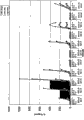
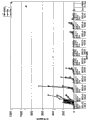
图1a至1e为展示变短的A类寡核苷酸SEQ ID NO:3诱导IFN-α的五张图。将其活性与衍生它的较长A类寡核苷酸(SEQ ID NO:2)以及B类ODN(SEQ ID NO:4)、C类ODN(SEQ ID NO:1及68)、P类ODN(SEQ IDNO:69)及阴性对照ODN(SEQ ID NO:5)的活性进行比较。在图1a-1d中,y轴表示IFN-α(pg/ml)且x轴表示ODN浓度(μM)。图1e展示寡核苷酸刺激TLR9活性的能力的比较。y轴表示刺激指数且x轴表示ODN浓度(10xμM)。Figures 1a to 1e are five graphs showing the induction of IFN-α by the shortened class A oligonucleotide of SEQ ID NO: 3. Its activity was compared with the longer class A oligonucleotide (SEQ ID NO: 2) from which it was derived, as well as class B ODN (SEQ ID NO: 4), class C ODN (SEQ ID NO: 1 and 68), class P ODN (SEQ ID NO: 69) and the activity of the negative control ODN (SEQ ID NO: 5) were compared. In Figures 1a-1d, the y-axis represents IFN-α (pg/ml) and the x-axis represents ODN concentration (μΜ). Figure Ie shows a comparison of the ability of oligonucleotides to stimulate TLR9 activity. The y-axis represents stimulation index and the x-axis represents ODN concentration (10 x μM).
图2a及2b为展示如通过ELISA检定所量测的若干SEQ ID NO:3衍生物(SEQ ID NO:32-39)诱导IFN-α(图2a)及IP-10(图2b)的两张图。y轴为细胞因子浓度且x轴为ODN浓度(μM)。Figures 2a and 2b are two graphs showing induction of IFN-α (Figure 2a) and IP-10 (Figure 2b) by several SEQ ID NO:3 derivatives (SEQ ID NO:32-39) as measured by ELISA assay picture. The y-axis is cytokine concentration and the x-axis is ODN concentration (μM).
图3a至3f为展示如通过ELISA检定所量测的若干SEQ ID NO:3衍生物(SEQ ID NO:7-31)诱导IFN-α(图3a-3c)及IP-10(图3d-3f)的六张图。y轴为细胞因子浓度且x轴为ODN浓度(μM计)。Figures 3a to 3f are diagrams showing that several SEQ ID NO:3 derivatives (SEQ ID NO:7-31) induce IFN-α (Figures 3a-3c) and IP-10 (Figures 3d-3f) as measured by ELISA assay. ) of the six graphs. The y-axis is cytokine concentration and the x-axis is ODN concentration (in μΜ).
图4为描述用于制造具有十六烷基甘油基醚或三乙二醇以替代3′PolyG基元的亲脂性ODN衍生物的方法的图。Figure 4 is a diagram depicting a process for making lipophilic ODN derivatives with cetylglyceryl ether or triethylene glycol in place of the 3' PolyG motif.
图5为展示SEQ ID NO:3的两种衍生物(即具有十六烷基甘油基醚部分的SEQ ID NO:40及具有三乙二醇部分的SEQ ID NO:41)的活性的图。SEQ ID NO:52为具有相同序列、但无亲脂性部分的对照ODN。还将活性与已知A类ODN(SEQ ID NO:2)及阴性对照ODN(SEQ ID NO:5)进行比较。y轴为IFN-α浓度(pg/ml)且x轴为ODN浓度(μM)。Figure 5 is a graph showing the activity of two derivatives of SEQ ID NO: 3, namely SEQ ID NO: 40 with cetylglyceryl ether moiety and SEQ ID NO: 41 with triethylene glycol moiety. SEQ ID NO: 52 is a control ODN with the same sequence but without the lipophilic portion. Activity was also compared to a known class A ODN (SEQ ID NO: 2) and a negative control ODN (SEQ ID NO: 5). The y-axis is IFN-α concentration (pg/ml) and the x-axis is ODN concentration (μM).
图6为说明具有胆固醇的亲脂性ODN衍生物的结构的图。Fig. 6 is a diagram illustrating the structure of a lipophilic ODN derivative with cholesterol.
图7a至7c为展示如图5数据中所示、但具有胆固醇部分以替代3′Poly G基元的SEQ ID NO:3的两种衍生物的活性的三张图。SEQ ID NO:43具有磷酸二酯主链及3′胆固醇标签,而SEQ ID NO:42通过末端键处的硫代磷酸酯键及3′胆固醇而稳定。SEQ ID NO:44于3′及5′末端处具有磷酸二酯主链及胆固醇标签。图7a及7b展示IFN-α诱导。还将活性与已知A类ODN(SEQ ID NO:2)、B类ODN(SEQ ID NO:4)、另一变短的A类ODN(SEQ ID NO:3)及阴性对照ODN(SEQ ID NO:5)进行比较。图7c展示IL-10诱导。y轴为细胞因子浓度且x轴为ODN浓度(μM)。Figures 7a to 7c are three graphs showing the activity of two derivatives of SEQ ID NO: 3 as shown in the data of Figure 5 but having a cholesterol moiety in place of the 3' Poly G motif. SEQ ID NO: 43 has a phosphodiester backbone and a 3' cholesterol tag, while SEQ ID NO: 42 is stabilized by a phosphorothioate bond and 3' cholesterol at the terminal linkage. SEQ ID NO: 44 has a phosphodiester backbone and a cholesterol tag at the 3' and 5' ends. Figures 7a and 7b show IFN-α induction. The activity was also compared with known class A ODN (SEQ ID NO: 2), class B ODN (SEQ ID NO: 4), another shortened class A ODN (SEQ ID NO: 3) and negative control ODN (SEQ ID NO: NO: 5) for comparison. Figure 7c demonstrates IL-10 induction. The y-axis is cytokine concentration and the x-axis is ODN concentration (μM).
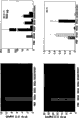
图8为展示就各种投药途径而言活体内SEQ ID NO:3诱导IP-10的能力的四张图。对Balb/c小鼠皮下(SC)、静脉内(IV)或腹膜内(IP)注射500μg指定ODN且在3小时时取血检验(实心竖条),或肺内注射250μg指定ODN且在8小时时取血检验(阴影线竖条)。y轴为IP-10浓度(ng/ml)且x轴表示所用的ODN。Figure 8 is four graphs showing the ability of SEQ ID NO: 3 to induce IP-10 in vivo for various routes of administration. Balb/c mice were injected subcutaneously (SC), intravenously (IV) or intraperitoneally (IP) with 500 μg of the specified ODN and blood samples were taken at 3 hours (solid vertical bars), or intrapulmonarily injected with 250 μg of the specified ODN and at 8 Take blood test (hatched vertical bar) when hour. The y-axis is IP-10 concentration (ng/ml) and the x-axis represents the ODN used.
图9为展示就各种投药途径而言活体内SEQ ID NO:3诱导IL-12的能力的四张图。对Balb/c小鼠皮下(SC)、静脉内(IV)或腹膜内(IP)注射500μg指定ODN且在3小时时取血检验(实心竖条),或肺内注射250μg指定ODN且在8小时时取血检验(阴影线竖条)。y轴为IL-12浓度(ng/ml)且x轴表示所用的ODN。Figure 9 is four graphs showing the ability of SEQ ID NO: 3 to induce IL-12 in vivo for various routes of administration. Balb/c mice were injected subcutaneously (SC), intravenously (IV) or intraperitoneally (IP) with 500 μg of the specified ODN and blood samples were taken at 3 hours (solid vertical bars), or intrapulmonarily injected with 250 μg of the specified ODN and at 8 Take blood test (hatched vertical bar) when hour. The y-axis is IL-12 concentration (ng/ml) and the x-axis represents the ODN used.
图10为展示就各种投药途径而言活体内SEQ ID NO:3诱导IL-6的能力的四张图。将此活性与B类ODN(SEQ ID NO:4)、已知A类ODN(SEQID NO:2)、经胆固醇修饰的短ODN(SEQ ID NO:50)及对照ODN(SEQ IDNO:51)进行比较。对Balb/c小鼠皮下(SC)、静脉内(IV)或腹膜内(IP)注射500μg指定ODN且在3小时时取血检验(实心竖条),或肺内注射250μg指定ODN且在8小时时取血检验(阴影线竖条)。y轴为IL-6浓度(ng/ml)且x轴表示所用的ODN。Figure 10 is four graphs showing the ability of SEQ ID NO: 3 to induce IL-6 in vivo for various routes of administration. This activity was compared to class B ODN (SEQ ID NO: 4), known class A ODN (SEQ ID NO: 2), cholesterol-modified short ODN (SEQ ID NO: 50) and control ODN (SEQ ID NO: 51) Compare. Balb/c mice were injected subcutaneously (SC), intravenously (IV) or intraperitoneally (IP) with 500 μg of the specified ODN and blood samples were taken at 3 hours (solid vertical bars), or intrapulmonarily injected with 250 μg of the specified ODN and at 8 Take blood test (hatched vertical bar) when hour. The y-axis is IL-6 concentration (ng/ml) and the x-axis represents the ODN used.
具体实施方式 Detailed ways
在一个技术方案中,本发明涉及免疫刺激寡核苷酸的特定亚型在介导免疫刺激效应方面高度有效的发现。此类寡核苷酸可治疗性及预防性地用于刺激免疫系统以治疗癌症、感染性疾病、过敏症、哮喘及其他病症。In one embodiment, the present invention relates to the discovery that specific subtypes of immunostimulatory oligonucleotides are highly effective in mediating immunostimulatory effects. Such oligonucleotides can be used therapeutically and prophylactically to stimulate the immune system to treat cancer, infectious diseases, allergies, asthma and other conditions.
诸如寡核苷酸SEQ ID NO:2的A类免疫刺激CpG寡核苷酸的特征在于其可极其有效地诱导IFN-α分泌,但B细胞刺激低。SEQ ID NO:2由被硫代磷酸酯(G)n延伸段夹连(clamped)的回文磷酸二酯CpG序列构成:G*G*G-G-A-C-G-A-C-G-T-C-G-T-G-G*G*G*G*G*G(SEQ ID NO:2)。(*为硫代磷酸酯,-为磷酸二酯)3′及5′末端经硫代磷酸酯修饰且中心部分为磷酸二酯的A类寡核苷酸于寡核苷酸的两个末端处具有数组至少四个G残基。由于形成分子间四分体,产生高分子量聚集体,所以富含G的寡核苷酸的研发较困难。与此类化合物的生物物理学特性有关的问题包括聚集倾向、弱溶解度、品质控制及PK研究中所用的固相萃取(SPE)的困难。Class A immunostimulatory CpG oligonucleotides such as oligonucleotide SEQ ID NO: 2 are characterized by being extremely potent in inducing IFN-α secretion, but with low B cell stimulation. SEQ ID NO: 2 consists of palindromic phosphodiester CpG sequences clamped by phosphorothioate (G) n extensions: G*G*G-G-A-C-G-A-C-G-T-C-G-T-G-G*G*G*G*G*G (SEQ ID NO: 2). (* is phosphorothioate, - is phosphodiester) Class A oligonucleotides with phosphorothioate modification at the 3' and 5' ends and phosphodiester in the center are at both ends of the oligonucleotide Have an array of at least four G residues. The development of G-rich oligonucleotides is difficult due to the formation of intermolecular tetrads, resulting in high molecular weight aggregates. Problems associated with the biophysical properties of such compounds include aggregation propensity, poor solubility, quality control, and difficulties with solid phase extraction (SPE) used in PK studies.
已知寡核苷酸中的(G)n延伸段(其中n≥4)导致形成分子间四分体,产生非均质高分子量聚集体。具有(G)n延伸段的寡核苷酸的摄取比非聚集寡核苷酸的摄取高约20至40倍且细胞内定位似乎也不同。尚不了解此类观察结果与生物活性有何关联。(G)n stretches in oligonucleotides (where n > 4) are known to lead to the formation of intermolecular tetrads, resulting in heterogeneous high molecular weight aggregates. The uptake of oligonucleotides with (G)n stretches was about 20 to 40 times higher than that of non-aggregated oligonucleotides and the intracellular localization also appeared to be different. It is unknown how such observations relate to biological activity.
为试图发现具有与A类寡核苷酸(诸如SEQ ID NO:2)类似的效力、但具有更有利的生物物理学特性的新免疫刺激寡核苷酸,根据本发明开发一系列仅具有3′(G)n延伸段的寡核苷酸。此类经修饰的A类寡核苷酸可形成导致细胞摄取增强、但不是较高分子量聚集物的分子内四分体。因此,其在生物学相关情况下显示改良的溶解度。具有5′TCG基元的寡核苷酸通常由TLR9识别;因此,设计包括5′TCG TLR9识别序列的新回文结构。这又允许每个分子间四分体有多个TLR9识别序列。此类寡核苷酸也可具有较少稳定核苷酸间键,这可增加其刺激TLR9活性的能力。In an attempt to discover new immunostimulatory oligonucleotides with similar potency to Class A oligonucleotides (such as SEQ ID NO: 2), but with more favorable biophysical properties, a series of oligonucleotides with only 3 Oligonucleotides of '(G)n stretches. Such modified Class A oligonucleotides can form intramolecular tetrads that result in enhanced cellular uptake, but not higher molecular weight aggregates. Therefore, it shows improved solubility in biologically relevant situations. Oligonucleotides with a 5' TCG motif are usually recognized by TLR9; therefore, new palindromic structures including the 5' TCG TLR9 recognition sequence were designed. This in turn allows for multiple TLR9 recognition sequences per intermolecular tetrad. Such oligonucleotides may also have fewer stabilizing internucleotide linkages, which may increase their ability to stimulate TLR9 activity.
因此,在一个技术方案中,本发明涉及具有变短回文结构序列、较少硫代磷酸酯残基且无5′富含G的域的本文中称为″经修饰的A类″寡核苷酸的A类寡核苷酸的亚型的发现。示例性经修饰的A类寡核苷酸呈现于表I(下文)中。令人惊讶地,此类经修饰的A类寡核苷酸(例如SEQ ID NO:3)显示与衍生其序列的典型A类寡核苷酸SEQ ID NO:2同样高的水平的IFN-α诱导或比后者更高的IFN-α诱导。本发明的免疫刺激经修饰的A类寡核苷酸由如下式I描述:Thus, in one embodiment, the present invention relates to oligonucleotides referred to herein as "modified class A" with shortened palindromic sequences, fewer phosphorothioate residues, and no 5' G-rich domain. Discovery of subtypes of nucleotide class A oligonucleotides. Exemplary modified Class A oligonucleotides are presented in Table I (below). Surprisingly, such modified Class A oligonucleotides (e.g. SEQ ID NO: 3) exhibited as high levels of IFN-α as the typical Class A oligonucleotide SEQ ID NO: 2 from which its sequence was derived induction or higher IFN-α induction than the latter. The immunostimulatory modified Class A oligonucleotides of the invention are described by Formula I as follows:
(SEQ ID NO:70)5′-(Z1)K X1Y1R1X2Y2R2X3Y3R3(Z2)L(G)N(Z3)M-3′(SEQ ID NO: 70) 5'-(Z 1 ) K X 1 Y 1 R 1 X 2 Y 2 R 2 X 3 Y 3 R 3 (Z 2 ) L (G) N (Z 3 ) M -3'
其中X1为除脱氧鸟苷(dG)外的任何核苷酸,X2及X3为任何核苷酸,Y1、Y2及Y3为脱氧胞嘧啶核苷或经修饰的脱氧胞嘧啶核苷(dC)且R1、R2及R3为脱氧鸟苷或经修饰的脱氧鸟苷。因此,YR二核苷酸可为CG(CpG)二核苷酸。Z1、Z2及Z3为任何核苷酸;K、L及M各自独立地表示0-10个核苷酸且可为任何核苷酸,且N为4-10个核苷酸。Wherein X 1 is any nucleotide except deoxyguanosine (dG), X 2 and X 3 are any nucleotides, Y 1 , Y 2 and Y 3 are deoxycytidine or modified deoxycytosine nucleoside (dC) and R 1 , R 2 and R 3 are deoxyguanosine or modified deoxyguanosine. Thus, a YR dinucleotide may be a CG (CpG) dinucleotide. Z 1 , Z 2 and Z 3 are any nucleotides; K, L and M each independently represent 0-10 nucleotides and can be any nucleotides, and N is 4-10 nucleotides.
在一实施例中,X1为T、脱氧尿嘧啶(dU)、脱氧肌苷(I)或脱氧腺嘌呤(dA)。在另一实施例中,X2为T、dU、dA或7-脱氮-dA。在又一实施例中,X3为T、dU、dA或7-脱氮-dA。在另一实施例中,Z1为dG、dT、dU、dI或7-脱氮-dG。在一实施例中,Z2为T。在另一实施例中,Z3为T。免疫刺激寡核苷酸通常含有6个或更少硫代磷酸酯键,但并不限于此。在一实施例中,X2及X3为互补核苷酸。In one embodiment, X 1 is T, deoxyuridine (dU), deoxyinosine (I) or deoxyadenine (dA). In another embodiment, X2 is T, dU, dA or 7-deaza-dA. In yet another embodiment, X3 is T, dU, dA or 7-deaza-dA. In another embodiment, Z is dG, dT, dU, dI or 7-deaza-dG. In one embodiment, Z 2 is T. In another embodiment, Z3 is T. Immunostimulatory oligonucleotides typically contain 6 or fewer phosphorothioate linkages, but are not limited thereto. In one embodiment, X2 and X3 are complementary nucleotides.
在一实施例中,免疫刺激寡核苷酸包含长度为至少6个且少于11个的核苷酸的回文域。″回文域″表示含有反向重复的结构域,即诸如ABCDEE′D′C′B′A′的序列,其中A与A′、B与B′、C与C′、D与D′及E与E′为能够形成常见沃森-克里克(Watson-Crick)碱基对的碱基。此类序列在本文中被称为″回文结构″。在一些实施例中,回文域含有近似回文结构而非回文结构。本文所使用的″近似回文结构″指不是完美的回文序列的序列。活体内,回文及近似回文序列可形成双股结构。在一实施例中,序列Y1R1X2Y2R2X3Y3R3形成回文结构或近似回文结构。在一些实施例中,回文结构或近似回文结构的序列可包括至少3个具有磷酸二酯或磷酸二酯样核苷酸间键的YR二核苷酸。在一些实施例中,回文或近似回文域的核苷酸间键为磷酸二酯键。回文结构或近似回文结构序列可存在于寡核苷酸的最远5′末端。或者,寡核苷酸于回文域的5′处包括一或多个核苷酸。In one embodiment, the immunostimulatory oligonucleotide comprises a palindromic domain of at least 6 and less than 11 nucleotides in length. "Palindromic domain" means a domain containing inverted repeats, i.e. a sequence such as ABCDEE'D'C'B'A', where A and A', B and B', C and C', D and D' and E and E' are bases capable of forming common Watson-Crick base pairs. Such sequences are referred to herein as "palindromic structures". In some embodiments, a palindrome field contains an approximate palindrome rather than a palindrome. As used herein, "approximate palindrome" refers to a sequence that is not a perfect palindrome. In vivo, palindromic and near-palindromic sequences can form double-strand structures. In one embodiment, the sequence Y 1 R 1 X 2 Y 2 R 2 X 3 Y 3 R 3 forms a palindrome or an approximate palindrome. In some embodiments, a palindromic or near-palindromic sequence can include at least 3 YR dinucleotides with phosphodiester or phosphodiester-like internucleotide linkages. In some embodiments, the internucleotide linkages of the palindromic or near palindromic domains are phosphodiester linkages. A palindromic or nearly palindromic sequence may be present at the furthest 5' end of the oligonucleotide. Alternatively, the oligonucleotide includes one or more nucleotides 5' of the palindromic domain.
回文域可直接或间接连接于Poly G域。如本文所使用,术语″直接连接″指回文域与Poly G域之间不存在间插序列的寡核苷酸。术语″间接连接″指回文域与Poly G域由连接子所隔开的寡核苷酸。在一些实施例中,Poly G域包括至少3个且少于8个的连续G。当回文域间接连接于Poly G域时,间接键由1-10个核苷酸的核苷酸序列或非核苷酸连接子构成。非核苷酸连接子可使用另一间隔基制备,诸如三乙二醇或四乙二醇磷酸酯部分(Durand,M.等人,Triple-helix formation by an oligonucleotide containing one(dA)12and two(dT)12sequences bridged by two hexaethylene glycol chains,Biochemistry(1992),31(38),9197-204,美国专利第5658738号,及美国专利第5668265号)。或者,非核苷酸连接子可使用标准氨基磷酸酯化学衍生自乙二醇、丙二醇,或衍生自无碱基脱氧核糖(dSpacer)单元(Fontanel,Marie Laurence等人,Sterical recognition by T4polynucleotide kinase of non-nucleosidic moieties 5′-attached to oligonucleotides;Nucleic Acids Research(1994),22(11),2022-7)。Palindrome domains can be directly or indirectly connected to Poly G domains. As used herein, the term "directly linked" refers to an oligonucleotide in which there is no intervening sequence between the palindromic domain and the Poly G domain. The term "indirectly linked" refers to an oligonucleotide in which the palindromic domain and the Poly G domain are separated by a linker. In some embodiments, the Poly G domain includes at least 3 and less than 8 consecutive Gs. When the palindromic domain is indirectly linked to the Poly G domain, the indirect bond consists of a nucleotide sequence of 1-10 nucleotides or a non-nucleotide linker. Non-nucleotide linkers can be prepared using another spacer, such as a triethylene glycol or tetraethylene glycol phosphate moiety (Durand, M. et al., Triple-helix formation by an oligonucleotide containing one(dA)12 and two(dT ) 12 sequences bridged by two hexaethylene glycol chains, Biochemistry (1992), 31 (38), 9197-204, U.S. Patent No. 5,658,738, and U.S. Patent No. 5,668,265). Alternatively, non-nucleotide linkers can be derived from ethylene glycol, propylene glycol, or from abasic deoxyribose (dSpacer) units using standard phosphoramidate chemistry (Fontanel, Marie Laurence et al., Sterical recognition by T4 polynucleotide kinase of non-
经修饰的A类寡核苷酸含有稳定核苷酸间键,这表明其部分抵抗降解(例如,为稳定的)。寡核苷酸通常包括至少2个且少于6个的稳定核苷酸间键,但并不限于此。稳定寡核苷酸分子表示对活体内降解(例如经由外切核酸酶或内切核酸酶)具相对抗性的寡核苷酸。核酸稳定化可经由主链修饰来达成。具有硫代磷酸酯键的寡核苷酸提供最大活性且保护寡核苷酸不被细胞内外切核酸酶及内切核酸酶降解。其他经修饰的寡核苷酸包括经磷酸二酯修饰的核酸、磷酸二酯及硫代磷酸酯核酸的组合、甲基膦酸酯、甲基硫代磷酸酯、二硫代磷酸酯、对乙氧基及其组合。Modified Class A oligonucleotides contain stabilizing internucleotide linkages, suggesting that they are partially resistant to degradation (eg, are stable). Oligonucleotides typically include at least 2 and fewer than 6 stable internucleotide linkages, but are not limited thereto. A stable oligonucleotide molecule refers to an oligonucleotide that is relatively resistant to degradation in vivo, eg via exonucleases or endonucleases. Nucleic acid stabilization can be achieved through backbone modifications. Oligonucleotides with phosphorothioate linkages provide maximum activity and protect the oligonucleotide from degradation by extracellular and endonucleases. Other modified oligonucleotides include phosphodiester modified nucleic acids, combinations of phosphodiester and phosphorothioate nucleic acids, methylphosphonate, methylphosphorothioate, phosphorodithioate, paraben Oxygen and combinations thereof.
诸如硫代磷酸酯的经修饰的主链可使用自动化技术利用氨基磷酸酯或H-膦酸酯化学来合成。芳基膦酸酯及烷基膦酸酯可例如根据美国专利第4,469,863号中所述来制造;且烷基磷酸三酯(其中带电氧部分如美国专利第5,023,243号及欧洲专利第092,574号中所述经烷基化)可通过自动固相合成使用市售试剂来制备。已描述用于进行其他DNA主链修饰及取代的方法(例如,Uhlmann,E.及Peyman,A.,Chem.Rev.90:544,1990;Goodchild,J.,Bioconjugate Chem.1:165,1990)。Modified backbones such as phosphorothioates can be synthesized using automated techniques utilizing phosphoramidate or H-phosphonate chemistry. Aryl phosphonates and alkyl phosphonates can be manufactured, for example, as described in U.S. Patent No. 4,469,863; and alkyl phosphonic triesters (wherein the charged oxygen moiety is as described in U.S. Patent No. Alkylated) can be prepared by automated solid phase synthesis using commercially available reagents. Methods for making other DNA backbone modifications and substitutions have been described (e.g., Uhlmann, E. and Peyman, A., Chem. Rev. 90:544, 1990; Goodchild, J., Bioconjugate Chem. 1:165, 1990 ).
其他稳定寡核苷酸包括:非离子DNA类似物,诸如烷基磷酸酯及芳基磷酸酯(其中带电膦酸酯氧由烷基或芳基置换)、磷酸二酯及烷基磷酸三酯(其中带电氧部分经烷基化)。在任一或两个末端处含有诸如四乙二醇或六乙二醇的二醇的核酸也显示出基本上抗核酸酶降解。Other stabilizing oligonucleotides include: nonionic DNA analogs such as alkyl and aryl phosphates (where the charged phosphonate oxygen is replaced by an alkyl or aryl group), phosphodiesters and alkylphosphotriesters ( where the charged oxygen moiety is alkylated). Nucleic acids containing diols such as tetraethylene glycol or hexaethylene glycol at either or both termini have also been shown to be substantially resistant to nuclease degradation.
稳定核苷酸间键通常存在于回文结构以外的一部分序列中,诸如富含G的域。Stable internucleotide linkages are often present in a portion of the sequence other than palindromic structures, such as G-rich domains.
由式I描述的一些示例性免疫刺激寡核苷酸列于表1中:Some exemplary immunostimulatory oligonucleotides described by Formula I are listed in Table 1:
表1Table 1
注解annotation
一般本领域技术人员能够测定属于此经修饰的A类寡核苷酸家族的其他寡核苷酸的序列。One of ordinary skill in the art will be able to determine the sequence of other oligonucleotides belonging to this family of modified Class A oligonucleotides.
在本发明的另一个技术方案中,经修饰的A类寡核苷酸具有亲脂性部分以替代聚-G域。本文所使用的″亲脂性部分″为共价连接于经修饰的A类寡核苷酸的3′末端的亲脂性基团。一般而言,该亲脂性基团可为胆固醇基、经修饰的胆固醇基、胆固醇衍生物、经还原的胆固醇、经取代的胆固醇、胆甾烷、C16烷基链、胆汁酸、胆酸、牛磺胆酸、脱氧胆酸盐、油烯基石胆酸、油酰基胆烯酸、糖脂、磷脂、鞘脂、类异戊二烯(诸如类固醇)、维生素(诸如维生素E)、饱和脂肪酸、不饱和脂肪酸、脂肪酸酯(诸如三甘油酯)、芘、紫菜碱、德卟啉(Texaphyrine)、金刚烷、吖啶、生物素、香豆素、萤光素、若丹明(rhodamine)、德州红(Texas-Red)、地高辛(digoxygenin)、二甲氧基三苯甲基、第三丁基二甲基硅烷基、第三丁基二苯基硅烷基、花青染料(例如Cy3或Cy5)、Hoechst 33258染料、补骨脂素(psoralen)或布洛芬(ibuprofen)。在某些实施例中,亲脂性部分选自胆固醇基、棕榈酰基及脂肪酰基。在一实施例中,亲脂性部分为胆固醇基。可以相信本发明的免疫刺激寡核苷酸中包括这种亲脂性部分中的一个或多个赋予其抵抗核酸酶降解的额外稳定性。在本发明的单一免疫刺激寡核苷酸中存在两个或两个以上亲脂性部分的情况下,各亲脂性部分可互相独立地加以选择。In another technical solution of the present invention, the modified class A oligonucleotide has a lipophilic part instead of the poly-G domain. As used herein, a "lipophilic moiety" is a lipophilic group covalently attached to the 3' end of a modified Class A oligonucleotide. Generally, the lipophilic group can be cholesteryl, modified cholesteryl, cholesterol derivatives, reduced cholesterol, substituted cholesterol, cholestane, C16 alkyl chain, bile acid, cholic acid, taurine Sulfocholic acid, deoxycholate, oleyl lithocholic acid, oleoyl cholic acid, glycolipids, phospholipids, sphingolipids, isoprenoids (such as steroids), vitamins (such as vitamin E), saturated fatty acids, not Saturated fatty acids, fatty acid esters (such as triglycerides), pyrene, porphyrine, Texaphyrine, adamantane, acridine, biotin, coumarin, luciferin, rhodamine, texas Red (Texas-Red), digoxygenin, dimethoxytrityl, tert-butyldimethylsilyl, tert-butyldiphenylsilyl, cyanine dyes (such as Cy3 or Cy5), Hoechst 33258 dye, psoralen or ibuprofen. In certain embodiments, the lipophilic moiety is selected from cholesteryl, palmitoyl, and fatty acyl. In one embodiment, the lipophilic moiety is cholesteryl. It is believed that the inclusion of one or more of such lipophilic moieties in the immunostimulatory oligonucleotides of the invention confers additional stability against nuclease degradation. Where two or more lipophilic moieties are present in a single immunostimulatory oligonucleotide of the invention, each lipophilic moiety can be selected independently of each other.
在一实施例中,亲脂性基团连接于经修饰的A类寡核苷酸的核苷酸的2′位置。或者或另外,亲脂性基团可连接于经修饰的A类寡核苷酸的核苷酸的杂环核碱基。亲脂性部分可经由任何合适的直接或间接键共价连接于经修饰的A类寡核苷酸。在一实施例中,该键为直接键且为酯键或酰胺键。在一实施例中,该键为间接键且包括间隔基部分,例如一或多个无碱基核苷酸残基,诸如三乙二醇(间隔基9)或六乙二醇(间隔基18)的低聚乙二醇,或诸如丁二醇的烷二醇。In one embodiment, a lipophilic group is attached to the 2' position of the nucleotide of the modified Class A oligonucleotide. Alternatively or additionally, lipophilic groups may be attached to the heterocyclic nucleobases of the nucleotides of the modified Class A oligonucleotides. The lipophilic moiety can be covalently attached to the modified Class A oligonucleotide via any suitable direct or indirect linkage. In one embodiment, the bond is a direct bond and is an ester bond or an amide bond. In one embodiment, the bond is an indirect bond and includes a spacer moiety, such as one or more abasic nucleotide residues, such as triethylene glycol (spacer 9) or hexaethylene glycol (spacer 18 ), or an alkanediol such as butanediol.
免疫刺激寡核苷酸通常具有在4与100个核苷酸的范围内的长度。在一些实施例中,该长度在4-40、13-100、13-40、13-30、15-50或15-30个核苷酸的范围内或其间的任何整数范围内。寡核苷酸的长度可长于100个核苷酸。举例而言,其长度可少于120、150或200个核苷酸。在一些实施例中,免疫刺激寡核苷酸为15个或更少核苷酸。在优选实施例中,免疫刺激寡核苷酸的长度小于16个核苷酸。Immunostimulatory oligonucleotides typically have a length in the range of 4 and 100 nucleotides. In some embodiments, the length is in the range of 4-40, 13-100, 13-40, 13-30, 15-50, or 15-30 nucleotides or any integer range therebetween. Oligonucleotides can be longer than 100 nucleotides in length. For example, it may be less than 120, 150 or 200 nucleotides in length. In some embodiments, the immunostimulatory oligonucleotides are 15 or fewer nucleotides. In preferred embodiments, the immunostimulatory oligonucleotides are less than 16 nucleotides in length.
术语″核酸″及″寡核苷酸″可互换使用且用于表示多个核苷酸(即,包含连接于磷酸酯基及可交换有机碱的糖(例如核糖或脱氧核糖)的分子,该有机碱为经取代的嘧啶(例如,胞嘧啶(C)、胸腺嘧啶(T)或尿嘧啶(U))或经取代的嘌呤(例如,腺嘌呤(A)或鸟嘌呤(G)))。如本文所使用,术语″核酸″及″寡核苷酸″指寡核糖核苷酸以及寡脱氧核糖核苷酸。术语″核酸″及″寡核苷酸″还应包括聚核苷(即,聚核苷酸去掉磷酸酯)及任何其他含有有机碱的聚合物。核酸分子可自现有核酸来源(例如,染色体组或cDNA)获得,但优选为合成得之(例如,通过核酸合成产生)。术语寡核苷酸通常指较短分子,即长度为100个核苷酸或更少。The terms "nucleic acid" and "oligonucleotide" are used interchangeably and are used to denote a plurality of nucleotides (i.e., molecules comprising a sugar (such as ribose or deoxyribose) attached to a phosphate group and an exchangeable organic base, The organic base is a substituted pyrimidine (eg, cytosine (C), thymine (T) or uracil (U)) or a substituted purine (eg, adenine (A) or guanine (G))) . As used herein, the terms "nucleic acid" and "oligonucleotide" refer to oligoribonucleotides and oligodeoxyribonucleotides. The terms "nucleic acid" and "oligonucleotide" shall also include polynucleosides (ie, polynucleotides minus the phosphate) and any other polymers containing organic bases. Nucleic acid molecules can be obtained from existing nucleic acid sources (eg, genomic or cDNA), but are preferably synthetic (eg, produced by nucleic acid synthesis). The term oligonucleotide generally refers to shorter molecules, ie, 100 nucleotides or less in length.
术语″核酸″及″寡核苷酸″还涵盖具有诸如在碱基及/或糖处之取代或修饰的核酸或寡核苷酸。举例而言,其包括具有主链糖的核酸,这种糖共价连接于除2′位置处之羟基及除5′位置处的磷酸酯基或羟基外的低分子量有机基团。因此,经修饰的核酸可包括′-O-烷基化核糖基团。另外,经修饰的核酸可包括诸如阿拉伯糖或2′-氟阿拉伯糖而非核糖的糖。因此,核酸可在主链组成上为异质的,进而含有连接在一起的聚合物单元的任何可能组合,诸如肽-核酸(其具有带有核酸碱基的氨基酸主链)。其他实例在下文更详细地加以描述。The terms "nucleic acid" and "oligonucleotide" also encompass nucleic acids or oligonucleotides having substitutions or modifications, such as at bases and/or sugars. For example, it includes nucleic acids having a backbone sugar covalently attached to a low molecular weight organic group other than a hydroxyl group at the 2' position and a phosphate or hydroxyl group at the 5' position. Thus, a modified nucleic acid may include a '-O-alkylated ribose group. Additionally, modified nucleic acids may include sugars such as arabinose or 2'-fluoroarabinose instead of ribose. Thus, a nucleic acid may be heterogeneous in backbone composition and thus contain any possible combination of polymer units linked together, such as a peptide-nucleic acid (which has an amino acid backbone with nucleic acid bases). Other examples are described in more detail below.
本发明的免疫刺激寡核苷酸与天然RNA及DNA相比可涵盖各种化学修饰及取代,此涉及磷酸二酯核苷间桥、β-D-核糖单元及/或天然核苷碱基(腺嘌呤、鸟嘌呤、胞嘧啶、胸腺嘧啶、尿嘧啶)。化学修饰的实例为本领域技术人员所已知且例如描述于Uhlmann E等人(1990)Chem Rev 90:543;″Protocols for Oligonucleotides and Analogs″Synthesis and Properties&Synthesis and Analytical Techniques,S.Agrawal,编,Humana Press,Totowa,USA 1993;Crooke ST等人(1996)Annu Rev Pharmacol Toxicol 36:107-129;及Hunziker J等人(1995)Mod Synth Methods 7:331-417。根据本发明的寡核苷酸可具有一或多个修饰,其中与由天然DNA或RNA构成的相同序列的寡核苷酸相比,各修饰位于特定磷酸二酯核苷间桥处及/或位于特定β-D-核糖单元处及/或位于特定天然核苷碱基位置处。The immunostimulatory oligonucleotides of the present invention can encompass various chemical modifications and substitutions compared to natural RNA and DNA involving phosphodiester internucleoside bridges, β-D-ribose units and/or natural nucleobases ( adenine, guanine, cytosine, thymine, uracil). Examples of chemical modifications are known to those skilled in the art and are described, for example, in Uhlmann E et al. (1990) Chem Rev 90:543; "Protocols for Oligonucleotides and Analogs" Synthesis and Properties & Synthesis and Analytical Techniques, S. Agrawal, Ed., Humana Press, Totowa, USA 1993; Crooke ST et al. (1996) Annu Rev Pharmacol Toxicol 36:107-129; and Hunziker J et al. (1995) Mod Synth Methods 7:331-417. The oligonucleotides according to the invention may have one or more modifications, wherein each modification is located at a specific phosphodiester internucleoside bridge and/or at a specific β-D-ribose unit and/or at a specific natural nucleobase position.
举例而言,寡核苷酸可包含一或多个修饰且其中各修饰独立地选自下列各种:For example, an oligonucleotide may comprise one or more modifications and wherein each modification is independently selected from the following:
a)由经修饰的核苷间桥置换位于核苷的3′及/或5′末端处的磷酸二酯核苷间桥,a) replacing the phosphodiester internucleoside bridges at the 3' and/or 5' ends of the nucleosides by modified internucleoside bridges,
b)由脱磷酸桥(dephospho bridge)置换位于核苷的3′及/或5′末端处的磷酸二酯桥,b) replacement of the phosphodiester bridges at the 3' and/or 5' ends of the nucleosides by dephospho bridges,
c)由另一单元置换磷酸糖主链的磷酸糖单元,c) replacement of the sugar phosphate unit of the sugar phosphate backbone by another unit,
d)由经修饰的糖单元置换β-D-核糖单元,及d) replacement of the β-D-ribose unit by a modified sugar unit, and
e)由经修饰的核苷碱基置换天然核苷碱基。e) replacing the natural nucleobase with a modified nucleobase.
寡核苷酸的化学修饰的更详细实例如下所述。More detailed examples of chemical modification of oligonucleotides are described below.
寡核苷酸可包括经修饰的核苷酸间键,诸如上文a或b中所述那些。此类经修饰的键可部分抵抗降解(例如,为稳定的)。稳定寡核苷酸分子为由这种修饰所产生的对活体内降解(例如经由外切核酸酶或内切核酸酶)具有相对抗性的寡核苷酸。在一些实施例中,具有硫代磷酸酯键的寡核苷酸可提供最大活性且保护寡核苷酸不被细胞内外切核酸酶及内切核酸酶降解。通常,A类寡核苷酸具有位于分子的5′及3′部分处之硫代磷酸酯或其他稳定键。在一些实施例中,3′Poly G域为完全稳定的。Oligonucleotides may include modified internucleotide linkages, such as those described in a or b above. Such modified linkages can be partially resistant to degradation (eg, are stable). A stable oligonucleotide molecule is an oligonucleotide resulting from such modification that is relatively resistant to degradation in vivo (eg, via exonucleases or endonucleases). In some embodiments, oligonucleotides with phosphorothioate linkages provide maximal activity and protect the oligonucleotide from degradation by extracellular and endonucleases. Typically, Class A oligonucleotides have phosphorothioate or other stabilizing linkages located at the 5' and 3' portions of the molecule. In some embodiments, the 3' Poly G domain is fully stabilized.
位于核苷的3′及/或5′末端处的磷酸二酯核苷间桥可由经修饰的核苷间桥置换,其中该经修饰的核苷间桥例如选自硫代磷酸酯、二硫代磷酸酯、NR1R2-氨基磷酸酯、硼烷磷酸酯、α-羟基苄基膦酸酯、磷酸-(C1-C21)-O-烷基酯、磷酸-[(C6-C12)芳基-(C1-C21)-O-烷基]酯、(C1-C8)烷基膦酸酯及/或(C6-C12)芳基膦酸酯桥、(C7-C12)-α-羟基甲基-芳基(例如,WO 95/01363中所揭示),其中(C6-C12)芳基、(C6-C20)芳基及(C6-C14)芳基视情况经卤素、烷基、烷氧基、硝基、氰基取代,且其中R1及R2互相独立地为氢、(C1-C18)-烷基、(C6-C20)-芳基、(C6-C14)-芳基-(C1-C8)-烷基,优选为氢、(C1-C8)-烷基,优选为(C1-C4)-烷基及/或甲氧基乙基,或R1及R2连同携带其的氮原子形成可另外含有另一来自O、S及N的组的杂原子的5-6员杂环。Phosphodiester internucleoside bridges located at the 3' and/or 5' ends of nucleosides may be replaced by modified internucleoside bridges, for example selected from phosphorothioate, dithio Phosphonate, NR 1 R 2 -phosphoramidate, borane phosphate, α-hydroxybenzyl phosphonate, phosphoric acid-(C 1 -C 21 )-O-alkyl ester, phosphoric acid-[(C 6 - C 12 )aryl-(C 1 -C 21 )-O-alkyl]esters, (C 1 -C 8 )alkylphosphonate and/or (C 6 -C 12 )arylphosphonate bridges, (C 7 -C 12 )-α-hydroxymethyl-aryl (for example, disclosed in WO 95/01363), wherein (C 6 -C 12 ) aryl, (C 6 -C 20 ) aryl and ( C 6 -C 14 )aryl is optionally substituted by halogen, alkyl, alkoxy, nitro, cyano, and wherein R 1 and R 2 are independently hydrogen, (C 1 -C 18 )-alkyl , (C 6 -C 20 )-aryl, (C 6 -C 14 )-aryl-(C 1 -C 8 )-alkyl, preferably hydrogen, (C 1 -C 8 )-alkyl, preferably is (C 1 -C 4 )-alkyl and/or methoxyethyl, or R 1 and R 2 together with the nitrogen atom carrying it form which may additionally contain another heteroatom from the group O, S and N 5-6 membered heterocycle.
由脱磷酸桥(脱磷酸桥例如描述于Uhlmann E及Peyman A的″Methodsin Molecular Biology,″,第20卷,″Protocols for Oligonucleotides andAnalogs,″S.Agrawal,编,Humana Press,Totowa 1993,第16章,第355页及以下各页中)置换位于核苷的3′及/或5′末端处的磷酸二酯桥,其中脱磷酸桥例如选自脱磷酸桥甲缩醛、3′-硫基甲缩醛、甲基羟基胺、肟、亚甲基二甲基-伸肼基、二亚甲基砜及/或硅烷基。Dephosphorylated bridges (dephosphorylated bridges are described, for example, in "Methods in Molecular Biology," by Uhlmann E and Peyman A, Vol. 20, "Protocols for Oligonucleotides and Analogs," S. Agrawal, ed., Humana Press, Totowa 1993, Chapter 16 , pages 355 et seq.) to replace the phosphodiester bridges located at the 3' and/or 5' termini of nucleosides, wherein the dephosphorylated bridges are, for example, selected from the group consisting of dephosphorylated formals, 3'-thiomethyl Acetal, methylhydroxylamine, oxime, methylenedimethyl-hydrazinyl, dimethylsulfone and/or silyl groups.
来自磷酸糖主链(即,磷酸糖主链由磷酸糖单元构成)的磷酸糖单元(即,β-D-核糖及磷酸二酯核苷间桥共同形成磷酸糖单元)可由另一单元置换,其中另一单元例如适合于形成″吗啉基-衍生物″寡聚物(例如StirchakEP等人,(1989)Nucleic Acids Res 17:6129-41中所述),例如,由吗啉基-衍生物单元置换;或形成聚酰胺核酸(″PNA″;例如Nielsen PE等人,(1994)Bioconjug Chem 5:3-7中所述),例如,由PNA主链单元置换,例如由2-氨基乙基甘胺酸置换。寡核苷酸可具有其他碳水化合物主链修饰及置换,诸如具有磷酸酯基的肽核酸(PHONA)、锁核酸(LNA)及具有含有烷基连接子或氨基连接子的主链区段的寡核苷酸。烷基连接子可为支链或非支链、经取代或未经取代且可为手性纯或外消旋混合物。A sugar phosphate unit (i.e., β-D-ribose and phosphodiester internucleoside bridges together form the sugar phosphate unit) from the sugar phosphate backbone (i.e., the sugar phosphate backbone is composed of sugar phosphate units) can be replaced by another unit, where another unit is, for example, suitable for the formation of "morpholinyl-derivative" oligomers (as described, for example, in Stirchak EP et al., (1989) Nucleic Acids Res 17:6129-41), e.g., from morpholinyl-derivatives Unit replacement; or formation of a polyamide nucleic acid ("PNA"; e.g. described in Nielsen PE et al., (1994) Bioconjug Chem 5:3-7), e.g., replaced by a PNA backbone unit, e.g., by 2-aminoethyl Glycine replacement. Oligonucleotides can have other carbohydrate backbone modifications and substitutions, such as peptide nucleic acids with phosphate groups (PHONA), locked nucleic acids (LNA), and oligonucleotides with backbone segments containing alkyl or amino linkers. Nucleotides. Alkyl linkers can be branched or unbranched, substituted or unsubstituted and can be chirally pure or a racemic mixture.
β-核糖单元或β-D-2′-脱氧核糖单元可由经修饰的糖单元置换,其中该经修饰的糖单元例如选自β-D-核糖、α-D-2′-脱氧核糖、L-2′-脱氧核糖、2′-F-2′-脱氧核糖、2′-F-阿拉伯糖、2′-O-(C1-C6)烷基-核糖(优选′-O-(C1-C6)烷基-核糖为2′-O-甲基核糖)、′-O-(C2-C6)烯基-核糖、2′-[O-(C1-C6)烷基-O-(C1-C6)烷基]-核糖、2′-NH2-2′-脱氧核糖、β-D-木-呋喃醣、α-阿拉伯呋喃醣、2,4-二脱氧-β-D-赤-己-哌喃醣以及碳环(例如Froehler,J.(1992)AmChem Soc 114:8320中所述)及/或开链糖类似物(例如Vandendriessche等人(1993)Tetrahedron 49:7223中所述)及/或双环糖类似物(例如Tarkov M等人(1993)Helv Chim Acta 76:481中所述)。The β-ribose unit or β-D-2′-deoxyribose unit may be replaced by a modified sugar unit, wherein the modified sugar unit is selected from, for example, β-D-ribose, α-D-2′-deoxyribose, L -2'-deoxyribose, 2'-F-2'-deoxyribose, 2'-F-arabinose, 2'-O-(C 1 -C 6 )alkyl-ribose (preferably '-O-(C 1 -C 6 )alkyl-ribose is 2′-O-methylribose), ′-O-(C 2 -C 6 )alkenyl-ribose, 2′-[O-(C 1 -C 6 )alkane base-O-(C 1 -C 6 )alkyl]-ribose, 2′-NH 2 -2′-deoxyribose, β-D-xylo-furanose, α-arabinofuranose, 2,4-dideoxy - β-D-erythro-hex-pyranose as well as carbocyclic (e.g. described in Froehler, J. (1992) AmChem Soc 114:8320) and/or open-chain sugar analogues (e.g. Vandendriessche et al. (1993) Tetrahedron 49:7223) and/or bicyclic sugar analogues (eg as described in Tarkov M et al. (1993) Helv Chim Acta 76:481).
在一些实施例中,糖为2′-O-甲基核糖,对于由磷酸二酯或磷酸二酯样核苷间键连接之一或两个核苷酸而言尤其这样。In some embodiments, the sugar is 2'-O-methylribose, especially for one or both nucleotides linked by a phosphodiester or phosphodiester-like internucleoside linkage.
核酸还包括经取代的嘌呤及嘧啶,诸如C-5丙炔嘧啶及7-脱氮-7-经取代嘌呤修饰的碱基。Wagner RW等人(1996)Nat Biotechnol 14:840-4。嘌呤及嘧啶包括(但不限于)腺嘌呤、胞嘧啶、鸟嘌呤及胸腺嘧啶,以及其他天然及非天然存在的核碱基、经取代及未经取代的芳族部分。Nucleic acids also include substituted purines and pyrimidines, such as C-5 propyne pyrimidine and 7-deaza-7-substituted purine modified bases. Wagner RW et al. (1996) Nat Biotechnol 14:840-4. Purines and pyrimidines include, but are not limited to, adenine, cytosine, guanine, and thymine, as well as other naturally and non-naturally occurring nucleobases, substituted and unsubstituted aromatic moieties.
经修饰的碱基为在化学上不同于通常见于DNA及RNA中的天然存在的碱基(诸如T、C、G、A及U)但与此类天然存在的碱基共有基本化学结构的任何碱基。经修饰的核苷碱基可例如选自次黄嘌呤、尿嘧啶、二氢尿嘧啶、假尿嘧啶、2-硫尿嘧啶、4-硫尿嘧啶、5-氨基尿嘧啶、5-(C1-C6)-烷基尿嘧啶、5-(C2-C6)-烯基尿嘧啶、5-(C2-C6)-炔基尿嘧啶、5-(羟基甲基)尿嘧啶、5-氯尿嘧啶、5-氟尿嘧啶、5-溴尿嘧啶、5-羟基胞嘧啶、5-(C1-C6)-烷基胞嘧啶、5-(C2-C6)-烯基胞嘧啶、5-(C2-C6)-炔基胞嘧啶、5-氯胞嘧啶、5-氟胞嘧啶、5-溴胞嘧啶、N2-二甲基鸟嘌呤、2,4-二氨基-嘌呤、8-氮杂嘌呤、经取代的7-脱氮嘌呤(优选为7-脱氮-7-经取代嘌呤及/或7-脱氮-8-经取代嘌呤)、5-羟基甲基胞嘧啶、N4-烷基胞嘧啶(例如,N4-乙基胞嘧啶)、5-羟基脱氧胞嘧啶核苷、5-羟基甲基脱氧胞嘧啶核苷、N4-烷基脱氧胞嘧啶核苷(例如,N4-乙基脱氧胞嘧啶核苷)、6-硫基脱氧鸟苷,及硝基吡咯的脱氧核糖核苷、C5-丙炔基嘧啶,及二氨基嘌呤(例如,2,6-二氨基嘌呤)、肌苷、5-甲基胞嘧啶、2-氨基嘌呤、2-氨基-6-氯嘌呤、次黄嘌呤或天然核苷碱基的其他修饰。上述列举为示例性的,而不应解释为具有限制性。A modified base is any chemically different from naturally occurring bases commonly found in DNA and RNA, such as T, C, G, A, and U, but shares a basic chemical structure with such naturally occurring bases. base. The modified nucleobase may for example be selected from hypoxanthine, uracil, dihydrouracil, pseudouracil, 2-thiouracil, 4-thiouracil, 5-aminouracil, 5-(C 1 -C 6 )-Alkyluracil, 5-(C 2 -C 6 )-Alkenyluracil, 5-(C 2 -C 6 )-Alkynyluracil, 5-(Hydroxymethyl)uracil, 5-chlorouracil, 5-fluorouracil, 5-bromouracil, 5-hydroxycytosine, 5-(C 1 -C 6 )-alkylcytosine, 5-(C 2 -C 6 )-alkenylcytosine Pyrimidine, 5-(C 2 -C 6 )-alkynylcytosine, 5-chlorocytosine, 5-fluorocytosine, 5-bromocytosine, N 2 -dimethylguanine, 2,4-diamino - purine, 8-azapurine, substituted 7-deazapurine (preferably 7-deaza-7-substituted purine and/or 7-deaza-8-substituted purine), 5-hydroxymethyl Cytosine, N4-alkylcytosine (e.g., N4-ethylcytosine), 5-hydroxydeoxycytidine, 5-hydroxymethyldeoxycytidine, N4-alkyldeoxycytidine ( For example, N4-ethyldeoxycytidine), 6-thiodeoxyguanosine, and deoxyribonucleosides of nitropyrrole, C5-propynylpyrimidine, and diaminopurines (e.g., 2,6-di aminopurine), inosine, 5-methylcytosine, 2-aminopurine, 2-amino-6-chloropurine, hypoxanthine, or other modifications of natural nucleoside bases. The above list is exemplary and should not be construed as limiting.
在本文所述的式中,定义一组经修饰的碱基。举例而言,字母″Y″用于指核苷酸,其中该核苷酸为胞嘧啶或经修饰的胞嘧啶。本文所使用的经修饰的胞嘧啶为胞嘧啶的天然存在或非天然存在的嘧啶碱基类似物,其可置换此碱基而不削弱寡核苷酸的免疫刺激活性。经修饰的胞嘧啶包括(但不限于)5-经取代的胞嘧啶(例如,5-甲基-胞嘧啶、5-氟-胞嘧啶、5-氯-胞嘧啶、5-溴-胞嘧啶、5-氟-胞嘧啶、5-碘-胞嘧啶、5-羟基-胞嘧啶、5-羟基甲基-胞嘧啶、5-二氟甲基-胞嘧啶及未经取代或经取代的5-炔基-胞嘧啶)、6-经取代的胞嘧啶、N4-经取代的胞嘧啶(例如,N4-乙基-胞嘧啶)、5-氮杂-胞嘧啶、2-巯基-胞嘧啶、异胞嘧啶、假异胞嘧啶、具有稠环系统的胞嘧啶类似物(例如,N,N′-伸丙基胞嘧啶或啡恶嗪)以及尿嘧啶及其衍生物(例如,5-氟-尿嘧啶、5-溴-尿嘧啶、5-溴乙烯基-尿嘧啶、4-硫基-尿嘧啶、5-羟基-尿嘧啶、5-丙炔基-尿嘧啶)。在某些实施例中,对应于式I的Y1、Y2及Y3的经修饰的胞嘧啶残基各自独立地为胞嘧啶或5-经取代的胞嘧啶,诸如5-甲基-胞嘧啶、5-羟基-胞嘧啶及5-氟-胞嘧啶。在本发明的另一实施例中,胞嘧啶碱基经通用碱基(例如,3-硝基吡咯、P-碱基)、芳族环系统(例如,氟苯或二氟苯)或氢原子(dSpacer)取代。In the formulas described herein, a group of modified bases is defined. For example, the letter "Y" is used to refer to a nucleotide where the nucleotide is cytosine or a modified cytosine. As used herein, a modified cytosine is a naturally occurring or non-naturally occurring pyrimidine base analog of cytosine that can replace this base without impairing the immunostimulatory activity of the oligonucleotide. Modified cytosines include, but are not limited to, 5-substituted cytosines (e.g., 5-methyl-cytosine, 5-fluoro-cytosine, 5-chloro-cytosine, 5-bromo-cytosine, 5-fluoro-cytosine, 5-iodo-cytosine, 5-hydroxy-cytosine, 5-hydroxymethyl-cytosine, 5-difluoromethyl-cytosine and unsubstituted or substituted 5-alkyne base-cytosine), 6-substituted cytosine, N4-substituted cytosine (e.g., N4-ethyl-cytosine), 5-aza-cytosine, 2-mercapto-cytosine, isocytosine Pyrimidines, pseudoisocytosines, cytosine analogues with fused ring systems (e.g., N,N'-propylidene or phenoxazine), and uracil and its derivatives (e.g., 5-fluoro-uracil , 5-bromo-uracil, 5-bromovinyl-uracil, 4-thio-uracil, 5-hydroxy-uracil, 5-propynyl-uracil). In certain embodiments, the modified cytosine residues corresponding to Y 1 , Y 2 and Y 3 of Formula I are each independently cytosine or 5-substituted cytosine, such as 5-methyl-cytosine Pyrimidine, 5-hydroxy-cytosine and 5-fluoro-cytosine. In another embodiment of the present invention, the cytosine base is replaced by a universal base (e.g., 3-nitropyrrole, P-base), an aromatic ring system (e.g., fluorobenzene or difluorobenzene) or a hydrogen atom (dSpacer) replaced.
字母″R″用于指鸟嘌呤或经修饰的鸟嘌呤碱基。本文中所使用的经修饰的鸟嘌呤为鸟嘌呤的天然存在或非天然存在的嘌呤碱基类似物,其可置换此碱基而不削弱寡核苷酸的免疫刺激活性。经修饰的鸟嘌呤包括(但不限于)7-脱氮-鸟嘌呤、7-脱氮-7-经取代的鸟嘌呤(诸如7-脱氮-7-(C2-C6)炔基鸟嘌呤)、7-脱氮-8-经取代的鸟嘌呤、次黄嘌呤、N2-经取代的鸟嘌呤(例如,N2-甲基-鸟嘌呤)、5-氨基-3-甲基-3H,6H-噻唑幷[4,5-d]嘧啶-2,7-二酮、2,6-二氨基嘌呤、2-氨基嘌呤、嘌呤、吲哚、腺嘌呤、经取代的腺嘌呤(例如,N6-甲基-腺嘌呤、8-侧氧基-腺嘌呤)、8-经取代的鸟嘌呤(例如,8-羟基鸟嘌呤及8-溴鸟嘌呤)及6-硫基鸟嘌呤。在本发明的另一实施例中,鸟嘌呤碱基经通用碱基(例如,4-甲基-吲哚、5-硝基-吲哚及K-碱基)、芳族环系统(例如,苯并咪唑或二氯-苯并咪唑、1-甲基-1H-[1,2,4]三唑-3-甲酸酰胺)或氢原子(dSpacer)取代。在一些实施例中,对应于式I的R1、R2及R3的经修饰的鸟嘌呤各自独立地为鸟嘌呤、肌苷(I)、6-硫基-鸟嘌呤或7-脱氮-鸟嘌呤。The letter "R" is used to refer to guanine or a modified guanine base. As used herein, a modified guanine is a naturally occurring or non-naturally occurring purine base analog of guanine that can replace this base without impairing the immunostimulatory activity of the oligonucleotide. Modified guanines include, but are not limited to, 7-deaza-guanines, 7-deaza-7-substituted guanines such as 7-deaza-7-( C2 - C6 )alkynylguanine purine), 7-deaza-8-substituted guanine, hypoxanthine, N2-substituted guanine (eg, N2-methyl-guanine), 5-amino-3-methyl-3H, 6H-thiazolo[4,5-d]pyrimidine-2,7-dione, 2,6-diaminopurine, 2-aminopurine, purine, indole, adenine, substituted adenine (e.g., N6 -methyl-adenine, 8-oxo-adenine), 8-substituted guanines (eg, 8-hydroxyguanine and 8-bromoguanine) and 6-thioguanine. In another embodiment of the invention, the guanine base is converted via a universal base (eg, 4-methyl-indole, 5-nitro-indole, and K-base), an aromatic ring system (eg, benzimidazole or dichloro-benzimidazole, 1-methyl-1H-[1,2,4]triazole-3-carboxylic acid amide) or a hydrogen atom (dSpacer). In some embodiments, the modified guanines corresponding to R 1 , R 2 and R 3 of Formula I are each independently guanine, inosine (I), 6-thio-guanine or 7-deaza - Guanine.
本发明的寡核苷酸可包括亲脂性核苷酸类似物。在一些技术方案中,经修饰的A类寡核苷酸包含序列R4Py-PuR5,其中R4及R5各为亲脂性经取代的核苷酸类似物,其中Py为嘧啶核苷酸且其中Pu为嘌呤或无碱基残基。优选的亲脂性核苷酸类似物为(例如)5-氯-尿嘧啶、5-溴-尿嘧啶、5-碘-尿嘧啶、5-乙基-尿嘧啶、5-丙基-尿嘧啶、2,4-二氟-甲苯及3-硝基吡咯。Oligonucleotides of the invention may include lipophilic nucleotide analogs. In some technical solutions, the modified class A oligonucleotide comprises the sequence R 4 Py-PuR 5 , wherein each of R 4 and R 5 is a lipophilic substituted nucleotide analog, wherein Py is a pyrimidine nucleotide And wherein Pu is a purine or an abasic residue. Preferred lipophilic nucleotide analogues are, for example, 5-chloro-uracil, 5-bromo-uracil, 5-iodo-uracil, 5-ethyl-uracil, 5-propyl-uracil, 2,4-Difluoro-toluene and 3-nitropyrrole.
对于用于本发明而言,本发明的寡核苷酸可使用现有技术中已知的多种程序中的任意一种从头合成。举例而言,β-氰基乙基氨基磷酸酯方法(Beaucage,S.L.及Caruthers,M.H.,Tet.Let.22:1859,1981);核苷H-膦酸酯方法(Garegg等人,Tet.Let.27:4051-4054,1986;Froehler等人,Nucl.Acid.Res.14:5399-5407,1986;Garegg等人,Tet.Let.27:4055-4058,1986,Gaffney等人,Tet.Let.29:2619-2622,1988)。此类化学过程可通过市场上可得的各种自动核酸合成器来执行。此类寡核苷酸被称为合成寡核苷酸。分离的寡核苷酸指与其在自然界中通常共存的相关组份分离开来的寡核苷酸。举例而言,分离的寡核苷酸可为自细胞、自核、自线粒体或自染色质分离的寡核苷酸。For use in the present invention, oligonucleotides of the invention can be synthesized de novo using any of a variety of procedures known in the art. For example, the β-cyanoethyl phosphoramidate method (Beaucage, S.L. and Caruthers, M.H., Tet. Let. 22:1859, 1981); the nucleoside H-phosphonate method (Garegg et al., Tet. Let. .27:4051-4054, 1986; Froehler et al., Nucl.Acid.Res.14:5399-5407, 1986; Garegg et al., Tet.Let.27:4055-4058, 1986, Gaffney et al., Tet.Let. .29:2619-2622, 1988). Such chemistry can be performed by various automated nucleic acid synthesizers available on the market. Such oligonucleotides are referred to as synthetic oligonucleotides. An isolated oligonucleotide refers to an oligonucleotide that is separated from its associated components that normally coexist in nature. For example, an isolated oligonucleotide can be an oligonucleotide isolated from a cell, from a nucleus, from mitochondria, or from chromatin.
寡核苷酸中的核苷酸间键可为不稳定或稳定键(相对于核酸酶),优选为磷酸二酯键(不稳定)、硫代磷酸酯键(稳定)或另一带电主链。若Y-R处的核苷酸间键为硫代磷酸酯,则此键的手性可为随机的,或优选为Rp构型的硫代磷酸酯键。Internucleotide linkages in oligonucleotides can be labile or stable (relative to nucleases), preferably phosphodiester linkages (labile), phosphorothioate linkages (stable), or another charged backbone . If the internucleotide bond at Y-R is a phosphorothioate, the chirality of this bond can be random, or a phosphorothioate bond in the Rp configuration is preferred.
诸如硫代磷酸酯的经修饰的主链可使用自动化技术利用氨基磷酸酯或H-膦酸酯化学来合成。芳基膦酸酯及烷基膦酸酯可例如根据美国专利第4,469,863号中所述来制造;且烷基磷酸三酯(其中带电氧部分如美国专利第5,023,243号及欧洲专利第092,574号中所述经烷基化)可通过自动固相合成使用市售试剂来制备。已描述用于进行其他DNA主链修饰及取代的方法(例如,Uhlmann,E.及Peyman,A.,Chem.Rev.90:544,1990;Goodchild,J.,Bioconjugate Chem.1:165,1990)。Modified backbones such as phosphorothioates can be synthesized using automated techniques utilizing phosphoramidate or H-phosphonate chemistry. Aryl phosphonates and alkyl phosphonates can be manufactured, for example, as described in U.S. Patent No. 4,469,863; and alkyl phosphonic triesters (wherein the charged oxygen moiety is as described in U.S. Patent No. Alkylated) can be prepared by automated solid phase synthesis using commercially available reagents. Methods for making other DNA backbone modifications and substitutions have been described (e.g., Uhlmann, E. and Peyman, A., Chem. Rev. 90:544, 1990; Goodchild, J., Bioconjugate Chem. 1:165, 1990 ).
因此,在本发明的一些技术方案中,经修饰的A类寡核苷酸适用于治疗患有感染性疾病、癌症、过敏症、哮喘、自体免疫或发炎性疾病或处于患此类疾病的危险中的个体。如本文所使用,术语“治疗”在与诸如感染性疾病、癌症、过敏症、哮喘、自体免疫或发炎性疾病的病症一同使用时指增加个体对患上疾病(例如,受病原体感染)的抗性或换言之减小个体会患上疾病(例如,变成受病原体感染)的可能性的预防性治疗以及在个体已患上疾病后为对抗疾病(例如,减少或消除感染)或防止疾病恶化而进行的治疗。Thus, in some embodiments of the invention, the modified Class A oligonucleotides are suitable for use in the treatment of people suffering from or at risk of infectious diseases, cancer, allergies, asthma, autoimmune or inflammatory diseases individuals in . As used herein, the term "treat" when used with a condition such as infectious disease, cancer, allergy, asthma, autoimmune or inflammatory disease refers to increasing an individual's resistance to developing a disease (e.g., infection by a pathogen). Prophylactic or otherwise to reduce the likelihood that an individual will develop a disease (e.g., become infected with a pathogen) and for combating a disease (e.g., reducing or eliminating infection) or preventing the progression of a disease after an individual has already developed it treatment performed.
在一实施例中,经修饰的A类寡核苷酸适用于治疗先前对已知治疗性治疗无反应的个体。该类个体可为未曾对治疗有反应的某人或其可为不再对先前有效治疗有反应的某人。在其他实施例中,该个体先前尚未用此类或其他化合物治疗过。In one embodiment, the modified Class A oligonucleotides are suitable for the treatment of individuals previously unresponsive to known therapeutic treatments. Such an individual can be someone who has not responded to treatment or it can be someone who is no longer responding to a previously effective treatment. In other embodiments, the individual has not been previously treated with these or other compounds.
本文所使用的″个体″指脊椎动物。在各种实施例中,个体为人类、非人类灵长类或其他哺乳动物。在某些实施例中,个体为小鼠、大鼠、豚鼠、兔子、猫、狗、猪、绵羊、山羊、母牛或马。"Individual" as used herein refers to a vertebrate. In various embodiments, the individual is a human, non-human primate, or other mammal. In certain embodiments, the individual is a mouse, rat, guinea pig, rabbit, cat, dog, pig, sheep, goat, cow or horse.
本发明的经修饰的A类寡核苷酸可单独投与或与抗原一起投与。该抗原可与本发明的经修饰的A类寡核苷酸分开或共价连接于后者。在一实施例中,本发明的组合物自身并不包括抗原。在此实施例中,抗原可与本发明的组合物分开,或与本发明的组合物一起投与至个体。分开投药包括时间之分开、投药部位或途径之分开,或时间及投药部位或途径同时之分开。当本发明的组合物及抗原在时间上分开投与时,抗原可在本发明的组合物之前或之后投与。在一实施例中,在投与本发明的组合物之后48小时至4周时投与抗原。该方法还涵盖在初始投与抗原及组合物之后投与一或多个加强剂量的单独抗原、单独组合物或抗原及组合物。The modified Class A oligonucleotides of the invention can be administered alone or with an antigen. The antigen may be separate from or covalently linked to the modified Class A oligonucleotide of the invention. In one embodiment, the composition of the invention does not itself include an antigen. In this embodiment, the antigen can be administered to the individual separately from, or with, the composition of the invention. Separate administration includes separation in time, separation in site or route of administration, or separation in time and site or route of administration. When the composition of the invention and the antigen are administered separately in time, the antigen can be administered before or after the composition of the invention. In one embodiment, the antigen is administered 48 hours to 4 weeks after administration of the composition of the invention. The method also encompasses the administration of one or more booster doses of the antigen alone, the composition alone, or the antigen and composition after the initial administration of the antigen and composition.
本发明涵盖可通过向个体投与本发明的组合物而使该个体为以后碰到未知抗原作准备,其中该组合物不包括抗原。根据此实施例,个体的免疫系统准备对随后个体遇到(例如经由环境或职业暴露)的抗原产生更强反应。该方法可用于例如可能暴露于微生物物质的旅行者、医务工作者及士兵。The invention contemplates that an individual can be prepared for subsequent encounters with unknown antigens by administering to the individual a composition of the invention, wherein the composition does not include the antigen. According to this embodiment, the individual's immune system is primed to mount a stronger response to antigens that the individual subsequently encounters (eg, via environmental or occupational exposure). This method can be used, for example, by travelers, medical workers and soldiers who may be exposed to microbial material.
本发明的经修饰的A类寡核苷酸可单独投与或与其他药物一起投与。在一个技术方案中,本发明提供一种适用于治疗感染的组合物。根据此技术方案的组合物包括本发明的经修饰的A类寡核苷酸及抗感染药物。The modified Class A oligonucleotides of the invention can be administered alone or with other drugs. In one embodiment, the present invention provides a composition suitable for treating an infection. The composition according to this technical solution includes the modified Class A oligonucleotide of the present invention and anti-infective drugs.
″患有感染性疾病的个体″为患有由感染性微生物表面地、局部地或全身地入侵个体所引起病症的个体。如上文所述,感染性微生物可为病毒、细菌、真菌或寄生虫。因而,由病毒入侵所引起的感染性疾病定义为″病毒疾病″。本文所使用的″处于患上感染性疾病之危险中的个体″为具有暴露于微生物的任何风险的个体,例如与受感染个体接触或到发现特定微生物的地方旅行的人。举例而言,处于危险中的个体可为计划到发现特定微生物的区域旅行的个体或甚至可为生活在已鉴别出微生物的区域的任何个体。处于患上感染性疾病之危险中的个体包括具有暴露于微生物的普遍危险(例如流行性感冒)但在本发明的治疗期间不具有活动性疾病的个体,以及由于暴露于特定微生物的医学或环境因素而被认为处于患上感染性疾病之特定危险中的个体。An "individual suffering from an infectious disease" is an individual suffering from a condition caused by superficial, local or systemic invasion of the individual by an infectious microorganism. As noted above, infectious microorganisms may be viruses, bacteria, fungi or parasites. Thus, infectious diseases caused by virus invasion are defined as "viral diseases". As used herein, an "individual at risk of developing an infectious disease" is an individual who is at any risk of being exposed to a microorganism, such as a person who has contact with an infected individual or travels to a place where a particular microorganism is found. For example, an individual at risk may be an individual planning to travel to an area where a particular microbe is found or even may be any individual living in an area where a microbe has been identified. Individuals at risk of developing an infectious disease include individuals with a general risk of exposure to microorganisms (such as influenza) but who do not have active disease during the treatment of the invention, as well as medical or environmental Individuals considered to be at particular risk of developing an infectious disease due to factors.
感染药物包括(但不限于)抗细菌剂、抗病毒剂、抗真菌剂及抗寄生虫剂。诸如″抗感染剂″、″抗生素″、″抗细菌剂″、″抗病毒剂″、″抗真菌剂″、″抗寄生虫剂″及″杀寄生虫药″的术语具有一般本领域技术人员所公认的意义且被定义在标准医书中。简言之,抗细菌剂杀死或抑制细菌,且包括抗生素以及具有类似功能的其他合成或天然化合物。抗病毒剂可自天然来源分离或合成,适用于杀死或抑制病毒。抗真菌剂用于治疗表面真菌感染以及机会性及原发性全身性真菌感染。抗寄生虫剂杀死或抑制寄生虫。许多抗生素为作为次级代谢产物由细胞(诸如微生物)产生的低分子量分子。一般而言,抗生素干扰一或多种对微生物具特异性且不存在于宿主细胞中的功能或结构。Infectious agents include, but are not limited to, antibacterial, antiviral, antifungal, and antiparasitic agents. Terms such as "anti-infective agent", "antibiotic", "antibacterial agent", "antiviral agent", "antifungal agent", "antiparasitic agent" and "parasiticide" are of ordinary skill in the art Accepted meaning and defined in standard medical texts. Briefly, antibacterial agents kill or inhibit bacteria and include antibiotics and other synthetic or natural compounds that serve a similar function. Antiviral agents can be isolated or synthesized from natural sources and are useful for killing or inhibiting viruses. Antifungal agents are used to treat superficial fungal infections as well as opportunistic and primary systemic fungal infections. Antiparasitic agents kill or inhibit parasites. Many antibiotics are low molecular weight molecules produced by cells, such as microorganisms, as secondary metabolites. In general, antibiotics interfere with one or more functions or structures that are specific to the microorganism and not present in the host cell.
关于抗感染疗法的问题之一为用抗感染剂治疗的宿主中出现的副作用。举例而言,许多抗感染剂可杀死或抑制广谱微生物且对特定类型的物种不具特异性。用这种类型的抗感染剂治疗导致杀死生活在宿主体内的正常微生物菌丛(flora),以及感染性微生物。微生物菌丛之损失可能导致疾病并发症且使宿主易于受其他病原体感染,这是因为微生物菌丛可与感染性病原体竞争且充当感染性病原体的屏障。其他副作用可能由于宿主的非微生物细胞或组织上之此类化学实体的特异性或非特异性效应而引起。One of the problems with anti-infective therapy is the occurrence of side effects in hosts treated with anti-infective agents. For example, many anti-infective agents kill or inhibit a broad spectrum of microorganisms and are not specific for a particular type of species. Treatment with anti-infective agents of this type results in the killing of the normal microbial flora living in the host, as well as infectious microorganisms. Loss of microbial flora can lead to disease complications and predispose the host to infection by other pathogens because the microbial flora can compete with and act as a barrier to infectious pathogens. Other side effects may be due to specific or non-specific effects of such chemical entities on non-microbial cells or tissues of the host.
关于广泛使用抗感染药的另一问题为微生物的抗生素抗性菌株的产生。已产生抗万古霉素(vancomycin)肠球菌(enterococci)、抗青霉素(penicillin)肺炎球菌(pneumococci)、多抗性金黄色葡萄球菌(S.aureus)及多抗性肺结核(tuberculosis)菌株且其变成主要临床问题。广泛使用抗感染药将可能产生许多细菌的抗生素抗性菌株。因此,将需要新抗感染策略来对抗此类微生物。Another problem with the widespread use of anti-infectives is the development of antibiotic-resistant strains of microorganisms. Strains of vancomycin-resistant enterococci, penicillin-resistant pneumococci, multi-resistant Staphylococcus aureus (S. become a major clinical problem. Widespread use of anti-infective drugs will likely result in antibiotic-resistant strains of many bacteria. Therefore, new anti-infective strategies will be required to combat such microorganisms.
可有效杀死或抑制各种细菌的抗细菌性抗生素被称为广谱抗菌素。其他类型的抗细菌性抗生素主要可有效对抗革兰氏阳性(gram-positive)或革兰氏阴性(gram-negative)种类的细菌。这种类型的抗生素被称为窄谱抗菌素。可有效对抗单一有机体或疾病而非对抗其他类型的细菌的其他抗生素被称为限谱(limited-spectrum)抗生素。Antibacterial antibiotics that are effective in killing or inhibiting a wide range of bacteria are called broad-spectrum antibiotics. Other types of antibacterial antibiotics are mainly effective against gram-positive or gram-negative kinds of bacteria. This type of antibiotic is called a narrow-spectrum antibiotic. Other antibiotics that are effective against a single organism or disease but not against other types of bacteria are known as limited-spectrum antibiotics.
抗细菌剂有时基于其主要作用方式而分类。一般而言,抗细菌剂为细胞壁合成抑制剂、细胞膜抑制剂、蛋白质合成抑制剂、核酸合成或功能性抑制剂及竞争性抑制剂。细胞壁合成抑制剂抑制细胞壁合成过程中且一般为细菌肽聚醣的合成中的步骤。细胞壁合成抑制剂包括β-内酰胺抗生素、天然青霉素、半合成青霉素、胺苄西林(ampicillin)、克拉维酸(clavulanicacid)、头孢菌素(cephalolsporins)及枯草菌素(bacitracin)。Antibacterial agents are sometimes classified based on their primary mode of action. Generally, antibacterial agents are cell wall synthesis inhibitors, cell membrane inhibitors, protein synthesis inhibitors, nucleic acid synthesis or functional inhibitors, and competitive inhibitors. Cell wall synthesis inhibitors inhibit a step in the process of cell wall synthesis and generally the synthesis of bacterial peptidoglycan. Cell wall synthesis inhibitors include β-lactam antibiotics, natural penicillins, semi-synthetic penicillins, ampicillin, clavulanic acid, cephalolsporins, and bacitracin.
β-内酰胺为抑制肽聚醣合成的最后一步的含有四员β-内酰胺环的抗生素。β-内酰胺抗生素可为合成或天然抗生素。由青霉菌产生的β-内酰胺抗生素为天然青霉素,诸如青霉素G或青霉素V。此类青霉素是通过产黄青霉(Penicillium chrysogenum)的酸酵而产生。天然青霉素具有窄谱活性且通常可有效对抗链球菌(Streptococcus)、淋球菌(Gonococcus)及葡萄球菌(Staphylococcus)。可有效对抗革兰氏阳性细菌的其他类型的天然青霉素包括青霉素F、X、K及O。β-lactams are antibiotics containing a four-membered β-lactam ring that inhibit the final step of peptidoglycan synthesis. β-lactam antibiotics may be synthetic or natural antibiotics. The β-lactam antibiotics produced by Penicillium are natural penicillins, such as penicillin G or penicillin V. These penicillins are produced by acid fermentation of Penicillium chrysogenum. Natural penicillins have a narrow spectrum of activity and are generally effective against Streptococcus, Gonococcus and Staphylococcus. Other types of natural penicillins that are effective against Gram-positive bacteria include penicillins F, X, K, and O.
半合成青霉素通常为由霉菌产生的分子6-氨基青霉烷酸的变形。6-氨基青霉烷酸可通过添加产生具有比天然青霉素更广谱的活性或各种其他有利特性的青霉素的侧链来修饰。一些类型的半合成青霉素具有对抗格兰氏阳性及革兰氏阴性细菌的广谱性,但因青霉素酶而使其失活。此类半合成青霉素包括胺苄西林、羧苄西林(carbenicillin)、苯唑西林(oxacillin)、阿洛西林(azlocillin)、美洛西林(mezlocillin)及哌拉西林(piperacillin)。其他类型的半合成青霉素具有对抗革兰氏阳性细菌的较窄活性,但已显现使得其不因青霉素酶失活的特性。此类青霉素包括(例如)二甲氧苯青霉素(methicillin)、双氯西林(dicloxacillin)及萘夫西林(nafcillin)。一些广谱半合成青霉素可与诸如克拉维酸及舒巴坦(sulbactam)的β-内酰胺酶抑制剂组合使用。β-内酰胺酶抑制剂不具有抗微生物作用,但其用于抑制青霉素酶,因此保护半合成青霉素不被降解。Semi-synthetic penicillins are usually modifications of the molecule 6-aminopenicillanic acid produced by molds. 6-aminopenicillanic acid can be modified by adding side chains that result in penicillins having a broader spectrum of activity than native penicillins, or various other favorable properties. Some types of semi-synthetic penicillins are broad-spectrum against Gram-positive and Gram-negative bacteria, but are inactivated by penicillinase. Such semi-synthetic penicillins include ampicillin, carbenicillin, oxacillin, azlocillin, mezlocillin, and piperacillin. Other types of semi-synthetic penicillins have narrower activity against Gram-positive bacteria, but have developed properties that render them not inactivated by penicillinases. Such penicillins include, for example, methicillin, dicloxacillin and nafcillin. Some broad-spectrum semi-synthetic penicillins can be used in combination with beta-lactamase inhibitors such as clavulanic acid and sulbactam. Beta-lactamase inhibitors have no antimicrobial effect, but they serve to inhibit penicillinase, thus protecting the semi-synthetic penicillin from degradation.
另一类型的β-内酰胺抗生素为头孢菌素。其易被细菌性β-内酰胺酶降解,且因此单独时并不总是有效。然而,头孢菌素具有青霉素酶抗性。其可有效对抗各种格兰氏阳性及革兰氏阴性细菌。头孢菌素包括(但不限于)头孢噻吩(cephalothin)、头孢匹林(cephapirin)、头孢胺苄(cephalexin)、头孢孟多(cefamandole)、头孢克洛(cefaclor)、头孢唑林(cefazolin)、头孢呋辛(cefuroxine)、头孢西丁(cefoxitin)、头孢噻肟(cefotaxime)、头孢磺啶(cefsulodin)、头孢他美(cefetamet)、头孢克肟(cefixime)、头孢曲松(ceftriaxone)、头孢哌酮(cefoperazone)、头孢他定(ceftazidine)及拉氧头孢(moxalactam)。Another type of beta-lactam antibiotics are cephalosporins. It is susceptible to degradation by bacterial beta-lactamases and is therefore not always effective alone. However, cephalosporins are penicillinase resistant. It is effective against various Gram-positive and Gram-negative bacteria. Cephalosporins include, but are not limited to, cephalothin, cephapirin, cephalexin, cefamandole, cefaclor, cefazolin, Cefuroxine, cefoxitin, cefotaxime, cefsulodin, cefetamet, cefixime, ceftriaxone, ceftriaxone cefoperazone, ceftazidine, and moxalactam.
枯草菌素为另一种类的抗生素,其通过抑制将次单元递送至膜外的分子释放胞壁肽(muropeptide)次单元或肽聚醣来抑制细胞壁合成。尽管枯草菌素可有效对抗革兰氏阳性细菌,但由于其毒性高,其用途一般局限于局部投药。Subtilisins are another class of antibiotics that inhibit cell wall synthesis by inhibiting the release of muropeptide subunits, or peptidoglycan, from molecules that deliver the subunits outside the membrane. Although subtilisins are effective against Gram-positive bacteria, their use is generally limited to topical administration due to their high toxicity.
碳青霉烯类(Carbapenems)为另一广谱β-内酰胺抗生素,其能够抑制细胞壁合成。碳青霉烯类的实例包括(但不限于)亚胺培南(imipenem)。单内酰环类(Monobactams)也是广谱β-内酰胺抗生素,且包括恩曲那(euztreonam)。由链霉菌产生的抗生素万古霉素也可通过抑制细胞膜合成而有效对抗革兰氏阳性细菌。Carbapenems are another broad-spectrum β-lactam antibiotic capable of inhibiting cell wall synthesis. Examples of carbapenems include, but are not limited to, imipenem. Monobactams are also broad spectrum β-lactam antibiotics and include euztreonam. The antibiotic vancomycin produced by Streptomyces is also effective against Gram-positive bacteria by inhibiting cell membrane synthesis.
另一种类的抗细菌剂为作为细胞膜抑制剂的抗细菌剂。此类化合物瓦解细菌膜的结构或抑制细菌膜的功能。作为细胞膜抑制剂的抗细菌剂的一个问题在于由于细菌及真核膜中的磷脂的相似性,其可在真核细胞以及细菌中产生效应。因此,此类化合物很少具有足以允许此类化合物可全身性使用且防止局部投药使用高剂量的特异性。Another class of antibacterial agents are those that are cell membrane inhibitors. Such compounds disrupt the structure of bacterial membranes or inhibit the function of bacterial membranes. One problem with antibacterial agents as cell membrane inhibitors is that they can have effects in eukaryotic cells as well as in bacteria due to the similarity of phospholipids in bacterial and eukaryotic membranes. Thus, such compounds are rarely specific enough to allow systemic use of such compounds and prevent the use of high doses for topical administration.
一种临床适用的细胞膜抑制剂为多粘菌素(Polymyxin)。多粘菌素通过与膜磷脂结合而干扰膜功能。多粘菌素主要可有效对抗革兰氏阴性细菌且通常用于严重假单胞菌(Pseudomonas)感染或对较低毒性抗生素具抗性的假单胞菌感染。与全身性投与此化合物相关的严重副作用包括肾及其他器官的损伤。A clinically applicable cell membrane inhibitor is Polymyxin. Polymyxins interfere with membrane function by binding to membrane phospholipids. Polymyxins are primarily effective against Gram-negative bacteria and are commonly used for severe Pseudomonas infections or Pseudomonas infections that are resistant to less toxic antibiotics. Serious side effects associated with systemic administration of this compound include damage to the kidneys and other organs.
其他细胞膜抑制剂包括两性霉素B(Amphotericin B)及制霉菌素(Nystatin),其为主要用于治疗全身性真菌感染及念珠菌属(Candida)酵母感染的抗真菌剂。咪唑为作为细胞膜抑制剂的另一种类的抗生素。咪唑用作抗细菌剂以及抗真菌剂,例如用于治疗酵母感染、皮癣菌感染及全身性真菌感染。咪唑包括(但不限于)克霉唑(clotrimazole)、咪康唑(miconazole)、酮康唑(ketoconazole)、伊曲康唑(itraconazole)及氟康唑(fluconazole)。Other cell membrane inhibitors include Amphotericin B and Nystatin, which are antifungal agents mainly used in the treatment of systemic fungal infections and Candida yeast infections. Imidazoles are another class of antibiotics that act as inhibitors of cell membranes. Imidazoles are used as antibacterial and antifungal agents, eg in the treatment of yeast infections, dermatophyte infections and systemic fungal infections. Imidazoles include, but are not limited to, clotrimazole, miconazole, ketoconazole, itraconazole, and fluconazole.
许多抗细菌剂为蛋白质合成抑制剂。此类化合物防止细菌合成结构蛋白及酶且由此导致抑制细菌细胞生长或功能或细胞死亡。一般而言,此类化合物干扰转录或转译的过程。阻断转录的抗细菌剂包括(但不限于)利福平(Rifampin)及乙胺丁醇(Ethambutol)。抑制酶RNA聚合酶的利福平具有广谱活性且可有效对抗格兰氏阳性及革兰氏阴性细菌以及结核分枝杆菌(Mycobacterium tuberculosis)。乙胺丁醇可有效对抗结核分枝杆菌。Many antibacterial agents are protein synthesis inhibitors. Such compounds prevent bacteria from synthesizing structural proteins and enzymes and thus lead to inhibition of bacterial cell growth or function or cell death. Generally, such compounds interfere with the process of transcription or translation. Antibacterial agents that block transcription include, but are not limited to, Rifampin and Ethambutol. Rifampicin, which inhibits the enzyme RNA polymerase, has broad-spectrum activity and is effective against Gram-positive and Gram-negative bacteria, as well as Mycobacterium tuberculosis. Ethambutol is effective against Mycobacterium tuberculosis.
阻断转译的抗细菌剂干扰细菌核糖体以防止mRNA转译为蛋白质。一般而言,此种类的化合物包括(但不限于)四环素类(tetracyclines)、氯霉素(chloramphenicol)、大环内酯(例如红霉素(erythromycin))及氨基糖苷类(例如链霉素(streptomycin))。Antibacterial agents that block translation interfere with bacterial ribosomes to prevent translation of mRNA into protein. Generally, compounds of this class include, but are not limited to, tetracyclines, chloramphenicol, macrolides (such as erythromycin), and aminoglycosides (such as streptomycin ( streptomycin)).
氨基糖苷类为一类由细菌链霉菌产生的抗生素,诸如链霉素、卡那霉素(kanamycin)、托普霉素(tobramycin)、阿米卡星(amikacin)及庆大霉素(gentamicin)。氨基糖苷已用于对抗由格兰氏阳性及革兰氏阴性细菌引起的各种细菌感染。链霉素已广泛用作治疗肺结核的主要药物。庆大霉素用于对抗格兰氏阳性及革兰氏阴性细菌的许多菌株,包括假单胞菌感染,其尤其与托普霉素组合使用。卡那霉素用于对抗许多革兰氏阳性细菌,包括抗青霉素葡萄球菌。氨基糖苷的限制其临床用途的一个副作用为在对于功效必不可少的剂量下显示长期使用会削弱肾功能及且损害听神经,从而导致耳聋。Aminoglycosides are a class of antibiotics produced by the bacteria Streptomyces, such as streptomycin, kanamycin, tobramycin, amikacin, and gentamicin . Aminoglycosides have been used against various bacterial infections caused by Gram-positive and Gram-negative bacteria. Streptomycin has been widely used as the main drug in the treatment of tuberculosis. Gentamicin is used against many strains of Gram-positive and Gram-negative bacteria, including Pseudomonas infections, especially in combination with tobramycin. Kanamycin is used against many Gram-positive bacteria, including penicillin-resistant Staphylococci. One side effect of aminoglycosides that limits their clinical use is that chronic use at doses essential for efficacy has been shown to impair kidney function and damage the auditory nerve, leading to deafness.
另一类型的转译抑制剂抗细菌剂为四环素。四环素类为一类具广谱性且可有效对抗多种格兰氏阳性及革兰氏阴性细菌的抗生素。四环素类的实例包括四环素、二甲胺四环素(minocycline)、多西环素(doxycycline)及金霉素(chlortetracycline)。其对于治疗许多类型的细菌很重要,但对于治疗莱姆病(Lyme disease)尤为重要。由于其毒性低及直接副作用最小,医界过度使用及滥用四环素,导致诸多问题。举例而言,它的过度使用已导致抗药性的广泛产生。Another type of translation inhibitor antibacterial agent is the tetracycline. Tetracyclines are a class of broad-spectrum antibiotics that are effective against a variety of Gram-positive and Gram-negative bacteria. Examples of tetracyclines include tetracycline, minocycline, doxycycline and chlortetracycline. It is important in treating many types of bacteria, but is especially important in treating Lyme disease. Because of its low toxicity and minimal immediate side effects, tetracyclines are overused and abused by the medical community, leading to many problems. For example, its overuse has led to widespread drug resistance.
诸如大环内酯的抗细菌剂可逆地与50S核糖体次单元结合,且通过肽基转移酶抑制蛋白质的伸长和/或防止细菌核糖体释放不带电tRNA。此类化合物包括红霉素、罗红霉素(roxithromycin)、克拉霉素(clarithromycin)、竹桃霉素(oleandomycin)及阿奇霉素(azithromycin)。红霉素具有对抗大多数革兰氏阳性细菌、奈瑟菌(Neisseria)、退伍军人杆菌(Legionella)及嗜血杆菌(Haemophilus),而非对抗肠内菌科(Enterobacteriaceae)的活性。在蛋白质合成期间阻断肽键形成的林可霉素(Lincomycin)及氯林可霉素(clindamycin)用于对抗革兰氏阳性细菌。Antibacterial agents such as macrolides reversibly bind to the 50S ribosomal subunit and inhibit protein elongation and/or prevent bacterial ribosomes from releasing uncharged tRNAs through peptidyltransferases. Such compounds include erythromycin, roxithromycin, clarithromycin, oleandomycin and azithromycin. Erythromycin is active against most Gram-positive bacteria, Neisseria, Legionella and Haemophilus, but not against Enterobacteriaceae. Lincomycin and clindamycin, which block peptide bond formation during protein synthesis, are used against Gram-positive bacteria.
另一类型的转译抑制剂为氯霉素。氯霉素结合70S核糖体,抑制细菌酶肽基转移酶,进而防止在蛋白质合成期间多肽链的生长。与氯霉素相关之一个严重副作用为再生障碍性贫血。在小比例(1/50,000)的患者中于有效治疗细菌的氯霉素的剂量下产生再生障碍性贫血。由于贫血导致死亡,所以曾经为高度处方使用的抗生素的氯霉素现在很少使用。由于其的有效性,其仍然被用于危急生命的情形(例如,伤寒)。Another type of translation inhibitor is chloramphenicol. Chloramphenicol binds to the 70S ribosome, inhibiting the bacterial enzyme peptidyltransferase, thereby preventing the growth of polypeptide chains during protein synthesis. One serious side effect associated with chloramphenicol is aplastic anemia. Aplastic anemia develops in a small proportion (1/50,000) of patients at doses of chloramphenicol effective against the bacteria. Chloramphenicol, once a highly prescribed antibiotic, is now rarely used because anemia leads to death. Because of its effectiveness, it is still used in life-threatening situations (eg, typhoid fever).
一些抗细菌剂破坏核酸合成或功能,例如与DNA或RNA结合以致其讯息不能读取。此类抗细菌剂包括(但不限于)化学合成的喹诺酮和复方新诺明(co-trimoxazole),及天然或半化学合成的利福霉素(rifamycin)。喹诺酮通过抑制DNA旋转酶来阻断细菌DNA复制,该酶为细菌产生其环状DNA所需。其具有广谱性且实例包括诺氟沙星(norfloxacin)、环丙沙星(ciprofloxacin)、依诺沙星(enoxacin)、萘啶酸(nalidixic acid)及替马沙星(temafloxacin)。萘啶酸为杀菌剂,其与对于DNA复制必不可少的DNA旋转酶(拓扑异构酶)结合且使得超螺旋松弛及重组,从而抑制DNA旋转酶活性。萘啶酸的主要用途为治疗下泌尿道感染(UTI),这是因为其可有效对抗若干类型的革兰氏阴性细菌,诸如大肠杆菌(E.coli)、产气肠杆菌(Enterobacter aerogenes)、肺炎克雷伯菌(K.pneumoniae)及变形杆菌属(Proteus)种,其为UTI的常见病因。复方新诺明为磺胺甲恶唑与甲氧苄啶的组合,其阻断制造DNA核苷酸所需的叶酸的细菌合成。利福平为利福霉素的衍生物,其具有对抗革兰氏阳性细菌(包括结核分枝杆菌及由脑膜炎双球菌(Neisseria meningitidis)引起的脑膜炎)及一些革兰氏阴性细菌的活性。利福平与聚合酶的β次单元结合且阻断活化聚合酶所必需的第一核苷酸的添加,进而阻断mRNA合成。Some antibacterial agents disrupt nucleic acid synthesis or function, such as binding to DNA or RNA so that their messages cannot be read. Such antibacterial agents include, but are not limited to, chemically synthesized quinolones and co-trimoxazole, and natural or semichemically synthesized rifamycin. Quinolones block bacterial DNA replication by inhibiting DNA gyrase, an enzyme required by bacteria to produce their circular DNA. It has a broad spectrum and examples include norfloxacin, ciprofloxacin, enoxacin, nalidixic acid and temafloxacin. Nalidixic acid is a bactericide that binds to DNA gyrase (topoisomerase) essential for DNA replication and causes supercoil relaxation and recombination, thereby inhibiting DNA gyrase activity. The main use of nalidixic acid is in the treatment of lower urinary tract infections (UTIs) due to its effectiveness against several types of Gram-negative bacteria such as E. coli, Enterobacter aerogenes, K. pneumoniae and Proteus species are common causes of UTI. Co-trimoxazole is a combination of sulfamethoxazole and trimethoprim that blocks the bacterial synthesis of folic acid needed to make DNA nucleotides. Rifampicin, a derivative of rifamycin, is active against gram-positive bacteria (including Mycobacterium tuberculosis and meningitis caused by Neisseria meningitidis) and some gram-negative bacteria . Rifampicin binds to the beta subunit of the polymerase and blocks the addition of the first nucleotide necessary to activate the polymerase, thereby blocking mRNA synthesis.
另一种类的抗细菌剂为充当细菌酶的竞争性抑制剂的化合物。竞争性抑制剂几乎所有均在结构上类似于细菌生长因子且竞争结合,但不执行细胞中的代谢功能。此类化合物包括磺酰胺及具有甚至更高及更广泛抗细菌活性的经化学修饰形式的磺胺。磺酰胺(例如,磺胺异恶唑(gantrisin)及甲氧苄啶)适用于治疗肺炎链球菌(Streptococcus pneumoniae)、β-溶血性链球菌及大肠杆菌,且已用于治疗由大肠杆菌引起的无并发症的UTI,及治疗脑膜炎球菌性脑膜炎。Another class of antibacterial agents are compounds that act as competitive inhibitors of bacterial enzymes. Competitive inhibitors are almost all structurally similar to bacterial growth factors and compete for binding, but do not perform a metabolic function in the cell. Such compounds include sulfonamides and chemically modified forms of sulfonamides with even higher and broader antibacterial activity. Sulfonamides (eg, gantrisin and trimethoprim) are indicated for the treatment of Streptococcus pneumoniae, beta-hemolytic streptococci, and Escherichia coli and have been used in the treatment of E. Complications of UTI, and treatment of meningococcal meningitis.
抗病毒剂为可防止病毒感染细胞或病毒在细胞内的复制的化合物。抗病毒药物比抗细菌药物少得多,这是因为病毒复制的过程与宿主细胞内的DNA复制非常密切相关,以至于非特异性抗病毒剂对宿主而言常常会具毒性。病毒感染的过程中存在可为抗病毒剂所阻断或抑制的若干阶段。这些阶段包括病毒附着于宿主细胞(免疫球蛋白或结合肽)、病毒脱壳(例如,三环癸胺(amantadine))、病毒mRNA的合成或转译(例如,干扰素)、病毒RNA或DNA的复制(例如,核苷类似物)、新病毒蛋白的成熟(例如,蛋白酶抑制剂)及病毒的出芽及释放。Antiviral agents are compounds that prevent infection of cells by viruses or replication of viruses within cells. Antiviral drugs are much less common than antibacterial drugs because the process of viral replication is so closely related to DNA replication in host cells that nonspecific antiviral agents are often toxic to the host. There are several stages in the process of viral infection that can be blocked or inhibited by antiviral agents. These stages include viral attachment to host cells (immunoglobulin or binding peptides), viral uncoating (eg, amantadine), viral mRNA synthesis or translation (eg, interferon), viral RNA or DNA Replication (eg, nucleoside analogs), maturation of new viral proteins (eg, protease inhibitors), and viral budding and release.
另一类别的抗病毒剂为核苷类似物。核苷类似物为类似于核苷,但具有不完全或异常脱氧核糖或核糖基团的合成化合物。一旦核苷类似物处于细胞中后,其被磷酸化,从而产生与正常核苷酸竞争并入病毒DNA或RNA中的三磷酸酯形式。一旦三磷酸酯形式的核苷类似物并入生长中的核酸链中后,其引起与病毒聚合酶不可逆的缔合且由此导致链终止。核苷类似物包括(但不限于)阿昔洛韦(acyclovir)(用于治疗单纯疱疹病毒及水痘-带状疱疹病毒)、更昔洛韦(gancyclovir)(适用于治疗细胞巨大病毒)、碘苷(idoxuridine)、病毒唑(ribavirin)(适用于治疗呼吸道融合性病毒)、双脱氧肌苷、双脱氧胞嘧啶核苷及齐多夫定(zidovudine)(叠氮胸苷(azidothymidine))。Another class of antiviral agents are nucleoside analogs. Nucleoside analogs are synthetic compounds that resemble nucleosides, but have incomplete or abnormal deoxyribose or ribose groups. Once the nucleoside analog is in the cell, it is phosphorylated to produce a triphosphate form that competes with normal nucleotides for incorporation into viral DNA or RNA. Once the triphosphate form of the nucleoside analog is incorporated into a growing nucleic acid chain, it causes an irreversible association with the viral polymerase and thus chain termination. Nucleoside analogs include, but are not limited to, acyclovir (for the treatment of herpes simplex virus and varicella-zoster virus), gancyclovir (for the treatment of cytomegalovirus), iodine glycosides (idoxuridine), ribavirin (for the treatment of respiratory fusion virus), dideoxyinosine, dideoxycytidine and zidovudine (azidothymidine).
另一种类的抗病毒剂包括细胞因子,诸如干扰素。干扰素为由受病毒感染的细胞以及免疫细胞分泌的细胞因子。干扰素通过与相邻于受感染细胞的细胞上的特异性受体结合而起作用,从而引起保护细胞使之不受病毒感染的细胞变化。α-干扰素及β-干扰素还诱导I类及II类MHC分子在受感染细胞的表面上的表达,从而导致抗原呈现增加以用于宿主免疫细胞识别。α-干扰素及β-干扰素可以重组形式得到,且已用于治疗B型及C型慢性肝炎感染。在对于抗病毒疗法有效的剂量下,干扰素具有严重副作用,诸如发烧、不适感及重量减轻。Another class of antiviral agents includes cytokines, such as interferons. Interferons are cytokines secreted by virus-infected cells as well as immune cells. Interferons work by binding to specific receptors on cells adjacent to infected cells, causing cellular changes that protect cells from viral infection. Alpha-interferon and beta-interferon also induce the expression of MHC class I and class II molecules on the surface of infected cells, resulting in increased antigen presentation for host immune cell recognition. Alpha-interferon and beta-interferon are available in recombinant form and have been used in the treatment of chronic hepatitis B and C infections. At doses effective for antiviral therapy, interferon has serious side effects such as fever, malaise and weight loss.
免疫球蛋白疗法用于预防病毒感染。用于病毒感染的免疫球蛋白疗法不同于细菌感染,这是因为免疫球蛋白疗法通过与胞外病毒颗粒结合且防止其附着并进入易受病毒感染的细胞而起作用,而非具有抗原特异性。该疗法在抗体存在于宿主体内的时间段适用于预防病毒感染。一般而言,存在两种类型的免疫球蛋白疗法,正常免疫球蛋白疗法以及高免疫球蛋白疗法。正常免疫球蛋白疗法利用自正常血液供体的血清制备且混合的抗体产物。此混合产物含有低效价的各种人类病毒(诸如A型肝炎、细小病毒、肠道病毒(尤其在婴儿体内))的抗体。高免疫球蛋白疗法利用自具有高效价的特定病毒的抗体的个体血清制备的抗体。接着使用那些抗体抵抗特异性病毒。高免疫球蛋白的实例包括带状疱疹免疫球蛋白(适用于预防免疫功能不全的儿童及婴儿的水痘)、人类狂犬病毒免疫球蛋白(适用于后暴露预防由患狂犬病的动物咬伤的个体)、B型肝炎免疫球蛋白(适用于预防B型肝炎病毒,尤其暴露于病毒的个体)及RSV免疫球蛋白(适用于治疗呼吸道融合性病毒感染)。Immunoglobulin therapy is used to prevent viral infections. Immunoglobulin therapy for viral infections differs from bacterial infection in that rather than being antigen specific, immunoglobulin therapy works by binding to extracellular viral particles and preventing them from attaching and entering virally susceptible cells . The therapy is intended to prevent viral infection during the time period when antibodies are present in the host. In general, there are two types of immunoglobulin therapy, normal immunoglobulin therapy and hyperimmunoglobulin therapy. Normal immunoglobulin therapy utilizes antibody products prepared and pooled from the serum of normal blood donors. This mixed product contains low titers of antibodies to various human viruses such as hepatitis A, parvovirus, enterovirus (especially in infants). Hyperimmunoglobulin therapy utilizes antibodies prepared from the serum of individuals with high titers of antibodies to a specific virus. Those antibodies are then used against the specific virus. Examples of hyperimmune globulins include herpes zoster immunoglobulin (for the prevention of varicella in immunocompromised children and infants), human rabies virus immunoglobulin (for post-exposure prophylaxis in individuals bitten by rabid animals) , hepatitis B immunoglobulin (suitable for preventing hepatitis B virus, especially for individuals exposed to the virus) and RSV immunoglobulin (suitable for the treatment of respiratory fusion virus infection).
本领域已知的抗病毒剂或药物包括(但不限于)醋孟南(Acemannan);阿昔洛韦;阿昔洛韦钠(Acyclovir Sodium);阿丹弗(Adefovir);阿洛夫定(Alovudine);阿韦舒托(Alvircept Sudotox);盐酸三环癸胺(AmantadineHydrochloride);阿拉诺丁(Aranotin);阿立酮(Arildone);甲磺酸阿替韦啶(Atevirdine Mesylate);阿夫立定(Avridine);西多福韦(Cidofovir);西潘茶碱(Cipamfylline);盐酸阿糖胞苷(Cytarabine Hydrochloride);甲磺酸地拉韦啶(Delavirdine Mesylate);地昔洛韦(Desciclovir);去羟肌苷(Didanosine);二恶沙利(Disoxaril);依度尿苷(Edoxudine);恩韦拉登(Enviradene);恩韦肟(Enviroxime);泛昔洛韦(Famciclovir);盐酸法莫汀(FamotineHydrochloride);非西他滨(Fiacitabine);非阿尿苷(Fialuridine);磷利酯(Fosarilate);膦甲酸钠(Foscarnet Sodium);膦乙醇钠(Fosfonet Sodium);更昔洛韦;更昔洛韦钠(Ganciclovir Sodium);碘苷(Idoxuridine);乙氧二羟丁酮(Kethoxal);拉米夫定(Lamivudine);洛布卡韦(Lobucavir);盐酸美莫汀(Memotine Hydrochloride);美替沙腙(Methisazone);奈韦拉平(Nevirapine);喷昔洛韦(Penciclovir);吡罗达韦(Pirodavir);病毒唑(Ribavirin);盐酸金刚乙胺(Rimantadine Hydrochloride);甲磺酸沙喹那韦(Saquinavir Mesylate);盐酸索金刚胺(Somantadine Hydrochloride);索立夫定(Sorivudine);维司托隆(Statolon);司他夫定(Stavudine);盐酸替洛隆(Tilorone Hydrochloride);曲氟尿苷(Trifluridine);盐酸伐昔洛韦(Valacyclovir Hydrochloride);阿糖腺苷(Vidarabine);磷酸阿糖腺苷(Vidarabine Phosphate);阿糖腺苷磷酸钠(Vidarabine Sodium Phosphate);韦罗肟(Viroxime);扎西他滨(Zalcitabine);齐多夫定(Zidovudine);及净韦肟(Zinviroxime)。Antiviral agents or drugs known in the art include, but are not limited to, Acemannan; Acyclovir; Acyclovir Sodium; Adefovir; Alovudine; Alvircept Sudotox; Amantadine Hydrochloride; Aranotin; Arildone; Atevirdine Mesylate; Avridine (Avridine); Cidofovir; Cipamfylline; Cytarabine Hydrochloride; Delavirdine Mesylate; Deciclovir; Didanosine; Disoxaril; Edoxudine; Enviradene; Enviroxime; Famciclovir; Famotine Hydrochloride ; Fiacitabine; Fialuridine; Fosarilate; Foscarnet Sodium; Fosfonet Sodium; Ganciclovir; Ganciclovir Sodium ( Ganciclovir Sodium); Idoxuridine; Kethoxal; Lamivudine; Lobucavir; Memotine Hydrochloride; Metisazone ( Methisazone; Nevirapine; Penciclovir; Pirodavir; Ribavirin; Rimantadine Hydrochloride; Saquinavir Mesylate Somantadine Hydrochloride; Sorivudine; Statolon; Stavudine; Tilorone Hydrochloride; Trifluridine; Valacyclovir Hydrochloride ride); Vidarabine; Vidarabine Phosphate; Vidarabine Sodium Phosphate; Viroxime; Zalcitabine; Zido Zidovudine; and Zinviroxime.
抗真菌剂适用于治疗及预防感染性真菌。抗真菌剂有时根据其作用机制加以分类。一些抗真菌剂通过抑制葡萄糖合成酶而起细胞壁抑制剂的作用。此类药剂包括(但不限于)巴司金(basiungin)/ECB。其他抗真菌剂通过使膜完整性不稳定而起作用。此类药剂包括(但不限于)咪唑类,诸如克霉唑、瑟他康唑(sertaconzole)、氟康唑、伊曲康唑(itraconazole)、酮康唑、咪康唑及伏立康唑(voriconacole),以及FK 463、两性霉素B、BAY 38-9502、MK 991、帕地霉素(pradimicin)、UK 292、布替萘芬(butenafine)及特比萘芬(terbinafine)。其他抗真菌剂通过分解几丁质(例如,几丁质酶)或免疫抑制(501乳膏)而起作用。Antifungal agents are useful in the treatment and prophylaxis of infectious fungi. Antifungal agents are sometimes classified according to their mechanism of action. Some antifungal agents act as cell wall inhibitors by inhibiting glucose synthase. Such agents include, but are not limited to, basiungin/ECB. Other antifungal agents work by destabilizing membrane integrity. Such agents include, but are not limited to, imidazoles such as clotrimazole, sertaconzole, fluconazole, itraconazole, ketoconazole, miconazole, and voriconacole, and FK 463, amphotericin B, BAY 38-9502, MK 991, pradimicin, UK 292, butenafine, and terbinafine. Other antifungal agents work by breaking down chitin (eg, chitinase) or by immunosuppression (501 cream).
杀寄生虫药为直接杀死寄生虫的药剂。这种化合物在现有技术是已知的且通常为市售的。适用于人类投药的杀寄生虫药的实例包括(但不限于)阿苯达唑(albendazole)、两性霉素B、苄硝唑(benznidazole)、硫氯酚(bithionol)、盐酸氯喹(chloroquine HCl)、磷酸氯喹(chloroquine phosphate)、氯林可霉素(clindamycin)、去氢依米丁(dehydroemetine)、乙胺嗪(diethylcarbamazine)、二氯尼特糠酸酯(diloxanide furoate)、依氟鸟胺酸(eflornithine)、呋喃唑酮(furazolidaone)、糖皮质激素(glucocorticoids)、卤泛群(halofantrine)、双碘喹啉(iodoquinol)、伊维菌素(ivermectin)、甲苯达唑(mebendazole)、甲氟喹(mefloquine)、葡甲胺锑酸盐(meglumineantimoniate)、美拉胂醇(melarsoprol)、美曲磷酯(metrifonate)、甲硝哒唑(metronidazole)、氯硝柳胺(niclosamide)、硝呋替莫(nifurtimox)、奥沙尼喹(oxamniquine)、巴龙霉素(paromomycin)、喷他脒羟乙磺酸盐(pentamidineisethionate)、哌嗪、吡喹酮(praziquantel)、磷酸伯氨喹(primaquinephosphate)、氯胍(proguanil)、双羟萘酸喹嘧啶(pyrantel pamoate)、乙胺嘧啶(pyrimethanmine)-磺酰胺、乙胺嘧啶-磺胺多辛(sulfadoxine)、盐酸米帕林(quinacrine HCl)、硫酸奎宁(quinine sulfate)、葡糖酸奎尼定(quinidinegluconate)、螺旋霉素(spiramycin)、葡萄糖酸锑钠(stibogluconatesodium/sodium antimony gluconate)、苏拉明(suramin)、四环素、多西环素、噻苯咪唑(thiabendazole)、替硝唑(tinidazole)、酞司普林-磺胺甲恶唑(trimethroprim-sulfamethoxazole)及锥虫胂胺(tryparsamide)。Parasiticides are agents that directly kill parasites. Such compounds are known in the prior art and are generally commercially available. Examples of parasiticides suitable for human administration include, but are not limited to, albendazole, amphotericin B, benznidazole, bithionol, chloroquine HCl , chloroquine phosphate, clindamycin, dehydroemetine, diethylcarbamazine, diloxanide furoate, eflornithine (eflornithine), furazolidaone, glucocorticoids, halofantrine, iodoquinol, ivermectin, mebendazole, mefloquine ( mefloquine, meglumine antimoniate, melarsoprol, metrifonate, metronidazole, niclosamide, nifurtimox ( nifurtimox), oxamniquine, paromomycin, pentamidine isethionate, piperazine, praziquantel, primaquine phosphate, chlorine Proguanil, pyrantel pamoate, pyrimethamine-sulfonamide, pyrimethamine-sulfadoxine, quinacrine HCl, quinine sulfate ( quinine sulfate), quinidine gluconate, spiramycin, stibogluconatesodium/sodium antimony gluconate, suramin, tetracycline, doxycycline, thiabendazole (thiabendazole), tinidazole, trimethoprim-sulfamethoxazole, and tryparsamide.
经修饰的A类寡核苷酸也适用于治疗及预防自体免疫疾病。自体免疫疾病为一种个体自身抗体与宿主组织反应或免疫效应T细胞对内源性自身肽具自身反应性且引起组织损坏的疾病。因此,抵抗个体自身抗原(称为自体抗原)产生免疫反应。自体免疫疾病包括(但不限于)类风湿性关节炎、克罗恩氏病(Crohn′s disease)、多发性硬化症、全身性红斑狼疮(SLE)、自体免疫脑脊髓炎、重症肌无力(MG)、桥本氏甲状腺炎(Hashimoto′s thyroiditis)、古德巴斯德氏症候群(Goodpasture′s syndrome)、天疱疮(例如寻常天疱疮)、格雷夫斯氏病(Grave′s disease)、自体免疫溶血性贫血、自身免疫性血小板减少性紫癜、具有抗胶原蛋白抗体的硬皮病、混合型结缔组织疾病、多肌炎、恶性贫血、特发性阿狄森氏病(Addison′s disease)、自体免疫相关不孕症、丝球体肾炎(例如,新月体丝球体肾炎、增生性丝球体肾炎)、大疱性类天疱疮、休格连氏症候群(
本文所使用的″自体抗原″是指正常宿主组织的抗原。正常宿主组织并不包括癌细胞。因此,在自体免疫疾病的情况下,抵抗自体抗原所产生的免疫反应为不需要的免疫反应且造成正常组织的破坏及损伤,而抵抗癌抗原所产生的免疫反应为需要的免疫反应且造成肿瘤或癌症的损坏。因此,在本发明的用于治疗自体免疫病症的一些技术方案中,不推荐寡核苷酸与自体抗原一起投与,尤其是与作为自体免疫病症的靶标的那些一起投与。As used herein, "self-antigen" refers to an antigen of a normal host tissue. Normal host tissue does not include cancer cells. Therefore, in the case of autoimmune diseases, the immune response against self-antigens is an unwanted immune response and causes destruction and damage to normal tissues, while the immune response against cancer antigens is a desired immune response and causes tumors or cancer damage. Therefore, in some embodiments of the present invention for the treatment of autoimmune disorders, it is not recommended to administer oligonucleotides together with autoantigens, especially those that are targets of autoimmune disorders.
在其他情况下,经修饰的A类寡核苷酸可与低剂量的自体抗原一起递送。若干动物研究已证明粘膜投与低剂量的抗原可导致免疫反应性低下或″耐受性″的状态。作用机制似乎为细胞因子介导的远离Th1向主要Th2及Th3(即,TGF-β控制)反应的免疫偏移。以低剂量抗原递送的活性抑制也可抑制不相关免疫反应(旁观者抑制),其在治疗自体免疫疾病(例如类风湿性关节炎及SLE)中受到相当大的关注。旁观者抑制涉及Th1-抗调节、抑制细胞因子在局部环境中的分泌,在该局部环境中前发炎性及Th1细胞因子以抗原特异性或抗原非特异性方式释放。本文所使用的″耐受性″用于指此现象。实际上,口服耐受性已有效治疗动物的许多自体免疫疾病,包括:实验性自体免疫脑脊髓炎(EAE)、实验性自身免疫性重症肌无力、胶原蛋白诱导关节炎(CIA)及胰岛素依赖性糖尿病。在此类模型中,自体免疫疾病的预防及抑制与抗原特异性体液及细胞反应自Th1变为Th2/Th3反应有关。In other cases, modified Class A oligonucleotides can be delivered with low doses of self-antigens. Several animal studies have demonstrated that mucosal administration of low doses of antigen can lead to a state of immunoreactivity or "tolerance". The mechanism of action appears to be a cytokine-mediated immune bias away from Th1 towards predominantly Th2 and Th3 (ie, TGF-β controlled) responses. Active inhibition of antigen delivery at low doses can also suppress unrelated immune responses (bystander suppression), which has received considerable attention in the treatment of autoimmune diseases such as rheumatoid arthritis and SLE. Bystander suppression involves the secretion of Th1-anti-regulatory, inhibitory cytokines in the local environment where pro-inflammatory and Th1 cytokines are released in an antigen-specific or antigen-nonspecific manner. As used herein, "tolerance" is used to refer to this phenomenon. In fact, oral tolerability has been effective in treating many autoimmune diseases in animals, including: Experimental Autoimmune Encephalomyelitis (EAE), Experimental Autoimmune Myasthenia Gravis, Collagen-Induced Arthritis (CIA), and Insulin Dependence sexual diabetes. In such models, the prevention and suppression of autoimmune diseases is associated with the change of antigen-specific humoral and cellular responses from Th1 to Th2/Th3 responses.
本发明的组合物及方法可单独使用或与适用于治疗癌症的其他药剂及方法一起使用。在一个技术方案中,本发明提供一种治疗患有癌症的个体的方法。根据本发明的此技术方案的方法包括向患有癌症的个体投与有效量的本发明的组合物来治疗该个体的步骤。The compositions and methods of the invention may be used alone or in combination with other agents and methods useful in the treatment of cancer. In one embodiment, the invention provides a method of treating an individual suffering from cancer. The method according to this aspect of the invention comprises the step of administering to an individual suffering from cancer an effective amount of the composition of the invention to treat the individual.
患有癌症的个体为具有可侦测的癌细胞的个体。该癌症可为恶性或非恶性癌症。本文所使用的″癌症″是指干扰身体器官及系统的正常功能的不受控制的细胞生长。自原始位置迁移且种植于重要器官中的癌症可能会最终导致个体因受影响器官的功能退化而死亡。诸如白血病的造血癌症能够压制个体体内的正常造血区室,进而导致造血衰竭(呈贫血、血小板减少症及嗜中性球减少症的形式),最终导致命亡。″处于患癌症危险中的个体″为由于诸如癌症家族史、暴露于致癌物质等的因素而患上癌症的可能性高于正常的个体。An individual with cancer is an individual with detectable cancer cells. The cancer can be malignant or non-malignant. As used herein, "cancer" refers to uncontrolled cell growth that interferes with the normal function of the body's organs and systems. Cancers that migrate from their original location and implant in vital organs may eventually lead to the death of the individual due to the deterioration of the function of the affected organs. Hematopoietic cancers such as leukemia can overwhelm the normal hematopoietic compartment in an individual, leading to hematopoietic failure (in the form of anemia, thrombocytopenia, and neutropenia) and ultimately death. An "individual at risk of developing cancer" is an individual who has a higher than normal likelihood of developing cancer due to factors such as family history of cancer, exposure to carcinogens, and the like.
“转移”为不同于原发肿瘤位置的癌细胞区域,它是由癌细胞自原发肿瘤散布至身体的其他部分而引起。在诊断原发肿瘤块时,可针对转移的存在来监测个体。除监测特定症状以外,转移最常常经由单独使用或组合使用磁共振成像(MRI)扫描、电脑断层(CT)扫描、血液及血小板计数、肝功能研究、胸部X射线及骨扫描来侦测。A "metastasis" is an area of cancer cells that is different from the location of the primary tumor, caused by the spread of cancer cells from the primary tumor to other parts of the body. Upon diagnosis of a primary tumor mass, individuals can be monitored for the presence of metastases. Metastases are most often detected by magnetic resonance imaging (MRI) scans, computed tomography (CT) scans, blood and platelet counts, liver function studies, chest x-rays, and bone scans, alone or in combination, in addition to monitoring for specific symptoms.
癌症包括(但不限于)基底细胞癌、胆道癌;膀胱癌;骨癌;脑癌及中枢神经系统(CNS)癌症;乳腺癌;子宫颈癌;绒膜癌;结肠癌及直肠癌;结缔组织癌;消化系统癌症;子宫内膜癌;食道癌;眼癌;头颈部癌;上皮内赘瘤;肾癌;喉癌;白血病;肝癌;肺癌(例如,小细胞及非小细胞肺癌);淋巴瘤,包括霍奇金氏淋巴瘤(Hodgkin′s lymphoma)及非霍奇金氏淋巴瘤(Non-Hodgkin′s lymphoma);黑色素瘤;骨髓瘤;神经母细胞瘤;口腔癌(例如,唇、舌、嘴及咽部癌);卵巢癌;胰腺癌;前列腺癌;视网膜胚细胞瘤;横纹肌肉瘤;直肠癌;呼吸系统癌症;肉瘤;皮肤癌;胃癌;睾丸癌;甲状腺癌;子宫癌;泌尿系统癌症,以及其他癌瘤、腺癌及肉瘤。Cancers include, but are not limited to, basal cell carcinoma, biliary tract carcinoma; bladder cancer; bone cancer; brain and central nervous system (CNS) cancer; breast cancer; cervical cancer; choriocarcinoma; colon and rectal cancer; connective tissue Cancer; digestive system cancer; endometrial cancer; esophageal cancer; eye cancer; head and neck cancer; intraepithelial neoplasia; renal cancer; laryngeal cancer; leukemia; liver cancer; Lymphoma, including Hodgkin's lymphoma and Non-Hodgkin's lymphoma; melanoma; myeloma; neuroblastoma; oral cancer (eg, lip , tongue, mouth and pharynx); ovarian cancer; pancreatic cancer; prostate cancer; retinoblastoma; rhabdomyosarcoma; rectal cancer; respiratory system cancer; sarcoma; skin cancer; stomach cancer; testicular cancer; thyroid cancer; uterine cancer; Cancers of the urinary system, as well as other carcinomas, adenocarcinomas, and sarcomas.
本发明的免疫刺激组合物也可与抗癌疗法一起投与。抗癌疗法包括癌症药物、放射治疗及手术程序。如本文所使用,″癌症药物″是指出于治疗癌症的目的向个体投与的药剂。如本文所使用,″治疗癌症″包括预防癌症的发展、减少癌症的症状及/或抑制已形成的癌症的生长。在其他技术方案中,出于减低患癌症之风险的目的向处于患癌症之危险中的个体投与癌症药物。本文描述用于治疗癌症的各种类型的药物。出于此说明书的目的,将癌症药物分类为化学治疗剂、免疫治疗剂、癌症疫苗、激素疗法及生物反应修饰剂。The immunostimulatory compositions of the present invention may also be administered with anti-cancer therapy. Anticancer therapy includes cancer drugs, radiation therapy, and surgical procedures. As used herein, "cancer drug" refers to an agent administered to an individual for the purpose of treating cancer. As used herein, "treating cancer" includes preventing the development of cancer, reducing the symptoms of cancer, and/or inhibiting the growth of an established cancer. In other embodiments, a cancer drug is administered to an individual at risk of developing cancer for the purpose of reducing the risk of developing cancer. Various types of drugs used to treat cancer are described herein. For the purposes of this specification, cancer drugs are categorized as chemotherapeutics, immunotherapeutics, cancer vaccines, hormone therapy, and biological response modifiers.
化学治疗剂可选自由下列各治疗剂组成的组:甲胺喋呤(methotrexate)、长春新碱(vincristine)、阿霉素(adriamycin)、顺铂(cisplatin)、不含糖的氯乙基亚硝基脲、5-氟尿嘧啶、丝裂霉素C(mitomycin C)、博莱霉素(bleomycin)、羟道诺红霉素(doxorubicin)、达卡巴嗪(dacarbazine)、紫杉酚(taxol)、福吉林(fragyline)、甲葡胺GLA(Meglamine GLA)、戊柔比星(valrubicin)、卡莫司汀(carmustaine)及聚苯丙生(poliferposan)、MMI270、BAY 12-9566、RAS法呢基转移酶抑制剂、法呢基转移酶抑制剂、MMP、MTA/LY231514、LY264618/洛美曲索(Lometexol)、格拉莫克(Glamolec)、CI-994、TNP-470、癌康定(Hycamtin)/拓朴替康(Topotecan)、PKC412、伐司扑达(Valspodar)/PSC833、诺凡特龙(Novantrone)/米曲特龙(Mitroxantrone)、美他特(Metaret)/苏拉明(Suramin)、巴马司他(Batimastat)、E7070、BCH-4556、CS-682、9-AC、AG3340、AG3433、因塞尔(Incel)/VX-710、VX-853、ZD0101、ISI641、ODN 698、TA 2516/玛米司他(Marmistat)、BB2516/玛米司他、CDP 845、D2163、PD183805、DX8951f、Lemonal DP 2202、FK 317、匹西巴尼(Picibanil)/OK-432、AD 32/戊柔比星(Valrubicin)、美他特龙(Metastron)/锶衍生物、泰道(Temodal)/替莫唑胺(Temozolomide)、依伐克(Evacet)/脂质体羟道诺红霉素(liposomal doxorubicin)、耶万他仙(Yewtaxan)/太平洋紫杉醇(Paclitaxel)、紫杉酚/太平洋紫杉醇、希罗得(Xeload)/卡培他滨(Capecitabine)、氟铁龙(Furtulon)/脱氧氟尿苷、赛罗帕(cyclopax)/口服太平洋紫杉醇、口服紫杉烷类、SPU-077/顺铂、HMR 1275/黄酮吡醇(Flavopiridol)、CP-358(774)/EGFR、CP-609(754)/RAS致癌基因抑制剂、BMS-182751/口服铂、UFT(喃氟啶(Tegafur)/尿嘧啶)、尔吉咪唑(Ergamisol)/左旋咪唑(Levamisole)、依尼卢雷西(Eniluracil)/776C85/5FU增强剂、开普拓(Campto)/左旋咪唑、开普拓沙(Camptosar)/伊立替康(Irinotecan)、土莫德(Tumodex)/雷利曲德(Ralitrexed)、乐司他丁(Leustatin)/克拉屈滨(Cladribine)、帕克斯(Paxex)/太平洋紫杉醇、都可喜(Doxil)/脂质体羟道诺红霉素、楷莱(Caelyx)/脂质体羟道诺红霉素、芙达龙(Fludara)/氟达拉滨(Fludarabine)、表阿霉素(Pharmarubicin)/表柔比星(Epirubicin)、得普赛(DepoCyt)、ZD1839、LU 79553/双-萘二甲酰亚胺、LU 103793/多拉斯他丁(Dolastain)、楷莱/脂质体羟道诺红霉素、健择(Gemzar)/吉西他滨(Gemcitabine)、ZD 0473/阿诺美德(Anormed)、YM 116、碘粒子(Iodineseed)、CDK4及CDK2抑制剂、PARP抑制剂、D4809/德西氟萨米得(Dexifosamide)、依非斯(Ifes)/美斯纳(Mesnex)/异环磷酰胺(Ifosamide)、威猛(Vumon)/替尼泊苷(Teniposide)、铂尔定(Paraplatin)/卡铂(Carboplatin)、顺氯氨铂(Plantinol)/顺铂、凡毕士(Vepeside)/依托泊苷(Etoposide)、ZD 9331、紫杉德(Taxotere)/多烯紫杉醇(Docetaxel)、阿糖鸟苷(guanine arabinoside)的前药、紫杉烷(Taxane)类似物、亚硝基脲、烷基化剂(诸如美法仑(melphelan)及环磷酰胺(cyclophosphamide))、胺鲁米特(Aminoglutethimide)、天冬酰胺酶、白消安(Busulfan)、卡铂、苯丁酸氮芥(Chlorombucil)、盐酸阿糖胞苷、放线菌素D(Dactinomycin)、盐酸道诺霉素(Daunorubicin HCl)、雌莫司汀磷酸钠(Estramustine phosphate sodium)、依托泊苷(VP16-213)、氟尿苷(Floxuridine)、氟尿嘧啶(5-FU)、氟他胺(Flutamide)、羟基脲(Hydroxyurea/hydroxycarbamide)、异环磷酰胺、干扰素α-2a、α-2b、亮丙立德乙酸盐(Leuprolide acetate)(LHRH释放因子类似物)、洛莫司汀(Lomustine)(CCNU)、盐酸氮芥(Mechlorethamine,nitrogen mustard)、巯嘌呤(Mercaptopurine)、美司钠(Mesna)、米托坦(Mitotane)(o.p′-DDD)、盐酸米托蒽醌(Mitoxantrone HCl)、奥曲肽(Octreotide)、普卡霉素(Plicamycin)、盐酸丙卡巴肼(Procarbazine HCl)、链佐星(Streptozocin)、柠檬酸它莫西芬(Tamoxifen citrate)、硫鸟嘌呤(Thioguanine)、塞替派(Thiotepa)、硫酸长春碱(Vinblastine sulfate)、安吖啶(Amsacrine)(m-AMSA)、阿扎胞苷(Azacitidine)、红血球生成素(Erthropoietin)、六甲三聚氰胺(Hexamethylmelamine,HMM)、介白素2、米托胍腙(Mitoguazone)(甲基-GAG;甲基乙二醛双-脒基腙;MGBG)、喷司他丁(Pentostatin)(2′脱氧助间型霉素(deoxycoformycin))、司莫司汀(Semustine)(甲基-CCNU)、替尼泊苷(VM-26)及长春地辛硫酸盐(Vindesine sulfate),但其并不受限于此。The chemotherapeutic agent may be selected from the group consisting of each of the following therapeutic agents: methotrexate, vincristine, adriamycin, cisplatin, Nitrourea, 5-fluorouracil, mitomycin C, bleomycin, doxorubicin, dacarbazine, taxol, Fragyline, Meglumine GLA, Valrubicin, Carmustaine and poliferposan, MMI270, BAY 12-9566, RAS farnesyl Transferase Inhibitors, Farnesyl Transferase Inhibitors, MMP, MTA/LY231514, LY264618/Lometexol, Glamolec, CI-994, TNP-470, Hycamtin/ Topotecan, PKC412, Valspodar/PSC833, Novantrone/Mitroxantrone, Metaret/Suramin, Batimastat, E7070, BCH-4556, CS-682, 9-AC, AG3340, AG3433, Incel/VX-710, VX-853, ZD0101, ISI641, ODN 698, TA 2516 /Marmistat, BB2516/Marmistat, CDP 845, D2163, PD183805, DX8951f, Lemonal DP 2202, FK 317, Picibanil/OK-432, AD 32/Verarubicin Valrubicin, Metastron/strontium derivatives, Temodal/Temozolomide, Evacet/liposomal doxorubicin, Yevan Yewtaxan/ Paclitaxel, Paclitaxel/ Paclitaxel, Xeload/ Capecitabine, Furtulon/ Deoxyfluridine, Siropag ( cyclopax)/oral paclitaxel, oral taxanes, SPU-077/cisplatin, HMR 127 5/Flavopiridol, CP-358(774)/EGFR, CP-609(754)/RAS oncogene inhibitor, BMS-182751/oral platinum, UFT (Tegafur/uracil) , Ergamisol/levamisole, Eniluracil/776C85/5FU enhancer, Campto/levamisole, Camptosar/irinotecan (Irinotecan), Tumodex/Ralitrexed, Leustatin/Cladribine, Paxex/paclitaxel, Doxil/lipid Plastid daunorubicin, Caelyx/liposomal daunorubicin, Fludara/fludarabine, epirubicin/epirubicin Epirubicin, DepoCyt, ZD1839, LU 79553/bis-naphthalimide, LU 103793/Dolastatin, Kalai/liposomal erythromycin Gene, Gemzar/Gemcitabine, ZD 0473/Anormed, YM 116, Iodineseed, CDK4 and CDK2 inhibitors, PARP inhibitors, D4809/Desifluxamide (Dexifosamide), Ifes/Mesnex/Ifosamide, Vumon/Teniposide, Paraplatin/Carboplatin ( Carboplatin), Cisplatinol/Cisplatin, Vepeside/Etoposide, ZD 9331, Taxotere/Docetaxel, Arabinoguanosine ( Prodrugs of guanine arabinoside, taxane analogs, nitrosoureas, alkylating agents (such as melphelan and cyclophosphamide), aminoglutethimide, Asparaginase, Busulfan, Carboplatin, Chlorombucil, Cytarabine Hydrochloride, Dactinomycin D, Daunorubicin H Cl), Estramustine phosphate sodium, Etoposide (VP16-213), Floxuridine, Fluorouracil (5-FU), Flutamide, Hydroxyurea/ hydroxycarbamide), ifosfamide, interferon alpha-2a, alpha-2b, Leuprolide acetate (LHRH releasing factor analog), lomustine (CCNU), nitrogen hydrochloride Mustard (Mechlorethamine, nitrogen mustard), Mercaptopurine, Mesna, Mitotane (o.p′-DDD), Mitoxantrone HCl, Octreotide, Proprietary Plicamycin, Procarbazine HCl, Streptozocin, Tamoxifen citrate, Thioguanine, Thiotepa, Vinca sulfate Vinblastine sulfate, Amsacrine (m-AMSA), Azacitidine, Erthropoietin, Hexamethylmelamine (HMM), Interleukin 2, Mitoguanidine hydrazone (Mitoguazone) (methyl-GAG; methylglyoxal bis-amidinohydrazone; MGBG), Pentostatin (2′deoxycoformycin), Semustine ) (methyl-CCNU), teniposide (VM-26) and vindesine sulfate (Vindesine sulfate), but it is not limited thereto.
免疫治疗剂可选自由下列各治疗剂组成的组:3622W94、4B5、ANAAb、抗FLK-2、抗VEGF、ATRAGEN、AVASTIN(贝伐单抗(bevacizumab);Genentech)、BABS、BEC2、BEXXAR(托西莫单抗(tositumomab);GlaxoSmithKline)、C225、CAMPATH(阿来组单抗(alemtuzumab);Genzyme Corp.)、CEACIDE、CMA 676、EMD-72000、ERBITUX(西妥昔单抗(cetuximab);ImClone Systems,Inc.)、Gliomab-H、GNI-250、HERCEPTIN(曲妥珠单抗(trastuzumab);Genentech)、IDEC-Y2B8、ImmuRAIT-CEA、ior c5、ior egf.r3、ior t6、LDP-03、利姆普西(LymphoCide)、MDX-11、MDX-22、MDX-210、MDX-220、MDX-260、MDX-447、MELIMMUNE-1、MELIMMUNE-2、莫那伐(Monopharm)-C、NovoMAb-G2、安可临(Oncolym)、OV103、欧伐瑞(Ovarex)、帕诺瑞(Panorex)、普雷他格(Pretarget)、奎曲美(Quadramet)、利比他辛(Ributaxin)、RITUXAN(利妥昔单抗(rituximab);Genentech)、SMART1D10Ab、SMART ABL 364Ab、SMART M195、TNT及ZENAPAX(达利珠单抗(daclizumab);Roche),但其并不受限于此。The immunotherapeutic agent may be selected from the group consisting of each of the following therapeutic agents: 3622W94, 4B5, ANAb, anti-FLK-2, anti-VEGF, ATRAGEN, AVASTIN (bevacizumab; Genentech), BABS, BEC2, BEXXAR (Trust Tositumomab; GlaxoSmithKline), C225, CAMPATH (alemtuzumab; Genzyme Corp.), CEACIDE, CMA 676, EMD-72000, ERBITUX (cetuximab; ImClone Systems, Inc.), Gliomab-H, GNI-250, HERCEPTIN (trastuzumab; Genentech), IDEC-Y2B8, ImmuRAIT-CEA, ior c5, ior egf.r3, ior t6, LDP-03 , LymphoCide, MDX-11, MDX-22, MDX-210, MDX-220, MDX-260, MDX-447, MELIMMUNE-1, MELIMMUNE-2, Monaval (Monopharm)-C, NovoMAb-G2, Oncolym, OV103, Ovarex, Panorex, Pretarget, Quadramet, Ributaxin, RITUXAN (rituximab; Genentech), SMART1D10Ab, SMART ABL 364Ab, SMART M195, TNT, and ZENAPAX (daclizumab; Roche), but not limited thereto.
癌症疫苗可选自由下列各疫苗组成的组:EGF、抗独特型癌症疫苗、Gp75抗原、GMK黑色素瘤疫苗、MGV神经结醣脂结合物疫苗、Her2/neu、欧伐瑞、M-Vax、O-Vax、L-Vax、STn-KHL舍雷托普(theratope)、BLP25(MUC-1)、脂质体独特型疫苗、美拉辛(Melacine)、肽抗原疫苗、毒素/抗原疫苗、MVA基疫苗、PACIS、BCG疫苗、TA-HPV、TA-CIN、DISC-病毒及ImmuCyst/TheraCys,但其并不受限于此。The cancer vaccine may be selected from the group consisting of each of the following vaccines: EGF, anti-idiotypic cancer vaccine, Gp75 antigen, GMK melanoma vaccine, MGV gangliolipid conjugate vaccine, Her2/neu, Ovarian, M-Vax, O -Vax, L-Vax, STn-KHL theratope, BLP25(MUC-1), liposomal idiotype vaccine, Melacine, peptide antigen vaccine, toxin/antigen vaccine, MVA-based Vaccine, PACIS, BCG Vaccine, TA-HPV, TA-CIN, DISC-Virus and ImmuCyst/TheraCys, but not limited thereto.
本发明的组合物及方法可单独使用或与适用于治疗过敏的其他药剂及方法一起使用。在一个技术方案中,本发明提供一种治疗患有过敏性病状的个体的方法。根据本发明的此技术方案的方法包括向患有过敏性病状的个体投与有效量的本发明的组合物来治疗该个体的步骤。The compositions and methods of the present invention may be used alone or in combination with other agents and methods suitable for the treatment of allergies. In one embodiment, the invention provides a method of treating an individual suffering from an allergic condition. The method according to this aspect of the invention comprises the step of administering to an individual suffering from an allergic condition an effective amount of the composition of the invention to treat the individual.
在一个技术方案中,本发明提供一种治疗患有过敏性病状的个体的方法。根据本发明的此技术方案的方法包括向患有过敏性病状的个体投与有效量的本发明的组合物及抗过敏疗法来治疗该个体的步骤。In one embodiment, the invention provides a method of treating an individual suffering from an allergic condition. The method according to this aspect of the invention comprises the step of administering to an individual suffering from an allergic condition an effective amount of the composition of the invention and anti-allergic therapy to treat the individual.
在一个技术方案中,本发明提供一种本发明的经修饰的A类寡核苷酸用于制备用以治疗个体的过敏性病状的药物的用途。In one technical solution, the present invention provides a use of the modified Class A oligonucleotide of the present invention for the preparation of a medicament for treating allergic conditions in an individual.
在一个技术方案中,本发明提供一种适用于治疗过敏性病状的组合物。根据此技术方案的组合物包括本发明的经修饰的A类寡核苷酸及过敏药物。In one embodiment, the present invention provides a composition suitable for the treatment of allergic conditions. The composition according to this technical solution includes the modified class A oligonucleotide of the present invention and allergy medicine.
″患有过敏性病状的个体″是指目前经历或先前经历响应于过敏原的过敏性反应的个体。″过敏性病状″或″过敏症″是指对物质(过敏原)之后天性过敏。过敏性病状包括(但不限于)湿疹、过敏性鼻炎或鼻伤风、枯草热、过敏性结膜炎、支气管哮喘、风疹(荨麻疹)及食物过敏、其他异位性病状(包括异位性皮炎);过敏症;药物过敏;及血管性水肿。An "individual suffering from an allergic condition" refers to an individual who is currently experiencing or has previously experienced an allergic reaction in response to an allergen. An "allergic condition" or "allergy" refers to an acquired hypersensitivity to a substance (allergen). Allergic conditions include (but are not limited to) eczema, allergic rhinitis or nasal cold, hay fever, allergic conjunctivitis, bronchial asthma, urticaria (hives) and food allergies, other atopic conditions (including atopic dermatitis) ; anaphylaxis; drug allergy; and angioedema.
过敏症通常为与针对过敏原产生特定种类的免疫球蛋白IgE的抗体相关的间歇性病状。对常见空气过敏原的IgE介导性反应的显现也是指示患哮喘倾向的因素。若过敏原遇到与嗜碱细胞(在血液中循环)或肥大细胞(分散于整个实体组织中)的表面上的IgE Fc受体(FcεR)结合的特异性IgE,则细胞变得活化,导致诸如组织胺、血清素及脂质介体的介体产生及释放。Allergy is generally an intermittent condition associated with the production of antibodies to a specific class of immunoglobulin IgE against an allergen. The presence of IgE-mediated responses to common aeroallergens is also a factor indicative of a predisposition to asthma. If the allergen encounters specific IgE that binds to the IgE Fc receptor (FcεR) on the surface of basophils (circulating in the blood) or mast cells (dispersed throughout solid tissues), the cells become activated, resulting in Mediators such as histamine, serotonin and lipid mediators are produced and released.
当IgE类型的使组织敏感的免疫球蛋白与外来过敏原反应时,发生过敏性反应。IgE抗体与肥大细胞及/或嗜碱细胞结合,且当通过桥接抗体分子的末端的过敏原而受此刺激时,此类特殊化细胞释放过敏性反应的化学介体(血管活性胺)。组织胺、血小板活化因子、花生四烯酸代谢物及血清素为人类过敏性反应的熟知介体。组织胺及其他血管活性胺通常储存于肥大细胞及嗜碱性白血球中。肥大细胞分散于整个动物组织中且嗜碱细胞在血管系统中循环。此类细胞在细胞内制造及储存组织胺,除非涉及IgE结合的特殊化事件序列发生从而触发其释放。An allergic reaction occurs when tissue-sensitizing immunoglobulins of the IgE type react with a foreign allergen. IgE antibodies bind to mast cells and/or basophils, and when stimulated by this through an allergen that bridges the ends of the antibody molecules, these specialized cells release chemical mediators of the allergic response (vasoactive amines). Histamine, platelet-activating factor, arachidonic acid metabolites, and serotonin are well-known mediators of allergic reactions in humans. Histamine and other vasoactive amines are normally stored in mast cells and basophils. Mast cells are dispersed throughout animal tissues and basophils circulate in the vasculature. Such cells manufacture and store histamine intracellularly unless a specialized sequence of events involving IgE binding occurs that triggers its release.
过敏性反应的症状视IgE与抗原反应所在的身体内的位置而变化。若该反应沿呼吸道上皮发生,则症状通常为打喷嚏、咳嗽及哮喘反应。若相互作用发生在消化道中,如在食物过敏的情况下,则腹痛及腹泻为常见症状。全身性过敏性反应,例如在蜜蜂螯伤或向过敏性个体投与青霉素后可为严重反应且常常危急生命。The symptoms of an allergic reaction vary depending on where in the body the IgE reacts with the antigen. If the reaction occurs along the respiratory epithelium, symptoms are usually sneezing, coughing and asthmatic reactions. If the interaction occurs in the digestive tract, as in the case of food allergies, abdominal pain and diarrhea are common symptoms. Anaphylaxis, such as after a bee sting or administration of penicillin to an allergic individual, can be a severe and often life-threatening reaction.
过敏症与Th2类型的免疫反应有关,它的特征至少部分为Th2细胞因子IL-4及IL-5,以及抗体同型变为IgE。Th1及Th2免疫反应互相对抗调节,以至于免疫反应向Th1类型的免疫反应偏移可预防或改善Th2类型的免疫反应,包括过敏。因此,本发明的经修饰的A类寡核苷酸可单独适用于治疗患有过敏性病状的个体,这是因为经修饰的寡核苷酸可使免疫反应向Th1类型的免疫反应偏移。或者或另外,本发明的经修饰的A类寡核苷酸可与过敏原组合用于治疗患有过敏性病状的个体。Hypersensitivity is associated with a Th2-type immune response, which is characterized at least in part by the Th2 cytokines IL-4 and IL-5, and by changing the antibody isotype to IgE. Th1 and Th2 immune responses regulate each other against each other, so that the immune response shifted to Th1 type of immune response can prevent or improve Th2 type of immune response, including allergies. Thus, the modified class A oligonucleotides of the present invention are useful alone in the treatment of individuals suffering from allergic conditions, since the modified oligonucleotides can shift the immune response towards a Th1 -type immune response. Alternatively or additionally, the modified Class A oligonucleotides of the invention may be used in combination with an allergen for the treatment of an individual suffering from an allergic condition.
本发明的免疫刺激组合物也可与抗过敏疗法一起投与。用于治疗或预防过敏的公知方法涉及使用过敏药物或脱敏疗法。用于治疗或预防过敏的一些发展中的疗法包括使用中和抗IgE抗体。阻断过敏性反应的化学介体的效应的抗组织胺及其他药物帮助调节过敏性症状的严重性,但不预防过敏性反应且对随后的过敏性反应无作用。通过给与小剂量的过敏原,通常通过注射于皮肤下来执行脱敏疗法,以诱导针对过敏原的IgG型反应。可以相信IgG抗体的存在有助于中和由诱导IgE抗体引起的介体的产生。最初,用极低剂量的过敏原治疗个体以避免诱导严重反应且慢慢增加剂量。此类型的疗法有危险,这是因为实际上投与个体会引起过敏性反应的化合物且可能会导致严重过敏性反应。The immunostimulatory compositions of the invention may also be administered with anti-allergic therapy. Known methods for treating or preventing allergies involve the use of allergy medication or desensitization therapy. Some developing therapies for treating or preventing allergy include the use of neutralizing anti-IgE antibodies. Antihistamines and other drugs that block the effects of chemical mediators of allergic reactions help to regulate the severity of allergic symptoms, but do not prevent allergic reactions and have no effect on subsequent allergic reactions. Desensitization therapy is performed by administering small doses of the allergen, usually by injection under the skin, to induce an IgG-type response to the allergen. It is believed that the presence of IgG antibodies helps to neutralize the production of mediators caused by the induction of IgE antibodies. Initially, individuals are treated with very low doses of the allergen to avoid inducing severe reactions and the dose is slowly increased. This type of therapy is dangerous because the compound is actually administered to an individual and can cause anaphylaxis and severe anaphylaxis.
过敏药物包括(但不限于)抗组织胺、皮质类固醇及前列腺素诱导物。抗组织胺为抵抗由肥大细胞或嗜碱细胞释放的组织胺的化合物。此类化合物在现有技术中是已知的且常用于治疗过敏症。抗组织胺包括(但不限于)阿伐斯汀(acrivastine)、阿司咪唑(astemizole)、阿扎他定(azatadine)、氮卓斯汀(azelastine)、贝托斯汀(betatastine)、溴苯那敏(brompheniramine)、布克力嗪(buclizine)、西替利嗪(cetirizine)、西替利嗪类似物、氯芬尼拉明(chlorpheniramine)、氯马斯汀(clemastine)、CS 560、赛庚啶(cyproheptadine)、地氯雷他定(desloratadine)、右氯苯那敏(dexchlorpheniramine)、依巴斯汀(ebastine)、依匹斯汀(epinastine)、非索非那定(fexofenadine)、HSR 609、羟嗪(hydroxyzine)、左卡巴斯汀(levocabastine)、氯雷他定(loratidine)、甲基东莨菪碱(methscopolamine)、咪唑斯汀(mizolastine)、诺司咪唑(norastemizole)、苯茚胺(phenindamine)、异丙嗪(promethazine)、吡拉明(pyrilamine)、特非那定(terfenadine)及曲尼司特(tranilast)。Allergy medications include, but are not limited to, antihistamines, corticosteroids, and prostaglandin inducers. Antihistamines are compounds that counteract histamine released by mast cells or basophils. Such compounds are known in the art and are commonly used in the treatment of allergies. Antihistamines include, but are not limited to, acrivastine, astemizole, azatadine, azelastine, bepotastine, bromobenzene brompheniramine, buclizine, cetirizine, cetirizine analogs, chlorpheniramine, clemastine, CS 560, cyproheptadine (cyproheptadine), desloratadine, dexchlorpheniramine, ebastine, epinastine, fexofenadine, HSR 609, Hydroxyzine, levocabastine, loratidine, methscopolamine, mizolastine, norastemizole, phenindamine, Promethazine, pyrilamine, terfenadine, and tranilast.
皮质类固醇包括(但不限于)甲泼尼龙(methylprednisolone)、泼尼龙(prednisolone)、泼尼松(prednisone)、倍氯米松(beclomethasone)、布地奈德(budesonide)、地塞米松(dexamethasone)、氟尼缩松(flunisolide)、氟替卡松丙酸酯(fluticasone propionate)及曲安西龙(triamcinolone)。尽管地塞米松为具有消炎作用的皮质类固醇,但其并不经常用于治疗吸入形式的过敏或哮喘,这是因为其高度被吸收且其在有效剂量下具有长期抑制性副作用。然而,地塞米松可根据本发明用于治疗过敏或哮喘,这是因为当与本发明的组合物组合投与时,其可以低剂量投与以减少副作用。与皮质类固醇使用相关的一些副作用包括咳嗽、发音困难、鹅口疮(念珠菌病)且在较高剂量下为全身性效应,诸如肾上腺抑制、葡萄糖不耐受、骨质疏松症、骨无菌性坏死、形成白内障、生长抑制、高血压、肌肉无力、皮肤变薄及皮肉易瘀清。Barnes及Peterson(1993)Am Rev Respir Dis 148:S1-S26;及KamadaAK等人,(1996)Am JRespir Crit Care Med 153:1739-48。Corticosteroids include, but are not limited to, methylprednisolone, prednisolone, prednisone, beclomethasone, budesonide, dexamethasone, fluoride Flunisolide, fluticasone propionate, and triamcinolone. Although dexamethasone is an anti-inflammatory corticosteroid, it is not often used to treat allergies or asthma in inhaled form because of its high absorption and its long-term depressive side effects at effective doses. However, dexamethasone may be used in accordance with the invention for the treatment of allergies or asthma because it can be administered in low doses to reduce side effects when administered in combination with the compositions of the invention. Some side effects associated with corticosteroid use include cough, dysphonia, oral thrush (candidiasis) and at higher doses systemic effects such as adrenal suppression, glucose intolerance, osteoporosis, bone sterility Necrosis, cataract formation, growth inhibition, high blood pressure, muscle weakness, skin thinning and easy bruising. Barnes and Peterson (1993) Am Rev Respir Dis 148:S1-S26; and KamadaAK et al., (1996) Am J Respir Crit Care Med 153:1739-48.
本发明的组合物及方法可单独使用或与适用于治疗哮喘的其他药剂及方法一起使用。在一个技术方案中,本发明提供一种治疗患有哮喘的个体的方法。根据本发明的此技术方案的方法包括向患有哮喘的个体投与有效量的本发明的组合物来治疗该个体的步骤。The compositions and methods of the invention may be used alone or in combination with other agents and methods suitable for the treatment of asthma. In one embodiment, the invention provides a method of treating an individual suffering from asthma. The method according to this aspect of the invention comprises the step of administering to an individual suffering from asthma an effective amount of the composition of the invention to treat the individual.
在一个技术方案中,本发明提供一种治疗患有哮喘的个体的方法。根据本发明的此技术方案的方法包括向患有哮喘的个体投与有效量的本发明的组合物及抗哮喘疗法来治疗该个体的步骤。In one embodiment, the invention provides a method of treating an individual suffering from asthma. The method according to this technical solution of the present invention includes the step of administering an effective amount of the composition of the present invention and anti-asthmatic therapy to an individual suffering from asthma to treat the individual.
在一个技术方案中,本发明提供一种本发明的经修饰的A类寡核苷酸用于制备用以治疗个体的哮喘的药物的用途。In one technical solution, the present invention provides a use of the modified class A oligonucleotide of the present invention for the preparation of a medicament for treating asthma in an individual.
在一个技术方案中,本发明提供一种适用于治疗哮喘的组合物。根据此技术方案的组合物包括本发明的经修饰的A类寡核苷酸及哮喘药物。In one technical solution, the present invention provides a composition suitable for treating asthma. The composition according to this technical scheme includes the modified class A oligonucleotide of the present invention and an asthma drug.
本文所使用的″哮喘″指特征为气管发炎、变窄及气管对吸入物质的反应性增加的呼吸系统病症。哮喘常常与异位性或过敏性病状有关,不过并非只与其相关。哮喘的症状包括由气流阻塞引起的喘鸣、气促、胸闷及咳嗽的复发性发作。与哮喘相关的气管炎症可经由观察若干生理变化来侦测,诸如气管上皮的剥脱、胶原蛋白沉积于基底膜下、水肿、肥大细胞活化、炎性细胞浸润(包括嗜中性白血球、嗜伊红血球及淋巴细胞)。由于气管炎症,哮喘患者常常经历气管过度反应、气流限制、呼吸症状及疾病长期性。气流限制包括急性支气管收缩、气管水肿、粘液栓形成及气管重塑,此类特征常常导致支气管阻塞。在哮喘的一些情况下,可能发生基底膜下纤维化,导致肺功能的持续性异常。As used herein, "asthma" refers to a respiratory disorder characterized by inflammation, narrowing of the airways and increased reactivity of the airways to inhaled substances. Asthma is often, but not exclusively, associated with atopic or allergic conditions. Symptoms of asthma include recurrent episodes of wheezing, shortness of breath, chest tightness, and cough caused by airflow obstruction. Airway inflammation associated with asthma can be detected by observing several physiological changes, such as detachment of the tracheal epithelium, collagen deposition under the basement membrane, edema, activation of mast cells, infiltration of inflammatory cells (including neutrophils, eosinophils, and lymphocytes). Asthmatic patients often experience airway hyperreactivity, airflow limitation, respiratory symptoms, and chronic disease due to airway inflammation. Airflow limitation includes acute bronchoconstriction, tracheal edema, mucus plug formation, and tracheal remodeling, features that often lead to bronchial obstruction. In some cases of asthma, subbasal membrane fibrosis may develop, leading to persistent abnormalities in lung function.
过去数年的研究已揭露哮喘可能由炎性细胞、介体及存在于气管中的其他细胞及组织的间的复杂相互作用引起。肥大细胞、嗜伊红血球、上皮细胞、巨噬细胞及活化T细胞均在与哮喘相关的发炎性过程中起重要作用。Djukanovic R等人(1990)Am Rev Respir Dis 142:434-457。可以相信此类细胞可经由分泌可直接或间接作用于局部组织的预先形成及新合成的介体而影响气管功能。也已认识到T淋巴细胞的亚群(Th2)在通过释放选择性细胞因子及形成疾病长期性来调节气管中的过敏性炎症中起重要作用。Robinson DS等人(1992)N Engl JMed 326:298-304。Research over the past few years has revealed that asthma may be caused by complex interactions between inflammatory cells, mediators, and other cells and tissues present in the airways. Mast cells, eosinophils, epithelial cells, macrophages, and activated T cells all play important roles in the inflammatory processes associated with asthma. Djukanovic R et al. (1990) Am Rev Respir Dis 142:434-457. It is believed that such cells can affect airway function by secreting preformed and newly synthesized mediators that can act directly or indirectly on local tissues. It has also been recognized that a subpopulation of T lymphocytes (Th2) plays an important role in regulating allergic inflammation in the airways through the release of selective cytokines and the development of disease perpetuation. Robinson DS et al. (1992) N Engl JMed 326:298-304.
哮喘为在发育的不同阶段出现的复杂病症且可基于症状程度分类为急性、亚急性或慢性。急性炎性反应与细胞早期募集至气管中有关。亚急性炎性反应涉及细胞的募集以及固有细胞(esident cell)的活化,从而引起更持续性型式的炎症。慢性炎性反应的特征为持续性细胞损坏程度及进行中的恢复过程,其可能导致气管的永久性异常。Asthma is a complex disorder that occurs at different stages of development and can be classified based on the degree of symptoms as acute, subacute or chronic. The acute inflammatory response is associated with early recruitment of cells into the trachea. Subacute inflammatory responses involve the recruitment of cells and the activation of resident cells, resulting in a more persistent form of inflammation. A chronic inflammatory response is characterized by a persistent degree of cellular damage and an ongoing recovery process that may lead to permanent abnormalities of the trachea.
″患有哮喘的个体″为患有特征为气管发炎及变窄以及气管对吸入物质的反应性增加的呼吸系统病症的个体。与引发哮喘相关的因素包括(但不限于)过敏原、寒冷温度、锻炼、病毒感染及SO2。An "subject with asthma" is a subject with a respiratory disorder characterized by inflammation and narrowing of the airways and increased reactivity of the airways to inhaled substances. Factors associated with triggering asthma include, but are not limited to, allergens, cold temperatures, exercise, viral infections, and SO2 .
如上文所提及,哮喘可能与Th2类型的免疫反应有关,它的特征至少部分为Th2细胞因子IL-4及IL-5,以及抗体同型变为IgE。Th1及Th2免疫反应互相对抗调节,以至于免疫反应向Th1类型的免疫反应偏移可预防或改善Th2类型的免疫反应,包括过敏。因此,本发明的经修饰的寡核苷酸类似物可单独适用于治疗患有哮喘的个体,这是因为这些类似物可使免疫反应向Th1类型的免疫反应偏移。或者或另外,本发明的经修饰的寡核苷酸类似物可与过敏原组合用于治疗患有哮喘的个体。As mentioned above, asthma may be associated with a Th2-type immune response, which is characterized at least in part by the Th2 cytokines IL-4 and IL-5, and a change in antibody isotype to IgE. Th1 and Th2 immune responses regulate each other against each other, so that the immune response shifted to Th1 type of immune response can prevent or improve Th2 type of immune response, including allergies. Thus, the modified oligonucleotide analogs of the present invention are useful alone in the treatment of individuals with asthma, since these analogs can shift the immune response towards a Th1 -type immune response. Alternatively or additionally, the modified oligonucleotide analogs of the invention may be used in combination with an allergen for the treatment of individuals with asthma.
本发明的免疫刺激组合物也可与哮喘疗法一起投与。用于治疗或预防哮喘的公知方法涉及抗过敏疗法(上述)及包括吸入药剂的若干其他药剂的使用。The immunostimulatory compositions of the invention may also be administered with asthma therapy. Known methods for treating or preventing asthma involve the use of anti-allergic therapy (described above) and several other agents including inhaled agents.
用于治疗哮喘的药物通常被分成两个类别,即快速缓解药物及长期控制药物。哮喘患者按日服用长期控制药物以达成及维持持续性哮喘的控制。长期控制药物包括消炎剂,诸如皮质类固醇、色甘酸钠(Chromolynsodium)及奈多罗米(nedocromil);长效支气管扩张剂,诸如长效β2-促效剂及甲基黄嘌呤;及白三烯调节剂。快速缓解药物包括短效β2促效剂、抗胆碱能药及全身性皮质类固醇。存在与此类药物中每一个相关的许多副作用且没有一种药物单独或组合时能够预防或完全治疗哮喘。Medications used to treat asthma are generally divided into two categories, immediate-relief medications and long-term controller medications. Asthma patients take long-term controller drugs on a daily basis to achieve and maintain persistent asthma control. Long-term control medications include anti-inflammatory agents such as corticosteroids, Chromolynsodium, and nedocromil; long-acting bronchodilators such as long-acting β2 -agonists and methylxanthines; and leukotrienes Conditioner. Rapid-relief drugs include short-acting beta 2 agonists, anticholinergics, and systemic corticosteroids. There are many side effects associated with each of these drugs and none of the drugs alone or in combination can prevent or completely treat asthma.
哮喘药物包括(但不限于)PDE-4抑制剂、支气管扩张剂/β-2促效剂、K+通道开放剂、VLA-4拮抗剂、神经激肽拮抗剂、凝血烷A2(TXA2)合成抑制剂、黄嘌呤、花生四烯酸拮抗剂、5脂肪加氧酶抑制剂、TXA2受体拮抗剂、TXA2拮抗剂、5-lipox活化蛋白抑制剂及蛋白酶抑制剂。Asthma medications include (but are not limited to) PDE-4 inhibitors, bronchodilators/beta-2 agonists, K+ channel openers, VLA-4 antagonists, neurokinin antagonists, thromboxane A2 (TXA2) synthesis inhibitors Agents, xanthine, arachidonic acid antagonists, 5 lipoxygenase inhibitors, TXA2 receptor antagonists, TXA2 antagonists, 5-lipox activated protein inhibitors and protease inhibitors.
支气管扩张剂/β2促效剂为一类引起支气管扩张或平滑肌松弛的化合物。支气管扩张剂/β2促效剂包括(但不限于)沙美特罗(salmeterol)、沙丁胺醇(salbutamol)、舒喘宁(albuterol)、特布他林(terbutaline)、D2522/福莫特罗(formoterol)、非诺特罗(fenoterol)、比托特罗(bitolterol)、吡布特罗(pirbuterol)、甲基黄嘌呤及奥西那林(orciprenaline)。长效β2促效剂及支气管扩张剂为除消炎疗法外之用于长期预防症状的化合物。长效β2促效剂包括(但不限于)沙美特罗及舒喘宁。此类化合物通常与皮质类固醇组合使用且通常不在无任何炎症疗法的情况下使用。其与诸如心跳过速、骨胳肌颤动、低钾血症及在过度剂量下QTc间隔延长的副作用相关。Bronchodilators/ β2 agonists are a class of compounds that cause bronchodilation or smooth muscle relaxation. Bronchodilators/ β2 agonists include, but are not limited to, salmeterol, salbutamol, albuterol, terbutaline, D2522/formoterol ), fenoterol, bitolterol, pirbuterol, methylxanthines, and orciprenaline. Long-acting β2 agonists and bronchodilators are compounds used in the long-term prophylaxis of symptoms in addition to anti-inflammatory therapy. Long-acting β2 agonists include, but are not limited to, salmeterol and albuterol. Such compounds are usually used in combination with corticosteroids and are usually not used without any inflammatory therapy. It is associated with side effects such as tachycardia, skeletal muscle tremors, hypokalemia, and prolongation of the QTc interval at excessive doses.
包括例如茶碱的甲基黄嘌呤已用于长期控制及预防症状。此类化合物导致支气管扩张,这是由于抑制磷酸二酯酶且可能拮抗腺苷而引起。剂量相关的急性毒性为这种类型的化合物的特定问题。因此,必须定期监测血清浓度以便解释由代谢清除率的个体差异引起的毒性及狭窄治疗范围。副作用包括心跳过速、快速性心律失常、恶心及呕吐、中枢神经系统刺激、头痛、疾病发作、吐血、高血糖症及低钾血症。短效β2促效剂包括(但不限于)舒喘宁、比托特罗、吡布特罗及特布他林。与投与短效β2促效剂相关的一些不利作用包括心跳过速、骨胳肌颤动、低钾血症、乳酸增加、头痛及高血糖症。Methylxanthines including, for example, theophylline, have been used for long-term control and prevention of symptoms. These compounds cause bronchodilation due to inhibition of phosphodiesterase and possibly antagonism of adenosine. Dose-related acute toxicity is a particular problem for this type of compound. Therefore, serum concentrations must be monitored periodically in order to account for toxicity and narrow therapeutic ranges due to individual differences in metabolic clearance. Side effects include tachycardia, tachyarrhythmia, nausea and vomiting, central nervous system irritation, headache, seizures, vomiting blood, hyperglycemia, and hypokalemia. Short-acting β2 agonists include, but are not limited to, albuterol, bitoterol, pirbuterol, and terbutaline. Some of the adverse effects associated with the administration of short-acting β2 agonists include tachycardia, skeletal muscle tremors, hypokalemia, increased lactate, headache, and hyperglycemia.
色甘酸钠及奈多罗米用作主要预防由锻炼引起的哮喘症状或由过敏原引起的过敏性症状的长期控制药物。可以相信此类化合物通过干扰氯化物通道功能而阻断对过敏原的早期及晚期反应。其也使肥大细胞膜稳定且抑制inosineophils及上皮细胞活化及释放介体。通常需要四至六周的投药时间以达成最大益处。Cromoglycate sodium and nedocromil are used as long-term controller drugs mainly for the prevention of asthma symptoms caused by exercise or allergic symptoms caused by allergens. It is believed that such compounds block early and late responses to allergens by interfering with chloride channel function. It also stabilizes mast cell membranes and inhibits inosineophils and epithelial cell activation and release of mediators. Typically four to six weeks of dosing are required for maximum benefit.
抗胆碱能药通常用于缓解急性支气管痉挛。可以相信此类化合物通过竞争性抑制蕈毒碱胆碱能受体而起作用。抗胆碱能药包括(但不限于)异丙托溴铵(ipratropium bromide)。此类化合物仅逆转胆碱能介导性支气管痉挛,而且不改变对抗原的任何反应。副作用包括嘴及呼吸分泌的变干、一些个体的喘鸣增加及若喷于眼睛中则视力模糊。Anticholinergics are often used to relieve acute bronchospasm. It is believed that such compounds act by competitively inhibiting muscarinic cholinergic receptors. Anticholinergics include, but are not limited to, ipratropium bromide. Such compounds reverse only cholinergic-mediated bronchospasm without altering any response to antigen. Side effects include drying of the mouth and respiratory secretions, increased wheezing in some individuals, and blurred vision if sprayed in the eyes.
本发明的经修饰的A类寡核苷酸也可适用于治疗气管重塑。气管重塑由气管中的平滑肌细胞增殖及/或粘膜下层增厚引起,且最终使得气管变窄,从而导致气流受限制。本发明的经修饰的A类寡核苷酸可防止进一步重塑且甚至可能减少由重塑过程引起的组织增长(build-up)。The modified class A oligonucleotides of the invention may also be suitable for use in the treatment of tracheal remodeling. Tracheal remodeling is caused by proliferation of smooth muscle cells in the trachea and/or thickening of the submucosa and ultimately narrows the trachea, resulting in airflow limitation. The modified class A oligonucleotides of the invention prevent further remodeling and may even reduce tissue build-up caused by the remodeling process.
在一个技术方案中,本发明提供一种治疗患有免疫系统缺乏症的个体的方法。根据本发明的此技术方案的方法包括向该个体投与有效量的本发明的组合物来治疗该个体的步骤。本文所使用的″免疫系统缺乏症″是指个体的免疫系统在正常能力下不能作用或加强个体的免疫反应(例如消除个体的肿瘤或癌症或感染)将会有益的疾病或病症。患有免疫缺乏症的个体包括患有后天免疫缺乏症的个体以及患有先天性免疫系统缺乏症的个体。患有后天免疫缺乏症的个体包括(但不限于)患有慢性炎性病状的个体、患有慢性肾功能不全或肾衰竭的个体、患有感染的个体、患有癌症的个体、接受免疫抑制药物的个体、接受其他免疫抑制治疗的个体及具有营养不良的个体。在一个实施例中,个体具有受抑制的CD4+T细胞群。在一个实施例中,个体具有人类免疫缺陷病毒(HIV)感染或具有后天免疫缺乏症候群(AIDS)。因此,根据本发明的此技术方案的方法提供一种用于加强需要更强免疫反应的个体的免疫反应或加强产生免疫反应的能力的方法。In one embodiment, the invention provides a method of treating an individual suffering from an immune system deficiency. The method according to this aspect of the invention comprises the step of administering to the individual an effective amount of the composition of the invention to treat the individual. As used herein, "immune system deficiency" refers to a disease or condition in which an individual's immune system is incapable of functioning normally or in which enhancing an individual's immune response (eg, eradicating a tumor or cancer or an infection in an individual) would be beneficial. Individuals with immunodeficiency include those with acquired immune deficiency as well as those with congenital deficiency of the immune system. Individuals with acquired immunodeficiency include, but are not limited to, individuals with chronic inflammatory conditions, individuals with chronic renal insufficiency or renal failure, individuals with infections, individuals with cancer, individuals receiving immunosuppressive Individuals on medication, individuals receiving other immunosuppressive therapy, and individuals with malnutrition. In one embodiment, the individual has a suppressed CD4+ T cell population. In one embodiment, the individual has human immunodeficiency virus (HIV) infection or has acquired immunodeficiency syndrome (AIDS). Thus, the method according to this aspect of the invention provides a method for boosting the immune response or boosting the ability to generate an immune response in an individual in need of a stronger immune response.
本发明的组合物也可与非核酸佐剂一起投与。非核酸佐剂是除本文所述的经修饰的A类寡核苷酸外任何可刺激体液及/或细胞免疫反应的分子或化合物。非核酸佐剂包括(例如)产生储存效应(depo effect)的佐剂、免疫刺激佐剂、及产生储存效应且刺激免疫系统的佐剂。Compositions of the invention can also be administered with non-nucleic acid adjuvants. A non-nucleic acid adjuvant is any molecule or compound that stimulates a humoral and/or cellular immune response, other than the modified Class A oligonucleotides described herein. Non-nucleic acid adjuvants include, for example, adjuvants that produce a depo effect, immunostimulatory adjuvants, and adjuvants that produce a depot effect and stimulate the immune system.
经修饰的A类寡核苷酸也可用作粘膜佐剂。先前已发现,全身及粘膜免疫都通过CpG寡核苷酸的粘膜递送而诱发。因此,此类寡核苷酸可与其他粘膜佐剂组合投与。Modified Class A oligonucleotides can also be used as mucosal adjuvants. It was previously found that both systemic and mucosal immunity are induced by mucosal delivery of CpG oligonucleotides. Accordingly, such oligonucleotides can be administered in combination with other mucosal adjuvants.
免疫反应也可通过细胞因子(Bueler&Mulligan,1996;Chow等人,1997;Geissler等人,1997;Iwasaki等人,1997;Kim等人,1997)或协同刺激分子(诸如B7)(Iwasaki等人,1997;Tsuji等人,1997)与经修饰的A类寡核苷酸的共同投药或共线(co-linear)表达而诱发或加强。术语“细胞因子”是不同组别的可溶性蛋白质及肽的总称,于纳摩尔至皮摩尔浓度下用作体液调节剂,且于正常或病理情况下调节个别细胞及组织的功能活性。此类蛋白质也直接介导细胞间的相互作用且调节胞外环境中进行的加工。细胞因子的实例包括(但不限于)IP-10、IL-1、IL-2、IL-4、IL-5、IL-6、IL-7、IL-10、IL-12、IL-15、IL-18、颗粒球-巨噬细胞群落刺激因子(GM-CSF)、颗粒球群落刺激因子(G-CSF)、干扰素-γ(IFN-γ)、IFN-α、肿瘤坏死因子(TNF)、TGF-β、FLT-3配位体及CD40配位体。除细胞因子外,CpG寡核苷酸可与针对某些细胞因子的抗体(诸如抗IL-10及抗TGF-β)以及Cox抑制剂(即COX-1及COX-2抑制剂)组合使用。The immune response can also be induced by cytokines (Bueler & Mulligan, 1996; Chow et al., 1997; Geissler et al., 1997; Iwasaki et al., 1997; Kim et al., 1997) or co-stimulatory molecules such as B7 (Iwasaki et al., 1997 Tsuji et al., 1997) are induced or enhanced by co-administration or co-linear expression of modified class A oligonucleotides. The term "cytokines" is a general term for different groups of soluble proteins and peptides that act as humoral regulators at nanomolar to picomolar concentrations and regulate the functional activity of individual cells and tissues under normal or pathological conditions. Such proteins also directly mediate cell-cell interactions and regulate processes taking place in the extracellular environment. Examples of cytokines include, but are not limited to, IP-10, IL-1, IL-2, IL-4, IL-5, IL-6, IL-7, IL-10, IL-12, IL-15, IL-18, granule-macrophage colony stimulating factor (GM-CSF), granule colony stimulating factor (G-CSF), interferon-γ (IFN-γ), IFN-α, tumor necrosis factor (TNF) , TGF-β, FLT-3 ligand and CD40 ligand. In addition to cytokines, CpG oligonucleotides can be used in combination with antibodies against certain cytokines (such as anti-IL-10 and anti-TGF-β) and Cox inhibitors (ie, COX-1 and COX-2 inhibitors).
本发明的经修饰的A类寡核苷酸也适用于改善树突状细胞的存活、分化、活化及成熟。免疫刺激寡核苷酸具有促进树突状细胞的细胞存活、分化、活化及成熟的独特能力。The modified class A oligonucleotides of the invention are also suitable for improving the survival, differentiation, activation and maturation of dendritic cells. Immunostimulatory oligonucleotides have the unique ability to promote cell survival, differentiation, activation and maturation of dendritic cells.
本发明的经修饰的A类寡核苷酸也可增加自然杀手细胞溶解活性及抗体依赖性细胞细胞毒性(ADCC)。ADCC程序可使用经修饰的A类寡核苷酸与对细胞靶(诸如癌细胞)具特异性的抗体的组合来执行。当将经修饰的A类寡核苷酸与抗体一起投与至个体时,诱导个体的免疫系统杀死肿瘤细胞。适用于ADCC程序的抗体包括与身体内的细胞相互作用的抗体。许多这种对细胞靶具特异性的抗体已于现有技术中描述且许多为市售的。在一实施例中,该抗体为IgG抗体。The modified class A oligonucleotides of the invention can also increase natural killer cytolytic activity and antibody-dependent cellular cytotoxicity (ADCC). ADCC procedures can be performed using modified Class A oligonucleotides in combination with antibodies specific for cellular targets such as cancer cells. When administered to an individual with the antibody, the modified Class A oligonucleotide induces the individual's immune system to kill tumor cells. Antibodies suitable for use in the ADCC procedure include antibodies that interact with cells in the body. Many such antibodies specific for cellular targets have been described in the prior art and many are commercially available. In one embodiment, the antibody is an IgG antibody.
在某些技术方案中,本发明提供一种用于增强抗原决定基扩展(epitopespreading)的方法。本文所使用的″抗原决定基扩散″是指抗原决定基特异性从针对自身或外来蛋白质的最初集中的显性抗原决定基特异性免疫反应至针对这些蛋白质(分子内扩展)或其他蛋白质(分子间扩展)的亚显性及/或隐性抗原决定基特异性反应的多样化。抗原决定基扩展导致多种抗原决定基特异性免疫反应。In certain aspects, the invention provides a method for enhancing epitope spreading. As used herein, "epitope spreading" refers to the shift of epitope specificity from an initially concentrated dominant epitope-specific immune response against self or foreign proteins to targeting these proteins (intramolecular spread) or other proteins (molecular Diversification of subdominant and/or recessive epitope-specific responses. Epitope expansion results in multiple epitope-specific immune responses.
免疫反应由可为有害的(如对自体免疫疾病而言)或有益的(如对疫苗接种而言)的初始放大阶段及使免疫系统恢复至稳态且产生记忆之随后下调阶段组成。抗原决定基扩展可以是这两个阶段的重要部分。在肿瘤的定位中抗原决定基扩展的增强使得个体的免疫系统可确定最初未由免疫系统响应于原始治疗性方案而识别的额外靶抗原决定基,同时降低肿瘤群中逃脱变异体的可能性且因此影响疾病的进展。The immune response consists of an initial amplification phase that can be deleterious (as in autoimmune diseases) or beneficial (as in vaccinations), followed by a subsequent downregulation phase that restores the immune system to homeostasis and creates memory. Epitope expansion can be an important part of both stages. Enhancement of epitope expansion in tumor localization allows the individual's immune system to determine additional target epitopes not initially recognized by the immune system in response to the original therapeutic regimen, while reducing the likelihood of escape variants in the tumor population and Thus affecting the progression of the disease.
本发明的寡核苷酸可适用于促进诸如癌症、病毒及细菌感染以及过敏症的治疗上有益的适应症中的抗原决定基扩展。在一实施例中,该方法包括向个体投与包括抗原及佐剂的疫苗且随后向该个体投与至少两剂可有效诱导多种抗原决定基特异性免疫反应之量的本发明的经修饰的A类寡核苷酸的步骤。在一实施例中,该方法包括向个体投与包括肿瘤抗原及佐剂的疫苗且随后向该个体投与至少两剂可有效诱导多种抗原决定基特异性免疫反应之量的本发明的经修饰的A类寡核苷酸的步骤。在一实施例中,该方法涉及应用导致个体的免疫系统抗原暴露的治疗性方案,接着至少两次投与本发明的免疫刺激寡核苷酸,以诱导多种抗原决定基特异性免疫反应,即促进抗原决定基扩展。在各种实施例中,该治疗性方案为手术、放射治疗、化学疗法、其他癌症药物、疫苗或癌症疫苗。The oligonucleotides of the invention are useful for facilitating epitope expansion in therapeutically beneficial indications such as cancer, viral and bacterial infections, and allergies. In one embodiment, the method comprises administering to an individual a vaccine comprising an antigen and an adjuvant and then administering to the individual at least two doses of a modified A of the invention in an amount effective to induce a plurality of epitope-specific immune responses. Oligonucleotide-like steps. In one embodiment, the method comprises administering to a subject a vaccine comprising a tumor antigen and an adjuvant and then administering to the subject at least two doses of a modified epitope-specific immune response of the invention in an amount effective to induce a plurality of epitope-specific immune responses. Steps for class A oligonucleotides. In one embodiment, the method involves applying a therapeutic regimen that results in antigen exposure of the individual's immune system, followed by at least two administrations of an immunostimulatory oligonucleotide of the invention to induce a plurality of epitope-specific immune responses, i.e. Promotes epitope expansion. In various embodiments, the therapeutic regimen is surgery, radiation therapy, chemotherapy, other cancer drugs, vaccines or cancer vaccines.
除后续免疫刺激剂疗法外,治疗性方案可与免疫刺激剂一起实施。举例而言,当治疗性方案为疫苗时,其可与佐剂一起投与。疫苗与佐剂的组合可为混合物或独立的投药,即注射(即,同一引流区域)。投药不必同时进行。若使用非同时注射,则时间安排可能涉及先注射佐剂,接着为疫苗调配物。Therapeutic regimens can be administered with immunostimulators in addition to subsequent immunostimulant therapy. For example, when the therapeutic regimen is a vaccine, it can be administered with an adjuvant. The combination of vaccine and adjuvant can be a mixture or a separate administration, ie injection (ie, same drainage area). The administration does not have to be at the same time. If non-simultaneous injections are used, the timing may involve injection of the adjuvant first, followed by the vaccine formulation.
在实施治疗性方案后,开始免疫刺激剂单一疗法。最优投药频率、持续时间及部位将视目标及其他因素而定,但可能例如为每月至每两月投药历时六个月至两年的时期。或者,投药可按每日、每周或每两周进行,或投药可在一天、一周或一月期间进行多次。在一些情况下,投药的持续时间可视治疗时间长度而定,例如其可能在一周、一个月后,一年后,或多年后结束。在其他情况下,单一疗法可如同静脉滴注般连续进行。免疫刺激剂可投与至靶标共同的引流区域。After the implementation of the therapeutic regimen, immunostimulant monotherapy is started. Optimal frequency, duration and site of administration will depend on the objective and other factors, but may be, for example, monthly to bimonthly administration over a period of six months to two years. Alternatively, administration may occur daily, weekly, or biweekly, or administration may occur multiple times over the course of a day, week, or month. In some cases, the duration of administration can vary depending on the length of the treatment period, for example it may end after one week, one month, one year, or many years. In other cases, monotherapy can be given continuously as an intravenous infusion. An immunostimulant can be administered to a common draining area of the target.
对于用于治疗而言,不同剂量可为治疗个体所必需的,其视化合物的活性、投药的方式、免疫的目的(即,预防性或治疗性)、病症的性质及严重性、个体的年龄及体重而定。特定剂量的投药可通过以个别剂量单位或若干较小剂量单位的形式单一投药来进行。以数周或数月的特定时间间隔多次投与剂量常用于加强抗原特异性免疫反应。For use in therapy, different dosages may be necessary to treat an individual, depending on the activity of the compound, the mode of administration, the purpose of the immunization (i.e., prophylactic or therapeutic), the nature and severity of the disorder, the age of the individual and weight. Administration of a particular dosage may be by single administration, in the form of individual dosage units or several smaller dosage units. Multiple doses administered at specific intervals of weeks or months are often used to boost antigen-specific immune responses.
结合本文提供的教导,通过在各种活性化合物与诸如效力、相对生物可用性、患者体重、不利副作用的严重性及优选投药方式的加权系数之间进行选择,可设计不会引起实质毒性且又可完全有效地治疗特定个体的有效预防性或治疗性治疗方案。任何特定应用的有效量可视诸如所治疗的疾病或病状、所投与的特定治疗剂、个体体型或疾病或病状的严重性的因素而不同。一般本领域技术人员可根据经验确定特定核酸及/或抗原及/或其他治疗剂的有效量而无需过多实验。In conjunction with the teachings provided herein, by choosing between various active compounds and weighting factors such as potency, relative bioavailability, patient body weight, severity of adverse side effects, and preferred mode of administration, it is possible to design An effective prophylactic or therapeutic treatment regimen that is fully effective in treating a particular individual. An effective amount for any particular application may vary depending on factors such as the disease or condition being treated, the particular therapeutic agent being administered, the size of the individual, or the severity of the disease or condition. Effective amounts of a particular nucleic acid and/or antigen and/or other therapeutic agent can be determined empirically by one of ordinary skill in the art without undue experimentation.
本文所述的化合物的个体剂量通常在约0.1μg至10,000mg、更通常约1μg/天至8000mg且最通常约10μg至100μg的范围内。根据个体体重确定,典型剂量在约0.1微克/公斤/天至20毫克/公斤/天、更通常约1毫克/公斤/天至10毫克/公斤/天且最通常约1毫克/公斤/天至5毫克/公斤/天的范围内。Individual dosages of the compounds described herein will generally range from about 0.1 μg to 10,000 mg, more usually from about 1 μg/day to 8000 mg, and most usually from about 10 μg to 100 μg. Typical dosages are in the range of about 0.1 microgram/kg/day to 20 mg/kg/day, more usually about 1 mg/kg/day to 10 mg/kg/day, and most usually about 1 mg/kg/day to 5 mg/kg/day.
含有核酸及/或其他化合物的医药组合物可通过对于投与药物而言任何合适的途径来投与。可利用各种投药途径。当然,所选的特定方式将视所选的特定药剂、所治疗的特定病状及治疗功效所需的剂量而定。一般而言,本发明的方法可使用医学上可接受的任何投药方式(这表示产生有效的免疫反应水平而不引起临床上不可接受的不利作用的任何方式)来实施。优选投药方式在本文中加以论述。对于用于治疗而言,有效量的核酸及/或其他治疗剂可通过将药剂递送至所要表面的任何方式(例如,经粘膜、全身)投与至个体。Pharmaceutical compositions containing nucleic acids and/or other compounds can be administered by any suitable route for administering drugs. Various routes of administration can be utilized. The particular modality selected will, of course, depend upon the particular agent chosen, the particular condition being treated and the dosage required for therapeutic efficacy. In general, the methods of the invention can be practiced using any mode of administration that is medically acceptable (meaning any mode that produces an effective level of immune response without causing clinically unacceptable adverse effects). Preferred modes of administration are discussed herein. For use in therapy, an effective amount of a nucleic acid and/or other therapeutic agent can be administered to an individual by any means that delivers the agent to the desired surface (eg, transmucosally, systemically).
投与本发明的医药组合物可通过本领域技术人员已知的任何方式来完成。投药途径包括(但不限于)口服、非经肠、静脉内、肌肉内、腹膜内、经鼻内、经舌下、气管内、吸入、皮下、经眼部、经阴道及直肠途径。对于治疗或预防哮喘或过敏症而言,这种化合物优选通过全身性途径吸入、摄取或投与。全身性途径包括口服及非经肠途径。在一些实施例中,主要在哮喘患者中,由于直接递送至肺、炎症部位,所以吸入药物为优选。若干类型的装置经常用于通过吸入投药。这种类型的装置包括定剂量吸入器(MDI)、呼吸引发式MDI、干粉吸入器(DPI)、与MDI组合的储雾罐/保持室及喷雾器。Administration of the pharmaceutical compositions of the present invention can be accomplished by any means known to those skilled in the art. Routes of administration include, but are not limited to, oral, parenteral, intravenous, intramuscular, intraperitoneal, intranasal, sublingual, intratracheal, inhalation, subcutaneous, ocular, vaginal and rectal routes. For the treatment or prevention of asthma or allergy, such compounds are preferably inhaled, ingested or administered by systemic routes. Systemic routes include oral and parenteral routes. In some embodiments, mainly in asthmatic patients, inhaled drugs are preferred due to direct delivery to the lungs, the site of inflammation. Several types of devices are frequently used for drug administration by inhalation. Devices of this type include metered dose inhalers (MDIs), breath-initiated MDIs, dry powder inhalers (DPIs), spacers/holding chambers in combination with MDIs, and nebulizers.
本发明的治疗剂可借助于载体递送至细胞类型的特定组织或免疫系统或两者。″载体″在其最广泛的意义下表示能够有助于将组合物转移至靶细胞的任何媒剂。相对于缺乏载体的情况下,该载体通常将以更低的降解程度将免疫刺激核酸、抗体、抗原及/或病症特异性药物运输至靶细胞。The therapeutic agents of the present invention can be delivered by means of a vector to a particular tissue of cell type or to the immune system or both. "Vehicle" in its broadest sense means any vehicle capable of facilitating the transfer of a composition to a target cell. The carrier will generally deliver the immunostimulatory nucleic acid, antibody, antigen, and/or disorder-specific drug to the target cell with less degradation than would be the case in the absence of the carrier.
一般而言,适用于本发明的载体被分为两个种类:生物载体及化学/物理载体。生物载体及化学/物理载体适用于递送及/或摄取本发明的治疗剂。In general, vectors suitable for use in the present invention are divided into two categories: biological vectors and chemical/physical vectors. Biological carriers and chemical/physical carriers are suitable for delivery and/or uptake of therapeutic agents of the invention.
大多数生物载体用于递送核酸且这将最适合于递送作为免疫刺激核酸或包括免疫刺激核酸的治疗剂。Most biological vectors are used to deliver nucleic acids and this will be most suitable for delivery of therapeutic agents that are or include immunostimulatory nucleic acids.
除本文所论述的生物载体外,化学/物理载体可用于递送包括免疫刺激核酸、抗体、抗原及病症特异性药物的治疗剂。如本文所使用,″化学/物理载体″是指能够递送核酸及/或其他药物的天然或合成分子,而非衍生自细菌或病毒来源的那些。In addition to the biological carriers discussed herein, chemical/physical carriers can be used to deliver therapeutic agents including immunostimulatory nucleic acids, antibodies, antigens, and disease-specific drugs. As used herein, "chemical/physical carrier" refers to natural or synthetic molecules capable of delivering nucleic acids and/or other drugs, other than those derived from bacterial or viral sources.
本发明的优选化学/物理载体为胶态分散系统。胶态分散系统包括基于脂质的系统,其包括水包油乳液、微胞、混合微胞及脂质体。本发明的优选胶态系统为脂质体。脂质体为适用作活体内或活体外递送载体的人造膜容器。已显示尺寸在0.2-4.0μm范围内的单层大微脂粒(LUV)可囊封大的高分子。RNA、DNA及完整病毒颗粒可囊封于水性溶液内部且以生物学活性形式递送至细胞。Fraley等人(1981)Trends Biochem Sci 6:77。Preferred chemical/physical vehicles of the present invention are colloidal dispersion systems. Colloidal dispersion systems include lipid-based systems, including oil-in-water emulsions, micelles, mixed micelles, and liposomes. A preferred colloidal system of the invention is a liposome. Liposomes are man-made membrane containers suitable as delivery vehicles in vivo or in vitro. Large unilamellar vesicles (LUVs) in the size range of 0.2-4.0 μm have been shown to encapsulate large macromolecules. RNA, DNA, and whole virus particles can be encapsulated inside aqueous solutions and delivered to cells in a biologically active form. Fraley et al. (1981) Trends Biochem Sci 6:77.
可通过使脂质体与诸如单克隆抗体、糖、糖脂或蛋白质的特异性配位体偶合而使脂质体靶向特定组织。可适用于使脂质体靶向免疫细胞的配位体包括(但不限于):与免疫细胞特异性受体相互作用的完整分子或分子片段,以及与免疫细胞的细胞表面标记相互作用的分子(诸如抗体)。此类配位体可容易地通过本领域技术人员熟知的结合检定来鉴别。在其他实施例中,可通过使脂质体与早先论述的免疫治疗抗体中之一偶合来使脂质体靶向癌症。另外,该载体可与核靶向肽偶合,这将使载体导向宿主细胞的核。Liposomes can be targeted to specific tissues by coupling the liposomes to specific ligands such as monoclonal antibodies, carbohydrates, glycolipids or proteins. Ligands that can be used to target liposomes to immune cells include, but are not limited to: intact molecules or molecular fragments that interact with immune cell-specific receptors, and molecules that interact with cell surface markers of immune cells (such as antibodies). Such ligands can be readily identified by binding assays well known to those skilled in the art. In other embodiments, liposomes can be targeted to cancer by coupling the liposomes to one of the immunotherapeutic antibodies discussed earlier. Alternatively, the vector can be coupled to a nuclear targeting peptide, which will direct the vector to the nucleus of the host cell.
用于转染的脂质调配物可购自QIAGEN,例如EFFECTENETM(具有特定DNA缩合增强剂的非脂质体脂质)及SUPERFECTTM(新颖起作用的树枝状聚合物技术)。Lipid formulations for transfection are commercially available from QIAGEN, such as EFFECTENE ™ (non-liposomal lipids with specific DNA condensation enhancers) and SUPERFECT ™ (novel functional dendrimer technology).
脂质体可购自Gibco BRL,例如LIPOFECTINTM及LIPOFECTACETM,其由诸如氯化N-[1-(2,3-二油酰基氧基)-丙基]-N,N,N-三甲基铵(DOTMA)及溴化二甲基二-十八烷基铵(DDAB)的阳离子性脂质形成。用于制造脂质体的方法在现有技术中是已知的且已被描述于许多公开案中。脂质体也已由Gregoriadis G(1985)Trends Biotechnol 3:235-241所综述。Liposomes are commercially available from Gibco BRL, such as LIPOFECTIN ™ and LIPOFECTACE ™ , which are composed of, for example, N-[1-(2,3-dioleoyloxy)-propyl]-N,N,N-trimethyl chloride Formation of cationic lipids from DOTMA and dimethyldioctadecylammonium bromide (DDAB). Methods for making liposomes are known in the art and have been described in numerous publications. Liposomes have also been reviewed by Gregoriadis G (1985) Trends Biotechnol 3:235-241.
某些阳离子性脂质,尤其包括甲基硫酸N-[1-(2,3-二油酰基氧基)丙基]-N,N,N-三甲基铵(DOTAP)在与本发明的经修饰的寡核苷酸类似物组合时似乎尤其有利。Some cationic lipids, especially N-[1-(2,3-dioleoyloxy) propyl methylsulfate]-N,N,N-trimethylammonium (DOTAP) in combination with the present invention Modified oligonucleotide analogues appear to be particularly advantageous when combined.
在一实施例中,媒剂为适合于植入或投与至哺乳动物受体的生物相容性微粒或植入物。根据此方法适用的示例性生物可蚀性植入物被描述在标题为″Polymeric Gene Delivery System″的PTC国际申请案第PCT/US/03307号(公开案第WO 95/24929号)中。PCT/US/03307描述一种生物相容性、优选生物可降解性聚合基质,其含有处于适当启动子控制下的外源性基因。该聚合基质可用于达成治疗剂在个体体内的持续释放。In one embodiment, the vehicle is a biocompatible microparticle or implant suitable for implantation or administration to a mammalian recipient. Exemplary bioerodible implants suitable according to this method are described in PTC International Application No. PCT/US/03307, entitled "Polymeric Gene Delivery System" (publication No. WO 95/24929). PCT/US/03307 describes a biocompatible, preferably biodegradable polymeric matrix containing exogenous genes under the control of an appropriate promoter. The polymeric matrix can be used to achieve sustained release of a therapeutic agent in an individual.
聚合基质优选呈微粒的形式,诸如微球体(其中核酸及/或其他治疗剂分散于整个固体聚合基质中)或微胶囊(其中核酸及/或其他治疗剂储存于聚合外壳的核心中)。用于容纳治疗剂的聚合基质的其他形式包括膜、包衣、凝胶、植入物及血管支架。选择聚合基质装置的尺寸及组成以导致引入基质的组织中的有利释放动力学。根据待使用的递送方法(通常为注入组织中或通过气溶胶将悬浮液投与至鼻及/或肺部区域),进一步对聚合基质的尺寸进行选择。优选地,当使用气溶胶途径时,使聚合基质及核酸及/或其他治疗剂包围于界面活性剂媒剂中。可对聚合基质组成进行选择以具有有利的降解速率,而且使其由生物粘附性材料形成,以便当将基质投与至已受伤的鼻及/或肺表面时进一步增加转移的有效性。也可选择不发生降解,而是通过经延长时间扩散来释放的基质组成。在一些优选实施例中,经由植入物将核酸投与至个体,同时短暂投与其他治疗剂。适合于递送(诸如口服或粘膜递送)的生物相容性微球体被揭示于Chickering等人(1996)BiotechBioeng 52:96-101及Mathiowitz E等人(1997)Nature 386:410-414及PCT专利申请案WO97/03702中。The polymeric matrix is preferably in the form of microparticles, such as microspheres (in which the nucleic acid and/or other therapeutic agent is dispersed throughout a solid polymeric matrix) or microcapsules (in which the nucleic acid and/or other therapeutic agent is stored in a core of a polymeric shell). Other forms of polymeric matrices for containing therapeutic agents include films, coatings, gels, implants, and stents. The size and composition of the polymeric matrix device are selected to result in favorable release kinetics in the tissue into which the matrix is introduced. The size of the polymeric matrix is further selected according to the method of delivery to be used (typically injection into tissue or administration of a suspension by aerosol to the nasal and/or pulmonary area). Preferably, when using the aerosol route, the polymeric matrix and the nucleic acid and/or other therapeutic agent are enclosed in a surfactant vehicle. The composition of the polymeric matrix can be selected to have a favorable rate of degradation and be formed from a bioadhesive material to further increase the effectiveness of transfer when the matrix is administered to an injured nasal and/or lung surface. It is also possible to select matrix compositions that do not degrade, but are released by diffusion over an extended time. In some preferred embodiments, the nucleic acid is administered to the individual via an implant concurrently with the transient administration of the other therapeutic agent. Biocompatible microspheres suitable for delivery, such as oral or mucosal delivery, are disclosed in Chickering et al. (1996) Biotech Bioeng 52:96-101 and Mathiowitz E et al. (1997) Nature 386:410-414 and PCT patent application Case WO97/03702.
非生物可降解及生物可降解聚合基质皆可用于将核酸及/或其他治疗剂递送至个体。生物可降解基质为优选的。此类聚合物可为天然或合成聚合物。基于所要释放所历经的时间来选择聚合物,该时间通常为约数小时至一年或更长。通常,历经范围在数小时与三个月至十二个月之间的时间的释放最合乎需要,尤其对于核酸药剂而言。聚合物视情况呈可吸收多达其重量的约90%的水的水凝胶形式,且此外,其视情况与多价离子或其他聚合物交联。Both non-biodegradable and biodegradable polymeric matrices can be used to deliver nucleic acids and/or other therapeutic agents to an individual. Biodegradable matrices are preferred. Such polymers may be natural or synthetic polymers. The polymer is selected based on the time over which release is desired, which typically ranges from about a few hours to a year or more. Typically, release over a period ranging from a few hours to between three and twelve months is most desirable, especially for nucleic acid agents. The polymer is optionally in the form of a hydrogel that can absorb up to about 90% of its weight in water, and furthermore, it is optionally crosslinked with multivalent ions or other polymers.
备受关注的生物黏附性聚合物包括由H.S.Sawhney、C.P.Pathak及J.A.Hubell的Macromolecules,(1993)26:581-587描述的生物可蚀性水凝胶,该文献的教导内容并入本文中。此类聚合物包括聚玻糖醛酸、酪蛋白、明胶、明胶蛋白、聚酸酐、聚丙烯酸、海藻酸盐、聚葡萄胺糖、聚(甲基丙烯酸甲酯)、聚(甲基丙烯酸乙酯)、聚(甲基丙烯酸丁酯)、聚(甲基丙烯酸异丁酯)、聚(甲基丙烯酸己酯)、聚(甲基丙烯酸异癸酯)、聚(甲基丙烯酸十二烷酯)、聚(甲基丙烯酸苯酯)、聚(丙烯酸甲酯)、聚(丙烯酸异丙酯)、聚(丙烯酸酸异丁酯)及聚(丙烯酸十八烷酯)。Bioadhesive polymers of interest include bioerodible hydrogels described by H.S. Sawhney, C.P. Pathak, and J.A. Hubell, Macromolecules, (1993) 26:581-587, the teachings of which are incorporated herein. Such polymers include polyglucuronic acid, casein, gelatin, gelatin protein, polyanhydrides, polyacrylic acid, alginate, polyglucosamine, poly(methyl methacrylate), poly(ethyl methacrylate ), poly(butyl methacrylate), poly(isobutyl methacrylate), poly(hexyl methacrylate), poly(isodecyl methacrylate), poly(lauryl methacrylate) , poly(phenyl methacrylate), poly(methyl acrylate), poly(isopropyl acrylate), poly(isobutyl acrylate) and poly(octadecyl acrylate).
若治疗剂为核酸,则压缩剂的使用可能是需要的。压缩剂也可单独使用,或与生物或化学/物理载体组合使用。如本文所使用,″压缩剂″是指中和核酸上的负电荷且进而允许将核酸压缩为精细颗粒的药剂,诸如组蛋白。核酸的压缩有助于靶细胞摄取核酸。压缩剂可单独使用,即以更有效被细胞吸收的形式递送核酸,或优选与上述载体中的一种或多种组合使用。The use of compressive agents may be required if the therapeutic agent is a nucleic acid. Compressive agents may also be used alone or in combination with biological or chemical/physical carriers. As used herein, "compressing agent" refers to an agent, such as a histone, that neutralizes the negative charge on a nucleic acid and thereby allows the nucleic acid to be compacted into fine particles. Compaction of nucleic acids facilitates uptake of nucleic acids by target cells. The compressive agent may be used alone, ie, to deliver the nucleic acid in a form that is more efficiently taken up by the cells, or preferably in combination with one or more of the above-mentioned carriers.
可用于有助于摄取核酸的其他示例性组合物包括磷酸钙及胞内运输的其他化学介体、微量注射组合物、电穿孔及同源重组组合物(例如,用于将核酸整合至靶细胞染色体内的预选位置)。Other exemplary compositions that can be used to facilitate the uptake of nucleic acids include calcium phosphate and other chemical mediators of intracellular transport, microinjection compositions, electroporation, and homologous recombination compositions (e.g., for the integration of nucleic acids into target cells preselected location within the chromosome).
此类化合物可单独投与(例如,于生理食盐水或缓冲剂中)或使用现有技术中已知的任何递送媒剂来投与。举例而言,已描述下列递送媒剂:蜗牛状物(cochleate)(Gould-Fogerite等人,1994,1996);乳胶体(Emulsome)(Vancott等人,1998,Lowell等人,1997);ISCOM(Mowat等人,1993,Carlsson等人,1991,Hu等人,1998,Morein等人,1999);脂质体(Childers等人,1999,Michalek等人,1989,1992,de Haan 1995a,1995b);活细菌载体(例如,沙门氏菌属(Salmonella)、大肠杆菌(Escherichia coli)、卡介菌(Bacillus Calmette-Guérin)、志贺杆菌属(Shigella)、乳杆菌属(Lactobacillus))(Hone等人,1996,Pouwels等人,1998,Chatfield等人,1993,Stover等人,1991,Nugent等人,1998);活病毒载体(例如,牛痘、腺病毒、单纯疱疹)(Gallichan等人,1993,1995,Moss等人,1996,Nugent等人,1998,Flexner等人,1988,Morrow等人,1999);微球体(Gupta等人,1998,Jones等人,1996,Maloy等人,1994,Moore等人,1995,O′Hagan等人,1994,Eldridge等人,1989);核酸疫苗(Fynan等人,1993,Kuklin等人,1997,Sasaki等人,1998,Okada等人,1997,Ishii等人,1997);聚合物(例如羧甲基纤维素、聚葡萄胺糖)(Hamajima等人,1998,Jabbal-Gill等人,1998);聚合物环(Wyatt等人,1998);蛋白体(Vancott等人,1998,Lowell等人,1988,1996,1997);氟化钠(Hashi等人,1998);转殖基因植物(Tacket等人,1998,Mason等人,1998,Haq等人,1995);病毒颗粒(Gluck等人,1992,Mengiardi等人,1995,Cryz等人,1998);及病毒样颗粒(Jiang等人,1999,Leibl等人,1998)。Such compounds can be administered alone (eg, in saline or buffer) or using any delivery vehicle known in the art. For example, the following delivery vehicles have been described: cochleate (Gould-Fogerite et al., 1994, 1996); Emulsome (Vancott et al., 1998, Lowell et al., 1997); ISCOM ( Mowat et al., 1993, Carlsson et al., 1991, Hu et al., 1998, Morein et al., 1999); Liposomes (Childers et al., 1999, Michalek et al., 1989, 1992, de Haan 1995a, 1995b); Live bacterial vectors (e.g., Salmonella, Escherichia coli, Bacillus Calmette-Guérin, Shigella, Lactobacillus) (Hone et al., 1996 , Pouwels et al., 1998, Chatfield et al., 1993, Stover et al., 1991, Nugent et al., 1998); live viral vectors (eg, vaccinia, adenovirus, herpes simplex) (Gallichan et al., 1993, 1995, Moss et al., 1996, Nugent et al., 1998, Flexner et al., 1988, Morrow et al., 1999); microspheres (Gupta et al., 1998, Jones et al., 1996, Maloy et al., 1994, Moore et al., 1995 , O'Hagan et al., 1994, Eldridge et al., 1989); Nucleic acid vaccine (Fynan et al., 1993, Kuklin et al., 1997, Sasaki et al., 1998, Okada et al., 1997, Ishii et al., 1997); Polymers (e.g., carboxymethylcellulose, polyglucosamine) (Hamajima et al., 1998, Jabbal-Gill et al., 1998); polymer rings (Wyatt et al., 1998); protein bodies (Vancott et al., 1998 , Lowell et al., 1988,1996,1997); sodium fluoride (Hashi et al., 1998); transgenic plants (Tacket et al., 1998, Mason et al., 1998, Haq et al., 1995); virus particles ( Gluck et al., 1992, Mengiardi et al., 1995, Cryz et al., 1998); and virus-like particles (Jiang et al., 1999, Leibl et al., 1998).
本发明的调配物是以医药学上可接受的溶液形式投与,此类溶液通常可含有医药学上可接受的浓度的盐、缓冲剂、防腐剂、相容性载剂、佐剂及视情况的其他治疗剂成份。The formulations of the present invention are administered in the form of pharmaceutically acceptable solutions, such solutions will generally contain pharmaceutically acceptable concentrations of salts, buffers, preservatives, compatible carriers, adjuvants and, optionally, other therapeutic ingredients.
术语医药学上可接受的载剂表示一或多种适合于投与人类或其他脊椎动物的相容性固体或液体填充剂、稀释剂或囊封物质。术语载剂指示天然或合成的有机或无机成份,将活性成份与其组合以有助于应用。医药组合物的组份也能够与本发明的化合物混合,且以不产生会实质上削弱所要医药功效的相互作用的方式互相混合。The term pharmaceutically acceptable carrier means one or more compatible solid or liquid fillers, diluents or encapsulating substances suitable for administration to humans or other vertebrates. The term carrier indicates an organic or inorganic ingredient, natural or synthetic, with which the active ingredient is combined to facilitate application. The components of the pharmaceutical composition can also be mixed with the compounds of the present invention and with each other in such a manner that no interaction would materially impair the desired pharmaceutical effect.
对于口服投药而言,化合物(即,核酸、抗原、抗体及其他治疗剂)可容易地通过将活性化合物与现有技术中熟知的医药学上可接受的载剂组合来调配。此类载剂使得本发明的化合物能够被调配为锭剂、药丸、糖衣药丸、胶囊、液体、凝胶、糖浆、浆料、悬浮液及其类似物,以便于为所治疗的个体口服摄取。用于口服用途的医药制剂可以固体赋形剂形式获得,视情况研磨所得混合物,且需要时在添加合适的助剂后加工颗粒的混合物,以获得锭剂或糖衣药丸核心。合适的赋形剂尤其为填充剂,诸如糖,包括乳糖、蔗糖、甘露糖醇或山梨糖醇;纤维素制剂,诸如玉米淀粉、小麦淀粉、米淀粉、马铃薯淀粉、明胶、黄蓍胶、甲基纤维素、羟丙基甲基-纤维素、羧甲基纤维素钠及/或聚乙烯吡咯啶酮(PVP)。需要时,可添加崩解剂,诸如交联聚乙烯吡咯啶酮、琼脂或海藻酸或其盐,诸如海藻酸钠。视情况,口服调配物也可调配于生理食盐水或缓冲剂中以中和内部酸性条件,或可在无任何载剂的情况下投与。For oral administration, the compounds (ie, nucleic acids, antigens, antibodies, and other therapeutic agents) can be formulated readily by combining the active compounds with pharmaceutically acceptable carriers well known in the art. Such carriers enable the compounds of the invention to be formulated as tablets, pills, dragees, capsules, liquids, gels, syrups, slurries, suspensions and the like, for oral ingestion by a subject to be treated. Pharmaceutical preparations for oral use can be obtained as a solid excipient, optionally grinding a resulting mixture, and processing the mixture of granules, after adding suitable auxiliaries, if desired, to obtain dragees or dragee cores. Suitable excipients are especially fillers, such as sugars, including lactose, sucrose, mannitol or sorbitol; cellulose preparations, such as corn starch, wheat starch, rice starch, potato starch, gelatin, tragacanth, formaldehyde; cellulose, hydroxypropylmethyl-cellulose, sodium carboxymethylcellulose and/or polyvinylpyrrolidone (PVP). If necessary, a disintegrant such as cross-linked polyvinylpyrrolidone, agar or alginic acid or a salt thereof such as sodium alginate may be added. Oral formulations can also be formulated in saline or buffers to neutralize internal acidic conditions, or can be administered without any carrier, as appropriate.
糖衣药丸核心具备合适的包衣。出于此目的,可使用浓糖溶液,其可视情况含有阿拉伯胶、滑石粉、聚乙烯吡咯啶酮、聚丙烯酸凝胶、聚乙二醇及/或二氧化钛、漆溶液及合适的有机溶剂或溶剂混合物。可将染料或颜料添加至锭剂或糖衣药丸包衣中以用于鉴别或表征活性化合物剂量的不同组合。Dragee cores are provided with suitable coatings. For this purpose, concentrated sugar solutions may be used, optionally containing gum arabic, talc, polyvinylpyrrolidone, polyacrylic acid gel, polyethylene glycol and/or titanium dioxide, lacquer solutions and suitable organic solvents or solvent mixture. Dyestuffs or pigments may be added to the tablets or dragee coatings for identification or to characterize different combinations of active compound doses.
可经口使用的医药制剂包括由明胶制成的压入式(push-fit)胶囊,以及由明胶及增塑剂(诸如丙三醇或山梨糖醇)制成的软密封胶囊。此类压入式胶囊可含有活性成份与诸如乳糖的填充剂、诸如淀粉的粘合剂及/或诸如滑石粉或硬脂酸镁的润滑剂及(视情况)稳定剂的混杂物。在软胶囊中,活性化合物可溶解或悬浮于合适的液体中,诸如脂肪油类、液体石蜡或液体聚乙二醇。另外,可添加稳定剂。也可使用经调配用于口服投药的微球体。这种微球体已在现有技术中明确定义。所有用于口服投药的调配物应为适合于该投药的剂量。Pharmaceutical preparations, which can be used orally, include push-fit capsules made of gelatin, as well as soft, sealed capsules made of gelatin and a plasticizer, such as glycerol or sorbitol. Such push-fit capsules may contain the active ingredients in admixture with filler such as lactose, binders such as starches, and/or lubricants and, optionally, stabilizers such as talc or magnesium stearate. In soft capsules, the active compounds may be dissolved or suspended in suitable liquids, such as fatty oils, liquid paraffin, or liquid polyethylene glycols. In addition, stabilizers may be added. Microspheres formulated for oral administration can also be used. Such microspheres are well defined in the prior art. All formulations for oral administration should be in dosages suitable for such administration.
对于颊投药而言,组合物可呈现以已知方式调配的锭剂或口含剂的形式。For buccal administration, the compositions may be in the form of lozenges or lozenges formulated in known manner.
对于通过吸入投药而言,根据本发明使用的化合物可方便地以来自加压包装或喷雾器的气溶胶喷雾形式,借助于合适的推进剂(例如二氯二氟甲烷、三氯氟甲烷、二氯四氟乙烷、二氧化碳或其他合适的气体)来递送。在加压气溶胶的情况下,剂量单位可通过提供阀门来递送计量的量而确定。用于吸入器或吹入器的胶囊及滤筒(例如明胶)可经调配而含有化合物与合适的粉末状基质(诸如乳糖或淀粉)的粉末状混合物。For administration by inhalation, the compounds used according to the invention are conveniently presented in the form of an aerosol spray from pressurized packs or nebulizers with the aid of a suitable propellant (e.g. dichlorodifluoromethane, trichlorofluoromethane, dichlorofluoromethane, tetrafluoroethane, carbon dioxide or other suitable gas) to deliver. In the case of a pressurized aerosol, the dosage unit may be determined by providing a valve to deliver a metered amount. Capsules and cartridges (eg, gelatin) for use in an inhaler or insufflator may be formulated containing a powder mix of the compound and a suitable powder base such as lactose or starch.
当需要全身递送化合物时,可对其进行调配以便通过注射来非经肠投药,例如通过快速注射或连续输注。用于注射的调配物可以添加防腐剂的单位剂型提供,例如于安瓿中或于多剂量容器中。组合物可呈现诸如于油性或水性媒剂中的悬浮液、溶液或乳液的形式,且可含有调配药剂,诸如悬浮剂、稳定剂及/或分散剂。Where systemic delivery of the compound is desired, it can be formulated for parenteral administration by injection, eg, by bolus injection or continuous infusion. Formulations for injection may be presented in unit dosage form, eg, in ampoules or in multi-dose containers, with an added preservative. The compositions may take such forms as suspensions, solutions or emulsions in oily or aqueous vehicles, and may contain formulatory agents such as suspending, stabilizing and/or dispersing agents.
用于非经肠投药的医药调配物包括呈水溶性形式的活性化合物的水溶液。另外,活性化合物的悬浮液可以适当的油性注射悬浮液形式制备。合适的亲脂性溶剂或媒剂包括脂肪油类,诸如芝麻油,或合成脂肪酸酯,诸如油酸乙酯或三甘油酯,或脂质体。水性注射悬浮液可含有增加悬浮液的黏度的物质,诸如羧甲基纤维素钠、山梨糖醇或葡聚糖。视情况,悬浮液也可含有合适的稳定剂或增加化合物的溶解度的药剂以允许制备高度浓缩的溶液。Pharmaceutical formulations for parenteral administration include aqueous solutions of the active compounds in water-soluble form. Additionally, suspensions of the active compounds may be prepared as appropriate oily injection suspensions. Suitable lipophilic solvents or vehicles include fatty oils, such as sesame oil, or synthetic fatty acid esters, such as ethyl oleate or triglycerides, or liposomes. Aqueous injection suspensions may contain substances which increase the viscosity of the suspension, such as sodium carboxymethyl cellulose, sorbitol, or dextran. Optionally, the suspension may also contain suitable stabilizers or agents which increase the solubility of the compounds to allow for the preparation of highly concentrated solutions.
或者,活性化合物可呈粉末形式以在使用的前用合适的媒剂(例如无菌无热原质水)复水。Alternatively, the active compounds may be in powder form for reconstitution with a suitable vehicle, eg sterile pyrogen-free water, before use.
化合物也可调配于直肠或阴道组合物中,诸如栓剂或保留灌肠剂,例如含有已知栓剂基质,诸如可可脂或其他甘油酯。The compounds may also be formulated in rectal or vaginal compositions such as suppositories or retention enemas, eg, containing known suppository bases such as cocoa butter or other glycerides.
除先前所述的调配物外,化合物也可被调配为储槽式制剂。此类长效调配物可用合适的聚合或疏水性物质(例如,于可接受的油中的乳液)或离子交换树脂调配,或调配为微溶性衍生物,例如微溶性盐。In addition to the formulations described previously, the compounds may also be formulated as depot preparations. Such long-acting formulations may be formulated with suitable polymeric or hydrophobic substances (eg, as emulsions in acceptable oils) or ion exchange resins, or as sparingly soluble derivatives, eg, sparingly soluble salts.
医药组合物也可包含合适的固体或胶体相载剂或赋形剂。此类载剂或赋形剂的实例包括(但不限于)碳酸钙、磷酸钙、各种糖、淀粉、纤维素衍生物、明胶及诸如聚乙二醇的聚合物。The pharmaceutical compositions may also comprise suitable solid or colloidal phase carriers or excipients. Examples of such carriers or excipients include, but are not limited to, calcium carbonate, calcium phosphate, various sugars, starches, cellulose derivatives, gelatin, and polymers such as polyethylene glycol.
合适的液体或固体医药制剂形式为(例如)用于吸入的水性溶液或生理食盐水溶液形式、微囊封形式、螺封(encochleated)形式、涂于微观金粒子上的形式、含于脂质体中的形式、雾化形式、气溶胶形式、用于植入皮肤中的小球形式或于待刮入皮肤中的尖锐物体上的干燥形式。医药组合物也包括颗粒、散剂、锭剂、包衣锭剂、(微)胶囊、栓剂、糖浆、乳液、悬浮液、乳膏、滴剂或延长释放活性化合物的制剂,在其制备中如上文所述,通常使用赋形剂及添加剂及/或助剂,诸如崩解剂、粘合剂、涂覆剂、膨胀剂、润滑剂、调味剂、甜味剂或增溶剂。医药组合物适合用于各种药物递送系统。对于药物递送方法的简评而言,参见Langer R(1990)Science249:1527-1533,其以引用的方式并入本文中。Suitable liquid or solid pharmaceutical preparations are in the form of, for example, aqueous or saline solutions for inhalation, microencapsulated, encochleated, coated on microscopic gold particles, contained in liposomes, In the form of a spray, a mist form, an aerosol form, a pellet form for implanting in the skin, or a dry form on a sharp object to be scraped into the skin. Pharmaceutical compositions also include granules, powders, lozenges, coated lozenges, (micro)capsules, suppositories, syrups, emulsions, suspensions, creams, drops or formulations for prolonged release of the active compound, in their preparation as above Said, excipients and additives and/or auxiliary agents are usually used, such as disintegrants, binders, coating agents, bulking agents, lubricants, flavoring agents, sweeteners or solubilizers. The pharmaceutical compositions are suitable for use in various drug delivery systems. For a brief review of drug delivery methods, see Langer R (1990) Science 249:1527-1533, which is incorporated herein by reference.
核酸及(视情况)其他治疗剂及/或抗原可以本来形式(纯形式)投与或以医药学上可接受的盐的形式投与。当用于药品时,此类盐应为医药学上可接受的,但非医药学上可接受的盐可方便地用于制备其医药学上可接受的盐。此类盐包括(但不限于)由下列酸制备的那些:盐酸、氢溴酸、硫酸、硝酸、磷酸、顺丁烯二酸、乙酸、水杨酸、对甲苯磺酸、酒石酸、柠檬酸、甲烷磺酸、甲酸、丙二酸、丁二酸、萘-2-磺酸及苯磺酸。另外,此类盐可被制备为碱金属或碱土金属盐,诸如羧酸族群的钠盐、钾盐或钙盐。Nucleic acids and (optionally) other therapeutic agents and/or antigens can be administered as such (pure form) or as pharmaceutically acceptable salts. When used in medicine, such salts should be pharmaceutically acceptable, but non-pharmaceutically acceptable salts may conveniently be used to prepare pharmaceutically acceptable salts thereof. Such salts include, but are not limited to, those prepared from the following acids: hydrochloric, hydrobromic, sulfuric, nitric, phosphoric, maleic, acetic, salicylic, p-toluenesulfonic, tartaric, citric, Methanesulfonic acid, formic acid, malonic acid, succinic acid, naphthalene-2-sulfonic acid and benzenesulfonic acid. Additionally, such salts can be prepared as alkali metal or alkaline earth metal salts, such as sodium, potassium or calcium salts of the carboxylic acid group.
合适的缓冲剂包括:乙酸及盐(1-2%w/v);柠檬酸及盐(1-3%w/v);硼酸及盐(0.5-2.5%w/v);及磷酸及盐(0.8-2%w/v)。合适的防腐剂包括氯化苯甲烃铵(0.003-0.03%w/v);氯丁醇(0.3-0.9%w/v);对羟基苯甲酸酯(0.01-0.25%w/v)及硫柳汞(0.004-0.02%w/v)。Suitable buffers include: acetic acid and salts (1-2% w/v); citric acid and salts (1-3% w/v); boric acid and salts (0.5-2.5% w/v); and phosphoric acid and salts (0.8-2% w/v). Suitable preservatives include benzalkonium chloride (0.003-0.03% w/v); chlorobutanol (0.3-0.9% w/v); parabens (0.01-0.25% w/v) and Thimerosal (0.004-0.02% w/v).
组合物可方便地以单位剂型呈现且可通过药学技术中熟知的方法中的任意一种来制备。所有方法包括使化合物与构成一或多种副成份的载剂结合的步骤。一般而言,组合物可通过使化合物与液体载剂、细粉状固体载剂或两者均匀地及密切地结合,且接着若必要时使产物成形来制备。液体剂量单位为小瓶或安瓿。固体剂量单位为锭剂、胶囊及栓剂。The compositions may conveniently be presented in unit dosage form and may be prepared by any of the methods well known in the art of pharmacy. All methods include the step of bringing the compound into association with the carrier which constitutes one or more accessory ingredients. In general, the compositions are prepared by uniformly and intimately bringing into association the compound with liquid carriers, finely divided solid carriers or both, and then, if necessary, shaping the product. Liquid dosage units are vials or ampoules. Solid dosage units are tablets, capsules and suppositories.
其他递送系统可包括限时释放、延缓释放或持续释放递送系统。此类系统可避免重复投与化合物,从而为个体及医师增加方便性。许多类型的释放递送系统是可利用的且其为一般本领域技术人员所已知。其包括聚合物基质系统,诸如聚(丙交酯-乙交酯)、共聚草酸酯、聚己内酯、聚酯酰胺、聚原酸酯、聚羟基丁酸及聚酸酐。含有药物的上述聚合物的微胶囊被描述于例如美国专利第5,075,109号中。递送系统也包括非聚合物系统,即:脂质,包括固醇类,诸如胆固醇、胆固醇酯,及脂肪酸或中性脂肪,诸如单甘油酯、双甘油酯及三甘油酯;水凝胶释放系统;硅橡胶系统;基于肽的系统;蜡质包衣;使用已知粘合剂及赋形剂的压缩锭剂;部分融合植入物;及其类似物。特定实例包括(但不限于):(a)侵蚀系统,其中本发明的药剂以一定形式含于诸如美国专利第4,452,775号、第4,675,189号及第5,736,152号中所述的那些基质中,及(b)扩散系统,其中活性组份以受控速率自诸如美国专利第3,854,480号、第5,133,974号及第5,407,686号中所述的聚合物渗透出来。另外,可使用基于泵的硬体递送系统,其中一些适合于植入法。Other delivery systems may include time-release, delayed-release or sustained-release delivery systems. Such systems can avoid repeated administration of compounds, thereby increasing convenience for the individual and the physician. Many types of release delivery systems are available and known to those of ordinary skill in the art. These include polymer matrix systems such as poly(lactide-glycolide), copolyoxalates, polycaprolactones, polyesteramides, polyorthoesters, polyhydroxybutyric acid, and polyanhydrides. Microcapsules of the above polymers containing drugs are described, for example, in US Patent No. 5,075,109. Delivery systems also include non-polymeric systems, namely: lipids, including sterols, such as cholesterol, cholesteryl esters, and fatty acids or neutral fats, such as monoglycerides, diglycerides, and triglycerides; hydrogel release systems ; silicone rubber systems; peptide-based systems; wax coatings; compressed lozenges using known binders and excipients; partially fused implants; and the like. Specific examples include, but are not limited to: (a) erosive systems in which the agents of the invention are contained in a form in a matrix such as those described in U.S. Pat. ) Diffusion systems in which the active ingredient permeates at a controlled rate from polymers such as those described in US Pat. Nos. 3,854,480, 5,133,974 and 5,407,686. Additionally, pump-based hardware delivery systems are available, some of which are suitable for implantation.
本发明进一步通过下列实例来进行说明,但决不应将这些实例理解为对本发明的进一步限制。整个本申请案中所引用的所有参考资料(包括参考文献、颁布的专利、公开的专利申请案及同在申请中的专利申请案)的全部内容均以引用的方式明确地并入本文中。The invention is further illustrated by the following examples, which should in no way be construed as further limiting the invention. The entire contents of all references (including literature references, issued patents, published patent applications, and co-pending patent applications) cited throughout this application are hereby expressly incorporated by reference.
实例example
实例1Example 1
A类ODN SEQ ID NO:2的衍生化导致ODN活体外诱导IFN-α的能力增强Derivatization of class A ODN SEQ ID NO: 2 leads to enhanced IFN-α-inducing ability of ODN in vitro
已证明富含G的混合主链寡核苷酸SEQ ID NO:2可极其有效地诱导IFN-α分泌,且因此可用于治疗强IFN-α反应将有益处的那些人类疾病,诸如癌症及感染性疾病。然而,此寡核苷酸的研发已因与此类化合物的生物物理学特性有关的某些问题而受阻碍,这些问题诸如聚集倾向、弱溶解度、品质控制及PK研究中所用的固相萃取(SPE)的困难。SEQ ID NO:2的特征为其可极其有效地诱导IFN-α分泌,但B细胞刺激低。就此而言,将其归类为A类寡核苷酸。SEQ ID NO:2由被硫代磷酸酯(G)n延伸段夹连的回文磷酸二酯CpG序列(ACG ACG TCG T)组成。The G-rich mixed backbone oligonucleotide of SEQ ID NO: 2 has been shown to be extremely potent in inducing IFN-alpha secretion and is therefore useful in the treatment of those human diseases where a strong IFN-alpha response would be beneficial, such as cancer and infection disease. However, the development of this oligonucleotide has been hampered by certain issues related to the biophysical properties of this class of compounds, such as aggregation propensity, poor solubility, quality control, and solid-phase extraction used in PK studies ( SPE) difficulties. SEQ ID NO: 2 is characterized by its extremely potent induction of IFN-α secretion, but low B cell stimulation. As such, it is classified as a class A oligonucleotide. SEQ ID NO: 2 consists of a palindromic phosphodiester CpG sequence (ACG ACG TCG T) sandwiched by phosphorothioate (G)n stretches.
SEQ ID NO:25′-G*G*G-G-A-C-G-A-C-G-T-C-G-T-G-G*G*G*G*G*GSEQ ID NO: 25′-G*G*G-G-A-C-G-A-C-G-T-C-G-T-G-G*G*G*G*G*G
(*为硫代磷酸酯,-为磷酸二酯)(* is phosphorothioate, - is phosphodiester)
为试图发现具有SEQ ID NO:2的效力、但与此富含G的ODN相比具有更有利的生物物理学特性的新寡核苷酸,设计一系列G含量减少且硫代磷酸酯键数目减少的寡核苷酸且对其进行测试。In an attempt to discover new oligonucleotides with the potency of SEQ ID NO: 2, but with more favorable biophysical properties compared to this G-rich ODN, a series of reduced G content and number of phosphorothioate linkages were designed Reduced oligonucleotides and tested them.
具有5′-TCG基元的ODN通常由TLR9识别。因此,将SEQ ID NO:2的10个核苷酸ACG ACG TCG T回文结构转化为8个核苷酸TCG ACGTCG T回文结构(参见SEQ ID NO:3,表2)。为测试此变短的ODN,将人类周边血液单核细胞(PBMC)自健康供体分离,涂于板,且在活体外用各种测试及对照免疫刺激剂刺激历时48小时。在48小时后,收集上清液且接着通过ELISA检定分析。令人惊讶地,与含有SEQ ID NO:2的完全10个核苷酸回文结构的序列相比,存在于ODN SEQ ID NO:3中的变短的回文结构序列产生高得多的IFN-α诱导。SEQ ID NO:3(长度为15个核苷酸)对IFN-α分泌的诱导等同于(图1a-1c)或超过SEQ ID NO:2(长度为21个核苷酸)(图1d)。SEQ ID NO:2及3也在诱导IFN-α方面超过B类(SEQ IDNO:4)及双重回文C或P类(SEQ ID NO:1、68、69)。ODNs with a 5'-TCG motif are usually recognized by TLR9. Therefore, the 10-nucleotide ACG ACG TCG T palindrome of SEQ ID NO: 2 was converted into an 8-nucleotide TCG ACGTCG T palindrome (see SEQ ID NO: 3, Table 2). To test this shortened ODN, human peripheral blood mononuclear cells (PBMC) were isolated from healthy donors, plated, and stimulated in vitro with various test and control immunostimulants for 48 hours. After 48 hours, supernatants were collected and then analyzed by ELISA assay. Surprisingly, the shortened palindromic sequence present in ODN SEQ ID NO: 3 produced much higher IFN compared to the sequence containing the complete 10 nucleotide palindromic structure of SEQ ID NO: 2 -alpha induction. The induction of IFN-α secretion by SEQ ID NO: 3 (15 nucleotides in length) was equal to (Fig. 1a-1c) or greater than that of SEQ ID NO: 2 (21 nucleotides in length) (Fig. 1d). SEQ ID NO: 2 and 3 also surpassed class B (SEQ ID NO: 4) and double palindromic class C or P (SEQ ID NO: 1, 68, 69) in inducing IFN-α.
图1e展示SEQ ID NO:3刺激TLR9的能力。之前已描述表达人类TLR9或鼠类TLR9的稳定转染的HEK293细胞。简言之,通过电穿孔用表达各TLR及6x NF-KB-萤光素酶报导子质体的载体转染HEK293细胞。于37℃下将稳定转染物(3×10⁴个细胞/孔)与ODN一起于湿润恒温箱中培养16h。各数据点一式三份。使细胞溶解且检定其萤光素酶基因活性(使用来自Perkin-Elmer,Zaventem,Belgium的BriteLite套件)。根据未添加ODN的培养基的报导子基因活性来计算刺激指数。使用Sigma Plot程序(SSPSInc.)使用S形回归曲线(4个参数)计算EC50值。再次,SEQ IDNO:3刺激TLR9活性的程度比具有较长回文结构的ODN(SEQ IDNO:2)大。Figure Ie demonstrates the ability of SEQ ID NO: 3 to stimulate TLR9. Stably transfected HEK293 cells expressing human TLR9 or murine TLR9 have been described previously. Briefly, HEK293 cells were transfected by electroporation with vectors expressing the respective TLRs and 6x NF-KB-luciferase reporter plasmids. Stable transfectants (3×10 4 cells/well) were incubated with ODN in a humidified incubator for 16 hours at 37°C. Each data point was performed in triplicate. Cells were lysed and assayed for luciferase gene activity (using the BriteLite kit from Perkin-Elmer, Zaventem, Belgium). The stimulation index was calculated from the reporter gene activity in the medium without ODN supplementation. EC50 values were calculated using the Sigma Plot program (SSPS Inc.) using a sigmoidal regression curve (4 parameters). Again, SEQ ID NO: 3 stimulated TLR9 activity to a greater extent than ODN (SEQ ID NO: 2) with a longer palindromic structure.
制得SEQ ID NO:2的若干衍生物且测试其诱导IFN-α及IL-10的能力。除SEQ ID NO:3外,还测试一种半软ODN(SEQ ID NO:32)及其完全的硫代磷酸酯对应物(SEQ ID NO:33)、含有SEQ ID NO:2的完全回文结构的ODN(SEQ ID NO:34)及两种含有回文结构序列的缺损的ODN(SEQ IDNO:35-36)以及三种具有被间断的G5序列(SEQ ID NO:38)或减少为G4的G5序列(SEQ ID NO:37及39)的ODN(参见表2)。如图2a中所示,具有类似于SEQ ID NO:3的序列的半软寡核苷酸,即SEQ ID NO:32产生最大的IFN-α刺激。即使具有SEQ ID NO:2的完全回文序列,SEQ ID NO:34的活性也小于SEQ ID NO:2。单独G4序列活性不足,如SEQ ID NO:37不具活性,但SEQ ID NO:39具活性。如图2b中所示,没有任何ODN能够诱导明显的IL-10,但SEQ ID NO:32及令人惊讶地展示极强IL-10诱导的SEQID NO:39除外。Several derivatives of SEQ ID NO: 2 were prepared and tested for their ability to induce IFN-[alpha] and IL-10. In addition to SEQ ID NO: 3, a semi-soft ODN (SEQ ID NO: 32) and its complete phosphorothioate counterpart (SEQ ID NO: 33), a complete palindrome containing SEQ ID NO: 2 were also tested structural ODN (SEQ ID NO: 34) and two ODNs (SEQ ID NO: 35-36) containing the defect of the palindromic structure sequence and three kinds of G 5 sequences (SEQ ID NO: 38) with interrupted or reduced to ODN of the G5 sequence of G4 (SEQ ID NO: 37 and 39) (see Table 2). As shown in Figure 2a, a semisoft oligonucleotide having a sequence similar to SEQ ID NO: 3, ie, SEQ ID NO: 32, produced the greatest IFN-α stimulation. Even with the complete palindromic sequence of SEQ ID NO:2, the activity of SEQ ID NO:34 is less than that of SEQ ID NO:2. The G4 sequence alone has insufficient activity, for example, SEQ ID NO:37 has no activity, but SEQ ID NO:39 has activity. As shown in Figure 2b, none of the ODNs were able to induce significant IL-10, with the exception of SEQ ID NO: 32 and, surprisingly, SEQ ID NO: 39 which exhibited very strong IL-10 induction.
基于图2中所示的数据设计若干寡核苷酸(SEQ ID NO:7-31)。在此类寡核苷酸中,SEQ ID NO:13展示最强的诱导IFN-α(图3a-3c)及IP-10(图3d-3f)的能力。Several oligonucleotides (SEQ ID NOs: 7-31) were designed based on the data shown in Figure 2. Among such oligonucleotides, SEQ ID NO: 13 displayed the strongest ability to induce IFN-α (Figures 3a-3c) and IP-10 (Figures 3d-3f).
表2Table 2
注解annotation
实例2Example 2
新的A类ODN的亲脂性衍生化Lipophilic derivatization of novel class A ODNs
衍生得到SEQ ID NO:3的亲脂性衍生物且测试其诱导IFN-α的能力。用于将十六烷基甘油基醚或三乙二醇添加至ODN的3′末端的过程的示意图展示在图4中。合成具有亲脂性标签以替代3′Poly G基元的SEQ IDNO:3的两种衍生物:具有十六烷基甘油基醚部分的SEQ ID NO:40,及具有三乙二醇部分的SEQ ID NO:41(参见表2)。接着测试此类ODN活体外诱导IFN-α的能力。如图5中所示,具有十六烷基甘油基醚标签的ODN显示比具有三乙二醇标签的ODN更好的活性,不过它们都不能诱导与SEQ ID NO:2同样多的IFN-α。与富含G的ODN(SEQ ID NO:39)或亲脂性修饰的ODN(SEQ ID NO:40及SEQ ID NO:42)相比,经teg修饰的ODN(SEQ ID NO:41)的低活性可能是由于其细胞摄取低。选择经teg修饰的ODN作为对照以显示通过单独3′-修饰(teg、hex或chol)使ODN对于3′-外切核酸酶稳定并不足以获得良好生物活性。A lipophilic derivative of SEQ ID NO: 3 was derived and tested for its ability to induce IFN-α. A schematic diagram of the process for adding cetylglyceryl ether or triethylene glycol to the 3' end of the ODN is shown in FIG. 4 . Synthesis of two derivatives of SEQ ID NO: 3 with a lipophilic tag in place of the 3' Poly G motif: SEQ ID NO: 40 with a hexadecylglyceryl ether moiety, and SEQ ID NO: 40 with a triethylene glycol moiety NO: 41 (see Table 2). These ODNs were then tested for their ability to induce IFN-[alpha] in vitro. As shown in Figure 5, the ODN with the cetylglyceryl ether tag showed better activity than the ODN with the triethylene glycol tag, although none of them could induce as much IFN-α as SEQ ID NO: 2 . Low activity of teg-modified ODN (SEQ ID NO:41) compared to G-rich ODN (SEQ ID NO:39) or lipophilic modified ODN (SEQ ID NO:40 and SEQ ID NO:42) Probably due to its low cellular uptake. A teg-modified ODN was chosen as a control to show that stabilization of the ODN against 3'-exonucleases by 3'-modification alone (teg, hex or chol) is not sufficient for good biological activity.
用于将胆固醇标签添加至ODN的过程的示意图展示在图6中。合成具有胆固醇标签的SEQ ID NO:3的三种衍生物。SEQ ID NO:42具有胆固醇标签以替代3′Poly G基元且ODN的末端键为硫代磷酸酯键。SEQ IDNO:43具有磷酸二酯主链及3′胆固醇标签。SEQ ID NO:44具有磷酸二酯主链及5′与3′胆固醇标签。将人类周边血液单核细胞(PBMC)自健康供体分离,涂于板,且在活体外用各种测试及对照免疫刺激剂刺激历时48小时。在48小时后,收集上清液且接着通过ELISA检定分析(图7a)。SEQID NO:43诱导IFN-α的程度与SEQ ID NO:3或SEQ ID NO:6(C类CpGODN)相当。SEQ ID NO:42诱导IFN-α稍欠佳,且SEQ ID NO:44并不诱导显著量的IFN-α。对于IFN-α(图7b)及IL-10(图7c)重复此过程。SEQ IDNO:42或43皆不诱导显著量的IL-10。A schematic diagram of the process for adding a cholesterol tag to ODN is shown in FIG. 6 . Synthesis of three derivatives of SEQ ID NO: 3 with a cholesterol tag. SEQ ID NO: 42 has a cholesterol tag in place of the 3' Poly G motif and the terminal linkage of the ODN is a phosphorothioate linkage. SEQ ID NO: 43 has a phosphodiester backbone and a 3' cholesterol tag. SEQ ID NO: 44 has a phosphodiester backbone and 5' and 3' cholesterol tags. Human peripheral blood mononuclear cells (PBMC) were isolated from healthy donors, plated, and stimulated in vitro with various test and control immunostimulants for 48 hours. After 48 hours, supernatants were collected and then analyzed by ELISA assay (Fig. 7a). SEQ ID NO: 43 induced IFN-α to a comparable extent to SEQ ID NO: 3 or SEQ ID NO: 6 (class C CpGODN). SEQ ID NO: 42 induced IFN-α somewhat poorly, and SEQ ID NO: 44 did not induce significant amounts of IFN-α. This process was repeated for IFN-[alpha] (Fig. 7b) and IL-10 (Fig. 7c). Neither SEQ ID NO:42 nor 43 induced significant amounts of IL-10.
实例3Example 3
经修饰的A类ODN SEQ ID NO:3活体内对细胞因子的诱导依赖于投药途径Modified class A ODN SEQ ID NO: 3 Induces cytokines in vivo dependent on administration route
为测试SEQ ID NO:3活体内诱导免疫反应的能力,给Balb/c小鼠注射SEQ ID NO:2-4以及SEQ ID NO:50(另一种A类ODN)及51(阴性对照ODN)。ODN经皮下(SC)、经静脉内(IV)或经腹膜内(IP)以500μg指定的ODN来投与或经肺内(IPul)以250μg指定的ODN来投与。图8-10分别展示IP-10、IL-12及IL-6的所得细胞因子/趋化因子刺激。于3小时(实心竖条)或8小时(阴影线竖条)时对动物取血检验。当通过SC、IP及IPul途径投与时,与SEQ ID NO:2及SEQ ID NO:50相比,SEQ ID NO:3最有效,但IP及IPul途径的IL-6诱导的情况除外,此时所有三种A类ODN同样有效。在通过IV途径促进IP-10诱导时,SEQ ID NO:2优于所测试的其余A类ODN,以及B类ODN SEQ ID NO:4。To test the ability of SEQ ID NO: 3 to induce an immune response in vivo, Balb/c mice were injected with SEQ ID NO: 2-4 and SEQ ID NO: 50 (another class A ODN) and 51 (negative control ODN) . ODN was administered subcutaneously (SC), intravenously (IV) or intraperitoneally (IP) at 500 μg of the indicated ODN or intrapulmonary (IPul) at 250 μg of the indicated ODN. Figures 8-10 show the resulting cytokine/chemokine stimulation of IP-10, IL-12 and IL-6, respectively. Animals were bled at 3 hours (solid bars) or 8 hours (hatched bars). When administered by the SC, IP and IPul routes, SEQ ID NO: 3 was most effective compared to SEQ ID NO: 2 and SEQ ID NO: 50, except for IL-6 induction by the IP and IPul routes, where All three Class A ODNs are equally valid. SEQ ID NO: 2 outperformed the remaining Class A ODNs tested, as well as the Class B ODN SEQ ID NO: 4, in promoting IP-10 induction via the IV route.
实例4Example 4
ODNSEQ ID NO:3的分子间相互作用Intermolecular interactions of ODNSEQ ID NO: 3
已知寡核苷酸中的(G)n延伸段(其中n≥4)导致形成分子间四分体,从而产生非均质高分子聚集体。具有(G)n延伸段的寡核苷酸的摄取比非聚集寡核苷酸的摄取高约20至40倍且细胞内定位似乎也不同。尚未了解此类观察结果与生物活性有何关联。Stretches of (G)n (where n > 4) in oligonucleotides are known to lead to the formation of intermolecular tetrads, resulting in heterogeneous macromolecular aggregates. The uptake of oligonucleotides with (G)n stretches was about 20 to 40 times higher than that of non-aggregated oligonucleotides and the intracellular localization also appeared to be different. How such observations relate to biological activity is not known.
当通过毛细管凝胶电泳(CGE)及MALDI-TOF质谱法分析时,ODNSEQ ID NO:3显示部分二聚体形成。UV热变性揭示两种转变,这表明溶液中存在两种不同结构的物质。第一种物质在82℃的Tm下熔化且第二种物质在41℃的Tm下熔化。仅当加热ODN溶液时而非在冷却先前加热的ODN溶液时,观察到第一种物质熔化(82℃)。当通过尺寸排阻层析法(SEC)分析时,SEQ ID NO:2显示聚集为高分子结构,导致SEC中的若干不同峰。令人惊讶地,SEQ ID NO:3仅显示低分子范围内的峰(可能为单体或二聚体),尽管其含有原则上仍然可能导致分子内四分体形成的GGGGG基元。总之,ODN SEQ ID NO:3看起来形成分子内四分体,它是通过5′-T核苷酸而被稳定,而非(或显著较少)通过如存在于SEQ ID NO:2中的5′-A核苷酸而被稳定。分子内结构由两个通过非沃森-克里克(Watson-Crick)碱基对稳定的SEQ ID NO:3分子组成。有可能设计替代性序列,其将折叠成类似分子内四分体结构,从而导致高IFN-α诱导。同样,由也支持四分体形成的替代性核苷(例如肌苷)置换G或T也可产生活性ODN。ODNSEQ ID NO: 3 showed partial dimer formation when analyzed by capillary gel electrophoresis (CGE) and MALDI-TOF mass spectrometry. UV thermal denaturation revealed two transitions, which indicated the presence of two species with different structures in solution. The first species melted at a Tm of 82°C and the second species melted at a Tm of 41°C. Melting of the first species (82°C) was observed only when the ODN solution was heated and not when the previously heated ODN solution was cooled. When analyzed by size exclusion chromatography (SEC), SEQ ID NO: 2 showed aggregation into a macromolecular structure, resulting in several distinct peaks in SEC. Surprisingly, SEQ ID NO: 3 only shows peaks in the low molecular range (possibly monomeric or dimer), although it contains a GGGGG motif that could still in principle lead to intramolecular tetrad formation. In summary, ODN SEQ ID NO: 3 appears to form an intramolecular tetrad that is stabilized by the 5'-T nucleotide rather than (or significantly less) by the 5'-A nucleotides are stabilized. The intramolecular structure consists of two molecules of SEQ ID NO: 3 stabilized by non-Watson-Crick base pairs. It is possible to design alternative sequences that will fold into a similar intramolecular tetrad structure, resulting in high IFN-α induction. Likewise, replacement of G or T by alternative nucleosides (eg, inosine) that also support tetrad formation can also generate active ODN.
经修饰的A类及其他ODN的列表提供于表3中。A list of modified Class A and other ODNs is provided in Table 3.
表3:经修饰的A类及其他ODN序列Table 3: Modified Class A and other ODN sequences
注解annotation
等同物equivalent
应认为,上文所写的说明书足以使本领域技术人员能够实施本发明。本发明并不受限于所提供的实例的范畴,这是因为这些实例仅意欲作为本发明的一个技术方案的单一说明且其他功能等同性实施例属于本发明的范畴内。根据上文描述,除本文所述及所示的那些外的本发明的多种修改对于本领域技术人员而言将变得显而易见且属于所附权利要求的范畴内。本发明的优点及目的并非必定为本发明的每一实施例所涵盖。The foregoing written description should be considered sufficient to enable any person skilled in the art to practice the invention. The present invention is not limited by the scope of the examples provided, because these examples are only intended as a single illustration of a technical solution of the present invention and other functionally equivalent embodiments fall within the scope of the present invention. Various modifications of the invention in addition to those described and illustrated herein will become apparent to those skilled in the art from the foregoing description and are within the scope of the appended claims. The advantages and objectives of the present invention are not necessarily covered by every embodiment of the present invention.
序列表sequence listing
<110>Pfizer Inc.等<110>Pfizer Inc., etc.
<120>具有免疫刺激效力的A类寡核苷酸<120> Class A oligonucleotides with immunostimulatory potency
<130>PC 31846<130> PC 31846
<150>60/930,580<150>60/930,580
<151>2007-05-17<151>2007-05-17
<160>71<160>71
<170>PatentIn version 3.4<170>PatentIn version 3.4
<210>1<210>1
<211>22<211>22
<212>DNA<212>DNA
<213>人工序列<213> Artificial sequence
<220><220>
<223>寡核苷酸<223> oligonucleotide
<220><220>
<221>misc_feature<221>misc_feature
<222>(1)..(2)<222>(1)..(2)
<223>硫代磷酸酯核苷酸间键<223> phosphorothioate internucleotide linkage
<220><220>
<221>misc_feature<221>misc_feature
<222>(3)..(5)<222>(3)..(5)
<223>硫代磷酸酯核苷酸间键<223> phosphorothioate internucleotide linkage
<220><220>
<221>misc_feature<221>misc_feature
<222>(6)..(12)<222>(6)..(12)
<223>硫代磷酸酯核苷酸间键<223> phosphorothioate internucleotide linkage
<220><220>
<221>misc_feature<221>misc_feature
<222>(13)..(22)<222>(13)..(22)
<223>硫代磷酸酯核苷酸间键<223> phosphorothioate internucleotide linkage
<220><220>
<221>misc_feature<221>misc_feature
<222>(2)..(3)<222>(2)..(3)
<223>磷酸二酯核苷酸间键<223> Phosphodiester internucleotide linkage
<220><220>
<221>misc_feature<221>misc_feature
<222>(5)..(6)<222>(5)..(6)
<223>磷酸二酯核苷酸间键<223> Phosphodiester internucleotide linkage
<220><220>
<221>misc_feature<221>misc_feature
<222>(12)..(13)<222>(12)..(13)
<223>磷酸二酯核苷酸间键<223> Phosphodiester internucleotide linkage
<400>1<400>1
tcgtcgtttt gcgcggccgc cg 22
<210>2<210>2
<211>21<211>21
<212>DNA<212>DNA
<213>人工序列<213> Artificial sequence
<220><220>
<223>寡核苷酸<223> oligonucleotide
<220><220>
<221>misc_feature<221>misc_feature
<222>(1)..(3)<222>(1)..(3)
<223>硫代磷酸酯核苷酸间键<223> phosphorothioate internucleotide linkage
<220><220>
<221>misc_feature<221>misc_feature
<222>(11)..(21)<222>(11)..(21)
<223>硫代磷酸酯核苷酸间键<223> phosphorothioate internucleotide linkage
<220><220>
<221>misc_feature<221>misc_feature
<222>(3)..(11)<222>(3)..(11)
<223>磷酸二酯核苷酸间键<223> Phosphodiester internucleotide linkage
<400>2<400>2
ggggacgacg tcgtgggggg g 21ggggacgacg tcgtgggggg
<210>3<210>3
<211>15<211>15
<212>DNA<212>DNA
<213>人工序列<213> Artificial sequence
<220><220>
<223>寡核苷酸<223> oligonucleotide
<220><220>
<221>misc_feature<221>misc_feature
<222>(1)..(2)<222>(1)..(2)
<223>硫代磷酸酯核苷酸间键<223> phosphorothioate internucleotide linkage
<220><220>
<221>misc_feature<221>misc_feature
<222>(12)..(15)<222>(12)..(15)
<223>硫代磷酸酯核苷酸间键<223> phosphorothioate internucleotide linkage
<220><220>
<221>misc_feature<221>misc_feature
<222>(2)..(12)<222>(2)..(12)
<223>磷酸二酯核苷酸间键<223> Phosphodiester internucleotide linkage
<400>3<400>3
tcgacgtcgt ggggg 15
<210>4<210>4
<211>24<211>24
<212>DNA<212>DNA
<213>人工序列<213> Artificial sequence
<220><220>
<223>寡核苷酸<223> oligonucleotide
<220><220>
<221>misc_feature<221>misc_feature
<222>(1)..(2)<222>(1)..(2)
<223>硫代磷酸酯核苷酸间键<223> phosphorothioate internucleotide linkage
<220><220>
<221>misc_feature<221>misc_feature
<222>(3)..(5)<222>(3)..(5)
<223>硫代磷酸酯核苷酸间键<223> phosphorothioate internucleotide linkage
<220><220>
<221>misc_feature<221>misc_feature
<222>(6)..(10)<222>(6)..(10)
<223>硫代磷酸酯核苷酸间键<223> phosphorothioate internucleotide linkage
<220><220>
<221>misc_feature<221>misc_feature
<222>(11)..(13)<222>(11)..(13)
<223>硫代磷酸酯核苷酸间键<223> phosphorothioate internucleotide linkage
<220><220>
<221>misc_feature<221>misc_feature
<222>(14)..(18)<222>(14)..(18)
<223>硫代磷酸酯核苷酸间键<223> phosphorothioate internucleotide linkage
<220><220>
<221>misc_feature<221>misc_feature
<222>(19)..(21)<222>(19)..(21)
<223>硫代磷酸酯核苷酸间键<223> phosphorothioate internucleotide linkage
<220><220>
<221>misc_feature<221>misc_feature
<222>(22)..(24)<222>(22)..(24)
<223>硫代磷酸酯核苷酸间键<223> phosphorothioate internucleotide linkage
<220><220>
<221>misc_feature<221>misc_feature
<222>(2)..(3)<222>(2)..(3)
<223>磷酸二酯核苷酸间键<223> Phosphodiester internucleotide linkage
<220><220>
<221>misc_feature<221>misc_feature
<222>(5)..(6)<222>(5)..(6)
<223>磷酸二酯核苷酸间键<223> Phosphodiester internucleotide linkage
<220><220>
<221>misc_feature<221>misc_feature
<222>(13)..(14)<222>(13)..(14)
<223>磷酸二酯核苷酸间键<223> Phosphodiester internucleotide linkage
<220><220>
<221>misc_feature<221>misc_feature
<222>(20)..(21)<222>(20)..(21)
<223>磷酸二酯核苷酸间键<223> Phosphodiester internucleotide linkage
<220><220>
<221>misc_feature<221>misc_feature
<222>(10)..(11)<222>(10)..(11)
<223>Phosophothioate or磷酸二酯核苷酸间键<223>Phosophothioate or phosphodiester internucleotide linkage
<220><220>
<221>misc_feature<221>misc_feature
<222>(18)..(19)<222>(18)..(19)
<223>Phosophothioate or磷酸二酯核苷酸间键<223>Phosophothioate or phosphodiester internucleotide linkage
<400>4<400>4
tcgtcgtttt gtcgttttgt cgtt 24tcgtcgtttt gtcgttttgt cgtt 24
<210>5<210>5
<211>20<211>20
<212>DNA<212>DNA
<213>人工序列<213> Artificial sequence
<220><220>
<223>寡核苷酸<223> oligonucleotide
<220><220>
<221>misc_feature<221>misc_feature
<222>(1)..(20)<222>(1)..(20)
<223>硫代磷酸酯核苷酸间键<223> phosphorothioate internucleotide linkage
<400>5<400>5
tccaggactt ctctcaggtt 20
<210>6<210>6
<211>22<211>22
<212>DNA<212>DNA
<213>人工序列<213> Artificial sequence
<220><220>
<223>寡核苷酸<223> oligonucleotide
<220><220>
<221>misc_feature<221>misc_feature
<222>(1)..(22)<222>(1)..(22)
<223>硫代磷酸酯核苷酸间键<223> phosphorothioate internucleotide linkage
<400>6<400>6
tcgtcgtttt cggcgcgcgc cg 22
<210>7<210>7
<211>14<211>14
<212>DNA<212>DNA
<213>人工序列<213> Artificial sequence
<220><220>
<223>寡核苷酸<223> oligonucleotide
<220><220>
<221>misc_feature<221>misc_feature
<222>(1)..(2)<222>(1)..(2)
<223>硫代磷酸酯核苷酸间键<223> phosphorothioate internucleotide linkage
<220><220>
<221>misc_feature<221>misc_feature
<222>(12)..(14)<222>(12)..(14)
<223>硫代磷酸酯核苷酸间键<223> phosphorothioate internucleotide linkage
<220><220>
<221>misc_feature<221>misc_feature
<222>(2)..(12)<222>(2)..(12)
<223>磷酸二酯核苷酸间键<223> Phosphodiester internucleotide linkage
<400>7<400>7
tcgtcgacgt gggg 14tcgtcgacgt gggg 14
<210>8<210>8
<211>15<211>15
<212>DNA<212>DNA
<213>人工序列<213> Artificial sequence
<220><220>
<223>寡核苷酸<223> oligonucleotide
<220><220>
<221>misc_feature<221>misc_feature
<222>(1)..(2)<222>(1)..(2)
<223>硫代磷酸酯核苷酸间键<223> phosphorothioate internucleotide linkage
<220><220>
<221>misc_feature<221>misc_feature
<222>(12)..(15)<222>(12)..(15)
<223>硫代磷酸酯核苷酸间键<223> phosphorothioate internucleotide linkage
<220><220>
<221>misc_feature<221>misc_feature
<222>(2)..(12)<222>(2)..(12)
<223>磷酸二酯核苷酸间键<223> Phosphodiester internucleotide linkage
<400>8<400>8
tcgccggcgt ggggg 15
<210>9<210>9
<211>15<211>15
<212>DNA<212>DNA
<213>人工序列<213> Artificial sequence
<220><220>
<223>寡核苷酸<223> oligonucleotide
<220><220>
<221>misc_feature<221>misc_feature
<222>(1)..(2)<222>(1)..(2)
<223>硫代磷酸酯核苷酸间键<223> phosphorothioate internucleotide linkage
<220><220>
<221>misc_feature<221>misc_feature
<222>(12)..(15)<222>(12)..(15)
<223>硫代磷酸酯核苷酸间键<223> phosphorothioate internucleotide linkage
<220><220>
<221>misc_feature<221>misc_feature
<222>(2)..(12)<222>(2)..(12)
<223>磷酸二酯核苷酸间键<223> Phosphodiester internucleotide linkage
<400>9<400>9
tcggcgccgt ggggg 15
<210>10<210>10
<211>21<211>21
<212>DNA<212>DNA
<213>人工序列<213> Artificial sequence
<220><220>
<223>寡核苷酸<223> oligonucleotide
<220><220>
<221>misc_feature<221>misc_feature
<222>(1)..(2)<222>(1)..(2)
<223>硫代磷酸酯核苷酸间键<223> phosphorothioate internucleotide linkage
<220><220>
<221>misc_feature<221>misc_feature
<222>(18)..(21)<222>(18)..(21)
<223>硫代磷酸酯核苷酸间键<223> phosphorothioate internucleotide linkage
<220><220>
<221>misc_feature<221>misc_feature
<222>(2)..(18)<222>(2)..(18)
<223>磷酸二酯核苷酸间键<223> Phosphodiester internucleotide linkage
<400>10<400>10
tcgacgtcga cgtcgtgggg g 21tcgacgtcga cgtcgtgggg
<210>11<210>11
<211>16<211>16
<212>DNA<212>DNA
<213>人工序列<213> Artificial sequence
<220><220>
<223>寡核苷酸<223> oligonucleotide
<220><220>
<221>misc_feature<221>misc_feature
<222>(1)..(2)<222>(1)..(2)
<223>硫代磷酸酯核苷酸间键<223> phosphorothioate internucleotide linkage
<220><220>
<221>misc_feature<221>misc_feature
<222>(13)..(16)<222>(13)..(16)
<223>硫代磷酸酯核苷酸间键<223> phosphorothioate internucleotide linkage
<220><220>
<221>misc_feature<221>misc_feature
<222>(2)..(13)<222>(2)..(13)
<223>磷酸二酯核苷酸间键<223> Phosphodiester internucleotide linkage
<400>11<400>11
tcgacgtcgt tggggg 16tcgacgtcgt tggggg 16
<210>12<210>12
<211>16<211>16
<212>DNA<212>DNA
<213>人工序列<213> Artificial sequence
<220><220>
<223>寡核苷酸<223> oligonucleotide
<220><220>
<223>寡核苷酸<223> oligonucleotide
<220><220>
<221>misc_feature<221>misc_feature
<222>(1)..(3)<222>(1)..(3)
<223>硫代磷酸酯核苷酸间键<223> phosphorothioate internucleotide linkage
<220><220>
<221>misc_feature<221>misc_feature
<222>(13)..(16)<222>(13)..(16)
<223>硫代磷酸酯核苷酸间键<223> phosphorothioate internucleotide linkage
<220><220>
<221>misc_feature<221>misc_feature
<222>(3)..(13)<222>(3)..(13)
<223>磷酸二酯核苷酸间键<223> Phosphodiester internucleotide linkage
<400>12<400>12
gtcgacgtcg tggggg 16gtcgacgtcg tggggg 16
<210>13<210>13
<211>17<211>17
<212>DNA<212>DNA
<213>人工序列<213> Artificial sequence
<220><220>
<223>寡核苷酸<223> oligonucleotide
<220><220>
<221>misc_feature<221>misc_feature
<222>(1)..(3)<222>(1)..(3)
<223>硫代磷酸酯核苷酸间键<223> phosphorothioate internucleotide linkage
<220><220>
<221>misc_feature<221>misc_feature
<222>(14)..(17)<222>(14)..(17)
<223>硫代磷酸酯核苷酸间键<223> phosphorothioate internucleotide linkage
<220><220>
<221>misc_feature<221>misc_feature
<222>(3)..(14)<222>(3)..(14)
<223>磷酸二酯核苷酸间键<223> Phosphodiester internucleotide linkage
<400>13<400>13
gtcgacgtcg ttggggg 17
<210>14<210>14
<211>16<211>16
<212>DNA<212>DNA
<213>人工序列<213> Artificial sequence
<220><220>
<223>寡核苷酸<223> oligonucleotide
<220><220>
<221>misc_feature<221>misc_feature
<222>(1)..(2)<222>(1)..(2)
<223>硫代磷酸酯核苷酸间键<223> phosphorothioate internucleotide linkage
<220><220>
<221>misc_feature<221>misc_feature
<222>(13)..(16)<222>(13)..(16)
<223>硫代磷酸酯核苷酸间键<223> phosphorothioate internucleotide linkage
<220><220>
<221>misc_feature<221>misc_feature
<222>(2)..(13)<222>(2)..(13)
<223>磷酸二酯核苷酸间键<223> Phosphodiester internucleotide linkage
<400>14<400>14
tcgtcgacgt tggggg 16tcgtcgacgt tggggg 16
<210>15<210>15
<211>15<211>15
<212>DNA<212>DNA
<213>人工序列<213> Artificial sequence
<220><220>
<223>寡核苷酸<223> oligonucleotide
<220><220>
<221>misc_feature<221>misc_feature
<222>(1)..(2)<222>(1)..(2)
<223>硫代磷酸酯核苷酸间键<223> phosphorothioate internucleotide linkage
<220><220>
<221>misc_feature<221>misc_feature
<222>(12)..(15)<222>(12)..(15)
<223>硫代磷酸酯核苷酸间键<223> phosphorothioate internucleotide linkage
<220><220>
<221>misc_feature<221>misc_feature
<222>(2)..(12)<222>(2)..(12)
<223>磷酸二酯核苷酸间键<223> Phosphodiester internucleotide linkage
<220><220>
<221>misc_feature<221>misc_feature
<222>(14)..(14)<222>(14)..(14)
<223>n是肌苷<223>n is inosine
<400>15<400>15
tcgacgtcgt gggng 15
<210>16<210>16
<211>15<211>15
<212>DNA<212>DNA
<213>人工序列<213> Artificial sequence
<220><220>
<223>寡核苷酸<223> oligonucleotide
<220><220>
<221>misc_feature<221>misc_feature
<222>(1)..(2)<222>(1)..(2)
<223>硫代磷酸酯核苷酸间键<223> phosphorothioate internucleotide linkage
<220><220>
<221>misc_feature<221>misc_feature
<222>(12)..(15)<222>(12)..(15)
<223>硫代磷酸酯核苷酸间键<223> phosphorothioate internucleotide linkage
<220><220>
<221>misc_feature<221>misc_feature
<222>(2)..(12)<222>(2)..(12)
<223>磷酸二酯核苷酸间键<223> Phosphodiester internucleotide linkage
<220><220>
<221>misc_feature<221>misc_feature
<222>(12)..(15)<222>(12)..(15)
<223>n是肌苷<223>n is inosine
<400>16<400>16
tcgacgtcgt gnnnn 15
<210>17<210>17
<211>15<211>15
<212>DNA<212>DNA
<213>人工序列<213> Artificial sequence
<220><220>
<223>寡核苷酸<223> oligonucleotide
<220><220>
<221>misc_feature<221>misc_feature
<222>(1)..(2)<222>(1)..(2)
<223>硫代磷酸酯核苷酸间键<223> phosphorothioate internucleotide linkage
<220><220>
<221>misc_feature<221>misc_feature
<222>(13)..(15)<222>(13)..(15)
<223>硫代磷酸酯核苷酸间键<223> phosphorothioate internucleotide linkage
<220><220>
<221>misc_feature<221>misc_feature
<222>(2)..(13)<222>(2)..(13)
<223>磷酸二酯核苷酸间键<223> Phosphodiester internucleotide linkage
<400>17<400>17
tcgacgtcgt ggggg 15
<210>18<210>18
<211>10<211>10
<212>DNA<212>DNA
<213>人工序列<213> Artificial sequence
<220><220>
<223>寡核苷酸<223> oligonucleotide
<220><220>
<221>misc_feature<221>misc_feature
<222>(1)..(2)<222>(1)..(2)
<223>硫代磷酸酯核苷酸间键<223> phosphorothioate internucleotide linkage
<220><220>
<221>misc_feature<221>misc_feature
<222>(9)..(10)<222>(9)..(10)
<223>硫代磷酸酯核苷酸间键<223> phosphorothioate internucleotide linkage
<220><220>
<221>misc_feature<221>misc_feature
<222>(2)..(9)<222>(2)..(9)
<223>磷酸二酯核苷酸间键<223> Phosphodiester internucleotide linkage
<400>18<400>18
tcgacgtcgt 10
<210>19<210>19
<211>24<211>24
<212>DNA<212>DNA
<213>人工序列<213> Artificial sequence
<220><220>
<223>寡核苷酸<223> oligonucleotide
<220><220>
<221>misc_feature<221>misc_feature
<222>(1)..(24)<222>(1)..(24)
<223>硫代磷酸酯核苷酸间键<223> phosphorothioate internucleotide linkage
<400>19<400>19
acgacgtttt gtcgttttgt cgtt 24acgacgtttt gtcgttttgt cgtt 24
<210>20<210>20
<211>10<211>10
<212>DNA<212>DNA
<213>人工序列<213> Artificial sequence
<220><220>
<223>寡核苷酸<223> oligonucleotide
<220><220>
<221>misc_feature<221>misc_feature
<222>(1)..(2)<222>(1)..(2)
<223>硫代磷酸酯核苷酸间键<223> phosphorothioate internucleotide linkage
<220><220>
<221>misc_feature<221>misc_feature
<222>(9)..(10)<222>(9)..(10)
<223>硫代磷酸酯核苷酸间键<223> phosphorothioate internucleotide linkage
<220><220>
<221>misc_feature<221>misc_feature
<222>(2)..(9)<222>(2)..(9)
<223>磷酸二酯核苷酸间键<223> Phosphodiester internucleotide linkage
<400>20<400>20
acgacgtcgt 10
<210>21<210>21
<211>20<211>20
<212>DNA<212>DNA
<213>人工序列<213> Artificial sequence
<220><220>
<223>寡核苷酸<223> oligonucleotide
<220><220>
<221>misc_feature<221>misc_feature
<222>(1)..(2)<222>(1)..(2)
<223>硫代磷酸酯核苷酸间键<223> phosphorothioate internucleotide linkage
<220><220>
<221>misc_feature<221>misc_feature
<222>(9)..(20)<222>(9)..(20)
<223>硫代磷酸酯核苷酸间键<223> phosphorothioate internucleotide linkage
<220><220>
<221>misc_feature<221>misc_feature
<222>(2)..(9)<222>(2)..(9)
<223>磷酸二酯核苷酸间键<223> Phosphodiester internucleotide linkage
<400>21<400>21
acgacgtcgt tttttttttt 20
<210>22<210>22
<211>20<211>20
<212>DNA<212>DNA
<213>人工序列<213> Artificial sequence
<220><220>
<223>寡核苷酸<223> oligonucleotide
<220><220>
<221>misc_feature<221>misc_feature
<222>(1)..(20)<222>(1)..(20)
<223>硫代磷酸酯核苷酸间键<223> phosphorothioate internucleotide linkage
<400>22<400>22
acgacgtcgt tttttttttt 20
<210>23<210>23
<211>21<211>21
<212>DNA<212>DNA
<213>人工序列<213> Artificial sequence
<220><220>
<223>寡核苷酸<223> oligonucleotide
<220><220>
<221>misc_feature<221>misc_feature
<222>(1)..(3)<222>(1)..(3)
<223>硫代磷酸酯核苷酸间键<223> phosphorothioate internucleotide linkage
<220><220>
<221>misc_feature<221>misc_feature
<222>(5)..(6)<222>(5)..(6)
<223>硫代磷酸酯核苷酸间键<223> phosphorothioate internucleotide linkage
<220><220>
<221>misc_feature<221>misc_feature
<222>(16)..(21)<222>(16)..(21)
<223>硫代磷酸酯核苷酸间键<223> phosphorothioate internucleotide linkage
<220><220>
<221>misc_feature<221>misc_feature
<222>(3)..(5)<222>(3)..(5)
<223>磷酸二酯核苷酸间键<223> Phosphodiester internucleotide linkage
<220><220>
<221>misc_feature<221>misc_feature
<222>(6)..(16)<222>(6)..(16)
<223>磷酸二酯核苷酸间键<223> Phosphodiester internucleotide linkage
<400>23<400>23
ggggtcgacg tcgtgggggg g 21gggtcgacg tcgtgggggg
<210>24<210>24
<211>19<211>19
<212>DNA<212>DNA
<213>人工序列<213> Artificial sequence
<220><220>
<223>寡核苷酸<223> oligonucleotide
<220><220>
<221>misc_feature<221>misc_feature
<222>(1)..(3)<222>(1)..(3)
<223>硫代磷酸酯核苷酸间键<223> phosphorothioate internucleotide linkage
<220><220>
<221>misc_feature<221>misc_feature
<222>(5)..(6)<222>(5)..(6)
<223>硫代磷酸酯核苷酸间键<223> phosphorothioate internucleotide linkage
<220><220>
<221>misc_feature<221>misc_feature
<222>(16)..(19)<222>(16)..(19)
<223>硫代磷酸酯核苷酸间键<223> phosphorothioate internucleotide linkage
<220><220>
<221>misc_feature<221>misc_feature
<222>(3)..(5)<222>(3)..(5)
<223>磷酸二酯核苷酸间键<223> Phosphodiester internucleotide linkage
<220><220>
<221>misc_feature<221>misc_feature
<222>(6)..(16)<222>(6)..(16)
<223>磷酸二酯核苷酸间键<223> Phosphodiester internucleotide linkage
<400>24<400>24
ggggtcgacg tcgtggggg 19
<210>25<210>25
<211>21<211>21
<212>DNA<212>DNA
<213>人工序列<213> Artificial sequence
<220><220>
<223>寡核苷酸<223> oligonucleotide
<220><220>
<221>misc_feature<221>misc_feature
<222>(1)..(3)<222>(1)..(3)
<223>硫代磷酸酯核苷酸间键<223> phosphorothioate internucleotide linkage
<220><220>
<221>misc_feature<221>misc_feature
<222>(16)..(21)<222>(16)..(21)
<223>硫代磷酸酯核苷酸间键<223> phosphorothioate internucleotide linkage
<220><220>
<221>misc_feature<221>misc_feature
<222>(3)..(16)<222>(3)..(16)
<223>磷酸二酯核苷酸间键<223> Phosphodiester internucleotide linkage
<400>25<400>25
ggggtcgtcg tcgtgggggg g 21ggggtcgtcg tcgtgggggg
<210>26<210>26
<211>16<211>16
<212>DNA<212>DNA
<213>人工序列<213> Artificial sequence
<220><220>
<223>寡核苷酸<223> oligonucleotide
<220><220>
<221>misc_feature<221>misc_feature
<222>(1)..(2)<222>(1)..(2)
<223>硫代磷酸酯核苷酸间键<223> phosphorothioate internucleotide linkage
<220><220>
<221>misc_feature<221>misc_feature
<222>(15)..(16)<222>(15)..(16)
<223>硫代磷酸酯核苷酸间键<223> phosphorothioate internucleotide linkage
<220><220>
<221>misc_feature<221>misc_feature
<222>(2)..(15)<222>(2)..(15)
<223>磷酸二酯核苷酸间键<223> Phosphodiester internucleotide linkage
<400>26<400>26
gggtgggtgg gtgggt 16gggtgggtgg gtgggt 16
<210>27<210>27
<211>20<211>20
<212>DNA<212>DNA
<213>人工序列<213> Artificial sequence
<220><220>
<223>寡核苷酸<223> oligonucleotide
<220><220>
<221>misc_feature<221>misc_feature
<222>(1)..(2)<222>(1)..(2)
<223>硫代磷酸酯核苷酸间键<223> phosphorothioate internucleotide linkage
<220><220>
<221>misc_feature<221>misc_feature
<222>(19)..(20)<222>(19)..(20)
<223>硫代磷酸酯核苷酸间键<223> phosphorothioate internucleotide linkage
<220><220>
<221>misc_feature<221>misc_feature
<222>(2)..(19)<222>(2)..(19)
<223>磷酸二酯核苷酸间键<223> Phosphodiester internucleotide linkage
<400>27<400>27
ggcgtggcgt ggcgtggcgt 20
<210>28<210>28
<211>23<211>23
<212>DNA<212>DNA
<213>人工序列<213> Artificial sequence
<220><220>
<223>寡核苷酸<223> oligonucleotide
<220><220>
<221>misc_feature<221>misc_feature
<222>(1)..(2)<222>(1)..(2)
<223>硫代磷酸酯核苷酸间键<223> phosphorothioate internucleotide linkage
<220><220>
<221>misc_feature<221>misc_feature
<222>(22)..(23)<222>(22)..(23)
<223>硫代磷酸酯核苷酸间键<223> phosphorothioate internucleotide linkage
<220><220>
<221>misc_feature<221>misc_feature
<222>(2)..(22)<222>(2)..(22)
<223>磷酸二酯核苷酸间键<223> Phosphodiester internucleotide linkage
<400>28<400>28
ggcgtcggcg tcggcgtcgg cgt 23ggcgtcggcg tcggcgtcgg
<210>29<210>29
<211>15<211>15
<212>DNA<212>DNA
<213>人工序列<213> Artificial sequence
<220><220>
<223>寡核苷酸<223> oligonucleotide
<220><220>
<221>misc_feature<221>misc_feature
<222>(1)..(2)<222>(1)..(2)
<223>硫代磷酸酯核苷酸间键<223> phosphorothioate internucleotide linkage
<220><220>
<221>misc_feature<221>misc_feature
<222>(12)..(15)<222>(12)..(15)
<223>硫代磷酸酯核苷酸间键<223> phosphorothioate internucleotide linkage
<220><220>
<221>misc_feature<221>misc_feature
<222>(2)..(12)<222>(2)..(12)
<223>磷酸二酯核苷酸间键<223> Phosphodiester internucleotide linkage
<220><220>
<221>misc_feature<221>misc_feature
<222>(1)..(1)<222>(1)..(1)
<223>n是肌苷<223>n is inosine
<400>29<400>29
ncgacgtcgt ggggg 15
<210>30<210>30
<211>16<211>16
<212>DNA<212>DNA
<213>人工序列<213> Artificial sequence
<220><220>
<223>寡核苷酸<223> oligonucleotide
<220><220>
<221>misc_feature<221>misc_feature
<222>(1)..(2)<222>(1)..(2)
<223>硫代磷酸酯核苷酸间键<223> phosphorothioate internucleotide linkage
<220><220>
<221>misc_feature<221>misc_feature
<222>(15)..(16)<222>(15)..(16)
<223>硫代磷酸酯核苷酸间键<223> phosphorothioate internucleotide linkage
<220><220>
<221>misc_feature<221>misc_feature
<222>(2)..(15)<222>(2)..(15)
<223>磷酸二酯核苷酸间键<223> Phosphodiester internucleotide linkage
<400>30<400>30
tcgacgtcgt gggggt 16tcgacgtcgt gggggt 16
<210>31<210>31
<211>27<211>27
<212>DNA<212>DNA
<213>人工序列<213> Artificial sequence
<220><220>
<223>寡核苷酸<223> oligonucleotide
<220><220>
<221>misc_feature<221>misc_feature
<222>(1)..(27)<222>(1)..(27)
<223>磷酸二酯核苷酸间键<223> Phosphodiester internucleotide linkage
<400>31<400>31
tcgacgtcgt ddddtcgacg tcgtddd 27tcgacgtcgt ddddtcgacg tcgtddd 27
<210>32<210>32
<211>15<211>15
<212>DNA<212>DNA
<213>人工序列<213> Artificial sequence
<220><220>
<223>寡核苷酸<223> oligonucleotide
<220><220>
<221>misc_feature<221>misc_feature
<222>(1)..(2)<222>(1)..(2)
<223>硫代磷酸酯核苷酸间键<223> phosphorothioate internucleotide linkage
<220><220>
<221>misc_feature<221>misc_feature
<222>(3)..(5)<222>(3)..(5)
<223>硫代磷酸酯核苷酸间键<223> phosphorothioate internucleotide linkage
<220><220>
<221>misc_feature<221>misc_feature
<222>(6)..(8)<222>(6)..(8)
<223>硫代磷酸酯核苷酸间键<223> phosphorothioate internucleotide linkage
<220><220>
<221>misc_feature<221>misc_feature
<222>(9)..(10)<222>(9)..(10)
<223>硫代磷酸酯核苷酸间键<223> phosphorothioate internucleotide linkage
<220><220>
<221>misc_feature<221>misc_feature
<222>(12)..(15)<222>(12)..(15)
<223>硫代磷酸酯核苷酸间键<223> phosphorothioate internucleotide linkage
<220><220>
<221>misc_feature<221>misc_feature
<222>(2)..(3)<222>(2)..(3)
<223>磷酸二酯核苷酸间键<223> Phosphodiester internucleotide linkage
<220><220>
<221>misc_feature<221>misc_feature
<222>(5)..(6)<222>(5)..(6)
<223>磷酸二酯核苷酸间键<223> Phosphodiester internucleotide linkage
<220><220>
<221>misc_feature<221>misc_feature
<222>(8)..(9)<222>(8)..(9)
<223>磷酸二酯核苷酸间键<223> Phosphodiester internucleotide linkage
<220><220>
<221>misc_feature<221>misc_feature
<222>(10)..(12)<222>(10)..(12)
<223>磷酸二酯核苷酸间键<223> Phosphodiester internucleotide linkage
<400>32<400>32
tcgacgtcgt ggggg 15
<210>33<210>33
<211>15<211>15
<212>DNA<212>DNA
<213>人工序列<213> Artificial sequence
<220><220>
<223>寡核苷酸<223> oligonucleotide
<220><220>
<221>misc_feature<221>misc_feature
<222>(1)..(15)<222>(1)..(15)
<223>硫代磷酸酯核苷酸间键<223> phosphorothioate internucleotide linkage
<400>33<400>33
tcgacgtcgt ggggg 15
<210>34<210>34
<211>15<211>15
<212>DNA<212>DNA
<213>人工序列<213> Artificial sequence
<220><220>
<223>寡核苷酸<223> oligonucleotide
<220><220>
<221>misc_feature<221>misc_feature
<222>(1)..(2)<222>(1)..(2)
<223>硫代磷酸酯核苷酸间键<223> phosphorothioate internucleotide linkage
<220><220>
<221>misc_feature<221>misc_feature
<222>(12)..(15)<222>(12)..(15)
<223>硫代磷酸酯核苷酸间键<223> phosphorothioate internucleotide linkage
<220><220>
<221>misc_feature<221>misc_feature
<222>(2)..(12)<222>(2)..(12)
<223>磷酸二酯核苷酸间键<223> Phosphodiester internucleotide linkage
<400>34<400>34
acgacgtcgt ggggg 15
<210>35<210>35
<211>15<211>15
<212>DNA<212>DNA
<213>人工序列<213> Artificial sequence
<220><220>
<223>寡核苷酸<223> oligonucleotide
<220><220>
<221>misc_feature<221>misc_feature
<222>(1)..(2)<222>(1)..(2)
<223>硫代磷酸酯核苷酸间键<223> phosphorothioate internucleotide linkage
<220><220>
<221>misc_feature<221>misc_feature
<222>(12)..(15)<222>(12)..(15)
<223>硫代磷酸酯核苷酸间键<223> phosphorothioate internucleotide linkage
<220><220>
<221>misc_feature<221>misc_feature
<222>(2)..(12)<222>(2)..(12)
<223>磷酸二酯核苷酸间键<223> Phosphodiester internucleotide linkage
<400>35<400>35
tcgacgacgt ggggg 15
<210>36<210>36
<211>15<211>15
<212>DNA<212>DNA
<213>人工序列<213> Artificial sequence
<220><220>
<223>寡核苷酸<223> oligonucleotide
<220><220>
<221>misc_feature<221>misc_feature
<222>(1)..(2)<222>(1)..(2)
<223>硫代磷酸酯核苷酸间键<223> phosphorothioate internucleotide linkage
<220><220>
<221>misc_feature<221>misc_feature
<222>(12)..(15)<222>(12)..(15)
<223>硫代磷酸酯核苷酸间键<223> phosphorothioate internucleotide linkage
<220><220>
<221>misc_feature<221>misc_feature
<222>(2)..(12)<222>(2)..(12)
<223>磷酸二酯核苷酸间键<223> Phosphodiester internucleotide linkage
<400>36<400>36
acgtcgtcgt ggggg 15
<210>37<210>37
<211>15<211>15
<212>DNA<212>DNA
<213>人工序列<213> Artificial sequence
<220><220>
<223>寡核苷酸<223> oligonucleotide
<220><220>
<221>misc_feature<221>misc_feature
<222>(1)..(2)<222>(1)..(2)
<223>硫代磷酸酯核苷酸间键<223> phosphorothioate internucleotide linkage
<220><220>
<221>misc_feature<221>misc_feature
<222>(12)..(15)<222>(12)..(15)
<223>硫代磷酸酯核苷酸间键<223> phosphorothioate internucleotide linkage
<220><220>
<221>misc_feature<221>misc_feature
<222>(2)..(12)<222>(2)..(12)
<223>磷酸二酯核苷酸间键<223> Phosphodiester internucleotide linkage
<400>37<400>37
tcgacgtcgt cgggg 15
<210>38<210>38
<211>15<211>15
<212>DNA<212>DNA
<213>人工序列<213> Artificial sequence
<220><220>
<223>寡核苷酸<223> oligonucleotide
<220><220>
<221>misc_feature<221>misc_feature
<222>(1)..(2)<222>(1)..(2)
<223>硫代磷酸酯核苷酸间键<223> phosphorothioate internucleotide linkage
<220><220>
<221>misc_feature<221>misc_feature
<222>(12)..(15)<222>(12)..(15)
<223>硫代磷酸酯核苷酸间键<223> phosphorothioate internucleotide linkage
<220><220>
<221>misc_feature<221>misc_feature
<222>(2)..(12)<222>(2)..(12)
<223>磷酸二酯核苷酸间键<223> Phosphodiester internucleotide linkage
<400>38<400>38
tcgacgtcgt ggtgg 15
<210>39<210>39
<211>14<211>14
<212>DNA<212>DNA
<213>人工序列<213> Artificial sequence
<220><220>
<223>寡核苷酸<223> oligonucleotide
<220><220>
<221>misc_feature<221>misc_feature
<222>(1)..(2)<222>(1)..(2)
<223>硫代磷酸酯核苷酸间键<223> phosphorothioate internucleotide linkage
<220><220>
<221>misc_feature<221>misc_feature
<222>(12)..(14)<222>(12)..(14)
<223>硫代磷酸酯核苷酸间键<223> phosphorothioate internucleotide linkage
<220><220>
<221>misc_feature<221>misc_feature
<222>(2)..(12)<222>(2)..(12)
<223>磷酸二酯核苷酸间键<223> Phosphodiester internucleotide linkage
<400>39<400>39
tcgacgtcgt gggg 14tcgacgtcgt gggg 14
<210>40<210>40
<211>11<211>11
<212>DNA<212>DNA
<213>人工序列<213> Artificial sequence
<220><220>
<223>寡核苷酸<223> oligonucleotide
<220><220>
<221>misc_feature<221>misc_feature
<222>(1)..(2)<222>(1)..(2)
<223>硫代磷酸酯核苷酸间键<223> phosphorothioate internucleotide linkage
<220><220>
<221>misc_feature<221>misc_feature
<222>(2)..(10)<222>(2)..(10)
<223>磷酸二酯核苷酸间键<223> Phosphodiester internucleotide linkage
<220><220>
<221>misc_feature<221>misc_feature
<222>(11)..(11)<222>(11)..(11)
<223>n是十六烷基甘油基醚<223>n is cetyl glyceryl ether
<400>40<400>40
tcgacgtcgt n 11
<210>41<210>41
<211>11<211>11
<212>DNA<212>DNA
<213>人工序列<213> Artificial sequence
<220><220>
<223>寡核苷酸<223> oligonucleotide
<220><220>
<221>misc_feature<221>misc_feature
<222>(1)..(2)<222>(1)..(2)
<223>硫代磷酸酯核苷酸间键<223> phosphorothioate internucleotide linkage
<220><220>
<221>misc_feature<221>misc_feature
<222>(2)..(10)<222>(2)..(10)
<223>磷酸二酯核苷酸间键<223> Phosphodiester internucleotide linkage
<220><220>
<221>misc_feature<221>misc_feature
<222>(11)..(11)<222>(11)..(11)
<223>n是三乙二醇<223>n is triethylene glycol
<400>41<400>41
tcgacgtcgt n 11
<210>42<210>42
<211>11<211>11
<212>DNA<212>DNA
<213>人工序列<213> Artificial sequence
<220><220>
<223>寡核苷酸<223> oligonucleotide
<220><220>
<221>misc_feature<221>misc_feature
<222>(1)..(2)<222>(1)..(2)
<223>硫代磷酸酯核苷酸间键<223> phosphorothioate internucleotide linkage
<220><220>
<221>misc_feature<221>misc_feature
<222>(9)..(10)<222>(9)..(10)
<223>硫代磷酸酯核苷酸间键<223> phosphorothioate internucleotide linkage
<220><220>
<221>misc_feature<221>misc_feature
<222>(2)..(9)<222>(2)..(9)
<223>磷酸二酯核苷酸间键<223> Phosphodiester internucleotide linkage
<220><220>
<221>misc_feature<221>misc_feature
<222>(11)..(11)<222>(11)..(11)
<223>n是胆固醇<223>n is cholesterol
<400>42<400>42
tcgacgtcgt n 11
<210>43<210>43
<211>11<211>11
<212>DNA<212>DNA
<213>人工序列<213> Artificial sequence
<220><220>
<223>寡核苷酸<223> oligonucleotide
<220><220>
<221>misc_feature<221>misc_feature
<222>(1)..(10)<222>(1)..(10)
<223>磷酸二酯核苷酸间键<223> Phosphodiester internucleotide linkage
<220><220>
<221>misc_feature<221>misc_feature
<222>(11)..(11)<222>(11)..(11)
<223>n是胆固醇<223>n is cholesterol
<400>43<400>43
tcgacgtcgt n 11
<210>44<210>44
<211>12<211>12
<212>DNA<212>DNA
<213>人工序列<213> Artificial sequence
<220><220>
<223>寡核苷酸<223> oligonucleotide
<220><220>
<221>misc_feature<221>misc_feature
<222>(2)..(11)<222>(2)..(11)
<223>磷酸二酯核苷酸间键<223> Phosphodiester internucleotide linkage
<220><220>
<221>misc_feature<221>misc_feature
<222>(1)..(1)<222>(1)..(1)
<223>n是胆固醇<223>n is cholesterol
<220><220>
<221>misc_feature<221>misc_feature
<222>(12)..(12)<222>(12)..(12)
<223>n是胆固醇<223>n is cholesterol
<400>44<400>44
ntcgacgtcg tn 12
<210>45<210>45
<211>15<211>15
<212>DNA<212>DNA
<213>人工序列<213> Artificial sequence
<220><220>
<223>寡核苷酸<223> oligonucleotide
<220><220>
<221>misc_feature<221>misc_feature
<222>(12)..(15)<222>(12)..(15)
<223>硫代磷酸酯核苷酸间键<223> phosphorothioate internucleotide linkage
<220><220>
<221>misc_feature<221>misc_feature
<222>(1)..(12)<222>(1)..(12)
<223>磷酸二酯核苷酸间键<223> Phosphodiester internucleotide linkage
<400>45<400>45
tcgacgtcgt ggggg 15
<210>46<210>46
<211>15<211>15
<212>DNA<212>DNA
<213>人工序列<213> Artificial sequence
<220><220>
<223>寡核苷酸<223> oligonucleotide
<220><220>
<221>misc_feature<221>misc_feature
<222>(12)..(15)<222>(12)..(15)
<223>硫代磷酸酯核苷酸间键<223> phosphorothioate internucleotide linkage
<220><220>
<221>misc_feature<221>misc_feature
<222>(1)..(12)<222>(1)..(12)
<223>磷酸二酯核苷酸间键<223> Phosphodiester internucleotide linkage
<400>46<400>46
tcgacgtcgt ggggt 15
<210>47<210>47
<211>15<211>15
<212>DNA<212>DNA
<213>人工序列<213> Artificial sequence
<220><220>
<223>寡核苷酸<223> oligonucleotide
<220><220>
<221>misc_feature<221>misc_feature
<222>(12)..(15)<222>(12)..(15)
<223>硫代磷酸酯核苷酸间键<223> phosphorothioate internucleotide linkage
<220><220>
<221>misc_feature<221>misc_feature
<222>(1)..(12)<222>(1)..(12)
<223>磷酸二酯核苷酸间键<223> Phosphodiester internucleotide linkage
<400>47<400>47
tcgacgtcga ggggg 15
<210>48<210>48
<211>15<211>15
<212>DNA<212>DNA
<213>人工序列<213> Artificial sequence
<220><220>
<223>寡核苷酸<223> oligonucleotide
<220><220>
<221>misc_feature<221>misc_feature
<222>(12)..(15)<222>(12)..(15)
<223>硫代磷酸酯核苷酸间键<223> phosphorothioate internucleotide linkage
<220><220>
<221>misc_feature<221>misc_feature
<222>(1)..(12)<222>(1)..(12)
<223>磷酸二酯核苷酸间键<223> Phosphodiester internucleotide linkage
<400>48<400>48
tcgacgtcga ggggt 15
<210>49<210>49
<211>14<211>14
<212>DNA<212> DNA
<213>人工序列<213> Artificial sequence
<220><220>
<223>寡核苷酸<223> oligonucleotide
<220><220>
<221>misc_feature<221>misc_feature
<222>(11)..(14)<222>(11)..(14)
<223>硫代磷酸酯核苷酸间键<223> phosphorothioate internucleotide linkage
<220><220>
<221>misc_feature<221>misc_feature
<222>(1)..(11)<222>(1)..(11)
<223>磷酸二酯核苷酸间键<223> Phosphodiester internucleotide linkage
<400>49<400>49
tcgacgtcga gggg 14tcgacgtcga gggg 14
<210>50<210>50
<211>11<211>11
<212>DNA<212>DNA
<213>人工序列<213> Artificial sequence
<220><220>
<223>寡核苷酸<223> oligonucleotide
<220><220>
<221>misc_feature<221>misc_feature
<222>(1)..(10)<222>(1)..(10)
<223>磷酸二酯核苷酸间键<223> Phosphodiester internucleotide linkage
<220><220>
<221>misc_feature<221>misc_feature
<222>(11)..(11)<222>(11)..(11)
<223>n是胆固醇<223>n is cholesterol
<400>50<400>50
tcgacgtcga n 11
<210>51<210>51
<211>24<211>24
<212>DNA<212>DNA
<213>人工序列<213> Artificial sequence
<220><220>
<223>寡核苷酸<223> oligonucleotide
<220><220>
<221>misc_feature<221>misc_feature
<222>(1)..(24)<222>(1)..(24)
<223>硫代磷酸酯核苷酸间键<223> phosphorothioate internucleotide linkage
<400>51<400>51
tgctgctttt gtgcttttgt gctt 24tgctgctttt gtgcttttgt gctt 24
<210>52<210>52
<211>10<211>10
<212>DNA<212>DNA
<213>人工序列<213> Artificial sequence
<220><220>
<223>寡核苷酸<223> oligonucleotide
<220><220>
<221>misc_feature<221>misc_feature
<222>(1)..(2)<222>(1)..(2)
<223>硫代磷酸酯核苷酸间键<223> phosphorothioate internucleotide linkage
<220><220>
<221>misc_feature<221>misc_feature
<222>(3)..(5)<222>(3)..(5)
<223>硫代磷酸酯核苷酸间键<223> phosphorothioate internucleotide linkage
<220><220>
<221>misc_feature<221>misc_feature
<222>(6)..(8)<222>(6)..(8)
<223>硫代磷酸酯核苷酸间键<223> phosphorothioate internucleotide linkage
<220><220>
<221>misc_feature<221>misc_feature
<222>(9)..(10)<222>(9)..(10)
<223>硫代磷酸酯核苷酸间键<223> phosphorothioate internucleotide linkage
<220><220>
<221>misc_feature<221>misc_feature
<222>(2)..(3)<222>(2)..(3)
<223>磷酸二酯核苷酸间键<223> Phosphodiester internucleotide linkage
<220><220>
<221>misc_feature<221>misc_feature
<222>(5)..(6)<222>(5)..(6)
<223>磷酸二酯核苷酸间键<223> Phosphodiester internucleotide linkage
<220><220>
<221>misc_feature<221>misc_feature
<222>(8)..(9)<222>(8)..(9)
<223>磷酸二酯核苷酸间键<223> Phosphodiester internucleotide linkage
<400>52<400>52
tcgacgtcgt 10
<210>53<210>53
<211>17<211>17
<212>DNA<212>DNA
<213>人工序列<213> Artificial sequence
<220><220>
<223>寡核苷酸<223> oligonucleotide
<220><220>
<221>misc_feature<221>misc_feature
<222>(1)..(2)<222>(1)..(2)
<223>硫代磷酸酯核苷酸间键<223> phosphorothioate internucleotide linkage
<220><220>
<221>misc_feature<221>misc_feature
<222>(3)..(5)<222>(3)..(5)
<223>硫代磷酸酯核苷酸间键<223> phosphorothioate internucleotide linkage
<220><220>
<221>misc_feature<221>misc_feature
<222>(6)..(10)<222>(6)..(10)
<223>硫代磷酸酯核苷酸间键<223> phosphorothioate internucleotide linkage
<220><220>
<221>misc_feature<221>misc_feature
<222>(11)..(13)<222>(11)..(13)
<223>硫代磷酸酯核苷酸间键<223> phosphorothioate internucleotide linkage
<220><220>
<221>misc_feature<221>misc_feature
<222>(14)..(16)<222>(14)..(16)
<223>硫代磷酸酯核苷酸间键<223> phosphorothioate internucleotide linkage
<220><220>
<221>misc_feature<221>misc_feature
<222>(2)..(3)<222>(2)..(3)
<223>磷酸二酯核苷酸间键<223> Phosphodiester internucleotide linkage
<220><220>
<221>misc_feature<221>misc_feature
<222>(5)..(6)<222>(5)..(6)
<223>磷酸二酯核苷酸间键<223> Phosphodiester internucleotide linkage
<220><220>
<221>misc_feature<221>misc_feature
<222>(10)..(11)<222>(10)..(11)
<223>磷酸二酯核苷酸间键<223> Phosphodiester internucleotide linkage
<220><220>
<221>misc_feature<221>misc_feature
<222>(13)..(14)<222>(13)..(14)
<223>磷酸二酯核苷酸间键<223> Phosphodiester internucleotide linkage
<220><220>
<221>misc_feature<221>misc_feature
<222>(17)..(17)<222>(17)..(17)
<223>n是十六烷基甘油基醚<223>n is cetyl glyceryl ether
<400>53<400>53
tcgtcgtttc gtcgttn 17tcgtcgtttc gtcgttn 17
<210>54<210>54
<211>25<211>25
<212>DNA<212>DNA
<213>人工序列<213> Artificial sequence
<220><220>
<223>寡核苷酸<223> oligonucleotide
<220><220>
<221>misc_feature<221>misc_feature
<222>(11)..(14)<222>(11)..(14)
<223>硫代磷酸酯核苷酸间键<223> phosphorothioate internucleotide linkage
<220><220>
<221>misc_feature<221>misc_feature
<222>(1)..(11)<222>(1)..(11)
<223>磷酸二酯核苷酸间键<223> Phosphodiester internucleotide linkage
<220><220>
<221>misc_feature<221>misc_feature
<222>(14)..(24)<222>(14)..(24)
<223>磷酸二酯核苷酸间键<223> Phosphodiester internucleotide linkage
<220><220>
<221>misc_feature<221>misc_feature
<222>(25)..(25)<222>(25)..(25)
<223>n是十六烷基甘油基醚<223>n is cetyl glyceryl ether
<400>54<400>54
acgacgtcgt ttttacgacg tcgtn 25acgacgtcgt ttttacgacg tcgtn 25
<210>55<210>55
<211>17<211>17
<212>DNA<212>DNA
<213>人工序列<213> Artificial sequence
<220><220>
<223>寡核苷酸<223> oligonucleotide
<220><220>
<221>misc_feature<221>misc_feature
<222>(1)..(2)<222>(1)..(2)
<223>硫代磷酸酯核苷酸间键<223> phosphorothioate internucleotide linkage
<220><220>
<221>misc_feature<221>misc_feature
<222>(3)..(5)<222>(3)..(5)
<223>硫代磷酸酯核苷酸间键<223> phosphorothioate internucleotide linkage
<220><220>
<221>misc_feature<221>misc_feature
<222>(6)..(10)<222>(6)..(10)
<223>硫代磷酸酯核苷酸间键<223> phosphorothioate internucleotide linkage
<220><220>
<221>misc_feature<221>misc_feature
<222>(11)..(13)<222>(11)..(13)
<223>硫代磷酸酯核苷酸间键<223> phosphorothioate internucleotide linkage
<220><220>
<221>misc_feature<221>misc_feature
<222>(14)..(16)<222>(14)..(16)
<223>硫代磷酸酯核苷酸间键<223> phosphorothioate internucleotide linkage
<220><220>
<221>misc_feature<221>misc_feature
<222>(2)..(3)<222>(2)..(3)
<223>磷酸二酯核苷酸间键<223> Phosphodiester internucleotide linkage
<220><220>
<221>misc_feature<221>misc_feature
<222>(5)..(6)<222>(5)..(6)
<223>磷酸二酯核苷酸间键<223> Phosphodiester internucleotide linkage
<220><220>
<221>misc_feature<221>misc_feature
<222>(10)..(11)<222>(10)..(11)
<223>磷酸二酯核苷酸间键<223> Phosphodiester internucleotide linkage
<220><220>
<221>misc_feature<221>misc_feature
<222>(13)..(14)<222>(13)..(14)
<223>磷酸二酯核苷酸间键<223> Phosphodiester internucleotide linkage
<220><220>
<221>misc_feature<221>misc_feature
<222>(17)..(17)<222>(17)..(17)
<223>n是三乙二醇<223>n is triethylene glycol
<400>55<400>55
tcgtcgtttc gtcgttn 17tcgtcgtttc gtcgttn 17
<210>56<210>56
<211>25<211>25
<212>DNA<212>DNA
<213>人工序列<213> Artificial sequence
<220><220>
<223>寡核苷酸<223> oligonucleotide
<220><220>
<221>misc_feature<221>misc_feature
<222>(11)..(14)<222>(11)..(14)
<223>硫代磷酸酯核苷酸间键<223> phosphorothioate internucleotide linkage
<220><220>
<221>misc_feature<221>misc_feature
<222>(1)..(11)<222>(1)..(11)
<223>磷酸二酯核苷酸间键<223> Phosphodiester internucleotide linkage
<220><220>
<221>misc_feature<221>misc_feature
<222>(14)..(24)<222>(14)..(24)
<223>磷酸二酯核苷酸间键<223> Phosphodiester internucleotide linkage
<220><220>
<221>misc_feature<221>misc_feature
<222>(25)..(25)<222>(25)..(25)
<223>n是三乙二醇<223>n is triethylene glycol
<400>56<400>56
acgacgtcgt ttttacgacg tcgtn 25acgacgtcgt ttttacgacg tcgtn 25
<210>57<210>57
<211>16<211>16
<212>DNA<212>DNA
<213>人工序列<213> Artificial sequence
<220><220>
<223>寡核苷酸<223> oligonucleotide
<220><220>
<221>misc_feature<221>misc_feature
<222>(1)..(2)<222>(1)..(2)
<223>硫代磷酸酯核苷酸间键<223> phosphorothioate internucleotide linkage
<220><220>
<221>misc_feature<221>misc_feature
<222>(3)..(5)<222>(3)..(5)
<223>硫代磷酸酯核苷酸间键<223> phosphorothioate internucleotide linkage
<220><220>
<221>misc_feature<221>misc_feature
<222>(6)..(10)<222>(6)..(10)
<223>硫代磷酸酯核苷酸间键<223> phosphorothioate internucleotide linkage
<220><220>
<221>misc_feature<221>misc_feature
<222>(11)..(13)<222>(11)..(13)
<223>硫代磷酸酯核苷酸间键<223> phosphorothioate internucleotide linkage
<220><220>
<221>misc_feature<221>misc_feature
<222>(14)..(16)<222>(14)..(16)
<223>硫代磷酸酯核苷酸间键<223> phosphorothioate internucleotide linkage
<220><220>
<221>misc_feature<221>misc_feature
<222>(2)..(3)<222>(2)..(3)
<223>磷酸二酯核苷酸间键<223> Phosphodiester internucleotide linkage
<220><220>
<221>misc_feature<221>misc_feature
<222>(5)..(6)<222>(5)..(6)
<223>磷酸二酯核苷酸间键<223> Phosphodiester internucleotide linkage
<220><220>
<221>misc_feature<221>misc_feature
<222>(10)..(11)<222>(10)..(11)
<223>磷酸二酯核苷酸间键<223> Phosphodiester internucleotide linkage
<220><220>
<221>misc_feature<221>misc_feature
<222>(13)..(14)<222>(13)..(14)
<223>磷酸二酯核苷酸间键<223> Phosphodiester internucleotide linkage
<400>57<400>57
tcgtcgtttc gtcgtt 16tcgtcgtttc gtcgtt 16
<210>58<210>58
<211>24<211>24
<212>DNA<212>DNA
<213>人工序列<213> Artificial sequence
<220><220>
<223>寡核苷酸<223> oligonucleotide
<220><220>
<221>misc_feature<221>misc_feature
<222>(1)..(2)<222>(1)..(2)
<223>硫代磷酸酯核苷酸间键<223> phosphorothioate internucleotide linkage
<220><220>
<221>misc_feature<221>misc_feature
<222>(3)..(5)<222>(3)..(5)
<223>硫代磷酸酯核苷酸间键<223> phosphorothioate internucleotide linkage
<220><220>
<221>misc_feature<221>misc_feature
<222>(6)..(10)<222>(6)..(10)
<223>硫代磷酸酯核苷酸间键<223> phosphorothioate internucleotide linkage
<220><220>
<221>misc_feature<221>misc_feature
<222>(11)..(13)<222>(11)..(13)
<223>硫代磷酸酯核苷酸间键<223> phosphorothioate internucleotide linkage
<220><220>
<221>misc_feature<221>misc_feature
<222>(14)..(21)<222>(14)..(21)
<223>硫代磷酸酯核苷酸间键<223> phosphorothioate internucleotide linkage
<220><220>
<221>misc_feature<221>misc_feature
<222>(22)..(24)<222>(22)..(24)
<223>硫代磷酸酯核苷酸间键<223> phosphorothioate internucleotide linkage
<220><220>
<221>misc_feature<221>misc_feature
<222>(2)..(3)<222>(2)..(3)
<223>磷酸二酯核苷酸间键<223> Phosphodiester internucleotide linkage
<220><220>
<221>misc_feature<221>misc_feature
<222>(5)..(6)<222>(5)..(6)
<223>磷酸二酯核苷酸间键<223> Phosphodiester internucleotide linkage
<220><220>
<221>misc_feature<221>misc_feature
<222>(10)..(11)<222>(10)..(11)
<223>磷酸二酯核苷酸间键<223> Phosphodiester internucleotide linkage
<220><220>
<221>misc_feature<221>misc_feature
<222>(13)..(14)<222>(13)..(14)
<223>磷酸二酯核苷酸间键<223> Phosphodiester internucleotide linkage
<220><220>
<221>misc_feature<221>misc_feature
<222>(21)..(22)<222>(21)..(22)
<223>磷酸二酯核苷酸间键<223> Phosphodiester internucleotide linkage
<400>58<400>58
tcgtcgtttt gtcgttttgt cgtt 24tcgtcgtttt gtcgttttgt cgtt 24
<210>59<210>59
<211>24<211>24
<212>DNA<212>DNA
<213>人工序列<213> Artificial sequence
<220><220>
<223>寡核苷酸<223> oligonucleotide
<220><220>
<221>misc_feature<221>misc_feature
<222>(1)..(2)<222>(1)..(2)
<223>硫代磷酸酯核苷酸间键<223> phosphorothioate internucleotide linkage
<220><220>
<221>misc_feature<221>misc_feature
<222>(3)..(5)<222>(3)..(5)
<223>硫代磷酸酯核苷酸间键<223> phosphorothioate internucleotide linkage
<220><220>
<221>misc_feature<221>misc_feature
<222>(6)..(13)<222>(6)..(13)
<223>硫代磷酸酯核苷酸间键<223> phosphorothioate internucleotide linkage
<220><220>
<221>misc_feature<221>misc_feature
<222>(14)..(21)<222>(14)..(21)
<223>硫代磷酸酯核苷酸间键<223> phosphorothioate internucleotide linkage
<220><220>
<221>misc_feature<221>misc_feature
<222>(22)..(24)<222>(22)..(24)
<223>硫代磷酸酯核苷酸间键<223> phosphorothioate internucleotide linkage
<220><220>
<221>misc_feature<221>misc_feature
<222>(2)..(3)<222>(2)..(3)
<223>磷酸二酯核苷酸间键<223> Phosphodiester internucleotide linkage
<220><220>
<221>misc_feature<221>misc_feature
<222>(5)..(6)<222>(5)..(6)
<223>磷酸二酯核苷酸间键<223> Phosphodiester internucleotide linkage
<220><220>
<221>misc_feature<221>misc_feature
<222>(13)..(14)<222>(13)..(14)
<223>磷酸二酯核苷酸间键<223> Phosphodiester internucleotide linkage
<220><220>
<221>misc_feature<221>misc_feature
<222>(21)..(22)<222>(21)..(22)
<223>磷酸二酯核苷酸间键<223> Phosphodiester internucleotide linkage
<400>59<400>59
tcgtcgtttt gtcgttttgt cgtt 24tcgtcgtttt gtcgttttgt cgtt 24
<210>60<210>60
<211>24<211>24
<212>DNA<212>DNA
<213>人工序列<213> Artificial sequence
<220><220>
<223>寡核苷酸<223> oligonucleotide
<220><220>
<221>misc_feature<221>misc_feature
<222>(1)..(24)<222>(1)..(24)
<223>硫代磷酸酯核苷酸间键<223> phosphorothioate internucleotide linkage
<400>60<400>60
tcgtcgtttt gtcgttttgt cgtt 24tcgtcgtttt gtcgttttgt cgtt 24
<210>61<210>61
<211>25<211>25
<212>DNA<212>DNA
<213>人工序列<213> Artificial sequence
<220><220>
<223>寡核苷酸<223> oligonucleotide
<220><220>
<221>misc_feature<221>misc_feature
<222>(1)..(2)<222>(1)..(2)
<223>硫代磷酸酯核苷酸间键<223> phosphorothioate internucleotide linkage
<220><220>
<221>misc_feature<221>misc_feature
<222>(3)..(5)<222>(3)..(5)
<223>硫代磷酸酯核苷酸间键<223> phosphorothioate internucleotide linkage
<220><220>
<221>misc_feature<221>misc_feature
<222>(6)..(10)<222>(6)..(10)
<223>硫代磷酸酯核苷酸间键<223> phosphorothioate internucleotide linkage
<220><220>
<221>misc_feature<221>misc_feature
<222>(11)..(13)<222>(11)..(13)
<223>硫代磷酸酯核苷酸间键<223> phosphorothioate internucleotide linkage
<220><220>
<221>misc_feature<221>misc_feature
<222>(14)..(21)<222>(14)..(21)
<223>硫代磷酸酯核苷酸间键<223> phosphorothioate internucleotide linkage
<220><220>
<221>misc_feature<221>misc_feature
<222>(22)..(24)<222>(22)..(24)
<223>硫代磷酸酯核苷酸间键<223> phosphorothioate internucleotide linkage
<220><220>
<221>misc_feature<221>misc_feature
<222>(2)..(3)<222>(2)..(3)
<223>磷酸二酯核苷酸间键<223> Phosphodiester internucleotide linkage
<220><220>
<221>misc_feature<221>misc_feature
<222>(5)..(6)<222>(5)..(6)
<223>磷酸二酯核苷酸间键<223> Phosphodiester internucleotide linkage
<220><220>
<221>misc_feature<221>misc_feature
<222>(10)..(11)<222>(10)..(11)
<223>磷酸二酯核苷酸间键<223> Phosphodiester internucleotide linkage
<220><220>
<221>misc_feature<221>misc_feature
<222>(13)..(14)<222>(13)..(14)
<223>磷酸二酯核苷酸间键<223> Phosphodiester internucleotide linkage
<220><220>
<221>misc_feature<221>misc_feature
<222>(21)..(22)<222>(21)..(22)
<223>磷酸二酯核苷酸间键<223> Phosphodiester internucleotide linkage
<220><220>
<221>misc_feature<221>misc_feature
<222>(25)..(25)<222>(25)..(25)
<223>n是十六烷基甘油基醚<223>n is cetyl glyceryl ether
<400>61<400>61
tcgtcgtttt gtcgttttgt cgttn 25tcgtcgtttt gtcgttttgt cgttn 25
<210>62<210>62
<211>25<211>25
<212>DNA<212>DNA
<213>人工序列<213> Artificial sequence
<220><220>
<223>寡核苷酸<223> oligonucleotide
<220><220>
<221>misc_feature<221>misc_feature
<222>(1)..(2)<222>(1)..(2)
<223>硫代磷酸酯核苷酸间键<223> phosphorothioate internucleotide linkage
<220><220>
<221>misc_feature<221>misc_feature
<222>(3)..(5)<222>(3)..(5)
<223>硫代磷酸酯核苷酸间键<223> phosphorothioate internucleotide linkage
<220><220>
<221>misc_feature<221>misc_feature
<222>(6)..(10)<222>(6)..(10)
<223>硫代磷酸酯核苷酸间键<223> phosphorothioate internucleotide linkage
<220><220>
<221>misc_feature<221>misc_feature
<222>(11)..(13)<222>(11)..(13)
<223>硫代磷酸酯核苷酸间键<223> phosphorothioate internucleotide linkage
<220><220>
<221>misc_feature<221>misc_feature
<222>(14)..(21)<222>(14)..(21)
<223>硫代磷酸酯核苷酸间键<223> phosphorothioate internucleotide linkage
<220><220>
<221>misc_feature<221>misc_feature
<222>(22)..(24)<222>(22)..(24)
<223>硫代磷酸酯核苷酸间键<223> phosphorothioate internucleotide linkage
<220><220>
<221>misc_feature<221>misc_feature
<222>(2)..(3)<222>(2)..(3)
<223>磷酸二酯核苷酸间键<223> Phosphodiester internucleotide linkage
<220><220>
<221>misc_feature<221>misc_feature
<222>(5)..(6)<222>(5)..(6)
<223>磷酸二酯核苷酸间键<223> Phosphodiester internucleotide linkage
<220><220>
<221>misc_feature<221>misc_feature
<222>(10)..(11)<222>(10)..(11)
<223>磷酸二酯核苷酸间键<223> Phosphodiester internucleotide linkage
<220><220>
<221>misc_feature<221>misc_feature
<222>(13)..(14)<222>(13)..(14)
<223>磷酸二酯核苷酸间键<223> Phosphodiester internucleotide linkage
<220><220>
<221>misc_feature<221>misc_feature
<222>(21)..(22)<222>(21)..(22)
<223>磷酸二酯核苷酸间键<223> Phosphodiester internucleotide linkage
<220><220>
<221>misc_feature<221>misc_feature
<222>(25)..(25)<222>(25)..(25)
<223>n是三乙二醇<223>n is triethylene glycol
<400>62<400>62
tcgtcgtttt gtcgttttgt cgttn 25tcgtcgtttt gtcgttttgt cgttn 25
<210>63<210>63
<211>22<211>22
<212>DNA<212>DNA
<213>人工序列<213> Artificial sequence
<220><220>
<223>寡核苷酸<223> oligonucleotide
<220><220>
<221>misc_feature<221>misc_feature
<222>(1)..(22)<222>(1)..(22)
<223>硫代磷酸酯核苷酸间键<223> phosphorothioate internucleotide linkage
<400>63<400>63
tcgtcgtttt cggcggccgc cg 22
<210>64<210>64
<211>11<211>11
<212>DNA<212>DNA
<213>人工序列<213> Artificial sequence
<220><220>
<223>寡核苷酸<223> oligonucleotide
<220><220>
<221>misc_feature<221>misc_feature
<222>(1)..(10)<222>(1)..(10)
<223>磷酸二酯核苷酸间键<223> Phosphodiester internucleotide linkage
<220><220>
<221>misc_feature<221>misc_feature
<222>(11)..(11)<222>(11)..(11)
<223>n是十六烷基甘油基醚<223>n is cetyl glyceryl ether
<400>64<400>64
acgacgtcgtn 11
<210>65<210>65
<211>11<211>11
<212>DNA<212>DNA
<213>人工序列<213> Artificial sequence
<220><220>
<223>寡核苷酸<223> oligonucleotide
<220><220>
<221>misc_feature<221>misc_feature
<222>(1)..(10)<222>(1)..(10)
<223>磷酸二酯核苷酸间键<223> Phosphodiester internucleotide linkage
<220><220>
<221>misc_feature<221>misc_feature
<222>(11)..(11)<222>(11)..(11)
<223>n是三乙二醇<223>n is triethylene glycol
<400>65<400>65
acgacgtcgt n 11
<210>66<210>66
<211>27<211>27
<212>DNA<212>DNA
<213>人工序列<213> Artificial sequence
<220><220>
<223>寡核苷酸<223> oligonucleotide
<220><220>
<221>misc_feature<221>misc_feature
<222>(1)..(27)<222>(1)..(27)
<223>磷酸二酯核苷酸间键<223> Phosphodiester internucleotide linkage
<400>66<400>66
acgacgtcgt ddddacgacg tcgtddd 27acgacgtcgt ddddacgacg tcgtddd 27
<210>67<210>67
<211>30<211>30
<212>DNA<212>DNA
<213>人工序列<213> Artificial sequence
<220><220>
<223>寡核苷酸<223> oligonucleotide
<220><220>
<221>misc_feature<221>misc_feature
<222>(1)..(30)<222>(1)..(30)
<223>磷酸二酯核苷酸间键<223> Phosphodiester internucleotide linkage
<400>67<400>67
dddacgacgt cgtddddacg acgtcgtddd 30dddacgacgt cgtddddacg acgtcgtddd 30
<210>68<210>68
<211>23<211>23
<212>DNA<212>DNA
<213>人工序列<213> Artificial sequence
<220><220>
<223>寡核苷酸<223> oligonucleotide
<220><220>
<221>misc_feature<221>misc_feature
<222>(1)..(2)<222>(1)..(2)
<223>硫代磷酸酯核苷酸间键<223> phosphorothioate internucleotide linkage
<220><220>
<221>misc_feature<221>misc_feature
<222>(3)..(5)<222>(3)..(5)
<223>硫代磷酸酯核苷酸间键<223> phosphorothioate internucleotide linkage
<220><220>
<221>misc_feature<221>misc_feature
<222>(6)..(8)<222>(6)..(8)
<223>硫代磷酸酯核苷酸间键<223> phosphorothioate internucleotide linkage
<220><220>
<221>misc_feature<221>misc_feature
<222>(9)..(12)<222>(9)..(12)
<223>硫代磷酸酯核苷酸间键<223> phosphorothioate internucleotide linkage
<220><220>
<221>misc_feature<221>misc_feature
<222>(13)..(17)<222>(13)..(17)
<223>硫代磷酸酯核苷酸间键<223> phosphorothioate internucleotide linkage
<220><220>
<221>misc_feature<221>misc_feature
<222>(18)..(23)<222>(18)..(23)
<223>硫代磷酸酯核苷酸间键<223> phosphorothioate internucleotide linkage
<220><220>
<221>misc_feature<221>misc_feature
<222>(2)..(3)<222>(2)..(3)
<223>磷酸二酯核苷酸间键<223> Phosphodiester internucleotide linkage
<220><220>
<221>misc_feature<221>misc_feature
<222>(5)..(6)<222>(5)..(6)
<223>磷酸二酯核苷酸间键<223> Phosphodiester internucleotide linkage
<220><220>
<221>misc_feature<221>misc_feature
<222>(8)..(9)<222>(8)..(9)
<223>磷酸二酯核苷酸间键<223> Phosphodiester internucleotide linkage
<220><220>
<221>misc_feature<221>misc_feature
<222>(12)..(13)<222>(12)..(13)
<223>磷酸二酯核苷酸间键<223> Phosphodiester internucleotide linkage
<220><220>
<221>misc_feature<221>misc_feature
<222>(17)..(18)<222>(17)..(18)
<223>磷酸二酯核苷酸间键<223> Phosphodiester internucleotide linkage
<400>68<400>68
tcgtcgacgt tcggcgcgcg ccg 23tcgtcgacgt tcggcgcgcg ccg 23
<210>69<210>69
<211>23<211>23
<212>DNA<212>DNA
<213>人工序列<213> Artificial sequence
<220><220>
<223>寡核苷酸<223> oligonucleotide
<220><220>
<221>misc_feature<221>misc_feature
<222>(1)..(2)<222>(1)..(2)
<223>硫代磷酸酯核苷酸间键<223> phosphorothioate internucleotide linkage
<220><220>
<221>misc_feature<221>misc_feature
<222>(3)..(5)<222>(3)..(5)
<223>硫代磷酸酯核苷酸间键<223> phosphorothioate internucleotide linkage
<220><220>
<221>misc_feature<221>misc_feature
<222>(6)..(8)<222>(6)..(8)
<223>硫代磷酸酯核苷酸间键<223> phosphorothioate internucleotide linkage
<220><220>
<221>misc_feature<221>misc_feature
<222>(9)..(12)<222>(9)..(12)
<223>硫代磷酸酯核苷酸间键<223> phosphorothioate internucleotide linkage
<220><220>
<221>misc_feature<221>misc_feature
<222>(13)..(17)<222>(13)..(17)
<223>硫代磷酸酯核苷酸间键<223> phosphorothioate internucleotide linkage
<220><220>
<221>misc_feature<221>misc_feature
<222>(18)..(23)<222>(18)..(23)
<223>硫代磷酸酯核苷酸间键<223> phosphorothioate internucleotide linkage
<220><220>
<221>misc_feature<221>misc_feature
<222>(2)..(3)<222>(2)..(3)
<223>磷酸二酯核苷酸间键<223> Phosphodiester internucleotide linkage
<220><220>
<221>misc_feature<221>misc_feature
<222>(5)..(6)<222>(5)..(6)
<223>磷酸二酯核苷酸间键<223> Phosphodiester internucleotide linkage
<220><220>
<221>misc_feature<221>misc_feature
<222>(8)..(9)<222>(8)..(9)
<223>磷酸二酯核苷酸间键<223> Phosphodiester internucleotide linkage
<220><220>
<221>misc_feature<221>misc_feature
<222>(12)..(13)<222>(12)..(13)
<223>磷酸二酯核苷酸间键<223> Phosphodiester internucleotide linkage
<220><220>
<221>misc_feature<221>misc_feature
<222>(17)..(18)<222>(17)..(18)
<223>磷酸二酯核苷酸间键<223> Phosphodiester internucleotide linkage
<400>69<400>69
tcgtcgacga tcggcgcgcg ccg 23tcgtcgacga tcggcgcgcg ccg 23
<210>70<210>70
<211>13<211>13
<212>DNA<212>DNA
<213>人工序列<213> Artificial sequence
<220><220>
<223>寡核苷酸<223> oligonucleotide
<220><220>
<221>misc_feature<221>misc_feature
<222>(1)..(1)<222>(1)..(1)
<223>n是0至10个核苷酸,其中每个选自:a,c,g,和t<223>n is 0 to 10 nucleotides, each of which is selected from: a, c, g, and t
<220><220>
<221>misc_feature<221>misc_feature
<222>(3)..(3)<222>(3)..(3)
<223>n是脱氧胞嘧啶核苷(dC)、5-甲基-dC、5-羟基-dC或5-氟-dC<223>n is deoxycytidine (dC), 5-methyl-dC, 5-hydroxy-dC or 5-fluoro-dC
<220><220>
<221>misc_feature<221>misc_feature
<222>(4)..(4)<222>(4)..(4)
<223>n是dG、脱氧肌苷(dI)、6-硫基-dG或7-脱氮-dG<223>n is dG, deoxyinosine (dI), 6-thio-dG or 7-deaza-dG
<220><220>
<221>misc_feature<221>misc_feature
<222>(5)..(5)<222>(5)..(5)
<223>n是a、c、g或t<223> n is a, c, g or t
<220><220>
<221>misc_feature<221>misc_feature
<222>(6)..(6)<222>(6)..(6)
<223>n是脱氧胞嘧啶核苷(dC)、5-甲基-dC、5-羟基-dC或5-氟-dC<223>n is deoxycytidine (dC), 5-methyl-dC, 5-hydroxy-dC or 5-fluoro-dC
<220><220>
<221>misc_feature<221>misc_feature
<222>(7)..(7)<222>(7)..(7)
<223>n是dG、脱氧肌苷(dI)、6-硫基-dG或7-脱氮-dG<223>n is dG, deoxyinosine (dI), 6-thio-dG or 7-deaza-dG
<220><220>
<221>misc_feature<221>misc_feature
<222>(8)..(8)<222>(8)..(8)
<223>n是a、c、g或t<223> n is a, c, g or t
<220><220>
<221>misc_feature<221>misc_feature
<222>(9)..(9)<222>(9)..(9)
<223>n是脱氧胞嘧啶核苷(dC)、5-甲基-dC、5-羟基-dC或5-氟-dC<223>n is deoxycytidine (dC), 5-methyl-dC, 5-hydroxy-dC or 5-fluoro-dC
<220><220>
<221>misc_feature<221>misc_feature
<222>(10)..(10)<222>(10)..(10)
<223>n是dG、脱氧肌苷(dI)、6-硫基-dG或7-脱氮-dG<223>n is dG, deoxyinosine (dI), 6-thio-dG or 7-deaza-dG
<220><220>
<221>misc_feature<221>misc_feature
<222>(11)..(11)<222>(11)..(11)
<223>n是0至10个核苷酸,其中每个选自:a,c,g,和t<223>n is 0 to 10 nucleotides, each of which is selected from: a, c, g, and t
<220><220>
<221>misc_feature<221>misc_feature
<222>(12)..(12)<222>(12)..(12)
<223>n是4至10个g核苷酸<223>n is 4 to 10 g nucleotides
<220><220>
<221>misc_feature<221>misc_feature
<222>(13)..(13)<222>(13)..(13)
<223>n是0至10个核苷酸,其中每个选自:a,c,g,和t<223>n is 0 to 10 nucleotides, each of which is selected from: a, c, g, and t
<400>70<400>70
nhnnnnnnnn nnn 13
<210>71<210>71
<211>12<211>12
<212>DNA<212>DNA
<213>人工序列<213> Artificial sequence
<220><220>
<223>寡核苷酸<223> oligonucleotide
<220><220>
<221>misc_feature<221>misc_feature
<222>(1)..(1)<222>(1)..(1)
<223>n是0至10个核苷酸,其中每个选自:a,c,g,和t<223>n is 0 to 10 nucleotides, each of which is selected from: a, c, g, and t
<220><220>
<221>misc_feature<221>misc_feature
<222>(3)..(3)<222>(3)..(3)
<223>n是dC、5-甲基-dC、5-羟基-dC或5-氟-dC<223>n is dC, 5-methyl-dC, 5-hydroxyl-dC or 5-fluoro-dC
<220><220>
<221>misc_feature<221>misc_feature
<222>(4)..(4)<222>(4)..(4)
<223>n是dG、dI、6-硫基-dG或7-脱氮-dG<223>n is dG, dI, 6-thio-dG or 7-deaza-dG
<220><220>
<221>misc_feature<221>misc_feature
<222>(5)..(5)<222>(5)..(5)
<223>n是a、c、g或t<223> n is a, c, g or t
<220><220>
<221>misc_feature<221>misc_feature
<222>(6)..(6)<222>(6)..(6)
<223>n是dC、5-甲基-dC、5-羟基-dC或5-氟-dC<223>n is dC, 5-methyl-dC, 5-hydroxyl-dC or 5-fluoro-dC
<220><220>
<221>misc_feature<221>misc_feature
<222>(7)..(7)<222>(7)..(7)
<223>n是dG、dI、6-硫基-dG或7-脱氮-dG<223>n is dG, dI, 6-thio-dG or 7-deaza-dG
<220><220>
<221>misc_feature<221>misc_feature
<222>(8)..(8)<222>(8)..(8)
<223>n是a、c、g或t<223> n is a, c, g or t
<220><220>
<221>misc_feature<221>misc_feature
<222>(9)..(9)<222>(9)..(9)
<223>n是dC、5-甲基-dC、5-羟基-dC或5-氟-dC<223>n is dC, 5-methyl-dC, 5-hydroxyl-dC or 5-fluoro-dC
<220><220>
<221>misc_feature<221>misc_feature
<222>(10)..(10)<222>(10)..(10)
<223>n是dG、dI、6-硫基-dG或7-脱氮-dG<223>n is dG, dI, 6-thio-dG or 7-deaza-dG
<220><220>
<221>misc_feature<221>misc_feature
<222>(11)..(11)<222>(11)..(11)
<223>n是0至10个核苷酸,其中每个选自:a,c,g,和t<223>n is 0 to 10 nucleotides, each of which is selected from: a, c, g, and t
<220><220>
<221>misc_feature<221>misc_feature
<222>(12)..(12)<222>(12)..(12)
<223>n是亲脂性部分<223>n is a lipophilic moiety
<400>71<400>71
nhnnnnnnnn nn 12
Claims (15)
Applications Claiming Priority (3)
| Application Number | Priority Date | Filing Date | Title |
|---|---|---|---|
| US93058007P | 2007-05-17 | 2007-05-17 | |
| US60/930,580 | 2007-05-17 | ||
| PCT/IB2008/001199 WO2008142509A2 (en) | 2007-05-17 | 2008-05-15 | Class a oligonucleotides with immunostimulatory potency |
Publications (1)
| Publication Number | Publication Date |
|---|---|
| CN101678098A true CN101678098A (en) | 2010-03-24 |
Family
ID=39720158
Family Applications (1)
| Application Number | Title | Priority Date | Filing Date |
|---|---|---|---|
| CN200880016477A Pending CN101678098A (en) | 2007-05-17 | 2008-05-15 | Class a oligonucleotides with immunostimulatory potency |
Country Status (15)
| Country | Link |
|---|---|
| US (1) | US20100285041A1 (en) |
| EP (1) | EP2160199A2 (en) |
| JP (1) | JP2009035530A (en) |
| KR (1) | KR20100010509A (en) |
| CN (1) | CN101678098A (en) |
| AR (1) | AR066626A1 (en) |
| AU (1) | AU2008252577A1 (en) |
| BR (1) | BRPI0811621A2 (en) |
| CA (1) | CA2687441A1 (en) |
| IL (1) | IL202096A0 (en) |
| MX (1) | MX2009012482A (en) |
| RU (1) | RU2009142211A (en) |
| TW (1) | TW200916115A (en) |
| WO (1) | WO2008142509A2 (en) |
| ZA (1) | ZA200908062B (en) |
Cited By (2)
| Publication number | Priority date | Publication date | Assignee | Title |
|---|---|---|---|---|
| CN112007045A (en) * | 2012-07-13 | 2020-12-01 | 波涛生命科学有限公司 | Chiral control |
| CN113517062A (en) * | 2021-09-14 | 2021-10-19 | 青岛未来移动医疗科技有限公司 | Intelligent vaccine atomization system and use method |
Families Citing this family (19)
| Publication number | Priority date | Publication date | Assignee | Title |
|---|---|---|---|---|
| US6207646B1 (en) | 1994-07-15 | 2001-03-27 | University Of Iowa Research Foundation | Immunostimulatory nucleic acid molecules |
| US20030026782A1 (en) * | 1995-02-07 | 2003-02-06 | Arthur M. Krieg | Immunomodulatory oligonucleotides |
| US6406705B1 (en) | 1997-03-10 | 2002-06-18 | University Of Iowa Research Foundation | Use of nucleic acids containing unmethylated CpG dinucleotide as an adjuvant |
| US7276489B2 (en) * | 2002-10-24 | 2007-10-02 | Idera Pharmaceuticals, Inc. | Modulation of immunostimulatory properties of oligonucleotide-based compounds by optimal presentation of 5′ ends |
| ES2734652T3 (en) | 2002-04-04 | 2019-12-11 | Zoetis Belgium S A | Immunostimulatory oligonucleotides containing G and U |
| US20040053880A1 (en) | 2002-07-03 | 2004-03-18 | Coley Pharmaceutical Group, Inc. | Nucleic acid compositions for stimulating immune responses |
| AR040996A1 (en) | 2002-08-19 | 2005-04-27 | Coley Pharm Group Inc | IMMUNE STIMULATING NUCLEIC ACIDS |
| BR0315810A (en) | 2002-10-29 | 2005-09-13 | Coley Pharmaceutical Group Ltd | Use of cpg oligonucleotides in the treatment of hepatitis c virus infection |
| GEP20094767B (en) | 2003-10-30 | 2009-09-10 | Coley Pharm Group Inc | C-class oligonucleotide analogs with enhanced immunostimulatory potency |
| NZ575437A (en) | 2006-09-27 | 2012-02-24 | Coley Pharm Gmbh | Cpg oligonucleotide analogs containing hydrophobic t analogs with enhanced immunostimulatory activity |
| JP2011251963A (en) * | 2010-05-28 | 2011-12-15 | Coley Pharmaceutical Group Inc | Antigen and immune modulatory vaccine and cholesterol, and use thereof |
| EP2471926A3 (en) * | 2010-12-30 | 2012-07-11 | Intervet International BV | Immunostimulatory oligodeoxynucleotides |
| ES2938087T3 (en) | 2014-12-25 | 2023-04-04 | Nat Inst Biomedical Innovation Health & Nutrition | Non-Aggregating Immunostimulatory Oligonucleotides |
| JP6698069B2 (en) * | 2015-03-20 | 2020-05-27 | 国立研究開発法人医薬基盤・健康・栄養研究所 | CpG spacer oligonucleotide-containing complex having immunostimulatory activity and use thereof |
| WO2019160866A2 (en) | 2018-02-13 | 2019-08-22 | Checkmate Pharmaceuticals, Inc. | Compositions and methods for tumor immunotherapy |
| EP3775218A1 (en) | 2018-04-09 | 2021-02-17 | Checkmate Pharmaceuticals | Packaging oligonucleotides into virus-like particles |
| WO2019240503A1 (en) * | 2018-06-12 | 2019-12-19 | 주식회사 에이엠사이언스 | Composition for preventing or treating hepatitis b |
| WO2019240504A1 (en) * | 2018-06-12 | 2019-12-19 | Am Sciences Co., Ltd. | Modified oligonucleotides for inhibition of target gene expression |
| WO2023034853A2 (en) * | 2021-08-31 | 2023-03-09 | City Of Hope | Oligonucleotides having 6-thio-2'-deoxyguanosine residues and uses thereof |
Family Cites Families (22)
| Publication number | Priority date | Publication date | Assignee | Title |
|---|---|---|---|---|
| US3854480A (en) * | 1969-04-01 | 1974-12-17 | Alza Corp | Drug-delivery system |
| US4469863A (en) * | 1980-11-12 | 1984-09-04 | Ts O Paul O P | Nonionic nucleic acid alkyl and aryl phosphonates and processes for manufacture and use thereof |
| US4675189A (en) * | 1980-11-18 | 1987-06-23 | Syntex (U.S.A.) Inc. | Microencapsulation of water soluble active polypeptides |
| US5023243A (en) * | 1981-10-23 | 1991-06-11 | Molecular Biosystems, Inc. | Oligonucleotide therapeutic agent and method of making same |
| US4452775A (en) * | 1982-12-03 | 1984-06-05 | Syntex (U.S.A.) Inc. | Cholesterol matrix delivery system for sustained release of macromolecules |
| US5075109A (en) * | 1986-10-24 | 1991-12-24 | Southern Research Institute | Method of potentiating an immune response |
| US5133974A (en) * | 1989-05-05 | 1992-07-28 | Kv Pharmaceutical Company | Extended release pharmaceutical formulations |
| DE4321946A1 (en) * | 1993-07-01 | 1995-01-12 | Hoechst Ag | Methylphosphonic acid esters, process for their preparation and their use |
| US5658738A (en) * | 1994-05-31 | 1997-08-19 | Becton Dickinson And Company | Bi-directional oligonucleotides that bind thrombin |
| JP3468773B2 (en) * | 1994-07-15 | 2003-11-17 | ザ ユニバーシティ オブ アイオワ リサーチ ファウンデーション | Immunomodulatory oligonucleotide |
| US6207646B1 (en) | 1994-07-15 | 2001-03-27 | University Of Iowa Research Foundation | Immunostimulatory nucleic acid molecules |
| US6239116B1 (en) | 1994-07-15 | 2001-05-29 | University Of Iowa Research Foundation | Immunostimulatory nucleic acid molecules |
| US5736152A (en) * | 1995-10-27 | 1998-04-07 | Atrix Laboratories, Inc. | Non-polymeric sustained release delivery system |
| JP2001513776A (en) | 1997-02-28 | 2001-09-04 | ユニバーシティ オブ アイオワ リサーチ ファウンデーション | Use of nucleic acids containing unmethylated CpG dinucleotides in the treatment of LPS-related disorders |
| DE69838294T2 (en) | 1997-05-20 | 2009-08-13 | Ottawa Health Research Institute, Ottawa | Process for the preparation of nucleic acid constructs |
| WO1999051259A2 (en) * | 1998-04-03 | 1999-10-14 | University Of Iowa Research Foundation | Methods and products for stimulating the immune system using immunotherapeutic oligonucleotides and cytokines |
| CN1227030C (en) * | 1999-04-19 | 2005-11-16 | 史密丝克莱恩比彻姆生物有限公司 | Adjuvant compositions comprising saponins and immunostimulatory oligonucleotides |
| US6949520B1 (en) * | 1999-09-27 | 2005-09-27 | Coley Pharmaceutical Group, Inc. | Methods related to immunostimulatory nucleic acid-induced interferon |
| CA2386019C (en) * | 1999-09-27 | 2011-06-21 | Coley Pharmaceutical Group, Inc. | Methods related to immunostimulatory nucleic acid-induced interferon |
| WO2003015711A2 (en) | 2001-08-17 | 2003-02-27 | Coley Pharmaceutical Group, Inc. | Combination motif immune stimulatory oligonucleotides with improved activity |
| CN101160401A (en) * | 2005-02-24 | 2008-04-09 | 科勒制药集团公司 | immunostimulatory oligonucleotides |
| WO2006110607A2 (en) * | 2005-04-08 | 2006-10-19 | Coley Pharmaceutical Group, Inc. | Methods for treating infectious disease exacerbated asthma |
-
2008
- 2008-05-15 CN CN200880016477A patent/CN101678098A/en active Pending
- 2008-05-15 EP EP08750940A patent/EP2160199A2/en not_active Withdrawn
- 2008-05-15 MX MX2009012482A patent/MX2009012482A/en unknown
- 2008-05-15 KR KR1020097026396A patent/KR20100010509A/en not_active Ceased
- 2008-05-15 AU AU2008252577A patent/AU2008252577A1/en not_active Abandoned
- 2008-05-15 RU RU2009142211/15A patent/RU2009142211A/en not_active Application Discontinuation
- 2008-05-15 CA CA002687441A patent/CA2687441A1/en not_active Abandoned
- 2008-05-15 US US12/600,364 patent/US20100285041A1/en not_active Abandoned
- 2008-05-15 WO PCT/IB2008/001199 patent/WO2008142509A2/en not_active Ceased
- 2008-05-15 BR BRPI0811621-0A2A patent/BRPI0811621A2/en not_active IP Right Cessation
- 2008-05-16 AR ARP080102108A patent/AR066626A1/en unknown
- 2008-05-16 JP JP2008129762A patent/JP2009035530A/en active Pending
- 2008-05-16 TW TW097118306A patent/TW200916115A/en unknown
-
2009
- 2009-11-12 IL IL202096A patent/IL202096A0/en unknown
- 2009-11-16 ZA ZA200908062A patent/ZA200908062B/en unknown
Cited By (3)
| Publication number | Priority date | Publication date | Assignee | Title |
|---|---|---|---|---|
| CN112007045A (en) * | 2012-07-13 | 2020-12-01 | 波涛生命科学有限公司 | Chiral control |
| CN113517062A (en) * | 2021-09-14 | 2021-10-19 | 青岛未来移动医疗科技有限公司 | Intelligent vaccine atomization system and use method |
| CN113517062B (en) * | 2021-09-14 | 2021-12-10 | 青岛未来移动医疗科技有限公司 | A kind of intelligent vaccine atomization system and using method |
Also Published As
| Publication number | Publication date |
|---|---|
| TW200916115A (en) | 2009-04-16 |
| WO2008142509A3 (en) | 2009-03-05 |
| JP2009035530A (en) | 2009-02-19 |
| US20100285041A1 (en) | 2010-11-11 |
| BRPI0811621A2 (en) | 2014-10-21 |
| IL202096A0 (en) | 2010-06-16 |
| CA2687441A1 (en) | 2008-11-27 |
| ZA200908062B (en) | 2010-06-30 |
| KR20100010509A (en) | 2010-02-01 |
| RU2009142211A (en) | 2011-05-27 |
| MX2009012482A (en) | 2009-12-02 |
| EP2160199A2 (en) | 2010-03-10 |
| AU2008252577A1 (en) | 2008-11-27 |
| WO2008142509A2 (en) | 2008-11-27 |
| AR066626A1 (en) | 2009-09-02 |
Similar Documents
| Publication | Publication Date | Title |
|---|---|---|
| US20100285041A1 (en) | Class A Oligonucleotides with Immunostimulatory Potency | |
| JP5414961B2 (en) | Immunostimulatory nucleic acid | |
| JP5738593B2 (en) | Immunostimulatory oligonucleotide analogues containing modified sugar moieties | |
| JP2008516634A (en) | Semi-soft C class immunostimulatory oligonucleotide | |
| JP2006508693A5 (en) | ||
| JP2008531018A (en) | Immunostimulatory oligonucleotide | |
| TWI468166B (en) | Phosphate-modified oligonucleotide analogs with enhanced immunostimulatory activity | |
| CN1688192B (en) | Immunostimulatory nucleic acids | |
| HK1141733A (en) | Class a oligonucleotides with immunostimulatory potency | |
| HK1143741B (en) | Rna sequence motifs in the context of defined internucleotide linkages inducing specific immune modulatory profiles | |
| HK1143741A1 (en) | Rna sequence motifs in the context of defined internucleotide linkages inducing specific immune modulatory profiles | |
| HK1076226A (en) | Immunostimulatory nucleic acids | |
| HK1076226B (en) | Immunostimulatory nucleic acids | |
| HK1154903B (en) | Immunostimulatory nucleic acids | |
| HK1154903A (en) | Immunostimulatory nucleic acids |
Legal Events
| Date | Code | Title | Description |
|---|---|---|---|
| C06 | Publication | ||
| PB01 | Publication | ||
| C10 | Entry into substantive examination | ||
| SE01 | Entry into force of request for substantive examination | ||
| REG | Reference to a national code |
Ref country code: HK Ref legal event code: DE Ref document number: 1141733 Country of ref document: HK |
|
| C02 | Deemed withdrawal of patent application after publication (patent law 2001) | ||
| WD01 | Invention patent application deemed withdrawn after publication |
Open date: 20100324 |
|
| REG | Reference to a national code |
Ref country code: HK Ref legal event code: WD Ref document number: 1141733 Country of ref document: HK |