CN101578175B - Welding of a polymeric material and structures formed thereby - Google Patents
Welding of a polymeric material and structures formed thereby Download PDFInfo
- Publication number
- CN101578175B CN101578175B CN2007800489355A CN200780048935A CN101578175B CN 101578175 B CN101578175 B CN 101578175B CN 2007800489355 A CN2007800489355 A CN 2007800489355A CN 200780048935 A CN200780048935 A CN 200780048935A CN 101578175 B CN101578175 B CN 101578175B
- Authority
- CN
- China
- Prior art keywords
- polymer blend
- blend composition
- polypropylene
- typically
- weight
- Prior art date
- Legal status (The legal status is an assumption and is not a legal conclusion. Google has not performed a legal analysis and makes no representation as to the accuracy of the status listed.)
- Active
Links
Images


Classifications
-
- B—PERFORMING OPERATIONS; TRANSPORTING
- B29—WORKING OF PLASTICS; WORKING OF SUBSTANCES IN A PLASTIC STATE IN GENERAL
- B29C—SHAPING OR JOINING OF PLASTICS; SHAPING OF MATERIAL IN A PLASTIC STATE, NOT OTHERWISE PROVIDED FOR; AFTER-TREATMENT OF THE SHAPED PRODUCTS, e.g. REPAIRING
- B29C65/00—Joining or sealing of preformed parts, e.g. welding of plastics materials; Apparatus therefor
- B29C65/02—Joining or sealing of preformed parts, e.g. welding of plastics materials; Apparatus therefor by heating, with or without pressure
- B29C65/06—Joining or sealing of preformed parts, e.g. welding of plastics materials; Apparatus therefor by heating, with or without pressure using friction, e.g. spin welding
- B29C65/0609—Joining or sealing of preformed parts, e.g. welding of plastics materials; Apparatus therefor by heating, with or without pressure using friction, e.g. spin welding characterised by the movement of the parts to be joined
- B29C65/0618—Linear
-
- B—PERFORMING OPERATIONS; TRANSPORTING
- B29—WORKING OF PLASTICS; WORKING OF SUBSTANCES IN A PLASTIC STATE IN GENERAL
- B29C—SHAPING OR JOINING OF PLASTICS; SHAPING OF MATERIAL IN A PLASTIC STATE, NOT OTHERWISE PROVIDED FOR; AFTER-TREATMENT OF THE SHAPED PRODUCTS, e.g. REPAIRING
- B29C65/00—Joining or sealing of preformed parts, e.g. welding of plastics materials; Apparatus therefor
-
- B—PERFORMING OPERATIONS; TRANSPORTING
- B29—WORKING OF PLASTICS; WORKING OF SUBSTANCES IN A PLASTIC STATE IN GENERAL
- B29C—SHAPING OR JOINING OF PLASTICS; SHAPING OF MATERIAL IN A PLASTIC STATE, NOT OTHERWISE PROVIDED FOR; AFTER-TREATMENT OF THE SHAPED PRODUCTS, e.g. REPAIRING
- B29C65/00—Joining or sealing of preformed parts, e.g. welding of plastics materials; Apparatus therefor
- B29C65/02—Joining or sealing of preformed parts, e.g. welding of plastics materials; Apparatus therefor by heating, with or without pressure
- B29C65/06—Joining or sealing of preformed parts, e.g. welding of plastics materials; Apparatus therefor by heating, with or without pressure using friction, e.g. spin welding
-
- B—PERFORMING OPERATIONS; TRANSPORTING
- B29—WORKING OF PLASTICS; WORKING OF SUBSTANCES IN A PLASTIC STATE IN GENERAL
- B29C—SHAPING OR JOINING OF PLASTICS; SHAPING OF MATERIAL IN A PLASTIC STATE, NOT OTHERWISE PROVIDED FOR; AFTER-TREATMENT OF THE SHAPED PRODUCTS, e.g. REPAIRING
- B29C65/00—Joining or sealing of preformed parts, e.g. welding of plastics materials; Apparatus therefor
- B29C65/02—Joining or sealing of preformed parts, e.g. welding of plastics materials; Apparatus therefor by heating, with or without pressure
- B29C65/08—Joining or sealing of preformed parts, e.g. welding of plastics materials; Apparatus therefor by heating, with or without pressure using ultrasonic vibrations
-
- B—PERFORMING OPERATIONS; TRANSPORTING
- B29—WORKING OF PLASTICS; WORKING OF SUBSTANCES IN A PLASTIC STATE IN GENERAL
- B29C—SHAPING OR JOINING OF PLASTICS; SHAPING OF MATERIAL IN A PLASTIC STATE, NOT OTHERWISE PROVIDED FOR; AFTER-TREATMENT OF THE SHAPED PRODUCTS, e.g. REPAIRING
- B29C65/00—Joining or sealing of preformed parts, e.g. welding of plastics materials; Apparatus therefor
- B29C65/82—Testing the joint
- B29C65/8207—Testing the joint by mechanical methods
- B29C65/8215—Tensile tests
-
- B—PERFORMING OPERATIONS; TRANSPORTING
- B29—WORKING OF PLASTICS; WORKING OF SUBSTANCES IN A PLASTIC STATE IN GENERAL
- B29C—SHAPING OR JOINING OF PLASTICS; SHAPING OF MATERIAL IN A PLASTIC STATE, NOT OTHERWISE PROVIDED FOR; AFTER-TREATMENT OF THE SHAPED PRODUCTS, e.g. REPAIRING
- B29C65/00—Joining or sealing of preformed parts, e.g. welding of plastics materials; Apparatus therefor
- B29C65/82—Testing the joint
- B29C65/8207—Testing the joint by mechanical methods
- B29C65/8238—Impact tests
-
- B—PERFORMING OPERATIONS; TRANSPORTING
- B29—WORKING OF PLASTICS; WORKING OF SUBSTANCES IN A PLASTIC STATE IN GENERAL
- B29C—SHAPING OR JOINING OF PLASTICS; SHAPING OF MATERIAL IN A PLASTIC STATE, NOT OTHERWISE PROVIDED FOR; AFTER-TREATMENT OF THE SHAPED PRODUCTS, e.g. REPAIRING
- B29C66/00—General aspects of processes or apparatus for joining preformed parts
- B29C66/01—General aspects dealing with the joint area or with the area to be joined
- B29C66/05—Particular design of joint configurations
- B29C66/10—Particular design of joint configurations particular design of the joint cross-sections
- B29C66/11—Joint cross-sections comprising a single joint-segment, i.e. one of the parts to be joined comprising a single joint-segment in the joint cross-section
- B29C66/112—Single lapped joints
-
- B—PERFORMING OPERATIONS; TRANSPORTING
- B29—WORKING OF PLASTICS; WORKING OF SUBSTANCES IN A PLASTIC STATE IN GENERAL
- B29C—SHAPING OR JOINING OF PLASTICS; SHAPING OF MATERIAL IN A PLASTIC STATE, NOT OTHERWISE PROVIDED FOR; AFTER-TREATMENT OF THE SHAPED PRODUCTS, e.g. REPAIRING
- B29C66/00—General aspects of processes or apparatus for joining preformed parts
- B29C66/01—General aspects dealing with the joint area or with the area to be joined
- B29C66/05—Particular design of joint configurations
- B29C66/10—Particular design of joint configurations particular design of the joint cross-sections
- B29C66/11—Joint cross-sections comprising a single joint-segment, i.e. one of the parts to be joined comprising a single joint-segment in the joint cross-section
- B29C66/114—Single butt joints
-
- B—PERFORMING OPERATIONS; TRANSPORTING
- B29—WORKING OF PLASTICS; WORKING OF SUBSTANCES IN A PLASTIC STATE IN GENERAL
- B29C—SHAPING OR JOINING OF PLASTICS; SHAPING OF MATERIAL IN A PLASTIC STATE, NOT OTHERWISE PROVIDED FOR; AFTER-TREATMENT OF THE SHAPED PRODUCTS, e.g. REPAIRING
- B29C66/00—General aspects of processes or apparatus for joining preformed parts
- B29C66/01—General aspects dealing with the joint area or with the area to be joined
- B29C66/05—Particular design of joint configurations
- B29C66/10—Particular design of joint configurations particular design of the joint cross-sections
- B29C66/12—Joint cross-sections combining only two joint-segments; Tongue and groove joints; Tenon and mortise joints; Stepped joint cross-sections
- B29C66/124—Tongue and groove joints
-
- B—PERFORMING OPERATIONS; TRANSPORTING
- B29—WORKING OF PLASTICS; WORKING OF SUBSTANCES IN A PLASTIC STATE IN GENERAL
- B29C—SHAPING OR JOINING OF PLASTICS; SHAPING OF MATERIAL IN A PLASTIC STATE, NOT OTHERWISE PROVIDED FOR; AFTER-TREATMENT OF THE SHAPED PRODUCTS, e.g. REPAIRING
- B29C66/00—General aspects of processes or apparatus for joining preformed parts
- B29C66/01—General aspects dealing with the joint area or with the area to be joined
- B29C66/05—Particular design of joint configurations
- B29C66/302—Particular design of joint configurations the area to be joined comprising melt initiators
- B29C66/3022—Particular design of joint configurations the area to be joined comprising melt initiators said melt initiators being integral with at least one of the parts to be joined
- B29C66/30223—Particular design of joint configurations the area to be joined comprising melt initiators said melt initiators being integral with at least one of the parts to be joined said melt initiators being rib-like
-
- B—PERFORMING OPERATIONS; TRANSPORTING
- B29—WORKING OF PLASTICS; WORKING OF SUBSTANCES IN A PLASTIC STATE IN GENERAL
- B29C—SHAPING OR JOINING OF PLASTICS; SHAPING OF MATERIAL IN A PLASTIC STATE, NOT OTHERWISE PROVIDED FOR; AFTER-TREATMENT OF THE SHAPED PRODUCTS, e.g. REPAIRING
- B29C66/00—General aspects of processes or apparatus for joining preformed parts
- B29C66/01—General aspects dealing with the joint area or with the area to be joined
- B29C66/32—Measures for keeping the burr form under control; Avoiding burr formation; Shaping the burr
- B29C66/324—Avoiding burr formation
-
- B—PERFORMING OPERATIONS; TRANSPORTING
- B29—WORKING OF PLASTICS; WORKING OF SUBSTANCES IN A PLASTIC STATE IN GENERAL
- B29C—SHAPING OR JOINING OF PLASTICS; SHAPING OF MATERIAL IN A PLASTIC STATE, NOT OTHERWISE PROVIDED FOR; AFTER-TREATMENT OF THE SHAPED PRODUCTS, e.g. REPAIRING
- B29C66/00—General aspects of processes or apparatus for joining preformed parts
- B29C66/01—General aspects dealing with the joint area or with the area to be joined
- B29C66/32—Measures for keeping the burr form under control; Avoiding burr formation; Shaping the burr
- B29C66/324—Avoiding burr formation
- B29C66/3242—Avoiding burr formation on the inside of a tubular or hollow article
-
- B—PERFORMING OPERATIONS; TRANSPORTING
- B29—WORKING OF PLASTICS; WORKING OF SUBSTANCES IN A PLASTIC STATE IN GENERAL
- B29C—SHAPING OR JOINING OF PLASTICS; SHAPING OF MATERIAL IN A PLASTIC STATE, NOT OTHERWISE PROVIDED FOR; AFTER-TREATMENT OF THE SHAPED PRODUCTS, e.g. REPAIRING
- B29C66/00—General aspects of processes or apparatus for joining preformed parts
- B29C66/50—General aspects of joining tubular articles; General aspects of joining long products, i.e. bars or profiled elements; General aspects of joining single elements to tubular articles, hollow articles or bars; General aspects of joining several hollow-preforms to form hollow or tubular articles
- B29C66/51—Joining tubular articles, profiled elements or bars; Joining single elements to tubular articles, hollow articles or bars; Joining several hollow-preforms to form hollow or tubular articles
- B29C66/54—Joining several hollow-preforms, e.g. half-shells, to form hollow articles, e.g. for making balls, containers; Joining several hollow-preforms, e.g. half-cylinders, to form tubular articles
-
- B—PERFORMING OPERATIONS; TRANSPORTING
- B29—WORKING OF PLASTICS; WORKING OF SUBSTANCES IN A PLASTIC STATE IN GENERAL
- B29C—SHAPING OR JOINING OF PLASTICS; SHAPING OF MATERIAL IN A PLASTIC STATE, NOT OTHERWISE PROVIDED FOR; AFTER-TREATMENT OF THE SHAPED PRODUCTS, e.g. REPAIRING
- B29C66/00—General aspects of processes or apparatus for joining preformed parts
- B29C66/70—General aspects of processes or apparatus for joining preformed parts characterised by the composition, physical properties or the structure of the material of the parts to be joined; Joining with non-plastics material
- B29C66/71—General aspects of processes or apparatus for joining preformed parts characterised by the composition, physical properties or the structure of the material of the parts to be joined; Joining with non-plastics material characterised by the composition of the plastics material of the parts to be joined
-
- B—PERFORMING OPERATIONS; TRANSPORTING
- B29—WORKING OF PLASTICS; WORKING OF SUBSTANCES IN A PLASTIC STATE IN GENERAL
- B29C—SHAPING OR JOINING OF PLASTICS; SHAPING OF MATERIAL IN A PLASTIC STATE, NOT OTHERWISE PROVIDED FOR; AFTER-TREATMENT OF THE SHAPED PRODUCTS, e.g. REPAIRING
- B29C66/00—General aspects of processes or apparatus for joining preformed parts
- B29C66/70—General aspects of processes or apparatus for joining preformed parts characterised by the composition, physical properties or the structure of the material of the parts to be joined; Joining with non-plastics material
- B29C66/71—General aspects of processes or apparatus for joining preformed parts characterised by the composition, physical properties or the structure of the material of the parts to be joined; Joining with non-plastics material characterised by the composition of the plastics material of the parts to be joined
- B29C66/712—General aspects of processes or apparatus for joining preformed parts characterised by the composition, physical properties or the structure of the material of the parts to be joined; Joining with non-plastics material characterised by the composition of the plastics material of the parts to be joined the composition of one of the parts to be joined being different from the composition of the other part
-
- B—PERFORMING OPERATIONS; TRANSPORTING
- B29—WORKING OF PLASTICS; WORKING OF SUBSTANCES IN A PLASTIC STATE IN GENERAL
- B29C—SHAPING OR JOINING OF PLASTICS; SHAPING OF MATERIAL IN A PLASTIC STATE, NOT OTHERWISE PROVIDED FOR; AFTER-TREATMENT OF THE SHAPED PRODUCTS, e.g. REPAIRING
- B29C66/00—General aspects of processes or apparatus for joining preformed parts
- B29C66/70—General aspects of processes or apparatus for joining preformed parts characterised by the composition, physical properties or the structure of the material of the parts to be joined; Joining with non-plastics material
- B29C66/73—General aspects of processes or apparatus for joining preformed parts characterised by the composition, physical properties or the structure of the material of the parts to be joined; Joining with non-plastics material characterised by the intensive physical properties of the material of the parts to be joined, by the optical properties of the material of the parts to be joined, by the extensive physical properties of the parts to be joined, by the state of the material of the parts to be joined or by the material of the parts to be joined being a thermoplastic or a thermoset
- B29C66/737—General aspects of processes or apparatus for joining preformed parts characterised by the composition, physical properties or the structure of the material of the parts to be joined; Joining with non-plastics material characterised by the intensive physical properties of the material of the parts to be joined, by the optical properties of the material of the parts to be joined, by the extensive physical properties of the parts to be joined, by the state of the material of the parts to be joined or by the material of the parts to be joined being a thermoplastic or a thermoset characterised by the state of the material of the parts to be joined
-
- B—PERFORMING OPERATIONS; TRANSPORTING
- B29—WORKING OF PLASTICS; WORKING OF SUBSTANCES IN A PLASTIC STATE IN GENERAL
- B29C—SHAPING OR JOINING OF PLASTICS; SHAPING OF MATERIAL IN A PLASTIC STATE, NOT OTHERWISE PROVIDED FOR; AFTER-TREATMENT OF THE SHAPED PRODUCTS, e.g. REPAIRING
- B29C66/00—General aspects of processes or apparatus for joining preformed parts
- B29C66/70—General aspects of processes or apparatus for joining preformed parts characterised by the composition, physical properties or the structure of the material of the parts to be joined; Joining with non-plastics material
- B29C66/73—General aspects of processes or apparatus for joining preformed parts characterised by the composition, physical properties or the structure of the material of the parts to be joined; Joining with non-plastics material characterised by the intensive physical properties of the material of the parts to be joined, by the optical properties of the material of the parts to be joined, by the extensive physical properties of the parts to be joined, by the state of the material of the parts to be joined or by the material of the parts to be joined being a thermoplastic or a thermoset
- B29C66/737—General aspects of processes or apparatus for joining preformed parts characterised by the composition, physical properties or the structure of the material of the parts to be joined; Joining with non-plastics material characterised by the intensive physical properties of the material of the parts to be joined, by the optical properties of the material of the parts to be joined, by the extensive physical properties of the parts to be joined, by the state of the material of the parts to be joined or by the material of the parts to be joined being a thermoplastic or a thermoset characterised by the state of the material of the parts to be joined
- B29C66/7377—General aspects of processes or apparatus for joining preformed parts characterised by the composition, physical properties or the structure of the material of the parts to be joined; Joining with non-plastics material characterised by the intensive physical properties of the material of the parts to be joined, by the optical properties of the material of the parts to be joined, by the extensive physical properties of the parts to be joined, by the state of the material of the parts to be joined or by the material of the parts to be joined being a thermoplastic or a thermoset characterised by the state of the material of the parts to be joined amorphous, semi-crystalline or crystalline
- B29C66/73773—General aspects of processes or apparatus for joining preformed parts characterised by the composition, physical properties or the structure of the material of the parts to be joined; Joining with non-plastics material characterised by the intensive physical properties of the material of the parts to be joined, by the optical properties of the material of the parts to be joined, by the extensive physical properties of the parts to be joined, by the state of the material of the parts to be joined or by the material of the parts to be joined being a thermoplastic or a thermoset characterised by the state of the material of the parts to be joined amorphous, semi-crystalline or crystalline the to-be-joined area of at least one of the parts to be joined being semi-crystalline
- B29C66/73774—General aspects of processes or apparatus for joining preformed parts characterised by the composition, physical properties or the structure of the material of the parts to be joined; Joining with non-plastics material characterised by the intensive physical properties of the material of the parts to be joined, by the optical properties of the material of the parts to be joined, by the extensive physical properties of the parts to be joined, by the state of the material of the parts to be joined or by the material of the parts to be joined being a thermoplastic or a thermoset characterised by the state of the material of the parts to be joined amorphous, semi-crystalline or crystalline the to-be-joined area of at least one of the parts to be joined being semi-crystalline the to-be-joined areas of both parts to be joined being semi-crystalline
-
- B—PERFORMING OPERATIONS; TRANSPORTING
- B29—WORKING OF PLASTICS; WORKING OF SUBSTANCES IN A PLASTIC STATE IN GENERAL
- B29C—SHAPING OR JOINING OF PLASTICS; SHAPING OF MATERIAL IN A PLASTIC STATE, NOT OTHERWISE PROVIDED FOR; AFTER-TREATMENT OF THE SHAPED PRODUCTS, e.g. REPAIRING
- B29C66/00—General aspects of processes or apparatus for joining preformed parts
- B29C66/70—General aspects of processes or apparatus for joining preformed parts characterised by the composition, physical properties or the structure of the material of the parts to be joined; Joining with non-plastics material
- B29C66/73—General aspects of processes or apparatus for joining preformed parts characterised by the composition, physical properties or the structure of the material of the parts to be joined; Joining with non-plastics material characterised by the intensive physical properties of the material of the parts to be joined, by the optical properties of the material of the parts to be joined, by the extensive physical properties of the parts to be joined, by the state of the material of the parts to be joined or by the material of the parts to be joined being a thermoplastic or a thermoset
- B29C66/739—General aspects of processes or apparatus for joining preformed parts characterised by the composition, physical properties or the structure of the material of the parts to be joined; Joining with non-plastics material characterised by the intensive physical properties of the material of the parts to be joined, by the optical properties of the material of the parts to be joined, by the extensive physical properties of the parts to be joined, by the state of the material of the parts to be joined or by the material of the parts to be joined being a thermoplastic or a thermoset characterised by the material of the parts to be joined being a thermoplastic or a thermoset
- B29C66/7392—General aspects of processes or apparatus for joining preformed parts characterised by the composition, physical properties or the structure of the material of the parts to be joined; Joining with non-plastics material characterised by the intensive physical properties of the material of the parts to be joined, by the optical properties of the material of the parts to be joined, by the extensive physical properties of the parts to be joined, by the state of the material of the parts to be joined or by the material of the parts to be joined being a thermoplastic or a thermoset characterised by the material of the parts to be joined being a thermoplastic or a thermoset characterised by the material of at least one of the parts being a thermoplastic
- B29C66/73921—General aspects of processes or apparatus for joining preformed parts characterised by the composition, physical properties or the structure of the material of the parts to be joined; Joining with non-plastics material characterised by the intensive physical properties of the material of the parts to be joined, by the optical properties of the material of the parts to be joined, by the extensive physical properties of the parts to be joined, by the state of the material of the parts to be joined or by the material of the parts to be joined being a thermoplastic or a thermoset characterised by the material of the parts to be joined being a thermoplastic or a thermoset characterised by the material of at least one of the parts being a thermoplastic characterised by the materials of both parts being thermoplastics
-
- B—PERFORMING OPERATIONS; TRANSPORTING
- B29—WORKING OF PLASTICS; WORKING OF SUBSTANCES IN A PLASTIC STATE IN GENERAL
- B29C—SHAPING OR JOINING OF PLASTICS; SHAPING OF MATERIAL IN A PLASTIC STATE, NOT OTHERWISE PROVIDED FOR; AFTER-TREATMENT OF THE SHAPED PRODUCTS, e.g. REPAIRING
- B29C66/00—General aspects of processes or apparatus for joining preformed parts
- B29C66/80—General aspects of machine operations or constructions and parts thereof
- B29C66/83—General aspects of machine operations or constructions and parts thereof characterised by the movement of the joining or pressing tools
- B29C66/832—Reciprocating joining or pressing tools
- B29C66/8322—Joining or pressing tools reciprocating along one axis
-
- B—PERFORMING OPERATIONS; TRANSPORTING
- B29—WORKING OF PLASTICS; WORKING OF SUBSTANCES IN A PLASTIC STATE IN GENERAL
- B29C—SHAPING OR JOINING OF PLASTICS; SHAPING OF MATERIAL IN A PLASTIC STATE, NOT OTHERWISE PROVIDED FOR; AFTER-TREATMENT OF THE SHAPED PRODUCTS, e.g. REPAIRING
- B29C65/00—Joining or sealing of preformed parts, e.g. welding of plastics materials; Apparatus therefor
- B29C65/02—Joining or sealing of preformed parts, e.g. welding of plastics materials; Apparatus therefor by heating, with or without pressure
- B29C65/10—Joining or sealing of preformed parts, e.g. welding of plastics materials; Apparatus therefor by heating, with or without pressure using hot gases (e.g. combustion gases) or flames coming in contact with at least one of the parts to be joined
- B29C65/106—Joining or sealing of preformed parts, e.g. welding of plastics materials; Apparatus therefor by heating, with or without pressure using hot gases (e.g. combustion gases) or flames coming in contact with at least one of the parts to be joined using flames coming in contact with at least one of the parts to be joined
-
- B—PERFORMING OPERATIONS; TRANSPORTING
- B29—WORKING OF PLASTICS; WORKING OF SUBSTANCES IN A PLASTIC STATE IN GENERAL
- B29C—SHAPING OR JOINING OF PLASTICS; SHAPING OF MATERIAL IN A PLASTIC STATE, NOT OTHERWISE PROVIDED FOR; AFTER-TREATMENT OF THE SHAPED PRODUCTS, e.g. REPAIRING
- B29C65/00—Joining or sealing of preformed parts, e.g. welding of plastics materials; Apparatus therefor
- B29C65/02—Joining or sealing of preformed parts, e.g. welding of plastics materials; Apparatus therefor by heating, with or without pressure
- B29C65/14—Joining or sealing of preformed parts, e.g. welding of plastics materials; Apparatus therefor by heating, with or without pressure using wave energy, i.e. electromagnetic radiation, or particle radiation
- B29C65/16—Laser beams
-
- B—PERFORMING OPERATIONS; TRANSPORTING
- B29—WORKING OF PLASTICS; WORKING OF SUBSTANCES IN A PLASTIC STATE IN GENERAL
- B29C—SHAPING OR JOINING OF PLASTICS; SHAPING OF MATERIAL IN A PLASTIC STATE, NOT OTHERWISE PROVIDED FOR; AFTER-TREATMENT OF THE SHAPED PRODUCTS, e.g. REPAIRING
- B29C66/00—General aspects of processes or apparatus for joining preformed parts
- B29C66/01—General aspects dealing with the joint area or with the area to be joined
- B29C66/05—Particular design of joint configurations
- B29C66/10—Particular design of joint configurations particular design of the joint cross-sections
- B29C66/13—Single flanged joints; Fin-type joints; Single hem joints; Edge joints; Interpenetrating fingered joints; Other specific particular designs of joint cross-sections not provided for in groups B29C66/11 - B29C66/12
- B29C66/131—Single flanged joints, i.e. one of the parts to be joined being rigid and flanged in the joint area
- B29C66/1312—Single flange to flange joints, the parts to be joined being rigid
-
- B—PERFORMING OPERATIONS; TRANSPORTING
- B29—WORKING OF PLASTICS; WORKING OF SUBSTANCES IN A PLASTIC STATE IN GENERAL
- B29C—SHAPING OR JOINING OF PLASTICS; SHAPING OF MATERIAL IN A PLASTIC STATE, NOT OTHERWISE PROVIDED FOR; AFTER-TREATMENT OF THE SHAPED PRODUCTS, e.g. REPAIRING
- B29C66/00—General aspects of processes or apparatus for joining preformed parts
- B29C66/50—General aspects of joining tubular articles; General aspects of joining long products, i.e. bars or profiled elements; General aspects of joining single elements to tubular articles, hollow articles or bars; General aspects of joining several hollow-preforms to form hollow or tubular articles
- B29C66/51—Joining tubular articles, profiled elements or bars; Joining single elements to tubular articles, hollow articles or bars; Joining several hollow-preforms to form hollow or tubular articles
- B29C66/54—Joining several hollow-preforms, e.g. half-shells, to form hollow articles, e.g. for making balls, containers; Joining several hollow-preforms, e.g. half-cylinders, to form tubular articles
- B29C66/547—Joining several hollow-preforms, e.g. half-cylinders, to form tubular articles, e.g. endless tubes
-
- B—PERFORMING OPERATIONS; TRANSPORTING
- B29—WORKING OF PLASTICS; WORKING OF SUBSTANCES IN A PLASTIC STATE IN GENERAL
- B29C—SHAPING OR JOINING OF PLASTICS; SHAPING OF MATERIAL IN A PLASTIC STATE, NOT OTHERWISE PROVIDED FOR; AFTER-TREATMENT OF THE SHAPED PRODUCTS, e.g. REPAIRING
- B29C66/00—General aspects of processes or apparatus for joining preformed parts
- B29C66/70—General aspects of processes or apparatus for joining preformed parts characterised by the composition, physical properties or the structure of the material of the parts to be joined; Joining with non-plastics material
- B29C66/72—General aspects of processes or apparatus for joining preformed parts characterised by the composition, physical properties or the structure of the material of the parts to be joined; Joining with non-plastics material characterised by the structure of the material of the parts to be joined
- B29C66/721—Fibre-reinforced materials
-
- B—PERFORMING OPERATIONS; TRANSPORTING
- B29—WORKING OF PLASTICS; WORKING OF SUBSTANCES IN A PLASTIC STATE IN GENERAL
- B29C—SHAPING OR JOINING OF PLASTICS; SHAPING OF MATERIAL IN A PLASTIC STATE, NOT OTHERWISE PROVIDED FOR; AFTER-TREATMENT OF THE SHAPED PRODUCTS, e.g. REPAIRING
- B29C66/00—General aspects of processes or apparatus for joining preformed parts
- B29C66/70—General aspects of processes or apparatus for joining preformed parts characterised by the composition, physical properties or the structure of the material of the parts to be joined; Joining with non-plastics material
- B29C66/72—General aspects of processes or apparatus for joining preformed parts characterised by the composition, physical properties or the structure of the material of the parts to be joined; Joining with non-plastics material characterised by the structure of the material of the parts to be joined
- B29C66/723—General aspects of processes or apparatus for joining preformed parts characterised by the composition, physical properties or the structure of the material of the parts to be joined; Joining with non-plastics material characterised by the structure of the material of the parts to be joined being multi-layered
-
- B—PERFORMING OPERATIONS; TRANSPORTING
- B29—WORKING OF PLASTICS; WORKING OF SUBSTANCES IN A PLASTIC STATE IN GENERAL
- B29C—SHAPING OR JOINING OF PLASTICS; SHAPING OF MATERIAL IN A PLASTIC STATE, NOT OTHERWISE PROVIDED FOR; AFTER-TREATMENT OF THE SHAPED PRODUCTS, e.g. REPAIRING
- B29C66/00—General aspects of processes or apparatus for joining preformed parts
- B29C66/70—General aspects of processes or apparatus for joining preformed parts characterised by the composition, physical properties or the structure of the material of the parts to be joined; Joining with non-plastics material
- B29C66/73—General aspects of processes or apparatus for joining preformed parts characterised by the composition, physical properties or the structure of the material of the parts to be joined; Joining with non-plastics material characterised by the intensive physical properties of the material of the parts to be joined, by the optical properties of the material of the parts to be joined, by the extensive physical properties of the parts to be joined, by the state of the material of the parts to be joined or by the material of the parts to be joined being a thermoplastic or a thermoset
- B29C66/731—General aspects of processes or apparatus for joining preformed parts characterised by the composition, physical properties or the structure of the material of the parts to be joined; Joining with non-plastics material characterised by the intensive physical properties of the material of the parts to be joined, by the optical properties of the material of the parts to be joined, by the extensive physical properties of the parts to be joined, by the state of the material of the parts to be joined or by the material of the parts to be joined being a thermoplastic or a thermoset characterised by the intensive physical properties of the material of the parts to be joined
- B29C66/7311—Thermal properties
- B29C66/73117—Tg, i.e. glass transition temperature
-
- B—PERFORMING OPERATIONS; TRANSPORTING
- B29—WORKING OF PLASTICS; WORKING OF SUBSTANCES IN A PLASTIC STATE IN GENERAL
- B29C—SHAPING OR JOINING OF PLASTICS; SHAPING OF MATERIAL IN A PLASTIC STATE, NOT OTHERWISE PROVIDED FOR; AFTER-TREATMENT OF THE SHAPED PRODUCTS, e.g. REPAIRING
- B29C66/00—General aspects of processes or apparatus for joining preformed parts
- B29C66/70—General aspects of processes or apparatus for joining preformed parts characterised by the composition, physical properties or the structure of the material of the parts to be joined; Joining with non-plastics material
- B29C66/73—General aspects of processes or apparatus for joining preformed parts characterised by the composition, physical properties or the structure of the material of the parts to be joined; Joining with non-plastics material characterised by the intensive physical properties of the material of the parts to be joined, by the optical properties of the material of the parts to be joined, by the extensive physical properties of the parts to be joined, by the state of the material of the parts to be joined or by the material of the parts to be joined being a thermoplastic or a thermoset
- B29C66/731—General aspects of processes or apparatus for joining preformed parts characterised by the composition, physical properties or the structure of the material of the parts to be joined; Joining with non-plastics material characterised by the intensive physical properties of the material of the parts to be joined, by the optical properties of the material of the parts to be joined, by the extensive physical properties of the parts to be joined, by the state of the material of the parts to be joined or by the material of the parts to be joined being a thermoplastic or a thermoset characterised by the intensive physical properties of the material of the parts to be joined
- B29C66/7313—Density
-
- B—PERFORMING OPERATIONS; TRANSPORTING
- B29—WORKING OF PLASTICS; WORKING OF SUBSTANCES IN A PLASTIC STATE IN GENERAL
- B29C—SHAPING OR JOINING OF PLASTICS; SHAPING OF MATERIAL IN A PLASTIC STATE, NOT OTHERWISE PROVIDED FOR; AFTER-TREATMENT OF THE SHAPED PRODUCTS, e.g. REPAIRING
- B29C66/00—General aspects of processes or apparatus for joining preformed parts
- B29C66/70—General aspects of processes or apparatus for joining preformed parts characterised by the composition, physical properties or the structure of the material of the parts to be joined; Joining with non-plastics material
- B29C66/73—General aspects of processes or apparatus for joining preformed parts characterised by the composition, physical properties or the structure of the material of the parts to be joined; Joining with non-plastics material characterised by the intensive physical properties of the material of the parts to be joined, by the optical properties of the material of the parts to be joined, by the extensive physical properties of the parts to be joined, by the state of the material of the parts to be joined or by the material of the parts to be joined being a thermoplastic or a thermoset
- B29C66/733—General aspects of processes or apparatus for joining preformed parts characterised by the composition, physical properties or the structure of the material of the parts to be joined; Joining with non-plastics material characterised by the intensive physical properties of the material of the parts to be joined, by the optical properties of the material of the parts to be joined, by the extensive physical properties of the parts to be joined, by the state of the material of the parts to be joined or by the material of the parts to be joined being a thermoplastic or a thermoset characterised by the optical properties of the material of the parts to be joined, e.g. fluorescence, phosphorescence
- B29C66/7332—General aspects of processes or apparatus for joining preformed parts characterised by the composition, physical properties or the structure of the material of the parts to be joined; Joining with non-plastics material characterised by the intensive physical properties of the material of the parts to be joined, by the optical properties of the material of the parts to be joined, by the extensive physical properties of the parts to be joined, by the state of the material of the parts to be joined or by the material of the parts to be joined being a thermoplastic or a thermoset characterised by the optical properties of the material of the parts to be joined, e.g. fluorescence, phosphorescence at least one of the parts to be joined being coloured
- B29C66/73321—General aspects of processes or apparatus for joining preformed parts characterised by the composition, physical properties or the structure of the material of the parts to be joined; Joining with non-plastics material characterised by the intensive physical properties of the material of the parts to be joined, by the optical properties of the material of the parts to be joined, by the extensive physical properties of the parts to be joined, by the state of the material of the parts to be joined or by the material of the parts to be joined being a thermoplastic or a thermoset characterised by the optical properties of the material of the parts to be joined, e.g. fluorescence, phosphorescence at least one of the parts to be joined being coloured both parts to be joined being coloured
-
- B—PERFORMING OPERATIONS; TRANSPORTING
- B29—WORKING OF PLASTICS; WORKING OF SUBSTANCES IN A PLASTIC STATE IN GENERAL
- B29C—SHAPING OR JOINING OF PLASTICS; SHAPING OF MATERIAL IN A PLASTIC STATE, NOT OTHERWISE PROVIDED FOR; AFTER-TREATMENT OF THE SHAPED PRODUCTS, e.g. REPAIRING
- B29C66/00—General aspects of processes or apparatus for joining preformed parts
- B29C66/70—General aspects of processes or apparatus for joining preformed parts characterised by the composition, physical properties or the structure of the material of the parts to be joined; Joining with non-plastics material
- B29C66/74—Joining plastics material to non-plastics material
- B29C66/742—Joining plastics material to non-plastics material to metals or their alloys
-
- B—PERFORMING OPERATIONS; TRANSPORTING
- B29—WORKING OF PLASTICS; WORKING OF SUBSTANCES IN A PLASTIC STATE IN GENERAL
- B29C—SHAPING OR JOINING OF PLASTICS; SHAPING OF MATERIAL IN A PLASTIC STATE, NOT OTHERWISE PROVIDED FOR; AFTER-TREATMENT OF THE SHAPED PRODUCTS, e.g. REPAIRING
- B29C66/00—General aspects of processes or apparatus for joining preformed parts
- B29C66/70—General aspects of processes or apparatus for joining preformed parts characterised by the composition, physical properties or the structure of the material of the parts to be joined; Joining with non-plastics material
- B29C66/74—Joining plastics material to non-plastics material
- B29C66/746—Joining plastics material to non-plastics material to inorganic materials not provided for in groups B29C66/742 - B29C66/744
- B29C66/7465—Glass
-
- B—PERFORMING OPERATIONS; TRANSPORTING
- B29—WORKING OF PLASTICS; WORKING OF SUBSTANCES IN A PLASTIC STATE IN GENERAL
- B29C—SHAPING OR JOINING OF PLASTICS; SHAPING OF MATERIAL IN A PLASTIC STATE, NOT OTHERWISE PROVIDED FOR; AFTER-TREATMENT OF THE SHAPED PRODUCTS, e.g. REPAIRING
- B29C66/00—General aspects of processes or apparatus for joining preformed parts
- B29C66/90—Measuring or controlling the joining process
- B29C66/92—Measuring or controlling the joining process by measuring or controlling the pressure, the force, the mechanical power or the displacement of the joining tools
- B29C66/929—Measuring or controlling the joining process by measuring or controlling the pressure, the force, the mechanical power or the displacement of the joining tools characterized by specific pressure, force, mechanical power or displacement values or ranges
-
- B—PERFORMING OPERATIONS; TRANSPORTING
- B29—WORKING OF PLASTICS; WORKING OF SUBSTANCES IN A PLASTIC STATE IN GENERAL
- B29C—SHAPING OR JOINING OF PLASTICS; SHAPING OF MATERIAL IN A PLASTIC STATE, NOT OTHERWISE PROVIDED FOR; AFTER-TREATMENT OF THE SHAPED PRODUCTS, e.g. REPAIRING
- B29C66/00—General aspects of processes or apparatus for joining preformed parts
- B29C66/90—Measuring or controlling the joining process
- B29C66/94—Measuring or controlling the joining process by measuring or controlling the time
- B29C66/949—Measuring or controlling the joining process by measuring or controlling the time characterised by specific time values or ranges
-
- B—PERFORMING OPERATIONS; TRANSPORTING
- B29—WORKING OF PLASTICS; WORKING OF SUBSTANCES IN A PLASTIC STATE IN GENERAL
- B29K—INDEXING SCHEME ASSOCIATED WITH SUBCLASSES B29B, B29C OR B29D, RELATING TO MOULDING MATERIALS OR TO MATERIALS FOR MOULDS, REINFORCEMENTS, FILLERS OR PREFORMED PARTS, e.g. INSERTS
- B29K2021/00—Use of unspecified rubbers as moulding material
-
- B—PERFORMING OPERATIONS; TRANSPORTING
- B29—WORKING OF PLASTICS; WORKING OF SUBSTANCES IN A PLASTIC STATE IN GENERAL
- B29K—INDEXING SCHEME ASSOCIATED WITH SUBCLASSES B29B, B29C OR B29D, RELATING TO MOULDING MATERIALS OR TO MATERIALS FOR MOULDS, REINFORCEMENTS, FILLERS OR PREFORMED PARTS, e.g. INSERTS
- B29K2021/00—Use of unspecified rubbers as moulding material
- B29K2021/003—Thermoplastic elastomers
-
- B—PERFORMING OPERATIONS; TRANSPORTING
- B29—WORKING OF PLASTICS; WORKING OF SUBSTANCES IN A PLASTIC STATE IN GENERAL
- B29K—INDEXING SCHEME ASSOCIATED WITH SUBCLASSES B29B, B29C OR B29D, RELATING TO MOULDING MATERIALS OR TO MATERIALS FOR MOULDS, REINFORCEMENTS, FILLERS OR PREFORMED PARTS, e.g. INSERTS
- B29K2023/00—Use of polyalkenes or derivatives thereof as moulding material
-
- B—PERFORMING OPERATIONS; TRANSPORTING
- B29—WORKING OF PLASTICS; WORKING OF SUBSTANCES IN A PLASTIC STATE IN GENERAL
- B29K—INDEXING SCHEME ASSOCIATED WITH SUBCLASSES B29B, B29C OR B29D, RELATING TO MOULDING MATERIALS OR TO MATERIALS FOR MOULDS, REINFORCEMENTS, FILLERS OR PREFORMED PARTS, e.g. INSERTS
- B29K2023/00—Use of polyalkenes or derivatives thereof as moulding material
- B29K2023/04—Polymers of ethylene
- B29K2023/06—PE, i.e. polyethylene
-
- B—PERFORMING OPERATIONS; TRANSPORTING
- B29—WORKING OF PLASTICS; WORKING OF SUBSTANCES IN A PLASTIC STATE IN GENERAL
- B29K—INDEXING SCHEME ASSOCIATED WITH SUBCLASSES B29B, B29C OR B29D, RELATING TO MOULDING MATERIALS OR TO MATERIALS FOR MOULDS, REINFORCEMENTS, FILLERS OR PREFORMED PARTS, e.g. INSERTS
- B29K2023/00—Use of polyalkenes or derivatives thereof as moulding material
- B29K2023/10—Polymers of propylene
- B29K2023/12—PP, i.e. polypropylene
-
- B—PERFORMING OPERATIONS; TRANSPORTING
- B29—WORKING OF PLASTICS; WORKING OF SUBSTANCES IN A PLASTIC STATE IN GENERAL
- B29K—INDEXING SCHEME ASSOCIATED WITH SUBCLASSES B29B, B29C OR B29D, RELATING TO MOULDING MATERIALS OR TO MATERIALS FOR MOULDS, REINFORCEMENTS, FILLERS OR PREFORMED PARTS, e.g. INSERTS
- B29K2025/00—Use of polymers of vinyl-aromatic compounds or derivatives thereof as moulding material
-
- B—PERFORMING OPERATIONS; TRANSPORTING
- B29—WORKING OF PLASTICS; WORKING OF SUBSTANCES IN A PLASTIC STATE IN GENERAL
- B29K—INDEXING SCHEME ASSOCIATED WITH SUBCLASSES B29B, B29C OR B29D, RELATING TO MOULDING MATERIALS OR TO MATERIALS FOR MOULDS, REINFORCEMENTS, FILLERS OR PREFORMED PARTS, e.g. INSERTS
- B29K2027/00—Use of polyvinylhalogenides or derivatives thereof as moulding material
- B29K2027/06—PVC, i.e. polyvinylchloride
-
- B—PERFORMING OPERATIONS; TRANSPORTING
- B29—WORKING OF PLASTICS; WORKING OF SUBSTANCES IN A PLASTIC STATE IN GENERAL
- B29K—INDEXING SCHEME ASSOCIATED WITH SUBCLASSES B29B, B29C OR B29D, RELATING TO MOULDING MATERIALS OR TO MATERIALS FOR MOULDS, REINFORCEMENTS, FILLERS OR PREFORMED PARTS, e.g. INSERTS
- B29K2055/00—Use of specific polymers obtained by polymerisation reactions only involving carbon-to-carbon unsaturated bonds, not provided for in a single one of main groups B29K2023/00 - B29K2049/00, e.g. having a vinyl group, as moulding material
- B29K2055/02—ABS polymers, i.e. acrylonitrile-butadiene-styrene polymers
-
- B—PERFORMING OPERATIONS; TRANSPORTING
- B29—WORKING OF PLASTICS; WORKING OF SUBSTANCES IN A PLASTIC STATE IN GENERAL
- B29K—INDEXING SCHEME ASSOCIATED WITH SUBCLASSES B29B, B29C OR B29D, RELATING TO MOULDING MATERIALS OR TO MATERIALS FOR MOULDS, REINFORCEMENTS, FILLERS OR PREFORMED PARTS, e.g. INSERTS
- B29K2063/00—Use of EP, i.e. epoxy resins or derivatives thereof, as moulding material
-
- B—PERFORMING OPERATIONS; TRANSPORTING
- B29—WORKING OF PLASTICS; WORKING OF SUBSTANCES IN A PLASTIC STATE IN GENERAL
- B29K—INDEXING SCHEME ASSOCIATED WITH SUBCLASSES B29B, B29C OR B29D, RELATING TO MOULDING MATERIALS OR TO MATERIALS FOR MOULDS, REINFORCEMENTS, FILLERS OR PREFORMED PARTS, e.g. INSERTS
- B29K2067/00—Use of polyesters or derivatives thereof, as moulding material
-
- B—PERFORMING OPERATIONS; TRANSPORTING
- B29—WORKING OF PLASTICS; WORKING OF SUBSTANCES IN A PLASTIC STATE IN GENERAL
- B29K—INDEXING SCHEME ASSOCIATED WITH SUBCLASSES B29B, B29C OR B29D, RELATING TO MOULDING MATERIALS OR TO MATERIALS FOR MOULDS, REINFORCEMENTS, FILLERS OR PREFORMED PARTS, e.g. INSERTS
- B29K2069/00—Use of PC, i.e. polycarbonates or derivatives thereof, as moulding material
-
- B—PERFORMING OPERATIONS; TRANSPORTING
- B29—WORKING OF PLASTICS; WORKING OF SUBSTANCES IN A PLASTIC STATE IN GENERAL
- B29K—INDEXING SCHEME ASSOCIATED WITH SUBCLASSES B29B, B29C OR B29D, RELATING TO MOULDING MATERIALS OR TO MATERIALS FOR MOULDS, REINFORCEMENTS, FILLERS OR PREFORMED PARTS, e.g. INSERTS
- B29K2075/00—Use of PU, i.e. polyureas or polyurethanes or derivatives thereof, as moulding material
-
- B—PERFORMING OPERATIONS; TRANSPORTING
- B29—WORKING OF PLASTICS; WORKING OF SUBSTANCES IN A PLASTIC STATE IN GENERAL
- B29K—INDEXING SCHEME ASSOCIATED WITH SUBCLASSES B29B, B29C OR B29D, RELATING TO MOULDING MATERIALS OR TO MATERIALS FOR MOULDS, REINFORCEMENTS, FILLERS OR PREFORMED PARTS, e.g. INSERTS
- B29K2077/00—Use of PA, i.e. polyamides, e.g. polyesteramides or derivatives thereof, as moulding material
-
- B—PERFORMING OPERATIONS; TRANSPORTING
- B29—WORKING OF PLASTICS; WORKING OF SUBSTANCES IN A PLASTIC STATE IN GENERAL
- B29K—INDEXING SCHEME ASSOCIATED WITH SUBCLASSES B29B, B29C OR B29D, RELATING TO MOULDING MATERIALS OR TO MATERIALS FOR MOULDS, REINFORCEMENTS, FILLERS OR PREFORMED PARTS, e.g. INSERTS
- B29K2083/00—Use of polymers having silicon, with or without sulfur, nitrogen, oxygen, or carbon only, in the main chain, as moulding material
-
- B—PERFORMING OPERATIONS; TRANSPORTING
- B29—WORKING OF PLASTICS; WORKING OF SUBSTANCES IN A PLASTIC STATE IN GENERAL
- B29K—INDEXING SCHEME ASSOCIATED WITH SUBCLASSES B29B, B29C OR B29D, RELATING TO MOULDING MATERIALS OR TO MATERIALS FOR MOULDS, REINFORCEMENTS, FILLERS OR PREFORMED PARTS, e.g. INSERTS
- B29K2096/00—Use of specified macromolecular materials not provided for in a single one of main groups B29K2001/00 - B29K2095/00, as moulding material
- B29K2096/005—Ionomers
-
- B—PERFORMING OPERATIONS; TRANSPORTING
- B29—WORKING OF PLASTICS; WORKING OF SUBSTANCES IN A PLASTIC STATE IN GENERAL
- B29K—INDEXING SCHEME ASSOCIATED WITH SUBCLASSES B29B, B29C OR B29D, RELATING TO MOULDING MATERIALS OR TO MATERIALS FOR MOULDS, REINFORCEMENTS, FILLERS OR PREFORMED PARTS, e.g. INSERTS
- B29K2101/00—Use of unspecified macromolecular compounds as moulding material
- B29K2101/10—Thermosetting resins
-
- B—PERFORMING OPERATIONS; TRANSPORTING
- B29—WORKING OF PLASTICS; WORKING OF SUBSTANCES IN A PLASTIC STATE IN GENERAL
- B29K—INDEXING SCHEME ASSOCIATED WITH SUBCLASSES B29B, B29C OR B29D, RELATING TO MOULDING MATERIALS OR TO MATERIALS FOR MOULDS, REINFORCEMENTS, FILLERS OR PREFORMED PARTS, e.g. INSERTS
- B29K2101/00—Use of unspecified macromolecular compounds as moulding material
- B29K2101/12—Thermoplastic materials
-
- B—PERFORMING OPERATIONS; TRANSPORTING
- B29—WORKING OF PLASTICS; WORKING OF SUBSTANCES IN A PLASTIC STATE IN GENERAL
- B29K—INDEXING SCHEME ASSOCIATED WITH SUBCLASSES B29B, B29C OR B29D, RELATING TO MOULDING MATERIALS OR TO MATERIALS FOR MOULDS, REINFORCEMENTS, FILLERS OR PREFORMED PARTS, e.g. INSERTS
- B29K2105/00—Condition, form or state of moulded material or of the material to be shaped
- B29K2105/0005—Condition, form or state of moulded material or of the material to be shaped containing compounding ingredients
- B29K2105/0044—Stabilisers, e.g. against oxydation, light or heat
-
- B—PERFORMING OPERATIONS; TRANSPORTING
- B29—WORKING OF PLASTICS; WORKING OF SUBSTANCES IN A PLASTIC STATE IN GENERAL
- B29K—INDEXING SCHEME ASSOCIATED WITH SUBCLASSES B29B, B29C OR B29D, RELATING TO MOULDING MATERIALS OR TO MATERIALS FOR MOULDS, REINFORCEMENTS, FILLERS OR PREFORMED PARTS, e.g. INSERTS
- B29K2105/00—Condition, form or state of moulded material or of the material to be shaped
- B29K2105/0085—Copolymers
-
- B—PERFORMING OPERATIONS; TRANSPORTING
- B29—WORKING OF PLASTICS; WORKING OF SUBSTANCES IN A PLASTIC STATE IN GENERAL
- B29K—INDEXING SCHEME ASSOCIATED WITH SUBCLASSES B29B, B29C OR B29D, RELATING TO MOULDING MATERIALS OR TO MATERIALS FOR MOULDS, REINFORCEMENTS, FILLERS OR PREFORMED PARTS, e.g. INSERTS
- B29K2105/00—Condition, form or state of moulded material or of the material to be shaped
- B29K2105/0088—Blends of polymers
-
- B—PERFORMING OPERATIONS; TRANSPORTING
- B29—WORKING OF PLASTICS; WORKING OF SUBSTANCES IN A PLASTIC STATE IN GENERAL
- B29K—INDEXING SCHEME ASSOCIATED WITH SUBCLASSES B29B, B29C OR B29D, RELATING TO MOULDING MATERIALS OR TO MATERIALS FOR MOULDS, REINFORCEMENTS, FILLERS OR PREFORMED PARTS, e.g. INSERTS
- B29K2105/00—Condition, form or state of moulded material or of the material to be shaped
- B29K2105/06—Condition, form or state of moulded material or of the material to be shaped containing reinforcements, fillers or inserts
- B29K2105/16—Fillers
-
- B—PERFORMING OPERATIONS; TRANSPORTING
- B29—WORKING OF PLASTICS; WORKING OF SUBSTANCES IN A PLASTIC STATE IN GENERAL
- B29K—INDEXING SCHEME ASSOCIATED WITH SUBCLASSES B29B, B29C OR B29D, RELATING TO MOULDING MATERIALS OR TO MATERIALS FOR MOULDS, REINFORCEMENTS, FILLERS OR PREFORMED PARTS, e.g. INSERTS
- B29K2305/00—Use of metals, their alloys or their compounds, as reinforcement
-
- B—PERFORMING OPERATIONS; TRANSPORTING
- B29—WORKING OF PLASTICS; WORKING OF SUBSTANCES IN A PLASTIC STATE IN GENERAL
- B29K—INDEXING SCHEME ASSOCIATED WITH SUBCLASSES B29B, B29C OR B29D, RELATING TO MOULDING MATERIALS OR TO MATERIALS FOR MOULDS, REINFORCEMENTS, FILLERS OR PREFORMED PARTS, e.g. INSERTS
- B29K2309/00—Use of inorganic materials not provided for in groups B29K2303/00 - B29K2307/00, as reinforcement
- B29K2309/08—Glass
-
- B—PERFORMING OPERATIONS; TRANSPORTING
- B29—WORKING OF PLASTICS; WORKING OF SUBSTANCES IN A PLASTIC STATE IN GENERAL
- B29K—INDEXING SCHEME ASSOCIATED WITH SUBCLASSES B29B, B29C OR B29D, RELATING TO MOULDING MATERIALS OR TO MATERIALS FOR MOULDS, REINFORCEMENTS, FILLERS OR PREFORMED PARTS, e.g. INSERTS
- B29K2995/00—Properties of moulding materials, reinforcements, fillers, preformed parts or moulds
- B29K2995/0018—Properties of moulding materials, reinforcements, fillers, preformed parts or moulds having particular optical properties, e.g. fluorescent or phosphorescent
- B29K2995/002—Coloured
-
- B—PERFORMING OPERATIONS; TRANSPORTING
- B29—WORKING OF PLASTICS; WORKING OF SUBSTANCES IN A PLASTIC STATE IN GENERAL
- B29K—INDEXING SCHEME ASSOCIATED WITH SUBCLASSES B29B, B29C OR B29D, RELATING TO MOULDING MATERIALS OR TO MATERIALS FOR MOULDS, REINFORCEMENTS, FILLERS OR PREFORMED PARTS, e.g. INSERTS
- B29K2995/00—Properties of moulding materials, reinforcements, fillers, preformed parts or moulds
- B29K2995/0037—Other properties
- B29K2995/004—Semi-crystalline
-
- B—PERFORMING OPERATIONS; TRANSPORTING
- B29—WORKING OF PLASTICS; WORKING OF SUBSTANCES IN A PLASTIC STATE IN GENERAL
- B29K—INDEXING SCHEME ASSOCIATED WITH SUBCLASSES B29B, B29C OR B29D, RELATING TO MOULDING MATERIALS OR TO MATERIALS FOR MOULDS, REINFORCEMENTS, FILLERS OR PREFORMED PARTS, e.g. INSERTS
- B29K2995/00—Properties of moulding materials, reinforcements, fillers, preformed parts or moulds
- B29K2995/0037—Other properties
- B29K2995/0041—Crystalline
-
- B—PERFORMING OPERATIONS; TRANSPORTING
- B29—WORKING OF PLASTICS; WORKING OF SUBSTANCES IN A PLASTIC STATE IN GENERAL
- B29L—INDEXING SCHEME ASSOCIATED WITH SUBCLASS B29C, RELATING TO PARTICULAR ARTICLES
- B29L2031/00—Other particular articles
- B29L2031/30—Vehicles, e.g. ships or aircraft, or body parts thereof
- B29L2031/3005—Body finishings
-
- B—PERFORMING OPERATIONS; TRANSPORTING
- B29—WORKING OF PLASTICS; WORKING OF SUBSTANCES IN A PLASTIC STATE IN GENERAL
- B29L—INDEXING SCHEME ASSOCIATED WITH SUBCLASS B29C, RELATING TO PARTICULAR ARTICLES
- B29L2031/00—Other particular articles
- B29L2031/30—Vehicles, e.g. ships or aircraft, or body parts thereof
- B29L2031/3005—Body finishings
- B29L2031/3008—Instrument panels
-
- B—PERFORMING OPERATIONS; TRANSPORTING
- B29—WORKING OF PLASTICS; WORKING OF SUBSTANCES IN A PLASTIC STATE IN GENERAL
- B29L—INDEXING SCHEME ASSOCIATED WITH SUBCLASS B29C, RELATING TO PARTICULAR ARTICLES
- B29L2031/00—Other particular articles
- B29L2031/30—Vehicles, e.g. ships or aircraft, or body parts thereof
- B29L2031/3044—Bumpers
-
- B—PERFORMING OPERATIONS; TRANSPORTING
- B29—WORKING OF PLASTICS; WORKING OF SUBSTANCES IN A PLASTIC STATE IN GENERAL
- B29L—INDEXING SCHEME ASSOCIATED WITH SUBCLASS B29C, RELATING TO PARTICULAR ARTICLES
- B29L2031/00—Other particular articles
- B29L2031/48—Wearing apparel
- B29L2031/50—Footwear, e.g. shoes or parts thereof
-
- B—PERFORMING OPERATIONS; TRANSPORTING
- B29—WORKING OF PLASTICS; WORKING OF SUBSTANCES IN A PLASTIC STATE IN GENERAL
- B29L—INDEXING SCHEME ASSOCIATED WITH SUBCLASS B29C, RELATING TO PARTICULAR ARTICLES
- B29L2031/00—Other particular articles
- B29L2031/48—Wearing apparel
- B29L2031/50—Footwear, e.g. shoes or parts thereof
- B29L2031/501—Boots
Landscapes
- Engineering & Computer Science (AREA)
- Mechanical Engineering (AREA)
- Chemical & Material Sciences (AREA)
- Crystallography & Structural Chemistry (AREA)
- Lining Or Joining Of Plastics Or The Like (AREA)
- Compositions Of Macromolecular Compounds (AREA)
Abstract
本发明涉及聚合物材料的焊接以及通过这种焊接所形成的结构体。所述材料优选为热塑性材料,所述热塑性材料是一种或多种热塑性聚烯烃与一种或多种弹性体的共混物。一种优选的焊接技术是振动焊接。
This invention relates to the welding of polymer materials and structures formed by such welding. The material is preferably a thermoplastic material, which is a blend of one or more thermoplastic polyolefins and one or more elastomers. A preferred welding technique is vibration welding.
Description
申请日的权益要求Benefit requirements on the filing date
本申请要求在2007年1月11日提交的美国申请序列号11/622,191的权益,为了所有目的将该美国申请的全部内容通过引用结合在此。This application claims the benefit of US Application Serial No. 11/622,191, filed January 11, 2007, which is hereby incorporated by reference in its entirety for all purposes.
发明领域 field of invention
本发明涉及聚合物材料的焊接以及通过这种焊接所形成的结构体。更具体地,本发明涉及热塑性材料的焊接(例如振动焊接),其中所述热塑性材料是一种或多种热塑性聚烯烃与一种或多种弹性体的共混物。The present invention relates to welding of polymeric materials and structures formed by such welding. More specifically, the present invention relates to welding (eg, vibration welding) of thermoplastic materials, wherein the thermoplastic material is a blend of one or more thermoplastic polyolefins and one or more elastomers.
发明背景Background of the invention
聚合物材料的焊接例如振动焊接可用于各种加工制品的加工和制造。例如,焊接可用于形成和制造以下物品的结构:机动车辆、家庭用品、器具、电子产品(例如收音机、计算机、电话)、住宅、建筑物、宇航飞船、家具等。尽管通常至少在一定程度上可以将一个聚合物构件焊接到几乎任何第二种聚合物材料上,但是不同聚合物材料对焊接的接受性(susceptibility)可以非常显著地变化。这种可变性可以导致表现出还依赖于进行焊接的材料、所使用的焊接技术、这两者的组合等而变化的特性如焊接强度、焊接韧性(weld toughness)等的焊接。Welding of polymeric materials, such as vibration welding, can be used in the processing and manufacture of various fabricated articles. For example, welding can be used to form and fabricate structures for motor vehicles, household goods, appliances, electronics (eg, radios, computers, telephones), homes, buildings, spacecraft, furniture, and the like. While it is generally possible, at least to some extent, to weld one polymeric member to almost any second polymeric material, the susceptibility of different polymeric materials to welding can vary quite significantly. This variability can result in welds that exhibit properties such as weld strength, weld toughness, etc. that also vary depending on the material being welded, the welding technique used, the combination of the two, and the like.
工业界已经表达了对于这样的聚合物材料和/或焊接技术的期望和需要,它们可以形成表现出所需特性如易于焊接、良好的焊接强度、良好的焊接韧性、这些特性的组合或其它特性的焊缝(weld)。此外,如果这种材料本身另外表现出可能与或不与可焊性相关的其它所需性质,比如结构完整性、延展性、适宜的美感、耐擦伤性、这些性质的组合等,则该材料可能是特别适宜的。因此,本发明提供聚合物材料、焊接该材料的技术和通过该材料的焊接所形成的结构体,其中所述材料能够形成出人意料地表现出所需特性的焊缝,并且其中所述材料除表现出可焊性以外还可以表现出一种或多种所需特性。Industry has expressed a desire and need for polymeric materials and/or welding techniques that can be formed to exhibit desirable properties such as ease of welding, good weld strength, good weld toughness, combinations of these or other properties The weld (weld). In addition, if the material itself additionally exhibits other desirable properties that may or may not be related to weldability, such as structural integrity, ductility, desirable aesthetics, mar resistance, combinations of these properties, etc., then the materials may be particularly suitable. Accordingly, the present invention provides polymeric materials, techniques for welding such materials, and structures formed by welding of such materials, wherein the materials are capable of forming welds that unexpectedly exhibit desirable properties, and wherein the materials, in addition to exhibiting Can exhibit one or more desirable properties in addition to solderability.
附图简述Brief description of the drawings
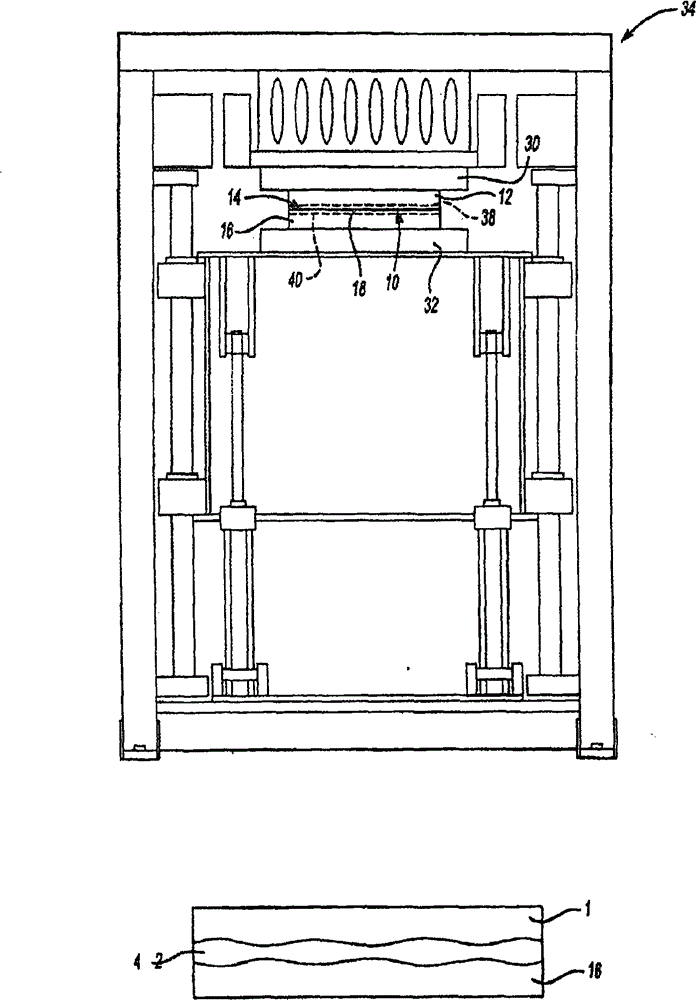
图1是根据本发明的一方面进行的示例性焊接加工的示意图。Figure 1 is a schematic illustration of an exemplary welding process performed in accordance with an aspect of the present invention.
图1A是具有根据本发明的焊缝的示例性结构体的示意图。FIG. 1A is a schematic diagram of an exemplary structure having a weld according to the present invention.
图2是要根据本发明的一方面被焊接的构件的示意图。Figure 2 is a schematic illustration of a component to be welded according to one aspect of the invention.
图2A是图2的构件以适于根据本发明的一方面焊接的方式彼此接触的示意图。2A is a schematic illustration of the components of FIG. 2 contacting each other in a manner suitable for welding according to an aspect of the invention.
图3是适于根据本发明的一方面测试焊接强度的示例性测试装置的透视图。3 is a perspective view of an exemplary testing apparatus suitable for testing bond strength according to an aspect of the present invention.
图3A是图3的示例性测试装置测试焊缝的焊接强度的透视图,所述焊缝将图2和2A的构件固定在一起。3A is a perspective view of the exemplary testing apparatus of FIG. 3 testing the weld strength of a weld securing the components of FIGS. 2 and 2A together.
发明详述Detailed description of the invention
本发明涉及聚合物材料的焊接(例如振动焊接)加工,其中所述聚合物材料能够形成具有一种或多种所需特性的焊缝。本发明还涉及包括一个或多个用所述聚合物材料形成的焊缝的结构体。所述聚合物材料通常由热塑性聚烯烃、弹性体并且优选地与一种或多种添加剂构成,所述添加剂可以包括但不限于:填料、抗氧化剂、模塑剂、胺、酰胺、上述这些的组合等。热塑性聚烯烃可以由一种或多种热塑性塑料组成,但是典型地包括聚丙烯(PP)、聚乙烯(PE)或这二者,其中至少部分聚丙烯和/或聚乙烯具有较高的结晶。弹性体可以包括各种弹性体,但是优选包括一种或多种线型乙烯共聚物或共聚体(也称为“LEP”)和/或一种或多种基本上为线型的乙烯共聚物或共聚体(也称为“SLEP”)。如在此使用的,SLEP典型地包括LEP。The present invention relates to welding (eg, vibration welding) processing of polymeric materials capable of forming welds having one or more desired properties. The invention also relates to structures comprising one or more welds formed with said polymeric material. The polymeric material is generally composed of a thermoplastic polyolefin, an elastomer, and preferably with one or more additives which may include, but are not limited to: fillers, antioxidants, molding agents, amines, amides, combination etc. Thermoplastic polyolefins may consist of one or more thermoplastics, but typically comprise polypropylene (PP), polyethylene (PE), or both, with at least some of the polypropylene and/or polyethylene being relatively crystalline. The elastomer may comprise a variety of elastomers, but preferably comprises one or more linear ethylene copolymers or interpolymers (also known as "LEP") and/or one or more substantially linear ethylene copolymers or interpolymers (also known as "SLEP"). As used herein, SLEP typically includes LEP.
聚合物材料可以包括各种聚合物,比如热塑性聚合物、可热固化聚合物、弹性体或上述这些的任何组合。合适的塑料材料可以包括而不限于:可热固化的塑料,如聚氨酯、环氧树脂,或热固性硅氧烷和热塑性塑料,如聚碳酸酯类(“PC”)、ABS、聚丙烯(“PP”)、高抗冲聚苯乙烯(“HIPS”)、聚乙烯(“PE”)、聚酯、polyacetyl、热塑性弹性体、热塑性聚氨酯类(“TPU”)、尼龙、离聚物(例如Surlyn)、聚氯乙烯(“PVC”),还包括这些热塑性塑料和/或热固体中的两种以上比如PC和ABS的共混物。当然,聚合物材料可以包括本发明范围内的其它聚合物或添加剂。The polymeric material may comprise various polymers, such as thermoplastic polymers, heat curable polymers, elastomers, or any combination of the foregoing. Suitable plastic materials may include, but are not limited to: heat curable plastics such as polyurethane, epoxy, or thermosetting silicone and thermoplastics such as polycarbonate ("PC"), ABS, polypropylene ("PP ”), high impact polystyrene (“HIPS”), polyethylene (“PE”), polyester, polyacetyl, thermoplastic elastomers, thermoplastic polyurethanes (“TPU”), nylon, ionomers (such as Surlyn) , polyvinyl chloride ("PVC"), and also blends of two or more of these thermoplastics and/or thermosolids such as PC and ABS. Of course, the polymeric material may include other polymers or additives within the scope of the present invention.
聚合物材料polymer material
根据优选实施方案,聚合物材料包括相当大部分的热塑性聚烯烃,并且更具体地,包括相当大部分的聚丙烯、聚乙烯或这二者。聚合物材料或组合物典型地包括至少约40重量%(但是可以更少)、更典型地至少约60重量%并且还更典型地至少约75重量%的聚丙烯、聚乙烯或它们的组合。聚合物材料还典型地包括少于约95重量%(但是可以更多)、更典型地少于约90重量%,并且可能少于约85重量%的聚丙烯、聚乙烯(例如HDPE或LDPE)或它们的组合。According to a preferred embodiment, the polymeric material comprises a substantial portion of a thermoplastic polyolefin, and more particularly a substantial portion of polypropylene, polyethylene or both. The polymeric material or composition typically includes at least about 40% by weight (but can be less), more typically at least about 60% by weight, and still more typically at least about 75% by weight polypropylene, polyethylene, or combinations thereof. The polymeric material also typically includes less than about 95% by weight (but can be more), more typically less than about 90% by weight, and possibly less than about 85% by weight polypropylene, polyethylene (e.g., HDPE or LDPE) or a combination of them.
聚合物组合物的相当大部分的热塑性聚烯烃典型地是较高结晶的。因此,较高百分比的聚丙烯、聚乙烯或它们的组合是全同立构和/或具有高于一定预定值的结晶。热塑性聚烯烃将典型地由一些成分(例如聚丙烯、聚乙烯或这二者)组成,使得其中至少50%但是可能更少、更典型地至少70%并且甚至更典型地至少85重量%的热塑性聚烯烃具有高于约40%、更典型地高于约50%并且甚至更典型地高于约60%、再更典型地高于约65%并且甚至可能高于约75%的结晶度。A substantial portion of the thermoplastic polyolefin of the polymer composition is typically relatively crystalline. Thus, a higher percentage of polypropylene, polyethylene or combinations thereof is isotactic and/or crystalline above a certain predetermined value. The thermoplastic polyolefin will typically consist of components such as polypropylene, polyethylene or both, such that at least 50% but possibly less, more typically at least 70% and even more typically at least 85% by weight thermoplastic The polyolefin has a crystallinity of greater than about 40%, more typically greater than about 50%, and even more typically greater than about 60%, still more typically greater than about 65%, and possibly even greater than about 75%.
百分比结晶度是根据ASTM D3417,通过示差扫描量热法测量的。将毫克量级(size)的聚合物样品密封到铝DSC锅中。将样品放置到DSC炉中,用25立方厘米/分钟的氮气吹扫并且冷却到-100C。通过以10℃/分钟加热到225℃为样品建立标准热历史(standard thermal history)。然后将样品冷却(以10℃/分钟)到-100℃并且以10℃/分钟再加热到225℃。记录观察到的第二次扫描的熔化热(ΔH观察)。所观察到的熔化热通过以下等式与基于聚丙烯样品重量的重量百分比形式的结晶度相关:Percent crystallinity is measured by differential scanning calorimetry according to ASTM D3417. Milligram-sized polymer samples were sealed into aluminum DSC pots. The sample was placed in the DSC furnace, purged with 25 cm3/min nitrogen and cooled to -100C. A standard thermal history was established for the sample by heating to 225°C at 10°C/min. The sample was then cooled (at 10°C/min) to -100°C and reheated to 225°C at 10°C/min. Record the observed heat of fusion (ΔH observed ) for the second scan. The observed heat of fusion is related to the crystallinity in weight percent based on the weight of the polypropylene sample by the following equation:

其中如B.Wunderlich,大分子物理(Macromolecular Physics),第3卷,晶体熔化(Crystal Melting),Academic Press,纽约,1980,第48页中所报道的,全同立构聚丙烯的熔化热为165焦耳/克聚合物。Among them, as reported in B. Wunderlich, Macromolecular Physics, Volume 3, Crystal Melting, Academic Press, New York, 1980, page 48, the heat of fusion of isotactic polypropylene is 165 Joules/gram polymer.
典型地,优选热塑性聚烯烃的较高结晶部分由一种或多种聚丙烯(例如一种聚丙烯或2、3、4或更多种聚丙烯的共混物)的至少60%、更典型地至少75%、甚至更典型地至少95%或甚至基本上全部或全部组成。然而,热塑性聚烯烃的一定百分比的较高结晶部分或另一部分可以是聚乙烯(例如HDPE)。当被包含时,聚乙烯典型地占热塑性聚烯烃的约1%至约15%之间。Typically, it is preferred that the higher crystalline portion of the thermoplastic polyolefin consists of at least 60%, more typically Typically at least 75%, even more typically at least 95%, or even substantially all or all of it. However, a certain percentage of the higher crystalline fraction or another fraction of the thermoplastic polyolefin may be polyethylene (eg HDPE). When included, polyethylene typically comprises between about 1% and about 15% of the thermoplastic polyolefin.
聚烯烃的较高结晶部分,不论其全部是一种或多种聚丙烯或其包括聚乙烯或其它,都典型地具有在所需范围内的熔体流动速率(MFR)。该MFR典型地小于约29g/10min、更典型地小于约22g/10min并且甚至更典型地小于约20g/10min,但是典型地大于约0.1g/10min、更典型地大于约0.5g/10min并且可能大于约4g/10min,但是除非另外说明,否则更高或更低的值也可以是可行的。The higher crystalline portion of the polyolefin, whether it is all one or more polypropylenes or includes polyethylene or others, typically has a melt flow rate (MFR) in the desired range. The MFR is typically less than about 29 g/10min, more typically less than about 22 g/10min and even more typically less than about 20 g/10min, but is typically greater than about 0.1 g/10min, more typically greater than about 0.5 g/10min and may Greater than about 4 g/10 min, although higher or lower values may also be feasible unless otherwise stated.
在一个实施方案中,热塑性聚烯烃优选包括具有第一或更低MFR的第一聚丙烯和具有第二或更高MFR的第二聚丙烯。第一聚丙烯的熔体流动速率(MFR)小于约50g/10min(在230℃、2.16kg)(例如,约1至约50g/10min,更特别地约3至约20g/10min,并且再更特别地约6g/10min至约13g/10min)。第一聚丙烯可以是纯聚丙烯或共混聚丙烯,但是典型地是聚丙烯均聚物,但这不是必需的,除非另外说明。当包含第一聚丙烯时,该第一聚丙烯典型地为聚合物材料重量的至少约1%、更典型地至少约10%并且甚至更典型地至少约25%,但是典型地小于约95%、更典型地小于约85%并且甚至更典型地小于约70%。In one embodiment, the thermoplastic polyolefin preferably comprises a first polypropylene having a first or lower MFR and a second polypropylene having a second or higher MFR. The melt flow rate (MFR) of the first polypropylene is less than about 50 g/10 min (at 230° C., 2.16 kg) (for example, from about 1 to about 50 g/10 min, more specifically from about 3 to about 20 g/10 min, and still more In particular from about 6 g/10 min to about 13 g/10 min). The first polypropylene may be a pure polypropylene or a blended polypropylene, but is typically a polypropylene homopolymer, but this is not required unless otherwise stated. When included, the first polypropylene is typically at least about 1%, more typically at least about 10%, and even more typically at least about 25%, but typically less than about 95%, by weight of the polymeric material , more typically less than about 85% and even more typically less than about 70%.
当包含第二聚丙烯时,该第二聚丙烯的熔体流动速率(MFR)典型地为小于约70g/10min(在230℃、2.16kg)(例如,约1至约55g/10min、更特别地约5至约45g/10min,并且再更特别地约25g/10min至约40g/10min)。第二聚丙烯可以是纯聚丙烯或共混聚丙烯,但是典型地是聚丙烯均聚物,但这不是必需的,除非另外说明。当包含第二聚丙烯时,该第二聚丙烯典型地为聚合物材料重量的至少约0.1%、更典型地至少约5%并且甚至更典型地至少约8%,但是典型地小于约60%、更典型地小于约40%并且甚至更典型地小于约22%。When included, the second polypropylene typically has a melt flow rate (MFR) of less than about 70 g/10 min (at 230°C, 2.16 kg) (e.g., from about 1 to about 55 g/10 min, more particularly From about 5 to about 45 g/10 min, and still more specifically from about 25 g/10 min to about 40 g/10 min). The second polypropylene may be a pure polypropylene or a blended polypropylene, but is typically a polypropylene homopolymer, but this is not required unless otherwise stated. When included, the second polypropylene is typically at least about 0.1%, more typically at least about 5%, and even more typically at least about 8%, but typically less than about 60%, by weight of the polymeric material , more typically less than about 40% and even more typically less than about 22%.
还预期热塑性聚烯烃可以包含一种或多种更低结晶等级的聚丙烯、聚乙烯或这二者(即,结晶低于第一和第二聚丙烯的结晶的聚丙烯等级),其可以是全同立构、间同立构或无规立构的。当被包含时,这种更低结晶材料将典型地占整个聚合物材料重量的至少约0.5%、更典型地至少约2.0%,并且甚至更典型地至少约6%,而且尽管可能更高,但是典型地小于约25%,更典型地小于约16%,并且甚至更典型地小于约10%。It is also contemplated that the thermoplastic polyolefin may comprise one or more lower crystalline grades of polypropylene, polyethylene, or both (i.e., polypropylene grades that are less crystalline than the first and second polypropylenes), which may be Isotactic, syndiotactic or atactic. When included, such less crystalline materials will typically comprise at least about 0.5%, more typically at least about 2.0%, and even more typically at least about 6%, and although possibly higher, by weight of the entire polymeric material. But typically less than about 25%, more typically less than about 16%, and even more typically less than about 10%.
将适于作为高结晶聚丙烯、第一或第二聚丙烯、它们的组合或更低结晶聚丙烯的数种聚丙烯以PP-1、PP-2和PP-3在本文中列出并且在下面加以讨论。当然,其它的可以如在本文中所描述的那样或另外方式使用。Several polypropylenes suitable as high crystalline polypropylenes, primary or secondary polypropylenes, combinations thereof or lower crystalline polypropylenes are listed herein as PP-1, PP-2 and PP-3 and in To be discussed below. Of course, others may be used as described herein or otherwise.
聚合物材料的弹性体可以包括各种弹性体,但是典型地包括相当大部分的热塑性弹性体,并且所述热塑性弹性体典型地包括一种或多种聚烯烃和/或α-烯烃弹性体(例如,SLEP、LEP或这二者)。热塑性弹性体可以是纯弹性体或共混物。特别优选的是基本上线型的和线型的乙烯聚合物(SLEP)。在美国专利5,272,236;5,278,272;3,645,992;4,937,299;4,701,432;4,937,301;4,935,397;5,055,438;和EP 129,368;EP 260,999;和WO 90/07526中充分描述了基本上线型的乙烯聚合物和线型乙烯聚合物以及它们的制备方法,这些专利全部通过引用结合在此。Elastomers of polymeric materials may include a variety of elastomers, but typically include a substantial portion of thermoplastic elastomers, and the thermoplastic elastomers typically include one or more polyolefin and/or alpha-olefin elastomers ( For example, SLEP, LEP, or both). Thermoplastic elastomers can be pure elastomers or blends. Particularly preferred are substantially linear and linear ethylene polymers (SLEP). 5,278,272; 3,645,992; 4,937,299; 4,701,432; 4,937,301; 4,935,397; 5,055,438; and EP 129,368; EP 260,999; The preparation methods of these patents are incorporated herein by reference in their entirety.
如在此所使用的,“线型或基本上线型的乙烯聚合物”表示乙烯的均聚物或乙烯和一种或多种α-烯烃共聚单体的共聚物,它们具有线型主链(即没有交联)、特定且有限量的长链支化或没有长链支化、窄分子量分布、窄组成分布(例如对于α-烯烃共聚单体)或上述这些的组合。在美国专利6,403,692中论述了对这样的聚合物的更多解释,为了所有目的将该美国专利通过引用结合在此。As used herein, "linear or substantially linear ethylene polymer" means a homopolymer of ethylene or a copolymer of ethylene and one or more alpha-olefin comonomers, which have a linear backbone ( ie no crosslinking), a specified and limited amount of long chain branching or no long chain branching, narrow molecular weight distribution, narrow composition distribution (for example for alpha-olefin comonomers), or a combination of these. Further explanation of such polymers is discussed in US Patent 6,403,692, which is hereby incorporated by reference for all purposes.
在优选实施方案中,一种或多种聚烯烃弹性体将各自包括α-烯烃共聚单体。示例性的α-烯烃包括丙烯、1-丁烯、1-己烯、4-甲基-1-戊烯、1-庚烯、1-辛烯、1-癸烯、1-十二烯、1-十六烯、4-甲基-1-戊烯、2-甲基-1-丁烯、3-甲基-1-丁烯、3,3-二甲基-1-丁烯、二乙基-1-丁烯、三甲基-1-丁烯、3-甲基-1-戊烯、乙基-1-戊烯、丙基-1-戊烯、二甲基-1-戊烯、甲基乙基-1-戊烯、二乙基-1-己烯、三甲基-1-戊烯、3-甲基-1-己烯、二甲基-1-己烯、3,5,5-三甲基-1-己烯、甲基乙基-1-庚烯、三甲基-1-庚烯、二甲基辛烯、乙基-1-辛烯、甲基-1-壬烯、乙烯基环戊烯、乙烯基环己烯和乙烯基降冰片烯,其中烷基支化位置不是特定的,其通常在烯烃和苯乙烯的3以上的位置。α-烯烃理想地为C3-C20或C3-C10α-烯烃。优选共聚物包括EP、EB、乙烯/己烯-1(EH)和EO聚合物。示例性的三元共聚物包括乙烯/丙烯/辛烯三元共聚物以及乙烯、C3-C20α-烯烃和二烯如二环戊二烯、1,4-己二烯、戊间二稀或5-亚乙基-2-降冰片烯的三元共聚物。聚烯烃弹性体可以具有小于约0.9g/cc的密度、约0.1至约30g/10min(在190℃、2.16kg)、并且更特别地约0.5至约25g/10min(在190℃、2.16kg)的熔体流动速率,并且可以具有低于约-30℃的玻璃化转变温度,或它们的任意组合。在此所使用的材料任选地基本上不含EPDM橡胶。In a preferred embodiment, the one or more polyolefin elastomers will each include an alpha-olefin comonomer. Exemplary alpha-olefins include propylene, 1-butene, 1-hexene, 4-methyl-1-pentene, 1-heptene, 1-octene, 1-decene, 1-dodecene, 1-hexadecene, 4-methyl-1-pentene, 2-methyl-1-butene, 3-methyl-1-butene, 3,3-dimethyl-1-butene, di Ethyl-1-butene, Trimethyl-1-butene, 3-methyl-1-pentene, Ethyl-1-pentene, Propyl-1-pentene, Dimethyl-1-pentene ene, methylethyl-1-pentene, diethyl-1-hexene, trimethyl-1-pentene, 3-methyl-1-hexene, dimethyl-1-hexene, 3 , 5,5-trimethyl-1-hexene, methylethyl-1-heptene, trimethyl-1-heptene, dimethyloctene, ethyl-1-octene, methyl- 1-nonene, vinylcyclopentene, vinylcyclohexene, and vinylnorbornene, wherein the alkyl branching position is not specific, which is generally at the 3 or more position of olefins and styrene. The α-olefin is desirably a C 3 -C 20 or C 3 -C 10 α-olefin. Preferred copolymers include EP, EB, ethylene/hexene-1 (EH) and EO polymers. Exemplary terpolymers include ethylene/propylene/octene terpolymers as well as ethylene, C 3 -C 20 α-olefins and dienes such as dicyclopentadiene, 1,4-hexadiene, piperylene Dilute or terpolymer of 5-ethylidene-2-norbornene. The polyolefin elastomer may have a density of less than about 0.9 g/cc, about 0.1 to about 30 g/10 min (at 190°C, 2.16 kg), and more specifically about 0.5 to about 25 g/10 min (at 190°C, 2.16 kg) melt flow rate, and may have a glass transition temperature below about -30°C, or any combination thereof. The materials used herein are optionally substantially free of EPDM rubber.
在聚合物材料中,弹性体将典型地以小于约60重量%、更特别地小于约50重量%、并且更特别地小于约25重量%,但是典型地大于约1重量%、更典型地大于约7重量%并且还更典型地大于约10重量%的聚合物材料的量存在。除非另外说明,否则也可以使用更高或更低量的弹性体。弹性体的构成典型地使得弹性体包含相当大量的聚烯烃弹性体或其全部是聚烯烃弹性体。典型地,至少50%(尽管可能更少)、更典型地至少约70%并且甚至更典型地至少约90重量%的弹性体由一种或多种以上讨论的聚烯烃弹性体(例如,SLEP、LEP或这二者的组合)构成。还预期弹性体可以全部、基本上全部或主要由一种或多种如本文中所讨论的SLEP、LEP或它们的组合构成。包括弹性体或主要由弹性体构成的合适材料的实例可以以
为了获得所需结果,在某些实施方案中,可能需要热塑性塑料或聚烯烃弹性体(例如SLEP、LEP或这二者)的量在一个范围内,该范围依赖于聚合物材料的热塑性聚烯烃的较高结晶部分的熔体流动速率。已经发现,通常理想的是聚合物材料内的聚烯烃弹性体的重量百分比(W)根据以下等式随热塑性聚烯烃的高结晶部分的MFR(M)变化:To obtain the desired results, in some embodiments, it may be desirable that the amount of thermoplastic or polyolefin elastomer (eg, SLEP, LEP, or both) be within a range that is dependent on the thermoplastic polyolefin of the polymeric material. The melt flow rate of the higher crystalline fraction. It has been found that it is generally desirable that the weight percent (W) of polyolefin elastomer within the polymeric material vary with the MFR (M) of the highly crystalline portion of the thermoplastic polyolefin according to the following equation:
W=0.43(M)+15.8W=0.43(M)+15.8
因此,对于高结晶部分的给定MFR,热塑弹性体并且更具体而言聚烯烃弹性体的重量百分比典型地在由根据上述等式的(W)以及(W)的约±30%、更典型地±20%并且甚至更典型地±10%并且甚至可能±5%而确定的范围。例如,对于MFR(M)为8,聚烯烃弹性体的重量百分比(W)是聚合物材料的19.24重量%±10%或约17.316重量%至约21.164重量%。已经发现在根据本文的教导使用填料的量和种类时这种关系特别有用,但是该关系也可能另外有用。Thus, for a given MFR of a high crystalline fraction, the weight percent of thermoplastic elastomers, and more specifically polyolefin elastomers, typically ranges from about ±30%, more, of (W) and (W) according to the above equation Typically ±20% and even more typically ±10% and possibly even ±5%. For example, for an MFR (M) of 8, the weight percent (W) of the polyolefin elastomer is 19.24 wt% ± 10% or about 17.316 wt% to about 21.164 wt% of the polymeric material. This relationship has been found to be particularly useful when using filler amounts and types in accordance with the teachings herein, but the relationship may be useful otherwise.
有利地,已经发现所需性能(例如,耐擦伤性和耐损伤性以及在此或另外讨论的其它性能)可以通过热塑性聚烯烃和聚烯烃弹性体的适当平衡而获得,尤其是如果成分被适当选择而无需接枝聚合物的情况下。因此,预期本发明的聚合物材料将基本上不含任何接枝聚合物或可以主要由非接枝聚合物组成。然而,还预期这些组分可以被包含在聚合物材料中,除非另外说明。Advantageously, it has been found that desired properties (e.g., mar and mar resistance and other properties discussed herein or elsewhere) can be obtained by a proper balance of thermoplastic polyolefins and polyolefin elastomers, especially if the ingredients are With proper selection without the need for grafted polymers. Accordingly, it is contemplated that the polymeric materials of the present invention will be substantially free of any grafted polymers or may consist essentially of non-grafted polymers. However, it is also contemplated that these components may be included in the polymeric material, unless otherwise stated.
这样,预期热塑性聚烯烃并且特别是一种或多种聚丙烯可以是纯聚合物、均聚物或这二者。然而,另外预期这些术语和这种材料可以允许一定程度的杂质,以指明的任何组分的重量计,所述杂质典型地小于5%、更典型地小于2%并且还更典型地小于0.8%。As such, it is contemplated that the thermoplastic polyolefin and in particular the polypropylene(s) may be a neat polymer, a homopolymer or both. However, it is additionally contemplated that these terms and such materials may tolerate a level of impurity, typically less than 5%, more typically less than 2%, and still more typically less than 0.8% by weight of any component specified .
除非另外说明,否则本文中的“熔体流动速率”和“熔体指数”通过ISO 1133确定。对于聚丙烯、聚乙烯或它们的组合,测试在230℃用2.16kg重量进行。对于弹性体,测试在190℃和2.16kg进行。Unless otherwise stated, "melt flow rate" and "melt index" herein are determined by ISO 1133. For polypropylene, polyethylene or combinations thereof, the test is performed at 230°C with a 2.16 kg weight. For elastomers, the test was performed at 190°C and 2.16 kg.
聚合物材料还可以包含填料。该填料可以是聚合物材料重量的至少约4%(但是可能更少)、更典型地至少约9%、还更典型地至少约14%,并且再更典型地至少约17%,并且还典型地为聚合物材料重量的小于约50%(但是可能更多)、更典型地小于约35重量%、还更典型地小于约25重量%,并且再更典型地小于约22重量%。The polymeric material may also contain fillers. The filler can be at least about 4% (but possibly less), more typically at least about 9%, still more typically at least about 14%, and still more typically at least about 17% by weight of the polymeric material, and also typically Typically less than about 50% by weight of the polymeric material (but possibly more), more typically less than about 35% by weight, still more typically less than about 25% by weight, and still more typically less than about 22% by weight.
填料可以包括多种不同的填充材料或一种单一的填充材料。合适的填充材料的实例包括而不限于:粘土、芳族聚酰胺、碳酸钙、滑石、高岭土、云母、硅灰石、空心玻璃珠、氧化钛、二氧化硅、炭黑、玻璃纤维、钛酸钾、硅酸盐材料、它们的组合等,它们可以采取粉末、片晶或其它形式。一种优选的填充材料是滑石,并且在优选实施方案中,填料包含至少约50%、更典型地至少约85%并且甚至更典型地至少约95%的滑石。还预期填料全部由滑石构成,而在聚合物材料中没有任何其它填充材料。一种优选的滑石是以商品名JETFIL 7C出售的粉末状滑石,它可商购自LuzenacInc.,423 Wyecroft Rd.,Oakville,ON。The filler can consist of several different filler materials or a single filler material. Examples of suitable filler materials include, without limitation: clay, aramid, calcium carbonate, talc, kaolin, mica, wollastonite, hollow glass beads, titanium oxide, silica, carbon black, glass fiber, titanic acid Potassium, silicate materials, combinations thereof, etc., which may be in powder, platelet or other form. One preferred filler material is talc, and in preferred embodiments, the filler comprises at least about 50%, more typically at least about 85%, and even more typically at least about 95% talc. It is also contemplated that the filler consists entirely of talc without any other filler material in the polymeric material. A preferred talc is a powdered talc sold under the tradename JETFIL 7C, which is commercially available from Luzenac Inc., 423 Wyecroft Rd., Oakville, ON.
尽管预期填料可以包含煅烧过的填充材料,但是在聚合物材料的一个优选实施方案中,填料基本上不含任何煅烧过的填充材料,或由未煅烧过的填充材料组成,或主要由未煅烧过的填充材料组成。因此,预期聚合物材料、填料或这二者均包含少于约5重量%、并且更优选少于约1重量%、并且还更优选少于约0.1重量%的任何煅烧过的填充材料,并且可能完全不含任何煅烧过的填充材料。Although it is contemplated that the filler may comprise calcined filler material, in a preferred embodiment of the polymeric material the filler is substantially free of any calcined filler material, or consists of uncalcined filler material, or consists essentially of uncalcined filler material. Composed of filled materials. Accordingly, it is contemplated that the polymeric material, the filler, or both comprise less than about 5% by weight, and more preferably less than about 1% by weight, and still more preferably less than about 0.1% by weight of any calcined filler material, and May be completely free of any calcined filler material.
还预期聚合物材料可以包括各种其它添加剂,比如表面活性剂、增韧剂、增强剂(strength agent)、阻燃添加剂(ignition resistant additive)、稳定剂、着色剂、抗氧化剂、抗静电剂、防滑助剂(slip-aid)(即用于防止滑动)、助流剂(flow enhancer)、成核剂,包括澄清剂等。添加剂的优选实例是阻燃添加剂,例如但不限于:卤代烃类、卤代碳酸酯低聚物、卤代二环氧甘油醚类、有机磷化合物、氟化烯烃类、氧化锑和芳族硫(aromatic sulfur)的金属盐、或可以使用它们的混合物。此外,可以使用使热塑性组合物对抗由热、光和氧但不限于这些所导致的降解而稳定的化合物或这些化合物的混合物。一种优选的添加剂是抗氧化剂,当被包含时,它典型地以总体聚合物材料的较小重量百分比(例如,少于约1或2%)被包含。一种优选的抗氧化剂是可商购自Ciba Specialy Chemicals Corporation的IRGANOX B225抗氧化剂。Irganox B225抗氧化剂是1份Irganox 1010抗氧化剂和1份Irgafos168亚磷酸三(2,4-叔丁基苯基)酯的共混物。另一种优选的添加剂是模塑剂(molding agent)(例如,蜡、脱模剂(mold relief)或防滑助剂)。一种优选的模塑剂是含氮或氨基的化合物如氨或酰胺。作为蜡的一种优选的含氮化合物是以商品名KENAMIDE ULTRA E出售的芥酸酰胺(erucamide),可商购自康涅狄格州Middlebury的Chemtura公司。It is also contemplated that the polymeric material may include various other additives such as surfactants, toughening agents, strength agents, ignition resistant additives, stabilizers, colorants, antioxidants, antistatic agents, Slip-aid (that is, used to prevent slipping), flow enhancer, nucleating agent, including clarifier, etc. Preferred examples of additives are flame retardant additives such as but not limited to: halogenated hydrocarbons, halogenated carbonate oligomers, halogenated diglycidyl ethers, organophosphorus compounds, fluorinated olefins, antimony oxides and aromatic Metal salts of aromatic sulfur, or mixtures thereof may be used. In addition, compounds or mixtures of compounds that stabilize thermoplastic compositions against degradation by, but not limited to, heat, light, and oxygen may be used. One preferred additive is an antioxidant, which, when included, is typically included in a minor weight percent (eg, less than about 1 or 2%) of the total polymer material. A preferred antioxidant is IRGANOX B225 antioxidant commercially available from Ciba Specialy Chemicals Corporation. Irganox B225 antioxidant is a blend of 1 part Irganox 1010 antioxidant and 1 part Irgafos168 tris(2,4-tert-butylphenyl)phosphite. Another preferred additive is a molding agent (eg, wax, mold relief or anti-slip aid). A preferred molding agent is a nitrogen- or amino-containing compound such as ammonia or an amide. A preferred nitrogen-containing compound as a wax is erucamide sold under the tradename KENAMIDE ULTRA E, commercially available from Chemtura Corporation of Middlebury, Connecticut.
可以根据各种方案将聚合物材料的各种组分混合和/或复合。本发明的填充聚合物材料的制备可以通过本领域已知的任何合适的包括如下过程的混合方法完成:将各个的组分干混并且随后直接在用于制备成品(例如汽车部件)的挤出机中熔融混合,或者在独立的挤出机(例如班伯里密炼机)中预混合后在用于制备成品(例如汽车部件)的挤出机中熔融混合。组合物的干混物还可以不经预熔融混合而被直接注射模塑。The various components of the polymeric material can be mixed and/or compounded according to various schemes. The preparation of the filled polymeric materials of the present invention may be accomplished by any suitable mixing method known in the art involving dry blending of the individual components and subsequent extrusion directly into the finished product (e.g., automotive parts) In-machine melt mixing, or premixed in a separate extruder (eg Banbury mixer) followed by melt mixing in the extruder used to make the finished product (eg automotive parts). Dry blends of the compositions can also be directly injection molded without pre-melt mixing.
当本发明的填充热塑性组合物通过施加热而软化或熔融时,可以单独或以组合形式采用常规技术如压缩模塑、注射模塑、气辅注射模塑(gasassisted injection molding)、压延、真空成型、热成型、挤出和/或吹塑,而将其制作成制品的构件或部件。填充的热塑性组合物还可以在适用于这些目的的任何机器上被成型、旋压(spun)或拉伸成膜、纤维、多层层压体或挤出片材,或可以与一种或多种有机或无机物质复合。本发明的填充热塑性组合物优选被注射模塑。When the filled thermoplastic composition of the present invention is softened or melted by the application of heat, conventional techniques such as compression molding, injection molding, gas assisted injection molding, calendering, vacuum forming can be used alone or in combination , thermoforming, extrusion and/or blow molding to make it into a component or part of an article. The filled thermoplastic composition may also be formed, spun or stretched into films, fibers, multilayer laminates or extruded sheets on any machine suitable for these purposes, or may be combined with one or more compound of organic or inorganic substances. The filled thermoplastic composition of the present invention is preferably injection molded.
在一个优选实施方案中,预期将聚合物材料的组分以这样的方式结合,将除热塑性聚烯烃的较高结晶部分以外的基本上全部或全部组分混合到一起以形成混合物,随后将该混合物与高结晶部分混合。例如,混合物可以由更低结晶聚丙烯、弹性体(例如,LEP、SLEP或这二者)、填料(例如滑石)、模塑剂(例如芥酸酰胺蜡)、抗氧化剂或它们的任何组合构成。然后,可以在稍后的时间如在模塑制品时(例如,在聚合物材料的注射模塑过程中或在即将进行聚合物材料的注射模塑之前)将混合物与高结晶部分结合(例如,熔融混合或共混)。In a preferred embodiment, it is contemplated that the components of the polymeric material are combined in such a manner that substantially all or all of the components, except for the more crystalline portion of the thermoplastic polyolefin, are mixed together to form a mixture, which is then The mixture is mixed with a highly crystalline fraction. For example, the blend can be composed of lower crystalline polypropylene, elastomers (e.g., LEP, SLEP, or both), fillers (e.g., talc), molding agents (e.g., erucamide wax), antioxidants, or any combination thereof . The mixture can then be combined with a highly crystalline fraction (e.g., melt mixing or blending).
本发明的聚合物材料可以被用作各种加工制品的部件,然而,已经发现其尤其适合用于形成汽车部件如面板(panel)、仪表板(fascia)(例如保险杠仪表板(bumper fascia))、汽车阀内件(automotive trim)、引擎罩、车架(console)(例如中心悬梁(center overhead)和/或地板组件(floor assembly))保险杠、支柱、仪表板、手套箱组件或结构部件,所述手套箱组件包括门、膝挡板组件(knee bolster assembly)或仪表板固定组件。聚合物材料还可以被用于形成制品,比如雪上汽车引擎盖(snow mobile cowling)或车体覆盖件(body cover)、个人水上摩托车(personal water craft)引擎盖或车体覆盖件、全地形车(all terrain vehicle)引擎盖、挡泥板、面板或车体覆盖件、电器设备器件外壳、器具外壳、冰箱外壳(freezer container);草坪和花园家具、建筑物和构造板材(building and construction sheet)、鞋、靴子、滑雪靴外壳,或滑板外壳等。The polymeric material of the present invention can be used as a component of various fabricated articles, however, it has been found to be particularly suitable for use in forming automotive components such as panels, fascias (e.g. bumper fascias) ), automotive trim, hood, console (e.g. center overhead and/or floor assembly) bumper, strut, instrument panel, glove box assembly or structure The glove box assembly includes a door, a knee bolster assembly, or an instrument panel mounting assembly. Polymer materials can also be used to form articles such as snow mobile cowling or body covers, personal water craft hoods or body covers, all-terrain Vehicle (all terrain vehicle) hood, fender, panel or body covering, electrical equipment device casing, appliance casing, refrigerator casing (freezer container); lawn and garden furniture, building and construction sheet (building and construction sheet ), shoes, boots, ski boot casings, or skateboard casings, etc.
在一个优选实施方案中,将聚合物材料模塑以形成具有从完全制成的汽车的内部可见的表面的机动汽车的仪表板和/或仪表盘(dashboard)。应当理解可以向聚合物材料中添加一种或多种颜料或着色剂,使得部件或组件“模塑时着色(molded-in-color)”。有利地,当由本发明的聚合物材料形成时,仪表板或仪表盘可以具有多种所需性能,比如耐擦伤性和耐损伤性。In a preferred embodiment, the polymeric material is molded to form an instrument panel and/or dashboard of a motor vehicle having a surface that is visible from the interior of the fully manufactured vehicle. It should be understood that one or more pigments or colorants may be added to the polymeric material to render the part or assembly "molded-in-color". Advantageously, when formed from the polymeric materials of the present invention, instrument panels or panels can have a variety of desirable properties, such as scratch and mar resistance.
应当理解,无论什么部件或制品由本发明的聚合物材料形成,都可以添加组分以使该材料适应特定用途(例如,当用于形成汽车的外部组件时,可能需要向材料中添加紫外线稳定剂)。还应当理解,由本文中所描述的聚合物材料形成和焊接的部件在特别的加工制品的使用过程中可能是不可见的。例如,结构部件(例如,机动汽车的结构HVAC管(structural HVACduct))可以是不可见的,并且可以被焊接到可见部件(例如仪表盘或仪表板)的背面,所述可见部件可以是或可以不是由本发明的聚合物材料形成。It should be understood that no matter what part or article is formed from the polymeric material of the present invention, components may be added to adapt the material to a particular application (for example, when used to form an exterior component of an automobile, it may be desirable to add a UV stabilizer to the material ). It should also be understood that components formed and welded from the polymeric materials described herein may not be visible during use of the particular fabricated article. For example, a structural part (e.g., a structural HVAC duct for a motor vehicle) may not be visible and may be welded to the back of a visible part (e.g., an instrument panel or instrument panel) that may be or may be Not formed from the polymeric material of the present invention.
以下实施例示出本发明的各个方面。所显示的值是近似的,并且不应当被视为是对本发明的限制。如贯穿本说明书所公开的,加工参数(processing parameter)的变化是可能的。此外,所显示的结果也可以变化(例如,所述值的+/-10%或+/-25%或甚至更多)。The following examples illustrate various aspects of the invention. The values shown are approximate and should not be considered as limitations of the invention. As disclosed throughout this specification, variations in processing parameters are possible. Furthermore, the results shown may also vary (eg +/- 10% or +/- 25% or even more of the stated value).
由本文中的教导所产生的材料、部件、构件或它们的表面将具有以下性能中的至少一个、两个(并且更特别地至少3个或全部)的组合;即,弯曲模量在约1300至约3000MPa、更特别地约1700至约2500MPa,并且还更特别地约1900至约2300MPa的范围内;多于约90%的样品,更具体地,约100%(在-40℃、-30℃或0℃)的样品在延性模式(ductile mode)(例如多轴落镖冲击试验(测量(instrumented)落镖冲击))中失败;根据FLTMBN108-13的耐擦伤性为至少约7牛顿、更典型地为至少约10、12或14牛顿(例如,至少约15牛顿);和根据ISO 75的负载热变形(HDT)高于约180°F并且更典型地高于约203°F或211°F。Materials, parts, components or surfaces thereof resulting from the teachings herein will have a combination of at least one, two (and more particularly at least 3 or all) of the following properties; i.e., a flexural modulus of about 1300 to about 3000MPa, more specifically about 1700 to about 2500MPa, and more specifically about 1900 to about 2300MPa; more than about 90% of the samples, more specifically about 100% (at -40°C, -30 or 0°C) fail in a ductile mode (e.g., a multiaxial dart impact test (instrumented dart impact)); scratch resistance according to FLTMBN108-13 of at least about 7 Newtons, More typically at least about 10, 12 or 14 Newtons (e.g., at least about 15 Newtons); and a load heat distortion (HDT) according to ISO 75 of greater than about 180°F and more typically greater than about 203°F or 211 °F.
实施例 Example
表I和II提供了根据本发明的聚合物材料的配方的实例(其成分更完整地描述于表后的段落中),以及下面对聚合物材料中的一种进行的性能测定:Tables I and II provide examples of formulations of polymeric materials according to the invention (the composition of which is more fully described in the paragraphs following the table), and the following performance measurements performed on one of the polymeric materials:
表ITable I
表IITable II
应当理解,在不偏离本发明范围的情况下,可以代替、添加或移除上述配方中的各种成分。此外,预期所列出的上述成分的重量百分比和性能的值可以变化至或大于所列值的±5%、±10%、±25%或±50%。例如,10±10%的值产生9至11的范围。It should be understood that various ingredients in the above formulations may be substituted, added or removed without departing from the scope of the present invention. In addition, it is contemplated that the listed values for the weight percentages and properties of the above ingredients may vary by ±5%, ±10%, ±25%, or ±50% of the listed values. For example, a value of 10±10% yields a range of 9 to 11.
聚合物材料的焊接Welding of polymer materials
根据本发明的聚合物组合物或材料的焊接将典型地涉及将第一构件连接到第二构件上的一个或多个焊缝的形成。第一构件和第二构件可以在焊接前彼此是整体(例如彼此连接的)或可以在焊接前是独立的。潜在的合适焊接技术可以包括而不限于:激光焊接、焰焊、超声波焊接、电阻焊接、它们的组合等。在一个优选实施方案中,采用振动焊接形成焊缝。Welding of polymer compositions or materials according to the invention will typically involve the formation of one or more welds joining a first member to a second member. The first member and the second member may be integral with each other (eg, connected to each other) prior to welding or may be separate prior to welding. Potentially suitable welding techniques may include, without limitation, laser welding, flame welding, ultrasonic welding, resistance welding, combinations thereof, and the like. In a preferred embodiment, vibration welding is used to form the weld.
第一构件和第二构件可以由本文中描述的聚合物材料形成。备选地,可以是这样的情况,即仅第一构件由本文中描述的聚合物材料形成,而第二构件可以由备选的材料如金属、玻璃、另一种聚合物材料、它们的组合等形成。应当理解,如在此所使用的,由特定材料或组合物形成的第一构件、第二构件或这二者意味着该构件可以部分、基本上全部或全部由所述特定材料形成。The first member and the second member may be formed from the polymeric materials described herein. Alternatively, it may be the case that only the first member is formed from the polymeric materials described herein, while the second member may be formed from alternative materials such as metal, glass, another polymeric material, combinations thereof And so formed. It should be understood that, as used herein, a first member, a second member, or both, formed of a particular material or composition means that the member may be formed in part, substantially all, or entirely of the particular material.
根据本发明,焊接典型地表示第一构件的至少一部分或基本上全部被加热和软化(例如熔融)以形成软化或熔融的部分。第一构件的该部分或区域是由本文中描述的聚合物材料形成的,并且与第二构件的一部分接触。这种接触可以发生在加热和/或软化之前、之后或过程中。然后软化或熔融的部分通常被冷却并且形成将第一构件连接到第二构件上的焊缝。用于连接和形成焊缝的熔融部分可以在第二构件没有软化和/或熔融的情况下润湿并且连接到第二构件的表面上,然而,还可以是,第二构件也可以具有软化和/或熔融的部分并且与第一构件的软化部分混合。因此,在各种情况下,焊缝至少部分由本文中描述的聚合物材料形成(即,第一构件的聚合物材料和当第二构件包含这样材料时第二构件的潜在的聚合物材料)。According to the invention, welding typically means that at least a portion or substantially all of the first member is heated and softened (eg melted) to form a softened or melted portion. The portion or region of the first member is formed from the polymeric material described herein and is in contact with a portion of the second member. This contacting can occur before, after or during heating and/or softening. The softened or melted portion is then typically cooled and forms a weld joining the first component to the second component. The molten portion used for connecting and forming the weld can wet and connect to the surface of the second component without softening and/or melting the second component, however, it is also possible that the second component also has softening and and/or the melted portion and mixes with the softened portion of the first member. Thus, in each case, the weld is formed at least in part from the polymeric materials described herein (i.e., the polymeric material of the first member and potentially the polymeric material of the second member when the second member comprises such material) .
作为本发明的焊接加工特别是振动焊接加工的一个实例,参考图1。第一构件12的表面10与第二构件16的表面14接触,从而在表面10、14处形成界面18。向构件12、16中的一个或两个施加力,从而迫使第一构件12的表面10和第二构件16的表面14在界面18处彼此靠近(toward)。用于迫使表面彼此靠近的压力的量可以变化。尽管可能更低,但是这种压力典型地为至少约0.01MPa、更典型地为至少约0.1MPa,并且还更典型地为至少约1MPa,并且尽管可能更高,但是这种压力典型地小于约50MPa、更典型地小于约10MPa,并且还更典型地小于约5MPa。As an example of the welding process of the present invention, particularly the vibration welding process, refer to FIG. 1 . Surface 10 of first member 12 is in contact with surface 14 of second member 16 forming an interface 18 at surfaces 10 , 14 . A force is applied to one or both of the members 12 , 16 such that the surface 10 of the first member 12 and the surface 14 of the second member 16 are forced toward each other at the interface 18 . The amount of pressure used to force the surfaces closer to each other can vary. Such pressures are typically at least about 0.01 MPa, although possibly lower, more typically at least about 0.1 MPa, and still more typically at least about 1 MPa, and are typically less than about 1 MPa, although possibly higher. 50 MPa, more typically less than about 10 MPa, and still more typically less than about 5 MPa.
在显示的实施方案中,第一构件12及其表面10以及第二构件16及其表面14是由相同的材料(即本文中描述的材料)形成的。然而,根据本文中所论述的布置,一个或多个构件12、16中的任何一个、一个或多个构件12、16的一部分,或一个或多个构件12、16的一个或多个表面10、14可以由不同的材料形成。In the illustrated embodiment, the first member 12 and its surface 10 and the second member 16 and its surface 14 are formed from the same material, ie, the materials described herein. However, according to the arrangements discussed herein, any one of the one or more members 12, 16, a portion of the one or more members 12, 16, or one or more surfaces 10 of the one or more members 12, 16 , 14 may be formed from different materials.
在这种压力的施加过程中,焊接机34(例如振动焊接机)的一个或多个接触件(例如,通常为上部和下部固定装置的第一接触件30和第二接触件32)与构件12、16接触。然后接触件30、32中的一个或多个振荡(例如振动)构件12、16中的一个或两个,使得表面10、14中的至少一个或两个相对于另一个移动(即,彼此相对地横向振荡)并且在界面18处产生摩擦热,从而将构件12、16中的一个或两个的表面10、14中的一个或两个和一个或多个部分38、40(即用虚线所示的部分)软化(例如熔融)至一个或多个构件12、16的深度。之后,如图1A中所示,软化或熔融的一个或多个部分38、40冷却以形成焊缝42。熔融部分的深度可以依赖于所采用的焊接技术的细节和要焊接的构件的尺寸和构造而变化,但是典型的焊接深度将介于约0mm和约5mm之间并且更典型地介于0.5mm和约2mm之间。During the application of such pressure, one or more contacts (eg, typically the first and second contacts 30 and 32 of the upper and lower fixtures) of the welding machine 34 (eg, a vibration welder) contact the member 12, 16 contacts. One or more of the contacts 30, 32 then oscillate (e.g., vibrate) one or both of the members 12, 16, causing at least one or both of the surfaces 10, 14 to move relative to the other (i.e., relative to each other). oscillating laterally) and frictional heat is generated at the interface 18, thereby displacing one or both of the surfaces 10, 14 and one or more portions 38, 40 of one or both of the members 12, 16 (i.e. The portion shown) softens (eg, melts) to the depth of the one or more members 12,16. Thereafter, as shown in FIG. 1A , the softened or melted portion or portions 38 , 40 cool to form a weld 42 . The depth of the molten portion may vary depending on the details of the welding technique employed and the size and configuration of the components to be welded, but typical weld depths will be between about 0mm and about 5mm and more typically between 0.5mm and about 2mm between.
为了辅助焊接加工(尤其是振动焊接加工),要被接触和焊接的表面中的一个或多个可以包含一个或多个肋条(rib)。这样的一个或多个肋条的实例参照图2和2A显示和论述,所述图2和2A显示了要被焊接到一起并且用于强度测试的构件。当使用这样的肋条时,应当理解,在振动焊接过程中,构件的振荡可能导致肋条沿肋条的长度和/或在相对于肋条的长度的角度上前后移动。作为一个实施例,构件可以包括彼此相互垂直的肋条(例如盒形肋条)并且振荡可以与所述肋条成45度角。To assist welding processes, especially vibration welding processes, one or more of the surfaces to be contacted and welded may contain one or more ribs. Examples of such rib or ribs are shown and discussed with reference to Figures 2 and 2A showing members to be welded together and used for strength testing. When using such ribs, it should be understood that during vibration welding, oscillation of the member may cause the rib to move back and forth along the length of the rib and/or at an angle relative to the length of the rib. As an example, the member may comprise ribs perpendicular to each other (eg box ribs) and the oscillation may be at a 45 degree angle to said ribs.
在本发明的实践中可以采用各种焊接机和设备。优选的振动焊接机的实例包括而不限于以以下商品名称出售的机器:VWB3900振动焊接机、VWB3500振动焊接机和VWB3700振动焊接机,它们可商购自Dukane公司,2900 Dukane Drive,St.Charles,IL 60174;DLVW-3648数字式(伺服驱动)线性振动焊接机、DLVW-2020数字式(伺服驱动)线性振动焊接机和DLVW-2046数字式(伺服驱动)线性振动焊接机,可商购自ForwardTechnology,260 Jenks Avenue,Cokato,Minnesota 55321;以及VW/6UH和VW/4L-1超声波型,可商购自Branson超声波公司,41 Eagle Rd.,Danbury,CT 06813-1961。A variety of welding machines and equipment may be employed in the practice of the present invention. Examples of preferred vibration welding machines include, without limitation, those sold under the trade names VWB3900 Vibration Welder, VWB3500 Vibration Welder, and VWB3700 Vibration Welder, which are commercially available from Dukane Corporation, 2900 Dukane Drive, St. Charles, IL 60174; DLVW-3648 Digital (Servo Driven) Linear Vibration Welder, DLVW-2020 Digital (Servo Driven) Linear Vibration Welder, and DLVW-2046 Digital (Servo Driven) Linear Vibration Welder, commercially available from Forward Technology , 260 Jenks Avenue, Cokato, Minnesota 55321; and VW/6UH and VW/4L-1 ultrasound models, commercially available from Branson Ultrasound Company, 41 Eagle Rd., Danbury, CT 06813-1961.
通常,预期根据本发明焊接的表面和部分可以基本上或完全是平面的或可以是等高的,并且本发明的焊缝可以辅助形成各种接合。作为实例,本发明的焊缝可以形成以下接合或是它们的一部分:对接、舌槽接合、公盈接合(interference joint)、搭接、平接、它们的组合等。此外,可以被焊接的示例性表面包括:棱角表面、相对的表面、斜面、凹面、凸面、联锁表面(interlocking surface)、弧形表面、几何表面、它们的组合等。In general, surfaces and portions contemplated to be welded according to the present invention may be substantially or completely planar or may be of contour, and welds of the present invention may assist in forming various joints. As examples, welds of the present invention may form or be part of the following joints: butt joints, tongue and groove joints, interference joints, lap joints, butt joints, combinations thereof, and the like. Additionally, exemplary surfaces that may be welded include: angular surfaces, opposing surfaces, beveled surfaces, concave surfaces, convex surfaces, interlocking surfaces, curved surfaces, geometric surfaces, combinations thereof, and the like.
已经发现由本文中公开的聚合物材料或组合物形成的焊接可以表现出适宜的焊接强度。根据本发明的测试可以根据ASTM D-638测试,该标准技术按本文中描述修改。参考图2和2A,第一构件50和第二构件52由本文中描述的聚合物材料形成,包括限定空腔60的中央壁54和侧壁56、58。每个构件50、52另外包括从侧壁56、58延伸的法兰64、66。第一构件50的法兰64、66包括限定焊接位置井(welding location well)72的保护壁70,在此保护壁70可以防止遭受焊接闪光(weld flash)的影响。第二构件52的法兰64各自包括2英寸长、1/8英寸高和1/8英寸宽的焊接肋条74。如图2A中所示,第二构件52的肋条74(即每个肋条的表面)在焊接井72中与第一构件50的法兰64、66的表面76接触。之后,图2A中所示的构造中的构件50、52被振动焊接到一起以形成图3A的焊缝78,其中使用100磅的焊接力、0.070英寸的振动振幅、1.0mm的熔体、100磅的保持力、3.0秒的保持时间和5.0秒的焊接时间。Welds formed from the polymeric materials or compositions disclosed herein have been found to exhibit suitable weld strength. Testing according to the present invention may be performed according to ASTM D-638, the standard technique modified as described herein. Referring to FIGS. 2 and 2A , the first member 50 and the second member 52 are formed from the polymeric material described herein, including a central wall 54 and
一旦构件50、52被焊接到一起,就使用标准拉伸试验机根据ASTMD-638的参数对它们进行拉伸试验,在所述标准拉伸试验机中例外的是在图3和3A中显示为金属钩形构件的改进的固定装置80、82被延伸到构件50、52的空腔60中,并且构件50、52的突部84位于构件50、52的开口88、90中。然后可以将构件50、52安全可靠地彼此移开,直至焊缝78损坏(fail)(即,破裂、断裂、发生塑性变形)。在所述条件下,焊缝表现出了至少约2.0焦耳、更典型地至少约2.5焦耳、甚至更典型地至少约3.0焦耳,并且还更典型地至少约3.5焦耳的断裂能。焊缝还表现出了至少约8mm、更典型地至少约8.8mm、甚至更典型地至少约9.6mm,并且还更典型地至少约10.5mm的最大位移。焊缝还经得住至少约400牛顿、更典型地至少约480牛顿、甚至更典型地至少约510牛顿,并且还更典型地至少约535牛顿的最大负荷。应当理解,尽管本文中公开了本发明的焊缝所需的性能,但是没有特别的性能是必需的,除非另外具体提及。Once the members 50, 52 are welded together, they are tensile tested according to the parameters of ASTM D-638 using a standard tensile testing machine, with the exception shown in FIGS. 3 and 3A as The improved fixation means 80 , 82 of the metal hook member is extended into the cavity 60 of the member 50 , 52 and the
如表明的,尽管本发明的焊接技术和聚合物材料可以用于形成各种加工制品的各种结构体,但是特别确定了特别受益于本技术、材料或这二者的结构体的子集。实例包括手套箱门组件、膝挡板组件和结构管如汽车HVAC管。当然,应当理解,除非另外具体说明,否则本发明不限于任何特定结构体。As indicated, while the welding techniques and polymeric materials of the present invention can be used to form a variety of structures in various fabricated articles, a subset of structures are specifically identified that would particularly benefit from the technology, materials, or both. Examples include glove box door assemblies, knee fender assemblies, and structural piping such as automotive HVAC piping. It should be understood, of course, that the present invention is not limited to any particular structure unless specifically stated otherwise.
“PP-1”是一种高抗冲聚丙烯共聚物,其具有约12%的乙烯含量、0.89g/cm3的密度、在230℃和2.16kg的施加负荷下为1.2的熔体流动速率;"PP-1" is a high impact polypropylene copolymer with an ethylene content of about 12%, a density of 0.89 g/ cm3 , a melt flow rate of 1.2 at 230°C and an applied load of 2.16 kg ;
“PP-2”是可从陶氏化学公司以D118.01陶氏聚丙烯的形式得到的一种全同立构聚丙烯均聚物,其具有0.90g/cm3的密度和在230℃和2.16kg的施加负荷下为8的熔体流动速率;"PP-2" is an isotactic polypropylene homopolymer available from The Dow Chemical Company as D118.01 Dow polypropylene, which has a density of 0.90 g/cm A melt flow rate of 8 under an applied load of 2.16 kg;
“PP-3”是可从陶氏化学公司以D221的形式得到的一种全同立构聚丙烯均聚物,其具有0.90g/cm3的密度、在230℃和2.16kg的施加负荷下为35的熔体流动速率;"PP-3" is an isotactic polypropylene homopolymer available from The Dow Chemical Company as D221 having a density of 0.90 g/ cm3 at 230°C and an applied load of 2.16 kg Melt flow rate of 35;
“S/LEP-1”是一种可从陶氏化学公司以ENGAGEEG 8200的形式得到的基本上为线型的乙烯/辛烯共聚物,其具有约0.87g/cm3的密度、在190℃和2.16kg的施加负荷下确定的5g/10min的熔体流动速率、2.1的分子量分布和大于50的CBDI;"S/LEP-1" is an ENGAGE A substantially linear ethylene/octene copolymer obtained in the form of EG 8200 with a density of about 0.87 g/cm 3 and a melt flow rate of 5 g/10 min determined at 190°C and an applied load of 2.16 kg , Molecular weight distribution of 2.1 and CBDI greater than 50;
“TALC 1”是一种可商购的未煅烧过的矿物滑石,可从Luzenac以JETFILTM 7C的形式得到,其具有1.5微米的平均粒度和10至12微米的最大粒度;"TALC 1" is a commercially available uncalcined mineral talc available from Luzenac as JETFIL ™ 7C with an average particle size of 1.5 microns and a maximum particle size of 10 to 12 microns;
“芥酸酰胺(Erucamide)”是一种由式C22H43NO的不饱和脂肪酰胺形成的防滑剂或耐擦伤剂,并且也被称为顺式-13-二十二烯酸酰胺(cis-13-docosenoic amide)、(Z)-13-二十二烯酸酰胺((Z)-13-docosenamide)、芥酸酰胺(erucylamide)、(Z)-二十二-13-烯酸酰胺((Z)-docos-13-enamide),并且可从Witco以KEMAMIDE.TM.的形式得到;以及"Erucamide" is an anti-slip or anti-abrasion agent formed from unsaturated fatty amides of formula C22H43NO , and is also known as cis-13-docosamide ( cis-13-docosenoic amide), (Z)-13-docosenoic acid amide ((Z)-13-docosenamide), erucylamide, (Z)-docosyl-13-enoic acid amide ((Z)-docos-13-enamide), and is available from Witco as KEMAMIDE.TM.; and
“IRGANOX.TM.B 225 FF”是可获自Ciba Geigy的薄片形式的IRGANOX 1010与亚磷酸三(2,4-二-叔丁基苯基)酯抗氧化剂的1∶1的混合物。"IRGANOX.TM.B 225 FF" is a 1:1 mixture of IRGANOX 1010 in flake form and tris(2,4-di-tert-butylphenyl)phosphite antioxidant available from Ciba Geigy.
除非另外说明,否则测试优选根据以下说明进行:Unless otherwise stated, testing is preferably performed according to the following instructions:
“MFR”熔体流动速率是根据ISO 1133在于230℃和2.16kg的施加负荷工作的Kayness设备上测定的;"MFR" melt flow rate is determined according to ISO 1133 on Kayness equipment operating at 230°C and an applied load of 2.16kg;
“弯曲正切模量”是根据ISO 178测定的。测试采用组合机械测试仪(United mechanical tester)进行;"Bending tangent modulus" is determined according to ISO 178. The test is carried out with a combined mechanical tester (United mechanical tester);
“密度”是根据ISO 1183测量的;"Density" is measured according to ISO 1183;
“HDT”负载热变形是根据ISO 75在Ceast HDT 300 Vicat机上测定的,其中测试样品未退火并且在0.45MPa的施加压力下测试;"HDT" heat deflection under load is determined on a Ceast HDT 300 Vicat machine according to ISO 75, where the test specimens are not annealed and tested under an applied pressure of 0.45MPa;
“落镖”测量冲击是根据ASTM D 3763采用MTS 810测量冲击测试仪在15英里/小时(MPH)冲击下测定的。测试结果在0℃测定。样品被检查并且判断为脆性断裂或延性破裂,测试结果报告具有延展性的样品的数目;以及"Dart Drop" Measuring Shock is determined in accordance with ASTM D 3763 using an MTS 810 Measuring Shock Tester at 15 miles per hour (MPH). The test results are determined at 0°C. Samples were examined and judged to have either brittle or ductile fractures, and the test results reported the number of samples that were ductile; and
“耐擦伤性”水平根据Ford实验室测试法(FLTM BN108-13)测定。装置包括连接到5个梁(250mm长)的可移动的平台。刮针(scratch pin)被连接到每个梁的一端。每个针的末端上是高度磨光的硬化钢球(直径1.0+/-0.1mm)。每个针装载有在测试板(test plaque)的表面上施加力的砝码。可以选择以下4个力的级别:15牛顿(N)、12N、10N、7N和3N。梁被压缩空气推动,牵引针横穿板的表面,这产生刮痕或刮痕变白(scratch whitening)。保持约100mm/s的滑动速度。全部测试在测试前于25℃调节多于24小时的测试板上、于室温进行。报告不产生刮痕变白的最大的力的值。The level of "scratch resistance" is determined according to the Ford laboratory test method (FLTM BN108-13). The apparatus consisted of a movable platform connected to 5 beams (250mm long). A scratch pin is attached to one end of each beam. On the end of each needle is a highly ground hardened steel ball (diameter 1.0 +/- 0.1 mm). Each pin is loaded with a weight that exerts a force on the surface of the test plaque. The following 4 force levels can be selected: 15 Newton (N), 12N, 10N, 7N and 3N. The beam is pushed by compressed air, pulling the pins across the surface of the board, which creates scratches or scratch whitening. Maintain a sliding speed of about 100mm/s. All tests were performed at room temperature on test panels conditioned at 25°C for more than 24 hours prior to testing. Report the value of the maximum force that does not produce whitening of the scratch.
应当理解,上述说明意为说明性而非限制性。对于本领域的技术人员,通过阅读上述说明,所提供的实施例以外的许多实施方案以及许多应用将是明显的。因此,本发明的范围不应当参考上述说明确定,而应当参考后附的权利要求确定,以及给予这些权利要求的等同内容的全部范围。为了所有目的将全部文章和参考资料(包括专利申请和公布)的公开内容通过引用结合在此。本文中公开的主题的任何方面在以下权利要求中的省略不是对该主题的放弃,也不应当将其视为本发明人没有考虑将该主题作为公开的发明主题的一部分。It should be understood that the foregoing description is intended to be illustrative and not restrictive. Many embodiments other than the examples provided, as well as many applications, will be apparent to those skilled in the art from reading the above description. The scope of the invention should, therefore, be determined not with reference to the above description, but should be determined with reference to the appended claims, along with the full scope of equivalents to which such claims are entitled. The disclosures of all articles and references, including patent applications and publications, are hereby incorporated by reference for all purposes. The omission in the following claims of any aspect of subject matter disclosed herein is not a disclaimer of that subject matter, nor should it be considered a failure by the inventors to consider the subject matter as part of the disclosed inventive subject matter.
Claims (12)
Applications Claiming Priority (3)
| Application Number | Priority Date | Filing Date | Title |
|---|---|---|---|
| US11/622,191 | 2007-01-11 | ||
| US11/622,191 US7862671B2 (en) | 2007-01-11 | 2007-01-11 | Welding of a polymeric material and structures formed thereby |
| PCT/US2007/087265 WO2008085649A1 (en) | 2007-01-11 | 2007-12-12 | Welding of a polymeric material and structures formed thereby |
Publications (2)
| Publication Number | Publication Date |
|---|---|
| CN101578175A CN101578175A (en) | 2009-11-11 |
| CN101578175B true CN101578175B (en) | 2012-10-10 |
Family
ID=39166441
Family Applications (1)
| Application Number | Title | Priority Date | Filing Date |
|---|---|---|---|
| CN2007800489355A Active CN101578175B (en) | 2007-01-11 | 2007-12-12 | Welding of a polymeric material and structures formed thereby |
Country Status (7)
| Country | Link |
|---|---|
| US (1) | US7862671B2 (en) |
| EP (1) | EP2125333B1 (en) |
| JP (1) | JP5249241B2 (en) |
| KR (1) | KR101308165B1 (en) |
| CN (1) | CN101578175B (en) |
| BR (1) | BRPI0719635B1 (en) |
| WO (1) | WO2008085649A1 (en) |
Families Citing this family (19)
| Publication number | Priority date | Publication date | Assignee | Title |
|---|---|---|---|---|
| RU2009102825A (en) * | 2006-06-29 | 2010-08-10 | Дау Глобал Текнолоджиз, Инк. (Us) | THERMOPLASTIC PRODUCTS AND METHODS FOR PRODUCING THEM USING THE IMPROVED UTERINE MIXTURE |
| US8080607B2 (en) * | 2006-08-16 | 2011-12-20 | Dow Global Technologies Llc | Polymeric material and process for forming and using same |
| US7862671B2 (en) | 2007-01-11 | 2011-01-04 | Dow Global Technologies Inc. | Welding of a polymeric material and structures formed thereby |
| US20080318052A1 (en) * | 2007-06-22 | 2008-12-25 | Ford Global Technologies, Llc | Molded-in-color panel and method for molding |
| CN102046359B (en) * | 2008-03-14 | 2014-12-10 | 陶氏环球技术公司 | Improved process for shaping polymeric articles |
| US8529821B2 (en) | 2009-01-30 | 2013-09-10 | Dow Global Technologies Llc | Polymeric compositions and filled TPO articles having improved aesthetics |
| US20100199406A1 (en) * | 2009-02-06 | 2010-08-12 | Nike, Inc. | Thermoplastic Non-Woven Textile Elements |
| US9682512B2 (en) | 2009-02-06 | 2017-06-20 | Nike, Inc. | Methods of joining textiles and other elements incorporating a thermoplastic polymer material |
| US8251435B2 (en) * | 2010-07-19 | 2012-08-28 | Inoac Corporation | Spoiler |
| CN102514194B (en) * | 2012-01-11 | 2015-01-28 | 东莞市钜大电子有限公司 | Device for regulating speed of ultrasonic mold and operating method for device |
| CN102601996A (en) * | 2012-02-24 | 2012-07-25 | 代荣超音波设备(上海)有限公司 | Working method of plastic vibration friction hydraulic heat sealing machine and hydraulic heat sealing device |
| US20150044402A1 (en) * | 2012-03-23 | 2015-02-12 | Cutting Dynamics, Inc. | Snap together structural component |
| CN102785364A (en) * | 2012-08-30 | 2012-11-21 | 湖南航天机电设备与特种材料研究所 | Welding method for non-coating sides of airship capsule material |
| JP6249483B2 (en) * | 2014-02-05 | 2017-12-20 | アルプス電気株式会社 | Push switch |
| US20150230539A1 (en) * | 2014-02-17 | 2015-08-20 | Calzaturificio Dal Bello S.R.L. | Sport Footwear for Practicing Winter Sports and Corresponding Method of Production |
| JP6394566B2 (en) * | 2015-10-22 | 2018-09-26 | トヨタ自動車株式会社 | Manufacturing method of joined body |
| CN106079422B (en) * | 2016-08-09 | 2018-03-20 | 浙江新新包装机械有限公司 | Diaper bag broadside welding mechanism |
| KR102381843B1 (en) * | 2017-12-07 | 2022-04-04 | 주식회사 엘지화학 | Binding material for laser welding and method of laser welding using by the same |
| KR102452002B1 (en) * | 2017-12-26 | 2022-10-06 | 현대자동차주식회사 | Polypropylene resin composition for laser welding and molded product for vehicle including the same |
Family Cites Families (42)
| Publication number | Priority date | Publication date | Assignee | Title |
|---|---|---|---|---|
| DD20232A (en) | 1957-01-09 | 1900-01-01 | ||
| CA849081A (en) | 1967-03-02 | 1970-08-11 | Du Pont Of Canada Limited | PRODUCTION OF ETHYLENE/.alpha.-OLEFIN COPOLYMERS OF IMPROVED PHYSICAL PROPERTIES |
| ZA844157B (en) | 1983-06-06 | 1986-01-29 | Exxon Research Engineering Co | Process and catalyst for polyolefin density and molecular weight control |
| US4937299A (en) | 1983-06-06 | 1990-06-26 | Exxon Research & Engineering Company | Process and catalyst for producing reactor blend polyolefins |
| US4701432A (en) | 1985-11-15 | 1987-10-20 | Exxon Chemical Patents Inc. | Supported polymerization catalyst |
| EP0260999A1 (en) | 1986-09-19 | 1988-03-23 | Exxon Chemical Patents Inc. | High pressure, high temperature polymerization of ethylene |
| US5194509A (en) | 1986-11-20 | 1993-03-16 | Basf Aktiengesellschaft | Peroxide-free grafting of homopolymers and copolymers of ethylene having densities equal to or greater than 0.930 g/cm3, and use of the graft copolymers for the preparation of ionomers of adhesion promoters |
| US5055438A (en) | 1989-09-13 | 1991-10-08 | Exxon Chemical Patents, Inc. | Olefin polymerization catalysts |
| US4937301A (en) | 1987-12-17 | 1990-06-26 | Exxon Chemical Patents Inc. | Method for preparing a supported metallocene-alumoxane catalyst for gas phase polymerization |
| US4935397A (en) | 1988-09-28 | 1990-06-19 | Exxon Chemical Patents Inc. | Supported metallocene-alumoxane catalyst for high pressure polymerization of olefins and a method of preparing and using the same |
| DE68928696T2 (en) | 1988-12-26 | 1998-12-03 | Mitsui Chemicals, Inc., Tokio/Tokyo | OLEFIN COPOLYMERS AND PRODUCTION METHOD |
| US5272236A (en) | 1991-10-15 | 1993-12-21 | The Dow Chemical Company | Elastic substantially linear olefin polymers |
| US5278272A (en) | 1991-10-15 | 1994-01-11 | The Dow Chemical Company | Elastic substantialy linear olefin polymers |
| EP0639613B1 (en) | 1993-08-19 | 2004-04-21 | General Electric Company | A mineral filled moldable thermoplastic composition |
| CN1109715C (en) | 1995-11-24 | 2003-05-28 | 智索股份有限公司 | Propylene compsn, process for preparing same, polypropylene compsn., and molded articles |
| KR100293375B1 (en) * | 1996-03-05 | 2001-07-12 | 고지마 류조 | Vehicle lamp and vibrtion type welding method for the vehicle lamp |
| JP3328166B2 (en) * | 1997-06-12 | 2002-09-24 | 株式会社小糸製作所 | Vibration welding method for vehicle lamp and vibration welding device |
| JPH11349746A (en) * | 1998-06-04 | 1999-12-21 | Mitsubishi Chemical Corp | Resin composition |
| DE69930076T2 (en) | 1998-10-26 | 2006-11-02 | Toray Industries, Inc. | Weldable polyamide compositions, their preparation and molded parts thereof |
| US6177515B1 (en) | 1998-12-17 | 2001-01-23 | Montell Technology Company Bv | Polypropylene graft copolymers with improved scratch and mar resistance |
| JP3832129B2 (en) | 1999-02-05 | 2006-10-11 | 株式会社プライムポリマー | Polypropylene resin composition and injection molded product |
| SE518553C2 (en) | 1999-06-09 | 2002-10-22 | Borealis As | Profile for windows and doors of propylene block copolymer with nucleating agents and fillers |
| US6300419B1 (en) | 1999-12-08 | 2001-10-09 | The Dow Chemical Company | Propylene polymer composition |
| US6329454B1 (en) | 1999-12-08 | 2001-12-11 | The Dow Chemical Company | Filled propylene polymer composition |
| AU2001286657A1 (en) | 2000-09-15 | 2002-03-26 | The Dow Chemical Company | Propylene polymer composition |
| KR100412452B1 (en) | 2001-03-08 | 2003-12-31 | 현대자동차주식회사 | Polypropylene resin composition |
| US6403692B1 (en) | 2001-04-19 | 2002-06-11 | Dow Global Technologies Inc. | Filled thermoplastic composition |
| SG120908A1 (en) | 2002-01-24 | 2006-04-26 | Sumitomo Chemical Co | Polypropylene-based resin composition and injection molded article comprising the same |
| US6797089B2 (en) | 2002-02-20 | 2004-09-28 | Branson Ultrasonics Corporation | Energy management system and welding process therefor |
| KR100475946B1 (en) | 2002-06-05 | 2005-03-10 | 한일이화주식회사 | Polypropylene resin composition for a automobile door trim having superior impact resistance and scratch resistance properties |
| JP4041705B2 (en) | 2002-07-19 | 2008-01-30 | 日産自動車株式会社 | Automotive interior molded products |
| US6734253B2 (en) | 2002-07-19 | 2004-05-11 | Dow Global Technologies, Inc. | Scratch and mar resistant propylene polymer composition |
| US8003725B2 (en) | 2002-08-12 | 2011-08-23 | Exxonmobil Chemical Patents Inc. | Plasticized hetero-phase polyolefin blends |
| JP2004168112A (en) * | 2002-11-18 | 2004-06-17 | Hitachi Chem Co Ltd | Instrument panel for automobile |
| US6967225B2 (en) | 2003-05-05 | 2005-11-22 | Honda Motor Co., Ltd. | Scratch-resistant polypropylene composition |
| EP1745100B1 (en) | 2004-05-05 | 2009-12-02 | Dow Global Technologies Inc. | Scratch resistant propylene polymer composition |
| US8034858B2 (en) | 2004-09-15 | 2011-10-11 | Sumitomo Chemical Company, Limited | Polypropylene resin composition and injection molded article made from the same |
| WO2007002436A1 (en) | 2005-06-24 | 2007-01-04 | Dow Global Technologies Inc. | Filled tpo compositions, methods of making the same, and articles prepared from the same |
| US20070117909A1 (en) | 2005-10-27 | 2007-05-24 | Dow Global Technologies Inc. | Process for forming a reinforced polymeric material and articles formed therewith |
| CA2645500A1 (en) | 2006-04-19 | 2007-11-01 | Dow Global Technologies Inc. | Method for blending materials in an extruder, the manufactured article and material pre-mix |
| US8080607B2 (en) | 2006-08-16 | 2011-12-20 | Dow Global Technologies Llc | Polymeric material and process for forming and using same |
| US7862671B2 (en) | 2007-01-11 | 2011-01-04 | Dow Global Technologies Inc. | Welding of a polymeric material and structures formed thereby |
-
2007
- 2007-01-11 US US11/622,191 patent/US7862671B2/en active Active
- 2007-12-12 KR KR1020097014398A patent/KR101308165B1/en active Active
- 2007-12-12 WO PCT/US2007/087265 patent/WO2008085649A1/en not_active Ceased
- 2007-12-12 EP EP07855107.4A patent/EP2125333B1/en active Active
- 2007-12-12 BR BRPI0719635-0A patent/BRPI0719635B1/en active IP Right Grant
- 2007-12-12 CN CN2007800489355A patent/CN101578175B/en active Active
- 2007-12-12 JP JP2009545550A patent/JP5249241B2/en active Active
Also Published As
| Publication number | Publication date |
|---|---|
| KR20090097190A (en) | 2009-09-15 |
| EP2125333A1 (en) | 2009-12-02 |
| BRPI0719635B1 (en) | 2019-03-06 |
| CN101578175A (en) | 2009-11-11 |
| US7862671B2 (en) | 2011-01-04 |
| BRPI0719635A2 (en) | 2013-12-17 |
| JP2010515603A (en) | 2010-05-13 |
| JP5249241B2 (en) | 2013-07-31 |
| US20080169055A1 (en) | 2008-07-17 |
| WO2008085649A1 (en) | 2008-07-17 |
| KR101308165B1 (en) | 2013-09-12 |
| EP2125333B1 (en) | 2016-10-26 |
Similar Documents
| Publication | Publication Date | Title |
|---|---|---|
| CN101578175B (en) | Welding of a polymeric material and structures formed thereby | |
| EP2054470B1 (en) | Polymeric material and process for forming and using same | |
| EP1620501B1 (en) | Scratch-resistant polypropylene composition | |
| US6784252B2 (en) | Blow moldable propylene polymer compositions | |
| EP1745100B1 (en) | Scratch resistant propylene polymer composition | |
| US20110272860A1 (en) | Polymeric compositions and filled tpo articles having improved aesthetics | |
| US20050070673A1 (en) | Thermoformable propylene polymer compositions | |
| EP1920002B1 (en) | Improved appearance propylene polymer composition | |
| JP4691283B2 (en) | Polyolefin resin composition and molded article thereof | |
| JP2025153370A (en) | Airbag storage cover |
Legal Events
| Date | Code | Title | Description |
|---|---|---|---|
| C06 | Publication | ||
| PB01 | Publication | ||
| C10 | Entry into substantive examination | ||
| SE01 | Entry into force of request for substantive examination | ||
| C14 | Grant of patent or utility model | ||
| GR01 | Patent grant |