CN101490090B - Microfibrillated cellulose having cellulose type II crystal structure and molded article containing the microfibrillated cellulose - Google Patents
Microfibrillated cellulose having cellulose type II crystal structure and molded article containing the microfibrillated cellulose Download PDFInfo
- Publication number
- CN101490090B CN101490090B CN200780027202.3A CN200780027202A CN101490090B CN 101490090 B CN101490090 B CN 101490090B CN 200780027202 A CN200780027202 A CN 200780027202A CN 101490090 B CN101490090 B CN 101490090B
- Authority
- CN
- China
- Prior art keywords
- microfibrillated cellulose
- cellulose
- resin
- crystal structure
- molded article
- Prior art date
- Legal status (The legal status is an assumption and is not a legal conclusion. Google has not performed a legal analysis and makes no representation as to the accuracy of the status listed.)
- Expired - Fee Related
Links
Images


Classifications
-
- D—TEXTILES; PAPER
- D21—PAPER-MAKING; PRODUCTION OF CELLULOSE
- D21H—PULP COMPOSITIONS; PREPARATION THEREOF NOT COVERED BY SUBCLASSES D21C OR D21D; IMPREGNATING OR COATING OF PAPER; TREATMENT OF FINISHED PAPER NOT COVERED BY CLASS B31 OR SUBCLASS D21G; PAPER NOT OTHERWISE PROVIDED FOR
- D21H11/00—Pulp or paper, comprising cellulose or lignocellulose fibres of natural origin only
- D21H11/16—Pulp or paper, comprising cellulose or lignocellulose fibres of natural origin only modified by a particular after-treatment
- D21H11/20—Chemically or biochemically modified fibres
-
- C—CHEMISTRY; METALLURGY
- C08—ORGANIC MACROMOLECULAR COMPOUNDS; THEIR PREPARATION OR CHEMICAL WORKING-UP; COMPOSITIONS BASED THEREON
- C08B—POLYSACCHARIDES; DERIVATIVES THEREOF
- C08B1/00—Preparatory treatment of cellulose for making derivatives thereof, e.g. pre-treatment, pre-soaking, activation
- C08B1/003—Preparation of cellulose solutions, i.e. dopes, with different possible solvents, e.g. ionic liquids
-
- C—CHEMISTRY; METALLURGY
- C08—ORGANIC MACROMOLECULAR COMPOUNDS; THEIR PREPARATION OR CHEMICAL WORKING-UP; COMPOSITIONS BASED THEREON
- C08L—COMPOSITIONS OF MACROMOLECULAR COMPOUNDS
- C08L1/00—Compositions of cellulose, modified cellulose or cellulose derivatives
- C08L1/02—Cellulose; Modified cellulose
-
- C—CHEMISTRY; METALLURGY
- C08—ORGANIC MACROMOLECULAR COMPOUNDS; THEIR PREPARATION OR CHEMICAL WORKING-UP; COMPOSITIONS BASED THEREON
- C08L—COMPOSITIONS OF MACROMOLECULAR COMPOUNDS
- C08L61/00—Compositions of condensation polymers of aldehydes or ketones; Compositions of derivatives of such polymers
- C08L61/04—Condensation polymers of aldehydes or ketones with phenols only
- C08L61/06—Condensation polymers of aldehydes or ketones with phenols only of aldehydes with phenols
Landscapes
- Chemical & Material Sciences (AREA)
- Health & Medical Sciences (AREA)
- Chemical Kinetics & Catalysis (AREA)
- Medicinal Chemistry (AREA)
- Polymers & Plastics (AREA)
- Organic Chemistry (AREA)
- Life Sciences & Earth Sciences (AREA)
- Biochemistry (AREA)
- Engineering & Computer Science (AREA)
- Materials Engineering (AREA)
- Paper (AREA)
- Reinforced Plastic Materials (AREA)
- Polysaccharides And Polysaccharide Derivatives (AREA)
- Compositions Of Macromolecular Compounds (AREA)
- Manufacture Of Macromolecular Shaped Articles (AREA)
Abstract
Description
技术领域 technical field
本发明涉及具有纤维素II型晶体结构的微纤化纤维素、含有该微纤化纤维素的成形体、该微纤化纤维素及成形体的制造方法以及增强微纤化纤维素及成形体的强度的方法。 The present invention relates to microfibrillated cellulose having a cellulose type II crystal structure, a molded article containing the microfibrillated cellulose, a method for producing the microfibrillated cellulose and the molded article, and reinforced microfibrillated cellulose and the molded article method of strength. the
背景技术 Background technique
所有的植物的细胞壁都是被称作纤维素微纤维的宽约4nm的高强度纳米纤维成为基本骨架。微纤化纤维素是将纸浆等植物纤维裂解至纤维素微纤维的水平而得的由完全伸展的链晶体构成的纳米纤维。另外,还已知有来源于细菌(主要是醋酸杆菌)的微纤化纤维素,作为利用了它的食品广为人知的是椰果(nata de coco)。已知微纤化纤维素具有质轻而强韧的特性,因而尝试过通过将其配合到树脂中来提高树脂的强度等物性的做法(例如参照专利文献1)。 The cell walls of all plants are based on high-strength nanofibers with a width of about 4 nm called cellulose microfibrils. Microfibrillated cellulose is nanofibers composed of fully extended chain crystals obtained by cracking plant fibers such as pulp to the level of cellulose microfibrils. In addition, microfibrillated cellulose derived from bacteria (mainly Acetobacter) is also known, and nata de coco is widely known as a food using this. Microfibrillated cellulose is known to be light and strong, and attempts have been made to improve physical properties such as strength of the resin by blending it into a resin (for example, refer to Patent Document 1). the
虽然可以进行向微纤化纤维素中添加酚醛树脂等树脂的方法,然而断裂应变会变小而使脆性变大,根据情况有时会使树脂的强度降低,希望能够提高强度及断裂应变等。 It is possible to add a resin such as a phenolic resin to the microfibrillated cellulose, but the fracture strain decreases and the brittleness increases, and the strength of the resin may decrease in some cases, and it is desired to increase the strength and fracture strain. the
另一方面,纤维素根据其晶体结构,已知有I型、II型、III型、IV型。天然来源的纤维素(例如棉花)为I型,微纤化纤维素也是I型。已知通过将I型纤维素浸渍在氢氧化钠水溶液中,晶体结构会改变,成为II型纤维素。 On the other hand, cellulose is known to have type I, type II, type III, and type IV according to its crystal structure. Cellulose of natural origin, such as cotton, is Type I, as is microfibrillated cellulose. It is known that immersing type I cellulose in an aqueous sodium hydroxide solution changes the crystal structure to type II cellulose. the
专利文献1日本特表平9-509694号公报 Patent Document 1 JP-9-509694 Gazette
发明内容 Contents of the invention
本发明的目的在于,提供增强了强度(拉伸强度、弯曲强度、断裂应变、断裂韧性(断裂之前的作功量)的微纤化纤维素及含有微纤化纤维素的成形体。 The object of the present invention is to provide microfibrillated cellulose with enhanced strength (tensile strength, bending strength, fracture strain, fracture toughness (work before fracture)) and a molded article containing microfibrillated cellulose.
本发明人将微纤化纤维素在碱溶液中进行了浸渍处理,结果发现, 微纤化纤维素的晶体结构变为II型,由该具有II型晶体结构的微纤化纤维素制作的片的拉伸强度、拉伸断裂应变及断裂韧性(断裂之前的作功量)都得到大幅度增强,该增强的程度与配合了其他的纤维素纤维的成形体的增强的强度相比大很多,从而完成了本发明。而且,由于如上所述,可以确认到配合有进行了碱溶液处理的微纤化纤维素的成形体的机械特性的提高,因此可以认为,利用碱溶液处理,微纤化纤维素自身也与成形体同样地使机械特性提高。 The present inventors dipped the microfibrillated cellulose in an alkaline solution, and found that the crystal structure of the microfibrillated cellulose changed to type II, and the sheet made of the microfibrillated cellulose with the type II crystal structure The tensile strength, tensile breaking strain and fracture toughness (the amount of work before breaking) are greatly enhanced, and the degree of enhancement is much larger than that of the molded body with other cellulose fibers. The present invention has thus been accomplished. In addition, since the improvement of the mechanical properties of the molded body containing the microfibrillated cellulose treated with the alkali solution was confirmed as described above, it is considered that the microfibrillated cellulose itself is also related to the molded product by the alkali solution treatment. The body also improves the mechanical properties. the
即,本发明涉及下述的微纤化纤维素、含有该微纤化纤维素的成形体、该微纤化纤维素及成形体的制造方法、以及微纤化纤维素及成形体的强度增强方法。 That is, the present invention relates to the following microfibrillated cellulose, a molded article containing the microfibrillated cellulose, a method for producing the microfibrillated cellulose and the molded article, and enhancement of the strength of the microfibrillated cellulose and the molded article method. the
第一项.一种具有纤维素II型晶体结构的微纤化纤维素。 Item 1. A microfibrillated cellulose having a cellulose type II crystal structure. the
第二项.一种含有1~100重量%的第一项中所述的微纤化纤维素及0~99重量%的树脂的成形体。
Item 2. A molded article comprising 1 to 100% by weight of the microfibrillated cellulose described in
第三项.一种第一项中所述的微纤化纤维素的制造方法,其特征在于,对微纤化纤维素进行碱溶液处理。 Item 3. A method for producing the microfibrillated cellulose described in Item 1, wherein the microfibrillated cellulose is treated with an alkaline solution. the
第四项.根据第三项所述的制造方法,其中,碱溶液处理是在碱水溶液中浸渍微纤化纤维素的处理。 Item 4. The production method according to Item 3, wherein the alkali solution treatment is a treatment of immersing the microfibrillated cellulose in an aqueous alkali solution. the
第五项.一种制造第一项中所述的微纤化纤维素的方法,其特征在于,是由含有植物纤维素纤维的材料来制造微纤化纤维素的方法,对该材料进行碱溶液处理。 Item 5. A method for producing the microfibrillated cellulose described in the first item, characterized in that it is a method of producing microfibrillated cellulose from a material containing plant cellulose fibers, and the material is subjected to alkali Solution processing. the
第六项.根据第五项所述的制造方法,其中,碱溶液处理是在碱水溶液中浸渍所述材料的处理。 Item 6. The production method according to Item 5, wherein the alkali solution treatment is a treatment of immersing the material in an alkali aqueous solution. the
第七项.一种第二项中所述的成形体的制造方法,其特征在于,配合1~100重量%的第一项中所述的微纤化纤维素及0~99重量%的树脂并成形。
Item 7. A method for producing the molded article described in Item 2, wherein 1 to 100% by weight of the microfibrillated cellulose described in
第八项.一种微纤化纤维素的强度增强方法,其特征在于,对微纤化纤维素进行碱溶液处理。 Item 8. A method for increasing the strength of microfibrillated cellulose, characterized in that the microfibrillated cellulose is treated with an alkaline solution. the
第九项.根据第八项中所述的强度增强方法,其中,碱溶液处理是在碱水溶液中浸渍微纤化纤维素的处理。 Item 9. The strength enhancing method according to Item 8, wherein the alkali solution treatment is a treatment of immersing the microfibrillated cellulose in an alkali aqueous solution. the
第十项.一种含有1~100重量%的微纤化纤维素及0~99重量%的树脂的成形体的强度增强方法,其特征在于,使用第一项中所述的微纤化纤维素作为微纤化纤维素。
本发明的微纤化纤维素只要其晶体结构的主体为II型,其一部分也可以具有其他的晶体结构。优选的微纤化纤维素的II型晶体结构所占的比例为10~100%,更优选为30~100%,进一步优选为50~100%,最优选为70~100%。 The microfibrillated cellulose of the present invention may have other crystal structures in part as long as the main crystal structure is type II. Preferably, the proportion of type II crystal structure of the microfibrillated cellulose is 10-100%, more preferably 30-100%, further preferably 50-100%, most preferably 70-100%. the
而且,所谓II型晶体结构是如下的晶体结构,即,晶系为单斜晶系,从X射线衍射中明确看到的晶胞的尺寸为a:0.908(nm),b:0.817(nm),γ:117.1(°)。I型晶体结构是如下的晶体结构,即,晶系为单斜晶系,从X射线衍射中明确看到的晶胞的尺寸为a:0.793(nm),b:0.803(nm),γ:97.2(°)。微纤化纤维素的晶体结构可以利用X射线衍射、拉曼分析、固体NMR分析等来确认。 Furthermore, the so-called type II crystal structure is a crystal structure in which the crystal system is a monoclinic crystal system, and the size of the unit cell clearly seen from X-ray diffraction is a: 0.908 (nm), b: 0.817 (nm) , γ: 117.1 (°). The type I crystal structure is a crystal structure in which the crystal system is a monoclinic crystal system, and the dimensions of the unit cells clearly seen from X-ray diffraction are a: 0.793 (nm), b: 0.803 (nm), γ: 97.2(°). The crystal structure of microfibrillated cellulose can be confirmed by X-ray diffraction, Raman analysis, solid NMR analysis, and the like. the
本发明的微纤化纤维素的纤维直径的平均值优选为4nm~400nm,更优选为4nm~200nm,进一步优选为4nm~100nm。另外,其纤维长度的平均值优选为50nm~50μm,更优选为100nm~10μm。 The average value of the fiber diameter of the microfibrillated cellulose of the present invention is preferably 4 nm to 400 nm, more preferably 4 nm to 200 nm, and still more preferably 4 nm to 100 nm. In addition, the average value of the fiber length is preferably 50 nm to 50 μm, more preferably 100 nm to 10 μm. the
本发明的成形体含有1~100重量%的具有II型晶体结构的微纤化纤维素及0~99重量%的树脂。已知一般的微纤化纤维素即使不并用树脂也可以成形,因而本发明的具有II型晶体结构的微纤化纤维素(以下有时称作II型微纤化纤维素)也是即使不并用树脂也可以制成成形体。但是,由于一般来说通过并用树脂会使成形加工变得容易,另外还可以改变成形体的特性等,因此可以根据需要制成并用了树脂的成形体。成形体中的II型微纤化纤维素的含量为1~100重量%,优选为3~100重量%,更优选为5~100重量%,进一步优选为10~100重量%。成形体中的树脂的含量为0~99重量%,优选为0~98重量%,更优选为0~97重量%,进一步优选为0~95重量%。 The molded article of the present invention contains 1 to 100% by weight of microfibrillated cellulose having a type II crystal structure and 0 to 99% by weight of resin. It is known that general microfibrillated cellulose can be molded without using a resin together, so the microfibrillated cellulose having a type II crystal structure (hereinafter sometimes referred to as type II microfibrillated cellulose) of the present invention can be formed even without using a resin together. Shaped bodies can also be made. However, generally, the molding process is facilitated by using a resin together, and the properties of the molded article can be changed, so a molded article using a resin together can be produced as needed. The content of type II microfibrillated cellulose in the molded article is 1 to 100% by weight, preferably 3 to 100% by weight, more preferably 5 to 100% by weight, and even more preferably 10 to 100% by weight. The content of the resin in the molded article is 0 to 99% by weight, preferably 0 to 98% by weight, more preferably 0 to 97% by weight, and even more preferably 0 to 95% by weight. the
树脂虽然没有特别限定,然而例如可以使用聚乳酸、氯乙烯树脂、 乙酸乙烯酯树脂、聚苯乙烯树脂、ABS树脂、丙烯酸树脂、聚乙烯、聚对苯二甲酸乙二醇酯、聚丙烯、氟树脂、聚酰胺、缩醛树脂、聚碳酸酯、纤维素塑料、聚乙醇酸、聚-3-羟基丁酸酯、聚-4-羟基丁酸酯、聚羟基戊酸酯聚己二酸乙二醇酯、聚己内酯、聚丙内酯等聚酯;聚乙二醇等聚醚;聚谷氨酸、聚赖氨酸等聚酰胺;聚乙烯醇、聚氨酯等热塑性树脂;酚醛树脂、尿素树脂、三聚氰胺树脂、不饱和聚酯、环氧树脂、邻苯二甲酸二烯丙酯、聚氨酯、硅树脂、聚酰亚胺等热塑性树脂等,可以单独使用一种,也可以组合使用两种以上,然而并不限定于它们。优选聚乳酸等生物降解性树脂、酚醛树脂、环氧树脂。 The resin is not particularly limited, but for example, polylactic acid, vinyl chloride resin, vinyl acetate resin, polystyrene resin, ABS resin, acrylic resin, polyethylene, polyethylene terephthalate, polypropylene, fluorine Resin, polyamide, acetal resin, polycarbonate, cellulose plastic, polyglycolic acid, poly-3-hydroxybutyrate, poly-4-hydroxybutyrate, polyhydroxyvalerate polyethylene adipate Polyesters such as alcohol esters, polycaprolactone, and polypropiolactone; polyethers such as polyethylene glycol; polyamides such as polyglutamic acid and polylysine; thermoplastic resins such as polyvinyl alcohol and polyurethane; phenolic resins and urea resins , melamine resin, unsaturated polyester, epoxy resin, diallyl phthalate, polyurethane, silicone resin, polyimide and other thermoplastic resins, etc., can be used alone or in combination of two or more, However, it is not limited to these. Biodegradable resins such as polylactic acid, phenolic resins, and epoxy resins are preferable. the
作为生物降解性树脂的例子,可以举出L-乳酸、D-乳酸、DL-乳酸、乙醇酸、苹果酸、ε-己内酯、N-甲基吡咯烷酮、三亚甲基碳酸酯、对二氧杂环己酮、1,5-二氧杂环庚烷-2-酮、氢氧化丁酸、氢氧化戊酸等的均聚物、共聚物或这些聚合物的混合物,可以单独使用一种,也可以组合使用两种以上。优选的生物降解性树脂为聚乳酸、聚己内酯,更优选的为聚乳酸。 Examples of biodegradable resins include L-lactic acid, D-lactic acid, DL-lactic acid, glycolic acid, malic acid, ε-caprolactone, N-methylpyrrolidone, trimethylene carbonate, p-diox Homopolymers, copolymers, or mixtures of heterocyclohexanone, 1,5-dioxepan-2-one, butyric acid hydroxide, valeric acid hydroxide, etc., can be used alone, Two or more kinds may be used in combination. Preferred biodegradable resins are polylactic acid, polycaprolactone, more preferably polylactic acid. the
在本发明的成形体中也可以在II型微纤化纤维素、树脂中配合其它的添加成分。例如,可以使用淀粉类、藻酸等多糖类;明胶、动物胶、酪蛋白等天然蛋白类;陶瓷、金属粉末等无机化合物;着色剂、香料、颜料、流动调整剂、流平剂、导电剂、抗静电剂、紫外线吸收剂、紫外线分散剂、分散剂、除臭剂,然而并不限定于它们。 In the molded article of the present invention, other additive components may be blended with the type II microfibrillated cellulose and resin. For example, polysaccharides such as starch and alginic acid; natural proteins such as gelatin, animal glue, and casein; inorganic compounds such as ceramics and metal powder; colorants, fragrances, pigments, flow regulators, leveling agents, conductive agent, antistatic agent, ultraviolet absorber, ultraviolet dispersant, dispersant, deodorant, but not limited to them. the
本发明的成形体是在拉伸强度或弯曲强度、拉伸断裂应变或弯曲断裂应变、以及断裂韧性方面优良的材料,例如在后述的试验例中,与将II型微纤化纤维素置换为I型微纤化纤维素的成形体相比,拉伸断裂应变高达约3倍。 The molded article of the present invention is a material excellent in tensile strength or bending strength, tensile breaking strain or bending breaking strain, and fracture toughness. For example, in the test examples described later, type II microfibrillated cellulose The tensile strain at break is about 3 times higher than that of the shaped body of type I microfibrillated cellulose. the
本发明的II型微纤化纤维素可以通过对微纤化纤维素进行碱溶液处理来制造,另外,也可以对含有植物纤维素纤维的材料进行碱溶液处理,通过将利用碱溶液处理变为II型晶体结构的纤维素材料用与公知的微纤化纤维素的制造方法相同的方法进行微细化来制造。本说明书中,为了方便,将前者称作微纤化纤维素的制造方法1,将后者称作微纤化纤维素的制造方法2。 Type II microfibrillated cellulose of the present invention can be produced by subjecting microfibrillated cellulose to alkaline solution treatment. In addition, a material containing plant cellulose fibers can also be subjected to alkaline solution treatment. The cellulose material of the type II crystal structure is produced by micronization in the same manner as the production method of known microfibrillated cellulose. In this specification, for the sake of convenience, the former is referred to as the production method 1 of microfibrillated cellulose, and the latter is referred to as the production method 2 of microfibrillated cellulose. the
在微纤化纤维素的制造方法1中,作为被处理物的微纤化纤维素的制造方法是公知的,一般来说,通过将纤维素利用精炼机、高压均化器、介质搅拌磨、石磨、研磨机等磨碎或打浆而裂解或微细化来制造,然而也可以利用日本特开2005-42283号公报中所述的方法等公知的方法来制造。另外,也可以利用微生物(例如醋酸杆菌(acetobacter))来制造。另外,还可以利用市售品。纤维素已知是以植物(例如木材、竹、麻、黄麻、洋麻、农业废弃物、布、纸浆、再生纸浆、旧纸)、动物(例如海鞘类)、藻类、微生物(例如醋酸杆菌)等为起源的,而本发明中可以使用其中的任意种类。优选为来源于植物、微生物的纤维素纤维,更优选为来源于植物的纤维素纤维。 In the production method 1 of microfibrillated cellulose, the production method of microfibrillated cellulose as the object to be processed is known, and generally, the cellulose is processed by using a refiner, a high-pressure homogenizer, a media agitation mill, It is produced by grinding or beating with a stone mill, a grinder, etc., and cracking or miniaturizing, but it can also be produced by a known method such as the method described in JP-A-2005-42283. In addition, microorganisms (for example, acetobacter) can also be used for production. In addition, commercially available items can also be used. Cellulose is known to be derived from plants (such as wood, bamboo, hemp, jute, kenaf, agricultural waste, cloth, pulp, recycled pulp, old paper), animals (such as sea squirts), algae, microorganisms (such as Acetobacter) etc. are derived, and any of them can be used in the present invention. Cellulose fibers derived from plants and microorganisms are preferred, and cellulose fibers derived from plants are more preferred. the
作为非处理物的微纤化纤维素的纤维直径的平均值优选为4nm~400nm,更优选为4nm~200nm,进一步优选为4nm~100nm。另外,其纤维长度的平均值优选为50nm~50μm,更优选为100nm~10μm。 The average value of the fiber diameter of the microfibrillated cellulose as a non-treated product is preferably 4 nm to 400 nm, more preferably 4 nm to 200 nm, and still more preferably 4 nm to 100 nm. In addition, the average value of the fiber length is preferably 50 nm to 50 μm, more preferably 100 nm to 10 μm. the
微纤化纤维素的制造方法1的碱溶液处理是通过使碱溶液接触微纤化纤维素(被处理物)来进行的。接触的方法没有特别限制,然而可以例示出将被处理物浸渍在碱溶液中的方法、将碱溶液向被处理物喷雾的方法、向被处理物滴加碱溶液的方法、对被处理物冲流碱溶液的方法等。优选的碱溶液处理的方法是将被处理物浸渍在碱溶液中的方法。 The alkaline solution treatment in the production method 1 of microfibrillated cellulose is performed by bringing an alkaline solution into contact with the microfibrillated cellulose (object to be treated). The method of contacting is not particularly limited, but can exemplify the method of immersing the object to be treated in an alkali solution, the method of spraying an alkali solution to an object to be treated, the method of dripping an alkali solution to an object to be treated, rinsing an object to be treated, etc. The method of flowing alkali solution, etc. A preferred method of alkali solution treatment is a method of immersing the object to be treated in an alkali solution. the
在碱溶液处理中,作为碱溶液可以使用氢氧化碱(水酸化ァルカリ)水溶液、氨水等。优选为氢氧化碱水溶液、氨水,更优选为氢氧化钠水溶液、氨水,进一步优选为氢氧化钠水溶液。碱溶液的浓度没有特别限制,通常来说为5~40重量%,优选为5~30重量%,更优选为10~25重量%,进一步优选为15~25重量%。 In the alkali solution treatment, as the alkali solution, an aqueous solution of alkali hydroxide (water acidified alkali), ammonia water, or the like can be used. It is preferably an aqueous alkali hydroxide solution or ammonia water, more preferably an aqueous sodium hydroxide solution or aqueous ammonia, and even more preferably an aqueous sodium hydroxide solution. The concentration of the alkali solution is not particularly limited, but is generally 5 to 40% by weight, preferably 5 to 30% by weight, more preferably 10 to 25% by weight, and even more preferably 15 to 25% by weight. the
碱溶液处理的温度通常来说为0~150℃,优选为15~100℃,更优选为15~60℃。另外,碱溶液处理的时间通常来说为1秒~24小时,优选为1分钟~18小时,更优选为1~16小时。另外,碱溶液处理也可以在加压条件下进行。 The temperature of alkali solution treatment is 0-150 degreeC normally, Preferably it is 15-100 degreeC, More preferably, it is 15-60 degreeC. In addition, the time for alkali solution treatment is generally 1 second to 24 hours, preferably 1 minute to 18 hours, and more preferably 1 to 16 hours. In addition, the alkaline solution treatment can also be performed under pressure. the
碱溶液处理后根据需要经过用水等清洗、干燥等工序而得到具有纤维素II型晶体结构的微纤化纤维素。 After the alkaline solution treatment, the microfibrillated cellulose having the cellulose II crystal structure can be obtained through processes such as washing with water and drying if necessary. the
本发明的微纤化纤维素的制造方法2是将含有植物纤维素纤维的材料进行碱溶液处理,通过将利用碱溶液处理变为II型晶体结构的纤维素材料用与公知的微纤化纤维素的制造方法相同的方法裂解或微细化来制造。作为含有植物纤维素纤维的材料,例如可以例示出木材、竹、麻、黄麻、洋麻、农业废弃物、布、纸浆、再生纸浆、旧纸,然而并不限定于它们,可以使用含有微纤化纤维素的制造中所利用的植物纤维素纤维的材料。另外,可以将这些材料根据需要利用精炼机等制成可以有效地进行碱溶液处理的形状(例如粉体、纤维状、片状等)。在这些材料含有木质素等细胞壁基质成分的情况下,在进行了将其一部分或全部除去等操作,将纤维素晶体用碱调整为充分地膨胀的状态后,用于与制造方法1中所说明的相同的碱溶液处理中。 The production method 2 of the microfibrillated cellulose of the present invention is to subject the material containing plant cellulose fibers to an alkaline solution treatment, by using the cellulose material that has been transformed into a type II crystal structure by the alkaline solution treatment with the known microfibrillated fiber It is produced by cracking or miniaturization in the same way as the production method of the element. Examples of materials containing plant cellulose fibers include wood, bamboo, hemp, jute, kenaf, agricultural waste, cloth, pulp, recycled pulp, and old paper, but they are not limited to them. The material of plant cellulose fibers used in the manufacture of chemical cellulose. In addition, these materials can be made into a shape (eg, powder, fiber, sheet, etc.) that can be efficiently treated with an alkaline solution by using a refiner or the like as needed. In the case where these materials contain cell wall matrix components such as lignin, after operations such as removing part or all of them, and adjusting the cellulose crystals to a sufficiently expanded state with alkali, they are used as described in Production Method 1. in the same alkaline solution treatment. the
进行了碱溶液处理的材料可以利用微纤化纤维素的制造中所用的公知的裂解或微细化技术,一般来说是通过利用高压均化器、介质搅拌磨、石磨、研磨机等磨碎或打浆来制成本发明的微纤化纤维素,然而也可以应用日本特开2005-42283号公报中所述的方法等特殊的公知的方法来制造。 The material treated with alkaline solution can be pulverized by using known cracking or miniaturization techniques used in the manufacture of microfibrillated cellulose, generally by using a high-pressure homogenizer, a medium-stirred mill, a stone mill, a grinder, etc. or beating to produce the microfibrillated cellulose of the present invention, but it can also be produced by applying a special known method such as the method described in JP-A-2005-42283. the
本发明的成形体的制造方法是将微纤化纤维素成形或根据需要配合0~99重量%的树脂而成形来制造成形体的方法,其特征在于,使用本发明的微纤化纤维素作为微纤化纤维素。成形的方法可以应用一般的将微纤化纤维素成形的方法、将含有微纤化纤维素的树脂成形的方法。 The method for producing a molded article of the present invention is a method for producing a molded article by molding microfibrillated cellulose or blending 0 to 99% by weight of resin as needed, and is characterized in that the microfibrillated cellulose of the present invention is used as Microfibrillated cellulose. As the molding method, a general method of molding microfibrillated cellulose and a method of molding a resin containing microfibrillated cellulose can be applied. the
本发明的微纤化纤维素的强度增强方法是利用碱溶液处理来增强微纤化纤维素的拉伸强度或弯曲强度、拉伸断裂应变或弯曲断裂应变、以及断裂韧性(断裂之前的作功量)的方法。如前所述,由于由具有II型晶体结构的微纤化纤维素制作的片的拉伸强度、拉伸断裂应变及断裂韧性与通常的微纤化纤维素的这些物性相比,得到大幅度增强,因此可以认为,利用碱溶液处理,微纤化纤维素自身也被与成形体同样地提高了强度特性。本发明的强度增强方法中的碱溶液处理可以设为与本发明的微纤化纤维素的制造方法中的碱溶液处理相同。即,本发明的强度增强方法中的碱溶液处理条件可以采用上述的本发明的制造方法1中的碱溶液处理条件。 The method for enhancing the strength of microfibrillated cellulose of the present invention is to use alkali solution treatment to enhance the tensile strength or bending strength, tensile breaking strain or bending breaking strain, and fracture toughness (work before fracture) of microfibrillated cellulose quantity) method. As mentioned above, since the tensile strength, tensile breaking strain, and fracture toughness of the sheet made of microfibrillated cellulose having a type II crystal structure are significantly higher than those of ordinary microfibrillated cellulose, Therefore, it is considered that the strength characteristics of the microfibrillated cellulose itself are improved in the same way as the molded body by the treatment with an alkaline solution. The alkali solution treatment in the strength enhancing method of the present invention may be the same as the alkali solution treatment in the production method of the microfibrillated cellulose of the present invention. That is, the alkali solution treatment conditions in the strength enhancing method of the present invention can adopt the alkali solution treatment conditions in the above-mentioned production method 1 of the present invention. the
本发明的成形体的强度增强方法与本发明的成形体的制造方法相 同,其特征在于,在将微纤化纤维素成形或根据需要配合0~99重量%的树脂而成形时,使用本发明的微纤化纤维素作为微纤化纤维素。成形的方法可以应用将一般的微纤化纤维素成形的方法、将含有微纤化纤维素的树脂成形的方法。本发明的成形体的强度增强方法中,与使用一般的微纤化纤维素而得的成形体相比,拉伸强度或弯曲强度、拉伸断裂应变或弯曲断裂应变、以及断裂韧性得到增强。特别是断裂应变及断裂韧性的增强的强度如后述的试验例中所示,与含有纸浆的成形体的由纸浆的碱处理的有无所造成的断裂应变及断裂韧性的增强相比明显更大。 The method for increasing the strength of the molded article of the present invention is the same as the method for producing the molded article of the present invention, and is characterized in that this method is used when molding microfibrillated cellulose or blending 0 to 99% by weight of resin as needed. Invented microfibrillated cellulose as microfibrillated cellulose. As the molding method, a method of molding general microfibrillated cellulose and a method of molding a resin containing microfibrillated cellulose can be applied. In the method for increasing the strength of a molded article of the present invention, the tensile strength or flexural strength, tensile breaking strain or bending breaking strain, and fracture toughness are enhanced compared with a molded article obtained using general microfibrillated cellulose. In particular, the enhanced strength of fracture strain and fracture toughness is significantly stronger than the enhancement of fracture strain and fracture toughness caused by the presence or absence of alkali treatment of pulp in molded articles containing pulp, as shown in the test examples described later. big. the
本发明的微纤化纤维素、利用本发明的制造方法或强度增强方法得到的微纤化纤维素作为成形体的材料来说非常有用。这是因为,本发明的微纤化纤维素的成形体及含有该微纤化纤维素的树脂成形体与一般的微纤化纤维素的成形体及含有该微纤化纤维素的树脂成形体相比,强度特性非常优良。所以,除了可以用于以往使用微纤化纤维素成形体及含有微纤化纤维素的树脂成形体的领域中以外,还可以用于比以往的微纤化纤维素成形体及含有微纤化纤维素的树脂成形体更要求抗冲击性的领域中。例如,可以作为汽车、电车、船舶、飞机等运输机器的内装饰材料、外装饰材料、结构材料等;个人电脑、电视机、电话、钟表等电气化产品等的壳体、结构材料、内部部件等;手机等移动通信机器等的壳体、结构材料、内部部件等;携带音乐播放机、影像播放机、印刷机器、复印机、体育用品等的壳体、结构材料、内部部件等;建筑材料;文具等办公机器等来使用。 The microfibrillated cellulose of the present invention and the microfibrillated cellulose obtained by the production method or strength enhancement method of the present invention are very useful as a material for a molded article. This is because the microfibrillated cellulose molded article of the present invention and the resin molded article containing the same are different from the general microfibrillated cellulose molded article and the resin molded article containing the same. In comparison, the strength properties are very good. Therefore, in addition to the field where microfibrillated cellulose molded articles and resin molded articles containing Cellulose resin moldings are used in fields where impact resistance is more required. For example, it can be used as interior decoration materials, exterior decoration materials, structural materials, etc. of transportation machines such as automobiles, trains, ships, and airplanes; casings, structural materials, and internal parts of electrified products such as personal computers, televisions, telephones, and watches. ; Shells, structural materials, internal components, etc. of mobile communication devices such as mobile phones; Shells, structural materials, internal components, etc. of portable music players, video players, printing machines, copiers, sporting goods, etc.; building materials; stationery Wait for office machines to use. the
利用本发明,例如可以提供拉伸强度、弯曲强度、拉伸断裂应变、弯曲断裂应变、断裂韧性得到大幅度增强的微纤化纤维素及含有该微纤化纤维素的成形体。 According to the present invention, for example, microfibrillated cellulose having greatly enhanced tensile strength, bending strength, tensile breaking strain, bending breaking strain, and fracture toughness, and a molded article containing the same can be provided. the
附图说明 Description of drawings
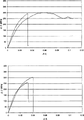
图1是表示试验例的拉伸强度试验的结果的图表,上段表示MFC样品的结果,下段表示纸浆样品的结果。另外,纵轴为应力(MPa),横轴为应变。 Fig. 1 is a graph showing the results of the tensile strength test of the test examples, the upper row shows the results of the MFC sample, and the lower row shows the results of the pulp sample. In addition, the vertical axis represents stress (MPa), and the horizontal axis represents strain. the
图2是表示试验例的弯曲强度试验的结果的图表,上段表示MFC样品的结果,下段表示纸浆样品的结果。另外,纵轴为应力(MPa), 横轴为应变。 Fig. 2 is a graph showing the results of the bending strength test of the test examples, the upper row shows the results of the MFC sample, and the lower row shows the results of the pulp sample. In addition, the vertical axis represents stress (MPa), and the horizontal axis represents strain. the
图3是表示试验例的X射线衍射的结果的图表。a表示碱处理样品的图,b表示非碱处理样品的图。纵轴为强度,横轴为衍射角。 Fig. 3 is a graph showing the results of X-ray diffraction of test examples. a shows the graph of the alkali-treated sample, and b shows the graph of the non-alkali-treated sample. The vertical axis is the intensity, and the horizontal axis is the diffraction angle. the
具体实施方式 Detailed ways
下面,利用实施例等对本发明进行详细说明,然而本发明并不限定于它们。 Hereinafter, the present invention will be described in detail using examples and the like, but the present invention is not limited to them. the
实施例 Example
试验例: Test example:
将微纤化纤维素(以下有时称作MFC)、碱溶液处理微纤化纤维素、纸浆、碱溶液处理纸浆以片状成形,分别混合酚醛树脂,进行了拉伸强度试验、弯曲强度试验、X射线衍射。将结果表示于图1(拉伸强度试验)、图2(弯曲强度试验)及图3(X射线衍射)中。 Microfibrillated cellulose (hereinafter sometimes referred to as MFC), alkali solution-treated microfibrillated cellulose, pulp, and alkali solution-treated pulp were formed into sheets, mixed with phenolic resin, and subjected to tensile strength tests, flexural strength tests, X-ray diffraction. The results are shown in FIG. 1 (tensile strength test), FIG. 2 (flexural strength test) and FIG. 3 (X-ray diffraction). the
<试样> <sample>
·MFC:“Cellish”(KY100G、Daicel Chemical Industries公司制) ・MFC: "Cellish" (KY100G, manufactured by Daicel Chemical Industries)
·纸浆:NBKP(漂白针叶树牛皮纸浆、大昭和制纸制) ・Pulp: NBKP (bleached coniferous kraft pulp, manufactured by Daishowa Paper)
·酚醛树脂:Resol型(PL2340、数均分子量3300、群荣化学工业公司制) ・Phenolic resin: Resol type (PL2340, number average molecular weight 3300, manufactured by Qunyei Chemical Industry Co., Ltd.)
<片的制作> <production of film>
通过将固体成分为0.2重量%的纸浆悬浊水充分地搅拌并抽吸过滤,在过滤器上制膜,去掉滤纸。在制作了厚约0.2mm的片后,脱水至该片的水分量达到约40%,在70℃下干燥24小时。同样地由固体成分为0.2重量%的MFC的悬浊水制成了片。 The pulp suspension water having a solid content of 0.2% by weight was sufficiently stirred and suction-filtered to form a membrane on the filter, and the filter paper was removed. After producing a sheet with a thickness of about 0.2 mm, the sheet was dehydrated until the moisture content of the sheet reached about 40%, and dried at 70° C. for 24 hours. Similarly, a sheet was prepared from a water suspension of MFC having a solid content of 0.2% by weight. the
<碱溶液处理> <Alkaline solution treatment>
将MFC片及纸浆片分别在20%浓度的氢氧化钠水溶液中在常温下浸渍12小时后,在流水中水洗而除去碱。而且,对作为对照的片未进 行该碱处理。 The MFC sheet and the pulp sheet were each immersed in a 20% sodium hydroxide aqueous solution at room temperature for 12 hours, and then washed in running water to remove the alkali. Furthermore, the alkali treatment was not performed on the sheet as a control. the
<拉伸试验用样品的制作> <Preparation of samples for tensile test>
将4种片(非碱溶液处理MFC片、碱溶液处理MFC片、非碱溶液处理纸浆片及碱溶液处理纸浆片)成形,以便用于拉伸试验。 Four types of sheets (non-alkali solution-treated MFC sheet, alkaline solution-treated MFC sheet, non-alkali solution-treated pulp sheet and alkaline solution-treated pulp sheet) were shaped for tensile testing. the
将MFC片重叠了4层后,在20℃下浸渍在溶解有10重量%的酚醛树脂的甲醇溶液中。而且,为了使最终的成形体中的酚醛树脂含量尽可能均等,对于纸浆片的情况,将溶解有酚醛树脂的甲醇溶液的浓度设为5%。其后,除去甲醇,在模具内进行100MPa、160℃、30分钟的热压成形。所得的成形体大小为50mm×40mm×0.3mm,密度为1.42g/cm3。另外,非碱溶液处理MFC成形体、碱溶液处理MFC成形体、非碱溶液处理纸浆成形体及碱溶液处理纸浆成形体中的酚醛树脂的含量分别为19.3重量%、18.5重量%、18.9重量%及16.0重量%。 After stacking the MFC sheet in four layers, it was immersed in a methanol solution in which 10% by weight of the phenolic resin was dissolved at 20°C. In addition, in order to make the content of the phenolic resin in the final compact as uniform as possible, the concentration of the methanol solution in which the phenolic resin was dissolved was set at 5% in the case of the pulp sheet. Thereafter, methanol was removed, and hot press molding was performed at 100 MPa and 160° C. for 30 minutes in a mold. The obtained molded body had a size of 50 mm×40 mm×0.3 mm and a density of 1.42 g/cm 3 . In addition, the contents of the phenolic resin in the non-alkali solution-treated MFC molded article, the alkali solution-treated MFC molded article, the non-alkali solution-treated pulp molded article, and the alkali solution-treated pulp molded article were 19.3% by weight, 18.5% by weight, and 18.9% by weight, respectively. and 16.0% by weight.
<弯曲试验用样品的制作> <Preparation of samples for bending test>
将4种片(非碱溶液处理MFC片、碱溶液处理MFC片、非碱溶液处理纸浆片及碱溶液处理纸浆片)成形,以便用于弯曲试验。 Four types of sheets (non-alkali solution-treated MFC sheet, alkaline solution-treated MFC sheet, non-alkali solution-treated pulp sheet, and alkaline solution-treated pulp sheet) were shaped for bending tests. the
将MFC片重叠了15层后,在20℃下浸渍在溶解有10重量%的酚醛树脂的甲醇溶液中。而且,为了使最终的成形体中的酚醛树脂含量尽可能均等,对于纸浆片的情况,将溶解有酚醛树脂的甲醇溶液的浓度设为5%。其后,除去甲醇,在模具内进行100MPa、160℃、30分钟的热压成形。所得的成形体大小为50mm×40mm×1mm,密度为1.42g/cm3。另外,非碱溶液处理MFC成形体、碱溶液处理MFC成形体、非碱溶液处理纸浆成形体及碱溶液处理纸浆成形体中的酚醛树脂的含量分别为13.6重量%、18.5重量%、18.9重量%及19.3重量%。
After stacking the
<拉伸强度试验> <Tensile strength test>
将拉伸试验用样品切割为30mm×4mm×0.3mm的大小,用夹头(夹头间的距离为20mm)夹持长度方向的两端,以1mm/分钟的变形速度拉伸。将结果表示于图1中。 The sample for the tensile test was cut into a size of 30 mm×4 mm×0.3 mm, both ends in the longitudinal direction were clamped by chucks (the distance between the chucks was 20 mm), and stretched at a deformation rate of 1 mm/min. The results are shown in FIG. 1 . the
<弯曲强度试验> <Bending strength test>
将弯曲强度用样品切割为40mm×7mm×1mm的大小,以2点支撑长度方向的两端(跨度30mm),以5mm/分钟的变形速度对中央施加集中载荷(3点支撑中央集中载荷方式)。将结果表示于图2中。 Cut the sample for bending strength into a size of 40mm×7mm×1mm, support both ends in the longitudinal direction with 2 points (span 30mm), and apply a concentrated load to the center at a deformation speed of 5mm/min (3-point support central concentrated load method) . The results are shown in FIG. 2 . the
<X射线衍射> <X-ray Diffraction>
与上述的片的制作方法相同,制成厚0.1mm的非碱溶液处理MFC片及碱溶液处理MFC片(25mm×25mm×0.1mm),用于X射线衍射。将结果表示于图3中。 In the same manner as the above-mentioned sheets, non-alkali solution-treated MFC sheets and alkaline solution-treated MFC sheets (25 mm×25 mm×0.1 mm) with a thickness of 0.1 mm were prepared for X-ray diffraction. The results are shown in FIG. 3 . the
在拉伸强度试验(图1)中,MFC因有无20%浓度的碱溶液处理(NaOH水溶液浸渍12小时),而使断裂应变从约0.025(非碱溶液处理MFC)增大到约0.075(碱溶液处理MFC),增大为约3倍(图1上段)。与之相对,纸浆虽然由于在碱溶液处理而断裂应变增大,然而它是从约0.01(非碱溶液处理纸浆)达到约0.014(碱溶液处理纸浆)的程度(图1下段)。所以,对于利用碱处理得到的含有纤维素纤维的成形体的拉伸断裂应变增强效果(断裂韧性(断裂之前的作功量)增强效果)来说,MFC一方要远远大于纸浆。 In the tensile strength test (Figure 1), the strain at break increased from about 0.025 (non-alkali solution treated MFC) to about 0.075 ( Alkaline solution treatment MFC), increased to about 3 times (Figure 1 upper section). In contrast, although the breaking strain of the pulp increased due to the alkaline solution treatment, it ranged from about 0.01 (non-alkali solution treated pulp) to about 0.014 (alkaline solution treated pulp) (lower panel of Fig. 1). Therefore, MFC is far greater than pulp in terms of the tensile fracture strain enhancement effect (fracture toughness (work before fracture) enhancement effect) of the molded body containing cellulose fibers obtained by alkali treatment. the
弯曲强度试验(图2)中,如果是纸浆,则弯曲所致的断裂应变因碱处理而从约0.032(非碱溶液处理纸浆)增大为约0.04(碱溶液处理纸浆),利用碱溶液处理得到的效果约为1.25倍,提高了约25%(图2下段)。与之相对,如果是MFC,则从约0.032(非碱溶液处理MFC)至少增大到0.11(碱溶液处理MFC)(而且,在碱溶液处理MFC的试验中,由于在很大地弯曲下未断裂,因此在途中停止了试验。)(图2上段)。所以,对于利用碱处理得到的含有纤维素纤维的成形体的弯曲断裂应变增强效果(断裂韧性(断裂之前的作功量)增强效果)来说,MFC一方要远远大于纸浆。 In the bending strength test (Fig. 2), if it is pulp, the fracture strain due to bending increases from about 0.032 (non-alkali solution treated pulp) to about 0.04 (alkali solution treated pulp) due to alkali treatment, and the alkali solution treatment The effect obtained is about 1.25 times, which is about 25% higher (lower part of Fig. 2). In contrast, if it is MFC, it will increase from about 0.032 (non-alkali solution-treated MFC) to at least 0.11 (alkaline solution-treated MFC) (and, in the test of alkaline solution-treated MFC, due to the fact that it does not break under large bending , so the test was stopped on the way.) (Figure 2 upper section). Therefore, MFC is far greater than pulp in terms of the bending fracture strain enhancement effect (fracture toughness (work before fracture) enhancement effect) of the molded body containing cellulose fibers obtained by alkali treatment. the
在MFC片的X射线的衍射(图3)中,在衍射角约22.5°所看到的纤维素I(图3b)的特征性的峰消失,在衍射角约20°出现纤维素II(图3a)所特有的峰。所以很明显,利用碱处理,纤维素的晶体形态从纤维素I变为纤维素II。另外,在纸浆片中也可以看到同样的晶体结构变化。 In the X-ray diffraction (Fig. 3) of the MFC sheet, the characteristic peak of cellulose I (Fig. 3b) seen at about 22.5° of diffraction angle disappears, and cellulose II (Fig. 3a) Characteristic peaks. So it is clear that with alkali treatment, the crystal morphology of cellulose changes from cellulose I to cellulose II. In addition, the same crystal structure changes were also seen in the pulp sheets. the
工业上的利用可能性 Industrial Utilization Possibility
本发明不仅可以用于以往微纤化纤维素所被应用的领域,而且还可以应用于要求更高的强度的领域。 The present invention can be used not only in fields where microfibrillated cellulose has been applied but also in fields requiring higher strength. the
Claims (7)
Applications Claiming Priority (3)
| Application Number | Priority Date | Filing Date | Title |
|---|---|---|---|
| JP2006197513 | 2006-07-19 | ||
| JP197513/2006 | 2006-07-19 | ||
| PCT/JP2007/064005 WO2008010464A1 (en) | 2006-07-19 | 2007-07-13 | Microfibrillated cellulose having cellulose type-ii crystalline structure, and molded article containing the microfibrillated cellulose |
Publications (2)
| Publication Number | Publication Date |
|---|---|
| CN101490090A CN101490090A (en) | 2009-07-22 |
| CN101490090B true CN101490090B (en) | 2013-01-02 |
Family
ID=38956797
Family Applications (1)
| Application Number | Title | Priority Date | Filing Date |
|---|---|---|---|
| CN200780027202.3A Expired - Fee Related CN101490090B (en) | 2006-07-19 | 2007-07-13 | Microfibrillated cellulose having cellulose type II crystal structure and molded article containing the microfibrillated cellulose |
Country Status (5)
| Country | Link |
|---|---|
| US (1) | US8728272B2 (en) |
| EP (1) | EP2042519A4 (en) |
| JP (1) | JP5207246B2 (en) |
| CN (1) | CN101490090B (en) |
| WO (1) | WO2008010464A1 (en) |
Families Citing this family (22)
| Publication number | Priority date | Publication date | Assignee | Title |
|---|---|---|---|---|
| EP2267222B1 (en) * | 2008-03-31 | 2018-05-16 | Nippon Paper Industries Co., Ltd. | Additive for papermaking and paper containing the same |
| SE0800807L (en) * | 2008-04-10 | 2009-10-11 | Stfi Packforsk Ab | New procedure |
| EP2308907B1 (en) * | 2008-07-31 | 2014-01-01 | Kyoto University | Molding material containing unsaturated polyester resin and microfibrillated plant fiber |
| WO2010016619A1 (en) * | 2008-08-08 | 2010-02-11 | Kao Corporatioin | Biodegradable resin composition |
| JP5214388B2 (en) * | 2008-09-30 | 2013-06-19 | 株式会社ダイセル | Fibrous reinforcing agent and method for producing the same |
| JP5622412B2 (en) | 2010-03-19 | 2014-11-12 | 国立大学法人京都大学 | Molding material and manufacturing method thereof |
| GB201007499D0 (en) | 2010-05-05 | 2010-06-23 | Phillips Hurding Gbr | Products utilising fibre pulp |
| AT511624B1 (en) | 2011-07-13 | 2014-02-15 | Chemiefaser Lenzing Ag | CELLULOSE II SUSPENSION, THEIR PREPARATION AND STRUCTURES MADE THEREFROM |
| US9328256B2 (en) * | 2012-04-13 | 2016-05-03 | Xerox Corporation | Reinforced fluoropolymer composites comprising surface functionalized nanocrystalline cellulose |
| US8674013B2 (en) * | 2012-04-13 | 2014-03-18 | Xerox Corporation | Methods for preparing reinforced fluoropolymer composites comprising surface functionalized nanocrystalline cellulose |
| CN106414505B (en) * | 2013-09-06 | 2020-08-11 | 芬兰国家技术研究中心股份公司 | Surface-modified cellulose nanofiber, biocomposite resin composition, and method for producing same |
| EP4357434A3 (en) | 2014-09-26 | 2024-11-20 | Renmatix, Inc. | Adhesive compositions comprising type-ii cellulose |
| JP6460737B2 (en) * | 2014-11-14 | 2019-01-30 | 中越パルプ工業株式会社 | CNF molding method and CNF molded body obtained by the molding method |
| US9822285B2 (en) | 2015-01-28 | 2017-11-21 | Gpcp Ip Holdings Llc | Glue-bonded multi-ply absorbent sheet |
| JP6746910B2 (en) * | 2015-12-28 | 2020-08-26 | 三菱ケミカル株式会社 | Nanofiber molded body and method for producing the same |
| US10774476B2 (en) | 2016-01-19 | 2020-09-15 | Gpcp Ip Holdings Llc | Absorbent sheet tail-sealed with nanofibrillated cellulose-containing tail-seal adhesives |
| SE541716C2 (en) * | 2017-10-11 | 2019-12-03 | Stora Enso Oyj | Oxygen Barrier Film comprising microfibrillated cellulose |
| EP3775009A1 (en) | 2018-04-03 | 2021-02-17 | Renmatix, Inc. | Composites containing cellulose-based compositions |
| SE543676C2 (en) * | 2019-07-03 | 2021-05-25 | Stora Enso Oyj | Moldable cellulose fiber based material |
| WO2021241409A1 (en) | 2020-05-25 | 2021-12-02 | 富士フイルム株式会社 | Composition, sheet-shaped molded body, artificial leather, and sheet-shaped molded body production method |
| JP7212732B1 (en) * | 2021-08-10 | 2023-01-25 | フタムラ化学株式会社 | Type II unmodified cellulose fine fiber, type II unmodified cellulose fine fiber, and method for producing molded product thereof |
| JP7475001B1 (en) * | 2022-09-27 | 2024-04-26 | 利昌工業株式会社 | Method for producing microfibrillated cellulose body and microfibrillated cellulose body |
Citations (2)
| Publication number | Priority date | Publication date | Assignee | Title |
|---|---|---|---|---|
| CN1142238A (en) * | 1994-03-01 | 1997-02-05 | 埃勒夫阿托化学有限公司 | Cellulose microfibril reinforced polymer and its application |
| CN1281469A (en) * | 1997-12-04 | 2001-01-24 | 旭化成工业株式会社 | Cellulose dispersion |
Family Cites Families (14)
| Publication number | Priority date | Publication date | Assignee | Title |
|---|---|---|---|---|
| NL9101920A (en) | 1991-11-18 | 1993-06-16 | Dsm Nv | |
| JPH07189168A (en) * | 1993-12-27 | 1995-07-25 | New Oji Paper Co Ltd | Bulky paper |
| FR2730252B1 (en) * | 1995-02-08 | 1997-04-18 | Generale Sucriere Sa | MICROFIBRILLED CELLULOSE AND ITS PROCESS FOR OBTAINING IT FROM PULP OF PLANTS WITH PRIMARY WALLS, IN PARTICULAR FROM PULP OF SUGAR BEET. |
| JPH09124702A (en) * | 1995-11-02 | 1997-05-13 | Nisshinbo Ind Inc | Production of alkali-soluble cellulose |
| US6083582A (en) * | 1996-11-13 | 2000-07-04 | Regents Of The University Of Minnesota | Cellulose fiber based compositions and film and the process for their manufacture |
| JP4055914B2 (en) | 1997-03-07 | 2008-03-05 | 日本製紙株式会社 | Cellulose derivative and its production method |
| US7108907B1 (en) | 1999-11-08 | 2006-09-19 | Asahi Kasei Kabushiki Kaisha | Cellulose dope and method for producing the same |
| WO2002022172A2 (en) * | 2000-09-14 | 2002-03-21 | University Of Iowa Research Foundation | Powdered/microfibrillated cellulose |
| JP2002212889A (en) * | 2001-01-12 | 2002-07-31 | Nippon Paper Industries Co Ltd | Method for producing bulky pulp |
| JP3641690B2 (en) * | 2001-12-26 | 2005-04-27 | 関西ティー・エル・オー株式会社 | High-strength material using cellulose microfibrils |
| JP4013870B2 (en) | 2003-07-08 | 2007-11-28 | 関西ティー・エル・オー株式会社 | Method for producing aliphatic polyester composition |
| KR101309567B1 (en) * | 2003-07-31 | 2013-09-25 | 미쓰비시 가가꾸 가부시키가이샤 | Fiber-reinforced composite material, process for producing the same and use thereof |
| JP2005068140A (en) | 2003-08-07 | 2005-03-17 | Nippon Paper Chemicals Co Ltd | Method for producing cellooligosaccharide |
| TWI391427B (en) * | 2005-02-01 | 2013-04-01 | Pioneer Corp | Fiber reinforced composite material, its manufacturing method and use, and cellulose fiber aggregate |
-
2007
- 2007-07-13 CN CN200780027202.3A patent/CN101490090B/en not_active Expired - Fee Related
- 2007-07-13 JP JP2008525850A patent/JP5207246B2/en not_active Expired - Fee Related
- 2007-07-13 WO PCT/JP2007/064005 patent/WO2008010464A1/en not_active Ceased
- 2007-07-13 EP EP07790785A patent/EP2042519A4/en not_active Withdrawn
- 2007-07-13 US US12/309,416 patent/US8728272B2/en not_active Expired - Fee Related
Patent Citations (2)
| Publication number | Priority date | Publication date | Assignee | Title |
|---|---|---|---|---|
| CN1142238A (en) * | 1994-03-01 | 1997-02-05 | 埃勒夫阿托化学有限公司 | Cellulose microfibril reinforced polymer and its application |
| CN1281469A (en) * | 1997-12-04 | 2001-01-24 | 旭化成工业株式会社 | Cellulose dispersion |
Non-Patent Citations (2)
| Title |
|---|
| JP特开平10-251301A 1998.09.22 |
| JP特开平9-124702A 1997.05.13 |
Also Published As
| Publication number | Publication date |
|---|---|
| JPWO2008010464A1 (en) | 2009-12-17 |
| CN101490090A (en) | 2009-07-22 |
| US20090308552A1 (en) | 2009-12-17 |
| EP2042519A1 (en) | 2009-04-01 |
| JP5207246B2 (en) | 2013-06-12 |
| WO2008010464A1 (en) | 2008-01-24 |
| US8728272B2 (en) | 2014-05-20 |
| EP2042519A4 (en) | 2011-05-25 |
Similar Documents
| Publication | Publication Date | Title |
|---|---|---|
| CN101490090B (en) | Microfibrillated cellulose having cellulose type II crystal structure and molded article containing the microfibrillated cellulose | |
| Ramachandran et al. | Modification of fibers and matrices in natural fiber reinforced polymer composites: a comprehensive review | |
| Ahmad et al. | Physical and chemical modifications of plant fibres for reinforcement in cementitious composites | |
| Ganapathy et al. | Mechanical properties of cellulose‐based multiscale composites: a review | |
| Jones et al. | Waste-derived low-cost mycelium nanopapers with tunable mechanical and surface properties | |
| EP2508671B1 (en) | Cellulose nanofibers and method of producing cellulose nanofibers | |
| Ali et al. | Hydrophobic treatment of natural fibers and their composites—A review | |
| JP3641690B2 (en) | High-strength material using cellulose microfibrils | |
| JP5398180B2 (en) | Lignin-containing microfibrillated plant fiber and method for producing the same | |
| CN102112509B (en) | Molding material containing unsaturated polyester resin and microfibrillated plant fiber | |
| JP5030667B2 (en) | Microfibrillated cellulose composite resin and method for producing the same | |
| EP2824115A1 (en) | Modified cellulose nanofiber and resin composition including modified cellulose nanofiber | |
| Leao et al. | Use of primary sludge from pulp and paper mills for nanocomposites | |
| CA3002729A1 (en) | Method of producing films from high consistency enzyme fibrillated nanocellulose | |
| JP2021095432A (en) | Composition for molding and molding | |
| EP1585861A1 (en) | Fibre suspension of enzyme treated sulphate pulp and carboxymethylcellulose as raw material for packages. | |
| KR101258907B1 (en) | Eco-friendly Fabric Treatment Method Using Tannin and the Fabric treated by the same method | |
| Naik et al. | Sustainable Green composites: a review of mechanical characterization, morphological studies, chemical treatments, and their processing methods | |
| JP2002146219A (en) | Biodegradable composite material and manufacturing method therefor | |
| Yan et al. | Effects of alkali solution concentration and soaking time on mechanical properties of coconut fibre | |
| Priya et al. | Characterization of micro-fibrillated cellulose produced from sawmill wastage: crystallinity and thermal properties | |
| CN118834418B (en) | Preparation method of multi-element synergistic enhanced compact antibacterial film based on bamboo wood | |
| Rahman et al. | Fabrication and mechanical/thermal properties of composites from cotton linter and urea formaldehyde resin |
Legal Events
| Date | Code | Title | Description |
|---|---|---|---|
| C06 | Publication | ||
| PB01 | Publication | ||
| C10 | Entry into substantive examination | ||
| SE01 | Entry into force of request for substantive examination | ||
| C14 | Grant of patent or utility model | ||
| GR01 | Patent grant | ||
| CF01 | Termination of patent right due to non-payment of annual fee |
Granted publication date: 20130102 Termination date: 20150713 |
|
| EXPY | Termination of patent right or utility model |