CN101484466A - Antiviral agents and vaccines against influenza - Google Patents
Antiviral agents and vaccines against influenza Download PDFInfo
- Publication number
- CN101484466A CN101484466A CNA2007800094948A CN200780009494A CN101484466A CN 101484466 A CN101484466 A CN 101484466A CN A2007800094948 A CNA2007800094948 A CN A2007800094948A CN 200780009494 A CN200780009494 A CN 200780009494A CN 101484466 A CN101484466 A CN 101484466A
- Authority
- CN
- China
- Prior art keywords
- plasmid
- inset
- nucleic acid
- acid molecule
- analogue
- Prior art date
- Legal status (The legal status is an assumption and is not a legal conclusion. Google has not performed a legal analysis and makes no representation as to the accuracy of the status listed.)
- Pending
Links
Images











Classifications
-
- C—CHEMISTRY; METALLURGY
- C12—BIOCHEMISTRY; BEER; SPIRITS; WINE; VINEGAR; MICROBIOLOGY; ENZYMOLOGY; MUTATION OR GENETIC ENGINEERING
- C12N—MICROORGANISMS OR ENZYMES; COMPOSITIONS THEREOF; PROPAGATING, PRESERVING, OR MAINTAINING MICROORGANISMS; MUTATION OR GENETIC ENGINEERING; CULTURE MEDIA
- C12N15/00—Mutation or genetic engineering; DNA or RNA concerning genetic engineering, vectors, e.g. plasmids, or their isolation, preparation or purification; Use of hosts therefor
- C12N15/09—Recombinant DNA-technology
- C12N15/63—Introduction of foreign genetic material using vectors; Vectors; Use of hosts therefor; Regulation of expression
- C12N15/79—Vectors or expression systems specially adapted for eukaryotic hosts
- C12N15/85—Vectors or expression systems specially adapted for eukaryotic hosts for animal cells
- C12N15/86—Viral vectors
-
- C—CHEMISTRY; METALLURGY
- C07—ORGANIC CHEMISTRY
- C07K—PEPTIDES
- C07K14/00—Peptides having more than 20 amino acids; Gastrins; Somatostatins; Melanotropins; Derivatives thereof
- C07K14/005—Peptides having more than 20 amino acids; Gastrins; Somatostatins; Melanotropins; Derivatives thereof from viruses
-
- A—HUMAN NECESSITIES
- A61—MEDICAL OR VETERINARY SCIENCE; HYGIENE
- A61K—PREPARATIONS FOR MEDICAL, DENTAL OR TOILETRY PURPOSES
- A61K39/00—Medicinal preparations containing antigens or antibodies
- A61K39/12—Viral antigens
-
- A—HUMAN NECESSITIES
- A61—MEDICAL OR VETERINARY SCIENCE; HYGIENE
- A61K—PREPARATIONS FOR MEDICAL, DENTAL OR TOILETRY PURPOSES
- A61K39/00—Medicinal preparations containing antigens or antibodies
- A61K39/12—Viral antigens
- A61K39/145—Orthomyxoviridae, e.g. influenza virus
-
- A—HUMAN NECESSITIES
- A61—MEDICAL OR VETERINARY SCIENCE; HYGIENE
- A61P—SPECIFIC THERAPEUTIC ACTIVITY OF CHEMICAL COMPOUNDS OR MEDICINAL PREPARATIONS
- A61P31/00—Antiinfectives, i.e. antibiotics, antiseptics, chemotherapeutics
- A61P31/12—Antivirals
- A61P31/14—Antivirals for RNA viruses
- A61P31/16—Antivirals for RNA viruses for influenza or rhinoviruses
-
- C—CHEMISTRY; METALLURGY
- C12—BIOCHEMISTRY; BEER; SPIRITS; WINE; VINEGAR; MICROBIOLOGY; ENZYMOLOGY; MUTATION OR GENETIC ENGINEERING
- C12N—MICROORGANISMS OR ENZYMES; COMPOSITIONS THEREOF; PROPAGATING, PRESERVING, OR MAINTAINING MICROORGANISMS; MUTATION OR GENETIC ENGINEERING; CULTURE MEDIA
- C12N15/00—Mutation or genetic engineering; DNA or RNA concerning genetic engineering, vectors, e.g. plasmids, or their isolation, preparation or purification; Use of hosts therefor
- C12N15/09—Recombinant DNA-technology
- C12N15/11—DNA or RNA fragments; Modified forms thereof; Non-coding nucleic acids having a biological activity
-
- A—HUMAN NECESSITIES
- A61—MEDICAL OR VETERINARY SCIENCE; HYGIENE
- A61K—PREPARATIONS FOR MEDICAL, DENTAL OR TOILETRY PURPOSES
- A61K39/00—Medicinal preparations containing antigens or antibodies
- A61K2039/51—Medicinal preparations containing antigens or antibodies comprising whole cells, viruses or DNA/RNA
- A61K2039/53—DNA (RNA) vaccination
-
- A—HUMAN NECESSITIES
- A61—MEDICAL OR VETERINARY SCIENCE; HYGIENE
- A61K—PREPARATIONS FOR MEDICAL, DENTAL OR TOILETRY PURPOSES
- A61K38/00—Medicinal preparations containing peptides
-
- C—CHEMISTRY; METALLURGY
- C07—ORGANIC CHEMISTRY
- C07K—PEPTIDES
- C07K2319/00—Fusion polypeptide
- C07K2319/20—Fusion polypeptide containing a tag with affinity for a non-protein ligand
- C07K2319/21—Fusion polypeptide containing a tag with affinity for a non-protein ligand containing a His-tag
-
- C—CHEMISTRY; METALLURGY
- C07—ORGANIC CHEMISTRY
- C07K—PEPTIDES
- C07K2319/00—Fusion polypeptide
- C07K2319/70—Fusion polypeptide containing domain for protein-protein interaction
-
- C—CHEMISTRY; METALLURGY
- C12—BIOCHEMISTRY; BEER; SPIRITS; WINE; VINEGAR; MICROBIOLOGY; ENZYMOLOGY; MUTATION OR GENETIC ENGINEERING
- C12N—MICROORGANISMS OR ENZYMES; COMPOSITIONS THEREOF; PROPAGATING, PRESERVING, OR MAINTAINING MICROORGANISMS; MUTATION OR GENETIC ENGINEERING; CULTURE MEDIA
- C12N2710/00—MICROORGANISMS OR ENZYMES; COMPOSITIONS THEREOF; PROPAGATING, PRESERVING, OR MAINTAINING MICROORGANISMS; MUTATION OR GENETIC ENGINEERING; CULTURE MEDIA dsDNA viruses
- C12N2710/00011—Details
- C12N2710/10011—Adenoviridae
- C12N2710/10311—Mastadenovirus, e.g. human or simian adenoviruses
- C12N2710/10341—Use of virus, viral particle or viral elements as a vector
- C12N2710/10343—Use of virus, viral particle or viral elements as a vector viral genome or elements thereof as genetic vector
-
- C—CHEMISTRY; METALLURGY
- C12—BIOCHEMISTRY; BEER; SPIRITS; WINE; VINEGAR; MICROBIOLOGY; ENZYMOLOGY; MUTATION OR GENETIC ENGINEERING
- C12N—MICROORGANISMS OR ENZYMES; COMPOSITIONS THEREOF; PROPAGATING, PRESERVING, OR MAINTAINING MICROORGANISMS; MUTATION OR GENETIC ENGINEERING; CULTURE MEDIA
- C12N2740/00—Reverse transcribing RNA viruses
- C12N2740/00011—Details
- C12N2740/10011—Retroviridae
- C12N2740/16011—Human Immunodeficiency Virus, HIV
- C12N2740/16041—Use of virus, viral particle or viral elements as a vector
- C12N2740/16043—Use of virus, viral particle or viral elements as a vector viral genome or elements thereof as genetic vector
-
- C—CHEMISTRY; METALLURGY
- C12—BIOCHEMISTRY; BEER; SPIRITS; WINE; VINEGAR; MICROBIOLOGY; ENZYMOLOGY; MUTATION OR GENETIC ENGINEERING
- C12N—MICROORGANISMS OR ENZYMES; COMPOSITIONS THEREOF; PROPAGATING, PRESERVING, OR MAINTAINING MICROORGANISMS; MUTATION OR GENETIC ENGINEERING; CULTURE MEDIA
- C12N2740/00—Reverse transcribing RNA viruses
- C12N2740/00011—Details
- C12N2740/10011—Retroviridae
- C12N2740/16011—Human Immunodeficiency Virus, HIV
- C12N2740/16111—Human Immunodeficiency Virus, HIV concerning HIV env
- C12N2740/16134—Use of virus or viral component as vaccine, e.g. live-attenuated or inactivated virus, VLP, viral protein
-
- C—CHEMISTRY; METALLURGY
- C12—BIOCHEMISTRY; BEER; SPIRITS; WINE; VINEGAR; MICROBIOLOGY; ENZYMOLOGY; MUTATION OR GENETIC ENGINEERING
- C12N—MICROORGANISMS OR ENZYMES; COMPOSITIONS THEREOF; PROPAGATING, PRESERVING, OR MAINTAINING MICROORGANISMS; MUTATION OR GENETIC ENGINEERING; CULTURE MEDIA
- C12N2760/00—MICROORGANISMS OR ENZYMES; COMPOSITIONS THEREOF; PROPAGATING, PRESERVING, OR MAINTAINING MICROORGANISMS; MUTATION OR GENETIC ENGINEERING; CULTURE MEDIA ssRNA viruses negative-sense
- C12N2760/00011—Details
- C12N2760/16011—Orthomyxoviridae
- C12N2760/16111—Influenzavirus A, i.e. influenza A virus
- C12N2760/16122—New viral proteins or individual genes, new structural or functional aspects of known viral proteins or genes
-
- C—CHEMISTRY; METALLURGY
- C12—BIOCHEMISTRY; BEER; SPIRITS; WINE; VINEGAR; MICROBIOLOGY; ENZYMOLOGY; MUTATION OR GENETIC ENGINEERING
- C12N—MICROORGANISMS OR ENZYMES; COMPOSITIONS THEREOF; PROPAGATING, PRESERVING, OR MAINTAINING MICROORGANISMS; MUTATION OR GENETIC ENGINEERING; CULTURE MEDIA
- C12N2760/00—MICROORGANISMS OR ENZYMES; COMPOSITIONS THEREOF; PROPAGATING, PRESERVING, OR MAINTAINING MICROORGANISMS; MUTATION OR GENETIC ENGINEERING; CULTURE MEDIA ssRNA viruses negative-sense
- C12N2760/00011—Details
- C12N2760/16011—Orthomyxoviridae
- C12N2760/16111—Influenzavirus A, i.e. influenza A virus
- C12N2760/16134—Use of virus or viral component as vaccine, e.g. live-attenuated or inactivated virus, VLP, viral protein
Landscapes
- Health & Medical Sciences (AREA)
- Life Sciences & Earth Sciences (AREA)
- Chemical & Material Sciences (AREA)
- Virology (AREA)
- Genetics & Genomics (AREA)
- General Health & Medical Sciences (AREA)
- Organic Chemistry (AREA)
- Medicinal Chemistry (AREA)
- Engineering & Computer Science (AREA)
- Microbiology (AREA)
- Molecular Biology (AREA)
- Veterinary Medicine (AREA)
- Public Health (AREA)
- Pharmacology & Pharmacy (AREA)
- Animal Behavior & Ethology (AREA)
- Mycology (AREA)
- Epidemiology (AREA)
- Biomedical Technology (AREA)
- Immunology (AREA)
- Wood Science & Technology (AREA)
- Zoology (AREA)
- Bioinformatics & Cheminformatics (AREA)
- General Engineering & Computer Science (AREA)
- Biochemistry (AREA)
- Biophysics (AREA)
- Biotechnology (AREA)
- Pulmonology (AREA)
- Gastroenterology & Hepatology (AREA)
- Proteomics, Peptides & Aminoacids (AREA)
- Physics & Mathematics (AREA)
- Plant Pathology (AREA)
- Chemical Kinetics & Catalysis (AREA)
- Communicable Diseases (AREA)
- General Chemical & Material Sciences (AREA)
- Nuclear Medicine, Radiotherapy & Molecular Imaging (AREA)
- Oncology (AREA)
- Medicines That Contain Protein Lipid Enzymes And Other Medicines (AREA)
- Medicines Containing Antibodies Or Antigens For Use As Internal Diagnostic Agents (AREA)
- Pharmaceuticals Containing Other Organic And Inorganic Compounds (AREA)
- Micro-Organisms Or Cultivation Processes Thereof (AREA)
Abstract
Description
相关申请related application
本申请要求2006年2月16日提交的美国临时申请号60/774,923的权益,该文献因而完整地引用作为参考。This application claims the benefit of US Provisional Application No. 60/774,923, filed February 16, 2006, which is hereby incorporated by reference in its entirety.
技术领域 technical field
本发明涉及分子生物学领域。本发明公开了流感病毒蛋白质、相关核苷酸序列和用于通过基于基因的疫苗及重组蛋白而免疫的用途。The present invention relates to the field of molecular biology. The present invention discloses influenza virus proteins, related nucleotide sequences and uses for immunization by gene-based vaccines and recombinant proteins.
相关技术的描述Description of related technologies
甲型流感病毒和乙型流感病毒感染的重要公共健康影响因新出现的病毒毒株威胁而加重。忧虑在于东南亚家禽中地方流行性禽流感病毒(H5N1)可能引发人类中的大流行,一旦该病毒进化至人-与-人传播。目前注册的流感病毒疫苗包括灭活流感病毒疫苗,其中所述的流感病毒在胚化的鸡卵中增殖(即Fluzone

几种新技术已经在临床研究中数百位研究名受试者内接受评估,包括针对甲型流感病毒和禽流感病毒H5N1株的蛋白质亚单位疫苗(蛋白科学公司(Protein Sciences Corporation),在互联网上的proteinsciences.com/aboutus/pdf/PhaseII-IIIresults-June 2005-2.pdf.,2005年6月14日引用)、病毒颗粒(virosome)或脂质抗原呈递系统(苏威制药公司(Solvay Pharmaceuticals))(de Bruijn,LA.等2005疫苗(Vaccine)23(Suppl 1):S39-49)、腺病毒作载体的疫苗(Vaxin(Van Kampen,K.R.等2005Vaccine 23:1029-1036))和在金珠上涂布并由装Powder Ject置送递的表皮DNA疫苗(Drape,RJ.等2005 Vaccine24:4475-44812005)。其它技术(包括含有装配成病毒样颗粒的流感病毒蛋白质的重组颗粒疫苗)处于临床前期评估中(Girard,M.P.等2005 Vaccine23:5708-5724)。Several new technologies have been evaluated in clinical studies with hundreds of study subjects, including protein subunit vaccines against influenza A and H5N1 strains of avian influenza (Protein Sciences Corporation, on the Internet proteinsciences.com/aboutus/pdf/PhaseII-IIIresults-June 2005-2.pdf., cited June 14, 2005), viral particles (virosome) or lipid antigen presentation systems (Solvay Pharmaceuticals )) (de Bruijn, LA. et al. 2005 Vaccine (Vaccine) 23 (Suppl 1): S39-49), adenovirus-based vaccine (Vaxin (Van Kampen, K.R. et al. 2005 Vaccine 23: 1029-1036)) and in gold Epidermal DNA vaccine coated on beads and delivered by a Powder Jet device (Drape, RJ. et al. 2005 Vaccine 24: 4475-4481 2005). Other technologies, including recombinant particle vaccines containing influenza virus proteins assembled into virus-like particles, are in preclinical evaluation (Girard, M.P. et al. 2005 Vaccine 23:5708-5724).
世界卫生组织会议2004年2月的报告强调需要能够诱导长效免疫应答的新型广谱流感病毒疫苗(Cassetti,M.C.等2005 Vaccine 23:1529-1533)。与会者提出应当评估作为传统流感防治策略替代的基于质粒DNA的技术,其中所述的技术具有已证实的临床前期效力和快速及相对容易的制造工艺(Cassetti,M.C.等2005 Vaccine 23:1529-1533)。目标将是开发会保护对抗多种流感病毒毒株的适用性更广阔的通用疫苗。The February 2004 report of the World Health Organization meeting highlighted the need for novel broad-spectrum influenza virus vaccines capable of inducing long-lasting immune responses (Casseetti, M.C. et al. 2005 Vaccine 23:1529-1533). Participants suggested that plasmid DNA-based technologies with proven preclinical efficacy and rapid and relatively easy manufacturing processes should be evaluated as alternatives to traditional influenza control strategies (Cassetti, M.C. et al. 2005 Vaccine 23:1529-1533 ). The goal will be to develop a more broadly applicable universal vaccine that will protect against multiple strains of influenza virus.
发明简述Brief description of the invention
本发明描述开发用于预防流感的质粒DNA疫苗和质粒DNA初次免疫(prime)/蛋白质加强免疫策略。The present invention describes the development of a plasmid DNA vaccine and a plasmid DNA prime/protein boost strategy for the prevention of influenza.
这些疫苗以H5N1、H1、H3和流感病毒其它亚型为靶标并设计旨在激发中和抗体及细胞免疫。所述DNA疫苗表达来自流感病毒的蛋白质-血凝素(HA)蛋白或核蛋白(NP),其中所述的蛋白质经过密码子优化和/或含有对HA的蛋白酶切割位点的修饰,其中所述的修饰影响蛋白质的正常功能。它们已经在不同的CMV/R或CMV/R8κB表达主链中构建。表达相同插入物的腺病毒构建体已经设计用于初次免疫/加强免疫策略。These vaccines target H5N1, H1, H3 and other subtypes of influenza virus and are designed to elicit neutralizing antibodies and cellular immunity. The DNA vaccine expresses proteins from influenza virus-hemagglutinin (HA) protein or nucleoprotein (NP), wherein the protein is codon-optimized and/or contains a modification of the protease cleavage site of HA, wherein the The modifications described above affect the normal function of the protein. They have been constructed in different CMV/R or CMV/R8κB expression backbones. Adenoviral constructs expressing the same insert have been designed for prime/boost strategies.
已经开发了以源于昆虫细胞或哺乳动物细胞的蛋白质产生为基础的基于蛋白质的疫苗,使用含有或不含切割位点的折叠子(foldon)三聚化稳定结构域(stabilization domain)以辅助此类蛋白质的纯化。Protein-based vaccines have been developed based on the production of proteins derived from insect cells or mammalian cells, using a foldon trimerization stabilization domain with or without a cleavage site to aid in this. Purification of proteins.
本发明提供用于控制流感病毒流行的疫苗策略,其中所述的流感病毒包括禽流感(一旦它跨越传播至人)、流感1918毒株和季节性流感毒株。此外,本发明设计旨在产生联合疫苗以提供广泛保护的疫苗。The present invention provides vaccine strategies for controlling the prevalence of influenza viruses including avian influenza (once it crosses to humans),
本发明的另一个实施方案是以HA假型慢病毒载体(HA pseudotypedlentiviral vector)所做的工作,其中所述的慢病毒载体将用来在患者中筛选中和抗体并用来筛选诊断性和治疗性抗病毒剂如单克隆抗体。Another embodiment of the present invention is the work done with HA pseudotyped lentiviral vector, wherein said lentiviral vector will be used to screen for neutralizing antibodies in patients and to screen for diagnostic and therapeutic Antiviral agents such as monoclonal antibodies.
附图说明 Description of drawings
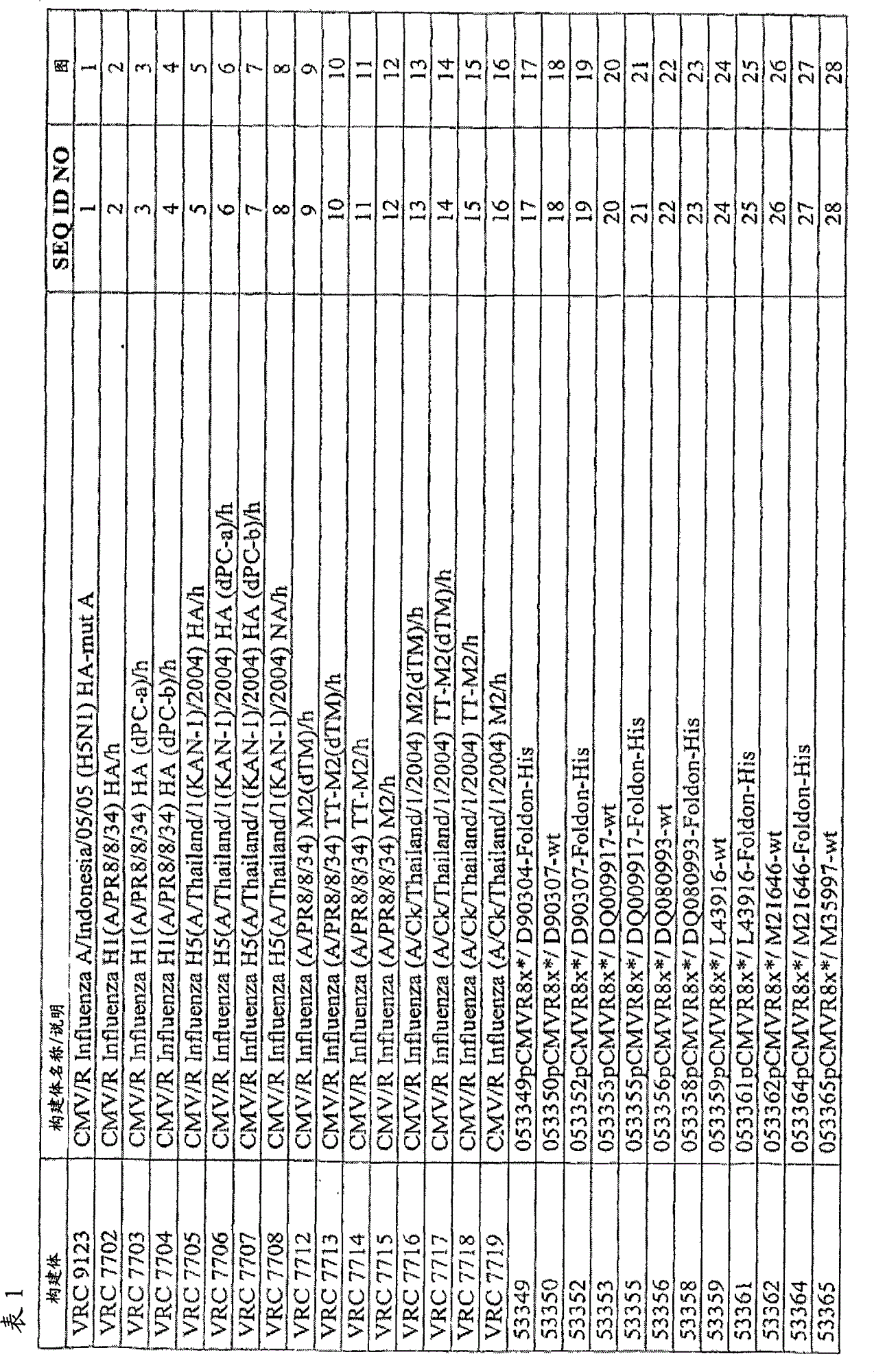
图1图1.VRC9123的示意图及核酸序列;Figure 1 Figure 1. Schematic diagram and nucleic acid sequence of VRC9123;
图2.VRC7702的示意图及核酸序列;Figure 2. Schematic diagram and nucleic acid sequence of VRC7702;
图3.VRC7703的示意图及核酸序列;Figure 3. Schematic diagram and nucleic acid sequence of VRC7703;
图4.VRC7704的示意图及核酸序列;Figure 4. Schematic diagram and nucleic acid sequence of VRC7704;
图5.VRC7705的示意图及核酸序列;Figure 5. Schematic diagram and nucleic acid sequence of VRC7705;
图6.VRC7706的示意图及核酸序列;Figure 6. Schematic diagram and nucleic acid sequence of VRC7706;
图7.VRC7707的示意图及核酸序列;Figure 7. Schematic diagram and nucleic acid sequence of VRC7707;
图8.VRC7708的示意图及核酸序列;Figure 8. Schematic diagram and nucleic acid sequence of VRC7708;
图9.VRC7712的示意图及核酸序列;Figure 9. Schematic diagram and nucleic acid sequence of VRC7712;
图10.VRC7713的示意图及核酸序列;Figure 10. Schematic diagram and nucleic acid sequence of VRC7713;
图11.VRC7714的示意图及核酸序列;Figure 11. Schematic diagram and nucleic acid sequence of VRC7714;
图12.VRC7715的示意图及核酸序列;Figure 12. Schematic diagram and nucleic acid sequence of VRC7715;
图13.VRC7716的示意图及核酸序列;Figure 13. Schematic diagram and nucleic acid sequence of VRC7716;
图14.VRC7717的示意图及核酸序列;Figure 14. Schematic diagram and nucleic acid sequence of VRC7717;
图15.VRC7718的示意图及核酸序列;Figure 15. Schematic diagram and nucleic acid sequence of VRC7718;
图16.VRC7719的示意图及核酸序列;Figure 16. Schematic diagram and nucleic acid sequence of VRC7719;
图17.53349的示意图及核酸序列;Figure 17. Schematic diagram and nucleic acid sequence of 53349;
图18.53350的示意图及核酸序列;Figure 18. Schematic diagram and nucleic acid sequence of 53350;
图19.53352的示意图及核酸序列;Figure 19. Schematic diagram and nucleic acid sequence of 53352;
图20.53353的示意图及核酸序列;Figure 20. Schematic diagram and nucleic acid sequence of 53353;
图21.53355的示意图及核酸序列;Figure 21. Schematic diagram and nucleic acid sequence of 53355;
图22.53356的示意图及核酸序列;Figure 22. Schematic diagram and nucleic acid sequence of 53356;
图23.53358的示意图及核酸序列;Figure 23. Schematic diagram and nucleic acid sequence of 53358;
图24.53359的示意图及核酸序列;Figure 24. Schematic diagram and nucleic acid sequence of 53359;
图25.53361的示意图及核酸序列;Figure 25. Schematic diagram and nucleic acid sequence of 53361;
图26.53362的示意图及核酸序列;Figure 26. Schematic diagram and nucleic acid sequence of 53362;
图27.53364的示意图及核酸序列;Figure 27. Schematic diagram and nucleic acid sequence of 53364;
图28.53365的示意图及核酸序列;Figure 28. Schematic diagram and nucleic acid sequence of 53365;
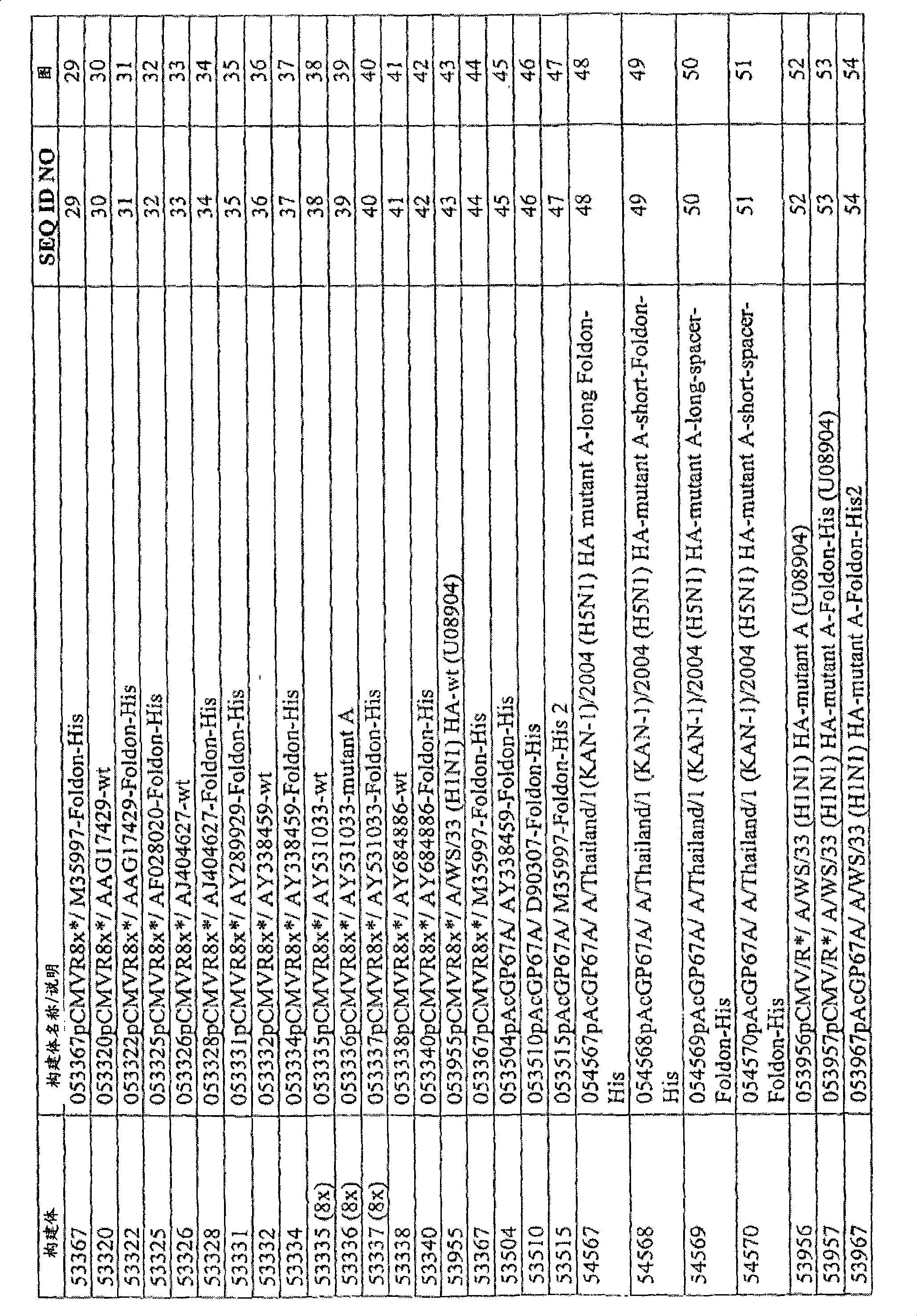
图29.53367的示意图及核酸序列;Figure 29. Schematic diagram and nucleic acid sequence of 53367;
图30.53320的示意图及核酸序列;Figure 30. Schematic diagram and nucleic acid sequence of 53320;
图31.53322的示意图及核酸序列;Figure 31. Schematic diagram and nucleic acid sequence of 53322;
图32.53325的示意图及核酸序列;Figure 32. Schematic diagram and nucleic acid sequence of 53325;
图33.53326的示意图及核酸序列;Figure 33. Schematic diagram and nucleic acid sequence of 53326;
图34.53328的示意图及核酸序列;Figure 34. Schematic diagram and nucleic acid sequence of 53328;
图35.53331的示意图及核酸序列;Figure 35. Schematic diagram and nucleic acid sequence of 53331;
图36.53332的示意图及核酸序列;Figure 36. Schematic diagram and nucleic acid sequence of 53332;
图37.53334的示意图及核酸序列;Figure 37. Schematic diagram and nucleic acid sequence of 53334;
图38.53335的示意图及核酸序列;Figure 38. Schematic diagram and nucleic acid sequence of 53335;
图39.53336的示意图及核酸序列;Figure 39. Schematic diagram and nucleic acid sequence of 53336;
图40.53337的示意图及核酸序列;Figure 40. Schematic diagram and nucleic acid sequence of 53337;
图41.53338的示意图及核酸序列;Figure 41. Schematic diagram and nucleic acid sequence of 53338;
图42.53340的示意图及核酸序列;Figure 42. Schematic diagram and nucleic acid sequence of 53340;
图43.53955的示意图及核酸序列;Figure 43. Schematic diagram and nucleic acid sequence of 53955;
图44.53367的示意图及核酸序列;Figure 44. Schematic diagram and nucleic acid sequence of 53367;
图45.53504的示意图及核酸序列;Figure 45. Schematic diagram and nucleic acid sequence of 53504;
图46.53510的示意图及核酸序列;Figure 46. Schematic diagram and nucleic acid sequence of 53510;
图47.53515的示意图及核酸序列;Figure 47. Schematic diagram and nucleic acid sequence of 53515;
图48.54567的示意图及核酸序列;Figure 48. Schematic diagram and nucleic acid sequence of 54567;
图49.54568的示意图及核酸序列;Figure 49. Schematic diagram and nucleic acid sequence of 54568;
图50.54569的示意图及核酸序列;Figure 50. Schematic diagram and nucleic acid sequence of 54569;
图51.54570的示意图及核酸序列;Figure 51. Schematic diagram and nucleic acid sequence of 54570;
图52.53956的示意图及核酸序列;Figure 52. Schematic diagram and nucleic acid sequence of 53956;
图53.53957的示意图及核酸序列;Figure 53. Schematic diagram and nucleic acid sequence of 53957;
图54.53967的示意图及核酸序列;Figure 54. Schematic diagram and nucleic acid sequence of 53967;
图55.53329的示意图及核酸序列;Figure 55. Schematic diagram and nucleic acid sequence of 53329;
图56.53330的示意图及核酸序列;Figure 56. Schematic diagram and nucleic acid sequence of 53330;
图57.53331的示意图及核酸序列;Figure 57. Schematic diagram and nucleic acid sequence of 53331;
图58.53503的示意图及核酸序列;Figure 58. Schematic diagram and nucleic acid sequence of 53503;
图59.51490的示意图及核酸序列;Figure 59. Schematic diagram and nucleic acid sequence of 51490;
图60.51491的示意图及核酸序列;Figure 60. Schematic diagram and nucleic acid sequence of 51491;
图61.51492的示意图及核酸序列;Figure 61. Schematic diagram and nucleic acid sequence of 51492;
图62.51493的示意图及核酸序列;Figure 62. Schematic diagram and nucleic acid sequence of 51493;
图63.51494的示意图及核酸序列;Figure 63. Schematic diagram and nucleic acid sequence of 51494;
图64.55149的示意图及核酸序列;Figure 64. Schematic diagram and nucleic acid sequence of 55149;
图65.51497的示意图及核酸序列;Figure 65. Schematic diagram and nucleic acid sequence of 51497;
图66.51498的示意图及核酸序列;Figure 66. Schematic diagram and nucleic acid sequence of 51498;
图67.51499的示意图及核酸序列;Figure 67. Schematic diagram and nucleic acid sequence of 51499;
图68.51804的示意图及核酸序列;Figure 68. Schematic diagram and nucleic acid sequence of 51804;
图69.51805的示意图及核酸序列;Figure 69. Schematic diagram and nucleic acid sequence of 51805;
图70.51803的示意图及核酸序列;Figure 70. Schematic diagram and nucleic acid sequence of 51803;
图71.53335的示意图及核酸序列;Figure 71. Schematic diagram and nucleic acid sequence of 53335;
图72.53336的示意图及核酸序列;Figure 72. Schematic diagram and nucleic acid sequence of 53336;
图73.53337的示意图及核酸序列;Figure 73. Schematic diagram and nucleic acid sequence of 53337;
图74.53505的示意图及核酸序列;Figure 74. Schematic diagram and nucleic acid sequence of 53505;
图75.53508的示意图及核酸序列;Figure 75. Schematic diagram and nucleic acid sequence of 53508;
图76.53323的示意图及核酸序列;Figure 76. Schematic diagram and nucleic acid sequence of 53323;
图77.53344的示意图及核酸序列;Figure 77. Schematic diagram and nucleic acid sequence of 53344;
图78.53346的示意图及核酸序列;Figure 78. Schematic diagram and nucleic acid sequence of 53346;
图79.53353的示意图及核酸序列;Figure 79. Schematic diagram and nucleic acid sequence of 53353;
图80.53355的示意图及核酸序列;Figure 80. Schematic diagram and nucleic acid sequence of 53355;
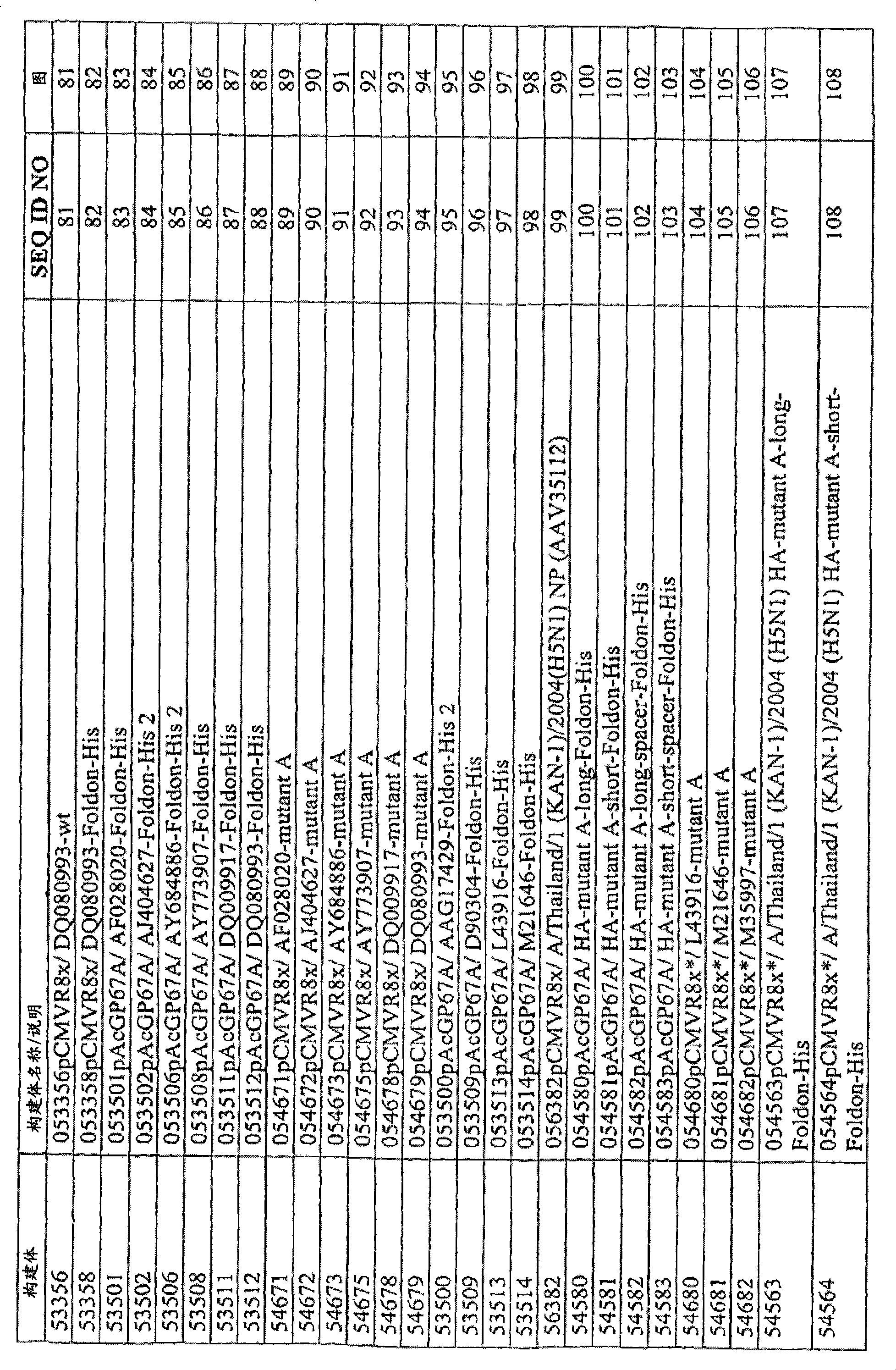
图81.53356的示意图及核酸序列;Figure 81. Schematic diagram and nucleic acid sequence of 53356;
图82.53358的示意图及核酸序列;Figure 82. Schematic diagram and nucleic acid sequence of 53358;
图83.53501的示意图及核酸序列;Figure 83. Schematic diagram and nucleic acid sequence of 53501;
图84.53502的示意图及核酸序列;Figure 84. Schematic diagram and nucleic acid sequence of 53502;
图85.53506的示意图及核酸序列;Figure 85. Schematic diagram and nucleic acid sequence of 53506;
图86.53508的示意图及核酸序列;Figure 86. Schematic diagram and nucleic acid sequence of 53508;
图87.53511的示意图及核酸序列;Figure 87. Schematic diagram and nucleic acid sequence of 53511;
图88.53512的示意图及核酸序列;Figure 88. Schematic diagram and nucleic acid sequence of 53512;
图89.54671的示意图及核酸序列;Figure 89. Schematic diagram and nucleic acid sequence of 54671;
图90.54672的示意图及核酸序列;Figure 90. Schematic diagram and nucleic acid sequence of 54672;
图91.54673的示意图及核酸序列;Figure 91. Schematic diagram and nucleic acid sequence of 54673;
图92.54675的示意图及核酸序列;Figure 92. Schematic diagram and nucleic acid sequence of 54675;
图93.54678的示意图及核酸序列;Figure 93. Schematic diagram and nucleic acid sequence of 54678;
图94.54679的示意图及核酸序列;Figure 94. Schematic diagram and nucleic acid sequence of 54679;
图95.53500的示意图及核酸序列;Figure 95. Schematic diagram and nucleic acid sequence of 53500;
图96.53509的示意图及核酸序列;Figure 96. Schematic diagram and nucleic acid sequence of 53509;
图97.53513的示意图及核酸序列;Figure 97. Schematic diagram and nucleic acid sequence of 53513;
图98.53514的示意图及核酸序列;Figure 98. Schematic diagram and nucleic acid sequence of 53514;
图99.56382的示意图及核酸序列;Figure 99. Schematic diagram and nucleic acid sequence of 56382;
图100.54580的示意图及核酸序列;Figure 100. Schematic diagram and nucleic acid sequence of 54580;
图101.54581的示意图及核酸序列;Figure 101. Schematic diagram and nucleic acid sequence of 54581;
图102.54582的示意图及核酸序列;Figure 102. Schematic diagram and nucleic acid sequence of 54582;
图103.54583的示意图及核酸序列;Figure 103. Schematic diagram and nucleic acid sequence of 54583;
图104.54680的示意图及核酸序列;Figure 104. Schematic diagram and nucleic acid sequence of 54680;
图105.54681的示意图及核酸序列;Figure 105. Schematic diagram and nucleic acid sequence of 54681;
图106.54682的示意图及核酸序列;Figure 106. Schematic diagram and nucleic acid sequence of 54682;
图107.54563的示意图及核酸序列;Figure 107. Schematic diagram and nucleic acid sequence of 54563;
图108.54564的示意图及核酸序列;Figure 108. Schematic diagram and nucleic acid sequence of 54564;
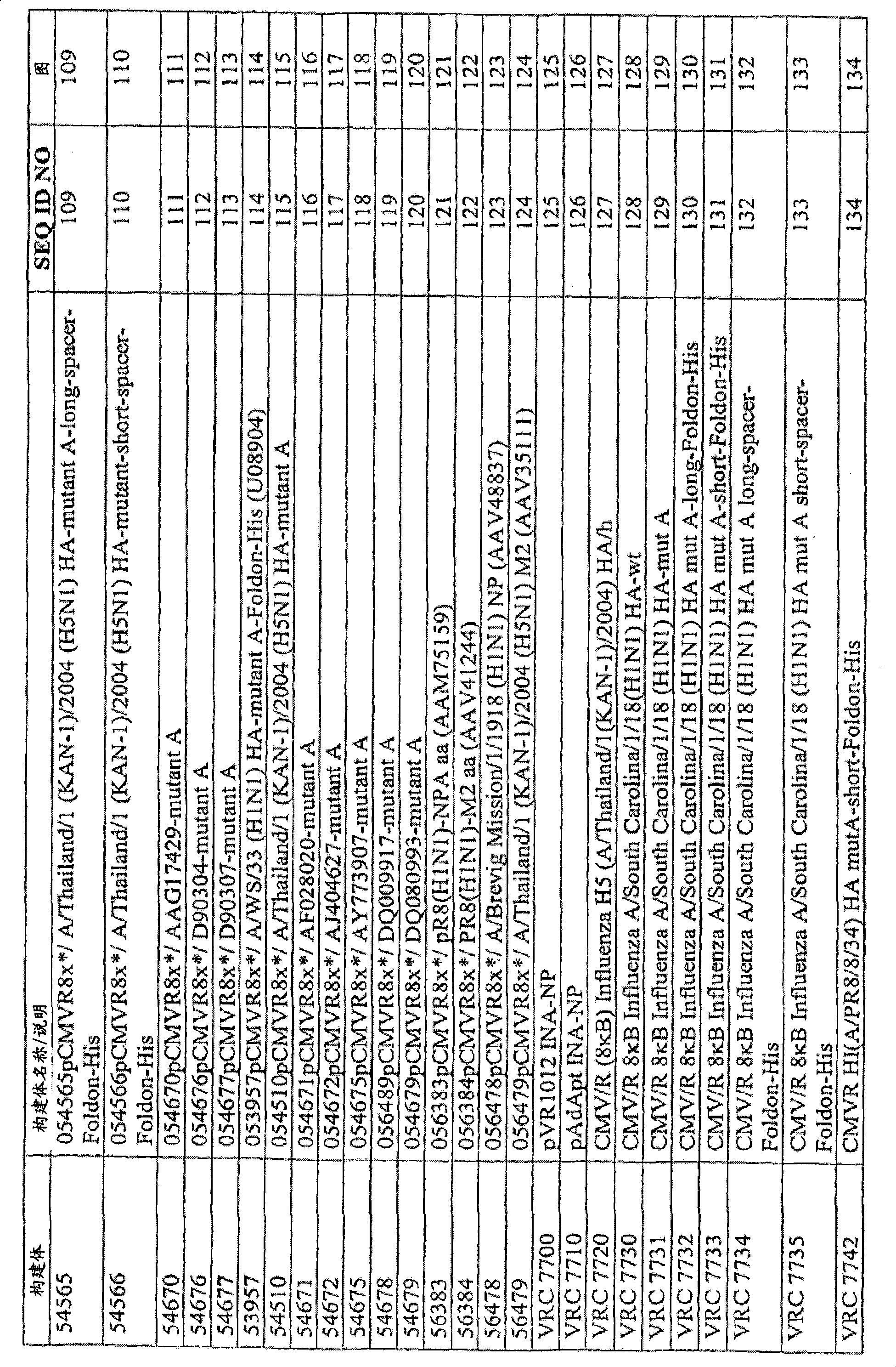
图109.54565的示意图及核酸序列;Figure 109. Schematic diagram and nucleic acid sequence of 54565;
图110.54566的示意图及核酸序列;Figure 110. Schematic diagram and nucleic acid sequence of 54566;
图111.54670的示意图及核酸序列;Figure 111. Schematic diagram and nucleic acid sequence of 54670;
图112.54676的示意图及核酸序列;Figure 112. Schematic diagram and nucleic acid sequence of 54676;
图113.54611的示意图及核酸序列;Figure 113. Schematic diagram and nucleic acid sequence of 54611;
图114.53957的示意图及核酸序列;Figure 114. Schematic diagram and nucleic acid sequence of 53957;
图115.54510的示意图及核酸序列;Figure 115. Schematic diagram and nucleic acid sequence of 54510;
图116.54671的示意图及核酸序列;Figure 116. Schematic diagram and nucleic acid sequence of 54671;
图117.54672的示意图及核酸序列;Figure 117. Schematic diagram and nucleic acid sequence of 54672;
图118.54675的示意图及核酸序列;Figure 118. Schematic diagram and nucleic acid sequence of 54675;
图119.54678的示意图及核酸序列;Figure 119. Schematic diagram and nucleic acid sequence of 54678;
图120.54679的示意图及核酸序列;Figure 120. Schematic diagram and nucleic acid sequence of 54679;
图121.56383的示意图及核酸序列;Figure 121. Schematic diagram and nucleic acid sequence of 56383;
图122.56384的示意图及核酸序列;Figure 122. Schematic diagram and nucleic acid sequence of 56384;
图123.56478的示意图及核酸序列;Figure 123. Schematic diagram and nucleic acid sequence of 56478;
图124.56479的示意图及核酸序列;Figure 124. Schematic diagram and nucleic acid sequence of 56479;
图125.VRC7700的示意图及核酸序列;Figure 125. Schematic diagram and nucleic acid sequence of VRC7700;
图126.VRC7710的示意图及核酸序列;Figure 126. Schematic diagram and nucleic acid sequence of VRC7710;
图127.VRC7720的示意图及核酸序列;Figure 127. Schematic diagram and nucleic acid sequence of VRC7720;
图128.VRC7730的示意图及核酸序列;Figure 128. Schematic diagram and nucleic acid sequence of VRC7730;
图129.VRC7731的示意图及核酸序列;Figure 129. Schematic diagram and nucleic acid sequence of VRC7731;
图130.VRC7732的示意图及核酸序列;Figure 130. Schematic diagram and nucleic acid sequence of VRC7732;
图131.VRC7733的示意图及核酸序列;Figure 131. Schematic diagram and nucleic acid sequence of VRC7733;
图132.VRC7734的示意图及核酸序列;Figure 132. Schematic diagram and nucleic acid sequence of VRC7734;
图133.VRC7735的示意图及核酸序列;Figure 133. Schematic diagram and nucleic acid sequence of VRC7735;
图134.VRC7742的示意图及核酸序列;Figure 134. Schematic diagram and nucleic acid sequence of VRC7742;
图135.VRC7721的示意图及核酸序列;Figure 135. Schematic diagram and nucleic acid sequence of VRC7721;
图136.VRC7743的示意图及核酸序列;Figure 136. Schematic diagram and nucleic acid sequence of VRC7743;
图137.VRC7744的示意图及核酸序列;Figure 137. Schematic diagram and nucleic acid sequence of VRC7744;
图138.VRC7745的示意图及核酸序列;Figure 138. Schematic diagram and nucleic acid sequence of VRC7745;
图139.VRC7746的示意图及核酸序列;Figure 139. Schematic diagram and nucleic acid sequence of VRC7746;
图140.VRC7747的示意图及核酸序列;Figure 140. Schematic diagram and nucleic acid sequence of VRC7747;
图141.VRC7748的示意图及核酸序列;Figure 141. Schematic diagram and nucleic acid sequence of VRC7748;
图142.VRC7749的示意图及核酸序列;Figure 142. Schematic diagram and nucleic acid sequence of VRC7749;
图143.VRC7751的示意图及核酸序列;Figure 143. Schematic diagram and nucleic acid sequence of VRC7751;
图144.VRC7752的示意图及核酸序列;Figure 144. Schematic diagram and nucleic acid sequence of VRC7752;
图145.VRC7753的示意图及核酸序列;Figure 145. Schematic diagram and nucleic acid sequence of VRC7753;
图146.VRC7754的示意图及核酸序列;Figure 146. Schematic diagram and nucleic acid sequence of VRC7754;
图147.VRC7755的示意图及核酸序列;Figure 147. Schematic diagram and nucleic acid sequence of VRC7755;
图148.VRC7757的示意图及核酸序列;Figure 148. Schematic diagram and nucleic acid sequence of VRC7757;
图149.VRC7758的示意图及核酸序列;Figure 149. Schematic diagram and nucleic acid sequence of VRC7758;
图150.VRC7759的示意图及核酸序列;Figure 150. Schematic diagram and nucleic acid sequence of VRC7759;
图151.甲型流感病毒颗粒的结构示意图;Figure 151. Schematic diagram of the structure of influenza A virus particles;
图152.甲型流感病毒血凝素(HA)蛋白的简图;Figure 152. A schematic diagram of the influenza A virus hemagglutinin (HA) protein;
图153.甲型流感病毒核蛋白(NP)的简图;非常规性核定位信号(NLS)(SEQ ID NO:183),二分NLS(SEQ ID NO:184);Figure 153. Schematic diagram of the influenza A virus nucleoprotein (NP); Unconventional nuclear localization signal (NLS) (SEQ ID NO: 183), bipartite NLS (SEQ ID NO: 184);
图154.甲型流感病毒神经氨酸酶(NA)蛋白的简图;Figure 154. A schematic diagram of the influenza A virus neuraminidase (NA) protein;
图155.甲型流感病毒M2蛋白的简图;Figure 155. Schematic diagram of the influenza A virus M2 protein;
图156.病毒HA的表达;野生型(SEQ ID NO:151)、H1(1918)ΔCS(SEQ ID NO:152)、H5ΔPS(SEQ ID NO:153)和H5ΔPS2(SEQ ID NO:154);Figure 156. Expression of viral HA; wild type (SEQ ID NO:151), H1(1918)ΔCS (SEQ ID NO:152), H5ΔPS (SEQ ID NO:153) and H5ΔPS2 (SEQ ID NO:154);
图157.DNA接种后针对1918流感病毒HA的体液及细胞免疫应答;Figure 157. Humoral and cellular immune responses against 1918 influenza virus HA after DNA vaccination;
图158.赋予的抗1918流感病毒致死攻击的免疫保护作用以及T细胞依赖性的缺乏;Figure 158. Immunoprotection conferred against lethal challenge with 1918 influenza virus and lack of T cell dependence;
图159显示依赖Ig的保护作用的免疫机制;Figure 159 shows the immune mechanism of Ig-dependent protection;
图160.HA假型慢病毒载体的开发;Figure 160. Development of HA pseudotyped lentiviral vector;
图161.VRC 7720:CMV/R(8κb)流感病毒H5(A/泰国/1(KAN-I)/2004)HA/h,(SEQ TD NO:161);Figure 161. VRC 7720: CMV/R (8κb) influenza virus H5 (A/Thailand/1(KAN-I)/2004) HA/h, (SEQ TD NO: 161);
图162.VRC 7721:CMV/R(8κB)流感病毒H5(A/泰国/1(KAN-1)/2004)HA mutA/h,(SEQ ID NO:162);Figure 162. VRC 7721: CMV/R (8κB) influenza virus H5 (A/Thailand/1(KAN-1)/2004) HA mutA/h, (SEQ ID NO: 162);
图163.VRC 7722:CMV/R 8κB甲型流感病毒/新喀里多尼亚/20/99(H1N1)wt,(SEQ ID NO:163);Figure 163. VRC 7722: CMV/R 8κB influenza A virus/New Caledonia/20/99 (H1N1) wt, (SEQ ID NO: 163);
图164.VRC 7723(VRC 7727):CMV/R 8κB甲型流感病毒/新喀里多尼亚/20/99(H1N1)mut a,(SEQ ID NO:164);Figure 164. VRC 7723 (VRC 7727): CMV/R 8κB influenza A virus/New Caledonia/20/99 (H1N1)mut a, (SEQ ID NO: 164);
图165.VRC 7724:CMV/R 8κB甲型流感病毒/怀俄明/3/03(H3N2)wt,(SEQID NO:165);Figure 165. VRC 7724: CMV/R 8κB influenza A virus/Wyoming/3/03 (H3N2) wt, (SEQ ID NO: 165);
图166.VRC 7725(VRC 7729):CMV/R 8κB甲型流感病毒/怀俄明/3/03(H3N2)mut a,(SEQ ID NO:166);Figure 166. VRC 7725 (VRC 7729): CMV/R 8κB influenza A virus/Wyoming/3/03 (H3N2)mut a, (SEQ ID NO: 166);
图167.CMV/R与CMV/R 8κB启动子的序列比对结果;Figure 167. Sequence alignment results of CMV/R and CMV/R 8κB promoter;
图168.VRC 7721与VRC 7720插入物的氨基酸序列比对结果;Figure 168. Amino acid sequence alignment results of
图169.免疫小鼠的gp145env特异性CD4+和CD8+T细胞应答的胞内流式细胞术分析;Figure 169. Intracellular flow cytometry analysis of gp145env-specific CD4+ and CD8+ T cell responses in immunized mice;
图170.用野生型CMV/R或表达HIV gp145的CMV/R 8κB质粒DNA接种的小鼠中的抗体应答的终点稀释度;Figure 170. Endpoint dilutions of antibody responses in mice vaccinated with wild-type CMV/R or CMV/R 8κB plasmid DNA expressing HIV gp145;
图171.用野生型CMV/R或表达H5血凝素的CMV/R 8κB质粒DNA载体接种的小鼠中对致死性H5N1流感病毒攻击的保护性免疫;Figure 171. Protective immunity against lethal H5N1 influenza virus challenge in mice vaccinated with wild-type CMV/R or CMV/R 8κB plasmid DNA vector expressing H5 hemagglutinin;
图172.假型慢病毒报道分子分析法的示意图。Figure 172. Schematic representation of pseudotyped lentiviral reporter assay.
优选实施方案的详述DETAILED DESCRIPTION OF THE PREFERRED EMBODIMENT
部分1
甲型流感病毒(Influenza A)Influenza A virus (Influenza A)
甲型流感病毒是感染广泛类型禽类及哺乳动物物种的有包膜负向单链RNA病毒。甲型流感病毒分成以血清学方式定义的主要表面糖蛋白-血凝素(HA)和神经氨酸酶(NA)抗原亚型(WHO备忘录(Memorandum)1980Bull WHO 58:585-591)。这种命名满足对于可由全部国家使用的简单系统的要求并且自1980以来一直施行。该命名以衍生自涉及血凝素和神经氨酸酶抗原的双向免疫扩散(DID)反应的数据为基础。Influenza A viruses are enveloped, negative-sense, single-stranded RNA viruses that infect a wide variety of avian and mammalian species. Influenza A viruses are divided into serologically defined major surface glycoprotein-hemagglutinin (HA) and neuraminidase (NA) antigenic subtypes (
双向免疫扩散(DID)试验如先前所述(Schild,GC等1980弓形体病毒学(Arch Virol)63:171-184)进行。简而言之,试验在琼脂糖凝胶(HGT琼脂糖,1%磷酸盐缓冲盐水,pH7.2,含有0.01%叠氮钠)中实施。添加在5-10μl体积中含有每毫升5-15mg病毒蛋白(或用鸡红细胞的HA滴度是每0.25ml105.5-106.5个血凝素单位)的纯化病毒颗粒制品至凝胶中的孔内。孔内的病毒颗粒通过添加十二烷基肌氨酸钠去垢剂NL97(1%终浓度)加以破坏。沉淀素反应在不染色情况下进行照相,或将凝胶干燥并用考马斯亮兰染色。Two-way immunodiffusion (DID) assays were performed as previously described (Schild, GC et al. 1980 Arch Virol 63: 171-184). Briefly, experiments were performed on agarose gel (HGT Sepharose, 1% phosphate buffered saline, pH 7.2, containing 0.01% sodium azide). Add a purified virus particle preparation containing 5-15 mg of viral protein per ml in a volume of 5-10 μl (or HA titer of 105.5-106.5 hemagglutinin units per 0.25 ml with chicken erythrocytes) to the wells in the gel . Viral particles inside the wells were destroyed by the addition of sarcosyl detergent NL97 (1% final concentration). Precipitin reactions were photographed unstained, or gels were dried and stained with Coomassie brilliant blue.
DID试验在使用针对一种或其它种类抗原为特异的高免血清实行时,提供用于比较抗原关系的有价值方法。抗原间的相似性被检测为共同沉淀素线,因而当容许不同抗原剧烈地向内朝着单种血清扩散时,抗原间变异的存在由沉淀素刺突揭示。基于对源于全部物种的甲型流感病毒的DID试验的结果,可以将H抗原分成如表2中所示的16个亚型。DID assays provide a valuable method for comparing antigenic relationships when performed using hyperimmune sera specific for one or the other class of antigens. Similarity between antigens is detected as co-precipitin lines, thus the presence of interantigen variation is revealed by precipitin spikes when different antigens are allowed to diffuse vigorously inward towards a single serum. Based on the results of DID tests on influenza A viruses derived from all species, H antigens can be classified into 16 subtypes as shown in Table 2.
表2.从人、低等哺乳动物和鸟类中分离的甲型流感病毒的血凝素亚型Table 2. Hemagglutinin subtypes of influenza A viruses isolated from humans, lower mammals, and birds

a呈现了流感病毒参考毒株或来自该物种的首次分离株 a presents influenza virus reference strains or first isolates from this species
b现有亚型命名。来自WHO Memorandum 1980 Bull WHO 58:585-591。 bNomenclature of existing subtypes. From
甲型流感病毒基因组由8个单链反义RNA分子构成(图151)。三种整合性膜蛋白-血凝素(HA)、神经氨酸酶(NA)和少量M2离子通道蛋白经病毒包膜脂质双层插入。认为病毒粒基质蛋白M1位于脂质双层下面,不过其还与螺旋状核糖核蛋白(RNP)相互作用。在包膜中存在以RNP形式所包含的8节段单链基因组RNA(2341-890个核苷酸)。与RNP结合的是由蛋白质PB1、PB2和PA构成的少量转录酶复合体。图151中还显示8个RNA节段的编码用途。The influenza A virus genome consists of 8 single-stranded antisense RNA molecules (Figure 151). Three integral membrane proteins - hemagglutinin (HA), neuraminidase (NA) and a small amount of M2 ion channel protein - insert through the viral envelope lipid bilayer. The virion matrix protein M1 is thought to lie beneath the lipid bilayer, although it also interacts with the helical ribonucleoprotein (RNP). There is an 8-segment single-stranded genomic RNA (2341-890 nucleotides) contained in the envelope as RNP. Combined with RNP is a small amount of transcriptase complex composed of proteins PB1, PB2 and PA. Also shown in Figure 151 are the encoding uses of the 8 RNA segments.
抗原性转变和漂变Antigenic shift and drift
当两种或多种毒株感染相同细胞时,甲型流感病毒基因组的节段化促进毒株间重配。重配可以产生重大遗传性变化,称作抗原性转变,相反,抗原性漂变是累积具有次要遗传性变化(主要是HA和NA蛋白中的氨基酸置换)的病毒株。由病毒编码的RNA依赖性RNA聚合酶复合体进行的甲型流感病毒核酸复制是相对易出错的,并且RNA基因组中的这些点突变(每个复制循环约1/104个碱基)对于抗原性漂变而言是遗传性变异的主要来源。Segmentation of the influenza A virus genome facilitates inter-strain reassortment when two or more strains infect the same cell. Reassortment can produce major genetic changes, termed antigenic shift, whereas antigenic drift is the accumulation of strains with minor genetic changes (mainly amino acid substitutions in the HA and NA proteins). Influenza A nucleic acid replication by the virus-encoded RNA-dependent RNA polymerase complex is relatively error-prone, and these point mutations in the RNA genome (approximately 1/104 bases per replication cycle) are critical for antigenic Sexual drift is the main source of genetic variation.
选择作用有利于具有涉及HA和NA蛋白的抗原性漂变和转变的人甲型流感病毒株,因为这些毒株能够逃避来自先前感染或接种的中和抗体。这种选择作用允许具有新亚型(转变)或相同病毒亚型(漂变)的病毒再感染。抗原性转变在20世纪造成三次重大的甲型流感病毒大流行,包括1918 H1N1(西班牙流感)、1957 H2N2(亚洲流感)和1968 H3N2(香港流感)爆发。抗原性漂变解释了流感流行的年度特征。它还对基于中和抗体的甲型流感病毒接种效力降低作出解释:对于特定亚型,若接种中所用HA蛋白的氨基酸序列与流行期间所遭遇HA蛋白的氨基酸序列不匹配,则抗体中和作用可能是无效的。Selection favors human influenza A strains with antigenic drift and shifts involving HA and NA proteins because these strains are able to escape neutralizing antibodies from previous infection or vaccination. This selection allows reinfection with viruses of a new subtype (shift) or the same virus subtype (drift). Antigenic shifts caused three major influenza A virus pandemics in the 20th century, including the 1918 H1N1 (Spanish flu), 1957 H2N2 (Asian flu), and 1968 H3N2 (Hong Kong flu) outbreaks. Antigenic drift explains annual characteristics of influenza epidemics. It also explains the reduced efficacy of influenza A vaccination based on neutralizing antibodies: for a given subtype, antibody neutralization occurs if the amino acid sequence of the HA protein used in the vaccination does not match that of the HA protein encountered during the epidemic. May be invalid.
血凝素A(Hemagglutinin A,HA)Hemagglutinin A (HA)
HA是在一个分立的RNA分子上编码的。HA参与病毒对宿主细胞糖蛋白及糖脂上的末端唾液酸残基的附着。在病毒进入细胞的酸性内吞体区室后,HA还参与同细胞膜的融合,这导致病毒粒内容物的胞内释放。HA合成为在病毒表面上形成非共价结合性同三聚体的HA0前体。HA0前体被宿主蛋白酶在保守的精氨酸残基处切割以产生由一个二硫键连接的两个亚单位HA1和HA2(图152)。该切割事件是生产性感染所需要的。HA is encoded on a discrete RNA molecule. HA is involved in viral attachment to terminal sialic acid residues on host cell glycoproteins and glycolipids. HA is also involved in fusion with the cell membrane following virus entry into the acidic endosomal compartment of the cell, which results in the intracellular release of the virion contents. HA is synthesized as a HAβ precursor that forms non-covalently associated homotrimers on the viral surface. The HA 0 precursor is cleaved by host proteases at a conserved arginine residue to generate two subunits HA 1 and HA 2 linked by a disulfide bond ( FIG. 152 ). This cleavage event is required for productive infection.
HA是禽流感病毒致病性的关键决定因素,是HA可切割性与毒力间的明确联系。高致病性H5和H7病毒的HA蛋白在切割位点处含有由泛在性蛋白酶即弗林蛋白酶和PC6识别的多个碱性氨基酸残基。因此,这些病毒可以在家禽中造成全身感染。两组蛋白酶负责HA切割。第一组蛋白酶识别单个精氨酸并切割全部HA。本组成员包括纤溶酶、血液凝固因子X样蛋白酶、类胰蛋白酶Clara、迷你纤溶酶(miniplasmin)和细菌蛋白酶。切割HA蛋白的第二组蛋白酶包含泛在性胞内枯草蛋白酶相关的内切蛋白酶-弗林蛋白酶和PC6。这些酶是钙依赖性的,具有酸性最适pH并且位于高尔基体和/或反式高尔基体的网中。HA is a key determinant of avian influenza virus pathogenicity, with a clear link between HA cleavability and virulence. The HA proteins of highly pathogenic H5 and H7 viruses contain multiple basic amino acid residues at the cleavage site that are recognized by the ubiquitous proteases, furin and PC6. Therefore, these viruses can cause systemic infection in poultry. Two groups of proteases are responsible for HA cleavage. The first group of proteases recognizes a single arginine and cleaves all HA. Members of this group include plasmin, blood coagulation factor X-like protease, tryptase Clara, miniplasmin and bacterial protease. A second group of proteases that cleave the HA protein comprises the ubiquitous intracellular subtilisin-related endoproteases furin and PC6. These enzymes are calcium-dependent, have an acidic pH optimum and are located in the Golgi and/or trans-Golgi network.
成熟的HA形成同三聚体。HA的结晶学研究揭示该三聚体结构的主要特征:(a)由α-螺旋的三链卷曲螺旋构成的修长纤维状茎,其中所述的三链卷曲螺旋衍生自该分子的三个HA2部分,和(b)也由其序列从三个单体的HA1部分中衍生的三个相同结构域构成的球状头部。Mature HA forms homotrimers. Crystallographic studies of HA revealed key features of the trimeric structure: (a) a slender, fibrous stem composed of an α-helical triple coiled-coil derived from the three HAs of the molecule 2 parts, and (b) a globular head also consisting of three identical domains whose sequences are derived from the HA1 parts of the three monomers.
寡聚化基序oligomerization motif
几个外源性寡聚化基序已经成功地用来促成可溶性重组蛋白的稳定三聚体:GCN4亮氨酸拉链(Harbury等1993科学(Science)262:1401-1407)、来自肺表面活性蛋白的三聚化基序(Hoppe等1994欧洲生物化学学会联盟通讯(FEBS Lett)344:191-195)、胶原(McAlinden等2003生物化学杂志(J BiolChem)278:42200-42207)和噬菌体T4次要纤维蛋白(fibritin)′折叠子(foldon)′(Miroshnikov等1998蛋白质工程(Protein Eng)11:329-414)。fibritin折叠子是一个27氨基酸序列(GYIPEAPRDGQAYVRKDGEWVLLSTF,SEQ ID NO:155),采取β-桨叶状构象(propeller conformation)并且可以以自发方式折叠并且三聚化(Tao等1997结构(Structure)5:789-798)。最近报道这种折叠子可以成功地诱导其它纤维状基序如噬菌体T4短尾丝和腺病毒尾丝以及病毒性人免疫缺陷病毒糖蛋白gp140的稳定三聚化。Several exogenous oligomerization motifs have been successfully used to induce stable trimerization of soluble recombinant proteins: GCN4 leucine zipper (Harbury et al. 1993 Science (Science) 262:1401-1407), surfactant protein from lung Trimerization motif (Hoppe et al. 1994 FEBS Lett 344: 191-195), collagen (McAlinden et al. 2003 J BiolChem 278: 42200-42207) and phage T4 minor The fibritin 'foldon' (Miroshnikov et al. 1998 Protein Eng 11:329-414). The fibritin fold is a 27 amino acid sequence (GYIPEAPRDGQAYVRKDGEWVLLSTF, SEQ ID NO: 155), which adopts a β-paddle conformation (propeller conformation) and can fold and trimerize in a spontaneous manner (Tao et al. 1997 Structure (Structure) 5: 789 -798). It has recently been reported that this foldon can successfully induce stable trimerization of other fibrillar motifs such as bacteriophage T4 short tail and adenovirus tail and the viral human immunodeficiency virus glycoprotein gp140.
核蛋白(NP)Nucleoprotein (NP)
核糖核蛋白复合体中的主要病毒蛋白是NP,其包裹RNA。在图153中显示甲型流感病毒NP的示意图。标出了核定位信号(NLS)的相对位置并且对活性关键的氨基酸以粗体字显示。已经推测了其它NLS。研究者提出一个NLS位于第320和400氨基酸之间并且NP可以含有构象性NLS。The major viral protein in the ribonucleoprotein complex is NP, which encapsulates RNA. A schematic diagram of influenza A virus NP is shown in FIG. 153 . The relative positions of nuclear localization signals (NLS) are indicated and amino acids critical for activity are shown in bold. Other NLSs have been speculated. The researchers propose that an NLS is located between
神经氨酸酶(Neuraminidase,NA)Neuraminidase (NA)
NA是在一个分立的RNA分子上编码的。在图154中显示甲型流感病毒NA蛋白的示意图。NA切割甲型流感病毒细胞受体的末端唾液酸残基并参与成熟病毒粒子的释放和散播。它还可能有助于最初的病毒进入。NA是抑制剂药物如奥塞米韦和扎那米韦的靶标。NA is encoded on a discrete RNA molecule. A schematic diagram of the influenza A virus NA protein is shown in FIG. 154 . NA cleaves the terminal sialic acid residues of the influenza A cellular receptor and is involved in the release and dissemination of mature virions. It may also facilitate initial viral entry. NA is the target of inhibitor drugs such as oseltamivir and zanamivir.
M2蛋白M2 protein
单个RNA节段编码两种基质蛋白M1和M2,它们通过mRNA剪接而产生。M1是完全内置的并且紧邻病毒的脂质双层下方存在。M2充当具有一个胞外表面小结构域的离子通道。在图155中显示甲型流感病毒M2蛋白的示意图。M2是抗病毒药物金刚烷胺金刚烷胺和金刚乙胺的靶标。A single RNA segment encodes two matrix proteins, M1 and M2, which are produced by mRNA splicing. M1 is fully internal and exists immediately below the lipid bilayer of the virus. M2 acts as an ion channel with a small extracellular surface domain. A schematic diagram of the influenza A virus M2 protein is shown in FIG. 155 . M2 is the target of the antiviral drugs amantadine and rimantadine.
修饰的类型type of modification
本文中描述修饰的流感病毒HA蛋白,该蛋白质改善针对天然HA的免疫应答并暴露核心蛋白以便最佳抗原呈递和识别。Weissenhom等,1998分子细胞(Molecular Cell)2:605-616提出一种核心蛋白作为病毒糖蛋白的融合中间体模型,其中糖蛋白的特征是一个中央三链卷曲螺旋,后接一个二硫键结合的环,该环使链方向倒转并与反平行于核心螺旋的一个压缩α螺旋连接,如在埃博拉病毒Zaire GP2、小鼠莫罗尼白血病病毒(MuMoLv)TM亚单位55-残基节段(Mo-55)、低pH处理的流感病毒HA2、HIV gp41d抗蛋白酶核心和SIVgp41的情况下。因此,通过暴露蛋白酶抗性核心而改善免疫应答的策略包含HA2作为这样的病毒膜融合蛋白,其特征在一个中央三链卷曲螺旋,后接一个二硫键结合的环,该环使链方向倒转并与反平行于核心螺旋的一个压缩α螺旋连接。Described herein are modified influenza virus HA proteins that improve the immune response to native HA and expose the core protein for optimal antigen presentation and recognition. Weissenhom et al., 1998 Molecular Cell (Molecular Cell) 2: 605-616 proposed a core protein as a fusion intermediate model for viral glycoproteins, wherein the glycoprotein is characterized by a central three-stranded coiled-coil followed by a disulfide bond A loop that reverses the strand direction and joins a compressed α-helix antiparallel to the core helix, as in Ebola virus Zaire GP2, mouse Moloney leukemia virus (MuMoLv) TM subunit 55-residue knot segment (Mo-55), low pH treated influenza virus HA2, HIV gp41d protease-resistant core and SIV gp41. Therefore, a strategy to improve the immune response by exposing the protease-resistant core involves HA2 as a viral membrane fusion protein characterized by a central three-stranded coiled-coil followed by a disulfide-bonded loop that reverses the strand orientation and is connected to a compressed alpha helix antiparallel to the core helix.
为开发可能有效诱导体液免疫和细胞免疫的流感病毒变体,产生一系列质粒表达载体。流感病毒蛋白质由含有可以限制基因表达的RNA结构的核酸序列编码。这些载体因而使用人基因中存在的密码子加以合成以至于使这些结构消除而不影响氨基酸序列。To develop influenza virus variants that are likely to be effective in inducing humoral and cellular immunity, a series of plasmid expression vectors was generated. Influenza virus proteins are encoded by nucleic acid sequences containing RNA structures that can limit gene expression. These vectors are thus synthesized using codons present in human genes such that these structures are eliminated without affecting the amino acid sequence.
为改变HA免疫原性,设计内部缺失以便稳定并暴露蛋白质的功能性结构域,其中所述的功能性结构域可能在六元卷曲螺旋结构于发夹中间体内形成之前在伸展的螺旋结构中存在(Weissenhom W等1997自然(Nature)387:426-430)。为产生这种推测性前发夹结构(pre-hairpin structure),去掉切割位点以阻止HA的蛋白水解过程并通过共价地将HA1连接至HA2而稳定此蛋白质。将这些缺失导入全长突变体和羧基末端截短突变体。To alter HA immunogenicity, internal deletions were designed to stabilize and expose functional domains of the protein that may exist in the extended helical structure prior to formation of the six-membered coiled-coil structure within the hairpin intermediate (Weissenhom W et al. 1997 Nature 387:426-430). To generate this putative pre-hairpin structure, the cleavage site was removed to prevent the proteolytic process of HA and stabilized the protein by covalently linking HA1 to HA2. These deletions were introduced into full-length mutants and carboxy-terminal truncation mutants.
这些流感病毒蛋白质激发免疫应答的能力通过用这些质粒DNA表达载体在小鼠中注射而确定。抗体应答通过微量中和分析法和病毒假型分析法加以监测.The ability of these influenza virus proteins to elicit an immune response was determined by injection in mice with these plasmid DNA expression vectors. Antibody responses were monitored by microneutralization assays and virus pseudotyping assays.
为确定这些修饰是否不利地影响细胞毒性t淋巴细胞(CTL)应答,对接种动物测试抗原特异性CD4和CD8T细胞的增加,如通过胞内细胞因子染色法以测量合成IFN-γ或TNF-α的细胞而确定。To determine whether these modifications adversely affect cytotoxic T lymphocyte (CTL) responses, vaccinated animals are tested for increases in antigen-specific CD4 and CD8 T cells, as measured by intracellular cytokine staining to measure synthesis of IFN-γ or TNF-α determined by the cells.
人流感病毒HA基因在HA1/HA2切割位点处含有与高致病性禽流感病毒中所见碱性氨基酸残基相似的多个碱性氨基酸残基。我们疫苗设计中的一种组分将删除这个碱性氨基酸段并将HA转变成低致病性形式而不改变其抗原性。在cDNA水平上修饰野生型分离株的HA基因以至于在野生型病毒HA的切割位点中缺失前5个碱性氨基酸残基。此外,在该位点附近添加苏氨酸残基以模仿低致病性禽毒株中存在的苏氨酸残基(例如图168)。将这个突变标注为HA(dPC-a)、HA mut A或突变体A。The human influenza virus HA gene contains multiple basic amino acid residues at the HA1/HA2 cleavage site similar to those found in highly pathogenic avian influenza viruses. A component in our vaccine design will delete this basic amino acid stretch and convert HA to a less pathogenic form without altering its antigenicity. The HA gene of the wild-type isolate was modified at the cDNA level such that the first 5 basic amino acid residues were deleted in the cleavage site of the wild-type virus HA. In addition, threonine residues were added near this site to mimic those present in low pathogenicity avian strains (eg Figure 168). Annotate this mutation as HA(dPC-a), HA mut A or mutant A.
在标注为“短”HA基因的一些实施方案中,我们截去HA蛋白的羧基末端(跨膜)部分。短HA形式截去来自跨膜区上游的10个氨基酸。In some embodiments labeled "short" HA genes, we truncated the carboxy-terminal (transmembrane) portion of the HA protein. The short HA form truncates 10 amino acids upstream from the transmembrane region.
在标注为“长”HA基因的其它实施方案中,我们还截去HA蛋白的羧基末端(跨膜)部分。长HA基因比相应的短HA形式多10个氨基酸。HA的长形式正好在HA跨膜区之前截断。长HA构建体比短HA形式的构建体多含在HA跨膜区上游的10个氨基酸。In other embodiments labeled "long" HA genes, we also truncated the carboxy-terminal (transmembrane) portion of the HA protein. The long HA gene has 10 amino acids more than the corresponding short HA form. The long form of HA is truncated just before the transmembrane region of HA. The long HA construct contained 10 more amino acids upstream of the HA transmembrane region than the short HA form of the construct.
本发明的一些实施方案还具有“间隔子(spacer)”。总是使用相同的间隔序列:当向任何天然存在的蛋白质(例如HA)添加额外的功能区(例如折叠子结构域、His标签等)时,可以在功能区之间添加额外氨基酸以提供额外的物理空间,通常称作间隔区。间隔区主要用于不同的功能区以正确折叠成其有功能的结构性基序,而不阻碍各自的功能区。Some embodiments of the invention also have "spacers". Always use the same spacer sequence: When adding additional functional domains (e.g. Foldon domain, His-tag, etc.) to any naturally occurring protein (e.g. HA), additional amino acids can be added between functional domains to provide additional Physical space, often called a compartment. Spacers are mainly used by different functional domains to fold correctly into their functional structural motifs without hindering the respective functional domains.
标注为TT-M2(dTM)基因的一些实施方案编码含有跨膜缺失的流感病毒基质2基因。Some embodiments, annotated as the TT-M2(dTM) gene, encode an
标注为/h的其它实施方案含有经人密码子优化的流感病毒基因。Other embodiments labeled /h contain human codon-optimized influenza virus genes.
一些实施方案标注为“折叠子-His”。为了获得处于更为天然形式下的HA蛋白,添加折叠子区以帮助HA蛋白单体形成天然三聚体分子。His区充当标签以鉴定HA蛋白并促进通过使用抗His抗体如通过抗His柱层析而分离HA蛋白。Some embodiments are labeled "Foldon-His". In order to obtain the HA protein in a more native form, a Foldon region was added to assist the HA protein monomers to form native trimeric molecules. The His region acts as a tag to identify the HA protein and facilitates the isolation of the HA protein by using an anti-His antibody such as by anti-His column chromatography.
部分2
定义definition
除非另外定义,本文中所用技术术语和科学术语具有如发明所属领域的技术人员通常理解的相同意义。见例如Singleton P和Sainsbury D.,在微生物和分子生物学字典,第三版,J.Wiley & Sons,Chichester,纽约(New York),2001和费氏病毒学(Fields Virology)第五版.,编者Knipe D.M.和Howley P.M.,Lippincott Williams & Wilkins,a Wolters Kluwer Business,费城(Philadelphia)2007中。Unless otherwise defined, technical and scientific terms used herein have the same meaning as commonly understood by one of ordinary skill in the art to which the invention belongs. See e.g. Singleton P and Sainsbury D., in Dictionary of Microbiology and Molecular Biology, 3rd ed., J. Wiley & Sons, Chichester, New York, 2001 and Fields Virology, 5th ed., Editors Knipe D.M. and Howley P.M., Lippincott Williams & Wilkins, a Wolters Kluwer Business, Philadelphia 2007.
过渡态术语(transitional term)“包含”与“包括”、“含有”或“特征是”是同义的,是包含性或开放性的,并且不排除额外的、未提及的要素或方法步骤。The transitional term "comprising" is synonymous with "includes," "contains," or "characterized by," is inclusive or open-ended, and does not exclude additional, unrecited elements or method steps .
过渡态短语“由组成”排除了在权利要求中未提及的任何要素、步骤或成分,但是不排除与本发明无关的额外组分或步骤,如通常与本发明结合的杂质。The transition state phrase "consisting of" excludes any element, step or ingredient not mentioned in a claim, but does not exclude additional components or steps not relevant to the present invention, such as impurities normally associated with the present invention.
过渡态短语“基本上由组成”把权利要求的范围限制于所述的材料或步骤以及如此材料或步骤,其实际上不影响所主张权利的本发明的基本且新颖的特征。The transitional phrase "consisting essentially of" limits the scope of the claim to those materials or steps and such materials or steps that do not materially affect the basic and novel characteristics of the claimed invention.
核酸分子nucleic acid molecule
如本文中所示,本发明的核酸分子可以是通过克隆获得的或合成方式产生的RNA形式或DNA形式。DNA可以是双链或单链的。单链DNA或RNA可以是编码链,也称作有义链,或可以是非编码链,也称作反义链。As indicated herein, the nucleic acid molecules of the invention may be in the form of RNA or DNA, either cloned or synthetically produced. DNA can be double-stranded or single-stranded. Single-stranded DNA or RNA can be the coding strand, also known as the sense strand, or it can be the non-coding strand, also known as the antisense strand.
“分离的”核酸分子意指已经从其天然环境中移出的核酸分子、DNA或RNA。例如,为本发明目的而将载体中所含有的重组DNA分子视为分离的。分离的DNA分子的其它实例包括在异源性宿主细胞中维持的重组DNA分子或溶液中的(部分或基本上)纯化DNA分子。分离的RNA分子包括本发明DNA分子的体内或体外RNA转录物。本发明分离的核酸分子也包括合成方式产生的此类分子。An "isolated" nucleic acid molecule means a nucleic acid molecule, DNA or RNA, that has been removed from its natural environment. For example, a recombinant DNA molecule contained in a vector is considered isolated for the purposes of the present invention. Other examples of isolated DNA molecules include recombinant DNA molecules maintained in heterologous host cells or purified (partially or substantially) DNA molecules in solution. Isolated RNA molecules include in vivo or in vitro RNA transcripts of DNA molecules of the invention. Isolated nucleic acid molecules of the invention also include such molecules produced synthetically.
本发明的核酸分子包括了包含野生型流感病毒基因可读框(ORF)的DNA分子(又称作“插入”)和这样的DNA分子,其包含与上文所述序列基本上不同的序列,但是因遗传密码简并性而仍编码野生型流感病毒多肽的ORF。当然,遗传密码是本领域众所周知的。优选对人密码子使用频率进行优化的简并性变体。Nucleic acid molecules of the present invention include DNA molecules comprising the open reading frame (ORF) of a wild-type influenza virus gene (also referred to as an "insert") and DNA molecules comprising a sequence substantially different from that described above, However, due to the degeneracy of the genetic code, the ORF of the wild-type influenza virus polypeptide is still encoded. Of course, the genetic code is well known in the art. Degenerate variants optimized for human codon usage frequency are preferred.
在另一个方面,本发明提供核酸分子,其包含在严格杂交条件下与上文所述本发明核酸分子中多核苷酸的一部分杂交的多核苷酸。"严格杂交条件"意指在42℃在包含50%甲酰胺、5倍SSC(750mM NaCl,75mM柠檬酸三钠)、50mM磷酸钠(pH7.6)、5倍Denhardt′s溶液、10%硫酸葡聚糖和20μg/ml变性剪切鲑精DNA的溶液中过夜温育,随后在约65℃的0.1倍SSC中洗涤滤膜。In another aspect, the invention provides nucleic acid molecules comprising a polynucleotide that hybridizes under stringent hybridization conditions to a portion of the polynucleotides in the nucleic acid molecules of the invention described above. "Stringent hybridization conditions" means at 42°C in the presence of 50% formamide, 5 times SSC (750 mM NaCl, 75 mM trisodium citrate), 50 mM sodium phosphate (pH 7.6), 5 times Denhardt's solution, 10% sulfuric acid Dextran and 20 μg/ml denatured sheared salmon sperm DNA were incubated overnight, followed by washing the filter in 0.1 times SSC at about 65°C.
与多核苷酸的“一部分”杂交的多核苷酸意指与参考多核苷酸的至少约15个核苷酸(nt)并且更优选至少约20nt,仍更优选至少约30nt以及甚至更优选约30-70nt杂交的多核苷酸(DNA或RNA)。A polynucleotide that hybridizes to a "portion" of a polynucleotide means at least about 15 nucleotides (nt) and more preferably at least about 20 nt, still more preferably at least about 30 nt and even more preferably about 30 nt, of a reference polynucleotide. - 70nt hybridizing polynucleotide (DNA or RNA).
多核苷酸“至少20nt长度的”部分例如意指来自参考多核苷酸的核苷酸序列中20个或更多个连续核苷酸。当然,用来与本发明核酸的一部分杂交的本发明多核苷酸中将不包括仅与互补性T(或U)残基段杂交的的多核苷酸,因为这种多核苷酸将与含有聚T(或U)段或其互补物的任何核酸分子(例如实际上任何双链DNA克隆)杂交。A portion of a polynucleotide that is "at least 20 nt in length" means, for example, 20 or more contiguous nucleotides in the nucleotide sequence from a reference polynucleotide. Of course, a polynucleotide of the invention that hybridizes only to a stretch of complementary T (or U) residues will not be included among the polynucleotides of the invention that are used to hybridize to a portion of a nucleic acid of the invention, since such polynucleotides will hybridize with polynucleotides containing polynucleotides. Any nucleic acid molecule (eg, virtually any double-stranded DNA clone) of a T (or U) segment or its complement is hybridized.
如本文中所示,编码流感病毒多肽的本发明核酸分子可以包括,但不限于编码全长多肽本身的氨基酸序列的那些核酸分子、编码全长多肽和额外序列(如编码前导序列或分泌序列)的编码序列(如前体蛋白或蛋白原或前蛋白原序列)、存在或不存在前述额外编码序列的连同额外非编码序列的全长多肽编码序列,所述的额外非编码序列例如包括但不限于内含子和非编码性5′和3′序列,如在转录、mRNA加工(例如包括剪接和加聚腺苷酸化信号)、核糖体结合和mRNA稳定性中发挥作用的已转录非翻译性序列,以及编码额外氨基酸的额外编码序列,如提供额外官能性的那些额外编码序列。As indicated herein, nucleic acid molecules of the invention encoding influenza virus polypeptides may include, but are not limited to, those nucleic acid molecules encoding the amino acid sequence of the full-length polypeptide itself, encoding the full-length polypeptide and additional sequences (such as encoding a leader sequence or a secretory sequence) coding sequence (such as a precursor protein or proprotein or preproprotein sequence), the full-length polypeptide coding sequence with or without the aforementioned additional coding sequence together with additional non-coding sequences, such as including but not Restricted to introns and non-coding 5' and 3' sequences, such as transcribed non-translated genes that play roles in transcription, mRNA processing (including, for example, splicing and polyadenylation signals), ribosome binding, and mRNA stability sequences, as well as additional coding sequences that encode additional amino acids, such as those that provide additional functionality.
本发明也涉及本发明核酸分子的变体,其编码流感病毒蛋白质的部分、类似物或衍生物。变体可以天然存在,如天然等位变体。“等位变体”意指在生物基因组上占据给基因座的基因的几种不同形式(基因II(Genes II),编者Lewin,B.,John Wiley & Sons,纽约(New York)(1985))。非天然存在的变体可以使用本领域已知的诱变技术产生。The invention also relates to variants of the nucleic acid molecules of the invention encoding parts, analogs or derivatives of influenza virus proteins. Variants may occur in nature, such as natural allelic variants. "Allelic variant" means several different forms of a gene occupying a given locus on the genome of an organism (Genes II, ed. Lewin, B., John Wiley & Sons, New York (New York) (1985) ). Non-naturally occurring variants can be generated using mutagenesis techniques known in the art.
此类变体包括通过置换、缺失或添加而产生的那些变体,这可以涉及一个或多个核苷酸。变体可以在编码区、非编码区或这两者中被改变:在编码区中的改变可以产生保守性或非保守性氨基酸置换、缺失或添加。在这些变体中尤其优选不改变流感病毒多肽或其部分的特性和活性的沉默性置换、添加和缺失。在此方面也尤其优选保守性置换。Such variants include those produced by substitutions, deletions or additions, which may involve one or more nucleotides. Variants may be altered in coding regions, non-coding regions, or both: changes in coding regions may result in conservative or non-conservative amino acid substitutions, deletions or additions. Silent substitutions, additions and deletions which do not alter the properties and activities of influenza virus polypeptides or portions thereof are especially preferred among these variants. Conservative substitutions are also particularly preferred in this respect.
本发明的其它实施方案包括了包含多核苷酸的核酸分子,其中所述的多核苷酸具有与编码多肽的核苷酸序列或其互补性核苷酸序列至少95%相同,并更优选至少96%、97%、98%或99%相同的核苷酸序列,其中所述的多肽具备野生型流感病毒多肽的氨基酸序列。Other embodiments of the invention include nucleic acid molecules comprising polynucleotides having at least 95% identity, and more preferably at least 96%, to a nucleotide sequence encoding a polypeptide or its complementary nucleotide sequence. %, 97%, 98% or 99% identical nucleotide sequence, wherein said polypeptide has the amino acid sequence of wild-type influenza virus polypeptide.
例如与编码流感病毒多肽的参考核苷酸序列具有至少95%“相同”的核苷酸序列的多核苷酸意指该多核苷酸的核苷酸序列与参考序列相同,除了该多核苷酸序列可以包括至多5个点突变/编码流感病毒多肽的参考核苷酸序列的每100个核苷酸以外。换句话说,为获得与参考核苷酸序列具有至少95%相同的核苷酸序列的多核苷酸,可以缺失或用另一个核苷酸置换参考序列中至多到5%的核苷酸,或可以将众多核苷酸即参考序列中至多到5%的总核苷酸插入参考序列。参考序列的这些突变可以在参考核苷酸序列的5′或3′端位置处或在这些末端位置之间的任何地方存在,单个地穿插在参考序列中的核苷酸之间或穿插在参考序列范围内的一个或多个连续组中。For example, a polynucleotide having a nucleotide sequence that is at least 95% "identical" to a reference nucleotide sequence encoding an influenza virus polypeptide means that the nucleotide sequence of the polynucleotide is identical to the reference sequence except for the polynucleotide sequence Up to 5 point mutations per 100 nucleotides of the reference nucleotide sequence encoding influenza virus polypeptides may be included. In other words, to obtain a polynucleotide having a nucleotide sequence that is at least 95% identical to a reference nucleotide sequence, up to 5% of the nucleotides in the reference sequence may be deleted or replaced with another nucleotide, or A large number of nucleotides, ie up to 5% of the total nucleotides in the reference sequence, may be inserted into the reference sequence. These mutations of the reference sequence may be present at the 5' or 3' terminal positions of the reference nucleotide sequence or anywhere in between these terminal positions, either individually interspersed between nucleotides in the reference sequence or interspersed in the reference sequence in one or more contiguous groups within the range.
作为习惯,任何特定核酸分子是否与参考核苷酸序列至少95%、96%、97%、98%或99%相同可以使用已知计算机程序如Bestfit程序(威斯康辛序列分析软件包,Unix第8版,遗传学计算机小组(Genetics Computer Group),大学研究科技园(University Research Park),575 Science Drive,麦迪逊(Madison),Wis.53711)常规地确定。Bestfit使用mith和Waterman,1981应用数学进展(Advances in Applied Mathematics)2:482-489的局部同源性算法以找到两个序列间最好的同源性节段。当使用Bestfit或任何其它序列比对程序来确定具体序列是否与本发明的参考序列例如95%相同时,参数如此设置以至于计算对于参考核苷酸序列全部长度的同一性百分数并且允许占参考序列中至多到5%的核苷酸总数的同源性空位。Whether any particular nucleic acid molecule is at least 95%, 96%, 97%, 98% or 99% identical to a reference nucleotide sequence can be determined by convention using known computer programs such as the Bestfit program (Wisconsin Sequence Analysis Package, Unix Version 8). , Genetics Computer Group, University Research Park, 575 Science Drive, Madison, Wis. 53711) routinely determined. Bestfit uses the local homology algorithm of Smith and Waterman, 1981 Advances in Applied Mathematics 2: 482-489 to find the best segment of homology between two sequences. When using Bestfit or any other sequence alignment program to determine whether a particular sequence is, for example, 95% identical to a reference sequence of the invention, the parameters are set such that the percent identity is calculated over the entire length of the reference nucleotide sequence and allows for accounting for the reference sequence Homology gaps of up to 5% of the total number of nucleotides.
本申请涉及与序列表中所示核酸序列至少95%、96%、97%、98%或99%相同的核酸分子,其编码具有流感病毒多肽活性的多肽。“具有甲型流感病毒多肽活性的多肽”意指在特定生物学分析法中显示甲型流感病毒活性的多肽。例如,HA、NA、NP和M2蛋白活性可以通过适宜的免疫学分析法测量为免疫学特征的变化。The present application relates to nucleic acid molecules at least 95%, 96%, 97%, 98% or 99% identical to the nucleic acid sequences shown in the Sequence Listing, which encode polypeptides having influenza virus polypeptide activity. "Polypeptide having influenza A virus polypeptide activity" means a polypeptide exhibiting influenza A virus activity in a specific biological assay. For example, HA, NA, NP and M2 protein activity can be measured as changes in immunological signatures by suitable immunological assays.
当然,因遗传密码的简并性,本领域技术人员将立即认识到具有与本文中序列表内所示核酸序列至少95%、96%、97%、98%或99%相同的序列的大量核酸分子将编码“具有流感病毒多肽活性”的多肽。事实上,既然这些核苷酸序列的简并性变体均编码相同多肽,因此这对技术人员来说是显而易见的,甚至无需实施上文所述比较分析法。在本领域中还认识到对于不是简并性变体的那类核酸分子,合理数量的核酸分子也将编码具有流感病毒多肽活性的多肽。这是因为熟练技术员完全知道不太可能或不可能明显影响蛋白质功能的氨基酸置换(例如以第二个脂族氨基酸替换一个脂族氨基酸)。Of course, due to the degeneracy of the genetic code, those skilled in the art will immediately recognize a large number of nucleic acids having sequences at least 95%, 96%, 97%, 98% or 99% identical to the nucleic acid sequences shown in the Sequence Listing herein. The molecule will encode a polypeptide "having influenza virus polypeptide activity". In fact, since these degenerate variants of nucleotide sequences all encode the same polypeptide, it will be obvious to the skilled person without even having to carry out the comparative analysis described above. It is also recognized in the art that for classes of nucleic acid molecules that are not degenerate variants, a reasonable number of nucleic acid molecules will also encode polypeptides having influenza virus polypeptide activity. This is because the skilled artisan is well aware of amino acid substitutions that are unlikely or unlikely to significantly affect protein function (eg, replacement of one aliphatic amino acid with a second aliphatic amino acid).
例如,在Bowie,J.U.等1990科学(Science)247:1306-1310中提供了有关如何产生表型沉默性氨基酸置换的指南,其中作者指出蛋白质令人惊讶地耐受氨基酸置换。For example, guidance on how to produce phenotypically silent amino acid substitutions is provided in Bowie, J.U. et al. 1990 Science 247: 1306-1310, where the authors state that proteins are surprisingly resistant to amino acid substitutions.
多肽和片段Peptides and Fragments
本发明也提供具有由野生型流感病毒基因的可读框(ORF)(称作“插入物”)编码的氨基酸序列的流感病毒多肽或包含其部分的肽或多肽(例如HA、NA、NP和M2)。The invention also provides influenza virus polypeptides having an amino acid sequence encoded by the open reading frame (ORF) of a wild-type influenza virus gene (referred to as an "insert"), or a peptide or polypeptide comprising a portion thereof (e.g., HA, NA, NP, and M2).
在本领域中将认识到流感病毒多肽的一些氨基酸序列可以加以变换而不明显影响蛋白质的结构或功能。若在序列中构思此类差异,应当铭记在蛋白质上存在决定活性的关键区域。It will be recognized in the art that some amino acid sequences of influenza virus polypeptides may be altered without appreciably affecting the structure or function of the protein. When conceiving such differences in sequence, it should be borne in mind that there are critical regions on the protein that determine activity.
因此,本发明也包括流感病毒多肽的变异,其显示巨大的流感病毒多肽活性或包括流感病毒蛋白质的区域,如下文讨论的蛋白质部分。此类突变型包括缺失、插入、倒置、重复和类型置换。如所述,可以在Bowie,J.U.,等1990Science 247:1306-1310中找到有关哪种氨基酸变化有可能具有表型沉默性的指南。Accordingly, the present invention also includes variations of influenza virus polypeptides that exhibit substantial influenza virus polypeptide activity or include regions of influenza virus proteins, such as protein portions discussed below. Such mutants include deletions, insertions, inversions, duplications and type substitutions. As noted, guidance as to which amino acid changes are likely to be phenotypically silencing can be found in Bowie, J.U., et al. 1990 Science 247:1306-1310.
因此,本发明多肽的片段、衍生物或类似物可以是(i)这样的一个片段、衍生物或类似物,其中以保守或非保守性氨基酸残基(优选保守氨基酸残基)置换一个或多个氨基酸残基并且这种置换的氨基酸残基可以是或可以不是由遗传密码编码的氨基酸残基,或(ii)是其中一个或多个氨基酸残基包括取代基的一个片段、衍生物或类似物;或(
如所示,变化优选地在本质上是细微的,如没有显著影响蛋白质的折叠或活性的保守性氨基酸置换(见表3)。As indicated, changes are preferably subtle in nature, such as conservative amino acid substitutions that do not significantly affect the folding or activity of the protein (see Table 3).
表3 保守性氨基酸置换Table 3 Conservative amino acid substitutions

当然,熟练技术员将作出的氨基酸置换数目取决于多种因素,包括上文所述的那些因素。通常而言,对任何给定流感病毒多肽的氨基酸置换数目将不超过50、40、30、20、10、5或3。Of course, the number of amino acid substitutions a skilled artisan will make will depend on a variety of factors, including those described above. Generally, the number of amino acid substitutions to any given influenza virus polypeptide will not exceed 50, 40, 30, 20, 10, 5 or 3.
本发明的流感病毒多肽中对功能是必需的氨基酸可以由本领域已知方法如位点定向诱变法或丙氨酸扫描诱变法(Cunningham和Wells,1989科学(Science)244:1081-1085)确定。后一方法在分子中每个残基内导入单个丙氨酸突变。随后对产生的突变分子测试生物学活性如在免疫学特征上的变化。Amino acids essential for function in the influenza virus polypeptides of the present invention can be determined by methods known in the art such as site-directed mutagenesis or alanine scanning mutagenesis (Cunningham and Wells, 1989 Science (Science) 244: 1081-1085) Sure. The latter approach introduces single alanine mutations within every residue in the molecule. The resulting mutant molecules are then tested for biological activity such as changes in immunological characteristics.
本发明的多肽方便地以分离形式提供。“分离的多肽”意指从其天然环境中移出的多肽。因此为本发明的目的,将重组宿主细胞中产生和/或含有的多肽视为分离的。The polypeptides of the invention are conveniently provided in isolated form. "Isolated polypeptide" means a polypeptide that is removed from its natural environment. A polypeptide produced and/or contained in a recombinant host cell is therefore considered isolated for the purposes of the present invention.
已经从重组宿主细胞或天然来源中部分地或基本上纯化的多肽也意指为“分离的多肽”。例如,流感病毒多肽的重组产生形式可以由Smith和Johnson,1988基因(Gene)67:31-40中描述的一步法基本上纯化。A polypeptide that has been partially or substantially purified from a recombinant host cell or a natural source is also meant to be an "isolated polypeptide". For example, recombinantly produced forms of influenza virus polypeptides can be substantially purified by the one-step procedure described in Smith and Johnson, 1988 Gene 67:31-40.
本发明的多肽包括多肽,其包含由序列表中所示核酸序列编码的多肽;以及与上文所述的那些多肽至少95%相同并且更优选至少96%、97%、98%或99%相同的多肽,并且还包括此类多肽具有至少30个氨基酸和更优选至少50个氨基酸的部分。Polypeptides of the present invention include polypeptides comprising polypeptides encoded by the nucleic acid sequences shown in the Sequence Listing; and at least 95% identical and more preferably at least 96%, 97%, 98% or 99% identical to those polypeptides described above and also include portions of such polypeptides having at least 30 amino acids and more preferably at least 50 amino acids.
具有与编码流感病毒多肽的参考氨基酸序列例如至少95%“相同”的氨基酸序列的多肽意指该多肽的氨基酸序列与参考序列相同,除了该多肽序列可以包括至多到5个氨基酸改变/流感病毒多肽的参考氨基酸序列的每100个氨基酸。换句话说,为获得具有与参考氨基酸序列至少95%相同的氨基酸序列的多肽,可以缺失或用另一个氨基酸置换参考序列中至多到5%的氨基酸残基,或可以将众多氨基酸即参考序列中至多到的5%总氨基酸插入参考序列。参考序列的这些改变可以在参考氨基酸序列的氨基端位置或羧基端位置处或在这些末端位置之间的任何地方存在,单个地穿插在参考序列中的残基之间或穿插在参考序列范围内的一个或多个连续组中。A polypeptide having an amino acid sequence, e.g., at least 95%, "identical" to a reference amino acid sequence encoding an influenza polypeptide means that the amino acid sequence of the polypeptide is identical to the reference sequence, except that the polypeptide sequence may include up to 5 amino acid changes/influenza polypeptide Every 100 amino acids of the reference amino acid sequence. In other words, to obtain a polypeptide having an amino acid sequence that is at least 95% identical to the reference amino acid sequence, up to 5% of the amino acid residues in the reference sequence may be deleted or replaced with another amino acid, or a number of amino acids, i.e. Up to 5% of the total amino acids were inserted into the reference sequence. These alterations of the reference sequence may be present at the amino-terminal or carboxy-terminal positions of the reference amino acid sequence or anywhere in between these terminal positions, interspersed individually between residues in the reference sequence or interspersed within residues within the reference sequence. in one or more consecutive groups.
作为习惯,任何特定多肽是否与例如由本文中序列表内所示核酸序列编码的氨基酸序列至少95%、96%、97%、98%或99%相同可以使用已知计算机程序如Bestfit程序(威斯康辛序列分析软件包,Unix第8版,Genetics ComputerGroup,University Research Park,575 Science Drive,Madison,Wis.53711)常规地确定。当使用Bestfit或任何其它序列比对程序来确定具体序列是否与本发明的参考序列例如95%相同时,参数如此设置以至计算对于参考氨基酸序列全部长度的同一性百分数并且允许占参考序列中至多到5%的氨基酸残基总数的同源性空位。Whether any particular polypeptide is at least 95%, 96%, 97%, 98% or 99% identical to, for example, the amino acid sequence encoded by the nucleic acid sequences shown in the Sequence Listing herein can be determined using known computer programs such as the Bestfit program (Wisconsin Sequence Analysis Package,
本发明的多肽可以通过常规方法产生。Houghten,R.A.1985美国国家科学院院刊“Proc Natl Acad Sci USA”82:5131-5135.这种“同时多个肽合成(SMPS)”方法也在授予Houghten等(1986)的美国专利号4,631,211中进一步描述。The polypeptides of the present invention can be produced by conventional methods. Houghten, R.A. 1985 Proc Natl Acad Sci USA 82:5131-5135. This "Simultaneous Multiple Peptide Synthesis (SMPS)" approach is further described in U.S. Patent No. 4,631,211 to Houghten et al. (1986). describe.
本发明也涉及包括本发明核酸分子的载体、用重组载体遗传改造的宿主细胞和通过重组技术产生流感病毒多肽或其片段。The present invention also relates to vectors comprising the nucleic acid molecules of the present invention, host cells genetically engineered with recombinant vectors and the production of influenza virus polypeptides or fragments thereof by recombinant techniques.
多核苷酸可以连接至载体,其中所述的载体充当“主链”,含有用于在宿主中增殖的选择标记。通常,将在沉淀物如磷酸钙沉淀物中或在含有带电荷脂类的复合体中的质粒载体导入。若载体是病毒,则载体可以使用适宜的包装细胞系在体外包装并随后转导至宿主细胞内。A polynucleotide can be ligated to a vector, wherein the vector acts as a "backbone" containing a selectable marker for propagation in the host. Typically, the plasmid vector is introduced in a precipitate, such as a calcium phosphate precipitate, or in a complex containing charged lipids. If the vector is a virus, the vector can be packaged in vitro using an appropriate packaging cell line and subsequently transduced into a host cell.
DNA插入物应当有效地与适宜启动子如噬菌体λPL启动子、大肠杆菌(E.Coli)lac、trp及tac启动子、SV40早期及晚期启动子和逆转录病毒LTR及细胞巨化病毒(CMV)的启动子如CMV立即早期启动子等连接。其它的合适启动子将是技术人员已知的。表达构建体将还含有用于转录启动、终止的位点并且在所转录区域内含有用于翻译的核糖体结合位点。由构建体表达的成熟转录物的编码部分将优选地在开始处包括翻译起点和恰当地位于待翻译多肽末端处的终止密码子(UAA、UGA或UAG)。The DNA insert should effectively bind to appropriate promoters such as bacteriophage λPL promoter, Escherichia coli (E.Coli) lac, trp and tac promoters, SV40 early and late promoters and retrovirus LTR and cytomegalovirus (CMV) The promoters such as the CMV immediate early promoter are connected. Other suitable promoters will be known to the skilled person. The expression construct will also contain sites for transcription initiation, termination and, within the transcribed region, a ribosome binding site for translation. The coding portion of the mature transcript expressed by the construct will preferably include at the beginning an initiation of translation and a stop codon (UAA, UGA or UAG) appropriately located at the end of the polypeptide to be translated.
如所述,表达载体将优选地包括至少一种选择标记。此类标记包括用于真核细胞培养的二氢叶酸盐还原酶或新霉素抗性以及用于培养大肠杆菌和其它细菌的四环素或氨苄青霉素抗性基因。适宜宿主的典型实例包括,但不限于细菌细胞,如大肠杆菌、链霉菌(Streptomyce)和鼠伤寒沙门氏菌(Salmonellatyphimurium)细胞;真菌细胞如酵母细胞;昆虫细胞如果蝇(Drosophila)S2和夜蛾(Spodoptera)Sf9细胞;动物细胞如CHO、COS和Bowes黑素瘤细胞以及植物细胞。用于上文所述宿主细胞的适宜培养基和条件是本领域已知的。As noted, the expression vector will preferably include at least one selectable marker. Such markers include dihydrofolate reductase or neomycin resistance for eukaryotic cell culture and tetracycline or ampicillin resistance genes for culture of E. coli and other bacteria. Typical examples of suitable hosts include, but are not limited to bacterial cells such as E. coli, Streptomyce and Salmonella typhimurium cells; fungal cells such as yeast cells; insect cells Drosophila S2 and Spodoptera ) Sf9 cells; animal cells such as CHO, COS and Bowes melanoma cells and plant cells. Suitable media and conditions for the host cells described above are known in the art.
优选用于细菌内的载体中包括可从德国快而精有限公司(Qiagen)获得的pQE70、pQE60和pQE-9;可从Stratagene获得的pBS载体、Phagescript载体、Bluescript载体、pNHSA、pNH16a、pNH18A、pNH46A和可从法玛西亚(Pharmacia)获得的ptrc99a、pKK223-3、pKK233-3、pDR540、pRIT5。在优选的真核载体中有可从Stratagene获得的pWLNEO、pSV2CAT、pOG44、pXTl和pSG和可从Pharmacia获得的pSVK3、pBPV、pMSG和pSVL。技术人员将轻易地知道其它的合适载体。Preferred vectors for use in bacteria include pQE70, pQE60 and pQE-9 available from Qiagen; pBS vectors, Phagescript vectors, Bluescript vectors, pNHSA, pNH16a, pNH18A, pNH46A and ptrc99a, pKK223-3, pKK233-3, pDR540, pRIT5 available from Pharmacia. Among the preferred eukaryotic vectors are pWLNEO, pSV2CAT, pOG44, pXT1 and pSG available from Stratagene and pSVK3, pBPV, pMSG and pSVL available from Pharmacia. Other suitable vectors will be readily known to the skilled artisan.
向宿主细胞中导入构建体可以通过磷酸钙转染、DEAE-葡聚糖介导的转染法、阳离子脂介导的转染法、电穿孔法、转导法、感染或其它方法实施。此类方法在众多标准实验手册如Davis等,分子生物学基本方法(Basic Methods InMolecular Biology)(1986)中描述。Introduction of the construct into host cells can be performed by calcium phosphate transfection, DEAE-dextran mediated transfection, cationic lipid mediated transfection, electroporation, transduction, infection or other methods. Such methods are described in numerous standard laboratory manuals such as Davis et al., Basic Methods In Molecular Biology (1986).
流感病毒多肽可以通过众知方法从重组细胞培养中回收并纯化,所述的方法包括硫酸铵或乙醇沉淀、酸提取、阴离子或阳离子交换层析、磷酸纤维素层析、疏水相互作用离子层析、亲和层析、羟基磷灰石层析和凝集素层析。最优选地,高效液相色谱("HPLC")用于纯化。本发明的多肽包括天然纯化产物、化学合成法的产物和通过重组技术从原核宿主或真核宿主(包括细菌、酵母、高等植物、昆虫和哺乳动物细胞)中产生的产物。根据重组产生方法中所用的宿主,本发明的多肽可以是糖基化的或可以是非糖基化的。此外,本发明的多肽也可以在一些情况下因宿主介导的过程而包含最初修饰的甲硫氨酸残基。Influenza virus polypeptides can be recovered and purified from recombinant cell cultures by well known methods including ammonium sulfate or ethanol precipitation, acid extraction, anion or cation exchange chromatography, phosphocellulose chromatography, hydrophobic interaction ion chromatography , affinity chromatography, hydroxyapatite chromatography and lectin chromatography. Most preferably, high performance liquid chromatography ("HPLC") is used for purification. The polypeptides of the present invention include natural purified products, products of chemical synthesis and products produced by recombinant techniques from prokaryotic hosts or eukaryotic hosts (including bacteria, yeast, higher plants, insects and mammalian cells). Depending on the host used in the recombinant production method, the polypeptides of the invention may be glycosylated or may be non-glycosylated. In addition, polypeptides of the invention may also in some cases contain initially modified methionine residues as a result of host-mediated processes.
药物制剂、剂量和给药模式Drug Formulation, Dose, and Mode of Administration
本发明的化合物可以使用本领域技术人员众所周知的技术给药。优选地,将化合物配制并通过基因免疫接种法给药。用于配制和给药的技术可以在“雷氏药学大全(Remington′s Pharmaceutical Sciences)”,第18版,1990,MackPublishing Co.,Easton,PA中找到。合适的途径可以包括肠胃外送递,如肌内、真皮内、皮下、髓内注射、以及鞘内、直接心室内、静脉内、腹膜内、鼻内或眼球内注射,仅提到少数。对于注射,本发明的化合物可以在水溶液中、优选在生理兼容性缓冲液如Hank液、林格氏液(Ringer’s solution)或生理盐水缓冲液中配制。The compounds of the invention can be administered using techniques well known to those skilled in the art. Preferably, the compounds are formulated and administered by genetic immunization. Techniques for formulation and administration can be found in "Remington's Pharmaceutical Sciences", 18th Edition, 1990, Mack Publishing Co., Easton, PA. Suitable routes may include parenteral delivery, such as intramuscular, intradermal, subcutaneous, intramedullary injection, as well as intrathecal, direct intraventricular, intravenous, intraperitoneal, intranasal or intraocular injection, to name a few. For injection, the compounds of the invention can be formulated in aqueous solutions, preferably in physiologically compatible buffers such as Hank's solution, Ringer's solution or physiological saline buffer.
在其中优选胞内给药本发明化合物的情况下,可以使用本领域技术人员众所周知的技术。例如,此类化合物可以包裹到脂质体内,随后如上文所述给药。脂质体是具有水质内部的球形脂质双层。存在于水溶液中的全部分子在脂质体形成时被并入水质内部。脂质体内容物被保护免受外部微环境作用,并且因为脂质体与细胞膜融合,故脂质体内容物得以有效地送递至细胞浆中。In cases where intracellular administration of the compounds of the invention is preferred, techniques well known to those skilled in the art may be used. For example, such compounds can be encapsulated within liposomes and subsequently administered as described above. Liposomes are spherical lipid bilayers with an aqueous interior. All molecules present in the aqueous solution are incorporated into the aqueous interior when the liposomes are formed. The liposome contents are protected from the external microenvironment and are efficiently delivered into the cytoplasm because the liposomes fuse with the cell membrane.
使用本领域技术人员众所周知的技术,待胞内给药的本发明核苷酸序列可以在感兴趣的细胞中表达。例如,从病毒如逆转录病毒、腺病毒、腺联病毒、疱疹病毒、痘苗病毒、脊髓灰质炎病毒或辛德比斯病毒或其它RNA病毒中衍生或从质粒中衍生的表达载体可以用于此类核苷酸序列至所靶向细胞群体的送递和表达。用于构建此类表达载体的方法是众所周知的。见,例如分子克隆实验手册(Molecular Cloning:a Laboratory Manual),第三版,Sambrook等2001冷泉港实验室出版社(Cold Spring Harbor Laboratory Press)和最新分子生物学实验方法汇编(Current Protocols in Molecular Biology),编者Ausubel等,JohnWiley & Sons,1994。The nucleotide sequence of the invention to be administered intracellularly may be expressed in the cell of interest using techniques well known to those skilled in the art. For example, expression vectors derived from viruses such as retroviruses, adenoviruses, adenoassociated viruses, herpesviruses, vaccinia viruses, polioviruses, or Sindbis virus or other RNA viruses or from plasmids can be used in such Delivery and expression of nucleotide sequences to targeted cell populations. Methods for constructing such expression vectors are well known. See, e.g., Molecular Cloning: a Laboratory Manual, Third Edition, Sambrook et al. 2001 Cold Spring Harbor Laboratory Press and Current Protocols in Molecular Biology ), eds. Ausubel et al., John Wiley & Sons, 1994.
本发明涉及使用质粒以便宿主初次免疫(priming)并且随后使用重组病毒如逆转录病毒、腺病毒、腺联病毒、疱疹病毒、痘苗病毒、脊髓灰质炎病毒或辛德比斯病毒或其它RNA病毒用于对所述宿主加强免疫,并且反之亦然。例如,宿主可以用质粒通过DNA免疫进行免疫(初次免疫)并接受用相应病毒构建体的加强免疫,并且反之亦然。备选地,宿主可以用质粒通过DNA免疫进行免疫(初次免疫)并接受不用相应的病毒构建体而用不同的病毒构建体加强免疫,并且反之亦然。The present invention relates to the use of plasmids for priming of hosts and subsequent use of recombinant viruses such as retroviruses, adenoviruses, adenoassociated viruses, herpesviruses, vaccinia viruses, polioviruses or Sindbis virus or other RNA viruses for The host is boosted and vice versa. For example, a host can be immunized with a plasmid by DNA immunization (prime) and receive a boost with the corresponding viral construct, and vice versa. Alternatively, the host can be immunized with a plasmid by DNA immunization (prime immunization) and receive a booster immunization with a different viral construct without the corresponding viral construct, and vice versa.
就本发明的流感病毒HA、NA、NP和M2蛋白质序列而言,它们可以用作治疗流感病毒感染中的治疗剂或预防剂(作为亚单位疫苗)。治疗有效剂量指足以在患者中导致症状缓解或存活延长的化合物的量。此类化合物的毒性和治疗效力可以通过在细胞培养或实验动物中例如用于测定LD50(对50%群体致死的剂量)和ED50(在50%群体中治疗有效的剂量)的标准药学方法确定。毒性作用与治疗作用之间的剂量比是治疗指数并且它可以表达为LD50/ED50比。优选显示大治疗指数的化合物。从细胞培养分析和动物研究中获得的数据可以在制订用于人类的剂量范围中使用。此类化合物的剂量优选地处于包括ED50的毒性很小或无毒性的循环浓度范围内。剂量可以根据所用剂型和采用的给药途径而在该范围内变化。对于本发明方法中所用的任何化合物,治疗有效剂量可以最初从细胞培养分析中加以估计。剂量可以在动物模型中制订以实现包括如在细胞培养中测定的IC50(例如实现病毒感染的半数最大抑制的试验化合物浓度,相对于该事件在没有该试验化合物时的量)的循环血浆浓度范围。此类信息可以用来更精确地测定在人类中的有用剂量。血浆中的水平可以例如通过高效液相色谱(HPLC)测量。As far as the influenza virus HA, NA, NP and M2 protein sequences of the present invention are concerned, they can be used as therapeutic or prophylactic agents (as subunit vaccines) in the treatment of influenza virus infection. A therapeutically effective dose refers to that amount of a compound sufficient to result in amelioration of symptoms or prolongation of survival in a patient. The toxicity and therapeutic efficacy of such compounds can be determined by standard pharmaceutical methods, e.g., for determining the LD50 (the dose lethal to 50% of the population) and the ED50 (the dose therapeutically effective in 50% of the population) in cell culture or experimental animals. Sure. The dose ratio between toxic and therapeutic effects is the therapeutic index and it can be expressed as the ratio LD50 / ED50 . Compounds that exhibit large therapeutic indices are preferred. The data obtained from cell culture assays and animal studies can be used in formulating a range of dosage for use in humans. The dosage of such compounds lies preferably within a range of circulating concentrations that include the ED50 with little or no toxicity. The dosage can vary within this range depending upon the dosage form employed and the route of administration employed. For any compound used in the methods of the invention, the therapeutically effective dose can be estimated initially from cell culture assays. A dose can be formulated in animal models to achieve a circulating plasma concentration range that includes the IC50 (e.g., the concentration of test compound that achieves a half-maximal inhibition of viral infection relative to the amount of that event in the absence of the test compound) as determined in cell culture . Such information can be used to more accurately determine useful doses in humans. Levels in plasma can be measured, for example, by high performance liquid chromatography (HPLC).
本发明的化合物还可以起到预防性疫苗的作用,其中宿主产生针对流感病毒HA、NA、NP或M2蛋白的抗体和/或CTL应答,其中应答随后优选地通过例如抑制流感病毒进一步感染而发挥中和流感病毒的作用。给药作为预防性疫苗的本发明化合物将包含向宿主给药有效产生免疫应答的化合物浓度,其中所述的免疫应答足以激发针对流感病毒HA、NA、NP或M2蛋白的抗体和/或CTL应答和/或通过例如抑制病毒感染细胞的能力而中和流感病毒。确切浓度将取决于待给药的具体化合物,但可以通过使用本领域技术人员众所周知的用于分析免疫应答发展的标准技术进行确定。The compounds of the invention may also function as prophylactic vaccines, where the host develops an antibody and/or CTL response against the influenza virus HA, NA, NP or M2 proteins, where the response is then preferably exerted, for example by inhibiting further infection by the influenza virus Neutralizes the effect of influenza virus. Administration of a compound of the invention as a prophylactic vaccine will comprise administering to the host a concentration of the compound effective to generate an immune response sufficient to elicit an antibody and/or CTL response against the influenza virus HA, NA, NP or M2 proteins And/or neutralize influenza virus by, for example, inhibiting the ability of the virus to infect cells. The exact concentration will depend on the particular compound to be administered, but can be determined using standard techniques well known to those skilled in the art for analyzing the development of an immune response.
化合物可以与合适的佐剂配制以便增强免疫学应答。此类佐剂可以包括,但不限于矿物凝胶如氢氧化铝;表面活性剂如溶血卵磷脂、复合多元醇(pluronic polyols)、聚阴离子;其它肽;油乳液和潜在有用的人用佐剂如卡介苗(BCG)和短小棒状杆菌(corynebacterium parvum)。The compounds can be formulated with suitable adjuvants in order to enhance the immunological response. Such adjuvants may include, but are not limited to, mineral gels such as aluminum hydroxide; surfactants such as lysolecithin, pluronic polyols, polyanions; other peptides; oil emulsions and potentially useful human adjuvants Such as Bacillus Calmette-Guerin (BCG) and Corynebacterium parvum.
合于根据本发明共给药的佐剂应当是在人群中潜在安全的、耐受良好的和有效的佐剂,包括QS-21、Detox-PC、MPL-SE、MoGM-CSF、TiterMax-G、CRL-1005、GERBU、TERamide、PSC97B、Adjumer、PG-026、GSK-I、GcMAF、B-alethine、MPC-026、Adjuvax、CpG ODN、Betafectin、Alum和MF59(见Kim等,2000,Vaccine,18:597及其中参考文献)。Adjuvants suitable for coadministration according to the invention should be those that are potentially safe, well tolerated and efficacious in the human population, including QS-21, Detox-PC, MPL-SE, MoGM-CSF, TiterMax-G , CRL-1005, GERBU, TERamide, PSC97B, Adjumer, PG-026, GSK-I, GcMAF, B-alethine, MPC-026, Adjuvax, CpG ODN, Betafectin, Alum and MF59 (see Kim et al., 2000, Vaccine, 18:597 and references therein).
其它所构思可以给药的佐剂包括凝集素、生长因子、细胞因子和淋巴因子如α-干扰素、γ-干扰素、血小板衍生性生长因子(PDGF)、gCSF、gMCSF、TNF、表皮生长因子(EGF)、TL-I、IL-2、IL-4、IL-6、IL-8、IL-10和IL-12。Other adjuvants contemplated to be administered include lectins, growth factors, cytokines and lymphokines such as alpha-interferon, gamma-interferon, platelet-derived growth factor (PDGF), gCSF, gMCSF, TNF, epidermal growth factor (EGF), TL-1, IL-2, IL-4, IL-6, IL-8, IL-10 and IL-12.
对于上文所述的全部此类疗法,确切配方、给药途径和剂量可以由每位内科医生根据患者情况而选择(见例如Fingl等,1975,在"治疗学的药理学基础(The Pharmacological Basis of Therapeutics)",第一章第1页)。For all such therapies described above, the exact formulation, route of administration, and dosage can be selected by each physician on a patient-by-patient basis (see e.g. Fingl et al., 1975, in "The Pharmacological Basis of Therapeutics") of Therapeutics),
应当指出住院医生会知道如何以及何时因毒性或器官机能障碍而终止、中断或调整给药。相反,住院医生也会知道若临床反应不充分(排除毒性),则调整治疗至更高的水平。在防治目的病毒感染中所给药的剂量幅度会随待治疗病症的严重性和给药途径而变化。剂量及或许初次免疫-加强免疫方案也会根据每位患者的年龄、体重和反应而变化。与以上所讨论程序可比较的程序可以在兽医学中使用。It should be noted that residents will know how and when to terminate, interrupt, or adjust dosing due to toxicity or organ dysfunction. Conversely, the resident will also know to adjust treatment to a higher level if the clinical response is insufficient (excluding toxicity). Dosage ranges administered in the prevention and treatment of the viral infection of interest will vary with the severity of the condition being treated and the route of administration. The dose and possibly the prime-boost regimen will also vary according to each patient's age, weight and response. Procedures comparable to those discussed above may be used in veterinary medicine.
本发明的药理学活性化合物可以根据制剂学的常规方法进行加工,以产生用于给药至患者例如哺乳动物(包括人)的药剂。The pharmacologically active compounds of the present invention may be processed according to conventional methods of pharmacy to produce medicaments for administration to patients such as mammals (including humans).
本发明的化合物可以与常规赋形剂即适于肠胃外,肠道(例如口服)或局部应的可药用的有机或无机载体物质混合而使用,其中所述赋形剂没有不利地与活性化合物反应。合适的可药用载体包括但不限于水、盐溶液、醇、阿拉伯树胶、植物油、苄醇、聚乙二醇、明胶、糖类如乳糖、直链淀粉或淀粉、硬脂酸镁、滑石、硅酸、粘性石蜡、芳香油、甘油单脂肪酸酯及甘油二脂肪酸酯、季戊四醇脂肪酸酯、羟甲基纤维素、聚乙烯吡咯烷酮等。药物制品可以进行灭菌并且根据需要与辅剂混合,所述的辅剂例如是润滑剂、防腐剂、稳定剂、湿润剂、乳化剂、用于影响渗透压的盐,缓冲液、着色剂、香料和/或芳香物质和没有不利地与活性化合物反应的其它等。它们也可以根据需要与其它活性剂例如维生素组合。The compounds of the present invention may be used in admixture with conventional excipients, i.e. pharmaceutically acceptable organic or inorganic carrier substances suitable for parenteral, enteral (e.g. oral) or topical application, wherein said excipients do not adversely affect the active Compound reaction. Suitable pharmaceutically acceptable carriers include, but are not limited to, water, saline solution, alcohol, gum arabic, vegetable oil, benzyl alcohol, polyethylene glycol, gelatin, sugars such as lactose, amylose or starch, magnesium stearate, talc, Silicic acid, viscous paraffin, aromatic oil, monoglyceride and diglyceride fatty acid ester, pentaerythritol fatty acid ester, hydroxymethylcellulose, polyvinylpyrrolidone, etc. The pharmaceutical preparations can be sterilized and, if desired, mixed with adjuvants such as lubricants, preservatives, stabilizers, wetting agents, emulsifiers, salts for influencing the osmotic pressure, buffers, colorants, Perfume and/or aroma substances and others which do not adversely react with the active compound. They may also be combined with other active agents such as vitamins if desired.
对于肠胃外应用,其包括肌内、真皮内、皮下、鼻内、囊内、椎内、胸骨内和静脉内注射,特别合适的是可注射的无菌溶液,优选油质或水质溶液剂,以及混悬剂,乳剂或植入物,包括栓剂。用于注射的制剂可以在单位剂型中(例如在安瓿或在多剂量容器中)存在,具有添加的防腐剂。组合物可以采用如此形式,如在油质或水质载体中的混悬剂、溶液剂或乳剂,并且可以含有制剂介质如悬浮剂、稳定剂和/或崩解剂。备选地,活性成分可以处于散剂形式以便与合适载体如无菌无热原的水在使用前构成。For parenteral applications, which include intramuscular, intradermal, subcutaneous, intranasal, intrathecal, intravertebral, intrasternal and intravenous injections, particularly suitable are injectable sterile solutions, preferably oily or aqueous solutions, As well as suspensions, emulsions or implants, including suppositories. Formulations for injection may be presented in unit dosage form, eg, in ampoules or in multi-dose containers, with an added preservative. The compositions may take such forms as suspensions, solutions or emulsions in oily or aqueous vehicles, and may contain formulation vehicles such as suspending agents, stabilizers and/or disintegrants. Alternatively, the active ingredient may be in powder form for constitution with a suitable vehicle, eg sterile pyrogen-free water, before use.
对于肠道应用,特别合适的是片剂、糖锭剂、液体剂、滴剂、栓剂或胶囊剂。药物组合物可以与可药用赋形剂如粘合剂(例如预胶化玉米淀粉、聚乙烯吡咯酮或羟丙基甲基纤维素);填料(例如乳糖、微晶纤维素或磷酸氢钙);润滑剂(例如硬脂酸镁、滑石或二氧化硅);崩解剂(例如马铃薯淀粉或羟乙酸淀粉钠)或湿润剂(例如十二烷基硫酸钠)通过常规方法制备。片剂可以由本领域众所周知的方法包衣。用于口服给药的液体制品可以采用例如溶液剂、糖浆剂或混悬剂形式,或它们可以存在作为干燥产品以便与水或其它合适载体在使用前构成。此类液体制品可以与可药用添加剂如悬浮剂(例如山梨醇糖浆、纤维素衍生物或氢化食用脂肪);乳化剂(例如卵磷脂或阿拉伯胶);非水载体(例如杏仁油、油质酯、乙醇或精馏植物油)和防腐剂(例如甲基或丙基-对羟基苯甲酸酯或山梨酸)通过常规方法制备。所述制品也可以根据需要含有缓冲盐、香料、着色剂和甜味剂。可以使用其中采用甜味载体的糖浆剂、酏剂等。For enteral application, tablets, dragees, liquids, drops, suppositories or capsules are particularly suitable. Pharmaceutical compositions can be mixed with pharmaceutically acceptable excipients such as binders (such as pregelatinized cornstarch, polyvinylpyrrolidone or hydroxypropylmethylcellulose); fillers (such as lactose, microcrystalline cellulose or calcium hydrogen phosphate); ); lubricants (such as magnesium stearate, talc or silicon dioxide); disintegrants (such as potato starch or sodium starch glycolate) or wetting agents (such as sodium lauryl sulfate) are prepared by conventional methods. Tablets may be coated by methods well known in the art. Liquid preparations for oral administration may take the form of, for example, solutions, syrups or suspensions, or they may be presented as a dry product for constitution with water or other suitable vehicle before use. Such liquid preparations may be mixed with pharmaceutically acceptable additives such as suspending agents (such as sorbitol syrup, cellulose derivatives, or hydrogenated edible fats); emulsifiers (such as lecithin or acacia); non-aqueous vehicles (such as almond oil, oleaginous esters, ethanol or rectified vegetable oils) and preservatives (eg methyl or propyl-parabens or sorbic acid) are prepared by conventional methods. The preparations may also contain buffer salts, flavoring, coloring and sweetening agents as desired. Syrups, elixirs and the like employing a sweetened vehicle may be used.
可以配制持续释放或定向释放组合物,例如脂质体或其中活性化合物用差异性可降解涂层例如通过微胶囊化、多重涂层等加以保护的那些组合物。还有可能将新化合物冻干和使用获得的冻干物例如用于制备用于注射的产品。Sustained- or targeted-release compositions, such as liposomes or those wherein the active compounds are protected with differentially degradable coatings, eg, by microencapsulation, multiple coatings, and the like, can be formulated. It is also possible to lyophilize the novel compounds and to use the lyophilizate obtained, for example, for the preparation of products for injection.
对于通过吸入的给药,根据本发明使用的化合物方便地以来自加压包装物或喷雾器的喷雾剂呈递形式,使用合适抛射剂例如二氯二氟甲烷、三氯氟甲烷、二氯四氟乙烷、二氧化碳或其它合适气体进行送递。在加压气雾剂的情况下,剂量单位可以通过提供旨在送递计量的量的阀门而确定。可以配制用于吸入器或吹药器中的例如明胶的胶囊剂和药筒,含有化合物的粉状混合物(powdermix)和合适粉状基质(powder base)如乳糖或淀粉。For administration by inhalation, the compounds used according to the invention are conveniently presented as sprays from pressurized packs or nebulizers, using suitable propellants such as dichlorodifluoromethane, trichlorofluoromethane, dichlorotetrafluoroethylene, alkanes, carbon dioxide, or other suitable gases for delivery. In the case of a pressurized aerosol, the dosage unit may be determined by providing a valve intended to deliver a metered amount. Capsules and cartridges of eg gelatin, containing a powder mix of the compound and a suitable powder base such as lactose or starch, can be formulated for use in an inhaler or insufflator.
对于局部应用,采用不可喷雾形式、黏稠至半固体或固体形式,其包含与局部应用相容并具有优选大于水的动力学黏度的载体。合适的制剂包括但不限于溶液剂、混悬剂、乳剂、乳膏剂、软膏剂、散剂、搽剂、软膏、气溶剂等,其根据需要进行消毒或与辅剂例如防腐剂、稳定剂、湿润剂、缓冲剂或影响渗透压的盐等混合。对于局部应用,也合适的是可喷雾的气溶剂制品,其中活性成分(优选地与固体或液体惰性载体材料组合)包装在挤压瓶中或与加压的挥发性且通常气态的抛射剂(例如氟利昂)混合。For topical application, non-sprayable, viscous to semi-solid or solid forms comprising a carrier compatible with topical application and having a kinetic viscosity preferably greater than water are employed. Suitable formulations include, but are not limited to, solutions, suspensions, emulsions, creams, ointments, powders, liniments, ointments, aerosols, etc., which are sterilized or mixed with adjuvants such as preservatives, stabilizers, wetting agents, buffers, or salts that affect osmotic pressure. Also suitable for topical application are sprayable aerosol preparations in which the active ingredient is packaged (preferably in combination with a solid or liquid inert carrier material) in a squeeze bottle or with a pressurized volatile and usually gaseous propellant ( Such as Freon) mixed.
组合物可以根据需要在可以含有一种或多种含活性成分的单位剂型的包装物或分配装置中存在。包装物可以例如包含金属箔或塑料箔,如水泡眼包装物。包装物或分配装置可以附带给药说明书。The compositions may, if desired, be presented in a pack or dispenser device which may contain one or more unit dosage forms containing the active ingredient. The wrapper may eg comprise a metal or plastic foil, such as a blister pack. The pack or dispensing device may be accompanied by instructions for administration.
基因免疫接种genetic immunization
本发明的基因免疫接种激发有效的免疫应答,而不使用感染性介质或感染性载体。通常确实产生CTL应答的接种技术通过使用感染性介质而做到这一点。彻底的广泛基础免疫应答通常在用杀死的、灭活的或亚单位疫苗免疫的个体中不显现。本发明以安全方式实现对免疫应答的完全补充,不存在与使用感染性介质的接种相伴的风险和问题。Genetic immunization of the present invention elicits an effective immune response without the use of infectious agents or carriers. Vaccination techniques that usually do generate a CTL response do so through the use of an infectious medium. A complete broad-based immune response is usually not manifested in individuals immunized with killed, inactivated or subunit vaccines. The present invention achieves complete complementation of the immune response in a safe manner, without the risks and problems associated with vaccination with infectious agents.
根据本发明,将编码靶蛋白的DNA或RNA导入个体的细胞,在所述的细胞中DNA或RNA表达,因而产生靶蛋白。DNA或RNA与对于个体的细胞中表达所需要的调节元件连接。用于DNA的调节元件包括启动子和加A信号。此外,也可以在遗传构建体中包括其它元件,如Kozak区。According to the present invention, DNA or RNA encoding a target protein is introduced into cells of an individual where the DNA or RNA is expressed, thereby producing the target protein. The DNA or RNA is linked to the regulatory elements required for expression in the cells of the individual. Regulatory elements for DNA include promoters and plus A signals. In addition, other elements, such as Kozak regions, may also be included in the genetic construct.
基因疫苗的遗传构建体包含与对基因表达所需要的调节元件有效连接的编码靶蛋白的核苷酸序列。因此,将DNA或RNA分子并入活细胞导致编码靶蛋白的DNA或RNA表达并因而产生靶蛋白。The genetic construct of a genetic vaccine comprises a nucleotide sequence encoding a target protein operably linked to regulatory elements required for gene expression. Thus, incorporation of a DNA or RNA molecule into a living cell results in the expression of the DNA or RNA encoding the target protein and thus the production of the target protein.
当被细胞摄入时,包括与调节元件有效连接的编码靶蛋白的核苷酸序列的遗传构建体可以留存在于细胞中作为有功能的染色体外分子,或它可以整合至细胞的染色体DNA内。可以将DNA导入细胞,在其中DNA以质粒形式作为独立的遗传材料存在。备选地,可以将可能整合至染色体的线性DNA导入细胞。当DNA导入细胞时,可以添加促进DNA整合至染色体的试剂。也可以在DNA分子中包括可用于促进整合的DNA序列。因为整合至染色体DNA中实际上需要操作染色体,优选维持DNA构建体作为复制型或非复制型染色体外分子。这通过剪接进入染色体内而降低损伤细胞的风险,同时不影响疫苗的有效性。备选地,可以向细胞给药RNA。还构思提供遗传构建体作为包括着丝粒、端粒和复制起点的线性微型染色体。When taken up by a cell, a genetic construct comprising a nucleotide sequence encoding a target protein operably linked to a regulatory element may remain in the cell as a functional extrachromosomal molecule, or it may integrate into the cell's chromosomal DNA. DNA can be introduced into cells where the DNA exists as independent genetic material in the form of a plasmid. Alternatively, linear DNA, possibly integrated into the chromosome, can be introduced into the cell. When DNA is introduced into cells, reagents that promote integration of DNA into chromosomes may be added. DNA sequences that can be used to facilitate integration can also be included in the DNA molecule. Because integration into chromosomal DNA actually requires manipulation of the chromosome, it is preferable to maintain the DNA construct as a replicating or non-replicating extrachromosomal molecule. This reduces the risk of damaging the cell by splicing it into the chromosome without compromising the effectiveness of the vaccine. Alternatively, RNA can be administered to the cells. It is also contemplated to provide the genetic construct as a linear mini-chromosome comprising centromeres, telomeres and origins of replication.
基因疫苗的遗传构建体的必需元件包括编码靶蛋白的核苷酸序列和对于该序列在接种个体的细胞中表达所需要的调节元件。调节元件有效地与编码靶蛋白的DNA序列连接以便能够表达。The essential elements of the genetic construct of a genetic vaccine include the nucleotide sequence encoding the target protein and the regulatory elements required for the expression of this sequence in the cells of the vaccinated individual. The regulatory element is operably linked to the DNA sequence encoding the target protein to enable expression.
编码靶蛋白的分子是翻译成蛋白质的蛋白质编码性分子。此类分子包括包含编码靶蛋白的核苷酸序列的DNA或RNA。这些分子可以是cDNA、基因组DNA、合成性DNA或其杂合体或RNA分子如mRNA。因此,如本文中所用,术语“DNA构建体”、“遗传构建体”和“核苷酸序列”意图指示DNA和RNA分子。A molecule encoding a target protein is a protein-coding molecule that is translated into protein. Such molecules include DNA or RNA comprising a nucleotide sequence encoding a target protein. These molecules may be cDNA, genomic DNA, synthetic DNA or hybrids thereof or RNA molecules such as mRNA. Thus, as used herein, the terms "DNA construct", "genetic construct" and "nucleotide sequence" are intended to refer to DNA and RNA molecules.
对于DNA分子的基因表达所需要的调节元件包括:启动子、起始密码子、终止密码子和加A信号。此外,往往需要增强子用于基因表达。要求这些元件应当在接种个体内是有效的。此外,要求这些元件应当有效地与编码靶蛋白的核苷酸序列连接,以至于该核苷酸序列可以在接种个体的细胞中表达并且因此可以产生靶蛋白。Regulatory elements required for gene expression of DNA molecules include: promoter, start codon, stop codon and A signal. In addition, enhancers are often required for gene expression. It is required that these elements should be effective in the vaccinated individual. Furthermore, it is required that these elements should be operably linked to the nucleotide sequence encoding the target protein, so that the nucleotide sequence can be expressed in the cells of the vaccinated individual and thus the target protein can be produced.
起始密码子和终止密码子通常视为编码靶蛋白的核苷酸序列的一部分。然而,要求这些元件是在接种个体中有功能的。Start codons and stop codons are generally considered to be part of the nucleotide sequence encoding the target protein. However, these elements are required to be functional in the vaccinated individual.
类似地,所用启动子和加A信号必须是在接种个体的细胞中有功能的。Similarly, the promoter and A plus signal used must be functional in the cells of the inoculated individual.
用来实施本发明,尤其用在在用于人的基因疫苗产生中的启动子实例包括但不限于来自猴病毒40(SV40)、小鼠乳房肿瘤病毒(MMTV)、人免疫缺陷病毒(HIV)(如HIV长末端重复序列(LTR)启动子)、莫罗尼病毒、ALV、细胞巨化病毒(CMV)(如CMV立即早期启动子)、Epstein Barr病毒(EBV)、罗氏肉瘤病毒(RSV)的启动子以及来自人基因如人肌动蛋白、人肌球蛋白、人血红蛋白、人肌肉肌酸和人金属硫蛋白的启动子。Examples of promoters useful in the practice of the present invention, especially in the production of genetic vaccines for humans, include, but are not limited to, those from Simian Virus 40 (SV40), Mouse Mammary Tumor Virus (MMTV), Human Immunodeficiency Virus (HIV) (eg, HIV long terminal repeat (LTR) promoter), Moroni virus, ALV, cytomegalovirus (CMV) (eg, CMV immediate early promoter), Epstein Barr virus (EBV), Roche sarcoma virus (RSV) and promoters from human genes such as human actin, human myosin, human hemoglobin, human muscle creatine and human metallothionein.
用来实施本发明,尤其用在产生用于人的基因疫苗中的加A信号的实例包括但不限于SV40加A信号和LTR加A信号。尤其,可以使用在pCEP4质粒(英韦创津,圣地亚哥,加利福尼亚(Invitrogen,San Diego Calif.))中的SV40加A信号(称作SV40加A信号)。额外地,牛生长激素(bgh)加A信号可以起到这个作用。Examples of A plus signals useful in the practice of the present invention, particularly in the production of genetic vaccines for use in humans, include, but are not limited to, the SV40 plus A signal and the LTR plus A signal. In particular, the SV40 plus A signal in the pCEP4 plasmid (Invitrogen, San Diego Calif.) (referred to as the SV40 plus A signal) can be used. Additionally, bovine growth hormone (bgh) plus A signaling could play this role.
除了对于DNA表达所需要的调节元件之外,也可以在DNA分子中包括其它元件。此类额外元件包括增强子。增强子可以选自下列组(包括但不限于):人肌动蛋白、人肌球蛋白、人血红蛋白、人肌肉肌酸和病毒的增强子如来自CMV、RSV和EBV的那些病毒增强子。In addition to the regulatory elements required for DNA expression, other elements may also be included in the DNA molecule. Such additional elements include enhancers. Enhancers may be selected from the group including but not limited to: human actin, human myosin, human hemoglobin, human muscle creatine and viral enhancers such as those from CMV, RSV and EBV.
可以为遗传构建体提供哺乳动物复制起点以便在细胞中染色体外地维持构建体并产生该构建体的多重拷贝。来自Invitrogen(San Diego,Calif.)的质粒pCEP4和pREP4含有Epstein Barr病毒复制起点及产生高拷贝附加体复制而不整合的核抗原EBNA-1编码区。A genetic construct can be provided with a mammalian origin of replication to maintain the construct extrachromosomally in cells and to generate multiple copies of the construct. Plasmids pCEP4 and pREP4 from Invitrogen (San Diego, Calif.) contain the Epstein Barr virus origin of replication and the nuclear antigen EBNA-1 coding region that produces high-copy episomal replication without integration.
若出于任何原因而需要能够消除接受遗传构建体的细胞,则可以添加充当细胞摧毁靶标的额外元件。可以在遗传构建体中包括处于可表达形式的疱疹病毒胸苷激酶(tk)。当构建体导入细胞时,将产生tk。药物gangcyclovir可以给药至个体并且这种药物将造成选择性地杀死任何产生tk的细胞。因此,可以提供允许选择性地摧毁接种细胞的系统。If for any reason it is desired to be able to eliminate cells receiving the genetic construct, additional elements that serve as targets for cell destruction can be added. Herpesvirus thymidine kinase (tk) can be included in an expressible form in the genetic construct. When the construct is introduced into cells, tk will be produced. The drug gangcyclovir can be administered to an individual and this drug will cause selective killing of any tk producing cells. Thus, a system can be provided that allows selective destruction of seeded cells.
为成为有功能的遗传构建体,调节元件必须有效地与编码靶蛋白的核苷酸序列连接。因此,需要起始密码子和终止密码子与编码序列符合读框。To be a functional genetic construct, a regulatory element must be operably linked to a nucleotide sequence encoding a target protein. Therefore, a start codon and a stop codon are required to be in-frame with the coding sequence.
编码目的蛋白和另一种或其它目的蛋白的可读框(ORF)可以在相同载体或不同载体上导入细胞。在载体上的ORF可以由各自的启动子或由单一启动子控制。在产生多顺反子信息的后一种排列中,ORF将由翻译终止信号和开始信号隔开。内部核糖体进入位点(IRES)在这些ORF之间的存在允许通过内部启动双顺反子mRNA或多顺反子mRNA翻译而产生源自第二目的ORF或第三目的ORF等的表达产物。The open reading frames (ORFs) encoding a protein of interest and another or additional protein of interest can be introduced into the cell on the same vector or on different vectors. The ORFs on the vector can be controlled by individual promoters or by a single promoter. In the latter arrangement, which produces a polycistronic message, the ORF will be separated by a translation stop and start signal. The presence of an internal ribosome entry site (IRES) between these ORFs allows the generation of expression products derived from a second ORF of interest, or a third ORF of interest, etc., by internally initiating translation of bicistronic or polycistronic mRNA.
根据本发明,基因疫苗可以直接给药至待接种的个体或离体地给药至取出的个体细胞,其中将所述的个体细胞在给药后再次植入。通过任何一种途径,将遗传材料导入在该个体身体内存在的细胞中。给药途径包括,但不限于肌内、腹膜内、真皮内、皮下、静脉内、动脉内、眼球内和口服以及经皮肤或通过吸入或栓剂。优选给药途径包括肌内、腹膜内、真皮内和皮下注射。遗传构建体可以通过包括但不限于常规注射器、无针头注射装置或微抛射体轰击基因枪的方法而给药。备选地,基因疫苗可以通过多种方法导入取自个体中的细胞内。此类方法包括例如离体转染、电穿孔法、微量注射法和微抛射体轰击法。在遗传构建体由细胞摄取后,将细胞再次植入至个体。构思可以将在其中并入遗传构建体的否则无免疫原性的细胞植入个体,即便接种的细胞最初取自另一个体。According to the invention, the genetic vaccine can be administered directly to the individual to be vaccinated or ex vivo to removed individual cells, wherein said individual cells are reimplanted after administration. By either route, genetic material is introduced into the cells present in the individual's body. Routes of administration include, but are not limited to, intramuscular, intraperitoneal, intradermal, subcutaneous, intravenous, intraarterial, intraocular and oral as well as transdermally or by inhalation or suppositories. Preferred routes of administration include intramuscular, intraperitoneal, intradermal and subcutaneous injection. Genetic constructs can be administered by methods including, but not limited to, conventional syringes, needle-free injection devices, or microprojectile bombardment gene guns. Alternatively, genetic vaccines can be introduced into cells taken from an individual by a variety of methods. Such methods include, for example, ex vivo transfection, electroporation, microinjection, and microprojectile bombardment. After uptake of the genetic construct by the cells, the cells are reimplanted into the individual. It is contemplated that otherwise non-immunogenic cells into which a genetic construct is incorporated may be implanted into an individual, even if the inoculated cells were originally taken from another individual.
本发明的基因疫苗包含约1纳克-约1000微克DNA。在一些优选的实施方案中,疫苗含有约10纳克-约800微克DNA。在一些优选的实施方案中,疫苗含有约0.1-约500微克DNA。在一些优选的实施方案中,疫苗含有约1-约350微克DNA。在一些优选的实施方案中,疫苗含有约25-约250微克DNA。在一些优选的实施方案中,疫苗含有约100微克DNA。The genetic vaccines of the present invention contain about 1 nanogram to about 1000 micrograms of DNA. In some preferred embodiments, the vaccine contains from about 10 nanograms to about 800 micrograms of DNA. In some preferred embodiments, the vaccine contains from about 0.1 to about 500 micrograms of DNA. In some preferred embodiments, the vaccine contains about 1 to about 350 micrograms of DNA. In some preferred embodiments, the vaccine contains about 25 to about 250 micrograms of DNA. In some preferred embodiments, the vaccine contains about 100 micrograms of DNA.
本发明的的基因疫苗根据待使用的给药模式加以配制。本领域普通技术人员可以轻易地配制包含遗传构建体的基因疫苗。在其中肌内注射是所选择给药模式的情况下,优选使用等渗性制剂。通常,用于等渗性的添加剂可以包括氯化钠、葡萄糖、甘露醇、山梨糖醇和乳糖。在一些情况下、优选等渗性溶液如磷酸盐缓冲盐水。稳定剂包括明胶和白蛋白。在一些实施方案中,向制剂中添加血管收缩剂。提供无菌和无热原的本发明药物制品。The genetic vaccines of the present invention are formulated according to the mode of administration to be used. Genetic vaccines comprising genetic constructs can be readily formulated by those of ordinary skill in the art. In cases where intramuscular injection is the mode of administration of choice, isotonic formulations are preferably employed. Typically, additives for isotonicity may include sodium chloride, dextrose, mannitol, sorbitol and lactose. In some cases, isotonic solutions such as phosphate buffered saline are preferred. Stabilizers include gelatin and albumin. In some embodiments, a vasoconstrictor is added to the formulation. Sterile and pyrogen-free pharmaceutical preparations of the invention are provided.
遗传构建体可以任选地与一种或多种应答增强剂进行配制,所述的应答增强剂例如是增强转染的化合物,即转染剂;刺激细胞分裂的化合物,即复制剂;刺激免疫细胞移行至给药部位的化合物,即致炎剂;增强免疫应答的化合物,即佐剂或具有这些活性中两种或多种活性的化合物。The genetic construct may optionally be formulated with one or more response enhancers, such as compounds that enhance transfection, i.e. transfection agents; compounds that stimulate cell division, i.e. replication agents; stimulate immune Compounds that migrate cells to the site of administration, ie, pro-inflammatory agents; compounds that enhance the immune response, ie, adjuvants, or compounds that possess two or more of these activities.
在一个实施方案中,布比卡因(一种众所周知的和市售药物化合物)在遗传构建体之前、与之同时或在其之后给药。布比卡因和遗传构建体可以配制在相同的组合物中。布比卡因就给药至组织时的众多特性和活性而言尤其用作细胞刺激剂。布比卡因促进并促进由细胞摄取遗传材料。因此,它是一种转染剂。给药与布比卡因联合的遗传构建体促进了遗传构建体进入细胞。据信布比卡因干扰细胞膜或还使其更通透。细胞分裂和复制由布比卡因刺激。因此,布比卡因作为复制剂发挥作用。布比卡因的给药也刺激并损坏组织。因而,它发挥激发免疫细胞移行并趋化至给药部位的致炎剂作用。除了正常存在于给药部位处的细胞之外,移行至应答部位的免疫系统细胞可以与给药的遗传材料及布比卡因接触。发挥转染剂作用的布比卡因可用于促进由免疫系统的此类细胞摄取遗传材料。In one embodiment, bupivacaine, a well known and marketed pharmaceutical compound, is administered before, simultaneously with or after the genetic construct. Bupivacaine and the genetic construct can be formulated in the same composition. Bupivacaine is particularly useful as a cell stimulator with regard to its numerous properties and activities when administered to tissues. Bupivacaine facilitates and facilitates the uptake of genetic material by cells. Therefore, it is a transfection agent. Administration of the genetic construct in combination with bupivacaine facilitates entry of the genetic construct into cells. It is believed that bupivacaine interferes with cell membranes or also makes them more permeable. Cell division and replication are stimulated by bupivacaine. Thus, bupivacaine acts as a replicator. Administration of bupivacaine also irritates and damages tissue. Thus, it acts as an inflammatory agent that stimulates the migration and chemotaxis of immune cells to the site of administration. In addition to cells normally present at the site of administration, cells of the immune system that migrate to the site of response can come into contact with the administered genetic material and bupivacaine. Bupivacaine, which acts as a transfection agent, can be used to facilitate the uptake of genetic material by such cells of the immune system.
除了布比卡因之外,甲哌卡因、利多卡因、奴弗卡因、卡波卡因、甲基布比卡因和类似发挥作用的其它化合物可以用作应答增强剂。此类药剂作为细胞刺激剂发挥作用,其中所述的细胞刺激剂促进遗传构建体摄取至细胞并刺激细胞复制及在给药部位处启动炎症反应。In addition to bupivacaine, mepivacaine, lidocaine, novocaine, carbocaine, methyl bupivacaine and other compounds that function similarly can be used as response enhancers. Such agents act as cell stimulators that promote uptake of the genetic construct into cells and stimulate cell replication and initiation of an inflammatory response at the site of administration.
可以作为转染试剂和/或复制剂和/或致炎剂发挥作用并且可以给药的其它所构思的应答增强剂包括凝集素、生长因子、细胞因子和淋巴因子如α-干扰素、γ-干扰素、血小板衍生性生长因子(PDGF)、gCSF、gMCSF、TNF、表皮生长因子(EGF)、IL-I、IL-2、IL-4、IL-6、IL-8、IL-10和IL-12以及胶原酶、成纤维细胞生长因子、雌激素、地塞米松、皂甙、表面活性剂如免疫刺激复合体(ISCOMS)、弗氏不完全佐剂佐剂、LPS类似物包括单磷酰脂质A(MPL)、胞壁酰肽、醌类似物和载体如角鲨烯和角鲨烷,透明质酸和透明质酸酶也可以与遗传构建体联合地给药。在一些实施方案中,这些药剂的组合与遗传构建体联合地共给药。在其它实施方案中,编码这些药剂的基因包含在用于所述药剂共表达的相同或不同遗传构建体中。Other contemplated response enhancers that may function as transfection and/or replicating and/or proinflammatory agents and that may be administered include lectins, growth factors, cytokines and lymphokines such as alpha-interferon, gamma- Interferon, platelet-derived growth factor (PDGF), gCSF, gMCSF, TNF, epidermal growth factor (EGF), IL-I, IL-2, IL-4, IL-6, IL-8, IL-10, and IL -12 and collagenase, fibroblast growth factor, estrogen, dexamethasone, saponins, surfactants such as immunostimulatory complexes (ISCOMS), Freund's incomplete adjuvants, LPS analogs including monophosphoryl lipids Protein A (MPL), muramyl peptides, quinone analogs and carriers such as squalene and squalane, hyaluronic acid and hyaluronidase can also be administered in combination with the genetic construct. In some embodiments, the combination of these agents is co-administered in conjunction with the genetic construct. In other embodiments, the genes encoding these agents are contained in the same or different genetic constructs used for co-expression of the agents.
就本发明的流感病毒HA、NA、NP和M2核苷酸序列而言,它们可以用作治疗流感病毒感染中的治疗剂或预防剂,尤其通过基因免疫接种。治疗有效剂量指足以在患者中导致症状缓解或存活延长的化合物的量。此类化合物的毒性和治疗效力可以通过在细胞培养或实验动物中例如用于测定LD50(对50%群体致死的剂量)和ED50(在50%群体中治疗有效的剂量)的标准药学方法确定。毒性作用与治疗作用之间的剂量比是治疗指数并且它可以表达为LD50/ED50比。优选显示大治疗指数的化合物。从细胞培养分析和动物研究中获得的数据可以在制订用于人类的剂量范围中使用。此类化合物的剂量优选地处于包括ED50的毒性很小或无毒性的循环浓度范围内。剂量可以根据所用剂型和采用的给药途径而在该范围内变化。对于本发明方法中所用的任何化合物,治疗有效剂量可以最初从细胞培养分析中加以估计。剂量可以在动物模型中制订以实现包括如在细胞培养中测定的IC50(例如,实现病毒感染的半数最大抑制的试验化合物浓度,相对于该事件在没有该试验化合物时的量)的循环血浆浓度范围。此类信息可以用来更精确地测定在人类中的有用剂量。血浆中的水平可以例如通过高效液相色谱(HPLC)测量。As far as the influenza virus HA, NA, NP and M2 nucleotide sequences of the present invention are concerned, they can be used as therapeutic or prophylactic agents in the treatment of influenza virus infection, especially by genetic immunization. A therapeutically effective dose refers to that amount of a compound sufficient to result in amelioration of symptoms or prolongation of survival in a patient. The toxicity and therapeutic efficacy of such compounds can be determined by standard pharmaceutical methods, e.g., for determining the LD50 (the dose lethal to 50% of the population) and the ED50 (the dose therapeutically effective in 50% of the population) in cell culture or experimental animals. Sure. The dose ratio between toxic and therapeutic effects is the therapeutic index and it can be expressed as the ratio LD50 / ED50 . Compounds that exhibit large therapeutic indices are preferred. The data obtained from cell culture assays and animal studies can be used in formulating a range of dosage for use in humans. The dosage of such compounds lies preferably within a range of circulating concentrations that include the ED50 with little or no toxicity. The dosage can vary within this range depending upon the dosage form employed and the route of administration employed. For any compound used in the methods of the invention, the therapeutically effective dose can be estimated initially from cell culture assays. A dose can be formulated in animal models to achieve circulating plasma concentrations that include the IC50 (e.g., the concentration of test compound that achieves a half-maximal inhibition of viral infection relative to the amount of that event in the absence of the test compound) as determined in cell culture scope. Such information can be used to more accurately determine useful doses in humans. Levels in plasma can be measured, for example, by high performance liquid chromatography (HPLC).
本发明(用于基因免疫接种)的化合物还可以起到预防性疫苗的作用,其中宿主产生针对流感病毒HA、NA、NP和M2蛋白的抗体和/或CTL应答,其中应答随后优选地通过例如抑制进一步的流感病毒感染而发挥中和流感病毒的作用。本发明化合物作为预防性疫苗的给药因此将包含向宿主给药有效产生免疫应答的化合物浓度,其中所述的免疫应答足以激发针对流感病毒HA、NA、NP和M2蛋白的抗体和/或CTL应答和/或通过例如抑制病毒感染细胞的能力而中和流感病毒。确切浓度将取决于待给药的具体化合物,但可以通过使用本领域技术人员众所周知的用于分析免疫应答发展的标准技术进行确定The compounds of the present invention (for use in genetic immunization) may also function as prophylactic vaccines in which the host develops antibody and/or CTL responses against the influenza virus HA, NA, NP and M2 proteins, wherein the response is then preferably followed by e.g. Play the role of neutralizing influenza virus by inhibiting further influenza virus infection. Administration of a compound of the invention as a prophylactic vaccine will thus comprise administering to the host a concentration of the compound effective to generate an immune response sufficient to elicit antibodies and/or CTLs directed against the influenza virus HA, NA, NP and M2 proteins Response and/or neutralize influenza virus by, for example, inhibiting the ability of the virus to infect cells. The exact concentration will depend on the particular compound to be administered, but can be determined using standard techniques well known to those skilled in the art for analyzing the development of an immune response
初次免疫和加强免疫方案Primary and booster immunization regimens
本发明涉及“初次免疫和加强”免疫方案,其中通过给药初次免疫组合物诱导的免疫应答由给药加强免疫性组合物而加强。例如,有效的加强免疫可以使用复制缺陷型腺病毒载体,随后用任意的多种不同类型初次免疫组合物进行初次免疫而实现。本发明使用复制缺陷型腺病毒,其中发现所述的复制缺陷型腺病毒是使用任意的多种不同的初次免疫组合物而用于为针对抗原作好准备(primed to antigen)的免疫应答提供加强免疫的有效手段。The present invention relates to a "prime and boost" immunization regimen, wherein the immune response induced by administration of a priming composition is boosted by administration of a boosting composition. For example, effective boosting can be achieved using a replication-deficient adenoviral vector followed by priming with any of a variety of different types of priming compositions. The present invention uses a replication-defective adenovirus which was found to be primed to an antigen using any of a variety of different priming compositions. effective means of immunity.
从人血清型5中衍生的复制缺陷型腺病毒已经由Graham和合作者开发作为活病毒载体(Graham和Prevec 1995分子生物学技术(Mol Biotechnol)3:207-20和Bett等1994美国国家科学院院刊(PNAS USA)91:8802-6)。腺病毒是含有约3600bp线性双链DNA基因组的无包膜病毒。重组病毒可以通过病毒基因组质粒与含有目的基因及强力真核启动子的穿梭载体之间在允许病毒复制的容许性细胞系中的体体外重组而构建。可以从容许性细胞系中获得高病毒滴度,不过产生的病毒虽然能够感染类型广泛的细胞类型,但却在除容许细胞系之外的任何细胞中不复制,并且因而是安全的抗原送递系统。已经证实重组腺病毒激发针对众多抗原(包括蜱传脑炎病毒NS1蛋白(Jacobs等1992病毒学杂志(J Virol)66:2086-95)和麻疹病毒核蛋白(Fooks等1995病毒学(Virology)210:456-65))的保护性免疫应答。Replication-deficient adenoviruses derived from
使用本发明实施方案允许重组复制缺陷型腺病毒表达抗原以加强由DNA疫苗初次免疫所产生的免疫应答。复制缺陷型腺病毒在肌内免疫后诱导免疫应答。在初次免疫/加强免疫接种方案中,还将复制缺陷型腺病毒构思为能够刺激可通过不同重组病毒产生或重组产生的抗原而加强的应答。Use of embodiments of the present invention allows recombinant replication-defective adenoviruses to express antigens to boost immune responses generated by DNA vaccine priming. Replication-defective adenoviruses induce immune responses following intramuscular immunization. In prime/boost regimens, replication deficient adenoviruses are also conceived to be able to stimulate responses that can be boosted by different recombinant virus-produced or recombinantly produced antigens.
用质粒DNA免疫并用复制缺陷型腺病毒加强免疫的非人灵长类受到保护免遭攻击。重组复制缺陷型腺病毒和质粒DNA均是安全在人类中使用的疫苗。有利地,可以使用对初次免疫和加强免疫均利用肌内免疫的接种方案,构成适于例如在人类中诱导免疫应答的一般免疫方案。Nonhuman primates immunized with plasmid DNA and boosted with a replication-defective adenovirus were protected from challenge. Both recombinant replication-defective adenoviruses and plasmid DNA are safe vaccines for use in humans. Advantageously, a vaccination regimen utilizing intramuscular immunization for both priming and boosting immunizations may be used, constituting a general immunization regimen suitable, for example, for inducing an immune response in humans.
本发明在多个方面和实施方案中使用编码抗原的复制缺陷型腺病毒载体,其中所述的抗原用于加强针对该抗原的免疫应答,所述的免疫应答通过事先给药该抗原或编码该抗原的核酸而初次免疫(primed)。In various aspects and embodiments of the present invention, a replication-deficient adenoviral vector encoding an antigen is used to boost an immune response against the antigen by prior administration of the antigen or encoding the antigen. Antigen nucleic acid and primary immunization (primed).
本发明的一般方面提供复制缺陷型腺病毒载体用于加强针对抗原的免疫应答的用途。A general aspect of the invention provides the use of a replication-deficient adenoviral vector for boosting an immune response against an antigen.
本发明的一个方面提供在个体中加强针对抗原的免疫应答的方法,该方法包括在该个体中提供包含编码抗原的核酸的复制缺陷型腺病毒载体,其中所述的核酸有效地与用于在个体内通过从该核酸中表达而产生抗原的调节序列连接,因而在个体中加强先前被刺激的针对该抗原的免疫应答。One aspect of the invention provides a method of boosting an immune response against an antigen in an individual, the method comprising providing in the individual a replication-deficient adenoviral vector comprising a nucleic acid encoding the antigen, wherein said nucleic acid is effective for use in Regulatory sequence ligation of the antigen is generated in the individual by expression from the nucleic acid, thereby potentiating a previously stimulated immune response against the antigen in the individual.
针对抗原的免疫应答可以通过基因免疫接种、通过用感染性介质感染或通过重组产生的抗原而刺激。An immune response against an antigen can be stimulated by genetic immunization, by infection with an infectious agent, or by recombinantly produced antigen.
本发明的又一方面提供在个体中诱导针对抗原的免疫应答的方法,该方法包括向该个体给药包含抗原或编码该抗原的核酸的初次免疫组合物,并且随后给药包含复制缺陷型腺病毒载体的加强免疫组合物,其中所述的复制缺陷型腺病毒载体包括编码抗原的核酸,所述的核酸有效地与用于在个体内通过从该核酸中表达而产生抗原的调节序列连接。Yet another aspect of the invention provides a method of inducing an immune response against an antigen in an individual, the method comprising administering to the individual a priming composition comprising the antigen or a nucleic acid encoding the antigen, and subsequently administering to the individual a composition comprising a replication-defective adenoid. A booster composition of a viral vector, wherein said replication-deficient adenoviral vector comprises a nucleic acid encoding an antigen operably linked to a regulatory sequence for production of the antigen by expression from the nucleic acid in an individual.
如所公开,又一方面提供复制缺陷型腺病毒载体的用途,用于制造用来给药至哺乳动物以加强针对抗原的免疫应答的药物。此药物通常在先前给药包含抗原或编码该抗原的核酸的初次免疫组合物之后给药。As disclosed, a further aspect provides the use of a replication deficient adenoviral vector for the manufacture of a medicament for administration to a mammal to boost an immune response against an antigen. This agent is usually administered after a previous administration of a priming composition comprising the antigen or a nucleic acid encoding the antigen.
初次免疫组合物可以包含任何病毒载体,包括腺病毒载体或非腺病毒载体,如痘苗病毒载体如复制缺陷型毒株如改良病毒Ankara(MVA)(Mayr等1978 Zentralbl Bakteriol 167:375-90;Sutler和Moss 1992 PNAS USA89:10847-51;Sutter等1994 Vaccine 12:1032-40)或NYVAC(Tartaglia等1992Virology 118:217-32)、禽痘病毒载体如鸡痘或金丝雀痘例如称作ALVAC的毒株(Kanapox,Paoletti等1994 Dev Biol Stand 199482:65-9)或疱疹病毒载体。The primary immunization composition may comprise any viral vector, including adenoviral vectors or non-adenoviral vectors, such as vaccinia virus vectors such as replication-deficient strains such as the modified virus Ankara (MVA) (Mayr et al. 1978 Zentralbl Bakteriol 167:375-90; Sutler and Moss 1992 PNAS USA89:10847-51; Sutter et al. 1994 Vaccine 12:1032-40) or NYVAC (Tartaglia et al. 1992 Virology 118:217-32), fowlpox viral vectors such as fowlpox or canarypox e.g. known as ALVAC Strains (Kanapox, Paoletti et al. 1994 Dev Biol Stand 199482:65-9) or herpes virus vectors.
初次免疫组合物可以包含编码抗原的DNA,如此DNA优选地是不能够在哺乳动物细胞中复制的环状质粒形式。任意的选择标记不应当抵抗临床使用的抗生素,因此例如卡那霉素抗性优先于氨苄青霉素抗性。抗原表达应当受在哺乳动物细胞中有活性的启动子(例如细胞巨化病毒立即早期(CMV IE)启动子)驱动。The primary immunization composition may comprise DNA encoding the antigen, such DNA is preferably in the form of a circular plasmid incapable of replicating in mammalian cells. Any selectable marker should not be resistant to clinically used antibiotics, so for example kanamycin resistance is preferred over ampicillin resistance. Antigen expression should be driven by a promoter active in mammalian cells, such as the cytomegalovirus immediate early (CMV IE) promoter.
在本发明多个方面的具体实施方案中,给药初次免疫组合物,随后用第一或第二加强免疫组合物进行加强免疫,第一或第二加强免疫组合物是相同或是彼此不同的,如下文例举。可以还使用又一种加强免疫组合物而不脱离本发明范围。在一个实施方案中,三重免疫方案使用DNA、随后使用腺病毒(Ad)作为第一加强免疫组合物,并且随后使用MVA作为第二加强免疫组合物,任选地使用又一种(第三)加强免疫组合物或随后加强性给药一种或另一种或两种相同或不同的载体。另一个选项是DNA,随后MVA,再是Ad,任选地随后加强性给药一种或另一种或两种相同或不同的载体。In specific embodiments of the various aspects of the invention, the priming composition is administered, followed by a booster immunization with a first or second booster composition, the first or second booster composition being the same or different from each other , as exemplified below. Yet another boosting composition may also be used without departing from the scope of the present invention. In one embodiment, the triple immunization regimen uses DNA followed by adenovirus (Ad) as the first booster composition, and then MVA as the second booster composition, optionally with a further (third) The booster composition or subsequent booster administration of one or the other or both of the same or different carriers. Another option is DNA, followed by MVA, followed by Ad, optionally followed by booster administration of one or the other or both of the same or different vectors.
待包含在相应初次免疫组合物及加强免疫组合物(然而使用众多加强免疫组合物)中的抗原无需相同,但应当共享表位。抗原可以对应于靶病原体或细胞中的完全抗原或其片段。可以使用肽表位或人工表位串,更高效地在载体中切去抗原及编码性序列中不需要的蛋白质序列。可以包括一种或多种额外的表位,例如由T辅助细胞识别的表位,尤其在不同HLA类型的个体中识别的表位。The antigens to be included in respective priming and boosting compositions (however multiple boosting compositions are used) need not be identical, but should share epitopes. An antigen may correspond to a complete antigen or a fragment thereof in a target pathogen or cell. Peptide epitopes or artificial epitope strings can be used to more efficiently cut out the unwanted protein sequences in the antigen and coding sequences in the vector. One or more additional epitopes may be included, such as epitopes recognized by T helper cells, especially in individuals of different HLA types.
在复制缺陷型腺病毒载体中,用于表达所编码抗原的调节序列将包括启动子。“启动子”意指从中可以启动下游有效连接(即在3′方向在双链DNA的有义链上)的DNA的转录的核苷酸序列。“有效地连接”意指连接作为相同核酸分子的部分,对于待从该启动子中启动的转录而言位置和方向是合适的。有效地与启动子连接的DNA“处于启动子的转录性启动调节作用下”。根据需要,按照本领域技术人员的知识和习惯,可以包括其它调节序列,包括终止子片段、聚腺苷酸化序列、增强子序列、标记基因、内部核糖体进入位点(IRES)和其它序列:见例如Molecular Cloning:a Laboratory Manual,第三版,Sambrook等2001 Cold Spring Harbor Laboratory Press。在Current Protocols in MolecularBiology,编者Ausubel等,John Wiley & Sons,1994中详细描述了用于例如在制备核酸构建体、诱变、测序、DNA导入细胞和基因表达中操作核酸的众多已知技术和方法以及对蛋白质的分析法。In replication-deficient adenoviral vectors, the regulatory sequences for expression of the encoded antigen will include a promoter. "Promoter" means a nucleotide sequence from which transcription of DNA operably linked downstream (ie, in the 3' direction on the sense strand of double-stranded DNA) can be initiated. "Operably linked" means linked as part of the same nucleic acid molecule, in the appropriate position and orientation for transcription to be initiated from the promoter. A DNA operably linked to a promoter is "under the transcriptional initiation regulation" of the promoter. Other regulatory sequences, including terminator fragments, polyadenylation sequences, enhancer sequences, marker genes, internal ribosome entry sites (IRES) and other sequences, may be included as needed, according to the knowledge and habits of those skilled in the art: See, eg, Molecular Cloning: a Laboratory Manual, Third Edition, Sambrook et al. 2001 Cold Spring Harbor Laboratory Press. Numerous known techniques and methods for manipulating nucleic acids, e.g., in the preparation of nucleic acid constructs, mutagenesis, sequencing, introduction of DNA into cells, and gene expression are described in detail in Current Protocols in Molecular Biology, eds. Ausubel et al., John Wiley & Sons, 1994 and protein analysis.
用于本发明的方面和实施方案中的合适启动子包括具有或没有内含子A的细胞巨化病毒立即早期(CMV IE)启动子和在有活性的任何其它启动子。Suitable promoters for use in aspects and embodiments of the invention include the cytomegalovirus immediate early (CMV IE) promoter with or without intron A and any other promoter that is active.
初次免疫组合物和加强免疫组合物两者之一或两者可以包括佐剂或细胞因子,如α-干扰素、γ-干扰素、血小板衍生性生长因子(PDGF)、粒细胞巨噬细胞集落刺激因子(gM-CSF)、粒细胞集落刺激因子(gCSF)、肿瘤坏死因子(TNF)、表皮生长因子(EGF)、IL-1、IL-2、IL-4、IL-6、IL-8、IL-10和IL-12、或其编码核酸。Either or both of the priming composition and the boosting composition may include adjuvants or cytokines such as alpha-interferon, gamma-interferon, platelet-derived growth factor (PDGF), granulocyte-macrophage colonies Stimulatory factor (gM-CSF), granulocyte colony stimulating factor (gCSF), tumor necrosis factor (TNF), epidermal growth factor (EGF), IL-1, IL-2, IL-4, IL-6, IL-8 , IL-10 and IL-12, or nucleic acids encoding them.
通常在给药初次免疫组合物后给药加强免疫组合物数周或数月、优选约2-3周或4周、或8周、或16周、或20周、或24周、或28周、或32周。The booster composition is usually administered several weeks or months, preferably about 2-3 weeks or 4 weeks, or 8 weeks, or 16 weeks, or 20 weeks, or 24 weeks, or 28 weeks, after the administration of the primary immunization composition , or 32 weeks.
优选地,初次免疫组合物、加强免疫组合物或初次免疫组合物与加强免疫组合物两者的给药是肌内免疫。Preferably, the administration of the priming composition, the boosting composition, or both the priming and boosting compositions is intramuscular immunization.
腺病毒疫苗或质粒DNA的肌内给药可以使用针头来注射病毒或质粒DNA的混悬剂而实现。替代性方法是使用无针头注射装置来给药病毒或质粒DNA的混悬剂(使用例如BiojectorTM)或含有疫苗的冻干粉(例如根据Powderject的技术和产品),提供制造无需冷藏的分别制备的剂量。这对于第三世界国家或世界欠发达地区需要的疫苗将十分有利。Intramuscular administration of adenovirus vaccine or plasmid DNA can be accomplished using a needle to inject a suspension of virus or plasmid DNA. An alternative approach is to use needle-free injection devices to administer suspensions of viral or plasmid DNA (using e.g. Biojector ™ ) or lyophilized powders containing vaccines (e.g. according to Powderject's technology and products), providing separate preparations that do not require refrigeration for manufacture. dosage. This will be very beneficial for vaccines needed in third world countries or less developed regions of the world.
腺病毒是在人免疫中具有优异安全记录的病毒。可以简单地实现重组病毒的产生,并且可以重复地大量制造它们。重组复制缺陷型腺病毒的肌内给药因而极为适于人的预防性或治疗性接种抵抗可以通过免疫应答而控制的疾病。Adenoviruses are viruses with an excellent safety record in human immunization. The production of recombinant viruses can be easily achieved, and they can be repeatedly produced in large quantities. The intramuscular administration of recombinant replication-defective adenoviruses is thus well suited for prophylactic or therapeutic vaccination of humans against diseases which can be controlled by immune responses.
个体可能患有疾病或病症,以至于抗原的送递和产生针对抗原的免疫应答是有益的或具有治疗性的有益作用。An individual may suffer from a disease or condition such that delivery of the antigen and generation of an immune response against the antigen is beneficial or has a therapeutically beneficial effect.
最有可能地,给药将具有在感染和症状发展之前产生抵抗病原体或疾病的免疫应答的预防目的。Most likely, administration will have the prophylactic purpose of generating an immune response against the pathogen or disease before infection and symptoms develop.
根据本发明可以治疗或预防的疾病和病症包括其中免疫应答可以发挥保护性或治疗性作用的那些疾病和病症。Diseases and conditions that may be treated or prevented in accordance with the present invention include those in which the immune response may play a protective or therapeutic role.
根据本发明待给药的组分可以配制在药物组合物中。这些组合物可以包含可药用的赋形剂、载体、缓冲液、稳定剂或本领域技术人员众所周知的其它材料。此类材料应当无毒并且应当不干扰活性成分的效力。载体或其它材料的确切特点可以取决于给药途径,例如静脉内、表皮或皮下、粘膜内(例如消化道)、鼻内、肌内或腹膜内途径。The components to be administered according to the invention may be formulated in pharmaceutical compositions. These compositions may contain pharmaceutically acceptable excipients, carriers, buffers, stabilizers or other materials well known to those skilled in the art. Such materials should be non-toxic and should not interfere with the efficacy of the active ingredients. The exact identity of the carrier or other material may depend on the route of administration, eg intravenous, epidermal or subcutaneous, intramucosal (eg alimentary canal), intranasal, intramuscular or intraperitoneal.
如所指出,给药优选地是真皮内,皮下或肌内给药。Administration is preferably intradermal, subcutaneous or intramuscular, as indicated.
液体药物组合物通常包括液体载体如水、石油、动物或植物油矿物油或人造油。可以包括生理盐水溶液、葡萄糖或其它糖溶液或二醇类如乙二醇、丙二醇或聚乙二醇。Liquid pharmaceutical compositions generally include a liquid carrier such as water, petroleum, animal or vegetable oils, mineral oils or artificial oils. Saline solution, dextrose or other sugar solutions or glycols such as ethylene glycol, propylene glycol or polyethylene glycol may be included.
对于静脉内,表皮或皮下注射或在肌内部位的注射,活性成分将处于无热原并具有合适pH、等渗性和稳定性的肠胃外可接受的水溶液形式。本领域相关技术人员完全能够使用例如等渗性载体如氯化钠注射液、Ringer注射液、乳酸化Ringer注射液而制备合适的溶液剂。可以根据需要包括防腐剂、稳定剂、缓冲剂、抗氧化剂和/或其它添加剂。For intravenous, epidermal or subcutaneous injection or injection at intramuscular sites, the active ingredient will be in the form of a parenterally acceptable aqueous solution which is pyrogen-free and has suitable pH, isotonicity and stability. Those skilled in the art are fully capable of preparing suitable solutions using, for example, isotonic carriers such as sodium chloride injection, Ringer injection, and lactated Ringer injection. Preservatives, stabilizers, buffers, antioxidants and/or other additives may be included as desired.
可以使用缓慢释放制剂。Slow release formulations may be used.
在产生复制缺陷型腺病毒颗粒以及任选地配制此类颗粒至组合物后,所述颗粒可以给药至个体,特别是人或其它灵长类。Following production of replication-defective adenoviral particles and optionally formulation of such particles into compositions, the particles can be administered to an individual, particularly a human or other primate.
可以给药至另一种动物,例如禽物种或哺乳动物如小鼠、大鼠或仓鼠、豚鼠、兔、绵羊、山羊、猪、马、奶牛、猴、犬或猫。Administration may be to another animal, for example an avian species or a mammal such as a mouse, rat or hamster, guinea pig, rabbit, sheep, goat, pig, horse, cow, monkey, dog or cat.
优选地以“预防有效量”或“治疗有效量”(根据具体情况,虽然可以将预防视为治疗)给药,这足以显示对个体的益处。给药的确切量和给药的频率和时间过程将取决于所治疗疾病的特征和严重性。治疗处方例如对剂量的决定等将在一般执业医生和其它医生或在兽医学条件下兽医师的职责范围内,并且通常考虑待治疗的病症、个体患者的状况、送递部位、给药方法和执业医生已知的其它因素。上文体积的技术和方法的实例可以在Remington′sPharmaceutical Sciences",第18版,1990,Mack Publishing Co.,Easton,PA中找到。Administration is preferably in a "prophylactically effective amount" or a "therapeutically effective amount" (as the case may be, although prophylaxis can be considered treatment), which is sufficient to show benefit to the individual. The exact amount administered and the frequency and time course of administration will depend on the nature and severity of the disease being treated. Prescription of treatments, such as decisions on dosage, etc. will be within the responsibility of general practitioners and other physicians or, in the case of veterinary medicine, veterinarians, and will generally take into account the condition to be treated, the condition of the individual patient, the site of delivery, the method of administration and Other factors known to medical practitioners. Examples of the above volumetric techniques and methods can be found in Remington's Pharmaceutical Sciences", 18th Edition, 1990, Mack Publishing Co., Easton, PA.
在一个优选的方案中,DNA以剂量10微克-50毫克/注射而给药(优选肌内方式),随后腺病毒以剂量5×107-1×1012个颗粒/注射而给药(优选肌内方式)。In a preferred protocol, DNA is administered at a dose of 10 μg-50 mg/injection (preferably intramuscularly), followed by adenovirus at a dose of 5×10 7 -1×10 12 particles/injection (preferably intramuscularly).
组合物可以根据需要在可以包含含有活性成分的一个或多个单位剂型的试剂盒、包装物或分配器中存在。试剂盒例如可以包含金属箔或塑料箔,如水泡眼包装物。试剂盒、包装物或分配装置可以附带给药说明书。The compositions may, if desired, be presented in a kit, pack or dispenser which may contain one or more unit dosage forms containing the active ingredient. The kit may, for example, comprise a metal or plastic foil, such as a blister pack. The kit, pack or dispensing device may be accompanied by instructions for administration.
组合物可以单独给药或取决于待治疗病症而同时或依次地与其它疗法联合地给药。The compositions may be administered alone or in combination with other therapies, either simultaneously or sequentially, depending on the condition to be treated.
送递至非人哺乳动物内不需是为了治疗目的,不过可以用于实验环境下,例如研究针对目的抗原的免疫应答机理,例如针对疾病的保护作用。Delivery into a non-human mammal need not be for therapeutic purposes, but may be used in an experimental setting, eg to study the mechanism of an immune response to an antigen of interest, eg protection against disease.
部分3
对由接种所致1918大流行流感病毒的致死攻击的保护性免疫Protective immunity against lethal challenge of the 1918 pandemic influenza virus caused by vaccination
1918流感病毒的惊人感染力和毒力导致一场空前的大流行,这提出如下问题,即是否可能发展针对该病毒的保护性免疫以及免疫逃避是否可能对该病毒的传播有贡献。这里,我们报道高度致死性1918病毒对于预防性疫苗的免疫保护作用是易感的,并且我们定义了该疫苗的作用机理。编码血凝素(HA)的质粒表达载体免疫激发了有效的CD4和CD8细胞应答以及中和抗体。抗体特异性和滴度通过可能评估抗体特异性而无需高水平生物容量的微量中和法和假型分析法确定。这种假型抑制分析法可以确定正在进化的流感病毒血清型并促进开发可以帮助限制大流行性流感病毒的免疫血清和中和性单克隆抗体。值得注意的是,用1918HA质粒DNA接种的小鼠显示对致死攻击的完全保护作用。T细胞排除对免疫无影响,但是被动转移来自抗H1(1918)免疫小鼠的纯化IgG为以感染性1918病毒攻击的非免疫小鼠提供保护性免疫。因此,针对病毒HA的体液免疫可以保护免受1918大流行性病毒影响。The astonishing infectivity and virulence of the 1918 influenza virus, which led to an unprecedented pandemic, raised the question of whether it was possible to develop protective immunity against the virus and whether immune evasion might have contributed to the spread of the virus. Here, we report that the highly lethal 1918 virus is susceptible to the immunoprotective effects of a prophylactic vaccine, and we define the mechanism of action of this vaccine. Immunization with a plasmid expression vector encoding hemagglutinin (HA) elicited potent CD4 and CD8 cell responses as well as neutralizing antibodies. Antibody specificity and titers were determined by microneutralization and pseudotype assays that made it possible to assess antibody specificity without high levels of biocapacity. This pseudotyped suppression assay can identify evolving influenza virus serotypes and facilitate the development of immune sera and neutralizing monoclonal antibodies that can help limit pandemic influenza viruses. Notably, mice vaccinated with 1918HA plasmid DNA showed complete protection against lethal challenge. T cell depletion had no effect on immunity, but passive transfer of purified IgG from anti-H1(1918) immunized mice provided protective immunity in non-immunized mice challenged with infectious 1918 virus. Thus, humoral immunity against viral HA protected against the 1918 pandemic virus.
导言preface
在过去一个世纪中,三次流感病毒爆发已经造成世界范围人类死亡率的显著增加,这是大流行的标志。其中,值得注意的是1918毒株,原因在于它在其他方面健康的个体中超乎意外的感染力和疾病严重性,造成世界范围4千万至5千万的死亡率。通过保存标本的分子性分析,已经有可能表征该病毒的基因产物以尽力确定该病毒免疫发病机理的分子基础(Stevens J等2006分子生物学杂志(J MoI Biol)355:1143-1155;Taubenberger JK等2005自然(Nature)437:889-893;Glaser L等2005病毒学杂志(J Virol)79:11533-11536;Reid AH2004 J Virol 78:12462-12470;Kobasa D 2004 Nature 431:703-707;Tumpey TM等2004美国国家科学院院刊“Proc Natl Acad Sci USA”101:3166-3171;Stevens J等2004科学(Science)303:1866-1870;Gamblin SJ等2004 Science303:1838-1842;Basler CF等2001 Proc Natl Acad Sci USA 98:2746-2751;ReidAH等2000 Proc Natl Acad Sci USA 97:6785-6790)。最近,这种病毒从1918年贮存的肺标本中被完全重构(Stevens J等2006 J MoI Biol 355:1 143-1155;Taubenberger JK等2005 Nature 437:889-893;Glaser L等2005 J Virol79:11533-11536;Reid AH 2004 J Virol 78:12462-12470;Kobasa D 2004 Nature431:703-707;Tumpey TM等2004 Proc Natl Acad Sci USA 101:3166-3171;Stevens J等2004 Science 303:1866-1870;Gamblin SJ等2004 Science303:1838-1842;Basler CF等2001 Proc Natl Acad Sci USA 98:2746-2751;ReidAH等2000 Proc Natl Acad Sci USA 97:6785-6790)并证实在小鼠中造成高度致死性感染。此模型提供机会以便分析该病毒毒力的遗传基础并且探索与开发针对这种病毒及其它具有大流行潜能的流感病毒的疫苗及抗病毒剂相关的免疫机理。具体而言,我们寻求确定是否有可能针对该病毒产生保护性免疫以定义免疫保护的潜在机理并确定是否可以开发反制措施以限制爆发。Over the past century, three outbreaks of influenza viruses have caused a significant increase in human mortality worldwide, the hallmark of a pandemic. Of note, the 1918 strain is notable for its exceptional infectivity and disease severity in otherwise healthy individuals, causing 40 to 50 million deaths worldwide. Through molecular analysis of preserved specimens, it has been possible to characterize the gene products of the virus in an effort to determine the molecular basis of the virus's immune pathogenesis (Stevens J et al. 2006 J MoI Biol 355: 1143-1155; Taubenberger JK et al. 2005 Nature (Nature) 437: 889-893; Glaser L et al. 2005 Journal of Virology (J Virol) 79: 11533-11536; Reid AH2004 J Virol 78: 12462-12470;
结果result
表达载体的产生Production of expression vectors
为评估针对1918流感病毒的保护性免疫应答,产生编码HA的人工质粒表达载体。通过使用非病毒密码子制备了表达野生型(WT)血凝素(HA)(GenBank登录号DQ868374)或表达在HA切割位点内带有使流感病毒在病毒复制期间致弱的突变的HA(GenBank编号DQ868375)的质粒,其中所述的非病毒密码子既确保与哺乳动物密码子使用频率的相容性,又排除未必有存在的与野生型流感病毒同源重配的可能性(the unlikely possibility ofhomologous reassortment with WT influenza viruse),其中所述的同源重配可能产生有繁殖能力的H1(1918)病毒(图156A)。在转染的人肾293T细胞中的表达通过蛋白质印迹分析,使用来自以这些DNA表达载体接种的小鼠中的抗血清加以证实(图156B)。To assess protective immune responses against the 1918 influenza virus, an artificial plasmid expression vector encoding HA was generated. Expression of wild-type (WT) hemagglutinin (HA) (GenBank accession number DQ868374) or HA with a mutation within the HA cleavage site that attenuates influenza virus during viral replication was prepared by using non-viral codons ( GenBank numbering DQ868375), wherein the non-viral codons not only ensure compatibility with mammalian codon usage frequency, but also eliminate the possibility of homologous reassortment with wild-type influenza virus (the unlikely possibility of homologous reassortment with WT influenza virus), wherein said homologous reassortment may produce H1(1918) virus with reproductive ability (Figure 156A). Expression in transfected human kidney 293T cells was confirmed by Western blot analysis using antisera from mice vaccinated with these DNA expression vectors (Figure 156B).
参考图155,描述病毒HA的表达。在图156A中,显示用于免疫原和慢病毒载体假型化的载体的结构,以及在切割位点中的所述具体突变。在图156B中,所示病毒HA的表达通过蛋白质印迹分析,以针对1918流感病毒HA发生反应的抗血清而确定。表达在所示质粒于293T细胞中转染后进行评估。箭头指示相关的病毒HA条带。Referring to Figure 155, the expression of viral HA is described. In Figure 156A, the structures of the vectors used for pseudotyped immunogen and lentiviral vectors are shown, along with the specific mutations in the cleavage site. In Figure 156B, the expression of HA of the indicated viruses was determined by Western blot analysis with antisera reactive against 1918 influenza virus HA. Expression was assessed following transfection of the indicated plasmids in 293T cells. Arrows indicate associated viral HA bands.
用DNA疫苗接种和分析细胞免疫应答Vaccination with DNA and Analysis of Cellular Immune Responses
通过用DNA疫苗肌内接种BALB/c小鼠而产生针对1918HA的抗血清。DNA疫苗包括WT 1918 HA以及减毒HA(1918)切割位点(ΔCS)突变体(图156A)。用HA免疫诱导了显著的细胞应答及体液应答。例如H1(1918)ΔCS诱导由ELISA测量的H1(1918)特异性抗体大于10倍增加(图157A左侧)。中和活性由使用1918(H1N1)活病毒的微量中和试验证实(图157A右侧)。使用该试验,对WT和突变体HA表达载体观察到约等于(≈)1∶80的中和滴度,对减毒切割位点突变体观察到中和滴度适度增加。其次,在免疫小鼠中表征细胞免疫应答。接种动物显示H1(1918)抗原特异性CD4和CD8T细胞的明显增加(图157B),如通过测量合成IFN-γ和/或TNF-α的细胞的胞内细胞因子染色法所确定,其水平分别高于各自T细胞亚类的背景应答至少62倍和122倍。这些应答有利地与均含有众多预测性T细胞表位的其它病毒刺突蛋白(包括HIV、严重急性呼吸综合征病毒(SARS)、冠状病毒和埃博拉病毒毒)比较。Antisera against 1918HA were raised by intramuscular inoculation of BALB/c mice with DNA vaccine. The DNA vaccine included
参考图157,显示了DNA接种后针对1918流感病毒HA的体液免疫应答和细胞免疫应答。在图157A中显示由ELISA(左)或微量中和法(右)测量的通过DNA接种诱导针对1918流感病毒HA的抗体应答。微量中和试验使用热灭活的血清的稀释物,并且将病毒中和抗体滴度测定为最高血清稀释度的倒数,其中所述的最高血清稀释度中和了96孔平板上Madin-Darby犬肾(MDCK)细胞培养中的100个蚀斑形成单位病毒(右)。开展针对病毒核衣壳蛋白(NP)的ELISA以确定显示为读数的病毒存在。数据呈现为对每组的均数。在图157B中,开展胞内细胞因子染色法以分析针对病毒HA肽的T细胞应答。显示了CD4(左)或CD8(右)中应答重叠肽的刺激而产生IFN-γ和/或TNF-α的活化T细胞的百分数。评估来自第0、3、6和12周用空白质粒载体(对照)免疫的小鼠(每组数目n=5)或来自用所示质粒免疫的小鼠(每组数目n=10)的淋巴细胞,并且在终末加强免疫后11日测量免疫应答。未刺激的细胞产生在背景水平上的与对照相似的应答。符号表示各只动物的应答并且中位值用水平棒(horizontal bar)显示。Referring to Figure 157, the humoral and cellular immune responses to 1918 influenza virus HA following DNA vaccination are shown. Induction of antibody responses against 1918 influenza virus HA by DNA vaccination as measured by ELISA (left) or microneutralization (right) is shown in Figure 157A. The microneutralization assay uses dilutions of heat-inactivated sera and the virus neutralizing antibody titers are determined as the reciprocal of the highest serum dilution that neutralized the Madin-
通过DNA接种赋予的免疫保护作用和作用机理Immunoprotection conferred by DNA vaccination and mechanism of action
为评估这种疫苗对抗1918流感病毒致死性感染的效力,接种动物在DNA质粒终末注射后14日以鼻内方式给予100个LD50活病毒。采用重构1918活病毒的全部研究在高度限制性(增强的生物安全水平3级(BSL3))实验室条件下,根据国家卫生研究所和疾病控制中心的指南进行(Tumpey TM等2005Science 310:77-80和网站cdc.gov/flu/h2n2bs13.htm上)。WT和切割突变体H1(1918)质粒均诱导由存活(图158A上图)及与对照相比的体重损失程度(图158A下图)所测量的对抗致死性病毒攻击的完全保护作用。为定义免疫保护机理,用针对CD4、CD8和CD90(Thy1.2)的单克隆抗体(抗小鼠CD4(GK1.5)、抗小鼠CD8(2.43)或抗小鼠CD90(30-H12))实施T细胞排除,其中所述的单克隆抗体事先证实消除肺和脾脏中大于99%的T细胞(Yang Z-Y等2004Nature 428:561-564)。无插入物的相同阴性对照DNA质粒载体用于DNA疫苗和排除研究。H1(1918)免疫动物的T细胞排除作用不影响存活(图158B上图)并且这些小鼠显示可与非免疫Ig处理的动物相比较的体重损失(图158B下图)。相反,当由蛋白质A层析法纯化的来自免疫小鼠的IgG被动转移至非免疫受者时,中和抗体可以在受者中以略低于免疫小鼠内中和抗体水平的水平得到检测(图159A与图157A左)。重要地是与接受来自非接种对照动物的IgG的10只动物的0只相比,被动转移这种免疫IgG在10只小鼠的8只小鼠中赋予免疫保护作用(图159B;P=0.0007)。To assess the efficacy of this vaccine against lethal infection with 1918 influenza virus, 100 LD50 live viruses were administered intranasally to vaccinated
参考图158,显示赋予的对抗1918流感病毒致死攻击的免疫保护作用和T细胞依赖性的缺乏。在图158A中,用H1(1918)、H1(I918)ΔCS或阴性对照质粒表达载体的免疫在小鼠(每组数目n=10)中如(Tumpey TM等2005Science310:77-80)所述进行,并且评估存活(上图)和体重损失(下图)。由Fisher精确检验确定相对于对照的这些组之间的统计显著性是P=1.08×10⁻⁵和P=1.08×10⁻⁵。在图158B中,与注射非免疫性IgG(对照IgG)的接种动物的对照组比较,使用大鼠抗小鼠CD4、CD8和CD90(T细胞排除)单克隆抗体来消除H1(1918)ΔCS免疫小鼠中的T细胞。不接受排除作用的载体免疫动物充当额外的对照(载体)。在病毒攻击后-3、+3、+9和+15日向小鼠给药IgG。随后对小鼠(每组数目n=10)评估存活(上图)和体重损失(下图)。在消除T细胞的动物中未观察到免疫保护作用降低。Referring to Figure 158, the conferred immune protection against lethal challenge with 1918 influenza virus and lack of T cell dependence is shown. In Figure 158A, immunizations with H1(1918), H1(1918)ΔCS or negative control plasmid expression vectors were performed in mice (n=10 per group) as described (Tumpey TM et al 2005 Science 310:77-80) , and assessing survival (upper panel) and weight loss (lower panel). Statistical significance between these groups relative to controls was determined by Fisher's exact test to be P = 1.08 x 10 -5 and P = 1.08 x 10 -5 . In Figure 158B, the use of rat anti-mouse CD4, CD8, and CD90 (T cell depletion) monoclonal antibodies to abrogate H1(1918)ΔCS immunity compared to a control group of vaccinated animals injected with non-immune IgG (control IgG) T cells in mice. Vehicle-immunized animals that did not receive exclusion served as additional controls (vehicle). IgG was administered to mice at -3, +3, +9 and +15 days after virus challenge. Mice (n=10 per group) were subsequently assessed for survival (upper panel) and body weight loss (lower panel). No reduction in immune protection was observed in animals depleted of T cells.
参考图159,显示了表现Ig依赖性的保护作用的免疫机制。在图159A中,如(Yang Z-Y等2004 Nature 428:561-564)所述纯化的对照非免疫性IgG(对照)或抗HA免疫性IgG(抗H1(1918))的活性在被动转移至非免疫受者(每组数目n=10)之前通过ELISA而证实。在图159B中描述了被动转移。为评估免疫性IgG的保护作用,小鼠在用100个LD501918病毒感染前24小时接受免疫性IgG或对照IgG。随后对小鼠在21日观察时间期间监测存活和体重损失。在免疫性IgG(α-H1(1918)IgG)与对照IgG(IgG)组间的差异是显著的(P=0.0007)。Referring to Figure 159, the immune mechanism exhibiting Ig-dependent protection is shown. In Figure 159A, the activity of control non-immune IgG (control) or anti-HA immune IgG (anti-H1 (1918)) purified as described (Yang ZY et al. Immune recipients (n=10 per group) were previously confirmed by ELISA. Passive transfer is depicted in Figure 159B. To assess the protective effect of immune IgG, mice received immune IgG or
假型慢病毒报道分子的开发Development of Pseudotyped Lentiviral Reporters
这种HA的功能性活性通过使用假型慢病毒载体而评估,在所述假型慢病毒载体中使用1918HA替代逆转录病毒的包膜。HA假病毒随后通过使用萤光素酶报道基因对HA假病毒的中和抗体易感性加以表征。H5假型慢病毒载体轻易地介导了进入,而H1(1918)毒株是无活性的(图160A左侧对中央,第二列)。因为H5病毒含有更宽松地由蛋白酶识别的切割位点,因此把来自H5的蛋白酶切割位点区域置换成H1(1918)的相关序列,以便增加此蛋白酶切割位点区域加工成能够融合的形式。从该切割位点延伸11个氨基酸(图156A;H5ΔPS2)的修饰比略短的9个氨基酸(图156A;H5ΔPS)添加(图160A中央、第三和第四列)更明显地改善进入。插入H5切割位点赋予独立H1毒株PR/8在进入方面相似的增加(图160A右侧),表明这种修饰可能允许否则无效果的HA产生可能用来评估中和抗体活性的有功能活性的假型化载体。The functional activity of this HA was assessed by using a pseudotyped lentiviral vector in which the 1918 HA was used in place of the retroviral envelope. The HA pseudoviruses were then characterized for their susceptibility to neutralizing antibodies against the HA pseudoviruses using a luciferase reporter gene. The H5 pseudotyped lentiviral vector readily mediated entry, whereas the H1(1918) strain was inactive (Fig. 160A left versus center, second column). Because the H5 virus contains a cleavage site that is more relaxedly recognized by proteases, the protease cleavage site region from H5 was replaced with the related sequence of H1 (1918) in order to increase the processing of this protease cleavage site region into a fusion-capable form. A modification extending 11 amino acids (Fig. 156A; H5ΔPS2) from this cleavage site improved access more significantly than a slightly shorter 9 amino acid (Fig. 156A; H5ΔPS) addition (Fig. 160A central, third and fourth columns). Insertion of the H5 cleavage site confers a similar increase in entry to the independent H1 strain PR/8 (Fig. 160A right), suggesting that this modification may allow otherwise ineffective HA production with functional activity that may be used to assess neutralizing antibody activity pseudotyped vector.
通过使用病毒假型分析法评估用1918HA质粒DNA免疫的小鼠中的体液免疫。为分析抗体中和病毒的能力,将假病毒与来自对照和HA免疫动物的抗血清温育,并且测量萤光素酶活性的降低。用H1(1918)或H5(Kan-1)HA表达载体免疫的动物的血清在本分析法中以稀释度1:400中和编码同源HA但不编码异源HA的假型慢病毒载体,与没有作用的非免疫血清相对照(图160B)。这些滴度显著高于通过微量中和法(图157A)或血凝抑制法所测量的那些滴度,表明假型包装载体抑制分析法更敏感。因此,轻易地测量了致死攻击模型中的免疫性并且使之与本分析法中的保护作用关联。Humoral immunity in mice immunized with 1918HA plasmid DNA was assessed by using viral pseudotyping. To analyze the ability of antibodies to neutralize virus, pseudoviruses were incubated with antisera from control and HA immunized animals, and the reduction in luciferase activity was measured. Sera from animals immunized with H1(1918) or H5(Kan-1) HA expression vectors neutralize pseudotyped lentiviral vectors encoding homologous but not heterologous HA at a dilution of 1:400 in this assay, This was compared to non-immune sera which had no effect (Figure 160B). These titers were significantly higher than those measured by microneutralization (FIG. 157A) or hemagglutination inhibition, indicating that the pseudotyped vector inhibition assay is more sensitive. Thus, immunity in the lethal challenge model was readily measured and correlated with protection in this assay.
参考图160,开发了HA假型慢病毒载体。在图160A,用萤光素酶报道分子分析法测量由慢病毒载体介导的基因转移,其中所述的慢病毒载体用H1(1918)、H5(Kan-1)或含有H5蛋白酶切割位点的其它HA假型化。在图160B中。以萤光素酶分析法用HA假型慢病毒载体测量来自用所示HA质粒表达载体或无插入物(对照)质粒DNA载体免疫的小鼠的抗血清的中和作用。观察到基因转移在免疫血清存在下以剂量依赖方式减少。Referring to Figure 160, HA pseudotyped lentiviral vectors were developed. In Figure 160A, luciferase reporter assays were used to measure gene transfer mediated by lentiviral vectors with H1 (1918), H5 (Kan-1), or H5 protease cleavage sites. Other HA pseudotypes. In Figure 160B. Neutralization of antisera from mice immunized with the indicated HA plasmid expression vectors or no insert (control) plasmid DNA vector was measured in a luciferase assay with HA pseudotyped lentiviral vectors. A dose-dependent reduction in gene transfer was observed in the presence of immune serum.
讨论discuss
在本研究,使用基于基因的接种法来激发针对1918流感病毒HA的细胞免疫应答和体液免疫应答。体液免疫应答能够中和这种病毒,并且这些抗体对于赋予针对病毒致死性攻击的保护性免疫是必需且足够的。相反,尽管观察到强烈的T细胞应答,然而这种应答对于保护性免疫是非必需的。尽管相对于对照,在消除T细胞的动物中观察到体重损失略微增加,不过这种差异也某种程度在对照动物中观察到,可能反映与额外操作相关的应激。因此,虽然仍有可能T细胞可以对于抗病毒作用有贡献并且可能潜在地为针对变异病毒的交叉异型保护作用作出贡献,然而,它们对于该疫苗在小鼠中的保护作用是不需要的。在人类中,免疫调控可能也是抗体依赖性的,不过我们不能排除保护作用的细胞机理可能对病毒清除作出贡献的可能性。对于1918大流行扩散有贡献的独特环境也是未知的。虽然已经推测了关于流行前可能已经循环的病毒类型以及它们对群体免疫性的意义,然而无法获得来自这些时期的病毒分离株或血清,并且现有流行病学数据不允许进一步分析,尽管通过用于1918拯救的方法恢复此类病毒可能在将来提供资料。In this study, a gene-based vaccination approach was used to elicit cellular and humoral immune responses against 1918 influenza virus HA. The humoral immune response is capable of neutralizing the virus, and these antibodies are necessary and sufficient to confer protective immunity against lethal challenge by the virus. In contrast, although a strong T cell response was observed, this response was dispensable for protective immunity. Although a slight increase in body weight loss was observed in T cell-depleted animals relative to controls, this difference was also observed to some extent in control animals, likely reflecting the stress associated with the additional manipulation. Thus, while it remains possible that T cells could contribute to the antiviral effect and could potentially contribute to cross-isotypic protection against the mutant virus, they were however not required for the protection of the vaccine in mice. In humans, immune regulation may also be antibody-dependent, although we cannot rule out the possibility that cellular mechanisms of protection may contribute to viral clearance. The unique circumstances that contributed to the spread of the 1918 pandemic are also unknown. Although speculation has been made about the types of viruses that may have circulated before epidemics and their significance for herd immunity, no virus isolates or sera from these periods were available, and the available epidemiological data did not allow further analysis, although by using In 1918 the method of recovery of such viruses may provide information in the future.
与常规抗病毒分析法相比,使用带病毒HA的假型慢病毒载体的能力允许在检测中和抗体时以增加的敏感性分析中和抗体应答。此外,在缺乏有复制能力的病毒下开展筛选的能力导致供在常规生物安全2级水平实验室内筛选针对1918大流行流感病毒以及禽H5N1流感病毒和其它可能高致病性流感病毒的中和抗体和产生针对所述病毒的抗病毒剂的方法。在将来还受欢迎的是比较来自本分析法与血凝抑制法的结果以探索本分析法预测在人类中保护性免疫的能力。The ability to use pseudotyped lentiviral vectors with viral HA allows for the analysis of neutralizing antibody responses with increased sensitivity when detecting neutralizing antibodies compared to conventional antiviral assays. In addition, the ability to screen in the absence of replication-competent viruses leads to screening in
其它试验法构思为证实DNA接种可以在人类中赋予相似的体液免疫应答。以往经验已经证实这种接种模式在人类中某种程度比在啮齿类中更弱。然而,结果表明体液免疫应答对病毒感染是保护性的并且为以H1(1918)(无论通过基于基因的疫苗、重组蛋白或灭活病毒的)免疫有可能成功地用于在人类中产生保护性免疫的概念提供证据。这些数据还表明不存在针对这种大流行性流感病毒的固有免疫抗性。这个知识,连同增强的测量及筛选中和抗体作为保护作用相关物的能力,将促进开发针对1918流感病毒和针对当今大流行性流感威胁的新颖保护性疫苗和单克隆抗体。Additional assays were conceived to demonstrate that DNA vaccination can confer similar humoral immune responses in humans. Previous experience has demonstrated that this pattern of inoculation is somewhat weaker in humans than in rodents. However, the results suggest that the humoral immune response is protective against viral infection and that immunization with H1(1918) (whether by gene-based vaccines, recombinant proteins, or inactivated virus) has the potential to be successfully used to generate protective Evidence for the concept of immunity. These data also suggest that there is no inherent immune resistance against this pandemic influenza virus. This knowledge, together with the enhanced ability to measure and screen for neutralizing antibodies as correlates of protection, will facilitate the development of novel protective vaccines and monoclonal antibodies against the 1918 influenza virus and against today's pandemic influenza threat.
材料和方法Materials and methods
免疫原和质粒构建Immunogen and plasmid construction
编码不同形式HA蛋白[A/南卡莱罗纳/1/18,GenBank AFl 17241;A/泰国/1(KAN-1)/2004,GenBank AAS65615;A/PR/8/34,GenBank P03452]的质粒通过使用如所述的人优选密码子(Yang Z-Y等2004 Nature 428:561-564)由GeneArt(Regensburg,德国)合成。制得全部的H1和H5HA切割位点突变体,其中将最初来自低致病性H5分离株(A/鸡/墨西哥/31381/94;GenBankAAL34297)的原始病毒切割氨基酸序列变成PQRETRG(SEQ ID NO:156)ΔCS,并且这种修饰产生胰蛋白酶依赖性表型(LiS等1999传染病杂志(J InfecDis)179:1132-1138)并可以改变抗原特征。为产生用于H1(1918)的假型慢病毒载体,将最初来自高毒力H5(A/泰国/1(KAN-1)/2004)的原始病毒切割位点变成IPQRERRRKKRG(SEQ ID NO:157)ΔPS和SPQRERRRKKRG(SEQ ID NO:158)ΔPS2,并且这种修饰应当产生胰蛋白酶依赖性表型。蛋白质表达由蛋白质印迹分析(Kong WP等2003 J Virol 77:12764-12772)用表达HA的质粒DNA免疫的小鼠的血清证实。Encoding different forms of HA protein [A/South Carolina/1/18, GenBank AF1 17241; A/Thailand/1(KAN-1)/2004, GenBank AAS65615; A/PR/8/34, GenBank P03452] Plasmids were synthesized by GeneArt (Regensburg, Germany) using human-preferred codons as described (Yang Z-Y et al. 2004 Nature 428:561-564). All H1 and H5 HA cleavage site mutants were made in which the original viral cleavage amino acid sequence originally from a low pathogenic H5 isolate (A/Chicken/Mexico/31381/94; GenBank AAL34297) was changed to PQRETRG (SEQ ID NO : 156) ΔCS, and this modification produces a trypsin-dependent phenotype (LiS et al. 1999 J InfecDis 179: 1132-1138) and can alter antigenic characteristics. To generate a pseudotyped lentiviral vector for H1 (1918), the original viral cleavage site originally from highly virulent H5 (A/Thailand/1(KAN-1)/2004) was changed to IPQRERRRKKRG (SEQ ID NO: 157) ΔPS and SPQRERRRKKRG (SEQ ID NO: 158) ΔPS2, and this modification should result in a trypsin-dependent phenotype. Protein expression was confirmed by Western blot analysis (Kong WP et al. 2003 J Virol 77:12764-12772) of sera from mice immunized with HA-expressing plasmid DNA.
为合成用于ELISA的包被抗原,对应于第1-530位氨基酸的密码子优化的cDNA克隆至用于哺乳动物细胞中高效表达的CMV/R 8κB表达载体。这种载体使用CMV/R质粒主链(Barouch DH等2005 J Virol 79:8828-8834),具有在增强子/启动子区内的在NF-κB结合部位处的几个修饰以增强在质粒DNA构建体中所表达插入物的免疫原性。在增强子/启动子区中的四个KB结合部位由以下两对共有κB序列(Leung TH等2004细胞(Cell)118:453-464)修饰:核苷酸(nt)802 GCACCAAAATCAACGGGACTTT(SEQ ID NO:159)变成ACTCACCAAAATCAACGGGAATTC(SEQ ID NO:160);nt 753GGGGATTT(SEQ ID NO:167)变成GGGACTT(SEQ ID NO:168);nt 648GGGACTTT(SEQ ID NO:169)变成GGGAATTT(SEQ ID NO:170)并且nt607 TAAATGGCCCGCCTG(SEQ ID NO:171)变成GAACTTCCATAAGCTT(SEQ ID NO:172)。两个额外的此类位点导入如下的原始增强子/启动子区上游:nt 550 GGCAGT ACATCA(SEQ ID NO:173)变成GGGAATTTCCA(SEQID NO:174);nt 497GGGACTTTC(SEQ ID NO:175)改变成GGGAACTTC(SEQ ID NO:176);nt 714 TAAATGGCGGG(SEQ ID NO:177)变成GAATTTCCAAA(SEQ ID NO:178)并且nt 361 GGGGTCATTAGTT(SEQ IDNO:179)变成GGGAACTTC(SEQ ID NO:180)。当在小鼠中测试时,CMV/R8κB质粒诱导较高的针对HIV分化体B包膜免疫原的免疫应答,比CMV/R更高的抗原特异性CD4和CD8T细胞应答及改善的抗体应答。导入来自噬菌体T4 fibritin的三聚化序列,后接凝血酶切割位点和在羧基末端的His标签。随后将质粒转染至293T细胞,并且收集含有分泌性蛋白的细胞培养基并将其通过镍柱层析法进行纯化。纯化的蛋白质在羧基末端含有下列的额外残基(RSLFPRGSPGSGYIPEAPRDGOAYVRKDGEWVLLSTFLGHHHHHH)(SEQ ID NO:181),其中凝血酶位点是斜体,fibritin三聚化序列加下划线并且His标签是粗体字。已经描述了用于HA分子结构研究的类似修饰(StevensJ等2004 Science 303:1866-1870)。To synthesize the coat antigen for ELISA, the codon-optimized cDNA corresponding to amino acids 1-530 was cloned into the CMV/R 8κB expression vector for high-efficiency expression in mammalian cells. This vector uses a CMV/R plasmid backbone (Barouch DH et al. 2005 J Virol 79:8828-8834) with several modifications at the NF-κB binding site within the enhancer/promoter region to enhance expression in the plasmid DNA. Immunogenicity of the insert expressed in the construct. The four KB binding sites in the enhancer/promoter region are modified by the following two pairs of consensus κB sequences (Leung TH et al. 2004 Cell (Cell) 118:453-464): nucleotide (nt) 802 GCACCAAAATCAACGGGACTTT (SEQ ID NO : 159) becomes ACTCACCAAAATCAACGGGAATTC (SEQ ID NO: 160); nt 753GGGGATTT (SEQ ID NO: 167) becomes GGGACTT (SEQ ID NO: 168); nt 648GGGACTTT (SEQ ID NO: 169) becomes GGGAATTT (SEQ ID NO : 170) and nt607 TAAATGGCCCGCCTG (SEQ ID NO: 171) becomes GAACTTCCATAAGCTT (SEQ ID NO: 172). Two additional such sites were introduced upstream of the original enhancer/promoter region as follows: nt 550 GGCAGT ACATCA (SEQ ID NO: 173) became GGGAATTTCCA (SEQ ID NO: 174); nt 497 GGGACTTTC (SEQ ID NO: 175) to GGGAACTTC (SEQ ID NO: 176); nt 714 TAAATGGCGGG (SEQ ID NO: 177) to GAATTTCCAAA (SEQ ID NO: 178) and nt 361 GGGGTCATTAGTT (SEQ ID NO: 179) to GGGAACTTC (SEQ ID NO: 180 ). When tested in mice, the CMV/R8κB plasmid induced higher immune responses against the HIV clade B envelope immunogen, higher antigen-specific CD4 and CD8 T cell responses and improved antibody responses than CMV/R. A trimerization sequence from bacteriophage T4 fibritin was introduced, followed by a thrombin cleavage site and a His-tag at the carboxyl terminus. The plasmid was then transfected into 293T cells, and the cell culture medium containing the secreted protein was collected and purified by nickel column chromatography. The purified protein contained the following additional residues at the carboxy terminus (RSLFPRGSP GSGYIPEAPRDGOAYVRKDGEWVLLSTFL GHHHHHH) (SEQ ID NO: 181 ), where the thrombin site is italicized, the fibritin trimerization sequence is underlined and the His-tag is bolded. Similar modifications have been described for molecular structural studies of HA (Stevens J et al 2004 Science 303: 1866-1870).
接种inoculation
雌性BALB/c小鼠(6-8周龄;杰克逊实验室,巴尔港,缅因州(JacksonLaboratories,Bar Harbor,ME))以100μl PBS(pH7.4)中的15μg质粒DNA在第0、3和6周肌内免疫用于T淋巴细胞排除、IgG被动转移和病毒攻击。T细胞排除和抗体转移如下文所述进行。额外的免疫在第12周在胞内细胞因子染色分析法的分组内进行。Female BALB/c mice (6-8 weeks old; Jackson Laboratories, Bar Harbor, ME) were treated with 15 μg plasmid DNA in 100 μl PBS (pH 7.4) at 0, 3 And 6 weeks of intramuscular immunization for T lymphocyte depletion, IgG passive transfer and virus challenge. T cell depletion and antibody transfer were performed as described below. Additional immunizations were performed at
胞内细胞因子的流式细胞术分析Flow Cytometry Analysis of Intracellular Cytokines
如所述(Kong WP等2003 J Virol 77:12746-12772)通过使用针对IFN-γ和TNF-α的胞内细胞因子染色法,用覆盖HA蛋白的肽库(重叠11个氨基酸的十五聚体,2.5μg/每ml)评估CD4+和CD8+T细胞应答。随后将细胞固定、透化并通过使用大鼠抗小鼠CD3、CD4、CD8、IFN-γ和TNF-α(BD-PharMingen,San Diego,CA)单克隆抗体进行染色。用程序FlowJo(Tree Star,Ashland,OR)进行分析在CD4+和CD8+细胞群体中的IFN-γ阳性和TNF-α阳性细胞。A library of peptides covering the HA protein (pentademers overlapping 11 amino acids body, 2.5 μg/ml) to assess CD4+ and CD8+ T cell responses. Cells were then fixed, permeabilized and stained by using rat anti-mouse CD3, CD4, CD8, IFN-γ and TNF-α (BD-PharMingen, San Diego, CA) monoclonal antibodies. Analysis of IFN-γ positive and TNF-α positive cells in CD4+ and CD8+ cell populations was performed with the program FlowJo (Tree Star, Ashland, OR).
用于小鼠抗HA IgG和IgM的ELISAELISA for mouse anti-HA IgG and IgM
通过使用已述方法(Yang Z-Y等2004 J Virol 78:4029-4036)测量小鼠抗HA IgG和IgM的ELISA滴度。纯化的HA蛋白通过纯化在CMWR/8κB表达载体中表达的具有三聚化结构域、凝血酶切割位点和His标签的截短跨膜结构域的HA蛋白而产生。如在“免疫原和质粒构建”中详细描述,还与已描述方法(Stevens J等2004 Science 303:1866-1870)类似,将H1或H5蛋白从转染293T细胞的培养上清液中纯化并用来包被平板。ELISA titers of mouse anti-HA IgG and IgM were measured by using the method described (Yang Z-Y et al. 2004 J Virol 78:4029-4036). Purified HA protein was produced by purifying HA protein expressed in a CMWR/8κB expression vector with a trimerization domain, a thrombin cleavage site and a truncated transmembrane domain of the His-tag. As described in detail in "Immunogen and Plasmid Construction", also similar to the method described (Stevens J et al. 2004 Science 303:1866-1870), the H1 or H5 protein was purified from the culture supernatant of transfected 293T cells and used Comes coated flat.
HA假型慢病毒载体的产生和免疫血清中和活性的测量Generation of HA-pseudotyped lentiviral vectors and measurement of neutralizing activity of immune sera
表达萤光素酶报道基因的流感病毒HA假型慢病毒载体如(Yang Z-Y等2004 J Virol 78:4029-4036)所述产生。简而言之,使用下列质粒对293T细胞共转染:7μg pCMVΔR8.2、7μg pHR′CMV-Luc和125 ng CMV/R 8κB H1(1918)、H1(1918)(ΔPS)、H1(1918)(ΔPS2)或H1(PR/8)(ΔPS)或H5(Kan-1)。将细胞转染过夜、洗涤和补充新鲜培养基。48小时后,将上清液收获,通过0.45-μm注射器式滤器过滤,等分并立即使用或在-80℃冷冻。对于中和试验,将抗血清与在多个稀释度上的100μl假病毒混合并添加至48孔培养皿内的293A细胞(Invitrogen,Carlsbad,CA)(每孔30,000个细胞)。洗涤平板并在14-16小时后添加新鲜培养基。转染48小时后,将细胞在哺乳动物细胞裂解缓冲液(普洛麦格(Promega),麦迪逊Madison,WI)中裂解。将标准量的细胞裂解物在萤光素酶分析法中与萤光素酶分析试剂(Promega)根据制造商的方法一起使用。An influenza HA pseudotyped lentiviral vector expressing a luciferase reporter gene was generated as described (Yang Z-Y et al. 2004 J Virol 78:4029-4036). Briefly, 293T cells were co-transfected with the following plasmids: 7 μg pCMVΔR8.2, 7 μg pHR′ CMV-Luc and 125 ng CMV/R 8κB H1(1918), H1(1918)(ΔPS), H1(1918) (ΔPS2) or H1 (PR/8) (ΔPS) or H5 (Kan-1). Cells were transfected overnight, washed and replenished with fresh medium. After 48 hours, supernatants were harvested, filtered through 0.45-μm syringe filters, aliquoted and used immediately or frozen at -80°C. For neutralization assays, antiserum was mixed with 100 μl of pseudovirus at multiple dilutions and added to 293A cells (Invitrogen, Carlsbad, CA) in 48-well dishes (30,000 cells per well). Plates were washed and fresh medium was added after 14-16 hours. Forty-eight hours after transfection, cells were lysed in mammalian cell lysis buffer (Promega, Madison, WI). Standard amounts of cell lysates were used in the luciferase assay with Luciferase Assay Reagent (Promega) according to the manufacturer's protocol.
通过小鼠免疫抗血清的1918(H1N1)的微量中和试验Micro neutralization test of 1918(H1N1) by mouse immune antiserum
对2倍稀释的热灭活血清如(Ro we T等1999临床微生物学杂志(J ClinMicrobiol)37:937-943)所述,通过在96孔平板上使用每个稀释度2孔而在微量中和试验中检测抗体的存在,其中所述的抗体在MDCK细胞单层上中和100个TCID50(50%组织培养感染剂量)1918(H1N1)病毒的感染力。温育2日后,将细胞固定并开展ELISA以检测病毒核蛋白(NP)的存在并测定中和活性。For 2-fold dilutions of heat-inactivated serum as described (Rowe T et al. 1999 J Clin Microbiol 37: 937-943) in microvolume by using 2 wells per dilution on a 96-well plate and assays to detect the presence of antibodies that neutralize the infectivity of 100 TCID 50 (50% tissue culture infectious dose) 1918 (H1N1) virus on MDCK cell monolayers. After 2 days of incubation, cells were fixed and ELISA was performed to detect the presence of viral nucleoprotein (NP) and measure neutralizing activity.
用1918(H1N1)活病毒攻击小鼠Mice challenged with live 1918(H1N1) virus
最终接种2周后,小鼠用体积50μl中的100个LD50 1918(H1N1)病毒作鼻内攻击。在感染后,对小鼠每日监测疾病征兆和感染后21日的死亡。接种后,对每个组在每日记录个体体重和死亡。全部1918流感病毒研究在如(Tumpey TM等2005 Science 310:77-80)所述的高度限制性增强的生物安全水平3级(BSL3)条件下进行。Two weeks after the final inoculation, mice were challenged intranasally with 100 LD50 1918 (H1N1) virus in a volume of 50 μl. Following infection, mice were monitored daily for signs of disease and for mortality 21 days post-infection. After inoculation, individual body weights and deaths were recorded daily for each group. All 1918 influenza virus studies were performed under highly restrictive enhanced Biosafety Level 3 (BSL3) conditions as described (Tumpey TM et al 2005 Science 310:77-80).
消除体内T细胞亚类Depletion of T cell subsets in vivo
为了消除特定的T细胞亚类,在攻击前3日和病毒攻击后3日、9日和15日腹膜内给药(1ml PBS中各1mg)如(Yang Z-Y等2004 Nature428:561-564;Epstein SL等2005 Vaccine 23:5404-5410)所述制备并从国家细胞培养中心获得的已知大鼠单克隆抗体(抗小鼠CD4(GK1.5)、抗小鼠CD8(2.43)或抗小鼠CD90(30-H12))。对于非免疫性Ig处理(对照),使用同种型匹配的抗人白细胞抗原(SFR3-D5)单克隆抗体。In order to eliminate specific T cell subsets, intraperitoneal administration (1mg each in 1ml PBS) was administered 3 days before challenge and 3 days, 9 days and 15 days after virus challenge as (Yang Z-Y et al. 2004 Nature428:561-564; Epstein SL et al. 2005 Vaccine 23:5404-5410) prepared and obtained from the National Cell Culture Center known rat monoclonal antibodies (anti-mouse CD4 (GK1.5), anti-mouse CD8 (2.43) or anti-mouse CD8 (2.43) or anti-mouse CD90(30-H12)). For nonimmune Ig treatment (control), an isotype-matched anti-human leukocyte antigen (SFR3-D5) monoclonal antibody was used.
Ig的被动转移passive transfer of Ig
通过使用Montage抗体纯化试剂盒(密理博,比尔里卡(Millipore,Billerica),MA)而从血清中纯化来自用编码HAΔCS(免疫)或无插入物(对照)的质粒DNA免疫的小鼠中的IgG,并且抗体滴度由ELISA证实。简而言之,0.3ml纯化的IgG(来自约等于(≈)0.7ml血清)在攻击前24小时通过尾静脉注射而静脉内给药至每只非免疫受者小鼠内(每组数目n=10)。Antibody from mice immunized with plasmid DNA encoding HAΔCS (immunization) or no insert (control) was purified from serum by using the Montage Antibody Purification Kit (Millipore, Billerica, MA). IgG, and antibody titers were confirmed by ELISA. Briefly, 0.3 ml of purified IgG (from approximately equal to (≈) 0.7 ml serum) was administered intravenously via tail vein injection into each
统计分析Statistical Analysis
每一个体动物的免疫应答计算为用于统计分析的个体值。细胞免疫应答和体液免疫应答的显著性由Student’s t检验(尾=2,类型=2)计算,如P值所示。就组间的免疫保护作用而言,使用Fisher精确检验来分析数据并且结果由P值显示。The immune response for each individual animal was calculated as an individual value for statistical analysis. Significance for cellular and humoral immune responses was calculated by Student's t-test (tail = 2, type = 2), as indicated by P values. In terms of immune protection between groups, the data were analyzed using Fisher's exact test and the results are shown by P values.
部分4
与CMV/R启动子VRC-1012质粒主链DNA疫苗有关的以往经验Previous experience with CMV/R promoter VRC-1012 plasmid backbone DNA vaccine
使用具有置换一部分细胞巨化病毒(CMV)5′非翻译区的翻译增强子元件即人T细胞白血病病毒长末端重复序列(R元件)的VRC-1012质粒主链的VRC疫苗已经接受标准临床前期安全检验(生物分布和重复-剂量毒性)。在这种主链中构建的两种疫苗已经在非临床GLP毒理学和生物分布研究中进行评估,随后是在BB-IND 11995(SARS)(n=10名受试者)和BB-IND 11294(埃博拉病毒)(n=21名受试者)下的I期临床研究。此外,基于埃博拉病毒疫苗(BB-IND 11294)的先前人类经验,在无所要求的新临床前期安全性研究下,允许CMV/R启动子进入HIV疫苗(BB-IND 11750)初始临床检验。这种HIV疫苗产品已经推进至II期临床检验(BB-IND 12326)作为DNA初次免疫-重组腺病毒载体加强免疫方案的部分。此疫苗产品已经在VRC临床基地(VCR Clinic)给药至5名受试者并且目前正在参与三项国际性研究中。采用在CMV/R启动子/VRC-1012质粒主链中的VRC疫苗的临床前期经验和临床经验表明对插入基因的修饰没有显著影响疫苗生物分布。此外,这种启动子的人临床安全性数据现在已经在超过100名人受试者中在几个IND下获得,如下文汇总。A VRC vaccine using the VRC-1012 plasmid backbone that replaces a portion of the translational enhancer element of the 5′ untranslated region of cytomegalovirus (CMV), the human T-cell leukemia virus long terminal repeat (R element), has been accepted as standard preclinical Safety testing (biodistribution and repeated-dose toxicity). Two vaccines constructed in this backbone have been evaluated in non-clinical GLP toxicology and biodistribution studies, followed by BB-IND 11995 (SARS) (n=10 subjects) and BB-IND 11294 Phase I clinical study under (Ebola virus) (n=21 subjects). In addition, the CMV/R promoter was allowed into initial clinical testing of the HIV vaccine (BB-IND 11750) without requiring new preclinical safety studies based on prior human experience with the Ebola virus vaccine (BB-IND 11294) . This HIV vaccine product has advanced to Phase II clinical testing (BB-IND 12326) as part of a DNA prime-recombinant adenovirus vector booster regimen. This vaccine product has been administered to 5 subjects at the VRC Clinical Base (VCR Clinic) and is currently participating in three international studies. Preclinical and clinical experience with VRC vaccines in the CMV/R promoter/VRC-1012 plasmid backbone indicated that modifications to the inserted gene did not significantly affect vaccine biodistribution. Furthermore, human clinical safety data for this promoter have now been obtained under several INDs in over 100 human subjects, as summarized below.
对改良流感病毒质粒DNA疫苗的描述Description of the modified influenza virus plasmid DNA vaccine
新的流感病毒疫苗产品利用1012质粒主链,所述的质粒主链用在人类中仍未测试过的,但与已在超过100名人受试者中测试过的CMV/R启动子(见下文)极相似的CMV/R 8κB启动子构建。下文比较CMV/R和CMV/ R8κB启动子的序列。The new influenza virus vaccine product utilizes the 1012 plasmid backbone with the CMV/R promoter that has not yet been tested in humans, but has been tested in more than 100 human subjects (see below ) Very similar CMV/R 8κB promoter construction. The sequences of the CMV/R and CMV/R8κB promoters are compared below.
转录因子NF-κB家族在炎症和免疫反应中发挥重要作用。NF-κB家族成员通过结合至由它们调节的基因的启动子/增强子区内的DNA结合部位上而发挥作用。已经修饰了在CMV/R 8κB启动子中的几个NF-κB结合部位以并入最佳κB位点,以便增强构建体的免疫原性。在CMV启动子/增强子中存在四个NF-KB结合部位。为了进一步改进CMV/R DNA表达系统,合理的是这些结合位点通过核苷酸细微改变而成为共有序列的优化作用可能增强它们诱导免疫应答的能力。The NF-κB family of transcription factors play important roles in inflammation and immune responses. Members of the NF-κB family function by binding to DNA binding sites within the promoter/enhancer regions of the genes they regulate. Several NF-κB binding sites in the CMV/R 8κB promoter have been modified to incorporate optimal κB sites in order to enhance the immunogenicity of the construct. There are four NF-KB binding sites in the CMV promoter/enhancer. In order to further improve the CMV/R DNA expression system, it is reasonable that optimization of these binding sites into consensus sequences through minor nucleotide changes may enhance their ability to induce immune responses.
在小鼠中评估CMV/R 8κB质粒诱导针对HIV包膜gp145(ΔCFI)(ΔV12)(Bal)免疫原的免疫应答能力。5只小鼠用2.5μg质粒DNA在第0周、第3周和第6周接种。在最后接种后10日,收集血清和脾脏用于抗原特异性ELISA和T细胞应答分析。结果(见下文)显示新的CMV/R 8κB载体可以比CMV/R产生在统计学上更高的抗原特异性CD4和CD8 T细胞应答和改善的抗体应答。当在非人灵长类中测试时,在小鼠模型中的相似变化已经显示改善的免疫原性(Barouch,D.H.等2005 J Virol 79:8828-8834)。The ability of the CMV/R 8κB plasmid to induce an immune response against the HIV envelope gp145(ΔCFI)(ΔV12)(Bal) immunogen was assessed in mice. Five mice were vaccinated at
VRC流感病毒质粒DNA疫苗VRC Influenza Virus Plasmid DNA Vaccine
开发了三种新疫苗,每种疫苗由编码源于分离自最近的人流感病毒爆发的H1N1、H3N2和H5N1亚型的血凝素(HA)蛋白的单一质粒DNA构成。由VRC疫苗表达的H1蛋白(A/新喀里多尼亚/20/99/H1N1)已经作为目前已注册流感病毒疫苗Fluzone
质粒VRC-7727编码流感病毒HA H1,VRC-7729编码HA H3并且VRC-7721编码HA H5。对于每种构建体,质粒编码在蛋白酶切割位点处具有突变的修饰的HA蛋白。将原始的病毒切割序列从原始毒株的野生型变成最初源于非致病性H5分离株(A/鸡/墨西哥/31381/94)的并具有相同氨基酸序列的其它非致病性毒株的PQRETRG(SEQ ID NO:182)。这种突变的序列使HA蛋白更不易受细胞蛋白酶(例如胰蛋白酶、弗林蛋白酶)切割,其中所述的切割是病毒感染的最关键步骤之一。Plasmid VRC-7727 encodes influenza virus HA H1, VRC-7729 encodes HA H3 and VRC-7721 encodes HA H5. For each construct, the plasmid encodes a modified HA protein with a mutation at the protease cleavage site. Changing the original viral cleavage sequence from the wild-type of the original strain to other non-pathogenic strains originally derived from a non-pathogenic H5 isolate (A/chicken/Mexico/31381/94) and having the same amino acid sequence PQRETRG (SEQ ID NO: 182). This mutated sequence renders the HA protein less susceptible to cleavage by cellular proteases (eg trypsin, furin), which is one of the most critical steps in viral infection.
在图161-166中给出六种插入序列的核酸序列,包括VRC7720、VRC7721、VRC7722、VRC 7723(VRC7727)、VRC 7724和VRC 7725(VRC7729)The nucleotide sequences of six insertion sequences are given in Figures 161-166, including VRC7720, VRC7721, VRC7722, VRC 7723 (VRC7727), VRC 7724 and VRC 7725 (VRC7729)
表4.对VRC流感病毒质粒DNA疫苗的描述Table 4. Description of VRC Influenza Virus Plasmid DNA Vaccines

CMV/R和CMV/R 8κB启动子及质粒的序列Sequences of CMV/R and CMV/R 8κB promoters and plasmids
CMV/R与CMV/R 8κB质粒在整个长度上是99.1%相同(扣除插入的HA基因)。如在图167中所示,差异区域仅存在于CMV/R和CMV/R 8κB启动子序列内。除修饰的蛋白酶切割位点之外,在全部流感病毒质粒中的氨基酸序列与野生型HA蛋白相同,但是基因序列已经受到修饰以便在人细胞中最佳表达。这些质粒已经构建在具有CMV/R 8κB启动子的1012质粒主链中。The CMV/R and CMV/R 8κB plasmids are 99.1% identical over the entire length (net of the inserted HA gene). As shown in Figure 167, the region of difference exists only within the CMV/R and CMV/R 8κB promoter sequences. Except for the modified protease cleavage site, the amino acid sequence in all influenza virus plasmids is identical to the wild-type HA protein, but the gene sequence has been modified for optimal expression in human cells. These plasmids have been constructed in the 1012 plasmid backbone with the CMV/R 8κB promoter.
参考图168,比对了VRC 7721和VRC 7720插入物的氨基酸序列,标出VRC 7721中修饰的蛋白酶切割位点。Referring to Figure 168, the amino acid sequences of the
CMV/R和CMV/R 8κB质粒DNA载体在小鼠中的免疫原性研究Study on Immunogenicity of CMV/R and CMV/R 8κB Plasmid DNA Vectors in Mice
非临床、非GLP免疫原性研究由研究人员在马里兰州Bethesda国家卫生研究所的国家变态反应和传染病研究所疫苗研究中心用表达分化体B包膜的CMV/R和CMV/R 8κB质粒DNA载体在小鼠中进行。HIV分化体B(BaI毒株)包膜gp145ΔCFIΔV12是由VRC HIV疫苗产品VRC-HIVDNAO 16-00-VP(BB-IND 11750)中所含CMV/R质粒表达的同一种改良Env基因。使用几种分析法来评估由疫苗激发的免疫应答。通过基于流式细胞术的胞内细胞因子染色(ICS)分析法测量由抗原刺激的细胞所致的细胞免疫应答、干扰素γ(IFN-γ)和肿瘤坏死因子α(TNF-α)产生。在这个系统中,受刺激的细胞由表型性淋巴细胞标记表征,这允许精确地定量与疫苗抗原相对应的细胞类型(例如CD4+或CD8+T-淋巴细胞)。体液免疫应答使用酶联免疫吸附测定法(ELISA)或其中(从用相同质粒DNA载体转染的细胞中制备的)纯化HIV包膜蛋白与试验平板系统结合的改良分析法进行测量。Nonclinical, non-GLP immunogenicity studies were performed by investigators at the National Institute of Allergy and Infectious Diseases Vaccine Research Center at the National Institutes of Health in Bethesda, Maryland, using CMV/R and CMV/R 8κB plasmid DNA expressing the clade B envelope Vectors were performed in mice. HIV clade B (BaI strain) envelope gp145ΔCFIΔV12 is the same modified Env gene expressed from the CMV/R plasmid contained in the VRC HIV vaccine product VRC-HIVDNAO 16-00-VP (BB-IND 11750). Several assays are used to assess the immune response elicited by the vaccine. Cellular immune responses, interferon gamma (IFN-γ) and tumor necrosis factor alpha (TNF-α) production by antigen-stimulated cells were measured by flow cytometry-based intracellular cytokine staining (ICS) assays. In this system, stimulated cells are characterized by phenotypic lymphocyte markers, which allow precise quantification of cell types (eg, CD4+ or CD8+ T-lymphocytes) corresponding to vaccine antigens. Humoral immune responses were measured using enzyme-linked immunosorbent assay (ELISA) or a modified assay in which purified HIV envelope protein (prepared from cells transfected with the same plasmid DNA vector) was bound to the assay plate system.
接种后的胞内HIV-I蛋白质特异性CD4+和CD8+应答的流式细胞术分析Flow cytometric analysis of intracellular HIV-I protein-specific CD4+ and CD8+ responses after vaccination
刺激收获的脾细胞(106个细胞/肽库(peptide pool))6小时。最后5小时的刺激用与疫苗载体所表达那些肽库具有相同氨基酸序列的肽库,在10μg/mL布雷菲德菌素A(西格玛(Sigma))存在下开展。本报告中使用的全部肽是覆盖所测试基因的完整序列的11个氨基酸重叠性十五聚体。将细胞透化、固定并用单克隆抗体(大鼠抗小鼠细胞表面抗原CD3,CD4和CD8,Pharmingen)染色,随后进行多参数流式细胞术以检测CD4+或CD8+T细胞群体中的IFN-γ和TNF-α阳性细胞。Harvested splenocytes ( 106 cells/peptide pool) were stimulated for 6 hours. The final 5-hour stimulation was performed with peptide pools having the same amino acid sequence as those expressed by the vaccine vector in the presence of 10 μg/mL brefeldin A (Sigma). All peptides used in this report are 11 amino acid overlapping pentamers covering the complete sequence of the genes tested. Cells were permeabilized, fixed and stained with monoclonal antibodies (rat against mouse cell surface antigens CD3, CD4 and CD8, Pharmingen) followed by multiparameter flow cytometry to detect IFN- in CD4+ or CD8+ T cell populations. γ and TNF-α positive cells.
使用GraphPad Prism 3.0软件,通过Mann-Whitney检验实施对于接种对照质粒的小鼠及接种试验物品接种的小鼠之间观察到的CD4+和CD8+应答的统计分析。假定频率>0.1%的细胞因子产生性细胞代表阳性结果,则CD4+应答在5/5只CMV/R野生型(wt)接种小鼠和在5/5只CMV/R 8κB(8κB)小鼠中观察到。当与接种野生型载体的那些小鼠比较时,在8κB接种小鼠中存在显著较高的CD4+应答(p=0.021)。CD8+应答在2/5只野生型接种小鼠和在4/5只8κB接种小鼠中观察到,如图169中所述。Statistical analysis of CD4+ and CD8+ responses observed between mice vaccinated with the control plasmid and mice vaccinated with the test article was performed by the Mann-Whitney test using GraphPad Prism 3.0 software. Assuming that a frequency >0.1% of cytokine-producing cells represents a positive result, CD4+ responses were found in 5/5 CMV/R wild-type (wt) vaccinated mice and in 5/5 CMV/R 8κB (8κB) mice observed. There was a significantly higher CD4+ response in 8KB vaccinated mice when compared to those mice vaccinated with wild type vector (p=0.021). CD8+ responses were observed in 2/5 wild-type vaccinated mice and in 4/5 8κB vaccinated mice, as described in FIG. 169 .
参考图169,实施免疫小鼠的gp145env特异性CD4+和CD8+T细胞应答的胞内流式细胞术分析。小鼠组(每组5只)用2.5μg DNA质粒通过针头和注射器以3周间隔时间接种三次并且在注射10日后测试免疫应答。将脾脏以无菌方式取出,柔和地均化成单细胞混悬液,洗涤并重悬至终浓度106个细胞/mL。每个符号代表在一只动物的CD4+(左侧格)或CD8+(右侧格)T细胞群体中的阳性细胞%。相应动物的平均应答由水平棒显示。P值代表由Mann-Whitney非参数分析所实施的组比较。Referring to Figure 169, intracellular flow cytometry analysis of gp145env-specific CD4+ and CD8+ T cell responses in immunized mice was performed. Groups of mice (5 each) were inoculated three times at 3-week intervals with 2.5 μg of DNA plasmid via needle and syringe and tested for
ELISA分析法ELISA assay
96孔ELISA平板用2μg/ml的亲和柱层析纯化的gp140(dCFI(dV12)(Bal)在4℃包被过夜,用含有5%脱脂乳和2% BSA的PBS封闭。平板用PBS+0.5% Tween-20洗涤并与100μL来自接种小鼠的血清温育,其中所述的血清在PBS+2% BSA中稀释,以二倍连续稀释度(始于稀释度1:2400)添加至各孔内;随后添加辣根过氧化物酶缀合的山羊抗小鼠免疫球蛋白G(IgG)和底物(快速型邻苯二胺二盐酸盐,Sigma)。反应通过添加50μL1N H2SO4而终止,并且光密度在450nm处读数。The gp140 (dCFI(dV12)(Bal) purified by 2μg/ml affinity column chromatography was used to coat the 96-well ELISA plate overnight at 4°C, and blocked with PBS containing 5% skimmed milk and 2% BSA. The plate was covered with PBS+ 0.5% Tween-20 was washed and incubated with 100 μL serum from inoculated mice diluted in PBS+2% BSA, added to each well; followed by addition of horseradish peroxidase-conjugated goat anti-mouse immunoglobulin G (IgG) and substrate (rapid o-phenylenediamine dihydrochloride, Sigma). The reaction was completed by adding 50 μL 1N H 2 SO 4 and the optical density was read at 450 nm.
与野生型CMV/R相比(~1:1,680),平均抗体应答在8κB只接种小鼠中要高得多(平均ELISA滴度~1:23,040);p=0.011,如图170中所示。Mean antibody responses were much higher in 8κB-only vaccinated mice (mean ELISA titers ~1:23,040) compared to wild-type CMV/R (~1:1,680); p=0.011, as in Figure 170 shown.
参考图170,对用野生型CMV/R或表达HIV gp145的CMV/R 8κB质粒DNA接种的小鼠中的抗体应答确定终点稀释度。在Y轴上代表免疫小鼠中由ELISA测量的针对HIV gp145蛋白的抗体应答。Y轴上的粗棒代表10只用CMV/R或CMV/R 8κB接种的试验动物的均值。误差棒代表在每一稀释度上均值的标准差。Referring to Figure 170, endpoint dilutions were determined for antibody responses in mice vaccinated with wild-type CMV/R or CMV/R 8κB plasmid DNA expressing HIV gp145. On the Y axis is represented the antibody response against HIV gp145 protein measured by ELISA in immunized mice. Thick bars on the Y axis represent the mean of 10 test animals vaccinated with CMV/R or CMV/R 8κB. Error bars represent the standard deviation of the mean at each dilution.
流感病毒质粒DNA载体在小鼠中的效力Efficacy of Influenza Virus Plasmid DNA Vectors in Mice
在小鼠中的非临床、非GLP免疫原性研究在NIH疫苗研究中心与疾病预防控制中心合作进行。小鼠用表达禽流感病毒血凝素(HA)蛋白(甲型流感病毒/泰国/I(KAN-1)/2004(H5N1)的CMV/R 8κB质粒DNA载体免疫,随后用禽流感(甲型流感病毒/越南/1203(H5N1)进行致死攻击。在攻击后,对小鼠每日监测疾病征兆持续21个感染后日(p.i.)。对每个组在多个感染后日上记录个体体重。Nonclinical, non-GLP immunogenicity studies in mice were conducted at the NIH Vaccine Research Center in collaboration with the Centers for Disease Control and Prevention. Mice were immunized with a CMV/R 8κB plasmid DNA vector expressing the avian influenza virus hemagglutinin (HA) protein (Influenza A/Thailand/I(KAN-1)/2004(H5N1) Influenza virus/Vietnam/1203 (H5N1) was lethally challenged. After challenge, mice were monitored daily for signs of disease for 21 days post-infection (p.i.). Individual body weights were recorded for each group on multiple days post-infection.
该研究表明通过用表达H5血凝素的CMV/R 8κB质粒DNA载体接种而赋予针对致死性H5N1攻击的保护性免疫。全部接种动物在攻击后幸存而全部对照动物死亡,如图171中所示。此外,接种H5质粒DNA的动物比用空白载体对照接种的动物经历较少体重损失。This study demonstrates that protective immunity against lethal H5N1 challenge is conferred by vaccination with a CMV/R 8κB plasmid DNA vector expressing H5 hemagglutinin. All vaccinated animals survived challenge while all control animals died, as shown in Figure 171. Furthermore, animals vaccinated with H5 plasmid DNA experienced less weight loss than animals vaccinated with blank vector controls.
参考图171,显示了在用表达H5血凝素的CMV/R 8κB质粒DNA载体接种的小鼠中针对致死性H5N1流感病毒攻击的保护性免疫。将两组Balb/C小鼠(10只小鼠/H5组和5只小鼠/对照组)用5μg DNA(100mL)在3个时间点上每隔21日双侧注射至后腿肌肉内。小鼠用表达H5血凝素(H5)的CMV/R8κB质粒DNA载体或空白CMV/R 8κB质粒DNA对照进行注射。在第三次接种和终末接种后2周,小鼠以体积50μL中的100个LD50的A/越南/1203(H5N1)作鼻内攻击。Referring to Figure 171, there is shown protective immunity against lethal H5N1 influenza virus challenge in mice vaccinated with a CMV/R 8κB plasmid DNA vector expressing H5 hemagglutinin. Two groups of Balb/C mice (10 mice/H5 group and 5 mice/control group) were bilaterally injected intramuscularly with 5 μg DNA (100 mL) every 21 days for 3 time points. Mice were injected with a CMV/R8κB plasmid DNA vector expressing H5 hemagglutinin (H5) or a blank CMV/R8κB plasmid DNA control. Two weeks after the third and final inoculation, mice were challenged intranasally with 100 LD50 of A/Vietnam/1203 (H5N1 ) in a volume of 50 μL.
与VRC I期临床试验中所用质粒DNA主链元件有关的临床前期经验和临床经验总结Summary of Preclinical and Clinical Experience with Plasmid DNA Backbone Elements Used in VRC Phase I Clinical Trials
含有VRC-1012主链(Hartikka,J.等1996人类基因治疗(Hum Gen Ther)7:1205-1217)和CMV/R启动子元件(Barouch,D.H.等2005 J Virol79:8828-8834)的质粒已经接受标准临床前期安全性检验,并且已经作为具有证实的临床安全性的DNA疫苗(VRC-1012,CMV/R)的要素在多个人临床试验中进行评估。在下表中总结了对含有这些元件的质粒的临床前期检验和临床检验。A plasmid containing the VRC-1012 backbone (Hartikka, J. et al. 1996 Human Gene Therapy (Hum Gen Ther) 7:1205-1217) and the CMV/R promoter element (Barouch, D.H. et al. 2005 J Virol79:8828-8834) has been Subject to standard preclinical safety testing and has been evaluated in multiple human clinical trials as an element of a DNA vaccine (VRC-1012, CMV/R) with proven clinical safety. Preclinical and clinical testing of plasmids containing these elements is summarized in the table below.
表5.与质粒DNA疫苗有关的临床前期经验和临床经验Table 5. Preclinical and clinical experience with plasmid DNA vaccines
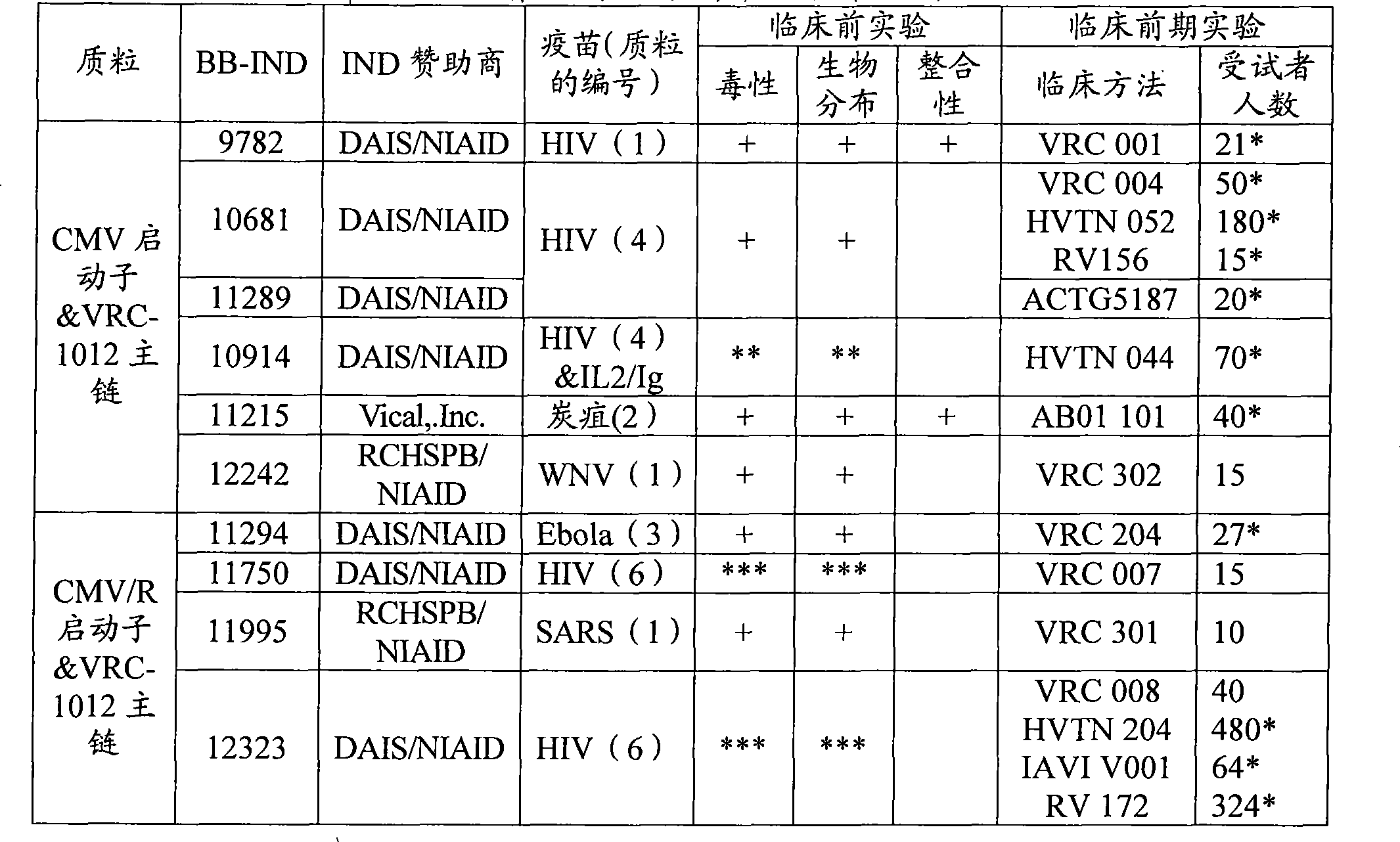
*包括对照数名受试者 * includes control subjects
**对疫苗的HIV(4)部分(分化体B gag pol nef;分化体A、B、C、env)的毒性和生物分布研究由CBER免除,原因是与HIV(2)疫苗(分化体B gagpol nef、分化体B env)质粒的高度抗原同源性。 ** Toxicity and biodistribution studies on the HIV(4) portion of the vaccine (clade B gag pol nef; clades A, B, C, env) are waived by CBER due to differences with the HIV(2) vaccine (clade B gagpol nef, clade B env) plasmids with high antigenic homology.
***对具有CMV/R启动子的HIV(6)疫苗的毒性和生物分布研究由CBER免除,原因是与HIV(4)疫苗质粒的高度抗原同源性。 *** Toxicity and biodistribution studies for HIV(6) vaccine with CMV/R promoter waived by CBER due to high antigenic homology with HIV(4) vaccine plasmid.
+表示该研究完成;注意:没有列出在其它IND中测试与腺病毒载体加强免疫联合的DNA疫苗的继续进行的研究。+ indicates completion of the study; note: no ongoing studies testing DNA vaccines in combination with adenoviral vector boosters in other INDs are listed.
部分5
HA假型慢病毒载体的产生和免疫血清中和活性的的测量Production of HA-pseudotyped lentiviral vectors and measurement of neutralizing activity of immune sera
慢病毒载体通过转染三种质粒至293T细胞内而产生。从内部细胞巨化病毒(CMV)启动子中表达萤光素酶的慢病毒载体质粒用作转移载体。包装质粒pCMVΔR8.2(编码HIV结构蛋白和辅助蛋白)用来表达慢病毒基因产物。从质粒中表达了流感病毒HA蛋白。Lentiviral vectors were produced by transfecting three plasmids into 293T cells. A lentiviral vector plasmid expressing luciferase from an internal cytomegalovirus (CMV) promoter was used as a transfer vector. Packaging plasmid pCMVΔR8.2 (encoding HIV structural and accessory proteins) was used to express lentiviral gene products. Influenza virus HA protein was expressed from a plasmid.
为测量免疫血清的中和活性,三种质粒-编码由CMV启动子驱动的萤光素酶的质粒;编码HIV结构蛋白和辅助蛋白的pCMVΔR8.2和编码流感病毒HA蛋白的质粒-共转染至293T细胞并在转染后48小时收获病毒上清液。收集的上清液置于表达用于HA受体的293A细胞上。To measure the neutralizing activity of immune sera, three plasmids—a plasmid encoding luciferase driven by a CMV promoter; pCMVΔR8.2 encoding HIV structural and accessory proteins, and a plasmid encoding influenza virus HA protein—were co-transfected to 293T cells and the viral supernatant was harvested 48 hours after transfection. The collected supernatants were plated on 293A cells expressing the receptor for HA.
参考图172,表达萤光素酶报道基因的流感病毒HA假型慢病毒载体如(Yang Z-Y等2004 J Virol 78:4029-4036,Naldini L等1996 Science272:263-267和Lewis,BC等2001 J Virol 75:9339-9344)所述产生。简而言之,293T细胞使用下列质粒进行共转染:7μg pCMVΔR8.2、7μg pHR′CMV-Luc和125ng CMV/R 8κB H1(1918)、H1(1918)(ΔPS)、H1(1918)(ΔPS2)或H1(PR/8)(ΔPS)或H5(Kan-1)。pCMVDR8.2编码用于慢病毒颗粒的全部结构蛋白和辅助蛋白。将细胞转染过夜,洗涤和补充新鲜培养基。48小时后,将上清液收获,通过0.45-μm注射器式滤器过滤,等分并立即使用或在-80℃冷冻。对于中和试验,将抗血清与在多个稀释度上的100μl假病毒混合并添加至48孔培养皿内的293A细胞(Invitrogen,Carlsbad,CA)(每孔30,000个细胞)。洗涤平板并在14-16小时后后添加新鲜培养基。转染48小时后,将细胞在哺乳动物细胞裂解缓冲液(Promega,Madison,WI)中裂解。标准量的细胞裂解物在萤光素酶分析法中与萤光素酶分析试剂(Promega)根据制造商的方法使用。实施例中和试验数据在表6中给出。Referring to Figure 172, the influenza virus HA pseudotyped lentiviral vector expressing the luciferase reporter gene such as (Yang Z-Y et al. 2004 J Virol 78: 4029-4036, Naldini L et al. 1996 Science272: 263-267 and Lewis, BC et al. 2001 J Virol 75:9339-9344). Briefly, 293T cells were co-transfected with the following plasmids: 7 μg pCMVΔR8.2, 7 μg pHR′ CMV-Luc, and 125 ng CMV/R 8κB H1(1918), H1(1918)(ΔPS), H1(1918)( ΔPS2) or H1 (PR/8) (ΔPS) or H5 (Kan-1). pCMVDR8.2 encodes all structural and accessory proteins for lentiviral particles. Cells were transfected overnight, washed and replenished with fresh medium. After 48 hours, supernatants were harvested, filtered through 0.45-μm syringe filters, aliquoted and used immediately or frozen at -80°C. For neutralization assays, antiserum was mixed with 100 μl of pseudovirus at multiple dilutions and added to 293A cells (Invitrogen, Carlsbad, CA) in 48-well dishes (30,000 cells per well). Plates were washed and fresh medium added after 14-16 hours. Forty-eight hours after transfection, cells were lysed in Mammalian Cell Lysis Buffer (Promega, Madison, WI). Standard amounts of cell lysates were used in the luciferase assay with Luciferase Assay Reagent (Promega) according to the manufacturer's protocol. Examples and test data are given in Table 6.

******
尽管出于清晰和理解的目的已经某种程度详细地描述了本发明,然而本领域技术人员会知道可以产生在形式和细节方面的多个变化而不脱离本发明的真实范围。上文提及的全部图片、表格和附录,以及专利、申请和出版物因而通过应用作为参考。Although the present invention has been described in some detail for purposes of clarity and understanding, workers skilled in the art will recognize that various changes in form and detail may be made without departing from the true scope of the invention. All figures, tables and appendices, as well as patents, applications and publications mentioned above are hereby incorporated by reference.
序列表sequence listing
<110>美国国有健康与人类服务部<110> U.S. Department of State-owned Health and Human Services
<120>针对流感病毒的抗病毒剂和疫苗<120> Antiviral agents and vaccines against influenza viruses
<130>PIUS0811383<130>PIUS0811383
<150>60/774,923<150>60/774,923
<151>2006-02-16<151>2006-02-16
<160>184<160>184
<170>FastSEQ for Windows Version 4.0<170>FastSEQ for Windows Version 4.0
<210>1<210>1
<211>6122<211>6122
<212>DNA<212>DNA
<213>人工序列<213> Artificial sequence
<220><220>
<223>质粒DNA:VRC9123<223> plasmid DNA: VRC9123
<400>1<400>1

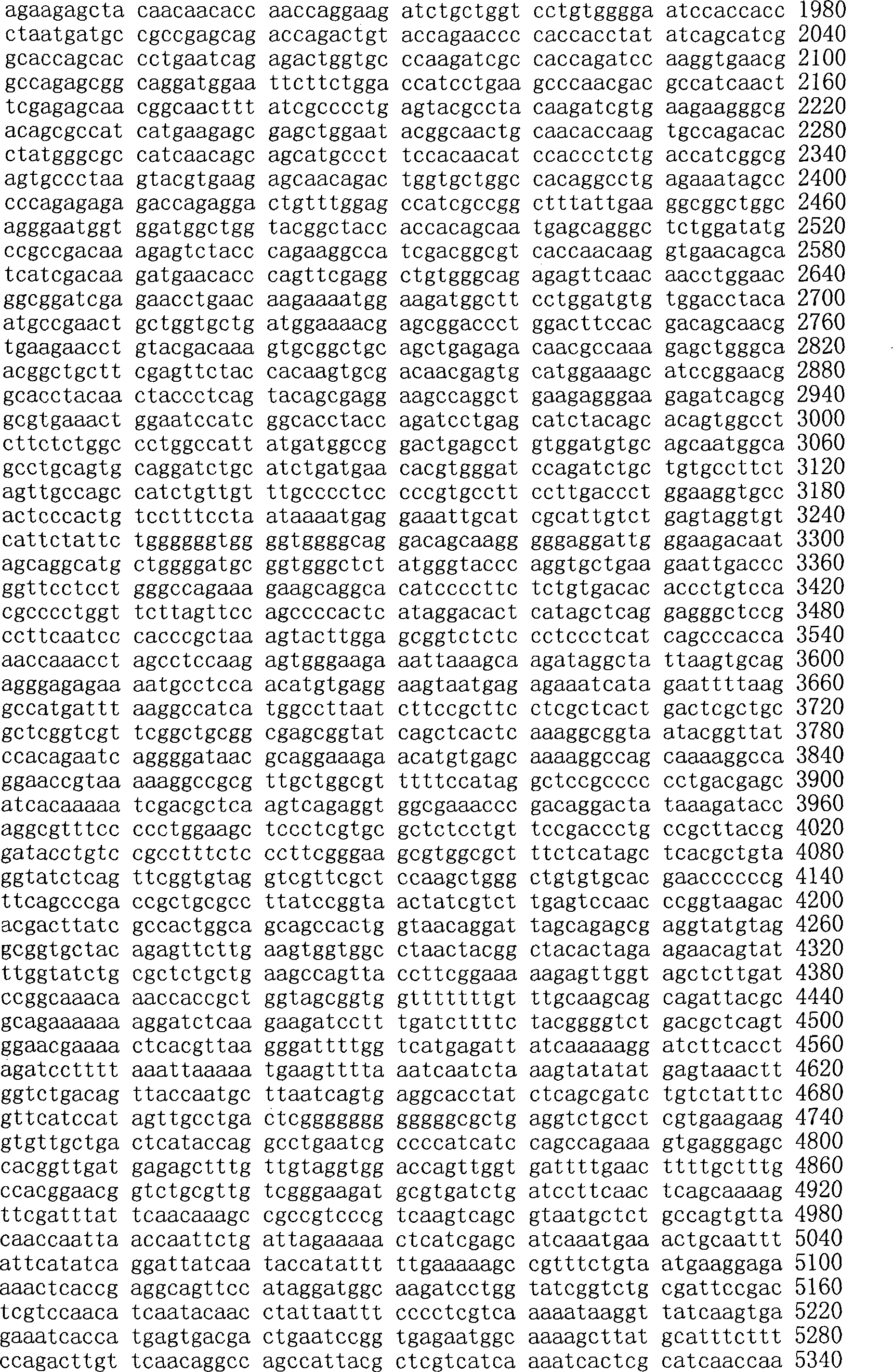

<210>2<210>2
<211>6120<211>6120
<212>DNA<212>DNA
<213>人工序列<213> Artificial sequence
<220><220>
<223>质粒DNA:VRC 7702<223> plasmid DNA:
<400>2<400>2
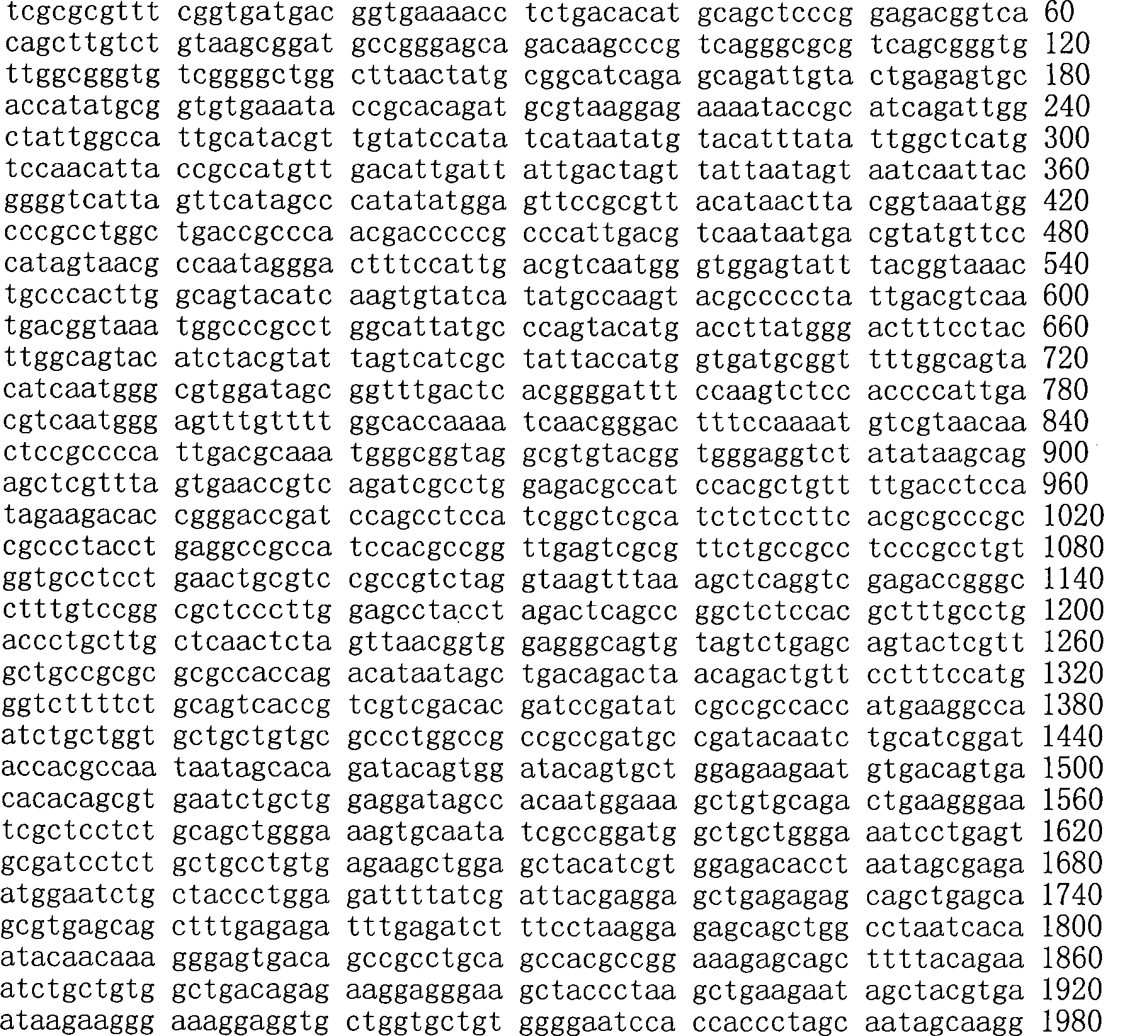

<210>3<210>3
<211>6120<211>6120
<212>DNA<212>DNA
<213>人工序列<213> Artificial sequence
<220><220>
<223>质粒DNA:VRC 7703<223> plasmid DNA:
<400>3<400>3

<210>4<210>4
<211>6123<211>6123
<212>DNA<212>DNA
<213>人工序列<213> Artificial sequence
<220><220>
<223>质粒DNA:VRC 7704<223> plasmid DNA: VRC 7704
<400>4<400>4


<210>5<210>5
<211>6126<211>6126
<212>DNA<212>DNA
<213>人工序列<213> Artificial sequence
<220><220>
<223>质粒DNA:VRC 7705<223> plasmid DNA: VRC 7705
<400>5<400>5
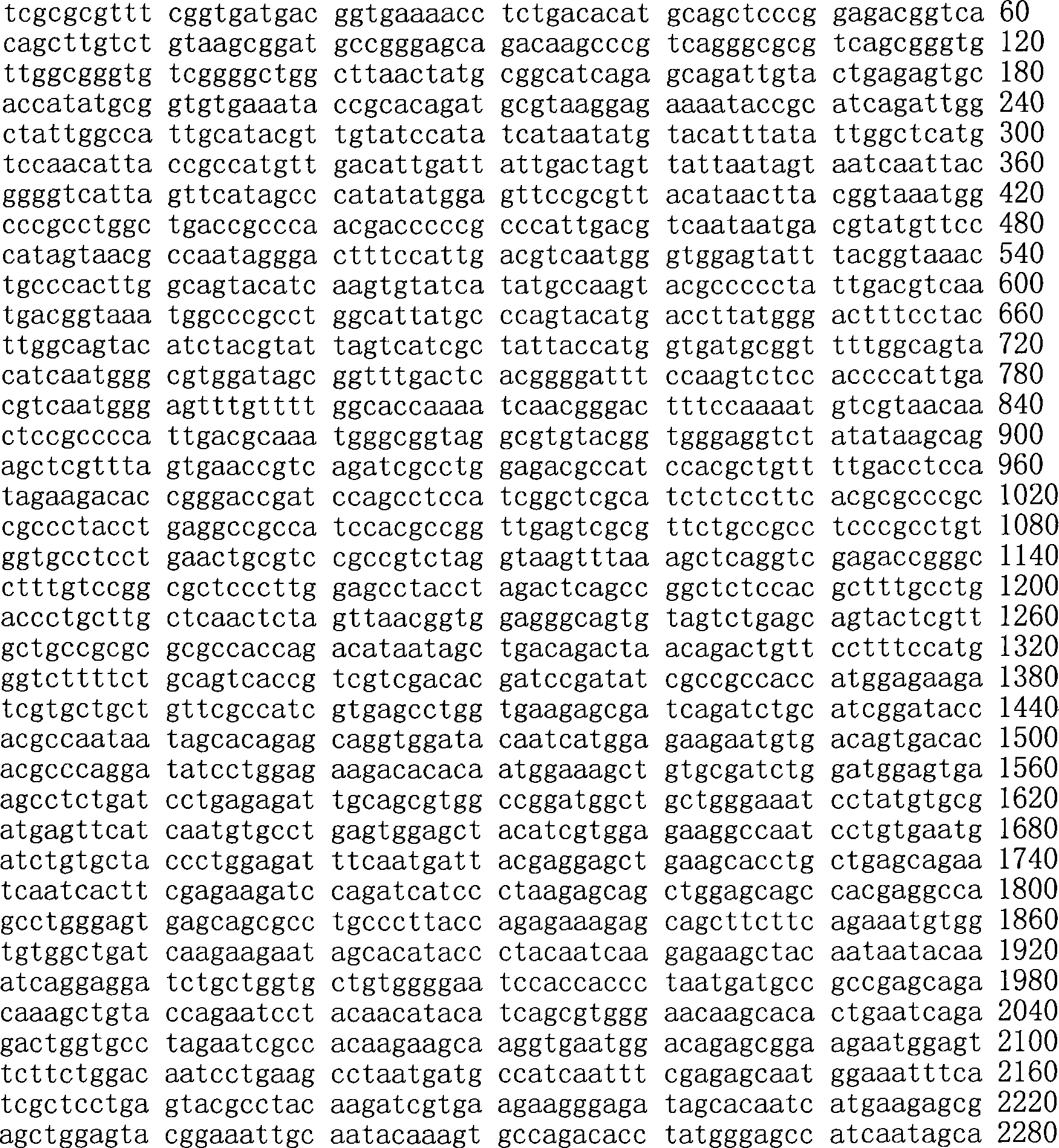
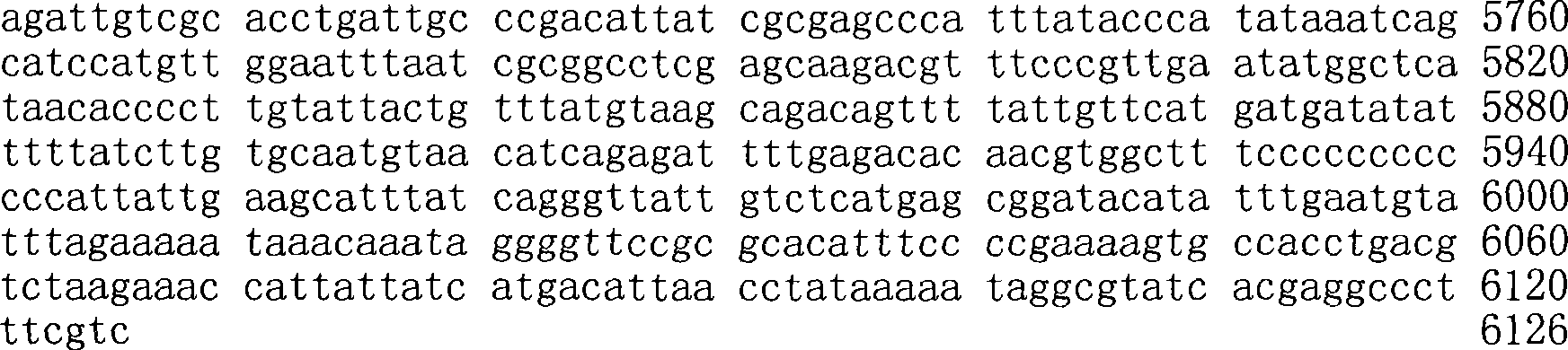
<210>6<210>6
<211>6114<211>6114
<212>DNA<212>DNA
<213>人工序列<213> Artificial sequence
<220><220>
<223>质粒DNA:VRC 7706<223> plasmid DNA:
<400>6<400>6
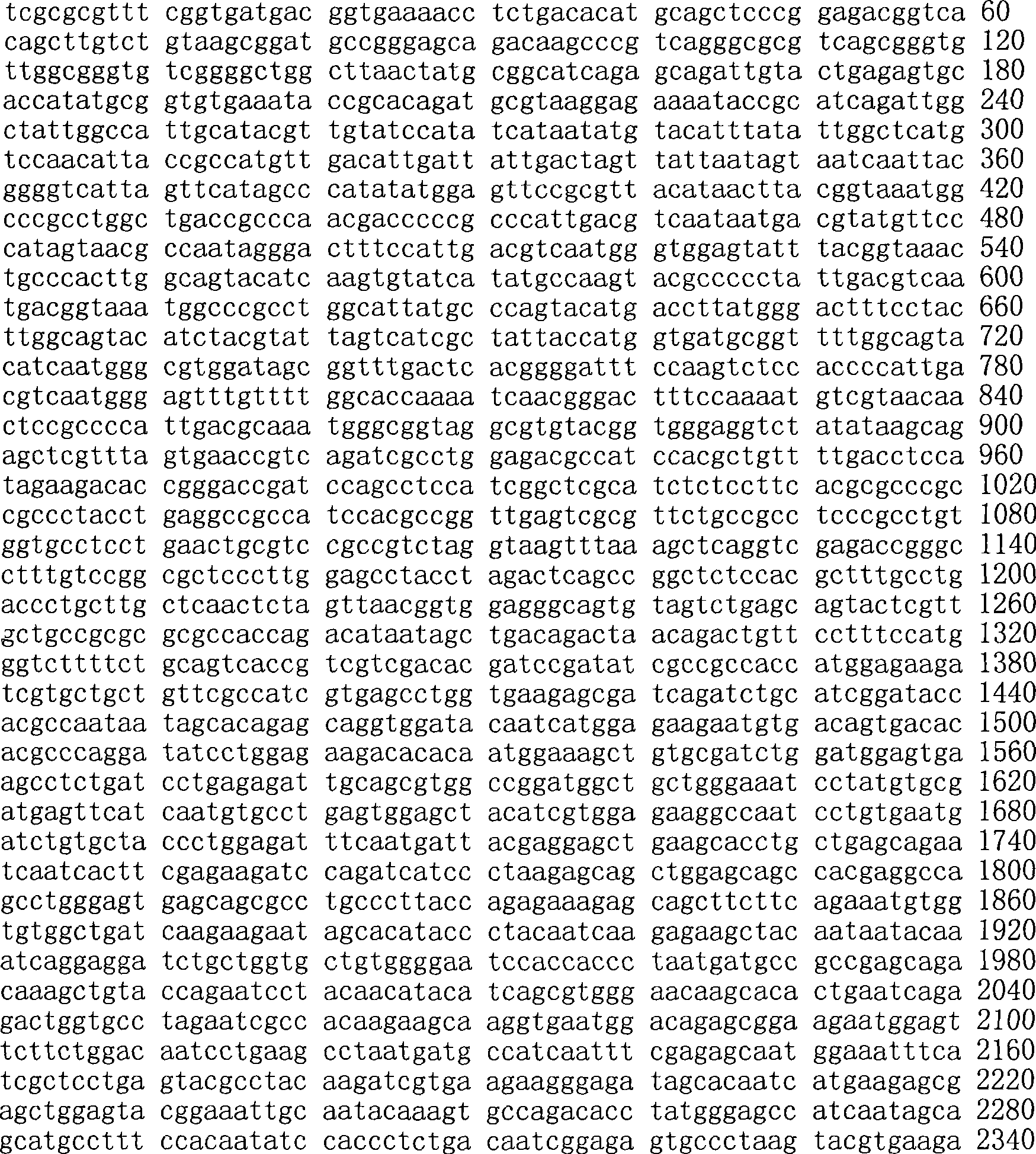
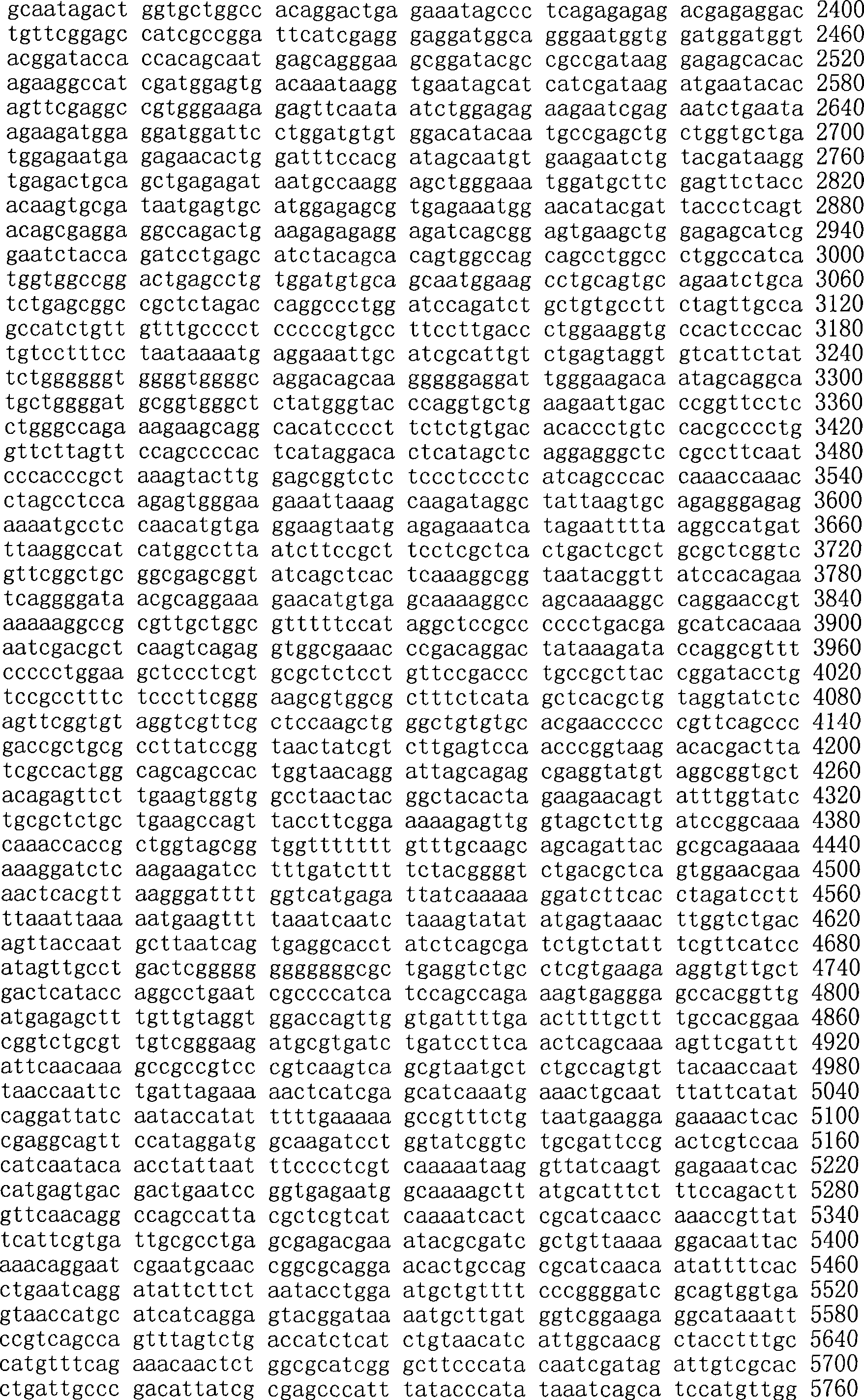

<210>7<210>7
<211>6117<211>6117
<212>DNA<212>DNA
<213>人工序列<213> Artificial sequence
<220><220>
<223>质粒DNA:VRC 7707<223> plasmid DNA:
<400>7<400>7

<210>8<210>8
<211>5769<211>5769
<212>DNA<212>DNA
<213>人工序列<213> Artificial sequence
<220><220>
<223>质粒DNA:VRC 7708<223> plasmid DNA:
<400>8<400>8

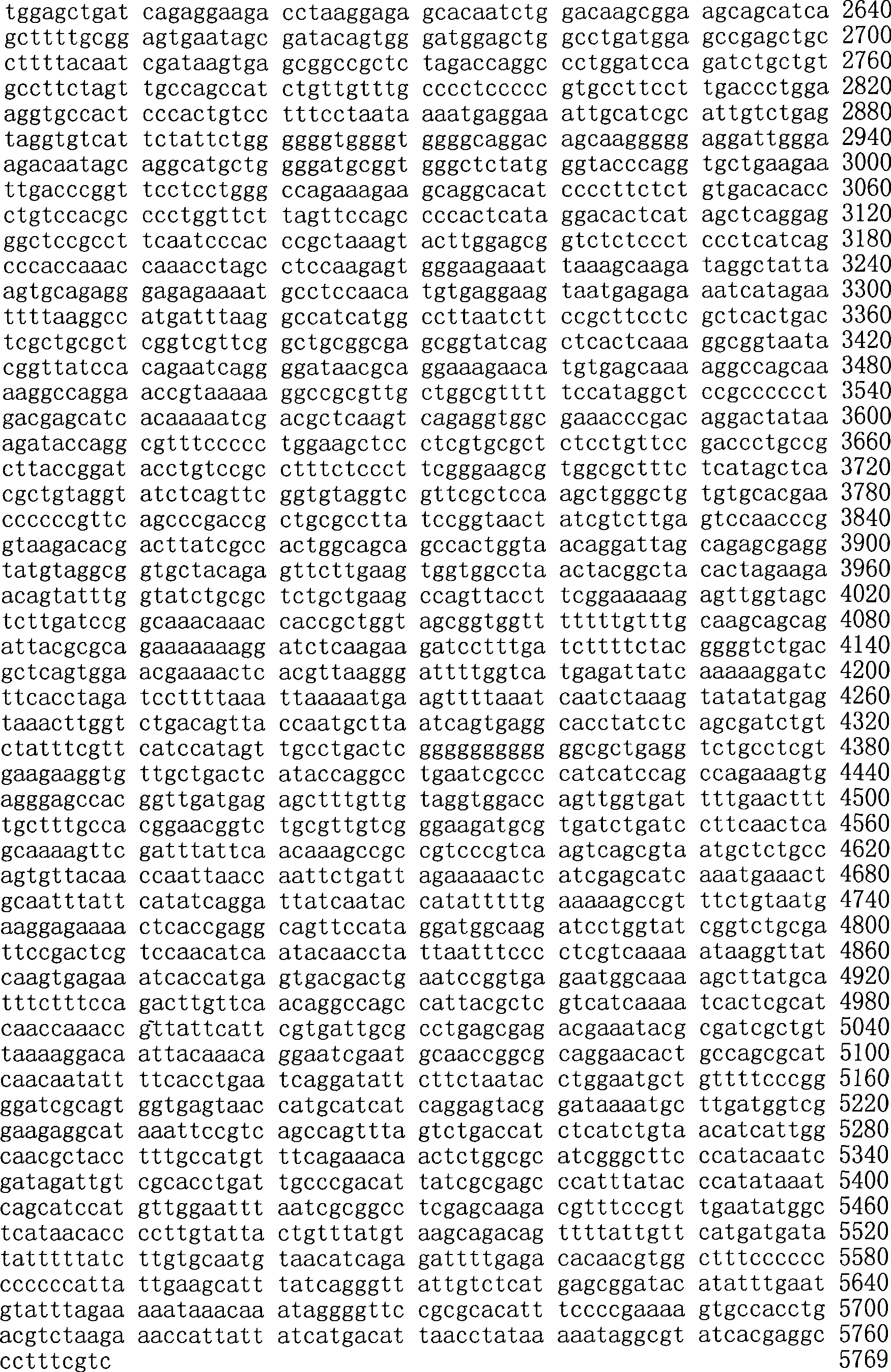
<210>9<210>9
<211>4655<211>4655
<212>DNA<212>DNA
<213>人工序列<213> Artificial sequence
<220><220>
<223>质粒DNA:VRC 7712<223> plasmid DNA:
<400>9<400>9
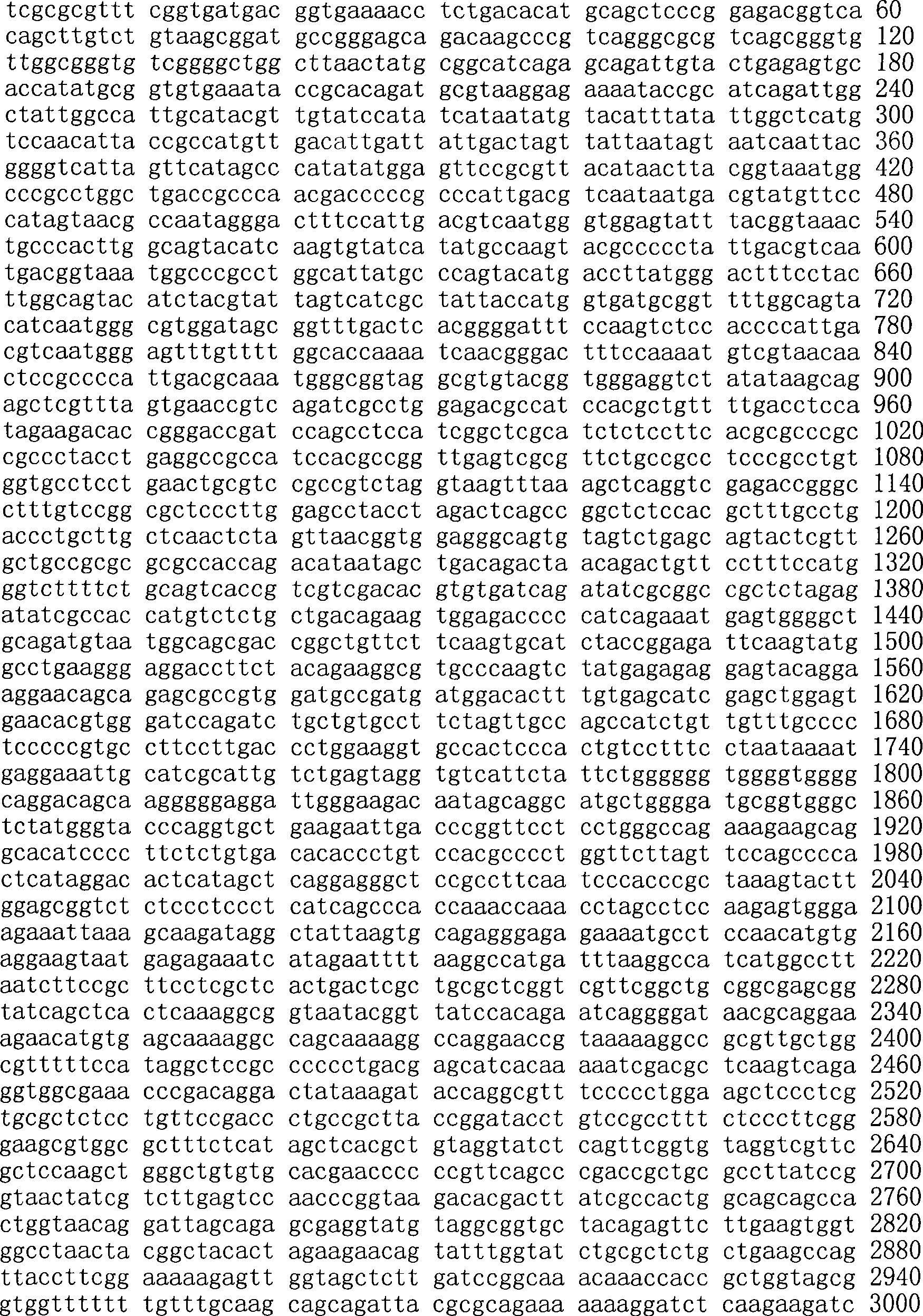

<210>10<210>10
<211>4700<211>4700
<212>DNA<212>DNA
<213>人工序列<213> Artificial sequence
<220><220>
<223>质粒DNA:VRC 7713<223> plasmid DNA:
<400>10<400>10
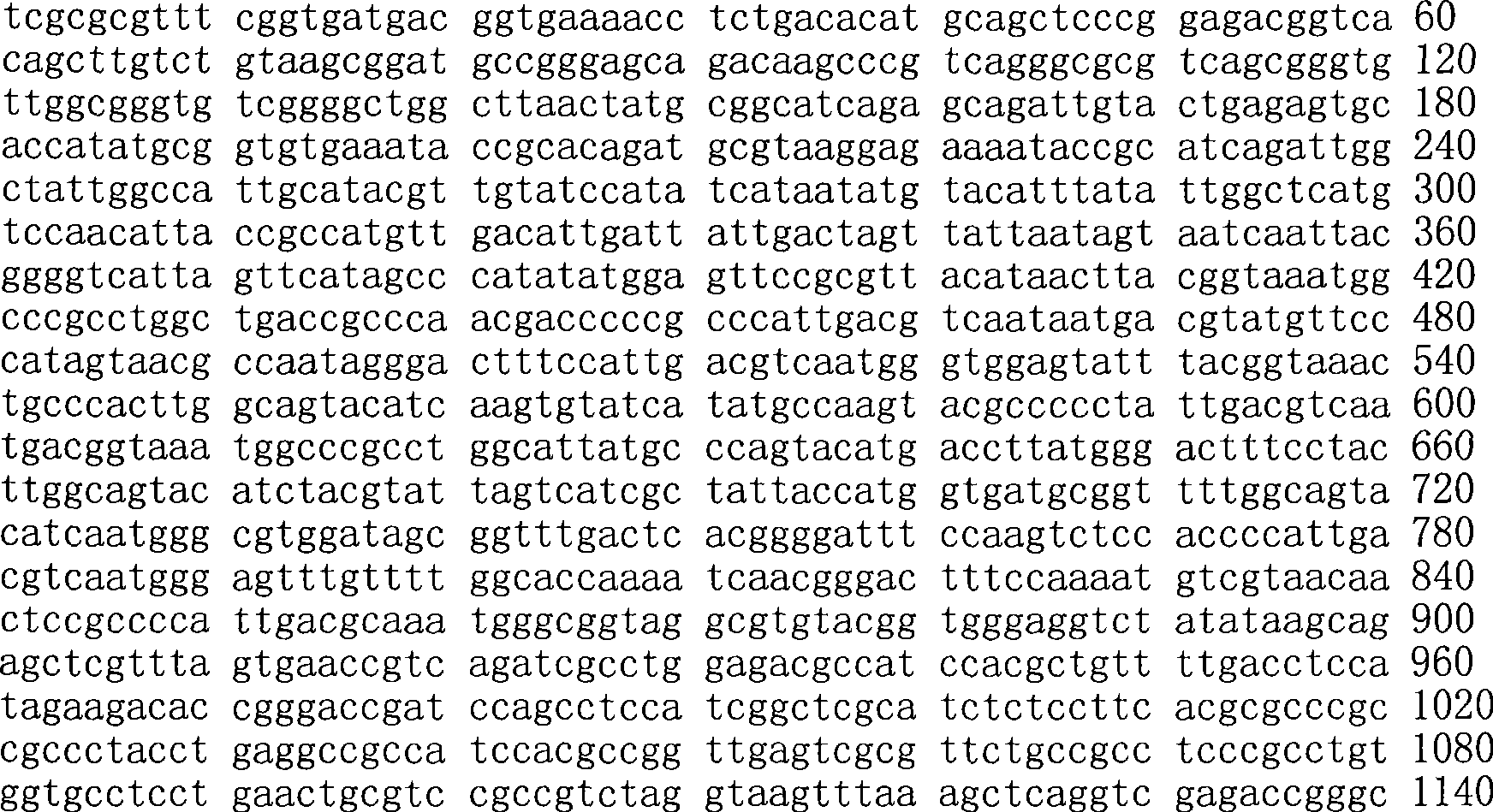


<210>11<210>11
<211>4763<211>4763
<212>DNA<212>DNA
<213>人工序列<213> Artificial sequence
<220><220>
<223>质粒DNA:VRC 7714<223> plasmid DNA:
<400>11<400>11
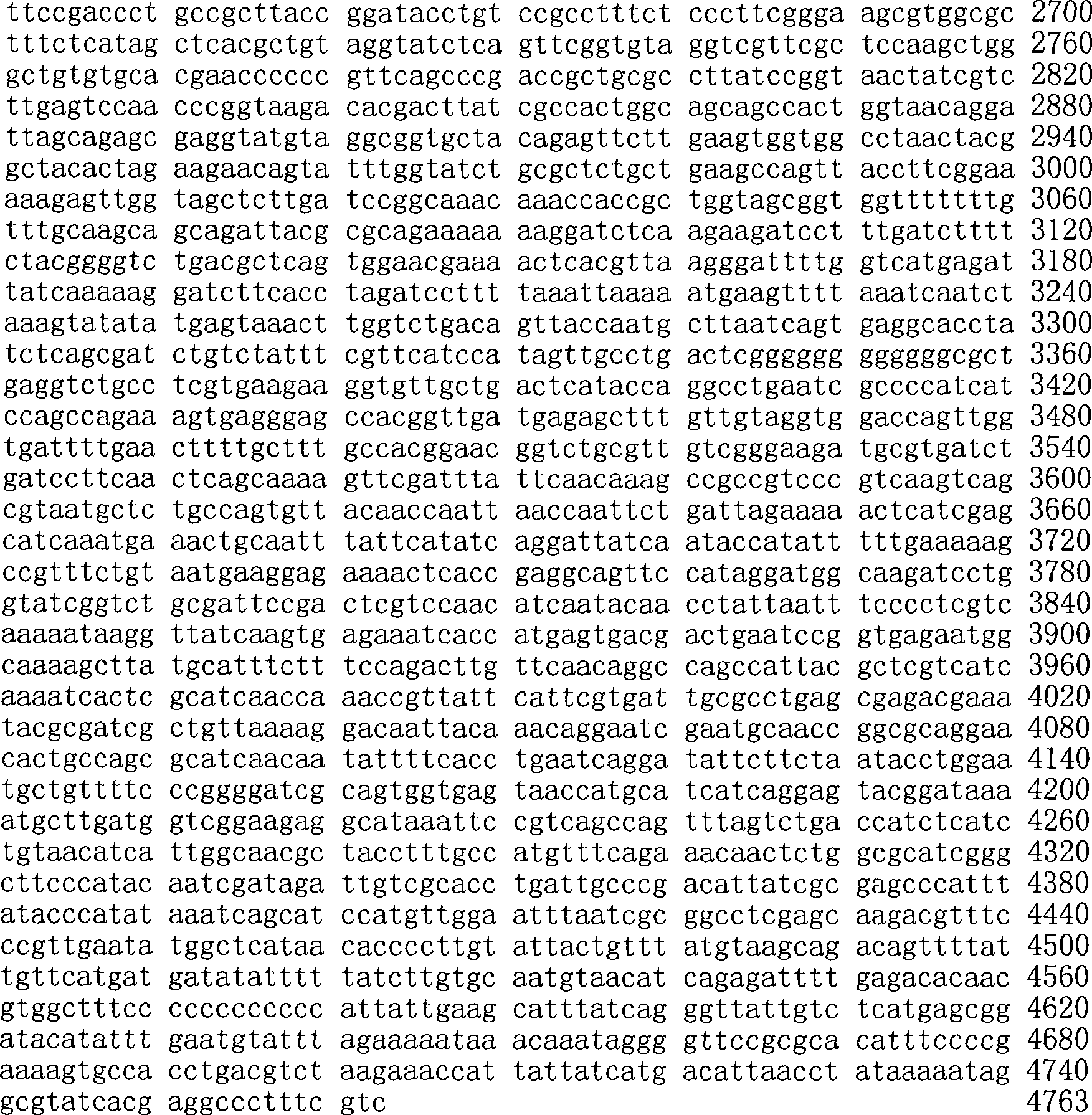
<210>12<210>12
<211>4718<211>4718
<212>DNA<212>DNA
<213>人工序列<213> Artificial sequence
<220><220>
<223>质粒DNA:VRC 7715<223> plasmid DNA:
<400>12<400>12


<210>13<210>13
<211>4655<211>4655
<212>DNA<212>DNA
<213>人工序列<213> Artificial sequence
<220><220>
<223>质粒DNA:VRC 7716<223> plasmid DNA:
<400>13<400>13

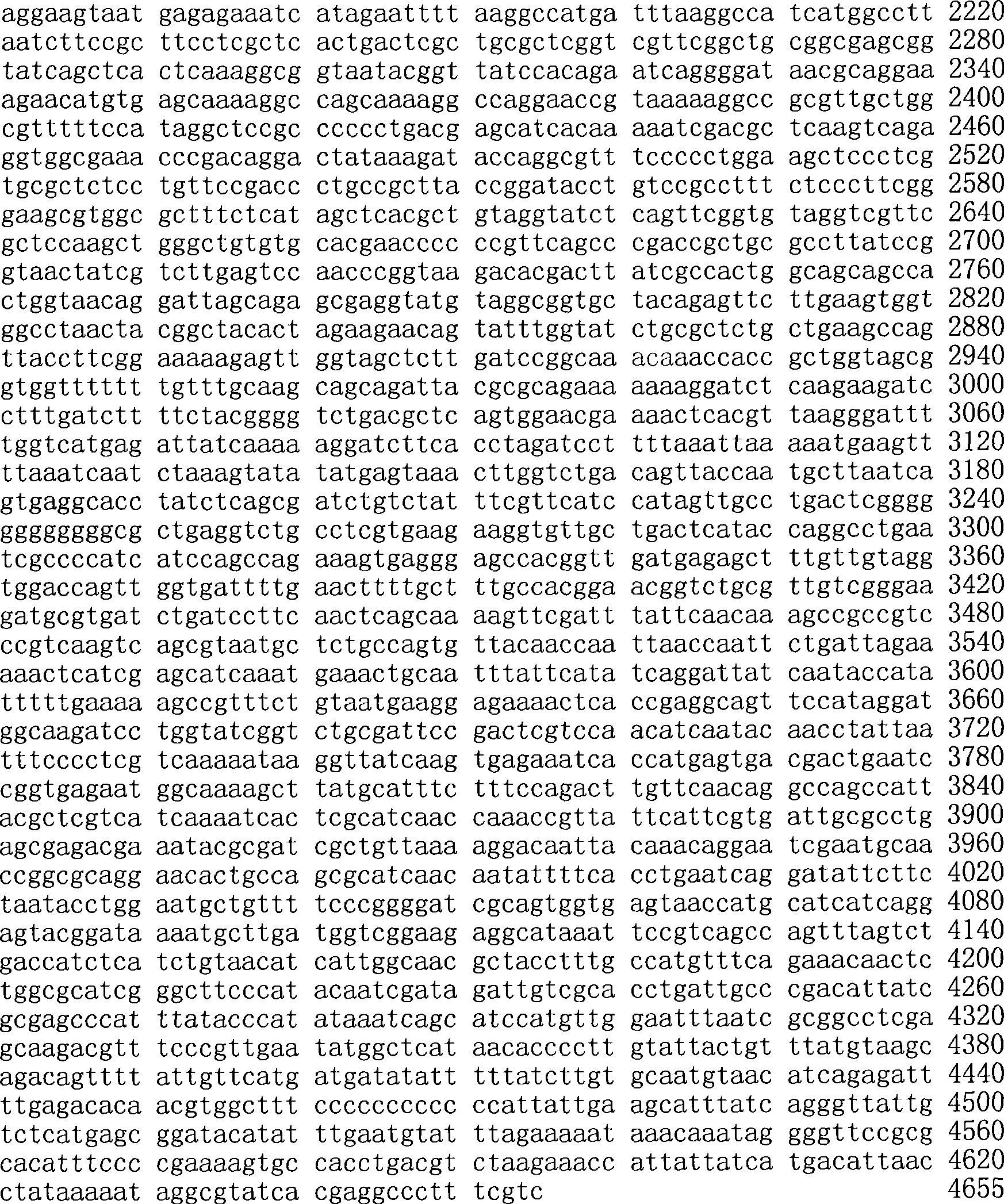
<210>14<210>14
<211>4700<211>4700
<212>DNA<212>DNA
<213>人工序列<213> Artificial sequence
<220><220>
<223>质粒DNA:VRC 7717<223> plasmid DNA:
<400>14<400>14


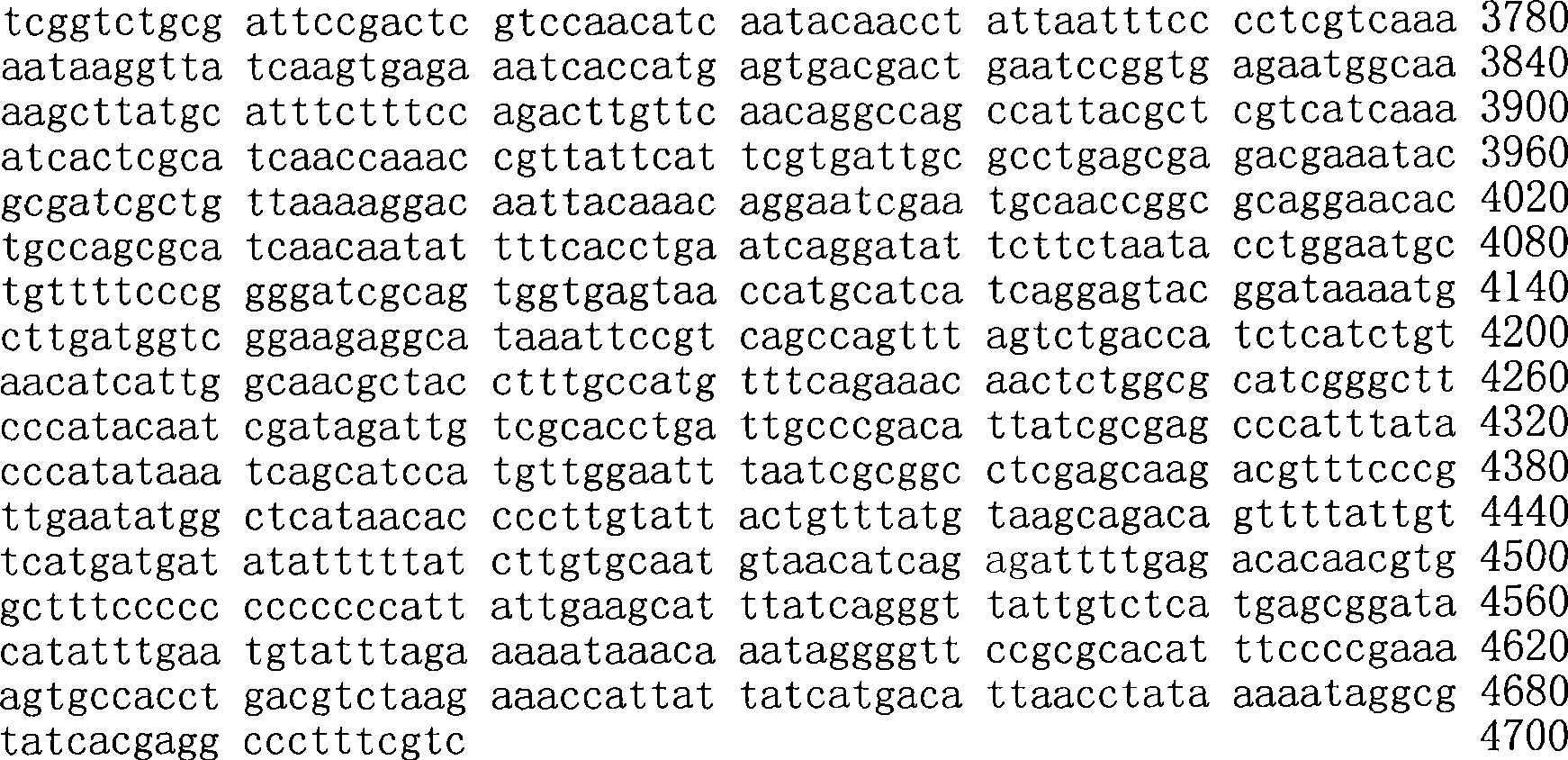
<210>15<210>15
<211>4763<211>4763
<212>DNA<212>DNA
<213>人工序列<213> Artificial sequence
<220><220>
<223>质粒DNA:VRC 7718<223> plasmid DNA: VRC 7718
<400>15<400>15

<210>16<210>16
<211>4718<211>4718
<212>DNA<212>DNA
<213>人工序列<213> Artificial sequence
<220><220>
<223>质粒DNA:VRC 7719<223> plasmid DNA:
<400>16<400>16
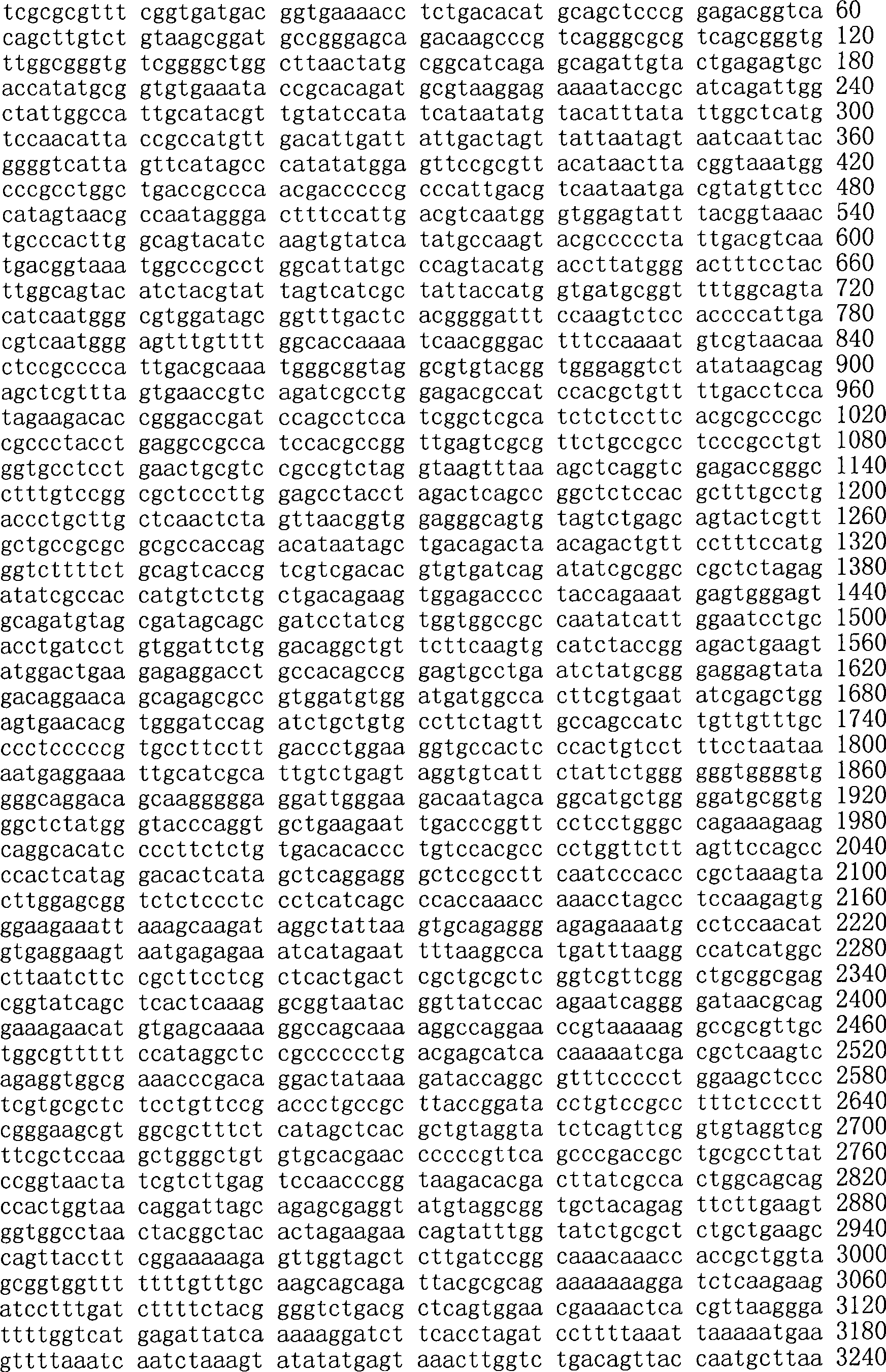

<210>17<210>17
<211>6117<211>6117
<212>DNA<212>DNA
<213>人工序列<213> Artificial sequence
<220><220>
<223>质粒DNA:53349<223> plasmid DNA: 53349
<400>17<400>17
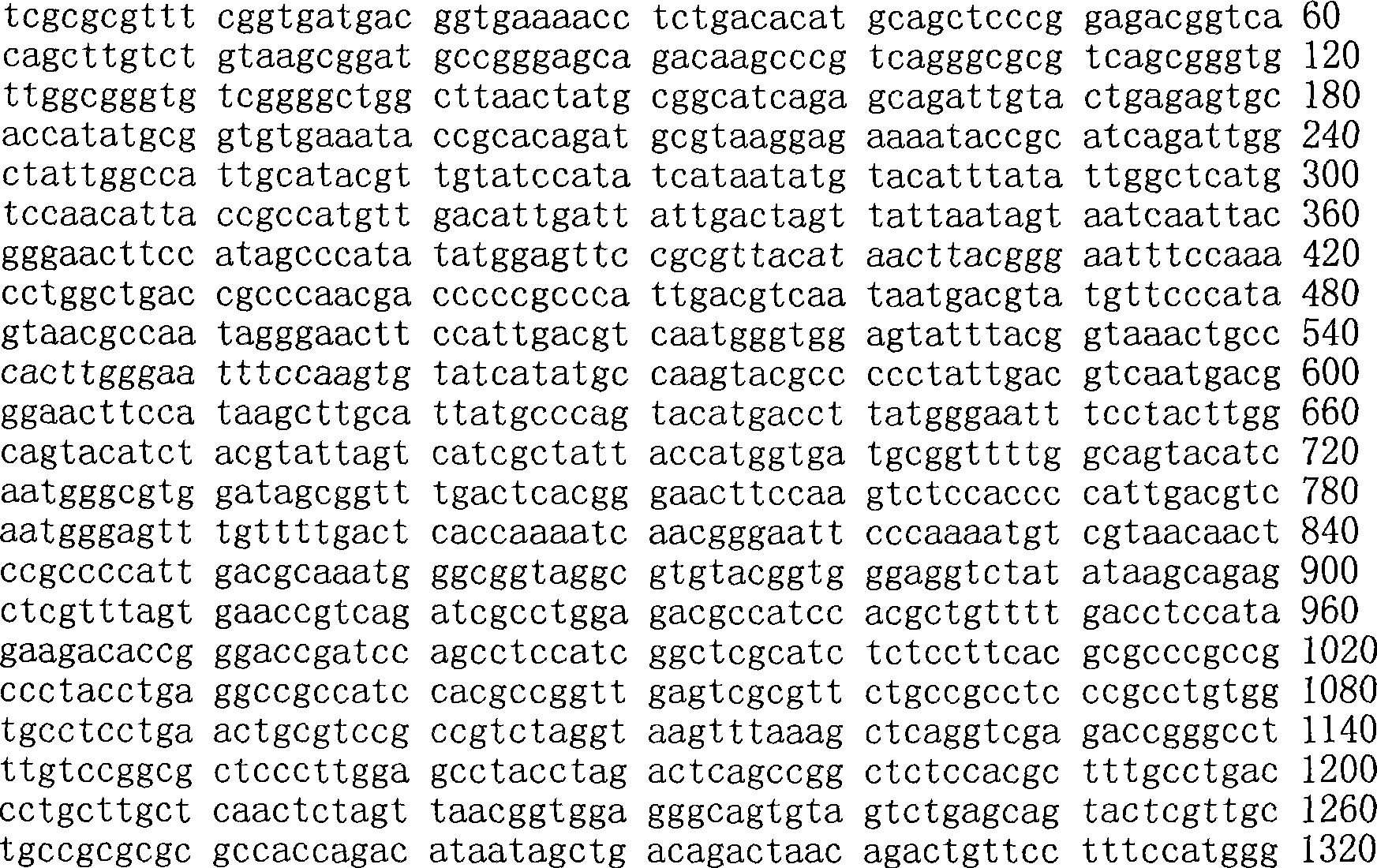

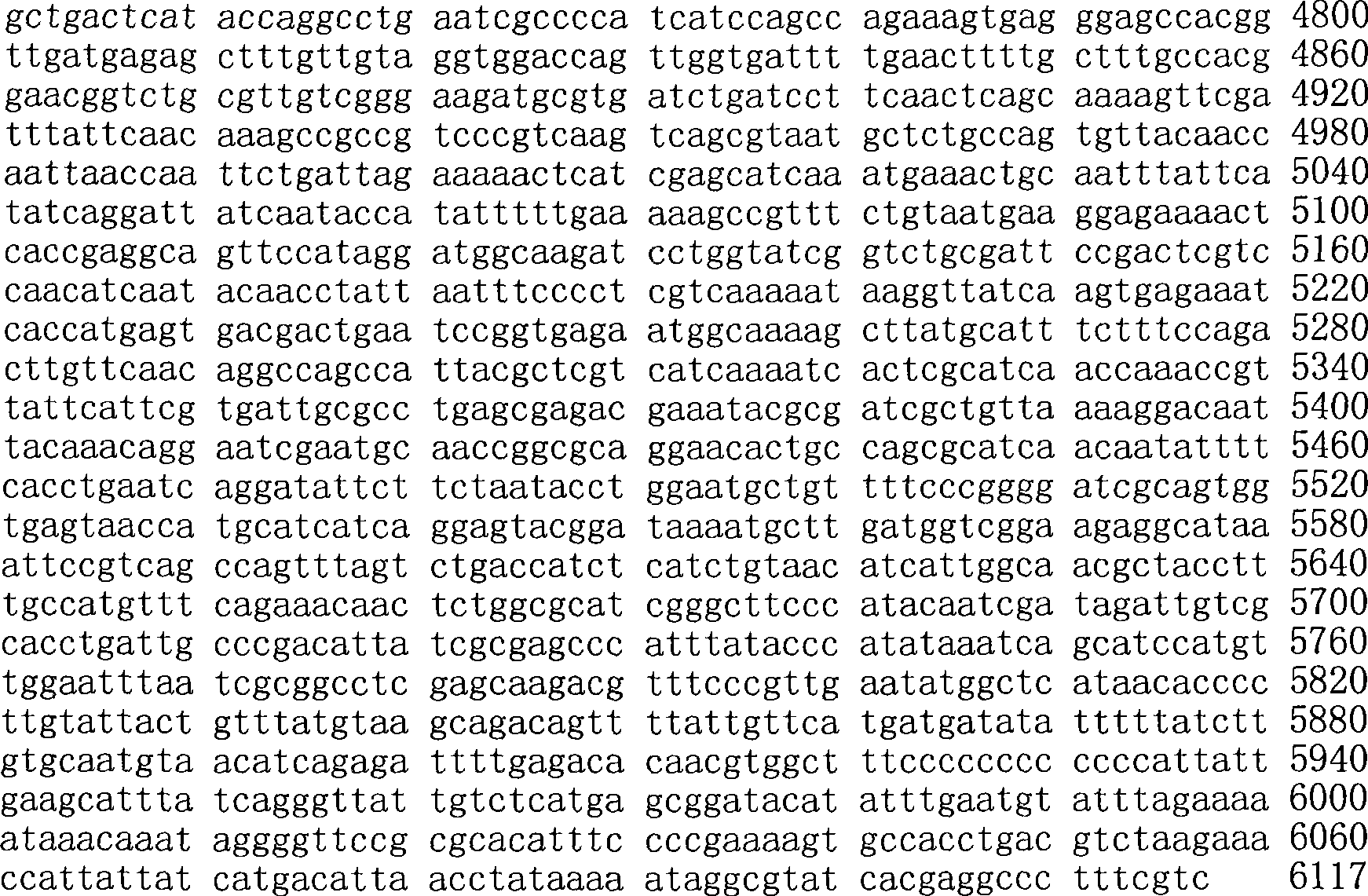
<210>18<210>18
<211>6120<211>6120
<212>DNA<212>DNA
<213>人工序列<213> Artificial sequence
<220><220>
<223>质粒DNA:53350<223> plasmid DNA: 53350
<400>18<400>18

<210>19<210>19
<211>6114<211>6114
<212>DNA<212>DNA
<213>人工序列<213> Artificial sequence
<220><220>
<223>质粒DNA:53352<223> plasmid DNA: 53352
<400>19<400>19


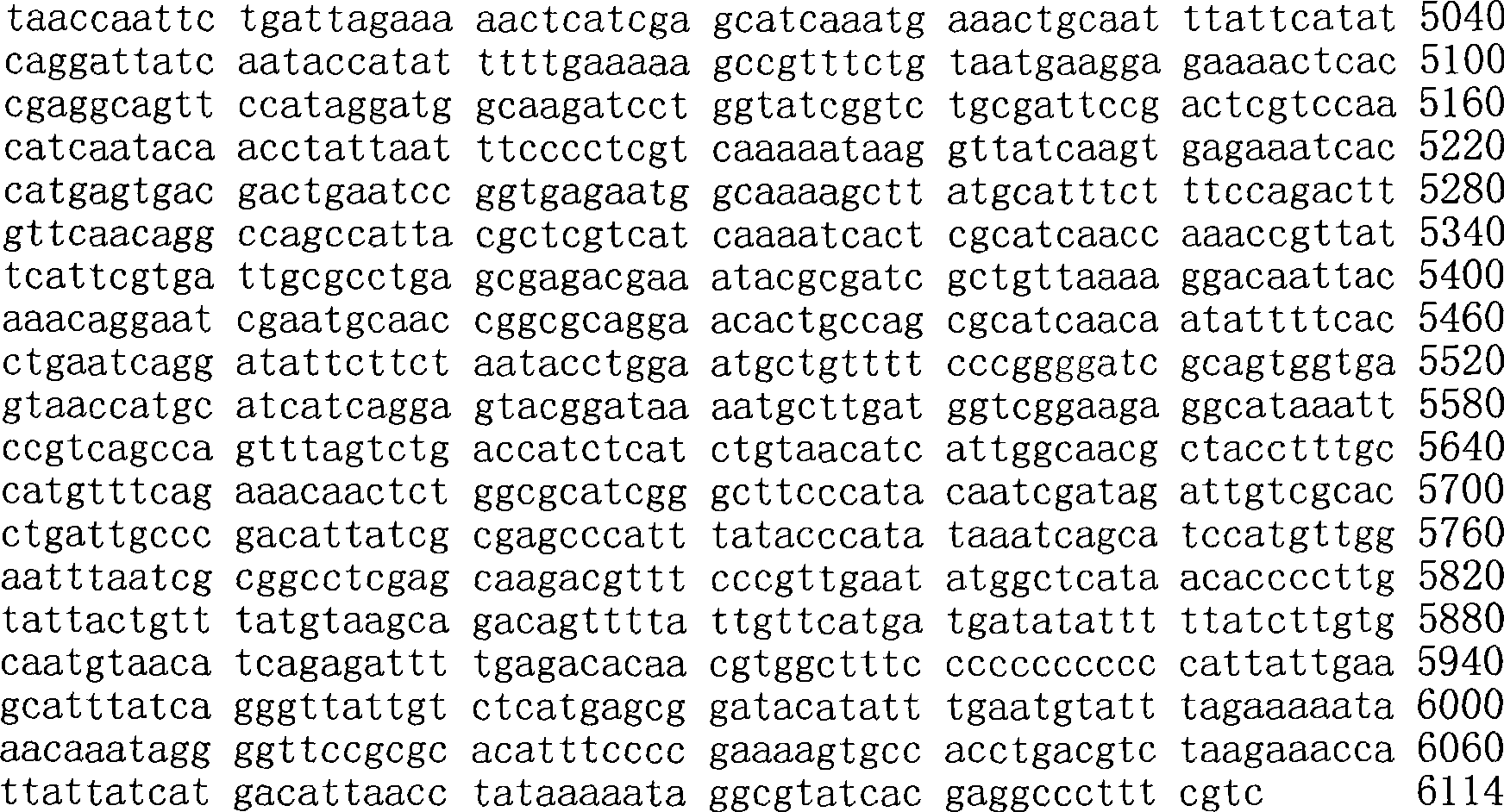
<210>20<210>20
<211>6114<211>6114
<212>DNA<212>DNA
<213>人工序列<213> Artificial sequence
<220><220>
<223>质粒DNA:53353<223> plasmid DNA: 53353
<400>20<400>20
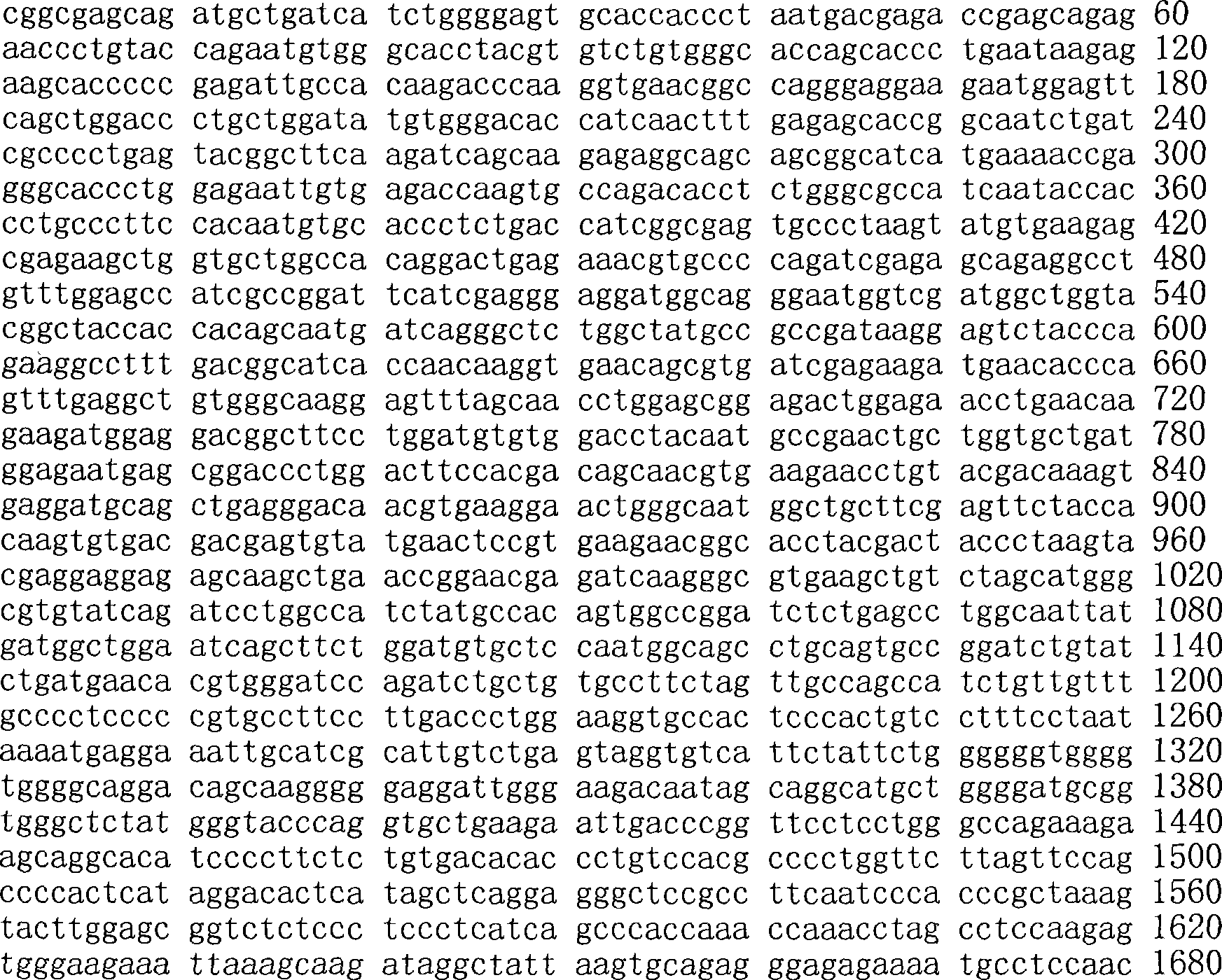
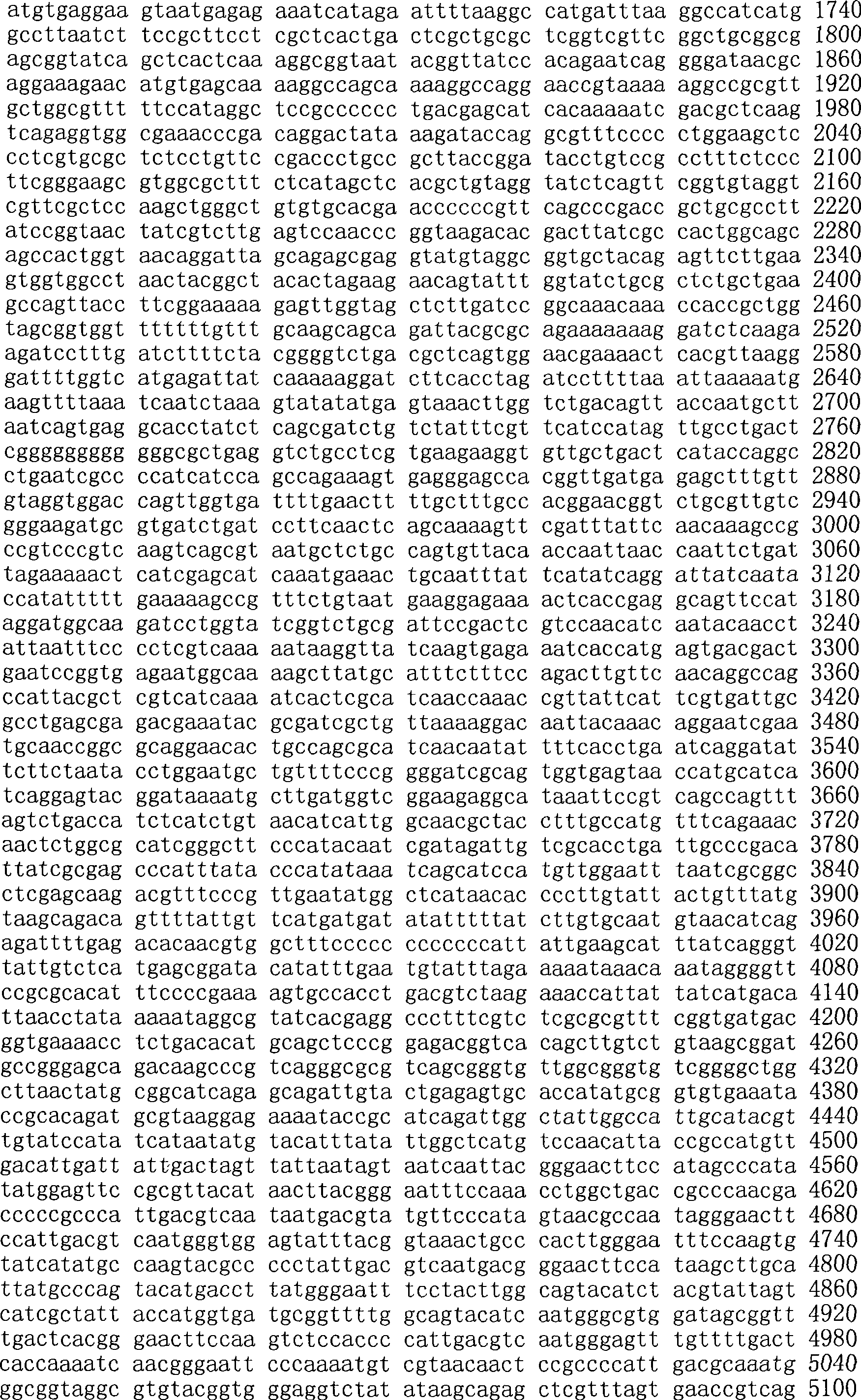

<210>21<210>21
<211>6108<211>6108
<212>DNA<212>DNA
<213>人工序列<213> Artificial sequence
<220><220>
<223>质粒DNA:53355<223> plasmid DNA: 53355
<400>21<400>21
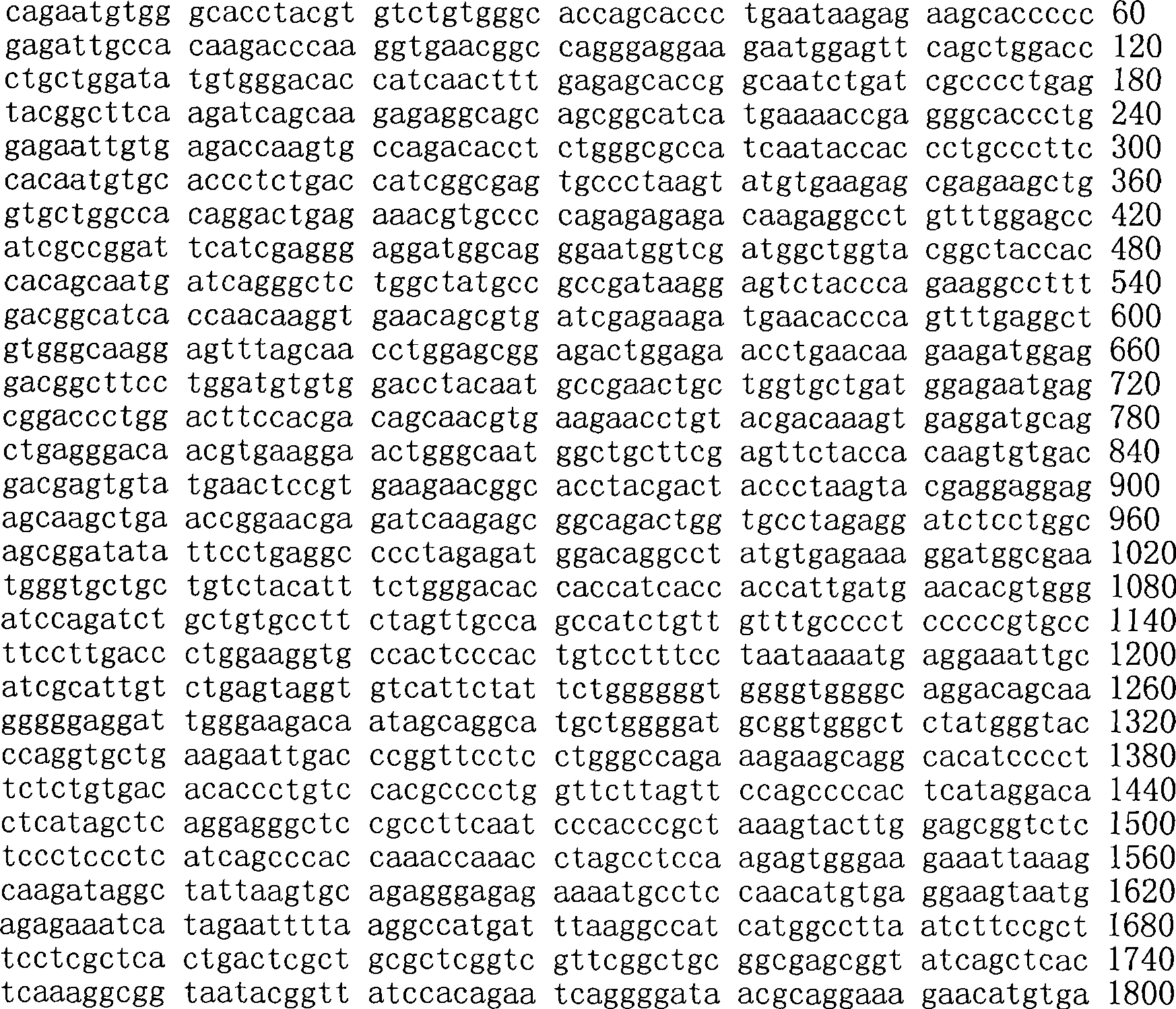
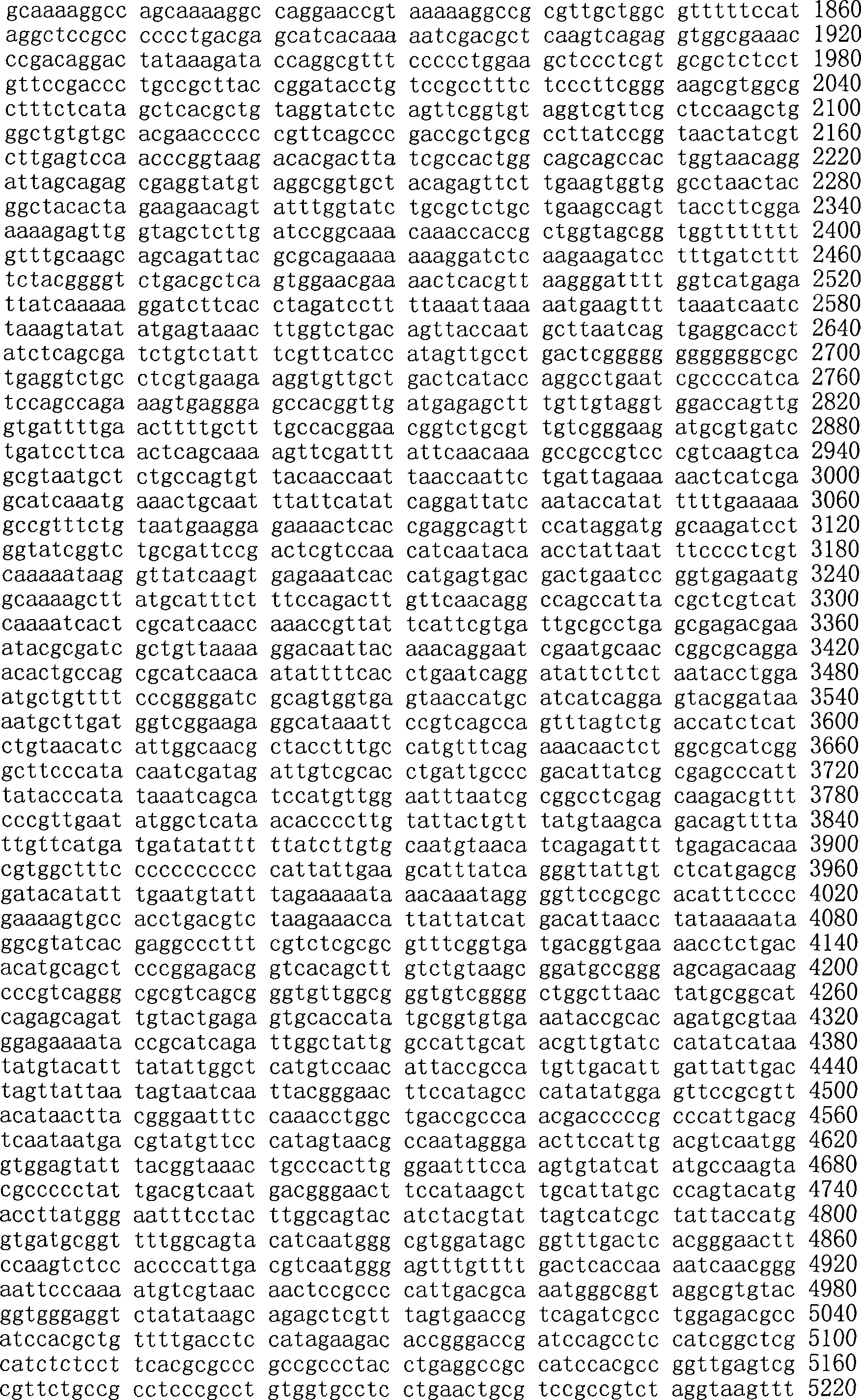
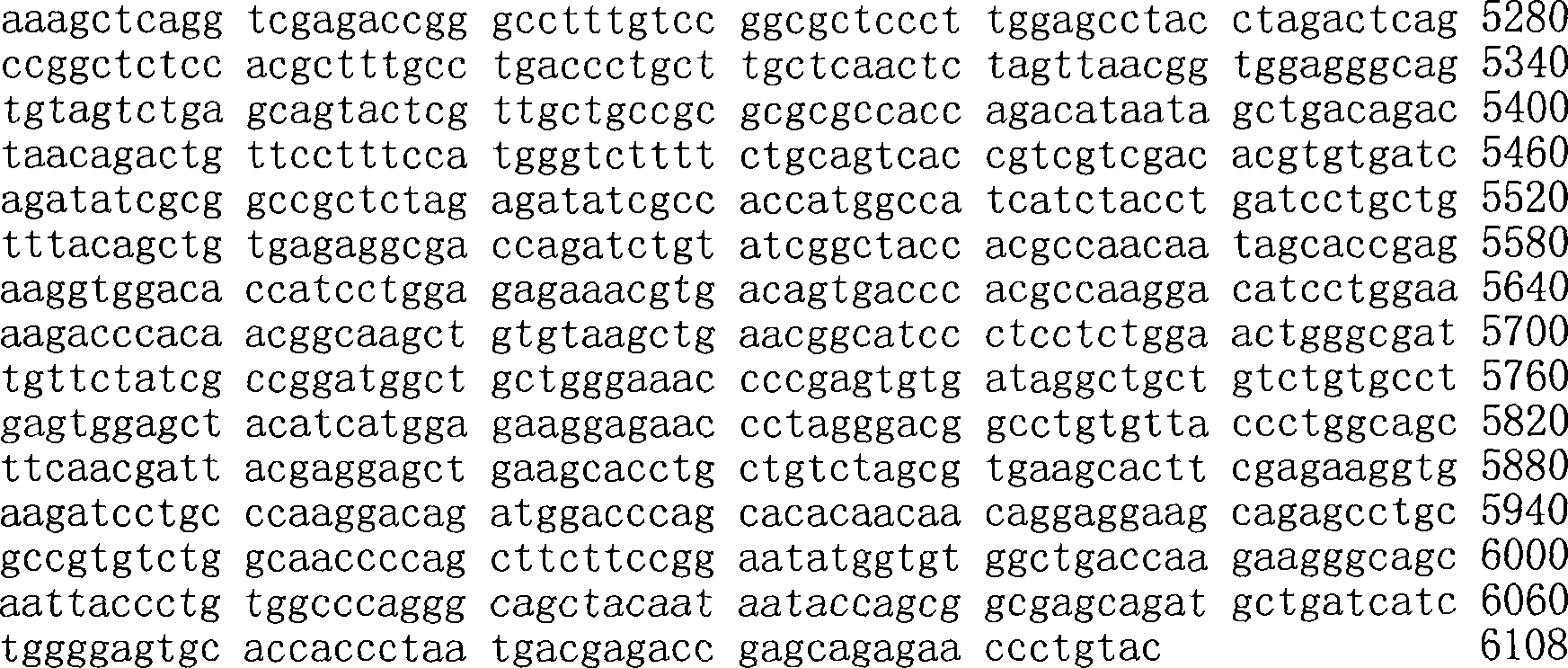
<210>22<210>22
<211>6123<211>6123
<212>DNA<212>DNA
<213>人工序列<213> Artificial sequence
<220><220>
<223>质粒DNA:53356<223> plasmid DNA: 53356
<400>22<400>22
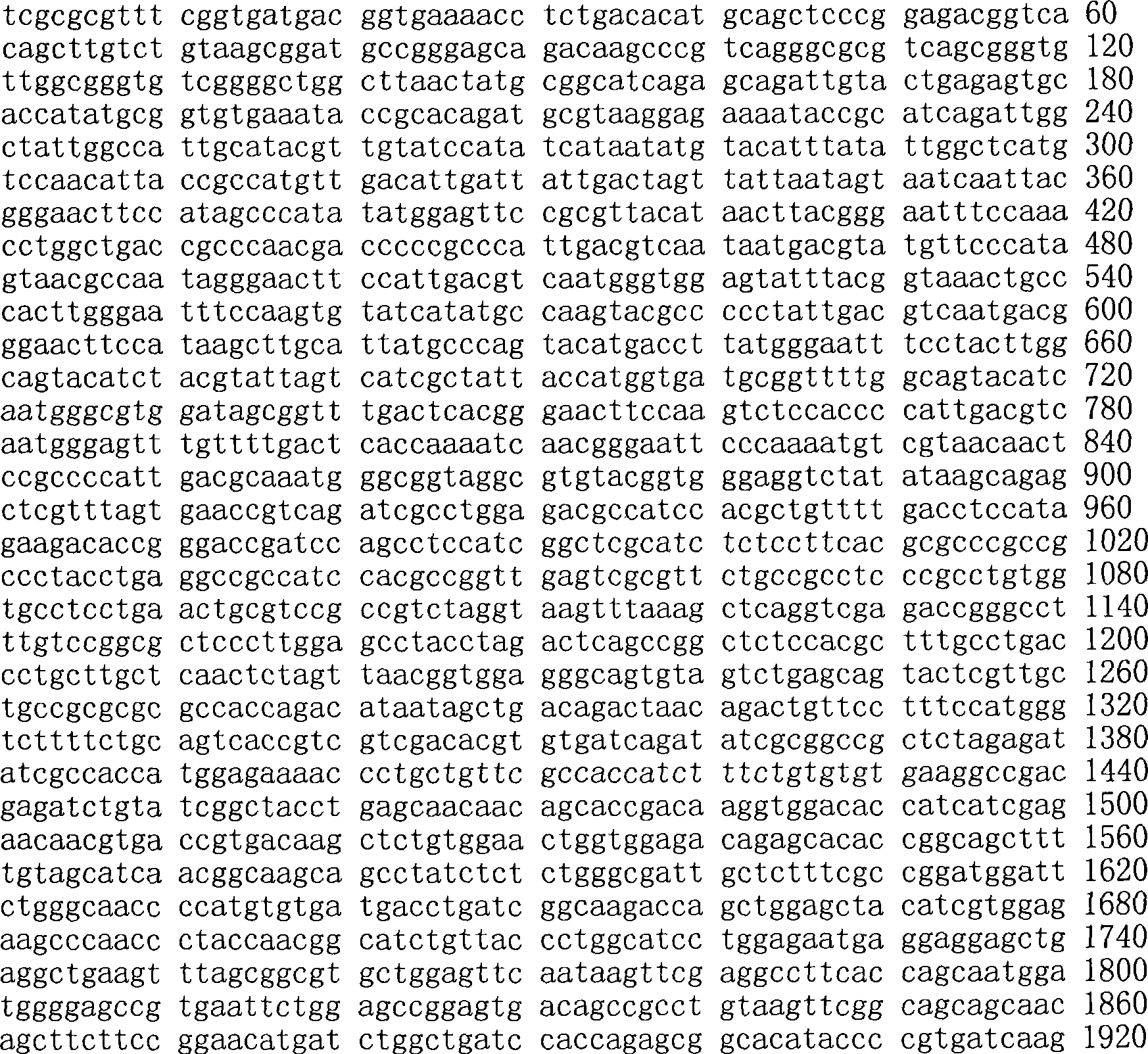
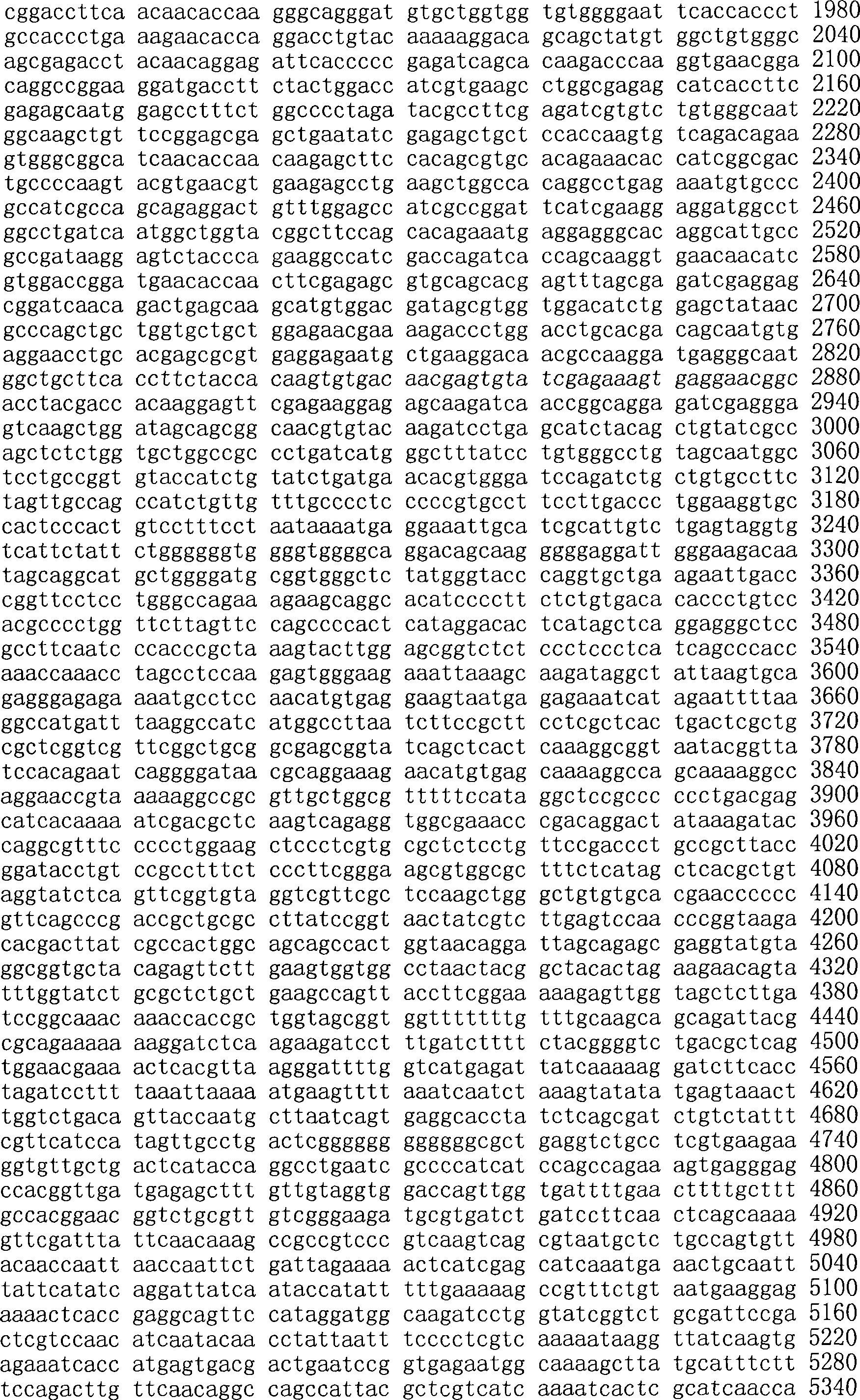
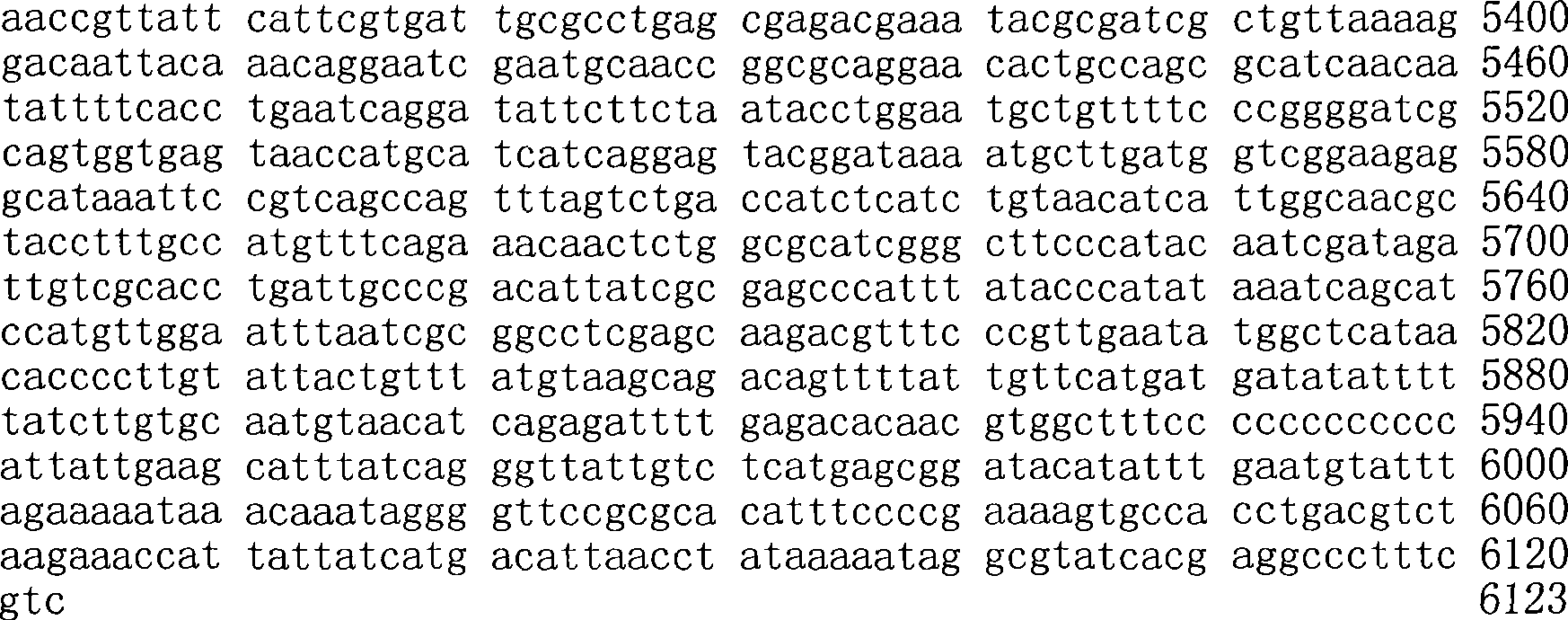
<210>23<210>23
<211>6114<211>6114
<212>DNA<212>DNA
<213>人工序列<213> Artificial sequence
<220><220>
<223>质粒DNA:53358<223> plasmid DNA: 53358
<400>23<400>23


<210>24<210>24
<211>6138<211>6138
<212>DNA<212>DNA
<213>人工序列<213> Artificial sequence
<220><220>
<223>质粒DNA:53359<223> plasmid DNA: 53359
<400>24<400>24
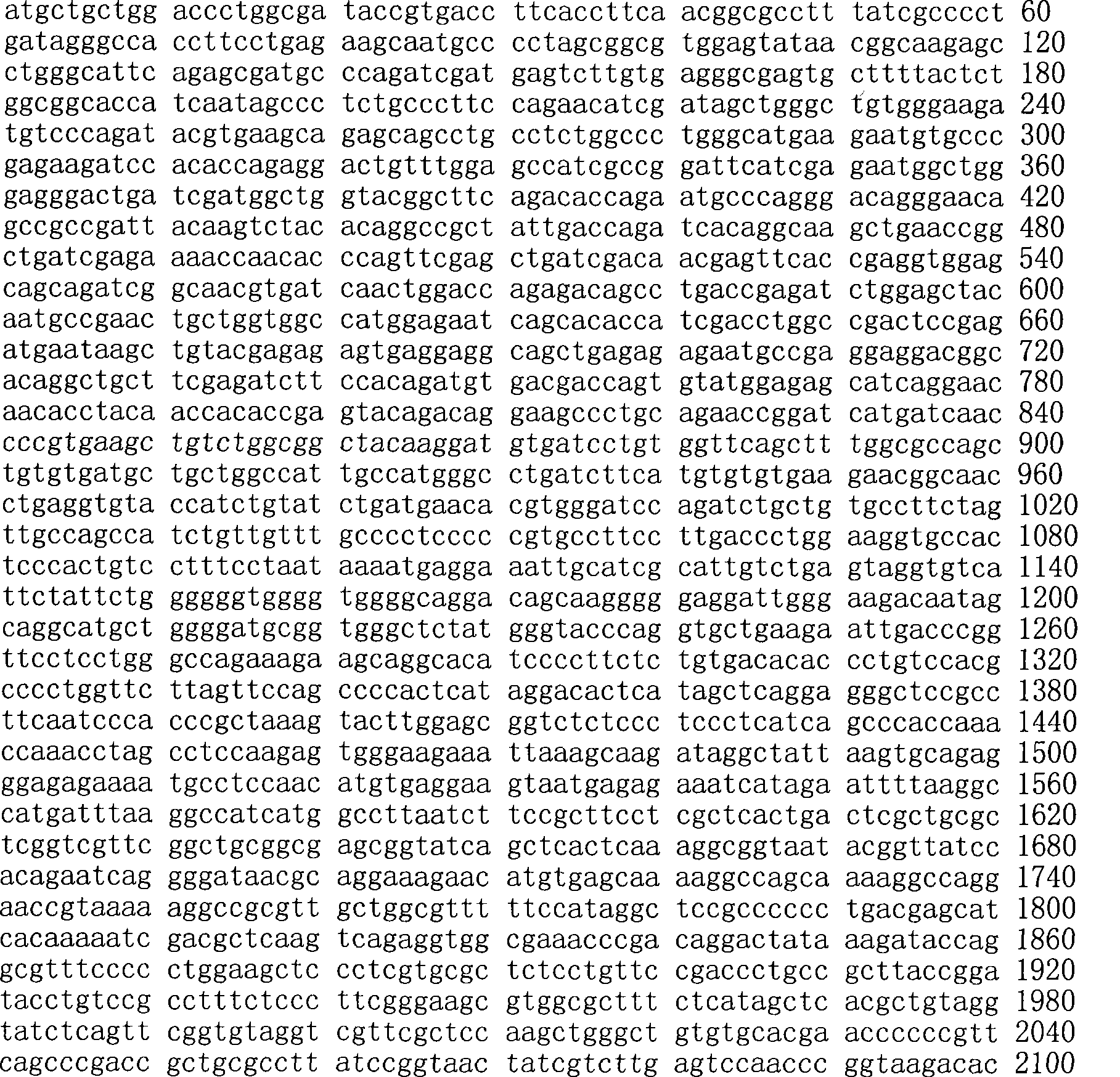


<210>25<210>25
<211>6132<211>6132
<212>DNA<212>DNA
<213>人工序列<213> Artificial sequence
<220><220>
<223>质粒DNA:53361<223> plasmid DNA: 53361
<400>25<400>25
<210>26<210>26
<211>6111<211>6111
<212>DNA<212>DNA
<213>人工序列<213> Artificial sequence
<220><220>
<223>质粒DNA:53362<223> plasmid DNA: 53362
<400>26<400>26
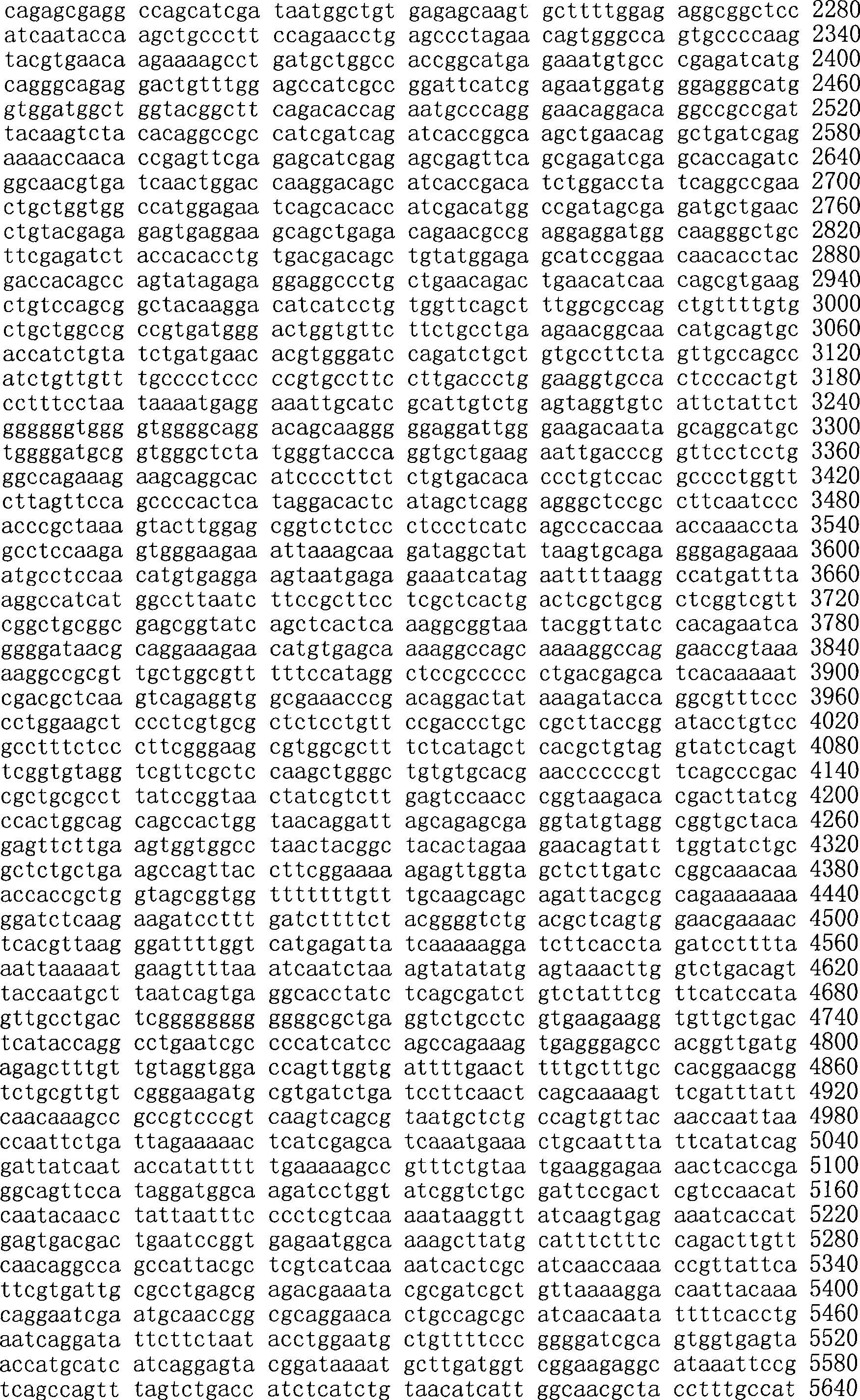
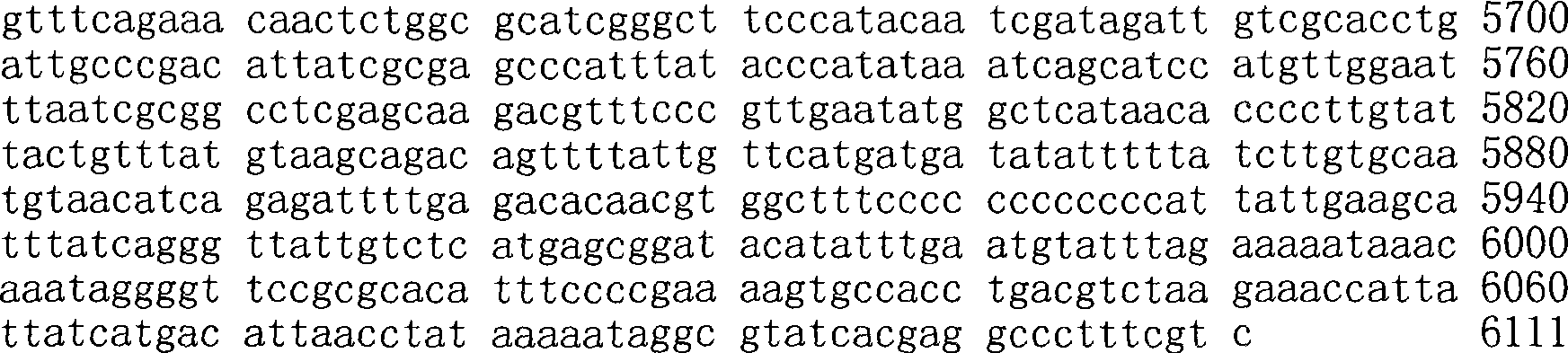
<210>27<210>27
<211>6105<211>6105
<212>DNA<212>DNA
<213>人工序列<213> Artificial sequence
<220><220>
<223>质粒DNA:53364<223> plasmid DNA: 53364
<400>27<400>27


<210>28<210>28
<211>6132<211>6132
<212>DNA<212>DNA
<213>人工序列<213> Artificial sequence
<220><220>
<223>质粒DNA:53365<223> plasmid DNA: 53365
<400>28<400>28
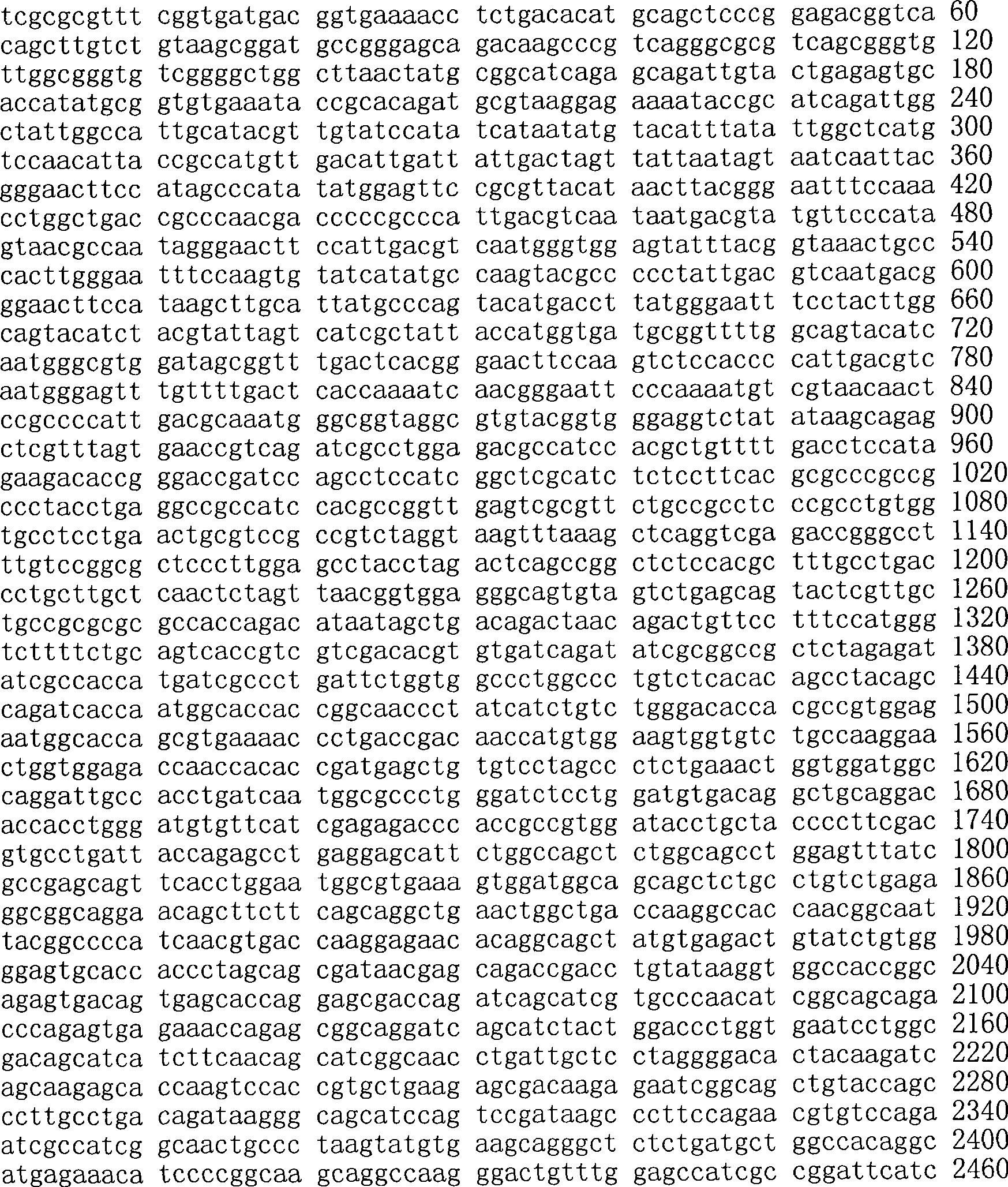

<210>29<210>29
<211>6129<211>6129
<212>DNA<212>DNA
<213>人工序列<213> Artificial sequence
<220><220>
<223>质粒DNA:53367<223> plasmid DNA: 53367
<400>29<400>29
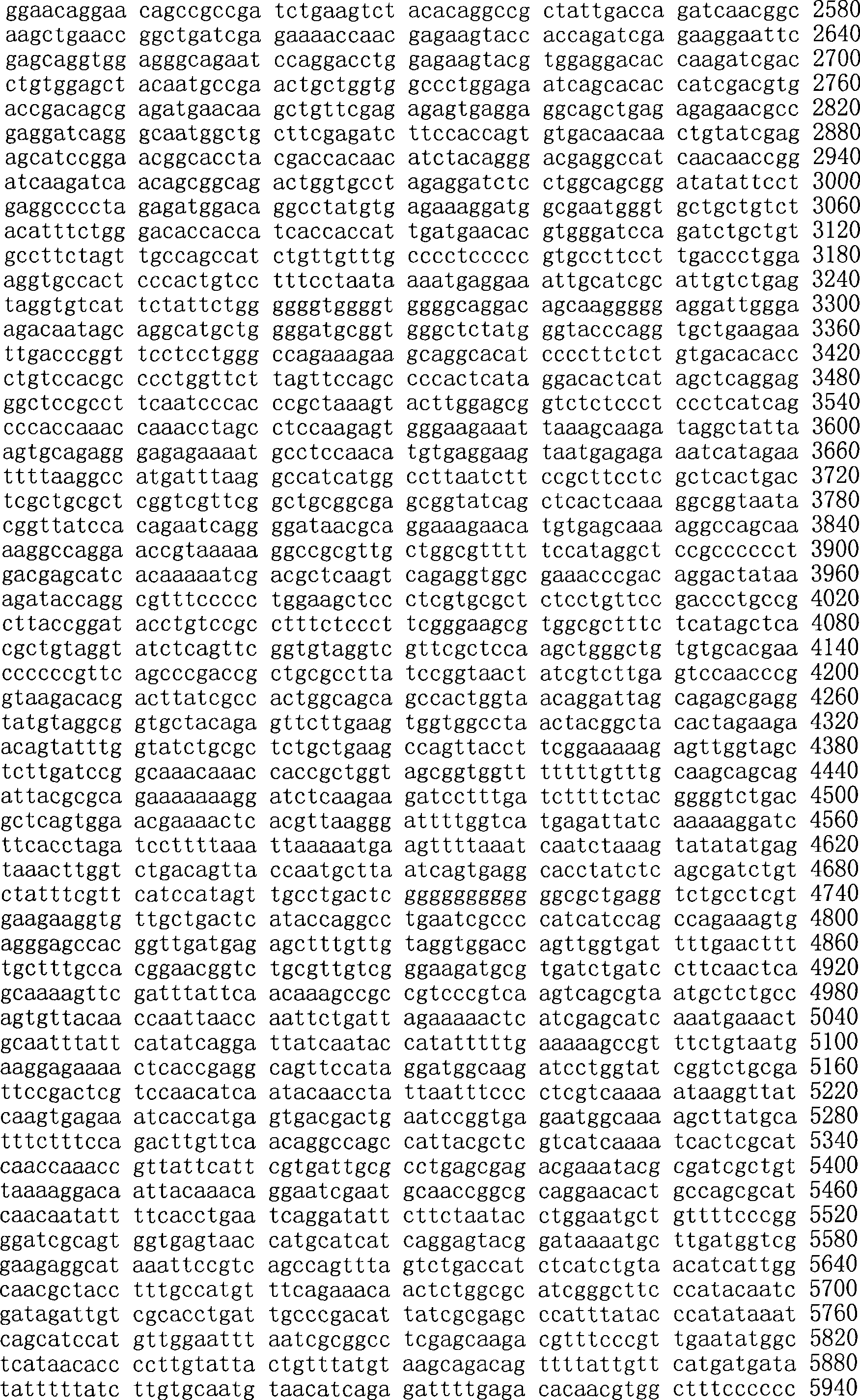

<210>30<210>30
<211>6120<211>6120
<212>DNA<212>DNA
<213>人工序列<213> Artificial sequence
<220><220>
<223>质粒DNA:53320<223> plasmid DNA: 53320
<400>30<400>30
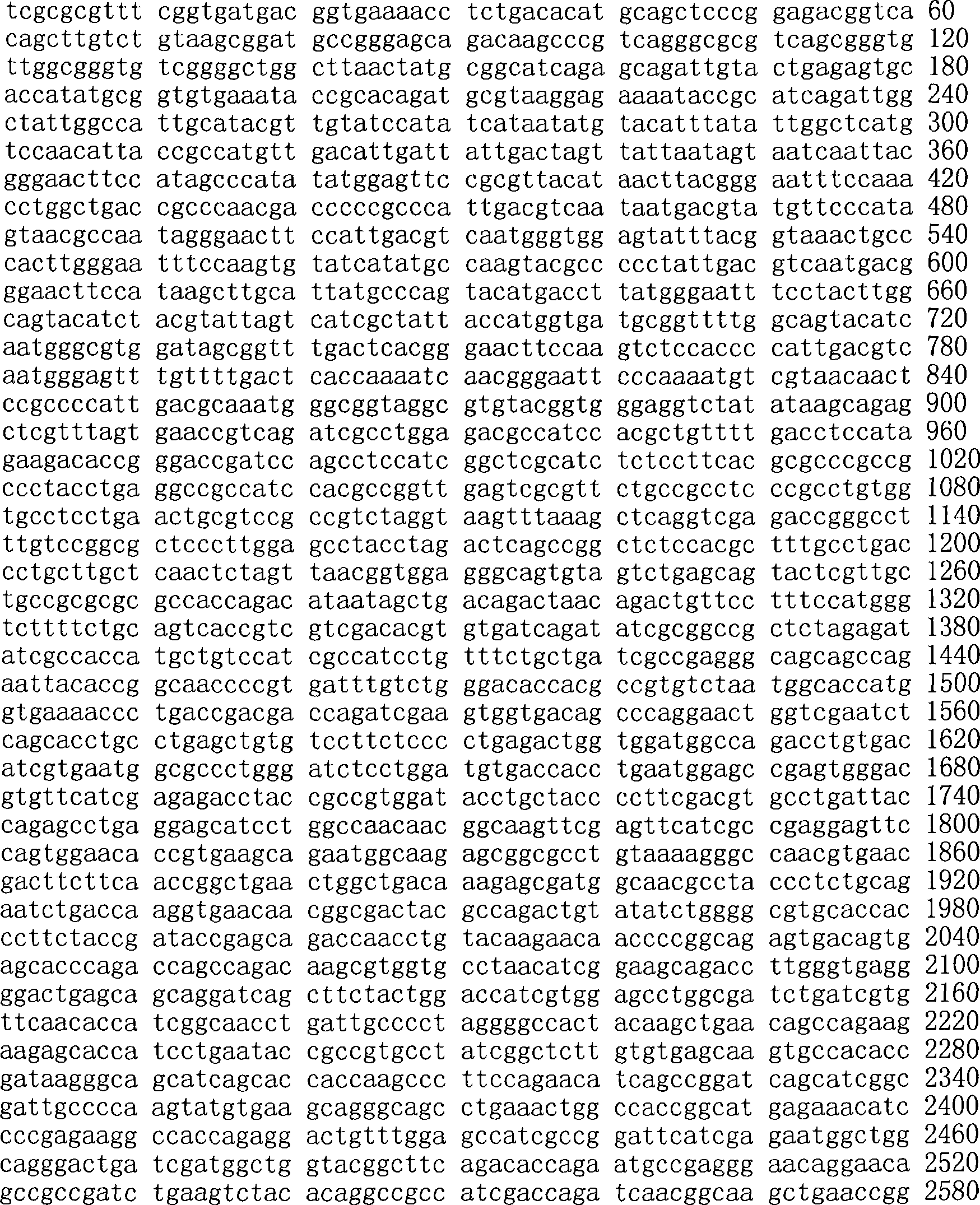
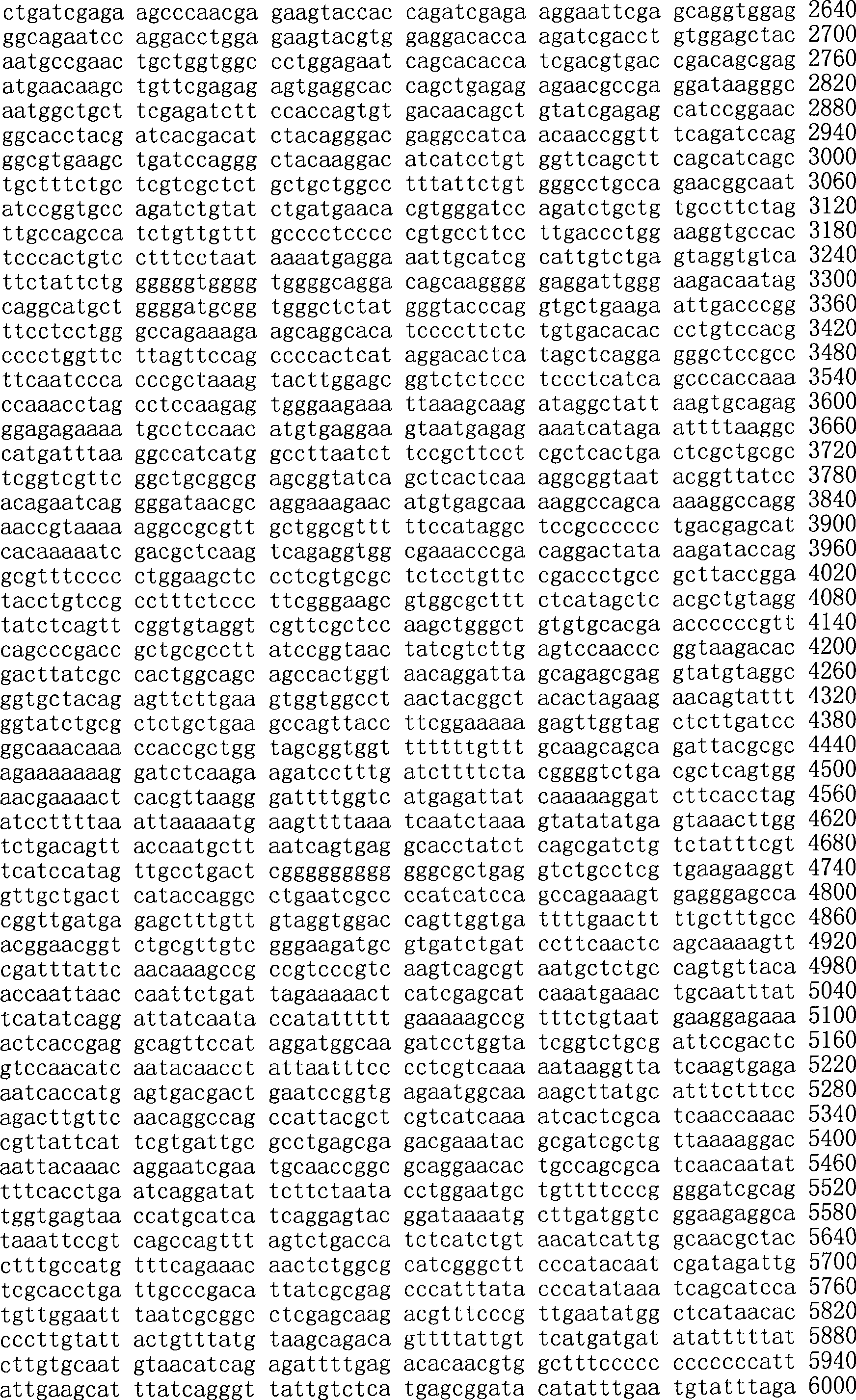

<210>31<210>31
<211>6117<211>6117
<212>DNA<212>DNA
<213>人工序列<213> Artificial sequence
<220><220>
<223>质粒DNA:53322<223> plasmid DNA: 53322
<400>31<400>31
<210>32<210>32
<211>6102<211>6102
<212>DNA<212>DNA
<213>人工序列<213> Artificial sequence
<220><220>
<223>质粒DNA:53325<223> plasmid DNA: 53325
<400>32<400>32

<210>33<210>33
<211>6108<211>6108
<212>DNA<212>DNA
<213>人工序列<213> Artificial sequence
<220><220>
<223>质粒DNA:53326<223> plasmid DNA: 53326
<400>33<400>33
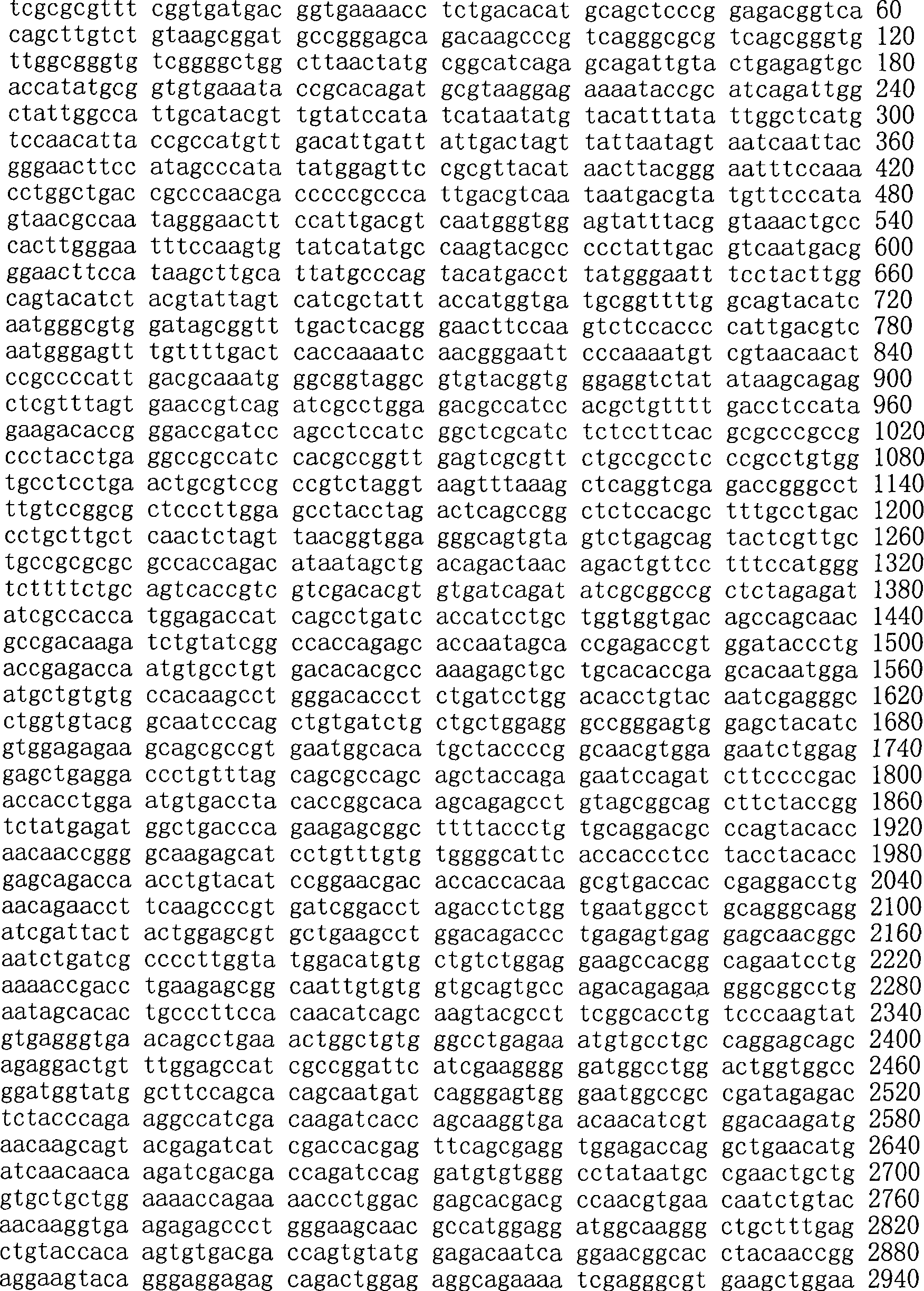

<210>34<210>34
<211>6102<211>6102
<212>DNA<212>DNA
<213>人工序列<213> Artificial sequence
<220><220>
<223>质粒DNA:53328<223> plasmid DNA: 53328
<400>34<400>34
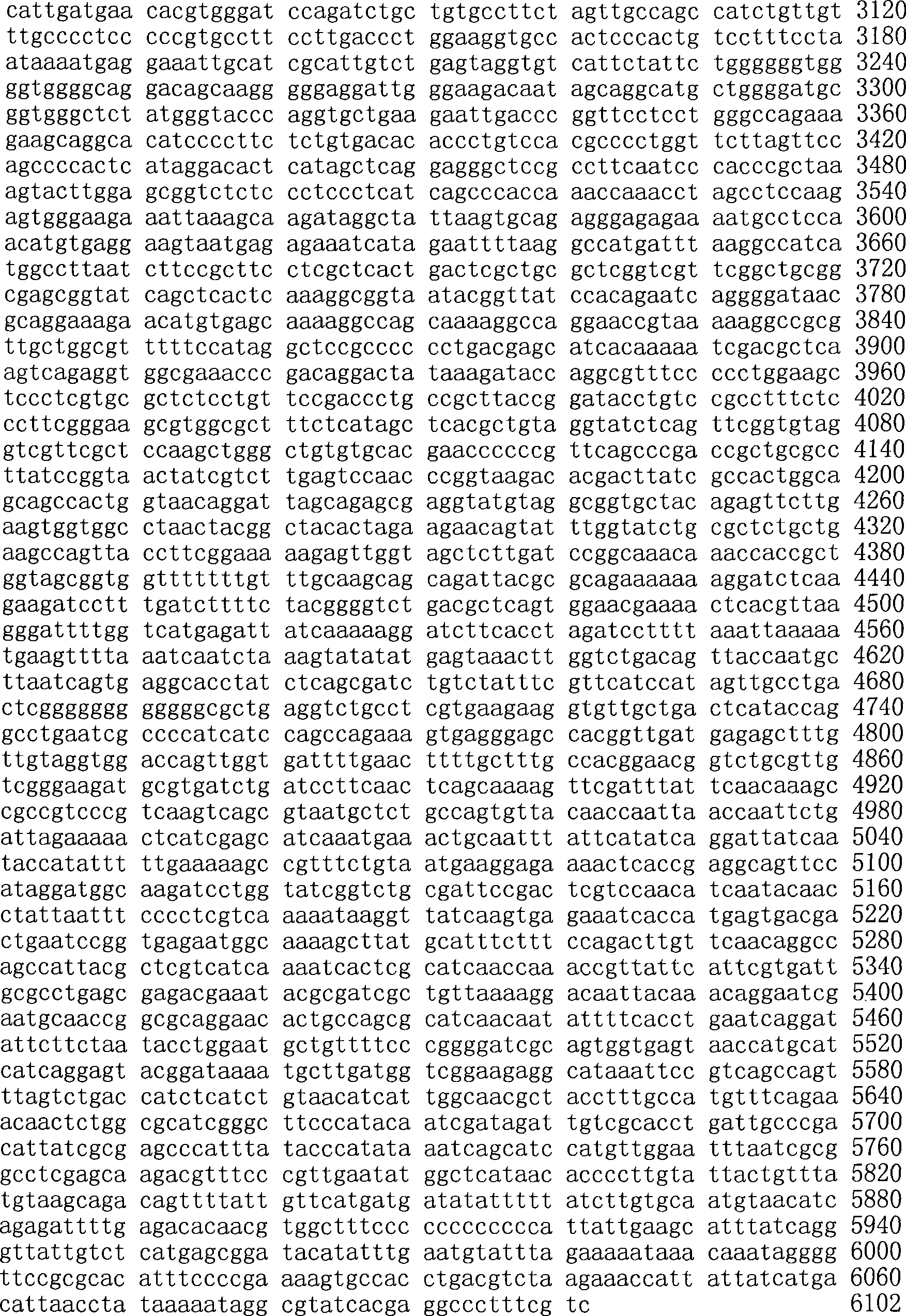
<210>35<210>35
<211>6117<211>6117
<212>DNA<212>DNA
<213>人工序列<213> Artificial sequence
<220><220>
<223>质粒DNA:53331<223> plasmid DNA: 53331
<400>35<400>35
<210>36<210>36
<211>6114<211>6114
<212>DNA<212>DNA
<213>人工序列<213> Artificial sequence
<220><220>
<223>质粒DNA:53332<223> plasmid DNA: 53332
<400>36<400>36
<210>37<210>37
<211>6111<211>6111
<212>DNA<212>DNA
<213>人工序列<213> Artificial sequence
<220><220>
<223>质粒DNA:53334<223> plasmid DNA: 53334
<400>37<400>37
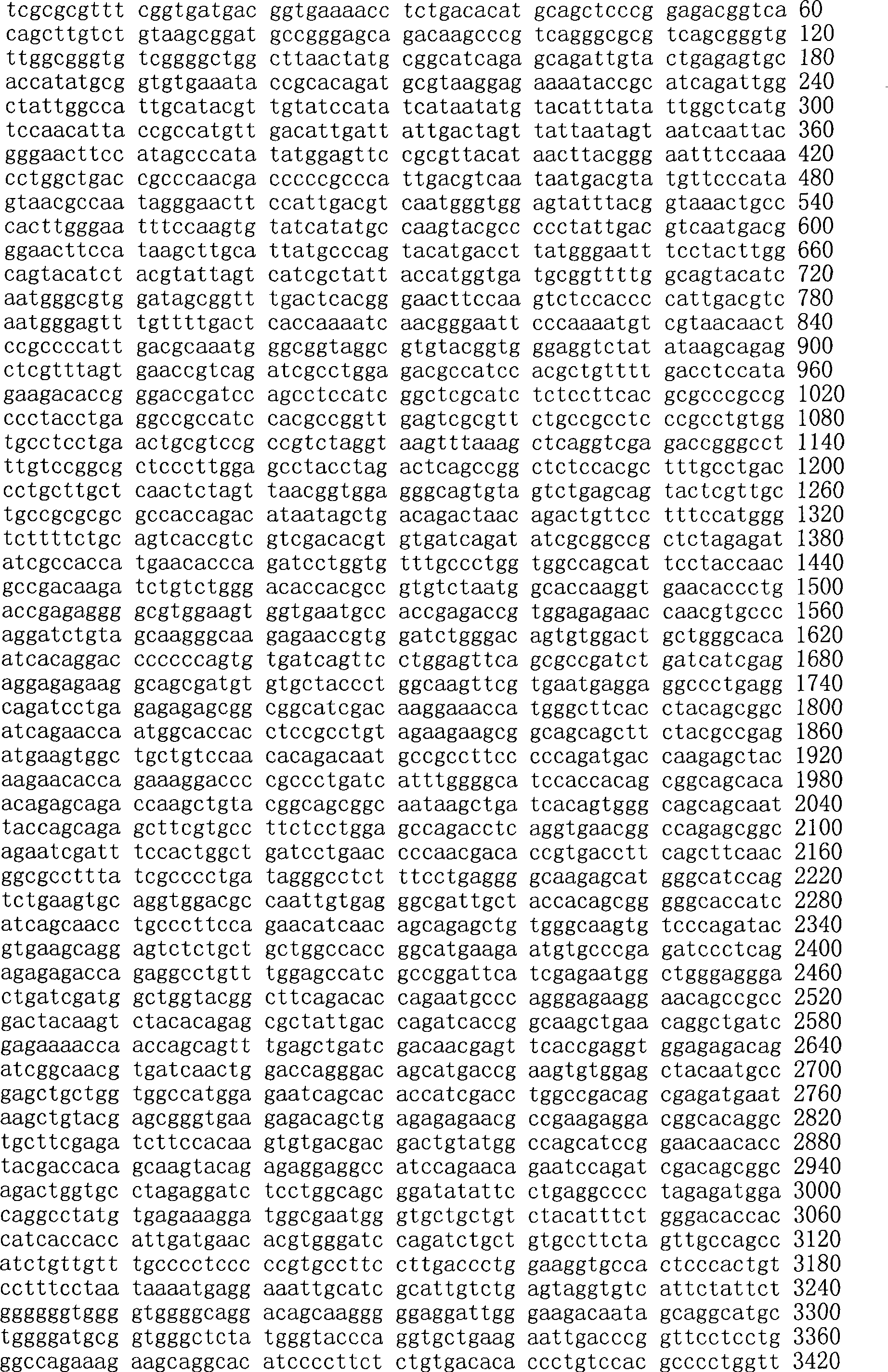
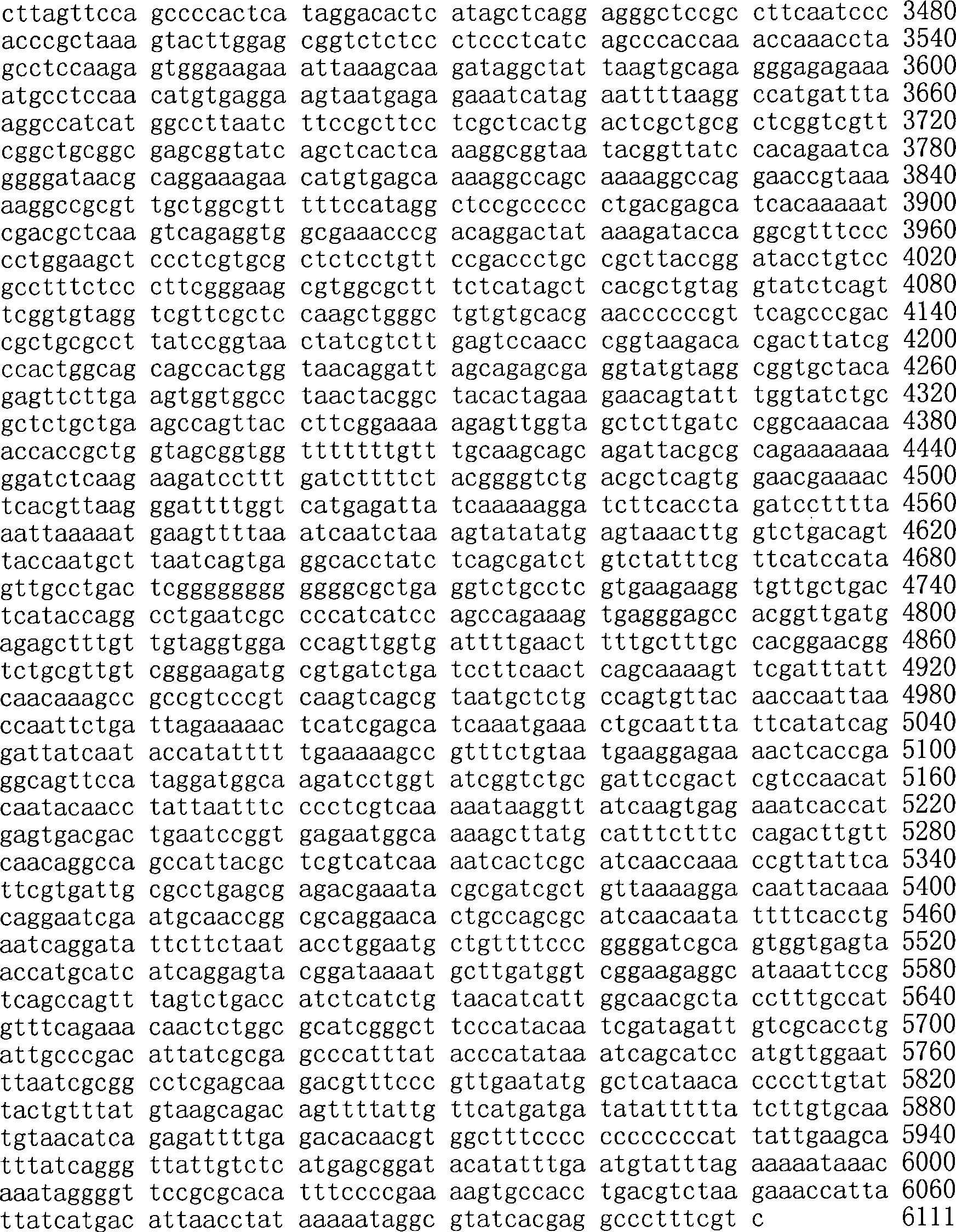
<210>38<210>38
<211>6126<211>6126
<212>DNA<212>DNA
<213>人工序列<213> Artificial sequence
<220><220>
<223>质粒DNA:53335(8x)<223> plasmid DNA: 53335 (8x)
<400>38<400>38


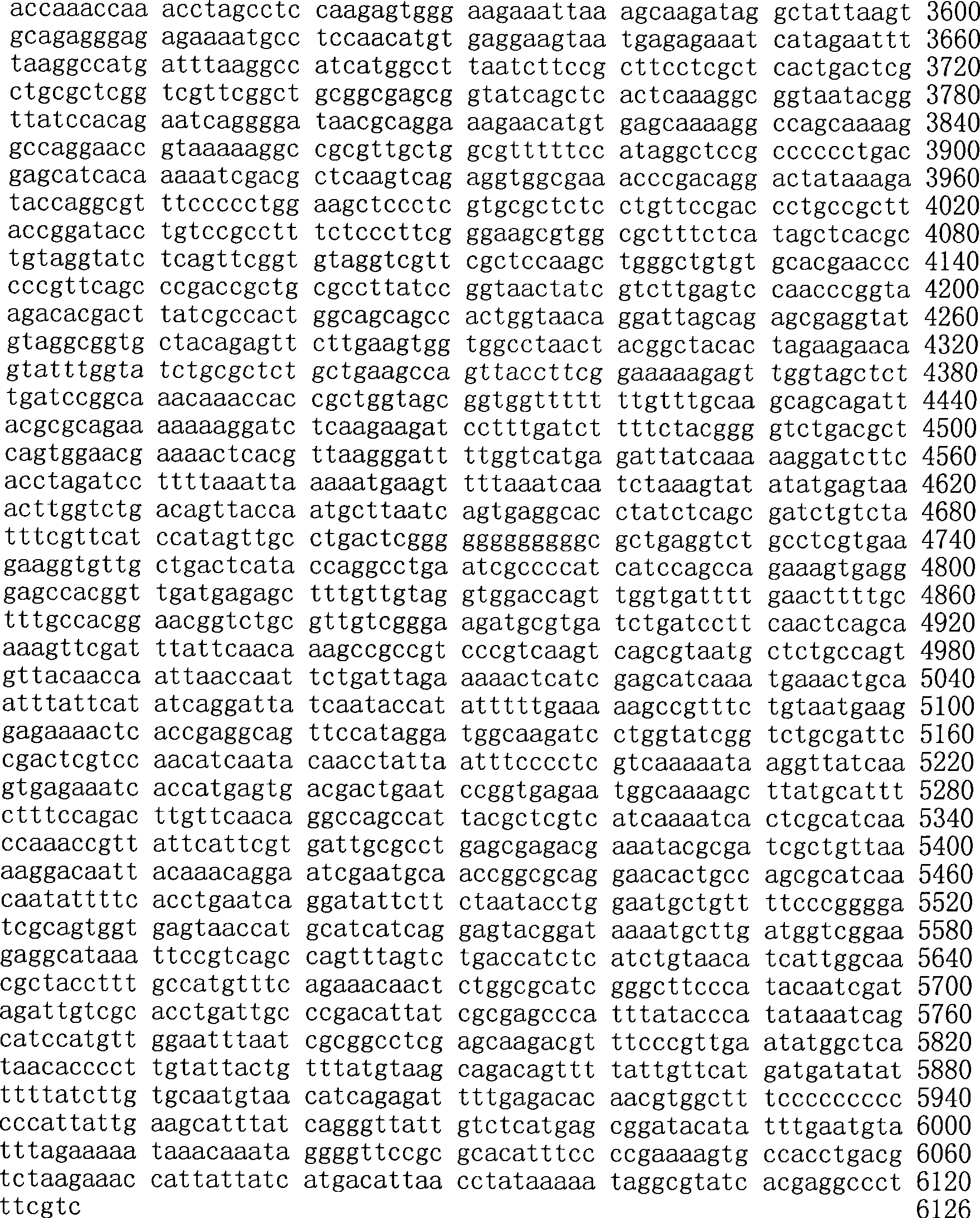
<210>39<210>39
<211>6126<211>6126
<212>DNA<212>DNA
<213>人工序列<213> Artificial sequence
<220><220>
<223>质粒DNA:53336(8x)<223> plasmid DNA: 53336 (8x)
<400>39<400>39


<210>40<210>40
<211>6120<211>6120
<212>DNA<212>DNA
<213>人工序列<213> Artificial sequence
<220><220>
<223>质粒DNA:53337(8x)<223> plasmid DNA: 53337 (8x)
<400>40<400>40

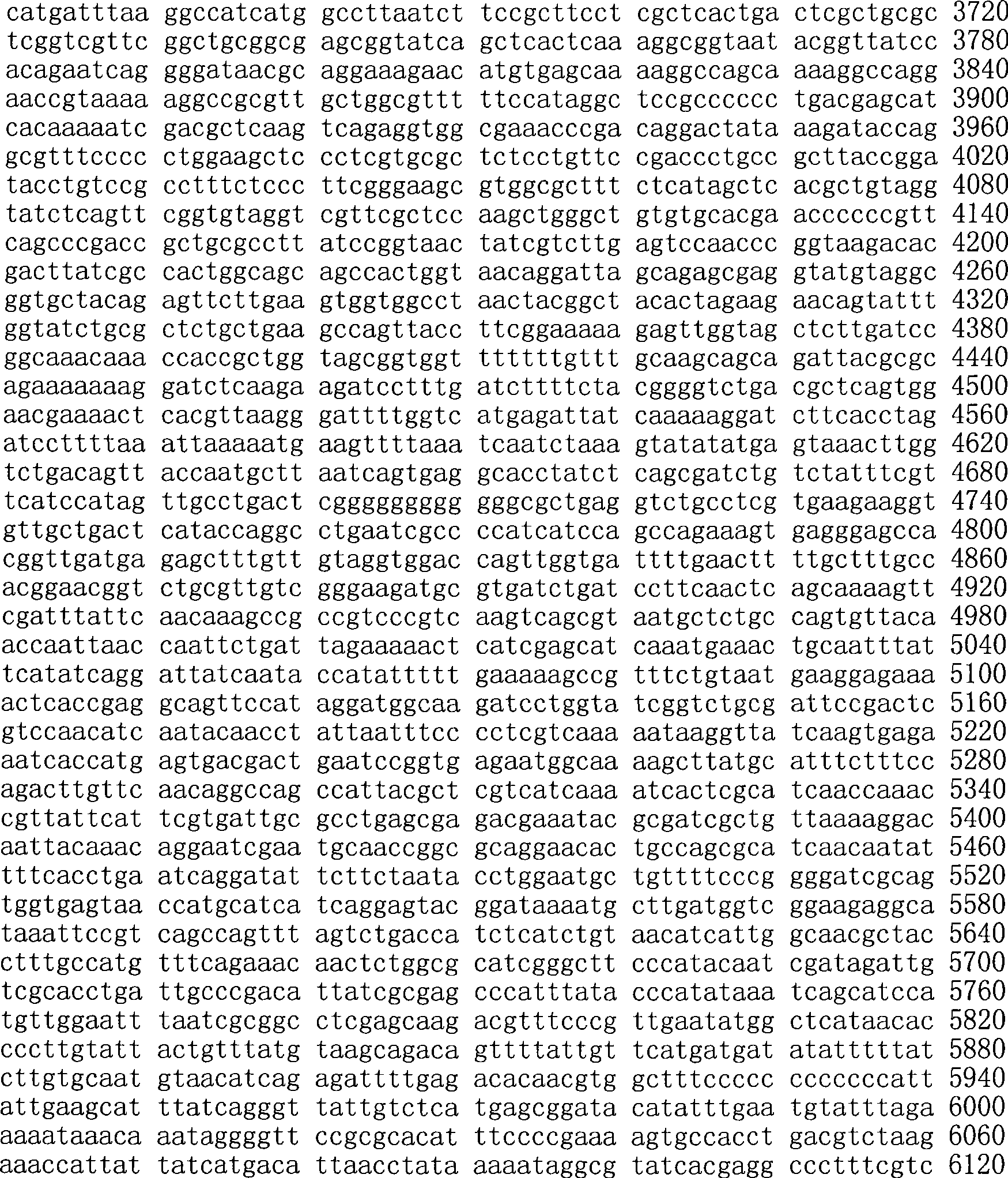
<210>41<210>41
<211>6123<211>6123
<212>DNA<212>DNA
<213>人工序列<213> Artificial sequence
<220><220>
<223>质粒DNA:53338<223> plasmid DNA: 53338
<400>41<400>41
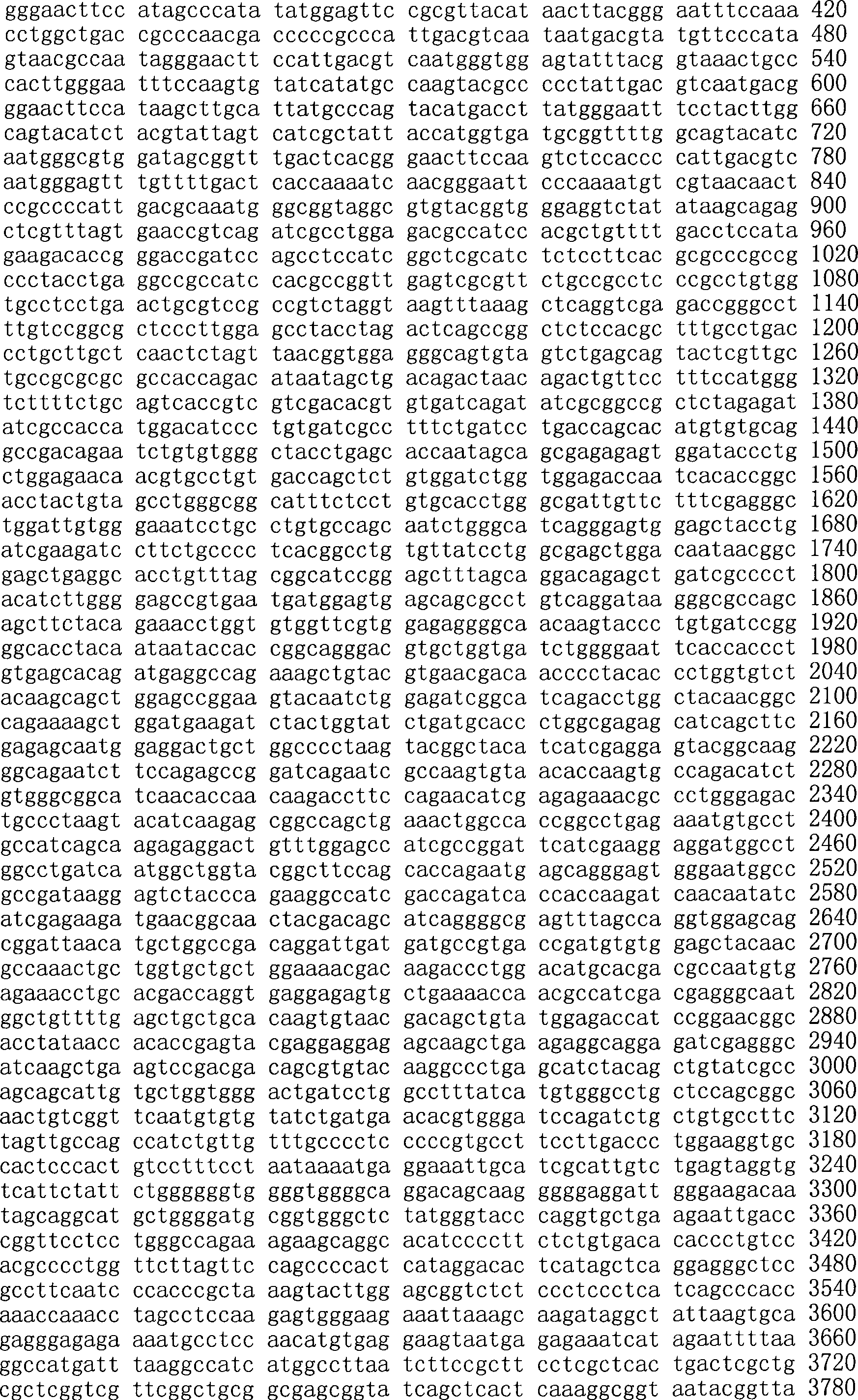
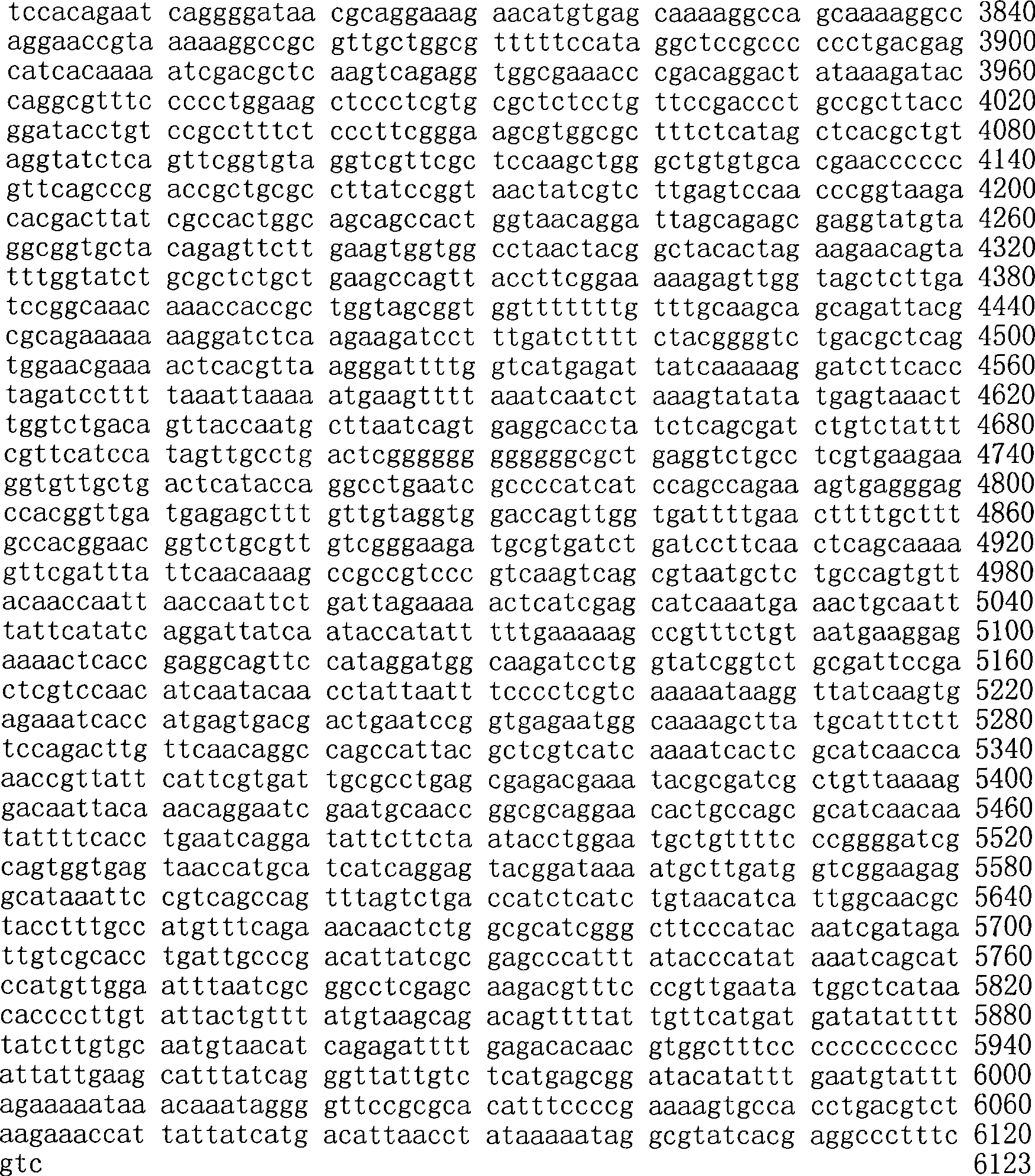
<210>42<210>42
<211>6114<211>6114
<212>DNA<212>DNA
<213>人工序列<213> Artificial sequence
<220><220>
<223>质粒DNA:53340<223> plasmid DNA: 53340
<400>42<400>42
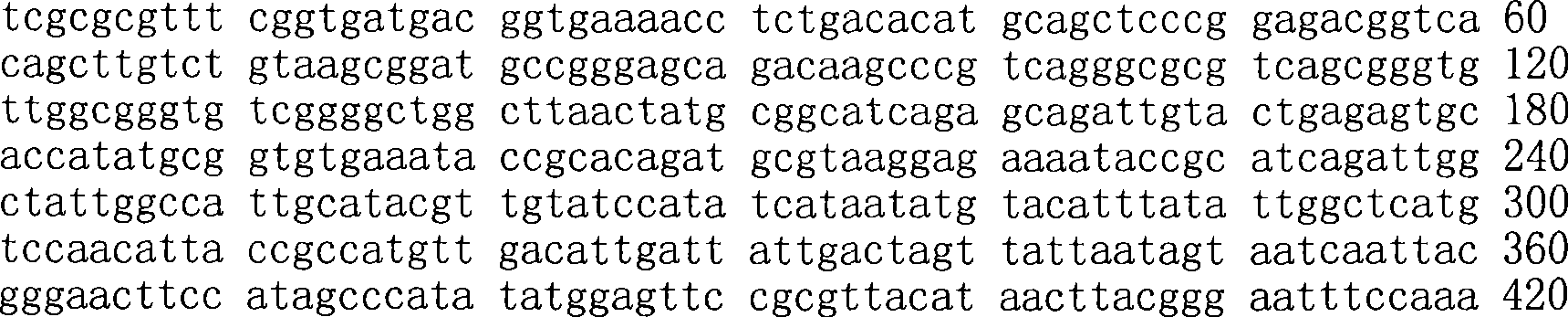

<210>43<210>43
<211>6128<211>6128
<212>DNA<212>DNA
<213>人工序列<213> Artificial sequence
<220><220>
<223>质粒DNA:53955<223> plasmid DNA: 53955
<400>43<400>43
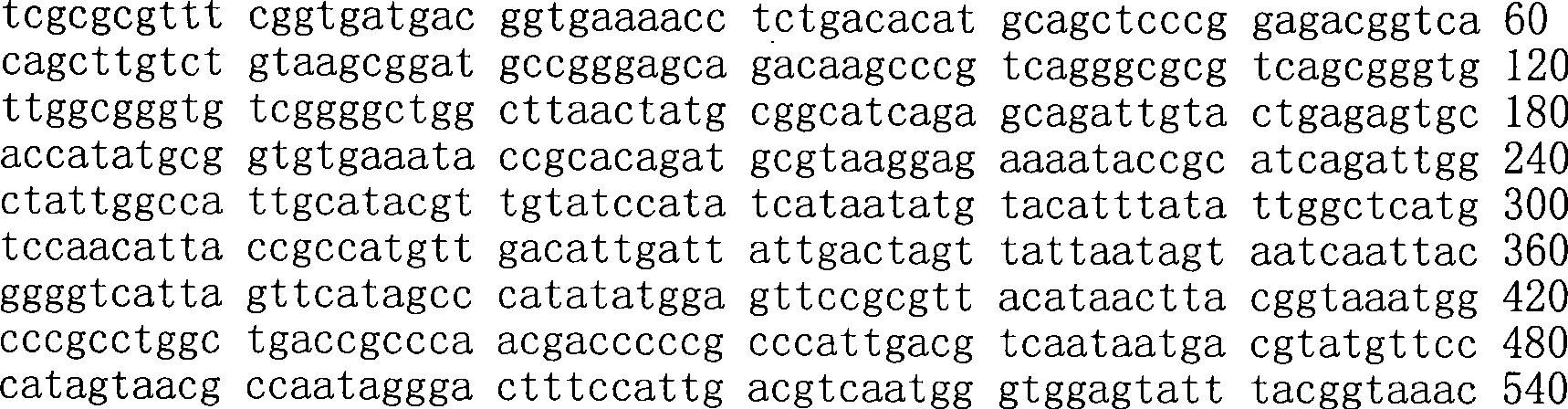
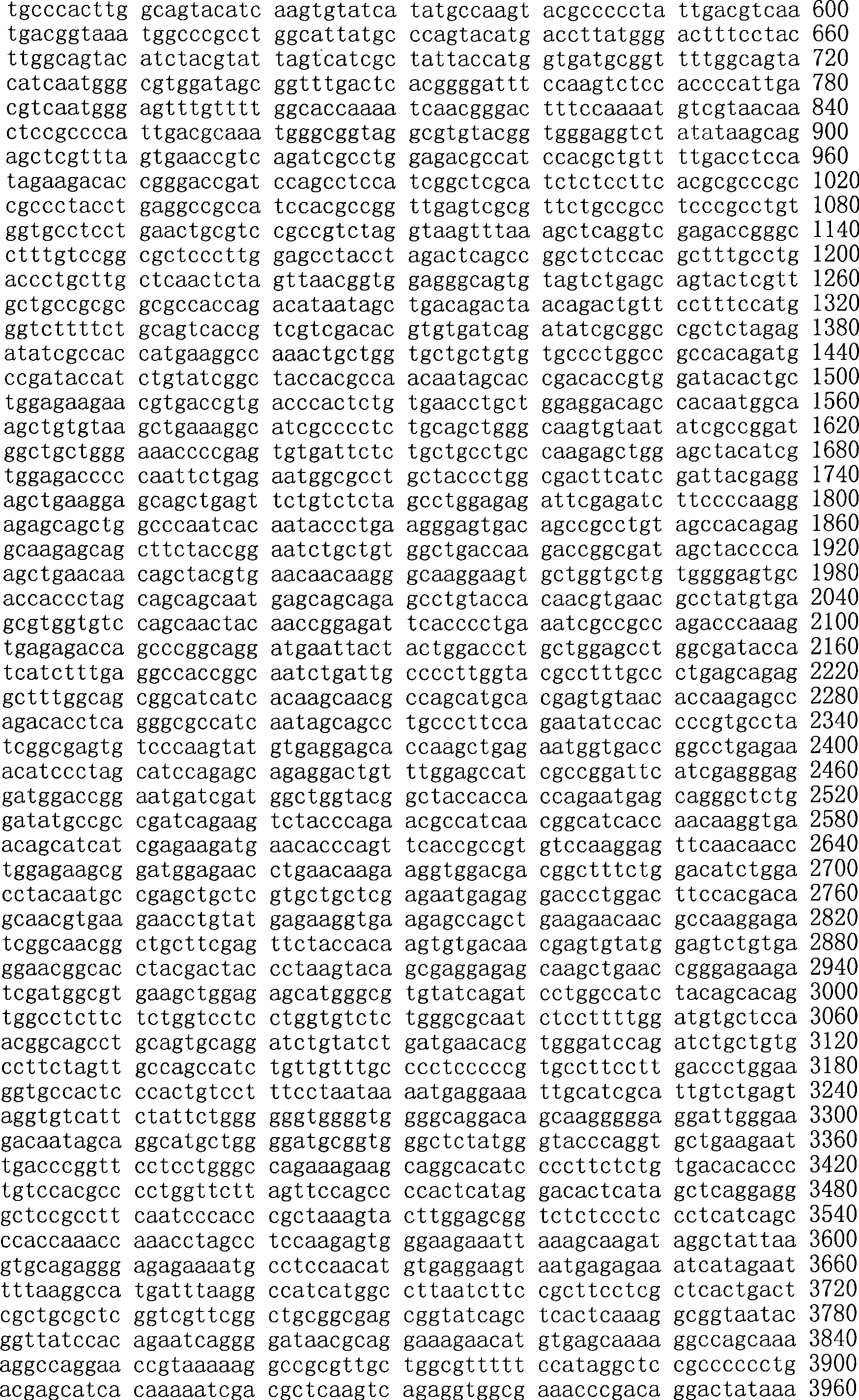
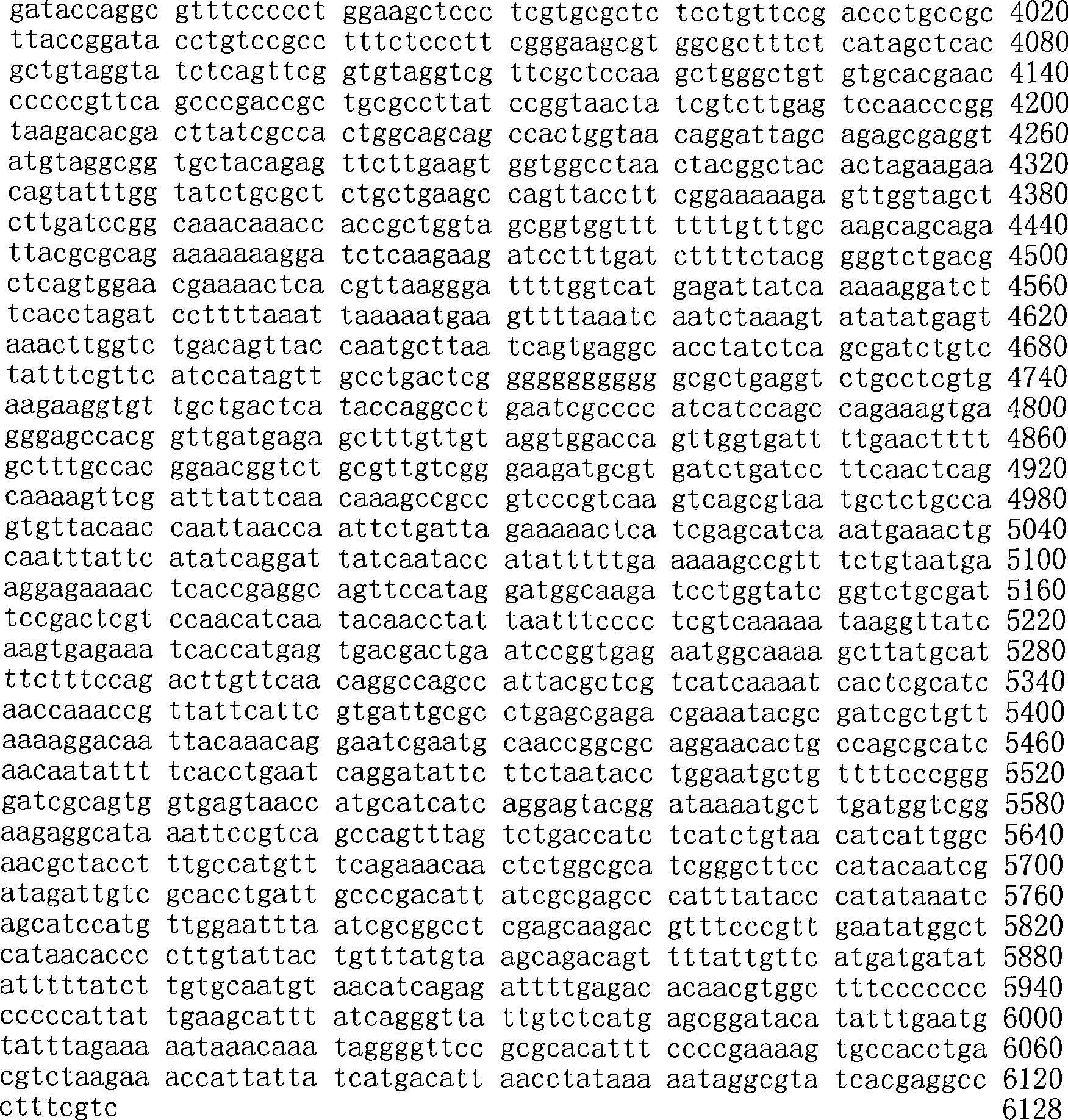
<210>44<210>44
<211>6129<211>6129
<212>DNA<212>DNA
<213>人工序列<213> Artificial sequence
<220><220>
<223>质粒DNA:53367<223> plasmid DNA: 53367
<400>44<400>44


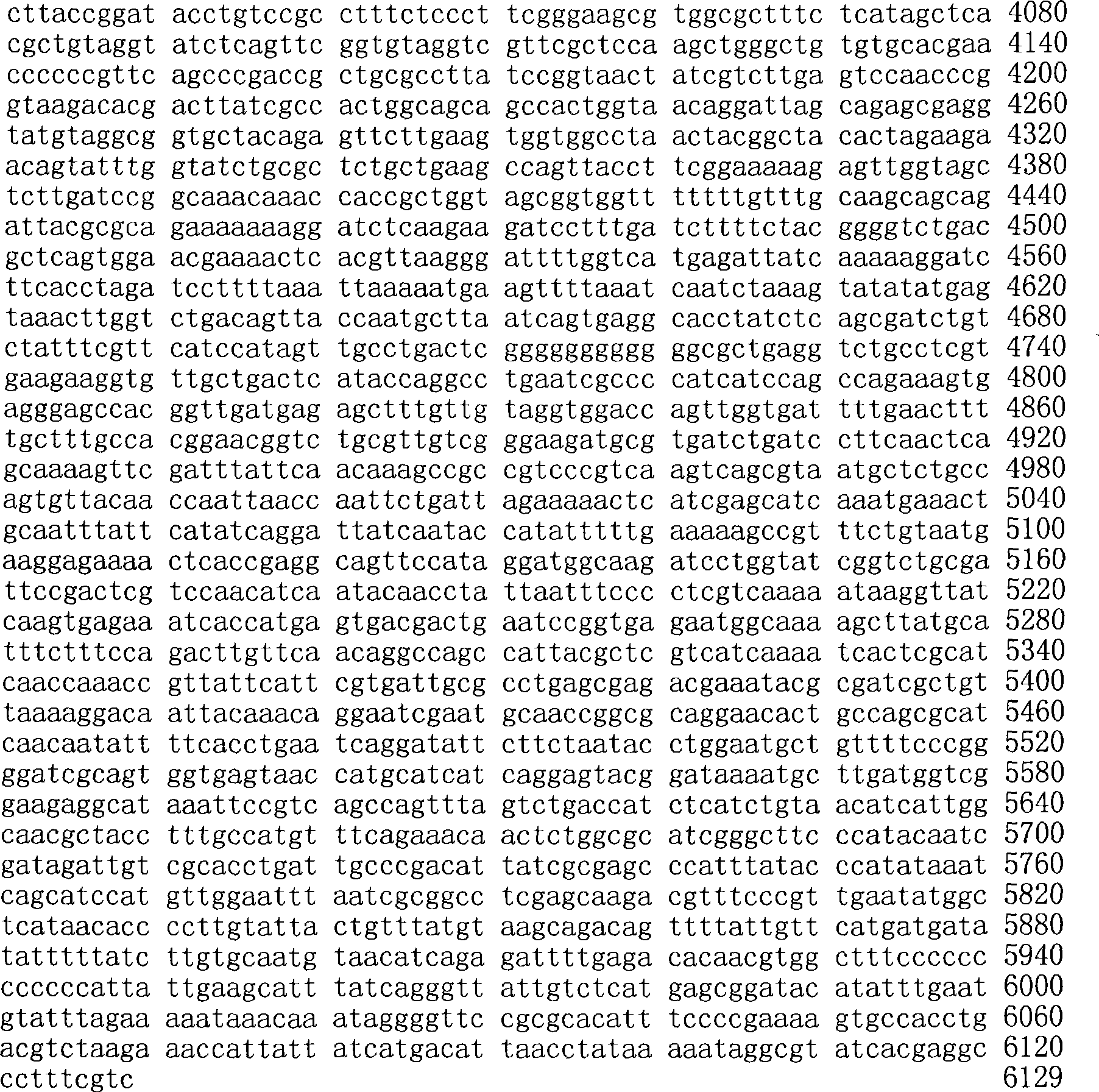
<210>45<210>45
<211>11377<211>11377
<212>DNA<212>DNA
<213>人工序列<213> Artificial sequence
<220><220>
<223>质粒DNA:53504<223> plasmid DNA: 53504
<400>45<400>45
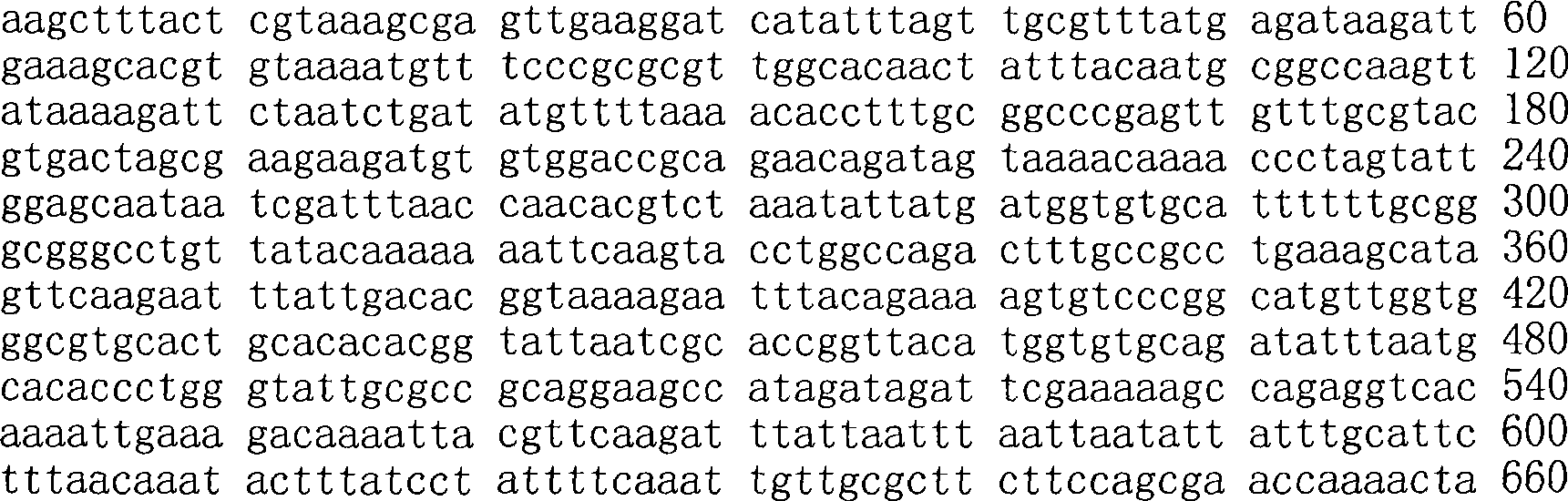
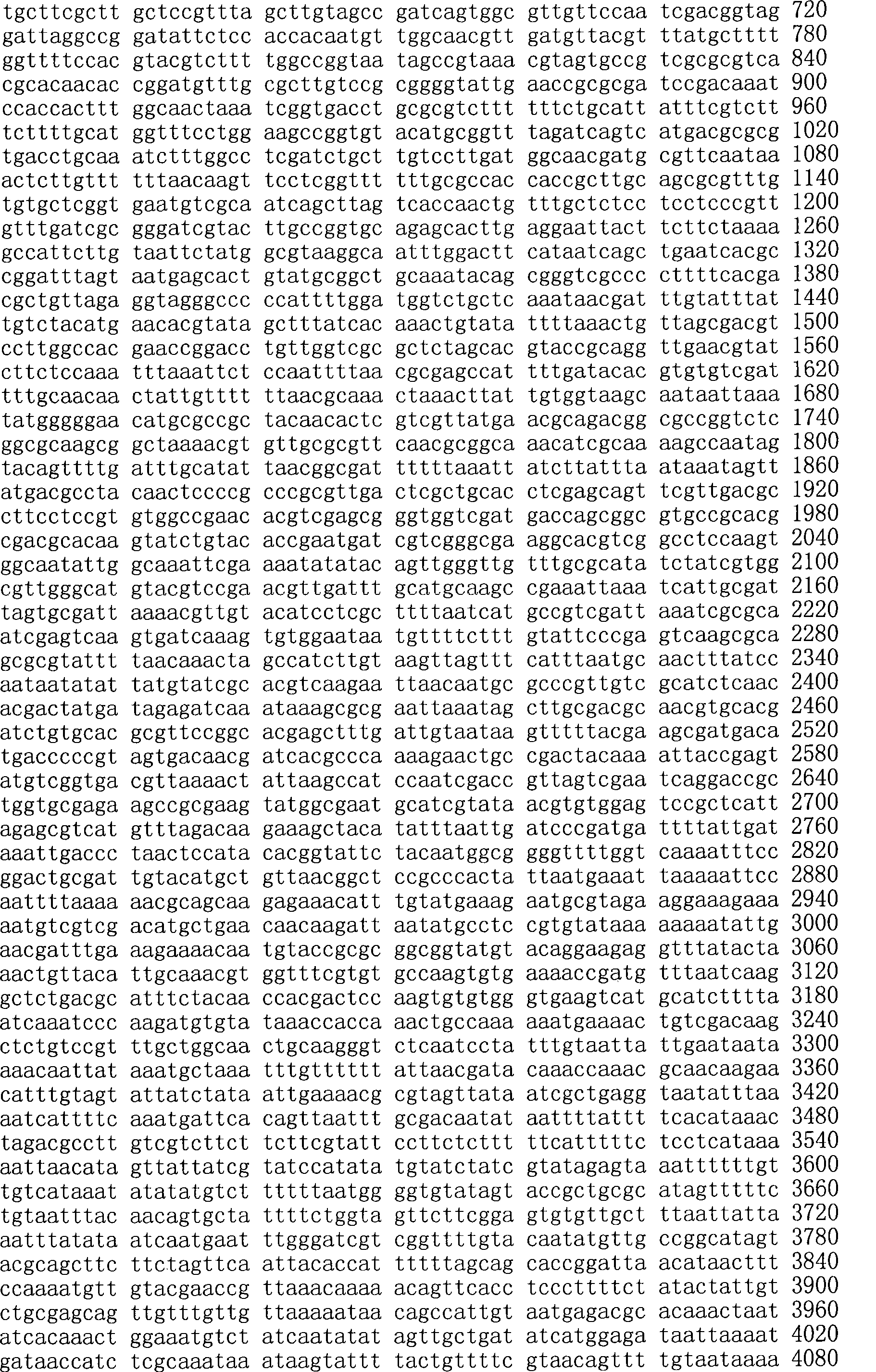
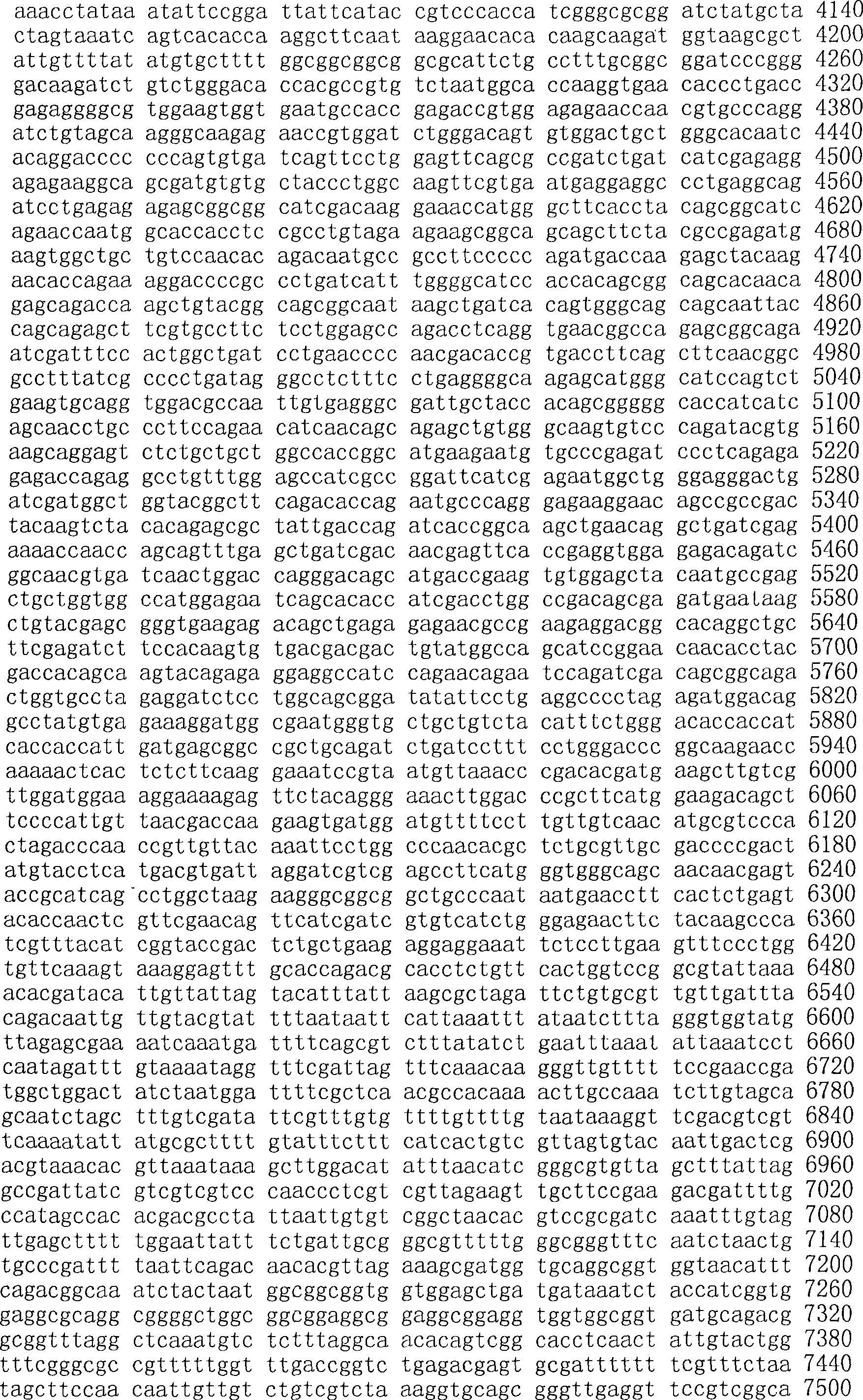
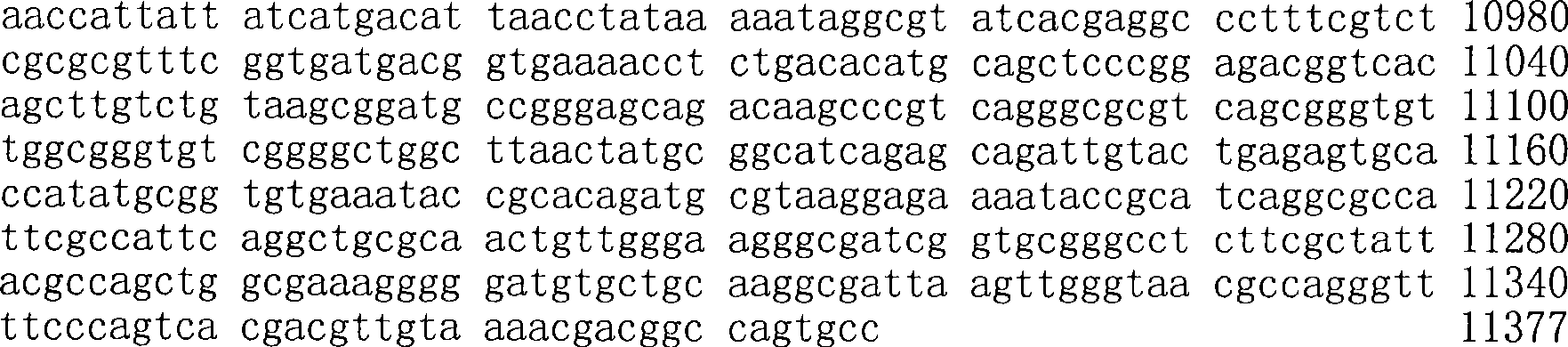
<210>46<210>46
<211>11383<211>11383
<212>DNA<212>DNA
<213>人工序列<213> Artificial sequence
<220><220>
<223>质粒DNA:53510<223> plasmid DNA: 53510
<400>46<400>46
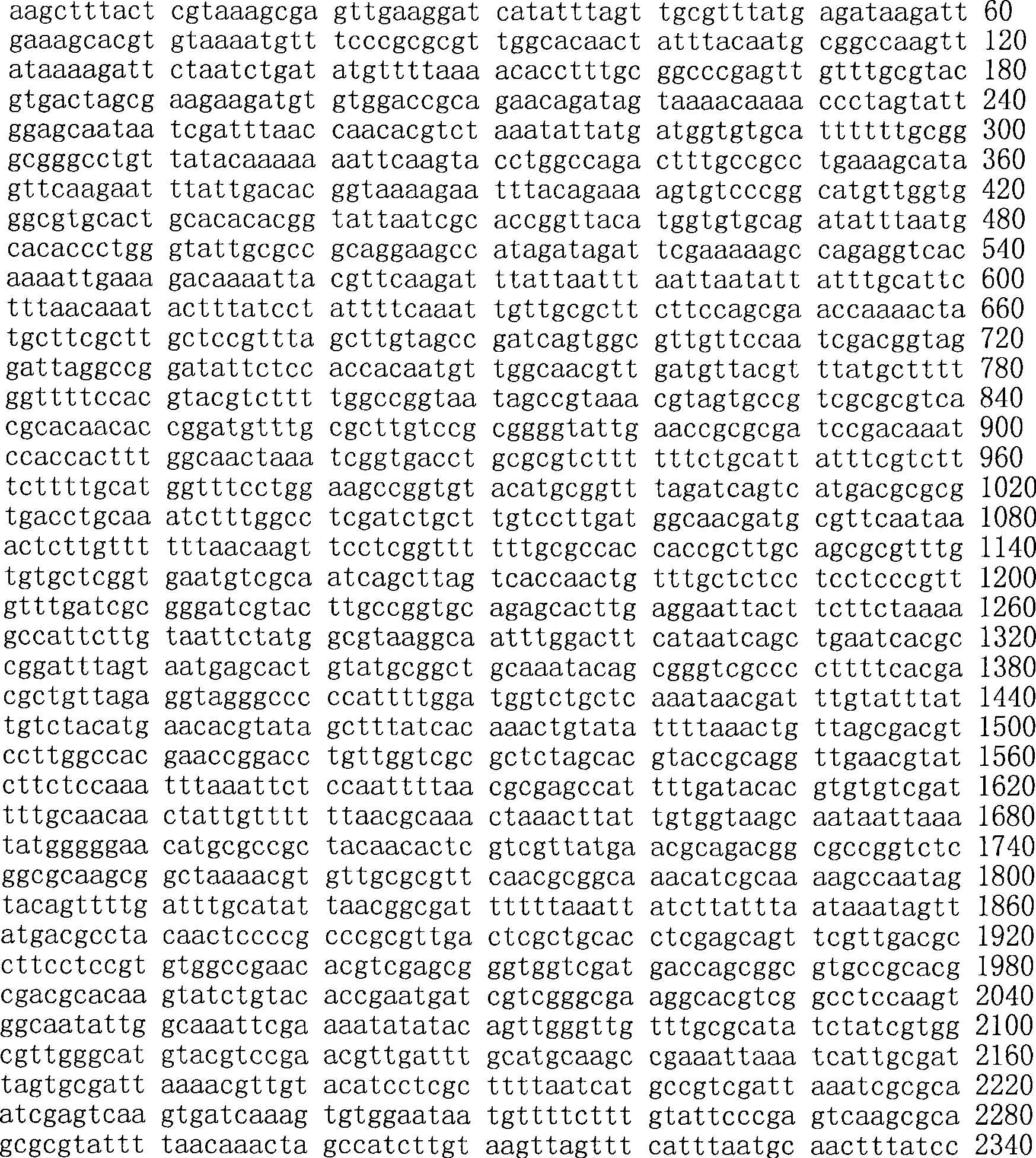
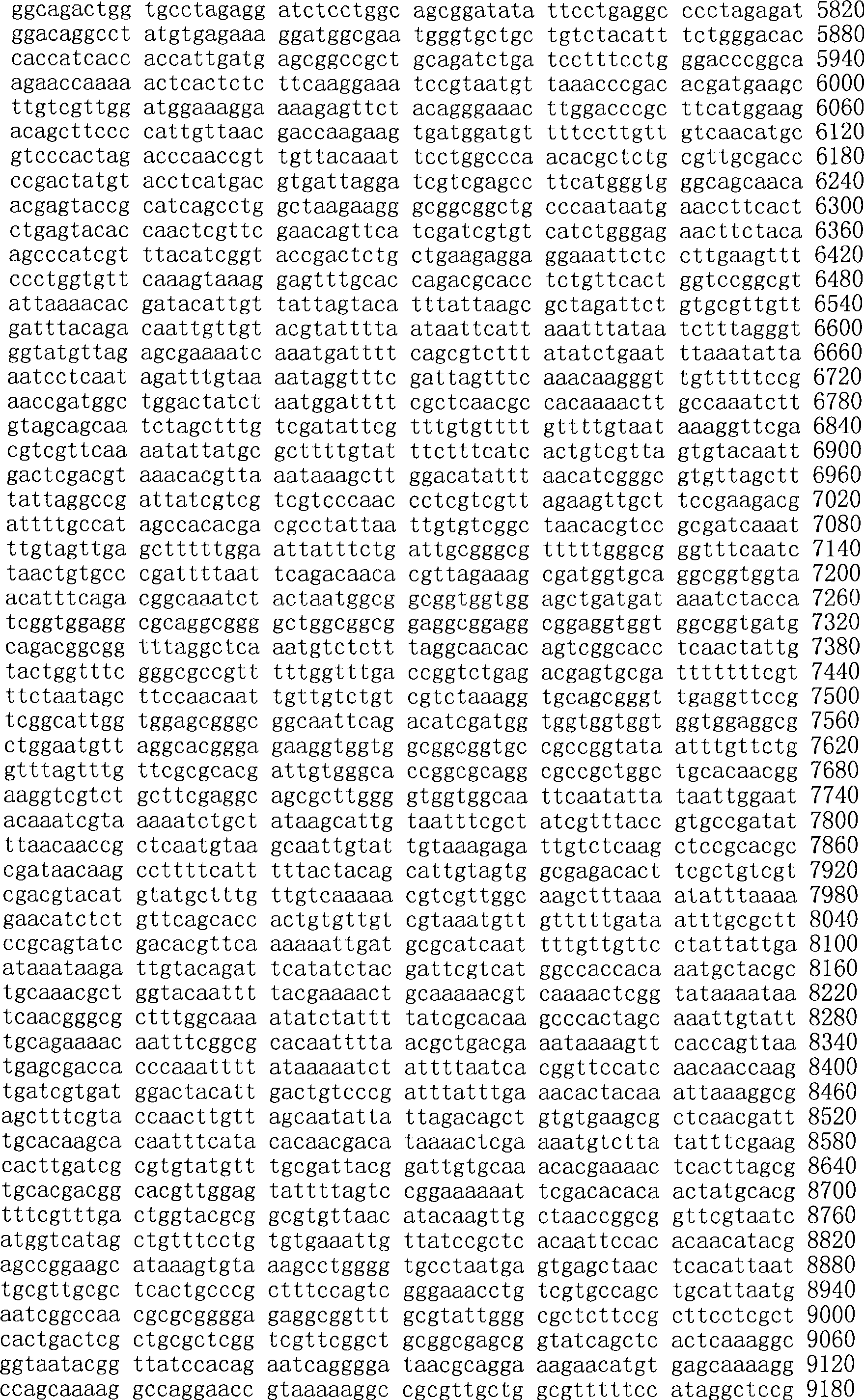

<210>47<210>47
<211>11401<211>11401
<212>DNA<212>DNA
<213>人工序列<213> Artificial sequence
<220><220>
<223>质粒DNA:53515<223> plasmid DNA: 53515
<400>47<400>47
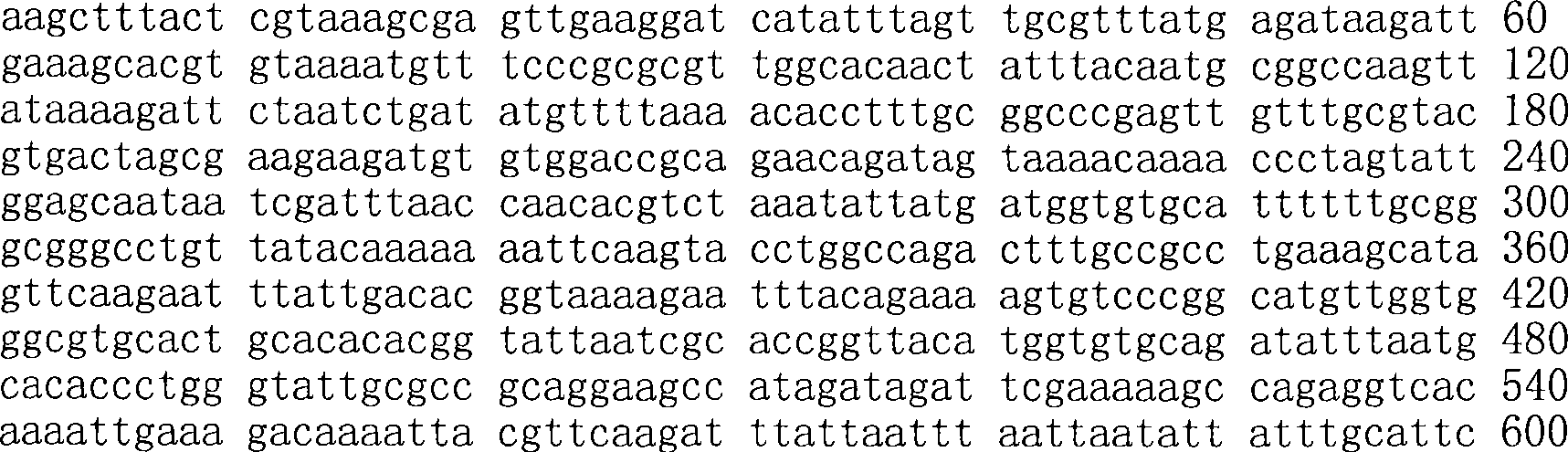

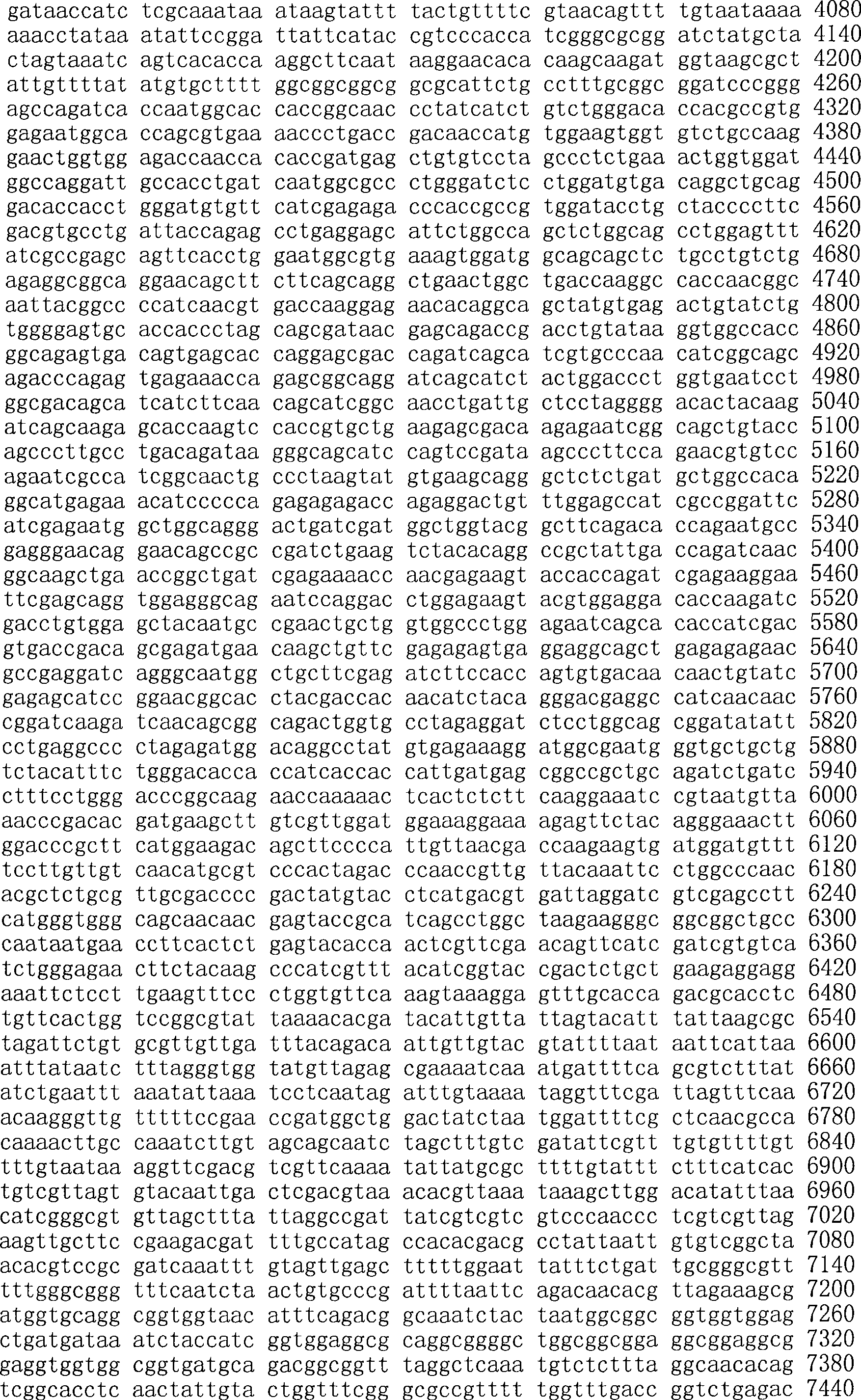

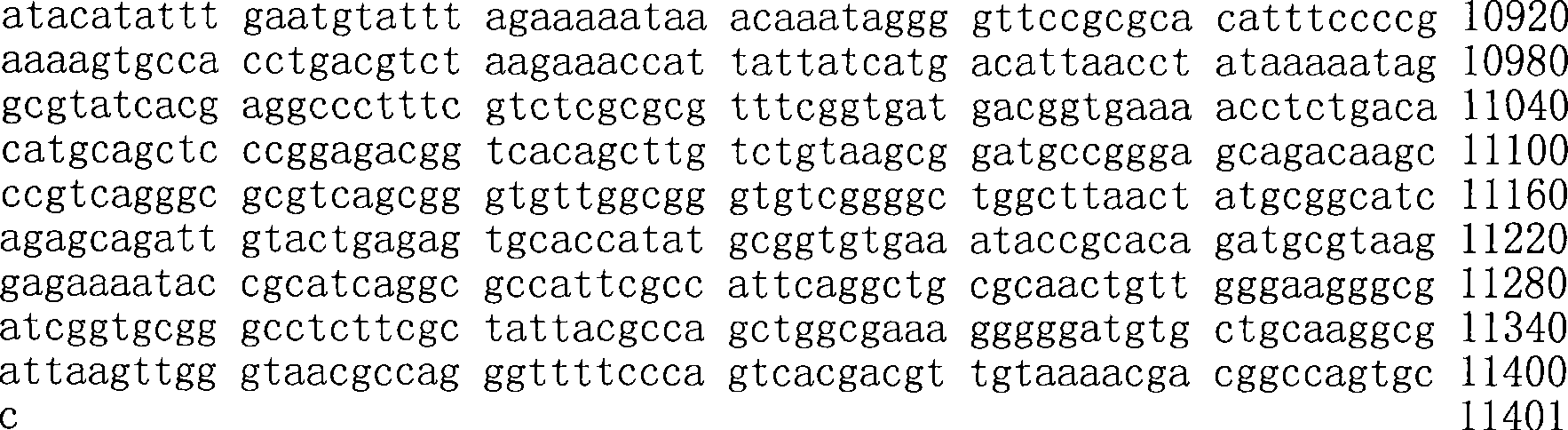
<210>48<210>48
<211>11422<211>11422
<212>DNA<212>DNA
<213>人工序列<213> Artificial sequence
<220><220>
<223>质粒DNA:54567<223> plasmid DNA: 54567
<400>48<400>48

<210>49<210>49
<211>11383<211>11383
<212>DNA<212>DNA
<213>人工序列<213> Artificial sequence
<220><220>
<223>质粒DNA:54568<223> plasmid DNA: 54568
<400>49<400>49

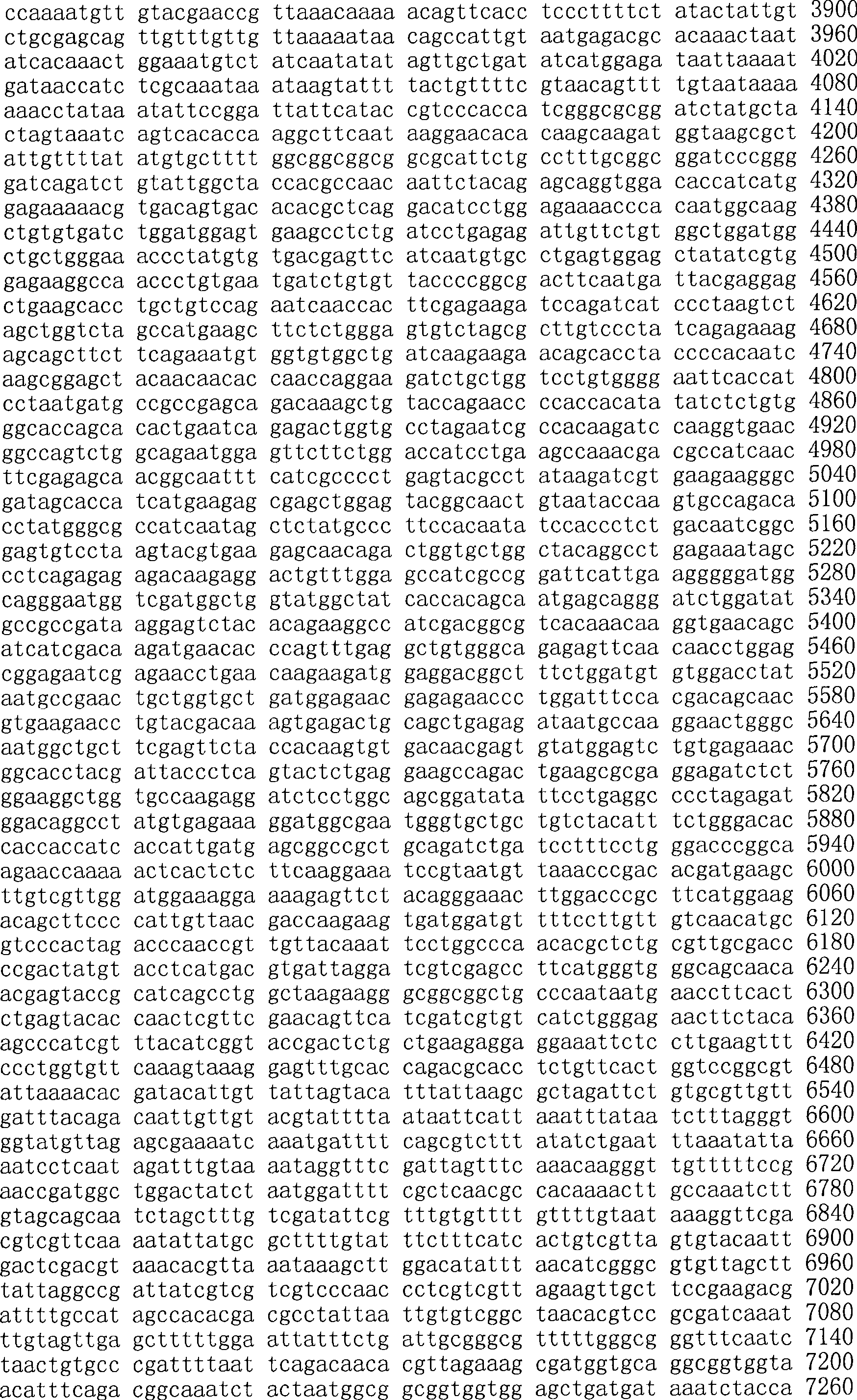
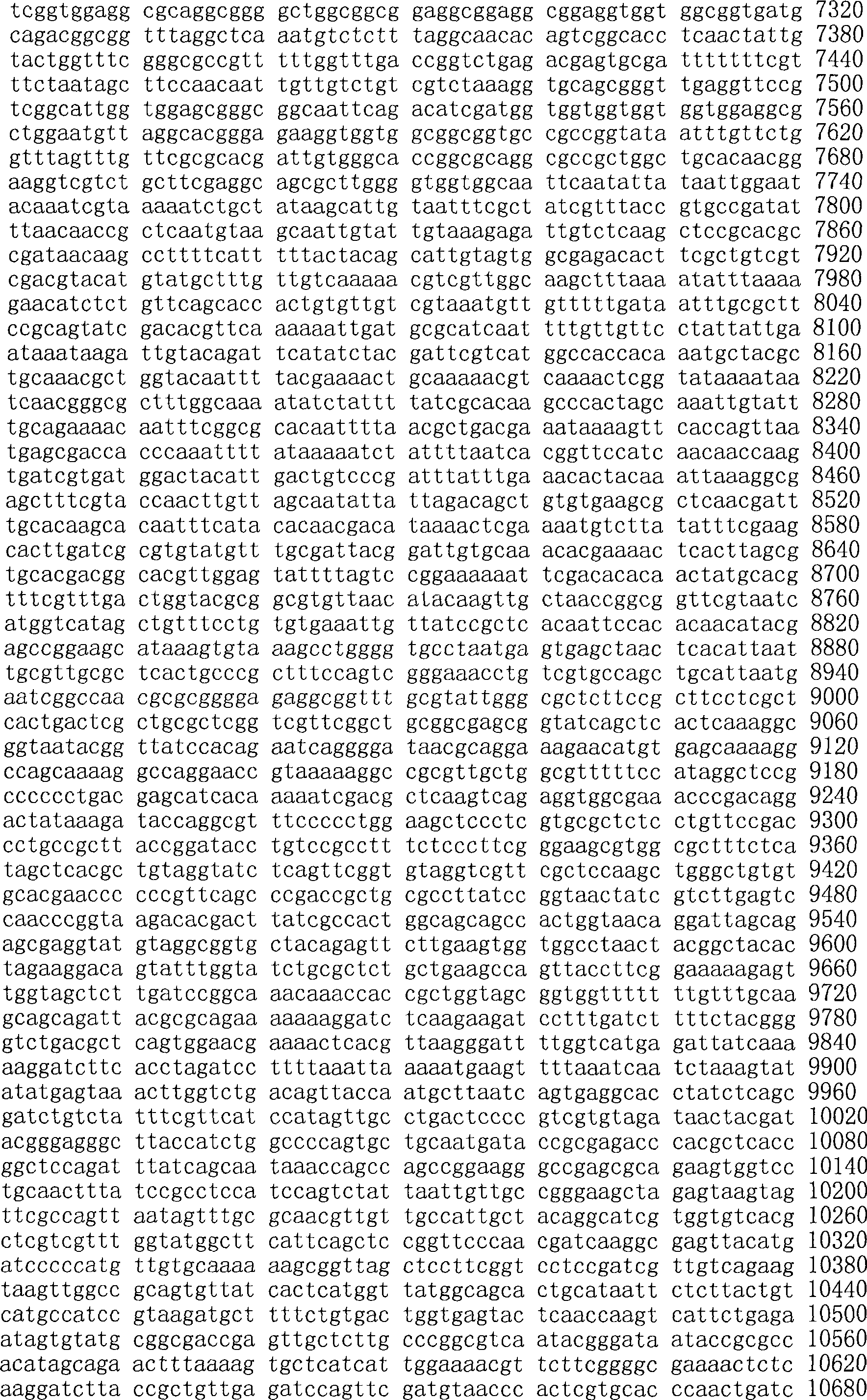

<210>50<210>50
<211>11452<211>11452
<212>DNA<212>DNA
<213>人工序列<213> Artificial sequence
<220><220>
<223>质粒DNA:54569<223> plasmid DNA: 54569
<400>50<400>50
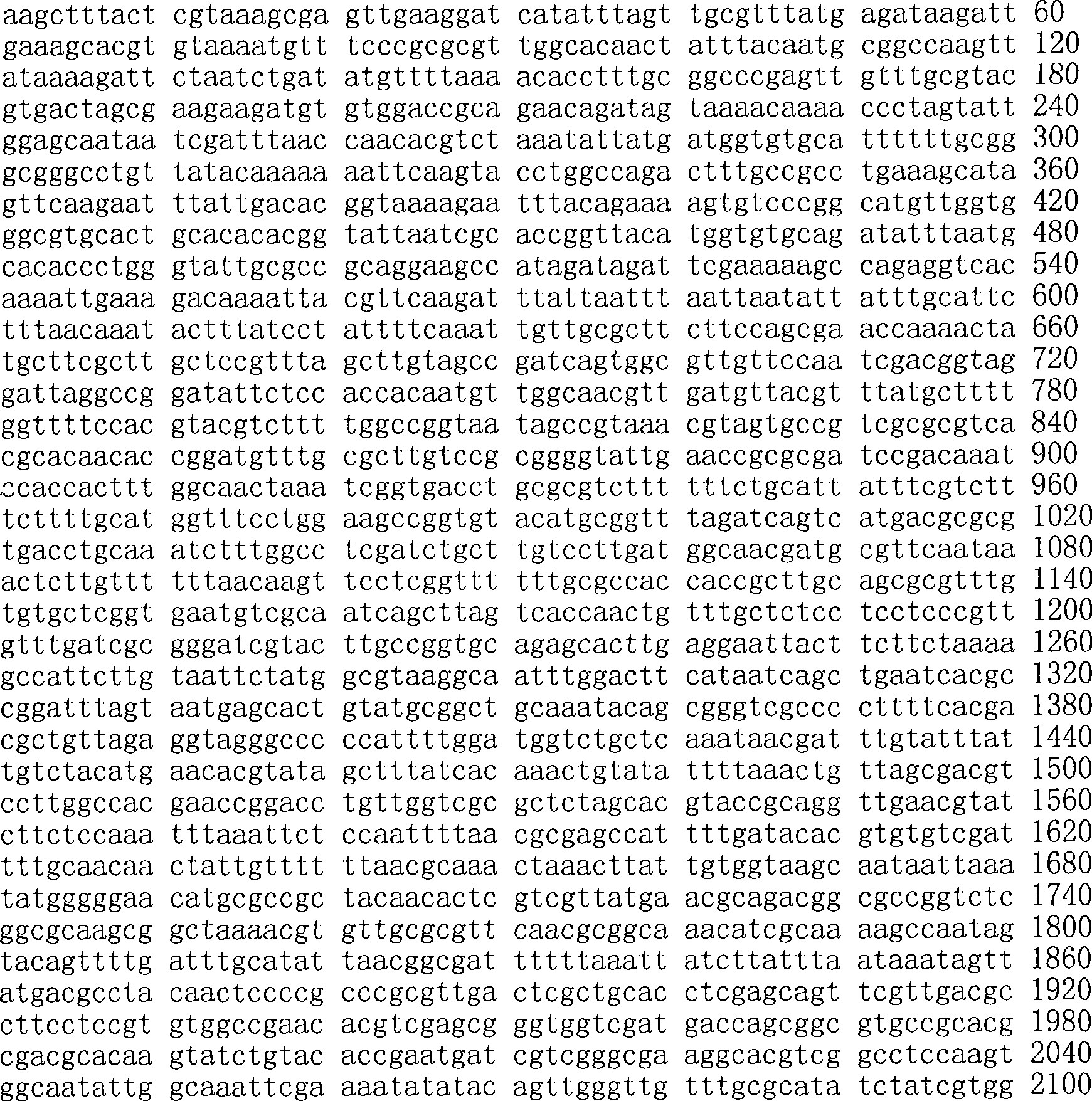

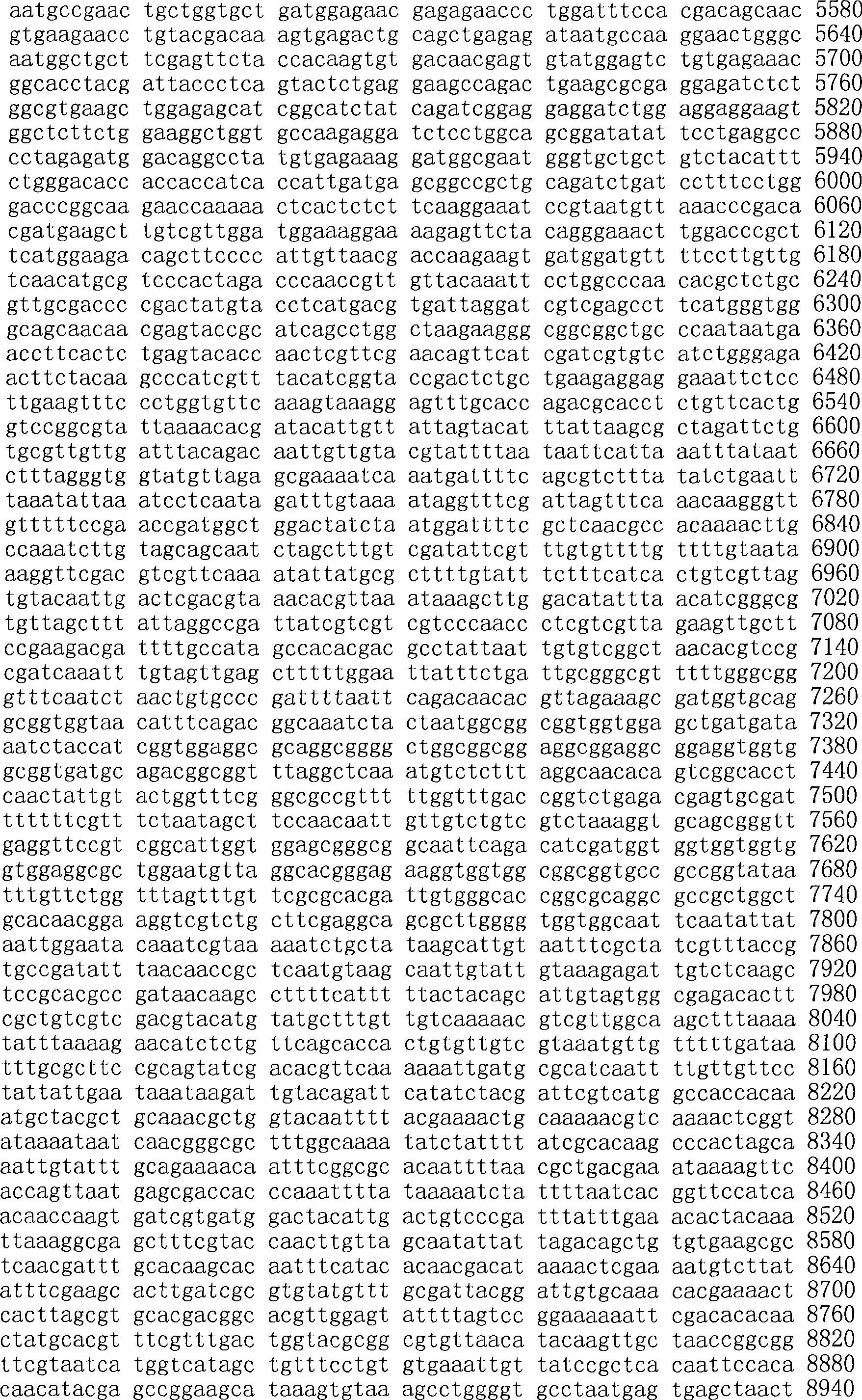
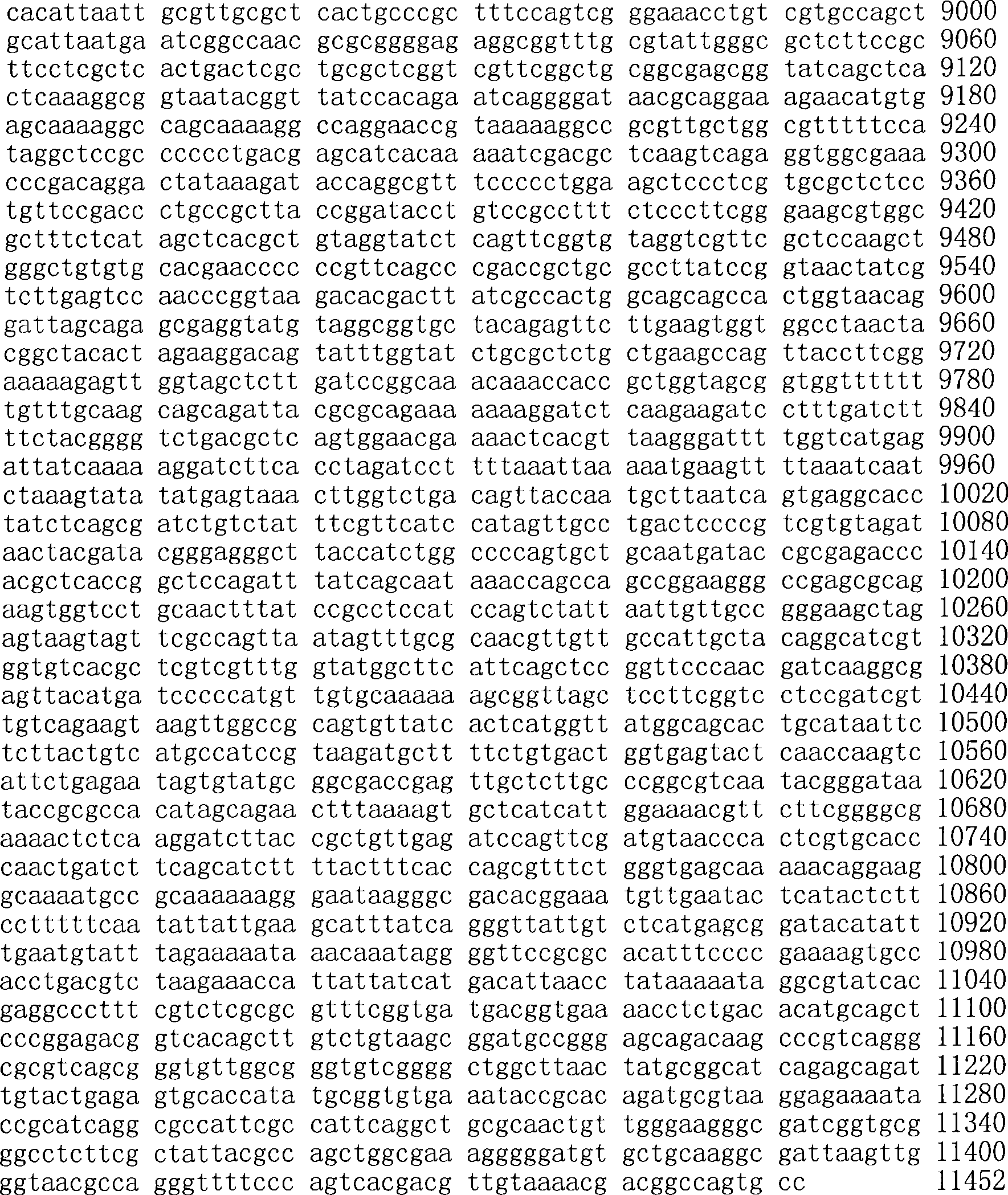
<210>51<210>51
<211>11407<211>11407
<212>DNA<212>DNA
<213>人工序列<213> Artificial sequence
<220><220>
<223>质粒DNA:54570<223> plasmid DNA: 54570
<400>51<400>51

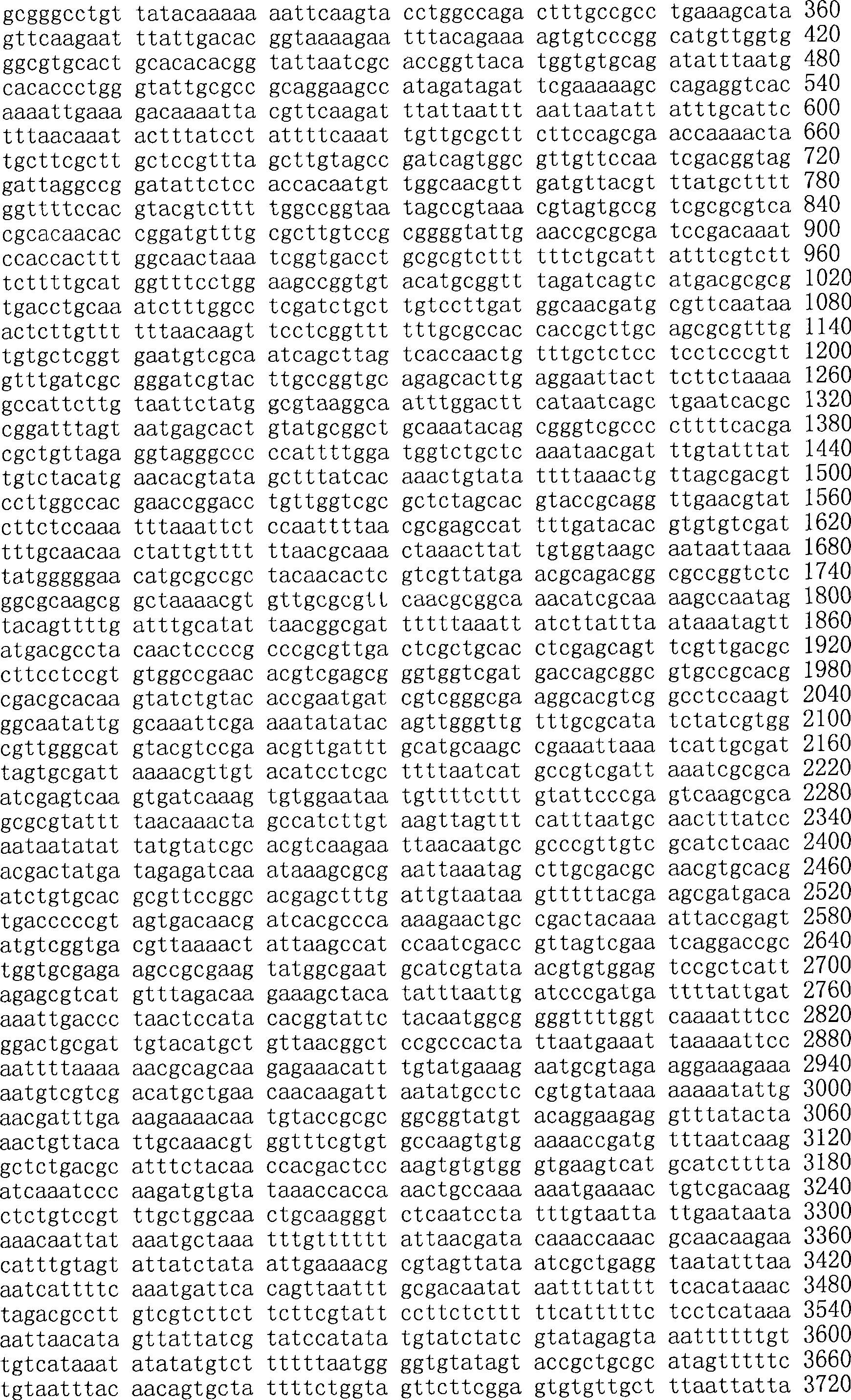
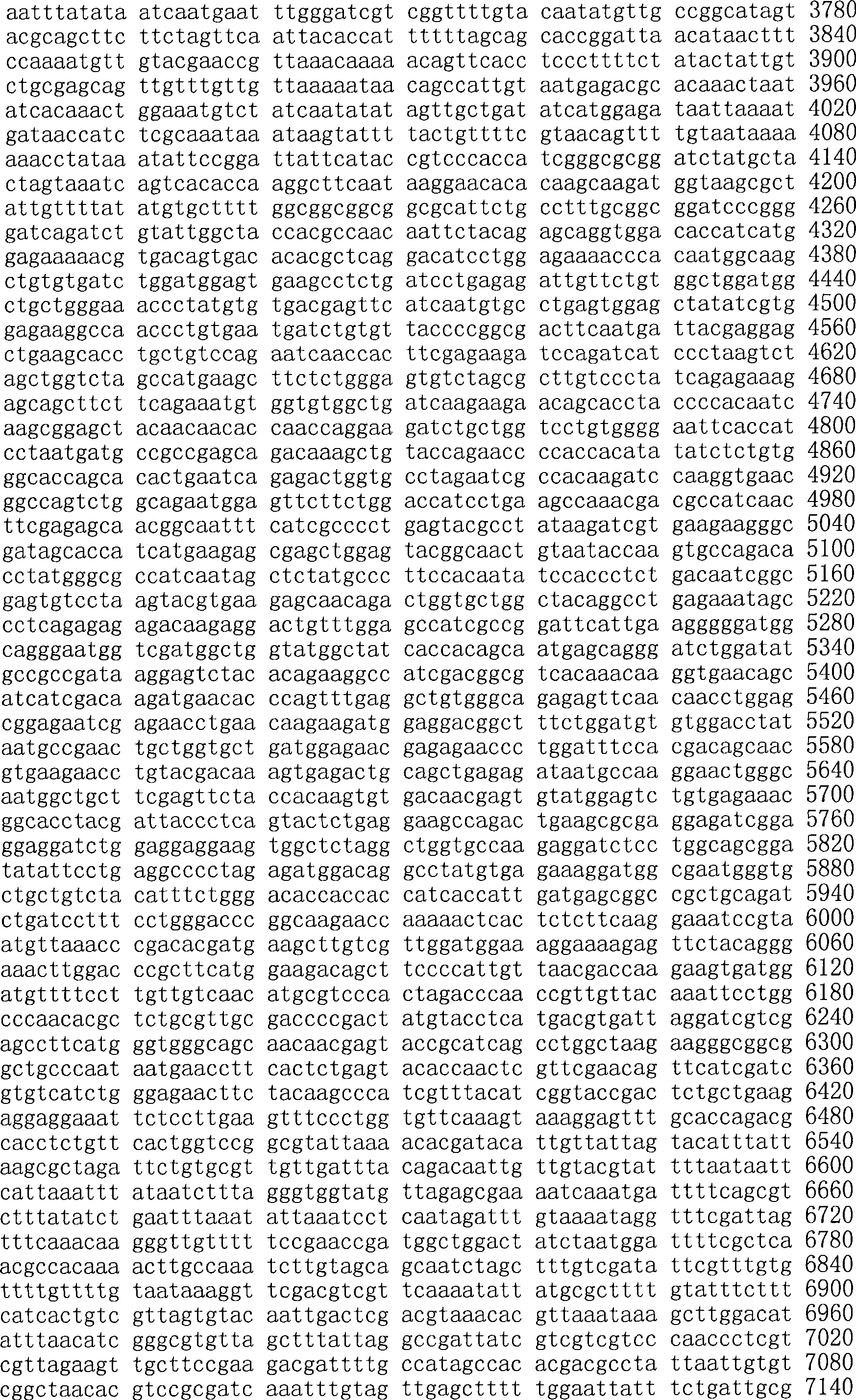
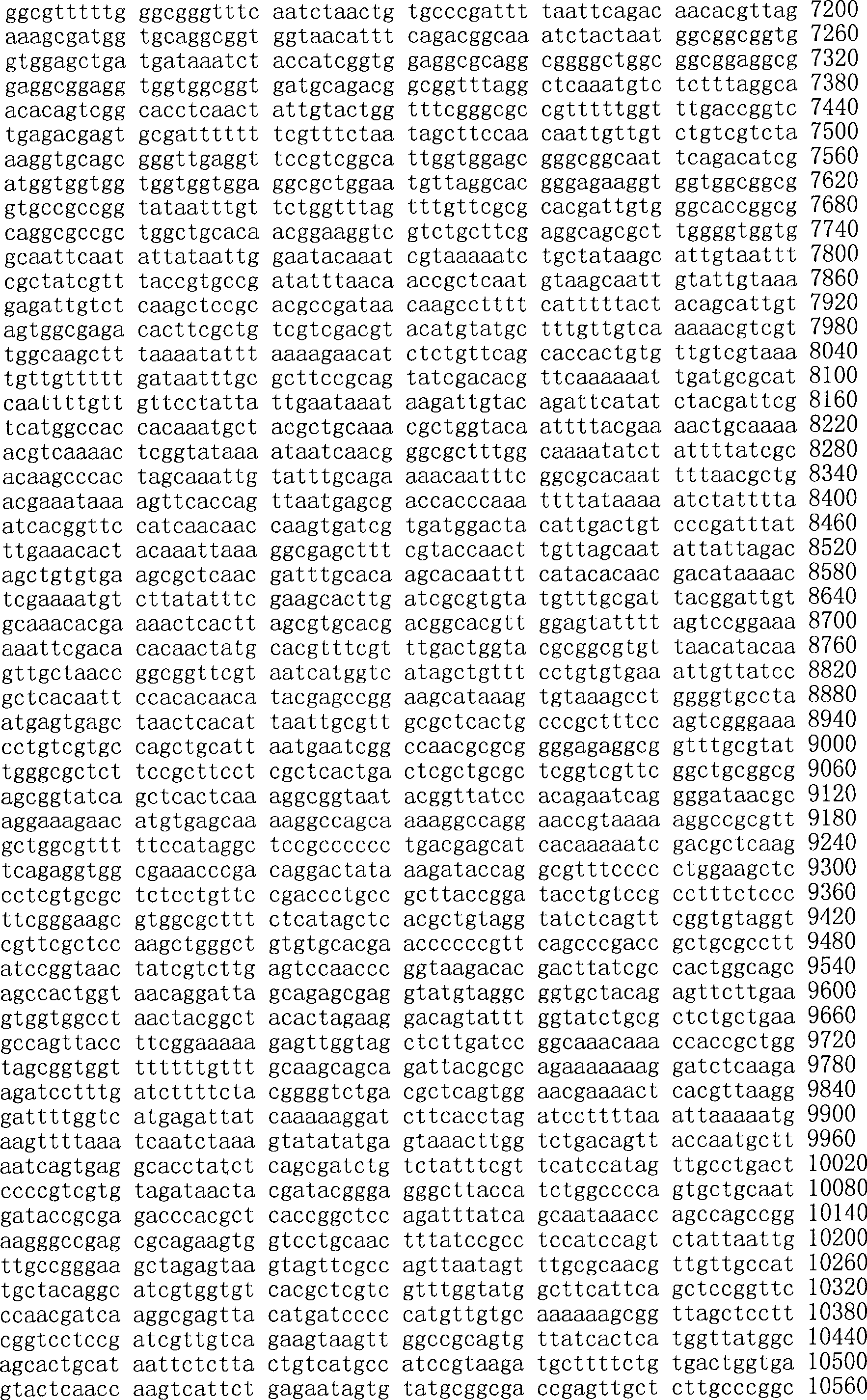
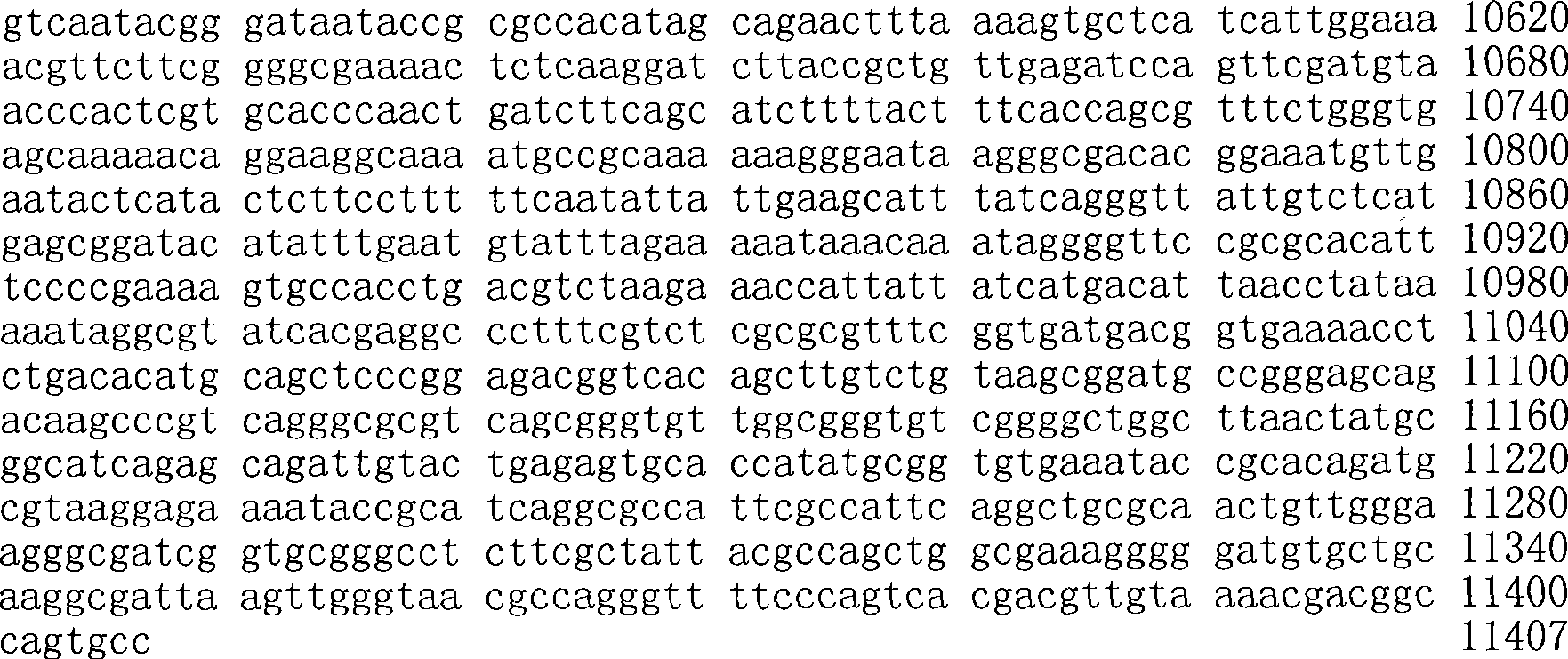
<210>52<210>52
<211>6128<211>6128
<212>DNA<212>DNA
<213>人工序列<213> Artificial sequence
<220><220>
<223>质粒DNA:53956<223> plasmid DNA: 53956
<400>52<400>52
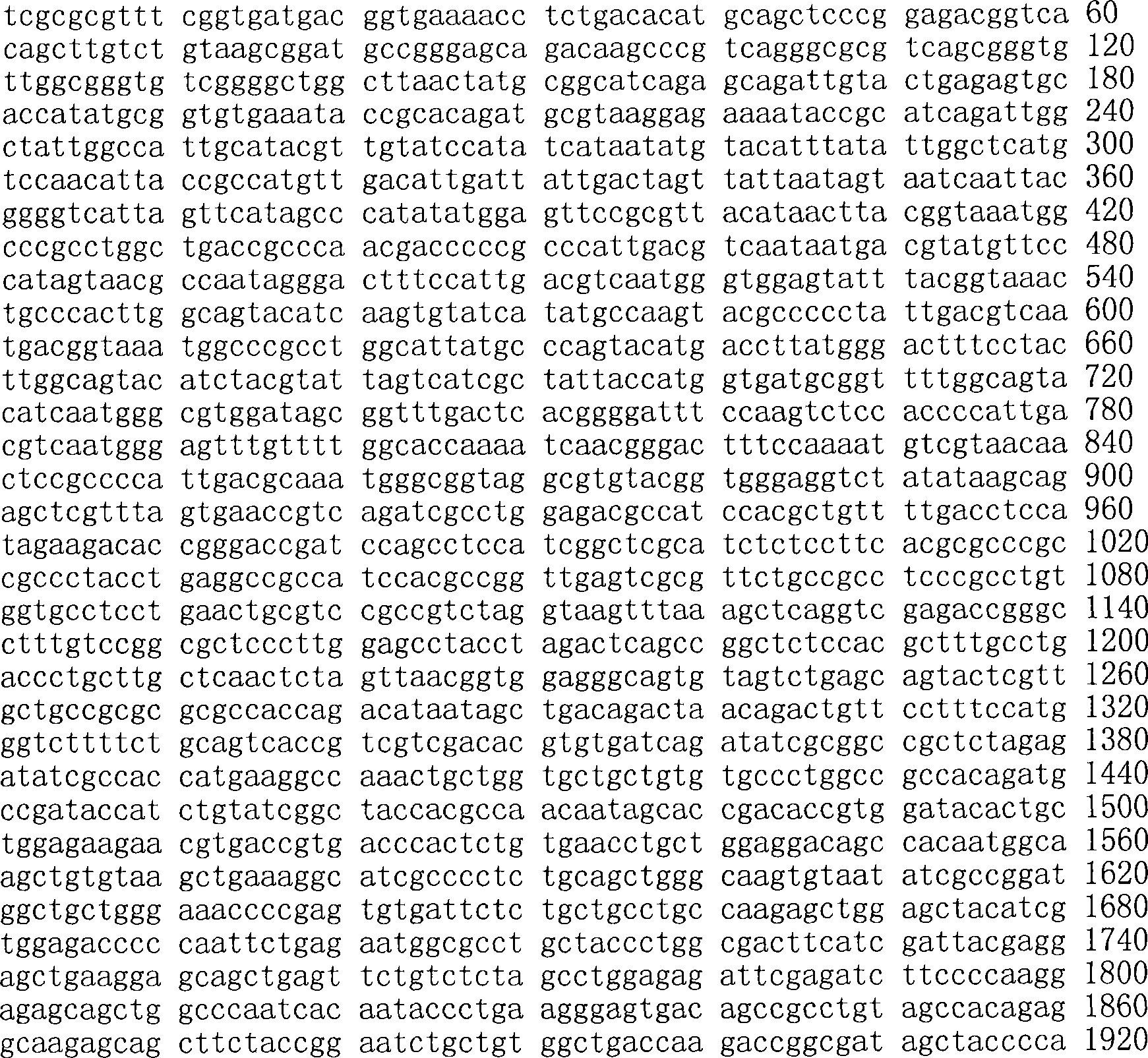
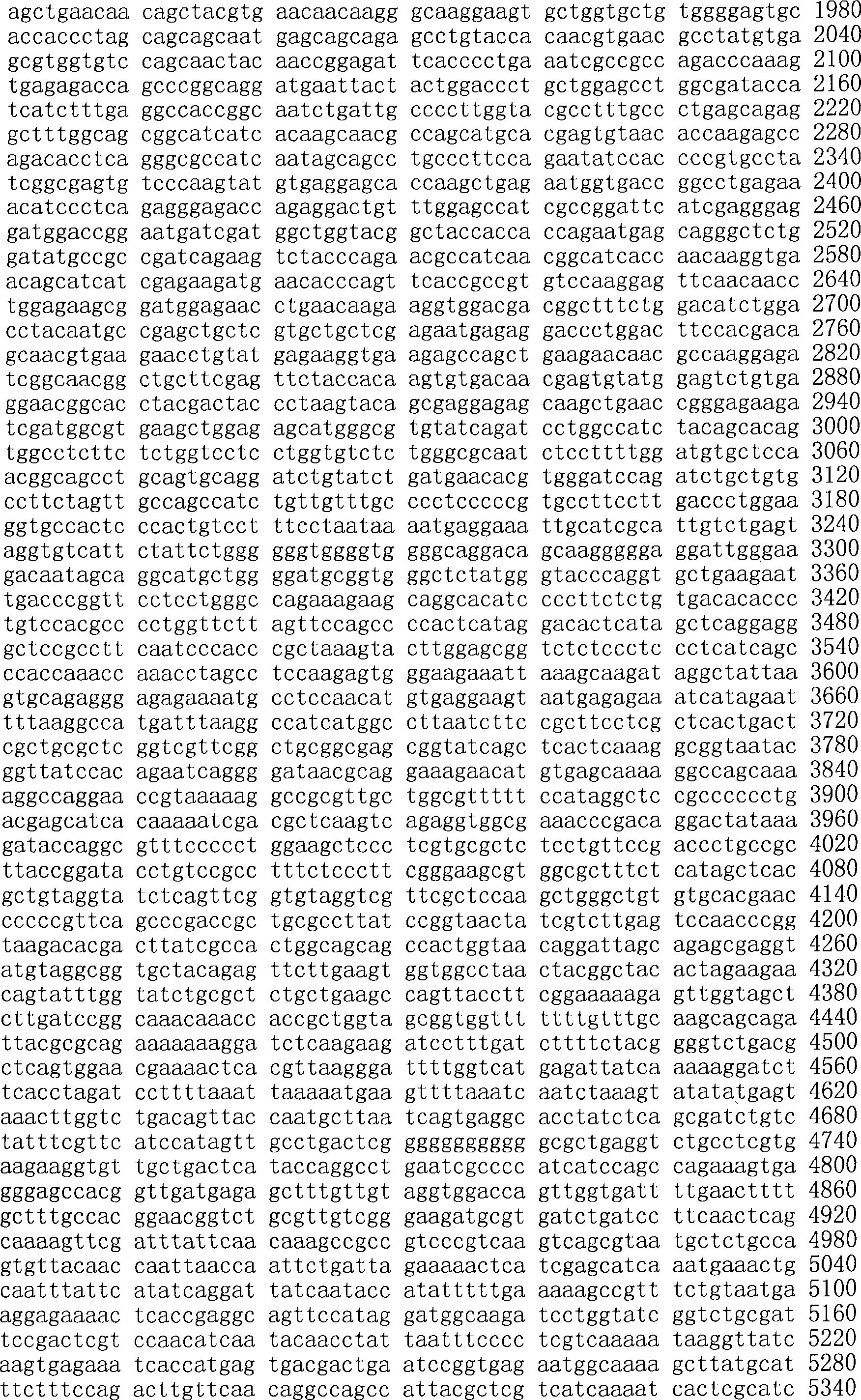

<210>53<210>53
<211>6122<211>6122
<212>DNA<212>DNA
<213>人工序列<213> Artificial sequence
<220><220>
<223>质粒DNA:53957<223> plasmid DNA: 53957
<400>53<400>53
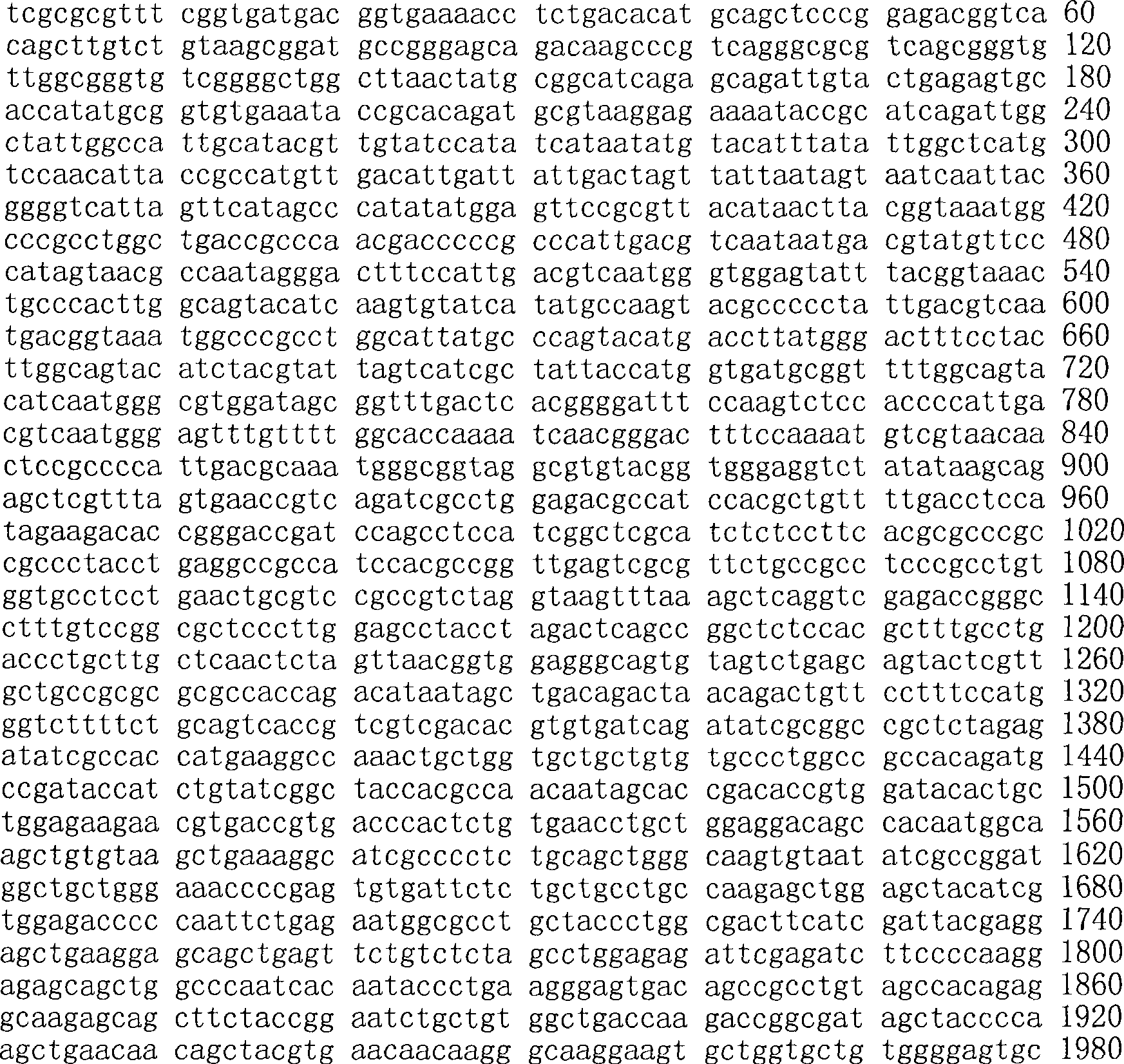
<210>54<210>54
<211>11389<211>11389
<212>DNA<212>DNA
<213>人工序列<213> Artificial sequence
<220><220>
<223>质粒DNA:53967<223> plasmid DNA: 53967
<400>54<400>54
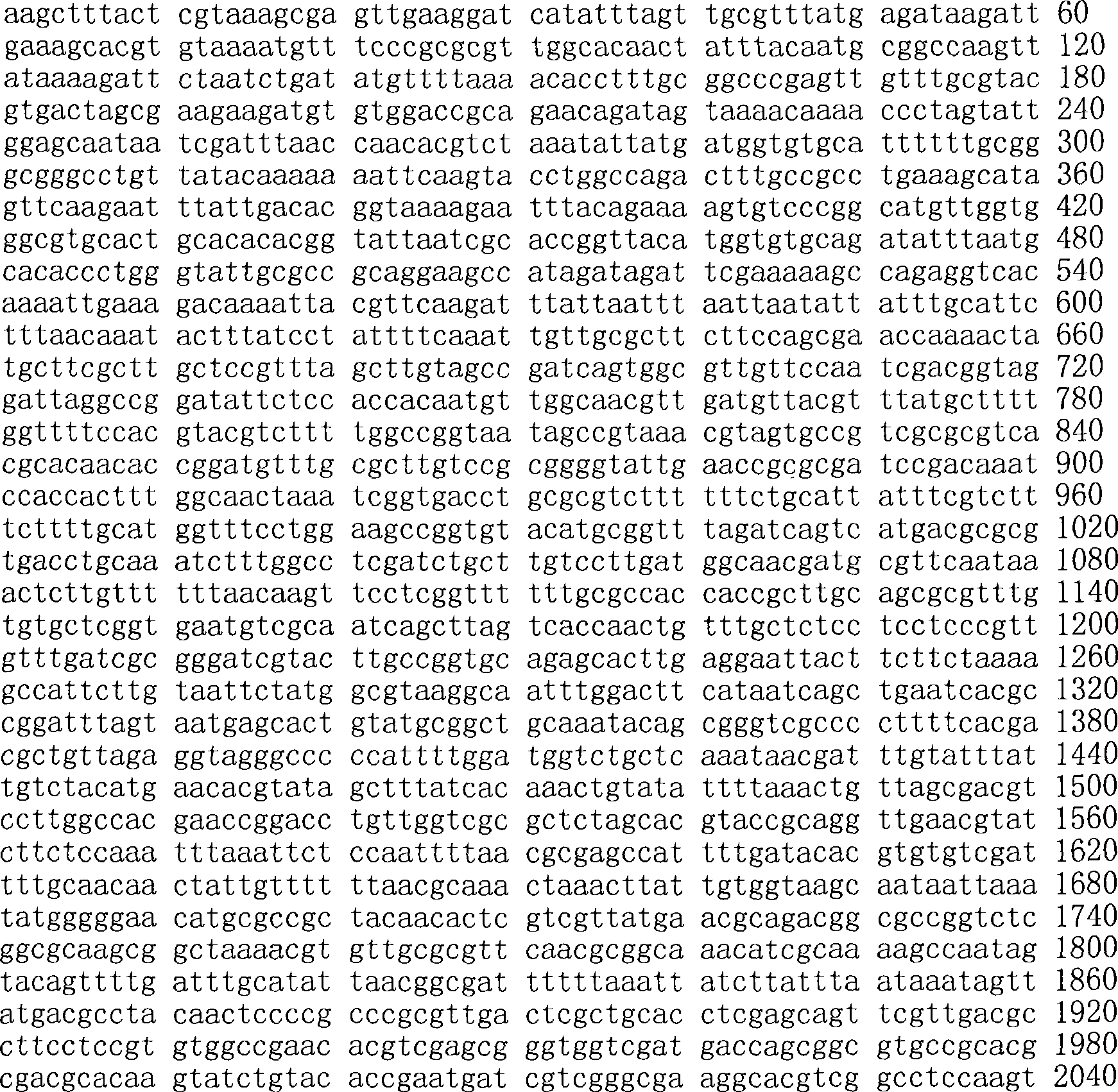
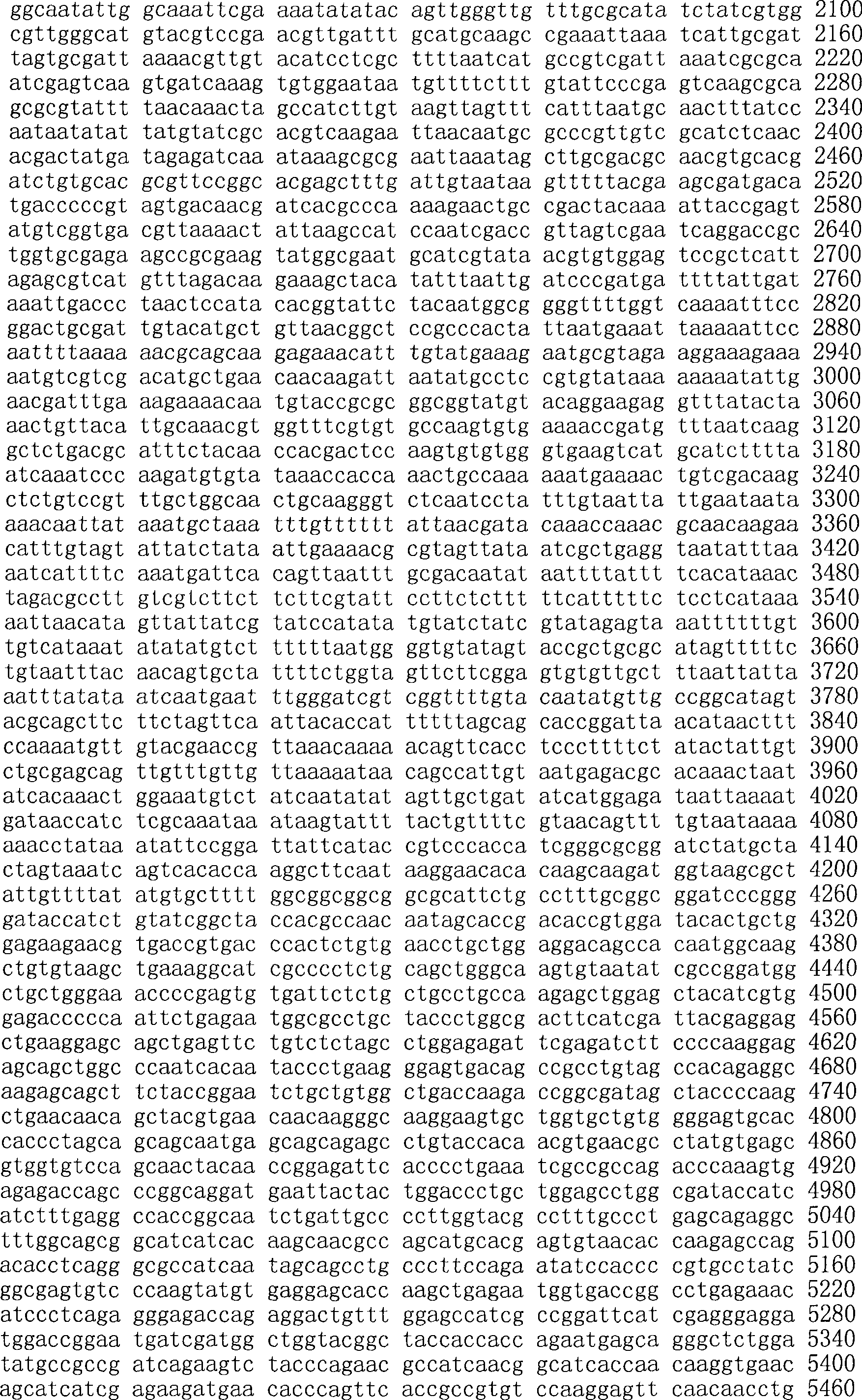

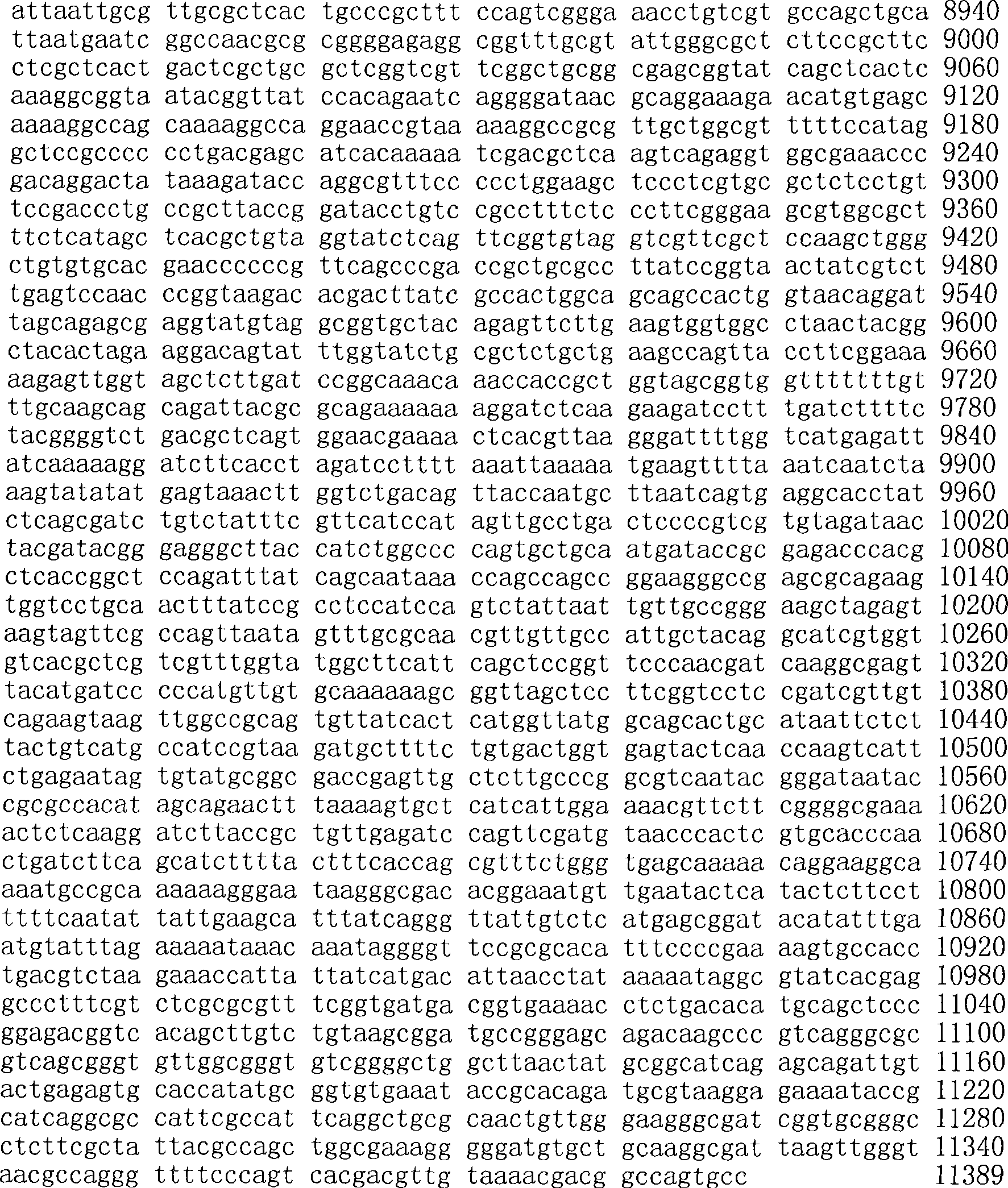
<210>55<210>55
<211>6125<211>6125
<212>DNA<212>DNA
<213>人工序列<213> Artificial sequence
<220><220>
<223>质粒DNA:53329<223> plasmid DNA: 53329
<400>55<400>55


<210>56<210>56
<211>6125<211>6125
<212>DNA<212>DNA
<213>人工序列<213> Artificial sequence
<220><220>
<223>质粒DNA:53330<223> plasmid DNA: 53330
<400>56<400>56

<210>57<210>57
<211>6119<211>6119
<212>DNA<212>DNA
<213>人工序列<213> Artificial sequence
<220><220>
<223>质粒DNA:53331<223> plasmid DNA: 53331
<400>57<400>57
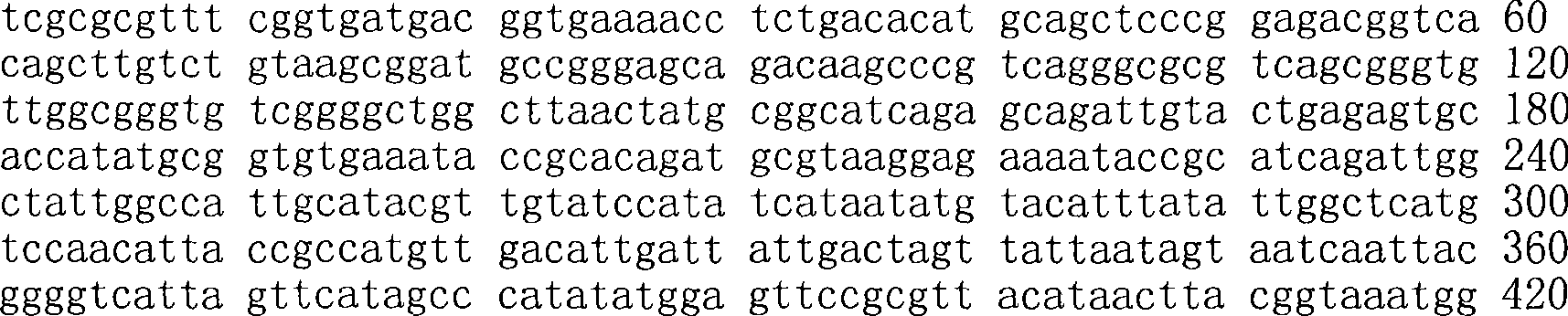
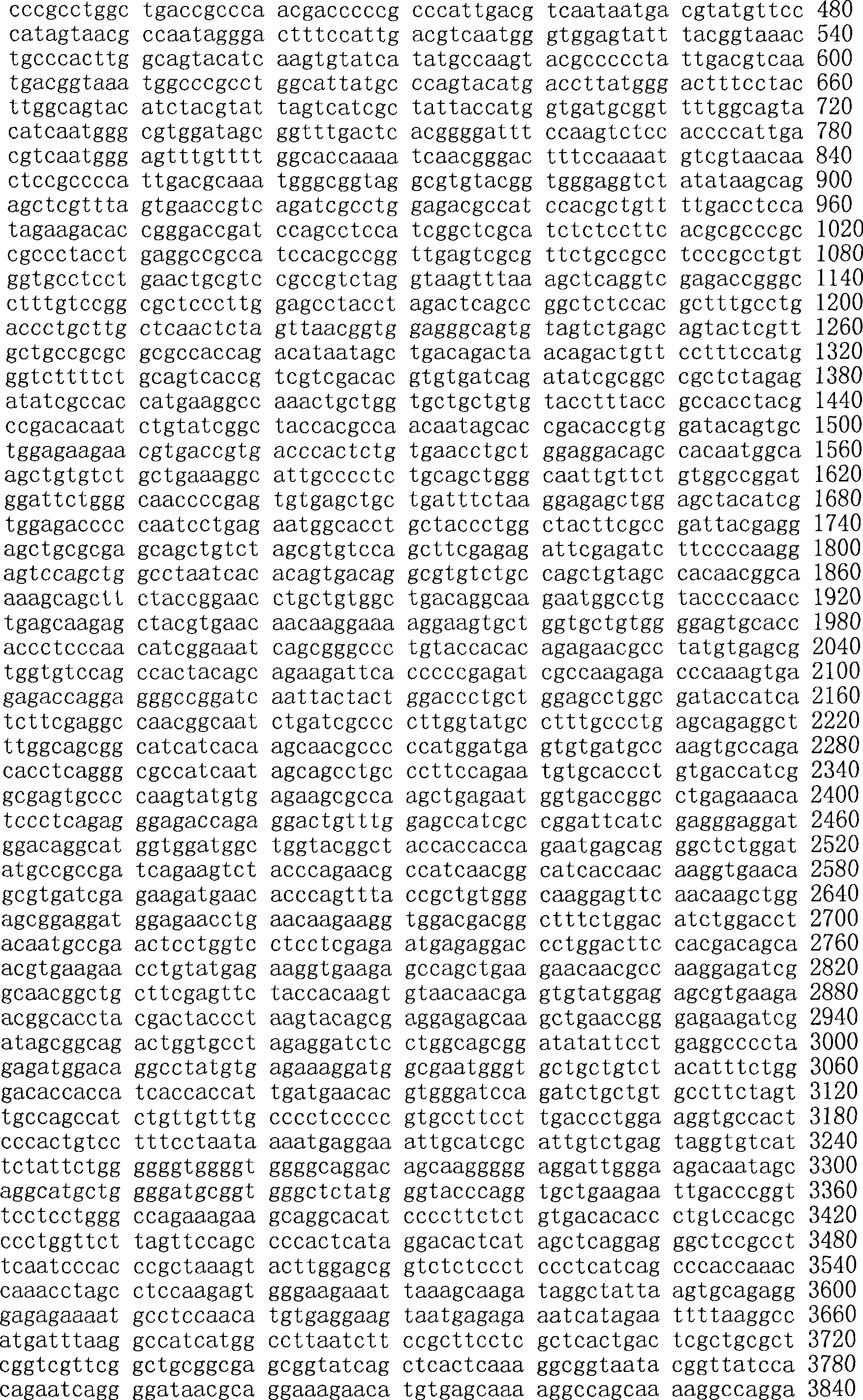
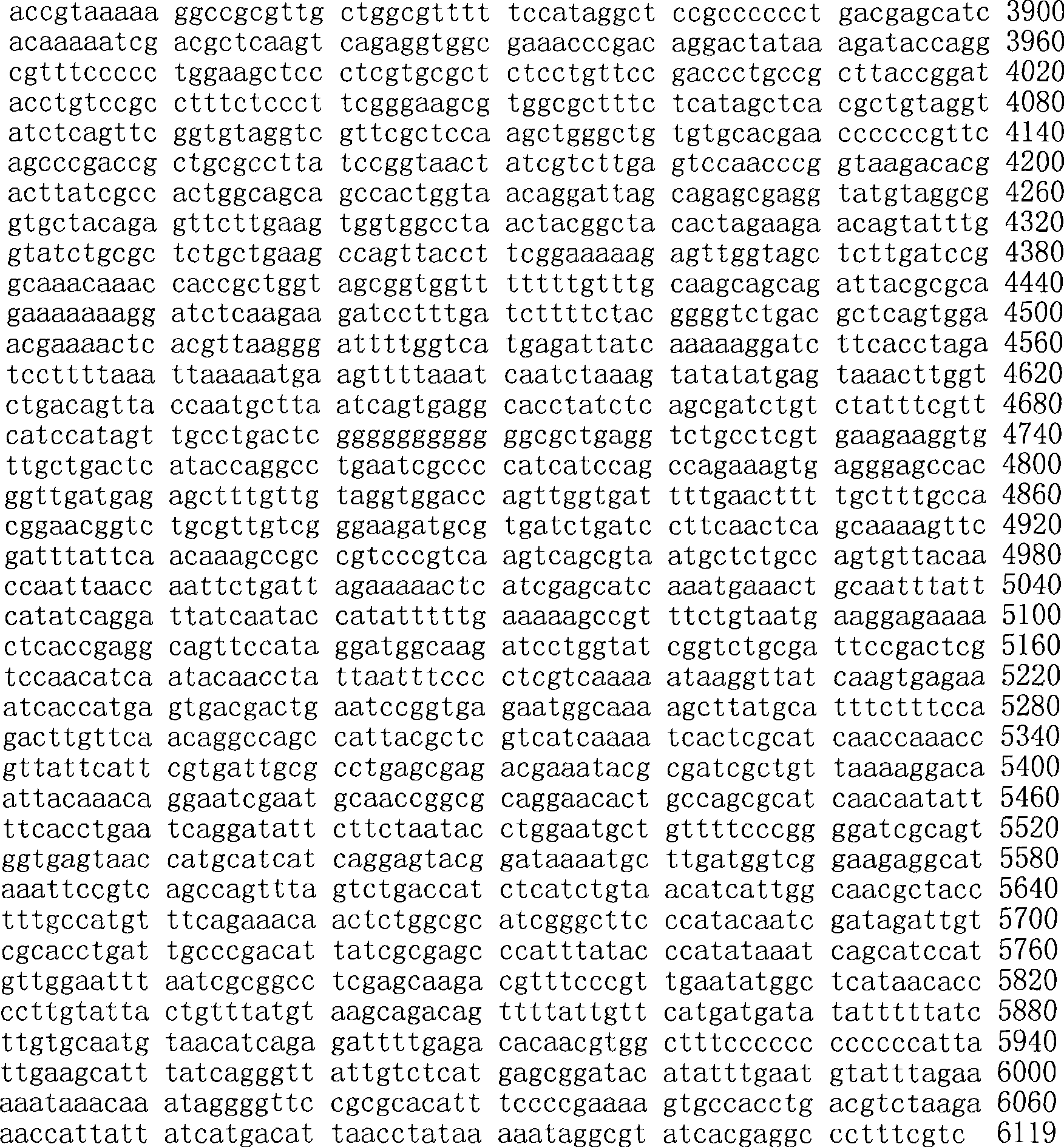
<210>58<210>58
<211>11386<211>11386
<212>DNA<212>DNA
<213>人工序列<213> Artificial sequence
<220><220>
<223>质粒DNA:53503<223> plasmid DNA: 53503
<400>58<400>58


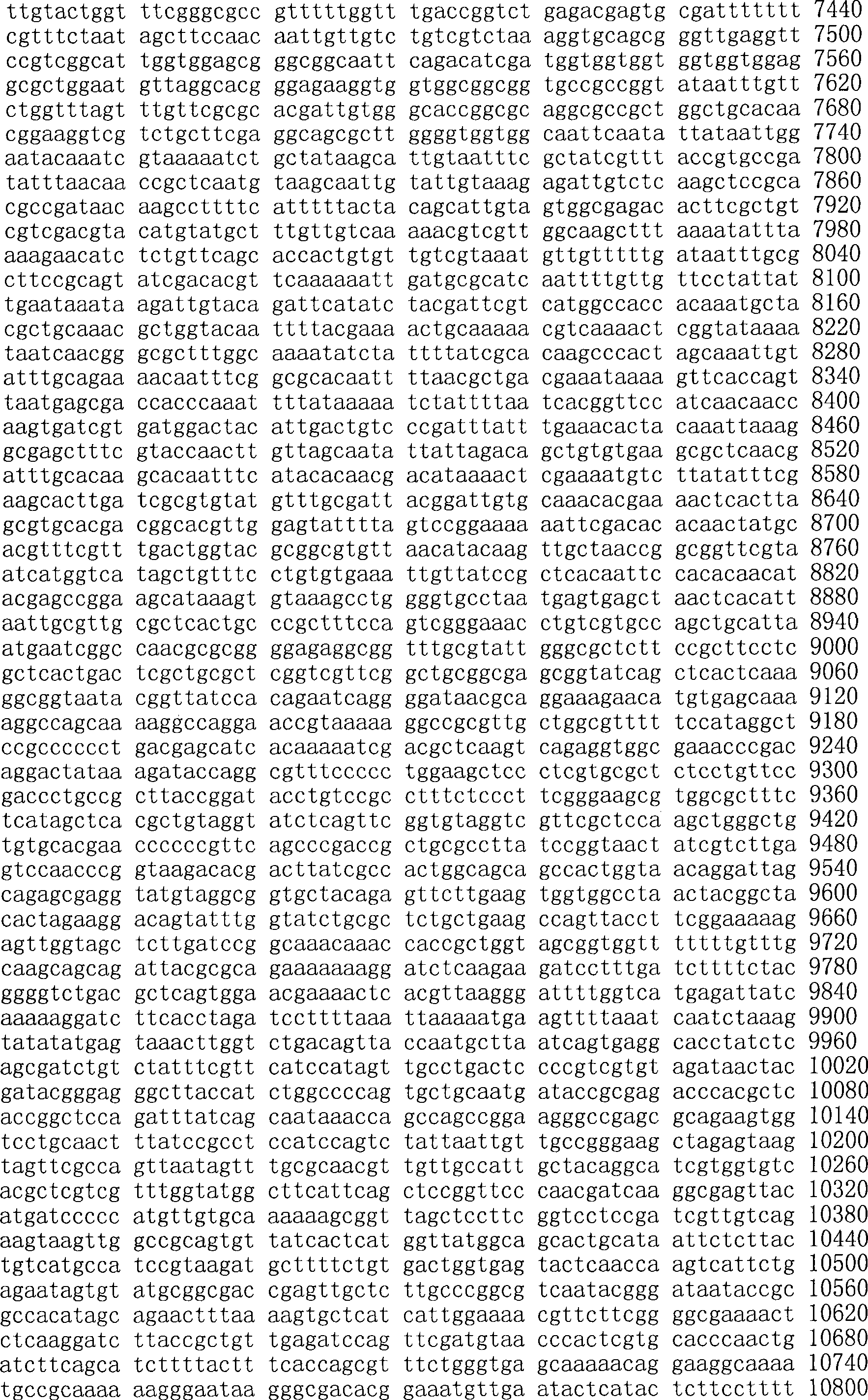
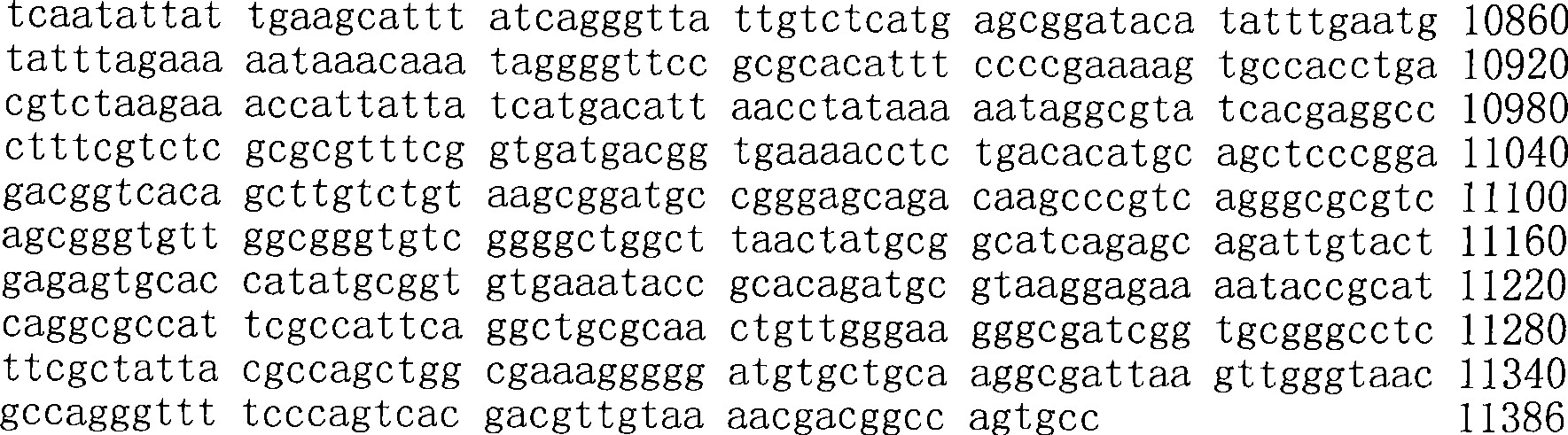
<210>59<210>59
<211>4615<211>4615
<212>DNA<212>DNA
<213>人工序列<213> Artificial sequence
<220><220>
<223>质粒DNA:51490<223> plasmid DNA: 51490
<400>59<400>59
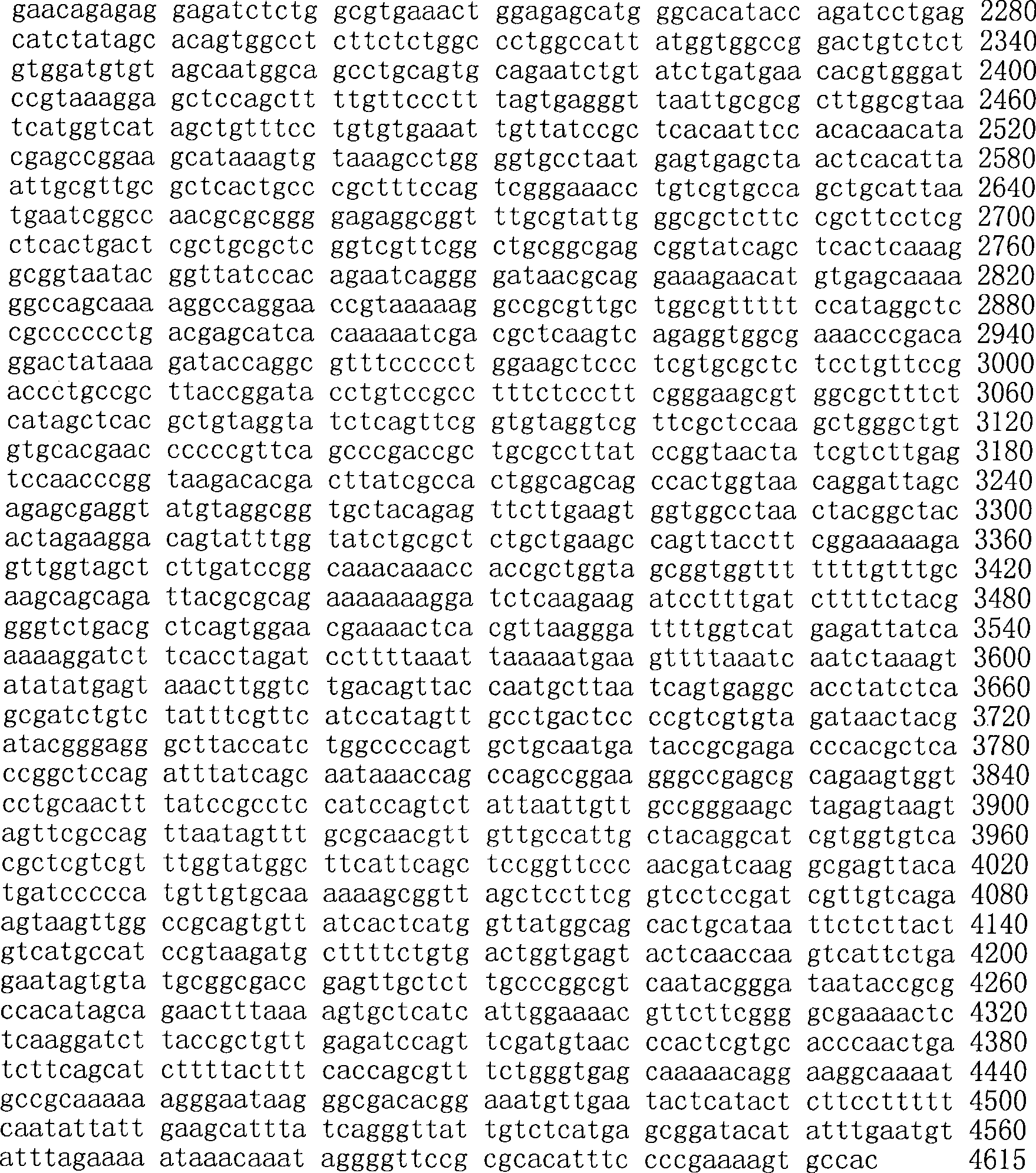
<210>60<210>60
<211>4603<211>4603
<212>DNA<212>DNA
<213>人工序列<213> Artificial sequence
<220><220>
<223>质粒DNA:51491<223> plasmid DNA: 51491
<400>60<400>60
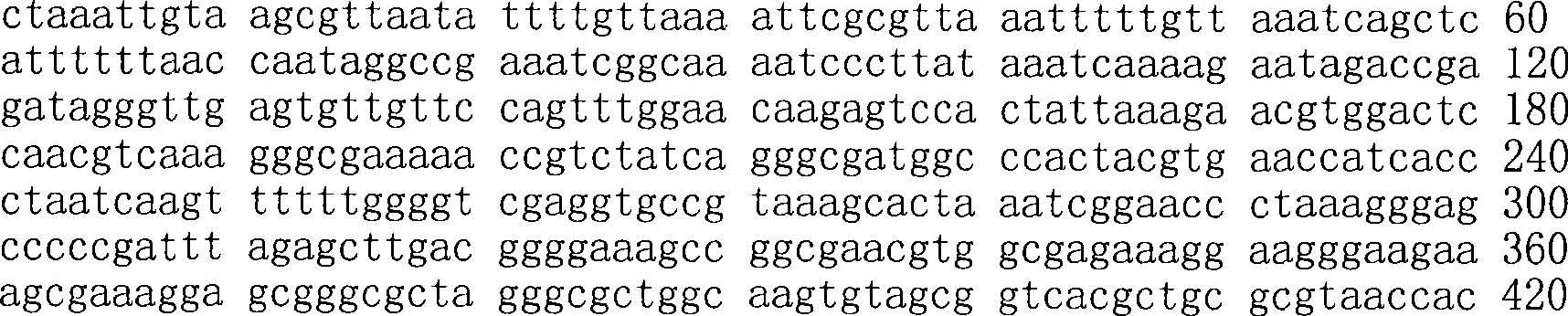

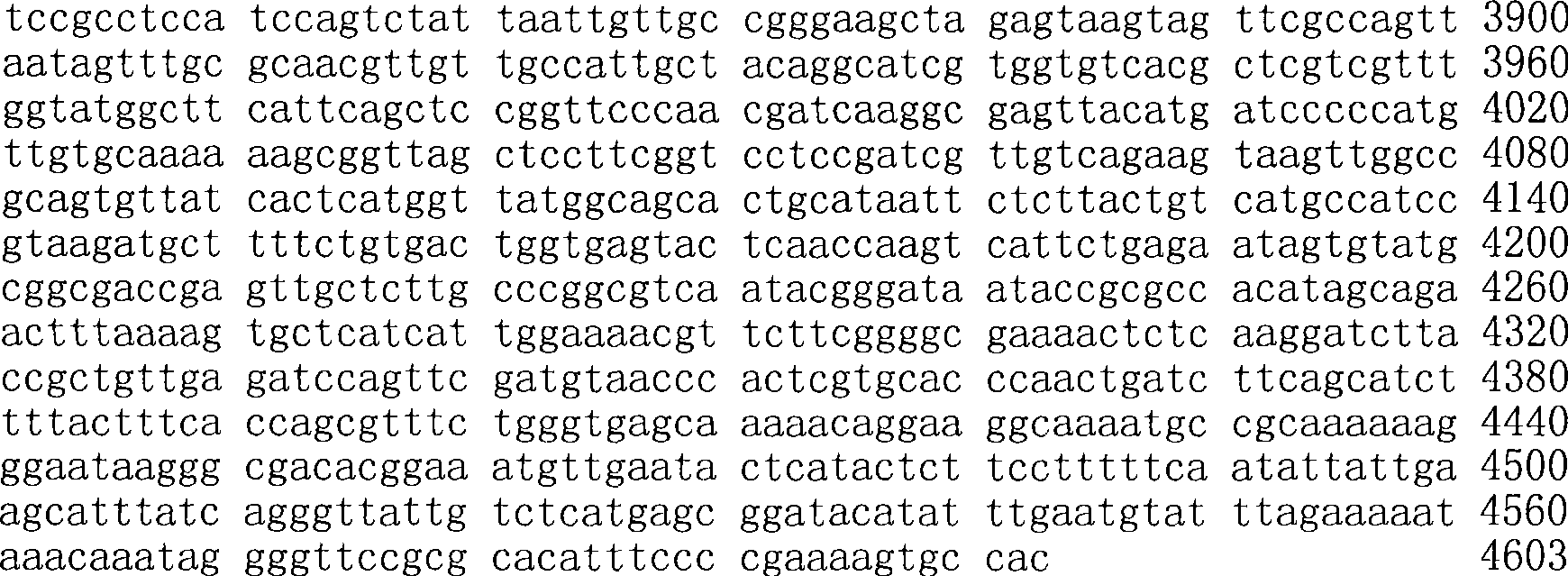
<210>61<210>61
<211>4630<211>4630
<212>DNA<212>DNA
<213>人工序列<213> Artificial sequence
<220><220>
<223>质粒DNA:51492<223> plasmid DNA: 51492
<400>61<400>61

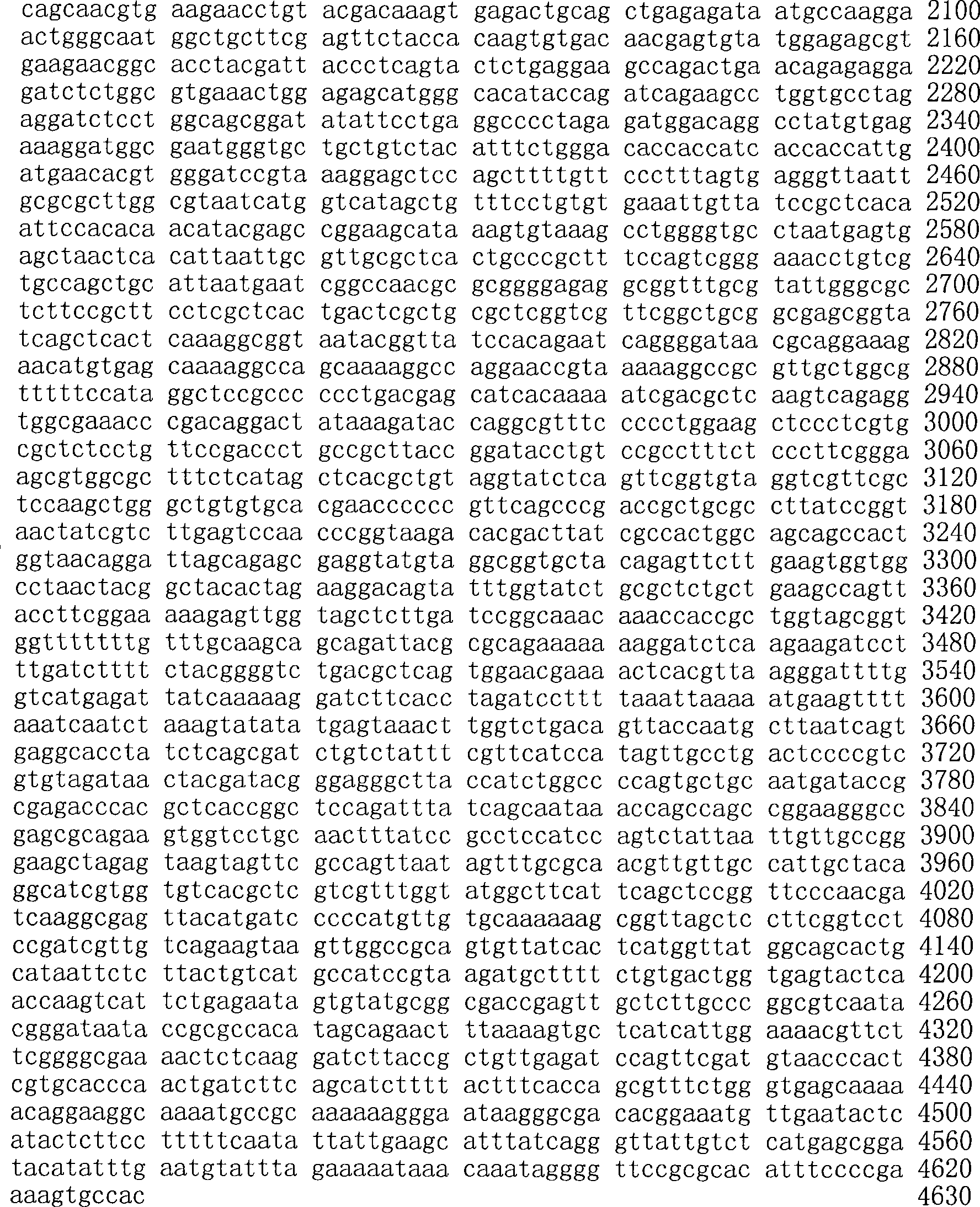
<210>62<210>62
<211>4615<211>4615
<212>DNA<212>DNA
<213>人工序列<213> Artificial sequence
<220><220>
<223>质粒DNA:51493<223> plasmid DNA: 51493
<400>62<400>62
<210>63<210>63
<211>4603<211>4603
<212>DNA<212>DNA
<213>人工序列<213> Artificial sequence
<220><220>
<223>质粒DNA:51494<223> plasmid DNA: 51494
<400>63<400>63
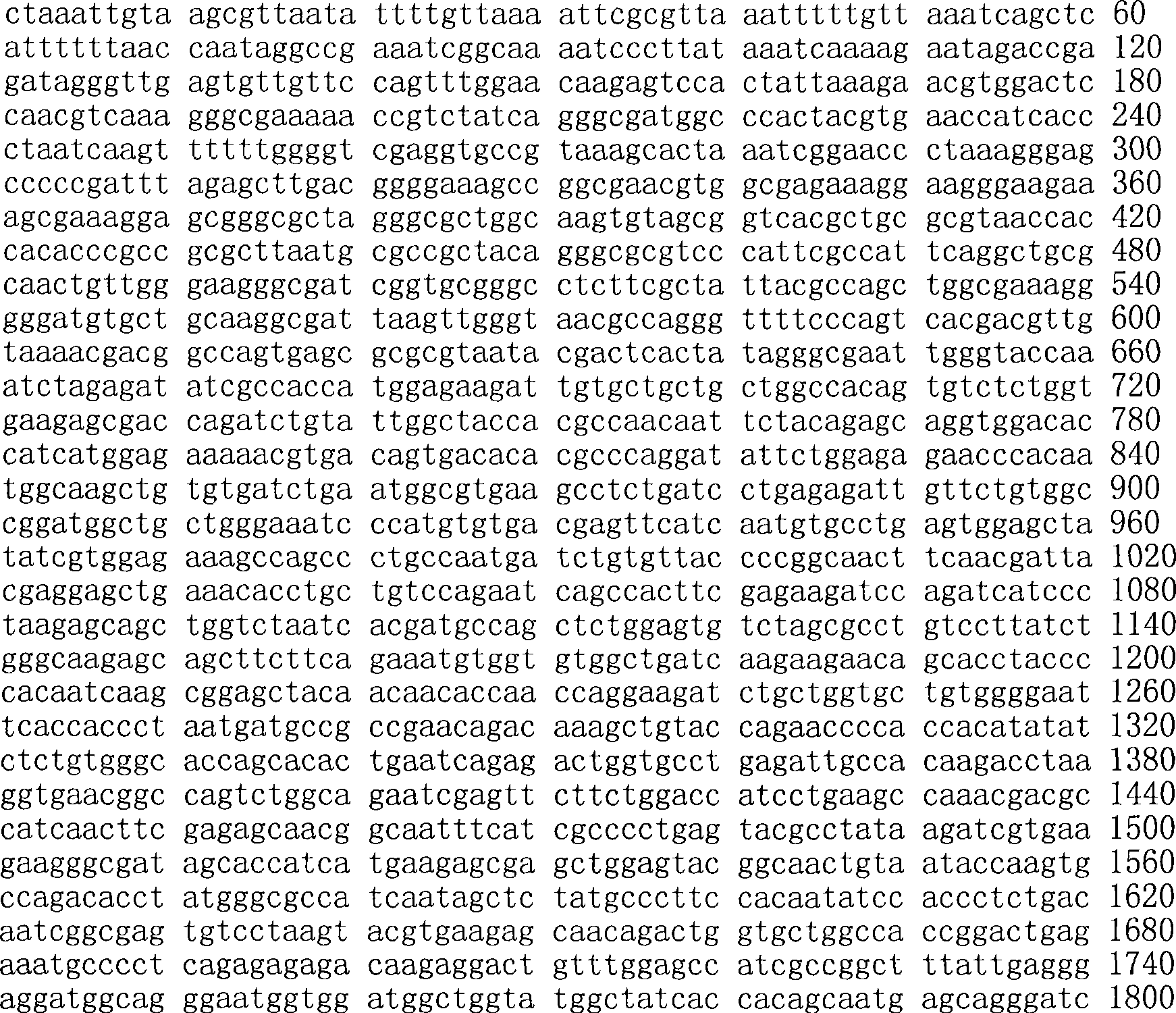
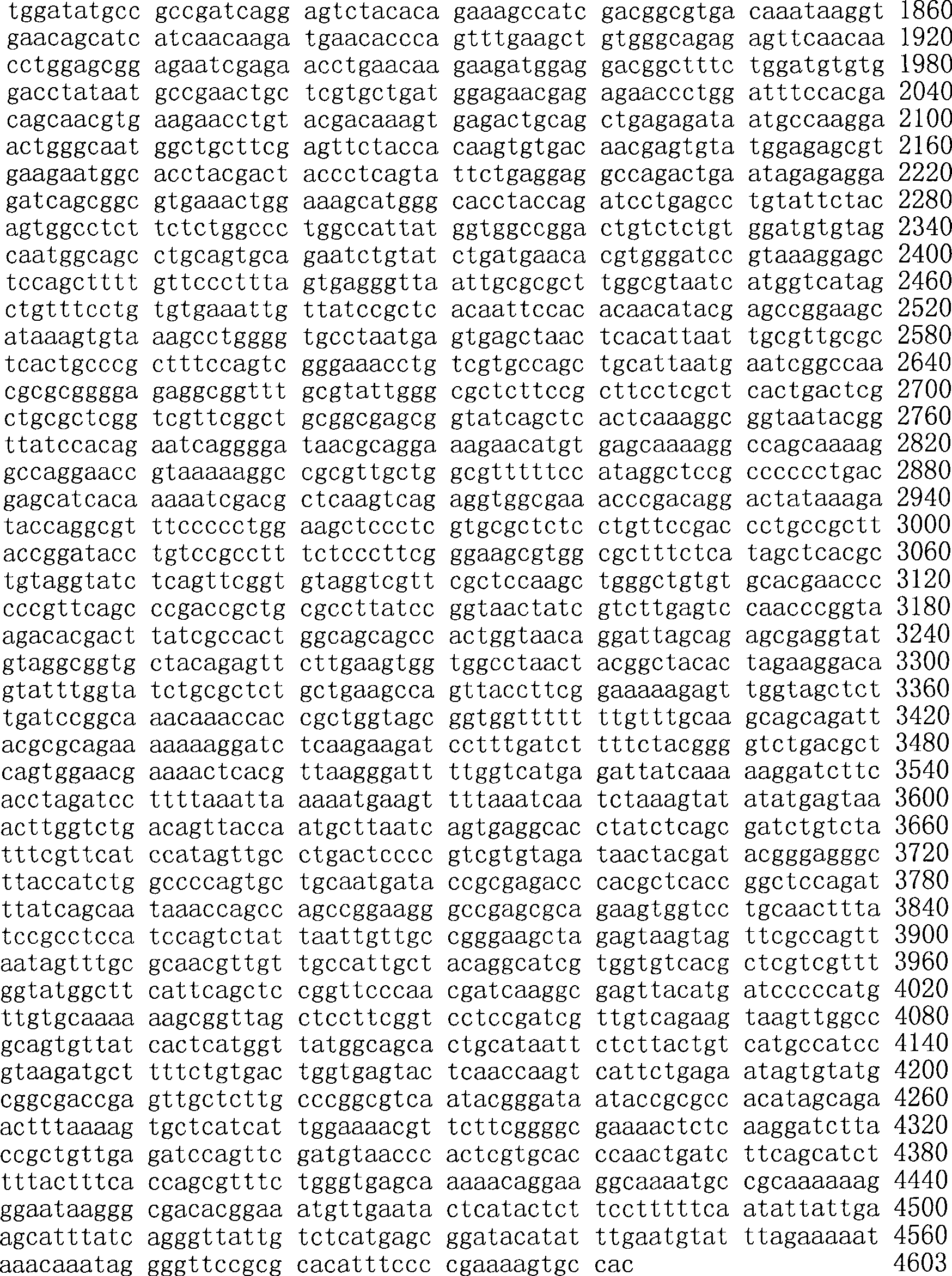
<210>64<210>64
<211>4630<211>4630
<212>DNA<212>DNA
<213>人工序列<213> Artificial sequence
<220><220>
<223>质粒DNA:51495<223> plasmid DNA: 51495
<400>64<400>64
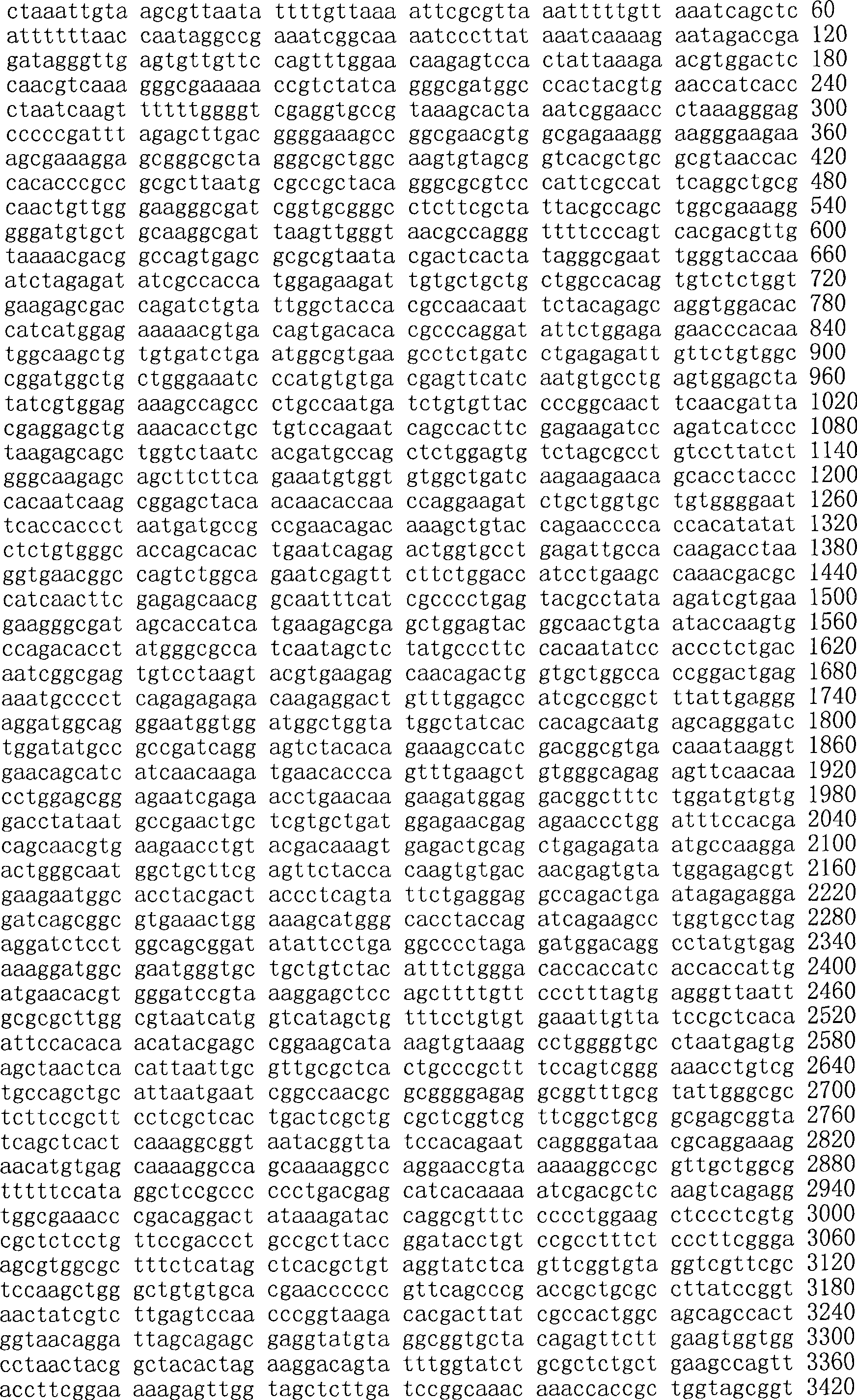
<210>65<210>65
<211>4603<211>4603
<212>DNA<212>DNA
<213>人工序列<213> Artificial sequence
<220><220>
<223>质粒DNA:51497<223> plasmid DNA: 51497
<400>65<400>65
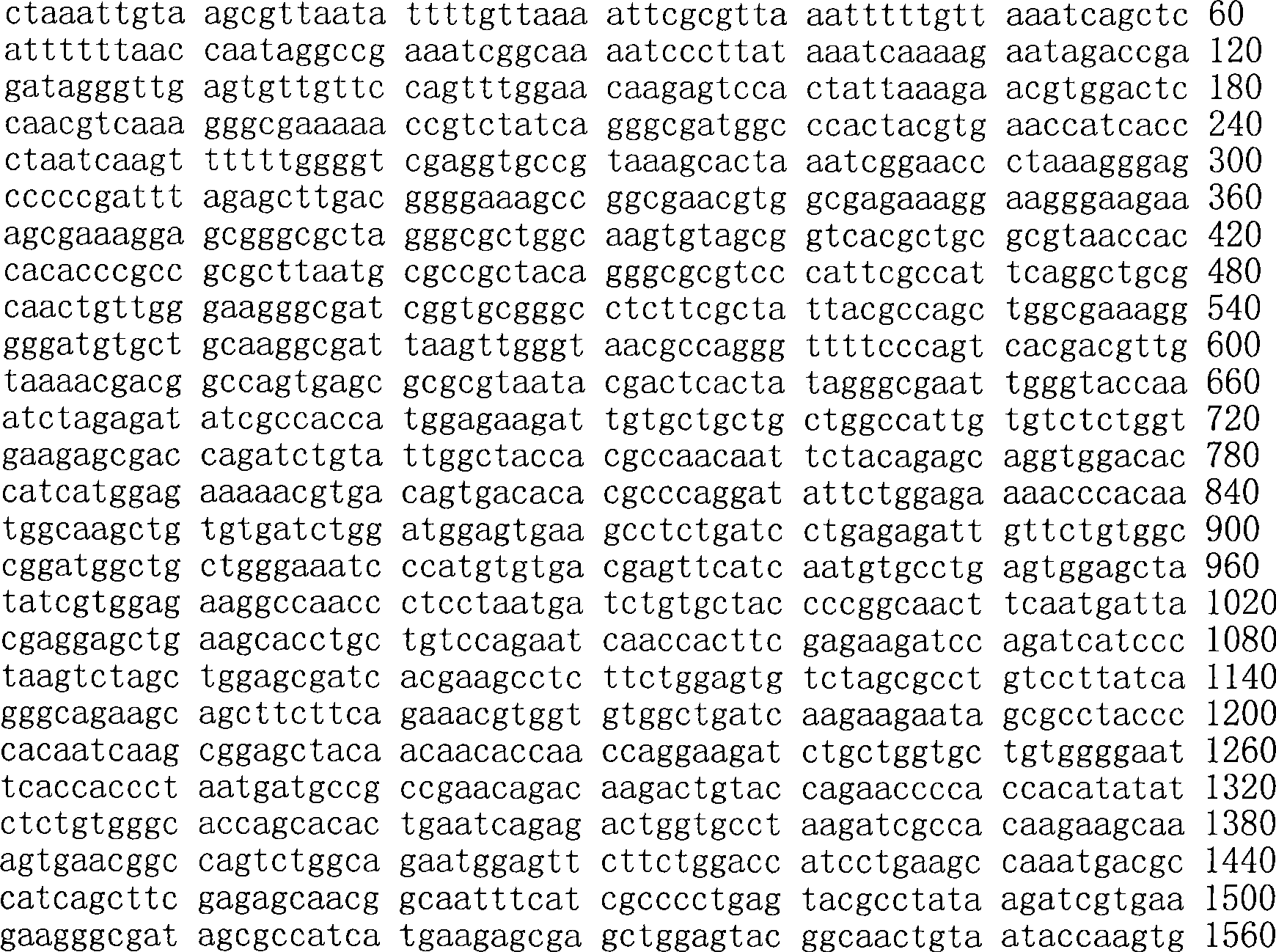

<210>66<210>66
<211>4630<211>4630
<212>DNA<212>DNA
<213>人工序列<213> Artificial sequence
<220><220>
<223>质粒DNA:51498<223> plasmid DNA: 51498
<400>66<400>66


<210>67<210>67
<211>3025<211>3025
<212>DNA<212>DNA
<213>人工序列<213> Artificial sequence
<220><220>
<223>质粒DNA:51499<223> plasmid DNA: 51499
<400>67<400>67
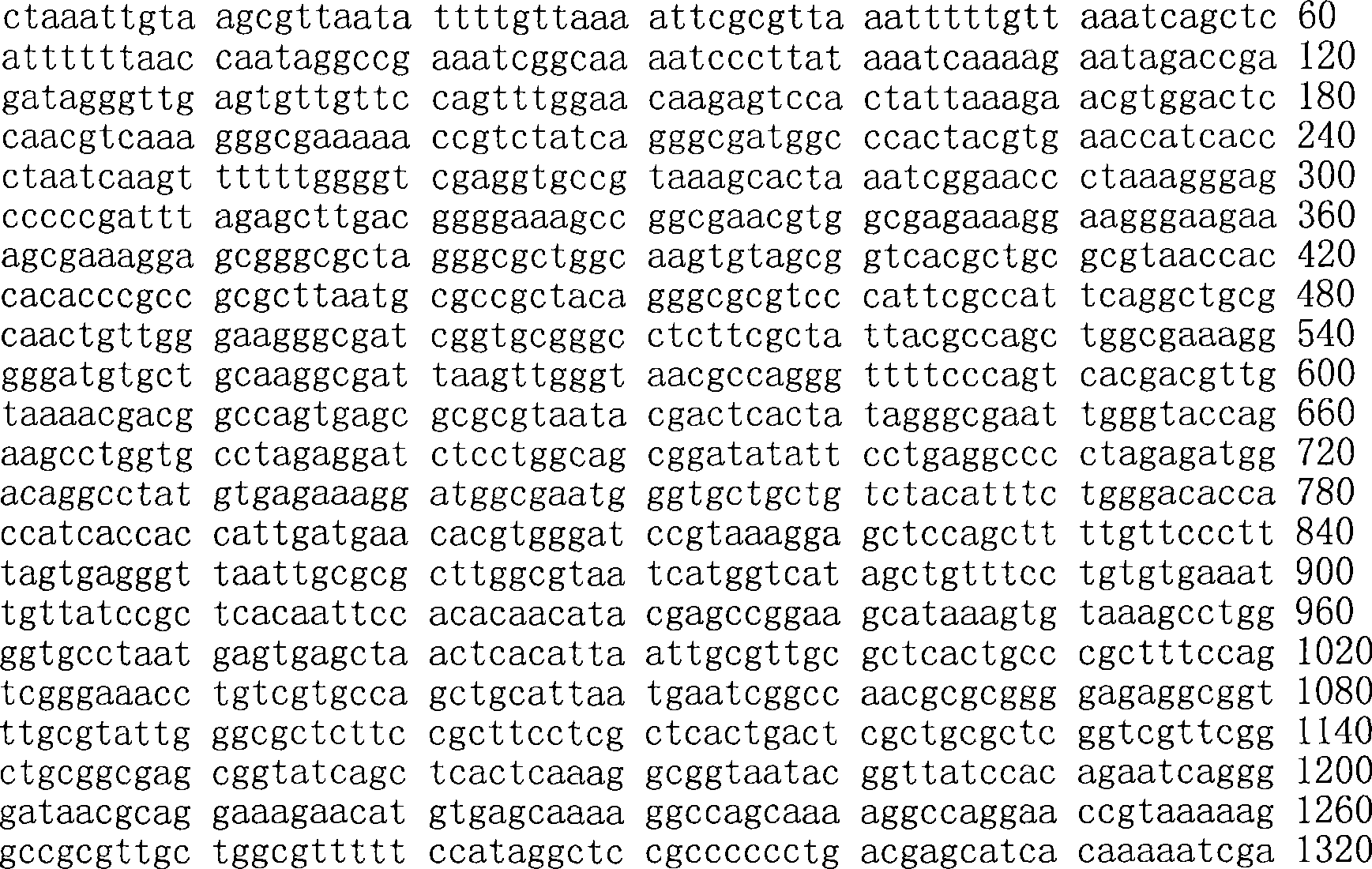

<210>68<210>68
<211>4609<211>4609
<212>DNA<212>DNA
<213>人工序列<213> Artificial sequence
<220><220>
<223>质粒DNA:51804<223> plasmid DNA: 51804
<400>68<400>68



<210>69<210>69
<211>4636<211>4636
<212>DNA<212>DNA
<213>人工序列<213> Artificial sequence
<220><220>
<223>质粒DNA:51805<223> plasmid DNA: 51805
<400>69<400>69


<210>70<210>70
<211>4609<211>4609
<212>DNA<212>DNA
<213>人工序列<213> Artificial sequence
<220><220>
<223>质粒DNA:51803<223> plasmid DNA: 51803
<400>70<400>70
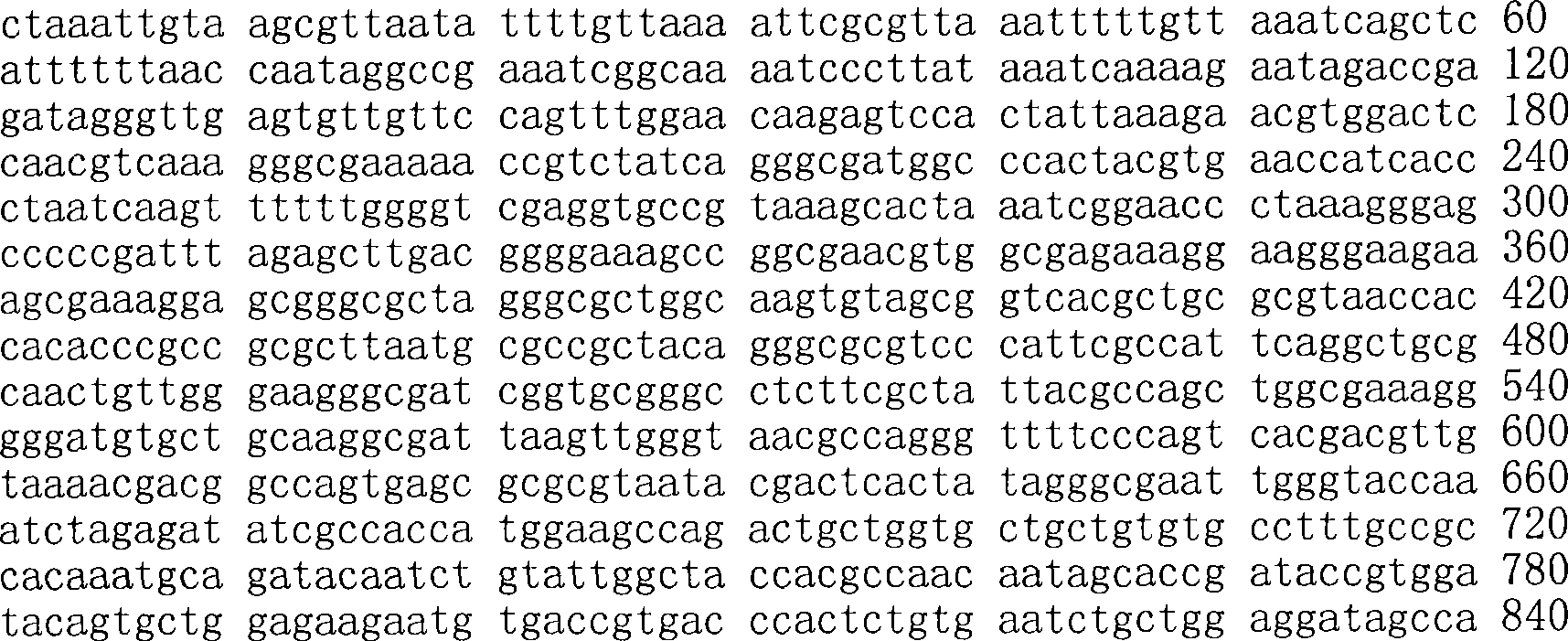

<210>71<210>71
<211>6128<211>6128
<212>DNA<212>DNA
<213>人工序列<213> Artificial sequence
<220><220>
<223>质粒DNA:53335(CMV/R)<223> Plasmid DNA: 53335 (CMV/R)
<400>71<400>71
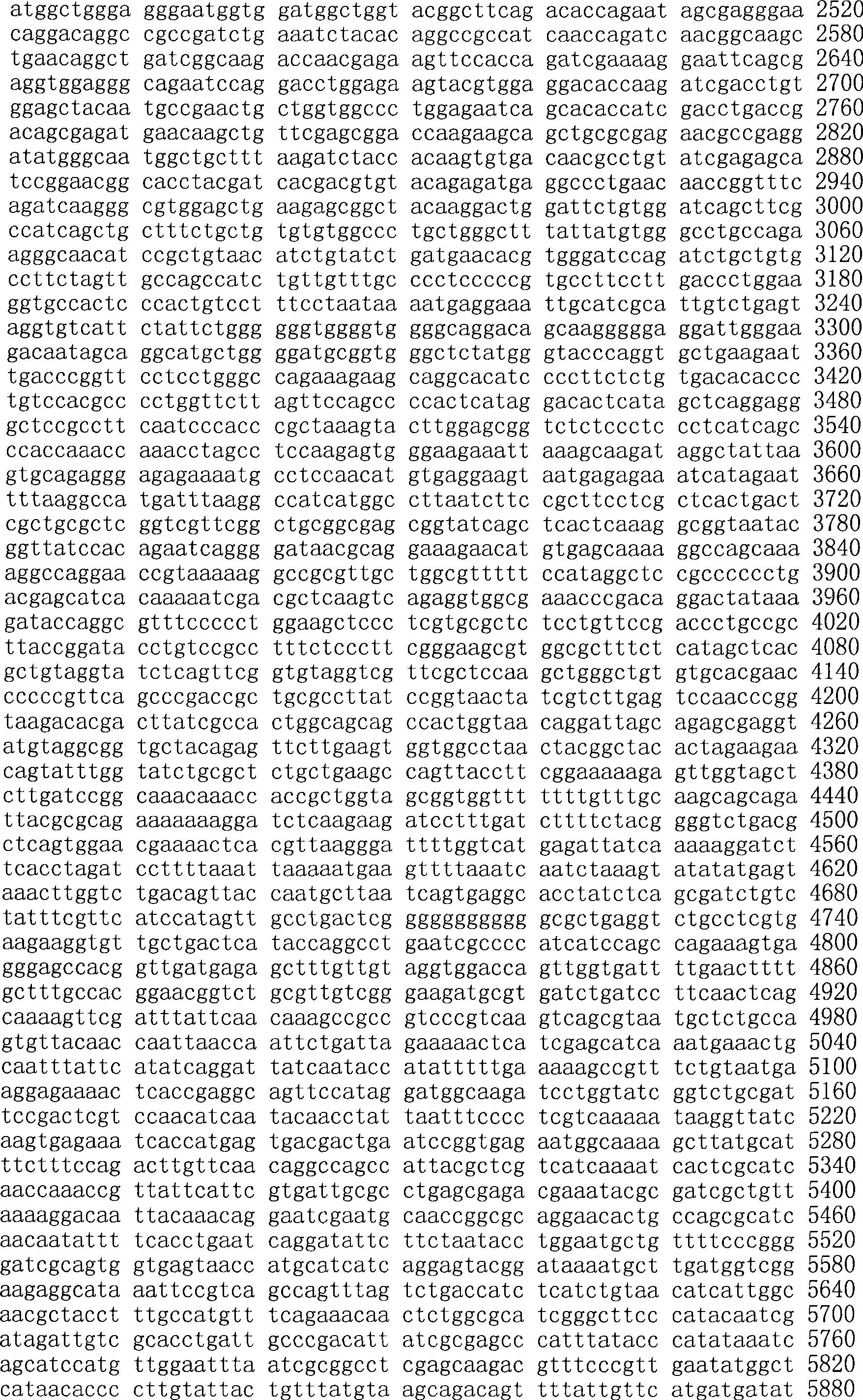

<210>72<210>72
<211>6128<211>6128
<212>DNA<212>DNA
<213>人工序列<213> Artificial sequence
<220><220>
<223>质粒DNA:53336(CMV/R)<223> Plasmid DNA: 53336 (CMV/R)
<400>72<400>72
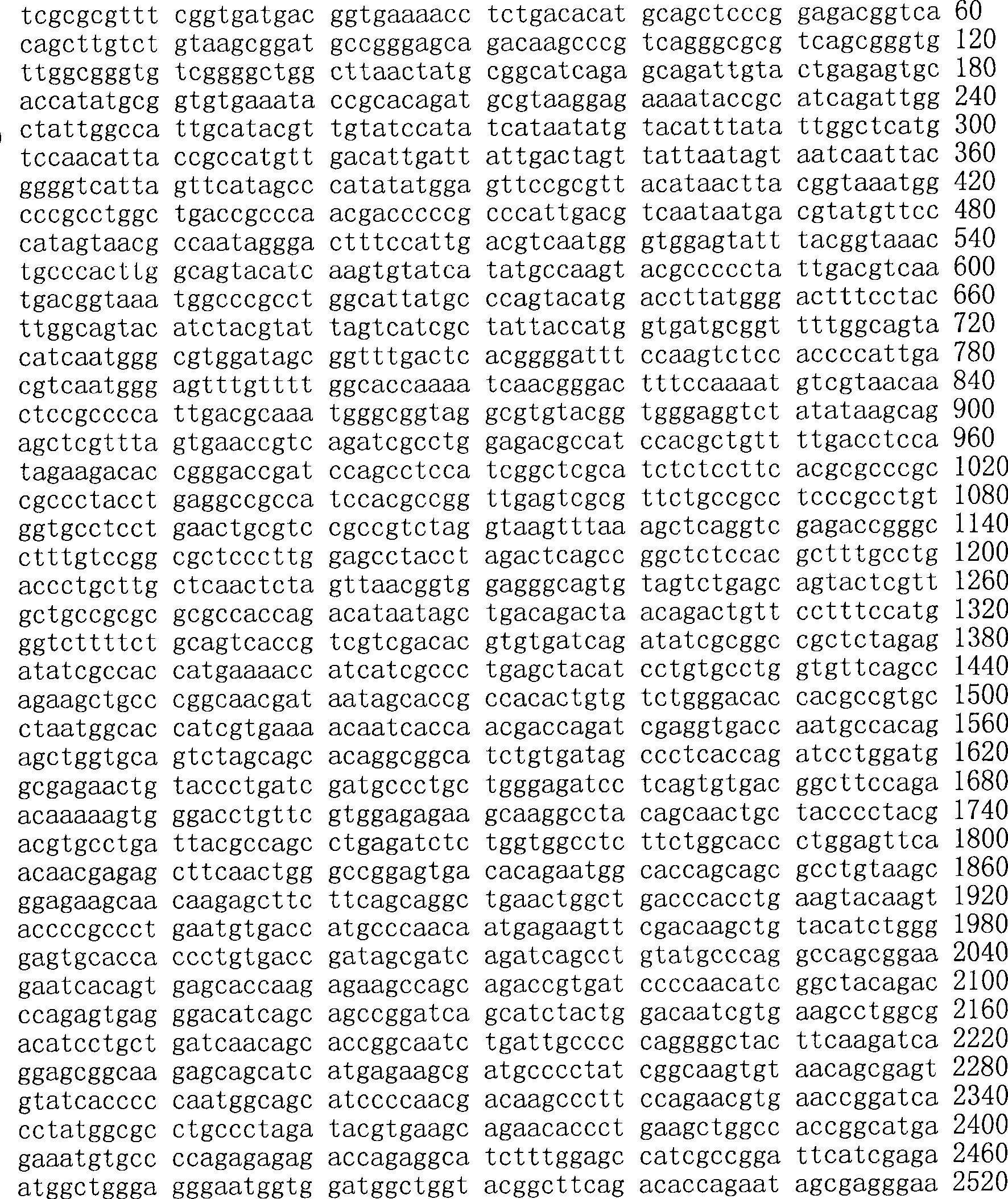


<210>73<210>73
<211>6122<211>6122
<212>DNA<212>DNA
<213>人工序列<213> Artificial sequence
<220><220>
<223>质粒DNA:53337(CMV/R)<223> Plasmid DNA: 53337 (CMV/R)
<400>73<400>73

<210>74<210>74
<211>11395<211>11395
<212>DNA<212>DNA
<213>人工序列<213> Artificial sequence
<220><220>
<223>质粒DNA:53505<223> plasmid DNA: 53505
<400>74<400>74

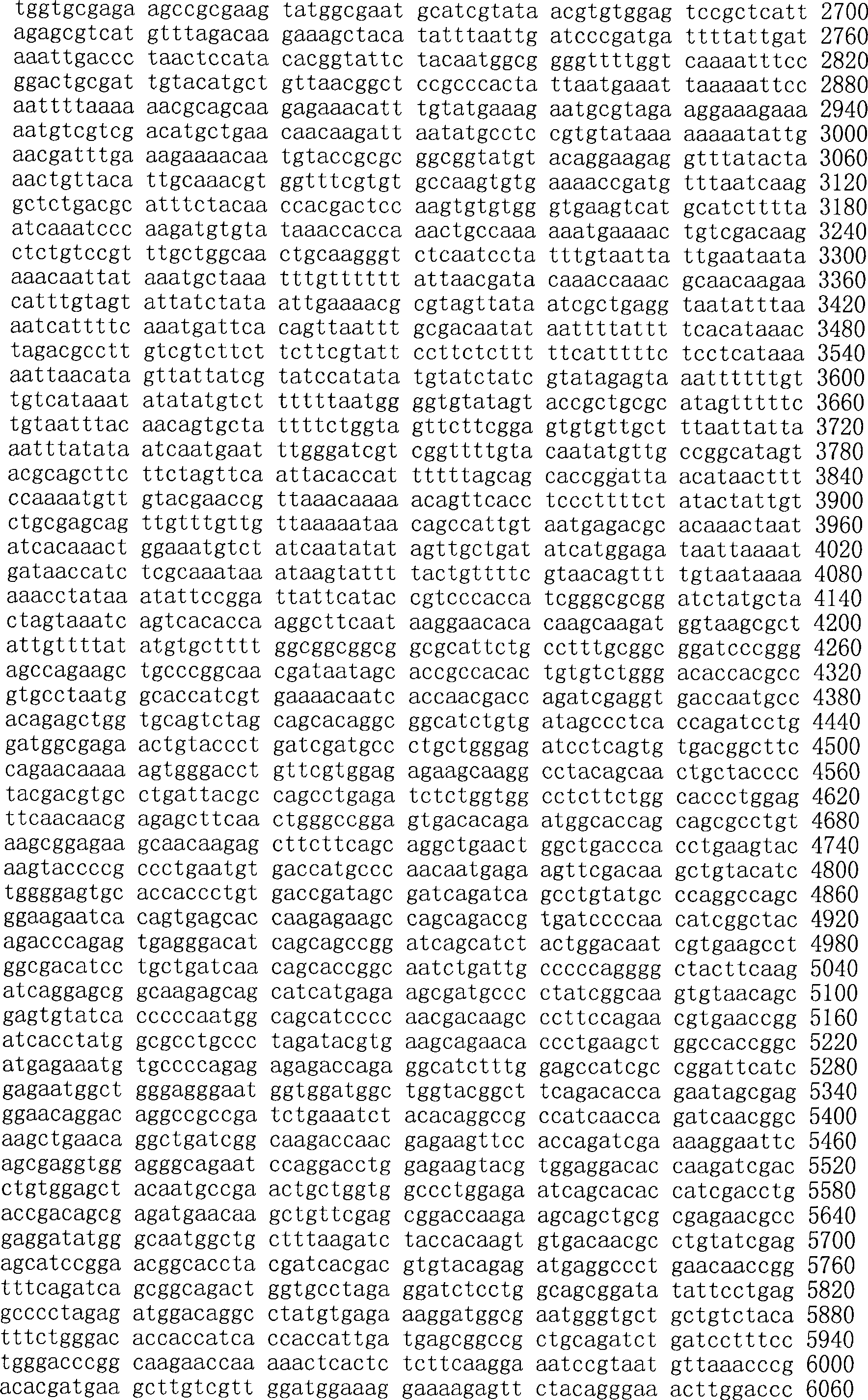

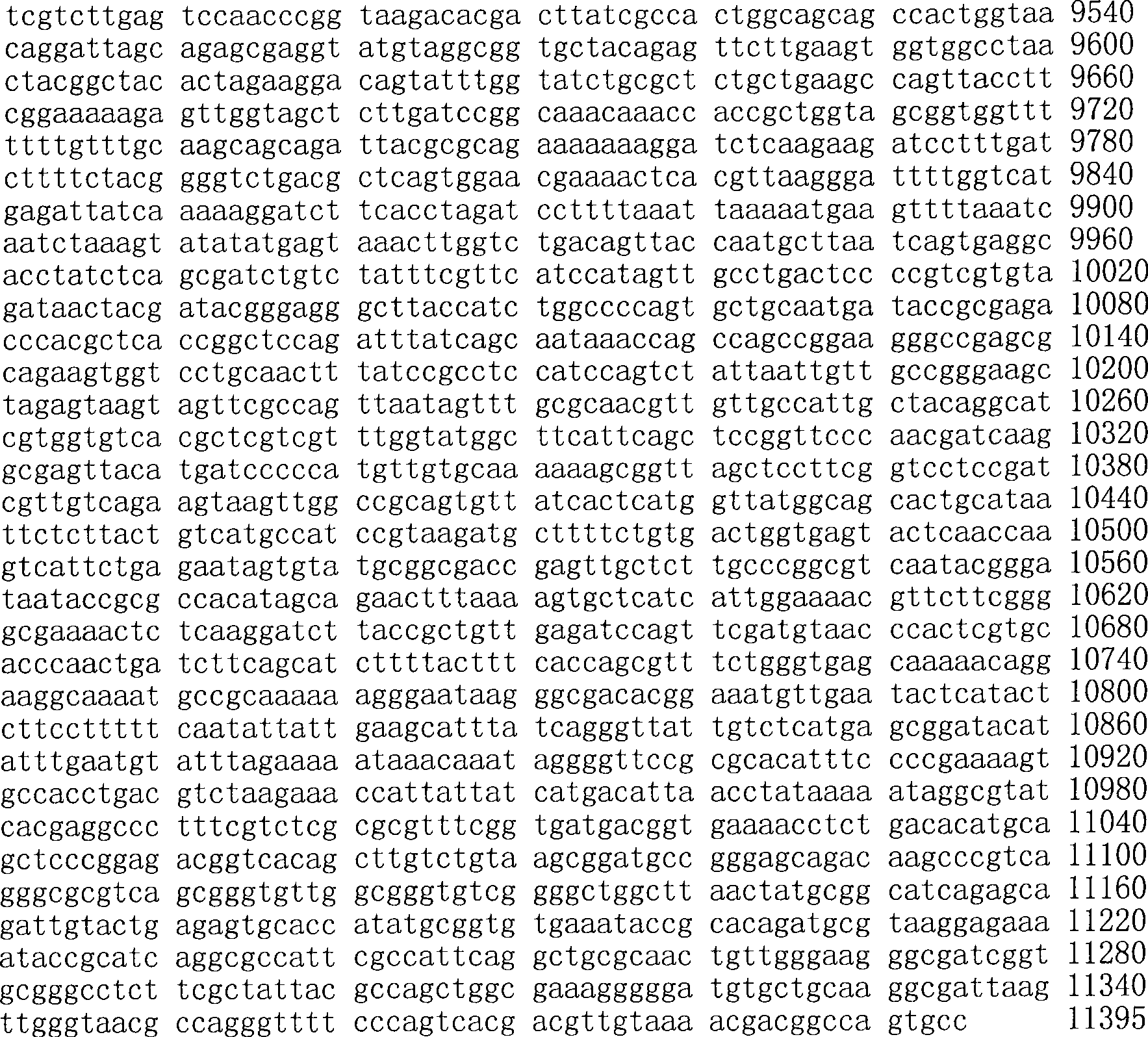
<210>75<210>75
<211>4885<211>4885
<212>DNA<212>DNA
<213>人工序列<213> Artificial sequence
<220><220>
<223>质粒DNA:54508<223> plasmid DNA: 54508
<400>75<400>75

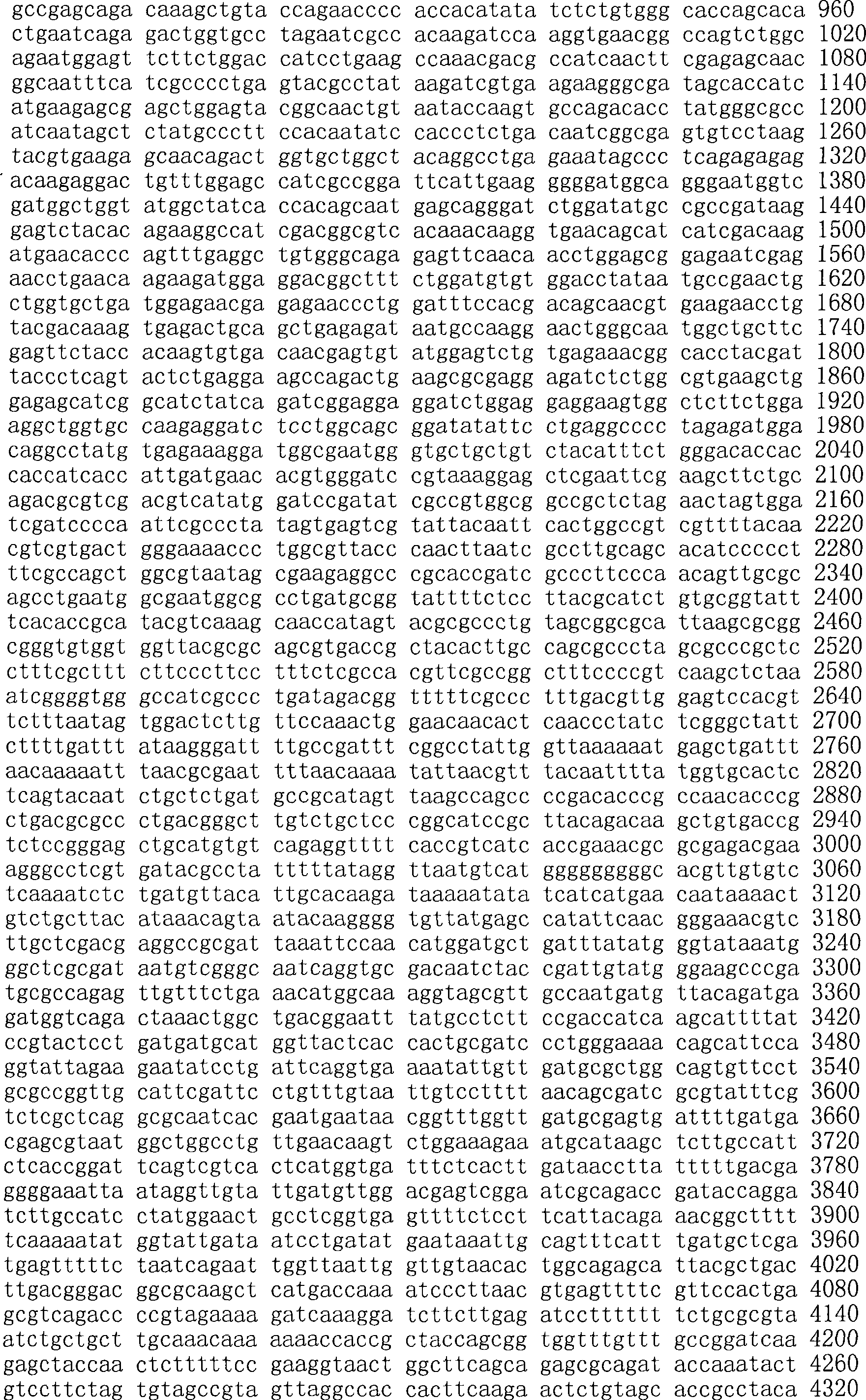

<210>76<210>76
<211>6108<211>6108
<212>DNA<212>DNA
<213>人工序列<213> Artificial sequence
<220><220>
<223>质粒DNA:53323<223> plasmid DNA: 53323
<400>76<400>76
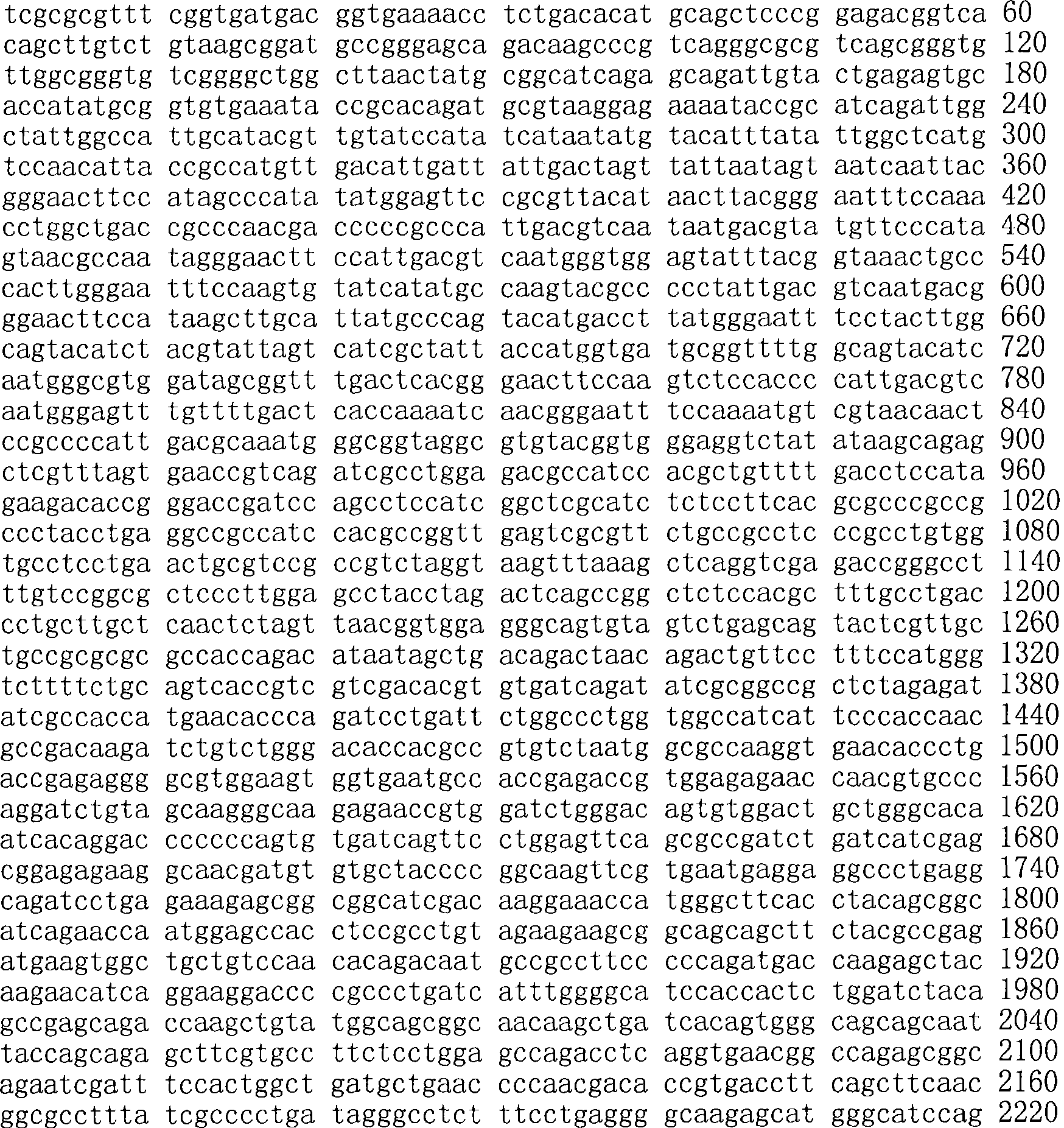

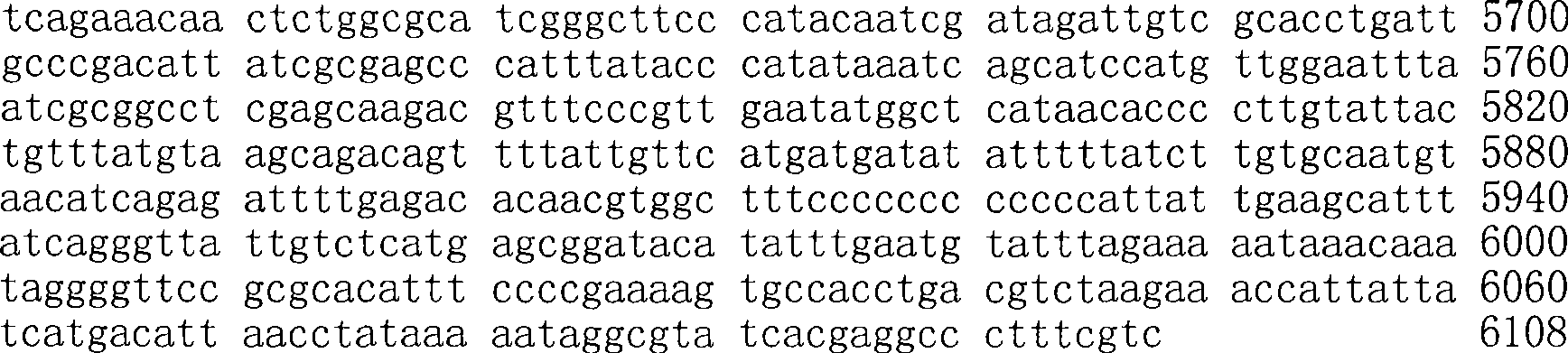
<210>77<210>77
<211>6126<211>6126
<212>DNA<212>DNA
<213>人工序列<213> Artificial sequence
<220><220>
<223>质粒DNA:53344<223> plasmid DNA: 53344
<400>77<400>77
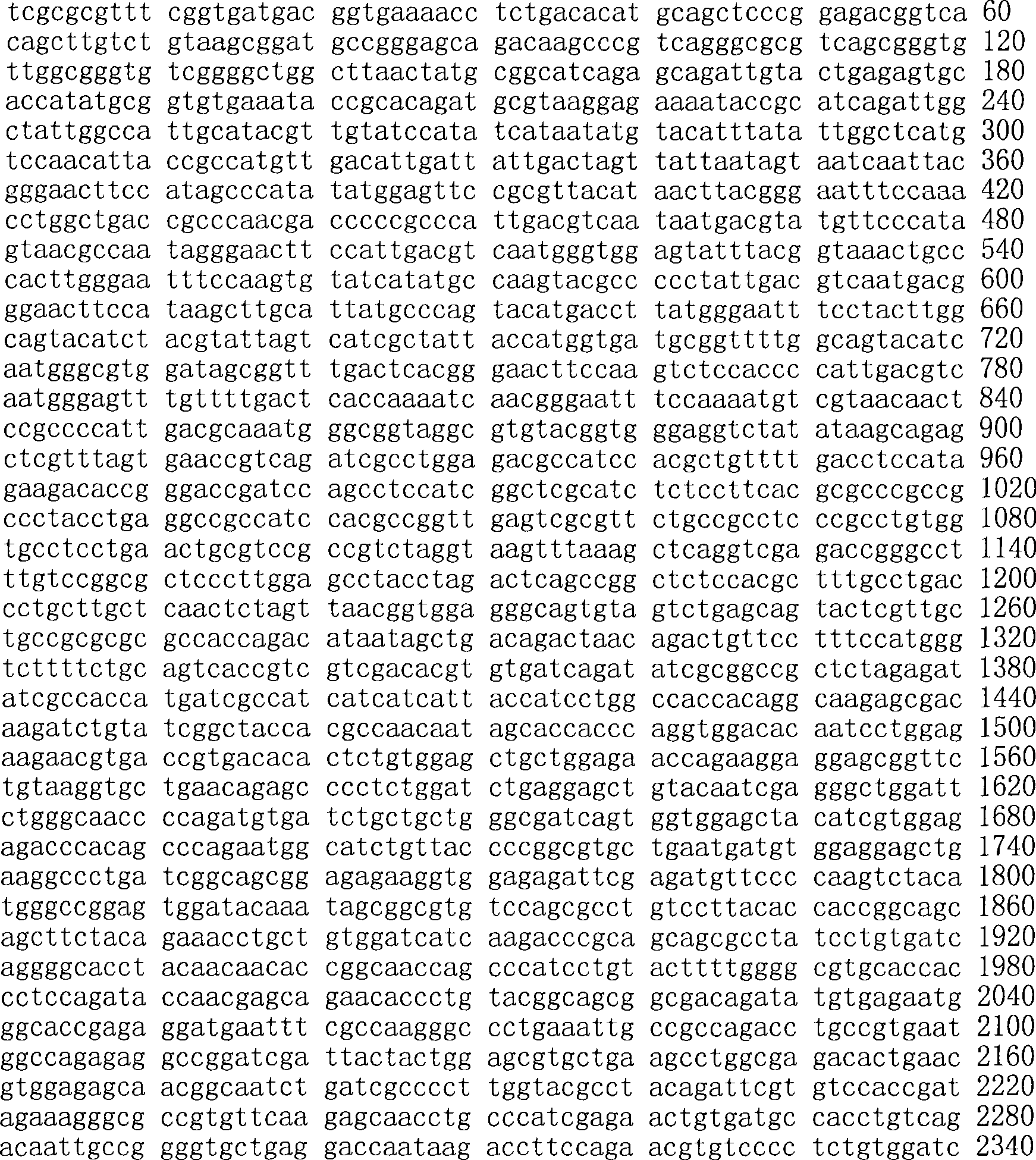
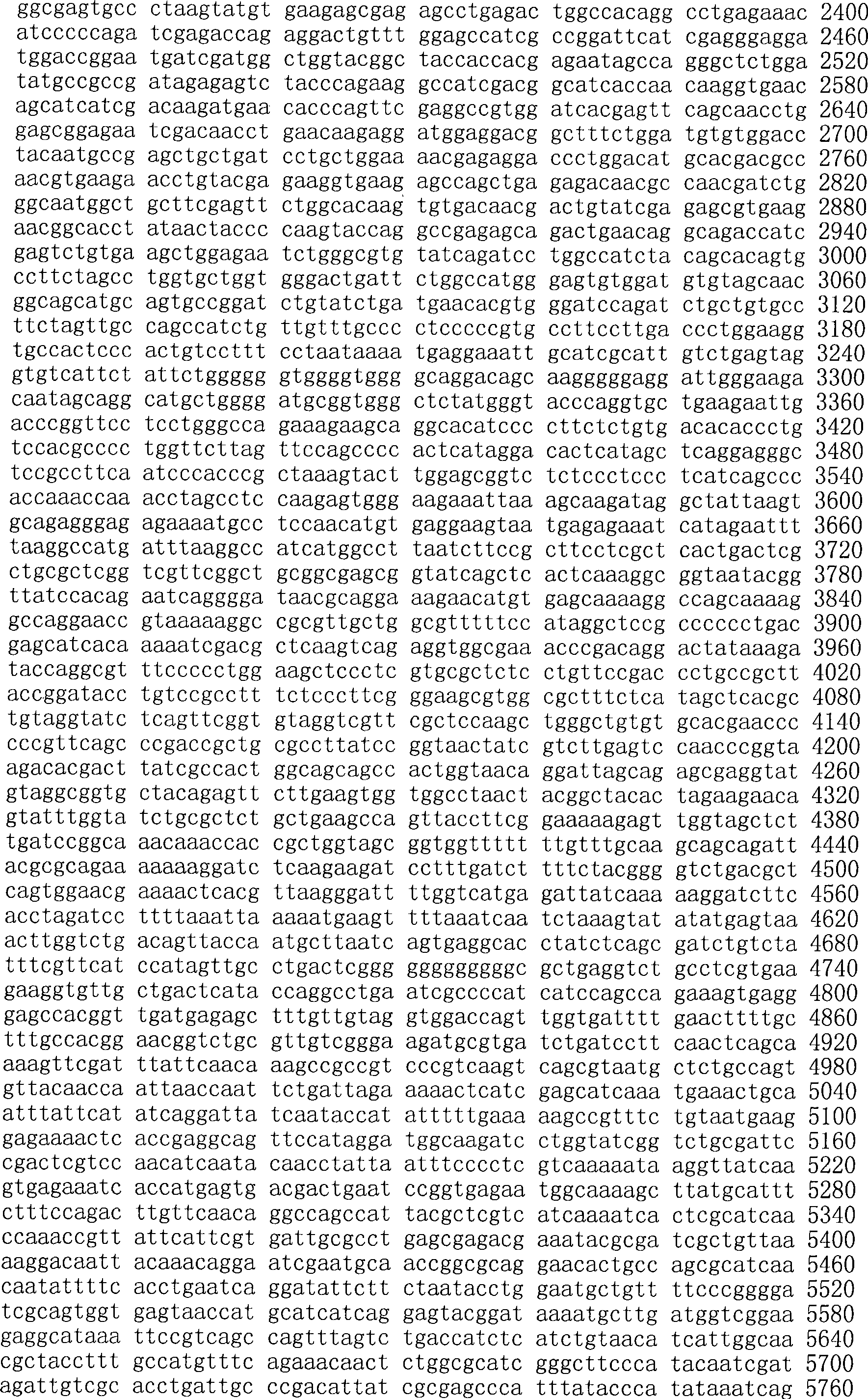

<210>78<210>78
<211>6120<211>6120
<212>DNA<212>DNA
<213>人工序列<213> Artificial sequence
<220><220>
<223>质粒DNA:53346<223> plasmid DNA: 53346
<400>78<400>78
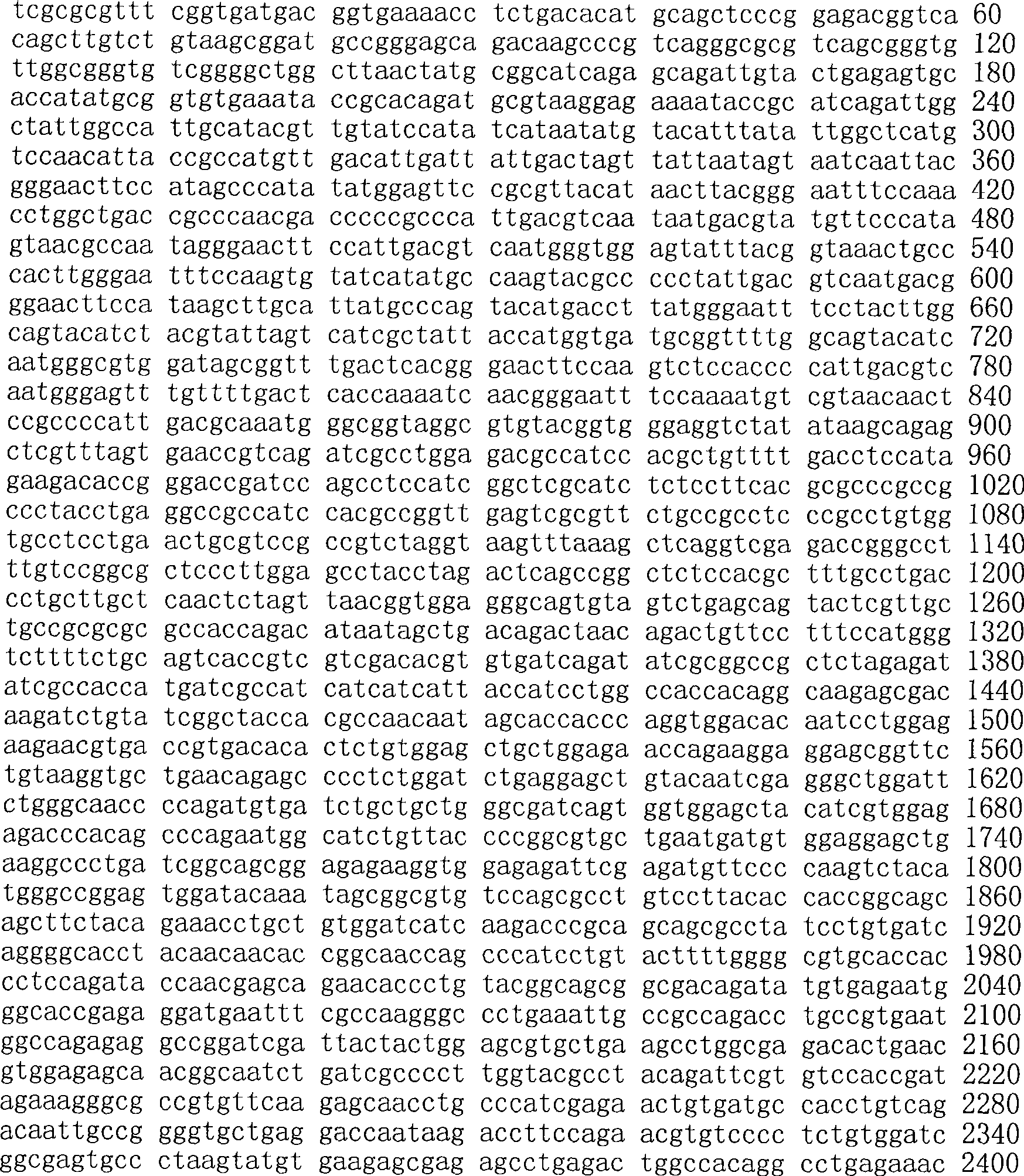


<210>79<210>79
<211>6114<211>6114
<212>DNA<212>DNA
<213>人工序列<213> Artificial sequence
<220><220>
<223>质粒DNA:53353<223> plasmid DNA: 53353
<400>79<400>79
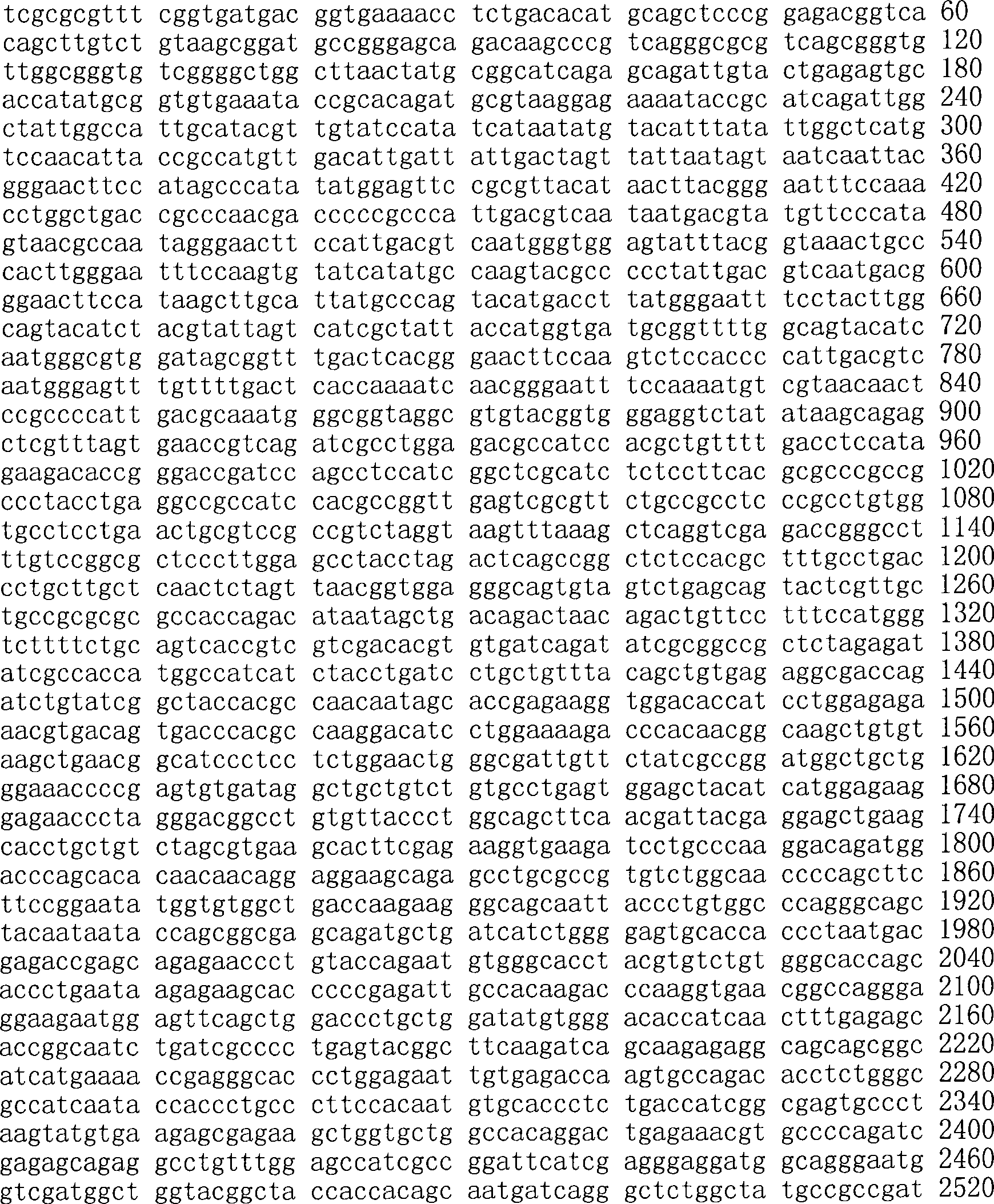
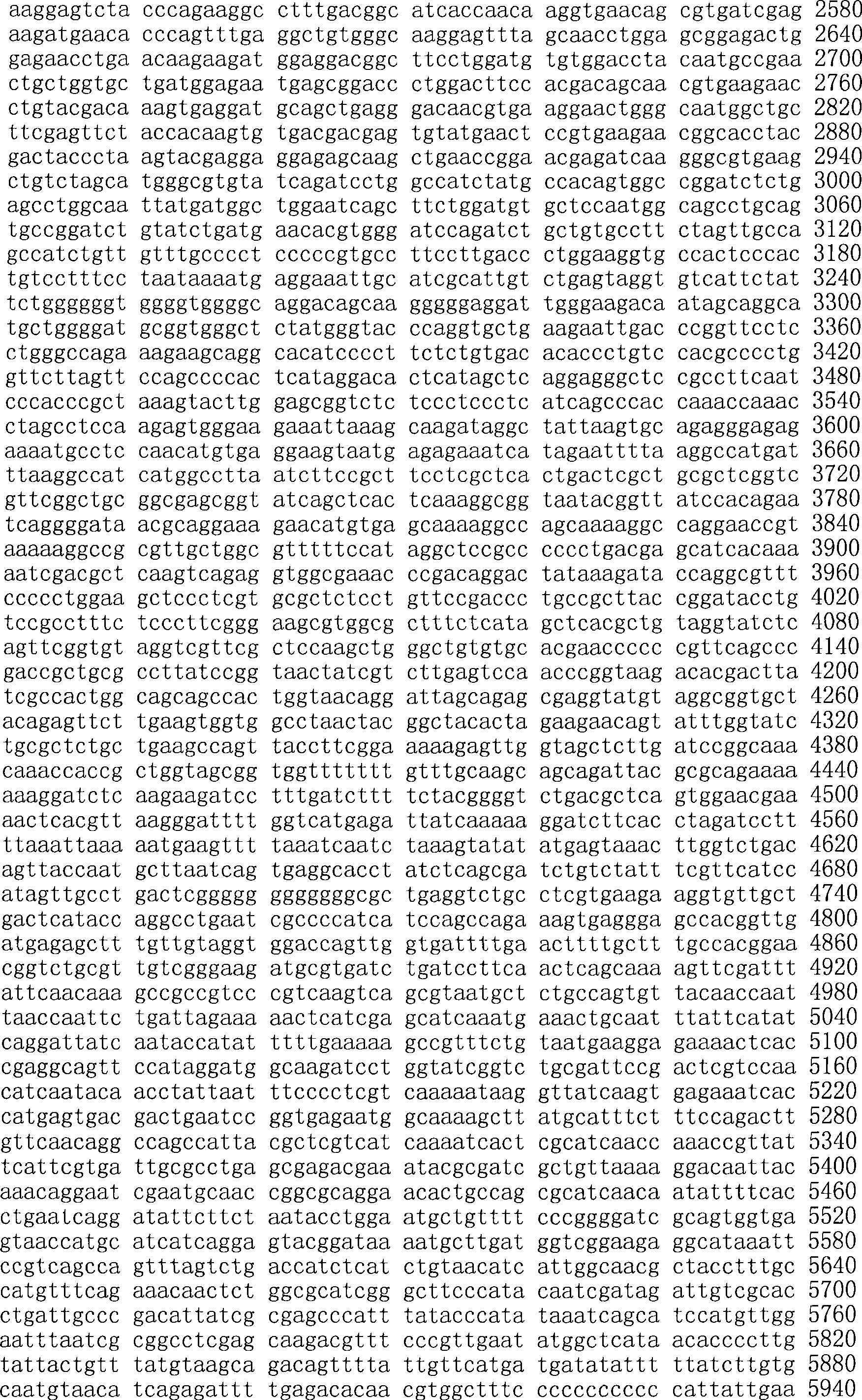
<210>80<210>80
<211>6108<211>6108
<212>DNA<212>DNA
<213>人工序列<213> Artificial sequence
<220><220>
<223>质粒DNA:53355<223> plasmid DNA: 53355
<400>80<400>80

<210>81<210>81
<211>6123<211>6123
<212>DNA<212>DNA
<213>人工序列<213> Artificial sequence
<220><220>
<223>质粒DNA:53356<223> plasmid DNA: 53356
<400>81<400>81

<210>82<210>82
<211>6114<211>6114
<212>DNA<212>DNA
<213>人工序列<213> Artificial sequence
<220><220>
<223>质粒DNA:53358<223> plasmid DNA: 53358
<400>82<400>82

<210>83<210>83
<211>11368<211>11368
<212>DNA<212>DNA
<213>人工序列<213> Artificial sequence
<220><220>
<223>质粒DNA:53501<223> plasmid DNA: 53501
<400>83<400>83
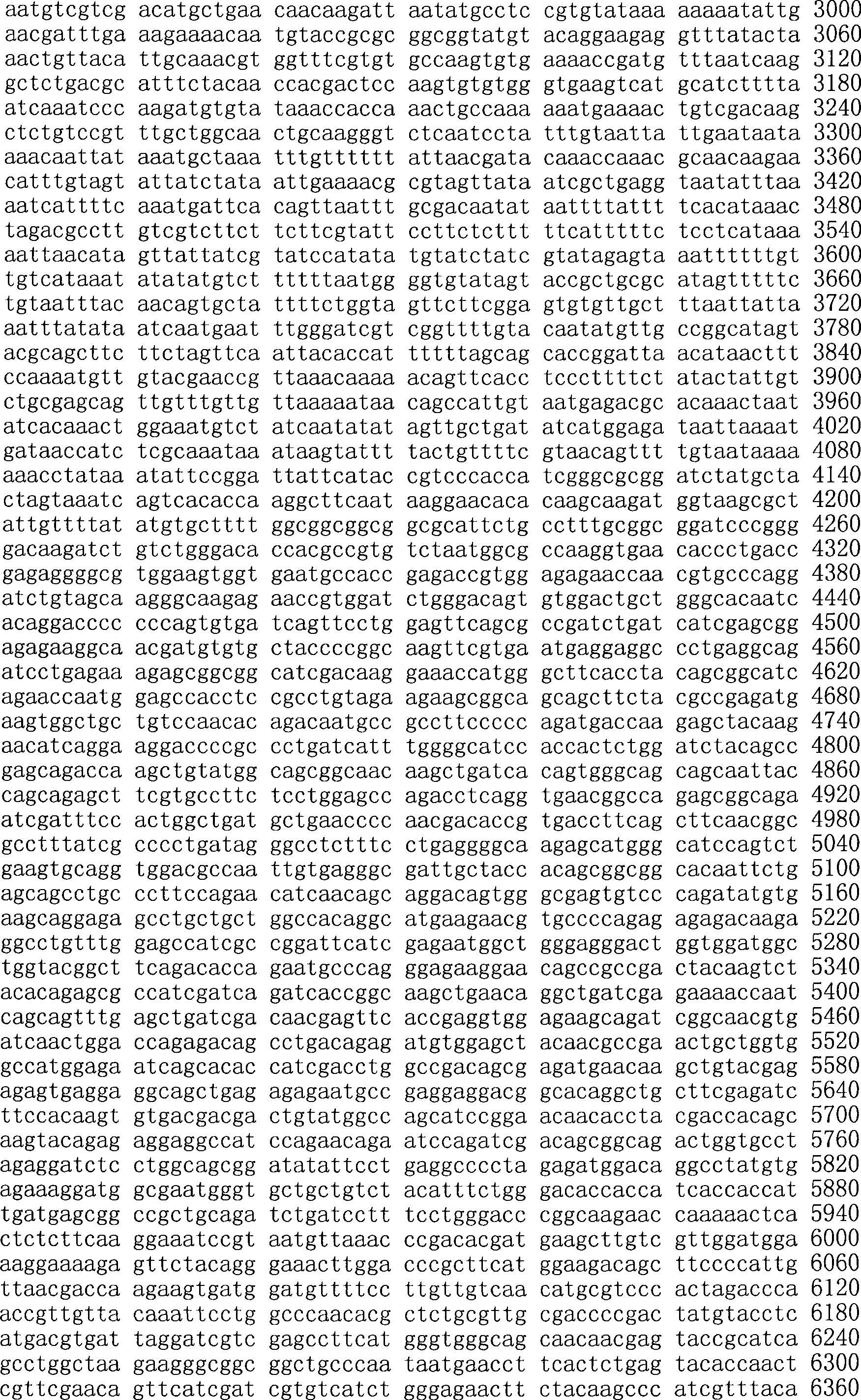

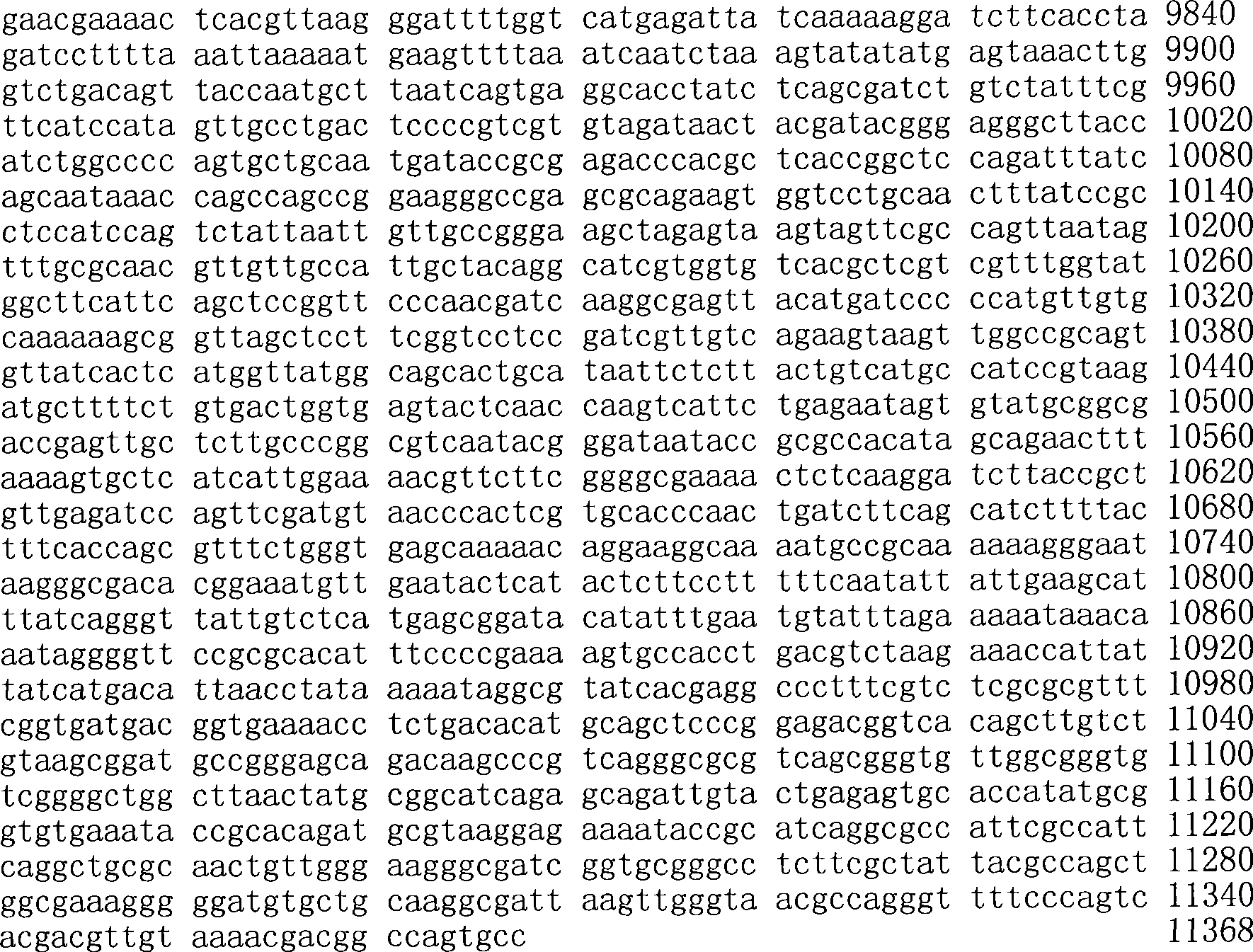
<210>84<210>84
<211>11368<211>11368
<212>DNA<212>DNA
<213>人工序列<213> Artificial sequence
<220><220>
<223>质粒DNA:53502<223> plasmid DNA: 53502
<400>84<400>84
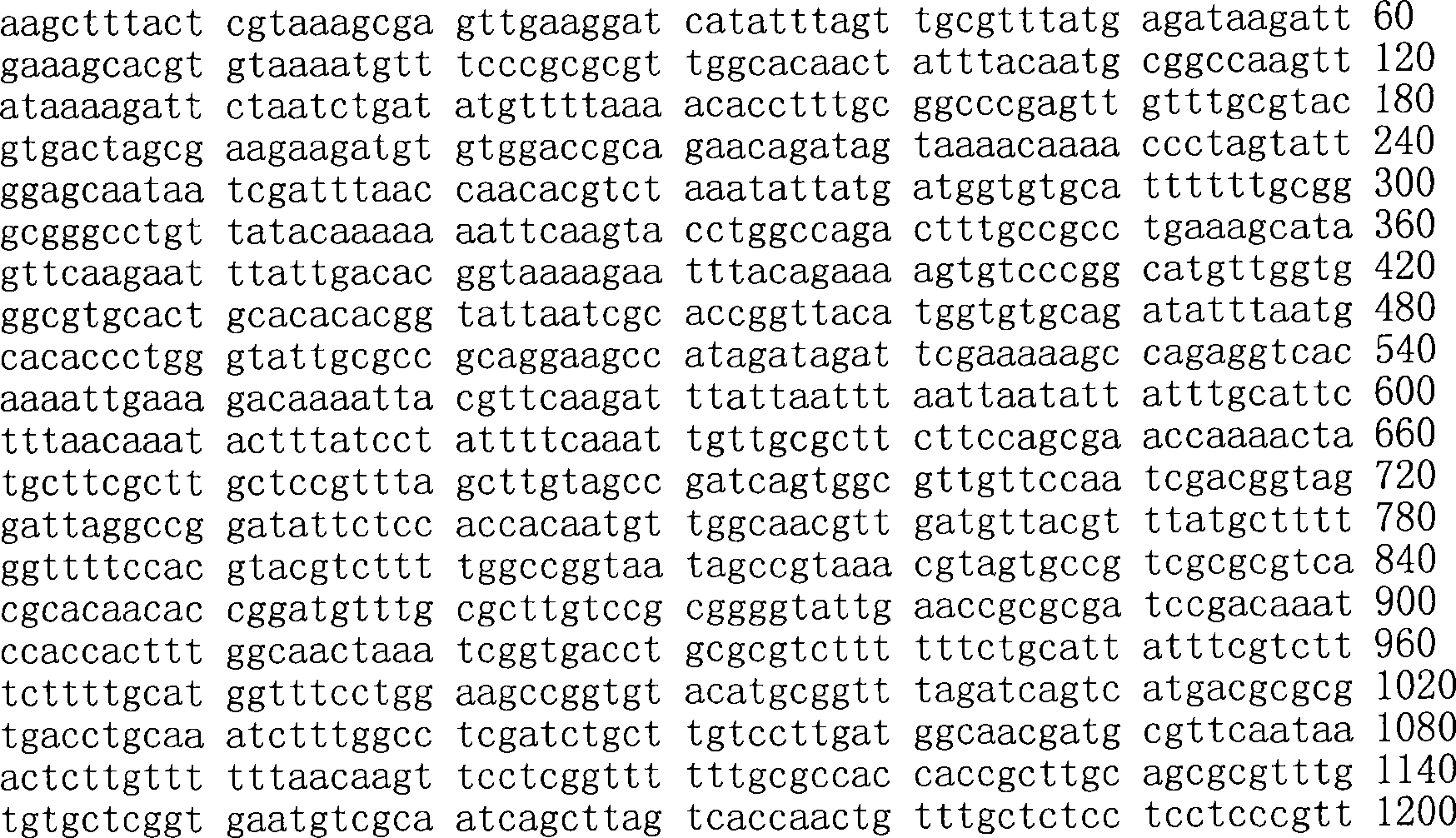
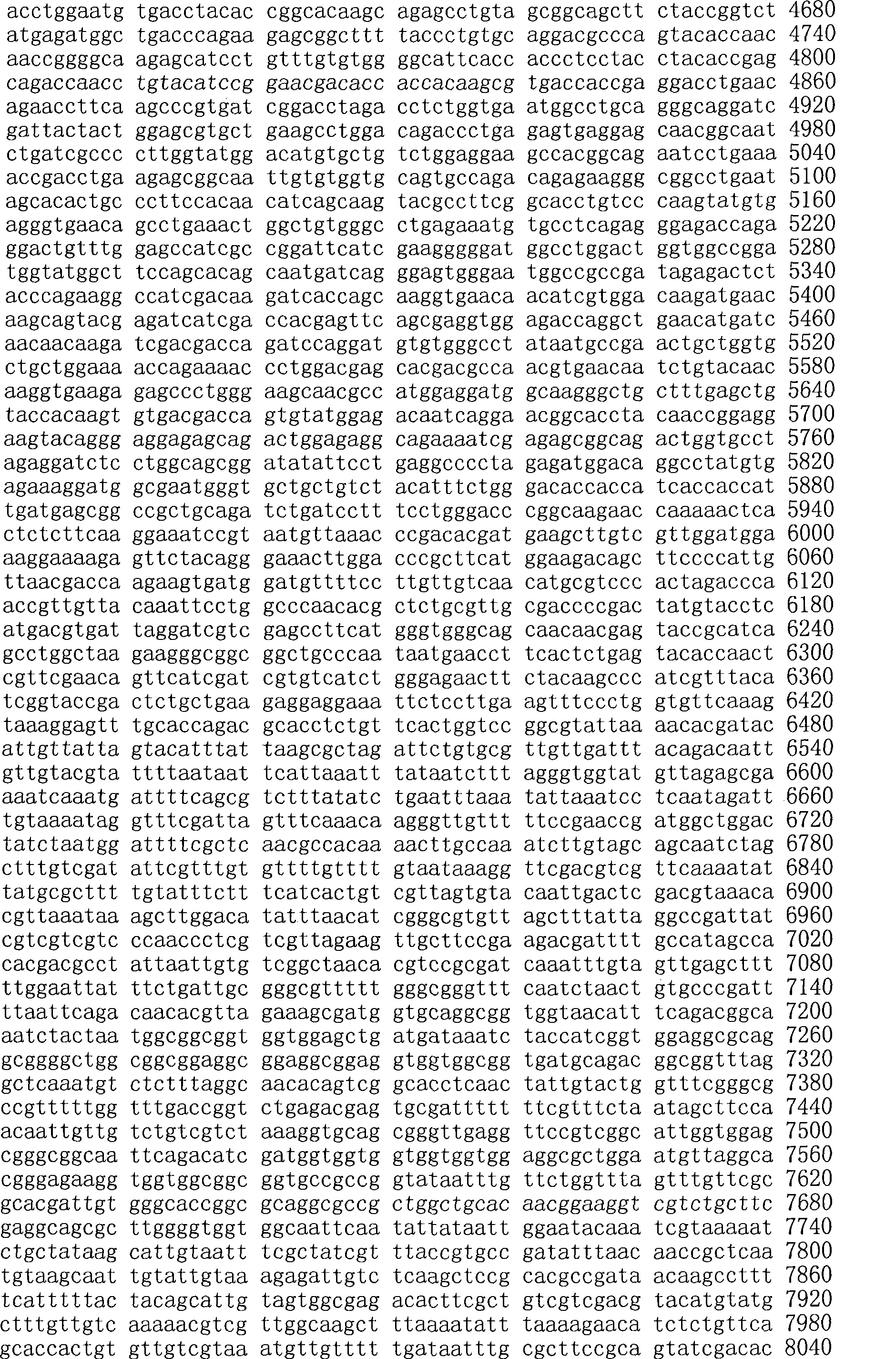

<210>85<210>85
<211>11380<211>11380
<212>DNA<212>DNA
<213>人工序列<213> Artificial sequence
<220><220>
<223>质粒DNA:53506<223> plasmid DNA: 53506
<400>85<400>85
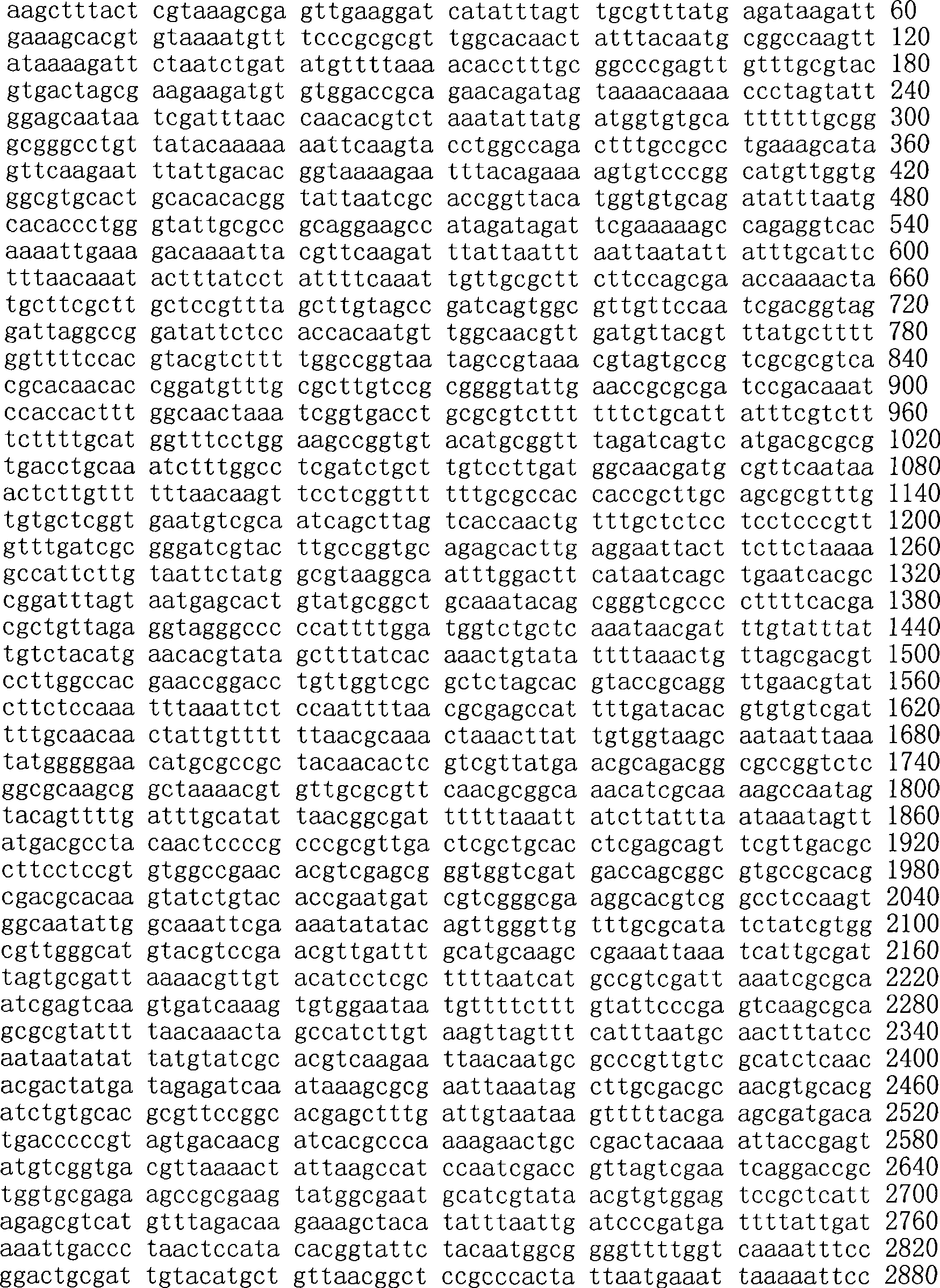
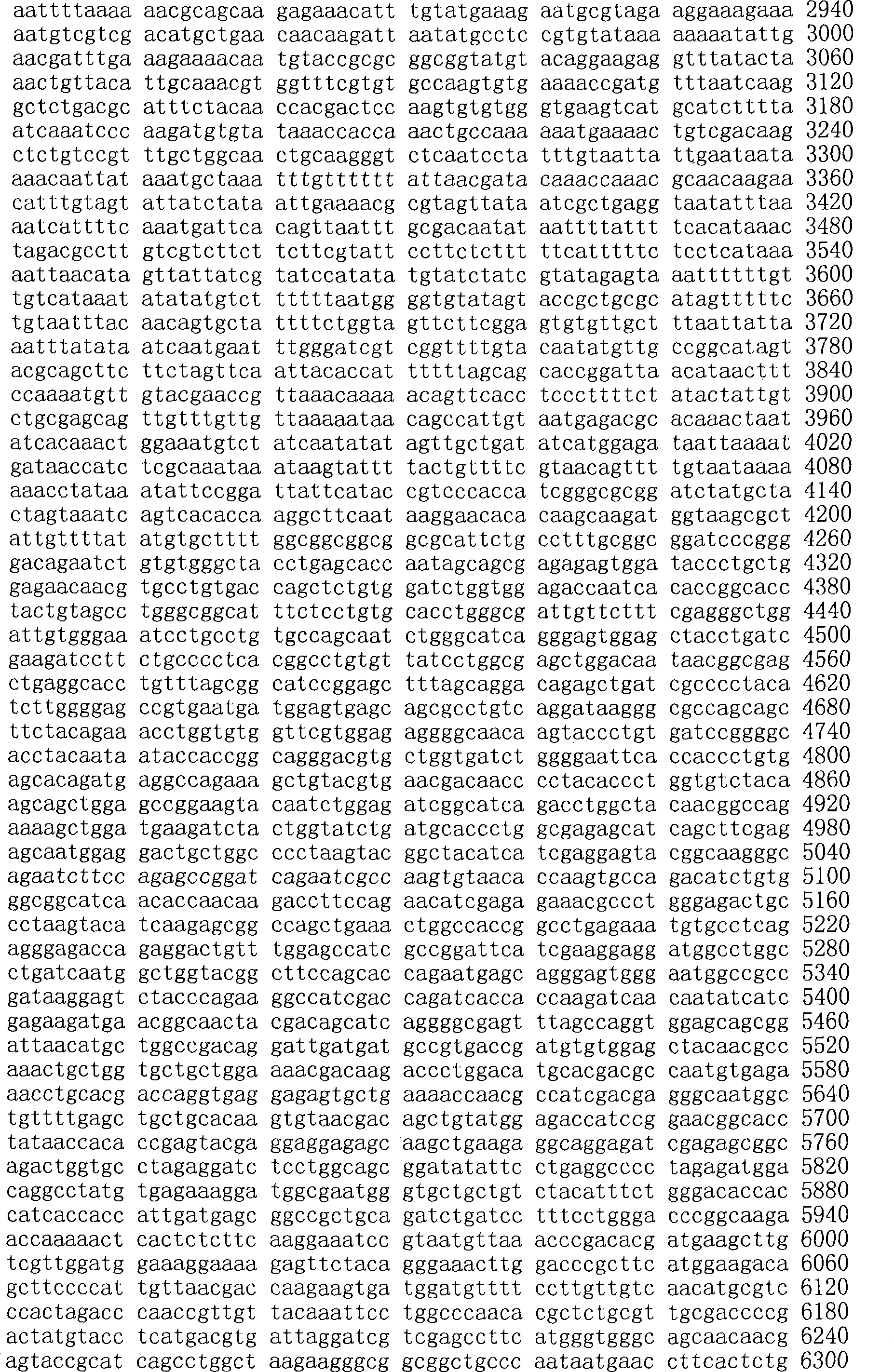


<210>86<210>86
<211>11392<211>11392
<212>DNA<212>DNA
<213>人工序列<213> Artificial sequence
<220><220>
<223>质粒DNA:53508<223> plasmid DNA: 53508
<400>86<400>86

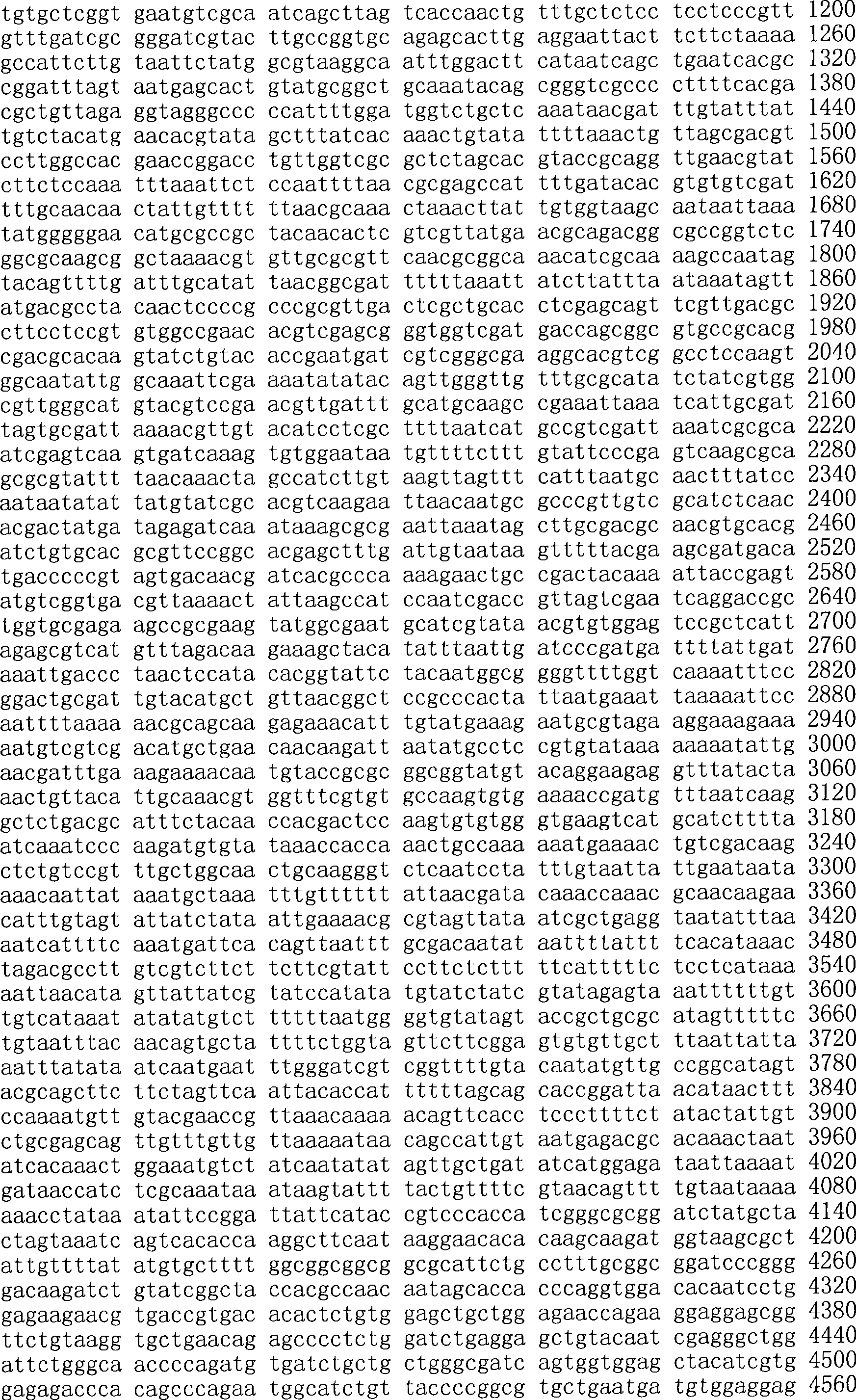
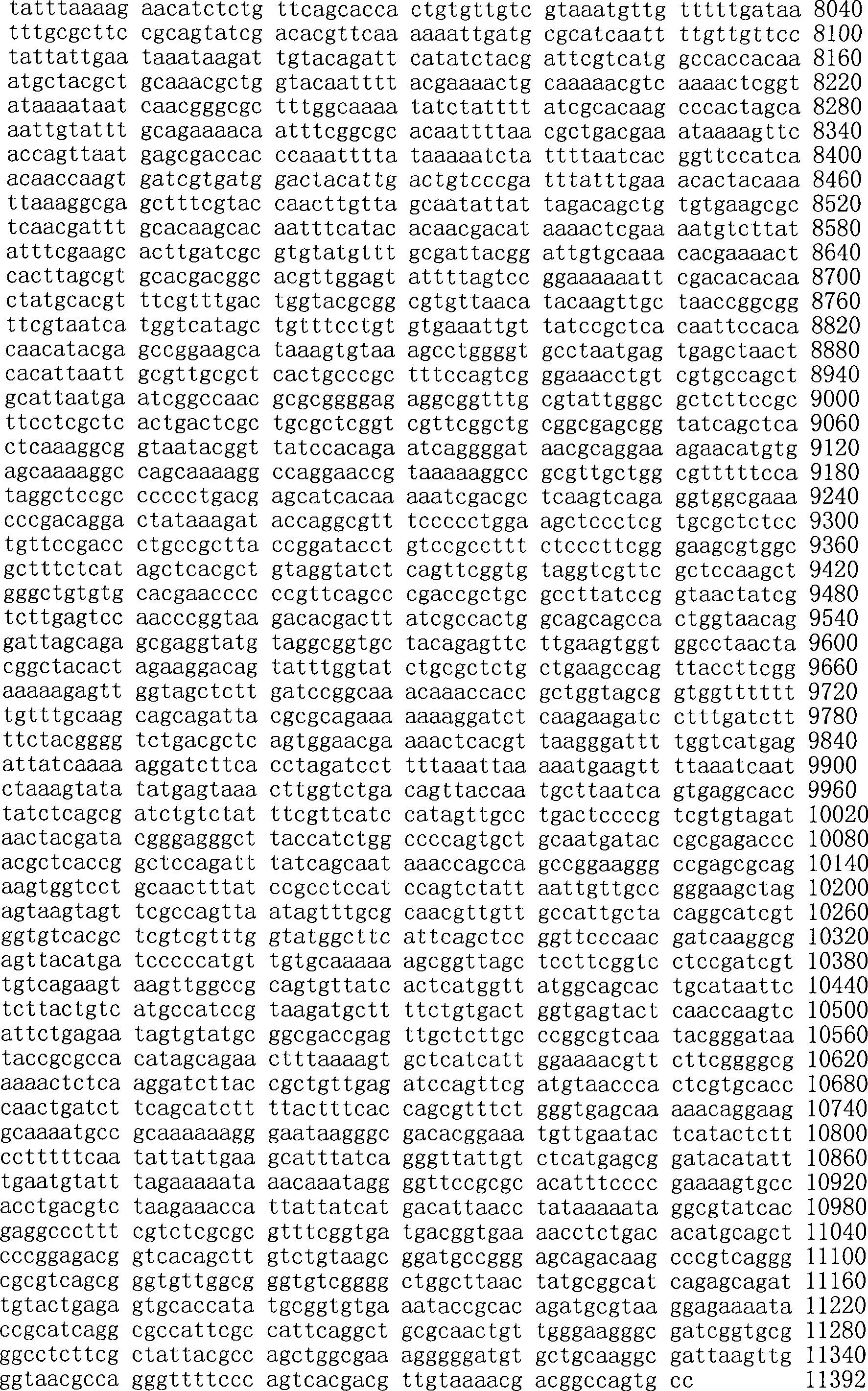
<210>87<210>87
<211>11383<211>11383
<212>DNA<212>DNA
<213>人工序列<213> Artificial sequence
<220><220>
<223>质粒DNA:53511<223> plasmid DNA: 53511
<400>87<400>87
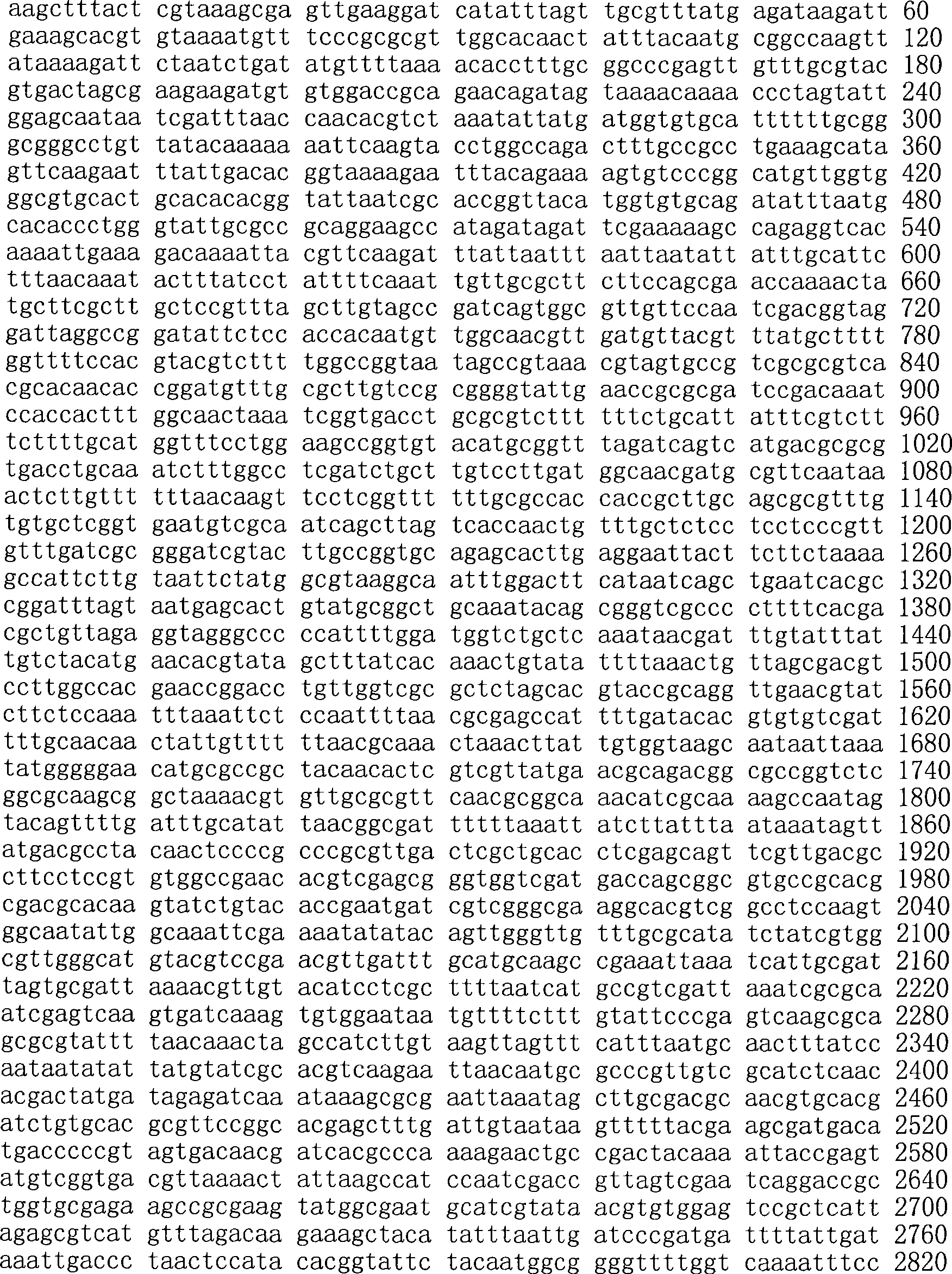

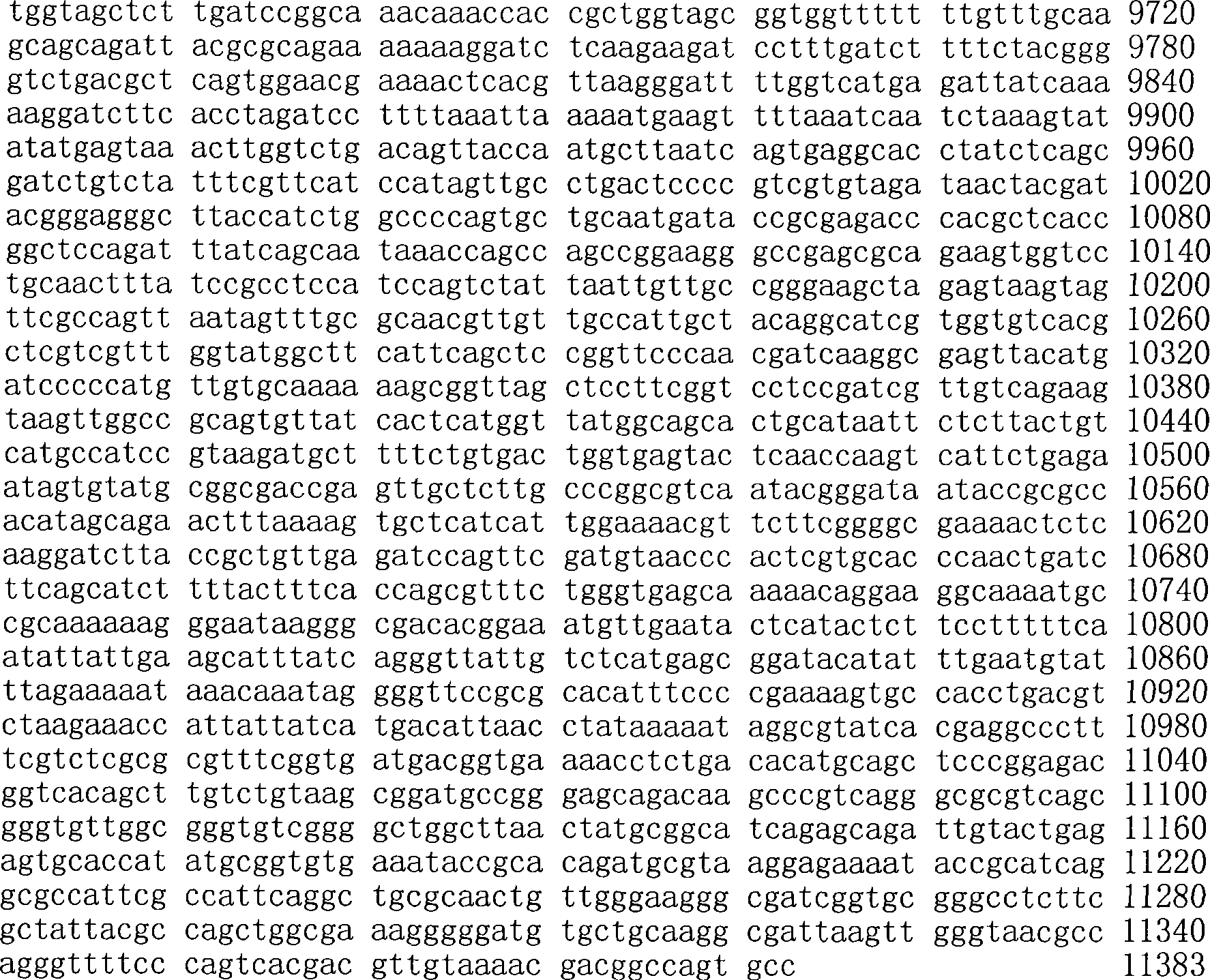
<210>88<210>88
<211>11386<211>11386
<212>DNA<212>DNA
<213>人工序列<213> Artificial sequence
<220><220>
<223>质粒DNA:53512<223> plasmid DNA: 53512
<400>88<400>88


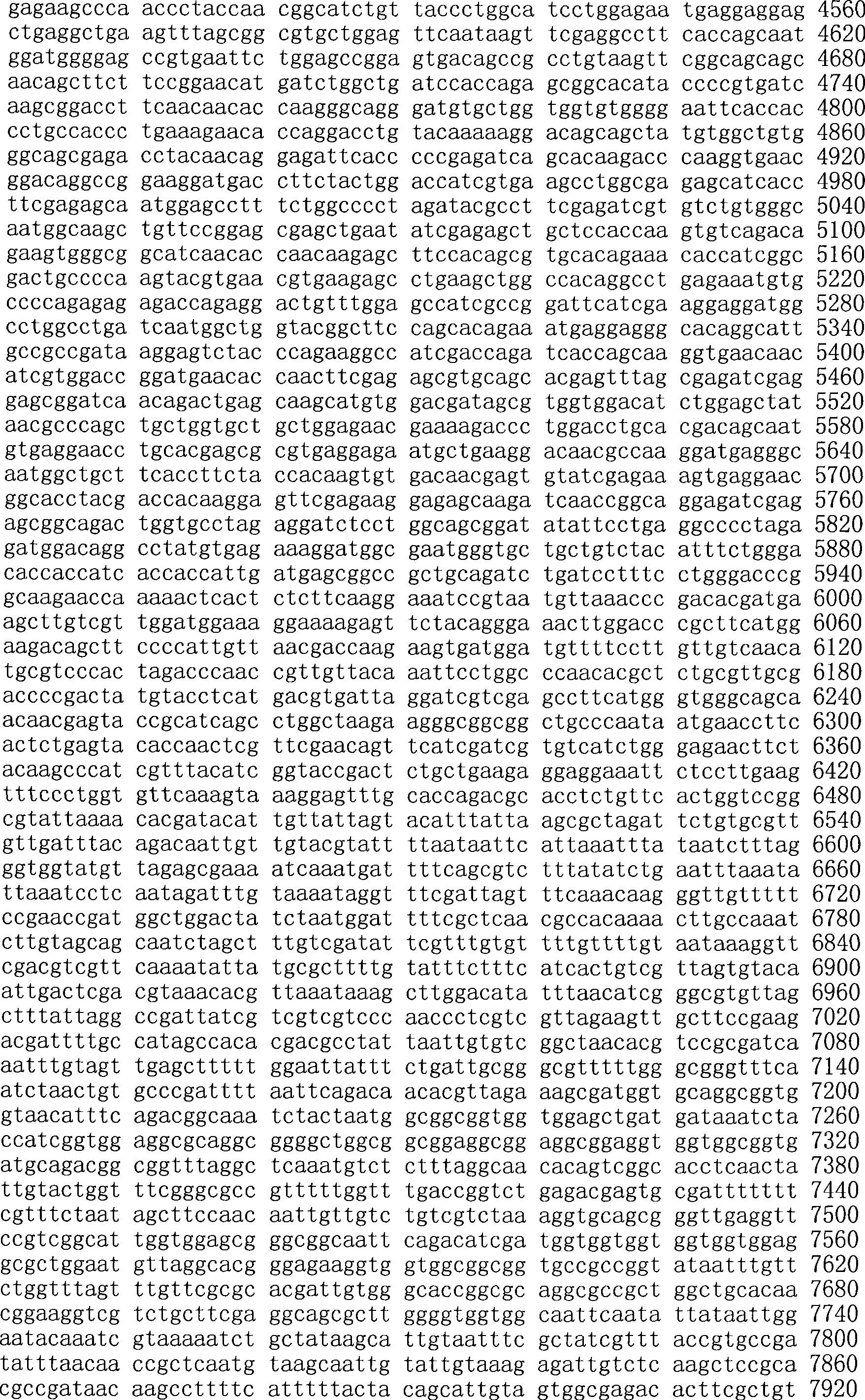
<210>89<210>89
<211>6105<211>6105
<212>DNA<212>DNA
<213>人工序列<213> Artificial sequence
<220><220>
<223>质粒DNA:54671<223> plasmid DNA: 54671
<400>89<400>89


<210>90<210>90
<211>6108<211>6108
<212>DNA<212>DNA
<213>人工序列<213> Artificial sequence
<220><220>
<223>质粒DNA:54672<223> plasmid DNA: 54672
<400>90<400>90


<210>91<210>91
<211>6123<211>6123
<212>DNA<212>DNA
<213>人工序列<213> Artificial sequence
<220><220>
<223>质粒DNA:54673<223> plasmid DNA: 54673
<400>91<400>91
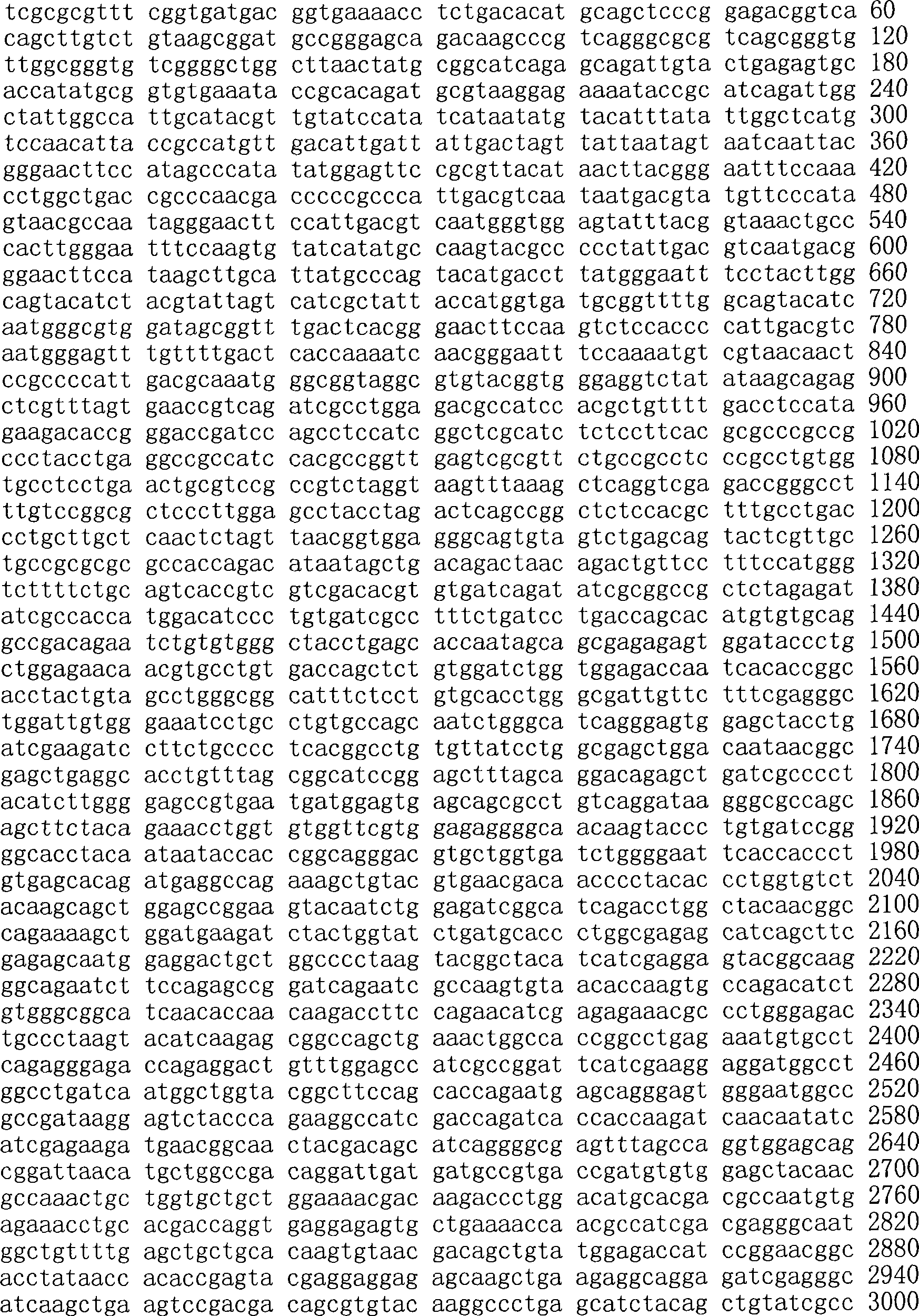

<210>92<210>92
<211>6126<211>6126
<212>DNA<212>DNA
<213>人工序列<213> Artificial sequence
<220><220>
<223>质粒DNA:54675<223> plasmid DNA: 54675
<400>92<400>92

<210>93<210>93
<211>6114<211>6114
<212>DNA<212>DNA
<213>人工序列<213> Artificial sequence
<220><220>
<223>质粒DNA:54678<223> plasmid DNA: 54678
<400>93<400>93


<210>94<210>94
<211>6123<211>6123
<212>DNA<212>DNA
<213>人工序列<213> Artificial sequence
<220><220>
<223>质粒DNA:54679<223> plasmid DNA: 54679
<400>94<400>94

<210>95<210>95
<211>11374<211>11374
<212>DNA<212>DNA
<213>人工序列<213> Artificial sequence
<220><220>
<223>质粒DNA:53500<223> plasmid DNA: 53500
<400>95<400>95
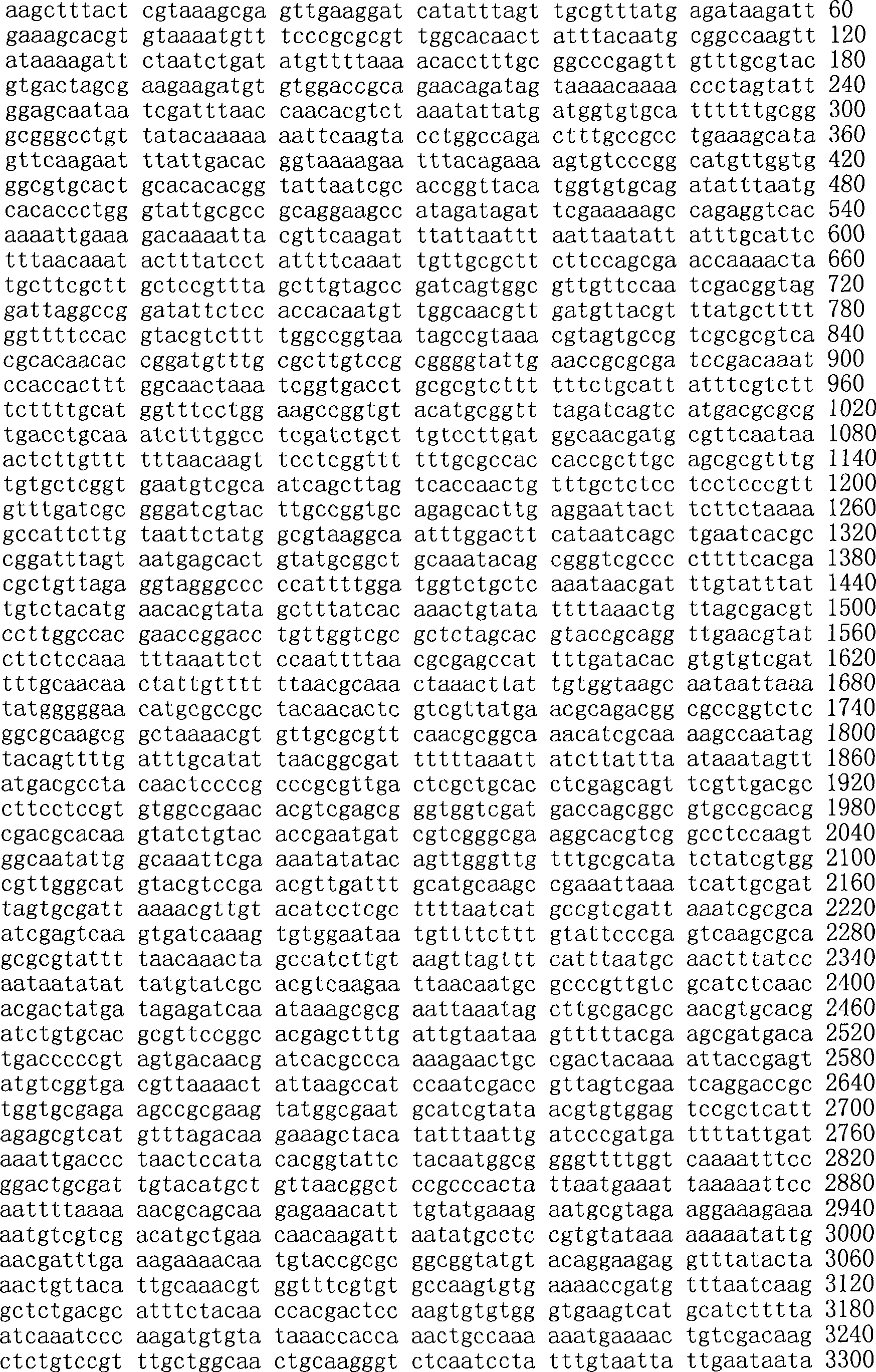
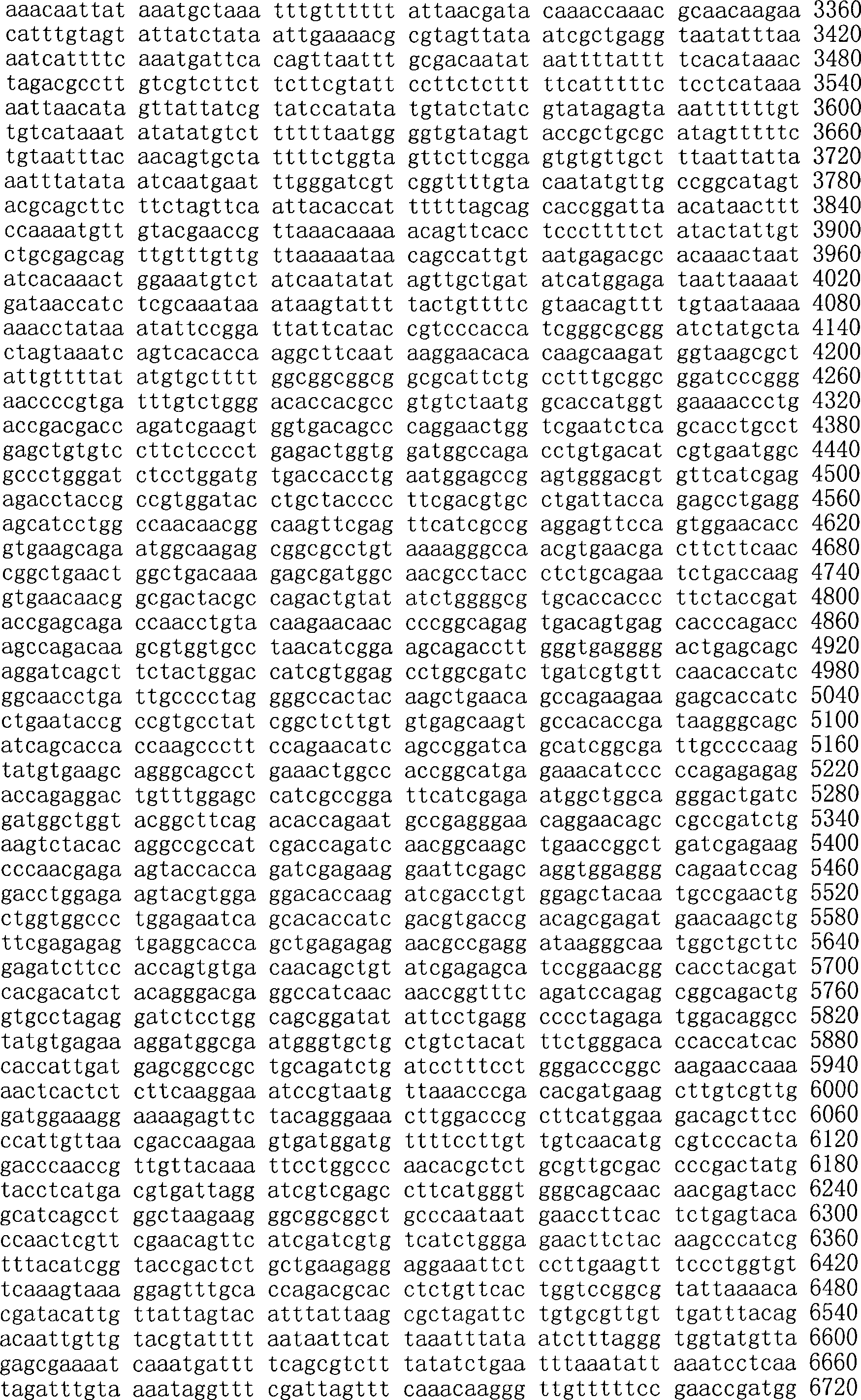

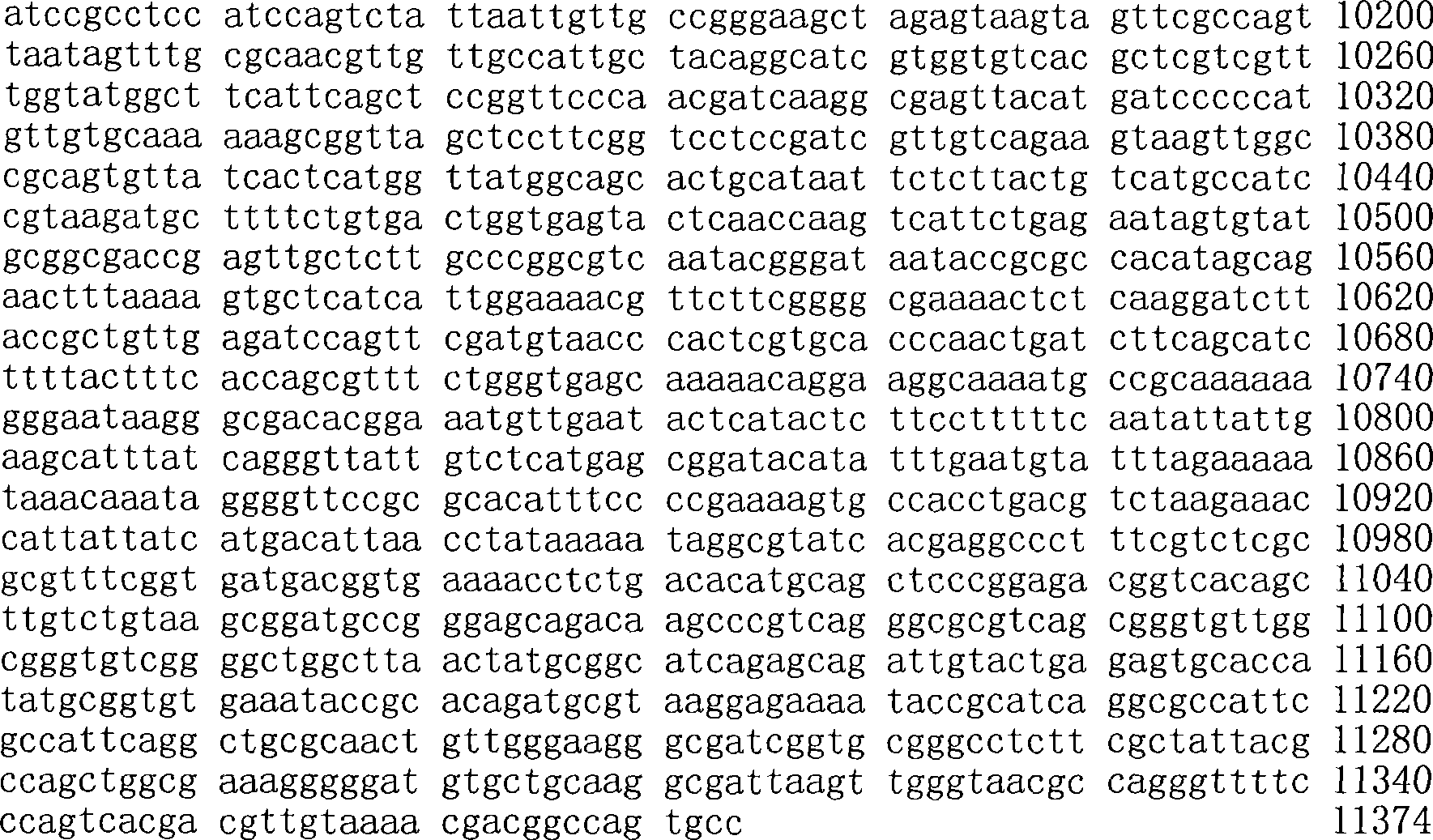
<210>96<210>96
<211>11389<211>11389
<212>DNA<212>DNA
<213>人工序列<213> Artificial sequence
<220><220>
<223>质粒DNA:53509<223> plasmid DNA: 53509
<400>96<400>96

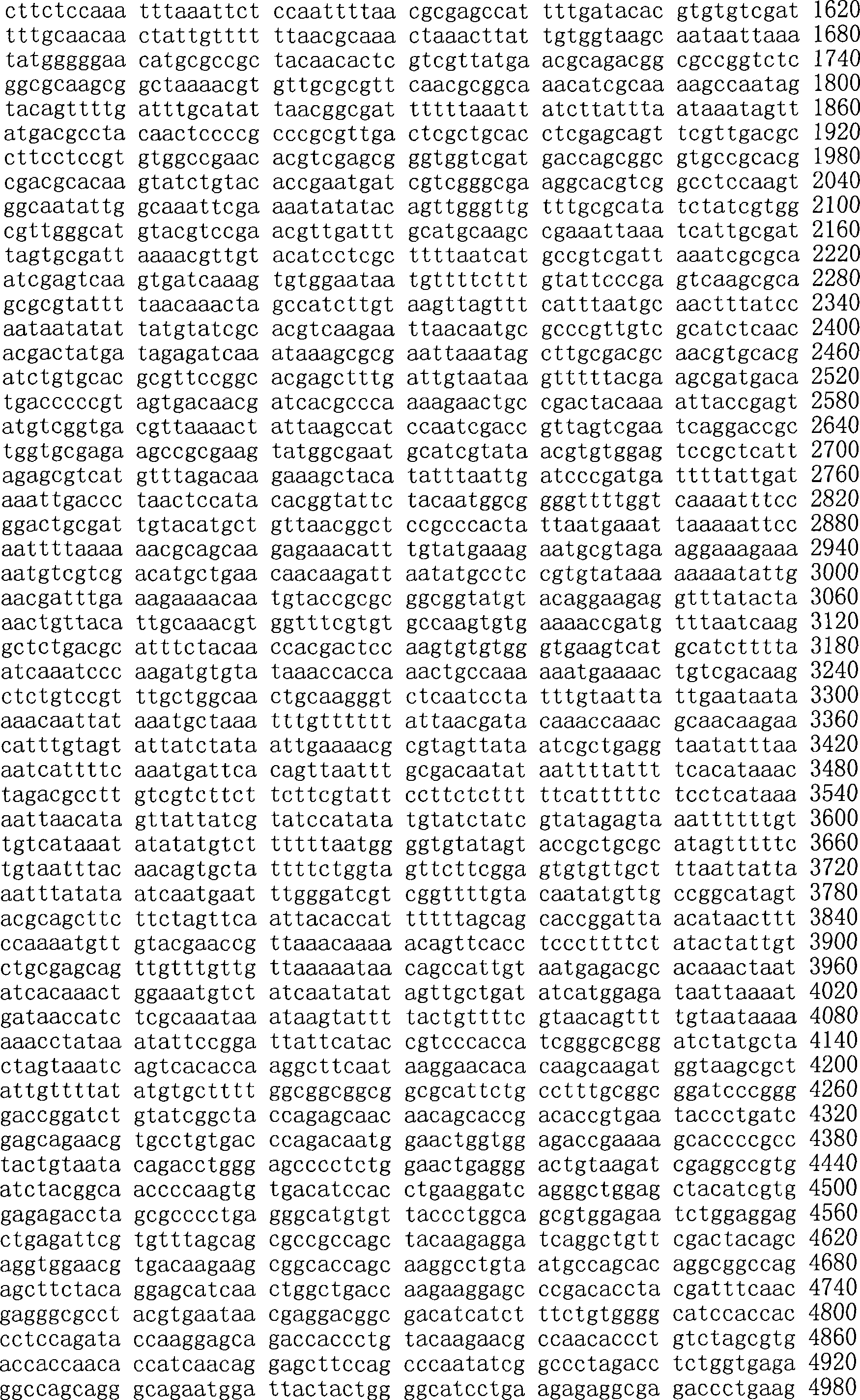

<210>97<210>97
<211>11398<211>11398
<212>DNA<212>DNA
<213>人工序列<213> Artificial sequence
<220><220>
<223>质粒DNA:53513<223> plasmid DNA: 53513
<400>97<400>97
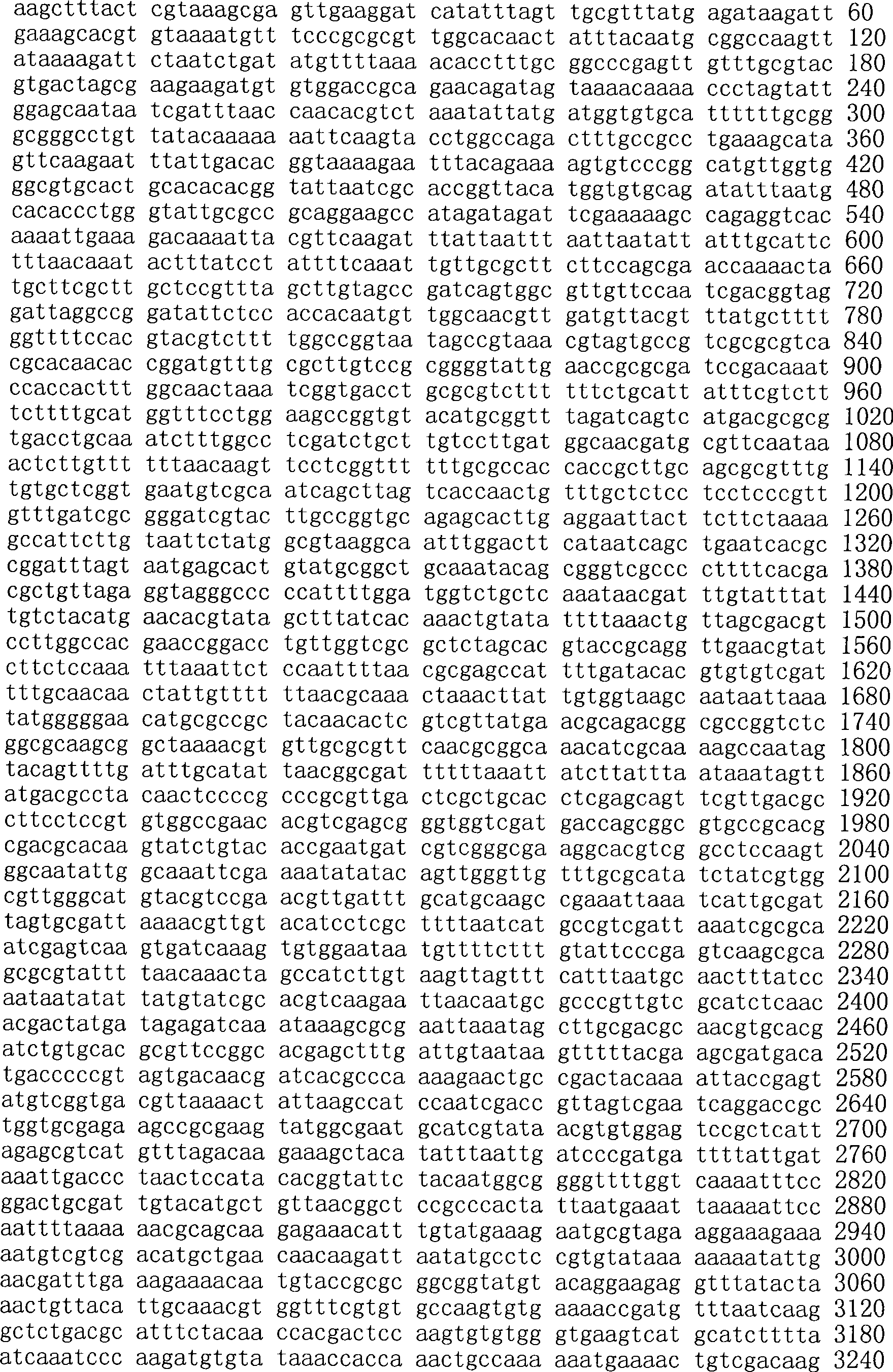
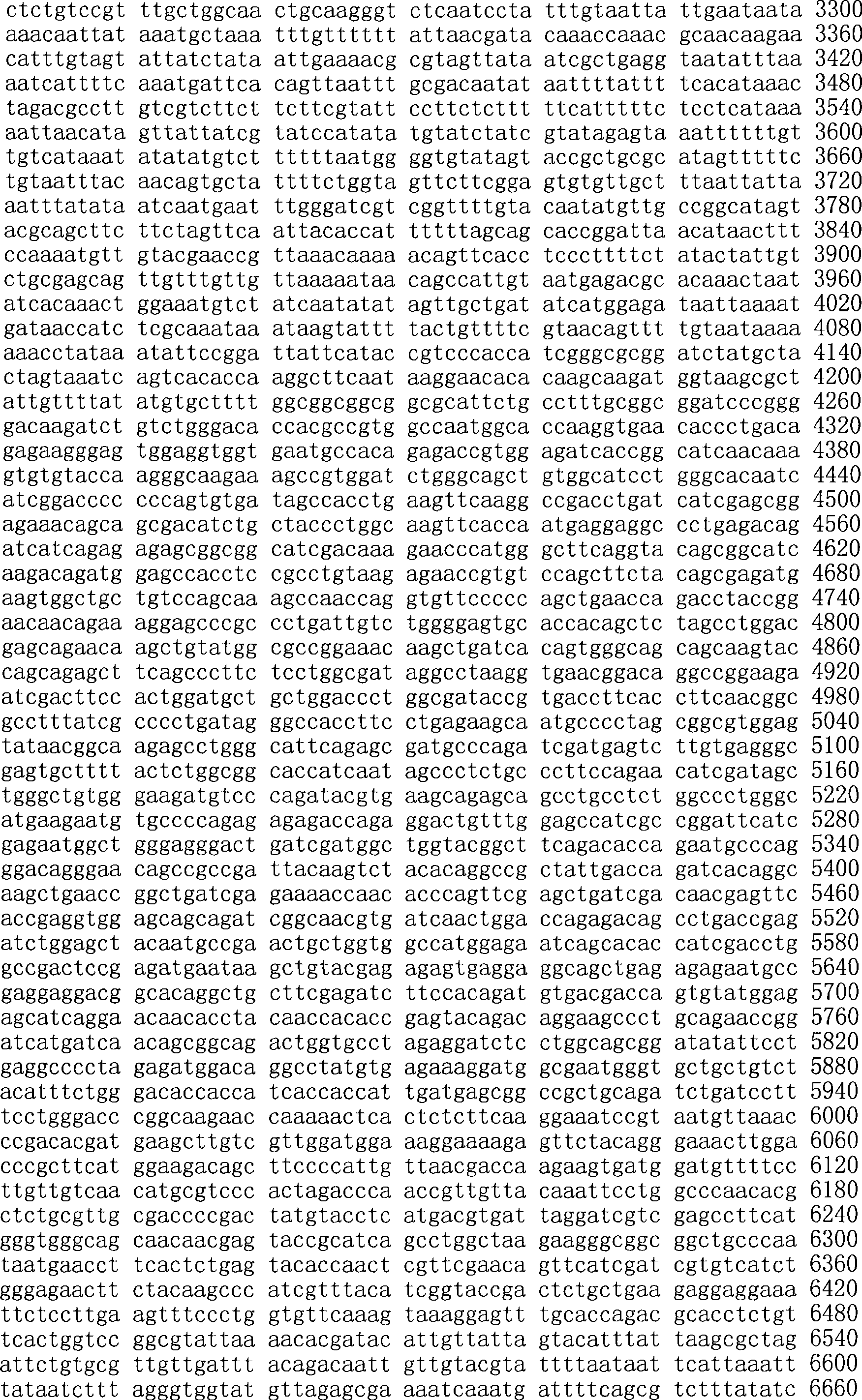

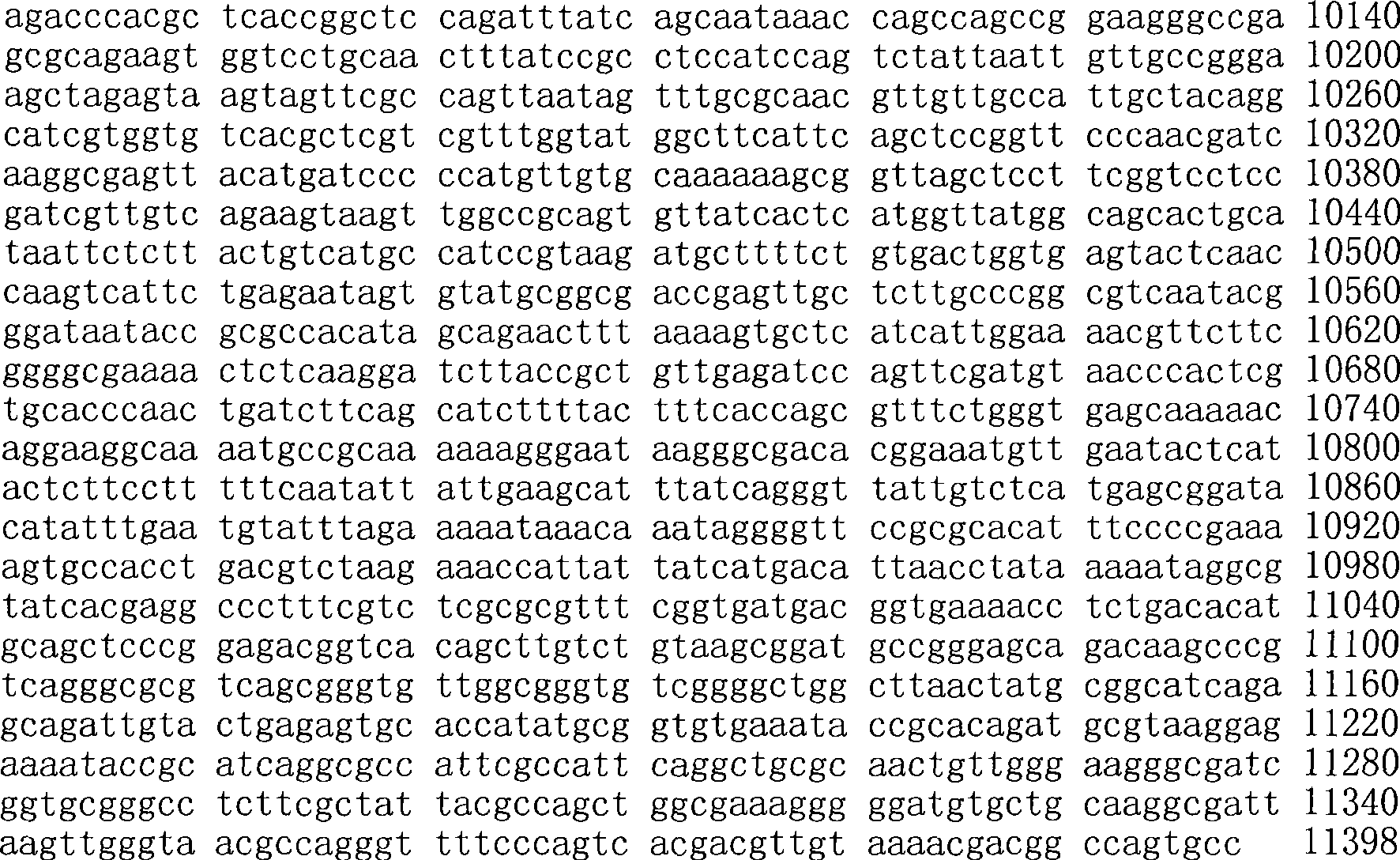
<210>98<210>98
<211>11374<211>11374
<212>DNA<212>DNA
<213>人工序列<213> Artificial sequence
<220><220>
<223>质粒DNA:53514<223> plasmid DNA: 53514
<400>98<400>98


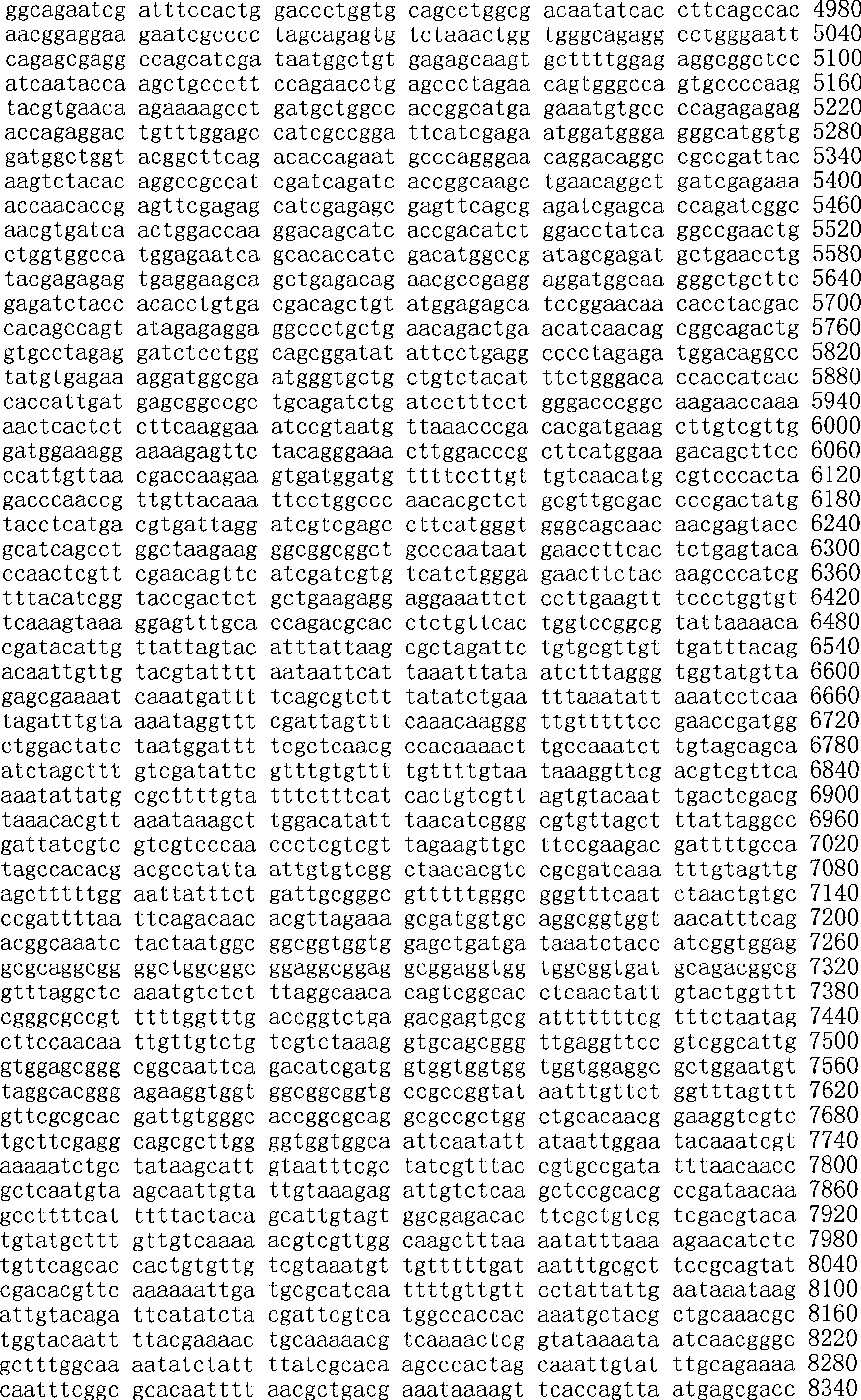
<210>99<210>99
<211>5922<211>5922
<212>DNA<212>DNA
<213>人工序列<213> Artificial sequence
<220><220>
<223>质粒DNA:56382<223> plasmid DNA: 56382
<400>99<400>99


<210>100<210>100
<211>11422<211>11422
<212>DNA<212>DNA
<213>人工序列<213> Artificial sequence
<220><220>
<223>质粒DNA:54580<223> plasmid DNA: 54580
<400>100<400>100
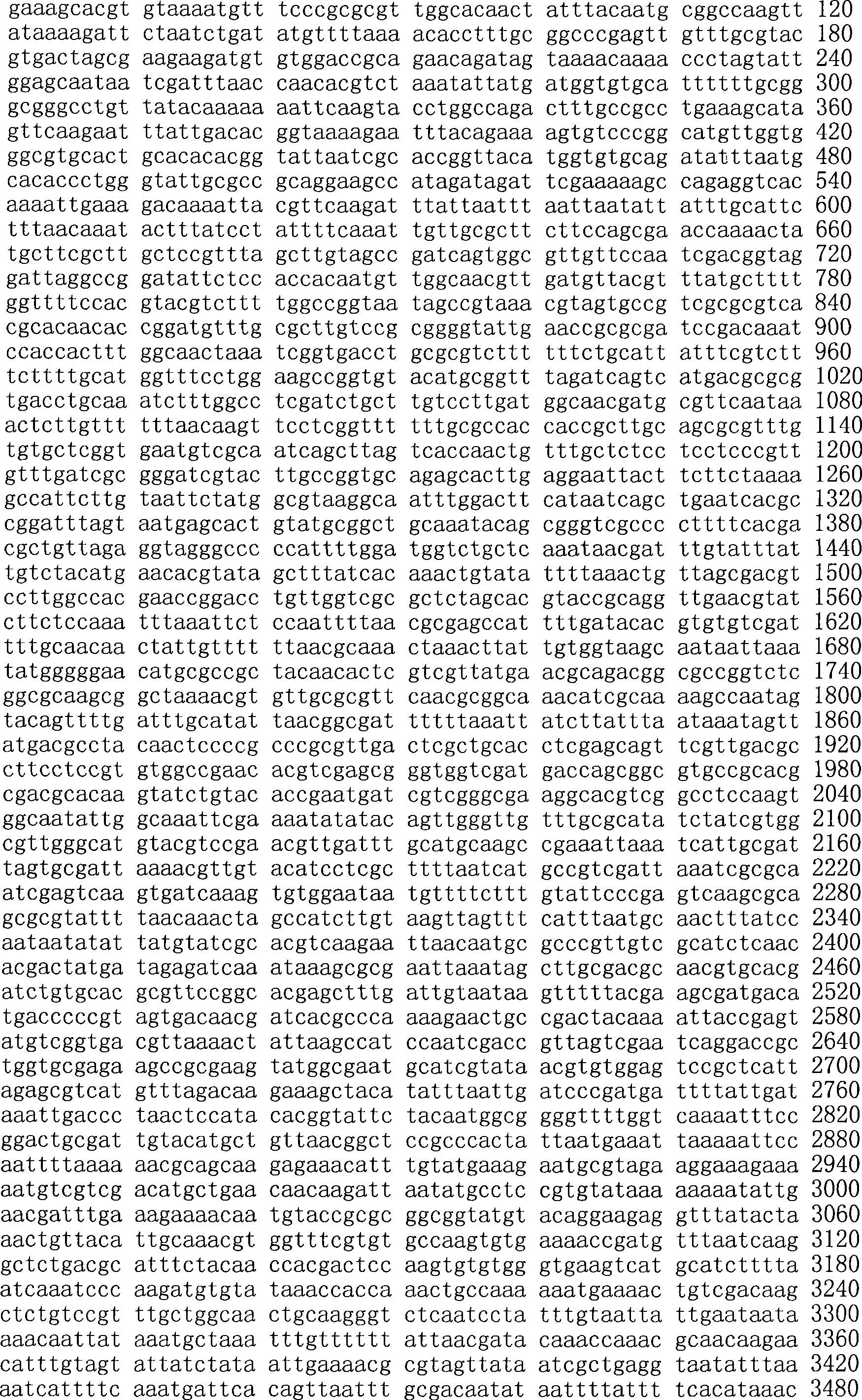
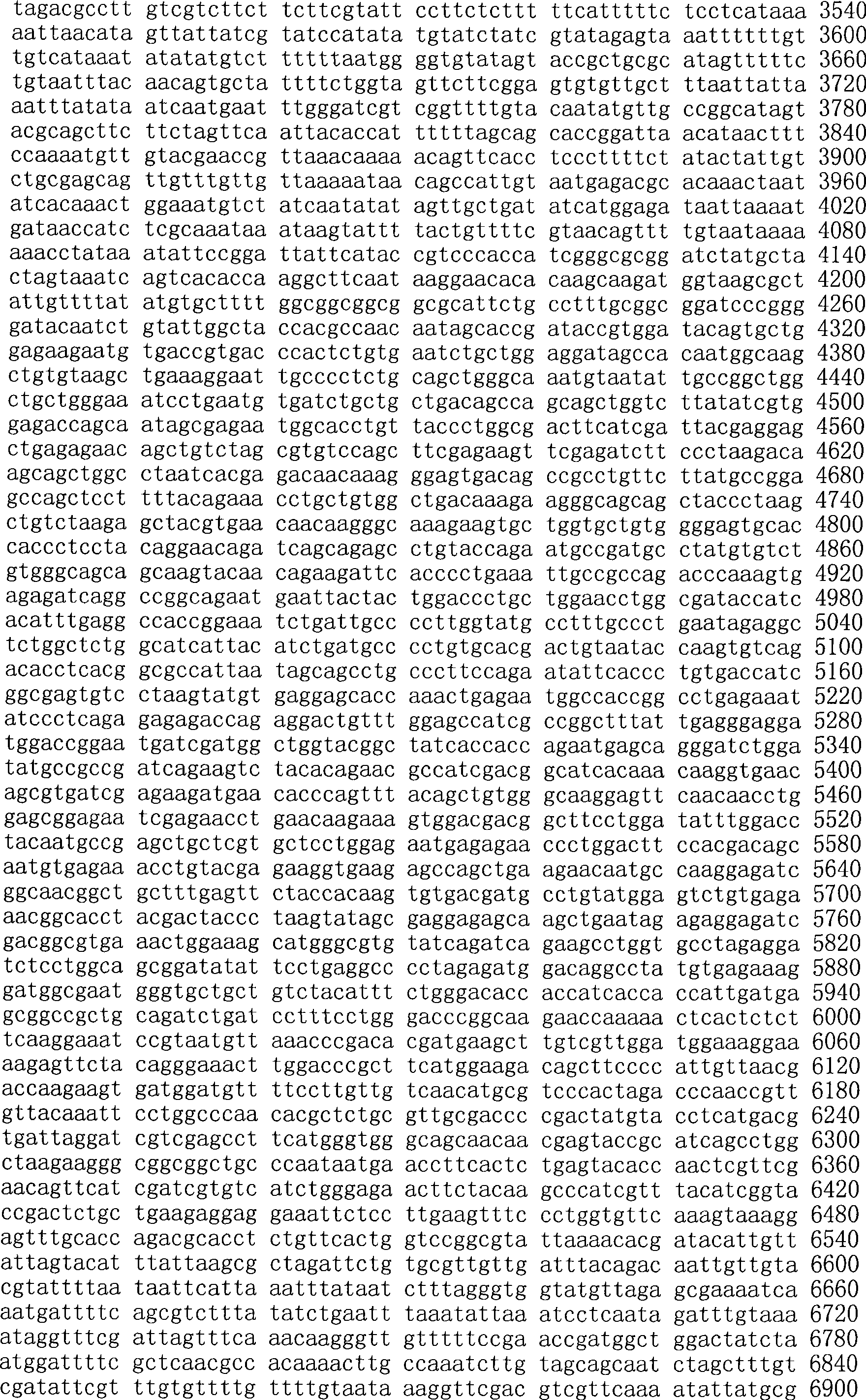

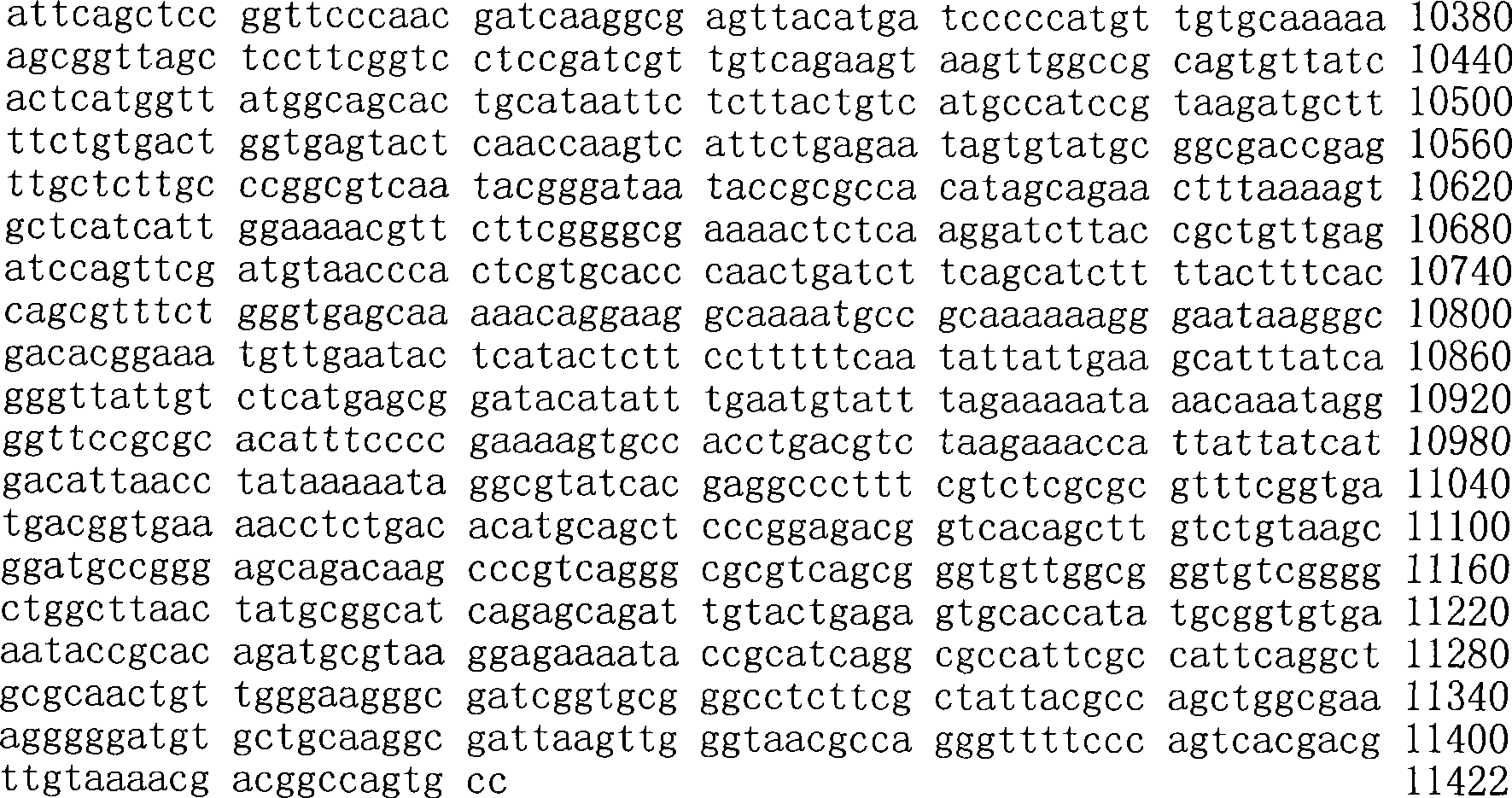
<210>101<210>101
<211>11383<211>11383
<212>DNA<212>DNA
<213>人工序列<213> Artificial sequence
<220><220>
<223>质粒DNA:54581<223> plasmid DNA: 54581
<400>101<400>101
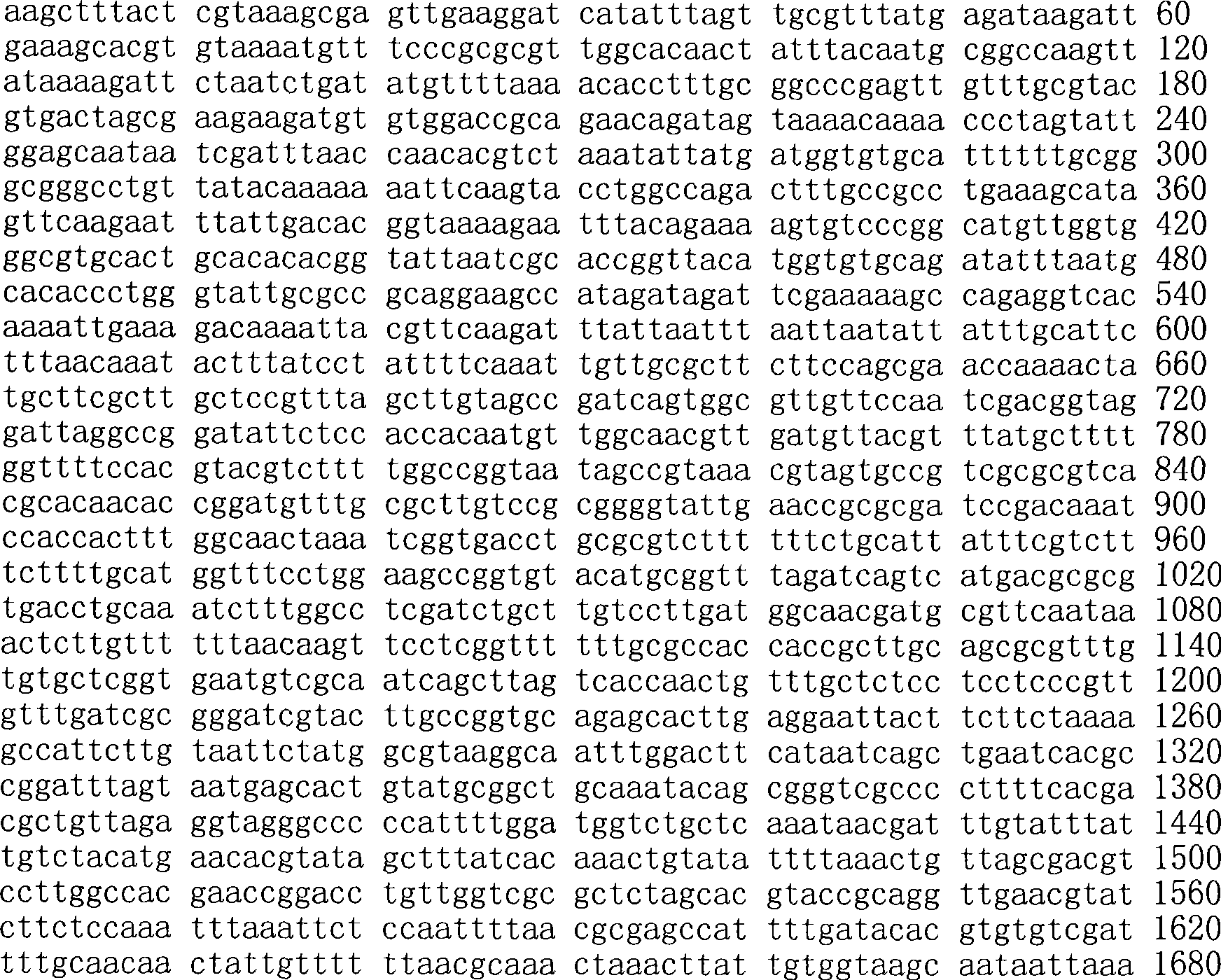
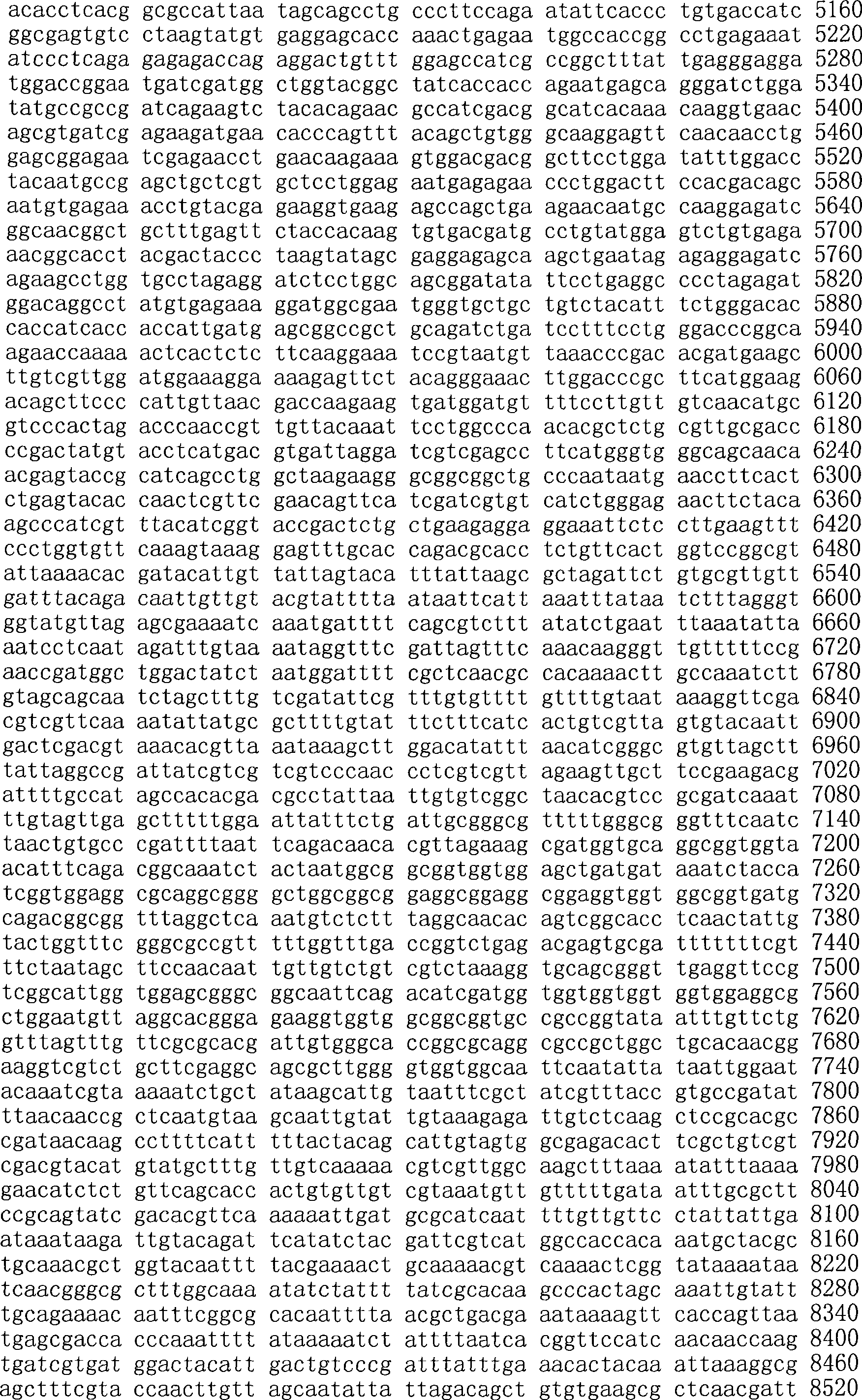

<210>102<210>102
<211>11452<211>11452
<212>DNA<212>DNA
<213>人工序列<213> Artificial sequence
<220><220>
<223>质粒DNA:54582<223> plasmid DNA: 54582
<400>102<400>102
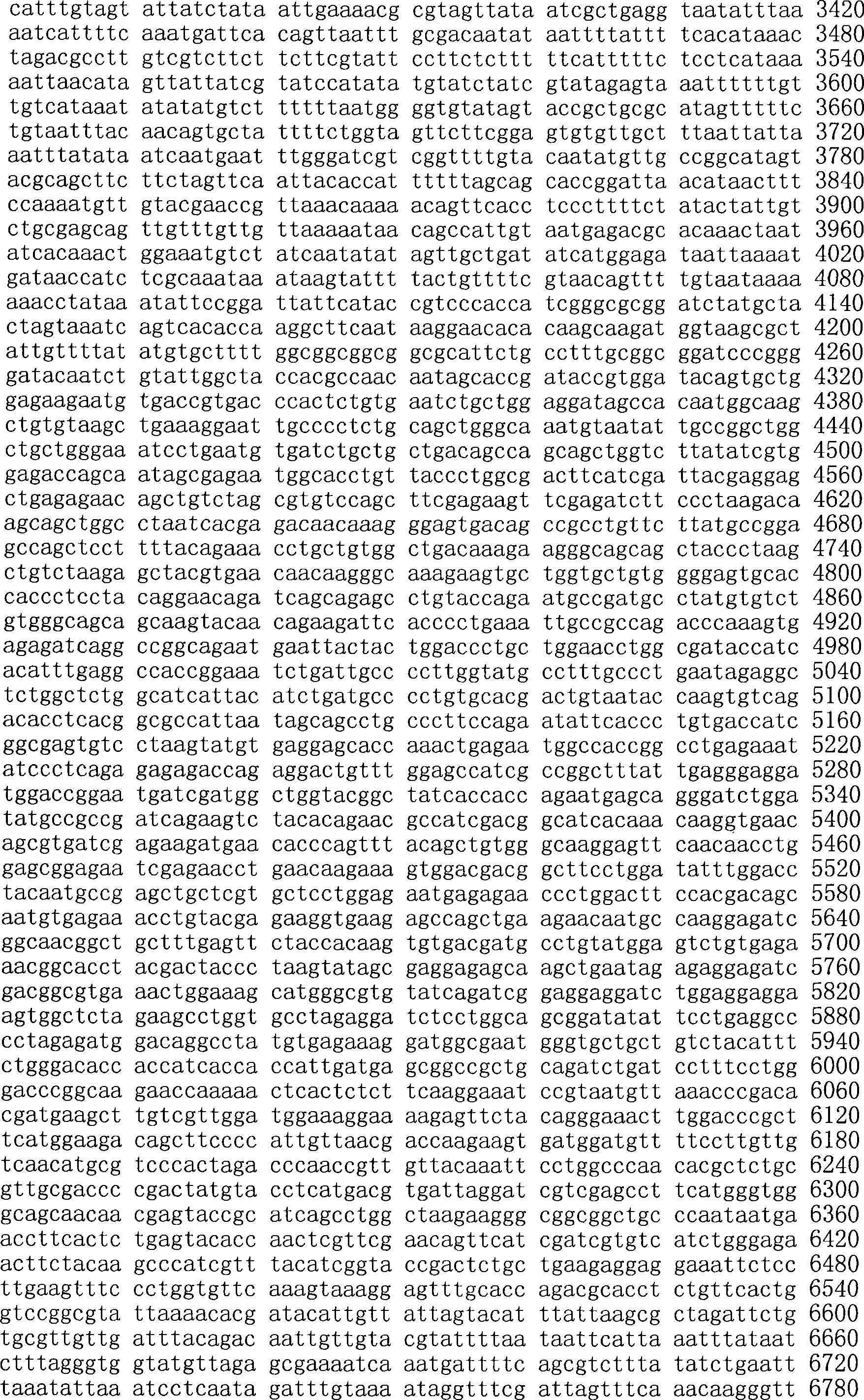

<210>103<210>103
<211>11413<211>11413
<212>DNA<212>DNA
<213>人工序列<213> Artificial sequence
<220><220>
<223>质粒DNA:54583<223> plasmid DNA: 54583
<400>103<400>103
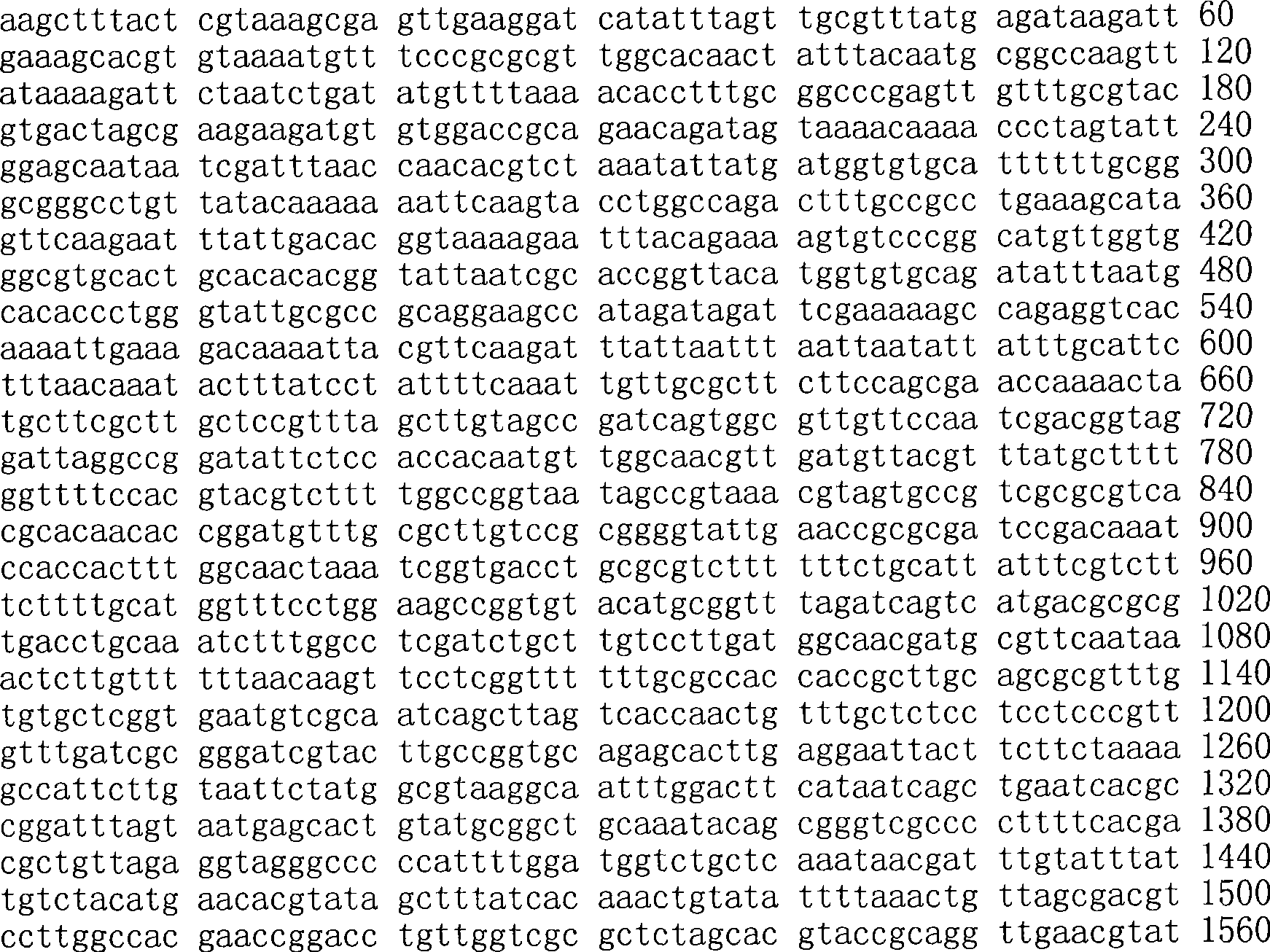
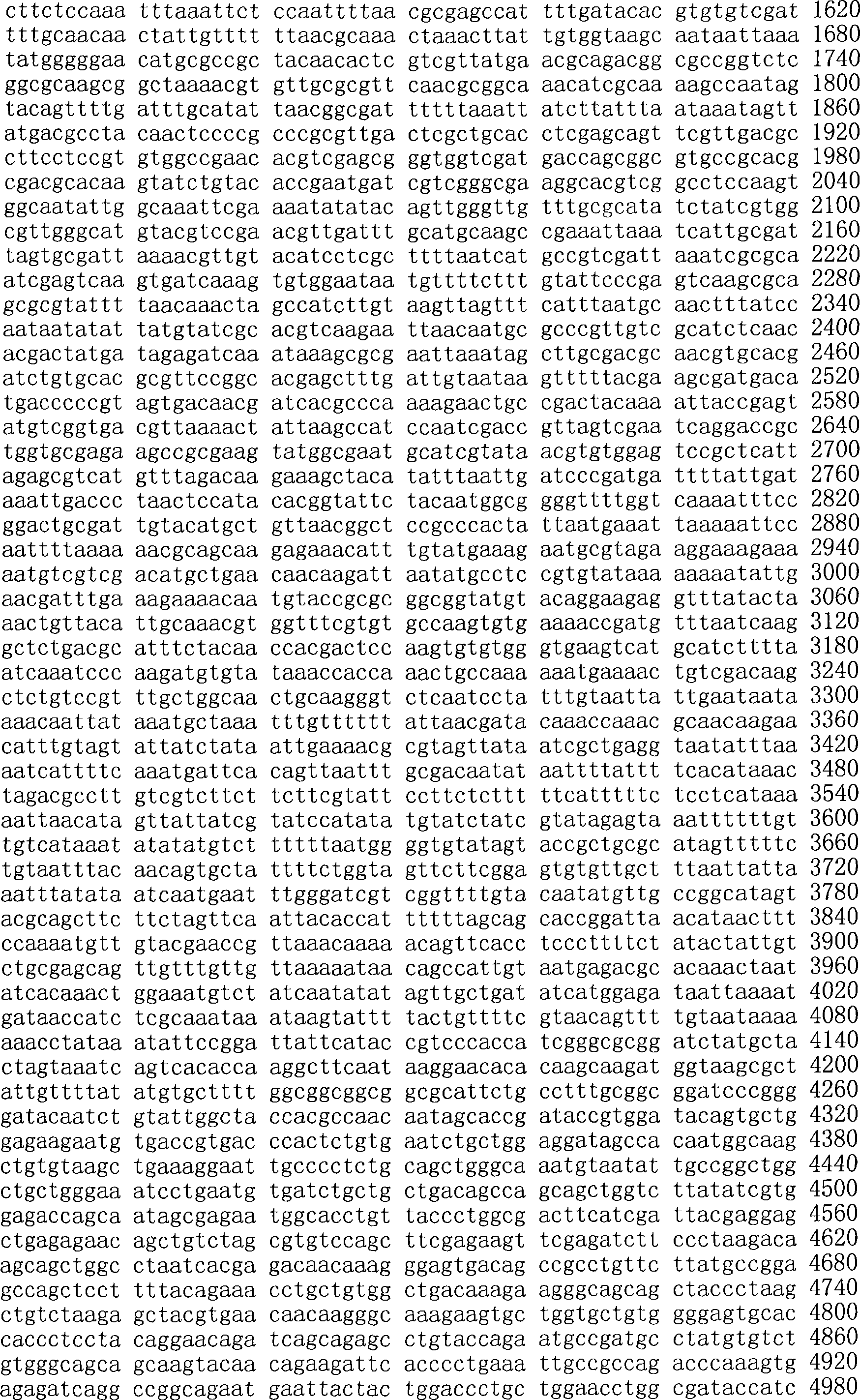
<210>104<210>104
<211>6135<211>6135
<212>DNA<212>DNA
<213>人工序列<213> Artificial sequence
<220><220>
<223>质粒DNA:54680<223> plasmid DNA: 54680
<400>104<400>104

<210>105<210>105
<211>6108<211>6108
<212>DNA<212>DNA
<213>人工序列<213> Artificial sequence
<220><220>
<223>质粒DNA:54681<223> plasmid DNA: 54681
<400>105<400>105


<210>106<210>106
<211>6132<211>6132
<212>DNA<212>DNA
<213>人工序列<213> Artificial sequence
<220><220>
<223>质粒DNA:54682<223> plasmid DNA: 54682
<400>106<400>106

<210>107<210>107
<211>6150<211>6150
<212>DNA<212>DNA
<213>人工序列<213> Artificial sequence
<220><220>
<223>质粒DNA:54563<223> plasmid DNA: 54563
<400>107<400>107
<210>108<210>108
<211>6111<211>6111
<212>DNA<212>DNA
<213>人工序列<213> Artificial sequence
<220><220>
<223>质粒DNA:54564<223> plasmid DNA: 54564
<400>108<400>108

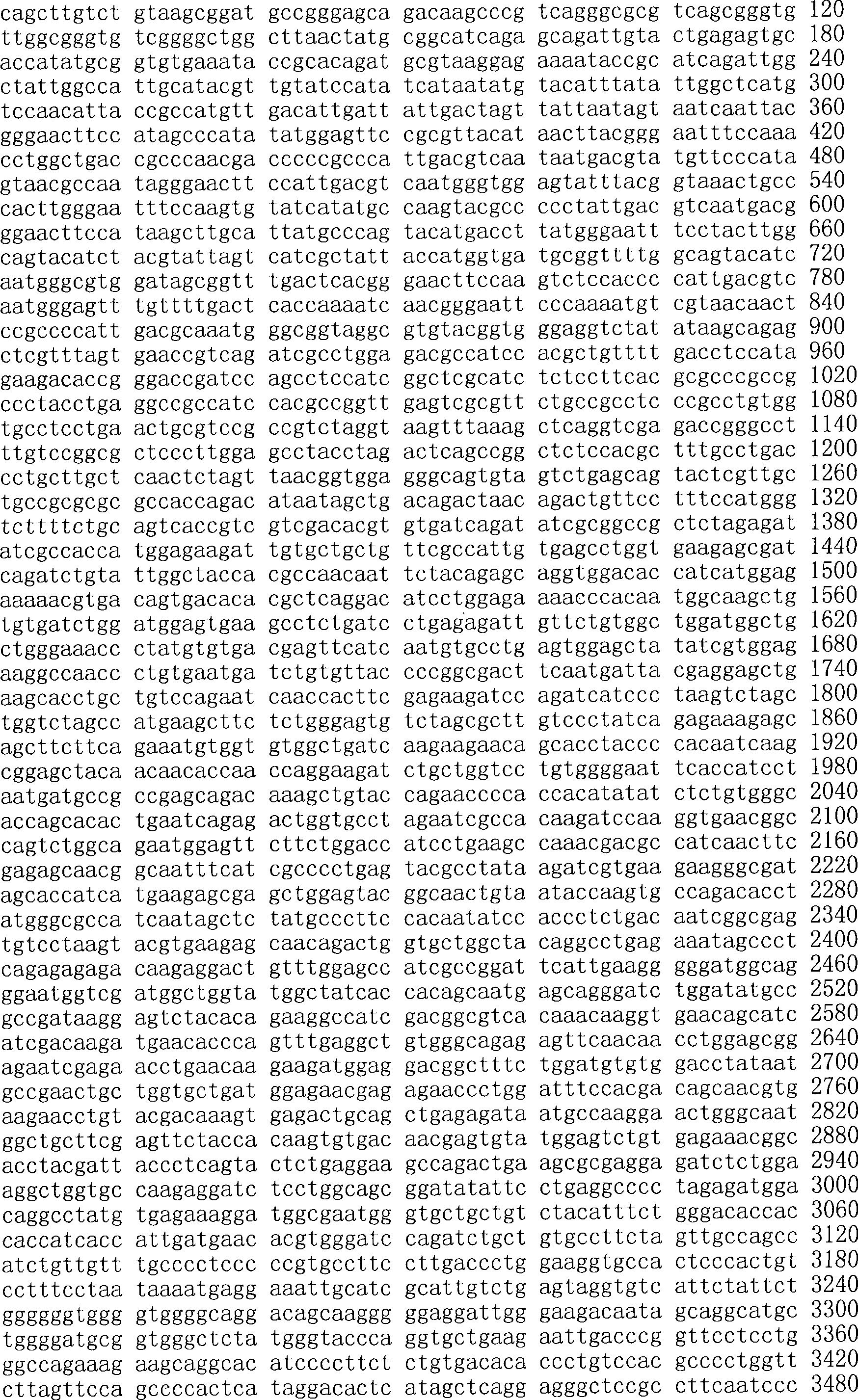

<210>109<210>109
<211>6180<211>6180
<212>DNA<212>DNA
<213>人工序列<213> Artificial sequence
<220><220>
<223>质粒DNA:54565<223> plasmid DNA: 54565
<400>109<400>109



<210>110<210>110
<211>6135<211>6135
<212>DNA<212>DNA
<213>人工序列<213> Artificial sequence
<220><220>
<223>质粒DNA:54566<223> plasmid DNA: 54566
<400>110<400>110
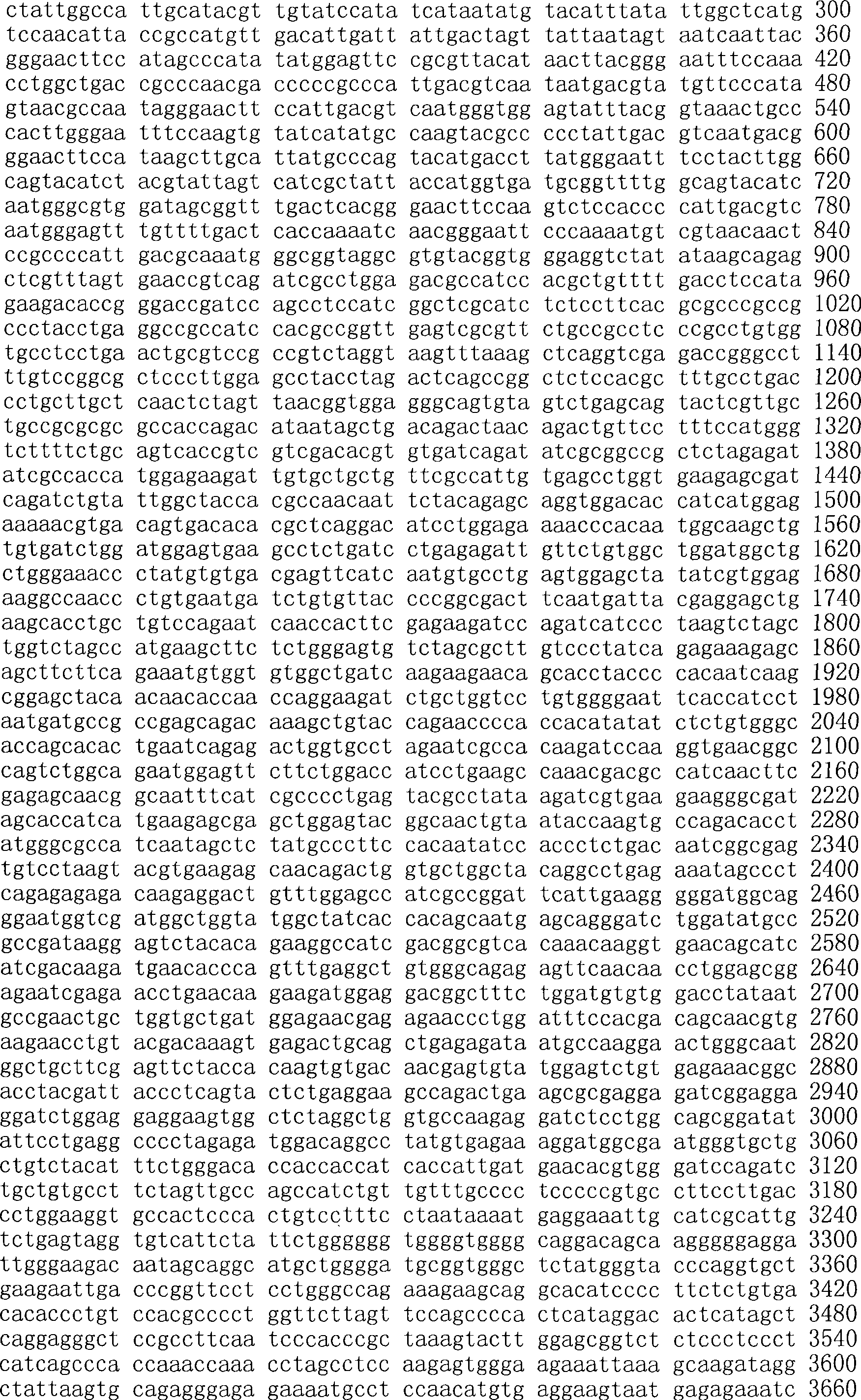

<210>111<210>111
<211>6120<211>6120
<212>DNA<212>DNA
<213>人工序列<213> Artificial sequence
<220><220>
<223>质粒DNA:54670<223> plasmid DNA: 54670
<400>111<400>111



<210>112<210>112
<211>6123<211>6123
<212>DNA<212>DNA
<213>人工序列<213> Artificial sequence
<220><220>
<223>质粒DNA:54676<223> plasmid DNA: 54676
<400>112<400>112
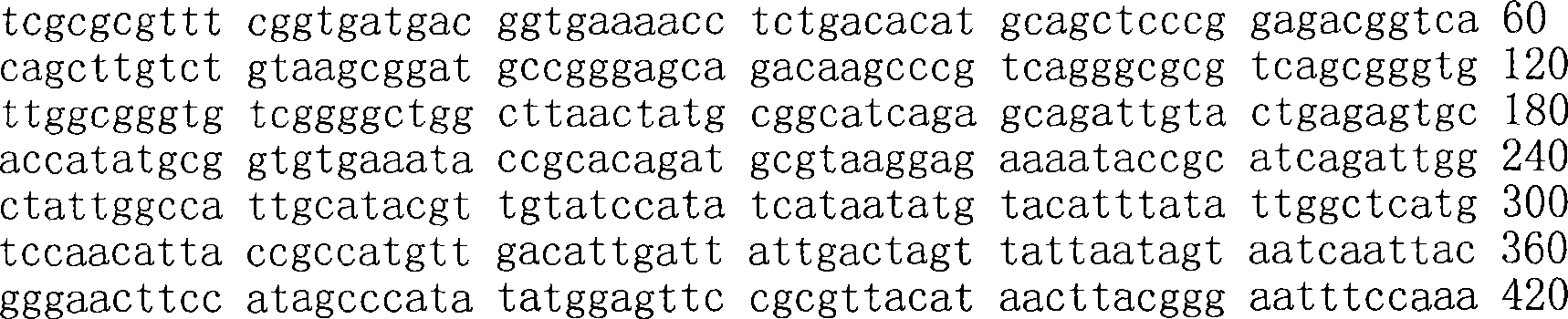
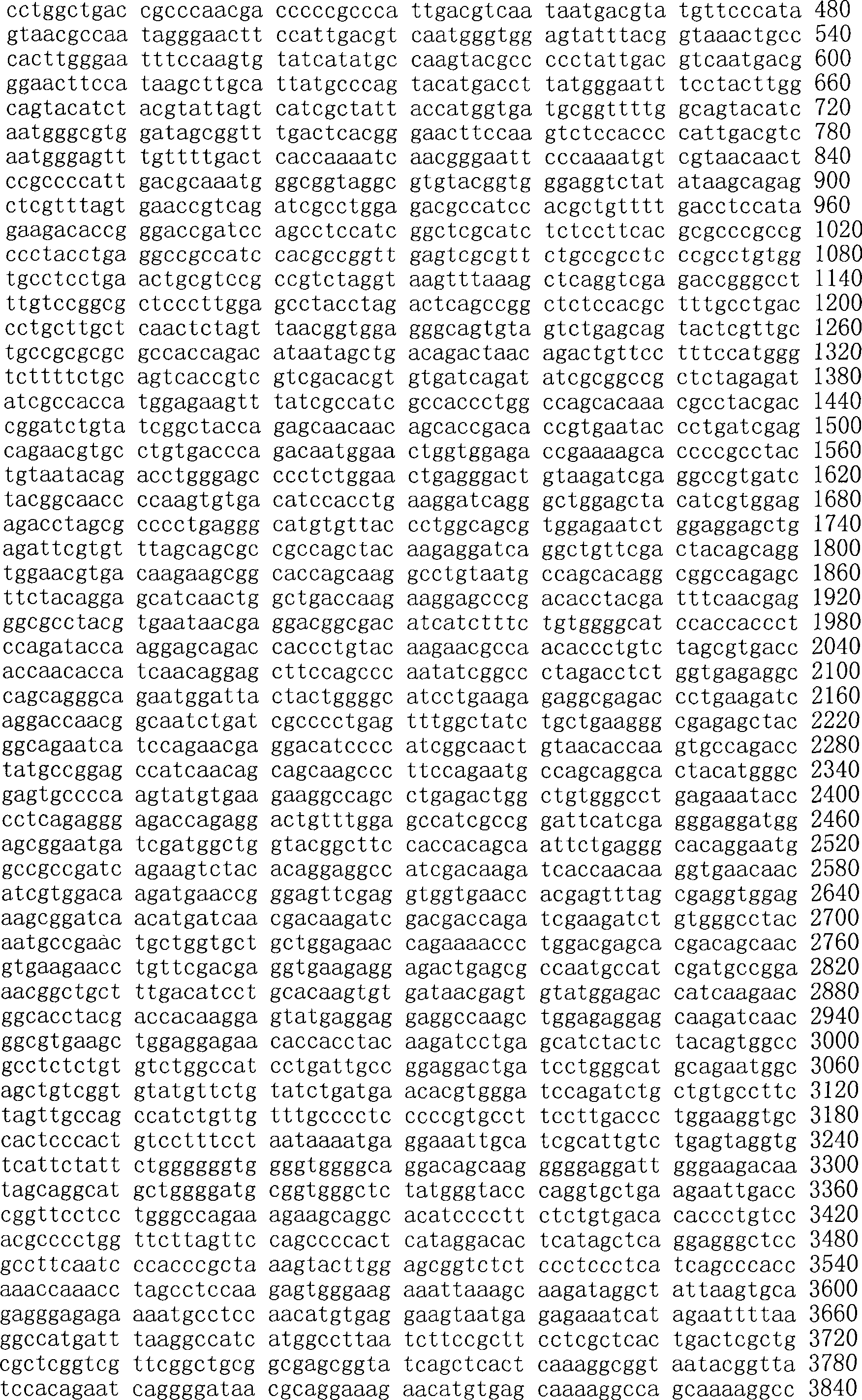

<210>113<210>113
<211>6120<211>6120
<212>DNA<212>DNA
<213>人工序列<213> Artificial sequence
<220><220>
<223>质粒DNA:54677<223> plasmid DNA: 54677
<400>113<400>113
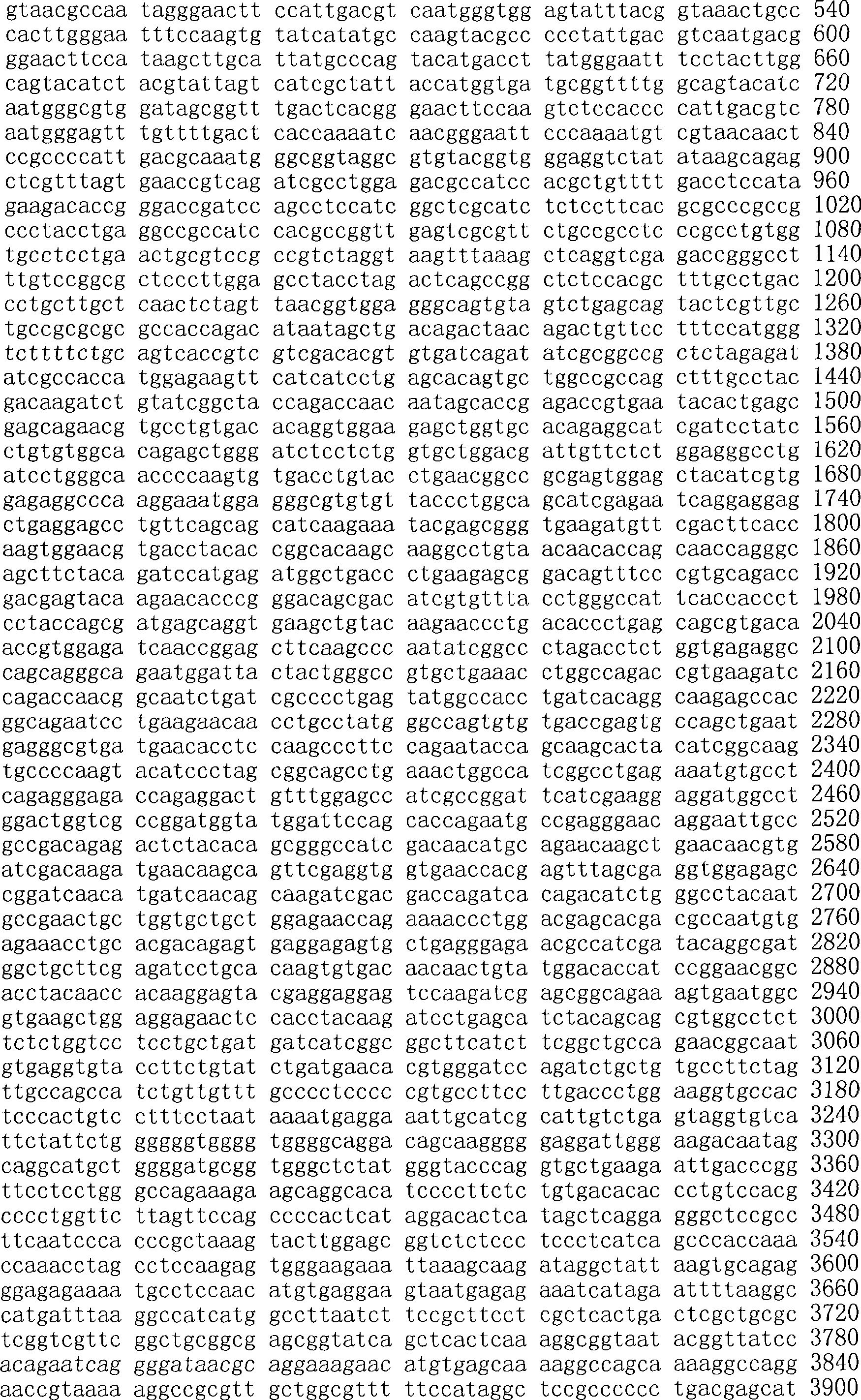
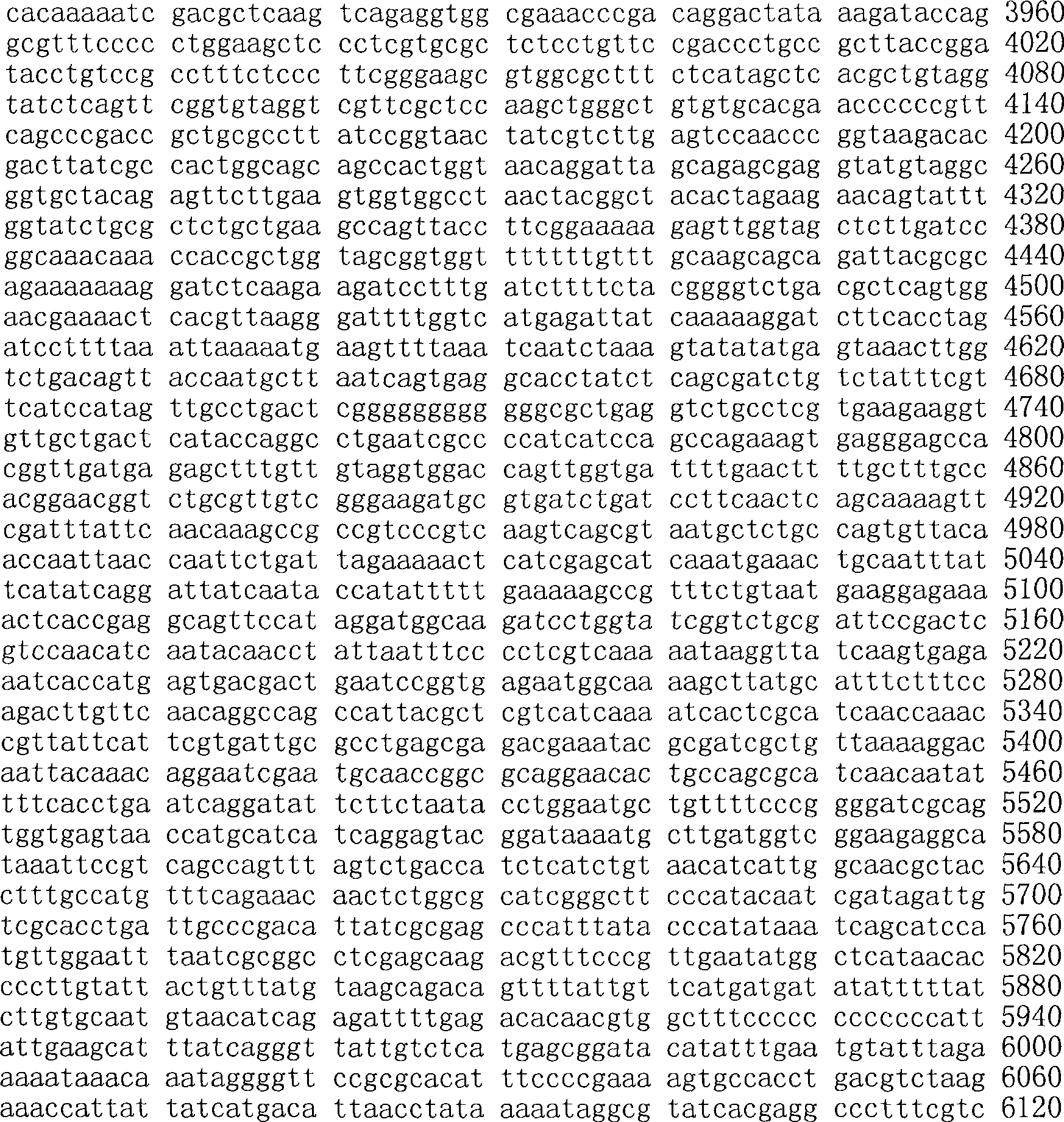
<210>114<210>114
<211>6120<211>6120
<212>DNA<212>DNA
<213>人工序列<213> Artificial sequence
<220><220>
<223>质粒DNA:53957<223> plasmid DNA: 53957
<400>114<400>114
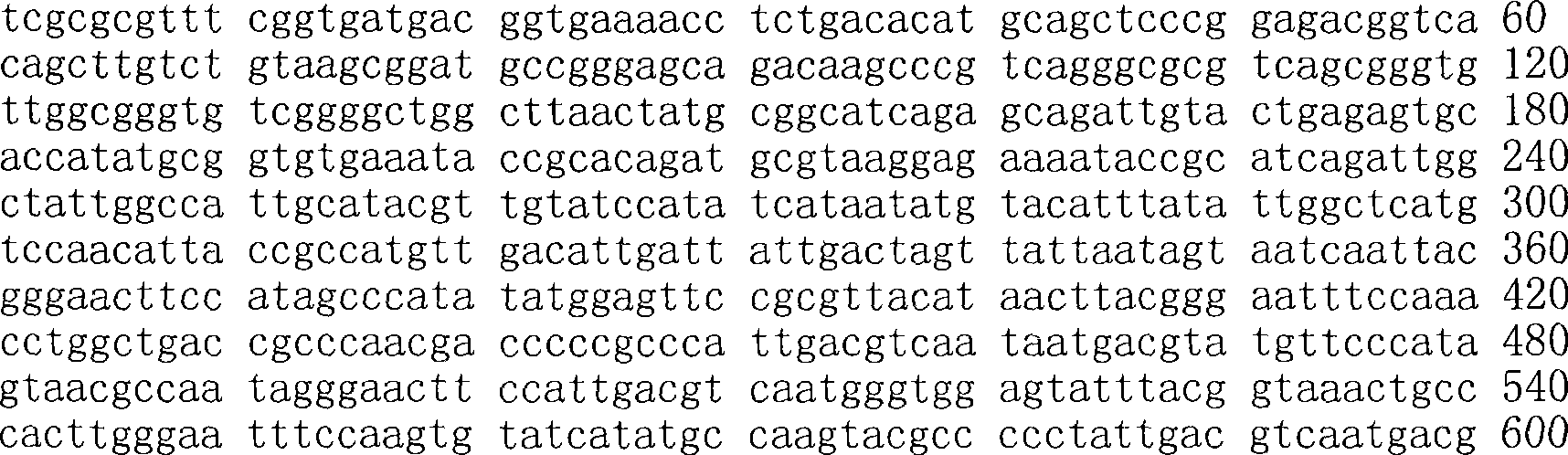
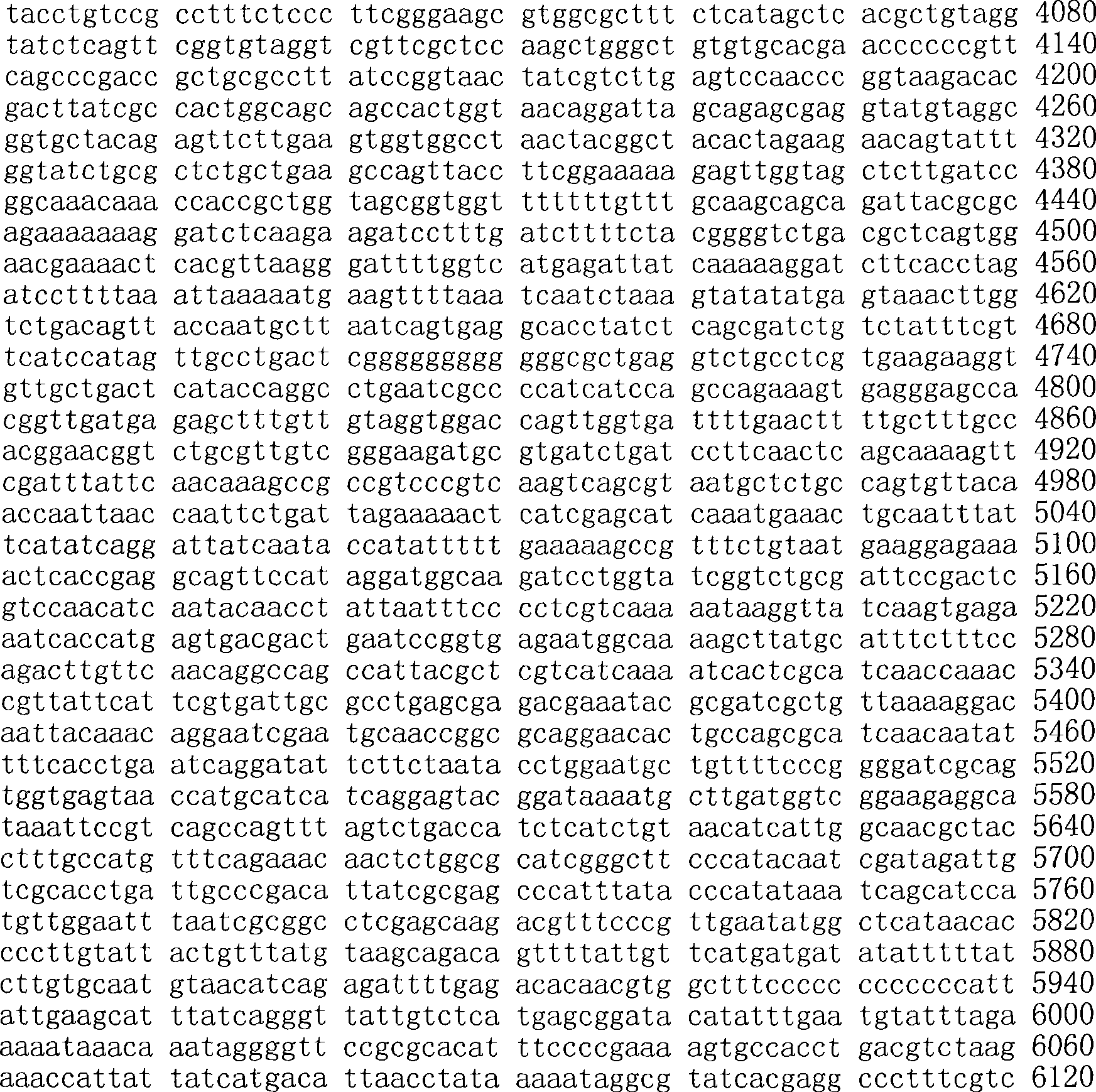
<210>115<210>115
<211>6118<211>6118
<212>DNA<212>DNA
<213>人工序列<213> Artificial sequence
<220><220>
<223>质粒DNA:54510<223> plasmid DNA: 54510
<400>115<400>115


<210>116<210>116
<211>6105<211>6105
<212>DNA<212>DNA
<213>人工序列<213> Artificial sequence
<220><220>
<223>质粒DNA:54671<223> plasmid DNA: 54671
<400>116<400>116

<210>117<210>117
<211>6108<211>6108
<212>DNA<212>DNA
<213>人工序列<213> Artificial sequence
<220><220>
<223>质粒DNA:54672<223> plasmid DNA: 54672
<400>117<400>117

<210>118<210>118
<211>6126<211>6126
<212>DNA<212>DNA
<213>人工序列<213> Artificial sequence
<220><220>
<223>质粒DNA:54675<223> plasmid DNA: 54675
<400>118<400>118
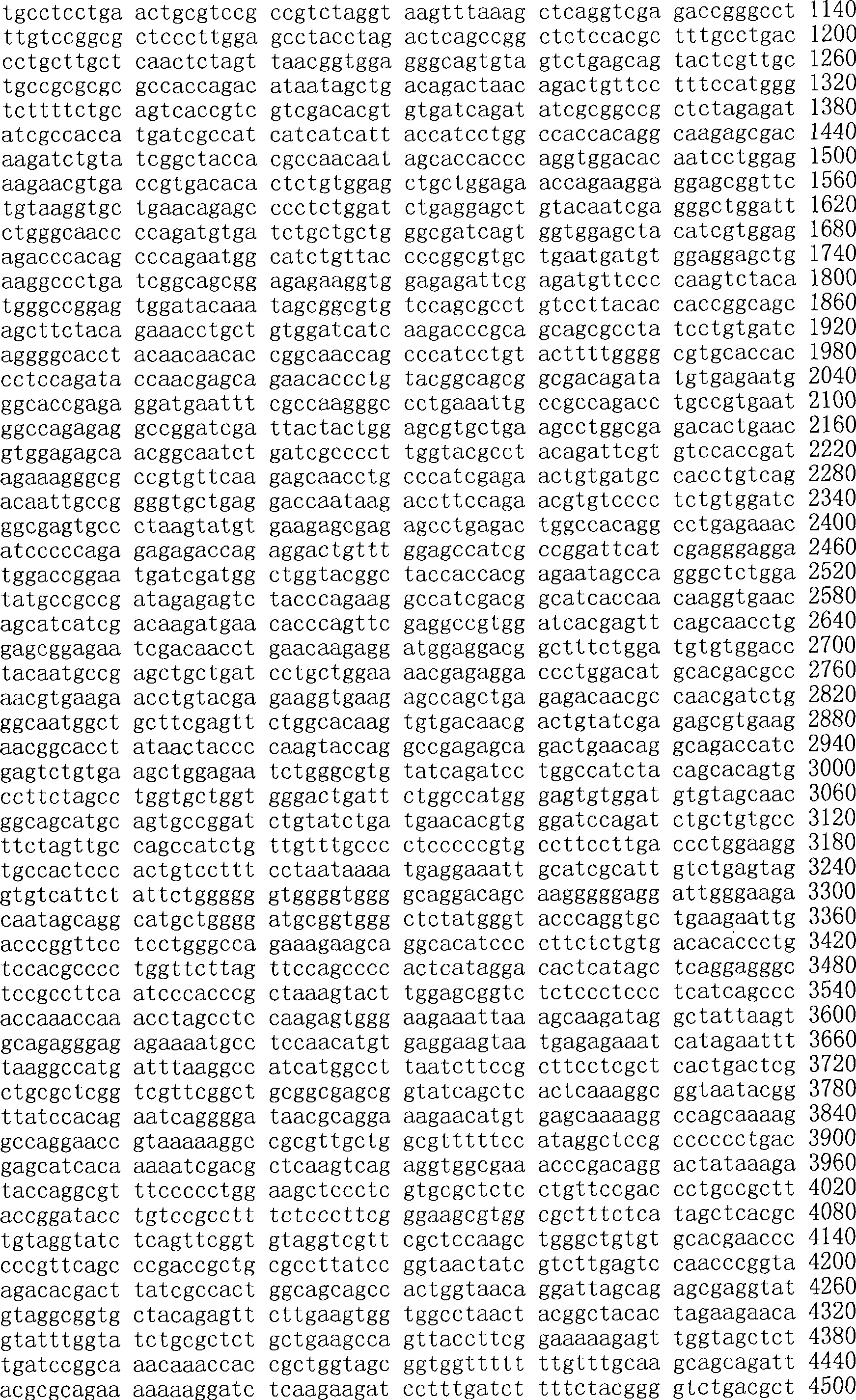

<210>119<210>119
<211>6114<211>6114
<212>DNA<212>DNA
<213>人工序列<213> Artificial sequence
<220><220>
<223>质粒DNA:54678<223> plasmid DNA: 54678
<400>119<400>119


<210>120<210>120
<211>6123<211>6123
<212>DNA<212>DNA
<213>人工序列<213> Artificial sequence
<220><220>
<223>质粒DNA:54679<223> plasmid DNA: 54679
<400>120<400>120


<210>121<210>121
<211>5922<211>5922
<212>DNA<212>DNA
<213>人工序列<213> Artificial sequence
<220><220>
<223>质粒DNA:56383<223> plasmid DNA: 56383
<400>121<400>121
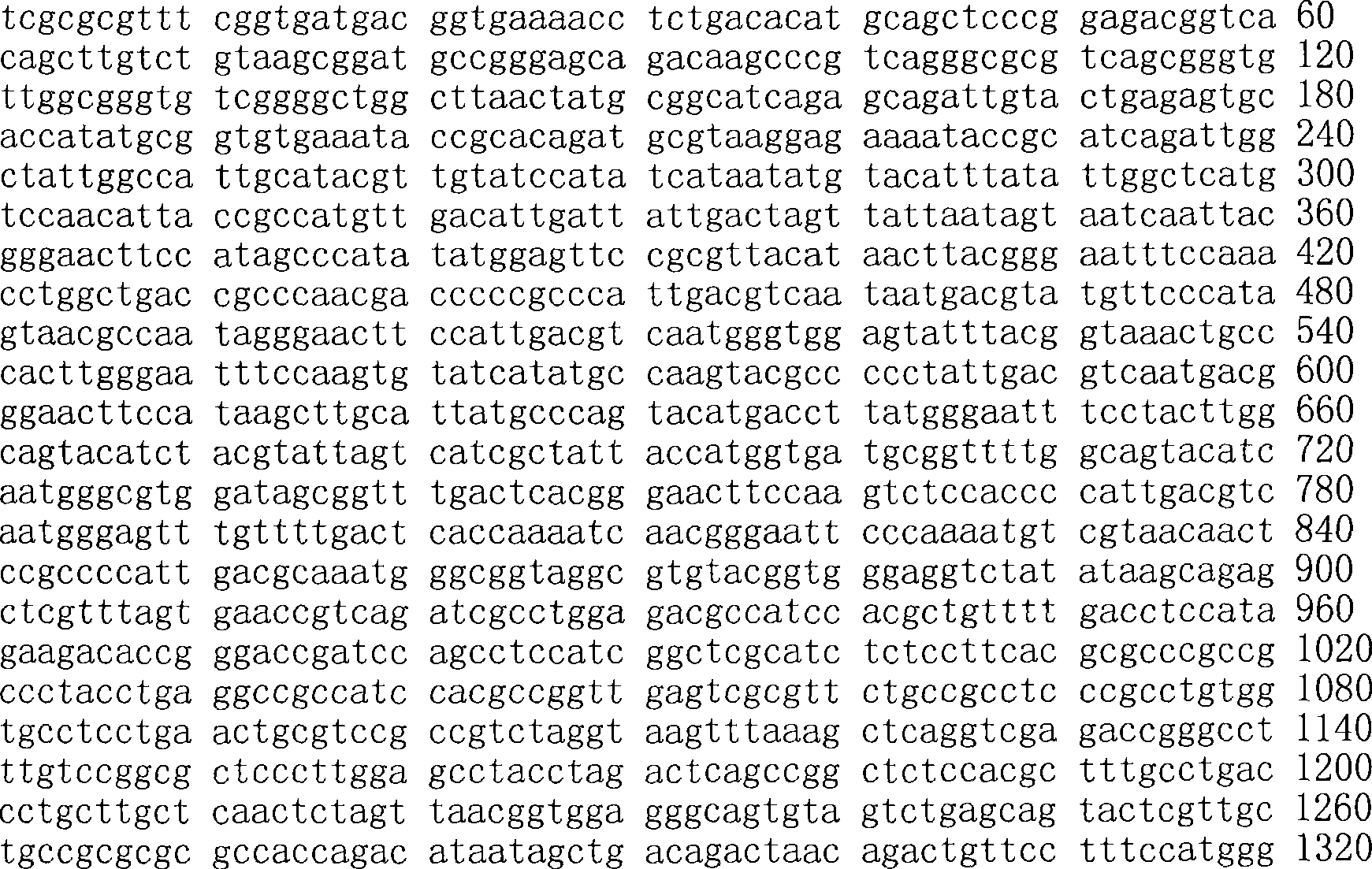
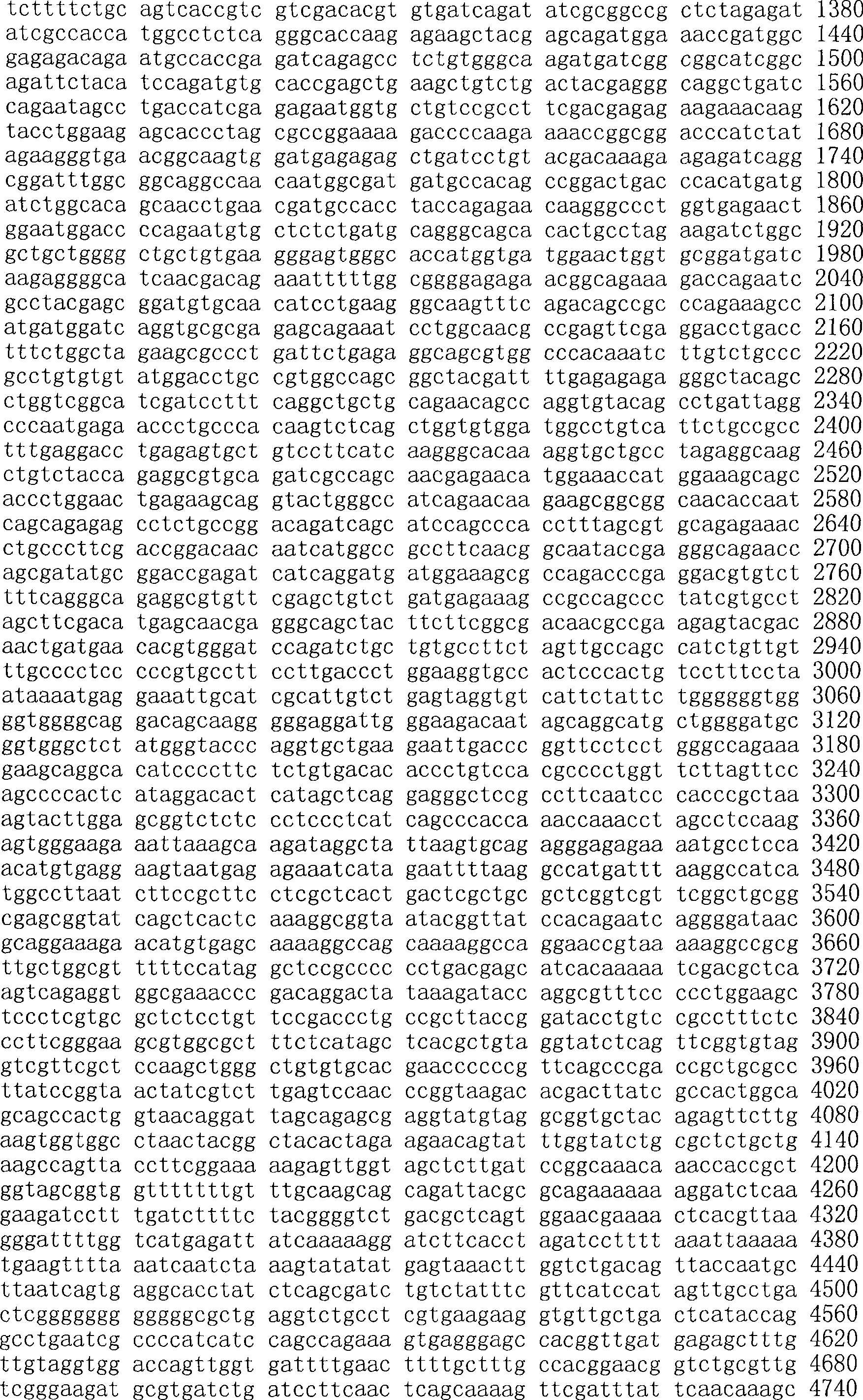
<210>122<210>122
<211>4719<211>4719
<212>DNA<212>DNA
<213>人工序列<213> Artificial sequence
<220><220>
<223>质粒DNA:56384<223> plasmid DNA: 56384
<400>122<400>122
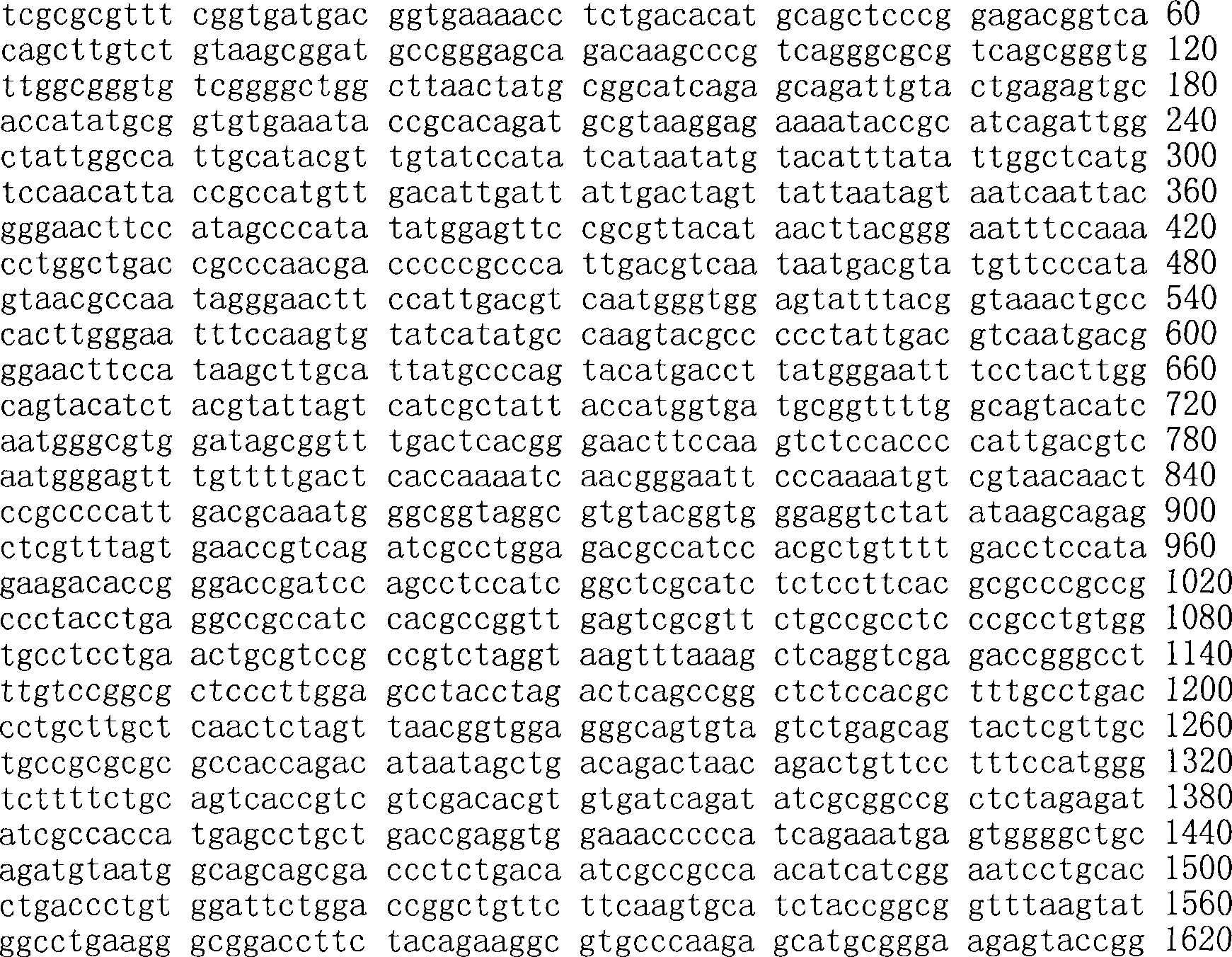
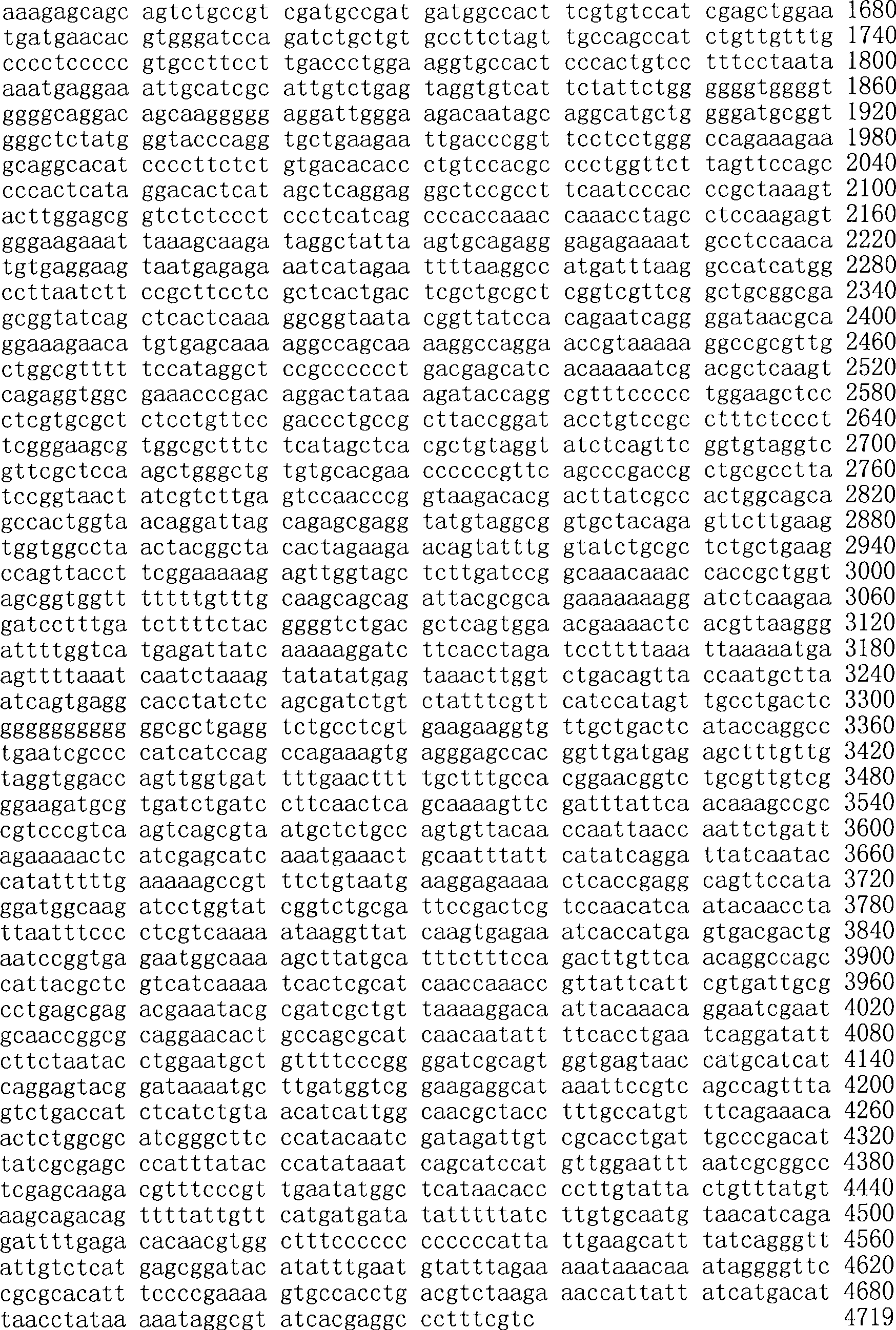
<210>123<210>123
<211>5922<211>5922
<212>DNA<212>DNA
<213>人工序列<213> Artificial sequence
<220><220>
<223>质粒DNA:56478<223> plasmid DNA: 56478
<400>123<400>123

<210>124<210>124
<211>4719<211>4719
<212>DNA<212>DNA
<213>人工序列<213> Artificial sequence
<220><220>
<223>质粒DNA:56479<223> plasmid DNA: 56479
<400>124<400>124
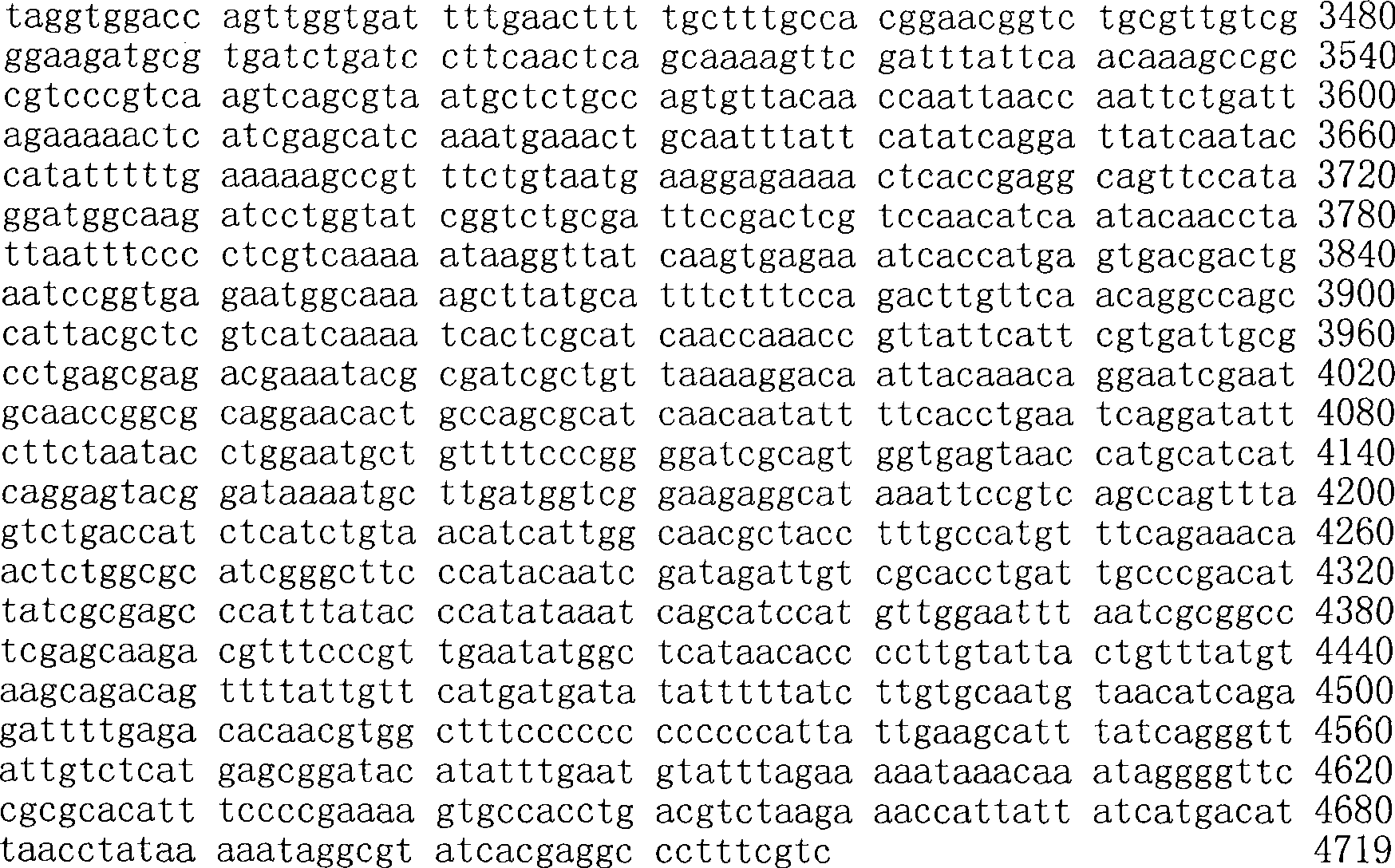
<210>125<210>125
<211>6453<211>6453
<212>DNA<212>DNA
<213>人工序列<213> Artificial sequence
<220><220>
<223>质粒DNA:VRC 7700<223> plasmid DNA: VRC 7700
<400>125<400>125

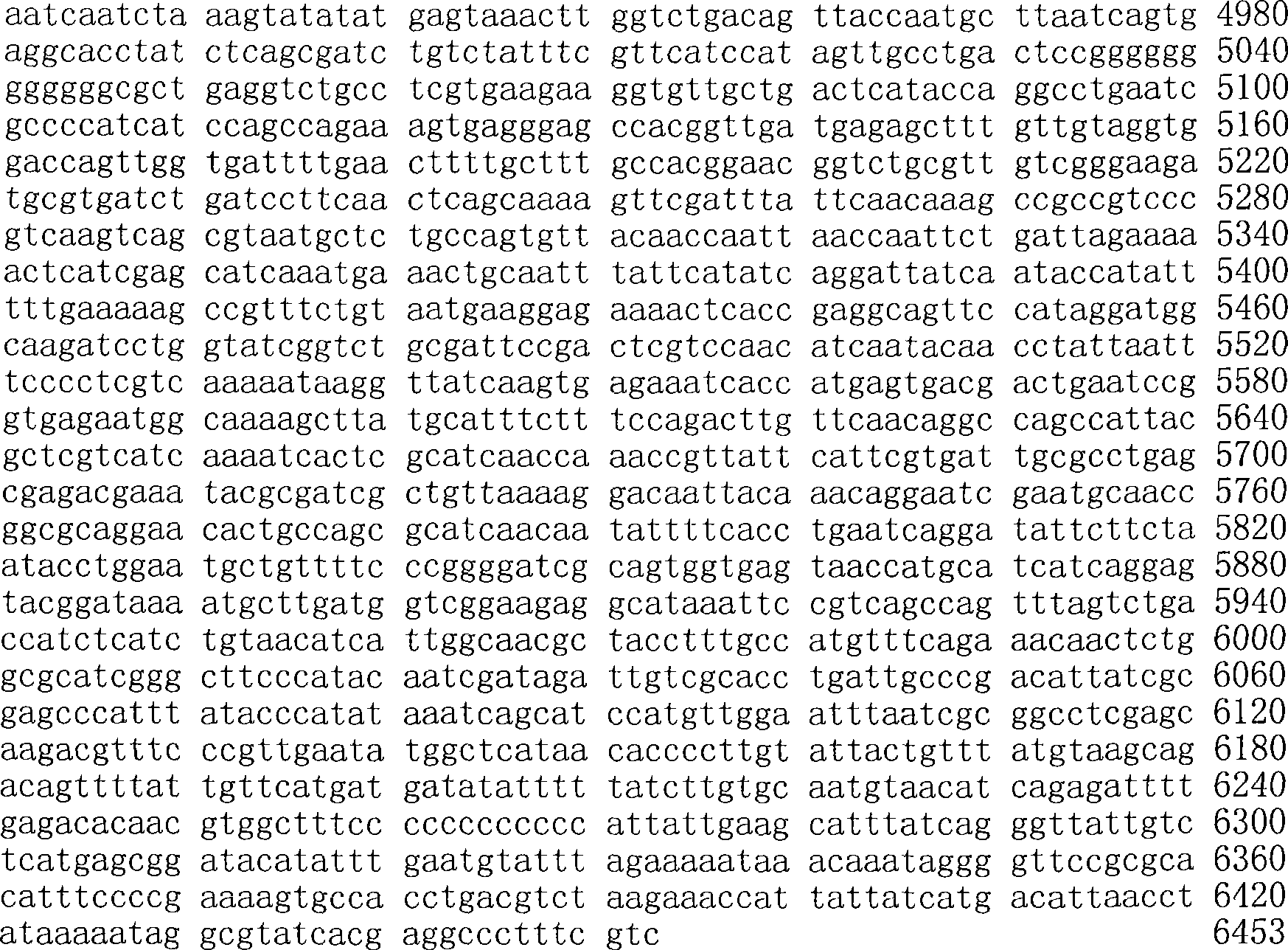
<210>126<210>126
<211>7741<211>7741
<212>DNA<212>DNA
<213>人工序列<213> Artificial sequence
<220><220>
<223>质粒DNA:VRC 7710<223> plasmid DNA: VRC 7710
<400>126<400>126
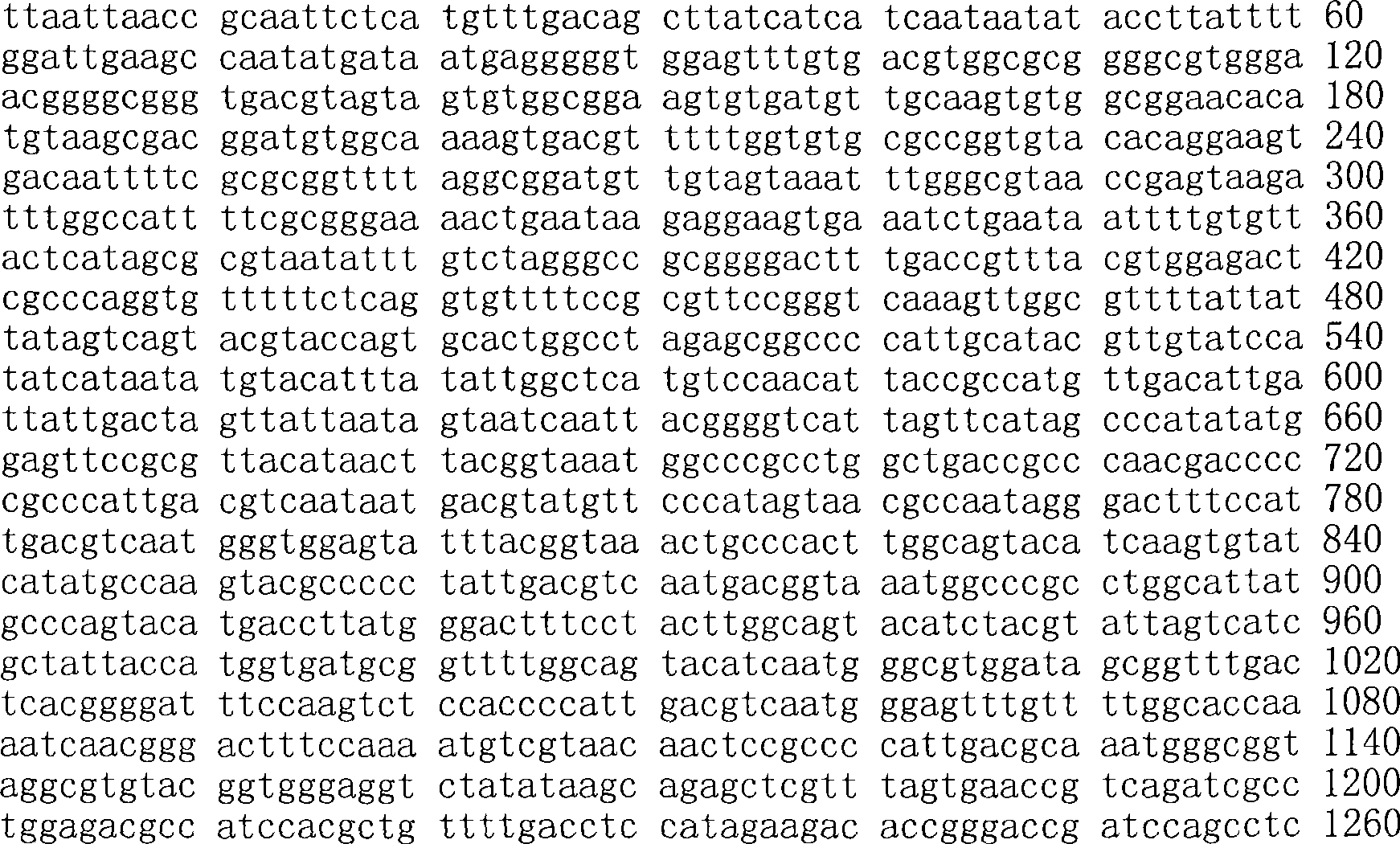

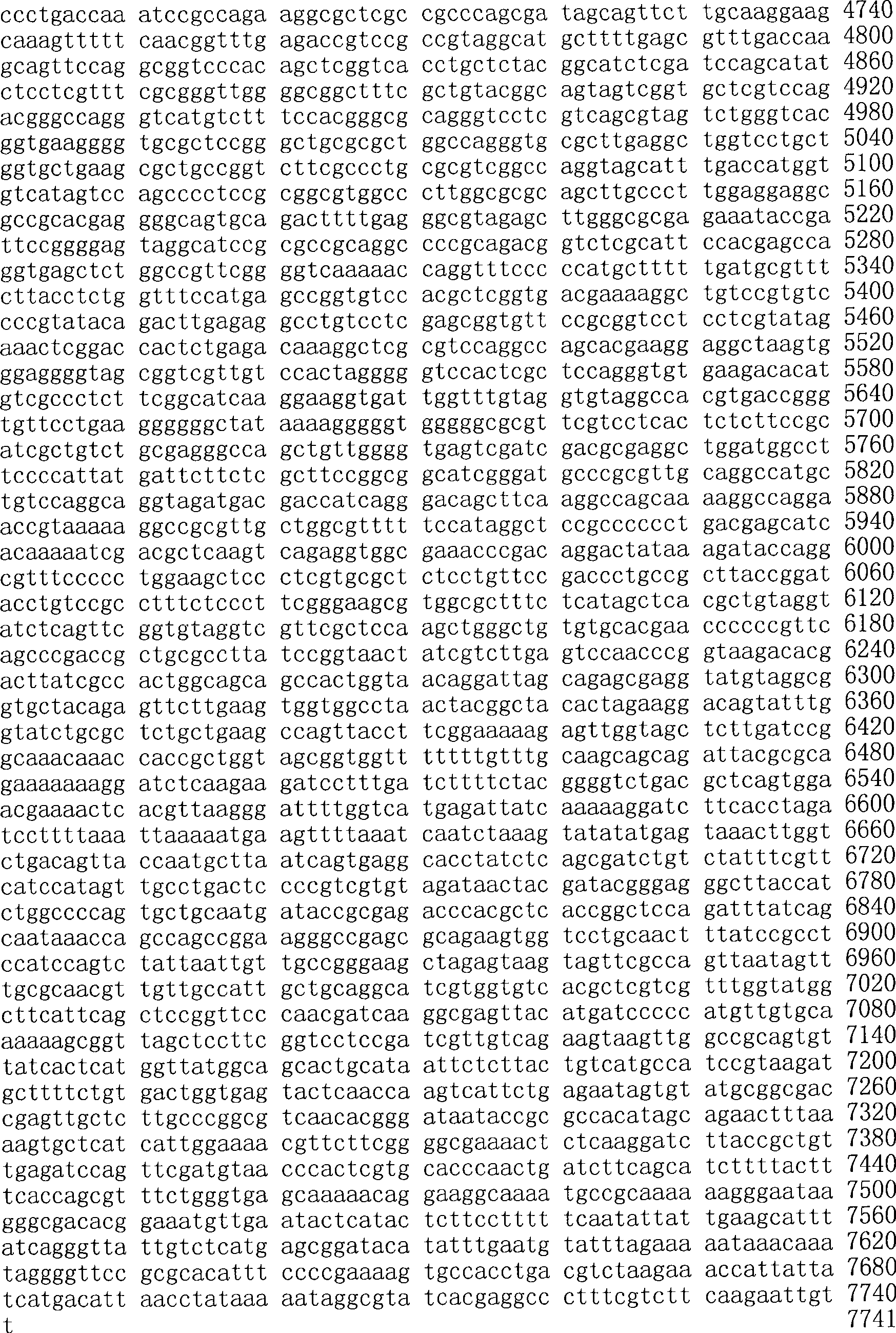
<210>127<210>127
<211>6109<211>6109
<212>DNA<212>DNA
<213>人工序列<213> Artificial sequence
<220><220>
<223>质粒DNA:VRC 7720<223> plasmid DNA:
<400>127<400>127

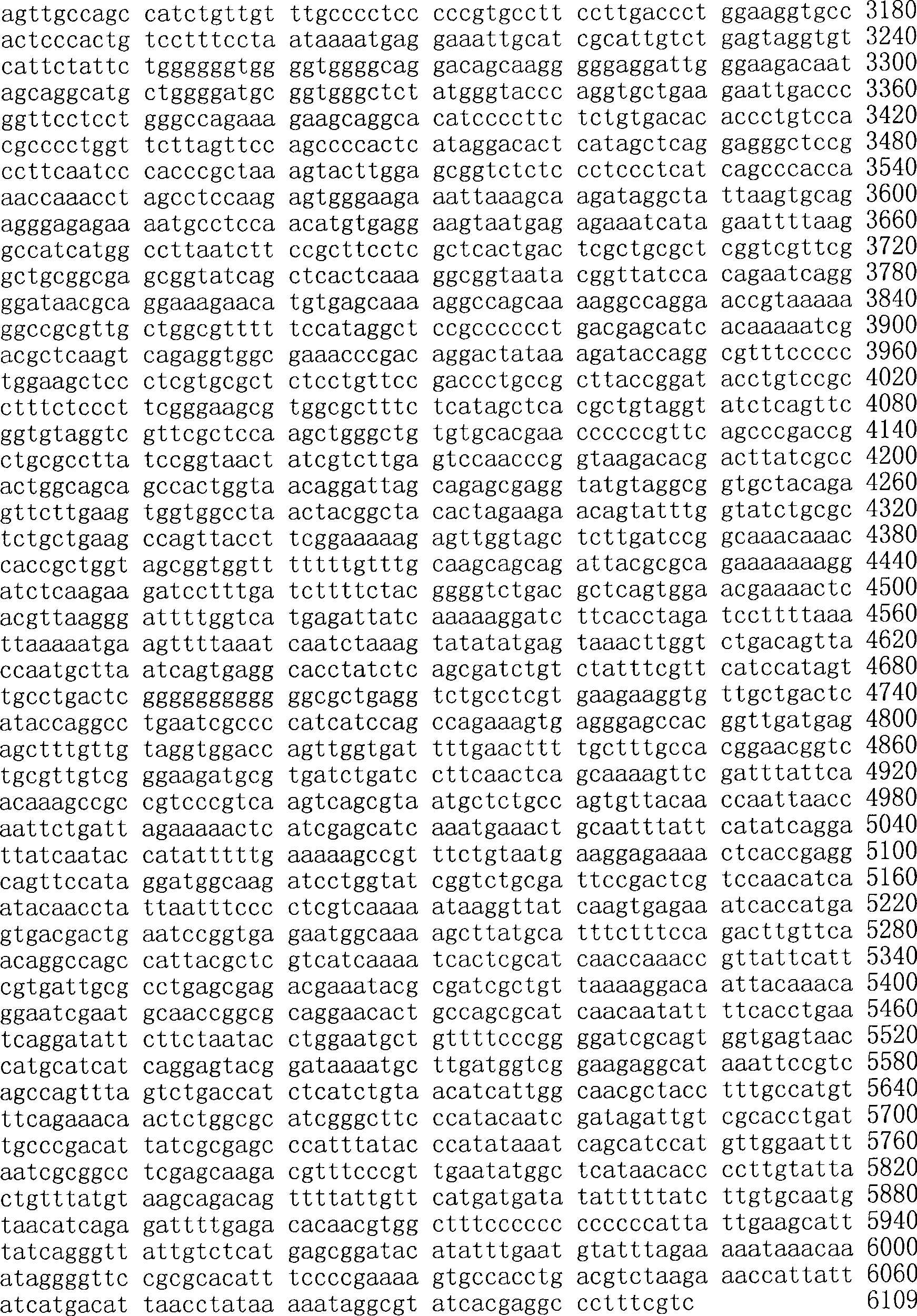
<210>128<210>128
<211>6127<211>6127
<212>DNA<212>DNA
<213>人工序列<213> Artificial sequence
<220><220>
<223>质粒DNA:VRC 7730<223> plasmid DNA:
<400>128<400>128

<210>129<210>129
<211>6127<211>6127
<212>DNA<212>DNA
<213>人工序列<213> Artificial sequence
<220><220>
<223>质粒DNA:VRC 7731<223> plasmid DNA:
<400>129<400>129

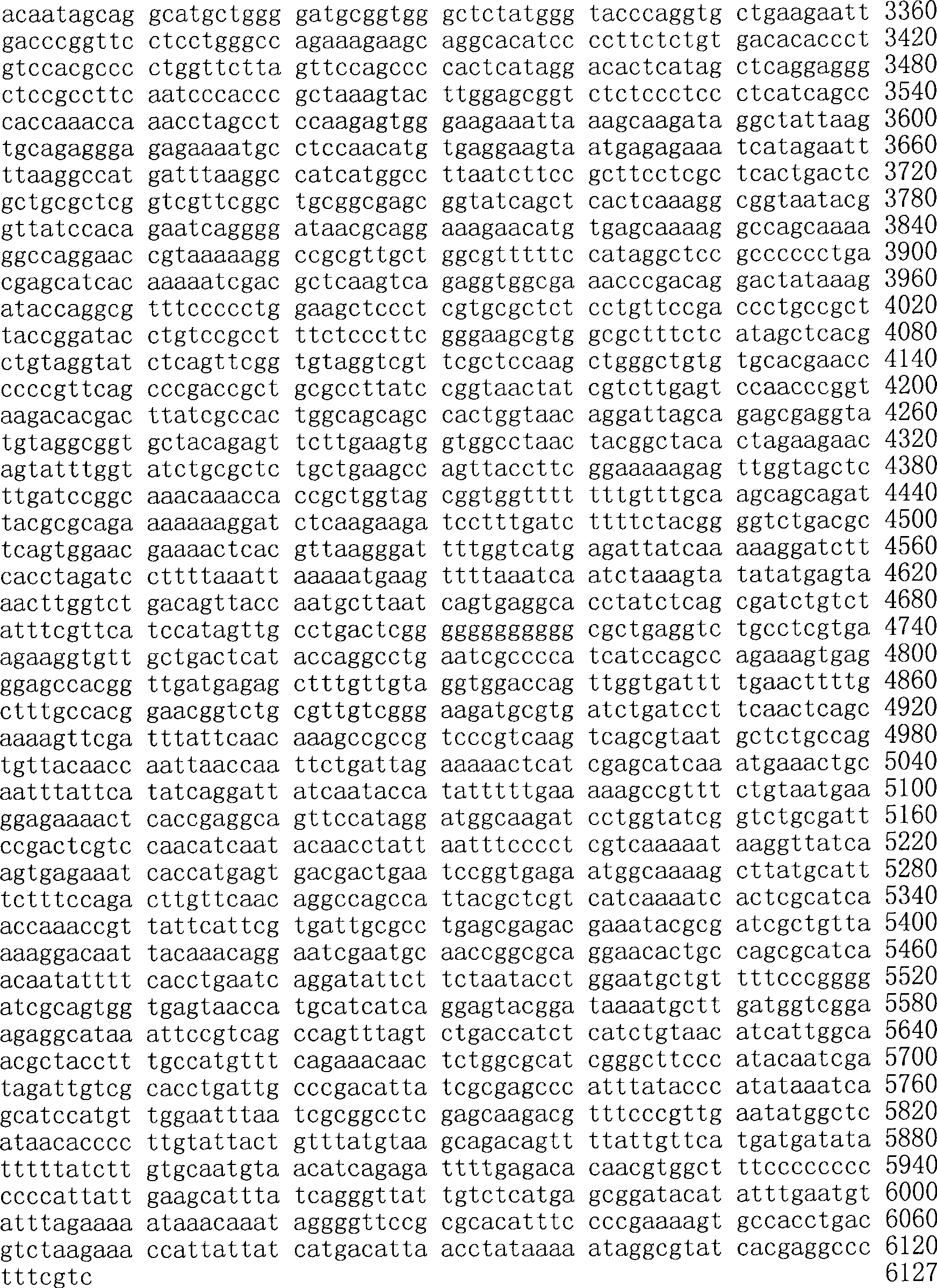
<210>130<210>130
<211>6153<211>6153
<212>DNA<212>DNA
<213>人工序列<213> Artificial sequence
<220><220>
<223>质粒DNA:VRC 7732<223> plasmid DNA:
<400>130<400>130
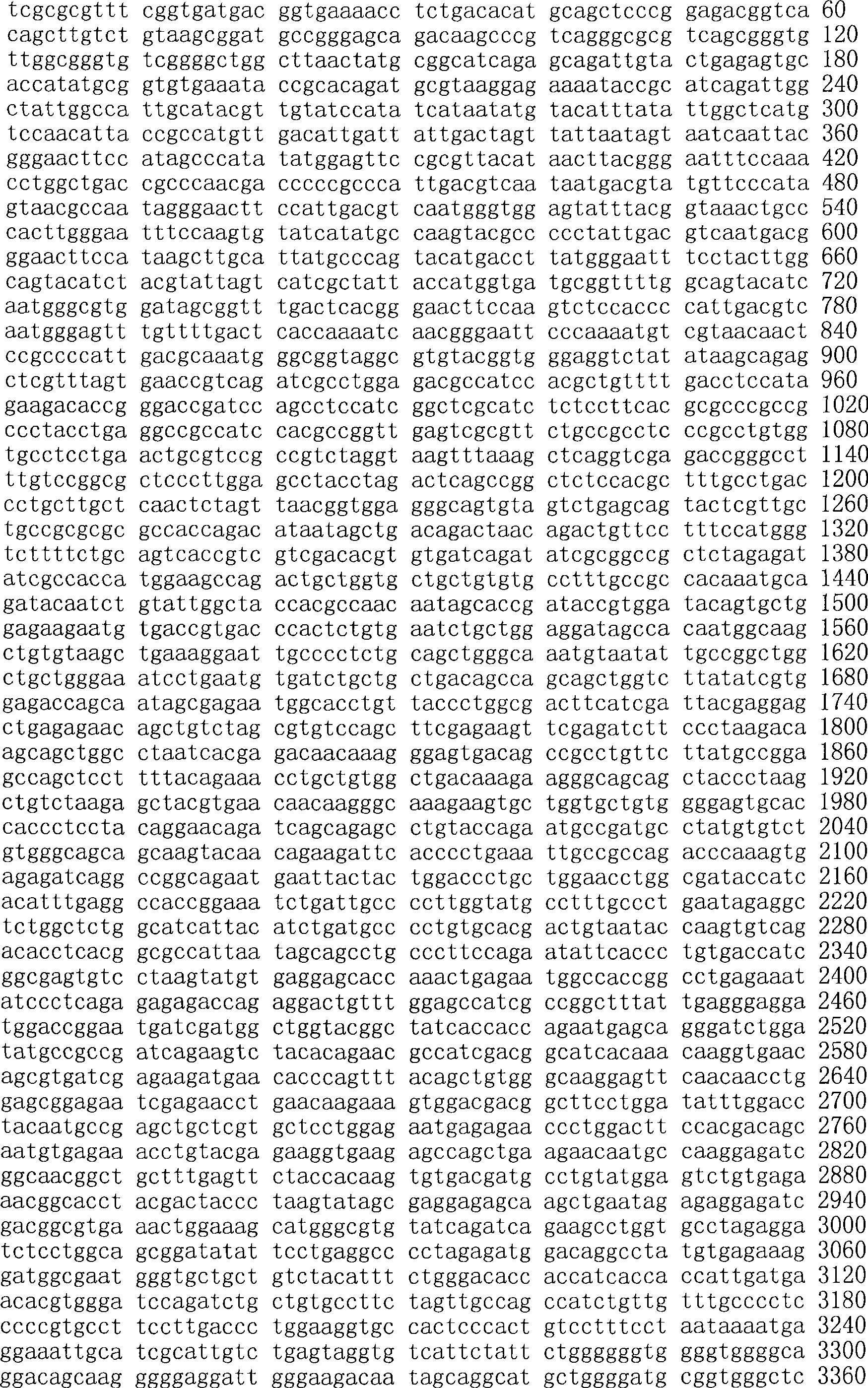
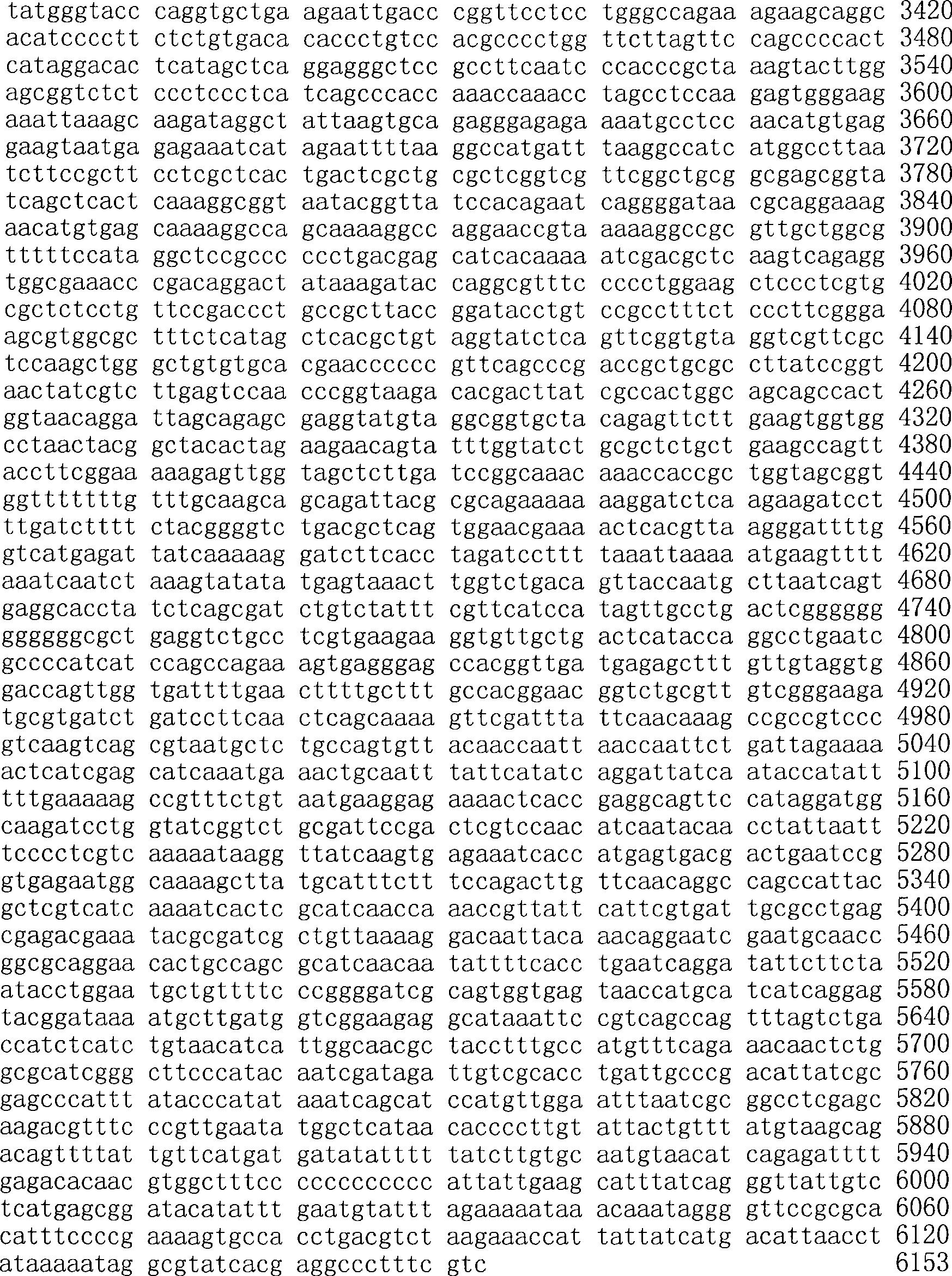
<210>131<210>131
<211>6114<211>6114
<212>DNA<212>DNA
<213>人工序列<213> Artificial sequence
<220><220>
<223>质粒DNA:VRC 7733<223> plasmid DNA:
<400>131<400>131
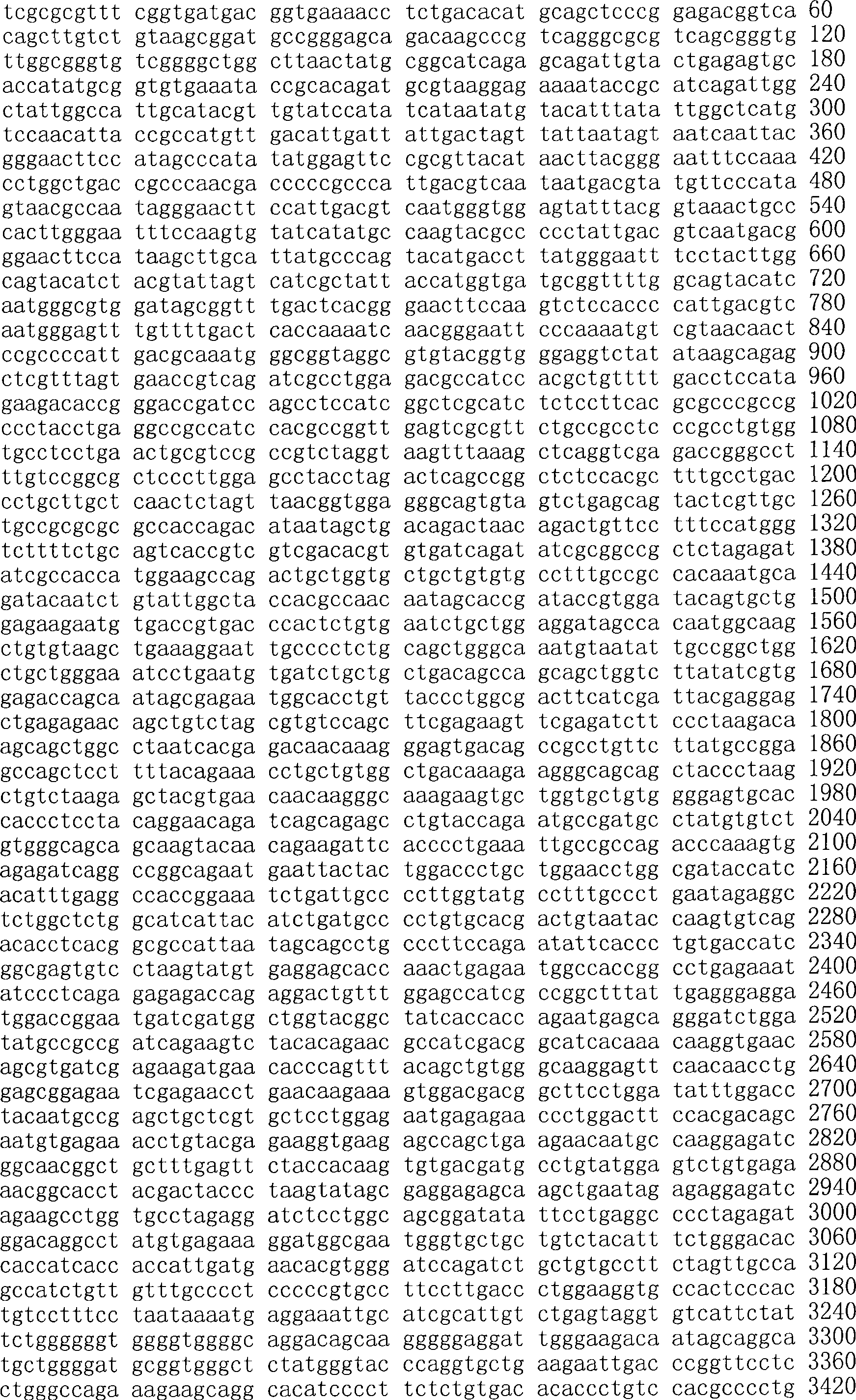

<210>132<210>132
<211>6184<211>6184
<212>DNA<212>DNA
<213>人工序列<213> Artificial sequence
<220><220>
<223>质粒DNA:VRC 7734<223> plasmid DNA: VRC 7734
<400>132<400>132

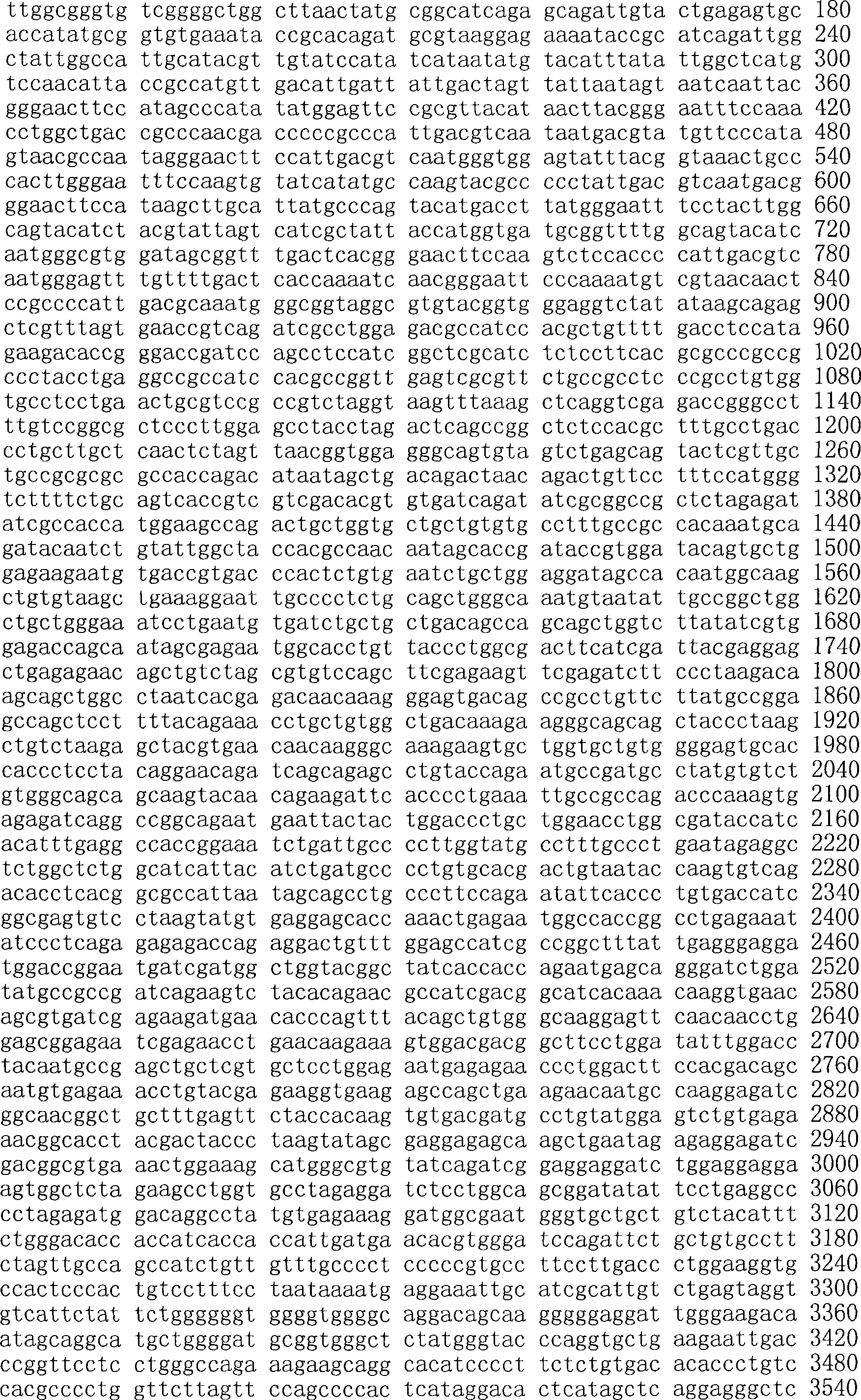
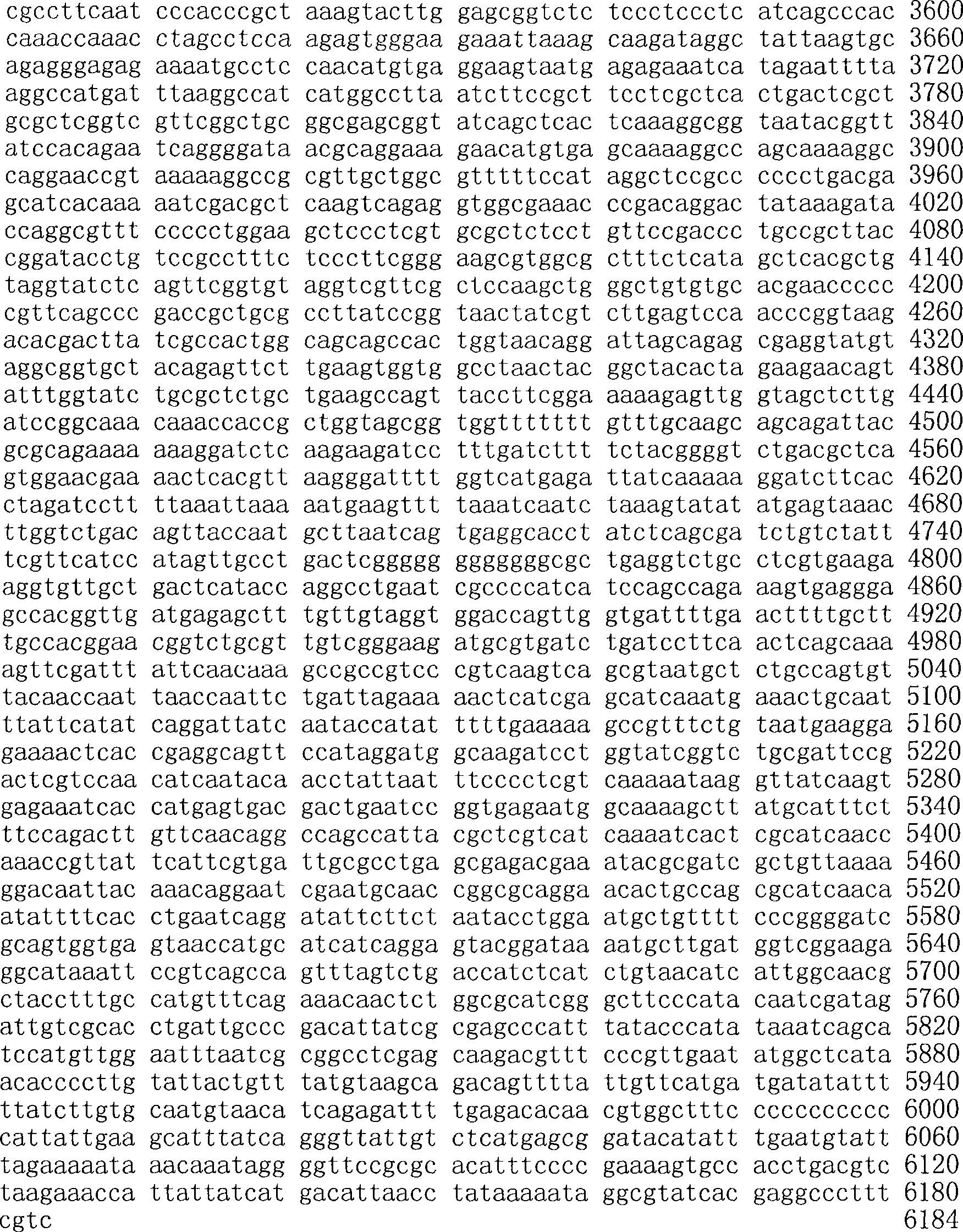
<210>133<210>133
<211>12251<211>12251
<212>DNA<212>DNA
<213>人工序列<213> Artificial sequence
<220><220>
<223>质粒DNA:VRC 7735<223> plasmid DNA: VRC 7735
<400>133<400>133


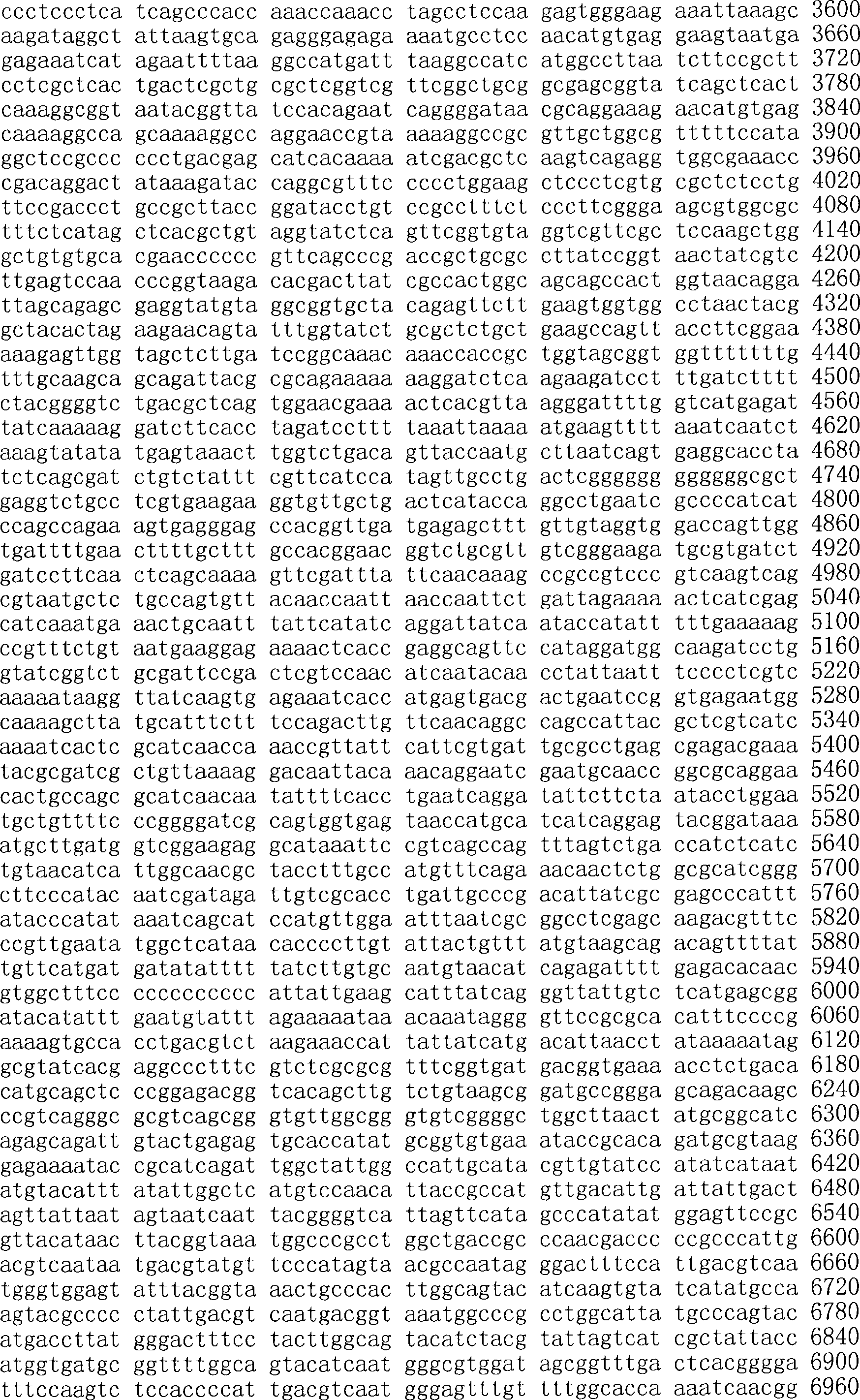
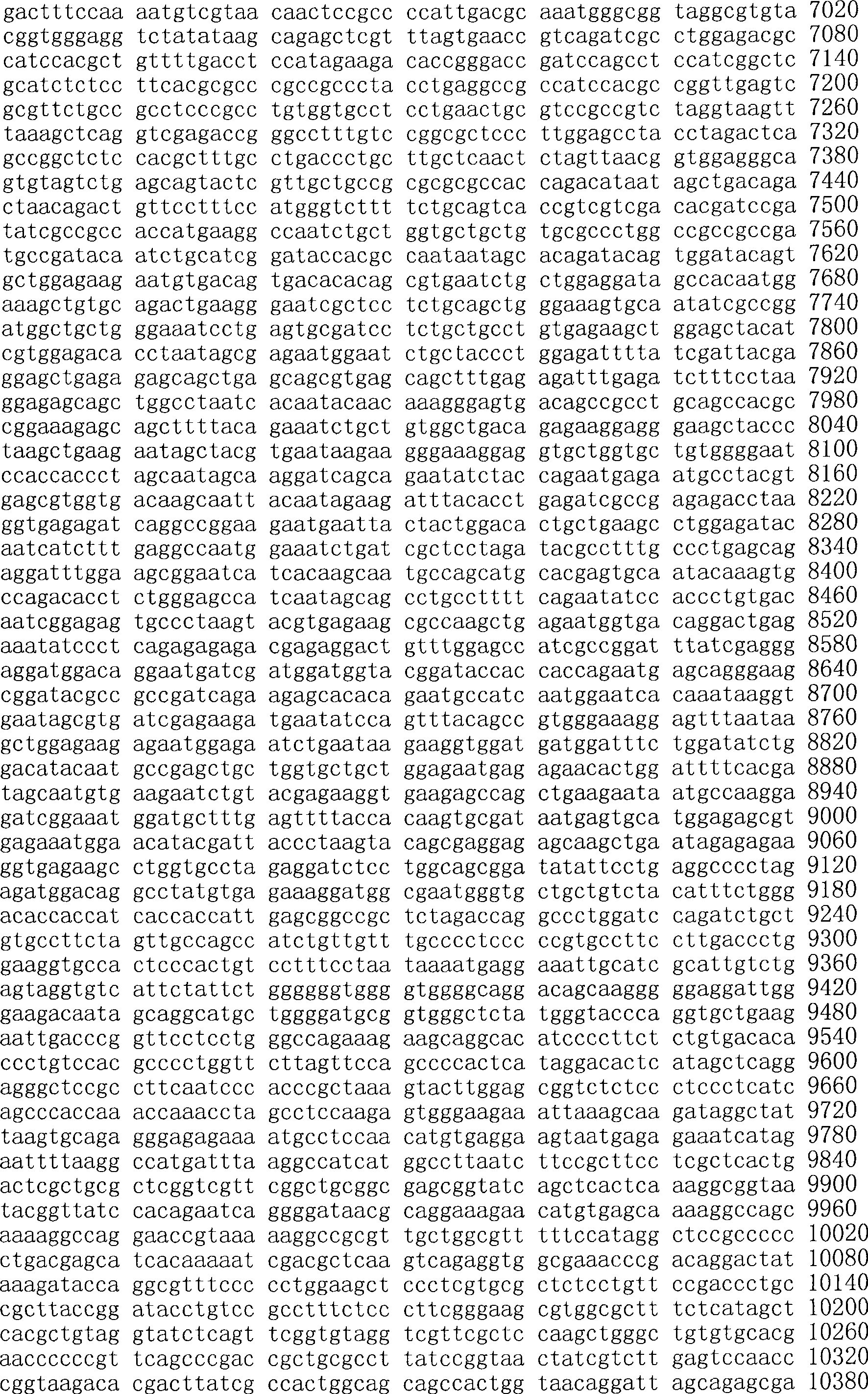
<210>134<210>134
<211>6108<211>6108
<212>DNA<212>DNA
<213>人工序列<213> Artificial sequence
<220><220>
<223>质粒DNA:VRC 7742<223> plasmid DNA:
<400>134<400>134
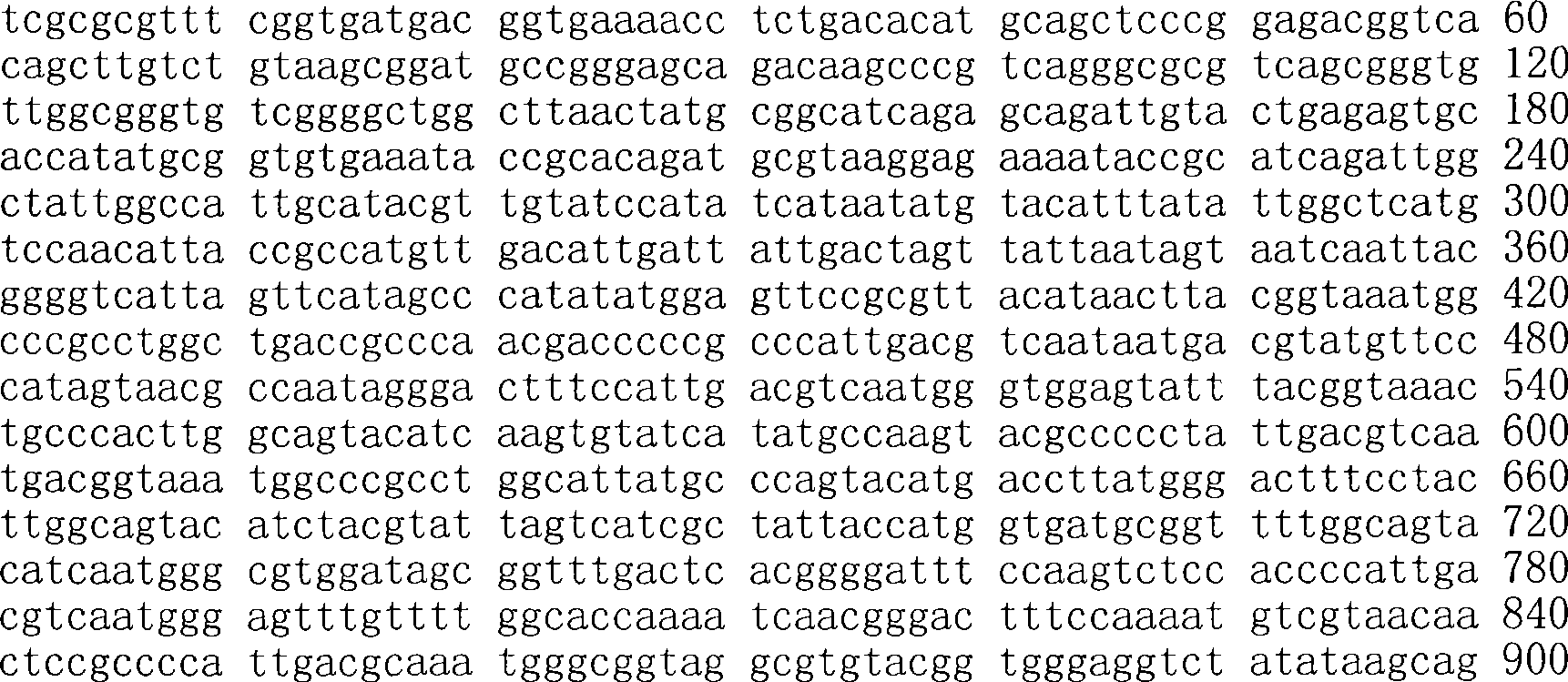
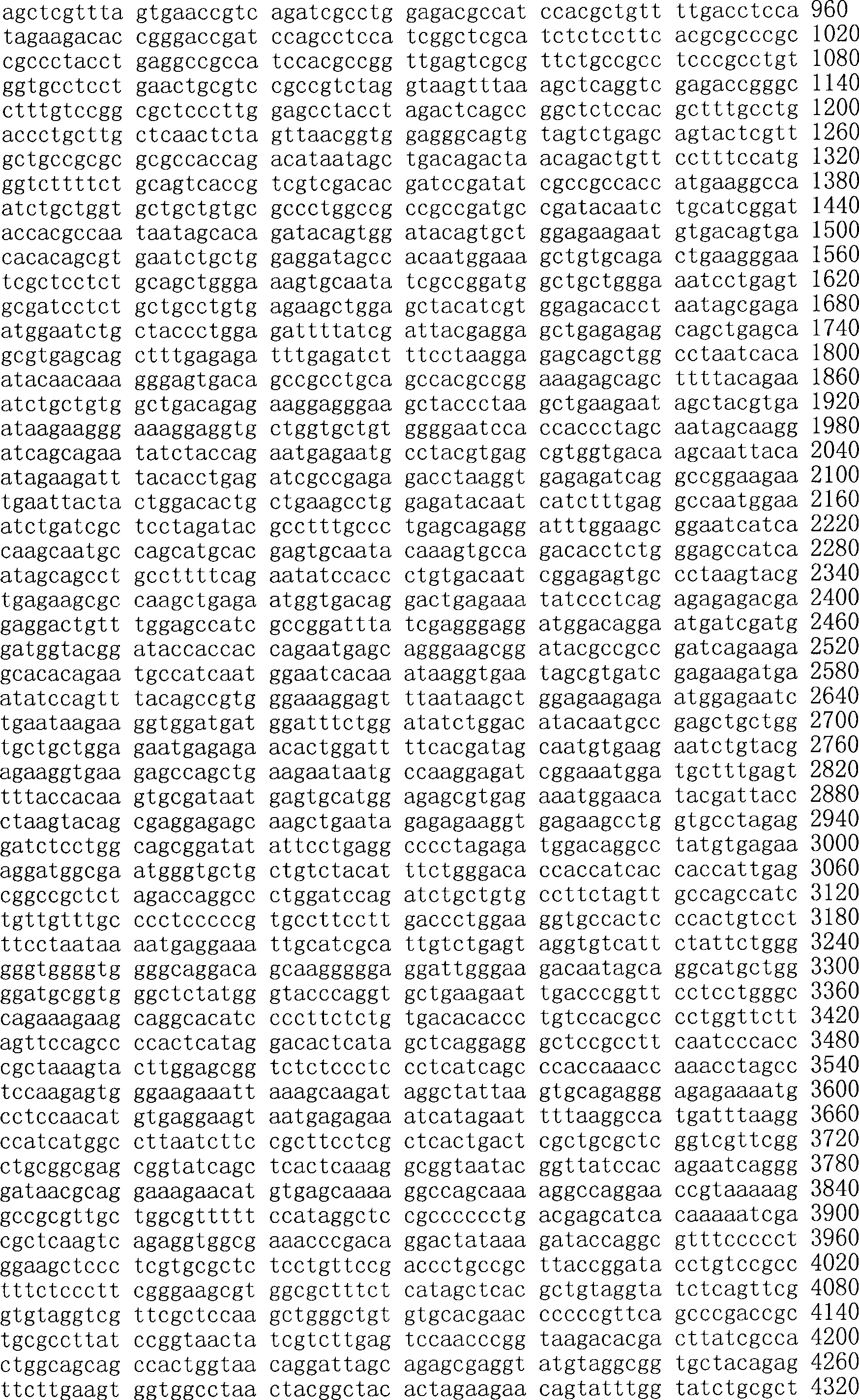
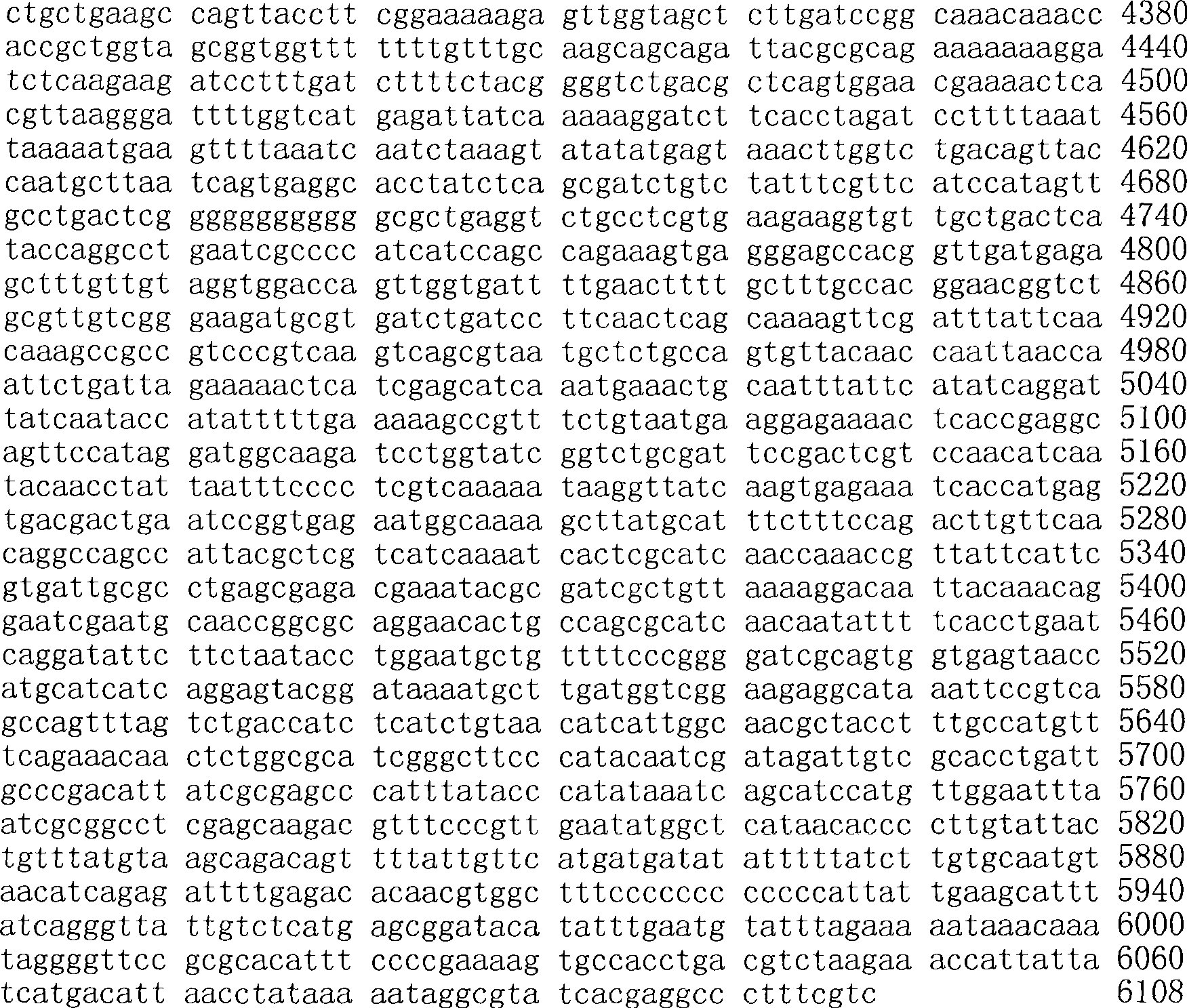
<210>135<210>135
<211>6105<211>6105
<212>DNA<212>DNA
<213>人工序列<213> Artificial sequence
<220><220>
<223>质粒DNA:VRC 7721<223> plasmid DNA:
<400>135<400>135
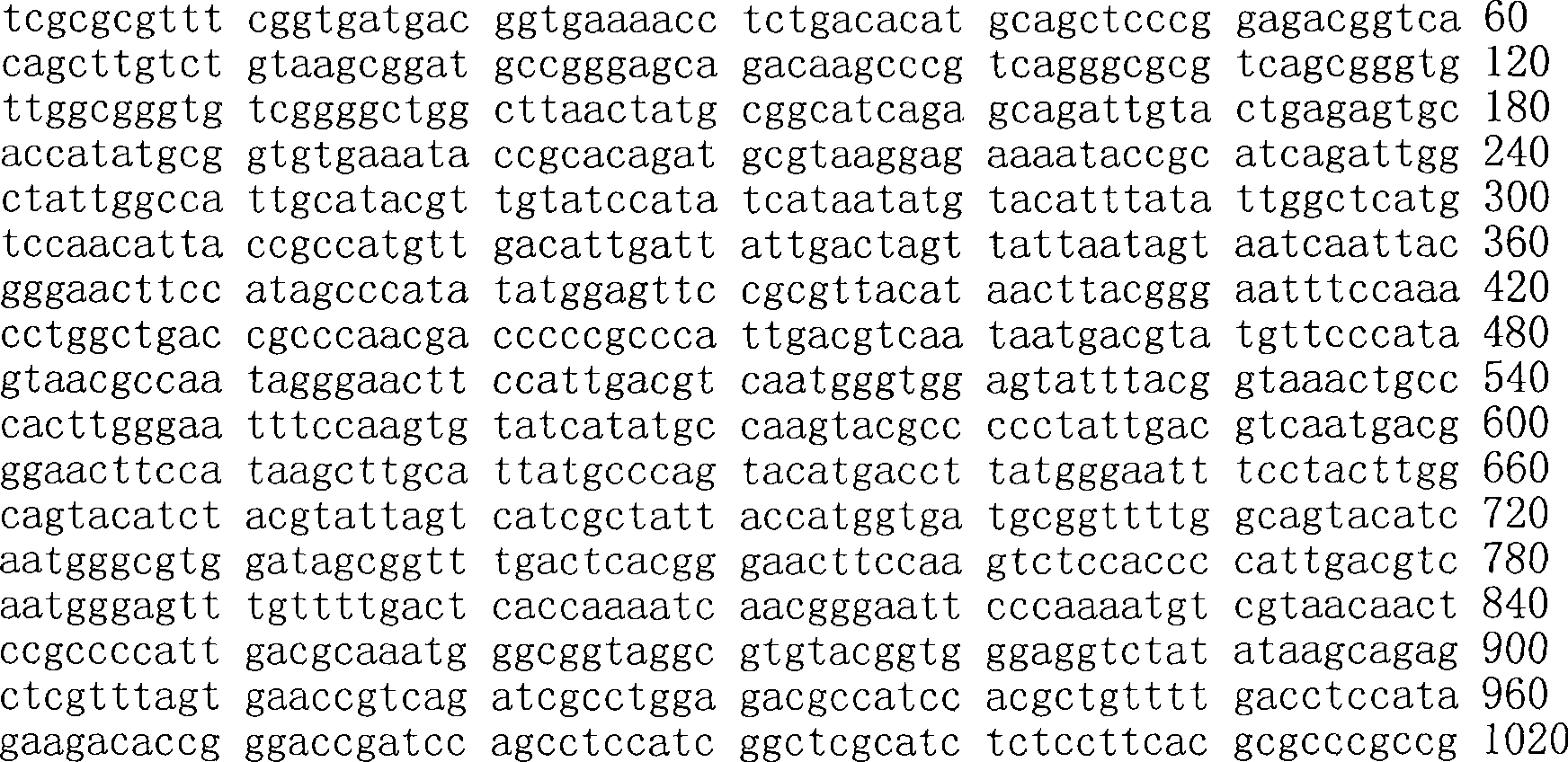
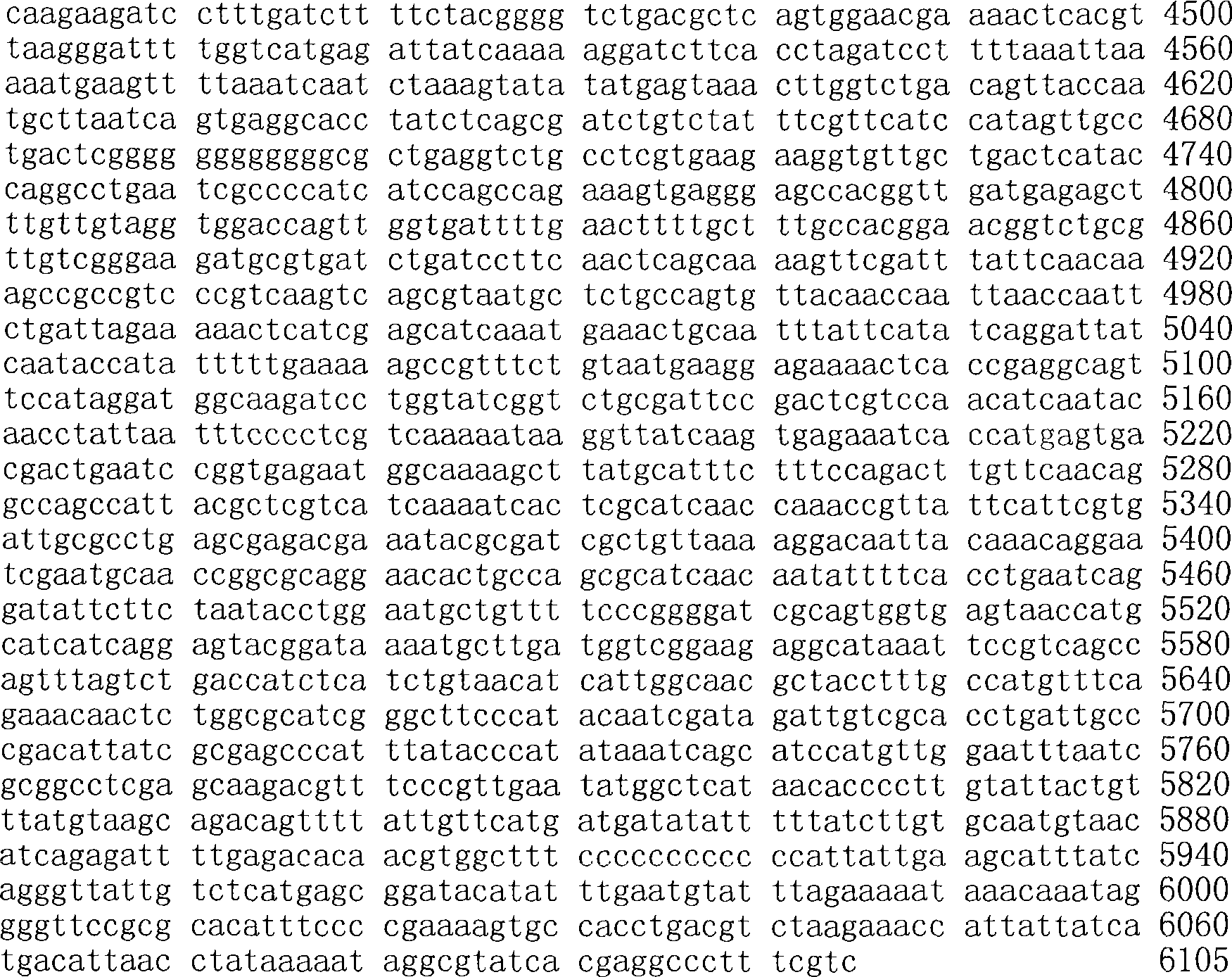
<210>136<210>136
<211>6147<211>6147
<212>DNA<212>DNA
<213>人工序列<213> Artificial sequence
<220><220>
<223>质粒DNA:VRC 7743<223> plasmid DNA:
<400>136<400>136
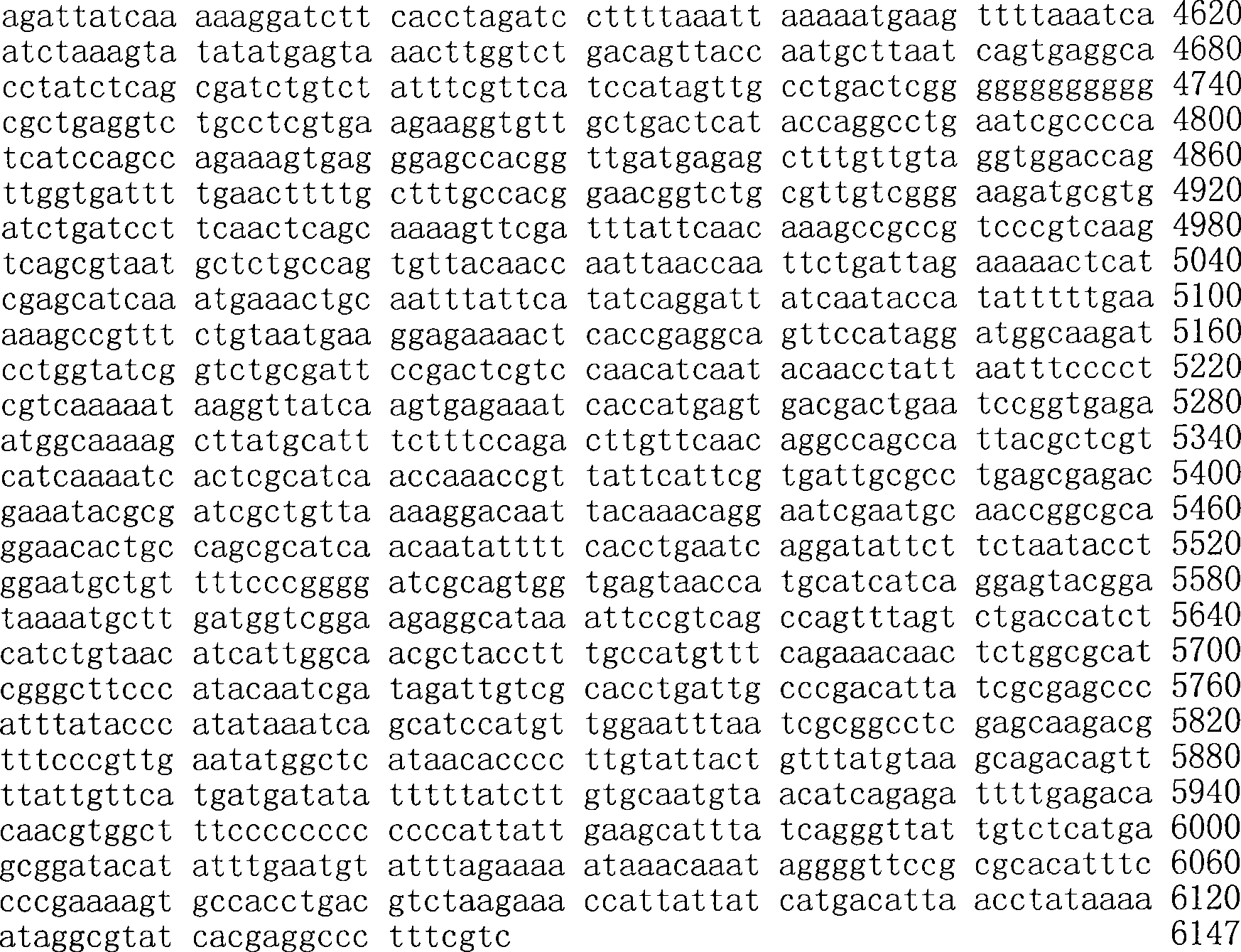
<210>137<210>137
<211>6134<211>6134
<212>DNA<212>DNA
<213>人工序列<213> Artificial sequence
<220><220>
<223>质粒DNA:VRC 7744<223> plasmid DNA:
<400>137<400>137
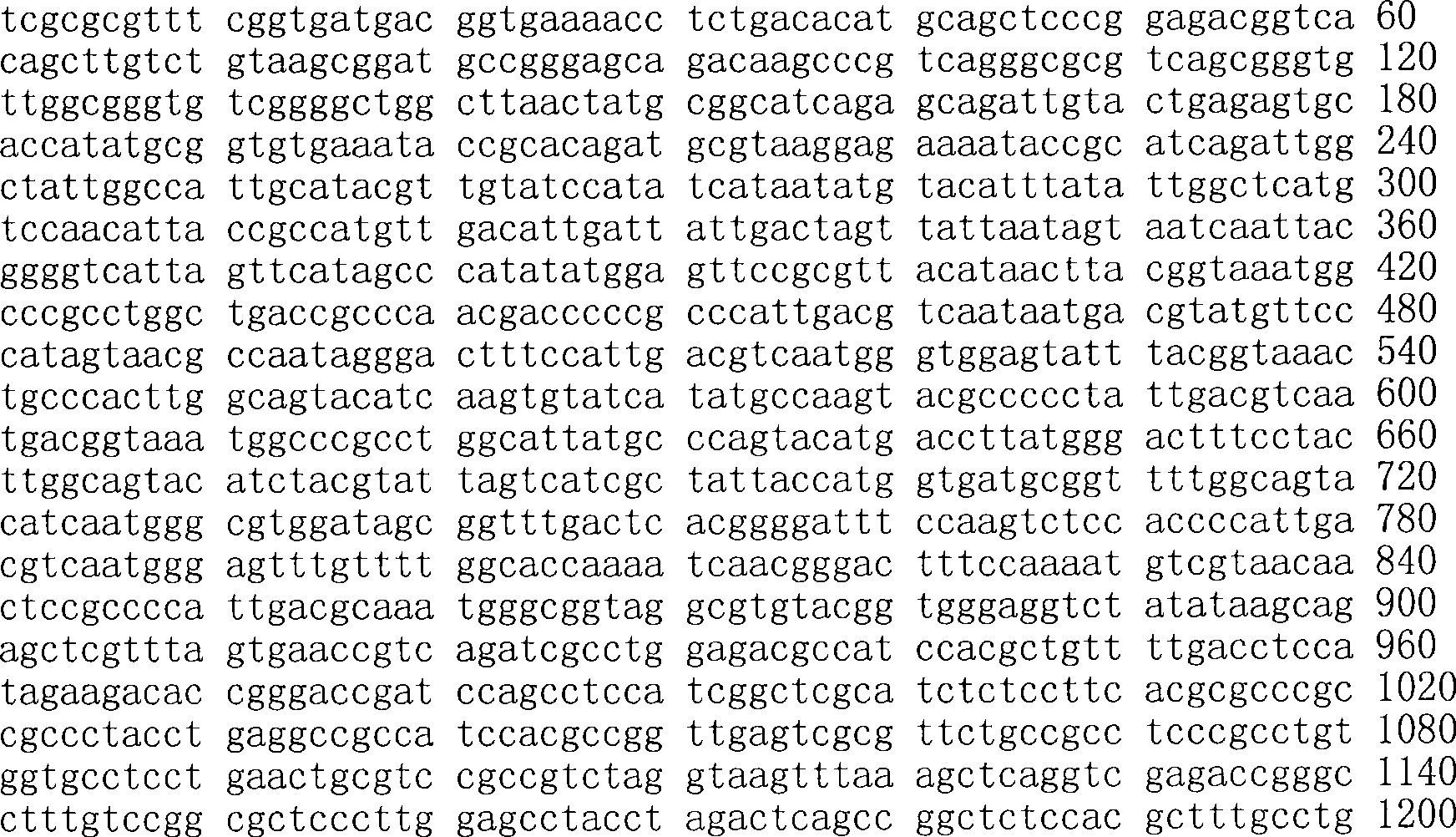
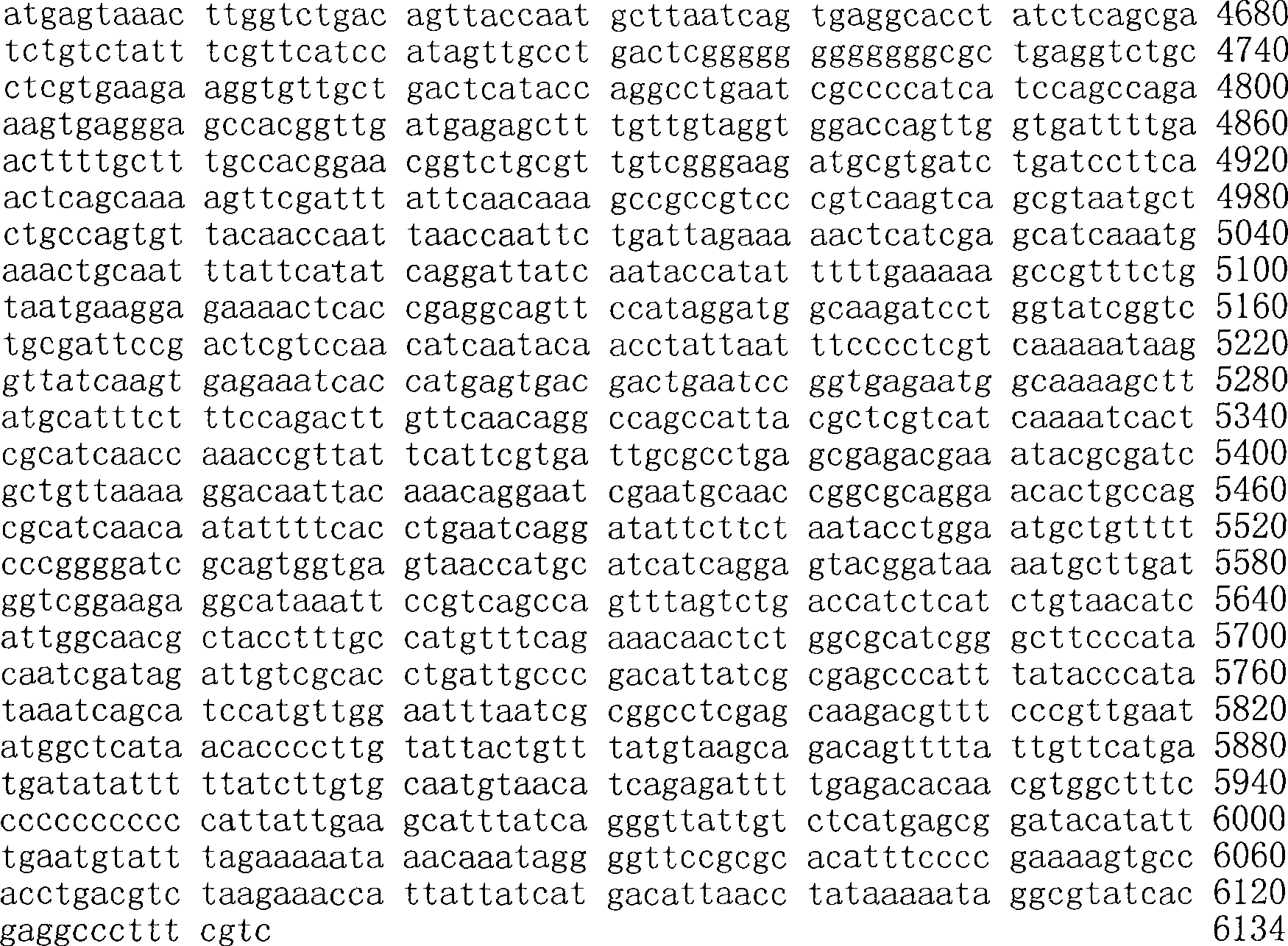
<210>138<210>138
<211>6122<211>6122
<212>DNA<212>DNA
<213>人工序列<213> Artificial sequence
<220><220>
<223>质粒DNA:VRC 7745<223> plasmid DNA:
<400>138<400>138


<210>139<210>139
<211>6149<211>6149
<212>DNA<212>DNA
<213>人工序列<213> Artificial sequence
<220><220>
<223>质粒DNA:VRC 7746<223> plasmid DNA:
<400>139<400>139
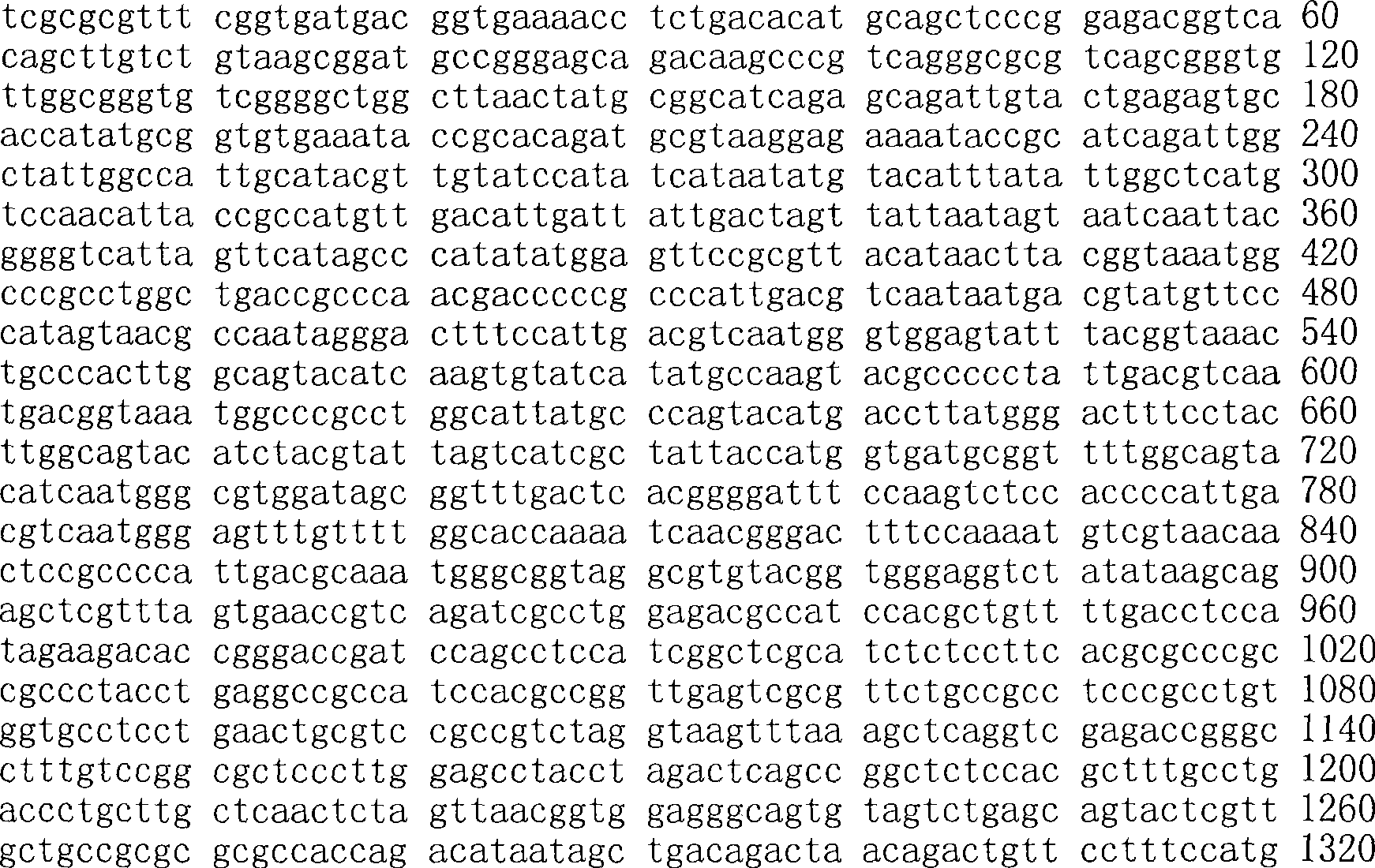

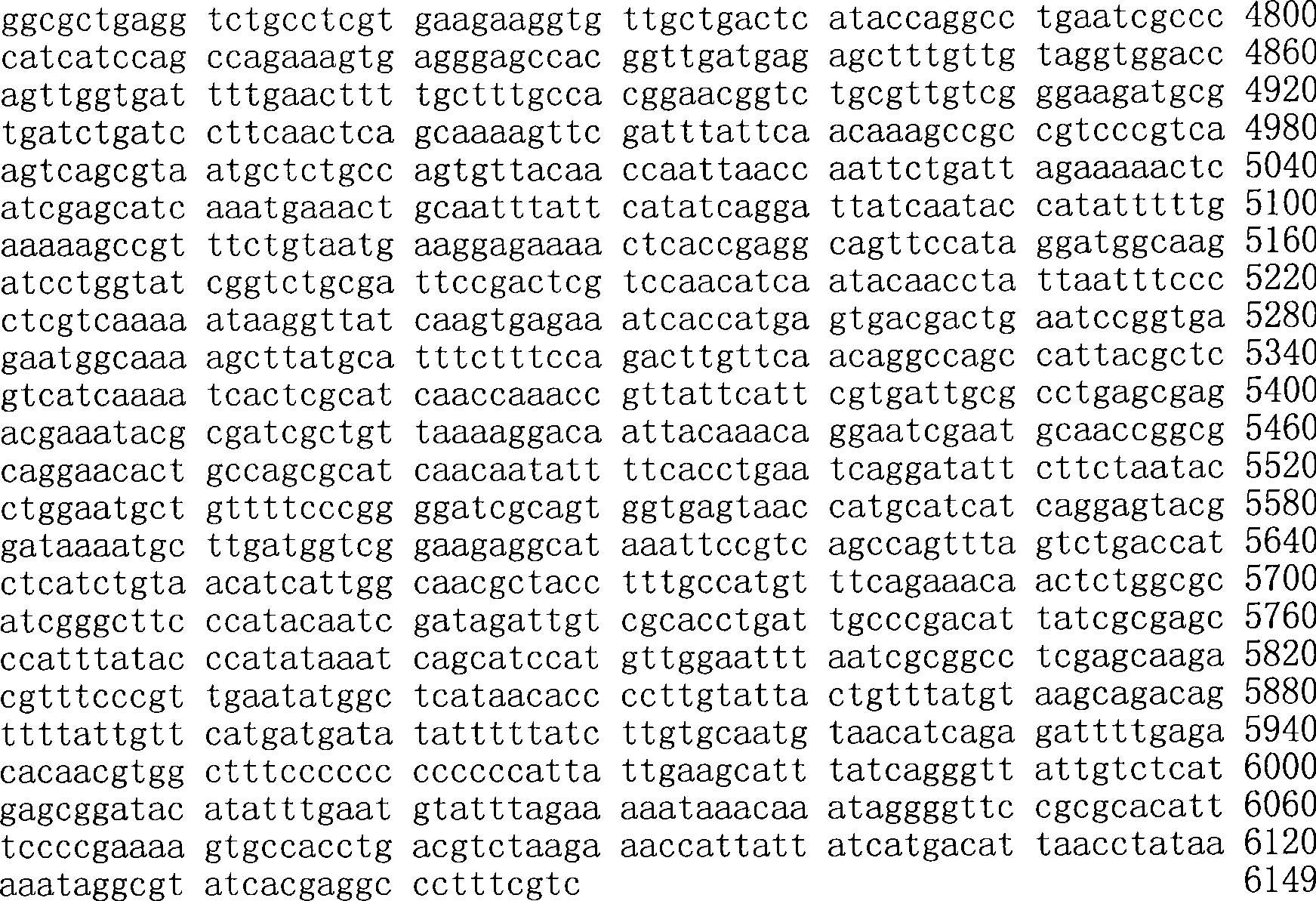
<210>140<210>140
<211>6134<211>6134
<212>DNA<212>DNA
<213>人工序列<213> Artificial sequence
<220><220>
<223>质粒DNA:VRC 7747<223> plasmid DNA: VRC 7747
<400>140<400>140

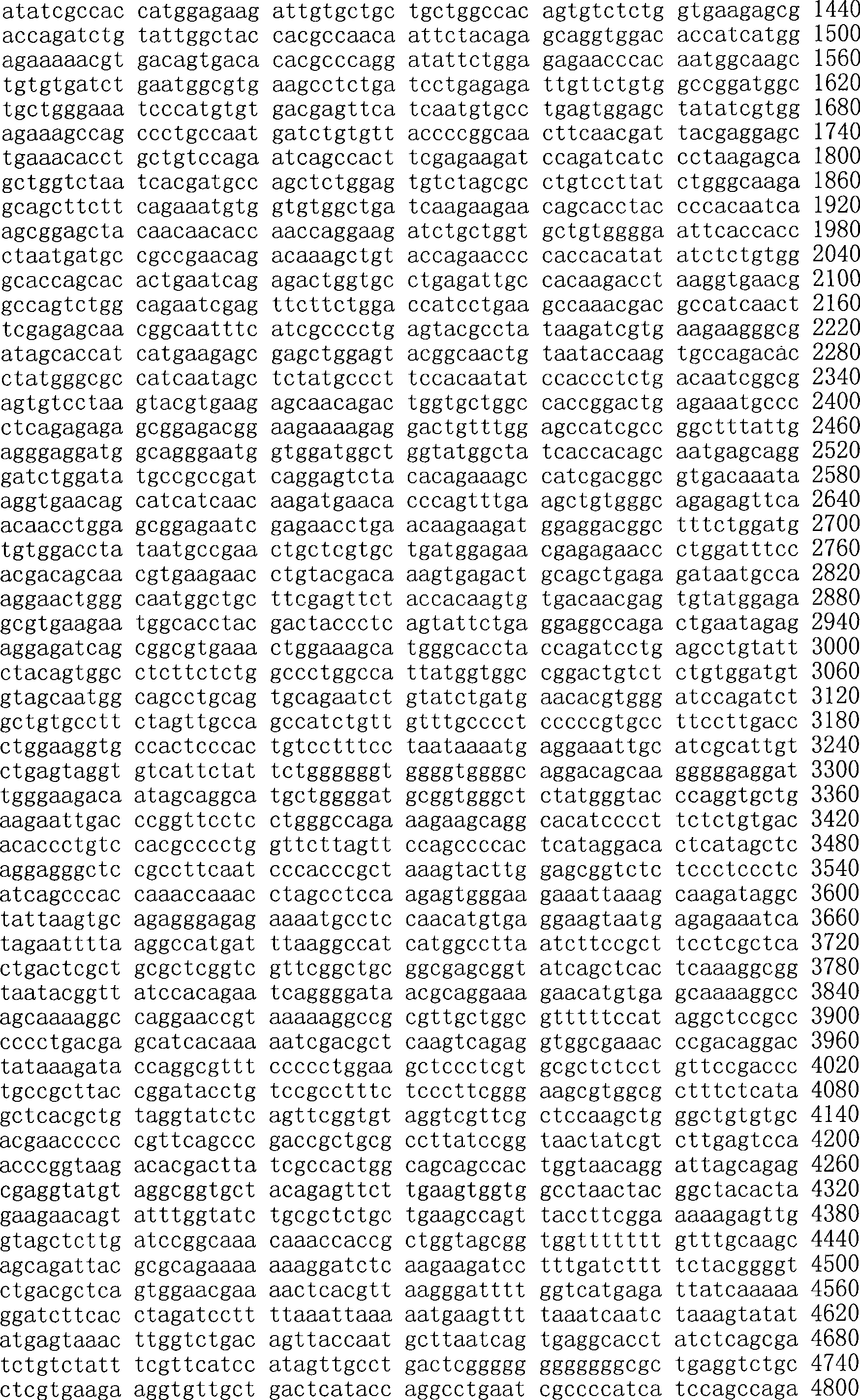
<210>141<210>141
<211>6122<211>6122
<212>DNA<212>DNA
<213>人工序列<213> Artificial sequence
<220><220>
<223>质粒DNA:VRC 7748<223> plasmid DNA:
<400>141<400>141
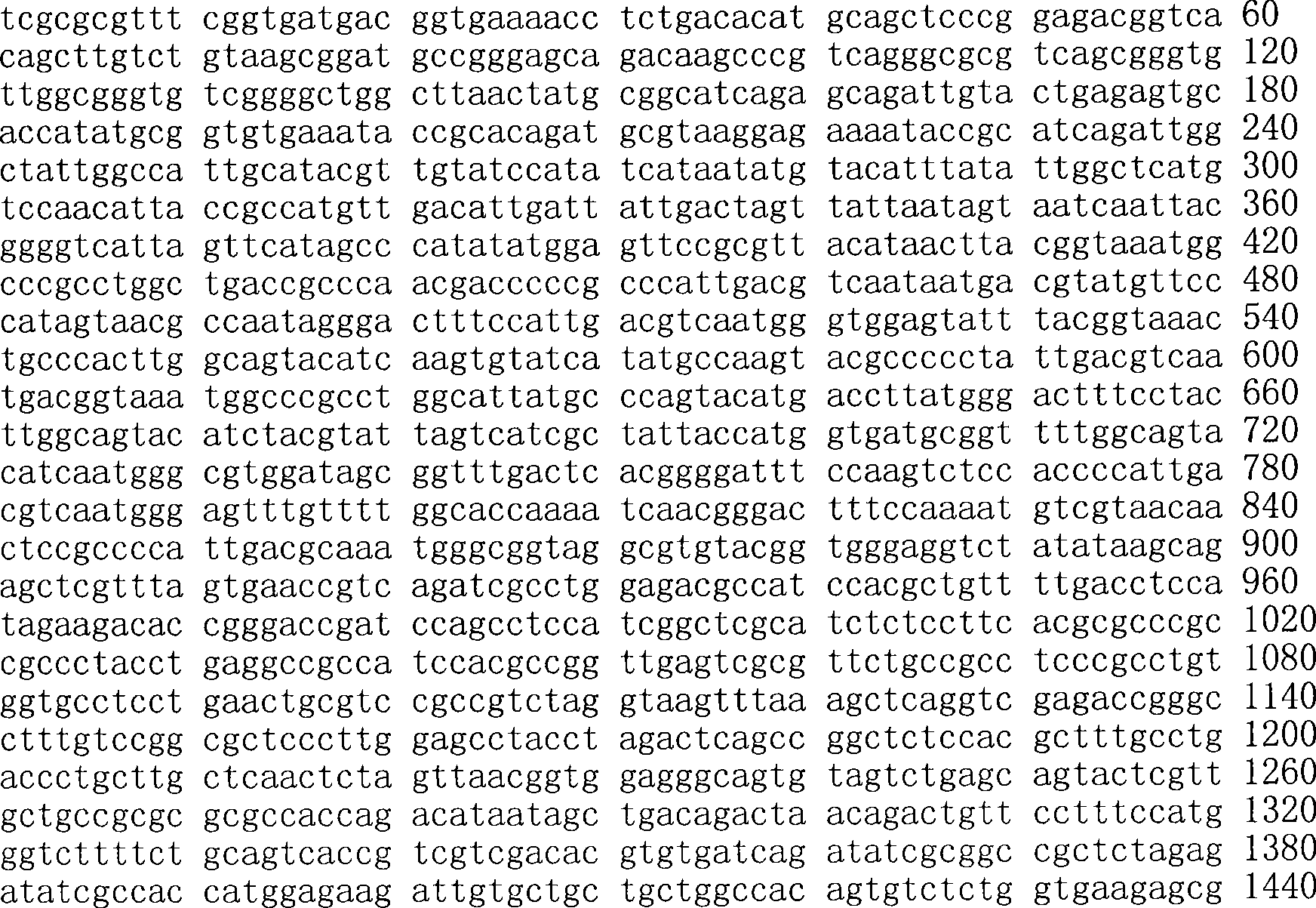


<210>142<210>142
<211>6149<211>6149
<212>DNA<212>DNA
<213>人工序列<213> Artificial sequence
<220><220>
<223>质粒DNA:VRC 7749<223> plasmid DNA:
<400>142<400>142
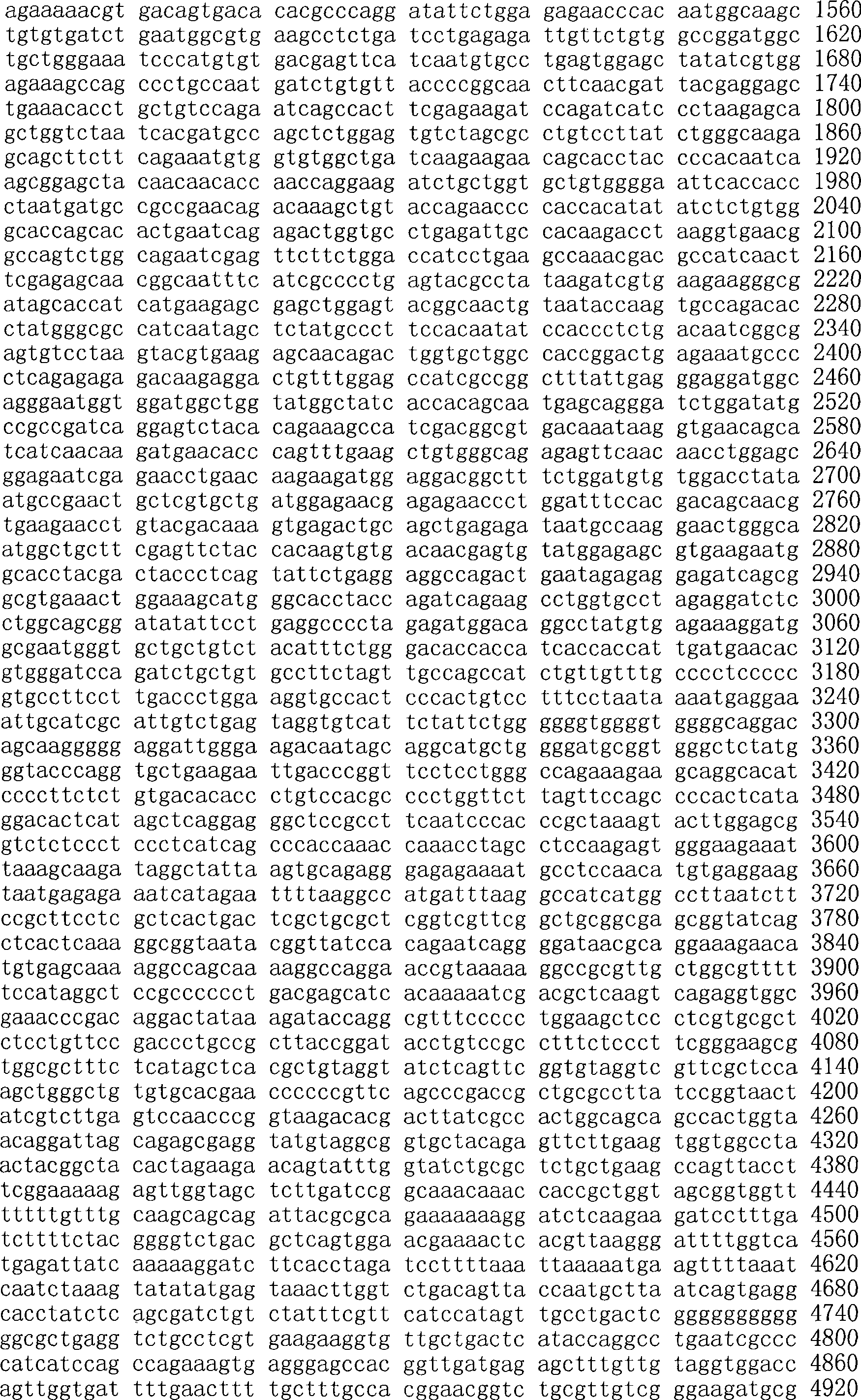
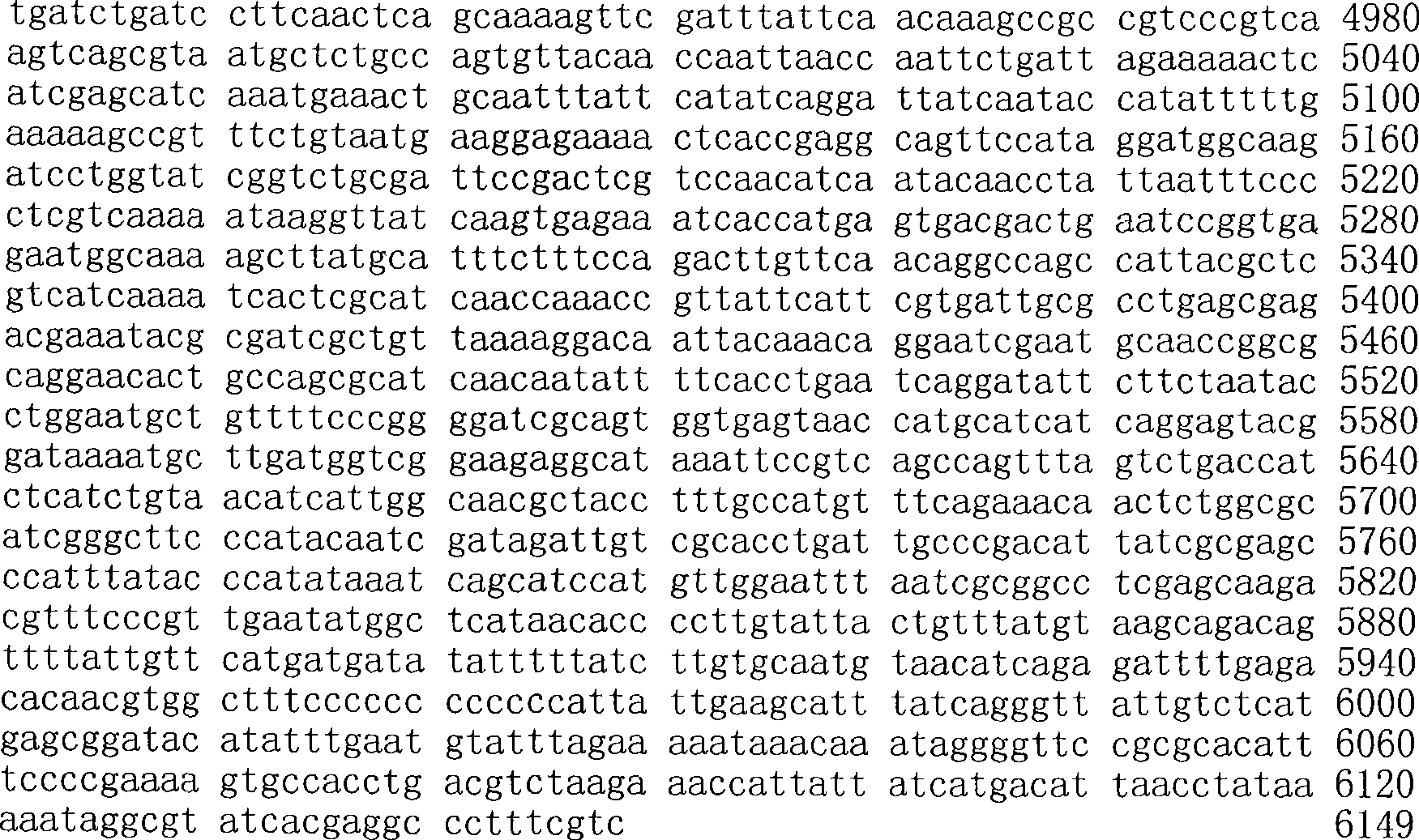
<210>143<210>143
<211>6122<211>6122
<212>DNA<212>DNA
<213>人工序列<213> Artificial sequence
<220><220>
<223>质粒DNA:VRC 7751<223> plasmid DNA:
<400>143<400>143
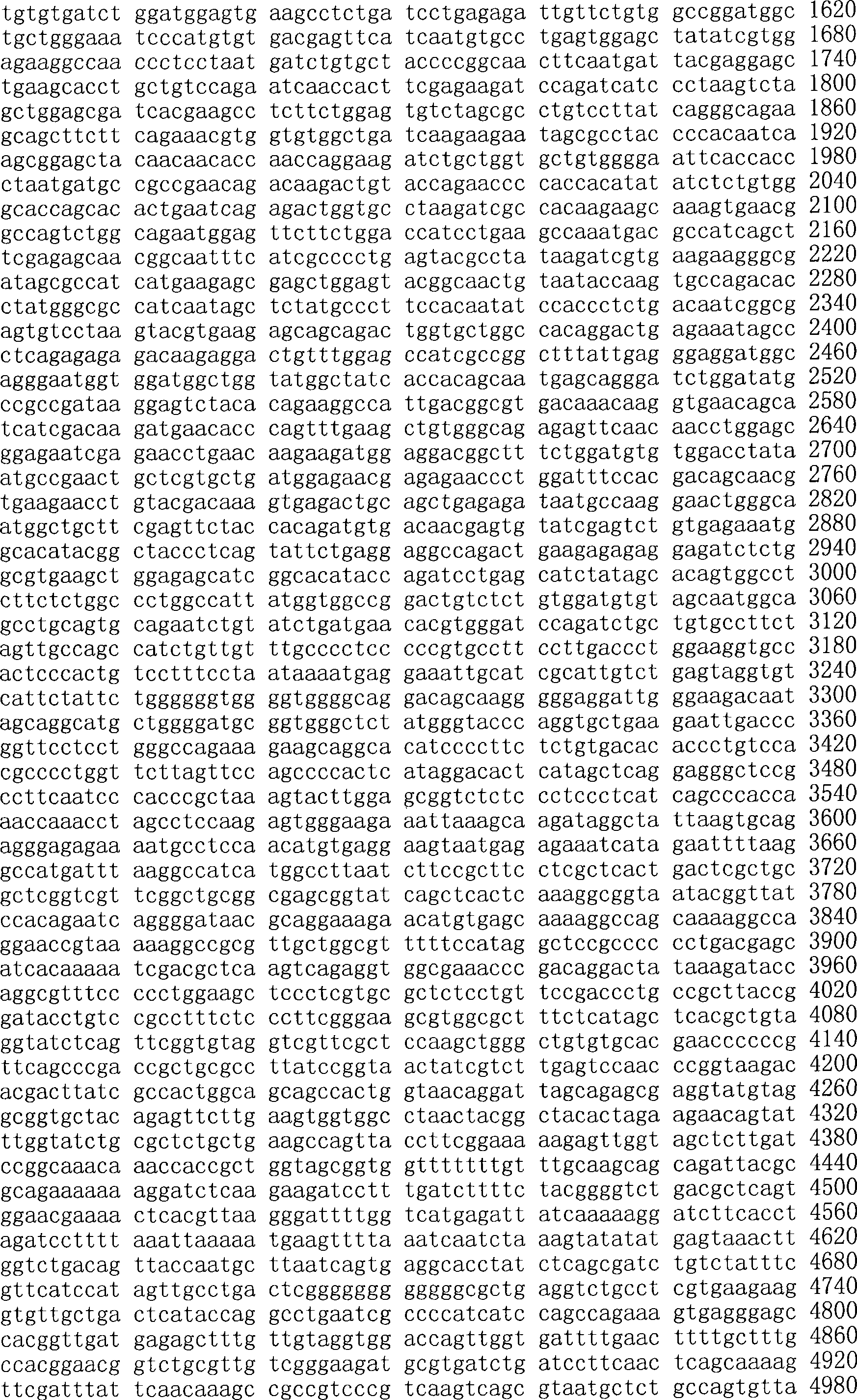

<210>144<210>144
<211>6149<211>6149
<212>DNA<212>DNA
<213>人工序列<213> Artificial sequence
<220><220>
<223>质粒DNA:VRC 7752<223> plasmid DNA:
<400>144<400>144


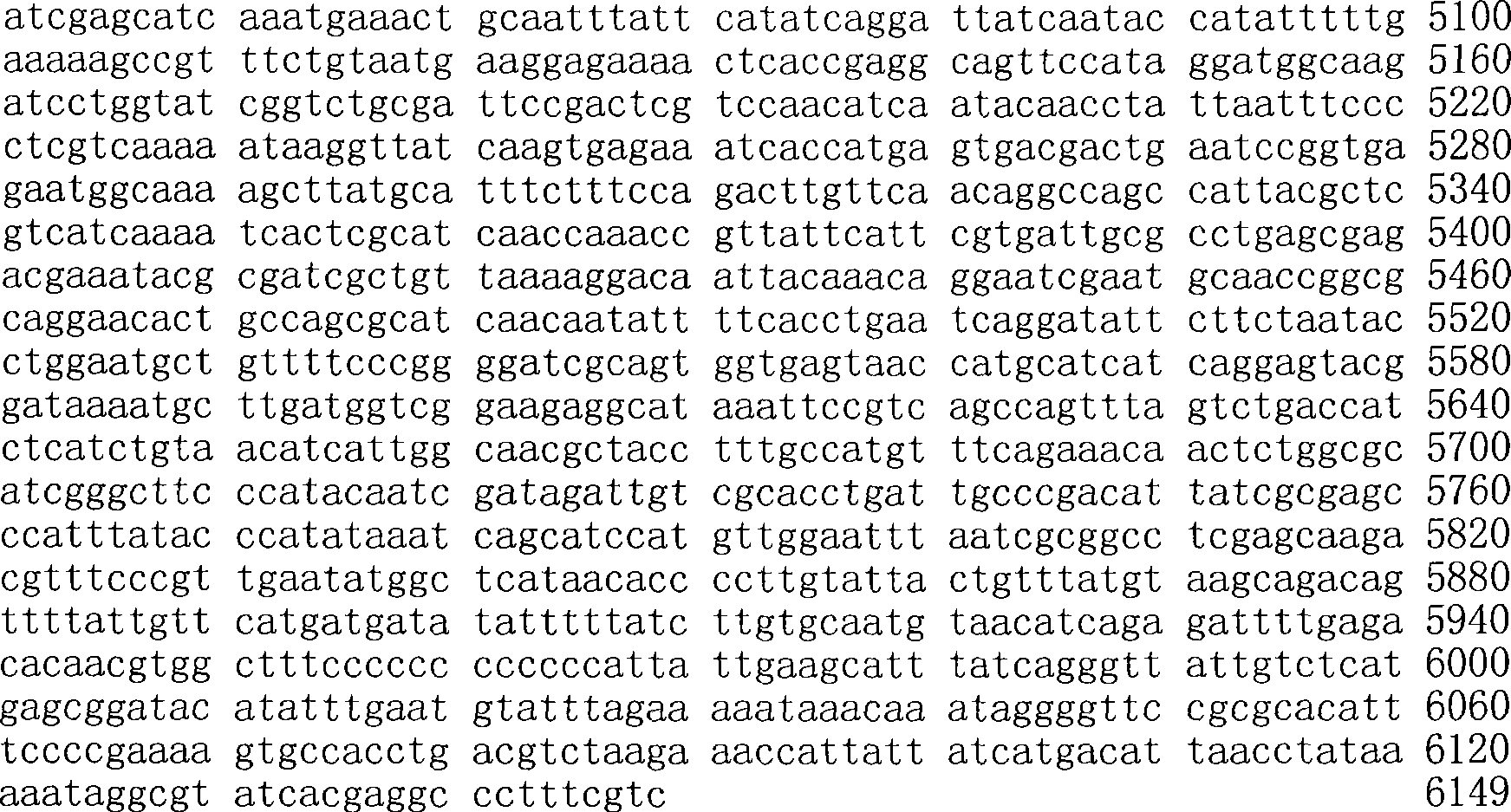
<210>145<210>145
<211>6128<211>6128
<212>DNA<212>DNA
<213>人工序列<213> Artificial sequence
<220><220>
<223>质粒DNA:VRC 7753<223> plasmid DNA:
<400>145<400>145
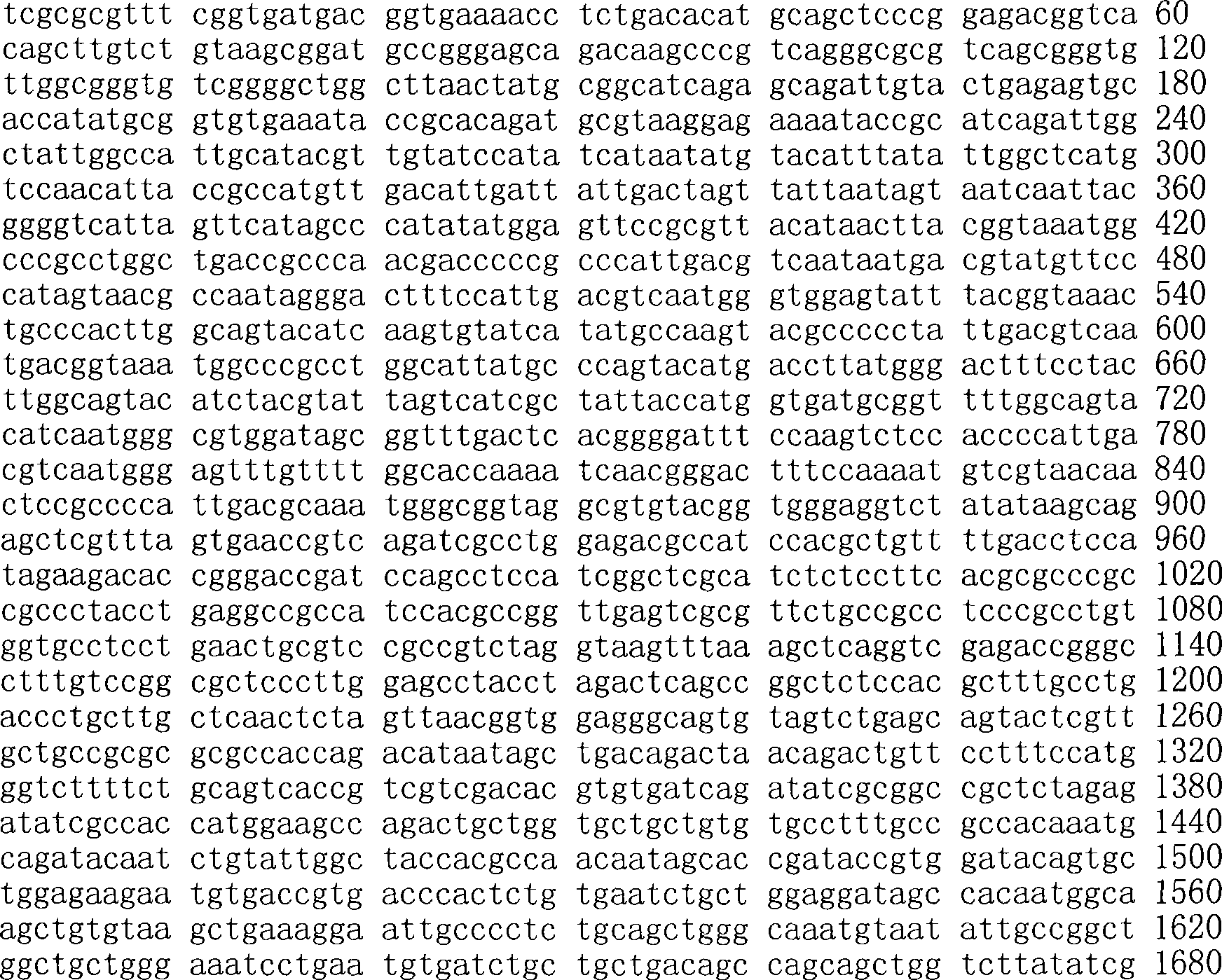


<210>146<210>146
<211>6128<211>6128
<212>DNA<212>DNA
<213>人工序列<213> Artificial sequence
<220><220>
<223>质粒DNA:VRC 7754<223> plasmid DNA:
<400>146<400>146
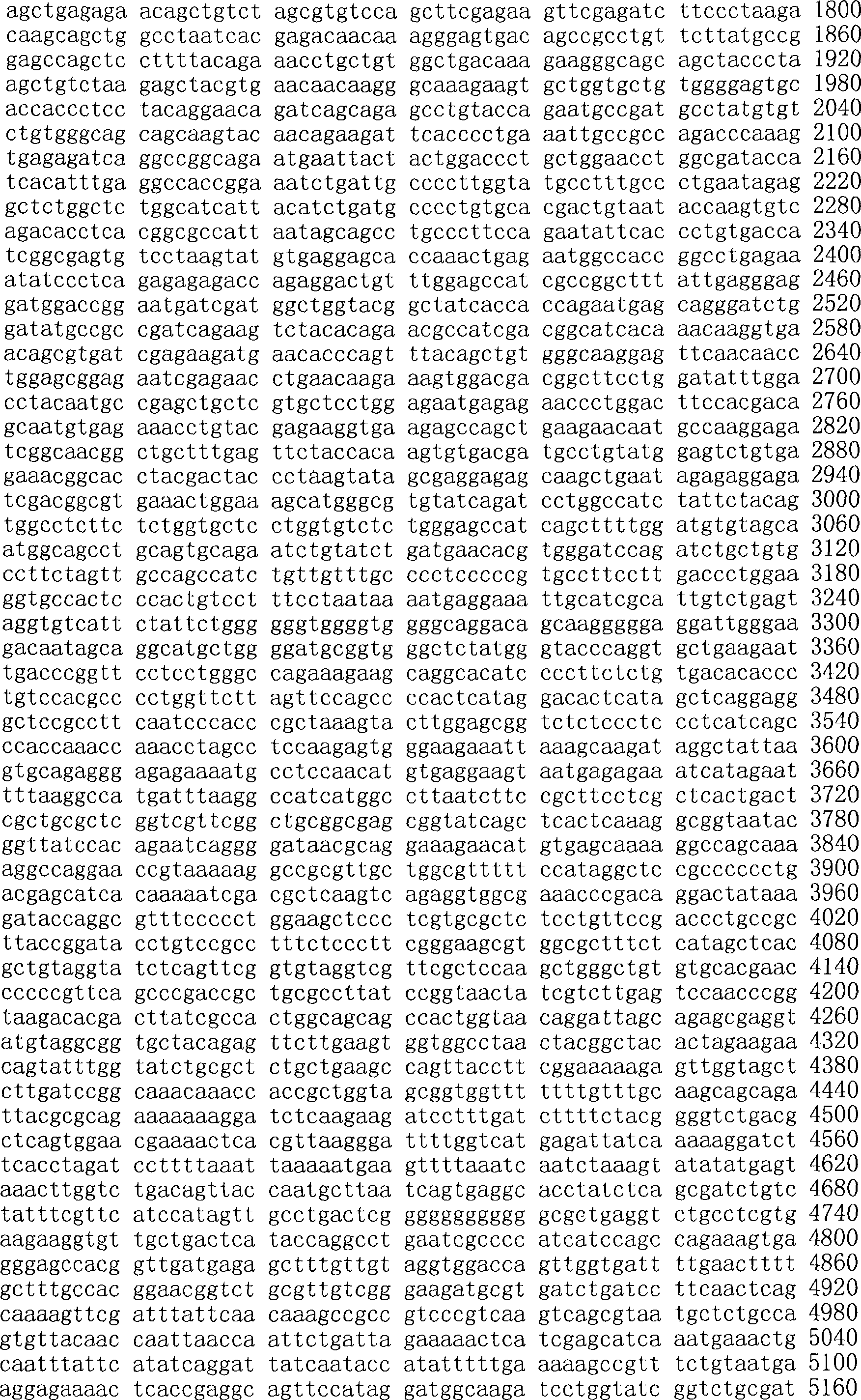

<210>147<210>147
<211>6155<211>6155
<212>DNA<212>DNA
<213>人工序列<213> Artificial sequence
<220><220>
<223>质粒DNA:VRC 7755<223> plasmid DNA:
<400>147<400>147

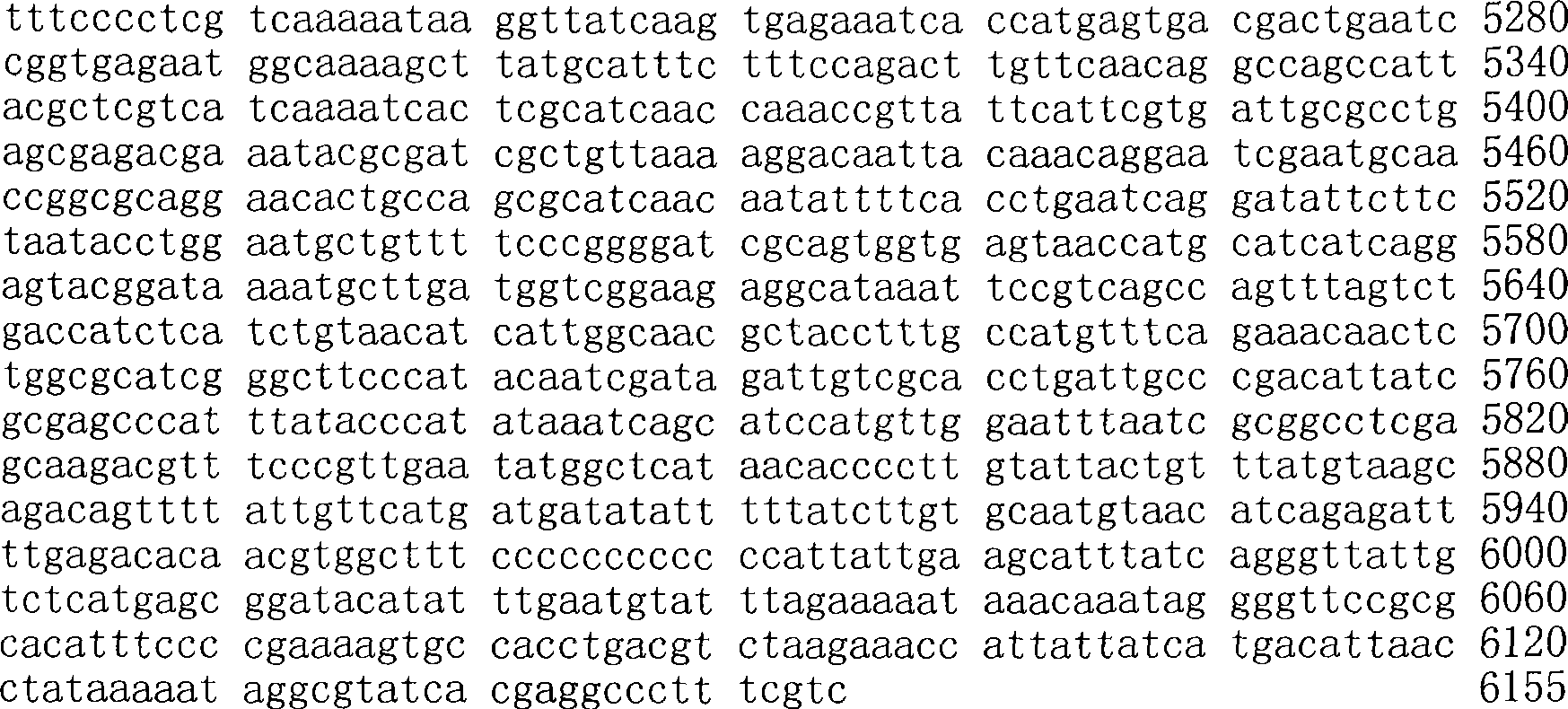
<210>148<210>148
<211>6105<211>6105
<212>DNA<212>DNA
<213>人工序列<213> Artificial sequence
<220><220>
<223>质粒DNA:VRC 7757<223> plasmid DNA:
<400>148<400>148
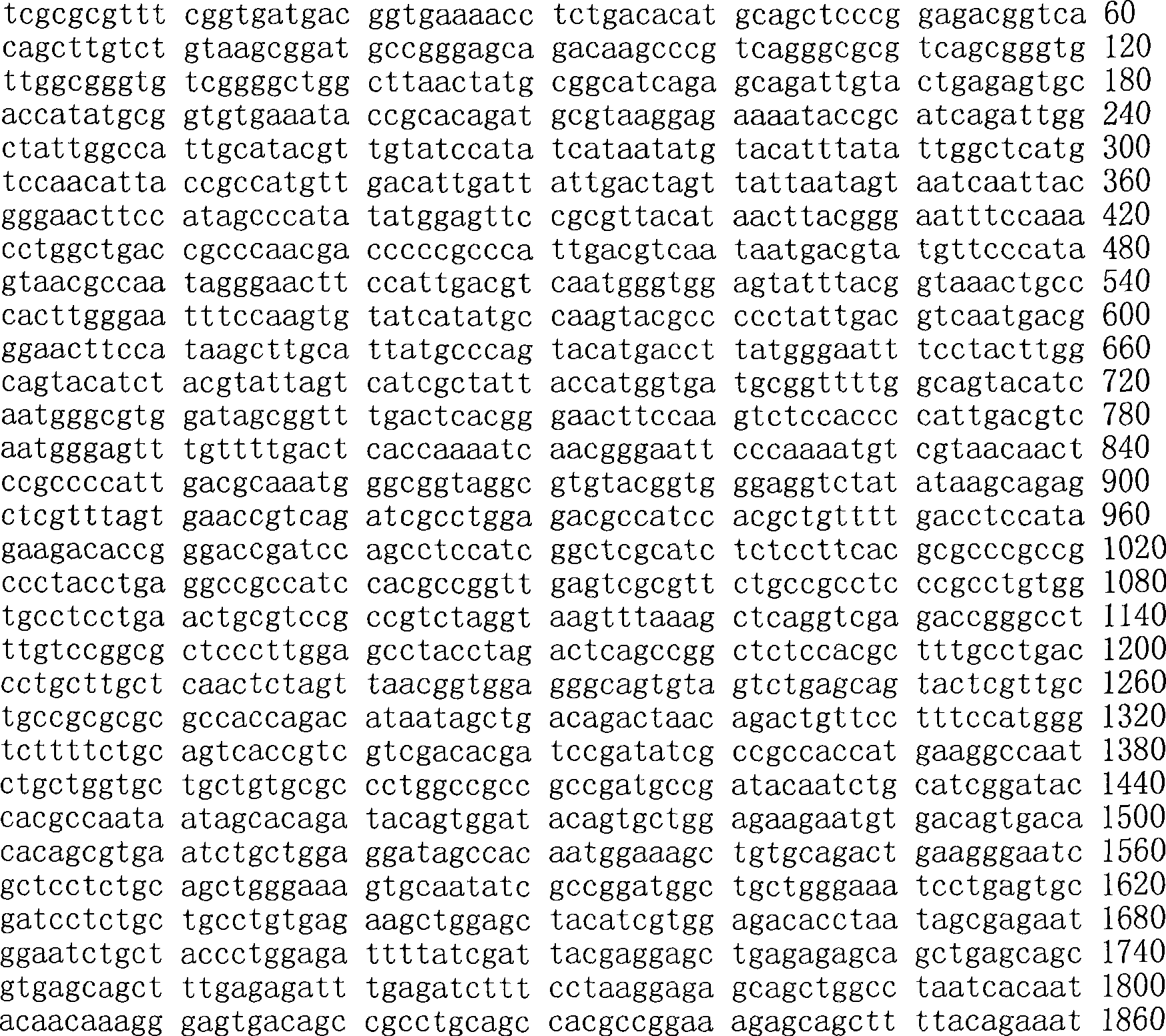

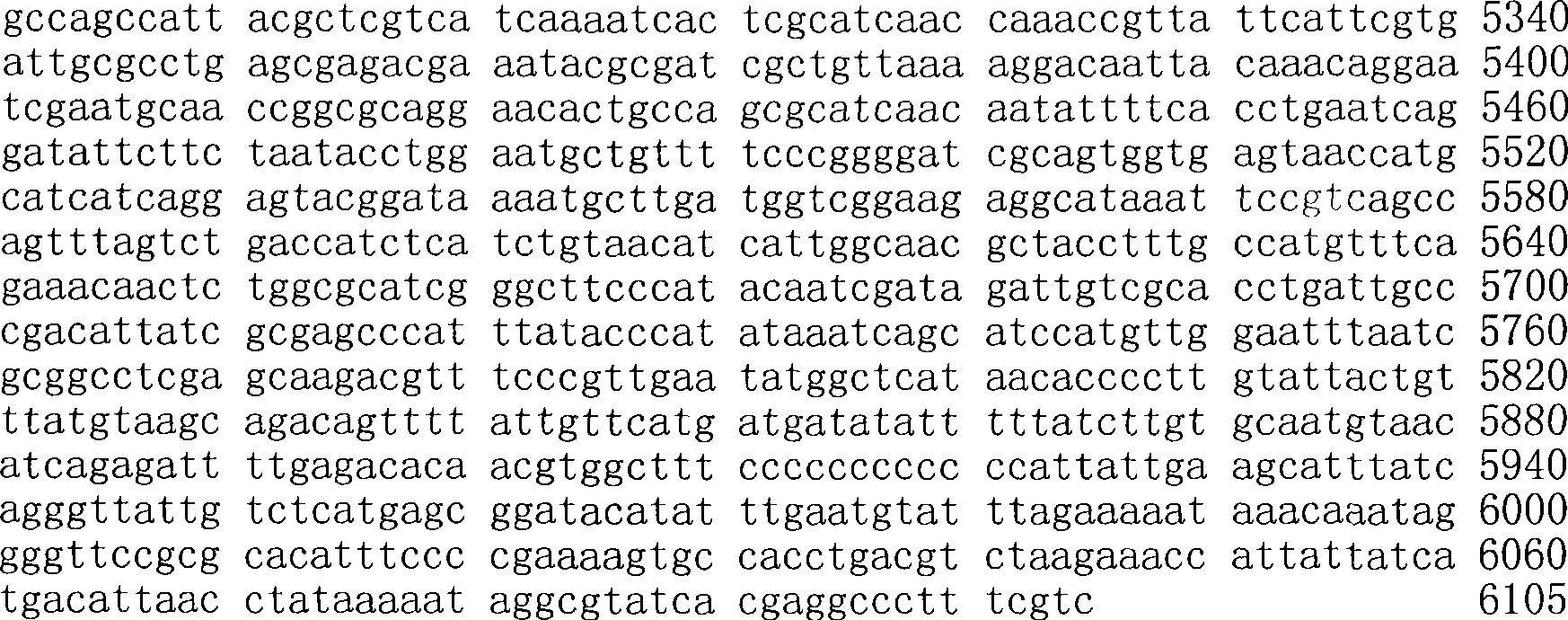
<210>149<210>149
<211>6105<211>6105
<212>DNA<212>DNA
<213>人工序列<213> Artificial sequence
<220><220>
<223>质粒DNA:VRC 7758<223> plasmid DNA:
<400>149<400>149
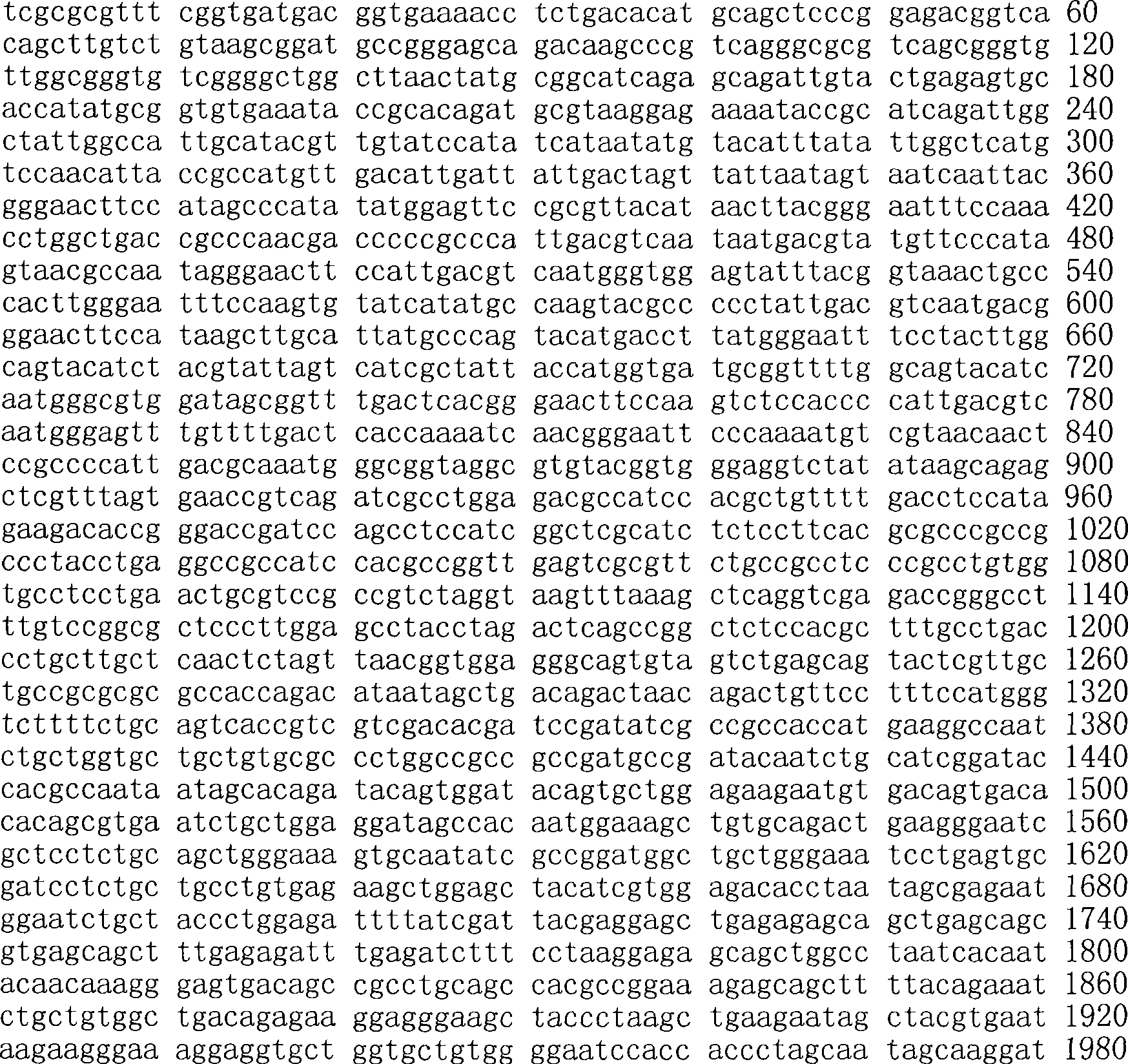
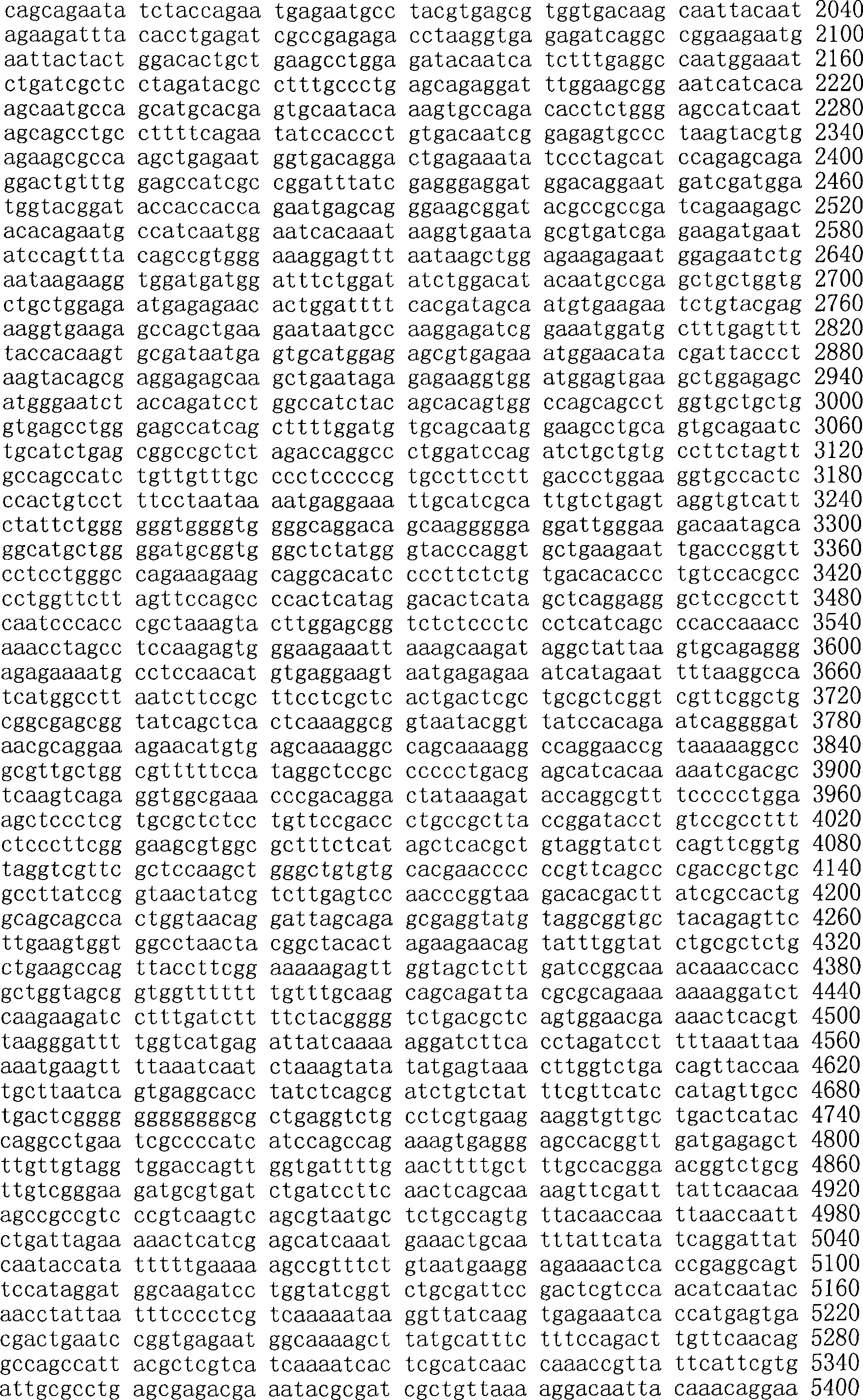
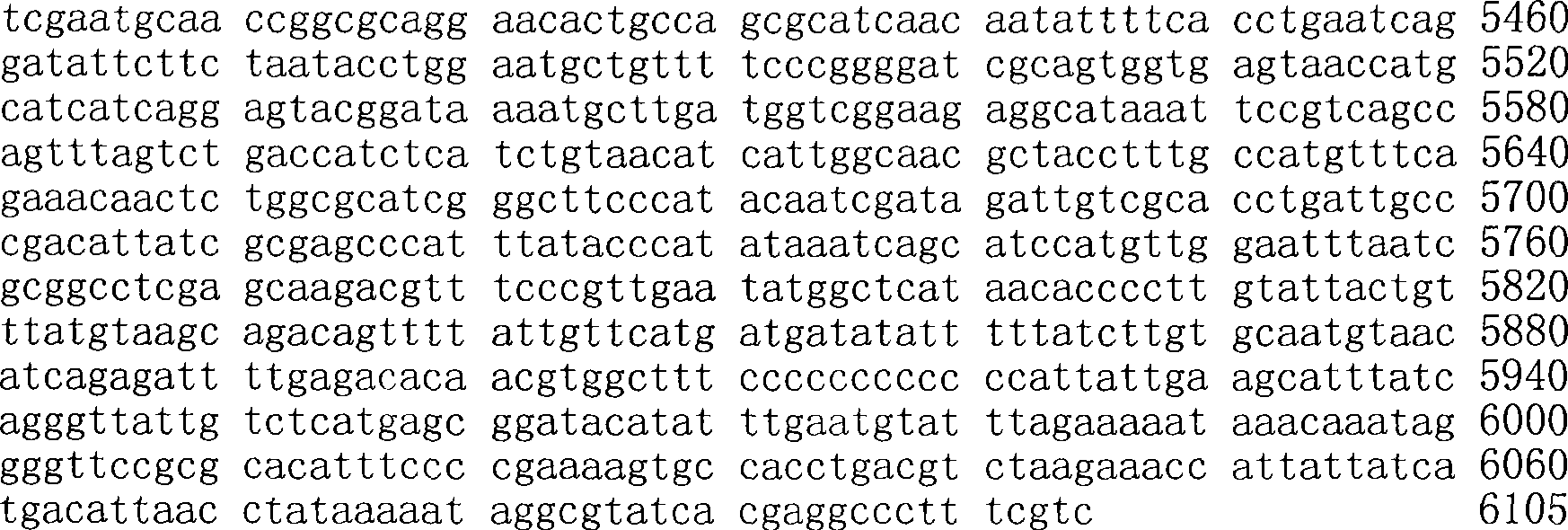
<210>150<210>150
<211>5754<211>5754
<212>DNA<212>DNA
<213>人工序列<213> Artificial sequence
<220><220>
<223>质粒DNA:VRC 7759<223> plasmid DNA:
<400>150<400>150
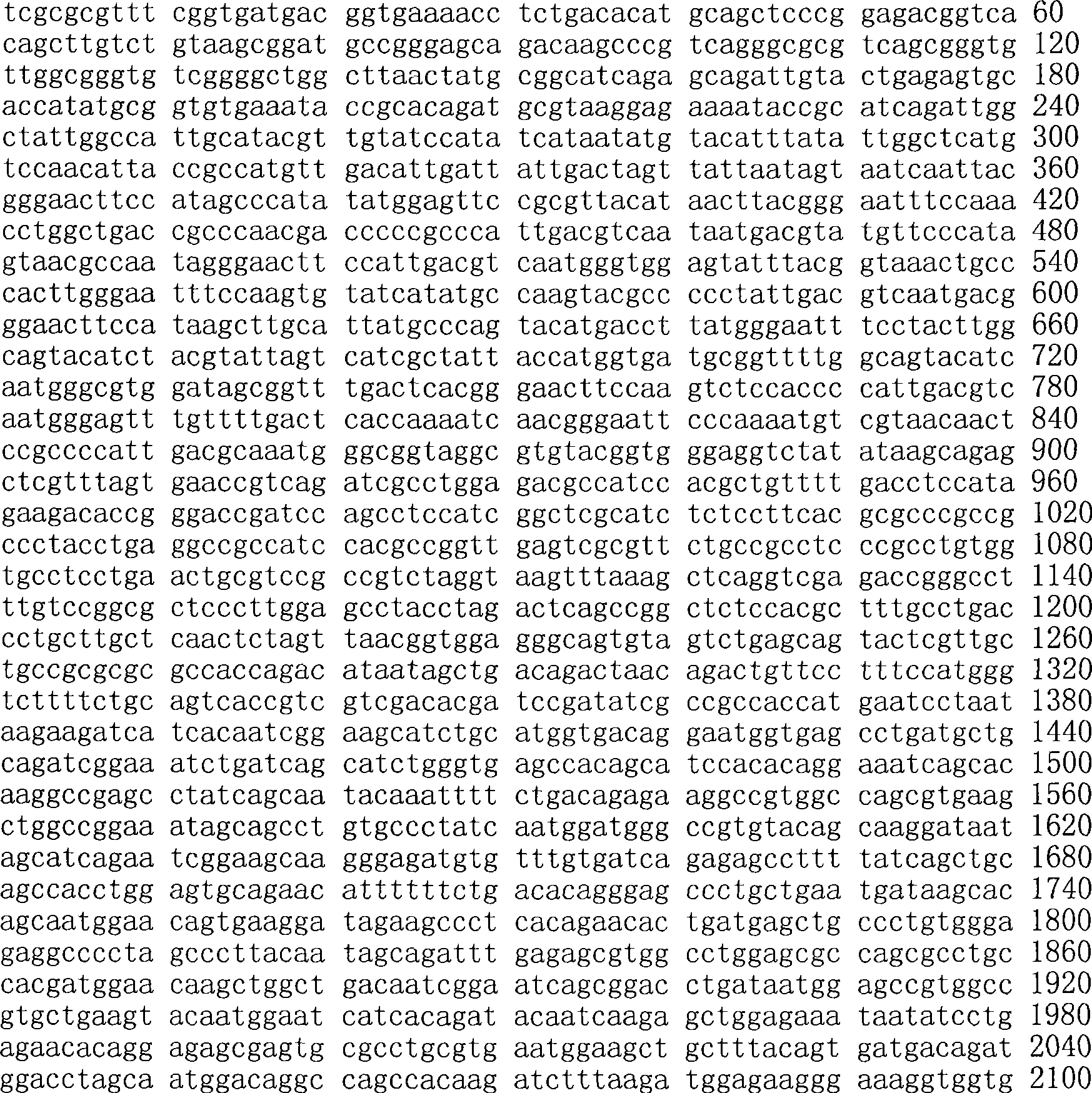


<210>151<210>151
<211>8<211>8
<212>PRT<212>PRT
<213>感冒病毒H1(1918)<213> Cold virus H1 (1918)
<400>151<400>151

<210>152<210>152
<211>8<211>8
<212>PRT<212>PRT
<213>感冒病毒H1(1918)<213> Cold virus H1 (1918)
<400>152<400>152

<210>153<210>153
<211>12<211>12
<212>PRT<212>PRT
<213>感冒病毒H5<213> Cold virus H5
<400>153<400>153

<210>154<210>154
<211>12<211>12
<212>PRT<212>PRT
<213>感冒病毒H5<213> Cold virus H5
<400>154<400>154

<210>155<210>155
<211>26<211>26
<212>PRT<212>PRT
<213>噬菌体T4<213> Phage T4
<400>155<400>155

<210>156<210>156
<211>7<211>7
<212>PRT<212>PRT
<213>人工序列<213> Artificial sequence
<220><220>
<223>HA切割位点突变<223> HA cleavage site mutation
<400>156<400>156

<210>157<210>157
<211>12<211>12
<212>PRT<212>PRT
<213>人工序列<213> Artificial sequence
<220><220>
<223>HA切割位点突变<223> HA cleavage site mutation
<400>157<400>157
<210>158<210>158
<211>12<211>12
<212>PRT<212>PRT
<213>人工序列<213> Artificial sequence
<220><220>
<223>HA切割位点突变<223> HA cleavage site mutation
<400>158<400>158

<210>159<210>159
<211>22<211>22
<212>DNA<212>DNA
<213>人工序列<213> Artificial sequence
<220><220>
<223>寡核苷酸<223> oligonucleotide
<400>159<400>159

<210>160<210>160
<211>24<211>24
<212>DNA<212>DNA
<213>人工序列<213> Artificial sequence
<220><220>
<223>寡核苷酸<223> oligonucleotide
<400>160<400>160

<210>161<210>161
<211>1735<211>1735
<212>DNA<212>DNA
<213>人工序列<213> Artificial sequence
<220><220>
<223>用于VRC 7720的质粒DNA插入序列<223> Plasmid DNA insert sequence for
<400>161<400>161
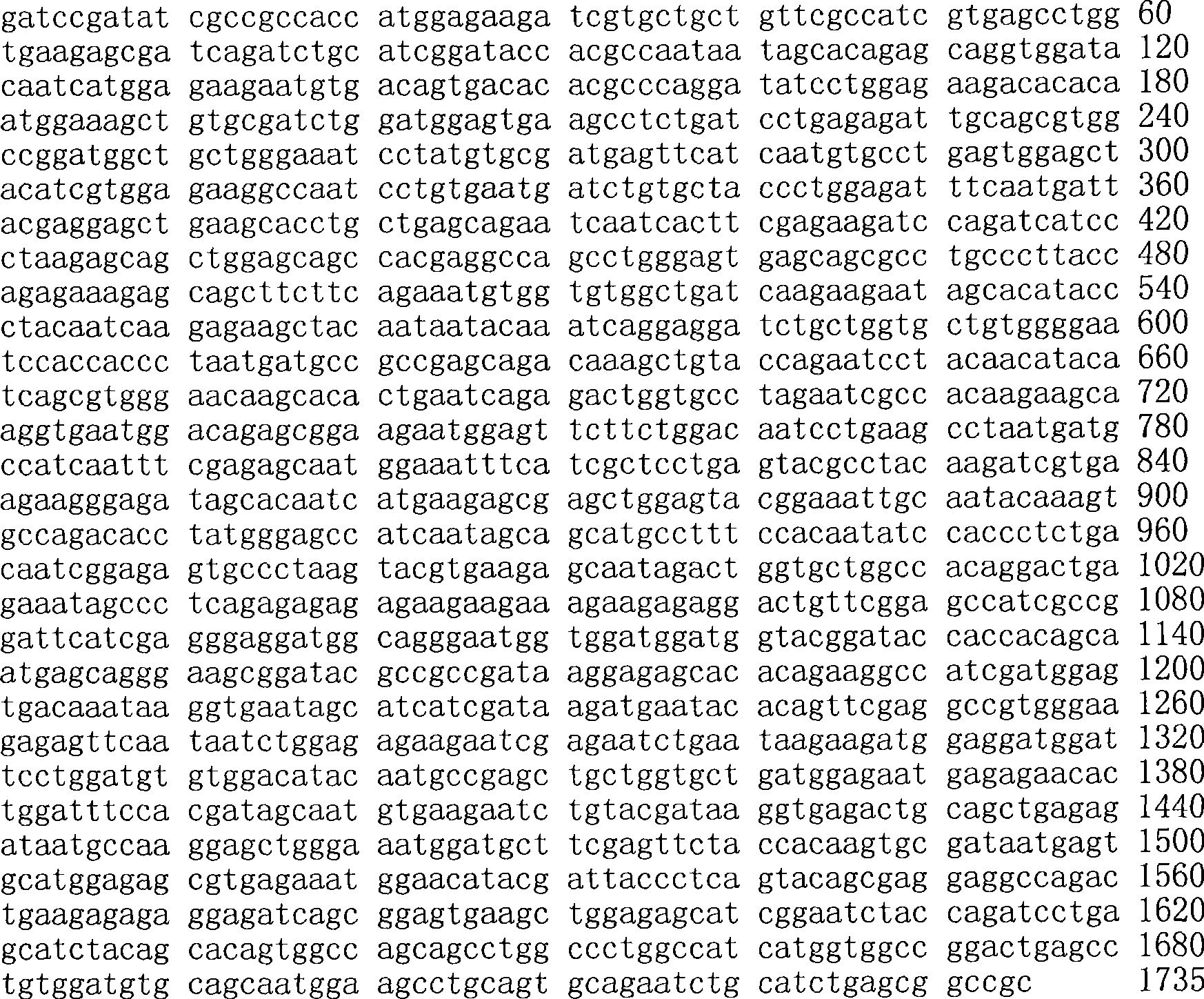
<210>162<210>162
<211>1695<211>1695
<212>DNA<212>DNA
<213>人工序列<213> Artificial sequence
<220><220>
<223>用于VRC 7721的质粒DNA插入序列<223> Plasmid DNA insert sequence for
<400>162<400>162

<210>163<210>163
<211>1720<211>1720
<212>DNA<212>DNA
<213>人工序列<213> Artificial sequence
<220><220>
<223>用于VRC 7722的质粒DNA插入序列<223> Plasmid DNA insert sequence for
<400>163<400>163

<210>164<210>164
<211>1720<211>1720
<212>DNA<212>DNA
<213>人工序列<213> Artificial sequence
<220><220>
<223>用于VRC 7723(VRC 7727)的质粒DNA插入序列<223> Plasmid DNA insert sequence for VRC 7723 (VRC 7727)
<400>164<400>164
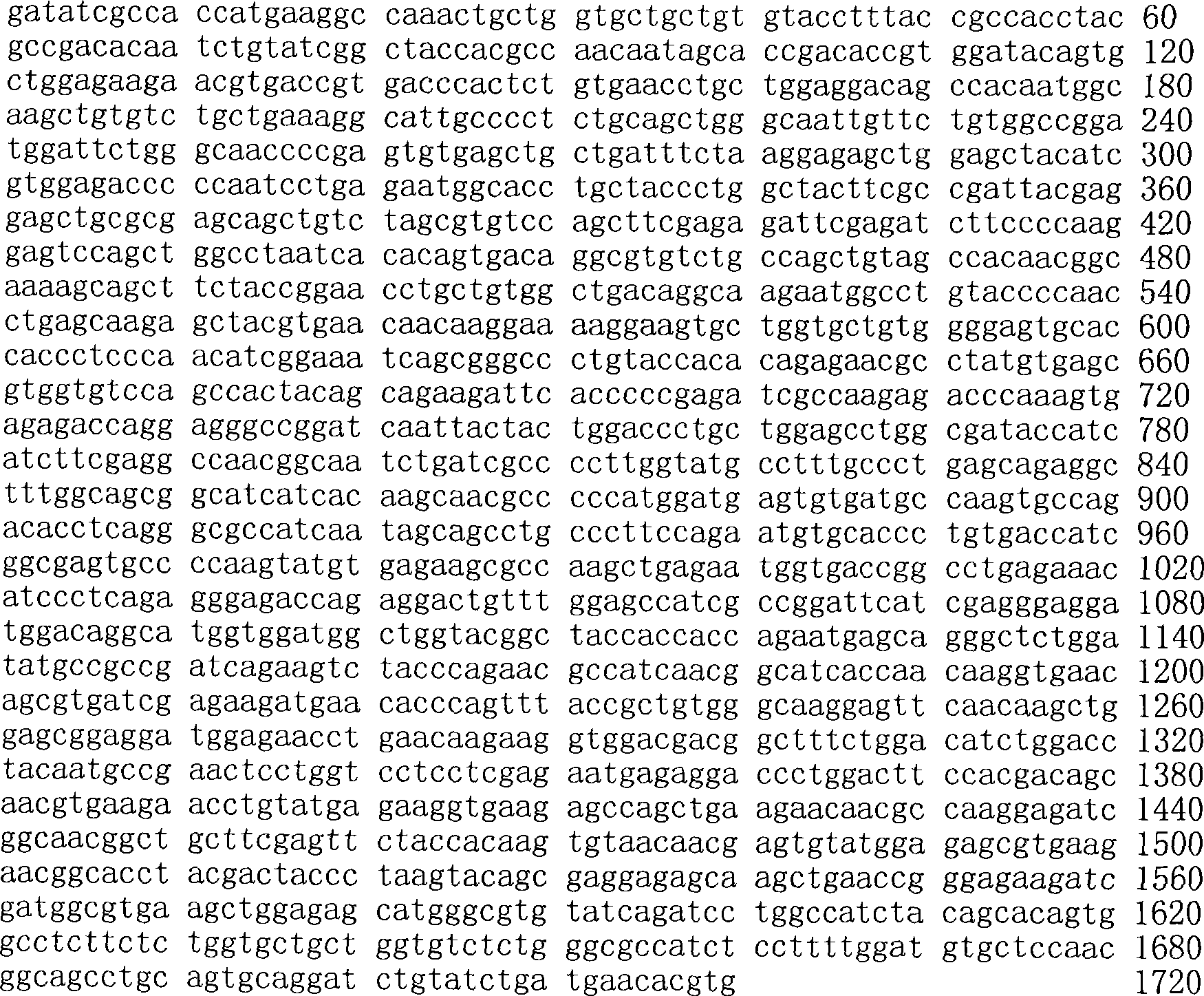
<210>165<210>165
<211>1723<211>1723
<212>DNA<212>DNA
<213>人工序列<213> Artificial sequence
<220><220>
<223>用于VRC 7724的质粒DNA插入序列<223> Plasmid DNA insert sequence for VRC 7724
<400>165<400>165

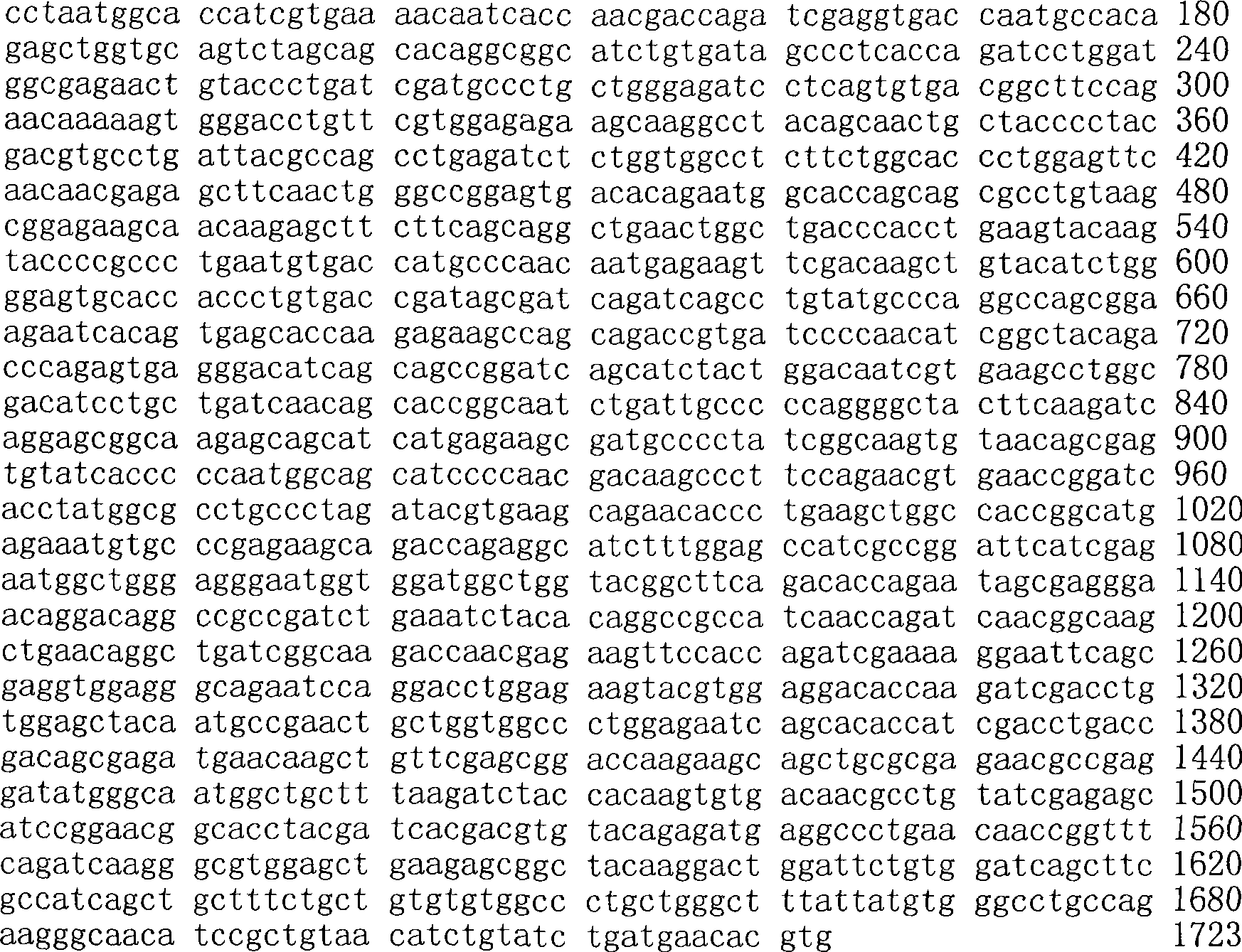
<210>166<210>166
<211>1723<211>1723
<212>DNA<212>DNA
<213>人工序列<213> Artificial sequence
<220><220>
<223>用于VRC 7725(VRC 7729)的质粒DNA插入序列<223> Plasmid DNA insert sequence for VRC 7725 (VRC 7729)
<400>166<400>166

<210>167<210>167
<211>8<211>8
<212>DNA<212>DNA
<213>人工序列<213> Artificial sequence
<220><220>
<223>寡核苷酸<223> oligonucleotide
<400>167<400>167

<210>168<210>168
<211>7<211>7
<212>DNA<212>DNA
<213>人工序列<213> Artificial sequence
<220><220>
<223>寡核苷酸<223> oligonucleotide
<400>168<400>168

<210>169<210>169
<211>8<211>8
<212>DNA<212>DNA
<213>人工序列<213> Artificial sequence
<220><220>
<223>寡核苷酸<223> oligonucleotide
<400>169<400>169

<210>170<210>170
<211>8<211>8
<212>DNA<212>DNA
<213>人工序列<213> Artificial sequence
<220><220>
<223>寡核苷酸<223> oligonucleotide
<400>170<400>170

<210>171<210>171
<211>15<211>15
<212>DNA<212>DNA
<213>人工序列<213> Artificial sequence
<220><220>
<223>寡核苷酸<223> oligonucleotide
<400>171<400>171

<210>172<210>172
<211>16<211>16
<212>DNA<212>DNA
<213>人工序列<213> Artificial sequence
<220><220>
<223>寡核苷酸<223> oligonucleotide
<400>172<400>172

<210>173<210>173
<211>12<211>12
<212>DNA<212>DNA
<213>人工序列<213> Artificial sequence
<220><220>
<223>寡核苷酸<223> oligonucleotide
<400>173<400>173

<210>174<210>174
<211>11<211>11
<212>DNA<212>DNA
<213>人工序列<213> Artificial sequence
<220><220>
<223>寡核苷酸<223> oligonucleotide
<400>174<400>174

<210>175<210>175
<211>9<211>9
<212>DNA<212>DNA
<213>人工序列<213> Artificial sequence
<220><220>
<223>寡核苷酸<223> oligonucleotide
<400>175<400>175

<210>176<210>176
<211>9<211>9
<212>DNA<212>DNA
<213>人工序列<213> Artificial sequence
<220><220>
<223>寡核苷酸<223> oligonucleotide
<400>176<400>176

<210>177<210>177
<211>11<211>11
<212>DNA<212>DNA
<213>人工序列<213> Artificial sequence
<220><220>
<223>寡核苷酸<223> oligonucleotide
<400>177<400>177

<210>178<210>178
<211>11<211>11
<212>DNA<212>DNA
<213>人工序列<213> Artificial sequence
<220><220>
<223>寡核苷酸<223> oligonucleotide
<400>178<400>178

<210>179<210>179
<211>13<211>13
<212>DNA<212>DNA
<213>人工序列<213> Artificial sequence
<220><220>
<223>寡核苷酸<223> oligonucleotide
<400>179<400>179

<210>180<210>180
<211>9<211>9
<212>DNA<212>DNA
<213>人工序列<213> Artificial sequence
<220><220>
<223>寡核苷酸<223> oligonucleotide
<400>180<400>180

<210>181<210>181
<211>45<211>45
<212>PRT<212>PRT
<213>人工序列<213> Artificial sequence
<220><220>
<223>凝血酶切割位点、次要纤维蛋白三聚化序列以及His标签<223> Thrombin cleavage site, minor fibrin trimerization sequence, and His tag
<400>181<400>181

<210>182<210>182
<211>7<211>7
<212>PRT<212>PRT
<213>人工序列<213> Artificial sequence
<220><220>
<223>HA切割位点突变<223> HA cleavage site mutation
<400>182<400>182

<210>183<210>183
<211>10<211>10
<212>PRT<212>PRT
<213>人工序列<213> Artificial sequence
<220><220>
<223>非常规性核定位序列<223> Unconventional nuclear localization sequence
<220><220>
<221>变体<221> variant
<222>2,8,9<222>2, 8, 9
<223>Xaa=任意氨基酸<223> Xaa = any amino acid
<400>183<400>183
<210>184<210>184
<211>19<211>19
<212>PRT<212>PRT
<213>人工序列<213> Artificial sequence
<220><220>
<223>二分核定位序列<223> Bipartite nuclear localization sequence
<400>184<400>184

Claims (170)
Applications Claiming Priority (2)
| Application Number | Priority Date | Filing Date | Title |
|---|---|---|---|
| US77492306P | 2006-02-16 | 2006-02-16 | |
| US60/774,923 | 2006-02-16 |
Publications (1)
| Publication Number | Publication Date |
|---|---|
| CN101484466A true CN101484466A (en) | 2009-07-15 |
Family
ID=38283983
Family Applications (1)
| Application Number | Title | Priority Date | Filing Date |
|---|---|---|---|
| CNA2007800094948A Pending CN101484466A (en) | 2006-02-16 | 2007-02-16 | Antiviral agents and vaccines against influenza |
Country Status (7)
| Country | Link |
|---|---|
| US (1) | US20090208531A1 (en) |
| EP (1) | EP1991571A2 (en) |
| KR (1) | KR20090034297A (en) |
| CN (1) | CN101484466A (en) |
| CA (1) | CA2642644A1 (en) |
| SG (1) | SG169996A1 (en) |
| WO (1) | WO2007100584A2 (en) |
Cited By (7)
| Publication number | Priority date | Publication date | Assignee | Title |
|---|---|---|---|---|
| CN101892248A (en) * | 2010-04-29 | 2010-11-24 | 王世霞 | Monoclonal antibodies of avian influenza H5HA antigens |
| CN102822343A (en) * | 2009-12-28 | 2012-12-12 | Dsmip资产公司 | Production of heterologous polypeptides in microalgae, microalgae exosomes, compositions and methods of preparation and use thereof |
| CN104582714A (en) * | 2012-05-23 | 2015-04-29 | 斯坦福大学托管董事会 | Influenza vaccine constructs |
| CN107312777A (en) * | 2009-11-13 | 2017-11-03 | 萨雷普塔治疗公司 | Antisense antiviral compound and the method for treating influenza infection |
| CN107739736A (en) * | 2010-01-26 | 2018-02-27 | 宾夕法尼亚大学托管会 | Influenza virus nucleic acid molecule and vaccine prepared therefrom |
| CN109485722A (en) * | 2017-09-12 | 2019-03-19 | 松下知识产权经营株式会社 | Can in conjunction with the nuclear protein matter of influenza virus antibody, use its composite material, detection device and method |
| CN114729361A (en) * | 2019-11-15 | 2022-07-08 | 上海细胞治疗集团有限公司 | A promoter with high activity in activated T cells |
Families Citing this family (23)
| Publication number | Priority date | Publication date | Assignee | Title |
|---|---|---|---|---|
| TWI403518B (en) * | 2007-01-23 | 2013-08-01 | Academia Sinica | Flu vaccines and method of use thereof |
| GB0706914D0 (en) * | 2007-04-10 | 2007-05-16 | Isis Innovation | Novel adenovirus vectors |
| AU2009202819B2 (en) | 2007-07-13 | 2014-08-28 | Aramis Biotechnologies Inc. | Recombinant influenza virus-like particles (VLPs) produced in transgenic plants expressing hemagglutinin |
| WO2009036063A1 (en) * | 2007-09-11 | 2009-03-19 | The Government Of The United States Of America, As Represented By The Secretary, Department Of Health And Human Services | Pseudotyped retroviral vectors and methods of making and using them |
| MX2010005229A (en) | 2007-11-12 | 2010-11-05 | Univ Pennsylvania | Novel vaccines against multiple subtypes of influenza virus. |
| US20110177122A1 (en) * | 2008-09-26 | 2011-07-21 | The United States Of America, As Represented By The Secretary, Dept. Of Health & Human Services | Dna prime/activated vaccine boost immunization to influenza virus |
| WO2010144797A2 (en) | 2009-06-12 | 2010-12-16 | Vaccine Technologies, Incorporated | Influenza vaccines with enhanced immunogenicity and uses thereof |
| WO2011003100A2 (en) * | 2009-07-02 | 2011-01-06 | Massachusetts Institute Of Technology | Compositions and methods for diagnosing and/or treating influenza infection |
| WO2011044152A1 (en) | 2009-10-05 | 2011-04-14 | The United States Of America As Represented By The Secretary, Department Of Health And Human Services Office Of Technology Transfer | Protection against pandemic and seasonal strains of influenza |
| US20130259898A1 (en) * | 2009-11-09 | 2013-10-03 | National Jewish Health | Vaccine Composition |
| US20110184160A1 (en) * | 2010-01-26 | 2011-07-28 | Weiner David B | Nucleic acid molecule encoding consensus influenza a hemagglutinin h1 |
| MX340735B (en) | 2010-04-09 | 2016-07-22 | Univ Utrecht Holding Bv | Recombinant multimeric influenza proteins. |
| WO2012040101A1 (en) | 2010-09-21 | 2012-03-29 | University Of Miami | Compositions and methods for inducing migration by dendritic cells and an immune response |
| WO2012040266A2 (en) * | 2010-09-24 | 2012-03-29 | University Of Miami | Gene-based adjuvants and compositions thereof to increase antibody production in response to gene-based vaccines |
| MX350795B (en) | 2011-04-08 | 2017-09-19 | Inmune Design Corp | Immunogenic compositions and methods of using the compositions for inducing humoral and cellular immune responses. |
| NZ622731A (en) * | 2011-09-30 | 2016-04-29 | Medicago Inc | Increasing virus-like particle yield in plants |
| US9150620B2 (en) * | 2012-04-18 | 2015-10-06 | National Tsing Hua University | Vaccine against multitypes of avian influenza viruses and uses thereof |
| MX376138B (en) | 2013-03-28 | 2025-03-07 | Medicago Inc | PRODUCTION OF INFLUENZA VIRUS-LIKE PARTICLES IN PLANTS. |
| US12467058B2 (en) | 2013-03-28 | 2025-11-11 | Aramis Biotechnologies Inc. | Influenza virus-like particle production in plants |
| US10398769B2 (en) | 2013-08-06 | 2019-09-03 | The Trustees Of The University Of Pennsylvania | Influenza nucleic acid molecules and vaccines made therefrom |
| KR101888751B1 (en) * | 2016-09-22 | 2018-09-21 | 이화여자대학교 산학협력단 | Vaccine against type B Influenza |
| JP7065338B2 (en) * | 2017-09-12 | 2022-05-12 | パナソニックIpマネジメント株式会社 | Antibodies and complexes that bind to influenza virus nuclear proteins, detection devices and detection methods using them |
| JP2022526632A (en) * | 2019-04-06 | 2022-05-25 | アルティミューン インコーポレーティッド | Widespread and persistent influenza vaccine |
Family Cites Families (4)
| Publication number | Priority date | Publication date | Assignee | Title |
|---|---|---|---|---|
| US4631211A (en) * | 1985-03-25 | 1986-12-23 | Scripps Clinic & Research Foundation | Means for sequential solid phase organic synthesis and methods using the same |
| US7635688B2 (en) * | 2001-10-01 | 2009-12-22 | The United States Of America As Represented By The Department Of Health And Human Services | Development of a preventive vaccine for filovirus infection in primates |
| AU2004279362B2 (en) * | 2003-09-15 | 2011-03-17 | Genvec, Inc. | HIV vaccines based on ENV of multiple clades of HIV |
| JP2005245302A (en) * | 2004-03-04 | 2005-09-15 | Kanazawa Univ Tlo Inc | Recombinant influenza virus and vaccine using the same |
-
2007
- 2007-02-16 EP EP07751276A patent/EP1991571A2/en not_active Withdrawn
- 2007-02-16 SG SG201101108-7A patent/SG169996A1/en unknown
- 2007-02-16 CN CNA2007800094948A patent/CN101484466A/en active Pending
- 2007-02-16 CA CA002642644A patent/CA2642644A1/en not_active Abandoned
- 2007-02-16 KR KR1020087022652A patent/KR20090034297A/en not_active Ceased
- 2007-02-16 WO PCT/US2007/004506 patent/WO2007100584A2/en not_active Ceased
- 2007-02-16 US US12/279,332 patent/US20090208531A1/en not_active Abandoned
Cited By (11)
| Publication number | Priority date | Publication date | Assignee | Title |
|---|---|---|---|---|
| CN107312777A (en) * | 2009-11-13 | 2017-11-03 | 萨雷普塔治疗公司 | Antisense antiviral compound and the method for treating influenza infection |
| CN107312777B (en) * | 2009-11-13 | 2020-11-13 | 萨雷普塔治疗公司 | Antisense antiviral compounds and methods of treating influenza virus infection |
| CN102822343A (en) * | 2009-12-28 | 2012-12-12 | Dsmip资产公司 | Production of heterologous polypeptides in microalgae, microalgae exosomes, compositions and methods of preparation and use thereof |
| CN102822343B (en) * | 2009-12-28 | 2017-10-20 | 赛诺菲疫苗技术公司 | Production of heterologous polypeptides in microalgae, microalgae exosomes, compositions and methods of preparation and use thereof |
| CN107746869A (en) * | 2009-12-28 | 2018-03-02 | 赛诺菲疫苗技术公司 | The production of heterologous polypeptide in microalgae, the extracellular body of microalgae, composition and its production and use |
| CN107739736A (en) * | 2010-01-26 | 2018-02-27 | 宾夕法尼亚大学托管会 | Influenza virus nucleic acid molecule and vaccine prepared therefrom |
| CN101892248A (en) * | 2010-04-29 | 2010-11-24 | 王世霞 | Monoclonal antibodies of avian influenza H5HA antigens |
| CN104582714A (en) * | 2012-05-23 | 2015-04-29 | 斯坦福大学托管董事会 | Influenza vaccine constructs |
| CN109485722A (en) * | 2017-09-12 | 2019-03-19 | 松下知识产权经营株式会社 | Can in conjunction with the nuclear protein matter of influenza virus antibody, use its composite material, detection device and method |
| CN114729361A (en) * | 2019-11-15 | 2022-07-08 | 上海细胞治疗集团有限公司 | A promoter with high activity in activated T cells |
| CN114729361B (en) * | 2019-11-15 | 2024-05-03 | 上海细胞治疗集团股份有限公司 | Promoter with high activity in activated T cells |
Also Published As
| Publication number | Publication date |
|---|---|
| WO2007100584A2 (en) | 2007-09-07 |
| SG169996A1 (en) | 2011-04-29 |
| CA2642644A1 (en) | 2007-09-07 |
| US20090208531A1 (en) | 2009-08-20 |
| EP1991571A2 (en) | 2008-11-19 |
| KR20090034297A (en) | 2009-04-07 |
| WO2007100584A3 (en) | 2008-01-03 |
Similar Documents
| Publication | Publication Date | Title |
|---|---|---|
| CN101484466A (en) | Antiviral agents and vaccines against influenza | |
| JP7250878B2 (en) | Vaccines based on novel multivalent nanoparticles | |
| US10119124B2 (en) | Influenza M2 protein mutant viruses as live influenza attenuated vaccines | |
| RU2609645C2 (en) | Expression system | |
| JP7655849B2 (en) | Vectors for eliciting immune responses against non-dominant epitopes within the hemagglutinin (HA) protein | |
| US20110177122A1 (en) | Dna prime/activated vaccine boost immunization to influenza virus | |
| US20100008952A1 (en) | Vaccines for the Rapid Response to Pandemic Avian Influenza | |
| US10729758B2 (en) | Broadly reactive mosaic peptide for influenza vaccine | |
| PL188641B1 (en) | Mixture of recombined vaccinia vectors as a vaccine against hiv | |
| JP2023522154A (en) | influenza vaccine | |
| JP2024537250A (en) | Influenza vaccine | |
| CN104169295B (en) | Mutated lentiviral ENV protein and its use as a medicine | |
| US20130243808A1 (en) | Compositions and methods for vaccinating humans and animals against enveloped viruses | |
| WO2025083402A1 (en) | Coronavirus vaccines | |
| WO2025083412A2 (en) | Influenza vaccines | |
| Olukitibi | Development and Characterization of a Novel DC-Targeting Universal Influenza Vaccine | |
| EP4531903A1 (en) | Vaccine with reduced anti-vector antigenicity | |
| WO2025133030A1 (en) | Prime-boost immunization against influenza | |
| HK40090677A (en) | Influenza vaccines | |
| JP2024503482A (en) | Replication-competent adenovirus type 4 SARS-COV-2 vaccines and their use | |
| WO2026030318A1 (en) | Modified live attenuated flu virus vaccines and uses thereof | |
| GB2494998A (en) | Modified influenza virus HA gene lacking the signal sequence | |
| Parker | Effect of a Codon Optimized DNA Prime on Induction of Anti-Influenza Protective Antibodies | |
| HK1183791A (en) | Ectodomains of influenza matrix 2 protein, expression system, and uses thereof |
Legal Events
| Date | Code | Title | Description |
|---|---|---|---|
| C06 | Publication | ||
| PB01 | Publication | ||
| C10 | Entry into substantive examination | ||
| SE01 | Entry into force of request for substantive examination | ||
| C41 | Transfer of patent application or patent right or utility model | ||
| TA01 | Transfer of patent application right |
Effective date of registration: 20100205 Address of the applicant after: American Maryland Applicant after: US Secretary Dept of Health and Human Service Address of the applicant before: Maryland, USA Applicant before: US Department of State Health and Human Services (Maryland) Co-applicant before: Georgia, USA Applicant before: US State Department of Health and Human Services (Georgia) |
|
| C02 | Deemed withdrawal of patent application after publication (patent law 2001) | ||
| WD01 | Invention patent application deemed withdrawn after publication |
Application publication date: 20090715 |