CN101455084A - Method and apparatus for decoding/encoding video signal - Google Patents
Method and apparatus for decoding/encoding video signal Download PDFInfo
- Publication number
- CN101455084A CN101455084A CN 200780019504 CN200780019504A CN101455084A CN 101455084 A CN101455084 A CN 101455084A CN 200780019504 CN200780019504 CN 200780019504 CN 200780019504 A CN200780019504 A CN 200780019504A CN 101455084 A CN101455084 A CN 101455084A
- Authority
- CN
- China
- Prior art keywords
- view
- picture
- prediction
- information
- inter
- Prior art date
- Legal status (The legal status is an assumption and is not a legal conclusion. Google has not performed a legal analysis and makes no representation as to the accuracy of the status listed.)
- Pending
Links
Images






Landscapes
- Compression Or Coding Systems Of Tv Signals (AREA)
Abstract
Description
技术领域 technical field
本发明涉及一种用于解码/编码视频信号的方法及其装置。The present invention relates to a method and device for decoding/encoding video signals.
背景技术 Background technique
压缩编码是指用于经由通信电路传送数字化信息或者以适于存储介质的形式存储数字化信息的一系列信号处理技术。压缩编码的对象包括音频、视频、文本等。具体地,用于对序列执行压缩编码的技术被称为视频序列压缩。视频序列通常特征在于具有空间冗余和时间冗余。Compression coding refers to a series of signal processing techniques for transmitting digitized information via a communication circuit or storing digitized information in a form suitable for a storage medium. Compression coded objects include audio, video, text, etc. In particular, techniques for performing compression encoding on sequences are referred to as video sequence compression. Video sequences are often characterized by spatial redundancy and temporal redundancy.
发明内容 Contents of the invention
技术目的technical purpose
本发明的目的在于提高视频信号的编码效率。The object of the present invention is to improve the coding efficiency of video signals.
技术方案Technical solutions
本发明的一个目的在于通过定义用于识别图片的视图的视图信息来有效地编码视频信号。It is an object of the present invention to efficiently encode a video signal by defining view information for identifying a view of a picture.
本发明的另一个目的在于通过基于视图间参考信息编码视频信号来提高编码效率。Another object of the present invention is to improve coding efficiency by coding video signals based on inter-view reference information.
本发明的另一个目的在于通过定义视图级别信息来提供视频信号的视图可分级性。Another object of the present invention is to provide view scalability of video signals by defining view level information.
本发明的另一个目的在于通过定义指示是否获得虚拟视图的图片的视图间合成预测标识符来有效率地编码视频信号。Another object of the present invention is to efficiently encode a video signal by defining an inter-view synthesis prediction identifier indicating whether a picture of a virtual view is obtained or not.
有益效果Beneficial effect
在编码视频信号中,本发明通过使用用于识别图片的视图的视图信息执行视图间预测而使得能够更加有效地执行编码。并且,通过新定义的、指示用于分层结构的信息以提供视图可分级性的级别信息,本发明能够提供适用于使用者的视图序列。而且,通过定义与最低级别相应的视图作为参考视图,本发明提供与传统解码器的兼容性。另外,本发明通过在执行视图间预测期间决定是否预测虚拟视图的图片来提高编码效率。在预测虚拟视图的图片的情形中,本发明使得能够更准确地预测,由此降低要传送的位数。In encoding a video signal, the present invention enables encoding to be performed more efficiently by performing inter-view prediction using view information for identifying a view of a picture. And, the present invention can provide a view sequence suitable for a user by newly defining level information indicating information for a hierarchical structure to provide view scalability. Also, the present invention provides compatibility with legacy decoders by defining a view corresponding to the lowest level as a reference view. In addition, the present invention improves coding efficiency by deciding whether to predict a picture of a virtual view during performing inter-view prediction. In the case of predicting pictures of a virtual view, the invention enables more accurate prediction, thereby reducing the number of bits to be transferred.
附图说明 Description of drawings
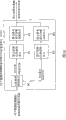
图1是根据本发明的用于解码视频信号的装置的示意性框图。Fig. 1 is a schematic block diagram of an apparatus for decoding a video signal according to the present invention.
图2是根据本发明的实施例的能够被添加到多视图视频编码位流的关于多视图视频的配置信息的图表。FIG. 2 is a diagram of configuration information on multi-view video that can be added to a multi-view video encoding bitstream according to an embodiment of the present invention.
图3是根据本发明的实施例的参考图片列表构造单元620的内部框图。FIG. 3 is an internal block diagram of the reference picture
图4是根据本发明的实施例的用于提供视频信号的视图可分级性(scalability)的级别信息的分层结构的图表。FIG. 4 is a diagram of a hierarchical structure for providing level information of view scalability of a video signal according to an embodiment of the present invention.
图5是根据本发明的一个实施例的在NAL报头的扩展区域中包括级别信息的NAL单元配置的图表。FIG. 5 is a diagram of a NAL unit configuration including level information in an extension area of a NAL header according to one embodiment of the present invention.
图6是根据本发明的实施例的多视图视频信号的总体预测性结构的图表,用于解释视图间图片组的概念。FIG. 6 is a diagram of an overall predictive structure of a multi-view video signal for explaining the concept of an inter-view picture group according to an embodiment of the present invention.
图7是根据本发明的实施例的预测性结构的图表,用于解释新定义的视图间图片组的概念。FIG. 7 is a diagram of a predictive structure for explaining the concept of a newly defined inter-view picture group according to an embodiment of the present invention.
图8是根据本发明的实施例的用于使用视图间图片组识别信息来解码多视图视频的装置的示意性框图。FIG. 8 is a schematic block diagram of an apparatus for decoding multi-view video using inter-view group of picture identification information according to an embodiment of the present invention.
图9是根据本发明的实施例的用于构造参考图片列表的过程的流程图。FIG. 9 is a flowchart of a process for constructing a reference picture list according to an embodiment of the present invention.
图10是根据本发明的一个实施例的用于解释当当前片段(slice)是P-片段(P-slice)时初始化参考图片列表的方法的图表。FIG. 10 is a diagram for explaining a method of initializing a reference picture list when a current slice (slice) is a P-slice (P-slice) according to one embodiment of the present invention.
图11是根据本发明的一个实施例的用于解释当当前片段是B-片段(B-slice)时初始化参考图片列表的方法的图表。FIG. 11 is a diagram for explaining a method of initializing a reference picture list when a current slice is a B-slice (B-slice) according to one embodiment of the present invention.
图12是根据本发明的实施例的参考图片列表重排单元630的内部框图。FIG. 12 is an internal block diagram of the reference picture list rearrangement unit 630 according to an embodiment of the present invention.
图13是根据本发明的一个实施例的参考索引分配改变单元643B或者645B的内部框图。FIG. 13 is an internal block diagram of the reference index
图14是根据本发明的一个实施例的用于解释使用视图信息来重排参考图片列表的过程的图表。FIG. 14 is a diagram for explaining a process of rearranging a reference picture list using view information according to one embodiment of the present invention.
图15是根据本发明的另一实施例的参考图片列表重排单元630的内部框图。FIG. 15 is an internal block diagram of the reference picture list rearrangement unit 630 according to another embodiment of the present invention.
图16是根据本发明的实施例的用于视图间预测的参考图片列表重排单元970的内部框图。FIG. 16 is an internal block diagram of the reference picture list rearrangement unit 970 for inter-view prediction according to an embodiment of the present invention.
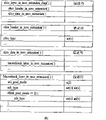
图17和图18是根据本发明的一个实施例的用于参考图片列表重排的句法的图表。17 and 18 are diagrams of syntax for reference picture list rearrangement according to one embodiment of the present invention.
图19是根据本发明的另一实施例的用于参考图片列表重排的句法的图表。FIG. 19 is a diagram of syntax for reference picture list rearrangement according to another embodiment of the present invention.
图20是根据本发明的一个实施例的用于获得当前块的亮度差值的过程的图表。FIG. 20 is a diagram of a process for obtaining a luminance difference value of a current block according to one embodiment of the present invention.
图21是根据本发明的实施例的用于执行当前块的亮度补偿的过程的流程图。FIG. 21 is a flowchart of a process for performing brightness compensation of a current block according to an embodiment of the present invention.
图22是根据本发明的一个实施例的用于使用关于相邻块的信息来获得当前块的亮度差预测值的过程的图表。FIG. 22 is a diagram of a process for obtaining a luma difference prediction value of a current block using information on neighboring blocks according to one embodiment of the present invention.
图23是根据本发明的一个实施例的用于使用关于相邻块的信息来执行亮度补偿的过程的流程图。FIG. 23 is a flowchart of a process for performing brightness compensation using information on neighboring blocks according to one embodiment of the present invention.
图24是根据本发明的另一实施例的用于使用关于相邻块的信息来执行亮度补偿的过程的流程图。FIG. 24 is a flowchart of a process for performing brightness compensation using information on neighboring blocks according to another embodiment of the present invention.
图25是根据本发明的一个实施例的用于使用虚拟视图中的图片来预测当前图片的过程的图表。25 is a diagram of a process for predicting a current picture using pictures in a virtual view, according to one embodiment of the invention.
图26是根据本发明的实施例的用于在MVC中执行视图间预测期间合成虚拟视图中的图片的过程的流程图。26 is a flowchart of a process for synthesizing pictures in a virtual view during performing inter-view prediction in MVC according to an embodiment of the present invention.
图27是根据本发明的用于在视频信号编码中根据片段类型执行加权预测的方法的流程图。FIG. 27 is a flowchart of a method for performing weighted prediction according to slice types in video signal encoding according to the present invention.
图28是根据本发明的在视频信号编码中在片段类型中可允许的宏块类型的图表。FIG. 28 is a chart of allowable macroblock types among slice types in video signal encoding according to the present invention.
图29和图30是根据本发明的一个实施例的用于根据新定义的片段类型来执行加权预测的句法的图表。29 and 30 are diagrams of syntax for performing weighted prediction according to newly defined segment types according to one embodiment of the present invention.
图31是根据本发明的使用指示在视频信号编码中是否执行视图间加权预测的标志信息来执行加权预测的方法的流程图。31 is a flowchart of a method of performing weighted prediction using flag information indicating whether to perform inter-view weighted prediction in video signal encoding according to the present invention.
图32是根据本发明的一个实施例的用于解释根据指示是否使用关于与当前图片的视图不同的视图中的图片的信息来执行加权预测的标志信息的加权预测方法的图表。32 is a diagram for explaining a weighted prediction method according to flag information indicating whether to perform weighted prediction using information about a picture in a view different from that of the current picture according to one embodiment of the present invention.
图33是根据本发明的一个实施例的用于根据新定义的标志信息来执行加权预测的句法的图表。FIG. 33 is a diagram of syntax for performing weighted prediction according to newly defined flag information according to one embodiment of the present invention.
图34是根据本发明的实施例的根据NAL(网络抽象层)单元类型来执行加权预测的方法的流程图。FIG. 34 is a flowchart of a method of performing weighted prediction according to NAL (Network Abstraction Layer) unit types according to an embodiment of the present invention.
图35和图36是根据本发明的一个实施例的用于在NAL单元类型是关于多视图视频编码的情形中执行加权预测的句法的图表。35 and 36 are diagrams of syntax for performing weighted prediction in a case where the NAL unit type is related to multi-view video coding according to one embodiment of the present invention.
图37是根据本发明的实施例的根据新定义的片段类型的视频信号解码装置的局部框图。FIG. 37 is a partial block diagram of a video signal decoding apparatus according to a newly defined slice type according to an embodiment of the present invention.
图38是根据本发明的用于解释在图37所示装置中解码视频信号的方法的流程图。FIG. 38 is a flowchart for explaining a method of decoding a video signal in the apparatus shown in FIG. 37 according to the present invention.
图39是根据本发明的一个实施例的宏块预测模式的图表。FIG. 39 is a diagram of macroblock prediction modes according to one embodiment of the present invention.
图40和图41是根据本发明的向其应用了片段类型和宏块模式的句法的图表。40 and 41 are diagrams of syntax to which a slice type and a macroblock mode are applied according to the present invention.
图42是向其应用图41中的片段类型的实施例的图表。FIG. 42 is a diagram of an embodiment to which the segment types in FIG. 41 are applied.
图43是包括在图41所示的片段类型中的片段类型的各种实施例的图表。FIG. 43 is a diagram of various embodiments of segment types included in the segment types shown in FIG. 41 .
图44是根据本发明的一个实施例的按照两个混合预测的预测进行的对于混合片段类型可允许的宏块的图表。FIG. 44 is a diagram of allowable macroblocks for mixed slice types according to prediction of two mixed predictions according to one embodiment of the present invention.
图45到47是根据本发明的一个实施例的在按照两个混合预测的预测的混合片段中存在的宏块的宏块类型的图表。45 to 47 are diagrams of macroblock types of macroblocks present in a predicted hybrid slice according to two hybrid predictions according to one embodiment of the present invention.
图48是根据本发明的实施例的根据新定义的片段类型的视频信号编码装置的局部框图。FIG. 48 is a partial block diagram of a video signal encoding apparatus according to a newly defined slice type according to an embodiment of the present invention.
图49是根据本发明的在图48所示装置中编码视频信号的方法的流程图。FIG. 49 is a flowchart of a method of encoding a video signal in the apparatus shown in FIG. 48 according to the present invention.
具体实施方式 Detailed ways
为了实现如在这里体现和广泛描述的这些和其它优点并且根据本发明的目的,一种解码视频信号的方法包括以下步骤:检查视频信号的编码方案,根据编码方案获得用于视频信号的配置信息,使用配置信息识别视图的总数目,基于视图的总数目识别视图间参考信息,以及基于视图间参考信息解码视频信号,其中配置信息至少包括用于识别视频信号的视图的视图信息。To achieve these and other advantages as embodied and broadly described herein and in accordance with the object of the present invention, a method of decoding a video signal comprises the steps of: checking the encoding scheme of the video signal, obtaining configuration information for the video signal according to the encoding scheme , identifying a total number of views using configuration information, identifying inter-view reference information based on the total number of views, and decoding the video signal based on the inter-view reference information, wherein the configuration information includes at least view information for identifying a view of the video signal.
为了进一步实现这些和其它优点并且根据本发明的目的,一种解码视频信号的方法包括以下步骤:检查视频信号的编码方案,根据编码方案获得用于视频信号的配置信息,从配置信息检查视频信号的用于视图可分级性的级别,使用配置信息识别视图间参考信息,以及基于级别和视图间参考信息解码视频信号,其中配置信息包括用于识别图片的视图的视图信息。To further achieve these and other advantages and in accordance with the object of the present invention, a method of decoding a video signal comprises the steps of: checking the coding scheme of the video signal, obtaining configuration information for the video signal according to the coding scheme, checking the video signal from the configuration information A level for view scalability, using configuration information to identify inter-view reference information, and decoding a video signal based on the level and the inter-view reference information, wherein the configuration information includes view information for identifying a view of a picture.
用于本发明的模式Patterns for the invention
现在将详细参考本发明的优选实施例,在附图中示出了其示例。Reference will now be made in detail to the preferred embodiments of the present invention, examples of which are illustrated in the accompanying drawings.
压缩和编码视频信号数据的技术考虑空间冗余、时间冗余、可分级冗余以及视图间冗余。并且,还能够在压缩编码过程中通过考虑在视图之间的相互冗余而执行压缩编码。考虑视图间冗余的用于压缩编码的技术仅是本发明的一个实施例。并且,本发明的技术思想可应用于时间冗余、可分级冗余等。Techniques for compressing and encoding video signal data consider spatial redundancy, temporal redundancy, scalable redundancy, and inter-view redundancy. And, it is also possible to perform compression encoding by considering mutual redundancy between views in the compression encoding process. A technique for compression encoding that considers inter-view redundancy is only one embodiment of the present invention. Also, the technical idea of the present invention can be applied to temporal redundancy, scalable redundancy, and the like.
研究H.264/AVC中的位流的配置,在处理运动图片编码过程自身的VCL(视频编码层)和传送并且存储编码信息的下层系统之间存在被称为NAL(网络抽象层)的单独的层结构。来自编码过程的输出是VCL数据并且其在被传送或者存储之前被NAL单元映射。每一个NAL单元包括压缩视频数据或者RBSP(原始字节序列载荷:运动图片压缩的结果数据),RBSP是与报头信息对应的数据。Studying the configuration of the bit stream in H.264/AVC, there is a separate layer called NAL (Network Abstraction Layer) between the VCL (Video Coding Layer) that handles the moving picture coding process itself and the lower layer system that transmits and stores the coding information. layer structure. The output from the encoding process is VCL data and it is mapped by NAL units before being transmitted or stored. Each NAL unit includes compressed video data or RBSP (Raw Byte Sequence Payload: result data of motion picture compression), which is data corresponding to header information.
NAL单元基本上包括NAL报头和RBSP。NAL报头包括指示是否包括作为NAL单元的参考图片的片段的标志信息(nal_ref_idc)和指示NAL单元的类型的标识符(nal_unit_type)。被压缩的原始数据被存储在RBSP中。并且,RBSP末位被添加到RBSP的最后部分以表示RBSP的长度为8-位乘法。作为NAL单元的类型,有IDR(即时解码刷新:instantaneous decoding refresh)图片、SPS(序列参数集:sequenceparameter set)、PPS(图片参数集:picture parameter set)、SEI(附加增强信息:supplemental enhancement information)等。A NAL unit basically includes a NAL header and RBSP. The NAL header includes flag information (nal_ref_idc) indicating whether to include a slice as a reference picture of the NAL unit and an identifier (nal_unit_type) indicating the type of the NAL unit. The compressed raw data is stored in RBSP. And, the last bit of RBSP is added to the last part of RBSP to indicate that the length of RBSP is 8-bit multiplication. As the type of NAL unit, there are IDR (instant decoding refresh: instantaneous decoding refresh) pictures, SPS (sequence parameter set: sequence parameter set), PPS (picture parameter set: picture parameter set), SEI (additional enhancement information: supplemental enhancement information) wait.
在标准化中,设置了对于各种类(profile)和级别的限制,以使得能够以适当成本实现目标产品。在这种情况下,解码器应该满足根据相应的类和级别决定的限制。因此,定义了两个概念“类”和“级别”来指示用于表示解码器能够将压缩序列的范围处理到何种程度的功能或者参数。并且,类标识符(profile_idc)能够标识出位流是基于规定的类的。类标识符是指指示位流所基于的类的标志。例如,在H.264/AVC中,如果类标识符是66,则这表示位流基于基线类。如果类标识符是77,则这表示位流基于主要类。如果类标识符是88,则这表示位流基于扩展类。并且,类标识符能够被包括在序列参数集中。In standardization, restrictions on various profiles and levels are set so that a target product can be realized at an appropriate cost. In this case, the decoder should satisfy the constraints determined according to the corresponding class and level. Therefore, two concepts "class" and "level" are defined to indicate functions or parameters for expressing to what extent a decoder can handle the range of compressed sequences. And, the profile identifier (profile_idc) can identify that the bit stream is based on a prescribed profile. A class identifier refers to a flag indicating a class on which a bit stream is based. For example, in H.264/AVC, if the class identifier is 66, this means that the bitstream is based on the baseline profile. If the class identifier is 77, this means that the bit stream is based on the main class. If the class identifier is 88, this indicates that the bit stream is based on the extended class. And, a class identifier can be included in a sequence parameter set.
所以,为了处理多视图视频,需要识别输入位流的类是否是多视图类。如果输入位流的类是多视图类,则有必要添加句法以使得能够传送关于多视图的至少一个附加信息。在这种情况下,多视图类指示作为H.264/AVC的修订技术的处理多视图视频的类模式。在MVC中,添加作为关于MVC模式的额外信息的句法可能比添加无条件句法更加有效。例如,当AVC的类标识符指示多视图类时,如果添加关于多视图视频的信息,则能够提高编码效率。Therefore, in order to process multi-view video, it is necessary to identify whether the class of the input bit stream is the multi-view class. If the class of the input bitstream is a multi-view class, it is necessary to add syntax to enable transmission of at least one additional information about multi-view. In this case, the multi-view class indicates a class mode of processing multi-view video which is a revised technology of H.264/AVC. In MVC, it may be more efficient to add syntax that is additional information about the MVC pattern than to add unconditional syntax. For example, when the class identifier of AVC indicates a multi-view class, if information on multi-view video is added, encoding efficiency can be improved.
序列参数集指示含有涵盖总体序列的编码的信息(例如类、级别等)的报头信息。整个被压缩的运动图片、即序列应该以序列报头开始。因此,与报头信息对应的序列参数集应该在参考该参数集的数据到达之前到达解码器。即,序列参数集RBSP对于运动图片压缩的结果数据扮演报头信息的角色。一旦位流被输入,则类标识符优选地识别输入位流是基于多个类中的哪一个。因此,通过向句法中添加用于决定输入位流是否涉及多视图类的部分(例如,“If(profile_idc==MULTI_VIEW_PROFILE)”),决定输入位流是否涉及多视图类。仅当确定输入位流涉及多视图类时,才能够添加各种配置信息。例如,能够在视图间图片组的情况下添加所有视图的数目、视图间参考图片的数目(List0/1),在非视图间图片组的情况下添加视图间参考图片的数目(List0/1)等。并且,关于视图的各种信息可用于产生和管理解码图片缓冲器中的参考图片列表。A sequence parameter set indicates header information containing encoded information (eg, class, level, etc.) covering the overall sequence. The entire compressed motion picture, ie sequence, should start with a sequence header. Therefore, the sequence parameter set corresponding to the header information should reach the decoder before the data referring to the parameter set arrives. That is, the sequence parameter set RBSP plays the role of header information for the result data of moving picture compression. Once the bitstream is input, the class identifier preferably identifies which of the plurality of classes the input bitstream is based on. Therefore, it is decided whether the input bitstream relates to the multi-view profile by adding a part to the syntax for determining whether the input bitstream relates to the multi-view profile (eg, "If (profile_idc==MULTI_VIEW_PROFILE)"). Various configuration information can be added only when it is determined that the input bit stream relates to the multi-view class. For example, it is possible to add the number of all views, the number of inter-view reference pictures (List0/1) in the case of an inter-view picture group, and the number of inter-view reference pictures (List0/1) in the case of a non-inter-view picture group wait. And, various information on a view can be used to generate and manage a reference picture list in a decoded picture buffer.
图1是根据本发明的用于解码视频信号的装置的示意性框图。Fig. 1 is a schematic block diagram of an apparatus for decoding a video signal according to the present invention.
参考图1,根据本发明的用于解码视频信号的装置包括NAL解析器100、熵解码单元200、反向量化/反向变换单元300、帧内预测单元400、去块滤波单元500、解码图片缓冲器单元600、帧间预测单元700等。Referring to FIG. 1, the device for decoding video signals according to the present invention includes a
解码图片缓冲器单元600包括参考图片存储单元610、参考图片列表构造单元620、参考图片管理单元650等。并且,参考图片列表构造单元620包括变量推导单元625、参考图片列表初始化单元630和参考图片列表重排单元640。The decoded picture buffer unit 600 includes a reference
并且,帧间预测单元700包括运动补偿单元710、亮度补偿单元720、亮度差预测单元730、视图合成预测单元740等。And, the inter prediction unit 700 includes a
NAL解析器100通过NAL单元执行解析以解码所接收的视频序列。通常,在解码片段报头和片段数据之前,至少一个序列参数集和至少一个图片参数集被传递到解码器。在这种情况下,各种配置信息能够被包括在NAL报头区域或者NAL报头的扩展区域中。因为MVC是对于传统的AVC技术的修订技术,所以在MVC位流的情形中仅仅添加配置信息而非无条件添加可能更加有效。例如,可以在NAL报头区域或者NAL报头的扩展区域中添加用于识别存在或者不存在MVC位流的标志信息。仅当根据标志信息输入位流是多视图视频编码位流时,才能够添加关于多视图视频的配置信息。例如,该配置信息可以包括时间级别信息、视图级别信息、视图间图片组识别信息、视图识别信息等。如下参考图2对其详细解释。The
图2是根据本发明的一个实施例的可添加到多视图视频编码位流的关于多视图视频的配置信息的图表。在下面的说明中解释关于多视图视频的配置信息的细节。FIG. 2 is a diagram of configuration information on multi-view video that can be added to a multi-view video coding bitstream according to one embodiment of the present invention. Details about the configuration information of the multi-view video are explained in the following description.
首先,时间级别信息指示关于用于提供根据视频信号的时间可分级性的分层结构的信息(①)。通过时间级别信息,能够为使用者提供在各种时间区(zone)上的序列。First, the temporal level information indicates information on a hierarchical structure for providing temporal scalability according to video signals (①). Through the time level information, sequences in various time zones (zones) can be provided to the user.
视图级别信息指示关于用于提供根据视频信号的视图可分级性的分层结构的信息(②)。在多视图视频中,有必要定义关于时间的级别以及关于视图的级别,从而为使用者提供各种时间和视图序列。在定义以上的级别信息的情形下,可以使用时间可分级性和视图可分级性。因此,使用者能够选择处于特定时间和视图处的序列,或者可以通过条件来限制被选择的序列。The view level information indicates information on a hierarchical structure for providing view scalability according to video signals (②). In multi-view video, it is necessary to define levels with respect to time as well as levels with respect to views, so as to provide users with various temporal and view sequences. In case of defining the above level information, time scalability and view scalability can be used. Thus, the user can select a sequence at a particular time and view, or the selected sequence can be limited by conditions.
能够根据特定条件以各种方式来设置级别信息。例如,能够根据照相机位置或者照相机校准而不同地设置级别信息。并且,能够通过考虑视图依赖性(dependency)来确定级别信息。例如,关于视图间图片组中的具有I-图片的视图的级别被设置为0,关于视图间图片组中的具有P-图片的视图的级别被设置为1,并且关于视图间图片组中的具有B-图片的视图的级别被设置为2。而且,能够不基于特定条件而随机地设置级别信息。将在随后参考图4和图5详细地解释视图级别信息。The level information can be set in various ways according to specific conditions. For example, level information can be set differently according to camera position or camera calibration. And, level information can be determined by considering view dependencies. For example, the level for a view with an I-picture in an inter-view picture group is set to 0, the level for a view with a P-picture in an inter-view picture group is set to 1, and the level for a view in an inter-view picture group The level of a view with a B-picture is set to 2. Also, level information can be set randomly without being based on specific conditions. The view level information will be explained in detail later with reference to FIGS. 4 and 5 .
视图间图片组识别信息指示用于标识当前NAL单元的编码图片是否为视图间图片组的信息(③)。在这种情况下,视图间图片组是指其中所有的片段仅仅参考具有相同图片序列号的片段的编码图片。例如,视图间图片组是指仅仅参考不同视图中的片段而不参考当前视图中的片段的编码图片。在多视图视频的解码过程中,可能需要视图间随机访问。视图间图片组识别信息对于实现有效的随机访问而言可能是必要的。并且,视图间参考信息对于视图间预测而言可能是必要的。所以,视图间图片组识别信息可以被用于获得视图间参考信息。而且,视图间图片组识别信息可以被用于在构造参考图片列表期间添加用于视图间预测的参考图片。此外,视图间图片组识别信息可以被用于管理所添加的用于视图间预测的参考图片。例如,参考图片可以被分类成视图间图片组和非视图间图片组,并且所分类的参考图片然后能够被标注,从而将不使用不能被用于视图间预测的参考图片。同时,视图间图片组识别信息可应用于假想参考解码器。将在随后参考图6解释视图间图片组识别信息的细节。The inter-view picture group identification information indicates information for identifying whether the coded picture of the current NAL unit is an inter-view picture group (③). In this case, an inter-view picture group refers to a coded picture in which all slices refer only to slices having the same picture sequence number. For example, an inter-view picture group refers to a coded picture that only refers to a slice in a different view and does not refer to a slice in the current view. During decoding of multi-view video, inter-view random access may be required. Inter-view group-of-picture identification information may be necessary to enable efficient random access. Also, inter-view reference information may be necessary for inter-view prediction. Therefore, the inter-view picture group identification information can be used to obtain inter-view reference information. Also, the inter-view picture group identification information may be used to add reference pictures for inter-view prediction during construction of a reference picture list. Also, inter-view picture group identification information may be used to manage added reference pictures for inter-view prediction. For example, reference pictures can be classified into inter-view picture groups and non-inter-view picture groups, and the classified reference pictures can then be marked so that reference pictures that cannot be used for inter-view prediction will not be used. Meanwhile, the inter-view picture group identification information may be applied to a hypothetical reference decoder. Details of the inter-view picture group identification information will be explained later with reference to FIG. 6 .
视图识别信息是指用于将当前视图中的图片与不同视图中的图片相区别的信息(④)。在编码视频信号期间,POC(图片次序号)或者“frame_num(帧号)”可以被用于标识每一个图片。在多视图视频序列的情况下,可以执行视图间预测。所以,需要用于将当前视图中的图片与另一视图中的图片相区别的识别信息。所以,有必要定义用于识别图片的视图的视图识别信息。能够从视频信号的报头区域中获得该视图识别信息。例如,所述报头区域可以是NAL报头区域、NAL报头的扩展区域、或者片段报头区域。使用视图识别信息来获得关于与当前图片的视图不同的视图中的图片的信息,并且能够使用该不同视图中的图片的信息来解码视频信号。视图识别信息可应用于视频信号的总体编码/解码过程。并且,使用考虑视图而不是考虑特定视图标识符的“frame_num”,视图识别信息能够被应用于多视图视频编码。View identification information refers to information used to distinguish a picture in the current view from pictures in a different view (④). During encoding of a video signal, POC (picture order number) or "frame_num (frame number)" may be used to identify each picture. In case of a multi-view video sequence, inter-view prediction may be performed. Therefore, identification information for distinguishing a picture in a current view from a picture in another view is required. Therefore, it is necessary to define view identification information for identifying a view of a picture. This view identification information can be obtained from the header area of the video signal. For example, the header area may be a NAL header area, an extension area of a NAL header, or a segment header area. The view identification information is used to obtain information on a picture in a view different from that of the current picture, and a video signal can be decoded using the information on the picture in the different view. The view identification information can be applied to the overall encoding/decoding process of the video signal. And, view identification information can be applied to multi-view video encoding using 'frame_num' which considers a view instead of a specific view identifier.
同时,熵解码单元200对于所解析的位流执行熵解码,并且然后提取每一个宏块的系数、运动矢量等。反向量化/反向变换单元300通过将所接收的量化值乘以常数而获得经转换的系数值,并且然后反向变换该系数值以重构像素值。使用重构的像素值,帧内预测单元400根据当前图片中的解码采样来执行帧内预测。同时,去块滤波单元500被应用于每一个编码宏块以减少块失真。滤波器平滑块边缘以提高解码帧的图像质量。滤波过程的选择依赖于在边缘周围的图像采样的边界强度和梯度。通过滤波的图片被输出或者被存储于解码图片缓冲器单元600中,以被用作参考图片。Meanwhile, the
解码图片缓冲器单元600充当存储或者打开先前编码的图片以执行帧间预测的角色。在这种情况下,为了在解码图片缓冲器单元600中存储图片或者打开图片,使用每一个图片的“frame_num”和POC(图片次序号)。所以,因为在先前编码的图片中存在在与当前图片的视图不同的视图中的图片,所以用于识别图片的视图的视图信息可以与“frame_num”和POC一起使用。解码图片缓冲器单元600包括参考图片存储单元610、参考图片列表构造单元620以及参考图片管理单元650。参考图片存储单元610存储为编码当前图片而将被参考的图片。参考图片列表构造单元620构造用于图片间(inter-picture)预测的参考图片的列表。在多视图视频编码中,可能需要视图间预测。所以,如果当前图片参考另一视图中的图片,则可能有必要构造用于视图间预测的参考图片列表。在这种情况下,参考图片列表构造单元620能够在产生用于视图间预测的参考图片列表期间使用关于视图的信息。将在随后参考图3解释参考图片列表构造单元620的细节。The decoded picture buffer unit 600 plays a role of storing or opening a previously encoded picture to perform inter prediction. In this case, in order to store a picture in the decoded picture buffer unit 600 or to open a picture, "frame_num" and POC (picture order number) of each picture are used. Therefore, since a picture in a view different from that of the current picture exists in a previously encoded picture, view information for identifying a view of a picture may be used together with 'frame_num' and the POC. The decoded picture buffer unit 600 includes a reference
图3是根据本发明的实施例的参考图片列表构造单元620的内部框图。FIG. 3 is an internal block diagram of the reference picture
参考图片列表构造单元620包括变量推导单元625、参考图片列表初始化单元630和参考列表重排单元640。The reference picture
变量推导单元625推导用于参考图片列表初始化的变量。例如,能够使用指示图片识别号的“frame_num”来推导变量。具体地,变量FrameNum(帧号)和FrameNumWrap(帧号换行)可以被用于每一个短期参考图片。首先,变量FrameNum等于句法元素frame_num的值。变量FrameNumWrap能够被用于解码图片缓冲器单元600以为每一个参考图片分配较小的号。并且,能够从变量FrameNum来推导变量FrameNumWrap。所以,能够使用推导出的变量FrameNumWrap来推导变量PicNum(图片号)。在这种情况下,变量PicNum可以指解码图片缓冲器单元600所使用的图片的识别号。在指示长期参考图片的情况下,可以使用变量LongTermPicNum(长期图片号)。The variable derivation unit 625 derives variables used for reference picture list initialization. For example, a variable can be derived using "frame_num" indicating a picture identification number. Specifically, the variables FrameNum (frame number) and FrameNumWrap (frame number wrap) can be used for each short-term reference picture. First, the variable FrameNum is equal to the value of the syntax element frame_num. The variable FrameNumWrap can be used in the decoded picture buffer unit 600 to assign a smaller number to each reference picture. Also, the variable FrameNumWrap can be derived from the variable FrameNum. Therefore, the variable PicNum (picture number) can be derived using the derived variable FrameNumWrap. In this case, the variable PicNum may refer to the identification number of the picture used by the decoding picture buffer unit 600 . In the case of indicating a long-term reference picture, the variable LongTermPicNum (long-term picture number) can be used.
为了构造用于视图间预测的参考图片列表,可以推导出第一变量(例如,ViewNum(视图号))以构造用于视图间预测的参考图片列表。例如,能够使用用于识别图片的视图的“view_id(视图标识符)”来推导第二变量(例如,ViewId(视图标识符))。首先,第二变量可以等于句法元素“view_id”的值。并且,第三变量(例如,ViewIdWrap(视图标识符换行))可以被用于解码图片缓冲器单元600以向每一个参考图片分配较小的视图识别号,并且可以从第二变量推导出。在这种情况下,第一变量ViewNum可以指解码图片缓冲器单元600所使用的图片的视图识别号。然而,因为在多视图视频编码中用于视图间预测的参考图片的数目可能相对小于用于时间预测的参考图片的数目,所以可以不定义用于指示长期参考图片的视图识别号的另一个变量。To construct a reference picture list for inter-view prediction, a first variable (eg, ViewNum) may be derived to construct a reference picture list for inter-view prediction. For example, the second variable (for example, ViewId (view identifier)) can be derived using "view_id (view identifier)" for identifying a view of a picture. First, the second variable may be equal to the value of the syntax element "view_id". Also, a third variable (eg, ViewIdWrap (view identifier wrap)) may be used in the decoded picture buffer unit 600 to assign a smaller view ID to each reference picture, and may be derived from the second variable. In this case, the first variable ViewNum may refer to a view identification number of a picture used by the decoding picture buffer unit 600 . However, since the number of reference pictures used for inter-view prediction may be relatively smaller than the number of reference pictures used for temporal prediction in multi-view video coding, another variable indicating the view identification number of a long-term reference picture may not be defined .
参考图片列表初始化单元630使用上述变量初始化参考图片列表。在这种情况下,用于参考图片列表的初始化过程可以根据片段类型而不同。例如,在解码P-片段的情况下,可以基于解码次序来分配参考索引。在解码B-片段的情况下,可以基于图片输出次序来分配参考索引。在初始化用于视图间预测的参考图片列表的情况下,可以基于第一变量、即从视图信息推导的变量向参考图片分配索引。The reference picture list initialization unit 630 initializes the reference picture list using the variables described above. In this case, initialization procedures for the reference picture list may differ according to slice types. For example, in case of decoding P-slices, reference indices may be assigned based on decoding order. In case of decoding B-slices, reference indexes may be allocated based on picture output order. In case of initializing a reference picture list for inter-view prediction, an index may be assigned to a reference picture based on a first variable, ie, a variable derived from view information.
参考图片列表重排单元640充当通过向被初始化的参考图片列表中的被频繁地参考的图片分配更小的索引来提高压缩效率的角色。这是因为,如果用于编码的参考索引变得更小则分配较小的位。The reference picture list rearrangement unit 640 plays a role of improving compression efficiency by assigning smaller indexes to frequently referenced pictures in the initialized reference picture list. This is because smaller bits are allocated if the reference index used for encoding becomes smaller.
并且,参考图片列表重排单元640包括片段类型检查单元642、参考图片列表0重排单元643以及参考图片列表1重排单元645。如果输入被初始化的参考图片列表,则片段类型检查单元642检查将被解码的片段的类型并且然后决定是重排参考图片列表0还是参考图片列表1。所以,如果片段类型不是I-片段,则参考图片列表0/1重排单元643、645执行参考图片列表0的重排,并且如果片段类型是B-片段,则还另外地执行参考图片列表1的重排。因此,在重排过程结束之后,参考图片列表得以构造。Furthermore, the reference picture list rearrangement unit 640 includes a segment
参考图片列表0/1重排单元643、645分别包括识别信息获得单元643A、645A和参考索引分配改变单元643B、645B。如果根据指示是否执行参考图片列表的重排的标志信息来执行参考图片列表的重排,则识别信息获得单元643A、645A接收指示参考索引的分配方法的识别信息(reordering_of_pic_nums_idc)。并且,参考索引分配改变单元643B、645B通过根据识别信息改变参考索引的分配而重排参考图片列表。
并且,可以利用另一种方法来操作参考图片列表重排单元640。例如,可以通过检查在通过片段类型检查单元642之前传递的NAL单元类型并且然后将NAL单元类型分类成MVC NAL情形和非MVCNAL情形而执行重排。And, another method may be used to operate the reference picture list rearranging unit 640 . For example, rearrangement may be performed by checking the NAL unit type passed before passing through the segment
参考图片管理单元650管理参考图片以更加灵活地执行帧间预测。例如,可以使用存储器管理控制操作方法和滑动(sliding)窗口方法。这是通过将存储器统一为一个存储器而管理参考图片存储器和非参考图片存储器并且利用较小的存储器来实现有效的存储器管理。在多视图视频编码期间,因为在视图方向中的图片具有相同的图片次序号,所以用于标识每一个图片的视图的信息能够被用于沿着视图方向标注图片。并且,帧间预测单元700可以使用按照以上方式管理的参考图片。The reference
帧间预测单元700使用在解码图片缓冲器单元600中存储的参考图片来执行帧间预测。帧间编码宏块能够被划分成宏块划分(partition)。并且,可以根据一个或者两个参考图片来预测每一个宏块划分。帧间预测单元700包括运动补偿单元710、亮度补偿单元720、亮度差预测单元730、视图合成预测单元740、加权预测单元750等。The inter prediction unit 700 performs inter prediction using reference pictures stored in the decoded picture buffer unit 600 . Inter-coded macroblocks can be divided into macroblock partitions. Also, each macroblock partition can be predicted from one or two reference pictures. The inter prediction unit 700 includes a
运动补偿单元710使用从熵解码单元200传递的信息来补偿当前块的运动。从视频信号中提取当前块的相邻块的运动矢量,并且然后由相邻块的运动矢量推导当前块的运动矢量预测。并且,使用推导出的运动矢量预测以及从视频信号中提取的差分运动矢量来补偿当前块的运动。并且,可以使用一个参考图片或者多个图片来执行运动补偿。在多视图视频编码期间,在当前图片参考不同视图中的图片的情形中,可以使用在解码图片缓冲器单元600中存储的用于视图间预测的参考图片列表信息来执行运动补偿。并且,还能够使用用于标识参考图片的视图的视图信息执行运动补偿。直接模式是用于根据用于编码块的运动信息来预测当前块的运动信息的编码模式。因为这种方法能够节省用于编码运动信息所需要的位的数目,所以压缩效率得以提高。例如,时间方向模式使用时间方向中的运动信息的相关性来预测关于当前块的运动信息。使用类似于该方法的方法,本发明能够使用视图方向中的运动信息的相关性来预测关于当前块的运动信息。The
同时,在输入位流对应于多视图视频的情况下,因为各个视图序列是由不同照相机获得的,所以由于照相机的内部和外部因素而产生亮度差。为了防止这点,亮度补偿单元720补偿亮度差。在执行亮度补偿期间,可以使用指示是否在视频信号的特定层上执行亮度补偿的标志信息。例如,可以使用指示是否对相应的片段或者宏块执行亮度补偿的标志信息来执行亮度补偿。在使用标志信息执行亮度补偿期间,亮度补偿可应用于各种宏块类型(例如,帧间16x16模式、B-跳跃(B-skip)模式、直接模式等)。Meanwhile, in a case where an input bit stream corresponds to a multi-view video, since each view sequence is obtained by a different camera, a luminance difference occurs due to internal and external factors of the camera. In order to prevent this, the brightness compensation unit 720 compensates the brightness difference. During performing luminance compensation, flag information indicating whether to perform luminance compensation on a specific layer of a video signal may be used. For example, luminance compensation may be performed using flag information indicating whether to perform luminance compensation for a corresponding slice or macroblock. During performing luma compensation using flag information, luma compensation can be applied to various macroblock types (eg, inter 16x16 mode, B-skip mode, direct mode, etc.).
在执行亮度补偿期间,能够使用关于相邻块的信息或者关于与当前块的视图不同的视图中的块的信息来重构当前块。并且,还能够使用当前块的亮度差值。在这种情况下,如果当前块参考不同视图中的块,则能够使用在解码图片缓冲器单元600中存储的用于视图间预测的参考图片列表信息来执行亮度补偿。在这种情况下,当前块的亮度差值指示在当前块的平均像素值和相应于当前块的参考块的平均像素值之间的差。作为使用亮度差值的示例,使用当前块的相邻块获得当前块的亮度差预测值,并且使用在亮度差值和亮度差预测值之间的差值(亮度差残值)。因此,解码单元能够使用该亮度差残值和亮度差预测值来重构当前块的亮度差值。在获得当前块的亮度差预测值期间,可以使用关于相邻块的信息。例如,可以使用相邻块的亮度差值来预测当前块的亮度差值。在预测之前,检查当前块的参考索引是否等于相邻块的参考索引。根据检查结果,然后决定将使用哪一种相邻块或者值。During performing luminance compensation, the current block can be reconstructed using information on neighboring blocks or information on blocks in a view different from that of the current block. And, it is also possible to use the luminance difference value of the current block. In this case, if the current block refers to a block in a different view, brightness compensation can be performed using reference picture list information for inter-view prediction stored in the decoded picture buffer unit 600 . In this case, the luminance difference value of the current block indicates a difference between an average pixel value of the current block and an average pixel value of a reference block corresponding to the current block. As an example of using the luminance difference value, a luminance difference predicted value of the current block is obtained using neighboring blocks of the current block, and a difference between the luminance difference value and the luminance difference predicted value (luminance difference residual value) is used. Therefore, the decoding unit can reconstruct the luma difference value of the current block using the luma difference residual value and the luma difference predictive value. During obtaining the luma difference predictor for the current block, information about neighboring blocks may be used. For example, the brightness difference value of the adjacent block may be used to predict the brightness difference value of the current block. Before prediction, it is checked whether the reference index of the current block is equal to the reference index of the neighboring block. Based on the result of the check, it is then decided which neighbor or value will be used.
视图合成预测单元740被用于使用与当前图片的视图相邻的视图中的图片来合成虚拟视图中的图片,并且使用虚拟视图中的合成图片来预测当前图片。解码单元能够根据从编码单元传递的视图间合成预测标识符来决定是否合成虚拟视图中的图片。例如,如果view_synthesize_pred_flag=1或者view_syn_pred_flag=1,则合成虚拟视图中的片段或者宏块。在这种情况下,当视图间合成预测标识符告知将产生虚拟视图时,可以使用用于识别图片的视图的视图信息来产生虚拟视图中的图片。并且,在根据虚拟视图中的合成图片来预测当前图片期间,可以使用视图信息来使用虚拟视图中的图片作为参考图片。The view
加权预测单元750被用于在编码其亮度暂时改变的序列的情况下补偿该序列的图片质量显著降低的现象。在MVC中,可以执行加权预测以补偿与不同视图中的序列的亮度差,以及对其亮度暂时改变的序列执行加权预测。例如,加权预测方法可以被分类成显式加权预测方法和隐式加权预测方法。The
具体地,显式加权预测方法能够使用一个参考图片或者两个参考图片。在使用一个参考图片的情况下,通过将相应于运动补偿的预测信号乘以加权系数而产生预测信号。在使用两个参考图片的情况下,通过将偏移值增加到将相应于运动补偿的预测信号乘以加权系数所得到的值,从而产生预测信号。Specifically, the explicit weighted prediction method can use one reference picture or two reference pictures. In the case of using one reference picture, a prediction signal is generated by multiplying a prediction signal corresponding to motion compensation by a weighting coefficient. In the case of using two reference pictures, a prediction signal is generated by adding an offset value to a value obtained by multiplying a prediction signal corresponding to motion compensation by a weighting coefficient.
并且,隐式加权预测使用离参考图片的距离执行加权预测。作为获得离参考图片的距离的方法,可以例如使用指示图片输出次序的POC(图片次序号)。在这种情况下,可以通过考虑每一个图片的视图的标识而获得POC。在获得关于不同视图中的图片的加权系数期间,可以使用用于识别图片的视图的视图信息以获得在各个图片的视图之间的距离。And, implicit weighted prediction performs weighted prediction using a distance from a reference picture. As a method of obtaining the distance from the reference picture, for example, POC (Picture Order Number) indicating the output order of pictures can be used. In this case, the POC can be obtained by considering the identity of the view of each picture. In obtaining weighting coefficients about pictures in different views, view information for identifying views of pictures may be used to obtain distances between views of respective pictures.
在视频信号编码期间,深度信息可用于特定应用或者另一目的。在这种情况下,深度信息可以指能够指示视图间视差差异的信息。例如,能够通过视图间预测获得视差矢量。并且,所获得的视差矢量应该被传递到解码装置以用于当前块的视差补偿。然而,如果获得深度映射并且然后其被传递到解码装置,则可以根据深度映射(或者视差映射)推出视差矢量而不用将视差矢量传递到解码装置。在这种情况下,其优势在于要被传递到解码装置的深度信息的位数能够被降低。所以,通过根据深度映射推导视差矢量,能够提供一种新的视差补偿方法。因此,在根据深度映射推导视差矢量期间使用不同视图中的图片的情况下,可以使用用于标识图片的视图的视图信息。During encoding of a video signal, depth information may be used for a specific application or for another purpose. In this case, the depth information may refer to information capable of indicating a disparity difference between views. For example, a disparity vector can be obtained by inter-view prediction. And, the obtained disparity vector should be delivered to the decoding device for disparity compensation of the current block. However, if a depth map is obtained and then passed to a decoding device, it is possible to derive a disparity vector from the depth map (or a disparity map) without passing the disparity vector to a decoding device. In this case, there is an advantage in that the number of bits of depth information to be delivered to the decoding device can be reduced. Therefore, by deriving the disparity vector from the depth map, a new method of disparity compensation can be provided. Therefore, in case pictures in different views are used during derivation of the disparity vector from the depth map, view information for identifying the view of the picture may be used.
根据预测模式选择通过上面解释的过程的帧间预测或者帧内预测图片以重构当前图片。在下面的说明中,对提供有效的视频信号的解码方法的各种实施例进行解释。An inter-predicted or intra-predicted picture through the process explained above is selected according to the prediction mode to reconstruct the current picture. In the following description, various embodiments of a decoding method providing an efficient video signal are explained.
图4是根据本发明的一个实施例的用于提供视频信号的视图可分级性的级别信息的分层结构的图表。FIG. 4 is a diagram of a hierarchical structure for providing level information of view scalability of a video signal according to one embodiment of the present invention.
参考图4,可以通过考虑视图间参考信息来决定关于每一个视图的级别信息。例如,因为不可能没有I-图片地解码P-图片和B-图片,所以可以向其视图间图片组是I-图片的基础视图分配“level=0”,向其视图间图片组是P-图片的基础视图分配“level=1”,并且向其视图间图片组是B-图片的基础视图分配“level=2”。然而,还能够根据特定标准随机地决定级别信息。Referring to FIG. 4 , level information on each view may be decided by considering inter-view reference information. For example, since it is impossible to decode P-pictures and B-pictures without I-pictures, "level=0" may be assigned to a base view whose inter-view picture group is an I-picture, and to a base view whose inter-view picture group is a P-picture. The base view of a picture is assigned "level=1", and "level=2" is assigned to the base view whose inter-view picture group is a B-picture. However, it is also possible to randomly decide the level information according to certain criteria.
可以根据特定标准或者无需标准地随机地决定级别信息。例如,在基于视图决定级别信息的情况下,可以将作为基础视图的视图V0设置为视图级别0,将使用一个视图中的图片预测的图片的视图设置为视图级别1,并且将使用多个视图中的图片预测的图片的视图设置为视图级别2。在这种情况下,可能需要具有与传统的解码器(例如,H.264/AVC、MPEG-2、MPEG-4等)的兼容性的至少一个视图序列。这个基础视图成为多视图编码的基础,它可以对应于用于预测另一个视图的参考视图。在MVC(多视图视频编码)中对应于基础视图的序列可以通过利用传统的序列编码方案(MPEG-2、MPEG-4、H.263、H.264等)编码而被配置成独立位流。对应于基础视图的序列能够与H.264/AVC相兼容或者可以不相兼容。然而,在与H.264/AVC相兼容的视图中的序列对应于基础视图。The level information may be randomly decided according to a certain standard or without a standard. For example, in the case of determining level information based on views, view V0 as a base view can be set to view
如能够在图4中看到的,可以将使用视图V0中的图片预测的图片的视图V2、使用视图V2中的图片预测的图片的视图V4、使用视图V4中的图片预测的图片的视图V6以及使用视图V6中的图片预测的图片的视图V7设置为视图级别1。并且,可以将使用视图V0和V2中的图片预测的图片的视图V1和以相同方式预测的视图V3、以及以相同方式预测的视图V5设置为视图级别2。所以,在使用者的解码器不能观看多视图视频序列的情况下,其仅仅解码对应于视图级别0的视图中的序列。在使用者的解码器受到类信息限制的情况下,可以仅仅解码受限制的视图级别的信息。在这种情况下,类是指用于视频编码/解码过程中的算法的技术元素被标准化。具体地,类是用于解码压缩序列的位序列所需要的一组技术元素并且可以是一种子标准。As can be seen in FIG. 4 , view V2 of pictures predicted using pictures in view V0 , view V4 of pictures predicted using pictures in view V2 , view V6 of pictures predicted using pictures in view V4 And view V7 of the picture predicted using the picture in view V6 is set to view
根据本发明的另一个实施例,级别信息可以根据照相机的位置而改变。例如,假设视图V0和V1是由位于前面的照相机获得的序列,视图V2和V3是由位于后面的照相机获得的序列,视图V4和V5是由位于左侧的照相机获得的序列,并且视图V6和V7是由位于右侧的照相机获得的序列,则可以将视图V0和V1设置为视图级别0,将视图V2和V3设置为视图级别1,将视图V4和V5设置为视图级别2,并且将视图V6和V7设置为视图级别3。可替代地,级别信息可以根据照相机校准而改变。可替代地,级别信息可以不基于特定标准地被随机地决定。According to another embodiment of the present invention, the level information can be changed according to the position of the camera. For example, assume that views V0 and V1 are sequences obtained by cameras located at the front, views V2 and V3 are sequences obtained by cameras located at the rear, views V4 and V5 are sequences obtained by cameras located at the left, and views V6 and V7 is the sequence acquired by the camera on the right, then you can set views V0 and V1 to view
图5是根据本发明的一个实施例的在NAL报头的扩展区域中包括级别信息的NAL单元配置的图表。FIG. 5 is a diagram of a NAL unit configuration including level information in an extension area of a NAL header according to one embodiment of the present invention.
参考图5,NAL单元基本上包括NAL报头和RBSP。NAL报头包括指示是否包括成为NAL单元的参考图片的片段的标志信息(nal_ref_idc)和指示NAL单元的类型的标识符(nal_unit_type)。并且,NAL报头还可包括指示关于分层结构以提供视图可分级性的信息的级别信息(view_level)。Referring to FIG. 5, a NAL unit basically includes a NAL header and an RBSP. The NAL header includes flag information (nal_ref_idc) indicating whether a slice becoming a reference picture of the NAL unit is included and an identifier (nal_unit_type) indicating the type of the NAL unit. And, the NAL header may further include level information (view_level) indicating information on a hierarchical structure to provide view scalability.
压缩的原始数据被存储在RBSP中,并且RBSP末位被添加到RBSP的最后部分以表示RBSP的长度为8-位乘法数。作为NAL单元的类型,有IDR(即时解码刷新:instantaneous decoding refresh)、SPS(序列参数集:sequence parameter set)、PPS(图片参数集:pictureparameter set)、SEI(附加增强信息:supplemental enhancementinformation)等。The compressed raw data is stored in the RBSP, and the last bit of the RBSP is added to the last part of the RBSP to indicate that the length of the RBSP is an 8-bit multiplication number. As the type of NAL unit, there are IDR (instant decoding refresh: instantaneous decoding refresh), SPS (sequence parameter set: sequence parameter set), PPS (picture parameter set: picture parameter set), SEI (additional enhancement information: supplemental enhancement information), etc.
NAL报头包括关于视图标识符的信息。并且,在根据视图级别执行解码期间,参考视图标识符解码相应视图级别的视频序列。The NAL header includes information on the view identifier. And, during decoding according to the view level, the video sequence of the corresponding view level is decoded with reference to the view identifier.
NAL单元包括NAL报头51和片段层53。NAL报头51包括NAL报头扩展52。并且,片段层53包括片段报头54和片段数据55。A NAL unit includes a
NAL报头51包括指示NAL单元的类型的标识符(nal_unit_type)。例如,指示NAL单元类型的标识符可以是关于可分级编码和多视图视频编码的标识符。在这种情况下,NAL报头扩展52可以包括区分当前NAL是用于可分级视频编码的NAL还是用于多视图视频编码的NAL的标志信息。并且,根据标志信息,NAL报头扩展52可以包括关于当前NAL的扩展信息。例如,在根据标志信息当前NAL是用于多视图视频编码的NAL的情况下,NAL报头扩展52可以包括指示关于分层结构以提供视图可分级性的信息的级别信息(view_level)。The
图6是根据本发明的一个实施例的多视图视频信号的总体预测结构的图表,用于解释视图间图片组的概念。FIG. 6 is a diagram of an overall prediction structure of a multi-view video signal according to an embodiment of the present invention, for explaining the concept of an inter-view picture group.
参考图6,水平轴上的T0到T100指示根据时间的帧,并且垂直轴上的S0到S7指示根据视图的帧。例如,在T0处的图片是指在同一时间区T0由不同照相机捕捉的帧,而在S0处的图片是指在不同时间区由单一照相机捕捉的序列。并且,在图中的箭头指示各个图片的预测方向和预测次序。例如,在时间区T0上的视图S2中的图片P0是从I0预测的图片,它成为在时间区T0上的视图S4中的图片P0的参考图片。并且,它分别地成为在视图S2中的时间区T4和T2上的图片B1和B2的参考图片。Referring to FIG. 6 , T0 to T100 on the horizontal axis indicate frames according to time, and S0 to S7 on the vertical axis indicate frames according to views. For example, a picture at T0 refers to frames captured by different cameras at the same time zone T0, while a picture at S0 refers to a sequence captured by a single camera at different time zones. And, arrows in the figure indicate prediction directions and prediction orders of respective pictures. For example, picture P0 in view S2 on time zone T0 is a picture predicted from I0, which becomes a reference picture for picture P0 in view S4 on time zone T0. And, it becomes a reference picture for pictures B1 and B2 on time zones T4 and T2 in view S2, respectively.
在多视图视频解码过程中,可能需要视图间随机访问。所以,通过减少解码强度(effort),对随机视图的访问应该是可能的。在这种情况下,实现有效的访问可能需要视图间图片组的概念。视图间图片组是指其中所有的片段仅仅参考具有相同图片次序号的片段的编码图片。例如,视图间图片组是指仅仅参考不同视图中的片段而不参考当前视图中的片段的编码图片。在图6中,如果在时间区T0上的视图S0中的图片I0是视图间图片组,则在同一时间区、即时间区T0上的不同视图中的所有的图片均成为视图间图片组。作为另一个例子,如果时间区T8上的视图S0中的图片I0是视图间图片组,则在同一时间区、即时间区T8上的不同视图中的所有的图片均是视图间图片组。同样地,T16,...,T96,和T100中所有的图片也成为视图间图片组。During multi-view video decoding, inter-view random access may be required. So, by reducing decoding effort, access to random views should be possible. In this case, implementing efficient access may require the concept of an inter-view picture group. An inter-view picture group refers to a coded picture in which all slices refer only to slices with the same picture order number. For example, an inter-view picture group refers to a coded picture that only refers to a slice in a different view and does not refer to a slice in the current view. In FIG. 6 , if the picture I0 in the view S0 in the time zone T0 is an inter-view picture group, then all the pictures in different views in the same time zone, that is, in the time zone T0, become an inter-view picture group. As another example, if picture I0 in view S0 in time zone T8 is an inter-view picture group, all pictures in different views in the same time zone, that is, time zone T8, are inter-view picture groups. Likewise, all pictures in T16, ..., T96, and T100 also become inter-view picture groups.
图7是根据本发明的实施例的预测结构的图表,用于解释新定义的视图间图片组的概念。FIG. 7 is a diagram of a prediction structure for explaining the concept of a newly defined inter-view picture group according to an embodiment of the present invention.
在MVC的总体预测结构中,GOP可以以I-图片开始。并且,I-图片与H.264/AVC相兼容。所以,与H.264/AVC相兼容的所有的视图间图片组总是能够成为I-图片。然而,在用P-图片来代替I-图片的情况下,可以进行更加有效的编码。具体地,使用使得GOP能够以与H.264/AVC相兼容的P-图片开始的预测结构使得能够进行更加有效的编码。In the overall prediction structure of MVC, a GOP may start with an I-picture. Also, the I-picture is compatible with H.264/AVC. Therefore, all inter-view picture groups compatible with H.264/AVC can always be I-pictures. However, more efficient encoding is possible in the case where P-pictures are used instead of I-pictures. Specifically, using a prediction structure that enables a GOP to start with a P-picture compatible with H.264/AVC enables more efficient encoding.
在这种情况下,如果视图间图片组被重新定义,则所有的片段成为能够不仅参考在同一时间区上的帧中的片段而且参考在不同时间区上的同一视图中的片段的编码图片。然而,在参考同一视图中在不同时间区上的片段的情形中,其可以被限制为仅仅与H.264/AVC相兼容的视图间图片组。例如,在图6中的视图S0中的时序点T8上的P-图片可以成为新定义的视图间图片组。同样地,在视图S0中的时序点T96上的P-图片或者在视图S0中的时序点T100上的P-图片可以成为新定义的视图间图片组。并且,能够仅当其是基础视图时定义视图间图片组。In this case, if the inter-view picture group is redefined, all slices become coded pictures capable of referring not only slices in frames on the same time zone but also slices in the same view on different time zones. However, in the case of referring to slices on different time zones in the same view, it may be limited to only inter-view picture groups compatible with H.264/AVC. For example, the P-picture at the timing point T8 in view S0 in FIG. 6 may become a newly defined inter-view picture group. Likewise, the P-picture at the timing point T96 in the view S0 or the P-picture at the timing point T100 in the view S0 can become a newly defined inter-view picture group. And, it is able to define an inter-view picture group only when it is a base view.
在视图间图片组已被解码之后,根据按照输出次序在该视图间图片组之前被解码的图片来解码所有的顺序编码图片,而不进行帧间预测。After an inter-view picture group has been decoded, all sequentially coded pictures are decoded from the pictures decoded before the inter-view picture group in output order without inter prediction.
考虑图6和图7所示的多视图视频的总体编码结构,因为视图间图片组的视图间参考信息不同于非视图间图片组的视图间参考信息,所以有必要根据视图间图片组识别信息将视图间图片组和非视图间图片组相互区分。Considering the overall coding structure of multi-view video shown in Figure 6 and Figure 7, because the inter-view reference information of the inter-view picture group is different from the inter-view reference information of the non-inter-view picture group, it is necessary to identify the information according to the inter-view picture group Inter-view picture groups and non-inter-view picture groups are distinguished from each other.
视图间参考信息是指能够识别出视图间图片之间的预测结构的信息。这能够从视频信号的数据区域中获得。例如,可以从序列参数集区域中获得。并且,可以使用参考图片的数目和关于参考图片的视图信息来识别视图间参考信息。例如,获得全部视图的数目并且然后可以基于所有视图的数目来获得用于识别每一个视图的视图信息。并且,可以获得对于每一个视图的参考方向的参考图片的数目。根据参考图片的数目,可以获得关于每一个参考图片的视图信息。以此方式,能够获得视图间参考信息。并且,通过将视图间图片组和非视图间图片组相区分,可以识别视图间参考信息。这能够使用指示当前NAL中的编码片段是否为视图间图片组的视图间图片组识别信息而被获得。如下参考图8解释视图间图片组识别信息的细节。The inter-view reference information refers to information capable of identifying a prediction structure between inter-view pictures. This can be obtained from the data field of the video signal. For example, available from the Sequence Parameter Sets area. And, inter-view reference information may be identified using the number of reference pictures and view information on the reference pictures. For example, the number of all views is obtained and then view information for identifying each view may be obtained based on the number of all views. And, the number of reference pictures of the reference direction for each view may be obtained. According to the number of reference pictures, view information on each reference picture can be obtained. In this way, inter-view reference information can be obtained. And, inter-view reference information can be identified by distinguishing an inter-view picture group from a non-inter-view picture group. This can be obtained using inter-view picture group identification information indicating whether a coded slice in the current NAL is an inter-view picture group. Details of the inter-view picture group identification information are explained with reference to FIG. 8 as follows.
图8是根据本发明的一个实施例的用于使用视图间图片组识别信息来解码多视图视频的装置的示意性框图。Fig. 8 is a schematic block diagram of an apparatus for decoding multi-view video using inter-view group of picture identification information according to an embodiment of the present invention.
参考图8,根据本发明的一个实施例的解码装置包括位流决定单元81、视图间图片组识别信息获得单元82以及多视图视频解码单元83。Referring to FIG. 8 , a decoding device according to an embodiment of the present invention includes a
如果输入位流,则位流决定单元81决定输入位流是用于可分级视频编码的编码位流还是用于多视图视频编码的编码位流。这能够通过在位流中包括的标志信息而被决定。If a bit stream is input, the bit
如果作为决定结果,输入位流是用于多视图视频编码的位流,则视图间图片组识别信息获得单元82能够获得视图间图片组识别信息。如果所获得的视图间图片组识别信息是“true(真)”,则其是指当前NAL的编码片段是视图间图片组。如果所获得的视图间图片组识别信息是“false(假)”,则其是指当前NAL的编码片段是非视图间图片组。可以从NAL报头的扩展区域或者片段层区域中获得该视图间图片组识别信息。If, as a result of the decision, the input bit stream is a bit stream for multi-view video encoding, the inter-view picture group identification
多视图视频解码单元83根据视图间图片组识别信息解码多视图视频。根据多视图视频序列的总体编码结构,视图间图片组的视图间参考信息不同于非视图间图片组的视图间参考信息。所以,例如在添加用于视图间预测的参考图片期间,可以使用视图间图片组识别信息,以产生参考图片列表。并且,还能够使用视图间图片组识别信息来管理用于视图间预测的参考图片。而且,视图间图片组识别信息可以被应用于假想参考解码器。The multi-view
作为使用视图间图片组识别信息的另一个示例,在对于每一个解码过程使用不同视图中的信息的情况下,可以使用在序列参数集中包括的视图间参考信息。在这种情况下,可能需要用于区分当前图片是视图间图片组还是非视图间图片组的信息,即,视图间图片组识别信息。所以,能够对于每一个解码过程使用不同的视图间参考信息。As another example of using inter-view picture group identification information, in the case of using information in different views for each decoding process, inter-view reference information included in a sequence parameter set may be used. In this case, information for distinguishing whether the current picture is an inter-view picture group or a non-inter-view picture group, ie, inter-view picture group identification information, may be required. Therefore, different inter-view reference information can be used for each decoding process.
图9是根据本发明的实施例的用于产生参考图片列表的过程的流程图。FIG. 9 is a flowchart of a process for generating a reference picture list according to an embodiment of the present invention.
参考图9,解码图片缓冲器单元600充当存储或者打开先前编码图片以执行图片间预测的角色。Referring to FIG. 9 , the decoded picture buffer unit 600 plays a role of storing or opening a previously encoded picture to perform inter-picture prediction.
首先,在当前图片之前被编码的图片被存储在参考图片存储单元610中,以被用作参考图片(S91)。First, a picture encoded prior to a current picture is stored in the reference
在多视图视频编码期间,因为先前编码图片中的一些位于与当前图片的视图不同的视图中,因此用于识别图片的视图的视图信息可以被用于利用这些图片作为参考图片。所以,解码器应该获得用于识别图片的视图的视图信息(S92)。例如,视图信息可以包括用于识别图片的视图的“view_id”。During multi-view video coding, because some of previously coded pictures are located in different views than the view of the current picture, view information for identifying the view of a picture can be used to utilize these pictures as reference pictures. Therefore, the decoder should obtain view information for identifying a view of a picture (S92). For example, the view information may include "view_id" for identifying a view of a picture.
解码图片缓冲器单元600需要推导在其中使用的变量以产生参考图片列表。因为对于多视图视频编码可能需要视图间预测,所以如果当前图片参考不同视图中的图片,则可能有必要产生用于视图间预测的参考图片列表。在这种情况下,解码图片缓冲器单元600需要使用所获得的视图信息来推导用来产生用于视图间预测的参考图片列表的变量(S93)。The decoded picture buffer unit 600 needs to derive the variables used therein to generate the reference picture list. Because inter-view prediction may be required for multi-view video coding, it may be necessary to generate a reference picture list for inter-view prediction if the current picture references pictures in different views. In this case, the decoded picture buffer unit 600 needs to use the obtained view information to derive variables used to generate a reference picture list for inter-view prediction (S93).
根据当前片段的片段类型,可以通过不同的方法来产生用于时间预测的参考图片列表或者用于视图间预测的参考图片列表(S94)。例如,如果片段类型是P/SP片段,则产生参考图片列表0(S95)。在片段类型是B-片段的情形中,产生参考图片列表0和参考图片列表1(S96)。在这种情况下,参考图片列表0或者1可以仅仅包括用于时间预测的参考图片列表或者用于时间预测的参考图片列表和用于视图间预测的参考图片列表两者。这将在随后参考图8和图9详细解释。According to the segment type of the current segment, a reference picture list for temporal prediction or a reference picture list for inter-view prediction may be generated by different methods ( S94 ). For example, if the slice type is a P/SP slice,
被初始化的参考图片列表经历用于向被频繁地参考的图片分配更小的号以进一步提高压缩速率的过程(S97)。并且,这可以被称为用于参考图片列表的重排过程,这将在随后参考图12到19详细解释。使用经重排的参考图片列表来解码当前图片,并且解码图片缓冲器单元600需要管理解码的参考图片以更加有效地操作缓冲器(S98)。通过以上过程管理的参考图片被帧间预测单元700读取出,以被用于帧间预测。在多视图视频编码中,帧间预测可以包括视图间预测。在这种情况下,可使用用于视图间预测的参考图片列表。The initialized reference picture list undergoes a process for assigning smaller numbers to frequently referenced pictures to further increase the compression rate (S97). And, this may be called a rearrangement process for a reference picture list, which will be explained in detail later with reference to FIGS. 12 to 19 . The current picture is decoded using the rearranged reference picture list, and the decoded picture buffer unit 600 needs to manage the decoded reference pictures to operate the buffer more efficiently (S98). The reference picture managed through the above process is read out by the inter prediction unit 700 to be used for inter prediction. In multi-view video coding, inter prediction may include inter-view prediction. In this case, a reference picture list for inter-view prediction can be used.
如下参考图10和图11解释用于根据片段类型产生参考图片列表的方法的详细示例。A detailed example of a method for generating a reference picture list according to slice types is explained with reference to FIGS. 10 and 11 as follows.
图10是根据本发明的一个实施例的用于解释当当前片段是P-片段时初始化参考图片列表的方法的图表。FIG. 10 is a diagram for explaining a method of initializing a reference picture list when a current slice is a P-slice according to one embodiment of the present invention.
参考图10,时间由T0,T1,...TN指示,而视图由V0,V1,...,V4指示。例如,当前图片指示在视图V4中在时间T3的图片。并且,当前图片的片段类型是P-片段。“PN”是变量PicNum的缩写,“LPN”是变量LongTermPicNum的缩写,并且“VN”是变量ViewNum的缩写。附加到每一个变量末端部分的数字指示每一个图片的时间(对于PN或者LPN)或者每一个图片的视图(对于VN)的索引。这可以以相同方式被应用于图11。Referring to FIG. 10, times are indicated by T0, T1, ... TN, and views are indicated by V0, V1, ..., V4. For example, the current picture indicates the picture at time T3 in view V4. And, the slice type of the current picture is a P-slice. "PN" is an abbreviation of a variable PicNum, "LPN" is an abbreviation of a variable LongTermPicNum, and "VN" is an abbreviation of a variable ViewNum. A number appended to the end part of each variable indicates the time (for PN or LPN) of each picture or the index of the view (for VN) of each picture. This can be applied to FIG. 11 in the same manner.
可以根据当前片段的片段类型以不同方式产生用于时间预测的参考图片列表或者用于视图间预测的参考图片列表。例如,在图12中的片段类型是P/SP片段。在这种情况下,产生参考图片列表0。具体地,参考图片列表0可以包括用于时间预测的参考图片列表和/或用于视图间预测的参考图片列表。在本实施例中,假设参考图片列表包括用于时间预测的参考图片列表和用于视图间预测的参考图片列表两者。A reference picture list for temporal prediction or a reference picture list for inter-view prediction may be generated differently according to a slice type of a current slice. For example, the segment type in FIG. 12 is a P/SP segment. In this case,
存在各种方法来排序参考图片。例如,可以根据解码或者图片输出的次序排列参考图片。可替代地,可以基于使用视图信息推导的变量排列参考图片。可替代地,可以根据指示视图间预测结构的视图间参考信息排列参考图片。Various methods exist to order reference pictures. For example, reference pictures may be arranged according to the order of decoding or picture output. Alternatively, reference pictures may be arranged based on variables derived using view information. Alternatively, reference pictures may be arranged according to inter-view reference information indicating an inter-view prediction structure.
在用于时间预测的参考图片列表的情形中,可以基于解码次序来排列短期参考图片和长期参考图片。例如,可以根据从指示图片识别号的值(例如,frame_num或者Longtermframeidx)推导的变量PicNum或者LongTermPicNum的值来排列它们。首先,短期参考图片可以在长期参考图片之前被初始化。可以从具有最高值的变量PicNum的参考图片到具有最低变量值的参考图片来设置短期参考图片的排列次序。例如,在PN0到PN2中,可以按照具有最高变量的PN1、具有中间变量的PN2和具有最低变量的PN0的次序来排列短期参考图片。可以从具有最低值的变量LongTermPicNum的参考图片到具有最高变量值的参考图片来设置长期参考图片的排列次序。例如,可以按照具有最高变量的LPN0和具有最低变量的LPN1的次序来排列长期参考图片。In case of a reference picture list for temporal prediction, short-term reference pictures and long-term reference pictures may be arranged based on a decoding order. For example, they may be arranged according to the value of the variable PicNum or LongTermPicNum derived from a value indicating a picture identification number (for example, frame_num or Longtermframeidx). First, short-term reference pictures can be initialized before long-term reference pictures. The arrangement order of the short-term reference pictures may be set from a reference picture having the highest value of variable PicNum to a reference picture having the lowest value of the variable. For example, among PN0 to PN2, short-term reference pictures may be arranged in the order of PN1 having the highest variance, PN2 having an intermediate variance, and PN0 having the lowest variance. The arrangement order of the long-term reference pictures may be set from a reference picture having the lowest value of the variable LongTermPicNum to a reference picture having the highest value of the variable. For example, the long-term reference pictures may be arranged in the order of LPN0 having the highest variance and LPN1 having the lowest variance.
在用于视图间预测的参考图片列表的情形中,可以基于使用视图信息推导的第一变量ViewNum来排列参考图片。具体地,可以按照具有最高第一变量(ViewNum)值的参考图片到具有最低第一变量(ViewNum)值的参考图片的次序来排列参考图片。例如,在VN0、VN1、VN2和VN3中,可以按照具有最高变量的VN3、VN2、VN1和具有最低变量的VN0的次序来排列参考图片。In case of a reference picture list for inter-view prediction, the reference pictures may be arranged based on the first variable ViewNum derived using view information. Specifically, the reference pictures may be arranged in the order from the reference picture with the highest value of the first variable (ViewNum) to the reference picture with the lowest value of the first variable (ViewNum). For example, among VN0, VN1, VN2, and VN3, reference pictures may be arranged in the order of VN3, VN2, VN1 having the highest variance and VN0 having the lowest variance.
因此,可以作为一个参考图片列表来管理用于时间预测的参考图片列表和用于视图间预测的参考图片列表两者。可替代地,可以作为单独的参考图片列表分别地管理用于时间预测的参考图片列表和用于视图间预测的参考图片列表。在作为一个参考图片列表管理用于时间预测的参考图片列表和用于视图间预测的参考图片列表两者的情形中,可以按照次序或者同时地初始化它们。例如,在根据次序初始化用于时间预测的参考图片列表和用于视图间预测的参考图片列表两者的情形中,用于时间预测的参考图片列表被优先地初始化,并且用于视图间预测的参考图片列表然后被附加地初始化。该概念也可应用于图11。Therefore, both the reference picture list for temporal prediction and the reference picture list for inter-view prediction can be managed as one reference picture list. Alternatively, the reference picture list for temporal prediction and the reference picture list for inter-view prediction may be managed separately as separate reference picture lists. In the case where both the reference picture list for temporal prediction and the reference picture list for inter-view prediction are managed as one reference picture list, they may be initialized sequentially or simultaneously. For example, in the case where both the reference picture list for temporal prediction and the reference picture list for inter-view prediction are initialized according to the order, the reference picture list for temporal prediction is preferentially initialized, and the reference picture list for inter-view prediction The reference picture list is then additionally initialized. This concept can also be applied to Figure 11.
如下参考图11解释当前图片的片段类型是B-片段的情形。A case where a slice type of a current picture is a B-slice is explained with reference to FIG. 11 as follows.
图11是根据本发明的一个实施例的用于解释当当前片段是B-片段时初始化参考图片列表的方法的图表。FIG. 11 is a diagram for explaining a method of initializing a reference picture list when a current slice is a B-slice according to one embodiment of the present invention.
参考图9,在片段类型是B-片段的情形中,产生参考图片列表0和参考图片列表1。在这种情况下,参考图片列表0或者参考图片列表1可以包括仅仅用于时间预测的参考图片列表或者用于时间预测的参考图片列表和用于视图间预测的参考图片列表两者。Referring to FIG. 9 , in case the slice type is a B-slice,
在用于时间预测的参考图片列表的情形中,短期参考图片排列方法可以不同于长期参考图片排列方法。例如,在短期参考图片的情形中,可以根据图片次序号(在下文中简称POC)来排列参考图片。在长期参考图片的情形中,可以根据变量(LongtermPicNum)值来排列参考图片。并且,短期参考图片可以在长期参考图片之前被初始化。In the case of a reference picture list for temporal prediction, the short-term reference picture arrangement method may be different from the long-term reference picture arrangement method. For example, in the case of short-term reference pictures, the reference pictures may be arranged according to picture order numbers (abbreviated as POC hereinafter). In the case of long-term reference pictures, the reference pictures may be arranged according to the variable (LongtermPicNum) value. Also, short-term reference pictures may be initialized before long-term reference pictures.
在排列参考图片列表0的短期参考图片的次序中,在具有小于当前图片的POC值的参考图片中,优先地从具有最高POC值的参考图片到具有最低POC值的参考图片排列参考图片,并且然后在具有大于当前图片的POC值的参考图片中,从具有最低POC值的参考图片到具有最高POC值的参考图片进行排列。例如,可以优先地从在具有小于当前图片的POC值的参考图片PN0和PN1中具有最高POC值的PN1到PN0排列参考图片,并且然后从在具有小于当前图片的POC值的参考图片PN3和PN4中具有最低POC值的PN3到PN4排列。In the order of arranging the short-term reference pictures of the
在排列参考图片列表0的长期参考图片的次序中,从具有最低变量LongtermPicNum的参考图片到具有最高变量的参考图片来排列参考图片。例如,从在LPNO和LPN1中具有最低值的LPN0到具有第二最低变量的LPN1来排列参考图片。In the order in which the long-term reference pictures of the
在用于视图间预测的参考图片列表的情形中,可以基于使用视图信息推导的第一变量ViewNum来排列参考图片。例如,在用于视图间预测的参考图片列表0的情形中,可以从在具有比当前图片更低的第一变量值的参考图片中具有最高的第一变量值的参考图片到具有最低的第一变量值的参考图片来排列参考图片。然后从在具有大于当前图片的第一变量值的参考图片中具有最低的第一变量值的参考图片到具有最高的第一变量值的参考图片来排列参考图片。例如,优先地从在具有小于当前图片的第一变量值的VN0和VN1中具有最高的第一变量值的VN1到具有最低的第一变量值的VN0排列参考图片,并且然后从在具有大于当前图片的第一变量值的VN3和VN4中具有最低的第一变量值的VN3到具有最高的第一变量值的VN4进行排列。In case of a reference picture list for inter-view prediction, the reference pictures may be arranged based on the first variable ViewNum derived using view information. For example, in the case of
在参考图片列表1的情形中,可以类似地应用在上面解释的排列参考列表0的方法。In the case of
首先,在用于时间预测的参考图片列表的情形中,在排列参考图片列表1的短期参考图片的次序中,优先地在具有大于当前图片的POC值的参考图片中从具有最低POC值的参考图片到具有最高POC值的参考图片来排列参考图片,并且然后在具有小于当前图片的POC值的参考图片中从具有最高POC值的参考图片到具有最低POC值的参考图片进行排列。例如,可以优先地从在具有大于当前图片的POC值的参考图片PN3和PN4中具有最低POC值的PN3到PN4来排列参考图片,并且然后从在具有大于当前图片的POC值的参考图片PN0和PN1中具有最高POC值的PN1到PN0进行排列。First, in the case of the reference picture list for temporal prediction, in the order of arranging the short-term reference pictures of the
在排列参考图片列表1的长期参考图片的次序中,从具有最低变量LongtermPicNum的参考图片到具有最高变量的参考图片来排列参考图片。例如,从在LPN0和LPN1中具有最低值的LPN0到具有最低变量的LPN1来排列参考图片。In the order in which the long-term reference pictures of the
在用于视图间预测的参考图片列表的情形中,可以基于使用视图信息推导的第一变量ViewNum来排列参考图片。例如,在用于视图间预测的参考图片列表1的情形中,可以在具有大于当前图片的第一变量值的参考图片中从具有最低的第一变量值的参考图片到具有最高的第一变量值的参考图片来排列参考图片。然后在具有小于当前图片的第一变量值的参考图片中从具有最高的第一变量值的参考图片到具有最低的第一变量值的参考图片来排列参考图片。例如,优先地在具有大于当前图片的第一变量值的VN3和VN4中从具有最低的第一变量值的VN3到具有最高的第一变量值的VN4来排列参考图片,并且然后在具有小于当前图片的第一变量值的VN0和VN1中从具有最高的第一变量值的VN1到具有最低的第一变量值的VN0进行排列。In case of a reference picture list for inter-view prediction, the reference pictures may be arranged based on the first variable ViewNum derived using view information. For example, in the case of
通过以上过程被初始化的参考图片列表被传递到参考图片列表重排单元640。初始化的参考图片列表然后被重排以更有效地进行编码。重排过程用于通过操作解码图片缓冲器而通过向具有被选择为参考图片的最高可能性的参考图片分配小号来降低位速率。如下参考图12到19解释重排参考图片列表的各种方法。The reference picture list initialized through the above process is passed to the reference picture list rearrangement unit 640 . The initialized reference picture list is then rearranged for more efficient coding. The rearrangement process is used to reduce the bit rate by assigning a small number to the reference picture with the highest probability of being selected as a reference picture by manipulating the decoded picture buffer. Various methods of rearranging the reference picture list are explained with reference to FIGS. 12 to 19 as follows.
图12是根据本发明的一个实施例的参考图片列表重排单元640的内部框图。FIG. 12 is an internal block diagram of the reference picture list rearrangement unit 640 according to an embodiment of the present invention.
参考图12,参考图片列表重排单元640基本上包括片段类型检查单元642、参考图片列表0重排单元643和参考图片列表1重排单元645。Referring to FIG. 12 , the reference picture list rearrangement unit 640 basically includes a slice
具体地,参考图片列表0重排单元643包括第一识别信息获得单元643A和第一参考索引分配改变单元643B。并且,参考图片列表1重排单元645包括第二识别获得单元645A和第二参考索引分配改变单元645B。Specifically, the
片段类型检查单元642检查当前片段的片段类型。然后根据片段类型决定是否重排参考图片列表0和/或参考图片列表1。例如,如果当前片段的片段类型是I-片段,则参考图片列表0和参考图片列表1均不被重排。如果当前片段的片段类型是P-片段,则仅仅重排参考图片列表0。如果当前片段的片段类型是B-片段,则参考图片列表0和参考图片列表1均被重排。The segment
如果用于执行参考图片列表0的重排的标志信息是“真”并且如果当前片段的片段类型不是I-片段,则激活参考图片列表0重排单元643。第一识别信息获得单元643A获得指示参考索引分配方法的识别信息。第一参考索引分配改变单元643B根据识别信息改变被分配给参考图片列表0的每一个参考图片的参考索引。If the flag information for performing rearrangement of
同样地,如果用于执行参考图片列表1的重排的标志信息是“真”并且如果当前片段的片段类型是B-片段,则激活参考图片列表1重排单元645。第二识别信息获得单元645A获得指示参考索引分配方法的识别信息。第二参考索引分配改变单元645B根据识别信息改变被分配给参考图片列表1的每一个参考图片的参考索引。Likewise, if the flag information for performing rearrangement of
所以,通过参考图片列表0重排单元643和参考图片列表1重排单元645产生用于实际帧间预测的参考图片列表信息。Therefore, reference picture list information for actual inter prediction is generated by the
如下参考图13解释通过第一或者第二参考索引分配改变单元643B或者645B来改变被分配给每一个参考图片的参考索引的方法。A method of changing a reference index assigned to each reference picture by the first or second reference index
图13是根据本发明的一个实施例的参考索引分配改变单元643B或者645B的内部框图。在下面的说明中,一起解释在图12中所示的参考图片列表0重排单元643和参考图片列表1重排单元645。FIG. 13 is an internal block diagram of the reference index
参考图13,第一和第二参考索引分配改变单元643B和645B的每一个包括用于时间预测的参考索引分配改变单元644A、用于长期参考图片的参考索引分配改变单元644B、用于视图间预测的参考索引分配改变单元644C和参考索引分配改变终止单元644D。根据由第一和第二识别信息获得单元643A和645A获得的识别信息,分别激活在第一和第二参考索引分配改变单元643B和645B中的部件。并且,保持执行重排过程,直至输入用于终止参考索引分配改变的识别信息。Referring to FIG. 13 , each of the first and second reference index
例如,如果从第一或者第二识别信息获得单元643A或者645A接收到用于改变用于时间预测的参考索引的分配的识别信息,则激活用于时间预测的参考索引分配改变单元644A。用于时间预测的参考索引分配改变单元644A根据所接收的识别信息获得图片号差。在这种情况下,图片号差是指在当前图片的图片号和预测的图片号之间的差。并且,预测的图片号可以指之前刚刚分配的参考图片的号。所以,能够使用所获得的图片号差来改变参考索引的分配。在这种情况下,根据识别信息,可以向/从预测的图片号增加/减去图片号差。For example, if identification information for changing allocation of reference indexes for temporal prediction is received from the first or second identification
作为另一个实例,如果接收到用于将参考索引的分配改变为指定的长期参考图片的识别信息,则激活用于长期参考图片的参考索引分配改变单元644B。用于长期参考图片的参考索引分配改变单元644B根据识别号获得指定图片的长期参考图片号。As another example, if identification information for changing the assignment of the reference index to a designated long-term reference picture is received, the reference index
作为另一个实例,如果接收到用于改变用于视图间预测的参考索引的分配的识别信息,则激活用于视图间预测的参考索引分配改变单元644C。用于视图间预测的参考索引分配改变单元644C根据识别信息获得视图信息差。在这种情况下,视图信息差是指在当前图片的视图号和预测的视图号之间的差。并且,预测的视图号可以指示之前刚刚分配的参考图片的视图号。所以,能够使用所获得的视图信息差改变参考索引的分配。在这种情况下,根据识别信息,可以向/从预测的视图号增加/减去视图信息差。As another example, if the identification information for changing the allocation of the reference index for inter-view prediction is received, the reference index
对于另一实例,如果接收到用于终止参考索引分配改变的识别信息,则激活参考索引分配改变终止单元644D。参考索引分配改变终止单元644D根据所接收的识别信息终止参考索引的分配改变。所以,参考图片列表重排单元640产生参考图片列表信息。For another example, if identification information for terminating a reference index allocation change is received, the reference index allocation
因此,能够与用于时间预测的参考图片一起地管理用于视图间预测的参考图片。可替代地,能够独立于用于时间预测的参考图片来管理用于视图间预测的参考图片。为此,可能需要用于管理用于视图间预测的参考图片的新信息。这将在随后参考图15到19解释。Therefore, reference pictures for inter-view prediction can be managed together with reference pictures for temporal prediction. Alternatively, reference pictures for inter-view prediction can be managed independently of reference pictures for temporal prediction. For this, new information for managing reference pictures for inter-view prediction may be required. This will be explained later with reference to FIGS. 15 to 19 .
如下参考图14解释用于视图间预测的参考索引分配改变单元644C的细节。Details of the reference index
图14是根据本发明的一个实施例的用于解释使用视图信息重排参考图片列表的过程的图表。FIG. 14 is a diagram for explaining a process of rearranging a reference picture list using view information according to one embodiment of the present invention.
参考图14,如果当前图片的视图号VN是3,如果解码图片缓冲器的尺寸DPBsize是4,并且如果当前片段的片段类型是P-片段,则如下解释用于参考图片列表0的重排过程。Referring to FIG. 14, if the view number VN of the current picture is 3, if the size of the decoded picture buffer DPBsize is 4, and if the slice type of the current slice is a P-slice, the rearrangement process for
首先,初始预测的视图号是“3”,它是当前图片的视图号。并且,用于视图间预测的参考图片列表0的初始排列是“4,5,6,2”(①)。在这种情况下,如果接收到用于通过减去视图信息差而改变用于视图间预测的参考索引的分配的识别信息,则根据所接收的识别信息获得“1”作为视图信息差。通过从预测的视图号(=3)减去视图信息差(=1)计算出新预测的视图号(=2)。具体地,将用于视图间预测的参考图片列表0的第一索引分配给具有视图号2的参考图片。并且,可以将先前分配给第一索引的图片移动到参考图片列表0的最后部分。所以,重排的参考图片列表0是“2,5,6,4”(②)。随后,如果接收到用于通过减去视图信息差而改变用于视图间预测的参考索引的分配的识别信息,则根据识别信息获得“-2”作为视图信息差。然后通过从预测的视图号(=2)减去视图信息差(=-2)计算出新预测的视图号(=4)。具体地,将用于视图间预测的参考图片列表0的第二索引分配给具有视图号4的参考图片。因此,重排的参考图片列表0是“2,4,6,5”(③)。随后,如果接收到用于终止参考索引分配改变的识别信息,则根据所接收的识别信息产生最终具有重排的参考图片列表0的参考图片列表0(④)。因此,最终产生的用于视图间预测的参考图片列表0的次序是“2,4,6,5”。First, the initially predicted view number is "3", which is the view number of the current picture. And, the initial arrangement of the
对于在已分配用于视图间预测的参考图片列表0的第一索引之后重排其余图片的另一个实例,可以将分配给每一个索引的图片移动到正好在相应的图片的后面的位置。具体地,将第二索引分配给具有视图号4的图片,将第三索引分配给向其分配第二索引的图片(视图号5),并且将第四索引分配给向其分配第三索引的图片(视图号6)。因此,重排的参考图片列表0变成“2,4,5,6”。并且,可以以相同的方式执行随后的重排过程。For another example of rearranging the remaining pictures after the first index of
通过以上解释的过程而产生的参考图片列表被用于帧间预测。可以作为一个参考图片列表来管理用于视图间预测的参考图片列表和用于时间预测的参考图片列表两者。可替代地,用于视图间预测的参考图片列表和用于时间预测的参考图片列表中的每一个可以作为单独的参考图片列表被管理。如下参考图15到19对此进行解释。The reference picture list generated through the process explained above is used for inter prediction. Both the reference picture list for inter-view prediction and the reference picture list for temporal prediction can be managed as one reference picture list. Alternatively, each of the reference picture list for inter-view prediction and the reference picture list for temporal prediction may be managed as a separate reference picture list. This is explained with reference to FIGS. 15 to 19 as follows.
图15是根据本发明的另一实施例的参考图片列表重排单元640的内部框图。FIG. 15 is an internal block diagram of the reference picture list rearrangement unit 640 according to another embodiment of the present invention.
参考图15,为了作为单独的参考图片列表来管理用于视图间预测的参考图片列表,可能需要新的信息。例如,在一些情形中,用于时间预测的参考图片列表被重排,并且然后用于视图间预测的参考图片列表被重排。Referring to FIG. 15 , in order to manage a reference picture list for inter-view prediction as a separate reference picture list, new information may be required. For example, in some cases, the reference picture list used for temporal prediction is rearranged, and then the reference picture list used for inter-view prediction is rearranged.
参考图片列表重排单元640基本上包括用于时间预测的参考图片列表重排单元910、NAL类型检查单元960和用于视图间预测的参考图片列表重排单元970。The reference picture list rearrangement unit 640 basically includes a reference picture list rearrangement unit for temporal prediction 910 , a NAL type check unit 960 and a reference picture list rearrangement unit for inter-view prediction 970 .
用于时间预测的参考图片列表重排单元910包括片段类型检查单元642、第三识别信息获得单元920、第三参考索引分配改变单元930、第四识别信息获得单元940和第四参考索引分配改变单元950。第三参考索引分配改变单元930包括用于时间预测的参考索引分配改变单元930A、用于长期参考图片的参考索引分配改变单元930B和参考索引分配改变终止单元930C。同样地,第四参考索引分配改变单元950包括用于时间预测的参考索引分配改变单元950A、用于长期参考图片的参考索引分配改变单元950B和参考索引分配改变终止单元950C。The reference picture list rearrangement unit 910 for temporal prediction includes a segment
用于时间预测的参考图片列表重排单元910重排用于时间预测的参考图片。用于时间预测的参考图片列表重排单元910的操作除了用于视图间预测的参考图片的信息外与图10所示的前述参考图片列表重排单元640的操作相同。所以,在下面的说明中省略了用于时间预测的参考图片列表重排单元910的细节。The reference picture list rearrangement for temporal prediction unit 910 rearranges reference pictures for temporal prediction. The operation of the reference picture list rearrangement unit 910 for temporal prediction is the same as that of the aforementioned reference picture list rearrangement unit 640 shown in FIG. 10 except for the information of the reference picture used for inter-view prediction. Therefore, details of the reference picture list rearranging unit 910 for temporal prediction are omitted in the following description.
NAL类型检查单元960检查所接收的位流的NAL类型。如果NAL类型是用于多视图视频编码的NAL,则通过用于时间预测的参考图片列表重排单元970重排用于视图间预测的参考图片。所产生的用于视图间预测的参考图片列表与由用于时间预测的参考图片列表重排单元910产生的参考图片列表一起被用于帧间预测。然而,如果NAL类型不是用于多视图视频编码的NAL,则用于视图间预测的参考图片列表不被重排。在这种情况下,仅仅产生用于时间预测的参考图片列表。并且,视图间预测参考图片列表重排单元970重排用于视图间预测的参考图片。如下参考图16对此进行详细解释。The NAL type checking unit 960 checks the NAL type of the received bitstream. If the NAL type is NAL for multi-view video coding, reference pictures for inter-view prediction are rearranged by the reference picture list rearrangement unit 970 for temporal prediction. The generated reference picture list for inter-view prediction is used for inter prediction together with the reference picture list generated by the reference picture list rearrangement unit 910 for temporal prediction. However, if the NAL type is not NAL for multi-view video coding, the reference picture list for inter-view prediction is not rearranged. In this case, only reference picture lists for temporal prediction are generated. And, the inter-view prediction reference picture list rearrangement unit 970 rearranges reference pictures used for inter-view prediction. This is explained in detail with reference to FIG. 16 as follows.
图16是根据本发明的一个实施例的用于视图间预测的参考图片列表重排单元970的内部框图。FIG. 16 is an internal block diagram of the reference picture list rearrangement unit 970 for inter-view prediction according to an embodiment of the present invention.
参考图16,用于视图间预测的参考图片列表重排单元970包括片段类型检查单元642、第五识别信息获得单元971、第五参考索引分配改变单元972、第六识别信息获得单元973和第六参考索引分配改变单元974。Referring to FIG. 16 , the reference picture list rearrangement unit 970 for inter-view prediction includes a segment
片段类型检查单元642检查当前片段的片段类型。如果这样,然后根据片段类型决定是否执行参考图片列表0和/或参考图片列表1的重排。能够从图10推出片段类型检查单元642的细节,其在下面的说明中被省略。The segment
第五和第六识别信息获得单元971和973中的每一个获得指示参考索引分配方法的识别信息。并且,第五和第六参考索引分配改变单元972和974中的每一个改变被分配给参考图片列表0和/或1的每一个参考图片的参考索引。在这种情况下,参考索引可以仅仅指参考图片的视图号。并且,指示参考索引分配方法的识别信息可以是标志信息。例如,如果标志信息为真,则改变视图号的分配。如果标志信息为假,则可以终止视图号的重排过程。如果标志信息为真,则第五和第六参考索引分配改变单元972和974中的每一个可以根据标志信息获得视图号差。在这种情况下,视图号差是指在当前图片的视图号和预测图片的视图号之间的差。并且,预测图片的视图号可以指之前刚刚分配的参考图片的视图号。然后能够使用视图号差来改变视图号分配。在这种情况下,根据识别信息,可以向/从预测图片的视图号增加/减去视图号差。Each of the fifth and sixth identification
因此,为了作为单独的参考图片列表来管理用于视图间预测的参考图片列表,有必要新定义一种句法结构。作为在图15和图16中解释的内容的一个实施例,如下参考图17、图18和图19对句法进行解释。Therefore, in order to manage a reference picture list for inter-view prediction as a separate reference picture list, it is necessary to newly define a syntax structure. As one example of the contents explained in FIGS. 15 and 16 , the syntax is explained with reference to FIGS. 17 , 18 and 19 as follows.
图17和图18是根据本发明的一个实施例的用于参考图片列表重排的句法的图表。17 and 18 are diagrams of syntax for reference picture list rearrangement according to one embodiment of the present invention.
参考图17,图15所示的用于时间预测的参考图片列表重排单元910的操作被表示为句法。与图15所示的块相比较,片段类型检查单元642对应于S1和S6,并且第四识别信息获得单元940对应于S7。第三参考索引分配改变单元930的内部块分别对应于S3、S4和S5。并且,第四参考索引分配改变单元950的内部块分别对应于S8、S9和S10。Referring to FIG. 17 , operations of the reference picture list rearrangement unit 910 for temporal prediction shown in FIG. 15 are represented as syntax. Compared with the blocks shown in FIG. 15 , the segment
参考图18,NAL类型检查单元960和视图间参考图片列表重排单元970的操作被表示为句法。与图15和图16所示的各个块相比较,NAL类型检查单元960对应于S11,片段类型检查单元642对应于S13和S16,第五识别信息获得单元971对应于S14,并且第六识别信息获得单元973对应于S17。第五参考索引分配改变单元972对应于S15,并且第六参考索引分配改变单元974对应于S18。Referring to FIG. 18 , operations of the NAL type checking unit 960 and the inter-view reference picture list rearranging unit 970 are represented as syntax. Compared with the respective blocks shown in FIGS. 15 and 16 , the NAL type checking unit 960 corresponds to S11, the segment
图19是根据本发明的另一个实施例的用于参考图片列表重排的句法的图表。FIG. 19 is a diagram of syntax for reference picture list rearrangement according to another embodiment of the present invention.
参考图19,NAL类型检查单元960和视图间参考图片列表重排单元970的操作被表示为句法。与图15和图16所示的各个块相比较,NAL类型检查单元960对应于S21,片段类型检查单元642对应于S22和S25,第五识别信息获得单元971对应于S23,并且第六识别信息获得单元973对应于S26。第五参考索引分配改变单元972对应于S24,并且第六参考索引分配改变单元974对应于S27。Referring to FIG. 19 , operations of the NAL type checking unit 960 and the inter-view reference picture list rearranging unit 970 are represented as syntax. Compared with the respective blocks shown in FIGS. 15 and 16 , the NAL type checking unit 960 corresponds to S21, the segment
如在前面的说明中所述,用于视图间预测的参考图片列表可以被帧间预测单元700使用,并且也可以用于执行亮度补偿。在执行运动估计/运动补偿期间可应用亮度补偿。在当前图片使用不同视图中的参考图片的情形中,能够使用用于视图间预测的参考图片列表来更有效率地执行亮度补偿。如下解释根据本发明的实施例的亮度补偿。As described in the foregoing description, the reference picture list used for inter-view prediction may be used by the inter prediction unit 700 and may also be used to perform brightness compensation. Luminance compensation may be applied during performance of motion estimation/motion compensation. In a case where a current picture uses a reference picture in a different view, brightness compensation can be performed more efficiently using a reference picture list for inter-view prediction. Brightness compensation according to an embodiment of the present invention is explained as follows.
图20是根据本发明的一个实施例的用于获得当前块的亮度差值的过程的图表。FIG. 20 is a diagram of a process for obtaining a luminance difference value of a current block according to one embodiment of the present invention.
亮度补偿是指用于根据亮度变化来解码自适应运动补偿视频信号的过程。并且,它可应用于视频信号的预测结构,例如视图间预测、视图内预测等。Luminance compensation refers to the process used to decode adaptive motion compensated video signals based on changes in luminance. And, it can be applied to the prediction structure of the video signal, such as inter-view prediction, intra-view prediction and so on.
亮度补偿是指用于使用亮度差残值和与将被解码的块对应的亮度差预测值来解码视频信号的过程。在这种情况下,可以从当前块的相邻块获得亮度差预测值。可以使用用于相邻块的参考信息来决定用于从相邻块获得亮度差预测值的过程,并且在搜索相邻块期间序列和方向能够被加以考虑。相邻块是指已经被解码的块并且还指通过考虑在相同图片中关于视图或者时间的冗余而解码的块或者通过考虑不同图片中的冗余而解码的序列。Luma compensation refers to a process for decoding a video signal using a luma difference residual and a luma difference prediction value corresponding to a block to be decoded. In this case, a luma difference prediction value may be obtained from neighboring blocks of the current block. A process for obtaining a luma difference predictor from a neighboring block may be decided using reference information for the neighboring block, and sequence and direction can be considered during searching the neighboring block. A neighboring block refers to a block that has already been decoded and also refers to a block decoded by considering redundancy with respect to a view or time in the same picture or a sequence decoded by considering redundancy in different pictures.
在比较在当前块和候选参考块之间的类似性时,在两个块之间的亮度差应该被加以考虑。为了补偿亮度差,执行新的运动估计/补偿。可以使用公式1发现新的SAD。When comparing the similarity between a current block and a candidate reference block, the brightness difference between the two blocks should be taken into consideration. To compensate for luminance differences, a new motion estimation/compensation is performed. New SADs can be discovered using
[公式1][Formula 1]
[公式2][Formula 2]
在这种情况下,“Mcurr”指示当前块的平均像素值,而“Mref”指示参考块的平均像素值。“f(i,j)”指示当前块的像素值,而“r(i+x,j+y)”指示参考块的像素值。通过基于根据公式2的新的SAD执行运动估计,能够获得在当前块和参考块之间的平均像素差值。并且,所获得的平均像素差值可以被称为亮度差值(IC_offset)。In this case, "Mcurr" indicates the average pixel value of the current block, and "Mref" indicates the average pixel value of the reference block. "f(i, j)" indicates a pixel value of a current block, and "r(i+x, j+y)" indicates a pixel value of a reference block. By performing motion estimation based on the new SAD according to
在执行对其应用亮度补偿的运动估计的情形中,产生亮度差值和运动矢量。并且,使用亮度差值和运动矢量根据公式3执行亮度补偿。In the case of performing motion estimation to which luminance compensation is applied, a luminance difference value and a motion vector are generated. And, brightness compensation is performed according to
[公式3][Formula 3]
NewR(i,j)={f(i,j)-Mcur}-{r(i+x',j+y')-Mruf(m+x',n+y')}NewR(i, j)={f(i, j)-M cur }-{r(i+x', j+y')-M ruf (m+x', n+y')}
={f(i,j)-r(i+x',j+y')}-{Mcur-Mref(m+x',n+y')}={f(i,j)-r(i+x',j+y')}-{M cur -M ref (m+x',n+y')}
={f(i,j)-r(i+x',j+y')}-IC_offsei={f(i, j)-r(i+x', j+y')}-IC_offsei
在这种情况下,NewR(i,j)指示亮度补偿误差值(残值),而(x′,y′)指示运动矢量。In this case, NewR(i, j) indicates a brightness compensation error value (residual value), and (x', y') indicates a motion vector.
应该将亮度差值(Mcurr-Mref)传递到解码单元。解码单元以下面的方式执行亮度补偿。The luminance difference value (Mcurr-Mref) should be passed to the decoding unit. The decoding unit performs brightness compensation in the following manner.
[公式4][Formula 4]
在公式4中,NewR"(i,j)指示重构的亮度补偿误差值(残值),而f′(i,j)指示重构的当前块的像素值。In
为了重构当前块,应该将亮度差值传递到解码单元。并且,可以从相邻块的信息来预测亮度差值。为了进一步降低编码亮度差值的位数,可以仅仅发送在当前块的亮度差值(IC_offset)和相邻块的亮度差值(predIC_offset)之间的差值(RIC_offset)。这被表示成公式5。In order to reconstruct the current block, the luma difference should be passed to the decoding unit. And, a luminance difference value may be predicted from information of neighboring blocks. In order to further reduce the number of bits to encode the luminance difference, only the difference (RIC_offset) between the luminance difference (IC_offset) of the current block and the luminance difference (predIC_offset) of the neighboring block may be sent. This is expressed as
[公式5][Formula 5]
RIC_offset=IC_offset-predIC_offsetRIC_offset=IC_offset-predIC_offset
图21是根据本发明的实施例的用于执行当前块的亮度补偿的过程的流程图。FIG. 21 is a flowchart of a process for performing brightness compensation of a current block according to an embodiment of the present invention.
参考图21,首先,从视频信号提取相邻块的亮度差值,该亮度差值指示在当前块的相邻块和被相邻块参考的块之间的平均像素差值(S2110)。Referring to FIG. 21, first, a brightness difference value of an adjacent block indicating an average pixel difference value between adjacent blocks of a current block and a block referenced by the adjacent block is extracted from a video signal (S2110).
随后,使用亮度差值获得用于当前块的亮度补偿的亮度差预测值(S2120)。所以,能够使用所获得的亮度差预测值来重构当前块的亮度差值。Subsequently, a luminance difference prediction value for luminance compensation of the current block is obtained using the luminance difference value (S2120). Therefore, the obtained luma difference prediction value can be used to reconstruct the luma difference value of the current block.
在获得亮度差预测值中,可以使用各种方法。例如,在从相邻块的亮度差值预测当前块的亮度差值之前,检查当前块的参考索引是否等于相邻块的参考索引。然后能够根据检查结果决定使用哪种相邻块或者值。对于另一实例,在获得亮度差预测值中,可以使用指示是否执行当前块的亮度补偿的标志信息(IC_flag)。并且,也可以使用相邻块的信息来预测用于当前块的标志信息。对于另一实例,可以使用参考索引检查方法和标志信息预测方法两者来获得亮度差预测值。如下参考图22到24对此进行详细解释。In obtaining the luminance difference predicted value, various methods can be used. For example, before predicting the luminance difference value of the current block from the luminance difference value of the neighboring block, it is checked whether the reference index of the current block is equal to the reference index of the neighboring block. It is then possible to decide which neighbor or value to use based on the result of the check. For another example, in obtaining the luma difference prediction value, flag information (IC_flag) indicating whether to perform luma compensation of the current block may be used. And, the flag information for the current block may also be predicted using the information of the neighboring blocks. For another example, both the reference index checking method and the flag information prediction method can be used to obtain the luma difference prediction value. This is explained in detail with reference to FIGS. 22 to 24 as follows.
图22是根据本发明的一个实施例的用于使用关于相邻块的信息来获得当前块的亮度差预测值的过程的框图。FIG. 22 is a block diagram of a process for obtaining a luma difference prediction value of a current block using information on neighboring blocks according to one embodiment of the present invention. Referring to FIG.
参考图22,在获得当前块的亮度差预测值期间,可以使用关于相邻块的信息。在本公开中,块可以包括宏块或者子宏块。例如,能够使用相邻块的亮度差值来预测当前块的亮度差值。在这之前,检查当前块的参考索引是否等于相邻块的参考索引。根据检查结果,然后能够决定将使用哪种相邻块或者值。在图22中,“refIdxLX”指示当前块的参考索引,“refIdxLXN”指示块-N的参考索引。在这种情况下,“N”是与当前块相邻的块的标记并且指示A、B或者C。并且,“PredIC_offsetN”指示用于相邻块-N的亮度补偿的亮度差值。如果不能使用位于当前块右上端处的块-C,则能够使用块-D而不是块-C。具体地,关于块-D的信息可用作关于块-C的信息。如果不能使用块-B和块-C两者,则能够替代地使用块-A。即,能够将关于块-A的信息用作关于块-B或者块-C的信息。Referring to FIG. 22 , during obtaining a luma difference prediction value of a current block, information on neighboring blocks may be used. In the present disclosure, a block may include a macroblock or a sub-macroblock. For example, the brightness difference value of the current block can be predicted using the brightness difference value of the neighboring blocks. Before doing this, it is checked whether the reference index of the current block is equal to the reference index of the neighboring block. Depending on the result of the check, it can then be decided which neighbor or value will be used. In FIG. 22 , "refIdxLX" indicates the reference index of the current block, and "refIdxLXN" indicates the reference index of the block-N. In this case, 'N' is a flag of a block adjacent to the current block and indicates A, B, or C. And, 'PredIC_offsetN' indicates a luminance difference value for luminance compensation of the adjacent block-N. If Block-C located at the upper right end of the current block cannot be used, Block-D can be used instead of Block-C. Specifically, information on Block-D can be used as information on Block-C. If both Block-B and Block-C cannot be used, Block-A can be used instead. That is, the information on Block-A can be used as the information on Block-B or Block-C.
对于另一实例,在获得亮度差预测值期间,可以使用指示是否执行当前块的亮度补偿的标志信息(IC_flag)。可替代地,在获得亮度差预测值期间可以使用参考索引检查方法和标志信息预测方法两者。在这种情况下,如果关于相邻块的标志信息指示不执行亮度补偿,即如果IC_falg==0,则将相邻块的亮度差值“PredIC_offsetN”设置为0。For another example, during obtaining the luma difference prediction value, flag information (IC_flag) indicating whether to perform luma compensation of the current block may be used. Alternatively, both the reference index checking method and the flag information prediction method may be used during obtaining the luminance difference prediction value. In this case, if the flag information on the adjacent block indicates that luminance compensation is not performed, that is, if IC_falg==0, the luminance difference value "PredIC_offsetN" of the adjacent block is set to 0.
图23是根据本发明的一个实施例的用于使用关于相邻块的信息来执行亮度补偿的过程的流程图。FIG. 23 is a flowchart of a process for performing brightness compensation using information on neighboring blocks according to one embodiment of the present invention.
参考图23,解码单元从视频信号提取参考块的平均像素值、当前块的参考索引、参考块的参考索引等,并且然后能够使用所提取的信息获得当前块的亮度差预测值。解码单元获得在当前块的亮度差值和亮度差预测值之间的差值(亮度差残值),并且然后能够使用所获得的亮度差残值和亮度差预测值来重构当前块的亮度差值。在这种情况下,能够使用关于相邻块的信息以获得当前块的亮度差预测值。例如,能够使用相邻块的亮度差值预测当前块的亮度差值。在这之前,检查当前块的参考索引是否等于相邻块的参考索引。根据检查结果,然后能够决定将使用哪种相邻块或者值。Referring to FIG. 23 , the decoding unit extracts an average pixel value of a reference block, a reference index of a current block, a reference index of a reference block, etc. from a video signal, and can then obtain a luma difference prediction value of a current block using the extracted information. The decoding unit obtains the difference between the luminance difference value and the luminance difference prediction value of the current block (luminance difference residual value), and then can reconstruct the luminance of the current block using the obtained luminance difference residual value and the luminance difference prediction value difference. In this case, it is able to use information on neighboring blocks to obtain a luminance difference prediction value of the current block. For example, the luminance difference value of the current block can be predicted using the luminance difference value of the neighboring blocks. Before doing this, it is checked whether the reference index of the current block is equal to the reference index of the neighboring block. Depending on the result of the check, it can then be decided which neighbor or value will be used.
具体地,从视频信号提取相邻块的亮度差值,该亮度差值指示在当前块的相邻块和被相邻块参考的块之间的平均像素差值(S2310)。Specifically, a luminance difference value of an adjacent block indicating an average pixel difference value between an adjacent block of the current block and a block referenced by the adjacent block is extracted from the video signal (S2310).
随后,检查当前块的参考索引是否等于多个相邻块中的一个的参考索引(S2320)。Subsequently, it is checked whether the reference index of the current block is equal to the reference index of one of the neighboring blocks (S2320).
作为检查步骤S2320的结果,如果存在至少一个相邻块具有与当前块相同的参考索引,则检查是否存在一个相应的相邻块(S2325)。As a result of the checking step S2320, if there is at least one neighboring block having the same reference index as the current block, it is checked whether there is a corresponding neighboring block (S2325).
作为检查步骤S2325的结果,如果存在仅仅一个相邻块具有与当前块相同的参考索引,则将具有与当前块相同的参考索引的相邻块的亮度差值分配给当前块的亮度差预测值(S2330)。具体地,它是“PredIC_offset=PredIC_offsetN”。As a result of checking step S2325, if there is only one neighboring block with the same reference index as the current block, assign the luma difference value of the neighboring block with the same reference index as the current block to the luma difference predictor of the current block (S2330). Specifically, it is "PredIC_offset=PredIC_offsetN".
如果作为检查步骤S2320的结果不存在具有与当前块相同的参考索引的相邻块,或者如果作为检查步骤S2325的结果存在至少两个相邻块具有与当前块相同的参考索引,则将相邻块的亮度差值(PredIC_offsetN,N=A、B或者C)的中值分配给当前块的亮度差预测值(S650)。具体地,它是“PredIC_offset=Median(PredIC_offsetA,PredIC_offsetB,PredIC_offsetC)”。If there is no neighboring block with the same reference index as the current block as a result of checking step S2320, or if there are at least two neighboring blocks with the same reference index as the current block as a result of checking step S2325, the adjacent The median of the luma difference values (PredIC_offsetN, N=A, B, or C) of the block is assigned to the luma difference prediction value of the current block (S650). Specifically, it is "PredIC_offset=Median(PredIC_offsetA, PredIC_offsetB, PredIC_offsetC)".
图24是根据本发明的另一个实施例的用于使用关于相邻块的信息来执行亮度补偿的过程的流程图。FIG. 24 is a flowchart of a process for performing brightness compensation using information on neighboring blocks according to another embodiment of the present invention.
参考图24,解码单元必须重构当前块的亮度差值以执行亮度补偿。在这种情况下,可以使用关于相邻块的信息来获得当前块的亮度差预测值。例如,可以使用相邻块的亮度差值来预测当前块的亮度差值。在这之前,检查当前块的参考索引是否等于相邻块的参考索引。根据检查结果,然后能够决定将使用哪种相邻块或者值。Referring to FIG. 24 , the decoding unit must reconstruct a luminance difference value of a current block to perform luminance compensation. In this case, the luminance difference prediction value of the current block may be obtained using information on neighboring blocks. For example, the brightness difference value of the adjacent block may be used to predict the brightness difference value of the current block. Before doing this, it is checked whether the reference index of the current block is equal to the reference index of the neighboring block. Depending on the result of the check, it can then be decided which neighbor or value will be used.
具体地,从视频信号提取相邻块的亮度差值,该亮度差值指示在当前块的相邻块和被相邻块参考的块之间的平均像素差值(S2410)。Specifically, a luminance difference value of an adjacent block indicating an average pixel difference value between an adjacent block of the current block and a block referenced by the adjacent block is extracted from the video signal (S2410).
随后,检查当前块的参考索引是否等于多个相邻块中的一个的参考索引(S2420)。Subsequently, it is checked whether the reference index of the current block is equal to the reference index of one of the neighboring blocks (S2420).
作为检查步骤S720的结果,如果存在至少一个相邻块具有与当前块相同的参考索引,则检查是否存在一个相应的相邻块(S2430)。As a result of the checking step S720, if there is at least one neighboring block having the same reference index as the current block, it is checked whether there is a corresponding neighboring block (S2430).
作为检查步骤S2430的结果,如果存在仅仅一个相邻块具有与当前块相同的参考索引,则将具有与当前块相同的参考索引的相邻块的亮度差值分配给当前块的亮度差预测值(S2440)。具体地,它是“PredIC_offset=PredIC_offsetN”。As a result of checking step S2430, if there is only one neighboring block with the same reference index as the current block, assign the luma difference value of the neighboring block with the same reference index as the current block to the luma difference predictor of the current block (S2440). Specifically, it is "PredIC_offset=PredIC_offsetN".
如果作为检查步骤S2420的结果不存在具有与当前块相同的参考索引的相邻块,则将当前块的亮度差预测值设置为0(S2460)。具体地,它是“PredIC_offset=0”。If there is no neighboring block having the same reference index as the current block as a result of the checking step S2420, the luminance difference prediction value of the current block is set to 0 (S2460). Specifically, it is "PredIC_offset=0".
如果作为检查步骤S2430的结果存在至少两个相邻块具有与当前块相同的参考索引,则将具有不同于当前块的参考索引的相邻块设置为0,并且将包括被设置为0的值的相邻块的亮度差值的中值分配给当前块的亮度差预测值(S2450)。具体地,它是“PredIC_offset=Median(PredIC_offsetA,PredIC_offsetB,PredIC_offsetC)”。然而,在存在具有不同于当前块的参考索引的相邻块的情形中,能够在PredIC_offsetA、PredIC_offsetB或者PredIC_offsetC中包括值“0”。If there are at least two neighboring blocks with the same reference index as the current block as a result of the checking step S2430, set the neighboring blocks with a different reference index than the current block to 0, and will include the value set to 0 The median value of the luminance difference values of the adjacent blocks is assigned to the luminance difference prediction value of the current block (S2450). Specifically, it is "PredIC_offset=Median(PredIC_offsetA, PredIC_offsetB, PredIC_offsetC)". However, in case there is a neighboring block having a reference index different from the current block, a value of '0' can be included in PredIC_offsetA, PredIC_offsetB, or PredIC_offsetC.
同时,用于识别图片的视图的视图信息和用于视图间预测的参考图片列表可应用于合成虚拟视图中的图片。在用于合成虚拟视图中的图片的过程中,可以参考在不同视图中的图片。所以,如果使用视图信息和用于视图间预测的参考图片列表,则能够更有效率地合成虚拟视图中的图片。在下面的说明中,解释根据本发明的实施例的合成虚拟视图中的图片的方法。Meanwhile, view information for identifying a view of a picture and a reference picture list for inter-view prediction may be applied to synthesize pictures in a virtual view. In the process for compositing pictures in a virtual view, pictures in different views may be referenced. Therefore, pictures in a virtual view can be synthesized more efficiently if view information and a reference picture list for inter-view prediction are used. In the following description, a method of synthesizing pictures in a virtual view according to an embodiment of the present invention is explained.
图25是根据本发明的一个实施例的用于使用虚拟视图中的图片来预测当前图片的过程的框图。25 is a block diagram of a process for predicting a current picture using pictures in a virtual view, according to one embodiment of the invention.
参考图25,在多视图视频编码中执行视图间预测期间,能够使用不同于当前视图的视图中的图片作为参考图片来预测当前图片。然而,使用与当前图片的视图相邻的视图中的图片来获得虚拟视图中的图片,并且然后使用所获得的虚拟视图中的图片来预测当前图片。如果这样,则能够更准确地执行预测。在这种情况下,可以使用指示图片的视图的视图标识符来利用相邻视图中的图片或者特定视图中的图片。在产生虚拟视图的情形中,必须存在用于指示是否产生虚拟视图的特定句法。如果该句法指示应产生虚拟视图,则能够使用视图标识符来产生虚拟视图。由视图合成预测单元740获得的虚拟视图中的图片可被用作参考图片。在这种情况下,可以将视图标识符分配给虚拟视图中的图片。在用于执行运动矢量预测来传递运动矢量的过程中,当前块的相邻块可以参考由视图合成预测单元740获得的图片。在这种情况下,为了将虚拟视图中的图片用作参考图片,可以利用指示图片的视图的视图标识符。Referring to FIG. 25 , during inter-view prediction in multi-view video coding, it is able to predict a current picture using a picture in a view different from the current view as a reference picture. However, a picture in a virtual view is obtained using a picture in a view adjacent to that of the current picture, and then the current picture is predicted using the obtained picture in the virtual view. If so, prediction can be performed more accurately. In this case, a picture in an adjacent view or a picture in a specific view may be utilized using a view identifier indicating a view of a picture. In the case of generating a virtual view, there must be a specific syntax for indicating whether to generate a virtual view. If the syntax indicates that a virtual view should be generated, the view identifier can be used to generate the virtual view. A picture in a virtual view obtained by the view
图26是根据本发明的实施例的用于在MVC中执行视图间预测期间合成虚拟视图的图片的过程的流程图。FIG. 26 is a flowchart of a process for synthesizing pictures of virtual views during inter-view prediction in MVC according to an embodiment of the present invention.
参考图26,使用与当前图片的视图相邻的视图中的图片合成虚拟视图中的图片。然后使用所合成的虚拟视图中的图片预测当前图片。如果这样,则能够实现更加准确的预测。在合成虚拟视图中的图片的情形中,存在指示是否通过合成虚拟视图中的图片来执行当前图片的预测的特定句法。如果决定是否执行当前图片的预测,则可以更加有效地编码。该特定句法被定义为如下解释的视图间合成预测标识符。例如,通过片段层合成虚拟视图中的图片,以定义指示是否执行当前图片的预测的“view_synthesize_pred_flag”。并且,通过宏块层合成虚拟视图中的图片,以定义指示是否执行当前图片的预测的“view_syn_pred_flag”。如果“view_synthesize_pred_flag=1”,则当前片段使用与当前片段的视图相邻的视图中的片段来合成虚拟视图中的片段。然后能够使用所合成的片段来预测当前片段。如果“viewsynthesize_pred_flag=0”,则不合成虚拟视图中的片段。同样地,如果“view_syn_pred_flag=1”,则当前宏块使用与当前宏块的视图相邻的视图中的宏块来合成虚拟视图中的宏块。然后能够使用所合成的宏块来预测当前宏块。如果“view_syn_pred_flag=0”,则不合成虚拟视图中的宏块。因此,在本发明中,从视频信号提取指示是否获得虚拟视图中的图片的视图间合成预测标识符。然后能够使用视图间合成预测标识符获得虚拟视图中的图片。Referring to FIG. 26 , a picture in a virtual view is synthesized using a picture in a view adjacent to a view of a current picture. The current picture is then predicted using the pictures in the synthesized virtual view. In this way, more accurate prediction can be realized. In case of synthesizing pictures in a virtual view, there is a specific syntax indicating whether to perform prediction of a current picture by synthesizing pictures in a virtual view. If it is decided whether to perform prediction for the current picture, it can be encoded more efficiently. This specific syntax is defined as an inter-view synthesis prediction identifier explained below. For example, pictures in a virtual view are synthesized by a slice layer to define 'view_synthesize_pred_flag' indicating whether to perform prediction of a current picture. And, pictures in the virtual view are synthesized by the macroblock layer to define 'view_syn_pred_flag' indicating whether to perform prediction of the current picture. If 'view_synthesize_pred_flag=1', the current segment synthesizes segments in the virtual view using segments in views adjacent to the current segment's view. The synthesized segment can then be used to predict the current segment. If 'viewsynthesize_pred_flag=0', segments in the virtual view are not synthesized. Likewise, if "view_syn_pred_flag=1", the current macroblock synthesizes a macroblock in a virtual view using macroblocks in views adjacent to the current macroblock's view. The synthesized macroblock can then be used to predict the current macroblock. If "view_syn_pred_flag=0", macroblocks in the virtual view are not synthesized. Therefore, in the present invention, an inter-view synthesis prediction identifier indicating whether a picture in a virtual view is obtained is extracted from a video signal. The pictures in the virtual view can then be obtained using the inter-view synthesis prediction identifier.
如在前面的说明中所述,帧间预测单元700能够使用用于识别图片的视图的视图信息和用于视图间预测的参考图片列表。并且,它们也能够被用于执行加权预测。加权预测可应用于用于执行运动补偿的过程。这样,如果当前图片使用不同视图中的参考图片,则能够使用视图信息和用于视图间预测的参考图片列表更加有效率地执行加权预测。如下解释根据本发明的实施例的加权预测方法。As described in the foregoing description, the inter prediction unit 700 is able to use view information for identifying a view of a picture and a reference picture list for inter-view prediction. And, they can also be used to perform weighted predictions. Weighted prediction can be applied to the process for performing motion compensation. In this way, if the current picture uses a reference picture in a different view, weighted prediction can be performed more efficiently using view information and a reference picture list for inter-view prediction. A weighted prediction method according to an embodiment of the present invention is explained as follows.
图27是根据本发明的在视频信号编码中根据片段类型执行加权预测的方法的流程图。FIG. 27 is a flowchart of a method for performing weighted prediction according to slice types in video signal encoding according to the present invention.
参考图27,加权预测是在P-片段或者B-片段宏块中分级运动补偿预测数据样本的方法。加权预测方法包括用于使用从关于参考图片的信息获得的加权系数信息对当前图片执行加权预测的显式模式,和用于使用从关于在当前图片和参考图片中的一个之间的距离的信息获得的加权系数信息对当前图片执行加权预测的隐式模式。可以根据当前宏块的片段类型不同地应用加权预测方法。例如,在显式模式中,可以根据对其执行加权预测的当前宏块是P-片段的宏块还是B-片段的宏块来改变加权系数信息。并且,显式模式的加权系数可以由编码器决定并且可以通过被包括于片段报头中而被传递。另一方面,在隐式模式中,可以基于列表0和列表1的相对时间位置获得加权系数。例如,如果参考图片时间上靠近当前图片,则可以应用大的加权系数。如果参考图片时间上远离当前图片,则可以应用小的加权系数。Referring to FIG. 27, weighted prediction is a method of hierarchical motion compensation prediction data samples in a P-slice or B-slice macroblock. The weighted prediction method includes an explicit mode for performing weighted prediction on a current picture using weighting coefficient information obtained from information about a reference picture, and an explicit mode for using information about a distance between the current picture and one of the reference pictures The obtained weighting coefficient information performs an implicit mode of weighted prediction on the current picture. The weighted prediction method may be applied differently according to the slice type of the current macroblock. For example, in explicit mode, weighting coefficient information may be changed depending on whether the current macroblock on which weighted prediction is performed is a macroblock of a P-slice or a macroblock of a B-slice. And, a weighting coefficient of an explicit mode may be decided by an encoder and may be delivered by being included in a slice header. On the other hand, in implicit mode, weighting coefficients can be obtained based on the relative temporal positions of
首先,从视频信号提取出将向其应用加权预测的宏块的片段类型(S2710)。First, a slice type of a macroblock to which weighted prediction is to be applied is extracted from a video signal (S2710).
随后,可以根据所提取的片段类型对宏块执行加权预测(S2720)。Subsequently, weighted prediction may be performed on the macroblock according to the extracted slice type (S2720).
在这种情况下,片段类型可以包括对其应用视图间预测的宏块。视图间预测是指使用关于与当前图片的视图不同的视图中的图片的信息来预测当前图片。例如,片段类型可以包括对其应用时间预测以用于使用关于与当前图片的视图相同的视图中的图片的信息执行预测的宏块、对其应用视图间预测的宏块以及对其应用时间预测和视图间预测两者的宏块。并且,片段类型可以包括对其仅仅应用时间预测的宏块、对其仅仅应用视图间预测的宏块或者对其应用时间预测和视图间预测两者的宏块。此外,片段类型可以包括两种宏块类型或者所有的三种宏块类型。这将在随后参考图28详细解释。因此,在从视频信号提取包括应用视图间预测的宏块的片段类型的情形中,使用关于与当前图片的视图不同的视图中的图片的信息执行加权预测。这样,能够利用用于识别图片的视图的视图标识符来使用关于在不同视图中的图片的信息。In this case, the slice type may include a macroblock to which inter-view prediction is applied. Inter-view prediction refers to predicting a current picture using information about a picture in a view different from that of the current picture. For example, a slice type may include a macroblock to which temporal prediction is applied for performing prediction using information about a picture in the same view as that of the current picture, a macroblock to which inter-view prediction is applied, and a macroblock to which temporal prediction is applied Macroblocks for both and inter-view prediction. And, the slice type may include a macroblock to which only temporal prediction is applied, a macroblock to which only inter-view prediction is applied, or a macroblock to which both temporal prediction and inter-view prediction are applied. Furthermore, slice types may include both types of macroblocks or all three types of macroblocks. This will be explained in detail later with reference to FIG. 28 . Accordingly, in the case of extracting a slice type including a macroblock to which inter-view prediction is applied from a video signal, weighted prediction is performed using information on a picture in a view different from that of the current picture. In this way, information about pictures in different views can be used using a view identifier for identifying a view of a picture.
图28是根据本发明的一个实施例的在视频信号编码中在片段类型中可容许的宏块类型的图表。FIG. 28 is a diagram of allowable macroblock types among slice types in video signal encoding according to one embodiment of the present invention.
参考图28,如果将视图间预测的P-片段类型定义为VP(ViewP),则对于视图间预测的P-片段类型,可容许帧内宏块I、从当前视图中的一个图片预测的宏块P或者从不同视图中的一个图片预测的宏块VP(2810)。Referring to Figure 28, if the P-slice type of inter-view prediction is defined as VP(ViewP), then for the P-slice type of inter-view prediction, intra-frame macroblock I, a macroblock predicted from a picture in the current view can be allowed Block P or macroblock VP predicted from a picture in a different view (2810).
在将视图间预测的B-片段类型定义为VB(View_B)的情形中,可容许从当前视图中的至少一个图片预测的宏块P或者B或者从不同视图中的至少一个图片预测的宏块VP或者VB(2820)。In the case where the B-slice type of inter-view prediction is defined as VB(View_B), macroblocks P or B predicted from at least one picture in the current view or macroblocks predicted from at least one picture in a different view are admissible VP or VB (2820).
在将对其使用时间预测、视图间预测或者时间预测与视图间预测两者执行预测的片段类型定义为“Mixed(混合)”的情形中,对于混合片段类型,可容许帧内宏块I、从当前视图中的至少一个图片预测的宏块P或者B、从不同视图中的至少一个图片预测的宏块VP或者VB、或者使用当前视图中的图片与不同视图中的图片两者预测的宏块“Mixed(混合)”(2830)。在这种情况下,为了使用不同视图中的图片,可以使用用于识别图片的视图的视图标识符。In the case where the slice type for which prediction is performed using temporal prediction, inter-view prediction, or both temporal prediction and inter-view prediction is defined as "Mixed", for the mixed slice type, intra macroblock I, A macroblock P or B predicted from at least one picture in the current view, a macroblock VP or VB predicted from at least one picture in a different view, or a macro predicted using both a picture in the current view and a picture in a different view Block "Mixed" (2830). In this case, in order to use a picture in a different view, a view identifier for identifying the view of the picture may be used.
图29和图30是根据本发明的一个实施例的用于根据新定义的片段类型来执行加权预测的句法的图表。29 and 30 are diagrams of syntax for performing weighted prediction according to newly defined segment types according to one embodiment of the present invention.
如在前面图28的说明中所述,如果将片段类型决定为VP、VB或者混合,则可以将用于执行传统的加权预测(例如,H.264)的句法修改成图29或者图30。As described above in the description of FIG. 28 , if the slice type is decided as VP, VB or hybrid, the syntax for performing conventional weighted prediction (eg, H.264) can be modified to FIG. 29 or FIG. 30 .
例如,如果片段类型是时间预测的P-片段,则添加部分“if(slice_type!=VP‖slice_type!=VB)”(2910)。For example, if the slice type is temporally predicted P-slice, add the part "if (slice_type!=VP∥slice_type!=VB)" (2910).
如果片段类型是时间预测的B-片段,则if-语句可以被修改成“if(slice_type==B‖slice_type==Mixed)”(2920)。If the slice type is temporally predicted B-slice, the if-statement may be modified to "if (slice_type==B∥ slice_type==Mixed)" (2920).
通过新定义VP片段类型和VB片段类型,可以新添加类似于图29的格式(2930,2940)。在这种情况下,因为添加了关于视图的信息,所以句法元素分别包括“view(视图)”部分。例如,有“luma_log2_view_weight_denom,chroma_log2_view_weight_denom”。By newly defining VP segment type and VB segment type, formats (2930, 2940) similar to FIG. 29 can be newly added. In this case, since the information on the view is added, the syntax elements respectively include a "view (view)" part. For example, there is "luma_log2_view_weight_denom, chroma_log2_view_weight_denom".
图31是根据本发明的在视频信号编码中使用指示是否执行视图间加权预测的标志信息执行加权预测的方法的流程图。31 is a flowchart of a method of performing weighted prediction using flag information indicating whether to perform inter-view weighted prediction in video signal encoding according to the present invention.
参考图31,在对其应用本发明的视频信号编码中,在使用指示是否将执行加权预测的标志信息的情形中,能够进行更加有效率的编码。Referring to FIG. 31 , in video signal encoding to which the present invention is applied, in the case of using flag information indicating whether weighted prediction is to be performed, more efficient encoding can be performed.
可以基于片段类型来定义标志信息。例如,可以存在指示加权预测将被应用于P-片段还是SP-片段的标志信息或者指示加权预测是否将被应用于B-片段的标志信息。Flag information may be defined based on a segment type. For example, there may be flag information indicating whether weighted prediction will be applied to a P-slice or an SP-slice or flag information indicating whether weighted prediction will be applied to a B-slice.
具体地,标志信息可以被定义为“weighted_pred_flag”或者“weighted_bipred_idc”。如果“weighted_pred_flag=0”,则它指示不向P-片段和SP-片段应用加权预测。如果“weighted_pred_flag=1”,则它指示向P-片段和SP-片段应用加权预测。如果“weighted_bipred_idc=0”,则它指示向B-片段应用默认加权预测。如果“weighted_bipred_idc=1”,则它指示向B-片段应用显式加权预测。如果“weighted_bipred_idc=2”,则它指示向B-片段应用隐式加权预测。Specifically, the flag information may be defined as "weighted_pred_flag" or "weighted_bipred_idc". If "weighted_pred_flag=0", it indicates that weighted prediction is not applied to P-slice and SP-slice. If "weighted_pred_flag=1", it indicates that weighted prediction is applied to P-slice and SP-slice. If "weighted_bipred_idc=0", it indicates that default weighted prediction is applied to B-slices. If "weighted_bipred_idc=1", it indicates that explicit weighted prediction is applied to B-slices. If "weighted_bipred_idc=2", it indicates that implicit weighted prediction is applied to the B-slice.
在多视图视频编码中,可以基于片段类型定义指示是否将使用关于视图间图片的信息执行加权预测的标志信息。In multi-view video coding, flag information indicating whether weighted prediction is to be performed using information on an inter-view picture may be defined based on a slice type.
首先,从视频信号提取片段类型和指示是否将执行视图间加权预测的标志信息(S3110,S3120)。在这种情况下,片段类型可以包括对其应用时间预测以用于使用关于与当前图片的视图相同的视图中的图片的信息执行预测的宏块以及对其应用视图间预测以用于使用关于与当前图片的视图不同的视图中的图片的信息执行预测的宏块。First, a slice type and flag information indicating whether inter-view weighted prediction will be performed are extracted from a video signal (S3110, S3120). In this case, the slice type may include a macroblock to which temporal prediction is applied for performing prediction using information about a picture in the same view as that of the current picture and inter-view prediction to which is applied for using information about A macroblock for which prediction is performed by information of a picture in a view different from that of the current picture.
然后可以基于所提取的片段类型和所提取的标志信息决定加权预测模式(S3130)。A weighted prediction mode may then be decided based on the extracted segment type and the extracted flag information (S3130).
随后,可以根据所决定的加权预测模式执行加权预测(S3140)。在这种情况下,标志信息可以包括指示是否将使用关于与当前图片的视图不同的视图中的图片的信息执行加权预测的标志信息以及前述的“weighted_pred_flag”和“weighted_bipred_flag”。这将在随后参考图32详细解释。Subsequently, weighted prediction may be performed according to the decided weighted prediction mode (S3140). In this case, the flag information may include flag information indicating whether weighted prediction is to be performed using information on a picture in a view different from that of the current picture, and the aforementioned 'weighted_pred_flag' and 'weighted_bipred_flag'. This will be explained in detail later with reference to FIG. 32 .
因此,在当前宏块的片段类型是包括对其应用视图间预测的宏块的片段类型的情形中,与使用指示是否将使用关于不同视图中的图片的信息执行加权预测的标志信息的情形相比,能够进行更加有效率的编码。Therefore, in the case where the slice type of the current macroblock is a slice type including a macroblock to which inter-view prediction is applied, as in the case of using flag information indicating whether weighted prediction is to be performed using information on pictures in different views than, more efficient encoding can be performed.
图32是根据本发明的一个实施例的用于解释根据指示是否使用关于与当前图片的视图不同的视图中的图片的信息执行加权预测的标志信息的加权预测方法的图表。32 is a diagram for explaining a weighted prediction method according to flag information indicating whether to perform weighted prediction using information about a picture in a view different from that of the current picture according to one embodiment of the present invention.
参考图32,例如,可以将指示是否将使用关于与当前图片的视图不同的视图中的图片的信息执行加权预测的标志信息定义为“view_weighted_pred_flag”或者“view_weighted_bipred_flag”。Referring to FIG. 32 , for example, flag information indicating whether weighted prediction is to be performed using information on a picture in a view different from that of the current picture may be defined as 'view_weighted_pred_flag' or 'view_weighted_bipred_flag'.
如果“view_weighted_pred_flag=0”,则它指示不向VP-片段应用加权预测。如果“view_weighted_pred_flag=1”,则向VP-片段应用显式加权预测。如果“view_weighted_bipred_flag=0”,则它指示向VB-片段应用默认加权预测。如果“view_weighted_bipred_flag=1”,则它指示向VB-片段应用显式加权预测。如果“view_weighted_bipred_flag=2”,则它指示向VB-片段应用隐式默认加权预测。If "view_weighted_pred_flag=0", it indicates that weighted prediction is not applied to the VP-slice. If "view_weighted_pred_flag = 1", then explicit weighted prediction is applied to the VP-slice. If "view_weighted_bipred_flag=0", it indicates that the default weighted prediction is applied to the VB-slice. If "view_weighted_bipred_flag=1", it indicates that explicit weighted prediction is applied to the VB-slice. If "view_weighted_bipred_flag=2", it indicates that an implicit default weighted prediction is applied to the VB-slice.
在向VB-片段应用隐式加权预测的情形中,可以从在当前视图和不同视图之间的相对距离获得加权系数。在向VB-片段应用隐式加权预测的情形中,可以使用识别图片的视图的视图标识符或者通过考虑每一个视图的区别而提供的图片次序号(POC)执行加权预测。In case of applying implicit weighted prediction to a VB-slice, the weighting coefficients can be obtained from the relative distance between the current view and the different views. In case of applying implicit weighted prediction to a VB-slice, weighted prediction can be performed using a view identifier identifying a view of a picture or a picture order number (POC) provided by considering the difference of each view.
以上标志信息可以被包括在图片参数集(PPS)中。在这种情况下,图片参数集(PPS)是指指示所有图片的编码模式(例如,熵编码模式、按图片单元的量化参数初始值等)的报头信息。然而,图片参数集不被附到所有的图片。如果不存在图片参数集,则将正好在这之前存在的图片参数集用作报头信息。The above flag information may be included in a picture parameter set (PPS). In this case, the picture parameter set (PPS) refers to header information indicating encoding modes (for example, entropy encoding modes, quantization parameter initial values by picture unit, etc.) of all pictures. However, picture parameter sets are not attached to all pictures. If there is no picture parameter set, the picture parameter set that existed just before is used as header information.
图33是根据本发明的一个实施例的用于根据新定义的标志信息执行加权预测的句法的图表。FIG. 33 is a diagram of syntax for performing weighted prediction according to newly defined flag information according to one embodiment of the present invention.
参考图33,在对其应用本发明的多视图视频编码中,在定义包括应用于视图间预测的宏块的片段类型和指示是否将使用关于与当前图片的视图不同的视图中的图片的信息执行加权预测的标志信息的情形中,有必要根据片段类型决定将执行哪种加权预测。Referring to FIG. 33 , in the multi-view video coding to which the present invention is applied, in defining a slice type including a macroblock applied to inter-view prediction and indicating whether information about a picture in a view different from that of the current picture is to be used In the case of flag information to perform weighted prediction, it is necessary to decide which weighted prediction will be performed according to the slice type.
例如,如果从视频信号提取的片段类型(如图33所示)是P-片段或者SP-片段,则如果“weighted_pred_flag=1”可以执行加权预测。在片段类型是B-片段的情形中,如果“weighted_bipred_flag=1”,则可以执行加权预测。在片段类型是VP-片段的情形中,如果“view_weighted_pred_flag=1”,则可以执行加权预测。在片段类型是VB-片段的情形中,如果“view_weighted_bipred_flag=1”,则可以执行加权预测。For example, if the slice type (as shown in FIG. 33 ) extracted from the video signal is P-slice or SP-slice, weighted prediction can be performed if "weighted_pred_flag=1". In case the slice type is a B-slice, if "weighted_bipred_flag=1", weighted prediction can be performed. In case the slice type is VP-slice, if "view_weighted_pred_flag=1", weighted prediction can be performed. In case the slice type is VB-slice, if "view_weighted_bipred_flag=1", weighted prediction can be performed.
图34是根据本发明的实施例的根据NAL(网络抽象层)单元执行加权预测的方法的流程图。FIG. 34 is a flowchart of a method of performing weighted prediction according to NAL (Network Abstraction Layer) units according to an embodiment of the present invention.
参考图34,首先,从视频信号提取NAL单元类型(nal_unit_type)(S910)。在这种情况下,NAL单元类型是指指示NAL单元的类型的标识符。例如,如果“nal_unit_type=5”,则NAL单元是IDR图片的片段。并且,IDR(即时解码刷新)图片是指视频序列的报头图片。Referring to FIG. 34, first, a NAL unit type (nal_unit_type) is extracted from a video signal (S910). In this case, the NAL unit type refers to an identifier indicating the type of the NAL unit. For example, if "nal_unit_type=5", the NAL unit is a slice of an IDR picture. And, an IDR (Instant Decoding Refresh) picture refers to a header picture of a video sequence.
随后,检查所提取的NAL单元类型是否是用于多视图视频编码的NAL单元类型(S3420)。Subsequently, it is checked whether the extracted NAL unit type is a NAL unit type for multi-view video encoding (S3420).
如果NAL单元类型是用于多视图视频编码的NAL单元类型,则使用关于与当前图片的视图不同的视图中的图片的信息执行加权预测(S3430)。NAL单元类型可以是可应用于可分级视频编码和多视图视频编码两者的NAL单元类型或者仅仅用于多视图视频编码的NAL单元类型。因此,如果NAL单元类型是用于多视图视频编码,则应使用关于与当前图片的视图不同的视图中的图片的信息执行加权预测。所以,有必要定义新的句法。这将如下参考图35和图36详细解释。If the NAL unit type is a NAL unit type for multi-view video encoding, weighted prediction is performed using information on a picture in a view different from that of the current picture ( S3430 ). The NAL unit type may be a NAL unit type applicable to both scalable video coding and multi-view video coding or a NAL unit type only for multi-view video coding. Therefore, if the NAL unit type is for multi-view video coding, weighted prediction should be performed using information about pictures in views different from that of the current picture. Therefore, it is necessary to define a new syntax. This will be explained in detail with reference to FIGS. 35 and 36 as follows.
图35和图36是根据本发明的一个实施例的在NAL单元类型是用于多视图视频编码的情形中用于执行加权预测的句法的图表。35 and 36 are diagrams of syntax for performing weighted prediction in a case where a NAL unit type is for multi-view video coding according to one embodiment of the present invention.
首先,如果NAL单元类型是用于多视图视频编码的NAL单元类型,则可以将用于执行传统的加权预测(例如,H.264)的句法修改成图35或者图36所示的句法。例如,引用数字3510指示用于执行传统的加权预测的句法部分,而引用数字3520指示用于在多视图视频编码中执行加权预测的句法部分。所以,如果NAL单元类型是用于多视图视频编码的NAL单元类型,则仅通过句法部分3520执行加权预测。在这种情况下,因为添加了关于视图的信息,所以每一个句法元素包括“view(视图)”部分。例如,有“Iuma_view_log2_weight_denom,chroma_view_log2_weight_denom”等。并且,图36中的引用数字3530指示用于执行传统的加权预测的句法部分,并且图36中的引用数字3540指示用于在多视图视频编码中执行加权预测的句法部分。所以,如果NAL单元类型是用于多视图视频编码的NAL单元类型,则仅通过句法部分3540执行加权预测。同样地,因为添加了关于视图的信息,所以每一个句法元素包括“view(视图)”部分。例如,有“luma_view_weight_ll_flag,chroma_view_weight_ll_flag”等。因此,如果定义用于多视图视频编码的NAL单元类型,则能够以使用关于与当前图片的视图不同的视图中的图片的信息执行加权预测的方式进行更加有效率的编码。First, if the NAL unit type is the NAL unit type for multi-view video coding, the syntax for performing conventional weighted prediction (eg, H.264) can be modified to the syntax shown in FIG. 35 or FIG. 36 . For example,
图37是根据本发明的实施例的用于解码视频信号的装置的框图。FIG. 37 is a block diagram of an apparatus for decoding a video signal according to an embodiment of the present invention.
参考图37,根据本发明的用于解码视频信号的装置包括片段类型提取单元3710、预测模式提取单元3720和解码单元3730。Referring to FIG. 37 , an apparatus for decoding a video signal according to the present invention includes a slice
图38是根据本发明的一个实施例的在图37中所示的解码装置中解码视频信号的方法的流程图。FIG. 38 is a flowchart of a method of decoding a video signal in the decoding device shown in FIG. 37 according to one embodiment of the present invention.
参考图38,根据本发明的一个实施例的解码视频信号的方法包括提取片段类型和宏块预测模式的步骤S3810,以及根据片段类型和/或宏块预测模式解码当前宏块的步骤S3820。Referring to FIG. 38 , a method for decoding a video signal according to an embodiment of the present invention includes a step S3810 of extracting a slice type and a macroblock prediction mode, and a step S3820 of decoding a current macroblock according to the slice type and/or macroblock prediction mode.
首先,解释本发明的实施例使用的预测方案,以帮助理解本发明。预测方案可以被分类成视图内预测(例如,在相同视图中的图片之间的预测)和视图间预测(例如,在不同视图中的图片之间的预测)。并且,视图内预测可以是与普通时间预测相同的预测方案。First, the prediction scheme used by the embodiment of the present invention is explained to help understand the present invention. Prediction schemes can be classified into intra-view prediction (eg, prediction between pictures in the same view) and inter-view prediction (eg, prediction between pictures in different views). And, intra-view prediction can be the same prediction scheme as ordinary temporal prediction.
根据本发明,片段类型提取单元3710提取包括当前宏块的片段的片段类型(S3810)。According to the present invention, the slice
在这种情况下,可以将指示用于视图内预测的片段类型的片段类型字段(slice_type)和/或指示用于视图间预测的片段类型的片段类型字段(view_slice_type)提供为视频信号句法的一个部分以提供片段类型。这将在下面关于图6(a)和6(b)更加详细地描述。并且,用于视图内预测的片段类型(slice_type)和用于视图间预测的片段类型(view_slice_type)中的每一个可以指示例如I-片段类型(I_SLICE)、P-片段类型(P_SLICE)或者B-片段类型(B_SLICE)。In this case, a slice type field (slice_type) indicating a slice type for intra-view prediction and/or a slice type field (view_slice_type) indicating a slice type for inter-view prediction may be provided as one of video signal syntax section to provide the fragment type. This will be described in more detail below with respect to Figures 6(a) and 6(b). And, each of the slice type for intra-view prediction (slice_type) and the slice type for inter-view prediction (view_slice_type) may indicate, for example, I-slice type (I_SLICE), P-slice type (P_SLICE), or B-slice type. Slice type (B_SLICE).
例如,如果特定片段的“slice_type”是B-片段并且“view_slice_type”是P-片段,则以视图内方向(即,时间方向)通过B-片段(B_SLICE)编码方案和/或以视图方向通过P-片段(P_SLICE)编码方案来解码在该特定片段中的宏块。For example, if the "slice_type" of a particular slice is B-slice and the "view_slice_type" is P-slice, pass the B-slice (B_SLICE) encoding scheme in the intra-view direction (i.e., time direction) and/or pass the P-slice in the view direction. - Slice (P_SLICE) coding scheme to decode the macroblocks in that particular slice.
同时,片段类型可以包括用于视图间预测的P-片段类型(VP)、用于视图间预测的B-片段类型(VB)和利用混合两种预测类型得到的预测的混合片段类型(Mixed)。即,混合片段类型提供使用视图内和视图间预测的组合的预测。Meanwhile, the slice type may include P-slice type (VP) for inter-view prediction, B-slice type (VB) for inter-view prediction, and mixed slice type (Mixed) for prediction obtained by mixing two prediction types . That is, the hybrid segment type provides prediction using a combination of intra-view and inter-view prediction.
在这种情况下,用于视图间预测的P-片段类型是指从当前视图中的一个图片或者不同视图中的一个图片预测包括在片段中的每一个宏块或者宏块划分的情形。用于视图间预测的B-片段类型是指从“当前视图中的一个或者两个图片”或者“分别地在不同视图中的一个图片或者不同视图中的两个图片”预测包括在片段中的每一个宏块或者宏块划分的情形。并且,用于从混合两种预测而得到的预测的混合片段类型是指从“当前视图中的一个或者两个图片”、“分别地在不同视图中的一个图片或者不同视图中的两个图片”或者“分别地在当前视图中的一个或者两个图片和不同视图中的一个图片或者不同视图中的两个图片”预测包括在片段中的每一个宏块或者宏块划分的情形。In this case, the P-slice type for inter-view prediction refers to a case where each macroblock or macroblock division included in a slice is predicted from one picture in a current view or one picture in a different view. The B-slice type used for inter-view prediction refers to predicting from "one or two pictures in the current view" or "one picture in a different view or two pictures in a different view, respectively" to be included in the slice The situation of each macroblock or macroblock division. And, the mixed slice type for the prediction resulting from mixing two kinds of predictions means from "one or two pictures in the current view", "one picture in different views or two pictures in different views respectively". ” or “respectively in one or two pictures in the current view and in one picture in a different view or in two pictures in a different view” predicts the case of each macroblock or macroblock division included in a slice.
换言之,被参考的图片和被允许的宏块类型在每一种片段类型中不同,这将在随后参考图43和图44详细解释。In other words, referenced pictures and allowed macroblock types differ in each slice type, which will be explained in detail later with reference to FIG. 43 and FIG. 44 .
并且,将在随后参考图40和图41详细解释在片段类型的前述实施例中的句法。And, the syntax in the foregoing embodiment of the segment type will be explained in detail later with reference to FIGS. 40 and 41 .
预测模式提取单元3720可以提取宏块预测模式标识符,其指示当前宏块是否是视图内预测的宏块、视图间预测的宏块或者混合两种类型的预测所得到的预测的宏块(S3820)。为此,本发明定义宏块预测模式(mb_pred_mode)。将在随后参考图39、图40和图41详细解释宏块预测模式的一个实施例。The prediction
解码单元3730根据接收/产生当前宏块的片段类型和/或宏块预测模式解码当前宏块(S3820)。在这种情况下,可以根据从宏块类型信息决定的当前宏块的宏块类型解码当前宏块。并且,可以根据宏块预测模式和片段类型决定宏块类型。The
在宏块预测模式是用于视图内预测的模式的情形中,根据用于视图内预测的片段类型决定宏块类型,并且然后根据所决定的宏块类型通过视图内预测解码当前宏块。In case the macroblock prediction mode is a mode for intra-view prediction, a macroblock type is decided according to a slice type for intra-view prediction, and then a current macroblock is decoded by intra-view prediction according to the decided macroblock type.
在宏块预测模式是用于视图间预测的模式的情形中,根据用于视图间预测的片段类型决定宏块类型,并且然后根据所决定的宏块类型通过视图间预测解码当前宏块。In case the macroblock prediction mode is a mode for inter-view prediction, a macroblock type is decided according to a slice type for inter-view prediction, and then a current macroblock is decoded by inter-view prediction according to the decided macroblock type.
在宏块预测模式是用于从混合两种预测得到的预测的模式的情形中,根据用于视图内预测的片段类型和用于视图间预测的片段类型决定宏块类型,并且然后根据所决定的宏块类型的每一个通过从混合两种预测得到的预测来解码当前宏块。In the case where the macroblock prediction mode is a mode for prediction resulting from mixing two predictions, the macroblock type is decided according to the slice type used for intra-view prediction and the slice type used for inter-view prediction, and then according to the determined Each of the macroblock types decodes the current macroblock by a prediction derived from mixing the two predictions.
在这种情况下,宏块类型依赖于宏块预测模式和片段类型。具体地,可以从宏块预测模式确定要用于宏块类型的预测方案,并且然后根据预测方案通过片段类型从宏块类型信息决定宏块类型。即,基于宏块预测模式选择所提取的slice_type和view_slice_type中的一个或者两个。In this case, the macroblock type depends on the macroblock prediction mode and the slice type. Specifically, it is possible to determine a prediction scheme to be used for a macroblock type from a macroblock prediction mode, and then decide a macroblock type from macroblock type information by a slice type according to the prediction scheme. That is, one or both of the extracted slice_type and view_slice_type are selected based on the macroblock prediction mode.
例如,如果宏块预测模式是用于视图间预测的模式,则可以从与用于视图间预测的片段类型(view_slice_type)相对应的片段类型(I,P,B)的宏块表格决定宏块类型。将在随后参考图39、图40和图41详细解释在宏块预测模式和宏块类型之间的关系。For example, if the macroblock prediction mode is the mode for inter-view prediction, the macroblock can be decided from the macroblock table of the slice type (I, P, B) corresponding to the slice type (view_slice_type) for inter-view prediction type. The relationship between macroblock prediction modes and macroblock types will be explained in detail later with reference to FIG. 39 , FIG. 40 , and FIG. 41 .
图39是根据本发明的示例实施例的宏块预测模式的图表。FIG. 39 is a diagram of macroblock prediction modes according to an exemplary embodiment of the present invention.
在图39(a)中,示出了与根据本发明的宏块预测模式(mb_pred_mode)的一个实施例相对应的表格。In FIG. 39( a ), a table corresponding to one embodiment of the macroblock prediction mode (mb_pred_mode) according to the present invention is shown.
在仅将视图内预测(即,时间预测)用于宏块的情形中,将“0”分配给“mb_pred_mode”的值。在仅将视图间预测用于宏块的情形中,将“1”分配给“mb_pred_mode”的值。在将时间和视图间预测两者用于宏块的情形中,将“2”分配给“mb_pred_mode”的值。In the case of using only intra-view prediction (ie, temporal prediction) for a macroblock, "0" is assigned to the value of "mb_pred_mode". In the case of using only inter-view prediction for a macroblock, "1" is assigned to the value of "mb_pred_mode". In the case of using both temporal and inter-view prediction for a macroblock, "2" is assigned to the value of "mb_pred_mode".
在这种情况下,如果“mb_pred_mode”的值是“1”,即,如果“mb_pred_mode”指示视图间预测,则视图方向List0(ViewList0)或者视图方向List1(ViewList1)被定义为用于视图间预测的参考图片列表。In this case, if the value of "mb_pred_mode" is "1", that is, if "mb_pred_mode" indicates inter-view prediction, view direction List0 (ViewList0) or view direction List1 (ViewList1) is defined for inter-view prediction A list of reference images for .
在图39(b)中,示出了根据另一实施例的在宏块预测模式和宏块类型之间的关系。In FIG. 39(b), the relationship between macroblock prediction modes and macroblock types according to another embodiment is shown.
如果“mb_pred_mode”的值是“0”,则仅使用时间预测。并且,根据用于视图内预测的片段类型(slice_type)决定宏块类型。If the value of "mb_pred_mode" is "0", only temporal prediction is used. And, the macroblock type is determined according to the slice type (slice_type) used for intra-view prediction.
如果“mb_pred_mode”的值是“1”,则仅使用视图间预测。并且,根据用于视图间预测的片段类型(view_slice_type)决定宏块类型。If the value of "mb_pred_mode" is "1", only inter-view prediction is used. And, the macroblock type is determined according to the slice type (view_slice_type) used for inter-view prediction.
如果“mb_pred_mode”的值是“2”,则使用时间和视图内预测的混合预测。并且,根据用于视图内预测的片段类型(slice_type)和用于视图间预测的片段类型(view_slice_type)决定两种宏块类型。If the value of "mb_pred_mode" is "2", a hybrid prediction of temporal and intra-view prediction is used. And, two macroblock types are determined according to the slice type (slice_type) for intra-view prediction and the slice type (view_slice_type) for inter-view prediction.
基于宏块预测模式,基于如在下面的表格1-3所示的片段类型给出宏块类型。[请在这里插入N6540中的表格7-12-7-14作为表格1-3]Based on the macroblock prediction mode, the macroblock type is given based on the slice type as shown in Tables 1-3 below. [Please insert Form 7-12-7-14 from N6540 here as Form 1-3]
换言之,在该实施例中,通过宏块预测模式决定用于宏块的预测方案和要参考的片段类型。并且,根据片段类型决定宏块类型。In other words, in this embodiment, the prediction scheme for a macroblock and the slice type to be referred to are decided by the macroblock prediction mode. Also, the macroblock type is determined according to the slice type.
图40和图41是由用于解码视频信号的装置接收的一部分视频信号的句法的示例实施例的图表。如所示,根据本发明的实施例,该句法具有片段类型和宏块预测模式信息。40 and 41 are diagrams of example embodiments of syntax of a portion of a video signal received by an apparatus for decoding a video signal. As shown, the syntax has slice type and macroblock prediction mode information according to an embodiment of the present invention.
在图40中,示出了一个示例句法。在该句法中,字段“slice_type”和字段“view_slice_type”提供片段类型,并且字段“mb_pred_mode”提供宏块预测模式。In Fig. 40, an example syntax is shown. In this syntax, a field 'slice_type' and a field 'view_slice_type' provide a slice type, and a field 'mb_pred_mode' provides a macroblock prediction mode.
根据本发明,“slice_type”字段提供用于视图内预测的片段类型并且“view_slice_type”字段提供用于视图间预测的片段类型。每一种片段类型可以成为I-片段类型、P-片段类型或者B-片段类型。如果“mb_pred_mode”的值是“0”或者“1”,则决定一种宏块类型。然而,在“mb_pred_mode”的值是“2”的情形中,可以看出进一步决定另一种宏块类型(或者两种类型)。换言之,在图40的(a)中所示的句法指示添加“view_slice_type”,以进一步将传统的片段类型(I,P,B)应用于多视图视频编码。According to the present invention, a 'slice_type' field provides a slice type for intra-view prediction and a 'view_slice_type' field provides a slice type for inter-view prediction. Each slice type can be an I-slice type, a P-slice type, or a B-slice type. If the value of "mb_pred_mode" is "0" or "1", a macroblock type is decided. However, in the case where the value of "mb_pred_mode" is "2", it can be seen that another macroblock type (or two types) is further determined. In other words, the syntax shown in (a) of FIG. 40 indicates that "view_slice_type" is added to further apply conventional slice types (I, P, B) to multi-view video encoding.
在图41中,示出了另一个示例句法。在该句法中,使用“slice_type”字段来提供片段类型并且使用“mb_pred_mode”字段来提供宏块预测模式。In Fig. 41, another example syntax is shown. In this syntax, the "slice_type" field is used to provide the slice type and the "mb_pred_mode" field is used to provide the macroblock prediction mode.
根据本发明,“slice_type”字段可以包括其他中的用于视图间预测的片段类型(VP)、用于视图间预测的片段类型-B(VB)和用于从混合视图内和视图间预测得到的预测的混合片段类型(Mixed)。According to the present invention, the "slice_type" field may include slice type (VP) for inter-view prediction, slice type-B (VB) for inter-view prediction, and The predicted mixed fragment type (Mixed).
如果“mb_pred_mode”字段的值是“0”或者“1”,则决定一种宏块类型。然而,在“mb_pred_mode”字段的值是“2”的情形中,可以看出决定另外的(即,总共两种)宏块类型。在该实施例中,片段类型信息存在于片段报头中,这将关于图42详细解释。换言之,在图41中所示的句法指示将VP、VB和混合片段类型添加到传统的片段类型(slice_type)。If the value of the 'mb_pred_mode' field is '0' or '1', a macroblock type is decided. However, in the case where the value of the "mb_pred_mode" field is "2", it can be seen that additional (ie, a total of two) macroblock types are determined. In this embodiment, segment type information exists in the segment header, which will be explained in detail with respect to FIG. 42 . In other words, the syntax shown in FIG. 41 indicates that VP, VB, and hybrid slice types are added to the conventional slice type (slice_type).
图42是用于应用图41中所示的片段类型的示例的图表。FIG. 42 is a diagram for an example of applying the segment types shown in FIG. 41 .
图42(a)中的图表示出,在片段报头中,除了其它片段类型,可以存在用于视图间预测的P-片段类型(VP)、用于视图间预测的B-片段类型(VB)和用于从混合两种预测得到的预测的混合片段类型(Mixed)作为片段类型。具体地,将根据一个示例实施例的片段类型VP、VB和Mixed添加到可以在普通片段报头中存在的片段类型。The diagram in Figure 42(a) shows that in the slice header, among other slice types, there can be a P-slice type (VP) for inter-view prediction, a B-slice type (VB) for inter-view prediction and the mixed segment type (Mixed) for the prediction resulting from mixing the two predictions as the segment type. Specifically, segment types VP, VB, and Mixed according to an example embodiment are added to segment types that may exist in a general segment header.
图42(b)中的图表示出,在用于多视图视频编码(MVC)的片段报头中,可以存在用于视图间预测的P-片段类型(VP)、用于视图间预测的B-片段类型(VB)和用于从混合两种预测得到的预测的混合片段类型(Mixed)作为片段类型。具体地,在用于多视图视频编码的片段报头中定义根据示例实施例的片段类型。The diagram in Figure 42(b) shows that in a slice header for Multiview Video Coding (MVC), there can be a P-slice type (VP) for inter-view prediction, a B-slice type for inter-view prediction, A slice type (VB) and a mixed slice type (Mixed) for a prediction obtained from mixing two predictions are taken as slice types. Specifically, the segment type according to the example embodiment is defined in a segment header for multi-view video encoding.
图42(c)中的图表示出,在用于可分级视频编码(SVC)的片段报头中,除了用于可分级视频编码的现有片段类型,可以存在用于视图间预测的片段类型(VP)、用于视图间预测的B-片段类型(VB)以及用于从混合两种预测得到的预测的混合片段类型(Mixed)作为片段类型。具体地,将根据示例实施例的片段类型VP、VB和Mixed添加到可以在可分级视频编码(SVC)标准的片段报头中存在的片段类型。The diagram in FIG. 42(c) shows that in the slice header for scalable video coding (SVC), besides the existing slice types for scalable video coding, there may be slice types for inter-view prediction ( VP), B-slice type (VB) for inter-view prediction and mixed slice type (Mixed) for prediction resulting from mixing both predictions as slice types. Specifically, slice types VP, VB, and Mixed according to example embodiments are added to slice types that may exist in a slice header of a scalable video coding (SVC) standard.
图43是在图41中所示的片段类型中包括的各种片段类型示例的图表。FIG. 43 is a diagram of examples of various segment types included in the segment types shown in FIG. 41 .
在图43(a)中,示出了从不同视图中的一个图片预测片段类型的情形。所以,片段类型变为用于视图间预测的片段类型(VP)。In FIG. 43( a ), a case where a slice type is predicted from one picture in a different view is shown. Therefore, the slice type becomes the slice type (VP) for inter-view prediction.
在图43(b)中,示出了分别从不同视图中的两个图片预测片段类型的情形。所以,片段类型变为用于视图间预测的B-片段类型(VB)。In FIG. 43( b ), a case where a slice type is respectively predicted from two pictures in different views is shown. Therefore, the slice type becomes a B-slice type (VB) for inter-view prediction.
在图43(c)和43(f)中,示出了从当前视图中的一个或者两个图片和不同视图中的一个图片预测片段类型的情形。所以,片段类型变为用于从混合两种预测得到的预测的混合片段类型(Mixed)。而且,在图43(d)和43(e)中,示出了从当前视图中的一个或者两个图片和不同视图中的两个图片预测片段类型的情形。所以,片段类型也变为混合片段类型(Mixed)。In FIGS. 43( c ) and 43 ( f ), cases where a slice type is predicted from one or two pictures in the current view and one picture in a different view are shown. Therefore, the slice type becomes a mixed slice type (Mixed) for prediction obtained from mixing two kinds of predictions. Also, in FIGS. 43( d ) and 43 ( e ), a case where a slice type is predicted from one or two pictures in a current view and two pictures in a different view is shown. Therefore, the fragment type also becomes a mixed fragment type (Mixed).
图44是图41中所示的片段类型容许的宏块的图表。FIG. 44 is a diagram of macroblocks allowed by the slice types shown in FIG. 41 .
参考图44,视图间预测的P-片段类型(VP)容许帧内宏块(I)、从当前视图中的一个图片预测的宏块(P)或者从不同视图中的一个图片预测的宏块(VP)。Referring to Figure 44, the P-slice type (VP) for inter-view prediction allows intra macroblocks (I), macroblocks predicted from a picture in the current view (P), or macroblocks predicted from a picture in a different view (VP).
视图间预测的B-片段类型(VB)容许帧内宏块(I)、从当前视图中的一个或者两个图片预测的宏块(P或者B)或者分别从不同视图中的一个图片或者不同视图中的两个图片预测的宏块VP或者VB。The B-slice type (VB) for inter-view prediction allows intra macroblocks (I), macroblocks predicted from one or two pictures in the current view (P or B) or from a picture in a different view or different Macroblock VP or VB predicted by two pictures in the view.
并且,混合片段类型(Mixed)容许帧内宏块(I);从当前视图中的一个或者两个图片预测的宏块(P或者B);分别从不同视图中的一个图片或者不同视图中的两个图片预测的宏块(VP或者VB),或者分别从从当前视图中的一个或者两个图片、不同视图中的一个图片或者不同视图中的两个图片预测的宏块(Mixed)。Also, the mixed slice type (Mixed) allows intra-frame macroblocks (I); macroblocks (P or B) predicted from one or two pictures in the current view; A macroblock (VP or VB) predicted from two pictures, or a macroblock predicted from one or two pictures in the current view, one picture in a different view, or two pictures in a different view (Mixed).
图45-47是根据本发明的实施例的在混合片段类型(Mixed)中存在的宏块的宏块类型的图表。45-47 are diagrams of macroblock types of macroblocks existing in a mixed slice type (Mixed) according to an embodiment of the present invention.
在图45(a)和45(b)中,分别地示出了用于在混合片段中存在的宏块的宏块类型(mb_type)和子宏块类型(sub_mb_type)的配置方案。In FIGS. 45( a ) and 45 ( b ), configuration schemes of a macroblock type (mb_type) and a sub-macroblock type (sub_mb_type) for macroblocks existing in a hybrid slice are shown, respectively.
在图46和47中,分别地示出了在混合片段中存在的宏块的预测方向和混合片段的实际预测方向的二进制表示。In FIGS. 46 and 47, the binary representations of the prediction directions of macroblocks existing in a hybrid slice and the actual prediction directions of a hybrid slice are shown, respectively.
根据本发明的实施例,通过考虑宏块划分的尺寸(Partition_Size)和宏块划分的预测方向(Direction)两者来准备宏块类型(mb_type)。According to an embodiment of the present invention, the macroblock type (mb_type) is prepared by considering both the size (Partition_Size) of the macroblock partition and the prediction direction (Direction) of the macroblock partition.
并且,通过考虑子宏块划分的尺寸(Sub_Partition_Size)和每一个子宏块划分的预测方向(Sub_Direction)两者来准备子宏块类型(sub_mb_type)。And, the sub macroblock type (sub_mb_type) is prepared by considering both the size of the sub macroblock partition (Sub_Partition_Size) and the prediction direction (Sub_Direction) of each sub macroblock partition.
参考图45(a),“Direction0”和“Direction1”分别指示第一宏块划分的预测方向和第二宏块划分的预测方向。具体地,在8x16宏块的情形中,“Direction0”指示用于左8x16宏块划分的预测方向,而“Direction1”指示用于右8x16宏块划分的预测方向。如下详细解释宏块类型(mb_type)的配置原理。首先,前两个位指示相应宏块的划分尺寸(Partition_Size)并且值0~3可用于前两个位。并且,在宏块被划分成划分的情形中,在前两个位后面的四个位指示预测方向(Direction)。Referring to FIG. 45( a ), "Direction0" and "Direction1" indicate the prediction direction of the first macroblock division and the prediction direction of the second macroblock division, respectively. Specifically, in the case of an 8x16 macroblock, "Direction0" indicates a prediction direction for left 8x16 macroblock division, and "Direction1" indicates a prediction direction for right 8x16 macroblock division. The configuration principle of the macroblock type (mb_type) is explained in detail as follows. First, the first two bits indicate the partition size (Partition_Size) of the corresponding macroblock and
例如,在16x16宏块的情形中,指示宏块的预测方向的四个位被附到前两个位的后面。在16x8宏块的情形中,在前两个位后面的四个位指示第一划分的预测方向(Direction0)并且另四个位被附到前四个位以指示第二划分的预测方向(Direction1)。同样地,在8x16宏块的情形中,八个位附到前两个位的后面。在这种情况下,附到前两个位的该八个位中的前四个位指示第一划分的预测方向并且后面的四个位指示第二划分的预测方向。For example, in the case of a 16x16 macroblock, four bits indicating the prediction direction of the macroblock are appended to the first two bits. In the case of a 16x8 macroblock, the four bits following the first two bits indicate the prediction direction of the first partition (Direction0) and another four bits are appended to the first four bits to indicate the prediction direction of the second partition (Direction1 ). Likewise, in the case of an 8x16 macroblock, eight bits are appended after the first two bits. In this case, the first four bits of the eight bits appended to the first two bits indicate the prediction direction of the first partition and the latter four bits indicate the prediction direction of the second partition.
参考图45(b),以与图45(a)所示的宏块划分的预测方向(Direction)相同的方式使用子宏块的预测方向(Sub_Direction)。如下详细解释子宏块类型(sub_mb_type)的配置原理。Referring to FIG. 45( b ), the prediction direction (Sub_Direction) of the sub macroblock is used in the same manner as the prediction direction (Direction) of the macroblock division shown in FIG. 45( a ). The configuration principle of the sub-macroblock type (sub_mb_type) is explained in detail as follows.
首先,前两个位指示相应宏块的划分尺寸(Partition_Size)并且在该前两个位后面的后两个位指示相应宏块的子宏块的划分尺寸(Sub_Partition_Size)。值0-3可用于所述的前和后两个位中的每一个。随后,在宏块被划分成子宏块划分的情形中,附在所述后两个位后面的四个位指示预测方向(Sub_Direction)。例如,如果宏块的划分的尺寸(Partition_Size)是8x8并且如果子宏块的划分的尺寸(Sub_Partition_Size)是4x8,则前两个位具有值3,后两个位具有值2,在该后两个位后面的前四个位指示用于两个4x8块的左4x8块的预测方向,并且在该前四个位后面的后四个位指示用于右4x8块的预测方向。First, the first two bits indicate the partition size (Partition_Size) of the corresponding macroblock and the last two bits after the first two bits indicate the partition size (Sub_Partition_Size) of the sub-macroblock of the corresponding macroblock. Values 0-3 can be used for each of the first and last two bits. Then, in the case where the macroblock is divided into sub-macroblock divisions, the four bits appended to the last two bits indicate the prediction direction (Sub_Direction). For example, if the partitioned size (Partition_Size) of the macroblock is 8x8 and if the partitioned size (Sub_Partition_Size) of the sub-macroblock is 4x8, the first two bits have a value of 3, and the last two bits have a value of 2, in which The first four bits after the ones bit indicate the prediction direction for the left 4x8 block of the two 4x8 blocks, and the last four bits after the first four bits indicate the prediction direction for the right 4x8 block.
参考图46,利用四个位构造宏块的预测方向。并且,可以看出,根据参考当前图片的左(L)、上(T)、右(R)或者下(B)位置处的图片的情形,每一个二进制表示均变为“1”。Referring to FIG. 46, the prediction direction of a macroblock is constructed using four bits. And, it can be seen that each binary representation becomes "1" depending on the case of referring to a picture at a left (L), upper (T), right (R) or lower (B) position of the current picture.
参考图47,例如,在预测方向是上(T)的情形中,参考位于当前图片的视图方向的上部处的图片。在预测方向对应于所有的方向(LTRB)的情形中,可以看出,参考当前图片的所有方向(LTRB)中的图片。Referring to FIG. 47 , for example, in a case where the prediction direction is up (T), a picture located at an upper part in the view direction of the current picture is referred to. In the case where the prediction direction corresponds to all directions (LTRB), it can be seen that pictures in all directions (LTRB) of the current picture are referred to.
图48是根据本发明的实施例的用于编码视频信号的装置的框图。FIG. 48 is a block diagram of an apparatus for encoding a video signal according to an embodiment of the present invention.
参考图48,描述根据本发明的实施例的用于编码视频信号的装置。该装置包括宏块类型决定单元4810、宏块产生单元4820和编码单元4830。Referring to FIG. 48 , an apparatus for encoding a video signal according to an embodiment of the present invention is described. The device includes a macroblock
图49是根据本发明的实施例的在图48中所示的编码装置中编码视频信号的方法的流程图。FIG. 49 is a flowchart of a method of encoding a video signal in the encoding device shown in FIG. 48 according to an embodiment of the present invention.
参考图49,根据本发明的实施例的编码视频信号的方法包括决定用于视图内预测的第一宏块类型和用于视图间预测的第二宏块类型的步骤S4910、产生具有第一宏块类型的第一宏块和具有第二宏块类型的第二宏块的步骤S4920、使用第一和第二宏块产生第三宏块的步骤S4930以及编码当前宏块的宏块类型和宏块预测模式的步骤S4940。Referring to FIG. 49 , the method for encoding a video signal according to an embodiment of the present invention includes a step S4910 of determining a first macroblock type for intra-view prediction and a second macroblock type for inter-view prediction, generating a macroblock with the first Step S4920 of a first macroblock of block type and a second macroblock of a second macroblock type, step S4930 of generating a third macroblock using the first and second macroblocks, and encoding the macroblock type and macroblock of the current macroblock Step S4940 of prediction mode.
根据本发明,宏块类型决定单元4810如在上面详细描述地决定用于视图内预测的第一宏块类型和用于视图间预测的第二宏块类型(S4910)。According to the present invention, the macroblock
随后,宏块产生单元4820使用已知的预测技术产生具有第一宏块类型的第一宏块和具有第二宏块类型的第二宏块(S4920),并且然后使用第一和第二宏块产生第三宏块(S4930)。在这种情况下,根据在第一和第二宏块之间的平均值产生第三宏块。Subsequently, the
最终,编码单元4830通过比较第一到第三宏块的编码效率来编码当前宏块的宏块类型(mb_type)和当前宏块的宏块预测模式(mb_pred_mode)(S4940)。Finally, the
在这种情况下,有各种方法用于测量编码效率。具体地,在本发明的这个实施例中使用用RD(率失真)成本的方法。如所已知的那样,在RD成本方法中,利用两个组成部分计算相应的成本:从编码相应的块产生的编码位数以及指示与实际序列的误差的失真值。In this case, there are various methods for measuring coding efficiency. Specifically, a method with RD (Rate Distortion) cost is used in this embodiment of the invention. As known, in the RD cost method the corresponding cost is calculated using two components: the number of coding bits resulting from coding the corresponding block and a distortion value indicating the error from the actual sequence.
可以以选择具有在上面解释的RD成本的最小值的宏块类型的方式决定第一和第二宏块类型。例如,将在视图内预测的宏块类型中具有RD成本的最小值的宏块类型决定为第一宏块类型。并且,将在视图间预测的宏块类型中具有RD成本的最小值的宏块类型决定为第二宏块类型。The first and second macroblock types may be decided in such a manner that the macroblock type having the smallest value of the RD cost explained above is selected. For example, the macroblock type having the smallest value of the RD cost among intra-view predicted macroblock types is determined as the first macroblock type. Then, the macroblock type having the smallest value of the RD cost is determined as the second macroblock type among the inter-view predicted macroblock types.
在编码宏块类型和宏块预测模式的步骤中,可以选择与具有较小RD成本的第一和第二宏块中的一个相关联的宏块类型和预测模式。随后,确定第三宏块的RD成本。最终,通过相互比较所选择的第一或者第二宏块的RD成本和第三宏块的RD成本而编码当前宏块的宏块类型和宏块预测模式。In the step of encoding the macroblock type and macroblock prediction mode, the macroblock type and prediction mode associated with one of the first and second macroblocks having a smaller RD cost may be selected. Subsequently, the RD cost of the third macroblock is determined. Finally, the macroblock type and macroblock prediction mode of the current macroblock are coded by comparing the RD cost of the selected first or second macroblock and the RD cost of the third macroblock with each other.
如果所选择的第一或者第二宏块的RD成本等于或者大于第三宏块的RD成本,则宏块类型变为与所选择的第一或者第二宏块相应的宏块类型。If the RD cost of the selected first or second macroblock is equal to or greater than the RD cost of the third macroblock, the macroblock type becomes the macroblock type corresponding to the selected first or second macroblock.
例如,如果第一宏块的RD成本小于第二和第三宏块的RD成本,则将当前宏块设置为第一宏块类型。并且,宏块预测模式(即,视图内)变为与该RD成本相应的宏块的预测方案。For example, if the RD cost of the first macroblock is less than the RD costs of the second and third macroblocks, then the current macroblock is set as the first macroblock type. And, the macroblock prediction mode (ie, intra-view) becomes the prediction scheme of the macroblock corresponding to the RD cost.
例如,如果第二宏块的RD成本小于第一和第三宏块的RD成本,则作为第二宏块的预测方案的视图间预测方案变为当前宏块的宏块预测模式。For example, if the RD cost of the second macroblock is smaller than the RD costs of the first and third macroblocks, the inter-view prediction scheme that is the prediction scheme of the second macroblock becomes the macroblock prediction mode of the current macroblock.
同时,如果第三宏块的RD成本小于第一和第二宏块的RD成本,则宏块类型对应于第一和第二宏块类型。具体地,视图内预测和视图间预测宏块类型成为当前宏块的宏块类型。并且,宏块预测模式成为从混合视图内和视图间预测得到的混合预测方案。Meanwhile, if the RD cost of the third macroblock is smaller than the RD costs of the first and second macroblocks, the macroblock type corresponds to the first and second macroblock types. Specifically, the intra-view prediction and inter-view prediction macroblock types become the macroblock type of the current macroblock. And, the macroblock prediction mode becomes a hybrid prediction scheme derived from mixing intra-view and inter-view prediction.
因此,本发明提供至少下面的效果或者优点。Therefore, the present invention provides at least the following effects or advantages.
由于在视图之间的各种预测方案以及诸如片段类型、宏块类型和宏块预测模式的信息,本发明能够排除在视图之间的冗余信息;由此提高编码/解码效率性能。Due to various prediction schemes between views and information such as slice type, macroblock type, and macroblock prediction mode, the present invention can exclude redundant information between views; thereby improving encoding/decoding efficiency performance.
工业适用性Industrial applicability
虽然在此已经参考其优选实施例描述并且说明了本发明,但是对于本领域技术人员明显地,能够在不背离本发明的精神和范围的情况下对其作出各种修改和变化。因此,本发明旨在涵盖本发明的落入所附权利要求及其等价物的范围中的修改和变化。While the invention has been described and illustrated herein with reference to preferred embodiments thereof, it will be apparent to those skilled in the art that various modifications and changes can be made therein without departing from the spirit and scope of the invention. Thus, it is intended that the present invention covers the modifications and variations of this invention that come within the scope of the appended claims and their equivalents.
Claims (8)
Applications Claiming Priority (9)
| Application Number | Priority Date | Filing Date | Title |
|---|---|---|---|
| US78717106P | 2006-03-30 | 2006-03-30 | |
| US60/787,171 | 2006-03-30 | ||
| US60/801,398 | 2006-05-19 | ||
| US60/810,642 | 2006-06-05 | ||
| US60/830,601 | 2006-07-14 | ||
| US60/832,153 | 2006-07-21 | ||
| US60/837,925 | 2006-08-16 | ||
| US60/840,032 | 2006-08-25 | ||
| US60/842,152 | 2006-09-05 |
Publications (1)
| Publication Number | Publication Date |
|---|---|
| CN101455084A true CN101455084A (en) | 2009-06-10 |
Family
ID=40735978
Family Applications (5)
| Application Number | Title | Priority Date | Filing Date |
|---|---|---|---|
| CN 200780019504 Pending CN101455084A (en) | 2006-03-30 | 2007-03-30 | Method and apparatus for decoding/encoding video signal |
| CN 200780018827 Pending CN101449585A (en) | 2006-03-30 | 2007-03-30 | A method and apparatus for decoding/encoding a video signal |
| CN200780018834.3A Expired - Fee Related CN101455082B (en) | 2006-03-30 | 2007-03-30 | A method and apparatus for decoding/encoding a video signal |
| CN200780019560.XA Expired - Fee Related CN101461242B (en) | 2006-03-30 | 2007-03-30 | Method and apparatus for decoding/encoding video signal |
| CN200780019790.6A Expired - Fee Related CN101491095B (en) | 2006-03-30 | 2007-03-30 | A method and apparatus for decoding/encoding a video signal |
Family Applications After (4)
| Application Number | Title | Priority Date | Filing Date |
|---|---|---|---|
| CN 200780018827 Pending CN101449585A (en) | 2006-03-30 | 2007-03-30 | A method and apparatus for decoding/encoding a video signal |
| CN200780018834.3A Expired - Fee Related CN101455082B (en) | 2006-03-30 | 2007-03-30 | A method and apparatus for decoding/encoding a video signal |
| CN200780019560.XA Expired - Fee Related CN101461242B (en) | 2006-03-30 | 2007-03-30 | Method and apparatus for decoding/encoding video signal |
| CN200780019790.6A Expired - Fee Related CN101491095B (en) | 2006-03-30 | 2007-03-30 | A method and apparatus for decoding/encoding a video signal |
Country Status (1)
| Country | Link |
|---|---|
| CN (5) | CN101455084A (en) |
Cited By (11)
| Publication number | Priority date | Publication date | Assignee | Title |
|---|---|---|---|---|
| CN103718561A (en) * | 2011-07-28 | 2014-04-09 | 高通股份有限公司 | Multiview video coding |
| CN103843340A (en) * | 2011-09-29 | 2014-06-04 | 瑞典爱立信有限公司 | Reference picture list handling |
| CN103875249A (en) * | 2011-08-09 | 2014-06-18 | 三星电子株式会社 | Method for multiview video prediction encoding and device for same, and method for multiview video prediction decoding and device for same |
| CN104396252A (en) * | 2012-04-25 | 2015-03-04 | 三星电子株式会社 | Multiview video encoding method using reference picture set for multiview video prediction and device thereof, and multiview video decoding method using reference picture set for multiview video prediction and device thereof |
| CN104396251A (en) * | 2012-04-23 | 2015-03-04 | 三星电子株式会社 | Method of encoding multi-view video using reference list for multi-view video prediction and device thereof and method of decoding multi-view video using reference list for multi-view video prediction and device thereof |
| CN104620585A (en) * | 2012-09-09 | 2015-05-13 | Lg电子株式会社 | Image decoding method and apparatus using same |
| CN104854866A (en) * | 2012-11-13 | 2015-08-19 | 英特尔公司 | Content adaptive, feature compensated prediction for next generation video |
| CN105245876A (en) * | 2010-01-14 | 2016-01-13 | 三星电子株式会社 | Apparatus for encoding video |
| CN103765900B (en) * | 2011-06-30 | 2016-12-21 | 瑞典爱立信有限公司 | Absolute or explicit reference picture signalisation |
| US9635355B2 (en) | 2011-07-28 | 2017-04-25 | Qualcomm Incorporated | Multiview video coding |
| CN108769686A (en) * | 2012-04-16 | 2018-11-06 | 韩国电子通信研究院 | Video coding and coding/decoding method, the storage and method for generating bit stream |
Families Citing this family (27)
| Publication number | Priority date | Publication date | Assignee | Title |
|---|---|---|---|---|
| CN102939749B (en) * | 2009-10-29 | 2016-12-28 | 韦斯特尔电子行业和贸易有限公司 | For the method and apparatus processing video sequence |
| US9357229B2 (en) | 2010-07-28 | 2016-05-31 | Qualcomm Incorporated | Coding motion vectors in video coding |
| US9066102B2 (en) * | 2010-11-17 | 2015-06-23 | Qualcomm Incorporated | Reference picture list construction for generalized P/B frames in video coding |
| EP4135329B1 (en) * | 2011-01-07 | 2025-04-09 | LG Electronics Inc. | Method for encoding and decoding image information and device using same |
| WO2012176381A1 (en) * | 2011-06-24 | 2012-12-27 | 三菱電機株式会社 | Moving image encoding apparatus, moving image decoding apparatus, moving image encoding method and moving image decoding method |
| US10237565B2 (en) * | 2011-08-01 | 2019-03-19 | Qualcomm Incorporated | Coding parameter sets for various dimensions in video coding |
| ES2800049T3 (en) | 2011-08-25 | 2020-12-23 | Sun Patent Trust | Procedures and apparatus for encoding and decoding video using an updated buffer description |
| MX2013008692A (en) | 2011-09-07 | 2013-08-21 | Panasonic Corp | Image encoding method, image decoding method, image encoding device, image decoding device, and image encoding/decoding device. |
| CN107635140B (en) | 2011-09-09 | 2020-12-08 | 株式会社Kt | Method for decoding video signal |
| WO2013042329A1 (en) | 2011-09-19 | 2013-03-28 | パナソニック株式会社 | Image encoding method, image decoding method, image encoding device, image decoding device, and image encoding-decoding device |
| US9237356B2 (en) * | 2011-09-23 | 2016-01-12 | Qualcomm Incorporated | Reference picture list construction for video coding |
| ES2924280T3 (en) | 2011-10-19 | 2022-10-05 | Sun Patent Trust | Image decoding method and image decoding apparatus |
| US9131217B2 (en) * | 2011-12-09 | 2015-09-08 | Qualcomm Incorporated | Reference picture list modification for view synthesis reference pictures |
| EP4002840A1 (en) * | 2012-01-17 | 2022-05-25 | Innotive Ltd | Apparatus for applying edge offset |
| EP2805500B1 (en) * | 2012-01-17 | 2016-03-30 | Telefonaktiebolaget LM Ericsson (publ) | Reference picture list handling |
| EP2805512B1 (en) * | 2012-01-19 | 2018-06-27 | VID SCALE, Inc. | Method and apparatus for signaling and construction of video coding reference picture lists |
| US9503702B2 (en) * | 2012-04-13 | 2016-11-22 | Qualcomm Incorporated | View synthesis mode for three-dimensional video coding |
| MX372959B (en) | 2012-04-16 | 2020-04-01 | Samsung Electronics Co Ltd | METHOD AND APPARATUS FOR DETERMINING IMAGE REFERENCE REPRESENTATION SET. |
| US9319679B2 (en) * | 2012-06-07 | 2016-04-19 | Qualcomm Incorporated | Signaling data for long term reference pictures for video coding |
| EP2934011A4 (en) * | 2012-12-11 | 2016-05-11 | Sony Corp | ENCODING DEVICE AND ENCODING METHOD, AND DECODING DEVICE, AND DECODING METHOD |
| CN107318027B (en) * | 2012-12-27 | 2020-08-28 | 日本电信电话株式会社 | Image encoding/decoding method, image encoding/decoding device, and image encoding/decoding program |
| US9930363B2 (en) * | 2013-04-12 | 2018-03-27 | Nokia Technologies Oy | Harmonized inter-view and view synthesis prediction for 3D video coding |
| CN105335298B (en) * | 2014-08-13 | 2018-10-09 | Tcl集团股份有限公司 | A kind of storage method and device of the luminance compensation numerical value of display panel |
| GB2531271A (en) * | 2014-10-14 | 2016-04-20 | Nokia Technologies Oy | An apparatus, a method and a computer program for image sequence coding and decoding |
| CN106507106B (en) * | 2016-11-08 | 2018-03-06 | 中国科学技术大学 | Video Inter-frame Predictive Coding Method Based on Reference Slices |
| WO2021058401A1 (en) * | 2019-09-23 | 2021-04-01 | Interdigital Vc Holdings France, Sas | Prediction for video encoding and decoding using external reference |
| CN115222932A (en) * | 2022-07-14 | 2022-10-21 | 郑州慧业智能科技有限公司 | Data tracking system and method based on machine vision |
Family Cites Families (2)
| Publication number | Priority date | Publication date | Assignee | Title |
|---|---|---|---|---|
| MXPA03006194A (en) * | 2001-01-16 | 2003-12-11 | Matsushita Electric Industrial Co Ltd | Information recording apparatus and method. |
| KR100491530B1 (en) * | 2002-05-03 | 2005-05-27 | 엘지전자 주식회사 | Method of determining motion vector |
-
2007
- 2007-03-30 CN CN 200780019504 patent/CN101455084A/en active Pending
- 2007-03-30 CN CN 200780018827 patent/CN101449585A/en active Pending
- 2007-03-30 CN CN200780018834.3A patent/CN101455082B/en not_active Expired - Fee Related
- 2007-03-30 CN CN200780019560.XA patent/CN101461242B/en not_active Expired - Fee Related
- 2007-03-30 CN CN200780019790.6A patent/CN101491095B/en not_active Expired - Fee Related
Cited By (32)
| Publication number | Priority date | Publication date | Assignee | Title |
|---|---|---|---|---|
| CN105245876B (en) * | 2010-01-14 | 2018-09-18 | 三星电子株式会社 | Video decoding apparatus |
| CN105245876A (en) * | 2010-01-14 | 2016-01-13 | 三星电子株式会社 | Apparatus for encoding video |
| CN103765900B (en) * | 2011-06-30 | 2016-12-21 | 瑞典爱立信有限公司 | Absolute or explicit reference picture signalisation |
| CN103718561A (en) * | 2011-07-28 | 2014-04-09 | 高通股份有限公司 | Multiview video coding |
| CN103718561B (en) * | 2011-07-28 | 2017-03-08 | 高通股份有限公司 | Multi-view video decoding |
| US9635355B2 (en) | 2011-07-28 | 2017-04-25 | Qualcomm Incorporated | Multiview video coding |
| CN103875249A (en) * | 2011-08-09 | 2014-06-18 | 三星电子株式会社 | Method for multiview video prediction encoding and device for same, and method for multiview video prediction decoding and device for same |
| US9973778B2 (en) | 2011-08-09 | 2018-05-15 | Samsung Electronics Co., Ltd. | Method for multiview video prediction encoding and device for same, and method for multiview video prediction decoding and device for same |
| CN103843340B (en) * | 2011-09-29 | 2018-01-19 | 瑞典爱立信有限公司 | Reference picture list processing |
| CN103843340A (en) * | 2011-09-29 | 2014-06-04 | 瑞典爱立信有限公司 | Reference picture list handling |
| US11825081B2 (en) | 2011-09-29 | 2023-11-21 | Telefonaktiebolaget Lm Ericsson (Publ) | Reference picture list handling |
| US11196990B2 (en) | 2011-09-29 | 2021-12-07 | Telefonaktiebolaget Lm Ericsson (Publ) | Reference picture list handling |
| CN108769686A (en) * | 2012-04-16 | 2018-11-06 | 韩国电子通信研究院 | Video coding and coding/decoding method, the storage and method for generating bit stream |
| CN108769686B (en) * | 2012-04-16 | 2021-07-27 | 韩国电子通信研究院 | Video encoding and decoding methods, methods of storing and generating bitstreams |
| US12289459B2 (en) | 2012-04-16 | 2025-04-29 | Electronics And Telecommunications Research Institute | Decoding method and device for bit stream supporting plurality of layers |
| US12267510B2 (en) | 2012-04-16 | 2025-04-01 | Electronics And Telecommunications Research Institute | Image information decoding method, image decoding method, and device using same |
| US12028538B2 (en) | 2012-04-16 | 2024-07-02 | Electronics And Telecommunications Research Institute | Image information decoding method, image decoding method, and device using same |
| CN108769712A (en) * | 2012-04-16 | 2018-11-06 | 韩国电子通信研究院 | Video coding and coding/decoding method, the storage and method for generating bit stream |
| US11949890B2 (en) | 2012-04-16 | 2024-04-02 | Electronics And Telecommunications Research Institute | Decoding method and device for bit stream supporting plurality of layers |
| US10958918B2 (en) | 2012-04-16 | 2021-03-23 | Electronics And Telecommunications Research Institute | Decoding method and device for bit stream supporting plurality of layers |
| US10958919B2 (en) | 2012-04-16 | 2021-03-23 | Electronics And Telecommunications Resarch Institute | Image information decoding method, image decoding method, and device using same |
| US20230035462A1 (en) | 2012-04-16 | 2023-02-02 | Electronics And Telecommunications Research Institute | Image information decoding method, image decoding method, and device using same |
| CN108769712B (en) * | 2012-04-16 | 2021-11-19 | 韩国电子通信研究院 | Video encoding and decoding method, method of storing and generating bit stream |
| US11490100B2 (en) | 2012-04-16 | 2022-11-01 | Electronics And Telecommunications Research Institute | Decoding method and device for bit stream supporting plurality of layers |
| US11483578B2 (en) | 2012-04-16 | 2022-10-25 | Electronics And Telecommunications Research Institute | Image information decoding method, image decoding method, and device using same |
| CN104396251A (en) * | 2012-04-23 | 2015-03-04 | 三星电子株式会社 | Method of encoding multi-view video using reference list for multi-view video prediction and device thereof and method of decoding multi-view video using reference list for multi-view video prediction and device thereof |
| CN104396252B (en) * | 2012-04-25 | 2018-05-04 | 三星电子株式会社 | Use the multi-view point video decoding method and its device of the reference picture collection predicted for multi-view point video |
| CN104396252A (en) * | 2012-04-25 | 2015-03-04 | 三星电子株式会社 | Multiview video encoding method using reference picture set for multiview video prediction and device thereof, and multiview video decoding method using reference picture set for multiview video prediction and device thereof |
| CN104620585A (en) * | 2012-09-09 | 2015-05-13 | Lg电子株式会社 | Image decoding method and apparatus using same |
| CN104854866B (en) * | 2012-11-13 | 2019-05-31 | 英特尔公司 | Content adaptive, feature compensated prediction for next generation video |
| CN104854866A (en) * | 2012-11-13 | 2015-08-19 | 英特尔公司 | Content adaptive, feature compensated prediction for next generation video |
| US9762929B2 (en) | 2012-11-13 | 2017-09-12 | Intel Corporation | Content adaptive, characteristics compensated prediction for next generation video |
Also Published As
| Publication number | Publication date |
|---|---|
| CN101461242B (en) | 2011-08-03 |
| CN101461242A (en) | 2009-06-17 |
| CN101455082A (en) | 2009-06-10 |
| CN101491095B (en) | 2013-07-10 |
| CN101491095A (en) | 2009-07-22 |
| CN101449585A (en) | 2009-06-03 |
| CN101455082B (en) | 2013-02-13 |
Similar Documents
| Publication | Publication Date | Title |
|---|---|---|
| CN101491095B (en) | A method and apparatus for decoding/encoding a video signal | |
| EP2008460B1 (en) | A method and apparatus for decoding/encoding a video signal |
Legal Events
| Date | Code | Title | Description |
|---|---|---|---|
| C06 | Publication | ||
| PB01 | Publication | ||
| C10 | Entry into substantive examination | ||
| SE01 | Entry into force of request for substantive examination | ||
| C12 | Rejection of a patent application after its publication | ||
| RJ01 | Rejection of invention patent application after publication |
Open date: 20090610 |