CN101378742A - Use of KCNQ-openers for treating or alleviating the symptoms of schizophrenia - Google Patents
Use of KCNQ-openers for treating or alleviating the symptoms of schizophrenia Download PDFInfo
- Publication number
- CN101378742A CN101378742A CNA2007800046484A CN200780004648A CN101378742A CN 101378742 A CN101378742 A CN 101378742A CN A2007800046484 A CNA2007800046484 A CN A2007800046484A CN 200780004648 A CN200780004648 A CN 200780004648A CN 101378742 A CN101378742 A CN 101378742A
- Authority
- CN
- China
- Prior art keywords
- alk
- cycloalk
- group
- base
- alkene
- Prior art date
- Legal status (The legal status is an assumption and is not a legal conclusion. Google has not performed a legal analysis and makes no representation as to the accuracy of the status listed.)
- Granted
Links
Classifications
-
- A—HUMAN NECESSITIES
- A61—MEDICAL OR VETERINARY SCIENCE; HYGIENE
- A61K—PREPARATIONS FOR MEDICAL, DENTAL OR TOILETRY PURPOSES
- A61K31/00—Medicinal preparations containing organic active ingredients
- A61K31/13—Amines
- A61K31/135—Amines having aromatic rings, e.g. ketamine, nortriptyline
- A61K31/136—Amines having aromatic rings, e.g. ketamine, nortriptyline having the amino group directly attached to the aromatic ring, e.g. benzeneamine
-
- A—HUMAN NECESSITIES
- A61—MEDICAL OR VETERINARY SCIENCE; HYGIENE
- A61K—PREPARATIONS FOR MEDICAL, DENTAL OR TOILETRY PURPOSES
- A61K31/00—Medicinal preparations containing organic active ingredients
- A61K31/16—Amides, e.g. hydroxamic acids
- A61K31/165—Amides, e.g. hydroxamic acids having aromatic rings, e.g. colchicine, atenolol, progabide
- A61K31/167—Amides, e.g. hydroxamic acids having aromatic rings, e.g. colchicine, atenolol, progabide having the nitrogen of a carboxamide group directly attached to the aromatic ring, e.g. lidocaine, paracetamol
-
- A—HUMAN NECESSITIES
- A61—MEDICAL OR VETERINARY SCIENCE; HYGIENE
- A61K—PREPARATIONS FOR MEDICAL, DENTAL OR TOILETRY PURPOSES
- A61K31/00—Medicinal preparations containing organic active ingredients
- A61K31/33—Heterocyclic compounds
- A61K31/395—Heterocyclic compounds having nitrogen as a ring hetero atom, e.g. guanethidine or rifamycins
- A61K31/435—Heterocyclic compounds having nitrogen as a ring hetero atom, e.g. guanethidine or rifamycins having six-membered rings with one nitrogen as the only ring hetero atom
- A61K31/44—Non condensed pyridines; Hydrogenated derivatives thereof
-
- A—HUMAN NECESSITIES
- A61—MEDICAL OR VETERINARY SCIENCE; HYGIENE
- A61K—PREPARATIONS FOR MEDICAL, DENTAL OR TOILETRY PURPOSES
- A61K31/00—Medicinal preparations containing organic active ingredients
- A61K31/33—Heterocyclic compounds
- A61K31/395—Heterocyclic compounds having nitrogen as a ring hetero atom, e.g. guanethidine or rifamycins
- A61K31/495—Heterocyclic compounds having nitrogen as a ring hetero atom, e.g. guanethidine or rifamycins having six-membered rings with two or more nitrogen atoms as the only ring heteroatoms, e.g. piperazine or tetrazines
- A61K31/505—Pyrimidines; Hydrogenated pyrimidines, e.g. trimethoprim
-
- A—HUMAN NECESSITIES
- A61—MEDICAL OR VETERINARY SCIENCE; HYGIENE
- A61K—PREPARATIONS FOR MEDICAL, DENTAL OR TOILETRY PURPOSES
- A61K31/00—Medicinal preparations containing organic active ingredients
- A61K31/33—Heterocyclic compounds
- A61K31/395—Heterocyclic compounds having nitrogen as a ring hetero atom, e.g. guanethidine or rifamycins
- A61K31/495—Heterocyclic compounds having nitrogen as a ring hetero atom, e.g. guanethidine or rifamycins having six-membered rings with two or more nitrogen atoms as the only ring heteroatoms, e.g. piperazine or tetrazines
- A61K31/505—Pyrimidines; Hydrogenated pyrimidines, e.g. trimethoprim
- A61K31/506—Pyrimidines; Hydrogenated pyrimidines, e.g. trimethoprim not condensed and containing further heterocyclic rings
-
- A—HUMAN NECESSITIES
- A61—MEDICAL OR VETERINARY SCIENCE; HYGIENE
- A61P—SPECIFIC THERAPEUTIC ACTIVITY OF CHEMICAL COMPOUNDS OR MEDICINAL PREPARATIONS
- A61P25/00—Drugs for disorders of the nervous system
- A61P25/18—Antipsychotics, i.e. neuroleptics; Drugs for mania or schizophrenia
-
- A—HUMAN NECESSITIES
- A61—MEDICAL OR VETERINARY SCIENCE; HYGIENE
- A61P—SPECIFIC THERAPEUTIC ACTIVITY OF CHEMICAL COMPOUNDS OR MEDICINAL PREPARATIONS
- A61P43/00—Drugs for specific purposes, not provided for in groups A61P1/00-A61P41/00
Landscapes
- Health & Medical Sciences (AREA)
- General Health & Medical Sciences (AREA)
- Life Sciences & Earth Sciences (AREA)
- Chemical & Material Sciences (AREA)
- Public Health (AREA)
- Medicinal Chemistry (AREA)
- Animal Behavior & Ethology (AREA)
- Veterinary Medicine (AREA)
- Pharmacology & Pharmacy (AREA)
- Epidemiology (AREA)
- Engineering & Computer Science (AREA)
- Bioinformatics & Cheminformatics (AREA)
- General Chemical & Material Sciences (AREA)
- Organic Chemistry (AREA)
- Nuclear Medicine, Radiotherapy & Molecular Imaging (AREA)
- Chemical Kinetics & Catalysis (AREA)
- Pain & Pain Management (AREA)
- Neurology (AREA)
- Psychiatry (AREA)
- Biomedical Technology (AREA)
- Neurosurgery (AREA)
- Pharmaceuticals Containing Other Organic And Inorganic Compounds (AREA)
- Medicines That Contain Protein Lipid Enzymes And Other Medicines (AREA)
- Acyclic And Carbocyclic Compounds In Medicinal Compositions (AREA)
- Investigating Or Analysing Biological Materials (AREA)
Abstract
The present invention relates to novel methods for treating or alleviating the symptoms of schizophrenia comprising administering to a host in need thereof an effective amount of a compound that is capable of selectively increasing the ion flow through KCNQ potassium channels. Furthermore, the present invention relates to the use of a selective KCNQ potassium channel opener for the preparation of a pharmaceutical composition for the treatment or alleviation of the symptoms of schizophrenia and related symptoms, disorders and diseases. Furthermore, the present invention relates to a method of screening for compounds which are selective KCNQ potassium channel openers and which are capable of having antipsychotic potential.
Description
Invention field
The present invention relates to new treatment or alleviate the method for the symptoms of schizophrenia, described method comprises the chemical compound that gives effective dose to its host of needs, and described chemical compound can the selectivity increase passes the ion flow of kcnq potassium channel.In addition, the present invention relates to the purposes that selectivity kcnq potassium channel opener is used for pharmaceutical compositions, described pharmaceutical composition is used for the treatment of or alleviates the symptoms of schizophrenia and related symptoms, obstacle and disease.And, the present invention relates to the method for SCREENED COMPOUND, described chemical compound is that selectivity kcnq potassium channel opener and its can have psychotolytic potentiality.
Background technology
Known in schizophrenia and associated disorders dopaminergic system destroyed (Meltzer and Stahl, Schizophrenia Bulletin, 1976,2,19-76) and existingly be used for the treatment of schizoid chemical compound and all regulate dopaminergic system.These chemical compounds are that the signal performance of d2 dopamine receptor is regulated dopaminergic system by suppressing a large amount of brain expressed receptors the most significantly.But many antipsychotic drug activity also relate to a large amount of other receptors, comprise 5-hydroxy tryptamine can receptor, noradrenergic receptor, histaminergic receptor and muscarinic receptor (Scolnick, Schizophrenia Bulletin, 2004,72,75-77).
Present antipsychotic compound all produces a series of side effect except that having the effect that alleviates the symptoms of schizophrenia and associated disorders.The character of side effect depend on consider the accurate pharmacology of chemical compound.The psychosis of all clinical uses all suppresses d2 dopamine receptor to a certain extent, and (Seeman etc., Nature 261,717-719).Those require the chemical compound of height d2 dopamine receptor retardance, and for example haloperidol causes the rising of outer side effect of cone and prolactin level.The outer side effect of cone comprise parkinsonism, tetanic, motion can not and long-term treatment after may occur tardive dyskinesia (Pierre, Drug Safety, 2005,28,191-208).Prolactin antagonist raises and can cause many endocrine dysfunctions, and for example gynaecomastia, galactorrhea, sexual dysfunction, infertile, infrequent menstruation and amenorrhea (Haddad and Wieck, Drugs, 2004,64,2291-2314).
Present antipsychotic compound, the atypical antipsychotic agents of new class particularly, for example olanzapine, the gentle risperidone of Kui sulfur, also with insulin resistant, glucose and lipidosis, diabetes and excessive weight increase relevant (Melkersson and Dahl, Drugs, 2004,64,701-723).
In addition, present psychosis may cause " retardation of thinking ", and it promotes schizoid cognitive symptom.And anhedonia also may take place in some psychosis, and is depressed, its it seems may make schizoid negative symptoms worsen (Heinz etc., SchizophreniaResearch, 1998,31,19-26).
Present psychosis also is unsuitable for treating the symptoms of schizophrenia.The symptoms of schizophrenia is divided into three major types: the positive symptom, negative symptoms and cognitive symptom.The positive symptom is the symptom that shows as " excessively " of normal experience, for example hallucination and vain hope.The negative symptoms symptom that normal experience lacks for patient demonstrates, for example anhedonia and social interaction lack.Cognitive symptom relates to the cognitive disorder in the schizophrenia, for example shortage and the decision-making obstacle noted of persistence.Present psychosis mainly treat the schizoid positive symptom and limited influence to negative symptoms and cognitive symptom (Mishara and Goldberg, Biological Psychiatry, 2004,55,1013-1022).In addition, the clinical benefit that comes from psychosis is developed through the treatment in several weeks.In recently a large amount of comparative study (CATIIE research), because the shortcoming effect, approximately the patient of 30-40% has stopped treatment (then using another kind of medicine) (Lieberman etc., NewEngland Journal Of Medicine, 2005,353,1209-1223).
Heavy depression be a kind of in general crowd the chronic recurrent disease of high incidence.The sign of this disease is a depressive emotion.Clinical picture may further show as anhedonia symptom, sleep disorder, psychomotor activity excitement or retardance, sexual dysfunction, lose weight, focus one's attention on difficulty, delusional idea's feature.But the severe complication of paralepsy is the suicide idea (DSM IV, American Psychiatric Association, Washington D.C.1994) that causes suicidal tendency.Therefore, the target for the treatment of depression is effective mitigation symptoms, described treatment be safe and height tolerance and described treatment have a series of effects in the early stage.
The two-phase obstacle was considered to manic depressive illness in the past, was characterised in that the outbreak of depressed and manic (I type) or the outbreak of depressed and hypomania (II type).The symptom of two-phase paralepsy is not to be different from those heavy depression outbreak features.This also is why many two-phase patients are diagnosed as the reason of suffering from heavy depression at first.Yet the two-phase that causes manic just or the hypomania outbreak is diagnosed, and it is different from heavy depression diagnosis.Because being diagnosed as the patient who suffers from the two-phase obstacle has the estimation suicide risk higher 15 times than general crowd, therefore the two-phase obstacle is life-threatening disease (Harris and Barraclough, 1997, British Journal of Psychiatry, 170:205-228).At present, when patient is absorbed in maniac access or paralepsy respectively, by supplying with two-phase patient's mood stabilizers (mainly being lithium or antuepileptic) and adding antimaniacal drugs (lithium or psychosis) or antidepressants (tricyclics or selective serotonin reuptake inhibitor) treatment two-phase obstacle (Liebermann and Goodwin, Curr.Psychiatry Rep., 2004,6:459-65).Therefore, only use a kind of therapeutic agent effectively to treat the needs of the whole three groups of determiners in these obstacles in order to satisfy, the wish that has the method for the new treatment two-phase obstacle of exploitation: this new preparation should alleviate manic symptoms (anti-manic activity) in quick acting ground, quick acting ground alleviates depressive symptom (antidepressant activity), prevents manic and depressive symptom recurrence (mental state stabilizing active).
Ion channel is a cell protein of regulating ion flow, comprises potassium, calcium, chloride and sodium turnover cell.This passage is present in all animal and human's class cells and influences various processes and comprises neuron transmission, muscle contraction and emiocytosis.
The mankind have surpass 70 gene code potassium channel hypotypes (Jentsch Nature ReviewsNeuroscience, 2000,1,21-30), it has very big multiformity aspect 26S Proteasome Structure and Function two.The neuron potassium channel, it is found in brain, mainly is responsible for keeping minus resting membrane electric potential, and according to action potential control cell membrane multipole.
One class potassium channel gene subgroup is a KCNQ family.Sudden change in four in five KCNQ genes has been shown as the basis into disease, described disease comprise arrhythmia, deafness and epilepsy (Jentsch, Nature Reviews Neuroscience, 2000,1,21-30).
KCNQ1 (KvLQT1) assembles altogether in heart with KCNE1 (minimum K (+) channel protein) gene outcome and forms myocardial delayed commutator sample K (+) electric current.Sudden change in this passage can cause a kind of form of heritability long QT syndrome 1 type (LQT1), and relevant with deaf form (Robbins, Pharmacol Ther, 2001,90,1-19).
Found gene KCNQ2 and KCNQ3 in 1998, its in the epilepsy of mode of inheritance, occur the variation, described epilepsy be known as benign neonatal familial convulsions (Rogawski, Trends inNeurosciences, 2000,23,393-398).Albumen by KCNQ2 and KCNQ3 gene code is located in the cone neurone of human cortex and Hippocampus, produce and propagate relevant zone (Cooper etc., Proceedings National Academy of ScienceU S A, 2000 with epilepsy in the brain, 97,4914-4919).
KCNQ2 and KCNQ3 are two kinds of potassium channel subunits, its formation when vivoexpression " M-electric current ".KCNQ5 also shown M-electric current in the hippocampal neuron that promotes artificial culture (Shah etc., Journal of Physiology, 2002,544,29-37).When in cell line, expressing the KCNQ4 potassium channel demonstrated and had class M-electric current character (
 Deng, AmericanJournal of Physiology and Cellular Physiology, 2001,280, C859-C866).The M-electric current is the non-inactivation potassium current that is present in many neuronal cell types.In each cellular type, it is being (Marrion, AnnualReview Physiology, 1997 of dominance (dominant) aspect the only follow current controlling diaphragm irritability in the scope that activates (action potential initiation) at action potential, 59,483-504).The adjusting of M-electric current has remarkable result for neuronal excitability, and for example the activation of electric current will reduce neuronal excitability.These KCNQ channel openers or the agent of M-current activation, with reducing neuronal activity and may being used for the treatment of thus with excessive neuron activity is epilepsy and other diseases and the obstacle of feature, and for example the neuron hyperexcitability comprises convulsive disorder, epilepsy, neuropathic pain, anxiety and schizophrenia.
The KCNQ4 gene is considered to potassium channel molecule correlative (molecular correlate) coding that exists in the I type hair cell with the outer hair cell of cochlea and vestibular apparatus, and wherein sudden change can cause a kind of hereditary hearing impairment of form.
KCNQ2 and KCNQ4 also express (Kharkovets etc. in black substance and ventral tegmental area, 2000 Proceedings National Academy of Science U S A, 97,4333-4338), the cell space that it is included in two main dopaminergic systems in the brain is respectively the nigrostriatal system mesolimbic system that unifies.When in oocyte or SH-SY5Y cell, expressing, between d2 dopamine receptor and KCNQ4 passage, there are Function Coupling (Ljungstrom etc., EuropeanJournal of Physiology, 2003,446,684-694), similarly coupling in its expression body when in same cell, expressing.
Retigabine (Retigabine, D-23129, N-(2-amino-4-(4-fluorobenzene methylamino)-phenyl) urethanes) and its analog are disclosed among the EP554543.Retigabine is a kind ofly to have the wide spectrum and an effective chemical compound of convulsion performance with external in vivo.In the convulsion trial stretch to mice and rat behind the oral and intraperitoneal administration, its be active (Rostock etc., EpilepsyResearch, 1996,23,211-223).In clinical trial, retigabine demonstrated recently effective reduction epileptic epilepsy sickness rate (Bialer etc., Epilepsy Research, 2002,51,31-71).
Retigabine has shown K (+) electric current of activation neuronal cell, and the pharmacology of this induced current shows consistent with the pharmacology of the M-passage of delivering.Retigabine also shown be attached to the KCNQ passage (Wuttke etc., Molecular Pharmacology, 2005,67,1009-1017).The activation of these data show KCNQ passage determining at least some these medicines anti-convulsant activity (Wickenden etc., Molecular Pharmacology, 2000,58,591-600)-and the medicine of other same mechanism effects can have similar purposes.
Retigabine has demonstrated and has suppressed the discharge (firing) (Hansen etc., Society for Neuroscience Abstracts, 2005,153.11) of dopaminergic neuron in the ventral tegmental area in the body of first external back.Yet not knowing that this effect of retigabine whether is converted in the body of the dopaminergic neuron of ventral tegmental area suppresses, and perhaps whether this effect is relevant with the psychosis sample behavior of animal.
Therefore, very wish effectively to treat the chemical compound of the symptoms of schizophrenia and relevant disease and obstacle, but this chemical compound has reduced the tendency of the common adverse effect that causes psychosis or not this side effect, and it is that the outer side reaction of cone, prolactin antagonist rising, weight increase, glucose and lipid metabolism disturb and cardiovascular problems.In addition, wish very much to have rapid-action chemical compound, it effectively treats schizophrenia and relevant disease and obstacle.In addition, very wish to exist chemical compound, it demonstrates the remarkable bigger curative effect of the treatment schizoid positive symptom, negative symptoms and cognitive symptom, and can treat the patient who benefits from the bigger ratio of existing neuroleptic agent than current.In addition, wish very much the Therapeutic Method exist contingency to be enhanced.
Now shockingly find for the first time, the chemical compound of activation KCNQ passage can control agent in dopaminergic system and in normally used animal model of schizophrenia, demonstrated curative effect.
Summary of the invention
First aspect the present invention relates to treat or alleviate the method for the symptoms of schizophrenia, and described method comprises the chemical compound that needs its host effective dose, and this chemical compound can optionally increase the ion flow by kcnq potassium channel.
Second aspect, the present invention relates to treat or alleviate the method for the symptoms of schizophrenia, described method comprises the chemical compound that needs its host effective dose, this chemical compound can optionally increase the ion flow by kcnq potassium channel, and the wherein said chemical compound that can increase the ion flow by kcnq potassium channel is effective in the model of the psychosis potential of the described chemical compound of prediction.
The third aspect, the present invention relates to treat or alleviate the method for the symptoms of schizophrenia, described method comprises the chemical compound that needs its host effective dose, this chemical compound can optionally increase the ion flow by kcnq potassium channel, and wherein said chemical compound does not show any side effect relevant with the schizoid chemical compound of known treatment in any rational degree.
Fourth aspect, the present invention relates to treat or alleviate the method for the symptoms of schizophrenia, described method comprises the chemical compound that needs its host effective dose, this chemical compound can optionally increase the ion flow by kcnq potassium channel, and wherein said chemical compound is with the amount administration above 1mg/ days.
The 5th aspect, the present invention relates to treat or alleviate the method for the symptoms of schizophrenia, described method comprises the chemical compound that needs its host effective dose, and this chemical compound can optionally increase the ion flow by kcnq potassium channel, and wherein said chemical compound is rapid-action.
The 6th aspect, the present invention relates to treat or alleviate the method for the symptoms of schizophrenia, described method comprises the chemical compound that needs its host effective dose, this chemical compound can optionally increase the ion flow by kcnq potassium channel, and wherein said chemical compound is the chemical compound according to formula 1,2,3,4,5,6,7,8 or 9
Wherein, formula 1 is:

Wherein
R
1Be selected from hydrogen, C
1-6Alkane (alkene/alkynes) base, C
3-8Cycloalkanes (alkene) base, C
3-8Cycloalkanes (alkene) base-C
1-6Alkane (alkene/alkynes) base, acyl group, hydroxyl-C
1-6Alkane (alkene/alkynes) base and hydroxyl-C
3-8Cycloalkanes (alkene) base;
R
2And R
2 'Be independently selected from hydrogen, C
1-6Alkane (alkene/alkynes) base, C
3-8Cycloalkanes (alkene) base, aryl, C
3-8Cycloalkanes (alkene) base-C
1-6Alkane (alkene/alkynes) base, aryl-C
1-6Alkane (alkene/alkynes) base, acyl group, hydroxyl-C
1-6Alkane (alkene/alkynes) base and hydroxyl-C
3-8Cycloalkanes (alkene) base;
R
3Be selected from hydrogen, C
1-6Alkane (alkene/alkynes) base, C
3-8Cycloalkanes (alkene) base, aryl, C
3-8Cycloalkanes (alkene) base-C
1-6Alkane (alkene/alkynes) base, aryl-C
1-6Alkane (alkene/alkynes) base, hydroxyl-C
1-6Alkane (alkene/alkynes) base, aryl-C
3-8Cycloalkanes (alkene) base, NR
10R
10 '-C
1-6Alkane (alkene/alkynes) base, NR
10R
10 '-C
3-8Cycloalkanes (alkene) base and hydroxyl-C
3-8Cycloalkanes (alkene) base; Wherein
R
10And R
10 'Be independently selected from hydrogen, C
1-6Alkane (alkene/alkynes) base, C
3-8Cycloalkanes (alkene) base, C
3-8Cycloalkanes (alkene) base-C
1-6Alkane (alkene/alkynes) base, hydroxyl-C
1-6Alkane (alkene/alkynes) base, hydroxyl-C
3-8Cycloalkanes (alkene) base, hydroxyl-C
3-8Cycloalkanes (alkene) base-C
1-6Alkane (alkene/alkynes) base, halo-C
1-6Alkane (alkene/alkynes) base, halo-C
3-8Cycloalkanes (alkene) base, halo-C
3-8Cycloalkanes (alkene) base-C
1-6Alkane (alkene/alkynes) base, cyano group-C
1-6Alkane (alkene/alkynes) base, cyano group-C
3-8Cycloalkanes (alkene) base and cyano group-C
3-8Cycloalkanes (alkene) base-C
1-6Alkane (alkene/alkynes) base, perhaps
R
10And R
10 'Nitrogen-atoms together with its connection forms the saturated or unsaturated ring of 4-8 unit, and this ring is chosen wantonly and contained 1,2 or 3 other hetero atom;
X is CO or SO
2
Z is O or NR
4, wherein
R
4Be selected from hydrogen, C
1-6Alkane (alkene/alkynes) base, C
3-8Cycloalkanes (alkene) base, C
3-8Cycloalkanes (alkene) base-C
1-6Alkane (alkene/alkynes) base, hydroxyl-C
1-6Alkane (alkene/alkynes) base and hydroxyl-C
3-8Cycloalkanes (alkene) base; Perhaps
R
3And R
4Nitrogen-atoms together with its connection forms the saturated or unsaturated ring of 4-8 unit, optional 1,2 or 3 other hetero atom, the R of containing of this ring
3, R
4Optional with the ring that nitrogen-atoms forms by one or more C that are independently selected from
1-6Alkane (alkene/alkynes) base, aryl and aryl-C
1-6The substituent group of alkane (alkene/alkynes) base replaces;
Q is 0 or 1;
And
The heteroaryl of Y expression II or III

Wherein
W is O or S;
M is 0,1,2 or 3;
N is 0,1,2,3 or 4;
P is 0 or 1; And
Each R
5Be independently selected from C
1-6Alkane (alkene/alkynes) base, C
3-8Cycloalkanes (alkene) base, aryl, C
3-8Cycloalkanes (alkene) base-C
1-6Alkane (alkene/alkynes) base, aryl-C
1-6Alkane (alkene/alkynes) base, acyl group, halogen, halo-C
1-6Alkane (alkene/alkynes) base, C
1-6Alkane (alkene/alkynes) oxygen base ,-CO-NR
6R
6 ', cyano group, nitro ,-NR
7R
7 ',-S-R
8,-SO
2R
8, SO
2OR
8
Wherein
R
6And R
6 'Be independently selected from hydrogen, C
1-6Alkane (alkene/alkynes) base, C
3-8Cycloalkanes (alkene) base, C
3-8Cycloalkanes (alkene) base-C
1-6Alkane (alkene/alkynes) base and aryl;
R
7And R
7 'Be independently selected from hydrogen, C
1-6Alkane (alkene/alkynes) base, C
3-8Cycloalkanes (alkene) base, C
3-8Cycloalkanes (alkene) base-C
1-6Alkane (alkene/alkynes) base, aryl and acyl group; And
R
8Be selected from C
1-6Alkane (alkene/alkynes) base, C
3-8Cycloalkanes (alkene) base, C
3-8Cycloalkanes (alkene) base-C
1-6Alkane (alkene/alkynes) base, aryl and-NR
9R
9 'Wherein
R
9And R
9 'Be independently selected from hydrogen, C
1-6Alkane (alkene/alkynes) base, C
3-8Cycloalkanes (alkene) base and C
3-8Cycloalkanes (alkene) base-C
1-6Alkane (alkene/alkynes) base;
Or its pharmaceutically acceptable salt; And
Its Chinese style 2 is:

Wherein
S is 0 or 1;
U is O, S, SO
2, SO
2NR
11, CO-O or CONR
11Wherein
R
11Be selected from hydrogen, C
1-6Alkane (alkene/alkynes) base, C
3-8Cycloalkanes (alkene) base and C
3-8Cycloalkanes (alkene) base-C
1-6Alkane (alkene/alkynes) base; Perhaps
R
2And R
11Form the saturated or unsaturated ring of 5-8 unit together with nitrogen-atoms, ring is chosen wantonly and is contained 1,2 or 3 other hetero atom;
Q is 0 or 1;
X is CO or SO
2Condition be when X be SO
2The time q be 0;
Z is O or S;
R
1Be selected from hydrogen, C
1-6Alkane (alkene/alkynes) base, C
3-8Cycloalkanes (alkene) base, C
3-8Cycloalkanes (alkene) base-C
1-6Alkane (alkene/alkynes) base, acyl group, hydroxyl-C
1-6Alkane (alkene/alkynes) base, hydroxyl-C
3-8Cycloalkanes (alkene) base, hydroxyl-C
3-8Cycloalkanes (alkene) base-C
1-6Alkane (alkene/alkynes) base, halo-C
1-6Alkane (alkene/alkynes) base, halo-C
3-8Cycloalkanes (alkene) base, halo-C
3-8Cycloalkanes (alkene) base-C
1-6Alkane (alkene/alkynes) base, cyano group-C
1-6Alkane (alkene/alkynes) base, cyano group-C
3-8Cycloalkanes (alkene) base and cyano group-C
3-8Cycloalkanes (alkene) base-C
1-6Alkane (alkene/alkynes) base;
R
2Be selected from hydrogen, C
1-6Alkane (alkene/alkynes) base, C
3-8Cycloalkanes (alkene) base, C
3-8Cycloalkanes (alkene) base-C
1-6Alkane (alkene/alkynes) base, Ar, Ar-C
1-6Alkane (alkene/alkynes) base, Ar-C
3-8Cycloalkanes (alkene) base, Ar-C
3-8Cycloalkanes (alkene) base-C
1-6Alkane (alkene/alkynes) base, acyl group, hydroxyl-C
1-6Alkane (alkene/alkynes) base, hydroxyl-C
3-8Cycloalkanes (alkene) base, hydroxyl-C
3-8Cycloalkanes (alkene) base-C
1-6Alkane (alkene/alkynes) base, halogen, halo-C
1-6Alkane (alkene/alkynes) base, halo-C
3-8Cycloalkanes (alkene) base, halo-C
3-8Cycloalkanes (alkene) base-C
1-6Alkane (alkene/alkynes) base, cyano group, cyano group-C
1-6Alkane (alkene/alkynes) base, cyano group-C
3-8Cycloalkanes (alkene) base, cyano group-C
3-8Cycloalkanes (alkene) base-C
1-6Alkane (alkene/alkynes) base, NR
10R
10 '-C
1-6Alkane (alkene/alkynes) base, NR
10R
10 '-C
3-8Cycloalkanes (alkene) base and NR
10R
10 '-C
3-8Cycloalkanes (alkene) base-C
1-6Alkane (alkene/alkynes) base; Wherein
R
10And R
10 'Be independently selected from hydrogen, C
1-6Alkane (alkene/alkynes) base, C
3-8Cycloalkanes (alkene) base, C
3-8Cycloalkanes (alkene) base-C
1-6Alkane (alkene/alkynes) base, hydroxyl-C
1-6Alkane (alkene/alkynes) base, hydroxyl-C
3-8Cycloalkanes (alkene) base, hydroxyl-C
3-8Cycloalkanes (alkene) base-C
1-6Alkane (alkene/alkynes) base, halo-C
1-6Alkane (alkene/alkynes) base, halo-C
3-8Cycloalkanes (alkene) base, halo-C
3-8Cycloalkanes (alkene) base-C
1-6Alkane (alkene/alkynes) base, cyano group-C
1-6Alkane (alkene/alkynes) base, cyano group-C
3-8Cycloalkanes (alkene) base and cyano group-C
3-8Cycloalkanes (alkene) base-C
1-6Alkane (alkene/alkynes) base, perhaps
R
10And R
10 'Form the saturated or unsaturated ring of 5-8 unit with nitrogen-atoms, this ring is chosen wantonly and is contained 1,2 or 3 other hetero atom;
Condition is to work as R
2During for halogen or cyano group then s be 0; And
Condition be when s be 1 and R
2U is O or S during for hydrogen atom or acyl group;
R
3Be selected from C
1-6Alkane (alkene/alkynes) base, C
3-8Cycloalkanes (alkene) base, heterocycle alkane (alkene) base, C
3-8Cycloalkanes (alkene) base-C
1-6Alkane (alkene/alkynes) base, C
1-6Alkane (alkene/alkynes) base-C
3-8Cycloalkanes (alkene) base, C
1-6Alkane (alkene/alkynes) base-heterocycle alkane (alkene) base, heterocycle alkane (alkene) base-C
1-6Alkane (alkene/alkynes) base, Ar, Ar-C
1-6Alkane (alkene/alkynes) base, Ar-C
3-8Cycloalkanes (alkene) base, Ar-heterocycle alkane (alkene) base, Ar-C
3-8Cycloalkanes (alkene) base-C
1-6Alkane (alkene/alkynes) base, Ar-C
1-6Alkane (alkene/alkynes) base-C
3-8Cycloalkanes (alkene) base, Ar-C
1-6Alkane (alkene/alkynes) base-heterocycle alkane (alkene) base, C
1-6Alkane (alkene/alkynes) oxygen base-C
1-6Alkane (alkene/alkynes) base, C
3-8Cycloalkanes (alkene) oxygen base-C
1-6Alkane (alkene/alkynes) base, C
1-6Alkane (alkene/alkynes) oxygen base-C
3-8Cycloalkanes (alkene) base, C
1-6Alkane (alkene/alkynes) oxygen base-heterocycle alkane (alkene) base, Ar-oxygen base-C
1-6Alkane (alkene/alkynes) base, Ar-C
1-6Alkane (alkene/alkynes) oxygen base-C
1-6Alkane (alkene/alkynes) base, C
1-6Alkane (alkene/alkynes) oxygen base-carbonyl-C
1-6Alkane (alkene/alkynes) base, C
3-8Cycloalkanes (alkene) oxygen base-carbonyl-C
1-6Alkane (alkene/alkynes) base, C
3-8Cycloalkanes (alkene) base-C
1-6Alkane (alkene/alkynes) oxygen base-carbonyl-C
1-6Alkane (alkene/alkynes) base, hydroxyl-C
1-6Alkane (alkene/alkynes) base, hydroxyl-C
3-8Cycloalkanes (alkene) base, hydroxyl-heterocycle alkane (alkene) base, hydroxyl-C
3-8Cycloalkanes (alkene) base-C
1-6Alkane (alkene/alkynes) base, hydroxyl-C
1-6Alkane (alkene/alkynes) base-C
3-8Cycloalkanes (alkene) base, hydroxyl-C
1-6Alkane (alkene/alkynes) base-heterocycle alkane (alkene) base, halo-C
1-6Alkane (alkene/alkynes) base, halo-C
3-8Cycloalkanes (alkene) base, halo-heterocycle alkane (alkene) base, halo-C
3-8Cycloalkanes (alkene) base-C
1-6Alkane (alkene/alkynes) base, halo-C
1-6Alkane (alkene/alkynes) base-C
3-8Cycloalkanes (alkene) base, halo-C
1-6Alkane (alkene/alkynes) base-heterocycle alkane (alkene) base, halo-C
1-6Alkane (alkene/alkynes) base-Ar, halo-C
3-8Cycloalkanes (alkene) base-Ar, halo-C
3-8Cycloalkanes (alkene) base-C
1-6Alkane (alkene/alkynes) base-Ar, halo-C
1-6Alkane (alkene/alkynes) base-C
3-8Cycloalkanes (alkene) base-Ar, cyano group-C
1-6Alkane (alkene/alkynes) base, cyano group-C
3-8Cycloalkanes (alkene) base, cyano group-heterocycle alkane (alkene) base, cyano group-C
3-8Cycloalkanes (alkene) base-C
1-6Alkane (alkene/alkynes) base, cyano group-C
1-6Alkane (alkene/alkynes) base-C
3-8Cycloalkanes (alkene) base, cyano group-C
1-6Alkane (alkene/alkynes) base-heterocycle alkane (alkene) base, acyl group-C
1-6Alkane (alkene/alkynes) base, acyl group-C
3-8Cycloalkanes (alkene) base, acyl group-heterocycle alkane (alkene) base, acyl group-C
3-8Cycloalkanes (alkene) base-C
1-6Alkane (alkene/alkynes) base, acyl group-C
1-6Alkane (alkene/alkynes) base-C
3-8Cycloalkanes (alkene) base, acyl group-C
1-6Alkane (alkene/alkynes) base-heterocycle alkane (alkene) base, NR
12R
12 ', the optional NR that replaces
12R
12 '-C
1-6Alkane (alkene/alkynes) base, the optional NR that replaces
12R
12 '-C
3-8Cycloalkanes (alkene) base, the optional NR that replaces
12R
12 '-C
3-8Cycloalkanes (alkene) base-C
1-6Alkane (alkene/alkynes) base; Wherein
R
12And R
12 'Be independently selected from hydrogen, C
1-6Alkane (alkene/alkynes) base, C
3-8Cycloalkanes (alkene) base, C
3-8Cycloalkanes (alkene) base-C
1-6Alkane (alkene/alkynes) base, Ar, Ar-C
1-6Alkane (alkene/alkynes) base, Ar-C
3-8Cycloalkanes (alkene) base, Ar-C
3-8Cycloalkanes (alkene) base-C
1-6Alkane (alkene/alkynes) base, Ar-heterocycle alkane (alkene) base, Ar-oxygen base-C
1-6Alkane (alkene/alkynes) base, Ar-oxygen base-C
3-8Cycloalkanes (alkene) base, Ar-oxygen base-C
3-8Cycloalkanes (alkene) base-C
1-6Alkane (alkene/alkynes) base, Ar-oxygen base-heterocycle alkane (alkene) base, hydroxyl-C
1-6Alkane (alkene/alkynes) base, hydroxyl-C
3-8Cycloalkanes (alkene) base, hydroxyl-C
3-8Cycloalkanes (alkene) base-C
1-6Alkane (alkene/alkynes) base, halo-C
1-6Alkane (alkene/alkynes) base, halo-C
3-8Cycloalkanes (alkene) base, halo-C
3-8Cycloalkanes (alkene) base-C
1-6Alkane (alkene/alkynes) base, cyano group-C
1-6Alkane (alkene/alkynes) base, cyano group-C
3-8Cycloalkanes (alkene) base and cyano group-C
3-8Cycloalkanes (alkene) base-C
1-6Alkane (alkene/alkynes) base, perhaps
R
12And R
12 'Form the saturated or unsaturated ring of 5-8 unit with nitrogen-atoms, this ring is chosen wantonly and is contained 1,2 or 3 other hetero atom;
Condition is to work as R
3Be NR
12R
12 'The time then q be 0;
And
The group of Y expression XXIV, XXV, XXVI, XXVII, XXVIII, XXXXI or XXXXII:

Wherein
Line represents to connect group that Y the represents key to carbon atom;
W is O or S;
V is N, C or CH;
T is N, NH or O;
A is 0,1,2 or 3;
B is 0,1,2,3 or 4;
C is 0 or 1;
D is 0,1,2 or 3;
E is 0,1 or 2;
F is 0,1,2,3,4 or 5;
G is 0,1,2,3 or 4;
H is 0,1,2 or 3;
J is 0,1 or 2;
K is 0,1,2 or 3; With
Each R
5Be independently selected from C
1-6Alkane (alkene/alkynes) base, C
3-8Cycloalkanes (alkene) base, C
3-8Cycloalkanes (alkene) base-C
1-6Alkane (alkene/alkynes) base, Ar, Ar-C
1-6Alkane (alkene/alkynes) base, Ar-C
3-8Cycloalkanes (alkene) base, Ar-C
3-8Cycloalkanes (alkene) base-C
1-6Alkane (alkene/alkynes) base, Ar-oxygen base, Ar-oxygen base-C
1-6Alkane (alkene/alkynes) base, Ar-oxygen base-C
3-8Cycloalkanes (alkene) base, C
1-6Alkane (alkene/alkynes) base-heterocycle alkane (alkene) base, Ar-oxygen base-C
3-8Cycloalkanes (alkene) base-C
1-6Alkane (alkene/alkynes) base, acyl group, C
1-6Alkane (alkene/alkynes) oxygen base, C
3-8Cycloalkanes (alkene) oxygen base, C
3-8Cycloalkanes (alkene) base-C
1-6Alkane (alkene/alkynes) oxygen base, C
1-6Alkane (alkene/alkynes) oxygen base-carbonyl, halogen, halo-C
1-6Alkane (alkene/alkynes) base, halo-C
3-8Cycloalkanes (alkene) base, halo-C
3-8Cycloalkanes (alkene) base-C
1-6Alkane (alkene/alkynes) base ,-CO-NR
6R
6 ', cyano group, cyano group-C
1-6Alkane (alkene/alkynes) base, cyano group-C
3-8Cycloalkanes (alkene) base, cyano group-C
3-8Cycloalkanes (alkene) base-C
1-6Alkane (alkene/alkynes) base, NR
7R
7 ', S-R
8And SO
2R
8, perhaps
Two adjacent R
5Form 5-8 unit ring with aryl, this ring is chosen wantonly and is contained one or 2 hetero atoms;
R
6And R
6 'Be independently selected from hydrogen, C
1-6Alkane (alkene/alkynes) base, C
3-8Cycloalkanes (alkene) base, C
3-8Cycloalkanes (alkene) base-C
1-6Alkane (alkene/alkynes) base and Ar;
R
7And R
7 'Be independently selected from hydrogen, C
1-6Alkane (alkene/alkynes) base, C
3-8Cycloalkanes (alkene) base, C
3-8Cycloalkanes (alkene) base-C
1-6Alkane (alkene/alkynes) base, Ar, heterocycle alkane (alkene) base-C
1-6Alkane (alkene/alkynes) base, heterocycle alkane (alkene) base-C
3-8Cycloalkanes (alkene) base, heterocycle alkane (alkene) base-C
3-8Cycloalkanes (alkene) base-C
1-6Alkane (alkene/alkynes) base, heterocycle alkane (alkene) base-Ar and acyl group; Perhaps
R
7And R
7 'Form the saturated or unsaturated ring of 5-8 unit with nitrogen-atoms, this ring is chosen wantonly and is contained 1,2 or 3 other hetero atom; And
R
8Be selected from hydrogen, C
1-6Alkane (alkene/alkynes) base, C
3-8Cycloalkanes (alkene) base, C
3-8Cycloalkanes (alkene) base-C
1-6Alkane (alkene/alkynes) base, Ar and-NR
9R
9 'R wherein
9And R
9 'Be independently selected from hydrogen, C
1-6Alkane (alkene/alkynes) base, C
3-8Cycloalkanes (alkene) base and C
3-8Cycloalkanes (alkene) base-C
1-6Alkane (alkene/alkynes) base;
Or its pharmaceutically acceptable salt; And
Its Chinese style 3 is:
Wherein
U is O, S or NR
2 '
S is 0 or 1;
X is CO or SO
2
Z is O, S or NR
4, R wherein
4Be selected from hydrogen, C
1-6Alkane (alkene/alkynes) base, C
3-8Cycloalkanes (alkene) base, C
3-8Cycloalkanes (alkene) base-C
1-6Alkane (alkene/alkynes) base, hydroxyl-C
1-6Alkane (alkene/alkynes) base and hydroxyl-C
3-8Cycloalkanes (alkene) base;
Q is 0 or 1;
R
1And R
1 'Be independently selected from hydrogen, C
1-6Alkane (alkene/alkynes) base, C
3-8Cycloalkanes (alkene) base, C
3-8Cycloalkanes (alkene) base-C
1-6Alkane (alkene/alkynes) base, acyl group, hydroxyl-C
1-6Alkane (alkene/alkynes) base, hydroxyl-C
3-8Cycloalkanes (alkene) base, halo-C
1-6Alkane (alkene/alkynes) base and halo-C
3-8Cycloalkanes (alkene) base;
R
2Be selected from hydrogen, halogen, C
1-6Alkane (alkene/alkynes) base, C
3-8Cycloalkanes (alkene) base, C
3-8Cycloalkanes (alkene) base-C
1-6Alkane (alkene/alkynes) base, Ar, Ar-C
1-6Alkane (alkene/alkynes) base, Ar-C
3-8Cycloalkanes (alkene) base, acyl group, hydroxyl-C
1-6Alkane (alkene/alkynes) base, hydroxyl-C
3-8Cycloalkanes (alkene) base, halo-C
1-6Alkane (alkene/alkynes) base, halo-C
3-8Cycloalkanes (alkene) base and cyano group;
Condition is to work as R
2During for halogen or cyano group, then s is 0;
When s be 1 and U be NR
2 'The time, R then
2 'Be selected from hydrogen, C
1-6Alkane (alkene/alkynes) base, C
3-8Cycloalkanes (alkene) base, C
3-8Cycloalkanes (alkene) base-C
1-6Alkane (alkene/alkynes) base, Ar, Ar-C
1-6Alkane (alkene/alkynes) base, Ar-C
3-8Cycloalkanes (alkene) base, acyl group, hydroxyl-C
1-6Alkane (alkene/alkynes) base, hydroxyl-C
3-8Cycloalkanes (alkene) base, halo-C
1-6Alkane (alkene/alkynes) base and halo-C
3-8Cycloalkanes (alkene) base; Perhaps R
2And R
2 'Form the saturated or unsaturated ring of 5-8 unit together, it is chosen wantonly and contains an other hetero atom;
R
3Be selected from C
1-6Alkane (alkene/alkynes) base, C
3-8Cycloalkanes (alkene) base, C
3-8Cycloalkanes (alkene) base-C
1-6Alkane (alkene/alkynes) base, Ar, Ar-C
1-6Alkane (alkene/alkynes) base, Ar-C
3-8Cycloalkanes (alkene) base, hydroxyl-C
1-6Alkane (alkene/alkynes) base, hydroxyl-C
3-8Cycloalkanes (alkene) base, halo-C
1-6Alkane (alkene/alkynes) base and halo-C
3-8Cycloalkanes (alkene) base;
And
The group of Y expression VI, VII, VIII, IX or XXX:

Wherein
Line represents to connect group that Y the represents key to nitrogen-atoms;
W is O or S;
A is 0,1,2 or 3;
B is 0,1,2,3 or 4;
C is 0 or 1;
D is 0,1,2 or 3;
E is 0,1 or 2;
F is 0,1,2,3,4 or 5;
G is 0,1,2,3 or 4;
H is 0,1,2 or 3; With
Each R
5Be independently selected from C
1-6Alkane (alkene/alkynes) base, C
3-8Cycloalkanes (alkene) base, Ar, C
3-8Cycloalkanes (alkene) base-C
1-6Alkane (alkene/alkynes) base, Ar-C
1-6Alkane (alkene/alkynes) base, acyl group, C
1-6Alkane (alkene/alkynes) oxygen base, halogen, halo-C
1-6Alkane (alkene/alkynes) base ,-CO-NR
6R
6 ', cyano group, nitro ,-NR
7R
7 ',-S-R
8,-SO
2R
8And SO
2OR
8, perhaps two substituent groups form the saturated or unsaturated ring of 5-8 unit together, and this ring is chosen wantonly and is contained one or 2 hetero atoms;
R
6And R
6 'Be independently selected from hydrogen, C
1-6Alkane (alkene/alkynes) base, C
3-8Cycloalkanes (alkene) base, C
3-8Cycloalkanes (alkene) base-C
1-6Alkane (alkene/alkynes) base and Ar;
R
7And R
7 'Be independently selected from hydrogen, C
1-6Alkane (alkene/alkynes) base, C
3-8Cycloalkanes (alkene) base, C
3-8Cycloalkanes (alkene) base-C
1-6Alkane (alkene/alkynes) base, Ar and acyl group; And
R
8Be selected from hydrogen, C
1-6Alkane (alkene/alkynes) base, C
3-8Cycloalkanes (alkene) base, C
3-8Cycloalkanes (alkene) base-C
1-6Alkane (alkene/alkynes) base, Ar and-NR
9R
9 'R wherein
9And R
9 'Be independently selected from hydrogen, C
1-6Alkane (alkene/alkynes) base, C
3-8Cycloalkanes (alkene) base and C
3-8Cycloalkanes (alkene) base-C
1-6Alkane (alkene/alkynes) base; Condition is to work as R
5Be SO
2OR
8The time, R then
8Be not-NR
9R
9 ', and work as R
5Be SO
2R
8The time, R then
8It is not hydrogen atom;
Or its pharmaceutically acceptable salt; And
Its Chinese style 4 is:

Wherein
Dotted line is represented the key chosen wantonly;
R
1And R
1 'Be independently selected from hydrogen, C
1-6Alkane (alkene/alkynes) base, C
3-8Cycloalkanes (alkene) base, C
3-8Cycloalkanes (alkene) base-C
1-6Alkane (alkene/alkynes) base, hydroxyl-C
1-6Alkane (alkene/alkynes) base, hydroxyl-C
3-8Cycloalkanes (alkene) base, hydroxyl-C
3-8Cycloalkanes (alkene) base-C
1-6Alkane (alkene/alkynes) base, halo-C
1-6Alkane (alkene/alkynes) base, halo-C
3-8Cycloalkanes (alkene) base, halo-C
3-8Cycloalkanes (alkene) base-C
1-6Alkane (alkene/alkynes) base, cyano group-C
1-6Alkane (alkene/alkynes) base, cyano group-C
3-8Cycloalkanes (alkene) base and cyano group-C
3-8Cycloalkanes (alkene) base-C
1-6Alkane (alkene/alkynes) base; Perhaps
R
1And R
1 'Connected carbon atom forms the saturated or unsaturated ring of 3-8 unit together, and this ring is chosen wantonly and contained 1 or 2 hetero atom;
S is 0 or 1;
U is O, NR
11, S, SO
2, SO
2NR
11, CO-O or CO-NR
11R wherein
11Be selected from hydrogen, C
1-6Alkane (alkene/alkynes) base, C
3-8Cycloalkanes (alkene) base, C
3-8Cycloalkanes (alkene) base-C
1-6Alkane (alkene/alkynes) base; Perhaps R
2And R
11Connected nitrogen-atoms forms the saturated or unsaturated ring of 4-8 unit together, and this ring is chosen wantonly and contained 1,2 or 3 other hetero atom;
R
2Be selected from hydrogen, C
1-6Alkane (alkene/alkynes) base, C
3-8Cycloalkanes (alkene) base, C
3-8Cycloalkanes (alkene) base-C
1-6Alkane (alkene/alkynes) base, Ar, Ar-C
1-6Alkane (alkene/alkynes) base, Ar-C
3-8Cycloalkanes (alkene) base, Ar-C
3-8Cycloalkanes (alkene) base-C
1-6Alkane (alkene/alkynes) base, acyl group, hydroxyl-C
1-6Alkane (alkene/alkynes) base, hydroxyl-C
3-8Cycloalkanes (alkene) base, hydroxyl-C
3-8Cycloalkanes (alkene) base-C
1-6Alkane (alkene/alkynes) base, halogen, halo-C
1-6Alkane (alkene/alkynes) base, halo-C
3-8Cycloalkanes (alkene) base, halo-C
3-8Cycloalkanes (alkene) base-C
1-6Alkane (alkene/alkynes) base, cyano group, cyano group-C
1-6Alkane (alkene/alkynes) base, cyano group-C
3-8Cycloalkanes (alkene) base, cyano group-C
3-8Cycloalkanes (alkene) base-C
1-6Alkane (alkene/alkynes) base ,-NO
2, NR
10R
10 '-C
1-6Alkane (alkene/alkynes) base, NR
10R
10 '-C
3-8Cycloalkanes (alkene) base and NR
10R
10 '-C
3-8Cycloalkanes (alkene) base-C
1-6Alkane (alkene/alkynes) base; Wherein
R
10And R
10 'Be independently selected from hydrogen, C
1-6Alkane (alkene/alkynes) base, C
3-8Cycloalkanes (alkene) base, C
3-8Cycloalkanes (alkene) base-C
1-6Alkane (alkene/alkynes) base, hydroxyl-C
1-6Alkane (alkene/alkynes) base, hydroxyl-C
3-8Cycloalkanes (alkene) base, hydroxyl-C
3-8Cycloalkanes (alkene) base-C
1-6Alkane (alkene/alkynes) base, halo-C
1-6Alkane (alkene/alkynes) base, halo-C
3-8Cycloalkanes (alkene) base, halo-C
3-8Cycloalkanes (alkene) base-C
1-6Alkane (alkene/alkynes) base, cyano group-C
1-6Alkane (alkene/alkynes) base, cyano group-C
3-8Cycloalkanes (alkene) base and cyano group-C
3-8Cycloalkanes (alkene) base-C
1-6Alkane (alkene/alkynes) base, perhaps
R
10And R
10 'Nitrogen-atoms together with its connection forms the saturated or unsaturated ring of 4-8 unit, and this ring is chosen wantonly and contained 1,2 or 3 other hetero atom;
Condition is to work as R
2Be NO
2, when halogen or cyano group, then s is 0; And
Condition is to work as R
2For hydrogen atom or acyl group and s are 1 o'clock, then U is NR
11, O or S;
Group-(U) wherein
s-R
2Be connected to the 4-or the 6-position of indole or indoline;
Q is 0 or 1;
Z is O or S;
X is CO or SO
2Condition be when X be SO
2The time, q is 0;
R
3Be selected from C
1-6Alkane (alkene/alkynes) base, C
3-8Cycloalkanes (alkene) base, heterocycle alkane (alkene) base, C
3-8Cycloalkanes (alkene) base-C
1-6Alkane (alkene/alkynes) base, C
1-6Alkane (alkene/alkynes) base-C
3-8Cycloalkanes (alkene) base, C
1-6Alkane (alkene/alkynes) base-heterocycle alkane (alkene) base, Ar, Ar-C
1-6Alkane (alkene/alkynes) base, Ar-C
3-8Cycloalkanes (alkene) base, Ar-heterocycle alkane (alkene) base, Ar-C
3-8Cycloalkanes (alkene) base-C
1-6Alkane (alkene/alkynes) base, Ar-C
1-6Alkane (alkene/alkynes) base-C
3-8Cycloalkanes (alkene) base, Ar-C
1-6Alkane (alkene/alkynes) base-heterocycle alkane (alkene) base, C
1-6Alkane (alkene/alkynes) oxygen base-C
1-6Alkane (alkene/alkynes) base, C
3-8Cycloalkanes (alkene) oxygen base-C
1-6Alkane (alkene/alkynes) base, C
1-6Alkane (alkene/alkynes) oxygen base-C
3-8Cycloalkanes (alkene) base, C
1-6Alkane (alkene/alkynes) oxygen base-heterocycle alkane (alkene) base, Ar-oxygen base-C
1-6Alkane (alkene/alkynes) base, Ar-C
1-6Alkane (alkene/alkynes) oxygen base-C
1-6Alkane (alkene/alkynes) base, C
1-6Alkane (alkene/alkynes) oxygen base-carbonyl-C
1-6Alkane (alkene/alkynes) base, C
3-8Cycloalkanes (alkene) oxygen base-carbonyl-C
1-6Alkane (alkene/alkynes) base, C
3-8Cycloalkanes (alkene) base-C
1-6Alkane (alkene/alkynes) oxygen base-carbonyl-C
1-6Alkane (alkene/alkynes) base, hydroxyl-C
1-6Alkane (alkene/alkynes) base, hydroxyl-C
3-8Cycloalkanes (alkene) base, hydroxyl-heterocycle alkane (alkene) base, hydroxyl-C
3-8Cycloalkanes (alkene) base-C
1-6Alkane (alkene/alkynes) base, hydroxyl-C
1-6Alkane (alkene/alkynes) base-C
3-8Cycloalkanes (alkene) base, hydroxyl-C
1-6Alkane (alkene/alkynes) base-heterocycle alkane (alkene) base, halo-C
1-6Alkane (alkene/alkynes) base, halo-C
3-8Cycloalkanes (alkene) base, halo-heterocycle alkane (alkene) base, halo-C
3-8Cycloalkanes (alkene) base-C
1-6Alkane (alkene/alkynes) base, halo-C
1-6Alkane (alkene/alkynes) base-C
3-8Cycloalkanes (alkene) base, halo-C
1-6Alkane (alkene/alkynes) base-heterocycle alkane (alkene) base, halo-C
1-6Alkane (alkene/alkynes) base-Ar, halo-C
3-8Cycloalkanes (alkene) base-Ar, halo-C
3-8Cycloalkanes (alkene) base-C
1-6Alkane (alkene/alkynes) base-Ar, halo-C
1-6Alkane (alkene/alkynes) base-C
3-8Cycloalkanes (alkene) base-Ar, cyano group-C
1-6Alkane (alkene/alkynes) base, cyano group-C
3-8Cycloalkanes (alkene) base, cyano group-heterocycle alkane (alkene) base, cyano group-C
3-8Cycloalkanes (alkene) base-C
1-6Alkane (alkene/alkynes) base, cyano group-C
1-6Alkane (alkene/alkynes) base-C
3-8Cycloalkanes (alkene) base, cyano group-C
1-6Alkane (alkene/alkynes) base-heterocycle alkane (alkene) base, acyl group-C
1-6Alkane (alkene/alkynes) base, acyl group-C
3-8Cycloalkanes (alkene) base, acyl group-heterocycle alkane (alkene) base, acyl group-C
3-8Cycloalkanes (alkene) base-C
1-6Alkane (alkene/alkynes) base, acyl group-C
1-6Alkane (alkene/alkynes) base-C
3-8Cycloalkanes (alkene) base, acyl group-C
1-6Alkane (alkene/alkynes) base-heterocycle alkane (alkene) base and-NR
12R
12 ', the optional NR that replaces
12R
12 '-C
1-6Alkane (alkene/alkynes) base, the optional NR that replaces
12R
12 '-C
3-8Cycloalkanes (alkene) base, the optional NR that replaces
12R
12 '-C
3-8Cycloalkanes (alkene) base-C
1-6Alkane (alkene/alkynes) base; R wherein
12And R
12 'Be independently selected from hydrogen, C
1-6Alkane (alkene/alkynes) base, C
3-8Cycloalkanes (alkene) base, C
3-8Cycloalkanes (alkene) base-C
1-6Alkane (alkene/alkynes) base, Ar, Ar-C
1-6Alkane (alkene/alkynes) base, Ar-C
3-8Cycloalkanes (alkene) base, Ar-C
3-8Cycloalkanes (alkene) base-C
1-6Alkane (alkene/alkynes) base, hydroxyl-C
1-6Alkane (alkene/alkynes) base, hydroxyl-C
3-8Cycloalkanes (alkene) base, hydroxyl-C
3-8Cycloalkanes (alkene) base-C
1-6Alkane (alkene/alkynes) base, halo-C
1-6Alkane (alkene/alkynes) base, halo-C
3-8Cycloalkanes (alkene) base, halo-C
3-8Cycloalkanes (alkene) base-C
1-6Alkane (alkene/alkynes) base, cyano group-C
1-6Alkane (alkene/alkynes) base, cyano group-C
3-8Cycloalkanes (alkene) base and cyano group-C
3-8Cycloalkanes (alkene) base-C
1-6Alkane (alkene/alkynes) base, perhaps
R
12And R
12 'Nitrogen-atoms together with its connection forms the saturated or unsaturated ring of 4-8 unit, and this ring is chosen wantonly and contained 1,2 or 3 other hetero atom;
Condition is to work as R
3Be NR
12R
12 'The time then q be 0;
And
The group of Y expression II, III, IV, V, VI, XXX and XXXI:

Wherein
Line represents to connect group that Y the represents key to carbon atom;
W is O or S;
T is N, NH or O;
L is N, C or CH;
A is 0,1,2 or 3;
B is 0,1,2,3 or 4;
C is 0 or 1;
D is 0,1,2 or 3;
E is 0,1 or 2;
F is 0,1,2,3,4 or 5;
G is 0,1,2,3 or 4;
H is 0,1,2 or 3;
J is 0,1,2 or 3; Condition is when T is nitrogen-atoms, and then j is 0,1,2 or 3; And when T was NH or oxygen atom, then j was 0,1 or 2;
K is 0,1,2,3 or 4; And
Each R
5Be independently selected from C
1-6Alkane (alkene/alkynes) base, C
3-8Cycloalkanes (alkene) base, C
3-8Cycloalkanes (alkene) base-C
1-6Alkane (alkene/alkynes) base, Ar, Ar-C
1-6Alkane (alkene/alkynes) base, Ar-sulfenyl, Ar-oxygen base, acyl group, C
1-6Alkane (alkene/alkynes) oxygen base, C
3-8Cycloalkanes (alkene) oxygen base, C
3-8Cycloalkanes (alkene) base-C
1-6Alkane (alkene/alkynes) oxygen base, halogen, halo-C
1-6Alkane (alkene/alkynes) base, halo-C
3-8Cycloalkanes (alkene) base, halo-C
3-8Cycloalkanes (alkene) base-C
1-6Alkane (alkene/alkynes) base ,-CO-NR
6R
6 ', cyano group, cyano group-C
1-6Alkane (alkene/alkynes) base, cyano group-C
3-8Cycloalkanes (alkene) base, cyano group-C
3-8Cycloalkanes (alkene) base-C
1-6Alkane (alkene/alkynes) base ,-NR
7R
7 ',-S-R
8With-SO
2R
8, perhaps
Two adjacent R
5Connected aryl forms 4-8 unit ring together, optional one or two hetero atom that contains of this ring;
R
6And R
6 'Be independently selected from hydrogen, C
1-6Alkane (alkene/alkynes) base, C
3-8Cycloalkanes (alkene) base, C
3-8Cycloalkanes (alkene) base-C
1-6Alkane (alkene/alkynes) base and Ar;
R
7And R
7 'Be independently selected from hydrogen, C
1-6Alkane (alkene/alkynes) base, C
3-8Cycloalkanes (alkene) base, C
3-8Cycloalkanes (alkene) base-C
1-6Alkane (alkene/alkynes) base, Ar and acyl group;
And
R
8Be selected from hydrogen, C
1-6Alkane (alkene/alkynes) base, C
3-8Cycloalkanes (alkene) base, C
3-8Cycloalkanes (alkene) base-C
1-6Alkane (alkene/alkynes) base, Ar and-NR
9R
9 'R wherein
9And R
9 'Be independently selected from hydrogen, C
1-6Alkane (alkene/alkynes) base, C
3-8Cycloalkanes (alkene) base and C
3-8Cycloalkanes (alkene) base-C
1-6Alkane (alkene/alkynes) base; Condition is to work as R
8For-NR
9R
9 'The time, R then
5Be not-S-R
8
Or its pharmaceutically acceptable salt; And
Its Chinese style 5 is:

Wherein
Q is 0 or 1;
W is O or S;
X is CO;
Z is O;
R1 is selected from halogen, cyano group, C
1-6Alkane (alkene/alkynes) base, C
3-8Cycloalkanes (alkene) base, C
3-8Cycloalkanes (alkene) base-C
1-6Alkane (alkene/alkynes) base, halo-C
1-6Alkane (alkene/alkynes) base, halo-C
3-8Cycloalkanes (alkene) base, halo-C
3-8Cycloalkanes (alkene) base-C
1-6Alkane (alkene/alkynes) base, C
1-6Alkane (alkene/alkynes) oxygen base, C
3-8Cycloalkanes (alkene) oxygen base and C
3-8Cycloalkanes (alkene) base-C
1-6Alkane (alkene/alkynes) oxygen base;
R2 is selected from halogen, cyano group, C
1-6Alkane (alkene/alkynes) base, C
3-8Cycloalkanes (alkene) base, C
3-8Cycloalkanes (alkene) base-C
1-6Alkane (alkene/alkynes) base, halo-C
1-6Alkane (alkene/alkynes) base, halo-C
3-8Cycloalkanes (alkene) base, halo-C
3-8Cycloalkanes (alkene) base-C
1-6Alkane (alkene/alkynes) base, C
1-6Alkane (alkene/alkynes) oxygen base, C
3-8Cycloalkanes (alkene) oxygen base, C
3-8Cycloalkanes (alkene) base-C
1-6Alkane (alkene/alkynes) oxygen base, the optional phenyl that replaces and the optional pyridine radicals that replaces; Wherein phenyl and pyridine radicals are optional is replaced by one or more substituent groups, and described substituent group is halogen, C independently
1-6Alkane (alkene/alkynes) base, C
3-8Cycloalkanes (alkene) base or C
3-8Cycloalkanes (alkene) base-C
1-6Alkane (alkene/alkynes) base;
R3 is selected from C
1-10Alkane (alkene/alkynes) base, C
3-8Cycloalkanes (alkene) base, C
3-8Cycloalkanes (alkene) base-C
1-6Alkane (alkene/alkynes) base, Ar-C
1-6Alkane (alkene/alkynes) base, Ar-C
3-8Cycloalkanes (alkene) base, Ar-C
3-8Cycloalkanes (alkene) base-C
1-6Alkane (alkene/alkynes) base and Ar; And
Each R4, R5, R6 and R7 are independently selected from hydrogen and Ar;
Or its pharmaceutically acceptable salt; And
Its Chinese style 6 is:
Wherein
Z is O or S;
And
Q is 0 or 1;
And
Each R
1And R
2Be independently selected from halogen, cyano group, amino, C
1-6Alkane (alkene/alkynes) base, C
3-8Cycloalkanes (alkene) base, C
3-8Cycloalkanes (alkene) base-C
1-6Alkane (alkene/alkynes) base, C
3-8Heterocycle alkane (alkene) base, aryl, heteroaryl, halo-C
1-6Alkane (alkene/alkynes) base, halo-C
3-8Cycloalkanes (alkene) base, halo-C
3-8Cycloalkanes (alkene) base-C
1-6Alkane (alkene/alkynes) base, C
1-6Alkane (alkene/alkynes) oxygen base, C
3-8Cycloalkanes (alkene) oxygen base, C
3-8Cycloalkanes (alkene) base-C
1-6Alkane (alkene/alkynes) oxygen base, C
3-8Heterocycle alkane (alkene) oxygen base;
And
R
3Be selected from C
1-8Alkane (alkene/alkynes) base, C
3-8Cycloalkanes (alkene) base, C
3-8Cycloalkanes (alkene) base-C
1-6Alkane (alkene/alkynes) base, aryl-C
1-6Alkane (alkene/alkynes) base, aryl-C
3-8Cycloalkanes (alkene) base, aryl-C
3-8Cycloalkanes (alkene) base-C
1-6Alkane (alkene/alkynes) base, C
3-8Heterocycle alkane (alkene) base-C
1-6Alkane (alkene/alkynes) base, C
1-6Alkane (alkene/alkynes) base-C
3-8Heterocycle alkane (alkene) base-C
1-6Alkane (alkene/alkynes) base, heteroaryl-C
1-6Alkane (alkene/alkynes) base, heteroaryl-C
3-8Cycloalkanes (alkene) base, heteroaryl-C
3-8Cycloalkanes (alkene) base-C
1-6Alkane (alkene/alkynes) base, amino-C
1-6Alkane (alkene/alkynes) base, amino-C
3-8Cycloalkanes (alkene) base, amino-C
3-8Cycloalkanes (alkene) base-C
1-6Alkane (alkene/alkynes) base, C
1-6Alkane (alkene/alkynes) oxygen base-C
1-6Alkane (alkene/alkynes) base, C
3-8Cycloalkanes (alkene) oxygen base-C
1-6Alkane (alkene/alkynes) base, C
3-8Cycloalkanes (alkene) base-C
1-6Alkane (alkene/alkynes) oxygen base-C
1-6Alkane (alkene/alkynes) base, halo-C
1-6Alkane (alkene/alkynes) base, halo-C
3-8Cycloalkanes (alkene) base and halo-C
3-8Cycloalkanes (alkene) base-C
1-6Alkane (alkene/alkynes) base;
And
R
4Be selected from halogen, cyano group, C
1-6Alkane (alkene/alkynes) base, C
3-8Cycloalkanes (alkene) base, C
3-8Cycloalkanes (alkene) base-C
1-6Alkane (alkene/alkynes) base, C
3-8Heterocycle alkane (alkene) base, aryl, heteroaryl, aryl-C
1-6Alkane (alkene/alkynes) base, aryl-C
3-8Cycloalkanes (alkene) base, aryl-C
3-8Cycloalkanes (alkene) base-C
1-6Alkane (alkene/alkynes) base, aryl-C
3-8Heterocycle alkane (alkene) base, halo-C
1-6Alkane (alkene/alkynes) base, halo-C
3-8Cycloalkanes (alkene) base, halo-C
3-8Cycloalkanes (alkene) base-C
1-6Alkane (alkene/alkynes) base, halo-C
1-6Alkane (alkene/alkynes) base-C
3-8Heterocycle alkane (alkene) base-C
1-6Alkane (alkene/alkynes) base, NR
5R
6And R
7NH-C
1-6Alkane (alkene/alkynes) base; R wherein
5And R
6Be independently selected from hydrogen, aryl-C
1-6Alkane (alkene/alkynes) base, aryl-C
3-8Cycloalkanes (alkene) base, aryl-C
3-8Cycloalkanes (alkene) base-C
1-6Alkane (alkene/alkynes) base, C
1-6Alkane (alkene/alkynes) base, C
3-8Cycloalkanes (alkene) base, C
3-8Cycloalkanes (alkene) base-C
1-6Alkane (alkene/alkynes) base, heteroaryl-C
1-6Alkane (alkene/alkynes) base, heteroaryl-C
3-8Cycloalkanes (alkene) base and heteroaryl-C
3-8Cycloalkanes (alkene) base-C
1-6Alkane (alkene/alkynes) base, condition is R
5And R
6Be not hydrogen simultaneously; And R
7Be selected from C
1-6Alkane (alkene/alkynes) base, C
3-8Cycloalkanes (alkene) base, C
3-8Cycloalkanes (alkene) base-C
1-6Alkane (alkene/alkynes) base, aryl, halo-C
1-6Alkane (alkene/alkynes) base, halo-C
3-8Cycloalkanes (alkene) base, halo-C
3-8Cycloalkanes (alkene) base-C
1-6Alkane (alkene/alkynes) base, aryl-C
1-6Alkane (alkene/alkynes) base, aryl-C
3-8Cycloalkanes (alkene) base and heteroaryl;
Or its pharmaceutically acceptable salt; And
Its Chinese style 7 is:

Wherein
Q is 0 or 1;
Each R
1And R
2Be independently selected from halogen, cyano group, C
1-6Alkane (alkene/alkynes) base, C
3-8Cycloalkanes (alkene) base, C
3-8Cycloalkanes (alkene) base-C
1-6Alkane (alkene/alkynes) base, halo-C
1-6Alkane (alkene/alkynes) base, halo-C
3-8Cycloalkanes (alkene) base, halo-C
3-8Cycloalkanes (alkene) base-C
1-6Alkane (alkene/alkynes) base, C
1-6Alkane (alkene/alkynes) oxygen base, C
3-8Cycloalkanes (alkene) oxygen base and C
3-8Cycloalkanes (alkene) base-C
1-6Alkane (alkene/alkynes) oxygen base; And
R
3Be selected from C
1-8Alkane (alkene/alkynes) base, C
3-8Cycloalkanes (alkene) base, C
3-8Cycloalkanes (alkene) base-C
1-6Alkane (alkene/alkynes) base, the optional aryl-C that replaces
1-6Alkane (alkene/alkynes) base, the optional aryl-C that replaces
3-8Cycloalkanes (alkene) base, the optional aryl-C that replaces
3-8Cycloalkanes (alkene) base-C
1-6Alkane (alkene/alkynes) base, C
1-6Alkane (alkene/alkynes) base-C
3-8Heterocycle alkane (alkene) base-C
1-6Alkane (alkene/alkynes) base, C
3-8Heterocycle alkane (alkene) base-C
1-6Alkane (alkene/alkynes) base, C
1-6Alkane (alkene/alkynes) base-C
3-8Heterocycle alkane (alkene) base-C
1-6Alkane (alkene/alkynes) base, heteroaryl-C
1-6Alkane (alkene/alkynes) base, heteroaryl-C
3-8Cycloalkanes (alkene) base, heteroaryl-C
3-8Cycloalkanes (alkene) base-C
1-6Alkane (alkene/alkynes) base, NR
4R
5-C
1-6Alkane (alkene/alkynes) base, NR
4R
5-C
3-8Cycloalkanes (alkene) base, NR
4R
5-C
3-8Cycloalkanes (alkene) base-C
1-6Alkane (alkene/alkynes) base, C
1-6Alkane (alkene/alkynes) oxygen base-C
1-6Alkane (alkene/alkynes) base, C
3-8Cycloalkanes (alkene) oxygen base-C
1-6Alkane (alkene/alkynes) base, C
3-8Cycloalkanes (alkene) base-C
1-6Alkane (alkene/alkynes) oxygen base-C
1-6Alkane (alkene/alkynes) base, halo-C
1-6Alkane (alkene/alkynes) base, halo-C
3-8Cycloalkanes (alkene) base and halo-C
3-8Cycloalkanes (alkene) base-C
1-6Alkane (alkene/alkynes) base; Wherein
Each R
4And R
5Be independently selected from hydrogen, C
1-6Alkane (alkene/alkynes) base, C
3-8Cycloalkanes (alkene) base and C
3-8Cycloalkanes (alkene) base-C
1-6Alkane (alkene/alkynes) base;
Or its pharmaceutically acceptable salt; And
Its Chinese style 8 is:
Wherein: q is 0 or 1
R
1And R
2Be independently selected from hydrogen and the optional aryl-C that replaces
1-6Alkane (alkene/alkynes) base, condition is R
1And R
2Be not hydrogen, perhaps R simultaneously
1And R
2Connected nitrogen-atoms forms 5 to 7 yuan of rings together, and it is chosen wantonly and contains other hetero atom;
R
3And R
4Be independently selected from hydrogen, halogen, cyano group, amino, C
1-6Alkane (alkene/alkynes) base, C
3-8Cycloalkanes (alkene) base, halo-C
1-6Alkane (alkene/alkynes) base, halo-C
3-8Cycloalkanes (alkene) base, C
1-6Alkane (alkene/alkynes) oxygen base, C
3-8Cycloalkanes (alkene) oxygen base, C
3-8Cycloalkanes (alkene) base-C
1-6Alkane (alkene/alkynes) oxygen base, halo-C
1-6Alkane (alkene/alkynes) oxygen base, halo-C
3-8Cycloalkanes (alkene) oxygen base and halo-C
3-8Cycloalkanes (alkene) base-C
1-6Alkane (alkene/alkynes) base, condition is R
3And R
4Be not hydrogen simultaneously;
R
5Be selected from C
1-10Alkane (alkene/alkynes) base, C
3-8Cycloalkanes (alkene) base-C
1-6Alkane (alkene/alkynes) base, the optional aryl-C that replaces
1-6Alkane (alkene/alkynes) base and the optional aryl that replaces;
Or its pharmaceutically acceptable salt; And
Its Chinese style 9 is:

Or its pharmaceutically acceptable salt.
The 7th aspect the present invention relates to selectivity kcnq potassium channel opener and is used to prepare the purposes for the treatment of schizoid pharmaceutical composition.
Eight aspect the present invention relates to the method for SCREENED COMPOUND, and described chemical compound is that selectivity KCNQ channel opener and its can have psychosis potential, and this method may further comprise the steps:
A. screen the KCNQ opener;
B. for other passages or/and receptor is counter screens; With
C. in the model of prediction psychosis potential, test this chemical compound.
The 9th aspect, the present invention relates to treat or alleviate the method for the symptom of depression, two-phase obstacle, two-phase depression or serious symptom depression, described method comprises the chemical compound that needs its host effective dose, and this chemical compound can optionally increase the ion flow by kcnq potassium channel.
The tenth aspect, the present invention relates to treat or alleviate the method for the symptoms of schizophrenia, described method comprises chemical compound and one or more antipsychotic compound by the ion flow of kcnq potassium channel of can optionally increasing that needs its host effective dose, for example amoxapine (Asenapine), blonanserin (Blonanserin), iloperidone (Iloperidone), Paliperidone (Paliperidone), Bifeprunox, Lu Laxi ketone (Lurasidone), ocaperidone (Ocaperidone), talnetant (Talnetant), ACP 104, SLV 310, ACR16, YKP 1358, GW 773812, RGH 188, SLV 314, Y-931, BL 1020, chlorpromazine (Chlorpromazine), levomepromazine (Levomepromazine), promazine (Promazine), acepromazine (Acepromazine), triflupromazine (Triflupromazine), cyamemazine (Cyamemazine), chlorproethazine (Chlorproethazine), dixyrazine (Dixyrazine), fluphenazine (Fluphenazine), perphenazine (Perphenazine), prochlorperazine (Prochlorperazine), Thiopropazate (Thiopropazate), trifluoperazine (Trifluoperazine), acephenazine (Acetophenazine), thioproperazine (Thioproperazine), butaperazine (Butaperazine), perazine (Perazine), periciazine (Periciazine), thioridazine (Thioridazine), mesoridazine (Mesoridazine), the general piperazine of piperazine (Pipotiazine), haloperidol (Halo peridol), psychoperidol (Trifluperidol), melperone (Melperone), moperone (Moperone), pipamperone (Pipamperone), bromperidol (Bromperidol), benperidol (Benperidol), droperidol (Droperidol), fluanisone (Fluanisone), oxypertine (Oxypertine), molindone (Molindone), Sertindole (Sertindole), Ziprasidone (Ziprasidone), flupentixol (Flupentixol), diuril ton (Clopenthixol), chlorprothixene (Chlorprothixene), tiotixene (Tiotixene), zuclopenthixol (Zuclopenthixol), fluspirilene (Fluspirilene), the fan of group clear (Pimozide), penfluridol (Penfluridol), loxapine (Loxapine), clozapine (Clozapine), olanzapine (Olanzapine), Quetiapine (Quetiapine), sulpiride (Sulpiride), Sultopride (Sultopride), tiapride (Tiapride), remoxipride (Remoxipride), Majorem (Amisulpride), veralipride (Veralipride), levosulpiride (Levosulpiride), azacon (Prothipendyl), risperidone (Risperidone), clotiapine (Clotiapine), mosapramine (Mosapramine), zotepine (Zotepine) or Aripiprazole (Aripiprazole).Detailed Description Of The Invention
It is very novel that the pharmacological characteristics of The compounds of this invention is compared with the antipsychotic compound of existence, and therefore expects that it does not have these drug induced side effect.In addition, the chemical compound of activation KCNQ passage can be rapid-action.In addition, compare with the antipsychotic drug that has benefited from present existing, its unique and novel mechanism of action may have significantly bigger effect and the patient that may treat more percentage ratios aspect the treatment schizophrenia positive, feminine gender and the cognitive symptom.In addition, contingency can be modified.In addition, the chemical compound of activation KCNQ passage can demonstrate improved effectiveness aspect treatment depression or two-phase obstacle.Therefore, they will provide the impressive progress of treatment schizophrenia, depression, two-phase obstacle and relevant disease and obstacle.
In one embodiment, the present invention relates to alleviate the method for the schizophrenia positive symptom, the wherein said positive symptom satisfies the pattern of psychotic features, includes but not limited in hallucination (auditory hallucination typically), vain hope, thought disturbance, language and alternative distortion or exaggeration, lalopathy, fragmentation, tonicity behavior and the psychokinesia one or more.
In another embodiment, the present invention relates to alleviate the method for negative symptoms of schizophrenia, described negative symptoms refers to typically and is characterized as but is not limited to that the blunting of affect, aphasia, social shortages, anhedonia (shortage pleasant sensation), absence of motivation (limiting the startup of intentional behavior), emotion are shunk back, the abstract thinking difficulty, lacks one or more the syndrome in spontaneity, thinking set, mental alalia (limiting the smoothness and the generation ability of thinking and talk) and the attention deficit disorder.
In a further embodiment, the present invention relates to alleviate the method for the cognitive symptom of schizophrenia, wherein said cognitive symptom refers to but is not limited to cross over the dysfunction that many cognitive territories comprise attention, memory and execution function.
In a further embodiment, the present invention relates to alleviate one or more method of the schizoid positive, feminine gender and cognitive symptom.
In a further embodiment, the present invention relates to alleviate the method for one or more schizophrenia hypotypes, described schizophrenia hypotype is selected from catatonia hypotype, paranoia's sample hypotype, disorderly hypotype and residue hypotype.
In a further embodiment, the present invention relates to a kind of method, the wherein said chemical compound that can selectivity increases the ion flow by kcnq potassium channel is effective in the model of the psychosis potential of the described chemical compound of prediction.
In a further embodiment, the present invention relates to a kind of method, spontaneous discharge test (the spontaneous firing of mesolimbic DA cells test) and the mice forced swimming test of avoidance test under the hyperactivity test (sensitisedamphetamine-induced hyperactivity test) that wherein said model is selected from hyperactivity test (acute stimulant-induced hyperactivitytest) that acute analeptic causes, cause to quick amphetamines, the condition, middle limbic brain DA cell.
In a further embodiment, the present invention relates to a kind of method, wherein said chemical compound the prediction described chemical compound psychosis potential more than a model in be effective.
In a further embodiment, the present invention relates to a kind of method, wherein said chemical compound does not show any side effect relevant with the mechanism of action of the schizoid chemical compound of known treatment in any rational degree.
In a further embodiment, the present invention relates to a kind of method, the wherein said adjusting by d2 dopamine receptor directly regulated the relevant side effect of the schizoid chemical compound of described and known treatment.
In a further embodiment, the present invention relates to a kind of method, wherein said chemical compound is with the amount administration above 1mg/ days.
In a further embodiment, the present invention relates to a kind of method, wherein said chemical compound is to surpass 5mg/ days, surpassed 10mg/ days or to surpass 50mg/ days amount administration.
In a further embodiment, the present invention relates to a kind of method, wherein said amount by once a day or every day more than once giving.
In a further embodiment, the present invention relates to a kind of method, wherein said chemical compound is rapid-action.
In a further embodiment, the present invention relates to a kind of method, wherein the chemical compound than the described the symptoms of schizophrenia of known treatment alleviates the symptoms of schizophrenia sooner.
In a further embodiment, the present invention relates to a kind of method, wherein said the symptoms of schizophrenia after the preferred week, even more preferably in a week, even more preferably two days later, even more preferably alleviated after one day in two days and most preferably after two weeks.
In a further embodiment, the present invention relates to acute treatment.
In a further embodiment, the present invention relates to long-term treatment.
In a further embodiment, the present invention relates to a kind of method, wherein said chemical compound is the chemical compound according to formula 1,2,3,4,5,6,7,8 or 9,
Wherein, formula 1 is:

Wherein
R
1Be selected from hydrogen, C
1-6Alkane (alkene/alkynes) base, C
3-8Cycloalkanes (alkene) base, C
3-8Cycloalkanes (alkene) base-C
1-6Alkane (alkene/alkynes) base, acyl group, hydroxyl-C
1-6Alkane (alkene/alkynes) base and hydroxyl-C
3-8Cycloalkanes (alkene) base;
R
2And R
2 'Be independently selected from hydrogen, C
1-6Alkane (alkene/alkynes) base, C
3-8Cycloalkanes (alkene) base, aryl, C
3-8Cycloalkanes (alkene) base-C
1-6Alkane (alkene/alkynes) base, aryl-C
1-6Alkane (alkene/alkynes) base, acyl group, hydroxyl-C
1-6Alkane (alkene/alkynes) base and hydroxyl-C
3-8Cycloalkanes (alkene) base;
R
3Be selected from hydrogen, C
1-6Alkane (alkene/alkynes) base, C
3-8Cycloalkanes (alkene) base, aryl, C
3-8Cycloalkanes (alkene) base-C
1-6Alkane (alkene/alkynes) base, aryl-C
1-6Alkane (alkene/alkynes) base, hydroxyl-C
1-6Alkane (alkene/alkynes) base, aryl-C
3-8Cycloalkanes (alkene) base, NR
10R
10 '-C
1-6Alkane (alkene/alkynes) base, NR
10R
10 '-C
3-8Cycloalkanes (alkene) base and hydroxyl-C
3-8Cycloalkanes (alkene) base; Wherein
R
10And R
10 'Be independently selected from hydrogen, C
1-6Alkane (alkene/alkynes) base, C
3-8Cycloalkanes (alkene) base, C
3-8Cycloalkanes (alkene) base-C
1-6Alkane (alkene/alkynes) base, hydroxyl-C
1-6Alkane (alkene/alkynes) base, hydroxyl-C
3-8Cycloalkanes (alkene) base, hydroxyl-C
3-8Cycloalkanes (alkene) base-C
1-6Alkane (alkene/alkynes) base, halo-C
1-6Alkane (alkene/alkynes) base, halo-C
3-8Cycloalkanes (alkene) base, halo-C
3-8Cycloalkanes (alkene) base-C
1-6Alkane (alkene/alkynes) base, cyano group-C
1-6Alkane (alkene/alkynes) base, cyano group-C
3-8Cycloalkanes (alkene) base and cyano group-C
3-8Cycloalkanes (alkene) base-C
1-6Alkane (alkene/alkynes) base, perhaps
R
10And R
10 'Nitrogen-atoms together with its connection forms the saturated or unsaturated ring of 4-8 unit, and this ring is chosen wantonly and contained 1,2 or 3 other hetero atom;
X is CO or SO
2
Z is O or NR
4, wherein
R
4Be selected from hydrogen, C
1-6Alkane (alkene/alkynes) base, C
3-8Cycloalkanes (alkene) base, C
3-8Cycloalkanes (alkene) base-C
1-6Alkane (alkene/alkynes) base, hydroxyl-C
1-6Alkane (alkene/alkynes) base and hydroxyl-C
3-8Cycloalkanes (alkene) base; Perhaps
R
3And R
4Nitrogen-atoms together with its connection forms the saturated or unsaturated ring of 4-8 unit, optional 1,2 or 3 other hetero atom, the R of containing of this ring
3, R
4Optional with the ring that nitrogen-atoms forms by one or more C that are independently selected from
1-6Alkane (alkene/alkynes) base, aryl and aryl-C
1-6The substituent group of alkane (alkene/alkynes) base replaces;
Q is 0 or 1;
And
The heteroaryl of Y expression II or III

Wherein
W is O or S;
M is 0,1,2 or 3;
N is 0,1,2,3 or 4;
P is 0 or 1; And
Each R
5Be independently selected from C
1-6Alkane (alkene/alkynes) base, C
3-8Cycloalkanes (alkene) base, aryl, C
3-8Cycloalkanes (alkene) base-C
1-6Alkane (alkene/alkynes) base, aryl-C
1-6Alkane (alkene/alkynes) base, acyl group, halogen, halo-C
1-6Alkane (alkene/alkynes) base, C
1-6Alkane (alkene/alkynes) oxygen base ,-CO-NR
6R
6 ', cyano group, nitro ,-NR
7R
7 ',-S-R
8,-SO
2R
8, SO
2OR
8
Wherein
R
6And R
6 'Be independently selected from hydrogen, C
1-6Alkane (alkene/alkynes) base, C
3-8Cycloalkanes (alkene) base, C
3-8Cycloalkanes (alkene) base-C
1-6Alkane (alkene/alkynes) base and aryl;
R
7And R
7 'Be independently selected from hydrogen, C
1-6Alkane (alkene/alkynes) base, C
3-8Cycloalkanes (alkene) base, C
3-8Cycloalkanes (alkene) base-C
1-6Alkane (alkene/alkynes) base, aryl and acyl group; And
R
8Be selected from C
1-6Alkane (alkene/alkynes) base, C
3-8Cycloalkanes (alkene) base, C
3-8Cycloalkanes (alkene) base-C
1-6Alkane (alkene/alkynes) base, aryl and-NR
9R
9 'Wherein
R
9And R
9 'Be independently selected from hydrogen, C
1-6Alkane (alkene/alkynes) base, C
3-8Cycloalkanes (alkene) base and C
3-8Cycloalkanes (alkene) base-C
1-6Alkane (alkene/alkynes) base;
Or its pharmaceutically acceptable salt; And
Its Chinese style 2 is:

Wherein
S is 0 or 1;
U is O, S, SO
2, SO
2NR
11, CO-O or CONR
11Wherein
R
11Be selected from hydrogen, C
1-6Alkane (alkene/alkynes) base, C
3-8Cycloalkanes (alkene) base and C
3-8Cycloalkanes (alkene) base-C
1-6Alkane (alkene/alkynes) base; Perhaps
R
2And R
11Form the saturated or unsaturated ring of 5-8 unit together with nitrogen-atoms, ring is chosen wantonly and is contained 1,2 or 3 other hetero atom;
Q is 0 or 1;
X is CO or SO
2Condition be when X be SO
2The time q be 0;
Z is O or S;
R
1Be selected from hydrogen, C
1-6Alkane (alkene/alkynes) base, C
3-8Cycloalkanes (alkene) base, C
3-8Cycloalkanes (alkene) base-C
1-6Alkane (alkene/alkynes) base, acyl group, hydroxyl-C
1-6Alkane (alkene/alkynes) base, hydroxyl-C
3-8Cycloalkanes (alkene) base, hydroxyl-C
3-8Cycloalkanes (alkene) base-C
1-6Alkane (alkene/alkynes) base, halo-C
1-6Alkane (alkene/alkynes) base, halo-C
3-8Cycloalkanes (alkene) base, halo-C
3-8Cycloalkanes (alkene) base-C
1-6Alkane (alkene/alkynes) base, cyano group-C
1-6Alkane (alkene/alkynes) base, cyano group-C
3-8Cycloalkanes (alkene) base and cyano group-C
3-8Cycloalkanes (alkene) base-C
1-6Alkane (alkene/alkynes) base;
R
2Be selected from hydrogen, C
1-6Alkane (alkene/alkynes) base, C
3-8Cycloalkanes (alkene) base, C
3-8Cycloalkanes (alkene) base-C
1-6Alkane (alkene/alkynes) base, Ar, Ar-C
1-6Alkane (alkene/alkynes) base, Ar-C
3-8Cycloalkanes (alkene) base, Ar-C
3-8Cycloalkanes (alkene) base-C
1-6Alkane (alkene/alkynes) base, acyl group, hydroxyl-C
1-6Alkane (alkene/alkynes) base, hydroxyl-C
3-8Cycloalkanes (alkene) base, hydroxyl-C
3-8Cycloalkanes (alkene) base-C
1-6Alkane (alkene/alkynes) base, halogen, halo-C
1-6Alkane (alkene/alkynes) base, halo-C
3-8Cycloalkanes (alkene) base, halo-C
3-8Cycloalkanes (alkene) base-C
1-6Alkane (alkene/alkynes) base, cyano group, cyano group-C
1-6Alkane (alkene/alkynes) base, cyano group-C
3-8Cycloalkanes (alkene) base, cyano group-C
3-8Cycloalkanes (alkene) base-C
1-6Alkane (alkene/alkynes) base, NR
10R
10 '-C
1-6Alkane (alkene/alkynes) base, NR
10R
10 '-C
3-8Cycloalkanes (alkene) base and NR
10R
10 '-C
3-8Cycloalkanes (alkene) base-C
1-6Alkane (alkene/alkynes) base; Wherein
R
10And R
10 'Be independently selected from hydrogen, C
1-6Alkane (alkene/alkynes) base, C
3-8Cycloalkanes (alkene) base, C
3-8Cycloalkanes (alkene) base-C
1-6Alkane (alkene/alkynes) base, hydroxyl-C
1-6Alkane (alkene/alkynes) base, hydroxyl-C
3-8Cycloalkanes (alkene) base, hydroxyl-C
3-8Cycloalkanes (alkene) base-C
1-6Alkane (alkene/alkynes) base, halo-C
1-6Alkane (alkene/alkynes) base, halo-C
3-8Cycloalkanes (alkene) base, halo-C
3-8Cycloalkanes (alkene) base-C
1-6Alkane (alkene/alkynes) base, cyano group-C
1-6Alkane (alkene/alkynes) base, cyano group-C
3-8Cycloalkanes (alkene) base and cyano group-C
3-8Cycloalkanes (alkene) base-C
1-6Alkane (alkene/alkynes) base, perhaps
R
10And R
10 'Form the saturated or unsaturated ring of 5-8 unit with nitrogen-atoms, this ring is chosen wantonly and is contained 1,2 or 3 other hetero atom;
Condition is to work as R
2During for halogen or cyano group then s be 0; And
Condition be when s be 1 and R
2U is O or S during for hydrogen atom or acyl group;
R
3Be selected from C
1-6Alkane (alkene/alkynes) base, C
3-8Cycloalkanes (alkene) base, heterocycle alkane (alkene) base, C
3-8Cycloalkanes (alkene) base-C
1-6Alkane (alkene/alkynes) base, C
1-6Alkane (alkene/alkynes) base-C
3-8Cycloalkanes (alkene) base, C
1-6Alkane (alkene/alkynes) base-heterocycle alkane (alkene) base, heterocycle alkane (alkene) base-C
1-6Alkane (alkene/alkynes) base, Ar, Ar-C
1-6Alkane (alkene/alkynes) base, Ar-C
3-8Cycloalkanes (alkene) base, Ar-heterocycle alkane (alkene) base, Ar-C
3-8Cycloalkanes (alkene) base-C
1-6Alkane (alkene/alkynes) base, Ar-C
1-6Alkane (alkene/alkynes) base-C
3-8Cycloalkanes (alkene) base, Ar-C
1-6Alkane (alkene/alkynes) base-heterocycle alkane (alkene) base, C
1-6Alkane (alkene/alkynes) oxygen base-C
1-6Alkane (alkene/alkynes) base, C
3-8Cycloalkanes (alkene) oxygen base-C
1-6Alkane (alkene/alkynes) base, C
1-6Alkane (alkene/alkynes) oxygen base-C
3-8Cycloalkanes (alkene) base, C
1-6Alkane (alkene/alkynes) oxygen base-heterocycle alkane (alkene) base, Ar-oxygen base-C
1-6Alkane (alkene/alkynes) base, Ar-C
1-6Alkane (alkene/alkynes) oxygen base-C
1-6Alkane (alkene/alkynes) base, C
1-6Alkane (alkene/alkynes) oxygen base-carbonyl-C
1-6Alkane (alkene/alkynes) base, C
3-8Cycloalkanes (alkene) oxygen base-carbonyl-C
1-6Alkane (alkene/alkynes) base, C
3-8Cycloalkanes (alkene) base-C
1-6Alkane (alkene/alkynes) oxygen base-carbonyl-C
1-6Alkane (alkene/alkynes) base, hydroxyl-C
1-6Alkane (alkene/alkynes) base, hydroxyl-C
3-8Cycloalkanes (alkene) base, hydroxyl-heterocycle alkane (alkene) base, hydroxyl-C
3-8Cycloalkanes (alkene) base-C
1-6Alkane (alkene/alkynes) base, hydroxyl-C
1-6Alkane (alkene/alkynes) base-C
3-8Cycloalkanes (alkene) base, hydroxyl-C
1-6Alkane (alkene/alkynes) base-heterocycle alkane (alkene) base, halo-C
1-6Alkane (alkene/alkynes) base, halo-C
3-8Cycloalkanes (alkene) base, halo-heterocycle alkane (alkene) base, halo-C
3-8Cycloalkanes (alkene) base-C
1-6Alkane (alkene/alkynes) base, halo-C
1-6Alkane (alkene/alkynes) base-C
3-8Cycloalkanes (alkene) base, halo-C
1-6Alkane (alkene/alkynes) base-heterocycle alkane (alkene) base, halo-C
1-6Alkane (alkene/alkynes) base-Ar, halo-C
3-8Cycloalkanes (alkene) base-Ar, halo-C
3-8Cycloalkanes (alkene) base-C
1-6Alkane (alkene/alkynes) base-Ar, halo-C
1-6Alkane (alkene/alkynes) base-C
3-8Cycloalkanes (alkene) base-Ar, cyano group-C
1-6Alkane (alkene/alkynes) base, cyano group-C
3-8Cycloalkanes (alkene) base, cyano group-heterocycle alkane (alkene) base, cyano group-C
3-8Cycloalkanes (alkene) base-C
1-6Alkane (alkene/alkynes) base, cyano group-C
1-6Alkane (alkene/alkynes) base-C
3-8Cycloalkanes (alkene) base, cyano group-C
1-6Alkane (alkene/alkynes) base-heterocycle alkane (alkene) base, acyl group-C
1-6Alkane (alkene/alkynes) base, acyl group-C
3-8Cycloalkanes (alkene) base, acyl group-heterocycle alkane (alkene) base, acyl group-C
3-8Cycloalkanes (alkene) base-C
1-6Alkane (alkene/alkynes) base, acyl group-C
1-6Alkane (alkene/alkynes) base-C
3-8Cycloalkanes (alkene) base, acyl group-C
1-6Alkane (alkene/alkynes) base-heterocycle alkane (alkene) base, NR
12R
12 ', the optional NR that replaces
12R
12 '-C
1-6Alkane (alkene/alkynes) base, the optional NR that replaces
12R
12 '-C
3-8Cycloalkanes (alkene) base, the optional NR that replaces
12R
12 '-C
3-8Cycloalkanes (alkene) base-C
1-6Alkane (alkene/alkynes) base; Wherein
R
12And R
12 'Be independently selected from hydrogen, C
1-6Alkane (alkene/alkynes) base, C
3-8Cycloalkanes (alkene) base, C
3-8Cycloalkanes (alkene) base-C
1-6Alkane (alkene/alkynes) base, Ar, Ar-C
1-6Alkane (alkene/alkynes) base, Ar-C
3-8Cycloalkanes (alkene) base, Ar-C
3-8Cycloalkanes (alkene) base-C
1-6Alkane (alkene/alkynes) base, Ar-heterocycle alkane (alkene) base, Ar-oxygen base-C
1-6Alkane (alkene/alkynes) base, Ar-oxygen base-C
3-8Cycloalkanes (alkene) base, Ar-oxygen base-C
3-8Cycloalkanes (alkene) base-C
1-6Alkane (alkene/alkynes) base, Ar-oxygen base-heterocycle alkane (alkene) base, hydroxyl-C
1-6Alkane (alkene/alkynes) base, hydroxyl-C
3-8Cycloalkanes (alkene) base, hydroxyl-C
3-8Cycloalkanes (alkene) base-C
1-6Alkane (alkene/alkynes) base, halo-C
1-6Alkane (alkene/alkynes) base, halo-C
3-8Cycloalkanes (alkene) base, halo-C
3-8Cycloalkanes (alkene) base-C
1-6Alkane (alkene/alkynes) base, cyano group-C
1-6Alkane (alkene/alkynes) base, cyano group-C
3-8Cycloalkanes (alkene) base and cyano group-C
3-8Cycloalkanes (alkene) base-C
1-6Alkane (alkene/alkynes) base, perhaps
R
12And R
12 'Form the saturated or unsaturated ring of 5-8 unit with nitrogen-atoms, this ring is chosen wantonly and is contained 1,2 or 3 other hetero atom;
Condition is to work as R
3Be NR
12R
12 'The time then q be 0;
And
The group of Y expression XXIV, XXV, XXVI, XXVII, XXVIII, XXXXI or XXXXII:
Perhaps

Wherein
Line represents to connect group that Y the represents key to carbon atom;
W is O or S;
V is N, C or CH;
T is N, NH or O;
A is 0,1,2 or 3;
B is 0,1,2,3 or 4;
C is 0 or 1;
D is 0,1,2 or 3;
E is 0,1 or 2;
F is 0,1,2,3,4 or 5;
G is 0,1,2,3 or 4;
H is 0,1,2 or 3;
J is 0,1 or 2;
K is 0,1,2 or 3; With
Each R
5Be independently selected from C
1-6Alkane (alkene/alkynes) base, C
3-8Cycloalkanes (alkene) base, C
3-8Cycloalkanes (alkene) base-C
1-6Alkane (alkene/alkynes) base, Ar, Ar-C
1-6Alkane (alkene/alkynes) base, Ar-C
3-8Cycloalkanes (alkene) base, Ar-C
3-8Cycloalkanes (alkene) base-C
1-6Alkane (alkene/alkynes) base, Ar-oxygen base, Ar-oxygen base-C
1-6Alkane (alkene/alkynes) base, Ar-oxygen base-C
3-8Cycloalkanes (alkene) base, C
1-6Alkane (alkene/alkynes) base-heterocycle alkane (alkene) base, Ar-oxygen base-C
3-8Cycloalkanes (alkene) base-C
1-6Alkane (alkene/alkynes) base, acyl group, C
1-6Alkane (alkene/alkynes) oxygen base, C
3-8Cycloalkanes (alkene) oxygen base, C
3-8Cycloalkanes (alkene) base-C
1-6Alkane (alkene/alkynes) oxygen base, C
1-6Alkane (alkene/alkynes) oxygen base-carbonyl, halogen, halo-C
1-6Alkane (alkene/alkynes) base, halo-C
3-8Cycloalkanes (alkene) base, halo-C
3-8Cycloalkanes (alkene) base-C
1-6Alkane (alkene/alkynes) base ,-CO-NR
6R
6 ', cyano group, cyano group-C
1-6Alkane (alkene/alkynes) base, cyano group-C
3-8Cycloalkanes (alkene) base, cyano group-C
3-8Cycloalkanes (alkene) base-C
1-6Alkane (alkene/alkynes) base, NR
7R
7 ', S-R
8And SO
2R
8, perhaps
Two adjacent R
5Form 5-8 unit ring with aryl, this ring is chosen wantonly and is contained one or 2 hetero atoms;
R
6And R
6 'Be independently selected from hydrogen, C
1-6Alkane (alkene/alkynes) base, C
3-8Cycloalkanes (alkene) base, C
3-8Cycloalkanes (alkene) base-C
1-6Alkane (alkene/alkynes) base and Ar;
R
7And R
7 'Be independently selected from hydrogen, C
1-6Alkane (alkene/alkynes) base, C
3-8Cycloalkanes (alkene) base, C
3-8Cycloalkanes (alkene) base-C
1-6Alkane (alkene/alkynes) base, Ar, heterocycle alkane (alkene) base-C
1-6Alkane (alkene/alkynes) base, heterocycle alkane (alkene) base-C
3-8Cycloalkanes (alkene) base, heterocycle alkane (alkene) base-C
3-8Cycloalkanes (alkene) base-C
1-6Alkane (alkene/alkynes) base, heterocycle alkane (alkene) base-Ar and acyl group; Perhaps
R
7And R
7 'Form the saturated or unsaturated ring of 5-8 unit with nitrogen-atoms, this ring is chosen wantonly and is contained 1,2 or 3 other hetero atom; And
R
8Be selected from hydrogen, C
1-6Alkane (alkene/alkynes) base, C
3-8Cycloalkanes (alkene) base, C
3-8Cycloalkanes (alkene) base-C
1-6Alkane (alkene/alkynes) base, Ar and-NR
9R
9 'R wherein
9And R
9 'Be independently selected from hydrogen, C
1-6Alkane (alkene/alkynes) base, C
3-8Cycloalkanes (alkene) base and C
3-8Cycloalkanes (alkene) base-C
1-6Alkane (alkene/alkynes) base;
Or its pharmaceutically acceptable salt; And
Its Chinese style 3 is:

Wherein
U is O, S or NR
2 '
S is 0 or 1;
X is CO or SO
2
Z is O, S or NR
4, R wherein
4Be selected from hydrogen, C
1-6Alkane (alkene/alkynes) base, C
3-8Cycloalkanes (alkene) base, C
3-8Cycloalkanes (alkene) base-C
1-6Alkane (alkene/alkynes) base, hydroxyl-C
1-6Alkane (alkene/alkynes) base and hydroxyl-C
3-8Cycloalkanes (alkene) base;
Q is 0 or 1;
R
1And R
1 'Be independently selected from hydrogen, C
1-6Alkane (alkene/alkynes) base, C
3-8Cycloalkanes (alkene) base, C
3-8Cycloalkanes (alkene) base-C
1-6Alkane (alkene/alkynes) base, acyl group, hydroxyl-C
1-6Alkane (alkene/alkynes) base, hydroxyl-C
3-8-
8Cycloalkanes (alkene) base, halo-C
1-6Alkane (alkene/alkynes) base and halo-C
3-8Cycloalkanes (alkene) base;
R
2Be selected from hydrogen, halogen, C
1-6Alkane (alkene/alkynes) base, C
3-8Cycloalkanes (alkene) base, C
3-8Cycloalkanes (alkene) base-C
1-6Alkane (alkene/alkynes) base, Ar, Ar-C
1-6Alkane (alkene/alkynes) base, Ar-C
3-8Cycloalkanes (alkene) base, acyl group, hydroxyl-C
1-6Alkane (alkene/alkynes) base, hydroxyl-C
3-8Cycloalkanes (alkene) base, halo-C
1-6Alkane (alkene/alkynes) base, halo-C
3-8Cycloalkanes (alkene) base and cyano group;
Condition is to work as R
2During for halogen or cyano group, then s is 0;
When s be 1 and U be NR
2 'The time, R then
2 'Be selected from hydrogen, C
1-6Alkane (alkene/alkynes) base, C
3-8Cycloalkanes (alkene) base, C
3-8Cycloalkanes (alkene) base-C
1-6Alkane (alkene/alkynes) base, Ar, Ar-C
1-6Alkane (alkene/alkynes) base, Ar-C
3-8Cycloalkanes (alkene) base, acyl group, hydroxyl-C
1-6Alkane (alkene/alkynes) base, hydroxyl-C
3-8Cycloalkanes (alkene) base, halo-C
1-6Alkane (alkene/alkynes) base and halo-C
3-8Cycloalkanes (alkene) base; Perhaps R
2And R
2 'Form the saturated or unsaturated ring of 5-8 unit together, it is chosen wantonly and contains an other hetero atom;
R
3Be selected from C
1-6Alkane (alkene/alkynes) base, C
3-8Cycloalkanes (alkene) base, C
3-8Cycloalkanes (alkene) base-C
1-6Alkane (alkene/alkynes) base, Ar, Ar-C
1-6Alkane (alkene/alkynes) base, Ar-C
3-8Cycloalkanes (alkene) base, hydroxyl-C
1-6Alkane (alkene/alkynes) base, hydroxyl-C
3-8Cycloalkanes (alkene) base, halo-C
1-6Alkane (alkene/alkynes) base and halo-C
3-8Cycloalkanes (alkene) base;
And
The group of Y expression VI, VII, VIII, IX or XXX:

Wherein
Line represents to connect group that Y the represents key to nitrogen-atoms;
W is O or S;
A is 0,1,2 or 3;
B is 0,1,2,3 or 4;
C is 0 or 1;
D is 0,1,2 or 3;
E is 0,1 or 2;
F is 0,1,2,3,4 or 5;
G is 0,1,2,3 or 4;
H is 0,1,2 or 3; With
Each R
5Be independently selected from C
1-6Alkane (alkene/alkynes) base, C
3-8Cycloalkanes (alkene) base, Ar, C
3-8Cycloalkanes (alkene) base-C
1-6Alkane (alkene/alkynes) base, Ar-C
1-6Alkane (alkene/alkynes) base, acyl group, C
1-6Alkane (alkene/alkynes) oxygen base, halogen, halo-C
1-6Alkane (alkene/alkynes) base ,-CO-NR
6R
6 ', cyano group, nitro ,-NR
7R
7 ',-S-R
8,-SO
2R
8And SO
2OR
8, perhaps two substituent groups form the saturated or unsaturated ring of 5-8 unit together, and this ring is chosen wantonly and is contained one or 2 hetero atoms;
R
6And R
6 'Be independently selected from hydrogen, C
1-6Alkane (alkene/alkynes) base, C
3-8Cycloalkanes (alkene) base, C
3-8Cycloalkanes (alkene) base-C
1-6Alkane (alkene/alkynes) base and Ar;
R
7And R
7 'Be independently selected from hydrogen, C
1-6Alkane (alkene/alkynes) base, C
3-8Cycloalkanes (alkene) base, C
3-8Cycloalkanes (alkene) base-C
1-6Alkane (alkene/alkynes) base, Ar and acyl group; And
R
8Be selected from hydrogen, C
1-6Alkane (alkene/alkynes) base, C
3-8Cycloalkanes (alkene) base, C
3-8Cycloalkanes (alkene) base-C
1-6Alkane (alkene/alkynes) base, Ar and-NR
9R
9 'R wherein
9And R
9 'Be independently selected from hydrogen, C
1-6Alkane (alkene/alkynes) base, C
3-8Cycloalkanes (alkene) base and C
3-8Cycloalkanes (alkene) base-C
1-6Alkane (alkene/alkynes) base; Condition is to work as R
5Be SO
2OR
8The time, R then
8Be not-NR
9R
9 ', and work as R
5Be SO
2R
8The time, R then
8It is not hydrogen atom;
Or its pharmaceutically acceptable salt; And
Its Chinese style 4 is:
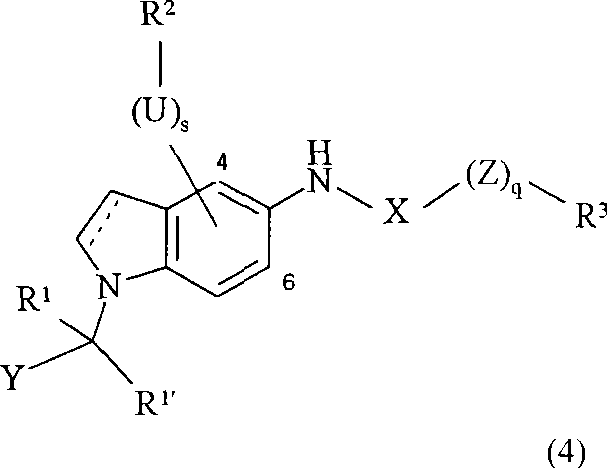
Wherein
Dotted line is represented the key chosen wantonly;
R
1And R
1 'Be independently selected from hydrogen, C
1-6Alkane (alkene/alkynes) base, C
3-8Cycloalkanes (alkene) base, C
3-8Cycloalkanes (alkene) base-C
1-6Alkane (alkene/alkynes) base, hydroxyl-C
1-6Alkane (alkene/alkynes) base, hydroxyl-C
3-8Cycloalkanes (alkene) base, hydroxyl-C
3-8Cycloalkanes (alkene) base-C
1-6Alkane (alkene/alkynes) base, halo-C
1-6Alkane (alkene/alkynes) base, halo-C
3-8Cycloalkanes (alkene) base, halo-C
3-8Cycloalkanes (alkene) base-C
1-6Alkane (alkene/alkynes) base, cyano group-C
1-6Alkane (alkene/alkynes) base, cyano group-C
3-8Cycloalkanes (alkene) base and cyano group-C
3-8Cycloalkanes (alkene) base-C
1-6Alkane (alkene/alkynes) base; Perhaps
R
1And R
1 'Connected carbon atom forms the saturated or unsaturated ring of 3-8 unit together, and this ring is chosen wantonly and contained 1 or 2 hetero atom;
S is 0 or 1;
U is O, NR
11, S, SO
2, SO
2NR
11, CO-O or CO-NR
11R wherein
11Be selected from hydrogen, C
1-6Alkane (alkene/alkynes) base, C
3-8Cycloalkanes (alkene) base, C
3-8Cycloalkanes (alkene) base-C
1-6Alkane (alkene/alkynes) base; Perhaps R
2And R
11Connected nitrogen-atoms forms the saturated or unsaturated ring of 4-8 unit together, and this ring is chosen wantonly and contained 1,2 or 3 other hetero atom;
R
2Be selected from hydrogen, C
1-6Alkane (alkene/alkynes) base, C
3-8Cycloalkanes (alkene) base, C
3-8Cycloalkanes (alkene) base-C
1-6Alkane (alkene/alkynes) base, Ar, Ar-C
1-6Alkane (alkene/alkynes) base, Ar-C
3-8Cycloalkanes (alkene) base, Ar-C
3-8Cycloalkanes (alkene) base-C
1-6Alkane (alkene/alkynes) base, acyl group, hydroxyl-C
1-6Alkane (alkene/alkynes) base, hydroxyl-C
3-8Cycloalkanes (alkene) base, hydroxyl-C
3-8Cycloalkanes (alkene) base-C
1-6Alkane (alkene/alkynes) base, halogen, halo-C
1-6Alkane (alkene/alkynes) base, halo-C
3-8Cycloalkanes (alkene) base, halo-C
3-8Cycloalkanes (alkene) base-C
1-6Alkane (alkene/alkynes) base, cyano group, cyano group-C
1-6Alkane (alkene/alkynes) base, cyano group-C
3-8Cycloalkanes (alkene) base, cyano group-C
3-8Cycloalkanes (alkene) base-C
1-6Alkane (alkene/alkynes) base ,-NO
2, NR
10R
10 '-C
1-6Alkane (alkene/alkynes) base, NR
10R
10 '-C
3-8Cycloalkanes (alkene) base and NR
10R
10 '-C
3-8Cycloalkanes (alkene) base-C
1-6Alkane (alkene/alkynes) base; Wherein
R
10And R
10 'Be independently selected from hydrogen, C
1-6Alkane (alkene/alkynes) base, C
3-8Cycloalkanes (alkene) base, C
3-8Cycloalkanes (alkene) base-C
1-6Alkane (alkene/alkynes) base, hydroxyl-C
1-6Alkane (alkene/alkynes) base, hydroxyl-C
3-8Cycloalkanes (alkene) base, hydroxyl-C
3-8Cycloalkanes (alkene) base-C
1-6Alkane (alkene/alkynes) base, halo-C
1-6Alkane (alkene/alkynes) base, halo-C
3-8Cycloalkanes (alkene) base, halo-C
3-8Cycloalkanes (alkene) base-C
1-6Alkane (alkene/alkynes) base, cyano group-C
1-6Alkane (alkene/alkynes) base, cyano group-C
3-8Cycloalkanes (alkene) base and cyano group-C
3-8Cycloalkanes (alkene) base-C
1-6Alkane (alkene/alkynes) base, perhaps
R
10And R
10 'Nitrogen-atoms together with its connection forms the saturated or unsaturated ring of 4-8 unit, and this ring is chosen wantonly and contained 1,2 or 3 other hetero atom;
Condition is to work as R
2Be NO
2, when halogen or cyano group, then s is 0; And
Condition is to work as R
2For hydrogen atom or acyl group and s are 1 o'clock, then U is NR
11, O or S;
Group-(U) wherein
s-R
2Be connected to the 4-or the 6-position of indole or indoline;
Q is 0 or 1;
Z is O or S;
X is CO or SO
2Condition be when X be SO
2The time, q is 0;
R
3Be selected from C
1-6Alkane (alkene/alkynes) base, C
3-8Cycloalkanes (alkene) base, heterocycle alkane (alkene) base, C
3-8Cycloalkanes (alkene) base-C
1-6Alkane (alkene/alkynes) base, C
1-6Alkane (alkene/alkynes) base-C
3-8Cycloalkanes (alkene) base, C
1-6Alkane (alkene/alkynes) base-heterocycle alkane (alkene) base, Ar, Ar-C
1-6Alkane (alkene/alkynes) base, Ar-C
3-8Cycloalkanes (alkene) base, Ar-heterocycle alkane (alkene) base, Ar-C
3-8Cycloalkanes (alkene) base-C
1-6Alkane (alkene/alkynes) base, Ar-C
1-6Alkane (alkene/alkynes) base-C
3-8Cycloalkanes (alkene) base, Ar-C
1-6Alkane (alkene/alkynes) base-heterocycle alkane (alkene) base, C
1-6Alkane (alkene/alkynes) oxygen base-C
1-6Alkane (alkene/alkynes) base, C
3-8Cycloalkanes (alkene) oxygen base-C
1-6Alkane (alkene/alkynes) base, C
1-6Alkane (alkene/alkynes) oxygen base-C
3-8Cycloalkanes (alkene) base, C
1-6Alkane (alkene/alkynes) oxygen base-heterocycle alkane (alkene) base, Ar-oxygen base-C
1-6Alkane (alkene/alkynes) base, Ar-C
1-6Alkane (alkene/alkynes) oxygen base-C
1-6Alkane (alkene/alkynes) base, C
1-6Alkane (alkene/alkynes) oxygen base-carbonyl-C
1-6Alkane (alkene/alkynes) base, C
3-8Cycloalkanes (alkene) oxygen base-carbonyl-C
1-6Alkane (alkene/alkynes) base, C
3-8Cycloalkanes (alkene) base-C
1-6Alkane (alkene/alkynes) oxygen base-carbonyl-C
1-6Alkane (alkene/alkynes) base, hydroxyl-C
1-6Alkane (alkene/alkynes) base, hydroxyl-C
3-8Cycloalkanes (alkene) base, hydroxyl-heterocycle alkane (alkene) base, hydroxyl-C
3-8Cycloalkanes (alkene) base-C
1-6Alkane (alkene/alkynes) base, hydroxyl-C
1-6Alkane (alkene/alkynes) base-C
3-8Cycloalkanes (alkene) base, hydroxyl-C
1-6Alkane (alkene/alkynes) base-heterocycle alkane (alkene) base, halo-C
1-6Alkane (alkene/alkynes) base, halo-C
3-8Cycloalkanes (alkene) base, halo-heterocycle alkane (alkene) base, halo-C
3-8Cycloalkanes (alkene) base-C
1-6Alkane (alkene/alkynes) base, halo-C
1-6Alkane (alkene/alkynes) base-C
3-8Cycloalkanes (alkene) base, halo-C
1-6Alkane (alkene/alkynes) base-heterocycle alkane (alkene) base, halo-C
1-6Alkane (alkene/alkynes) base-Ar, halo-C
3-8Cycloalkanes (alkene) base-Ar, halo-C
3-8Cycloalkanes (alkene) base-C
1-6Alkane (alkene/alkynes) base-Ar, halo-C
1-6Alkane (alkene/alkynes) base-C
3-8Cycloalkanes (alkene) base-Ar, cyano group-C
1-6Alkane (alkene/alkynes) base, cyano group-C
3-8Cycloalkanes (alkene) base, cyano group-heterocycle alkane (alkene) base, cyano group-C
3-8Cycloalkanes (alkene) base-C
1-6Alkane (alkene/alkynes) base, cyano group-C
1-6Alkane (alkene/alkynes) base-C
3-8Cycloalkanes (alkene) base, cyano group-C
1-6Alkane (alkene/alkynes) base-heterocycle alkane (alkene) base, acyl group-C
1-6Alkane (alkene/alkynes) base, acyl group-C
3-8Cycloalkanes (alkene) base, acyl group-heterocycle alkane (alkene) base, acyl group-C
3-8Cycloalkanes (alkene) base-C
1-6Alkane (alkene/alkynes) base, acyl group-C
1-6Alkane (alkene/alkynes) base-C
3-8Cycloalkanes (alkene) base, acyl group-C
1-6Alkane (alkene/alkynes) base-heterocycle alkane (alkene) base and-NR
12R
12 ', the optional NR that replaces
12R
12 '-C
1-6Alkane (alkene/alkynes) base, the optional NR that replaces
12R
12 '-C
3-8Cycloalkanes (alkene) base, the optional NR that replaces
12R
12 '-C
3-8Cycloalkanes (alkene) base-C
1-6Alkane (alkene/alkynes) base; R wherein
12And R
12 'Be independently selected from hydrogen, C
1-6Alkane (alkene/alkynes) base, C
3-8Cycloalkanes (alkene) base, C
3-8Cycloalkanes (alkene) base-C
1-6Alkane (alkene/alkynes) base, Ar, Ar-C
1-6Alkane (alkene/alkynes) base, Ar-C
3-8Cycloalkanes (alkene) base, Ar-C
3-8Cycloalkanes (alkene) base-C
1-6Alkane (alkene/alkynes) base, hydroxyl-C
1-6Alkane (alkene/alkynes) base, hydroxyl-C
3-8Cycloalkanes (alkene) base, hydroxyl-C
3-8Cycloalkanes (alkene) base-C
1-6Alkane (alkene/alkynes) base, halo-C
1-6Alkane (alkene/alkynes) base, halo-C
3-8Cycloalkanes (alkene) base, halo-C
3-8Cycloalkanes (alkene) base-C
1-6Alkane (alkene/alkynes) base, cyano group-C
1-6Alkane (alkene/alkynes) base, cyano group-C
3-8Cycloalkanes (alkene) base and cyano group-C
3-8Cycloalkanes (alkene) base-C
1-6Alkane (alkene/alkynes) base, perhaps
R
12And R
12 'Nitrogen-atoms together with its connection forms the saturated or unsaturated ring of 4-8 unit, and this ring is chosen wantonly and contained 1,2 or 3 other hetero atom;
Condition is to work as R
3Be NR
12R
12 'The time then q be 0;
And
The group of Y expression II, III, IV, V, VI, XXX and XXXI:
Perhaps

Wherein
Line represents to connect group that Y the represents key to carbon atom;
W is O or S;
T is N, NH or O;
L is N, C or CH;
A is 0,1,2 or 3;
B is 0,1,2,3 or 4;
C is 0 or 1;
D is 0,1,2 or 3;
E is 0,1 or 2;
F is 0,1,2,3,4 or 5;
G is 0,1,2,3 or 4;
H is 0,1,2 or 3;
J is 0,1,2 or 3; Condition is when T is nitrogen-atoms, and then j is 0,1,2 or 3; And when T was NH or oxygen atom, then j was 0,1 or 2;
K is 0,1,2,3 or 4; And
Each R
5Be independently selected from C
1-6Alkane (alkene/alkynes) base, C
3-8Cycloalkanes (alkene) base, C
3-8Cycloalkanes (alkene) base-C
1-6Alkane (alkene/alkynes) base, Ar, Ar-C
1-6Alkane (alkene/alkynes) base, Ar-sulfenyl, Ar-oxygen base, acyl group, C
1-6Alkane (alkene/alkynes) oxygen base, C
3-8Cycloalkanes (alkene) oxygen base, C
3-8Cycloalkanes (alkene) base-C
1-6Alkane (alkene/alkynes) oxygen base, halogen, halo-C
1-6Alkane (alkene/alkynes) base, halo-C
3-8Cycloalkanes (alkene) base, halo-C
3-8Cycloalkanes (alkene) base-C
1-6Alkane (alkene/alkynes) base ,-CO-NR
6R
6 ', cyano group, cyano group-C
1-6Alkane (alkene/alkynes) base, cyano group-C
3-8Cycloalkanes (alkene) base, cyano group-C
3-8Cycloalkanes (alkene) base-C
1-6Alkane (alkene/alkynes) base ,-NR
7R
7 ',-S-R
8With-SO
2R
8, perhaps
Two adjacent R
5Connected aryl forms 4-8 unit ring together, optional one or two hetero atom that contains of this ring;
R
6And R
6 'Be independently selected from hydrogen, C
1-6Alkane (alkene/alkynes) base, C
3-8Cycloalkanes (alkene) base, C
3-8Cycloalkanes (alkene) base-C
1-6Alkane (alkene/alkynes) base and Ar;
R
7And R
7 'Be independently selected from hydrogen, C
1-6Alkane (alkene/alkynes) base, C
3-8Cycloalkanes (alkene) base, C
3-8Cycloalkanes (alkene) base-C
1-6Alkane (alkene/alkynes) base, Ar and acyl group;
And
R
8Be selected from hydrogen, C
1-6Alkane (alkene/alkynes) base, C
3-8Cycloalkanes (alkene) base, C
3-8Cycloalkanes (alkene) base-C
1-6Alkane (alkene/alkynes) base, Ar and-NR
9R
9 'R wherein
9And R
9 'Be independently selected from hydrogen, C
1-6Alkane (alkene/alkynes) base, C
3-8Cycloalkanes (alkene) base and C
3-8Cycloalkanes (alkene) base-C
1-6Alkane (alkene/alkynes) base; Condition is to work as R
8For-NR
9R
9 'The time, R then
5Be not-S-R
8
Or its pharmaceutically acceptable salt; And
Its Chinese style 5 is:

Wherein
Q is 0 or 1;
W is O or S;
X is CO;
Z is O;
R1 is selected from halogen, cyano group, C
1-6Alkane (alkene/alkynes) base, C
3-8Cycloalkanes (alkene) base, C
3-8Cycloalkanes (alkene) base-C
1-6Alkane (alkene/alkynes) base, halo-C
1-6Alkane (alkene/alkynes) base, halo-C
3-8Cycloalkanes (alkene) base, halo-C
3-8Cycloalkanes (alkene) base-C
1-6Alkane (alkene/alkynes) base, C
1-6Alkane (alkene/alkynes) oxygen base, C
3-8Cycloalkanes (alkene) oxygen base, C
3-8Cycloalkanes (alkene) base-C
1-6Alkane (alkene/alkynes) oxygen base;
R2 is selected from halogen, cyano group, C
1-6Alkane (alkene/alkynes) base, C
3-8Cycloalkanes (alkene) base, C
3-8Cycloalkanes (alkene) base-C
1-6Alkane (alkene/alkynes) base, halo-C
1-8Alkane (alkene/alkynes) base, halo-C
3-8Cycloalkanes (alkene) base, halo-C
3-8Cycloalkanes (alkene) base-C
1-6Alkane (alkene/alkynes) base, C
1-6Alkane (alkene/alkynes) oxygen base, C
3-8Cycloalkanes (alkene) oxygen base and C
3-8Cycloalkanes (alkene) base-C
1-6Alkane (alkene/alkynes) oxygen base, the optional phenyl that replaces and the optional pyridine radicals that replaces; Wherein phenyl and pyridine radicals are optional is replaced by one or more substituent groups, and described substituent group is halogen, C independently
1-
6Alkane (alkene/alkynes) base, C
3-8Cycloalkanes (alkene) base, C
3-8Cycloalkanes (alkene) base-C
1-6Alkane (alkene/alkynes) base;
R3 is selected from C
1-10Alkane (alkene/alkynes) base, C
3-8Cycloalkanes (alkene) base or C
3-8Cycloalkanes (alkene) base-C
1-6Alkane (alkene/alkynes) base, Ar-C
1-6Alkane (alkene/alkynes) base, Ar-C
3-8Cycloalkanes (alkene) base, Ar-C
3-8Cycloalkanes (alkene) base-C
1-6Alkane (alkene/alkynes) base and Ar; And
Each R4, R5, R6 and R7 are independently selected from hydrogen and Ar;
Or its pharmaceutically acceptable salt; And
Its Chinese style 6 is:

Wherein
Z is O or S;
And
Q is 0 or 1;
And
Each R
1And R
2Be independently selected from halogen, cyano group, amino, C
1-6Alkane (alkene/alkynes) base, C
3-8Cycloalkanes (alkene) base, C
3-8Cycloalkanes (alkene) base-C
1-6Alkane (alkene/alkynes) base, C
3-8Heterocycle alkane (alkene) base, aryl, heteroaryl, halo-C
1-6Alkane (alkene/alkynes) base, halo-C
3-8Cycloalkanes (alkene) base, halo-C
3-8Cycloalkanes (alkene) base-C
1-6Alkane (alkene/alkynes) base, C
1-6Alkane (alkene/alkynes) oxygen base, C
3-8Cycloalkanes (alkene) oxygen base, C
3-8Cycloalkanes (alkene) base-C
1-6Alkane (alkene/alkynes) oxygen base, C
3-8Heterocycle alkane (alkene) oxygen base;
And
R
3Be selected from C
1-8Alkane (alkene/alkynes) base, C
3-8Cycloalkanes (alkene) base, C
3-8Cycloalkanes (alkene) base-C
1-6Alkane (alkene/alkynes) base, aryl-C
1-6Alkane (alkene/alkynes) base, aryl-C
3-8Cycloalkanes (alkene) base, aryl-C
3-8Cycloalkanes (alkene) base-C
1-6Alkane (alkene/alkynes) base, C
3-8Heterocycle alkane (alkene) base-C
1-6Alkane (alkene/alkynes) base, C
1-6Alkane (alkene/alkynes) base-C
3-8Heterocycle alkane (alkene) base-C
1-6Alkane (alkene/alkynes) base, heteroaryl-C
1-6Alkane (alkene/alkynes) base, heteroaryl-C
3-8Cycloalkanes (alkene) base, heteroaryl-C
3-8Cycloalkanes (alkene) base-C
1-6Alkane (alkene/alkynes) base, amino-C
1-6Alkane (alkene/alkynes) base, amino-C
3-8Cycloalkanes (alkene) base, amino-C
3-8Cycloalkanes (alkene) base-C
1-6Alkane (alkene/alkynes) base, C
1-6Alkane (alkene/alkynes) oxygen base-C
1-6Alkane (alkene/alkynes) base, C
3-8Cycloalkanes (alkene) oxygen base-C
1-6Alkane (alkene/alkynes) base, C
3-8Cycloalkanes (alkene) base-C
1-6Alkane (alkene/alkynes) oxygen base-C
1-6Alkane (alkene/alkynes) base, halo-C
1-6Alkane (alkene/alkynes) base, halo-C
3-8Cycloalkanes (alkene) base and halo-C
3-8Cycloalkanes (alkene) base-C
1-6Alkane (alkene/alkynes) base;
And
R
4Be selected from halogen, cyano group, C
1-6Alkane (alkene/alkynes) base, C
3-8Cycloalkanes (alkene) base, C
3-8Cycloalkanes (alkene) base-C
1-6Alkane (alkene/alkynes) base, C
3-8Heterocycle alkane (alkene) base, aryl, heteroaryl, aryl-C
1-6Alkane (alkene/alkynes) base, aryl-C
3-8Cycloalkanes (alkene) base, aryl-C
3-8Cycloalkanes (alkene) base-C
1-6Alkane (alkene/alkynes) base, aryl-C
3-8Heterocycle alkane (alkene) base, halo-C
1-6Alkane (alkene/alkynes) base, halo-C
3-8Cycloalkanes (alkene) base, halo-C
3-8Cycloalkanes (alkene) base-C
1-6Alkane (alkene/alkynes) base, halo-C
1-6Alkane (alkene/alkynes) base-C
3-8Heterocycle alkane (alkene) base-C
1-6Alkane (alkene/alkynes) base, NR
5R
6And R
7NH-C
1-6Alkane (alkene/alkynes) base; R wherein
5And R
6Be independently selected from hydrogen, aryl-C
1-6Alkane (alkene/alkynes) base, aryl-C
3-8Cycloalkanes (alkene) base, aryl-C
3-8Cycloalkanes (alkene) base-C
1-6Alkane (alkene/alkynes) base, C
1-6Alkane (alkene/alkynes) base, C
3-8Cycloalkanes (alkene) base, C
3-8Cycloalkanes (alkene) base-C
1-6Alkane (alkene/alkynes) base, heteroaryl-C
1-6Alkane (alkene/alkynes) base, heteroaryl-C
3-8Cycloalkanes (alkene) base and heteroaryl-C
3-8Cycloalkanes (alkene) base-C
1-6Alkane (alkene/alkynes) base, condition is R
5And R
6Be not hydrogen simultaneously; And R
7Be selected from C
1-6Alkane (alkene/alkynes) base, C
3-8Cycloalkanes (alkene) base, C
3-8Cycloalkanes (alkene) base-C
1-6Alkane (alkene/alkynes) base, aryl, halo-C
1-6Alkane (alkene/alkynes) base, halo-C
3-8Cycloalkanes (alkene) base, halo-C
3-8Cycloalkanes (alkene) base-C
1-6Alkane (alkene/alkynes) base, aryl-C
1-6Alkane (alkene/alkynes) base, aryl-C
3-8Cycloalkanes (alkene) base and heteroaryl;
Or its pharmaceutically acceptable salt; And
Its Chinese style 7 is:

Wherein
Q is 0 or 1;
Each R
1And R
2Be independently selected from halogen, cyano group, C
1-6Alkane (alkene/alkynes) base, C
3-8Cycloalkanes (alkene) base, C
3-8Cycloalkanes (alkene) base-C
1-6Alkane (alkene/alkynes) base, halo-C
1-6Alkane (alkene/alkynes) base, halo-C
3-8Cycloalkanes (alkene) base, halo-C
3-8Cycloalkanes (alkene) base-C
1-6Alkane (alkene/alkynes) base, C
1-6Alkane (alkene/alkynes) oxygen base, C
3-8Cycloalkanes (alkene) oxygen base and C
3-8Cycloalkanes (alkene) base-C
1-6Alkane (alkene/alkynes) oxygen base; And
R
3Be selected from C
1-8Alkane (alkene/alkynes) base, C
3-8Cycloalkanes (alkene) base, C
3-8Cycloalkanes (alkene) base-C
1-6Alkane (alkene/alkynes) base, the optional aryl-C that replaces
1-6Alkane (alkene/alkynes) base, the optional aryl-C that replaces
3-8Cycloalkanes (alkene) base, the optional aryl-C that replaces
3-8Cycloalkanes (alkene) base-C
1-6Alkane (alkene/alkynes) base, C
1-6Alkane (alkene/alkynes) base-C
3-8Heterocycle alkane (alkene) base-C
1-6Alkane (alkene/alkynes) base, C
3-8Heterocycle alkane (alkene) base-C
1-6Alkane (alkene/alkynes) base, C
1-6Alkane (alkene/alkynes) base-C
3-8Heterocycle alkane (alkene) base-C
1-6Alkane (alkene/alkynes) base, heteroaryl-C
1-6Alkane (alkene/alkynes) base, heteroaryl-C
3-8Cycloalkanes (alkene) base, heteroaryl-C
3-8Cycloalkanes (alkene) base-C
1-6Alkane (alkene/alkynes) base, NR
4R
5-C
1-6Alkane (alkene/alkynes) base, NR
4R
5-C
3-8Cycloalkanes (alkene) base, NR
4R
5-C
3-8Cycloalkanes (alkene) base-C
1-6Alkane (alkene/alkynes) base, C
1-6Alkane (alkene/alkynes) oxygen base-C
1-6Alkane (alkene/alkynes) base, C
3-8Cycloalkanes (alkene) oxygen base-C
1-6Alkane (alkene/alkynes) base, C
3-8Cycloalkanes (alkene) base-C
1-6Alkane (alkene/alkynes) oxygen base-C
1-6Alkane (alkene/alkynes) base, halo-C
1-6Alkane (alkene/alkynes) base, halo-C
3-8Cycloalkanes (alkene) base and halo-C
3-8Cycloalkanes (alkene) base-C
1-6Alkane (alkene/alkynes) base; Wherein
Each R
4And R
5Be independently selected from hydrogen, C
1-6Alkane (alkene/alkynes) base, C
3-8Cycloalkanes (alkene) base and C
3-8Cycloalkanes (alkene) base-C
1-6Alkane (alkene/alkynes) base;
Or its pharmaceutically acceptable salt; And
Its Chinese style 8 is:
Wherein: q is 0 or 1;
R
1And R
2Be independently selected from hydrogen and the optional aryl-C that replaces
1-6Alkane (alkene/alkynes) base, condition is R
1And R
2Be not hydrogen, perhaps R simultaneously
1And R
2Connected nitrogen-atoms forms 5 to 7 yuan of rings together, and it is chosen wantonly and contains other hetero atom;
R
3And R
4Be independently selected from hydrogen, halogen, cyano group, amino, C
1-6Alkane (alkene/alkynes) base, C
3-8Cycloalkanes (alkene) base, halo-C
1-6Alkane (alkene/alkynes) base, halo-C
3-8Cycloalkanes (alkene) base, C
1-6Alkane (alkene/alkynes) oxygen base, C
3-8Cycloalkanes (alkene) oxygen base, C
3-8Cycloalkanes (alkene) base-C
1-6Alkane (alkene/alkynes) oxygen base, halo-C
1-6Alkane (alkene/alkynes) oxygen base, halo-C
3-8Cycloalkanes (alkene) oxygen base and halo-C
3-8Cycloalkanes (alkene) base-C
1-6Alkane (alkene/alkynes) base, condition is R
3And R
4Be not hydrogen simultaneously;
R
5Be selected from C
1-10Alkane (alkene/alkynes) base, C
3-8Cycloalkanes (alkene) base-C
1-6Alkane (alkene/alkynes) base, the optional aryl-C that replaces
1-6Alkane (alkene/alkynes) base and the optional aryl that replaces;
Or its pharmaceutically acceptable salt; And
Its Chinese style 9 is:

Or its pharmaceutically acceptable salt.
In an embodiment again, the present invention relates to a kind of method, wherein said chemical compound is selected from:
N-(2-amino-4-(4-fluorobenzene methylamino)-phenyl) urethanes;
2-cyclopenta-N-(2,6-dimethyl-4-morpholine-4-base-phenyl)-acetamide;
N-(2,6-dimethyl-4-morpholine-4-base-phenyl)-3,3-dimethyl-butyramide;
N-(4,6-dimethyl-2-morpholine-4-base-pyrimidine-5-yl)-2-(4-fluoro-phenyl)-acetamide;
Caproic acid (2,6-two fluoro-4-morpholine-4-base-phenyl)-amide;
2-cyclopenta-N-(4,6-dimethyl-2-morpholine-4-base-pyrimidine-5-yl)-acetamide;
N-(2-bromo-4-morpholine-4-base-6-trifluoromethyl-phenyl)-propionic acid amide.;
N-(2,4-dimethyl-6-morpholine-4-base-pyridin-3-yl)-3,3-dimethyl-butyramide;
[2-amino-4-(2,4,6-trimethyl-benzyl amino)-phenyl]-urethanes; With
2-cyclopenta-N-(2-methoxyl group-6-methyl-4-morpholine-4-base-phenyl)-acetamide.
Term " kcnq potassium channel " refers to homology or allos potassium channel, and it comprises at least a hypotype that is selected from a KCNQ passage among KCNQ2, KCNQ3, KCNQ4 and the KCNQ5.
Term " can selectivity increases the chemical compound by the ion flow of kcnq potassium channel " and refers to open kcnq potassium channel and do not open other potassium channels and the preferred chemical compound of not regulating any other passage or receptor in any significant degree in any significant degree.
Term " adjusting " about passage or receptor refers to a kind of antagonistic effect or agonist effect for described passage or receptor.
Term " psychosis potential " about chemical compound refers to the chemical compound that has the treatment or alleviate the potential of one or more mental disorder symptoms.One of described mental disorder is a schizophrenia.
The term " treatment " relevant with disease or obstacle used herein also comprises prevention, suppresses and improves, and depends on the circumstances.
Term " acute treatment " refers to introduces or introduces chemical compound according to the present invention to alleviate (perhaps being to relax at least) psychotic deterioration.
Term " long-term treatment " refers to keeps (maintanence) or lifelong treatment.
Term " host " refers to any mammal.Use is according to the host of compounds for treating of the present invention, and is for example human, can be actually any experimenter among the human population, male or women, and it can be divided into child, adult or elderly people.Among these patient groups any one relates to one embodiment of the invention.
Term " effective dose " refers to the chemical compound of enough generation significant responses (tissue, system, animal or people's that research worker, veterinary, internist or other clinicists seek biological response or medicinal response) to experimenter's administration time the or the quantity/dosage of pharmaceutical composition." effective dose " will be especially according to the disease and the order of severity thereof, and treatment experimenter's age, weight, physical qualification and response change.
The potential of compounds for treating psychosis obstacle is supported by behavior test reflection in the body of antipsychotic drug sample behavior, one of them such chemical compound can be controlled intense psychotic behavior (agitated psychotic behavior), relaxes the acute mental disorder state, alleviate psychotic symptoms and produce stabile effect, the excited inhibition of the function that the behavior of described antipsychotic drug sample causes for for example analeptic, the inhibition that the sensitization response (function is excited) of amphetamines is suppressed and avoids response for conditionality.
The potential of compounds for treating psychosis positive symptom is supported by behavior test reflection in the body of antipsychotic drug sample behavior, wherein the positive symptom is defined as comprising that vain hope forms and the symptoms of schizophrenia group of hallucination (internal organs, vision, audition), the excited inhibition of the function that the behavior of described antipsychotic drug sample causes for for example analeptic, the sensitization response (function is excited) of amphetamines is suppressed and avoid for conditionality the inhibition that responds.
The potential of compounds for treating psychosis negative symptom, by forced swimming test, the interior behavior test of the body reflection that is the behavior of antidepressant sample supports that wherein negative symptoms is defined as comprising that emotion is discord and the symptoms of schizophrenia group of degeneration behavior (regressive behaviour).
The potential of the chemical compound that therapeutic efficacy is rapid-action is defined as the clinical treatment usefulness that chemical compound produces quick acting, promptly than the potential that in given indicating area, adopts the faster onset of chemical compound finding of clinical use, electric physiology evaluation by the frequency of spontaneous discharges of the dopaminergic cell of midbrain ventral tegmental area in the body is supported, shows the acute inhibition effect (opposite with the inhibition effect after only giving chronic dose) of chemical compound.
The shortage of the side effect relevant with the D2 antagonism is defined as the side effect of avoiding receptor related with D2, supposes the shortage of participating in directly of D2 receptor in the mechanism of action of the chemical compound of mentioning.
Anti-two-phase obstacle potential is defined as treating the two-phase obstacle, the potential of a kind of major mood disorders (it swings (manic and/or depressed) and anesis and tendency of recurrence with serious mood is feature).
Anti-manic potential is defined as treating manic, be the potential of the part of two-phase obstacle outbreak spectrum, it is supported by behavior test reflection in the body of anti-manic sample behavior, and described anti-manic sample behavior is for example excited inhibition of the function that causes of analeptic and the inhibition that the sensitization of amphetamines is responded (function is excited).
The depressed potential of anti-two-phase is defined as treating the two-phase depression, i.e. the potential of the part of two-phase obstacle outbreak spectrum, and it is by the positive role in the forced swimming test, and behavior test reflection is supported in the body of a kind of antidepressant sample behavior.
Antidepressant potential is defined as treating the patient's who suffers from the serious symptom depression potential, and it is by the positive role in the forced swimming test, and behavior test reflection is supported in the body of a kind of antidepressant sample behavior.
The excited test of the function that acute analeptic causes is defined as relating to the live test of rat, described rat is given the acute s.c. injection of amphetamines-sulfate, cause the autonomic activities (behavior of psychosis sample) of raising, this autonomic activities can be reversed by antipsychotic compound and anti-manic chemical compound.
The excited test of the function that the amphetamines of sensitization causes is defined as relating to the live test of mice, thereby described mice has periodically been used amphetamines to carry out treatment and become to the amphetamines-sulfate sensitivity (having amplified the autonomic activities response) with post dose.The response of amplifying can reverse by antipsychotic compound and anti-manic chemical compound.
In the spontaneous discharge test of limbic brain DA cell be defined as relating to the live test of the rat of anesthesia, wherein the frequency of spontaneous discharges of the dopamine neuron in the ventral tegmental area is estimated.
Forced swimming test is defined as relating to the live test of mice, wherein the short test period (minute) during estimate time of static consumption when being dipped in the water.Antidepressant compounds has lowered the behavior.
Chemical compound according to formula 1 can be according to the preparation of describing among the WO2004/058739.
Chemical compound according to formula 2 can be according to the preparation of describing among the WO2004/082677.
Chemical compound according to formula 3 can be according to the preparation of describing among the WO2004/080950.
Chemical compound according to formula 4 can be according to the preparation of describing among the WO2004/096767.
Chemical compound according to formula 5 can be according to the preparation of describing among the WO2005/087754.
Chemical compound according to formula 6 can be according to the preparation of describing among the WO2006/029623.
Chemical compound according to formula 7 can be according to the preparation of describing among the WO2006/092143.
Chemical compound according to formula 8 can be according to the preparation of describing among the PCT/DK06/050039.
Chemical compound according to formula 9 can be according to the preparation of middle EP554543 description.
In another embodiment, the present invention relates to the chemical compound according to formula 1, wherein said chemical compound is selected from:
2-amino-4-[(5-chloro-thiophene-2-ylmethyl)-methyl-amino]-phenyl }-urethanes; 2-amino-4-[(5-chloro-thiophene-2-ylmethyl)-amino]-phenyl }-urethanes; 2-amino-4-[(5-methyl-thiophene-2-ylmethyl)-methyl-amino]-phenyl }-urethanes; 2-amino-4-[(5-bromo-thiophene-2-ylmethyl)-amino]-phenyl }-urethanes; 2-amino-4-[(6-chloro-3-methoxyl group-benzo [b] thiophene-2-ylmethyl)-amino]-phenyl }-urethanes; 2-amino-4-[(benzo [b] thiophene-2-ylmethyl)-amino]-phenyl }-urethanes; 2-amino-4-[(5-methyl-thiophene-2-ylmethyl)-amino]-phenyl }-urethanes; 2-amino-4-[(4-bromo-3-methoxyl group-thiophene-2-ylmethyl)-amino]-phenyl }-urethanes; 2-amino-4-[(5-phenyl-thiophene-2-ylmethyl)-amino]-phenyl }-urethanes; 2-amino-4-[(3-chloro-thiophene-2-ylmethyl)-amino]-phenyl }-urethanes; (2-amino-4-{[4-(4-chloro-benzenesulfonyl)-3-methyl-thiophene-2-ylmethyl]-amino }-phenyl)-urethanes; 2-amino-4-[(3-methyl-thiophene-2-ylmethyl)-amino]-phenyl }-urethanes; 2-amino-4-[(5-fluoro-benzofuran-3-ylmethyl)-amino]-phenyl }-urethanes; 2-amino-4-[(thiophene-2-ylmethyl)-amino]-phenyl }-urethanes; 2-amino-4-[(4-bromo-thiophene-2-ylmethyl)-amino]-phenyl }-urethanes; 2-amino-4-[(5-ethyl-thiophene-2-ylmethyl)-amino]-phenyl }-urethanes; 2-amino-4-[(thiene-3-yl-methyl)-amino]-phenyl }-urethanes; 2-amino-4-[(5-chloro-thiophene-2-ylmethyl)-ethyl-amino]-phenyl }-urethanes; 2-amino-4-[(benzo [b] thiene-3-yl-methyl)-amino]-phenyl }-urethanes; 2-amino-4-[(5-dimethyl-amino-benzo [b] thiene-3-yl-methyl)-amino]-phenyl }-urethanes; 2-amino-4-[(5-dimethyl-amino-3-methyl-benzo [b] thiophene-2-ylmethyl)-amino]-phenyl }-urethanes; 2-amino-4-[(5-fluoro-thiophene-2-ylmethyl)-amino]-phenyl }-urethanes; 2-amino-4-[(benzo [b] thiophene-2-ylmethyl)-amino]-phenyl }-the carbamic acid propyl ester; 2-amino-4-[(benzo [b] thiene-3-yl-methyl)-amino]-phenyl }-the carbamic acid propyl ester; N-{2-amino-4-[(5-chloro-thiophene-2-ylmethyl) amino] phenyl }-2-(4-fluoro-phenyl)-acetamide and N-{2-amino-4-[(5-chloro-thiophene-2-ylmethyl) amino] phenyl }-3,3-dimethyl-butyramide, or its pharmaceutically acceptable salt.
In another embodiment, the present invention relates to the chemical compound according to formula 2, wherein said chemical compound is selected from:
{4 - [ ( benzofuran-2 - ylmethyl ) - amino ] -2 - methyl- phenyl} - carbamate ; {4 - [ ( 5 - chloro -
Thiophen-2 - ylmethyl ) - amino ] -2 - methyl -phenyl } - carbamic acid ethyl ester ; {4 - [ ( benzo [b] thiophene-2 -
Ylmethyl ) - amino ] -2 - methyl -phenyl } - carbamic acid ethyl ester ; {2 - methyl - 4 - [ ( 5 - phenyl - thiophene-2 -
Ylmethyl ) - amino ] - phenyl } - carbamic acid ethyl ester ; [ 4 - (4 - isopropyl - (phenylmethyl) amino) -2 - methyl- phenyl
Yl ] - carbamic acid ethyl ester ; [ 4 - (4 - fluoro - (phenylmethyl) amino) -2 - methyl -phenyl ] - carbamate ;
( 4 - { [ 4 - (4 - chloro - benzenesulfonyl ) -3 - methyl - thiophen-2 - ylmethyl ] - amino } -2 - methyl -phenyl ) - amino-
Propyl formate ; {4 - [ ( 5 - methyl - thiophen-2 - ylmethyl ) - amino ] -2 - methyl- phenyl} - carbamic acid C
Esters ; {4 - [ ( 5 - bromo - thiophen-2 - ylmethyl ) - amino ] -2 - methyl- phenyl} - carbamate ; {4 - [ ( 5 -
Chloro - thiophene-2 - ylmethyl ) - amino ] -2 - methyl- phenyl} - carbamate ; {4 - [ ( benzo [b] thiophene
-2 - Ylmethyl ) - amino ] -2 - methyl- phenyl} - carbamate ; {2 - methyl - 4 - [ ( 5 - phenyl - thiophene
-2 - Ylmethyl ) - amino ] - phenyl} - carbamate ; [ 4 - (4 - isopropyl - (phenylmethyl) amino) -2 - methyl
-Phenyl ] - carbamate ; {4 - [ ( 5 - bromo - thiophen-2 - ylmethyl ) - amino ] -2 - chlorophenyl } - amino
Ethyl ; {4 - [ ( 5 - chloro - thiophen-2 - ylmethyl ) - amino ] -2 - chlorophenyl } - carbamic acid ethyl ester ;
{4 - [ ( benzo [b] thiophen-2 - ylmethyl ) - amino ] -2 - chlorophenyl } - carbamic acid ethyl ester ; [ 2 - chloro -4 - (4 -
Isopropyl - (phenylmethyl) amino ) - phenyl ] - carbamic acid ethyl ester ; [ 2 - chloro -4 - (4 - fluoro - (phenylmethyl) amino ) -
Phenyl ] - carbamate ; 2 - chloro -4 - {[4 - (4 - chloro - benzenesulfonyl ) -3 - methyl - thiophen-2 - ylmethyl ] -
Amino } - phenyl ) - carbamate ; {4 - [ ( 5 - methyl - thiophen-2 - ylmethyl ) - amino ] -2 - chlorophenyl
Yl } - carbamate ; {4 - [ ( 5 - bromo - thiophen-2 - ylmethyl ) - amino ] -2 - chlorophenyl } - carbamic acid
Propyl ; {2 - chloro-4 - [ ( 5 - chloro - thiophen-2 - ylmethyl ) - amino ] - phenyl} - carbamate ; {4 - [ ( phenyl
And [b] thiophen-2 - ylmethyl ) - amino ] -2 - chlorophenyl } - carbamate ; {4 - [ ( benzofuran-2 - yl
Methyl ) - amino ] -2 - chlorophenyl } - carbamate ; {4 - [ ( 5 - chloro - thiophen-2 - ylmethyl ) - amino ] -2 -
Cyano- phenyl} - carbamic acid ethyl ester ; {4 - [ ( benzo [b] thiophen-2 - ylmethyl ) - amino ] -2 - methoxy-
Yl } - carbamic acid methyl ester ; {4 - [ ( 5 - bromo - thiophen-2 - ylmethyl ) - amino ] -2 - methoxy- phenyl} - amino
Isopropyl ; {4 - [ (4 - fluoro - benzyl) - ( methyl ) amino ] -2 - methoxy- phenyl} - carbamic acid C
Esters ; [4 - ( benzo [b] thiophen-2 - yl methyl - ( methyl) amino ) -2 - methoxy - phenyl ] - carbamic acid C
Esters ; {4 - [ ( 5 - chloro - thiophen-2 - ylmethyl ) - ( methyl ) amino ] -2 - methoxy - phenyl} - carbamic acid C
Esters ; {4 - [ ( 5 - bromo - thiophen-2 - ylmethyl ) - ( methyl ) amino ] -2 - methoxy - phenyl} - carbamic acid C
Esters ; {2 - methoxy - 4 - [methyl - ( 5 - methyl - thiophen-2 - ylmethyl ) - amino ] - phenyl} - carbamic acid C
Esters ; {4 - [ (4 - fluorobenzyl ) - ( methyl ) - amino ] -2 - isopropoxy- phenyl } - carbamic acid ethyl ester ;
[ 4 - (3 - fluorophenyl methyl- amino) -2 - methoxy -phenyl ] - carbamic acid ethyl ester ; [4 - ( 4 - iso- methyl
Amino) -2 - methoxy -phenyl ] - carbamic acid ethyl ester ; {2 - methoxy - 4 - [ (3 - methyl- thiophene-2 - yl methyl
Yl ) - amino ] - phenyl } - carbamic acid ethyl ester ; [ 4 - (2,4 - difluorophenyl dimethylamino) -2 - methoxy -phenyl ] -
Urethane ; [2 - cyclopentyloxy-4 - (4 - methoxybenzyl -amino) - phenyl ] - carbamic acid ethyl
Esters ; [2 - cyclopentyloxy-4 - (3 - fluoro-2 - methyl- benzylamino ) - phenyl ] - carbamic acid ethyl ester ; [ 4 - (3 -
Fluoro-2 - methyl- benzylamino ) -2 - phenyl -ethoxy -phenyl ] - carbamic acid ethyl ester ; [2 - benzyloxy
-4 - (3 - fluoro-2 - methyl- benzylamino ) - phenyl ] - carbamic acid ethyl ester ; [2 - benzyloxy-4 - (4 - (methylthio)
Phenyl methyl- amino) - phenyl ] - carbamic acid ethyl ester ; {4 - [ ( benzo [b] thiophen-3 - yl methyl ) - amino
Yl ] -2 - cyclopentyloxy- phenyl } - carbamic acid ethyl ester ; [ 4 - (3 - fluoro-2 - methyl- benzylamino ) -2 - isopropyl
Phenyl ] - carbamic acid ethyl ester ; [2 - benzyloxy-4 - (3 - methoxy- methyl -amino) - phenyl ] -
Urethane ; {4 - [ ( benzo [ 1,3 ] dioxolan-5 - ylmethyl ) - amino ] -2 - isopropoxy- phenyl
Yl } - carbamic acid ethyl ester ; {4 - [ ( 5 - bromo - thiophen-2 - ylmethyl ) - amino ] - phenyl} - carbamic acid C
Esters ; {4 - [ ( 5 - chloro - thiophen-2 - ylmethyl ) - amino ] - phenyl} - carbamate ; [2 - cyano-4 - (4 -
Cumene methylamino ) - phenyl ] - carbamic acid ethyl ester ; {4 - [ ( 5 - bromo - thiophen-2 - ylmethyl ) - ( A
Yl ) amino ] -2 - methyl- phenyl} - carbamate ; {4 - [ ( 4 - iso- methyl ) - ( methyl ) amino
Yl ] -2 - methyl- phenyl} - carbamate ; {2 - methyl - 4 - [methyl - (4 - (trifluoromethyl) - benzyl ) -
Amino ] - phenyl} - carbamate ; {2 - methyl - 4 - [methyl - (4 - (methylthio) - benzyl ) - amino ] -
Phenyl} - carbamate ; {4 - [ (4 - tert - benzyl ) - ( methyl ) amino ] -2 - chlorophenyl } - amino
Ethyl group ; {2 - chloro-4 - [methyl - (4 - (trifluoromethyl) - benzyl ) - amino ] - phenyl} - carbamic acid
Ester; {2 - chloro-4 - [methyl - (4 - (methylthio) - benzyl ) - amino ] - phenyl} - carbamic acid ethyl
Esters ; {4 - [ ( 5 - bromo - thiophen-2 - ylmethyl ) - ( methyl ) amino ] -2 - chlorophenyl } - carbamate ; {2 -
Chloro-4 - [ ( 5 - chloro - thiophen-2 - ylmethyl ) - ( methyl ) amino ] - phenyl} - carbamate ; {4 - [ (4 - tert-
Butyl - benzyl ) - ( methyl ) amino ] -2 - chlorophenyl } - carbamate ; {2 - chloro-4 - [methyl - (4 -
(Trifluoromethyl) - benzyl ) - amino ] - phenyl} - carbamate ; {4 - [ ( 5 - bromo - thiophene-2 - yl methyl
Yl ) - ( methyl ) amino] -2 - (trifluoromethyl) - phenyl} - carbamic acid ethyl ester ; {4 - [ ( 5 - chloro - thiophene-2 - yl methyl
Yl ) - ( methyl ) amino] -2 - (trifluoromethyl) - phenyl} - carbamic acid ethyl ester ; {4 - [ (4 - isopropyl - benzoic
Yl ) - ( methyl ) amino] -2 - (trifluoromethyl) - phenyl} - carbamic acid ethyl ester ; {4 - [ (4 - tert-butyl - benzoic
Yl ) - ( methyl ) amino] -2 - (trifluoromethyl) - phenyl} - carbamic acid ethyl ester ; {4 - [methyl - (4 - (trifluoromethyl)
- Phenylmethyl ) - amino ] -2 - (trifluoromethyl) - phenyl} - carbamic acid ethyl ester ; {4 - [methyl - (4 - (methylthio) - phenyl
Methyl ) - amino ] -2 - (trifluoromethyl) - phenyl} - carbamic acid ethyl ester ; {4 - [ ( 5 - bromo - thiophene-2 - yl methyl
Yl ) - ( methyl ) amino] -2 - (trifluoromethyl) - phenyl} - carbamate ; {4 - [ ( 5 - chloro - thiophene-2 - yl methyl
Yl ) - ( methyl ) amino] -2 - (trifluoromethyl) - phenyl} - carbamate ; {4 - [ (4 - isopropyl - benzoic
Yl ) - ( methyl ) amino] -2 - (trifluoromethyl) - phenyl} - carbamate ; {4 - [ (4 - tert-butyl - benzoic
Yl ) - ( methyl ) amino] -2 - (trifluoromethyl) - phenyl} - carbamate ; {4 - [methyl - (4 - (trifluoromethyl)
- Phenylmethyl ) - amino ] -2 - (trifluoromethyl) - phenyl} - carbamate ; {4 - [methyl - (4 - (methylthio) -
Benzyl ) - amino ] -2 - (trifluoromethyl) - phenyl} - carbamate ; {4 - [ ( 5 - bromo - thiophene-2 - yl methyl
Yl ) - ( methyl ) amino ] -2 - cyano- phenyl} - carbamate ; {4 - [ (4 - tert - benzyl ) - ( A
Yl ) amino ] -2 - cyano- phenyl} - carbamate ; {2 - cyano-4 - [methyl - (4 - (trifluoromethyl) - benzoic
Yl ) - amino ] - phenyl} - carbamate ; {2 - bromo-4 - [ ( 5 - bromo - thiophen-2 - ylmethyl ) - ( methyl ) amino
Yl ] - phenyl } - carbamate ; {2 - bromo-4 - [ ( 5 - chloro - thiophen-2 - ylmethyl ) - ( methyl ) amino ] - phenyl
Yl } - carbamate ; {2 - bromo-4 - [ ( 4 - iso- methyl ) - ( methyl ) amino ] - phenyl } - amino
Propyl formate ; {2 - bromo-4 - [ (4 - tert - benzyl ) - ( methyl ) amino ] - phenyl} - carbamic acid C
Esters ; {2 - bromo-4 - [methyl - (4 - (trifluoromethyl) - benzyl ) - amino ] - phenyl} - carbamate ; [2 -
Iodo-4 - (4 - isopropyl - (phenylmethyl) amino ) - phenyl ] - carbamate ; [ 4 - (4 - tert - (phenylmethyl)
Amino) -2 - iodo -phenyl ] - carbamate ; [2 - iodo-4 - (4 - (trifluoromethyl) - (phenylmethyl) amino ) - phenyl ] -
Carbamate ; [2 - iodo-4 - (4 - (methylthio) - (phenylmethyl) amino ) - phenyl ] - carbamate ; {2 -
Iodo-4 - [ 4 - (4 - methyl- piperazin-1 - yl ) - (phenylmethyl) amino ] - phenyl} - carbamate ; {4 - [ ( 5 - bromo -
Thiophen-2 - ylmethyl ) - amino ] -2 - (trifluoromethyl) - phenyl} - carbamic acid ethyl ester ; {4 - [ ( 5 - chloro - thiophene
-2 - Ylmethyl ) - amino ] -2 - (trifluoromethyl) - phenyl} - carbamic acid ethyl ester ; [ 4 - (4 - tert - (phenylmethyl)
Amino ) -2 - (trifluoromethyl) - phenyl ] - carbamic acid ethyl ester ; [ 4 - (4 - (methylthio) - (phenylmethyl) amino ) -2 - Three
Fluoro- methyl - phenyl ] - carbamic acid ethyl ester ; {4 - [ ( 5 - bromo - thiophen-2 - ylmethyl ) - amino ] -2 - trifluoromethyl
Yl - phenyl} - carbamate ; [4 - ( 4 - iso- dimethylamino) -2 - (trifluoromethyl) - phenyl ] - Ammonia
Carboxylic acid ester ; [ 4 - (4 - tert - (phenylmethyl) amino ) -2 - (trifluoromethyl) - phenyl ] - carbamic acid C
Esters ; [2 - (trifluoromethyl) -4 - (4 - (trifluoromethyl) - (phenylmethyl) amino ) - phenyl ] - carbamate ; [ 4 - (4 -
Dimethylamino - (phenylmethyl) amino ) -2 - (trifluoromethyl) - phenyl ] - carbamate ; [ 4 - (4 - (methylthio) -
Benzylamino ) -2 - (trifluoromethyl) - phenyl ] - carbamate ; {4 - [ ( 5 - bromo - thiophene-2 - yl methyl
Yl ) - amino ] -2 - cyano- phenyl} - carbamate ; {4 - [ ( 5 - chloro - thiophen-2 - ylmethyl ) - amino ] -2 -
Cyano- phenyl} - carbamate ; [2 - cyano-4 - (4 - (trifluoromethyl) - (phenylmethyl) amino ) - phenyl ] - Ammonia
Carboxylic acid ester; {2 - bromo-4 - [ ( 5 - bromo - thiophen-2 - ylmethyl ) - amino ] - phenyl} - carbamate ;
{2 - bromo-4 - [ ( 5 - chloro - thiophen-2 - ylmethyl ) - amino ] - phenyl} - carbamate ; [2 - bromo-4 - (4 - iso-
Propylbenzene methyl- amino ) - phenyl ] - carbamate ; [2 - bromo-4 - (4 - tert - (phenylmethyl) amino ) -
Phenyl ] - carbamate ; [2 - bromo-4 - (4 - (trifluoromethyl) - (phenylmethyl) amino ) - phenyl ] - carbamic acid
Propyl ; [2 - bromo-4 - (4 - (methylthio) - (phenylmethyl) amino ) - phenyl ] - carbamate ; N-{4 - [(5 - bromo-
- Thiophen-2 - ylmethyl ) - amino ] -2 - methoxy- phenyl} - butyramide ; N-{4 - [(5 - chloro - thiophene-2 - yl methyl
Yl ) - amino ] -2 - methoxy- phenyl} - butyramide ; N-[4 - (4 - iso- methyl- amino) -2 - methoxy-
Phenyl ] - butanamide;
N-[4 - (4 - tert - (phenylmethyl) amino) -2 - methoxy -phenyl ] - butanamide ; N-[2 - methoxy-4 - (4 -
(Trifluoromethyl) - (phenylmethyl) amino ) - phenyl ] - butanamide; {4 - [ ( 5 - chloro - thiophen-2 - ylmethyl ) - amino ] -2 -
Furan-2 - yl - phenyl} - carbamate ; [2 - furan-2 - yl -4 - ( 4 - iso- methyl- amino ) -
Phenyl ] - carbamate ; [ 5 - (4 - fluorophenyl methyl- amino ) - biphenyl-2 - yl ] - carbamate ;
{5 - [ ( 5 - chloro - thiophen-2 - ylmethyl ) - amino ] - biphenyl-2 - yl } - carbamate ; [ 5 - (4 - isopropyl-
Benzylamino ) - biphenyl-2 - yl ] - carbamate ; N-{2 - chloro-4 - [ ( 5 - chloro - thiophene-2 - yl methyl
Yl ) - ( methyl ) amino ] - phenyl} -2 - phenyl- acetamide ; N-{2 - chloro-4 - [ ( 5 - chloro - thiophene-2 - yl methyl
Yl ) - ( methyl ) amino ] - phenyl} -3,3 - dimethyl butanamide ; N-{2 - chloro-4 - [ ( 5 - chloro - thiophene-2 - yl methyl
Yl ) - ( methyl ) amino ] - phenyl} -3 - phenyl- propionamide ; N-{2 - chloro-4 - [ ( 5 - chloro - thiophene-2 - yl methyl
Yl ) - ( methyl ) amino ] - phenyl} - butyramide ; acid {2 - chloro-4 - [ ( 5 - chloro - thiophen-2 - ylmethyl ) - ( A
Yl ) amino ] - phenyl} - amide ; cyclopropanecarboxylic acid {2 - chloro-4 - [ ( 5 - chloro - thiophen-2 - ylmethyl ) - ( methyl )
Amino ] - phenyl} - amide ; cyclobutane carboxylic acid {2 - chloro-4 - [ ( 5 - chloro - thiophen-2 - ylmethyl ) - ( methyl ) amino
Yl ] - phenyl} - amide ; cyclopentanecarboxylic acid {2 - chloro-4 - [ ( 5 - chloro - thiophen-2 - ylmethyl ) - ( methyl ) amino
Yl ] - phenyl} - amide ; cyclohexane carboxylic acid {2 - chloro-4 - [ ( 5 - chloro - thiophen-2 - ylmethyl ) - ( methyl ) amino
Yl ] - phenyl} - amide ; N-{2 - chloro-4 - [ ( 5 - chloro - thiophen-2 - ylmethyl ) - ( methyl ) amino ] - phenyl} -2 -
Thiophene-2 - yl - acetamide ; N-{2 - chloro-4 - [ ( 5 - chloro - thiophen-2 - ylmethyl ) - ( methyl ) amino ] - phenyl
Yl } -2 - (3 - methoxy - phenyl ) - acetamide ; N-{2 - chloro-4 - [ ( 5 - chloro - thiophen-2 - ylmethyl ) - ( methyl )
Amino ] - phenyl } -2 - (4 - chloro - phenyl ) - acetamide ; N-{2 - chloro-4 - [ ( 5 - chloro - thiophen-2 - ylmethyl ) - ( A
Yl ) amino ] - phenyl } -2 - (4 - methoxy - phenyl ) - acetamide ; N-{2 - chloro-4 - [ ( 5 - chloro - thiophene-2 - yl methyl
Yl ) - ( methyl ) amino ] - phenyl } -2 - (4 - fluoro - phenyl ) - acetamide ; N-{2 - chloro-4 - [ ( 5 - chloro - thiophene-2 -
Ylmethyl ) - ( methyl ) amino ] - phenyl} -3 - cyclohexyl -propanamide ; N-{2 - chloro-4 - [ ( 5 - chloro - thiophene-2 -
Ylmethyl ) - amino ] - phenyl } -2,2 - dimethyl- propionamide ; N-{2 - chloro-4 - [ ( 5 - chloro - thiophene-2 - yl methyl
Yl ) - amino ] - phenyl} -2 - phenoxy acetamide ; N-{2 - chloro-4 - [ ( 5 - chloro - thiophen-2 - ylmethyl ) - amino
Yl ] - phenyl} -2 - phenyl- acetamide ; N-{2 - chloro-4 - [ ( 5 - chloro - thiophen-2 - ylmethyl ) - amino ] - phenyl
Yl } -3,3 - dimethyl butanamide ; N-{2 - chloro-4 - [ ( 5 - chloro - thiophen-2 - ylmethyl ) - amino ] - phenyl} - D
Amide ; acid {2 - chloro-4 - [ ( 5 - chloro - thiophen-2 - ylmethyl ) - amino ] - phenyl} - amide ; cyclopropanecarboxylate
Acid {2 - chloro-4 - [ ( 5 - chloro - thiophen-2 - ylmethyl ) - amino ] - phenyl} - amide ; cyclobutane carboxylic acid {2 - chloro-
-4 - [ ( 5 - chloro - thiophen-2 - ylmethyl ) - amino ] - phenyl} - amide ; cyclopentanecarboxylic acid {2 - chloro-4 - [ ( 5 - chloro -
Thiophen-2 - ylmethyl ) - amino ] - phenyl} - amide ; cyclohexane carboxylic acid {2 - chloro-4 - [ ( 5 - chloro - thiophene-2 -
Ylmethyl ) - amino ] - phenyl} - amide ; N-{2 - chloro-4 - [ ( 5 - chloro - thiophen-2 - ylmethyl ) - amino ] - phenyl
Yl } -2 - thiophen-2 - yl - acetamide ; N-{2 - chloro-4 - [ ( 5 - chloro - thiophen-2 - ylmethyl ) - amino ] - phenyl
Yl } -2 - (3 - methoxyphenyl ) - acetamide ; N-{2 - chloro-4 - [ ( 5 - chloro - thiophen-2 - ylmethyl ) - amino ] -
Phenyl } -2 - (4 - chlorophenyl ) - acetamide ; N-{2 - chloro-4 - [ ( 5 - chloro - thiophen-2 - ylmethyl ) - amino ] - phenyl
Yl } -2 - (4 - methoxyphenyl ) - acetamide ; N-{2 - chloro-4 - [ ( 5 - chloro - thiophen-2 - ylmethyl ) - amino Jibu
Phenyl } -2 - (4 - fluorophenyl ) - acetamide ; 2,3 - dihydro - benzo [ 1,4 ] dioxin-6 - carboxylic acid {2 - chloro-
-4 - [ ( 5 - chloro - thiophen-2 - ylmethyl ) - amino ] - phenyl} - amide ; 2,3 - dihydro - benzofuran-5 - carboxylic acid
{2 - chloro-4 - [ ( 5 - chloro - thiophen-2 - ylmethyl ) - amino ] - phenyl} - amide ; N-{2 - chloro-4 - [ ( 5 - chloro - thiophene
-2 - Ylmethyl ) - amino ] - phenyl} -3 - cyclohexyl -propanamide ; N-{4 - [(5 - chloro - thiophene-2 - yl methyl
Yl ) - ( methyl ) amino ] -2 - methyl - phenyl } -2,2 - dimethyl- propionamide ; N-{4 - [(5 - chloro - thiophene-2 - yl
Methyl ) - ( methyl ) amino ] -2 - methyl - phenyl} -2 - phenyl- acetamide ; N-{4 - [(5 - chloro - thiophene-2 - yl methyl
Yl ) - ( methyl ) amino ] -2 - methyl - phenyl} -3,3 - dimethyl butanamide ; N-{4 - [(5 - chloro - thiophene-2 - yl
Methyl ) - ( methyl ) amino ] -2 - methyl - phenyl} -3 - phenyl- propionamide ; N-{4 - [(5 - chloro - thiophene-2 - yl methyl
Yl } - ( methyl ) amino ] -2 - methyl - phenyl} - butyramide ; 2,2,2 - trichloro -N-{4 - [(5 - chloro - thiophene-2 - yl
Methyl ) - ( methyl ) amino ] -2 - methyl - phenyl} - acetamide ; cyclopropanecarboxylic acid {4 - [ ( 5 - chloro - thiophene-2 -
Ylmethyl ) - ( methyl ) amino ] -2 - methyl - phenyl} - amide ; cyclobutane carboxylic acid {4 - [ ( 5 - chloro - thiophene-2 -
Ylmethyl ) - ( methyl ) amino ] -2 - methyl -phenyl } - amide ; cyclopentanecarboxylic acid {4 - [ ( 5 - chloro - thiophene-2 -
Ylmethyl ) - ( methyl ) amino ] -2 - methyl -phenyl } - amide ; cyclohexane carboxylic acid {4 - [ ( 5 - chloro - thiophene-2 -
Ylmethyl ) - ( methyl ) amino ] -2 - methyl -phenyl } - amide ; N-{4 - [(5 - chloro - thiophen-2 - ylmethyl ) - ( A
Yl ) amino ] -2 - methyl- phenyl} -2 - thiophen-2 - yl - acetamide ; N-{4 - [(5 - chloro - thiophene-2 - yl methyl
Yl ) - ( methyl ) amino ] -2 - methyl -phenyl } -2 - (3 - methoxyphenyl ) - acetamide ; N-{4 - [(5 - chloro - thiophene
Thiophene -2 - ylmethyl ) - ( methyl ) amino ] -2 - methyl -phenyl } - methyl propanamide ; 2 - (4 - chlorophenyl
Yl )-N-{4 - [(5 - chloro - thiophen-2 - ylmethyl ) - ( methyl ) amino ] -2 - methyl -phenyl } - acetamide ;
N-{4 - [(5 - chloro - thiophen-2 - ylmethyl ) - ( methyl ) amino ] -2 - methyl -phenyl } -2 - (4 - methoxyphenyl ) -
Acetamide ; N-{4 - [(5 - chloro - thiophen-2 - ylmethyl ) - ( methyl ) amino ] -2 - methyl -phenyl } -2 - (4 - fluorophenyl
Yl ) - acetamide ; N-{4 - [(5 - chloro - thiophen-2 - ylmethyl ) - ( methyl ) amino ] -2 - methyl- phenyl} -3 - ring
Hexyl propanamide ; {2 - chloro-4 - [ ( 5 - chloro - thiophen-2 - ylmethyl ) - ( methyl ) amino ] - phenyl} - carbamic acid
Phenyl ester ; {2 - chloro-4 - [ ( 5 - chloro - thiophen-2 - ylmethyl ) - ( methyl ) amino ] - phenyl} - amino benzoic acid
Esters ; {2 - chloro-4 - [ ( 5 - chloro - thiophen-2 - ylmethyl ) - ( methyl ) amino ] - phenyl} - carbamic acid isobutyl ester;
{2 - chloro-4 - [ ( 5 - chloro - thiophen-2 - ylmethyl ) - ( methyl ) amino ] - phenyl} - carbamic acid butyl ester ; {2 - chloro-
-4 - [ ( 5 - chloro - thiophen-2 - ylmethyl ) - ( methyl ) amino ] - phenyl} - carbamic acid hexyl ester ; {2 - chloro-4 - [ ( 5 -
Chloro - thiophene-2 - yl methyl ) - ( methyl ) amino ] - phenyl} - carbamic acid 4 - nitrophenyl ester; {2 - chloro-
-4 - [ ( 5 - chloro - thiophen-2 - ylmethyl ) - ( methyl ) amino ] - phenyl} - carbamic acid but-3 - allyl ester ; {2 - chloro-
-4 - [ ( 5 - chloro - thiophen-2 - ylmethyl ) - ( methyl ) amino ] - phenyl} - carbamic acid butan-2 - propargyl ester ; {2 - chloro-
-4 - [ ( 5 - chloro - thiophen-2 - ylmethyl ) - ( methyl ) amino ] - phenyl} - carbamic acid 2,2 - dimethyl- propyl ;
{2 - chloro-4 - [ ( 5 - chloro - thiophen-2 - ylmethyl ) - ( methyl ) amino ] - phenyl} - carbamic acid 2 - chlorophenyl ester ;
{2 - chloro-4 - [ ( 5 - chloro - thiophen-2 - ylmethyl ) - ( methyl ) amino ] - phenyl} - amino acid 3 - chloro- propyl ;
{2 - chloro-4 - [ ( 5 - chloro - thiophen-2 - ylmethyl ) - ( methyl ) amino ] - phenyl} - carbamic acid 2 - benzyloxy
Ethyl ; 3 - {2 - chloro-4 - [ ( 5 - chloro - thiophen-2 - ylmethyl ) - ( methyl ) amino ] - phenyl } -1 - methyl-1 - propyl-
- Urea ; 1 - {2 - chloro-4 - [ ( 5 - chloro - thiophen-2 - ylmethyl ) - ( methyl ) amino ] - phenyl} -3 - (2 - fluorophenyl ) -
Urea ; N-{2 - chloro-4 - [ ( 5 - chloro - thiophen-2 - ylmethyl ) - ( methyl ) amino ] - phenyl} -2,2,2 - trifluoro- acetyl-
Amine ; N-{2 - chloro-4 - [ ( 5 - chloro - thiophen-2 - ylmethyl ) - amino ] - phenyl} -2,2,2 - trifluoro- acetyl-
Amine ; N-{5 - [(5 - chloro - thiophen-2 - ylmethyl ) - amino ] - 4' -dimethylamino - biphenyl-2 - yl } -2 - (4 - fluoro-
Phenyl ) - acetamide ; N-{2 - chloro-4 - [ ( 5 - chloro - thiophen-2 - ylmethyl ) - ( methyl ) amino ] - phenyl } -2 - (4 -
Chlorophenyl ) - acetamide ; [ 4 - (3 - fluoro-4 - (trifluoromethyl) - (phenylmethyl) amino) -2 - methyl -phenyl ] - carbamic
Ethyl ; 2 - (4 - fluorophenyl )-N-{2 - methyl -4 - [(6-p- tolyloxy -3 - yl methyl ) - amino ] -
Phenyl} - acetamide ; N-[2 - methyl - 4 - (4 - (trifluoromethyl) - (phenylmethyl) amino ) - phenyl ] - butanamide; 2 - (4 -
Fluorophenyl )-N-{2 - methyl - 4 - [ (6 - (trifluoromethyl) pyridin-3 - yl methyl ) - amino ] - phenyl} - acetamide ;
Acid {4 - [ ( 5 - chloro - thiophen-2 - ylmethyl ) - ( methyl ) amino ] -2 - methyl -phenyl } - amide ; 3,3 - dimethyl
Yl -N-{2 - methyl -4 - [(6-p- tolyloxy -3 - yl methyl ) - amino ] - phenyl} - butyramide ; [2 -
Methyl-4 - (4 - (trifluoromethyl) - (phenylmethyl) amino ) - phenyl ] - carbamic acid ethyl ester ; N-{2 - chloro-4 - [ ( 5 - chloro-
- Thiophen-2 - ylmethyl ) - ( methyl ) amino ] - phenyl } -2 - (4 - chlorophenyl ) - propionamide ; [ 4 - (4 - chloro - benzoic
Amino ) -2 - methyl -phenyl ] - carbamic acid ethyl ester ; {4 - [ ( 6 - methoxy - benzo [b] thiophen-2 - yl methyl
Yl ) - amino ] -2 - methyl- phenyl} - carbamate ; {4 - [ ( 5 - chloro - thiophen-2 - ylmethyl ) - amino ] -2 -
Quinolin-3 - yl - phenyl } - carbamic acid ethyl ester ; {4 - [ ( 5 - dimethyl -3 - methyl - benzo [b] thiophene
-2 - Ylmethyl ) - amino ] -2 - methyl- phenyl} - carbamate ; 3,3 - dimethyl -N-{2 - methyl-
-4 - [ (6 - (trifluoromethyl) pyridin-3 - yl methyl ) - amino ] - phenyl} - butyramide ; N-(4 - {[6 - (4 - cyanophenyl
Oxy ) - pyridin-3 - yl methyl ] - amino } -2 - methyl -phenyl ) -2 - (4 - fluorophenyl ) - acetamide ; {2 - benzophenone
-4 - [ (4 - fluorobenzyl ) - ( methyl ) amino ] - phenyl} - S- ethyl thiocarbamate ; {2 - cyclopenten
-4 - [ (4 - fluorobenzyl ) - ( methyl ) amino ] - phenyl} - S- ethyl thiocarbamate ; N-{4 - [(6 -
Chloro- pyridin-3 - yl methyl ) - amino ] -2 - methyl -phenyl } -2 - (4 - fluorophenyl ) - acetamide ; {4 - [ (7 - dimethyl-
Amino - benzo [b] thiophen-2 - ylmethyl ) - amino ] -2 - methyl- phenyl} - carbamate ; 1 - {2 - ring
Pent -4 - [ (4 - fluorobenzyl ) - ( methyl ) amino ] - phenyl} -3 - ethyl - urea ; 2 - amino -4 - methyl - E
Acid [ 2 - methyl -4 - (4 - (trifluoromethyl) - (phenylmethyl) amino ) - phenyl ] - amide ; {4 - [ ( 6 - methoxy - benzo
[b] thiophen-2 - ylmethyl ) - amino ] -2 - methyl -phenyl } - carbamic acid ethyl ester ; 2 - amino -4 - methyl - E
Acid [ 2 - methyl -4 - (4 - (trifluoromethyl) - (phenylmethyl) amino ) - phenyl ] - amide ; 2 - (4 - fluorophenyl )-N-{2 -
Methyl-4 - [ (4 - methyl - 2 - phenyl- pyrimidin-5 - ylmethyl ) - amino ] - phenyl} - acetamide ; 3,3 - dimethyl-
-N-{2 - methyl - 4 - [ (2 - phenyl -5 - ylmethyl ) - amino ] - phenyl} - butyramide ; {4 - [ ( 5 - chloro - thiophene
Thiophene -2 - ylmethyl ) - amino ] -2 - pyridin-3 - yl - phenyl } - carbamic acid ethyl ester ; 1 - amino - cyclopropanecarboxylate
Acid [ 2 - methyl -4 - (4 - (trifluoromethyl) - (phenylmethyl) amino ) - phenyl ] - amide ; {4 - [ ( 5 - chloro - thiophene-2 - yl
Methyl ) - amino ] -2 - pyridin-4 - yl - phenyl } - carbamic acid ethyl ester ; N-[2 - methyl - 4 - (4 - (trifluoromethyl)
- (Phenylmethyl) amino ) - phenyl ] -2 - piperidin-1 - yl - acetamide ; N-(4 - {[5 - (4 - chlorophenoxy ) -1,3 - dimethyl
Yl -1H- pyrazol-4 - yl methyl ] - amino } -2 - methyl -phenyl ) -2,2 - dimethyl- propionamide ; 2,2 - dimethyl-
-N-{2 - methyl - 4 - [ ( 6 - phenoxy- pyridin-3 - yl methyl ) - amino ] - phenyl} - propionamide ; N-[2 - methyl-
-4 - (4 - (trifluoromethyl) - (phenylmethyl) amino ) - phenyl ] -2 - pyrrolidin-1 - yl - acetamide ; [ 4 - [ ( 5 - chloro - thiophene
-2 - Ylmethyl ) - amino ] -2 - ( 6 - methoxy- pyridin-3 - yl ) - phenyl ] - carbamic acid ethyl ester ; 4 - [ (3 - methyl-
-4 - Propoxy carbonyl group - phenylamino ) - methyl ] - benzoic acid methyl ester ; N-[2 - methyl - 4 - (4 - trifluoromethyl
Yl - (phenylmethyl) amino ) - phenyl ] -2 - morpholin-4 - yl - acetamide ; 2,2 - dimethyl -N-{2 - methyl - 4 - [ (3 -
Methyl-5 - phenyl- isoxazol-4 - ylmethyl ) - amino ] - phenyl} - propionamide ; {4 - [ ( 5 - chloro - thiophene-2 - yl
Methyl ) - amino ] -2 - iodo- phenyl} - carbamic acid ethyl ester ; N-{4 - [(5 - chloro - thiophen-2 - ylmethyl ) - amino
Yl ] -2 - iodo- phenyl} -2 - (4 - fluorophenyl ) - acetamide ; and {4 - [ ( 5 - chloro - thiophen-2 - ylmethyl ) - amino ] -2 -
Quinolin-5 - yl - phenyl } - carbamic acid ethyl ester , or a pharmaceutically acceptable salt thereof.
In another embodiment, the present invention relates to the chemical compound according to formula 3, wherein said chemical compound is selected from:
2-amino-4-[(4-tert-butyl-phenyl amino)-methyl]-phenyl }-urethanes; (2-amino-4-phenyl amino methyl-phenyl)-urethanes; [2-amino-4-(naphthalene-2-base amino methyl)-phenyl]-urethanes; [2-amino-4-(p-tolyl amino-methyl)-phenyl]-urethanes; 2-amino-4-[(4-trifluoromethyl amino)-methyl]-phenyl }-urethanes; 2-amino-4-[(4-chlorphenyl amino)-methyl]-phenyl }-urethanes; 2-amino-4-[(3-fluorophenyl amino)-methyl]-phenyl }-urethanes; 2-amino-4-[(4-fluorophenyl amino)-methyl]-phenyl }-urethanes; 2-amino-4-[(2-fluorophenyl amino)-methyl]-phenyl }-urethanes; [2-amino-4-(biphenyl-4-base amino methyl)-phenyl]-urethanes; 2-amino-4-[(2,4-difluorophenyl amino)-methyl]-phenyl }-urethanes; 2-amino-4-[(4-methoxyphenyl amino)-methyl]-phenyl }-urethanes; 2-amino-4-[(4-cyclohexyl phenyl amino)-methyl]-phenyl }-urethanes; [2-amino-4-(indane-5-base amino methyl)-phenyl]-urethanes; 2-amino-4-[(4-isopropyl phenyl amino)-methyl]-phenyl }-urethanes; 2-amino-4-[(4-butyl phenyl amino)-methyl]-phenyl }-urethanes; 2-amino-4-[(4-chloro-3-fluorophenyl amino) and methyl] phenyl } urethanes; 2-amino-4-[(2,4-Dichlorobenzene base amino) and methyl] phenyl } urethanes; 2-amino-4-[(2,3-Dichlorobenzene base amino) and methyl] phenyl } urethanes; 2-amino-4-[(3,5-Dichlorobenzene base amino) and methyl] phenyl } urethanes; 2-amino-4-[(3,4-Dichlorobenzene base amino) and methyl] phenyl } urethanes; 2-amino-4-[(3-trifluoromethyl amino) and methyl] phenyl } urethanes; 2-amino-4-[(3-fluoro-4-trifluoromethyl amino) and methyl] phenyl } urethanes; 2-amino-4-[(3,4-difluorophenyl amino) and methyl] phenyl } urethanes; 2-amino-4-[(4-cyano-phenyl amino) and methyl] phenyl } urethanes; 2-amino-4-[(4-fluoro-3-trifluoromethyl amino) and methyl] phenyl } urethanes; 2-amino-4-[(3-chloro-4-aminomethyl phenyl amino) and methyl] phenyl } urethanes; 2-amino-4-[(3-chlorphenyl amino) and methyl] phenyl } urethanes; [2-amino-4-(m-tolyl amino methyl) phenyl] urethanes; 2-amino-4-[1-(4-chlorphenyl amino) ethyl] and phenyl } urethanes; 2-amino-4-[1-(4-trifluoromethyl amino) ethyl] and phenyl } urethanes; N-{2-amino-4-[(3-fluorophenyl amino) methyl] phenyl }-2,2-dimethyl propylene amide; 4-[(4-chlorphenyl amino) and methyl] phenyl } urethanes; 4-[(4-trifluoromethyl amino) and methyl] phenyl } urethanes; 4-[1-(4-chlorphenyl amino) ethyl] and phenyl } urethanes; 4-[(4-fluorophenyl amino) methyl]-the 2-aminomethyl phenyl } urethanes; 4-[(4-chlorphenyl amino) methyl]-the 2-aminomethyl phenyl } urethanes; 2-methyl-4-[(4-trifluoromethyl amino) and methyl] phenyl } urethanes; 4-[(3,4-difluorophenyl amino) methyl]-the 2-aminomethyl phenyl } urethanes; 4-[(3-fluorophenyl amino) methyl]-the 2-aminomethyl phenyl } urethanes; 2-chloro-4-[(4-chlorphenyl amino) and methyl] phenyl } urethanes; 2-chloro-4-[(4-trifluoromethyl-phenyl amino)-methyl]-phenyl }-urethanes; 2-chloro-4-[(4-fluorophenyl amino) and methyl] phenyl } urethanes; 2-chloro-4-[(3-fluorophenyl amino) and methyl] phenyl } urethanes; 2-chloro-4-[(3,4-Dichlorobenzene base amino) and methyl] phenyl } urethanes; 2-chloro-4-[(4-chloro-3-fluorophenyl amino) and methyl] phenyl } urethanes; 4-[(4-chlorphenyl amino) methyl]-the 2-fluorophenyl } urethanes; 4-[(4-chloro-3-fluorophenyl amino) methyl]-the 2-fluorophenyl } urethanes; 2-fluoro-4-[(4-trifluoromethyl amino) and methyl] phenyl } urethanes; 4 '-dimethylamino-5-[(3-fluorophenyl amino) methyl] biphenyl-2-yl } urethanes; 4 '-dimethylamino-5-[(4-trifluoromethyl amino) methyl] biphenyl-2-yl } urethanes; 4 '-chloro-5-[(3-fluorophenyl amino) methyl] biphenyl-2-yl } urethanes; 4 '-chloro-5-[(4-trifluoromethyl amino) methyl] biphenyl-2-yl } urethanes; N-{4-[(4-chlorphenyl amino) methyl] phenyl } butyramide; N-{4-[(3,4-Dichlorobenzene base amino) methyl] phenyl } butyramide; N-{4-[(4-chloro-3-fluorophenyl amino) methyl] phenyl } butyramide; N-{4[(4-fluoro-phenyl amino) methyl]-the 2-aminomethyl phenyl } butyramide; N-{4[(3-fluorophenyl amino) methyl]-the 2-aminomethyl phenyl } butyramide; N-{4-[(4-chlorphenyl amino) methyl]-the 2-aminomethyl phenyl } butyramide; N-{4-[(3,4-Dichlorobenzene base amino) methyl]-the 2-aminomethyl phenyl } butyramide; N-{4-[(4-chloro-3-fluorophenyl amino) methyl]-the 2-aminomethyl phenyl } butyramide; N-{2-chloro-4-[(4-trifluoromethyl amino) methyl] phenyl } butyramide; N-{2-chloro-4-[(4-fluorophenyl amino) methyl] phenyl } butyramide; N-{2-chloro-4-[(3-fluorophenyl amino) methyl] phenyl } butyramide; N-{2-chloro-4-[(4-chlorphenyl amino) methyl] phenyl } butyramide; N-{2-chloro-4-[(3,4-Dichlorobenzene base amino) methyl] phenyl } butyramide; N-{2-chloro-4-[(4-chloro-3-fluorophenyl amino) methyl] phenyl } butyramide; N-{2-fluoro-4-[(3-fluorophenyl amino) methyl] phenyl } butyramide; N-{4-[(4-chlorphenyl amino) methyl]-the 2-fluorophenyl } butyramide; N-{2-fluoro-4-[(4-trifluoromethyl amino) methyl] phenyl } butyramide; N-{4-[(3,4-Dichlorobenzene base amino) methyl]-the 2-fluorophenyl } butyramide; With N-{4-[(4-chloro-3-fluorophenyl amino) methyl]-the 2-fluorophenyl } butyramide or its pharmaceutically acceptable salt.
In another embodiment, the present invention relates to the chemical compound according to formula 4, wherein said chemical compound is selected from:
N-[4 - chloro-1 - (4 - (trifluoromethyl) benzyl ) -2,3 - dihydro -1H- indol-5 - yl ] -3,3 - dimethyl -butyryl
Amine ; N-[4 - chloro-1 - ( 5 - chloro- thiophen-2 - ylmethyl ) -2,3 - dihydro -1H- indol-5 - yl ] -3,3 - dimethyl butanoic
Amide ; [ 1 - (4 - fluorophenyl ) -2,3 - dihydro -1H- indol-5 - yl ] - carbamate ; N-[1 - (4 -
Fluorophenyl ) -2,3 - dihydro -1H- indol-5 - yl ]-C- phenyl - methanesulfonamide ; 4 - fluoro -N-[1 - (4 - fluoro-
Benzyl ) -2,3 - dihydro -1H- indol-5 - yl ] - benzamide ; N-[1 - (4 - fluorophenyl ) -2,3 - dihydro-
-1H- indol-5 - yl ] -3,3 - dimethyl butanamide ; N-[1 - (4 - fluorophenyl ) -2,3 - dihydro -1H- indole
-5 - Yl ] -2 - thiophen-2 - yl -acetamide ; N-[1 - (4 - fluorophenyl ) -2,3 - dihydro -1H- indol-5 -
Yl ] -2 - (4 - fluorophenyl ) - acetamide ; 3 - [1 - ( 5 - chloro- thiophen-2 - ylmethyl ) -2,3 - dihydro -1H- indol-5 -
Yl ] -1,1 - diisopropyl urea ; morpholin-4 - carboxylic acid [ 1 - (5 - chloro- thiophen-2 - ylmethyl ) -2,3 - dihydro -1H-
Indol-5 - yl ] - amide ; pyrrolidine-1 - carboxylic acid [ 1 - (5 - chloro- thiophen-2 - ylmethyl ) -2,3 - dihydro -1H-indole
Indole -5 - yl ] - amide ; [ 1 - (5 - chloro- thiophen-2 - ylmethyl ) -2,3 - dihydro -1H- indol-5 - yl ] - carbamic acid
2 - benzyloxy -ethyl ester ; 3 - [1 - ( 5 - chloro- thiophen-2 - ylmethyl ) -2,3 - dihydro -1H- indol-5 - yl ] -1 -
Methyl-1 - propyl- urea ; [ 1 - (5 - chloro- thiophen-2 - ylmethyl ) -2,3 - dihydro -1H- indol-5 - yl ] - carbamic
Acid tert-butyl ester ; N-[1 - (5 - chloro- thiophen-2 - ylmethyl ) -2,3 - dihydro -1H- indol-5 - yl ]-C- phenyl - methyl
Alkyl sulfonamide ; butane-1 - sulfonic acid [ 1 - (5 - chloro- thiophen-2 - ylmethyl ) -2,3 - dihydro -1H- indol-5 - yl ] -
Amide ; N-[1 - (5 - chloro- thiophen-2 - ylmethyl ) -2,3 - dihydro -1H- indol-5 - yl ] -4 - fluorobenzamide ;
N-[1 - (5 - chloro- thiophen-2 - ylmethyl ) -2,3 - dihydro -1H- indol-5 - yl ] -2,2 - dimethyl- propionamide ;
N-[1 - (5 - chloro- thiophen-2 - ylmethyl ) -2,3 - dihydro -1H- indol-5 - yl ] -2 - phenoxyacetamide ;
N-[1 - (5 - chloro- thiophen-2 - ylmethyl ) -2,3 - dihydro -1H- indol-5 - yl ] -3,3 - dimethylbutyramide ;
N-[1 - (5 - chloro- thiophen-2 - ylmethyl ) -2,3 - dihydro -1H- indol-5 - yl ] - butanamide; cyclopentanecarboxylic acid
[ 1 - (5 - chloro- thiophen-2 - ylmethyl ) -2,3 - dihydro -1H- indol-5 - yl ] - amide ; N-[1 - (5 - chloro- thiophene-2 -
Ylmethyl ) -2,3 - dihydro -1H- indol-5 - yl ] -2 - thiophen-2 - yl -acetamide ; N-[1 - (5 - chloro- thiophene-2 -
Ylmethyl ) -2,3 - dihydro -1H- indol-5 - yl ] - isonicotinamide ; N-[1 - (5 - chloro- thiophen-2 - yl methyl
Yl ) -2,3 - dihydro -1H- indol-5 - yl ]-4 - dimethylamino- benzamide ; N-[1 - (5 - chloro- thiophene-2 -
Ylmethyl ) -2,3 - dihydro -1H- indol-5 - yl ] -2 - (4 - fluorophenyl ) - acetamide ; N-[1 - (5 - chloro- thiophene-2 -
Ylmethyl ) -2,3 - dihydro -1H- indol-5 - yl ] -6 - (trifluoromethyl) nicotinamide ; 1 - tert -butyl-3 - [ 1 - (5 - chloro-
Thiophen-2 - ylmethyl ) -2,3 - dihydro -1H- indol-5 - yl ] - urea ; 1 - [1 - ( 5 - chloro- thiophen-2 - yl methyl
Yl ) -2,3 - dihydro -1H- indol-5 - yl ] -3 - ethyl- urea ; 1 - benzyl -3 - [ 1 - (5 - chloro- thiophen-2 - yl methyl
Yl ) -2,3 - dihydro -1H- indol-5 - yl ] - urea ; 1 - [1 - ( 5 - chloro- thiophen-2 - ylmethyl ) -2,3 - dihydro -1H-
Indol-5 - yl ] -3 - phenethyl urea ; 1 - [ 1 - (5 - chloro- thiophen-2 - ylmethyl ) -2,3 - dihydro -1H- indol-5 -
Yl ] -3 - thiophen-2 - yl urea ; 1 - [ 1 - (5 - chloro- thiophen-2 - ylmethyl ) -2,3 - dihydro -1H- indol-5 - yl ] -3 -
Thiophen-3 - yl urea ; [ 1 - (5 - chloro- thiophen-2 - ylmethyl ) -2,3 - dihydro -1H- indol-5 - yl ] - carbamic acid
Propyl ; 2,2 - dimethyl -N-[6 - nitro-1 - (4 - (trifluoromethyl) benzyl ) -2,3 - dihydro -1H- indol-5 -
Yl ] - propionamide ; N-[1 - (5 - chloro- thiophen-2 - ylmethyl )-6 - nitro-2 ,3 - dihydro -1H- indol-5 -
Yl ] -2,2 - dimethyl- propionamide ; 2 - (4 - fluorophenyl )-N-[6 - nitro-1 - (4 - (trifluoromethyl) benzoic
Yl ) -2,3 - dihydro -1H- indol-5 - yl ] - acetamide ; N-[1 - (5 - chloro- thiophen-2 - ylmethyl )-6 - nitro-
-2,3 - Dihydro -1H- indol-5 - yl ] -2 - (4 - fluorophenyl ) - acetamide ; N-[1 - (5 - chloro- thiophen-2 - yl methyl
Yl )-6 - nitro-2 ,3 - dihydro -1H- indol-5 - yl ] -3,3 - dimethyl butanamide ; N-[6 - amino-1 - ( 5 -
Chloro- thiophen-2 - ylmethyl ) -2,3 - dihydro -1H- indol-5 - yl ] -3,3 - dimethyl butanamide ; N-[6 - amino-
-1 - (4 - (trifluoromethyl) benzyl ) -2,3 - dihydro -1H- indol-5 - yl ] -2,2 - dimethyl- propionamide ; N-[6 -
Amino-1 - ( 5 - chloro- thiophen-2 - ylmethyl ) -2,3 - dihydro -1H- indol-5 - yl ] -2,2 - dimethyl- propionamide ;
N-[6 - amino-1 - (4 - (trifluoromethyl) benzyl ) -2,3 - dihydro -1H- indol-5 - yl ] -2 - (4 - fluorophenyl ) -
Acetamide ; N-[6 - amino-1 - (4 - (trifluoromethyl) benzyl ) -2,3 - dihydro -1H- indol-5 - yl ] -3,3 -
Methylbutanamide ; N-[6 - amino-1 - (4 - fluorophenyl ) -2,3 - dihydro -1H- indol-5 - yl ] -3,3 - dimethyl
Butyramide ; N-[6 - amino-1 - (3 - fluoro-4 - (trifluoromethyl) benzyl ) -2,3 - dihydro -1H- indol-5 -
Yl ] -3,3 - dimethyl butanamide ; N-[1 - (5 - chloro- thiophen-2 - ylmethyl )-1H- indol-5 - yl ] -3,3 - dimethyl
Butyramide ; N-[6 - bromo-1 - (4 - (trifluoromethyl) benzyl ) -2,3 - dihydro -1H- indol-5 - yl ] -3,3 -
Methylbutanamide ; N-[6 - bromo-1 - ( 5 - chloro- thiophen-2 - ylmethyl ) -2,3 - dihydro -1H- indol-5 - yl ] -3,3 -
Dimethylbutyramide ; N-[1 - (4 - chlorophenyl ) -2,3 - dihydro -1H- indol-5 - yl ] -3,3 - dimethyl butanoic
Amide ; 3,3 - dimethyl -N-[1 - (4 - trifluoromethyl- benzyl ) -2,3 - dihydro -1H- indol-5 - yl ] - butyryl
Amine ; N-[1 - (4 - iso- methyl ) -2,3 - dihydro -1H- indol-5 - yl ] -3,3 - dimethylbutyramide ;
N-[1 - (3 - fluoro-4 - (trifluoromethyl) benzyl ) -2,3 - dihydro -1H- indol-5 - yl ] -3,3 - dimethyl -butyryl
Amine ; N-[1 - (6 - chloro [ 1,3 ] dioxolan-5 - ylmethyl ) -2,3 - dihydro -1H- indol-5 - yl ] -3,3 -
Dimethylbutyramide ; N-[1 - (3,5 - dimethyl-1 - phenyl-1H- pyrazol-4 - ylmethyl ) -2,3 - dihydro -1H-
Indol-5 - yl ] -3,3 - dimethyl butanamide ; N-[1 - (2 - chloro-5 - (trifluoromethyl) benzyl ) -2,3 - dihydro-
-1H- indol-5 - yl ] -3,3 - dimethyl butanamide ; N-{1 - [5 - (4 - chlorophenoxy ) -1,3 - dimethyl -1H-
Pyrazol-4 - yl methyl ] -2,3 - dihydro -1H- indol-5 - yl } -3,3 - dimethyl butanamide ; 3,3 - dimethyl-
-N-[1 - (6-p- tolyloxy - pyridin-3 - ylmethyl ) -2,3 - dihydro -1H- indol-5 - yl ] - butanamide;
N-{1 - [6 - (4 - chlorophenyl thio ) - pyridin-3 - yl methyl ] -2,3 - dihydro -1H- indol-5 - yl } -3,3 - dimethyl
Butyramide ; N-{1 - [6 - (4 - cyano -phenoxy ) - pyridin-3 - yl methyl ] -2,3 - dihydro -1H- indol-5 -
Yl } -3,3 - dimethyl butanamide ; 3,3 - dimethyl -N-[1 - (6 - trifluoromethyl- pyridin-3 - yl ) -2,3 -
Dihydro -1H- indol-5 - yl ] - butanamide; 3,3 - dimethyl -N-[1 - (3 - methyl - benzo [b] thiophen-2 - yl
Methyl ) -2,3 - dihydro -1H- indol-5 - yl ] - butanamide ; N-[1 - (6 - fluoro -4H- benzo [ 1,3 ] dioxin- en-8 -
Ylmethyl ) -2,3 - dihydro -1H- indol-5 - yl ] -3,3 - dimethyl butanamide ; 3,3 - dimethyl -N-[1 - (6 -
Phenoxy- pyridin-3 - ylmethyl ) -2,3 - dihydro -1H- indol-5 - yl ] - butanamide; 3,3 - dimethyl-
-N-[1 - (3 - methyl-5 - phenyl - isoxazol-4 - ylmethyl ) -2,3 - dihydro -1H- indol-5 - yl ] - butanamide;
N-(1 - benzo [b] thiophen-2 - ylmethyl -2 ,3 - dihydro -1H- indol-5 - yl ) -3,3 - dimethyl butanamide ;
N-{1 - [1 - (4 - fluorophenyl) -5 - methyl -1H- pyrazol-4 - yl methyl ] -2,3 - dihydro -1H- indol-5 -
Yl } -3,3 - dimethyl butanamide ; 3,3 - dimethyl -N-[1 - (5 - methyl- thiophen-2 - yl ) -2,3 - dihydro-
-1H- indol-5 - yl ] - butanamide; 3,3 - dimethyl -N-[1 - (4 - pyrrol-1 - yl - methyl- phenyl ) -2,3 - dihydro-
-1H- indol-5 - yl ] - butanamide ; N-[1 - (4 - chlorophenyl ) -2,3 - dihydro -1H- indol-5 - yl ] -2 - (4 -
Fluorophenyl ) - acetamide ; 2 - (4 - fluorophenyl )-N-[1 - (4 - trifluoromethyl- benzyl ) -2,3 - dihydro -1H-indole
Indole -5 - yl ] - acetamide ; 2 - (4 - fluorophenyl )-N-[1 - (4 - isopropyl phenyl ) -2,3 - dihydro -1H- indole
-5 - Yl ] - acetamide ; 2 - (4 - fluorophenyl )-N-[1 - (3 - fluoro-4 - (trifluoromethyl) benzyl ) -2,3 - dihydro -1H-
Indol-5 - yl ] - acetamide ; N-[1 - (6 - chloro [ 1,3 ] dioxolan-5 - ylmethyl ) -2,3 - dihydro -1H-
Indol-5 - yl ] -2 - (4 - fluorophenyl ) - acetamide ; N-[1 - (3,5 - II - methyl - phenyl-1H- pyrazol-4 - yl
Methyl ) -2,3 - dihydro -1H- indol-5 - yl ] -2 - (4 - fluorophenyl ) - acetamide ; N-[1 - (2 - chloro-5 - trifluoromethyl
Phenyl ) -2,3 - dihydro -1H- indol-5 - yl ] -2 - (4 - fluorophenyl ) - acetamide ; N-{1 - [5 - (4 - chlorophenyl
Oxy ) -1,3 - dimethyl -1H- pyrazol-4 - yl methyl ] -2,3 - dihydro -1H- indol-5 - yl } -2 - (4 - fluorophenyl
Yl ) - acetamide ; N-{1 - [6 - (4 - cyano -phenoxy ) - pyridin-3 - yl methyl ] -2,3 - dihydro -1H- indol-5 -
Yl } -2 - (4 - fluorophenyl ) - acetamide ; 2 - (4 - fluorophenyl )-N-[1 - (3 - methyl - benzo [b] thiophen-2 - yl methyl
Yl ) -2,3 - dihydro -1H- indol-5 - yl ] - acetamide ; N-[1 - (6 - fluoro -4H- benzo [ 1,3 ] dioxin- en-8 - yl
Methyl ) -2,3 - dihydro -1H- indol-5 - yl ] -2 - (4 - fluorophenyl ) - acetamide ; 2 - (4 - fluorophenyl
Yl )-N-[1 - (6 - phenoxy- pyridin-3 - ylmethyl ) -2,3 - dihydro -1H- indol-5 - yl ] - acetamide ; N-(1 -
Benzo [b] thiophen-2 - ylmethyl -2 ,3 - dihydro -1H- indol-5 - yl ) -2 - (4 - fluorophenyl ) - acetamide ;
2 - (4 - fluorophenyl )-N-{1 - [1 - (4 - fluorophenyl) -5 - methyl -1H- pyrazol-4 - yl methyl ] -2,3 - dihydro - 1H-
Indol-5 - yl } - acetamide ; 2 - (4 - fluorophenyl )-N-[1 - (5 - methyl- thiophen-2 - yl ) -2,3 - dihydro-
-1H- indol-5 - yl ] - acetamide ; , and 2 - (4 - fluorophenyl )-N-[1 - (4 - pyrrol-1 - yl - methyl- phenyl ) -2,3 -
Dihydro -1H- indol-5 - yl ] - acetamide, or a pharmaceutically acceptable salt thereof.
In another embodiment, the present invention relates to the chemical compound according to formula 5, wherein said chemical compound is selected from:
N-(2-bromo-4-morpholine-4-base-6-trifluoromethyl-phenyl)-2-(4-fluoro-phenyl)-acetamide; 2-cyclopenta-N-(2-bromo-6-trifluoromethyl-4-morpholine-4-base-phenyl)-acetamide; N-(2-bromo-4-morpholine-4-base-6-trifluoromethyl-phenyl)-3-cyclopenta-propionic acid amide.; N-(2-chloro-6-cyano group-4-morpholine-4-base-phenyl)-3-cyclohexyl-propionic acid amide.; 2-cyclopenta-N-(2,6-dimethyl-4-thiomorpholine-4-base-phenyl)-acetamide; 2-cyclopenta-N-[2,6-dimethyl-4-(2-phenyl-morpholine-4-yl)-phenyl]-acetamide; 2-cyclopenta-N-[2,6-dimethyl-4-(2-phenyl-thiomorpholine-4-yl)-phenyl]-acetamide; 2-cyclopenta-N-[2,6-dimethyl-4-(3-pyridin-3-yl-thiomorpholine-4-yl)-phenyl]-acetamide; 2-cyclopenta-N-{2,6-dimethyl-4-[2-(4-trifluoromethyl-phenyl)-thiomorpholine-4-yl]-phenyl }-acetamide; N-{4-[2-(2-chloro-phenyl)-thiomorpholine-4-yl]-2,6-dimethyl-phenyl }-2-cyclopenta-acetamide; 2-dicyclo [2.2.1] heptane-2-base-N-(2,6-dimethyl-4-morpholine-4-base-phenyl)-acetamide; 2-cyclohexyl-N-(2,6-dimethyl-4-morpholine-4-base-phenyl)-acetamide; 3-(3,4-two fluoro-phenyl)-N-(2,6-dimethyl-4-morpholine-4-base-phenyl)-propionic acid amide.; 2-cyclopenta-N-(2,6-dimethyl-4-morpholine-4-base-phenyl)-acetamide; (2,6-dimethyl-4-morpholine-4-base-phenyl)-butyl carbamate; 2-(4-chloro-phenyl)-N-(2,6-dimethyl-4-morpholine-4-base-phenyl)-acetamide; 2,3-dihydro-coumarilic acid (2,6-dimethyl-4-morpholine-4-base-phenyl)-amide; 3-cyclohexyl-N-(2,6-dimethyl-4-morpholine-4-base-phenyl)-propionic acid amide.; 3-cyclopenta-N-(2,6-dimethyl-4-morpholine-4-base-phenyl)-propionic acid amide.; N-(2,6-dimethyl-4-morpholine-4-base-phenyl)-2-(4-fluoro-phenyl)-acetamide; N-(2,6-dimethyl-4-morpholine-4-base-phenyl)-2-thiophene-2-base-acetamide; N-(2,6-dimethyl-4-morpholine-4-base-phenyl)-3,3-dimethyl-butyramide; Caproic acid (2,6-dimethyl-4-morpholine-4-base-phenyl)-amide; 2-cycloheptane base-N-(2,6-dimethyl-4-morpholine-4-base-phenyl)-acetamide; (2,6-dimethyl-4-morpholine-4-base-phenyl)-carbamic acid benzene methyl; (2,6-dimethyl-4-morpholine-4-base-phenyl)-carbamic acid 2-chloro-benzene methyl; 3,5,5-trimethyl-caproic acid (2,6-dimethyl-4-morpholine-4-base-phenyl)-amide; Sad (2,6-dimethyl-4-morpholine-4-base-phenyl)-amide; Enanthic acid (2,6-dimethyl-4-morpholine-4-base-phenyl)-amide; N-(2,6-dimethyl-4-morpholine-4-base-phenyl)-2-phenyl-acetamide; 2-(3,4-two chloro-phenyl)-N-(2,6-dimethyl-4-morpholine-4-base-phenyl)-acetamide; 2-(4-allyloxy-3-chloro-phenyl)-N-(2,6-dimethyl-4-morpholine-4-base-phenyl)-acetamide; N-(2,6-dimethyl-4-morpholine-4-base-phenyl)-2-(3-trifluoromethyl-phenyl)-acetamide; N-(2,6-dimethyl-4-morpholine-4-base-phenyl)-2-naphthalene-2-base-acetamide; 3-(3-chloro-phenyl)-N-(2,6-dimethyl-4-morpholine-4-base-phenyl)-propionic acid amide.; N-(2,6-dimethyl-4-morpholine-4-base-phenyl)-2-(3,4-dimethyl-phenyl)-acetamide; 2-(3-bromo-phenyl)-N-(2,6-dimethyl-4-morpholine-4-base-phenyl)-acetamide; 2-(3-chloro-phenyl)-N-(2,6-dimethyl-4-morpholine-4-base-phenyl)-acetamide; N-(2,6-dimethyl-4-morpholine-4-base-phenyl)-2-p-tolyl-acetamide; N-(2,6-dimethyl-4-morpholine-4-base-phenyl)-2-m-tolyl-acetamide; 2-(3,4-two fluoro-phenyl)-N-(2,6-dimethyl-4-morpholine-4-base-phenyl)-acetamide; N-(2,6-dimethyl-4-morpholine-4-base-phenyl)-2-(3-fluoro-phenyl)-acetamide; N-(2-bromo-4-morpholine-4-base-6-trifluoromethyl-phenyl)-3-cyclohexyl-propionic acid amide.; N-(2-bromo-4-morpholine-4-base-6-trifluoromethyl-phenyl)-2-(3-fluoro-phenyl)-acetamide; N-(2-bromo-4-morpholine-4-base-6-trifluoromethyl-phenyl)-propionic acid amide.; N-(2-bromo-4-morpholine-4-base-6-trifluoromethyl-phenyl)-butyramide; N-(2-chloro-4-morpholine-4-base-6-trifluoromethyl-phenyl)-2-(3-fluoro-phenyl)-acetamide; N-(2-chloro-4-morpholine-4-base-6-trifluoromethyl-phenyl)-2-cyclopenta-acetamide; 2-cyclopenta-N-{2,6-dimethyl-4-[2-(4-trifluoromethyl-phenyl)-morpholine-4-yl]-phenyl }-acetamide; N-{4-[2-(2-chloro-phenyl)-morpholine-4-yl]-2,6-dimethyl-phenyl }-2-cyclopenta-acetamide; 2-cyclopenta-N-{4-[2-(4-fluoro-phenyl)-morpholine-4-yl]-2,6-dimethyl-phenyl }-acetamide; 2-(2-chloro-phenyl)-N-(2,6-dimethyl-4-morpholine-4-base-phenyl)-acetamide; Valeric acid (2,6-dimethyl-4-morpholine-4-base-phenyl)-amide; 4-methyl-valeric acid (2,6-dimethyl-4-morpholine-4-base-phenyl)-amide; 2-cyclopentenes-2-base-N-(2,6-dimethyl-4-morpholine-4-base-phenyl)-acetamide; 5-methyl-caproic acid (2,6-dimethyl-4-morpholine-4-base-phenyl)-amide; 3-methyl-valeric acid (2,6-dimethyl-4-morpholine-4-base-phenyl)-amide; Oneself-5-olefin(e) acid (2,6-dimethyl-4-morpholine-4-base-phenyl)-amide; 3-ethyl-valeric acid (2,6-dimethyl-4-morpholine-4-base-phenyl)-amide; 2-cyclopenta-N-(4-morpholine-4-base-2-pyridin-3-yl-6-trifluoromethyl-phenyl)-acetamide; 2-cyclopenta-N-(5-morpholine-4-base-3-trifluoromethyl-biphenyl-2-yl)-acetamide; 2-cyclopenta-N-(4 '-fluoro-5-morpholine-4-base-3-trifluoromethyl-biphenyl-2-yl)-acetamide; 2-cyclopenta-N-(4 '-methyl-5-morpholine-4-base-3-trifluoromethyl-biphenyl-2-yl)-acetamide; 2-cyclopenta-N-(3 '-methyl-5-morpholine-4-base-3-trifluoromethyl-biphenyl-2-yl)-acetamide; 2-cyclopenta-N-(3 ', 4 '-two fluoro-5-morpholines-4-base-3-trifluoromethyl-biphenyl-2-yl)-acetamide; 2-(4-fluoro-phenyl)-N-(4-morpholine-4-base-2-pyridin-3-yl-6-trifluoromethyl-phenyl)-acetamide; 2-cyclopenta-N-(2,6-diethyl-4-morpholine-4-base-phenyl)-acetamide; 2-cyclopenta-N-(2,6-diisopropyl-4-morpholine-4-base-phenyl)-acetamide; 2-cyclopenta-N-(2,6-two fluoro-4-morpholine-4-base-phenyl)-acetamide; Caproic acid (2,6-two fluoro-4-morpholine-4-base-phenyl)-amide; N-(2,6-two fluoro-4-morpholine-4-base-phenyl)-3,3-dimethyl-butyramide; N-(2,6-two fluoro-4-morpholine-4-base-phenyl)-2-(3-fluoro-phenyl)-acetamide; 2-encircles penta-2-thiazolinyl-N-(2,6-two fluoro-4-morpholine-4-base-phenyl)-acetamide; 2-dicyclo [2.2.1] heptane-2-base-N-(2,6-two fluoro-4-morpholine-4-base-phenyl)-acetamide; 2-dicyclo [2.2.1] heptane-2-base-N-(2-methyl-4-morpholine-4-base-6-trifluoromethyl-phenyl)-acetamide; 5-methyl-valeric acid (2-methyl-4-morpholine-4-base-6-trifluoromethyl-phenyl)-amide; 5-methyl-caproic acid (2-methyl-4-morpholine-4-base-6-trifluoromethyl-phenyl)-amide; 2-encircles penta-2-thiazolinyl-N-(2-methyl-4-morpholine-4-base-6-trifluoromethyl-phenyl)-acetamide; 2-cyclopenta-N-(2-methyl-4-morpholine-4-base-6-trifluoromethyl-phenyl)-acetamide; Caproic acid (2-methyl-4-morpholine-4-base-6-trifluoromethyl-phenyl)-amide; 3,3-dimethyl-N-(2-methyl-4-morpholine-4-base-6-trifluoromethyl-phenyl)-butyramide; 2-(3,4-two fluoro-phenyl)-N-(2-methyl-4-morpholine-4-base-6-trifluoromethyl-phenyl)-acetamide; Caproic acid (2-methoxyl group-6-methyl-4-morpholine-4-base-phenyl)-amide; 2-cyclopenta-N-(2-methoxyl group-6-methyl-4-morpholine-4-base-phenyl)-acetamide; N-(2-methoxyl group-6-methyl-4-morpholine-4-base-phenyl)-3,3-dimethyl-butyramide; 2-(3,4-two fluoro-phenyl)-N-(2-methoxyl group-6-methyl-4-morpholine-4-base-phenyl)-acetamide; 2-encircles penta-2-thiazolinyl-N-(2-methoxyl group-6-methyl-4-morpholine-4-base-phenyl)-acetamide; 2-(3-fluoro-phenyl)-N-(2-methoxyl group-6-methyl-4-morpholine-4-base-phenyl)-acetamide; 2-dicyclo [2.2.1] heptane-2-base-N-(2-methoxyl group-6-methyl-4-morpholine-4-base-phenyl)-acetamide; 4-methyl-valeric acid (2-methoxyl group-6-methyl-4-morpholine-4-base-phenyl)-amide; 5-methyl-caproic acid (2-methoxyl group-6-methyl-4-morpholine-4-base-phenyl)-amide; N-(2-chloro-6-methyl-4-morpholine-4-base-phenyl)-2-(3-fluoro-phenyl)-acetamide; And N-(2-chloro-6-methyl-4-morpholine-4-base-phenyl)-2-cyclopenta-acetamide or its pharmaceutically acceptable salt.
In another embodiment, the present invention relates to the chemical compound according to formula 6, wherein said chemical compound is selected from:
Caproic acid (4-bromo-2,6-dimethyl-phenyl)-amide; N-(4-bromo-2,6-dimethyl-phenyl)-2-(4-fluoro-phenyl)-acetamide; N-(2-bromo-4; 6-dimethyl-phenyl)-2-(4-fluoro-phenyl)-acetamide; N-(2-bromo-4,6-dimethyl-phenyl)-3,3-dimethyl-butyramide; N-(2-bromo-4; 6-dimethyl-phenyl)-2-cyclopenta-acetamide; N-(2-bromo-4; 6-two chloro-phenyl)-3,3-dimethyl-butyramide; N-(2-bromo-4,6-two chloro-phenyl)-2-(4-fluoro-phenyl)-acetamide; N-(2-bromo-4; 6-two chloro-phenyl)-2-cyclopenta-acetamide; enanthic acid (4-bromo-2,6-dimethyl-phenyl)-amide; cyclohexane-carboxylic acid (4-bromo-2,6-dimethyl-phenyl)-amide; N-(4-bromo-2; 6-dimethyl-phenyl)-2-thiophene-2-base-acetamide; 2-phenyl-cyclopropane-carboxylic acid (4-bromo-2,6-dimethyl-phenyl)-amide; N-(4-bromo-2,6-dimethyl-phenyl)-2-(4-chloro-phenyl)-acetamide; valeric acid (4-bromo-2; 6-dimethyl-phenyl)-amide; sad (4-bromo-2; 6-dimethyl-phenyl)-amide; N-(4-bromo-2,6-dimethyl-phenyl)-2-cyclopenta-acetamide; 2-dicyclo [2.2.1] heptane-2-base-N-(2,4-two fluoro-6-morpholine-4-base-phenyl)-acetamide; (S)-2-amino-N-{2; 6-dimethyl-4-[methyl-(4-trifluoromethyl-benzyl)-amino]-phenyl }-3-methyl-butyramide; (S)-2-amino-4-methyl-valeric acid { 2; 6-dimethyl-4-[methyl-(4-trifluoromethyl-benzyl)-amino]-phenyl }-amide; (4-bromo-2,6-dimethyl-phenyl)-urethanes; (4-bromo-2,6-dimethyl-phenyl)-carbamic acid propyl ester; N-(2-amino-4-bromo-6-methyl-phenyl)-3; 3-dimethyl-butyramide; 2-cyclopenta-N-{2; 6-dimethyl-4-[2-(4-trifluoromethyl-phenyl)-pyrrolidine-1-yl]-phenyl }-acetamide; N-(4-azepan-1-base-2,6-dimethyl-phenyl)-2-cyclopenta-acetamide, 2-cyclopenta-N-(2; 6-dimethyl-4-pyrroles-1-base-phenyl)-acetamide; N-(3 '-amino-3; 5-dimethyl-biphenyl-2-yl)-2-(4-fluoro-phenyl)-acetamide; N-(4 '-dimethylamino-3,5-dimethyl-biphenyl-2-yl)-2-(4-fluoro-phenyl)-acetamide; N-(2,4-dimethyl-6-quinoline-3-base-phenyl)-2-(4-fluoro-phenyl)-acetamide; 2-(4-fluoro-phenyl)-N-(4 '-hydroxyl-3 '-methoxyl group-3; 5-dimethyl-biphenyl-2-yl)-acetamide; 2-(4-fluoro-phenyl)-N-(3 '-hydroxyl-3; 5-dimethyl-biphenyl-2-yl)-acetamide; 2-(4-fluoro-phenyl)-N-(2 '-mesyl amino-3,5-dimethyl-biphenyl-2-yl)-acetamide; N-(4 '-isopropyl-3,5-dimethyl-biphenyl-2-yl)-3; 3-dimethyl-butyramide; 2-cyclopenta-N-(3; 5-dimethyl-biphenyl-2-yl)-acetamide; N-(4 '-fluoro-3,5-dimethyl-biphenyl-2-yl)-2-(4-fluoro-phenyl)-acetamide; N-(3,5-dimethyl-3 '; 5 '-two-trifluoromethyl-biphenyl-2-yl)-2-(4-fluoro-phenyl)-acetamide; N-(3 '-acetylaminohydroxyphenylarsonic acid 3; 5-dimethyl-biphenyl-2-yl)-2-(4-fluoro-phenyl)-acetamide; 2-(4-fluoro-phenyl)-N-(2 '-methoxyl group-3,5-dimethyl-biphenyl-2-yl)-acetamide; N-(3,5-dimethyl-4 '-vinyl-biphenyl-2-yl)-2-(4-fluoro-phenyl)-acetamide; N-(3 '-cyano group-3; 5-dimethyl-biphenyl-2-yl)-2-(4-fluoro-phenyl)-acetamide; N-(3; 5-dimethyl-3 '-trifluoromethoxy-biphenyl-2-yl)-2-(4-fluoro-phenyl)-acetamide; N-[2-(2, and 3-dihydro-benzo [1,4] dioxine-6-yl)-4; 6-dimethyl-phenyl]-2-(4-fluoro-phenyl)-acetamide; N-[2; 4-dimethyl-6-(2,2,5-trimethyl-2; 3-dihydro-benzofuran-7-yl)-phenyl]-2-(4-fluoro-phenyl)-acetamide; N-[2; 6-dimethyl-4-(4-trifluoromethyl-benzyl amino)-phenyl]-acetamide; N-{2,6-dimethyl-4-[methyl-(4-trifluoromethyl-benzyl)-amino]-phenyl }-acetamide; 4-[(5-chloro-thiophene-2-ylmethyl)-amino]-2,6-dimethyl-phenyl }-the carbamic acid propyl ester; [4-(4-fluoro-benzyl amino)-2; 6-dimethyl-phenyl]-the carbamic acid propyl ester; [2; 6-dimethyl-4-(4-trifluoromethyl-benzyl amino)-phenyl]-the carbamic acid propyl ester; [4-(3-fluoro-4-trifluoromethyl-benzyl amino)-2,6-dimethyl-phenyl]-carbamic acid propyl ester; 2,6-dimethyl-4-[(4-methyl-2-phenyl-pyrimidine-5-ylmethyl)-amino]-phenyl }-the carbamic acid propyl ester; { 2; 6-dimethyl-4-[(6-p-toloxyl-pyridin-3-yl methyl)-amino]-phenyl }-the carbamic acid propyl ester; 4-[(6-methoxyl group-pyridin-3-yl methyl)-amino]-2; 6-methyl-phenyl }-the carbamic acid propyl ester; 4-[(3-fluoro-4-trifluoromethyl-benzyl)-methyl-amino]-2,6-dimethyl-phenyl }-the carbamic acid propyl ester; 2-cyclopenta-N-[2,6-dimethyl-4-(4-trifluoromethyl-benzyl amino)-phenyl]-acetamide; 2-cyclopenta-N-{2; 6-dimethyl-4-[methyl-(4-trifluoromethyl-benzyl)-amino]-phenyl }-acetamide; 2-cyclopenta-N-{2; 6-dimethyl-4-[(6-trifluoromethyl-pyridin-3-yl methyl)-amino]-phenyl }-acetamide; N-{2,6-dimethyl-4-[(6-trifluoromethyl-pyridin-3-yl methyl)-amino]-phenyl }-3,3-dimethyl-butyramide; N-{2-bromo-4-[(5-chloro-thiophene-2-ylmethyl)-amino]-6-trifluoromethyl-phenyl }-3-cyclohexyl-propionic acid amide.; 4-[(3-fluoro-phenyl amino)-methyl]-2; 6-dimethyl-phenyl }-urethanes; { 2; 6-dimethyl-4-[(4-trifluoromethyl-phenyl amino)-methyl]-phenyl }-urethanes; 2-cyclopenta-N-{4-[(3-fluoro-phenyl amino)-and methyl]-2,6-dimethyl-phenyl }-acetamide; N-{4-[(3-chloro-phenyl amino)-and methyl]-2,6-dimethyl-phenyl }-2-cyclopenta-acetamide; 2-cyclopenta-N-{4-[(3-methoxyl group-phenyl amino)-and methyl]-2; 6-dimethyl-phenyl }-acetamide; N-{4-[(4-chloro-phenyl amino)-and methyl]-2; 6-dimethyl-phenyl }-2-cyclopenta-acetamide; 2-cyclopenta-N-{4-[(3,4-two fluoro-phenyl aminos)-methyl]-2,6-dimethyl-phenyl }-acetamide; 2-cyclopenta-N-{2; 6-dimethyl-4-[(4-trifluoromethyl-phenyl amino)-methyl]-phenyl }-acetamide; 2-cyclopenta-N-[2; 6-dimethyl-4-(p-tolyl amino-methyl)-phenyl]-acetamide; 2-cyclopenta-N-{2,6-dimethyl-4-[(3-trifluoromethyl-phenyl amino)-methyl]-phenyl }-acetamide; 2-cyclopenta-N-{4-[(3,5-two fluoro-phenyl aminos)-methyl]-2; 6-dimethyl-phenyl }-acetamide; 4-[(4-fluoro-phenyl amino)-methyl]-2; 6-dimethyl-phenyl }-the carbamic acid propyl ester; 4-[(4-chloro-phenyl amino)-methyl]-2,6-dimethyl-phenyl }-the carbamic acid propyl ester; 2,6-dimethyl-4-[(4-trifluoromethyl-phenyl amino)-methyl]-phenyl }-the carbamic acid propyl ester; { 4-[(3; 5-two fluoro-phenyl aminos)-and methyl]-2; 6-dimethyl-phenyl }-the carbamic acid propyl ester; 4-[(3-fluoro-phenyl amino)-methyl]-2,6-dimethyl-phenyl }-the carbamic acid propyl ester; N-(4-bromo-2-methyl-6-morpholine-4-base-phenyl)-3,3-dimethyl-butyramide; 4-[(4-methoxyphenyl amino)-methyl]-2; the 6-3,5-dimethylphenyl }-the carbamic acid propyl ester; (R)-2-amino-4-methylvaleric acid [2,6-dimethyl-4-(4-trifluoromethylbenzene methylamino)-phenyl]-amide; valeric acid 4-[(4-chlorphenyl amino)-methyl]-2, the 6-3,5-dimethylphenyl }-amide; 2-(4-chlorphenyl)-N-{4-[(4-chlorphenyl amino)-and methyl]-2; the 6-3,5-dimethylphenyl }-acetamide; { 2; 6-dimethyl-4-[(4-trifluoromethyl amino)-methyl]-phenyl }-carbamic acid 2-methoxyl group ethyl ester; N-{4-[(5-chloro-pyridine-2-base is amino)-methyl]-2, the 6-3,5-dimethylphenyl }-2-cyclopenta acetamide; 2-cyclopenta-N-{4-[(2,6-two chloro-pyridin-4-yl amino)-methyl]-2; the 6-3,5-dimethylphenyl }-acetamide; N-{2-chloro-6-methyl-4-[(6-trifluoromethyl-pyridin-3-yl methyl)-amino]-phenyl }-2-(3-fluoro-phenyl)-acetamide; N-[2-chloro-6-trifluoromethyl-4-(4-trifluoromethylbenzene methylamino)-phenyl]-2-cyclopenta acetamide; [2-amino-6-methyl-4-(4-trifluoromethylbenzene methylamino)-phenyl]-urethanes; 3; 3-dimethyl-N-[2-methyl-6-morpholine-4-base-4-(4-trifluoromethylbenzene methylamino)-phenyl]-butyramide; 2-cyclopenta-N-{2,6-two chloro-4-[(4-fluoro-phenyl aminos)-methyl]-phenyl }-acetamide; 2-cyclopenta-N-{2,6-two chloro-4-[(5-5-flumethiazines-2-base is amino)-methyl]-phenyl }-acetamide; or its pharmaceutically acceptable salt.
In another embodiment, the present invention relates to the chemical compound according to formula 7, described chemical compound is selected from:
(2,4-dimethyl-6-morpholine-4-base-pyridin-3-yl)-carbamic acid benzene methyl; (2,4-dimethyl-6-morpholine-4-base-pyridin-3-yl)-carbamic acid 2-chloro-benzene methyl; 2-(4-chloro-phenyl)-(2,4-dimethyl-6-morpholine-4-base-pyridin-3-yl)-acetamide; 2-phenyl-cyclopropane-carboxylic acid (2,4-dimethyl-6-morpholine-4-base-pyridin-3-yl)-amide; N-(2,4-dimethyl-6-morpholine-4-base-pyridin-3-yl)-2-thiophene-2-base-acetamide; 3-cyclohexyl-N-(2,4-dimethyl-6-morpholine-4-base-pyridin-3-yl)-propionic acid amide.; (2,4-dimethyl-6-morpholine-4-base-pyridin-3-yl)-isobutyl carbamate; 3-(3-chloro-phenyl)-N-(2,4-dimethyl-6-morpholine-4-base-pyridin-3-yl)-propionic acid amide.; N-(2,4-dimethyl-6-morpholine-4-base-pyridin-3-yl)-2-(3,5-dimethyl-phenyl)-acetamide; N-(2,4-dimethyl-6-morpholine-4-base-pyridin-3-yl)-3-p-tolyl-propionic acid amide.; 2-(3-chloro-phenyl)-N-(2,4-dimethyl-6-morpholine-4-base-pyridin-3-yl)-acetamide; 2-(3,4-two chloro-phenyl)-N-(2,4-dimethyl-6-morpholine-4-base-pyridin-3-yl)-acetamide; N-(2,4-dimethyl-6-morpholine-4-base-pyridin-3-yl)-2-thiene-3-yl--acetamide; N-(2,4-dimethyl-6-morpholine-4-base-pyridin-3-yl)-2-p-tolyl-acetamide; 2-(3-bromo-phenyl)-N-(2,4-dimethyl-6-morpholine-4-base-pyridin-3-yl)-acetamide; N-(2,4-dimethyl-6-morpholine-4-base-pyridin-3-yl)-2-(3-trifluoromethyl-phenyl)-acetamide; N-(2,4-dimethyl-6-morpholine-4-base-pyridin-3-yl)-2-phenyl-acetamide; 3,5,5-trimethyl-caproic acid (2,4-dimethyl-6-morpholine-4-base-pyridin-3-yl)-amide; Sad (2,4-dimethyl-6-morpholine-4-base-pyridin-3-yl)-amide; N-(2,4-dimethyl-6-morpholine-4-base-pyridin-3-yl)-2-naphthalene-2-base-acetamide; Enanthic acid (2,4-dimethyl-6-morpholine-4-base-pyridin-3-yl)-amide; N-(2,4-dimethyl-6-morpholine-4-base-pyridin-3-yl)-2-(3,4-dimethyl-phenyl)-acetamide; 2-hexamethylene-1-thiazolinyl-N-(2,4-dimethyl-6-morpholine-4-base-pyridin-3-yl)-acetamide; N-(2,4-dimethyl-6-morpholine-4-base-pyridin-3-yl)-2-(4-methoxyl group-3-methyl-phenyl)-acetamide; N-(2,4-dimethyl-6-morpholine-4-base-pyridin-3-yl)-2-(4-methoxyl group-phenyl)-acetamide; N-(2,4-dimethyl-6-morpholine-4-base-pyridin-3-yl)-3-(4-methoxyl group-phenyl)-propionic acid amide.; N-(2,4-dimethyl-6-morpholine-4-base-pyridin-3-yl)-2-m-tolyl-acetamide; N-(2,4-dimethyl-6-morpholine-4-base-pyridin-3-yl)-2-(4-fluoro-phenyl)-acetamide; N-(2,4-dimethyl-6-morpholine-4-base-pyridin-3-yl)-3,3-dimethyl-butyramide; N-(2,4-dimethyl-6-morpholine-4-base-pyridin-3-yl)-2-(3-fluoro-phenyl)-acetamide; 2-dicyclo [2.2.1] heptane-2-base-N-(2,4-dimethyl-6-morpholine-4-base-pyridin-3-yl)-acetamide; 2-(3,4-two fluoro-phenyl)-N-(2,4-dimethyl-6-morpholine-4-base-pyridin-3-yl)-acetamide; 4-methyl-valeric acid (2,4-dimethyl-6-morpholine-4-base-pyridin-3-yl)-amide; 2-encircles penta-2-thiazolinyl-N-(2,4-dimethyl-6-morpholine-4-base-pyridin-3-yl)-acetamide; 2-cyclohexyl-N-(2,4-dimethyl-6-morpholine-4-base-pyridin-3-yl)-acetamide; 5-methyl-caproic acid (2,4-dimethyl-6-morpholine-4-base-pyridin-3-yl)-amide; 2-cyclopenta-N-(2,4-dimethyl-6-morpholine-4-base-pyridin-3-yl)-acetamide; 3-cyclopenta-N-(2,4-dimethyl-6-morpholine-4-base-pyridin-3-yl)-propionic acid amide.; And caproic acid (2,4-dimethyl-6-morpholine-4-base-pyridin-3-yl)-amide; N-(4-chloro-2-methoxyl group-6-morpholine-4-base-pyridin-3-yl)-2-cyclopenta acetamide; N-(2-chloro-4-methoxyl group-6-morpholine-4-base-pyridin-3-yl)-2-cyclopenta acetamide; N-(2-chloro-4-methoxyl group-6-morpholine-4-base-pyridin-3-yl)-3, the 3-amide dimethyl butyrate; N-(4-chloro-2-methoxyl group-6-morpholine-4-base-pyridin-3-yl)-3, the 3-amide dimethyl butyrate; N-(4-chloro-2-methoxyl group-6-morpholine-4-base-pyridin-3-yl)-propionic acid amide. or its pharmaceutically acceptable salt.
In another embodiment, the present invention relates to the chemical compound according to formula 8, wherein said chemical compound is selected from:
N-[4-amino-6-methyl-2-(4-trifluoromethylbenzene methylamino)-pyrimidine-5-yl]-2-cyclopenta acetamide, N-[4-amino-6-methyl-2-(4-trifluoromethylbenzene methylamino)-pyrimidine-5-yl]-3, the 3-amide dimethyl butyrate, N-[4-amino-6-methyl-2-(4-trifluoromethylbenzene methylamino)-pyrimidine-5-yl]-2-(4-fluorophenyl)-acetamide, caproic acid [4-amino-6-methyl-2-(4-trifluoromethylbenzene methylamino)-pyrimidine-5-yl]-amide, N-[4-amino-6-methyl-2-(4-trifluoromethylbenzene methylamino)-pyrimidine-5-yl]-2-(3-chlorphenyl)-acetamide, 2-cyclopenta-N-(4,6-dimethyl-2-morpholine-4-base-pyrimidine-5-yl)-acetamide, N-(4,6-dimethyl-2-morpholine-4-base-pyrimidine-5-yl)-3, the 3-amide dimethyl butyrate, N-(4,6-dimethyl-2-morpholine-4-yl pyrimidines-5-yl)-2-(4-fluorophenyl)-acetamide, 2-(3, the 4-difluorophenyl)-N-(4,6-dimethyl-2-morpholine-4-yl pyrimidines-5-yl)-acetamide, N-(4,6-dimethyl-2-morpholine-4-yl pyrimidines-5-yl)-2-(3-fluorophenyl)-acetamide and caproic acid (4,6-dimethyl-2-morpholine-4-yl pyrimidines-5-yl)-amide, or its pharmaceutically acceptable salt.
In another embodiment, the present invention relates to new chemical compound, it is the kcnq potassium channel opener.
In another embodiment of the invention, following definitions is applicable to formula 1:
The term hetero atom refers to nitrogen-atoms, oxygen atom or sulphur atom.
Halogen is represented fluorine, chlorine, bromine or iodine.
Expression formula C
1-6-alkane (alkene/alkynes) basis representation C
1-6-alkyl, C
2-6-thiazolinyl or C
2-6-alkynyl.
Term C
1-6-alkyl refers to side chain or unbranched alkyl, and it contains 1 to 6 carbon atom, includes but not limited to methyl, ethyl, 1-propyl group, 2-propyl group, 1-butyl, 2-butyl, 2-methyl-2-propyl group, 2-2-dimethyl-1-propyl group and 2-methyl isophthalic acid-propyl group.
Similarly, C
2-6-thiazolinyl and C
2-6What-alkynyl referred to have 2 to 6 carbon atoms respectively comprises two keys and a triple-linked described group respectively, includes but not limited to vinyl, acrylic, cyclobutenyl, acetenyl, propinyl and butynyl.
Expression formula C
3-8-cycloalkanes (alkene) basis representation C
3-8-cycloalkyl-or cycloalkenyl group.
Term C
3-8-cycloalkyl refers to have the monocycle or the bicyclic carbocyclic of 3 to 8 C-atoms, includes but not limited to cyclopropyl, cyclopenta, cyclohexyl or the like.
Term C
3-8-cycloalkenyl group refers to have 3 to 8 C-atoms and comprises the monocycle or the bicyclic carbocyclic of two keys.
When two connected nitrogen-atoms of substituent group form the saturated or unsaturated ring of 4-8 unit together, wherein said ring is chosen wantonly and is contained 1,2 or 3 other hetero atom, the monocycle member ring systems is formed by 4 to 8 atoms so, and described atom is selected from nitrogen-atoms, a 1-7 carbon atom and 0-3 hetero atom that is selected from N, S or O.The example of this ring system is azetidine, beta-lactam, pyrrolidine, piperidines, piperazine, fragrant family system, for example pyridine, thiazole, oxazole, phenyl, naphthyl, thiophene and furan, it is chosen wantonly and is replaced by one or more substituent group, and described substituent group is hydroxyl, halogen, C independently
1-6-alkane (alkene/alkynes) base, C
3-8-cycloalkanes (alkene) base, C
3-8-cycloalkanes (alkene) base-C
1-6-alkane (alkene/alkynes) base, halo-C
1-6-alkane (alkene/alkynes) base, C
1-6-alkoxyl, C
3-8-alkoxyl, acyl group, nitro or cyano group ,-CO-NH-C
1-6-alkane (alkene/alkynes) base ,-CO-N (C
1-6-alkane (alkene/alkynes) base)
2,-NH-C
1-6-alkane (alkene/alkynes) base ,-N (C
1-6-alkane (alkene/alkynes) base)
2,-S-C
1-6-alkane (alkene/alkynes) base ,-SO
2-C
1-6-alkane (alkene/alkynes) base ,-SO
2O-C
1-6-alkane (alkene/alkynes) base ,-NH
2,-SO
2N (C
1-6-alkane (alkene/alkynes) base)
2Perhaps-SO
2NH-C
1-6-alkane (alkene/alkynes) base; Perhaps
Two adjacent substituent groups can form 4-8 unit ring by connected aryl, its optional one or two hetero atom that contains together.
When two connected aryl of adjacent substituent group formed 4-8 unit ring together, it was chosen wantonly and contains one or two hetero atom, and then ring system is formed by 4-8 atom, and described atom is selected from 3-8 carbon atom and 0-2 hetero atom that is selected from N, S or O.Described two adjacent substituent groups can form together:
-(CH
2)
N ' '-CH
2-,-CH=CH-(CH
2)
M ' '-,-CH
2-CH=CH-(CH
2)
P ' ',-CH=CH-CH=CH-,-(CH
2)
N ' '-O-,-O-(CH
2)
M ' '-O-,-CH
2-O-(CH
2)
P ' '-O-,-CH
2-O-CH
2-O-CH
2-,-(CH
2)
N ' '-S-,-S-(CH
2)
M ' '-S-,-CH
2-S-(CH
2)
P ' '-S-,-CH
2-S-CH
2-S-CH
2-,-(CH
2)
N ' '-NH-,-NH-(CH
2)
M ' '-NH-,-CH
2-NH-(CH
2)
P ' '-NH-,-CH=CH-NH-,-O-(CH
2)
M ' '-NH-,-CH
2-O-(CH
2)
P ' '-NH-or-O-(CH
2)
P ' '-NH-CH
2-,-S-(CH
2)
M ' '-NH-,-N=CH-NH-,-N=CH-O-or-N=CH-S-, wherein m ' ' is 1,2 or 3, n ' ' be 2,3 or 4 and p ' ' be 1 or 2.
Term acyl group used herein refers to formoxyl, C
1-6The basic carbonyl of-alkane (alkene/alkynes), C
3-8The basic carbonyl of-cycloalkanes (alkene), aryl carbonyl, aryl-C
1-6Basic carbonyl of-alkane (alkene/alkynes) or C
3-8-cycloalkanes (alkene) base-C
1-6-alkane (alkene/alkynes) base-carbonyl, wherein C
1-6-alkane (alkene/alkynes) base, C
3-8-cycloalkanes (alkene) base and aryl as above define.
Term halo-C
1-6-alkane (alkene/alkynes) base refers to the C that replaced by one or more halogen atoms
1-6-alkane (alkene/alkynes) base includes but not limited to trifluoromethyl.Similarly, halo-C
3-8-cycloalkanes (alkene) base refers to the C that replaced by one or more halogen atoms
3-8-cycloalkanes (alkene) base, and halo-C
3-8-cycloalkanes (alkene) base-C
1-6-alkane (alkene/alkynes) base refers to the C that replaced by one or more halogen atoms
3-8-cycloalkanes (alkene) base-C
1-6-alkane (alkene/alkynes) base.
At term C
3-8-cycloalkanes (alkene) base-C
1-6In-alkane (alkene/alkynes) base, C
3-8-cycloalkanes (alkene) base and C
1-6-alkane (alkene/alkynes) base as above defines.
In addition, term such as hydroxyl-C
1-6-alkane (alkene/alkynes) base, hydroxyl-C
3-8-cycloalkanes (alkene) base, aryl-C
1-6-alkane (alkene/alkynes) base, C
1-6-alkane (alkene/alkynes) oxygen base, C
3-8-cycloalkanes (alkene) oxygen base, C
1-6The basic carbonyl of-alkane (alkene/alkynes), C
3-8The basic carbonyl of-cycloalkanes (alkene), aryl carbonyl, aryl-C
1-6The basic carbonyl of-alkane (alkene/alkynes), C
3-8-cycloalkanes (alkene) base-C
1-6The basic carbonyl of-alkane (alkene/alkynes), aryl-C
3-8-cycloalkanes (alkene) base, hydroxyl-C
3-8-cycloalkanes (alkene) base-C
1-6-alkane (alkene/alkynes) base, hydroxyl-C
1-6-alkane (alkene/alkynes) base-C
3-8-cycloalkanes (alkene) base, cyano group-C
1-6-alkane (alkene/alkynes) base, cyano group-C
3-8-cycloalkanes (alkene) base, cyano group-C
3-8-cycloalkanes (alkene) base-C
1-6-alkane (alkene/alkynes) base, NR
10R
10 '-C
1-6-alkane (alkene/alkynes) base and NR
10R
10 '-C
3-8-cycloalkanes (alkene) base or the like refers to wherein C
1-6-alkane (alkene/alkynes) base, C
3-8-cycloalkanes (alkene) base and aryl be group as defined above.
In another embodiment of the invention, following definitions is applicable to formula 2:
The term hetero atom refers to nitrogen-atoms, oxygen atom or sulphur atom.
Halogen is represented fluorine, chlorine, bromine or iodine.
Expression formula C
1-6-alkane (alkene/alkynes) base and C
1-6-(alkane/alkene/alkynes) basis representation C
1-6-alkyl, C
2-6-thiazolinyl or C
2-6-alkynyl.
Term C
1-6-alkyl refers to side chain or unbranched alkyl, and it contains 1 to 6 carbon atom, includes but not limited to methyl, ethyl, 1-propyl group, 2-propyl group, 1-butyl, 2-butyl, 2-methyl-2-propyl group and 2-methyl isophthalic acid-propyl group.
Similarly, C
2-6-thiazolinyl and C
2-6What-alkynyl referred to have 2 to 6 carbon atoms respectively comprises two keys and a triple-linked described group respectively, includes but not limited to vinyl, acrylic, cyclobutenyl, acetenyl, propinyl and butynyl.
Expression formula C
1-3-alkane (alkene/alkynes) base refers to C
1-3-alkyl, C
2-3-thiazolinyl or C
2-3-alkynyl.
Term C
1-3-alkyl refers to side chain or the unbranched alkyl that contains 1 to 3 carbon atom, includes but not limited to methyl, ethyl, 1-propyl group and 2-propyl group.
Similarly, C
2-3-thiazolinyl and C
2-3-alkynyl divides other, refers to have 2 to 3 carbon atoms, comprises and two keys and a triple-linked above-mentioned group include but not limited to vinyl, acrylic, acetenyl and propinyl respectively.
Expression formula C
3-8-cycloalkanes (alkene) base and C
3-8-ring (alkane/alkene) basis representation C
3-8-cycloalkyl-or cycloalkenyl group.
Term C
3-8-cycloalkyl refers to have the monocycle or the bicyclic carbocyclic of 3 to 8 C-atoms, includes but not limited to cyclopropyl, cyclopenta, cyclohexyl or the like.
Expression formula C
3-6-cycloalkanes (alkene) base and C
3-6-ring (alkane/alkene) basis representation C
3-6-cycloalkyl-or cycloalkenyl group.
Term C
3-6-cycloalkyl refers to have the monocycle or the bicyclic carbocyclic of 3 to 6 C-atoms, includes but not limited to cyclopropyl, cyclopenta, cyclohexyl or the like.
Term C
3-8-cycloalkenyl group refers to have 3 to 8 C-atoms and the monocycle or the bicyclic carbocyclic that comprise two keys.
Term heterocycle alkane (alkene) base refers to that its medium ring is selected from monocycle or the dicyclo ring system that carbon atom and heteroatomic atom form by 5 to 8; Condition is that one or two becomes annular atoms to be independently selected from hetero atom.This can refer to that its medium ring is by being selected from 3-7 carbon atom and 1 or 2 heteroatomic 5 to 8 monocycles that atom forms or dicyclo ring system that is selected from N, S or O term heterocycle alkane (alkene) gene.The example of above-mentioned ring system is morpholine, pyrrolidine, piperidines and piperazine.
Term halo-C
1-6-alkane (alkene/alkynes) base refers to the C that replaced by one or more halogen atoms
1-6-alkane (alkene/alkynes) base includes but not limited to trifluoromethyl.Similarly, halo-C
3-8-cycloalkanes (alkene) base refers to the C that replaced by one or more halogen atoms
3-8-cycloalkanes (alkene) base, and halo-heterocycle alkane (alkene) base refers to heterocycle alkane (alkene) base that replaced by one or more halogen atoms.
Term NR
10R
10 '-C
1-6-alkane (alkene/alkynes) base refers to by NR
10R
10 'The C that replaces
1-6-alkane (alkene/alkynes) base; NR
12R
12 '-C
1-6-alkane (alkene/alkynes) base refers to by NR
12R
12 'The C that replaces
1-6-alkane (alkene/alkynes) base; And NR
7R
7 '-C
1-6-alkane (alkene/alkynes) base refers to by NR
7R
7 'The C that replaces
1-6-alkane (alkene/alkynes) base.2-amino-4-methyl-pentane is the example of above-mentioned group, and this example not quasi-solution is interpreted as limitation of the present invention.
Term NR
10R
10 '-C
3-8-cycloalkanes (alkene) base refers to by NR
10R
10 'The C that replaces
3-8-cycloalkanes (alkene) base; NR
12R
12 '-C
3-8-cycloalkanes (alkene) base refers to by NR
12R
12 'The C that replaces
3-8-cycloalkanes (alkene) base; And NR
7R
7 '-C
3-8-cycloalkanes (alkene) base refers to by NR
7R
7 'The C that replaces
3-8-cycloalkanes (alkene) base.1-amino-cyclopropane is the example of above-mentioned group, and this example not quasi-solution is interpreted as limitation of the present invention.
Term NR
10R
10 '-C
3-8-cycloalkanes (alkene) base-C
1-6-alkane (alkene/alkynes) base refers to by NR
10R
10 'The C that replaces
3-8-cycloalkanes (alkene) base-C
1-6-alkane (alkene/alkynes) base; NR
12R
12 '-C
3-8-cycloalkanes (alkene) base-C
1-6-alkane (alkene/alkynes) base refers to by NR
12R
12 'The C that replaces
3-8-cycloalkanes (alkene) base-C
1-6-alkane (alkene/alkynes) base; And NR
7R
7 '-C
3-8-cycloalkanes (alkene) base-C
1-6-alkane (alkene/alkynes) base refers to by NR
7R
7 'The C that replaces
3-8-cycloalkanes (alkene) base-C
1-6-alkane (alkene/alkynes) base.
Work as NR
12R
12 '-C
1-6-alkane (alkene/alkynes) base, NR
12R
12 '-C
3-8-cycloalkanes (alkene) base, NR
12R
12 '-C
3-8-cycloalkanes (alkene) base-C
1-6In-alkane (alkene/alkynes) base any chosen wantonly when being substituted, then C
1-6-alkane (alkene/alkynes) base, C
3-8-cycloalkanes (alkene) base, C
3-8-cycloalkanes (alkene) base-C
1-6In-alkane (alkene/alkynes) base any one is optional to be replaced by one or more substituent groups, and described substituent group is C independently
1-6-alkane (alkene/alkynes) base, C
3-8-cycloalkanes (alkene) base, C
3-8-cycloalkanes (alkene) base-C
1-6-alkane (alkene/alkynes) base or Ar.
Term acyl group used herein refers to formoxyl, C
1-6The basic carbonyl of-alkane (alkene/alkynes), C
3-8The basic carbonyl of-cycloalkanes (alkene), Ar-carbonyl, Ar-C
1-6Basic carbonyl of-alkane (alkene/alkynes) or C
3-8-cycloalkanes (alkene) base-C
1-6-alkane (alkene/alkynes) base-carbonyl, wherein C
1-6-alkane (alkene/alkynes) base, C
3-8-cycloalkanes (alkene) base and Ar as above define.
When two substituent groups formed the saturated or unsaturated ring of 5-8 unit with nitrogen-atoms, it was chosen wantonly and contains an other hetero atom, and then the monocycle ring system is formed by 5 to 8 atoms, and one or two atom in the described atom is the hetero atom that is selected from N, S or O.The example of above-mentioned ring system is pyrrolidine, piperidines, piperazine, morpholine, pyrroles, oxazolidine, Thiazolidine, imidazolidine, azetidine, beta-lactam, tetrazolium and pyrazoles.
When two connected aryl of adjacent substituent group formed 5-8 unit ring together, it was chosen wantonly and contains one or two hetero atom, then encircled by 5-8 and was selected from 3-8 carbon atom and 0-2 heteroatomic atomic building that is selected from N, S or O.These two adjacent substituent groups can form together:
-(CH
2)
N ' '-CH
2-,-CH=CH-(CH
2)
M ' '-,-CH
2-CH=CH-(CH
2)
P ' ',-CH=CH-CH=CH-,-(CH
2)
N ' '-O-,-O-(CH
2)
M ' '-O-,-CH
2-O-(CH
2)
P ' 'O-,-CH
2-O-CH
2-O-CH
2-,-(CH
2)
N ' '-S-,-S-(CH
2)
M ' '-S-,-CH
2-S-(CH
2)
P ' '-S-,-CH
2-S-CH
2-S-CH
2-,-(CH
2)
N ' '-NH-,-NH-(CH
2)
M ' '-NH-,-CH
2-NH-(CH
2)
P ' '-NH-,-CH=CH-NH-,-O-(CH
2)
M ' '-NH-,-CH
2-O-(CH
2)
P ' '-NH-or-O-(CH
2)
P ' '-NH-CH
2-,-S-(CH
2)
M ' '-NH-,-N=CH-NH-,-N=CH-O-or-N=CH-S-, wherein m ' ' is 1,2 or 3, n ' ' be 2,3 or 4 and p ' ' be 1 or 2.
Term Ar refers to the aroma system of optional 5-10 the carbon atom that replaces, and wherein 0,1,2,3 or 4 carbon atom hetero atom that can independently be selected from N, S or O substitutes.The example of described Ar group is the optional phenyl that replaces, the optional naphthyl that replaces, the optional quinoline that replaces, the optional indole that replaces, the optional pyridine that replaces, the optional pyrimidine that replaces, the optional thiophene that replaces, the optional furan that replaces, the optional thiazole that replaces and the optional De oxazole that replaces.The Ar group of above-mentioned optional replacement can be replaced by one or more substituent groups, and described substituent group is hydroxyl, halogen, C independently
1-6-alkane (alkene/alkynes) base, C
3-8-cycloalkanes (alkene) base, C
3-8-cycloalkanes (alkene) base-C
1-6-alkane (alkene/alkynes) base, halo-C
1-6-alkane (alkene/alkynes) base, C
1-6-alkane (alkene/alkynes) oxygen base, C
3-8-alkane (alkene/alkynes) oxygen base, acyl group, nitro, cyano group ,-CO-NH-C
1-6-alkane (alkene/alkynes) base ,-CO-N (C
1-6-alkane (alkene/alkynes) base)
2,-NH
2,-NH-C
1-6-alkane (alkene/alkynes) base ,-N (C
1-6-alkane (alkene/alkynes) base)
2, S-C
1-6-alkane (alkene/alkynes) base ,-SO
2N (C
1-6-alkane (alkene/alkynes) base)
2With-SO
2NH-C
1-6-alkane (alkene/alkynes) base, SO
2-C
1-6-alkane (alkene/alkynes) base and SO
2O-C
1-6-alkane (alkene/alkynes) base; Or two adjacent substituent groups can form 5-8 unit ring with aryl, and it is optional to contain one or two hetero atom and it can be saturated or undersaturated.
Term C
3-8-cycloalkanes (alkene) base-C
1-6-alkane (alkene/alkynes) base, C
1-6-alkane (alkene/alkynes) base-C
3-8-cycloalkanes (alkene) base, C
1-6-alkane (alkene/alkynes) base-heterocycle alkane (alkene) base, Ar, Ar-C
1-6-alkane (alkene/alkynes) base, Ar-C
3-8-cycloalkanes (alkene) base, Ar-heterocycle alkane (alkene) base, Ar-C
3-8-cycloalkanes (alkene) base-C
1-6-alkane (alkene/alkynes) base, Ar-C
1-6-alkane (alkene/alkynes) base-C
3-8-cycloalkanes (alkene) base, Ar-C
1-6-alkane (alkene/alkynes) base-heterocycle alkane (alkene) base, C
1-6-alkane (alkene/alkynes) oxygen base, C
2-6-alkene oxygen base, C
2-6-alkynyloxy group, C
3-8-cycloalkanes (alkene) oxygen base, C
1-6-alkane (alkene/alkynes) oxygen base-C
1-6-alkane (alkene/alkynes) base, C
3-8-cycloalkanes (alkene) oxygen base-C
1-6-alkane (alkene/alkynes) base, C
1-6-alkane (alkene/alkynes) oxygen base-C
3-8-cycloalkanes (alkene) base, C
1-6-alkane (alkene/alkynes) oxygen base-heterocycle alkane (alkene) base, Ar-oxygen base-C
1-6-alkane (alkene/alkynes) base, Ar-C
1-6-alkane (alkene/alkynes) oxygen base-C
1-6-alkane (alkene/alkynes) base, C
1-6The basic carbonyl of-alkane (alkene/alkynes), C
3-8The basic carbonyl of-alkane (alkene/alkynes), Ar-carbonyl, Ar-C
1-6The basic carbonyl of-alkane (alkene/alkynes), C
3-8-cycloalkanes (alkene) base-C
1-6The basic carbonyl of-alkane (alkene/alkynes) ,-CO-C
1-6-alkane (alkene/alkynes) base, S-C
1-6-alkane (alkene/alkynes) base, SO
2-C
1-6-alkane (alkene/alkynes) base and SO
2O-C
1-6-alkane (alkene/alkynes) base, C
1-6-alkane (alkene/alkynes) oxygen base-carbonyl-C
1-6-alkane (alkene/alkynes) base, C
3-8-cycloalkanes (alkene) oxygen base-carbonyl-C
1-6-alkane (alkene/alkynes) base, C
3-8-cycloalkanes (alkene) base-C
1-6-alkane (alkene/alkynes) oxygen base-carbonyl-C
1-6-alkane (alkene/alkynes) base, acyl group, acyl group-C
1-6-alkane (alkene/alkynes) base, acyl group-C
3-8-cycloalkanes (alkene) base, acyl group-heterocycle alkane (alkene) base, acyl group-C
3-8-cycloalkanes (alkene) base-C
1-6-alkane (alkene/alkynes) base, acyl group-C
1-6-alkane (alkene/alkynes) base-C
3-8-cycloalkanes (alkene) base, acyl group-C
1-6-alkane (alkene/alkynes) base-heterocycle alkane (alkene) base, hydroxyl-C
1-6-alkane (alkene/alkynes) base, hydroxyl-C
3-8-cycloalkanes (alkene) base, hydroxyl-heterocycle alkane (alkene) base, hydroxyl-C
3-8-cycloalkanes (alkene) base-C
1-6-alkane (alkene/alkynes) base, hydroxyl-C
1-6-alkane (alkene/alkynes) base-C
3-8-cycloalkanes (alkene) base, hydroxyl-C
1-6-alkane (alkene/alkynes) base-heterocycle alkane (alkene) base, halo-C
1-6-alkane (alkene/alkynes) base, halo-C
3-8-cycloalkanes (alkene) base, halo-heterocycle alkane (alkene) base, halo-C
3-8-cycloalkanes (alkene) base-C
1-6-alkane (alkene/alkynes) base, halo-C
1-6-alkane (alkene/alkynes) base-C
3-8-cycloalkanes (alkene) base, halo-C
1-6-alkane (alkene/alkynes) base-heterocycle alkane (alkene) base, halo-C
1-6-alkane (alkene/alkynes) base-Ar, halo-C
3-8-cycloalkanes (alkene) base-Ar, halo-C
3-8-cycloalkanes (alkene) base-C
1-6-alkane (alkene/alkynes) base-Ar, halo-C
1-6-alkane (alkene/alkynes) base-C
3-8-cycloalkanes (alkene) base-Ar, halo-heterocycle alkane (alkene) base-Ar, cyano group-C
1-6-alkane (alkene/alkynes) base, cyano group-C
3-8-cycloalkanes (alkene) base, cyano group-heterocycle alkane (alkene) base, cyano group-C
3-8-cycloalkanes (alkene) base-C
1-6-alkane (alkene/alkynes) base, cyano group-C
1-6-alkane (alkene/alkynes) base-C
3-8-cycloalkanes (alkene) base, cyano group-C
1-6-alkane (alkene/alkynes) base-heterocycle alkane (alkene) base or the like refers to wherein C
1-6-alkane (alkene/alkynes) base, C
2-6-thiazolinyl, C
2-6-alkynyl, C
3-8-cycloalkanes (alkene) base, heterocycle alkane (alkene) base, Ar, cyano group, halo-C
1-6-alkane (alkene/alkynes) base, halo-C
3-8-cycloalkanes (alkene) base, halo-heterocycle alkane (alkene) base and so as defined above group of acyl group.
In another embodiment of the invention, following definitions is applicable to formula 3:
The term hetero atom refers to nitrogen-atoms, oxygen atom or sulphur atom.
Halogen is represented fluorine, chlorine, bromine or iodine.
Expression formula C
1-6-alkane (alkene/alkynes) base and C
1-6-(alkane/alkene/alkynes) basis representation C
1-6-alkyl, C
2-6-thiazolinyl or C
2-6-alkynyl.
Term C
1-6-alkyl refers to side chain or the unbranched alkyl that contains 1 to 6 carbon atom, includes but not limited to methyl, ethyl, 1-propyl group, 2-propyl group, 1-butyl, 2-butyl, 2-methyl-2-propyl group, 2-2-dimethyl-1-propyl group and 2-methyl isophthalic acid-propyl group.
Similarly, C
2-6-thiazolinyl and C
2-6What-alkynyl referred to have 2 to 6 carbon atoms respectively comprises two keys and a triple-linked described group respectively, includes but not limited to vinyl, acrylic, cyclobutenyl, acetenyl, propinyl and butynyl.
Term C
1-4-alkyl and C
1-4-alkyl refers to side chain or the unbranched alkyl that contains 1 to 4 carbon atom, includes but not limited to methyl, ethyl, 1-propyl group, 2-propyl group, 1-butyl, 2-butyl, 2-methyl-2-propyl group and 2-methyl isophthalic acid-propyl group.
Expression formula C
1-3-alkane (alkene/alkynes) basis representation C
1-3-alkyl, C
2-3-thiazolinyl or C
2-3-alkynyl.
Term C
1-3-alkyl refers to side chain or the unbranched alkyl that contains 1 to 3 carbon atom, includes but not limited to methyl, ethyl, 1-propyl group and 2-propyl group.
Similarly, C
2-3-thiazolinyl and C
2-3What-alkynyl referred to have 2 to 3 carbon atoms respectively comprises two keys and a triple-linked above-mentioned group respectively, includes but not limited to vinyl, acrylic, acetenyl and propinyl.
Expression formula C
3-8-cycloalkanes (alkene) base and C
3-8-ring (alkane/alkene) basis representation C
3-8-cycloalkyl-or cycloalkenyl group.
Term C
3-8-cycloalkyl refers to have the monocycle or the bicyclic carbocyclic of 3 to 8 C-atoms, includes but not limited to cyclopropyl, cyclopenta, cyclohexyl or the like.
Expression formula C
3-6-cycloalkanes (alkene) base and C
3-6-ring (alkane/alkene) basis representation C
3-6-cycloalkyl-or cycloalkenyl group.
Term C
3-6-cycloalkyl refers to have the monocycle or the bicyclic carbocyclic of 3 to 6 C-atoms, includes but not limited to cyclopropyl, cyclopenta, cyclohexyl or the like.
Term C
3-8-cycloalkenyl group refer to have 3 to 8 C-atoms and comprise two keys monocycle or bicyclic carbocyclic.
Expression formula C
5-8-cycloalkanes (alkene) basis representation C
5-8-cycloalkyl-or cycloalkenyl group.
Term C
5-8-cycloalkyl refers to have the monocycle or the bicyclic carbocyclic of 5 to 8 C-atoms, includes but not limited to cyclopenta, cyclohexyl or the like.
Term C
5-8-cycloalkenyl group refer to have 5 to 8 C-atoms and comprise one or two pair key monocycle or bicyclic carbocyclic.
At term C
3-8-cycloalkanes (alkene) base-C
1-6In-alkane (alkene/alkynes) base, C
3-8-cycloalkanes (alkene) base and C
1-6-alkane (alkene/alkynes) base as above defines.
Term Ar refers to the aroma system of the optional replacement of 5-10 carbon atom, and wherein the hetero atom that can independently be selected of 0,1,2,3 or 4 carbon atom is replaced.The example of this Ar group is the optional phenyl that replaces, the optional naphthyl that replaces, the optional thiophene that replaces, the optional furan that replaces, the optional thiazole that replaces, the optional pyridine that replaces, the optional pyrimidine that replaces, the optional pyrroles who replaces and the optional De of replacement oxazole.Ar can be replaced by one or more substituent groups, and described substituent group is hydroxyl, halogen, C independently
1-6-alkane (alkene/alkynes) base, C
3-8-cycloalkanes (alkene) base, C
3-8-cycloalkanes (alkene) base-C
1-6-alkane (alkene/alkynes) base, halo-C
1-6-alkane (alkene/alkynes) base, C
1-6-(alkane/alkene/alkynes) oxygen base, C
3-8-(alkane/alkene/alkynes) oxygen base, acyl group, cyano group ,-CO-NH-C
1-6-alkane (alkene/alkynes) base ,-CO-N (C
1-6-alkane (alkene/alkynes) base)
2,-NH-C
1-6-alkane (alkene/alkynes) base ,-N (C
1-6-alkane (alkene/alkynes) base)
2,-NH
2,-S-C
1-6-alkane (alkene/alkynes) base ,-SO
2-C
1-6-alkane (alkene/alkynes) base ,-SO
2N (C
1-6-alkane (alkene/alkynes) base)
2,-SO
2NH-C
1-6-alkane (alkene/alkynes) base and-SO
2O-C
1-6-alkane (alkene/alkynes) base; Perhaps two substituent groups can form the saturated or unsaturated ring of 5-8 unit together, its optional one or two hetero atom that contains.Above-mentioned two become ring substituents can be adjacent and can form together:
-(CH
2)
N**-CH
2-,-CH=CH-(CH
2)
M**-,-CH
2-CH=CH-(CH
2)
P**,-(CH
2)
N**-O-,-O-(CH
2)
M**-O-,-CH
2-O-(CH
2)
P**-O-,-CH
2-O-CH
2-O-CH
2-,-(CH
2)
N**-S-,-S-(CH
2)
M**-S-,-CH
2-S-(CH
2)
P**-S-,-CH
2-S-CH
2-S-CH
2-,-(CH
2)
N**-NH-,-NH-(CH
2)
M**-NH-,-CH
2-NH-(CH
2)
P**-NH-,-CH=CH-NH-,-O-(CH
2)
M**-NH-,-CH
2-O-(CH
2)
P**-NH-or-O-(CH
2)
P**-NH-CH
2-,-S-(CH
2)
M**-NH-,-N=CH-NH-,-N=CH-O-or-N=CH-S-, wherein m
*Be 1,2 or 3, n
*Be 2,3 or 4 and p
*Be 1 or 2.
Term acyl group used herein refers to formoxyl, C
1-6The basic carbonyl of-alkane (alkene/alkynes), C
3-8The basic carbonyl of-cycloalkanes (alkene), Ar-carbonyl, Ar-C
1-6Basic carbonyl of-alkane (alkene/alkynes) or C
3-8-cycloalkanes (alkene) base-C
1-6-alkane (alkene/alkynes) base-carbonyl, wherein C
1-6-alkane (alkene/alkynes) base, C
3-8-cycloalkanes (alkene) base and Ar as above define.
Term halo-C
1-6-alkane (alkene/alkynes) base refers to the C that replaced by one or more halogen atoms
1-6-alkane (alkene/alkynes) base includes but not limited to trifluoromethyl.Similarly, halo-C
3-8-cycloalkanes (alkene) base refers to the C that replaced by one or more halogen atoms
3-8-cycloalkanes (alkene) base, and halo-C
3-8-cycloalkanes (alkene) base-C
1-6-alkane (alkene/alkynes) base refers to the C that replaced by one or more halogen atoms
3-8-cycloalkanes (alkene) base-C
1-6-alkane (alkene/alkynes) base.
Term hydroxyl-C
1-6-alkane (alkene/alkynes) base, hydroxyl-C
3-8-alkane (alkene/alkynes) base, hydroxyl-C
3-8-cycloalkanes (alkene) base, Ar-C
1-6-alkane (alkene/alkynes) base, Ar-C
3-8-cycloalkanes (alkene) base, C
1-6-(alkane/alkene/alkynes) oxygen base, C
1-4-alkoxyl, C
2-6-alkene oxygen base, C
2-6-alkynyloxy group, C
3-8-(alkane/alkene/alkynes) oxygen base, C
1-6The basic carbonyl of-alkane (alkene/alkynes), C
3-8The basic carbonyl of-alkane (alkene/alkynes), Ar-carbonyl, Ar-C
1-6The basic carbonyl of-alkane (alkene/alkynes), C
3-8-cycloalkanes (alkene) base-C
1-6Basic carbonyl of-alkane (alkene/alkynes) or the like refers to wherein C
1-6-alkane (alkene/alkynes) base, C
2-6-thiazolinyl, C
2-6-alkynyl, C
3-8-cycloalkanes (alkene) base and this as defined above group of Ar.
Term " two substituent groups form the saturated or unsaturated ring of 5-8 together; it is chosen wantonly and contains one or more hetero atoms " refers to aliphatic or aromatic carbon ring or heterocyclic system, its medium ring is formed by 5 to 8 atoms, and it can be replaced by one or more substituent groups, and described substituent group is C independently
1-6-alkane (alkene/alkynes) base, C
3-8-alkane (alkene/alkynes) base, C
3-8-cycloalkanes (alkene) base-C
1-6-alkane (alkene/alkynes) base, halogen, halo-C
1-6-alkane (alkene/alkynes) base, halo-C
3-8-alkane (alkene/alkynes) base or C
3-8-cycloalkanes (alkene) base-C
1-6-alkane (alkene/alkynes) base.Become annular atoms to be selected from 3-8 carbon atom and 0-2 hetero atom that is selected from N, S or O.When becoming ring substituents to be connected on the same nitrogen-atoms for two, then described nitrogen-atoms is for becoming one of annular atoms.When becoming ring substituents to be connected on aliphatic or aromatic carbocyclic or the heterocyclic group for two, then two to become ring substituents be connection adjacent one another are expediently, and the ring that is formed by two substituent groups is by thick and on aliphatic or aromatic carbocyclic or heterocyclic group.Two become ring substituents to be represented by following group together:
-(CH
2)
N ' '-CH
2-,-CH=CH-(CH
2)
M ' '-,-CH
2-CH=CH-(CH
2)
P ' ',-CH=CH-CH=CH-,-(CH
2)
N ' '-O-,-O-(CH
2)
M ' '-O-,-CH
2-O-(CH
2)
P ' '-O-,-CH
2-O-CH
2-O-CH
2-,-(CH
2)
N ' '-S-,-S-(CH
2)
M ' '-S-,-CH
2-S-(CH
2)
P ' '-S-,-CH
2-S-CH
2-S-CH
2-,-(CH
2)
N ' '-NH-,-NH-(CH
2)
M ' '-NH-,-CH
2-NH-(CH
2)
P ' '-NH-,-CH=CH-NH-,-O-(CH
2)
M ' '-NH-,-CH
2-O-(CH
2)
P ' '-NH-or-O-(CH
2)
P ' '-NH-CH
2-,-S-(CH
2)
M ' '-NH-,-N=CH-NH-,-N=CH-O-or-N=CH-S-, wherein m ' ' is 1,2 or 3, n ' ' be 2,3 or 4 and p ' ' be 1 or 2.
In another embodiment of the invention, following definitions is applicable to formula 4:
The term hetero atom refers to nitrogen-atoms, oxygen atom or sulphur atom.
Halogen is represented fluorine, chlorine, bromine or iodine.
Expression formula C
1-6-alkane (alkene/alkynes) base and C
1-6-(alkane/alkene/alkynes) basis representation C
1-6-alkyl, C
2-6-thiazolinyl or C
2-6-alkynyl.Term C
1-6-alkyl refers to side chain or the unbranched alkyl that contains 1 to 6 carbon atom, includes but not limited to methyl, ethyl, 1-propyl group, 2-propyl group, 1-butyl, 2-butyl, 2-methyl-2-propyl group and 2-methyl isophthalic acid-propyl group.Similarly, C
2-6-thiazolinyl and C
2-6What-alkynyl referred to have 2 to 6 carbon atoms respectively comprises two keys and a triple-linked this group respectively, includes but not limited to vinyl, acrylic, cyclobutenyl, acetenyl, propinyl and butynyl.
Expression formula C
1-3-alkane (alkene/alkynes) basis representation C
1-3-alkyl, C
2-3-thiazolinyl or C
2-3-alkynyl.Term C
1-3-alkyl refers to side chain or the unbranched alkyl that contains 1 to 3 carbon atom, includes but not limited to methyl, ethyl, 1-propyl group and 2-propyl group.Similarly, C
2-3-thiazolinyl and C
2-3What-alkynyl referred to have 2 to 3 carbon atoms respectively comprises two keys and a triple-linked this group respectively, includes but not limited to vinyl, 1-acrylic, 2-acrylic, 3-acrylic, acetenyl, 1-propinyl and 3-propinyl.
Expression formula C
3-8-cycloalkanes (alkene) base and C
3-8-ring (alkane/alkene) basis representation C
3-8-cycloalkyl-or cycloalkenyl group.Term C
3-8-cycloalkyl refers to have the monocycle or the bicyclic carbocyclic of 3 to 8 C-atoms, includes but not limited to cyclopropyl, cyclobutyl, cyclopenta, cyclohexyl or the like.Term C
3-8-cycloalkenyl group refers to have 3 to 8 C-atoms and the monocycle or the bicyclic carbocyclic that comprise two keys.
Expression formula C
3-6-cycloalkanes (alkene) base and C
3-6-ring (alkane/alkene) basis representation C
3-6-cycloalkyl-or cycloalkenyl group.Term C
3-6-cycloalkyl refers to have the monocycle or the bicyclic carbocyclic of 3 to 6 C-atoms, includes but not limited to cyclopropyl, cyclobutyl, cyclopenta, cyclohexyl or the like.
Term heterocycle alkane (alkene) base refers to monocycle or dicyclo ring system, and its medium ring is formed by 4 to 8 atoms, and described atom is selected from 2-7 carbon atom and 1 or 2 hetero atom that is selected from N, S or O.
When two connected carbon atoms of substituent group formed the saturated or unsaturated ring of 3-8 unit together, it is optional to contain one or 2 hetero atoms, and then the monocycle ring system is selected from 1-8 carbon atom by 3 to 8 and the individual heteroatomic atom that is selected from N, S or O of 0-2 is formed.The example of this ring system is cyclopropyl, cyclobutyl, cyclopenta, cyclohexyl.
Term halo-C
1-6-alkane (alkene/alkynes) base refers to the C that replaced by one or more halogen atoms
1-6-alkane (alkene/alkynes) base includes but not limited to trifluoromethyl.Similarly, halo-C
3-8-cycloalkanes (alkene) base refers to the C that replaced by one or more halogen atoms
3-8-cycloalkanes (alkene) base, and halo-heterocycle alkane (alkene) base refers to heterocycle alkane (alkene) base that replaced by one or more halogen atoms.
Term NR
12R
12 '-C
1-6-alkane (alkene/alkynes) base refers to by NR
12R
12 'The C that replaces
1-6-alkane (alkene/alkynes) base.Term NR
12R
12 '-C
3-8-cycloalkanes (alkene) base refers to by NR
12R
12 'The C that replaces
3-8-cycloalkanes (alkene) base.Term NR
12R
12 '-C
3-8-cycloalkanes (alkene) base-C
1-6-alkane (alkene/alkynes) base refers to by NR
12R
12 'The C that replaces
3-8-cycloalkanes (alkene) base-C
1-6-alkane (alkene/alkynes) base.Work as NR
12R
12 '-C
1-6-alkane (alkene/alkynes) base, NR
12R
12 '-C
3-8-cycloalkanes (alkene) base and NR
12R
12 '-C
3-8-cycloalkanes (alkene) base-C
1-6In-alkane (alkene/alkynes) base any chosen wantonly when being substituted, then C
1-6-alkane (alkene/alkynes) base, C
3-8-cycloalkanes (alkene) base, C
3-8-cycloalkanes (alkene) base-C
1-6In-alkane (alkene/alkynes) base any is optional to be replaced by one or more substituent groups, and described substituent group is C independently
1-6-alkane (alkene/alkynes) base, C
3-8-cycloalkanes (alkene) base, C
3-8-cycloalkanes (alkene) base-C
1-6-alkane (alkene/alkynes) base or Ar.
Term acyl group used herein refers to formoxyl, C
1-6The basic carbonyl of-alkane (alkene/alkynes), C
3-8The basic carbonyl of-cycloalkanes (alkene), Ar-carbonyl, Ar-C
1-6Basic carbonyl of-alkane (alkene/alkynes) or C
3-8-cycloalkanes (alkene) base-C
1-6-alkane (alkene/alkynes) base-carbonyl, wherein C
1-6-alkane (alkene/alkynes) base, C
3-8-cycloalkanes (alkene) base and Ar as above define.
When two connected nitrogen-atoms of substituent group form the saturated or unsaturated ring of 4-8 unit together, it is optional to contain 1,2 or 3 other hetero atom, and then the monocycle ring system is selected from the individual other heteroatomic atom that is selected from N, S or O of nitrogen-atoms, a 1-7 carbon atom and 0-3 by 4 to 8 and forms.The example of this ring system is azetidine, beta-lactam, pyrrolidine, piperidines, piperazine, morpholine, pyrroles, oxazolidine, Thiazolidine, imidazolidine, azetidine, beta-lactam, tetrazolium and pyrazoles.
When two connected aryl of adjacent substituent group form 4-8 when ring unit together, its optional one or two hetero atom that contains, then ring system is selected from 3-8 carbon atom by 4-8 and the individual heteroatomic atom that is selected from N, S or O of 0-2 forms.Described two adjacent substituent groups can form together :-(CH
2)
N ' '-CH
2-,-CH=CH-(CH
2)
M ' '-,-CH
2-CH=CH-(CH
2)
P ' '-,-CH=CH-CH=CH-,-(CH
2)
N ' '-O-,-O-(CH
2)
M ' '-O-,-CH
2-O-(CH
2)
P ' '-O-,-CH
2-O-CH
2-O-CH
2-,-(CH
2)
N ' '-S-,-S-(CH
2)
M ' '-S-,-CH
2-S-(CH
2)
P ' '-S-,-CH
2-S-CH
2-S-CH
2-,-(CH
2)
N ' '-NH-,-NH-(CH
2)
M ' '-NH-,-CH
2-NH-(CH
2)
P ' '-NH-,-CH=CH-NH-,-O-(CH
2)
M ' '-NH-,-CH
2-O-(CH
2)
P ' '-NH-or-O-(CH
2)
P ' '-NH-CH
2-,-S-(CH
2)
M ' '-NH-,-N=CH-NH-,-N=CH-O-or-N=CH-S-, wherein m ' ' is 1,2 or 3, n ' ' be 2,3 or 4 and p ' ' be 1 or 2.
Term Ar refers to the aromatic systems of the optional replacement of 5-10 carbon atom, and wherein 0,1,2,3 or 4 carbon atom hetero atom that can independently be selected from N, S or O is replaced.The example of described Ar group is the optional phenyl that replaces, the optional naphthyl that replaces, the optional pyridine that replaces, the optional pyrroles who replaces, the optional pyrimidine that replaces, the optional quinoline that replaces, the optional indole that replaces, the optional thiophene that replaces, the optional furan that replaces, the optional thiazole that replaces and the optional De oxazole that replaces.Ar can be replaced by one or more substituent groups, and described substituent group is hydroxyl, halogen, C independently
1-6-alkane (alkene/alkynes) base, C
3-8-cycloalkanes (alkene) base, C
3-8-cycloalkanes (alkene) base-C
1-6-alkane (alkene/alkynes) base, halo-C
1-6-alkane (alkene/alkynes) base, C
1-6-alkane (alkene/alkynes) oxygen base, C
3-8-alkane (alkene/alkynes) oxygen base, acyl group, nitro or cyano group ,-CO-NH-C
1-6-alkane (alkene/alkynes) base ,-CO-N (C
1-6-alkane (alkene/alkynes) base)
2,-NH
2,-NH-C
1-6-alkane (alkene/alkynes) base ,-N (C
1-6-alkane (alkene/alkynes) base)
2,-S-C
1-6-alkane (alkene/alkynes) base ,-SO
2-C
1-6-alkane (alkene/alkynes) base ,-SO
2N (C
1-6-alkane (alkene/alkynes) base)
2With-SO
2NH-C
1-6-alkane (alkene/alkynes) base; Or two adjacent substituent groups can form 4-8 unit ring by connected aryl together, and it is optional to contain one or two hetero atom and it can be saturated or unsaturated.
Term C
3-8-cycloalkanes (alkene) base-C
1-6-alkane (alkene/alkynes) base, C
1-6-alkane (alkene/alkynes) base-C
3-8-cycloalkanes (alkene) base, C
1-6-alkane (alkene/alkynes) base-heterocycle alkane (alkene) base, Ar, Ar-C
1-6-alkane (alkene/alkynes) base, Ar-C
3-8-cycloalkanes (alkene) base, Ar-heterocycle alkane (alkene) base, Ar-C
3-8-cycloalkanes (alkene) base-C
1-6-alkane (alkene/alkynes) base, Ar-C
1-6-alkane (alkene/alkynes) base-C
3-8-cycloalkanes (alkene) base, Ar-C
1-6-alkane (alkene/alkynes) base-heterocycle alkane (alkene) base, C
1-6-alkane (alkene/alkynes) oxygen base, C
2-6-alkene oxygen base, C
2-6-alkynyloxy group, C
3-8-cycloalkanes (alkene) oxygen base, C
1-6-alkane (alkene/alkynes) oxygen base-C
1-6-alkane (alkene/alkynes) base, C
3-8-cycloalkanes (alkene) oxygen base-C
1-6-alkane (alkene/alkynes) base, C
1-6-alkane (alkene/alkynes) oxygen base-C
3-8-cycloalkanes (alkene) base, C
1-6-alkane (alkene/alkynes) oxygen base-heterocycle alkane (alkene) base, Ar-oxygen base-C
1-6-alkane (alkene/alkynes) base, Ar-C
1-6-alkane (alkene/alkynes) oxygen base-C
1-6-alkane (alkene/alkynes) base, C
1-6The basic carbonyl of-alkane (alkene/alkynes), C
3-8The basic carbonyl of-alkane (alkene/alkynes), Ar-carbonyl, Ar-C
1-6The basic carbonyl of-alkane (alkene/alkynes), C
3-8-cycloalkanes (alkene) base-C
1-6The basic carbonyl of-alkane (alkene/alkynes) ,-CO-C
1-6-alkane (alkene/alkynes) base ,-S-C
1-6-alkane (alkene/alkynes) base ,-SO
2-C
1-6-alkane (alkene/alkynes) base and-SO
2O-C
1-6-alkane (alkene/alkynes) base, C
1-6-alkane (alkene/alkynes) oxygen base-carbonyl-C
1-6-alkane (alkene/alkynes) base, C
3-8-cycloalkanes (alkene) oxygen base-carbonyl-C
1-6-alkane (alkene/alkynes) base, C
3-8-cycloalkanes (alkene) base-C
1-6-alkane (alkene/alkynes) oxygen base-carbonyl-C
1-6-alkane (alkene/alkynes) base, acyl group, acyl group-C
1-6-alkane (alkene/alkynes) base, acyl group-C
3-8-cycloalkanes (alkene) base, acyl group-heterocycle alkane (alkene) base, acyl group-C
3-8-cycloalkanes (alkene) base-C
1-6-alkane (alkene/alkynes) base, acyl group-C
1-6-alkane (alkene/alkynes) base-C
3-8-cycloalkanes (alkene) base, acyl group-C
1-6-alkane (alkene/alkynes) base-heterocycle alkane (alkene) base, hydroxyl-C
1-6-alkane (alkene/alkynes) base, hydroxyl-C
3-8-cycloalkanes (alkene) base, hydroxyl-heterocycle alkane (alkene) base, hydroxyl-C
3-8-cycloalkanes (alkene) base-C
1-6-alkane (alkene/alkynes) base, hydroxyl-C
1-6-alkane (alkene/alkynes) base-C
3-8-cycloalkanes (alkene) base, hydroxyl-C
1-6-alkane (alkene/alkynes) base-heterocycle alkane (alkene) base, halo-C
1-6-alkane (alkene/alkynes) base, halo-C
3-8-cycloalkanes (alkene) base, halo-heterocycle alkane (alkene) base, halo-C
3-8-cycloalkanes (alkene) base-C
1-6-alkane (alkene/alkynes) base, halo-C
1-6-alkane (alkene/alkynes) base-C
3-8-cycloalkanes (alkene) base, halo-C
1-6-alkane (alkene/alkynes) base-heterocycle alkane (alkene) base, halo-C
1-6-alkane (alkene/alkynes) base-Ar, halo-C
3-8-cycloalkanes (alkene) base-Ar, halo-C
3-8-cycloalkanes (alkene) base-C
1-6-alkane (alkene/alkynes) base-Ar, halo-C
1-6-alkane (alkene/alkynes) base-C
3-8-cycloalkanes (alkene) base-Ar, halo-heterocycle alkane (alkene) base-Ar, cyano group-C
1-6-alkane (alkene/alkynes) base, cyano group-C
3-8-cycloalkanes (alkene) base, cyano group-heterocycle alkane (alkene) base, cyano group-C
3-8-cycloalkanes (alkene) base-C
1-6-alkane (alkene/alkynes) base, cyano group-C
1-6-alkane (alkene/alkynes) base-C
3-8-cycloalkanes (alkene) base, cyano group-C
1-6-alkane (alkene/alkynes) base-heterocycle alkane (alkene) base or the like refers to wherein C
1-6-alkane (alkene/alkynes) base, C
2-6-thiazolinyl, C
2-6-alkynyl, C
3-8-cycloalkanes (alkene) base, heterocycle alkane (alkene) base, Ar, cyano group, halo-C
1-6-alkane (alkene/alkynes) base, halo-C
3-8-cycloalkanes (alkene) base, halo-heterocycle alkane (alkene) base and this as defined above group of acyl group.
In another embodiment of the invention, following definitions is applicable to formula 5:
The term hetero atom refers to nitrogen-atoms, oxygen atom or sulphur atom.
Halogen is represented fluorine, chlorine, bromine or iodine.
Expression formula C
1-6-alkane (alkene/alkynes) basis representation C
1-6-alkyl, C
2-6-thiazolinyl or C
2-6-alkynyl.Term C
1-6-alkyl refers to side chain or the unbranched alkyl that contains 1 to 6 carbon atom, includes but not limited to methyl, ethyl, 1-propyl group, 2-propyl group, 1-butyl, 2-butyl, 2-methyl-2-propyl group and 2-methyl isophthalic acid-propyl group.Similarly, C
2-6-thiazolinyl and C
2-6-alkynyl refers to have side chain or unbranched two keys and triple-linked this group of comprising respectively of 2 to 6 carbon atoms respectively, includes but not limited to vinyl, acrylic, cyclobutenyl, acetenyl, propinyl and butynyl.
Expression formula C
1-10-alkane (alkene/alkynes) basis representation C
1-10-alkyl, C
2-10-thiazolinyl or C
2-10-alkynyl.Term C
1-10-alkyl refers to side chain or the unbranched alkyl that contains 1 to 6 carbon atom, includes but not limited to methyl, ethyl, 1-propyl group, 2-propyl group, 1-butyl, 2-butyl, 1-amyl group, 1-hexyl, 1-heptyl, 1-octyl group, 1-nonyl, 1-decyl, 2-methyl-2-propyl group and 2-methyl isophthalic acid-propyl group.Similarly, C
2-10-thiazolinyl and C
2-10What-alkynyl referred to have 2 to 6 carbon atoms respectively comprises two keys and a triple-linked this group respectively, includes but not limited to vinyl, acrylic, cyclobutenyl, pentenyl, hexenyl, heptenyl, octenyl, nonene base, decene base, acetenyl, propinyl, butynyl, pentynyl, hexin base, heptyne base, octyne base, n-heptylacetylene base and decynyl.
Expression formula C
3-8-cycloalkanes (alkene) basis representation C
3-8-cycloalkyl-or cycloalkenyl group.Term C
3-8-cycloalkyl refers to have the monocycle or the bicyclic carbocyclic of 3 to 8 C-atoms, includes but not limited to cyclopropyl, cyclopenta, cyclohexyl, suberyl, ring octyl group, [1.1.1] dicyclo amyl group, dicyclo [2.2.1] heptyl, [2.2.2] dicyclo octyl group and [3.3.0] dicyclo octyl group or the like.Term C
3-8-cycloalkenyl group refers to have 3 to 8 C-atoms and comprises the monocycle or the bicyclic carbocyclic of two keys.
Term halo-C
1-6-alkane (alkene/alkynes) base refers to the C that replaced by one or more halogen atoms
1-6-alkane (alkene/alkynes) base includes but not limited to trifluoromethyl.
Similarly, halo-C
3-8-cycloalkanes (alkene) base refers to the C that replaced by one or more halogen atoms
3-8-cycloalkanes (alkene) base.
At expression formula halo-C
3-8-cycloalkanes (alkene) base-C
1-6In-alkane (alkene/alkynes) base, term C
1-6-alkane (alkene/alkynes) base and halo-C
3-8-cycloalkanes (alkene) base as above defines.
When two connected aryl of adjacent substituent group form 4-8 unit ring together, it is optional to contain one, two or three hetero atoms, and then ring system is selected from the 4-8 carbon atom by 4-8 and 0-3 heteroatomic atom that is selected from N, S or O forms.Described two substituent groups can form together :-(CH
2)
a-CH
2-,-CH=CH-(CH
2)
b-,-CH
2-CH=CH-(CH
2)
c,-CH=CH-CH=CH-,-(CH
2)
a-O-,-O-(CH
2)
b-O-,-CH
2-O-(CH
2)
c-O-,-CH
2-O-CH
2-O-CH
2-,-(CH
2)
a-S-,-S-(CH
2)
b-S-,-CH
2-S-(CH
2)
c-S-,-CH
2-S-CH
2-S-CH
2-,-(CH
2)
a-NH-,-NH-(CH
2)
b-NH-,-CH
2-NH-(CH
2)
c-NH-,-CH=CH-NH-,-O-(CH
2)
b-NH-,-CH
2-O-(CH
2)
c-NH-or-O-(CH
2)
c-NH-CH
2-,-S-(CH
2)
b-NH-,-N=CH-NH-,-N=CH-O-or-N=CH-S-or-N=N-NH-, wherein b is 1,2 or 3, a be 2,3 or 4 and c be 1 or 2.
Term Ar refers to the aromatic systems of the optional replacement of 5-10 carbon atom, and wherein 0,1,2,3 or 4 carbon atoms can independently be selected from the hetero atom replacement of N, S or O.The example of this Ar group for the optional phenyl that replaces, the optional naphthyl that replaces, the optional pyridine that replaces, the optional thiophene that replaces, the optional furan that replaces, the optional thiazole that replaces, the optional quinoline that replaces, the optional indole that replaces, optional replace 2,3-dihydro-benzofuran, the optional pyrimidine that replaces, the optional pyrroles who replaces and the optional De oxazole that replaces.Ar can be replaced by one or more substituent groups, and described substituent group is hydroxyl, halogen, C independently
1-6-alkane (alkene/alkynes) base, C
3-8-cycloalkanes (alkene) base, C
3-8-cycloalkanes (alkene) base-C
1-6-alkane (alkene/alkynes) base, halo-C
1-6-alkane (alkene/alkynes) base, C
1-6-alkane (alkene/alkynes) oxygen base, C
3-8-alkane (alkene/alkynes) oxygen base, acyl group, nitro or cyano group ,-CO-NH-C
1-6-alkane (alkene/alkynes) base ,-CO-N (C
1-6-alkane (alkene/alkynes) base)
2,-NH
2,-NH-C
1-6-alkane (alkene/alkynes) base ,-N (C
1-6-alkane (alkene/alkynes) base)
2,-S-C
1-6-alkane (alkene/alkynes) base ,-SO
2-C
1-6-alkane (alkene/alkynes) base ,-SO
2N (C
1-6-alkane (alkene/alkynes) base)
2With-SO
2NH-C
1-6-alkane (alkene/alkynes) base; Or two adjacent substituent groups can form 4-8 unit ring by connected aryl together, and it is optional to contain one, two or three hetero atoms.
When Ar by CO-NH-C
1-6-alkane (alkene/alkynes) base or CO-N (C
1-6-alkane (alkene/alkynes) base)
2During replacement, then the carbon atom of CO group is connected on the Ar.
When Ar by NH
2, NH-C
1-6-alkane (alkene/alkynes) base or N (C
1-6-alkane (alkene/alkynes) base)
2During replacement, then nitrogen-atoms is connected on the Ar.
As Ar quilt-S-C
1-6-alkane (alkene/alkynes) base ,-SO
2-C
1-6-alkane (alkene/alkynes) base ,-SO
2N (C
1-6-alkane (alkene/alkynes) base)
2Or-SO
2NH-C
1-6When-alkane (alkene/alkynes) base replaced, then sulphur atom was connected on the Ar.
The term acyl group refers to formoxyl, C
1-6The basic carbonyl of-alkane (alkene/alkynes), C
3-8The basic carbonyl of-cycloalkanes (alkene), Ar-carbonyl, Ar-C
1-6Basic carbonyl of-alkane (alkene/alkynes) or C
3-8-cycloalkanes (alkene) base-C
1-6-alkane (alkene/alkynes) base-carbonyl, wherein C
1-6-alkane (alkene/alkynes) base, C
3-8-cycloalkanes (alkene) base and Ar as above define.
Term C
3-8-cycloalkanes (alkene) base-C
1-6-alkane (alkene/alkynes) base, Ar-C
1-6-alkane (alkene/alkynes) base, C
1-6-alkane (alkene/alkynes) oxygen base and C
3-8-cycloalkanes (alkene) oxygen base refers to wherein C
1-6-alkane (alkene/alkynes) base, C
3-8-cycloalkanes (alkene) base and this as defined above group of Ar.
Similarly, C
3-8-cycloalkanes (alkene) base-C
1-6-alkane (alkene/alkynes) oxygen base refers to wherein C
3-8-cycloalkanes (alkene) base and C
1-6This as defined above group of-alkane (alkene/alkynes) oxygen base.
Expression formula Ar-C
3-8-cycloalkanes (alkene) base and Ar-C
3-8-cycloalkanes (alkene) base-C
1-6-alkane (alkene/alkynes) base refers to wherein C
1-6-alkane (alkene/alkynes) base, C
3-8-cycloalkanes (alkene) base and this as defined above group of Ar.
In one embodiment of the invention, following definitions is applicable to formula 6:
The term hetero atom refers to nitrogen-atoms, oxygen atom or sulphur atom.
Halogen is represented fluorine, chlorine, bromine or iodine.
Amino expression NH
2
Expression formula " C
1-6-alkane (alkene/alkynes) base " expression C
1-6-alkyl, C
2-6-thiazolinyl or C
2-6-alkynyl.Term " C
1-6-alkyl " refer to the side chain that contains 1 to 6 carbon atom or the alkyl of penta side chain; include but not limited to methyl, ethyl, third-1-base, third-2-base, 2-methyl-third-1-base, 2-methyl-third-2-base, 2,2-dimethyl-third-1-base, fourth-1-base, fourth-2-base, 3-methyl-Ding-1-base, 3-methyl-Ding-2-base, penta-1-base, penta-2-base, penta-3-base, oneself-the 1-base, oneself-2-base and oneself-3-base.Term " C
2-6-thiazolinyl " refer to have this group of 2 to 6 carbon atoms and two keys, include but not limited to vinyl, acrylic and cyclobutenyl.Term " C
2-6-alkynyl " refer to have 2 to 6 carbon atoms and a triple-linked this group, include but not limited to acetenyl, propinyl and butynyl.
Expression formula " C
1-8-alkane (alkene/alkynes) base " expression C
1-8-alkyl, C
2-8-thiazolinyl or C
2-8-alkynyl.Term " C
1-8-alkyl " refer to the side chain or the unbranched alkyl that contain 1 to 8 carbon atom; include but not limited to methyl, ethyl, third-1-base, third-2-base, 2-methyl-third-1-base, 2-methyl-third-2-base, 2,2-dimethyl-third-1-base, fourth-1-base, fourth-2-base, 3-methyl-Ding-1-base, 3-methyl-Ding-2-base, penta-1-base, penta-2-base, penta-3-base, oneself-the 1-base, oneself-2-base and oneself-3-base, 1-heptyl, 2-heptyl, 3-heptyl and 4-heptyl.Term " C
2-8-thiazolinyl " refer to have this group of 2 to 8 carbon atoms and two keys, include but not limited to vinyl, acrylic and cyclobutenyl.Term " C
2-8-alkynyl " refer to have 2 to 8 carbon atoms and a triple-linked this group, include but not limited to acetenyl, propinyl and butynyl.
Expression formula " C
3-8-cycloalkanes (alkene) base " expression C
3-8-cycloalkyl or C
3-8-cycloalkenyl group.Term " C
3-8-cycloalkyl " refer to have the monocycle or the bicyclic carbocyclic of 3 to 8 C-atoms, include but not limited to for example 2-dicyclo [2.2.1] heptyl of cyclopropyl, cyclopenta, cyclohexyl, bicycloheptyl.Term " C
3-8-cycloalkenyl group " refer to have the monocycle or the bicyclic carbocyclic of 3 to 8 C-atoms and two keys, include but not limited to cyclopropanyl, cyclopentenyl and cyclohexenyl group.
Term " C
3-8-heterocycle alkane (alkene) base " expression C
3-8-Heterocyclylalkyl or C
3-8-heterocycloalkenyl.Term " C
3-8-Heterocyclylalkyl " refer to monocycle or dicyclo ring system, its medium ring is selected from 2-7 carbon atom by 3 to 8 and 1 or 2 heteroatomic atom that independently is selected from N, S or O forms.C
3-8The example of-Heterocyclylalkyl is pyrrolidine, azepan (azepan), morpholine and piperidines.Term " C
3-8-heterocycloalkenyl " refer to have the monocycle or the dicyclo ring system of two keys, its medium ring is selected from 2-7 carbon atom by 3 to 8 and 1 or 2 heteroatomic atom that independently is selected from N, S or O forms.
Term aryl refers to the monocycle or the bicyclic aromatic system of 5-10 carbon atom, includes but not limited to phenyl and naphthyl.Arbitrary aryl independent or that conduct is mentioned than the part of large-substituent is optionally substituted and thus can be by one or more substituent group, and for example 0,1,2,3 or 4 substituent group replaces.Can be replaced by one or more substituent groups thus separately or as arbitrary aryl of mentioning than the part of large-substituent, described substituent group is independently selected from amino, halogen, cyano group, C
1-6-alkane (alkene/alkynes) base, C
3-8-cycloalkanes (alkene) base, C
3-8-cycloalkanes (alkene) base-C
1-6-alkane (alkene/alkynes) base, halo-C
1-6-alkane (alkene/alkynes) base, halo-C
3-8-cycloalkanes (alkene) base, halo-C
3-8-cycloalkanes (alkene) base-C
1-6-alkane (alkene/alkynes) base, C
3-8-heterocycle alkane (alkene) base, C
1-6-alkyl-C
3-8-heterocycle alkane (alkene) base, hydroxyl, C
1-6-alkane (alkene/alkynes) oxygen base, C
3-8-cycloalkanes (alkene) oxygen base, C
3-8-cycloalkanes (alkene) base-C
1-6-alkane (alkene/alkynes) oxygen base, halo-C
1-6-alkane (alkene/alkynes) oxygen base, halo-C
3-8-cycloalkanes (alkene) oxygen base, halo-C
3-8-cycloalkanes (alkene) base-C
1-6-alkane (alkene/alkynes) oxygen base, C
1-6Amino, the two-(C of-alkane (alkene/alkynes) base
1-6-alkane (alkene/alkynes) base) amino, C
1-6-alkane (alkene/alkynes) base-CO-NH-and C
1-6-alkane (alkene/alkynes) base-sulfonamide; Or two adjacent substituent groups can form 4-8 unit ring by connected aryl together, and it is optional to contain one or two hetero atom and it is optional by one or more C
1-6-alkane (alkene/alkynes) base replaces.When two connected aryl of adjacent substituent group form 4-8 when ring unit together, its optional one or two hetero atom that contains, then ring system is selected from 3-8 carbon atom by 4-8 and the individual heteroatomic atom that is independently selected from N, S or O of 0-2 forms.Described two adjacent substituent groups can form together :-(CH
2)
n-O-,-O-(CH
2)
m-O-,-CH
2-O-(CH
2)
p-O-,-CH
2-O-CH
2-O-CH
2-,-O-C (CH
3)
2-(CH
2)
m-,-(CH
2)
n-S-,-S-(CH
2)
m-S-,-CH
2-S-(CH
2)
p-S-or-CH
2-S-CH
2-S-CH
2-,-S-C (CH
3)
2-(CH
2)
m-; Wherein m is 1,2 or 3, n be 2,3 or 4 and p be 1 or 2.
Term " heteroaryl " refers to 5-10 and is selected from 1,2,3,4,5,6,7,8 or 9 carbon atom and 1,2,3 or 4 monocycle or dicyclo heteroaromatic system that is independently selected from the heteroatomic atom of N, S or O, include but not limited to for example 3H-imidazoles and 1H-imidazoles, triazole for example [1 of pyridine, pyrroles, pyrimidine, quinoline, indole, thiophene, furan, imidazoles, 2,3] triazole and [1,2,4] triazole, tetrazolium for example the 2H-tetrazolium with oxazole.Arbitrary heteroaryl independent or that conduct is mentioned than the part of large-substituent is optionally substituted and can be thus by for example 0,1,2,3 or 4 the substituent group replacement of one or more substituent groups.Can be replaced by one or more substituent groups thus separately or as arbitrary heteroaryl of mentioning than the part of large-substituent, described substituent group is independently selected from halogen, cyano group, amino, halo-C
1-6-alkane (alkene/alkynes) base, halo-C
3-8-cycloalkanes (alkene) base, halo-C
3-8-cycloalkanes (alkene) base-C
1-6-alkane (alkene/alkynes) base, C
1-6-alkane (alkene/alkynes) base, C
3-8-cycloalkanes (alkene) base, C
3-8-cycloalkanes (alkene) base-C
1-6-alkane (alkene/alkynes) base, aryl, aryl-C
1-6-alkane (alkene/alkynes) base, C
1-6-alkane (alkene/alkynes) oxygen base, C
3-8-cycloalkanes (alkene) oxygen base, C
3-8-cycloalkanes (alkene) base-C
1-6-alkane (alkene/alkynes) oxygen base, C
1-6-alkane (alkene/alkynes) base-phenoxy group, C
3-8-cycloalkanes (alkene) base-phenoxy group, C
3-8-cycloalkanes (alkene) base-C
1-6-alkane (alkene/alkynes) base-phenoxy group, amino-phenoxy group, halo-phenoxy group, cyano group-phenoxy group, halo-C
1-6-alkane (alkene/alkynes) base-phenoxy group, halo-C
3-8-cycloalkanes (alkene) base-phenoxy group, halo-C
3-8-cycloalkanes (alkene) base-C
1-6-alkane (alkene/alkynes) base-phenoxy group, C
3-8-heterocycle alkane (alkene) base-phenoxy group, C
1-6-alkyl-C
3-8-heterocycle alkane (alkene) base-phenoxy group, hydroxyl-phenoxy group, C
1-6-alkane (alkene/alkynes) oxygen base-phenoxy group, C
3-8-cycloalkanes (alkene) oxygen base-phenoxy group, C
3-8-cycloalkanes (alkene) base-C
1-6-alkane (alkene/alkynes) oxygen base-phenoxy group, halo-C
1-6-alkane (alkene/alkynes) oxygen base-phenoxy group, halo-C
3-8-cycloalkanes (alkene) oxygen base-phenoxy group, halo-C
3-8-cycloalkanes (alkene) base-C
1-6-alkane (alkene/alkynes) oxygen base-phenoxy group, C
1-6Basic amino-the phenoxy group of-alkane (alkene/alkynes), two-(C
1-6-alkane (alkene/alkynes) base) amino-phenoxy group, C
1-6-alkane (alkene/alkynes) base-CO-NH-phenoxy group and C
1-6-alkane (alkene/alkynes) base-sulfonamide-phenoxy group.
Term " halo-C
1-6-alkane (alkene/alkynes) base " refer to the C that replaced by one or more halogen atoms
1-6-alkane (alkene/alkynes) base includes but not limited to trifluoromethyl and 3,3,3-three fluoro-1-propyl group.Similarly, halo-C
3-8-cycloalkanes (alkene) base refers to the C that replaced by one or more halogen atoms
3-8-cycloalkanes (alkene) base, and " halo-phenoxy group " refers to the phenoxy group that replaced by one or more halogen atoms.
Term " amino-C
1-6-alkane (alkene/alkynes) base " refer to by an amino C who replaces
1-6-alkane (alkene/alkynes) base includes but not limited to 1-amino-2-methyl-third-1-base and 1-amino-3-methyl-Ding-1-base.Similarly, amino-C
3-8-cycloalkanes (alkene) base refers to by an amino C who replaces
3-8-cycloalkanes (alkene) base, and amino-C
3-8-cycloalkanes (alkene) base-C
1-6-alkane (alkene/alkynes) base refers to wherein C
3-8-cycloalkanes (alkene) base is by an amino C who replaces
3-8-cycloalkanes (alkene) base-C
1-6-alkane (alkene/alkynes) base.
At expression formula C
3-8-cycloalkanes (alkene) base-C
1-6-alkane (alkene/alkynes) base, C
3-8-heterocycle alkane (alkene) base-C
1-6-alkane (alkene/alkynes) base, C
1-6-alkane (alkene/alkynes) base-C
3-8-heterocycle alkane (alkene) base-C
1-6-alkane (alkene/alkynes) base, aryl-C
1-6-alkane (alkene/alkynes) base, aryl-C
3-8-cycloalkanes (alkene) base, aryl-C
3-8-cycloalkanes (alkene) base-C
1-6-alkane (alkene/alkynes) base, aryl-C
3-8-heterocycle alkane (alkene) base, heteroaryl-C
1-6-alkane (alkene/alkynes) base, heteroaryl-C
3-8-cycloalkanes (alkene) base, heteroaryl-C
3-8-cycloalkanes (alkene) base-C
1-6-alkane (alkene/alkynes) base, halo-C
3-8-cycloalkanes (alkene) base-C
1-6-alkane (alkene/alkynes) base, halo-C
1-6-alkane (alkene/alkynes) base-C
3-8-heterocycle alkane (alkene) base-C
1-6-alkane (alkene/alkynes) base, C
1-6-alkane (alkene/alkynes) oxygen base, C
3-8-cycloalkanes (alkene) oxygen base, C
3-8-cycloalkanes (alkene) base-C
1-6-alkane (alkene/alkynes) oxygen base, C
3-8-heterocycle alkane (alkene) oxygen base, C
1-6-alkane (alkene/alkynes) oxygen base-C
1-6-alkane (alkene/alkynes) base, C
3-8-cycloalkanes (alkene) oxygen base-C
1-6-alkane (alkene/alkynes) base, C
3-8-cycloalkanes (alkene) base-C
1-6-alkane (alkene/alkynes) oxygen base-C
1-6-alkane (alkene/alkynes) base, halo-C
1-6-alkane (alkene/alkynes) oxygen base, halo-C
3-8-cycloalkanes (alkene) oxygen base, halo-C
3-8-cycloalkanes (alkene) base-C
1-6-alkane (alkene/alkynes) oxygen base, amino-C
1-6-alkane (alkene/alkynes) base, amino-C
3-8-cycloalkanes (alkene) base, amino-C
3-8-cycloalkanes (alkene) base-C
1-6-alkane (alkene/alkynes) base, R
7NH-C
1-6-alkane (alkene/alkynes) base, C
1-6Amino, the two-(C of-alkane (alkene/alkynes) base
1-6-alkane (alkene/alkynes) base) amino, C
1-6-alkane (alkene/alkynes) base-CO-NH-, C
1-6-alkane (alkene/alkynes) base-sulfonamide C
1-6-alkane (alkene/alkynes) base-phenoxy group, C
3-8-cycloalkanes (alkene) base-phenoxy group, C
3-8-cycloalkanes (alkene) base-C
1-6-alkane (alkene/alkynes) base-phenoxy group, halo-phenoxy group, halo-C
1-6-alkane (alkene/alkynes) base-phenoxy group, halo-C
3-8-cycloalkanes (alkene) base-phenoxy group, halo-C
3-8-cycloalkanes (alkene) base-C
1-6-alkane (alkene/alkynes) base-phenoxy group, C
3-8-heterocycle alkane (alkene) base-phenoxy group, C
1-6-alkyl-C
3-8-heterocycle alkane (alkene) base-phenoxy group, C
1-6-alkane (alkene/alkynes) oxygen base-phenoxy group, C
3-8-cycloalkanes (alkene) oxygen base-phenoxy group, C
3-8-cycloalkanes (alkene) base-C
1-6-alkane (alkene/alkynes) oxygen base-phenoxy group, halo-C
1-6-alkane (alkene/alkynes) oxygen base-phenoxy group, halo-C
3-8-cycloalkanes (alkene) oxygen base-phenoxy group, halo-C
3-8-cycloalkanes (alkene) base-C
1-6-alkane (alkene/alkynes) oxygen base-phenoxy group, C
1-6Basic amino-the phenoxy group of-alkane (alkene/alkynes), two-(C
1-6-alkane (alkene/alkynes) base) amino-phenoxy group, C
1-6-alkane (alkene/alkynes) base-CO-NH-phenoxy group and C
1-6In-alkane (alkene/alkynes) base-sulfonamide-phenoxy group, term " C
1-6-alkane (alkene/alkynes) base ", " C
3-8-cycloalkanes (alkene) base ", " C
3-8-heterocycle alkane (alkene) base ", " aryl ", " heteroaryl ", " halo-C
1-6-alkane (alkene/alkynes) base ", " halo-C
3-8-cycloalkanes (alkene) base ", " halo-phenoxy group ", " amino-C
1-6-alkane (alkene/alkynes) base ", " amino-C
3-8-cycloalkanes (alkene) base " and " amino-C
3-8-cycloalkanes (alkene) base-C
1-6-alkane (alkene/alkynes) base " as defined above.
Independent or conduct is mentioned than the part of large-substituent arbitrary C
1-6-alkane (alkene/alkynes) base contains 1,2,3,4,5 or 6 carbon atom independently.
Independent or conduct is mentioned than the part of large-substituent arbitrary C
1-8-alkane (alkene/alkynes) base contains 1,2,3,4,5,6,7 or 8 carbon atom independently.
Independent or conduct is mentioned than the part of large-substituent arbitrary C
3-8-cycloalkanes (alkene) base contains 3,4,5,6,7 or 8 carbon atoms independently.
Independent or conduct is mentioned than the part of large-substituent arbitrary C
3-8-heterocycle alkane (alkene) base contains 2,3,4,5,6 or 7 carbon atoms and 1 or 2 hetero atom independently.
Contain 5,6,7,8,9 or 10 carbon atoms independently separately or as arbitrary aryl of mentioning than the part of large-substituent.
Arbitrary heteroaryl independent or that conduct is mentioned than the part of large-substituent contains 5,6,7,8,9 or 10 independently and is selected from 1,2,3,4,5,6,7,8 or 9 carbon atom and 1,2,3 or 4 heteroatomic atom.
In another embodiment of the invention, following definitions is applicable to formula 7:
Term " hetero atom " refers to nitrogen-atoms, oxygen atom or sulphur atom.
" halogen " expression fluorine, chlorine, bromine or iodine." halo " expression halogen.
" cyano group " refers to
C≡N
It is connected to the remainder of molecule via carbon atom.
Expression formula " C
1-6-alkane (alkene/alkynes) base " expression C
1-6-alkyl, C
2-6-thiazolinyl or C
2-6-alkynyl.
Term " C
1-6-alkyl " refer to side chain or unbranched alkyl with 1 to 6 carbon atom; include but not limited to methyl, ethyl, third-1-base, third-2-base, 2-methyl-third-1-base, 2-methyl-third-2-base, 2,2-dimethyl-third-1-base, fourth-1-base, fourth-2-base, 3-methyl-Ding-1-base, 3-methyl-Ding-2-base, penta-1-base, penta-2-base, penta-3-base, oneself-the 1-base, oneself-2-base and oneself-3-base.
Term " C
2-6-thiazolinyl " refer to side chain or unbranched thiazolinyl with 2 to 6 carbon atoms and two keys, include but not limited to vinyl, acrylic and cyclobutenyl.
Term " C
2-6-alkynyl " refer to and have 2 to 6 carbon atoms and a triple-linked side chain or unbranched alkynyl, include but not limited to acetenyl, propinyl and butynyl.
Expression formula " C
1-8-alkane (alkene/alkynes) base " expression C
1-8-alkyl, C
2-8-thiazolinyl or C
2-8-alkynyl.
Term " C
1-8-alkyl " refer to side chain or unbranched alkyl with 1 to 8 carbon atom; include but not limited to methyl, ethyl, methyl, ethyl, third-1-base, third-2-base, 2-methyl-third-1-base, 2-methyl-third-2-base, 2; 2-dimethyl-third-1-base, fourth-1-base, fourth-2-base, 3-methyl-Ding-1-base, 3-methyl-Ding-2-base, penta-1-base, penta-2-base, penta-3-base, oneself-the 1-base, oneself-the 2-base, oneself-3-base, 2-methyl-4,4-dimethyl-penta-1-base and heptan-the 1-base.
Term " C
2-8-thiazolinyl " refer to side chain or unbranched thiazolinyl with 2 to 8 carbon atoms and two keys, include but not limited to vinyl, acrylic and cyclobutenyl.
Term " C
2-8-alkynyl " refer to and have 2 to 8 carbon atoms and a triple-linked side chain or unbranched alkynyl, include but not limited to acetenyl, propinyl and butynyl.
Expression formula " C
3-8-cycloalkanes (alkene) base " expression C
3-8-cycloalkyl or C
3-8-cycloalkenyl group.
Term " C
3-8-cycloalkyl " refer to have the monocycle or the bicyclic carbocyclic of 3 to 8 carbon atoms, include but not limited to for example 2-dicyclo [2.2.1] heptyl of cyclopropyl, cyclopenta, cyclohexyl, bicycloheptyl.
Term " C
3-8-cycloalkenyl group " refer to have the monocycle or the bicyclic carbocyclic of 3 to 8 carbon atoms and two keys, include but not limited to cyclopentenyl and cyclohexenyl group.
Term " C
3-8-heterocycle alkane (alkene) base " expression C
3-8-Heterocyclylalkyl or C
3-8-heterocycloalkenyl.
Term " C
3-8-Heterocyclylalkyl " refer to monocycle or dicyclo ring system, it is formed by 3 to 8 atoms, and described atom is selected from 2-7 carbon atom and 1 or 2 hetero atom that is selected from nitrogen-atoms, oxygen atom and sulphur atom.
C
3-8The example of-Heterocyclylalkyl is pyrrolidine, azepan (azepan), morpholine, piperidines, piperazine and oxolane.
Term " C
3-8-heterocycloalkenyl " refer to have the monocycle or the dicyclo ring system of two keys, its medium ring is formed by 3 to 8 atoms, and described atom is selected from 2-7 carbon atom and 1 or 2 hetero atom that is independently selected from nitrogen-atoms, oxygen atom and sulphur atom.C
3-8The example of-heterocycloalkenyl is pyrrolin, dihydrofuran and dihydro-thiophene.
Work as C
3-8-heterocycle alkane (alkene) is when base comprises nitrogen-atoms, then C
3-8-heterocycle alkane (alkene) base is connected to the remainder of molecule via heterocyclic carbon atom or nitrogen-atoms.
Work as C
3-8When-heterocycle alkane (alkene) base does not comprise nitrogen-atoms, C then
3-8-heterocycle alkane (alkene) base is connected to the remainder of molecule via heterocyclic carbon atom.
Term " halo-C
1-6-alkane (alkene/alkynes) base " refer to the C that replaced by halogen
1-6-alkane (alkene/alkynes) base includes but not limited to trifluoromethyl.
Similarly, " halo-C
3-8-cycloalkanes (alkene) base " refer to the C that replaced by halogen
3-8-cycloalkanes (alkene) base includes but not limited to chloro cyclopropane and chlorocyclohexane.
Similarly, " halo-C
3-8-cycloalkanes (alkene) base-C
1-6-alkane (alkene/alkynes) base " refer to via C
1-6-alkane (alkene/alkynes) base is connected to the halo-C of the remainder of molecule
3-8-cycloalkanes (alkene) base.
Term " C
1-6-alkane (alkene/alkynes) oxygen base " refer to be connected to the C of the remainder of molecule via oxygen atom
1-6-alkane (alkene/alkynes) base.
Similarly, " C
3-8-cycloalkanes (alkene) oxygen base " refer to be connected to the C of the remainder of molecule via oxygen atom
3-8-cycloalkanes (alkene) base.
At expression formula " C
3-8-cycloalkanes (alkene) base-C
1-6-alkane (alkene/alkynes) base ", " aryl-C
1-6-alkane (alkene/alkynes) base ", " aryl-C
3-8-cycloalkanes (alkene) base ", " aryl-C
3-8-cycloalkanes (alkene) base-C
1-6-alkane (alkene/alkynes) base ", " C
3-8-heterocycle alkane (alkene) base-C
1-6-alkane (alkene/alkynes) base ", " C
1-6-alkane (alkene/alkynes) base-C
3-8-heterocycle alkane (alkene) base-C
1-6-alkane (alkene/alkynes) base ", " heteroaryl-C
1-6-alkane (alkene/alkynes) base ", " heteroaryl-C
3-8-cycloalkanes (alkene) base ", " heteroaryl-C
3-8-cycloalkanes (alkene) base-C
1-6-alkane (alkene/alkynes) base ", " NR
4R
5-C
1-6-alkane (alkene/alkynes) base ", " NR
4R
5-C
3-8-cycloalkanes (alkene) base ", " NR
4R
5-C
3-8-cycloalkanes (alkene) base-C
1-6-alkane (alkene/alkynes) base ", " C
3-8-cycloalkanes (alkene) base-C
1-6-alkane (alkene/alkynes) oxygen base ", " C
1-6-alkane (alkene/alkynes) oxygen base-C
1-6-alkane (alkene/alkynes) base ", " C
3-8-cycloalkanes (alkene) oxygen base-C
1-6-alkane (alkene/alkynes) base " and " C
3-8-cycloalkanes (alkene) base-C
1-6-alkane (alkene/alkynes) oxygen base-C
1-6-alkane (alkene/alkynes) base " in, term " C
1-6-alkane (alkene/alkynes) base ", " C
3-8-cycloalkanes (alkene) base ", " aryl ", " C
3-8-heterocycle alkane (alkene) base ", " heteroaryl ", " C
1-6-alkane (alkene/alkynes) oxygen base " and " C
3-8-cycloalkanes (alkene) oxygen base " as above definition.
Term " heteroaryl " refers to monocycle or the dicyclo heteroaromatic system that is selected from pyridine, thiophene, furan, pyrroles, pyrazoles, triazole, tetrazolium, oxazole, imidazoles, thiazole, benzofuran, benzothiophene and indole.
Term aryl refers to be selected from the monocycle or the bicyclic aromatic system of phenyl and naphthyl.
Term " optional aryl-the C that replaces
1-6-alkane (alkene/alkynes) base " refer to aryl-C
1-6-alkane (alkene/alkynes) base, wherein aryl moiety is optional is substituted, and for example is independently selected from halogen, cyano group, C
1-6-alkane (alkene/alkynes) base, C
3-8-cycloalkanes (alkene) base, C
3-8-cycloalkanes (alkene) base-C
1-6-alkane (alkene/alkynes) base, halo-C
1-6-alkane (alkene/alkynes) base, halo-C
3-8-cycloalkanes (alkene) base, halo-C
3-8-cycloalkanes (alkene) base-C
1-6-alkane (alkene/alkynes) base, C
1-6-alkane (alkene/alkynes) oxygen base, C
3-8-cycloalkanes (alkene) oxygen base and C
3-8-cycloalkanes (alkene) base-C
1-61,2 or 3 substituent group of-alkane (alkene/alkynes) oxygen base replaces.
Similarly, " optional aryl-the C that replaces
3-8-cycloalkanes (alkene) base " refer to aryl-C
3-8-cycloalkanes (alkene) base, wherein aryl moiety is optional is substituted, and for example is independently selected from halogen, cyano group, C
1-6-alkane (alkene/alkynes) base, C
3-8-cycloalkanes (alkene) base, C
3-8-cycloalkanes (alkene) base-C
1-6-alkane (alkene/alkynes) base, halo-C
1-6-alkane (alkene/alkynes) base, halo-C
3-8-cycloalkanes (alkene) base, halo-C
3-8-cycloalkanes (alkene) base-C
1-6-alkane (alkene/alkynes) base, C
1-6-alkane (alkene/alkynes) oxygen base, C
3-8-cycloalkanes (alkene) oxygen base and C
3-8-cycloalkanes (alkene) base-C
1-61,2 or 3 substituent group of-alkane (alkene/alkynes) oxygen base replaces.
Similarly, " optional aryl-the C that replaces
3-8-cycloalkanes (alkene) base-C
1-6-alkane (alkene/alkynes) base " refer to aryl-C
3-8-cycloalkanes (alkene) base-C
1-6-alkane (alkene/alkynes) base, wherein aryl moiety is optional is substituted, and for example is independently selected from halogen, cyano group, C
1-6-alkane (alkene/alkynes) base, C
3-8-cycloalkanes (alkene) base, C
3-8-cycloalkanes (alkene) base-C
1-6-alkane (alkene/alkynes) base, halo-C
1-6-alkane (alkene/alkynes) base, halo-C
3-8-cycloalkanes (alkene) base, halo-C
3-8-cycloalkanes (alkene) base-C
1-6-alkane (alkene/alkynes) base, C
1-6-alkane (alkene/alkynes) oxygen base, C
3-8-cycloalkanes (alkene) oxygen base and C
3-8-cycloalkanes (alkene) base-C
1-61,2 or 3 substituent group of-alkane (alkene/alkynes) oxygen base replaces.
In another embodiment of the invention, following definition is applicable to formula 8:
Term " hetero atom " refers to nitrogen-atoms, oxygen atom or sulphur atom.
" halogen " expression fluorine, chlorine, bromine or iodine." halo " expression halogen.
" cyano group " refers to
C≡N
It is connected to the remainder of molecule via carbon atom.
" amino " refers to NH
2, it is connected to the remainder of molecule via nitrogen-atoms.
Expression formula " C
1-6-alkane (alkene/alkynes) base " expression C
1-6-alkyl, C
2-6-thiazolinyl or C
2-6-alkynyl.
Term " C
1-6-alkyl " refer to side chain or unbranched alkyl with 1 to 6 carbon atom; include but not limited to methyl, ethyl, third-1-base, third-2-base, 2-methyl-third-1-base, 2-methyl-third-2-base, 2,2-dimethyl-third-1-base, fourth-1-base, fourth-2-base, 3-methyl-Ding-1-base, 3-methyl-Ding-2-base, penta-1-base, penta-2-base, penta-3-base, oneself-the 1-base, oneself-2-base and oneself-3-base.
Term " C2-6-thiazolinyl " refers to side chain or the unbranched thiazolinyl with 2 to 6 carbon atoms and two keys, includes but not limited to vinyl, acrylic and cyclobutenyl.
Term " C
2-6-alkynyl " refer to 2 to 6 carbon atoms and a triple-linked side chain or unbranched alkynyl, include but not limited to acetenyl, propinyl and butynyl.
Expression formula " C
1-10-alkane (alkene/alkynes) base " expression C
1-10-alkyl, C
2-10-thiazolinyl or C
2-10-alkynyl.
Term " C
1-10-alkyl " refer to alkyl with 1 to 10 carbon atom; include but not limited to methyl, ethyl, third-1-base, third-2-base, 2-methyl-third-1-base, 2-methyl-third-2-base, 2; 2-dimethyl-third-1-base, fourth-1-base, fourth-2-base, 3-methyl-Ding-1-base, 3-methyl-Ding-2-base, penta-1-base, penta-2-base, penta-3-base, oneself-the 1-base, oneself-the 2-base, oneself-3-base, 2-methyl-4,4-dimethyl-penta-1-base and heptan-the 1-base.
Term " C
2-10-thiazolinyl " refer to thiazolinyl with 2 to 10 carbon atoms and two keys, include but not limited to vinyl, acrylic and cyclobutenyl.
Term " C
2-10-alkynyl " refer to and have 2 to 10 carbon atoms and a triple-linked alkynyl, include but not limited to acetenyl, propinyl and butynyl.
Expression formula " C
3-8-cycloalkanes (alkene) base " expression C
3-8-cycloalkyl or C
3-8-cycloalkenyl group.
Term " C
3-8-cycloalkyl " refer to have the monocycle or the bicyclic carbocyclic of 3 to 8 carbon atoms, include but not limited to for example 2-dicyclo [2.2.1] heptyl of cyclopropyl, cyclopenta, cyclohexyl, bicycloheptyl.
Term " C
3-8-cycloalkenyl group " refer to have the monocycle or the bicyclic carbocyclic of 3 to 8 carbon atoms and two keys, include but not limited to cyclopentenyl and cyclohexenyl group.
Term " halo-C
1-6-alkane (alkene/alkynes) base " refer to the C that replaced by halogen
1-6-alkane (alkene/alkynes) base includes but not limited to trifluoromethyl.
Term " halo-C
1-6-alkane (alkene/alkynes) oxygen base " refer to the C that replaced by halogen
1-6-alkane (alkene/alkynes) oxygen base includes but not limited to trifluoromethoxy.
Similarly, " halo-C
3-8-cycloalkanes (alkene) base " refer to the C that replaced by halogen
3-8-cycloalkanes (alkene) base includes but not limited to chloro cyclopropane and chlorocyclohexane.
Similarly, " halo-C
3-8-cycloalkanes (alkene) oxygen base " refer to the C that replaced by halogen
3-8-cycloalkanes (alkene) oxygen base includes but not limited to chloro ring propoxyl group and chloro cyclohexyloxy.
Similarly, " halo-C
3-8-cycloalkanes (alkene) base-C
1-6-alkane (alkene/alkynes) oxygen base " refer to via C
1-6-alkane (alkene/alkynes) oxygen base is connected to the halo-C of molecule remainder
3-8-cycloalkanes (alkene) base.
Term " C
1-6-alkane (alkene/alkynes) oxygen base " refer to be connected to the C of molecule remainder via oxygen atom
1-6-alkane (alkene/alkynes) base.
Similarly, " C
3-8-cycloalkanes (alkene) oxygen base " refer to be connected to the C of molecule remainder via oxygen atom
3-8-cycloalkanes (alkene) base.
Term " aryl " refers to monocycle or bicyclic aromatic system, is selected from phenyl, naphthyl, thiophene, furan, benzothiophene and benzofuran.
Term " optional aryl-the C that replaces
1-6-alkane (alkene/alkynes) base " refer to aryl-C
1-6-alkane (alkene/alkynes) base, wherein aryl moiety is optional the replacement, for example is independently selected from halogen, cyano group, C by 1,2 or 3
1-6-alkane (alkene/alkynes) base, C
3-8-cycloalkanes (alkene) base, C
3-8-cycloalkanes (alkene) base-C
1-6-alkane (alkene/alkynes) base, halo-C
1-6-alkane (alkene/alkynes) base, halo-C
3-8-cycloalkanes (alkene) base, halo-C
3-8-cycloalkanes (alkene) base-C
1-6-alkane (alkene/alkynes) base, C
1-6-alkane (alkene/alkynes) oxygen base, C
3-8-cycloalkanes (alkene) oxygen base and C
3-8-cycloalkanes (alkene) base-C
1-6The substituent group of-alkane (alkene/alkynes) oxygen base replaces.
Similarly, " the optional aryl that replaces " refers to aryl, and wherein aryl is optionally substituted, and for example is independently selected from halogen, cyano group, C by 1,2 or 3
1-6-alkane (alkene/alkynes) base, C
3-8-cycloalkanes (alkene) base, C
3-8-cycloalkanes (alkene) base-C
1-6-alkane (alkene/alkynes) base, halo-C
1-6-alkane (alkene/alkynes) base, halo-C
3-8-cycloalkanes (alkene) base, halo-C
3-8-cycloalkanes (alkene) base-C
1-6-alkane (alkene/alkynes) base, C
1-6-alkane (alkene/alkynes) oxygen base, C
3-8-cycloalkanes (alkene) oxygen base and C
3-8-cycloalkanes (alkene) base-C
1-6The substituent group of-alkane (alkene/alkynes) oxygen base replaces.
At expression formula " C
3-8-cycloalkanes (alkene) base-C
1-6-alkane (alkene/alkynes) base ", " aryl-C
1-6-alkane (alkene/alkynes) base " and " C
3-8-cycloalkanes (alkene) base-C
1-6-alkane (alkene/alkynes) oxygen base " in, term " C
1-6-alkane (alkene/alkynes) base ", " C
3-8-cycloalkanes (alkene) base ", " aryl " and " C
1-6-alkane (alkene/alkynes) oxygen base " as above definition.
The present invention covers any one combination in any of the combination in any of the embodiment mention and the embodiment of mentioning and the present invention.
The preferred pharmaceutically acceptable salt of salt of the present invention.This salt comprises pharmaceutically-acceptable acid addition, pharmaceutically acceptable slaine, ammonium salt and alkylated ammonium.
Pharmaceutically acceptable salt preferred acid addition salts of the present invention.The pharmaceutically acceptable salt that preferred The compounds of this invention of acid-addition salts of the present invention and non-toxic acid form.Acid-addition salts comprises inorganic acid salt and acylate.
The exemplary of suitable mineral acid comprises hydrochloric acid, hydrobromic acid, hydroiodic acid, sulphuric acid, sulfamic acid, phosphoric acid and nitric acid or the like.Suitable organic acid exemplary comprises formic acid, acetic acid, trichloroacetic acid, trifluoroacetic acid, propanoic acid, benzoic acid, cinnamic acid, citric acid, fumaric acid, glycolic, lactic acid, maleic acid, malic acid, malonic acid, mandelic acid, oxalic acid, picric acid, acetone acid, salicylic acid, succinic acid, ethyl sulfonic acid, tartaric acid, ascorbic acid, pamoic acid, gluconic acid, citraconic acid, aspartic acid, stearic acid, Palmic acid, EDTA, glycolic, the p-amino benzoic Acid, glutamic acid, two-the methylene salicylic acid, methanesulfonic acid, ethane disulfonic acid, the itaconic acid, benzenesulfonic acid, the p-toluene sulfonic acide, theophylline acetic acid, and 8-halo bitter edible plant alkali, for example 8-bromine bitter edible plant alkali or the like.The pharmaceutically acceptable mineral acid in addition or the example of acylate comprise J.Pharm.Sci.1977, the pharmaceutically acceptable salt of listing in 66,2, and the document is incorporated herein by reference.
The example of slaine comprises lithium salts, sodium salt, potassium salt, magnesium salt or the like.
The example of ammonium salt and alkylated ammonium comprises ammonium salt, methyl-, dimethyl-, trimethyl-, ethyl-, hydroxyethyl-, diethyl-, normal-butyl-, sec-butyl-, the tert-butyl group-, tetramethyl ammonium or the like.
Expect that also as pharmaceutically-acceptable acid addition be hydrate, it can be by the application's compound formation.
The compounds of this invention can have one or more asymmetric centers, and expects any optical isomer, comprises within the scope of the invention as isolating, pure or partially purified optical isomer or its racemic mixture.
In addition, when having two keys or saturated wholly or in part member ring systems in the molecule, can form geometric isomer.Expect any geometric isomer, comprise within the scope of the invention as isolating, pure or partially purified geometric isomer or its mixture.Similarly, the molecule with restricted rotation key can form geometric isomer.These also intend comprising within the scope of the invention.
In addition, some chemical compound of the present invention can be in different tautomeric forms, and any tautomeric form that expecting compound can form all comprises within the scope of the invention.
The compounds of this invention can exist with the non-solvent compound form, can also exist with the solvate forms of solvent such as water, ethanol or the like.Usually, for purposes of the present invention, think that solvate forms is equivalent to the non-solvent compound form.Racemic form can split into optical antimer by known method, and for example optical activity is sour separates its diastereoisomeric salt by adopting, and by discharge optically active amines with alkali treatment.The method that another kind of resolution of racemates obtains optical antimer is based on the chromatography on optical activity substrate.Racemic compound of the present invention can also be split as their optical antimer, for example passes through the fractional crystallization of d-or 1-(tartaric acid, mandelic acid or camphorsulfonic acid) salt.The compounds of this invention can also split by forming non-enantiomer derivative.
Can use the other method of fractionation optical isomer well known by persons skilled in the art.These methods comprise J.Jaques, A.Collet and S.Wilen at " Enantiomers, Racemates, and Resolutions ", the method for discussing among the John Wiley and Sons, New York (1981).
Can also prepare optically active compound from optically active parent material.
The present invention also comprises the prodrug of The compounds of this invention, and experience becomes pharmacological active substance then by the chemical conversion of metabolic process during its administration.
The invention still further relates to pharmaceutical composition.The compounds of this invention or its salt can be individually dosed or be combined administration with pharmaceutically acceptable carrier or diluent, with single dose or multiple dose.Can be according to pharmaceutical composition of the present invention with acceptable carrier pharmaceutically or diluent and according to any other known adjuvant and excipient of traditional handicraft, for example at Remington:The Scienceand Practice of Pharmacy, 19 editions, Gennaro compiles, Mack Publishing Co., Easton, PA, those disclosed preparation in 1995.
Pharmaceutical composition can be prepared especially to be used for by any suitable path administration, in for example oral, rectum, nasal cavity, pulmonary, part (comprising buccal and Sublingual), skin, the brain pond, abdominal cavity, vagina and non-intestinal (comprise in subcutaneous, muscle, the sheath, vein and Intradermal) path, the preferred oral path.Depend on obstacle or the character of disease and the active component of selection of the ordinary circumstance for the treatment of the experimenter and age, treatment with recognizing preferred path.
So, be easy to the dosage form administration that is applicable to disclosed route of administration with various by mixing pharmaceutical composition that The compounds of this invention and pharmaceutically acceptable carrier form.Said preparation can exist with unit dosage forms by the known method in pharmaceutics field expediently.
The compounds of this invention is often used as educt or its pharmaceutically acceptable salt.An example is the acid-addition salts with chemical compound of free alkali effectiveness.When The compounds of this invention contains free alkali, by preparing such salt with the solution of stoichiometric pharmaceutically acceptable acid treatment free alkali of the present invention or the usual manner of suspension.Typical example as mentioned above.
Oral pharmaceutical composition can be solid or liquid.Oral solid dosage forms comprises and for example expands that capsule, tablet, dragee, pill, lozenge, powder, granule and tablet (tablette) are for example put into hard capsule with powder or piller form or for example with lozenge or lozenge form.In the time of suitably, combination of oral medication can adopt coating, and for example enteric coating prepares or they can be prepared so that provide the active component controlled release for example to continue or prolong according to art-recognized method to discharge.The liquid oral dosage form comprises for example solution, emulsion, suspension, syrup and elixir.
Be suitable for oral preparation of the present invention and can show as discrete unit for example capsule or tablet, contain the active component of scheduled volume separately, and it can comprise appropriate excipients.In addition, oral effective preparation can be solution or suspension or oil-in-water or the Water-In-Oil liquid emulsion form in powder or granule, water or the on-aqueous liquid.
Suitable pharmaceutical carrier comprises inert solid diluent or filler, aseptic aqueous solution and various organic solvent.The example of solid carrier is lactose, Gypsum Fibrosum powder, sucrose, cyclodextrin, Pulvis Talci, gelatin, agar, pectin, arabic gum, magnesium stearate, stearic acid, cellulosic lower alkyl ether, corn starch, potato starch, natural gum or the like.The example of liquid-carrier is syrup, Oleum Arachidis hypogaeae semen, olive oil, phospholipid, fatty acid, fatty acid amine, polyoxyethylene and water.
Carrier or diluent can comprise any lasting releasable material known in the art, and for example glyceryl monostearate or distearin mix separately or with wax.
Can use to be generally used for the above-mentioned purpose for example any auxiliary agent or the additive of coloring agent, flavouring agent, antiseptic or the like, condition is they and active component compatibility.
The amount of solid carrier can change, but is typically about 25mg to about 1g.
If the use liquid-carrier, then preparation can be syrup, emulsion, soft capsule or the aseptic parenteral solution form of water or on-aqueous liquid suspension or solution for example.
Can by mixed active composition and common auxiliary agent or diluent and subsequently in conventional tablet machine this mixture of compacting prepare tablet.
The pharmaceutical composition of parenteral comprises sterilized water and non-water Injectable solution, dispersion liquid, suspension or emulsion and regenerated sterile powder in sterile injectable solution or dispersion liquid before use.Also imagining depot (depot) injectable formulation is also included within the scope of the present invention.
For parenteral, can use the solution of The compounds of this invention in aseptic aqueous solution, aqueous solution of propylene glycol, vitamin E aqueous solution or Oleum sesami or Oleum Arachidis hypogaeae semen.If necessary, such aqueous solution should suitably cushion, and it is isoosmotic at first with enough normal saline or glucose liquid diluent to be become.Aqueous solution is particularly suitable for intravenous, intramuscular, subcutaneous and intraperitoneal administration.The aseptic aqueous medium that uses all is easy to obtain by standard technique well known by persons skilled in the art.
The solution that is used to inject can be by the solution that is used to inject in a part, and lytic activity composition and possible additive in the preferred sterilized water, regulator solution be to the volume that needs, antiseptic solution and ampoule or the bottle that it is suitable that it is packed into prepared.Can add the conventional any proper additive used in this area, for example stress drugs, antiseptic, antioxidant or the like.
Other administering modes that are fit to comprise suppository, spray, ointment, cream (creme), gel, inhalant, paster (dermal patches), implant or the like.
Typical oral dose about 0.001 to the about 100mg/kg body weight scope of every day, 0.01 to about 50mg/kg body weight every day preferably approximately, and more preferably about 0.05 to about 10mg/kg body weight every day is with single dose or multiple dose 1 to 3 dosed administration for example.Dosage will depend on the frequency and the mode of administration accurately, treatment experimenter's sex, age, body weight and ordinary circumstance, the character of any concomitant disease of the obstacle of treatment or disease and treatment and the order of severity and tangible to those skilled in the art other factors.
Preparation can exist with unit dosage forms by method known to those skilled in the art expediently.Typical once a day or repeatedly oral unit dosage forms for example every day 1 to 3 time, can contain 0.01 to about 1000mg, for example about 0.01 to 100mg, and preferably approximately 0.05 to about 500mg, and more preferably approximately 0.5mg to about 200mg.
By way of as intravenous, intrathoracic, intramuscular and similar administration, typical dosage is the only about half of magnitude that is used for oral dosage for parenteral.
The representative instance of prescription that is used for preparation of the present invention is as follows:
1) tablet contains the 5.0mg The compounds of this invention, calculates with free alkali:
The compounds of this invention 5.0mg
Lactose 60mg
Corn starch 30mg
Hydroxypropyl cellulose 2.4mg
Microcrystalline Cellulose 19.2mg
Cross-linking sodium carboxymethyl cellulose A type 2.4mg
Magnesium stearate 0.84mg
2) tablet contains the 0.5mg The compounds of this invention, calculates with free alkali:
The compounds of this invention 0.5mg
Lactose 46.9mg
Corn starch 23.5mg
Polyvidone 1.8mg
Microcrystalline Cellulose 14.4mg
Cross-linking sodium carboxymethyl cellulose A type 1.8mg
Magnesium stearate 0.63mg
3) every milliliter of syrup contains:
The compounds of this invention 25mg
Sorbitol 500mg
Hydroxypropyl cellulose 15mg
Glycerol 50mg
Methyl parahydroxybenzoate 1mg
Propyl p-hydroxybenzoate 0.1mg
Ethanol 0.005mL
Spice 0.05mg
Saccharin sodium 0.5mg
Water ad 1mL
4) every milliliter of injection solution contains:
The compounds of this invention 0.5mg
Sorbitol 5.1mg
Ethyl acetate 0.05mg
Saccharin sodium 0.5mg
Water reaches (ad) 1mL
Test portion
Hereinafter, seven embodiment that are used to support scientific evidence of the present invention will be provided.All discoveries of listing all are unprecedented, that is to say, also do not find to show the written information of similar results.
Embodiment 1. electrophysiology, rat.
Report advised the rat ventral tegmental region [of Forel be the inhibition of quantity of the dopaminergic neuron of the spontaneous activity among the mesolimbic system psychosis potential that chemical compound can be described (Chiodo and Bunney, 1983, J.Neurosci., 5,2539-2544).In the mesolimbic system, all neural depressants that use clinically all increased at first dopaminergic neuron discharge rate (Tung etc., 1991, J.Neural Transm.Gen Sect., 84 (1-2), 53-64).Behind the chronic administration, this neural depressant last (treatment 3-4 is after week) reduces discharge rate to being lower than pretreatment level (Skarsfeldt, 1992, Synapse, 10,2533; White and Wang, 1983, Science, 221,1054-1057).This inhibition effect to dopaminergic neuron is considered to regulate by unpolarizing blocking-up (depolarisation blockade), be considered to have treatment meaning (Grace and Bunney for the psychosis effect of neural depressant, 1986, J.Pharmacol.Exp.Ther.238,1092-1100).By inference, cause in the chemical compound of rapid reduction of frequency of spontaneous discharges of limbic brain dopaminergic neuron may be had rapid-action psychosis potential by expection.Fully proved the existence on the DA neuron of KCNQ subunit in rodentine VTA, but still unknown its functional (Saganich etc., 2001, J.Neurosci.21 (13) 4609-4624; Cooper etc., 2001, J.Neurosci., 21 (24) 9529-9540).Therefore, studied whether the KCNQ opener can sharply suppress the neuronic spontaneous activity of DA among the VAT in the body.
The experimenter.Use the male Wistar rat (Harlan, Holland) of body weight as 270-340g.Animal is placed in 12-hr illumination/dark cycle, be indoor under normal domestic room temp (20 ± 2 ℃) and the humidity (50 ± 5%) in controlled condition, it can obtain quantity-unlimiting food and tap water.
Test procedure.With peritoneal injection chloral hydrate anesthesia rat (400mg/kg).Insert femoral venous catheter then in order to replenish anesthesia injection (100mg/kg) and administration.Then animal is fixed on the stereotactic apparatus, exposes skull, and at ventral tegmental area upper drill hole (0.5 x 0.5cm).Use electrode to carry out the unicellular record in extracellular, described electrode is pulled into and wherein fills with the 2M NaCl that contains 2% pontamine sky-blue by capillary glass tube.Electrode tip is broken under microscope control, obtains the resistance of 2.0-8.0M Ω under 135Hz.Electrode is placed in the brain then, uses the hydraulic pressure mini drive, and target is following coordinate: 5.5-5.0mm bregma rear portion; 0.5-0.9mm center line sidepiece.The extracellular action potential is exaggerated, distinguishes and monitor on oscillograph and audiomonitor.Collect the spiking of distinguishing and use Spike 2 softwares (Cambridge Electronic Design Ltd., Cambridge, UK) be connected to CED 1401 boundary elements (Cambridge ElectronicDesign Ltd.) based on the PC system on analyze.Supposing dopaminergic neuron is typically found, 7.0-8.5mm is under the brain surface and it is characterized in that (1) slow and irregular discharge mode (0.5-10Hz), (2) has the main just triphasic action potential of wave component, negative wave component and less important positive wave component subsequently, full duration〉2.5ms (people such as Bunney, 1973, J.Pharmacol.Exp.Ther., 185,560-571).
Compound administration.In case obtain stable basic discharge rate, the N-of accumulated dose (2-amino-4-(4-fluorobenzene methylamino)-phenyl) urethanes; Dosage range 0.3-6.0mg/kg, range of capacity 0.15-1.0ml/kg), 2-cyclopenta-N-(2,6-dimethyl-4-morpholine-4-base-phenyl)-acetamide (dosage range 0.03-0.3mg/kg; Range of capacity 0.1-1.0ml/kg) or N-(2,6-dimethyl-4-morpholine-4-base-phenyl)-3,3-dimethyl-butyramide (dosage range 0.03-0.5mg/kg; Range of capacity 0.12-1.0ml/kg) by intravenous injection (i.v.) administration, per injection is at least 3 min at interval.These i.v. dosage and s.c. dosage range 0-10mg/kg are complementary.
Statistical analysis.By by the average discharge rate (baseline) that just calculates the period of 2-3min before the administration first time with by when the maximum drug effect at least the statistical of the average discharge rate calculated of 60s drug effect is assessed.Follow Student-Newman-Keuls posthoc test by unidirectional ANOVA data are carried out statistical analysis.Think that less than 0.05 p-value be significant.
The result.From table 1, can see, acute give drug compound after, N-(2-amino-4-(4-fluorobenzene methylamino)-phenyl) urethanes, 2-cyclopenta-N-(2,6-dimethyl-4-morpholine-4-base-phenyl)-acetamide and N-(2,6-dimethyl-4-morpholine-4-base-phenyl)-3,3-dimethyl-butyramide all significantly and the spontaneous DA cell that suppressed among the VTA of anesthetized rat of dose dependent ground discharge.These data have supported the potential of these chemical compounds to have rapid-action psychosis potential.
Table 1. chemical compound is to the effect of the spontaneous DA cell discharge among the VTA of anesthetized rat
| Integral dose (mg/kg) | N-(2-amino-4-(4-fluorobenzene methylamino)-phenyl) urethanes | 2-cyclopenta-N-(2,6-dimethyl-4-morpholine-4-base-phenyl)-acetamide | N-(2,6-dimethyl-4-morpholine-4-base-phenyl)-3,3-dimethyl-butyramide |
| 0 (carrier) | 97.5±1.2(6) | 97.8±0.7(8) | 97.5±0.8(10) |
| 0.03 | - | 95.1±1.9(4) | 89.8±4.5(5) |
| 0.1 | - | 88.2±2.8(5) * | 81.0±4.0(5) ** |
| 0.25 | - | - | 74.1±6.3(4) *** |
| 0.3 | 95.4±5.0(4) | 74.6±3.6(4) *** | - |
| 0.5 | - | - | 68.1±6.0(4) *** |
| 0.6 | - | 64.1±7.1(2) *** | - |
| 0.9 | - | 55.8±6.5(2) *** | - |
| 1.0 | 90.5±4.6(5) | - | 57.1±7.9(3) *** |
| 2.0 | 81.1±5.1(5) * | - | - |
| 4.0 | 67.1±3.7(4) *** | - | - |
| 6.0 | 60.6±0.7(2) *** | - | - |
Average ± standard error of mean.Spontaneous DA cell discharge rate is expressed as baseline discharge rate percent; N is shown in the bracket; Compare with baseline (prodrug administration activity),
*P<0.05,
*P<0.01,
* *P<0.001.
Embodiment 2. amphetaminess excite (Amphetamine challenge), rat.
Giving with the middle limbic brain dopamine receptor stimulation autonomic activities of rodent D-amphetamines via Fu Hezhong increases.Though the psychostimulant psychosis cannot be as the schizoid model of form of ownership, but it can have the suitability (Krystal etc. to paranoid schizophrenia and non-schizophrenia mental disorder, the 214-224 page or leaf is seen Neurobiology of Mental Illness ISBN0-19-511265-2).Believe inhibition that autonomic activities that amphetamines is caused increases be the reliable method that is used to assess chemical compound with psychosis potential (
 Deng, European J.Pharmacol.1984,102,459-464).In the test below, it is tested, if the inhibition of the spontaneous DA neuron (spontaneous DA neurons) in the above in the middle limbic brain loop (mesolimbic circuit) of Ping Jiaing can be converted into behavior antipsychotic drug terminal point (behavioral antipsychotic endpoint).
The experimenter.Use the male Wistar rat (Taconic, Denmark) of body weight as 170-240g.Animal is placed in 12-hr illumination/dark cycle, be indoor under normal domestic room temp (21 ± 2 ℃) and the humidity (55 ± 5%) in controlled condition, it can obtain quantity-unlimiting food and tap water.At each dosage level with accepting carrier and test compounds adds the parallel control group of d-amphetamines and only accepts to use in the matched group of vector injection 8 rats.
Test procedure.This test is carried out under the normal illumination condition in the room that is not interfered.30min is at the preceding ejection testing material of injection d-amphetamines sulfate (0.5mg/kg) before s.c..Behind the injection d-amphetamines, immediately rat is placed separately in the test cage, this test cage is placed in the U-shape shelf that 4 infrared light supplies and photocell are housed.Cage is passed at light beam 4cm place at the bottom of the cage.The record of mobility's counting (motility count) requires the interruption of adjacent beams, thereby avoids staying the counting that fixed motion (stationary movements) causes by rat.Write down the mobility's (counting) during 2 hours.Handle the mean motion cause as baseline by carrier (normal saline) under the situation that does not have the d-amphetamines.Therefore, 100% effect of d-amphetamines is calculated as total mobility's numeration and deducts baseline.Therefore, the response in accepting the group of test compounds depends on that total mobility's counting deducts baseline, is expressed as the percentage rate of the similar results that writes down in the parallel amphetamines matched group.Percentage responses is converted into the inhibition percentage rate, passes through logarithm Probability Analysis and Calculation ED50 value by it.In parallel group of data, use except that the potential sedative properties (mobility's inhibition) that at the beginning of motion is estimated, does not give substantially the same step evaluation test chemical compound d-amphetamines-sulfate.
The result.As seen from Table 2, N-(2-amino-4-(4-fluorobenzene methylamino)-phenyl) urethanes, N-(2,6-dimethyl-4-morpholine-4-base-phenyl)-3,3-dimethyl-butyramide, 2-cyclopenta-N-(2,6-dimethyl-4-morpholine-4-base-phenyl)-acetamide have all produced the hyperfunction inhibition of activities in rats that causes for the d-amphetamines.Bring into play they effect their inhibition autonomic activities of this potency ratio tire strong, in other words, the hyperactive inhibition that can not cause by the sedative properties explanation amphetamines of chemical compound.More properly, their effectiveness will reflect N-(2-amino-4-(4-fluorobenzene methylamino)-phenyl) urethanes, N-(2,6-dimethyl-4-morpholine-4-base-phenyl)-3, the psychosis potential of 3-dimethyl-butyramide and 2-cyclopenta-N-(2,6-dimethyl-4-morpholine-4-base-phenyl)-acetamide.Because being generally acknowledged, lithium can effectively treat acute mania and the biphase affective disorder (Goldberg of prevention, 2000, J.Clin.Psychiatry, 61 (Suppl.13), 12-18), and olanzapine is generally acknowledged to have the schizoid effectiveness of treatment, and lithium and olanzapine are all effective at this model, these data have been supported N-(2-amino-4-(4-fluorobenzene methylamino)-phenyl) urethanes, N-(2,6-dimethyl-4-morpholine-4-base-phenyl)-3,3-dimethyl-butyramide and 2-cyclopenta-N-(2,6-dimethyl-4-morpholine-4-base-phenyl)-acetamide treatment manic and two-phase obstacle and schizoid potential.
The influence that the activities in rats that table 2. chemical compound causes amphetamines is hyperfunction
| Chemical compound | Amphetamines antagonism ED50 (mg/kg) ± std.dev. | The mobility suppresses ED50 (mg/kg) ± std.dev. |
| N-(2-amino-4-(4-fluorobenzene methylamino)-phenyl) urethanes | 2,3(1,2) | >8,1 |
| N-(2,6-dimethyl-4-morpholine-4-base-phenyl)-3,3-dimethyl-butyramide | 2,1(1,5) | 7,6(4,8) |
| 2-cyclopenta-N-(2,6-dimethyl-4-morpholine-4-base-phenyl)-acetamide | 2,6(2,3) | 5,3(2,6) |
| Lithium chloride | 12(1,7) | >40 |
| Olanzapine | 0,21(1,7) | 0,72(2,4) |
Embodiment 3. microdialysiss, rat.
Well-known psychical stimuli increases autonomic activities via the extracellular DA level in the volt nuclear that raises, volt nuclear is the stub area of middle limbic brain DA projection (mesolimbic DA projections) (Guix etc., 1992, Neurosci.Lett., 138 (1), 137-140; Moghaddam etc., 1989, Synapse, 4 (2), 156-161).Also known, the hyperkinetic antagonistic effect that antipsychotic drug causes stimulus object is with to be excited the effect of DA level in antipsychotic drug suppresses volt nuclear relevant.(Broderick etc., 2004, Prog.Neuropsychopharmacology and Biol.Psych., 28,157-171).Therefore, volt nuclear is the neuroanatomy site that the reverse of psychosis positive symptom is tested in a kind of generally acknowledged being used to.Therefore, carry out following test and study N-(2-amino-4-(4-fluorobenzene methylamino)-phenyl) urethanes, 2-cyclopenta-N-(2,6-dimethyl-4-morpholine-4-base-phenyl)-acetamide, N-(2,6-dimethyl-4-morpholine-4-base-phenyl)-3, the influence of the DA level that baseline in 3-dimethyl-butyramide is examined the volt of the movable rat of freedom and amphetamines cause.Carry out this test so that data can interrelate with the behavioral data that obtains above.
The experimenter. use male Sprague-Dawley rat (Charles River), starting weight 275-300g.Animal is placed in 12-hr illumination/dark cycle, be indoor under normal domestic room temp (21 ± 2 ℃) and the humidity (55 ± 5%) in controlled condition, it can obtain quantity-unlimiting food and tap water.
Surgical operation.Use fentanyl/Midazolam (2ml/kg s.c.) (CMA/12) with guide pipe (guide cannulas) in Animal Anesthesia and the location implantation brain, the dialysis probe point is placed in Fu Hezhong (coordinate system: before the 1.7mm bregma,-1.2mm bregma side, 8.0mm bregma veutro).Use anchor screw and acrylic acid series bone cement fixed guide pipe.Rely on rectal probe and hot plate to make the body temperature of animal maintain 37 ℃.Allow rat post-operative recovery two days, be placed in the cage separately and raise.
Test procedure.Test the same day, by the guide pipe insertion microdialysis probe (CMA/12, diameter 0.5mm, length 2mm) of conscious animal.Probe rotates seat (dual channel swivel) via the dual pathways and is connected with a micro-injection pump, and described dual pathways rotation seat allows animal movable without restriction.At duration of test, keep with the constant flow rate of 1 μ L/min with filtering Ringer solution (145mM NaCl, 3mM KCl, 1mM MgCl
2, 1.2mM CaCl
2) the perfusion microdialysis probe.After stablizing 180min, begin test.Per 20 min collect dialysis solution.After the test rat broken end is killed, take out their brain, freezing and section is used for probe and inserts detection (probe placement verification).
Compound administration.2-cyclopenta-N-(2,6-dimethyl-4-morpholine-4-base-phenyl)-acetamide (5mg/kg), N-(2,6-dimethyl-4-morpholine-4-base-phenyl)-3,3-dimethyl-butyramide (5mg/kg), retigabine (8.1mg/kg) or carrier (10%2-hydroxyl-propyl group-beta-schardinger dextrin-, Deng oozing (isotonic), pH 5-7) with the amount subcutaneous administration of 2.5ml/kg.Administration for the first time gives dextroamphetamine sulfate (0.5mg/kg s.c) after 30 minutes.
Dialysis solution is analyzed. by the concentration of dopamine (DA) in the HPLC estimation dialysate that has Electrochemical Detection.Separate the dialysis solution component by reversed-phase liquid chromatography (ODS 150 x 3mm, 3 μ M).Mobile phase is by 90mM NaH
2PO
4, the hot sodium sulfonate of 50mM sodium citrate, 367mg/l 1-, 50 μ M EDTA and 8% acetonitrile (pH 4.0) form, flow velocity is 0.5ml/min.Use coulometric detector to finish the Electrochemical Detection of DA; Potential setting E1=-75mV and E2=300mV (guard cell is at 350mV) (Coulochem II, ESA).The average of getting the dialysis solution level of the DA in three preceding dialysis samples of compound administration also is used as DA baseline values (100%).
Statistical analysis. the average of getting the dialysis solution level of the DA in three preceding dialysis samples of compound administration also is used as DA baseline values (100%).
Use repeated measure variance analysis (repeated measure analyses of variance) that data are analyzed, then carry out after the fact testing (Du Kai Shi (Tukey) test), when suitable the time.
*P<0.05 is counted as significant.
The result. as seen from Table 3, N-(2-amino-4-(4-fluorobenzene methylamino)-phenyl) urethanes (P<0.001), 2-cyclopenta-N-(2,6-dimethyl-4-morpholine-4-base-phenyl)-acetamide (P<0.05) and N-(2,6-dimethyl-4-morpholine-4-base-phenyl)-3,3-dimethyl-butyramide (P=0.002) has significantly suppressed the rising of the extracellular DA level in the free active rat volt nuclear that amphetamines causes.2-cyclopenta-N-(2,6-dimethyl-4-morpholine-4-base-phenyl)-acetamide, N-(2,6-dimethyl-4-morpholine-4-base-phenyl)-3,3-dimethyl-butyramide or for the auspicious shore basic extracellular DA level (data not shown goes out) that not appreciable impact should the zone that adds.These data propose N-(2-amino-4-(4-fluorobenzene methylamino)-phenyl) urethanes, 2-cyclopenta-N-(2,6-dimethyl-4-morpholine-4-base-phenyl)-acetamide and N-(2,6-dimethyl-4-morpholine-4-base-phenyl)-3, the active antagonism of the rat that 3-dimethyl-butyramide causes for above-mentioned amphetamines, it is antipsychotic activity, in fact the inhibition of the inductive DA level interior with lying prostrate nuclear is relevant, and it has further strengthened the psychosis potential of these chemical compounds.The observed result that has only influenced inductive DA level rather than basic DA level represents to cause the low-risk of anhedonia, a kind of follow clinically the of short duration of the antipsychotic drug that uses but frequent characteristic (ladies and gentlemen: I have heard that this is mentioned by some documents but I am just at the retrieving reference document! ).
The influence that the interior DA level of free movable rat volt nuclear that table 3. chemical compound causes amphetamines raises.
| Time (min) | The % of amphetamines+carrier baseline | The % of amphetamines+2-cyclopenta-N-(2,6-dimethyl-4-morpholine-4-base-phenyl)-acetamide (5mg/kg) baseline | Amphetamines+N-(2,6-dimethyl-4-morpholine-4-base-phenyl)-3, the % of 3-dimethyl-butyramide (5mg/kg) baseline | The % of amphetamines+N-(2-amino-4-(4-fluorobenzene methylamino)-phenyl) urethanes (8.1mg/kg) baseline |
| -40 | 91±6 | 95±6 | 108±5 | 105±3 |
| -20 | 96±5 | 106±5 | 100±3 | 99±6 |
| 0 | 112±7 | 99±4 | 91±4 | 96±6 |
| 20 | 168±19 | 125±9 | 112±12 | 160±11 |
| 40 | 338±27 | 264±39 | 227±46 | 241±33 |
| 60 | 375±46 | 265±17 * | 262±53 * | 221±26 * |
| 80 | 319±59 | 231±22 | 195±38 * | 217±14 * |
| 100 | 232±48 | 167±25 | 172±24 | 173±9 |
| 120 | 162±37 | 109±11 | 166±32 | 139±9 |
| 140 | 129±27 | 93±15 | 129±35 | 120±9 |
Shown the normalized DA level in the free movable rat volt nuclear.The identical time, compare with amphetamines-vehicle group
*P<0.05.
Embodiment 4. amphetamines sensitization, mice.
The clinical data hint, amphetamines-
 The patient table of schizophrenia and two-phase obstacle reveal the response of amplifying for the amphetamines of first dosage hint these patients can demonstrate dopaminergic sensitization (Strakowski etc., 1996, Biol.Psychiatry 40,872-880, Lieberman etc., 1987, Psychopharmacology, 91,415-433, Strakowski etc., 2001, CNS Drugs 15,701-708).In rodent, simulated this phenomenon, cause exciting increasing progressively of behavior response when repeating intermittently to give amphetamines for amphetamines, a kind of phenomenon (Robinson and Berridge, Brain Research Rev.1993,18 (3): 247-91) that are called as behavior sensitization.(Robinson and Becker, Brain Research 1986,396 (2): 157-98) in the main neural circuit that middle limbic brain dopamine path is considered to relate in the behavior sensitization.The inhibition of the behavior reaction that excites for acute amphetamines in the animal of sensitization is proposed as and is used to assess the psychosis of chemical compound or the model of anti-manic potential.
The experimenter.Operating weight is the male NMRI mice (Charles River) of about 35g.Animal is placed in 12-hr illumination/dark cycle, is indoor under normal domestic room temp (21 ± 2 ℃) and the humidity (55 ± 5%) in controlled condition that according to cage of per 6 mices it can obtain quantity-unlimiting food and tap water.Each test group is used 12 mices.
Test procedure. all mices use d-amphetamines sulfate (2.5mg/kg s.c) or normal saline (10ml/kg) to carry out pretreatment once a day, carry out 5 days.Last pretreatment and test between at interval 17 days, animal is accepted above-mentioned specification (startard) treatment in their rearging cage.Test is carried out in the undisturbed room under the normal illumination condition.With test substances or vehicle treated mice, and it is placed test-cage 30min separately.Use D-amphetamines sulfate (1.25mg/kg s.c.) or normal saline (5ml/kg) to excite mice and it is placed test-cage more then, and the beginning data acquisition.5 x, 8 infrared light supplies of 4cm and photocell are monitored autonomic activities at interval.Light beam above 1.8cm at the bottom of cage passes cage in the place.The record of mobility's counting requires the interruption of adjacent beams, decides the counting that motion (stationarymovements) causes thereby avoid mice to stay.
Compound administration. 30 min before data acquisition, the pretreated mice of pretreated mice of amphetamines and carrier is used N-(2-amino-4-(4-fluorobenzene methylamino)-phenyl) urethanes (0-10mg/kg), 2-cyclopenta-N-(2,6-dimethyl-4-morpholine-4-base-phenyl)-acetamide (0-5mg/kg) or N-(2,6-dimethyl-4-morpholine-4-base-phenyl)-3,3-dimethyl-butyramide (0-5mg/kg) or carrier (10%2-hydroxyl-propyl group-beta-schardinger dextrin-, Deng oozing, pH 5-7 5ml/kg) carries out s.c. and handles.
Data analysis. the grand total that 30min test is obtained is on average to each animal groups and be used for calculating the drug effect of following manner: excite the mean motion that causes to be used as the sensitization response by amphetamines in the amphetamines pre-treated animal.Excite the mean motion that causes to be used as the base linc motion response by carrier in the carrier pre-treated animal.Deducting baseline value and baseline value from the amphetamines response value of sensitization, to be made as 100% be the sensitization response.Each dosage group all repeat this calculating and then the value of each dosage group be represented as value with respect to 100%.Also promptly, therefore the response of accepting the amphetamines sensitization group of test compounds is confirmed as the sensitization response and deducts base linc motion, is expressed as the percentage rate of the analog result of sensitization amphetamines response group record.This response percentage rate is changed into to be suppressed percentage rate and carries out the logarithm probability analysis, thereby produces the ED50 that suppresses the sensitization response.Similarly, excite by being expressed as carrier pretreatment, carrier, the mobility's response in the animal of drug treating calculates the ED50 that suppresses base linc motion with respect to the base linc motion response.Then can calculate the therapeutic index value divided by second ED50 by first ED50.
The result.As seen from Table 4, N-(2-amino-4-(4-fluorobenzene methylamino)-phenyl) urethanes, N-(2,6-dimethyl-4-morpholine-4-base-phenyl)-3,3-dimethyl-butyramide and 2-cyclopenta-N-(2,6-dimethyl-4-morpholine-4-base-phenyl)-and acetamide and anti-manic chemical compound lithium and psychotolytic olanzapine, can both suppress that amphetamines excites the hyperkinesia that causes in the sensitization mice.These chemical compounds bring into play this effect their inhibition base linc motion of this potency ratio tire strong.In other words, chemical compound has calming effect, i.e. psychosis/anti-manic effect, itself and its sedation effect (be therapeutic index〉1) differentiation mutually.This differentiation is distinctive (Kapur and Mamo of neural depressant, 2003, Biol.Psych.27 (7), thereby 1081-1090) and supported N-(2-amino-4-(4-fluorobenzene methylamino)-phenyl) urethanes, N-(2,6-dimethyl-4-morpholine-4-base-phenyl)-3, the psychosis of 3-dimethyl-butyramide, 2-cyclopenta-N-(2,6-dimethyl-4-morpholine-4-base-phenyl)-acetamide/anti-manic potential.
Table 4. chemical compound is to the influence of mice to the sensitization behavior response of amphetamines.
| Chemical compound | Inhibition ED50 (± S.D.) (mg/kg) of amphetamines sensitization response | The inhibition ED50 of base linc motion (± S.D.) (mg/kg) | Therapeutic index |
| N-(2-amino-4-(4-fluorobenzene methylamino)-phenyl) urethanes | 4,4(1,4) | 7,6(1,3) | 2 |
| N-(2,6-dimethyl-4-morpholine-4-base-phenyl)-3,3-dimethyl-butyramide | 1,6(1,2) | >2,5 | >1 |
| 2-cyclopenta-N-(2,6-dimethyl-4-morpholine-4-base-phenyl)-acetamide | 1,2(1,3) | 2,2(1,3) | 2 |
| N-(4,6-dimethyl-2-morpholine-4-base-pyrimidine-5-yl)-2-(4-fluoro-phenyl)-acetamide | 0,4 | 2,2 | 5 |
| Caproic acid (2,6-two fluoro-4-morpholine-4-base-phenyl)-amide | 2,4 | >5 | >2 |
| 2-cyclopenta-N-(4,6-dimethyl-2-morpholine-4-base-pyrimidine-5-yl)-acetamide | 0,9 | 2,5 | 3 |
| N-(2-bromo-4-morpholine-4-base-6-trifluoromethyl-phenyl)-propionic acid amide. | 3,1 | 6,0 | 2 |
| N-(2,4-dimethyl-6-morpholine-4-base-pyridine-3-yl)-3,3-dimethyl-butyramide | 1,4 | 3,1 | 2 |
| [2-amino-4-(2,4,6-trimethyl-benzyl amino)-phenyl]-urethanes | 1,7 | 4,3 | 3 |
| 2-cyclopenta-N-(2-methoxyl group-6-methyl-4-morpholine-4-base-phenyl)-acetamide | 1,7 | 3,0 | 2 |
| Lithium chloride | 34(7,2) | >>40 | >>1 |
| Olanzapine | 0,11(1,4) | >0,31 | >3 |
Embodiment 5. conditionalitys are avoided, rat.
Avoid in response (CAR) model at conditionality, come trained rat that the stimulation in the set time is responded by moving to another place from a place for fear of the vola vibrations.Antipsychotic drug has optionally suppressed to avoid response in some dosage range and can not suppress the escape behavior that causing appears in the vola vibrations.The CAR model is considered to foretell and reliable animal model that it is to having the chemical compound sensitivity of psychosis potential.Therefore, shown that whole clinical effective antipsychotic drug all suppress CAR (Wadenberg and Hicks, Neuroscience andBiobehav Rev 23,851-862,1999).
The experimenter. use the male Wistar rat (Taconic, Denmark) of heavy 150g when the research beginning.Rat is by pair fed and remain in 12-hr illumination/dark cycle (06:00 begins illumination).In order to keep rat 80% free pickuping food weight, feeding every day once (about 6/rat).Can obtain quantity-unlimiting tap water.A.T.C (21 ± 1 ℃) and relative humidity (55 ± 5%).
Test procedure. use four automatic shuttle box (ENV-010M, MED-Associates) to carry out conditionality and avoid test, each shuttle box is placed in the sound insulation noise reduction test cabinet.Each chest is divided into two compartments by a spacer that has opening.The position of two photocell detecting animals that are contained in the divider wall two sides and its from a compartment through another compartment.Conditional stimulus (CS) is being provided, and sound and light time, in order to close CS (finishing test) and to avoid occurring unconditioned stimulus (UCS), animal has next another compartment through shuttle box of 10s.Surpass 10s in the identical compartment if rat stays in, it is that the irregular vola vibrations of 0.5mA are up to escaping or maximum persistent period 10s that UCS then is provided.Following behavior variable is evaluated: avoid (the interior response to CS of 10s); Escape (to the response of CS+UCS); Escape failure (response failure); Intermittently pass and autonomic activities.Before each pilot time slot, allow rat in shuttle box, be accustomed to 3min.At training period, each pilot time slot is made up of 30 tests that have at the interval that 20s to 30s arbitrarily changes.Train up to rat always and show 80% or more avoidances, for three days on end.Produce and test in advance earlier before the test each animal baseline value the previous day, thereby as the own control of described animal.Use seven to eight rats at each dosage level.The parallel control group that also comprises the carrier of accepting test compounds.
Compound administration. 30mins.c. gives N-(2-amino-4-(4-fluorobenzene methylamino)-phenyl) urethanes (5 and 10mg/kg), N-(2 before the test, 6-dimethyl-4-morpholine-4-base-phenyl)-3,3-dimethyl-butyramide (2.5 and 5mg/kg) and 2-cyclopenta-N-(2,6-dimethyl-4-morpholine-4-base-phenyl)-and acetamide (2.5 and 5mg/kg), with the amount of 5ml/kg.All chemical compounds are dissolved in carrier 10% 2-hydroxyl-propyl group-beta-schardinger dextrin-and (ooze pH 5-7 with glucose etc.).
Statistical analysis. then compare (post hoccomparisons) (Student-Newman-Keuls method) by two-way repeated measure ANOVA, when suitable the time, statistics ground assessing compound is to avoiding and escape the influence of failure behavior afterwards.P-level<0.05 is considered to have statistical significance.
The result. as seen from Table 5, N-(2-amino-4-(4-fluorobenzene methylamino)-phenyl) urethanes, 2-cyclopenta-N-(2,6-dimethyl-4-morpholine-4-base-phenyl)-acetamide and N-(2,6-dimethyl-4-morpholine-4-base-phenyl)-3,3-dimethyl-butyramide has all significantly reduced 2-cyclopenta-N-(2,6-dimethyl-4-morpholine-4-base-phenyl)-acetamide and N-(2,6-dimethyl-4-morpholine-4-base-phenyl)-3, the active avoidance number of psychosis sample of 3-dimethyl-butyramide (5mg/kg) and N-(2-amino-4-(4-fluorobenzene methylamino)-phenyl) urethanes (10mg/kg).Do not have test dose to cause the generation of any escape failure, be equivalent to lack motor Effect on Performance (data not shown).In a word, these data have been supported N-(2-amino-4-(4-fluorobenzene methylamino)-phenyl) urethanes, N-(2,6-dimethyl-4-morpholine-4-base-phenyl)-3, the psychosis potential of 3-dimethyl-butyramide, 2-cyclopenta-N-(2,6-dimethyl-4-morpholine-4-base-phenyl)-acetamide.
The influence that table 5. chemical compound is avoided the rat conditionality.
| Handle | Avoid and suppress % (Std.dev.) with respect to baseline |
| Carrier (10% Hpbeta) | -2(4,2) |
| N-(2-amino-4-(4-fluorobenzene methylamino)-phenyl) urethanes, 5mg/kg | 1(6,7) |
| N-(2-amino-4-(4-fluorobenzene methylamino)-phenyl) urethanes, 10 mg/kg | 59(37) ***P<0.001 |
| 2-cyclopenta-N-(2,6-dimethyl-4-morpholine-4-base-phenyl)-acetamide, 2.5 mg/kg | 5(3,5) |
| 2-cyclopenta-N-(2,6-dimethyl-4-morpholine-4-base-phenyl)-acetamide, 5 mg/kg | 65(36) ***P<0.001 |
| N-(2,6-dimethyl-4-morpholine-4-base-phenyl)-3,3-dimethyl-butyramide, 2.5 mg/kg | 1(14) |
| N-(2,6-dimethyl-4-morpholine-4-base-phenyl)-3,3-dimethyl-butyramide, 5 mg/kg | 71(26) ***P<0.001 |
Embodiment 6. forced swimming tests, mice.
Schizoid symptom spectrum comprises a series of negative symptomses, comprises that anhedonia, social activity are shunk back (social withdrawal) and emotion dullness (emotional flattening).Above-mentioned symptom can not fully be treated (Duncan etc., 2004, Schizoph.Res., 71 (2-3), 239-248 by current available antipsychotic drug; Meltzer etc., 1986, J.Clin.Psychopharmacol., 6 (6), 329-338).The forced swimming of being tested be antidepressant activity estimate extensively before clinical and the model that often uses (Porsolt etc., 1977, Arch.Int.Pharmacodyn.229,327-336).In order whether to test N-(2-amino-4-(4-fluorine benzyl amino)-phenyl) urethanes, 2-cyclopenta-N-(2,6-dimethyl-4-morpholine-4-base-phenyl)-acetamide or N-(2,6-dimethyl-4-morpholine-4-base-phenyl)-3,3-dimethyl-butyramide can have the antidepressant sample or inspire the effect of emotion, these chemical compounds of test in the mice forced swimming test.
The experimenter. use the male NMRI mice (Charles River) of heavy 23-25g.Keeping 8 mices of each cage is that it can obtain quantity-unlimiting food and tap water under normal domestic room temp (21 ± 2 ℃) and the humidity (55 ± 5%) in 12-hr illumination/dark cycle, in controlled condition.Each test group is used 8 mices.
Test procedure.Mice is placed the 2000ml beaker that contains 1200ml demineralized water (25 ℃), and make its swimming 6 minutes.Utilize numerical analysis system (Bioobserve) that the performance of mice is carried out video record, carried out digitized and analysis.Quantitative every mice is the time of section static cost in last 3 minutes at the trial.
Handle.Tested preceding 30 minutes, with N-(2,6-dimethyl-4-morpholine-4-base-phenyl)-3,3-dimethyl-butyramide, 2-cyclopenta-N-(2,6-dimethyl-4-morpholine-4-base-phenyl)-(10-%-2-hydroxyl-propyl cyclodextrin 10ml/kg) is handled s.c with mice for acetamide or carrier.As positive control, comprise the contrast (10ml/kg) of imipramine-HCl (40mg/kg) and normal saline in addition.
Analyze. by the one way analysis of variance method the static spended time of experimental group and relevant matched group is carried out statistics and intersect relatively.When suitable, use after the fact testing (post-hoc test) (Studengt-Newman-Keuls).P level<0.05 is considered to significant.
The result. as seen from Table 6, during the 3-6min of mice swimming, 2-cyclopenta-N-(2,6-dimethyl-4-morpholine-4-base-phenyl)-acetamide and N-(2,6-dimethyl-4-morpholine-4-base-phenyl)-3,3-dimethyl-butyramide has all significantly reduced the time of static cost.Their effect still also can be equal to it inferior to the effect of the imipramine-HCl of antidepressant dosage.On the contrary, the antipsychotic drug olanzapine only has in test faint effect, and this does not have enough observation on effect with this chemical compound to human negative symptoms is consistent.These data have been supported 2-cyclopenta-N-(2,6-dimethyl-4-morpholine-4-base-phenyl)-acetamide and N-(2,6-dimethyl-4-morpholine-4-base-phenyl)-3, the antidepressant potential of 3-dimethyl-butyramide, it may be converted into the potential of treatment schizophrenia patient's negative symptoms.
Table 6. chemical compound is to the immobilized influence of mice forced swimming test.
| Dosage: mg/kg | 2-cyclopenta-N-(2,6-dimethyl-4-morpholine-4-base-phenyl)-static % of acetamide (± S.D.) | N-(2,6-dimethyl-4-morpholine-4-base-phenyl)-3, the static % of 3-dimethyl-butyramide (± S.D.) | The static % of olanzapine (± S.D.) | The static % of imipramine-HCl (± S.D.) |
| Carrier | 100(6,6) | 100(6,6) | 100(6,61) | 100(7,1) |
| 0,31 | - | - | 96(14) | - |
| 1,3 | 97,5(6,3) | 102(4,6) | 95(11) | - |
| 2,5 | 97(6,7) | 96,7(7,5) | - | - |
| 5,0 | 81,0(18) * | 82,3(20) * | - | - |
| 40 | - | - | - | 73,8(22) * |
Embodiment 6. is by the relative outflow (relative efflux) of KCNQ2 passage.
Here for example understand for estimating the KCNQ2 screening scheme of The compounds of this invention.Experimental measurement the relative outflow by the KCNQ2 passage, and according to described methods such as Tang carry out (Tang, W. etc., J.Biomol.Screen.2001,6,325-331), described method is used for the hERG potassium channel, has following modification.
Testing the same day, depositing the Chinese hamster ovary celI of the valtage-gated KCNQ2 passage of stably express of sufficient amount with the density that enough obtains single healing layer (mono-confluent layer).Cell is to test that inoculate the previous day and load 1 μ Ci/ml[
86Rb] spend the night.Testing the same day, using the buffer flushing cell that comprises HBSS.Cell was cultivated 30 minutes in advance with medicine, and in other 30 minutes of the medicine that exists, by the KCl stimulation of inferior maximum dose (submaximal) concentration of 15mM
86Rb
+Flow out.Behind suitable culture period, remove supernatant and counting in liquid scintillation counter (Tricarb).Use 2mM NaOH cell lysis, and counting
86Rb
+Amount.Calculate and flow out ((CPM relatively
Supernatant/ (CPM
Supernatant+ CPM
Cell))
Chemical compound/ (CPM
Supernatant/ (CPM
Supernatant+ CPM
Cell)
15mM KCl) * 100-100.
Chemical compound of the present invention has the EC50 less than 20000nM, in most cases less than 2000nM, and in many cases less than 200nM.Therefore, think that chemical compound of the present invention is being useful aspect the treatment of KCNQ family potassium channel diseases associated.
All non-references, patent and patent applications of quoting in this manual and discussing are all here introduced with its integral body with way of reference, and reach the same degree of introducing respectively with way of reference as each document.
Claims (104)


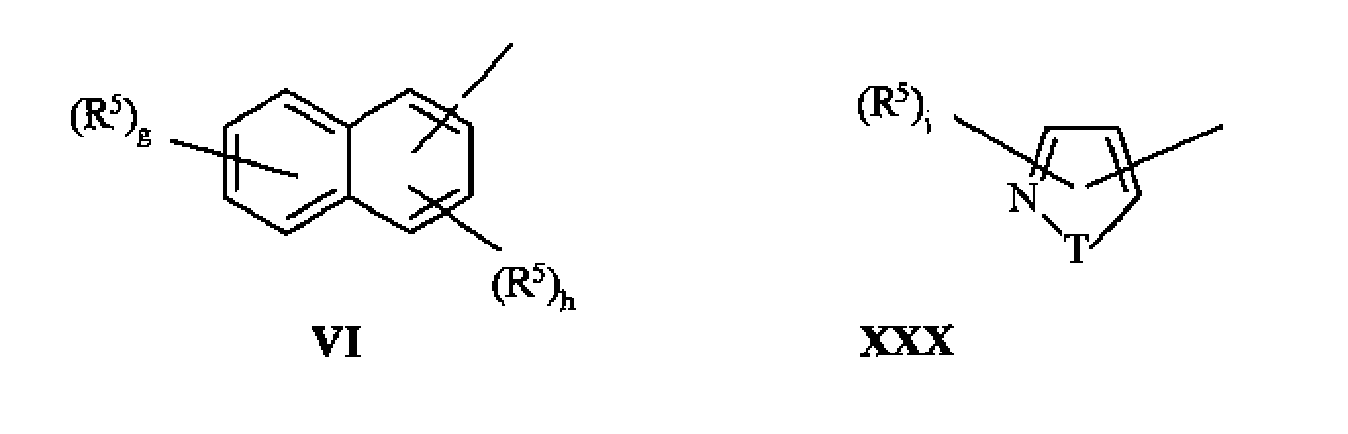


Applications Claiming Priority (4)
| Application Number | Priority Date | Filing Date | Title |
|---|---|---|---|
| US77130406P | 2006-02-07 | 2006-02-07 | |
| DKPA200600175 | 2006-02-07 | ||
| DKPA200600175 | 2006-02-07 | ||
| PCT/DK2007/050013 WO2007090409A1 (en) | 2006-02-07 | 2007-02-02 | Use of kcnq-openers for threating or reducing the symptoms of schizophrenia |
Publications (2)
| Publication Number | Publication Date |
|---|---|
| CN101378742A true CN101378742A (en) | 2009-03-04 |
| CN101378742B CN101378742B (en) | 2013-07-10 |
Family
ID=38055396
Family Applications (1)
| Application Number | Title | Priority Date | Filing Date |
|---|---|---|---|
| CN2007800046484A Expired - Fee Related CN101378742B (en) | 2006-02-07 | 2007-02-02 | Use of KCNQ-opener in the preparation of a pharmaceutical composition for the treatment of schizophrenia |
Country Status (16)
| Country | Link |
|---|---|
| US (1) | US20090118285A1 (en) |
| EP (2) | EP2554162A1 (en) |
| JP (1) | JP2009525993A (en) |
| KR (1) | KR20080096659A (en) |
| CN (1) | CN101378742B (en) |
| AR (1) | AR059319A1 (en) |
| AU (1) | AU2007214128B2 (en) |
| BR (1) | BRPI0707495A2 (en) |
| CA (1) | CA2641564C (en) |
| EA (1) | EA017915B1 (en) |
| IL (1) | IL192745A0 (en) |
| MX (1) | MX2008009655A (en) |
| NO (1) | NO20083838L (en) |
| NZ (1) | NZ569517A (en) |
| TW (1) | TWI453013B (en) |
| WO (1) | WO2007090409A1 (en) |
Families Citing this family (11)
| Publication number | Priority date | Publication date | Assignee | Title |
|---|---|---|---|---|
| MX2010001171A (en) * | 2007-08-01 | 2010-03-01 | Lundbeck & Co As H | Use of kncq potassium channel openers for reducing symptoms of or treating disorders or conditions wherein the dopaminergic system is disrupted. |
| US8883812B2 (en) | 2010-07-08 | 2014-11-11 | Pfizer Inc. | Piperidinyl pyrimidine amides as Kv7 potassium channel openers |
| US10526280B2 (en) | 2014-11-13 | 2020-01-07 | University of Pittsburgh—of the Commonwealth System of Higher Education | (2-amino-4-(arylamino)phenyl carbamates |
| HRP20230808T1 (en) | 2018-02-20 | 2023-11-10 | H. Lundbeck A/S | Alcohol derivatives as kv7 potassium channel openers |
| US10590067B2 (en) | 2018-02-20 | 2020-03-17 | H. Lundbeck A/S | Alcohol derivatives of carboxamides as Kv7 potassium channel openers |
| WO2019203951A1 (en) | 2018-04-20 | 2019-10-24 | University Of Pittsburgh - Of The Commonwealth System Of Higher Education | Selective potassium channel agonists |
| AR119521A1 (en) | 2019-08-02 | 2021-12-22 | H Lundbeck As | ALCOHOL DERIVATIVES AS Kv7 POTASSIUM CHANNEL OPENERS |
| JP7591036B2 (en) | 2019-08-02 | 2024-11-27 | ハー・ルンドベック・アクチエゼルスカベット | Alcohol derivatives as Kv7 potassium channel openers for use in epilepsy or epileptic seizures - Patents.com |
| EP4007634B1 (en) | 2019-08-02 | 2024-10-02 | H. Lundbeck A/S | Alcohol derivatives as kv7 potassium channel openers |
| US20230015539A1 (en) * | 2019-12-06 | 2023-01-19 | Icahn School Of Medicine At Mount Sinai | Method of treatment with kcnq channel openers |
| KR20230159531A (en) * | 2021-03-19 | 2023-11-21 | 자이자겐, 인크. | Prodrugs of KV7 channel openers |
Family Cites Families (24)
| Publication number | Priority date | Publication date | Assignee | Title |
|---|---|---|---|---|
| DE4200259A1 (en) * | 1992-01-08 | 1993-07-15 | Asta Medica Ag | NEW 1,2,4-TRIAMINOBENZOL DERIVATIVES AND METHOD FOR THE PRODUCTION THEREOF |
| JP4294142B2 (en) | 1999-02-02 | 2009-07-08 | 株式会社日立製作所 | Disk subsystem |
| GB9915414D0 (en) * | 1999-07-01 | 1999-09-01 | Glaxo Group Ltd | Medical use |
| US6472165B1 (en) * | 1999-08-03 | 2002-10-29 | Arzneimittelwerk Dresden Gmbh | Modulatory binding site in potassium channels for screening and finding new active ingredients |
| US6495550B2 (en) * | 1999-08-04 | 2002-12-17 | Icagen, Inc. | Pyridine-substituted benzanilides as potassium ion channel openers |
| CA2438868A1 (en) * | 2001-02-20 | 2002-09-19 | Valentin K. Gribkoff | Modulators of kcnq potassium channels and use thereof in treating migraine and mechanistically related diseases |
| US6469042B1 (en) * | 2001-02-20 | 2002-10-22 | Bristol-Myers Squibb Company | Fluoro oxindole derivatives as modulators if KCNQ potassium channels |
| CA2448894A1 (en) * | 2001-05-31 | 2002-12-05 | Bristol-Myers Squibb Company | Cinnamide derivatives as kcnq potassium channel modulators |
| DE10228103A1 (en) | 2002-06-24 | 2004-01-15 | Bayer Cropscience Ag | Fungicidal active ingredient combinations |
| AU2003294442A1 (en) * | 2002-11-22 | 2004-06-18 | Bristol-Myers Squibb Company | 3-heterocyclic benzylamide derivatives as potassium channel openers |
| US6933308B2 (en) * | 2002-12-20 | 2005-08-23 | Bristol-Myers Squibb Company | Aminoalkyl thiazole derivatives as KCNQ modulators |
| CA2511502A1 (en) * | 2002-12-27 | 2004-07-15 | H. Lundbeck A/S | 1,2,4-triaminobenzene derivatives,useful for treating disorders of the central nervous system |
| WO2004080377A2 (en) * | 2003-03-11 | 2004-09-23 | Neurosearch A/S | Kcnq channel modulating compounds and their pharmaceutical use |
| WO2004080950A1 (en) * | 2003-03-14 | 2004-09-23 | H. Lundbeck A/S | Substituted aniline derivatives |
| CA2519582A1 (en) * | 2003-03-21 | 2004-09-30 | H. Lundbeck A/S | Substituted p-diaminobenzene derivatives |
| US20060264496A1 (en) * | 2003-04-25 | 2006-11-23 | H. Lundbeck A/S | Substituted indoline and indole derivatives |
| US7563748B2 (en) | 2003-06-23 | 2009-07-21 | Cognis Ip Management Gmbh | Alcohol alkoxylate carriers for pesticide active ingredients |
| CA2536633A1 (en) * | 2003-09-10 | 2005-03-24 | Icagen, Inc. | Fused ring heterocycles as potassium channel modulators |
| DE602004019575D1 (en) * | 2004-02-20 | 2009-04-02 | Nat Ct For Biolog Sciences | NEW KALIUM CHANNEL MODULATING PEPTIDE |
| TWI357901B (en) * | 2004-03-12 | 2012-02-11 | Lundbeck & Co As H | Substituted morpholine and thiomorpholine derivati |
| WO2006000020A1 (en) | 2004-06-29 | 2006-01-05 | European Nickel Plc | Improved leaching of base metals |
| UA89503C2 (en) | 2004-09-13 | 2010-02-10 | Х. Луннбек А/С | Substituted aniline derivatives |
| AU2006220130B2 (en) | 2005-03-03 | 2011-07-28 | H. Lundbeck A/S | Substituted pyridine derivatives |
| KR20130136010A (en) * | 2005-04-13 | 2013-12-11 | 네우렉슨 인코포레이티드 | Substituted indole compounds having nos inhibitory activity |
-
2007
- 2007-02-02 NZ NZ569517A patent/NZ569517A/en not_active IP Right Cessation
- 2007-02-02 CA CA2641564A patent/CA2641564C/en not_active Expired - Fee Related
- 2007-02-02 TW TW096103826A patent/TWI453013B/en not_active IP Right Cessation
- 2007-02-02 EP EP12190206A patent/EP2554162A1/en not_active Withdrawn
- 2007-02-02 MX MX2008009655A patent/MX2008009655A/en active IP Right Grant
- 2007-02-02 BR BRPI0707495-6A patent/BRPI0707495A2/en not_active IP Right Cessation
- 2007-02-02 KR KR1020087019396A patent/KR20080096659A/en not_active Ceased
- 2007-02-02 WO PCT/DK2007/050013 patent/WO2007090409A1/en not_active Ceased
- 2007-02-02 CN CN2007800046484A patent/CN101378742B/en not_active Expired - Fee Related
- 2007-02-02 EA EA200870232A patent/EA017915B1/en not_active IP Right Cessation
- 2007-02-02 EP EP07702527A patent/EP1983974A1/en not_active Withdrawn
- 2007-02-02 AU AU2007214128A patent/AU2007214128B2/en not_active Ceased
- 2007-02-02 US US12/278,394 patent/US20090118285A1/en not_active Abandoned
- 2007-02-02 JP JP2008553621A patent/JP2009525993A/en not_active Ceased
- 2007-02-05 AR ARP070100469A patent/AR059319A1/en not_active Application Discontinuation
-
2008
- 2008-07-10 IL IL192745A patent/IL192745A0/en unknown
- 2008-09-05 NO NO20083838A patent/NO20083838L/en not_active Application Discontinuation
Also Published As
| Publication number | Publication date |
|---|---|
| CA2641564A1 (en) | 2007-08-16 |
| NO20083838L (en) | 2008-10-31 |
| AU2007214128B2 (en) | 2012-05-17 |
| TWI453013B (en) | 2014-09-21 |
| NZ569517A (en) | 2011-07-29 |
| EA017915B1 (en) | 2013-04-30 |
| TW200808296A (en) | 2008-02-16 |
| AR059319A1 (en) | 2008-03-26 |
| JP2009525993A (en) | 2009-07-16 |
| CN101378742B (en) | 2013-07-10 |
| EP1983974A1 (en) | 2008-10-29 |
| AU2007214128A1 (en) | 2007-08-16 |
| EP2554162A1 (en) | 2013-02-06 |
| BRPI0707495A2 (en) | 2011-05-03 |
| WO2007090409A1 (en) | 2007-08-16 |
| CA2641564C (en) | 2012-06-12 |
| IL192745A0 (en) | 2009-02-11 |
| KR20080096659A (en) | 2008-10-31 |
| MX2008009655A (en) | 2008-09-03 |
| US20090118285A1 (en) | 2009-05-07 |
| EA200870232A1 (en) | 2009-02-27 |
Similar Documents
| Publication | Publication Date | Title |
|---|---|---|
| CN101378742B (en) | Use of KCNQ-opener in the preparation of a pharmaceutical composition for the treatment of schizophrenia | |
| JP2011513196A (en) | Use of a KCNQ potassium channel opener to alleviate symptoms of or treat a disorder or condition in which the dopaminergic system is disrupted | |
| EP1385577B1 (en) | Use of nk-1 receptor antagonists against benign prostatic hyperplasia | |
| KR101825972B1 (en) | Combinations of serotonin receptor agonists for treatment of movement disorders | |
| EP3606525B1 (en) | Compositions for treating aging-associated impairments using ccr3-inhibitors | |
| JP2008531714A (en) | Pharmaceutical composition for the treatment and / or prevention of anxiety disorders | |
| RU2340333C2 (en) | Agonism of 5нт2a-receptor for treatment of disturbance of thermoregulation function | |
| KR20180022792A (en) | Diaryl and aryl heteroaryl urea derivatives useful for the prevention and treatment of sleep-disordered sleep disorders | |
| JP2008214352A (en) | Drug for treating sexual dysfunction | |
| US20180271869A1 (en) | Treatment of anxiety disorders and autism spectrum disorders | |
| US20140243350A1 (en) | Use of serotonin receptor agonists for treatment of movement disorders | |
| US11173147B2 (en) | Prophylactic or therapeutic agent for delirium | |
| CN120659603A (en) | Nocardomone for treating intestinal pain or abdominal pain | |
| HK1129593A1 (en) | Use of kcnq-opener for the preparation of a pharmaceutical composition for treating schizophrenia | |
| HK1129593B (en) | Use of kcnq-opener for the preparation of a pharmaceutical composition for treating schizophrenia | |
| HK1181676A (en) | Use of kcnq-openers for treating or reducing the symptoms of schizophrenia | |
| HK1146655A (en) | Use of kncq potassium channel openers for reducing symptoms of or treating disorders or conditions wherein the dopaminergic system is disrupted | |
| HK40000275B (en) | Compounds having melatonin receptor affinity as prophylactic or therapeutic agent for delirium | |
| NZ556613A (en) | Substituted pyridine derivatives |
Legal Events
| Date | Code | Title | Description |
|---|---|---|---|
| C06 | Publication | ||
| PB01 | Publication | ||
| C10 | Entry into substantive examination | ||
| SE01 | Entry into force of request for substantive examination | ||
| REG | Reference to a national code |
Ref country code: HK Ref legal event code: DE Ref document number: 1129593 Country of ref document: HK |
|
| C14 | Grant of patent or utility model | ||
| GR01 | Patent grant | ||
| REG | Reference to a national code |
Ref country code: HK Ref legal event code: GR Ref document number: 1129593 Country of ref document: HK |
|
| CF01 | Termination of patent right due to non-payment of annual fee | ||
| CF01 | Termination of patent right due to non-payment of annual fee |
Granted publication date: 20130710 Termination date: 20160202 |