CN101361377B - Methods and apparatus for use in communicating short messages of the emergency type from mobile communication devices - Google Patents
Methods and apparatus for use in communicating short messages of the emergency type from mobile communication devices Download PDFInfo
- Publication number
- CN101361377B CN101361377B CN2006800516466A CN200680051646A CN101361377B CN 101361377 B CN101361377 B CN 101361377B CN 2006800516466 A CN2006800516466 A CN 2006800516466A CN 200680051646 A CN200680051646 A CN 200680051646A CN 101361377 B CN101361377 B CN 101361377B
- Authority
- CN
- China
- Prior art keywords
- message
- message center
- center address
- emergency
- short message
- Prior art date
- Legal status (The legal status is an assumption and is not a legal conclusion. Google has not performed a legal analysis and makes no representation as to the accuracy of the status listed.)
- Active
Links
Images


Classifications
-
- H—ELECTRICITY
- H04—ELECTRIC COMMUNICATION TECHNIQUE
- H04W—WIRELESS COMMUNICATION NETWORKS
- H04W4/00—Services specially adapted for wireless communication networks; Facilities therefor
- H04W4/12—Messaging; Mailboxes; Announcements
- H04W4/14—Short messaging services, e.g. short message services [SMS] or unstructured supplementary service data [USSD]
-
- H—ELECTRICITY
- H04—ELECTRIC COMMUNICATION TECHNIQUE
- H04L—TRANSMISSION OF DIGITAL INFORMATION, e.g. TELEGRAPHIC COMMUNICATION
- H04L51/00—User-to-user messaging in packet-switching networks, transmitted according to store-and-forward or real-time protocols, e.g. e-mail
- H04L51/21—Monitoring or handling of messages
- H04L51/214—Monitoring or handling of messages using selective forwarding
-
- H—ELECTRICITY
- H04—ELECTRIC COMMUNICATION TECHNIQUE
- H04W—WIRELESS COMMUNICATION NETWORKS
- H04W8/00—Network data management
- H04W8/18—Processing of user or subscriber data, e.g. subscribed services, user preferences or user profiles; Transfer of user or subscriber data
- H04W8/183—Processing at user equipment or user record carrier
-
- H—ELECTRICITY
- H04—ELECTRIC COMMUNICATION TECHNIQUE
- H04L—TRANSMISSION OF DIGITAL INFORMATION, e.g. TELEGRAPHIC COMMUNICATION
- H04L12/00—Data switching networks
- H04L12/02—Details
- H04L12/16—Arrangements for providing special services to substations
- H04L12/18—Arrangements for providing special services to substations for broadcast or conference, e.g. multicast
- H04L12/1895—Arrangements for providing special services to substations for broadcast or conference, e.g. multicast for short real-time information, e.g. alarms, notifications, alerts, updates
Landscapes
- Engineering & Computer Science (AREA)
- Computer Networks & Wireless Communication (AREA)
- Signal Processing (AREA)
- Databases & Information Systems (AREA)
- Mobile Radio Communication Systems (AREA)
- Telephonic Communication Services (AREA)
- Alarm Systems (AREA)
- Transmitters (AREA)
Abstract
Description
技术领域 technical field
本公开大体涉及通过无线通信网络传送来自移动通信设备的短消息,更特别地涉及在移动通信设备运行于其归属无线网络之外的访问(非归属)无线网络时的紧急类型短消息(即短消息服务或SMS消息)的传送。The present disclosure relates generally to the transmission of short messages from mobile communication devices over wireless communication networks, and more particularly to emergency type short messages (i.e. short messages) when the mobile communication device is operating on a visited (non-home) wireless network other than its home messaging service or SMS message).
背景技术 Background technique
在现今的通信系统中,移动通信设备用户可经常通过以短消息服务(“SMS”)发送短消息来进行通信。当用户发送SMS消息时,该消息通常被路由到用户的归属网络SMS服务中心(“SMS-SC”)。譬如,如果用户的归属网络在纽约州(NY)的纽约,则他的SMS消息将被路由到他在纽约州(NY)的纽约的归属网络SMS-SC,即使当他漫游在英格兰的伦敦而且在他的归属网络之外发送SMS短消息时。对于大多数应用,将SMS消息传送到用户的归属网络SMS-SC不存在问题,但有特定情况,例如此SMS消息请求紧急援助,则优选的情况将是该SMS消息被发送到当前访问网络中的SMS-SC并且其内容在提供本地紧急援助的实体上发送。目前,为了提供本地紧急援助给用户,用户的归属网络中的接收短消息实体(“SME”)有必要向其中用户需要紧急援助的目前访问的网络中的本地SME提供紧急SMS消息的细节。这种机制可能非常复杂和昂贵,也可能引入延迟和无效援助。In today's communication systems, mobile communication device users may often communicate by sending short messages in Short Message Service ("SMS"). When a user sends an SMS message, the message is typically routed to the user's home network SMS Service Center ("SMS-SC"). For example, if a user's home network is in New York, NY, his SMS messages will be routed to his home network SMS-SC in New York, NY, even when he is roaming in London, England and When sending SMS short messages outside his home network. For most applications there is no problem delivering the SMS message to the user's home network SMS-SC, but there are specific cases, such as this SMS message requesting emergency assistance, then it would be preferred that the SMS message be sent into the current visited network SMS-SC and its content is sent on entities providing local emergency assistance. Currently, in order to provide local emergency assistance to a user, it is necessary for a receiving short message entity ("SME") in the user's home network to provide details of an emergency SMS message to a local SME in the currently visited network where the user needs emergency assistance. Such mechanisms can be complex and expensive, and can introduce delays and ineffective assistance.
发明内容 Contents of the invention
这里描述由移动通信设备使用用于通过无线通信网络传送紧急类型短消息的方法和装置。在一个说明示例中,与归属消息中心相关联的第一消息中心地址和与紧急消息中心相关的第二消息中心地址存储在所述移动设备的存储器中。该存储器可以是用于该移动设备的可移除存储器模块,例如用户身份模块(SIM)。用于传送短消息的用户输入请求通过移动设备的用户接口来接收。如果用户输入请求被识别为用于紧急消息,则从存储器中读取第二消息中心地址,并在短消息的消息中心地址域中提供该第二消息中心地址。在消息中心地址域中具有第二消息中心地址的短消息而后由移动设备发送到无线网络。该网络识别消息中心地址域中的第二消息中心地址,并作为响应,使短消息被发送到网络本地的紧急消息中心。以这种方式,当移动设备访问非归属无线网络时,短消息可被路由到适合的本地紧急消息中心。移动设备可通过无线网络的广播信道来接收第二消息中心地址,并与无线网络的无线网络标识相关联地来将它存储。在可选技术中,短消息的指示符(譬如传输协议ID)设置用于指示短消息是紧急消息而不是在消息中心地址域中提供第二目的地消息。Methods and apparatus are described herein for use by a mobile communication device for transmitting an emergency type short message over a wireless communication network. In one illustrative example, a first message center address associated with a home message center and a second message center address associated with an emergency message center are stored in a memory of the mobile device. The memory may be a removable memory module, such as a Subscriber Identity Module (SIM), for the mobile device. A user input request to transmit a short message is received through the user interface of the mobile device. If the user input request is identified as an urgent message, the second message center address is read from the memory and provided in the message center address field of the short message. A short message with the second message center address in the message center address field is then sent by the mobile device to the wireless network. The network recognizes the second message center address in the message center address field and in response causes the short message to be sent to an emergency message center local to the network. In this way, when a mobile device accesses a non-home wireless network, short messages can be routed to the appropriate local emergency message center. The mobile device may receive the second message center address through a broadcast channel of the wireless network and store it in association with a wireless network identifier of the wireless network. In an optional technique, an indicator of the short message (such as a transmission protocol ID) is set to indicate that the short message is an urgent message instead of providing a second destination message in the message center address field.
附图说明 Description of drawings
图1是包括移动通信设备的通信系统的框图,所述移动通信设备用于通过无线通信网络进行通信;1 is a block diagram of a communication system including a mobile communication device for communicating over a wireless communication network;
图2是用于图1的无线网络中的移动设备的更详细示例;Figure 2 is a more detailed example of a mobile device used in the wireless network of Figure 1;
图3是简化示例性无线网络环境,在其中可实行本公开的技术;FIG. 3 is a simplified exemplary wireless network environment in which techniques of the present disclosure may be practiced;
图4是说明将由移动设备发出的紧急类型短消息路由到本地短消息服务中心的过程的示例性流程图;Fig. 4 is an exemplary flowchart illustrating the process of routing an emergency type short message sent by a mobile device to a local short message service center;
图5是配置用于根据图4将短消息路由到本地目的地的无线通信网络的示例性框图;5 is an exemplary block diagram of a wireless communication network configured for routing a short message to a local destination according to FIG. 4;
图6是说明将由移动设备发出的紧急类型短消息路由到本地短消息服务中心的过程的示例性流程图;Fig. 6 is an exemplary flowchart illustrating the process of routing an emergency type short message sent by a mobile device to a local short message service center;
图7是配置用于根据图6将短消息路由到本地目的地的移动设备的相关组件的示例性框图;FIG. 7 is an exemplary block diagram of relevant components of a mobile device configured to route a short message to a local destination according to FIG. 6;
图8是移动设备的可视显示器的说明性示例,所述可视显示器显示供发送来自移动设备的紧急类型短消息之用的提示。8 is an illustrative example of a visual display of a mobile device displaying a prompt for sending an emergency-type short message from the mobile device.
图9是用于描述用以对从移动设备发出的紧急类型短消息进行传送的方法的过程流图;以及FIG. 9 is a process flow diagram for describing a method for transmitting an emergency type short message sent from a mobile device; and
图10是用于描述用于通过无线网络来对紧急地址进行广播的方法的过程流图。10 is a process flow diagram for describing a method for broadcasting an emergency address over a wireless network.
具体实施方式 Detailed ways
这里描述由移动通信设备使用用于通过无线通信网络传送紧急类型短消息的方法和装置。在一个说明性示例中,与归属消息中心相关联的第一消息中心地址和与紧急消息中心相关联的第二消息中心地址存储在移动设备的存储器中。该存储器可以是用于该移动设备的可移除存储器模块,例如用户身份模块(SIM)。用于传送短消息的用户输入请求通过移动设备的用户接口来接收。如果用户输入请求被识别为用于紧急消息,则从存储器中读取第二消息中心地址,并在短消息的消息中心地址域中提供该第二消息中心地址。在消息中心地址域中具有第二消息中心地址的短消息而后由移动设备发送到无线网络。该网络识别消息中心地址域中的第二消息中心地址,并作为响应,使短消息被发送到网络本地的紧急消息中心。以这种方式,当移动设备正在访问非归属无线网络时,短消息可被路由到适合的本地紧急消息中心。移动设备可通过无线网络的广播信道来接收第二消息中心地址,并与无线网络的无线网络标识相关联地将它存储。在可选技术中,短消息的指示符(譬如传输协议ID)设置用于指示短消息是紧急消息,而不是在消息中心地址域中提供第二目的消息。Methods and apparatus are described herein for use by a mobile communication device for transmitting an emergency type short message over a wireless communication network. In one illustrative example, a first message center address associated with a home message center and a second message center address associated with an emergency message center are stored in a memory of the mobile device. The memory may be a removable memory module, such as a Subscriber Identity Module (SIM), for the mobile device. A user input request to transmit a short message is received through the user interface of the mobile device. If the user input request is identified as an urgent message, the second message center address is read from the memory and provided in the message center address field of the short message. A short message with the second message center address in the message center address field is then sent by the mobile device to the wireless network. The network recognizes the second message center address in the message center address field and in response causes the short message to be sent to an emergency message center local to the network. In this manner, short messages can be routed to the appropriate local emergency message center when the mobile device is accessing a non-home wireless network. The mobile device may receive the second message center address through a broadcast channel of the wireless network and store it in association with a wireless network identification of the wireless network. In an optional technique, an indicator of the short message (such as a transmission protocol ID) is set to indicate that the short message is an urgent message, instead of providing a second purpose message in the message center address field.
为了说明基本网络结构,图1显示包括移动通信设备102的通信系统100的框图,所述移动通信设备102通过无线通信网络104来进行通信。在优选实施例中,移动通信设备102是移动台,所以这个术语贯穿整个说明书使用。移动台102优选地包括可视显示器112、键盘114和可能一个或更多个辅助用户接口(UI)116,其中每个都耦合到控制器106。控制器106也耦合到射频(RF)收发机电路108和天线110。To illustrate the basic network structure, FIG. 1 shows a block diagram of a
在最现代的通信设备中,控制器106被实施为在存储器组件(未示出)中运行操作系统软件的中央处理器(CPU)。控制器106通常将控制移动台102的总体操作,而一般在RF收发电路108中执行与通信功能相关的信号处理操作。控制器106与设备显示器112相接口,用于显示所接收信息、所存储信息、用户输入等等。可以是电话型数字按键键盘或全字母数字键盘(优选地,全标准英文打字键盘)的键盘114通常提供用于输入数据以存储到移动台102中、输入信息以传送到网络104、输入电话号以发出电话呼叫、输入命令以在移动台102上执行、以及可能输入其他或不同的用户输入。In most modern communication devices, the
作为手持移动式/便携式电子设备,移动台102包括用于容纳和承载一个或更多个可再充电电池132的的电池接口134。电池132向移动台102中的(即使不是所有也是大多数)电路供电,电池接口134为电池132提供机械和电连接。电池接口134耦合到稳压器136,该稳压器136为所述设备的所有电组件提供稳定电压V。As a handheld mobile/portable electronic device,
移动台102经由天线110通过无线链路发送通信信号到网络104并从网络104接收通信信号。RF收发电路108和天线110执行与基站120和天线塔118的功能类似的功能,包括譬如调制/解调、可能还有编码/解码以及加密/解密。对于本领域技术人员,显然,RF收发电路108将适于特定无线网络或移动台102意欲运行于其中的网络。
移动台102使用用户身份模块(SIM)140进行操作,所述SIM 140在SIM接口142处连接到或插入移动台102。SIM 140是一种传统“智能卡”,所述“智能卡”尤其用于识别移动台102的端用户(或订户)以及个人化该设备。若没有SIM 140,无线终端就不完全可供通过无线网络104的通信使用。通过将SIM 140插入无线终端,端用户可以访问他/她所订制的任何和全部服务。为了识别用户,SIM 140包含一些用户参数,例如国际移动用户身份(IMSI)。另外,SIM 140典型由存储在其中、并只有端用户知道的四数字标识码(PIN)来保护。使用SIM 140的优势是端用户不必须由任何单个物理无线设备所绑定。典型地,只有将无线终端个人化的元件才是SIM卡。所以,用户可使用被装配以使用用户的SIM进行操作的任何无线终端来访问所订制的服务。The
移动台102可由单个单元组成,所述单个单元例如数据通信设备、蜂窝电话、具有数据和语音通信能力的多功能通信设备、支持无线通信的个人数字助理(PDA)、或结合了内部调制解调器的计算机。可选地,移动台102可以是包括多个单独组件的多模块单元,所述多个单独组件包括但不局限于连接到无线调制解调器的计算机或其他设备。特别地,譬如,在图1的移动台框图中,RF收发电路108和天线110可实现为可插入到膝上型计算机上端口的无线调制解调器单元。在这种情况下,膝上型计算机可以包括显示器112、键盘114、一个或多个辅助UI 116和实施为计算机CPU的控制器106。同样可以想到,计算机或一般来说没有无线通信能力的其他设备可适配用于连接到如上述之一的单个单元设备的RF收发电路108和天线110,并有效地采用对如上述之一的单个单元设备的RF收发电路108和天线110的控制。
在图1中,移动台102通过无线通信网络104进行通信。在图1的实施例中,无线网络104是根据全球移动通信系统(GSM)和通用分组无线服务(GPRS)技术来运行的网络。无线网络104包括具有相关天线塔118的基站120、移动交换中心(MSC)122、归属位置寄存器(HLR)150、服务通用分组无线服务(GPRS)支持节点(SGSN)126和网关GPRS支持节点(GGSN)128。MSC 122耦合到基站120并耦合到电话网,例如陆上通讯电缆网络124(譬如,公共开关电话网络或PSTN)。SGSN 126耦合到基站120和GGSN 128,所述GGSN 128耦合到公共或专用数据网络130(例如互联网)。HLR 150耦合到MSC 122、SGSN 126和GGSN 128。In FIG. 1 , a
包括其相关控制器和天线塔118的基站120为一般称为“小区”的特定覆盖区域提供无线网络覆盖。基站120通过天线塔118发送通信信号到其小区内的移动台,并从其小区内的移动台接收通信信号。基站120通常在其控制器的控制下根据特定的、通常预先确定的通信协议和参数来实现对将要发送到移动台的信号进行调制、可能编码和/或加密的功能。基站120类似地解调、可能解码并解密(如果必要)从其小区内的移动台102接收的任何通信信号。通信协议和参数可在不同网络之间变化。譬如,一个网络可使用不同解调方案并在不同于其他网络的频率处运行。A
图1的通信系统100中所示的无线链路表示一个或更多个不同的信道、典型地不同的射频(RF)信道以及用于无线网络104与移动台102之间的相关协议。典型地,由于移动台102的总带宽和有限电池功率的限制,RF信道是必须保留的有限资源。本领域技术人员将认识到:实际的无线网络可包括上百个小区,每个由不同的基站120和收发机提供服务,这取决于网络覆盖的期望总扩张。所有基站控制器和基站都可由多个开关和路由器(未示出)连接,所述开关和路由器由多个网络控制器所控制。The wireless links shown in
对于向网络运营商登记的所有移动台102,永久数据(如移动台102用户的简档)以及临时数据(如移动台102的当前位置)存储在HLR150中。在对移动台102的语音呼叫的情况下,查询HLR 150以确定移动台102的当前位置。MSC 122的访问位置寄存器(VLR)负责一组位置区域,并存储当前在其负责区域中的这些移动台的数据。这包括已经从HLR 150发送到VLR用于更快速访问的永久移动台数据部分。然而,MSC 122的VLR也可分配并存储本地数据,例如临时标识。可选地,可增强MSC 122的VLR,以便GPRS和非GPRS服务和功能的更有效协调(譬如,针对可通过SGSN 126更有效执行的电路交换的呼叫的寻呼,和组合的GPRS与非GPRS位置更新)。Permanent data such as the profile of the user of the
MSC 122也耦合到短消息服务-服务中心(SMS-SC)154,所述SMS-SC 154是用于短消息服务(SMS)消息传送的消息中心。SMS利用作为用于中继短消息的存储并转发系统的SMS-SC 154。消息存储在网络中,直到目的设备变得可用,所以端用户可在任何时候接收或发送SMS消息,不论语音呼叫是否正在进行中。
作为GPRS网络的一部分,服务GPRS支持节点(SGSN)126与MSC122在同一等级,并跟踪移动台的各个位置。SGSN 126还执行安全功能和访问控制。网关GPRS支持节点(GGSN)128提供与外部分组交换网络的互相配合,并通过基于IP的GPRS骨干网来与SGSN(例如SGSN126)相连接。SGSN 126基于与现有GSM中相同的算法、密钥和标准来执行认证和密码设置过程。在传统操作中,可由移动台102自主地执行小区选择,或由指示移动台102的基站120自主地执行小区选择以选择特定小区。当移动台102重新选择被称为路由区域的另一个小区或另一组小区时,移动台102通知无线网络104。As part of the GPRS network, Serving GPRS Support Node (SGSN) 126 is at the same level as
为了访问GPRS服务,移动台102首先通过执行被称为GPRS“附着”的操作使无线网络104知道它的存在。此操作在移动台102与SGSN126之间建立了逻辑链路,并使移动台102可用于接收譬如经由SGSN的寻呼、引入的GPRS数据的通知或经由GPRS的SMS消息。为了发送和接收GPRS数据,移动台102协助以激活其想要使用的分组数据地址。此操作使移动台102被GGSN 128知道;与外部数据网的互相配合可在此后开始。用户数据可使用譬如封装和隧道技术来在移动台102与外部数据网之间透明地传送。数据分组可配备有特定GPRS协议信息,并在移动台102与GGSN 128之间传送。To access GPRS services,
如上显而易见地,无线网络包括固定网络组件,所述固定网络组件包括RF收发机、放大器、基站控制器、网络服务器和连接到网络的服务器。本领域技术人员将认识到:无线网络可连接到未明确显示在图1中的可能包括其他网络的其他系统。网络通常将以正在进行的方式发送很少的一些寻呼和系统信息,即使没有实际的分组数据被交换。虽然网络由许多部分组成,但这些部分都一起工作,从而在无线链路引发特定行为。As evident above, a wireless network comprises fixed network components including RF transceivers, amplifiers, base station controllers, network servers and servers connected to the network. Those skilled in the art will recognize that the wireless network may be connected to other systems not explicitly shown in FIG. 1 , possibly including other networks. The network will normally send few paging and system information on an ongoing basis even though no actual packet data is being exchanged. Although a network is made up of many parts, these parts all work together to induce specific behaviors on the wireless link.
图2是可在图1的系统100中利用的优选移动台202的详细框图。移动台202是至少具有语音和数据通信能力的双向通信设备,所述通信能力包括与其它计算机系统通信的能力。取决于由移动台202所提供的功能,移动台202可被称为数据消息收发设备、双向寻呼机、具有数据消息收发能力的蜂窝电话、无线因特网装置或数据通信设备(具有或不具有电话通讯能力)。移动台202包括用于容纳一个或更多个可再充电电池256的电池接口254。这种电池向移动台202中的即使不是全部也是大多数电路供电,电池接口254为其提供机械和电连接。电池接口254耦合到调整给所有电路的电量的稳压器(图2中未示出)。FIG. 2 is a detailed block diagram of a preferred mobile station 202 that may be utilized in the
移动台202通常将包括通信子系统211,所述通信子系统211包括接收机212、发射机214和相关组件,所述相关组件例如一个或更多个(优选地嵌入或内部)天线单元216和218、本地振荡器(LOs)213和诸如数字信号处理器(DSP)220之类的处理模块。通信子系统211类似于图1中显示的RF收发电路108和天线110。正如对于通信领域技术人员所显而易见的,通信子系统211的特定设计取决于移动台202意欲运行于其中的通信网络。Mobile station 202 will typically include a communications subsystem 211 comprising a receiver 212, a transmitter 214 and associated components such as one or more (preferably embedded or internal) antenna units 216 and 218 , local oscillators (LOs) 213 and processing modules such as digital signal processors (DSP) 220 . Communication subsystem 211 is similar to
网络访问需求也将随所利用网络的类型而变化。譬如在GPRS网络中,网络访问与移动台202的用户或用户相关联。所以GPRS设备需要用户身份模块,一般被称为SIM卡(即图2的SIM 262),从而在GPRS网络上进行操作。若没有SIM 262插入SIM接口264,移动台202不具有完全的功能。本地或非网络通信功能(如果有)是可操作的,但移动台202将不能执行涉及经由网络通信的任何功能。SIM262包括与图1相关所描述的那些特征(即对于图1的SIM 140所描述那些特征)。Network access requirements will also vary with the type of network utilized. Network access is associated with a user or users of mobile station 202, such as in a GPRS network. So GPRS equipment needs Subscriber Identity Module, generally referred to as SIM card (ie SIM 262 of Fig. 2), thereby operates on GPRS network. Without SIM 262 inserted into SIM interface 264, mobile station 202 is not fully functional. Local or non-network communication functions (if any) are operational, but mobile station 202 will not be able to perform any functions involving communication via the network. SIM 262 includes those features described in relation to FIG. 1 (ie, those features described for
在所需网络登记或激活过程已完成之后,移动台202可经由网络发送和接收通信信号。由天线216通过网络所接收的信号输入到接收机212,所述接收机212可执行如下的一般接收机功能:信号放大、下变频转换、滤波、信道选择等等,以及图2中所示的示例中的模数(A/D)转换。所接收信号的A/D转换需要更复杂的通信功能,例如DSP220中所实现的解调和解码。以相似的方式,譬如通过DSP 220处理要发送的信号,所述处理方式包括调制和编码。这些DPS处理后的信号输入到发射机214,用于数模(D/A)转换、上变频转换、滤波、放大和经由天线218通过通信网络的发送。DSP 220不仅处理通信信号,还提供接收机和发射机控制。譬如,可通过在DSP 220中实现的自动增益控制算法来自适应地控制施加于接收机212和发射机214中通信信号的增益。After required network registration or activation procedures have been completed, mobile station 202 may send and receive communication signals over the network. The signal received by the antenna 216 through the network is input to the receiver 212, which can perform the following general receiver functions: signal amplification, frequency down conversion, filtering, channel selection, etc., as well as the Analog-to-digital (A/D) conversion in the example. The A/D conversion of the received signal requires more complex communication functions such as demodulation and decoding implemented in DSP220. In a similar manner, the signal to be transmitted is processed, such as by DSP 220, including modulation and coding. These DPS processed signals are input to transmitter 214 for digital-to-analog (D/A) conversion, frequency up-conversion, filtering, amplification, and transmission over the communication network via antenna 218 . The DSP 220 not only processes communication signals, but also provides receiver and transmitter control. For example, the gains applied to communication signals in receiver 212 and transmitter 214 may be adaptively controlled by an automatic gain control algorithm implemented in DSP 220.
移动台202包括微处理器238(其为图1的控制器106的一种实施方式),所述微处理器238控制移动台202的总体操作。通过通信子系统211来实现至少包括数据和语音通信的通信功能。微处理器238还与附加设备子系统互相作用,所述附加设备子系统例如显示器222、闪速存储器224、随机存储器(RAM)226、辅助输入/输出(I/O)子系统228、串行端口230、键盘232、扬声器234、麦克风236、短程通信子系统240和通常以242指定的任何其他设备子系统。数据和控制线在SIM接口264与微处理器238之间延伸,用于在其间传送数据和用于控制。图2中所示的一些子系统执行与通信相关的功能,而其他子系统可提供“驻留的”或设备上的功能。特别地,譬如,诸如键盘232和显示器222这些子系统可用于与通信相关的功能和设备驻留功能,所述与通信相关的功能例如输入通过通信网络来发送的文本消息,所述设备驻留功能例如计算器或任务列表。被微处理器238使用的操作系统软件优选地存储在如闪速存储器224之类的永久存储器中,其可选为只读存储器(ROM)或相似的存储元件(未示出)。本领域技术人员将认识到:该操作系统、特定设备应用或其部分可临时被载入像RAM226这种易失性存储器中。The mobile station 202 includes a microprocessor 238 (which is one implementation of the
微处理器238除其操作系统功能之外还优选地在移动台202上启用软件应用程序的执行。控制基本设备操作的、至少包括数据和语音通信应用程序的预定的应用程序组通常将在其制造过程中被安装在移动台202上。可加载到移动台202上的优选应用程序可以是具有组织和管理与用户有关的数据项目这种能力的个人信息管理器(PIM)应用程序,所述与用户有关的数据项目例如但不局限于电子邮件、日历事件、语音邮件、约会和任务项目。当然,一个或更多个存储器在移动台202和SIM 256上可用,以使PIM数据项目和其他信息的存储变得方便。Microprocessor 238 preferably enables the execution of software applications on mobile station 202 in addition to its operating system functions. A predetermined set of applications that control basic device operations, including at least data and voice communication applications, will typically be installed on mobile station 202 during its manufacture. A preferred application that may be loaded onto mobile station 202 may be a Personal Information Manager (PIM) application having the ability to organize and manage user-related data items such as, but not limited to, Emails, calendar events, voicemails, appointments and task items. Of course, one or more memory stores are available on mobile station 202 and SIM 256 to facilitate storage of PIM data items and other information.
PIM应用程序优选地具有通过无线网络发送和接收数据项目的能力。在优选实施例中。PIM数据项目通过无线网络与所存储的和/或与主机计算机系统相关联的移动台用户的相应数据项目无缝地结合、同步并更新,从而在移动台202上创建关于这些项目的镜像主机。在主机计算机系统是移动台用户的办公计算机系统的情况下,这是特别有利的。附加应用程序也可通过网络、辅助I/O子系统228、串行端口230、短程通信子系统240或任何其他合适的子系统242来加载到移动台202上,并由用户安装在RAM 226或优选地非易失性存储器(未示出)中,以由微处理器238执行。应用程序安装中的这种灵活性提高了移动台202的功能性,并可提供增强的设备上功能、与通信相关的功能或它们两者。譬如,安全通信应用程序可以使用移动台202来实现电子商务功能和其他这种金融交易。The PIM application preferably has the ability to send and receive data items over the wireless network. in the preferred embodiment. The PIM data items are seamlessly combined, synchronized and updated over the wireless network with corresponding data items of the mobile station user stored and/or associated with the host computer system, thereby creating a mirrored host of these items on the mobile station 202 . This is particularly advantageous where the host computer system is the mobile station user's office computer system. Additional applications may also be loaded onto mobile station 202 via the network, auxiliary I/O subsystem 228, serial port 230, short-range communication subsystem 240, or any other suitable subsystem 242, and installed by the user in RAM 226 or Preferably in non-volatile memory (not shown) for execution by microprocessor 238 . This flexibility in application installation increases the functionality of the mobile station 202 and may provide enhanced on-device functionality, communication-related functionality, or both. For example, secure communication applications may use mobile station 202 to enable e-commerce functions and other such financial transactions.
在数据通信模式中,诸如文本消息或网页下载之类的接收信号将由通信子系统211处理并输入到微处理器238。微处理器238将优选地进一步处理信号以输出到显示器222、或可选地输出到辅助I/O设备228。移动台202的用户也可编写数据项目,例如电子邮件消息或短消息服务(SMS)消息,譬如,使用键盘232结合显示器和辅助I/O设备228。优选地,键盘232是完全字母数字键盘和/或电话型数字按键键盘。这些编写的项目通过通信子系统211在通信网络上进行传送。电子邮件消息信息的处理和传递将随后在以下关于图4-6来描述。In data communication mode, received signals such as text messages or web page downloads will be processed by the communication subsystem 211 and input to the microprocessor 238 . Microprocessor 238 will preferably further process the signal for output to display 222 , or optionally to auxiliary I/O device 228 . A user of mobile station 202 may also compose data items, such as e-mail messages or Short Message Service (SMS) messages, for example, using
对于语音通信,移动台202的总体操作是极其相似的,除了接收信号输出到扬声器234以及用于发送的信号由麦克风236生成。诸如语音消息记录系统之类的可替换的语音或音频I/O子系统也可在移动台202上实现。虽然优选地,语音或音频信号输出主要通过扬声器234实现,但例如,显示器222也可用于提供主叫方的身份指示、语音呼叫的持续时间或其他语音呼叫相关信息。For voice communications, the overall operation of mobile station 202 is very similar except that receive signals are output to speaker 234 and signals for transmit are generated by microphone 236 . Alternative voice or audio I/O subsystems may also be implemented on mobile station 202, such as a voice message recording system. While it is preferred that speech or audio signal output is primarily effected through speaker 234, for example,
图2中的串行端口230通常在个人数字助理(PDA)型的通信设备中实现,对于所述通信设备,期望与端用户的台式计算机的同步(虽然也是可选的要素)。串行端口230使端用户能够通过外部设备或软件应用程序来设置优先选择,并通过提供到移动台202的信息或软件下载、而不是通过无线通信网络,来扩展移动台202的能力。譬如,替换下载路径可用于通过直接因而可靠和可信的连接将加密密钥加载到移动台202上,从而提供安全设备通信。Serial port 230 in FIG. 2 is typically implemented in personal digital assistant (PDA) type communication devices for which synchronization with the end user's desktop computer is desired (although also an optional element). The serial port 230 enables an end user to set preferences through an external device or software application and expand the capabilities of the mobile station 202 by providing information or software downloads to the mobile station 202 rather than through a wireless communication network. For example, an alternate download path may be used to load encryption keys onto the mobile station 202 over a direct, thus reliable and trusted connection, thereby providing secure device communications.
图2的短程通信子系统240是在移动台202与不同系统或设备之间提供通信的附加的可选组件,所述不同设备不必要是相似的设备。譬如,子系统240可包括红外设备和相关电路和组件、或蓝牙(BluetoothTM)通信模块,以便提供与支持类似功能的系统和设备的通信。BluetoothTM是Bluetooth SIG公司的注册商标。Short-range communication subsystem 240 of FIG. 2 is an additional optional component that provides communication between mobile station 202 and a different system or device, which is not necessarily a similar device. For example, subsystem 240 may include an infrared device and associated circuits and components, or a Bluetooth( TM ) communication module to provide communication with systems and devices that support similar functionality. Bluetooth ™ is a registered trademark of Bluetooth SIG, Inc.
图3是图1的无线通信系统100的有关组件的示例性环境,其中可实行在优选实施例的至少一个中的本技术。在此示例中,移动设备102被示为访问具有本地SMS-SC 306的非归属无线通信网络(“本地网”)304并在304中登记。通常地,由移动设备102发送的SMS消息将通过诸如传统陆上通讯电缆线通信网或广域网之类的本地无线网络304和通信网络302来到达与102的归属无线网络110相关的归属SMS-SC 154。然而,对于特定类型的SMS消息,例如请求紧急援助的SMS消息,从移动设备102发送的SMS消息被路由到本地无线网络304中的本地SMS-SC 306,SMS消息的内容在提供本地紧急援助的实体上发送。FIG. 3 is an exemplary environment for relevant components of the
图4是说明根据优选实施例的至少一个的、经由本地无线网络(譬如图3中的无线网络304)将由访问移动设备(譬如图3中的移动设备102)发出的短消息路由到本地短消息服务中心的这一过程的示例性流程图400。在图4的方框402中,本地无线网络从移动设备接收具有消息目的地的SMS消息。典型地,消息目的地是移动设备的用户手动插入或选择的指定接收者的地址,被称为传输协议目的地址(“TP-DA”)。在紧急类型的短消息的情况下,TP-DA将是诸如“911”、“112”、“999”这种短电话代码,或已知用于指示短消息涉及紧急情况的任何预定代码。移动设备还自动将路由选择信息(即归属SMS-SC的地址)插入到消息中用于传递。FIG. 4 is a diagram illustrating routing a short message sent by a visiting mobile device (such as
为响应从移动设备对消息进行接收,本地无线网络估计TP-DA并将短消息路由到适合的SMS-SC。注意,本地无线网络具有预定的短消息目的地的存储列表,这可用于将短消息从移动设备路由到适合的本地目的地。预定的短消息目的地可以是或包括多个紧急中心目的地,例如但不局限于警局、消防队、医院、“911”、“112”、“999”或与紧急事件中心相关的任何其他目的地。在图4的方框404中,本地网络将消息目的地(即TP-DA)与预定的短消息地址的存储列表作比较。如果在方框404中发现匹配,则本地无线网络将SMS消息从移动设备传送到本地目的地,所述本地目的地与图4的方框406中预定短消息目的地列表的匹配预定短消息目的地相对应。本地目的地可以是本地SMS-SC或本地定位的紧急事件中心。每个紧急事件中心目的地可具有针对本地定位的紧急中心的相应短消息目的地。本地无线网络可以各种方式将SMS消息路由到本地目的地,所述各种方式包括:用本地目的地替换原始消息目的地,并将短消息发送到本地目的地;将短消息转发到本地目的地;以及生成具有本地目的地的新的短消息,将原始短消息添加到新短消息,并将具有添加后的短消息的新短消息发送到本地目的地。In response to receiving the message from the mobile device, the local wireless network evaluates the TP-DA and routes the short message to the appropriate SMS-SC. Note that the local wireless network has a stored list of predetermined short message destinations which can be used to route short messages from the mobile device to the appropriate local destination. The intended SMS destination may be or include multiple emergency center destinations such as, but not limited to, police, fire, hospital, "911," "112," "999," or any other emergency center-related destination. In
图5是配置用于根据图4将紧急类型短消息路由到本地目的地的本地无线网络的网络组件的示例性框图500。本地无线网络104具有短消息接收机550,所述接收机550配置用于从诸如图1-3的移动设备102之类的本地登记移动设备接收具有消息目的地的短消息。本地无线网络104具有存储器设备504,所述存储器设备504配置用于存储前述的预定短消息目的地列表。消息目的地评估器(evaluator)506耦合到短消息接收机550和存储器504,并配置用于将消息目的地与存储器504中预定短消息目的地列表的预定短消息目的地进行匹配。消息目的地重定向器508耦合到消息目的地评估器506,并配置用于将短消息重定向到与预定短消息目的地列表的匹配预定短消息目的地相对应的本地目的地。消息目的地重定向器508可进一步配置以用本地目的地替换消息目的地。短消息发射机510耦合到消息目的地重定向器508,并配置用于将短消息发送到本地目的地(例如图3的本地SMS-SC 306)。短消息发射机510可进一步配置用于将短消息转发到本地目的地。本地无线网络304也可具有消息发生器512,所述消息发生器512耦合到消息目的重定向器508和短消息发射机510,并配置用于生成具有本地目的地的新短消息以及将短消息添加到该新短消息。FIG. 5 is an exemplary block diagram 500 of network components of a local wireless network configured for routing emergency-type short messages to local destinations in accordance with FIG. 4 . The
可选地,移动设备可自行将SMS消息定向到合适的本地目的地,例如本地SMS-SC。为了说明,图6是说明根据优选实施例的至少一个,通过移动设备将由移动设备发出的SMS消息路由到本地SMS-SC这一过程的示例性流程图600。移动设备可利用其一个或更多个处理器(譬如微处理器)来实现本方法的步骤,或更特别地实现后面关于图7描述的功能组件。Alternatively, the mobile device can itself direct the SMS message to a suitable local destination, such as a local SMS-SC. To illustrate, FIG. 6 is an
在图6的方框602中,移动设备接收预定短消息目的地列表,这已在前面描述过。移动设备可在诸如本地网络304之类的移动设备非归属网络中登记时,接收预定短消息目的地列表。在图6的方框604中,移动设备生成具有消息目的地的SMS消息。典型地,如之前所描述,消息目的地是移动设备的用户手动插入或选择的指定接收者的地址,被称为传输协议目的地址(“TP-DA”)。在紧急类型短消息的情况下,TP-DA将是诸如“911”、“112”、“999”之类的短电话代码,或已知用于指示短消息涉及紧急情况的任何预定代码。移动设备还自动将路由选择信息(即归属SMS-SC的地址)插入到消息中用于传递。In
移动设备将消息目的地与图6的方框606中的预定短消息目的地列表相比较。如果消息目的地匹配预定短消息目的地列表的预定短消息目的地,则移动设备将SMS短消息发送到本地目的地,所述本地目的地与图6的方框608中预定的短消息目的地列表的匹配预定短消息目的地相对应。譬如,移动设备可通过用本地目的地替换原始消息目的地来将SMS消息发送到本地目的地,所述本地目的地与预定本地目的地的本地列表的匹配预定短消息目的地相对应。The mobile device compares the message destination to a list of predetermined short message destinations in
图7是是配置用于根据图6将短消息传送到本地SMS-SC的移动设备102的示例性框图700。移动设备102可在一个或更多个处理器(譬如微处理器)中实施图7的功能组件。如图所示,移动设备102具有接收机702,所述接收机702配置用于从本地无线网络304接收前述预定短消息目的地列表。移动设备102还具有耦合到接收机702的存储器设备704,所述存储器设备704配置用于存储预定短消息目的地列表。接收机702可配置用于只在移动设备102在诸如本地无线网络304之类的非归属网络中登记之后接收预定短消息目的地列表。移动设备102还具有短消息发生器706,其配置用于生成具有消息目的地的短消息。目的地比较器708耦合到存储器设备704和短消息发生器706,并配置用于将消息目的地与存储器设备704中存储的预定短消息目的地列表的预定短消息目的地进行匹配。发射机710耦合到目的地比较器709,并配置用于将短消息发送到本地目的地,所述本地目的地与预定短消息目的地列表的匹配的预定短消息目的地相对应。目的地比较器708可进一步配置以用与预定本地目的地的本地列表的匹配的预定短消息目的地相对应的本地目的地替换消息目的地。FIG. 7 is an exemplary block diagram 700 of a
图8是移动设备的可视显示器222的说明性示例,所述可视显示器222用于显示供启动来自移动设备的短消息之用的信息和提示。将要描述的用户接口方法可使用在这里描述的用于从移动设备发出短消息的任何技术。通常,移动设备的处理器可操作用于使图8的信息和提示显示在可视显示器222中,以响应用户的发送短消息的这一输入请求。处理器接收用于字母数字文本输入域852中的短消息的字母数字文本信息,所述短消息可由用户通过用户接口通过键盘232等等来手动输入。在图8中,字母数字文本输入域852中的字母数字文本信息指示短消息是紧急类型的,写出“求助!请将援助发送至芝加哥416W Bartol(Help!Please send asst to 416W Bartol,Chicago)”。处理器还在目的地域850中接收目的地址信息(用于电话号或代码)用于可由用户通过键盘232等等来手动输入的短消息。在图8中,目的地址信息指示该短消息是紧急类型,因为它是针对“911”的短电话代码。8 is an illustrative example of a mobile device's
处理器可使多个可视提示830的一个或更多个显示在可视显示器222中。可视提示320的任何一个都可由移动设备的用户利用移动设备的任何适合的输入设备来选择或激励,所述适合的输入设备例如键盘232(譬如上/下和左/右键)、滚轮、跟踪球,例如可利用光标812或定位标记。The processor may cause one or more of the plurality of
在图8中,可视提示830包括用于以普遍的、标准的方式发送短消息的发送消息提示854。可视提示830还可包括用于为一般紧急服务发送紧急类型短消息的紧急消息提示802。譬如,可显示的其他可视提示830更具体并且包括用于警察服务的紧急消息提示804、用于消防服务的紧急消息提示806和用于救护/医院服务的紧急消息提示808。虽然可视提示830显示于图8中作为图形用户接口(GUI)类型的用户可激励对象,但可视提示830可选地可显示为菜单功能列表中的功能。更普遍地,任何适合的紧急功能都可在用户接口中提供,以供发送紧急消息之用。当已输入字母数字文本输入域852中的字母数字文本信息并且可视提示830之一已由用户激励或选择时,处理器使短消息被处理并被发送到适合的目的地。In FIG. 8, the
在一个变体中,显示用于紧急服务的可视提示802、804、806和808的任何一个或全部可先于和/或代替任何目的地址域850和/或字母数字文本输入域852的显示。在这种情况下,用户对可视显示器222中所呈现的选项进行导航,直到用于紧急服务的可视提示802、804、806和808被显示。取决于情况,用户通过用户接口来激励或选择与紧急情况相对应的可视提示802、804、806或808之一。对这些可视提示802、804、806或808之一的激励的检测使得处理器从其存储器识别或选择与可视提示802、804、806或808相对应的适合的目的地/路由选择信息,将这些信息插入到消息中以供传递(譬如见以下讨论),并显示字母数字文本输入域852以供用户通过用户接口手动输入字母数字文本信息。所选的目的地址和目的地址域850可能或可能不显示在可视显示器222种。在另一个变体中,字母数字文本信息可以是预定的字母数字文本信息,其由移动设备的处理器在用户不需要任何手动输入文本的情况下预先填充。In one variation, any or all of the
因此,使用可视提示802、804、806和808,用户不必试图输入任何目的地址,而只需选择与紧急情况相对应的适合的可视提示802、804、806和808。在用户不熟悉访问位置的情况下(其中这种目的地址可能未知或与归属位置处的地址不同),这会是尤其重要的。Thus, using
图9是用于描述用以对从移动设备发出的紧急类型短消息进行传送的方法的过程流图。关于图9所描述的技术可通过移动通信设备来实现,所述移动通信设备利用其一个或更多个处理器(譬如微处理器)。补充技术可用过无限网络中的一个或更多个网络实体或组件来实现,所述实体或组件例如移动交换中心(MSC)或服务通用分组无线服务(GPRS)支持节点(SGSN)。FIG. 9 is a process flow diagram for describing a method for transmitting an emergency type short message sent from a mobile device. The techniques described with respect to FIG. 9 may be implemented by a mobile communication device utilizing one or more processors (such as microprocessors) thereof. Complementary techniques may be implemented by one or more network entities or components in the wireless network, such as a Mobile Switching Center (MSC) or a Serving General Packet Radio Service (GPRS) Support Node (SGSN).
为了关于图9的过程传送短消息,移动设备102的存储器存储与归属消息中心相关联的第一消息中心地址和与紧急消息中心相关联的第二消息中心地址。优选地,用于存储第一和第二消息中心地址的存储器是可移除存储器模块,例如SIM。例如,第二消息中心地址可存储在如以下表1(见偏移域Y+19到Y+30)中提供的可移除存储器模块(譬如SIM)中:To transmit a short message with respect to the process of FIG. 9, the memory of the
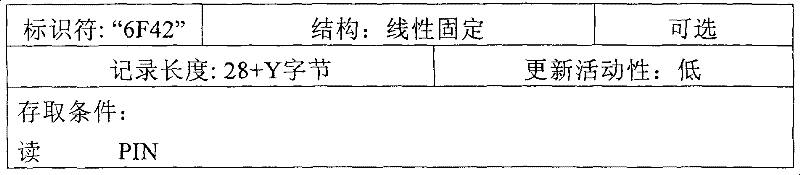

表1.紧急服务中心地址的地址域Table 1. Address fields for emergency service center addresses
另举一例,第二消息中心地址可存储在下表2中提供的可移除存储器模块的新域中(见字节1-12):As another example, the second message center address may be stored in a new field of the removable memory module provided in Table 2 below (see bytes 1-12):

表2.紧急服务中心地址的地址域Table 2. Address fields for emergency service center addresses
第二消息中心地址可称为具有根据E.164或其他适合格式类型(譬如,E.212或E.214)的“全局标题”地址。第二消息中心地址可以是直接与紧急消息中心相关联的地址,可选地,间接与以下消息中心相关联的地址,即在所述消息中心处,执行网络中的多个通信跳跃,直到到达适合的紧急消息中心。可选地,第二消息中心地址可能不是有效的地址,而只是作为网络的指示来工作以执行短消息的紧急消息路由选择,其中,基于短消息中的第二消息中心地址指示,从紧急消息中心中识别适合的消息中心地址,并被插入短消息用于路由。The second message center address may be referred to as having a "global header" address according to E.164 or other suitable format type (eg E.212 or E.214). The second message center address may be an address associated directly with an emergency message center, optionally indirectly with a message center at which a number of communication hops in the network are performed until reaching Suitable emergency message center. Optionally, the second message center address may not be a valid address, but only works as an indication for the network to perform emergency message routing of short messages, wherein, based on the second message center address indication in the short message, the emergency message The appropriate message center address is identified in the center and inserted into the short message for routing.
从图9开始,移动设备102通过无线通信网络(图9的步骤950)来发起短消息的传送。短消息被指示为图9中的移动发起(MO)SMS或“MO-SMS”。这种短消息可能是或可能不是紧急消息。譬如,短消息可以关于图6-8所描述的任何方式输入到移动设备102中。通常,移动设备102的处理器通过用于传送短消息的用户接口识别来自用户的用户输入请求。处理器识别是否用户输入请求是用于紧急消息的,譬如,这可以关于图6-8所描述的任何方式检测。Beginning with FIG. 9, the
如果用户输入请求被识别为用于非紧急消息,则处理器从存储器读取第一消息中心地址,并在短消息的消息中心地址域中提供第一消息中心地址。另一方面,如果用户输入请求识别为紧急消息,则处理器从存储器读取第二消息中心地址,并在短消息的消息中心地址域中提供第二消息中心地址。在本实施例中,消息中心地址域可以是短消息的RP数据目的地址域(见规范文献TS 24.011,7.3.1.2节)。而后在图9的步骤950中,经由无线通信网络,通过空中接口来发送短消息。通常,当短消息是紧急消息时,网络使用短消息中的第二消息中心地址以识别短消息是紧急类型的。If the user input request is identified as being for a non-emergency message, the processor reads the first message center address from the memory and provides the first message center address in the message center address field of the short message. On the other hand, if the user input request is identified as an urgent message, the processor reads the second message center address from the memory, and provides the second message center address in the message center address field of the short message. In this embodiment, the message center address field may be the RP data destination address field of the short message (see specification document TS 24.011, Section 7.3.1.2). Then in
基于识别此地址,网络实质上拦截这种消息,并将它引入适合的本地消息中心,用于紧急消息处理和向适合的紧急目的地进行转发。当移动设备102访问非归属无线网络,这个本地消息中心不是归属无线网络的归属消息中心。Based on identifying this address, the network essentially intercepts the message and directs it to the appropriate local message center for emergency message handling and forwarding to the appropriate emergency destination. When the
现描述与短消息的网络操作和处理有关的细节。由移动设备102发出的短消息被诸如MSC 122或SGSN 126的任何适合的网络节点或组件接收并处理。注意,紧急类型短消息由具有比非紧急类型短消息更高优先级的网络进行处理。假定由MSC 122进行操作,MSC 122操作用于读取消息中心地址,将它插入短消息的服务中心地址域,并转发该短消息用于网络中的进一步处理。在本实施例中,服务中心域是TS29.002 MO-Forward SMS OPERATION的ServiceCentreAddressOA域。另外,短消息被转发到信令连接控制部分(SCCP),所述SCCP可以是MSC 122的一部分。Details related to network operation and processing of short messages are now described. Short messages sent by
响应于对消息的接收,SCCP操作用于从所转发的短消息读取服务中心地址,并将其和与紧急消息处理(譬如见图9的紧急SMS-SC地址904)相关联的存储地址作比较。在本实施例中,所存储的地址是对于用于紧急消息收发或处理(全球的或地方的)的所有载波都相同的固定地址或指示。注意,在这一层,短消息的消息中心地址可称作E.164全句标题地址。如果短消息的服务中心地址与所存储地址之间匹配,则SCCP操作用于将该消息中心地址替换成与分配用于处理紧急消息的本地消息中心(譬如,SMS-SC 306)对应的消息中心地址。此外,注意,紧急类型短消息由具有比非紧急类型短消息更高优先级的网络进行处理。否则,短消息的消息中心地址不改变为与本地紧急消息中心相对应。可选地,如果基于所述比较存在匹配,则SCCP操作用于设置目的地(譬如,消息转移部分或MTP层中的目的点代码)以对应分配用于处理紧急消息的本地消息中心(譬如SMS-SC 306);否则,短消息的目的地不改变为对应本地紧急消息中心。In response to the receipt of the message, the SCCP is operative to read the service center address from the forwarded short message and use it as the stored address associated with emergency message handling (see, for example, the emergency SMS-
因此,如果短消息是紧急类型的,则短消息从SCCP传送、路由经过SMS互通MSC(SMS MSC)902(见图9的步骤952)到与消息中心地址相关联的本地消息中心(譬如SMS-SC 306)(图9的步骤954)。SMS-SC 306而后可适合地将短消息路由到本地紧急目的地906(警局、消防、救护等)(图9的956)。显然,当移动设备102访问非归属无线网络时,本地消息地址(譬如SMS-SC 306)确实是本地的并且不是归属无线网络的归属消息中心;所以将紧急消息适合地传送到被访问无线网络处或附近的地方当局,而不是归属无线网络处或附近的归属当局。另一方面,如果短消息是非紧急类型,则将短消息传送到SCCP、路由经过SMS IWMSC 902(图9的步骤952)(或其他SMS IWMSC)到与消息中心地址相关联的归属消息中心(譬如SMS-SC 154)(图9的步骤960)。归属SMS-SC 154而后可适合地将短消息传送到如之前发出短消息时用户所指示的目的地908(图9的步骤962)。Therefore, if the short message is of the emergency type, the short message is transferred from the SCCP, routed through the SMS Interworking MSC (SMS MSC) 902 (see
在一个特定实施例中,紧急服务的第二消息中心地址可定期地或周期性地通过广播或控制信道经由无线网络而被广播,用于接收、存储以及供移动通信系统使用于这些目的。当第二消息中心地址表示对紧急消息进行操作的本地消息中心的实际直接或间接地址时,这是尤其无用的。为了说明,图10是用于描述用于通过无线网络来对紧急地址信息进行广播的方法的过程流图。如图10中显示,广播信息1002、1004和1006由无线网络304在指定的重复率下定期地或周期性地进行广播。操作在无线网络304中的诸如移动设备102之类的移动通信设备定期地或周期性地接收这种广播信息,同时将其存储在存储器中。由于无线网络304可以间或地改变紧急地址或其他信息,所以移动设备总是利用最当前的广播信息以便进行短消息处理。当接收到更新后的地址信息时,移动设备102操作用于存储更新后的地址信息,从而替换前述地址信息。In a particular embodiment, the emergency services second message center address may be broadcast regularly or periodically over a broadcast or control channel via the wireless network for reception, storage and use by the mobile communication system for these purposes. This is especially useless when the second message center address represents the actual direct or indirect address of the local message center handling emergency messages. To illustrate, FIG. 10 is a process flow diagram describing a method for broadcasting emergency address information over a wireless network. As shown in FIG. 10,
第二消息中心地址可与无线通信网络的无线网络标识相关联地存储在移动设备的存储器中。譬如,无线网络标识可以是或包括PLMN标识、移动国家代码(MCC)和移动网络代码(MNC)对,或者系统标识(SID)等。下表3说明了第二消息中心地址可存储在移动设备的存储器(譬如,可移除存储器模块)中的一种方式:The second message center address may be stored in memory of the mobile device in association with a wireless network identification of the wireless communication network. For example, the wireless network identifier may be or include a PLMN identifier, a pair of a mobile country code (MCC) and a mobile network code (MNC), or a system identifier (SID). Table 3 below illustrates one way in which the second message center address can be stored in the memory (e.g., removable memory module) of the mobile device:

表3.与无线网络标识相关联的紧急服务中心地址的地址域Table 3. Address fields for emergency service center addresses associated with wireless network identities
因此,移动设备102可保持对用于特定无线网络的紧急消息中心地址进行存储,并可存储与多个不同无线网络相关联的多个这种地址。如此,当移动设备102漫游或访问非归属无线网络(譬如,无线网络304)时,它可利用用于此特定无线网络的紧急消息中心地址。Accordingly,
下表4是说明紧急消息中心地址可由无线网络通过广播或控制信道进行广播的一种格式的示例:Table 4 below is an example illustrating one format in which the emergency message center address may be broadcast by the wireless network over a broadcast or control channel:
表4.包括紧急事件地址的广播信息Table 4. Broadcast information including emergency address
在可选技术中,设置短消息的指示符用于指示短消息是紧急消息,而不是在消息中心地址域中提供第二目的地消息。使用这种技术,消息中心地址可保持为归属消息中心地址、或在从移动设备发送之前的其他适合的地址。更明确地,如果用户输入请求被识别为用于紧急消息,则移动设备设置短消息中的指示符,用于指示短消息是紧急消息。另一方面,如果用户输入请求被识别为用于非紧急消息,则移动设备设置短消息中的指示符,用于指示短消息不是紧急消息。In an optional technique, an indicator of the short message is set to indicate that the short message is an urgent message, instead of providing the second destination message in the message center address field. Using this technique, the message center address may remain as the home message center address, or other suitable address prior to transmission from the mobile device. More specifically, if the user input request is identified as being for an urgent message, the mobile device sets an indicator in the short message to indicate that the short message is an urgent message. On the other hand, if the user input request is identified as being for a non-urgent message, the mobile device sets an indicator in the short message to indicate that the short message is not an urgent message.
优选地,在短消息的传输协议标识符(TP-ID)域中适合地设置指示符。可如以下示例中说明的那样提供用于紧急消息操作的TP-ID中的指示符:Preferably, the indicator is suitably set in the Transport Protocol Identifier (TP-ID) field of the short message. Indicators in the TP-ID for emergency message operations may be provided as illustrated in the following example:
TP-ID域TP-ID field
比特 描述 bit description
543210543210
000000 短消息类型0000000 Short message type 0
000001 替换短消息类型1000001 Replace SMS type 1
000010 替换短消息类型2000010 Replace SMS type 2
000011 替换短消息类型3000011 Replace SMS type 3
000100 替换短消息类型4000100 Replace SMS Type 4
000101 替换短消息类型5000101 Replace SMS Type 5
000110 替换短消息类型6000110 Replace SMS type 6
000111 替换短消息类型7000111 Replace SMS Type 7
001000 紧急SMS(新)001000 Emergency SMS (New)
001001..011101 保留001001..011101 Reserved
除了MSC/SGSN操作用于从已转发的短消息读取指示符并将其与用于紧急消息操作的存储指示符作比较的操作之外,网络对短消息的处理以如关于图9的前述相同的方式来实现。如果短消息的指示符与存储指示符之间匹配,则MSC/SGSN操作用于将该消息中心地址替换成与分配用于处理紧急消息的本地消息中心(譬如SMS-SC 306)相对应;否则,以如下正常方式处理短消息,即消息中心地址域中的消息中心地址(譬如归属消息中心地址)维持不变。The network processes the short message as previously described with respect to FIG. The same way to achieve. If there is a match between the indicator of the short message and the storage indicator, the MSC/SGSN operates to replace the message center address to correspond to the local message center (such as SMS-SC 306) assigned to handle the emergency message; otherwise , the short message is processed in the following normal manner, that is, the message center address (such as the home message center address) in the message center address field remains unchanged.
因此,已描述了由移动通信设备使用用于通过无线通信网络来传送紧急类型短消息的方法和装置。在一个说明性示例中,与归属消息中心相关联的第一消息中心地址和与紧急消息中心相关联的第二消息中心地址存储在移动设备的存储器中。存储器可以是用于移动设备的可移除存储器模块,例如用户身份模块(SIM)。用于传送短消息的用户输入请求通过移动设备的用户接口来接收。如果用户输入请求被识别为用于紧急消息,则第二消息中心地址从存储器被读取并在短消息的消息中心地址域中被提供。具有消息中心地址域中第二消息中心地址的短消息而后由移动设备发送到无线网络。网络在消息中心地址域中识别出第二消息中心地址,并作为响应使短消息被发送到网络本地的紧急消息中心。如此,当移动设备访问非归属无线网络时,短消息可传送到适合的本地紧急消息中心。移动设备可通过无线网络的广播信道接收第二消息中心地址,并将它与无线网络的无线网络标识相关联地进行存储。Thus, methods and apparatus have been described for use by a mobile communication device for communicating an emergency type short message over a wireless communication network. In one illustrative example, a first message center address associated with a home message center and a second message center address associated with an emergency message center are stored in a memory of the mobile device. The memory may be a removable memory module for the mobile device, such as a Subscriber Identity Module (SIM). A user input request to transmit a short message is received through the user interface of the mobile device. If the user input request is identified as for an urgent message, the second message center address is read from memory and provided in the message center address field of the short message. A short message with the second message center address in the message center address field is then sent by the mobile device to the wireless network. The network recognizes the second message center address in the message center address field and in response causes the short message to be sent to an emergency message center local to the network. In this way, when a mobile device accesses a non-home wireless network, short messages can be delivered to the appropriate local emergency message center. The mobile device may receive the second message center address through the broadcast channel of the wireless network, and store it in association with the wireless network identifier of the wireless network.
在可替换技术中,由移动通信设备使用用于通过无线通信网络传送紧急类型短消息的说明性技术包括以下行为:通过用户接口来接收用于传送短消息的用户输入请求;提供与短消息的消息中心地址域中的归属消息中心相对应的消息中心地址;如果用户输入请求被识别为用于紧急消息,则:设置短消息中的指示符用于指示短消息是紧急消息;如果用户输入请求被识别为用于非紧急消息,则:设置短消息中的指示符用于指示短消息不是紧急消息;以及使短消息被发送到无线通信网络。短消息中的指示符包括传输协议标识符(TP-ID)。In an alternative technique, an illustrative technique for use by a mobile communication device for transmitting an emergency-type short message over a wireless communication network includes the following acts: receiving, through a user interface, a user input request for transmitting a short message; The message center address corresponding to the home message center in the message center address field; if the user input request is identified as an urgent message, then: set the indicator in the short message to indicate that the short message is an urgent message; if the user input request identified as being for a non-urgent message, then: setting an indicator in the short message to indicate that the short message is not an urgent message; and causing the short message to be sent to the wireless communication network. The indicator in the short message includes a Transport Protocol Identifier (TP-ID).
在又一个实施例中,由网络节点(例如移动交换中心或服务GPRS交换节点)使用用于通过无线通信网络来传送来自移动通信设备的紧急类型短消息的说明性技术包括以下行为:接收短消息,所述短消息具有目的地址域中目的地址、与归属消息中心相对应的消息中心地址域中的消息中心地址和用来指示是否短消息是紧急消息的指示符域中的指示符;在指示符指示短消息是非紧急消息时使短消息被传送到基于消息中心地址的归属消息中心;以及在指示符指示短消息是紧急消息时使短消息被传送到不同于归属消息中心的紧急消息中心。In yet another embodiment, an illustrative technique used by a network node (e.g., a mobile switching center or a serving GPRS switching node) for communicating an emergency-type short message from a mobile communication device over a wireless communication network includes the act of: receiving a short message , the short message has a destination address in the destination address field, a message center address in the message center address field corresponding to the home message center, and an indicator in the indicator field for indicating whether the short message is an emergency message; causing the short message to be delivered to a home message center based on the message center address when the indicator indicates that the short message is a non-urgent message; and causing the short message to be delivered to an emergency message center different from the home message center when the indicator indicates that the short message is an urgent message.
本发明的优选实施例以说明并描述,但要理解本发明不局限于此。本领域技术人员会考虑到许多修改、变化、变更、替换和等价物,同时不背离所附权利要求所限定的本发明的精神和范围。Preferred embodiments of the invention have been illustrated and described, but it is to be understood that the invention is not limited thereto. Numerous modifications, changes, alterations, substitutions and equivalents will occur to those skilled in the art without departing from the spirit and scope of the invention as defined by the appended claims.
Claims (20)
Applications Claiming Priority (3)
| Application Number | Priority Date | Filing Date | Title |
|---|---|---|---|
| US11/286,861 US7676234B2 (en) | 2005-11-23 | 2005-11-23 | Routing of a short message originated by a mobile device |
| US11/286,861 | 2005-11-23 | ||
| PCT/CA2006/001886 WO2007059607A1 (en) | 2005-11-23 | 2006-11-20 | Methods and apparatus for use in communicating short messages of the emergency type from mobile communication devices |
Publications (2)
| Publication Number | Publication Date |
|---|---|
| CN101361377A CN101361377A (en) | 2009-02-04 |
| CN101361377B true CN101361377B (en) | 2012-07-11 |
Family
ID=38054209
Family Applications (1)
| Application Number | Title | Priority Date | Filing Date |
|---|---|---|---|
| CN2006800516466A Active CN101361377B (en) | 2005-11-23 | 2006-11-20 | Methods and apparatus for use in communicating short messages of the emergency type from mobile communication devices |
Country Status (9)
| Country | Link |
|---|---|
| US (2) | US7676234B2 (en) |
| EP (1) | EP1958468B1 (en) |
| JP (1) | JP4790814B2 (en) |
| KR (1) | KR101031800B1 (en) |
| CN (1) | CN101361377B (en) |
| AT (1) | ATE472235T1 (en) |
| CA (1) | CA2630605C (en) |
| DE (1) | DE602006015096D1 (en) |
| WO (1) | WO2007059607A1 (en) |
Families Citing this family (78)
| Publication number | Priority date | Publication date | Assignee | Title |
|---|---|---|---|---|
| US20120163560A1 (en) * | 1998-08-14 | 2012-06-28 | Azos Al, Llc | Emergency communications controller and protocol |
| US20080285727A1 (en) * | 2007-05-16 | 2008-11-20 | Shelia Jean Burgess | Communications Controller And Protocol |
| AU2001239831A1 (en) | 2000-02-25 | 2001-09-03 | Telecommunication Systems, Inc. | Prepaid short messaging |
| US7522911B2 (en) | 2000-04-11 | 2009-04-21 | Telecommunication Systems, Inc. | Wireless chat automatic status tracking |
| US7110773B1 (en) | 2000-04-11 | 2006-09-19 | Telecommunication Systems, Inc. | Mobile activity status tracker |
| US7640031B2 (en) | 2006-06-22 | 2009-12-29 | Telecommunication Systems, Inc. | Mobile originated interactive menus via short messaging services |
| US8238944B2 (en) * | 2002-04-16 | 2012-08-07 | Hewlett-Packard Development Company, L.P. | Disaster and emergency mode for mobile radio phones |
| US7260186B2 (en) | 2004-03-23 | 2007-08-21 | Telecommunication Systems, Inc. | Solutions for voice over internet protocol (VoIP) 911 location services |
| US7903791B2 (en) | 2005-06-13 | 2011-03-08 | Telecommunication Systems, Inc. | Enhanced E911 location information using voice over internet protocol (VoIP) |
| US10178522B2 (en) * | 2005-08-02 | 2019-01-08 | Qualcomm Incorporated | VoIP emergency call support |
| US7548158B2 (en) | 2005-08-08 | 2009-06-16 | Telecommunication Systems, Inc. | First responder wireless emergency alerting with automatic callback and location triggering |
| US9626341B1 (en) * | 2005-11-22 | 2017-04-18 | Syniverse Communications, Inc. | Method of and system for displaying mobile messages in unsupported formats |
| US8059789B2 (en) | 2006-02-24 | 2011-11-15 | Telecommunication Systems, Inc. | Automatic location identification (ALI) emergency services pseudo key (ESPK) |
| US8920343B2 (en) | 2006-03-23 | 2014-12-30 | Michael Edward Sabatino | Apparatus for acquiring and processing of physiological auditory signals |
| US8676195B2 (en) * | 2006-04-14 | 2014-03-18 | Aicent, Inc. | Fixed mobile roaming service solution |
| US8204520B2 (en) * | 2006-06-02 | 2012-06-19 | West Corporation | System and method for routing short message service special number messages to local special number answering points |
| KR20080002127A (en) * | 2006-06-30 | 2008-01-04 | 삼성전자주식회사 | Mobile communication terminal and method for emergency message transmission using Bluetooth module |
| US8463284B2 (en) | 2006-07-17 | 2013-06-11 | Telecommunication Systems, Inc. | Short messaging system (SMS) proxy communications to enable location based services in wireless devices |
| US20080147546A1 (en) * | 2006-09-19 | 2008-06-19 | Walter Weichselbaumer | Wireless device electronic wallet transaction validation |
| US8099105B2 (en) * | 2006-09-19 | 2012-01-17 | Telecommunication Systems, Inc. | Device based trigger for location push event |
| US9408046B2 (en) * | 2006-10-03 | 2016-08-02 | Telecommunication Systems, Inc. | 911 data messaging |
| US9160572B2 (en) * | 2006-10-17 | 2015-10-13 | Telecommunication Systems, Inc. | Automated location determination to support VoIP E911 using self-surveying techniques for ad hoc wireless network |
| US8050386B2 (en) | 2007-02-12 | 2011-11-01 | Telecommunication Systems, Inc. | Mobile automatic location identification (ALI) for first responders |
| US9185216B2 (en) * | 2007-06-15 | 2015-11-10 | Blackberry Limited | System and method for indicating emergency call back to user equipment |
| CN101755479B (en) * | 2007-07-20 | 2013-10-02 | 富士通株式会社 | Emergency call number information acquiring system |
| EP2196014A4 (en) * | 2007-09-17 | 2014-12-24 | Telecomm Systems Inc | Emergency 911 data messaging |
| US7929530B2 (en) | 2007-11-30 | 2011-04-19 | Telecommunication Systems, Inc. | Ancillary data support in session initiation protocol (SIP) messaging |
| US9130963B2 (en) | 2011-04-06 | 2015-09-08 | Telecommunication Systems, Inc. | Ancillary data support in session initiation protocol (SIP) messaging |
| US8224360B2 (en) * | 2007-12-10 | 2012-07-17 | West Corporation | System and method for handling special number calls using text message format |
| US8190179B2 (en) * | 2007-12-14 | 2012-05-29 | West Corporation | System and method for handling special number calls using text message format with automatic location function |
| US9344840B2 (en) * | 2007-12-14 | 2016-05-17 | Telecommunication Systems, Inc. | Wireless application protocol (WAP) application location based services (LBS) |
| US9369294B2 (en) * | 2007-12-14 | 2016-06-14 | Telecommunication Systems, Inc. | Reverse 911 using multicast session internet protocol (SIP) conferencing of voice over internet protocol (VoIP) users |
| US8229390B2 (en) * | 2008-03-18 | 2012-07-24 | Lg Electronics Inc. | Method of receiving a disaster warning message in mobile communication system |
| WO2009116797A2 (en) * | 2008-03-18 | 2009-09-24 | Lg Electronics Inc. | Method of receiving a disaster warning message using scheduling information included in system information within mobile communication system |
| US8706076B2 (en) * | 2008-03-18 | 2014-04-22 | Lg Electronics Inc. | Method of receiving a disaster warning message through a broadcast/multicast channel |
| US9602552B2 (en) * | 2008-06-02 | 2017-03-21 | Blackberry Limited | Coding and behavior when receiving an IMS emergency session indicator from authorized source |
| US20090296689A1 (en) | 2008-06-02 | 2009-12-03 | Research In Motion Limited | Privacy-Related Requests for an IMS Emergency Session |
| US8478226B2 (en) | 2008-06-02 | 2013-07-02 | Research In Motion Limited | Updating a request related to an IMS emergency session |
| CN102113293B (en) | 2008-06-02 | 2016-08-03 | 黑莓有限公司 | System and method for managing emergency requests |
| WO2010011467A1 (en) * | 2008-06-29 | 2010-01-28 | Oceans' Edge, Inc. | Mobile telephone firewall and compliance enforcement system and method |
| US8165080B2 (en) * | 2008-08-22 | 2012-04-24 | Qualcomm Incorporated | Addressing schemes for wireless communication |
| KR101029463B1 (en) | 2008-09-09 | 2011-04-15 | 삼성전자주식회사 | Emergency character service method and device in mobile terminal |
| US8195121B2 (en) * | 2008-09-15 | 2012-06-05 | T-Mobile Usa, Inc. | Method and system for establishing messaging communication with a service provider, such as a PSAP (public safety answering point) |
| US8954028B2 (en) | 2008-09-25 | 2015-02-10 | Telecommunication Systems, Inc. | Geo-redundant and high reliability commercial mobile alert system (CMAS) |
| US8781509B2 (en) * | 2009-05-08 | 2014-07-15 | Zte (Usa) Inc. | Interworking circuit service fall back |
| US8977303B2 (en) * | 2009-05-08 | 2015-03-10 | Zte Corporation | Interworking circuit service fall back |
| GB0908694D0 (en) * | 2009-05-20 | 2009-07-01 | Vodafone Plc | Terminating SMS messages in LTE |
| JP2013509069A (en) * | 2009-10-21 | 2013-03-07 | 株式会社東芝 | Apparatus and method used in femtocells |
| KR20110105951A (en) * | 2010-03-22 | 2011-09-28 | 삼성전자주식회사 | Method and apparatus for providing alarm service in mobile digital broadcasting system |
| CN102256220A (en) * | 2010-05-21 | 2011-11-23 | 电信科学技术研究院 | Priority alarm message transmission method and equipment for machine type communication |
| CN102300179B (en) * | 2010-06-25 | 2014-04-09 | 中兴通讯股份有限公司 | System and method for realization of emergent short message service |
| WO2012068462A2 (en) | 2010-11-19 | 2012-05-24 | Aicent, Inc. | Method of and system for extending the wispr authentication procedure |
| US20120302201A1 (en) * | 2010-12-20 | 2012-11-29 | Telefonaktiebolaget L M | Methods and arrangements for supporting positioning |
| CN102104847B (en) * | 2011-02-24 | 2015-01-28 | 中兴通讯股份有限公司 | Short message monitoring method based on flow and call-initiating areas |
| US9716999B2 (en) | 2011-04-18 | 2017-07-25 | Syniverse Communicationsm, Inc. | Method of and system for utilizing a first network authentication result for a second network |
| US9880604B2 (en) | 2011-04-20 | 2018-01-30 | Microsoft Technology Licensing, Llc | Energy efficient location detection |
| WO2013025555A1 (en) * | 2011-08-12 | 2013-02-21 | Qualcomm Incorporated | Emergency messaging between citizens and authorities |
| WO2013040250A1 (en) | 2011-09-13 | 2013-03-21 | Aicent, Inc. | Method of and system for data access over dual data channels with dynamic sim credential |
| US9544271B2 (en) | 2011-09-16 | 2017-01-10 | Telecommunication Systems, Inc. | Anonymous messaging conversation |
| US8929854B2 (en) | 2011-10-27 | 2015-01-06 | Telecommunication Systems, Inc. | Emergency text messaging |
| US9420432B2 (en) | 2011-12-23 | 2016-08-16 | Microsoft Technology Licensing, Llc | Mobile devices control |
| US8874162B2 (en) | 2011-12-23 | 2014-10-28 | Microsoft Corporation | Mobile device safe driving |
| US9710982B2 (en) | 2011-12-23 | 2017-07-18 | Microsoft Technology Licensing, Llc | Hub key service |
| US9325752B2 (en) | 2011-12-23 | 2016-04-26 | Microsoft Technology Licensing, Llc | Private interaction hubs |
| US20130305354A1 (en) | 2011-12-23 | 2013-11-14 | Microsoft Corporation | Restricted execution modes |
| US9467834B2 (en) | 2011-12-23 | 2016-10-11 | Microsoft Technology Licensing, Llc | Mobile device emergency service |
| US8740830B2 (en) * | 2012-04-20 | 2014-06-03 | Optec Usa, Inc. | Cervical collar brace with cable adjustment |
| US9230076B2 (en) | 2012-08-30 | 2016-01-05 | Microsoft Technology Licensing, Llc | Mobile device child share |
| US20140357308A1 (en) * | 2013-05-29 | 2014-12-04 | Acer Incorporated | Apparatuses and methods for providing emergent short message services (sms) |
| US9998866B2 (en) | 2013-06-14 | 2018-06-12 | Microsoft Technology Licensing, Llc | Detecting geo-fence events using varying confidence levels |
| US9820231B2 (en) | 2013-06-14 | 2017-11-14 | Microsoft Technology Licensing, Llc | Coalescing geo-fence events |
| US10756916B2 (en) * | 2014-06-17 | 2020-08-25 | Intrepid Networks, Llc | Distributed processing network system, integrated response systems and methods providing situational awareness information for emergency response |
| US9507923B2 (en) | 2014-10-27 | 2016-11-29 | At&T Intellectual Property I, L.P. | Automatic activation of a service |
| US10826945B1 (en) | 2019-06-26 | 2020-11-03 | Syniverse Technologies, Llc | Apparatuses, methods and systems of network connectivity management for secure access |
| GB2586222A (en) | 2019-08-05 | 2021-02-17 | British Telecomm | Classifier-based message routing in a telecommunications network |
| GB2586223A (en) * | 2019-08-05 | 2021-02-17 | British Telecomm | Conditional message routing in a telecommunications network |
| EP4369616A3 (en) * | 2020-03-31 | 2024-08-21 | STMicroelectronics S.r.l. | Apparatus and methods for g3-plc bootstrap in hybrid networks |
| CN113220538B (en) * | 2021-06-04 | 2022-04-12 | 中富通集团股份有限公司 | Method for transmitting monitoring state of operating environment of machine room power equipment |
Citations (3)
| Publication number | Priority date | Publication date | Assignee | Title |
|---|---|---|---|---|
| CN1262849A (en) * | 1997-06-03 | 2000-08-09 | 诺基亚网络有限公司 | Routing short message |
| CN1390013A (en) * | 2001-05-31 | 2003-01-08 | 阿尔卡塔尔公司 | Emergency noticing and optimized service in multi-media network |
| US6850768B2 (en) * | 1998-06-02 | 2005-02-01 | Siemens Aktiengesellschaft | Method and mobile communications system for controlling a short message service |
Family Cites Families (41)
| Publication number | Priority date | Publication date | Assignee | Title |
|---|---|---|---|---|
| US5680458A (en) * | 1995-11-14 | 1997-10-21 | Microsoft Corporation | Root key compromise recovery |
| AU1044197A (en) * | 1995-12-07 | 1997-06-27 | Telefonaktiebolaget Lm Ericsson (Publ) | Emergency call handling in a cellular telecommunications system |
| US6052591A (en) | 1996-08-19 | 2000-04-18 | Ericsson Inc. | Broadcasting messages to mobile stations within a geographic area |
| US5983093A (en) * | 1997-08-06 | 1999-11-09 | Lucent Technologies, Inc. | Wireless terminal and wireless telecommunications system adapted to prevent the theft of wireless service |
| JPH11122669A (en) * | 1997-10-14 | 1999-04-30 | Fujitsu Ltd | Special service control method when roaming |
| KR100279709B1 (en) * | 1997-10-18 | 2001-02-01 | 윤종용 | Apparatus and method for transmitting short message in a mobile radio terminal |
| US6151507A (en) | 1997-11-07 | 2000-11-21 | Nokia Mobile Phones Ltd. | Individual short message service (SMS) options |
| US6240296B1 (en) * | 1998-03-10 | 2001-05-29 | Verizon Laboratories Inc. | Method and apparatus for supporting short message services in a wireless number portability environment |
| US6397054B1 (en) | 1998-07-30 | 2002-05-28 | Ericsson Inc. | Features for emergency calling and short messaging system |
| JP2000324532A (en) * | 1999-05-12 | 2000-11-24 | Nec Corp | International roaming emergency call control system |
| US6424828B1 (en) * | 1999-06-03 | 2002-07-23 | Ericsson Inc. | Internet server and method for providing access to internet e-mail and internet web pages |
| US6766159B2 (en) * | 2000-03-10 | 2004-07-20 | Nokia Mobile Phones Ltd. | Alpha tagging and type indication of emergency call number |
| KR100711993B1 (en) * | 2000-03-10 | 2007-05-02 | 노키아 코포레이션 | Smart card for alpha tagging and type indication of emergency call number |
| GB2361389B (en) * | 2000-04-15 | 2004-01-28 | Ericsson Telefon Ab L M | Telecommunications system |
| DE10040798A1 (en) | 2000-08-21 | 2002-03-14 | Siemens Ag | Method for entering a number in a number memory of a telecommunications terminal, terminal and telecommunications network for performing the method |
| BR0117026A (en) * | 2001-05-28 | 2004-04-20 | Nokia Corp | Method for collecting session-specific event data in a network, and, communication system |
| FR2828970B1 (en) * | 2001-08-27 | 2003-12-19 | Cit Alcatel | INTEROPERABILITY SYSTEM BETWEEN MMS MESSAGES AND SMS / EMS MESSAGES AND RELATED EXCHANGE METHOD |
| US20050070314A1 (en) * | 2001-10-26 | 2005-03-31 | Jeffrey Wilson | Telecommunications services apparatus |
| GB0129618D0 (en) | 2001-12-12 | 2002-01-30 | Intellprop Ltd | Telecommunications services apparatus |
| JP4000933B2 (en) * | 2002-07-19 | 2007-10-31 | ソニー株式会社 | Wireless information transmission system, wireless communication method, and wireless terminal device |
| US7050822B2 (en) * | 2002-10-31 | 2006-05-23 | Nokia Corporation | Method for providing a best guess for an intended recipient of a message |
| US7340263B2 (en) * | 2002-11-15 | 2008-03-04 | Sony Ericsson Mobile Communications Ab | Methods and apparatus for displaying textual data embedded in broadcast media signals |
| US20040198311A1 (en) * | 2002-11-15 | 2004-10-07 | Naveen Aerrabotu | Method and system for processing a service access request for a mobile communication device |
| US7212506B2 (en) | 2002-11-18 | 2007-05-01 | Lucent Technologies Inc. | System for the secure distribution of priority call access codes to provide guaranteed wireless communication service to priority wireless communication subscribers |
| US7617287B2 (en) * | 2002-11-27 | 2009-11-10 | Rga Intl, Inc. | Cellular messaging alert method and system |
| US6927727B2 (en) | 2003-01-21 | 2005-08-09 | Monica Cleghorn | Internet protocol based 911 system |
| US20040176123A1 (en) * | 2003-01-30 | 2004-09-09 | Chin Frances Mu-Fen | Communicating with public safety answering points via character based messages |
| WO2004075598A1 (en) * | 2003-02-18 | 2004-09-02 | Roamware, Inc. | Providing multiple msisdn numbers in a mobile device with a single imsi |
| US20040266402A1 (en) * | 2003-06-30 | 2004-12-30 | Schavitz Mary J. | Apparatus and method for message control on a wireless communication device |
| US20050020289A1 (en) * | 2003-07-24 | 2005-01-27 | Samsung Electronics Co., Ltd. | Method for blocking spam messages in a mobile communication terminal |
| US20050037728A1 (en) | 2003-08-13 | 2005-02-17 | Binzel Charles P. | Emergency broadcast message in a wireless communication device |
| US7068993B2 (en) * | 2003-09-25 | 2006-06-27 | Lucent Technologies Inc. | Method and apparatus for packetized supplemental wireless distress signaling |
| US7221928B2 (en) * | 2003-10-01 | 2007-05-22 | Laird Mark D | Mobile emergency notification system |
| GB2406999A (en) | 2003-10-08 | 2005-04-13 | Orange Personal Comm Serv Ltd | SMS telecommunication system |
| AU2004214571B2 (en) * | 2003-10-13 | 2007-05-10 | Samsung Electronics Co., Ltd. | Method and system for providing short message service in network interworking between wireless public network and wired/wireless private network |
| KR100584388B1 (en) * | 2003-10-30 | 2006-05-26 | 삼성전자주식회사 | Call connection method of mobile terminal |
| US7212111B2 (en) * | 2003-12-30 | 2007-05-01 | Motorola, Inc. | Method and system for use in emergency notification and determining location |
| JP4589343B2 (en) | 2004-02-13 | 2010-12-01 | エンビジョンアイティー・エルエルシー | Public service message broadcasting system and method |
| US7395047B2 (en) | 2004-03-08 | 2008-07-01 | Avaya Technology Corp. | Enhanced emergency system telephone feature for PBX and key systems |
| US7212406B2 (en) * | 2004-09-01 | 2007-05-01 | Rockwell Automation Technologies, Inc. | Cooling of electrical components with split-flow closed-end devices |
| JP4480538B2 (en) * | 2004-10-22 | 2010-06-16 | 株式会社エヌ・ティ・ティ・ドコモ | Relay device and relay method |
-
2005
- 2005-11-23 US US11/286,861 patent/US7676234B2/en active Active
-
2006
- 2006-11-20 WO PCT/CA2006/001886 patent/WO2007059607A1/en not_active Ceased
- 2006-11-20 DE DE602006015096T patent/DE602006015096D1/en active Active
- 2006-11-20 KR KR1020087014638A patent/KR101031800B1/en active Active
- 2006-11-20 JP JP2008541556A patent/JP4790814B2/en active Active
- 2006-11-20 EP EP06804746A patent/EP1958468B1/en active Active
- 2006-11-20 CN CN2006800516466A patent/CN101361377B/en active Active
- 2006-11-20 US US11/561,554 patent/US7809350B2/en active Active
- 2006-11-20 CA CA2630605A patent/CA2630605C/en active Active
- 2006-11-20 AT AT06804746T patent/ATE472235T1/en not_active IP Right Cessation
Patent Citations (3)
| Publication number | Priority date | Publication date | Assignee | Title |
|---|---|---|---|---|
| CN1262849A (en) * | 1997-06-03 | 2000-08-09 | 诺基亚网络有限公司 | Routing short message |
| US6850768B2 (en) * | 1998-06-02 | 2005-02-01 | Siemens Aktiengesellschaft | Method and mobile communications system for controlling a short message service |
| CN1390013A (en) * | 2001-05-31 | 2003-01-08 | 阿尔卡塔尔公司 | Emergency noticing and optimized service in multi-media network |
Also Published As
| Publication number | Publication date |
|---|---|
| CA2630605A1 (en) | 2007-05-31 |
| EP1958468B1 (en) | 2010-06-23 |
| WO2007059607B1 (en) | 2007-07-19 |
| US20070173224A1 (en) | 2007-07-26 |
| HK1121624A1 (en) | 2009-04-24 |
| US7809350B2 (en) | 2010-10-05 |
| EP1958468A1 (en) | 2008-08-20 |
| JP4790814B2 (en) | 2011-10-12 |
| US7676234B2 (en) | 2010-03-09 |
| US20070117577A1 (en) | 2007-05-24 |
| DE602006015096D1 (en) | 2010-08-05 |
| JP2009516965A (en) | 2009-04-23 |
| CA2630605C (en) | 2014-07-29 |
| WO2007059607A1 (en) | 2007-05-31 |
| CN101361377A (en) | 2009-02-04 |
| KR101031800B1 (en) | 2011-04-29 |
| EP1958468A4 (en) | 2009-06-24 |
| KR20080077205A (en) | 2008-08-21 |
| ATE472235T1 (en) | 2010-07-15 |
Similar Documents
| Publication | Publication Date | Title |
|---|---|---|
| CN101361377B (en) | Methods and apparatus for use in communicating short messages of the emergency type from mobile communication devices | |
| US7269431B1 (en) | System for forwarding SMS messages to other devices | |
| CN101156463B (en) | For WLAN enabling wireless communication equipment provides the method and apparatus of network broadcast information | |
| US8649314B2 (en) | Peer-to-peer mobile data transfer method and device | |
| US9363105B2 (en) | Method for blocking spam short messages in wireless network | |
| EP3379777B1 (en) | Methods and apparatuses for use in forwarding short messages for mobile communication devices | |
| CN100397918C (en) | Method and device for sending a message to two or more related wireless communication devices | |
| CN1906956B (en) | System and method for wireless provisioning of mobile communication devices | |
| US20060099976A1 (en) | Integrated message delivery over a plurality of transport mediums | |
| US20070149176A1 (en) | Method and system to communicate a voice mail indication in a loosely coupled environment | |
| ES2273274T3 (en) | SELECTION OF A DATA TRANSFER METHOD. | |
| US20050181766A1 (en) | Method and device for delivering messages to mobile terminal devices in accordance with a user selectable attainability status | |
| MX2008006635A (en) | Methods and apparatus for use in communicatingshort messages of the emergency type from mobile communication devices | |
| EP1883192B1 (en) | Method and device for integrated message delivery over a plurality of transport mediums | |
| HK1121624B (en) | Methods and apparatus for use in communicating short messages of the emergency type from mobile communication devices | |
| CN101106740A (en) | A processing method for self-service message | |
| KR101741811B1 (en) | Method for web-to-phone message transfer'control and message gateway device | |
| EP1819179A1 (en) | Method for routing SMS messages | |
| HK1112789A1 (en) | Method and device for integrated message delivery over a plurality of transport mediums | |
| HK1112789B (en) | Method and device for integrated message delivery over a plurality of transport mediums | |
| HK1091675B (en) | Method and device for integrated message delivery over a plurality of transport mediums |
Legal Events
| Date | Code | Title | Description |
|---|---|---|---|
| C06 | Publication | ||
| PB01 | Publication | ||
| C10 | Entry into substantive examination | ||
| SE01 | Entry into force of request for substantive examination | ||
| C14 | Grant of patent or utility model | ||
| GR01 | Patent grant | ||
| TR01 | Transfer of patent right |
Effective date of registration: 20240603 Address after: Illinois Patentee after: Ot patent trusteeship Co.,Ltd. Country or region after: U.S.A. Address before: Ontario, Canada Patentee before: RESEARCH IN MOTION Ltd. Country or region before: Canada |
|
| TR01 | Transfer of patent right | ||
| TR01 | Transfer of patent right |
Effective date of registration: 20240627 Address after: Ai Erlandubailin Patentee after: Maliki Innovation Co.,Ltd. Country or region after: Ireland Address before: Illinois Patentee before: Ot patent trusteeship Co.,Ltd. Country or region before: U.S.A. |
|
| TR01 | Transfer of patent right |