CN101278387B - Amine-free deposition of metal-nitride films - Google Patents
Amine-free deposition of metal-nitride films Download PDFInfo
- Publication number
- CN101278387B CN101278387B CN2006800364745A CN200680036474A CN101278387B CN 101278387 B CN101278387 B CN 101278387B CN 2006800364745 A CN2006800364745 A CN 2006800364745A CN 200680036474 A CN200680036474 A CN 200680036474A CN 101278387 B CN101278387 B CN 101278387B
- Authority
- CN
- China
- Prior art keywords
- layer
- metal
- tacn
- plasma
- carbon
- Prior art date
- Legal status (The legal status is an assumption and is not a legal conclusion. Google has not performed a legal analysis and makes no representation as to the accuracy of the status listed.)
- Expired - Fee Related
Links
Images


Classifications
-
- H10W20/425—
-
- H10P14/432—
-
- H10W20/033—
-
- H10W20/035—
Landscapes
- Chemical Vapour Deposition (AREA)
- Internal Circuitry In Semiconductor Integrated Circuit Devices (AREA)
- Electrodes Of Semiconductors (AREA)
- Carbon And Carbon Compounds (AREA)
Abstract
Description
背景技术 Background technique
在集成电路的生产中,铜金属互连通常被用于耦合不同的电子器件例如晶体管和电容器。铜互连常常使用金属镶嵌(damascene)工艺形成,其中介电层被蚀刻以形成沟槽,所述铜金属被沉积到所述沟槽中。所述铜的沉积典型地继之以化学机械抛光步骤以平面化所述互连并且除去多余的材料。In the production of integrated circuits, copper metal interconnects are often used to couple different electronic devices such as transistors and capacitors. Copper interconnects are often formed using a damascene process in which a dielectric layer is etched to form trenches into which the copper metal is deposited. The copper deposition is typically followed by a chemical mechanical polishing step to planarize the interconnects and remove excess material.
在所述铜金属沉积之前,必须在所述介电层的沟槽中沉积屏蔽层、粘附层和晶种层。所述屏蔽层防止铜金属扩散进入所述介电层之内。所述粘附层将所述屏蔽层结合到所述晶种层。所述晶种层提供表面以允许所述铜金属沉积并粘附所述沟槽内。金属氮化物薄膜,例如氮化钽(TaN),可被用来形成所述屏蔽层,同时金属层,例如钽层(Ta),可被用来提供用于铜晶种层的所述粘附层。如在本领域中众所周知的,TaN/Ta叠层通常在所述铜金属之前被沉积入所述沟槽。在一些应用中,纯的Ta层可被用来提供所述屏蔽和粘附功能。Before the copper metal is deposited, a mask layer, an adhesion layer and a seed layer must be deposited in the trenches of the dielectric layer. The shielding layer prevents copper metal from diffusing into the dielectric layer. The adhesion layer bonds the shielding layer to the seed layer. The seed layer provides a surface to allow the copper metal to deposit and adhere within the trenches. A metal nitride film, such as tantalum nitride (TaN), can be used to form the shielding layer, while a metal layer, such as a tantalum layer (Ta), can be used to provide the adhesion for the copper seed layer. layer. As is well known in the art, TaN/Ta stacks are typically deposited into the trenches prior to the copper metal. In some applications, a pure Ta layer can be used to provide the shielding and adhesion functions.
当前用于产生屏蔽层和粘附层的化学气相沉积(CVD)和原子层沉积(ALD)方法具有许多缺点。产生金属氮化物屏蔽层的常规方法使用了含有胺或亚胺化合物的前体功能,而所述胺或亚胺化合物会造成问题。The chemical vapor deposition (CVD) and atomic layer deposition (ALD) methods currently used to create barrier and adhesion layers have a number of disadvantages. Conventional methods of producing metal nitride shielding layers use precursor functions containing amine or imine compounds, which pose problems.
用于产生屏蔽和粘附层的常规方法涉及两个分离的层,例如在图1中显示的TaN/Ta叠层。所述TaN/Ta叠层100典型地在介电层104之内衬于(lining)沟槽102。在所述沟槽102之内并在所述TaN/Ta叠层100顶上是晶种层106和铜金属互连108。由于互连宽度被缩小比例并且所述沟槽102变得更窄,所述层叠的TaN/Ta层100将在所述沟槽102之内占据更多的体积。这就为所述晶种层106和铜金属互连108留下更少的空间。这将会达到一个点,在此点上对于要被沉积的铜金属来说不再有足够的空间。需要更薄的屏蔽和粘附层以继续缩小集成电路尺寸。令人遗憾地,由于先前所述讨论的照相平版印刷术的性能,目前被用于ALD沉积屏蔽层和粘附层的材料,例如TaN/Ta叠层100,是不可扩展的。Conventional methods for producing shielding and adhesion layers involve two separate layers, such as the TaN/Ta stack shown in FIG. 1 . The TaN/Ta
当前形成屏蔽层的方法还具有其它问题。高电阻率界面层例如氧化钽从已知的工艺得到。当前方法还使用了腐蚀性前体和/或副产物例如卤化物,其会使工具设计复杂化并且增加了成本。因此,需要形成屏蔽和粘附层的工艺,其可以用于比例缩小集成电路,而没有以上所述的缺点。Current methods of forming shielding layers have other problems. High resistivity interfacial layers such as tantalum oxide are obtained from known processes. Current methods also use corrosive precursors and/or by-products such as halides, which complicate tool design and increase cost. Accordingly, there is a need for a process for forming shielding and adhesion layers that can be used to scale down integrated circuits without the disadvantages described above.
附图说明 Description of drawings
图1是使用TaN/Ta叠层的常规互连结构。Figure 1 is a conventional interconnect structure using a TaN/Ta stack.
图2是根据本发明的一个实施方案所构造的等级化的TaCN层。Figure 2 is a layer of graded TaCN constructed in accordance with one embodiment of the present invention.
图3是根据本发明的一个实施方案用于产生TaCN层的方法。Figure 3 is a method for producing a TaCN layer according to one embodiment of the present invention.
图4是根据本发明的一个实施方案用于产生TaCN层的具体工艺循环。Figure 4 is a detailed process cycle for producing a TaCN layer according to one embodiment of the present invention.
图5是根据本发明的一个实施方案所构造的合金碳氮化物层。Figure 5 is an alloy carbonitride layer constructed in accordance with one embodiment of the present invention.
详细说明Detailed description
在此处描述的是形成无胺屏蔽和粘附层的系统和方法。在下文中的描述中,将使用本领域技术人员所通常使用以向本领域其它人员表达工作内容的术语来描述说明性实施方式的各个方面。但是,对本领域技术人员将显而易见的是本发明可以仅仅以所描述方面的一些来被实施。用于说明目的,列出了具体的数字、材料和结构以提供对所述说明性实施方案的详尽理解。但是,对本领域技术人员显而易见的是,本发明可以不以所述的具体细节而实施。在其它情况中,为了不使所述说明性的实施方案变得模糊,忽略或者简化了众所周知的特征。Described herein are systems and methods of forming amine-free barrier and adhesion layers. In the description that follows, various aspects of the illustrative implementations will be described using terms commonly used by those skilled in the art to convey what they are doing to others skilled in the art. However, it will be apparent to those skilled in the art that the invention may be practiced with only some of the described aspects. For purposes of illustration, specific numbers, materials and structures are listed to provide a thorough understanding of the illustrative embodiments. It will be apparent, however, to one skilled in the art that the present invention may be practiced without the specific details described. In other instances, well-known features were omitted or simplified in order not to obscure the illustrative embodiments.
反过来,各种不同的操作将以最为有助于理解本发明的方式被描述为多个离散的操作,但是,描述的顺序将不会被解释为这些操作必须依赖于顺序。特别地,这些操作不必按介绍的次序被进行。Conversely, various operations will be described as multiple discrete operations in a manner that is most helpful in understanding the invention, however, the order of description will not be construed as necessarily order dependent. In particular, these operations do not have to be performed in the order presented.
本发明的实施方案提供了用于生产含有金属和碳的层的方法,例如含有金属、碳和氮的层,其在此被称作金属碳氮化物层,其同时提供了屏蔽层和粘附层的功能。当互连宽度被比例缩小时,使用单一的层以起到屏蔽和粘附层的作用将会对要被沉积和形成互连结构的铜金属提供更多的空间。借助于单一的金属碳氮化物层,可以获得先前由于层叠屏蔽层和粘附层的厚度限制而不可得到的比例缩小电路尺寸。Embodiments of the present invention provide methods for producing a metal and carbon containing layer, such as a metal, carbon and nitrogen containing layer, referred to herein as a metal carbonitride layer, which provides both barrier and adhesion layer function. When interconnect widths are scaled down, using a single layer to act as a shielding and adhesion layer will provide more room for the copper metal to be deposited and form the interconnect structure. With the help of a single metal carbonitride layer, it is possible to achieve scaled down circuit dimensions that were previously unavailable due to the thickness limitations of the laminated shield and adhesion layers.
在本发明的一个实施方案中,所述含有金属和碳的层可以是金属碳氮化物层例如钽碳氮化物(TaxCyNz或TaCN)。所述碳(C)和氮(N)的浓度可以取决于所述层的要求而变化。在本发明的实施方案中,金属碳氮化物层可以是分级的(graded)或分层的(laminated)层。例如,在所述层之内对于碳和/或氮可以存在浓度梯度。In one embodiment of the invention, the metal and carbon containing layer may be a metal carbonitride layer such as tantalum carbonitride ( TaxCyNz or TaCN). The carbon (C) and nitrogen (N) concentrations can vary depending on the requirements of the layer. In embodiments of the invention, the metal carbonitride layer may be a graded or laminated layer. For example, there may be a concentration gradient for carbon and/or nitrogen within the layer.
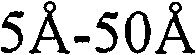
图2说明了TaCN层的一个实施方案,其中所述碳和氮的浓度是分级的。在本发明的实施方案中,所述TaCN层200可以具有5埃-50埃的厚度,典型的厚度为大约10埃到30埃。当使用如下所述方法沉积时,所述TaCN层200通常是共形、连续、致密并且均匀的层。在本发明所述的实施方案中,所述TaCN层200具有低的薄膜杂质,无卤素,并且促进了到先前和随后的金属或其它层的良好粘附。所述TaCN层200也可具有良好的热屏蔽完整性,例如能够承受高达400℃的温度四个小时或更久。Figure 2 illustrates an embodiment of a TaCN layer in which the carbon and nitrogen concentrations are graded. In an embodiment of the present invention, the
所述碳和氮的分级浓度,如阴影区202所示,例如,在TaCN层200的第一表面204是最高的,其中所述TaCN层200与介电层206交界。所述TaCN层200中在表面204的碳和氮的高浓度提供了屏蔽层功能,以防止铜金属扩散入所述介电层206中。在一个实施方案中,所述碳和氮的分级浓度跨越所述TaCN层200的厚度而下降,直到其在所述TaCN层200的第二表面208达到最低。在一些实施方案中,在该第二表面208所述浓度可以基本上为零。所述TaCN层200在该第二表面208具有提高的钽浓度,并且提供了粘附层功能以容许金属层210(例如金属晶种层)沉积在所述TaCN层200的顶上。然后,可以在所述金属层210顶上形成金属互连212,例如铜互连。在一个实施方案中,所述TaCN层200的形态可以在邻近于介电层206的第一表面204为非晶的,并且可以在邻近于金属层210的第二表面208为多晶的。The graded concentrations of carbon and nitrogen, as indicated by the
因此通过使用所述分级的TaCN层200能够沉积单层,所述单层同时提供了屏蔽层功能和粘附层功能,而避免了层叠的TaN/Ta层的体积消耗。通过提供更多余量用于铜间隙填充以形成实际的互连结构,具有双功能的单层能够实现更大互连的级别。Thus by using the graded
在本发明的不同实施方案中,所述碳和氮的浓度梯度可以取决于工艺需要和所述TaCN层200的功能而被调节。在一些实施方案中,所述碳的浓度梯度可以不同于氮的浓度梯度。在替代的实施方案中,在所述TaCN层200中碳和氮的浓度可以是分层的,从而使所述TaCN层200由以垂直方式层叠的纳米尺寸薄膜组成。In different embodiments of the present invention, the carbon and nitrogen concentration gradients can be adjusted depending on process requirements and the function of the
在本发明进一步的实施方案中,可以使用钽的碳氮化物以外的金属碳氮化物层。应当指出,在这里术语“金属碳氮化物”可以与含有碳和氮的金属互换地使用,其在所有的工艺条件下可以是稳定的或者可以是不稳定的。例如,可以用于本发明实施方案的金属碳氮化物材料包括但不局限于碳氮化钛(TiCN)、碳氮化钨(WCN)、碳氮化钌(RuCN)以及碳氮化铌(NbCN)。在本发明的实施方案中,可以被掺杂碳和氮以形成金属碳氮化物层的金属包括但不局限于钛(Ti)、锆(Zr)、铪(H f)、钒(V)、铌(Nb)、钽(Ta)、铬(Cr)、钼(Mo)、钨(W)、锰(Mn)、铼(Re)、铁(Fe)、钌(Ru)、锇(Os)、钴(Co)、铑(Rh)、铱(Ir)、镍(Ni)、钯(Pd)、铂(Pt)、铜(Cu)、银(Ag)、金(Au)、锌(Zn)、镉(Cd)、镓(Ga)、和镧(La)。当根据本发明的实施方案而被沉积时,依赖于掺杂物的类型以及它们相应的浓度,过渡金属以及它们的合金具有各种各样的电导率,这就导致了应用的潜在多样性。In a further embodiment of the invention, layers of metal carbonitrides other than tantalum carbonitrides may be used. It should be noted that the term "metal carbonitride" is used herein interchangeably with a carbon and nitrogen containing metal, which may or may not be stable under all process conditions. For example, metal carbonitride materials that may be used in embodiments of the present invention include, but are not limited to, titanium carbonitride (TiCN), tungsten carbonitride (WCN), ruthenium carbonitride (RuCN), and niobium carbonitride (NbCN ). In embodiments of the present invention, metals that may be doped with carbon and nitrogen to form a metal carbonitride layer include, but are not limited to, titanium (Ti), zirconium (Zr), hafnium (Hf), vanadium (V), Niobium (Nb), Tantalum (Ta), Chromium (Cr), Molybdenum (Mo), Tungsten (W), Manganese (Mn), Rhenium (Re), Iron (Fe), Ruthenium (Ru), Osmium (Os), Cobalt (Co), rhodium (Rh), iridium (Ir), nickel (Ni), palladium (Pd), platinum (Pt), copper (Cu), silver (Ag), gold (Au), zinc (Zn), Cadmium (Cd), Gallium (Ga), and Lanthanum (La). When deposited according to embodiments of the present invention, transition metals and their alloys have a wide variety of electrical conductivities depending on the type of dopants and their corresponding concentrations, resulting in a potential diversity of applications.
在一些实施方案中,一种或多种这些金属可以被共沉积以形成(分级或分层的)金属合金碳氮化物层。通过利用合金层可以降低或限制沿着所述铜互连外表面的铜的电迁移。In some embodiments, one or more of these metals may be co-deposited to form a (graded or layered) metal alloy carbonitride layer. Electromigration of copper along the outer surface of the copper interconnect can be reduced or limited by the use of an alloy layer.
在本发明的另一个实施方案中,氮可以被省略,并且含有金属和碳的层例如金属碳化物层可被用来提供具有屏蔽层和粘附层功能的单层。在一个实施方案中,所述金属碳化物层可以是碳化钽(TaC)层。如同TaCN层200,所述TaC层可以是分级或分层的层,具有跨越所述层厚度变化的碳浓度。在一个实施方案中,所述TaC层可以在与介电层交界的第一表面具有相对更高的碳浓度,以提供屏蔽层功能。所述TaC层也可在与金属晶种层交界的第二表面具有相对更低的碳浓度,以提供粘附层功能。所述TaC层的形态可以在邻近于介电层的第一表面为非晶的,并且可以在邻近于金属层的第二表面为多晶的。In another embodiment of the invention, nitrogen can be omitted and a layer containing metal and carbon, such as a metal carbide layer, can be used to provide a single layer with both barrier and adhesion layer functions. In one embodiment, the metal carbide layer may be a tantalum carbide (TaC) layer. As with
在本发明进一步的实施方案中,可以使用钽的碳化物以外的金属碳化物层。例如,可以用于本发明实施方案的金属碳化物材料包括但不局限于碳化钛(TiC)、碳化钨(WC)、碳化钌(RuC)以及碳化铌(NbC)。在本发明的实施方案中,可用碳掺杂以形成含有金属和碳的层的金属包括但不局限于Ti、Zr、Hf、V、Nb、Ta、Cr、Mo、W、Mn、Re、Fe、Ru、Os、Co、Rh、Ir、Ni、Pd、Pt、Cu、Ag、Au、Zn、Cd、Ga和La。在一些实施方案中,一种或多种这些金属可以被共沉积以形成(分级或分层的)金属合金碳化物层。In further embodiments of the invention, metal carbide layers other than carbides of tantalum may be used. For example, metal carbide materials that may be used in embodiments of the present invention include, but are not limited to, titanium carbide (TiC), tungsten carbide (WC), ruthenium carbide (RuC), and niobium carbide (NbC). In embodiments of the present invention, metals that may be doped with carbon to form a layer containing metal and carbon include, but are not limited to, Ti, Zr, Hf, V, Nb, Ta, Cr, Mo, W, Mn, Re, Fe , Ru, Os, Co, Rh, Ir, Ni, Pd, Pt, Cu, Ag, Au, Zn, Cd, Ga, and La. In some embodiments, one or more of these metals may be co-deposited to form a (graded or layered) metal alloy carbide layer.
根据本发明的实施方案,所述金属碳氮化物层例如TaCN层200可以通过沉积工艺产生,所述沉积工艺不使用含有胺或亚胺的材料。对胺和/或亚胺化合物的排除消除了胺或亚胺通常的释气问题,而该问题常常会在后续工艺步骤中毒害光致抗蚀剂层。According to an embodiment of the present invention, the metal carbonitride layer, such as the
图3是根据本发明的一个实施方案用于产生TaCN层300的方法。首先,提供衬底并且将其在反应室(302)内加热。所述衬底可以包括但不局限于具有至少一个沉积于其表面上的介电层的半导体晶片。所述介电层可以包括一个或多个沟槽和/或孔洞,在其中将沉积所述TaCN层并且形成铜互连。在本发明的实施方案中,所述衬底可以被加热到200℃-400℃的温度,并且更通常地被加热到330℃-350℃的温度。Figure 3 is a method for producing a
根据形成TaCN层的能力选择提供前体材料(304)。在一个实施方案中,前体材料可以是有机金属前体材料,其包括钽(Ta)、氢(H)和环戊二烯基(Cp)。例如,在一个实施方案中,前体材料可以是Cp2TaH3,亦称三氢化茂钽(tantalocene)。在另外的实施方案中,除Cp2TaH3以外的有机金属前体可被用来形成TaCN层或替代的金属碳氮化物层。这样的有机金属前体的例子描述如下。Precursor materials are provided (304) selected based on their ability to form a TaCN layer. In one embodiment, the precursor material may be an organometallic precursor material including tantalum (Ta), hydrogen (H), and cyclopentadienyl (Cp). For example, in one embodiment, the precursor material may be Cp2TaH3, also known as tantalocene. In other embodiments, organometallic precursors other than Cp2TaH3 may be used to form TaCN layers or alternative metal carbonitride layers. Examples of such organometallic precursors are described below.
除所述前体材料之外,还提供了由掺杂剂和等离子体组成的共反应物(306)。在本发明的实施方案中,所述共反应物可以包括氮气(N2)或别的非胺活性气体如含有掺杂剂和等离子体的氢气、氩气、氦气或以上的组合。In addition to the precursor material, a co-reactant (306) consisting of a dopant and a plasma is provided. In embodiments of the present invention, the co-reactants may include nitrogen (N2) or another non-amine reactive gas such as hydrogen, argon, helium or combinations thereof with dopant and plasma.
然后,进行工艺循环,其中所述前体材料和共反应物被应用于所述衬底的表面以反应并形成TaCN薄膜,其形成最终的TaCN层的一部分(308)。所述工艺循环可以将前体材料和共反应物以离散的脉冲或以连续的方式引入所述反应室中,取决于对最终的TaCN层所期望的性能。如果使用脉冲,所述前体材料脉冲和共反应物脉冲可以是交替的。可以在脉冲之间使用净化工艺以清理所述反应室。在所述工艺循环中所述反应室内的压力可以从1mTorr到1000Torr。A process cycle is then performed in which the precursor materials and co-reactants are applied to the surface of the substrate to react and form a thin film of TaCN, which forms part of the final TaCN layer (308). The process cycle can introduce precursor materials and co-reactants into the reaction chamber in discrete pulses or in a continuous fashion, depending on the properties desired for the final TaCN layer. If pulses are used, the precursor material pulses and co-reactant pulses may alternate. A purge process may be used between pulses to clean the reaction chamber. The pressure within the reaction chamber may be from 1 mTorr to 1000 Torr during the process cycle.
所述前体材料,例如Cp2TaH3,可以通过汽相沉积工艺被引入所述反应室。汽化器温度可以为大约90℃并且氩气可以被用作载气。在本发明的不同实施方案中,所述汽相沉积工艺可以为原子层沉积(ALD)工艺或化学气相沉积(CVD)工艺,其将产生共形的层。The precursor material, such as Cp2TaH3, can be introduced into the reaction chamber by a vapor deposition process. The vaporizer temperature can be about 90°C and argon can be used as the carrier gas. In various embodiments of the present invention, the vapor deposition process may be an atomic layer deposition (ALD) process or a chemical vapor deposition (CVD) process, which will produce a conformal layer.
在一个实施方案中,可以使用13.56MHz RF功率发生器来产生等离子体排出。发生等离子体的其它RF频率和/或方式也可以是有效的。例如,在本发明的实施方案中,等离子源例如射频源、直流电源、脉冲直流电源、电容耦合源或微波源可以被使用。可以远距离或者直接运行所述等离子体排出。在一个使用直接电容耦合等离子体的实施方案中,所述反应器可以使用平行板结构。使用该结构,所述等离子体可以以0.01W/cm2-10W/cm2的功率密度运行。可以基于工艺性能和薄膜性质来选择最佳的功率密度。In one embodiment, a 13.56 MHz RF power generator can be used to generate the plasma discharge. Other RF frequencies and/or ways of generating plasma may also be effective. For example, in embodiments of the invention, a plasma source such as a radio frequency source, a DC power source, a pulsed DC power source, a capacitively coupled source, or a microwave source may be used. The plasma exhaust can be run remotely or directly. In an embodiment using direct capacitively coupled plasma, the reactor may use a parallel plate configuration. Using this structure, the plasma can be operated at a power density of 0.01 W/cm 2 -10 W/cm 2 . The optimal power density can be selected based on process performance and film properties.
在本发明的实施方案中,所述工艺循环可以在分离的脉冲或同时的脉冲中引入所述共反应物。在其它的实施方案中,一些共反应物脉冲可以分离所述共反应物同时其它的共反应物脉冲可以结合所述共反应物。例如,可以引入具有和不具有氢等离子体的N2气体,以赋予最终的TaCN层某些物理性能。因此,一些脉冲可以含有单独的N2气体,同时其它的脉冲可以含有N2气体和等离子体。而一些脉冲也可以只含有等离子体。也可以使用由其它的物质组成的等离子体。应当指出,可替代地,其中等离子体被脉冲到所述反应室之中的任何工艺步骤可以由在等离子体已经被引入所述室内部之后脉冲所述等离子体所组成。In embodiments of the invention, the process cycle may introduce the co-reactants in separate pulses or in simultaneous pulses. In other embodiments, some co-reactant pulses may detach the co-reactant while other co-reactant pulses may bind the co-reactant. For example, N2 gas with and without hydrogen plasma can be introduced to impart certain physical properties to the final TaCN layer. Thus, some pulses may contain N2 gas alone, while other pulses may contain N2 gas and plasma. However, some pulses may contain only plasma. Plasmas composed of other substances may also be used. It should be noted that alternatively any process step in which plasma is pulsed into said reaction chamber may consist of pulsing said plasma after it has been introduced inside said chamber.
在所描述的条件下,前体材料和共反应物易于反应并在所述衬底表面顶上形成TaCN薄膜。尽管该沉积的TaCN薄膜相对较薄,基于通过CVD或ALD工艺进行的前体沉积,所述薄膜将具有高度共形的覆盖度。进行多个工艺循环以沉积若干薄膜并累积成期望厚度的TaCN层(310)。Under the conditions described, the precursor materials and co-reactants readily react and form a TaCN thin film atop the substrate surface. Although the deposited TaCN film is relatively thin, the film will have a highly conformal coverage based on precursor deposition by CVD or ALD process. Multiple process cycles are performed to deposit several thin films and build up a TaCN layer of desired thickness (310).
在本发明的实施方案中,用于每个单独的工艺循环的工艺参数可以变化以改变所述TaCN层跨越其厚度的组成。例如,改变每个单独工艺循环或连续工艺循环组的参数,可被用来产生分级的和/或具有期望物理性能的TaCN层。这样的物理性能包括但不局限于在所述TaCN层内修整的碳和氮浓度以及碳和/或氮梯度。也可使用碳和氮的掺杂以中断在结晶中的长程有序并产生非晶薄膜和提高所述掺杂金属的结晶温度。可被操控的工艺参数包括但不局限于在每个工艺循环中前体材料和/或共反应物的脉冲数目,所述脉冲的顺序,每个脉冲的长度,具有和/或不具有等离子体的N2、Ar、或He气体的浓度,所述等离子体脉冲持续时间,所述等离子体负荷,前体材料浓度以及流速,N2、Ar或He气体流速,衬底的温度,以及在所述反应室内的压力。In an embodiment of the invention, the process parameters for each individual process cycle can be varied to vary the composition of the TaCN layer across its thickness. For example, varying the parameters of each individual process cycle or set of consecutive process cycles can be used to produce TaCN layers that are graded and/or have desired physical properties. Such physical properties include, but are not limited to, tailored carbon and nitrogen concentrations and carbon and/or nitrogen gradients within the TaCN layer. Doping with carbon and nitrogen can also be used to disrupt the long-range order in the crystal and produce amorphous films and increase the crystallization temperature of the doped metal. Process parameters that may be manipulated include, but are not limited to, the number of pulses of precursor material and/or co-reactants per process cycle, the sequence of the pulses, the length of each pulse, with and/or without plasma The concentration of N2, Ar, or He gas, the plasma pulse duration, the plasma load, the concentration and flow rate of the precursor material, the N2, Ar or He gas flow rate, the temperature of the substrate, and the reaction Indoor pressure.
因此,可以通过操控工艺循环初始设置的工艺参数,邻近于所述衬底沉积富碳和氮的TaCN薄膜,从而形成分级的TaCN层。随后的工艺循环组的所述工艺参数可以被操控以沉积相对于初始薄膜具有降低的碳和氮浓度的TaCN薄膜。工艺循环最终组的工艺参数循环可以被操控以沉积基本上为钽具有很少或没有碳和氮的薄膜。最终结果是分级的TaCN层,类似于在图2中显示的TaCN层200,其邻近于所述衬底具有屏蔽层功能并且邻近于随后沉积的晶种层具有粘附层功能,Therefore, a graded TaCN layer can be formed by depositing a carbon- and nitrogen-rich TaCN film adjacent to the substrate by manipulating the process parameters initially set in the process cycle. The process parameters of subsequent sets of process cycles can be manipulated to deposit TaCN films with reduced carbon and nitrogen concentrations relative to the initial film. Process Cycles The final set of process parameter cycles can be manipulated to deposit films that are essentially tantalum with little or no carbon and nitrogen. The end result is a graded TaCN layer, similar to the
在其它的实施方案中,所述前体材料和共反应物可以以同时的方式被施用以在所述TaCN层中产生不同的物理性能和梯度。在一些实施方案中,可以使用交替脉冲和同时施加的组合。In other embodiments, the precursor materials and co-reactants may be applied in a simultaneous manner to produce different physical properties and gradients in the TaCN layer. In some embodiments, a combination of alternating pulses and simultaneous application may be used.
在所述TaCN层形成之后,可以在所述TaCN层顶上形成铜晶种层(312)。可以使用常规沉积工艺例如溅射工艺形成所述铜晶种层。在一些实施方案中,所述铜晶种层可能不是必要的。最后,铜可以被沉积在所述铜晶种层顶上以形成所述互连结构(314)。可以用来沉积铜的常规工艺包括但不局限于化学镀、电镀、PVD、CVD或ALD方法。可以在所述沉积过程之后使用化学机械抛光工艺以平面化所述沉积的铜,从而容许形成所述互连结构。After the TaCN layer is formed, a copper seed layer may be formed on top of the TaCN layer (312). The copper seed layer may be formed using a conventional deposition process such as a sputtering process. In some embodiments, the copper seed layer may not be necessary. Finally, copper may be deposited on top of the copper seed layer to form the interconnect structure (314). Conventional processes that can be used to deposit copper include, but are not limited to, electroless plating, electroplating, PVD, CVD, or ALD methods. A chemical mechanical polishing process may be used after the deposition process to planarize the deposited copper to allow formation of the interconnect structures.
在如上所述的图3中的方法是用于形成TaCN层的无胺并且无亚胺的工艺。因此本发明的实施方案能够沉积具有修整的碳和氮浓度的金属碳氮化物层。如图所示,作为胺或亚胺化合物的替代,本发明的方法利用了无氮金属有机化合物、氮气以及包括但不限于氢和氩等离子体的等离子源。The method in FIG. 3 as described above is an amine-free and imine-free process for forming the TaCN layer. Embodiments of the present invention are thus capable of depositing metal carbonitride layers with tailored carbon and nitrogen concentrations. As shown, as an alternative to amine or imine compounds, the method of the present invention utilizes nitrogen-free organometallic compounds, nitrogen gas, and plasma sources including, but not limited to, hydrogen and argon plasmas.
图4说明了根据本发明形成TaCN层的具体工艺循环400的一个实施方案。在该实施方案中,可以以交替方式施加Cp2TaH3前体材料和N 2气体以及氢等离子体。如图所示,所述工艺循环以含Cp2TaH3前体工艺气体混合物的10秒脉冲开始(402)。所述前体可以在50Torr和90℃下使用100sccm氩气而被蒸发。在这些条件下,所述前体的估计流量为0.01-0.1sccm。然后,所述反应室可以被净化20秒(404)。可以使用无反应性气体例如氩气来净化所述反应室。所述净化继之以N2气体以及氢等离子体的10秒脉冲(406)。最后,所述反应室可以被再次净化20秒(408)。该工艺循环400产生TaCN大约0.5埃每分钟的膜生长速度并且所述工艺循环400可以被重复直到所得到的TaCN层足够厚(410)。在一些实施方案中,所述工艺循环400被重复40-60次以产生足够的TaCN层厚度。应当指出图4所述的工艺只是本发明的一个实施方案,并且对于本领域技术人员来说显而易见地是所述工艺步骤是可以变化的,例如,依赖于所使用的沉积设备和前体,所述脉冲持续时间可被增减。FIG. 4 illustrates one embodiment of a
应当指出,在本发明的实施方案中,其中等离子体被脉冲到所述反应室之中的任何工艺步骤可以替代地由在等离子体已经被引入所述室内部之后脉冲所述等离子体所组成。It should be noted that, in embodiments of the invention, any process step in which plasma is pulsed into said reaction chamber may instead consist of pulsing said plasma after it has been introduced inside said chamber.
在本发明的替代实施方案中,可以通过改变(即增加或减少)参数(如等离子体脉冲频率、负荷和/或等离子体持续时间)来对Ta或其它的金属浓度进行分级。例如,可以通过使用氩或氦等离子体与无胺前体来产生TaC薄膜。此外,可以通过使用N2、Ta前体和等离子体的组合来产生TaCN薄膜。In alternative embodiments of the invention, Ta or other metal concentrations may be graded by varying (ie, increasing or decreasing) parameters such as plasma pulse frequency, load, and/or plasma duration. For example, TaC thin films can be produced by using argon or helium plasma with amine-free precursors. Furthermore, TaCN films can be produced by using a combination of N2, Ta precursors, and plasma.
在本发明进一步的实施方案中,有机金属前体材料可以包括具有有机配体的、结合金属例如钽的材料,包括但不局限于甲基(Me)、乙基(Et)、丙基(Pr)、正构或线形的丙基(nPr)、异丙基(iPr)、丁基(Bu)、叔丁基(tBu)、仲丁基(sBu)、异丁基(iBu)、正构或线形的丁基(nBu)、苯基(Ph)、二甘醇二甲醚(Diglyme或Glyme)、羰基(CO)、四氢呋喃(THF)、环己基(Cy)、环戊二烯基(Cp)、官能化的环戊二烯基(Cp*)(例如Me5Cp)、任何官能化的环戊二烯基部分(Cp′)(例如MeCp或Me5Cp)、吡啶(Py)、其它的环状的及非环状的二烯基化合物(例如1,3-环庚二烯基、2,4-二甲基-1,3-戊二烯基)、以及1,2-双(二甲基膦基)乙烷(Dmpe)。所述有机金属前体材料也可含有包括但不局限于磷(P)、胂(As)、氯(Cl)、碘(I)和钠(Na)的元素。In further embodiments of the invention, organometallic precursor materials may include metal-binding materials such as tantalum with organic ligands, including but not limited to methyl (Me), ethyl (Et), propyl (Pr ), normal or linear propyl (nPr), isopropyl (iPr), butyl (Bu), tert-butyl (tBu), sec-butyl (sBu), isobutyl (iBu), normal or Linear butyl (nBu), phenyl (Ph), diglyme (Diglyme or Glyme), carbonyl (CO), tetrahydrofuran (THF), cyclohexyl (Cy), cyclopentadienyl (Cp) , functionalized cyclopentadienyl (Cp*) (eg Me5Cp ), any functionalized cyclopentadienyl moiety (Cp') (eg MeCp or Me5Cp ), pyridine (Py), other Cyclic and acyclic dienyl compounds (such as 1,3-cycloheptadienyl, 2,4-dimethyl-1,3-pentadienyl), and 1,2-bis(di Methylphosphino)ethane (Dmpe). The organometallic precursor material may also contain elements including, but not limited to, phosphorus (P), arsine (As), chlorine (Cl), iodine (I), and sodium (Na).
可以用于本发明实施方案的具体有机金属前体材料的例子包括但不局限于:Cp2TaH3;CpTa(CO)4;(MeCp)Ta(CO)4;CpTa(CO)3(R),其中R是PPh3,AsPh3,或任何其它的中性2电子供体;CpTa(CO)3(R),其中R是THF,PPh3,PCy3,或任何其它的中性2电子供体;CpTa(CO)2(C5H5);Cp2TaH(CO);Cp2TaR(CO),其中R是Me,CH2Ph,Ph,或任何其它带负电荷的2电子供体;Cp2TaH(CH2=CHR′),其中R′是H,Me,Et,Pr,或Ph;Cp2Ta(CH2CH2R′)(CNR),其中R和R′各自独立地选自H,Me,Et,Pr,Ph,或任何其它带负电荷的2电子供体;CpTaXMe(CHCMe3),其中X是Cl,Me,或任何其它带负电荷的2电子供体;Cp’TaX(CH2Ph)(CHPh),其中Cp′是C5H4Me,C5Me5,或任何其它官能化的环戊二烯基配体,和其中X是Cl,CH2Ph,或任何其它带负电荷的2电子供体;Cp*Ta(PMe3)(C2H4)(CHCMe3);Cp2TaMe(CH2);Cp(MeCp)TaMe(CH2);Cp2TaMe(CHR),其中R是H,Me,Ph,SiMe3,或任何其它带负电荷的2电子供体;Cp2Ta(CHPh2)(CHCMe3);Cp2Ta(CH2Ph)(CHPh);Cp*TaMe3Ph;Cp*TaMe2(Me2CO);Cp*TaMe2(C2H4);Cp2TaMe3;Cp2TaPh2;Cp*TaMe4;Cp2Ta(Cp)2;Cp′Me2Ta(茚基);Cp2TaH(CH2=CHR),其中R是Me,Et,nPr,或任何其它带负电荷的2电子供体;Cp2Ta(环戊烯);Cp2Ta(苄基)(CHPh);Cp2ClTaCH(tBu);CpTa(CH(tBu)X(PMe3)2,其中X是H,Me,Et,Pr,卤素或Ph;Cp2TaMe(C2H4);CH2=Ta(Cp)2CH3;Cp2Ta(nPr)(C8H8);CpTa(CO)x(PhCCPh),其中x等于1或2;Cp2Ta(烯丙基);Cp2Ta(甲代烯丙基);Cp′TaH3;Cp2TaH(CO);Cp2TaH(丙烯);Cp2TaMe3;Cp*TaCO4;Cp*TaMe4;Cp2Ta(nPr)(CNMe);Cp*TaMe2(苯);Cp*Ta(CHCMe3)(乙烯)PMe3;Ta(CO)3(C7H7);Ta2(CO)12;TaH(CO)2(Dmpe)2;TaX(CO)2[Me2P(CH2)2PR2]2,其中X是Cl,I,或任何其它带负电荷的2电子供体并且R是Et,iPr,或任何其它带负电荷的2电子供体;(RHg)Ta(CO)4,其中R是Et,Ph,或任何其它带负电荷的2电子供体;Ph3SnTa(CO)4;[(C5H4nBu)Ta(CO)3{Si(Cl8H37)2}]2;((CH3)3CCH2)3Ta=CHC(CH3)3;((R1aCR2aR3a)((R1bCR2bR3b)((R1cCR2cR3c)Ta=CR4R5其中Rn是H,Me,Et,iPr,nPr,tBu,sBu,iBu,nBu,amyl,F,Cl,Br,I,或任何其它带负电荷的2-电子供体;Ta(allyl)4;Ta(1-甲基烯丙基)(C4H6)2;和TaMe5.正如前面提到的那样,也可以使用类似于上面所述、但使用了除钽以外金属的有机金属前体材料。Examples of specific organometallic precursor materials that may be used in embodiments of the present invention include, but are not limited to: Cp2TaH3 ; CpTa(CO) 4 ; (MeCp) Ta (CO) 4 ; CpTa(CO) 3 (R) , where R is PPh 3 , AsPh 3 , or any other neutral 2-electron donor; CpTa(CO) 3 (R), where R is THF, PPh 3 , PCy 3 , or any other neutral 2-electron donor CpTa(CO) 2 (C 5 H 5 ); Cp 2 TaH(CO); Cp 2 TaR(CO), where R is Me, CH 2 Ph, Ph, or any other negatively charged 2-electron donor ; Cp 2 TaH(CH 2 =CHR'), wherein R' is H, Me, Et, Pr, or Ph; Cp 2 Ta(CH 2 CH 2 R')(CNR), wherein R and R' are each independently selected from H, Me, Et, Pr, Ph, or any other negatively charged 2-electron donor; CpTaXMe (CHCMe 3 ), where X is Cl, Me, or any other negatively charged 2-electron donor; Cp 'TaX(CH 2 Ph)(CHPh), wherein Cp' is C 5 H 4 Me, C 5 Me 5 , or any other functionalized cyclopentadienyl ligand, and wherein X is Cl, CH 2 Ph, or any other negatively charged 2-electron donor; Cp*Ta(PMe 3 )(C 2 H 4 )(CHCMe 3 ); Cp 2 TaMe(CH 2 ); Cp(MeCp)TaMe(CH 2 ); Cp 2 TaMe(CHR), where R is H, Me, Ph, SiMe 3 , or any other negatively charged 2-electron donor; Cp 2 Ta(CHPh 2 )(CHCMe 3 ); Cp 2 Ta(CH 2 Ph)( CHPh); Cp*TaMe 3 Ph; Cp*TaMe 2 (Me 2 CO); Cp*TaMe 2 (C 2 H 4 ); Cp 2 TaMe 3 ; Cp 2 TaPh 2 ; Cp * TaMe 4 ; ) 2 ; Cp'Me 2 Ta (indenyl); Cp 2 TaH (CH 2 =CHR), where R is Me, Et, nPr, or any other negatively charged 2-electron donor; Cp 2 Ta (cyclopentyl Cp2Ta (benzyl)(CHPh); Cp2ClTaCH (tBu); CpTa(CH(tBu)X( PMe3 ) 2 , where X is H, Me, Et, Pr, halogen or Ph; Cp 2 TaMe(C 2 H 4 ); CH 2 =Ta(Cp) 2 CH 3 ; Cp 2 Ta(nPr)(C 8 H 8 ) ; CpTa(CO) x (PhCCPh), where x is equal to 1 or 2; Cp 2 Ta (allyl); Cp 2 Ta (methallyl); Cp′TaH 3 ; Cp 2 TaH (propylene); Cp 2 TaMe 3 ; Cp*TaCO 4 ; Cp*TaMe 4 ; Cp 2 Ta(nPr)(CNMe); Cp*TaMe 2 (benzene ) ; (Ethylene) PMe 3 ; Ta(CO) 3 (C 7 H 7 ); Ta 2 (CO) 12 ; TaH(CO) 2 (Dmpe) 2 ; TaX(CO) 2 [Me 2 P(CH 2 ) 2 PR 2 ] 2 , wherein X is Cl, I, or any other negatively charged 2-electron donor and R is Et, iPr, or any other negatively charged 2-electron donor; (RHg)Ta(CO) 4 , where R is Et, Ph, or any other negatively charged 2 electron donor; Ph 3 SnTa(CO) 4 ; [(C 5 H 4 nBu)Ta(CO) 3 {Si(Cl 8 H 37 ) 2 } ] 2 ; ((CH 3 ) 3 CCH 2 ) 3 Ta=CHC(CH 3 ) 3 ; ((R 1a CR 2a R 3a )((R 1b CR 2b R 3b )((R 1c CR 2c R 3c )Ta = CR 4 R 5 wherein R n is H, Me, Et, iPr, nPr, tBu, sBu, iBu, nBu, amyl, F, Cl, Br, I, or any other negatively charged 2-electron donor; Ta(allyl) 4 ; Ta(1-methallyl)(C 4 H 6 ) 2 ; and TaMe 5 . As mentioned earlier, a compound similar to that described above, but using a compound other than tantalum can also be used. Organometallic precursor materials for metals.
在进一步地实施方案中,金属或合金的组合可被用来形成所述金属碳氮化物层。例如,在一个实施方案中,两种不同的金属可被用来形成金属碳氮化物层,其中所述金属的一种更适合于屏蔽层功能性并且另外金属更适于粘附层功能性。在所述金属碳氮化物层中可以使用包括但不局限于Ta、Ti和W的金属用于屏蔽层功能性,同时包括但不局限于Ru、Pt、Co和Al的金属可以是用于粘附层功能性。In further embodiments, combinations of metals or alloys may be used to form the metal carbonitride layer. For example, in one embodiment, two different metals may be used to form the metal carbonitride layer, where one of the metals is more suitable for shielding layer functionality and the other metal is more suitable for adhesion layer functionality. Metals including but not limited to Ta, Ti and W can be used in the metal carbonitride layer for shielding layer functionality while metals including but not limited to Ru, Pt, Co and Al can be used for adhesion. Layer functionality.
图5说明了合金碳氮化物层500。所述合金碳氮化物层500可以具有第一金属502(例如更适合于屏蔽层功能性的金属)的梯度以及第二金属504(例如更适合于粘附层功能性的金属)的梯度。因此,所述第一金属502的浓度在与介电层相邻的表面最高,同时所述第二金属504的浓度在与晶种层相邻的表面最高。在一些实施方案中,所述每种金属的浓度在该金属不是必需的表面可以基本上为零。在本发明的替代实施方案中,所述不同的金属可以被分层沉积并且以就在沉积后(as-deposited)的方式而使用或者经过中等温度退火。FIG. 5 illustrates an
在本发明的实施方案中,可以使用如上所述的方法将两种前体材料与N2气体及氢或氩等离子体反应形成合金碳氮化物层。所述两种前体材料可以为两种有机金属前体材料,其各自含有至少一种在所述合金碳氮化物层中使用的金属。在一个实施方案中,前体材料例如Cp2TaH3和Ru(Cp)2可以与N2气体及氩等离子体反应以形成具有组成TaxRuyCzNw的合金碳氮化物层,其中所述x、y、z和w的值可以通过工艺参数(例如每种反应物的脉冲数目、每个反应的长度、所述气体浓度(有和没有等离子体)、以及等离子体脉冲持续时间)来加以改变。In an embodiment of the present invention, an alloy carbonitride layer may be formed by reacting two precursor materials with N2 gas and a hydrogen or argon plasma using the method described above. The two precursor materials may be two organometallic precursor materials each containing at least one metal used in the alloy carbonitride layer. In one embodiment, precursor materials such as Cp2TaH3 and Ru( Cp ) 2 can be reacted with N2 gas and an argon plasma to form an alloy carbonitride layer having the composition TaxRuyCzNw , wherein The values of x, y, z, and w can be controlled by process parameters (such as the number of pulses for each reactant, the length of each reaction, the gas concentration (with and without plasma), and plasma pulse duration) to make a change.
在此处所描述的装置和方法可以用于任何和所有的需要使用金属碳氮化物层和含有金属与碳的层的半导体工艺。这些应用包括但不局限于用于前与后端的屏蔽材料应用,例如铜扩散屏蔽和金属栅/接触屏蔽。The apparatus and methods described herein can be used in any and all semiconductor processes that require the use of metal carbonitride layers and layers containing metal and carbon. These applications include, but are not limited to, shielding material applications for front and back ends, such as copper diffusion shields and metal grid/contact shields.
以上所展示的对本发明实施方案的描述,包括在摘要中所描述的,并不意图将本发明进行彻底规划或者限制到所公开的确切的形式。在此处描述的本发明的具体实施方案和例子只是用于说明性的目的,本领域技术人员所能够辨识的是,在本发明范围内的各种等同变体也是可能的。What has been presented above to describe embodiments of the invention, including what is described in the Abstract, is not intended to be exhaustive or to limit the invention to the precise forms disclosed. Specific embodiments of, and examples for, the invention are described herein for illustrative purposes only, and various equivalent modifications are possible within the scope of the invention, as those skilled in the relevant art will recognize.
这些变体可以基于本发明以上的详细说明而做出。以下权利要求中所使用的术语将不会被解释为将本发明限制到说明书和权利要求所公开的具体实施方案。相反地,本发明的范围将完全地由以下权利要求所决定,其将依照解释权利要求的原则来进行构建。These variations can be made based on the above detailed description of the invention. The terms used in the following claims should not be construed to limit the invention to the specific embodiments disclosed in the specification and claims. Rather, the scope of the present invention is to be determined solely by the following claims, which are to be construed in accordance with the principles in which the claims are interpreted.
Claims (3)
Applications Claiming Priority (3)
| Application Number | Priority Date | Filing Date | Title |
|---|---|---|---|
| US11/240,005 | 2005-09-30 | ||
| US11/240,005 US7550385B2 (en) | 2005-09-30 | 2005-09-30 | Amine-free deposition of metal-nitride films |
| PCT/US2006/037578 WO2007041124A1 (en) | 2005-09-30 | 2006-09-26 | Amine-free deposition of metal-nitride films |
Publications (2)
| Publication Number | Publication Date |
|---|---|
| CN101278387A CN101278387A (en) | 2008-10-01 |
| CN101278387B true CN101278387B (en) | 2012-05-02 |
Family
ID=37635683
Family Applications (1)
| Application Number | Title | Priority Date | Filing Date |
|---|---|---|---|
| CN2006800364745A Expired - Fee Related CN101278387B (en) | 2005-09-30 | 2006-09-26 | Amine-free deposition of metal-nitride films |
Country Status (5)
| Country | Link |
|---|---|
| US (1) | US7550385B2 (en) |
| EP (1) | EP1949431A1 (en) |
| CN (1) | CN101278387B (en) |
| TW (1) | TW200729344A (en) |
| WO (1) | WO2007041124A1 (en) |
Families Citing this family (27)
| Publication number | Priority date | Publication date | Assignee | Title |
|---|---|---|---|---|
| WO2006052765A2 (en) | 2004-11-04 | 2006-05-18 | Smith & Nephew, Inc. | Cycle and load measurement device |
| WO2007025191A1 (en) | 2005-08-23 | 2007-03-01 | Smith & Nephew, Inc. | Telemetric orthopaedic implant |
| KR100720115B1 (en) * | 2005-08-24 | 2007-05-18 | 삼성전자주식회사 | Three-dimensional support and its manufacturing method |
| JP5066651B2 (en) * | 2006-03-31 | 2012-11-07 | 今井 淑夫 | Epitaxial diamond film base substrate manufacturing method and epitaxial diamond film manufacturing method using this base substrate |
| US7682891B2 (en) * | 2006-12-28 | 2010-03-23 | Intel Corporation | Tunable gate electrode work function material for transistor applications |
| WO2008103181A1 (en) | 2007-02-23 | 2008-08-28 | Smith & Nephew, Inc. | Processing sensed accelerometer data for determination of bone healing |
| US20100200991A1 (en) * | 2007-03-15 | 2010-08-12 | Rohan Akolkar | Dopant Enhanced Interconnect |
| US9385034B2 (en) * | 2007-04-11 | 2016-07-05 | Taiwan Semiconductor Manufacturing Company, Ltd. | Carbonization of metal caps |
| US8017182B2 (en) | 2007-06-21 | 2011-09-13 | Asm International N.V. | Method for depositing thin films by mixed pulsed CVD and ALD |
| US7638170B2 (en) * | 2007-06-21 | 2009-12-29 | Asm International N.V. | Low resistivity metal carbonitride thin film deposition by atomic layer deposition |
| JP2010536159A (en) * | 2007-08-03 | 2010-11-25 | パナソニック株式会社 | Semiconductor device and manufacturing method thereof |
| US8026168B2 (en) * | 2007-08-15 | 2011-09-27 | Tokyo Electron Limited | Semiconductor device containing an aluminum tantalum carbonitride barrier film and method of forming |
| CN101953021A (en) | 2007-09-06 | 2011-01-19 | 史密夫和内修有限公司 | Systems and methods for communicating with telemetric implants |
| JP5268160B2 (en) * | 2007-12-17 | 2013-08-21 | Jx日鉱日石金属株式会社 | Substrate and manufacturing method thereof |
| US20090246952A1 (en) * | 2008-03-28 | 2009-10-01 | Tokyo Electron Limited | Method of forming a cobalt metal nitride barrier film |
| US7985680B2 (en) * | 2008-08-25 | 2011-07-26 | Tokyo Electron Limited | Method of forming aluminum-doped metal carbonitride gate electrodes |
| KR101557102B1 (en) | 2009-03-12 | 2015-10-13 | 삼성전자주식회사 | Metal interconnect of semiconductor device |
| KR101561549B1 (en) | 2009-03-13 | 2015-10-19 | 주성엔지니어링(주) | Metal compound thin film and method for manufacturing there of and method for manufacturing semiconductor device having the same |
| US8508018B2 (en) * | 2010-09-24 | 2013-08-13 | Intel Corporation | Barrier layers |
| US9755039B2 (en) | 2011-07-28 | 2017-09-05 | Taiwan Semiconductor Manufacturing Company, Ltd. | Semiconductor device having a metal gate electrode stack |
| CN104716085B (en) * | 2013-12-17 | 2018-09-21 | 中芯国际集成电路制造(上海)有限公司 | A kind of semiconductor devices and its manufacturing method |
| US11133461B2 (en) * | 2014-09-26 | 2021-09-28 | Intel Corporation | Laminate diffusion barriers and related devices and methods |
| WO2018063208A1 (en) * | 2016-09-29 | 2018-04-05 | Intel Corporation | Metal aluminum gallium indium carbide thin films as liners and barriers for interconnects |
| US10741442B2 (en) * | 2018-05-31 | 2020-08-11 | Taiwan Semiconductor Manufacturing Company, Ltd. | Barrier layer formation for conductive feature |
| US10892406B2 (en) | 2018-06-04 | 2021-01-12 | Intel Corporation | Phase change memory structures and devices |
| US10672652B2 (en) * | 2018-06-29 | 2020-06-02 | Taiwan Semiconductor Manufacturing Co., Ltd. | Gradient atomic layer deposition |
| CN113210005B (en) * | 2021-06-02 | 2022-07-26 | 成都理工大学 | Cl-doped C3N5 and its preparation method |
Citations (3)
| Publication number | Priority date | Publication date | Assignee | Title |
|---|---|---|---|---|
| WO2001099166A1 (en) * | 2000-06-08 | 2001-12-27 | Genitech Inc. | Thin film forming method |
| CN1495892A (en) * | 2002-03-06 | 2004-05-12 | ��ʿͨ��ʽ���� | Structural body including wiring and method for forming the same |
| US7419903B2 (en) * | 2000-03-07 | 2008-09-02 | Asm International N.V. | Thin films |
Family Cites Families (8)
| Publication number | Priority date | Publication date | Assignee | Title |
|---|---|---|---|---|
| US3288829A (en) | 1961-01-19 | 1966-11-29 | Ethyl Corp | Process for preparing cyclopentadienyl group vb and vib metal hydrides |
| US6015917A (en) | 1998-01-23 | 2000-01-18 | Advanced Technology Materials, Inc. | Tantalum amide precursors for deposition of tantalum nitride on a substrate |
| US6337151B1 (en) | 1999-08-18 | 2002-01-08 | International Business Machines Corporation | Graded composition diffusion barriers for chip wiring applications |
| JP5016767B2 (en) | 2000-03-07 | 2012-09-05 | エーエスエム インターナショナル エヌ.ヴェー. | Method for forming gradient thin film |
| US6428859B1 (en) * | 2000-12-06 | 2002-08-06 | Angstron Systems, Inc. | Sequential method for depositing a film by modulated ion-induced atomic layer deposition (MII-ALD) |
| WO2004064147A2 (en) | 2003-01-07 | 2004-07-29 | Applied Materials, Inc. | Integration of ald/cvd barriers with porous low k materials |
| US7220671B2 (en) * | 2005-03-31 | 2007-05-22 | Intel Corporation | Organometallic precursors for the chemical phase deposition of metal films in interconnect applications |
| US20070054046A1 (en) * | 2005-09-06 | 2007-03-08 | Tokyo Electron Limited | Method of forming a tantalum-containing layer from a metalorganic precursor |
-
2005
- 2005-09-30 US US11/240,005 patent/US7550385B2/en active Active
-
2006
- 2006-09-26 CN CN2006800364745A patent/CN101278387B/en not_active Expired - Fee Related
- 2006-09-26 WO PCT/US2006/037578 patent/WO2007041124A1/en not_active Ceased
- 2006-09-26 EP EP06815517A patent/EP1949431A1/en not_active Withdrawn
- 2006-09-28 TW TW095136036A patent/TW200729344A/en unknown
Patent Citations (3)
| Publication number | Priority date | Publication date | Assignee | Title |
|---|---|---|---|---|
| US7419903B2 (en) * | 2000-03-07 | 2008-09-02 | Asm International N.V. | Thin films |
| WO2001099166A1 (en) * | 2000-06-08 | 2001-12-27 | Genitech Inc. | Thin film forming method |
| CN1495892A (en) * | 2002-03-06 | 2004-05-12 | ��ʿͨ��ʽ���� | Structural body including wiring and method for forming the same |
Also Published As
| Publication number | Publication date |
|---|---|
| US20070075427A1 (en) | 2007-04-05 |
| US7550385B2 (en) | 2009-06-23 |
| CN101278387A (en) | 2008-10-01 |
| EP1949431A1 (en) | 2008-07-30 |
| TW200729344A (en) | 2007-08-01 |
| WO2007041124A1 (en) | 2007-04-12 |
Similar Documents
| Publication | Publication Date | Title |
|---|---|---|
| CN101278387B (en) | Amine-free deposition of metal-nitride films | |
| US11387106B2 (en) | Method for depositing a ruthenium-containing film on a substrate by a cyclical deposition process | |
| US7611751B2 (en) | Vapor deposition of metal carbide films | |
| TWI707983B (en) | Structures including metal carbide material, devices including the structures, and methods of forming same | |
| US6955986B2 (en) | Atomic layer deposition methods for forming a multi-layer adhesion-barrier layer for integrated circuits | |
| US10294563B2 (en) | ALD of hafnium-containing films using cyclopentadienyl compounds | |
| KR101540077B1 (en) | Atomic layer deposition of metal carbide films using aluminum hydrocarbon compounds | |
| JP5173098B2 (en) | Conformal lining layer for damascene metallization | |
| TWI480977B (en) | Cobalt nitride layer for copper interconnect and manufacturing method thereof | |
| US6066196A (en) | Method for the chemical vapor deposition of copper-based films and copper source precursors for the same | |
| US20090087339A1 (en) | METHOD FOR FORMING RUTHENIUM COMPLEX FILM USING Beta-DIKETONE-COORDINATED RUTHENIUM PRECURSOR | |
| TWI385730B (en) | Method for manufacturing barrier layer having varying composition for copper metallization | |
| TW202248446A (en) | Method of depositing transition metal chalcogenide barrier layer, and interconnect structure | |
| Seo et al. | Fluorine-free plasma enhanced atomic layer deposited ultrathin tungsten nitride thin films for dual diffusion barrier performance | |
| CN118786240A (en) | Method for selectively depositing highly conductive metal films | |
| US7834206B2 (en) | Organic-metal precursor material and method of manufacturing metal thin film using the same | |
| KR20070046556A (en) | Method for manufacturing ternary ruthenium thin film for semiconductor device using plasma atomic layer deposition | |
| Kotsugi et al. | Deposition of Ru using a metal organic Ru precursor and H 2 molecules as a non-oxidative reactant for emerging Ru interconnects | |
| TW202442909A (en) | Method for forming low temperature deposition thin film, semiconductor substrate and semiconductor device prepared therefrom |
Legal Events
| Date | Code | Title | Description |
|---|---|---|---|
| C06 | Publication | ||
| PB01 | Publication | ||
| C10 | Entry into substantive examination | ||
| SE01 | Entry into force of request for substantive examination | ||
| C14 | Grant of patent or utility model | ||
| GR01 | Patent grant | ||
| C17 | Cessation of patent right | ||
| CF01 | Termination of patent right due to non-payment of annual fee |
Granted publication date: 20120502 Termination date: 20130926 |