CN101273344A - System and method for detecting and filtering unsolicited and unwanted electronic messages - Google Patents
System and method for detecting and filtering unsolicited and unwanted electronic messages Download PDFInfo
- Publication number
- CN101273344A CN101273344A CNA2005800517093A CN200580051709A CN101273344A CN 101273344 A CN101273344 A CN 101273344A CN A2005800517093 A CNA2005800517093 A CN A2005800517093A CN 200580051709 A CN200580051709 A CN 200580051709A CN 101273344 A CN101273344 A CN 101273344A
- Authority
- CN
- China
- Prior art keywords
- electronic message
- sending
- sent
- received
- receiving
- Prior art date
- Legal status (The legal status is an assumption and is not a legal conclusion. Google has not performed a legal analysis and makes no representation as to the accuracy of the status listed.)
- Pending
Links
Images



Landscapes
- Data Exchanges In Wide-Area Networks (AREA)
- Information Transfer Between Computers (AREA)
Abstract
一种发送装置,定位及存储由装置发送的每条电子消息的标识信息。一种接收装置,在接收到电子消息时,定位所述电子消息和消息的所怀疑发送装置的标识信息。接收装置把确认请求通信到包含消息的标识信息的怀疑发送装置。发送装置接收确认消息,并且答复这样的消息:如果在确认请求中的标识信息与由发送装置存储的标识信息相对应,则确认发送了消息,并且如果在确认请求中的标识信息与存储数据不相对应,则否认发送了消息。A sending device that locates and stores identification information for each electronic message sent by the device. A receiving device, upon receipt of an electronic message, locates the electronic message and identification information of a suspected sending device of the message. The receiving device communicates an acknowledgment request to the suspected sending device including identifying information for the message. The sending device receives the acknowledgment message, and replies to such a message: if the identification information in the confirmation request corresponds to the identification information stored by the sending device, then confirms that the message has been sent, and if the identification information in the confirmation request does not correspond to the stored data Correspondingly, deny sending the message.
Description
技术领域 technical field
本发明涉及一种系统和一种方法,通过自动检验电子消息的怀疑始发人真实地发送消息来检测和过滤未请求和不需要电子消息。The present invention relates to a system and a method for detecting and filtering unsolicited and unwanted electronic messages by automatically verifying that a suspected originator of an electronic message actually sent the message.
背景技术 Background technique
电子通信是促进企业务和个人通信的基本工具。电子报文的一种形式-电子邮件,提供优于传统通信形式的几个优点。电子邮件允许信息几乎瞬时交换,它允许以非常低的成本传输多条消息,及它允许大量数据文件从发件人传输到另一个用户。尽管如此,电子邮件的固有本质产生一些缺点。最值得注意的和最为关心的主题是不想要和未请求电子邮件或“Spam”的日益增多。Electronic communication is an essential tool for facilitating business and personal communications. A form of electronic messaging, electronic mail, offers several advantages over traditional forms of communication. Electronic mail allows for an almost instantaneous exchange of information, it allows for the transmission of multiple messages at very low cost, and it allows for the transfer of large data files from sender to user. Nonetheless, the inherent nature of e-mail creates some disadvantages. The most noteworthy and most concerning topic is the increasing incidence of unwanted and unsolicited e-mail or "Spam".
Spam是典型地传输到极大量的电子邮件收件人的未请求电子邮件。Spam是传统邮件服务接收的“垃圾邮件”的电子等效物。一般地,Spam电子邮件是试图销售产品或服务的商业广告。Spam典型地引导收件人采取某种行动,以便购买做广告的产品或服务。这可以是在spam消息的上下文中提供电话号码或超级链接的形式,当由收件人利用电话号码或超级链接时,将把收件人置于与商品或服务的销售者的联系中。Spam常常,尽管不是排他地,在传统零售商和服务提供商的规范之外由销售产品或服务的实体利用。一些Spam消息包含不适于电子邮件用户(特别是儿童)的信息或图形。然而,Spam提供巨大的销售利益,因为允许零售商、市场人员、或其它发件人以最小的经济消耗到达大得惊人的读者。Spam is unsolicited email that is typically transmitted to an extremely large number of email recipients. Spam is the electronic equivalent of "junk mail" received by traditional mail services. Generally, Spam emails are commercial advertisements attempting to sell a product or service. Spams typically induce the recipient to take some action in order to purchase the advertised product or service. This may be in the form of providing a telephone number or hyperlink within the context of the spam message which, when utilized by the recipient, will place the recipient in contact with the seller of the good or service. Spam is often, though not exclusively, utilized by entities that sell products or services outside of the norms of traditional retailers and service providers. Some Spam messages contain information or graphics that are inappropriate for e-mail users, especially children. Spam, however, offers huge sales benefits because it allows retailers, marketers, or other senders to reach surprisingly large readers with minimal financial expense.
不幸地,Spam的发件人的这种利益需要Spam消息的不愿意收件人付出显著代价。Spamming的代价是:公司在拥塞服务器方面的数百万美元、为堵塞Spam电子邮件招致采取措施的费用、及由于电子邮件收件人必须费力浏览大量Spam请求以便找到希望电子邮件而损失的生产率。而且,Spam电子邮件为通过计算机病毒和其它恶意代码引入而感染用户系统的计算机黑客提供理想的媒介。Unfortunately, this benefit to the sender of Spam comes at a significant cost to the unwilling recipient of the Spam message. Spamming costs companies millions of dollars in congested servers, the cost of taking action to clog spam emails, and lost productivity because email recipients have to wade through tons of spam requests to find the desired email. Furthermore, Spam emails provide an ideal medium for computer hackers to infect user systems through the introduction of computer viruses and other malicious code.
希望发送Spam电子邮件的人员能够以各种方式得到电子邮件清单。例如,由发件人接收的或来自用户的现有电子邮件上出现的电子邮件地址可编译电子邮件清单,该用户在电子事务期间提供他们的电子邮件地址。另外,地址清单常常以已经销售传统地址清单的相同方式由第三方编码和销售。People wishing to send spam emails can obtain email lists in various ways. For example, email lists may be compiled from email addresses that appear on existing email received by senders or from users who provide their email addresses during electronic transactions. Additionally, address lists are often coded and sold by third parties in the same manner that traditional address lists have been sold.
根据一种估计,到2004年1月止,Spam电子邮件构成在互联网上的所有电子邮件通信量的多达60%(“Microsoft Sets Its Sights onDefeating Spam,”National Public Radio,Morning Edition,2004年2月2日)。由于Spam已经变得更丰富,所以已经产生对于检测和堵塞这些未请求消息的传送的有效且高效方法的巨大需要。According to one estimate, as of January 2004, Spam emails constituted as much as 60 percent of all email traffic on the Internet (“Microsoft Sets Its Sights on Defeating Spam,” National Public Radio, Morning Edition, 2004 2 February 2). As Spam has become more abundant, a great need has arisen for effective and efficient methods of detecting and blocking the delivery of these unsolicited messages.
Spam电子邮件,像所有电子邮件那样,源于发送电子邮件系统。所有电子消息,包括Spam电子邮件消息,在电子消息的首部、包或其它指定部分中包含促进消息传输的各种数据元素。尤其是,这些包括消息的意图收件人的地址、消息始发人的地址及准备消息时的日期和时间。例如,互联网标准RFC 2821-“Simple Mail Transfer Protocol(简单邮件传输协议SMTP)”下,电子邮件的消息包包含各种数据元素,包括始发人地址和一个或多个收件人地址。类似地,在标准RFC 2822-“Internet Message Format(互联网消息格式)”下,用于电子邮件的互联网消息首部包含起始日期和始发人地址,并且典型地包括目的地地址字段。Spam email, like all email, originates from the sending email system. All electronic messages, including Spam email messages, contain various data elements in headers, packets, or other designated portions of the electronic message that facilitate transmission of the message. In particular, these include the address of the intended recipient of the message, the address of the originator of the message, and the date and time when the message was prepared. For example, under the Internet standard RFC 2821 - "Simple Mail Transfer Protocol (SMTP)", the message packet of an electronic mail contains various data elements, including an originator address and one or more recipient addresses. Similarly, under the standard RFC 2822 - "Internet Message Format", an Internet message header for electronic mail contains a start date and an originator address, and typically includes a destination address field.
电子邮件地址,不管是始发人还是收件人地址,典型地具有“用户@域名”的形式。对于始发人或收件人地址,电子邮件地址的域名部分标识电子邮件向其发送或从其接收的主机系统。地址的“用户”部分标识指定用户,并且由主机系统赋予,该主机系统在始发人地址的情况下传输由指定用户准备的电子邮件,或者在收件人地址的情况下接收用于指定用户的电子邮件消息。Email addresses, whether originator or recipient addresses, typically have the form "user@domain". For originator or recipient addresses, the domain name portion of the email address identifies the host system to which the email was sent or from which it was received. The "user" portion of the address identifies the named user and is assigned by the host system that transmits emails prepared by the named user in the case of an originator address or that receives an email intended for the named user in the case of a recipient address email message.
发送电子邮件的主机系统通过参考域名系统(“DNS”)把电子邮件传输到意图的收件人。当发送主机系统接收到准备的电子邮件消息时,它首先标识用于每一个意图收件人的域名。通过对于本领域的技术人员熟知的过程,发送主机系统然后利用域名系统(“DNS”)确定与每一个收件人电子邮件地址中的每一个域名相关联的主机系统的互联网协议(IP)地址。The host system sending the email transmits the email to the intended recipient by referring to the Domain Name System ("DNS"). When the sending host system receives a prepared email message, it first identifies the domain name for each intended recipient. Through procedures well known to those skilled in the art, the sending host system then utilizes the Domain Name System ("DNS") to determine the Internet Protocol (IP) address of the host system associated with each domain name in each recipient email address .
接下来,发送主机系统与利用电子邮件传输协议的意图收件人相关联的每个主机系统通信。例如,RFC 2821-“Simple Mail TransferProtocol(“SMTP”)”描述通常用于电子消息传输的一种协议。Next, the sending host system communicates with each host system associated with the intended recipient using the email transport protocol. For example, RFC 2821 - "Simple Mail Transfer Protocol ("SMTP")" describes a protocol commonly used for electronic message transmission.
尽管发送主机系统可在多于65,000可用通信端口的任何一个端口上与接收主机系统通信,但按照惯例,电子邮件传输典型地通过一个或多个指定端口进行。例如,互联网赋予号码授权(“IANA”)已经指定编号0至1023的通信端口作为系统或熟知端口,并且还指定用于简单邮件传输的端口25。见htpp://www.iana.org/mumbers.html。相应地,按照惯例,大多数SMTP过程由在发送主机系统的端口25和接收主机系统的端口25之间的电子通信进行。By convention, email transmissions typically occur through one or more designated ports, although the sending host system may communicate with the receiving host system on any of the more than 65,000 available communication ports. For example, the Internet Assigned Numbers Authority ("IANA") has designated communication ports numbered 0 through 1023 as system or well-known ports, and has also designated port 25 for simple mail transfers. See http://www.iana.org/mumbers.html. Accordingly, by convention, most SMTP procedures are conducted by electronic communication between port 25 of the sending host system and port 25 of the receiving host system.
在主机系统包括服务单个域名的多个电子邮件服务器时,DNS系统提供一个或多个IP地址用于对任一个服务器的访问。因而,在接收电子邮件系统通过多个电子邮件服务器可以接收消息时,询问DNS系统的任何发件人将接收到域名的相同唯一IP地址或唯一IP地址集。当对IP地址形成电子邮件或电子通信时,接收电子邮件系统,通过对于本领域的技术人员熟知的过程,指导在接收系统内的适当服务器的传输。When a host system includes multiple email servers serving a single domain name, the DNS system provides one or more IP addresses for access to any one server. Thus, any sender that queries the DNS system will receive the same unique IP address or set of unique IP addresses for the domain name when the receiving email system can receive messages through multiple email servers. When forming an email or electronic communication to an IP address, the receiving email system directs the transmission to the appropriate server within the receiving system through procedures well known to those skilled in the art.
DNS数据可以存储在各个客户机级别以及主机系统级别。另外,DNS名称服务器对于在客户机或主机系统级别不能满足的查询通过互联网是可得到的。DNS data can be stored at the individual client level as well as at the host system level. Additionally, DNS name servers are available over the Internet for queries that cannot be satisfied at the client or host system level.
如早先提到的那样,在电子邮件消息中习惯上包括的一个数据元素是电子邮件地址,电子邮件源于该电子邮件地址。例如,准备符合RFC 2822的消息的电子邮件用户在“From:”电子邮件首部字段,如“From:user@domain.com”,中包括始发电子邮件地址,在该“From:user@domain.com”中domain.com是消息来源的域名。选择性地,包括域名的始发电子邮件地址可以出现在“Sender:”电子邮件首部字段中。As mentioned earlier, one data element customarily included in email messages is the email address from which the email originated. For example, an email user preparing a RFC 2822-compliant message includes the originating email address in the "From:" email header field, such as "From:user@domain.com", in the "From:user@domain.com". com" in domain.com is the domain name of the message source. Optionally, the originating email address including the domain name may appear in the "Sender:" email header field.
本领域的技术人员已知的堵塞Spam消息的一种部分有效方法是,接收电子邮件系统标识Spam已知来源的域,然后堵塞具有该相同域名的始发电子邮件地址发送的任何未来电子邮件。接收电子邮件系统简单编译已经发送Spam消息的域名。这种清单,或“黑清单”,此后每当由接收电子邮件系统接收消息时被参考。如果电子邮件源于在黑清单上的域名,则消息被阻止传送。A partially effective method of jamming Spam messages known to those skilled in the art is for the receiving email system to identify the domain from which the Spam is known to originate, and then jam any future emails sent from originating email addresses with that same domain name. The receiving email system simply compiles the domain name that has sent the Spam message. This list, or "black list", is thereafter referenced each time a message is received by the receiving email system. If the email originates from a domain name that is on the blacklist, the message is blocked from delivery.
本领域的技术人员将认识到,这种技术的颠倒也可以实施,并且也已经实施。就是说,接收电子邮件系统可以编译信任域名的清单、或“白清单”。此后,每当消息由接收电子邮件系统接收时,就参考白清单。如果消息源于在白清单上的域名,则传送消息。Those skilled in the art will recognize that the inversion of this technique can also be practiced, and has been practiced. That is, the receiving email system can compile a list, or "white list," of trusted domain names. Thereafter, the white list is referenced each time a message is received by the receiving email system. If the message originates from a domain name that is on the whitelist, the message is delivered.
多种接收电子邮件系统采用白清单和黑清单。如果源域因为它列在白清单上被识别为信任系统,那么传送电子邮件。如果不是,接收电子邮件系统参考黑清单以确定源是否已经标识为Spam电子邮件的源,如果它已经被如此标识则拒绝传送。Various incoming email systems employ whitelists and blacklists. If the source domain is identified as a trusted system because it is whitelisted, then the email is delivered. If not, the receiving email system consults the blacklist to determine whether the source has been identified as the source of Spam email, and refuses delivery if it has been identified as such.
已经形成几种服务,如Spam Cop和MAPS,以编译、保持及共享已知spamming域的域数据。这些服务允许接收电子邮件系统参考从多个源编译的已知Spam电子邮件源的巨大数据库,从而分享服务的接收电子邮件系统可以排除来源已知是Spam电子邮件源的域的电子邮件。过滤未请求电子邮件的这种方法已经在用户级别、接收电子邮件系统级别、以及互联网服务提供商(ISP)级别下实施。根据参考文献,估计ISP America On-line每天堵塞来自标识的spamming系统的约20亿条消息。Several services, such as Spam Cop and MAPS, have been formed to compile, maintain and share domain data of known spamming domains. These services allow receiving email systems to refer to huge databases of known spam email sources compiled from multiple sources so that the sharing service's receiving email systems can exclude emails from domains known to be spam email sources. This method of filtering unsolicited email has been implemented at the user level, the receiving email system level, and the Internet Service Provider (ISP) level. Based on references, it is estimated that ISP America On-line clogs about 2 billion messages per day from identified spamming systems.
然而,更多的Spam正在绕过黑清单措施,并且通过把本身“电子伪装(spoofing)”成源于合法域而利用白清单。当spamming系统提供虚假始发电子邮件地址作为在电子邮件或电子邮件包中的数据元素时,电子伪装发生。虚假地址的域名可以是合法域名,如“aol.com”、“hotmail.com”或“msn.com”,或者它可以是虚拟域名。Spammer虚构或“伪装”在Spam消息中的始发电子邮件地址,以便绕过正在堵塞Spam的黑清单,并且使接收电子邮件系统不能知道它们的实际身份。因为有合法电子邮件可能来源于很多合法域名,所以利用电子伪装的spamming系统通过频繁地改变它虚假提供成Spam消息发送源的域名,具有对接收电子邮件系统隐瞒它身份的几乎无限的能力。根据参考文献,已经估计所有Spam的70%包含电子伪装的始发电子邮件地址。However, more Spams are bypassing blacklist measures and taking advantage of whitelists by "spoofing" themselves as originating from legitimate domains. Electronic spoofing occurs when a spamming system provides a false originating email address as a data element in an email or email packet. The domain name of the fake address can be a legitimate domain name, such as "aol.com", "hotmail.com", or "msn.com", or it can be a virtual domain name. Spammers falsify or "disguise" the originating e-mail address in Spam messages in order to bypass the blacklists that are clogging Spam and keep receiving e-mail systems from knowing their actual identities. Because there are many legitimate domain names from which legitimate e-mail may originate, a spamming system utilizing electronic cloaking has an almost unlimited ability to conceal its identity from receiving e-mail systems by frequently changing the domain name it falsely presents as the source of the Spam message. According to the literature, it has been estimated that 70% of all spams contain electronically disguised originating email addresses.
电子伪装因为堵塞合法及希望电子邮件传输的潜在可能性,还损害接收电子邮件系统使用黑清单或白清单堵塞Spam的能力。例如,spammer可能配置spamming电子邮件系统以送出Spam,使标识“hotmail.com”的在消息首部中的始发电子邮件地址作为Spam电子邮件来源域名。在这样一种情况下,接收到这些Spam消息并且利用黑清单的电子邮件系统面临困境。尽管它们能堵塞源于hotmail.com域的所有电子邮件,但这会具有也堵塞来自hotmail.com users的所有非Spam、所希望电子邮件的不希望效果。Electronic spoofing also impairs the receiving email system's ability to block spam using blacklists or whitelists by blocking the potential for legitimate and desired email transmissions. For example, a spammer might configure a spamming email system to send out Spam so that the originating email address in the message header identifies "hotmail.com" as the spamming email source domain name. In such a case, email systems that receive these spam messages and utilize blacklists face difficulties. Although they can block all email originating from the hotmail.com domain, this can have the undesired effect of also blocking all non-Spam, desired email from hotmail.com users.
相应地,如果接收电子邮件系统只依靠黑清单和白清单堵塞Spam,则它必须或者传送电子伪装Spam电子邮件、或者拒绝显著数量的希望电子邮件的传送。当Spammer伪装在接收电子邮件系统的信任域名清单上(就是白清单)上存在的域名时,第一缺点发生。当接收电子邮件系统把域标识为spamming域,并且把该域的域数据提供给本地或集中保持的黑清单时,第二缺点发生,因为域名被错误表示为Spam电子邮件的始发域。此后,当非Spam电子邮件源于域并且传输到同一接收电子邮件系统或参考同一黑清单的另一接收电子邮件系统时,非Spam电子邮件将被堵塞。Accordingly, if the receiving email system relies solely on blacklists and whitelists to plug spam, it must either transmit electronically disguised spam email, or deny delivery of a significant number of desired emails. The first disadvantage occurs when Spammer masquerades as a domain name present on the receiving email system's trusted domain name list (ie, white list). A second disadvantage occurs when the receiving email system identifies a domain as a spamming domain, and provides domain data for that domain to a locally or centrally maintained blacklist, because the domain name is misrepresented as the originating domain of the Spam email. Thereafter, non-Spam emails will be blocked when they originate from the domain and are transmitted to the same receiving email system or another receiving email system referencing the same blacklist.
电子伪装问题由系统管理员不能标识非Spam电子邮件可能来源的所有可能域名而进一步加剧。因此,系统管理员避免堵塞合法电子邮件而同时停止“电子伪装”Spam已经变得日益困难,因为它们不能把合法电子邮件发件人大量使用的域名制成黑清单并且堵塞该域名,并且因为它们不能肯定如果它们把以前未标识的spamming域名添加到黑清单则不会堵塞某些希望的电子邮件。The e-masquerading problem is further exacerbated by the inability of system administrators to identify all possible domain names from which non-Spam e-mail may originate. Consequently, it has become increasingly difficult for system administrators to avoid blocking legitimate email while at the same time stopping "e-cloaking" Spam because they cannot blacklist and block domains heavily used by legitimate email senders, and because they Not sure if they added previously unidentified spamming domains to blacklists it wouldn't clog up some hoped e-mails.
用来标识已经电子伪装的Spam的一种方法是,把传输可疑电子邮件消息的发送电子邮件系统的IP地址与赋予始发人的电子邮件地址中标识的域名的IP地址相比较。习惯上,当发送电子邮件系统传输电子邮件消息时,发送电子邮件系统在传输连接期间向接收电子邮件系统标识其自身。例如,在RFC 2821-Simple Mail TransferProtocol下,“Hello”命令由发送电子邮件系统用来向接收电子邮件系统标识自身,并且命令行包括发送电子邮件系统的域名。因此,确定是否正在传输电子伪装电子邮件的一种方案是由DNS确定在“Hello”命令中的域名的IP地址,并且为电子邮件或电子邮件包中所声明的始发人的电子邮件地址中提供的域名确定域名的IP地址。如果两个IP地址相同,那么电子邮件消息假想地是非Spam。然而,如果两个IP地址不同,那么电子邮件假想地确定是Spam。One method used to identify spam that has been electronically forged is to compare the IP address of the sending email system that transmitted the suspicious email message to the IP address assigned to the domain name identified in the originator's email address. Conventionally, when a sending email system transmits an email message, the sending email system identifies itself to the receiving email system during the transmission connection. For example, under RFC 2821-Simple Mail Transfer Protocol, the "Hello" command is used by a sending email system to identify itself to a receiving email system, and the command line includes the domain name of the sending email system. Therefore, one way to determine whether an electronically disguised email is being transmitted is for the DNS to determine the IP address of the domain name in the "Hello" command, and the email address of the originator declared in the email or email packet The provided domain name determines the IP address of the domain name. If the two IP addresses are the same, then the email message is hypothetically non-Spam. However, if the two IP addresses are different, then the email is hypothetically determined to be Spam.
这种方法,通常称作“反向MX记录查阅”,在标识Spam时稍微有效。然而,在spammer伪装电子邮件首部和包中提供的原始地址、而且也伪装在SMTP通信事务期间用于发送电子邮件系统的域名时,这种方法失效。因而,老练的骗子可以提供包括有效域名的虚假原始地址,并且还在SMTP事务期间提供虚假的发送电子邮件系统域名或虚假的发送电子邮件系统IP地址,无论如何保证虚假原始地址和虚假的发送电子邮件系统域名或IP地址一致。以这种方式,骗子可以避免由采用反向MX记录查阅的那些管理员对Spam电子邮件的检测。This method, commonly called "reverse MX record lookup", is somewhat more effective at identifying spam. However, this method fails as spammers disguise the original addresses provided in email headers and packets, and also disguise the domain name of the sending email system used during the SMTP communication transaction. Thus, a sophisticated crook can provide a false origin address including a valid domain name, and also provide a false domain name of an outgoing email system or a false IP address of an outgoing email system during an SMTP transaction, regardless of how the false origin address and false email address are guaranteed. The domain name or IP address of the email system must be the same. In this way, crooks can avoid detection of spam emails by those administrators who employ reverse MX record lookups.
现有技术中教导的用来标识已经电子伪装的Spam的另一种方法是,分析电子邮件消息本身部分以确定消息是否是Spam。根据这种方法,根据估计可疑电子邮件的各种部分的内容,包括例如主题行、电子邮件的首部中的其它数据元素、消息本身的内容、或这些的任意组合的一种或多种算法,电子分析或“过滤”可疑Spam电子邮件。Another method taught in the prior art to identify Spam that has been electronically disguised is to analyze part of the email message itself to determine if the message is Spam. According to this method, based on one or more algorithms that estimate the content of various parts of the suspicious email, including, for example, the subject line, other data elements in the headers of the email, the content of the message itself, or any combination of these, Electronic analysis or "filtering" of suspicious spam emails.
这些Spam过滤机制的几种类型由现有技术公开。这些系统允许接收电子邮件系统访问电子邮件消息,以确定它们是否应该传送。例如,美国专利No.5,999,932(Paul′932)和美国专利No.5,884,033(Duvall′033)公开了各种过滤方法。Several types of these spam filtering mechanisms are disclosed in the prior art. These systems allow receiving email systems to access email messages to determine whether they should be delivered. For example, US Patent No. 5,999,932 (Paul '932) and US Patent No. 5,884,033 (Duvall '033) disclose various filtration methods.
Duvall′033专利公开了一种过滤系统,该过滤系统部分把接收的电子邮件消息与Spam消息中通常包含的信息数据系统中的信息相比较。Duvall′033系统具有从电子邮件搜索具体字符串和这样字符的具体方位的能力,以便确定接收电子邮件消息是否是所反感的并因此是否应该确定为Spam。The Duvall '033 patent discloses a filtering system that, in part, compares received electronic mail messages with information in an information data system typically contained in Spam messages. The Duvall '033 system has the ability to search e-mail for specific character strings and specific locations of such characters in order to determine whether receiving an e-mail message is objectionable and therefore should be identified as Spam.
Paul′932专利公开了一种其中进行多个步骤的Spam过滤方法。首先,把来自于来自进来电子邮件的一个或多个数据元素的数据与存储数据相比较。如果根据预定标准,数据适当地交叉参考,则传送邮件。如果不是,则执行一种或多种额外启发性技术,以便确定电子邮件是否有效和是否应该传送。The Paul '932 patent discloses a Spam filtering method in which multiple steps are performed. First, data from one or more data elements from an incoming email is compared to stored data. If the data is properly cross-referenced according to predetermined criteria, the mail is delivered. If not, one or more additional heuristic techniques are performed to determine whether the email is valid and should be delivered.
不幸地,这些类型的Spam过滤器具有严重缺陷。过滤程序典型地要求相当大的处理能力。这样的程序要求每个可疑Spam消息通过由程序采用的各种算法分析和研究。因此,过滤程序不可能适于安装在单个电子邮件收件人的计算机上,因为计算机的处理能力不可能足以操作过滤程序以及其它应用程序。然而,即使接收电子邮件系统的处理能力相当大,它仍然可能由过滤程序沉重地加重负担,特别是如果接收电子邮件系统接收到大量电子邮件和大量可疑Spam消息。Unfortunately, these types of spam filters have serious drawbacks. Filtering programs typically require considerable processing power. Such programs require that each suspicious spam message be analyzed and studied by various algorithms employed by the program. Therefore, the filtering program may not be suitable for installation on the computer of an individual e-mail recipient, because the processing power of the computer may not be sufficient to operate the filtering program as well as other applications. However, even if the receiving e-mail system has considerable processing power, it can still be heavily burdened by filtering programs, especially if the receiving e-mail system receives a large volume of e-mails and a large number of suspicious spam messages.
因此,某些组织已经建立过滤电子邮件系统,分离系统,其接收进来电子邮件以及在把它们传输到接收电子邮件系统进行传送之前使用过滤程序或其它方法处理电子邮件消息。在优选地利用过滤程序时,过滤电子邮件系统的使用减小对接收电子邮件系统的系统资源的要求,如果程序在接收电子邮件系统本身上运行会遇到这一问题。Accordingly, some organizations have established filtering e-mail systems, separate systems that receive incoming e-mail and process e-mail messages using filtering programs or other methods before transmitting them to the receiving e-mail system for transmission. While preferably utilizing a filtering program, the use of the filtering e-mail system reduces the demands on the system resources of the receiving e-mail system, which would be encountered if the program were run on the receiving e-mail system itself.
然而,即使当使用过滤电子邮件系统时,这些过滤系统也是低效的并且在允许有效电子邮件传送的同时不能一致地滤除不适当的电子邮件。这是真实的,因为利用的算法尽管复杂,但不足以高级到完全和充分地分析和估计消息内容。况且,Spammer可采用诸如使用打散字和用于字母的数字表示之类的技术,以便避免通过过滤程序的检测。例如,“Viagra”可输入为“Via gra”或“V1agra”以便避免检测。However, even when filtering email systems are used, these filtering systems are inefficient and fail to consistently filter out inappropriate email while allowing valid email delivery. This is true because the algorithms utilized, although sophisticated, are not advanced enough to fully and adequately analyze and estimate message content. Furthermore, Spammer may employ techniques such as the use of hashed words and numerical representations for letters in order to avoid detection by filtering programs. For example, "Viagra" could be entered as "Viagra" or "V1agra" to avoid detection.
在克服这些缺陷的尝试中,公报No.2003/0009698公开一种用来过滤Spam的系统,该系统依靠由接收电子邮件系统对于怀疑发件人的“确认请求”的传输。确认请求是由接收电子邮件系统响应任何进来电子邮件自动产生的答复电子邮件,其中该进来电子邮件不源于白清单源,或者可以潜在地归类为Spam。答复电子邮件请求原始发件人手工通知确认请求,以便发件人成为“信任源”。这种方法依靠大多数spamming系统不能响应答复电子邮件的能力和spamming系统不能响应大量答复电子邮件的能力。如果确认电子邮件不能成功地传送,或者如果系统没有接收到对于请求的答复,那么接收电子邮件系统把邮件列为Spam并且删除它。否则,如果接收电子邮件系统接收到答复,则它把域名添加到信任源清单、或白清单上,并且把消息转给意图收件人。In an attempt to overcome these deficiencies, Publication No. 2003/0009698 discloses a system for filtering Spam that relies on the transmission of "requests for confirmation" from suspected senders by the receiving email system. A confirmation request is a reply email that is automatically generated by the receiving email system in response to any incoming email that does not originate from a whitelist source, or that could potentially be classified as Spam. Reply to an e-mail requesting the original sender to manually notify the confirmation request so that the sender becomes a "trusted source". This approach relies on the inability of most spamming systems to respond to reply e-mail and the inability of spamming systems to respond to large volumes of reply e-mail. If the confirmation e-mail cannot be successfully delivered, or if the system does not receive a response to the request, the receiving e-mail system lists the message as Spam and deletes it. Otherwise, if the receiving email system receives a reply, it adds the domain name to a trusted source list, or whitelist, and forwards the message to the intended recipient.
其它专利,如美国专利6,199,102(Cobb′102)公开了利用某种形式的确认返回电子邮件消息的类似系统。在Cobb′102专利的情况下,确认电子邮件包含由发件人必须答复的问题,或者要求发件人进行由计算机不能进行的某种其它认识任务。如果没有接收到响应或接收到不适当的响应,则堵塞可疑电子邮件传送并且删除。Other patents, such as US Patent 6,199,102 (Cobb '102) disclose similar systems that return email messages with some form of confirmation. In the case of the Cobb '102 patent, the confirmation email contains questions that must be answered by the sender, or requires the sender to perform some other cognitive task that cannot be performed by a computer. If no response is received or an inappropriate response is received, the suspicious email delivery is blocked and deleted.
尽管Cobb′102发明和公报No.2003/0009698的方法提供了优于过滤系统的优点,但它们具有三个显著缺陷。首先,它们要求电子邮件通信的原始发件人在第一通信的传送之前,采取额外的行动,就是说,答复确认消息。这对于原始发件人的部分产生额外的、和通常意外且不希望的工作。此外,在发件人不能或不愿意发送答复时,消息的传送可能被延迟或拒绝。第二,这些方法通常传送已经源自白清单域名的任何电子邮件消息,而不要求发件人确认。因而,如果Spammer伪装为采用这些方法之一的接收电子邮件系统所利用的白清单上列出的域名,则Spam电子邮件将被传送而不要求发件人确认消息。最后,这些询问电子邮件方法要求第二次电子邮件传送,通常发送到消息始发人,这本身可促使询问电子邮件的准备等等,导致一系列电子邮件的级联。即使这种级联由某种编程中断预占,然而,这种方法的采用也仍然导致电子邮件通信量的显著增大。Although the Cobb '102 invention and the methods of Publication No. 2003/0009698 offer advantages over filtration systems, they have three significant drawbacks. First, they require the original sender of the e-mail communication to take additional action prior to transmission of the first communication, namely, to reply to a confirmation message. This creates additional and often unexpected and undesired work on the part of the original sender. Additionally, delivery of a message may be delayed or refused when the sender is unable or unwilling to send a reply. Second, these methods typically deliver any email message that has originated from a whitelisted domain without requiring confirmation from the sender. Thus, if Spammer masquerades as a domain name listed on a whitelist utilized by a receiving email system employing one of these methods, the Spam email will be delivered without asking the sender to confirm the message. Finally, these query e-mail methods require a second e-mail transmission, usually to the message originator, which in itself may cause the preparation of the query e-mail, etc., resulting in a cascade of e-mails. Even if this cascading is preempted by some kind of programming interrupt, however, the adoption of this method still results in a significant increase in e-mail traffic.
由美国专利No.6,393,465(Leeds′465)公开的方法和系统试图通过把秘密授权代码附加到每条消息上来解决以上问题。Leeds′465系统的用户通过第三方“管理方”提供有授权代码。代码包括在所有电子邮件通信中。当接收电子邮件系统接收到包含未识别的代码的电子邮件时,接收电子邮件系统可以通过借助于第三方管理方检查而检验电子邮件发件人不是Spammer。The method and system disclosed by US Patent No. 6,393,465 (Leeds '465) attempts to solve the above problems by appending a secret authorization code to each message. Users of the Leeds'465 system are provided with authorization codes through a third party "administrator". Codes are included in all email communications. When the receiving email system receives an email containing an unrecognized code, the receiving email system can verify that the email sender is not a Spammer by checking with the help of a third party administrator.
尽管Leeds′465系统的确减小对接收电子邮件系统的负担,但它容易出错,因为它要求保持授权代码的秘密性和完整性。如果Spammer能够解密参加人的授权代码,则他可使用代码发送Spam电子邮件而不被检测。而且,这种系统要求通过第三方鉴定方的鉴定,并且重复与第三方鉴定方的通信。另外,这种系统的用户取决于具体发送电子邮件服务器不是spamming系统的第三方表示。While the Leeds '465 system does reduce the burden on receiving electronic mail systems, it is error-prone because it requires the confidentiality and integrity of the authorization codes to be maintained. If the Spammer is able to decrypt a participant's authorization code, he can use the code to send Spam emails without being detected. Furthermore, such systems require authentication by a third-party authenticator and repeated communications with the third-party authenticator. Also, users of such systems depend on specific sending email servers not a third-party representation of the spamming system.
因此有对Spam电子邮件的检测和过滤的系统和方法的需要,该Spam电子邮件的检测和过滤可由发送和接收电子邮件系统进行而无需发件人或其它人员的干预,并且不会过分加重邮件服务器的处理资源。也需要一种方法来识别通过电子伪装发送的Spam电子邮件而不堵塞来自被错误地标识为Spam始发人的域名的非Spam电子邮件。还需要一种方法对允许识别显然源自已知是多个非Spam电子邮件消息的始发人的域名的Spam电子邮件而无需人工干预且不过分加重接收电子邮件系统的处理资源。本发明满足这些需要。There is therefore a need for a system and method of spam email detection and filtering that can be performed by sending and receiving email systems without intervention by the sender or other personnel and without unduly aggravating the email The server's processing resources. There is also a need for a way to identify Spam emails sent by electronic spoofing without blocking non-Spam emails from domains wrongly identified as the Spam originator. There is also a need for a method that allows the identification of Spam emails apparently originating from domain names known to be the originators of multiple non-Spam email messages without manual intervention and without unduly taxing the processing resources of the receiving email system. The present invention meets these needs.
发明内容 Contents of the invention
本发明提供一种系统和一种方法,通过自动检验可疑消息的怀疑始发人真实发送消息来检测和过滤不希望电子消息,从而不想要和未请求电子消息(特别是具有虚假始发地址信息的那些)可以被阻止传送。The present invention provides a system and a method for detecting and filtering unwanted electronic messages by automatically verifying that the suspected originator of the suspicious message actually sent the message, so that electronic messages (especially those with false origination address information) are unwanted and unsolicited ) can be prevented from being transmitted.
本发明是一种系统,该系统可与各种电子消息传送和电子邮件协议(包括例如SMTP和SendMail)一起采用。系统包括软件模块或发送模块,该模块与发送电子消息的装置交互作用,该装置是发送系统和第二软件模块或接收模块,该模块与接收电子消息的装置交互作用,该装置是接收系统。本发明的第一和第二软件模块能以各种编程语言开发和实施,并且可在各种电子系统上使用。第一和第二软件模块包括完成与发送系统和接收系统分别相关联的功能的必要代码。The present invention is a system that can be employed with various electronic messaging and electronic mail protocols including, for example, SMTP and SendMail. The system includes a software module or sending module that interacts with the means for sending electronic messages, the means being the sending system and a second software module or receiving module that interacts with the means for receiving electronic messages, the means being the receiving system. The first and second software modules of the present invention can be developed and implemented in various programming languages, and can be used on various electronic systems. The first and second software modules include the necessary code to perform the functions associated with the sending system and the receiving system, respectively.
根据本发明,当发送系统传输用于传送的电子消息时,发送模块准备信息记录,该信息记录包括唯一地标识正在发送以进行传送的电子消息的数据。优选地,信息记录包括准备消息的时间和日期、标识消息的始发人的数据、及标识消息的意图收件人的数据。可选择地,信息记录可以包含与诸如唯一消息标识符之类的电子消息相关的额外数据。例如,在电子邮件消息的情况下,可以利用由RFC2822-“Internet Message Format”所推荐的在电子邮件首部的“Message-ID”中包含的唯一标识符。According to the invention, when the sending system transmits an electronic message for delivery, the sending module prepares an information record comprising data uniquely identifying the electronic message being sent for delivery. Preferably, the information record includes the time and date when the message was prepared, data identifying the originator of the message, and data identifying the intended recipient of the message. Optionally, the information record may contain additional data associated with the electronic message, such as a unique message identifier. For example, in the case of an e-mail message, a unique identifier included in the "Message-ID" of the e-mail header recommended by RFC2822-"Internet Message Format" can be utilized.
本领域的技术人员将认识到,各种数据元素可用来唯一地标识电子消息。例如,电子邮件消息或消息一部分的文本的检验和、或根据应用于消息或消息一部分的算法而准备的数据可用作唯一消息标识符。Those skilled in the art will recognize that various data elements may be used to uniquely identify an electronic message. For example, a checksum of the text of an email message or a portion of a message, or data prepared according to an algorithm applied to a message or a portion of a message may be used as a unique message identifier.
由发送系统发送的电子消息的全部的信息记录存储在数据库中,并且被组织用于高效检索。优选地,在实施本发明的通信系统中的发送模块和接收模块的全部将通过预配置,通过同一数据元素或数据元素集或通过同一算法准备的数据,唯一地标识每条电子消息。All information records for electronic messages sent by the sending system are stored in a database and organized for efficient retrieval. Preferably, all of the sending and receiving modules in a communication system embodying the invention will uniquely identify each electronic message by pre-configuration, by the same data element or set of data elements or by data prepared by the same algorithm.
根据本发明,当“可疑电子消息”,就是说接收系统不能检验为真实和希望的电子消息由接收系统接收时,接收模块阻止可疑消息传送。接下来,接收模块确定被怀疑是传输可疑消息的发送系统的身份。这种数据通常可以通过参考在可疑消息中的数据,或者可选择地由伴随消息的包中的数据,或由消息的传输期间传输的数据,被断定。接下来,接收模块把确认请求发送到怀疑的可疑电子邮件所来源的发送系统。According to the invention, when a "suspicious electronic message", that is to say an electronic message which the receiving system cannot verify as authentic and intended, is received by the receiving system, the receiving module prevents the transmission of the suspicious message. Next, the receiving module determines the identity of the sending system that is suspected of transmitting the suspicious message. Such data can generally be ascertained by reference to data in the suspect message, or alternatively from data in packets accompanying the message, or from data transmitted during transmission of the message. Next, the receiving module sends a confirmation request to the sending system from which the suspected suspicious email originated.
本领域的技术人员将认识到,在电子邮件消息的情况下,接收模块通过以与发送电子邮件系统利用DNS确定它意图发送的电子邮件的IP地址的相同方式利用DNS,可确定怀疑的发送电子邮件系统的互联网协议(IP)地址。况且,本领域的技术人员将认识到,在接收电子邮件系统接收的可疑电子邮件是电子伪装电子邮件的情况下,该电子邮件是虚假地标识始发电子邮件地址具有除电子邮件来源的系统之外的域名,通过查询DNS提供给接收模块的IP地址将与被虚假地标识为始发人的域名相对应,而非电子邮件的实际源。Those skilled in the art will recognize that, in the case of an e-mail message, the receiving module can determine that a suspected sending e-mail is The Internet Protocol (IP) address of the mail system. Moreover, those skilled in the art will recognize that where a suspicious email received by a receiving email system is an electronically spoofed email, the email falsely identifies the originating email address as having a system other than the source of the email. Outside the domain name, the IP address provided to the receiving module by querying the DNS will correspond to the domain name falsely identified as the originator, rather than the actual source of the email.
来自接收模块的确认请求包含唯一地标识可疑消息的数据,该数据通过预配置与如果消息由实施本发明的发送系统发送则在同一通信系统中的发送模块已经存储的数据相对应。优选地,确认请求包括准备可疑电子消息的日期和时间、消息的意图收件人的身份及标识可疑电子邮件的始发人的数据。可选地,确认请求可以包括唯一消息标识符。The acknowledgment request from the receiving module contains data uniquely identifying the suspicious message, corresponding by preconfiguration to data already stored by the sending module in the same communication system if the message was sent by the sending system embodying the invention. Preferably, the confirmation request includes the date and time the suspicious electronic message was prepared, the identity of the intended recipient of the message and data identifying the originator of the suspicious email. Optionally, the confirmation request may include a unique message identifier.
当发送系统接收来自接收模块的确认请求时,它把确认请求通信到发送模块。发送模块为发送系统传输的全部电子消息参考包含信息记录的数据库。如果发送模块找到准备可疑消息的信息记录,则发送模块答复确认请求,确认发送系统传输了可疑消息。如果发送模块找不到准备可疑消息的信息记录,则发送模块答复确认请求,否认发送系统传输了可疑消息。When the sending system receives an acknowledgment request from the receiving module, it communicates the acknowledgment request to the sending module. The sending module references a database containing information records for all electronic messages transmitted by the sending system. If the sending module finds an information record for preparing a suspicious message, the sending module replies to the confirmation request and confirms that the sending system has transmitted the suspicious message. If the sending module cannot find an information record for preparing the suspicious message, the sending module replies to the confirmation request denying that the sending system transmitted the suspicious message.
当接收系统接收到对确认请求的答复肯定发送系统发送了可疑消息时,接收模块释放可疑消息以便传送到意图的收件人。当接收系统接收到对于确认请求的答复否认发送系统发送了可疑消息时,接收模块毁坏可疑电子邮件消息,或者否则根据接收系统的管理员的喜好处置它。When the receiving system receives a reply to the confirmation request confirming that the sending system sent the suspect message, the receiving module releases the suspect message for delivery to the intended recipient. When the receiving system receives a reply to the confirmation request denying that the sending system sent the suspicious message, the receiving module destroys the suspicious email message, or otherwise disposes of it according to the preferences of the administrator of the receiving system.
在本发明由传输电子邮件消息的系统实施时,确认请求和对确认请求的答复优选地由在接收电子邮件系统与发送电子邮件系统之间的端口对端口通信进行。例如,通信可以通过注册端口,就是在范围1024至49151的范围中的端口之一进行。在这些情况下,当接收模块试图进行还未采用本发明并因此没有发送模块的发送电子邮件系统的确认请求时,发送电子邮件系统或者拒绝对端口的访问或者不能响应请求。如果任一种情况发生,则接收模块可既不肯定也不否认电子邮件是Spam,并且可以选择性地使用其它过滤方法进一步分析电子邮件,或者传送电子邮件并警告收件人既不肯定也不否认电子邮件是否是Spam。Where the invention is implemented by a system for transmitting electronic mail messages, the confirmation request and the replies to the confirmation request are preferably made by port-to-port communication between the receiving electronic mail system and the sending electronic mail system. For example, communication may be through a registered port, one of the ports in the range 1024 to 49151. In these cases, when a receiving module attempts to make an acknowledgment request from a sending email system that has not employed the invention and therefore does not have a sending module, the sending email system either denies access to the port or cannot respond to the request. If either situation occurs, the receiving module can neither confirm nor deny that the email is spam, and can optionally use other filtering methods to further analyze the email, or deliver the email and warn the recipient that it neither confirms nor denies it. Deny whether the email is Spam.
附图说明 Description of drawings
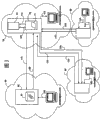
图1是根据本发明的处理电子邮件的发送电子邮件系统和接收电子邮件系统的示意说明。FIG. 1 is a schematic illustration of a sending email system and a receiving email system for handling emails according to the present invention.
图2是根据本发明的处理和过滤Spam电子邮件的发送电子邮件系统和接收电子邮件系统的示意说明。2 is a schematic illustration of a sending email system and a receiving email system for processing and filtering Spam emails according to the present invention.
图3是根据本发明和与Spam过滤器一起处理和过滤Spam电子邮件的多个发送电子邮件系统和接收电子邮件系统的示意说明。3 is a schematic illustration of a plurality of sending and receiving email systems processing and filtering spam emails in accordance with the present invention and in conjunction with a spam filter.
图4是根据本发明和其中集中确认电子邮件系统由一个发送电子邮件系统和一个客户机用户使用的处理电子邮件的多个发送电子邮件系统和接收电子邮件系统的示意说明。4 is a schematic illustration of multiple sending and receiving email systems processing email in accordance with the present invention and wherein the centralized validation email system is used by a sending email system and a client user.
具体实施方式 Detailed ways
本发明提供一种系统和一种方法通过自动检验可疑不希望消息的怀疑始发人实际发送消息来检测和过滤不希望电子消息,从而不想要和未请求电子消息(特别是具有虚假始发地址信息的那些)可以被阻止传送。这里提供的描述被呈现以使本领域的技术人员能够形成和实施本发明。然而,对于描述的优选实施例的各种修改对于本领域的技术人员将是显然的。另外,尽管本发明描述成与Spam电子邮件消息的检测相关,但本领域的技术人员将认识到,描述的系统和方法也可以应用于其它形式的电子通信系统,包括例如通过蜂窝电话的文本报文或在互联网协议上的声音(VoIP)报文。The present invention provides a system and a method for detecting and filtering unwanted electronic messages by automatically verifying that the suspected originator of the suspected unwanted message actually sent the message, so that electronic messages (especially those with false originating addresses) are unwanted and unsolicited information) can be prevented from being transmitted. The description provided herein is presented to enable any person skilled in the art to make and practice the invention. However, various modifications to the described preferred embodiments will be apparent to those skilled in the art. Additionally, although the present invention has been described in relation to the detection of Spam email messages, those skilled in the art will recognize that the described systems and methods are also applicable to other forms of electronic communication systems, including, for example, text messages via cellular telephones. Text or Voice over Internet Protocol (VoIP) messages.
本发明的优选实施例表示在图1。使用域名abc.com的发送电子邮件系统(10)配置成用包括域名abc.com的电子邮件地址发送用户准备的电子邮件消息。发送电子邮件系统(10)与发送模块(12)通信。使用域名xyz.com的接收电子邮件系统(20)配置成用包括域名xyz.com的电子邮件地址接收电子邮件消息并把其传送到用户。接收电子邮件系统(20)与接收模块(22)通信。A preferred embodiment of the invention is shown in FIG. 1 . The sending email system (10) using the domain name abc.com is configured to send email messages prepared by users with email addresses including the domain name abc.com. The sending email system (10) communicates with the sending module (12). A receiving email system (20) using the domain name xyz.com is configured to receive and deliver email messages to users with email addresses comprising the domain name xyz.com. The receiving email system (20) communicates with the receiving module (22).
本领域的技术人员将认识到,发送电子邮件系统可以包括:单台计算机,运行电子邮件应用程序(例如,Microsoft Outlook);电子邮件服务器,传输由多个用户准备的电子邮件,并且使用一个或多个域名;多个电子邮件服务器,发送由多个用户准备的电子邮件,并且使用一个或多个域名;或中转电子邮件系统,就是说,从另一个发送电子邮件系统接收电子邮件并且把有或没有修改的这些电子邮件转到接收电子邮件系统的系统。类似地,本领域的技术人员将认识到,接收电子邮件系统可以包括运行电子邮件应用程序的单台计算机、电子邮件服务器、多个服务器、或网关电子邮件系统。Those skilled in the art will recognize that an e-mail sending system may include: a single computer running an e-mail application (e.g., Microsoft Outlook); an e-mail server transmitting e-mail prepared by multiple users, and using one or multiple domain names; multiple e-mail servers, sending e-mails prepared by multiple users, and using one or more domain names; or transit e-mail systems, that is, receiving e-mails from another sending e-mail system and forwarding them to Or those emails that go to the receiving email system without modification. Similarly, those skilled in the art will recognize that a receiving email system can include a single computer running an email application, an email server, multiple servers, or a gateway email system.
网关电子邮件系统(Gateway Email Systems)包括接收电子邮件和把电子邮件转到多个接收电子邮件系统的那些系统,以及额外地操作以把在一个电子邮件运输环境中接收的消息转到在另一个电子邮件运输环境中的电子邮件收件人的那些系统。例如,网关电子邮件系统可以操作,以通过SMTP接收消息并且把它们转到以SendMail接收消息的系统或用户。Gateway Email Systems includes those systems that receive electronic mail and route electronic mail to multiple receiving electronic mail systems, and additionally operate to route messages received in one electronic mail transport environment to another Those systems of email recipients in an email transport environment. For example, a gateway email system may operate to receive messages via SMTP and forward them to a system or user receiving messages via SendMail.
尽管为了本发明的描述清楚,每个电子邮件系统的接收和发送功能已经分开,但本领域的技术人员将认识到,接收和发送功能可以并且通常由用作电子邮件服务器的单台计算机进行。Although the receive and send functions of each email system have been separated for clarity of description of the present invention, those skilled in the art will recognize that receive and send functions can, and usually are, performed by a single computer acting as an email server.
参照图1,发送电子邮件系统(10)用电子邮件地址sender@abc.com接收用户准备的电子邮件消息(100),以发送到具有电子邮件地址recipient@xyz.com的收件人。按照RFC2822-“Internet Message Format”,发件人的电子邮件地址和收件人的电子邮件地址分别出现在首部字段“From:”和“To”处的电子邮件消息的首部部分中。额外地并且按照RFC 2822,准备消息的日期和时间插入在首部“Date:”处。Referring to FIG. 1, the sending e-mail system (10) receives an e-mail message (100) prepared by a user with an e-mail address sender@abc.com to be sent to a recipient having an e-mail address recipient@xyz.com. According to RFC2822 - "Internet Message Format", the sender's e-mail address and the recipient's e-mail address appear in the header part of the e-mail message at the header fields "From:" and "To", respectively. Additionally and in accordance with RFC 2822, the date and time the message was prepared is inserted at the header "Date:".
在准备的电子邮件消息的传输之前,发送模块(12)产生包含唯一标识电子邮件被传输的数据的信息记录(13)。优选地,信息记录(13)包括电子邮件的首部中包含的数据,包括发件人地址、收件人地址及准备电子邮件时的日期和时间。另外,身份数据串(其是唯一数据元素),例如唯一字母数字标识符,可以选择性地由发送模块(12)产生,并且包括在信息记录(13)中以及在被发送的电子邮件的首部或本体中。例如,由RFC 2822推荐的在首部“消息-ID:”处包括的唯一标识符可以用作身份数据串。可选择地,其它身份数据串,如用于消息文本的校验和,可以被准备并且存储在与消息相关的信息记录中。Prior to transmission of the prepared e-mail message, the sending module (12) generates an information record (13) containing data uniquely identifying the e-mail to be transmitted. Preferably, the information record (13) includes the data contained in the headers of the email, including the sender's address, the recipient's address and the date and time when the email was prepared. In addition, an identity data string (which is a unique data element), such as a unique alphanumeric identifier, can optionally be generated by the sending module (12) and included in the information record (13) and in the header of the sent e-mail or ontology. For example, the unique identifier included at the header "Message-ID:" recommended by RFC 2822 may be used as the identity data string. Optionally, other identity data strings, such as a checksum for the message text, may be prepared and stored in the information record associated with the message.
信息记录由发送模块存储在信息记录数据库(11)中。组织数据库用于信息记录的高效搜索和检索。本领域的技术人员将认识到,信息记录数据库可以存储在发送模块驻留的同一计算机上,或者可以选择性地外部存储在与发送模块通信的计算机上。The information record is stored in the information record database (11) by the sending module. Organizational databases are used for efficient search and retrieval of information records. Those skilled in the art will recognize that the information record database may be stored on the same computer on which the sending module resides, or may alternatively be stored externally on a computer in communication with the sending module.
电子邮件消息由发送电子邮件系统经标准和熟知的方法传输(101)到意图收件人的接收电子邮件系统(20)。当接收电子邮件系统(20)接收到电子邮件消息或可疑电子邮件时,接收模块(22)在进行确认过程的同时,通过把可疑电子邮件路由到临时保持队列(21)中而临时阻止可疑电子邮件的传送。An email message is transmitted (101) from the sending email system to the intended recipient's receiving email system (20) via standard and well-known methods. When the receiving email system (20) receives an email message or a suspicious email, the receiving module (22) temporarily blocks the suspicious email by routing the suspicious email into a temporary holding queue (21) while performing the confirmation process. Delivery of mail.
在确认过程期间,接收模块(22)首先从可疑电子邮件的消息首部确定始发电子邮件地址中的域名。接下来,接收模块(22)准备确认请求并且把它传输(102)到与标识为可疑电子邮件消息源的域名相关联的发送电子邮件系统。确认请求包含身份数据,其唯一标识可疑电子邮件,并且通过预配置与通信网络中实施本发明的发送模块用来唯一标识电子邮件的数据相对应。优选地这种数据包括准备可疑电子邮件的日期和时间、发件人的电子邮件地址、及电子邮件的意图收件人的地址。这种信息将通常从可疑电子邮件的首部字段抽取。During the confirmation process, the receiving module (22) first determines the domain name in the originating email address from the message header of the suspicious email. Next, the receiving module (22) prepares an acknowledgment request and transmits (102) it to the sending email system associated with the domain name identified as the source of the suspicious email message. The confirmation request contains identity data that uniquely identifies the suspicious email and is preconfigured to correspond to the data used by the sending module implementing the invention in the communication network to uniquely identify the email. Preferably such data includes the date and time the suspicious email was prepared, the email address of the sender, and the address of the intended recipient of the email. Such information will typically be extracted from header fields of suspicious emails.
可选择地,通过预配置,发送电子邮件系统(10)发送的电子邮件消息包含由发送模块(12)用来标识电子邮件的身份数据串。在这种情况下,接收电子邮件系统(20)发送的确认请求除其它身份数据之外还包括身份数据串,包括例如准备电子邮件消息的日期和时间、电子邮件的发件人的电子邮件地址及电子邮件的意图收件人的电子邮件地址。Optionally, by pre-configuration, e-mail messages sent by the sending e-mail system (10) contain an identity data string used by the sending module (12) to identify the e-mail. In this case, the confirmation request sent by the receiving e-mail system (20) includes, among other identity data, an identity data string including, for example, the date and time the e-mail message was prepared, the e-mail address of the sender of the e-mail and the email address of the intended recipient of the email.
当确认请求由发送电子邮件系统(10)接收时,发送电子邮件系统把确认请求通信到发送模块(12)。发送模块(12)把确认请求中提交的数据与其信息记录数据库(11)中存储的信息记录相比较。当发送模块定位了为确认请求中提交的身份数据所标识的电子邮件而准备的信息记录(13)时,发送模块(12)答复确认请求,肯定(103)发送电子邮件系统(10)发送了可疑电子邮件。When the confirmation request is received by the sending email system (10), the sending email system communicates the confirmation request to the sending module (12). The sending module (12) compares the data submitted in the confirmation request with the information records stored in its information records database (11). When the sending module locates the information record (13) prepared for the email identified by the identity data submitted in the confirmation request, the sending module (12) replies to the confirmation request, affirming (103) that the sending email system (10) sent Suspicious email.
优选地,在发送电子邮件系统包括至少一个电子邮件服务器时,接收电子邮件系统经端口对端口通信(而不是通过电子邮件传输)直接与发送电子邮件系统通信。例如,通信可以通过在通信网络中实施本发明的系统之间的预配置,经注册端口,就是在范围1024至49151中的端口之一进行。Preferably, when the sending email system includes at least one email server, the receiving email system communicates directly with the sending email system via port-to-port communication (rather than via email transport). For example, communication may be through a preconfigured, registered port, ie one of the ports in the range 1024 to 49151, between systems implementing the invention in a communication network.
在发送电子邮件系统包括运行电子邮件应用程序的单台客户计算机(可以是离线的)时,可能需要接收模块通过专用电子邮件通信与发送模块通信。在这样一种情况下,发送模块,通过与接收模块的预配置,可以在原始电子邮件消息中包括数据,其标识原始电子邮件消息为对其必须通过专用电子邮件通信进行确认请求的传输。另外,在这种情况下,确认请求电子邮件包括数据,其标识确认请求电子邮件为对其不应该准备确认请求的传输。Where the sending email system includes a single client computer (which may be offline) running an email application, it may be desirable for the receiving module to communicate with the sending module via a dedicated email communication. In such a case, the sending module, by pre-configuration with the receiving module, may include in the original email message data identifying the original email message as a transmission for which confirmation requests must be made through the dedicated email communication. Additionally, in this case, the confirmation request email includes data identifying the confirmation request email as a transmission for which no confirmation request should be prepared.
当接收模块接收到肯定发送电子邮件系统发送了可疑电子邮件的确认请求的答复时,电子邮件从临时保持队列(21)退出,并且使得适于通过接收电子邮件系统(20)传送(104)到地址recipient@xyz.com处的收件人。When the receiving module receives a reply to the confirmation request that the sending email system sent the suspicious email, the email is withdrawn from the temporary holding queue (21) and made suitable for delivery (104) by the receiving email system (20) to Recipient at address recipient@xyz.com.
图2表明在防止未请求和不希望Spam电子邮件的传送的操作中本发明的优选实施例。Spamming电子邮件系统(50)配置成传输Spam电子邮件消息。使用域名abc.com的发送电子邮件系统(40)配置成用包括域名abc.com的电子邮件地址传输由用户准备的电子邮件消息。发送电子邮件系统(40)包括发送模块(42)。发送模块包括信息记录数据库(41)。使用域名xyz.com的接收电子邮件系统(30)配置成用包括域名xyz.com的电子邮件地址接收电子邮件消息并把它传送到用户。接收电子邮件系统(30)包括接收模块(32)。Figure 2 illustrates a preferred embodiment of the present invention in operation to prevent the delivery of unsolicited and unwanted spam emails. The Spamming email system (50) is configured to transmit Spamming email messages. The sending email system (40) using the domain name abc.com is configured to transmit email messages prepared by users with email addresses including the domain name abc.com. A sending email system (40) includes a sending module (42). The sending module includes an information record database (41). The receiving email system (30) using the domain name xyz.com is configured to receive email messages and deliver them to users with email addresses including the domain name xyz.com. The receiving email system (30) includes a receiving module (32).
参照图2,在电子邮件地址spammer@qrs.com处的Spammer准备要发送到电子邮件地址recipient@xyz.com处的收件人的Spam电子邮件,并且把它发送(105)到Spamming电子邮件系统(50)。然而,为了避免检测,Spammer把虚假的始发地址,sender@abc.com插入在Spamming电子邮件消息的首部中。除虚假的始发地址外,收件人的电子邮件地址也出现在电子邮件消息的首部部分中。Spam电子邮件消息也在首部字段“Date:”处包含Spammer插入的日期和时间数据。Referring to Figure 2, the Spammer at the email address spammer@qrs.com prepares the Spam email to be sent to the recipient at the email address recipient@xyz.com, and sends (105) it to the Spamming email system (50). However, to avoid detection, Spammer inserts a false origination address, sender@abc.com, into the headers of Spamming email messages. In addition to the fake origination address, the recipient's email address also appears in the header portion of the email message. Spam email messages also contain date and time data inserted by Spammer in the header field "Date:".
Spam电子邮件消息由Spamming电子邮件系统(50)经标准和熟知的方法传输(106)到意图收件人的接收电子邮件系统(30)。当接收电子邮件系统(30)接收到Spam电子邮件消息或可疑电子邮件时,接收模块(32)在进行确认过程的同时,通过把可疑电子邮件路由到临时保持队列(31)中而临时暂停可疑电子邮件的传送。Spamming email messages are transmitted (106) by the Spamming email system (50) to the intended recipient's receiving email system (30) via standard and well-known methods. When the receiving email system (30) receives a Spam email message or a suspicious email, the receiving module (32) temporarily suspends the suspicious email by routing the suspicious email into a temporary holding queue (31) while performing the confirmation process. Transmission of email.
在确认过程期间,接收模块(32)首先从可疑电子邮件的消息首部确定怀疑的始发电子邮件地址的域名。因为Spammer已经虚假地提供sender@abc.com作为始发电子邮件地址,所以接收模块(32)将确定abc.com是始发域的域名。接下来,接收模块(32)准备确认请求并且把它传输(107)到被标识为可疑电子邮件消息源的域,abc.com。确认请求包含唯一标识可疑电子邮件的数据、并且通过预配置与通信网络中实施本发明的发送模块用来唯一标识电子邮件消息的数据相对应。优选地这种数据包括发送可疑电子邮件的日期和时间、发件人的电子邮件地址、及电子邮件的意图收件人的电子邮件地址。During the validation process, the receiving module (32) first determines the domain name of the suspected originating email address from the message header of the suspicious email. Since Spammer has falsely provided sender@abc.com as the originating email address, the receiving module (32) will determine that abc.com is the domain name of the originating domain. Next, the receiving module (32) prepares an acknowledgment request and transmits (107) it to the domain identified as the source of the suspicious email message, abc.com. The confirmation request contains data uniquely identifying the suspicious email and corresponds by preconfiguration to data used by the sending module implementing the invention in the communication network to uniquely identify the email message. Preferably such data includes the date and time the suspicious email was sent, the email address of the sender, and the email address of the intended recipient of the email.
当确认请求由发送电子邮件系统(40)接收时,发送电子邮件系统把它通信到发送模块(42)。发送模块(42)把确认请求中提交的数据与其信息记录数据库(41)中存储的信息记录相比较。当发送模块不能定位与确认请求中提交的身份数据相对应的电子邮件所准备的信息记录时,发送模块(42)否认(108)发送电子邮件系统传输了可疑电子邮件以答复确认请求。When the confirmation request is received by the sending email system (40), the sending email system communicates it to the sending module (42). The sending module (42) compares the data submitted in the confirmation request with the information records stored in its information records database (41). The sending module (42) denies (108) that the sending email system transmitted the suspicious email in reply to the confirmation request when the sending module is unable to locate an email prepared information record corresponding to the identity data submitted in the confirmation request.
当接收模块接收到对于确认请求的答复否认发送电子邮件系统传输了可疑电子邮件时,接收模块(32)毁坏可疑电子邮件消息,或者否则根据接收电子邮件系统的管理员的喜好处置它。When the receiving module receives a reply to the confirmation request denying that the sending email system transmitted the suspicious email, the receiving module (32) destroys the suspicious email message, or otherwise disposes of it according to the preferences of the administrator of the receiving email system.
在描述的系统优选实施中,相应接收和发送模块经端口对端口通信彼此通信。在发送电子邮件系统包括运行电子邮件应用程序(可以是离线的)的单台客户计算机时,可能需要接收模块通过专用电子邮件通信与发送模块通信。在这样一种情况下,发送模块,通过与接收模块的预配置,可以在原始电子邮件消息中包括数据,其标识原始电子邮件消息为对其必须通过专用电子邮件通信进行确认请求的传输。另外,在这种情况下,确认请求电子邮件包括数据,其标识确认请求电子邮件为对其不应该准备确认请求的传输。In a preferred implementation of the described system, respective receiving and transmitting modules communicate with each other via port-to-port communication. Where the sending email system includes a single client computer running an email application (which may be offline), it may be desirable for the receiving module to communicate with the sending module via a dedicated email communication. In such a case, the sending module, by pre-configuration with the receiving module, may include in the original email message data identifying the original email message as a transmission for which confirmation requests must be made through the dedicated email communication. Additionally, in this case, the confirmation request email includes data identifying the confirmation request email as a transmission for which no confirmation request should be prepared.
在接收模块(32)试图把确认请求通信到不实施本发明的发送电子邮件系统(未表示)时,接收模块将拒绝对这样的确认请求的端口的访问,或者可选择地,将同意访问但不能从发送电子邮件系统接收到适当响应。当这发生时,接收模块可以选择性地释放用于传送到意图收件人的电子邮件,可以把数据附加到电子邮件上以通知收件人不能肯定或否认电子邮件是Spam,或者可以根据其它Spam检测方法处理电子邮件。When the receiving module (32) attempts to communicate a confirmation request to an e-mail sending system (not shown) that does not implement the present invention, the receiving module will deny access to such a confirmation request's port, or alternatively, will grant access but An appropriate response could not be received from the sending email system. When this occurs, the receiving module may optionally release the email for delivery to the intended recipient, may attach data to the email to inform the recipient that the email cannot be confirmed or denied as spam, or may The Spam detection method handles email.
在发送和接收模块之间的通信也可以通过Secure Socket Layer协议发生,并且在其中希望额外安全性时,根据在现有技术中通常已知的方法可以加密和解密通信。The communication between the sending and receiving modules can also take place via the Secure Socket Layer protocol, and where additional security is desired, the communication can be encrypted and decrypted according to methods generally known in the prior art.
本发明也可以与用来检测和过滤Spam电子邮件的一种或多种可选择方法组合实施。图3表明与Spam过滤器一起操作的本发明的优选实施例。Spamming电子邮件系统(80)配置成传输Spam电子邮件消息。使用域名abc.com的发送电子邮件系统(60)配置成用包括域名abc.com的电子邮件地址传输由用户准备的电子邮件消息。发送电子邮件系统(60)包括发送模块(62)。发送模块(62)包括信息记录数据库(61)。The present invention may also be implemented in combination with one or more alternative methods for detecting and filtering Spam emails. Figure 3 illustrates a preferred embodiment of the invention operating with a Spam filter. Spamming email system (80) is configured to transmit Spamming email messages. The sending email system (60) using the domain name abc.com is configured to transmit email messages prepared by users with email addresses including the domain name abc.com. A sending email system (60) includes a sending module (62). The sending module (62) includes an information record database (61).
使用域名xyz.com的接收电子邮件系统(70)配置成用包括域名xyz.com的电子邮件地址接收电子邮件消息并把它传送到用户。接收电子邮件系统(70)包括接收模块(72)和配置成根据一种或多种算法分析和研究可疑电子邮件消息的Spam过滤器模块(75)。The receiving email system (70) using the domain name xyz.com is configured to receive email messages and deliver them to users with email addresses including the domain name xyz.com. The receiving email system (70) includes a receiving module (72) and a Spam filter module (75) configured to analyze and research suspicious email messages according to one or more algorithms.
使用域名jkl.com的第二发送电子邮件系统(90)配置成用包括域名jkl.com的电子邮件地址传输由用户准备的电子邮件消息。A second sending email system (90) using the domain name jkl.com is configured to transmit email messages prepared by users with email addresses including the domain name jkl.com.
参照图3,第二发送电子邮件系统(90)接收由用户mailer@jkl.com准备的电子邮件消息(109)以传输到在电子邮件地址recipient@xyz.com处的收件人。发件人的电子邮件地址和收件人的电子邮件地址出现在电子邮件消息的首部部分中。另外,准备消息的时间和日期呈现在电子邮件的首部中。Referring to Figure 3, the second sending email system (90) receives email messages (109) prepared by user mailer@jkl.com for transmission to recipients at email address recipient@xyz.com. The sender's email address and the recipient's email address appear in the header section of the email message. Additionally, the time and date the message was prepared is presented in the header of the email.
电子邮件消息由发送电子邮件系统经标准和熟知方法传输(110)到意图收件人的接收电子邮件系统(70)。当接收电子邮件系统(70)接收到电子邮件消息或可疑电子邮件时,接收模块(72)在进行确认过程的同时,通过把可疑电子邮件路由到临时保持队列(71)中而临时暂停可疑电子邮件的传送。An email message is transmitted (110) from the sending email system to the intended recipient's receiving email system (70) via standard and well-known methods. When the receiving email system (70) receives an email message or a suspicious email, the receiving module (72) temporarily suspends the suspicious email by routing the suspicious email to a temporary hold queue (71) while the confirmation process is in progress. Delivery of mail.
在确认过程期间,接收模块(72)首先从可疑电子邮件的消息首部确定始发电子邮件地址的域名。接下来,接收模块(72)准备确认请求,并且把它传输(111)到被标识为可疑电子邮件消息源的域。确认请求包含唯一标识可疑电子邮件的数据、并且通过预配置与通信网络中实施本发明的发送模块用来唯一标识电子邮件消息的数据相对应的。优选地这种数据包括准备可疑电子邮件的日期和时间、始发人的电子邮件地址、及电子邮件的意图收件人的电子邮件地址。因为第二发送电子邮件系统(90)不实施本发明,所以第二发送电子邮件系统(90)不答复确认请求。During the validation process, the receiving module (72) first determines the domain name of the originating email address from the message header of the suspicious email. Next, the receiving module (72) prepares an acknowledgment request and transmits (111) it to the domain identified as the source of the suspicious email message. The confirmation request contains data uniquely identifying the suspicious email and is pre-configured to correspond to data used by the sending module implementing the invention in the communication network to uniquely identify the email message. Preferably such data includes the date and time the suspicious email was prepared, the email address of the originator, and the email address of the intended recipient of the email. Because the second e-mail system (90) does not implement the present invention, the second e-mail system (90) does not reply to the confirmation request.
优选地,确认请求由通信网络中实施本发明的发送电子邮件系统在通过预配置为确认请求通信所指定的端口上经端口对端口传输而传输到发送电子邮件系统(90)。当接收模块(72)不能与发送电子邮件系统(90)通信或者不能接收到对于来自发送电子邮件系统(90)的确认请求的适当响应时,接收模块(72)从临时保持队列(71)除去可疑电子邮件,并且把可疑电子邮件转到(112)用于分析和研究的Spam过滤器模块(75)。Preferably, the acknowledgment request is transmitted by the e-mail system embodying the invention in the communication network to the e-mail system (90) via port-to-port transmission on a port designated by pre-configuration for communication of the acknowledgment request. When the receiving module (72) cannot communicate with the sending email system (90) or cannot receive an appropriate response to the confirmation request from the sending email system (90), the receiving module (72) is removed from the temporary holding queue (71) Suspicious emails, and forward (112) the suspicious emails to the Spam filter module (75) for analysis and research.
Spam过滤器模块(75)根据一种或多种Spam检测方法处理可疑电子邮件。当Spam过滤器模块(75)确定可疑电子邮件不是Spam电子邮件时,使得消息适于传送(113)到在recipient@xyz.com处的意图收件人。The Spam filter module (75) processes suspicious emails according to one or more Spam detection methods. When the Spam filter module (75) determines that the suspicious email is not a Spam email, the message is made suitable for delivery (113) to the intended recipient at recipient@xyz.com.
类似地,再次参考图3,在电子邮件地址spammer@qrs.com处的Spammer准备两条Spam电子邮件消息以发送到在电子邮件地址recipient@xyz.com处的意图收件人。为了避免检测,Spammer把虚假始发地址sender@abc.com插入在第一Spam电子邮件消息的首部中,并且把它发送(114)到Spamming电子邮件系统(80)。Spammer把第二虚假始发地址mailer@jkl.com插入在第二Spam电子邮件消息的首部中,并且把它发送(115)到Spamming电子邮件系统。除虚假始发地址外,收件人的电子邮件地址和准备电子邮件消息的日期和时间也出现在Spam电子邮件消息的首部部分中。Similarly, referring again to FIG. 3 , the Spammer at the email address spammer@qrs.com prepares two Spam email messages to send to the intended recipient at the email address recipient@xyz.com. To avoid detection, Spammer inserts a false origination address sender@abc.com in the header of the first Spam email message and sends (114) it to the Spamming email system (80). Spammer inserts the second fake origination address mailer@jkl.com in the header of the second Spam email message and sends (115) it to the Spamming email system. In addition to the false origination address, the recipient's email address and the date and time the email message was prepared appear in the header portion of the Spam email message.
第一Spam电子邮件消息由Spamming电子邮件系统经标准和熟知方法传输(116)到意图收件人的接收电子邮件系统(70)。当接收电子邮件系统(70)接收到第一Spam电子邮件消息或第一可疑Spam电子邮件时,接收模块(72)在进行确认过程的同时,通过把第一可疑Spam电子邮件路由到临时保持队列(71)中而临时暂停第一可疑Spam电子邮件的传送。类似地,第二Spam电子邮件消息由Spamming电子邮件系统经标准和熟知方法传输(117)到意图收件人的接收电子邮件系统(70)。当接收电子邮件系统接收到第二Spam电子邮件消息或第二可疑Spam电子邮件时,接收模块(72)在进行确认过程的同时,通过把第二可疑Spam电子邮件路由到临时保持队列(71)中而临时暂停第二可疑Spam电子邮件的传送。The first Spam email message is transmitted (116) by the Spamming email system to the intended recipient's receiving email system (70) via standard and well-known methods. When the receiving email system (70) received the first Spam email message or the first suspicious Spam email, the receiving module (72) was carrying out the confirmation process by routing the first suspicious Spam email to the temporary holding queue In (71), the transmission of the first suspicious Spam email is temporarily suspended. Similarly, the second Spam email message is transmitted (117) by the Spamming email system to the intended recipient's receiving email system (70) via standard and well-known methods. When the receiving email system received the second Spam email message or the second suspicious Spam email, the receiving module (72) was carrying out the confirmation process, by routing the second suspicious Spam email to the temporary holding queue (71) Medium and temporarily suspend the delivery of the second suspicious spam email.
在确认过程期间,接收模块(72)首先从第一和第二可疑Spam电子邮件的消息首部确定始发电子邮件地址的域名。因为Spammer已经虚假地提供sender@abc.com作为第一可疑Spam电子邮件的始发电子邮件地址和mailer@jkl.com作为第二可疑Spam电子邮件的始发电子邮件地址,所以接收模块(72)将确定abc.com是第一可疑Spam电子邮件的始发域的域名并且jkl.com是第二可疑Spam电子邮件的始发域的域名。During the validation process, the receiving module (72) first determines the domain name of the originating email address from the message headers of the first and second suspicious Spam emails. Because Spammer has falsely provided sender@abc.com as the originating email address of the first suspicious Spam email and mailer@jkl.com as the originating email address of the second suspicious Spam email, the receiving module (72) It will be determined that abc.com is the domain name of the originating domain of the first suspicious spam email and jkl.com is the domain name of the originating domain of the second suspicious spam email.
接下来,接收模块(72)准备第一确认请求并且把它传输(118)到使用标识为第一可疑Spam电子邮件源的域abc.com的发送电子邮件系统(60)。第一确认请求包含唯一标识第一可疑Spam电子邮件的数据、并且通过预配置与通信网络中实施本发明的发送模块用来唯一标识电子邮件消息的数据相对应。优选地这种数据包括准备第一可疑Spam电子邮件的日期和时间、消息的怀疑始发人的电子邮件地址、及电子邮件的意图收件人的电子邮件地址。Next, the receiving module (72) prepares the first confirmation request and transmits (118) it to the sending email system (60) using the domain abc.com identified as the source of the first suspicious spam email. The first confirmation request contains data uniquely identifying the first suspicious Spam email, and is pre-configured to correspond to the data used by the sending module implementing the present invention in the communication network to uniquely identify the email message. Preferably such data includes the date and time the first suspicious spam email was prepared, the email address of the suspected originator of the message, and the email address of the intended recipient of the email.
接收模块(72)也准备第二确认请求并且把它传输(119)到使用标识为第二可疑Spam电子邮件源的域jkl.com的发送电子邮件系统(90)。第二确认请求包含唯一标识第二可疑Spam电子邮件的数据、并且通过预配置与通信网络中实施本发明的发送模块用来唯一标识电子邮件消息的数据相对应。优选地这种数据包括准备第二可疑Spam电子邮件的日期和时间、消息的怀疑始发人的电子邮件地址、及电子邮件的意图收件人的电子邮件地址。The receiving module (72) also prepares a second confirmation request and transmits (119) it to the sending email system (90) using the domain jkl.com identified as the source of the second suspicious Spam email. The second confirmation request contains data uniquely identifying the second suspicious Spam email, and is pre-configured to correspond to the data used by the sending module implementing the present invention in the communication network to uniquely identify the email message. Preferably such data includes the date and time the second suspicious spam email was prepared, the email address of the suspected originator of the message, and the email address of the intended recipient of the email.
当第一确认请求由使用域abc.com的发送电子邮件系统(60)接收到时,发送电子邮件系统把请求通信到发送模块(62)。发送模块(62)把在第一确认请求中提交的数据与在其信息记录数据库(61)中存储的信息记录相比较。当发送模块不能定位与确认请求中提交的数据相对应的电子邮件准备的信息记录时,发送模块(62)否认(120)使用abc.com的发送电子邮件系统(60)发送了可疑电子邮件以答复第一确认请求。When the first confirmation request is received by the sending email system (60) using the domain abc.com, the sending email system communicates the request to the sending module (62). The sending module (62) compares the data submitted in the first confirmation request with the information records stored in its information records database (61). When the sending module cannot locate the email prepared information record corresponding to the data submitted in the confirmation request, the sending module (62) denies (120) that the suspicious email was sent using abc.com's sending email system (60) to Reply to the first confirmation request.
当接收模块接收到对于确认请求的答复否认发送电子邮件系统发送了第一可疑Spam电子邮件时,接收模块(72)毁坏第一可疑Spam电子邮件消息,或者否则根据接收电子邮件系统的管理员的喜好处置它。When the receiving module receives a reply to the confirmation request denying that the sending email system sent the first suspicious Spam email, the receiving module (72) destroys the first suspicious Spam email message, or otherwise according to the administrator's discretion of the receiving email system Like to deal with it.
优选地,确认请求和对确认请求的答复由在通信网络中实施本发明的接收和发送电子邮件系统在通过预配置为确认请求通信所指定的端口上经端口对端口传输而传输。Preferably, the acknowledgment request and replies to the acknowledgment request are transmitted by the receiving and sending email system embodying the invention in a communication network via port-to-port transmission on ports designated by pre-configuration for acknowledgment request communication.
由于使用域jkl.com的发送电子邮件系统(90)不实施本发明,所以接收电子邮件系统(70)将不能够经指定端口与发送电子邮件系统(90)通信,或者它不能接收对确认请求的适当响应。当接收模块(72)不能与发送电子邮件系统(90)通信或者不能接收到对于来自发送电子邮件系统(90)的确认请求的适当响应时,接收模块(72)从临时保持队列(71)除去可疑电子邮件,并且把可疑电子邮件转到(121)用于分析和研究的Spam过滤器模块(75)。Spam过滤器模块(75)根据一种或多种Spam检测方法处理第二可疑电子邮件消息。当Spam过滤器模块(75)确定可疑电子邮件是Spam电子邮件时,Spam过滤器模块(75)毁坏第二可疑Spam电子邮件消息,或者根据接收电子邮件系统的管理员的喜好处置它。Since the sending email system (90) using the domain jkl.com does not implement the invention, the receiving email system (70) will not be able to communicate with the sending email system (90) via the designated port, or it will not be able to receive a request for confirmation appropriate response. When the receiving module (72) cannot communicate with the sending email system (90) or cannot receive an appropriate response to the confirmation request from the sending email system (90), the receiving module (72) is removed from the temporary holding queue (71) Suspicious emails, and forward (121) the suspicious emails to the Spam filter module (75) for analysis and research. The Spam filter module (75) processes the second suspicious email message according to one or more Spam detection methods. When the Spam filter module (75) determines that the suspicious email is a Spam email, the Spam filter module (75) destroys the second suspicious Spam email message, or disposes of it according to the preferences of the administrator of the receiving email system.
本领域的技术人员将认识到,在发送电子邮件系统包括使用单一域名的多个电子邮件服务器时,发送电子邮件系统的发送模块可以包括与发送电子邮件系统的每一个电子邮件服务器通信的集中信息记录数据库。在这种情况下,发送电子邮件系统的每一个电子邮件服务器将从服务器发送的每个电子邮件抽取编译信息记录必需的数据。这种数据传输到集中信息记录数据库。Those skilled in the art will recognize that where the sending email system includes multiple email servers using a single domain name, the sending module of the sending email system may include centralized information in communication with each email server of the sending email system record database. In this case, each e-mail server of the sending e-mail system will extract the data necessary to compile the information record from each e-mail sent by the server. This data is transferred to a centralized information record database.
类似地,当从接收电子邮件系统接收到确认请求时,发送电子邮件系统将把请求转到集中信息记录数据库,并且发送模块将确认请求中的数据与在集中信息记录数据库中的数据相比较以确定由发送电子邮件系统中的电子邮件服务器之一是否传输了与确认请求相对应的电子邮件。当发送模块肯定为电子邮件消息准备的信息记录在数据库中存在时,它将肯定地答复,而当发送模块不能定位为电子邮件消息准备的信息记录时,它将答复否认发送电子邮件系统传输了与确认请求中的数据相对应的电子邮件消息。Similarly, when an acknowledgment request is received from the receiving email system, the sending email system will forward the request to the centralized information record database, and the sending module will compare the data in the acknowledgment request with the data in the centralized information record database for It is determined whether an email corresponding to the confirmation request was transmitted by one of the email servers in the sending email system. When the sending module confirms that the information record prepared for the e-mail message exists in the database, it will reply in the affirmative, and when the sending module cannot locate the information record prepared for the e-mail message, it will reply denying that the sending e-mail system transmitted An email message corresponding to the data in the confirmation request.
在至今说明的实施例中,发送模块是发送电子邮件系统的整体部分,尽管发送模块的功能可以分布在发送电子邮件系统内的多个计算机中。本领域的技术人员也将认识到,发送模块功能也可以由独立于发送和接收电子邮件系统操作的确认电子邮件系统进行。图4描绘一种电子通信网络,其中在网络中的发送电子邮件系统的一些实施本发明。通过在通信网络内的预配置,为了确认目的,实施本发明的每个发送电子邮件系统通过指定身份数据来标识发送的每个电子邮件。优选地这种数据包括发件人地址、意图收件人的电子邮件地址、和准备电子邮件时的日期和时间、及身份数据串。身份数据串可以是由诸如消息文本的校验和之类算法准备的数据串。In the embodiments described thus far, the sending module is an integral part of the sending email system, although the functionality of the sending module may be distributed among multiple computers within the sending email system. Those skilled in the art will also recognize that the sending module functions may also be performed by an acknowledgment email system operating independently of the sending and receiving email systems. Figure 4 depicts an electronic communication network in which some of the email sending systems in the network implement the present invention. By pre-configuration within the communication network, each e-mail sending system embodying the invention identifies each e-mail sent by assigning identity data for authentication purposes. Preferably such data includes the sender's address, the email address of the intended recipient, and the date and time when the email was prepared, and an identity data string. The identity data string may be a data string prepared by an algorithm such as a checksum of the message text.
参照图4,使用域名abc.com的发送电子邮件系统(170)配置成用包括域名abc.com的电子邮件地址传输由用户准备的电子邮件消息。发送电子邮件系统(170)包括发送模块(172)。发送模块(172)包括信息记录数据库(171)。Referring to FIG. 4, the sending e-mail system (170) using a domain name abc.com is configured to transmit an e-mail message prepared by a user with an e-mail address including a domain name abc.com. The sending email system (170) includes a sending module (172). The sending module (172) includes a message record database (171).
使用域名xyz.com的接收电子邮件系统(150)配置成用包括域名xyz.com的电子邮件地址接收电子邮件消息和把它传送到用户。接收电子邮件系统(150)处于与接收模块(152)的通信中。The receiving email system (150) using the domain name xyz.com is configured to receive email messages and deliver them to users with email addresses including the domain name xyz.com. The receiving email system (150) is in communication with the receiving module (152).
确认电子邮件系统(180)被配置成接收电子通信,包括电子邮件消息,并且包括集中发送模块(182)。集中发送模块包括集中信息记录数据库(181)和集中服务名登记(185)。集中服务名登记包括利用确认电子邮件系统(180)的每个域名的记录,以及利用确认电子邮件系统进行可疑电子邮件确认的任何域名客户机的电子邮件地址。The confirmation email system (180) is configured to receive electronic communications, including email messages, and includes a centralized sending module (182). The centralized sending module includes a centralized information record database (181) and a centralized service name registration (185). The centralized service name registry includes a record of each domain name utilizing the Confirmation Email System (180), and the email addresses of any domain name clients that utilize the Confirmation Email System for suspicious email confirmations.
使用域名jkl.com的第二发送电子邮件系统(140)配置成用包括域名jkl.com的电子邮件地址传输由用户准备的电子邮件消息。第二发送电子邮件系统(140)与确认电子邮件系统(180)的通信。A second sending email system (140) using the domain name jkl.com is configured to transmit email messages prepared by users with email addresses including the domain name jkl.com. The second sending email system (140) communicates with the confirmation email system (180).
使用域名qrs.com的第三发送电子邮件系统(160)配置成用包括域名qrs.com的电子邮件地址传输由用户准备的电子邮件消息。A third sending email system (160) using the domain name qrs.com is configured to transmit email messages prepared by users with email addresses including the domain name qrs.com.
参照图4,第一发送电子邮件系统(170)接收由具有电子邮件地址sender@abc.com的用户准备的电子邮件消息(400)以传输到具有电子邮件地址recipient@xyz.com的收件人。按照RFC2822-“Internet Message Format”,发件人的电子邮件地址和收件人的电子邮件地址分别出现在首部字段“From:”和“To”处的电子邮件消息的首部部分中。额外地并且也按照RFC 2822,准备消息的日期和时间插入在首部“Date”处。Referring to Figure 4, the first sending email system (170) receives an email message (400) prepared by a user with email address sender@abc.com for transmission to a recipient with email address recipient@xyz.com . According to RFC2822 - "Internet Message Format", the sender's e-mail address and the recipient's e-mail address appear in the header part of the e-mail message at the header fields "From:" and "To", respectively. Additionally and also in accordance with RFC 2822, the date and time the message was prepared is inserted at the header "Date".
在准备电子邮件消息的传输之前,第一发送电子邮件系统的发送模块(172)产生包含用于电子邮件的指定身份数据的信息记录(173),与用来标识电子邮件的数据的网络内预配置一致以用于确认目的。信息记录(173)由发送模块(172)存储在信息记录数据库(171)中。组织数据库以用于信息记录的高效搜索和检索。Before preparing the transmission of the email message, the sending module (172) of the first sending email system generates an information record (173) containing the specified identity data for the email, together with the in-network preset of the data used to identify the email Consistent configuration for validation purposes. The information record (173) is stored in the information record database (171) by the sending module (172). Organize databases for efficient search and retrieval of information records.
第二发送电子邮件系统(140)接收由具有电子邮件地址mailer@jkl.com的用户准备的电子邮件消息(600)以发送到具有电子邮件地址recipient@xyz.com的收件人。按照RFC 2822-“InternetMessage Format”,发件人的电子邮件地址和收件人的电子邮件地址分别出现在首部字段“From:”和“To”处的电子邮件消息的首部部分中。额外地并且也按照RFC 2822,准备消息的日期和时间插入在首部“Date”处。The second sending email system (140) receives an email message (600) prepared by a user with email address mailer@jkl.com to send to a recipient with email address recipient@xyz.com. According to RFC 2822 - "InternetMessage Format", the sender's e-mail address and the recipient's e-mail address appear in the header part of the e-mail message at the header fields "From:" and "To", respectively. Additionally and also in accordance with RFC 2822, the date and time the message was prepared is inserted at the header "Date".
在准备电子邮件消息到接收电子邮件系统的传输(601)之前,第二发送电子邮件系统(140)从电子邮件抽取数据,其是编译包含用于该电子邮件的指定身份数据所必需的,与关于用来标识电子邮件的数据的网络内预配置一致以用于确认目的。第二发送电子邮件系统(140)把数据(610)通信到确认电子邮件系统(180)。这种通信优选地通过第二发送电子邮件系统(140)与确认电子邮件系统(180)之间的端口对端口通信进行。Before preparing the e-mail message for transmission (601) to the receiving e-mail system, the second sending e-mail system (140) extracts from the e-mail the data necessary to compile the specified identity data containing the e-mail, with In-network pre-configuration agreement on data used to identify emails for validation purposes. The second sending email system (140) communicates the data (610) to the confirmation email system (180). This communication is preferably via port-to-port communication between the second outgoing email system (140) and the confirmation email system (180).
确认电子邮件系统把数据通信到集中发送模块(182),该集中发送模块(182)产生包含用于电子邮件的指定身份数据的信息记录(183),与关于用来标识电子邮件的数据的网络内预配置一致以用于确认目的。The confirmation email system communicates the data to the centralized sending module (182), which generates an information record (183) containing the designated identity data for the email, and the network information about the data used to identify the email Consistent with the internal pre-configuration for validation purposes.
第三发送电子邮件系统(160)接收由具有电子邮件地址sendertoo@qrs.com的用户准备的电子邮件消息(500)以发送到具有电子邮件地址recipient@xyz.com的收件人。按照RFC 2822-“InternetMessage Format”,发件人的电子邮件地址和收件人的电子邮件地址分别出现在首部字段“From:”和“To”处的电子邮件消息的首部部分中。另外并且也按照RFC 2822,准备消息的日期和时间插入在首部“Date”处。具有电子邮件地址sendertoo@qrs.com的用户也把电子邮件消息的拷贝发送(510)到集中通信系统(180)。A third sending email system (160) receives an email message (500) prepared by a user with email address sendertoo@qrs.com to send to a recipient with email address recipient@xyz.com. According to RFC 2822 - "InternetMessage Format", the sender's e-mail address and the recipient's e-mail address appear in the header part of the e-mail message at the header fields "From:" and "To", respectively. Additionally and also in accordance with RFC 2822, the date and time the message was prepared is inserted in the header "Date". The user with the email address sendertoo@qrs.com also sends (510) a copy of the email message to the centralized communication system (180).
尽管第三发送电子邮件系统(160)不实施本发明,但用于sendertoo@qrs.com的客户机器把电子邮件消息的拷贝发送到确认电子邮件系统(180),从而确认可以由确认电子邮件系统(180)进行。本领域的技术人员将认识到,这可以通过把用于电子邮件系统(180)的电子邮件地址标识为cc:或bcc:电子邮件消息的收件人而简单实现。Although the third sending e-mail system (160) does not implement the present invention, the client machine for sendertoo@qrs.com sends a copy of the e-mail message to the confirmation e-mail system (180), so that the confirmation can be sent by the confirmation e-mail system (180) proceed. Those skilled in the art will recognize that this can be accomplished simply by identifying the email address for the email system (180) as the recipient of the cc: or bcc: email message.
在接收到由sendertoo@qrs.com发送的电子邮件消息时,集中通信系统的集中发送模块(182)产生包含用于电子邮件的指定身份数据的信息记录(184),与关于用来标识电子邮件的数据的网络内预配置一致以用于确认目的。Upon receipt of an e-mail message sent by sendertoo@qrs.com, the centralized sending module (182) of the centralized communication system generates an information record (184) containing specified identity data for the e-mail, in relation to the information used to identify the e-mail The in-network pre-configuration of the data is consistent for validation purposes.
为mailer@jkl.com发送的电子邮件准备的信息记录(183)和为sendertoo@qrs.com发送的电子邮件准备的信息记录(184)由集中发送模块(182)存储在信息记录数据库(181)中。为了信息记录的高效搜索和检索而组织数据库。The information record (183) prepared for the e-mail sent by mailer@jkl.com and the information record (184) prepared for the e-mail sent by sendertoo@qrs.com are stored in the information record database (181) by the centralized sending module (182) middle. A database organized for efficient search and retrieval of information records.
第一(401)、第二(601)及第三(501)电子邮件消息由第一(170)、第二(140)及第三(160)发送电子邮件系统经标准和熟知方法传输到意图收件人的接收电子邮件系统(150)。当接收电子邮件系统(150)接收到第一(401)、第二(601)及第三(501)可疑电子邮件时,接收模块(152)在进行确认过程的同时,通过把每个可疑电子邮件路由到临时保持队列(151)中而临时阻止每一个可疑电子邮件的传送。The first (401), second (601) and third (501) e-mail messages are transmitted to the destination via standard and well-known methods by the first (170), second (140) and third (160) sending e-mail systems Recipient's receiving email system (150). When the receiving email system (150) receives the first (401), second (601) and third (501) suspicious emails, the receiving module (152) will pass each suspicious email The delivery of each suspicious email is temporarily blocked by routing the email to a temporary holding queue (151).
在确认过程期间,接收模块(152)对于每一个可疑电子邮件首先把确认源请求传输到集中发送模块(182)。用于每个电子邮件的确认源请求包含标识每个可疑电子邮件的怀疑发件人的数据。优选地,确认源请求包括用于每个可疑电子邮件的怀疑发件人的电子邮件地址。用于第一可疑电子邮件的确认源请求(402)包括把sender@abc.com标识为怀疑发件人的数据,用于第二可疑电子邮件的确认源请求(602)包括把mailer@jkl.com标识为怀疑发件人的数据,及用于第三可疑电子邮件的确认源请求(502)包括把sendertoo@qrs.com标识为怀疑发件人的数据。在接收到每个确认源请求时,确认电子邮件系统(180)把标识怀疑发件人的数据与集中服务名登记(185)的记录中的数据相比较,以确定确认电子邮件系统(180)是否对每个确认源请求所标识的用户或域执行确认功能。During the confirmation process, the receiving module (152) first transmits a confirmation source request to the centralized sending module (182) for each suspicious email. The confirmed source request for each email contains data identifying the suspected sender of each suspicious email. Preferably, the confirm source request includes the email address of the suspected sender for each suspicious email. The Confirm Source Request (402) for the first suspicious email includes data identifying sender@abc.com as the suspect sender, and the Confirm Source Request (602) for the second suspicious email includes mailer@jkl. com as the suspect sender, and the Confirm Source Request (502) for the third suspicious email includes data identifying sendertoo@qrs.com as the suspect sender. Upon receipt of each confirmation source request, the confirmation email system (180) compares the data identifying the suspect sender with the data in the records of the centralized service name registry (185) to determine that the confirmation email system (180) Whether to perform validation functions for the user or domain identified by each validation source request.
当确认电子邮件系统不能识别出集中服务名登记中与第一确认源请求中的怀疑发件人相对应的记录时,确认电子邮件系统向第一确认源请求答复(403)否认它能确认第一可疑电子邮件。当确认电子邮件系统识别出在集中服务名登记中与第二和第三确认源请求中的怀疑发件人相对应的记录时,确认电子邮件系统向每个请求答复(603和503)肯定它可以进行确认。When confirming that the e-mail system cannot identify the record corresponding to the suspected sender in the first confirmation source request in the centralized service name registry, the confirmation e-mail system replies (403) to the first confirmation source request to deny that it can confirm the first confirmation source request. A suspicious email. When the confirmation email system identifies a record in the centralized service name registry corresponding to the suspect sender in the second and third confirmation source requests, the confirmation email system replies (603 and 503) to each request in the affirmative it Can be confirmed.
在从确认电子邮件系统接收到第一答复(403)否认确认电子邮件系统(180)可以进行用于第一可疑电子邮件的确认时,接收模块(152)从第一可疑电子邮件的消息首部确定用于始发电子邮件地址的域名。接下来,接收模块(122)准备并传送与第一可疑电子邮件(401)相对应的第一确认请求(404),并且把第一确认请求传送到与标识为可疑电子邮件消息的源的域名相关联的发送电子邮件系统,就是第一发送电子邮件系统(170)。第一确认请求包含用于第一可疑电子邮件的指定身份数据,与关于用来标识电子邮件的数据的网络内预配置一致以用于确认目的。When receiving the first reply (403) from the confirmation email system denying that the confirmation email system (180) can perform confirmation for the first suspicious email, the receiving module (152) determines from the message header of the first suspicious email The domain name used for the originating email address. Next, the receiving module (122) prepares and transmits a first confirmation request (404) corresponding to the first suspicious email (401), and transmits the first confirmation request to the domain name identified as the source of the suspicious email message The associated sending email system is the first sending email system (170). The first verification request contains specified identity data for the first suspicious email, consistent with an in-network pre-configuration regarding data used to identify the email for verification purposes.
在从确认电子邮件系统接收到第二和第三答复(503和603)肯定确认电子邮件系统(180)可进行用于第二和第三可疑电子邮件的确认时,接收模块(122)准备与第二可疑电子邮件(601)相对应的第二确认请求(604)并把其传送到确认电子邮件系统(180),并且准备与第三可疑电子邮件(501)相对应的第三确认请求(504)并把其传送到确认电子邮件系统(180)。第二和第三确认请求分别包含用于第二和第三可疑电子邮件的指定身份数据,与关于用来标识电子邮件的数据的网络内预配置一致以用于确认目的。Upon receipt of the second and third replies (503 and 603) from the confirmation email system affirming that the confirmation email system (180) is available for confirmation of the second and third suspicious emails, the receiving module (122) prepares to communicate with The second confirmation request (604) corresponding to the second suspicious email (601) is sent to the confirmation email system (180), and the third confirmation request corresponding to the third suspicious email (501) is prepared ( 504) and transmit it to the confirmation email system (180). The second and third validation requests contain specified identity data for the second and third suspicious emails, respectively, consistent with an in-network pre-configuration regarding data used to identify the email for validation purposes.
当第一确认请求(404)由第一发送电子邮件系统(170)接收时,发送电子邮件系统把请求通信到发送模块(172)。发送模块(172)把第一确认请求中提交的数据与在其信息记录数据库(171)中存储的信息记录相比较。当发送模块定位出为第一确认请求中提交的身份数据所标识的电子邮件准备的信息记录(173)时,发送模块(172)向第一确认请求答复肯定(405)第一发送电子邮件系统(170)发送了第一可疑电子邮件。When the first confirmation request (404) is received by the first sending email system (170), the sending email system communicates the request to the sending module (172). The sending module (172) compares the data submitted in the first confirmation request with the information records stored in its information records database (171). When the sending module locates the information record (173) prepared for the email identified by the identity data submitted in the first confirmation request, the sending module (172) replies affirmatively (405) to the first confirmation request to the first sending email system (170) The first suspicious email is sent.
当接收模块接收到对第一确认请求(404)的肯定答复(405)肯定第一发送电子邮件系统(170)发送了第一可疑电子邮件时,电子邮件从临时保持箱(151)退出,并且使得适于通过接收电子邮件系统(150)传送(406)到在地址recipient@xyz.com处的收件人。When the receiving module receives an affirmative reply (405) to the first confirmation request (404) that the first email sending system (170) has sent the first suspicious email, the email is withdrawn from the temporary holding box (151), and Made suitable for transmission (406) via the receiving email system (150) to the recipient at address recipient@xyz.com.
当第二确认请求(604)由确认电子邮件系统(180)接收到时,确认电子邮件系统把请求通信到集中发送模块(182)。类似地,当第三确认请求(504)由确认电子邮件系统(180)接收到时,确认电子邮件系统把请求通信到集中发送模块(182)。When the second confirmation request (604) is received by the confirmation email system (180), the confirmation email system communicates the request to the centralized sending module (182). Similarly, when the third confirmation request (504) is received by the confirmation email system (180), the confirmation email system communicates the request to the centralized sending module (182).
集中发送模块(182)把第二确认请求中提交的数据与在其信息记录数据库(181)中存储的信息记录相比较。当集中发送模块定位出为第二确认请求中提交的身份数据所标识的电子邮件准备的信息记录(183)时,集中发送模块(182)向确认请求答复肯定(605)确认第二可疑电子邮件的真实性。The centralized sending module (182) compares the data submitted in the second confirmation request with the information records stored in its information records database (181). When the centralized sending module locates the information record (183) prepared for the email identified by the identity data submitted in the second confirmation request, the centralized sending module (182) confirms the second suspicious email to the confirmation request reply affirmative (605) authenticity.
以类似方式,集中发送模块(182)把第三确认请求中提交的数据与在其信息记录数据库(181)中存储的信息记录相比较。当集中发送模块定位出为第三确认请求中提交的身份数据所标识的电子邮件准备的信息记录(184)时,集中发送模块(182)向确认请求答复肯定(505)确认第三可疑电子邮件的真实性。In a similar manner, the centralized sending module (182) compares the data submitted in the third confirmation request with the information records stored in its information records database (181). When the centralized sending module locates the information record (184) prepared for the email identified by the identity data submitted in the third confirmation request, the centralized sending module (182) confirms the third suspicious email to the confirmation request reply affirmative (505) authenticity.
当接收模块接收到针对第二确认请求的确认第二可疑电子邮件的真实性的答复时,电子邮件从临时保持队列(151)退出,并且使得适于通过接收电子邮件系统(150)传送(606)到在地址recipient@xyz.com处的收件人。当接收模块接收到针对第三确认请求的确认第三可疑电子邮件的真实性的答复时,电子邮件从临时保持队列(151)退出,并且使得适于通过接收电子邮件系统(150)传送(506)到在地址recipient@xyz.com处的收件人。When the receiving module receives a reply to the second confirmation request confirming the authenticity of the second suspicious email, the email is withdrawn from the temporary holding queue (151) and made suitable for delivery (606) by the receiving email system (150) ) to the recipient at the address recipient@xyz.com. When the receiving module receives a reply to the third confirmation request confirming the authenticity of the third suspicious email, the email is withdrawn from the temporary holding queue (151) and made suitable for transmission (506) by the receiving email system (150) ) to the recipient at the address recipient@xyz.com.
优选地,接收电子邮件系统与确认电子邮件系统之间的通信经端口对端口通信进行。而且,本领域的技术人员将认识到,接收电子邮件系统可以保持确认电子邮件系统所使用的电子邮件地址和域的数据库,并且可以参考这个数据库以便确定是向确认电子邮件系统进行确认请求,还是向使用所怀疑发件人的域名的发送电子邮件系统进行确认请求。而且,在通信网络中操作多个确认电子邮件系统时,由接收电子邮件系统所保持的数据库可以识别为怀疑发件人执行确认功能的特定确认电子邮件系统。可选择地,联合集中服务名登记可以提供综合数据库,其为怀疑发件人标识出特定确认电子邮件系统。Preferably, the communication between the receiving email system and the confirming email system is via port-to-port communication. Moreover, those skilled in the art will recognize that the receiving email system may maintain a database of email addresses and domains used by the email system and may refer to this database in order to determine whether to make a confirmation request to the email system, or Make a confirmation request to the sending email system using the domain name of the suspected sender. Furthermore, when operating multiple confirmation email systems in a communication network, the database maintained by the receiving email system can identify the particular confirmation email system that is suspected of performing a confirmation function by the sender. Alternatively, a federated centralized service name registry may provide a comprehensive database that identifies specific confirmation email systems for suspected senders.
尽管参照一定优选实施例已经描述了本发明,但对于本领域的技术人员显而易见的是,对于系统可以进行一定修改或变更,而不脱离在下面要求保护的和在以上说明书中描述的本发明的范围。Although the invention has been described with reference to certain preferred embodiments, it will be apparent to those skilled in the art that certain modifications or changes may be made to the system without departing from the spirit of the invention as claimed below and described in the specification above. scope.
工业实用性Industrial Applicability
本发明可以以变化方式由公司和私有实体用来检测和过滤Spam。用户可以实施本发明,并且可以把其特征的一个或多个并入在他们的现有信息技术基础结构中。凭借本发明使用,电子邮件操作会变得更高效,并且在诸方之间的电子邮件通信会更安全。The present invention can be used in varying ways by corporate and private entities to detect and filter Spam. Users can implement the invention and incorporate one or more of its features into their existing information technology infrastructure. By virtue of the use of the present invention, e-mail operations will become more efficient and e-mail communications between parties will be more secure.
Claims (30)
Priority Applications (1)
| Application Number | Priority Date | Filing Date | Title |
|---|---|---|---|
| CNA2005800517093A CN101273344A (en) | 2005-08-10 | 2005-08-10 | System and method for detecting and filtering unsolicited and unwanted electronic messages |
Applications Claiming Priority (1)
| Application Number | Priority Date | Filing Date | Title |
|---|---|---|---|
| CNA2005800517093A CN101273344A (en) | 2005-08-10 | 2005-08-10 | System and method for detecting and filtering unsolicited and unwanted electronic messages |
Publications (1)
| Publication Number | Publication Date |
|---|---|
| CN101273344A true CN101273344A (en) | 2008-09-24 |
Family
ID=40006397
Family Applications (1)
| Application Number | Title | Priority Date | Filing Date |
|---|---|---|---|
| CNA2005800517093A Pending CN101273344A (en) | 2005-08-10 | 2005-08-10 | System and method for detecting and filtering unsolicited and unwanted electronic messages |
Country Status (1)
| Country | Link |
|---|---|
| CN (1) | CN101273344A (en) |
Cited By (2)
| Publication number | Priority date | Publication date | Assignee | Title |
|---|---|---|---|---|
| CN101686264B (en) * | 2008-09-26 | 2013-01-16 | 国际商业机器公司 | Method and device for matching e-mail box address |
| CN105474585A (en) * | 2013-08-20 | 2016-04-06 | 隆沙有限公司 | Private tokens in electronic messages |
-
2005
- 2005-08-10 CN CNA2005800517093A patent/CN101273344A/en active Pending
Cited By (3)
| Publication number | Priority date | Publication date | Assignee | Title |
|---|---|---|---|---|
| CN101686264B (en) * | 2008-09-26 | 2013-01-16 | 国际商业机器公司 | Method and device for matching e-mail box address |
| CN105474585A (en) * | 2013-08-20 | 2016-04-06 | 隆沙有限公司 | Private tokens in electronic messages |
| US10243900B2 (en) | 2013-08-20 | 2019-03-26 | Longsand Limited | Using private tokens in electronic messages associated with a subscription-based messaging service |
Similar Documents
| Publication | Publication Date | Title |
|---|---|---|
| US8219630B2 (en) | System and method for detecting and filtering unsolicited and undesired electronic messages | |
| US8347095B2 (en) | System and method for preventing delivery of unsolicited and undesired electronic messages by key generation and comparison | |
| CN101473313B (en) | Method for predelivery verification of an intended recipient of an electronic message and dynamic generation of message content upon verification | |
| US20080086532A1 (en) | Method for the Verification of Electronic Message Delivery and for the Collection of Data Related to Electronic Messages Sent with False Origination Addresses | |
| US8756289B1 (en) | Message authentication using signatures | |
| US8255683B2 (en) | E-mail firewall with policy-based cryptosecurity | |
| US7162738B2 (en) | E-mail firewall with stored key encryption/decryption | |
| US8407780B2 (en) | Method and system for messaging security | |
| US7277549B2 (en) | System for implementing business processes using key server events | |
| US20050015455A1 (en) | SPAM processing system and methods including shared information among plural SPAM filters | |
| US20060212520A1 (en) | Electronic message system with federation of trusted senders | |
| EP1575228B1 (en) | Method and apparatus for reducing e-mail spam and virus distribution in a communications network by authenticating the origin of e-mail messages | |
| CN101273345B (en) | System and method for preventing transmission of non-requested and needless electronic information through cryptographic key generation and comparison | |
| CN101273344A (en) | System and method for detecting and filtering unsolicited and unwanted electronic messages | |
| WO2007021261A1 (en) | System and method for detecting and filtering unsolicited and undesired electronic messages | |
| US11916873B1 (en) | Computerized system for inserting management information into electronic communication systems | |
| JP2012069125A (en) | System and method for detecting and filtering unsolicited and undesired electronic messages | |
| WO2006041840A2 (en) | Method for the verification of electronic message delivery and for the collection of data related to electronic messages sent with false origination addresses | |
| Chrobok et al. | Advantages and vulnerabilities of pull-based email-delivery |
Legal Events
| Date | Code | Title | Description |
|---|---|---|---|
| C06 | Publication | ||
| PB01 | Publication | ||
| C10 | Entry into substantive examination | ||
| SE01 | Entry into force of request for substantive examination | ||
| C02 | Deemed withdrawal of patent application after publication (patent law 2001) | ||
| WD01 | Invention patent application deemed withdrawn after publication |
Open date: 20080924 |