CN100538698C - Summary playback device and summary playback method - Google Patents
Summary playback device and summary playback method Download PDFInfo
- Publication number
- CN100538698C CN100538698C CNB2005800024486A CN200580002448A CN100538698C CN 100538698 C CN100538698 C CN 100538698C CN B2005800024486 A CNB2005800024486 A CN B2005800024486A CN 200580002448 A CN200580002448 A CN 200580002448A CN 100538698 C CN100538698 C CN 100538698C
- Authority
- CN
- China
- Prior art keywords
- video
- metadata
- unit
- recording
- feature data
- Prior art date
- Legal status (The legal status is an assumption and is not a legal conclusion. Google has not performed a legal analysis and makes no representation as to the accuracy of the status listed.)
- Expired - Lifetime
Links
Images




Classifications
-
- H—ELECTRICITY
- H04—ELECTRIC COMMUNICATION TECHNIQUE
- H04N—PICTORIAL COMMUNICATION, e.g. TELEVISION
- H04N9/00—Details of colour television systems
- H04N9/79—Processing of colour television signals in connection with recording
- H04N9/80—Transformation of the television signal for recording, e.g. modulation, frequency changing; Inverse transformation for playback
- H04N9/82—Transformation of the television signal for recording, e.g. modulation, frequency changing; Inverse transformation for playback the individual colour picture signal components being recorded simultaneously only
- H04N9/8205—Transformation of the television signal for recording, e.g. modulation, frequency changing; Inverse transformation for playback the individual colour picture signal components being recorded simultaneously only involving the multiplexing of an additional signal and the colour video signal
-
- G—PHYSICS
- G06—COMPUTING OR CALCULATING; COUNTING
- G06F—ELECTRIC DIGITAL DATA PROCESSING
- G06F16/00—Information retrieval; Database structures therefor; File system structures therefor
- G06F16/70—Information retrieval; Database structures therefor; File system structures therefor of video data
- G06F16/71—Indexing; Data structures therefor; Storage structures
-
- G—PHYSICS
- G06—COMPUTING OR CALCULATING; COUNTING
- G06F—ELECTRIC DIGITAL DATA PROCESSING
- G06F16/00—Information retrieval; Database structures therefor; File system structures therefor
- G06F16/70—Information retrieval; Database structures therefor; File system structures therefor of video data
- G06F16/73—Querying
- G06F16/738—Presentation of query results
- G06F16/739—Presentation of query results in form of a video summary, e.g. the video summary being a video sequence, a composite still image or having synthesized frames
-
- G—PHYSICS
- G06—COMPUTING OR CALCULATING; COUNTING
- G06F—ELECTRIC DIGITAL DATA PROCESSING
- G06F16/00—Information retrieval; Database structures therefor; File system structures therefor
- G06F16/70—Information retrieval; Database structures therefor; File system structures therefor of video data
- G06F16/78—Retrieval characterised by using metadata, e.g. metadata not derived from the content or metadata generated manually
- G06F16/783—Retrieval characterised by using metadata, e.g. metadata not derived from the content or metadata generated manually using metadata automatically derived from the content
- G06F16/7834—Retrieval characterised by using metadata, e.g. metadata not derived from the content or metadata generated manually using metadata automatically derived from the content using audio features
-
- G—PHYSICS
- G11—INFORMATION STORAGE
- G11B—INFORMATION STORAGE BASED ON RELATIVE MOVEMENT BETWEEN RECORD CARRIER AND TRANSDUCER
- G11B27/00—Editing; Indexing; Addressing; Timing or synchronising; Monitoring; Measuring tape travel
- G11B27/10—Indexing; Addressing; Timing or synchronising; Measuring tape travel
- G11B27/19—Indexing; Addressing; Timing or synchronising; Measuring tape travel by using information detectable on the record carrier
- G11B27/28—Indexing; Addressing; Timing or synchronising; Measuring tape travel by using information detectable on the record carrier by using information signals recorded by the same method as the main recording
-
- H—ELECTRICITY
- H04—ELECTRIC COMMUNICATION TECHNIQUE
- H04N—PICTORIAL COMMUNICATION, e.g. TELEVISION
- H04N21/00—Selective content distribution, e.g. interactive television or video on demand [VOD]
- H04N21/40—Client devices specifically adapted for the reception of or interaction with content, e.g. set-top-box [STB]; Operations thereof
- H04N21/41—Structure of client; Structure of client peripherals
- H04N21/426—Internal components of the client ; Characteristics thereof
- H04N21/42646—Internal components of the client ; Characteristics thereof for reading from or writing on a non-volatile solid state storage medium, e.g. DVD, CD-ROM
-
- H—ELECTRICITY
- H04—ELECTRIC COMMUNICATION TECHNIQUE
- H04N—PICTORIAL COMMUNICATION, e.g. TELEVISION
- H04N21/00—Selective content distribution, e.g. interactive television or video on demand [VOD]
- H04N21/40—Client devices specifically adapted for the reception of or interaction with content, e.g. set-top-box [STB]; Operations thereof
- H04N21/43—Processing of content or additional data, e.g. demultiplexing additional data from a digital video stream; Elementary client operations, e.g. monitoring of home network or synchronising decoder's clock; Client middleware
- H04N21/432—Content retrieval operation from a local storage medium, e.g. hard-disk
- H04N21/4325—Content retrieval operation from a local storage medium, e.g. hard-disk by playing back content from the storage medium
-
- H—ELECTRICITY
- H04—ELECTRIC COMMUNICATION TECHNIQUE
- H04N—PICTORIAL COMMUNICATION, e.g. TELEVISION
- H04N21/00—Selective content distribution, e.g. interactive television or video on demand [VOD]
- H04N21/40—Client devices specifically adapted for the reception of or interaction with content, e.g. set-top-box [STB]; Operations thereof
- H04N21/43—Processing of content or additional data, e.g. demultiplexing additional data from a digital video stream; Elementary client operations, e.g. monitoring of home network or synchronising decoder's clock; Client middleware
- H04N21/439—Processing of audio elementary streams
- H04N21/4394—Processing of audio elementary streams involving operations for analysing the audio stream, e.g. detecting features or characteristics in audio streams
-
- H—ELECTRICITY
- H04—ELECTRIC COMMUNICATION TECHNIQUE
- H04N—PICTORIAL COMMUNICATION, e.g. TELEVISION
- H04N21/00—Selective content distribution, e.g. interactive television or video on demand [VOD]
- H04N21/40—Client devices specifically adapted for the reception of or interaction with content, e.g. set-top-box [STB]; Operations thereof
- H04N21/43—Processing of content or additional data, e.g. demultiplexing additional data from a digital video stream; Elementary client operations, e.g. monitoring of home network or synchronising decoder's clock; Client middleware
- H04N21/44—Processing of video elementary streams, e.g. splicing a video clip retrieved from local storage with an incoming video stream or rendering scenes according to encoded video stream scene graphs
- H04N21/44008—Processing of video elementary streams, e.g. splicing a video clip retrieved from local storage with an incoming video stream or rendering scenes according to encoded video stream scene graphs involving operations for analysing video streams, e.g. detecting features or characteristics in the video stream
-
- H—ELECTRICITY
- H04—ELECTRIC COMMUNICATION TECHNIQUE
- H04N—PICTORIAL COMMUNICATION, e.g. TELEVISION
- H04N21/00—Selective content distribution, e.g. interactive television or video on demand [VOD]
- H04N21/40—Client devices specifically adapted for the reception of or interaction with content, e.g. set-top-box [STB]; Operations thereof
- H04N21/45—Management operations performed by the client for facilitating the reception of or the interaction with the content or administrating data related to the end-user or to the client device itself, e.g. learning user preferences for recommending movies, resolving scheduling conflicts
- H04N21/4508—Management of client data or end-user data
-
- H—ELECTRICITY
- H04—ELECTRIC COMMUNICATION TECHNIQUE
- H04N—PICTORIAL COMMUNICATION, e.g. TELEVISION
- H04N21/00—Selective content distribution, e.g. interactive television or video on demand [VOD]
- H04N21/40—Client devices specifically adapted for the reception of or interaction with content, e.g. set-top-box [STB]; Operations thereof
- H04N21/45—Management operations performed by the client for facilitating the reception of or the interaction with the content or administrating data related to the end-user or to the client device itself, e.g. learning user preferences for recommending movies, resolving scheduling conflicts
- H04N21/454—Content or additional data filtering, e.g. blocking advertisements
- H04N21/4542—Blocking scenes or portions of the received content, e.g. censoring scenes
-
- H—ELECTRICITY
- H04—ELECTRIC COMMUNICATION TECHNIQUE
- H04N—PICTORIAL COMMUNICATION, e.g. TELEVISION
- H04N21/00—Selective content distribution, e.g. interactive television or video on demand [VOD]
- H04N21/80—Generation or processing of content or additional data by content creator independently of the distribution process; Content per se
- H04N21/83—Generation or processing of protective or descriptive data associated with content; Content structuring
- H04N21/84—Generation or processing of descriptive data, e.g. content descriptors
-
- H—ELECTRICITY
- H04—ELECTRIC COMMUNICATION TECHNIQUE
- H04N—PICTORIAL COMMUNICATION, e.g. TELEVISION
- H04N9/00—Details of colour television systems
- H04N9/79—Processing of colour television signals in connection with recording
- H04N9/80—Transformation of the television signal for recording, e.g. modulation, frequency changing; Inverse transformation for playback
- H04N9/804—Transformation of the television signal for recording, e.g. modulation, frequency changing; Inverse transformation for playback involving pulse code modulation of the colour picture signal components
- H04N9/8042—Transformation of the television signal for recording, e.g. modulation, frequency changing; Inverse transformation for playback involving pulse code modulation of the colour picture signal components involving data reduction
Landscapes
- Engineering & Computer Science (AREA)
- Multimedia (AREA)
- Signal Processing (AREA)
- Databases & Information Systems (AREA)
- Theoretical Computer Science (AREA)
- Data Mining & Analysis (AREA)
- Physics & Mathematics (AREA)
- General Engineering & Computer Science (AREA)
- General Physics & Mathematics (AREA)
- Library & Information Science (AREA)
- Software Systems (AREA)
- Computational Linguistics (AREA)
- Television Signal Processing For Recording (AREA)
- Management Or Editing Of Information On Record Carriers (AREA)
- Signal Processing For Digital Recording And Reproducing (AREA)
- Information Retrieval, Db Structures And Fs Structures Therefor (AREA)
Abstract
Description
技术领域 technical field
本发明概括来说涉及多媒体的处理,尤其是涉及将视频信号、音频信号、文本和二进制数据记录在存储介质中,再现该多媒体的被选择的部分。The present invention generally relates to the processing of multimedia, and in particular to recording video signals, audio signals, text and binary data in a storage medium, reproducing selected portions of the multimedia.
背景技术 Background technique
为了尽快收看和分析视频(例如电影、录制的体育比赛或新闻广播),可制作视频的概要。已知有对非压缩视频和压缩视频进行概括的几种方法。In order to watch and analyze video (such as a movie, recorded sports game or news broadcast) as quickly as possible, a summary of the video can be created. Several methods are known for generalizing uncompressed and compressed video.
现有的对视频进行概括的方法,首先将视频细分为场景或“镜头(shot)”,之后提取低级别的特征和高级别的特征。低级别的特征通常是颜色分量、动作分量、和声音分量等基于语法(syntax)的特征,而另一方面,高级别的特征是有含义的信息。Existing approaches to generalize video first subdivide the video into scenes or “shots” and then extract low-level features and high-level features. Low-level features are usually syntax-based features such as color components, motion components, and sound components, while high-level features, on the other hand, are meaningful information.
之后,将特征分类,可根据分类后的特征将镜头进一步细分得到片断。片断(segments)可变换为短的图像序列(例如1秒或2秒的“剪辑”或“静止”帧),附加标签和附加索引。因此,视听者可尽快地扫描概要,选择要详细再现的视频部分。显然,这种概要的问题只能根据概要制作中使用的特征和分类来进行再现。Afterwards, the features are classified, and the shot can be further subdivided according to the classified features to obtain fragments. Segments can be transformed into short image sequences (such as 1- or 2-second "clip" or "still" frames), tagged and indexed. Therefore, the viewer can quickly scan the summary and select a video part to be reproduced in detail. Clearly, the problem with this kind of summarization can only be reproduced based on the features and classifications used in the making of the summaries.
为了进一步辅助视听,可根据相对的重要性来主观地将片断排序。因此,可尽快地识别出视频中的重要事件(高潮的场景、或得分的机会等)(例如参照非专利文献1和2。)。视听者可使用再现装置的快进功能或快退功能,收看所设定的重要片断中感兴趣的片断(例如参照非专利文献3。)。To further aid in viewing, segments may be subjectively ranked according to relative importance. Therefore, important events (climax scenes, chances of scoring, etc.) in the video can be recognized as quickly as possible (for example, refer to Non-Patent
对新闻视频进行概括的其它技术使用动作行为描述符(例如参照专利文献1。)。制作足球的精彩场面的技术使用视频特征与音频特征的组合(例如参照专利文献2。)。音频特征和视频特征还可用于制作新闻、足球、棒球和高尔夫的视频的精彩场面(例如参照专利文献3。)。这些技术从视频中提取应关注的事件的重要片断(得分的机会或新闻故事的导入部分等)。由此,利用包含提取的重要片断的概要来表示原始的视频。重要的片断可提供对原始内容的切入点,从而可灵活地进行便利的导航。Another technique for summarizing news videos uses action behavior descriptors (for example, refer to Patent Document 1). A technique for creating a football highlight scene uses a combination of video features and audio features (for example, refer to Patent Document 2). Audio features and video features can also be used to make video highlights of news, football, baseball, and golf (for example, refer to
另外,现有的节目检索装置在记录与所述视频对应的输入信号时,从该输入信号中提取预定的信息,根据该信息的种类,沿时间轴将与所述输入信号对应的视频(视频音频流)片断化,得到视频镜头。之后,将该视频镜头划分为预先设定的预定类别,与再现时间位置信息(表示记录介质中该视频镜头的位置的信息)一起记录在记录介质中。之后,在视听者在短时间内快速浏览记录在所述记录介质中的节目的情况下,仅连续再现属于与视听者所选择的信息的种类对应的类别的视频镜头(例如参照专利文献4。)。In addition, when the existing program retrieval device records the input signal corresponding to the video, it extracts predetermined information from the input signal, and according to the type of the information, the video corresponding to the input signal (video audio stream) into fragments to obtain video shots. Afterwards, the video shots are divided into preset predetermined categories, and recorded in the recording medium together with playback time position information (information indicating the position of the video shots in the recording medium). Afterwards, when the viewer browses the program recorded in the recording medium in a short time, only the video shots belonging to the category corresponding to the type of information selected by the viewer are continuously reproduced (see Patent Document 4, for example. ).
另外,其它的节目检索装置按每个重要性切出视频镜头的再现时间范围的再现时间位置信息,设定汇总的表格,再现时,根据与视听者指定的重要性对应的表格中记述的再现时间位置信息,进行再现(例如参照非专利文献1。)。In addition, other program retrieval devices cut out the playback time and position information of the playback time range of the video shot for each importance, set a summary table, and when playing back, use the playback time and position information described in the table corresponding to the importance specified by the viewer. The time and position information is reproduced (for example, refer to
专利文献1:美国专利申请第09/845009号Patent Document 1: US Patent Application No. 09/845009
专利文献2:美国专利申请第10/046790号Patent Document 2: US Patent Application No. 10/046790
专利文献3:美国专利申请第10/374017号Patent Document 3: US Patent Application No. 10/374017
专利文献4:日本特开2000-125243号公报(第11页,图1)Patent Document 4: Japanese Patent Laid-Open No. 2000-125243 (
非专利文献1:藤原等著、「Summary DSを用いたビデオの要約記述」,ポイント図解式ブロ—ドバンド+モバイル標準MPEG教科書、株式会社アスキ—、p.177图5-24、2003年2月11日Non-Patent Document 1: Fujiwara et al., "Summary DS を を いたたんなの概要描述", Pointo Diagram ブロ-ドバンド+Mobile Standard MPEG Textbook, Asuki Co., Ltd., p.177 Figure 5-24, February 2003 11th
非专利文献2:「ISO/IEC 15938-5:2002情報技術—マルチメデイアコンテンツ記述インタフエ—ス—-Part 5:マルチメデイア記述スキ—ム(ISO/IEC 15938-5:2002 Information technology-Multimediacontent description interface-Part 5:Multimedia DescriptionSchemes)」(2002年)Non-Patent Document 2: "ISO/IEC 15938-5: 2002 Information Technology—Multimediacontent Description Interface——Part 5: Malchi Media Content Description Interface -Part 5: Multimedia DescriptionSchemes)" (2002)
非专利文献3:DVDレコ—ダ—「DVR-7000取扱説明書」(パイオニア株式会社、p.49、2001年)Non-Patent Document 3: DVD レコーダ - "DVR-7000 Instruction Manual" (Pionia Co., Ltd., p.49, 2001)
现有技术的视频的录制、概括和再现存在几个问题。第1是概要不是基于视听者的先入之见,而是基于提取的特征、分类和重要性的任意先入之见。第2是在使用重要性级别的情况下,重要性级别通常被量化为非常少的级别(例如5个以下)。并且在多数情况下,仅使用2个级别(即表示感兴趣的片断的级别和表示视频其余部分的级别)。There are several problems with prior art video recording, summarization and reproduction.
尤其是在使用重要性的细化量化的情况下,分层的层数非常多,必须管理很多的分层,所以根据MPEG-7标准提议的分层记述很难处理。In particular, when the fine-grained quantization of importance is used, the number of layers is very large, and many layers must be managed. Therefore, the description of the layers proposed by the MPEG-7 standard is difficult to deal with.
在MPEG-7的记载中,每次编辑内容时,必须编辑元数据。例如,在从原始内容中删除了某片断的情况下,必须修正受到该删节的影响的全部分层。若编辑操作的次数增加,则这有可能难以马上处理。According to the description of MPEG-7, metadata must be edited every time content is edited. For example, where a segment is deleted from the original content, all layers affected by the deletion must be corrected. This may be difficult to handle immediately if the number of editing operations increases.
重要性级别是非常主观的,同时,极大地依赖于内容。即,体育视频的重要性级别取决于特定的体育类型,完全不能适用于电影或新闻节目。并且,视听者不能控制制作的概要的长度。Importance levels are very subjective and, at the same time, greatly dependent on the content. That is, the importance level of sports videos depends on the specific sports genre and is not applicable to movies or news programs at all. Also, the viewer cannot control the length of the created summary.
现有技术的方法使用的少数的主观级别事实上不可能由视听者根据概要来编辑组合几个不同的视频,来制作反映了视听者所关心的内容的派生视频。The few levels of subjectivity used by prior art methods make it virtually impossible for the viewer to edit and combine several different videos based on the summary to produce a derivative video that reflects what the viewer cares about.
另外,现有的检索装置中也存在几个问题。首先,如所述非专利文献3(DVDレコ—ダ—「DVR-7000」取扱説明書)中记载的节目检索装置那样,在根据视听者自身的主观,在该视听者关心的场景设定(打刻)章节标志的情况下,要求视听者执行烦杂的操作。In addition, there are several problems in the existing retrieval devices. First, as in the program retrieval device described in the above-mentioned Non-Patent Document 3 (DVD Reco-da-"DVR-7000" Instruction Manual), the scene setting ( In the case of marking) chapter marks, the viewer is required to perform troublesome operations.
另外,在所述专利文献4(日本特开2000-125243号公报)或所述非专利文献1(ポイント図解式ブロ—ドバンド+モバイル標準MPEG教科書)中记载的节目检索装置中,尽管可根据视听者的选择来再现,但在基于预先设定的表格单位或类别单位的视频选择中,难以把握记录在记录介质中的视频整体上的高涨趋势(例如体育节目中的比赛流程等)。尤其是在记录在记录介质中的视频对于视听者是初次看的节目的情况下,不可能把握视频整体中的高涨趋势。In addition, in the program retrieval device described in the above-mentioned Patent Document 4 (Japanese Unexamined Patent Application Publication No. 2000-125243) or the above-mentioned Non-Patent Document 1 (Point Mapping Formula Blue-Do-Band+Mobile Standard MPEG Textbook), although it is possible to view and listen to However, in the video selection based on the preset table unit or category unit, it is difficult to grasp the rising trend of the video recorded in the recording medium as a whole (for example, the game flow in sports programs, etc.). Especially when the video recorded on the recording medium is a program watched for the first time by the viewer, it is impossible to grasp the rising trend of the video as a whole.
发明内容 Contents of the invention
本发明为了解决上述问题而提出的,其目的在于提供一种多媒体概括系统和多媒体概括方法,能够以视听者可控制的方法来记录和再现视频。并且,必须指定不取决于内容、并且不是主观性的重要性级别。另外,必须提供更多的离散的重要性级别。最后,必须使视听者能够根据自己选择的重要性级别来制作任意长度的概要。The present invention is proposed to solve the above-mentioned problems, and its object is to provide a multimedia summarization system and a multimedia summarization method capable of recording and reproducing videos in a controllable way for viewers. Also, an importance level that does not depend on content and is not subjective must be specified. Additionally, more discrete importance levels must be provided. Finally, viewers must be enabled to produce summaries of any length, with a level of importance of their choice.
本发明是一种对多媒体进行概括的系统,具备如下单元:存储分割成区间序列的压缩多媒体文件和元数据文件的单元,其中该元数据文件包含所述序列的各区间的索引信息和在闭间隔中连续的重要性的级别信息;在所述闭间隔中选择重要性级别的阈值的单元;以及使用所述索引信息,仅再现所述多媒体中、具有比所述重要性级别的阈值高的特定的重要性级别的区间的单元。The present invention is a system for summarizing multimedia, which has the following unit: a unit for storing compressed multimedia files divided into interval sequences and metadata files, wherein the metadata files include index information of each interval of the sequence and the continuous importance level information in an interval; selecting a unit of a threshold value of the importance level in the closed interval; and using the index information, reproducing only A unit of an interval of a particular importance level.
本发明一方面提供了一种记录装置,具备:记录单元,其将输入的视频信号或音频信号记录在预定的记录介质中;特征提取单元,其将所述视频信号或所述音频信号划分为预定的片断,针对每个预定的片断提取出所述视频信号的视频特征或所述音频信号的音频特征;和元数据生成单元,其生成包含与所述视频特征或所述音频特征对应的特征数据、和所述片断的开始位置的元数据,其中,所述记录单元将所述元数据与所述片断对应起来记录在所述记录介质中,所述元数据生成单元根据包含于预定窗口中的各片断的特征数据和在所述锚区间被设定的特征数据,生成与所述窗口内的全部片断对应的特征数据,所述窗口具有设定了预定的特征数据的锚区间。One aspect of the present invention provides a recording device, comprising: a recording unit, which records an input video signal or audio signal in a predetermined recording medium; a feature extraction unit, which divides the video signal or the audio signal into Predetermined segments, for each predetermined segment, a video feature of the video signal or an audio feature of the audio signal is extracted; and a metadata generation unit, which generates a feature containing a feature corresponding to the video feature or the audio feature data, and metadata of the start position of the segment, wherein the recording unit records the metadata in the recording medium in association with the segment, and the metadata generation unit records the metadata according to the The feature data of each segment and the feature data set in the anchor interval are used to generate feature data corresponding to all the segments in the window having the anchor interval in which the predetermined feature data is set.
本发明另一方面提供了一种记录装置,具备:记录单元,其将输入的视频信号或音频信号记录在预定的记录介质中;特征提取单元,其将所述视频信号或所述音频信号划分为预定的片断,针对每个预定的片断提取出所述视频信号的视频特征或所述音频信号的音频特征;元数据生成单元,其生成包含与所述视频特征或所述音频特征对应的特征数据、和所述片断的开始位置的元数据;以及CM检测单元,其根据所述视频信号或所述音频信号,来检测所述视频信号或所述音频信号中包含的广告区间,其中,所述元数据生成单元根据所述CM检测单元的检测结果,修正所述特征数据,生成元数据,所述记录单元将包含修正后的所述特征数据的元数据,与所述片断对应起来记录在所述记录介质中,所述元数据生成单元根据包含于预定窗口中的各片断的特征数据和在所述锚区间被设定的特征数据,生成与所述窗口内的全部片断对应的特征数据,所述窗口具有设定了预定的特征数据的锚区间。Another aspect of the present invention provides a recording device, comprising: a recording unit, which records an input video signal or audio signal in a predetermined recording medium; a feature extraction unit, which divides the video signal or the audio signal into For a predetermined segment, extract the video feature of the video signal or the audio feature of the audio signal for each predetermined segment; a metadata generation unit that generates a feature containing the video feature or the audio feature corresponding data, and metadata of the start position of the segment; and a CM detection unit that detects an advertisement interval contained in the video signal or the audio signal based on the video signal or the audio signal, wherein the The metadata generation unit corrects the characteristic data according to the detection result of the CM detection unit to generate metadata, and the recording unit records the metadata including the corrected characteristic data corresponding to the segment in In the recording medium, the metadata generation unit generates feature data corresponding to all the clips in the window based on the feature data of the clips included in the predetermined window and the feature data set in the anchor interval. , the window has an anchor interval in which predetermined feature data is set.
本发明另一方面提供了一种记录方法,包括如下步骤:信号记录步骤,将输入的视频信号或音频信号记录在预定的记录介质中;提取步骤,将所述视频信号或所述音频信号划分为预定的片断,针对每个预定的片断提取出所述视频信号的视频特征或所述音频信号的音频特征;元数据生成步骤,生成包含与所述视频特征或所述音频特征对应的特征数据、和所述片断的开始位置的元数据;在进行所述记录时,将所述元数据与所述片断对应起来记录在所述记录介质中,所述元数据生成步骤根据包含于预定窗口中的各片断的特征数据和在所述锚区间被设定的特征数据,生成与所述窗口内的全部片断对应的特征数据,所述窗口具有设定了预定的特征数据的锚区间。Another aspect of the present invention provides a recording method, including the following steps: a signal recording step, recording the input video signal or audio signal in a predetermined recording medium; an extraction step, dividing the video signal or the audio signal into For each predetermined segment, the video feature of the video signal or the audio feature of the audio signal is extracted for each predetermined segment; the metadata generation step generates feature data corresponding to the video feature or the audio feature , and the metadata of the start position of the segment; when performing the recording, the metadata is recorded in the recording medium corresponding to the segment, and the metadata generation step is based on the The feature data of each segment and the feature data set in the anchor interval are used to generate feature data corresponding to all the segments in the window having the anchor interval in which the predetermined feature data is set.
本发明另一方面提供了一种记录方法,包括如下步骤:信号记录步骤,将输入的视频信号或音频信号记录在预定的记录介质中;提取步骤,将所述视频信号或所述音频信号划分为预定的片断,针对每个预定的片断提取出所述视频信号的视频特征或所述音频信号的音频特征;第1元数据生成步骤,生成包含与所述视频特征或所述音频特征对应的特征数据、和所述片断的开始位置的元数据;检测步骤,根据所述视频信号或所述音频信号,检测出在所述视频信号或所述音频信号中包含的广告区间,第2元数据生成步骤,根据广告区间的检测结果,修正所述特征数据,生成元数据,将包含修正后的所述特征数据的元数据,与所述片断对应起来记录在所述记录介质中,所述第1元数据生成步骤根据包含于预定窗口中的各片断的特征数据和在所述锚区间被设定的特征数据,生成与所述窗口内的全部片断对应的特征数据,所述窗口具有设定了预定的特征数据的锚区间。Another aspect of the present invention provides a recording method, including the following steps: a signal recording step, recording the input video signal or audio signal in a predetermined recording medium; an extraction step, dividing the video signal or the audio signal into For each predetermined segment, the video feature of the video signal or the audio feature of the audio signal is extracted for each predetermined segment; the first metadata generating step is to generate a file containing the video feature or the audio feature corresponding feature data, and metadata of the start position of the segment; the detection step is to detect, based on the video signal or the audio signal, an advertisement interval contained in the video signal or the audio signal, and the second metadata The generating step is to correct the feature data according to the detection result of the advertising interval, generate metadata, and record the metadata including the corrected feature data in correspondence with the segment in the recording medium, and the first 1. The metadata generating step generates feature data corresponding to all the clips in the predetermined window, based on the feature data of the clips included in the predetermined window and the feature data set in the anchor section, the window having a setting The anchor interval of the predetermined characteristic data.
本发明另一方面提供了一种概要再现装置,具备:特征数据提取单元,其从记录在上述的记录方法记录了与元数据、视频信号或音频信号对应的片段的记录介质中的所述元数据中,提取出所述特征数据;比较单元,其比较与所述特征数据对应的值和预先决定的阈值;检索单元,其检索记录在所述记录介质中的所述片断中、与所述比较结果对应的片断;以及再现单元,其再现与该检索单元检索到的片断对应的视频或音频。Another aspect of the present invention provides a summary playback device, comprising: a feature data extracting unit for extracting metadata from the metadata recorded in the recording medium in which a segment corresponding to a video signal or an audio signal is recorded by the above recording method. The feature data is extracted from the data; the comparison unit compares the value corresponding to the feature data with a predetermined threshold value; the retrieval unit searches the segment recorded in the recording medium, which is related to the a section corresponding to the comparison result; and a reproduction unit that reproduces video or audio corresponding to the section retrieved by the retrieval unit.
本发明另一方面提供了一种概要再现方法,包括如下步骤:从记录在利用上述的记录方法记录了与元数据、视频信号或音频信号对应的片段的记录介质中的所述元数据中,提取出所述特征数据;比较与所述特征数据对应的值和预先决定的阈值;检索记录在所述记录介质中的所述片断中、与所述比较结果对应的片断;再现与检索到的片断对应的视频或音频。Another aspect of the present invention provides a summary reproducing method, comprising the steps of: from the metadata recorded in the recording medium in which the metadata, the video signal or the audio signal corresponding to the segment is recorded by the above-mentioned recording method, extracting the feature data; comparing a value corresponding to the feature data with a predetermined threshold; retrieving a segment corresponding to the comparison result among the segments recorded in the recording medium; The video or audio that the segment corresponds to.
根据本发明,可制作用户选择的、任意长度(再现时间)的概要。According to the present invention, a summary of arbitrary length (playback time) selected by the user can be created.
附图说明 Description of drawings
图1是本发明实施方式1的再现多媒体的系统的框图。FIG. 1 is a block diagram of a system for reproducing multimedia according to
图2是本发明实施方式1的多媒体的文件结构的框图。FIG. 2 is a block diagram of a multimedia file structure according to
图3是本发明实施方式1的元数据文件的数据结构的框图。FIG. 3 is a block diagram of the data structure of a metadata file according to
图4是本发明实施方式1的、使用元数据文件的多媒体的附加索引的框图。FIG. 4 is a block diagram of an additional index of multimedia using a metadata file according to
图5是表示本发明实施方式1的概要再现的曲线图。FIG. 5 is a graph showing an outline reproduction of
图6(A)是本发明实施方式1的其它的概要再现的曲线图,(B)是表示概要率的图解图像。FIG. 6(A) is a graph of another summary reproduction according to
图7是本发明实施方式1的、将压缩后的多媒体文件和元数据文件记录在存储介质中的系统的框图。FIG. 7 is a block diagram of a system for recording compressed multimedia files and metadata files in a storage medium according to
图8是本发明实施方式1的其它的概要再现的曲线图。Fig. 8 is a graph showing another schematic reproduction of
图9是本发明实施方式1的其它的概要再现的曲线图。FIG. 9 is a graph of another schematic reproduction according to
图10是本发明实施方式1的其它的概要再现的曲线图。Fig. 10 is a graph of another schematic reproduction according to
图11是本发明实施方式1的、记录多媒体的系统的框图。FIG. 11 is a block diagram of a system for recording multimedia according to
图12是分割成窗口的多媒体内容的框图。12 is a block diagram of multimedia content partitioned into windows.
图13是表示本发明实施方式2的视频检索装置的结构的框图。FIG. 13 is a block diagram showing the configuration of a video search device according to
图14是用于说明本发明实施方式2的视频检索装置的OSD图像的说明图。FIG. 14 is an explanatory diagram for explaining an OSD image of the video search device according to
图15是用于说明在本发明实施方式2的视频检索装置的概要再现时,显示于与该视频检索装置连接的监视器、电视等视频输出终端130上的视频的说明图。FIG. 15 is an explanatory diagram for explaining video displayed on a
图16是用于说明在本发明实施方式3的视频检索装置中进行概要再现时显示的图像的说明图。FIG. 16 is an explanatory diagram for explaining images displayed when outline playback is performed in the video search device according to
图17是用于在说明本发明实施方式4的视频检索装置中进行概要再现时显示的图像的说明图。FIG. 17 is an explanatory diagram for explaining images displayed when outline playback is performed in the video search device according to Embodiment 4 of the present invention.
图18是用于在说明本发明实施方式5的视频检索装置中进行概要再现时显示的图像的说明图。FIG. 18 is an explanatory diagram for explaining images displayed when outline playback is performed in the video search device according to Embodiment 5 of the present invention.
图19是用于在说明本发明实施方式6的视频检索装置中进行概要再现时显示的图像的说明图。Fig. 19 is an explanatory view for explaining images displayed when outline playback is performed in the video search device according to Embodiment 6 of the present invention.
图20是用于说明本发明实施方式6的视频检索装置的重要场景显示条的生成方法的说明图。FIG. 20 is an explanatory diagram for explaining a method of generating an important scene display bar in the video search device according to Embodiment 6 of the present invention.
图21是用于在说明本发明实施方式7的视频检索装置中进行概要再现时显示的图像的说明图。FIG. 21 is an explanatory diagram for explaining images displayed when outline playback is performed in the video search device according to Embodiment 7 of the present invention.
图22是用于说明本发明实施方式7的视频检索装置的滑动显示条和滑动显示指示器的说明图。22 is an explanatory diagram for explaining a slide display bar and a slide display indicator of the video search device according to Embodiment 7 of the present invention.
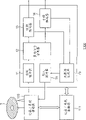
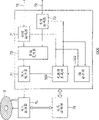
图23是表示本发明实施方式8的记录装置的结构的框图。Fig. 23 is a block diagram showing the configuration of a recording device according to Embodiment 8 of the present invention.
图24是用于说明CM检测部的CM检测的说明图。FIG. 24 is an explanatory diagram for explaining CM detection by a CM detection unit.
图25是用于说明元数据生成部的重要性级别的修正的说明图。FIG. 25 is an explanatory diagram for explaining correction of the importance level by the metadata generation unit.
图26是表示本发明实施方式8的其它的记录装置的结构的框图。Fig. 26 is a block diagram showing the configuration of another recording device according to Embodiment 8 of the present invention.
具体实施方式 Detailed ways
发明概要Summary of the invention
本发明的多媒体概括系统和方法对存储在分割成片断的压缩多媒体文件中的多媒体进行概括。The multimedia summarization system and method of the present invention summarizes multimedia stored in compressed multimedia files divided into segments.
关联的元数据文件包含所述图像序列的各片断的索引信息和重要性级别信息。在优选实施方式中,文件被存储在DVD等存储介质中。An associated metadata file contains index information and importance level information for each segment of the image sequence. In a preferred embodiment, the files are stored on a storage medium such as a DVD.
重要性信息在某个范围内是连续的。在所述某个范围内选择重要性级别的阈值或范围。可设为重要性级别由视听者来选择,并基于音频信号(例如声音的分类和/或音量)。Importance information is continuous within a certain range. A threshold or range of importance levels is selected within said certain range. It may be provided that the level of importance is selected by the viewer and based on the audio signal (eg classification and/or volume of the sound).
在读出文件时,仅再现具有比重要性级别的阈值高的特定的重要性级别的多媒体片断。When the file is read out, only multimedia fragments having a certain importance level higher than a threshold value of the importance level are rendered.
为了进一步提高概括精度,可设重要性级别基于区间窗口。此时,可把内容分割成一定长度的窗口、或滑动窗口。In order to further improve the summarization accuracy, the importance level can be set based on the interval window. At this time, the content can be divided into windows of a certain length, or sliding windows.
实施方式1
再现系统的结构Structure of the reproduction system
图1表示再现多媒体的系统100。这里,多媒体的内容例如是视频信号、音频信号、文本和二进制数据。该系统具备将构成为文件的多媒体和元数据存储在目录中的存储介质1(盘或带等)。在优选实施方式中,例如使用MPEG标准或AC-3标准来压缩多媒体。使用已知的技术对多媒体进行细分、分类、附加索引。可根据时间或帧序号来进行索引附加(参照本说明书中援引的美国专利第6628892号)。FIG. 1 shows a
元数据包含索引和重要性信息。作为本发明的优点,与现有技术相对照,重要性信息在某个范围内(例如[0,1]或[0,100])是连续的。因此,重要性级别不是“得分”或“头条新闻的时间”,而是与实数相关的信息,例如重要性为0.567或+73.64这样的值。Metadata contains index and importance information. As an advantage of the present invention, compared with the prior art, the importance information is continuous within a certain range (eg [0, 1] or [0, 100]). So, the importance level is not "score" or "time of the headlines", but information related to a real number, such as a value with an importance of 0.567 or +73.64.
作为另一优点,连续的重要性信息不取决于上下文或内容,不象现有技术那样是非常主观的。这些特征均使视听者能够将多媒体再现至任意的期望长度。As another advantage, the continuous importance information does not depend on the context or content, which is not very subjective like the prior art. Each of these features enables the viewer to reproduce multimedia to any desired length.
元数据是二进制或文本,必要时,可加密保护。元数据可包含日期、有效性代码、文件类型等文件属性。多媒体和元数据的分层文件和目录结构如图2所示。Metadata is binary or text and, if necessary, encrypted. Metadata can include file attributes such as date, validity code, file type, etc. The hierarchical file and directory structure of multimedia and metadata is shown in Figure 2.
如图1所示,读取驱动器10从存储介质1中读出多媒体文件和元数据文件。读取缓冲器11暂时存储由读取驱动器10读出的数据。多路信号分离器(demultiplexer)12从读取缓冲器中依次取得多媒体数据,将该多媒体数据分离成视频流和音频流。As shown in FIG. 1 , the
视频解码器13处理视频信号17,音频解码器14处理输出装置(例如电视监视器19)用的音频信号18。A
元数据分析部15从读取缓冲器11中依次取得元数据。包含有处理器的再现控制部16控制系统100。元数据分析部15的功能性可使用软件来实施,可作为再现控制部16的一部分被嵌入。The
另外,在本说明书中记载的任一个实施方式中,均不必同时记录和再现多媒体文件和元数据文件。实际上,元数据文件也可单个地分析,使视听者能尽快搜索出多媒体文件中感兴趣的片断。并且,多媒体和元数据也可复用为单个文件,在读出时进行分离。In addition, in any of the embodiments described in this specification, it is not necessary to record and reproduce a multimedia file and a metadata file at the same time. In fact, metadata files can also be analyzed individually, so that viewers can quickly search for interesting segments in multimedia files. Also, multimedia and metadata can be multiplexed into a single file and separated when read out.
文件和目录的结构File and Directory Structure
图2表示存储在存储介质1中的文件和目录的分层结构200。根目录20包含多媒体目录21和元数据目录22。多媒体目录21存储信息管理文件23、多媒体文件24和备份文件25。元数据目录22存储元数据文件26。另外,也可以是其它的目录和文件结构。多媒体文件24内的数据包含被复用的视频信号和/或音频信号。FIG. 2 shows a hierarchical structure 200 of files and directories stored in the
另外,信息管理文件23和/或多媒体数据文件24的任一方均可包含表示元数据的有无或其为无效的标记。Also, either the information management file 23 and/or the multimedia data file 24 may include a flag indicating the presence or absence of metadata or its invalidity.
元数据结构metadata structure
图3表示元数据文件26的分层结构300。分层中有5个分层A~E,在最上位分层中包含元数据30,接在其下位的是管理信息31、一般信息32、镜头信息33以及索引和重要性信息34。FIG. 3 shows a
分层B的管理信息31包含作为全部元数据30的概括性记述的元数据管理信息31a、视频对象(VOB)元数据信息检索指针31b、和关联的VOB元数据信息31c。相互的相关不必是1对1,例如,可以是针对一个VOB元数据信息31c的元数据信息检索指针31b为多个,也可以是针对多个VOB的VOB元数据信息31c为1个,或1个也没有。The
在下一分层C中,各VOB元数据信息31c包含元数据一般信息32a和视频镜头映射信息32b。元数据一般信息32a可包含节目名称、制作人名、男演员/女演员/记者/选手的名字、内容说明、广播日期或频道等。正确的对应关系作为表格存储在元数据一般信息32a中。In the next layer C, each
在下一分层D中,每个视频镜头映射信息32b中均有视频镜头映射一般信息33a、和1个或多个视频镜头入口33b。如上所述,在这些入口之间不必有1对1的对应关系。正确的对应关系作为表格存储在视频镜头映射一般信息33a中。In the next layer D, each video shot
在下一分层E中,每个视频镜头入口33b中均有视频镜头开始时间信息34a、视频镜头结束时间信息34b和视频镜头重要性级别34c。如上所述,也可按帧序号对多媒体附加索引。在可从视频镜头开始时间信息34a取得索引数据的情况下,可省略索引信息。可使用任意的附加顺序系统来表示相对的重要性。如上所述,重要性级别是连续的,并且独立于内容。重要性级别可手动或自动附加。In the next layer E, each video shot
另外,图3中,说明了将元数据文件200作为5个分层的情况,但只要包含视频镜头重要性级别34c、和可确定与该视频镜头重要性级别34c对应的视频镜头再现位置信息的时间信息或索引信息,则分层是多少层均可。另外,图3中,对元数据文件26中将全部视频对象的元数据作为一个文件来处理的情况进行了说明,但例如也可对每个视频对象设定独立的元数据文件。In addition, in FIG. 3 , the case where the metadata file 200 is regarded as five layers is explained, but as long as the video shot
多媒体的索引附加Multimedia index append
图4表示本发明的被记录和再现的多媒体与元数据的关系。在存储在信息管理文件23中的节目链信息40中,记述多媒体数据文件24的多媒体的再现顺序。链信息包含基于由节目链信息40定义的再现单位的节目41。单元42a~b基于由节目41定义的再现单位。另外,DVD(DigitalVersatile Disk,数字化视频盘)中,所谓“单元”是用来表示视频节目的一部分的数据结构。FIG. 4 shows the relationship between recorded and reproduced multimedia and metadata of the present invention. In the
视频对象信息43a~b记述与通过信息管理文件23中记述的单元42指定的再现时间信息(即上演时间)对应的实际的视频数据或音频数据的参照目的地。The
时间映射表格(TMAP)44a~b用于将由VOB信息43定义的再现时间信息偏移,将其变换为实际的视频数据或音频数据的地址信息。视频对象单元(VOBU)45a和45b记述多媒体数据文件24内的实际的视频数据或音频数据。这些数据与再现时间信息一起被复用于数据包结构。VOBU是访问多媒体并将其再现的最小单位。VOBU包含内容的一个或多个图片组(GOP)。The time map tables (TMAP) 44a-b are used to shift the playback time information defined by the VOB information 43 and convert it into address information of actual video data or audio data. Video object units (VOBU) 45 a and 45 b describe actual video data or audio data within the multimedia data file 24 . These data are multiplexed in the packet structure together with reproduction time information. VOBU is the smallest unit for accessing and reproducing multimedia. A VOBU contains one or more Groups of Pictures (GOPs) of content.
基于重要性阈值的再现Reproduction based on importance threshold
图5表示本发明的概要再现,将横轴51设为时间,将纵轴50设为重要性级别。如图5所示,重要性级别在预定的范围55(例如[0,1]或[0,100])中连续地变化。另外,如图所示,可由视听者在所述预定范围55内改变重要性级别的阈值53(56)。FIG. 5 shows a summary representation of the present invention, with time on the
另外,横轴51所示的时间以图3的视频镜头开始时间信息34a和视频镜头结束时间信息34b为基准。重要性以视频镜头重要性级别34c为基准。根据阈值53来评价重要性曲线的例子52。In addition, the time shown on the
在多媒体的再现中,再现具有比阈值53高的重要性的多媒体部分(58),跳过具有比阈值低的重要性的部分(59)。曲线54表示包含于再现中的部分。使用再现控制部16,根据由元数据分析部15得到的元数据信息来进行再现。In the reproduction of the multimedia, multimedia parts having a higher importance than the threshold 53 are reproduced (58), and parts having a lower importance than the threshold are skipped (59). Curve 54 represents the portion involved in the reproduction. The
另外,可指定多个连续的重要性级别,或一个或多个重要性级别范围,以便仅再现具有基于重要性范围的实数值的特定的重要性的区间。作为其它方法,也可仅再现重要性最低的区间。Additionally, multiple consecutive importance levels, or one or more ranges of importance levels, may be specified so that only intervals with a particular importance based on the real value of the range of importance are reproduced. As another method, only the least important section may be reproduced.
为了再现期望的节目,由读取驱动器10读出信息管理文件23。由此,可判断为节目构成为例如两个单元。In order to reproduce a desired program, the information management file 23 is read out by the
各单元利用VOB序号和索引信息(例如开始时间和结束时间)来记述。VOB1信息43a的时间映射表格44a用于将各上演时间变换为上演时间戳(PTS)或相关的VOB1内的地址信息,由此得到实际的VOBU45。Each cell is described by VOB number and index information (for example, start time and end time). The time mapping table 44a of the
同样,还通过使用VOB2信息43b的时间映射表格44b,与VOB2的VOBU45b组一起获得单元242b。在该例子中,单元(此时为单元42b)通过VOB43b,使用时间映射表格44b被附加索引。Likewise, the cell 242b is also obtained together with the
VOBU45的数据被依次提供以用于分离和解码。使用上演时间(PTM)来同步视频信号17和音频信号18,提供给输出装置19。Data of VOBU 45 is sequentially provided for separation and decoding. The
当视听者选择了期望的节目(例如节目141)时,通过节目链信息40可找到包含关联的节目41的结构的单元42a~b。由此,节目链信息用于找到对应的VOB及上演时间(PTM)。When the viewer selects a desired program (eg, program 141 ), the
按如下所示来使用图4中说明的元数据26,且如图3所示。首先,使用元数据管理信息31a来搜索对应于期望的VOB序号的元数据信息检索指针31b。之后,使用元数据信息检索指针31b来搜索VOB元数据信息31c。VOB元数据信息31c包含视频镜头映射信息32b,该视频镜头映射信息32b包含各视频镜头的开始时间、结束(stop)时间和重要性级别。因此,VOB元数据被用于收集具有包含于由单元的开始时间和结束时间所指定的范围中的上演时间(PTM)、和对应的重要性级别的全部镜头。之后,仅保留超过期望的重要性级别53的部分。The
另外,能在再现中选择多个节目,为了仅连结要再现的区间,可使用任意的方法。In addition, a plurality of programs can be selected during playback, and any method can be used to link only the sections to be played back.
其它的概要再现Other Summary Reproductions
图6A表示本发明的其它的概要再现,将纵轴50设为重要性级别,将横轴51设为时间,连续的曲线52表示重要性级别。线63是重要性级别的阈值,线64是仅具有比阈值高的特定的重要性的区间的再现。其它区间跳过。FIG. 6A shows another summary reproduction of the present invention, with the
概要率Probability rate
图6B表示概要率60。概要率可从例如0%变化至100%(即整个范围55)。概要率被表示为在可作为再现装置的输出装置19中重叠于输出图像上的图解图像。部分61是可由用户选择的当前的概要率。阈值63根据可由用户选择的当前的概要率61来设定。用户可使用任意输入装置(例如键盘或遥控器17a,参照图1)来设定概要率。在概要率为100%的情况下,再现多媒体文件整体,在50%的概要率的情况下,仅再现文件的一半。可在再现过程中变更概要率。另外,图解图像也可就概要率或实际的时间而具有其它方式(例如滑动条或数值显示器)。作为其它方法,也可通过元数据分析部15或再现控制部16使概要率自动变化。Figure 6B shows the summary rate 60. The probability rate may vary from, for example, 0% to 100% (ie the entire range 55). The probability rate is represented as a graphical image superimposed on the output image in the
另外,针对视频区间的指针可在列表内按重要性的降序排序。因此,通过向包含成为排序顺序的区间的列表的下方前进,直到满足时间长度的要求,从而可得到任意的期望长度的概要。Additionally, pointers to video intervals may be sorted within the list in descending order of importance. Therefore, a summary of any desired length can be obtained by proceeding to the bottom of the list including the sections in the sort order until the time length requirement is satisfied.
记录系统的结构Structure of the system of record
图7表示将压缩后的多媒体文件和元数据文件记录在存储介质2(盘或带等)中的系统700的框图。该系统具备取得视频信号78、音频信号79、文本、图像、以及二进制数据等作为输入的视频编码器71和音频编码器72。各编码器的输出通过多路复用器73被复用,作为多媒体数据暂时存储在写入缓冲器74中。另外,也将各编码器的输出发送到元数据生成部75,该元数据生成部75也将输出写入写入缓冲器中。Fig. 7 shows a block diagram of a
之后,写入驱动器70在包含有处理器的记录控制部76的控制下,将多媒体和元数据作为文件写入存储介质2中。文件可使用MPEG或AC-3等标准的多媒体压缩技术以压缩形式写入。记录中也可使用加密。另外,元数据生成部75可作为嵌入到记录控制部76中的软件来实施。Thereafter, the writing
编码器从输入信号78~79中提取出特征,例如动作矢量、彩色直方图、声音频率、特性和音量及声音关联信息。由元数据生成部75来分析所提取的特征,求出片断和与其关联的索引信息和重要性级别。The encoder extracts features from the input signals 78-79, such as motion vectors, color histograms, sound frequency, character and volume, and sound-related information. The extracted features are analyzed by the
重要性级别窗口importance level window
例如图12所示,重要性级别可通过使用音频信号来求出。例如,可使用各片断1201的音量,并且,可将各片断1201的音频信号分类为各种类别(声音、音乐、欢呼声、拍手、笑声等)。此时,将内容1200整体分割为不重复的片断1201(例如1秒的持续时间)。可对拍手和欢呼声提供比声音和音乐高的重要性级别。For example, as shown in FIG. 12, the importance level can be found by using an audio signal. For example, the volume of each
在将片断1201分类之后,用于搜索精彩场面的方法是将内容分割成持续时间相等的片断1201、即窗口1202。在使用窗口的情况下,各窗口包含图示的多个被分类的片断。After the
之后,通过求出窗口内的连续的拍手和/或欢呼声的最长长度,或通过求出窗口内的拍手和/或欢呼声的比例(百分比),可计算各窗口的重要性级别。可向窗口内的全部区间赋予窗口的重要性级别。Then, the importance level of each window can be calculated by finding the longest length of continuous clapping and/or cheering sounds in the window, or by finding the ratio (percentage) of clapping and/or cheering sounds in the window. A window's importance level may be assigned to all intervals within the window.
其它的窗口方式使用在内容整体中持续期间被固定的滑动窗口1203(例如12秒)。滑动窗口包含“锚(anchor)”片断(例如窗口内的最初、中间或最后的区间)。该窗口可一次一个片断地沿正方向(时间方向)滑动。此时,窗口的锚区间(A)1204的重要性级别基于滑动窗口整体的拍手和/或欢呼声的比例或连续的拍手和/或欢呼声的长度。滑动窗口方法可更正确地搜索出精彩场面的时间。Another window method uses a sliding
加权(Weighted)重要性级别Weighted importance level
并且,用窗口的系数(例如音量1211)来进一步对通过上述方策得到的重要性级别(IL)进行加权(1210),可得到最终的重要性级别。因此,例如在某个片断包含多个音量低的拍手的情况下,向该片断赋予较低的重要性级别,向具有非常大的拍手的片断赋予较高的重要性级别。In addition, the importance level (IL) obtained through the above method is further weighted ( 1210 ) by using the coefficient of the window (for example, the volume 1211 ), and the final importance level can be obtained. Thus, for example, in the case of a certain segment containing several low-volume claps, a lower importance level is assigned to this segment, and a higher importance level is assigned to segments with very loud claps.
另外,在体育节目等的情况下,对于得分场景或得分的机会而言,多数情况下除了拍手或呼欢声外,还伴随广播员或解说者的尖叫声。由此,在体育节目等的情况下,将包含拍手或欢呼声的尖叫声设定为一种声音类别,将该声音类别用于计算重要性级别也是有效的。Also, in the case of sports programs and the like, the scoring scene or the chance of scoring is often accompanied by screams from the announcer or commentator in addition to clapping or cheering. Therefore, in the case of a sports program or the like, it is also effective to set screams including clapping or cheering as one of the sound categories and use this sound category to calculate the importance level.
此外,在任一个实施方式中,均不必同时生成多媒体文件和元数据文件。例如,可在后面生成元数据,另外,可在预定时间内逐渐附加元数据。Furthermore, in either embodiment, it is not necessary to generate the multimedia file and the metadata file at the same time. For example, metadata may be generated later, and furthermore, metadata may be gradually added within a predetermined time.
基于时间阈值的再现Reproduction based on time threshold
图8表示本发明的其它的概要再现,将纵轴50设为重要性级别,将横轴51设为时间,连续的曲线52表示预定时间内的重要性级别。线80是可变的重要性级别的阈值,线81是具有比阈值高的特定的重要性的区间的再现。其它区间跳过。FIG. 8 shows another summary reproduction of the present invention. The
但是,在本实施方式中还使用时间的阈值。仅再现具有比重要性级别的阈值高的特定的重要性级别、且在比时间阈值长的时间内维持该重要性级别的区间。例如,不再现区间a1~a2,再现区间b1~b2。由此,排除了时间过短、视听者不能确切地理解的区间。However, in this embodiment, a time threshold is also used. Only sections having a specific importance level higher than the importance level threshold and maintaining the importance level for a time longer than the time threshold are reproduced. For example, the sections a1 to a2 are not played back, and the sections b1 to b2 are played back. As a result, a section whose time is too short and which cannot be accurately understood by the viewer is excluded.
基于使用了附加的区间延长的时间阈值的再现Reproducibility based on time thresholds using additional interval extensions
图9表示本发明的其它的概要再现900,将纵轴50设为重要性级别,将横轴51设为时间,曲线52表示预定时间内的重要性级别。线90是重要性级别的阈值,线91是具有比阈值高的特定的重要性的区间的再现。与上述一样,其它区间跳过。在该实施方式及后述的其它实施方式中,延长量可根据由再现控制部作出的决定而变化。FIG. 9 shows another
该实施方式也使用上述的时间阈值。但是,此时,不跳过时间比时间阈值短的区间。取而代之,使时间延长,以使这种区间满足时间阈值的条件。这通过在该短区间的前面、后面或前后加上多媒体文件的各部分来进行(例如区间c1~c2)。因此,增大短区间的大小,使视听者可适当确切地理解该短区间。另外,还可使用第2时间阈值,而依然跳过非常短的区间(例如1帧)。This embodiment also uses the time thresholds described above. However, at this time, a section whose time is shorter than the time threshold is not skipped. Instead, the time is extended so that such an interval satisfies the condition of the time threshold. This is done by adding parts of the multimedia file before, after or before and after the short interval (eg interval c1-c2). Therefore, by increasing the size of the short interval, the viewer can properly understand the short interval. In addition, a second temporal threshold can also be used, while still skipping very short intervals (eg, 1 frame).
基于使用了利用乘法的区间延长的时间阈值的再现Reproduction based on time thresholds using interval extensions using multiplication
图10表示本发明的其它的概要再现,将纵轴50设为重要性级别,将横轴51设为时间,曲线52表示预定时间内的重要性级别。线1000是重要性级别的阈值,线1001是具有比阈值高的特定的重要性的区间的再现。其它区间跳过。FIG. 10 shows another summary reproduction of the present invention, where the
该实施方式也使用上述的时间阈值。但是,此时,将区间的时间仅延长预定量d,增大满足时间阈值的再现区间的大小。如上所述,可对区间在前面、后面或前后进行延长。另外,也可乘以系数,同样地来延长区间的时间。This embodiment also uses the time thresholds described above. However, in this case, the time of the section is extended by a predetermined amount d to increase the size of the playback section that satisfies the time threshold. As mentioned above, the interval can be extended in front, back, or both. In addition, a coefficient may be multiplied to extend the interval time in the same manner.
记录和再现系统的结构Structure of Recording and Reproducing System
图11表示记录和再现被存储在读取/写入存储介质3(盘或带等)中的压缩多媒体文件和元数据文件的系统1100的框图。Fig. 11 shows a block diagram of a
读取/写入驱动器110可将数据写入读取缓冲器11,可从写入缓冲器74中读出数据。多路信息分离器12从读取缓冲器中依次取得多媒体,将该多媒体分离成视频流和音频流。视频解码器13处理视频流,音频解码器14处理音频流。但是,此时,由于元数据生成部75也接收解码器13~14的输出,所以可以使用记录/再现控制部111将再现的多媒体存储在存储介质3中。The read/
另外,也可在解码过程中使用元数据生成部75,从视频数据和/或音频数据中提取出重要性级别、附加索引信息和其它元数据。In addition, the
并且,也可手动生成重要性级别、附加索引信息和其它元数据,在后面的阶段中插入。Also, importance levels, additional indexing information and other metadata can be manually generated and inserted at a later stage.
另外,上述实施方式均包含检索功能,视听者可根据时间、帧序号或重要性的任一个,直接跳至(定位到)多媒体的特定部分。该检索功能可使用“缩略”区间(例如在检索中辅助视听者的一个或少数几个帧)。In addition, the above embodiments all include a search function, and the viewer can directly jump to (locate to) a specific part of the multimedia according to any one of time, frame number or importance. The retrieval function may use "abbreviated" intervals (eg, one or a few frames to aid the viewer in retrieval).
另外,在实施方式1中,说明了该系统中包含存储介质的情况,但该存储介质也可独立于系统而构成。例如,在该系统中内置HDD(Hard DiskDrive,硬盘驱动器)作为所述存储介质的情况下,系统中构成为包含存储介质。另一方面,在使用外带的HDD、DVD等光盘或磁盘作为所述存储介质的情况下,把系统和存储介质单独构成。In addition, in
实施方式2
图13是表示实施方式2的概要再现装置1200的结构的框图。图13中,对与实施方式1中说明的结构相同的结构附加相同符号。FIG. 13 is a block diagram showing the configuration of a
概要再现装置1200执行在包括DVD-R或DVD-RW在内的各种DVD盘、硬盘或蓝光盘(Blu-ray Disk)等存储介质4中根据上述图2中说明的目录结构而记录的所述视频的图像或声音的再现。另外,该概要再现装置1200根据与记录在所述存储介质4中的所述视频对应的所述重要性级别来执行该视频的概要再现。Outline The
下面,说明概要再现装置1200中进行视频的概要再现的情况。用户操作操作部130,选择要再现的期望视频,再选择概要再现。当用户选择了期望的视频时,如所述图4中说明的那样,由于可利用节目链信息40来确定构成该视频的节目41和构成该节目41的单元42,所以应参照的VOB的序号和该单元的再现开始时间及再现结束时间的各上演时间(PTM)被确定。Next, a case where the summary playback of video is performed in the
记录在存储介质4中的元数据30(图3),在如下等定时,即,在该存储介质4被插入读取驱动器11中之后、且用户选择概要再现之前,或在用户选择了要再现概要的视频之后,或在该概要装置1200中再现(普通再现)记录在存储介质4中的节目的中途,通过读取驱动器11被读出,输出到驱动器I/F部3。驱动器I/F部3将输入的元数据30解调,输出到元数据分析部15。The metadata 30 (FIG. 3) recorded in the storage medium 4 is recorded at a timing such as after the storage medium 4 is inserted into the
元数据分析部15参照如上所述根据节目链信息40而检测出的、对应于所述视频的VOB序号,从元数据文件26中读出对应于该视频的元数据30。之后,该元数据分析部15从所述元数据30中,读出存储在对应于各VOB的视频镜头重要性级别34c中的重要性级别。The
具体而言,首先参照所述VOB的序号,利用元数据管理信息31a和VOB元数据信息检索指针31b中存储的地址信息,确定VOB元数据信息31c。之后,访问对应于各VOB元数据信息31c的视频镜头映射信息32b。Specifically, first, the
之后,读出存储在视频镜头开始时间信息34a中的开始时间信息、存储在视频镜头结束时间信息34b中的结束时间信息和存储在视频镜头重要性级别34c中的重要性级别,其中所述视频镜头开始时间信息34a被记述于该视频镜头映射信息32b中包含的各视频镜头入口33b中。当确定了视频镜头开始时间信息34a和视频镜头结束时间信息34b时,确定具有包含于所述单元的再现开始时间和再现结束时间的范围内的上演时间(PTM)的视频镜头。After that, the start time information stored in the video shot start
将元数据分析部15读出的重要性级别记录在该元数据分析部15中。元数据分析部15中可记录全部与存储介质4中记录的多个视频分别对应的重要性级别,也可记录全部与所述存储介质4中记录的视频中的成为概要再现对象的视频对应的重要性级别。另外,再现控制部16中也可仅记录为了生成OSD平面图像(细节如后所述。)所必需的重要性级别。另外,所述重要性级别也可以不记录在元数据分析部15中,而例如在再现控制部16中设置存储器(未图示),记录在该存储器中。此时,所述元数据分析部15从所述元数据30的视频镜头重要性级别34c中读出重要性级别,输出到再现控制部16。The importance level read out by the
再现控制部16比较记录在所述元数据分析部15中的各重要性级别与预先设定的阈值。具体而言,在设置在再现控制部16中的比较部(未图示)中,比较从所述元数据分析部15输出的重要性级别与所述阈值。然后,再现控制部14利用所述图4中说明的节目链信息40来确定构成与具有比所述阈值大的值的重要性级别对应的视频镜头的VOBU,控制读取驱动器11以读出该VOBU。另外,所述阈值构成为可通过由用户操作操作部130来进行调整。The
另外,由所述读取驱动器11读出的VOBU被驱动器I/F部121解调。之后,经音频解码器14将对应于该VOBU的声音的数据(音频数据)输出到D/A转换器127。对应于所述VOBU的副图像(视频中的字幕等)的数据(副图像数据)在经过图解解码部123处理之后,作为YUV信号蓄积在图解平面中。另外,对应于所述视频的图像的数据(视频数据)在经过视频解码部13的处理之后,作为模拟视频信号蓄积在视频描绘平面125中。Also, the VOBU read by the
所述再现控制部16进行上述比较,生成表示由用户选择的视频的重要性级别的变化的图像(OSD平面图像)。另外,将对应于所述OSD平面图像的信号(下面称为OSD信号。)输出到由帧存储器等构成的OSD平面129。之后,将对应于所述OSD信号的OSD平面图像蓄积在OSD平面129中。The
图14是用于说明OSD平面图像的说明图。如图14所示,再现控制部16生成OSD平面图像132,该OSD平面图像132包含:作为表示重要性的轴的纵轴133;作为时间轴的横轴134;表示所述时间轴方向上的重要性级别的变化的重要性级别标绘(plot)135;表示在所述比较部中预先设定的阈值的切分级别137;和表示在该概要再现装置1200的概要再现时再现的视频在节目整体中的位置的再现指示器136。所述再现指示器136被适当地更新描绘,以在时间轴134上正确示出从视频描绘平面125输出的图像在节目整体中的位置。FIG. 14 is an explanatory diagram for explaining an OSD plane image. As shown in FIG. 14 , the
蓄积在视频描绘平面125、图解平面124和OSD平面129中的信号被同步输出到合成部126。合成部126将蓄积在所述图解平面124中的YUV信号、蓄积在所述视频描绘平面125中的所述模拟视频信号、和蓄积在所述OSD平面129中的所述OSD信号合成,输出到视频编码器71。之后,视频编码器71将合成信号变换为预定信号,输出到与概要再现装置1200连接的显示装置等外部设备。The signals stored in the
另外,在概要再现装置1200中进行的概要再现与通过所述图5等说明的概要再现相同地来进行。Note that the summary playback performed by the
图15是用于说明概要再现装置1200的概要再现时、连接于该概要再现装置1200上的监视器、电视机等显示装置1300中显示的视频的说明图。图15中,图15(A)是示意性地示出与从视频描绘平面125输出的模拟视频信号对应的图像131(下面也称为视频平面图像131。)的图。图15(B)是所述图14中说明的OSD平面图像132。并且,图15(C)是将图15(A)的图像与图15(B)的图像合成得到的图像,即对应于从所述合成部126输出的合成信号的图像(下面也称为合成图像。)。另外,在存在与字幕等副图像数据对应的图像的情况下,在所述合成图像上重叠对应于该副图像数据的图像。15 is an explanatory diagram for explaining video displayed on a
如图15(C)所示,实施方式2的概要再现装置1200在概要再现时,在所述显示装置1300中显示合成图像。因此,不会象现有的概要再现装置那样,产生用户不能把握视频整体的高涨趋势的问题。即,用户可通过合成图像中包含的OSD平面图像132,一眼即把握视频中的高涨趋势。As shown in FIG. 15(C), the
具体来说明,例如在概要再现的视频是体育节目,将表示该体育节目的视频的特征的参数作为“欢呼声的持续时间”来算出重要性级别的情况下,重要性级别标绘135表示所述体育节目中的欢呼声的持续时间的变化。就体育节目等而言,越是能左右胜负去向的场景,欢呼声或拍手持续越长时间。因此,用户仅通过观察一眼该重要性级别标绘135,就可把握该体育节目中的重要场景在节目整体中的位置,可一眼把握该体育节目中的高涨趋势。Specifically, for example, when the video reproduced in summary is a sports program, and the parameter representing the feature of the video of the sports program is used as the "duration of cheers" to calculate the importance level, the
另外,该用户通过观察切分级别137相对于重要性级别标绘135的位置,可一眼把握通过该概要再现视频整体被进行了何种程度的概括。另外,用户在想进一步对视频进行概括来再现的情况下,通过操作所述操作部130,使所述切分级别137沿纵轴133方向移动。另一方面,在想观察更多的包含于所述视频中的视频的情况下,使所述切分级别137沿与纵轴133相反的方向移动。另外,所述再现控制部16根据阈值的变化,参照所述节目链信息40,调整再现的视频镜头,控制读取驱动器10以读出该视频镜头中包含的VOBU。In addition, the user can grasp at a glance to what extent the entire reproduced video is summarized by the summary by observing the position of the
如上所述,根据实施方式2的概要再现装置1200,即便记录在存储介质4中的视频是用户初次看的视频,也可容易地把握该视频的高涨趋势。As described above, according to the
另外,通过参照OSD平面图像132,视听者可尽快地检测出期望的场景(精彩的场景等)。之后,仅通过边看所述OSD平面图像132边操作操作部130来调整阈值,就简单地调整概要再现的时间。In addition, by referring to the
并且,可利用再现指示器136来容易地把握通过概要再现显示的图像在视频整体中的位置。In addition, the position of the image displayed by the outline playback in the entire video can be easily grasped by using the
另外,即便如现有的概要再现装置那样、由于快进等看不到记录在存储介质中的视频整体,也可容易地把握精彩的场景等的位置。即,例如,在记录在存储介质中的节目的时间长的情况下,尽管是快进,用户要观看该视频整体也需要相当长的时间。但是,在实施方式2的概要再现装置中,节目的长短不成问题,一眼即可把握精彩场景在视频整体中的位置。In addition, even if the entire video recorded on the storage medium cannot be seen due to fast forwarding or the like like the conventional summary playback device, it is possible to easily grasp the positions of exciting scenes and the like. That is, for example, in the case of a program recorded on a storage medium for a long time, it takes a considerable time for the user to watch the entire video despite fast forwarding. However, in the summary playback device according to
另外,如现有的概要再现装置那样,在设定(打刻)精彩场面的情况下,有可能漏取该精彩场面,但在实施方式2的概要再现装置1200中,则不存在这种可能性。In addition, like a conventional outline playback device, when a highlight scene is set (printed), there is a possibility of missing the highlight scene, but in the
另外,也可以构成为,对于OSD平面图像132中的重要性级别标绘135、切分级别137、再现指示器136等的OSD平面图像中的各要素或该OSD平面图像132整体,可通过用户操作操作部130来进行显示或不显示的切换。In addition, it may also be configured such that each element in the
实施方式3
图16是用于说明实施方式3的概要再现装置进行概要再现时显示的图像的说明图。下面,对与实施方式1或2中说明的结构一样的结构附加相同符号,省略说明。16 is an explanatory diagram for explaining images displayed when the summary playback device according to
如图16所示,实施方式3的概要再现装置中,设置在再现控制部16中的运算部(未图示)根据概要再现的视频的录制时间(即普通再现该视频时所需的时间)、和当前的阈值,运算概要再现视频时所需的时间(下面称为概要时间。)。另外,再现控制部16运算把所述概要时间除以所述录制时间的结果所得的概要率,计数该概要再现中再现的场景的数量。As shown in FIG. 16 , in the outline reproduction device according to
再现控制部16根据该再现控制部16进行的运算等的结果,生成包含文本信息141而构成的OSD平面图像140,将对应于该OSD平面图像140的OSD信号输出到OSD平面129。另外,OSD平面129在与蓄积在所述视频描绘平面中的信号等同步的定时,将该OSD信号输出到合成部126。The
合成部126中,除了实施方式2中合成的信号外,还合成对应于所述OSD平面图像140的OSD信号。结果,在显示装置1300中,如图16所示,除了在实施方式2中说明的包含重要性级别标绘135的OSD平面图像外,还显示包含文本信息141的OSD平面图像。In the
如上所述,根据实施方式3的概要再现装置,除了实施方式2中说明的重要性级别标绘135外,还显示文本信息141,所以用户可容易地把握概要再现所需的时间、概要率等。As described above, according to the outline reproduction device of
因此,用户通过参照显示于显示装置1300中的文本信息,操作操作部130,可调整阈值。Therefore, the user can adjust the threshold by referring to the text information displayed on the
另外,实施方式3中,说明了作为所述文本信息显示概要时间等的情况,但也可显示当前再现的场景序号、当前再现的节目的节目名称、出演人名、制作人名、录制的年月日或日期时间或星期几、录制的节目的广播台名称、记录在存储介质4中的节目的总数、当前再现的节目的节目序号或再现时间位置、存储介质4的名称等对用户提供的补充/附加信息。In addition, in
另外,对于利用文本信息141来显示的补充/附加信息,不仅使用文本等字符串,还可使用图标或图像来显示。In addition, the supplementary/additional information displayed by the
另外,可构成为可通过操作部130的用户操作来单独地选择设定OSD平面图像132、140的显示的打开、关闭。另外,关于OSD平面图像132、140的显示,双方可以同时打开或关闭,也可例如进行仅阈值137的显示打开、关闭操作等打开或关闭OSD平面图像132、140的一部分。In addition, it may be configured so that on and off of the display of the OSD
实施方式4Embodiment 4
图17是用于说明实施方式4的概要再现装置中进行概要再现时显示的图像的说明图。下面,对与实施方式1~3中说明的结构一样的结构附加相同符号,省略说明。FIG. 17 is an explanatory diagram for explaining images displayed during summary playback in the summary playback device according to Embodiment 4. FIG. Hereinafter, the same configurations as those described in
实施方式4的概要再现装置中的OSD平面129仅蓄积对应于实施方式3中说明的文本信息141的OSD信号,将该OSD信号输出到合成部126。因此,在显示装置1300中,如图17所示,显示文本信息141和概要再现的视频的图像。另外,文本信息141的内容与实施方式3中说明的内容一样,所以省略说明。The
如上所述,根据实施方式4的概要生成装置,由于显示文本信息141,所以用户可容易地把握概要再现所需的时间、概要率等。As described above, according to the summary generation device of Embodiment 4, since the
实施方式5Embodiment 5
图18是用于说明实施方式5的概要再现装置中进行概要再现时显示的图像的说明图。下面,对与实施方式1~4中说明的结构一样的结构附加相同符号,省略说明。FIG. 18 is an explanatory diagram for explaining images displayed during summary playback in the summary playback device according to Embodiment 5. FIG. Hereinafter, the same configurations as those described in
实施方式5中的概要再现装置由再现控制部16生成包含有预先记录在该再现控制部16中的动作模式显示文本151和图标图像152的OSD平面图像150。In the summary playback device according to Embodiment 5, the
具体地来说明,在该概要再现装置中若选择了概要再现,则再现控制部16根据预先记录的动作模式显示文本151和图标图像152,生成OSD平面图像150,将对应于该OSD平面图像的OSD信号输出到OSD平面129。之后,OSD平面129蓄积从再现控制部16输出的OSD信号,将该OSD信号输出到合成部126。Specifically, if the summary playback is selected in the summary playback device, the
然后,合成部126将对应于从视频描绘平面125输出的信号的图像或对应于从图解平面124输出的信号的图像,和对应于从OSD平面129输出的信号的图像合成,输出到视频编码器71。结果,在显示装置1300中显示图18所示的图像。Then, the synthesizing
如上所述,根据实施方式5的概要再现装置,用户可一眼把握该概要再现装置的动作状态。As described above, according to the summary playback device according to Embodiment 5, the user can grasp the operating state of the summary playback device at a glance.
另外,实施方式5中,说明了进行概要再现时显示的动作模式显示文本151和图标图像152,但也可显示表示普通再现或快进、后退等其它动作状态的动作模式显示文本151和图标图像152。In addition, in Embodiment 5, the operation
另外,也可不显示动作模式显示文本151和图标图像152双方,而显示动作模式显示文本151或图标图像152任一方。并且,也可通过操作操作部130,切换显示动作模式显示文本151和图标图像152双方的情况、显示动作模式显示文本151或图标图像152任一方的情况、或动作模式显示文本151和图标图像152双方均不显示的情况。In addition, instead of both the operation
实施方式6Embodiment 6
图19是用于说明在实施方式6的概要再现装置中进行概要再现时显示的图像的说明图。下面,对与实施方式1~5中说明的结构一样的结构附加相同符号,省略说明。FIG. 19 is an explanatory diagram for explaining images displayed when summary playback is performed in the summary playback device according to Embodiment 6. FIG. Hereinafter, the same configurations as those described in
实施方式6中的概要再现装置中,由再现控制部16生成重要场景显示条161、重要场景条162、以及适当更新显示后示出当前的再现位置的再现指示器163,其中重要场景显示条161用于表示与具有比当前阈值137大的值的重要性级别对应的视频(重要场景)在视频整体中的位置,重要场景条162表示该重要场景的位置。然后,再现控制部16生成OSD平面图像160,将OSD信号输出到OSD平面129。然后,OSD平面129蓄积从再现控制部16输出的OSD信号,将该OSD信号输出到合成部126。In the summary playback device in Embodiment 6, the
合成部126将对应于从视频描绘平面125输出的信号的图像或对应于从图解平面9输出的信号的图像、与对应于从OSD平面129输出的信号的图像合成,输出到视频编码器71。结果,显示装置1300中显示图19所示的图像。
这里,具体说明重要场景显示条161的生成方法。图20是用于说明重要场景显示条161的生成方法的说明图。另外,图20中,对与图19中说明的结构一样的结构附加相同符号,省略说明。Here, a method for generating the important
例如,在存在实施方式2中说明的重要性级别标绘135的情况下,把超过当前阈值137的部分设为重要的场景(例如得分场景等精彩场景)。这样,重要场景条162可通过将超过该阈值137的部分投影到重要场景显示条161上来得到。For example, when the
如上所述,根据实施方式6的概要再现装置,可将构成为包含重要场景显示条161的OSD平面图像160的面积抑制得比构成为包含实施方式2中示出的重要性级别标绘135的OSD平面图像的面积小。因此,即便在视频描绘平面图像131上重叠显示该OSD平面图像160,也不会遮档视频图像。As described above, according to the outline playback device of the sixth embodiment, the area of the
另外,在普通再现时,若显示重要场景显示条161,则可容易地把握重要部位(具有高的重要性级别的精彩场景)相对于当前再现位置的相对位置。In addition, during normal playback, if the important
另外,通过在重要场景显示条161中显示重要场景条162,可比仅显示文本信息141更容易把握概要率等。In addition, by displaying the
实施方式7Embodiment 7
图21是用于说明在实施方式7的概要再现装置中进行概要再现时显示的图像的说明图。下面,对与实施方式1~6中说明的结构一样的结构附加相同符号,省略说明。FIG. 21 is an explanatory diagram for explaining images displayed when summary playback is performed in the summary playback device according to Embodiment 7. FIG. Hereinafter, the same configurations as those described in
实施方式7中的概要再现装置在再现控制部16中生成OSD平面图像,该OSD平面图像包含表示视频的记录时间的滑动显示条171、和表示当前显示的场景在视频整体中的位置的滑动显示指示器172,将对应于该OSD平面图像的OSD信号输出到OSD平面129。OSD平面129蓄积从再现控制部16输出的OSD信号,将该OSD信号输出到合成部126。另外,适当地更新描绘滑动显示指示器172,以在滑动显示条171上正确地表示从视频描绘平面图像125输出的图像在视频整体中的位置。The outline playback device in Embodiment 7 generates an OSD plane image in the
之后,合成部126将对应于从视频描绘平面125输出的信号的图像或对应于从图解平面124输出的信号的图像、与对应于从OSD平面129输出的信号的图像合成,输出到视频编码器71。结果,显示装置1300中显示如图21所示的图像。After that, the
这里,具体说明滑动显示条171和滑动显示指示器172。图22是用于说明滑动显示条171和滑动显示指示器172的说明图。另外,图22中,对与图21中说明的结构一样的结构附加相同符号,省略说明。Here, the
例如,在存在包含实施方式2中说明的重要性级别标绘135的OSD平面图像132的情况下,再现控制部16向OSD平面129输出OSD信号,该OSD信号对应于切取该重要性级别标绘135的一部分即虚线包围的部分(图22中的173的部分。下面称为部分标绘173)而得到的图像。另外,再现控制部16运算作为部分标绘173而被切出的部分在视频整体中的位置,为了表示该位置,随时更新滑动显示指示器172,使之重合在滑动显示条171上。For example, when there is an
通过上述说明的再现控制部16的处理,生成图21所示的OSD平面图像170。The
如上所述,根据实施方式7的概要再现装置,由于可将表示重要性级别的变动的OSD平面图像170的面积抑制得较小,所以即便重合显示于视频平面图像131上,也不会遮档视频的图像。As described above, according to the outline playback device of Embodiment 7, since the area of the
另外,通过放大显示重要性级别标绘的特定部分,可更详细且明确地显示时间轴方向上的重要性级别的变动。因此,即便是重要性级别标绘135的变动密集的部位,用户也可容易地辨识出该变动。In addition, by zooming in on a specific portion of the importance level plot, changes in the importance level in the direction of the time axis can be displayed in more detail and clearly. Therefore, the user can easily recognize the change even in the place where the
另外,实施方式7中,说明了使用滑动显示条171和滑动显示指示器172表示当前显示于显示装置1300中的图像在视频整体中的位置的情况,但只要是能显示当前显示的图像在视频整体中的位置的方法,也可采用基于使用分数或百分比表述的文本表现、或与滑动显示条170不同的饼分图等描绘。In addition, in Embodiment 7, the case where the
实施方式8Embodiment 8
图23是表示实施方式8中的记录装置1400的结构的框图。另外,以下的说明中,对与实施方式1或2中说明的结构一样的结构附加相同符号,省略说明。FIG. 23 is a block diagram showing the configuration of a
图23中,CM检测部300分析音频编码器72中提取的音频信号的特征,检测出所述视频中的广告(Commercial Message,下面也称为CM)区间。之后,将对应于该检测结果的数据输出到元数据生成部301。In FIG. 23 , the
元数据生成部301如实施方式1中说明的那样,根据各编码器提取的视频信号的特征或音频信号的特征,算出重要性级别。并且,元数据生成部301根据CM检测部300中的CM检测的结果,修正生成的重要性级别。另外,元数据生成部301生成包含修正后的重要性级别的元数据,输出到写入缓冲器74。之后,所述元数据如实施方式1中说明的那样,与片断对应起来记录在记录介质2中。As described in
图24是用于说明CM检测部300中的CM检测的说明图。图24中,310是将对应于输入到该记录装置1400中的视频信号或音频信号的视频内容(例如电视广播的广播内容)分为正编广播(下面也称为正编)和CM广播(下面也称为CM)来表示的视频内容原理图。另外,在该视频内容原理图中,示出CM广播由CM1、…、CMn等多个CM构成的情况。FIG. 24 is an explanatory diagram for explaining CM detection in the
另外,图24中,311是表示该CM检测部300通过分析所述音频信号而检测出的、所述视频内容原理图310的视频内容中无声音部分(下面也称为无声音部位)和有声音的部分(下面也称为有声音部位)的无声音部位检测曲线。并且,312是根据所述无声音部位来检测CM用的CM检测滤波器,313是表示通过CM检测滤波器312检测为CM区间的部分的CM检测曲线。In addition, in FIG. 24 , 311 indicates that the
通常,在如图24的视频内容原理图310所示那样,视频的内容由正编和CM构成的情况下,多数情况下正编的视频或声音与CM的视频或声音没有联系。另外,在多个CM连续的情况下,多数情况下某CM的视频或声音与其它CM的视频或声音没有联系。因此,在从正编切换为CM的部分、从CM切换为CM的部分、或从CM切换为正编的部分中,声音在数百毫秒之间变成无声。因此,实施方式8的CM检测部300分析从音频编码器72输出的声音的特征,检测出该无声音部位,由此进行CM的检测。Usually, as shown in the video content schematic diagram 310 of FIG. 24 , when the content of the video consists of the main series and CM, in most cases the video or sound of the main series has no connection with the video or sound of the CM. In addition, when a plurality of CMs are continuous, the video or sound of a certain CM is not related to the video or sound of other CMs in many cases. Therefore, the sound becomes silent for hundreds of milliseconds in the part switched from the main part to the CM, the part switched from the CM to the CM, or the part switched from the CM to the main part. Therefore, the
下面,说明CM检测部300的动作。如上所述,该CM检测部300分析从音频编码器72输出的声音的特征,检测出该无声音部位。作为无声音部位的检测方法,例如可使用变形离散余弦变换(Modified DiscreteCosine Transform,下面也称为MDCT)。Next, the operation of the
在使用MDCT的情况下,CM检测部300对在音频编码器72中对模拟音频信号进行A/D变换、再进行编码压缩而得到的数字信号(也称为PCM(Pulse Code Modulation,脉冲编码调制)信号。)进行MDCT,算出MDCT系数。之后,算出预定个数的MDCT系数的值的平方和(即相当于音频能量),比较该平方和的值与预定的阈值。并且,比较的结果,在所述平方和的值小于等于所述预定阈值的区间为预定区间(例如数百毫秒)的情况下,将该区间设为无声音部位。结果,在图24的视频内容原理图310所示的视频的情况下,在正编与CM的切换部分和CM与CM的切换部分中,检测出无声音部位。In the case of using MDCT, the
将表示CM检测部300中检测出的无声音部位的信息(例如表示视频中的该无声音部位在时间轴上的位置的信息)记录在CM检测部300中的存储器(未图示)中,或记录控制部76中的存储器(未图示)中。另外,所述预定的阈值和所述预定的区间可根据该记录装置1400的设计等任意设定。The information representing the silent part detected in the CM detection part 300 (for example, the information representing the position of the silent part in the video on the time axis) is recorded in a memory (not shown) in the
接着,CM检测部300比较检测出的无声音部位与CM检测滤波器312,检测CM区间。通常,CM广播采用一个CM的时间为15秒、30秒、60秒、90秒等预先决定的时间中的任一种时间来进行。因此,在CM检测部300中设定以15秒间隔、30秒间隔等预定间隔产生使能信号的CM检测滤波器312。之后,比较记录在所述存储器中的无声音部位的发生位置(时间轴上的位置)与所述使能信号的发生位置(时间轴上的位置),检测CM。Next, the
即,CM检测部300在检测出某个无声音部位的情况下,产生以该无声音部位的位置为起点的使能信号(下面也称为起点使能信号)。之后,在起点使能信号之后以预定间隔(例如15秒间隔、30秒间隔等)发生的使能信号与后续的无声音部位连续一致的情况下,将作为起点的无声音部位设为CM区间的开始位置(下面也称为CM IN点(CM进入点))。That is, when a certain silent part is detected, the
下面,在检测出无声音部位的位置与使能信号的位置不一致的部位的情况下,将时间上在该不一致部位之前、且最近的无声音部位的位置与使能信号的位置相一致的部位设为CM区间的结束部位(下面也称为CMOUT点(CM退出点))。之后,将CMIN点与CM OUT点之间的区间设为CM区间,将表示CM区间的位置信息输出到元数据生成部301。即,将对应于所述CM检测曲线313的信号输出到元数据生成部300。Next, when a position where the position of the silent part is inconsistent with the position of the enable signal is detected, the position of the position of the closest silent part that is earlier in time than the inconsistent position and the position of the enable signal is Let it be the end point of the CM section (hereinafter also referred to as CMOUT point (CM exit point)). After that, the section between the CMIN point and the CM OUT point is set as the CM section, and the position information indicating the CM section is output to the
图25是用于说明元数据生成部301中的重要性级别的修正的说明图。另外,图25(A)是表示元数据生成部301中根据视频编码器71的输出或音频编码器72的输出而生成的重要性级别的变化的一例的重要性级别标绘(图中52),图25(B)是所述CM检测曲线(图中313),图25(C)是由根据CM检测曲线修正重要性级别的结果得到的重要性级别标绘(图中321,下面也称为修正重要性级别曲线)。FIG. 25 is an explanatory diagram for explaining correction of the importance level in the
元数据生成部301比较在CM检测部300中得到的CM检测曲线与重要性级别标绘,修正重要性级别。即,将在重要性级别标绘中与CM检测区间一致的重要性级别降低。具体而言,例如,将与CM区间一致的重要性级别置换为0等固定值。或者,也可对与CM区间一致的重要性级别乘以使该重要性级别的值减小的固定值(例如0.5)。通过执行上述处理,可得到在该元数据生成部301中被修正后的重要性级别。The
另外,关于上述说明的CM检测部300的CM区间检测、元数据生成部301的元数据修正、或包含修正后的重要性级别的元数据向记录介质的记录,可在该记录装置1400向记录介质2记录视频的过程中执行,也可在向记录介质2的视频记录结束之后,根据记录在存储器或硬盘等中的无声音区间的时间信息修正重要性级别,在任意定时记录到记录介质2中。In addition, the CM section detection by the
如上所述,根据实施方式8的记录装置,可将CM区间中的重要性级别设定为低的值。即,即便在已向CM广播的部分赋予了高的重要性级别的情况下,也可将重要性级别修正为低的值。因此,当概要再现记录在记录介质中的视频时,可防止再现CM。As described above, according to the recording device of the eighth embodiment, the importance level in the CM section can be set to a low value. That is, even when a high importance level has been assigned to the CM broadcast part, the importance level can be corrected to a low value. Therefore, when the video recorded in the recording medium is reproduced in summary, the CM can be prevented from being reproduced.
另外,以上说明中,说明了根据从音频编码器72输出的音频信号的特征来检测CM区间的情况,但CM区间的检测中也可使用从视频编码器71输出的视频信号的特征,还可使用视频编码器71中的视频信号的编码压缩时得到的预定特征量。In addition, in the above description, the case where the CM interval is detected based on the characteristics of the audio signal output from the
另外,CM区间的检测也可仅根据从视频信号或音频信号的任一方得到的特征来进行,还可根据从视频信号和音频信号双方得到的特征来进行。In addition, detection of the CM section may be performed based on only features obtained from either the video signal or the audio signal, or may be performed based on features obtained from both the video signal and the audio signal.
另外,在以上说明中,说明了检测出无声音部位,检测出CM区间,修正重要性级别的情况,但也可利用其它方法来检测CM区间,修正重要性级别。例如,也可检测出输入到记录装置中的音频信号的音频方式是立体声方式还是单声道方式,来检测CM区间。即,在对正编使用单声道方式,对CM使用立体声方式的情况下,可通过检测出单声道方式与立体声方式的切换部分,检测出CM IN点和CM OUT点,来检测CM区间。另外,在对正编使用双语方式,对CM不使用双语方式的情况下,检测出不是双语广播的部分,作为CM区间。In addition, in the above description, the case where the silent part is detected, the CM section is detected, and the importance level is corrected, but other methods may be used to detect the CM section, and the importance level is corrected. For example, it is also possible to detect the CM section by detecting whether the audio format of the audio signal input to the recording device is stereo or monaural. That is, in the case where the mono system is used for the main series and the stereo system is used for the CM, the CM section can be detected by detecting the switching part between the mono system and the stereo system, and detecting the CM IN point and the CM OUT point . In addition, when the bilingual system is used for the main story and not used for the CM, a part that is not a bilingual broadcast is detected as a CM section.
并且,当在正编与CM的切换点插入了黑画面的视频帧的情况下,通过检测出该黑画面,可检测出CM区间。另外,当在对应于正编的视频信号中包含字幕广播信号、在对应于CM的视频信号中不包含字幕广播信号的情况下,可通过检测出该字幕广播信号,来检测CM区间。Also, when a video frame with a black screen is inserted at the switching point between the main story and commercials, the commercial section can be detected by detecting the black screen. In addition, when the subtitle broadcast signal is included in the video signal corresponding to the main part and the subtitle broadcast signal is not included in the video signal corresponding to the CM, the CM section can be detected by detecting the subtitle broadcast signal.
另外,在输入到记录装置中的视频信号或音频信号上重叠有用于识别CM区间的信号(下面也称为CM识别信号)的情况下,通过检测出该CM识别信号,可检测出CM区间。在检测CM区间时,在检测黑画面等使用视频信号的特征的情况下,如图26所示,将记录装置1500构成为向CM检测部302输入视频编码器71的输出。之后,在元数据生成部303中,对应于根据视频信号或音频信号得到的CM检测曲线来修正元数据。Also, when a signal for identifying a CM section (hereinafter also referred to as a CM identification signal) is superimposed on a video signal or an audio signal input to a recording device, the CM section can be detected by detecting the CM identification signal. In the case of detecting a feature of a video signal such as a black screen when detecting a CM section, the
另外,以上说明中,说明了检测CM区间时、仅使用检测无声音部位的方法的情况,但在CM检测部300中,也可使用上述多个CM检测方法中的任一个,或组合使用多个CM检测方法。In addition, in the above description, the case where only the method of detecting the silent part is used when detecting the CM section is described, but in the
例如,可将通过检测出单声道方式与立体声方式的切换部分来检测CM区间的方法、和通过检测出无声音部位来检测CM区间的方法组合。在正编和CM双方均使用立体声方式的情况下,通过检测出单声道方式与立体声方式的切换部分来检测CM区间的方法很难用来检测CM区间。但是,通过检测出该音频方式的切换来检测CM区间的方法可最便于检测CM区间,可减小记录装置中的运算负荷。For example, a method of detecting a CM section by detecting a switching portion between monaural and stereo may be combined with a method of detecting a CM section by detecting a silent part. When the stereo system is used for both the main series and the CM, it is difficult to detect the CM section by detecting the switching portion between the mono system and the stereo system to detect the CM section. However, the method of detecting the CM section by detecting the switching of the audio mode is the most convenient for detecting the CM section, and can reduce the calculation load on the recording device.
因此,利用电子节目表(EPG(Electric Program Guide)预先取得成为录制对象的电视广播的音频信号的音频方式,在正编为单声道方式的情况下或为双语方式的情况下,采用检测出音频方式的切换来检测CM区间的方式,在正编是立体声方式的情况下,采用通过检测出无声音部位来检测CM区间的方法。Therefore, in the audio system that obtains the audio signal of the TV broadcast to be recorded in advance using the Electronic Program Guide (EPG (Electric Program Guide), in the case of the monophonic system or the bilingual system, the detection method is adopted. In the method of detecting the CM section by switching the audio mode, in the case of the stereo mode of the main story, the method of detecting the CM section by detecting the silent part is adopted.
也可以把基于音频方式的切换的检测的CM检测方式的结果,和基于无声音部位的检测的CM检测方式的结果,作为独立的数据表格来保存,根据预定的基准来判定在录制完成后或在任意的定时基于哪种方式的CM检测是适当的,而采用任一种方式。It is also possible to save the result of the CM detection method based on the detection of the switching of the audio mode and the result of the CM detection method based on the detection of the silent part as an independent data table. Either method is adopted depending on which method of CM detection is appropriate at any timing.
另外,所谓所述预定基准例如可使用检测的CM区间的个数(下面也称为CM区间数)。例如,在对正编为立体声音频方式的节目检测声音方式的切换来检测CM区间的情况下,CM区间数比根据节目的广播时间而假定的一般的CM区间个数少得多。因此,在上述情况下,在CM区间数比根据节目的广播时间而假定的一般的CM区间个数少得多时,判断为通过检测出音频方式的切换来检测CM是不适当的。In addition, as the predetermined reference, for example, the number of detected CM sections (hereinafter also referred to as the number of CM sections) can be used. For example, in the case of detecting a commercial segment by detecting switching of the audio mode for a program that is being compiled into a stereo audio format, the number of commercial segments is much smaller than the number of general commercial segments assumed from the broadcast time of the program. Therefore, in the above case, when the number of CM sections is much smaller than the number of general CM sections assumed from the broadcast time of the program, it is judged that it is not appropriate to detect the CM by detecting the switching of the audio mode.
具体而言,例如设定预定的阈值(可判断为比根据节目的广播时间而假定的一般的CM区间个数少得多的阈值),比较CM区间数与所述阈值,在CM区间数比该阈值小的情况下,可判断为通过检测音频方式的切换来检测CM是不适当的。Specifically, for example, a predetermined threshold (threshold that can be judged to be much smaller than the number of general CM sections assumed based on the broadcast time of the program) is set, the number of CM sections is compared with the threshold, and the ratio of the number of CM sections When the threshold value is small, it can be judged that it is inappropriate to detect CM by detecting switching of the audio mode.
另外,也可将使用通过检测音频方式的切换来检测CM区间的方法,进行重要性级别的修正而得到的元数据,和使用通过检测无声音部位来检测CM区间的方法,进行重要性级别的修正而得到的元数据这两方元数据记录在记录介质2中,当再现该记录介质2时,选择要使用的元数据。In addition, the metadata obtained by detecting the CM section by detecting the switching of the audio mode and correcting the importance level and by using the method of detecting the CM section by detecting the silent part may be used to correct the importance level. The corrected metadata and two pieces of metadata are recorded in the
另外,由实施方式8中说明的记录装置记录了元数据等的记录介质2可通过在实施方式2中说明的概要再现装置来再现。In addition, the
将本发明记载为优选实施方式的例子,但应理解在本发明的精神和范围内,可进行各种其它的适应和修改。因此,所附权利要求的范围的目的在于网罗全部落入本发明的真正精神和范围内的变形和修改。The present invention has been described as an example of a preferred embodiment, but it is to be understood that various other adaptations and modifications can be made within the spirit and scope of the invention. Accordingly, the scope of the appended claims is intended to cover all such changes and modifications as fall within the true spirit and scope of the invention.
Claims (20)
Applications Claiming Priority (3)
| Application Number | Priority Date | Filing Date | Title |
|---|---|---|---|
| US10/757,138 | 2004-01-14 | ||
| US10/757,138 US20050154987A1 (en) | 2004-01-14 | 2004-01-14 | System and method for recording and reproducing multimedia |
| US10/779,105 | 2004-02-13 |
Publications (2)
| Publication Number | Publication Date |
|---|---|
| CN1910580A CN1910580A (en) | 2007-02-07 |
| CN100538698C true CN100538698C (en) | 2009-09-09 |
Family
ID=34739986
Family Applications (1)
| Application Number | Title | Priority Date | Filing Date |
|---|---|---|---|
| CNB2005800024486A Expired - Lifetime CN100538698C (en) | 2004-01-14 | 2005-01-07 | Summary playback device and summary playback method |
Country Status (5)
| Country | Link |
|---|---|
| US (2) | US20050154987A1 (en) |
| EP (1) | EP2107477B1 (en) |
| JP (1) | JPWO2005069172A1 (en) |
| CN (1) | CN100538698C (en) |
| MY (1) | MY145519A (en) |
Cited By (1)
| Publication number | Priority date | Publication date | Assignee | Title |
|---|---|---|---|---|
| CN108307229A (en) * | 2018-02-02 | 2018-07-20 | 新华智云科技有限公司 | A kind of processing method and equipment of video-audio data |
Families Citing this family (61)
| Publication number | Priority date | Publication date | Assignee | Title |
|---|---|---|---|---|
| US6735253B1 (en) * | 1997-05-16 | 2004-05-11 | The Trustees Of Columbia University In The City Of New York | Methods and architecture for indexing and editing compressed video over the world wide web |
| US7143434B1 (en) | 1998-11-06 | 2006-11-28 | Seungyup Paek | Video description system and method |
| WO2003051031A2 (en) | 2001-12-06 | 2003-06-19 | The Trustees Of Columbia University In The City Of New York | Method and apparatus for planarization of a material by growing and removing a sacrificial film |
| US8472792B2 (en) * | 2003-12-08 | 2013-06-25 | Divx, Llc | Multimedia distribution system |
| TWI254221B (en) * | 2004-05-06 | 2006-05-01 | Lite On It Corp | Method and apparatus for indexing multimedia data |
| US7624021B2 (en) * | 2004-07-02 | 2009-11-24 | Apple Inc. | Universal container for audio data |
| KR100644095B1 (en) * | 2004-10-13 | 2006-11-10 | 박우현 | A method of realizing interactive advertisement by extending linked data broadcasting to internet in digital broadcasting environment |
| KR20060065476A (en) * | 2004-12-10 | 2006-06-14 | 엘지전자 주식회사 | Recording medium, content search method in recording medium, recording medium reproducing method and reproducing apparatus |
| WO2006096612A2 (en) | 2005-03-04 | 2006-09-14 | The Trustees Of Columbia University In The City Of New York | System and method for motion estimation and mode decision for low-complexity h.264 decoder |
| CA2618573A1 (en) * | 2005-08-10 | 2007-02-22 | Thomson Licensing | System and method for reviewing digital cinema content |
| JP4321518B2 (en) * | 2005-12-27 | 2009-08-26 | 三菱電機株式会社 | Music section detection method and apparatus, and data recording method and apparatus |
| US7558809B2 (en) * | 2006-01-06 | 2009-07-07 | Mitsubishi Electric Research Laboratories, Inc. | Task specific audio classification for identifying video highlights |
| US8020097B2 (en) * | 2006-03-21 | 2011-09-13 | Microsoft Corporation | Recorder user interface |
| JP4442585B2 (en) * | 2006-05-11 | 2010-03-31 | 三菱電機株式会社 | Music section detection method and apparatus, and data recording method and apparatus |
| US20080019669A1 (en) * | 2006-07-18 | 2008-01-24 | Sahra Reza Girshick | Automatically editing video data |
| US20080019661A1 (en) * | 2006-07-18 | 2008-01-24 | Pere Obrador | Producing output video from multiple media sources including multiple video sources |
| US8805678B2 (en) * | 2006-11-09 | 2014-08-12 | Broadcom Corporation | Method and system for asynchronous pipeline architecture for multiple independent dual/stereo channel PCM processing |
| US9009032B2 (en) * | 2006-11-09 | 2015-04-14 | Broadcom Corporation | Method and system for performing sample rate conversion |
| FR2910769B1 (en) * | 2006-12-21 | 2009-03-06 | Thomson Licensing Sas | METHOD FOR CREATING A SUMMARY OF AUDIOVISUAL DOCUMENT COMPRISING A SUMMARY AND REPORTS, AND RECEIVER IMPLEMENTING THE METHOD |
| JP5130352B2 (en) | 2007-05-04 | 2013-01-30 | ノキア コーポレイション | Media stream to be recorded in the reception hint track of the multimedia container file |
| US8316302B2 (en) | 2007-05-11 | 2012-11-20 | General Instrument Corporation | Method and apparatus for annotating video content with metadata generated using speech recognition technology |
| WO2009019774A1 (en) * | 2007-08-08 | 2009-02-12 | Pioneer Corporation | Moving image editing device and method, and computer program |
| US8260794B2 (en) * | 2007-08-30 | 2012-09-04 | International Business Machines Corporation | Creating playback definitions indicating segments of media content from multiple content files to render |
| WO2009126785A2 (en) | 2008-04-10 | 2009-10-15 | The Trustees Of Columbia University In The City Of New York | Systems and methods for image archaeology |
| WO2009155281A1 (en) | 2008-06-17 | 2009-12-23 | The Trustees Of Columbia University In The City Of New York | System and method for dynamically and interactively searching media data |
| JP4816699B2 (en) * | 2008-09-03 | 2011-11-16 | ソニー株式会社 | Music processing method, music processing apparatus, and program |
| KR20100061078A (en) * | 2008-11-28 | 2010-06-07 | 삼성전자주식회사 | Method and apparatus to consume contents using metadata |
| US8671069B2 (en) | 2008-12-22 | 2014-03-11 | The Trustees Of Columbia University, In The City Of New York | Rapid image annotation via brain state decoding and visual pattern mining |
| JP5421627B2 (en) * | 2009-03-19 | 2014-02-19 | キヤノン株式会社 | Video data display apparatus and method |
| WO2010134739A2 (en) * | 2009-05-18 | 2010-11-25 | Yoon Jae Min | Digital video recorder system and operating method thereof |
| KR100999655B1 (en) * | 2009-05-18 | 2010-12-13 | 윤재민 | Digital video recorder system and application method thereof |
| US8135221B2 (en) * | 2009-10-07 | 2012-03-13 | Eastman Kodak Company | Video concept classification using audio-visual atoms |
| US8176195B2 (en) | 2009-11-13 | 2012-05-08 | Futurewei Technologies, Inc. | Media distribution with service continuity |
| CN102487456B (en) * | 2009-11-30 | 2015-06-17 | 国际商业机器公司 | Method for providing visit rate of online video and device thereof |
| KR20110062982A (en) * | 2009-12-04 | 2011-06-10 | 삼성전자주식회사 | Method and apparatus for generating broadcast summary information of real-time broadcasting content, method and method for providing same |
| CN101753945B (en) * | 2009-12-21 | 2013-02-06 | 无锡中星微电子有限公司 | Program previewing method and device |
| CN104067630B (en) * | 2011-12-27 | 2018-10-16 | 英特尔公司 | Method and system for playing linear video in variable time frames |
| US9276989B2 (en) * | 2012-03-30 | 2016-03-01 | Adobe Systems Incorporated | Buffering in HTTP streaming client |
| GB2515481A (en) * | 2013-06-24 | 2014-12-31 | British Broadcasting Corp | Programme control |
| US20150009363A1 (en) * | 2013-07-08 | 2015-01-08 | Htc Corporation | Video tagging method |
| US10297287B2 (en) | 2013-10-21 | 2019-05-21 | Thuuz, Inc. | Dynamic media recording |
| US20150110462A1 (en) * | 2013-10-21 | 2015-04-23 | Sling Media, Inc. | Dynamic media viewing |
| US11863848B1 (en) | 2014-10-09 | 2024-01-02 | Stats Llc | User interface for interaction with customized highlight shows |
| US10536758B2 (en) | 2014-10-09 | 2020-01-14 | Thuuz, Inc. | Customized generation of highlight show with narrative component |
| US10433030B2 (en) | 2014-10-09 | 2019-10-01 | Thuuz, Inc. | Generating a customized highlight sequence depicting multiple events |
| US10419830B2 (en) | 2014-10-09 | 2019-09-17 | Thuuz, Inc. | Generating a customized highlight sequence depicting an event |
| CN105992061B (en) * | 2015-02-13 | 2018-08-03 | 上海交通大学 | A kind of adaptive dynamic multimedia classification transmission playing management method |
| CN106341740B (en) * | 2015-07-09 | 2019-04-26 | 上海交通大学 | A kind of realization method of multimedia content classification technology |
| US10122767B2 (en) | 2015-05-29 | 2018-11-06 | Nagravision S.A. | Systems and methods for conducting secure VOIP multi-party calls |
| US9900769B2 (en) | 2015-05-29 | 2018-02-20 | Nagravision S.A. | Methods and systems for establishing an encrypted-audio session |
| US9891882B2 (en) | 2015-06-01 | 2018-02-13 | Nagravision S.A. | Methods and systems for conveying encrypted data to a communication device |
| US10356059B2 (en) | 2015-06-04 | 2019-07-16 | Nagravision S.A. | Methods and systems for communication-session arrangement on behalf of cryptographic endpoints |
| US10356456B2 (en) * | 2015-11-05 | 2019-07-16 | Adobe Inc. | Generating customized video previews |
| CN105975568B (en) * | 2016-04-29 | 2020-04-03 | 腾讯科技(深圳)有限公司 | Audio processing method and device |
| CN105825850B (en) * | 2016-04-29 | 2021-08-24 | 腾讯科技(深圳)有限公司 | Audio processing method and device |
| CN108229905B (en) * | 2017-06-30 | 2023-04-25 | 勤智数码科技股份有限公司 | Department relationship generation method and system based on business association |
| CN108280179B (en) * | 2018-01-22 | 2019-09-06 | 百度在线网络技术(北京)有限公司 | Method and system, terminal and the computer readable storage medium of audio advertisement detection |
| US11138438B2 (en) | 2018-05-18 | 2021-10-05 | Stats Llc | Video processing for embedded information card localization and content extraction |
| US11264048B1 (en) | 2018-06-05 | 2022-03-01 | Stats Llc | Audio processing for detecting occurrences of loud sound characterized by brief audio bursts |
| US11025985B2 (en) | 2018-06-05 | 2021-06-01 | Stats Llc | Audio processing for detecting occurrences of crowd noise in sporting event television programming |
| CN111541939B (en) * | 2020-04-30 | 2022-04-22 | 北京奇艺世纪科技有限公司 | Video splitting method and device, electronic equipment and storage medium |
Citations (5)
| Publication number | Priority date | Publication date | Assignee | Title |
|---|---|---|---|---|
| CN1364380A (en) * | 1999-02-24 | 2002-08-14 | 索尼公司 | Screen control method |
| US20020157095A1 (en) * | 2001-03-02 | 2002-10-24 | International Business Machines Corporation | Content digest system, video digest system, user terminal, video digest generation method, video digest reception method and program therefor |
| CN1382288A (en) * | 1999-10-11 | 2002-11-27 | 韩国电子通信研究院 | Video summarization scheme for efficient overview and browsing and method and system for generating video summarization data |
| US20030063798A1 (en) * | 2001-06-04 | 2003-04-03 | Baoxin Li | Summarization of football video content |
| WO2004002144A1 (en) * | 2002-06-24 | 2003-12-31 | Matsushita Electric Industrial Co., Ltd. | Metadata preparing device, preparing method therefor and retrieving device |
Family Cites Families (15)
| Publication number | Priority date | Publication date | Assignee | Title |
|---|---|---|---|---|
| US4679002A (en) | 1985-04-25 | 1987-07-07 | Westinghouse Electric Corp. | Electromagnetically shielded narrow band electroencephalographic amplifier |
| JP2986345B2 (en) * | 1993-10-18 | 1999-12-06 | インターナショナル・ビジネス・マシーンズ・コーポレイション | Voice recording indexing apparatus and method |
| JP3409834B2 (en) * | 1997-07-10 | 2003-05-26 | ソニー株式会社 | Image processing apparatus, image processing method, and recording medium |
| US6463444B1 (en) * | 1997-08-14 | 2002-10-08 | Virage, Inc. | Video cataloger system with extensibility |
| US6714909B1 (en) * | 1998-08-13 | 2004-03-30 | At&T Corp. | System and method for automated multimedia content indexing and retrieval |
| US6366296B1 (en) * | 1998-09-11 | 2002-04-02 | Xerox Corporation | Media browser using multimodal analysis |
| US6366293B1 (en) * | 1998-09-29 | 2002-04-02 | Rockwell Software Inc. | Method and apparatus for manipulating and displaying graphical objects in a computer display device |
| JP2000125243A (en) | 1998-10-15 | 2000-04-28 | Sharp Corp | Video recording / reproducing device and recording medium |
| US6185527B1 (en) * | 1999-01-19 | 2001-02-06 | International Business Machines Corporation | System and method for automatic audio content analysis for word spotting, indexing, classification and retrieval |
| US6434520B1 (en) * | 1999-04-16 | 2002-08-13 | International Business Machines Corporation | System and method for indexing and querying audio archives |
| JP3376314B2 (en) * | 1999-05-12 | 2003-02-10 | 株式会社東芝 | Digital video information medium, digital video information recording / reproducing apparatus, and digital video information processing method |
| GB2354105A (en) * | 1999-09-08 | 2001-03-14 | Sony Uk Ltd | System and method for navigating source content |
| US7203620B2 (en) * | 2001-07-03 | 2007-04-10 | Sharp Laboratories Of America, Inc. | Summarization of video content |
| US7386217B2 (en) * | 2001-12-14 | 2008-06-10 | Hewlett-Packard Development Company, L.P. | Indexing video by detecting speech and music in audio |
| US7349477B2 (en) * | 2002-07-10 | 2008-03-25 | Mitsubishi Electric Research Laboratories, Inc. | Audio-assisted video segmentation and summarization |
-
2004
- 2004-01-14 US US10/757,138 patent/US20050154987A1/en not_active Abandoned
- 2004-02-13 US US10/779,105 patent/US7406409B2/en active Active
-
2005
- 2005-01-07 CN CNB2005800024486A patent/CN100538698C/en not_active Expired - Lifetime
- 2005-01-07 JP JP2005517009A patent/JPWO2005069172A1/en active Pending
- 2005-01-07 EP EP09009087.9A patent/EP2107477B1/en not_active Expired - Lifetime
- 2005-01-07 MY MYPI20050069A patent/MY145519A/en unknown
Patent Citations (5)
| Publication number | Priority date | Publication date | Assignee | Title |
|---|---|---|---|---|
| CN1364380A (en) * | 1999-02-24 | 2002-08-14 | 索尼公司 | Screen control method |
| CN1382288A (en) * | 1999-10-11 | 2002-11-27 | 韩国电子通信研究院 | Video summarization scheme for efficient overview and browsing and method and system for generating video summarization data |
| US20020157095A1 (en) * | 2001-03-02 | 2002-10-24 | International Business Machines Corporation | Content digest system, video digest system, user terminal, video digest generation method, video digest reception method and program therefor |
| US20030063798A1 (en) * | 2001-06-04 | 2003-04-03 | Baoxin Li | Summarization of football video content |
| WO2004002144A1 (en) * | 2002-06-24 | 2003-12-31 | Matsushita Electric Industrial Co., Ltd. | Metadata preparing device, preparing method therefor and retrieving device |
Cited By (2)
| Publication number | Priority date | Publication date | Assignee | Title |
|---|---|---|---|---|
| CN108307229A (en) * | 2018-02-02 | 2018-07-20 | 新华智云科技有限公司 | A kind of processing method and equipment of video-audio data |
| CN108307229B (en) * | 2018-02-02 | 2023-12-22 | 新华智云科技有限公司 | Video and audio data processing method and device |
Also Published As
| Publication number | Publication date |
|---|---|
| EP2107477A2 (en) | 2009-10-07 |
| EP2107477B1 (en) | 2015-11-25 |
| EP2107477A3 (en) | 2011-08-03 |
| CN1910580A (en) | 2007-02-07 |
| JPWO2005069172A1 (en) | 2007-07-26 |
| HK1097614A1 (en) | 2007-06-29 |
| US20050154987A1 (en) | 2005-07-14 |
| MY145519A (en) | 2012-02-29 |
| US7406409B2 (en) | 2008-07-29 |
| US20050154973A1 (en) | 2005-07-14 |
Similar Documents
| Publication | Publication Date | Title |
|---|---|---|
| CN100538698C (en) | Summary playback device and summary playback method | |
| JP4000171B2 (en) | Playback device | |
| JP5322550B2 (en) | Program recommendation device | |
| JP4615166B2 (en) | Video information summarizing apparatus, video information summarizing method, and video information summarizing program | |
| KR20060027826A (en) | Video processing apparatus, integrated circuit for video processing apparatus, video processing method, and video processing program | |
| KR100939718B1 (en) | How to edit your personal video recording system and recording programs | |
| JP4556752B2 (en) | Recording / playback apparatus having commercial viewing control function | |
| KR101025088B1 (en) | Data recording method | |
| JP4432823B2 (en) | Specific condition section detection device and specific condition section detection method | |
| HK1097614B (en) | Summarizing reproduction device and summarizing reproduction method | |
| US20090269029A1 (en) | Recording/reproducing device | |
| JP5682167B2 (en) | Video / audio recording / reproducing apparatus and video / audio recording / reproducing method | |
| KR101296998B1 (en) | Video Reproducing Apparatus and Broadcast Recording/Reproducing Apparatus using The Same | |
| KR101233167B1 (en) | Apparatus and method for display recording | |
| JP4222844B2 (en) | Content processing device | |
| CN101290788B (en) | Recording method | |
| JP4765884B2 (en) | Broadcast receiving / recording / reproducing device | |
| JP2001298709A (en) | Video recording and playback device | |
| JP2006303868A (en) | Signal attribute determining device, signal attribute determining method, information signal recording device, information signal recording method, information signal reproducing device, information signal reproducing method, information signal recording / reproducing device, information signal recording / reproducing method, and recording medium | |
| JP2008135854A (en) | Recording device | |
| KR20050072081A (en) | Memory device for dynamic search |
Legal Events
| Date | Code | Title | Description |
|---|---|---|---|
| C06 | Publication | ||
| PB01 | Publication | ||
| C10 | Entry into substantive examination | ||
| SE01 | Entry into force of request for substantive examination | ||
| REG | Reference to a national code |
Ref country code: HK Ref legal event code: DE Ref document number: 1097614 Country of ref document: HK |
|
| C14 | Grant of patent or utility model | ||
| GR01 | Patent grant | ||
| REG | Reference to a national code |
Ref country code: HK Ref legal event code: GR Ref document number: 1097614 Country of ref document: HK |
|
| CX01 | Expiry of patent term |
Granted publication date: 20090909 |
|
| CX01 | Expiry of patent term |