CN100512565C - Method for enhancing wireless communication up-grouping dispatch - Google Patents
Method for enhancing wireless communication up-grouping dispatch Download PDFInfo
- Publication number
- CN100512565C CN100512565C CNB2007100735722A CN200710073572A CN100512565C CN 100512565 C CN100512565 C CN 100512565C CN B2007100735722 A CNB2007100735722 A CN B2007100735722A CN 200710073572 A CN200710073572 A CN 200710073572A CN 100512565 C CN100512565 C CN 100512565C
- Authority
- CN
- China
- Prior art keywords
- grant
- minimum
- ind
- index
- size
- Prior art date
- Legal status (The legal status is an assumption and is not a legal conclusion. Google has not performed a legal analysis and makes no representation as to the accuracy of the status listed.)
- Expired - Fee Related
Links
Images


Landscapes
- Mobile Radio Communication Systems (AREA)
Abstract
本发明公开了一种使用RG命令对UE进行调度的方法,其特征在于:当UE需要调度授权时,通过NBAP协议和RRC协议中的Mininum-Grant-Index-Step-Size信息来配置UE使用最小的SG,使UE在收到RG时,能通过发送RG命令对UE进行调度。通过该方法,RNC给UE配置适当的SG抬升步长,使得UE在使用最小的SG时,在收到RG时,仍然能够通过发送RG命令对UE进行有效地调度,迅速提高UE的调度授权,从而提高了HSUPA分组调度的效率。
The invention discloses a method for scheduling UEs using RG commands, which is characterized in that: when the UE needs scheduling authorization, the minimum-grant-index-step-size information in the NBAP protocol and the RRC protocol is used to configure the UE to use SG, so that the UE can schedule the UE by sending the RG command when receiving the RG. Through this method, the RNC configures an appropriate SG boost step for the UE, so that when the UE uses the smallest SG and receives the RG, it can still effectively schedule the UE by sending the RG command, and quickly improve the UE's scheduling authorization. Therefore, the efficiency of HSUPA packet scheduling is improved.
Description
技术领域 technical field
本发明涉及通信领域,尤其一种提高无线通信上行分组调度的方法。The invention relates to the communication field, in particular to a method for improving wireless communication uplink packet scheduling.
背景技术 Background technique
WCDMA(Wideband Code Division Multiple Access)系统是基于CDMA的宽带蜂窝无线通信系统,WCDMA系统支持更多种类的业务类型和更高数据速率业务传输能力。HSUPA(High Speed Uplink Packet Access)是WCDMA系统对上行传输能力的增强技术。HSUPA技术包括了更短的TTI(Transmission Time Interval),基于Node B的调度器和HARQ(HybridAutomatic Retransmission reQuest),新的传输信道E-DCH(EnhancedDedicate Channel)采用了这些关键技术,HSUPA系统能比传统的WCDMA版本在上行业务的传输性能上有明显提高,在系统容量上大约有50%-70%的增加,在端到端分组包的延迟上有20%-55%的减少,在用户分组呼叫流量上有约50%的增加。使用HSUPA技术的WCDMA系统,包括了CN(Core Network),RNC(Radio Network Controller),Node B和UE(User Equipment)。其中Node B中包含了若干小区(Cells),小区是系统中为同一区域中UE服务的公共无线资源,在HSUPA中,通过小区可以测量系统的上行负载程度。Node B对UE的调度是以小区为单位完成的。在HSUPA中把对用户业务进行控制和调度的功能放在了Node B中,由Node B根据用户定期或根据事件触发而发送的业务调度请求(Scheduling Information),其中包括用户业务缓冲区的占用状态(Buffer Occupancy Status)、业务流的优先级别(Priority)、UE的剩余发送功率(Uplink Power Headroom),并根据小区的上行干扰和负载已经基站的处理能力,对不同的UE发送不同的授权命令(Grants),UE根据Node B的授权命令,在RNC预先配置给UE的E-TFC表(Enhanced Transport Format Combination Table)中选择合适的传输格式合并(Enhanced Transport Format Combination),并使用此E-TFC所对应的功率偏移(Power Offset),在一个传输时间间隔(TTI)内向NodeB发送与授权相应大小的数据。HSUPA系统的功能结构参考图2。The WCDMA (Wideband Code Division Multiple Access) system is a broadband cellular wireless communication system based on CDMA. The WCDMA system supports more types of services and higher data rate service transmission capabilities. HSUPA (High Speed Uplink Packet Access) is a WCDMA system enhancement technology for uplink transmission capability. HSUPA technology includes shorter TTI (Transmission Time Interval), Node B-based scheduler and HARQ (Hybrid Automatic Retransmission reQuest), the new transmission channel E-DCH (Enhanced Dedicate Channel) adopts these key technologies, HSUPA system can be compared with traditional The WCDMA version of WCDMA has significantly improved the transmission performance of uplink services, about 50%-70% increase in system capacity, 20%-55% reduction in end-to-end packet delay, and user packet call There is about a 50% increase in traffic. The WCDMA system using HSUPA technology includes CN (Core Network), RNC (Radio Network Controller), Node B and UE (User Equipment). The Node B includes several cells (Cells), which are public wireless resources in the system that serve UEs in the same area. In HSUPA, the uplink load of the system can be measured through the cells. Node B's scheduling of UEs is done in units of cells. In HSUPA, the function of controlling and scheduling user services is placed in the Node B, and the Node B sends the service scheduling request (Scheduling Information) according to the user's periodic or event trigger, including the occupation status of the user's service buffer (Buffer Occupancy Status), service flow priority (Priority), UE remaining transmission power (Uplink Power Headroom), and according to the uplink interference of the cell and the load and the processing capacity of the base station, different authorization commands are sent to different UEs ( Grants), the UE selects the appropriate transport format combination (Enhanced Transport Format Combination) from the E-TFC table (Enhanced Transport Format Combination Table) pre-configured by the RNC to the UE according to the authorization command of the Node B, and uses this E-TFC The corresponding power offset (Power Offset), sends the data corresponding to the authorized size to the NodeB within a transmission time interval (TTI). Refer to Figure 2 for the functional structure of the HSUPA system.
在HSUPA中授权分为绝对授权AG(Absolute Grants)和相对授权RG(Relative Grants),AG指定了允许UE可以发送的数据量所对应的发射功率比例的绝对大小,也称为服务授权(Serving Grants),而RG指定了允许UE可以发射功率比率的相对大小,这个相对大小是用步长的方式表达的,它的取值可以为UP(提高一个步长的调度量)、DOWN(降低一个步长的调度量)和HOLD(保持现有调度量)。In HSUPA, authorization is divided into absolute authorization AG (Absolute Grants) and relative authorization RG (Relative Grants). AG specifies the absolute size of the transmit power ratio corresponding to the amount of data that the UE can send, also known as Serving Grants (Serving Grants). ), and RG specifies the relative size that allows the UE to transmit the power ratio. This relative size is expressed in steps, and its value can be UP (increase the scheduling amount by one step), DOWN (reduce the scheduling amount by one step) Long scheduling amount) and HOLD (keep the existing scheduling amount).
WCDMA系统是一个多用户的CDMA无线系统,由于WCDMA系统的小区中,上行的UE发射的时间是异步的,造成了不同UE之间上行发射信道的非正交性,也就造成了不同UE上行发射信号的互相干扰,因此小区中存在上行的UE发射信道数越多,或者是UE的发射功率越大(SG越大),系统的上行干扰就越大,这种干扰程度用RTWP(Received Total Wideband Power)来表示。WCDMA系统的运行必须将上行的干扰保持在合理的门限之内,否则系统就会因为干扰超载引起的功率攀升而崩溃或大量UE掉话等严重问题。The WCDMA system is a multi-user CDMA wireless system. In the cells of the WCDMA system, the uplink UE transmission time is asynchronous, resulting in the non-orthogonality of the uplink transmission channels between different UEs, which also results in the uplink transmission of different UEs. The transmission signals interfere with each other. Therefore, the more uplink UE transmission channels in the cell, or the greater the transmission power of the UE (the larger the SG), the greater the uplink interference of the system. The degree of interference is expressed in RTWP (Received Total Wideband Power) to represent. The operation of the WCDMA system must keep the uplink interference within a reasonable threshold, otherwise the system will collapse due to the power increase caused by interference overload or a large number of UEs will drop calls and other serious problems.
HSUPA调度器正是通过AG和RG控制了小区中各个UE的数据发送速率和发射功率,来保证这些UE负载产生的小区的上行干扰不能超过干扰门限。同时根据UE对数据传输需求的实际情况,动态确定和不断更新各个UE的数据发送速率和发射功率(即SG)来保证各个UE上承载业务的QoS。The HSUPA scheduler controls the data transmission rate and transmission power of each UE in the cell through the AG and RG, so as to ensure that the uplink interference of the cell caused by the load of these UEs cannot exceed the interference threshold. At the same time, according to the actual situation of the UE's demand for data transmission, dynamically determine and continuously update the data transmission rate and transmission power (ie SG) of each UE to ensure the QoS of the bearer service on each UE.
在HSUPA中还使用了混合自动重传请求HARQ(Hybrid Automatic RepeatreQuest),是一种多通道等停SAW(See And Wait)并行重传操作机制。在3GPP新版本R6标准中,HARQ技术被应用到了物理层,从而减少了高层信令传输的时延,进一步提升了系统性能。在HARQ重传机制中,有多个HARQ进程,每个进程按顺序发送数据包,对于一个UE,同一个时刻只有一个HARQ进程发送数据。当一个HARQ进程发送一个数据包,当Node B正确接收并且CRC校验正确后,就会返回一个正确解码指示ACK,否则发回误块指示NACK。UE在收到NACK后,相应HARQ进程需要将的数据包在物理层重传;如果UE收到ACK,相应的HARQ进程就可以发送一个新的数据包。与此同时其它的HARQ进程可以各自发送不同数据包,而不受这个HARQ进程是否收到ACK/NACK响应的影响,采用多通道的HARQ,降低了SAW协议的等待时间,提高了传输效率。在HSUPA的HARQ协议中又使用了同步技术,也就是当前发送数据的HARQ进程编号与系统的公共定时有严格的对应关系,因此通过系统的公共定时(例如小区的系统帧号SFN System Frame Number),就可以直接得到当前正在发送数据的HARQ进程编号。In HSUPA, HARQ (Hybrid Automatic RepeatreQuest) is also used, which is a multi-channel SAW (See And Wait) parallel retransmission operation mechanism. In the new 3GPP version R6 standard, HARQ technology is applied to the physical layer, thereby reducing the delay of high-layer signaling transmission and further improving system performance. In the HARQ retransmission mechanism, there are multiple HARQ processes, and each process sends data packets in sequence. For a UE, only one HARQ process sends data at the same time. When a HARQ process sends a data packet, when the Node B receives it correctly and the CRC check is correct, it will return a correct decoding indication ACK, otherwise it will return an error block indication NACK. After the UE receives the NACK, the corresponding HARQ process needs to retransmit the data packet at the physical layer; if the UE receives the ACK, the corresponding HARQ process can send a new data packet. At the same time, other HARQ processes can send different data packets respectively without being affected by whether the HARQ process receives an ACK/NACK response. Using multi-channel HARQ reduces the waiting time of the SAW protocol and improves transmission efficiency. In HSUPA's HARQ protocol, synchronization technology is used, that is, the HARQ process number currently sending data has a strict correspondence with the public timing of the system, so through the public timing of the system (such as the system frame number of the cell SFN System Frame Number) , the number of the HARQ process currently sending data can be obtained directly.
在3GPP的标准中(25.321),相对授权命令RG与HARQ等停协议结合,RG命令的发送时刻决定了这个RG命令对应的UE HARQ进程的编号,如图4所示,对应10ms TTI(Transmission Time Interval)的UE,协议规定有4个HARQ进程发送数据。每个HARQ进程上次发送数据时所使用的授权称为LUPR(Last Used Power Ratio),这个LUPR按照25.321规定的计算方法可以对应到25.321中的一张SG表(参见表1)的某个索引值SG-LUPR。当一个RG命令根据时间关系对应到UE的某个HARQ进程后,首先根据UE的对应HARQ进程的LUPR计算出SG-LUPR,UE新的服务授权SG更新为SG-LUPR+STEP。当RG=UP时,STEP根据当前SG-LUPR的大小取值范围为1到3,当RG=DOWN时,STEP=-1;In the 3GPP standard (25.321), the relative authorization command RG is combined with the HARQ stop protocol, and the sending time of the RG command determines the number of the UE HARQ process corresponding to the RG command, as shown in Figure 4, corresponding to 10ms TTI (Transmission Time Interval), the protocol stipulates that there are 4 HARQ processes to send data. The authorization used by each HARQ process to send data last time is called LUPR (Last Used Power Ratio). This LUPR can correspond to an index of an SG table (see Table 1) in 25.321 according to the calculation method specified in 25.321. Value SG-LUPR. When an RG command corresponds to a certain HARQ process of the UE according to the time relationship, the SG-LUPR is first calculated according to the LUPR of the corresponding HARQ process of the UE, and the new service authorization SG of the UE is updated to SG-LUPR+STEP. When RG=UP, STEP ranges from 1 to 3 according to the size of the current SG-LUPR; when RG=DOWN, STEP=-1;
表1:Scheduling Grant Table(SG-table)Table 1: Scheduling Grant Table (SG-table)
表2 10ms TTI E-DCH Transport Block Size Table 1Table 2 10ms TTI E-DCH Transport Block Size Table 1
在UE的服务授权SG与UE可以发送的数据包大小之间存在一种对应关系,这个对应关系可以参考3GPP TS 25.321的E-TFC selection过程。我们在这里仅列举一种可能的一种对应关系(如图5所示)举例说明存在的问题:在UE可以使用的TBS表(参见表2,表2只是3GPP TS 25.321协议中类似表中的一个,具有代表说明意义)中,UE发送最小的TB=18对应授权SG为SG-LUPR=0,UE发送次小的TB=186所对应授权SG为SG-LUPR=4,只通过一个RG命令就无法使UE获得更高的传输授权。当然,调度器可以通过发送AG绝对授权命令来直接配置UE的SG,但是由于AG命令发送占用小区的共享资源,而RG命令使用UE的专用资源,当小区中有大量UE需要同时被调度时,因此使用RG命令比使用AG命令效率更高。但是由于UE发送TB=186所需的SG在3GPP协议规定的范围内(1到3个step)是无法通过RG命令将UE的SG提高到能够发送TB=186数据包所对应的授权。There is a corresponding relationship between the service authorization SG of the UE and the size of the data packet that the UE can send. This corresponding relationship can refer to the E-TFC selection process of 3GPP TS 25.321. Here we only list a possible corresponding relationship (as shown in Figure 5) to illustrate the existing problems: the TBS table that can be used by the UE (see Table 2, Table 2 is just a similar table in the 3GPP TS 25.321 agreement One, which has a representative meaning), the UE sends the smallest TB=18 and the corresponding authorized SG is SG-LUPR=0, the UE sends the next smallest TB=186 and the corresponding authorized SG is SG-LUPR=4, only one RG command is passed It is impossible for the UE to obtain a higher transmission authorization. Of course, the scheduler can directly configure the SG of the UE by sending the AG absolute authorization command, but since the AG command sends the shared resource of the cell, and the RG command uses the dedicated resource of the UE, when a large number of UEs in the cell need to be scheduled at the same time, Therefore, using the RG command is more efficient than using the AG command. However, since the SG required by the UE to send TB=186 is within the range specified by the 3GPP protocol (1 to 3 steps), it is impossible to increase the SG of the UE to the authorization corresponding to the ability to send TB=186 data packets through the RG command.
发明内容 Contents of the invention
本发明的目的在于,提供一种提高无线通信上行分组调度的方法,通过该方法,RNC给UE配置适当的SG抬升步长,使得UE在使用最小的SG时,在收到RG时,仍然能够通过发送RG命令对UE进行有效地调度,迅速提高UE的调度授权,从而提高了HSUPA分组调度的效率。The purpose of the present invention is to provide a method for improving wireless communication uplink packet scheduling. Through this method, the RNC configures an appropriate SG lifting step for the UE, so that when the UE uses the smallest SG, it can still receive the RG. The UE is effectively scheduled by sending the RG command, and the scheduling authorization of the UE is rapidly increased, thereby improving the efficiency of HSUPA group scheduling.
为解决上述技术问题,本发明提供一种使用RG命令对UE进行调度的方法,其特征在于:当UE需要调度授权时,通过NBAP协议和RRC协议中的Mininum-Grant-Index-Step-Size信息来配置UE使用最小的SG,使UE在收到RG命令时,能通过接收的RG命令对UE进行调度,其中,所述Mininum-Grant-Index-Step-Size信息包含在NBAP协议的E-DPCH信道信息和RRC协议的增强专用物理控制信道和E-DCH重配信息信道中。In order to solve the above technical problems, the present invention provides a method for scheduling UEs using RG commands, which is characterized in that: when the UE needs scheduling authorization, the Minum-Grant-Index-Step-Size information in the NBAP protocol and the RRC protocol To configure the UE to use the smallest SG, so that when the UE receives the RG command, it can schedule the UE through the received RG command, wherein the Mininum-Grant-Index-Step-Size information is included in the E-DPCH of the NBAP protocol Channel information and the enhanced dedicated physical control channel of the RRC protocol and the E-DCH reconfiguration information channel.
本发明还提供一种提高无线通信上行分组调度的方法,应用在UE使用最小SG时且UE收到调度器的相对授权命令RG=UP,根据设定的配置更新UE的SG,所述方法包括:The present invention also provides a method for improving wireless communication uplink packet scheduling, which is applied when the UE uses the minimum SG and the UE receives the relative authorization command RG=UP from the scheduler, and updates the SG of the UE according to the set configuration. The method includes :
(1)、RNC根据上行业务的类型决定RLC PDU的大小,其中需要进行HSUPA调度的业务的最小RLC PDU size对应为UE的最小调度传输所需要的授权Mini_Sch_Grant;(1) The RNC determines the size of the RLC PDU according to the type of uplink service, wherein the minimum RLC PDU size of the service requiring HSUPA scheduling corresponds to the authorization Mini_Sch_Grant required for the minimum scheduled transmission of the UE;
(2)、RNC确定出UE仅传输TB=18的数据包时需要的最小授权Minimum_Grant;(2), the RNC determines the minimum authorization Minimum_Grant required when the UE only transmits data packets of TB=18;
(3)、RNC分别确定Mini_Sch_Grant对应于SG表中的索引SG-Ind-Mini-Sch和Minimum_Grant对应于SG表中的索引SG-Ind-Mini,并确定Delta-SG-Ind;(3), RNC respectively determines that Mini_Sch_Grant corresponds to the index SG-Ind-Mini-Sch in the SG table and Minimum_Grant corresponds to the index SG-Ind-Mini in the SG table, and determines Delta-SG-Ind;
(4)、RNC通过NBAP信令中的Minimum-Grant-index-step-size信元将Delta-SG-Ind配置给Node B;(4), RNC configures Delta-SG-Ind to Node B through the Minimum-Grant-index-step-size information element in the NBAP signaling;
(5)、RNC通过RRC信令中的Minimum-Grant-index-step-size信元将Delta-SG-Ind配置给UE。(5) The RNC configures the Delta-SG-Ind to the UE through the Minimum-Grant-index-step-size information element in the RRC signaling.
根据本发明的方法,所述步骤(3)中,RNC是利用以下公式来确定Delta-SG-Ind:According to the method of the present invention, in described step (3), RNC utilizes following formula to determine Delta-SG-Ind:
Delta-SG-Ind=SG-Ind-Mini-Sch-SG-Ind-MiniDelta-SG-Ind=SG-Ind-Mini-Sch-SG-Ind-Mini
根据本发明的方法,所述步骤(4)中,RNC通过NBAP信令:RADIOLINKRECONFIGURATION PREPARE/RADIO LINK RECONFIGURATION REQUEST/RADIOLINK SETUP REQUEST/RADIO LINK ADDITION消息中的信元Minimum-Grant-index-step-size将Delta-SG-Ind配置给Node B。According to the method of the present invention, in the step (4), the RNC passes through the NBAP signaling: the cell Minimum-Grant-index-step-size in the RADIOLINK RECONFIGURATION PREPARE/RADIO LINK RECONFIGURATION REQUEST/RADIOLINK SETUP REQUEST/RADIO LINK ADDITION message will Delta-SG-Ind is configured to Node B.
根据本发明的方法,所述步骤(5)中,RNC通过RRC信令:CELL UPDATECONFIRM/PHYSICAL CHANNEL RECONFIGURATION/TRANSPORT CHANNELRECONFIGURATION/RADIO BEAR SETUP REQUEST/RADIO BEARRECONFIGURATION/CELL UPDATE CONFIRM消息中的信元Minimum-Grant-index-step-size将Delta-SG-Ind配置给UE。According to the method of the present invention, in the step (5), the RNC sends the RRC signaling: the cell Minimum-Grant- index-step-size configures Delta-SG-Ind to UE.
相对现有技术,本发明提供的方法具有以下有益效果:在本发明中,通过RNC给UE配置适当的SG抬升步长,使得UE在使用最小的SG时,在收到RG时,仍然能够通过发送RG命令对UE进行有效地调度,迅速提高UE的调度授权,从而提高了HSUPA分组调度的效率。另外,通过本发明,使用RG就可以对处于最小调度授权状态的UE得到调度,而不必使用AG命令,从而节省了调度资源,提高了调度的效率。Compared with the prior art, the method provided by the present invention has the following beneficial effects: In the present invention, the RNC configures an appropriate SG raising step size for the UE, so that when the UE uses the smallest SG and receives the RG, it can still pass The RG command is sent to effectively schedule the UE, and the scheduling authorization of the UE is rapidly increased, thereby improving the efficiency of HSUPA group scheduling. In addition, through the present invention, the UE in the minimum scheduling authorization state can be scheduled by using the RG without using an AG command, thereby saving scheduling resources and improving scheduling efficiency.
附图说明 Description of drawings
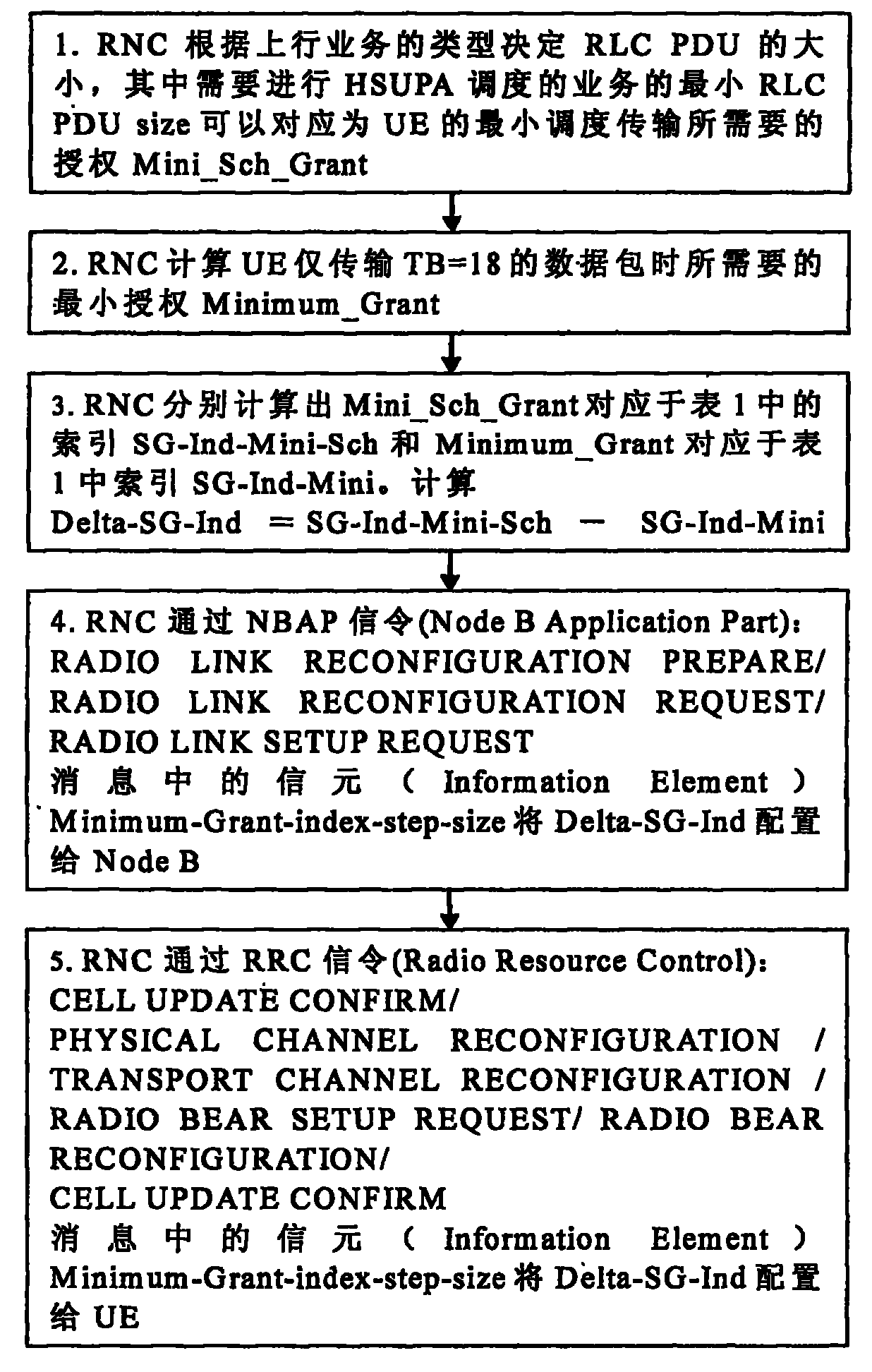
图1是本发明的操作流程图;Fig. 1 is the operation flowchart of the present invention;
图2是描述了HSUPA系统的功能结构示意图;Fig. 2 is a schematic diagram describing the functional structure of the HSUPA system;
图3是描述了HSUPA系统中各个功能模块之间的信息流程图;Fig. 3 has described the information flowchart between each function module in the HSUPA system;
图4是描述了HSUPA系统中RG命令对HARQ进程的作用关系图;Fig. 4 is a relation diagram describing the effect of the RG command on the HARQ process in the HSUPA system;
图5是描述了SG与传输块大小之间的一种对应关系图。Fig. 5 is a diagram describing a correspondence relationship between SG and transport block size.
具体实施方式 Detailed ways
为便于深刻理解本发明的技术内容,下面结合附图及具体实施例对本发明进行详细说明。In order to facilitate a deep understanding of the technical content of the present invention, the present invention will be described in detail below in conjunction with the accompanying drawings and specific embodiments.
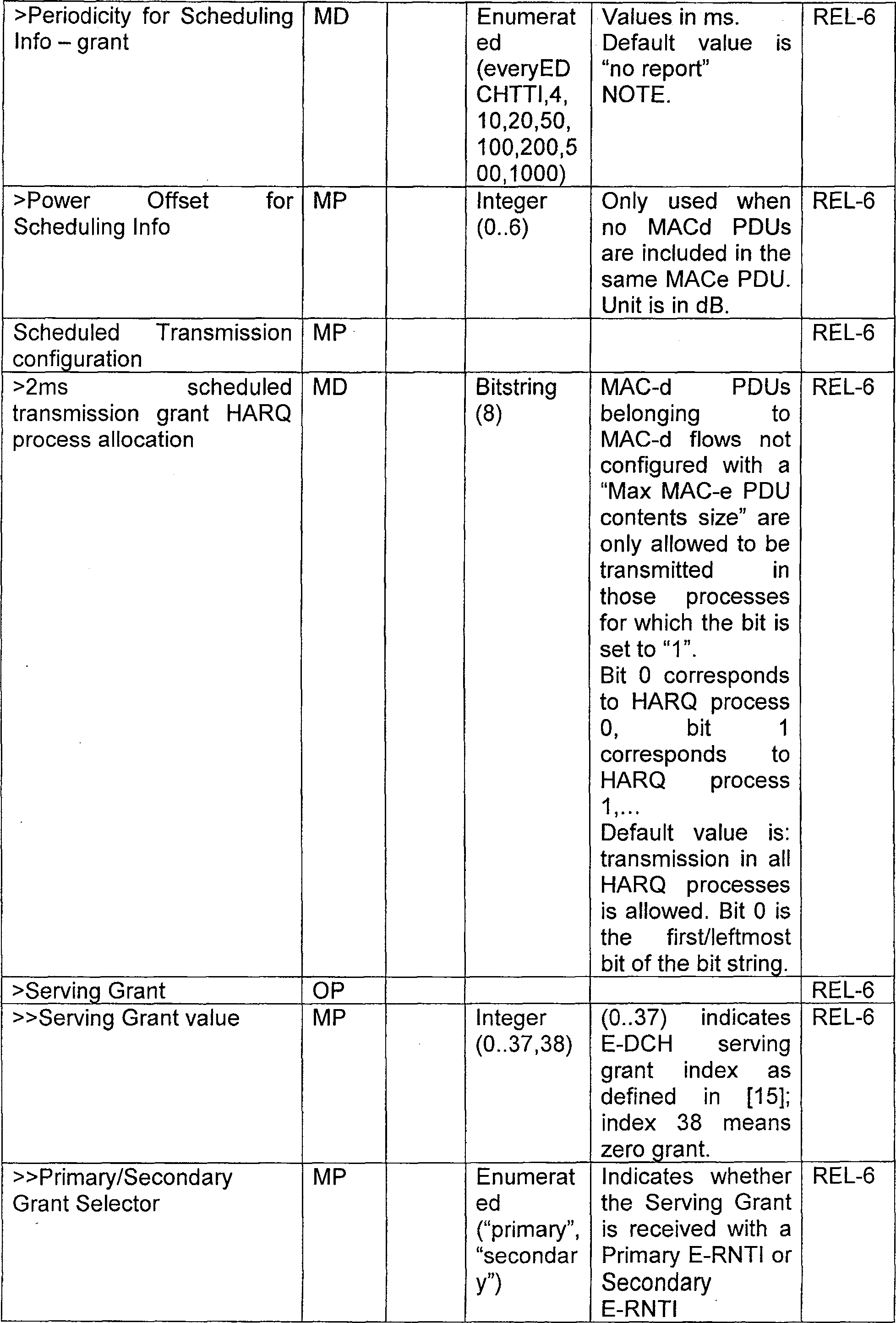
本发明通过在Node B应用部分(NBAP:Node B Application Part)协议的E-DPCH Information(E-DPCH信息,Enhanced Dedicated PhysicalChannel Information),以及在RRC(Radio Resource Control)协议的E-DPDCH Info(Enhanced Dedicated Physical Control Channel Info,增强专用物理控制信道)和E-DCH reconfiguration information(E-DCH重配信息)信元中引入新的Mininum-Grant-Index-Step-Size信息元素(IE,Information Element,如表3所示),来为UE配置适当的SG抬升步长,使得UE在使用最小的SG时,在收到RG时,仍然能够通过发送RG命令对UE进行有效地调度,迅速提高UE的调度授权,从而提高了HSUPA分组调度的效率。这里要说明的是,Mininum-Grant-Index-Step-Size以及后续提到Mininum Grant Index Step Size的含义完全相同,在不同的地方采用不同的写法是为了表达的形式更清楚而已。The present invention adopts the E-DPCH Information (E-DPCH information, Enhanced Dedicated Physical Channel Information) in the Node B Application Part (NBAP: Node B Application Part) protocol, and the E-DPDCH Info (Enhanced Dedicated Channel Information) in the RRC (Radio Resource Control) protocol. A new Mininum-Grant-Index-Step-Size information element (IE, Information Element, such as Table 3), to configure the appropriate SG boost step size for the UE, so that when the UE uses the smallest SG and receives the RG, it can still effectively schedule the UE by sending the RG command, and quickly improve the UE scheduling Authorization, thus improving the efficiency of HSUPA packet scheduling. What I want to explain here is that the meaning of Mininum-Grant-Index-Step-Size and the subsequent mention of Mininum Grant Index Step Size are exactly the same, and different writing methods are used in different places to make the expression clearer.
在NBAP协议和RRC协议中要添加的Mininum-Grant-Index-Step-Size信息元素的定义如表3所示;在E-DPCH Information中添加Mininum-Grant-Index-Step-Size信息元素的情况如表4所示,在E-DCHreconfiguration information中添加Mininum-Grant-Index-Step-Size信息元素的情况如表5所示,在E-DPDCH Info中添加Mininum-Grant-Index-Step-Size信息元素的情况如表6所示:The definition of the Mininum-Grant-Index-Step-Size information element to be added in the NBAP protocol and the RRC protocol is shown in Table 3; the situation of adding the Mininum-Grant-Index-Step-Size information element in the E-DPCH Information is as follows As shown in Table 4, the addition of the Mininum-Grant-Index-Step-Size information element in the E-DCH reconfiguration information is shown in Table 5, and the addition of the Mininum-Grant-Index-Step-Size information element in the E-DPDCH Info The situation is shown in Table 6:
表3 Minimum-Grant-Index-Step-SizeTable 3 Minimum-Grant-Index-Step-Size
表4 E-DPCH Information信元Table 4 E-DPCH Information information element
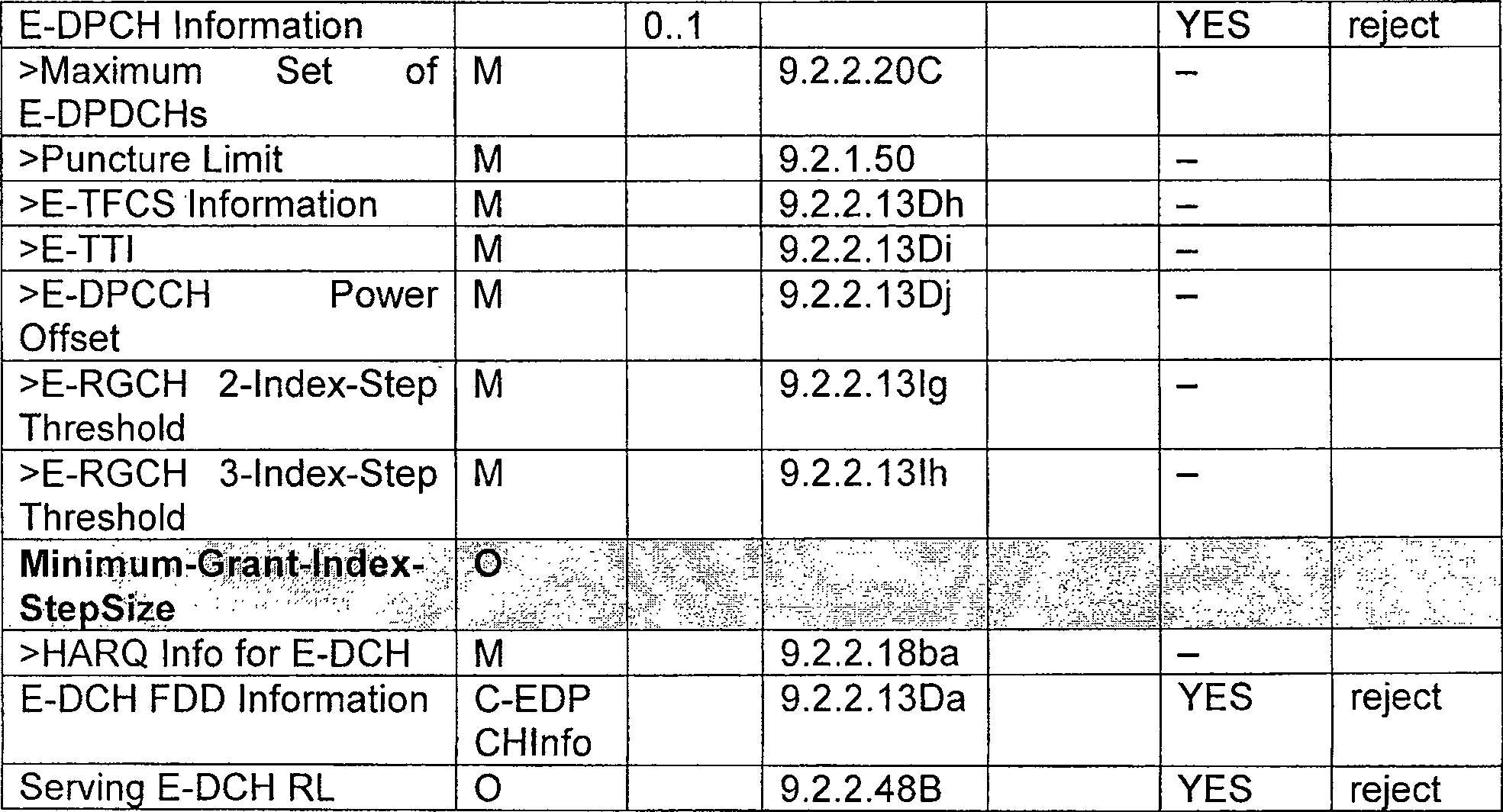
表5 E-DCH reconfiguration informationTable 5 E-DCH reconfiguration information
表6 E-DPDCH InfoTable 6 E-DPDCH Info

在本发明中,RNC为UE配置一个SG更新的抬升步长N(0≤N≤15),这个步长仅在UE使用最小的SG时有效。当UE在使用最小SG时并收到调度器的相对授权命令RG=UP时,可以根据事先配置的抬升步长来更新UE的SG,从而保证UE能够获得足够高的授权来发送更高比特速率的数据。In the present invention, the RNC configures an SG update step size N (0≤N≤15) for the UE, and this step size is only valid when the UE uses the smallest SG. When the UE is using the minimum SG and receives the relative grant command RG=UP from the scheduler, the UE’s SG can be updated according to the pre-configured lifting step size, so as to ensure that the UE can obtain a high enough grant to send a higher bit rate The data.
本发明包含的具体操作步骤如下:Concrete operation steps that the present invention comprises are as follows:
步骤1:RNC根据上行业务的类型决定RLC PDU的大小,其中需要进行HSUPA调度的业务的最小RLC PDU size可以对应为UE的最小调度传输所需要的授权Mini_Sch_Grant;Step 1: The RNC determines the size of the RLC PDU according to the type of uplink service, and the minimum RLC PDU size of the service requiring HSUPA scheduling can correspond to the authorization Mini_Sch_Grant required for the minimum scheduled transmission of the UE;
步骤2:RNC计算UE仅传输TB=18的数据包时所需要的最小授权Minimum_Grant;Step 2: RNC calculates the minimum authorization Minimum_Grant required when the UE only transmits data packets with TB=18;
步骤3:RNC分别计算出Mini_Sch_Grant对应于表1中的索引SG-Ind-Mini-Sch和Minimum_Grant对应于表1中索引SG-Ind-Mini,Minimum_Grant通常对应于表1中索引为0。计算Delta-SG-Ind:Step 3: RNC calculates that Mini_Sch_Grant corresponds to index SG-Ind-Mini-Sch in Table 1 and Minimum_Grant corresponds to index SG-Ind-Mini in Table 1, and Minimum_Grant usually corresponds to
Delta-SG-Ind=SG-Ind-Mini-Sch-SG-Ind-Mini(1)Delta-SG-Ind=SG-Ind-Mini-Sch-SG-Ind-Mini(1)
步骤4:RNC通过NBAP信令(Node B Application Part):RADIO LINKRECONFIGURATION PREPARE/RADIO LINK RECONFIGURATION REQUEST/RADIOLINK SETUP REQUEST/RADIO LINK ADDITION消息中的信元(InformationElement)Minimum-Grant-index-step-size将Delta-SG-Ind配置给Node B;Step 4: RNC through NBAP signaling (Node B Application Part): RADIO LINK RECONFIGURATION PREPARE/RADIO LINK RECONFIGURATION REQUEST/RADIOLINK SETUP REQUEST/RADIO LINK ADDITION information element (InformationElement) Minimum-Grant-index-step-size Delta - SG-Ind is configured to Node B;
步骤5:RNC通过RRC信令(Radio Resource Control):CELL UPDATECONFIRM/PHYSICAL CHANNEL RECONFIGURATION/TRANSPORT CHANNELRECONFIGURATION/RADIO BEAR SETUP REQUEST/RADIO BEARRECONFIGURATION/CELL UPDATE CONFIRM消息中的信元(InformationElement)Minimum-Grant-index-step-size将Delta-SG-Ind配置给UE。Step 5: RNC signaling through RRC (Radio Resource Control): CELL UPDATE CONFIRM/PHYSICAL CHANNEL RECONFIGURATION/TRANSPORT CHANNELRECONFIGURATION/RADIO BEAR SETUP REQUEST/RADIO BEAR RECONFIGURATION/CELL UPDATE CONFIRM information element (InformationElement-index-step-Grant) Minimum -size configures Delta-SG-Ind to UE.
这样,当UE的SG等于Minimum_Grant时,UE收到RG=UP命令,UE的SG更新为SG=Minimum_Grant+Delta-SG-Ind,就可以保证UE的SG可以发送SG-Ind-Mini-Sch所对应的RLC PDU SIZE的数据包了,可以根据事先配置的抬升步长来更新UE的SG,从而保证UE能够获得足够高的授权来发送更高比特速率的数据。通过本发明,使用RG就可以对处于最小调度授权状态的UE得到调度,而不必使用AG命令,从而节省了调度资源,提高了调度的效率。In this way, when the UE's SG is equal to Minimum_Grant, the UE receives the RG=UP command, and the UE's SG is updated to SG=Minimum_Grant+Delta-SG-Ind, which can ensure that the UE's SG can send the SG-Ind-Mini-Sch corresponding The RLC PDU SIZE data packet, the SG of the UE can be updated according to the pre-configured lifting step size, so as to ensure that the UE can obtain a high enough authorization to send data at a higher bit rate. Through the present invention, the UE in the minimum scheduling authorization state can be scheduled by using the RG without using an AG command, thereby saving scheduling resources and improving scheduling efficiency.
下面用一个HSUPA系统中RNC动态分配RG步长的实施例来进一步说明本发明。The present invention will be further described below with an embodiment in which the RNC dynamically allocates the RG step size in an HSUPA system.
按照发明步骤1,UEi发起业务时,RNC首先根据业务类型决定RLC PDU的大小,例如为160,加上报文开销,对应的TB=186,Mini_Sch_Grant=(9/15)^2;According to
按照发明步骤2,RNC计算TB=18时Minimum_Grant的大小为(5/15)^2;According to
按照发明步骤3,Mini_Sch_Grant对应的SG-Ind-Mini-Sch为4,Minimum_Grant对应的SG-Ind-Mini为0,因此Delta-SG-Ind=4;According to the
按照发明步骤4,RNC通过NEAP信令(Node B Application Part):RADIOLINK RECONFIGURATION PREPARE/RADIO LINK RECONFIGURATION REQUEST/RADIO LINK SETUP REQUEST消息中的E-DPCH Information信元(InformationElement)(表3所示)中的Minimum-Grant-index-step size将Delta-SG-Ind=4配置给Node B;According to
按照发明步骤5,RNC通过RRC信令(Radio Resource Control):CELLUPDATE CONFIRM/PHYSICAL CHANNEL RECONFIGURATION/TRANSPORT CHANNELRECONFIGURATION/RADIO BEAR SETUP REQUEST/RADIO BEARRECONFIGURATION/CELL UPDATE CONFIRM消息中的E-DPDCH Info(如表6所示)和E-DCH reconfiguration information(如表5所示)信元(Information Element)中的Minimum-Grant-index-step-size将Delta-SG-Ind=4配置给UE。According to
这时当UE的SG为Mininum_Grant时,RG=UP命令可以将UE的SG提高到SG=Mininum_Grant+4,此时UE的SG可以发送TB=186的数据包了。At this time, when the SG of the UE is Mininum_Grant, the RG=UP command can increase the SG of the UE to SG=
当然,本发明还可有其他多种实施例,在不背离本发明精神及其实质的情况下,熟悉本领域的技术人员当可根据本发明作出各种相应的改变和变形,但这些相应的改变和变形都应属于本发明所附的权利要求的保护范围。Of course, the present invention can also have other various embodiments, and those skilled in the art can make various corresponding changes and deformations according to the present invention without departing from the spirit and essence of the present invention, but these corresponding Changes and deformations should belong to the scope of protection of the appended claims of the present invention.
Claims (5)
Priority Applications (1)
| Application Number | Priority Date | Filing Date | Title |
|---|---|---|---|
| CNB2007100735722A CN100512565C (en) | 2007-03-14 | 2007-03-14 | Method for enhancing wireless communication up-grouping dispatch |
Applications Claiming Priority (1)
| Application Number | Priority Date | Filing Date | Title |
|---|---|---|---|
| CNB2007100735722A CN100512565C (en) | 2007-03-14 | 2007-03-14 | Method for enhancing wireless communication up-grouping dispatch |
Publications (2)
| Publication Number | Publication Date |
|---|---|
| CN101022593A CN101022593A (en) | 2007-08-22 |
| CN100512565C true CN100512565C (en) | 2009-07-08 |
Family
ID=38710219
Family Applications (1)
| Application Number | Title | Priority Date | Filing Date |
|---|---|---|---|
| CNB2007100735722A Expired - Fee Related CN100512565C (en) | 2007-03-14 | 2007-03-14 | Method for enhancing wireless communication up-grouping dispatch |
Country Status (1)
| Country | Link |
|---|---|
| CN (1) | CN100512565C (en) |
Families Citing this family (13)
| Publication number | Priority date | Publication date | Assignee | Title |
|---|---|---|---|---|
| CN101316404B (en) * | 2007-05-30 | 2011-08-24 | 中兴通讯股份有限公司 | Method for improving scheduling efficiency of wireless communication ascending packet |
| MY150961A (en) * | 2007-09-28 | 2014-03-31 | Interdigital Patent Holdings | Method and apparatus for high-speed transmission on rach |
| JP5168066B2 (en) * | 2008-10-01 | 2013-03-21 | 日本電気株式会社 | Mobile communication system, radio base station, and transmission rate allocation method |
| CA2759263C (en) * | 2009-04-24 | 2015-11-24 | Interdigital Patent Holdings, Inc. | Method and apparatus for generating a radio link control protocol data unit for multi-carrier operation |
| CN101969664B (en) * | 2009-07-28 | 2013-01-23 | 华为技术有限公司 | Scheduling authorization processing method and device |
| CN102264144A (en) * | 2010-05-28 | 2011-11-30 | 大唐移动通信设备有限公司 | Resource scheduling method, apparatus thereof, and system thereof |
| CN102006154A (en) * | 2010-11-18 | 2011-04-06 | 中国人民解放军理工大学 | Multi-code channel hybrid automatic repeat request (ARQ) method based on selective repeat |
| CN102820953B (en) * | 2012-07-13 | 2015-05-06 | 华为技术有限公司 | Method for sending and receiving control signaling selected by E-TFC (Enhanced-Transport Format Combination) and related device |
| CN104854897A (en) * | 2013-11-15 | 2015-08-19 | 华为技术有限公司 | Uplink scheduling optimization method, user equipment, base station and radio network controller |
| WO2016045062A1 (en) * | 2014-09-25 | 2016-03-31 | 华为技术有限公司 | Data packet transmission device, system and method |
| US10560358B2 (en) * | 2015-08-11 | 2020-02-11 | Lg Electronics Inc. | Method for performing uplink packet delay measurements in a wireless communication system and a device therefor |
| CN107613557B (en) * | 2016-07-11 | 2020-03-24 | 电信科学技术研究院 | Method, terminal, network equipment and system for determining transmitting power |
| CN108270516B (en) * | 2016-12-30 | 2023-07-18 | 华为技术有限公司 | A data transmission method, device and system |
-
2007
- 2007-03-14 CN CNB2007100735722A patent/CN100512565C/en not_active Expired - Fee Related
Also Published As
| Publication number | Publication date |
|---|---|
| CN101022593A (en) | 2007-08-22 |
Similar Documents
| Publication | Publication Date | Title |
|---|---|---|
| CN100512565C (en) | Method for enhancing wireless communication up-grouping dispatch | |
| JP4806725B2 (en) | Method and apparatus for extended dedicated channel transmission control | |
| CN101420744B (en) | Radio communication system, radio communication method, base station and radio terminal | |
| EP2315485A1 (en) | Event trigger for transmitting scheduling information in wireless communication networks | |
| US7885265B2 (en) | Transmission control method, mobile station, radio base station, and radio network controller | |
| JP2017022787A (en) | Method and apparatus for wireless transmissions using multiple uplink carriers | |
| CN101257371B (en) | Method and device for processing wireless communication uplink grouping scheduling | |
| CN101001454A (en) | User dispatching method and system in uplink enhanced link | |
| CN101409913A (en) | Radio communication system, radio communication method and base station | |
| CN101316404B (en) | Method for improving scheduling efficiency of wireless communication ascending packet | |
| CN101127725A (en) | Method, device and system for channel unit scheduling | |
| EP1868403B1 (en) | Transmission rate control method, radio network controller and radio base station | |
| CN101521562B (en) | Radio communication system, radio communication method and base station | |
| CN100531442C (en) | Method for enhancing wireless communication up-link service quality | |
| CN101146318B (en) | A method and device for uplink load control and error correction | |
| CN101447809B (en) | Processing device of uplink service scheduling in broadband code division multiple access system and method thereof | |
| CN101188486B (en) | Non-scheduled resource and scheduled resource sharing method in uplink enhanced system | |
| CN100508470C (en) | Method for measuring IUB interface usable bandwidth and interface rate | |
| CN101409924A (en) | Radio communication system, radio communication method and base station | |
| CN101166152A (en) | An E-DCH non-serving link scheduling method and device | |
| CN1852074B (en) | Scheduling method for uplink enhanced link and method for obtaining uplink channel quality information | |
| CN101420763A (en) | Method, system and apparatus for obtaining actual access capability information of UE | |
| CN101316432B (en) | Method for controlling ascending load of cell | |
| CN101217298B (en) | A method to reduce and enhance the code rate of absolute authorization channel of private channel | |
| JP2006270279A (en) | Mobile communications system, base station apparatus and method of controlling rate used for it |
Legal Events
| Date | Code | Title | Description |
|---|---|---|---|
| C06 | Publication | ||
| PB01 | Publication | ||
| C10 | Entry into substantive examination | ||
| SE01 | Entry into force of request for substantive examination | ||
| C14 | Grant of patent or utility model | ||
| GR01 | Patent grant | ||
| CF01 | Termination of patent right due to non-payment of annual fee |
Granted publication date: 20090708 Termination date: 20150314 |
|
| EXPY | Termination of patent right or utility model |