CN100452898C - Load sharing method and system in wireless base station - Google Patents
Load sharing method and system in wireless base station Download PDFInfo
- Publication number
- CN100452898C CN100452898C CNB2004800421912A CN200480042191A CN100452898C CN 100452898 C CN100452898 C CN 100452898C CN B2004800421912 A CNB2004800421912 A CN B2004800421912A CN 200480042191 A CN200480042191 A CN 200480042191A CN 100452898 C CN100452898 C CN 100452898C
- Authority
- CN
- China
- Prior art keywords
- base station
- wireless
- signal
- communication equipment
- downlink data
- Prior art date
- Legal status (The legal status is an assumption and is not a legal conclusion. Google has not performed a legal analysis and makes no representation as to the accuracy of the status listed.)
- Expired - Fee Related
Links
Images




Classifications
-
- H—ELECTRICITY
- H04—ELECTRIC COMMUNICATION TECHNIQUE
- H04W—WIRELESS COMMUNICATION NETWORKS
- H04W28/00—Network traffic management; Network resource management
- H04W28/02—Traffic management, e.g. flow control or congestion control
- H04W28/08—Load balancing or load distribution
- H04W28/086—Load balancing or load distribution among access entities
- H04W28/0861—Load balancing or load distribution among access entities between base stations
-
- H—ELECTRICITY
- H04—ELECTRIC COMMUNICATION TECHNIQUE
- H04W—WIRELESS COMMUNICATION NETWORKS
- H04W88/00—Devices specially adapted for wireless communication networks, e.g. terminals, base stations or access point devices
- H04W88/08—Access point devices
-
- H—ELECTRICITY
- H04—ELECTRIC COMMUNICATION TECHNIQUE
- H04W—WIRELESS COMMUNICATION NETWORKS
- H04W92/00—Interfaces specially adapted for wireless communication networks
- H04W92/16—Interfaces between hierarchically similar devices
- H04W92/20—Interfaces between hierarchically similar devices between access points
Landscapes
- Engineering & Computer Science (AREA)
- Computer Networks & Wireless Communication (AREA)
- Signal Processing (AREA)
- Mobile Radio Communication Systems (AREA)
Abstract
Description
技术领域 technical field
本发明涉及通信领域,更确切的说,涉及一种在移动通信系统中分担基站的负荷的方法。The present invention relates to the communication field, more specifically, relates to a method for sharing the load of a base station in a mobile communication system.
背景技术 Background technique
在移动通信系统中,基站(BTS)完成无线信号的发射、接收和处理。如图1(a)所示,传统的BTS主要由基带处理子系统、射频(RF)子系统和天线组成,一个BTS可以通过多个天线覆盖不同的小区。如图1(b)所示,各个BTS通过一定的接口分别与基站控制器(BSC)或无线网络控制器(RNC)相连,例如在WCDMA(宽带码分多址)系统中,这一接口即为Iub接口。In a mobile communication system, a base station (BTS) completes the transmission, reception and processing of wireless signals. As shown in Figure 1(a), a traditional BTS is mainly composed of a baseband processing subsystem, a radio frequency (RF) subsystem, and antennas. A BTS can cover different cells through multiple antennas. As shown in Figure 1(b), each BTS is connected to the base station controller (BSC) or radio network controller (RNC) through a certain interface, for example, in a WCDMA (Wideband Code Division Multiple Access) system, this interface is For the Iub interface.
术语“蜂窝”是指以“小区”(cell)作为通信系统的单元。术语“小区”是指每一个BTS提供一接入服务的区域。The term "cellular" refers to a "cell" (cell) as a unit of a communication system. The term "cell" refers to an area where each BTS provides an access service.
在传统BTS系统中,由于基带处理子系统、RF子系统和天线在地理上集中在一起,因此每个小区必须配置足够数量的信道处理资源以满足每个小区的峰值业务量,因此代价较高。基于远程天线单元的集中式BTS系统正是针对这一问题提出的一种低代价的BTS结构,PCT专利“W09005432,通信系统”,美国专利“US5657374,具有集中式基站和分布式天线单元的蜂窝系统”,“US6324391,具有集中式控制和信号处理的蜂窝通信”,中国专利“CN1211889,利用混合系统的双工室外BTS收发信机子系统”,及美国专利申请“US20030171118,蜂窝无线发送装置和蜂窝发送方法”等均披露了这一技术的有关实现细节。In the traditional BTS system, since the baseband processing subsystem, RF subsystem and antennas are geographically concentrated together, each cell must configure a sufficient number of channel processing resources to meet the peak traffic of each cell, so the cost is high . The centralized BTS system based on remote antenna unit is a low-cost BTS structure proposed for this problem, PCT patent "W09005432, communication system", US patent "US5657374, cellular with centralized base station and distributed antenna unit System", "US6324391, Cellular Communication with Centralized Control and Signal Processing", Chinese Patent "CN1211889, Duplex Outdoor BTS Transceiver Subsystem Using Hybrid System", and US Patent Application "US20030171118, Cellular Wireless Transmitter and Cellular "Sending method" and so on disclose the relevant implementation details of this technology.
如图2所示,现有的基于远程天线单元的集中式BTS系统200由集中安装的中央信道处理子系统21与远程天线单元22组成。中央信道处理子系统21主要包括信道处理资源池23、信号分配单元25及线路接口单元26等功能单元,其中,信道处理资源池23由多个信道处理单元24堆叠而成,完成该BTS所拥有的小区的基带信号处理等工作,信号分配单元25则根据不同小区的实际活跃用户的情况,动态分配信道处理资源,实现多小区对处理资源的有效共享。远程天线单元22主要由发射通道的射频功率放大器、接收通道的低噪声放大器和天线等构成。中央信道处理子系统21与远程天线单元22的链路典型的可以采用光纤、铜缆、微波等传输介质;信号传输方式可以是经采样后的数字信号,或者是经调制的模拟信号;信号可以采用基带信号,中频信号或者射频信号。关于动态信道处理资源分配的技术,可以参考美国专利“US6353600,使用集中式基站体系结构的CDMA系统的动态扇区化”与“US6594496,集中式基站体系结构中的自适应容量管理”等文献。图4(a)示出了现有技术中所采用的信号分配方式,其中将某个小区的信道处理工作全部交换至其它基站。As shown in FIG. 2 , the existing centralized BTS
但是,根据现有技术实现的采用远程天线单元的集中式BTS系统仍存在一定的信道处理资源分配问题。如前所述,在采用远程天线单元的集中式BTS系统中,由于多小区对信道处理资源的复用,因此实际的信道处理资源总量可以小于所有小区的总峰值业务量。例如,某集中式BTS系统最大支持10个远程天线单元,每个远程天线单元对应一个小区。假如每个小区的峰值业务量为等效的96个业务信道,则所有小区的总峰值业务量为960个业务信道。考虑到处理资源的复用,因此实际配置的信道处理单元数量应小于该总的峰值业务量。这样,当某集中式BTS系统所所有的小区均达到很高的业务量时,则该集中式BTS系统的信道处理资源将不能满足实际的业务量需求,从而造成影响服务质量的呼损。However, the centralized BTS system using remote antenna units implemented according to the prior art still has certain channel processing resource allocation problems. As mentioned above, in a centralized BTS system using remote antenna units, due to the multiplexing of channel processing resources by multiple cells, the actual total amount of channel processing resources can be smaller than the total peak traffic of all cells. For example, a centralized BTS system supports a maximum of 10 remote antenna units, and each remote antenna unit corresponds to a cell. Assuming that the peak traffic volume of each cell is equivalent to 96 traffic channels, the total peak traffic volume of all cells is 960 traffic channels. Considering the multiplexing of processing resources, the number of actually configured channel processing units should be smaller than the total peak traffic. In this way, when all the cells of a certain centralized BTS system have a high traffic volume, the channel processing resources of the centralized BTS system will not be able to meet the actual traffic demand, thus causing call loss that affects the quality of service.
虽然提高集中式BTS系统的信道处理资源数量可以减小发生这一问题的频率,但是却抵消了集中式BTS系统因多小区对信道处理资源的复用而带来的资源利用率高的好处,因此,针对这一问题,本发明提出了一种既允许采用尽可能低的信道处理资源配置,而又能避免因资源不足而造成的呼损的方法。Although increasing the number of channel processing resources of the centralized BTS system can reduce the frequency of this problem, it offsets the benefits of high resource utilization brought by the multiplexing of channel processing resources by multiple cells in the centralized BTS system. Therefore, aiming at this problem, the present invention proposes a method that not only allows the allocation of channel processing resources as low as possible, but also avoids call loss caused by insufficient resources.
发明内容 Contents of the invention
本发明的目的是提供一种既允许采用尽可能低的信道处理资源配置而又能避免因资源不足造成的呼损的方法以优化无线BTS系统的资源配置,解决上述的问题。The purpose of the present invention is to provide a method that not only allows the use of the lowest possible channel processing resource configuration but also avoids call loss caused by insufficient resources to optimize the resource configuration of the wireless BTS system and solve the above problems.
根据本发明的一个方面,提供了一种无线基站,所述基站在操作中与无线网络控制设备,其它无线基站和用户单元相连,包括:第一通信设备,用于从无线网络控制设备接收下行数据帧,以及向无线网络控制设备发送上行数据帧;第二通信设备,用于向用户单元发送下行无线信号,以及从用户单元接收上行无线信号;信道处理设备,用于将下行数据帧处理成下行无线信号,以及将上行无线信号处理成上行数据帧;和信号分配单元,用于将下行数据帧和上行无线信号分配给本地和/或其他无线基站的信道处理设备以便进行处理,所述无线基站还包括用于和其它无线基站通信的第三通信设备,并且所述信号分配单元还包括:转发控制装置,用于通过第三通信设备将部分下行数据帧或部分上行无线信号发送至所述其它无线基站,以及从所述其它无线基站接收相应的下行无线信号或上行数据帧。According to one aspect of the present invention, there is provided a wireless base station, said base station is connected to a wireless network control device, other wireless base stations and subscriber units in operation, comprising: a first communication device for receiving a downlink from the wireless network control device data frame, and send the uplink data frame to the wireless network control device; the second communication device is used to send the downlink wireless signal to the user unit, and receive the uplink wireless signal from the user unit; the channel processing device is used to process the downlink data frame into Downlink wireless signals, and processing uplink wireless signals into uplink data frames; and a signal distribution unit, used for distributing downlink data frames and uplink wireless signals to local and/or channel processing devices of other wireless base stations for processing, said wireless The base station also includes a third communication device for communicating with other wireless base stations, and the signal distribution unit further includes: forwarding control means for sending part of the downlink data frame or part of the uplink wireless signal to the other wireless base stations, and receive corresponding downlink wireless signals or uplink data frames from the other wireless base stations.
根据本发明的另一方面,还提供一种无线基站系统,包括第一基站和第二基站,以及无线网络控制设备,所述第一基站包括:第一通信设备,用于从无线网络控制设备接收下行数据帧,以及向无线网络控制设备发送上行数据帧;第二通信设备,用于向用户单元发送下行无线信号,以及从用户单元接收上行无线信号;信道处理设备,用于将下行数据帧处理成下行无线信号,以及将上行无线信号处理成上行数据帧;和信号分配单元,用于将下行数据帧和上行无线信号分配给第一基站和/或第二基站的信道处理设备以便进行处理,所述第一基站还包括用于和第二基站通信的第三通信设备,并且所述信号分配单元还包括:转发控制装置,用于通过第三通信设备将部分下行数据帧或部分上行无线信号发送至第二基站,以及从第二基站接收相应的下行无线信号或上行数据帧。According to another aspect of the present invention, there is also provided a wireless base station system, including a first base station and a second base station, and a wireless network control device, the first base station includes: a first communication device, used to control the device from the wireless network receiving the downlink data frame, and sending the uplink data frame to the wireless network control device; the second communication device is used to send the downlink wireless signal to the user unit, and receives the uplink wireless signal from the user unit; the channel processing device is used to convert the downlink data frame Processing into a downlink wireless signal, and processing the uplink wireless signal into an uplink data frame; and a signal distribution unit, configured to distribute the downlink data frame and the uplink wireless signal to the channel processing equipment of the first base station and/or the second base station for processing , the first base station further includes a third communication device for communicating with the second base station, and the signal distribution unit further includes: a forwarding control device, which is used to wirelessly transfer part of the downlink data frame or part of the uplink data frame through the third communication device The signal is sent to the second base station, and a corresponding downlink wireless signal or uplink data frame is received from the second base station.
根据本发明的另一方面,还提供一种无线基站中的通信方法,所述基站在操作中与无线网络控制设备,其它无线基站和用户单元相连,并且包括第一通信设备,第二通信设备,信道处理设备和信号分配单元,所述方法包括步骤:通过所述第一通信设备从无线网络控制设备接收下行数据帧;通过所述第一通信设备向无线网络控制设备发送上行数据帧;通过所述第二通信设备向用户单元发送下行无线信号;通过所述第二通信设备从用户单元接收上行无线信号;通过信号分配单元将下行数据帧和上行无线信号提供给本地和/或其他无线基站的信道处理设备以便进行处理;和在所述信道处理设备将下行数据帧处理成下行无线信号,以及将上行无线信号处理成上行数据帧,其中所述无线基站还包括用于和其它无线基站通信的第三通信设备,所述方法所述提供步骤还包括步骤:通过第三通信设备将部分下行数据帧或部分上行无线信号发送至所述其它无线基站;和通过第三通信设备从所述其它无线基站接收相应的下行无线信号或上行数据帧。According to another aspect of the present invention, there is also provided a communication method in a wireless base station, the base station is in operation connected with a wireless network control device, other wireless base stations and subscriber units, and includes a first communication device, a second communication device , a channel processing device and a signal distribution unit, the method includes the steps of: receiving a downlink data frame from a wireless network control device through the first communication device; sending an uplink data frame to the wireless network control device through the first communication device; The second communication device sends a downlink wireless signal to the user unit; receives an uplink wireless signal from the user unit through the second communication device; provides the downlink data frame and the uplink wireless signal to the local and/or other wireless base stations through the signal distribution unit A channel processing device for processing; and processing the downlink data frame into a downlink wireless signal at the channel processing device, and processing the uplink wireless signal into an uplink data frame, wherein the wireless base station also includes a channel for communicating with other wireless base stations The third communication device of the method, the providing step of the method further includes the steps of: sending part of the downlink data frame or part of the uplink wireless signal to the other wireless base station through the third communication device; The wireless base station receives corresponding downlink wireless signals or uplink data frames.
根据本发明的另一方面,还提供一种无线基站系统中的通信方法,所述无线基站系统包括第一基站和第二基站,以及无线网络控制设备,所述第一基站包括第一通信设备,第二通信设备,信道处理设备和信号分配单元,其中在所述第一基站中:通过所述第一通信设备从无线网络控制设备接收下行数据帧;通过所述第一通信设备向无线网络控制设备发送上行数据帧;通过所述第二通信设备向用户单元发送下行无线信号;通过所述第二通信设备从用户单元接收上行无线信号;通过信号分配单元将下行数据帧和上行无线信号提供给第一基站和/或第二基站的信道处理设备以便进行处理;和在所述信道处理设备将下行数据帧处理成下行无线信号,以及将上行无线信号处理成上行数据帧,其中所述第一基站还包括用于和第二基站通信的第三通信设备,所述方法的所述提供步骤还包括步骤:在所述第一基站中通过第三通信设备将部分下行数据帧或部分上行无线信号发送至所述第二无线基站;和在所述第一基站中通过第三通信设备从所述第二基站接收相应的下行无线信号或上行数据帧。According to another aspect of the present invention, a communication method in a wireless base station system is also provided, the wireless base station system includes a first base station and a second base station, and a wireless network control device, the first base station includes a first communication device , a second communication device, a channel processing device and a signal distribution unit, wherein in the first base station: receive downlink data frames from the wireless network control device through the first communication device; send data frames to the wireless network through the first communication device The control device sends the uplink data frame; sends the downlink wireless signal to the user unit through the second communication device; receives the uplink wireless signal from the user unit through the second communication device; provides the downlink data frame and the uplink wireless signal through the signal distribution unit To the channel processing device of the first base station and/or the second base station for processing; and processing the downlink data frame into a downlink wireless signal at the channel processing device, and processing the uplink wireless signal into an uplink data frame, wherein the first A base station further includes a third communication device for communicating with the second base station, and the providing step of the method further includes the step of transmitting part of the downlink data frame or part of the uplink data frame in the first base station through the third communication device sending a signal to the second wireless base station; and receiving a corresponding downlink wireless signal or uplink data frame from the second base station through a third communication device in the first base station.
在本发明的一个实施例中,BTS之间具有宽带链路接口。本地BTS通过上述的宽带链路接口与远端BTS相连接。所述的宽带链路接口包括多路复用/解复用等链路层功能,以及物理链路接口。在本发明中,改进的信号分配单元将某些无线信号直接交换至所述的宽带链路接口,并由其它远端的BTS系统分担多余的处理负荷,从而避免了因该集中式BTS系统资源不足而造成的呼损。In one embodiment of the present invention, there are broadband link interfaces between BTSs. The local BTS is connected with the remote BTS through the above-mentioned broadband link interface. The broadband link interface includes link layer functions such as multiplexing/demultiplexing, and a physical link interface. In the present invention, the improved signal distribution unit switches some wireless signals directly to the broadband link interface, and the redundant processing load is shared by other far-end BTS systems, thus avoiding the problem of the centralized BTS system resources Insufficient call loss.
本发明的方法的优点还包括能实现BTS系统的高可用性,即当某BTS的信道处理资源部分或全部发生故障而不可工作时,通过该技术仍能保证用户的接入。The method of the present invention also has the advantages of being able to realize high availability of the BTS system, that is, when some or all of the channel processing resources of a certain BTS fail to work, the technology can still guarantee the user's access.
附图说明 Description of drawings
根据下面结合附图对实施例所进行的描述可更加全面地理解本发明的上述和其它目的、特征和优点,其中:The above and other objects, features and advantages of the present invention can be more fully understood according to the following description of the embodiments in conjunction with the accompanying drawings, wherein:
图1(a)是传统BTS系统的结构图;Fig. 1 (a) is the structural diagram of traditional BTS system;
图1(b)传统BTS与BSC/RNC网络结构图;Figure 1(b) network structure diagram of traditional BTS and BSC/RNC;
图2是采用远端天线单元的集中式BTS系统结构图;Fig. 2 is a centralized BTS system structure diagram using a remote antenna unit;
图3是支持处理资源共享与负荷分担的集中式BTS系统结构图;Fig. 3 is a structural diagram of a centralized BTS system supporting processing resource sharing and load sharing;
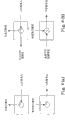
图4(a)是现有信道中上行下行两种信号分配方式图;Fig. 4 (a) is a diagram of the uplink and downlink signal distribution methods in the existing channel;
图4(b)是本发明的信道中上行下行两种信号的分配方式图;Fig. 4 (b) is the distribution mode figure of two kinds of signals of uplink and downlink in the channel of the present invention;
图5是支持处理资源共享与负荷分担的传统BTS系统结构图;Fig. 5 is a traditional BTS system structure diagram supporting processing resource sharing and load sharing;
图6是基于负荷分担的BTS接口间传输信息图;Fig. 6 is a diagram of transmission information between BTS interfaces based on load sharing;
图7是基于负荷分担的BTS的用户面数据/信号流向图;而Fig. 7 is the user plane data/signal flow diagram based on the BTS of load sharing; And
图8示出了基于负荷分担的网络结构的一个实施例。Fig. 8 shows an embodiment of a network structure based on load sharing.
具体实施方式 Detailed ways
下面将参照附图具体描述本发明的基站和方法,其中由于本发明的方法涉及BSC/RNC和BTS的协同操作,这里将结合BSC/RNC和BTS的说明来描述本发明的方法步骤。The base station and method of the present invention will be described in detail below with reference to the accompanying drawings. Since the method of the present invention involves the coordinated operation of BSC/RNC and BTS, the steps of the method of the present invention will be described here in conjunction with the descriptions of BSC/RNC and BTS.
图3示出了根据本发明的支持处理资源共享与负荷分担的集中式基站系统300,其与传统基站系统相比,中央信道处理子系统31具有改进的信号分配单元35,并且增加了与其它基站相连接的链路接口37。这样,该方案允许集中式基站系统配置数量较小的信道处理资源,其中当信道处理资源池33的占用达到一定上限时,或者基于负载均衡等调度策略,或者在出现故障时,改进的信号分配单元35将某些业务信道所属的信号直接交换至与其它基站相连接的宽带链路接口37,并由其它远端的基站系统分担多余的处理负荷,从而避免了因该集中式基站系统资源不足而造成的呼损。Fig. 3 shows a centralized
以WCDMA系统为例,来自一个小区的上行信号包含了多个经上行复扰码扩频的上行物理信道,当采用图4(b)所示的信号分配方式时,该上行信号被同时分配至本地BTS的上行处理单元和其它BTS,并分别由本地BTS和远端BTS完成一部分上行物理信道的处理,包括匹配滤波、解扩、信道估计、RAKE合并、信干比(SIR)估计、解交织、信道解码等操作。另一方面,一个小区的下行信号是由多个经正交可变扩频因子码扩频的下行物理信道码分复用在一起的,因此,可以由本地BTS和远端BTS分别完成一部分下行物理信道的处理,包括信道编码、交织、速率匹配、扩频、加扰、调制、波形成形滤波等操作,然后将各自生成的一部分下行物理信道相加而生成该小区的下行信号。Taking the WCDMA system as an example, the uplink signal from a cell contains multiple uplink physical channels spread by the uplink complex scrambling code. When the signal allocation method shown in Figure 4(b) is used, the uplink signal is simultaneously allocated to The uplink processing unit of the local BTS and other BTSs, and the local BTS and the remote BTS respectively complete the processing of a part of the uplink physical channel, including matched filtering, despreading, channel estimation, RAKE combination, signal-to-interference ratio (SIR) estimation, de-interleaving , channel decoding and other operations. On the other hand, the downlink signal of a cell is code-division multiplexed by multiple downlink physical channels spread by orthogonal variable spreading factor codes. Therefore, a part of the downlink signal can be completed by the local BTS and the remote BTS respectively. Physical channel processing includes channel coding, interleaving, rate matching, spreading, scrambling, modulation, waveform shaping and filtering, etc., and then adds a part of the downlink physical channels generated respectively to generate the downlink signal of the cell.
由于上下行信号之间存在一定的联系,如在WCDMA系统中,上下行物理信道满足一定的定时关系,并且一些物理层的控制命令的产生与处理,如功率控制命令(TPC)、闭环发射分集和站点选择分集传输(SSDT)中的反馈指示(FBI)等,均需要上下行物理信道的处理由同一BTS来完成。因此,本发明在采用图4(b)所示的信号分配方式时,优选地将同一对上下行物理信道分配至同一BTS进行处理。Since there is a certain relationship between the uplink and downlink signals, for example, in the WCDMA system, the uplink and downlink physical channels satisfy a certain timing relationship, and the generation and processing of some physical layer control commands, such as power control commands (TPC), closed-loop transmit diversity And Feedback Indication (FBI) in Site Selective Diversity Transmission (SSDT), etc., all require the processing of uplink and downlink physical channels to be completed by the same BTS. Therefore, the present invention preferably allocates the same pair of uplink and downlink physical channels to the same BTS for processing when the signal allocation method shown in FIG. 4( b ) is adopted.
在本发明中,采用图4(b)所示的信号分配方式的好处在于,不同于现有技术中每次按某个小区的信号整个进行分配,而是允许将同一小区的信号根据处理资源的需要灵活地进行划分,从而减小可能出现的处理资源的浪费,提高处理资源的利用率。另外,本发明并不限定提供负荷分担的远端BTS的数目,因此,允许多个远端BTS同时提供可用的处理资源,从而增加系统的灵活性。除了负荷分担而提高了资源利用率的优势,本发明提供的另一个好处在于高可用性,即当某BTS的信道处理资源部分或全部发生故障而不可工作时,通过采用本发明的技术,允许远端BTS为其提供处理资源,从而实现系统的高可用性。因此,尽管本发明的负荷分担技术是基于优化集中式BTS的信道处理资源配置而提出的,但实际上,该技术同样适用于传统BTS,如图5所示。In the present invention, the advantage of adopting the signal allocation method shown in Fig. 4(b) is that it is different from the prior art in which the signals of a certain cell are all allocated each time, but it allows the signals of the same cell to be allocated according to the processing resource The need for flexible division, thereby reducing the possible waste of processing resources and improving the utilization of processing resources. In addition, the present invention does not limit the number of remote BTSs that provide load sharing, so multiple remote BTSs are allowed to provide available processing resources at the same time, thereby increasing the flexibility of the system. In addition to the advantage of improving resource utilization by load sharing, another benefit provided by the present invention is high availability, that is, when some or all of the channel processing resources of a certain BTS fail and cannot work, by adopting the technology of the present invention, remote The terminal BTS provides processing resources for it, so as to realize the high availability of the system. Therefore, although the load sharing technology of the present invention is proposed based on optimizing the channel processing resource configuration of the centralized BTS, in fact, the technology is also applicable to the traditional BTS, as shown in FIG. 5 .
根据本发明,与远端BTS相连接的宽带链路接口包括多路复用/解复用等链路层功能,以及物理链路接口,如采用光纤时的光电转换与电光转换模块、光收发器等单元。图6是基于负荷分担的BTS接口间传输信息图。如图6所示,该宽带链路除了传输基于负荷分担而分配的上下行小区无线信号外,至少还需要传输以下几种信息:小区定时同步信息;经本地BTS 61转发的来自BSC/RNC的下行数据帧及由远端BTS 62处理后形成的返回本地BTS 61的上行数据帧;经本地BTS 61转发的来自小区的上行无线信号及由远端BTS 62处理后形成的返回本地BTS 61的下行无线信号;以及本地BTS 61与远端BTS 62之间的控制信息。由于该宽带链路既要传输基于负荷分担而分配的上下行小区无线信号,还要传输小区定时同步信息、上下行数据帧及BTS之间的控制信息等信息,因此,基于负荷分担而分配的上下行小区无线信号优选地采用数字传输方式,从而便于上述信息在同一链路上传输。考虑到链路带宽的限制,优选地采用数字基带信号或数字中频信号进行传输,或优选地采用宽带链路。然而这些措施并不是必须的,可以根据具体需要加以选择。According to the present invention, the broadband link interface connected with the far-end BTS includes link layer functions such as multiplexing/demultiplexing, and physical link interfaces, such as photoelectric conversion and electro-optical conversion modules, optical transceivers, etc. device and other units. Fig. 6 is a diagram of transmission information between BTS interfaces based on load sharing. As shown in Figure 6, in addition to transmitting the uplink and downlink cell wireless signals allocated based on load sharing, the broadband link also needs to transmit at least the following information: cell timing synchronization information; The downlink data frame and the uplink data frame returned to the
图7是基于负荷分担的BTS的用户面数据/信号流向图。如图7所示的本发明的BTS 71和BTS 72之间的数据传输路由如下所述。在下行方向,来自BSC/RNC 73的下行数据帧经本地BTS 71转发至远端BTS 72,由远端BTS 72生成部分或全部指定小区的下行物理信道并形成基带或中频数字信号,该数字信号再经由本地BTS 71与远端BTS 72之间的宽带链路传输至本地BTS 71,并在本地BTS 71中形成该小区的下行链路无线信号并通过天线74发送出去;在上行方向,由天线74接收的指定小区的上行链路无线信号经由本地BTS 71的信号分配单元和上述宽带链路路由至远端BTS 72,由远端BTS 72进行基带处理后形成上行数据帧,该上行数据帧再由远端BTS 72经上述宽带链路返回本地BTS 71,最后由本地BTS 71传送至BSC/RNC 73。Fig. 7 is a flow diagram of user plane data/signals of BTS based on load sharing. The data transmission route between
为了便于具体描述,本发明将以WCDMA FDD系统为例阐述其具体实现过程。在WCDMA系统中,每个BTS即节点B(Node B)均有一个本地帧定时器(BFN),其所属小区的系统帧定时(SFN)与之相同,SFN与BFN的范围为0~4095帧,所有该小区的无线信道均是以此为参考建立的,进一步的细节可以参考TS25.402、TS25.211等协议。For the convenience of specific description, the present invention will take the WCDMA FDD system as an example to illustrate its specific implementation process. In the WCDMA system, each BTS (Node B) has a local frame timer (BFN), and the system frame timing (SFN) of the cell to which it belongs is the same, and the range of SFN and BFN is 0 to 4095 frames , all wireless channels of the cell are established based on this reference, further details can refer to TS25.402, TS25.211 and other protocols.
根据前述,当本地Node B所属某小区的部分或全部信号经由Node B之间的宽带链路分配至远端Node B进行处理时,为了使远端Node B能够正确接收和发送该小区的无线信号,本地Node B应将其BFN/SFN定时信息传递给远端Node B,这样,远端Node B就能获得正确的定时。According to the foregoing, when part or all of the signals of a cell to which the local Node B belongs are distributed to the remote Node B for processing via the broadband link between Node Bs, in order for the remote Node B to correctly receive and send the wireless signals of the cell , the local Node B should transmit its BFN/SFN timing information to the remote Node B, so that the remote Node B can obtain the correct timing.
为保证下行链路的正交性,当采用图4(b)所示的信号分配方式时,来自远端Node B和本地Node B的同一小区的无线信号定时上应严格对准。为此,根据本发明,在下行方向,由远端Node B产生的下行无线信号的定时应有一定的提前量,该提前量应略大于Node B之间的宽带传输链路的时延量。这样,当本地Node B接收到来自远端NodeB的该小区的一部分无线信号时,能够缓存后与本地Node B产生的该小区的剩余的无线信号定时对齐,用相同帧定时进行发送。对于采用图4(a)所示的信号分配方式的下行方向,尽管远端Node B直接产生了全部的某小区的下行无线信号以使正交性能够得到保证,但是,为了补偿Node B之间的宽带传输链路的传输时延,也需要定时提前量,该定时提前量应该正好与Node B之间的宽带传输链路的时延量相等。In order to ensure the orthogonality of the downlink, when the signal allocation method shown in Figure 4(b) is adopted, the radio signals from the same cell of the remote Node B and the local Node B should be strictly aligned in timing. For this reason, according to the present invention, in the downlink direction, the timing of the downlink wireless signal generated by the remote Node B should have a certain amount of advance, which should be slightly greater than the time delay of the broadband transmission link between Node Bs. In this way, when the local NodeB receives a part of the wireless signals of the cell from the remote NodeB, it can be cached and aligned with the rest of the wireless signals of the cell generated by the local NodeB, and sent with the same frame timing. For the downlink direction using the signal distribution method shown in Figure 4(a), although the remote Node B directly generates all the downlink wireless signals of a certain cell so that the orthogonality can be guaranteed, in order to compensate The transmission delay of the broadband transmission link also requires a timing advance, which should be exactly equal to the delay of the broadband transmission link between Node Bs.
为了实现基于本发明的BTS之间的处理资源共享与负荷分担,Node B之间的接口应传输Node B之间的控制信令及用户面数据帧,其中,Node B之间的控制信令包括处理资源查询、分配控制、建立、修改与释放等操作命令。处理资源查询命令用于查询远端Node B的处理资源状况。建立命令用于控制远端Node B建立处理任务以分担本地Node B的负荷。修改命令用于调节远端Node B上所述处理任务和处理资源的分配。释放命令用于结束远端Node B上的所述处理任务和释放处理资源。分配控制命令用于配置远端Node B上所述处理任务的涉及处理资源分配的各种属性。用户面数据帧的传输主要包括经本地Node B转发的来自RNC的下行数据帧及由远端Node B处理后形成的返回本地Node B的上行数据帧,另外,用户面还可以包括带内信令控制帧,用于上述提前量控制、Node B之间的宽带传输链路的时延估计等目的。本领域技术人员应当明白,除了上述方法以外,还有其它能够满足所述定时要求的方法。In order to realize processing resource sharing and load sharing between BTSs based on the present invention, the interface between Node Bs should transmit control signaling between Node Bs and user plane data frames, wherein the control signaling between Node Bs includes Handle operation commands such as resource query, allocation control, establishment, modification and release. The processing resource query command is used to query the processing resource status of the remote Node B. The establishment command is used to control the remote Node B to establish processing tasks to share the load of the local Node B. The modification command is used to adjust the allocation of processing tasks and processing resources on the remote Node B. The release command is used to end the processing tasks on the remote Node B and release processing resources. The allocation control command is used to configure various attributes related to the allocation of processing resources of the processing task on the remote Node B. The transmission of the user plane data frame mainly includes the downlink data frame from the RNC forwarded by the local Node B and the uplink data frame returned to the local Node B after being processed by the remote Node B. In addition, the user plane can also include in-band signaling The control frame is used for the purposes of the aforementioned advance control, delay estimation of the broadband transmission link between Node Bs, and the like. Those skilled in the art should understand that, in addition to the above methods, there are other methods that can meet the timing requirements.
基于本发明提出的支持处理资源共享与负荷分担的无线BTS结构,有多种组网方式及负荷分担控制策略。Based on the wireless BTS structure supporting processing resource sharing and load sharing proposed by the present invention, there are various networking modes and load sharing control strategies.
根据本发明,一种可能的组网方式是采用平面结构,即一个BTS可以与多个相临的BTS相连,这时,可以通过以下方式进行处理资源的分配控制:一种方法是由BSC/RNC承担处理资源的分配与负荷分担的控制;或是由一些特别配置有处理资源的分配管理权限的BTS承担处理资源的分配与负荷分担的控制;再或者可由各支持处理资源共享与负荷分担的BTS通过一定的动态协商过程进行处理资源的分配与负荷分担的控制。其中,第一种方式要求BSC/RNC获得相关BTS的实时资源状况,因此需要更改原有已经标准化的BTS与BSC/RNC之间的接口协议;第二种方式实现较为容易;第三种方式能够实现较优的处理资源分配控制,但实现复杂度较大。According to the present invention, a kind of possible networking mode is to adopt planar structure, namely a BTS can be connected with a plurality of adjacent BTSs, at this moment, can carry out the allocation control of processing resources in the following way: a kind of method is by BSC/ RNC undertakes the control of processing resource allocation and load sharing; or some BTSs specially configured with processing resource allocation management authority undertake the control of processing resource allocation and load sharing; or each support processing resource sharing and load sharing The BTS controls the allocation of processing resources and load sharing through a certain dynamic negotiation process. Among them, the first method requires the BSC/RNC to obtain the real-time resource status of the relevant BTS, so it is necessary to change the original standardized interface protocol between the BTS and the BSC/RNC; the second method is relatively easy to implement; the third method can It achieves better processing resource allocation control, but the implementation complexity is relatively large.
总之,可以由BSC/RNC,或由本地BTS、远端BTS和其它BTS之一,或通过BTS之间的协商来控制负荷分担控制策略,即决定要转发的信道处理和负责分担转发的信道处理的BTS。本地BTS和远端BTS在所述负荷分担控制策略的控制下执行信道处理转发和相应的处理。In short, the BSC/RNC, or one of the local BTS, remote BTS, and other BTSs, or through negotiation between BTSs can control the load sharing control strategy, that is, decide the channel processing to be forwarded and the channel processing responsible for sharing the forwarding the BTS. The local BTS and the remote BTS execute channel processing forwarding and corresponding processing under the control of the load sharing control strategy.
在一个实施例中,负荷分担控制策略可以根据BTS的业务量和BTS的可用信道处理资源量来动态确定转发的信道处理和负责分担转发的信道处理的BTS。In one embodiment, the load sharing control strategy can dynamically determine the channel processing for forwarding and the BTS responsible for sharing the channel processing for forwarding according to the traffic volume of the BTS and the amount of available channel processing resources of the BTS.
在一个实施例中,当本地BTS的信道处理资源不足以完成其全部信道处理时,例如当出现业务高峰或信道处理资源出现故障时,开始执行负荷分担控制策略。In one embodiment, when the channel processing resources of the local BTS are insufficient to complete all channel processing, for example, when a traffic peak occurs or channel processing resources fail, the load sharing control strategy starts to be executed.
根据本发明,另一种可能的组网方式是采用分层结构,即在一定数量的BTS中配置一个具有集中信道处理资源的负荷分担中心,并由该中心承担相关BTS处理资源的分配与负荷分担的控制,这种网络结构的好处在于控制简单且易于网络规划与配置。According to the present invention, another possible networking method is to adopt a hierarchical structure, that is, a load sharing center with centralized channel processing resources is configured in a certain number of BTSs, and the center undertakes the allocation and load of related BTS processing resources Shared control, the advantage of this network structure is that it is simple to control and easy to network planning and configuration.
根据本发明,另一种可能的组网方式是将地理相临的BTS两两互连,如图8所示。其中,每个BTS分别与相临的两个BTS通过光纤等宽带点对点链路连接,每个BTS的负荷均可由其相临的两个BTS分担,该结构由于对BTS间的传输链路的带宽需求相同,且无需寻址等路由操作,因此具有结构简单且易于实现的特点。According to the present invention, another possible networking mode is to interconnect two geographically adjacent BTSs, as shown in FIG. 8 . Among them, each BTS is connected to two adjacent BTSs through broadband point-to-point links such as optical fibers, and the load of each BTS can be shared by its two adjacent BTSs. The requirements are the same, and there is no need for routing operations such as addressing, so it has the characteristics of simple structure and easy implementation.
Claims (22)
Applications Claiming Priority (1)
| Application Number | Priority Date | Filing Date | Title |
|---|---|---|---|
| PCT/CN2004/000174 WO2005086509A1 (en) | 2004-03-04 | 2004-03-04 | The loads supporting mehod and system in radio base station |
Publications (2)
| Publication Number | Publication Date |
|---|---|
| CN1922901A CN1922901A (en) | 2007-02-28 |
| CN100452898C true CN100452898C (en) | 2009-01-14 |
Family
ID=34916992
Family Applications (1)
| Application Number | Title | Priority Date | Filing Date |
|---|---|---|---|
| CNB2004800421912A Expired - Fee Related CN100452898C (en) | 2004-03-04 | 2004-03-04 | Load sharing method and system in wireless base station |
Country Status (4)
| Country | Link |
|---|---|
| US (1) | US20070280159A1 (en) |
| JP (1) | JP4440966B2 (en) |
| CN (1) | CN100452898C (en) |
| WO (1) | WO2005086509A1 (en) |
Cited By (1)
| Publication number | Priority date | Publication date | Assignee | Title |
|---|---|---|---|---|
| CN102349325A (en) * | 2009-04-23 | 2012-02-08 | 华为技术有限公司 | Load sharing method, device and system thereof |
Families Citing this family (19)
| Publication number | Priority date | Publication date | Assignee | Title |
|---|---|---|---|---|
| JP4611383B2 (en) | 2004-07-13 | 2011-01-12 | ユーティー スダカン トンシュン ヨウシェンゴンス | Radio signal packet transmission method in radio base station system |
| US20070238469A1 (en) * | 2004-12-01 | 2007-10-11 | Matsushita Electric Industrial Co., Ltd. | Radio Network Control Device, Radio Network Control Method, and Communication System |
| EP2112859A1 (en) * | 2008-04-22 | 2009-10-28 | Nokia Siemens Networks Oy | Method and base station for data transmission in mobile networks |
| EP2164293A1 (en) * | 2008-09-12 | 2010-03-17 | Koninklijke KPN N.V. | Communication system and method for wirelessly exchanging user data with a user terminal |
| CN102076024B (en) | 2009-11-24 | 2014-11-05 | 华为技术有限公司 | Base station, network system and implementation method |
| CN102271023B (en) * | 2010-09-30 | 2013-01-23 | 重庆重邮信科通信技术有限公司 | Method and device for detecting system frame number of long term evolution (LTE) system |
| GB201018211D0 (en) | 2010-10-28 | 2010-12-15 | Vodafone Ip Licensing Ltd | Smart cell activation |
| US20120236953A1 (en) * | 2011-03-14 | 2012-09-20 | Markus Dominik Mueck | Base Station |
| JP2012257091A (en) * | 2011-06-09 | 2012-12-27 | Fujitsu Ltd | Mobile communication system, base station device, and baseband processing allocation method |
| CN202231722U (en) * | 2011-10-18 | 2012-05-23 | 华为技术有限公司 | Repeater |
| CN103067428B (en) * | 2011-10-21 | 2016-08-10 | 华为技术有限公司 | Base station, service processing method and cloud computing system |
| US8976654B2 (en) * | 2011-11-02 | 2015-03-10 | Telefonaktiebolaget L M Ericsson (Publ) | Burst avoidance in uplink systems |
| JP5654440B2 (en) * | 2011-12-06 | 2015-01-14 | 日本電信電話株式会社 | Wireless communication system, relay device, and communication method |
| WO2013148986A1 (en) | 2012-03-30 | 2013-10-03 | Corning Cable Systems Llc | Reducing location-dependent interference in distributed antenna systems operating in multiple-input, multiple-output (mimo) configuration, and related components, systems, and methods |
| US9525472B2 (en) | 2014-07-30 | 2016-12-20 | Corning Incorporated | Reducing location-dependent destructive interference in distributed antenna systems (DASS) operating in multiple-input, multiple-output (MIMO) configuration, and related components, systems, and methods |
| CN107078803B (en) | 2014-11-06 | 2019-08-13 | 康普技术有限责任公司 | Static Delay Compensation in Telecommunication Systems |
| US9729267B2 (en) | 2014-12-11 | 2017-08-08 | Corning Optical Communications Wireless Ltd | Multiplexing two separate optical links with the same wavelength using asymmetric combining and splitting |
| CN110491112A (en) * | 2019-08-02 | 2019-11-22 | 国网江西省电力有限公司赣州供电分公司 | A multi-meter-in-one acquisition system and acquisition method |
| CN110785984B (en) * | 2019-09-17 | 2022-11-25 | 北京小米移动软件有限公司 | Information acquisition method, information acquisition device and electronic equipment |
Citations (7)
| Publication number | Priority date | Publication date | Assignee | Title |
|---|---|---|---|---|
| US5758287A (en) * | 1994-05-20 | 1998-05-26 | Airtouch Communications, Inc. | Hub and remote cellular telephone system |
| CN1201348A (en) * | 1997-06-03 | 1998-12-09 | Ntt移动通信网株式会社 | Handover control method that can reduce control burden in mobile wireless communication |
| CN1260921A (en) * | 1997-06-13 | 2000-07-19 | 艾利森电话股份有限公司 | Methods and arrangements in a radio communication system |
| CN1414804A (en) * | 2001-10-24 | 2003-04-30 | 华为技术有限公司 | Method of implementing direct communication between base stations |
| US6594496B2 (en) * | 2000-04-27 | 2003-07-15 | Lgc Wireless Inc. | Adaptive capacity management in a centralized basestation architecture |
| CN1466274A (en) * | 2002-07-03 | 2004-01-07 | 华为技术有限公司 | Method for forwarding data and signaling |
| CN1466394A (en) * | 2002-06-10 | 2004-01-07 | 华为技术有限公司 | Method for Realizing Synchronization Between Base Stations in Mobile Communication System |
Family Cites Families (10)
| Publication number | Priority date | Publication date | Assignee | Title |
|---|---|---|---|---|
| US5627879A (en) * | 1992-09-17 | 1997-05-06 | Adc Telecommunications, Inc. | Cellular communications system with centralized base stations and distributed antenna units |
| US5960344A (en) * | 1993-12-20 | 1999-09-28 | Norand Corporation | Local area network having multiple channel wireless access |
| US6132306A (en) * | 1995-09-06 | 2000-10-17 | Cisco Systems, Inc. | Cellular communication system with dedicated repeater channels |
| US6016426A (en) * | 1996-10-10 | 2000-01-18 | Mvs, Incorporated | Method and system for cellular communication with centralized control and signal processing |
| US6119016A (en) * | 1998-06-10 | 2000-09-12 | Lucent Technologies, Inc. | Synchronizing base stations in a wireless telecommunications system |
| US6590881B1 (en) * | 1998-12-04 | 2003-07-08 | Qualcomm, Incorporated | Method and apparatus for providing wireless communication system synchronization |
| US6353600B1 (en) * | 2000-04-29 | 2002-03-05 | Lgc Wireless, Inc. | Dynamic sectorization in a CDMA cellular system employing centralized base-station architecture |
| JP3936834B2 (en) * | 2000-09-11 | 2007-06-27 | 株式会社日立製作所 | Subscriber radio access system and apparatus used therefor |
| US6737042B2 (en) * | 2001-05-24 | 2004-05-18 | Alexza Molecular Delivery Corporation | Delivery of drug esters through an inhalation route |
| US20040014494A1 (en) * | 2002-07-16 | 2004-01-22 | Paul Hellhake | Double wireless access point bridging system |
-
2004
- 2004-03-04 CN CNB2004800421912A patent/CN100452898C/en not_active Expired - Fee Related
- 2004-03-04 JP JP2007501096A patent/JP4440966B2/en not_active Expired - Fee Related
- 2004-03-04 US US10/591,854 patent/US20070280159A1/en not_active Abandoned
- 2004-03-04 WO PCT/CN2004/000174 patent/WO2005086509A1/en not_active Ceased
Patent Citations (7)
| Publication number | Priority date | Publication date | Assignee | Title |
|---|---|---|---|---|
| US5758287A (en) * | 1994-05-20 | 1998-05-26 | Airtouch Communications, Inc. | Hub and remote cellular telephone system |
| CN1201348A (en) * | 1997-06-03 | 1998-12-09 | Ntt移动通信网株式会社 | Handover control method that can reduce control burden in mobile wireless communication |
| CN1260921A (en) * | 1997-06-13 | 2000-07-19 | 艾利森电话股份有限公司 | Methods and arrangements in a radio communication system |
| US6594496B2 (en) * | 2000-04-27 | 2003-07-15 | Lgc Wireless Inc. | Adaptive capacity management in a centralized basestation architecture |
| CN1414804A (en) * | 2001-10-24 | 2003-04-30 | 华为技术有限公司 | Method of implementing direct communication between base stations |
| CN1466394A (en) * | 2002-06-10 | 2004-01-07 | 华为技术有限公司 | Method for Realizing Synchronization Between Base Stations in Mobile Communication System |
| CN1466274A (en) * | 2002-07-03 | 2004-01-07 | 华为技术有限公司 | Method for forwarding data and signaling |
Cited By (2)
| Publication number | Priority date | Publication date | Assignee | Title |
|---|---|---|---|---|
| CN102349325A (en) * | 2009-04-23 | 2012-02-08 | 华为技术有限公司 | Load sharing method, device and system thereof |
| US8498653B2 (en) | 2009-04-23 | 2013-07-30 | Huawei Technologies Co., Ltd. | Load sharing method, device, and system |
Also Published As
| Publication number | Publication date |
|---|---|
| JP2007526697A (en) | 2007-09-13 |
| CN1922901A (en) | 2007-02-28 |
| JP4440966B2 (en) | 2010-03-24 |
| WO2005086509A1 (en) | 2005-09-15 |
| US20070280159A1 (en) | 2007-12-06 |
Similar Documents
| Publication | Publication Date | Title |
|---|---|---|
| CN100452891C (en) | Distributed wireless system for controlling the resource centrally | |
| CN100452898C (en) | Load sharing method and system in wireless base station | |
| RU2158490C2 (en) | Distributed radio communication system | |
| KR101617978B1 (en) | Baseband signal processing cluster | |
| CN104796918B (en) | The method of wireless communication network | |
| CN1918857B (en) | Wireless multi-hop system with macroscopic multiplexing | |
| KR101472100B1 (en) | Base station apparatus and data processing method in wireless communication system | |
| EP2592863B1 (en) | Distributed load balancing in a radio access network | |
| EP1954065A1 (en) | Method, system and device for distributing resource of base station node | |
| AU746567B2 (en) | Cluster structured mobile communication system, base station, cluster control station, line control station and mobile station | |
| CN114142910B (en) | Cluster communication method and device of low orbit constellation satellite communication system | |
| EP2309788B1 (en) | Methods and device for network resource configuration | |
| CN100592812C (en) | Allocation method of channel processing resources and centralized base station for realizing the method | |
| CN100452899C (en) | Transmission Optimization in Wireless Base Station System Based on Load Sharing | |
| US20070008917A1 (en) | Radiotelephony network with multi-careier packet data transmission | |
| CN1738476A (en) | channel switching method | |
| US8131309B2 (en) | Radio communication system, base transceiver station, and extension device | |
| CN101932047A (en) | Method and system for E-PUCH power control | |
| CN210042233U (en) | 5G indoor covering equipment | |
| JP6663391B2 (en) | Network system | |
| CN100515101C (en) | Method of resource control and softer handoff in centralized base station | |
| KR20010111720A (en) | Multi-code establishing method in wireless local loop system | |
| CN103108011A (en) | Home base station system and communication method thereof |
Legal Events
| Date | Code | Title | Description |
|---|---|---|---|
| C06 | Publication | ||
| PB01 | Publication | ||
| C10 | Entry into substantive examination | ||
| SE01 | Entry into force of request for substantive examination | ||
| C14 | Grant of patent or utility model | ||
| GR01 | Patent grant | ||
| C17 | Cessation of patent right | ||
| CF01 | Termination of patent right due to non-payment of annual fee |
Granted publication date: 20090114 Termination date: 20120304 |