CN100416336C - Calibrate real and virtual views - Google Patents
Calibrate real and virtual views Download PDFInfo
- Publication number
- CN100416336C CN100416336C CNB2004800161027A CN200480016102A CN100416336C CN 100416336 C CN100416336 C CN 100416336C CN B2004800161027 A CNB2004800161027 A CN B2004800161027A CN 200480016102 A CN200480016102 A CN 200480016102A CN 100416336 C CN100416336 C CN 100416336C
- Authority
- CN
- China
- Prior art keywords
- real
- virtual
- view
- calibration screen
- reality
- Prior art date
- Legal status (The legal status is an assumption and is not a legal conclusion. Google has not performed a legal analysis and makes no representation as to the accuracy of the status listed.)
- Expired - Fee Related
Links
Images


Landscapes
- Processing Or Creating Images (AREA)
Abstract
Description
技术领域 technical field
本发明涉及增强现实,更具体地说,本发明涉及透明头盔显示器的增强现实校准的系统和方法。The present invention relates to augmented reality, and more particularly, the present invention relates to systems and methods for augmented reality calibration of transparent head-mounted displays.
背景技术 Background technique
增强视觉(也称为增强现实或增强现实视觉)使用叠加计算机生成图形信息来增强现实世界的用户视图。该信息可包括例如加在场景中一些对象上的文字标签、或者从MRI扫描得到的患者脑部的三维(3D)模型被对准该人头部的现实视图。Augmented vision (also known as augmented reality or augmented reality vision) uses superimposed computer-generated graphical information to augment the user's view of the real world. This information may include, for example, text labels added to some objects in the scene, or a three-dimensional (3D) model of the patient's brain from an MRI scan aligned to a realistic view of the person's head.
用户可通过他或她的眼睛来观察现实世界,并且经由位于观察者和现实世界之间的半透明显示器来混合附加图像信息。这种显示设备可以是例如光学透明头盔显示器。A user can observe the real world through his or her eyes and mix additional image information via a translucent display positioned between the observer and the real world. Such a display device may be, for example, an optically transparent head-mounted display.
该显示器也可以是不透明的,诸如计算机屏幕或非透明头盔显示器。该显示器然后为用户呈现完整的增强视图-现实世界视图和图形覆盖的组合。摄像机代替现实世界观察者来捕捉现实世界视图。两台照相机可实现用于立体视觉。计算机可用于组合现场视频和图形增强。这种显示设备是例如视频透明头盔显示器(HMD)。The display may also be opaque, such as a computer screen or a non-transparent head-mounted display. The display then presents the user with a complete augmented view - a combination of real world view and graphical overlay. The camera captures the real world view in place of the real world observer. Two cameras can be implemented for stereo vision. Computers can be used to combine live video and graphics enhancements. Such a display device is eg a video transparent head mounted display (HMD).
以透视方式定位、定向、调整乃至渲染图形,用于正确对准现实世界视图。为了获得现实视图和虚拟视图的精确对准,图形可被固定为现实世界对象。由于这个原因,因此需要用户的观察点相对于该对象和对象方位的位置和方位的知识。因此,需要定义两个坐标系统之间的关系,一个加在用户的头部上,一个加在对象上。Perspectively position, orient, adjust, and even render graphics for proper alignment with real-world views. In order to obtain precise alignment of real and virtual views, graphics can be fixed as real world objects. For this reason, knowledge of the position and orientation of the user's point of view relative to the object and object orientation is required. Therefore, a relationship needs to be defined between two coordinate systems, one to be added to the user's head and one to be added to the object.
跟踪表示保持跟踪该关系的过程。可使用基于光学、磁、超声波和机械装置的商业跟踪系统。Tracking means the process of keeping track of that relationship. Commercial tracking systems based on optical, magnetic, ultrasonic and mechanical means are available.
需要校准以获得场景中虚拟图形对象和现实对象之间的对准。由于现实和虚拟图像被组合在计算机中,因此可以以独立于用户的客观方式实现视频透明HMD。相比之下,使用光学透明HMD,现实和虚拟图像最终出现在用户的眼睛里,并且半透明屏幕后的用户眼睛的位置对对准具有重要影响。Calibration is required to obtain alignment between virtual graphical objects and real objects in the scene. Since real and virtual images are combined in a computer, video-transparent HMDs can be realized in an objective manner independent of the user. In contrast, with optically transparent HMDs, real and virtual images end up in the user's eyes, and the position of the user's eyes behind the translucent screen has a significant impact on alignment.
不同的用于校准光学透明HMD的方法被认为是现有技术。所有已知的校准方法要求用户使虚拟结构对准现实参考结构。例如,在SPAAM方法中,在屏幕上为用户显示一系列固定图形标记,用户移动头,以使这些固定图形标记对准现实场景中的参考标记。用户头部的抖动妨碍了该对准。由于头部抖动,显示标记的位置抖动,并且不可能精确地对准虚拟和现实标记。Different methods for calibrating optically transparent HMDs are considered to be prior art. All known calibration methods require the user to align a virtual structure to a real reference structure. For example, in the SPAAM method, a series of fixed graphic markers are displayed to the user on the screen, and the user moves the head so that these fixed graphic markers are aligned with reference markers in the real scene. Shaking of the user's head interferes with this alignment. Due to the shaking of the head, the positions of the displayed markers are shaken, and it is impossible to precisely align the virtual and real markers.
对于诸如手术室中需要精确测量和舒适使用的增强现实应用而言,当前不存在已知的系统。因此,存在对于透明头盔显示器的增强现实校准的系统和方法的需要。There are currently no known systems for augmented reality applications such as in operating rooms that require precise measurements and comfortable use. Accordingly, a need exists for a system and method for augmented reality calibration of transparent head-mounted displays.
发明内容 Contents of the invention
根据本发明的一种增强现实系统,包括:现实参考发生器,其用于在校准屏幕上显示现实参考;光学透明显示器,其具有相对于所述现实参考发生器的固定位置;虚拟参考发生器,其用于在所述光学透明显示器上显示虚拟参考;输入设备,其用于通过所述光学透明显示器使所述虚拟参考的视图对准所述现实参考的视图,其中在所述光学透明显示器上移动所述虚拟参考;处理器,其用于确定渲染虚拟对象作为通过所述光学透明显示器看到的一部分现实场景的一个或多个参数;以及跟踪装置,其用于实现现实参考和虚拟参考的对准。An augmented reality system according to the invention comprising: a real reference generator for displaying a real reference on a calibration screen; an optically transparent display having a fixed position relative to said real reference generator; a virtual reference generator , for displaying a virtual reference on said optically transparent display; an input device, for aligning the view of said virtual reference with the view of said real reference through said optically transparent display, wherein said optically transparent display moving the virtual reference; a processor for determining one or more parameters for rendering a virtual object as part of a real scene seen through the optically transparent display; and a tracking device for implementing the real reference and the virtual reference alignment.
增强现实系统包括用于跟踪校准屏幕相对于虚拟参考的姿势的跟踪照相机。The augmented reality system includes a tracking camera for tracking the pose of the calibration screen relative to the virtual reference.
增强现实系统包括具有相对于现实参考发生器的固定位置的跟踪照相机,用于捕捉校准屏幕的视图。增强现实系统还包括处理器,其中光学标记配置被固定于校准屏幕,并由跟踪照相机成像,其中处理器根据跟踪照相机捕捉的图像中光学标记配置的位置来确定校准屏幕和头盔显示器之间的位置关系,头盔显示器包括现实参考发生器和光学透明显示器。The augmented reality system includes a tracking camera with a fixed position relative to the reality reference generator for capturing the view of the calibration screen. The augmented reality system also includes a processor, wherein the optical marker configuration is affixed to the calibration screen and imaged by the tracking camera, wherein the processor determines a position between the calibration screen and the head mounted display based on the position of the optical marker configuration in the image captured by the tracking camera relationship, the head-mounted display includes a reality reference generator and an optically transparent display.
增强现实系统包括:至少一台跟踪照相机,其用于捕捉校准屏幕的视图;以及头盔显示器,其包括现实参考发生器和光学透明显示器。增强现实系统还包括处理器,其中光学标记配置被固定于校准屏幕和头盔显示器中的每一个上,并被至少一台跟踪照相机跟踪,其中处理器根据至少一台跟踪照相机捕捉的视图中各个光学标记配置的位置来确定校准屏幕和头盔显示器之间的位置关系。The augmented reality system includes: at least one tracking camera for capturing a view of the calibration screen; and a head mounted display including a reality reference generator and an optically transparent display. The augmented reality system also includes a processor, wherein the optical marker configuration is affixed to each of the calibration screen and the head-mounted display and is tracked by at least one tracking camera, wherein the processor is based on the respective optical markers in the view captured by the at least one tracking camera. Mark the position of the configuration to determine the positional relationship between the calibration screen and the HMD.
根据本发明的一种用于校准现实和虚拟视图的系统,包括:现实参考发生器,其用于在校准屏幕上显示现实参考;光学显示器,其具有相对于所述现实参考发生器的固定位置;虚拟参考发生器,其用于在所述光学显示器上产生虚拟参考;输入设备,其用于使所述虚拟参考的视图对准所述现实参考的视图,其中在所述光学显示器上相对于所述现实参考的视图移动所述虚拟参考;处理器,其用于确定在所述光学显示器中看到的现实场景中渲染虚拟对象的一个或多个参数;以及跟踪装置,其用于实现现实参考和虚拟参考的对准。A system for calibrating real and virtual views according to the invention, comprising: a real reference generator for displaying a real reference on a calibration screen; an optical display having a fixed position relative to said real reference generator a virtual reference generator for generating a virtual reference on the optical display; an input device for aligning the view of the virtual reference with the view of the real reference, wherein on the optical display relative to the view of the real-world reference moves the virtual reference; a processor for determining one or more parameters for rendering a virtual object in a real-world scene seen in the optical display; and a tracking device for implementing a real-world Alignment of reference and virtual reference.
系统还包括捕捉现实参考的视图的照相机,其中在光学显示器中显示现实参考,虚拟参考被叠加在该现实参考上。系统还包括:跟踪照相机,其具有相对于现实参考发生器的固定位置,用于捕捉校准屏幕的视图;以及处理器,其中光学标记配置被固定于校准屏幕上,并被跟踪照相机跟踪,其中处理器根据跟踪照相机捕捉的视图中光学标记配置的位置来确定校准屏幕和头盔显示器之间的位置关系,头盔显示器包括现实参考发生器和光学显示器。The system also includes a camera that captures a view of the real-world reference displayed in the optical display on which the virtual reference is superimposed. The system also includes a tracking camera having a fixed position relative to the real-world reference generator for capturing a view of the calibration screen; and a processor wherein the optical marker configuration is fixed on the calibration screen and tracked by the tracking camera, wherein the processing The sensor determines the positional relationship between the calibration screen and the head-mounted display, which includes the reality reference generator and the optical display, based on the position of the optical marker configuration in the view captured by the tracking camera.
系统包括连接到现实参考发生器、用于捕捉校准屏幕的视图的跟踪照相机。该系统还包括处理器,其中光学标记配置被固定于校准屏幕上,并被跟踪照相机跟踪,其中处理器根据跟踪照相机捕捉的视图中光学标记配置的位置来确定校准屏幕和头盔显示器之间的位置关系,并且头盔显示器包括现实参考发生器和光学显示器。The system includes a tracking camera connected to a reality reference generator for capturing views of the calibration screen. The system also includes a processor, wherein the optical marker configuration is fixed on the calibration screen and tracked by the tracking camera, wherein the processor determines a position between the calibration screen and the head mounted display based on the position of the optical marker configuration in the view captured by the tracking camera relationship, and the head-mounted display includes a reality reference generator and an optical display.
系统包括:至少一台跟踪照相机,用于捕捉校准屏幕的视图;以及头盔显示器,其包括现实参考发生器和光学显示器。系统还包括处理器,其中光学标记配置被固定于校准屏幕和头盔显示器中的每一个上,并且被跟踪照相机跟踪,其中处理器根据至少一台跟踪照相机捕捉的视图中各个光学标记配置的位置来确定校准屏幕和头盔显示器之间的位置关系。The system includes: at least one tracking camera for capturing a view of a calibration screen; and a head mounted display including a reality reference generator and an optical display. The system also includes a processor, wherein the optical marker configuration is affixed to each of the calibration screen and the head-mounted display and is tracked by the tracking cameras, wherein the processor determines the position of each optical marker configuration based on the position of the respective optical marker configuration in a view captured by the at least one tracking camera. Determine the positional relationship between the calibration screen and the HMD.
根据本发明的一种用于校准现实和虚拟视图的方法,包括:跟踪校准屏幕,其中现实参考发生器产生的现实参考被投影在所述校准屏幕上;使虚拟参考对准显示器中所述现实参考的视图,其中所述现实参考发生器和所述显示器具有固定的相对位置;确定所述虚拟参考和所述现实参考之间的点对应;以及确定用于在现实场景中渲染虚拟对象的一个或多个参数,其中,在光学透明显示器上显示所述虚拟参考,通过所述光学透明显示器,所述现实参考是可见的。A method according to the invention for calibrating real and virtual views, comprising: tracking a calibration screen on which a real reference generated by a real reference generator is projected; aligning the virtual reference with said real in a display A view of the reference, wherein the real reference generator and the display have fixed relative positions; determining a point correspondence between the virtual reference and the real reference; and determining a point correspondence for rendering the virtual object in the real scene or parameters, wherein the virtual reference is displayed on an optically transparent display through which the real reference is visible.
该方法包括:捕捉包括现实参考的现实场景的视图,并且显示用虚拟参考增强的现实场景的该视图。The method includes capturing a view of a real-world scene including a real-world reference, and displaying the view of the real-world scene augmented with a virtual reference.
附图说明 Description of drawings
以下将参考附图更详细地描述本发明的优选实施例:Preferred embodiments of the present invention will be described in more detail below with reference to the accompanying drawings:
图1是根据本发明公开的实施例的校准系统的图示;FIG. 1 is an illustration of a calibration system according to an embodiment of the present disclosure;
图2A是根据本发明公开的实施例的增强现实校准系统的图示;2A is an illustration of an augmented reality calibration system according to an embodiment of the present disclosure;
图2B是根据本发明公开的实施例的增强现实校准系统的图示;2B is an illustration of an augmented reality calibration system according to an embodiment of the present disclosure;
图2C是根据本发明公开的实施例的视频透明增强现实校准系统的图示;2C is an illustration of a video-transparent augmented reality calibration system in accordance with an embodiment of the present disclosure;
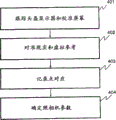
图3是根据本发明公开的实施例的方法的流程图;FIG. 3 is a flowchart of a method according to an embodiment disclosed in the present invention;
图4是根据本发明公开的实施例的方法的流程图。FIG. 4 is a flowchart of a method according to an embodiment of the present disclosure.
具体实施方式 Detailed ways
用于校准光学透明头盔显示器(HMD)的系统和方法将现实参考实现为源自连在HMD上的照明器的光点。这些光点随同HMD“一起抖动”,并且用户没有察觉到显示在HMD的半透明屏幕上固定位置处的这些参考标记和虚拟标记之间的任何抖动。Systems and methods for calibrating an optically transparent head-mounted display (HMD) implement a real-world reference as a point of light originating from an illuminator attached to the HMD. These points of light "jitter together" with the HMD, and the user does not perceive any jitter between these reference markers and virtual markers displayed at fixed positions on the translucent screen of the HMD.
参考图1,为了校准光学透明系统,用户100使HMD的半透明屏幕103上显示为图形的虚拟参考101对准通过屏幕103观察的现实参考结构102。现实参考结构102被实现为校准屏幕104或其它感光底层上的投影光点和/或图像。现实参考102和虚拟参考101可以是例如一个或多个点或形状。Referring to FIG. 1 , to calibrate an optically transparent system, a
应该理解可以用各种形式的硬件、软件、固件、专用处理器或上述组合来实现本发明。在一个实施例中,可以用作为程序存储设备上实际实施的应用程序的软件实现本发明。该应用程序可被上载到包括任何适当结构的机器,并可由该机器执行。It should be understood that the present invention can be implemented in various forms of hardware, software, firmware, special purpose processors or combinations thereof. In one embodiment, the invention can be implemented in software as an application program actually implemented on a program storage device. The application program can be uploaded to and executed by a machine comprising any suitable structure.
还应该理解由于可以用软件实现附图中所示的一些组成系统构件和方法步骤,因此系统构件(或过程步骤)之间的实际连接可根据本发明编程的方式变化。这里提供的本发明的教导,本领域的专业技术人员将能够考虑到本发明的这些和类似的实现或配置。It should also be understood that since some of the constituent system components and method steps shown in the figures may be implemented in software, the actual connections between system components (or process steps) may vary according to the way the invention is programmed. Given the teachings of the invention provided herein, one skilled in the art will be able to contemplate these and similar implementations or configurations of the invention.
参考图2A和2B,现实参考102源自牢固地连在HMD201上、并通过屏幕103观察的照明系统200。当用户移动HMD201时,现实参考102在校准屏幕104上移动,并且对于小的头部运动而言,当通过HMD的半透明屏幕103观看时,现实参考102看上去相对于虚拟参考101固定。由于现实参考102和虚拟参考101之间的抖动充分降低,因此从用户100的有利位置来看,现在对准过程是容易的。Referring to FIGS. 2A and 2B ,
在平面屏幕104上观察现实参考102,用户可以将手臂长度的屏幕104握在一只手上、将该屏幕放在桌上等。Viewing the
屏幕104跟踪用户的头部或HMD201。跟踪布置包括外部或(见图2A)或头盔(见图2B)跟踪照相机202。屏幕104(在光学跟踪的情况下)和HMD201(在图2A的外部跟踪照相机的情况下)包括光学标记203。光学标记203可以是例如回射平盘或者回射球。The
照明器200投影包括一个(或者最好是几个)点的光图像102。可使用单个光源和产生光图像102的光学系统来构造照明器200。例如,激光可以与透镜系统及掩模、或者绕射光学组件一起使用,以产生一群光点。The illuminator 200 projects a
备选地,可使用一群光源(诸如LED阵列),其优点是可以使光图像是可切换的。可单独接通和切断LED。这些LED可以与透镜系统或微光学组件(例如透镜阵列)组合。Alternatively, a group of light sources (such as an LED array) can be used, which has the advantage that the light pattern can be made switchable. LEDs can be switched on and off individually. These LEDs can be combined with lens systems or micro-optical components such as lens arrays.
照明器200还可包括在不同光束方向之间切换的扫描装置或光束偏转装置。The
屏幕103可以是例如单目布置或双目布置。在双目布置中,最好一个接一个地单独校准两个屏幕,结合半透明显示器103的适当光学组件204产生虚拟参考101的图像。由于用户透视半透明显示器103,因此虚拟参考101是用户可见的。备选地,可使用图像投影仪和包括光束分离器的光学系统实施透明显示器。The
为了执行校准,从用户的角度来看(例如205),用户100将显示在半透明屏幕103上的虚拟参考101移动到对准参考光图像102。用户100控制接口206(例如处理器207和输入设备208),以便移动屏幕103上的虚拟参考101。输入设备208可以是例如轨迹球或鼠标。处理器207可以是虚拟参考发生器,其包括在半透明屏幕上渲染显示的虚拟参考的处理器和图形卡。To perform the calibration, the
为了完成校准过程,用户使虚拟参考101对准几个现实参考光点(例如102)。为了更好的校准精度,用户可假设相对于校准屏幕104的不同姿势(例如距离和/或方位)。To complete the calibration process, the user aligns the
处理器(例如207)根据标记203的位置以及用户确定的虚拟参考101和现实参考102的对准来确定校准屏幕104和HMD201之间的空间关系。图2B是包括跟踪照相机202的HMD的示例。如图所示,在跟踪照相机被固定于HMD上的地方,仅可使用固定于校准屏幕104的光学标记203来确定校准屏幕104和HMD201之间的空间关系。此外,可根据固定于屏幕104的不同光学标记203的关系来确定校准屏幕104的姿势。A processor (eg, 207 ) determines the spatial relationship between
图2C是根据本发明公开的实施例的视频透明增强现实系统,其中照相机(例如202)捕捉包括现实参考102的现实场景的图像。可通过单独的照相机执行照相机202的跟踪和视频功能。为用户100显示现实场景的图像。虚拟视图被叠加在现实视图(例如209)上,并且用户100察觉到现实和虚拟视图。用户可以使虚拟参考对准现实场景中现实参考的视图。FIG. 2C is a video-transparent augmented reality system in which a camera (eg, 202 ) captures an image of a real-world scene including a real-
参考图3,考虑头盔跟踪照相机的情况。跟踪照相机和照明器彼此机械固定,并且确定产生参考点的光束相对于跟踪照相机的坐标系统的位置和方位。通过跟踪校准屏幕301,可确定作为对应光束与屏幕平面交叉点的、跟踪照相机坐标系统中参考点的3D坐标。Referring to Figure 3, consider the case of a helmet tracking camera. The tracking camera and illuminator are mechanically fixed to each other, and the position and orientation of the light beam that creates the reference point is determined relative to the tracking camera's coordinate system. By tracking the
在校准过程期间,用户对准现实和虚拟参考302,并且系统记录一组3D-2D点对应303。每个点对应是由用户已经对准参考的、参考光点的3D坐标和虚拟标记的2D坐标组成。该组点对应使得可以确定用于渲染正确对准现实场景304的虚拟物体的一个或多个参数。例如,确定显示在半透明屏幕上的虚拟世界的用户视图的照相机参数与确定通过屏幕看到的现实世界的用户视图的照相机参数匹配。这些确定是本技术中已知的,例如,如2001年9月25日提交的、名称为“用于校准增强现实的单目光学透明头盔显示器系统的系统和方法”的美国专利申请号20020105484中所述,其中校准可包括使物理环境与内部表示匹配、以使计算机的内部模型与物理环境匹配的数学模型的初始参数值。这些参数包括例如物理照相机的光学特性,以及诸如照相机、用于跟踪的标记和各种对象的各种实体的位置和方位(姿势)信息。During the calibration process, the user aligns real and
在成功校准了单个用户的光学透明增强现实系统之后,该系统可以以3D图形对象看上去牢固地固定在显示场景中的方式渲染这些对象。使用跟踪系统来跟踪、并使用图形对象的虚拟视图的对应变化来解释用户的观点变化。After successfully calibrating an optically transparent augmented reality system for a single user, the system can render 3D graphics objects in such a way that they appear firmly fixed in the displayed scene. A tracking system is used to track and account for changes in the user's point of view using corresponding changes in the virtual view of the graphical objects.
头盔跟踪照相机的情况的备选情况是,外部跟踪装置可以与相对于照明器牢固固定的头盔标记或传感器共同使用。跟踪系统跟踪HMD和校准屏幕(401)。同样,校准光点的3D坐标可被对准(402),并可被确定为光束和屏幕平面的交叉点(403)。虚拟参考点对准屏幕上显示为光的现实参考点,并且记录对应(404)。As an alternative to the case of a helmet tracking camera, an external tracking device could be used with helmet markers or sensors fixedly fixed relative to the illuminators. The tracking system tracks the HMD and calibrates the screen (401). Likewise, the 3D coordinates of the calibration spot can be aligned (402) and can be determined as the intersection of the beam and the screen plane (403). The virtual reference point is aligned with the real reference point displayed as light on the screen, and the correspondence is recorded (404).
系统包括头盔显示器、跟踪装置、计算和图形渲染装置、光投影装置、以及可跟踪屏幕。The system includes a head mounted display, a tracking device, a computing and graphics rendering device, a light projection device, and a trackable screen.
可以在每个点对应的若干个测量上平均现实和虚拟参考结构之间的校准对准。注意到虚拟标记和现实标记相对于彼此显示出无抖动。平均可降低校准中的误差。与使用外部特征的校准程序比较,平均是易用的。这里,由于现实和虚拟标记之间降低的抖动,因此用户可以保持对准达一秒或几秒。The calibration alignment between real and virtual reference structures can be averaged over several measurements corresponding to each point. Note that the virtual and real markers show no jitter relative to each other. Averaging reduces errors in calibration. Averaging is easy to use compared to calibration procedures that use external features. Here, the user can maintain alignment for a second or a few seconds due to reduced jitter between real and virtual markers.
已经描述了用于校准现实和虚拟视图的系统和方法的实施例,注意到本领域的技术人员可根据以上教学来实现修改和改变。因此,应该理解可以在所附权利要求定义的本发明的保护范围和精神内的、公开的本发明的具体实施例中实现这些改变。由此已经描述了本发明的细节、具体是专利法所要求的细节,在所附权利要求中阐述了专利许可宣告和期望保护的。Having described embodiments of systems and methods for calibrating real and virtual views, it is noted that modifications and variations may be implemented by those skilled in the art in light of the above teaching. It is therefore to be understood that changes may be effected in the particular embodiments of the invention disclosed which are within the scope and spirit of the invention as defined by the appended claims. Having thus described the invention with such details as are required by the patent laws, what is claimed and desired protected is set forth in the appended claims.
Claims (15)
Applications Claiming Priority (3)
| Application Number | Priority Date | Filing Date | Title |
|---|---|---|---|
| US47786103P | 2003-06-12 | 2003-06-12 | |
| US60/477,861 | 2003-06-12 | ||
| US10/863,414 | 2004-06-08 |
Publications (2)
| Publication Number | Publication Date |
|---|---|
| CN1802586A CN1802586A (en) | 2006-07-12 |
| CN100416336C true CN100416336C (en) | 2008-09-03 |
Family
ID=36811829
Family Applications (1)
| Application Number | Title | Priority Date | Filing Date |
|---|---|---|---|
| CNB2004800161027A Expired - Fee Related CN100416336C (en) | 2003-06-12 | 2004-06-09 | Calibrate real and virtual views |
Country Status (1)
| Country | Link |
|---|---|
| CN (1) | CN100416336C (en) |
Families Citing this family (35)
| Publication number | Priority date | Publication date | Assignee | Title |
|---|---|---|---|---|
| US9495386B2 (en) | 2008-03-05 | 2016-11-15 | Ebay Inc. | Identification of items depicted in images |
| WO2009111047A2 (en) | 2008-03-05 | 2009-09-11 | Ebay Inc. | Method and apparatus for image recognition services |
| CN101702233B (en) * | 2009-10-16 | 2011-10-05 | 电子科技大学 | Three-dimensional positioning method based on three-point collinear markers in video frames |
| US9164577B2 (en) | 2009-12-22 | 2015-10-20 | Ebay Inc. | Augmented reality system, method, and apparatus for displaying an item image in a contextual environment |
| US8576276B2 (en) * | 2010-11-18 | 2013-11-05 | Microsoft Corporation | Head-mounted display device which provides surround video |
| US8970625B2 (en) * | 2010-12-22 | 2015-03-03 | Zspace, Inc. | Three-dimensional tracking of a user control device in a volume |
| US8570320B2 (en) * | 2011-01-31 | 2013-10-29 | Microsoft Corporation | Using a three-dimensional environment model in gameplay |
| US8942917B2 (en) | 2011-02-14 | 2015-01-27 | Microsoft Corporation | Change invariant scene recognition by an agent |
| EP2726164B1 (en) * | 2011-06-30 | 2019-09-11 | Orange | Augmented-reality range-of-motion therapy system and method of operation thereof |
| KR101971948B1 (en) * | 2011-07-28 | 2019-04-24 | 삼성전자주식회사 | Marker-less augmented reality system using plane feature and method thereof |
| US9449342B2 (en) * | 2011-10-27 | 2016-09-20 | Ebay Inc. | System and method for visualization of items in an environment using augmented reality |
| JP5838747B2 (en) * | 2011-11-11 | 2016-01-06 | ソニー株式会社 | Information processing apparatus, information processing method, and program |
| US9240059B2 (en) | 2011-12-29 | 2016-01-19 | Ebay Inc. | Personal augmented reality |
| JP5919899B2 (en) * | 2012-03-08 | 2016-05-18 | セイコーエプソン株式会社 | Virtual image display device and method for adjusting position of virtual image display device |
| JP5966510B2 (en) * | 2012-03-29 | 2016-08-10 | ソニー株式会社 | Information processing system |
| US10846766B2 (en) | 2012-06-29 | 2020-11-24 | Ebay Inc. | Contextual menus based on image recognition |
| US9857470B2 (en) | 2012-12-28 | 2018-01-02 | Microsoft Technology Licensing, Llc | Using photometric stereo for 3D environment modeling |
| CN106951074B (en) * | 2013-01-23 | 2019-12-06 | 青岛海信电器股份有限公司 | method and system for realizing virtual touch calibration |
| US9940553B2 (en) | 2013-02-22 | 2018-04-10 | Microsoft Technology Licensing, Llc | Camera/object pose from predicted coordinates |
| GB201305402D0 (en) * | 2013-03-25 | 2013-05-08 | Sony Comp Entertainment Europe | Head mountable display |
| US9239460B2 (en) * | 2013-05-10 | 2016-01-19 | Microsoft Technology Licensing, Llc | Calibration of eye location |
| US9524580B2 (en) * | 2014-01-06 | 2016-12-20 | Oculus Vr, Llc | Calibration of virtual reality systems |
| US10198865B2 (en) * | 2014-07-10 | 2019-02-05 | Seiko Epson Corporation | HMD calibration with direct geometric modeling |
| EP3286598B1 (en) * | 2015-06-15 | 2023-11-15 | Essilor International | Method for calibrating a binocular displaying device |
| CN105301777B (en) * | 2015-12-05 | 2018-06-26 | 中国航空工业集团公司洛阳电光设备研究所 | A kind of HUD adjusting process and the device for being exclusively used in implementing this method |
| CN106773054A (en) * | 2016-12-29 | 2017-05-31 | 北京乐动卓越科技有限公司 | A kind of device and method for realizing that augmented reality is interactive |
| US20200045298A1 (en) * | 2017-02-27 | 2020-02-06 | Thomson Licensing | Method, system and apparatus for visual effects |
| CN109313811B (en) * | 2017-05-18 | 2021-11-05 | 深圳配天智能技术研究院有限公司 | Automatic correction method, device and system based on vibration displacement of vision system |
| MX2020011983A (en) * | 2018-05-09 | 2021-03-25 | Dreamscape Immersive Inc | User-selectable tool for an optical tracking virtual reality system. |
| CN108830939B (en) * | 2018-06-08 | 2022-06-10 | 杭州群核信息技术有限公司 | Scene roaming experience method and experience system based on mixed reality |
| CN110874868A (en) * | 2018-09-03 | 2020-03-10 | 广东虚拟现实科技有限公司 | Data processing method, device, terminal device and storage medium |
| CN110874135B (en) * | 2018-09-03 | 2021-12-21 | 广东虚拟现实科技有限公司 | Optical distortion correction method and device, terminal equipment and storage medium |
| WO2020237194A1 (en) * | 2019-05-22 | 2020-11-26 | Pcms Holdings, Inc. | Method for rendering of augmented reality content in combination with external display |
| CN110160749B (en) * | 2019-06-05 | 2022-12-06 | 歌尔光学科技有限公司 | Calibration device and calibration method applied to augmented reality equipment |
| CN114612557B (en) * | 2022-03-10 | 2024-12-31 | Oppo广东移动通信有限公司 | Viewpoint alignment method, device, storage medium and electronic device |
Citations (6)
| Publication number | Priority date | Publication date | Assignee | Title |
|---|---|---|---|---|
| US4281241A (en) * | 1977-02-21 | 1981-07-28 | Australasian Training Aids (Pty.) Ltd. | Firing range |
| US4439755A (en) * | 1981-06-04 | 1984-03-27 | Farrand Optical Co., Inc. | Head-up infinity display and pilot's sight |
| GB2259213A (en) * | 1991-08-29 | 1993-03-03 | British Aerospace | Variable resolution view-tracking display |
| EP0827337A1 (en) * | 1996-02-26 | 1998-03-04 | Seiko Epson Corporation | Wearable information displaying device and information displaying method using the same |
| WO2001078015A2 (en) * | 2000-04-07 | 2001-10-18 | Carnegie Mellon University | Computer-aided bone distraction |
| US20020105484A1 (en) * | 2000-09-25 | 2002-08-08 | Nassir Navab | System and method for calibrating a monocular optical see-through head-mounted display system for augmented reality |
-
2004
- 2004-06-09 CN CNB2004800161027A patent/CN100416336C/en not_active Expired - Fee Related
Patent Citations (6)
| Publication number | Priority date | Publication date | Assignee | Title |
|---|---|---|---|---|
| US4281241A (en) * | 1977-02-21 | 1981-07-28 | Australasian Training Aids (Pty.) Ltd. | Firing range |
| US4439755A (en) * | 1981-06-04 | 1984-03-27 | Farrand Optical Co., Inc. | Head-up infinity display and pilot's sight |
| GB2259213A (en) * | 1991-08-29 | 1993-03-03 | British Aerospace | Variable resolution view-tracking display |
| EP0827337A1 (en) * | 1996-02-26 | 1998-03-04 | Seiko Epson Corporation | Wearable information displaying device and information displaying method using the same |
| WO2001078015A2 (en) * | 2000-04-07 | 2001-10-18 | Carnegie Mellon University | Computer-aided bone distraction |
| US20020105484A1 (en) * | 2000-09-25 | 2002-08-08 | Nassir Navab | System and method for calibrating a monocular optical see-through head-mounted display system for augmented reality |
Also Published As
| Publication number | Publication date |
|---|---|
| CN1802586A (en) | 2006-07-12 |
Similar Documents
| Publication | Publication Date | Title |
|---|---|---|
| CN100416336C (en) | Calibrate real and virtual views | |
| US7369101B2 (en) | Calibrating real and virtual views | |
| US11928838B2 (en) | Calibration system and method to align a 3D virtual scene and a 3D real world for a stereoscopic head-mounted display | |
| Azuma | A survey of augmented reality | |
| CN109040738B (en) | Calibration method and non-transitory computer readable medium | |
| KR102517876B1 (en) | Technique for recording augmented reality data | |
| JP7076447B2 (en) | Light field capture and rendering for head-mounted displays | |
| CN114895471B (en) | Head mounted display for virtual reality and mixed reality with in-out position tracking, user body tracking and environmental tracking | |
| Azuma | Augmented reality: Approaches and technical challenges | |
| US20060176242A1 (en) | Augmented reality device and method | |
| US20170315364A1 (en) | Virtual object display device, method, program, and system | |
| CN107247511A (en) | A kind of across object exchange method and device based on the dynamic seizure of eye in virtual reality | |
| JP2017524281A (en) | Systems and methods for surgical visualization of mediated reality | |
| Vogt et al. | Reality augmentation for medical procedures: System architecture, single camera marker tracking, and system evaluation | |
| JP2007042055A (en) | Image processing method and image processing apparatus | |
| CN118394205A (en) | Mixed reality interactions using eye tracking techniques | |
| Hua et al. | A testbed for precise registration, natural occlusion and interaction in an augmented environment using a head-mounted projective display (HMPD) | |
| TW202017368A (en) | A smart glasses, a smart glasses system, and a method for using the smart glasses | |
| Livingston | Vision-based tracking with dynamic structured light for video see-through augmented reality | |
| JP2004205711A (en) | Display device | |
| US11071453B2 (en) | Systems and methods for reflection-based positioning relative to an eye | |
| Hua et al. | Calibration of an HMPD-based augmented reality system | |
| Boulanger | Projected Augmented Reality to Display Medical Information Directly on a Patient's Skin | |
| CN119126971A (en) | Virtual object rendering method, electronic device and storage medium | |
| Wagemakers | Calibration Methods for Head-Tracked 3D Displays |
Legal Events
| Date | Code | Title | Description |
|---|---|---|---|
| C06 | Publication | ||
| PB01 | Publication | ||
| C10 | Entry into substantive examination | ||
| SE01 | Entry into force of request for substantive examination | ||
| ASS | Succession or assignment of patent right |
Owner name: SIEMENS MEDICAL SYSTEMS, INC. Free format text: FORMER OWNER: SIEMENS MEDICAL SOLUTIONS Effective date: 20061110 |
|
| C41 | Transfer of patent application or patent right or utility model | ||
| TA01 | Transfer of patent application right |
Effective date of registration: 20061110 Address after: American Pennsylvania Applicant after: American Siemens Medical Solutions Inc. Address before: new jersey Applicant before: Siemens Corporate Research, Inc. |
|
| C14 | Grant of patent or utility model | ||
| GR01 | Patent grant | ||
| CF01 | Termination of patent right due to non-payment of annual fee | ||
| CF01 | Termination of patent right due to non-payment of annual fee |
Granted publication date: 20080903 Termination date: 20200609 |