CN100365626C - A Database Optimization Method - Google Patents
A Database Optimization Method Download PDFInfo
- Publication number
- CN100365626C CN100365626C CNB2004100642847A CN200410064284A CN100365626C CN 100365626 C CN100365626 C CN 100365626C CN B2004100642847 A CNB2004100642847 A CN B2004100642847A CN 200410064284 A CN200410064284 A CN 200410064284A CN 100365626 C CN100365626 C CN 100365626C
- Authority
- CN
- China
- Prior art keywords
- performance
- database
- performance index
- template
- original
- Prior art date
- Legal status (The legal status is an assumption and is not a legal conclusion. Google has not performed a legal analysis and makes no representation as to the accuracy of the status listed.)
- Expired - Fee Related
Links
Images

Landscapes
- Information Retrieval, Db Structures And Fs Structures Therefor (AREA)
Abstract
本发明公开了一种数据库优化方法,该方法包括以下步骤:A.确定用户的数据库原始性能模板,根据所确定数据库原始性能模板中非原始采集数据性能指标与原始采集数据性能指标间的计算关系得出临时性能指标,并将临时性能指标加入数据库原始性能模板中;B.利用步骤A所得到的临时性能指标修改数据库原始性能模板,得到新的数据库性能模板。使用本发明的数据库优化方法,减少了数据库性能模板的计算量,提高了处理效率。
The invention discloses a method for optimizing a database. The method comprises the following steps: A. Determining the original performance template of the user's database, according to the calculation relationship between the performance index of the non-original collected data and the performance index of the original collected data in the determined original performance template of the database Obtain the temporary performance index, and add the temporary performance index to the original performance template of the database; B. Use the temporary performance index obtained in step A to modify the original performance template of the database to obtain a new performance template of the database. By using the database optimization method of the invention, the calculation amount of the database performance template is reduced, and the processing efficiency is improved.
Description
技术领域 technical field
本发明涉及数据库管理技术,尤其涉及一种数据库优化方法。The invention relates to database management technology, in particular to a database optimization method.
背景技术 Background technique
在性能管理系统中,通过性能数据分析,用户得以获得系统中各种指标的特性。为了能够清楚的了解从系统各个节点采集的性能数据,系统开发者通常以数据库的形式进行保存。性能管理系统按照用户的需求,对数据库中保存的数据进行分析和处理,并通过表格或图形等方式将结果提供给用户。In the performance management system, through performance data analysis, users can obtain the characteristics of various indicators in the system. In order to clearly understand the performance data collected from each node of the system, system developers usually save them in the form of a database. The performance management system analyzes and processes the data stored in the database according to the user's needs, and provides the results to the user through tables or graphics.
数据库中用户所关心的数据称为是性能指标。性能指标包括两种数据:一种是直接从数据库中获得的原始采集数据,另一种则是通过对数据库中的原始采集数据进行分析、计算得到的数据。用户在使用时,将逻辑上相关联的性能指标进行分组操作,形成多个数据库性能模板。性能管理系统从数据库的性能模板中读取原始采集数据,即上述第一种性能指标;而后对所读取的性能指标进行分析计算,得出上述第二种性能指标。The data that users care about in the database is called performance indicators. The performance index includes two kinds of data: one is the original collection data obtained directly from the database, and the other is the data obtained by analyzing and calculating the original collection data in the database. When users use it, they group logically related performance indicators to form multiple database performance templates. The performance management system reads the original collected data from the performance template of the database, that is, the above-mentioned first performance index; then analyzes and calculates the read performance index to obtain the above-mentioned second performance index.
以图1所示的流量统计(Traffic Statistics)数据库性能模板为例,说明现有性能管理系统对数据库中性能指标的处理方法。用户定义的流量统计性能模板表示了基于给定网元的基本流量信息,其中的性能指标包括输入流量(Incoming Taffic)、输出流量(Outgoing Traffic)、平均流量(AverageTraffic)、平均子流量(Average SubTraffic)、流量率(Traffic Ratio)以及复合流量(MultiTraffic)。另外,模板中还包括了模板名称(Template Name)、性能指标(Performance Index)、测量实体(Measuring Entity)以及公式(Formula)等项目。Taking the traffic statistics (Traffic Statistics) database performance template shown in Figure 1 as an example, the method for processing the performance indicators in the database by the existing performance management system is described. The user-defined traffic statistics performance template represents the basic traffic information based on a given network element, and the performance indicators include incoming traffic (Incoming Traffic), outgoing traffic (Outgoing Traffic), average traffic (AverageTraffic), average subtraffic (Average SubTraffic ), traffic ratio (Traffic Ratio) and composite traffic (MultiTraffic). In addition, the template also includes items such as Template Name, Performance Index, Measuring Entity, and Formula.
在流量统计这一数据库性能模板中,输入流量和输出流量为原始采集数据,而其余四个性能指标则要由输入流量和输出流量按照数据库性能模板中规定的公式经计算得到。In the database performance template of flow statistics, the input flow and output flow are the original collected data, while the other four performance indicators are calculated from the input flow and output flow according to the formula specified in the database performance template.
流量统计数据库性能模板中各个性能指标的处理过程如下:The process of each performance indicator in the traffic statistics database performance template is as follows:
1.输入流量:原始采集数据,数据库由外部直接获得。1. Input traffic: the original collected data, the database is directly obtained from the outside.
2.输出流量:原始采集数据,数据库由外部直接获得。2. Output flow: the original collected data, the database is directly obtained from the outside.
3.平均流量:首先从流量统计中读取平均流量的计算公式;然后,读取输入流量和输出流量的数值,再计算输入流量和输出流量之和;最后,将输入流量和输出流量之和除以2,得到平均流量的数值。3. Average flow rate: first read the calculation formula of the average flow rate from the flow statistics; then, read the values of the input flow rate and the output flow rate, and then calculate the sum of the input flow rate and the output flow rate; finally, calculate the sum of the input flow rate and the output flow rate Divide by 2 to get the value of the average flow.
4.平均子流量:首先从流量统计中读取平均子流量的计算公式;然后,读取输入流量和输出流量的数值,再计算输入流量和输出流量之差;最后,将输入流量和输出流量之差除以2,得到平均子流量的数值。4. Average sub-flow: first read the calculation formula of average sub-flow from the flow statistics; then, read the values of input flow and output flow, and then calculate the difference between input flow and output flow; finally, input flow and output flow The difference is divided by 2 to obtain the value of the average subflow.
5.流量率:首先从流量统计中读取流量率的计算公式;然后,读取输入流量和输出流量的数值,再计算输入流量和输出流量之和、输入流量和输出流量之差;最后,将输入流量和输出流量之和除以输入流量和输出流量之差,得到流量率的数值。5. Flow rate: first read the calculation formula of flow rate from the flow statistics; then, read the values of input flow and output flow, and then calculate the sum of input flow and output flow, the difference between input flow and output flow; finally, Divide the sum of the input flow and the output flow by the difference between the input flow and the output flow to obtain the value of the flow rate.
6.复合流量:首先从流量统计中读取复合流量的计算公式;然后,读取输入流量和输出流量的数值,再计算输入流量和输出流量之和、输入流量和输出流量之差;最后,将输入流量和输出流量之和乘以输入流量和输出流量之差,得到复合流量的数值。6. Composite flow: first read the calculation formula of composite flow from the flow statistics; then, read the values of input flow and output flow, and then calculate the sum of input flow and output flow, the difference between input flow and output flow; finally, Multiply the sum of the input flow and output flow by the difference between the input flow and output flow to obtain the value of the composite flow.
由上述流量统计数据库性能模板中各性能指标的处理过程可见,现有数据库处理数据方法的缺点是:It can be seen from the processing process of each performance index in the performance template of the traffic statistics database above that the disadvantages of the existing database processing methods are:
在计算平均流量、平均子流量、流量率和复合流量时,输入流量与输出流量之和以及输入流量和输出流量之差均被多次重新处理计算,降低了数据库性能模板对性能指标的处理效率。When calculating the average flow, average sub-flow, flow rate and composite flow, the sum of the input flow and the output flow and the difference between the input flow and the output flow are recalculated multiple times, which reduces the processing efficiency of the database performance template for performance indicators .
发明内容 Contents of the invention
有鉴于此,本发明的目的在于提供一种数据库优化方法,提高性能指标的处理效率。In view of this, the purpose of the present invention is to provide a database optimization method to improve the processing efficiency of performance indicators.
为实现上述目的,本发明提供了一种数据库优化方法,该方法包括以下步骤:To achieve the above object, the present invention provides a database optimization method, the method comprising the following steps:
A.根据数据库原始性能模板中非原始采集数据性能指标与原始采集数据性能指标间的计算关系得出临时性能指标,并将临时性能指标加入数据库原始性能模板中;A. Obtain the temporary performance index according to the calculation relationship between the performance index of the non-original collected data and the performance index of the original collected data in the original performance template of the database, and add the temporary performance index to the original performance template of the database;
B.将与步骤A所得到的临时性能指标相关的非原始采集数据性能指标的计算关系,替换为该临时性能指标。B. The calculation relationship of the non-original collected data performance index related to the temporary performance index obtained in step A is replaced by the temporary performance index.
所述的方法进一步包括:为所述步骤B中数据库性能模板中的性能指标增加显示标志位。The method further includes: adding a display flag for the performance index in the database performance template in the step B.
所述增加显示标志位的方法为:对非临时性能指标增加可显示的标志位;对临时性能指标增加不可显示的标志位。The method of adding display flags is: adding displayable flags to non-temporary performance indicators; adding non-displayable flags to temporary performance indicators.
所述的方法进一步包括:根据各性能指标的调用关系,确定所有性能指标的计算次序等级。The method further includes: determining the calculation sequence level of all performance indicators according to the calling relationship of each performance indicator.
所述确定所有性能指标计算次序等级的方法为:将原始采集数据性能指标的计算次序等级设置为0级,将调用0~(K-1)级性能指标进行计算的性能指标设置为K级。The method for determining the calculation sequence level of all performance indicators is: set the calculation sequence level of the performance indicators of the original collected data to level 0, and set the performance indicators calculated by calling 0-(K-1) level performance indicators to level K.
本发明还提供了一种数据库优化装置,该装置包括:The present invention also provides a database optimization device, which includes:
用于根据数据库原始性能模板中非原始采集数据性能指标与原始采集数据性能指标间的计算关系得出临时性能指标,并将临时性能指标加入数据库原始性能模板中的单元;It is used to obtain the temporary performance index according to the calculation relationship between the performance index of the non-original collected data and the performance index of the original collected data in the original performance template of the database, and add the temporary performance index to the unit in the original performance template of the database;
用于将所得到的临时性能指标相关的非原始采集数据性能指标的计算关系用该临时性能指标替换,得到新的数据库性能模板的单元。It is used to replace the calculation relationship of the non-originally collected data performance index related to the obtained temporary performance index with the temporary performance index to obtain a new unit of the database performance template.
应用本发明,将数据库性能指标处理过程中重复使用的计算关系作为临时性能指标,并对各个性能指标设置显示标志位和计算次序等级,提高了数据库中性能模板的处理效率。具体而言,本发明具有如下有益效果:By applying the present invention, the calculation relationship repeatedly used in the database performance index processing process is used as a temporary performance index, and the display flag and the calculation order level are set for each performance index, thereby improving the processing efficiency of the performance template in the database. Specifically, the present invention has the following beneficial effects:
1.本发明将数据库性能模板对性能指标处理过程中重复使用的计算关系设置为临时性能指标,减少了数据库性能模板的计算量,提高了处理的效率。1. The present invention sets the calculation relationship repeatedly used in the performance index processing process of the database performance template as a temporary performance index, which reduces the calculation amount of the database performance template and improves the processing efficiency.
2.本发明通过设置显示标志位的方式只将用户所关心的数据库性能指标呈现出来,提高了数据库在使用时的便利程度,使用户界面更加友好。2. The present invention only presents the performance indicators of the database that the user cares about by setting the display flags, which improves the convenience of using the database and makes the user interface more friendly.
3.本发明根据数据库性能模板中的性能指标的调用关系设置计算次序等级,数据库按照计算次序等级处理各个性能指标,明确了处理顺序、提高了处理效率。3. The present invention sets the calculation sequence level according to the call relationship of the performance indicators in the database performance template, and the database processes each performance indicator according to the calculation sequence level, which clarifies the processing sequence and improves the processing efficiency.
附图说明 Description of drawings
图1为现有技术中流量统计数据库性能模板示意图。FIG. 1 is a schematic diagram of a performance template of a traffic statistics database in the prior art.
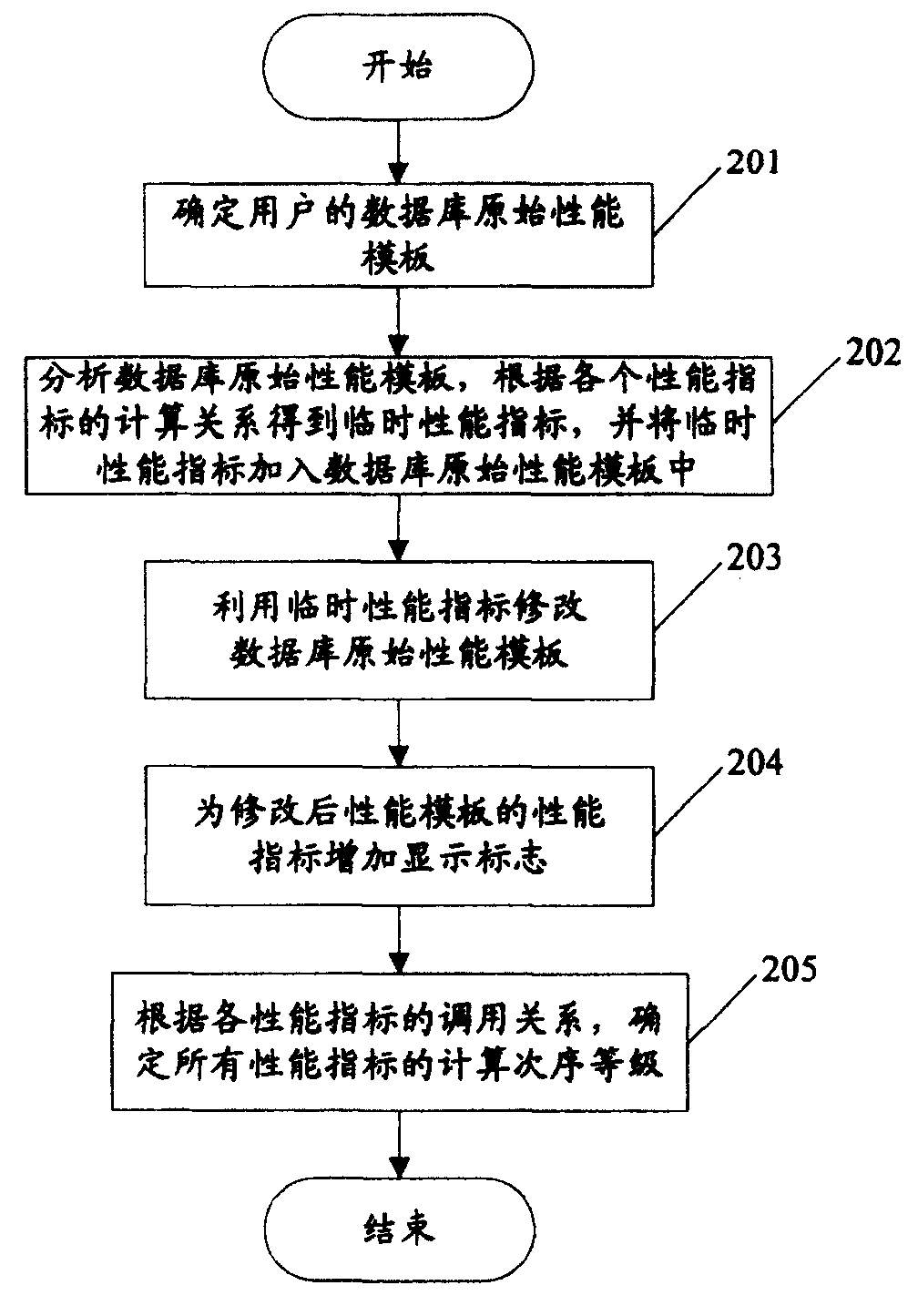
图2为本发明数据库优化方法的总体流程图。Fig. 2 is an overall flowchart of the database optimization method of the present invention.
图3为本发明优化后的流量统计数据库示意图。Fig. 3 is a schematic diagram of the optimized traffic statistics database of the present invention.
具体实施方式 Detailed ways
为使本发明的目的、技术方案更加清楚明白,以下参照附图并举实施例,对本发明做进一步的详细说明。In order to make the purpose and technical solution of the present invention clearer, the present invention will be further described in detail below with reference to the accompanying drawings and examples.
本发明为一种数据库优化方法,其基本思想是:将性能指标处理过程中重复使用的计算关系作为临时性能指标,同时对临时性能指标和真实性能指标设置计算次序级别,使得性能管理系统按照计算次序级别处理各个性能指标;并且对各性能指标增加标志位(Flag),性能管理系统根据标志位决定是否将性能指标显示给用户。The present invention is a database optimization method, the basic idea of which is: use the calculation relationship repeatedly used in the performance index processing process as a temporary performance index, and set the calculation order level for the temporary performance index and the real performance index at the same time, so that the performance management system follows the calculation Each performance index is processed at the sequence level; and a flag bit (Flag) is added to each performance index, and the performance management system decides whether to display the performance index to the user according to the flag bit.
如图2所示,本发明的数据库优化方法包括以下步骤:As shown in Figure 2, the database optimization method of the present invention comprises the following steps:
步骤201.确定用户的数据库原始性能模板。
本步骤中,性能管理系统根据用户对性能指标的需要确定原始的性能模板。例如,用户关心的性能指标有A、B、C、M1、M2、M3、M4,其中,假定性能指标A、B、C为原始采集数据,所谓原始采集数据就是数据库性能模板能够由外部直接获取其数值的数据;而其余四个性能指标要通过对A、B、C的计算而得出,则上述七个性能指标组成如表1所示的数据库原始性能模板。In this step, the performance management system determines the original performance template according to the user's requirements for performance indicators. For example, the performance indicators that users care about include A, B, C, M1, M2, M3, and M4. Among them, it is assumed that the performance indicators A, B, and C are the original collected data. The so-called original collected data means that the database performance template can be obtained directly from the outside. Its numerical data; and the remaining four performance indicators are obtained through the calculation of A, B, and C, and the above seven performance indicators form the original performance template of the database as shown in Table 1.
表1Table 1
步骤202.分析数据库原始性能模板,根据各个性能指标之间的计算关系得到临时性能指标,并将临时性能指标加入数据库原始性能模板中。
由表1中可以看出,在对M1、M2、M3及M4的计算过程中,重复地使用了A与B之和、A与B之差以及A、B、C之和,因此本步骤将上述三个计算关系对应的结果T1、T2和T3作为临时性能指标,其中,T1等于A与B之和、T2等于A与B之差、T3等于T1与C之和。将上述三个临时性能指标加入数据库原始性能模板后,得到如表2所示的数据库性能模板。It can be seen from Table 1 that in the calculation process of M1, M2, M3 and M4, the sum of A and B, the difference between A and B and the sum of A, B and C are used repeatedly, so this step will The results T1, T2 and T3 corresponding to the above three calculation relationships are used as temporary performance indicators, where T1 is equal to the sum of A and B, T2 is equal to the difference between A and B, and T3 is equal to the sum of T1 and C. After adding the above three temporary performance indicators into the original performance template of the database, the database performance template shown in Table 2 is obtained.
表2Table 2
步骤203.利用步骤202中得到的临时性能指标修改数据库原始性能模板。
本步骤中,根据临时性能指标对需要转化的非原始数据性能指标进行修改,即将表2中M1、M2、M3和M4的计算公式转化为用原始采集数据和临时性能指标表示的形式,并得到如表3所示的数据库性能模板。In this step, the non-original data performance indicators that need to be converted are modified according to the temporary performance indicators, that is, the calculation formulas of M1, M2, M3 and M4 in Table 2 are converted into the form expressed by the original collected data and temporary performance indicators, and obtained The database performance template shown in Table 3.
表3table 3
步骤204.为修改后的数据库性能模板中的性能指标增加显示标志。
本步骤设置可显示标志位1和不可显示标志位0,即当标志位等于0时,对用户隐藏该性能指标;当标志位等于1时,向用户显示该标志位。就表3的数据库性能模板而言,由于A、B、C、M1、M2、M3以及M4为数据库原始性能模板中的性能指标,是用户所关心的部分,因此将上述七个性能指标显示给用户,即将标志位设置为1,而T1、T2、T3为临时性能指标,应对用户隐藏,则将其标志位设置为0。执行本步骤后,得到如表4所示的数据库性能模板。当然,也可以将可显示标志位设置为0,而将不可显示标志位设置为1。This step sets the
表4Table 4
步骤205.根据各性能指标的调用关系,确定所有性能指标的计算次序等级。
本步骤针对所有的性能指标,设置不同的计算次序等级,即将原始采集数据的计算次序等级设置为0,将直接调用0级性能指标进行计算的项目设置为1级,而将利用0~(K-1)级性能指标进行计算的项目设置成K级。In this step, different calculation order levels are set for all performance indicators, that is, the calculation order level of the original collected data is set to 0, and the items that directly call the performance indicators of level 0 to be calculated are set to
对于表4中的数据库性能模板,性能指标A、B、C为原始采集数据,数据库能够直接从外部获取其数值,因此A、B、C的计算次序等级为0;性能指标T1和T2直接调用了原始采集数据进行计算,因此其计算次序等级为1级;性能指标M3、M4和T3调用了0级和1级性能指标,因此其计算次序等级为2级;性能指标M1和M2调用了0级、1级和2级性能指标,其计算次序等级为3级。经过本步骤的处理后,得到表5所示的数据库性能模板。For the database performance template in Table 4, the performance indicators A, B, and C are the original collected data, and the database can directly obtain their values from the outside, so the calculation order of A, B, and C is 0; the performance indicators T1 and T2 are directly called The original collected data is used for calculation, so its calculation order level is
表5table 5
表5中的数据库性能模板按照计算次序等级处理各个性能指标,即首先计算0级性能指标,而后计算出1级性能指标,直到将计算次序等级数值最大的性能指标计算完毕。The database performance template in Table 5 processes each performance index according to the calculation order level, that is, first calculates the performance index of level 0, and then calculates the performance index of
至此,性能管理系统完成了对数据库性能模板的优化。So far, the performance management system has completed the optimization of the database performance template.
本发明中的步骤204可以在步骤205之后进行,或者将上述两个步骤同时进行。Step 204 in the present invention can be performed after
对于图1所示的流量统计数据库性能模板,按照本发明的方法进行优化时,具体过程如下:For the traffic statistics database performance template shown in Figure 1, when optimizing according to the method of the present invention, the specific process is as follows:
首先,确定用户数据库原始性能模板,并提取临时性能指标。First, determine the original performance template of the user database and extract temporary performance indicators.
由于平均流量、平均子流量、流量率和复合流量的计算过程中都重复使用了输入流量与输出流量之和以及输出流量与输出流量之差,因此将输入流量与输出流量之和设置为临时性能指标TempTraffic1、将输入流量与输出流量之差设置为临时性能指标TempTraffic2。Since the sum of the input flow and the output flow and the difference between the output flow and the output flow are reused in the calculation of the average flow, the average subflow, the flow rate and the composite flow, the sum of the input flow and the output flow is set as the temporary performance The index TempTraffic1 sets the difference between the input traffic and the output traffic as the temporary performance index TempTraffic2.
然后,利用临时性能指标修改数据库原始性能模板中性能指标的计算公式。Then, the calculation formula of the performance index in the original performance template of the database is modified by using the temporary performance index.
此时,平均流量等于临时性能指标TempTraffic1除以2、平均子流量等于TempTraffic2除以2、流量率等于临时性能指标TempTraffic1与临时性能指标TempTraffic2之商、复合流量等于临时性能指标TempTraffic1与临时性能指标TempTraffic2之积。At this time, the average traffic is equal to the temporary performance index TempTraffic1 divided by 2, the average sub-traffic is equal to TempTraffic2 divided by 2, the traffic rate is equal to the quotient of the temporary performance index TempTraffic1 and the temporary performance index TempTraffic2, and the composite traffic is equal to the temporary performance index TempTraffic1 and the temporary performance index TempTraffic2 The product.
而后,为修改后流量统计中的性能指标增加标志位。Then, flag bits are added for the performance indicators in the modified traffic statistics.
将修改前流量统计中的各个性能指标显示给用户,而隐藏临时性能指标,即对输入流量、输出流量、平均流量、平均子流量、流量率以及复合流量增加取值为1的标志位;而对临时性能指标TempTraffic1和临时性能指标TempTraffic2增加取值为0的标志位。Display the various performance indicators in the traffic statistics before modification to the user, and hide the temporary performance indicators, that is, add a flag with a value of 1 to the input flow, output flow, average flow, average sub-flow, flow rate, and composite flow; and A flag bit with a value of 0 is added to the temporary performance indicator TempTraffic1 and the temporary performance indicator TempTraffic2.
最后,根据各性能指标的调用关系,确定计算次序等级。Finally, according to the call relationship of each performance index, determine the calculation sequence level.
在流量统计中,输入流量和输出流量是原始采集数据,因此其计算次序等级为0;临时性能指标TempTraffic1和临时性能指标TempTraffic2直接利用输入流量和输出流量而得出,因此其计算次序等级为1;而平均流量、平均子流量、流量率以及复合流量要调用临时性能指标TempTraffic1和临时性能指标TempTraffic2,因此其计算次序等级为2。In traffic statistics, the input flow and output flow are the original collected data, so their calculation order level is 0; the temporary performance indicators TempTraffic1 and TempTraffic2 are directly obtained by using the input flow and output flow, so their calculation order level is 1 ; and the average traffic, average sub-traffic, traffic rate and compound traffic will call temporary performance indicators TempTraffic1 and temporary performance indicators TempTraffic2, so their calculation sequence level is 2.
图3所示为经过优化后的流量统计数据库性能模板,其中的CalculationOrder为计算次序等级,Flag为显示标志位,而NULL则表示该项目中无任何内容。Figure 3 shows the optimized traffic statistics database performance template, where CalculationOrder is the calculation order level, Flag is the display flag bit, and NULL means there is no content in the item.
以上所述仅为本发明的较佳实施例而已,并不用以限制本发明,凡在本发明的精神和原则之内,所做的任何修改、等同替换、改进等,均应包含在本发明的保护范围之内。The above descriptions are only preferred embodiments of the present invention, and are not intended to limit the present invention. Any modifications, equivalent replacements, improvements, etc. made within the spirit and principles of the present invention shall be included in the present invention. within the scope of protection.
Claims (6)
Priority Applications (1)
| Application Number | Priority Date | Filing Date | Title |
|---|---|---|---|
| CNB2004100642847A CN100365626C (en) | 2004-08-30 | 2004-08-30 | A Database Optimization Method |
Applications Claiming Priority (1)
| Application Number | Priority Date | Filing Date | Title |
|---|---|---|---|
| CNB2004100642847A CN100365626C (en) | 2004-08-30 | 2004-08-30 | A Database Optimization Method |
Publications (2)
| Publication Number | Publication Date |
|---|---|
| CN1744079A CN1744079A (en) | 2006-03-08 |
| CN100365626C true CN100365626C (en) | 2008-01-30 |
Family
ID=36139455
Family Applications (1)
| Application Number | Title | Priority Date | Filing Date |
|---|---|---|---|
| CNB2004100642847A Expired - Fee Related CN100365626C (en) | 2004-08-30 | 2004-08-30 | A Database Optimization Method |
Country Status (1)
| Country | Link |
|---|---|
| CN (1) | CN100365626C (en) |
Families Citing this family (3)
| Publication number | Priority date | Publication date | Assignee | Title |
|---|---|---|---|---|
| CN101145221B (en) * | 2007-10-24 | 2011-01-05 | 河北全通通信有限公司 | Performance measuring and calculating method based on NCR data storage platform |
| CN103714066B (en) * | 2012-09-29 | 2019-10-22 | Sap欧洲公司 | Template-based database analyzer |
| CN111339066B (en) * | 2020-05-20 | 2020-09-04 | 腾讯科技(深圳)有限公司 | Database optimization method and device, electronic equipment and computer-readable storage medium |
Citations (3)
| Publication number | Priority date | Publication date | Assignee | Title |
|---|---|---|---|---|
| JPH1078968A (en) * | 1996-09-02 | 1998-03-24 | Nippon Telegr & Teleph Corp <Ntt> | Statistical database system |
| US5758146A (en) * | 1994-05-20 | 1998-05-26 | International Business Machines Corporation | Method and apparatus for optimizing data retrieval using index scanning |
| CN1505789A (en) * | 2001-04-27 | 2004-06-16 | ���������˼�빫˾ | System and method for optimizing queries in a database |
-
2004
- 2004-08-30 CN CNB2004100642847A patent/CN100365626C/en not_active Expired - Fee Related
Patent Citations (3)
| Publication number | Priority date | Publication date | Assignee | Title |
|---|---|---|---|---|
| US5758146A (en) * | 1994-05-20 | 1998-05-26 | International Business Machines Corporation | Method and apparatus for optimizing data retrieval using index scanning |
| JPH1078968A (en) * | 1996-09-02 | 1998-03-24 | Nippon Telegr & Teleph Corp <Ntt> | Statistical database system |
| CN1505789A (en) * | 2001-04-27 | 2004-06-16 | ���������˼�빫˾ | System and method for optimizing queries in a database |
Also Published As
| Publication number | Publication date |
|---|---|
| CN1744079A (en) | 2006-03-08 |
Similar Documents
| Publication | Publication Date | Title |
|---|---|---|
| CN106598988B (en) | A data processing method and device | |
| CN106598999A (en) | Method and device for calculating text theme membership degree | |
| Werth et al. | Gene flow within and between catchments in the threatened riparian plant Myricaria germanica | |
| CN110084439A (en) | A kind of software cost measure and cloud system based on the estimation of NESMA function point | |
| CN103729796A (en) | Sampling investigation method and system | |
| CN115018333A (en) | A digital operation management method and system for an industrial park | |
| CN107741986A (en) | User's behavior prediction and corresponding information recommend method and apparatus | |
| CN113487341A (en) | Urban business strategy data processing method | |
| CN110610415B (en) | Method and device for updating model | |
| CN102664744A (en) | Group-sending recommendation method in network message communication | |
| CN100365626C (en) | A Database Optimization Method | |
| CN113743477A (en) | Histogram data publishing method based on differential privacy | |
| CN112348356A (en) | A work quality determination method, device, computer equipment and readable storage medium | |
| CN118277477B (en) | Data visual analysis method and device, electronic equipment and storage medium | |
| CN110163659A (en) | Data estimation method, apparatus, equipment and storage medium | |
| CN109447694A (en) | A kind of user feature analysis method and its system | |
| CN107292634A (en) | A kind of user's appraisal procedure and system towards telemarketing | |
| CN111291019B (en) | Similarity discrimination method and device for data model | |
| Tan et al. | Exploring the relationship between built environment and multidimensional street market vitality: Insights from urban villages in Shenzhen using multi-source data | |
| CN110019252A (en) | The method, apparatus and electronic equipment of information processing | |
| CN116611914A (en) | Salary prediction method and device based on grouping statistics | |
| Adelan et al. | Extensive and intensive margins of exports: the case of the Philippines | |
| CN115660437A (en) | Method for evaluating industrial concentration degree in area | |
| CN108446342A (en) | A kind of environmental quality assessment system, method, apparatus and storage device | |
| CN110245775B (en) | User collection and payment data analysis method and device and computer equipment |
Legal Events
| Date | Code | Title | Description |
|---|---|---|---|
| C06 | Publication | ||
| PB01 | Publication | ||
| C10 | Entry into substantive examination | ||
| SE01 | Entry into force of request for substantive examination | ||
| C14 | Grant of patent or utility model | ||
| GR01 | Patent grant | ||
| CF01 | Termination of patent right due to non-payment of annual fee |
Granted publication date: 20080130 Termination date: 20150830 |
|
| EXPY | Termination of patent right or utility model |